



Hunter McCall
-
Posts
477 -
Joined
-
Last visited
-
Days Won
2
Content Type
Profiles
News
Minnesota Twins Videos
2026 Minnesota Twins Top Prospects Ranking
2022 Minnesota Twins Draft Picks
Minnesota Twins Free Agent & Trade Rumors, Notes, & Tidbits
Guides & Resources
2023 Minnesota Twins Draft Picks
The Minnesota Twins Players Project
2024 Minnesota Twins Draft Picks
2025 Minnesota Twins Draft Pick Tracker
2026 Minnesota Twins Draft Tracker: Picks & Bonuses
Forums
Blogs
Events
Store
Downloads
Gallery
Everything posted by Hunter McCall
-
Who Will Win the Postseason Playing Time Battle at Catcher for the Twins?
Hunter McCall posted an article in Twins
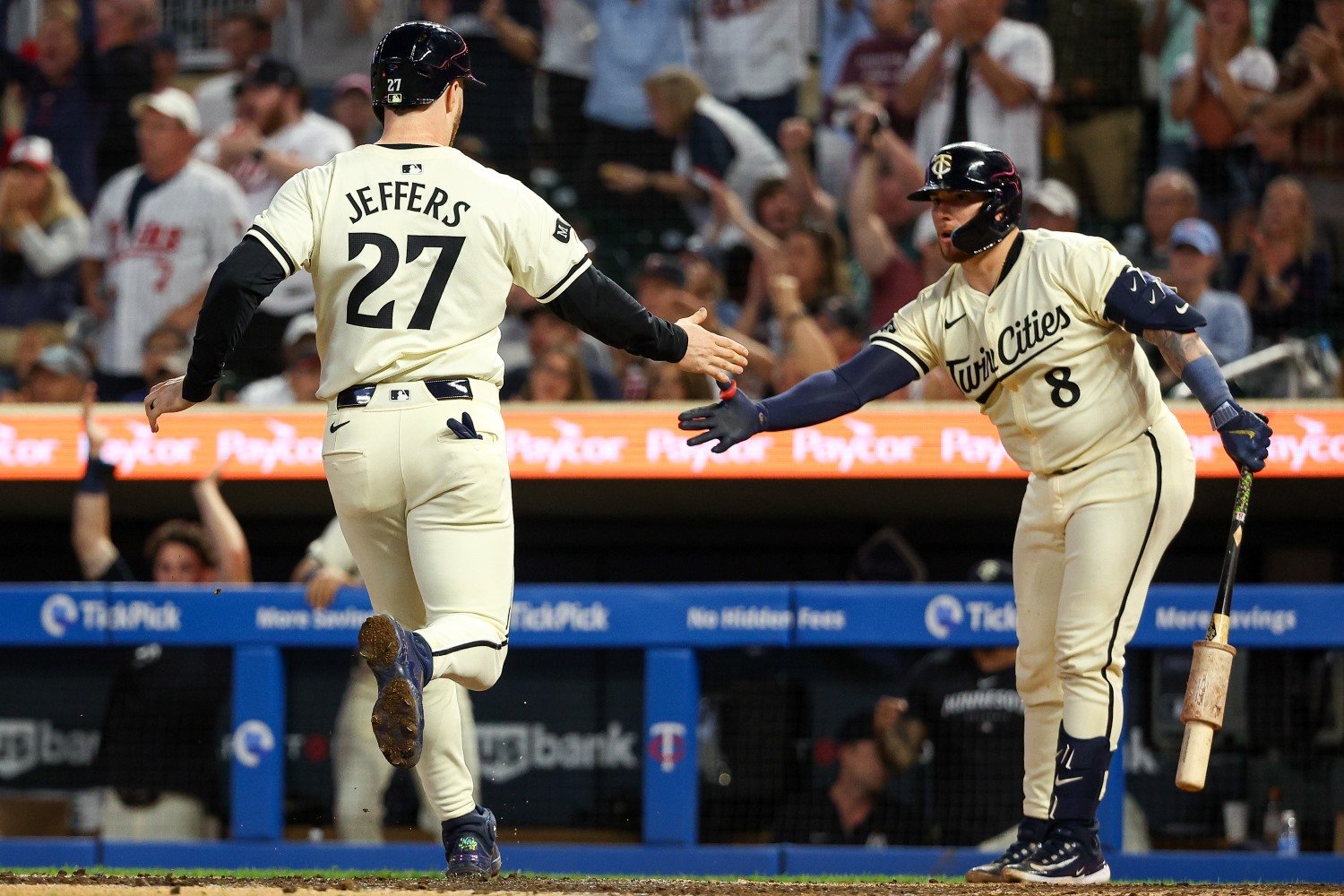 When the Twins won the AL Central Division and secured a trip to the playoffs in 2023, there was no debate on who should handle the catching duties as the calendar changed to October. Although Christian Vázquez got the big offseason contract and was a better defender, his .598 OPS was unplayable compared to Ryan Jeffers’s .859--especially as the latter surged through the later months of the season, posting a second-half OPS of .928. Almost a year later, there’s a much more competitive battle between the two for who gets to be the backstop come October, should the Twins punch their ticket again. As was the case in the 2023 campaign, Vázquez has been a far better defensive catcher than Jeffers. While Vázquez ranks in the 90th percentile in Fielding Run Value, according to StatCast, Jeffers is in the 8th percentile. In terms of Defensive Runs Saved (DRS), Vázquez leads the Twins with +9, while Jeffers comes in third-to-last, with -8. The difference between the two defensively is as extreme as in 2023. Last year, the Twins could look past the defensive disparity, because Jeffers’s bat was a weapon the team couldn’t afford to remove from the lineup, especially compared to how abysmal Vázquez’s bat was. Is that still the case in 2024? Vázquez had a shaky start to the season, which skews his season-long numbers. On the season, he’s hitting .231/.258/.355. However, since the All-Star break, he boasts a .333/.368/.524 slash line. Vázquez has made some necessary adjustments at the plate to help with his timing, such as adding a toe tap into his load, which has helped him come on strong since the weather began to warm. Although Vázquez doesn't possess the same "home run at any moment" power that Jeffers does, he has found ample ways to help the Twins at the plate over the last couple of months. Jeffers hasn’t been a slouch at the plate, but he’s been very streaky throughout the season. The good news is that he appears to be on the rise at the moment. After posting a .470 OPS in June and a .645 OPS in July, Jeffers has posted a very nice .925 OPS in August. When things are going well for Jeffers, he’s a weapon for the Twins. Having a catcher with the skills to hit in the middle of the lineup is a luxury not many teams have. Unfortunately, when things aren’t going well at the plate, the team has to deal with a bad defensive catcher who also can’t hit. As the postseason approaches, if Jeffers can show some consistency, it will be difficult for the Twins to deny his bat, even if Vázquez continues hitting the way he has been. The Twins have a tough decision, but having this problem is a good thing. Many teams in MLB can’t find one valuable catcher, let alone two. Both guys have provided value to the team. Jeffers has a 1.9 fWAR, compared to Vazquez's 1.1. The best move for the team is to wait until the playoffs and go with the hot hand. If both guys continue to hit the ball well, they could split duties, as they have throughout the regular season. If the team is healthy, it is unlikely that the DH spot will be available for the Twins to play both, but whoever isn't playing would make an excellent pinch-hitting option off the bench. Both guys have something to bring to the table that makes them valuable to the team in October. It should be a fun situation to keep an eye on during the final month of the regular season. If the postseason started today, who would you pencil into the catcher's spot for the first game? Let me know in the comments! Go, Twins!
 -
With the 2024 postseason fast approaching, how should the Twins handle catching duties in the playoffs--assuming they get there? Image courtesy of © Matt Krohn-USA TODAY Sports When the Twins won the AL Central Division and secured a trip to the playoffs in 2023, there was no debate on who should handle the catching duties as the calendar changed to October. Although Christian Vázquez got the big offseason contract and was a better defender, his .598 OPS was unplayable compared to Ryan Jeffers’s .859--especially as the latter surged through the later months of the season, posting a second-half OPS of .928. Almost a year later, there’s a much more competitive battle between the two for who gets to be the backstop come October, should the Twins punch their ticket again. As was the case in the 2023 campaign, Vázquez has been a far better defensive catcher than Jeffers. While Vázquez ranks in the 90th percentile in Fielding Run Value, according to StatCast, Jeffers is in the 8th percentile. In terms of Defensive Runs Saved (DRS), Vázquez leads the Twins with +9, while Jeffers comes in third-to-last, with -8. The difference between the two defensively is as extreme as in 2023. Last year, the Twins could look past the defensive disparity, because Jeffers’s bat was a weapon the team couldn’t afford to remove from the lineup, especially compared to how abysmal Vázquez’s bat was. Is that still the case in 2024? Vázquez had a shaky start to the season, which skews his season-long numbers. On the season, he’s hitting .231/.258/.355. However, since the All-Star break, he boasts a .333/.368/.524 slash line. Vázquez has made some necessary adjustments at the plate to help with his timing, such as adding a toe tap into his load, which has helped him come on strong since the weather began to warm. Although Vázquez doesn't possess the same "home run at any moment" power that Jeffers does, he has found ample ways to help the Twins at the plate over the last couple of months. Jeffers hasn’t been a slouch at the plate, but he’s been very streaky throughout the season. The good news is that he appears to be on the rise at the moment. After posting a .470 OPS in June and a .645 OPS in July, Jeffers has posted a very nice .925 OPS in August. When things are going well for Jeffers, he’s a weapon for the Twins. Having a catcher with the skills to hit in the middle of the lineup is a luxury not many teams have. Unfortunately, when things aren’t going well at the plate, the team has to deal with a bad defensive catcher who also can’t hit. As the postseason approaches, if Jeffers can show some consistency, it will be difficult for the Twins to deny his bat, even if Vázquez continues hitting the way he has been. The Twins have a tough decision, but having this problem is a good thing. Many teams in MLB can’t find one valuable catcher, let alone two. Both guys have provided value to the team. Jeffers has a 1.9 fWAR, compared to Vazquez's 1.1. The best move for the team is to wait until the playoffs and go with the hot hand. If both guys continue to hit the ball well, they could split duties, as they have throughout the regular season. If the team is healthy, it is unlikely that the DH spot will be available for the Twins to play both, but whoever isn't playing would make an excellent pinch-hitting option off the bench. Both guys have something to bring to the table that makes them valuable to the team in October. It should be a fun situation to keep an eye on during the final month of the regular season. If the postseason started today, who would you pencil into the catcher's spot for the first game? Let me know in the comments! Go, Twins! View full article
-
I agree that both should get a pass. My overarching point is that, at the moment, the Twins defense is stretched rather thin due to injuries and it's putting guys in positions that they are destined to be unsuccessful in. I like that the Twins have guys that can play many positions as I think it makes it easier to field the best possible lineup when someone goes down. The defensive numbers will improve as the health does, but they're going to have to overcome some shaky defensive play until that happens.
-
This is not the defensive alignment the Twins planned on taking into the home stretch of the season. Can it be a good enough facsimile thereof? Image courtesy of © Bruce Kluckhohn-USA TODAY Sports The 2024 Minnesota Twins are a solid defensive team, on paper. Unfortunately, the team has dealt with several injuries at critical positions, forcing new faces to step up and fill in, so the paper is getting a bit rumpled and covered with crossed-out corrections. A Royce Lewis injury opened the door for the return of José Miranda. Willi Castro currently acts as the team's primary shortstop, as another bout of plantar fasciitis for Carlos Correa has left him sidelined since before the All-Star break--and shoulder trouble has thwarted Plan B for the position, in the person of Brooks Lee. With all these moving parts, what is the overall state of the team’s defense? As a team, the Twins rank 6th in MLB in Statcast's Outs Above Average (OAA), which relates to a player’s range as a fielder and how many more outs they contribute compared to the average fielder given the same opportunities. Interestingly, while the team ranks well in OAA, they rank 22nd in MLB in Defensive Runs Saved (DRS). They're eighth in MLB in opponents' rate of reaching base on balls in play (RBBIP), which is similar to BABIP but also builds in errors. Essentially, according to the numbers, the team exhibits good range and ability to record outs, but doesn’t save as many runs as they should, compared to other teams. How? One reason for this struggle may come from the current state of the shortstop position. The value of Correa at shortstop cannot be overstated. The former Platinum Glove winner carries an aura about him that makes everyone around him better. Everything feels smoother when Correa is on the field. His rocket arm allows for faster double plays, and his quick hands and long wingspan when tagging out runners make him a valuable asset in controlling the running game. He’s been down, however, and the Twins have had to turn to Castro as the everyday option. In terms of OAA, Castro has been great. He ranks in the 85th percentile according to StatCast, and has +4 OAA as a shortstop. DRS doesn’t view him as kindly. Castro currently ranks 4th to last in the entire league, with -11 DRS. While he brings excellent value to the Twins as an All-Star ubiquity man, Castro appears to be overextended as an everyday shortstop. With the recent news that Correa is ramping up activity, hopefully, Castro will soon be allowed to return to his normal utility role. Even once he returns, though, the Twins might want Correa off his feet a bit more often, so Castro needs to shore up his play. While Castro has shown some ability to make plays at shortstop, the team’s worst defensive liability to this point in the season has been Austin Martin. Although Martin has only played 460 innings, he accounts for -9 DRS and -7 OAA as an outfielder. Like Castro, Martin has often been asked to fill in for an injured Platinum Glove winner (Byron Buxton), and the difference has been dramatic. He has shown flashes and is young and athletic, so he will certainly continue to grow this portion of his game as he progresses, but at the moment, he is really going through it defensively. Assuming the team is fully healthy come October, it’s hard to imagine a world where the Twins feel comfortable playing Martin as anything other than a pinch-runner. Injury questions (ostensibly) aside, the most intriguing thing to watch is how the Twins divvy duties at third base. While Lewis (+1 OAA) has been a more rangy option than Miranda (-3 OAA), Miranda holds the edge in DRS (Lewis has -1 DRS, while Miranda has +2). It's about a horse apiece, as far as the numbers go. The kicker may come down to how they feel they can best keep Lewis healthy down the stretch. He doesn’t seem to lose anything at the plate as a DH, so the team may continue using him in that role to keep him fresh. One thing is for sure: the Twins want both Lewis and Miranda in their daily lineup, regardless of who plays where. Another defensive group with a wide margin between the everyday players is at catcher. Christian Vázquez is tied for 18th in MLB in DRS, at +10. Additionally, he ranks in the 91st percentile in pitch framing and has a +2 rating for his catcher’s ERA (cERA). In other words, pitchers tend to allow fewer runs with him behind the plate, be that a matter of game-calling or of helping hurlers manage the difficult moments, emotionally. Ryan Jeffers, on the other hand, has -7 DRS and is in the 12th percentile in pitch framing, with a -2 cERA to boot. Vázquez does almost everything better defensively than Jeffers, and by a wide margin. While Vázquez was left on the bench for the Twins’ postseason run in 2023, if he keeps a hot bat while Jeffers continues to sputter, the team will have some tough decisions to make come October. When they're even close to full health, the Twins rank among the league’s best defensive teams. They have enough defensive talent to use their fielding as an asset through the playoff push. I’ve mentioned Correa, Buxton, and Vázquez as players who all offer better defensive abilities over their counterparts. I never even touched on Carlos Santana, who is having one of the best defensive seasons in an already impressive career. The state of the Twins' defense might not be in the best place today, but with a bit of luck in the health department at the right time, it should look a lot different come October. View full article
- 8 replies
-
- 2
-

-
- willi castro
- carlos correa
- (and 4 more)
-
The State of the Twins Defense, and the Prospects for Improvement
Hunter McCall posted an article in Twins
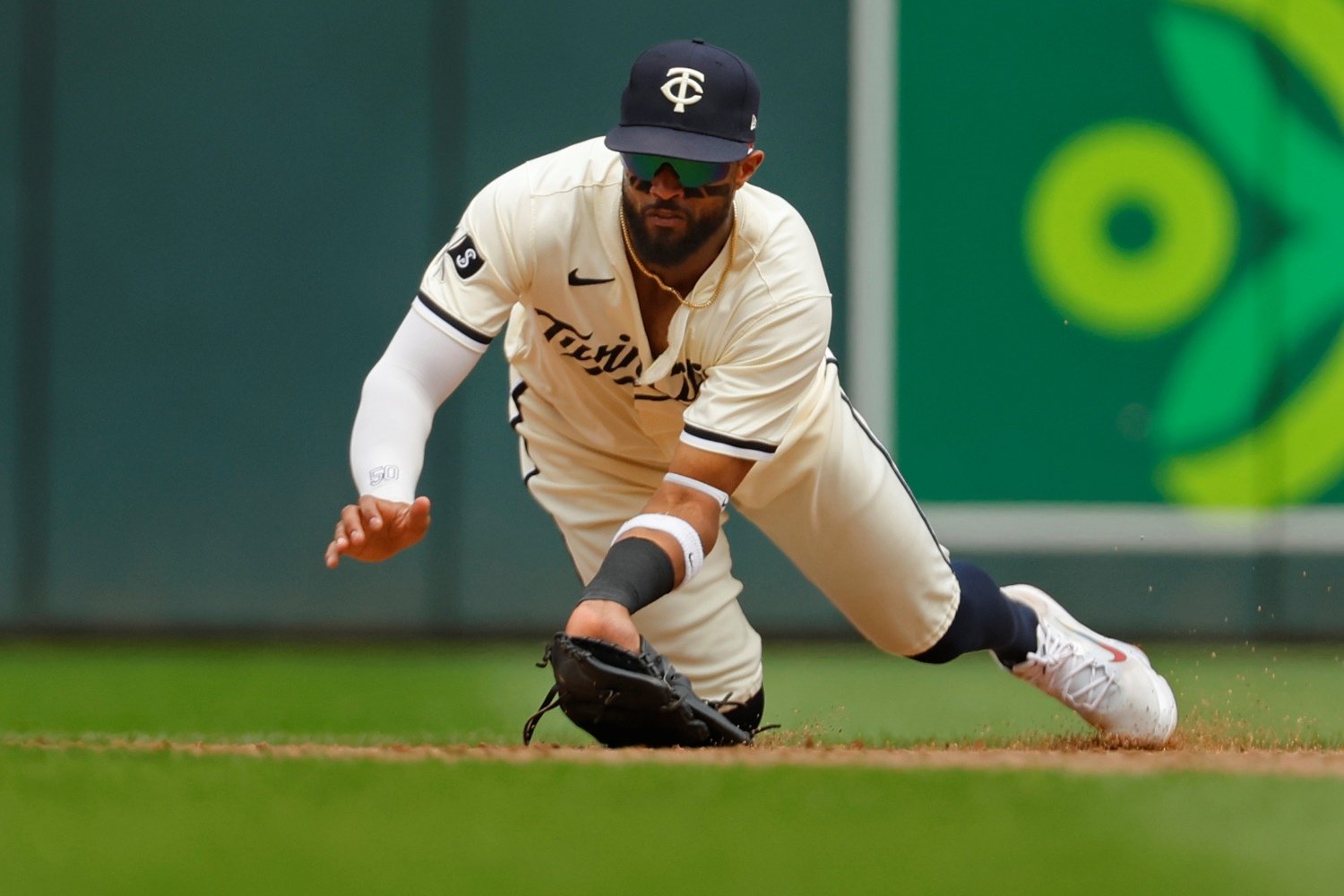 The 2024 Minnesota Twins are a solid defensive team, on paper. Unfortunately, the team has dealt with several injuries at critical positions, forcing new faces to step up and fill in, so the paper is getting a bit rumpled and covered with crossed-out corrections. A Royce Lewis injury opened the door for the return of José Miranda. Willi Castro currently acts as the team's primary shortstop, as another bout of plantar fasciitis for Carlos Correa has left him sidelined since before the All-Star break--and shoulder trouble has thwarted Plan B for the position, in the person of Brooks Lee. With all these moving parts, what is the overall state of the team’s defense? As a team, the Twins rank 6th in MLB in Statcast's Outs Above Average (OAA), which relates to a player’s range as a fielder and how many more outs they contribute compared to the average fielder given the same opportunities. Interestingly, while the team ranks well in OAA, they rank 22nd in MLB in Defensive Runs Saved (DRS). They're eighth in MLB in opponents' rate of reaching base on balls in play (RBBIP), which is similar to BABIP but also builds in errors. Essentially, according to the numbers, the team exhibits good range and ability to record outs, but doesn’t save as many runs as they should, compared to other teams. How? One reason for this struggle may come from the current state of the shortstop position. The value of Correa at shortstop cannot be overstated. The former Platinum Glove winner carries an aura about him that makes everyone around him better. Everything feels smoother when Correa is on the field. His rocket arm allows for faster double plays, and his quick hands and long wingspan when tagging out runners make him a valuable asset in controlling the running game. He’s been down, however, and the Twins have had to turn to Castro as the everyday option. In terms of OAA, Castro has been great. He ranks in the 85th percentile according to StatCast, and has +4 OAA as a shortstop. DRS doesn’t view him as kindly. Castro currently ranks 4th to last in the entire league, with -11 DRS. While he brings excellent value to the Twins as an All-Star ubiquity man, Castro appears to be overextended as an everyday shortstop. With the recent news that Correa is ramping up activity, hopefully, Castro will soon be allowed to return to his normal utility role. Even once he returns, though, the Twins might want Correa off his feet a bit more often, so Castro needs to shore up his play. While Castro has shown some ability to make plays at shortstop, the team’s worst defensive liability to this point in the season has been Austin Martin. Although Martin has only played 460 innings, he accounts for -9 DRS and -7 OAA as an outfielder. Like Castro, Martin has often been asked to fill in for an injured Platinum Glove winner (Byron Buxton), and the difference has been dramatic. He has shown flashes and is young and athletic, so he will certainly continue to grow this portion of his game as he progresses, but at the moment, he is really going through it defensively. Assuming the team is fully healthy come October, it’s hard to imagine a world where the Twins feel comfortable playing Martin as anything other than a pinch-runner. Injury questions (ostensibly) aside, the most intriguing thing to watch is how the Twins divvy duties at third base. While Lewis (+1 OAA) has been a more rangy option than Miranda (-3 OAA), Miranda holds the edge in DRS (Lewis has -1 DRS, while Miranda has +2). It's about a horse apiece, as far as the numbers go. The kicker may come down to how they feel they can best keep Lewis healthy down the stretch. He doesn’t seem to lose anything at the plate as a DH, so the team may continue using him in that role to keep him fresh. One thing is for sure: the Twins want both Lewis and Miranda in their daily lineup, regardless of who plays where. Another defensive group with a wide margin between the everyday players is at catcher. Christian Vázquez is tied for 18th in MLB in DRS, at +10. Additionally, he ranks in the 91st percentile in pitch framing and has a +2 rating for his catcher’s ERA (cERA). In other words, pitchers tend to allow fewer runs with him behind the plate, be that a matter of game-calling or of helping hurlers manage the difficult moments, emotionally. Ryan Jeffers, on the other hand, has -7 DRS and is in the 12th percentile in pitch framing, with a -2 cERA to boot. Vázquez does almost everything better defensively than Jeffers, and by a wide margin. While Vázquez was left on the bench for the Twins’ postseason run in 2023, if he keeps a hot bat while Jeffers continues to sputter, the team will have some tough decisions to make come October. When they're even close to full health, the Twins rank among the league’s best defensive teams. They have enough defensive talent to use their fielding as an asset through the playoff push. I’ve mentioned Correa, Buxton, and Vázquez as players who all offer better defensive abilities over their counterparts. I never even touched on Carlos Santana, who is having one of the best defensive seasons in an already impressive career. The state of the Twins' defense might not be in the best place today, but with a bit of luck in the health department at the right time, it should look a lot different come October.
- 8 comments
-
- 3
-
-
- willi castro
- carlos correa
- (and 4 more)
-
He also has 7 DRS ranking 5th in all of MLB. He's also 7th in MLB in Def with 4.9. This is among all fielders. I understand the WAR is low but that's all attributed to how bad his bat has been. If he shows positive regression at the plate he could be a very valuable asset to the Twins down the stretch. Yes, he's average in some analytical categories but he's among the best in the league in others so I think it's justifiable to say he's better than just an average defensive catcher.
-
But... I just laid out that he's not average-ish defensively... He's been really good... That's the whole point.
-
Jeffquez! I love it! Thank you for taking the time to read and comment!
-
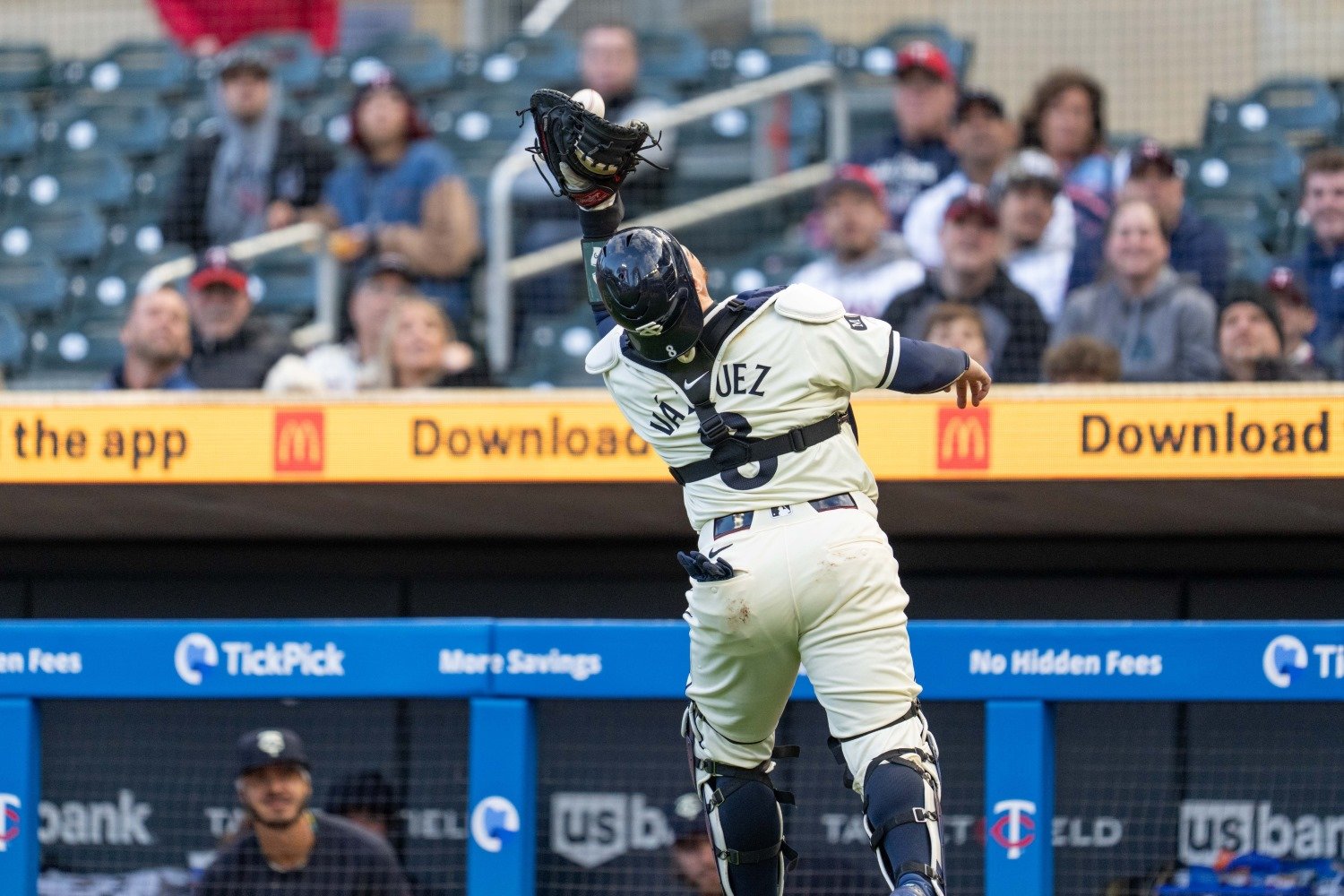 Christian Vázquez would likely be the first to tell you his 2024 season hasn’t started as he would’ve liked. After posting a .598 OPS in 2023, Vázquez went to Driveline looking to improve bat speed and even shaved off a few pounds in preparation for a better 2024. To this point, that glorious future hasn’t materialized at the plate, as he currently sits with a .459 OPS. However, despite his shortcomings with the stick, Vázquez has made the Twins a better team, and it shouldn't go unnoticed. The defensive gap between Vázquez and Ryan Jeffers in 2023 was minimal. While Vázquez was better in the Defensive Runs Saved (DRS) department (3 for Vázquez, 1 for Jeffers), Jeffers had a much better Catcher ERA Runs Saved (rCERA), which refers to how well a catcher handles a pitching staff (Vázquez was -3, while Jeffers was +3). Not only did Jeffers have a better bat, but they didn’t lose much (if anything) when he was behind the plate. Jeffers is on a tear at the plate, but less noticeably, Vázquez is on a tear behind the plate. So far this season, he is 11th in all of MLB in DRS, with 6. Maybe more importantly, Vázquez is fourth among all catchers in rCERA (+2). When he catches, Vázquez calls the correct pitches in the right situations, and has helped Twins pitchers continue to be one of the better staffs in baseball. Additionally, he’s in the 84th percentile in pitch framing and the 86th percentile in caught stealing above average. Vázquez has been one of the best defensive catchers in almost every category this season. Vázquez’s bat won’t stay this bad forever. His career .678 OPS isn’t great, but he’s a professional hitter who should see regression back toward that number. He’s been hitting the ball hard (91.1 MPH average exit velocity), and his expected numbers are much higher than reality, so hopefully, things will take a positive turn soon. If he shows any improvement at the plate and continues his elite-level defense, he could see much more playing time, especially with Rocco's willingness to use Jeffers in the DH spot. Vázquez has taken his lumps when his turns in the lineup have come. The strikeout rate is high, the walk rate is low, and overall, it’s not gone as planned. The team and the fans shouldn't give up on him just yet. He’s made an impact behind the plate, and makes the pitching staff better when he catches. On top of all of that, he appears to be a great guy who brings positive energy to the clubhouse. If he can make adjustments at the plate and continue to be one of the top defensive catchers, he could be a valuable asset to the Twins as we approach the summer months.
 -
Despite a slow start at the plate, Christian Vázquez has still found a way to provide value to the surging Twins. Image courtesy of © Matt Blewett-USA TODAY Sports Christian Vázquez would likely be the first to tell you his 2024 season hasn’t started as he would’ve liked. After posting a .598 OPS in 2023, Vázquez went to Driveline looking to improve bat speed and even shaved off a few pounds in preparation for a better 2024. To this point, that glorious future hasn’t materialized at the plate, as he currently sits with a .459 OPS. However, despite his shortcomings with the stick, Vázquez has made the Twins a better team, and it shouldn't go unnoticed. The defensive gap between Vázquez and Ryan Jeffers in 2023 was minimal. While Vázquez was better in the Defensive Runs Saved (DRS) department (3 for Vázquez, 1 for Jeffers), Jeffers had a much better Catcher ERA Runs Saved (rCERA), which refers to how well a catcher handles a pitching staff (Vázquez was -3, while Jeffers was +3). Not only did Jeffers have a better bat, but they didn’t lose much (if anything) when he was behind the plate. Jeffers is on a tear at the plate, but less noticeably, Vázquez is on a tear behind the plate. So far this season, he is 11th in all of MLB in DRS, with 6. Maybe more importantly, Vázquez is fourth among all catchers in rCERA (+2). When he catches, Vázquez calls the correct pitches in the right situations, and has helped Twins pitchers continue to be one of the better staffs in baseball. Additionally, he’s in the 84th percentile in pitch framing and the 86th percentile in caught stealing above average. Vázquez has been one of the best defensive catchers in almost every category this season. Vázquez’s bat won’t stay this bad forever. His career .678 OPS isn’t great, but he’s a professional hitter who should see regression back toward that number. He’s been hitting the ball hard (91.1 MPH average exit velocity), and his expected numbers are much higher than reality, so hopefully, things will take a positive turn soon. If he shows any improvement at the plate and continues his elite-level defense, he could see much more playing time, especially with Rocco's willingness to use Jeffers in the DH spot. Vázquez has taken his lumps when his turns in the lineup have come. The strikeout rate is high, the walk rate is low, and overall, it’s not gone as planned. The team and the fans shouldn't give up on him just yet. He’s made an impact behind the plate, and makes the pitching staff better when he catches. On top of all of that, he appears to be a great guy who brings positive energy to the clubhouse. If he can make adjustments at the plate and continue to be one of the top defensive catchers, he could be a valuable asset to the Twins as we approach the summer months. View full article
-
He was good in RF last year. And he certainly isn't an offense first outfielder...
- 32 replies
-
- 2
-
-
- manuel margot
- carlos correa
- (and 5 more)
-
Good question! Vazquez has been a really solid catcher defensively. Both the eye test and the metrics support that. His bat has been not great, but he's a very good defensive catcher. He's tied for the team lead in DRS with +2. Ed Julien has been much improved defensively. He's at +2 OAA and -1 DRS. This is pretty good for a guy that once looked like he wasn't going to figure it out at second base. Carlos Santana has been a fine defender this year at first base and is clearly better defensively than any other option. This is why we continue to see him in the lineup. He finished 2023 28th among all players in DRS. The hope is the bat can positively regress to close to league average and end up being worth the money that was paid to him. He better figure it out soon though because with every player returning from injury, the greater risk that the team decides to cut ties.
- 32 replies
-
- 1
-
-
- manuel margot
- carlos correa
- (and 5 more)
-
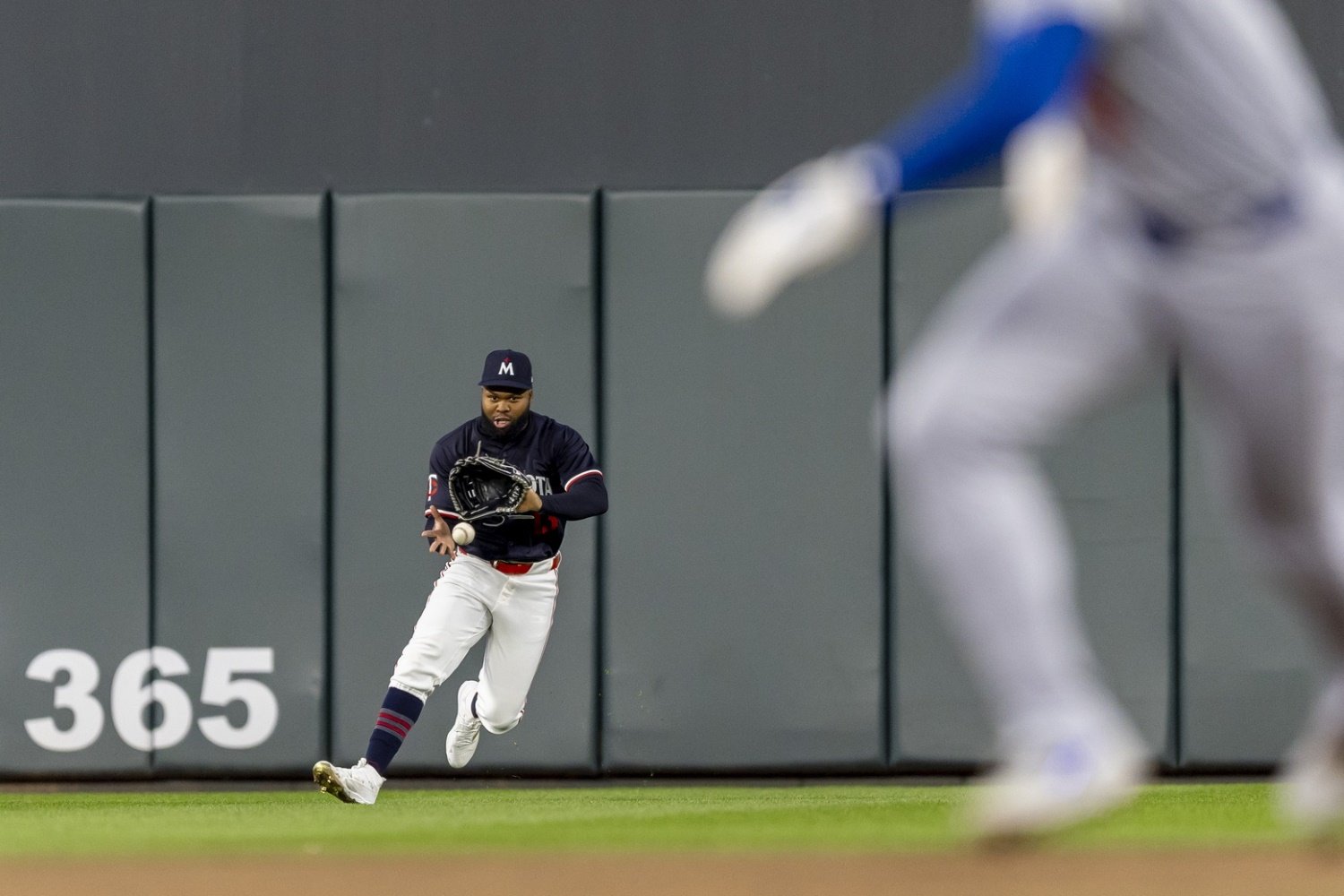 In 2023, the Minnesota Twins finished ninth in Major League Baseball in Defensive Runs Saved (DRS), despite Byron Buxton never stepping foot in the outfield. Buck is back in 2024 and looks like his usual spectacular self in the field, yet the team is 27th in the league in DRS to start the year, at -10. With players like Willi Castro, Austin Martin, Manuel Margot, and Alex Kirilloff all thrust into different defensive roles due to the injuries suffered by Carlos Correa, Max Kepler, and Royce Lewis, as well as the demotion of Matt Wallner, how is defensive stress impacting the Twins? On paper, the 2024 Twins were projected to align even better defensively than 2023. The loss of Michael A. Taylor was to be offset by Buxton’s return to the field, coupled with the addition of defense-first outfielder Manuel Margot. Correa’s plantar fasciitis (which plagued him in 2023) was gone, and fellow infielder and playoff star Royce Lewis was healthy enough to take over duties at third base. Unfortunately, a wrench was thrown into this defensive alignment early, forcing the team to adjust. To this point, the adjustment hasn’t gone very well. As I mentioned, the Twins rank 27th out of 30 in DRS. The most difficult fielder to replace has been Correa. Castro has taken over as the primary shortstop in his absence, accounting for -4 DRS in just 92 innings. While Castro has produced +1 Out Above Average (OAA), according to Statcast, he isn’t as productive at the position as the former Platinum Glove winner. Castro has struggled to play out of position as the Band-Aid shortstop. He should be looking forward to Correa's return, whereupon he can go back to being a utility man. Rookie Austin Martin has also been thrust into his debut earlier than anticipated in the young season. While Martin has looked increasingly comfortable at the plate, he continues to work to find his footing in the field. So far, Martin has accounted for -4 DRS and -1 OAA in his early action across all three outfield spots. While the defensive metrics aren’t ideal, Martin possesses excellent athleticism and should be able to work through the kinks by getting experience under his belt. He’s already making an impact at the plate, and I’d be willing to bet his defense will also improve. I think Martin has shown enough to believe he can remain with the team as a utility player for the remainder of the season. Margot has been among the biggest disappointments of the 2024 season (I would call him the biggest, but I understand that Carlos Santana exists). Brought in as a Buxton insurance option, Margot was signed due to his impressive defensive résumé, with a bat somewhere around league average. He came with a similar skillset to Taylor, whom the Twins traded for prior to the 2023 season. Unlike Taylor, though, Margot has yet to bring his glove or his bat. So far, Margot has accounted for -2 DRS and -1 OAA, along with his .521 OPS at the plate. The most surprising development about Margot is that the Twins haven’t even allowed him to play center field with any regularity. So far, he has only played four innings in center, the position for which he was presumably brought in to provide vital depth. Either the Twins don’t trust Margot out there, or they want to get Martin playing time out there when Buxton needs a day off. It could be that they prefer Martin's athleticism over Margot's declining speed (down almost 2 feet per second in Statcast sprint speed since last season). Either way, Margot has struggled to provide his typical defense even in the corners, which has contributed to some crummy defensive stats for the team. If he is to remain on the team for the duration of the season, he would benefit from having his playing time limited to a platoon outfielder role, but that, too, depends on others getting healthy and performing as they're able. There are others to whom the finger can be pointed for some blame in the defensive woes early. Kirilloff has some bad defensive metrics, but he is moving from the infield to the outfield fairly frequently, which is a tall task for someone who likely didn’t spend much time preparing to do so during the offseason. As the team’s original primary DH, Kirilloff has been asked to play not only more positions than expected, but more defense, in general. The good news is that the key injuries that have stretched the Twins thin defensively are starting to mend. Kepler recently returned to the lineup, allowing for more flexibility in the outfield, and Correa shouldn’t be far behind. Lewis seems to be progressing well, and fingers are crossed that he can return in early June. These three players make a massive difference in the lineup and the field, not only because they’re great players, but because they allow role players like Castro, Margot, and Martin to return to the roles the team initially envisioned for them. What are your thoughts on the Twins’ early defense? How can the team adjust? Let me know in the comments! Go, Twins!
- 32 comments
-
- 2
-
-
- manuel margot
- carlos correa
- (and 5 more)
-
Early injuries have defanged the Minnesota Twins lineup. It's not only on offense that the impact of those losses has been felt, though. Image courtesy of © Jesse Johnson-USA TODAY Sports In 2023, the Minnesota Twins finished ninth in Major League Baseball in Defensive Runs Saved (DRS), despite Byron Buxton never stepping foot in the outfield. Buck is back in 2024 and looks like his usual spectacular self in the field, yet the team is 27th in the league in DRS to start the year, at -10. With players like Willi Castro, Austin Martin, Manuel Margot, and Alex Kirilloff all thrust into different defensive roles due to the injuries suffered by Carlos Correa, Max Kepler, and Royce Lewis, as well as the demotion of Matt Wallner, how is defensive stress impacting the Twins? On paper, the 2024 Twins were projected to align even better defensively than 2023. The loss of Michael A. Taylor was to be offset by Buxton’s return to the field, coupled with the addition of defense-first outfielder Manuel Margot. Correa’s plantar fasciitis (which plagued him in 2023) was gone, and fellow infielder and playoff star Royce Lewis was healthy enough to take over duties at third base. Unfortunately, a wrench was thrown into this defensive alignment early, forcing the team to adjust. To this point, the adjustment hasn’t gone very well. As I mentioned, the Twins rank 27th out of 30 in DRS. The most difficult fielder to replace has been Correa. Castro has taken over as the primary shortstop in his absence, accounting for -4 DRS in just 92 innings. While Castro has produced +1 Out Above Average (OAA), according to Statcast, he isn’t as productive at the position as the former Platinum Glove winner. Castro has struggled to play out of position as the Band-Aid shortstop. He should be looking forward to Correa's return, whereupon he can go back to being a utility man. Rookie Austin Martin has also been thrust into his debut earlier than anticipated in the young season. While Martin has looked increasingly comfortable at the plate, he continues to work to find his footing in the field. So far, Martin has accounted for -4 DRS and -1 OAA in his early action across all three outfield spots. While the defensive metrics aren’t ideal, Martin possesses excellent athleticism and should be able to work through the kinks by getting experience under his belt. He’s already making an impact at the plate, and I’d be willing to bet his defense will also improve. I think Martin has shown enough to believe he can remain with the team as a utility player for the remainder of the season. Margot has been among the biggest disappointments of the 2024 season (I would call him the biggest, but I understand that Carlos Santana exists). Brought in as a Buxton insurance option, Margot was signed due to his impressive defensive résumé, with a bat somewhere around league average. He came with a similar skillset to Taylor, whom the Twins traded for prior to the 2023 season. Unlike Taylor, though, Margot has yet to bring his glove or his bat. So far, Margot has accounted for -2 DRS and -1 OAA, along with his .521 OPS at the plate. The most surprising development about Margot is that the Twins haven’t even allowed him to play center field with any regularity. So far, he has only played four innings in center, the position for which he was presumably brought in to provide vital depth. Either the Twins don’t trust Margot out there, or they want to get Martin playing time out there when Buxton needs a day off. It could be that they prefer Martin's athleticism over Margot's declining speed (down almost 2 feet per second in Statcast sprint speed since last season). Either way, Margot has struggled to provide his typical defense even in the corners, which has contributed to some crummy defensive stats for the team. If he is to remain on the team for the duration of the season, he would benefit from having his playing time limited to a platoon outfielder role, but that, too, depends on others getting healthy and performing as they're able. There are others to whom the finger can be pointed for some blame in the defensive woes early. Kirilloff has some bad defensive metrics, but he is moving from the infield to the outfield fairly frequently, which is a tall task for someone who likely didn’t spend much time preparing to do so during the offseason. As the team’s original primary DH, Kirilloff has been asked to play not only more positions than expected, but more defense, in general. The good news is that the key injuries that have stretched the Twins thin defensively are starting to mend. Kepler recently returned to the lineup, allowing for more flexibility in the outfield, and Correa shouldn’t be far behind. Lewis seems to be progressing well, and fingers are crossed that he can return in early June. These three players make a massive difference in the lineup and the field, not only because they’re great players, but because they allow role players like Castro, Margot, and Martin to return to the roles the team initially envisioned for them. What are your thoughts on the Twins’ early defense? How can the team adjust? Let me know in the comments! Go, Twins! View full article
-
After hitting an American League-best 233 home runs in 2023, the Minnesota Twins have struggled with the long ball through the first week of 2024. What do the numbers tell us about their lack of power? Image courtesy of © Benny Sieu-USA TODAY Sports In some ways, the 2023 Minnesota Twins were among the most polarizing Twins squads in recent memory. On one hand, the team led the American League in home runs, but on the other, they struck out 1,654 times, more than any other team in major-league history. They embodied the “all-or-nothing” approach, and it paid off, as the team began to heat up late in the summer and into the fall. Although we’re only a handful of games into the season, do the 2024 batted-ball numbers infer a potential shift in team approach, or has the offense just been bad? The “launch angle revolution” is a recent trend that suggests hitting the ball with an optimal launch angle between 15 and 35 degrees results in more home runs. Since this discovery, teams and players have been adjusting and tweaking swings to produce more long balls. The 2023 Twins ranked fourth in MLB in average launch angle, at 14 degrees. This directly correlates with the team’s success in hitting home runs, and helps explain why the 2024 Twins have sputtered in the category thus far. Currently, the Twins rank second-to-last in MLB in average launch angle, at just 8.6 degrees. They're dead last with two homers, failing to hit one for more than four full games' worth of time between Royce Lewis's first-inning dinger on Opening Day and Ryan Jeffers's telling blow late in Wednesday's tilt in Milwaukee. No other team has fewer than four home runs on the young season. Five clubs are already in double digits. The interesting thing about these numbers is that the Twins, so far, haven’t shown any positive tradeoff to the low launch angle. While they rank sixth-lowest in the league in total strikeouts, they rank second-to-last in plate appearances, meaning they have had fewer opportunities to strike out. On a rate basis, they fall in the middle of the pack, even with contact-happy Manuel Margot added to the mix and guys like Michael A. Taylor and Joey Gallo gone. I'm not sold that this is a matter of intentional trading of lift for contact. Ryan Jeffers and Willi Castro are the most noticeable players contributing to the team's drop in launch angle. Throughout his relatively young MLB career, Jeffers has hovered right in the sweet spot between 15 and 20 degrees, which has led to his success at the plate. That's changed dramatically this year, though obviously, he finally got the bottom half of a ball on Wednesday. Before that swing, Jeffers had put all of his batted balls on the ground for the season. Castro had a career year in 2023, which solidified his role with the team for 2024. He’s had a rough go at the plate to begin the season, though, with a .425 OPS through his first 20 plate appearances. Like Jeffers, Castro has also shown a dramatic drop in launch angle this year, which currently sits at -14 degrees, down from 15.1 degrees in 2023. Unlike Jeffers, Castro does run well, so this could indicate a “stay on top of the ball” approach that he is still adjusting to early in the year. It's too early to make any bold assumptions about a complete overhaul in the Twins’ approach at the plate, but when a team goes from near the top of the league in launch angle to the very bottom, it’s worth noting. The 2023 Twins struggled to produce much of anything offensively early in the year as well, so while it’s far too early to press the panic button on the 2024 offense, it is something to keep an eye on. The Twins have enough power in their lineup to contribute the early struggles to another slow start, but if the trend continues over the opening month, it could indicate a shift in approach at the plate. Slow start, or early signs of a new approach implementation? What are your thoughts? Let me know in the comments! Go, Twins! View full article
-
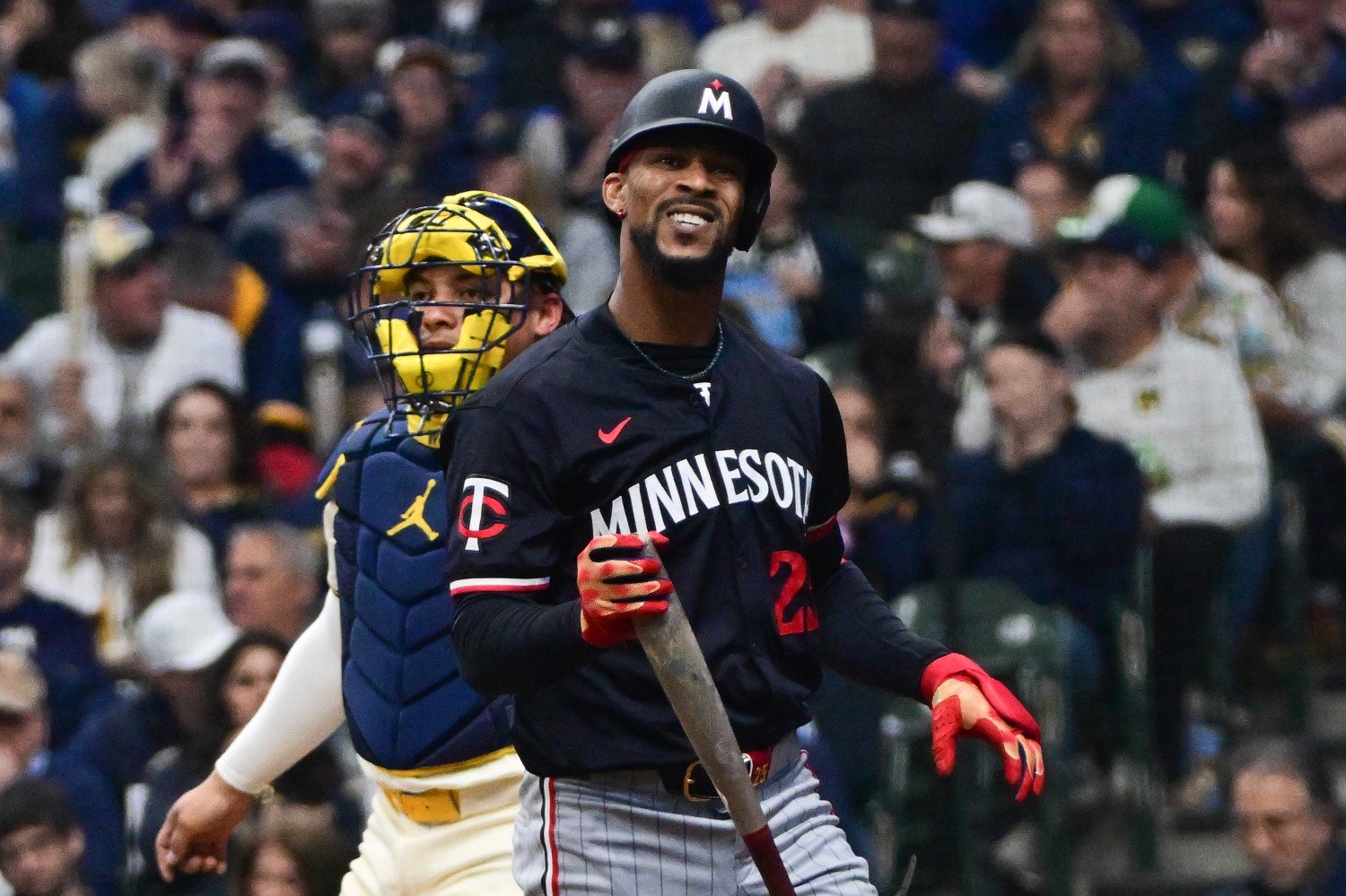 In some ways, the 2023 Minnesota Twins were among the most polarizing Twins squads in recent memory. On one hand, the team led the American League in home runs, but on the other, they struck out 1,654 times, more than any other team in major-league history. They embodied the “all-or-nothing” approach, and it paid off, as the team began to heat up late in the summer and into the fall. Although we’re only a handful of games into the season, do the 2024 batted-ball numbers infer a potential shift in team approach, or has the offense just been bad? The “launch angle revolution” is a recent trend that suggests hitting the ball with an optimal launch angle between 15 and 35 degrees results in more home runs. Since this discovery, teams and players have been adjusting and tweaking swings to produce more long balls. The 2023 Twins ranked fourth in MLB in average launch angle, at 14 degrees. This directly correlates with the team’s success in hitting home runs, and helps explain why the 2024 Twins have sputtered in the category thus far. Currently, the Twins rank second-to-last in MLB in average launch angle, at just 8.6 degrees. They're dead last with two homers, failing to hit one for more than four full games' worth of time between Royce Lewis's first-inning dinger on Opening Day and Ryan Jeffers's telling blow late in Wednesday's tilt in Milwaukee. No other team has fewer than four home runs on the young season. Five clubs are already in double digits. The interesting thing about these numbers is that the Twins, so far, haven’t shown any positive tradeoff to the low launch angle. While they rank sixth-lowest in the league in total strikeouts, they rank second-to-last in plate appearances, meaning they have had fewer opportunities to strike out. On a rate basis, they fall in the middle of the pack, even with contact-happy Manuel Margot added to the mix and guys like Michael A. Taylor and Joey Gallo gone. I'm not sold that this is a matter of intentional trading of lift for contact. Ryan Jeffers and Willi Castro are the most noticeable players contributing to the team's drop in launch angle. Throughout his relatively young MLB career, Jeffers has hovered right in the sweet spot between 15 and 20 degrees, which has led to his success at the plate. That's changed dramatically this year, though obviously, he finally got the bottom half of a ball on Wednesday. Before that swing, Jeffers had put all of his batted balls on the ground for the season. Castro had a career year in 2023, which solidified his role with the team for 2024. He’s had a rough go at the plate to begin the season, though, with a .425 OPS through his first 20 plate appearances. Like Jeffers, Castro has also shown a dramatic drop in launch angle this year, which currently sits at -14 degrees, down from 15.1 degrees in 2023. Unlike Jeffers, Castro does run well, so this could indicate a “stay on top of the ball” approach that he is still adjusting to early in the year. It's too early to make any bold assumptions about a complete overhaul in the Twins’ approach at the plate, but when a team goes from near the top of the league in launch angle to the very bottom, it’s worth noting. The 2023 Twins struggled to produce much of anything offensively early in the year as well, so while it’s far too early to press the panic button on the 2024 offense, it is something to keep an eye on. The Twins have enough power in their lineup to contribute the early struggles to another slow start, but if the trend continues over the opening month, it could indicate a shift in approach at the plate. Slow start, or early signs of a new approach implementation? What are your thoughts? Let me know in the comments! Go, Twins!
 -
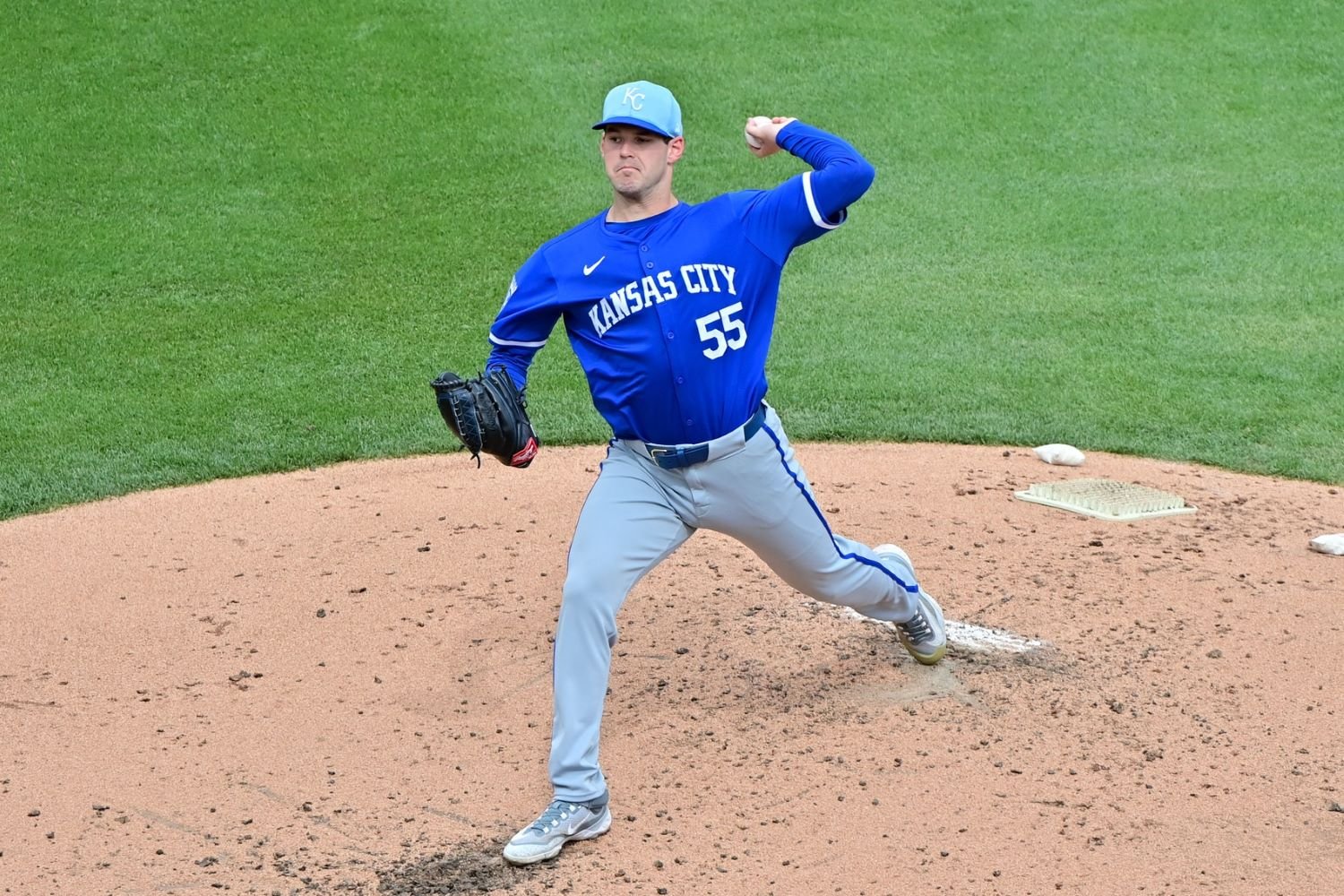 The 2023 Royals finished the season with an abysmal 56-106 record, last place even in the moribund AL Central. Despite the disappointing campaign (or because of it, along with the pressure to build goodwill among fans ahead of a new stadium push), the Royals were active this offseason and could be much more competitive in a relatively weak division. Let's peek behind the lines of one of the Twins' enemies in the Central. Offseason Moves To improve the third-worst team ERA in baseball (5.17), the Royals brought in a number of arms to bolster their rotation and their bullpen. Michael Wacha and Seth Lugo both joined the rotation, while Will Smith, Chris Stratton, and Nick Anderson will be welcome additions to the bullpen. None of those signings broke the bank or were particularly eye-popping, but they should ensure that the Royals pitching staff improves in 2024. Pairing these veterans with their young, blossoming stud Cole Ragans (who came over in the Aroldis Chapman trade last summer) and bounce-back hopeful Brady Singer, the Royals should be more competitive. The most significant new addition to their lineup was outfielder Hunter Renfroe. Coming off a down year in 2023 with the Angels and Reds, Renfroe is a rebound candidate. He projects to slot in as a corner outfielder who will provide a decent amount of power to a lineup that hit only 163 home runs in 2023, tied for fourth-fewest in MLB. The big splash came when they extended superstar shortstop Bobby Witt Jr. to an 11-year, $288.7-million contract with three years of team options that could result in $89M more when it’s all said and done. Witt will be the team’s star player for a long time and should act as a cornerstone around whom to build. Bright Spots Despite the Royals’ poor recent history, they have some talent on the roster. I mentioned Witt, but the Royals have other valuable pieces, as well. Salvador Pérez has been a fixture in the middle of the Kansas City lineup for over a decade, and while he isn’t as productive as he once was, he was still an All-Star in 2023. The Royals also have a couple of young hitters, in Vinnie Pasquantino and MJ Melendez, who could progress into above-average everyday players. The aforementioned Ragans will be the team’s Opening Day starter, and he could grow into a true ace. Still just 26 years old, the left-handed pitcher produced 2.4 bWAR in 2023, in just 96 innings pitched. His Statcast page supports his dominance; it looks as though the Royals hit a home run with their 2023 deadline acquisition. Bottom Line The Royals haven’t topped 80 wins in a season since 2017 and haven’t been above .500 since they won the World Series in 2015. The good news is they have some young guys who look like they could develop into solid baseball players. Witt is a bona fide superstar, and Ragans, Pasquantino, and Melendez are all 26 or younger and could be solid major-league players if they continue to progress. There’s hope for the future, but I don’t think their roster is good enough to compete for a division title. I foresee them being much more competitive in 2024, but still near the basement of the AL Central. Record Projection: 71-91 What do you expect for the 2024 Royals? How many of the Twins' 13 games against them will be Minnesota wins? Jumpstart the conversation below.
 -
After finishing with the second-worst record in MLB in 2023, how will the financially reinforced Kansas City Royals look in 2024? Do the Twins have anything to worry about from them? Image courtesy of © Matt Kartozian-USA TODAY Sports The 2023 Royals finished the season with an abysmal 56-106 record, last place even in the moribund AL Central. Despite the disappointing campaign (or because of it, along with the pressure to build goodwill among fans ahead of a new stadium push), the Royals were active this offseason and could be much more competitive in a relatively weak division. Let's peek behind the lines of one of the Twins' enemies in the Central. Offseason Moves To improve the third-worst team ERA in baseball (5.17), the Royals brought in a number of arms to bolster their rotation and their bullpen. Michael Wacha and Seth Lugo both joined the rotation, while Will Smith, Chris Stratton, and Nick Anderson will be welcome additions to the bullpen. None of those signings broke the bank or were particularly eye-popping, but they should ensure that the Royals pitching staff improves in 2024. Pairing these veterans with their young, blossoming stud Cole Ragans (who came over in the Aroldis Chapman trade last summer) and bounce-back hopeful Brady Singer, the Royals should be more competitive. The most significant new addition to their lineup was outfielder Hunter Renfroe. Coming off a down year in 2023 with the Angels and Reds, Renfroe is a rebound candidate. He projects to slot in as a corner outfielder who will provide a decent amount of power to a lineup that hit only 163 home runs in 2023, tied for fourth-fewest in MLB. The big splash came when they extended superstar shortstop Bobby Witt Jr. to an 11-year, $288.7-million contract with three years of team options that could result in $89M more when it’s all said and done. Witt will be the team’s star player for a long time and should act as a cornerstone around whom to build. Bright Spots Despite the Royals’ poor recent history, they have some talent on the roster. I mentioned Witt, but the Royals have other valuable pieces, as well. Salvador Pérez has been a fixture in the middle of the Kansas City lineup for over a decade, and while he isn’t as productive as he once was, he was still an All-Star in 2023. The Royals also have a couple of young hitters, in Vinnie Pasquantino and MJ Melendez, who could progress into above-average everyday players. The aforementioned Ragans will be the team’s Opening Day starter, and he could grow into a true ace. Still just 26 years old, the left-handed pitcher produced 2.4 bWAR in 2023, in just 96 innings pitched. His Statcast page supports his dominance; it looks as though the Royals hit a home run with their 2023 deadline acquisition. Bottom Line The Royals haven’t topped 80 wins in a season since 2017 and haven’t been above .500 since they won the World Series in 2015. The good news is they have some young guys who look like they could develop into solid baseball players. Witt is a bona fide superstar, and Ragans, Pasquantino, and Melendez are all 26 or younger and could be solid major-league players if they continue to progress. There’s hope for the future, but I don’t think their roster is good enough to compete for a division title. I foresee them being much more competitive in 2024, but still near the basement of the AL Central. Record Projection: 71-91 What do you expect for the 2024 Royals? How many of the Twins' 13 games against them will be Minnesota wins? Jumpstart the conversation below. View full article
-
I saw this as well. Really excited to see what he does this year.
- 34 replies
-
- 1
-
-
- kyle farmer
- edouard julien
- (and 3 more)
-
I don't think anyone has ever thought of Brooks Lee as a "generational talent". He may be an all-star someday, but let's not get our expectations too sky high. Also, Lee has struggled hitting left-handed pitching to this point as well so the platoon need wouldn't just go away if Julien is traded.
- 34 replies
-
- 1
-
-
- kyle farmer
- edouard julien
- (and 3 more)
-
Yes, there will be injuries. The point though is that how the team handles Lee will be the biggest question surrounding the second base position.
-
It's possible, but my guess is they commit to the player who is more of a proven hitter in the majors. Additionally, Julien's defense continues to improve so I wouldn't consider him a complete liability just yet. They could trade Julien but it seems like a risky move to thrust Lee into the lineup without knowing he'll be any good. This of course could all change if Lee comes up and starts tearing the cover off the ball.
-
With Jorge Polanco dealt to the Mariners and Edouard Julien set to take over, what is the biggest question to be answered at the keystone for the Twins, entering 2024? Image courtesy of © Matt Krohn-USA TODAY Sports In recent years, the Twins have seen quite a bit of turnover at the second base position. After Brian Dozier was dealt away in mid-2018, the Twins have seen Jonathan Schoop, Luis Arráez, and now Jorge Polanco all come and go as the teams’ regular starter. With 2023 rookie standout Edouard Julien set to take over as the team’s primary second baseman surrounded by depth pieces like Kyle Farmer and Willi Castro, the second base position is in good hands heading into 2024. With second base being so tightly held down, it leads to the biggest question surrounding the position. Where will Brooks Lee find playing time? The former Cal Poly shortstop and first-round draft pick will start the season in St. Paul, but will almost certainly make his major-league debut in 2024. However, if the Twins are healthy, his path to regular playing time is muddied. The Twins like position flexibility, and have built a roster full of guys who can play multiple positions. It would be within the realm of possibility for the team to utilize this to rotate their nine starters daily to maximize playing time for all their guys, but it would involve many moving parts. For example, Julien could play second one day, while Lee acts as the DH. The next day, Julien plays first, Alex Kirilloff moves to left field, Matt Wallner serves as DH, and Lee plays second. This rotation strategy would allow the Twins to schedule routine days off for all their guys, but it’s far from a flawless plan. First and foremost, it’s a tall order to expect young players to develop defensively when bouncing all over the diamond. This plan would also assume that Byron Buxton is healthy enough to play in the field daily, and won’t need days as the team’s DH. The team could also just bite the bullet and move Julien to first base full-time, but this would come at the expense of Kirilloff and newly signed Carlos Santana. With limited experience at first, it's not a guarantee that Julien would be any good defensively. No matter how you try to piece all the playing time together, it’s hard to envision a way to make it all work consistently for the following years. While it’s a good problem to have too many good, young players, if not properly managed, it could hinder player development. For this reason, I still think the best course of action would be to pursue a trade. The easiest way to answer the question of how all the pieces will fall together is to turn Lee into a starting pitcher at the deadline. Using him to headline a trade package could gain them a starting pitcher you want to take the ball in a playoff game. Trading top prospects is never easy, but it could turn the Twins from contenders to win the AL Central to contenders to win the World Series. Is it the price that needs to be paid? With a surplus of talent at the second base position, the biggest question heading into the season will be how they make it all come together. We know Julien and Farmer are set to hold down the position in a likely platoon, but if Brooks Lee is to make the team, how will they find him playing time? Or will he be traded? Seeing how this all develops is one of the things I’m most looking forward to in the coming season! How do you think the Twins will balance all their pieces? Will they trade Brooks Lee? Let me know your thoughts in the comments! Go, Twins! View full article
-
What is the Biggest Question at the Second Base Position for 2024?
Hunter McCall posted an article in Twins
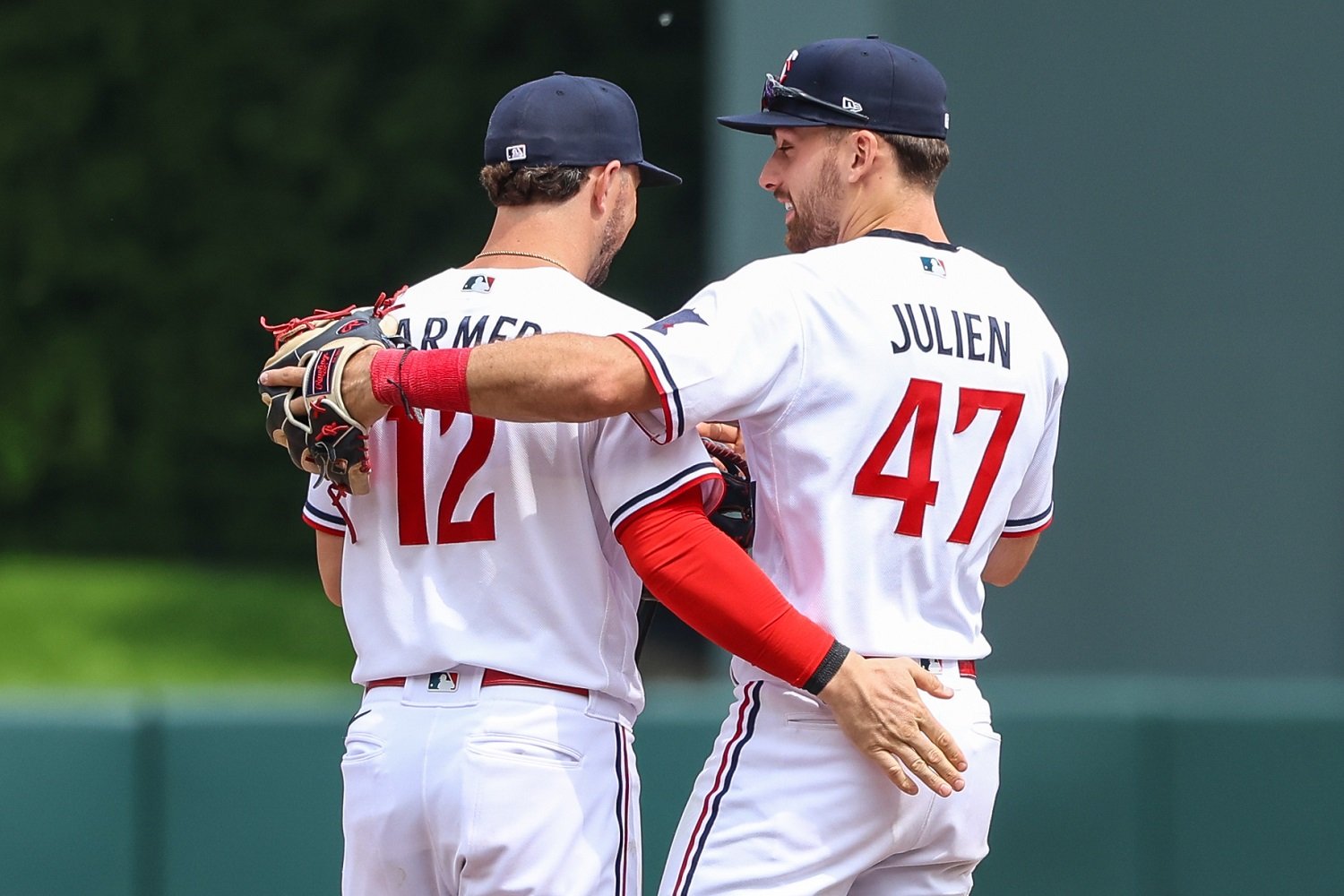 In recent years, the Twins have seen quite a bit of turnover at the second base position. After Brian Dozier was dealt away in mid-2018, the Twins have seen Jonathan Schoop, Luis Arráez, and now Jorge Polanco all come and go as the teams’ regular starter. With 2023 rookie standout Edouard Julien set to take over as the team’s primary second baseman surrounded by depth pieces like Kyle Farmer and Willi Castro, the second base position is in good hands heading into 2024. With second base being so tightly held down, it leads to the biggest question surrounding the position. Where will Brooks Lee find playing time? The former Cal Poly shortstop and first-round draft pick will start the season in St. Paul, but will almost certainly make his major-league debut in 2024. However, if the Twins are healthy, his path to regular playing time is muddied. The Twins like position flexibility, and have built a roster full of guys who can play multiple positions. It would be within the realm of possibility for the team to utilize this to rotate their nine starters daily to maximize playing time for all their guys, but it would involve many moving parts. For example, Julien could play second one day, while Lee acts as the DH. The next day, Julien plays first, Alex Kirilloff moves to left field, Matt Wallner serves as DH, and Lee plays second. This rotation strategy would allow the Twins to schedule routine days off for all their guys, but it’s far from a flawless plan. First and foremost, it’s a tall order to expect young players to develop defensively when bouncing all over the diamond. This plan would also assume that Byron Buxton is healthy enough to play in the field daily, and won’t need days as the team’s DH. The team could also just bite the bullet and move Julien to first base full-time, but this would come at the expense of Kirilloff and newly signed Carlos Santana. With limited experience at first, it's not a guarantee that Julien would be any good defensively. No matter how you try to piece all the playing time together, it’s hard to envision a way to make it all work consistently for the following years. While it’s a good problem to have too many good, young players, if not properly managed, it could hinder player development. For this reason, I still think the best course of action would be to pursue a trade. The easiest way to answer the question of how all the pieces will fall together is to turn Lee into a starting pitcher at the deadline. Using him to headline a trade package could gain them a starting pitcher you want to take the ball in a playoff game. Trading top prospects is never easy, but it could turn the Twins from contenders to win the AL Central to contenders to win the World Series. Is it the price that needs to be paid? With a surplus of talent at the second base position, the biggest question heading into the season will be how they make it all come together. We know Julien and Farmer are set to hold down the position in a likely platoon, but if Brooks Lee is to make the team, how will they find him playing time? Or will he be traded? Seeing how this all develops is one of the things I’m most looking forward to in the coming season! How do you think the Twins will balance all their pieces? Will they trade Brooks Lee? Let me know your thoughts in the comments! Go, Twins!
- 34 comments
-
- 2
-
-
- kyle farmer
- edouard julien
- (and 3 more)
-
I personally would swap Brock Stewart and Louie Varland, but I could see why someone would argue otherwise. Fun article!
