



Parker Hageman
-
Posts
4,152 -
Joined
-
Last visited
-
Days Won
6
Content Type
Profiles
News
Minnesota Twins Videos
2026 Minnesota Twins Top Prospects Ranking
2022 Minnesota Twins Draft Picks
Minnesota Twins Free Agent & Trade Rumors, Notes, & Tidbits
Guides & Resources
2023 Minnesota Twins Draft Picks
The Minnesota Twins Players Project
2024 Minnesota Twins Draft Picks
2025 Minnesota Twins Draft Pick Tracker
2026 Minnesota Twins Draft Tracker: Picks & Bonuses
Forums
Blogs
Events
Store
Downloads
Gallery
Everything posted by Parker Hageman
-
 1. Yes. 2. Sometimes. 3. Sometimes. 4. Not really, no.
- 34 replies
-
- 3
-

-
- mitch garvertanner swanson
- scouting
- (and 1 more)
-
Mitch Garver says he could see the writing on the wall. In 2018, the Twins catcher finished 75th out of 78 qualifiers in framing runs above average. His -9 FRAA would cost his team almost a win. “If I don’t fix things right now, I will not be in the game in two years, three years,” Garver says he told himself. “I won’t be a catcher anymore.” Understanding that his value as a player would depreciate quickly if he were to move out from behind the plate, Garver reached out in multiple directions for help. Initially, Garver thought about working with recently retired catcher Eddy Rodriguez in Tampa. Rodriguez has spent some time in the Twins organization and Garver considered him a friend. It was only after asking bench coach Derek Shelton his opinion on what he should do, that Garver changed his mind. “Go call Tanner,” were the orders he received from Shelton.It is only Tanner Swanson’s second year in the organization, but when you talk to people in the front office or non-Twins employees in the industry, Swanson’s presence is widely revered. To those who know him, he’s affectionately referred to as “a dude” -- which is baseball jargonese for indispensable or invaluable, someone who goes about his business and stands out. A master practitioner in the art of deception, the Twins’ catching coordinator’s hiring paid immediate dividends. According to Swanson, the Twins’ farm system was ranked 27th in pitching framing metrics from 2015 to 2017, then jumped to fifth after introducing some changes. Because most of his work was with the catchers in the system before they reach Minnesota, Swanson said he watched Garver’s technique from afar. When Garver contacted him this past offseason, Swanson gave the 28-year-old a rundown which made the catcher only wish he called sooner. “He basically said, yeah, I see a lot of mechanical flaws in the way I receive and he couldn’t tell me any of those things last year because he felt he was stepping on someone else’s foot and that wasn’t his place to do that,” says Garver. “That sucks. I wasted a whole year where I could have been getting better at something.” Garver was pressed into extended catching duty with the Twins after starter Jason Castro’s season ended prematurely. Garver’s defensive reputation to that point had always been considered a work in progress while in the minor leagues. His biggest issue was nabbing calls at the bottom of the zone -- the air space which has quickly become one of the biggest aerial battles fought between pitchers and hitters. As far back as 2014 it became clear that the strike zone was getting lower and lower. More called strikes were happening below the knee. Before the 2018 season, Houston Astros manager A.J. Hinch, a former receiver himself, told MLB Network that “the best catchers nowadays can handle the ball below the knees. Now we work north and south.” Hinch last played in the majors in 2004, where he says the emphasis was trying to expand the zone on either side of the plate. The game now is top and bottom, he says. “Can I make the low pitch -- over the plate and down -- look like a strike? So the game has moved north and south where it used to be east and west.” Smart teams started to target catchers who were able to steal or keep those pitches in trade and free agency. The Texas Rangers signed Jeff Mathis, owner of a career .198/.258/.306 slash, to a two-year, $6 million deal simply because he was one of the best at nabbing the low strike (ninth out of 78 in 2018). The Washington Nationals traded three players for 31-year-old Yan Gomes partly because he was the second-best at coaxing strikes on the lower third. So as more teams paid (and potentially overpaid) for that type of catcher, smarter teams figured to go one step beyond and hire the people who can create those kinds of catchers. That’s where Swanson comes in. While pitching and hitting advances have radically changed over the last few years, catching as a practice, has lagged behind. Teams have known about the value of pitch framing for years but how to develop that skill has been elusive to some. Previously the message to catchers to become a good framer meant being quiet and holding the pitch in place. Swanson says that is outdated. For starters, catchers should corral low pitches and will work back toward the center of the plate. And, rather than keeping the mitt horizontal, catchers are encouraged to receive the low pitch with the glove thumb pointed downward, giving them diagonal angle. This is where Garver and Swanson focused. It is not an easy task, to be sure. Like hitters learning a new swing path or pitchers tweaking their mechanics, catchers too have to undo years of hardwired technique and re-map their systems to perfect this new process. When Swanson works with catchers, he incorporates drills that include weighted plyo balls, j-bands, wrist weights and more. On his Twitter account this offseason, Swanson demonstrated a drill with Twins minor-league catcher Caleb Hamilton where Hamilton works off a pitching machine and just repeats the motion of bringing the glove up -- a movement he was attempted to commit to muscle memory. “I’m in a great place right now,” Garver says about his new form. “You can see the immediate, immediate change. Took a long time for me to get a feel for what I was doing and getting my body into those positions to receive the balls the way I am, but now that I’m there, it’s only going up from here.” Garver and his fellow backstops are in a good place right now. It may only be practice games but the Twins’ pitching staff has the third-most strikeouts among all teams. The newly introduced framing techniques undoubtedly plays a role in that stat. And Garver is just the beginning. The Twins plan on having a pipeline of catchers who steal strikes wherever that advantage may lie. Swanson recognizes that the game evolves, just like the strike zone did, and there may come a time when robot umpires roam the Earth. Their training methods and focus will pivot with the changes. “We’re all kind of learning this as it continues to progress,” Swanson says about the future. “In some ways it's uncharted territories so we’re all trying to stay ahead of it and push the ball forward.” Click here to view the article
- 34 replies
-
- 2
-
-
- mitch garvertanner swanson
- scouting
- (and 1 more)
-
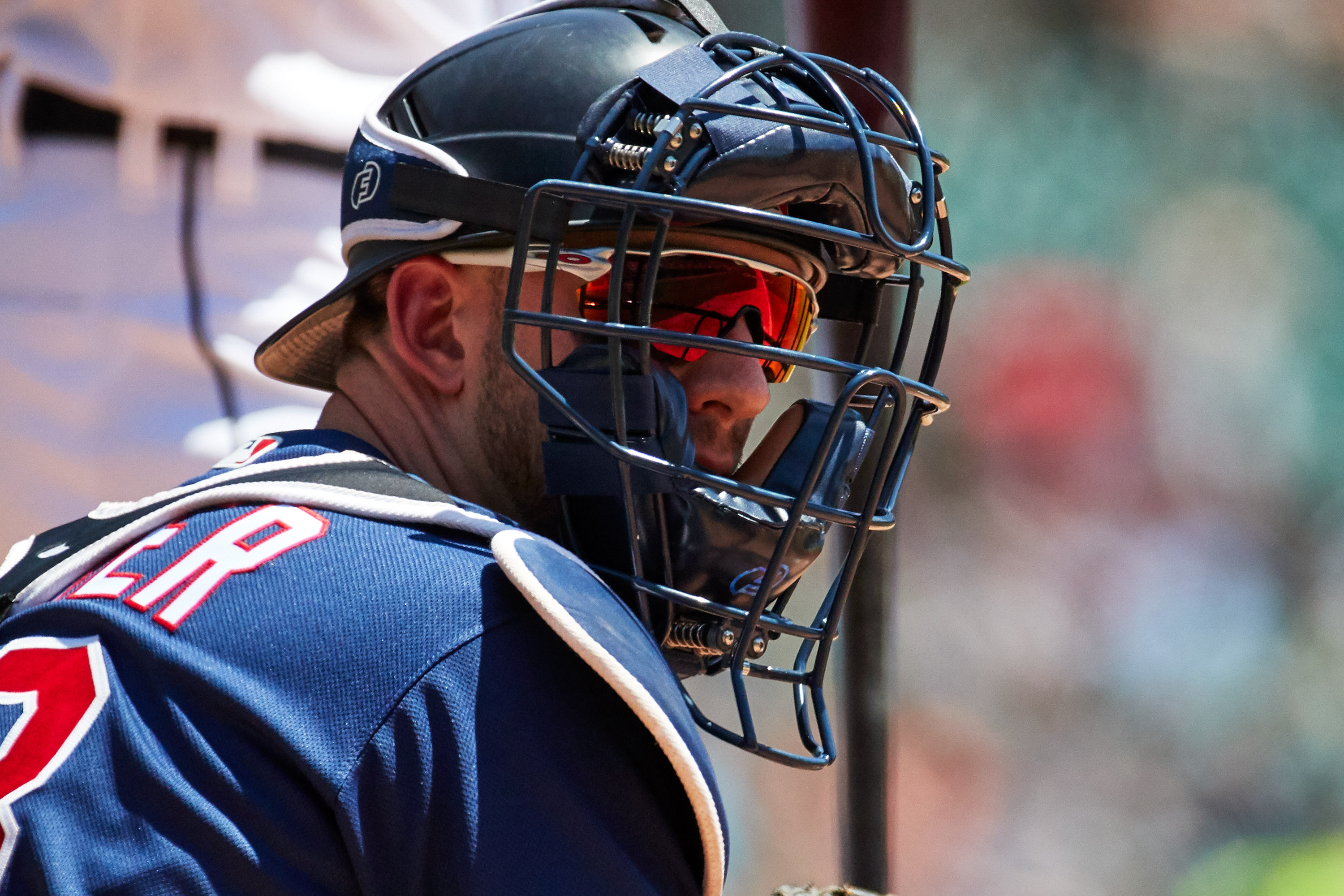 It is only Tanner Swanson’s second year in the organization, but when you talk to people in the front office or non-Twins employees in the industry, Swanson’s presence is widely revered. To those who know him, he’s affectionately referred to as “a dude” -- which is baseball jargonese for indispensable or invaluable, someone who goes about his business and stands out. A master practitioner in the art of deception, the Twins’ catching coordinator’s hiring paid immediate dividends. According to Swanson, the Twins’ farm system was ranked 27th in pitching framing metrics from 2015 to 2017, then jumped to fifth after introducing some changes. Because most of his work was with the catchers in the system before they reach Minnesota, Swanson said he watched Garver’s technique from afar. When Garver contacted him this past offseason, Swanson gave the 28-year-old a rundown which made the catcher only wish he called sooner. “He basically said, yeah, I see a lot of mechanical flaws in the way I receive and he couldn’t tell me any of those things last year because he felt he was stepping on someone else’s foot and that wasn’t his place to do that,” says Garver. “That sucks. I wasted a whole year where I could have been getting better at something.” Garver was pressed into extended catching duty with the Twins after starter Jason Castro’s season ended prematurely. Garver’s defensive reputation to that point had always been considered a work in progress while in the minor leagues. His biggest issue was nabbing calls at the bottom of the zone -- the air space which has quickly become one of the biggest aerial battles fought between pitchers and hitters. As far back as 2014 it became clear that the strike zone was getting lower and lower. More called strikes were happening below the knee. Before the 2018 season, Houston Astros manager A.J. Hinch, a former receiver himself, told MLB Network that “the best catchers nowadays can handle the ball below the knees. Now we work north and south.” Hinch last played in the majors in 2004, where he says the emphasis was trying to expand the zone on either side of the plate. The game now is top and bottom, he says. “Can I make the low pitch -- over the plate and down -- look like a strike? So the game has moved north and south where it used to be east and west.” Smart teams started to target catchers who were able to steal or keep those pitches in trade and free agency. The Texas Rangers signed Jeff Mathis, owner of a career .198/.258/.306 slash, to a two-year, $6 million deal simply because he was one of the best at nabbing the low strike (ninth out of 78 in 2018). The Washington Nationals traded three players for 31-year-old Yan Gomes partly because he was the second-best at coaxing strikes on the lower third. So as more teams paid (and potentially overpaid) for that type of catcher, smarter teams figured to go one step beyond and hire the people who can create those kinds of catchers. That’s where Swanson comes in. While pitching and hitting advances have radically changed over the last few years, catching as a practice, has lagged behind. Teams have known about the value of pitch framing for years but how to develop that skill has been elusive to some. Previously the message to catchers to become a good framer meant being quiet and holding the pitch in place. Swanson says that is outdated. For starters, catchers should corral low pitches and will work back toward the center of the plate. And, rather than keeping the mitt horizontal, catchers are encouraged to receive the low pitch with the glove thumb pointed downward, giving them diagonal angle. This is where Garver and Swanson focused. It is not an easy task, to be sure. Like hitters learning a new swing path or pitchers tweaking their mechanics, catchers too have to undo years of hardwired technique and re-map their systems to perfect this new process. When Swanson works with catchers, he incorporates drills that include weighted plyo balls, j-bands, wrist weights and more. On his Twitter account this offseason, Swanson demonstrated a drill with Twins minor-league catcher Caleb Hamilton where Hamilton works off a pitching machine and just repeats the motion of bringing the glove up -- a movement he was attempted to commit to muscle memory. https://twitter.com/tannerswanson/status/1075848926614368256 But the optimal process for perfecting the low zone strike, Swanson found, begins at the set-up as well. You may have noticed on the recent broadcasts that Twins catchers are all dropping to one leg in their set-up, reminiscent of the days of Tony Pena behind the dish. Observers at the minor league complex will also see almost all catchers doing the same. Swanson says this is just another strategy of getting as low as possible to give umpires the best view of the low strike zone. It’s new and it’s different but there is a sense of system-wide buy-in. “I think if you ask our guys, most, if not all, would tell you this is how they would prefer to do it,” Swanson said about the one-legged receiving technique. “It’s not something that is mandated necessarily, but I think what we’ve done is given them the freedom to learn for themselves -- that this will be even more efficient in what they were doing, specifically from a receiving standpoint.” Most would probably agree that the one-leg approach (or in the case of prospect Ben Rortvedt, no legs) works fine without runners on base, but the Twins are pushing the envelope, trying to maintain that position even when opponents put men on. “We’re also learning that we can still block and throw effectively from these positions too and, although it’s different and hasn’t necessarily been explored in the past, that’s not scaring us from seeing what we can learn,” Swanson remarked. The Twins are also looking at obtaining more strikes at the top of the zone as well. As Hinch suggested, the zone is stretching northward, with teams trying to blast fastballs at the letters or above. In 2018, 40 percent of all fastballs were thrown in the upper third of the strike zone, whereas in 2017, it was at 36 percent. So there has been a drastic shift to throwing heaters up. Receiving those pitches to make them look like strikes also requires some added technique, Swanson says. Instead of pulling the ball up with a downward-facing thumb, high strikes are to be pounced upon almost from above. Putting it all together can be challenging. It is one thing to work on the elements in a private facility or a practice field during the offseason, but how can you tell if you are making actual progress? Swanson and the rest of the player development staff have tried to be as innovative as possible. This spring training, they came up with the idea to incorporate pro umpires into bullpen sessions to track each catcher’s framing numbers. The Rapsodo technology will track each pitch location and compare it against whether or not a human umpire calls the pitch a ball or strike. “We [track framing numbers] during the season but we didn’t have the capacity to do that in a training environment, so we were racking our heads trying to think of ways to give our guys more effective feedback during spring training and that’s one of the efforts to do so,” notes Swanson. In addition to the static bullpen sessions where stand-in batters are just decoys, the Twins also had umpires, Rapsodo and cameras available during their live batting practices as well, hoping to recreate the in-game experience as much as possible. Each session is crunched by the organization’s research staff and then the data is delivered to the coaching staff every day. So Swanson knows immediately how Ryan Jeffers or Caleb Hamilton’s progress is coming. If a player struggles, they can review the numbers and film together and isolate what things need to be improved. It’s a feedback loop that can hasten the development process. “For the most part we try to be as transparent with the players as possible to help them understand, not just how the Twins are evaluating them but largely how the industry is evaluating catchers and how valuable the pitch tracking piece is,” Swanson says. “I don’t see any value withholding that information, at least on a consistent basis, so we want to give them as much information as we can so they are not in the dark and can make adjustments.” “I’m in a great place right now,” Garver says about his new form. “You can see the immediate, immediate change. Took a long time for me to get a feel for what I was doing and getting my body into those positions to receive the balls the way I am, but now that I’m there, it’s only going up from here.” Garver and his fellow backstops are in a good place right now. It may only be practice games but the Twins’ pitching staff has the third-most strikeouts among all teams. The newly introduced framing techniques undoubtedly plays a role in that stat. And Garver is just the beginning. The Twins plan on having a pipeline of catchers who steal strikes wherever that advantage may lie. Swanson recognizes that the game evolves, just like the strike zone did, and there may come a time when robot umpires roam the Earth. Their training methods and focus will pivot with the changes. “We’re all kind of learning this as it continues to progress,” Swanson says about the future. “In some ways it's uncharted territories so we’re all trying to stay ahead of it and push the ball forward.”
 -
Yes. This was a big endeavor when they opened the new facilities. They have nutritionists working with players and creating meal plans, etc.
-
The title suggests it is "one of" the best player development systems in baseball. It is not the top. You talk to people in the industry who have touch points with multiple organizations and they will tell you the Twins have made significant strides but still fall short of several other orgs (namely, the Astros). As people have said on here and on Twitter, "we'll see", that's absolutely correct. We will see. None of this guarantees major league success. But the fact is every organization is chasing one thing -- wins. That's the goal. The goal, however, is not reachable unless you have quality systems in place. The Twins have not had quality systems in place prior to this new front office. They invested heavily in almost all aspects of the org (...some of you can and have argued that they might have not invested as heavily in the major league payroll at times and that's a fair point...). In reading James Clear's Atomic Habits recently (sick reading brag, bro), there's a story he shares about how the British cycling team went from laughing stocks to world champions (it did involve drugs but that wasn't the only element). They focused on marginal gains and getting one percent better in all aspects of the sport. So when I talk to Tanner Swanson about what he has been doing with the catchers -- hiring umpires to call balls and strikes for bullpens and measuring against Rapsodo data -- I can see the marginal gains. The Twins have other coaches in different practices doing similar things.
-
The Minnesota Twins minor league camp has a different feel in 2019. “If you go out on our backfields right now you will see some really helpful and quality work being done,” says manager Rocco Baldelli. “It’s actually really cool.” Really cool indeed. The Twins organization has invested heavily in both people and technology to make significant strides in improving player development. What is happening away from the major league side should blow your doors off.About three hundred yards away from Hammond Stadium – or, if you prefer the dinger system, one Nelson Cruz batting practice bomb – is the area commonly referred to as the backfields. The Twins’ backfield wheel contains three full-sized fields and a truncated infield-only one. There are two bullpen areas wedged between three of the fields, and an observation tower blasting tasty tunes. Here, minor-league players will have almost every swing, pitch, throw and catch tracked. The number of people gathering data has grown exponentially from the previous season. Then again, the number of tracking devices has also grown exponentially. The Trackman units have been hanging on the fencing behind home plate at the three large fields for several seasons. The many Rapsodo 2.0 devices are new this year, as are the multiple high-speed cameras. Hitters have Blast motion sensors attached to their bats and will undergo a 4D body movement sensor session in the covered batting cages before the day's activity starts. Meanwhile, when live at-bats begin, standing behind the pitcher's mound are Twins employees, protected by screens, charting everything on iPads. The Rapsodo devices in front of every home plate area are rapping along. Trackman, the all-seeing eye-in-the-sky, is tracking man. The place is buzzing with data collection. “Just comparing this year to last year, it’s drastically different,” says Tanner Swanson, the organization’s catching coordinator who was brought in before the 2018 season. The data isn’t the only new element. Coaches and players both rave about the new schedule and some of the new training methods. ”Drastically more efficient,” Swanson says about the workouts. “I think there’s a lot of teaching going on, which you could argue may or may not be the norm for the typical spring training environment. It’s been a major upgrade, I think. Players have more energy, are excited, feels like they are progressing and getting better. It’s been a good start, no question.” One bullpen area is filled with pitchers and catchers trading throws in a popping cadence. It may appear routine but the Twins have made tweaks to this activity as well. According to side-arming prospect Tom Hackimer, the bullpen sessions are separated into two categories – one for the pitcher to focus on his mechanics and one for the pitcher to focus on executing over the plate. “It’s half of what we call ‘over the rubber,’ what you want to work on, the second half we work on is ‘over the plate,’ pitch sequencing, catcher calling the game, where you want to locate your stuff,” says Hackimer. “It’s definitely a big step forward having that structure.” There’s classroom time for all practices. On the pitching side, Twins’ minor-league pitching coordinator Pete Maki holds meetings to discuss strategy, philosophy, and the technology to help players understand why they may feel like lab rats at times. “We just had a meeting,” Hackimer says. “The Core Principles of Pitching meeting. It can easily be an hour, hour-and-a-half meeting but Pete Maki just cut it off at a half-hour. He’s like, most people can’t pay attention after a half-hour, that includes the coaches, that includes you guys, so we’re gonna cut it right here.” On the other bullpen area, hitters stand in against pitchers. There are Rapsodo devices here as well. Cameras too. Staff members charting everything. Former Twins great Johan Santana observes the program. And paid umpires are calling balls and strikes. This was a concept Swanson and the minor league staff came up with to help replicate the in-season experience. The hitter nods then rifles the next series of pitches into the opposite field gap like Fatse directed. “See, that’s the way,” he exclaims. “I should hug you right now.” Fatse sticks out his arms from behind the screen like he was offering the hitter a squeeze from 50 feet away. The player laughs. Michael Cuddyer joins another session to give his input. This is a newer endeavor, getting the former big league players to interact with the minor league players and staff. Earlier in the week, Torii Hunter spent time at the minor league cages. “He was giving us some high praise in respect to how we were going about what we’re doing,” Fatse said of his experience with Hunter. "We didn’t have too many big league players come down and talk to us,” recalled Cuddyer during his tenure in the minors. Players like Harmon Killebrew and Rod Carew spent time with Cuddyer but only after he made the Twins. For Twins prospect Taylor Grzelakowski, a catcher who finished 2018 third on the Miracle in home runs (8) and slugging (.458), he got the chance to tap into not only Fatse’s biomechanical expertise but with Cuddyer’s knowledge from his 15-year career. Thus begins a master class in hip direction. Cuddyer demonstrates how he would fire his hips in the swing behind the ball, imparting violent rotational contact. Fatse shares his piece. Grzelakowski nods, has a dialogue with the two instructors and goes back into the batting turtle to try to implement that feel to his swing. “Perception is not always reality,” Cuddyer says about trying to translate a feel in the swing component to the young prospect. “What he feels might not always be what he’s doing. And same with me. What I feel in my swing, I might not be verbalizing well. That’s what hitting is, it’s conversations. There’s not one way to do it. There are many different cues that result in the same swing and certain language works for different players.” Fatse echoes Cuddyer’s comments about the common language of hitting. “We’re trying to get guys to understand how their body moves and how to execute their swing as opposed to just thinking about things that are like, ‘hey just take your hands to the ball,' ” Fatse says. “That can mean seven different things to seven different people.” The hitting development component is heavily influenced by science and modern hitting theory. They have underload/overload bat-speed programs. They have two pitching machines which fire a high-spin fastball and a breaking ball, and the hitter doesn’t know which is coming, hoping to improve pitch recognition. De-emphasized are tools like batting tees, as Fatse says players should focus on hitting a moving target over a stationary one. Some of the Twins players have taken notice of the new practices. “When I first got here before camp, it was pretty crazy to see what they are doing on the minor league side with all the radar guns and using weighted bats to speed up their bats,” says outfielder Max Kepler. “I wish I had that when I was younger.” The minor league camp, with its wonderful toys, isn’t an island unto itself. The team invested heavily in coaches – coaches who are constant learners and thrive in a data-driven environment, and they don’t plan to hide them out there. “One thing that we’ve spent a lot of time talking about, and hopefully even more as time goes on, is the exchanging of ideas and bringing both sides instead of there being separation between the big leagues and minor league,” Baldelli says. The cohesion happened almost immediately for some. Fatse says when he was hired, Twins’ hitting coach James Rowson invited him out to dinner to talk shop. The dinner discussion wound up lasting over four hours. “I think the one unique thing about the Twins is that there’s no divide,” Fatse says. “They’ve made it (a) really transparent feel here. They want there to be constant collaboration and dialogue and the fact that there are big league players that come down and hang out on the backfields with players, you just don’t find that everywhere.” “Rocco and his staff have been unbelievable,” Swanson added. “They have an open door policy for coordinators and coaches to come and go. I’ve spent a lot of time going back and forth. They’ve made it clear from the beginning that they want it to be an inclusive environment and they’ve gone out of their way to make myself and others feel welcomed and valued. There’s definitely a cohesiveness going on between our major-league operations and our minor-league groups.” When you step back to appreciate the activities, the sheer logistics of the multi-faceted practice is mind-blowing. Hundred of bodies are accounted for and every one of them appears to be participating in something at any given moment. It’s a baseball development mosaic, a well-tuned symphony designed with a singular purpose: to make players better. The Twins, indeed, are doing quality work back here. Click here to view the article
-
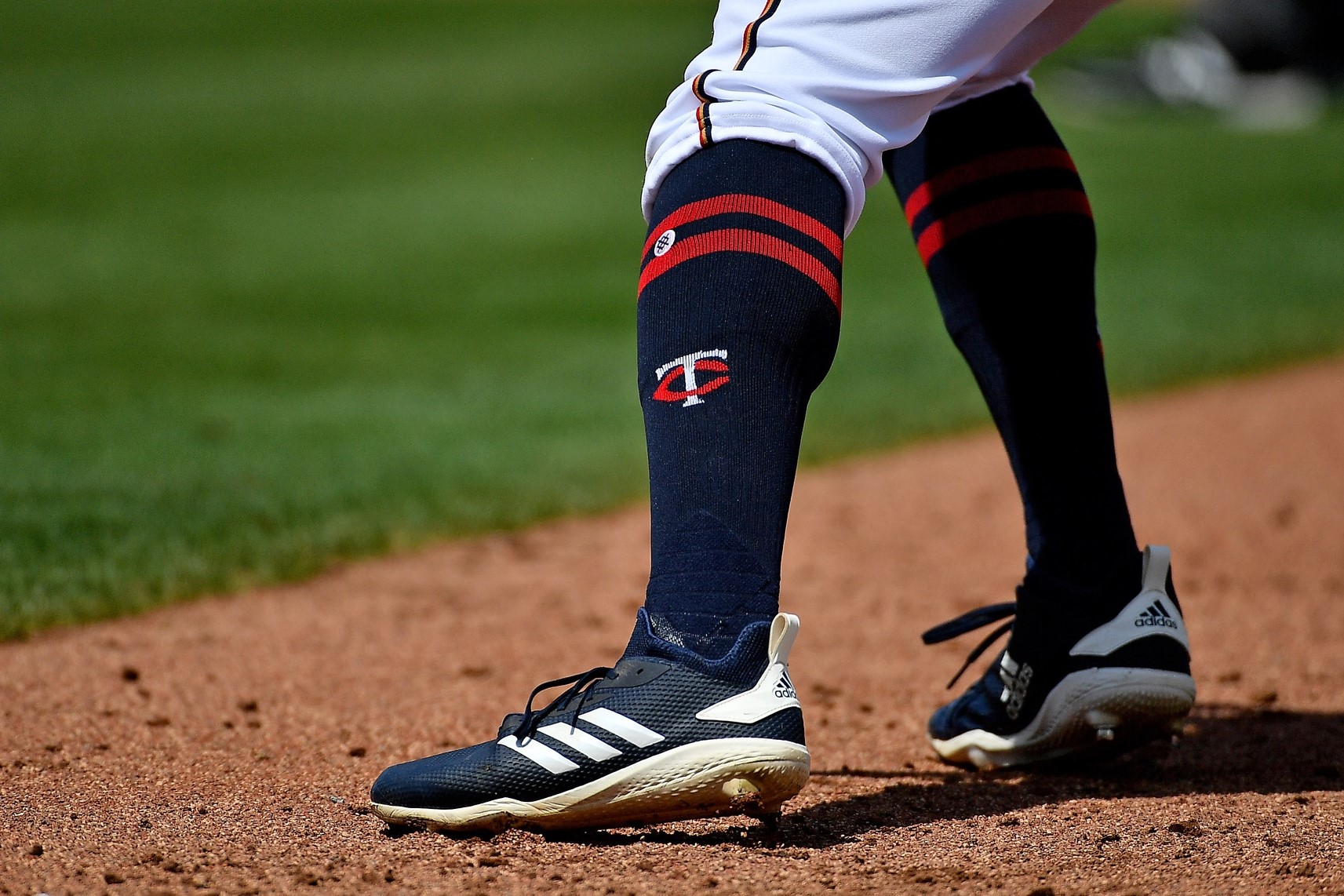 About three hundred yards away from Hammond Stadium – or, if you prefer the dinger system, one Nelson Cruz batting practice bomb – is the area commonly referred to as the backfields. The Twins’ backfield wheel contains three full-sized fields and a truncated infield-only one. There are two bullpen areas wedged between three of the fields, and an observation tower blasting tasty tunes. Here, minor-league players will have almost every swing, pitch, throw and catch tracked. The number of people gathering data has grown exponentially from the previous season. Then again, the number of tracking devices has also grown exponentially. The Trackman units have been hanging on the fencing behind home plate at the three large fields for several seasons. The many Rapsodo 2.0 devices are new this year, as are the multiple high-speed cameras. Hitters have Blast motion sensors attached to their bats and will undergo a 4D body movement sensor session in the covered batting cages before the day's activity starts. Meanwhile, when live at-bats begin, standing behind the pitcher's mound are Twins employees, protected by screens, charting everything on iPads. The Rapsodo devices in front of every home plate area are rapping along. Trackman, the all-seeing eye-in-the-sky, is tracking man. The place is buzzing with data collection. “Just comparing this year to last year, it’s drastically different,” says Tanner Swanson, the organization’s catching coordinator who was brought in before the 2018 season. The data isn’t the only new element. Coaches and players both rave about the new schedule and some of the new training methods. ”Drastically more efficient,” Swanson says about the workouts. “I think there’s a lot of teaching going on, which you could argue may or may not be the norm for the typical spring training environment. It’s been a major upgrade, I think. Players have more energy, are excited, feels like they are progressing and getting better. It’s been a good start, no question.” One bullpen area is filled with pitchers and catchers trading throws in a popping cadence. It may appear routine but the Twins have made tweaks to this activity as well. According to side-arming prospect Tom Hackimer, the bullpen sessions are separated into two categories – one for the pitcher to focus on his mechanics and one for the pitcher to focus on executing over the plate. “It’s half of what we call ‘over the rubber,’ what you want to work on, the second half we work on is ‘over the plate,’ pitch sequencing, catcher calling the game, where you want to locate your stuff,” says Hackimer. “It’s definitely a big step forward having that structure.” There’s classroom time for all practices. On the pitching side, Twins’ minor-league pitching coordinator Pete Maki holds meetings to discuss strategy, philosophy, and the technology to help players understand why they may feel like lab rats at times. “We just had a meeting,” Hackimer says. “The Core Principles of Pitching meeting. It can easily be an hour, hour-and-a-half meeting but Pete Maki just cut it off at a half-hour. He’s like, most people can’t pay attention after a half-hour, that includes the coaches, that includes you guys, so we’re gonna cut it right here.” On the other bullpen area, hitters stand in against pitchers. There are Rapsodo devices here as well. Cameras too. Staff members charting everything. Former Twins great Johan Santana observes the program. And paid umpires are calling balls and strikes. This was a concept Swanson and the minor league staff came up with to help replicate the in-season experience. https://twitter.com/ParkerHageman/status/1102606359751725059 “It was an attempt to give our catchers more objective feedback,” says Swanson. “It’s one thing to say with your eyes, ‘hey, looks good’ or ‘nice job,’ but to really look and say, okay we gained strikes here, we lost strikes here.” Another improvement is individualized hitting plans led by newly hired minor-league hitting coordinator Pete Fatse and his coaching staff. While the bulk of the work happens inside the cages, hitters get to take small group BP on the field to see the fruits of their labor in the sun. With one group of hitters, Fatse throws batting practice. One hitter pulls his first pitch — a hard-hit one-hop smash down the third base line. Fatse shakes his head. “That way,” he sticks out his arm and gestures toward the left-center field gap. “That way!” Fatse says he wants the hitters to design their swing paths similar to Miguel Cabrera or JD Martinez, who laser baseballs into the middle of the field but can do damage pull side on pitches inside. https://twitter.com/ParkerHageman/status/1102992752575463424 The hitter nods then rifles the next series of pitches into the opposite field gap like Fatse directed. “See, that’s the way,” he exclaims. “I should hug you right now.” Fatse sticks out his arms from behind the screen like he was offering the hitter a squeeze from 50 feet away. The player laughs. Michael Cuddyer joins another session to give his input. This is a newer endeavor, getting the former big league players to interact with the minor league players and staff. Earlier in the week, Torii Hunter spent time at the minor league cages. “He was giving us some high praise in respect to how we were going about what we’re doing,” Fatse said of his experience with Hunter. "We didn’t have too many big league players come down and talk to us,” recalled Cuddyer during his tenure in the minors. Players like Harmon Killebrew and Rod Carew spent time with Cuddyer but only after he made the Twins. For Twins prospect Taylor Grzelakowski, a catcher who finished 2018 third on the Miracle in home runs (8) and slugging (.458), he got the chance to tap into not only Fatse’s biomechanical expertise but with Cuddyer’s knowledge from his 15-year career. Thus begins a master class in hip direction. Cuddyer demonstrates how he would fire his hips in the swing behind the ball, imparting violent rotational contact. Fatse shares his piece. Grzelakowski nods, has a dialogue with the two instructors and goes back into the batting turtle to try to implement that feel to his swing. “Perception is not always reality,” Cuddyer says about trying to translate a feel in the swing component to the young prospect. “What he feels might not always be what he’s doing. And same with me. What I feel in my swing, I might not be verbalizing well. That’s what hitting is, it’s conversations. There’s not one way to do it. There are many different cues that result in the same swing and certain language works for different players.” Fatse echoes Cuddyer’s comments about the common language of hitting. “We’re trying to get guys to understand how their body moves and how to execute their swing as opposed to just thinking about things that are like, ‘hey just take your hands to the ball,' ” Fatse says. “That can mean seven different things to seven different people.” The hitting development component is heavily influenced by science and modern hitting theory. They have underload/overload bat-speed programs. They have two pitching machines which fire a high-spin fastball and a breaking ball, and the hitter doesn’t know which is coming, hoping to improve pitch recognition. De-emphasized are tools like batting tees, as Fatse says players should focus on hitting a moving target over a stationary one. Some of the Twins players have taken notice of the new practices. “When I first got here before camp, it was pretty crazy to see what they are doing on the minor league side with all the radar guns and using weighted bats to speed up their bats,” says outfielder Max Kepler. “I wish I had that when I was younger.” The minor league camp, with its wonderful toys, isn’t an island unto itself. The team invested heavily in coaches – coaches who are constant learners and thrive in a data-driven environment, and they don’t plan to hide them out there. “One thing that we’ve spent a lot of time talking about, and hopefully even more as time goes on, is the exchanging of ideas and bringing both sides instead of there being separation between the big leagues and minor league,” Baldelli says. The cohesion happened almost immediately for some. Fatse says when he was hired, Twins’ hitting coach James Rowson invited him out to dinner to talk shop. The dinner discussion wound up lasting over four hours. “I think the one unique thing about the Twins is that there’s no divide,” Fatse says. “They’ve made it (a) really transparent feel here. They want there to be constant collaboration and dialogue and the fact that there are big league players that come down and hang out on the backfields with players, you just don’t find that everywhere.” “Rocco and his staff have been unbelievable,” Swanson added. “They have an open door policy for coordinators and coaches to come and go. I’ve spent a lot of time going back and forth. They’ve made it clear from the beginning that they want it to be an inclusive environment and they’ve gone out of their way to make myself and others feel welcomed and valued. There’s definitely a cohesiveness going on between our major-league operations and our minor-league groups.” When you step back to appreciate the activities, the sheer logistics of the multi-faceted practice is mind-blowing. Hundred of bodies are accounted for and every one of them appears to be participating in something at any given moment. It’s a baseball development mosaic, a well-tuned symphony designed with a singular purpose: to make players better. The Twins, indeed, are doing quality work back here.
 -
Article: Miguel Sano To Miss Opening Day
Parker Hageman replied to Parker Hageman's topic in Twins Daily Front Page News
From what the team's trainer told us, its a situation where you get it stitched up right away. It was bleeding, needed to be closed. They saw the images and had progress sent to them and felt OK about how it was going at that time. They consulted other experts and the collective advice was to treat it with creams, ointments, bandages and it should heal. With the stretching and the sutures coming loose the skin started growing around it and not closing the way it should. Which is when they decided to take out the sutures and re-close while giving him the walking boot it 10 days ago. That progress, according to the doctors, stalled again. They didn't specify what they would have done differently but no one said that he should be in the boot until it became clear that it was already opening the wound. It's possible that if he had immobilized it right away, then he might not be in Rochester right now.- 112 replies
-
- 7
-
-
- miguel sano
- injury
- (and 1 more)
-
Article: Miguel Sano To Miss Opening Day
Parker Hageman replied to Parker Hageman's topic in Twins Daily Front Page News
The area is just above the heel, closer to the achilles. The team's trainer said that the initial closure performed in the Dominican appeared to be good (the medical staff were sent images of that work). The Twins did not have a concern at that point but without something immobilizing his foot, he eventually reopened it.- 112 replies
-
- 6
-
-
- miguel sano
- injury
- (and 1 more)
-
If it weren’t for bad luck, Miguel Sano might not have any luck at all. The Minnesota Twins announced that their starting third base has undergone a debridement procedure on his lower Achilles to clean and repair the wound which he suffered in the Dominican Republic before spring training. As such the Twins will be without Sano's services on Opening Day.According to the Twins' Executive Vice President and Chief Baseball Officer, Derek Falvey, Sano was flown back to Minnesota on Monday to have his wound readdressed by doctors at the Mayo Clinic. “He’s out of the picture right now for Opening Day, that’s the most noteworthy piece,” said Falvey. "This was the right step to proceed, to have the healing going a little more the way we had hoped, we’re looking at baseball activity again in the middle of April.” Factor in a rehab stint and the Twins are projecting an early May return. The procedure, performed by Dr. Nho Tran at the Mayo Clinic in Rochester, will keep Sano off his feet for several days at which point he will be placed in a hard cast to restrict movement. When that is removed, if the healing has progressed, he will return to the walking boot for another week. In all, he could be back on the field and going through an abbreviated spring training process by early April. Sano initially cut his foot while celebrating his team's Dominican Winter League championship in San Pedro de Macoris. "The entire town came out. [At the stage], the president of the team called every player up, one by one, to say thank you for the support," Sano told the Star Tribune. "Someone dropped liquid on the stage, someone else slipped, that person pushed me, I slipped down the starts and I caught my [heel] on them." The initial wound, which required stitches, eventually had a low grade infection that the Twins treated. The area around the wound, which was more of a blunt cut than a clean one, is taut and the movement prior to the placement of the walking boot damaged the sutures from the stress. At that time, the Twins medical staff consulted numerous specialists and determined that the best course of action was to reinsert sutures, attack it aggressively with treatment, and wait to see how it responded. Reassessed after ten days and not seeing the results they desired, the team's medical staff felt that it was in Sano's best interest to clean and close the wound again. During this process, the Twins have been pleased with the amount of work Sano has continued to put in despite being limited in a boot. He has spent significant time in the weight room. "I saw him sweating more frequently than I thought I would given that he’s wearing a boot," Falvey said. "There is not a disappointment in anything about Miguel," manager Rocco Baldelli said. "There’s more of a disappointment for him, I actually feel bad that he’s dealing with what he’s dealing with." With a stint on the injury list, it is likely that Marwin Gonzalez will go forward as the team's Opening Day starting third baseman. "I think we said when we signed Marwin, one of the benefits to having Marwin is that he will play multiple positions and fill for you if there is an issue in one spot," said Falvey. "This is an issue in one spot right now.” Click here to view the article
- 112 replies
-
- 2
-
-
- miguel sano
- injury
- (and 1 more)
-
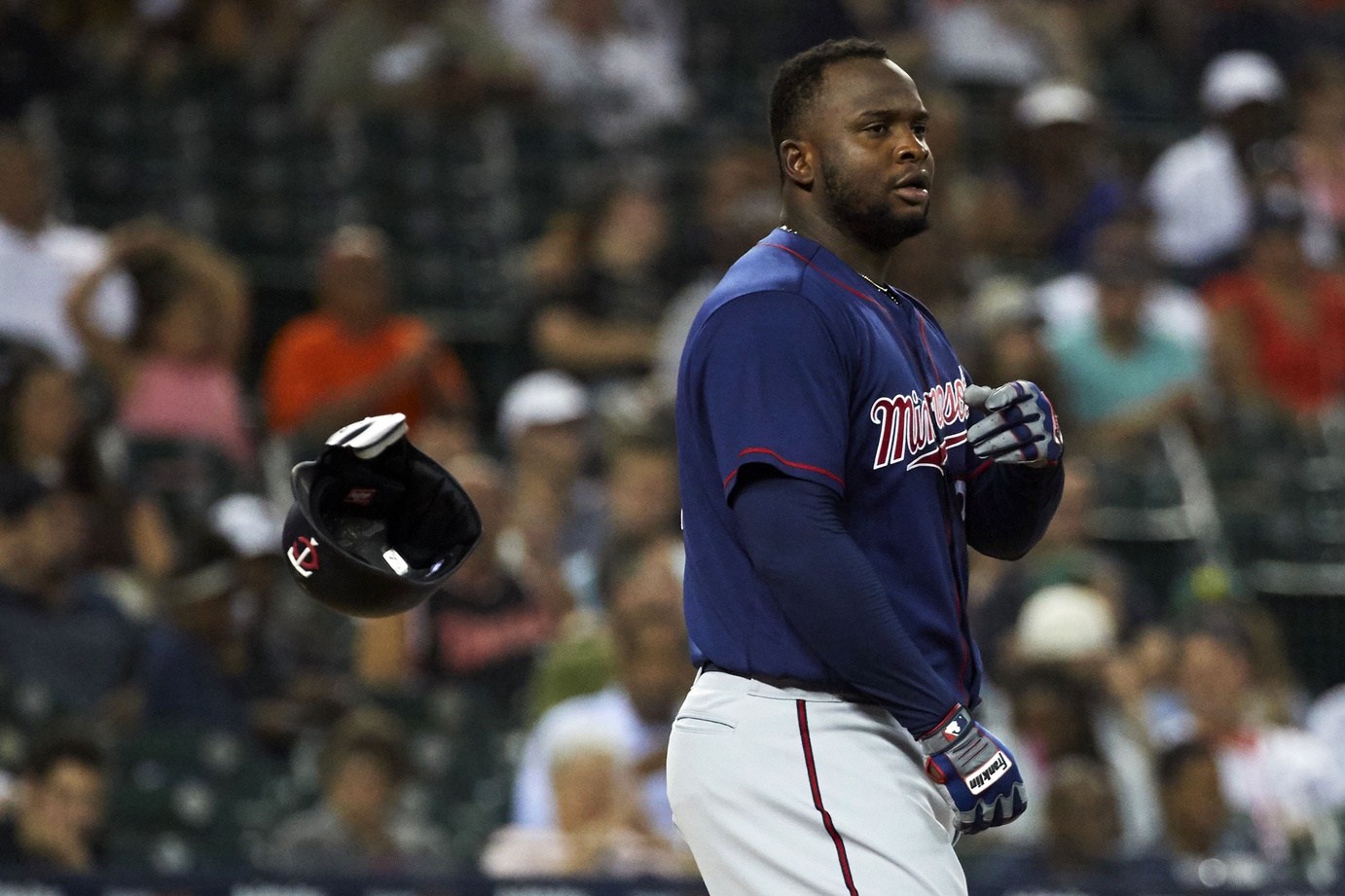 According to the Twins' Executive Vice President and Chief Baseball Officer, Derek Falvey, Sano was flown back to Minnesota on Monday to have his wound readdressed by doctors at the Mayo Clinic. “He’s out of the picture right now for Opening Day, that’s the most noteworthy piece,” said Falvey. "This was the right step to proceed, to have the healing going a little more the way we had hoped, we’re looking at baseball activity again in the middle of April.” Factor in a rehab stint and the Twins are projecting an early May return. The procedure, performed by Dr. Nho Tran at the Mayo Clinic in Rochester, will keep Sano off his feet for several days at which point he will be placed in a hard cast to restrict movement. When that is removed, if the healing has progressed, he will return to the walking boot for another week. In all, he could be back on the field and going through an abbreviated spring training process by early April. Sano initially cut his foot while celebrating his team's Dominican Winter League championship in San Pedro de Macoris. "The entire town came out. [At the stage], the president of the team called every player up, one by one, to say thank you for the support," Sano told the Star Tribune. "Someone dropped liquid on the stage, someone else slipped, that person pushed me, I slipped down the starts and I caught my [heel] on them." The initial wound, which required stitches, eventually had a low grade infection that the Twins treated. The area around the wound, which was more of a blunt cut than a clean one, is taut and the movement prior to the placement of the walking boot damaged the sutures from the stress. At that time, the Twins medical staff consulted numerous specialists and determined that the best course of action was to reinsert sutures, attack it aggressively with treatment, and wait to see how it responded. Reassessed after ten days and not seeing the results they desired, the team's medical staff felt that it was in Sano's best interest to clean and close the wound again. During this process, the Twins have been pleased with the amount of work Sano has continued to put in despite being limited in a boot. He has spent significant time in the weight room. "I saw him sweating more frequently than I thought I would given that he’s wearing a boot," Falvey said. "There is not a disappointment in anything about Miguel," manager Rocco Baldelli said. "There’s more of a disappointment for him, I actually feel bad that he’s dealing with what he’s dealing with." With a stint on the injury list, it is likely that Marwin Gonzalez will go forward as the team's Opening Day starting third baseman. "I think we said when we signed Marwin, one of the benefits to having Marwin is that he will play multiple positions and fill for you if there is an issue in one spot," said Falvey. "This is an issue in one spot right now.”
 -
when you start your own website, you can do whatever you want.
- 26 replies
-
- 7
-
-
- jose berrios
- opening day
- (and 1 more)
-
Hammond's gun may or may not run hot but a scout confirmed that Perez was hitting 97 on his stalker. As far as Gonsalves' velocity ebb and flow, Wes Johnson said he sees that as a typical progress for those increasing velocity. Pitchers make their tweaks and are just learning to incorporate it on the mound. Velocity can jump up a tick or two and go back down.
- 41 replies
-
- 4
-
-
- kyle gibson
- jose berrios
- (and 2 more)
-
FORT MYERS, FL -- Big day at Hammond Stadium. Kyle Gibson started his road to recovery from e coli. Rocco Baldelli named the Opening Day starter. A former Cy Young winner visited the Twins' camp. And we're just three weeks away from real baseball."E coli can just wreck your system," Twins starter Kyle Gibson told reporters after his first spring training outing. Gibson was likely referring to his insides but his system for getting ready for the season was also disrupted some. He struggled to maintain weight and said his legs were a bit shaky yet his results in his first outing looked like mid-season form. "Now it’s just about getting the endurance back and keep working on the leg strength and keep gaining the weight back." Twins catching coordinator, Tanner Swanson, told me that the umpires serve a dual purpose for improving the catchers as well. With the human element umpiring, the organization can compare how well their backstops are at framing when cross-referenced against the Rapsodo data. In essence, the Twins are optimizing even the most mundane practices. *** Speaking of optimizing practices, the Twins believe they have trimmed a lot of fat off their daily workouts. MLB Network did an excellent inside profile on how Derek Shelton and the Twins have streamlined and refocused their daily routines in camp, trying to be more efficient. Gibson observed that one area that has been de-emphasized is time spent on defensive bunt coverage. “Bunting has obviously become less and less prevalent in the game so we didn’t have to focus as much on bunt plays or stuff like that,” he said. The Twins still practice it, to be sure, but since peaking at 2,878 attempts in 2012 over the last eight seasons, attempts were down to 1,810. It was determined that the player’s time would be better served working on other portions of the game. *** Unlike Sunday afternoon where the added velocity of Martin Perez and Jose Berrios, reliever Addison Reed struggled to crack 90 in his second outing of the spring. Reed had elbow impingement in 2018 which may have brought his average velocity down to 90.3 after hitting 92.3 in 2017. Baldelli wasn’t necessarily concerned over the results. “Addison is also a veteran pitcher as well. So you definitely balance knowing that he, probably more than anyone else here, knows how to prepare for a major league season.” That doesn’t mean that the staff won’t continue to help him make adjustments. “Wes or Hef, regardless whether a guy is a veteran or not, we do breakdown all the outings and we spend time on them and locate a couple of things we talk about.” *** Nelson Cruz is reportedly scheduled to make his first spring training game appearance. The big man put on a power display during live BP on the backfield and Baldelli hinted that his presence in the lineup could come as early as Thursday of this week. Click here to view the article
- 41 replies
-
- 2
-
-
- kyle gibson
- jose berrios
- (and 2 more)
-
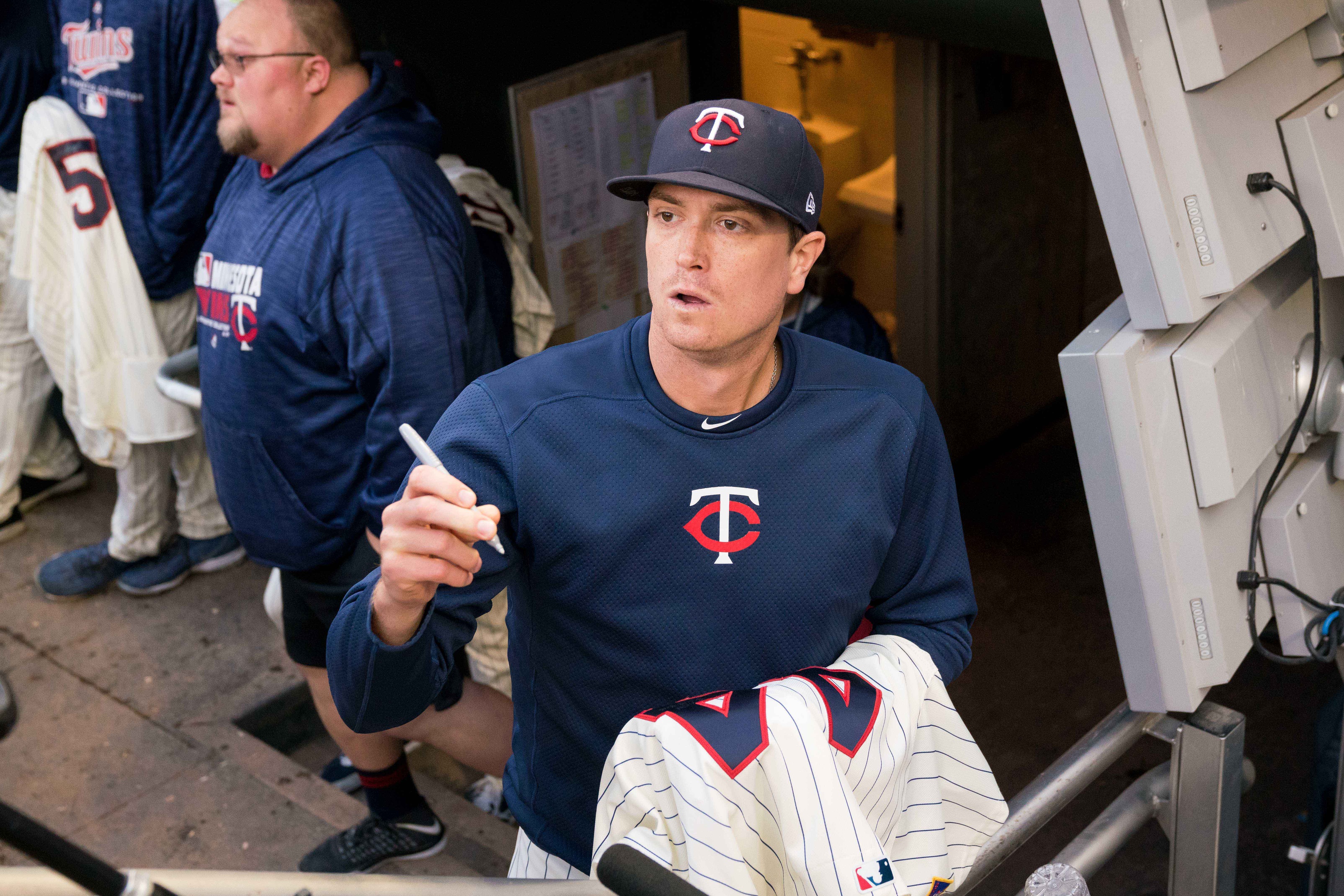 "E coli can just wreck your system," Twins starter Kyle Gibson told reporters after his first spring training outing. Gibson was likely referring to his insides but his system for getting ready for the season was also disrupted some. He struggled to maintain weight and said his legs were a bit shaky yet his results in his first outing looked like mid-season form. "Now it’s just about getting the endurance back and keep working on the leg strength and keep gaining the weight back." Asked how he felt about the performance of his slider, Gibson demurred. “I’m not really a guy who has a mutually exclusive that I can go out there and throw 80 times and get a swing and miss on 40,” he said. True, a 50% swinging strike rate would be ridiculous but in 2018, Gibson’s slider held a 27.3% swinging strike rate -- bested only by Patrick Corbin and Carlos Carrasco. In short it’s a wicked weapon. Gibson said that his secondary pitches performance are contingent on being able to spot his fastball. “When my fastball’s located well inside to a lefty it makes [my slider] better and when my fastball’s located well inside to a righty it makes my changeup better.” *** The Twins announced today that Jose Berrios’ will be the opening day starter, which will make him the youngest Twins Opening Day starter since Brad Radke in 1997. Radke won 20 games that season -- or 29% of the team’s total wins that year. *** Johan Santana was in camp today, observing minor league bullpens. According to one Twins official, Santana, who lives in the Fort Myers area, has offered his services to the organization and may spend more time with the prospects during the summer. *** The souped-up bullpen session included some additional elements beyond just a catcher. The Twins had hitters standing in the box -- giving them the added benefit of tracking pitches -- and brought in umpires to call balls and strikes. They also have Rapsodo 2.0 devices capturing all of the velocity and spin. https://twitter.com/ParkerHageman/status/1102606359751725059 Twins catching coordinator, Tanner Swanson, told me that the umpires serve a dual purpose for improving the catchers as well. With the human element umpiring, the organization can compare how well their backstops are at framing when cross-referenced against the Rapsodo data. In essence, the Twins are optimizing even the most mundane practices. *** Speaking of optimizing practices, the Twins believe they have trimmed a lot of fat off their daily workouts. MLB Network did an excellent inside profile on how Derek Shelton and the Twins have streamlined and refocused their daily routines in camp, trying to be more efficient. Gibson observed that one area that has been de-emphasized is time spent on defensive bunt coverage. “Bunting has obviously become less and less prevalent in the game so we didn’t have to focus as much on bunt plays or stuff like that,” he said. The Twins still practice it, to be sure, but since peaking at 2,878 attempts in 2012 over the last eight seasons, attempts were down to 1,810. It was determined that the player’s time would be better served working on other portions of the game. *** Unlike Sunday afternoon where the added velocity of Martin Perez and Jose Berrios, reliever Addison Reed struggled to crack 90 in his second outing of the spring. Reed had elbow impingement in 2018 which may have brought his average velocity down to 90.3 after hitting 92.3 in 2017. Baldelli wasn’t necessarily concerned over the results. “Addison is also a veteran pitcher as well. So you definitely balance knowing that he, probably more than anyone else here, knows how to prepare for a major league season.” That doesn’t mean that the staff won’t continue to help him make adjustments. “Wes or Hef, regardless whether a guy is a veteran or not, we do breakdown all the outings and we spend time on them and locate a couple of things we talk about.” *** Nelson Cruz is reportedly scheduled to make his first spring training game appearance. The big man put on a power display during live BP on the backfield and Baldelli hinted that his presence in the lineup could come as early as Thursday of this week.
 -
There may be three-and-a-half feet of snow covering Minnesota today, but the Twins hope to take the field in three weeks. And the man who will lead them onto the field will be none other than Jose Berrios.Twins manager Rocco Baldellli said the team informed Berrios on Monday morning. "Truthfully, we were all very happy to give him that news," Baldelli said. "I also think he was very happy to hear it. He’s earned it. He’s a wonderful guy and I was happy to see him so excited." Baldelli revealed a little of the decision-making process, saying that he conferred with his coaching staff. "Our staff did spend some time talking about it. Just to make sure to hear different opinions," he said, "but in this instance there wasn’t a ton of discussions. Basically everybody was happy for him." Berrios, who will be 24 years old when the season starts, will be the Twins' youngest Opening Day starter since Brad Radke in 1997. Click here to view the article
- 26 replies
-
- 7
-
-
- jose berrios
- opening day
- (and 1 more)
-
 Twins manager Rocco Baldellli said the team informed Berrios on Monday morning. "Truthfully, we were all very happy to give him that news," Baldelli said. "I also think he was very happy to hear it. He’s earned it. He’s a wonderful guy and I was happy to see him so excited." Baldelli revealed a little of the decision-making process, saying that he conferred with his coaching staff. "Our staff did spend some time talking about it. Just to make sure to hear different opinions," he said, "but in this instance there wasn’t a ton of discussions. Basically everybody was happy for him." Berrios, who will be 24 years old when the season starts, will be the Twins' youngest Opening Day starter since Brad Radke in 1997.
 -
Article: Report From The Fort: Plenty Of Heat
Parker Hageman replied to Parker Hageman's topic in Twins Daily Front Page News
He hit 90 once today. 88-89 on the gun. Will have more on this later. -
Article: Report From The Fort: Plenty Of Heat
Parker Hageman replied to Parker Hageman's topic in Twins Daily Front Page News
Yes, pitching velocity patterns are typically shaped like a bell curve. It peaks sometime in the middle of the season and gradually declines from there. I don't know how much credit to give Johnson, the pitching development staff or Perez himself. Baldelli believes a lot of it was Perez getting himself in top condition coming into camp. There's some effect of all three mixed in there. -
Given the temperature in the Twin Cities on Sunday, I won’t discuss the meteorological details of the perfectly beautiful afternoon at Hammond Stadium. That said, on Minnesota Day, when the temperatures of the two locales were compared on the big screen, the crowd roared with approval at the almost 90 degree swing. Here are some piping hot notes from Fort Myers...With the exception of a two-run blast off the bat of Andrew Romaine, Jose Berrios’ fourth spring training start went according to plan. The right-hander registered 96 on several pitches, a factor that Berrios attributes to some of the mechanical cues Wes Johnson has given him. “Beginning working on mechanics, said Berrios. “To be closed in my chest and be more into my heel.” Berrios was referring to having more of the foot pushing down through the ground. Driving from the heel is one of Johnson’s tenets to increasing velocity. Pitchers who go to their toe early in their delivery will disrupt the kinetic chain. Focusing on going down the mound from the heel can add several ticks to his velocity. After averaging 93.2 in 2018, a few more mph's couldn’t hurt. In addition to his mechanics, Berrios was also working on getting a feel for his changeup, something that was also encouraged by the staff. Once considered a plus-pitch, Berrios’ changeup was hit hard in 2018 (which may stem from pitch tipping) but carried a 30% whiff rate per Statcast. On Sunday, he threw four but said that because of the Phillies are low-swing strike guys, the plan was to attack with fastballs and curveballs. *** Martin Perez hit 97 multiple on the radar gun on Sunday afternoon. It’s notable considering that Perez peaked at 96.2 in 2018. “I’ve seen Jon hit balls like that many, many times,” said Baldelli. “This is not your average second baseman, he can do big things.” Click here to view the article
-
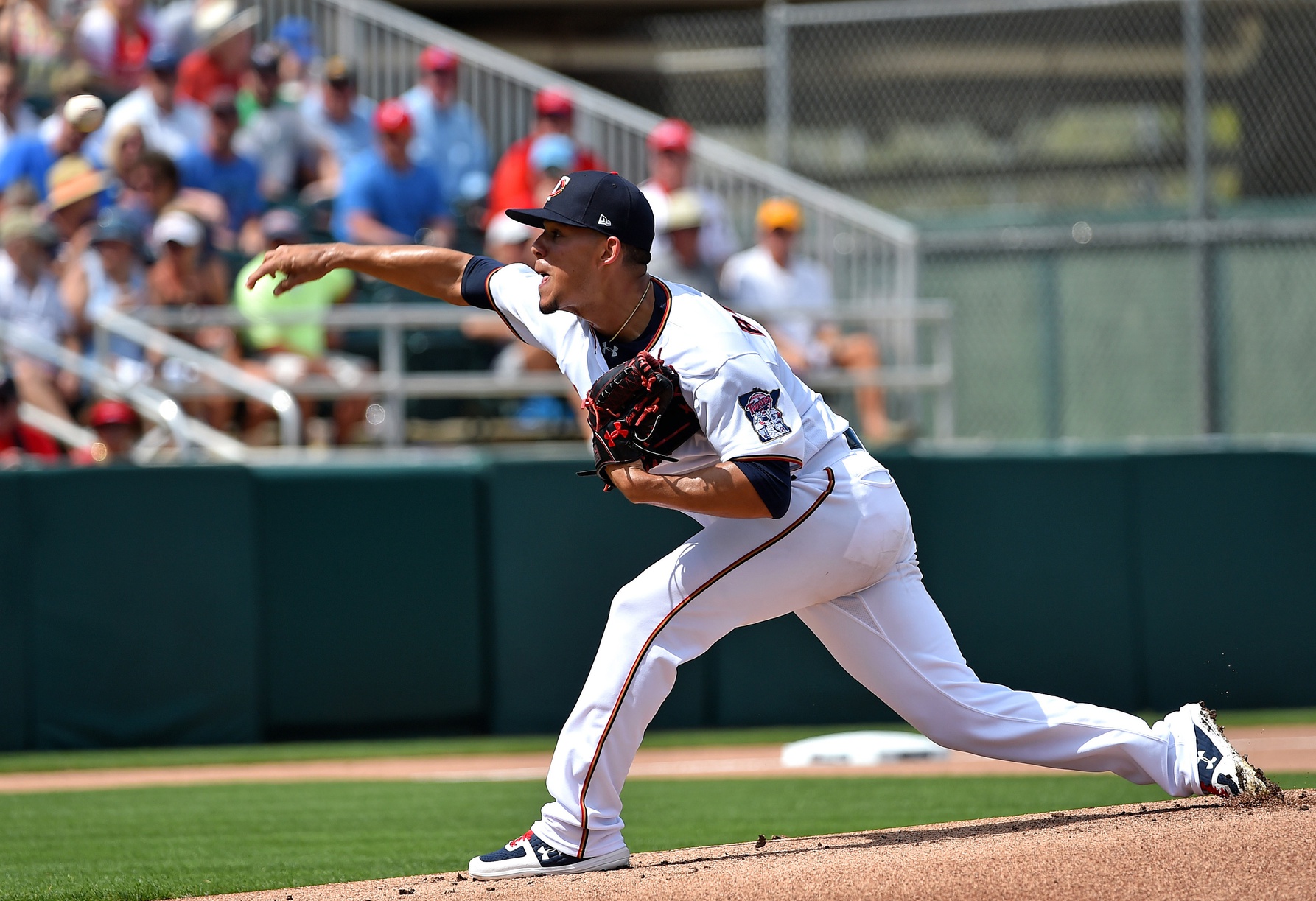 With the exception of a two-run blast off the bat of Andrew Romaine, Jose Berrios’ fourth spring training start went according to plan. The right-hander registered 96 on several pitches, a factor that Berrios attributes to some of the mechanical cues Wes Johnson has given him. “Beginning working on mechanics, said Berrios. “To be closed in my chest and be more into my heel.” Berrios was referring to having more of the foot pushing down through the ground. Driving from the heel is one of Johnson’s tenets to increasing velocity. Pitchers who go to their toe early in their delivery will disrupt the kinetic chain. Focusing on going down the mound from the heel can add several ticks to his velocity. After averaging 93.2 in 2018, a few more mph's couldn’t hurt. In addition to his mechanics, Berrios was also working on getting a feel for his changeup, something that was also encouraged by the staff. Once considered a plus-pitch, Berrios’ changeup was hit hard in 2018 (which may stem from pitch tipping) but carried a 30% whiff rate per Statcast. On Sunday, he threw four but said that because of the Phillies are low-swing strike guys, the plan was to attack with fastballs and curveballs. *** Martin Perez hit 97 multiple on the radar gun on Sunday afternoon. It’s notable considering that Perez peaked at 96.2 in 2018. https://twitter.com/ParkerHageman/status/1102285932311572480 Rocco Baldellli has been pleased with Perez’s spring so far. When asked if the added velocity was something Wes Johnson tapped into, Baldelli deferred to Perez’s work ethic. “More than anything, I like to credit the player on his offseason and the work that he put in to come into camp to feeling the way he’s feeling and throwing the ball the way he’s throwing it.” The way he has been throwing it has been noticeably harder. “He’s been a certain type of pitcher in his career for a while now and to see a guy before your eyes be able to make pretty big adjustments in short period of time goes to show you what kind of athlete he is,” Baldelli added. “Not many people can do that.” Even if it does run hot, if Perez is currently sitting 95-96 regularly in spring training, it means there could be more left in the tank come midseason, since velocity often operates in a bell curve throughout the year. *** Catching prospect Ben Rortvedt pasted a double to center field in the bottom of the ninth inning. https://twitter.com/ParkerHageman/status/1102312261430005765 “I got up 2-0, kinda got passive on a fastball,” Rortvedt said, “Then he hung a changeup up there but I put a pretty good swing on that.” Baldelli has noticed the work Rortvedt put in. “He’s actually done a great job.” the manager said.”Talked to Bill [Evans] and Tanner [swanson] our catching guys, and they really enjoy him behind the plate. He’s a very strongly built young man but he’s also extremely flexible which I found interesting, watching him sit back there behind the dish and do different things.” Those different things means trying to keep and steal as many strikes as possible by getting as low as possible (seriously, look at this). When asked to explain the #Bottomfeeder mentality that Swanson and others have promoted on Twitter among the catching group, Rortvedt summarized it as such: ““It all just amounts to working with the pitchers, getting counts flipped, which flips innings, which gets more wins.” He’s still years away but the Twins have enjoyed his presence. “He does all the physical things defensively that you would want and, truthfully, like most young hitters he’s learning a lot and probably absorbing as much as he possibly can on both sides of the ball in camp,” said Baldelli..” He’s a great person, he works extremely hard and he’s put himself in a good position to compete at the upper levels.” *** Jonathan Schoop sent a baseball off the scoreboard in left center field. It was an impressive flight. When asked if the distance surprised him, Baldalli said no. “I’ve seen Jon hit balls like that many, many times,” said Baldelli. “This is not your average second baseman, he can do big things.”
 -
FORT MYERS, FL - The Minnesota Twins announced that they have acquired a minor-league pitcher, Xavier Moore, and cash from the Texas Rangers in exchange for outfielder, Zack Granite.The Twins made the decision to waive Granite after signing Marwin Gonzalez. Drafted in the 13th round in 2013 out of Seton Hall, the speedy Granite played six seasons in the organization, including 40 games with the Twins in 2017, where he hit .237/.321/.290 in 107 plate appearances. A shoulder contusion in spring training limited Granite's play to just 73 games in 2018. An MRI in July revealed a tear in his rotator cuff that ended his season prematurely. A few hours later the Twins made another trade, sending Moore to the Baltimore Orioles in exchange for $750,000 in international bonus money. Click here to view the article
-
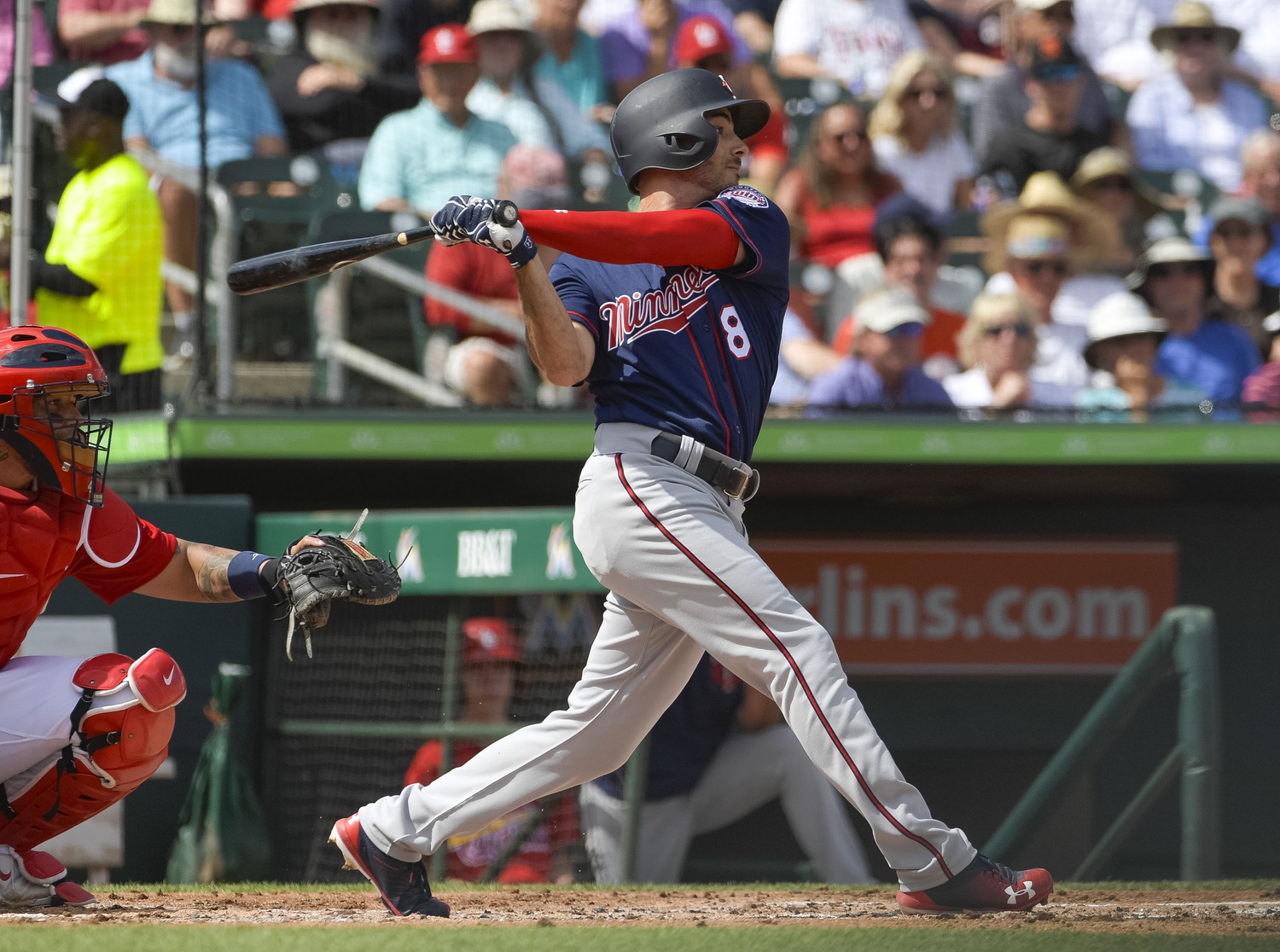 The Twins made the decision to waive Granite after signing Marwin Gonzalez. Drafted in the 13th round in 2013 out of Seton Hall, the speedy Granite played six seasons in the organization, including 40 games with the Twins in 2017, where he hit .237/.321/.290 in 107 plate appearances. A shoulder contusion in spring training limited Granite's play to just 73 games in 2018. An MRI in July revealed a tear in his rotator cuff that ended his season prematurely. A few hours later the Twins made another trade, sending Moore to the Baltimore Orioles in exchange for $750,000 in international bonus money.
 -
Article: What To Expect From Marwin Gonzalez
Parker Hageman replied to Parker Hageman's topic in Twins Daily Front Page News
is that passive-aggressive minnesotan "interesting" or were you genuinely interested -
Article: What To Expect From Marwin Gonzalez
Parker Hageman replied to Parker Hageman's topic in Twins Daily Front Page News
Good question. And it definitely made me pause, given how advanced the Astros are supposed to be -- do they see something that happened in 2018 that made them believe Gonzalez is expendable? If media reports are to be believed, the Astros did have conversations with Gonzalez and wanted to bring him back. With bringing in Michael Brantley, unless there were injuries (which it's baseball, sure there will be), Gonzalez likely didn't have a starting position with Houston. With the Twins, at least from what the Twins are saying, he'll basically be an everyday player.

