



Parker Hageman
-
Posts
4,162 -
Joined
-
Last visited
-
Days Won
6
Content Type
Profiles
Minnesota Twins News, Rumors & Analysis
Minnesota Twins Videos
2026 Minnesota Twins Top Prospect Rankings
2022 Minnesota Twins Draft Picks & Signing Bonuses
Minnesota Twins Trade & Free Agent Rumors
Minnesota Twins Fan Guides & Resources
2023 Minnesota Twins Draft Picks & Signing Bonuses
2024 Minnesota Twins Draft Picks & Signing Bonuses
2025 Minnesota Twins Draft Picks & Signing Bonuses
2026 Minnesota Twins Draft Picks & Signing Bonuses
Forums
Blogs
Events
Store
Downloads
Gallery
Everything posted by Parker Hageman
-

LEN3: Derek Falvey Declined Red Sox Interview
Parker Hageman replied to Parker Hageman's topic in Minnesota Twins Talk
I don't have any particular insight into this but I get the sense that he is driven by building an organization. He has that opportunity here. Boston may be another challenge but he seems set to take on this one. If he were motivated by personal goals such as running his hometown team, then he would have likely taken the interview. After all, he beat out Bloom before for a job. Bloom is someone who has been clawing to work his way into another organization. To the best of my knowledge, Falvey never took another interview outside of Cleveland despite having almost the exact same position as Bloom (both vps of baseball operations for their respective orgs). It wasn't until the opportunity to redesign the Twins' system became available that he interviewed. As crazy as it sounds, the Red Sox wants to copy that model. It would stand to reason that targeting a person who has three years of experience creating that system would be a highly sought after candidate.- 30 replies
-
- 4
-

-
- derek falvey
- james rowson
- (and 1 more)
-
LEN3: Derek Falvey Declined Red Sox Interview
Parker Hageman replied to Parker Hageman's topic in Minnesota Twins Talk
Well this is certainly a nice little one-man play you've written here. As far as Bloom being "ahead of Falvey" in his career, Falvey is three full seasons ahead of Bloom in the exact position they hired Bloom to do. Frankly, Falvey comes off as a very aspiration individual. If his ultimate goal was to lead the Boston Red Sox, he'd certainly have taken the interview. If Falvey declined an interview with the Red Sox, it likely had nothing to do with Bloom. But, in the end, I will admit that none of us know Falvey's actual intentions for turning down an interview.- 30 replies
-
- 3
-
-
- derek falvey
- james rowson
- (and 1 more)
-
LEN3: Derek Falvey Declined Red Sox Interview
Parker Hageman replied to Parker Hageman's topic in Minnesota Twins Talk
You think Falvey didn't interview with the Red Sox because he believed he wouldn't get the job?- 30 replies
-
- 4
-
-
- derek falvey
- james rowson
- (and 1 more)
-
When the Boston Red Sox fired Dave Dombrowski, there was some chatter that the organization could target the Twins' Derek Falvey, who grew up in Red Sox Nation and might find the challenge of running his childhood team appealing. The Red Sox announced they hired Chaim Bloom away from the Rays but it sounds like they had inquired about interviewing Falvey. According to the Star Tribune's Lavelle Neal, Falvey said nah. The Twins are experiencing some coaching harvesting -- first Pete Fatse to the Red Sox and then James Rowson to the Marlins -- and that's a good sign. Even better, Falvey remains on to backfill and target more of these high caliber, high quality coaches.
- 30 replies
-
- 10
-
-
- derek falvey
- james rowson
- (and 1 more)
-
One of the interesting things about Stashak is how he releases the ball on his slider -- his thumb is way more involved in the process. Typically you see pitchers tuck their thumb either on the side or under for the slider but Stashak's thumb is behind it. https://twitter.com/ParkerHageman/status/1154022266709204992 The only other pitcher I could come up with who does this is Dan Straily. I don't have video evidence of this but it appears he does this with his fastball too. It must create some unique spin direction or a different look than what most hitters are used to.
-
I don't think a league switching the specs of a baseball is such an unprecedented conspiracy -- Japan's commissioner resigned in shame after they admitted to secretly adjusting the baseball in efforts to boost offensive production -- and there is historical evidence that altering the makeup of the baseball production has unintentional consequences on how the ball travels. I don't know if this was an intentional ploy (I tend to believe this wasn't a shadowy parking garage exchange of de-juiced baseballs) or just the inclusion of balls that were manufactured differently for the postseason. As far as Rob's research goes, I have complete faith that he conducted his study as thoroughly as possible. When you look at his thread, you can see he addresses almost every concern (weather, wind, sample size, etc). There is something there.
-
Since the beginning of August, the New York Yankees’ American League Division Series Game One starter, James Paxton, has been one of the most effective pitchers in the American League. Over his last 11 outings Paxton had held opponents to a .177 average against -- fifth-best in baseball behind such luminaries as St. Louis’ Jack Flaherty, Houston’s Gerrit Cole, Cincinnati’s Sonny Gray and New York’s Jacob Degrom. In short, Paxton is a big lefty who can dial it up into the mid-to-upper 90s, drop a mean deuce on you, isn’t afraid of dive-bombing birds of prey, and is currently red hot. He should also be terrified of facing the Minnesota Twins. Image courtesy of Brad Penner-USA TODAY Sports Since the beginning of August, the New York Yankees’ American League Division Series Game One starter, James Paxton, has been one of the most effective pitchers in the American League. Over his last 11 outings Paxton had held opponents to a .177 average against -- fifth-best in baseball behind such luminaries as St. Louis’ Jack Flaherty, Houston’s Gerrit Cole, Cincinnati’s Sonny Gray and New York’s Jacob Degrom. In short, Paxton is a big lefty who can dial it up into the mid-to-upper 90s, drop a mean deuce on you, isn’t afraid of dive-bombing birds of prey, and is currently red hot. He should also be terrified of facing the Minnesota Twins. At the very basic level, the Twins’ roster was constructed to dismantle left-handed pitching. They’ve been very thorough in that department. This season, nobody has out-slugged or out-homered the Twins when it comes to facing left-handed pitching. Since 2009, their 95 home runs off lefties is the most in MLB. Like all humanoids, Paxton has weaknesses and the Twins can exploit them. First, he is most susceptible in the first two pitches of each at-bat. Early in the count he relies on his four-seam fastball and fills the strike zone, usually in the upper third, to work ahead. This season, opponents are hitting .333 with a .598 slugging percentage in the first two pitches of a plate appearance. So one would expect the Twins to emphasize attacking early in the plate appearance because, if Paxton is able to slip into pitch three and beyond, opponents are hitting just .215 with a .370 slugging. This is where he is able to deploy his big bending knuckle-curve and his darting cutter. Still, hitting Paxton’s fastball isn’t babytown frolics. According to Statcast’s data, his four-seam fastball’s movement profiles, in terms of rise and run, closely to that of Minnesota Twins’ Devin Smeltzer. So the elements that makes Smeltzer’s fastball get a lot of empty swings -- it stays on the release plane longer while cutting in a bit to righties, Paxton’s does the same thing only at a higher velocity. Essentially, both pitchers have a lot of carry on their fastballs and hitters struggle to put wood on the high spin fastball. How hitters can combat this is through what Nelson Cruz has preached all year -- by staying on top of the ball. In a recent interview with Fangraphs, Cruz outlined how he attacks the high velocity, high spin pitchers, which was by driving his hands down and inside the baseball. In all, the Twins right-handers haven’t been challenged that often by that type of stuff. The righties have seen 93-plus fastballs at the top of the zone 381 times in 2019 which ended 81 plate appearances. Collectively, they hit .289, with Mitch Garver’s 4-for-10 with 2 home runs being the best performance. Both Cruz and Miguel Sano are the only other two with home runs on that type of velocity. Jonathan Schoop has also fared well against that pitching. While being aggressive early in the count should be rewarded against Paxton, the first inning will be critical. This season, opponents have posted a 1.015 OPS against him in the first. That is a byproduct of Paxton struggling against the first four hitters of a lineup (a .996 OPS), while limiting damage on hitters five through nine (.499 OPS, well below the league average of .711). In fact, he has allowed 22 home runs to the first four hitters while relinquishing just one to the last five. It is difficult to say why this effect is playing out -- most likely because of the quality of hitter -- and the Twins’ lineup depth should be more formidable than, say, the Orioles, but it reaffirms that Paxton can be touched up. Earlier this year, Paxton has been a pitcher who was reportedly tipping his pitches against the Astros. In the stretch position, Paxton had displayed a lot of forearm arm when he came set and that may have given Houston’s hitters a head’s up between the fastball and his breaking ball (different grips can reveal a different look to the hitter). Ultimately, Paxton adjusted that set position to conceal his in-glove grip. For the astute observer, at least in his last few starters, Paxton has a tendency to occasionally telegraph his slow curveball from the wind-up position, as video shows him turning his glove quicker into his rotation more so than he does when he is going to throw a fastball. With the prevalence of video in the clubhouse and dugout, it is possible that the Twins can capitalize on this. Then again, he’s 10-and-oh over his last 11 outings so it is entirely possible that hitters can’t pick that up quickly enough. To summarize, for the Twins the name of the game is being aggressive. Hitters will need to look for the four-seam fastball up in the zone and attempt to stay on top of it. Paxton is the proverbial pitcher who can settle in and dispatch his slow knuckle-curve and his sharp cutter which tunnel well off each other. It is not a waiting game against Paxton, it needs to be an assault. View full article
-
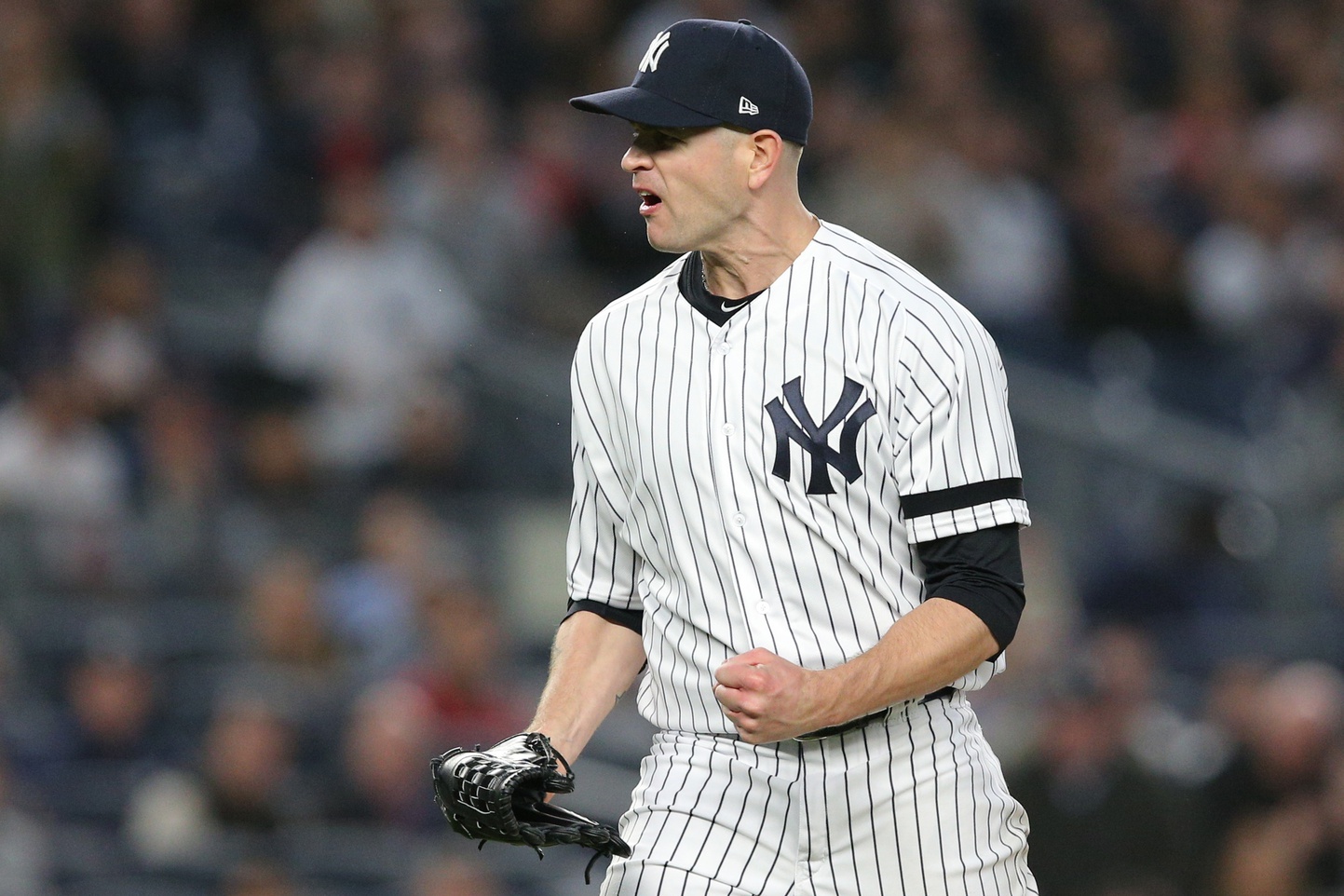 At the very basic level, the Twins’ roster was constructed to dismantle left-handed pitching. They’ve been very thorough in that department. This season, nobody has out-slugged or out-homered the Twins when it comes to facing left-handed pitching. Since 2009, their 95 home runs off lefties is the most in MLB. Like all humanoids, Paxton has weaknesses and the Twins can exploit them. First, he is most susceptible in the first two pitches of each at-bat. Early in the count he relies on his four-seam fastball and fills the strike zone, usually in the upper third, to work ahead. This season, opponents are hitting .333 with a .598 slugging percentage in the first two pitches of a plate appearance. So one would expect the Twins to emphasize attacking early in the plate appearance because, if Paxton is able to slip into pitch three and beyond, opponents are hitting just .215 with a .370 slugging. This is where he is able to deploy his big bending knuckle-curve and his darting cutter. Still, hitting Paxton’s fastball isn’t babytown frolics. According to Statcast’s data, his four-seam fastball’s movement profiles, in terms of rise and run, closely to that of Minnesota Twins’ Devin Smeltzer. So the elements that makes Smeltzer’s fastball get a lot of empty swings -- it stays on the release plane longer while cutting in a bit to righties, Paxton’s does the same thing only at a higher velocity. Essentially, both pitchers have a lot of carry on their fastballs and hitters struggle to put wood on the high spin fastball. How hitters can combat this is through what Nelson Cruz has preached all year -- by staying on top of the ball. In a recent interview with Fangraphs, Cruz outlined how he attacks the high velocity, high spin pitchers, which was by driving his hands down and inside the baseball. In all, the Twins right-handers haven’t been challenged that often by that type of stuff. The righties have seen 93-plus fastballs at the top of the zone 381 times in 2019 which ended 81 plate appearances. Collectively, they hit .289, with Mitch Garver’s 4-for-10 with 2 home runs being the best performance. Both Cruz and Miguel Sano are the only other two with home runs on that type of velocity. Jonathan Schoop has also fared well against that pitching. While being aggressive early in the count should be rewarded against Paxton, the first inning will be critical. This season, opponents have posted a 1.015 OPS against him in the first. That is a byproduct of Paxton struggling against the first four hitters of a lineup (a .996 OPS), while limiting damage on hitters five through nine (.499 OPS, well below the league average of .711). In fact, he has allowed 22 home runs to the first four hitters while relinquishing just one to the last five. It is difficult to say why this effect is playing out -- most likely because of the quality of hitter -- and the Twins’ lineup depth should be more formidable than, say, the Orioles, but it reaffirms that Paxton can be touched up. Earlier this year, Paxton has been a pitcher who was reportedly tipping his pitches against the Astros. In the stretch position, Paxton had displayed a lot of forearm arm when he came set and that may have given Houston’s hitters a head’s up between the fastball and his breaking ball (different grips can reveal a different look to the hitter). Ultimately, Paxton adjusted that set position to conceal his in-glove grip. For the astute observer, at least in his last few starters, Paxton has a tendency to occasionally telegraph his slow curveball from the wind-up position, as video shows him turning his glove quicker into his rotation more so than he does when he is going to throw a fastball. With the prevalence of video in the clubhouse and dugout, it is possible that the Twins can capitalize on this. Then again, he’s 10-and-oh over his last 11 outings so it is entirely possible that hitters can’t pick that up quickly enough. To summarize, for the Twins the name of the game is being aggressive. Hitters will need to look for the four-seam fastball up in the zone and attempt to stay on top of it. Paxton is the proverbial pitcher who can settle in and dispatch his slow knuckle-curve and his sharp cutter which tunnel well off each other. It is not a waiting game against Paxton, it needs to be an assault.
-
they shoulda drafted mike trout.
-
The Twins Need Early Season Eddie
Parker Hageman replied to Parker Hageman's topic in Twins Daily Front Page News
Right but he wasn't swinging at a certain area off the plate and now he is. Pitchers did attack that zone at the beginning of the year, Rosario just laid off. -
The Twins Need Early Season Eddie
Parker Hageman replied to Parker Hageman's topic in Twins Daily Front Page News
Right. Of course it wasn't a steep of a decline like that. He was still at a 742 OPS in August. The main difference between the Mar/Apr and late Aug/Sept numbers is the pitches he chooses to swing at. The sense of what he can and cannot handle eroded. He's a streaky hitter over his career, for sure, and that comes with the territory of being one that expands the zone. I also have no doubt that his ankle injury likely hindered his performance since returning. His sprint speed is down. One thing that is notable too is that his doubles total, for the first time in his career, is lower (21) than his home run total (28). Also, and this is random, but holy cow he had 15 triples in his rookie season?! -
The Twins Need Early Season Eddie
Parker Hageman replied to Parker Hageman's topic in Twins Daily Front Page News
I think he's playing hurt too but that really doesn't involve the swing decision process. If he were swinging through a bunch of in-zone pitches or had a steep drop off in fly ball distance, I'd be more inclined to think injuries are effecting his offensive performance. Furthermore, if injuries are a source for his offensive issues (I can see a scenario where his ankle injury *could be* forcing him to start his swing earlier or pushier thus messing with pitch recognition), dialing back and reducing his reach would be beneficial. -
When it comes to the Opening Day outfield, Eddie Rosario is the last man standing. Yes, the left-handed slugger had suffered through his share of injuries, missing time in June and July with a sprained ankle, but it was at a time when the roster was bubbling with health. We’ve got plenty of outfielders. Take your time. But now? Byron Buxton’s season is over. Marwin Gonzalez hasn’t been seen since the end of August. Max Kepler, another healthy warrior who avoided major injuries for most of the year, has tweaked stuff. Even the backups like Jake Cave have fallen. It should be expected. After all, baseball is a war of attrition. Roster depth and flexibility are supremely valued. As manager Lou Brown said to the owner on Major League, “over 162 games and even tough guys get strains... Sore arms... Muscle pulls…” Baseball is a non-stop, death by paper-cuts thrill ride where you sometimes have to do it all over again less than 24 hours later. And, if your roster is sufficiently depleted, sometimes a player needs to power through the strains, sore arms and muscle pulls for the good of the team. Which brings us back to Eddie Rosario. Image courtesy of © Jesse Johnson-USA TODAY Sports When it comes to the Opening Day outfield, Eddie Rosario is the last man standing. Yes, the left-handed slugger had suffered through his share of injuries, missing time in June and July with a sprained ankle, but it was at a time when the roster was bubbling with health. We’ve got plenty of outfielders. Take your time. But now? Byron Buxton’s season is over. Marwin Gonzalez hasn’t been seen since the end of August. Max Kepler, another healthy warrior who avoided major injuries for most of the year, has tweaked stuff. Even the backups like Jake Cave have fallen. It should be expected. After all, baseball is a war of attrition. Roster depth and flexibility are supremely valued. As manager Lou Brown said to the owner on Major League, “over 162 games and even tough guys get strains... Sore arms... Muscle pulls…” Baseball is a non-stop, death by paper-cuts thrill ride where you sometimes have to do it all over again less than 24 hours later. And, if your roster is sufficiently depleted, sometimes a player needs to power through the strains, sore arms and muscle pulls for the good of the team. Which brings us back to Eddie Rosario. Over the last three years, Rosario has hit 23 home runs on pitches outside of the rulebook strike zone. The next closest is Trey Mancini with 15. His .403 slugging percentage over those three years is the best in the game. He maintains a .247 average outside of the zone -- fourth-best behind guys like Altuve and Benintendi. Everyone wants to hold up Ted Williams’ magical multi-colored chart as a sacred tablet when it comes to hitting instruction but the truth is that for many hitters, their “happy zone”, as Williams called it, can also extend to areas out of the box. From 2015 through 2017, Minnesota Twins fans witnessed Brian Dozier slug 16 home runs on pitches out of the zone, mostly at his eye level. For Rosario, his extrazonal happy place was on pitches between him and the plate, where he could turn and burn, or above the zone, where his deep barrel turn assisted him in catching elevated fastballs. So naturally, being able to make solid contact on those pitches is going to beget more out of zone swings. It’s a dubious skill set, to be sure. Like being really good at smoking an entire pack of cigarettes at once. Sure, it may look impressive in the moment but eventually you are going to pay for it. If you stick to your strength -- swinging at pitches in your happy zone wherever that may be — you will succeed. If that target drifts however... And here is where Rosario has run afoul of late. When Rosario started the season off hot in March, April and May, his 40% chase rate was the fifth highest in the league. He was just hitting a lot of those out of zone pitches well. He had six extra-base hits, including three home runs. The vast majority of those swings came on pitches just inside. Since the end of August, however, pitchers have gotten Rosario to extend his arms and chase after pitches off the other side of the plate. In April, Rosario swung at just 27% of pitches that were outside. Over the last couple of weeks, Rosario’s swing rate at those pitches has increased to 51%. Opponents have noted this trend and have adjusted accordingly, feeding him more pitches just off the plate and allowing him to generate weak contact, if any at all. At the beginning of the year, pitchers would challenge him and give more ripe pitches. Between his ability to drive those pitches and his inability to lay off the outside ones, teams are staying away. This is a swing decision issue. There have been no mechanical changes that would result in a hole in the swing. Rosario could stand to quiet his pre-swing movements similar to Miguel Sano -- the big drawback of his hands undoubtedly lead to some timing issues -- but he has always had the big load process and has had previous success with it. And there hasn’t been a substantial drop in exit velocity on contact that would suggest an injury, as even the most minor nagging injuries can alter things at this point in the season. In fact, his exit velo is better now than back in April. That said, this has the signs of an issue upstairs. As the “Eddie” chants grow increasingly louder at Target Field and the stakes have risen, Rosario has found himself without the lineup cushion that once surrounded him. Furthermore, his innate desire to play the role of the hero may be a catalyst for his audacious swing rate. He is forcing things to happen when he and the team would be better served if he exercised patience. There is no question that the Twins need Eddie Rosario -- the early season version Eddie Rosario -- more than ever. That would require some restraint. Does Rosario have that kind of restraint? Does he have the ability to turn off the ego and quiet the voice in his head that tells him to swing and drive in that run no matter where the pitch is? With the division lead shrinking and a postseason run at stake, the Twins need Rosario to wrangle it. View full article
-
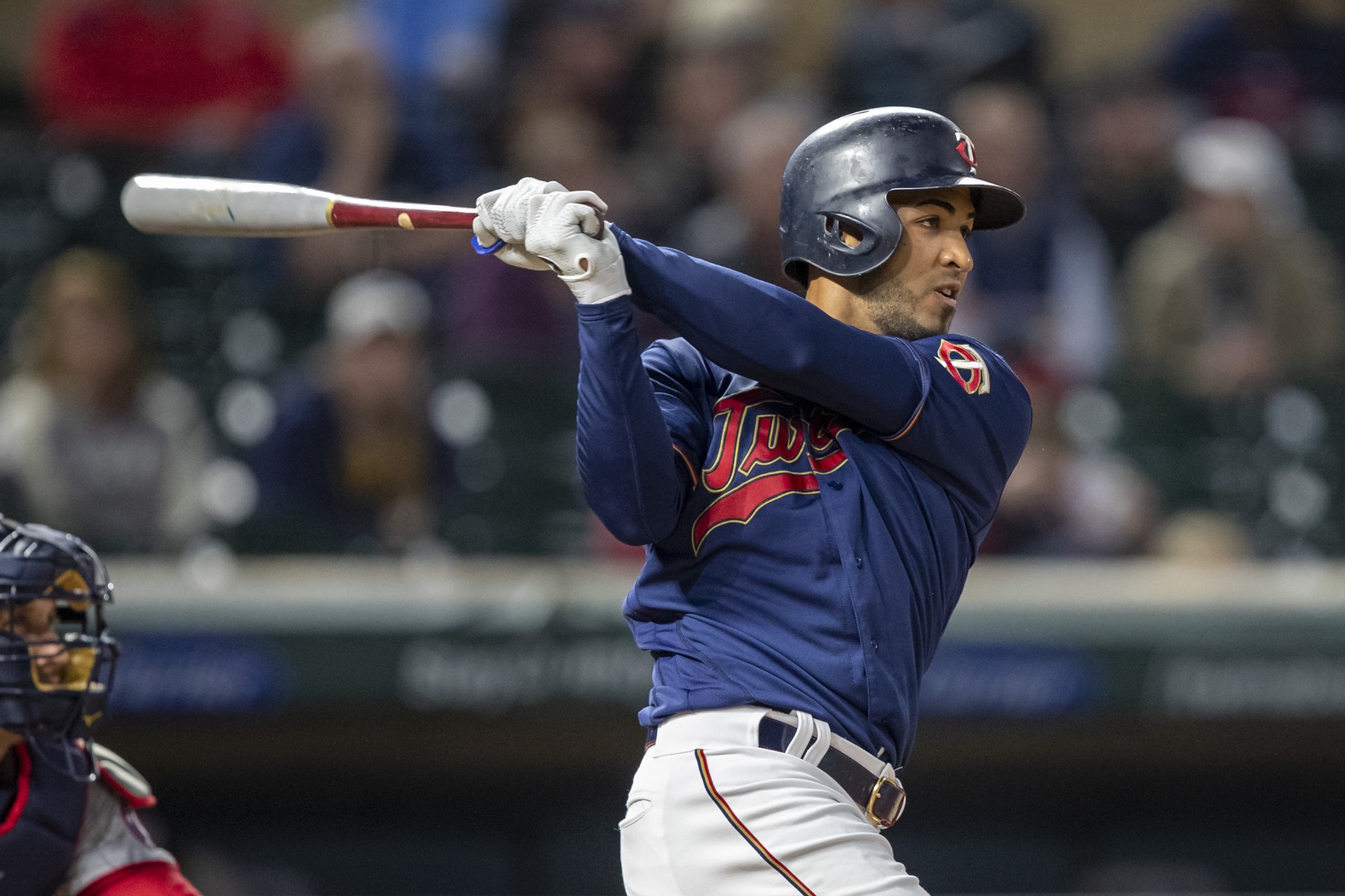 Over the last three years, Rosario has hit 23 home runs on pitches outside of the rulebook strike zone. The next closest is Trey Mancini with 15. His .403 slugging percentage over those three years is the best in the game. He maintains a .247 average outside of the zone -- fourth-best behind guys like Altuve and Benintendi. Everyone wants to hold up Ted Williams’ magical multi-colored chart as a sacred tablet when it comes to hitting instruction but the truth is that for many hitters, their “happy zone”, as Williams called it, can also extend to areas out of the box. From 2015 through 2017, Minnesota Twins fans witnessed Brian Dozier slug 16 home runs on pitches out of the zone, mostly at his eye level. For Rosario, his extrazonal happy place was on pitches between him and the plate, where he could turn and burn, or above the zone, where his deep barrel turn assisted him in catching elevated fastballs. So naturally, being able to make solid contact on those pitches is going to beget more out of zone swings. It’s a dubious skill set, to be sure. Like being really good at smoking an entire pack of cigarettes at once. Sure, it may look impressive in the moment but eventually you are going to pay for it. If you stick to your strength -- swinging at pitches in your happy zone wherever that may be — you will succeed. If that target drifts however... And here is where Rosario has run afoul of late. When Rosario started the season off hot in March, April and May, his 40% chase rate was the fifth highest in the league. He was just hitting a lot of those out of zone pitches well. He had six extra-base hits, including three home runs. The vast majority of those swings came on pitches just inside. Since the end of August, however, pitchers have gotten Rosario to extend his arms and chase after pitches off the other side of the plate. In April, Rosario swung at just 27% of pitches that were outside. Over the last couple of weeks, Rosario’s swing rate at those pitches has increased to 51%. Opponents have noted this trend and have adjusted accordingly, feeding him more pitches just off the plate and allowing him to generate weak contact, if any at all. At the beginning of the year, pitchers would challenge him and give more ripe pitches. Between his ability to drive those pitches and his inability to lay off the outside ones, teams are staying away. This is a swing decision issue. There have been no mechanical changes that would result in a hole in the swing. Rosario could stand to quiet his pre-swing movements similar to Miguel Sano -- the big drawback of his hands undoubtedly lead to some timing issues -- but he has always had the big load process and has had previous success with it. And there hasn’t been a substantial drop in exit velocity on contact that would suggest an injury, as even the most minor nagging injuries can alter things at this point in the season. In fact, his exit velo is better now than back in April. That said, this has the signs of an issue upstairs. As the “Eddie” chants grow increasingly louder at Target Field and the stakes have risen, Rosario has found himself without the lineup cushion that once surrounded him. Furthermore, his innate desire to play the role of the hero may be a catalyst for his audacious swing rate. He is forcing things to happen when he and the team would be better served if he exercised patience. There is no question that the Twins need Eddie Rosario -- the early season version Eddie Rosario -- more than ever. That would require some restraint. Does Rosario have that kind of restraint? Does he have the ability to turn off the ego and quiet the voice in his head that tells him to swing and drive in that run no matter where the pitch is? With the division lead shrinking and a postseason run at stake, the Twins need Rosario to wrangle it.
-
One day after a solid performance against the Cleveland Indians, Major League Baseball announces it has suspended Michael Pineda for 60 games following a positive test for a banned substance. Image courtesy of © Brad Rempel-USA TODAY Sports One day after a solid performance against the Cleveland Indians, Major League Baseball announces it has suspended Michael Pineda for 60 games following a positive test for a banned substance. According to Pineda's statement, the pitcher had taken Hydrochlorothiazide, a banned diurectic under MLB's testing program. Pineda says he took the medication that was given to him by a "close acquaintance, who obtained it over-the-counter". He went on to say he ingested several of those pills without the consent of the Minnesota Twins' medical staff. Statement from the Twins regarding the suspension: “We were disappointed to learn of the suspension of Michael Pineda for violating Major League Baseball’s Joint Drug Prevention and Treatment Program. We fully support Major League Baseball’s policy and its efforts to eliminate banned substances from our game. Per the protocol outlined in the Joint Drug Program, the Minnesota Twins will not comment further on this matter.” According to Ken Rosenthal, the league's arbitrator decided to reduce Pineda's suspension from 80-games to 60 after an appeals process. Nevertheless, the Twins' pitcher remains ineligible for the postseason, a crushing development to what had become one of the team's best arms in the second-half of the season. In nine starts since the All Star break, Pineda was 5-1 with a 3.04 ERA while striking out 56 and walking just 12 in 53.1 innings. View full article
-
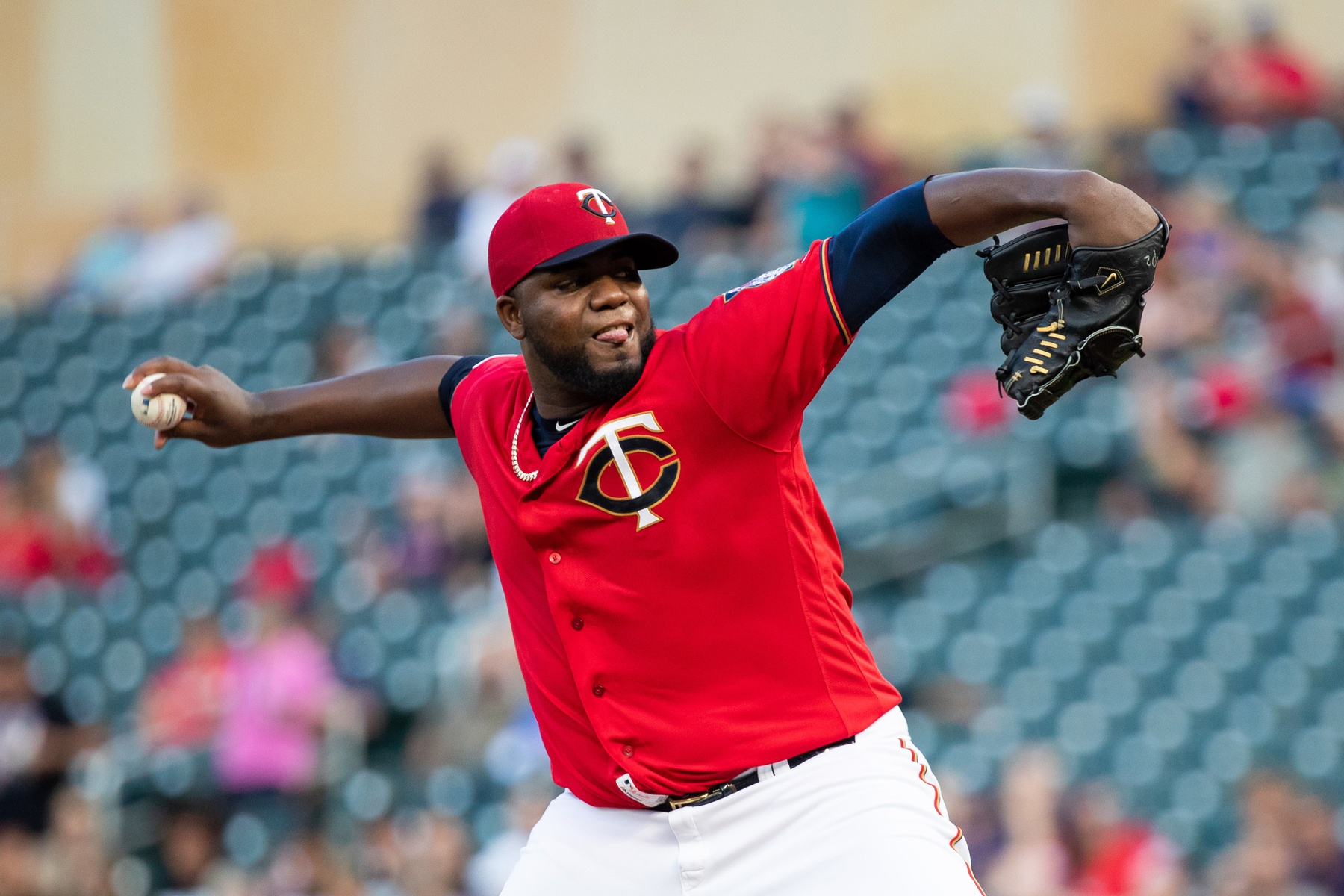 According to Pineda's statement, the pitcher had taken Hydrochlorothiazide, a banned diurectic under MLB's testing program. Pineda says he took the medication that was given to him by a "close acquaintance, who obtained it over-the-counter". He went on to say he ingested several of those pills without the consent of the Minnesota Twins' medical staff. Statement from the Twins regarding the suspension: “We were disappointed to learn of the suspension of Michael Pineda for violating Major League Baseball’s Joint Drug Prevention and Treatment Program. We fully support Major League Baseball’s policy and its efforts to eliminate banned substances from our game. Per the protocol outlined in the Joint Drug Program, the Minnesota Twins will not comment further on this matter.” According to Ken Rosenthal, the league's arbitrator decided to reduce Pineda's suspension from 80-games to 60 after an appeals process. Nevertheless, the Twins' pitcher remains ineligible for the postseason, a crushing development to what had become one of the team's best arms in the second-half of the season. In nine starts since the All Star break, Pineda was 5-1 with a 3.04 ERA while striking out 56 and walking just 12 in 53.1 innings.
-
I understand, thank you for your service.
-
How hitting is taught/directed varies wildly from org to org. Some do emphasize getting on plane earlier and have been for a while as others are just catching on to this (there was a good article from the Orioles system that talked about how their hitting philosophy). But I do think with pitcher being encouraged to throw their breaking balls more, hitters are at that level are at disadvantage. Getting on plane with a fastball is easier than getting on plane with a slider/curveball.
-
No, I was not crediting the development staff for the full 12%, just citing the increase above the league average as well as their big jump over the previous season. But the overall point is that these numbers are a trend (however much weight you want to put in the increase) toward that goal of more strikeouts and more home runs. This isn't an accident. This is the plan.
-
The league jumped 7% while the Twins staff improved by 12%. But yes, the IL has seen the K/9 rate increase steadily over the last few years -- from 7.1 in 2015 to 8.2 in 2017 to 9.0 now. I don't know how much of that is due to training and pitching development (when you look, the league leaders are often the Rays and the Yankees) or to increased emphasis on getting the ball in the air. Probably a little of both.
-
The Hazy Future of Fernando Romero
Parker Hageman replied to Nick Nelson's topic in Twins Daily Front Page News
One thing I wanted to point out about Romero is that since his lower back injury, he has been working on shortening his arm action: https://twitter.com/ParkerHageman/status/1166397620178362374 It could lead to more velocity and better command but so far in August, he's walked 12 batters in 12.1 innings pitched. That may be a byproduct of the adjustment. -
The drafting of power hitters is very evident in the amount of home runs hit at Elizabethton (69, nice), which is a mark they only hit three times in the last ten years (one of those years Rosario and Sano combined for 41 dingers). They won't hit that 80 mark from 2009 but they probably will have the 2nd highest home run total since then when the season ends in two days. Of course, Elizabethton is also striking out a hell of a lot more hitters than they ever had before (by like 2K per 9 IP over the last ten seasons). Again, you can look at the trends and absolutely see that the development program is heading in a different direction. This is the plan.
-
I would point to Garver, Kepler, Buxton (when healthy) and Sano as big time recipients of the development system. The work from this spring is a big reason why they are performing better in 2019. Ok, how about this: 1. Minor league system-wide the Twins pitchers have gone from 8.5 K/9 in 2018 to 9.6 K/9 in 2019. 2. They have hit 603 home runs so far in 2019 compared to 506 in total in 2018. 3. Ok, but the juiced balls at triple-A, right? In AA, the Blue Wahoos have hit 121 home runs so far whereas the Lookouts hit 107 in 2019. (By the way, Wahoos hitting coach Matt Borgschulte might be one of the most positive influences for offense at any level.) 4. If you remove the juiced ball effect at Rochester, the system as a whole is allowing far fewer home runs. If there was anything the Twins didn't do, it's hit home runs and strike hitters out. With the new personnel and direction, that script has been flipped. I would also point to the development of Lewin Diaz (again, Borgy was hugely influential in getting him to hit like he did) and that gave the Twins the ability to trade for Sergio Romo and Chris Vallimont. That's big value from someone who was starting to become an afterthought. I get that you probably want to point to one player and say that's a player that was developed by the new system but that's not how this works. It's incremental improvements in small areas. The end goal is to be able to cultivate few more players out of that system. It's a process but you can see some of the early fruits.
-
Here's what I will say about Berrios' release points: I don't believe the change has anything to do with the grip or any manipulation at the actual point of release. Mechanically speaking, most of the issues pitchers have out front stem from issues in the back. The arm mirrors the hips. In Berrios' case, since the end of July, his hip rotational action has increased from driving toward home plate to driving toward third base line then home: https://twitter.com/ParkerHageman/status/1160637308347080706 This directional movement is going to pull the arm further away from the rubber toward the third base line. Likewise, if his initial direction is first going toward third base, he's not going to get that same extension out front. Clean up the hips, you'll clean up the arm.
