Lucas Seehafer PT
-
Posts
525 -
Joined
-
Last visited
-
Days Won
2
Content Type
Profiles
News
Minnesota Twins Videos
2026 Minnesota Twins Top Prospects Ranking
2022 Minnesota Twins Draft Picks
Minnesota Twins Free Agent & Trade Rumors, Notes, & Tidbits
Guides & Resources
2023 Minnesota Twins Draft Picks
The Minnesota Twins Players Project
2024 Minnesota Twins Draft Picks
2025 Minnesota Twins Draft Pick Tracker
2026 Minnesota Twins Draft Tracker: Picks & Bonuses
Forums
Blogs
Events
Store
Downloads
Gallery
Everything posted by Lucas Seehafer PT
-
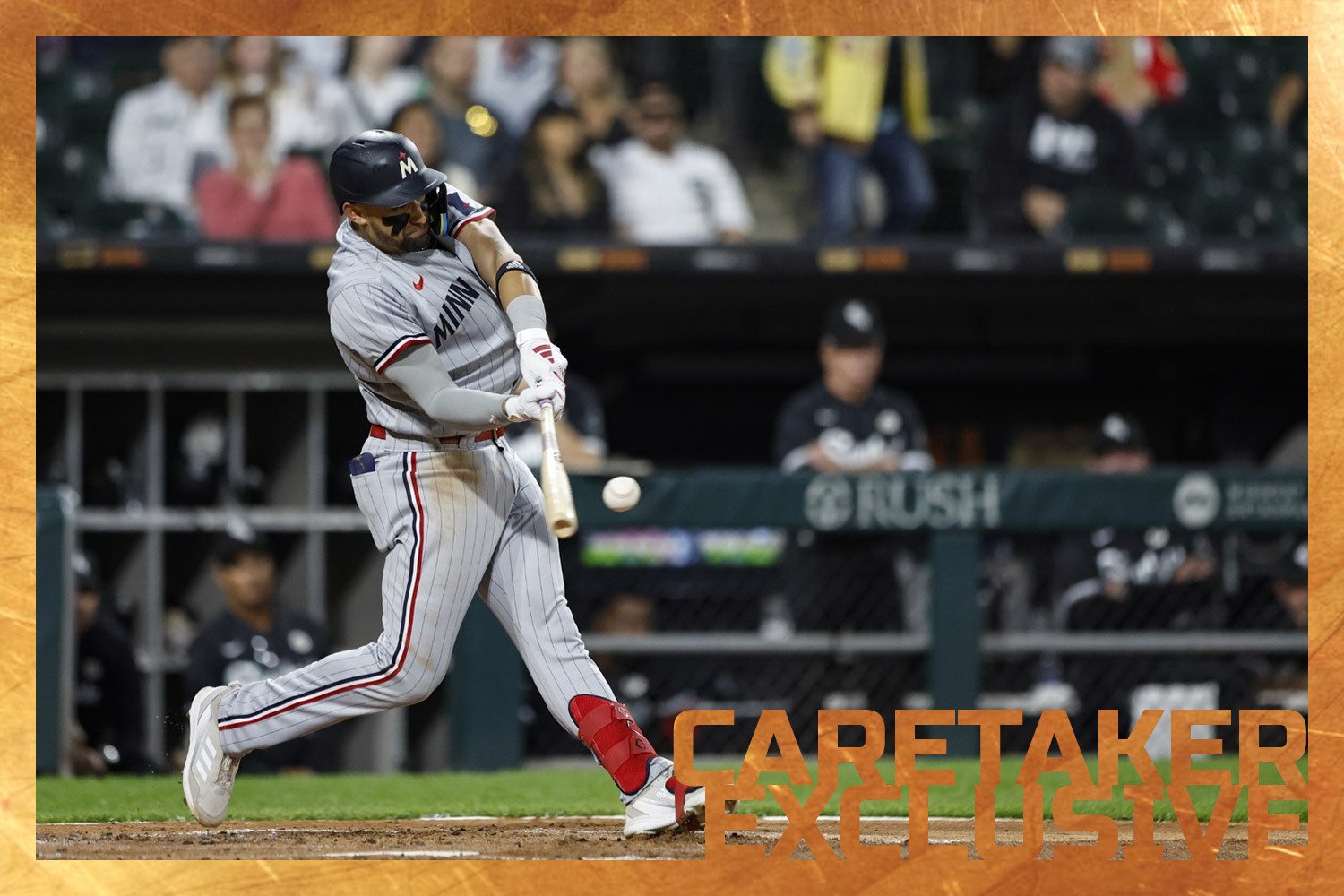
 To say that Royce Lewis had an exciting 2023 season would be an understatement. The former top prospect re-established himself as a core component of the Minnesota Twins’ future, after returning from his second ACL tear in as many years and continuing right where he left off. Specifically, he hit the crap out of the ball. However, there might be more room for explosiveness. Image courtesy of © Kamil Krzaczynski - USA Today Sports To say that Royce Lewis had an exciting 2023 season would be an understatement. The former top prospect re-established himself as a core component of the Minnesota Twins’ future, after returning from his second ACL tear in as many years and continuing right where he left off. Specifically, he hit the crap out of the ball. However, there might be more room for explosiveness. Although he did not qualify for any awards due to his limited plate appearances, Royce Lewis ranked in the top 10 percent of all MLB hitters in maximum exit velocity (114.0 mph) and Barrels per plate appearance (7.9%), meaning he has near-elite raw power and an ability to find the ball with his barrel. Lewis’s bat-to-ball skills resulted in 15 home runs and a massive .920 OPS in only 239 plate appearances, one of the highest home run rates per plate appearance in baseball. However, looking under the hood, it’s fair to be skeptical about Lewis’s 2023 power output. For starters, a 6.3% home run per plate appearance rate is elite. For context, Atlanta’s Ronald Acuña Jr. tallied 735 plate appearances last summer. Had Lewis maintained his power output across Acuña’s volume, he would have mashed 46 home runs, which would have tied for third in MLB with the Mets’ Pete Alonso. Additionally, Lewis’s underlying hard-hit data leaves something to be desired. His 42% hard-hit rate was 132nd out of 343 batters with at least 150 batted ball events, and his Sweet Spot percentage—which tracks balls hit with a launch angle between 8 and 32 degrees—was only 33.3%, which would have ranked well below average. So while Lewis has the raw power to hit balls very hard, he’s not able to tap into a full share of that power consistently, or at the optimal launch angle to maximize extra-base hits and home runs. This highlights how impressive his 15 home runs were last summer, while also showing that there was a bit of luck and small-sample noise involved. It may be worth discussing a couple of the biomechanical variances between Lewis and Acuña’s swings, to highlight how they differ and also to suggest minor tweaks Lewis could implement to increase his power profile. Let’s start by looking at each swing in slow motion. First, here's Lewis: Royce Lewis.mp4 Acuna2.mp4 I purposely chose videos in which both batters faced off against middle-in sliders that resulted in home runs. This allows us to see how each batter attacks these offerings and how their swings differ, despite having similar outcomes. View full article
 -
 Although he did not qualify for any awards due to his limited plate appearances, Royce Lewis ranked in the top 10 percent of all MLB hitters in maximum exit velocity (114.0 mph) and Barrels per plate appearance (7.9%), meaning he has near-elite raw power and an ability to find the ball with his barrel. Lewis’s bat-to-ball skills resulted in 15 home runs and a massive .920 OPS in only 239 plate appearances, one of the highest home run rates per plate appearance in baseball. However, looking under the hood, it’s fair to be skeptical about Lewis’s 2023 power output. For starters, a 6.3% home run per plate appearance rate is elite. For context, Atlanta’s Ronald Acuña Jr. tallied 735 plate appearances last summer. Had Lewis maintained his power output across Acuña’s volume, he would have mashed 46 home runs, which would have tied for third in MLB with the Mets’ Pete Alonso. Additionally, Lewis’s underlying hard-hit data leaves something to be desired. His 42% hard-hit rate was 132nd out of 343 batters with at least 150 batted ball events, and his Sweet Spot percentage—which tracks balls hit with a launch angle between 8 and 32 degrees—was only 33.3%, which would have ranked well below average. So while Lewis has the raw power to hit balls very hard, he’s not able to tap into a full share of that power consistently, or at the optimal launch angle to maximize extra-base hits and home runs. This highlights how impressive his 15 home runs were last summer, while also showing that there was a bit of luck and small-sample noise involved. It may be worth discussing a couple of the biomechanical variances between Lewis and Acuña’s swings, to highlight how they differ and also to suggest minor tweaks Lewis could implement to increase his power profile. Let’s start by looking at each swing in slow motion. First, here's Lewis: Royce Lewis.mp4 Acuna2.mp4 I purposely chose videos in which both batters faced off against middle-in sliders that resulted in home runs. This allows us to see how each batter attacks these offerings and how their swings differ, despite having similar outcomes.
 -
Buxton is pretty much right on the money. This is another example of a best case scenario procedure. I wrote a brief Twitter thread once his surgery was announced:
-
I went to school for healthcare, not math!
-
Twins, Alex Kirilloff Dodge Major Bullet During Shoulder Surgery
Lucas Seehafer PT posted an article in Twins
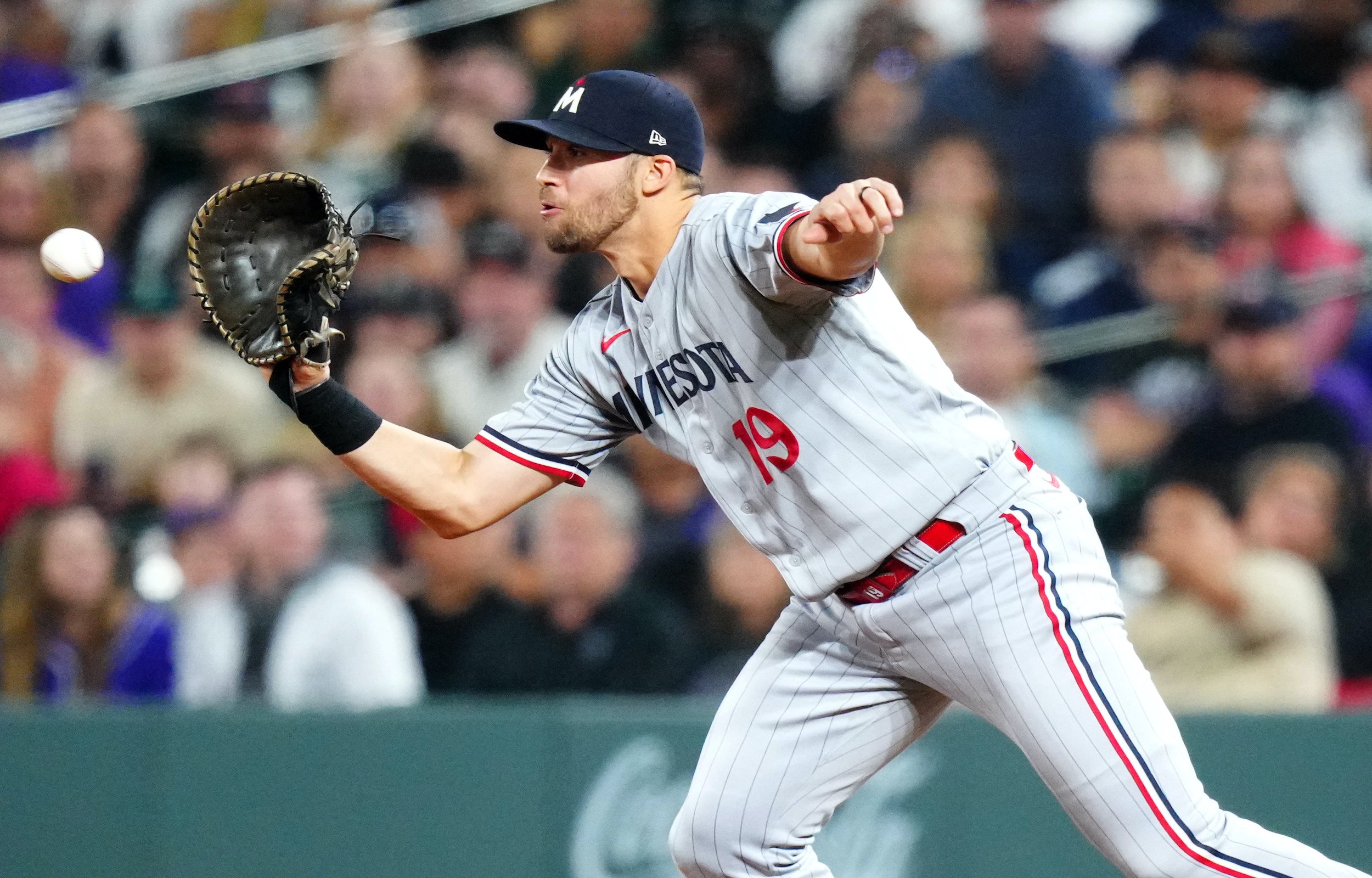 A nagging shoulder injury continued to bother Alex Kirilloff following his return from the injured list in September. It became bad enough in the playoffs that he needed to be removed from the ALDS roster. Kirilloff was originally diagnosed with a torn labrum, the ring of cartilage in the shoulder that improves the joint’s stability. Depending on the location of the tear, rehabilitation can take upwards of 6-8 months following surgery before the athlete is cleared to return to play full-time. Luckily, Kirilloff’s labrum was discovered to be intact, which allowed his surgical team to perform a bursectomy, a much less invasive and traumatic procedure. There are many bursae located in and around the shoulder, with the most prominent being the subacromial bursa. This fluid-filled sac sits between the supraspinatus tendon (the supraspinatus is a rotator cuff muscle) and the nearby bone, reducing the amount of friction expounded upon the tissue. Shoulder pain resembling a rotator cuff or labrum injury may be a result of subacromial bursa irritation. Removal of the bursa often relieves pain and improves range of motion. Athletes can often return to play in relatively short order, so, barring any major setbacks, Kirilloff shouldn’t be expected to begin the 2024 regular season on the IL. There also shouldn’t be any major concerns for future rotator cuff injury as proper strength training and other rehabilitative procedures should reduce the risk of tendon irritation. All things considered, this was a best-case scenario for Kirilloff and the Twins. Bursectomies fall under the nebulous “clean-up procedure” umbrella and spare the surrounding muscular and joint stabilizing structures. While this was Kirilloff’s third surgery of his career (Tommy John while in the minors and two wrist surgeries), it was by far the least significant and concerning.
 -
The Minnesota Twins announced Wednesday afternoon that first baseman Alex Kirilloff underwent surgery on his right shoulder. The good news is that the damage was less significant than anticipated. Image courtesy of © Ron Chenoy-USA TODAY Sports The Minnesota Twins announced Wednesday afternoon that first baseman Alex Kirilloff underwent surgery on his right shoulder. The good news is that the damage was less significant than anticipated. A nagging shoulder injury continued to bother Alex Kirilloff following his return from the injured list in September. It became bad enough in the playoffs that he needed to be removed from the ALDS roster. Kirilloff was originally diagnosed with a torn labrum, the ring of cartilage in the shoulder that improves the joint’s stability. Depending on the location of the tear, rehabilitation can take upwards of 6-8 months following surgery before the athlete is cleared to return to play full-time. Luckily, Kirilloff’s labrum was discovered to be intact, which allowed his surgical team to perform a bursectomy, a much less invasive and traumatic procedure. There are many bursae located in and around the shoulder, with the most prominent being the subacromial bursa. This fluid-filled sac sits between the supraspinatus tendon (the supraspinatus is a rotator cuff muscle) and the nearby bone, reducing the amount of friction expounded upon the tissue. Shoulder pain resembling a rotator cuff or labrum injury may be a result of subacromial bursa irritation. Removal of the bursa often relieves pain and improves range of motion. Athletes can often return to play in relatively short order, so, barring any major setbacks, Kirilloff shouldn’t be expected to begin the 2024 regular season on the IL. There also shouldn’t be any major concerns for future rotator cuff injury as proper strength training and other rehabilitative procedures should reduce the risk of tendon irritation. All things considered, this was a best-case scenario for Kirilloff and the Twins. Bursectomies fall under the nebulous “clean-up procedure” umbrella and spare the surrounding muscular and joint stabilizing structures. While this was Kirilloff’s third surgery of his career (Tommy John while in the minors and two wrist surgeries), it was by far the least significant and concerning. View full article
-
Being born with hip dysplasia is fairly common and can be corrected with bracing if caught at a young enough age. If caught later then doctors usually go the surgical route. I'm not aware of any research that has looked at the impact of hip dysplasia on athletic performance and longevity, but I'd be pretty surprised if was any more a hindrance than any other factor. I'm biased because I tend to favor the athlete and their performance and not ding them for past injuries/conditions, so unless the kid's hips are literally missing, it would stop me from drafting him. The MLB draft is such a crap shoot anyway, you may as well simply take the best talent and let the chips fall where they may.
- 56 replies
-
- 3
-

-
- mlb draft
- twins mlb draft
- (and 2 more)
-
Mahle Diagnosed with Forearm Strain and Elbow Impingement
Lucas Seehafer PT posted an article in Twins
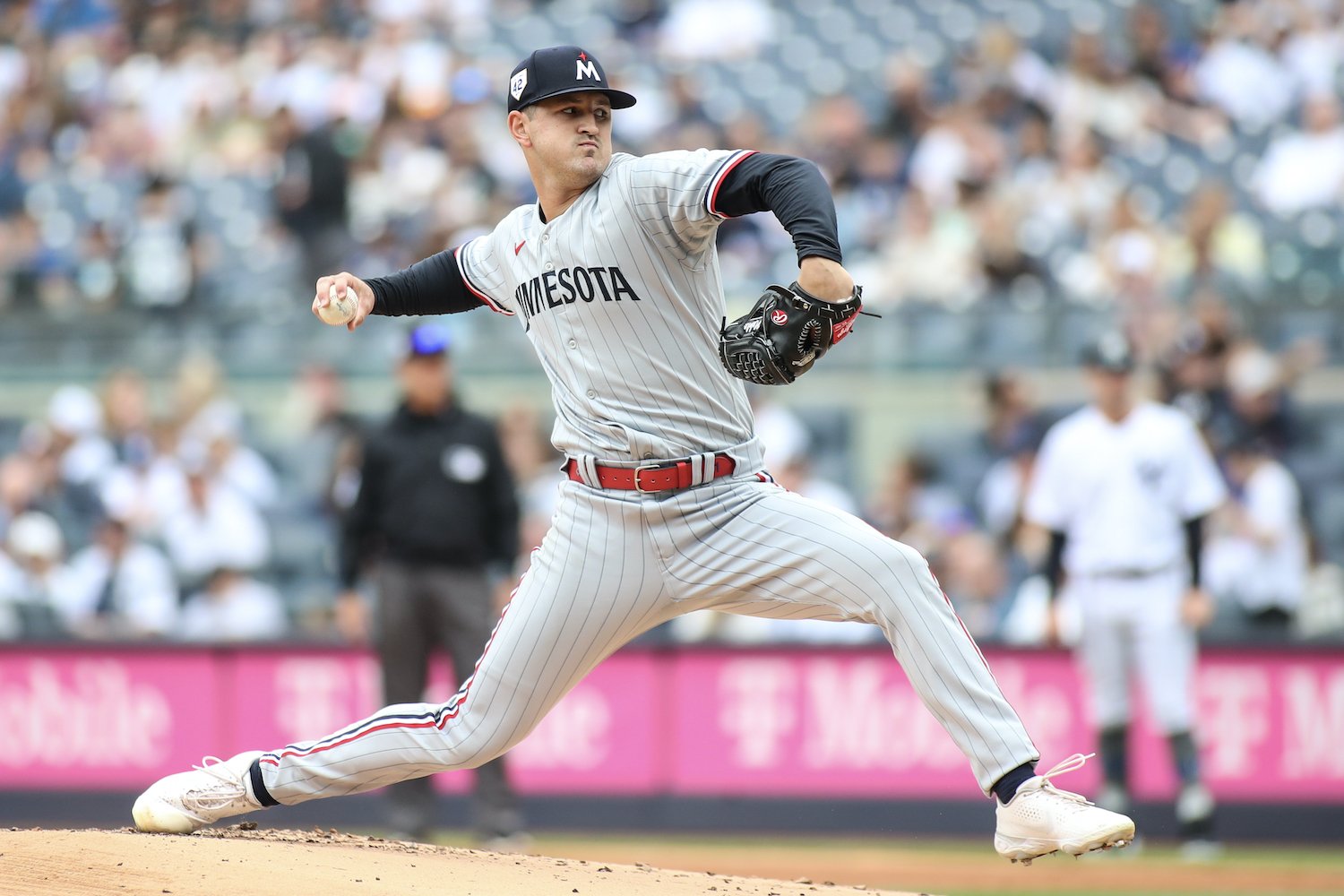 Posterior impingement simply means that a soft tissue structure on the back side of the elbow is getting “pinched” repeatedly with each throw. Usually, the culprit is either the triceps tendon or the ligament-like capsule that helps hold the joint together. While uncomfortable and potentially nagging, it isn’t an overly concerning injury in the long run. What is of slightly more concern, though, is the other injury in Hayes’ tweet. The wrist flexors and pronators, two distinct muscle groups in the forearm, attach along the inner elbow near the ulnar collateral ligament, or UCL. These muscles flex the wrist and fingers (i.e. making a fist and bending the wrist down) and also pronate the forearm (i.e. placing the hand in a palm-down position). These muscles are important for gripping and imparting spin to the baseball. Their forceful contractions also provide dynamic stability to the inner elbow, attenuating a mild amount of force that is otherwise placed on the UCL. Basically, if the flexors and pronators are injured, the UCL is at an increased risk for injury. As Hayes mentioned in his article following Mahle’s recent start against the Kansas City Royals, Mahle’s fastball velocity dropped over five miles per hour between the third and fourth innings. He originally stated that his pain was located at the back of the elbow and was “sore”, which originally led to the impingement diagnosis. The MRI revealed the muscle strain. According to Baseball Prospectus’ Recovery Dashboard, the median days missed due to elbow flexor strains is 40 days, with a minimum of 17 and a maximum of 84. However, flexor strains often precede a UCL sprain diagnosis, which may ultimately lead to Tommy John surgery. It should be noted, though, that frequently athletes are provided a flexor strain diagnosis prior to undergoing imaging; the MRI then reveals the UCL tear. In Mahle’s case, there’s no reason to suspect UCL involvement at this time as it was not included in the team’s official diagnosis. There’s also no reason to suggest that surgery is imminent and his season is over. The initial timeline provided by the Twins is suggestive of a Grade 1 or 2 strain, both of which can take weeks to months to heal. Mahle will likely resume a throwing program after the next four weeks conclude, at which point it will be determined if will be ramped back up or shut down further. This is a developing story, so stay tuned to Twins Daily for the latest information.
 -
Expect Minnesota Twins pitcher Tyler Mahle to hit the disabled list in short order. A recent MRI revealed a flexor-pronator strain in addition to the posterior elbow impingement diagnosed earlier this past weekend according to multiple reporters including The Athletic’s Dan Hayes. The righty will be “shut down” for four weeks. Image courtesy of Wendell Cruz | 2023 Apr 15 Expect Minnesota Twins pitcher Tyler Mahle to hit the disabled list in short order. A recent MRI revealed a flexor-pronator strain in addition to the posterior elbow impingement diagnosed earlier this past weekend according to multiple reporters including The Athletic’s Dan Hayes. The righty will be “shut down” for four weeks. Posterior impingement simply means that a soft tissue structure on the back side of the elbow is getting “pinched” repeatedly with each throw. Usually, the culprit is either the triceps tendon or the ligament-like capsule that helps hold the joint together. While uncomfortable and potentially nagging, it isn’t an overly concerning injury in the long run. What is of slightly more concern, though, is the other injury in Hayes’ tweet. The wrist flexors and pronators, two distinct muscle groups in the forearm, attach along the inner elbow near the ulnar collateral ligament, or UCL. These muscles flex the wrist and fingers (i.e. making a fist and bending the wrist down) and also pronate the forearm (i.e. placing the hand in a palm-down position). These muscles are important for gripping and imparting spin to the baseball. Their forceful contractions also provide dynamic stability to the inner elbow, attenuating a mild amount of force that is otherwise placed on the UCL. Basically, if the flexors and pronators are injured, the UCL is at an increased risk for injury. As Hayes mentioned in his article following Mahle’s recent start against the Kansas City Royals, Mahle’s fastball velocity dropped over five miles per hour between the third and fourth innings. He originally stated that his pain was located at the back of the elbow and was “sore”, which originally led to the impingement diagnosis. The MRI revealed the muscle strain. According to Baseball Prospectus’ Recovery Dashboard, the median days missed due to elbow flexor strains is 40 days, with a minimum of 17 and a maximum of 84. However, flexor strains often precede a UCL sprain diagnosis, which may ultimately lead to Tommy John surgery. It should be noted, though, that frequently athletes are provided a flexor strain diagnosis prior to undergoing imaging; the MRI then reveals the UCL tear. In Mahle’s case, there’s no reason to suspect UCL involvement at this time as it was not included in the team’s official diagnosis. There’s also no reason to suggest that surgery is imminent and his season is over. The initial timeline provided by the Twins is suggestive of a Grade 1 or 2 strain, both of which can take weeks to months to heal. Mahle will likely resume a throwing program after the next four weeks conclude, at which point it will be determined if will be ramped back up or shut down further. This is a developing story, so stay tuned to Twins Daily for the latest information. View full article
-
-
The Minnesota Twins on Wednesday introduced their new face of the franchise. Shortstop Carlos Correa, who had previously signed near-record deals with the San Francisco Giants and New York Mets before each fell through due to “concerns” over his right ankle, agreed to a six-year, $200 million deal, the richest in franchise history. If Correa is able to stay healthy and perform at a high level, the deal could reach as high as 10 years, $270 million, only $15 million less than they originally offered him. But now the question on everyone’s mind is this: Can Correa stay healthy? The Minnesota Twins on Wednesday introduced their new face of the franchise. Shortstop Carlos Correa, who had previously signed near-record deals with the San Francisco Giants and New York Mets before each fell through due to “concerns” over his right ankle, agreed to a six-year, $200 million deal, the richest in franchise history. If Correa is able to stay healthy and perform at a high level, the deal could reach as high as 10 years, $270 million, only $15 million less than they originally offered him. But now the question on everyone’s mind is this: Can Correa stay healthy? Both the Giants and Mets reportedly did not like what they saw on MRI and physical examination regarding his surgically-repaired ankle that he fractured when he was 19 years old and in the minor leagues. What exactly was seen hasn’t been reported, but generally speaking, there are only a couple of pathologies—such as arthritis—that could result in the teams’ physicians taking the stance they did. I do not have inside information on Correa’s condition and this is only educated speculation on my part. (For what it’s worth, the Twins’ doctors were also aware of the status of Correa’s ankle and felt confident enough in its structure to hand out a multi-hundred million dollar deal.) The stench of the Giants’ and Mets’ findings resulted in Correa losing $150 million from what was originally promised to him, a fact that must sting deep within his core. Correa’s agent, Scott Boras, implied that the interpretation of the MRI his client underwent was the primary instigator behind his struggles to land with a team. “[T]his scenario is about a large separation in the orthopedic community about functional fitness and clinical exam versus looking at an MRI,” Boras said during Correa’s introductory press conference. “It is a dramatic chasm between how some doctors feel and how other doctors feel about the longevity of a player’s performance.” Boras is right on the money. Many doctors—particularly orthopedic doctors—subscribe to what is known as the biomedical model. To boil it down simply, the biomedical model believes that health is defined by the absence of pathology. To apply it to Correa, his ankle cannot be healthy because something was found on MRI; in other words, the ankle is something to be concerned about moving forward. In many ways, the biomedical model of health is logical, which is why it was so heavily adopted by doctors, particularly in the United States, upon its introduction. However, logic and the body don’t always mesh well. Let’s take MRIs for example. MRIs—which stand for magnetic resonance imaging—are wonderful for diagnosing soft tissue injuries, both those that are acute or chronic in nature. If an athlete tears their ACL or strains their hamstring, the extent and exact location of the damage is often determined by MRI. However, some in the field of orthopedics use what is found on MRI as a way to predict what will happen in the future. The thinking goes something like this: “Well, that individual has a tear in their meniscus. It may not bother them now, but it will in the future, so we better take care of it now.” Again, this is a perspective based in logic. Damaged tissue or bone is “not normal” (i.e. pathological), the thought goes, and therefore must be remedied (i.e. turn the pathology back to health). However, over the decades, MRI’s ability to accurately predict future injury has been found to be dubious, at best. The meniscus tear or arthritis in the back don’t always come back to haunt the individual; sometimes they simply lay dormant, never causing disruption. This isn’t logical and is a big reason why many in orthopedics—including myself, full disclosure—believe more in relying on past performance and abilities. “Functional fitness,” as Boras referred to it, is more concerned about “what have you done and what can you do” than “what could happen?” Carlos Correa has never once gone on the injured list nor has he ever missed time due to ankle pain over the last decade. He has accumulated 32.3 fWAR, won a Platinum Glove, and is on pace to finish his career as a Hall of Famer. Sure, he may have some arthritis and/or some metal in his ankle, but it’s never impacted his ability to perform. Why all of a sudden should we think it will now or anytime in the future? “One thing I learned throughout the whole process is that doctors have a difference of opinions,” Correa said during his press conference. “I had a lot of doctors tell me I was fine and I had some who said I wasn’t so fine.” That is really all that Correa’s rollercoaster offseason boils down to. We like to think that medicine is a completely objective field. Players undergo tests, the results are read, and a decision is made. However, much of orthopedics—and especially physical exams—contain a fair amount of subjectivity. Doctors often have differing opinions; that’s why second opinions exist (and aren’t called second “facts”). The Giants and Mets clearly had a larger issue with Correa’s ankle than the Twins, but that doesn’t inherently mean that the Twins are wrong (or, to be fair, does it mean they are inherently right). An additional factor in play during Correa’s free agency discussions, it should be noted, was the sheer volume of his potential contracts and the ability for a team to insure such a deal. Suffice it to say, either the Giants or the Mets could have gotten their deals with Correa insured with relatively little issue. (The Twins did, after all.) However, what both teams seemingly did was use Correa’s MRI findings to justify backing out of their agreement and offer something more paltry in return. The Mets took it even a step further. Their final offer to Correa was a six-year deal for $157.5 million, exactly half of their original, with multiple non-guaranteed years contingent on him passing a yearly physical. Additionally, according to USA Today's Bob Nightengale, they employed the opinion from the exact same orthopedic doctor as the Giants. (Said Boras, "I don’t understand the Mets. I gave them all of the information. We had them talk to four doctors. They knew the issue the Giants had. And yet, they still call the same doctor the Giants used for his opinion. There was no new information. So why negotiate a contract if you were going to rely on the same doctor?") As Aaron Gleeman, John Bonnes, and Dan Hayes discussed astutely in a recent Gleeman and the Geek Patreon podcast, why would Correa agree to such a deal, especially after experiencing firsthand the Mets’ physical exam process? At the end of the day, the Mets, and to perhaps a lesser extent the Giants, tried to utilize Correa’s body against him in the name of saving money. What is particularly egregious is that the Mets knew full well that they may see something upon exam that they did not like. They agreed to sign him for 12 years and $315 million anyway, only to swiftly pull out the rug from underneath him. It’s perfectly acceptable for doctors to approach a condition with different viewpoints and opinions. However, the case of Carlos Correa exposed the potential impact differences of opinions—and perhaps outdated medical models—can have on an individual, especially when “just doing business” is involved. View full article
-
 Both the Giants and Mets reportedly did not like what they saw on MRI and physical examination regarding his surgically-repaired ankle that he fractured when he was 19 years old and in the minor leagues. What exactly was seen hasn’t been reported, but generally speaking, there are only a couple of pathologies—such as arthritis—that could result in the teams’ physicians taking the stance they did. I do not have inside information on Correa’s condition and this is only educated speculation on my part. (For what it’s worth, the Twins’ doctors were also aware of the status of Correa’s ankle and felt confident enough in its structure to hand out a multi-hundred million dollar deal.) The stench of the Giants’ and Mets’ findings resulted in Correa losing $150 million from what was originally promised to him, a fact that must sting deep within his core. Correa’s agent, Scott Boras, implied that the interpretation of the MRI his client underwent was the primary instigator behind his struggles to land with a team. “[T]his scenario is about a large separation in the orthopedic community about functional fitness and clinical exam versus looking at an MRI,” Boras said during Correa’s introductory press conference. “It is a dramatic chasm between how some doctors feel and how other doctors feel about the longevity of a player’s performance.” Boras is right on the money. Many doctors—particularly orthopedic doctors—subscribe to what is known as the biomedical model. To boil it down simply, the biomedical model believes that health is defined by the absence of pathology. To apply it to Correa, his ankle cannot be healthy because something was found on MRI; in other words, the ankle is something to be concerned about moving forward. In many ways, the biomedical model of health is logical, which is why it was so heavily adopted by doctors, particularly in the United States, upon its introduction. However, logic and the body don’t always mesh well. Let’s take MRIs for example. MRIs—which stand for magnetic resonance imaging—are wonderful for diagnosing soft tissue injuries, both those that are acute or chronic in nature. If an athlete tears their ACL or strains their hamstring, the extent and exact location of the damage is often determined by MRI. However, some in the field of orthopedics use what is found on MRI as a way to predict what will happen in the future. The thinking goes something like this: “Well, that individual has a tear in their meniscus. It may not bother them now, but it will in the future, so we better take care of it now.” Again, this is a perspective based in logic. Damaged tissue or bone is “not normal” (i.e. pathological), the thought goes, and therefore must be remedied (i.e. turn the pathology back to health). However, over the decades, MRI’s ability to accurately predict future injury has been found to be dubious, at best. The meniscus tear or arthritis in the back don’t always come back to haunt the individual; sometimes they simply lay dormant, never causing disruption. This isn’t logical and is a big reason why many in orthopedics—including myself, full disclosure—believe more in relying on past performance and abilities. “Functional fitness,” as Boras referred to it, is more concerned about “what have you done and what can you do” than “what could happen?” Carlos Correa has never once gone on the injured list nor has he ever missed time due to ankle pain over the last decade. He has accumulated 32.3 fWAR, won a Platinum Glove, and is on pace to finish his career as a Hall of Famer. Sure, he may have some arthritis and/or some metal in his ankle, but it’s never impacted his ability to perform. Why all of a sudden should we think it will now or anytime in the future? “One thing I learned throughout the whole process is that doctors have a difference of opinions,” Correa said during his press conference. “I had a lot of doctors tell me I was fine and I had some who said I wasn’t so fine.” That is really all that Correa’s rollercoaster offseason boils down to. We like to think that medicine is a completely objective field. Players undergo tests, the results are read, and a decision is made. However, much of orthopedics—and especially physical exams—contain a fair amount of subjectivity. Doctors often have differing opinions; that’s why second opinions exist (and aren’t called second “facts”). The Giants and Mets clearly had a larger issue with Correa’s ankle than the Twins, but that doesn’t inherently mean that the Twins are wrong (or, to be fair, does it mean they are inherently right). An additional factor in play during Correa’s free agency discussions, it should be noted, was the sheer volume of his potential contracts and the ability for a team to insure such a deal. Suffice it to say, either the Giants or the Mets could have gotten their deals with Correa insured with relatively little issue. (The Twins did, after all.) However, what both teams seemingly did was use Correa’s MRI findings to justify backing out of their agreement and offer something more paltry in return. The Mets took it even a step further. Their final offer to Correa was a six-year deal for $157.5 million, exactly half of their original, with multiple non-guaranteed years contingent on him passing a yearly physical. Additionally, according to USA Today's Bob Nightengale, they employed the opinion from the exact same orthopedic doctor as the Giants. (Said Boras, "I don’t understand the Mets. I gave them all of the information. We had them talk to four doctors. They knew the issue the Giants had. And yet, they still call the same doctor the Giants used for his opinion. There was no new information. So why negotiate a contract if you were going to rely on the same doctor?") As Aaron Gleeman, John Bonnes, and Dan Hayes discussed astutely in a recent Gleeman and the Geek Patreon podcast, why would Correa agree to such a deal, especially after experiencing firsthand the Mets’ physical exam process? At the end of the day, the Mets, and to perhaps a lesser extent the Giants, tried to utilize Correa’s body against him in the name of saving money. What is particularly egregious is that the Mets knew full well that they may see something upon exam that they did not like. They agreed to sign him for 12 years and $315 million anyway, only to swiftly pull out the rug from underneath him. It’s perfectly acceptable for doctors to approach a condition with different viewpoints and opinions. However, the case of Carlos Correa exposed the potential impact differences of opinions—and perhaps outdated medical models—can have on an individual, especially when “just doing business” is involved.
 -
Do you know that? Is that known (by clubs) or just a guess? There's a stigma around back injuries and arthritis (conditions that can undoubtedly be debilitating for many!). Most athletes have varying degrees of arthritis. Most athletes have had episodes of significant back pain. NEITHER of these conditions have impacted Correa for literal years. Not all arthritis or back pain is or is destined to become debilitating. I would wager that Correa's risk is no greater than any other professional athlete over the next 10 years simply because 10 years is a long time and anything can happen injury-wise.
-
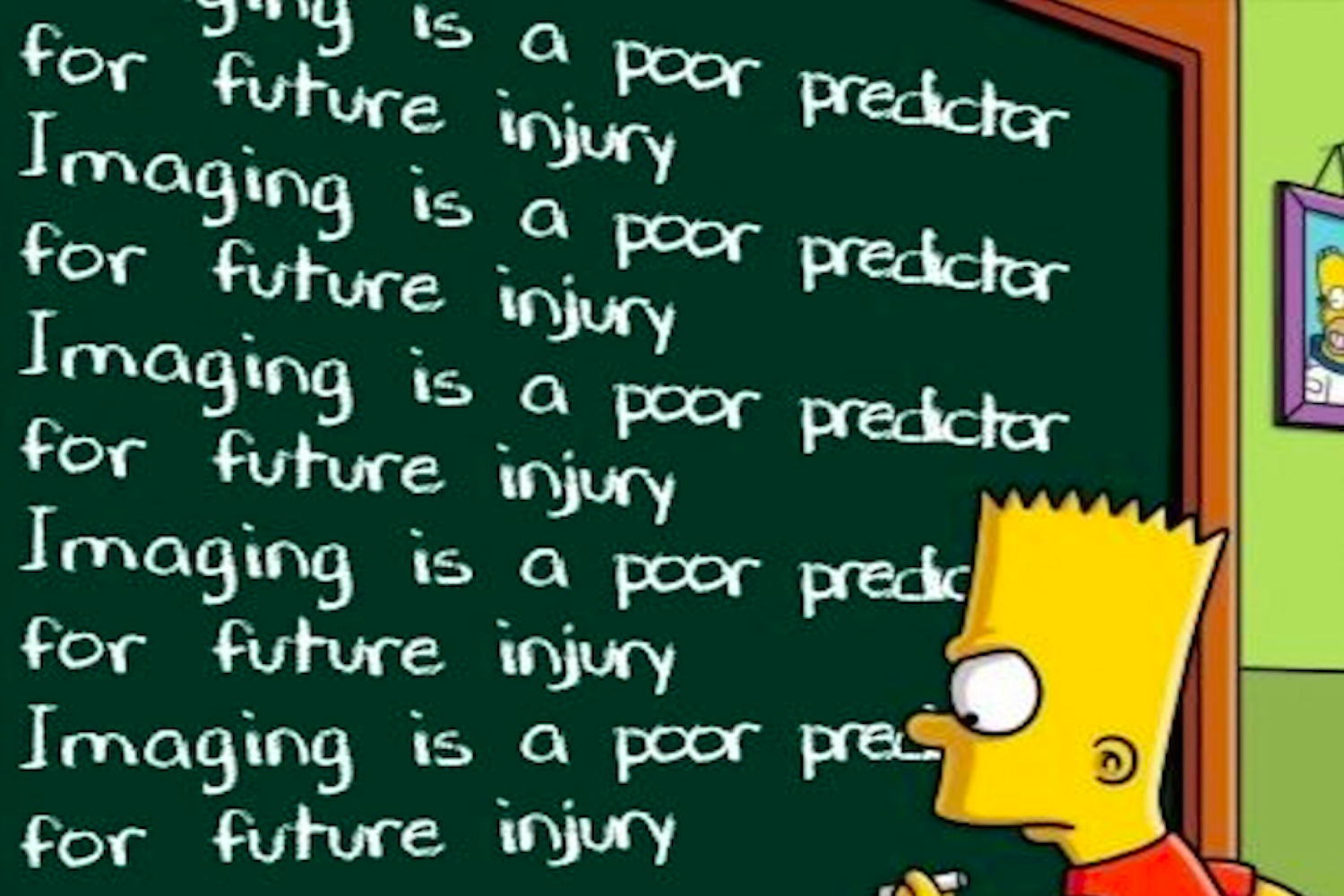
Not that anyone asked, but I've posted this elsewhere, figured I may as well post it here as well: What I'm most interested in is whether or not this Correa fiasco impacts the next round of labor negotiations. How all of this was handled doesn't set a great precedent moving forward. Correa had "positive" findings on MRI but has never had an issue with the ankle. The implication of these prolonged negotiations is that the Mets/Giants "want to protect themselves." I.e. they want to spend less money than they originally promised because of "positive findings" that have never (and may never!) impact the athlete. You can't prove a negative. "But if I were paying $300+ million, I'd want a clean MRI." The truth is: There's rarely such thing in professional athletes. Look hard enough and you will find "abnormalities". But: Imaging is a poor predictor of future injury. "But two teams came to the same conclusion: There's something going on in Correa's leg." Sure, there probably is. But 1. Does it impact his performance? (Seemingly no) and 2. Will it ever impact his performance? (?). (And 3. Don't forget who pays their checks.) Owners are *billionaires*. $315 million over 11 years is *nothing* to them. Correa's ankle could explode and it would not impact them financially one iota. But not getting that money does impact Correa. Of course, the issue is not necessary with Correa. He'll be fine financially. But what about the Kumar Rockers or lesser known players of the world? Rocket left college early and then the Mets refused to sign him after "positive findings" on MRI. He got paid much less to go Indy. If owners can do this to the big fish, what's stopping them from doing it to the small or medium fish? (In truth, this has been and is still is happening.) I would imagine the MLBPA probably isn't pleased at the moment.
-
Joey Gallo Is A Land of Contrasts
Lucas Seehafer PT replied to Lucas Seehafer PT's topic in Twins Daily Front Page News
To be fair, Gallo had two 40 home run seasons before the juiced ball season. -
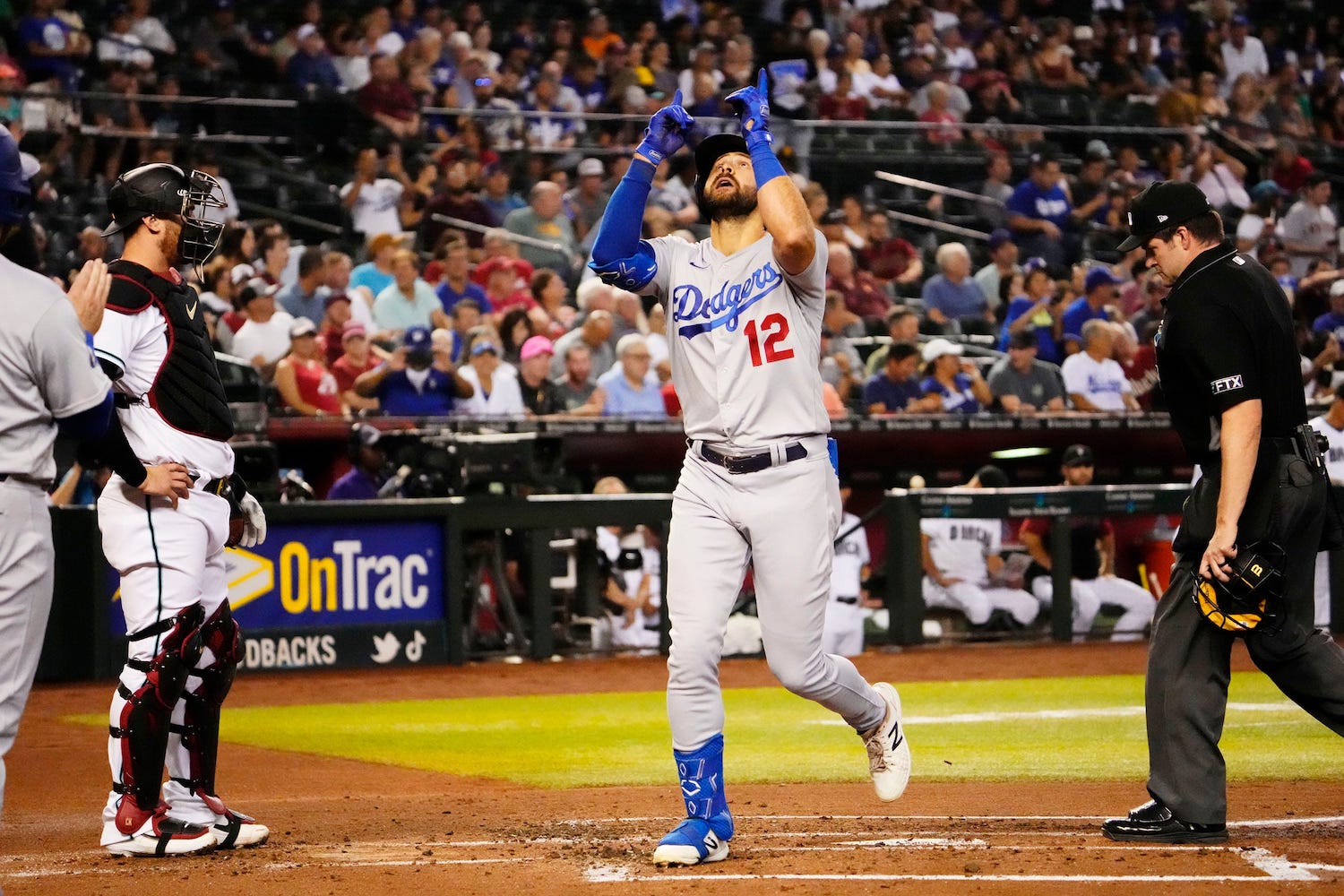 In the late spring of 2019, as temperatures rose in Texas and the night skies over Arlington were peppered with little white dots, a once-heralded prospect made an astonishing imprint on the game of baseball. You’d be forgiven for assuming that the increased heat was due to normal seasonal changes and that the little white dots were simply the stars in and around the Milky Way galaxy. No, both phenomenon were simply the result of Joey Gallo’s bat. Coming off back-to-back 40 home run seasons with a combined 114 wRC+, Gallo peppered the skies of the American League West with 22 home runs, often sending them into near orbit. He also elevated his triple slashline to a blistering .253/.389/.598 (.987) resulting in an MVP-esque 144 wRC+. Gallo was on track to more than double his fWAR (3.2) from the previous two seasons combined (5.9), but while his star burned hot and bright that summer, it ultimately went supernova after only 70 games thanks to a fractured hamate bone in his right wrist. He did not appear in a another game that year. Since his ill-fated 2019 campaign, Gallo has largely fallen back to earth. He was named to the American League All-Star team in 2021 before being shipped to the New York Yankees—an experience Gallo would later refer to as “rock bottom”—and registered a career-high 4.2 fWAR, but has yet to post an average above the Mendoza line or hit 40 home runs in a season over the last three years. Looking at the stats, it’s pretty easy to see why Gallo was so successful in 2019. It wasn’t because he was striking out less or walking more—his K% and BB% more or less stayed steady with his career numbers—nor was it because he was hitting the ball harder or adopting a new approach at the plate. The primary driver behind his success was a towering .368 BABIP, a value 43% higher than his career average. Suffice it to say that the odds of Gallo ever putting together another 70-game stretch similar to the one in 2019 are slim, but he doesn’t need to slash anywhere near .250/.390/.500 (.890) for a full season to find success with the Twins. (To be clear, if he did, Gallo would very likely be an MVP candidate.) Despite owning the highest strikeout rate in MLB history, Gallo has been 10% better than league average by wRC+ thanks to a fairly discerning eye at the plate as well as the aforementioned otherworldly power. Simply put, Gallo is a land of contrasts. Last summer he ranked in the 1st percentile in strikeout rate and Whiff% but in the 95th percentile in walk rate, which is consistent with his career numbers. He is also unlikely to bite on offerings that Statcast refers to as chase and waste pitches. He patiently waits for his pitch with such aptitude that he is worth positive runs even though he is, at best, 70/30 to hit pitches in the zone. (The MLB average zone contact rate is 82.0%. Gallo’s career number is 67.4%.) Gallo is the definition of a three true outcomes player. A laughably outrageous 59% of his career plate appearances have ended as either a strikeout, walk, or home run. In that sense, Gallo is Miguel Sanó on steroids. (A mere 54% of Sanó’s plate appearances resulted in one of the outcomes.) However, what separates Gallo from someone like Sanó—and why Gallo was the first of the two to sign a deal this offseason—is that he provides near elite defense in the outfield. Although he ranked in the 19th percentile in Outs Above Average last season, Gallo had consistently ranked in the top 25% of outfielders since 2017. He has a cannon for an arm, topping out on some throws near 95 mph, and has the ability to get a good jump on the ball. Defensively, Gallo isn’t all that far behind Max Kepler, an athlete who is considered to be among the best defensive corner outfielders in the game. So, basically, the Twins signed a corner outfielder that projects to be an amalgamation of some degree of Miguel Sanó’s offense and Max Kepler’s defense, which is a player well-worth a one-year, $11 million gamble. Steamer, one of the projection systems published on FanGraphs, projects Gallo to slash .188/.313/.397 (.710) with 19 home runs in 102 games next summer. That would give him a 107 wRC+ and 1.1 fWAR, almost exactly a value of $11 million. The signing of Joey Gallo is not the type of move that cements a solid offseason for the Twins in isolation, but it does allow them to potentially be a little more aggressive on the trade market, particularly when dangling Kepler or perhaps Luis Arraez and/or Trevor Larnach. If the Twins are able to swap some of their existing pieces for impact starting pitching or a shortstop, the Gallo acquisition could be seen as a boon, especially since he has largely been able to remain healthy for his career. It’s also possible that Gallo never rebounds from his morbid 2022 and is DFA’d before the season ends. However, the bar is so low for his projected offensive performance and his defense is so reliably good that it would take quite the drop in production, perhaps even more so than last season, for the Twins to simply give up on him.
 -
The former Ranger, Yankee, and Dodger is perhaps the most statistically extreme player in all of MLB and that is what makes him a decent gamble for the Minnesota Twins. Image courtesy of Rob Schumacher, USA Today The former Ranger, Yankee, and Dodger is perhaps the most statistically extreme player in all of MLB and that is what makes him a decent gamble for the Minnesota Twins. In the late spring of 2019, as temperatures rose in Texas and the night skies over Arlington were peppered with little white dots, a once-heralded prospect made an astonishing imprint on the game of baseball. You’d be forgiven for assuming that the increased heat was due to normal seasonal changes and that the little white dots were simply the stars in and around the Milky Way galaxy. No, both phenomenon were simply the result of Joey Gallo’s bat. Coming off back-to-back 40 home run seasons with a combined 114 wRC+, Gallo peppered the skies of the American League West with 22 home runs, often sending them into near orbit. He also elevated his triple slashline to a blistering .253/.389/.598 (.987) resulting in an MVP-esque 144 wRC+. Gallo was on track to more than double his fWAR (3.2) from the previous two seasons combined (5.9), but while his star burned hot and bright that summer, it ultimately went supernova after only 70 games thanks to a fractured hamate bone in his right wrist. He did not appear in a another game that year. Since his ill-fated 2019 campaign, Gallo has largely fallen back to earth. He was named to the American League All-Star team in 2021 before being shipped to the New York Yankees—an experience Gallo would later refer to as “rock bottom”—and registered a career-high 4.2 fWAR, but has yet to post an average above the Mendoza line or hit 40 home runs in a season over the last three years. Looking at the stats, it’s pretty easy to see why Gallo was so successful in 2019. It wasn’t because he was striking out less or walking more—his K% and BB% more or less stayed steady with his career numbers—nor was it because he was hitting the ball harder or adopting a new approach at the plate. The primary driver behind his success was a towering .368 BABIP, a value 43% higher than his career average. Suffice it to say that the odds of Gallo ever putting together another 70-game stretch similar to the one in 2019 are slim, but he doesn’t need to slash anywhere near .250/.390/.500 (.890) for a full season to find success with the Twins. (To be clear, if he did, Gallo would very likely be an MVP candidate.) Despite owning the highest strikeout rate in MLB history, Gallo has been 10% better than league average by wRC+ thanks to a fairly discerning eye at the plate as well as the aforementioned otherworldly power. Simply put, Gallo is a land of contrasts. Last summer he ranked in the 1st percentile in strikeout rate and Whiff% but in the 95th percentile in walk rate, which is consistent with his career numbers. He is also unlikely to bite on offerings that Statcast refers to as chase and waste pitches. He patiently waits for his pitch with such aptitude that he is worth positive runs even though he is, at best, 70/30 to hit pitches in the zone. (The MLB average zone contact rate is 82.0%. Gallo’s career number is 67.4%.) Gallo is the definition of a three true outcomes player. A laughably outrageous 59% of his career plate appearances have ended as either a strikeout, walk, or home run. In that sense, Gallo is Miguel Sanó on steroids. (A mere 54% of Sanó’s plate appearances resulted in one of the outcomes.) However, what separates Gallo from someone like Sanó—and why Gallo was the first of the two to sign a deal this offseason—is that he provides near elite defense in the outfield. Although he ranked in the 19th percentile in Outs Above Average last season, Gallo had consistently ranked in the top 25% of outfielders since 2017. He has a cannon for an arm, topping out on some throws near 95 mph, and has the ability to get a good jump on the ball. Defensively, Gallo isn’t all that far behind Max Kepler, an athlete who is considered to be among the best defensive corner outfielders in the game. So, basically, the Twins signed a corner outfielder that projects to be an amalgamation of some degree of Miguel Sanó’s offense and Max Kepler’s defense, which is a player well-worth a one-year, $11 million gamble. Steamer, one of the projection systems published on FanGraphs, projects Gallo to slash .188/.313/.397 (.710) with 19 home runs in 102 games next summer. That would give him a 107 wRC+ and 1.1 fWAR, almost exactly a value of $11 million. The signing of Joey Gallo is not the type of move that cements a solid offseason for the Twins in isolation, but it does allow them to potentially be a little more aggressive on the trade market, particularly when dangling Kepler or perhaps Luis Arraez and/or Trevor Larnach. If the Twins are able to swap some of their existing pieces for impact starting pitching or a shortstop, the Gallo acquisition could be seen as a boon, especially since he has largely been able to remain healthy for his career. It’s also possible that Gallo never rebounds from his morbid 2022 and is DFA’d before the season ends. However, the bar is so low for his projected offensive performance and his defense is so reliably good that it would take quite the drop in production, perhaps even more so than last season, for the Twins to simply give up on him. View full article
-
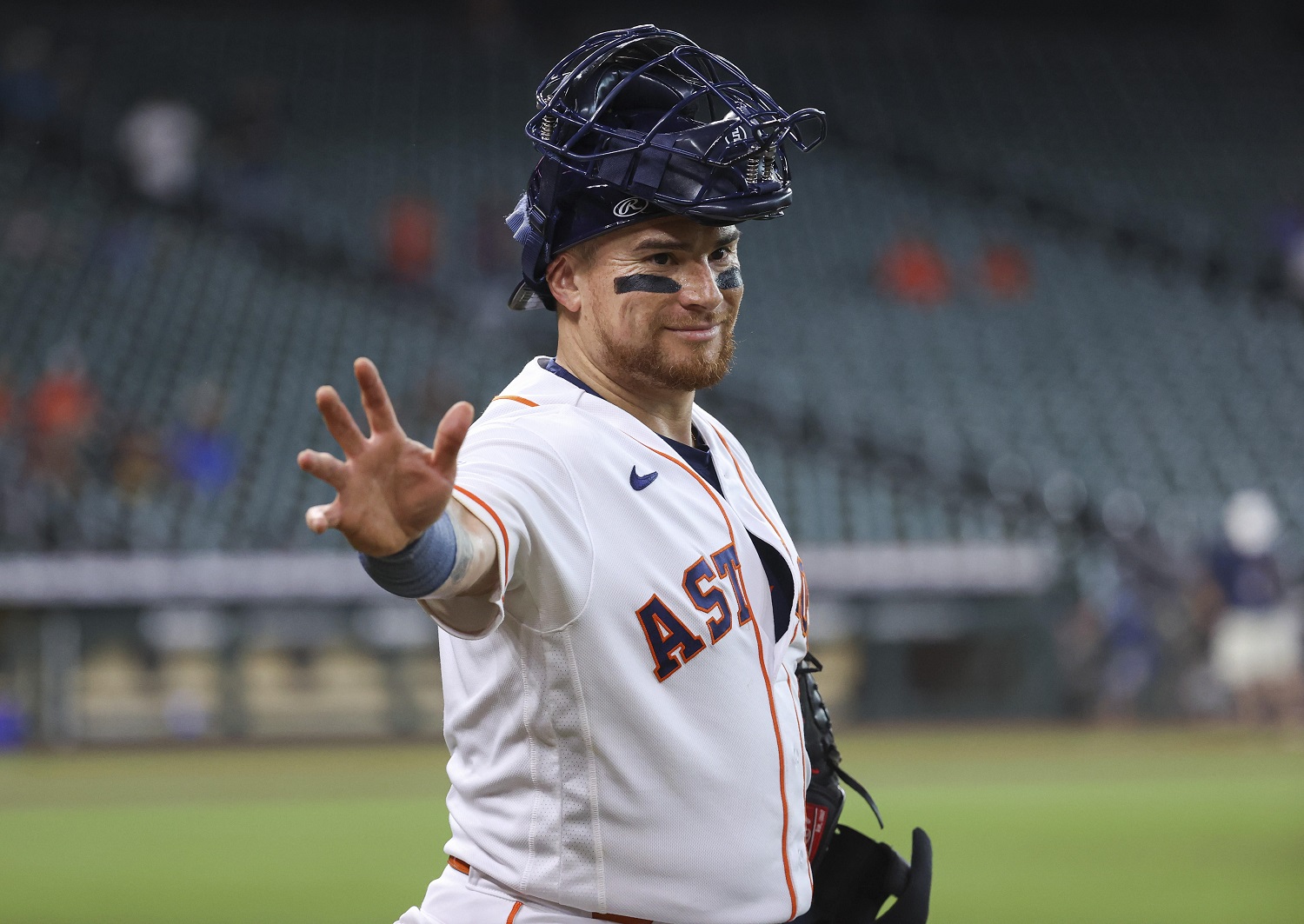 Christian Vazquez has developed a reputation for being strong behind the plate, though the majority is due to his lightning quick ball exchange speed—0.67 seconds, tied for the second fastest in MLB in 2022—and solid pop time to second base—1.94 seconds, ranking in the 71st percentile. What he isn’t as well-known for, though, is his pitch framing. The ability to steal strikes is a valuable asset for modern baseball teams. Stolen strikes add up over the course of a season and can contribute to opposing team’s scoring fewer runs. The median catcher framing runs saved last season was 0, an intuitive figure. (New York Yankees catcher Jose Trevino was the best pitch framer in baseball saving his team 17 runs. In contrast, Baltimore Orioles catcher Robinson Chirinos placed 60th out of 60 as he cost his team 14 runs.) For the bulk of his career, Vazquez has graded out as a solidly above average pitch framer, with one season of elite performance. The last couple, however, he’s only been average. But there’s a reason. Below is an image depicting Vazquez’s framing performance since 2016. (Red squares are good, blue are bad.) What stands out is that over the past four seasons, Vazquez has displayed good ability to steal strikes at the top of the zone; this is shown by the presence of red boxes in the columns corresponding to Zones 11, 12, and 13. This is good news for the likes of Joe Ryan, Tyler Mahle, and Bailey Ober, all of whom love to pound the upper zone with their fastballs. However, Vazquez isn’t as strong at stealing strikes on the corners; Zones 14 and 16, and to a less extent Zones 17 and 19. Although he started out strong early in his career, his ability to convert balls to strikes on the outer edges has fallen multiple seasons in a row and reached their nadir last summer. Bad news for Sonny Gray and Kenta Maeda, who tend to work more on the outer half of the plate. Interestingly, though perhaps unsurprisingly, Ryan Jeffers has traditionally been slightly better at snagging the corners, but is by no means elite. (See the chart below.) Therefore, it wouldn’t be too surprising to see Vazquez catch Ryan, Mahle, and Ober while Jeffers gets Gray and Maeda. In this respect, Vazquez is a great platoon match with Jeffers despite both hitting from the right side of the plate. What will be interesting to following during the 2023 season is how much of Vazquez's drop in production on the corners is something that can be adjusted. Is the difference between Jeffers and Vazquez simply rooted in organizational philosophy or is it something that is inherent in their skill sets? Regardless, even if Vasquez remains simply slightly above average in the pitch framing department, his other defensive attributes and ability to put the ball in play regularly at the plate should provide a boon for the Twins. At $10 million annually, bringing on Vazquez was a prudent move by the front office.
 -
The Minnesota Twins signed former Houston Astros catcher Christian Vazquez to a three-year, $30 million deal Monday evening to serve as one of the team's primary backstops. Here's a breakdown of some of his pitch framing metrics. Image courtesy of Troy Taormina, USA Today The Minnesota Twins signed former Houston Astros catcher Christian Vazquez to a three-year, $30 million deal Monday evening to serve as one of the team's primary backstops. Here's a breakdown of some of his pitch framing metrics. Christian Vazquez has developed a reputation for being strong behind the plate, though the majority is due to his lightning quick ball exchange speed—0.67 seconds, tied for the second fastest in MLB in 2022—and solid pop time to second base—1.94 seconds, ranking in the 71st percentile. What he isn’t as well-known for, though, is his pitch framing. The ability to steal strikes is a valuable asset for modern baseball teams. Stolen strikes add up over the course of a season and can contribute to opposing team’s scoring fewer runs. The median catcher framing runs saved last season was 0, an intuitive figure. (New York Yankees catcher Jose Trevino was the best pitch framer in baseball saving his team 17 runs. In contrast, Baltimore Orioles catcher Robinson Chirinos placed 60th out of 60 as he cost his team 14 runs.) For the bulk of his career, Vazquez has graded out as a solidly above average pitch framer, with one season of elite performance. The last couple, however, he’s only been average. But there’s a reason. Below is an image depicting Vazquez’s framing performance since 2016. (Red squares are good, blue are bad.) What stands out is that over the past four seasons, Vazquez has displayed good ability to steal strikes at the top of the zone; this is shown by the presence of red boxes in the columns corresponding to Zones 11, 12, and 13. This is good news for the likes of Joe Ryan, Tyler Mahle, and Bailey Ober, all of whom love to pound the upper zone with their fastballs. However, Vazquez isn’t as strong at stealing strikes on the corners; Zones 14 and 16, and to a less extent Zones 17 and 19. Although he started out strong early in his career, his ability to convert balls to strikes on the outer edges has fallen multiple seasons in a row and reached their nadir last summer. Bad news for Sonny Gray and Kenta Maeda, who tend to work more on the outer half of the plate. Interestingly, though perhaps unsurprisingly, Ryan Jeffers has traditionally been slightly better at snagging the corners, but is by no means elite. (See the chart below.) Therefore, it wouldn’t be too surprising to see Vazquez catch Ryan, Mahle, and Ober while Jeffers gets Gray and Maeda. In this respect, Vazquez is a great platoon match with Jeffers despite both hitting from the right side of the plate. What will be interesting to following during the 2023 season is how much of Vazquez's drop in production on the corners is something that can be adjusted. Is the difference between Jeffers and Vazquez simply rooted in organizational philosophy or is it something that is inherent in their skill sets? Regardless, even if Vasquez remains simply slightly above average in the pitch framing department, his other defensive attributes and ability to put the ball in play regularly at the plate should provide a boon for the Twins. At $10 million annually, bringing on Vazquez was a prudent move by the front office. View full article
-
Was it smart of me to do this? Likely not. But was it worth it? Eh, sorta.
-
The end result: "Once upon a time, the Minnesota Twins were faced with a difficult decision regarding their star shortstop, Carlos Correa. On one hand, Correa had been a valuable player for the Twins, consistently providing strong defense and powerful hitting at the plate. He was a fan favorite and a leader on the team. However, the Twins also had to consider the fact that Correa was due for a hefty contract extension. They had to weigh the value of keeping Correa on the team against the potential financial burden of his new contract. On the one hand, the Twins knew that re-signing Correa would solidify their infield defense and give them a strong presence in the middle of their lineup. His ability to hit for power and average made him a valuable asset, and the team knew they would miss his contributions if he were to leave. On the other hand, the Twins also knew that they would have to pay a significant amount of money to re-sign Correa. With their current payroll, it would be difficult to fit his new contract into the budget without making some difficult decisions regarding other players on the team. In the end, the Twins ultimately decided to re-sign Correa. They believed that his value to the team was worth the financial cost, and they were confident that he would continue to be a key player for them in the years to come. However, not everyone agreed with this decision. Some fans and analysts felt that the Twins had made a mistake by committing so much money to a single player, and that they should have instead focused on building a deeper, more well-rounded team. Despite the criticism, the Twins were committed to their decision and were hopeful that Correa would continue to be a key contributor for the team. Only time would tell if their decision to re-sign him was the right one."
-
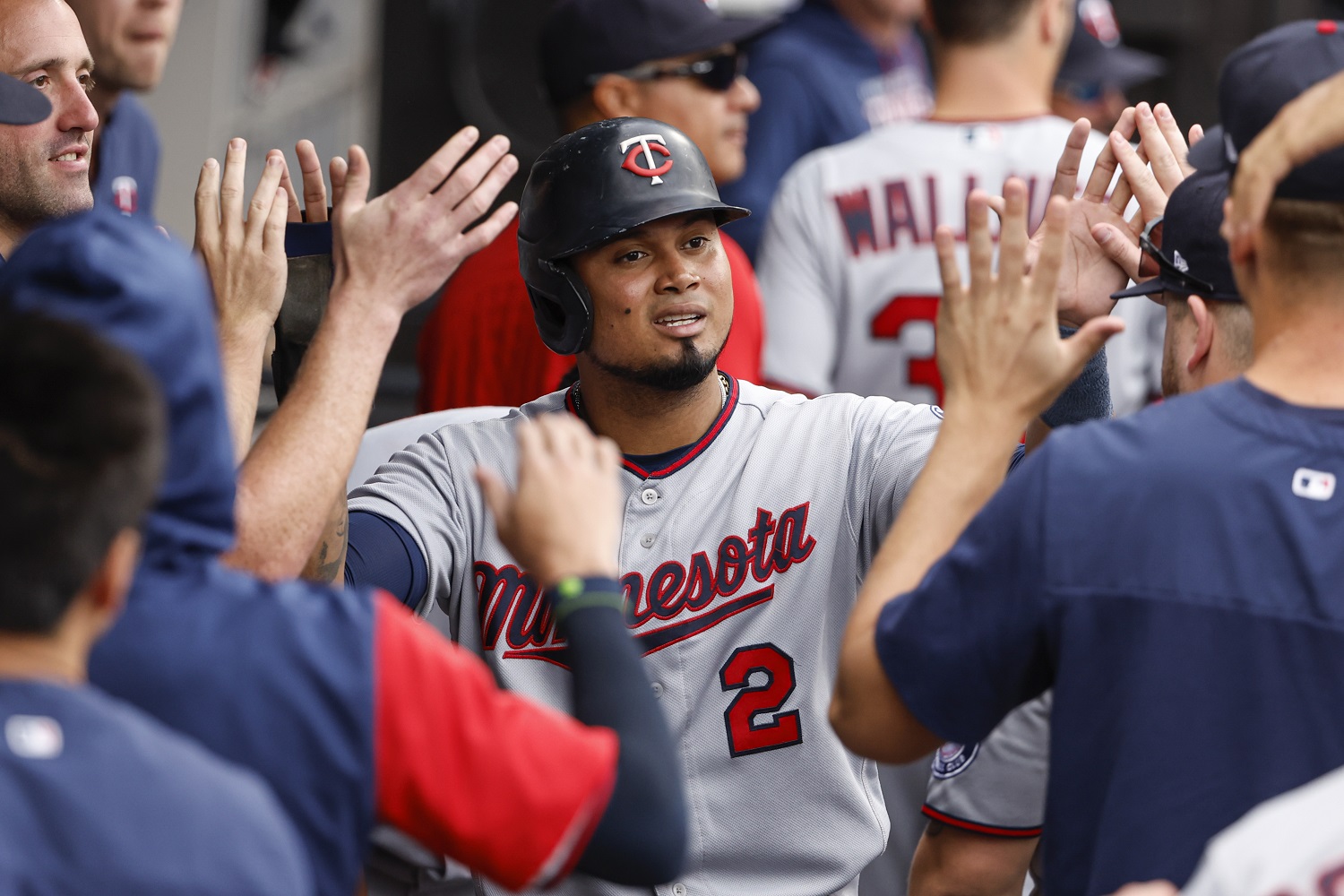 Okay, so maybe the premise of this story as portrayed above is a little click-baity and very off-seasony, but, at the very least, it’s worth considering, particularly as the rumor mill churns. Arraez’s exploits during the 2022 season are well-known among Twins fans. He won the team’s first A.L. batting title since Joe Mauer in 2009 and was named to his first All-Star team. He was also third on the team in fWAR trailing only Carlos Correa (4.4) and Byron Buxton (4.0), the two bona fide franchise cornerstone level players on the roster. If you look up “Contact Hitter” in your nearest Merriam-Webster or dictionary of choice, the definition you’ll find is “Luis Arraez.” The Twins atypical first baseman/DH ranked in the 100th percentile in K% and Whiff% last summer according to Baseball Savant. For the analytically disinclined, essentially, Arraez is the corporeal form of “see ball, hit ball.” But what Arraez is *not* is “see ball, hit ball hard and far.” He ranked in the 7th percentile in HardHit%, 11th in barrel rate, and 48th in average exit velocity in 2022. Add in his height (5’10” according to Baseball Savant, which is…kind…at best) and Outs Above Average (15th percentile) and Arraez’s fit at first base long term should come into question. That, of course, isn’t a new discussion. When Arraez was first moved to first base out of necessity due to the calamity of injuries the team suffered all that was talked about was how weird it was to see him playing there and that it wasn’t likely his long term home. The issue, though, is that this conversation was happening *after* he had been ruled out as a second baseman (Polanco is the stronger option at the position and Arraez’s knees struggled to handle the load during his first three seasons), third baseman (*remembers that one series in Oakland*), or outfielder (WOOF). In all reality, the Twins’ only option to keep Arraez’s bat in the lineup everyday was to either place him at first base or DH, which ultimately accounted for nearly 75% of his plate appearances. Despite his ability to rack up hits, Arraez graded out as a merely above average first baseman and a top-tier DH in many important statistical categories. Below is how he ranked among qualified position players—both A.L. and N.L.—last season. I can hear many of you saying, “Uh, isn’t being 'merely above average and top tier' a good thing?” and, rest assured, it is! But here’s the crux of my argument: There’s a good chance that Luis Arraez’s 2022 campaign was the embodiment of the peak of his powers. Arraez is young and possesses elite bat to ball skills. He will likely grade out as an above average hitter for the bulk of his career. But his ceiling can only be so high as long as he’s chained to either first base defensively or DH and/or not winning batting titles. Any negative deviation from his 2022 output and Arraez will likely only grade out as average offensively at either position. For instance, here is how Arraez ranked among the positions listed above during 2021, a merely good season by his standards. Oofda. (While Arraez's DH numbers look alright, it should be noted that only 12 players qualified as full-time DHs in 2021 compared to 16 in 2022, according to FanGraphs.) One potential mitigation strategy Arraez could employ is trying to hit for more power. As shown in the charts above, his ISO falls well below average among qualified players at all four positions over the last two seasons. More home runs would not only lead to a better ISO but also to greater statistical values across the board, except for batting average, in all likelihood. (This can be seen in how much better Arraez graded out in 2022 compared to 2021. His jump from six career dingers to eight in one season was *the* reason why he was so valuable last summer.) But hitting for more power—which would be an even greater increase than the increase he showed in 2022 (his 8 dingers brought him to 14 for his career)—would require a massive overhaul of Arraez’s approach at the plate, which isn’t impossible but highly unlikely. As such, now may be the perfect time for the Twins to move the fan favorite, especially to a team like the Miami Marlins. Swapping him for higher-end starting pitching would not only bolster the Twins already deep, but low throttle starting rotation but also free up more space at DH for the likes of Buxton and first base for Alex Kirilloff. The big winner of an Arraez trade could be Royce Lewis—who may need a graded return following his second ACL reconstruction—or Edouard Julien—who may very well just be a French Canadian clone of Arraez with more pop. Of course, holding onto Arraez is an entirely defensible position as well. But if there were ever a time to trade a reigning batting champ, now may just be the time for the Twins. At the very least, I’m sure Derek Falvey and Thad Levine are thinking real hard about whether or not doing so would be prudent.
 -
For now, Luis Arraez is a Minnesota Twin, but coming off his best season to date—one in which he won the American League batting title for the first time—the Venezuelan’s name has become a hot commodity in the trade market. That begs the question: Should the Twins trade Arraez? And THAT begs the question: Has Arraez already peaked? Image courtesy of Kamil Krzaczynski For now, Luis Arraez is a Minnesota Twin, but coming off his best season to date—one in which he won the American League batting title for the first time—the Venezuelan’s name has become a hot commodity in the trade market. That begs the question: Should the Twins trade Arraez? And THAT begs the question: Has Arraez already peaked? Okay, so maybe the premise of this story as portrayed above is a little click-baity and very off-seasony, but, at the very least, it’s worth considering, particularly as the rumor mill churns. Arraez’s exploits during the 2022 season are well-known among Twins fans. He won the team’s first A.L. batting title since Joe Mauer in 2009 and was named to his first All-Star team. He was also third on the team in fWAR trailing only Carlos Correa (4.4) and Byron Buxton (4.0), the two bona fide franchise cornerstone level players on the roster. If you look up “Contact Hitter” in your nearest Merriam-Webster or dictionary of choice, the definition you’ll find is “Luis Arraez.” The Twins atypical first baseman/DH ranked in the 100th percentile in K% and Whiff% last summer according to Baseball Savant. For the analytically disinclined, essentially, Arraez is the corporeal form of “see ball, hit ball.” But what Arraez is *not* is “see ball, hit ball hard and far.” He ranked in the 7th percentile in HardHit%, 11th in barrel rate, and 48th in average exit velocity in 2022. Add in his height (5’10” according to Baseball Savant, which is…kind…at best) and Outs Above Average (15th percentile) and Arraez’s fit at first base long term should come into question. That, of course, isn’t a new discussion. When Arraez was first moved to first base out of necessity due to the calamity of injuries the team suffered all that was talked about was how weird it was to see him playing there and that it wasn’t likely his long term home. The issue, though, is that this conversation was happening *after* he had been ruled out as a second baseman (Polanco is the stronger option at the position and Arraez’s knees struggled to handle the load during his first three seasons), third baseman (*remembers that one series in Oakland*), or outfielder (WOOF). In all reality, the Twins’ only option to keep Arraez’s bat in the lineup everyday was to either place him at first base or DH, which ultimately accounted for nearly 75% of his plate appearances. Despite his ability to rack up hits, Arraez graded out as a merely above average first baseman and a top-tier DH in many important statistical categories. Below is how he ranked among qualified position players—both A.L. and N.L.—last season. I can hear many of you saying, “Uh, isn’t being 'merely above average and top tier' a good thing?” and, rest assured, it is! But here’s the crux of my argument: There’s a good chance that Luis Arraez’s 2022 campaign was the embodiment of the peak of his powers. Arraez is young and possesses elite bat to ball skills. He will likely grade out as an above average hitter for the bulk of his career. But his ceiling can only be so high as long as he’s chained to either first base defensively or DH and/or not winning batting titles. Any negative deviation from his 2022 output and Arraez will likely only grade out as average offensively at either position. For instance, here is how Arraez ranked among the positions listed above during 2021, a merely good season by his standards. Oofda. (While Arraez's DH numbers look alright, it should be noted that only 12 players qualified as full-time DHs in 2021 compared to 16 in 2022, according to FanGraphs.) One potential mitigation strategy Arraez could employ is trying to hit for more power. As shown in the charts above, his ISO falls well below average among qualified players at all four positions over the last two seasons. More home runs would not only lead to a better ISO but also to greater statistical values across the board, except for batting average, in all likelihood. (This can be seen in how much better Arraez graded out in 2022 compared to 2021. His jump from six career dingers to eight in one season was *the* reason why he was so valuable last summer.) But hitting for more power—which would be an even greater increase than the increase he showed in 2022 (his 8 dingers brought him to 14 for his career)—would require a massive overhaul of Arraez’s approach at the plate, which isn’t impossible but highly unlikely. As such, now may be the perfect time for the Twins to move the fan favorite, especially to a team like the Miami Marlins. Swapping him for higher-end starting pitching would not only bolster the Twins already deep, but low throttle starting rotation but also free up more space at DH for the likes of Buxton and first base for Alex Kirilloff. The big winner of an Arraez trade could be Royce Lewis—who may need a graded return following his second ACL reconstruction—or Edouard Julien—who may very well just be a French Canadian clone of Arraez with more pop. Of course, holding onto Arraez is an entirely defensible position as well. But if there were ever a time to trade a reigning batting champ, now may just be the time for the Twins. At the very least, I’m sure Derek Falvey and Thad Levine are thinking real hard about whether or not doing so would be prudent. View full article
-
What this means beyond he's had a lot of batting stances, I'm not entirely sure. But it's clear he's been working on things for his *entire MLB career*.