



Lucas Seehafer PT
-
Posts
525 -
Joined
-
Last visited
-
Days Won
2
Content Type
Profiles
News
Minnesota Twins Videos
2026 Minnesota Twins Top Prospects Ranking
2022 Minnesota Twins Draft Picks
Minnesota Twins Free Agent & Trade Rumors, Notes, & Tidbits
Guides & Resources
2023 Minnesota Twins Draft Picks
The Minnesota Twins Players Project
2024 Minnesota Twins Draft Picks
2025 Minnesota Twins Draft Pick Tracker
2026 Minnesota Twins Draft Tracker: Picks & Bonuses
Forums
Blogs
Events
Store
Downloads
Gallery
Everything posted by Lucas Seehafer PT
-
Byron Buxton Knows You Can't Spell 'Sisyphus' Without 'Hip'
Lucas Seehafer PT posted an article in Twins
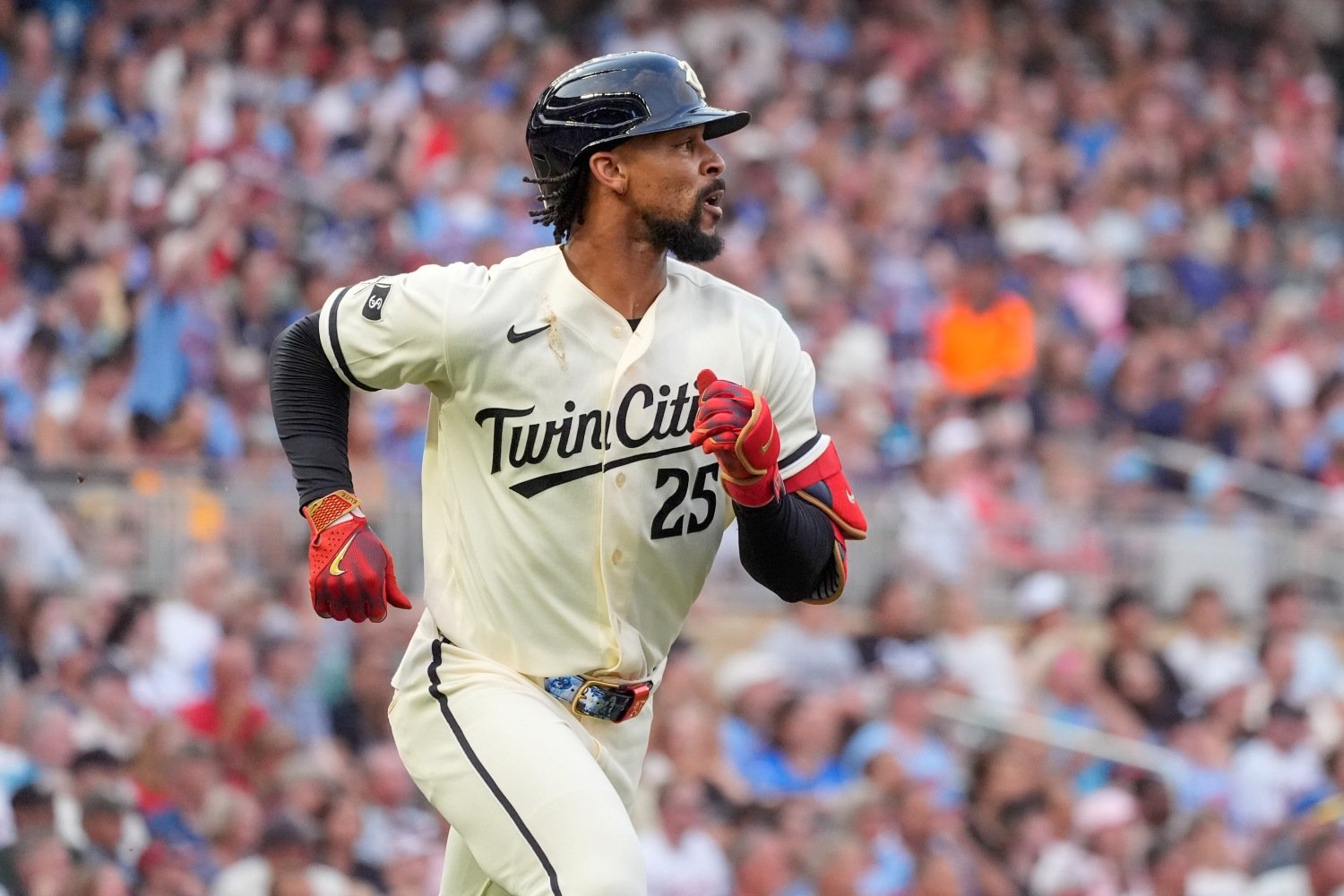 Sometimes, the road to injury recovery feels Sisyphean. Things are feeling good. The rehabilitation is progressing, the pain is improving, and baseball activities are resumed. And then it happens. A misplaced step, a twist of the leg, or a slide into second base, and all of a sudden, the 1,000-pound boulder rolls back down the hill, demanding to be pushed again. Such has been the experience of All-Star center fielder Byron Buxton, who was placed on the injured list yet again last week due to lingering hip impingement symptoms. Unfortunately, Buxton (an MVP-caliber talent when healthy) is no stranger to the Sisyphean rebounding from injury, but it’s fair to wonder if this time—for this season—his trial is over. Maybe this boulder can’t be pushed back up the hill. Hip impingement involves excessive bone growth near the head of the femur or along the acetabular rim (socket), and in some cases both. This excess results in reduced range of motion and “pinching” pain at the hip, particularly during activities that involve running, twisting, cutting, and decelerating (i.e., baseball). If the overgrowth is significant enough, it can impinge on the labrum, a ring of tissue located inside the hip that holds the ball of the femur within the socket, improving stability and force transmission through the joint. The labrum has very little blood flow relative to other tissue in the body. As such, it does not heal well on its own. If the damage is large enough, it may cause pain, inflammation, and reduced stability, which may require surgical repair. Why Byron Buxton Might Need Hip Surgery, and When He Could Play Again This injury can often be managed successfully, with targeted rehabilitation focused on restoring range of motion and improving muscle strength to divert force away from the joint. When indicated, a steroid injection may be deployed to reduce swelling. However, if these interventions fail (as they have so far, for Buxton), surgery to shave the excessive bone and/or address damage to the labrum may be warranted. Return to play following surgery to correct hip impingement largely depends on the extent of tissue operated on, though the literature on the return for position players following hip labrum repair is scant. High-level baseball players have previously returned to play within 3-8 months following hip arthroscopy, including impingement and labral repair procedures. Twins general manager Jeremy Zoll indicated that surgery may be on the table, which could place the beginning of Buxton’s 2027 campaign in question depending on when and if that decision is made. Buxton’s struggle is the latest in a chain of examples of his body failing him. Make no mistake: There are no morals when it comes to injury. One cannot simply will oneself to orthopedic health. Injury is the result of the complex, chaotic interplay between innumerable variables, not any sort of ability. (Whoever coined the phrase “The best ability is availability” had no understanding of injury pathology and risk mitigation. Perhaps it should come as no surprise that a football coach, Bill Parcells, is credited for the saying's popularity.) He will undoubtedly bounce back, yet again, and perform at a high level next summer. After all, it’s not like Sisyphus ever gave up. At a certain point, though, Buxton and Twins fans must both start to feel cursed—just as Sisyphus was.
 -
Image courtesy of Bruce Kluckhohn-Imagn Images Sometimes, the road to injury recovery feels Sisyphean. Things are feeling good. The rehabilitation is progressing, the pain is improving, and baseball activities are resumed. And then it happens. A misplaced step, a twist of the leg, or a slide into second base, and all of a sudden, the 1,000-pound boulder rolls back down the hill, demanding to be pushed again. Such has been the experience of All-Star center fielder Byron Buxton, who was placed on the injured list yet again last week due to lingering hip impingement symptoms. Unfortunately, Buxton (an MVP-caliber talent when healthy) is no stranger to the Sisyphean rebounding from injury, but it’s fair to wonder if this time—for this season—his trial is over. Maybe this boulder can’t be pushed back up the hill. Hip impingement involves excessive bone growth near the head of the femur or along the acetabular rim (socket), and in some cases both. This excess results in reduced range of motion and “pinching” pain at the hip, particularly during activities that involve running, twisting, cutting, and decelerating (i.e., baseball). If the overgrowth is significant enough, it can impinge on the labrum, a ring of tissue located inside the hip that holds the ball of the femur within the socket, improving stability and force transmission through the joint. The labrum has very little blood flow relative to other tissue in the body. As such, it does not heal well on its own. If the damage is large enough, it may cause pain, inflammation, and reduced stability, which may require surgical repair. Why Byron Buxton Might Need Hip Surgery, and When He Could Play Again This injury can often be managed successfully, with targeted rehabilitation focused on restoring range of motion and improving muscle strength to divert force away from the joint. When indicated, a steroid injection may be deployed to reduce swelling. However, if these interventions fail (as they have so far, for Buxton), surgery to shave the excessive bone and/or address damage to the labrum may be warranted. Return to play following surgery to correct hip impingement largely depends on the extent of tissue operated on, though the literature on the return for position players following hip labrum repair is scant. High-level baseball players have previously returned to play within 3-8 months following hip arthroscopy, including impingement and labral repair procedures. Twins general manager Jeremy Zoll indicated that surgery may be on the table, which could place the beginning of Buxton’s 2027 campaign in question depending on when and if that decision is made. Buxton’s struggle is the latest in a chain of examples of his body failing him. Make no mistake: There are no morals when it comes to injury. One cannot simply will oneself to orthopedic health. Injury is the result of the complex, chaotic interplay between innumerable variables, not any sort of ability. (Whoever coined the phrase “The best ability is availability” had no understanding of injury pathology and risk mitigation. Perhaps it should come as no surprise that a football coach, Bill Parcells, is credited for the saying's popularity.) He will undoubtedly bounce back, yet again, and perform at a high level next summer. After all, it’s not like Sisyphus ever gave up. At a certain point, though, Buxton and Twins fans must both start to feel cursed—just as Sisyphus was. View full article
-
I'd be surprised if he isn't back. It's not really a season-ender. It's going to be a pain tolerance thing. The hope is the injection is enough to calm the symptoms more than rehab has been.
- 13 replies
-
- 2
-

-
- byron buxton
- david festa
- (and 1 more)
-
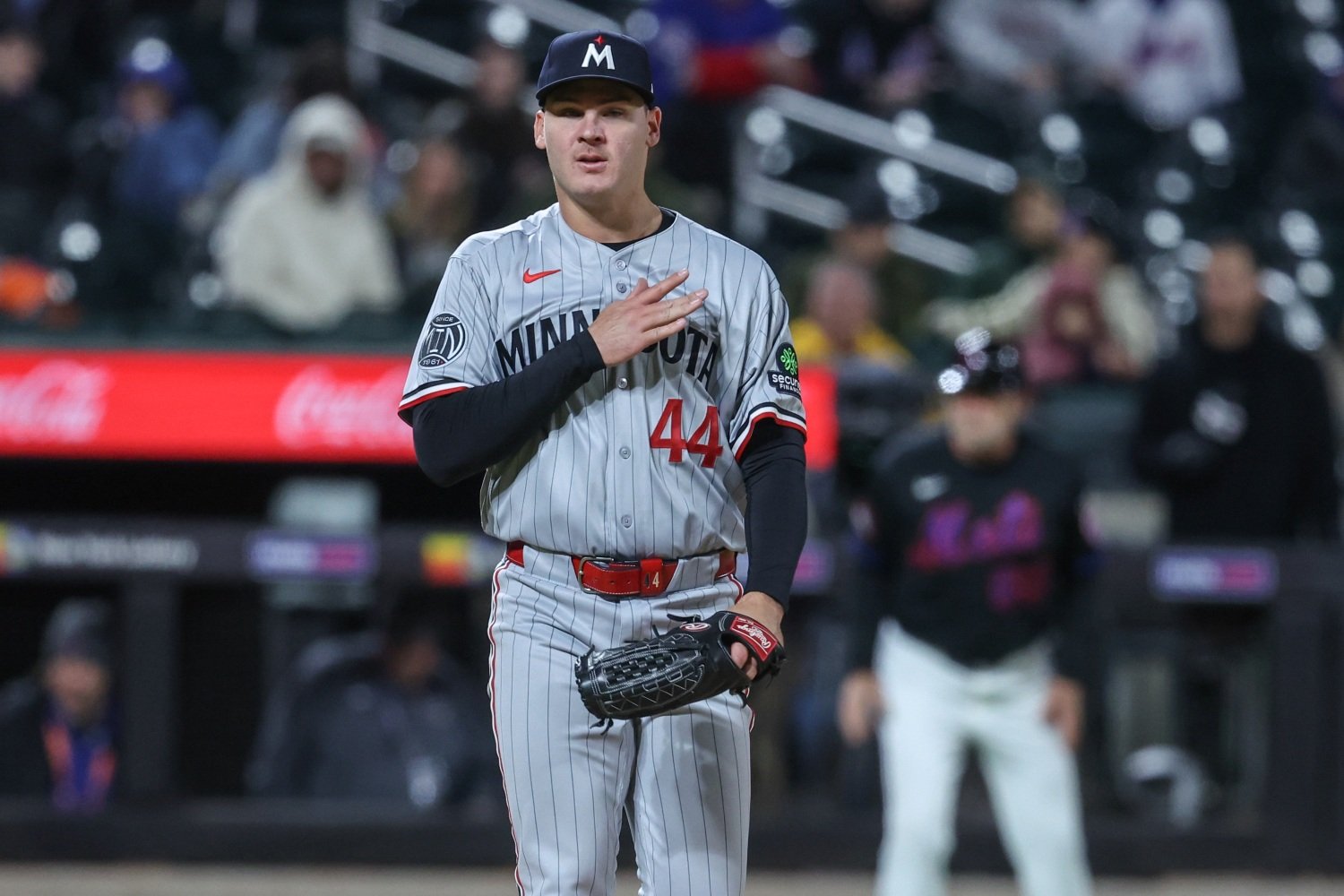 Unfortunately for the Minnesota Twins, the hits just keep coming. General manager Jeremy Zoll met with reporters recently to provide myriad injury updates, but between that media session and the writing of this article, the team suffered another blow, as Byron Buxton was removed from Tuesday night's game and placed on the IL with continued hip discomfort. Below is information regarding the injuries of Buxton, David Festa, and Cole Sands. Byron Buxton Buxton was placed on the injured list Wednesday afternoon after receiving an injection in his troublesome right hip. The Twins continue to label the injury as hip impingement, a diagnosis I wrote in detail about for my newsletter. Long story short: impingement generally takes weeks of targeted rehab to calm down. The injection Buxton received from Dr. Larson was likely a cortisone derivative, such as methylprednisolone (say that five times fast... or even once), which aims to reduce inflammation and pain, but notably, it does not "cure" any of the causative factors. It can take up to two weeks for the medication to reach full efficacy, and activity is also significantly reduced in the days following the injection to give it the best chance to work. In short, don't be surprised if Buxton's IL stay extends beyond the minimum 10 days—perhaps significantly so. The fact of the matter is that impingement (whether true or pseudo-) is not generally a condition from which one can fully recover in season. Most athletes can recover well without the need for surgical intervention—which, depending on the surgeon and protocol, can shelve athletes for 4-6 months—but doing so takes time. Moving forward, the Twins and Buxton will probably continue to take a day-by-day approach. David Festa This update, while perhaps unsurprising, stings. According to Zoll, David Festa underwent surgery on Wednesday with Twins doctor Chris Camp to address shoulder impingement and continued neurogenic thoracic outlet syndrome symptoms. While specific details of the surgery weren't reported (other than to say that the shoulder issue would be done arthroscopically and that Festa was having his pectoralis minor muscle "released"; read: detached from the bone), it's likely that his shoulder surgery involved shaving excess bone from the scapula (shoulder blade) to free up room for the rotator cuff. The pectoralis release is to reduce compression of the brachial plexus, a bundle of nerves that sends and receives signals. Hopefully, that double-procedure will restore full function of the arm. The Twins did not provide an expected recovery timeline, because there really isn't one, and that, frankly, sucks. The recovery and rehabilitation process will be slow and deliberate, and both the Twins and Festa will do everything in their respective powers to get him back to the majors. In many respects, though, this type of surgery is a last-ditch effort. He can't be counted on even for 2027; he'll be a wild card in camp next spring. Think Matt Canterino. (In the interest of full disclosure: Dr. Camp is an orthopedic surgeon at the Mayo Clinic, and I work as a part-time physical therapist at the Mayo Clinic. I do not treat Twins' athletes and would not write about Twins' injuries if I did.) Cole Sands Cole Sands pitched one major-league inning between IL stints, and his season is now officially done. Sands has dealt with elbow soreness all season stemming from a forearm flexor strain. He was scheduled to meet with Dr. Camp on Wednesday to discuss the results of a CT scan and determine an appropriate next step, per Zoll. After having that meeting, the parties agreed on a path forward: surgery to remove loose bodies from his elbow. Sands told reporters Thursday morning that he hopes to have a normal offseason, after having the surgery and rehabbing over the ensuing two months. The flexors are a group of muscles on the front of the forearm, which flex the fingers and wrist. These muscles share a common tendon that attaches to the inner elbow, near the ulnar collateral ligament. As such, the muscles–specifically the flexor carpi ulnaris and the flexor digitorum superficialis–protect the UCL from the significant force required to throw a baseball at a high velocity. Sands and the team each noted that his UCL is intact, based on a series of images taken throughout the spring and summer. His flexors showed some inflammation and a strain, but that's settled down encouragingly; the surgery will focus on removing bone chips and give him time to further rest the arm to ensure full recovery for the muscle and protect the ligament heading into next spring.
- 13 comments
-
- 5
-
-
- byron buxton
- david festa
- (and 1 more)
-
Image courtesy of Wendell Cruz-Imagn Images Unfortunately for the Minnesota Twins, the hits just keep coming. General manager Jeremy Zoll met with reporters recently to provide myriad injury updates, but between that media session and the writing of this article, the team suffered another blow, as Byron Buxton was removed from Tuesday night's game and placed on the IL with continued hip discomfort. Below is information regarding the injuries of Buxton, David Festa, and Cole Sands. Byron Buxton Buxton was placed on the injured list Wednesday afternoon after receiving an injection in his troublesome right hip. The Twins continue to label the injury as hip impingement, a diagnosis I wrote in detail about for my newsletter. Long story short: impingement generally takes weeks of targeted rehab to calm down. The injection Buxton received from Dr. Larson was likely a cortisone derivative, such as methylprednisolone (say that five times fast... or even once), which aims to reduce inflammation and pain, but notably, it does not "cure" any of the causative factors. It can take up to two weeks for the medication to reach full efficacy, and activity is also significantly reduced in the days following the injection to give it the best chance to work. In short, don't be surprised if Buxton's IL stay extends beyond the minimum 10 days—perhaps significantly so. The fact of the matter is that impingement (whether true or pseudo-) is not generally a condition from which one can fully recover in season. Most athletes can recover well without the need for surgical intervention—which, depending on the surgeon and protocol, can shelve athletes for 4-6 months—but doing so takes time. Moving forward, the Twins and Buxton will probably continue to take a day-by-day approach. David Festa This update, while perhaps unsurprising, stings. According to Zoll, David Festa underwent surgery on Wednesday with Twins doctor Chris Camp to address shoulder impingement and continued neurogenic thoracic outlet syndrome symptoms. While specific details of the surgery weren't reported (other than to say that the shoulder issue would be done arthroscopically and that Festa was having his pectoralis minor muscle "released"; read: detached from the bone), it's likely that his shoulder surgery involved shaving excess bone from the scapula (shoulder blade) to free up room for the rotator cuff. The pectoralis release is to reduce compression of the brachial plexus, a bundle of nerves that sends and receives signals. Hopefully, that double-procedure will restore full function of the arm. The Twins did not provide an expected recovery timeline, because there really isn't one, and that, frankly, sucks. The recovery and rehabilitation process will be slow and deliberate, and both the Twins and Festa will do everything in their respective powers to get him back to the majors. In many respects, though, this type of surgery is a last-ditch effort. He can't be counted on even for 2027; he'll be a wild card in camp next spring. Think Matt Canterino. (In the interest of full disclosure: Dr. Camp is an orthopedic surgeon at the Mayo Clinic, and I work as a part-time physical therapist at the Mayo Clinic. I do not treat Twins' athletes and would not write about Twins' injuries if I did.) Cole Sands Cole Sands pitched one major-league inning between IL stints, and his season is now officially done. Sands has dealt with elbow soreness all season stemming from a forearm flexor strain. He was scheduled to meet with Dr. Camp on Wednesday to discuss the results of a CT scan and determine an appropriate next step, per Zoll. After having that meeting, the parties agreed on a path forward: surgery to remove loose bodies from his elbow. Sands told reporters Thursday morning that he hopes to have a normal offseason, after having the surgery and rehabbing over the ensuing two months. The flexors are a group of muscles on the front of the forearm, which flex the fingers and wrist. These muscles share a common tendon that attaches to the inner elbow, near the ulnar collateral ligament. As such, the muscles–specifically the flexor carpi ulnaris and the flexor digitorum superficialis–protect the UCL from the significant force required to throw a baseball at a high velocity. Sands and the team each noted that his UCL is intact, based on a series of images taken throughout the spring and summer. His flexors showed some inflammation and a strain, but that's settled down encouragingly; the surgery will focus on removing bone chips and give him time to further rest the arm to ensure full recovery for the muscle and protect the ligament heading into next spring. View full article
- 13 replies
-
- 2
-
-
- byron buxton
- david festa
- (and 1 more)
-
There's a big difference between a "realistic" trade and a "trade I would do". Also, Walker might be cooked...but don't look at Lewis's numbers since outside of his 22 games in June. A potentially cooked Walker might still be the better player.
- 29 replies
-
- 1
-
-
- christian walker
- khadim diaw
- (and 5 more)
-
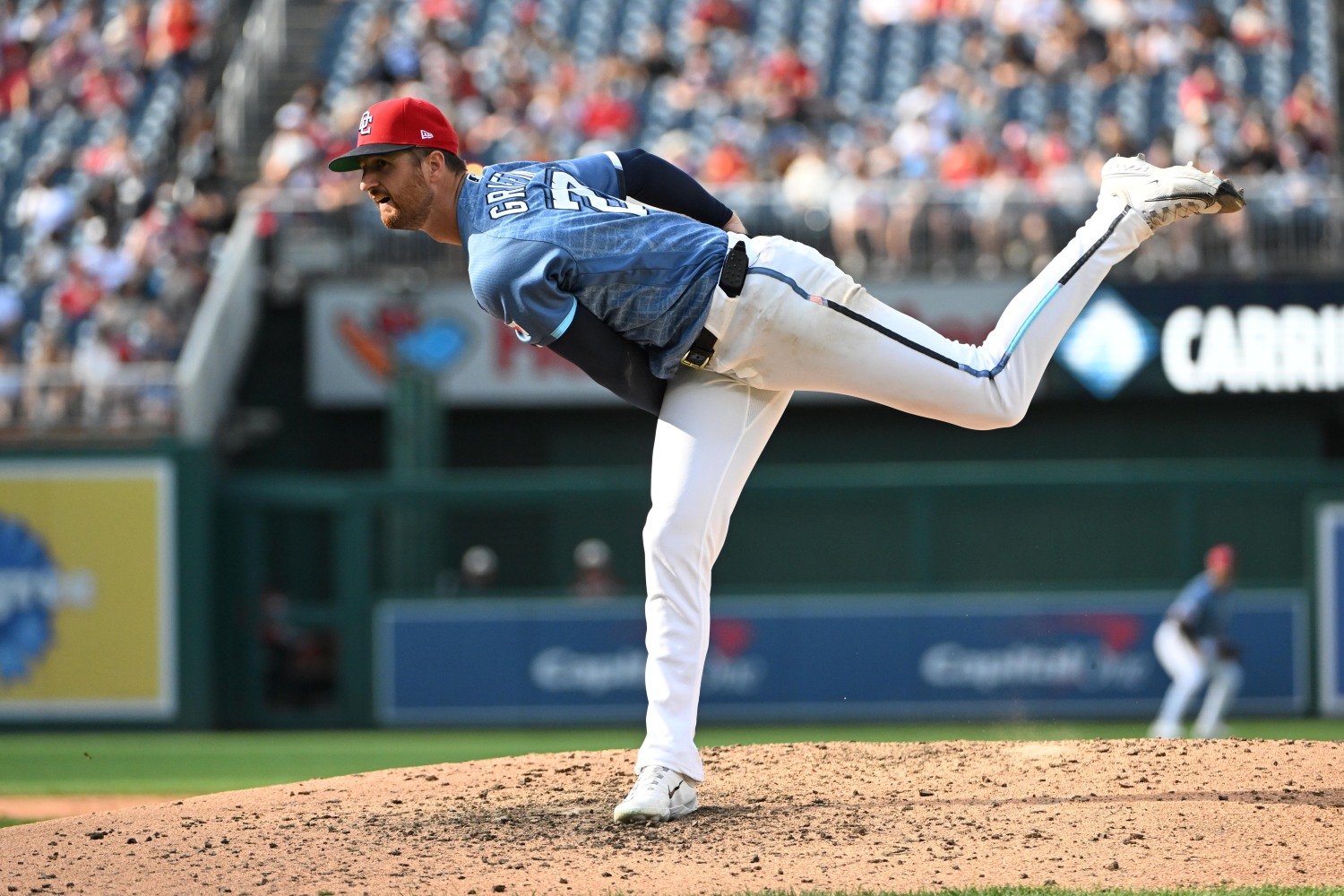 This is the second installment of a series looking at what potential trades may look like, should the Twins be buyers come August 3. The last article looked at dream scenarios, which are highly unlikely to happen for a bevy of reasons. Today’s iteration focuses on deals that are much more realistic. As I did last time, I encourage readers to focus less on the specific names and more on the ideas being conveyed by each. All proposed deals are compared to historical examples involving similar players; read more about the candidates referenced on our DiamondCentric Top Trade Candidates rankings. Trade 1: Finally, a Right-Handed Power Bat At First Twins Get: 1B Christian Walker (1.5 years of control, $20 mil AAV) and cash considerations Astros Get: C Khadim Diaw, INF Quentin Young Historical Comparison: Brewers Get: 1B Carlos Santana (expiring contract, 97 OPS+, 1.5 bWAR) Pirates Get: SS Jhonny Severino (rookie ball; toolsy mid-level prospect with power potential) There’s a non-zero chance that Christian Walker is cooked, or at the very least well on his way to being so. He got off to a torrid start, posting an OPS of .918 in March and April, with seven home runs and strong defense at first base. But since then, his OPS has dropped every month, reaching its nadir of .599 in July. He also recently exited a game against the Baltimore Orioles with right hip tightness. Yet, there’s also a non-zero chance that he would provide a significant upgrade at first base, especially on defense. Walker has provided positive value in every season he played as a regular, according to Baseball Savant’s outs above average metric, and ranks in the 77th percentile this summer. Offensively, his right-handed bat would theoretically platoon well with the likes of Kody Clemens, Victor Caratini, and Josh Bell, though it should be noted that he hasn’t crushed lefties since 2023 (.922 OPS; .756 in 2024; .698 in 2025; .760 in 2026). On the positive side, his bat speed has largely stayed stable over the last three years, dropping from an average of 75.0 MPH in 2023 and 2024 to 74.3 MPH this summer, and his 111 OPS+ is bang-on his career average. However, his chase rate (31.3%) is the highest it has been in a season in which he’s seen at least 1,000 pitches, and his slugging average (.446) has greatly outperformed his expected value (.374), suggesting a reduced pitch recognition ability and that his numbers have been inflated by luck. Carlos Santana was also well into his 30s (37, compared to Walker’s 35) when he was shipped from Pittsburgh to Milwaukee at the 2023 deadline. Like Walker, he had a relatively disappointing first half of the season (.235/.321/.412; 97 OPS+), but he turned it around with the Brewers (.249/.314/.459; 108 OPS+). He went on to sign with the Twins during the offseason and grew into a Gold Glove-caliber first baseman. As Santana was a pending free agent with middling numbers, Milwaukee only had to part with 18-year-old Jhonny Severino, who was rather raw but possessed significant power potential, not unlike Quentin Young. It’s unlikely the Twins would want to take on all of the roughly $26 million still owed to Walker over the remainder of his contract, so trading from their depth at catcher might entice Houston to eat some of his salary. Trade 2: A Fifth Starter for When the Fifth Starter Can’t Go Twins Get: LHP Foster Griffin (expiring contract, $5.5 mill AAV; 17.8% K-BB%) Nationals Get: INF Billy Amick, OF Luis Fragoza Historical Comparison: Cubs Get: RHP Mike Soroka Nationals Get: OF Christian Franklin (team top 20-30 prospect), SS Ronny Cruz (18-year-old rookie baller who turned into a top 100-150 prospect) Foster Griffin played the previous three seasons in Japan after failing to earn a consistent role with the Kansas City Royals and Toronto Blue Jays. He has been an absolute revelation for the Nationals this summer, posting a 2.76 ERA across 124 innings to date, en route to being named to the National League All-Star team. However, there is plenty of reason to be skeptical that his performance to date is legitimate. For starters, while his ERA is stellar, his xERA (3.93) and FIP paint an entirely different picture. His solid K-BB% is carried more by an elite walk rate (5.6%) than by his strikeout rate (22.6%). His cutter is a legitimately great pitch (+13 Run Value, .386 SLG, .279 wOBA) while his other six pitches are average, at best. In short, while his surface numbers propelled him to the All-Star Game, his underlying metrics suggest he’s much more of a backend starter. Even so, Griffin would provide much-needed starter depth for the Twins, who have struggled to keep their pitchers healthy at times this season. Connor Prielipp is already reaching a new career high in seasonal workload. Mike Paredes filled in admirably as the team’s spot starter and occasional fifth option, but he's now out for what could be the rest of the season. Adding Griffin would give the Twins some breathing room, should another injury beset them. Teams moving a fourth or fifth starter for a low-end prospect or two occurs multiple times at every trade deadline. For example, last year the Nationals sent former All-Star Michael Soroka to the Cubs for two low-end prospects. Soroka went on to throw only 8 ⅓ innings for Chicago, while Ronny Cruz developed into an interesting prospect in the Nationals system. Sometimes, that’s the game teams play when they trade teenagers at their rookie ball complexes. Most flame out, but some turn into good ballplayers. Trade 3: A Pulse In the Bullpen With a Chance to Stick Around Twins Get: RHP Antonio Senzatela (2027 club option, $10.1 AAV) and cash considerations Rockies Get: OF Yasser Mercedes Historical Comparison: Cubs Get: LHP Taylor Rogers (2.45 ERA, 4.17 FIP, 10.3 K-BB%) Pirates Get: OF Ivan Brethowr (low-level prospect) Antonio Senzatela is in the midst of the best season of his 10-year career, largely thanks to a move to the bullpen and a new reliance on his cutter. His cutter usage has jumped from 42 total pitches in 2025 to 233 in 2026, his second-most used pitch behind his no-good, very-bad four-seamer (it averages slightly north of 97 MPH, but it's the epitome of a “dead zone” fastball—at least in Colorado). It’s helped him produce a 3.53 ERA and 3.48 FIP, which would play very well in the Twins’ bullpen. His K-BB% is a meager 13.7%—though that is the best mark of his career—and his HR/FB ratio is a likely unsustainably low 5.5%, ranking 31st out of 175 qualified relievers. He’s a classic example of a viable big-league bullpen arm who is probably outperforming his true talent and could be had for a reasonable price at the deadline. Throw a stone, and you’ll hit a trade that compares to this one. Take the example above, in which an outperforming Taylor Rogers was swapped for a minor prospect 1.5 years from Rule 5 eligibility. These are the types of moves that teams who are looking for a cheap, high-ceiling, low-floor bullpen addition make all the time. The benefit for the Twins is that they’d have a few months to see if Senzatela would be worth picking up next year's club option. If not, it would be little skin off their back.
- 29 comments
-
- 5
-
-
- christian walker
- khadim diaw
- (and 5 more)
-
Image courtesy of Brad Mills-Imagn Images This is the second installment of a series looking at what potential trades may look like, should the Twins be buyers come August 3. The last article looked at dream scenarios, which are highly unlikely to happen for a bevy of reasons. Today’s iteration focuses on deals that are much more realistic. As I did last time, I encourage readers to focus less on the specific names and more on the ideas being conveyed by each. All proposed deals are compared to historical examples involving similar players; read more about the candidates referenced on our DiamondCentric Top Trade Candidates rankings. Trade 1: Finally, a Right-Handed Power Bat At First Twins Get: 1B Christian Walker (1.5 years of control, $20 mil AAV) and cash considerations Astros Get: C Khadim Diaw, INF Quentin Young Historical Comparison: Brewers Get: 1B Carlos Santana (expiring contract, 97 OPS+, 1.5 bWAR) Pirates Get: SS Jhonny Severino (rookie ball; toolsy mid-level prospect with power potential) There’s a non-zero chance that Christian Walker is cooked, or at the very least well on his way to being so. He got off to a torrid start, posting an OPS of .918 in March and April, with seven home runs and strong defense at first base. But since then, his OPS has dropped every month, reaching its nadir of .599 in July. He also recently exited a game against the Baltimore Orioles with right hip tightness. Yet, there’s also a non-zero chance that he would provide a significant upgrade at first base, especially on defense. Walker has provided positive value in every season he played as a regular, according to Baseball Savant’s outs above average metric, and ranks in the 77th percentile this summer. Offensively, his right-handed bat would theoretically platoon well with the likes of Kody Clemens, Victor Caratini, and Josh Bell, though it should be noted that he hasn’t crushed lefties since 2023 (.922 OPS; .756 in 2024; .698 in 2025; .760 in 2026). On the positive side, his bat speed has largely stayed stable over the last three years, dropping from an average of 75.0 MPH in 2023 and 2024 to 74.3 MPH this summer, and his 111 OPS+ is bang-on his career average. However, his chase rate (31.3%) is the highest it has been in a season in which he’s seen at least 1,000 pitches, and his slugging average (.446) has greatly outperformed his expected value (.374), suggesting a reduced pitch recognition ability and that his numbers have been inflated by luck. Carlos Santana was also well into his 30s (37, compared to Walker’s 35) when he was shipped from Pittsburgh to Milwaukee at the 2023 deadline. Like Walker, he had a relatively disappointing first half of the season (.235/.321/.412; 97 OPS+), but he turned it around with the Brewers (.249/.314/.459; 108 OPS+). He went on to sign with the Twins during the offseason and grew into a Gold Glove-caliber first baseman. As Santana was a pending free agent with middling numbers, Milwaukee only had to part with 18-year-old Jhonny Severino, who was rather raw but possessed significant power potential, not unlike Quentin Young. It’s unlikely the Twins would want to take on all of the roughly $26 million still owed to Walker over the remainder of his contract, so trading from their depth at catcher might entice Houston to eat some of his salary. Trade 2: A Fifth Starter for When the Fifth Starter Can’t Go Twins Get: LHP Foster Griffin (expiring contract, $5.5 mill AAV; 17.8% K-BB%) Nationals Get: INF Billy Amick, OF Luis Fragoza Historical Comparison: Cubs Get: RHP Mike Soroka Nationals Get: OF Christian Franklin (team top 20-30 prospect), SS Ronny Cruz (18-year-old rookie baller who turned into a top 100-150 prospect) Foster Griffin played the previous three seasons in Japan after failing to earn a consistent role with the Kansas City Royals and Toronto Blue Jays. He has been an absolute revelation for the Nationals this summer, posting a 2.76 ERA across 124 innings to date, en route to being named to the National League All-Star team. However, there is plenty of reason to be skeptical that his performance to date is legitimate. For starters, while his ERA is stellar, his xERA (3.93) and FIP paint an entirely different picture. His solid K-BB% is carried more by an elite walk rate (5.6%) than by his strikeout rate (22.6%). His cutter is a legitimately great pitch (+13 Run Value, .386 SLG, .279 wOBA) while his other six pitches are average, at best. In short, while his surface numbers propelled him to the All-Star Game, his underlying metrics suggest he’s much more of a backend starter. Even so, Griffin would provide much-needed starter depth for the Twins, who have struggled to keep their pitchers healthy at times this season. Connor Prielipp is already reaching a new career high in seasonal workload. Mike Paredes filled in admirably as the team’s spot starter and occasional fifth option, but he's now out for what could be the rest of the season. Adding Griffin would give the Twins some breathing room, should another injury beset them. Teams moving a fourth or fifth starter for a low-end prospect or two occurs multiple times at every trade deadline. For example, last year the Nationals sent former All-Star Michael Soroka to the Cubs for two low-end prospects. Soroka went on to throw only 8 ⅓ innings for Chicago, while Ronny Cruz developed into an interesting prospect in the Nationals system. Sometimes, that’s the game teams play when they trade teenagers at their rookie ball complexes. Most flame out, but some turn into good ballplayers. Trade 3: A Pulse In the Bullpen With a Chance to Stick Around Twins Get: RHP Antonio Senzatela (2027 club option, $10.1 AAV) and cash considerations Rockies Get: OF Yasser Mercedes Historical Comparison: Cubs Get: LHP Taylor Rogers (2.45 ERA, 4.17 FIP, 10.3 K-BB%) Pirates Get: OF Ivan Brethowr (low-level prospect) Antonio Senzatela is in the midst of the best season of his 10-year career, largely thanks to a move to the bullpen and a new reliance on his cutter. His cutter usage has jumped from 42 total pitches in 2025 to 233 in 2026, his second-most used pitch behind his no-good, very-bad four-seamer (it averages slightly north of 97 MPH, but it's the epitome of a “dead zone” fastball—at least in Colorado). It’s helped him produce a 3.53 ERA and 3.48 FIP, which would play very well in the Twins’ bullpen. His K-BB% is a meager 13.7%—though that is the best mark of his career—and his HR/FB ratio is a likely unsustainably low 5.5%, ranking 31st out of 175 qualified relievers. He’s a classic example of a viable big-league bullpen arm who is probably outperforming his true talent and could be had for a reasonable price at the deadline. Throw a stone, and you’ll hit a trade that compares to this one. Take the example above, in which an outperforming Taylor Rogers was swapped for a minor prospect 1.5 years from Rule 5 eligibility. These are the types of moves that teams who are looking for a cheap, high-ceiling, low-floor bullpen addition make all the time. The benefit for the Twins is that they’d have a few months to see if Senzatela would be worth picking up next year's club option. If not, it would be little skin off their back. View full article
- 29 replies
-
- 1
-
-
- christian walker
- khadim diaw
- (and 5 more)
-
The goal is at least one article a week moving forward!
- 19 replies
-
- 3
-
-
- mick abel
- mike paredes
- (and 1 more)
-
Twins Pitcher Injury Round-Up: Mick Abel, Mike Paredes, and Joe Ryan
Lucas Seehafer PT posted an article in Twins
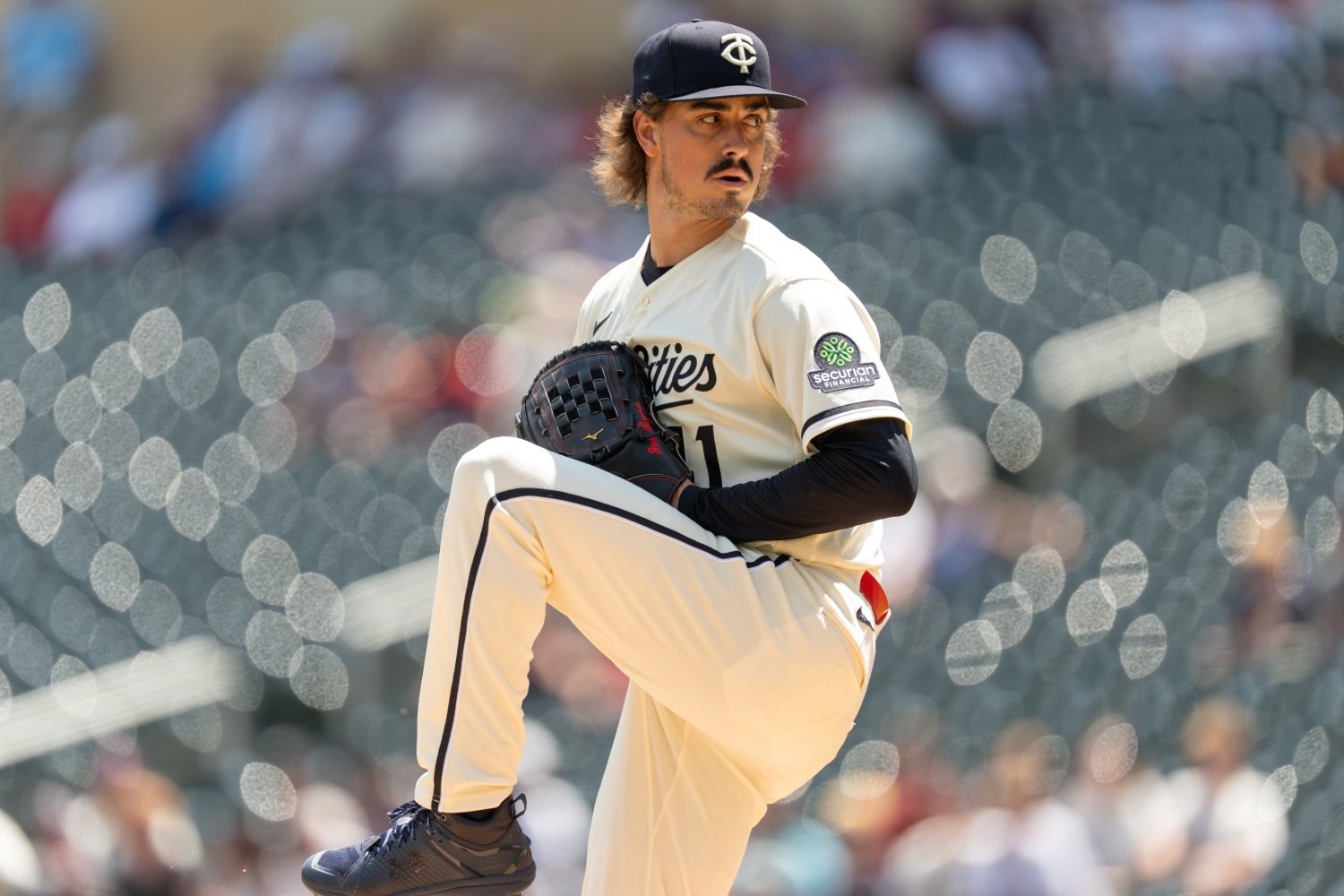 The Minnesota Twins, like many other teams across MLB, are no stranger to pitcher injuries, and, unfortunately, they became even more familiar recently. Starting pitcher Mick Abel was ruled out for the remainder of the season after undergoing an arthroscopic elbow procedure; spot starter Mike Paredes suffered a Grade 2 oblique strain before Saturday’s game against the Athletics; and All-Star Joe Ryan skipped his scheduled turn in the rotation with the ever-nebulous arm fatigue. Mick Abel Abel had a strong start to the 2026 season, posting a 2.77 FIP with 23 strikeouts in 20 ⅓ innings pitched, before he was shut down with what was believed to be a relatively minor elbow injury in mid-April. (Note: There is no such thing as a “relatively minor” elbow injury in baseball pitchers.) He eventually underwent an arthroscopic procedure in late June that will ultimately end his season. Generally, arthroscopic procedures are considered minimally invasive, as the incisions are small and few instruments are needed to perform it. Damaged tissue such as frayed cartilage, bone spurs, and/or “loose bodies”—pieces of bone and/or cartilage suspended in the joint—are trimmed and removed, and rehabilitation begins within a couple of days. Rehab focuses on re-establishing full range of motion and reducing swelling before moving on to forearm and rotator cuff strengthening and (eventually) a gradual throwing program. On average, MLB pitchers return from arthroscopic elbow surgeries in 5-6 months, with 12% going on to eventually suffer a UCL injury within five years of the procedure, which is approximately the same rate as control comparisons. While Abel may not resume throwing on a mound until October, he should be all systems go by spring training—assuming spring training begins on time. It's bad news for this year, but when you lose a pitcher to an elbow issue in April and they eventually need surgery, this is one of the best possible outcomes. Mike Paredes While his numbers are unassuming—4.72 ERA, 5.67 FIP, 3.9% K-BB%—Paredes filled a need. He delivered 34 innings of coverage for a Twins team that has, at times, been desperate for any effective pitching they could get. In his five starts, the club went 3-2. However, it’s possible he has thrown his last pitch for the summer. Oblique strains are relatively common in baseball. The muscle group’s primary job is to forcefully rotate the trunk. Grade 2 strains are considered moderate, and generally speaking, it takes approximately 4-8 weeks for them to heal. Previous research reported that MLB pitchers missed, on average, 35 days due to oblique injuries, but this data was published in 2012, when pitchers carried very different loads. Paredes's return-to-play timeline, therefore, falls anywhere between the end of August (in a best-case scenario) and the end of September, with the Twins’ final regular-season game scheduled for September 27. While the Twins probably wouldn’t carry Paredes on their playoff roster even if he were healthy, they’ll miss his plug-and-play ability over the coming weeks, even if his underlying numbers suggest he was over his skis. Joe Ryan For all intents and purposes, Ryan’s injury—deemed arm fatigue, as of this writing—seems relatively inconsequential. Ryan, according to The Athletic’s Dan Hayes and other reporters on the scene, threw a bullpen session Saturday and is expected to make his next start against the Kansas City Royals on Wednesday. It’s not uncommon for pitchers to experience episodes of dead arm, in which velocity drops and the arm “feels heavy” or tires more quickly. That can happen without any underlying orthopedic mechanism. It’s a long season, and sometimes a pitcher’s arm just needs a little extra rest. Unless and until there is another setback or more information put forth, this doesn’t seem to be an issue to worry about. The combination of Abel's and Paredes’s injuries, in particular, places increased pressure on the Twins front office to add pitching depth at the trade deadline. With no clear starting pitcher options waiting in the wings at Triple-A and Kendrys Rojas averaging less than four innings per start, it would behoove general manager Jeremy Zoll and company to add a back-end starter or a long reliever who can provide a spot start when needed, such as Pittsburgh’s Carmen Mlodzinski—3.62 FIP, 10.8% K-BB%—or Arizona’s Eduardo Rodríguez—4.16 FIP, 8.3% K-BB%. Here are their capsules from our DiamondCentric Top Trade Candidates ranking: It doesn't seem like Abel or Paredes can help the 2026 Twins down the stretch. But if their absence prompts the team to add more quality depth options who can bolster the staff for 2027, the team can still survive the grind now—and improve in the future, too. Injuries are the worst part of baseball, but they also create some valuable opportunities, roster-wise.
- 19 comments
-
- 7
-
-
- mick abel
- mike paredes
- (and 1 more)
-
Image courtesy of Matt Blewett-Imagn Images The Minnesota Twins, like many other teams across MLB, are no stranger to pitcher injuries, and, unfortunately, they became even more familiar recently. Starting pitcher Mick Abel was ruled out for the remainder of the season after undergoing an arthroscopic elbow procedure; spot starter Mike Paredes suffered a Grade 2 oblique strain before Saturday’s game against the Athletics; and All-Star Joe Ryan skipped his scheduled turn in the rotation with the ever-nebulous arm fatigue. Mick Abel Abel had a strong start to the 2026 season, posting a 2.77 FIP with 23 strikeouts in 20 ⅓ innings pitched, before he was shut down with what was believed to be a relatively minor elbow injury in mid-April. (Note: There is no such thing as a “relatively minor” elbow injury in baseball pitchers.) He eventually underwent an arthroscopic procedure in late June that will ultimately end his season. Generally, arthroscopic procedures are considered minimally invasive, as the incisions are small and few instruments are needed to perform it. Damaged tissue such as frayed cartilage, bone spurs, and/or “loose bodies”—pieces of bone and/or cartilage suspended in the joint—are trimmed and removed, and rehabilitation begins within a couple of days. Rehab focuses on re-establishing full range of motion and reducing swelling before moving on to forearm and rotator cuff strengthening and (eventually) a gradual throwing program. On average, MLB pitchers return from arthroscopic elbow surgeries in 5-6 months, with 12% going on to eventually suffer a UCL injury within five years of the procedure, which is approximately the same rate as control comparisons. While Abel may not resume throwing on a mound until October, he should be all systems go by spring training—assuming spring training begins on time. It's bad news for this year, but when you lose a pitcher to an elbow issue in April and they eventually need surgery, this is one of the best possible outcomes. Mike Paredes While his numbers are unassuming—4.72 ERA, 5.67 FIP, 3.9% K-BB%—Paredes filled a need. He delivered 34 innings of coverage for a Twins team that has, at times, been desperate for any effective pitching they could get. In his five starts, the club went 3-2. However, it’s possible he has thrown his last pitch for the summer. Oblique strains are relatively common in baseball. The muscle group’s primary job is to forcefully rotate the trunk. Grade 2 strains are considered moderate, and generally speaking, it takes approximately 4-8 weeks for them to heal. Previous research reported that MLB pitchers missed, on average, 35 days due to oblique injuries, but this data was published in 2012, when pitchers carried very different loads. Paredes's return-to-play timeline, therefore, falls anywhere between the end of August (in a best-case scenario) and the end of September, with the Twins’ final regular-season game scheduled for September 27. While the Twins probably wouldn’t carry Paredes on their playoff roster even if he were healthy, they’ll miss his plug-and-play ability over the coming weeks, even if his underlying numbers suggest he was over his skis. Joe Ryan For all intents and purposes, Ryan’s injury—deemed arm fatigue, as of this writing—seems relatively inconsequential. Ryan, according to The Athletic’s Dan Hayes and other reporters on the scene, threw a bullpen session Saturday and is expected to make his next start against the Kansas City Royals on Wednesday. It’s not uncommon for pitchers to experience episodes of dead arm, in which velocity drops and the arm “feels heavy” or tires more quickly. That can happen without any underlying orthopedic mechanism. It’s a long season, and sometimes a pitcher’s arm just needs a little extra rest. Unless and until there is another setback or more information put forth, this doesn’t seem to be an issue to worry about. The combination of Abel's and Paredes’s injuries, in particular, places increased pressure on the Twins front office to add pitching depth at the trade deadline. With no clear starting pitcher options waiting in the wings at Triple-A and Kendrys Rojas averaging less than four innings per start, it would behoove general manager Jeremy Zoll and company to add a back-end starter or a long reliever who can provide a spot start when needed, such as Pittsburgh’s Carmen Mlodzinski—3.62 FIP, 10.8% K-BB%—or Arizona’s Eduardo Rodríguez—4.16 FIP, 8.3% K-BB%. Here are their capsules from our DiamondCentric Top Trade Candidates ranking: It doesn't seem like Abel or Paredes can help the 2026 Twins down the stretch. But if their absence prompts the team to add more quality depth options who can bolster the staff for 2027, the team can still survive the grind now—and improve in the future, too. Injuries are the worst part of baseball, but they also create some valuable opportunities, roster-wise. View full article
- 19 replies
-
- 2
-
-
- mick abel
- mike paredes
- (and 1 more)
-
Perhaps I did a bad job explaining the purpose of this article/series. This is *not* me saying here are three moves I would make. It's saying, should the Twins decide they are buyers and should they decide they want to shoot for the moon, given the likely players available at the deadline, here is what they would likely have to give up based on past precedent. I would 100% NOT do all three of these in conjunction. Also, as I said in the piece, don't focus as much on the specific names; focus more on the roles they represent: a recent high impact starter on an expiring deal and a good bullpen arm; a potential long-term fit at shortstop; a legitimate first baseman under some team control, etc.
- 61 replies
-
- 7
-
-
- freddy peralta
- luke weaver
- (and 8 more)
-
Image courtesy of © Vincent Carchietta-Imagn Images The 2026 MLB trade deadline is fast approaching, and the Minnesota Twins remain (surprisingly) locked firmly in the playoff race. Jim Pohlad has suggested that the Twins want to be buyers, and the team has four areas where an upgrade would be warranted: the starting rotation, the bullpen, first base, and shortstop. Below are three dream scenario example trades that would address each of these needs. By definition, these moves are very unlikely to happen, but they should provide the reader with context of what it would take to get something so big done, based on recent historical examples. I encourage the reader not to get too hung up on the specific names included within these trades, but rather to consider the bigger picture; if the Twins want to get a number-two or -three starting pitcher, it would take this caliber of prospect(s), for example. Without further ado, let's get to dreaming. Trade 1: Both the Rotation and the Bullpen Get a Big Boost Twins Get: RHP Freddy Peralta (expiring contract, $8 mil AAV), RHP Luke Weaver (1.5 years of control, $11 mil AAV) Mets Get: RHP Riley Quick, INF Royce Lewis, OF Brandon Winokur Historical Comparison: Mets Get: RHP Freddy Peralta, RHP Tobias Myers Brewers Get: RHP Brandon Sproat (top-100 prospect), SS Jett Williams (borderline top 100 prospect) To say that the Mets have underachieved this summer would be an extreme understatement. As of this writing, they sit above only the lowly Colorado Rockies in the National League standings and figure to be a seller come the trade deadline. Starting pitcher Freddy Peralta figures to be one of the more attractive names on the block. His contract is set to expire at the end of the season, and any team acquiring his services will owe him less than $3 million for the remainder of the season. His 4.66 ERA isn’t all that impressive, but his xFIP is a more respectable 4.25. However, his K-BB% is a meager 12.9%, by far the worst of his career. Getting out of New York and connecting with Pete Maki, who has helped turn ok pitchers into good pitchers (see Taj Bradley, for example) would probably do him well. Reliever Luke Weaver may secretly be the jewel of this trade. He currently ranks third in win probability added (2.45) among qualified relievers and is under team control through 2027. His four-seamer has elite rise (19.2 inches IVB), playing well at the top of the zone and holding opponents to a .242 slugging average. His changeup, while having below-average movement, plays well at the bottom of the zone and has held opponents to a .237 SLG. Weaver is nails against both sides of the platoon (.587 OPS against lefties and .345 OPS against righties) and would instantly be the best reliever in the Twins pen. Losing pitching prospect Riley Quick would hurt, but the Twins would be betting on the borderline top-100 prospect not being able to figure out his control issues (13.8% walk rate). Outfielder Brandon Winokur has some interesting power potential, but has been right at average offensively according to wRC+ at High-A (like OPS+ and other similar metrics, 100 is average; Winokur posted a 98 in 122 games in 2025 and a 105 in 74 games in 2026). Royce Lewis would provide name recognition for Mets fans and would get a nice early-career reset. Lewis has been pretty good since his mid-May demotion, hitting .258 with seven home runs, but his numbers have started to drop again in July; he slashed .279/.330/.512 in 22 June games and .214/.298/.429 in 11 July games, entering Monday. Moving on sooner, rather than later, would probably be in both parties’ best interests. Interestingly, the best comparison for a Peralta-centered trade is the one the Mets pulled off over the winter to acquire Peralta. They sent out two highly-regarded prospects and also got back a valuable bullpen arm. It’s possible that the Twins would have to surrender a Marek Houston or Eduardo Tait rather than Quick (or include another mid-level prospect) to get this deal done. It’s also probable that Peralta and Weaver will be highly sought after, so the Twins would probably have to give up more than they would like to beat other teams' offers. Would they do that for an impending free agent and good but not elite bullpen arm? It's hard to say. To be sure, though, Peralta's acquisition cost has come down since the winter. Dealt now, he would no longer net an acquiring team a draft pick if he leaves via free agency, and his rough half-season has taken some sheen off him as a potential playoff starter, too. Trade 2: The Twins Get Their Shortstop of the Future...But At What Cost? Twins Get: SS Gunnar Henderson (2.5 years of control, arbitration) Orioles Get: OF Emmanuel Rodriguez, SS Marek Houston, LHP Dasan Hill Historical Comparison: Dodgers Get: SS Trea Turner, RHP Max Scherzer Nationals Get: RHP Josiah Gray (top-100 prospect), C Keibert Ruiz (top-50 prospect), RHP Gerardo Carrillo (mid-level prospect), OF Donovan Casey (low-level prospect) Gunnar Henderson was in the conversation for best shortstop in the game a mere two seasons ago. Since then, Bobby Witt Jr. has continued to ascend, while Henderson’s career has somewhat stagnated. His 37-home run, 7.9-fWAR 2024 season was among the best for a shortstop in recent memory, but his 2025 was “only” above average (120 OPS+, 17 home runs, 4.8 fWAR) and his 2026 is shaping up to be the least productive of his young career (90 OPS+, 1.7 fWAR). Still, the Twins would have to absolutely blow the Orioles away to obtain Henderson’s services. Realistically, the Orioles would ask for outfielder Walker Jenkins—and the Twins would obviously say no. But Rodriguez, Houston, and Hill all rank among the top 50-150 prospects in the game and possess enticing skills and high upsides that may be attractive for the begrudgingly rebuilding Orioles. Rodriguez reaches base at an elite clip and provides both thump at the plate and the ability to play center field; Houston might be one of the best defensive prospects in the game; and Hill could be a solid No. 2 or 3 starter. However, all three also have their warts. Rodriguez has struggled to stay on the field for various orthopedic reasons; Houston still needs to prove that he can be an offensive threat in the high minors; and Hill’s K-BB% is a paltry 15.8 because of an atmospherically high 18.4% walk rate. It’s highly unlikely that Baltimore would part with Henderson, and if they do, a fervent bidding war would quickly commence. It’s doubtful that the Twins would be able to come out on top without offering Jenkins, Rodriguez, and more. What may give teams pause, however, is Henderson’s significant drop in bat speed—from 76.3 mph in 2024 to 75.3 mph in 2025 to 74.4 mph in 2026—and average exit velocity–92.8 mph to 92.1 mph to 89.5 mph. Correspondingly, he’s also seemingly lost all ability to hit fastballs, producing a paltry .276 SLG and -8 run value in 2026. Are these trends reversible or the sign of an early decline? That's something teams around the league, and the Orioles themselves, must wrestle with. Add in that Henderson has never really graded out well defensively according to Outs Above Average, and it's safe to wonder if the juice would be worth the squeeze. Trea Turner had 1.5 years of team control remaining when the Nationals packaged him with Max Scherzer, who was an impending free agent, and sent him to the Dodgers. While Washington’s return has largely flopped at the major-league level, the return was viewed as appropriate at the time. It also serves as a good example of why teams such as the Twins should be more willing to part with even their high-level prospects. Trade 3: Hey! A Legit First Baseman! Twins Get: 1B Luis Garcia Jr. (1.5 years of control, arbitration) Nationals Get: OF Gabriel Gonzalez, RHP Ryan Gallagher Historical Comparison: Nationals Get: SS Kevin Made (team top 20-30 prospect), LHP DJ Herz (1.7 fWAR in 2024; team top 15-20 prospect) Cubs Get: INF Jeimer Candelario (pending free agent, 126 OPS+ when traded, 16 home runs) Luis Garcia Jr. is having a breakout age-26 season. His 132 OPS+ is a career-best, as are his 20 home runs, and he ranks 17th in the National League among qualified hitters in overall production. He rarely strikes out (15.7%) and has a propensity to hit the ball very hard (91.9 mph average exit velocity; 46.9% hard-hit rate; both well above average) despite a 40.5% chase rate, one of the league's worst. Defensively, he is average, registering 0 Outs Above Average, which would actually be a pretty solid upgrade over Lewis, Victor Caratini, and Josh Bell. While Garcia seems like an attainable target on the surface, many dominoes would have to fall in the Twins’ favor for them to gain his services. First, the Nationals would have to decide to sell; they’re currently only two games out of the third Wild Card spot in the NL. Second, Minnesota would have to decide that they actually want to upgrade at first base. As mentioned above, Lewis has been… fine… since getting recalled. If the team was to move on from him, it might make more sense to do so during the offseason, as he would have more time to show that his turnaround is legit. Third, Garcia will be one of the more attractive first base options for contending teams, so the Twins would have to hope a bidding war doesn’t price them out. The Nationals were in a vaguely similar position at the 2023 deadline with Jeimer Candelario. However, he was an impending free agent, and Washington was bad. Candelario was performing similarly to how Garcia is, and split time between first and third base with the Cubs. Chicago gave up two mid-level prospects to acquire fewer than 50 games of Candelario’s services. With an extra full year of team control, the Twins would likely have to surrender multiple prospects in the 10-20 range on their own list. None of these players would be full-fledged instant fixes for a flawed Twins roster. They would, however, represent the kind of big swing fans seem to crave, and could put the Twins on the right side of the dividing line between the want-tos and the doers in 2026. They'd each also offer some kind of help to the 2027 team, which is an important consideration for a team ready to contend but not ready to go all-in. Let's dream a little. View full article
- 61 replies
-
- 1
-

-
- freddy peralta
- luke weaver
- (and 8 more)
-
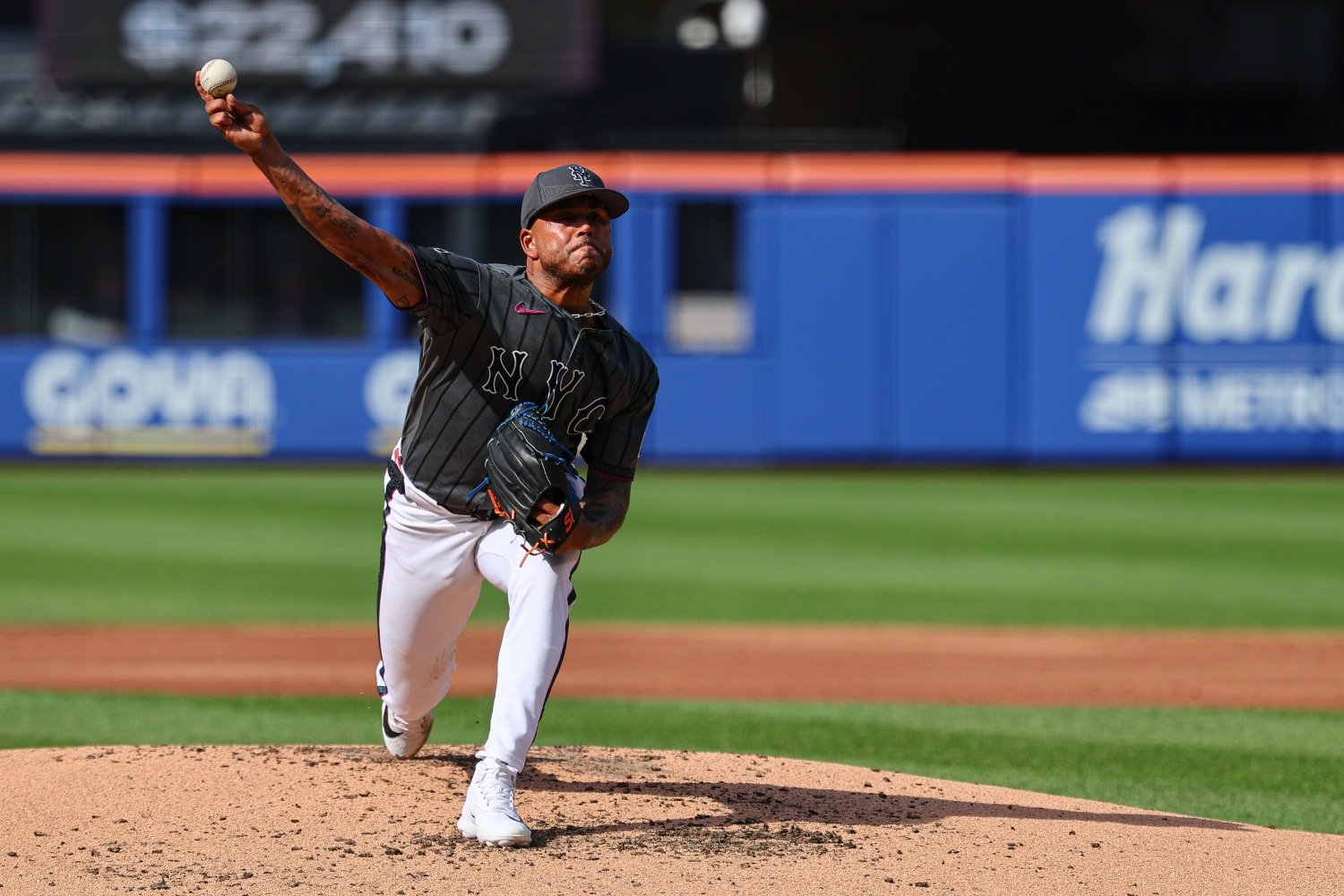 The 2026 MLB trade deadline is fast approaching, and the Minnesota Twins remain (surprisingly) locked firmly in the playoff race. Jim Pohlad has suggested that the Twins want to be buyers, and the team has four areas where an upgrade would be warranted: the starting rotation, the bullpen, first base, and shortstop. Below are three dream scenario example trades that would address each of these needs. By definition, these moves are very unlikely to happen, but they should provide the reader with context of what it would take to get something so big done, based on recent historical examples. I encourage the reader not to get too hung up on the specific names included within these trades, but rather to consider the bigger picture; if the Twins want to get a number-two or -three starting pitcher, it would take this caliber of prospect(s), for example. Without further ado, let's get to dreaming. Trade 1: Both the Rotation and the Bullpen Get a Big Boost Twins Get: RHP Freddy Peralta (expiring contract, $8 mil AAV), RHP Luke Weaver (1.5 years of control, $11 mil AAV) Mets Get: RHP Riley Quick, INF Royce Lewis, OF Brandon Winokur Historical Comparison: Mets Get: RHP Freddy Peralta, RHP Tobias Myers Brewers Get: RHP Brandon Sproat (top-100 prospect), SS Jett Williams (borderline top 100 prospect) To say that the Mets have underachieved this summer would be an extreme understatement. As of this writing, they sit above only the lowly Colorado Rockies in the National League standings and figure to be a seller come the trade deadline. Starting pitcher Freddy Peralta figures to be one of the more attractive names on the block. His contract is set to expire at the end of the season, and any team acquiring his services will owe him less than $3 million for the remainder of the season. His 4.66 ERA isn’t all that impressive, but his xFIP is a more respectable 4.25. However, his K-BB% is a meager 12.9%, by far the worst of his career. Getting out of New York and connecting with Pete Maki, who has helped turn ok pitchers into good pitchers (see Taj Bradley, for example) would probably do him well. Reliever Luke Weaver may secretly be the jewel of this trade. He currently ranks third in win probability added (2.45) among qualified relievers and is under team control through 2027. His four-seamer has elite rise (19.2 inches IVB), playing well at the top of the zone and holding opponents to a .242 slugging average. His changeup, while having below-average movement, plays well at the bottom of the zone and has held opponents to a .237 SLG. Weaver is nails against both sides of the platoon (.587 OPS against lefties and .345 OPS against righties) and would instantly be the best reliever in the Twins pen. Losing pitching prospect Riley Quick would hurt, but the Twins would be betting on the borderline top-100 prospect not being able to figure out his control issues (13.8% walk rate). Outfielder Brandon Winokur has some interesting power potential, but has been right at average offensively according to wRC+ at High-A (like OPS+ and other similar metrics, 100 is average; Winokur posted a 98 in 122 games in 2025 and a 105 in 74 games in 2026). Royce Lewis would provide name recognition for Mets fans and would get a nice early-career reset. Lewis has been pretty good since his mid-May demotion, hitting .258 with seven home runs, but his numbers have started to drop again in July; he slashed .279/.330/.512 in 22 June games and .214/.298/.429 in 11 July games, entering Monday. Moving on sooner, rather than later, would probably be in both parties’ best interests. Interestingly, the best comparison for a Peralta-centered trade is the one the Mets pulled off over the winter to acquire Peralta. They sent out two highly-regarded prospects and also got back a valuable bullpen arm. It’s possible that the Twins would have to surrender a Marek Houston or Eduardo Tait rather than Quick (or include another mid-level prospect) to get this deal done. It’s also probable that Peralta and Weaver will be highly sought after, so the Twins would probably have to give up more than they would like to beat other teams' offers. Would they do that for an impending free agent and good but not elite bullpen arm? It's hard to say. To be sure, though, Peralta's acquisition cost has come down since the winter. Dealt now, he would no longer net an acquiring team a draft pick if he leaves via free agency, and his rough half-season has taken some sheen off him as a potential playoff starter, too. Trade 2: The Twins Get Their Shortstop of the Future...But At What Cost? Twins Get: SS Gunnar Henderson (2.5 years of control, arbitration) Orioles Get: OF Emmanuel Rodriguez, SS Marek Houston, LHP Dasan Hill Historical Comparison: Dodgers Get: SS Trea Turner, RHP Max Scherzer Nationals Get: RHP Josiah Gray (top-100 prospect), C Keibert Ruiz (top-50 prospect), RHP Gerardo Carrillo (mid-level prospect), OF Donovan Casey (low-level prospect) Gunnar Henderson was in the conversation for best shortstop in the game a mere two seasons ago. Since then, Bobby Witt Jr. has continued to ascend, while Henderson’s career has somewhat stagnated. His 37-home run, 7.9-fWAR 2024 season was among the best for a shortstop in recent memory, but his 2025 was “only” above average (120 OPS+, 17 home runs, 4.8 fWAR) and his 2026 is shaping up to be the least productive of his young career (90 OPS+, 1.7 fWAR). Still, the Twins would have to absolutely blow the Orioles away to obtain Henderson’s services. Realistically, the Orioles would ask for outfielder Walker Jenkins—and the Twins would obviously say no. But Rodriguez, Houston, and Hill all rank among the top 50-150 prospects in the game and possess enticing skills and high upsides that may be attractive for the begrudgingly rebuilding Orioles. Rodriguez reaches base at an elite clip and provides both thump at the plate and the ability to play center field; Houston might be one of the best defensive prospects in the game; and Hill could be a solid No. 2 or 3 starter. However, all three also have their warts. Rodriguez has struggled to stay on the field for various orthopedic reasons; Houston still needs to prove that he can be an offensive threat in the high minors; and Hill’s K-BB% is a paltry 15.8 because of an atmospherically high 18.4% walk rate. It’s highly unlikely that Baltimore would part with Henderson, and if they do, a fervent bidding war would quickly commence. It’s doubtful that the Twins would be able to come out on top without offering Jenkins, Rodriguez, and more. What may give teams pause, however, is Henderson’s significant drop in bat speed—from 76.3 mph in 2024 to 75.3 mph in 2025 to 74.4 mph in 2026—and average exit velocity–92.8 mph to 92.1 mph to 89.5 mph. Correspondingly, he’s also seemingly lost all ability to hit fastballs, producing a paltry .276 SLG and -8 run value in 2026. Are these trends reversible or the sign of an early decline? That's something teams around the league, and the Orioles themselves, must wrestle with. Add in that Henderson has never really graded out well defensively according to Outs Above Average, and it's safe to wonder if the juice would be worth the squeeze. Trea Turner had 1.5 years of team control remaining when the Nationals packaged him with Max Scherzer, who was an impending free agent, and sent him to the Dodgers. While Washington’s return has largely flopped at the major-league level, the return was viewed as appropriate at the time. It also serves as a good example of why teams such as the Twins should be more willing to part with even their high-level prospects. Trade 3: Hey! A Legit First Baseman! Twins Get: 1B Luis Garcia Jr. (1.5 years of control, arbitration) Nationals Get: OF Gabriel Gonzalez, RHP Ryan Gallagher Historical Comparison: Nationals Get: SS Kevin Made (team top 20-30 prospect), LHP DJ Herz (1.7 fWAR in 2024; team top 15-20 prospect) Cubs Get: INF Jeimer Candelario (pending free agent, 126 OPS+ when traded, 16 home runs) Luis Garcia Jr. is having a breakout age-26 season. His 132 OPS+ is a career-best, as are his 20 home runs, and he ranks 17th in the National League among qualified hitters in overall production. He rarely strikes out (15.7%) and has a propensity to hit the ball very hard (91.9 mph average exit velocity; 46.9% hard-hit rate; both well above average) despite a 40.5% chase rate, one of the league's worst. Defensively, he is average, registering 0 Outs Above Average, which would actually be a pretty solid upgrade over Lewis, Victor Caratini, and Josh Bell. While Garcia seems like an attainable target on the surface, many dominoes would have to fall in the Twins’ favor for them to gain his services. First, the Nationals would have to decide to sell; they’re currently only two games out of the third Wild Card spot in the NL. Second, Minnesota would have to decide that they actually want to upgrade at first base. As mentioned above, Lewis has been… fine… since getting recalled. If the team was to move on from him, it might make more sense to do so during the offseason, as he would have more time to show that his turnaround is legit. Third, Garcia will be one of the more attractive first base options for contending teams, so the Twins would have to hope a bidding war doesn’t price them out. The Nationals were in a vaguely similar position at the 2023 deadline with Jeimer Candelario. However, he was an impending free agent, and Washington was bad. Candelario was performing similarly to how Garcia is, and split time between first and third base with the Cubs. Chicago gave up two mid-level prospects to acquire fewer than 50 games of Candelario’s services. With an extra full year of team control, the Twins would likely have to surrender multiple prospects in the 10-20 range on their own list. None of these players would be full-fledged instant fixes for a flawed Twins roster. They would, however, represent the kind of big swing fans seem to crave, and could put the Twins on the right side of the dividing line between the want-tos and the doers in 2026. They'd each also offer some kind of help to the 2027 team, which is an important consideration for a team ready to contend but not ready to go all-in. Let's dream a little.
- 61 comments
-
- 5
-
-
- freddy peralta
- luke weaver
- (and 8 more)
-
Taj Bradley might have been the best-known name acquired by the Minnesota Twins during the 2025 trade deadline fire sale. A former top 100 prospect, Bradley’s performance plateaued during his third season with the Tampa Bay Rays, who shipped him to the Twins in exchange for the highly coveted Griffin Jax. Bradley’s first run with the Twins was mediocre. He finished the 2025 campaign with a 5.05 ERA in a career-high 142 ⅔ innings, though, as has been consistent throughout his young career, his 4.37 xFIP suggested that he got a little unlucky. Entering his first full season with the Twins, the question of whether or not Bradley would be more effective as a reliever has been swirling through many minds. However, unlike my analysis of Zebby Matthews, I think there is sufficient data to suggest that Bradley’s role as a starter is clearer, at least in the short term. Read Previous Entries: David Festa's Arsenal Zebby Matthews' Arsenal Taj Bradley’s Stuff and Pitch Arsenal Bradley’s arsenal primarily consists of four pitches—a four-seamer, cutter, splitter, and curveball—though he occasionally throws a sinker (or at least some of his four-seamers get labeled as such). Like most pitchers, his offerings vary depending on the handedness of the hitter; in 2025, he primarily deployed his fastball, cutter, and curve against righties (515, 347, and 146 pitches, respectively) and his fastball, splitter, and curve against lefties (565, 246, and 189). (Of note: Baseball Savant labeled 192 of Bradley’s fastballs against righties in 2025 as sinkers compared to only 10 against lefties. This suggests that Bradley will alter his grip on occasion against same-handed hitters to induce more horizontal run into the batter.) On paper, Bradley’s fastball should play well. It sits in the mid-90s and can touch near 100 mph on occasion with 18.5 inches of induced vertical break (IVB) and 6.2 inches of horizontal break. His fastballs, categorized as sinkers, feature a similar velocity profile, though with 15.4 inches of IVB and 10.5 inches of arm-side run. His four-seamer’s IVB is well-above average, meaning it should fare well at the top of the zone, where its ability to create a rising illusion should cause it to induce whiffs. Notice how many “shoulds” are in the previous paragraph. In practice, Bradley’s fastball is arguably his worst pitch. In nearly 3,000 offerings across 385 ⅓ major league innings, the fastball has produced an .896 OPS. According to FanGraphs, since making his MLB debut in mid-April 2023, Bradley’s fastball ranks 371st out of 419 in OPS against, while throwing it with the 29th-highest volume (minimum of 500 pitches). (His sinker provides much too small a sample size to make any grand conclusions, but Pitch Info Solutions, which provides its pitch data to Savant, has Bradley producing a .756 OPS across 192 pitches.) What should—there’s that word again—be heartening to Twins fans, though, is that the rest of Bradley’s repertoire has performed quite well. Nearly 1,500 cutters have produced a .711 OPS (14th volume, 27th OPS, out of 103); his splitter has produced a .597 OPS (10th volume, 26th OPS, out of 171; 1,216 offerings); and his curveball, undeniably his best pitch, has produced a miniscule .454 OPS (39th volume, 6th OPS, out of 100; 844 offerings). Seemingly, the easiest fix to make Bradley a more effective pitcher is to alter his pitch mix, namely, throwing many more curveballs. Bradley’s curve features a significant vertical break (55.8 inches with gravity, four inches more than average) at 82 mph on average. It’s truly one of the best curves in the game and plays well off his high velocity, high IVB fastball. He’d also do well to throw more cutters. It features below average velo (89.6 mph) and a relatively poor movement profile (4.0 inches of glove side break is good but 5.6 inches of IVB is quite poor), but a .711 OPS is much better than a .896; even if it were to perform worse at higher volume (and it almost undoubtedly would based on its movement profile), it almost couldn’t perform worse than the fastball. Year Pitch Type # # RHB # LHB % MPH PA AB H 1B 2B 3B HR SO BBE BA XBA SLG XSLG WOBA XWOBA EV LA Spin Ext. Whiff% PutAway% 2025 Sweeper 34 17 17 33.3 82.0 10 8 0 0 0 0 0 2 6 .000 .078 .000 .087 .138 .197 86.1 14 2416 6.7 40.0 18.2 2025 Four Seamer 27 22 5 26.5 93.2 6 6 1 1 0 0 0 2 4 .167 .093 .167 .123 .147 .093 90.2 52 2247 6.8 27.3 22.2 2025 Sinker 27 8 19 26.5 92.9 9 6 2 2 0 0 0 1 5 .333 .277 .333 .455 .430 .442 85.2 32 2040 6.7 10.0 20.0 2025 Changeup 11 11 0 10.8 88.9 2 2 1 0 1 0 0 0 2 .500 .448 1.000 .633 .626 .456 98.1 5 1891 6.8 0.0 0.0 2025 Cutter 3 3 0 2.9 89.4 2 1 1 0 0 0 0 1 1 1.000 .889 4.000 3.536 1.380 1.257 107.1 29 2393 6.7 0.0 0.0 2024 Sweeper 128 95 33 32.1 80.6 25 21 4 3 0 0 1 8 15 .190 .135 .333 .232 .245 .190 86.0 21 2497 6.7 34.5 19.0 2024 Sinker 97 79 18 24.3 92.5 27 27 6 6 0 0 0 2 25 .222 .268 .222 .318 .196 .262 87.1 6 2043 6.7 17.6 11.8 2024 Four Seamer 80 70 10 20.1 93.3 35 33 7 7 0 0 0 4 29 .212 .250 .212 .298 .217 .268 83.1 20 2183 6.7 14.6 10.8 2024 Changeup 57 56 1 14.3 87.9 16 15 5 4 1 0 0 1 15 .333 .299 .400 .419 .319 .321 82.2 2 1985 6.7 17.2 20.0 2024 Cutter 37 32 5 9.3 88.4 11 10 6 5 0 0 0 1 10 .600 .379 .900 .607 .587 .411 93.3 17 2430 6.7 20.0 11.1 What Should Taj Bradley’s Role Be In 2026? From an aresenal standpoint, Bradley has enough juice to remain a starting pitcher. He possesses three pitches—the cutter, splitter, and curve—that have performed at an above-average to well-above-average clip throughout his three years in the bigs. Altering his pitch mix to feature fewer four-seamers and more curveballs and cutters against righties would be prudent (and would likely improve his rather poor career 15.2% K-BB% and .754 OPS against same-handed batters; for reference, lefties, who should be much better against the right-handed Bradley, have produced a 17.4% K-BB% and .730 OPS. That’s weird.) However, at a certain point, the results speak for themselves. Bradley has largely been an underwhelming starting pitcher, especially when you take into account his hype as a prospect. He has seen his strikeout rate drop from 28.0% as a rookie to 21.0% in 2025, while his walk rate has increased, from 8.5% (an already high number) to 9.3%. It’s possible that 2026 marks his last run at a starting pitching role, unless he improves his ability to miss bats and avoid freely placing runners on base. View full article
-
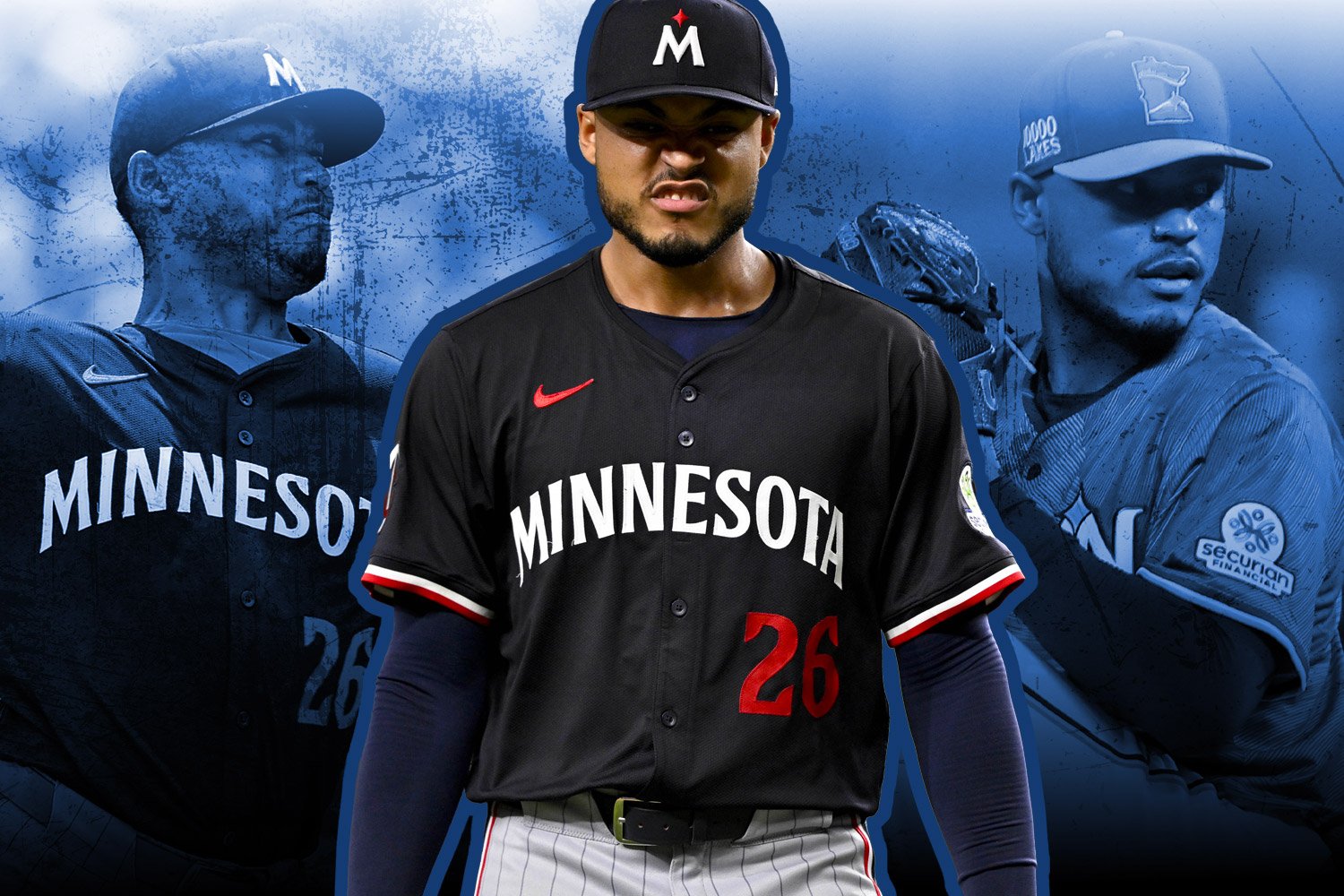 Taj Bradley might have been the best-known name acquired by the Minnesota Twins during the 2025 trade deadline fire sale. A former top 100 prospect, Bradley’s performance plateaued during his third season with the Tampa Bay Rays, who shipped him to the Twins in exchange for the highly coveted Griffin Jax. Bradley’s first run with the Twins was mediocre. He finished the 2025 campaign with a 5.05 ERA in a career-high 142 ⅔ innings, though, as has been consistent throughout his young career, his 4.37 xFIP suggested that he got a little unlucky. Entering his first full season with the Twins, the question of whether or not Bradley would be more effective as a reliever has been swirling through many minds. However, unlike my analysis of Zebby Matthews, I think there is sufficient data to suggest that Bradley’s role as a starter is clearer, at least in the short term. Read Previous Entries: David Festa's Arsenal Zebby Matthews' Arsenal Taj Bradley’s Stuff and Pitch Arsenal Bradley’s arsenal primarily consists of four pitches—a four-seamer, cutter, splitter, and curveball—though he occasionally throws a sinker (or at least some of his four-seamers get labeled as such). Like most pitchers, his offerings vary depending on the handedness of the hitter; in 2025, he primarily deployed his fastball, cutter, and curve against righties (515, 347, and 146 pitches, respectively) and his fastball, splitter, and curve against lefties (565, 246, and 189). (Of note: Baseball Savant labeled 192 of Bradley’s fastballs against righties in 2025 as sinkers compared to only 10 against lefties. This suggests that Bradley will alter his grip on occasion against same-handed hitters to induce more horizontal run into the batter.) On paper, Bradley’s fastball should play well. It sits in the mid-90s and can touch near 100 mph on occasion with 18.5 inches of induced vertical break (IVB) and 6.2 inches of horizontal break. His fastballs, categorized as sinkers, feature a similar velocity profile, though with 15.4 inches of IVB and 10.5 inches of arm-side run. His four-seamer’s IVB is well-above average, meaning it should fare well at the top of the zone, where its ability to create a rising illusion should cause it to induce whiffs. Notice how many “shoulds” are in the previous paragraph. In practice, Bradley’s fastball is arguably his worst pitch. In nearly 3,000 offerings across 385 ⅓ major league innings, the fastball has produced an .896 OPS. According to FanGraphs, since making his MLB debut in mid-April 2023, Bradley’s fastball ranks 371st out of 419 in OPS against, while throwing it with the 29th-highest volume (minimum of 500 pitches). (His sinker provides much too small a sample size to make any grand conclusions, but Pitch Info Solutions, which provides its pitch data to Savant, has Bradley producing a .756 OPS across 192 pitches.) What should—there’s that word again—be heartening to Twins fans, though, is that the rest of Bradley’s repertoire has performed quite well. Nearly 1,500 cutters have produced a .711 OPS (14th volume, 27th OPS, out of 103); his splitter has produced a .597 OPS (10th volume, 26th OPS, out of 171; 1,216 offerings); and his curveball, undeniably his best pitch, has produced a miniscule .454 OPS (39th volume, 6th OPS, out of 100; 844 offerings). Seemingly, the easiest fix to make Bradley a more effective pitcher is to alter his pitch mix, namely, throwing many more curveballs. Bradley’s curve features a significant vertical break (55.8 inches with gravity, four inches more than average) at 82 mph on average. It’s truly one of the best curves in the game and plays well off his high velocity, high IVB fastball. He’d also do well to throw more cutters. It features below average velo (89.6 mph) and a relatively poor movement profile (4.0 inches of glove side break is good but 5.6 inches of IVB is quite poor), but a .711 OPS is much better than a .896; even if it were to perform worse at higher volume (and it almost undoubtedly would based on its movement profile), it almost couldn’t perform worse than the fastball. Year Pitch Type # # RHB # LHB % MPH PA AB H 1B 2B 3B HR SO BBE BA XBA SLG XSLG WOBA XWOBA EV LA Spin Ext. Whiff% PutAway% 2025 Sweeper 34 17 17 33.3 82.0 10 8 0 0 0 0 0 2 6 .000 .078 .000 .087 .138 .197 86.1 14 2416 6.7 40.0 18.2 2025 Four Seamer 27 22 5 26.5 93.2 6 6 1 1 0 0 0 2 4 .167 .093 .167 .123 .147 .093 90.2 52 2247 6.8 27.3 22.2 2025 Sinker 27 8 19 26.5 92.9 9 6 2 2 0 0 0 1 5 .333 .277 .333 .455 .430 .442 85.2 32 2040 6.7 10.0 20.0 2025 Changeup 11 11 0 10.8 88.9 2 2 1 0 1 0 0 0 2 .500 .448 1.000 .633 .626 .456 98.1 5 1891 6.8 0.0 0.0 2025 Cutter 3 3 0 2.9 89.4 2 1 1 0 0 0 0 1 1 1.000 .889 4.000 3.536 1.380 1.257 107.1 29 2393 6.7 0.0 0.0 2024 Sweeper 128 95 33 32.1 80.6 25 21 4 3 0 0 1 8 15 .190 .135 .333 .232 .245 .190 86.0 21 2497 6.7 34.5 19.0 2024 Sinker 97 79 18 24.3 92.5 27 27 6 6 0 0 0 2 25 .222 .268 .222 .318 .196 .262 87.1 6 2043 6.7 17.6 11.8 2024 Four Seamer 80 70 10 20.1 93.3 35 33 7 7 0 0 0 4 29 .212 .250 .212 .298 .217 .268 83.1 20 2183 6.7 14.6 10.8 2024 Changeup 57 56 1 14.3 87.9 16 15 5 4 1 0 0 1 15 .333 .299 .400 .419 .319 .321 82.2 2 1985 6.7 17.2 20.0 2024 Cutter 37 32 5 9.3 88.4 11 10 6 5 0 0 0 1 10 .600 .379 .900 .607 .587 .411 93.3 17 2430 6.7 20.0 11.1 What Should Taj Bradley’s Role Be In 2026? From an aresenal standpoint, Bradley has enough juice to remain a starting pitcher. He possesses three pitches—the cutter, splitter, and curve—that have performed at an above-average to well-above-average clip throughout his three years in the bigs. Altering his pitch mix to feature fewer four-seamers and more curveballs and cutters against righties would be prudent (and would likely improve his rather poor career 15.2% K-BB% and .754 OPS against same-handed batters; for reference, lefties, who should be much better against the right-handed Bradley, have produced a 17.4% K-BB% and .730 OPS. That’s weird.) However, at a certain point, the results speak for themselves. Bradley has largely been an underwhelming starting pitcher, especially when you take into account his hype as a prospect. He has seen his strikeout rate drop from 28.0% as a rookie to 21.0% in 2025, while his walk rate has increased, from 8.5% (an already high number) to 9.3%. It’s possible that 2026 marks his last run at a starting pitching role, unless he improves his ability to miss bats and avoid freely placing runners on base.
 -
I don’t think that’s necessarily true. Especially if the Zebbys, Festas, etc. develop into high-end relievers. Turning an eighth-round pick (who rarely even make the majors) into a 100 mph solid bullpen arm is much more of a market inefficiency that turning a first or second-round pick into the same.
-
Perhaps no other Twin in recent memory saw their prospect stock rise more rapidly than Zebby Matthews. Selected with the 234th pick in the 2022 draft out of Western Carolina and signed for a paltry $125,000, Matthews grew from an afterthought to a top prospect at virtually the speed of light, debuting by mid-August 2024. Unfortunately, Matthews’s once-bright flame has dimmed in the eyes of some, due to inconsistent performance across 117 major-league innings. His rise was fueled by an uncanny ability to live in the zone, missing bats and not giving up any walks, while drastically improving his fastball velocity. In the majors, his walk rates have nearly tripled from approximately 2.0% in the minors to 6.6%, while his strikeout rates have dropped by roughly eight percentage points. These decrements in performance, albeit in a relatively small sample, have begun to beg the question: Is Zebby Matthews’s future in the starting rotation or the bullpen? Read Previous Entries: David Festa's Arsenal Zebby Matthews’s Stuff & Pitch Arsenal On paper, Matthews boasts a prototypical 2026 starting pitcher repertoire. He primarily relies on his four-seamer and slider, dispatching them against lefties (293 and 140, respectively, in 2025) and righties (263 and 199) at an equal clip. Matthews employs his cutter slightly more often against left-handed hitters (103 vs 73), though the sample size for each is quite small, and virtually only throws his changeup against lefties (104 vs. 39). Sprinkle in the occasional curve and sinker to keep hitters on their toes, and Matthews arsenal is sufficient for a starting pitcher… in theory. In practice, at least at the MLB-level to date, Matthews really only has one pitch that has performed well: his gyro slider. As shown in the movement profile graph and implied in the slider heat map above, Matthews’s slider features significantly more drop (vertical break) than it does sweep (horizontal break). This is due to the pitch featuring more gyroscopic (think football spiral) spin than side spin. Gyroscopic spin does not influence pitch movement, meaning that the majority of the ball’s movement is simply due to the pull of gravity as it flies through the air. Across 525 major league offerings, opposing hitters have managed a meager .568 OPS against Matthews’s slider, per FanGraphs, driven by a high-30% whiff rate in combination with a 42% ground ball rate. In essence, when Matthews’s throws his slider there’s high chance that the batter is either going to miss it entirely or pound it into the ground. The rest of Matthews’s arsenal has been varying degrees of lackluster, even this four-seam fastball, whose crazy velocity creep helped him rapidly rise through the minors. Pitchers can overpower minor league hitting with pure velocity, something Matthews and his mid-90s fastball accomplished. However, the same can’t be said for major league hitting. Generally speaking, if a fastball is going to be a pitcher’s best offering in the majors, it not only needs to possess high velocity readings but also have a movement profile that makes hitting it squarely extremely difficult. MLB hitters can hit straight gas; hitting moving or deceptive gas is much more difficult. When analyzing the movement profile, or shape, of a fastball, there are two metrics worth considering: induced vertical break and horizontal break. Induced vertical break measures how much the ball drops solely due to its spin, taking gravity out of the equation. If a fastball has a high degree of spin, it will, more often than not, register a higher induced vertical break, meaning it doesn’t drop. This will produce an illusion in the hitter’s brain, making it seem as though the ball is rising. Horizontal break measures how much the ball moves, well, horizontally; if it moves towards the glove side of the pitcher, we say it has ‘cut’, and if it moves towards the hand side, we say it has ‘run’. Year Pitch Type # # RHB # LHB % MPH PA AB H 1B 2B 3B HR SO BBE BA XBA SLG XSLG WOBA XWOBA EV LA Spin Ext. Whiff% PutAway% 2025 Four Seamer 556 263 293 41.1 96.2 123 112 40 25 8 0 7 30 85 .357 .303 .616 .571 .422 .394 92.7 23 2331 6.6 22.4 19.4 2025 Slider 339 199 140 25.1 88.2 113 107 16 11 2 0 3 50 58 .150 .184 .252 .326 .193 .237 87.5 10 2419 6.4 38.5 24.3 2025 Cutter 176 73 103 13.0 91.7 54 42 14 12 1 0 1 3 40 .333 .318 .429 .482 .405 .414 88.7 15 2494 6.5 24.2 8.6 2025 Changeup 143 39 104 10.6 87.5 32 31 11 7 3 0 1 1 31 .355 .317 .548 .426 .374 .346 86.3 6 1499 6.4 26.3 5.3 2025 Curveball 79 38 41 5.8 82.9 14 14 5 4 1 0 0 2 12 .357 .304 .429 .487 .342 .338 88.9 38 2435 6.3 34.5 10.5 2025 Sinker 60 58 2 4.4 95.8 18 17 8 8 0 0 0 2 16 .471 .264 .471 .320 .415 .255 77.2 6 2317 6.6 7.7 50.0 2024 Four Seamer 307 115 192 42.8 94.9 66 59 17 7 5 0 5 17 42 .288 .262 .627 .592 .417 .394 94.3 19 2230 6.5 17.8 21.3 2024 Slider 186 92 94 25.9 87.2 57 52 16 12 2 0 2 20 32 .308 .251 .462 .400 .363 .318 90.2 11 2349 6.4 37.6 23.5 2024 Cutter 116 62 54 16.2 90.9 30 29 10 7 0 0 3 2 27 .345 .295 .655 .674 .434 .418 87.3 17 2403 6.4 18.2 18.2 2024 Changeup 57 2 55 7.9 85.8 9 9 2 1 1 0 0 0 9 .222 .348 .333 .512 .237 .378 86.6 -5 1550 6.4 31.3 0.0 2024 Curveball 51 9 42 7.1 81.7 15 15 6 4 1 0 1 4 11 .400 .327 .667 .558 .455 .377 87.9 16 2369 6.3 17.4 14.8 Generally, there is a trade-off between a fastball’s induced vertical break and horizontal break; more in one generally leads to less of another. This is where Matthews’s fastballs—both his four-seam and sinker—struggle. The induced vertical break of his four-seamer is 16.6 inches, and his horizontal break is 9.0 inches of run; for his sinker, it is 13.1 inches and 15.2 inches, respectively. These are what are known in the industry as “dead zone” fastballs. Essentially, to the batter’s eye, they appear straight, not having enough induced vertical break to produce the rising illusion and not enough horizontal break to be difficult to square up. Since Matthews’s made his debut, opponents have produced a .944 OPS (839 pitches) against his four-seamer and a 1.368 OPS (82 pitches) against his sinker. His cutter (.955; 294), changeup (.817; 200), and curve (.931; 130) haven’t fared much better. However, there are some intriguing data points embedded within Matthews’s splits statistics. Namely, they suggest that he is much better against righties than lefties to the tune of .230 points of OPS (.944 OPS against 278 lefties and .714 OPS against 253 righties) and 4.0% K-BB% (20.2% vs. 16.2%). Which informs… What Should Zebby Matthews’s Role Be In 2026? It’s extremely difficult to be an MLB-caliber starting pitcher with only one good pitch. Luckily, carving out a productive career out of the bullpen is relatively achievable. Matthews’s career to date is not all that dissimilar to that of Glen Perkins, Tyler Duffey, and, more recently, Griffin Jax. These were all starting pitchers who experienced great success in the minors before struggling mightily once they reached the majors because their middling repertoires were exposed. However, a shift to the bullpen and increased emphasis on their best pitches transformed them into, at times, devastating backend relievers. For Matthews to project as a starting pitcher moving forward, he likely needs to add at least one more above-average pitch—perhaps a sweeper or kick-change to complement his gyro slider?—and/or improve the shape of his fastball. Neither is a particularly easy task, though adding a new pitch is significantly more trainable than adding isolated pitch spin/induced vertical break. The Twins have far more metrics available to them, including whether Matthews is more of a natural pronator or supinator, which would influence which pitches would be easier to add, as well as linear and rotational force-velocity data, which would indicate if there is any additional athletic performance meat being left on the bone. The Twins may continue to employ Matthews as a starter, but, as things stand right now, his profile is much more suitable for a bullpen role. View full article
-
 Perhaps no other Twin in recent memory saw their prospect stock rise more rapidly than Zebby Matthews. Selected with the 234th pick in the 2022 draft out of Western Carolina and signed for a paltry $125,000, Matthews grew from an afterthought to a top prospect at virtually the speed of light, debuting by mid-August 2024. Unfortunately, Matthews’s once-bright flame has dimmed in the eyes of some, due to inconsistent performance across 117 major-league innings. His rise was fueled by an uncanny ability to live in the zone, missing bats and not giving up any walks, while drastically improving his fastball velocity. In the majors, his walk rates have nearly tripled from approximately 2.0% in the minors to 6.6%, while his strikeout rates have dropped by roughly eight percentage points. These decrements in performance, albeit in a relatively small sample, have begun to beg the question: Is Zebby Matthews’s future in the starting rotation or the bullpen? Read Previous Entries: David Festa's Arsenal Zebby Matthews’s Stuff & Pitch Arsenal On paper, Matthews boasts a prototypical 2026 starting pitcher repertoire. He primarily relies on his four-seamer and slider, dispatching them against lefties (293 and 140, respectively, in 2025) and righties (263 and 199) at an equal clip. Matthews employs his cutter slightly more often against left-handed hitters (103 vs 73), though the sample size for each is quite small, and virtually only throws his changeup against lefties (104 vs. 39). Sprinkle in the occasional curve and sinker to keep hitters on their toes, and Matthews arsenal is sufficient for a starting pitcher… in theory. In practice, at least at the MLB-level to date, Matthews really only has one pitch that has performed well: his gyro slider. As shown in the movement profile graph and implied in the slider heat map above, Matthews’s slider features significantly more drop (vertical break) than it does sweep (horizontal break). This is due to the pitch featuring more gyroscopic (think football spiral) spin than side spin. Gyroscopic spin does not influence pitch movement, meaning that the majority of the ball’s movement is simply due to the pull of gravity as it flies through the air. Across 525 major league offerings, opposing hitters have managed a meager .568 OPS against Matthews’s slider, per FanGraphs, driven by a high-30% whiff rate in combination with a 42% ground ball rate. In essence, when Matthews’s throws his slider there’s high chance that the batter is either going to miss it entirely or pound it into the ground. The rest of Matthews’s arsenal has been varying degrees of lackluster, even this four-seam fastball, whose crazy velocity creep helped him rapidly rise through the minors. Pitchers can overpower minor league hitting with pure velocity, something Matthews and his mid-90s fastball accomplished. However, the same can’t be said for major league hitting. Generally speaking, if a fastball is going to be a pitcher’s best offering in the majors, it not only needs to possess high velocity readings but also have a movement profile that makes hitting it squarely extremely difficult. MLB hitters can hit straight gas; hitting moving or deceptive gas is much more difficult. When analyzing the movement profile, or shape, of a fastball, there are two metrics worth considering: induced vertical break and horizontal break. Induced vertical break measures how much the ball drops solely due to its spin, taking gravity out of the equation. If a fastball has a high degree of spin, it will, more often than not, register a higher induced vertical break, meaning it doesn’t drop. This will produce an illusion in the hitter’s brain, making it seem as though the ball is rising. Horizontal break measures how much the ball moves, well, horizontally; if it moves towards the glove side of the pitcher, we say it has ‘cut’, and if it moves towards the hand side, we say it has ‘run’. Year Pitch Type # # RHB # LHB % MPH PA AB H 1B 2B 3B HR SO BBE BA XBA SLG XSLG WOBA XWOBA EV LA Spin Ext. Whiff% PutAway% 2025 Four Seamer 556 263 293 41.1 96.2 123 112 40 25 8 0 7 30 85 .357 .303 .616 .571 .422 .394 92.7 23 2331 6.6 22.4 19.4 2025 Slider 339 199 140 25.1 88.2 113 107 16 11 2 0 3 50 58 .150 .184 .252 .326 .193 .237 87.5 10 2419 6.4 38.5 24.3 2025 Cutter 176 73 103 13.0 91.7 54 42 14 12 1 0 1 3 40 .333 .318 .429 .482 .405 .414 88.7 15 2494 6.5 24.2 8.6 2025 Changeup 143 39 104 10.6 87.5 32 31 11 7 3 0 1 1 31 .355 .317 .548 .426 .374 .346 86.3 6 1499 6.4 26.3 5.3 2025 Curveball 79 38 41 5.8 82.9 14 14 5 4 1 0 0 2 12 .357 .304 .429 .487 .342 .338 88.9 38 2435 6.3 34.5 10.5 2025 Sinker 60 58 2 4.4 95.8 18 17 8 8 0 0 0 2 16 .471 .264 .471 .320 .415 .255 77.2 6 2317 6.6 7.7 50.0 2024 Four Seamer 307 115 192 42.8 94.9 66 59 17 7 5 0 5 17 42 .288 .262 .627 .592 .417 .394 94.3 19 2230 6.5 17.8 21.3 2024 Slider 186 92 94 25.9 87.2 57 52 16 12 2 0 2 20 32 .308 .251 .462 .400 .363 .318 90.2 11 2349 6.4 37.6 23.5 2024 Cutter 116 62 54 16.2 90.9 30 29 10 7 0 0 3 2 27 .345 .295 .655 .674 .434 .418 87.3 17 2403 6.4 18.2 18.2 2024 Changeup 57 2 55 7.9 85.8 9 9 2 1 1 0 0 0 9 .222 .348 .333 .512 .237 .378 86.6 -5 1550 6.4 31.3 0.0 2024 Curveball 51 9 42 7.1 81.7 15 15 6 4 1 0 1 4 11 .400 .327 .667 .558 .455 .377 87.9 16 2369 6.3 17.4 14.8 Generally, there is a trade-off between a fastball’s induced vertical break and horizontal break; more in one generally leads to less of another. This is where Matthews’s fastballs—both his four-seam and sinker—struggle. The induced vertical break of his four-seamer is 16.6 inches, and his horizontal break is 9.0 inches of run; for his sinker, it is 13.1 inches and 15.2 inches, respectively. These are what are known in the industry as “dead zone” fastballs. Essentially, to the batter’s eye, they appear straight, not having enough induced vertical break to produce the rising illusion and not enough horizontal break to be difficult to square up. Since Matthews’s made his debut, opponents have produced a .944 OPS (839 pitches) against his four-seamer and a 1.368 OPS (82 pitches) against his sinker. His cutter (.955; 294), changeup (.817; 200), and curve (.931; 130) haven’t fared much better. However, there are some intriguing data points embedded within Matthews’s splits statistics. Namely, they suggest that he is much better against righties than lefties to the tune of .230 points of OPS (.944 OPS against 278 lefties and .714 OPS against 253 righties) and 4.0% K-BB% (20.2% vs. 16.2%). Which informs… What Should Zebby Matthews’s Role Be In 2026? It’s extremely difficult to be an MLB-caliber starting pitcher with only one good pitch. Luckily, carving out a productive career out of the bullpen is relatively achievable. Matthews’s career to date is not all that dissimilar to that of Glen Perkins, Tyler Duffey, and, more recently, Griffin Jax. These were all starting pitchers who experienced great success in the minors before struggling mightily once they reached the majors because their middling repertoires were exposed. However, a shift to the bullpen and increased emphasis on their best pitches transformed them into, at times, devastating backend relievers. For Matthews to project as a starting pitcher moving forward, he likely needs to add at least one more above-average pitch—perhaps a sweeper or kick-change to complement his gyro slider?—and/or improve the shape of his fastball. Neither is a particularly easy task, though adding a new pitch is significantly more trainable than adding isolated pitch spin/induced vertical break. The Twins have far more metrics available to them, including whether Matthews is more of a natural pronator or supinator, which would influence which pitches would be easier to add, as well as linear and rotational force-velocity data, which would indicate if there is any additional athletic performance meat being left on the bone. The Twins may continue to employ Matthews as a starter, but, as things stand right now, his profile is much more suitable for a bullpen role.
 -
Good question. Off the top of my head, I’m not aware of other pitchers getting Botox but that doesn’t mean it hasn’t happened.
-
Yes. He will undoubtedly start throwing before the 4 months mark as that would essentially be February. I would imagine his treatment plan would look something like: -0-6 weeks: No throwing, rehab, strength training, symptom management -6 weeks to Spring Training: Gradually ramp up throwing based on symptoms, continue with rehab and strength training -Spring Training to Regular season: Build pitching bulk and endurance -Regular season: Good to go That’s the hope, anyway.
-
Generally, Botox is effective for about 3-4 months but it can vary. I doubt they would do a second injection.
-
The hope is that the injection and rehab will be sufficient. But as I wrote, success is only about 50%, so it’s no guarantee. However, because his symptoms were relatively mild and they seemingly caught it early, that increase the odds of success.
-
Correct. It is a short-term solution with a diagnostic element. As I wrote, Botox eventually wears off, so the muscle will be able to function again. And you are correct, you don’t want to use Botox repeatedly for exactly why you said.

