



Cody Pirkl
-
Posts
1,314 -
Joined
-
Last visited
-
Days Won
4
Content Type
Profiles
News
Minnesota Twins Videos
2026 Minnesota Twins Top Prospects Ranking
2022 Minnesota Twins Draft Picks
Minnesota Twins Free Agent & Trade Rumors, Notes, & Tidbits
Guides & Resources
2023 Minnesota Twins Draft Picks
The Minnesota Twins Players Project
2024 Minnesota Twins Draft Picks
2025 Minnesota Twins Draft Pick Tracker
2026 Minnesota Twins Draft Tracker: Picks & Bonuses
Forums
Blogs
Events
Store
Downloads
Gallery
Everything posted by Cody Pirkl
-
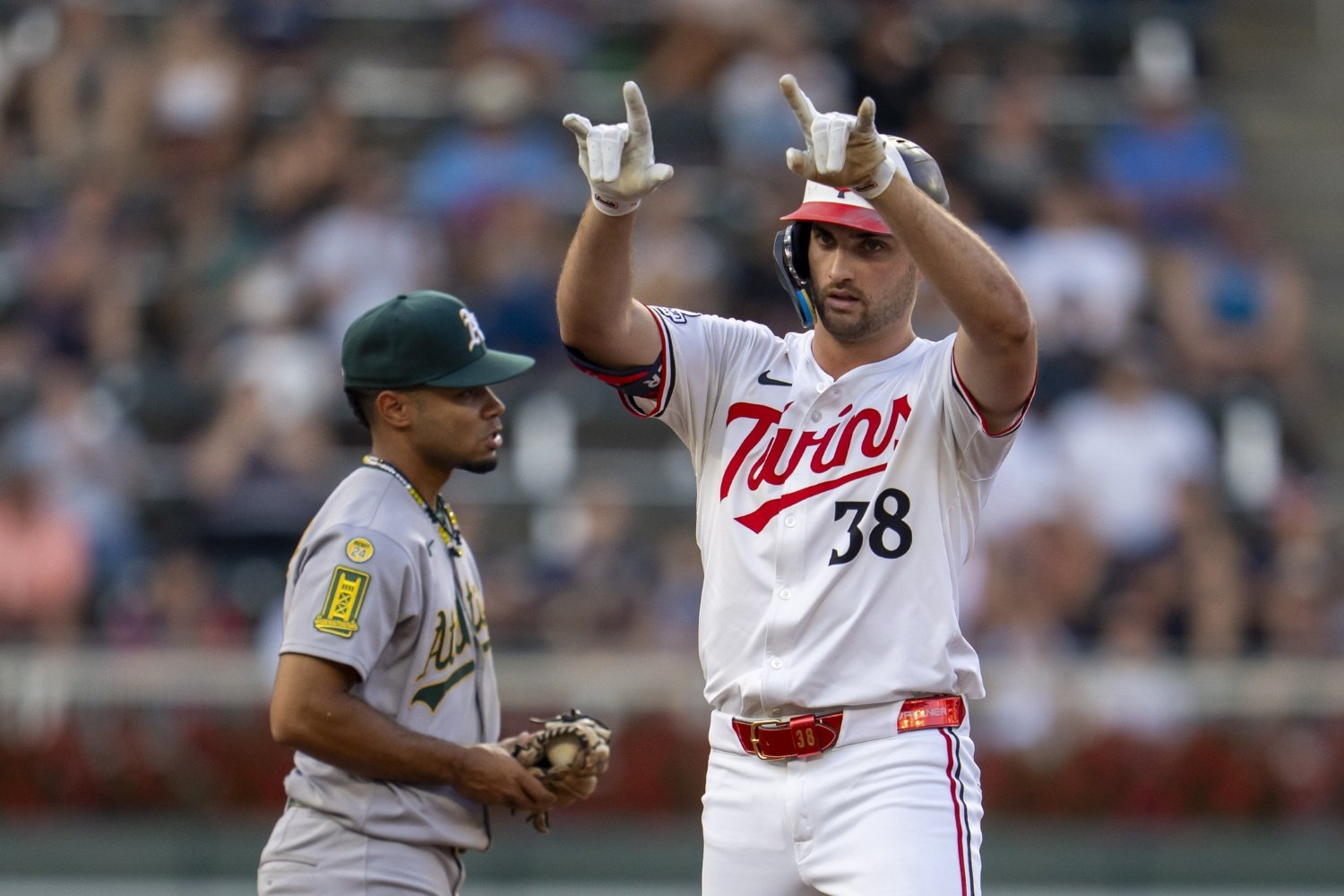
Image courtesy of © Eric Hartline-Imagn Images After the Twins sold at the deadline, all that was left to hope for was that some of the remaining players would make the best of the opportunity that had opened up and earn their way into the 2026 plans. While not everyone made good on this, a few players certainly look like they’ve earned themselves roles on next year's roster. Kody Clemens Clemens looked like a flash in the pan when he followed up his explosive first month in a Twins uniform with a .625 OPS in June. Being a well-traveled 29-year-old, there was always a chance that his performance was simply one good month and that he would return to the version of Kody Clemens that could never quite carve out a regular role on an MLB roster. Finishing as a comfortably above league-average hitter in two of the last three months of the season while playing regularly may have changed that in the Twins’ eyes. Clemens may not be a part of the long-term future, but he should fit quite well on the 2026 Twins roster. The organization lacks interesting options for first base, where Clemens filled in for much of the second half. He will also be plenty cheap for a roster that is likely to shed more payroll than add to it this offseason. Clemens can be an ideal stopgap at first base and second base in addition to filling in at both corner outfield spots. It may not be a massive development for the future, but Clemens at least gives the team one less roster spot to worry about. Austin Martin Making up one half of the trade return from dealing Jose Berrios to the Blue Jays, Martin looks to have finally made good on the Twins' acquisition of him in 2021. Martin has dealt with swing changes, injuries, and overall inconsistency in his Twins tenure. He’s no longer considered a serious option in the infield mix and remains extremely raw in center field. After receiving regular opportunities down the stretch, he settled into left field, where he showed positive defensive metrics and was one of the Twins’ better overall hitters in the final months of the season. Martin still lacks power, but his right-handed bat makes him a shoo-in for the Twins’ 2026 roster. Left-handed hitters dominate the outfield, and the team has lacked a quality option to spell them for several years. His speed and athleticism also complement the overall roster, making him a strong bench option at the very least. He may not be the player who was once selected fifth overall in the MLB draft, but Martin may finally be emerging as a valuable MLB player. Simeon Woods Richardson SWR has been a solid back-end starting pitcher for multiple seasons, although he’s lacked consistency at times, and the upside has seemed capped because of his repertoire. The end of his season has to have raised some eyebrows, as after returning from a stomach illness, Woods Richardson did enough to leave us questioning whether he just needed a little extra time to take that next step. Allowing two runs and striking out 23 in his last 17 innings, Woods Richardson looked like he had finally built back up after his illness. He ramped up the usage of his new splitter, which became arguably his best pitch after adding it to his mix partway through the season. After inconsistent usage throughout the year, SWR began to rely on this new offering, and it looks like the key to taking another step forward. With so many arms added at the deadline, Woods Richardson’s job looked to be a bit more in question heading into 2026. His flashes of brilliance to end the season, which coincided with a notable change in pitch mix, should earn him an Opening Day rotation spot for 2026. Were there any other players who made the most of a bad situation down the stretch? Was there anyone you wished would have done a better job of taking advantage of their opportunity? Let us know below! View full article
-
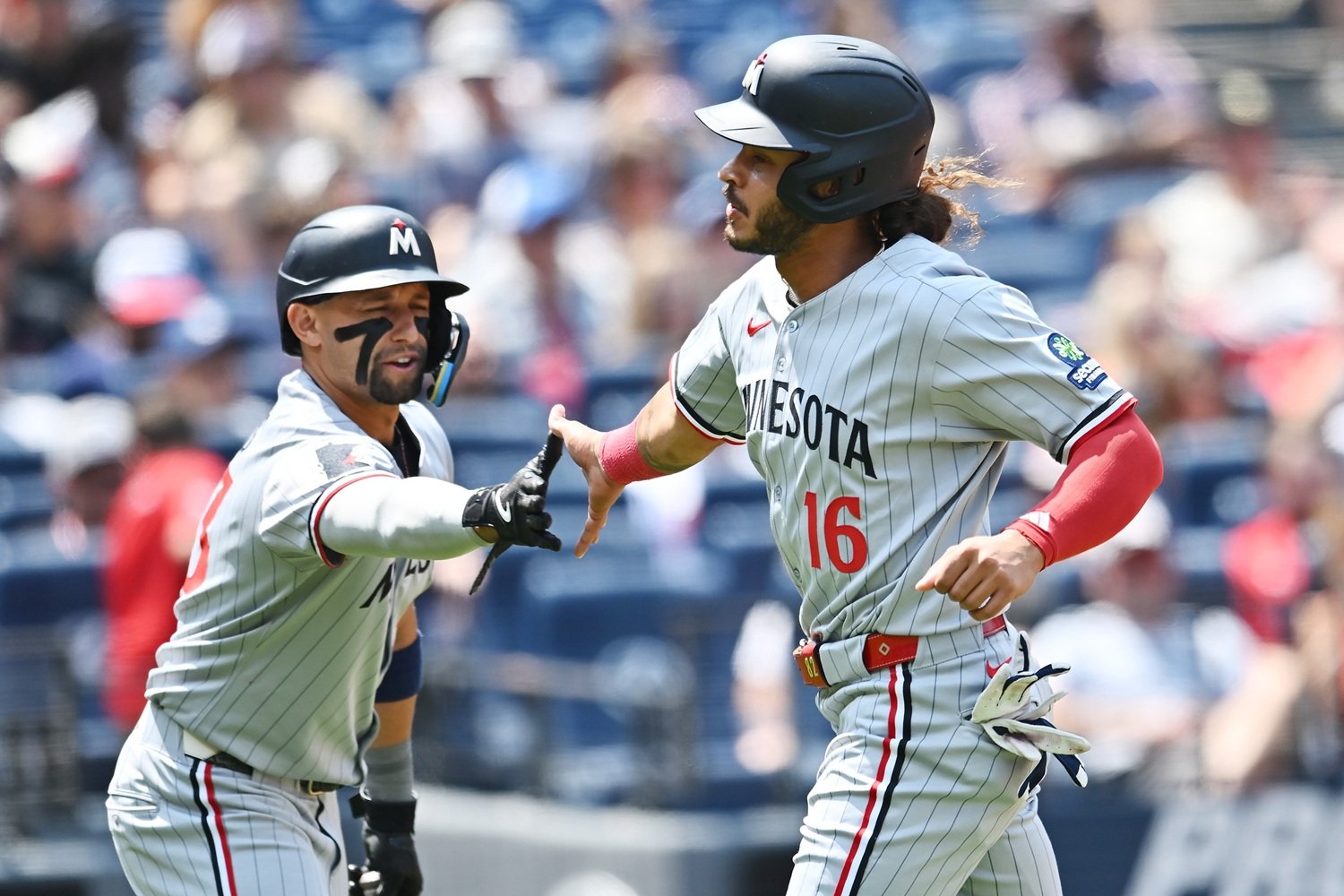
Image courtesy of © Jesse Johnson-Imagn Images Editor's Note: This is the second piece in a three-part series to close out this week, examining the Twins' corner outfield situation looking toward 2026 with a particular emphasis on the slugging Wallner. In this installment, Cody Pirkl makes a case for Wallner to be treated more as an indispensable piece of the team's core. Doubt has followed Matt Wallner since his debut in 2022. During that season, his swing-and-miss rates in St. Paul made him a questionable candidate to carry his dominance over to the major leagues. Both the fan base and the Twins themselves have maintained a fair amount of skepticism all these years. While Wallner is far from a perfect player, he deserves much more credit than he’s given. Wallner’s path has been winding to this point, with periods of complete helplessness at the plate that have resulted in demotions when the swing-and-miss has gotten out of control. It’s a profile Twins fans are sick of watching, after several seasons slipped away as the lineup swung for the fences and missed. Even the Twins have shied away from this player profile, after targeting it so heavily in years past. Although we have yet to see a significant payoff, the organization has increasingly emphasized athleticism and speed (at least rhetorically), and the team's strikeout rate has declined year over year as they’ve targeted fewer “all-or-nothing” hitters. Wallner is the only player with this approach left on the roster. The years of doubt in Wallner’s abilities appear to have peaked in 2025, as the team (and the lineup, in particular) has crossed into complete disaster territory. Wallner’s down year has been at least part of the problem with the Twins’ offense, but adding context shows that lumping his struggles this season with the rest of the team is unfair. Wallner’s slash line of .215/.323/.507 invokes Twins’ fans' primal urge to point and yell “Miguel Sanó!” It’s hard to argue that Wallner’s 2025 season doesn’t bear a resemblance. In Wallner’s worst season, however, hiss slash line is still over 25% better than that of an average hitter. In comparison to the rest of the Twins’ lineup, it becomes even more ridiculous to complain about. Wallner’s .830 OPS trails only Byron Buxton among starters on the team, as does his tally of 20 home runs. His unsightly batting average is a result of a batting average on balls in play that is below average for the first time in his professional career. We now know that BABIP is not purely a luck-based metric (see Max Kepler), and that Wallner’s consistently elite exit velocities should lead to a bounceback in this department, with all things being equal. Meanwhile, he’s still walked over 10% of the time this season and has a sub-30% strikeout rate for the first time in his MLB career. This year looks like the low end of the spectrum of outcomes you can expect to see from a player with this profile, and Wallner is still one of the Twins’ better hitters. Fans being frustrated with this profile is to be expected, but the Twins themselves appear to have shifted their view on Wallner. More often, he has hit at the bottom of the lineup, with players who are having genuinely poor offensive seasons, such as Royce Lewis and Edouard Julien. This move down the lineup has made Wallner’s strengths much less impactful, as many of his homers have come with the bases empty, and he often has nobody to hit him in when he takes his walks. Meanwhile, Trevor Larnach has consistently batted as high as second in the order, despite a below-average offensive season, and Kody Clemens has continued to slot into the heart of the order despite his production being in the tank for months now. The Twins are clearly signaling a lack of faith in Wallner, and it could make things interesting heading into 2026 as they look to shake up this disappointing core. For more on the contrast between Larnach and Wallner, specifically, see the first article in this series, from Eric Blonigen. Since the season Wallner was promoted, the Twins have had their doubts about him. In 2022, they kept him in St. Paul for far too long as Jake Cave and Mark Contreras roamed the outfield deep into a lost season. There were rumors of them considering trading him away as recently as the 2024 trade deadline. All he’s done is post an .853 OPS in almost 900 plate appearances in his career. It’s an odd dynamic, as you’d think an organization that has done such a poor job of drafting and developing offensive players would be quick to celebrate Wallner, who is arguably the best offensive player they’ve drafted in this regime’s history. He has his flaws, but for him to seemingly be grouped with some of the lineup's worst performers down the stretch seems a bit extreme. Wallner has had a down season in 2025, but it’s easy to see that his standards are much different than the rest of the lineup. Not only are fans down on his performance, but it appears the Twins are, as well. The numbers speak for themselves, however. View full article
-
 Editor's Note: This is the second piece in a three-part series to close out this week, examining the Twins' corner outfield situation looking toward 2026 with a particular emphasis on the slugging Wallner. In this installment, Cody Pirkl makes a case for Wallner to be treated more as an indispensable piece of the team's core. Doubt has followed Matt Wallner since his debut in 2022. During that season, his swing-and-miss rates in St. Paul made him a questionable candidate to carry his dominance over to the major leagues. Both the fan base and the Twins themselves have maintained a fair amount of skepticism all these years. While Wallner is far from a perfect player, he deserves much more credit than he’s given. Wallner’s path has been winding to this point, with periods of complete helplessness at the plate that have resulted in demotions when the swing-and-miss has gotten out of control. It’s a profile Twins fans are sick of watching, after several seasons slipped away as the lineup swung for the fences and missed. Even the Twins have shied away from this player profile, after targeting it so heavily in years past. Although we have yet to see a significant payoff, the organization has increasingly emphasized athleticism and speed (at least rhetorically), and the team's strikeout rate has declined year over year as they’ve targeted fewer “all-or-nothing” hitters. Wallner is the only player with this approach left on the roster. The years of doubt in Wallner’s abilities appear to have peaked in 2025, as the team (and the lineup, in particular) has crossed into complete disaster territory. Wallner’s down year has been at least part of the problem with the Twins’ offense, but adding context shows that lumping his struggles this season with the rest of the team is unfair. Wallner’s slash line of .215/.323/.507 invokes Twins’ fans' primal urge to point and yell “Miguel Sanó!” It’s hard to argue that Wallner’s 2025 season doesn’t bear a resemblance. In Wallner’s worst season, however, hiss slash line is still over 25% better than that of an average hitter. In comparison to the rest of the Twins’ lineup, it becomes even more ridiculous to complain about. Wallner’s .830 OPS trails only Byron Buxton among starters on the team, as does his tally of 20 home runs. His unsightly batting average is a result of a batting average on balls in play that is below average for the first time in his professional career. We now know that BABIP is not purely a luck-based metric (see Max Kepler), and that Wallner’s consistently elite exit velocities should lead to a bounceback in this department, with all things being equal. Meanwhile, he’s still walked over 10% of the time this season and has a sub-30% strikeout rate for the first time in his MLB career. This year looks like the low end of the spectrum of outcomes you can expect to see from a player with this profile, and Wallner is still one of the Twins’ better hitters. Fans being frustrated with this profile is to be expected, but the Twins themselves appear to have shifted their view on Wallner. More often, he has hit at the bottom of the lineup, with players who are having genuinely poor offensive seasons, such as Royce Lewis and Edouard Julien. This move down the lineup has made Wallner’s strengths much less impactful, as many of his homers have come with the bases empty, and he often has nobody to hit him in when he takes his walks. Meanwhile, Trevor Larnach has consistently batted as high as second in the order, despite a below-average offensive season, and Kody Clemens has continued to slot into the heart of the order despite his production being in the tank for months now. The Twins are clearly signaling a lack of faith in Wallner, and it could make things interesting heading into 2026 as they look to shake up this disappointing core. For more on the contrast between Larnach and Wallner, specifically, see the first article in this series, from Eric Blonigen. Since the season Wallner was promoted, the Twins have had their doubts about him. In 2022, they kept him in St. Paul for far too long as Jake Cave and Mark Contreras roamed the outfield deep into a lost season. There were rumors of them considering trading him away as recently as the 2024 trade deadline. All he’s done is post an .853 OPS in almost 900 plate appearances in his career. It’s an odd dynamic, as you’d think an organization that has done such a poor job of drafting and developing offensive players would be quick to celebrate Wallner, who is arguably the best offensive player they’ve drafted in this regime’s history. He has his flaws, but for him to seemingly be grouped with some of the lineup's worst performers down the stretch seems a bit extreme. Wallner has had a down season in 2025, but it’s easy to see that his standards are much different than the rest of the lineup. Not only are fans down on his performance, but it appears the Twins are, as well. The numbers speak for themselves, however.
- 39 comments
-
- 5
-

-
- matt wallner
- trevor larnach
- (and 2 more)
-
 With so many impact players shipped out at the trade deadline, opportunity has emerged for a handful of players to stake their claim headed into 2026. Their performance for the remainder of the season may not only determine their role next year, but whether they’re on the roster at all. There’s also a group of players who, while they haven’t quite reached that point, they’re approaching it very quickly. For this group, their performance this season and early in 2026 will be significant for their future with the Minnesota Twins organization. OF Alan Roden As unfair as it is, it’s hard to be anything but disappointed in Roden, who was half of the return from Toronto in the Louis Varland trade. He posted a .463 OPS in 40 plate appearances with the Twins before being shut down with a thumb injury. He also struggled mightily with the Blue Jays earlier this season. Roden may be the opening day left fielder regardless, as it’s easy to see a scenario in which Trevor Larnach’s arbitration of around $5m is seen as untenable. Roden is a plus defender and easily edges Larnach in that department but lacks even fleeting glimpses of offensive upside so far in his career. Acquiring another left-handed hitting outfielder was always questionable, given the team’s already existing logjam in that department. Roden was given a head start down the stretch and will have nothing to show for it. He’ll have to hit immediately in 2026, or any number of upcoming corner outfield bats from either side of the plate could get their shot. There is no shortage of candidates to take at-bats away from him if he struggles next season, including Emmanuel Rodriguez, Gabriel Gonzalez, Kyler Fedko, Austin Martin, and potentially even Walker Jenkins eventually. RHP Simeon Woods Richardson Unfortunately, an IL trip due to illness interrupted Woods Richardson's bounce-back from early-season struggles. While not quite up to the standard he set as a rookie, SWR has performed more than adequately to continue to fill the back end of the rotation. He should still return this season to continue building on his new splitter, which has helped him turn things around. He’s posted a serviceable 4.40 ERA since he began throwing the new pitch on May 14. Unfortunately for Woods Richardson, the Twins added a wave of competition at the deadline. Mick Abel and Taj Bradley blow him away in the raw stuff department, and we’ll likely see them before the end of the season (or, weekend) in the big-league rotation. Kendry Rojas has struggled in his debut with St. Paul but will likely be up sometime next season. Woods Richardson has to pitch well down the stretch, or his role could be in jeopardy. Even if the Twins trade away a starter or two this offseason to save some money, they have a glut of rotation depth with plenty of upside. The Twins could look to either trade him or move him to the bullpen shortly if he doesn’t fully cement himself as part of the 2026 rotation. 3B Royce Lewis The vibes don’t seem great with Lewis, who once looked like one of the core pieces cemented in the Twins lineup. It’s been over a year since we’ve seen consistent production from the Twins third baseman, and his occasional eyebrow-raising quotes pointing to unhappiness with the team are beginning to add up. At this point, it’s safe to assume that Royce’s frustrations with the team are reciprocated. His .632 OPS since August 1 of 2024 is a huge reason the Twins offense has been so lackluster, and he’s been slid down the lineup recently as he’s failed to show any signs of consistency. We’re approaching the point where we have to ask whether Lewis is the player we thought he was. The Twins will likely be asking this very question soon as well. Lewis will have the remainder of 2025 and the beginning of 2026 to turn it around, but the decisions become difficult as players like Kaelen Culpepper approach MLB readiness. An offense can’t be competitive with a third baseman performing the way Lewis has for the last year, and the repeated headline-worthy quotes are likely getting tiresome on the business end. After once holding a near-untouchable status, Lewis may soon find himself on the verge of being squeezed out of the depth chart.
- 49 comments
-
- 5
-
-
- simeon woods richardson
- alan roden
- (and 1 more)
-
Image courtesy of © Ken Blaze-Imagn Images With so many impact players shipped out at the trade deadline, opportunity has emerged for a handful of players to stake their claim headed into 2026. Their performance for the remainder of the season may not only determine their role next year, but whether they’re on the roster at all. There’s also a group of players who, while they haven’t quite reached that point, they’re approaching it very quickly. For this group, their performance this season and early in 2026 will be significant for their future with the Minnesota Twins organization. OF Alan Roden As unfair as it is, it’s hard to be anything but disappointed in Roden, who was half of the return from Toronto in the Louis Varland trade. He posted a .463 OPS in 40 plate appearances with the Twins before being shut down with a thumb injury. He also struggled mightily with the Blue Jays earlier this season. Roden may be the opening day left fielder regardless, as it’s easy to see a scenario in which Trevor Larnach’s arbitration of around $5m is seen as untenable. Roden is a plus defender and easily edges Larnach in that department but lacks even fleeting glimpses of offensive upside so far in his career. Acquiring another left-handed hitting outfielder was always questionable, given the team’s already existing logjam in that department. Roden was given a head start down the stretch and will have nothing to show for it. He’ll have to hit immediately in 2026, or any number of upcoming corner outfield bats from either side of the plate could get their shot. There is no shortage of candidates to take at-bats away from him if he struggles next season, including Emmanuel Rodriguez, Gabriel Gonzalez, Kyler Fedko, Austin Martin, and potentially even Walker Jenkins eventually. RHP Simeon Woods Richardson Unfortunately, an IL trip due to illness interrupted Woods Richardson's bounce-back from early-season struggles. While not quite up to the standard he set as a rookie, SWR has performed more than adequately to continue to fill the back end of the rotation. He should still return this season to continue building on his new splitter, which has helped him turn things around. He’s posted a serviceable 4.40 ERA since he began throwing the new pitch on May 14. Unfortunately for Woods Richardson, the Twins added a wave of competition at the deadline. Mick Abel and Taj Bradley blow him away in the raw stuff department, and we’ll likely see them before the end of the season (or, weekend) in the big-league rotation. Kendry Rojas has struggled in his debut with St. Paul but will likely be up sometime next season. Woods Richardson has to pitch well down the stretch, or his role could be in jeopardy. Even if the Twins trade away a starter or two this offseason to save some money, they have a glut of rotation depth with plenty of upside. The Twins could look to either trade him or move him to the bullpen shortly if he doesn’t fully cement himself as part of the 2026 rotation. 3B Royce Lewis The vibes don’t seem great with Lewis, who once looked like one of the core pieces cemented in the Twins lineup. It’s been over a year since we’ve seen consistent production from the Twins third baseman, and his occasional eyebrow-raising quotes pointing to unhappiness with the team are beginning to add up. At this point, it’s safe to assume that Royce’s frustrations with the team are reciprocated. His .632 OPS since August 1 of 2024 is a huge reason the Twins offense has been so lackluster, and he’s been slid down the lineup recently as he’s failed to show any signs of consistency. We’re approaching the point where we have to ask whether Lewis is the player we thought he was. The Twins will likely be asking this very question soon as well. Lewis will have the remainder of 2025 and the beginning of 2026 to turn it around, but the decisions become difficult as players like Kaelen Culpepper approach MLB readiness. An offense can’t be competitive with a third baseman performing the way Lewis has for the last year, and the repeated headline-worthy quotes are likely getting tiresome on the business end. After once holding a near-untouchable status, Lewis may soon find himself on the verge of being squeezed out of the depth chart. View full article
-
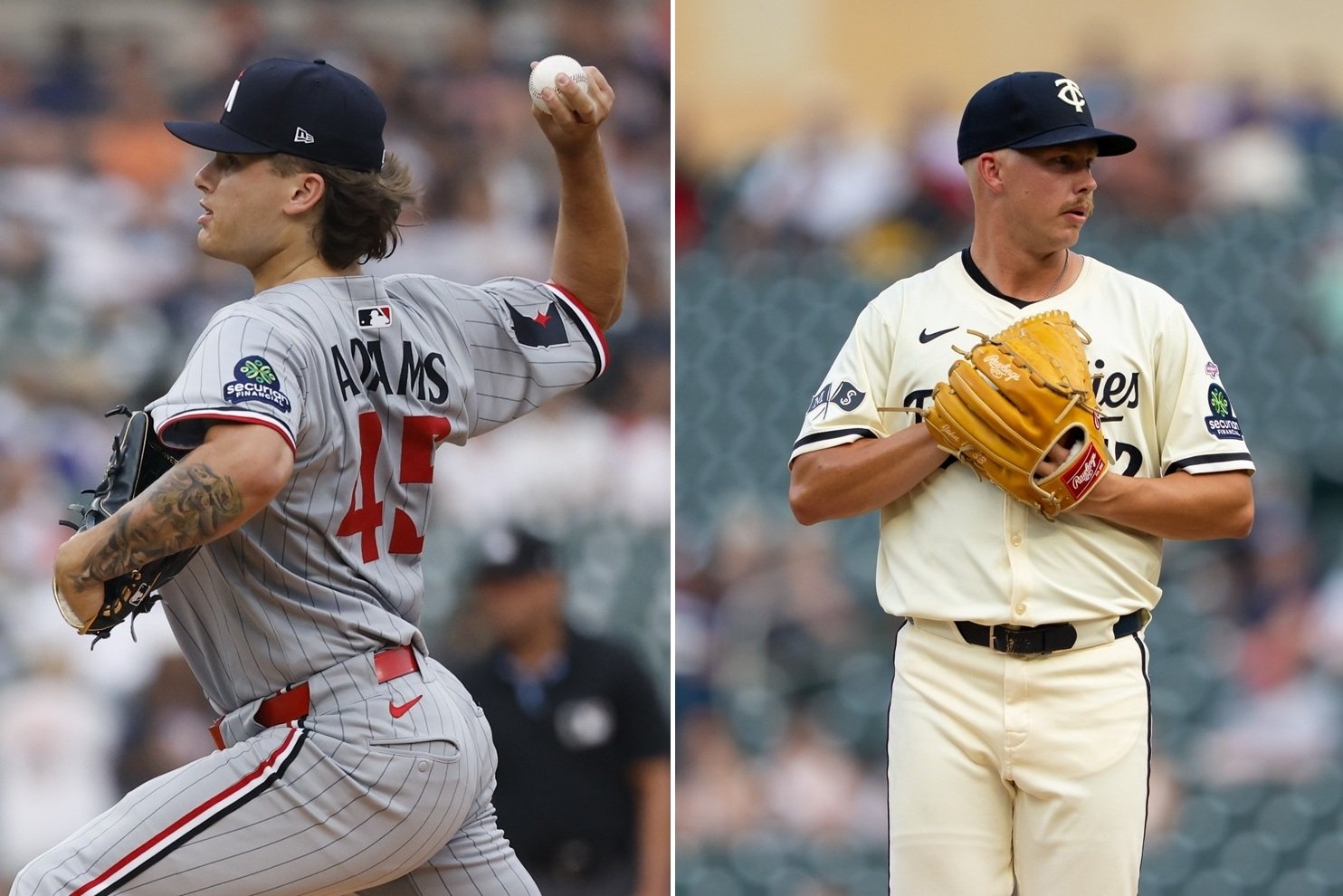 The mass exodus of the Twins' relief corps has left the team with a decimated bullpen for both the short and long term. We’ve already seen them begin to scour the waiver wire for interesting arms, and several spots have been filled by veteran options who are unlikely to develop into much beyond this season. Two recently promoted arms are currently filling bulk roles, but could be prime candidates to take the next step toward being valuable relievers. Travis Adams We saw Travis Adams spin a fantastic start on Tuesday against Detroit, going five innings and allowing two runs while striking out seven. While that outing is worth celebrating, Adams is a tier below many of the current and up-and-coming starting pitchers in the organization in terms of prospect pedigree. It's possible he could develop as a traditional starting pitcher if he continues to be successful, but his path to grabbing a rotation spot in the future is narrow. We’re unlikely to see Adams make many more starts this season, and even his role as a bulk reliever may be unnecessary as several arms are promoted and (hopefully) return from injury. His six-pitch mix is surely what made him a candidate for this role. Still, as the demand for a neutral innings filler declines, it may be an excellent opportunity for him to trim his repertoire down and focus on retiring hitters in shorter stints. Adams’s bread-and-butter offerings are his four-seam fastball and slider. Both have whiff rates above 30% even in his stretched-out role. He throws a sinker, cutter, and curveball, all of which have been pummeled in the small sample of his rookie campaign. He’s gotten unlucky with his changeup, but this pitch looks solid, with a 25% whiff rate. That's his go-to pitch for retiring opposing hitters. Out of the bullpen, he would only need a fastball, slider, and changeup to navigate shorter stretches of opposing lineups, and any uptick in stuff in these short bursts could make a huge difference. Cutting down on the repertoire and letting the stuff play up is a recipe for bullpen success that has played out plenty of times, and Adams is a prime candidate to make this transition. Pierson Ohl Like Adams, Ohl has been used as a bulk pitcher this season, and it’s helped him reclaim some of the shine that he lost in 2024. Ohl once looked like an intriguing find in the 14th round when he reached Double-A in 2023 and posted an ERA in the low 3s. Last season saw a significant step back in stuff across the board, however. In 2025, shortening his role allowed him to ascend to the big-league level, where he’s flashed his elite changeup at times. Unlike Adams, Ohl doesn’t have much to trim off his repertoire. He’s turned to his fastball and changeup over 80% of the time. He currently looks like a one-pitch pitcher, making him the likeliest candidate to see his innings reduced as the rotation fills back out. The changeup is legitimately dominant, potentially to the point where he could be an effective one-inning reliever even right now. The question is whether he can take a step beyond that level. Ohl’s fastball has averaged a shade over 92 mph so far, while getting absolutely shelled. Perhaps shorter stints can boost the velocity to the point where that pitch is at least usable. Ohl has also flashed a cutter (less than 10% of the time), with excellent results. If he can have some time to play with the pitch mix and find another offering to pair with a legitimately elite changeup, it’s easy to see how he could be highly effective out of the bullpen. Despite the Twins’ previously elite bullpen being homegrown, such situations aren’t put together overnight. It’s often a winding path to the status of “elite reliever", or even “effective reliever". There’s no telling who will develop next for the Twins. Adams and Ohl should be given the opportunity down the stretch this season, and both have the kinds of indicators to look for in pitchers who successfully make this transition. Do you agree that Adams and Ohl have what it takes to be part of the next effective Twins bullpen? Are there other arms we should be keeping an eye on? Let us know below!
 -
Image courtesy of © Rick Osentoski-Imagn Images (Travis Adams), © Jordan Johnson-Imagn Images (Pierson Ohl) The mass exodus of the Twins' relief corps has left the team with a decimated bullpen for both the short and long term. We’ve already seen them begin to scour the waiver wire for interesting arms, and several spots have been filled by veteran options who are unlikely to develop into much beyond this season. Two recently promoted arms are currently filling bulk roles but could be prime candidates to take the next step toward being valuable relievers. Travis Adams We saw Travis Adams spin a fantastic start on Tuesday against Detroit, going five innings and allowing two runs while striking out seven. While worth celebrating, Adams is a tier below many of the current and up-and-coming starting pitchers in the organization in terms of prospect pedigree. Nothing is saying he can’t develop as a traditional starting pitcher if he continues to be successful, but his path to grabbing a rotation spot in the future is narrow. We’re unlikely to see Adams make many more starts this season, and even his role as a bulk reliever may be unnecessary as several arms are promoted and hopefully return from injury. His six-pitch mix is surely what made him a candidate for this role. Still, as the demand for a neutral innings filler declines, it may be an excellent opportunity for him to trim his repertoire down and focus on retiring hitters in shorter stints. Adams’ bread and butter is his four-seam fastball and slider. Both offerings have whiff rates above 30% even in his stretched-out role. He throws a sinker, cutter, and curveball, all of which have been pummeled in the small sample of his debut. He’s gotten unlucky with his changeup, but this pitch looks solid as well with a 25% whiff rate and is his go-to pitch for retiring opposing hitters. Out of the bullpen, he would only need a fastball, slider, and changeup to navigate shorter stretches of opposing lineups, and any uptick in stuff in these short bursts could make a huge difference. Cutting down on the repertoire and letting the stuff play up is a recipe for bullpen success that has played out plenty of times, and Travis Adams is a prime candidate to make this transition. Pierson Ohl Like Adams, Ohl has been used as a bulk pitcher this season, and it’s helped him reclaim some of the shine that he lost in 2024. Ohl once looked like an intriguing find in the 14th round when he reached Double-A in 2023 and posted an ERA in the low 3s. 2024 saw a significant step back in stuff across the board, however. In 2025, shortening his role allowed him to ascend to the big-league level, where he’s flashed his elite changeup in his brief debut so far. Unlike Adams, Ohl doesn’t have much to trim off his repertoire. He’s turned to his fastball and changeup over 80% of the time. He currently looks like a one-pitch pitcher, making him the likeliest candidate to see his innings reduced as the rotation fills back out. The changeup is legitimately dominant, potentially to the point where he could be an effective one-inning reliever in the MLB right now. The question is whether he can take a step beyond that level. Ohl’s fastball has averaged a shade over 92 mph so far while getting absolutely shelled. Perhaps shorter stints can boost the velocity to the point where that pitch is at least usable. Ohl has also flashed a cutter less than 10% of the time with excellent results. If he can have some time to play with the pitch mix and find another offering to pair with a legitimately elite changeup, it’s easy to see how he could be highly effective out of the bullpen. Despite the Twins’ previously elite bullpen being homegrown, such situations aren’t put together overnight. It’s often a winding path to the status of “elite reliever” or even “effective reliever”, and there’s no telling who will develop next for the Twins. Adams and Ohl should be given the opportunity down the stretch this season, and both have the kinds of indicators to look for in pitchers who successfully make this transition. Do you agree that Austin Adams and Pierson Ohl have what it takes to be part of the next effective Twins bullpen? Are there other arms we should be keeping an eye on? Let us know below! View full article
-
 The Twins gutted the roster at the trade deadline in surprising fashion. It’s a move we’ve seen plenty in baseball history, as a bad team looks to turn the page to a new era in aggressive fashion. The way the Twins did it, however, shows how confident they are in themselves. Perhaps more confident than they should be. The most surprising development of the Twins' trade deadline was their willingness to deal away players with significant team control. The rentals were always guaranteed to go, but the assumption was that if controllable players were on the table, they would likely cost so much in capital that few if any would be moved. Instead, the Twins completely emptied their bullpen, one of the few consistent bright spots for the team over the last few years. Jhoan Duran, Griffin Jax, Brock Stewart, and Louie Varland were shipped out. Trading two of these arms would have left the team with at least some path to fielding another high-end bullpen in 2026. Trading away all four almost completely eliminates this possibility. The roster lost its top five relievers at this deadline. While they now have the rest of the season for auditions, the bullpen may go from being one of the best in baseball to one of the worst in 2026. Punting on the 2026 bullpen to load up on future potential core players who can grow and develop together is a defensible strategy for a struggling team. The problem is that it’s hard to make that argument when looking at what the Twins did. The best prospect brought in was 18-year-old catcher Eduardo Tait, who may be 3+ years away from MLB action in the best-case scenario. Aside from him and a handful of other prospects they got for the rentals, who will slot into the mid levels of the farm system, the front office chose to target some eyebrow-raising profiles. Many of the bigger pieces the Twins brought in are players who have already debuted at the MLB level and have seen their stocks decline. A change of scenery or a different coaching staff and program can help turn them around, as they all have talents that once made them more valuable than they are now. The intention seemed to be to target different levels of distressed assets that have already seen MLB time, as if they can make the necessary adjustments, they can be immediate contributors. For this to pay off for next season, the Twins are making two significant assumptions. First, they have to be able to field a competitive bullpen despite completely tearing their once-feared relief corps down to the studs. Second, they have to make the adjustments to the players they acquired that their previous organizations couldn’t make. On the bullpen front, the Twins have had great success in identifying and developing elite relievers. They did trade four of them after all. The issue is that it still takes years. They could take some current starting pitching candidates like Zebby Matthews or David Festa and put them in a one-inning role and watch them dominate. It’s unwise to do so, however, until they’ve proven they won’t hold up to a role in the rotation. The bullpen is likely to be a mess next season, because that’s what you have to expect when you do what the Twins did at the trade deadline. Regarding the adjustments needed for the players the Twins brought in, it’s a bit of a mixed bag. They’ve done well in this department for pitchers, and Mick Abel and Taj Bradley certainly have the upside to be impact starters if they take off. Next year’s rotation isn’t currently in question, however. A big reason the Twins disappointed this season was on the offensive side. So many once-promising players disappointed, and some have been trending that way for some time. The Twins have not developed their bats particularly well, which makes the idea of them acquiring talented but unfinished position players and fixing them seem like a pipe dream. How much faith can we have in them identifying and implementing offensive adjustments to players like Alan Roden and James Outman when we’ve seen so few successes in players they drafted and oversaw throughout their entire professional careers? There’s no doubt that the core of the Minnesota Twins required change. It’s just odd that the front office chose to shake up one of the more successful parts of the team, and did so in such a strange way. It seems the front office hasn’t pivoted off of their intentions to compete year in and year out, which you have to admire to some degree. That being said, the front office’s confidence in itself was on full display this deadline. Trading away essentially the entire bullpen, which was the boon of the roster, is not easily fixed. Relying on making adjustments to players that other organizations struggled to make is a tall task, particularly for an organization that has struggled with player development itself. I guess you have to respect this regime’s creativity and trust in itself, but it’s hard to blame anyone for being extremely skeptical at this point.
 -
Image courtesy of © Nick Wosika-Imagn Images The Twins gutted the roster at the trade deadline in surprising fashion. It’s a move we’ve seen plenty in baseball history, as a bad team looks to turn the page to a new era in aggressive fashion. The way the Twins did it, however, shows how confident they are in themselves. Perhaps more confident than they should be. The most surprising development of the Twins' trade deadline was their willingness to deal away players with significant team control. The rentals were always guaranteed to go, but the assumption was that if controllable players were on the table, they would likely cost so much in capital that few if any would be moved. Instead, the Twins completely emptied their bullpen, one of the few consistent bright spots for the team over the last few years. Jhoan Duran, Griffin Jax, Brock Stewart, and Louie Varland were shipped out. Trading two of these arms would have left the team with at least some path to fielding another high-end bullpen in 2026. Trading away all four almost completely eliminates this possibility. The roster lost its top five relievers at this deadline. While they now have the rest of the season for auditions, the bullpen may go from being one of the best in baseball to one of the worst in 2026. Punting on the 2026 bullpen to load up on future potential core players who can grow and develop together is a defensible strategy for a struggling team. The problem is that it’s hard to make that argument when looking at what the Twins did. The best prospect brought in was 18-year-old catcher Eduardo Tait, who may be 3+ years away from MLB action in the best-case scenario. Aside from him and a handful of other prospects they got for the rentals, who will slot into the mid levels of the farm system, the front office chose to target some eyebrow-raising profiles. Many of the bigger pieces the Twins brought in are players who have already debuted at the MLB level and have seen their stocks decline. A change of scenery or a different coaching staff and program can help turn them around, as they all have talents that once made them more valuable than they are now. The intention seemed to be to target different levels of distressed assets that have already seen MLB time, as if they can make the necessary adjustments, they can be immediate contributors. For this to pay off for next season, the Twins are making two significant assumptions. First, they have to be able to field a competitive bullpen despite completely tearing their once-feared relief corps down to the studs. Second, they have to make the adjustments to the players they acquired that their previous organizations couldn’t make. On the bullpen front, the Twins have had great success in identifying and developing elite relievers. They did trade four of them after all. The issue is that it still takes years. They could take some current starting pitching candidates like Zebby Matthews or David Festa and put them in a one-inning role and watch them dominate. It’s unwise to do so, however, until they’ve proven they won’t hold up to a role in the rotation. The bullpen is likely to be a mess next season, because that’s what you have to expect when you do what the Twins did at the trade deadline. Regarding the adjustments needed for the players the Twins brought in, it’s a bit of a mixed bag. They’ve done well in this department for pitchers, and Mick Abel and Taj Bradley certainly have the upside to be impact starters if they take off. Next year’s rotation isn’t currently in question, however. A big reason the Twins disappointed this season was on the offensive side. So many once-promising players disappointed, and some have been trending that way for some time. The Twins have not developed their bats particularly well, which makes the idea of them acquiring talented but unfinished position players and fixing them seem like a pipe dream. How much faith can we have in them identifying and implementing offensive adjustments to players like Alan Roden and James Outman when we’ve seen so few successes in players they drafted and oversaw throughout their entire professional careers? There’s no doubt that the core of the Minnesota Twins required change. It’s just odd that the front office chose to shake up one of the more successful parts of the team, and did so in such a strange way. It seems the front office hasn’t pivoted off of their intentions to compete year in and year out, which you have to admire to some degree. That being said, the front office’s confidence in itself was on full display this deadline. Trading away essentially the entire bullpen, which was the boon of the roster, is not easily fixed. Relying on making adjustments to players that other organizations struggled to make is a tall task, particularly for an organization that has struggled with player development itself. I guess you have to respect this regime’s creativity and trust in itself, but it’s hard to blame anyone for being extremely skeptical at this point. View full article
-
Image courtesy of © Sam Navarro-Imagn Images Everything was coming up Twins during the 2022 MLB Draft. Several players were picked unexpectedly high in the top seven, leaving the Twins with one of the better position players by consensus, in Brooks Lee. While he lacked superstar upside and loud tools, he was as much of a sure thing as any draft pick can be to be an impactful player. Unfortunately, three years later, this assessment has yet to play out. Lee was billed as a switch-hitter whose contact-oriented approach and plate discipline would more than make up for his lack of standout power. Defensively, he held his own at shortstop, but had the potential to be an elite defender anywhere else in the infield. While we’ve seen flashes of the latter, Lee’s offense has not come around as hoped thus far. Brooks Lee Homer.mp4 In just under 500 plate appearances, Lee is slashing .240/.279/.351. He’s been 26% worse than a league-average hitter (according to wRC+) in that time. Defensively, after a decent debut last season, he’s been a poor fielder at every position by Defensive Runs Saved this season, and Outs Above Average paints a similar picture. As a result, he's been a replacement-level overall player. In short, Lee has not lived up to expectations so far. While it's still early in his career, there’s reason to be concerned, even if it may not be time to panic. Lee’s struggles defensively are probably the most surprising development. With a lower-ceiling offensive profile, the hope was that good defense would still make him a very valuable regular, even if the bat left something to be desired. Lee has been flexible defensively, but the metrics don’t show a player who can be carried by his glove. Young players often struggle with the bat early on, but defensively, Lee’s struggles have been almost equally pronounced. Offensively, 500 plate appearances are hard to draw too much of a conclusion from. The concerning part about what we’ve seen from Lee is his complete abandonment of the plate approach with which he previously succeeded for his entire baseball career. His discerning eye at the plate has been nowhere to be found; he's walked less than 5% of the time in his career. While he’s struck out less than 20% of the time, this can be attributed to his lack of plate discipline and ability to make contact. Lee is often flailing away at pitches outside of the zone and bouncing them in play for outs. Brooks Lee has looked completely overmatched at the plate for almost his entire time at the big-league level. Even his white-hot June looks like a mirage more than an actual development, fueled by an unsustainable .431 batting average on balls in play. He’s followed that month up with one of the worst of his career so far, showing that he hadn’t made any strides in his plate approach. For a floundering Twins team lacking offense, Brooks Lee has undoubtedly been part of the issue. The question, at this point, is where the Twins go from here. The Twins are set to sell at the trade deadline, making the rest of the season a wash. On one hand, Lee can continue to get everyday playing time and potentially figure things out. On the other hand, Lee has made very few strides offensively at the highest level so far, and it’s worth asking whether his broken plate approach can be fixed more easily against lesser competition. Depending on where Luke Keaschall is in his elbow rehab, he’s set to return in the coming weeks and will be deserving of a spot on the roster. While there are other candidates to be demoted, such as DaShawn Keirsey Jr., swapping these two out wouldn’t open up much playing time. The Twins may see an opportunity to give Lee a reset and try to bring him back in 2026 with a more competitive offensive approach. Lee was expected to be a near lock for everyday playing time by now, and a demotion would be another disappointing chapter in his career. Unfortunately, it appears to be a real possibility. While there is still plenty of time to turn things around, Lee doesn’t have an endless amount of time to cement himself as a core starting player on the Twins roster. Between the sale of the team and another failure of a season, the regime that drafted him could be on their way out. Another group may not look at him in the same light as the one that took him at such a high place in the first round. In addition to Keaschall, Kaelen Culpepper continues to surge up the organizational infield ranks. The team also drafted Marek Houston in the first round this year. Houston's defensive reputation surpasses Lee’s, and he'll likely be a valuable regular if he’s able to hit at all. Maybe Lee could flip a switch and fix whatever is broken, making all of these logistics a non-factor, but it’s time for him to start showing some progress. Whether it comes in the Warehouse District in Minneapolis or Lowertown in St. Paul, the Twins need to determine the best way to help him turn things around. This version of Brooks Lee isn’t the one drafted eighth overall, and the further we get from that draft, the more worrisome it becomes. View full article
-
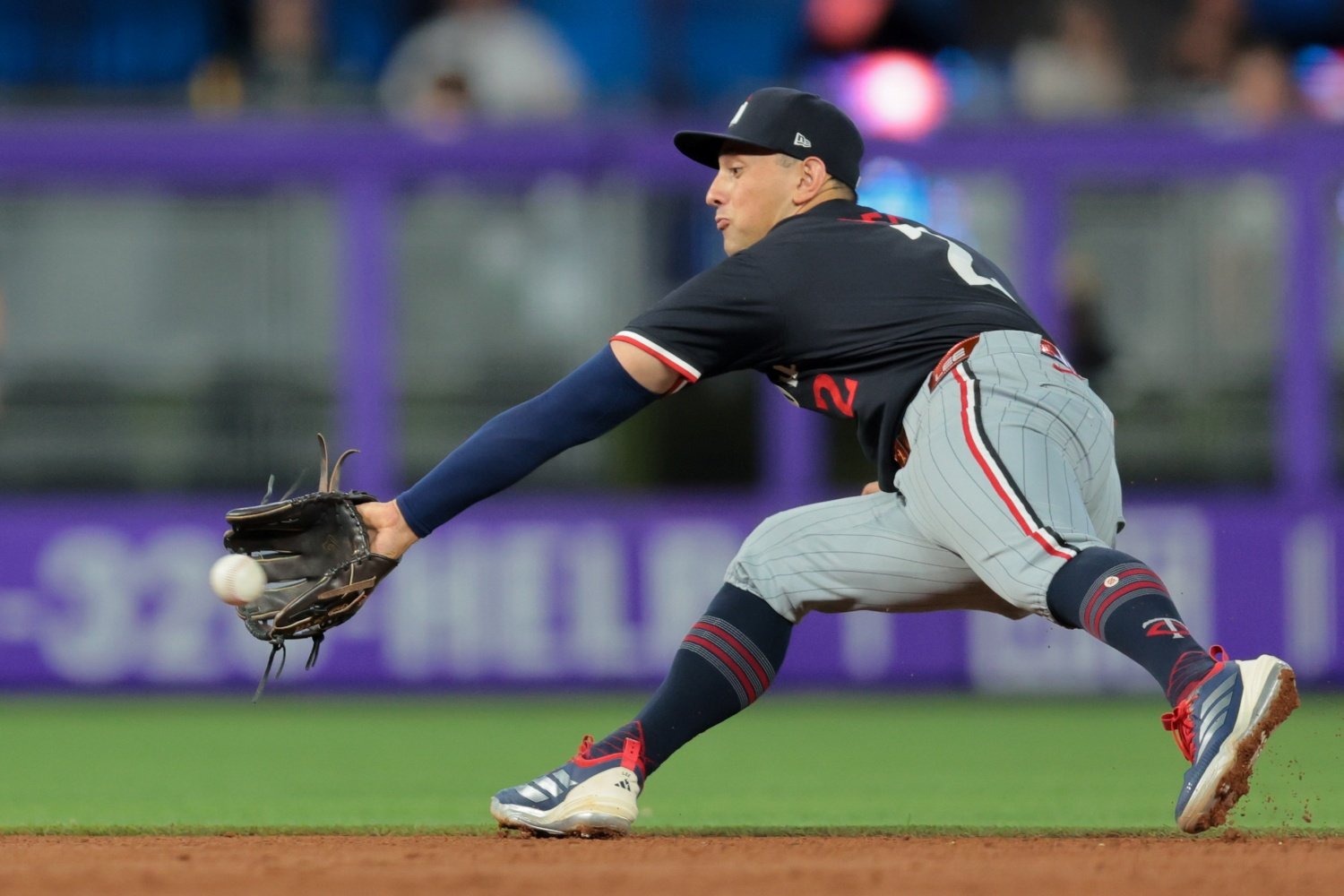 Everything was coming up Twins during the 2022 MLB Draft. Several players were picked unexpectedly high in the top seven, leaving the Twins with one of the better position players by consensus, in Brooks Lee. While he lacked superstar upside and loud tools, he was as much of a sure thing as any draft pick can be to be an impactful player. Unfortunately, three years later, this assessment has yet to play out. Lee was billed as a switch-hitter whose contact-oriented approach and plate discipline would more than make up for his lack of standout power. Defensively, he held his own at shortstop, but had the potential to be an elite defender anywhere else in the infield. While we’ve seen flashes of the latter, Lee’s offense has not come around as hoped thus far. Brooks Lee Homer.mp4 In just under 500 plate appearances, Lee is slashing .240/.279/.351. He’s been 26% worse than a league-average hitter (according to wRC+) in that time. Defensively, after a decent debut last season, he’s been a poor fielder at every position by Defensive Runs Saved this season, and Outs Above Average paints a similar picture. As a result, he's been a replacement-level overall player. In short, Lee has not lived up to expectations so far. While it's still early in his career, there’s reason to be concerned, even if it may not be time to panic. Lee’s struggles defensively are probably the most surprising development. With a lower-ceiling offensive profile, the hope was that good defense would still make him a very valuable regular, even if the bat left something to be desired. Lee has been flexible defensively, but the metrics don’t show a player who can be carried by his glove. Young players often struggle with the bat early on, but defensively, Lee’s struggles have been almost equally pronounced. Offensively, 500 plate appearances are hard to draw too much of a conclusion from. The concerning part about what we’ve seen from Lee is his complete abandonment of the plate approach with which he previously succeeded for his entire baseball career. His discerning eye at the plate has been nowhere to be found; he's walked less than 5% of the time in his career. While he’s struck out less than 20% of the time, this can be attributed to his lack of plate discipline and ability to make contact. Lee is often flailing away at pitches outside of the zone and bouncing them in play for outs. Brooks Lee has looked completely overmatched at the plate for almost his entire time at the big-league level. Even his white-hot June looks like a mirage more than an actual development, fueled by an unsustainable .431 batting average on balls in play. He’s followed that month up with one of the worst of his career so far, showing that he hadn’t made any strides in his plate approach. For a floundering Twins team lacking offense, Brooks Lee has undoubtedly been part of the issue. The question, at this point, is where the Twins go from here. The Twins are set to sell at the trade deadline, making the rest of the season a wash. On one hand, Lee can continue to get everyday playing time and potentially figure things out. On the other hand, Lee has made very few strides offensively at the highest level so far, and it’s worth asking whether his broken plate approach can be fixed more easily against lesser competition. Depending on where Luke Keaschall is in his elbow rehab, he’s set to return in the coming weeks and will be deserving of a spot on the roster. While there are other candidates to be demoted, such as DaShawn Keirsey Jr., swapping these two out wouldn’t open up much playing time. The Twins may see an opportunity to give Lee a reset and try to bring him back in 2026 with a more competitive offensive approach. Lee was expected to be a near lock for everyday playing time by now, and a demotion would be another disappointing chapter in his career. Unfortunately, it appears to be a real possibility. While there is still plenty of time to turn things around, Lee doesn’t have an endless amount of time to cement himself as a core starting player on the Twins roster. Between the sale of the team and another failure of a season, the regime that drafted him could be on their way out. Another group may not look at him in the same light as the one that took him at such a high place in the first round. In addition to Keaschall, Kaelen Culpepper continues to surge up the organizational infield ranks. The team also drafted Marek Houston in the first round this year. Houston's defensive reputation surpasses Lee’s, and he'll likely be a valuable regular if he’s able to hit at all. Maybe Lee could flip a switch and fix whatever is broken, making all of these logistics a non-factor, but it’s time for him to start showing some progress. Whether it comes in the Warehouse District in Minneapolis or Lowertown in St. Paul, the Twins need to determine the best way to help him turn things around. This version of Brooks Lee isn’t the one drafted eighth overall, and the further we get from that draft, the more worrisome it becomes.
- 50 comments
-
- 6
-
-

-
- brooks lee
- dashawn keirsey jr
- (and 1 more)
-
They certainly can, but they have nothing else behind him in the system. Worst case scenario they both can hit MLB pitching and they figure it out.
-
Where are these prospect grades from? France was a 34th round pick and wasn't listed in the Padres top 50 prospects in 2017. I find that really hard to believe if he had grades similar to Long, who MLB.com has as #11 in the Padres system.
-
Ty France has always been a contact oriented first baseman who uses all fields. Long is a dead pull hitter with 60 grade raw power. I don't see much similarity in their game aside from Long's high BABIPs at his last few stops in the minors. Matt Wallner did the same, but that doesn't mean Matt Wallner is the same type of player as Ty France. And for what it's worth, if the Twins traded any of their rental players for Long who went on to have multiple years with a 125+ OPS+ like Ty France did at his peak, that deal would be a slam dunk.
- 48 replies
-
- 1
-
-
- willi castro
- danny coulombe
- (and 1 more)
-
Absolutely, and I've come around on Sabato quite a bit. I still think that he's a longshot to be a meaningful contributor to the MLB team at this point. Long is something of a dart throw himself having not debuted, but he's younger and has much more sustained success in professional baseball. Even if we want to say the odds of either becoming an MLB caliber 1B are low, I like Long's odds significantly more, and I think having two of those lottery tickets is better than one.
- 48 replies
-
- 1
-
-
- willi castro
- danny coulombe
- (and 1 more)
-
They did try Julien and Miranda there at the end of last season and in this offseason, but I'm guessing it became apparent it just wasn't going to work. Maybe they'll still try moving one of the OFs there, but they're both in their late 20s and I question whether both or either are in their long term plans.
- 48 replies
-
- 1
-
-
- willi castro
- danny coulombe
- (and 1 more)
-
I think trade return expectations for all of the rentals, Castro included, need to be tempered a bit. The big returns on those guys in recent years have usually been on pitchers. Last year Jesse Winker had a 128 wRC+ at the deadline and it only cost the Mets their #17 prospect. Willi has more flexibility defensively, although his metrics are way down, and he switch hits, though teams will likely prefer to use him mostly against RHP. He would be a great addition to just about any competing team, but he's not the type of player that will significantly increase their postseason chances.
-
The Twins likely aren't going to trade for a cost controlled impact 1B though. Those players cost in both trade capital and likely salary. They went digging in the bargain bin this winter for Ty France and I expect they'll try to do some version of that again. Acquiring a young controllable 1B ripping up Triple-A is likely the best case scenario for cheaply patching together 1B. Maybe they'll try to move someone on the current roster there, but there hasn't been any indication of them doing it so far.
- 48 replies
-
- 4
-
-
- willi castro
- danny coulombe
- (and 1 more)
-
I'll be honest, I don't think Ty France has any value to a competing team. The other 29 organizations didn't even want him for the $1m the Twins gave him, and they've been proven correct in their assessment since then.
- 48 replies
-
- 4
-
-

-
- willi castro
- danny coulombe
- (and 1 more)
-
That's the kind of risk/reward profile I'd want for a rental player who will otherwise be gone for nothing. Especially one like Coulombe who is solid but doesn't push the Cubs bullpen into elite territory.
- 48 replies
-
- 1
-
-
- willi castro
- danny coulombe
- (and 1 more)
-
Image courtesy of © Cody Scanlan/The Register / USA TODAY NETWORK via Imagn Images The Cubs are poised to make some significant additions at the 2025 MLB trade deadline, with a competitive 26-man roster and a farm system rich with solid position players in the upper levels of the minors. They’ve been consistently linked to some of the most impactful players who are potentially being traded, both because of their place in the standings and because they have the currency to make it happen. For the Twins, who sit two games under .500, it’s hard to envision leaning too far into a complete fire sale at the moment. Fortunately, the Cubs have one player in particular whom the Twins can target, regardless of which direction they choose. The Twins have a long-term problem at first base. Jose Miranda and Edouard Julien haven’t taken to the position as the team had hoped, and Ty France is an impending free agent who may not make it through the entire 2025 season with the team if his struggles persist. Kody Clemens is the only player on the 40-man roster under medium-term team control who can be considered anything close to a first baseman. Aaron Sabato is having a resurgent season for the Saints at age 26, after the former first-round pick’s prospect status has tanked, but his future remains in question. The Twins have very little reliable depth long-term at one of the lowest positions in the defensive spectrum, and as we’ve seen in 2025, completely winging it at such a premium offensive position has consequences. This is where the Twins and Cubs can mutually benefit. No, the Twins should not trade for budding superstar Michael Busch—he's unavailable, anyway. Rather, the first baseman who’s stuck behind him makes a good target. Buried in Triple-A, Jonathon Long has earned a call-up, but is unlikely to get it in Chicago. The right-handed slugger is currently slashing .323/.401/.514 for the Iowa Cubs, with 14 homers and a sub-20% strikeout rate. The worst season-long OPS of his minor-league career is .851, and he’s never walked less than 10% of the time. Long is far from a perfect prospect. He’s likely limited to first base, where he isn’t a standout defensively. He isn’t considered to be particularly fleet of foot. There are questions about his ability to make impactful contact when he reaches the majors consistently, but the power is real. His profile is very similar to that of Sabato, but Long is three years younger and has never struggled offensively in his professional career. Long’s profile makes him acquirable for a relatively reasonable price, especially from a team with a long-term first baseman in place and who are looking to win now. The Cubs will likely at least inquire about players such as Willi Castro and Danny Coulombe, each of whom could make up a significant portion of the package the Twins would need to offer to get Long to Minnesota. Most outlets rank him in the 11-20 range of Cubs prospects, so even if the Twins had to throw in a bit more, it wouldn’t be much. Acquiring Jonathon Long is a deal the Twins could make to thread the needle. They’re missing offense at the first base position, and Long could immediately step in to at least create potential improvement in that area. Whether they’re planning to acquire more, sell off bigger pieces, or otherwise stand pat, Long can get his feet wet in the majors down the stretch with minimal downside, and the Twins would have a full docket of team control over him for future seasons. Perhaps the Twins still do believe in Sabato, but if the asking price on Long is as reasonable as one should expect, there’s nothing wrong with adding some competition. After all, the rest of the organization is devoid of any up-and-coming options at that position. Long has plenty of upside, and that’s exactly what the Twins need at first base. View full article
-
Chicago Cubs, Minnesota Twins Should Match Up on This Low-Wattage Trade
Cody Pirkl posted an article in Twins
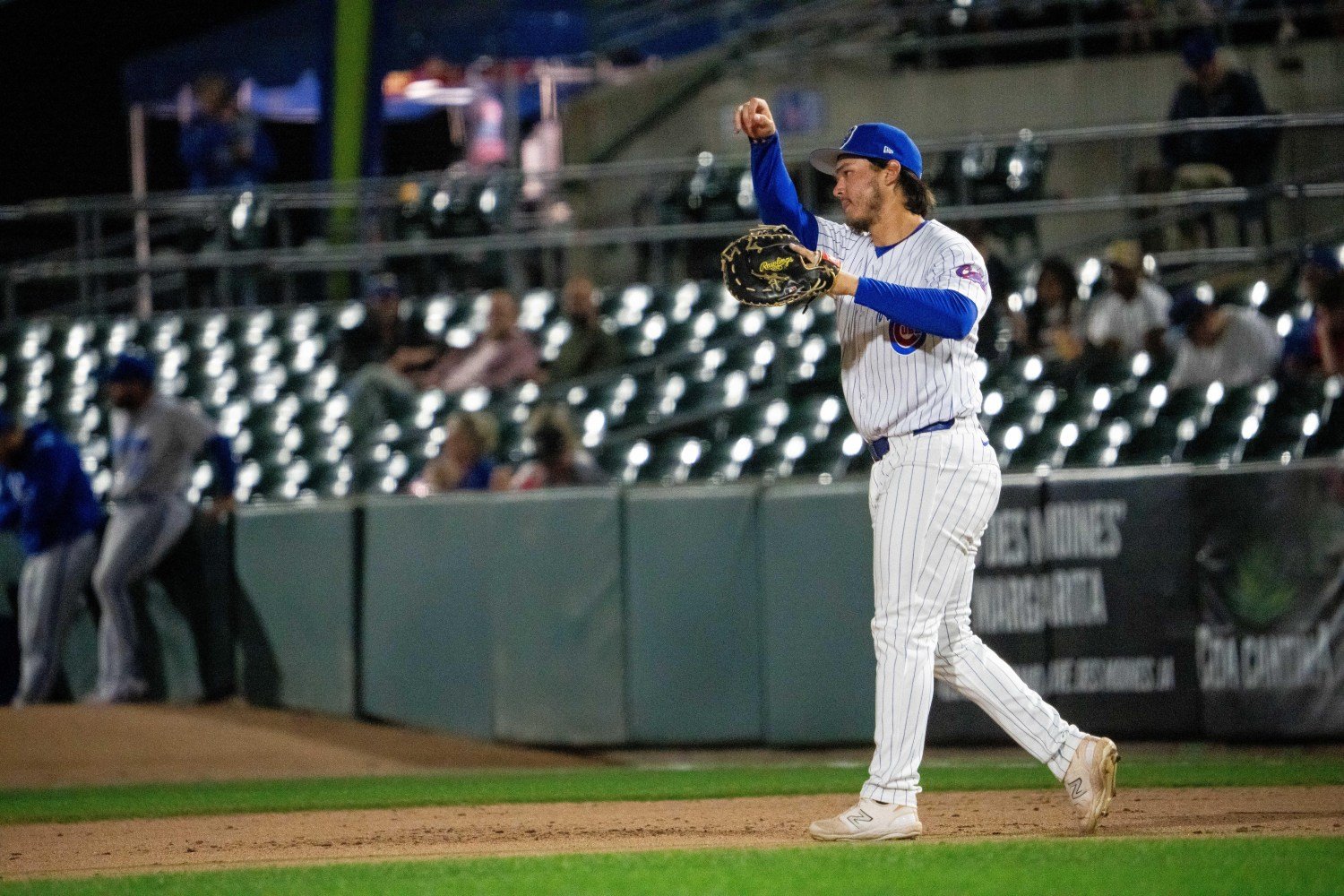 The Cubs are poised to make some significant additions at the 2025 MLB trade deadline, with a competitive 26-man roster and a farm system rich with solid position players in the upper levels of the minors. They’ve been consistently linked to some of the most impactful players who are potentially being traded, both because of their place in the standings and because they have the currency to make it happen. For the Twins, who sit two games under .500, it’s hard to envision leaning too far into a complete fire sale at the moment. Fortunately, the Cubs have one player in particular whom the Twins can target, regardless of which direction they choose. The Twins have a long-term problem at first base. Jose Miranda and Edouard Julien haven’t taken to the position as the team had hoped, and Ty France is an impending free agent who may not make it through the entire 2025 season with the team if his struggles persist. Kody Clemens is the only player on the 40-man roster under medium-term team control who can be considered anything close to a first baseman. Aaron Sabato is having a resurgent season for the Saints at age 26, after the former first-round pick’s prospect status has tanked, but his future remains in question. The Twins have very little reliable depth long-term at one of the lowest positions in the defensive spectrum, and as we’ve seen in 2025, completely winging it at such a premium offensive position has consequences. This is where the Twins and Cubs can mutually benefit. No, the Twins should not trade for budding superstar Michael Busch—he's unavailable, anyway. Rather, the first baseman who’s stuck behind him makes a good target. Buried in Triple-A, Jonathon Long has earned a call-up, but is unlikely to get it in Chicago. The right-handed slugger is currently slashing .323/.401/.514 for the Iowa Cubs, with 14 homers and a sub-20% strikeout rate. The worst season-long OPS of his minor-league career is .851, and he’s never walked less than 10% of the time. Long is far from a perfect prospect. He’s likely limited to first base, where he isn’t a standout defensively. He isn’t considered to be particularly fleet of foot. There are questions about his ability to make impactful contact when he reaches the majors consistently, but the power is real. His profile is very similar to that of Sabato, but Long is three years younger and has never struggled offensively in his professional career. Long’s profile makes him acquirable for a relatively reasonable price, especially from a team with a long-term first baseman in place and who are looking to win now. The Cubs will likely at least inquire about players such as Willi Castro and Danny Coulombe, each of whom could make up a significant portion of the package the Twins would need to offer to get Long to Minnesota. Most outlets rank him in the 11-20 range of Cubs prospects, so even if the Twins had to throw in a bit more, it wouldn’t be much. Acquiring Jonathon Long is a deal the Twins could make to thread the needle. They’re missing offense at the first base position, and Long could immediately step in to at least create potential improvement in that area. Whether they’re planning to acquire more, sell off bigger pieces, or otherwise stand pat, Long can get his feet wet in the majors down the stretch with minimal downside, and the Twins would have a full docket of team control over him for future seasons. Perhaps the Twins still do believe in Sabato, but if the asking price on Long is as reasonable as one should expect, there’s nothing wrong with adding some competition. After all, the rest of the organization is devoid of any up-and-coming options at that position. Long has plenty of upside, and that’s exactly what the Twins need at first base.
- 48 comments
-
- 6
-
-
- willi castro
- danny coulombe
- (and 1 more)
-
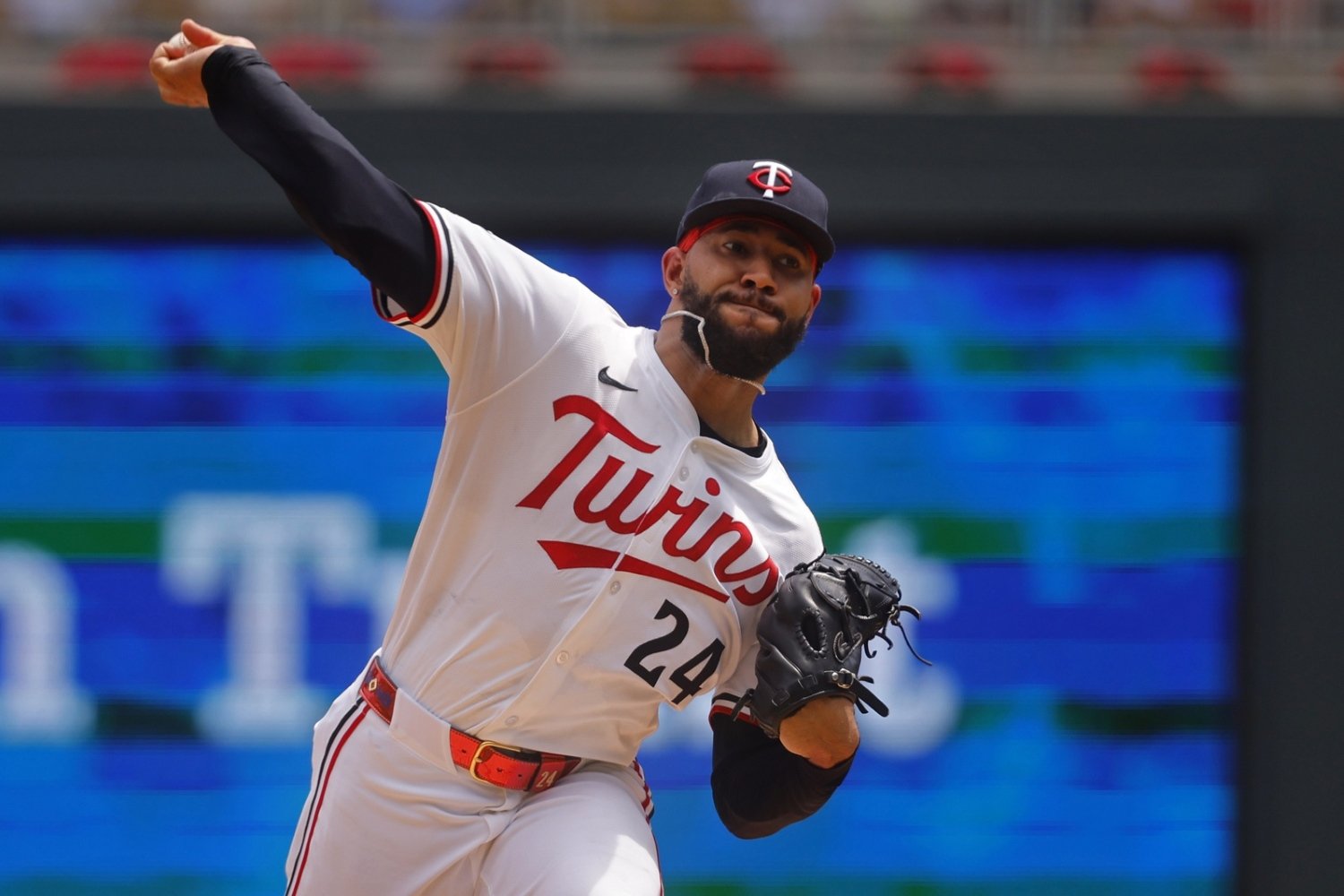 Simeon Woods Richardson hasn’t been quite the same pitcher in 2025 that he was as a rookie in 2024. With an arsenal featuring a few good (but not great) weapons, he’s struggled to retire hitters and pitch deep into games consistently. With the league adjusting to how he attacks opposing hitters, it’s time to adjust back, and it appears he’s doing just that. One of Woods Richardson’s most highly-touted offerings as a prospect was his changeup. Last season, when he was rolling, it was his third-most-used pitch, allowing a .327 xwOBA overall. That mark jumped up to .398 in September when Woods Richardson struggled mightily, and sits at a devastating .519 so far in 2025. Both Woods Richardson and the Twins seem aware of the problem, as his curveball has jumped ahead in terms of usage despite never being an effective pitch for him, and he’s stopped throwing the changeup altogether. It has left him with just two pitches to turn to when he really needs an out: the slider and the fastball, which have been inconsistent in terms of velocity. It appears Woods Richardson is slowly working on a solution to this problem. On May 14, Statcast identified that Woods Richardson threw a splitter 5.7% of the time. He’s very slowly increased the usage of it in a handful of outings since, though it’s stayed under 10%. We’ve seen Twins pitchers such as Joe Ryan go this route before when struggling to find a consistent changeup, and we may be watching it again. In a tiny sample, this pitch looks like it could be the next step in Woods Richardson’s development. At just over 1,000 RPM, it has less than half the spin of anything else he throws. It’s allowed a .143 xBA, .205 xSLG, and .148 xwOBA. The whiff rate doesn’t jump off the page, but it has a 25% putaway rate, indicating that it could become a trusted pitch to retire opposing hitters. Splitter.mp4 It’s fair to wonder whether we’re in the early stages of Woods Richardson taking a noteworthy leap, as he continues to develop a new tool in his arsenal. Building confidence in a splitter is tricky and can take time, but even with the moderate usage so far, it’s worth asking whether we’ve already started to see some results. In his last four starts, Woods Richardson has allowed only four runs in 21 innings. It feels somewhat sustainable, too. The movement profile of the splitter fits the very vertically-oriented set of pitch shapes he offers better than the changeup did, and might make the pitch easier for him to command than the change was. It’s easy to forget that Woods Richardson is still just 24 years old. He’s younger than David Festa and Zebby Matthews. Pitching development is rarely linear, and after a great start to his career, it’s possible that it just took a bit of time to react to the adjustment the league made partway through last season. It may not be a coincidence that we’re seeing Woods Richardson be more successful now that he has a more well-rounded pitch mix. With a lack of competition in the Twins rotation and (likely) no hard innings limit, Woods Richardson has a chance to once again cement himself in the back end of the rotation for 2026 down the stretch this summer. His new splitter may be the pitch that helps get him there.
 -
Simeon Woods Richardson hasn’t been quite the same pitcher so far in 2025. With an arsenal featuring a few good, but not great weapons, he’s struggled to retire hitters and pitch deep into games consistently. With the league adjusting to how he attacks opposing hitters, it’s time to adjust back, and it appears he’s doing just that. One of Woods Richardson’s most highly touted offerings as a prospect was his changeup. Last season, when he was rolling, it was his third-most-used pitch, allowing a .327 xwOBA overall. That mark jumped up to .398 in September when Woods Richardson struggled mightily, and sits at a devastating .519 so far in 2025. Both Woods Richardson and the Twins seem aware of the problem, as his curveball has jumped ahead in terms of usage despite never being an effective pitch for him, and he’s stopped throwing the changeup altogether. It has left him with just two pitches to turn to: the slider and the fastball, which have been inconsistent in terms of velocity. It appears Simeon Woods Richardson is slowly working on a solution to this problem. On May 14th, Statcast identified that Woods Richardson threw a splitter 5.7% of the time. He’s very slowly increased the usage of it in a handful of outings since, though it’s stayed under 10%. We’ve seen Twins pitchers such as Joe Ryan go this route before when struggling to find a consistent changeup, and we may be watching it again. In a tiny sample, this pitch looks like it could be the next step in Woods Richardson’s development. At just over 1000 RPMs, it has less than half the spin of anything else he throws. It’s allowed a .143 xBA, .205 xSLG, and .148 xwOBA. The whiff rate doesn’t jump off the page, but it has a 25% putaway rate, indicating that it could become a trusted pitch to retire opposing hitters. Splitter.mp4 It’s fair to wonder whether we’re in the early stages of Simeon Woods Richardson taking a noteworthy leap as he continues to develop a new tool in his arsenal. Building confidence in a splitter is tricky and can take time, but even with the moderate usage so far, it’s worth asking whether we’ve already started to see some results. In his last four starts, Woods Richardson has allowed only four runs in 21 innings. It’s easy to forget that Simeon Woods Richardson is still just 24 years old. He’s younger than David Festa and Zebby Matthews. Pitching development is rarely linear, and after a great start to his career, it’s possible that it just took a bit of time to react to the adjustment the league made partway through last season. It may not be a coincidence that we’re seeing Simeon Woods Richardson be more successful now that he has a more well-rounded pitch mix. With a lack of competition in the Twins rotation and likely no hard innings limit, Woods Richardson has a chance to once again cement himself in the back end of the rotation for 2026 down the stretch this summer. His new splitter may be the pitch that helps get him there. View full article
-
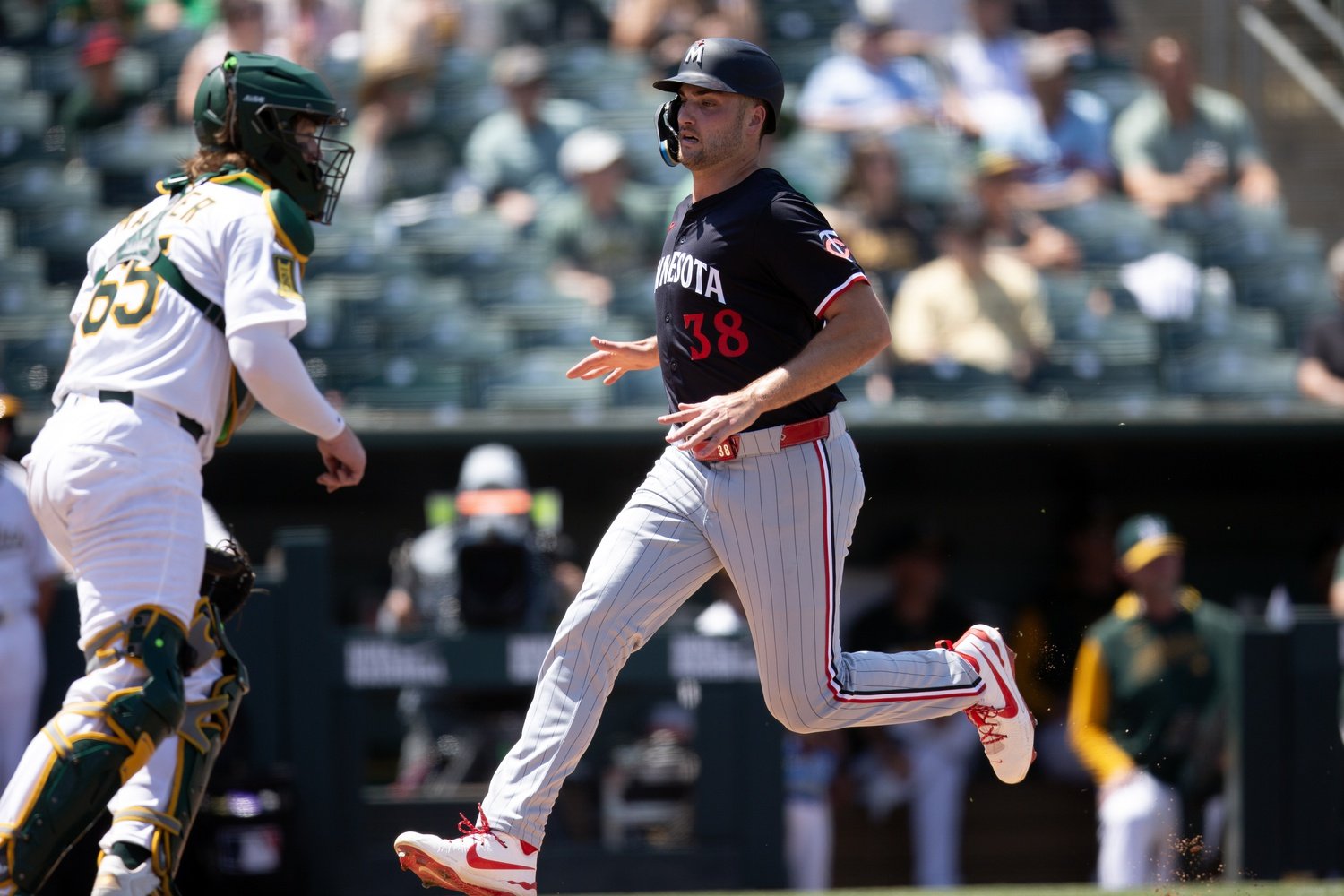 Heading into 2025, Matt Wallner was arguably the Twins’ second-best hitter. Despite periods of significant struggles (and even a demotion to begin last season), the left-handed slugger had posted a .254/.371/.515 line in 2024, good for 49% above league average. He looked the part while posting an .847 OPS this March and April, before pulling a hamstring. Unfortunately, he hasn’t been nearly as productive since returning. In 78 plate appearances since being activated off the IL, Wallner is slashing .155/.231/.394. He’s shown some power, but not much else. The lack of consistency has contributed to the Twins’ struggling offense, and the subsequent nosedive in the team’s outlook for the rest of the season. As we know all too well, this offensive profile is tough to watch when it’s not clicking. We’ve seen Wallner completely lose the ability to make contact in the past. While it may feel like it, whiffs aren’t Wallner’s issue since returning from the IL. He has maintained a strikeout rate under 30% for the season and during the stretch since his return, which is an improvement over the 36.4% rate he posted in 2024. Instead, the issue seems to be with the contact Wallner is making. Matt Wallner has the worst batting average on balls in play in June, and a .150 mark since being activated. For reference, Wallner’s career mark is .336, as (despite his flyball tendencies) the way he punishes baseballs when he makes contact helps them find the grass at an above-average rate. The issue during his current rough stretch is his nearly 30% infield flyball rate. Not only is he getting under the ball, he’s hitting it straight up in the air, where there’s no chance for it to fall for a hit. Matt Trueblood wrote about this Monday; the change in trajectory comes from a flatter swing path. Even taking this into account, though, it’s probably safe to say that bad batted-ball luck is still playing a part in such a low BABIP. As a whole, Wallner’s profile is only a slight step below his 2024 season and, in some ways, it actually looks better. His expected batting average is nearly identical, and his expected slugging and xwOBA are just a few points off of his elite 2024 marks. His hard-hit rate is still over 50%, and he’s striking out less and walking more. Twins fans seem to have soured on Wallner’s plate approach, after watching Miguel Sanó and Joey Gallo types in recent years. His swing-and-miss, high-power profile is a necessary complement to the rest of the Twins’ lineup, though. The Twins have transitioned to a team that makes a lot of contact, and it hasn’t gone particularly well. The entire lineup (save Byron Buxton) is doing next to nothing lately. While Wallner’s struggles are the ugliest to watch, he’s also likelier than just about anyone else to turn a corner and help carry the offense when he’s locked in. We’ve seen Wallner at his lowest, when he’s completely lost at the plate. His recent struggles are nothing like that. We know he's struggling with some mechanical issues that are causing all of the infield fly balls, with some bad luck mixed in along the way. His timing is also off, perhaps as a result of the injury-inflicted layoff. The Twins have also faced a gauntlet of left-handed pitching, and he’s been consistently left in the lineup in those matchups for the first time in his career. It may not be enjoyable to watch right now, but Wallner will be just fine. While it’s unfortunate that his struggles are occurring in tandem with the rest of the lineup, his numbers look close enough to 2024, when he posted a near-.850 OPS. There’s no reason to believe he won’t be back to himself shortly.
- 31 comments
-
- 4
-
-
- matt wallner
- miguel sano
- (and 1 more)


