



Ted Schwerzler
-
Posts
5,149 -
Joined
-
Last visited
Content Type
Profiles
News
Minnesota Twins Videos
2026 Minnesota Twins Top Prospects Ranking
2022 Minnesota Twins Draft Picks
Minnesota Twins Free Agent & Trade Rumors, Notes, & Tidbits
Guides & Resources
2023 Minnesota Twins Draft Picks
The Minnesota Twins Players Project
2024 Minnesota Twins Draft Picks
2025 Minnesota Twins Draft Pick Tracker
2026 Minnesota Twins Draft Tracker: Picks & Bonuses
Forums
Blogs
Events
Store
Downloads
Gallery
Everything posted by Ted Schwerzler
-
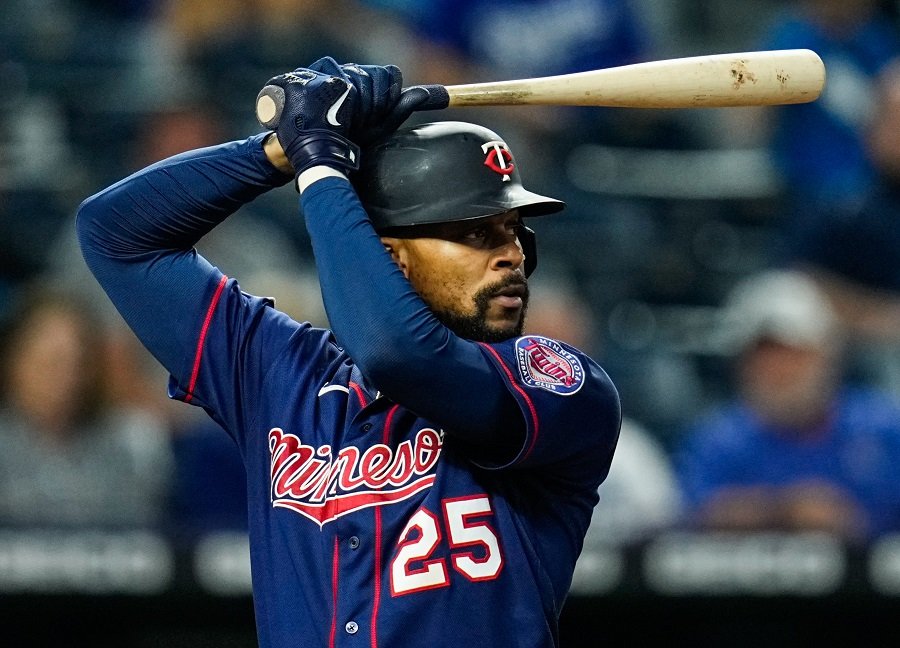 As we enter the final week of November, it was recently announced that the deadline to tender arbitration-eligible players would be pushed to November 30. This gives free agents a day to sign before the expected December 2 lockout. While many will wait through the labor strife, players have the option to strike a deal in the 24 hours between the two deadlines. With relation to Buxton, it’s a certainty that Minnesota will tender the star centerfielder a contract. Entering his final year of arbitration, MLB Trade Rumors projects Buxton’s 2022 salary to come in just north of $7 million. At the very least, the Twins will come to terms with the Baxley, Georgia native on those grounds. What’s more interesting is the dates that loom large in the future and the belief that Buxton’s situation will be resolved before the commencement of the 2022 regular season. Here are some key dates to circle and what they mean: November 30th - Arbitration Tender Deadline This one jumps out as the most important. As highlighted above, Buxton will be tendered a contract, and there’s zero doubt about that. Avoiding arbitration doesn’t mean that the sides can’t still reach an agreement on an extension, but simply that Byron knows what he will be paid in the year ahead. It’d be ideal for both sides to hammer out the extension before this point and extend the player to a multi-year deal that buys out free agency years. December 2nd - Current CBA Expired Should nothing more be accomplished than a contract for 2022 being agreed to, the two sides will have 24 more hours to negotiate. December 1st is the final day covered by the current Major League Baseball Collective Bargaining Agreement. At 11:59 pm Eastern Time, the current CBA becomes void, and the lockout begins. Both parties can continue working towards a conclusion of this saga or leave each other hanging for whatever duration the labor limbo hangs on for. Both teams and players may have different parameters to deal with following the ratification of a new CBA. Still, little of it should impact Buxton, who is already in the final year of arbitration eligibility. February 26th, 2022 - Spring Training Begins As things stand now, this is where Minnesota opens the 2022 exhibition slate against the Toronto Blue Jays down in Florida. More often, the regular season is a hard deadline for contract negotiations to be completed by. Still, both sides could look at Spring Training being a key date given Buxton’s injury history. Wanting to have something done before actual action gets underway makes a good deal of sense. Obviously, this date is tentative given the uncertainty of where a lockout takes us. I’d imagine the league and player’s association are more open to losing Spring Training games than they are actual regular-season games that count. April 2nd, 2022 - Opening Day If there’s a hard deadline established, this would seem to be it. Minnesota can’t afford to go into the regular season without clarity on Buxton’s future. If he’s not extended by this date, the alternative of trading him has to become a reality. Given the volatility of his playstyle and injury history, risking the asset depreciation before the trade deadline would be a fruitless endeavor. Again, this date could be moved with respect to the CBA situation, but it’s almost a given that whenever the regular season starts, Twins fans will know the fate of Byron Buxton. July 31st, 2022 - Trade Deadline Should we reach this point with no clarity, the front office will have massively overplayed their hand. Not only having failed to extend the talented centerfielder, we could be talking about a player with a few months of lackluster performance or an injury that drags down his trade value. Without a long-term deal in place here, the opposition understands Minnesota is set to move on in the winter. Draft pick compensation may not be what it is now, and regardless, it would be a sad return for someone that should’ve commanded so much more. That should be the complete timeline for dates to follow regarding this Buxton-saga. The longer it drags on, the more hopeless the outcome looks. I’d wager we see finality before the commencement of Spring Training, and having something done far sooner than that would be a much-welcomed reality. The Twins have an opportunity to pay a generational talent because he’s been injured. It’d be silly to balk at that, but if they’re going to, they best get it right, and soon. MORE FROM TWINS DAILY — Latest Twins coverage from our writers — Recent Twins discussion in our forums — Follow Twins Daily via Twitter, Facebook or email
 -
We can debate who should or shouldn’t be inducted into Cooperstown based on transgressions or the dreaded character clause. Still, there’s no denying that the Baseball Writers Association of America could vote in the single greatest class in Major League Baseball history. Let’s get this out of the way from the top. Steroid users cheated, yes. It’s impossible to understand when and how they used. There are other players in the Hall of Fame that used steroids. Players have been cheating for as long as the game is old. Arguably most damaging to any argument against PED users is Bud Selig, the Commissioner who oversaw the era and turned a blind eye. At the same time, the muscles that saved his post-lockout sport are enshrined in The Hall. If Cooperstown is considered a museum as is stated, it’s incomplete until all of the history is adequately accounted for. Alright, breathe. You can go back to the distaste saved for any players you want to be kept out. But, by the numbers...let’s take a look: Curt Schilling, Barry Bonds, Roger Clemens, Gary Sheffield, Manny Ramirez, Sammy Sosa, David Ortiz, and Alex Rodriguez Look at that group. It’s arguably the greatest assembled collection of eight baseball players tied together at any point in history. Barry Bonds is 2nd All-Time in career fWAR while Alex Rodriguez is 13th. David Ortiz is undoubtedly the single greatest designated hitter ever to play the game. Gary Sheffield and Manny Ramirez both are members of the 500 home run club, while Sammy Sosa has 609 homers and an MVP to his credit. Curt Schilling has over 3,100 career strikeouts and finished runner-up for the Cy Young in three different seasons. Roger Clemens may arguably be the greatest pitcher to have ever played the game, and his seven Cy Young awards certainly don’t detract from that. On statistical merit alone, it’s hard to look at any one of these players and suggest they are not worthy of enshrinement in Cooperstown. The BBWAA has been tasked with the impossible when needing to employ the character clause. Some writers choose to abide by it. Others have decided it doesn’t hold the same intended weight it once did. Others yet struggle with the gray area and completely exclude anyone that gets too close. What Cooperstown could do to help the process as a whole is to simplify it. Give every player on the ballot the ability to be voted for with a simple “yes” or “no” check-box. Make the voting criteria no more than a reflection of the accolades that took place on the field. If you cheated and got caught, you no doubt suffered time lost and an opportunity missed. If you were banned from the game while operating as a player or manager, your statistical accomplishments become invalidated in that particular realm. As fans, we should be clamoring for the greatest we have ever seen to be part of the footnote that is a museum where the dust settles. You can disagree with any number of players because of who they are as people or how you feel about them, but if the stats counted, then that’s where the decision needs to lie. Of course, we know my feelings don’t matter. This isn’t going to happen. If Bonds and Clemens are to be enshrined, it will likely come from a committee at a later date. Those with less percentage of the vote aren’t going to magically jump up either. It’s too bad that we’ll continue to tell only parts of the story deemed relevant today, but we can dream on the eight men out that would represent the greatest eight together. MORE FROM TWINS DAILY — Latest Twins coverage from our writers — Recent Twins discussion in our forums — Follow Twins Daily via Twitter, Facebook or email View full article
-
The Greatest Hall of Fame Class is Up for Final Consideration
Ted Schwerzler posted an article in Twins
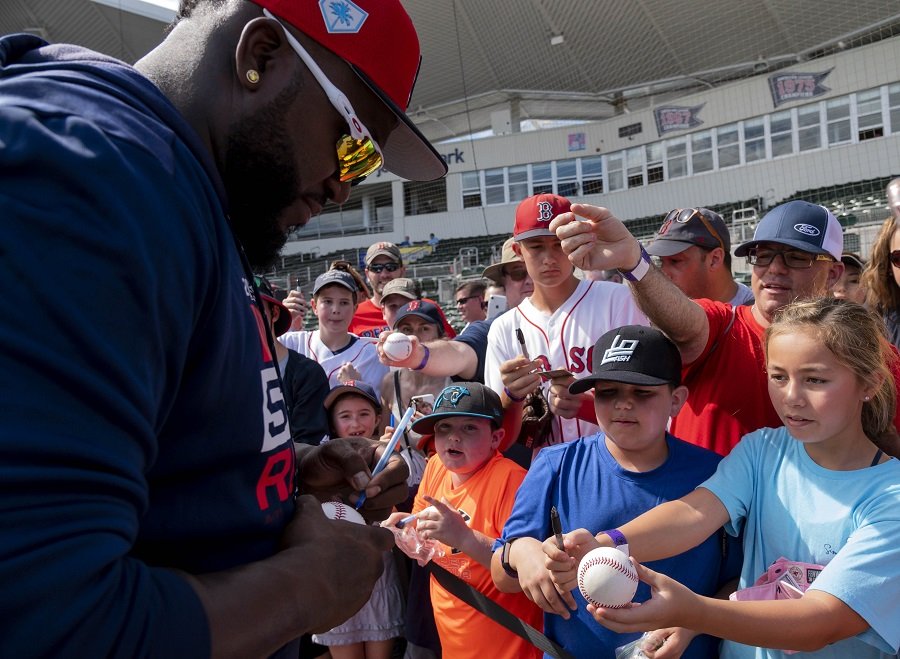 Let’s get this out of the way from the top. Steroid users cheated, yes. It’s impossible to understand when and how they used. There are other players in the Hall of Fame that used steroids. Players have been cheating for as long as the game is old. Arguably most damaging to any argument against PED users is Bud Selig, the Commissioner who oversaw the era and turned a blind eye. At the same time, the muscles that saved his post-lockout sport are enshrined in The Hall. If Cooperstown is considered a museum as is stated, it’s incomplete until all of the history is adequately accounted for. Alright, breathe. You can go back to the distaste saved for any players you want to be kept out. But, by the numbers...let’s take a look: Curt Schilling, Barry Bonds, Roger Clemens, Gary Sheffield, Manny Ramirez, Sammy Sosa, David Ortiz, and Alex Rodriguez Look at that group. It’s arguably the greatest assembled collection of eight baseball players tied together at any point in history. Barry Bonds is 2nd All-Time in career fWAR while Alex Rodriguez is 13th. David Ortiz is undoubtedly the single greatest designated hitter ever to play the game. Gary Sheffield and Manny Ramirez both are members of the 500 home run club, while Sammy Sosa has 609 homers and an MVP to his credit. Curt Schilling has over 3,100 career strikeouts and finished runner-up for the Cy Young in three different seasons. Roger Clemens may arguably be the greatest pitcher to have ever played the game, and his seven Cy Young awards certainly don’t detract from that. On statistical merit alone, it’s hard to look at any one of these players and suggest they are not worthy of enshrinement in Cooperstown. The BBWAA has been tasked with the impossible when needing to employ the character clause. Some writers choose to abide by it. Others have decided it doesn’t hold the same intended weight it once did. Others yet struggle with the gray area and completely exclude anyone that gets too close. What Cooperstown could do to help the process as a whole is to simplify it. Give every player on the ballot the ability to be voted for with a simple “yes” or “no” check-box. Make the voting criteria no more than a reflection of the accolades that took place on the field. If you cheated and got caught, you no doubt suffered time lost and an opportunity missed. If you were banned from the game while operating as a player or manager, your statistical accomplishments become invalidated in that particular realm. As fans, we should be clamoring for the greatest we have ever seen to be part of the footnote that is a museum where the dust settles. You can disagree with any number of players because of who they are as people or how you feel about them, but if the stats counted, then that’s where the decision needs to lie. Of course, we know my feelings don’t matter. This isn’t going to happen. If Bonds and Clemens are to be enshrined, it will likely come from a committee at a later date. Those with less percentage of the vote aren’t going to magically jump up either. It’s too bad that we’ll continue to tell only parts of the story deemed relevant today, but we can dream on the eight men out that would represent the greatest eight together. MORE FROM TWINS DAILY — Latest Twins coverage from our writers — Recent Twins discussion in our forums — Follow Twins Daily via Twitter, Facebook or email
 -
 With the deadline to add players onto the 40 man roster affording them protection from being exposed in the Rule 5 draft, the Twins had four locks: Royce Lewis, Jose Miranda, Cole Sands, and Josh Winder. From there, the next most logical addition was Blayne Enlow. His case was an uncertain one, however, as he underwent Tommy John surgery this past summer. Enlow didn’t pitch in 2020 due to the minor league shut down, and he got in just 14 2/3 innings in 2021 before the arm surgery. Having topped out at High-A Cedar Rapids, the 22-year-old is plenty far from the majors as well. Don’t let that fool you, though, as this is an arm Minnesota should’ve had a chance at seeing this year. That would’ve been a monumental leap from Iowa to St. Paul and eventually Minneapolis across one season, but it also highlights this organization's belief in the kid. Minnesota’s front office selected Enlow in the third round of the 2017 Major League Baseball draft, their first with the organization. After taking Royce Lewis first overall, the Twins went with Landon Leach in round two with the hopes of saving slot value and spending more on Enlow. Ultimately agreeing to a $2 million bonus that checked in as the highest mark of the third round and was $600 thousand more than Minnesota gave to the pick before. Steering him away from a commitment to Louisiana State University, the Twins liked the right-handed prep arm. To this point in his professional career, Enlow has proven the Twins front office right. He posted a 3.26 ERA in his first full professional season as a 19-year-old and combined for a 3.82 ERA in 2019 as a 20-year-old. Spending the time working, getting bigger, and fine-tuning his stuff, there was no minor league pitcher I was higher on making a big jump in 2021 than Enlow. The first 14 2/3 innings of work this year came in to the tune of a 1.84 ERA and 23 strikeouts. Enlow’s command has always been the area that could use work, and seeing strikeouts jump up because of it was the expectation. A strong fastball with a plus-bender, Enlow looked the part of someone that could pitch in the top half of a Major League rotation. After going under the knife, we’ll need to see how he responds. The Twins likely won’t see Enlow in action for much of the 2022 season, but he can continue to rehab and do so while being placed on the 60-day Injured List and not occupying a 40-man roster spot. Being able to stash him like this allows Minnesota to reap the rewards of a fully healthy player in 2023. If Enlow’s trends out of the shutdown were anything to be believed, it’s worth getting excited for a kid that could undoubtedly join the ranks of the top organizational arms. Unlike Baddoo before him, no team selecting Enlow in the Rule 5 Draft would’ve been immediately able to see what they had on a big-league field. They could utilize the same Injured List designation, though, and would have added a big talent to the organization at next to no cost. Thankfully Minnesota didn’t pass on the opportunity to protect him solely to save a roster spot for what amounts to a handful of weeks. This is a long-term play that has a chance to pay big dividends. Here’s to hoping Enlow’s rehab continues to go smoothly, he returns quickly, and the results are every bit as enticing as they once looked. MORE FROM TWINS DAILY — Latest Twins coverage from our writers — Recent Twins discussion in our forums — Follow Twins Daily via Twitter, Facebook or email
 -
Much has been made of how badly the Akil Baddoo situation worked out for the Minnesota Twins. He hadn’t played since 2019 and was coming off an injury, but the 40 man roster had other expendable pieces, and the Detroit Tigers made it hurt. This time around, Minnesota sought to avoid a repeat performance. With the deadline to add players onto the 40 man roster affording them protection from being exposed in the Rule 5 draft, the Twins had four locks: Royce Lewis, Jose Miranda, Cole Sands, and Josh Winder. From there, the next most logical addition was Blayne Enlow. His case was an uncertain one, however, as he underwent Tommy John surgery this past summer. Enlow didn’t pitch in 2020 due to the minor league shut down, and he got in just 14 2/3 innings in 2021 before the arm surgery. Having topped out at High-A Cedar Rapids, the 22-year-old is plenty far from the majors as well. Don’t let that fool you, though, as this is an arm Minnesota should’ve had a chance at seeing this year. That would’ve been a monumental leap from Iowa to St. Paul and eventually Minneapolis across one season, but it also highlights this organization's belief in the kid. Minnesota’s front office selected Enlow in the third round of the 2017 Major League Baseball draft, their first with the organization. After taking Royce Lewis first overall, the Twins went with Landon Leach in round two with the hopes of saving slot value and spending more on Enlow. Ultimately agreeing to a $2 million bonus that checked in as the highest mark of the third round and was $600 thousand more than Minnesota gave to the pick before. Steering him away from a commitment to Louisiana State University, the Twins liked the right-handed prep arm. To this point in his professional career, Enlow has proven the Twins front office right. He posted a 3.26 ERA in his first full professional season as a 19-year-old and combined for a 3.82 ERA in 2019 as a 20-year-old. Spending the time working, getting bigger, and fine-tuning his stuff, there was no minor league pitcher I was higher on making a big jump in 2021 than Enlow. The first 14 2/3 innings of work this year came in to the tune of a 1.84 ERA and 23 strikeouts. Enlow’s command has always been the area that could use work, and seeing strikeouts jump up because of it was the expectation. A strong fastball with a plus-bender, Enlow looked the part of someone that could pitch in the top half of a Major League rotation. After going under the knife, we’ll need to see how he responds. The Twins likely won’t see Enlow in action for much of the 2022 season, but he can continue to rehab and do so while being placed on the 60-day Injured List and not occupying a 40-man roster spot. Being able to stash him like this allows Minnesota to reap the rewards of a fully healthy player in 2023. If Enlow’s trends out of the shutdown were anything to be believed, it’s worth getting excited for a kid that could undoubtedly join the ranks of the top organizational arms. Unlike Baddoo before him, no team selecting Enlow in the Rule 5 Draft would’ve been immediately able to see what they had on a big-league field. They could utilize the same Injured List designation, though, and would have added a big talent to the organization at next to no cost. Thankfully Minnesota didn’t pass on the opportunity to protect him solely to save a roster spot for what amounts to a handful of weeks. This is a long-term play that has a chance to pay big dividends. Here’s to hoping Enlow’s rehab continues to go smoothly, he returns quickly, and the results are every bit as enticing as they once looked. MORE FROM TWINS DAILY — Latest Twins coverage from our writers — Recent Twins discussion in our forums — Follow Twins Daily via Twitter, Facebook or email View full article
-
There wasn’t much news about the impending CBA (Collective Bargaining Agreement) situation this week, but Rob Manfred sure made it substantial when speaking to wrap up the quarterly owner's meetings. We are now just 12 days away from the expiration of the current CBA, and while there have been some moves regarding free agency transactions, they have generally been of the same type. There has yet to be a long-term deal struck with any of the big names, and those that have signed are doing so on what amounts to one-year contracts. Players seem to be waiting for a bit more clarity as to what their eventual earnings opportunity will look like, and that makes sense as it’s their side being squeezed in the current CBA. It is maybe somewhat surprising that we have seen a handful of extensions, and it’s also good that there have been a few moves for fans to dissect. You have to wonder if some of the extensions are being agreed to because players are looking for an opportunity to guarantee their money while they can. We will see how things play out after a new CBA is agreed upon, but it's certainly possible that security for those signing one-year deals is also a determining factor. While Manfred did say that “we are focused on making an agreement prior to December 1st,” it’s the follow-up comment that looks more futile. In suggesting that shutting things down this winter is worthwhile if it gets things done, he’s basically calling the players' bluff and forcing them into a situation where missed games may be their only opportunity to push back on ownership. During this part of the yearly schedule, players are turning their focus toward opportunities for the season ahead. By stopping that process for weeks, or even months, Manfred has effectively told the workforce the only part of the year that carries weight is the portion where owners are generating revenues. Major League Baseball Players Association Executive Director Tony Clark has his work cut out for him. Right now, as Major League Baseball continues to be lopsided from a revenue-sharing standpoint, players are squeezed from a potential earning standpoint. The recently-announced licensing switch has baseball pushing everything to Fanatics. The league, and effectively ownership, has a stake in the company while none of those revenues are currently slated to be dispersed to players. By suggesting the only detrimental portion of this situation being lost games, Manfred has created an opportunity for players to once again be the victims of public backlash as fans will be the ones to lose should action be delayed or canceled. We’re very quickly careening towards December 1, and the Commissioner’s office’s gamesmanship is well underway. We will continue to try to keep updated on news and rumors regarding a potential new CBA. If you see anything online, please leave a link in the comments below and continue the conversation. MORE FROM TWINS DAILY — Latest Twins coverage from our writers — Recent Twins discussion in our forums — Follow Twins Daily via Twitter, Facebook, or email View full article
-
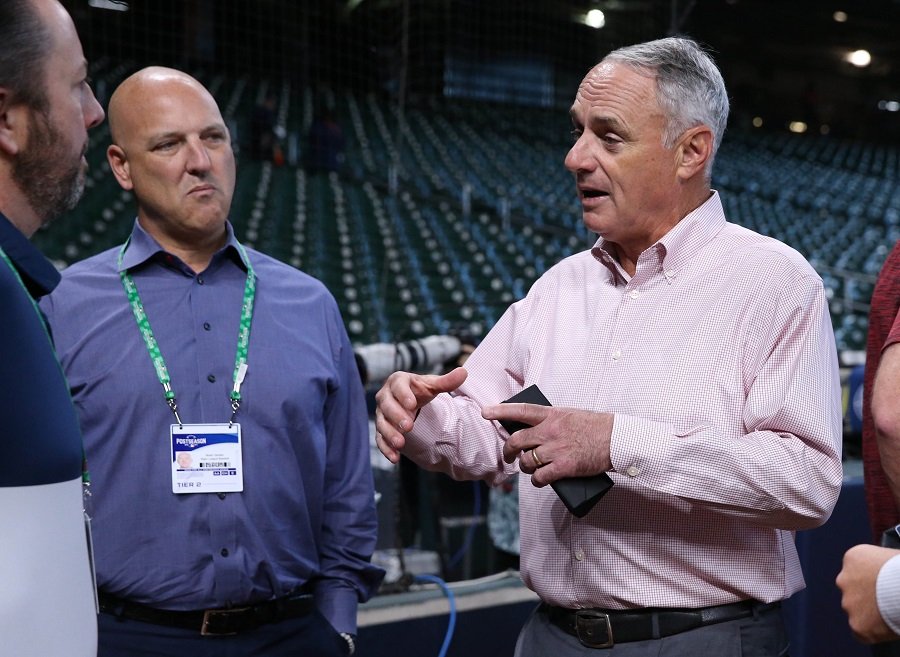 We are now just 12 days away from the expiration of the current CBA, and while there have been some moves regarding free agency transactions, they have generally been of the same type. There has yet to be a long-term deal struck with any of the big names, and those that have signed are doing so on what amounts to one-year contracts. Players seem to be waiting for a bit more clarity as to what their eventual earnings opportunity will look like, and that makes sense as it’s their side being squeezed in the current CBA. It is maybe somewhat surprising that we have seen a handful of extensions, and it’s also good that there have been a few moves for fans to dissect. You have to wonder if some of the extensions are being agreed to because players are looking for an opportunity to guarantee their money while they can. We will see how things play out after a new CBA is agreed upon, but it's certainly possible that security for those signing one-year deals is also a determining factor. While Manfred did say that “we are focused on making an agreement prior to December 1st,” it’s the follow-up comment that looks more futile. In suggesting that shutting things down this winter is worthwhile if it gets things done, he’s basically calling the players' bluff and forcing them into a situation where missed games may be their only opportunity to push back on ownership. During this part of the yearly schedule, players are turning their focus toward opportunities for the season ahead. By stopping that process for weeks, or even months, Manfred has effectively told the workforce the only part of the year that carries weight is the portion where owners are generating revenues. Major League Baseball Players Association Executive Director Tony Clark has his work cut out for him. Right now, as Major League Baseball continues to be lopsided from a revenue-sharing standpoint, players are squeezed from a potential earning standpoint. The recently-announced licensing switch has baseball pushing everything to Fanatics. The league, and effectively ownership, has a stake in the company while none of those revenues are currently slated to be dispersed to players. By suggesting the only detrimental portion of this situation being lost games, Manfred has created an opportunity for players to once again be the victims of public backlash as fans will be the ones to lose should action be delayed or canceled. We’re very quickly careening towards December 1, and the Commissioner’s office’s gamesmanship is well underway. We will continue to try to keep updated on news and rumors regarding a potential new CBA. If you see anything online, please leave a link in the comments below and continue the conversation. MORE FROM TWINS DAILY — Latest Twins coverage from our writers — Recent Twins discussion in our forums — Follow Twins Daily via Twitter, Facebook, or email
- 5 comments
-
- 1
-

-
- rob manfred
- tony clark
- (and 1 more)
-
Get Ready for the Opposite of Joe Mauer
Ted Schwerzler posted a topic in Twins Daily Front Page News
As Derek Falvey and Thad Levine continue to drag their feet when it comes to a potential contract extension for Byron Buxton, we are becoming increasingly more likely to see the alternative to what happened with Joe Mauer. In March of 2010, Minnesota inked hometown hero Joe Mauer to an eight-year, $184 million contract extension. He’d played in 699 games to that point and tallied three batting titles along with an MVP. With free agency looming, the Twins did the right thing and signed him to a deal that kept him from being paid by the Boston’s or New York’s of the baseball world. Because we know that we can’t have nice things as Twins fans, Mauer’s career would be forever changed due to injuries. He’s still a Hall of Famer, and he was still underpaid, but what could’ve been is something we can always wonder about. Due to those injuries changing production Mauer’s contract was long a point of consternation for fans. Working through revisionist history, detractors will often suggest a desire to have let Mauer walk and watch larger markets pay him more. As luck would have it, those same people may now have their day. Coming into 2022, Byron Buxton will have played 493 games for the Minnesota Twins. He’s owned an .897 OPS over the past three seasons and has a Platinum Glove to his credit before turning 28-years-old. An expected prime still ahead of him, this is a player that’s one of the ten best in the sport when he’s healthy. That’s where we pick up this story. Unlike Mauer, Buxton has experienced injury issues early on in his career. Also, unlike Joe, those injuries are the only reason Minnesota has a chance to sign the superstar in the first place. Reportedly offering an $80 million deal, Minnesota has not yet pushed to the $100 million asking price even with a valuation that would far exceed that number with an average bill of health. Instead of being asked to pay $250 million or more to keep their home-grown talent, the Twins are being asked to pay pennies on the dollar to factor in the availability, or lack thereof, that comes with Buxton. Instead of jumping at that chance, they are said to be leaning in the opposite direction. This isn’t a scenario in which history can be aligned to Terry Ryan’s ultimate gaffe regarding David Ortiz. No one is getting released, and the Twins will undoubtedly get something in exchange for Byron. The problem is that no player as valuable can be had for the same dollar amount, and a move regarding someone so intertwined with the fan base will forever cause ripple effects that only Mauer could’ve mirrored. We should know soon how the front office is going to play this situation. Maybe they’ve purposely been leaking misinformation to increase their negotiating stance. However, time is running out on wondering what may happen as we are less than a year from knowing what will. Byron Buxton might not be from St. Paul, Minnesota. Still, the Baxley, Georgia, native is every bit as Twins Territory as it gets and there isn’t an opportunity to put the band-aid back on this bullet wound once the trigger is pulled. Target Field was sold as an opportunity to keep the internal stars. That rung hollow when flipping Jose Berrios, and it hits rock bottom in moving on from Buxton. Whether he stays healthy or not isn’t the question for now. It’s whether or not you are willing to keep your best talent or continually recycle it. MORE FROM TWINS DAILY — Latest Twins coverage from our writers — Recent Twins discussion in our forums — Follow Twins Daily via Twitter, Facebook or email View full article -
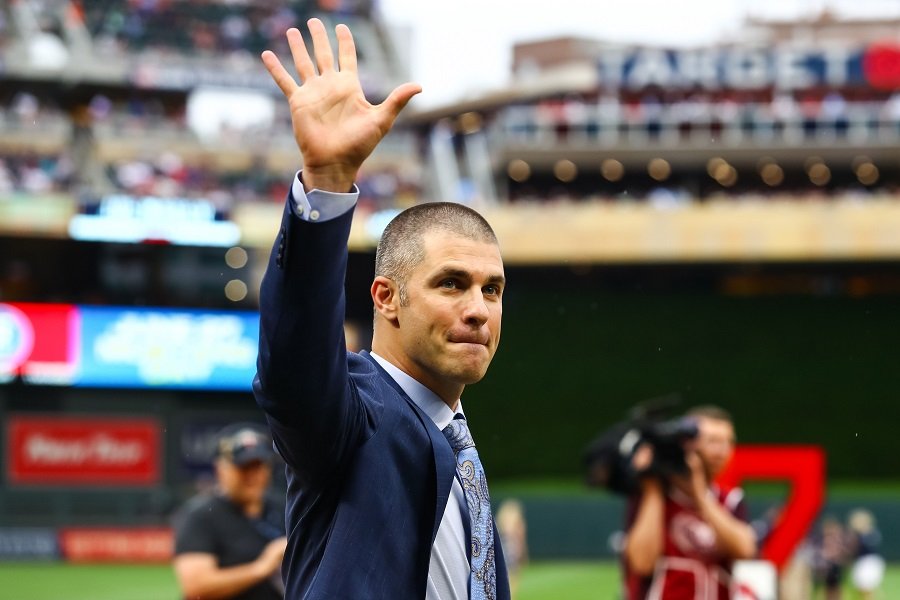 In March of 2010, Minnesota inked hometown hero Joe Mauer to an eight-year, $184 million contract extension. He’d played in 699 games to that point and tallied three batting titles along with an MVP. With free agency looming, the Twins did the right thing and signed him to a deal that kept him from being paid by the Boston’s or New York’s of the baseball world. Because we know that we can’t have nice things as Twins fans, Mauer’s career would be forever changed due to injuries. He’s still a Hall of Famer, and he was still underpaid, but what could’ve been is something we can always wonder about. Due to those injuries changing production Mauer’s contract was long a point of consternation for fans. Working through revisionist history, detractors will often suggest a desire to have let Mauer walk and watch larger markets pay him more. As luck would have it, those same people may now have their day. Coming into 2022, Byron Buxton will have played 493 games for the Minnesota Twins. He’s owned an .897 OPS over the past three seasons and has a Platinum Glove to his credit before turning 28-years-old. An expected prime still ahead of him, this is a player that’s one of the ten best in the sport when he’s healthy. That’s where we pick up this story. Unlike Mauer, Buxton has experienced injury issues early on in his career. Also, unlike Joe, those injuries are the only reason Minnesota has a chance to sign the superstar in the first place. Reportedly offering an $80 million deal, Minnesota has not yet pushed to the $100 million asking price even with a valuation that would far exceed that number with an average bill of health. Instead of being asked to pay $250 million or more to keep their home-grown talent, the Twins are being asked to pay pennies on the dollar to factor in the availability, or lack thereof, that comes with Buxton. Instead of jumping at that chance, they are said to be leaning in the opposite direction. This isn’t a scenario in which history can be aligned to Terry Ryan’s ultimate gaffe regarding David Ortiz. No one is getting released, and the Twins will undoubtedly get something in exchange for Byron. The problem is that no player as valuable can be had for the same dollar amount, and a move regarding someone so intertwined with the fan base will forever cause ripple effects that only Mauer could’ve mirrored. We should know soon how the front office is going to play this situation. Maybe they’ve purposely been leaking misinformation to increase their negotiating stance. However, time is running out on wondering what may happen as we are less than a year from knowing what will. Byron Buxton might not be from St. Paul, Minnesota. Still, the Baxley, Georgia, native is every bit as Twins Territory as it gets and there isn’t an opportunity to put the band-aid back on this bullet wound once the trigger is pulled. Target Field was sold as an opportunity to keep the internal stars. That rung hollow when flipping Jose Berrios, and it hits rock bottom in moving on from Buxton. Whether he stays healthy or not isn’t the question for now. It’s whether or not you are willing to keep your best talent or continually recycle it. MORE FROM TWINS DAILY — Latest Twins coverage from our writers — Recent Twins discussion in our forums — Follow Twins Daily via Twitter, Facebook or email
- 22 comments
-
- 7
-
-

-
- joe mauer
- byron buxton
- (and 1 more)
-
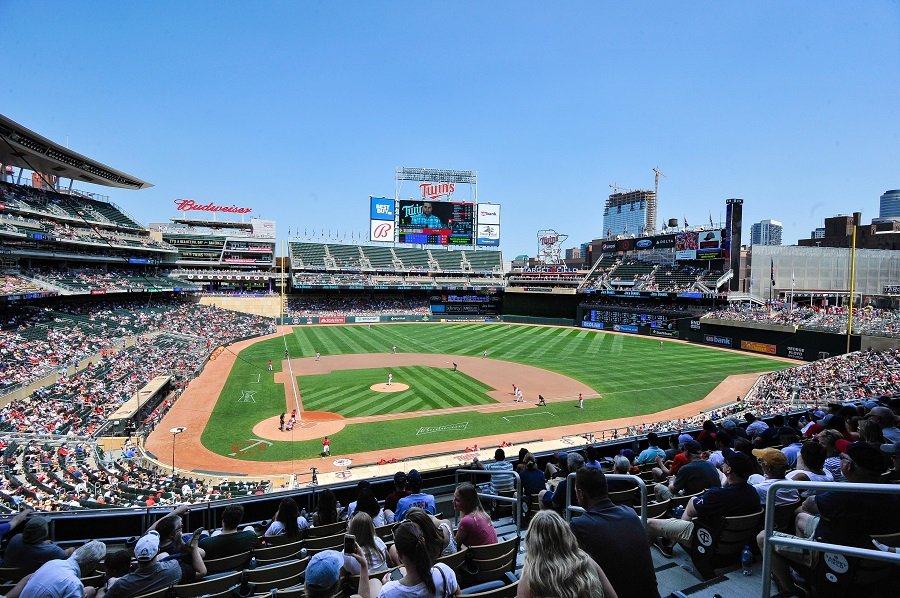 For years the Minnesota Twins organization has suggested that the goal would be to keep homegrown stars. Yes, they paid Jorge Polanco, Max Kepler, and Miguel Sano. None of those deals were substantial, however. Instead of paying Jose Berrios, who was reportedly intent on reaching free agency, they flipped him for two top-100 prospects. Now with the Blue Jays handing out a seven-year deal worth $140 million, it’s clear that it wasn’t about paying Berrios, but probably more about how long they would. Despite Berrios suggesting he wanted to reach free agency, he was perhaps more interested in finding a deal that compensated him correctly. That’s where this begins to break down. Before getting into what the front office is trying to do, or more appropriately failing to do, we need to look at Buxton. Dan Hayes and Ken Rosenthal reported, “Talks about an incentive-laden extension in July broke down because of the Twins’ unwillingness to push the potential total value to $100 million.” That’s an awful look for the front office as well. Seven years or not, Minnesota is looking to nickel and dime a superstar they are only invited to the table because he’s been injured. Assuming Buxton was a free agent, Minnesota wouldn’t be in the realm of his possible destinations, and if an injury bug hadn’t hit him, the price tag would be well north of $250 million. Trying to piece together a salary that goes long on years and short on average annual value for a talent like Buxton is the exact opposite of the message sent to Berrios. The needle Falvey and Levine are trying to thread is a seemingly hopeless one. They appear intent on avoiding long-term deals but also are expecting to play at or below market value. There’s no give and take in that negotiating style, and the alternative is one we’ve yet to hear them dabble in. Should you opt to avoid length, the result has to be higher than the market average annual value. No player will take fewer years for the same amount of money, but they might be lured by a more lucrative deal that makes up for the lacking security. There’s no denying that this front office has done a great job establishing a strong culture and organizational structure. Minnesota’s farm system may not be as loaded as it’s ever been, but it’s undoubtedly as deep. The developmental talent is there to push players towards realizing their potential, but there has not been a good enough job done supplementing the talent at the top. Now faced with the opportunity to keep some of their best, Falvey already chose to forgo length on one and is seemingly leaning towards passing up on dollars for the other. Should Minnesota sign a top-tier pitcher with the money ticketed for Berrios, then the addition of two top prospects makes a ton of sense as an alternative. There isn’t a situation where Buxton will be replaceable at a similar valuation, though, and skimping on dollars to contradict their length stance could be something that looks like a David Ortiz-esque mistake. It’s time to stop stepping toes in the water when filling out the roster and make more than one splash move, then suggesting it’s enough. MORE FROM TWINS DAILY — Latest Twins coverage from our writers — Recent Twins discussion in our forums — Follow Twins Daily via Twitter, Facebook or email
- 27 comments
-
- 8
-
-
- jose berrios
- byron buxton
- (and 2 more)
-
Earlier this week, the Toronto Blue Jays extended former Twins pitcher Jose Berrios on a seven-year deal. On that same day, The Athletic reported an update in regards to Byron Buxton. Neither looks great for Derek Falvey and Thad Levine. For years the Minnesota Twins organization has suggested that the goal would be to keep homegrown stars. Yes, they paid Jorge Polanco, Max Kepler, and Miguel Sano. None of those deals were substantial, however. Instead of paying Jose Berrios, who was reportedly intent on reaching free agency, they flipped him for two top-100 prospects. Now with the Blue Jays handing out a seven-year deal worth $140 million, it’s clear that it wasn’t about paying Berrios, but probably more about how long they would. Despite Berrios suggesting he wanted to reach free agency, he was perhaps more interested in finding a deal that compensated him correctly. That’s where this begins to break down. Before getting into what the front office is trying to do, or more appropriately failing to do, we need to look at Buxton. Dan Hayes and Ken Rosenthal reported, “Talks about an incentive-laden extension in July broke down because of the Twins’ unwillingness to push the potential total value to $100 million.” That’s an awful look for the front office as well. Seven years or not, Minnesota is looking to nickel and dime a superstar they are only invited to the table because he’s been injured. Assuming Buxton was a free agent, Minnesota wouldn’t be in the realm of his possible destinations, and if an injury bug hadn’t hit him, the price tag would be well north of $250 million. Trying to piece together a salary that goes long on years and short on average annual value for a talent like Buxton is the exact opposite of the message sent to Berrios. The needle Falvey and Levine are trying to thread is a seemingly hopeless one. They appear intent on avoiding long-term deals but also are expecting to play at or below market value. There’s no give and take in that negotiating style, and the alternative is one we’ve yet to hear them dabble in. Should you opt to avoid length, the result has to be higher than the market average annual value. No player will take fewer years for the same amount of money, but they might be lured by a more lucrative deal that makes up for the lacking security. There’s no denying that this front office has done a great job establishing a strong culture and organizational structure. Minnesota’s farm system may not be as loaded as it’s ever been, but it’s undoubtedly as deep. The developmental talent is there to push players towards realizing their potential, but there has not been a good enough job done supplementing the talent at the top. Now faced with the opportunity to keep some of their best, Falvey already chose to forgo length on one and is seemingly leaning towards passing up on dollars for the other. Should Minnesota sign a top-tier pitcher with the money ticketed for Berrios, then the addition of two top prospects makes a ton of sense as an alternative. There isn’t a situation where Buxton will be replaceable at a similar valuation, though, and skimping on dollars to contradict their length stance could be something that looks like a David Ortiz-esque mistake. It’s time to stop stepping toes in the water when filling out the roster and make more than one splash move, then suggesting it’s enough. MORE FROM TWINS DAILY — Latest Twins coverage from our writers — Recent Twins discussion in our forums — Follow Twins Daily via Twitter, Facebook or email View full article
-
The Minnesota Twins dealt Jose Berrios to the Toronto Blue Jays during the 2021 Major League Baseball season. Today he signed a seven year deal worth $140 million to stay in Canada for the bulk of his career. The wound is opened again. When the Twins flipped Berrios to the Blue Jays, they did a great job acquiring prospect capital. Austin Martin and Simeon Woods-Richardson are both top-100 prospects. Despite Martin looking more like a centerfielder than a shortstop, his talent still plays up the middle. Woods-Richardson will get a shot to re-establish himself after competing in the Olympics last season. If Minnesota wasn’t going to sign Berrios, then getting that type of haul was nice. In seeing the deal get struck with Toronto, it’s very clear that Minnesota’s sticking point was the duration. As Darren Wolfson points out, the front office is not keen on offering seven year pacts to players. That’s a fair stance, even with someone who’s been as durable as Jose, and even though he’s just 27-years-old. What remains to be seen is how they will compete for those top talents otherwise. If you’re taking a hard and fast approach on avoiding length, then you must make a more aggressive push on value. A $20 million average annual value for Berrios seems like a fair amount. That’s below what Noah Syndergaard will get, albeit on a one year deal, despite pitching just two innings since 2019. Should Minnesota look to mitigate risk by avoiding length, they’ll need to tack on a percentage above market rate to lure free agents into their organization. We’ll very quickly get an idea how this plays out for Derek Falvey and Thad Levine. Ultimately, they “saved” the money on Berrios by flipping him for outstanding prospects. Instead of breaking up the $20 million annually across two or three pitchers, they must be willing to spend that type of coin on one arm that fills the void. They’ll be hoping the length of the deal is shorter, but banking that salary flexibility, or trying to patch it together through multiple players is not something that should be met with praise. As I’ve harper on for months, this offseason is going to be the most important in determining the true ability of the front office, and they should be judged accordingly. For more from Off The Baggy, click here. Follow @tlschwerz
-
The Minnesota Twins need to get better before the 2022 season if they’re going to contend in the AL Central. While dealing from a prospect pool typically seems most straightforward, this club may be poised to flip an established veteran. Typically, baseball assumes that you’re dealing from a pool of future talent to acquire something usable now, or vice versa. That is a logical assumption, but one that may not fit the Twins current mold. If their goal is to get better now, without embarking on a complete rebuild, dealing from a position of depth could be a path to accomplishing that goal. When looking at the Twins roster, there are three current regulars that all provide an enticing level of opportunity regarding the trade market. At catcher, it’s Mitch Garver. From an infield or utility perspective, it’s Luis Arraez. In the outfield, it’s Max Kepler. Sure, if we’re not re-signing Byron Buxton, then he has to be moved, but I choose not to live in a online world where that may be a possibility. With that said, let’s explore the three options. Mitch Garver Rebounding to the tune of an .875 OPS following a down year in 2020, Garver looked again like a top-tier bat behind the plate. He’s an adept pitch framer and has made considerable strides defensively. While age isn’t on his side for a future payday, he’s still plenty ripe for a prime stretch at 31-years-old being a late-blooming prospect. With Ryan Jeffers as his backup, it could be argued that Minnesota has a luxury in their backstop stable. 2020 showed a brief glimpse of what Jeffers may be, and as a future starter, he could push toward the upper tier for the position. Behind him, however, is Ben Rortvedt, who is almost certainly going to be a defense-only type of player. Moving Garver could net the Twins a handsome return, and catcher is one of the most challenging places in the sport to squeeze out offensive production. The Twins may desire to do this if Garver’s future prognosis trends more towards designated hitter duties as injuries mount. Selfishly, I’d like them to avoid this route. Give me all the Garv Sauce. Luis Arraez Formerly a fill-in for Jorge Polanco at second base, Arraez has established himself as one of baseball’s best pure hitters. He’s a contact guy that will always hit for average, and he has an incredible sense of plate discipline. Not a great defender anywhere; he truly can play everywhere after being thrust into a left-field role at times during the 2021 season. Assuming that Minnesota opts to keep Polanco at second base and sign a shortstop, that leaves Arraez looking at a utility role once again. He can spell Josh Donaldson at the hot corner and take reps in the outfield, but his defensive home will cease to exist. There’s no denying the at-bats will always be there for him with the Twins, but what is the gain should he be flipped to a team that sees him as their everyday option in the same defensive role? I don’t know that moving Arraez is an opportunity cost that Minnesota should be looking into. His utility is invaluable, and he covers multiple guys necessary of a true insurance policy. Max Kepler We’ve made it to the one player in this trio that finds themselves still seeking peak value. The .719 OPS in 2021 was a career-low, and the .855 mark during the 2019 Bomba Squad year looks as distant as ever. There is this, though, as Twins Daily’s Tom Froemming pointed out, Kepler’s expected results are drastically different from what reality is giving us. I’ve consistently hoped that Kepler would elevate the baseball and see the payoff due to his hard-hit contact potential. We noticed some of that in 2019, and that consistency is the biggest thing holding him back. Under team control through 2023 and tied to a 2024 team option, Kepler’s contract is among the most enticing things about him. He’s not turning any heads with a 98 OPS+, but at 123 or even 109 in 2020, he’s an above-average player that’s stellar on defense and could net something nice. Kepler’s value is hard to pinpoint given the results in comparison to what you’d hope he’s capable of. Getting the right team to bite on the right return is the goal, and with young outfield talent behind him, a flip could be more than beneficial for both sides. What do you think? If you’re trading a regular from the Twins lineup, who is it that you’re moving, and who do you think has the most value View full article
-
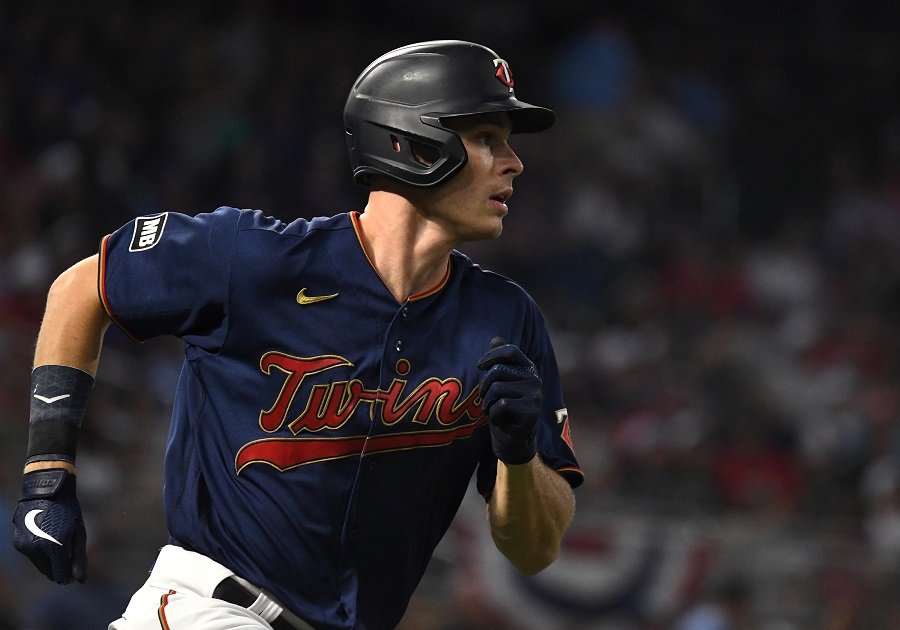 Typically, baseball assumes that you’re dealing from a pool of future talent to acquire something usable now, or vice versa. That is a logical assumption, but one that may not fit the Twins current mold. If their goal is to get better now, without embarking on a complete rebuild, dealing from a position of depth could be a path to accomplishing that goal. When looking at the Twins roster, there are three current regulars that all provide an enticing level of opportunity regarding the trade market. At catcher, it’s Mitch Garver. From an infield or utility perspective, it’s Luis Arraez. In the outfield, it’s Max Kepler. Sure, if we’re not re-signing Byron Buxton, then he has to be moved, but I choose not to live in a online world where that may be a possibility. With that said, let’s explore the three options. Mitch Garver Rebounding to the tune of an .875 OPS following a down year in 2020, Garver looked again like a top-tier bat behind the plate. He’s an adept pitch framer and has made considerable strides defensively. While age isn’t on his side for a future payday, he’s still plenty ripe for a prime stretch at 31-years-old being a late-blooming prospect. With Ryan Jeffers as his backup, it could be argued that Minnesota has a luxury in their backstop stable. 2020 showed a brief glimpse of what Jeffers may be, and as a future starter, he could push toward the upper tier for the position. Behind him, however, is Ben Rortvedt, who is almost certainly going to be a defense-only type of player. Moving Garver could net the Twins a handsome return, and catcher is one of the most challenging places in the sport to squeeze out offensive production. The Twins may desire to do this if Garver’s future prognosis trends more towards designated hitter duties as injuries mount. Selfishly, I’d like them to avoid this route. Give me all the Garv Sauce. Luis Arraez Formerly a fill-in for Jorge Polanco at second base, Arraez has established himself as one of baseball’s best pure hitters. He’s a contact guy that will always hit for average, and he has an incredible sense of plate discipline. Not a great defender anywhere; he truly can play everywhere after being thrust into a left-field role at times during the 2021 season. Assuming that Minnesota opts to keep Polanco at second base and sign a shortstop, that leaves Arraez looking at a utility role once again. He can spell Josh Donaldson at the hot corner and take reps in the outfield, but his defensive home will cease to exist. There’s no denying the at-bats will always be there for him with the Twins, but what is the gain should he be flipped to a team that sees him as their everyday option in the same defensive role? I don’t know that moving Arraez is an opportunity cost that Minnesota should be looking into. His utility is invaluable, and he covers multiple guys necessary of a true insurance policy. Max Kepler We’ve made it to the one player in this trio that finds themselves still seeking peak value. The .719 OPS in 2021 was a career-low, and the .855 mark during the 2019 Bomba Squad year looks as distant as ever. There is this, though, as Twins Daily’s Tom Froemming pointed out, Kepler’s expected results are drastically different from what reality is giving us. I’ve consistently hoped that Kepler would elevate the baseball and see the payoff due to his hard-hit contact potential. We noticed some of that in 2019, and that consistency is the biggest thing holding him back. Under team control through 2023 and tied to a 2024 team option, Kepler’s contract is among the most enticing things about him. He’s not turning any heads with a 98 OPS+, but at 123 or even 109 in 2020, he’s an above-average player that’s stellar on defense and could net something nice. Kepler’s value is hard to pinpoint given the results in comparison to what you’d hope he’s capable of. Getting the right team to bite on the right return is the goal, and with young outfield talent behind him, a flip could be more than beneficial for both sides. What do you think? If you’re trading a regular from the Twins lineup, who is it that you’re moving, and who do you think has the most value
 -
The Minnesota Twins flopped in 2021, and it was primarily due to a lack of performance from those expected to contribute. There were injuries as well, but the hope is that development promotes production in 2022. Needing to add, this blueprint focuses almost entirely on two areas. If there’s something the Twins need to address, it’s pitching. There’s no denying that a rotation with just two current arms needs a severe jolt. Dealing Jose Berrios and watching Kenta Maeda go under the knife leaves the group on life support. No matter Minnesota’s intended direction for the year ahead, stockpiling pitching assets for the future is beyond necessary. With that in mind, let’s start the spending in a big way. The front office hands out another $100 million contract, this time to Marcus Stroman, over five years. Stroman will be 31 in 2022 and has been as consistent as they come throughout his career. His 3.63 ERA is solid, and while he’s not a strikeout pitcher, he limits damage by forcing hitters to get themselves out on the ground. The career 0.8 HR/9 rate is solid, and he walks just over two per nine. Stroman has been both durable and reliable. While he may not have the top-tier stuff of a traditional ace, this is a guy you can be confident in each time you hand him the ball. A caveat here is that Stroman will be most effective with a strong infield defense behind him. Dropping down a rung, a second arm joins the rotation in the form of Jon Gray. Former Rockies first-round pick Gray is entering free agency with no draft pick compensation tied to him. This seems like a misstep by Colorado but is a place where the Twins can capitalize. Gray has strikeout stuff, and while he doesn’t induce much in the form of chasing, the big righty blows it by opposing hitters. Gray has a plus-slider and could be further unlocked with a diminishing home run rate, leaving Coors Field's elevation permanently. A three or four-year deal around $10 million annually seems like a pretty fair pact. Rounding out the rotation additions requires a swap with a team open for business. The Cincinnati Reds appear determined to tear it all down, and that’s a party Minnesota should invite themselves to. While Luis Castillo is the big pitching prize there, I’d prefer seeing them hang onto the assets a swap like that would need to part with. Instead, Tyler Mahle draws my attention. He’s just 27-years-old and isn’t a free agent until 2024. Mahle owns a 3.72 ERA and 10.7 K/9 the past two seasons. You’d like to see him get the walks down and allow a few less homers, but there’s plenty to work with here. If you can make this trade by giving up Jhoan Duran, Cole Sands, and Alerick Soularie, I think you have to consider that. Before flipping it over to the offense, we will spend just over one million on a bullpen addition, right-handed veteran Greg Holland The former Kansas City Royals arm has had up and down seasons since 2017. He’s often rebounded following a poor showing, and the upswing would be scheduled for 2022. It’s entirely fair to assume he may be cooked, but the velocity and effectiveness have remained essentially unchanged over the past few seasons. He walked too many batters and got burned by the long ball last season, but a few command tweaks could have him back on track. He’d be a veteran arm with little cost that could shore up a bullpen largely reliant on internal talent. If things go belly up, the hope would be that an internal depth piece has stepped up out of the gate. I’m mainly gambling on holdovers such as Juan Minaya and Ralph Garza Jr. being enough to round out the stable when it comes to relievers. Taylor Rogers and Tyler Duffey need to be the horses, and Jorge Alcala continuing to look like he did down the stretch is a must. The final considerable expense comes at the other position needing serious help, shortstop. Jorge Polanco has established himself as a solid second baseman and needs to stay there. Much will be told about the belief and direction of Minnesota’s future with how the front office handles this role over the winter. A one-year deal means Royce Lewis or Austin Martin could be the next option. A long-term deal suggests uncertainty about an heir from within and may dictate how a Byron Buxton extension is handled (though that, too, should be a part of this offseason’s tasks). If there’s a shortstop in this class that looks for a strong one-year deal before cashing in, I think it’s former Cub, Javier Baez. He posted a strong .886 OPS with the Mets down the stretch, but I still think he could do better coming off a complete season of production. Giving him just north of $20 million for a year gets him paid and allows Minnesota flexibility over what they’d like to do with the roster in another offseason. He’s a great defender and brings a bat at the position that most organizations could only dream on. With the dust beginning to settle, you can see that the vast majority of open opportunities fall on guys already in the organization. Brent Rooker is your de facto designated hitter, with Trevor Larnach and Alex Kirilloff making the Opening Day roster. Jose Miranda is a utility guy, and Luis Arraez joins him. If you don’t like the prognosis of a lineup mainly filled with internal talent, then it’s hard to have expected much out of 2021, either. Kirilloff and Larnach have been expected to make the leap. Josh Donaldson, Max Kepler, Polanco, and Buxton are supposed to carry the water. Miguel Sano can be there in bursts, and emerging talents like Miranda can step in as well. A complete lineup overhaul would represent a teardown, and doing so would be an admittance of failed development for this core. Coming off lackluster results and being stuck between what was and what is to come leaves this offseason as one of the most important this front office has ever faced. We’re in for some answers, and it should be a wild ride. Get pitching. Get a shortstop. Let the chips fall where they may. I'd love to hear your thoughts on this potential offseason. Please share in the comments below. MORE FROM TWINS DAILY — Order the Offseason Handbook — Latest Twins coverage from our writers — Recent Twins discussion in our forums — Follow Twins Daily via Twitter, Facebook or email View full article
-
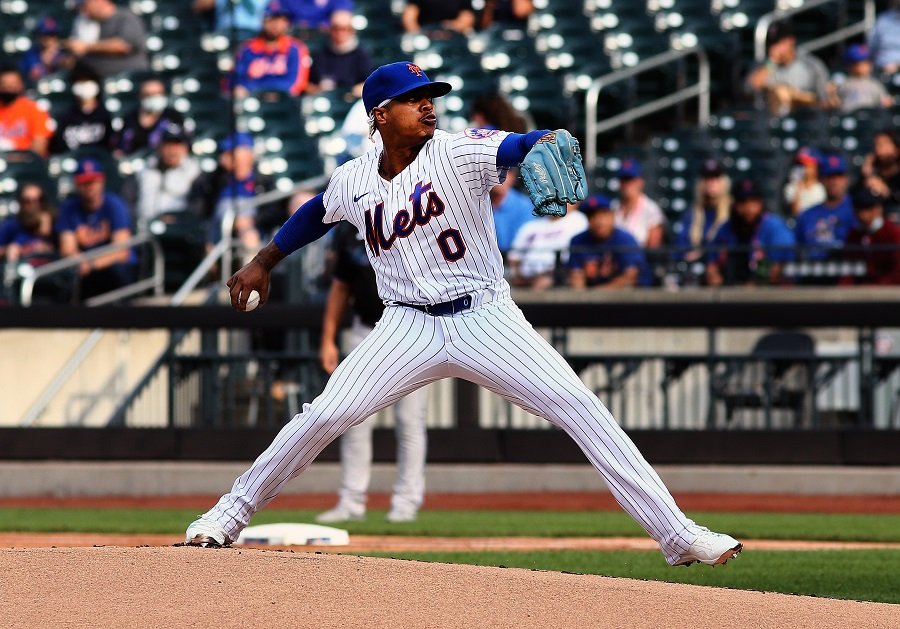 If there’s something the Twins need to address, it’s pitching. There’s no denying that a rotation with just two current arms needs a severe jolt. Dealing Jose Berrios and watching Kenta Maeda go under the knife leaves the group on life support. No matter Minnesota’s intended direction for the year ahead, stockpiling pitching assets for the future is beyond necessary. With that in mind, let’s start the spending in a big way. The front office hands out another $100 million contract, this time to Marcus Stroman, over five years. Stroman will be 31 in 2022 and has been as consistent as they come throughout his career. His 3.63 ERA is solid, and while he’s not a strikeout pitcher, he limits damage by forcing hitters to get themselves out on the ground. The career 0.8 HR/9 rate is solid, and he walks just over two per nine. Stroman has been both durable and reliable. While he may not have the top-tier stuff of a traditional ace, this is a guy you can be confident in each time you hand him the ball. A caveat here is that Stroman will be most effective with a strong infield defense behind him. Dropping down a rung, a second arm joins the rotation in the form of Jon Gray. Former Rockies first-round pick Gray is entering free agency with no draft pick compensation tied to him. This seems like a misstep by Colorado but is a place where the Twins can capitalize. Gray has strikeout stuff, and while he doesn’t induce much in the form of chasing, the big righty blows it by opposing hitters. Gray has a plus-slider and could be further unlocked with a diminishing home run rate, leaving Coors Field's elevation permanently. A three or four-year deal around $10 million annually seems like a pretty fair pact. Rounding out the rotation additions requires a swap with a team open for business. The Cincinnati Reds appear determined to tear it all down, and that’s a party Minnesota should invite themselves to. While Luis Castillo is the big pitching prize there, I’d prefer seeing them hang onto the assets a swap like that would need to part with. Instead, Tyler Mahle draws my attention. He’s just 27-years-old and isn’t a free agent until 2024. Mahle owns a 3.72 ERA and 10.7 K/9 the past two seasons. You’d like to see him get the walks down and allow a few less homers, but there’s plenty to work with here. If you can make this trade by giving up Jhoan Duran, Cole Sands, and Alerick Soularie, I think you have to consider that. Before flipping it over to the offense, we will spend just over one million on a bullpen addition, right-handed veteran Greg Holland The former Kansas City Royals arm has had up and down seasons since 2017. He’s often rebounded following a poor showing, and the upswing would be scheduled for 2022. It’s entirely fair to assume he may be cooked, but the velocity and effectiveness have remained essentially unchanged over the past few seasons. He walked too many batters and got burned by the long ball last season, but a few command tweaks could have him back on track. He’d be a veteran arm with little cost that could shore up a bullpen largely reliant on internal talent. If things go belly up, the hope would be that an internal depth piece has stepped up out of the gate. I’m mainly gambling on holdovers such as Juan Minaya and Ralph Garza Jr. being enough to round out the stable when it comes to relievers. Taylor Rogers and Tyler Duffey need to be the horses, and Jorge Alcala continuing to look like he did down the stretch is a must. The final considerable expense comes at the other position needing serious help, shortstop. Jorge Polanco has established himself as a solid second baseman and needs to stay there. Much will be told about the belief and direction of Minnesota’s future with how the front office handles this role over the winter. A one-year deal means Royce Lewis or Austin Martin could be the next option. A long-term deal suggests uncertainty about an heir from within and may dictate how a Byron Buxton extension is handled (though that, too, should be a part of this offseason’s tasks). If there’s a shortstop in this class that looks for a strong one-year deal before cashing in, I think it’s former Cub, Javier Baez. He posted a strong .886 OPS with the Mets down the stretch, but I still think he could do better coming off a complete season of production. Giving him just north of $20 million for a year gets him paid and allows Minnesota flexibility over what they’d like to do with the roster in another offseason. He’s a great defender and brings a bat at the position that most organizations could only dream on. With the dust beginning to settle, you can see that the vast majority of open opportunities fall on guys already in the organization. Brent Rooker is your de facto designated hitter, with Trevor Larnach and Alex Kirilloff making the Opening Day roster. Jose Miranda is a utility guy, and Luis Arraez joins him. If you don’t like the prognosis of a lineup mainly filled with internal talent, then it’s hard to have expected much out of 2021, either. Kirilloff and Larnach have been expected to make the leap. Josh Donaldson, Max Kepler, Polanco, and Buxton are supposed to carry the water. Miguel Sano can be there in bursts, and emerging talents like Miranda can step in as well. A complete lineup overhaul would represent a teardown, and doing so would be an admittance of failed development for this core. Coming off lackluster results and being stuck between what was and what is to come leaves this offseason as one of the most important this front office has ever faced. We’re in for some answers, and it should be a wild ride. Get pitching. Get a shortstop. Let the chips fall where they may. I'd love to hear your thoughts on this potential offseason. Please share in the comments below. MORE FROM TWINS DAILY — Order the Offseason Handbook — Latest Twins coverage from our writers — Recent Twins discussion in our forums — Follow Twins Daily via Twitter, Facebook or email
- 7 comments
-
- 1
-
-
- marcus stroman
- jon gray
- (and 2 more)
-
As we barrel toward December 1, 2021, Major League Baseball has an important date on its hands. With the current Collective Bargaining Agreement (CBA) set to expire, MLB and the MLBPA (Players Association) must agree on a new CBA before the resumption of baseball in 2022. Each week this space will keep you updated on what’s taken place and what to be on the lookout for. For months, and maybe most of the past season, it has been assumed that ugly labor negotiations would commence this offseason. During the Covid shutdown, owners attempted to blame the players while the athletes themselves looked for equitable financial conditions. That set the stage for a large amount of discourse when actual CBA discussions needed to be held. We’re now less than a month away from the expiration of the current CBA, and both sides must agree before the 2022 season can commence. A lot has taken place in the past week. Here is what you need to know: It’s obvious there’s conflicting information within the industry. Obviously, reporters have sources whose water they carry (we saw that recently with Adam Schefter in the NFL). Both Nightengale and Heyman are well-respected journalists, but the outcome of these two reports couldn’t be further from agreement. Again, Rob Manfred represents the owners, and his goal is to get them the most significant chunk of money for their product. While he oversees the product consumed by the fans, his bottom line is not necessarily aligned with that of MLBPA President Tony Clark. The likely situation here is sources on opposing sides looking to strike fear in one another. Service time was the focal point of MLB’s initial proposal to the players. The suggestion is that free agency would commence in the season following 29 1/2 years of age instead of six years of MLB service. Arbitration would also be directly correlated to MLB revenues, and a pool of funds would be allocated to the players. That was sharply denied. This week’s proposal, as reported by The Athletic’s Evan Drellich, focused on the same free agency threshold but noted that pay before reaching free agency would directly correlate to WAR (Wins Above Replacement) valuation. Specifically, the number generated from Fangraphs’ calculation. An algorithm to determine pre-free agency pay has also been reported upon, but there’s little belief that players will view this idea favorably. Nothing about this current proposal seems promising for inclusion in a future agreed-upon deal. First and foremost, tying players to teams until 29.5-years-old would be detrimental to those reaching the big leagues quickly. Both Carlos Correa and Corey Seager have yet to hit that age. Juan Soto would be tied to the Nationals longer; as would players like Vladimir Guerreo Jr. and Ronald Acuna Jr. As stars reach the big leagues quicker, their goal is to be compensated earlier in their prime, not after it has begun. An age closer to 27 may tilt the scales more fairly. Speaking as someone who is a fan of advanced analytics and the application of WAR (specifically fWAR), there are challenges here. Valuation isn’t static, and it would be difficult to quantify all players equally. Franchises that embrace analytics on the defensive side will put athletes in a better position to capitalize upon their value. Relievers are not adequately valued solely by looking at WAR, either. On top of that, WAR adjusts on a game-by-game basis. As Jeremy Frank pointed out on Twitter, imagine the guy that gets shelled and released now being negatively valued and therefore owing a former organization money. It is interesting to note that there’s a belief some of the top free agents will sign before the December 1st expiration of the current CBA. The best players will get their money regardless, but seeing how those in the middle tiers are impacted could drag this offseason to a rapid halt. I hope we don’t see a lockout that requires missed games, Spring Training, or otherwise. I’d bet heavily on a work stoppage coming effective December 1, however. MORE FROM TWINS DAILY — Latest Twins coverage from our writers — Recent Twins discussion in our forums — Follow Twins Daily via Twitter, Facebook, or email View full article
-
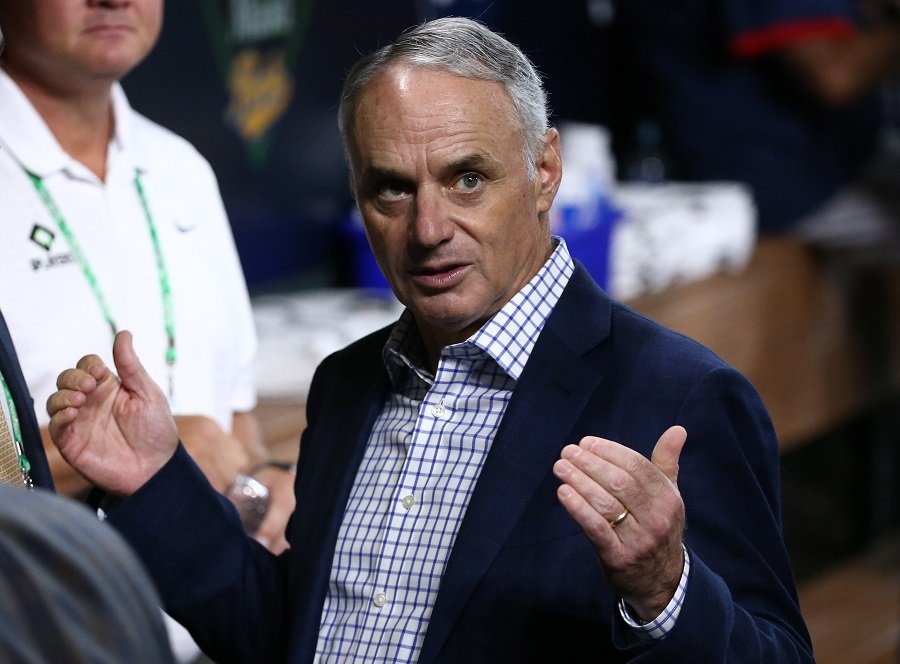 For months, and maybe most of the past season, it has been assumed that ugly labor negotiations would commence this offseason. During the Covid shutdown, owners attempted to blame the players while the athletes themselves looked for equitable financial conditions. That set the stage for a large amount of discourse when actual CBA discussions needed to be held. We’re now less than a month away from the expiration of the current CBA, and both sides must agree before the 2022 season can commence. A lot has taken place in the past week. Here is what you need to know: It’s obvious there’s conflicting information within the industry. Obviously, reporters have sources whose water they carry (we saw that recently with Adam Schefter in the NFL). Both Nightengale and Heyman are well-respected journalists, but the outcome of these two reports couldn’t be further from agreement. Again, Rob Manfred represents the owners, and his goal is to get them the most significant chunk of money for their product. While he oversees the product consumed by the fans, his bottom line is not necessarily aligned with that of MLBPA President Tony Clark. The likely situation here is sources on opposing sides looking to strike fear in one another. Service time was the focal point of MLB’s initial proposal to the players. The suggestion is that free agency would commence in the season following 29 1/2 years of age instead of six years of MLB service. Arbitration would also be directly correlated to MLB revenues, and a pool of funds would be allocated to the players. That was sharply denied. This week’s proposal, as reported by The Athletic’s Evan Drellich, focused on the same free agency threshold but noted that pay before reaching free agency would directly correlate to WAR (Wins Above Replacement) valuation. Specifically, the number generated from Fangraphs’ calculation. An algorithm to determine pre-free agency pay has also been reported upon, but there’s little belief that players will view this idea favorably. Nothing about this current proposal seems promising for inclusion in a future agreed-upon deal. First and foremost, tying players to teams until 29.5-years-old would be detrimental to those reaching the big leagues quickly. Both Carlos Correa and Corey Seager have yet to hit that age. Juan Soto would be tied to the Nationals longer; as would players like Vladimir Guerreo Jr. and Ronald Acuna Jr. As stars reach the big leagues quicker, their goal is to be compensated earlier in their prime, not after it has begun. An age closer to 27 may tilt the scales more fairly. Speaking as someone who is a fan of advanced analytics and the application of WAR (specifically fWAR), there are challenges here. Valuation isn’t static, and it would be difficult to quantify all players equally. Franchises that embrace analytics on the defensive side will put athletes in a better position to capitalize upon their value. Relievers are not adequately valued solely by looking at WAR, either. On top of that, WAR adjusts on a game-by-game basis. As Jeremy Frank pointed out on Twitter, imagine the guy that gets shelled and released now being negatively valued and therefore owing a former organization money. It is interesting to note that there’s a belief some of the top free agents will sign before the December 1st expiration of the current CBA. The best players will get their money regardless, but seeing how those in the middle tiers are impacted could drag this offseason to a rapid halt. I hope we don’t see a lockout that requires missed games, Spring Training, or otherwise. I’d bet heavily on a work stoppage coming effective December 1, however. MORE FROM TWINS DAILY — Latest Twins coverage from our writers — Recent Twins discussion in our forums — Follow Twins Daily via Twitter, Facebook, or email
- 15 comments
-
- 2
-
-
- mlbpa
- rob manfred
- (and 1 more)
-
There’s no secret that the Minnesota Twins chief focus this offseason will be finding pitching help. With the rotation currently consisting of only Joe Ryan and Bailey Ober, there’s a need for at least three arms. Should the front office target a veteran ace even if there are big question marks? Yesterday was the deadline for teams to decide whether they’d hand out a qualifying offer to impending free agents. The player then chooses to accept a one-year deal worth $18.4 million or enter free agency with draft pick compensation being awarded to their former team should they leave. A handful of players were tagged with qualifying offers, but two stand out to me. Justin Verlander and Clayton Kershaw. Two aces. Two veterans. Two entirely different situations. Of these two, only Verlander was given a qualifying offer. Kershaw is a part of this story because he DID NOT receive a qualifying offer. Verlander, the former Astros ace, will be 39-years-old in 2022 and has not pitched since one game in 2020 after undergoing Tommy John surgery. Kershaw will be 34-years-old next season but bowed out in October with an elbow issue that cost him three months during the 2021 season. In assessing what the Twins involvement should be regarding either player, I think it’s first worth looking at how their respective teams view the former aces. Verlander being slapped with a qualifying offer suggests the Astros believe he’s near-ready to go and has been on a good path when it comes to his recovery. If they thought he wouldn’t be a significant contributor in 2022, it’s hard to imagine they’d swallow nearly $20 million on an arm that won’t be available. Maybe they don’t want him for multiple years as he’s aging, but they’ll gladly take him back to bolster a rotation that was beyond depleted in the postseason. On the flip side, Los Angeles decided to walk away from Kershaw at this point. He’s spent all 14 years of his Major League career there, but the Dodgers didn’t feel an $18.4 million gamble was worthwhile given his injury situation. Kershaw already had to miss significant time for Dave Roberts’ club during the year. Going under the knife would seem like a genuine possibility if the problem doesn’t resolve itself through rest this offseason. In that scenario, Los Angeles would need at least a two-year deal to recoup any on-field production. With Dustin May returning from Tommy John surgery and Trevor Bauer potentially being reinstated after opting into his 2022 contract, there are already enough internal hurdles for them to deal with. So, where does that leave the Twins in regards to either arm? This offseason should be fascinating when it comes to reading the tea leaves from the front office. Minnesota’s brass has said they intend to compete, and the lineup is mainly in place to do just that. If a bunch of one-year pacts are handed out, though, it would seem to be more of a toe-dip into the water, allowing further assessment of what is there. That route seems to favor Verlander. At 39, Verlander is nearing the end of his Major League run. He’s likely seeking a two-year deal but could have a tough time finding that coming off an injury. I’m not sure that Minnesota should be parting with a draft pick on a one-year agreement. While Verlander does have divisional familiarity, he represents a whole lot of expensive risk for a team that should be looking to squeeze more upside out of any potential deals. Kershaw is interesting given his age, but the mileage on his arm causes reason for pause. Despite being five years younger than Verlander, he’s thrown just 500 fewer innings. Having already endured plenty of back problems, Kershaw undergoing an arm procedure would be less than ideal. However, not being saddled to a qualifying offer, Minnesota may find themselves in a similar situation as to where they are with superstar centerfielder Byron Buxton. The only reason Kershaw may have a diminished price tag is due to health concerns. If the Twins want to embark on a longer-term deal knowing they may not have his services out of the gate, that could be an excellent asset a year from now. This winter's pitching landscape is fascinating, as there are more than a handful of big names on the free-agent market and plenty available by way of trades. If I’m Derek Falvey looking at these two former aces, though, it’s Kershaw’s medicals I’m most intrigued by. If he can be had at a reasonable amount for three years, that’s a risk Minnesota might be willing to make. Unfortunately, it doesn’t immediately supplement the rotation, but if the goal is sustained competitiveness, that could work in their favor. Twins fans have clamored for a true ace over the years, and now here’s two the organization can consider. Are you out on both, or is their one that provides a level of intrigue even with the surrounding question marks? What would you do? MORE FROM TWINS DAILY — Latest Twins coverage from our writers — Recent Twins discussion in our forums — Follow Twins Daily via Twitter, Facebook or email View full article
-
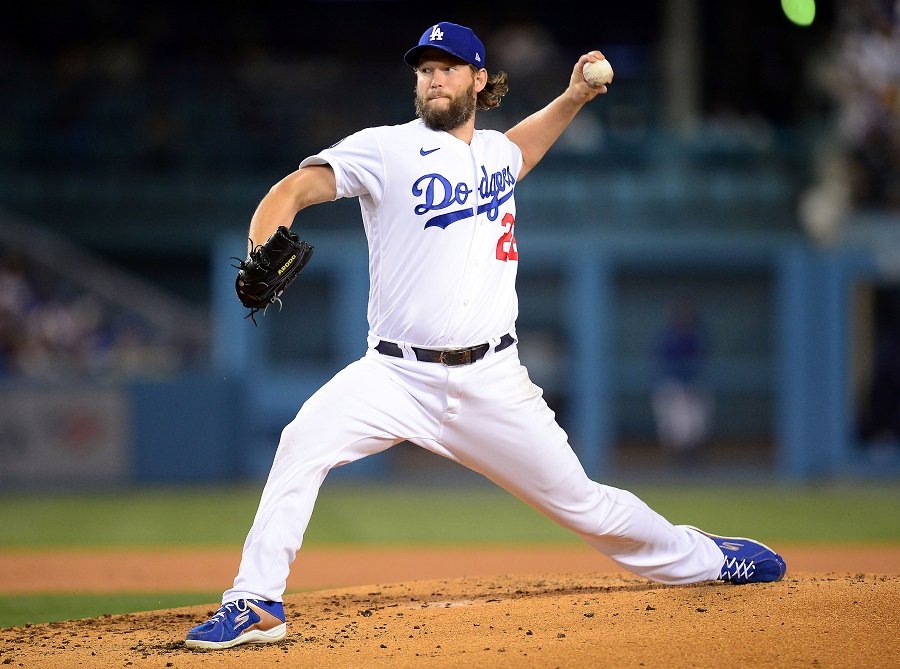 Yesterday was the deadline for teams to decide whether they’d hand out a qualifying offer to impending free agents. The player then chooses to accept a one-year deal worth $18.4 million or enter free agency with draft pick compensation being awarded to their former team should they leave. A handful of players were tagged with qualifying offers, but two stand out to me. Justin Verlander and Clayton Kershaw. Two aces. Two veterans. Two entirely different situations. Of these two, only Verlander was given a qualifying offer. Kershaw is a part of this story because he DID NOT receive a qualifying offer. Verlander, the former Astros ace, will be 39-years-old in 2022 and has not pitched since one game in 2020 after undergoing Tommy John surgery. Kershaw will be 34-years-old next season but bowed out in October with an elbow issue that cost him three months during the 2021 season. In assessing what the Twins involvement should be regarding either player, I think it’s first worth looking at how their respective teams view the former aces. Verlander being slapped with a qualifying offer suggests the Astros believe he’s near-ready to go and has been on a good path when it comes to his recovery. If they thought he wouldn’t be a significant contributor in 2022, it’s hard to imagine they’d swallow nearly $20 million on an arm that won’t be available. Maybe they don’t want him for multiple years as he’s aging, but they’ll gladly take him back to bolster a rotation that was beyond depleted in the postseason. On the flip side, Los Angeles decided to walk away from Kershaw at this point. He’s spent all 14 years of his Major League career there, but the Dodgers didn’t feel an $18.4 million gamble was worthwhile given his injury situation. Kershaw already had to miss significant time for Dave Roberts’ club during the year. Going under the knife would seem like a genuine possibility if the problem doesn’t resolve itself through rest this offseason. In that scenario, Los Angeles would need at least a two-year deal to recoup any on-field production. With Dustin May returning from Tommy John surgery and Trevor Bauer potentially being reinstated after opting into his 2022 contract, there are already enough internal hurdles for them to deal with. So, where does that leave the Twins in regards to either arm? This offseason should be fascinating when it comes to reading the tea leaves from the front office. Minnesota’s brass has said they intend to compete, and the lineup is mainly in place to do just that. If a bunch of one-year pacts are handed out, though, it would seem to be more of a toe-dip into the water, allowing further assessment of what is there. That route seems to favor Verlander. At 39, Verlander is nearing the end of his Major League run. He’s likely seeking a two-year deal but could have a tough time finding that coming off an injury. I’m not sure that Minnesota should be parting with a draft pick on a one-year agreement. While Verlander does have divisional familiarity, he represents a whole lot of expensive risk for a team that should be looking to squeeze more upside out of any potential deals. Kershaw is interesting given his age, but the mileage on his arm causes reason for pause. Despite being five years younger than Verlander, he’s thrown just 500 fewer innings. Having already endured plenty of back problems, Kershaw undergoing an arm procedure would be less than ideal. However, not being saddled to a qualifying offer, Minnesota may find themselves in a similar situation as to where they are with superstar centerfielder Byron Buxton. The only reason Kershaw may have a diminished price tag is due to health concerns. If the Twins want to embark on a longer-term deal knowing they may not have his services out of the gate, that could be an excellent asset a year from now. This winter's pitching landscape is fascinating, as there are more than a handful of big names on the free-agent market and plenty available by way of trades. If I’m Derek Falvey looking at these two former aces, though, it’s Kershaw’s medicals I’m most intrigued by. If he can be had at a reasonable amount for three years, that’s a risk Minnesota might be willing to make. Unfortunately, it doesn’t immediately supplement the rotation, but if the goal is sustained competitiveness, that could work in their favor. Twins fans have clamored for a true ace over the years, and now here’s two the organization can consider. Are you out on both, or is their one that provides a level of intrigue even with the surrounding question marks? What would you do? MORE FROM TWINS DAILY — Latest Twins coverage from our writers — Recent Twins discussion in our forums — Follow Twins Daily via Twitter, Facebook or email
 -
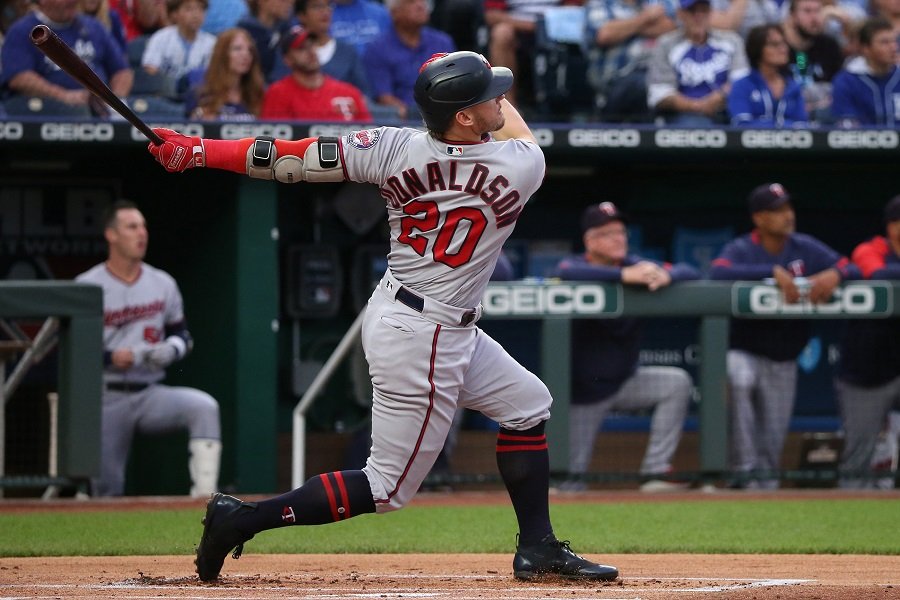 Both Miguel Sano and Josh Donaldson are polarizing Twins players for differing reasons. The former is a hulking slugger that crushes mammoth blasts but goes through cold spells where it seems his bat has a literal hole in it. The latter is a talented slugger that holds down the hot corner but can often not be counted upon when it comes to consistent availability. This offseason, both could be on the trading block, but any return would likely focus on a re-allocation of funds rather than the asset joining the organization. Let’s first take a look at Sano. Miguel is owed $9.25 million in 2022 with a $2.75 million buyout in 2023. Minnesota is on the hook for $12 million over the next two seasons at worst. After a few years stunted by injuries, Sano played in 53 (of 60) games during 2020 and 135 last season. His .778 OPS was a far cry from the .923 mark he posted during the Bomba Squad season of 2019, but he did return the on-base percentage north of .300. His 112 OPS+ puts him just north of league average, although he was worth just 0.4 fWAR after contributing 0.5 in roughly one-third the number of games during 2020. Looking at Fangraphs valuation of fWAR, Sano has been worth just $3.5 and $4.2 million each of the past two seasons. Despite having entered Spring Training in better shape the past few years, he’s just never stayed consistent enough to produce at a high level. Unfortunately, it’s not just the Twins that are aware of this. Sano would almost undoubtedly clear waivers if Minnesota wanted to go that route, which means no one is trading for him and the current price that comes along with it. The Twins would need to eat a significant salary with even a tiny hope of bringing a warm body back in return. Internally there are immediate options to replace Sano. Alex Kirilloff becomes your everyday first basemen, and the designated hitter role gets to be a revolving door. That’s not a terrible thing, but I’m also not sure that keeping Sano as a bottom-of-the-lineup slugger sets you back at all. The cost is already sunk on Miguel, and without the ability to generate enough relief to swap him out with another impact player, riding the final season out seems wise. On Donaldson, the situation is different as he’s an above-average talent. Playing 135 games for Minnesota in 2021, coincidentally the same amount as Sano, he posted an .827 OPS. The former American League MVP has an .829 OPS in Minnesota across 163 games. He missed significant time in 2020 and then was hurt early on in 2021. Down the stretch, he became a reliable contributor but did need to be shut down in the field for a period due to his nagging calf issues. The Bringer of Rain will be 36 in 2022 and is still owed at least $51.5 million through 2023. Putting up 2.2 fWAR last season, Fangraphs valued Donaldson’s worth just north of $17 million. That still falls below the $21.75 million the Twins are on the hook annually for, and he last had back-to-back seasons of at least 3.0 fWAR in 2017. I don’t think there’s any denying that Donaldson is still a very good player and that a competing Twins team should want his talent in their lineup. He is, however, not $21 million a year good and carries a significant injury risk while continuing to age. The Twins could certainly get something nice in return for Donaldson, but it’s not going to come without eating close to half of his remaining salary and will likely be in the form of a future prospect. Ultimately I’m not sure that either player makes sense to trade if the Twins want to compete. Both Sano and Donaldson bring value to the lineup, and while their cost certainly outweighs that fact, the alternative option for either isn’t necessarily a desirable avenue. Minnesota can be done with Sano after this season should they choose, and the year ahead could provide a more straightforward path for Donaldson’s future as well. Roll with both, allow Jose Miranda to be an internal backup plan on either, and leave the spending to other areas of the roster. MORE FROM TWINS DAILY — Order the Offseason Handbook — Latest Twins coverage from our writers — Recent Twins discussion in our forums — Follow Twins Daily via Twitter, Facebook or email
- 23 comments
-
- 2
-
-
- miguel sano
- josh donaldson
- (and 3 more)
-
When talking about 2022, the Minnesota Twins front office has made it clear they intend to compete. After an unexpected down year, they’ll need to add talent to reverse course. Does shedding the salaries of two starters help reshape the roster and get them there? Both Miguel Sano and Josh Donaldson are polarizing Twins players for differing reasons. The former is a hulking slugger that crushes mammoth blasts but goes through cold spells where it seems his bat has a literal hole in it. The latter is a talented slugger that holds down the hot corner but can often not be counted upon when it comes to consistent availability. This offseason, both could be on the trading block, but any return would likely focus on a re-allocation of funds rather than the asset joining the organization. Let’s first take a look at Sano. Miguel is owed $9.25 million in 2022 with a $2.75 million buyout in 2023. Minnesota is on the hook for $12 million over the next two seasons at worst. After a few years stunted by injuries, Sano played in 53 (of 60) games during 2020 and 135 last season. His .778 OPS was a far cry from the .923 mark he posted during the Bomba Squad season of 2019, but he did return the on-base percentage north of .300. His 112 OPS+ puts him just north of league average, although he was worth just 0.4 fWAR after contributing 0.5 in roughly one-third the number of games during 2020. Looking at Fangraphs valuation of fWAR, Sano has been worth just $3.5 and $4.2 million each of the past two seasons. Despite having entered Spring Training in better shape the past few years, he’s just never stayed consistent enough to produce at a high level. Unfortunately, it’s not just the Twins that are aware of this. Sano would almost undoubtedly clear waivers if Minnesota wanted to go that route, which means no one is trading for him and the current price that comes along with it. The Twins would need to eat a significant salary with even a tiny hope of bringing a warm body back in return. Internally there are immediate options to replace Sano. Alex Kirilloff becomes your everyday first basemen, and the designated hitter role gets to be a revolving door. That’s not a terrible thing, but I’m also not sure that keeping Sano as a bottom-of-the-lineup slugger sets you back at all. The cost is already sunk on Miguel, and without the ability to generate enough relief to swap him out with another impact player, riding the final season out seems wise. On Donaldson, the situation is different as he’s an above-average talent. Playing 135 games for Minnesota in 2021, coincidentally the same amount as Sano, he posted an .827 OPS. The former American League MVP has an .829 OPS in Minnesota across 163 games. He missed significant time in 2020 and then was hurt early on in 2021. Down the stretch, he became a reliable contributor but did need to be shut down in the field for a period due to his nagging calf issues. The Bringer of Rain will be 36 in 2022 and is still owed at least $51.5 million through 2023. Putting up 2.2 fWAR last season, Fangraphs valued Donaldson’s worth just north of $17 million. That still falls below the $21.75 million the Twins are on the hook annually for, and he last had back-to-back seasons of at least 3.0 fWAR in 2017. I don’t think there’s any denying that Donaldson is still a very good player and that a competing Twins team should want his talent in their lineup. He is, however, not $21 million a year good and carries a significant injury risk while continuing to age. The Twins could certainly get something nice in return for Donaldson, but it’s not going to come without eating close to half of his remaining salary and will likely be in the form of a future prospect. Ultimately I’m not sure that either player makes sense to trade if the Twins want to compete. Both Sano and Donaldson bring value to the lineup, and while their cost certainly outweighs that fact, the alternative option for either isn’t necessarily a desirable avenue. Minnesota can be done with Sano after this season should they choose, and the year ahead could provide a more straightforward path for Donaldson’s future as well. Roll with both, allow Jose Miranda to be an internal backup plan on either, and leave the spending to other areas of the roster. MORE FROM TWINS DAILY — Order the Offseason Handbook — Latest Twins coverage from our writers — Recent Twins discussion in our forums — Follow Twins Daily via Twitter, Facebook or email View full article
-
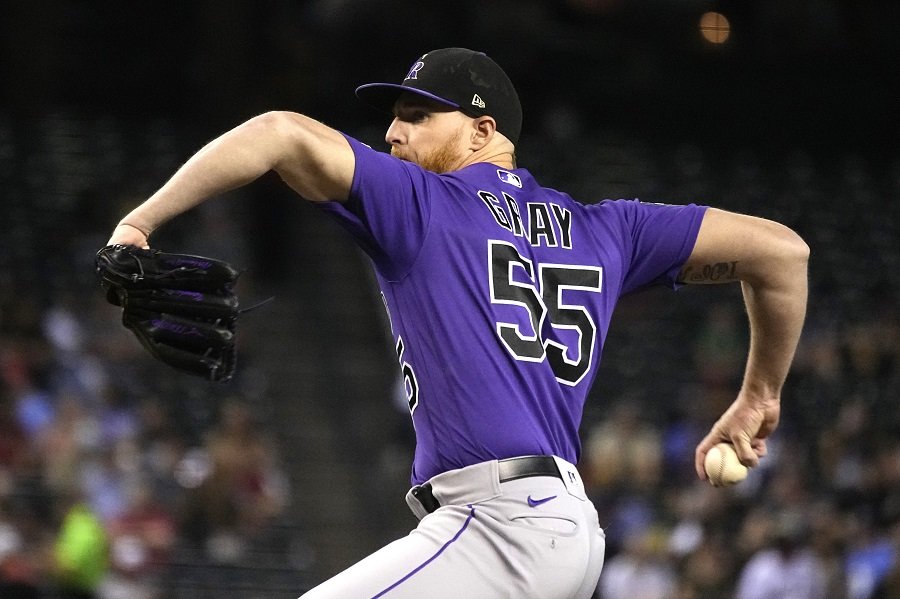 Drafted 3rd overall in the 2013 Major League Baseball draft, Jon Gray is a free agent for the first time in his career this offseason. He will be 30-years-old for the 2022 season and has thrown 829 innings for the Colorado Rockies. It’s been a bit of a mixed bag for Gray at the big-league level in that he’s posted a sub 4.00 ERA just twice in his seven seasons. Since his 3.84 mark in 2019, Gray has owned a 5.03 ERA across 37 starts. Calling that dominant would be a notable stretch. However, what Gray does have going for him is that he’s consistently posted strong FIP marks in relation to his ERA numbers. It’s not that he’s been hurt by Coors Field, as he has better career numbers at home, but that he’s been hurt by the defense behind him. A career 4.59 ERA isn’t going to win any awards, but the 3.91 FIP is something that a better situation could look to exploit and expand upon. Gray is a strikeout pitcher. Outside of the anomaly that was 2020, he’s consistently posted a K/9 north of 9.0, and his career mark is 9.2. The walks are manageable at 3.0 per nine, and while the home run rate of 1.1 is passable, it may fall getting out of the elevation in Denver as well. Gray’s 107 ERA+ suggests he’s been about a league-average pitcher, but you aren’t signing him for what he’s been as much as you are what he could potentially be. Earlier this week, it was reported that the Rockies attempted to extend Gray with a three-year deal that fell in the $35-40 million range. That’s just north of $13 million annually on the high-end and would fall below a potential qualifying offer for one year should Colorado decide to go that route. We aren’t yet sure what the status or implications of a reworked CBA will do to the qualifying offer process, but draft pick compensation would certainly make Gray a bit less desirable of a sign. Realistically, the numbers reported for Gray don’t seem outlandish, and Minnesota should be expected to play in that pool. He’s not going to be in the top tier of free-agent arms, and while there’s a lot to dream on with his numbers, it still requires strong negotiating on his side to be paid for hypotheticals. Ultimately, I’m not sure what Gray’s market ends up looking like, and teams will have guys like Eduardo Rodriguez and Steven Matz to compare him to, but he’s undoubtedly an arm that would be a fit for Minnesota. Bringing in a strong fastball, averaging just south of 95 mph this season, along with a plus slider, would be a nice set of tools for Wes Johnson to work with. Gray raises the water level of a group currently consisting of Joe Ryan and Bailey Ober. That’s not going to be enough for the Twins to experience a turnaround, but he’d represent a start. For years, I thought Gray made sense as a trade target from Colorado, and so too did his rotation mate German Marquez. The latter is now inked to an extension, though, and the former is available to all on the open market. If the Twins want to dance, they’ve found their opportunity. MORE FROM TWINS DAILY — Order the Offseason Handbook — Latest Twins coverage from our writers — Recent Twins discussion in our forums — Follow Twins Daily via Twitter, Facebook or email
 -
There’s no denying that the Minnesota Twins will need to revamp their pitching staff this offseason. They currently have just two holdover starters, and looking to the free-agent market is likely. Maybe there’s a fit with this former Colorado Rockies pitcher. Drafted 3rd overall in the 2013 Major League Baseball draft, Jon Gray is a free agent for the first time in his career this offseason. He will be 30-years-old for the 2022 season and has thrown 829 innings for the Colorado Rockies. It’s been a bit of a mixed bag for Gray at the big-league level in that he’s posted a sub 4.00 ERA just twice in his seven seasons. Since his 3.84 mark in 2019, Gray has owned a 5.03 ERA across 37 starts. Calling that dominant would be a notable stretch. However, what Gray does have going for him is that he’s consistently posted strong FIP marks in relation to his ERA numbers. It’s not that he’s been hurt by Coors Field, as he has better career numbers at home, but that he’s been hurt by the defense behind him. A career 4.59 ERA isn’t going to win any awards, but the 3.91 FIP is something that a better situation could look to exploit and expand upon. Gray is a strikeout pitcher. Outside of the anomaly that was 2020, he’s consistently posted a K/9 north of 9.0, and his career mark is 9.2. The walks are manageable at 3.0 per nine, and while the home run rate of 1.1 is passable, it may fall getting out of the elevation in Denver as well. Gray’s 107 ERA+ suggests he’s been about a league-average pitcher, but you aren’t signing him for what he’s been as much as you are what he could potentially be. Earlier this week, it was reported that the Rockies attempted to extend Gray with a three-year deal that fell in the $35-40 million range. That’s just north of $13 million annually on the high-end and would fall below a potential qualifying offer for one year should Colorado decide to go that route. We aren’t yet sure what the status or implications of a reworked CBA will do to the qualifying offer process, but draft pick compensation would certainly make Gray a bit less desirable of a sign. Realistically, the numbers reported for Gray don’t seem outlandish, and Minnesota should be expected to play in that pool. He’s not going to be in the top tier of free-agent arms, and while there’s a lot to dream on with his numbers, it still requires strong negotiating on his side to be paid for hypotheticals. Ultimately, I’m not sure what Gray’s market ends up looking like, and teams will have guys like Eduardo Rodriguez and Steven Matz to compare him to, but he’s undoubtedly an arm that would be a fit for Minnesota. Bringing in a strong fastball, averaging just south of 95 mph this season, along with a plus slider, would be a nice set of tools for Wes Johnson to work with. Gray raises the water level of a group currently consisting of Joe Ryan and Bailey Ober. That’s not going to be enough for the Twins to experience a turnaround, but he’d represent a start. For years, I thought Gray made sense as a trade target from Colorado, and so too did his rotation mate German Marquez. The latter is now inked to an extension, though, and the former is available to all on the open market. If the Twins want to dance, they’ve found their opportunity. MORE FROM TWINS DAILY — Order the Offseason Handbook — Latest Twins coverage from our writers — Recent Twins discussion in our forums — Follow Twins Daily via Twitter, Facebook or email View full article
-
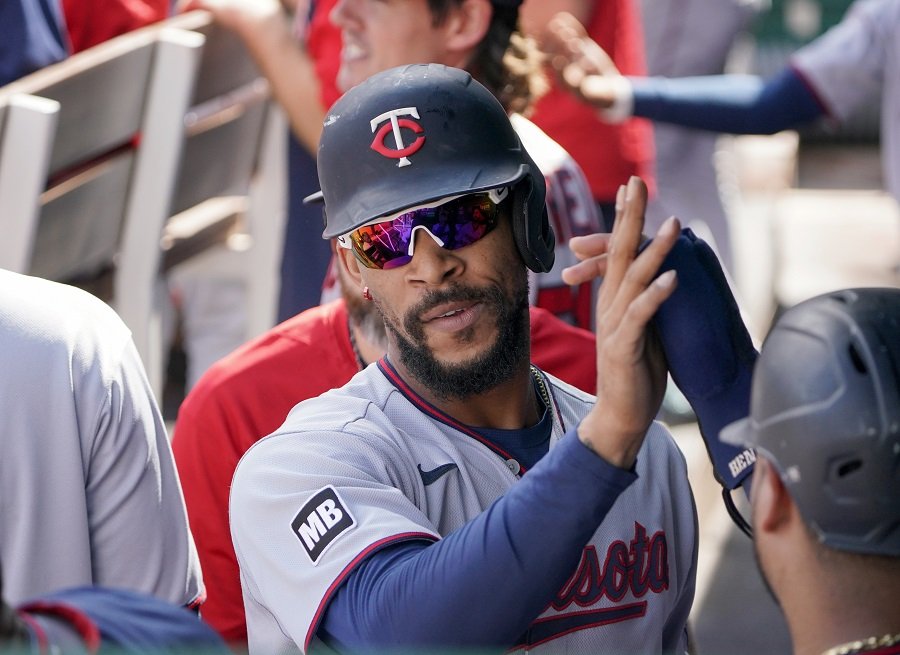 As the season turned pear-shaped on the Rocco Baldelli led Twins, it became about building for the future. The hope would be a turnaround in 2022, but we have yet to see how the front office will architect the path forward. For now, these are a few key things that Minnesota fans can count as worthy of thanks. The Opportunity to Pay Byron Buxton There’s plenty of reason to be sad about Byron Buxton routinely falling short of completing an entire season. His injury issues have been well documented, and while some have been undoubtedly fluky, others are a microcosm of the tenacity with which he plays the game. Regardless of his health, it’s become wildly apparent that Minnesota’s centerfielder is among the best players in the game. He posted a 4.2 fWAR in just 61 games this season which totals out to an 11.1 fWAR per 162 game pace. Trea Turner’s 6.9 fWAR paced baseball this season, and only 19 players in history have ever surpassed 11.1 fWAR in a single season. The caveat on Buxton is availability, but that’s also the sole reason he’s even an option for the Twins future. If Buxton was healthy and playing at the level he is, a $300 million contract could be waiting for him from a host of suitors immediately upon hitting the open market. Derek Falvey is afforded the opportunity to get an otherworldly talent at a discount entirely because of his injury history. The Twins would have an option to trade Buxton whether they found themselves able to pay him or not, but retaining his services isn’t something this organization should be in a position to do. They are and would be wise to capitalize on it. The Development of Bailey Ober and Joe Ryan If there’s something that failed Baldelli this season, it was the pitching staff. Starters flopped, then the bullpen flopped, then they took turns. Minnesota has to see development going forward on the bump, and that process started with the emergence of both Bailey Ober and Joe Ryan. The former was an internal draft selection that had quietly risen the ranks and earned his due. Ober’s ability is not a mistake, and as he reached the upper levels, it became clear he had the stuff to compete in the big leagues. The latter was an absolute coup of a return in exchange for just months of Nelson Cruz. Ryan looked the part of a top-half starter, and Minnesota needs arms to restock the rotation. There has to be another wave coming for the Twins, and some of their top prospects find themselves housed in that group. Being able to benefit from previously unexpected sources is a massive boost. Either Ryan or Ober would be the front runner to start on Opening Day as things stand, but that should change before the regular season. The Debut of Nick Gordon I’m not sure what expectations should have been for Gordon at this point, but the debut in the big leagues was a feel-good story. As a former first-round pick, he’s lost luster as much more than a regular contributor. For the Twins, that may be a stretch, but he should have the chops to be a utility man at the very least. After suffering through stomach issues, Covid, missed action, and a plethora of other complications, seeing Gordon take the field in Minnesota was worthy of a big smile. He made a solid impression showing an ability to play all over the diamond, but there are still questions about his bat. His minor league track record has displayed an ability to improve in the second year of a specific level. If that can stick in the big leagues, expecting more in 2022 is a fair bet. Gordon will need to hit for average, and while power will never be his game, there’s also the speed asset on the base paths. A long-term home may not be in this organization, but he’s begun to carve out a Major League role. The Emergence of Jose Miranda It was supposed to be Royce Lewis, and then it was supposed to be Jhoan Duran or Jordan Balazovic. The Twins top prospects were all expected to show out after being hidden commodities during the lost season. None of those realities truly came to fruition, however, and Jose Miranda took the spotlight. This didn’t come entirely out of nowhere, as he was a second-round pick back in 2016. In 2019 though, Miranda posted just a .671 OPS across 119 games. After going unprotected in the Rule 5 draft, he turned on the rocket boosters. This season, Miranda picked up the Twins Daily Minor League Hitter of the Year award and continued his dominance through Triple-A. He looks big-league ready and should be able to contribute on both sides of the diamond. Power potential plays, as does a greatly-improved discipline at the plate, and while his path for playing time is cloudy, I wouldn’t bet against him forcing the Twins hand. The Health of Jorge Polanco In 2019, Jorge Polanco blasted 22 dingers and posted an .841 OPS while being miscast as a shortstop for the Twins. He flopped hard last season and struggled to the tune of a .658 OPS. Now with healthy ankles after another offseason surgery, Polanco has slid over to second base, and he turned in the most complete season of his career. Minnesota opted to bring in a true shortstop affording Polanco both health and defensive focus. He responded with an .826 OPS and a career-high 33 home runs. He’s still settling into the new position defensively, but it suits his arm strength much more favorably, and he’s among the best hitters in the majors at the position. In 2019, Minnesota extended Polanco, and now those vesting options in 2024 and 2025 look much more desirable than they did coming off of last season's results. Again, the season couldn’t have gone more awry than it did in the results column, but these are just a few takeaways that should have Twins fans thankful for 2022 and beyond. For More Twins content: — Latest Twins coverage from our writers — Recent Twins discussion in our forums — Follow Twins Daily via Twitter, Facebook or email
- 6 comments
-
- 4
-
-
- byron buxton
- joe ryan
- (and 3 more)
