



Ted Schwerzler
-
Posts
5,149 -
Joined
-
Last visited
Content Type
Profiles
News
Minnesota Twins Videos
2026 Minnesota Twins Top Prospects Ranking
2022 Minnesota Twins Draft Picks
Minnesota Twins Free Agent & Trade Rumors, Notes, & Tidbits
Guides & Resources
2023 Minnesota Twins Draft Picks
The Minnesota Twins Players Project
2024 Minnesota Twins Draft Picks
2025 Minnesota Twins Draft Pick Tracker
2026 Minnesota Twins Draft Tracker: Picks & Bonuses
Forums
Blogs
Events
Store
Downloads
Gallery
Everything posted by Ted Schwerzler
-
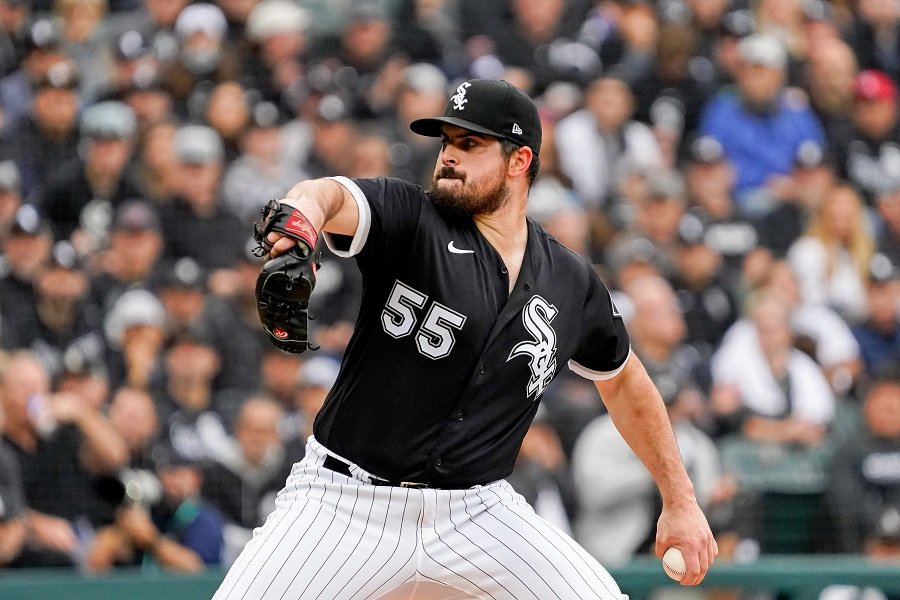 There’s no denying that Derek Falvey has a ton of work to do when filling out Rocco Baldelli’s pitching staff. Jose Berrios has been traded. Kenta Maeda is on the shelf. Michael Pineda is gone. Bundy joins holdovers Bailey Ober and Joe Ryan as the only arms currently penciled into the big league rotation. Minnesota needs someone to own the designation of staff ace. The Twins also currently have a projected payroll of just $91 million. Put those two realities together, and you get an equation that results in needing to spend something like $40 million and find a top-tier arm. Come on down Carlos Rodon. The former Chicago White Sox lefty has been through quite the past few seasons. After pitching just seven and ⅔ innings in 2020, the White Sox non-tendered their former third overall pick. His season-best innings total came way back in 2016 when he threw 165. Often injured, Rodon has thrown just an average of 58 innings per season from 2017-2020. Then came 2021, and Rodon responded by putting up a breakout campaign. Named to his first All-Star Game, Rodon also finished 5th in the Cy Young voting. His 2.37 ERA was bolstered by a 2.65 FIP and a 0.957 WHIP. Dropping a full walk per nine off his career average and jumping his strikeouts per nine by more than three, it was every bit the dominant performance you’d hope to see. Rodon got there by allowing the lowest hard-hit rate of his career and gave up his second-lowest home run rate. Looking through his peripherals, there’s plenty to be excited about as well. Rodon generated a career-best 34% chase rate and another career-best 14.9% whiff rate. He’d never generated a CSW% (called and swinging strikes) better than 29.3% until he hit 30.3% last season. Those realities coincide with a velocity boost that Rodon saw an average fastball sitting at 95.4 mph, nearly a mile and a half bump on his career average. That’s where things also get sticky for Rodon. Dealing with a shoulder injury defined simply as “fatigue” in August, his velocities saw a decline down the stretch. Following a return from the IL, Rodon worked five games for Chicago, going 23 total innings, or an average of roughly four and ⅔ per start. The results were promising in that he posted a 2.35 ERA and held opposing batters to a .536 OPS with a 25/6 K/BB. An average fastball velocity that sat at 96-97 mph from June 8 through July 18 got back above 95 mph just once the rest of the way and averaged just 93.3 mph once he returned from the Injured List. Therein lies the rub and why Rodon is both available and a perfect fit for the Twins. This front office has avoided being locked into long-term pacts, especially with pitchers. They wanted no part of a seven-year deal with Jose Berrios, and even Kevin Gausman’s five-year contract may have been too much. There’s no denying they should’ve been a big player for Marcus Stroman on a three-year deal, but this is a spot to right that. Because Rodon has been hurt and Minnesota likes to keep risk relatively low, the two should be made for each other. Rather than getting the $20+ million annually or five-year deal Rodon may have earned in a normal situation, he likely should be available for something around $30 million on a two-year deal. The contention has remained that if the Twins want to avoid the market trends of length, they must be willing to spend above value on shorter-term opportunities. This is a perfect spot for Minnesota to strike, whether a one or two-year deal. Rodon gives the club an ace, and if the injuries persist, there’s no real setback with the short agreement. We won’t know how things work out for Rodon or Minnesota until the lockout is lifted. The landscape could change for players and ownership going forward, but it’s hard to see these two sides fitting any less perfect than they appear at this moment. Leaving just one option on the table gives Derek Falvey little room for error, but this is a situation where he needs to put his best foot forward and not miss. MORE FROM TWINS DAILY — Latest Twins coverage from our writers — Recent Twins discussion in our forums — Follow Twins Daily via Twitter, Facebook or email
- 61 comments
-
- 6
-

-
- carlos rodon
- jose berrios
- (and 2 more)
-
Right now, the Minnesota Twins have failed to do much of anything on the free-agent market. Despite the feeding frenzy leading up to the lockout, the only player they brought in was pitcher Dylan Bundy. It’s now slim pickings out there, but there’s one guy they have no excuse not to sign. There’s no denying that Derek Falvey has a ton of work to do when filling out Rocco Baldelli’s pitching staff. Jose Berrios has been traded. Kenta Maeda is on the shelf. Michael Pineda is gone. Bundy joins holdovers Bailey Ober and Joe Ryan as the only arms currently penciled into the big league rotation. Minnesota needs someone to own the designation of staff ace. The Twins also currently have a projected payroll of just $91 million. Put those two realities together, and you get an equation that results in needing to spend something like $40 million and find a top-tier arm. Come on down Carlos Rodon. The former Chicago White Sox lefty has been through quite the past few seasons. After pitching just seven and ⅔ innings in 2020, the White Sox non-tendered their former third overall pick. His season-best innings total came way back in 2016 when he threw 165. Often injured, Rodon has thrown just an average of 58 innings per season from 2017-2020. Then came 2021, and Rodon responded by putting up a breakout campaign. Named to his first All-Star Game, Rodon also finished 5th in the Cy Young voting. His 2.37 ERA was bolstered by a 2.65 FIP and a 0.957 WHIP. Dropping a full walk per nine off his career average and jumping his strikeouts per nine by more than three, it was every bit the dominant performance you’d hope to see. Rodon got there by allowing the lowest hard-hit rate of his career and gave up his second-lowest home run rate. Looking through his peripherals, there’s plenty to be excited about as well. Rodon generated a career-best 34% chase rate and another career-best 14.9% whiff rate. He’d never generated a CSW% (called and swinging strikes) better than 29.3% until he hit 30.3% last season. Those realities coincide with a velocity boost that Rodon saw an average fastball sitting at 95.4 mph, nearly a mile and a half bump on his career average. That’s where things also get sticky for Rodon. Dealing with a shoulder injury defined simply as “fatigue” in August, his velocities saw a decline down the stretch. Following a return from the IL, Rodon worked five games for Chicago, going 23 total innings, or an average of roughly four and ⅔ per start. The results were promising in that he posted a 2.35 ERA and held opposing batters to a .536 OPS with a 25/6 K/BB. An average fastball velocity that sat at 96-97 mph from June 8 through July 18 got back above 95 mph just once the rest of the way and averaged just 93.3 mph once he returned from the Injured List. Therein lies the rub and why Rodon is both available and a perfect fit for the Twins. This front office has avoided being locked into long-term pacts, especially with pitchers. They wanted no part of a seven-year deal with Jose Berrios, and even Kevin Gausman’s five-year contract may have been too much. There’s no denying they should’ve been a big player for Marcus Stroman on a three-year deal, but this is a spot to right that. Because Rodon has been hurt and Minnesota likes to keep risk relatively low, the two should be made for each other. Rather than getting the $20+ million annually or five-year deal Rodon may have earned in a normal situation, he likely should be available for something around $30 million on a two-year deal. The contention has remained that if the Twins want to avoid the market trends of length, they must be willing to spend above value on shorter-term opportunities. This is a perfect spot for Minnesota to strike, whether a one or two-year deal. Rodon gives the club an ace, and if the injuries persist, there’s no real setback with the short agreement. We won’t know how things work out for Rodon or Minnesota until the lockout is lifted. The landscape could change for players and ownership going forward, but it’s hard to see these two sides fitting any less perfect than they appear at this moment. Leaving just one option on the table gives Derek Falvey little room for error, but this is a situation where he needs to put his best foot forward and not miss. MORE FROM TWINS DAILY — Latest Twins coverage from our writers — Recent Twins discussion in our forums — Follow Twins Daily via Twitter, Facebook or email View full article
- 61 replies
-
- 1
-
-
- carlos rodon
- jose berrios
- (and 2 more)
-
It’s been eight days since our last update, which not coincidentally came at the commencement of Major League Baseball deciding to lock out its players. After a flurry of moves in the leadup, we’ve now experienced the darkness of a league conducting no business. We’re now over a week into the lockout, and there hasn’t been a slew of developments. What is maybe most notable is that the league isn’t trying either. That’s not exactly shocking, given the owners have nothing to lose until games are lost, and with so much time before that reality, their incentive to negotiate likely is at an all-time low. Although talks about working through a new CBA have not yet taken place, there have been a couple of notes surrounding the sport. Let’s get into those. Rule Changes Disappear Over the past few years, we’ve heard plenty from Rob Manfred regarding the pace of play. Baseball is consistently suggested as a dying sport, and the need to create action has been one of Manfred’s chief concerns. Everything from pitch clocks to banning the shift has been suggested, and most of it appeared to be a matter of when not if. As of right now, all of that is off the table. According to The Athletic’s Jayson Stark, Manfred publicly stated that Major League Baseball has not made “any specific rule-change proposals” to the players. Whether that changes in future rounds of negotiations remains to be seen. It is odd that a year in which rules were implemented across many different leagues with an aim at the highest level, none are currently planned to see the light of day. Apparently, the belief by Manfred is that rule changes would be a point of contention to players and, therefore, something the league is trying to avoid. It’s a weird stance, given that any rule changes would need to be collectively bargained. Not allowing the players to discuss them in a formal setting is counter-productive to them ever being applied. A Laid Out Plan Of course, this is just one man’s opinion, but Ken Rosenthal is among the best in the business. He penned a piece for The Athletic that outlines what a new CBA could (or, by his estimation, should) look like. Everything from the luxury tax to free agency is discussed. Rosenthal does an excellent job expanding on each topic and viewing the outcome through the lens of both parties. Without giving up too much of the meat and potatoes, I appreciate his conclusion that expanded playoffs would be less than ideal. However, that’s something the owners want, and he notes it would be beneficial for the players to bend on that point. If nothing else, the concluding point that “reasonable people working off an existing framework should not find it so difficult to reach an agreement” hits right in the sweet spot. That’s it for this week; not much. Pretty expected, though, considering the lack of effort put in from both sides to this point. Let’s hope for some positive developments in the week ahead. MORE FROM TWINS DAILY — Latest Twins coverage from our writers — Recent Twins discussion in our forums — Follow Twins Daily via Twitter, Facebook, or email View full article
- 14 replies
-
- 1
-
-
- ken rosenthal
- jayson stark
- (and 1 more)
-
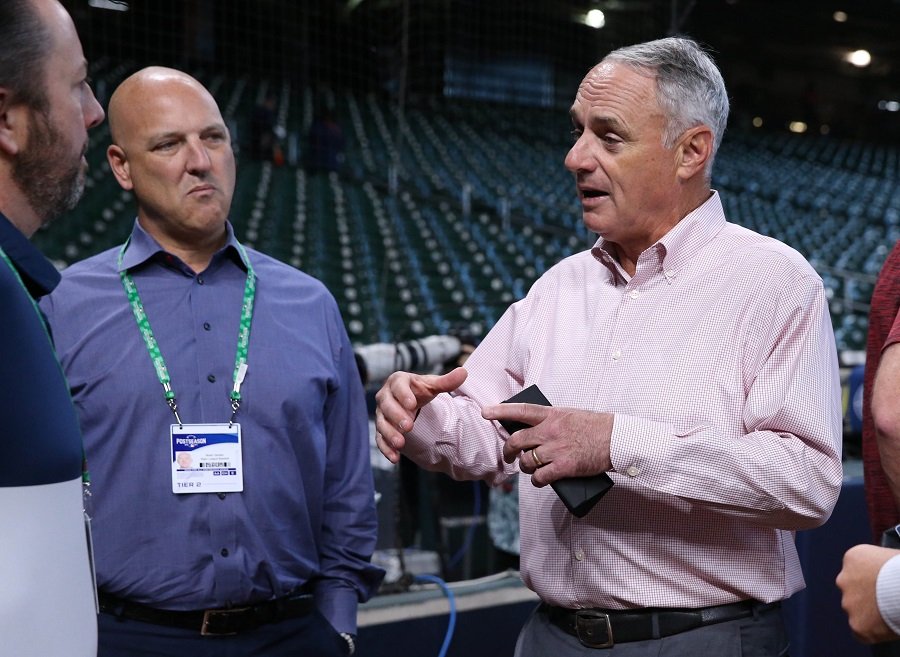 We’re now over a week into the lockout, and there hasn’t been a slew of developments. What is maybe most notable is that the league isn’t trying either. That’s not exactly shocking, given the owners have nothing to lose until games are lost, and with so much time before that reality, their incentive to negotiate likely is at an all-time low. Although talks about working through a new CBA have not yet taken place, there have been a couple of notes surrounding the sport. Let’s get into those. Rule Changes Disappear Over the past few years, we’ve heard plenty from Rob Manfred regarding the pace of play. Baseball is consistently suggested as a dying sport, and the need to create action has been one of Manfred’s chief concerns. Everything from pitch clocks to banning the shift has been suggested, and most of it appeared to be a matter of when not if. As of right now, all of that is off the table. According to The Athletic’s Jayson Stark, Manfred publicly stated that Major League Baseball has not made “any specific rule-change proposals” to the players. Whether that changes in future rounds of negotiations remains to be seen. It is odd that a year in which rules were implemented across many different leagues with an aim at the highest level, none are currently planned to see the light of day. Apparently, the belief by Manfred is that rule changes would be a point of contention to players and, therefore, something the league is trying to avoid. It’s a weird stance, given that any rule changes would need to be collectively bargained. Not allowing the players to discuss them in a formal setting is counter-productive to them ever being applied. A Laid Out Plan Of course, this is just one man’s opinion, but Ken Rosenthal is among the best in the business. He penned a piece for The Athletic that outlines what a new CBA could (or, by his estimation, should) look like. Everything from the luxury tax to free agency is discussed. Rosenthal does an excellent job expanding on each topic and viewing the outcome through the lens of both parties. Without giving up too much of the meat and potatoes, I appreciate his conclusion that expanded playoffs would be less than ideal. However, that’s something the owners want, and he notes it would be beneficial for the players to bend on that point. If nothing else, the concluding point that “reasonable people working off an existing framework should not find it so difficult to reach an agreement” hits right in the sweet spot. That’s it for this week; not much. Pretty expected, though, considering the lack of effort put in from both sides to this point. Let’s hope for some positive developments in the week ahead. MORE FROM TWINS DAILY — Latest Twins coverage from our writers — Recent Twins discussion in our forums — Follow Twins Daily via Twitter, Facebook, or email
- 14 comments
-
- 1
-

-
- ken rosenthal
- jayson stark
- (and 1 more)
-
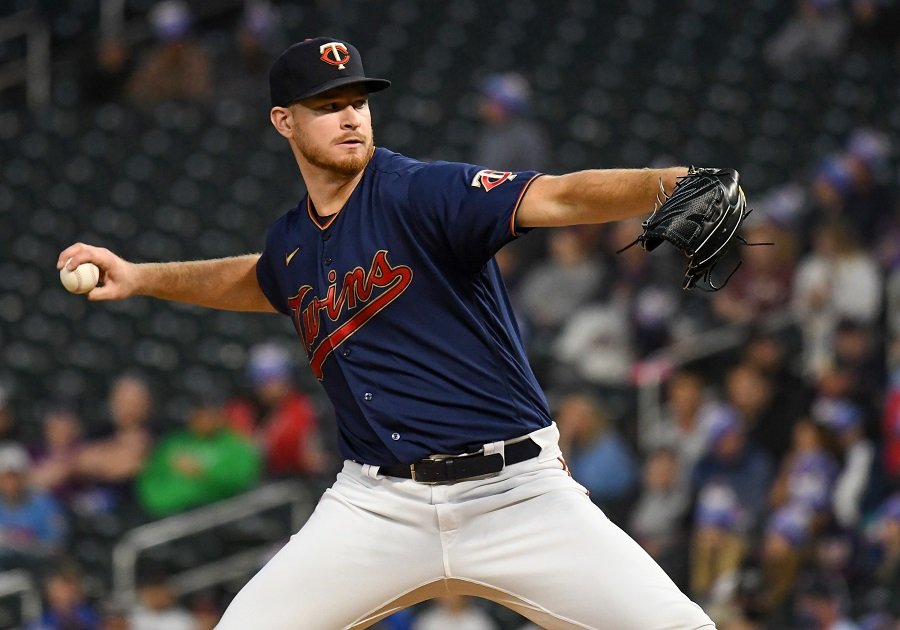 After signing Dylan Bundy to a one-year deal with a 2023 option, Minnesota effectively has three of the five spots filled in their rotation. Kenta Maeda will be out for the season due to Tommy John surgery, and Jose Berrios is long gone. This group includes Bailey Ober and Joe Ryan, but it was intended to be more flush with homegrown talent. The 2020 Minor League Baseball season being non-existent was always going to hurt the development of prospects, but the ripple effect that lacking game action had on injuries was crippling. All of the Twins top arms dealt with time on the shelf last season, which halted any of them being options for the 2022 Opening Day roster. Derek Falvey is supposed to be a pitching guru, and developing arms was his calling card with the Cleveland Guardians. That’s yet to bear any fruit in Minnesota, but there’s a group very close to bursting through. Take your pick from this lot: Jhoan Duran, Jordan Balazovic, Matt Canterino, Josh Winder, Cole Sands, and Blayne Enlow. All of them are expected to provide varying degrees of rotational talent. Each of them has also been on the injured list during the past year, and whatever projection for a debut is further away than it once seemed. This is where opportunity presented itself for the Twins. In 2021 the big league roster was intended to again compete for an AL Central Division title. That fell flat because the pitching wasn’t good. With essentially the same roster intact, a re-do on the rotation is a quick way for Rocco Baldelli’s club to regain its status among the best in the sport. Bundy isn’t enough to do that on his own, and the options left available are now bare. Carlos Rodon is essentially a must for Minnesota. His shoulder issues are concerning, but there’s no denying he’s the ace-level pitching that could anchor the rotation. If the front office wants to play in those waters, they have to be willing to outspend the competition, especially when they shy away from duration. Trades also make sense for this club and worrying about how all the arms fit shouldn’t be part of the equation. As we just established, there’s been a run on injuries throughout the system and last year's depth was hardly the asset it once seemed. Much like position prospect Royce Lewis, the pitchers being shelved for long enough to delay debuts changed the plans for Minnesota. However, that’s been established for months, and the club did little to play in the free-agent waters. It’s now time that a substantial step forward is taken on pitching, spending and dealing, to establish a group capable of supporting what should be a strong lineup. It’s too bad that Falvey’s farm system hasn’t yet developed from the top group, but there are plenty of names that could stick. In the meantime, giving the big league club the additional firepower should be of the utmost importance. MORE TWINS CONTENT — Latest Twins coverage from our writers — Recent Twins discussion in our forums — Follow Twins Daily via Twitter, Facebook or email
- 30 comments
-
- 1
-
-
- derek falvey
- kenta maeda
- (and 2 more)
-
If the Minnesota Twins should have been doing something before the lockout, it was paying for pitching. Dealing with a plethora of pitching injuries, building a rotation of short-term deals made a ton of sense. Now the club will have to decide how the group is built. After signing Dylan Bundy to a one-year deal with a 2023 option, Minnesota effectively has three of the five spots filled in their rotation. Kenta Maeda will be out for the season due to Tommy John surgery, and Jose Berrios is long gone. This group includes Bailey Ober and Joe Ryan, but it was intended to be more flush with homegrown talent. The 2020 Minor League Baseball season being non-existent was always going to hurt the development of prospects, but the ripple effect that lacking game action had on injuries was crippling. All of the Twins top arms dealt with time on the shelf last season, which halted any of them being options for the 2022 Opening Day roster. Derek Falvey is supposed to be a pitching guru, and developing arms was his calling card with the Cleveland Guardians. That’s yet to bear any fruit in Minnesota, but there’s a group very close to bursting through. Take your pick from this lot: Jhoan Duran, Jordan Balazovic, Matt Canterino, Josh Winder, Cole Sands, and Blayne Enlow. All of them are expected to provide varying degrees of rotational talent. Each of them has also been on the injured list during the past year, and whatever projection for a debut is further away than it once seemed. This is where opportunity presented itself for the Twins. In 2021 the big league roster was intended to again compete for an AL Central Division title. That fell flat because the pitching wasn’t good. With essentially the same roster intact, a re-do on the rotation is a quick way for Rocco Baldelli’s club to regain its status among the best in the sport. Bundy isn’t enough to do that on his own, and the options left available are now bare. Carlos Rodon is essentially a must for Minnesota. His shoulder issues are concerning, but there’s no denying he’s the ace-level pitching that could anchor the rotation. If the front office wants to play in those waters, they have to be willing to outspend the competition, especially when they shy away from duration. Trades also make sense for this club and worrying about how all the arms fit shouldn’t be part of the equation. As we just established, there’s been a run on injuries throughout the system and last year's depth was hardly the asset it once seemed. Much like position prospect Royce Lewis, the pitchers being shelved for long enough to delay debuts changed the plans for Minnesota. However, that’s been established for months, and the club did little to play in the free-agent waters. It’s now time that a substantial step forward is taken on pitching, spending and dealing, to establish a group capable of supporting what should be a strong lineup. It’s too bad that Falvey’s farm system hasn’t yet developed from the top group, but there are plenty of names that could stick. In the meantime, giving the big league club the additional firepower should be of the utmost importance. MORE TWINS CONTENT — Latest Twins coverage from our writers — Recent Twins discussion in our forums — Follow Twins Daily via Twitter, Facebook or email View full article
- 30 replies
-
- 1
-
-
- derek falvey
- kenta maeda
- (and 2 more)
-
Although Major League Baseball has currently locked out its players, the Minnesota Twins front office is still prepping for a rebound in 2022. There’s no prospect more pivotal when it comes to his talent and the club’s plans than Royce Lewis. Missing all of 2021 thanks to a fluke ACL tear, Lewis effectively has been out of baseball action for two seasons. He was part of the 2020 alternate site and impressed, but that action doesn’t rival what game participation can provide. 2019 was a year to forget for the top Twins prospect, and that’s why the big league club is in this current position. Derek Falvey and Thad Levine need to find an answer at shortstop. Jorge Polanco is not it, and we have seen that plenty. He’s a strong asset at second base, and keeping him there should be the club’s focus. There’s plenty of question marks as to whether Lewis can stick at the position, but with Byron Buxton now locked up in center field, his secondary home is much less certain as well. First and foremost, however, Minnesota needs Lewis to rebound in a big way. Ever since he was taken first overall, Lewis has been a pillar of class. He’s a hardworking kid that has a strong head on his shoulders. It’s helped him ride the wave of success and failure while staying focused on getting better. Coming off a season in which he posted a .661 OPS and reached Double-A, it’s time that Lewis can flash what has always been assumed he’d produce. Had the injury not taken away his 2021 season, Lewis likely would be in the mix for Minnesota’s starting shortstop job on Opening Day. The questions on range will only be heightened now, and as good as the Twins may think they feel, no real answers are present until production gets underway. The hope is probably that a stopgap option can fill the void in 2022, but a long-term solution could be tempting if Lewis isn’t seen as likely to stick. There’s no doubt that the Twins need pitching help, and maybe parlaying Lewis into that winds up being part of the equation. That seems unlikely given his value being depressed and Minnesota being so close to utilizing their star prospect, but I suppose the possibility exists. Everything regarding how the Twins handle the shortstop hole and what they believe of Royce Lewis remains a mystery. The former will be answered as soon as business gets going again, but the latter won’t have clarity until significant game action has played out. It’s an unfortunate intersection of necessity and missed opportunity, but there’s no prospect more directly influencing Minnesota’s plans than the one who hasn’t played since 2019. Royce Lewis getting off to a fantastic start would be a great gift following the doldrums of this lockout. MORE TWINS CONTENT — Latest Twins coverage from our writers — Recent Twins discussion in our forums — Follow Twins Daily via Twitter, Facebook or email View full article
-
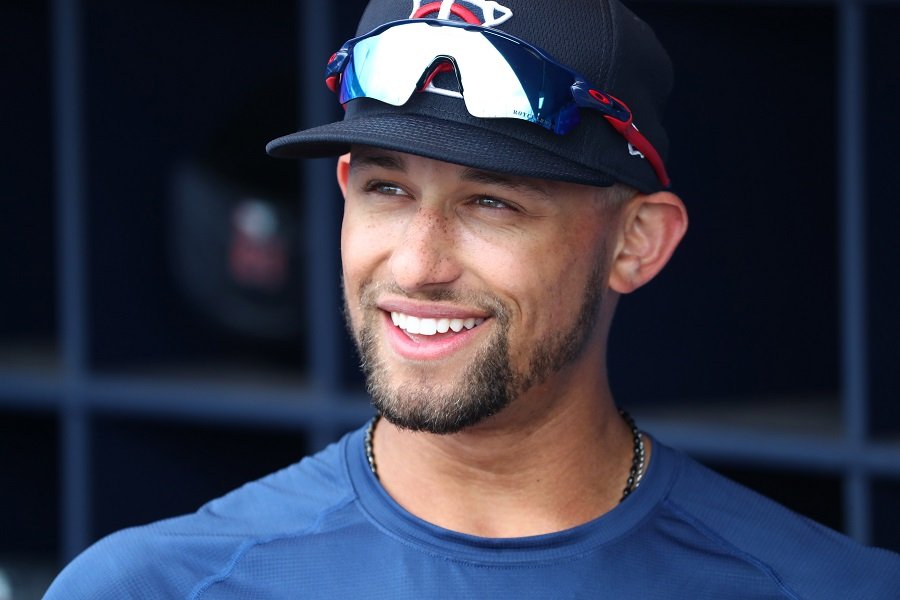 Missing all of 2021 thanks to a fluke ACL tear, Lewis effectively has been out of baseball action for two seasons. He was part of the 2020 alternate site and impressed, but that action doesn’t rival what game participation can provide. 2019 was a year to forget for the top Twins prospect, and that’s why the big league club is in this current position. Derek Falvey and Thad Levine need to find an answer at shortstop. Jorge Polanco is not it, and we have seen that plenty. He’s a strong asset at second base, and keeping him there should be the club’s focus. There’s plenty of question marks as to whether Lewis can stick at the position, but with Byron Buxton now locked up in center field, his secondary home is much less certain as well. First and foremost, however, Minnesota needs Lewis to rebound in a big way. Ever since he was taken first overall, Lewis has been a pillar of class. He’s a hardworking kid that has a strong head on his shoulders. It’s helped him ride the wave of success and failure while staying focused on getting better. Coming off a season in which he posted a .661 OPS and reached Double-A, it’s time that Lewis can flash what has always been assumed he’d produce. Had the injury not taken away his 2021 season, Lewis likely would be in the mix for Minnesota’s starting shortstop job on Opening Day. The questions on range will only be heightened now, and as good as the Twins may think they feel, no real answers are present until production gets underway. The hope is probably that a stopgap option can fill the void in 2022, but a long-term solution could be tempting if Lewis isn’t seen as likely to stick. There’s no doubt that the Twins need pitching help, and maybe parlaying Lewis into that winds up being part of the equation. That seems unlikely given his value being depressed and Minnesota being so close to utilizing their star prospect, but I suppose the possibility exists. Everything regarding how the Twins handle the shortstop hole and what they believe of Royce Lewis remains a mystery. The former will be answered as soon as business gets going again, but the latter won’t have clarity until significant game action has played out. It’s an unfortunate intersection of necessity and missed opportunity, but there’s no prospect more directly influencing Minnesota’s plans than the one who hasn’t played since 2019. Royce Lewis getting off to a fantastic start would be a great gift following the doldrums of this lockout. MORE TWINS CONTENT — Latest Twins coverage from our writers — Recent Twins discussion in our forums — Follow Twins Daily via Twitter, Facebook or email
- 42 comments
-
- 7
-
-
- royce lewis
- jorge polanco
- (and 1 more)
-
Right before the final bell on the Major League Baseball offseason rang before Rob Manfred locked out the players, Minnesota got a deal done. The Twins signed former first round pick Dylan Bundy to a one-year deal worth $4 million. No, it’s not cut from the “same ole’ Twins” cloth. Take a quick glance at Bundy’s 2021 numbers and it looks like a scrap heap pickup. He had an ERA north of 6.00 and a FIP that suggests he was equally as bad. The strikeouts dipped, the walks rose, and he gave up two homers for every nine innings he pitched. That’s not good. Now, take another look. In the truncated 2020 season Bundy finished 9th in the American League Cy Young voting. He posted a 3.29 ERA and an even better 2.95 FIP. His 9.9 strikeout rate was a career high, and his 2.3 BB/9 was a career low. At 27 years old he posted the best season of his career. Now, where does the truth lie? Probably somewhere in the middle. Prior to 2020, Bundy owned a 4.69 ERA while striking out just shy of one batter per inning. He gives up a decent number of dingers but has largely put the injuries that plagued him as a prospect behind him. That is, until this season. Bundy threw just 90.2 IP for the Angels in 2021 and was one of the many pitchers that saw dips in spin rate following the sticky substance ban. So, what do we make of all this? Firstly, regarding the sticky substances, it’s hard to draw too many conclusions. Players were forced to adapt on the fly with no warning. This is on top of having a ball that was already being manipulated by the league itself. With more runway this offseason to work through things, we could expect to see a greater ability of adaptation. The hope would be consistency from the implement centered in the game, and we’ll have a greater opportunity for a base level of results. Secondly, regarding the injury issues, it’s fair to wonder what the impact of a shortened 2020 and competitive changes in 2021 had on his body. Baseball players are characters of habit and routine, throwing that off can have substantial ripple effects and I believe we saw that to a larger extent on the minor league side this season. But why isn’t Bundy just another cheap pickup you ask? Look at the upside here. Last season the Twins gave $8 million to a 38-year-old J.A. Happ who was very likely on the tail end of his career. He’d posted sub 4.00 ERA’s but had very little upside and plenty of room to go bottoms up. They gave $2 million to Matt Shoemaker who had been solid when healthy, but rarely was able to stay on the field. Again, that’s a decent amount of chance to count on in the rotation for Opening Day. With Bundy, he has both youth and ceiling on his side while not coming close to breaking the bank. Of course this signing on its own is not worthy of praise should the Twins do nothing else, but if they execute on acquiring two more arms above this ability level, it’s a threesome they can rely on. Last season the starting staff needed top three arms or better. Instead the front office acquired two guys to mop up innings as fourth and fifth placeholders. Should the Twins fail to execute in allocating the funds they could’ve dispersed to Jose Berrios as a rotation centerpiece, then they need to be held accountable for it. Right now though, Bundy represents a solid floor for what can be hoped to be the start of something more (once the lockout ceases, of course). For more from Off The Baggy, click here. Follow @tlschwerz
-
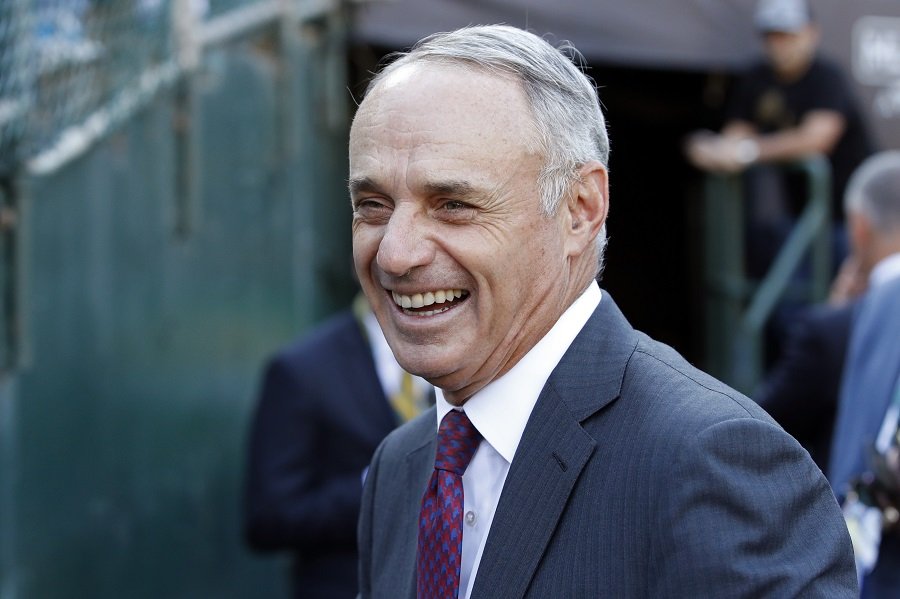 As we’ve discussed for weeks, the basic premise is that all Major League Baseball functions relating to teams and players at the highest level have ceased. Ownership and Rob Manfred are an entity, while the players and their union are the other. Everything else hangs in the balance. Despite the free-agent frenzy we’ve had the past week, or so, team sites are desolate wastelands giving nods only to Manfred's statement and players of yesteryear. Rosters are all but wiped out, and it’s as if the players do not exist (unless, of course, MLB can profit off of their likenesses through the official shop). There’s plenty of talking points to go over from the last week, and while free agency took most of the headlines, each of these subjects should be touched on. In no particular order, let’s get into it. The Ball Problem All year long, Major League Baseball was working through issues with the chief instrument in play during a game, the ball. First looking to rid the use of sticky substances and then going through in-game checks to verify compliance, new instructions had been introduced to the playing field. The only problem was that the league itself was playing unfairly. Thanks to research from astrophysicist Meredith Wills, a story broke regarding baseball using two different balls during the 2021 season. We had no-hitters popping off like crazy, and then all of a sudden, they were gone. In Bradford William Davis’ piece for Insider, he talks about the distrust the implications surrounding the ball have brought for players. MLB could be incentivized to create more offense in high-profile games. The league has many gambling partnerships, and changing the chief implement could also work to their benefit. With a lockout looming, cheating players out of a level of consistency when their entire earning power comes from statistical performance seems disingenuous at best. Everyone should be operating on a level playing field, but the league itself decided to tamper with the main component. CBA Adjustments In a piece filed to ESPN by Jesse Rogers, we are given a general idea of the negotiations regarding a new CBA center around. Major League Baseball has proposed expanded playoffs, going to 14 teams, which would benefit ownership with increased opportunities for revenue. The expanded playoffs would allow for division winners to pick their Wild Card opponents. With 14 teams making the Postseason, players are worried about a lack of competitive drive for organizations. Half of the league making the final tournament could depress a reason to spend in the offseason and further stifle wages for players. Another proposal from the league is to add a lottery system, giving each non-playoff organization a shot at the number one pick. The top three selections would become a part of this lottery with the hopes of removing a desire to tank and generate a beneficial draft standing. Evan Drellich’s piece at The Athletic talks about the issues creating the most discourse between the two sides. For the players, things are focused on the years it takes to reach free agency and revenue sharing implications. The owners are concerned about the luxury tax and raising the minimum salary thresholds. Proposals are often presented in a give-and-take scenario. The players will need to get creative regarding free agency and compensation as ownership has dug in on their stance regarding those topics. Understanding the Lockout With baseball currently shelved, there are some principles to understand as we move forward. The Athletic’s Evan Drellich put together an excellent primer earlier this week. By definition, a lockout is the work of ownership or the league. Those in charge have effectively told players, or their workers, that they are unwilling to work together unless the players accept their deal. On the flip side, a strike would be the players suggesting their services are no longer available until an agreement favors their position. Up until games are missed, a strike is not on the table. Because of the lockout, we will not see traditional offseason events take place. The Winter Meetings have been canceled, and that at least temporarily includes a postponement of the Rule 5 draft. Pitchers and catchers are set to report for Spring Training beginning on February 14, 2022. If we are still in this holding pattern come mid-to-late January, that’s when worry will start to feel real. This lockout is the first work stoppage in 26 years, going back to the 1994-95 strike. Lockouts, rather than strikes, are more capable of being overcome. To the average fan, anything missed in the offseason generally flies under the radar. Bud Selig needed Cal Ripken Jr.’s Iron Man streak and the Home Run chase between Mark McGwire and Sammy Sosa to save his sport last time. Rob Manfred would need something similar to draw fans’ interest back in should a strike commence, and it would be in the best interest of both parties to avoid that outcome. While locked out, the intention of collective bargaining must be to negotiate in good faith. This will be interesting as Major League Baseball is coming off a Covid-shortened season in which both sides put many of their concerns and qualms out in public. It was evident that there was a wide gap and plenty of distrust between the two parties during Spring 2020, and that was before the CBA had expired. What About the FA Frenzy As the lockout loomed, Major League Baseball and the MLBPA decided to move the non-tender deadline to November 30. With the December 1 deadline for a work stoppage effectively implemented, we saw free agents signing at a blistering pace. This is something baseball has often lagged behind the NBA and NFL. With free agency becoming an event this season, The Athletic’s Britt Ghiroli wondered if a transaction deadline isn’t necessary. Yankees general manager Brian Cashman told her, “When you have an ending, it forces decisions, like the trade deadline. Nothing ever gets done until that last week, and then it’s a flurry of deals the last two days because people know it’s game over, so they are forced to make a decision. I like that, it makes people just finally get in the game and pick a spot. Pick a lane to drive in. You are either in it or not in it, you are either in for a penny or a pound or whatever it is. I like that aspect of it.” Players have previously shot down the idea that a deadline would be a good thing as it would force them into decisions when time is the only thing on their side. One key difference between baseball and other sports is that MLB doesn’t have a salary cap. The piece highlighted agents and executives' stances, providing many different ways to think about a deadline. At its core, though, we are left with this parting thought, “It gets talked about a lot, but it’s never been something that seemingly has momentum,” (Ross) Atkins said. “So, what is the reason for that?” What’s On the Other Side? We’ve seen a busy couple of weeks with the lockout looming, but it could very well pale in comparison to what happens following the resumption of work. Travis Sawchik went back in time to look at what took place following the 1994 work stoppage. Although we’ve had a glut of free-agent signings in recent days, the reality is that there’s still so much yet to do. Arbitration figures must be exchanged, and hundreds of players are still looking for new homes in 2022. All of that must be completed, and we have no idea how long this lockout process will take. The calendar should be what we look to when trying to understand what’s to come. January is a crucial month, and where the divide lies then will likely determine future action for the sport. Spring Training games are the most reasonable to miss, and players would probably welcome that situation. Should business not commence until February, though, fans will likely experience one of the busiest months in history should the league look to start on time. Teams that have shopping yet to do, or transactions needing to be made, could be in for complete chaos with hopes of getting everything accomplished. As Twins fans, that’s potentially exciting with a payroll sitting at just $91 million and a roster yet to be filled out. We’re just getting started in this process, and so much more will be publicly available through the coming weeks and months. It will be challenging to determine what’s tactic and what has merit, but make no mistake that the league is set to use its platform as their megaphone. With MLB Network becoming an ownership talk show, MLB.com removing the workers, and teams disassociating from their talent, the players union will need to sway public perception with a much smaller outlet. MORE FROM TWINS DAILY — Latest Twins coverage from our writers — Recent Twins discussion in our forums — Follow Twins Daily via Twitter, Facebook, or email
- 18 comments
-
- 3
-
-
- rob manfred
- mlbpa
- (and 3 more)
-
It’s here, and it’s anything but beautiful. As of December 1st at 11:59 pm EST, Major League Baseball’s CBA expired. Today, December 2, 2021, the league decided to lockout its players. A cold winter is upon us. As we’ve discussed for weeks, the basic premise is that all Major League Baseball functions relating to teams and players at the highest level have ceased. Ownership and Rob Manfred are an entity, while the players and their union are the other. Everything else hangs in the balance. Despite the free-agent frenzy we’ve had the past week, or so, team sites are desolate wastelands giving nods only to Manfred's statement and players of yesteryear. Rosters are all but wiped out, and it’s as if the players do not exist (unless, of course, MLB can profit off of their likenesses through the official shop). There’s plenty of talking points to go over from the last week, and while free agency took most of the headlines, each of these subjects should be touched on. In no particular order, let’s get into it. The Ball Problem All year long, Major League Baseball was working through issues with the chief instrument in play during a game, the ball. First looking to rid the use of sticky substances and then going through in-game checks to verify compliance, new instructions had been introduced to the playing field. The only problem was that the league itself was playing unfairly. Thanks to research from astrophysicist Meredith Wills, a story broke regarding baseball using two different balls during the 2021 season. We had no-hitters popping off like crazy, and then all of a sudden, they were gone. In Bradford William Davis’ piece for Insider, he talks about the distrust the implications surrounding the ball have brought for players. MLB could be incentivized to create more offense in high-profile games. The league has many gambling partnerships, and changing the chief implement could also work to their benefit. With a lockout looming, cheating players out of a level of consistency when their entire earning power comes from statistical performance seems disingenuous at best. Everyone should be operating on a level playing field, but the league itself decided to tamper with the main component. CBA Adjustments In a piece filed to ESPN by Jesse Rogers, we are given a general idea of the negotiations regarding a new CBA center around. Major League Baseball has proposed expanded playoffs, going to 14 teams, which would benefit ownership with increased opportunities for revenue. The expanded playoffs would allow for division winners to pick their Wild Card opponents. With 14 teams making the Postseason, players are worried about a lack of competitive drive for organizations. Half of the league making the final tournament could depress a reason to spend in the offseason and further stifle wages for players. Another proposal from the league is to add a lottery system, giving each non-playoff organization a shot at the number one pick. The top three selections would become a part of this lottery with the hopes of removing a desire to tank and generate a beneficial draft standing. Evan Drellich’s piece at The Athletic talks about the issues creating the most discourse between the two sides. For the players, things are focused on the years it takes to reach free agency and revenue sharing implications. The owners are concerned about the luxury tax and raising the minimum salary thresholds. Proposals are often presented in a give-and-take scenario. The players will need to get creative regarding free agency and compensation as ownership has dug in on their stance regarding those topics. Understanding the Lockout With baseball currently shelved, there are some principles to understand as we move forward. The Athletic’s Evan Drellich put together an excellent primer earlier this week. By definition, a lockout is the work of ownership or the league. Those in charge have effectively told players, or their workers, that they are unwilling to work together unless the players accept their deal. On the flip side, a strike would be the players suggesting their services are no longer available until an agreement favors their position. Up until games are missed, a strike is not on the table. Because of the lockout, we will not see traditional offseason events take place. The Winter Meetings have been canceled, and that at least temporarily includes a postponement of the Rule 5 draft. Pitchers and catchers are set to report for Spring Training beginning on February 14, 2022. If we are still in this holding pattern come mid-to-late January, that’s when worry will start to feel real. This lockout is the first work stoppage in 26 years, going back to the 1994-95 strike. Lockouts, rather than strikes, are more capable of being overcome. To the average fan, anything missed in the offseason generally flies under the radar. Bud Selig needed Cal Ripken Jr.’s Iron Man streak and the Home Run chase between Mark McGwire and Sammy Sosa to save his sport last time. Rob Manfred would need something similar to draw fans’ interest back in should a strike commence, and it would be in the best interest of both parties to avoid that outcome. While locked out, the intention of collective bargaining must be to negotiate in good faith. This will be interesting as Major League Baseball is coming off a Covid-shortened season in which both sides put many of their concerns and qualms out in public. It was evident that there was a wide gap and plenty of distrust between the two parties during Spring 2020, and that was before the CBA had expired. What About the FA Frenzy As the lockout loomed, Major League Baseball and the MLBPA decided to move the non-tender deadline to November 30. With the December 1 deadline for a work stoppage effectively implemented, we saw free agents signing at a blistering pace. This is something baseball has often lagged behind the NBA and NFL. With free agency becoming an event this season, The Athletic’s Britt Ghiroli wondered if a transaction deadline isn’t necessary. Yankees general manager Brian Cashman told her, “When you have an ending, it forces decisions, like the trade deadline. Nothing ever gets done until that last week, and then it’s a flurry of deals the last two days because people know it’s game over, so they are forced to make a decision. I like that, it makes people just finally get in the game and pick a spot. Pick a lane to drive in. You are either in it or not in it, you are either in for a penny or a pound or whatever it is. I like that aspect of it.” Players have previously shot down the idea that a deadline would be a good thing as it would force them into decisions when time is the only thing on their side. One key difference between baseball and other sports is that MLB doesn’t have a salary cap. The piece highlighted agents and executives' stances, providing many different ways to think about a deadline. At its core, though, we are left with this parting thought, “It gets talked about a lot, but it’s never been something that seemingly has momentum,” (Ross) Atkins said. “So, what is the reason for that?” What’s On the Other Side? We’ve seen a busy couple of weeks with the lockout looming, but it could very well pale in comparison to what happens following the resumption of work. Travis Sawchik went back in time to look at what took place following the 1994 work stoppage. Although we’ve had a glut of free-agent signings in recent days, the reality is that there’s still so much yet to do. Arbitration figures must be exchanged, and hundreds of players are still looking for new homes in 2022. All of that must be completed, and we have no idea how long this lockout process will take. The calendar should be what we look to when trying to understand what’s to come. January is a crucial month, and where the divide lies then will likely determine future action for the sport. Spring Training games are the most reasonable to miss, and players would probably welcome that situation. Should business not commence until February, though, fans will likely experience one of the busiest months in history should the league look to start on time. Teams that have shopping yet to do, or transactions needing to be made, could be in for complete chaos with hopes of getting everything accomplished. As Twins fans, that’s potentially exciting with a payroll sitting at just $91 million and a roster yet to be filled out. We’re just getting started in this process, and so much more will be publicly available through the coming weeks and months. It will be challenging to determine what’s tactic and what has merit, but make no mistake that the league is set to use its platform as their megaphone. With MLB Network becoming an ownership talk show, MLB.com removing the workers, and teams disassociating from their talent, the players union will need to sway public perception with a much smaller outlet. MORE FROM TWINS DAILY — Latest Twins coverage from our writers — Recent Twins discussion in our forums — Follow Twins Daily via Twitter, Facebook, or email View full article
-
It’s long been the assumption that the Minnesota Twins would be active on the trade market this offseason. While they have money to spend, the best fit could be in shuffling the roster and grabbing players from other organizations. That said, are there pieces other teams will covet? That seems like a silly question because the answer is undoubtedly yes; however, many of Minnesota’s most logical pieces to go have some very real warts. How does that position them with potential suitors, and what does it mean when it comes to crafting a package for a deal? Going through some of the expected names, it’s worth wondering who can overcome the drawbacks, and it will be interesting to see how Derek Falvey positions each asset. Max Kepler Kepler is probably the guy most expected to be moved. With a glut of corner-outfield talent behind him, Minnesota could try to open up an avenue for playing time and allow Kepler the opportunity to flourish somewhere else. Kepler is on a team-friendly deal and plays incredible defense, but the problem is his bat has never blossomed to be what was expected. After the 123 OPS+ in 2019, it dipped to 109 in 2020 and just 98 last year. There’s power from the left side, but a corner outfielder putting up an OPS in the low-.700’s isn’t exactly enticing. The value is likely on an upside play, and the hope that 29 is the year Kepler finally puts it all together for good. Luis Arraez Another popular name when constructing hypothetical trades for the Twins, Arraez is known for being one of the best pure hitters in the game. He has extreme plate discipline and is nearly impossible to strike out. Add in the career .313 batting average, and you’ve got a modern-day Tony Gwynn. Therein lies the problem, though, that skillset translates much differently today. Arraez doesn’t hit for power (just six homers in nearly 1,000 plate appearances), and he isn’t exactly fast either. He can play second base but is stretched there defensively, and both third and left field are adequate roles at best for him. Add in the bulky knees while being just 24-years-old, and that’s probably not something that’s going to get better with age. He’s a utility man with no true defensive home, and while he can be a table-setter, you best have the lineup behind him that can drive in runs. Royce Lewis If you want to start looking at prospects, it’s worth considering the best of the farm. Lewis is a former first overall pick and has been ranked as high as 5th on top 100 prospect lists. He’s now returning following an ACL tear before last season, and he hasn’t played in a minor league game since September 2, 2019. Following the .803 OPS in 2018 as a 19-year-old, Lewis sunk to just a .661 OPS in 2019. He needed to re-establish himself, and reports coming out of St. Paul from the alternative site in 2020 were fantastic. There’s plenty to be uncertain about at this point, though, and it’d be a pretty big misstep to flip such a talent at what could be his lowest value. The Prospect Arms Maybe you want to deal from the pool of depth that should be soon supplementing the big league rotation. Take your pick on the names Jordan Balazovic, Jhoan Duran, Matt Canterino, Josh Winder. Each of them is near the top of Minnesota’s pitching prospects, and all of them missed time in 2021 due to injury. The lack of game action in 2020 wreaked havoc on so many this season, but the Twins got hit hard in this group especially. How healthy are they each expected to return, and how does the opposition view those internal beliefs when considering a swap? There’s a lot of boom or bust potential with regards to any of these talents. Mitch Garver Included last because he may currently be the Twins best trade asset, but also the one I least want to see go. Ryan Jeffers has hardly established himself as the next backstop, and while more playing time could aid that, Garver is coming off an .875 OPS. Playing through muscle strains in 2020, it was clear that the 2019 .995 OPS wasn’t simply an outlier. Garver was a late-blooming prospect, but at 31, he will be one of the best catchers in baseball. His bat is a catalyst in the Minnesota lineup, and that production would not be easy to replace. If there’s a struggle in flipping Garver for the right value, it’s probably because most organizations are not focused on upgrades behind the dish. Miami was considered the best suitor but recently addressed the position in acquiring Jacob Stallings from the Pirates. Unlike the rest of this group, Garver is the type of trade asset that looks the best on paper, but I’m all for him staying put. Deals are going to be halted for a while now, but when they resume, Minnesota will have to find a delicate balance between moving players for the right value and hanging onto the ones that they expect to benefit most from. MORE FROM TWINS DAILY — Latest Twins coverage from our writers — Recent Twins discussion in our forums — Follow Twins Daily via Twitter, Facebook or email View full article
-
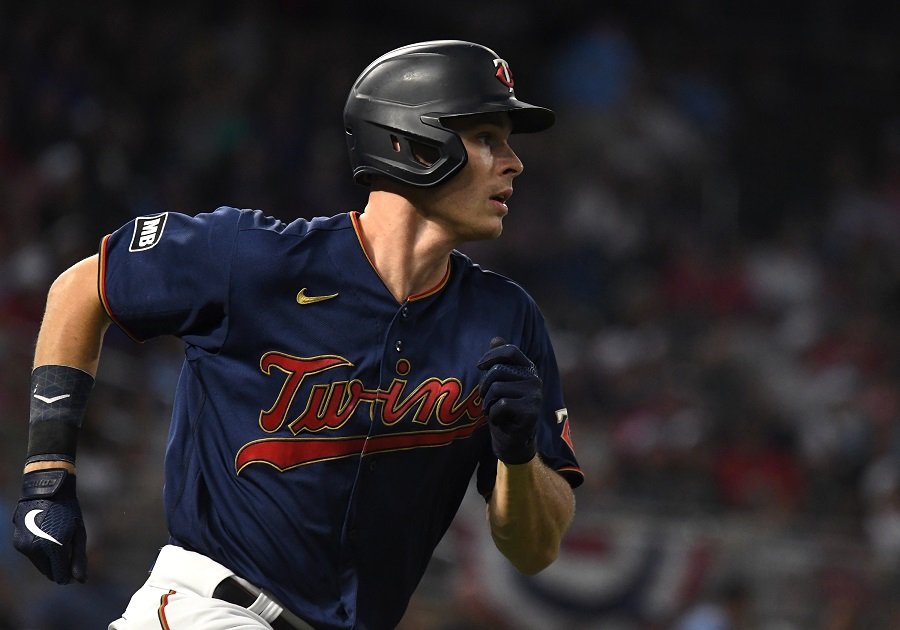 That seems like a silly question because the answer is undoubtedly yes; however, many of Minnesota’s most logical pieces to go have some very real warts. How does that position them with potential suitors, and what does it mean when it comes to crafting a package for a deal? Going through some of the expected names, it’s worth wondering who can overcome the drawbacks, and it will be interesting to see how Derek Falvey positions each asset. Max Kepler Kepler is probably the guy most expected to be moved. With a glut of corner-outfield talent behind him, Minnesota could try to open up an avenue for playing time and allow Kepler the opportunity to flourish somewhere else. Kepler is on a team-friendly deal and plays incredible defense, but the problem is his bat has never blossomed to be what was expected. After the 123 OPS+ in 2019, it dipped to 109 in 2020 and just 98 last year. There’s power from the left side, but a corner outfielder putting up an OPS in the low-.700’s isn’t exactly enticing. The value is likely on an upside play, and the hope that 29 is the year Kepler finally puts it all together for good. Luis Arraez Another popular name when constructing hypothetical trades for the Twins, Arraez is known for being one of the best pure hitters in the game. He has extreme plate discipline and is nearly impossible to strike out. Add in the career .313 batting average, and you’ve got a modern-day Tony Gwynn. Therein lies the problem, though, that skillset translates much differently today. Arraez doesn’t hit for power (just six homers in nearly 1,000 plate appearances), and he isn’t exactly fast either. He can play second base but is stretched there defensively, and both third and left field are adequate roles at best for him. Add in the bulky knees while being just 24-years-old, and that’s probably not something that’s going to get better with age. He’s a utility man with no true defensive home, and while he can be a table-setter, you best have the lineup behind him that can drive in runs. Royce Lewis If you want to start looking at prospects, it’s worth considering the best of the farm. Lewis is a former first overall pick and has been ranked as high as 5th on top 100 prospect lists. He’s now returning following an ACL tear before last season, and he hasn’t played in a minor league game since September 2, 2019. Following the .803 OPS in 2018 as a 19-year-old, Lewis sunk to just a .661 OPS in 2019. He needed to re-establish himself, and reports coming out of St. Paul from the alternative site in 2020 were fantastic. There’s plenty to be uncertain about at this point, though, and it’d be a pretty big misstep to flip such a talent at what could be his lowest value. The Prospect Arms Maybe you want to deal from the pool of depth that should be soon supplementing the big league rotation. Take your pick on the names Jordan Balazovic, Jhoan Duran, Matt Canterino, Josh Winder. Each of them is near the top of Minnesota’s pitching prospects, and all of them missed time in 2021 due to injury. The lack of game action in 2020 wreaked havoc on so many this season, but the Twins got hit hard in this group especially. How healthy are they each expected to return, and how does the opposition view those internal beliefs when considering a swap? There’s a lot of boom or bust potential with regards to any of these talents. Mitch Garver Included last because he may currently be the Twins best trade asset, but also the one I least want to see go. Ryan Jeffers has hardly established himself as the next backstop, and while more playing time could aid that, Garver is coming off an .875 OPS. Playing through muscle strains in 2020, it was clear that the 2019 .995 OPS wasn’t simply an outlier. Garver was a late-blooming prospect, but at 31, he will be one of the best catchers in baseball. His bat is a catalyst in the Minnesota lineup, and that production would not be easy to replace. If there’s a struggle in flipping Garver for the right value, it’s probably because most organizations are not focused on upgrades behind the dish. Miami was considered the best suitor but recently addressed the position in acquiring Jacob Stallings from the Pirates. Unlike the rest of this group, Garver is the type of trade asset that looks the best on paper, but I’m all for him staying put. Deals are going to be halted for a while now, but when they resume, Minnesota will have to find a delicate balance between moving players for the right value and hanging onto the ones that they expect to benefit most from. MORE FROM TWINS DAILY — Latest Twins coverage from our writers — Recent Twins discussion in our forums — Follow Twins Daily via Twitter, Facebook or email
 -
What Might Buxton's Future Production Look Like?
Ted Schwerzler replied to Ted Schwerzler 's topic in Twins Daily Front Page News
Yeah, I didn't account for the incentives which is absolutely a fair point. Those are essentially a loan Minnesota is happily willing to trade for production. I have no idea how a sub .800 OPS won an MVP, but the combination of defensive accolades probably did wonders. In reality, he'll finish top 10 in MVP voting any time he's got north of an .800 OPS in real life because of the defensive prowess too. -
What Might Buxton's Future Production Look Like?
Ted Schwerzler replied to Ted Schwerzler 's topic in Twins Daily Front Page News
Conversely, you're suggesting to take away his production potential by asking him to take one base at a time. Buxton turning singles into doubles and doubles into triples will be a thing forever. He's equally able to beat out infield base hits without sacrificing the opportunity to hit the ball over the fence. There's a reason bunting isn't seen as a viable strategy for consistent run production anymore.- 17 replies
-
- 1
-
-
- byron buxton
- mike trout
- (and 3 more)
-
What Might Buxton's Future Production Look Like?
Ted Schwerzler replied to Ted Schwerzler 's topic in Twins Daily Front Page News
I struggle with this being so widely accepted. I think his earlier injuries while running into walls was pretty fair to suggest as being self inflicted. Are we really suggesting that future injury is likely because he broke his hand on a HBP, or that he'll have hip issues because he returns too soon, or that concussions are likely because he hit his face on the ground? None of those things have been great to see play out, but it's also a pretty big leap to suggest they're more indication of future struggles.- 17 replies
-
- 2
-
-
- byron buxton
- mike trout
- (and 3 more)
-
What Might Buxton's Future Production Look Like?
Ted Schwerzler replied to Ted Schwerzler 's topic in Twins Daily Front Page News
I mean, I'm not actually underselling anything. I simply wrote what the game did. I have always felt Buxton's offensive ability comes more from power production than it does average though. Think he's more a .260-.270 hitter with 25 homers.- 17 replies
-
- 1
-
-
- byron buxton
- mike trout
- (and 3 more)
-
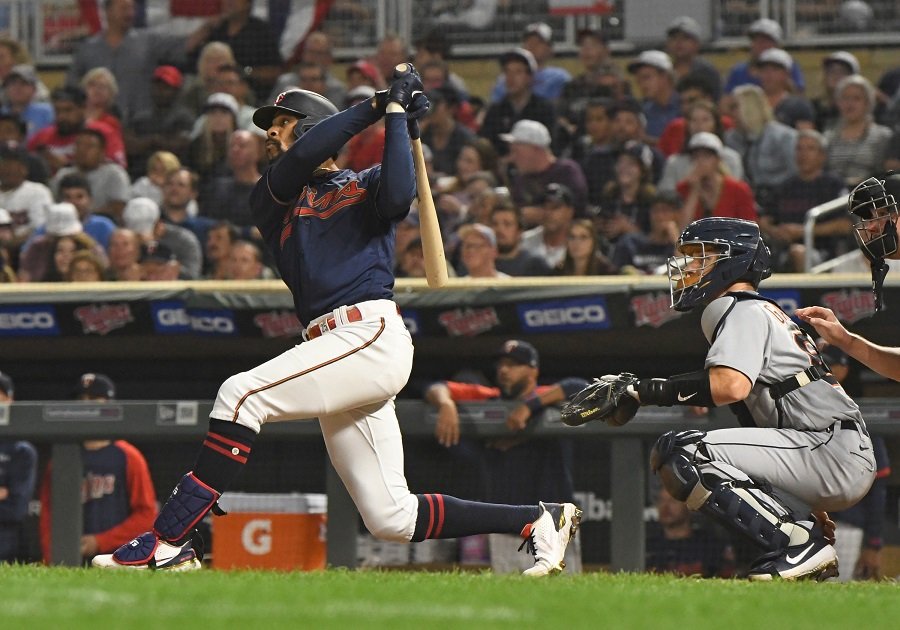 I simulated the 2021 season (in which the Twins wound up winning the World Series, crazy) and then signed Buxton to his lucrative extension. With him in tow for the better part of the next decade, I then simulated every season and offseason through 2028 while allowing the computer to do its thing. This might not be surprising, but the man is pretty good. Before we dive into what took place, let’s catch you up to where we are now. Following the 2028 season, Buxton is 34 years old and an 86 overall player in the game. He began this process as a 90 overall player at age 28 and has only started to see a slight decline. In terms of relatable advanced analytics, MLB The Show uses its own calculation for WAR. In 2019, when Buxton posted an .827 OPS and 2.7 fWAR, The Show valued him at 2.9 WAR. That gives us a pretty even comparison. Now, let’s dive in. Even in real life, Buxton should never be expected to hit for a real high average (though he did over 61 games in 2021). That was true in The Show during the first year of his contract. Despite being worth 3.8 WAR, he posted just a .225 average. It translated to a .700 OPS with 17 dingers and seven triples. That’s where things took off. In each of the following three seasons, Buxton posted increasing WAR marks. Starting with a 4.6 effort in 2023, going to 4.7 in 2024, and topping out at 4.9 in 2025. He led the league with 19 outfield assists in 2023 and stole 24 bases. His 26 long balls were a new career-high, and he tallied eight triples. It was that 2025 season where the magic happened. Rewarded for his career year, the .261 average and .779 OPS were enough to earn him American League MVP honors. His 12 triples were a career-high, and the 17 homers added some nice thump to a decent Minnesota lineup. From 2022 through 2026, Buxton averaged 148 games per year, playing in all but three during the 2026 season. Injuries got him a bit the last two seasons of his deal, in which he played just 124 games in 2027 and 79 in 2028. Throughout the extension, Buxton compiled 24.2 WAR which Fangraphs valued as worth roughly $191.9 million, or just shy of double his contract. Accolades were often tallied for the Twins centerfielder. He racked up five straight Gold Gloves from 2022-26 and was named to three All-Star teams. The roster was largely turned over, with names such as Logan Webb, Abraham Toro, and Carlos Correa welcomed. Still, Buxton remained the organization’s best player for the vast majority of his time. He didn’t get to play with a couple of top Twins prospects as Royce Lewis was shipped to the Cubs after the 2023 season, and Jordan Balazovic went to the Yankees in 2025. I found myself interested in how Buxton’s final years would go, so there was a need to play out the string of his career. When reaching free agency for the first time, Buxton was handed a qualifying offer from the Twins. He hit the market as the best available centerfielder. Buxton opted to remain with Minnesota on a one-year deal worth $9.5 million when the dust settled. Another year of regression for Buxton at age-35 had him playing in just 71 games and bottoming out to the tune of a .391 OPS. He now has dropped to an 81 overall talent and enters the free agency market with significantly depressed value. He’s competing for a payday against top players such as Gabriel Maciel, the Twins prospect who was traded to Kansas City in 2022 and put up a 4.6 WAR season in 2028. Maciel wound up signing a six-year $116.4 million deal with the Diamondbacks. Royce Lewis also hit free agency for the first time this season, and San Diego inked the 88 overall 29-year-old to a four-year deal worth $56 million. Despite having 26 and 33-year-old centerfielders who are better, the Los Angeles Angels gave Buxton a one-year deal worth $4.2 million for his age-36 season. Byron played just 25 games for the Angels before his release. He bounced back from the disastrous end in Minnesota and posted a .796 OPS, but the opportunities weren’t there. Now looking at free agency as a 37-year-old, Buxton had to convince a team he still had something in the tank with his overall dropping to 76. Unsigned heading into Opening Day, this looked like it could be the end of the road. Ultimately no suitor presented themselves, and after sitting out the 2031 calendar season, that’s where Minnesota’s mega-star would call it quits. Buxton retired following the conclusion of the World Series. For his career, Buxton compiled 14.160 years of service time and had a slash line of .232/.295/.422. He ripped 204 homers and stole exactly 200 bases while recording 62 triples. His 37.3 WAR would be good enough for 66th best among centerfielders all-time per Fangraphs. While not having a Hall of Fame-caliber resume, it’s certainly fair to deduce that MLB The Show sees Byron Buxton contributing as a star for many more years. Coincidentally, there was another superstar outfielder that retired in 2031 as well. He was an immediate induction into the Hall of Fame with 601 career homers. Congrats Mr. Trout. What do you think? Would you sign up for this type of trajectory Twins fans? MORE FROM TWINS DAILY — Latest Twins coverage from our writers — Recent Twins discussion in our forums — Follow Twins Daily via Twitter, Facebook or email
 -
The Minnesota Twins signed Byron Buxton to a seven-year contract extension worth $100 million earlier this week. I wanted to know what his production might look like, so obviously, I consulted the best source... MLB The Show. I simulated the 2021 season (in which the Twins wound up winning the World Series, crazy) and then signed Buxton to his lucrative extension. With him in tow for the better part of the next decade, I then simulated every season and offseason through 2028 while allowing the computer to do its thing. This might not be surprising, but the man is pretty good. Before we dive into what took place, let’s catch you up to where we are now. Following the 2028 season, Buxton is 34 years old and an 86 overall player in the game. He began this process as a 90 overall player at age 28 and has only started to see a slight decline. In terms of relatable advanced analytics, MLB The Show uses its own calculation for WAR. In 2019, when Buxton posted an .827 OPS and 2.7 fWAR, The Show valued him at 2.9 WAR. That gives us a pretty even comparison. Now, let’s dive in. Even in real life, Buxton should never be expected to hit for a real high average (though he did over 61 games in 2021). That was true in The Show during the first year of his contract. Despite being worth 3.8 WAR, he posted just a .225 average. It translated to a .700 OPS with 17 dingers and seven triples. That’s where things took off. In each of the following three seasons, Buxton posted increasing WAR marks. Starting with a 4.6 effort in 2023, going to 4.7 in 2024, and topping out at 4.9 in 2025. He led the league with 19 outfield assists in 2023 and stole 24 bases. His 26 long balls were a new career-high, and he tallied eight triples. It was that 2025 season where the magic happened. Rewarded for his career year, the .261 average and .779 OPS were enough to earn him American League MVP honors. His 12 triples were a career-high, and the 17 homers added some nice thump to a decent Minnesota lineup. From 2022 through 2026, Buxton averaged 148 games per year, playing in all but three during the 2026 season. Injuries got him a bit the last two seasons of his deal, in which he played just 124 games in 2027 and 79 in 2028. Throughout the extension, Buxton compiled 24.2 WAR which Fangraphs valued as worth roughly $191.9 million, or just shy of double his contract. Accolades were often tallied for the Twins centerfielder. He racked up five straight Gold Gloves from 2022-26 and was named to three All-Star teams. The roster was largely turned over, with names such as Logan Webb, Abraham Toro, and Carlos Correa welcomed. Still, Buxton remained the organization’s best player for the vast majority of his time. He didn’t get to play with a couple of top Twins prospects as Royce Lewis was shipped to the Cubs after the 2023 season, and Jordan Balazovic went to the Yankees in 2025. I found myself interested in how Buxton’s final years would go, so there was a need to play out the string of his career. When reaching free agency for the first time, Buxton was handed a qualifying offer from the Twins. He hit the market as the best available centerfielder. Buxton opted to remain with Minnesota on a one-year deal worth $9.5 million when the dust settled. Another year of regression for Buxton at age-35 had him playing in just 71 games and bottoming out to the tune of a .391 OPS. He now has dropped to an 81 overall talent and enters the free agency market with significantly depressed value. He’s competing for a payday against top players such as Gabriel Maciel, the Twins prospect who was traded to Kansas City in 2022 and put up a 4.6 WAR season in 2028. Maciel wound up signing a six-year $116.4 million deal with the Diamondbacks. Royce Lewis also hit free agency for the first time this season, and San Diego inked the 88 overall 29-year-old to a four-year deal worth $56 million. Despite having 26 and 33-year-old centerfielders who are better, the Los Angeles Angels gave Buxton a one-year deal worth $4.2 million for his age-36 season. Byron played just 25 games for the Angels before his release. He bounced back from the disastrous end in Minnesota and posted a .796 OPS, but the opportunities weren’t there. Now looking at free agency as a 37-year-old, Buxton had to convince a team he still had something in the tank with his overall dropping to 76. Unsigned heading into Opening Day, this looked like it could be the end of the road. Ultimately no suitor presented themselves, and after sitting out the 2031 calendar season, that’s where Minnesota’s mega-star would call it quits. Buxton retired following the conclusion of the World Series. For his career, Buxton compiled 14.160 years of service time and had a slash line of .232/.295/.422. He ripped 204 homers and stole exactly 200 bases while recording 62 triples. His 37.3 WAR would be good enough for 66th best among centerfielders all-time per Fangraphs. While not having a Hall of Fame-caliber resume, it’s certainly fair to deduce that MLB The Show sees Byron Buxton contributing as a star for many more years. Coincidentally, there was another superstar outfielder that retired in 2031 as well. He was an immediate induction into the Hall of Fame with 601 career homers. Congrats Mr. Trout. What do you think? Would you sign up for this type of trajectory Twins fans? MORE FROM TWINS DAILY — Latest Twins coverage from our writers — Recent Twins discussion in our forums — Follow Twins Daily via Twitter, Facebook or email View full article
-
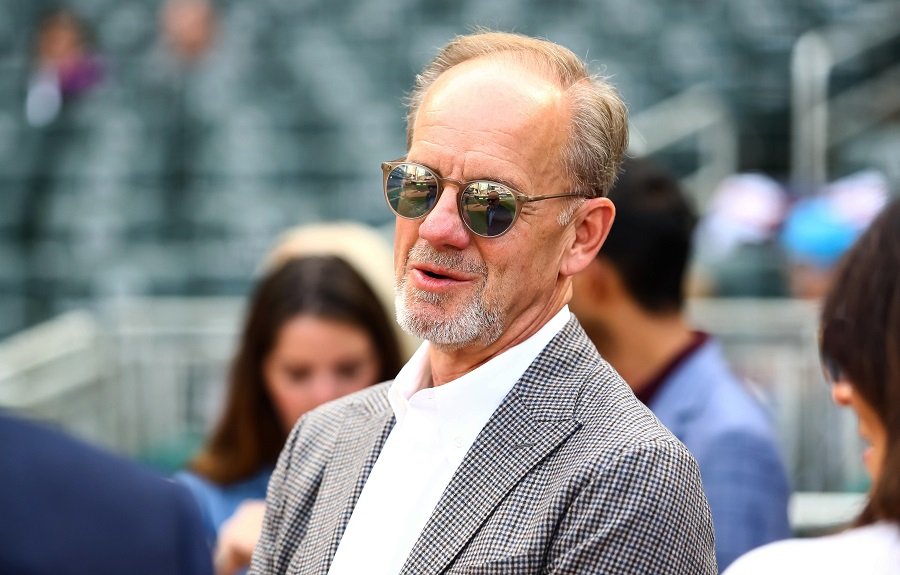 Derek Falvey and Thad Levine needed to extend Byron Buxton. It was paramount for the franchise. The organization preached Target Field being a vehicle to keep homegrown talent, and Jose Berrios had already departed. Losing Buxton would’ve opened the door to the flip side of Joe Mauer’s situation, and having the power to negotiate singularly with a mega-talent on depressed dollars was unfathomable. Thankfully they pulled through and agreed. Seven years, $100 million. He’s here to stay. Now, what’s next? I’m the “freaking offseason” guy, and if there’s a way for Minnesota to have anything but this winter, it’s by failing to complete these two tasks: 1. Spending Must Remain Constant Derek Falvey and Thad Levine took over the Twins front office for the 2017 Major League Baseball season. The 2016 Twins were coming off a disastrous 103-loss campaign, and organizational upheaval was afoot. Roster turnover immediately began, and despite being saddled with Paul Molitor as an incumbent manager, the front office spent to the tune of $100.7 million, slightly behind the $104 million a year prior. A step backward is expected when competitiveness wanes. However, the opposite is true when you’re on an upswing, even when results are not necessarily indicative of expectations. After winning 85 games in 2017 and finishing second in the AL Central, Minnesota spent roughly $125 million for the 2018 season. A new franchise record payroll had been established. That team failed to live up to expectations. Despite finishing second in the division, they were 78-84 on the year. Falvey and Levine saw what they had and needed to push forward. Welcome to the Bomba Squad. The 2019 Twins pushed the payroll north of $125 million and were one of the best teams in franchise history. Setting a single-season record for home runs, this group was bounced early from the Postseason but looked poised for more. Covid then gave us a truncated 2020 season, and owners suggested revenues were down. While they may not have turned the same profit, the assumption should be that many organizations still operated in the green. The Twins signed veteran Josh Donaldson to a $100 million contract before Spring Training and essentially held serve from where their 2019 spend ended. For 2021 the commentary was about decreased payrolls for owners to make up the lost dollars. The Twins cut back to $118 million, just over a 5% decrease from the year prior. Regardless of the misstep in record, it’s clear that this club is on the precipice. Donaldson is here for two more seasons. Buxton has been locked up to a ridiculously affordable pact. The prospects are near the top of the system, and the graduations have all been meaningful ones. It’s time to take another step forward this season and push the bottom line. A bare minimum spend for Minnesota this season should be $130 million. Going to $135 or even $140 million makes a good deal of sense as well. They’d have to splurge pretty heavily to account for that amount, but the rotation remains bare, and a top free agent could certainly be had. That brings us to the second point. 2. Allocate the Berrios Dollars There’s no denying that Minnesota easily could’ve matched the seven-year, $131 million deal that Jose Berrios just got from the Toronto Blue Jays. That’s hardly bank-breaking and would’ve been an excellent opportunity to keep their homegrown talent. The problem seems to be in length; this front-office isn’t giving a pitcher anything over five years. So be it, that’s a fine and understandable stance considering the uncertainty that comes with arms (even if Berrios has been an incredibly durable one). What that means is the money needs to be ticketed elsewhere and on the same scale. $18 million per year is roughly what Berrios got from Toronto. I’m not interested in types like J.A. Happ and Michael Pineda combining to make that money. A true frontline starter has to be acquired in hopes of carrying Berrios’ load. Understandably, the name may come via trade, be under team control, and cost more in prospect capital than dollars. Should that be the case, a strong foot forward for starters number two and three should be shown. This front office has to be willing to overpay on shorter deals if they’re unwilling to hand out the length of their competitors. Last season the largest misstep was acquiring arms filling the back of the rotation rather than finding a middle-to-upper tier talent that could bolster the top half. Pineda would be a nice get to return, but he should be the worst starter they acquire. The goal needs to be setting Bailey Ober and Joe Ryan up for no more than a 4th and 5th option in a competition as we careen towards Opening Day. Falvey has established an infrastructure that supports talented arms when they’re available. Minnesota’s starters ranked 5th and 7th in 2020 and 2019 by fWAR, and that was without a splash for Wes Johnson. Go get him a great piece or two and let him work. Is there’s another area that’s a must this offseason for you to believe in the 2022 Twins chances? Any deal breakers for you? MORE FROM TWINS DAILY — Latest Twins coverage from our writers — Recent Twins discussion in our forums — Follow Twins Daily via Twitter, Facebook or email
 -
Last week, I was ready to write this piece with three things the Twins could be tagged with failure for the offseason should the tasks remain incomplete. They extended Byron Buxton; that was a big number one. There’s still work to be done, and the heavy lifting is yet to come. Derek Falvey and Thad Levine needed to extend Byron Buxton. It was paramount for the franchise. The organization preached Target Field being a vehicle to keep homegrown talent, and Jose Berrios had already departed. Losing Buxton would’ve opened the door to the flip side of Joe Mauer’s situation, and having the power to negotiate singularly with a mega-talent on depressed dollars was unfathomable. Thankfully they pulled through and agreed. Seven years, $100 million. He’s here to stay. Now, what’s next? I’m the “freaking offseason” guy, and if there’s a way for Minnesota to have anything but this winter, it’s by failing to complete these two tasks: 1. Spending Must Remain Constant Derek Falvey and Thad Levine took over the Twins front office for the 2017 Major League Baseball season. The 2016 Twins were coming off a disastrous 103-loss campaign, and organizational upheaval was afoot. Roster turnover immediately began, and despite being saddled with Paul Molitor as an incumbent manager, the front office spent to the tune of $100.7 million, slightly behind the $104 million a year prior. A step backward is expected when competitiveness wanes. However, the opposite is true when you’re on an upswing, even when results are not necessarily indicative of expectations. After winning 85 games in 2017 and finishing second in the AL Central, Minnesota spent roughly $125 million for the 2018 season. A new franchise record payroll had been established. That team failed to live up to expectations. Despite finishing second in the division, they were 78-84 on the year. Falvey and Levine saw what they had and needed to push forward. Welcome to the Bomba Squad. The 2019 Twins pushed the payroll north of $125 million and were one of the best teams in franchise history. Setting a single-season record for home runs, this group was bounced early from the Postseason but looked poised for more. Covid then gave us a truncated 2020 season, and owners suggested revenues were down. While they may not have turned the same profit, the assumption should be that many organizations still operated in the green. The Twins signed veteran Josh Donaldson to a $100 million contract before Spring Training and essentially held serve from where their 2019 spend ended. For 2021 the commentary was about decreased payrolls for owners to make up the lost dollars. The Twins cut back to $118 million, just over a 5% decrease from the year prior. Regardless of the misstep in record, it’s clear that this club is on the precipice. Donaldson is here for two more seasons. Buxton has been locked up to a ridiculously affordable pact. The prospects are near the top of the system, and the graduations have all been meaningful ones. It’s time to take another step forward this season and push the bottom line. A bare minimum spend for Minnesota this season should be $130 million. Going to $135 or even $140 million makes a good deal of sense as well. They’d have to splurge pretty heavily to account for that amount, but the rotation remains bare, and a top free agent could certainly be had. That brings us to the second point. 2. Allocate the Berrios Dollars There’s no denying that Minnesota easily could’ve matched the seven-year, $131 million deal that Jose Berrios just got from the Toronto Blue Jays. That’s hardly bank-breaking and would’ve been an excellent opportunity to keep their homegrown talent. The problem seems to be in length; this front-office isn’t giving a pitcher anything over five years. So be it, that’s a fine and understandable stance considering the uncertainty that comes with arms (even if Berrios has been an incredibly durable one). What that means is the money needs to be ticketed elsewhere and on the same scale. $18 million per year is roughly what Berrios got from Toronto. I’m not interested in types like J.A. Happ and Michael Pineda combining to make that money. A true frontline starter has to be acquired in hopes of carrying Berrios’ load. Understandably, the name may come via trade, be under team control, and cost more in prospect capital than dollars. Should that be the case, a strong foot forward for starters number two and three should be shown. This front office has to be willing to overpay on shorter deals if they’re unwilling to hand out the length of their competitors. Last season the largest misstep was acquiring arms filling the back of the rotation rather than finding a middle-to-upper tier talent that could bolster the top half. Pineda would be a nice get to return, but he should be the worst starter they acquire. The goal needs to be setting Bailey Ober and Joe Ryan up for no more than a 4th and 5th option in a competition as we careen towards Opening Day. Falvey has established an infrastructure that supports talented arms when they’re available. Minnesota’s starters ranked 5th and 7th in 2020 and 2019 by fWAR, and that was without a splash for Wes Johnson. Go get him a great piece or two and let him work. Is there’s another area that’s a must this offseason for you to believe in the 2022 Twins chances? Any deal breakers for you? MORE FROM TWINS DAILY — Latest Twins coverage from our writers — Recent Twins discussion in our forums — Follow Twins Daily via Twitter, Facebook or email View full article
- 11 replies
-
- 1
-
-
- byron buxton
- jose berrios
- (and 2 more)
-
For months I have been tweeting that the Minnesota Twins need to pay Byron Buxton. There has never been a point at which that should have been anything close to an uncertainty. Today, it became reality. The Twins centerfielder has received MVP votes twice in his career. He has an .887 OPS over the past three seasons, and he was barreling towards and MVP award prior to injury this past season. Therein lies the rub. Minnesota was only in a position to sign their superstar thanks to his injury history. Missing games is the reason Buxton wouldn’t have received the $300 million payday in free agency, and it’s the necessary push needed to negotiate an extension with the mid-market club. A couple of weeks ago I wrote a piece for Twins Daily looking at the parallels between Buxton and Minnesota’s last mega-star, Joe Mauer. The hometown hero was paid $184 million because of his exploits prior to injury, and then denigrated in his later years because of them. On the flip side, Buxton is being shorted because of his injury history and leaves the Twins ample opportunity to experience value-based riches in the future. Just two seasons ago this same front office paid a 34-year-old Josh Donaldson $100 million for four seasons. He’s dealt with chronic calf issues for much of his later career and they still took that gamble. Nabbing a 28-year-old star in Buxton for that same amount and tacking on an additional three years is nothing short of larceny. We can go rounds as to whether Buxton is injury-prone or a byproduct of unfortunate circumstance. There was a time he was running into walls and his all-out style had him in precarious positions. Breaking a bone after being hit by a pitch or suffering a concussion following a dive onto grass certainly shouldn’t be assumed as indicative of future issues. No matter what happens, Byron would be the first person to wish for a clean bill of health, even while not being able to reap the rewards of a payday it would produce. There’s been plenty of reason to question this front office and the noise that’s been made public regarding roster construction over the past few months. This extension alone was the largest opportunity to call the offseason a failure and is now done and over with. It’s time they continue to supplement around a lineup bolstered with talent, and that remains to be seen. No matter what happens from here though, they paid the man. For more from Off The Baggy, click here. Follow @tlschwerz
-
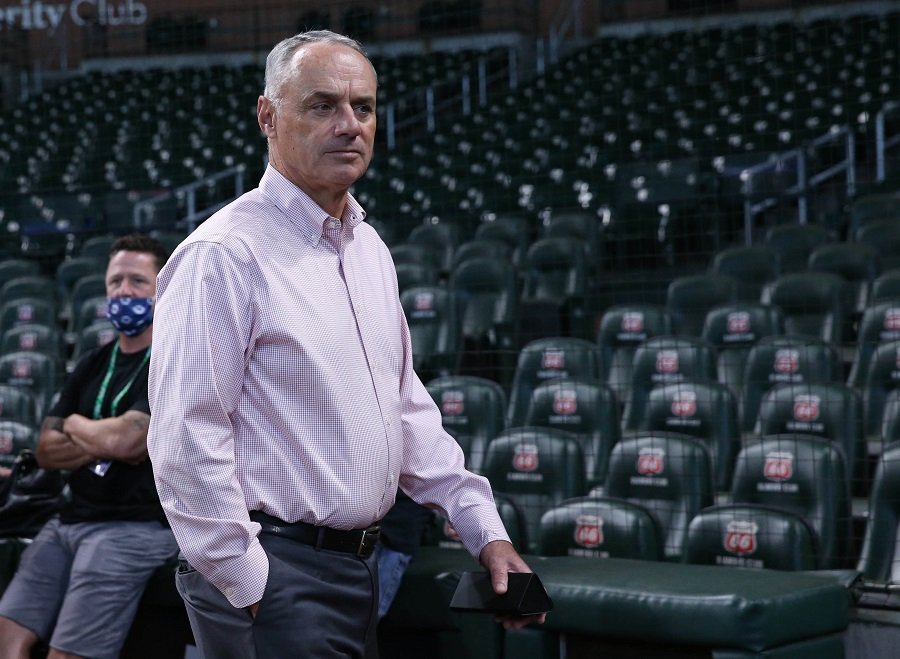 Arguably the most impactful bit of information came out on Tuesday night when baseball insider Ken Rosenthal tweeted news about the arbitration deadline. Initially slated for December 2nd, MLB and the Players’ Union agreed to move the non-tender deadline to November 30. This is important because those arbitration-eligible players who will be sent to free agency now have roughly 24 hours to negotiate deals with clubs before the assumed lockout. With the current Major League Baseball CBA set to expire on December 1 at 11:59 pm Eastern Time, non-tendered players will become free agents at 8 pm Eastern Time on November 30. A flood of new free agents will hit the market, and both sides will be scrambling to negotiate deals before a shutdown occurs. The flip side of this is that Major League Baseball, and more succinctly the owners, benefit by flooding the market with free agents. They would hope that players are rushed into lesser compensation or are pushed to accept deals at a lower valuation following a lockout filled with future uncertainty. On November 22, J.P Hoornstra posted this piece for the OC Register, noting that the MLB Players Association has prepared a lockout guide for players and agents. In the event of a lockout, all Major League Baseball activity will cease. This refers to workouts, transactions, and other scheduled items relating to the sport at its highest level. Because Minor League Baseball is not represented by the MLBPA or under the umbrella of the MLB CBA, minor league activities will go on without change. Bobby Nightengale of the Cincinnati Enquirer posted a great FAQ this week with regards to all things lockout. What takes place during the shutdown? What are the key points of contention? What could be expected to come from it all? It’s worth a look. This outcome has been assumed for some time but became even more evident before the Covid-shortened 2020 Major League Baseball season. As the owners attempted to negotiate in public and paint the players in a bad light, workplace tensions grew higher than ever. While we’re ultimately dealing with billionaires and millionaires, Rob Manfred is presiding over a sport that bounced back from its last lockout due to the boom that was the Steroid Era. Manfred is the figurehead of the owners, and while he’s done their bidding during his time in office, it’s been mainly to the detriment of fans, players, and the sport as a whole. It’s time for both sides to bridge the gap and find a way to move forward. The MLBPA needs stronger leadership than it’s seen from Tony Clark, and MLB needs anything better than what Manfred has given thus far. A week from now, we’ll be discussing the first days of the shutdown, and the only hope is that it remains brief. Don’t hold your breath. MORE FROM TWINS DAILY — Latest Twins coverage from our writers — Recent Twins discussion in our forums — Follow Twins Daily via Twitter, Facebook, or email
 -
Thanksgiving is behind us, Black Friday is upon us, and a work stoppage could commence as soon as next week. There’s been some movement regarding the Major League Baseball CBA discussion the last few days, so let’s get you caught up. Arguably the most impactful bit of information came out on Tuesday night when baseball insider Ken Rosenthal tweeted news about the arbitration deadline. Initially slated for December 2nd, MLB and the Players’ Union agreed to move the non-tender deadline to November 30. This is important because those arbitration-eligible players who will be sent to free agency now have roughly 24 hours to negotiate deals with clubs before the assumed lockout. With the current Major League Baseball CBA set to expire on December 1 at 11:59 pm Eastern Time, non-tendered players will become free agents at 8 pm Eastern Time on November 30. A flood of new free agents will hit the market, and both sides will be scrambling to negotiate deals before a shutdown occurs. The flip side of this is that Major League Baseball, and more succinctly the owners, benefit by flooding the market with free agents. They would hope that players are rushed into lesser compensation or are pushed to accept deals at a lower valuation following a lockout filled with future uncertainty. On November 22, J.P Hoornstra posted this piece for the OC Register, noting that the MLB Players Association has prepared a lockout guide for players and agents. In the event of a lockout, all Major League Baseball activity will cease. This refers to workouts, transactions, and other scheduled items relating to the sport at its highest level. Because Minor League Baseball is not represented by the MLBPA or under the umbrella of the MLB CBA, minor league activities will go on without change. Bobby Nightengale of the Cincinnati Enquirer posted a great FAQ this week with regards to all things lockout. What takes place during the shutdown? What are the key points of contention? What could be expected to come from it all? It’s worth a look. This outcome has been assumed for some time but became even more evident before the Covid-shortened 2020 Major League Baseball season. As the owners attempted to negotiate in public and paint the players in a bad light, workplace tensions grew higher than ever. While we’re ultimately dealing with billionaires and millionaires, Rob Manfred is presiding over a sport that bounced back from its last lockout due to the boom that was the Steroid Era. Manfred is the figurehead of the owners, and while he’s done their bidding during his time in office, it’s been mainly to the detriment of fans, players, and the sport as a whole. It’s time for both sides to bridge the gap and find a way to move forward. The MLBPA needs stronger leadership than it’s seen from Tony Clark, and MLB needs anything better than what Manfred has given thus far. A week from now, we’ll be discussing the first days of the shutdown, and the only hope is that it remains brief. Don’t hold your breath. MORE FROM TWINS DAILY — Latest Twins coverage from our writers — Recent Twins discussion in our forums — Follow Twins Daily via Twitter, Facebook, or email View full article
-
Thanksgiving, a time to reflect and be thankful for all you’ve been afforded in life. The Minnesota Twins could consider the opportunity they have in front of them, but regardless, decision day is coming for Byron Buxton. As we enter the final week of November, it was recently announced that the deadline to tender arbitration-eligible players would be pushed to November 30. This gives free agents a day to sign before the expected December 2 lockout. While many will wait through the labor strife, players have the option to strike a deal in the 24 hours between the two deadlines. With relation to Buxton, it’s a certainty that Minnesota will tender the star centerfielder a contract. Entering his final year of arbitration, MLB Trade Rumors projects Buxton’s 2022 salary to come in just north of $7 million. At the very least, the Twins will come to terms with the Baxley, Georgia native on those grounds. What’s more interesting is the dates that loom large in the future and the belief that Buxton’s situation will be resolved before the commencement of the 2022 regular season. Here are some key dates to circle and what they mean: November 30th - Arbitration Tender Deadline This one jumps out as the most important. As highlighted above, Buxton will be tendered a contract, and there’s zero doubt about that. Avoiding arbitration doesn’t mean that the sides can’t still reach an agreement on an extension, but simply that Byron knows what he will be paid in the year ahead. It’d be ideal for both sides to hammer out the extension before this point and extend the player to a multi-year deal that buys out free agency years. December 2nd - Current CBA Expired Should nothing more be accomplished than a contract for 2022 being agreed to, the two sides will have 24 more hours to negotiate. December 1st is the final day covered by the current Major League Baseball Collective Bargaining Agreement. At 11:59 pm Eastern Time, the current CBA becomes void, and the lockout begins. Both parties can continue working towards a conclusion of this saga or leave each other hanging for whatever duration the labor limbo hangs on for. Both teams and players may have different parameters to deal with following the ratification of a new CBA. Still, little of it should impact Buxton, who is already in the final year of arbitration eligibility. February 26th, 2022 - Spring Training Begins As things stand now, this is where Minnesota opens the 2022 exhibition slate against the Toronto Blue Jays down in Florida. More often, the regular season is a hard deadline for contract negotiations to be completed by. Still, both sides could look at Spring Training being a key date given Buxton’s injury history. Wanting to have something done before actual action gets underway makes a good deal of sense. Obviously, this date is tentative given the uncertainty of where a lockout takes us. I’d imagine the league and player’s association are more open to losing Spring Training games than they are actual regular-season games that count. April 2nd, 2022 - Opening Day If there’s a hard deadline established, this would seem to be it. Minnesota can’t afford to go into the regular season without clarity on Buxton’s future. If he’s not extended by this date, the alternative of trading him has to become a reality. Given the volatility of his playstyle and injury history, risking the asset depreciation before the trade deadline would be a fruitless endeavor. Again, this date could be moved with respect to the CBA situation, but it’s almost a given that whenever the regular season starts, Twins fans will know the fate of Byron Buxton. July 31st, 2022 - Trade Deadline Should we reach this point with no clarity, the front office will have massively overplayed their hand. Not only having failed to extend the talented centerfielder, we could be talking about a player with a few months of lackluster performance or an injury that drags down his trade value. Without a long-term deal in place here, the opposition understands Minnesota is set to move on in the winter. Draft pick compensation may not be what it is now, and regardless, it would be a sad return for someone that should’ve commanded so much more. That should be the complete timeline for dates to follow regarding this Buxton-saga. The longer it drags on, the more hopeless the outcome looks. I’d wager we see finality before the commencement of Spring Training, and having something done far sooner than that would be a much-welcomed reality. The Twins have an opportunity to pay a generational talent because he’s been injured. It’d be silly to balk at that, but if they’re going to, they best get it right, and soon. MORE FROM TWINS DAILY — Latest Twins coverage from our writers — Recent Twins discussion in our forums — Follow Twins Daily via Twitter, Facebook or email View full article
