



Ted Schwerzler
-
Posts
5,149 -
Joined
-
Last visited
Content Type
Profiles
News
Minnesota Twins Videos
2026 Minnesota Twins Top Prospects Ranking
2022 Minnesota Twins Draft Picks
Minnesota Twins Free Agent & Trade Rumors, Notes, & Tidbits
Guides & Resources
2023 Minnesota Twins Draft Picks
The Minnesota Twins Players Project
2024 Minnesota Twins Draft Picks
2025 Minnesota Twins Draft Pick Tracker
2026 Minnesota Twins Draft Tracker: Picks & Bonuses
Forums
Blogs
Events
Store
Downloads
Gallery
Everything posted by Ted Schwerzler
-
 The players were disappointed in what the league presented to them a week ago, especially after taking more than a month to do so. The sides have not met at all this week, but the latest reports have them getting together in person on Monday, January 24. That meeting will take place over a week since the last proposal, and no counter-proposal is necessarily set to come from it. The Athletic’s Ken Rosenthal wrote a scathing piece the other day that started with the sentence, “Not a single game should be lost.” He’s not wrong, but I fear that won’t be reality. After being let go from MLB Network because Rob Manfred thought the reporter was too critical, Rosenthal comes out firing in this one. As Rosenthal notes, this is Rob Manfred’s legacy at stake. He represents the owners but seemingly gets in his own way when trying to put a PR spin out for fans. Stephen Nesbitt penned another piece for The Athletic that highlighted fan responses from more than 11,000 respondents across a handful of subjects. Not entirely labor or CBA related, there was plenty that did intersect, however. Just 2.8% of fans responded they were happy with the current overall state of MLB, with another 9.4% being indifferent. The rest all responded with being either angry, hopeful, or disappointed. Over 66% of fans blame the owners for the lockout, with both sides sharing blame at a 33% clip. 92.1% of fans think that this mess will impact Spring Training, with respondents being virtually split on regular-season games being lost. It’s a great look at the state of affairs for the league and not a glowing one in any sense. Just yesterday, Evan Drellich wrote that the “owners are testing the players,” which is the last thing fans want to hear. Billionaires are playing a game of chicken with the players while we all suffer because of it. Major League Baseball has made only minor concessions in their proposals, and they’ve hardly addressed each key area in one fell swoop. Drellich notes that this is by design, and the owners are looking to see whether players are willing to lose paychecks. As time dwindles, the hope from MLB is that players will cave and return to the field without having the majority of their demands met. Manfred’s goal is to find a way forward that has owners giving in to the least amount of change. We’ve crossed the one-month mark until pitchers and catchers are supposed to report for Spring Training. That’s not going to happen on time, and we spent these last seven days without any meaningful progress.
 -
We may be deprived of current player baseball news due to the lockout, but the Minnesota Twins provided an update on their team Hall of Fame Thursday when it was announced Ron Gardenhire, Dan Gladden, and Cesar Tovar would join the ranks. The trio will become the 35th, 36th, and 37th members of the Minnesota Twins Hall of Fame. The organization began the Hall of Fame with its inaugural class back in 2000. In the 22 years since, we’ve seen names like Bert Blyleven, Torii Hunter, Zoilo Versailles, and Justin Morneau added to the ranks. The lone player to be elected but not inducted was Chuck Knoblauch back in 2014. Ron Gardenhire served the Twins as a manager for 13 seasons. He posted a .507 winning percentage owning a final record of 1,068-1,039. His wins trail only Tom Kelly for most all-time in team history. During six of Gardy’s 13 seasons as manager, the Twins won the American League Central Division. Gardenhire’s high win total came in 2006 when Minnesota recorded 96 wins. The team was strapped in the postseason, having recently lost starting lefty, Francisco Liriano. He went on to win the American League Manager of the Year award in 2010 when the Twins ripped off 94 victories. Ron Gardenhire will always be synonymous with the strong divisional Twins clubs of the 2000s. Dan Gladden may now be most known for his work with Twins Radio but has been a member of the organization for 28 years. Winning two World Series rings in Minnesota, Gladden operated as the leadoff hitter and owns the club record for postseason runs scored and stolen bases. Gladden crossing home plate in the bottom of the 10th inning during Game 7 of the 1991 World Series gave the Twins their second World Series. A staple on Twins Radio, Gladden is coming up on an opportunity to land himself as the fourth-longest tenured broadcaster in club history. Cesar Tovar has long been advocated for enshrinement by fans and now will finally get his due. Playing eight seasons for the Twins, Tovar racked up MVP votes in five consecutive years from 1967-1971. A speed threat, Tovar is third all-time in stolen bases for the Twins and ranks seventh in triples. While position players pitching may have become a thing now, Tovar became the second player in American or National League history to play all nine positions in a single game on September 22, 1968. The Minnesota Twins announced that on-field ceremonies would take place pre-game on August 20 and 21st at Target Field before Minnesota’s tilts with the Texas Rangers. What are your favorite memories of Gardy, Gladden, and Tovar? Who would you like to see inducted next season? View full article
- 30 replies
-
- 1
-

-
- ron gardenhire
- dan gladden
- (and 2 more)
-
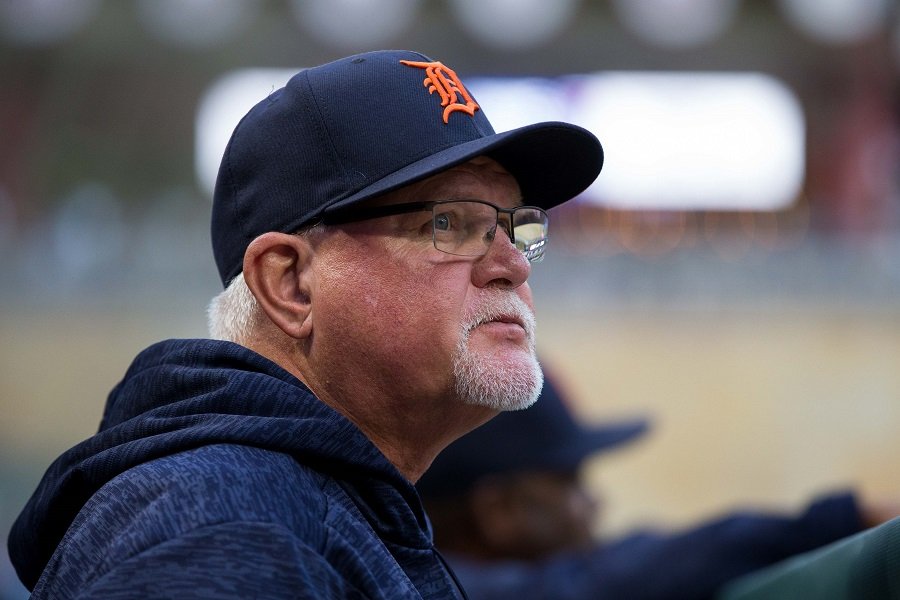 The trio will become the 35th, 36th, and 37th members of the Minnesota Twins Hall of Fame. The organization began the Hall of Fame with its inaugural class back in 2000. In the 22 years since, we’ve seen names like Bert Blyleven, Torii Hunter, Zoilo Versailles, and Justin Morneau added to the ranks. The lone player to be elected but not inducted was Chuck Knoblauch back in 2014. Ron Gardenhire served the Twins as a manager for 13 seasons. He posted a .507 winning percentage owning a final record of 1,068-1,039. His wins trail only Tom Kelly for most all-time in team history. During six of Gardy’s 13 seasons as manager, the Twins won the American League Central Division. Gardenhire’s high win total came in 2006 when Minnesota recorded 96 wins. The team was strapped in the postseason, having recently lost starting lefty, Francisco Liriano. He went on to win the American League Manager of the Year award in 2010 when the Twins ripped off 94 victories. Ron Gardenhire will always be synonymous with the strong divisional Twins clubs of the 2000s. Dan Gladden may now be most known for his work with Twins Radio but has been a member of the organization for 28 years. Winning two World Series rings in Minnesota, Gladden operated as the leadoff hitter and owns the club record for postseason runs scored and stolen bases. Gladden crossing home plate in the bottom of the 10th inning during Game 7 of the 1991 World Series gave the Twins their second World Series. A staple on Twins Radio, Gladden is coming up on an opportunity to land himself as the fourth-longest tenured broadcaster in club history. Cesar Tovar has long been advocated for enshrinement by fans and now will finally get his due. Playing eight seasons for the Twins, Tovar racked up MVP votes in five consecutive years from 1967-1971. A speed threat, Tovar is third all-time in stolen bases for the Twins and ranks seventh in triples. While position players pitching may have become a thing now, Tovar became the second player in American or National League history to play all nine positions in a single game on September 22, 1968. The Minnesota Twins announced that on-field ceremonies would take place pre-game on August 20 and 21st at Target Field before Minnesota’s tilts with the Texas Rangers. What are your favorite memories of Gardy, Gladden, and Tovar? Who would you like to see inducted next season?
- 30 comments
-
- 2
-
-
- ron gardenhire
- dan gladden
- (and 2 more)
-
 There was never any question that losing Pressly would hurt the Twins in the short term. He went on to post a 0.77 ERA with Houston over the final half of 2018. In 139 1/3 innings since Pressly has tallied a 2.45 ERA to go with an 11.8 K/9. He had become one of baseball’s best relievers with the Twins and has only ratcheted that up with the Astros. After making 60 appearances in 2021, Pressly’s team option vested into a fully guaranteed $10 million deal for 2022. He’ll hit the open market again before 2023 for his age 34 season. On the Twins side of things, they’ve seen a bit of what both Jorge Alcala and Gilberto Celestino can do, but 2022 should represent an opportunity for both to establish themselves completely. Let’s start in the bullpen with Alcala, as he’s a much more integral piece of the immediate puzzle. Pitching 59 2/3 innings last year for the Twins, Alcala owned a 3.92 ERA to go with a 9.2 K/9. Despite the 0.97 WHIP, his bugaboo was a 1.5 HR/9, pushing his FIP to 4.06. However, what’s worth noting is that it was a tale of two seasons for the Minnesota reliever. Through 40 appearances, he posted a 5.73 ERA and had allowed nine home runs in just 37 2/3 innings. A stretch of 22 innings pitched from that point forward, Alcala owned a 0.82 ERA, keeping opposing batters to a .420 OPS. His 27/3 K/BB was incredible, and only one ball left the yard. That’s what we must hope for coming into 2022. Derek Falvey didn’t flip Ryan Pressly for what Jorge Alcala was at the time, but he did make that move for what he could be now. At just 26-years-old, Alcala is still pre-arbitration and won’t hit free agency until 2026. Getting an elite level of production out of him for pennies on the dollar over the next four seasons would be a massive victory. He looks the part of a late-inning arm and could undoubtedly eat up closer opportunities should they present themselves. That alone would make the deal worth it, and we’ve yet to discuss Celestino. Forced into action early from Double-A after a run on outfield injuries last season, Celestino appeared in 23 games for the Twins. It went as to be expected, and he posted just a .466 OPS. Defensively the skills looked very close, but the bat needed more time to mature. Going to Triple-A St. Paul the rest of the way, Celestino made his case. Over 49 games with the Saints, he slashed .290/.384/.443 with 18 extra-base hits included five home runs. It was unquestionably his best offensive showing in the minors and should help re-establish his confidence in the future. Minnesota is always going to need a solid fourth outfielder behind Byron Buxton. I have some feelings about who they should look at outside of the organization, but Celestino could easily play himself into a better option for that role. Without needing to be an impact player immediately on Opening Day, it’s more than fair to suggest Celestino could parlay his strong finish at Triple-A into a forced promotion early on in 2022. Hitting on both inclusions in the Ryan Pressly trade would be the type of result Falvey had undoubtedly envisioned. It’s never easy to evaluate a baseball trade when it is made with an indication of how it will pan out. You can draw conclusions based on the level of prospect returned, but the real evaluation always takes place once players have had an opportunity to develop. Minnesota has pushed both talents through their system and is now ready to cash them in. It could soon become time to call this swap a victory.
- 83 comments
-
- 9
-
-
- jorge alcala
- ryan pressly
- (and 2 more)
-
On July 27, 2018, the Minnesota Twins made a move that many found frustrating when valuing Derek Falvey’s return. The team was mediocre, and Ryan Pressly was one of their best relievers. He was sent to Houston in exchange for Jorge Alcala and Gilberto Celestino. In 2022, it may be time for Falvey to cash both those checks. There was never any question that losing Pressly would hurt the Twins in the short term. He went on to post a 0.77 ERA with Houston over the final half of 2018. In 139 1/3 innings since Pressly has tallied a 2.45 ERA to go with an 11.8 K/9. He had become one of baseball’s best relievers with the Twins and has only ratcheted that up with the Astros. After making 60 appearances in 2021, Pressly’s team option vested into a fully guaranteed $10 million deal for 2022. He’ll hit the open market again before 2023 for his age 34 season. On the Twins side of things, they’ve seen a bit of what both Jorge Alcala and Gilberto Celestino can do, but 2022 should represent an opportunity for both to establish themselves completely. Let’s start in the bullpen with Alcala, as he’s a much more integral piece of the immediate puzzle. Pitching 59 2/3 innings last year for the Twins, Alcala owned a 3.92 ERA to go with a 9.2 K/9. Despite the 0.97 WHIP, his bugaboo was a 1.5 HR/9, pushing his FIP to 4.06. However, what’s worth noting is that it was a tale of two seasons for the Minnesota reliever. Through 40 appearances, he posted a 5.73 ERA and had allowed nine home runs in just 37 2/3 innings. A stretch of 22 innings pitched from that point forward, Alcala owned a 0.82 ERA, keeping opposing batters to a .420 OPS. His 27/3 K/BB was incredible, and only one ball left the yard. That’s what we must hope for coming into 2022. Derek Falvey didn’t flip Ryan Pressly for what Jorge Alcala was at the time, but he did make that move for what he could be now. At just 26-years-old, Alcala is still pre-arbitration and won’t hit free agency until 2026. Getting an elite level of production out of him for pennies on the dollar over the next four seasons would be a massive victory. He looks the part of a late-inning arm and could undoubtedly eat up closer opportunities should they present themselves. That alone would make the deal worth it, and we’ve yet to discuss Celestino. Forced into action early from Double-A after a run on outfield injuries last season, Celestino appeared in 23 games for the Twins. It went as to be expected, and he posted just a .466 OPS. Defensively the skills looked very close, but the bat needed more time to mature. Going to Triple-A St. Paul the rest of the way, Celestino made his case. Over 49 games with the Saints, he slashed .290/.384/.443 with 18 extra-base hits included five home runs. It was unquestionably his best offensive showing in the minors and should help re-establish his confidence in the future. Minnesota is always going to need a solid fourth outfielder behind Byron Buxton. I have some feelings about who they should look at outside of the organization, but Celestino could easily play himself into a better option for that role. Without needing to be an impact player immediately on Opening Day, it’s more than fair to suggest Celestino could parlay his strong finish at Triple-A into a forced promotion early on in 2022. Hitting on both inclusions in the Ryan Pressly trade would be the type of result Falvey had undoubtedly envisioned. It’s never easy to evaluate a baseball trade when it is made with an indication of how it will pan out. You can draw conclusions based on the level of prospect returned, but the real evaluation always takes place once players have had an opportunity to develop. Minnesota has pushed both talents through their system and is now ready to cash them in. It could soon become time to call this swap a victory. View full article
- 83 replies
-
- 1
-
-
- jorge alcala
- ryan pressly
- (and 2 more)
-
Francisco Liriano announced his retirement from Major League Baseball today. After 14 years, 419 games, and over 1,800 innings, he’s calling it quits. As a Minnesota Twins fan, though, it’s worth wondering what could have been thinking back to 2006. Having made his Major League Debut in 2005, Liriano had just 23 2/3 innings under his belt coming into the 2006 season. Ron Gardenhire put Liriano on his Opening Day roster, but the talented lefty was set to begin out of the bullpen. He made his season debut in the second game, throwing two innings of relief against the Toronto Blue Jays. Minnesota won that game 13-4, and Liriano tallied his first three strikeouts of the season. From there, Gardenhire used Liriano mainly for late-inning work. Across 12 games, Liriano pitched 22 1/3 innings of relief work, compiling a 3.22 ERA and impressive 32/4 K/BB mark. Of the eight earned runs given up, five came in a three-inning clunker against the Detroit Tigers. Minnesota lost that game 18-1, and it was the lone stain on Liriano’s relief work. Then the switch happened. On May 19, 2006, Francisco Liriano took the ball to start for the Twins against the Milwaukee Brewers. He didn’t relieve a game again the rest of the way. Against the Brewers, Liriano went five strong innings giving up just one run on two hits while striking out five. A few turns later, this time against the Pittsburgh Pirates on June 16, 2006, Liriano punched out double-digit batters for the first time in his career. Notching 11 strikeouts against the Buccos, Liriano improved to 6-1 on the season, and his ERA sat at just 2.16. Facing the Brewers again on July 2, 2016, Liriano set a new career-high in strikeouts with 12. Throwing eight shutout innings, Liriano pushed his ERA down to 1.99. After a couple more wins, Liriano then put a bow on his early work with a 10 and 12 strikeout performance against Cleveland and Detroit, respectively. Then things changed. Making a start against the Tigers on August 7, 2006, Liriano threw just 67 pitches while allowing four runs on ten hits before being lifted. He was scratched the start prior with forearm inflammation and then lifted against Detroit with what was called a left elbow injury. After an MRI revealed only inflammation on July 31, Liriano was set for another one and told reporters he was more scared this time, saying, “it bothered me. It’s getting worse you know.” Liriano returned for a start on September 13, 2006, but lasted just 27 pitches before his season was over. He had suggested hearing a pop in his elbow. The 1st place Minnesota Twins would be without one of their top arms, ultimately falling to the Oakland Athletics in the American League Division Series. Discussing the MRI’s Liriano had undergone, Twins General Manager Terry Ryan said, "The MRI came back exactly the same as the previous one. He has a ligament strain, but there is no structural damage. That's the good news.” On September 15, 2006, surgery was not the planned course of action. Fast forward less than a month, and on November 6, 2006, Francisco Liriano underwent Tommy John surgery. Working on getting back from his procedure, Liriano returned to the mound for Minnesota on April 13, 2008. It was his first start in more than a year, and the rust showed. He allowed four runs on six hits and didn’t make it through the 5th inning. Throwing his fastball at just 91.9 mph, he’d lost nearly 3 mph off the 94.7 mph he averaged in 2006. The All-Star and third place Rookie of the Year finisher didn’t look the same and ultimately never would. Those 121 innings from a 22-year-old Liriano in 2006 were among the highlights of the Minnesota Twins during the 2000s. Paired with Johan Santana, Ron Gardenhire appeared to have a duo of lefties that could mow down even the best opposing offenses. Playing 12 more seasons and putting up a 4.28 ERA is hardly something to scoff at, but there’s no denying that this is a talent you have to wonder what could have been. Liriano doesn’t have a shot at the Hall of Fame, but maybe he would have. Perhaps the Twins wouldn’t have flipped him for Eduardo Escobar in 2012. His career was solid but ultimately defined by a “what if?” Outside of Liriano as a player on his own, it's worth wondering how the 2006 Minnesota Twins season would've ended had he been a healthy part of the Postseason rotation. The Twins were ultimately swept by a good Oakland Athletics team, but they had to start Boof Bonser in game 2 and turned to Brad Radke in game 3. The Twins came in with home field advantage and have not won a Postseason game dating back to 2004. Just another part of the what could've been story. Do you remember back to that first season of Francisco Liriano? What did you think the Twins had in him? What are some of your favorite memories? View full article
- 16 replies
-
- 1
-
-
- francisco liriano
- eduardo escobar
- (and 1 more)
-
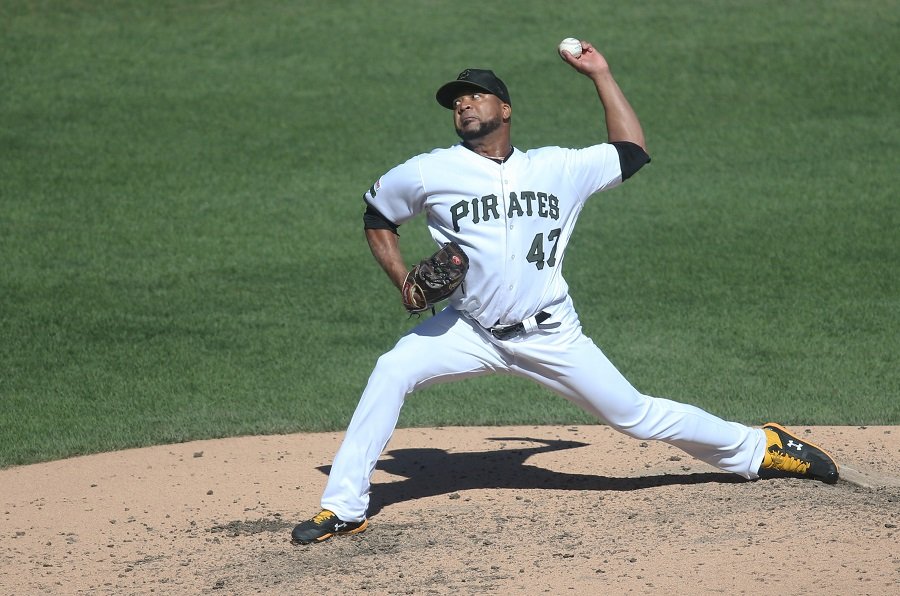 Having made his Major League Debut in 2005, Liriano had just 23 2/3 innings under his belt coming into the 2006 season. Ron Gardenhire put Liriano on his Opening Day roster, but the talented lefty was set to begin out of the bullpen. He made his season debut in the second game, throwing two innings of relief against the Toronto Blue Jays. Minnesota won that game 13-4, and Liriano tallied his first three strikeouts of the season. From there, Gardenhire used Liriano mainly for late-inning work. Across 12 games, Liriano pitched 22 1/3 innings of relief work, compiling a 3.22 ERA and impressive 32/4 K/BB mark. Of the eight earned runs given up, five came in a three-inning clunker against the Detroit Tigers. Minnesota lost that game 18-1, and it was the lone stain on Liriano’s relief work. Then the switch happened. On May 19, 2006, Francisco Liriano took the ball to start for the Twins against the Milwaukee Brewers. He didn’t relieve a game again the rest of the way. Against the Brewers, Liriano went five strong innings giving up just one run on two hits while striking out five. A few turns later, this time against the Pittsburgh Pirates on June 16, 2006, Liriano punched out double-digit batters for the first time in his career. Notching 11 strikeouts against the Buccos, Liriano improved to 6-1 on the season, and his ERA sat at just 2.16. Facing the Brewers again on July 2, 2016, Liriano set a new career-high in strikeouts with 12. Throwing eight shutout innings, Liriano pushed his ERA down to 1.99. After a couple more wins, Liriano then put a bow on his early work with a 10 and 12 strikeout performance against Cleveland and Detroit, respectively. Then things changed. Making a start against the Tigers on August 7, 2006, Liriano threw just 67 pitches while allowing four runs on ten hits before being lifted. He was scratched the start prior with forearm inflammation and then lifted against Detroit with what was called a left elbow injury. After an MRI revealed only inflammation on July 31, Liriano was set for another one and told reporters he was more scared this time, saying, “it bothered me. It’s getting worse you know.” Liriano returned for a start on September 13, 2006, but lasted just 27 pitches before his season was over. He had suggested hearing a pop in his elbow. The 1st place Minnesota Twins would be without one of their top arms, ultimately falling to the Oakland Athletics in the American League Division Series. Discussing the MRI’s Liriano had undergone, Twins General Manager Terry Ryan said, "The MRI came back exactly the same as the previous one. He has a ligament strain, but there is no structural damage. That's the good news.” On September 15, 2006, surgery was not the planned course of action. Fast forward less than a month, and on November 6, 2006, Francisco Liriano underwent Tommy John surgery. Working on getting back from his procedure, Liriano returned to the mound for Minnesota on April 13, 2008. It was his first start in more than a year, and the rust showed. He allowed four runs on six hits and didn’t make it through the 5th inning. Throwing his fastball at just 91.9 mph, he’d lost nearly 3 mph off the 94.7 mph he averaged in 2006. The All-Star and third place Rookie of the Year finisher didn’t look the same and ultimately never would. Those 121 innings from a 22-year-old Liriano in 2006 were among the highlights of the Minnesota Twins during the 2000s. Paired with Johan Santana, Ron Gardenhire appeared to have a duo of lefties that could mow down even the best opposing offenses. Playing 12 more seasons and putting up a 4.28 ERA is hardly something to scoff at, but there’s no denying that this is a talent you have to wonder what could have been. Liriano doesn’t have a shot at the Hall of Fame, but maybe he would have. Perhaps the Twins wouldn’t have flipped him for Eduardo Escobar in 2012. His career was solid but ultimately defined by a “what if?” Outside of Liriano as a player on his own, it's worth wondering how the 2006 Minnesota Twins season would've ended had he been a healthy part of the Postseason rotation. The Twins were ultimately swept by a good Oakland Athletics team, but they had to start Boof Bonser in game 2 and turned to Brad Radke in game 3. The Twins came in with home field advantage and have not won a Postseason game dating back to 2004. Just another part of the what could've been story. Do you remember back to that first season of Francisco Liriano? What did you think the Twins had in him? What are some of your favorite memories?
- 16 comments
-
- 5
-
-
- francisco liriano
- eduardo escobar
- (and 1 more)
-
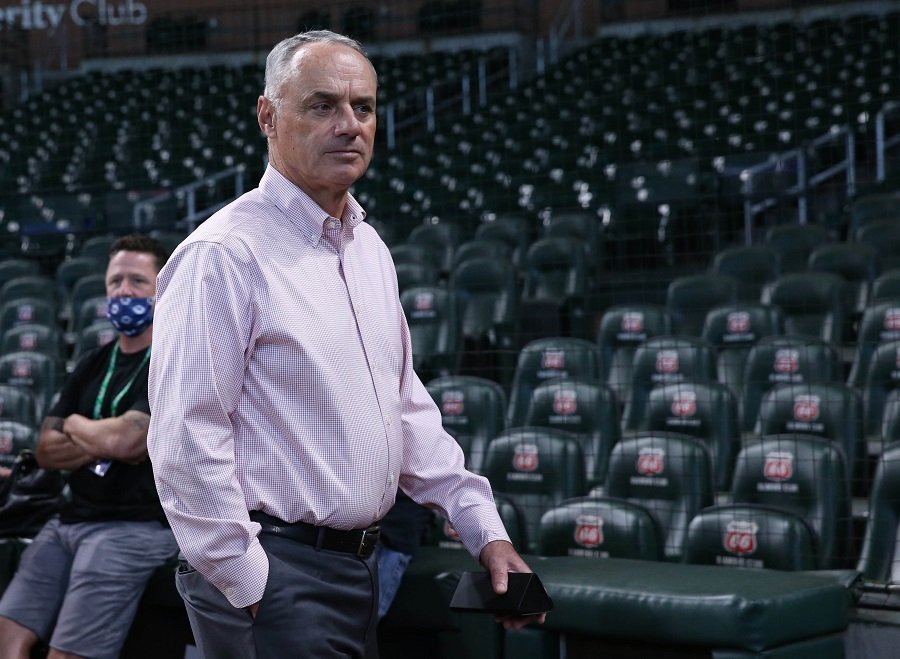 There was never expected to be a deal struck yesterday, but it is unfortunate to see the parameters of Major League Baseball’s proposal. As ESPN’s Jeff Passan outlined, the highlights were a slight raise in the minimum salary, draft pick incentivization to teams that don’t manipulate service time, and tweaks to a proposed draft lottery. The universal designated hitter remained part of the current language and there was also the proposal of an expanded Postseason going to 14 teams from the current 12. Lots of good nuggets were thrown out on Twitter yesterday and each of them is worthy of being addressed. Let’s get into those: On minimum salary - That's a decent start, but a substantial amount of Major Leaguers make the league minimum. After being underpaid as minor leaguers a $30,000 jump might not be seen as much of a needle mover. On the Luxury Tax- This is arguably the most notable area of contention for players. While Major League Baseball does not have a salary cap, many organizations act as though there is one. Few ever venture into the Luxury Tax, and plenty more come right up next to it while avoiding additional spending. The owners willing to move just $4 million while the players are hoping for $35 million is an inconsequential concession. The little bit of movement also suggests that owners don't want spending power for their teams to go up as they'd then be expected to allocate those funds. Obviously this was met with frustration by the players. Apparently the owners viewed this proposal as far from complete, and despite the lack of urgency, will tackle only certain issues at a time. On service time manipulation- From the moment I saw this included I wondered how it would be applied. Service time manipulation has been beyond evident at times and yet players still are told to deal with it. As Eugene notes in the tweet above, tying service time manipulation to outcomes driven from outside sources, the issue is no longer being handled by the parties involved. It'd be great for teams to promote players when they are ready, but the most beneficial thing to an organization is how long they can control a player at less than market value. On free agency- Keeping a player away from free agency remains of the utmost importance to owners. While being paid through arbitration the wages are significantly diminished and contracts are handled on a yearly basis. The idea of small or mid-market teams stems from owners wanting a fanbase to believe they are not able to spend with larger geographical locations. There are certainly more desirable places to play, but players don't leave teams for those reasons as much as they go to where the payday will come. Most small and mid-market teams look to flip their stars before paying them, and that's a much greater issue regarding competitive balance than any decision a player will make on their own. Again, there was never a belief that yesterday would mark a deal getting done, but the state of negotiations as they stand now isn't a promising one. The owners took over a month to propose a deal with many non-starters for players and have took the stance that they were only focused on parts of the puzzle. At the end of the day Spring Training is looking more and more in question. Players skipping games is really the only want owners feel it in their pocketbooks, and we're rolling towards that reality. As the calendar turns day by day, the greatest indicator of progress will be how quickly counter-proposals are set forth. If we're continuing to do this weeks at a time, baseball by May might be a longshot. MORE FROM TWINS DAILY — Latest Twins coverage from our writers — Recent Twins discussion in our forums — Follow Twins Daily via Twitter, Facebook, or email
- 20 comments
-
- 1
-

-
- rob manfred
- major league baseball
- (and 1 more)
-
42 days had passed since Major League Baseball had met with the players union. Following his decision to lock out the players, Rob Manfred and the owners waited that amount of time to offer their proposal. Yesterday the event came and went. There was never expected to be a deal struck yesterday, but it is unfortunate to see the parameters of Major League Baseball’s proposal. As ESPN’s Jeff Passan outlined, the highlights were a slight raise in the minimum salary, draft pick incentivization to teams that don’t manipulate service time, and tweaks to a proposed draft lottery. The universal designated hitter remained part of the current language and there was also the proposal of an expanded Postseason going to 14 teams from the current 12. Lots of good nuggets were thrown out on Twitter yesterday and each of them is worthy of being addressed. Let’s get into those: On minimum salary - That's a decent start, but a substantial amount of Major Leaguers make the league minimum. After being underpaid as minor leaguers a $30,000 jump might not be seen as much of a needle mover. On the Luxury Tax- This is arguably the most notable area of contention for players. While Major League Baseball does not have a salary cap, many organizations act as though there is one. Few ever venture into the Luxury Tax, and plenty more come right up next to it while avoiding additional spending. The owners willing to move just $4 million while the players are hoping for $35 million is an inconsequential concession. The little bit of movement also suggests that owners don't want spending power for their teams to go up as they'd then be expected to allocate those funds. Obviously this was met with frustration by the players. Apparently the owners viewed this proposal as far from complete, and despite the lack of urgency, will tackle only certain issues at a time. On service time manipulation- From the moment I saw this included I wondered how it would be applied. Service time manipulation has been beyond evident at times and yet players still are told to deal with it. As Eugene notes in the tweet above, tying service time manipulation to outcomes driven from outside sources, the issue is no longer being handled by the parties involved. It'd be great for teams to promote players when they are ready, but the most beneficial thing to an organization is how long they can control a player at less than market value. On free agency- Keeping a player away from free agency remains of the utmost importance to owners. While being paid through arbitration the wages are significantly diminished and contracts are handled on a yearly basis. The idea of small or mid-market teams stems from owners wanting a fanbase to believe they are not able to spend with larger geographical locations. There are certainly more desirable places to play, but players don't leave teams for those reasons as much as they go to where the payday will come. Most small and mid-market teams look to flip their stars before paying them, and that's a much greater issue regarding competitive balance than any decision a player will make on their own. Again, there was never a belief that yesterday would mark a deal getting done, but the state of negotiations as they stand now isn't a promising one. The owners took over a month to propose a deal with many non-starters for players and have took the stance that they were only focused on parts of the puzzle. At the end of the day Spring Training is looking more and more in question. Players skipping games is really the only want owners feel it in their pocketbooks, and we're rolling towards that reality. As the calendar turns day by day, the greatest indicator of progress will be how quickly counter-proposals are set forth. If we're continuing to do this weeks at a time, baseball by May might be a longshot. MORE FROM TWINS DAILY — Latest Twins coverage from our writers — Recent Twins discussion in our forums — Follow Twins Daily via Twitter, Facebook, or email View full article
-
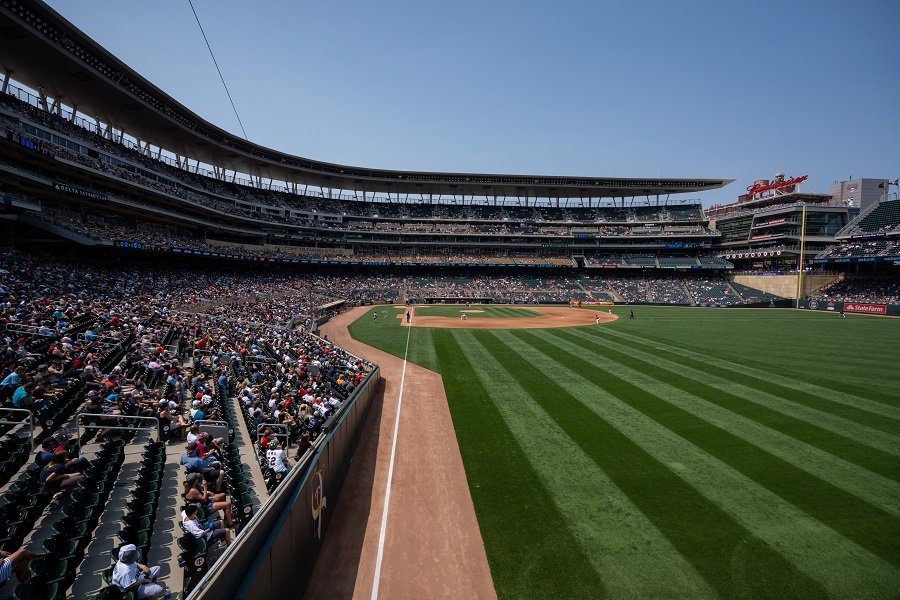 Becoming the ninth member in organization history to have his number retired, Kaat will join the likes of Joe Mauer, Harmon Killebrew, Rod Carew, Tony Oliva, Kent Hrbek, Kirby Puckett, Bert Blyleven, and Tom Kelly. Kaat was a three-time All-Star and 16-time Gold Glove winner. He won a World Series ring with the St. Louis Cardinals in 1982 and finished with 283 career wins. Jim Pohlad released a statement saying, “For more than sixty years, Jim Kaat has been an important part of the fabric of the Minnesota Twins organization. With ‘Kitty’s’ storied career on the field as well as his accolades in the broadcast booth and his contributions in the community in mind, the Twins family is proud to bestow our highest honor with the retirement of his jersey – number 36. We are excited to celebrate his decades-long commitment to Twins Territory, as well as his much-deserved and long-awaited induction into the National Baseball Hall of Fame, this coming season.” Since retirement Kaat has made a home in the broadcast booth working for the Twins and other organizations around baseball. His trademark on the microphone is the ability to tell stories and take us back to the game as it was before. As someone who threw more than 4,500 innings during his career, there’s no doubt he’s seen it all. Kaat was a crafty southpaw, but that didn’t stop him from compiling over 2,400 strikeouts on the mound. For the Twins, number 36 will have been worn by a total of 34 players. It was last worn in 2020 by Tyler Clippard, and since Kaat, most famously by Joe Nathan. Minnesota’s former closer is also up for induction into the Major League Baseball Hall of Fame this year, but his candidacy appears to be falling well short. A pregame celebration for Kaat’s jersey retirement will take place on July 16 against the Chicago White Sox. You can bet Minnesota will plan further festivities surrounding the day. MORE TWINS DAILY CONTENT — Latest Twins coverage from our writers — Recent Twins discussion in our forums — Follow Twins Daily via Twitter, Facebook or email
 -
In early December, it was announced that former Minnesota Twins great pitcher Jim Kaat was being inducted into the Major League Baseball Hall of Fame. Elected by the Golden Days Era Committee, “Kitty” was getting his due. Now the Twins have announced they’ll celebrate him too. Becoming the ninth member in organization history to have his number retired, Kaat will join the likes of Joe Mauer, Harmon Killebrew, Rod Carew, Tony Oliva, Kent Hrbek, Kirby Puckett, Bert Blyleven, and Tom Kelly. Kaat was a three-time All-Star and 16-time Gold Glove winner. He won a World Series ring with the St. Louis Cardinals in 1982 and finished with 283 career wins. Jim Pohlad released a statement saying, “For more than sixty years, Jim Kaat has been an important part of the fabric of the Minnesota Twins organization. With ‘Kitty’s’ storied career on the field as well as his accolades in the broadcast booth and his contributions in the community in mind, the Twins family is proud to bestow our highest honor with the retirement of his jersey – number 36. We are excited to celebrate his decades-long commitment to Twins Territory, as well as his much-deserved and long-awaited induction into the National Baseball Hall of Fame, this coming season.” Since retirement Kaat has made a home in the broadcast booth working for the Twins and other organizations around baseball. His trademark on the microphone is the ability to tell stories and take us back to the game as it was before. As someone who threw more than 4,500 innings during his career, there’s no doubt he’s seen it all. Kaat was a crafty southpaw, but that didn’t stop him from compiling over 2,400 strikeouts on the mound. For the Twins, number 36 will have been worn by a total of 34 players. It was last worn in 2020 by Tyler Clippard, and since Kaat, most famously by Joe Nathan. Minnesota’s former closer is also up for induction into the Major League Baseball Hall of Fame this year, but his candidacy appears to be falling well short. A pregame celebration for Kaat’s jersey retirement will take place on July 16 against the Chicago White Sox. You can bet Minnesota will plan further festivities surrounding the day. MORE TWINS DAILY CONTENT — Latest Twins coverage from our writers — Recent Twins discussion in our forums — Follow Twins Daily via Twitter, Facebook or email View full article
-
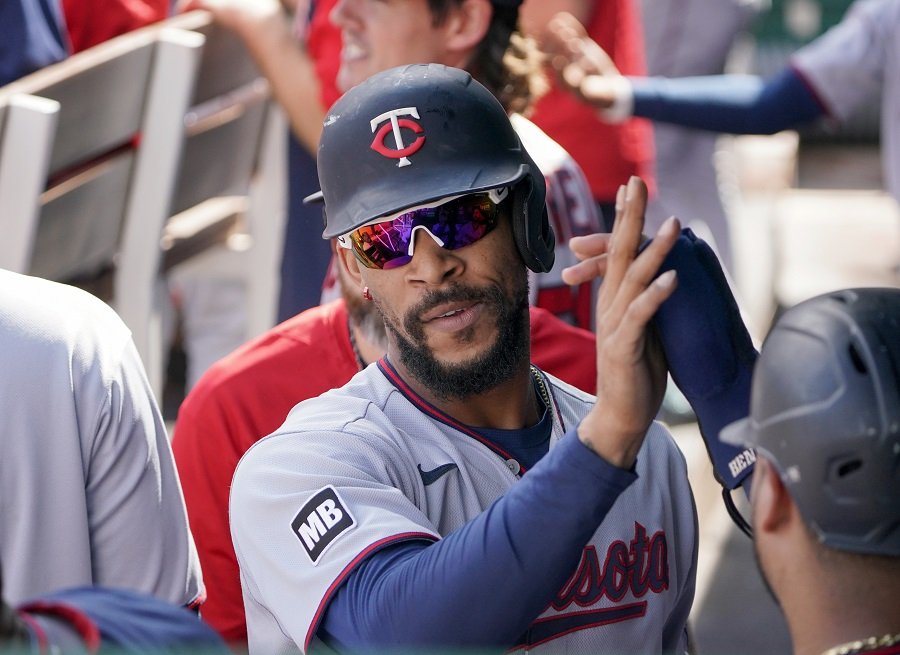 Saddled with Paul Molitor to start his tenure, Falvey tabbed Rocco Baldelli as manager before the 2019 season. A breath of fresh air and a new perspective, Baldelli represented a complete change from the Twins' old guard. While the losing in October hasn’t ceased yet, the club has stockpiled a plethora of solid prospects and could be on the verge of another sustained run. Here’s one writer's opinion of the five best moves Minnesota has made during Derek Falvey’s tenure: 5. Nelson Cruz Signing (Twice) Looking to add thump to their lineup, Falvey inked the long-time designated hitter to a one-year deal worth $14 million (and a second-year option at $12 million). At 38-years-old, there was cause for concern, and he was coming off a slide posting just an .850 OPS for the Mariners. His services were hotly contested, and he wound up being a catalyst for the Bomba Squad. Cruz’s 1.031 OPS was a career-best, and he finished 9th in the American League MVP voting after blasting 41 dingers. His value was estimated as being worth more than $34 million that season by Fangraphs. 4. Nelson Cruz Trade After bringing Cruz back on a one-year deal for $13 million, Minnesota saw the writing on the wall as they slipped down the AL Central standings in 2021. Having posted a .907 OPS through 85 games for the Twins, Cruz was still productive at 40. Despite half of the sport not using the designated hitter, and even fewer teams needing one, Falvey orchestrated a coup in a deal from the Tampa Bay Rays. Acquiring Team USA ace and top-100 prospect Joe Ryan for a few months of Cruz would’ve been great on its own. Minnesota also netted Drew Strotman (a recent Twins Spotlight guest), another strong pitching prospect, and despite Cruz’s greatness here, they couldn’t have packed his bags fast enough for that return. 3. Michael Pineda Signing Signing someone while injured is always a tricky situation, but that’s what Falvey opted to do with Michael Pineda. Needing starting arms, the Twins came to an agreement with the former Yankees starter while he was recovering from Tommy John surgery in 2018. Paying him just $10 million over two years, Minnesota got to monitor Pineda’s rehab and set him up to be a rotation mainstay for them in 2019. He turned in a strong 4.01 ERA and was among the many reasons the club was so good. In 2019 alone, Fangraphs valued Pineda’s production north of $20 million. Pineda has been unquestionably the best free-agent move on the pitching front from this front office, taking steps forward in each of the next two seasons. 2. Jorge Polanco Extension After a career-best .773 OPS in 2018, Minnesota decided to lock Polanco up long term. He was signed to a five-year deal with two additional options. The guaranteed portion was for just $25.75 million, or $5.15 million per year. Polanco became a first-time All-Star in 2019, posting an .841 OPS and generating MVP votes for the first time in his career. His 2020 was a slide backward as he dealt with nagging ankle issues, but a switch to second base and a clean bill of health had him rebounding to an .826 OPS in 2021, and he launched a career-best 33 homers. Polanco is among the best second basemen in baseball, and this contract looks like one of the most team-friendly deals across the entire sport. 1. Byron Buxton Extension This one takes the top spot mainly for the impact it could have and would have had it not gotten done. Buxton is a generational talent, and the only thing that has sapped his earning potential is the ability to stay on the field. Now signed to a seven-year, $100 million contract, Buxton looks to expand upon three seasons totaling an .897 OPS. He’s arguably the best defensive outfielder in the game and has come into his power potential; the speed asset to his game is just a cherry on top. Minnesota needed to get this done, and now both parties stand to benefit plenty from one another. What are some of the moves made under Derek Falvey that you would place here? Is there a favorite I missed? MORE FROM TWINS DAILY — Latest Twins coverage from our writers — Recent Twins discussion in our forums — Follow Twins Daily via Twitter, Facebook or email
- 19 comments
-
- 2
-
-
- nelson cruz
- michael pineda
- (and 3 more)
-
The Minnesota Twins turned their front office over to Derek Falvey in October of 2016. After participating in his first offseason, the first club of record played during the 2017 season. In five years leading the organization, Falvey has orchestrated three postseason appearances. What are the moves he’s made to get there? Saddled with Paul Molitor to start his tenure, Falvey tabbed Rocco Baldelli as manager before the 2019 season. A breath of fresh air and a new perspective, Baldelli represented a complete change from the Twins' old guard. While the losing in October hasn’t ceased yet, the club has stockpiled a plethora of solid prospects and could be on the verge of another sustained run. Here’s one writer's opinion of the five best moves Minnesota has made during Derek Falvey’s tenure: 5. Nelson Cruz Signing (Twice) Looking to add thump to their lineup, Falvey inked the long-time designated hitter to a one-year deal worth $14 million (and a second-year option at $12 million). At 38-years-old, there was cause for concern, and he was coming off a slide posting just an .850 OPS for the Mariners. His services were hotly contested, and he wound up being a catalyst for the Bomba Squad. Cruz’s 1.031 OPS was a career-best, and he finished 9th in the American League MVP voting after blasting 41 dingers. His value was estimated as being worth more than $34 million that season by Fangraphs. 4. Nelson Cruz Trade After bringing Cruz back on a one-year deal for $13 million, Minnesota saw the writing on the wall as they slipped down the AL Central standings in 2021. Having posted a .907 OPS through 85 games for the Twins, Cruz was still productive at 40. Despite half of the sport not using the designated hitter, and even fewer teams needing one, Falvey orchestrated a coup in a deal from the Tampa Bay Rays. Acquiring Team USA ace and top-100 prospect Joe Ryan for a few months of Cruz would’ve been great on its own. Minnesota also netted Drew Strotman (a recent Twins Spotlight guest), another strong pitching prospect, and despite Cruz’s greatness here, they couldn’t have packed his bags fast enough for that return. 3. Michael Pineda Signing Signing someone while injured is always a tricky situation, but that’s what Falvey opted to do with Michael Pineda. Needing starting arms, the Twins came to an agreement with the former Yankees starter while he was recovering from Tommy John surgery in 2018. Paying him just $10 million over two years, Minnesota got to monitor Pineda’s rehab and set him up to be a rotation mainstay for them in 2019. He turned in a strong 4.01 ERA and was among the many reasons the club was so good. In 2019 alone, Fangraphs valued Pineda’s production north of $20 million. Pineda has been unquestionably the best free-agent move on the pitching front from this front office, taking steps forward in each of the next two seasons. 2. Jorge Polanco Extension After a career-best .773 OPS in 2018, Minnesota decided to lock Polanco up long term. He was signed to a five-year deal with two additional options. The guaranteed portion was for just $25.75 million, or $5.15 million per year. Polanco became a first-time All-Star in 2019, posting an .841 OPS and generating MVP votes for the first time in his career. His 2020 was a slide backward as he dealt with nagging ankle issues, but a switch to second base and a clean bill of health had him rebounding to an .826 OPS in 2021, and he launched a career-best 33 homers. Polanco is among the best second basemen in baseball, and this contract looks like one of the most team-friendly deals across the entire sport. 1. Byron Buxton Extension This one takes the top spot mainly for the impact it could have and would have had it not gotten done. Buxton is a generational talent, and the only thing that has sapped his earning potential is the ability to stay on the field. Now signed to a seven-year, $100 million contract, Buxton looks to expand upon three seasons totaling an .897 OPS. He’s arguably the best defensive outfielder in the game and has come into his power potential; the speed asset to his game is just a cherry on top. Minnesota needed to get this done, and now both parties stand to benefit plenty from one another. What are some of the moves made under Derek Falvey that you would place here? Is there a favorite I missed? MORE FROM TWINS DAILY — Latest Twins coverage from our writers — Recent Twins discussion in our forums — Follow Twins Daily via Twitter, Facebook or email View full article
- 19 replies
-
- 1
-
-
- nelson cruz
- michael pineda
- (and 3 more)
-
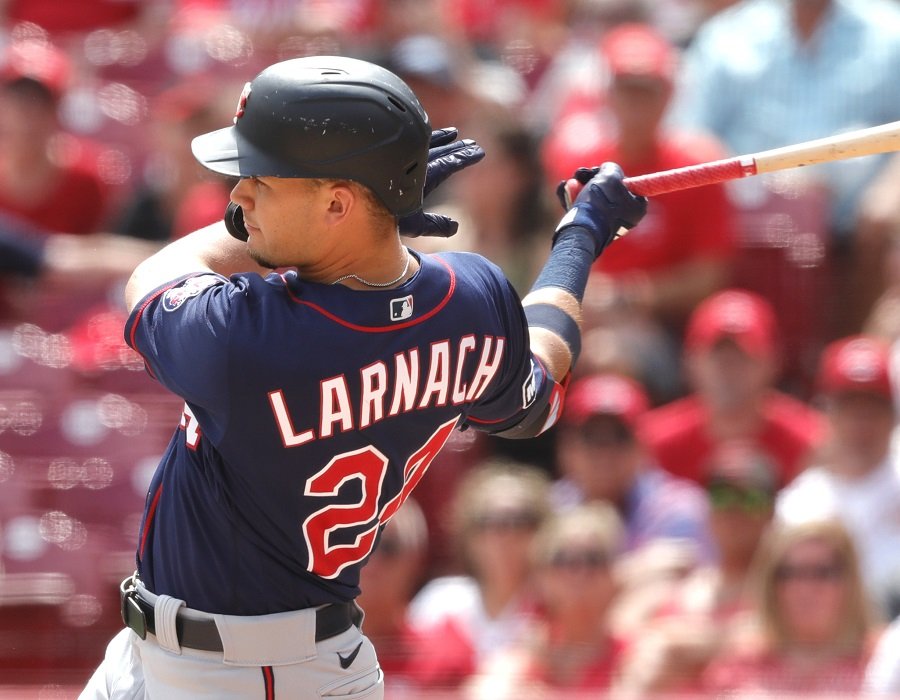 Why is that the opposite? Remember, this lockout revolves around only Major League Baseball and its players. Minor League Baseball is not covered under that umbrella, and while that’s often to its detriment, that means affiliated action will go off without a hitch in the year ahead. During the pandemic shortened 2020 season, we had a 60-game big-league schedule and no minor league action. There was the birth of Alternate Sites, but no games of record took place. Fast forward to where we are now, and a year of development could come on the farm with nothing taking place at Target Field. It’s a really weird thing to think about, the minor league feeder system taking place with no ultimate goal being represented for a year. However, the reality is that it’s on the farm where the most development happens, and losing that season was highly disappointing for plenty of prospects. If time were to stand still on the Major League side, the year would be solely focused on developing the next wave of prospects. While that could be a good thing for guys a bit further away, it's certainly an unfortunate reality for some of the Twins best young talents. Two situations come to mind, and the biggest of them may involve Royce Lewis. Minnesota’s top prospect hasn’t played a game since 2019. After losing the season to Covid, he tore his ACL before 2021 even began. Still an elite talent, Lewis is looking to distance himself for down results last time he was on the field and also trying to build on a swing and position that both still have question marks. There’s no doubt Lewis is a big part of Minnesota’s future, and he has an outside chance of reaching the majors this season. Having recently been added to the 40 man roster, he'd be stuck in limbo with no opportunity to get back on the field but also being pushed further from his ultimate goal. In a cascade of continued unfortunate events, it'd be nice to see Lewis catch a break. The other grouping includes players that could use the additional time to develop and now won’t have that opportunity. After struggling, Trevor Larnach was sent back to Triple-A, and Jose Miranda is still a young kid. Throw in arms like Jordan Balazovic or Jhoan Duran, and there’s a lot of young talent on the Twins 40-man roster. Like Lewis, having been added to the 40-man, none of those players would be eligible to participate in minor league games. Irrelevant is whether they have options or could be maneuvered around the roster. With the league locked out, no transactions are permitted, meaning the pool of players for organizations solely becomes those not on a 40-man roster. At the end of the day, we’re going to have meaningful baseball, and that’s a great thing. Unfortunately, my belief has dwindled that we’ll have a full Major League season, and if there isn’t one at all, it may help as many guys as it hurts. Really this all comes down to Rob Manfred and the league working through this with the union so everyone can get back to work. MORE TWINS DAILY CONTENT — Latest Twins coverage from our writers — Recent Twins discussion in our forums — Follow Twins Daily via Twitter, Facebook or email
- 12 comments
-
- 3
-
-
- royce lewis
- trevor larnach
- (and 3 more)
-
Right now, Major League Baseball is enduring a lockout. Rob Manfred has shut out the players, and neither side has done any work regarding a resolution for over a month. We’re quickly approaching Spring Training, but games will likely be missed. What if we have the opposite of 2020, and there’s no Major League season at all? Why is that the opposite? Remember, this lockout revolves around only Major League Baseball and its players. Minor League Baseball is not covered under that umbrella, and while that’s often to its detriment, that means affiliated action will go off without a hitch in the year ahead. During the pandemic shortened 2020 season, we had a 60-game big-league schedule and no minor league action. There was the birth of Alternate Sites, but no games of record took place. Fast forward to where we are now, and a year of development could come on the farm with nothing taking place at Target Field. It’s a really weird thing to think about, the minor league feeder system taking place with no ultimate goal being represented for a year. However, the reality is that it’s on the farm where the most development happens, and losing that season was highly disappointing for plenty of prospects. If time were to stand still on the Major League side, the year would be solely focused on developing the next wave of prospects. While that could be a good thing for guys a bit further away, it's certainly an unfortunate reality for some of the Twins best young talents. Two situations come to mind, and the biggest of them may involve Royce Lewis. Minnesota’s top prospect hasn’t played a game since 2019. After losing the season to Covid, he tore his ACL before 2021 even began. Still an elite talent, Lewis is looking to distance himself for down results last time he was on the field and also trying to build on a swing and position that both still have question marks. There’s no doubt Lewis is a big part of Minnesota’s future, and he has an outside chance of reaching the majors this season. Having recently been added to the 40 man roster, he'd be stuck in limbo with no opportunity to get back on the field but also being pushed further from his ultimate goal. In a cascade of continued unfortunate events, it'd be nice to see Lewis catch a break. The other grouping includes players that could use the additional time to develop and now won’t have that opportunity. After struggling, Trevor Larnach was sent back to Triple-A, and Jose Miranda is still a young kid. Throw in arms like Jordan Balazovic or Jhoan Duran, and there’s a lot of young talent on the Twins 40-man roster. Like Lewis, having been added to the 40-man, none of those players would be eligible to participate in minor league games. Irrelevant is whether they have options or could be maneuvered around the roster. With the league locked out, no transactions are permitted, meaning the pool of players for organizations solely becomes those not on a 40-man roster. At the end of the day, we’re going to have meaningful baseball, and that’s a great thing. Unfortunately, my belief has dwindled that we’ll have a full Major League season, and if there isn’t one at all, it may help as many guys as it hurts. Really this all comes down to Rob Manfred and the league working through this with the union so everyone can get back to work. MORE TWINS DAILY CONTENT — Latest Twins coverage from our writers — Recent Twins discussion in our forums — Follow Twins Daily via Twitter, Facebook or email View full article
-
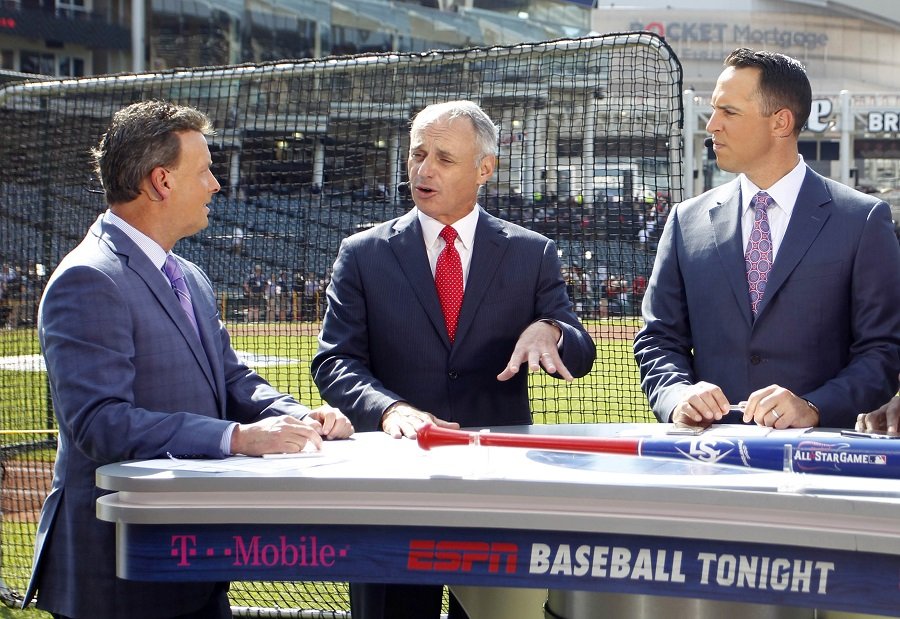 Earlier this week one of the best reporters in the game, Ken Rosenthal, was let go from MLB Network. This stems from his criticism (and that should be used lightly) of overlord Rob Manfred. Major League Baseball’s commissioner is a steward of the owners, and while he actively seeks to line their pockets, he doesn’t need anyone on his airwaves sowing doubt about his leadership. Rosenthal is still employed by The Athletic (who was just recently acquired by the New York Times) and Fox. Seeing players rally in support of Rosenthal was a great thing as well. On Wednesday a piece was penned by ESPN’s Jeff Passan in relation to the state of baseball’s CBA issues. Some of the highlights, or maybe lowlights, don’t paint a pretty picture at all. We’re closer to Spring Training and yet the sides have not had a single meeting to suggest any sort of progress. A source was frank to Passan in simply stating, “What the (expletive) are we doing?” Passan talks about the decreasing optimism among those in the know that there will be a full season. The last discussion lasted just seven minutes, and we saw these two sides struggle mightily when it came to generating an agreement for 2020. Ultimately Manfred implemented a 60-game season, but that was due to the outlined agreements within the CBA rather than a compromise between both parties. As has been the case from the beginning most within the sport don’t see the sides coming together until later this month. With Spring Training being just weeks away at that point, you can all but guarantee time will be missed there. The problem, as Passan outlines, is that the issues surrounding the CBA are far more contentious than those discussed during the Covid-shortened 2020, and will need a much longer runway. There’s a way to work through them, but if Manfred’s letter to fans after locking out the players was any indication, he doesn’t appear willing to do so in good faith. This excerpt from Passan’s piece couldn’t be more spot on: While the players continue to be frustrated with ownership as spending dips and the Competitive Balance Tax is used as a soft cap, ownership wants no part of granting players free agency sooner or relinquishing control over cost effectiveness. A source told Passan, "The only thing that's gonna move either side is mutual assured destruction." The piece goes into an avenue where a CBA could take both sides, and while each needs to make concessions, the reality is that there’s a ton to work through. A deal not being close by February 1 would almost assuredly cancel Spring Training games. A handful of free agents still need to be signed, and a sport with many foreign players needs runway for Visas and travel arrangements to be made. Should things not be agreed to by May 1, we’re going to see the first substantial work stopped since the 1994-95 calendar. It’s on both sides to fix this, but make no mistake, this will be Rob Manfred’s legacy. Do you think we see Spring Training start on time? How about whether regular season games are missed? MORE FROM TWINS DAILY — Latest Twins coverage from our writers — Recent Twins discussion in our forums — Follow Twins Daily via Twitter, Facebook, or email
- 11 comments
-
- 2
-
-
- jeff passan
- ken rosenthal
- (and 1 more)
-
This space has been on pause the past few weeks because baseball has done absolutely nothing. This week that changed a bit, but I’m not sure it was for the better. We’re farther away from MLB’s return, and now worse off for it. Earlier this week one of the best reporters in the game, Ken Rosenthal, was let go from MLB Network. This stems from his criticism (and that should be used lightly) of overlord Rob Manfred. Major League Baseball’s commissioner is a steward of the owners, and while he actively seeks to line their pockets, he doesn’t need anyone on his airwaves sowing doubt about his leadership. Rosenthal is still employed by The Athletic (who was just recently acquired by the New York Times) and Fox. Seeing players rally in support of Rosenthal was a great thing as well. On Wednesday a piece was penned by ESPN’s Jeff Passan in relation to the state of baseball’s CBA issues. Some of the highlights, or maybe lowlights, don’t paint a pretty picture at all. We’re closer to Spring Training and yet the sides have not had a single meeting to suggest any sort of progress. A source was frank to Passan in simply stating, “What the (expletive) are we doing?” Passan talks about the decreasing optimism among those in the know that there will be a full season. The last discussion lasted just seven minutes, and we saw these two sides struggle mightily when it came to generating an agreement for 2020. Ultimately Manfred implemented a 60-game season, but that was due to the outlined agreements within the CBA rather than a compromise between both parties. As has been the case from the beginning most within the sport don’t see the sides coming together until later this month. With Spring Training being just weeks away at that point, you can all but guarantee time will be missed there. The problem, as Passan outlines, is that the issues surrounding the CBA are far more contentious than those discussed during the Covid-shortened 2020, and will need a much longer runway. There’s a way to work through them, but if Manfred’s letter to fans after locking out the players was any indication, he doesn’t appear willing to do so in good faith. This excerpt from Passan’s piece couldn’t be more spot on: While the players continue to be frustrated with ownership as spending dips and the Competitive Balance Tax is used as a soft cap, ownership wants no part of granting players free agency sooner or relinquishing control over cost effectiveness. A source told Passan, "The only thing that's gonna move either side is mutual assured destruction." The piece goes into an avenue where a CBA could take both sides, and while each needs to make concessions, the reality is that there’s a ton to work through. A deal not being close by February 1 would almost assuredly cancel Spring Training games. A handful of free agents still need to be signed, and a sport with many foreign players needs runway for Visas and travel arrangements to be made. Should things not be agreed to by May 1, we’re going to see the first substantial work stopped since the 1994-95 calendar. It’s on both sides to fix this, but make no mistake, this will be Rob Manfred’s legacy. Do you think we see Spring Training start on time? How about whether regular season games are missed? MORE FROM TWINS DAILY — Latest Twins coverage from our writers — Recent Twins discussion in our forums — Follow Twins Daily via Twitter, Facebook, or email View full article
-
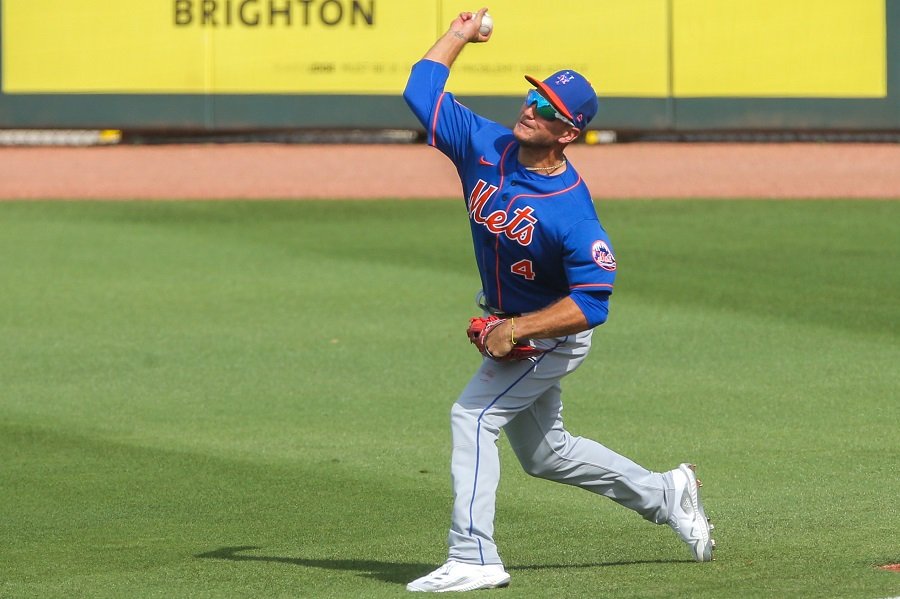 Leader of the “Pay. The. Man” campaign, I’ve always been a staunch supporter of the Twins locking Buxton up long term. My follow-up to that suggestion has always been the need for a capable fourth outfielder. Jake Cave hasn’t been that for quite some time, and despite a brief renaissance period for Rob Refsnyder, he’s not that guy either. Minnesota needs someone with the ability to start in centerfield over two weeks and hold serve. Currently, there are only two potential options on the 40 man roster: Nick Gordon Earning himself run because of his versatility last season, Gordon played 73 games for the Twins. Despite having played solely on the dirt in the minor leagues, he looked comfortable in the outfield. The defense should improve as he settles into the role, but the bat is where things may break down. His .647 OPS last season isn’t going to get it done, and with minimal power to his credit, he’ll need to expand heavily upon his on-base profile. Steamer projects a .697 OPS in 2021, and while still not good enough, it’s worth noting that he’s improved at every level in year two. I don’t think he’s the guy, but I like the idea of Minnesota rostering him as he brings a speed threat that has otherwise been missing. Gilberto Celestino This is an interesting case in that Celestino was thrust into action during 2021 before being ready. Celestino was promoted as a 22-year-old after just 21 games in Double-A with no centerfield options available. He understandably was overmatched, posting a .466 OPS in 23 MLB games. The defense has always been his calling card, and that too looked out of sorts at times. Settling back in at Triple-A St. Paul, Celestino turned it on. In 49 games, he posted an .827 OPS and was back to being strong in the outfield. The additional time to settle in no doubt helped regain confidence, a talent that can translate to the highest level. Celestino will be just 23-years-old in 2022 and remains someone to watch for the future. Steamer projections have him at a .692 OPS in 2022, which would be a substantial jump from his debut. Handing him the fourth outfielder role on Opening Day may be a bit soon, but a repeat of the Triple-A numbers should suggest he’s ready. This could become an option sooner rather than later. If Derek Falvey wants to go beyond the organization, options exist there as well. Some of that has to do with how the Twins move forward in trading assets. Max Kepler is a defensive stalwart in right field and can undoubtedly cover in center should Buxton go down. That allows the fourth outfielder to be less of a center-mandated role. However, if he’s not in the picture, things get understandably more complicated. The high end of the free-agent market would be signing corner and sometimes center outfielder Kris Bryant. That’s a bat that has fit the Twins for a while but would seem like a longshot at best. The more economical veteran options are a who’s who of retreads. Names such as Kevin Pillar, Jake Marisnick, and Billy Hamilton are all there. However, if there’s someone I’ve got my eye on, it’s another former Cub, Albert Almora. Since his top prospect days, Almora's stock has dropped after playing strong defense and posting a .777 OPS in his first two seasons. He’ll be just 28 in 2022, though, and a trip to the American League could be good for him. With the Mets Triple-A club last season, he owned a .759 OPS, and Steamer projections have him at a .691 OPS in 2022. If there’s a guy with upside to bank on while still having done it already, this is where I’m looking. Minnesota signing Almora to a two-year deal, or one with an option, would make Byron Buxton’s over-under of 120 games less of a gamble. At the end of the day, the Twins should want to get back to an outfield defense similar to 2020. Before being 12th in defensive runs saved a year ago, Minnesota was third in 2020. Defenders that can prevent runs will be at a premium whether the staff lacks top-tier talent or throws out young arms. The more confidence you can feel from the top four outfielders, the better. MORE FROM TWINS DAILY — Latest Twins coverage from our writers — Recent Twins discussion in our forums — Follow Twins Daily via Twitter, Facebook or email
- 24 comments
-
- 2
-
-
- byron buxton
- albert almora
- (and 3 more)
-
In November, the Minnesota Twins finally paid Byron Buxton. That was the right move all along, and it looks the part of a fair deal for both sides. One caveat to the talented centerfielder is his availability. With that in mind, do the Twins have a built-in insurance policy? Leader of the “Pay. The. Man” campaign, I’ve always been a staunch supporter of the Twins locking Buxton up long term. My follow-up to that suggestion has always been the need for a capable fourth outfielder. Jake Cave hasn’t been that for quite some time, and despite a brief renaissance period for Rob Refsnyder, he’s not that guy either. Minnesota needs someone with the ability to start in centerfield over two weeks and hold serve. Currently, there are only two potential options on the 40 man roster: Nick Gordon Earning himself run because of his versatility last season, Gordon played 73 games for the Twins. Despite having played solely on the dirt in the minor leagues, he looked comfortable in the outfield. The defense should improve as he settles into the role, but the bat is where things may break down. His .647 OPS last season isn’t going to get it done, and with minimal power to his credit, he’ll need to expand heavily upon his on-base profile. Steamer projects a .697 OPS in 2021, and while still not good enough, it’s worth noting that he’s improved at every level in year two. I don’t think he’s the guy, but I like the idea of Minnesota rostering him as he brings a speed threat that has otherwise been missing. Gilberto Celestino This is an interesting case in that Celestino was thrust into action during 2021 before being ready. Celestino was promoted as a 22-year-old after just 21 games in Double-A with no centerfield options available. He understandably was overmatched, posting a .466 OPS in 23 MLB games. The defense has always been his calling card, and that too looked out of sorts at times. Settling back in at Triple-A St. Paul, Celestino turned it on. In 49 games, he posted an .827 OPS and was back to being strong in the outfield. The additional time to settle in no doubt helped regain confidence, a talent that can translate to the highest level. Celestino will be just 23-years-old in 2022 and remains someone to watch for the future. Steamer projections have him at a .692 OPS in 2022, which would be a substantial jump from his debut. Handing him the fourth outfielder role on Opening Day may be a bit soon, but a repeat of the Triple-A numbers should suggest he’s ready. This could become an option sooner rather than later. If Derek Falvey wants to go beyond the organization, options exist there as well. Some of that has to do with how the Twins move forward in trading assets. Max Kepler is a defensive stalwart in right field and can undoubtedly cover in center should Buxton go down. That allows the fourth outfielder to be less of a center-mandated role. However, if he’s not in the picture, things get understandably more complicated. The high end of the free-agent market would be signing corner and sometimes center outfielder Kris Bryant. That’s a bat that has fit the Twins for a while but would seem like a longshot at best. The more economical veteran options are a who’s who of retreads. Names such as Kevin Pillar, Jake Marisnick, and Billy Hamilton are all there. However, if there’s someone I’ve got my eye on, it’s another former Cub, Albert Almora. Since his top prospect days, Almora's stock has dropped after playing strong defense and posting a .777 OPS in his first two seasons. He’ll be just 28 in 2022, though, and a trip to the American League could be good for him. With the Mets Triple-A club last season, he owned a .759 OPS, and Steamer projections have him at a .691 OPS in 2022. If there’s a guy with upside to bank on while still having done it already, this is where I’m looking. Minnesota signing Almora to a two-year deal, or one with an option, would make Byron Buxton’s over-under of 120 games less of a gamble. At the end of the day, the Twins should want to get back to an outfield defense similar to 2020. Before being 12th in defensive runs saved a year ago, Minnesota was third in 2020. Defenders that can prevent runs will be at a premium whether the staff lacks top-tier talent or throws out young arms. The more confidence you can feel from the top four outfielders, the better. MORE FROM TWINS DAILY — Latest Twins coverage from our writers — Recent Twins discussion in our forums — Follow Twins Daily via Twitter, Facebook or email View full article
-
Five Overlooked Twins Prospects for 2022
Ted Schwerzler replied to Ted Schwerzler 's topic in Twins Minor League Talk
Rortvedt has over 1200 minor league ABs and an OPS of .672. If he becomes a competent hitter it would be an absolute miracle. Drew Butera owned a .644 OPS in the minors, so Ben has a path, but it isn't a noteworthy one.- 20 replies
-
- 1
-
-
- royce lewis
- misael urbina
- (and 3 more)
-
Five Overlooked Twins Prospects for 2022
Ted Schwerzler replied to Ted Schwerzler 's topic in Twins Minor League Talk
Royce was added because every article starts with his time missed and the long swing. Those are both fair concerns, but I still think this is a regular All-Star talent even if he debuts later than desired. That's overlooked to me.- 20 replies
-
- 2
-
-
- royce lewis
- misael urbina
- (and 3 more)
-
Five Overlooked Twins Prospects for 2022
Ted Schwerzler replied to Ted Schwerzler 's topic in Twins Minor League Talk
I think there's still steam there but he's 22 and hasn't played above High-A. He was amazing with Cedar Rapids last year; can he keep it up? -
Five Overlooked Twins Prospects for 2022
Ted Schwerzler replied to Ted Schwerzler 's topic in Twins Minor League Talk
This could be a HUGE year for him. Buy his bowman cards now!- 20 replies
-
- 1
-
-
- royce lewis
- misael urbina
- (and 3 more)
-
Five Overlooked Twins Prospects for 2022
Ted Schwerzler replied to Ted Schwerzler 's topic in Twins Minor League Talk
Suggesting Rooker in the same breath as the other two is shortsighted.- 20 replies
-
- 1
-
-
- royce lewis
- misael urbina
- (and 3 more)
-
Baseball Giant Topps Gets Saved
Ted Schwerzler replied to Ted Schwerzler 's topic in Twins Daily Front Page News
Initially I thought the $500 million seemed light for a company with 70 years of baseball history. It is for just the collectibles division, both physical and digital. Topps keeps the confectionary arm but that still seems to be a lackluster amount. I think the reality here is that this was there only way forward and it benefits collectors in the long run.

