



Jamie Cameron
-
Posts
1,341 -
Joined
-
Last visited
-
Days Won
4
Content Type
Profiles
News
Minnesota Twins Videos
2026 Minnesota Twins Top Prospects Ranking
2022 Minnesota Twins Draft Picks
Minnesota Twins Free Agent & Trade Rumors, Notes, & Tidbits
Guides & Resources
2023 Minnesota Twins Draft Picks
The Minnesota Twins Players Project
2024 Minnesota Twins Draft Picks
2025 Minnesota Twins Draft Pick Tracker
2026 Minnesota Twins Draft Tracker: Picks & Bonuses
Forums
Blogs
Events
Store
Downloads
Gallery
Everything posted by Jamie Cameron
-
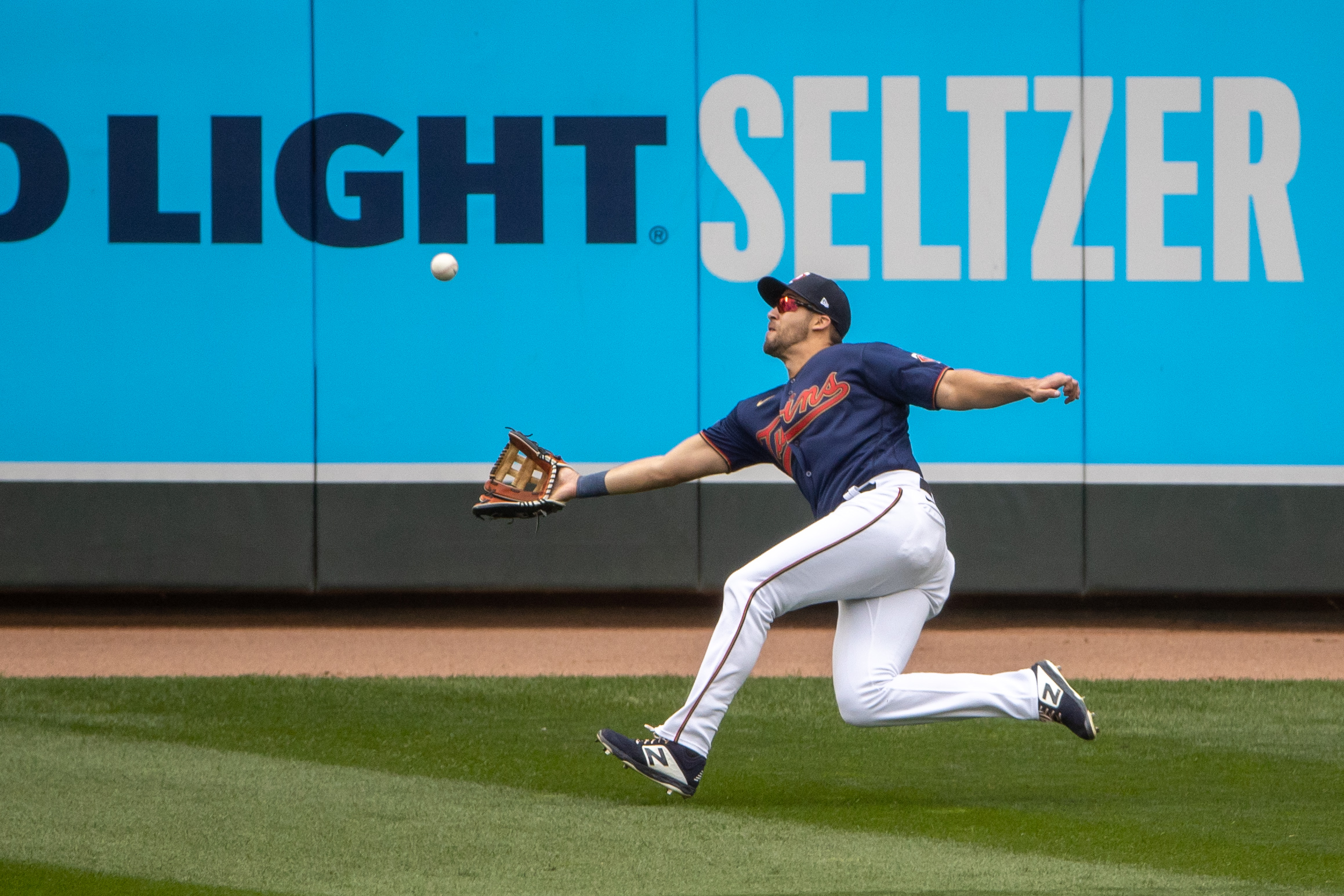
There has been a lot of turnover in left field in the AL Central ahead of the 2021 season. Let's examine how the teams stack up at the position, both offensively and defensively.The Rundown Left field has become far more interesting ahead of the 2021 season. Every Central team besides the Twins have a good deal of certainty around the position. Ex Twins will man the position for two other Central teams in 2021, while the Royals recently traded for a reclamation project at the position. Let’s see what the division has to offer at left field in 2021. Detroit Tigers The Tigers recently brought former Twin Robbie Grossman in on a 2 year, $10MM deal. Grossman projects as Twins fans will remember him, a patient gap hitter. Grossman had an excellent season at the plate in 2020 for Oakland, putting up a 127 wRC+, mostly thanks to a HardHit% which improved 7.5% from 2019. Grossman has improved in the field since his Twins tenure, putting up 6 OAA in Oakland in his last two seasons (-15 in the previous 3 in Minnesota). Ultimately, Grossman projects as a slightly above average hitter in 2021 (105 wRC+), and a solid defender. He’ll likely put up 1.0-1.5 fWAR, and is the worst of the bunch in the AL Central. Kansas City Royals Andrew Benintendi’s trade to the Royals marked the final member of the 2018 World Series winning outfield departing the Red Sox. Benintendi has occupied a huge range of outcomes in his short career, putting up a 4.4 fWAR in 2018 and -0.5 fWAR in 2020 (in only 14 games). He’ll likely feature somewhere in the middle of those two extremes in 2021. Steamer projects him to put up 1.6 fWAR and be a marginally above average hitter (103 wRC+). Benintendi is a poor outfielder (-10 OAA in his last three seasons). Despite this, the Benintendi trade made a ton of sense for the Royals, who have a strong young offensive core and excellent organizational pitching depth. While it’s far from a sure thing, Benintendi is young enough to rebound and return to form as an above average left fielder. Cleveland It seemed almost inevitable that Eddie Rosario would sign with Cleveland after being non-tendered by the Twins. Rosario made improvements in his approach in 2020, adding 5% to a previously criminal BB%. He fills a huge need in Cleveland, where a few similar signings 3-4 years ago could have put them over the top for a World Series. Steamer projects Rosario for 1.6 fWAR in 2021, with a 108 wRC+. Rosario is a horrible defender, which is often overlooked because he has an incredible arm. In 2019 alone he put up -18 OAA, making him easily the worst fielding outfielder of those examined so far (still got to get to Eloy!). Remarkable throws, baserunning blunders, you'll likely see it all again, just in a different uniform. Chicago White Sox Get used to seeing Eloy Jimenez in left field for the White Sox. He’s signed through 2024 with two further years of team options. Acquired in the deal with the Cubs for Jose Quintana, Jimenez is a classic slugging outfielder. Huge bat, wretched, truly horrible glove. Jimenez mashed 45 HR over the last two seasons, and Steamer likes him to be the best of the AL Central bunch in 2021, projecting him for 3.3 fWAR and a 130 wRC+. It would be remiss not to mention his abjectness in the field, managing -14 OAA in left over the last two seasons. Make no mistake, he more than makes up for it adding another huge bat to a potent Sox offense. Minnesota Twins There should be a whole article about who will play LF for the Twins. Luckily, Matthew Lenz already wrote it. For the purposes of this preview, I’m going to focus on Kirilloff. While he likely starts in the minors to suppress service time, he’s the heir apparent to the position. Kirilloff is now a consensus top prospect but with only one MLB game, he’s not going to get a ton of love in projection systems. Steamer projects a 101 wRC+ and 0.8 fWAR in 2021 from around 400 plate appearances. This feels like the floor for Kirilloff, with the eventual ceiling being an All Star outfielder. Kirilloff has averaged a 145 wRC+ in his last two MiLB seasons, and performed well at the alternate site in 2020. Rooker has a big bat but is a poor outfielder (-2 OAA) in just 7 MLB games in 2020. He could be a good platoon option with Jake Cave for the first month of the season but is better suited to a DH or 1B role. Cave is a perfect 4th outfielder for the Twins, with a close to league average bat, good outfield defense, and the ability to play all three outfield positions. It's likely Luis Arraez may see time in left, particularly at the beginning of the season as the Twins will give a player projected to be AL batting champion as many ABs as possible. Grade ‘Em Download attachment: Screenshot (32).png Detroit Tigers: D Grossman is a solid addition and credit to the Tigers for adding to a poor team. Grossman is a league average hitter and a fine option for Detroit in 21/22 when they won’t be competing for the AL Central. Kansas City Royals: C Kansas City has had a great winter. Even if Benintendi doesn’t return to his 2018 peak, the Royals have acquired a solid MLB outfield to supplement their strong, young offensive core. Cleveland: C+ There’s no denying Rosario is a good signing for Cleveland. He’s a solid, if streaky hitter but a vast improvement for a Cleveland outfield which has been miserable for years. You’ll get highs and lows. The dynamic of Twins VS Cleveland will be much more interesting as a result. Chicago White Sox: A- Despite being a horror show defensively, Eloy Jimenez is currently the cream of the crop in the central and probably the AL. He’s going to be a big, problematic bat in a great offensive for at least the next 4 seasons. Minnesota Twins: B- The Twins are hard to grade here. Kirilloff projects to be an excellent MLB hitter who is ready now. The Twins have enough options to keep his spot warm at a respectable level until he takes over the role full time sometime in 2021. The Voice of the People MORE FROM TWINS DAILY — Latest Twins coverage from our writers — Recent Twins discussion in our forums — Follow Twins Daily via Twitter, Facebook or email Click here to view the article
-
 The Rundown Left field has become far more interesting ahead of the 2021 season. Every Central team besides the Twins have a good deal of certainty around the position. Ex Twins will man the position for two other Central teams in 2021, while the Royals recently traded for a reclamation project at the position. Let’s see what the division has to offer at left field in 2021. Detroit Tigers The Tigers recently brought former Twin Robbie Grossman in on a 2 year, $10MM deal. Grossman projects as Twins fans will remember him, a patient gap hitter. Grossman had an excellent season at the plate in 2020 for Oakland, putting up a 127 wRC+, mostly thanks to a HardHit% which improved 7.5% from 2019. Grossman has improved in the field since his Twins tenure, putting up 6 OAA in Oakland in his last two seasons (-15 in the previous 3 in Minnesota). Ultimately, Grossman projects as a slightly above average hitter in 2021 (105 wRC+), and a solid defender. He’ll likely put up 1.0-1.5 fWAR, and is the worst of the bunch in the AL Central. Kansas City Royals Andrew Benintendi’s trade to the Royals marked the final member of the 2018 World Series winning outfield departing the Red Sox. Benintendi has occupied a huge range of outcomes in his short career, putting up a 4.4 fWAR in 2018 and -0.5 fWAR in 2020 (in only 14 games). He’ll likely feature somewhere in the middle of those two extremes in 2021. Steamer projects him to put up 1.6 fWAR and be a marginally above average hitter (103 wRC+). Benintendi is a poor outfielder (-10 OAA in his last three seasons). Despite this, the Benintendi trade made a ton of sense for the Royals, who have a strong young offensive core and excellent organizational pitching depth. While it’s far from a sure thing, Benintendi is young enough to rebound and return to form as an above average left fielder. Cleveland It seemed almost inevitable that Eddie Rosario would sign with Cleveland after being non-tendered by the Twins. Rosario made improvements in his approach in 2020, adding 5% to a previously criminal BB%. He fills a huge need in Cleveland, where a few similar signings 3-4 years ago could have put them over the top for a World Series. Steamer projects Rosario for 1.6 fWAR in 2021, with a 108 wRC+. Rosario is a horrible defender, which is often overlooked because he has an incredible arm. In 2019 alone he put up -18 OAA, making him easily the worst fielding outfielder of those examined so far (still got to get to Eloy!). Remarkable throws, baserunning blunders, you'll likely see it all again, just in a different uniform. Chicago White Sox Get used to seeing Eloy Jimenez in left field for the White Sox. He’s signed through 2024 with two further years of team options. Acquired in the deal with the Cubs for Jose Quintana, Jimenez is a classic slugging outfielder. Huge bat, wretched, truly horrible glove. Jimenez mashed 45 HR over the last two seasons, and Steamer likes him to be the best of the AL Central bunch in 2021, projecting him for 3.3 fWAR and a 130 wRC+. It would be remiss not to mention his abjectness in the field, managing -14 OAA in left over the last two seasons. Make no mistake, he more than makes up for it adding another huge bat to a potent Sox offense. Minnesota Twins There should be a whole article about who will play LF for the Twins. Luckily, Matthew Lenz already wrote it. For the purposes of this preview, I’m going to focus on Kirilloff. While he likely starts in the minors to suppress service time, he’s the heir apparent to the position. Kirilloff is now a consensus top prospect but with only one MLB game, he’s not going to get a ton of love in projection systems. Steamer projects a 101 wRC+ and 0.8 fWAR in 2021 from around 400 plate appearances. This feels like the floor for Kirilloff, with the eventual ceiling being an All Star outfielder. Kirilloff has averaged a 145 wRC+ in his last two MiLB seasons, and performed well at the alternate site in 2020. Rooker has a big bat but is a poor outfielder (-2 OAA) in just 7 MLB games in 2020. He could be a good platoon option with Jake Cave for the first month of the season but is better suited to a DH or 1B role. Cave is a perfect 4th outfielder for the Twins, with a close to league average bat, good outfield defense, and the ability to play all three outfield positions. It's likely Luis Arraez may see time in left, particularly at the beginning of the season as the Twins will give a player projected to be AL batting champion as many ABs as possible. Grade ‘Em Detroit Tigers: D Grossman is a solid addition and credit to the Tigers for adding to a poor team. Grossman is a league average hitter and a fine option for Detroit in 21/22 when they won’t be competing for the AL Central. Kansas City Royals: C Kansas City has had a great winter. Even if Benintendi doesn’t return to his 2018 peak, the Royals have acquired a solid MLB outfield to supplement their strong, young offensive core. Cleveland: C+ There’s no denying Rosario is a good signing for Cleveland. He’s a solid, if streaky hitter but a vast improvement for a Cleveland outfield which has been miserable for years. You’ll get highs and lows. The dynamic of Twins VS Cleveland will be much more interesting as a result. Chicago White Sox: A- Despite being a horror show defensively, Eloy Jimenez is currently the cream of the crop in the central and probably the AL. He’s going to be a big, problematic bat in a great offensive for at least the next 4 seasons. Minnesota Twins: B- The Twins are hard to grade here. Kirilloff projects to be an excellent MLB hitter who is ready now. The Twins have enough options to keep his spot warm at a respectable level until he takes over the role full time sometime in 2021. The Voice of the People https://twitter.com/twinsdaily/status/1362985193330511872 MORE FROM TWINS DAILY — Latest Twins coverage from our writers — Recent Twins discussion in our forums — Follow Twins Daily via Twitter, Facebook or email
 -
AL Central Rundown: Catchers
Jamie Cameron replied to David Youngs's topic in Twins Daily Front Page News
Great writeup! LOL to the poll. Grandal is the best by a mile, but the Twins depth is enviable. -
Notebook: Arraez to LF?
Jamie Cameron replied to Jamie Cameron's topic in Twins Daily Front Page News
Interesting point for sure. I think LF would only be Arraez' until Kirilloff is promoted a few weeks into the season, so maybe moot. -
Notebook: Arraez to LF?
Jamie Cameron replied to Jamie Cameron's topic in Twins Daily Front Page News
Yeah, I gotta think Arraez can at least play average-ish LF. -
Luis Arraez is reportedly healthy and maybe looking at a new position in 2021. Ian Hamilton cleared waivers, and Twins Twitter can't decide if they thought the offseason was good or great.Today, Luis Arraez had his first availability for Twin Cities media ahead of spring training. Arraez may have given a hint of the Twins initial plans for his position in his opening press Zoom call. With Alex Kirilloff likely starting the year in the minors to suppress service time, Arraez may see time in left field, along with Jake Cave, and Brent Rooker. This is hardly surprising, the Twins will look to get a bat projected to win the AL batting title into the lineup at every opportunity. Additionally, Arraez indicated that he is fully healthy after struggling with knee issues in 2020. What do you think of Arraez in left field? Hamilton Clear Waivers The Twins sneaked Ian Hamilton through waivers Tuesday, and have now added Brandon Waddell and Hamilton as additional upside relief depth. Hamilton will remain with the team as a non-roster invite to spring training. I’d expect to see him in St. Paul and Minneapolis this summer. It’s an interesting strategy to add organizational depth after exhausting payroll budget. While these moves may seem insignificant now, depth is clearly a point of emphasis in all aspects of the roster and organization after a shortened 2020 season. Twins Twitter Rages over Offseason Efficacy On an otherwise slow news day, Twins twitter debated the quality of the Twins offseason. At best I think it’s hard to convincingly argue that the Twins roster has taken a step back from last year. The 2020 squad was decimated by injuries. As a result, the 2021 squad is deeper. The front office has produced another playoff caliber team. How the team takes advantage of that, or not, is why we watch the games. Where do you land on the Twins offseason, assuming they’ve wrapped up major moves. Do you think they improved, held serve, or regressed? What does the roster still lack? Transactions Here’s a roundup of transactions from around the league on Tuesday: The Mets signed Kevin Pillar to a deal worth $3.6 MM this year and a complex combination of player and club options. The Brewers signed Brett Anderson to a 1 year, $2.5 MM deal The Pirates signed Tyler Anderson to a 1 year, $2,5 MM deal. The Dodgers traded RHP Josh Sborz to the Rangers for RHP Jhan Zambrano The Nationals signed T.J. McFarland to a MiLB deal. The Reds signed Cam Bedrosian to a MiLB deal. The Dodgers signed Matt Davidson to a MiLB deal. The Phillies signed Jeff Mathis to a MiLB deal The Yankees signed Robinson Chirinos to a MiLB deal MORE FROM TWINS DAILY — Latest Twins coverage from our writers — Recent Twins discussion in our forums — Follow Twins Daily via Twitter, Facebook or email Click here to view the article
-
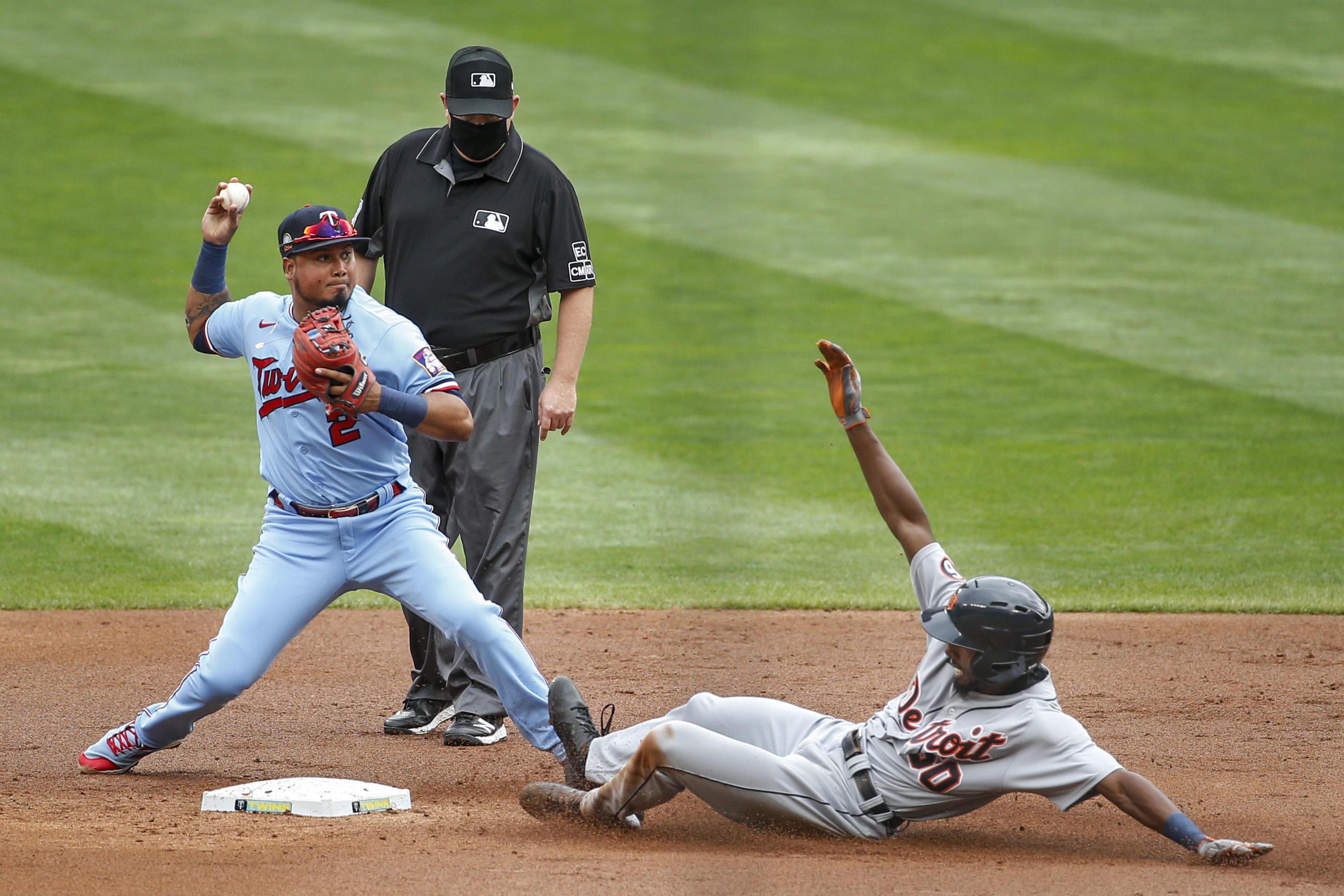 Today, Luis Arraez had his first availability for Twin Cities media ahead of spring training. Arraez may have given a hint of the Twins initial plans for his position in his opening press Zoom call. https://twitter.com/dohyoungpark/status/1361748537546076161 With Alex Kirilloff likely starting the year in the minors to suppress service time, Arraez may see time in left field, along with Jake Cave, and Brent Rooker. This is hardly surprising, the Twins will look to get a bat projected to win the AL batting title into the lineup at every opportunity. Additionally, Arraez indicated that he is fully healthy after struggling with knee issues in 2020. https://twitter.com/dohyoungpark/status/1361748056924975104 What do you think of Arraez in left field? Hamilton Clear Waivers The Twins sneaked Ian Hamilton through waivers Tuesday, and have now added Brandon Waddell and Hamilton as additional upside relief depth. Hamilton will remain with the team as a non-roster invite to spring training. I’d expect to see him in St. Paul and Minneapolis this summer. It’s an interesting strategy to add organizational depth after exhausting payroll budget. While these moves may seem insignificant now, depth is clearly a point of emphasis in all aspects of the roster and organization after a shortened 2020 season. https://twitter.com/morsecode/status/1361762167582769157 Twins Twitter Rages over Offseason Efficacy On an otherwise slow news day, Twins twitter debated the quality of the Twins offseason. https://twitter.com/NickNelsonMN/status/1361714460600262657 At best I think it’s hard to convincingly argue that the Twins roster has taken a step back from last year. The 2020 squad was decimated by injuries. As a result, the 2021 squad is deeper. The front office has produced another playoff caliber team. How the team takes advantage of that, or not, is why we watch the games. https://twitter.com/tlschwerz/status/1361721685800550405 Where do you land on the Twins offseason, assuming they’ve wrapped up major moves. Do you think they improved, held serve, or regressed? What does the roster still lack? Transactions Here’s a roundup of transactions from around the league on Tuesday: The Mets signed Kevin Pillar to a deal worth $3.6 MM this year and a complex combination of player and club options. The Brewers signed Brett Anderson to a 1 year, $2.5 MM deal The Pirates signed Tyler Anderson to a 1 year, $2,5 MM deal. The Dodgers traded RHP Josh Sborz to the Rangers for RHP Jhan Zambrano The Nationals signed T.J. McFarland to a MiLB deal. The Reds signed Cam Bedrosian to a MiLB deal. The Dodgers signed Matt Davidson to a MiLB deal. The Phillies signed Jeff Mathis to a MiLB deal The Yankees signed Robinson Chirinos to a MiLB deal MORE FROM TWINS DAILY — Latest Twins coverage from our writers — Recent Twins discussion in our forums — Follow Twins Daily via Twitter, Facebook or email
 -
Evolved and improved as in 'spent less on their expected WAR from the forthcoming season. Front office doesn't control how the team play in October. Eddie was below league average in sprint speed fwiw, 12th slowest among LF.
-
Thanks for reading and commenting, Mike. I agree that Celestino is the heir apparent. Don't know that the Twins will deem him ready given his last full season was in A+ and last season was lost. I get the Eddie thing, but he was at 1.2 fWAR in the Twins last full season. I think Cave/Rooker/Kirilloff has going to be at least a continuation of the same quality in LF.
-
Thanks for reading efficiency as in - paying less of a premium for what players should produce on the field. Of course the Twins need to win in the post-season, this is purely a look at how the front office puts a strong product out there with the constraints of the Twins in place.
-
Thanks for reading. Good questions. Odo is challenging as he really didn't play in 2020. 2019 version is twice as good as Happ. I think the Twins front office think about SP as; 'do we have a rotation which will get us to the playoffs'. I'd be surprised if they didn't upgrade at the deadline here. Rosario hasn't really been a useful player since 2018. I'd take a platoon of Cave and Rooker over Rosario, and eventually Kirilloff, even though most projection systems don't love him as a rookie.
-
Thanks for reading! CF is definitely an area of concern. History would suggest Buxton won't play a full season and there's little reason to be excited about Broxton's offense. I wonder if there's a more aggressive proactive rest schedule for Buxton this year. Kepler is by far the best backup CF option. My other area of concern is SP. I love Dobnak as a 5, but we're likely to need 6-8 SP over the season. We need more depth there, imo. Enjoyed your article, Jamie. I was pleasantly surprised by the addition of Simmons and moved Polanco to 2nd. This greatly improved chances to advance in PS. The area where IMO we need to greatly improve is CF back up. Every year we hope that Buxton stays healthy but every year He plays less than we expect and we lose a good majority of the games when he's absent. This year is no different, we hope he stays healthy and pumps out WAR. But we need to finally be prepared, Cave is a good LF backup but he doesn't cut it as CF back up. Even if Buxton stays healthy we still need a decent backup to regularly give Buxton a break. Hopefully Broxton can step up otherwise we need to look elsewhere. My hope is that we field a championship team.
-
I'd add on that if you haven't yet read Dan Hayes amazing piece about the Twins offseason, it's a really good starting point before digging in here.
-
After a shortened, revenue diminished 2020 season, the Twins front office became masters of efficiency in putting together a playoff roster.The Twins front office has proven themselves to be masters of free agent spending efficiency. This offseason, they have spent around $37.5MM, accruing an additional 7.2 fWAR (ZiPS). Baseball is not a salary capped sport, but imagine how effective the Twins would be at managing it if it were. I respect the hell out of how the Twins get their WAR. I decided to dig in and compare the makeup of the 2021 roster with previous seasons. Not Their First Rodeo It’s worth starting before the 2018 season to understand the evolution of the Twins consistent approach to the offseason. Prior to the 2018 season with the Twins, Falvey and Levine waited out the market and signed Logan Morrison and Lance Lynn late in the day. Neither move worked out well. Morrison, coming off an exceptional 2017 season, was hampered by injuries, and Lynn looked sweaty and uninterested on his way to a 4.77 ERA. He was later traded away to the Yankees. This approach however, foreshadowed the organizational approach to free agency which has evolved and improved in each of the seasons following 2018. 40+ WAR for the Playoffs? There is a common maxim in baseball that just north of 40 WAR makes you a playoff contender. When comparing the 2021 and 2019 rosters (the Twins last full season), it’s easy to just make rote comparisons between players, without also examining how the units of infield, outfield, and pitching may function. Coming into this offseason, the Twins had a significant amount of holes to fill, with Cruz, Romo, May, Clippard, Wisler, Marwin Gonzalez, Odorizzi, and others becoming free agents. An additional constraint was a moderate (self-imposed) payroll reduction, coming off a year with decreased revenues due to a shortened season and no fans in the stands. The front office didn’t blink. In the space of 10 days the Twins signed J.A. Happ, Andrelton Simmons, re-signed Nelson Cruz, and added Alex Colome. Let’s look broadly at the cumulative impact of those moves on each aspect of the Twins roster using the Twins 2019 and 2020 counterparts for comparison. Rotation Depth J.A. Happ currently slots into the fourth rotation spot where Rich Hill pitched in 2020. Happ is projected 1.6 fWAR in 2021 making $8MM, a similar amount to Hill with his incentive laden 1 year deal in 2020. While Hill didn’t get the opportunity to pitch a full season for the Twins, this move is essentially a wash, with Happ having shown over the last 10+ years that he is a slightly above average MLB starter. This pushes Randy Dobnak into the 5th rotation spot. At 1.7 projected fWAR, he is, in fact, tied with Chris Paddack for the highest projected fWAR of any number five starter. The Twins could stand to add depth to their rotation and bullpen and while it remains to be seen if the rotation has enough ceiling to dominate in the playoffs, the pitching staff as a whole is projected to be the 6th best in baseball, per Fangraphs depth charts. Bullpen There’s a ton of flux in the bullpen for 2021, with May, Romo, Wisler, and Clippard departing. The Twins have added a stable of good velocity fastball, wipeout slider guys to compete for the 8th spot in the pen, but prior to that, made another great efficiency move. The Twins turned down a $5MM option on the soon to be 38 year old Romo for 2021, instead signing Alex Colome, former White Sox closer and five years Romo’s junior for the same price. Colome for Romo is another excellent example of the Twins efficiency leading up to the 2021 season, Colome is younger, better, and has outperformed his peripherals in each of his previous eight MLB seasons. Which back end would you rather have in 2021, Rogers, Duffey, Romo, or Rogers, Duffey, Colome? We can assume the latter, and Romo and Colome would have cost the Twins the same price in 2021. Infield Improvements The infield has seen a seismic shift, adding actual wizard Andrelton Simmons, pushing Jorge Polanco to 2B, where the Twins feel like he can be an above average fielder, and shunting Luis Arraez into a super utility role which limits his defensive shortcomings (and use of his ankles). To illustrate this impact, I compared the 2019 (last full 162 game season) and 2021 occupant of each infield position by projected fWAR in 2021 and compared their OAA averaged over the last 3 seasons at that position (if available). Essentially, I am trying to answer the question; what are the Twins looking at for infield quality in 2021, compared to what they had in 2019? I realize the shortcomings of using projections, but the comparison effectively illustrates the Twins accomplishment in improving both offensive and defensive production from their infield unit as a whole over the last 2 years. SS: Andrelton Simmons projected 2.7 fWAR (averaged 9.3 OAA) in for Jorge Polanco projected 2.7 fWAR (averaged -10.5 OAA) 2B: Jorge Polanco, projected 2.7 fWAR (no OAA data for 2B) in for Luis Arraez projected 2.9 fWAR (averaged -4.5 OAA) 3B: Josh Donaldson, projected 3.1 fWAR (averaged 4.5 OAA) in for (mostly) Miguel Sano 2.7 fWAR (averaged -3 OAA) Util: Luis Arraez, projected 2.9 fWAR (average -4.5 OAA) in for Marwin Gonzalez projected 0.9 fWAR averaged (2.3 OAA) Net projection: +2.2 fWAR, +15.4 OAA Will this is of course, an overly simplistic approach, the projections call for the Twins infield to improve by over two wins in 2021 (mostly subbing Arraez for Marwin). Additionally, they significantly increased the quality of their infield defense. It’s also worth noting that Marwin Gonzalez made a comparable salary in 2019 and 2020 to the one Andrelton Simmons will make in 2021. The Other Side of the Coin: The LA Dodgers The Dodgers mercifully ended Trevor Bauer’s free agency by signing him to a contract which will pay him $40MM in 2021 (market value-ish for his projected 4.4 fWAR). While loathe to write about Bauer, the Dodgers move is useful in illustrating the opposite of the Twins approach. The Dodgers careened through the luxury tax threshold and paid a premium for their WAR. This is a perfectly fine approach, but given that it’s not one the Twins will be taking anytime in the near future, I hope Twins fans can appreciate the nimbleness of this front office in constructing a consistently excellent, flexible roster. The Twins have likewise continued to prioritize preserving their farm system and the ability to have a sustainable winner over the next 3-5 years. What do you think of the Twins roster makeup and balance in 2021? What are areas of concern or areas you believe need strengthening to make a playoff push (or win a single game)? MORE FROM TWINS DAILY — Looking Back: The Glenn Williams Story — The Twins Interest in Matt Shoemaker is Intriguing — Twins Daily 2021 Top Prospects: 11-15 Click here to view the article
-
Masters of Efficiency: How the 2021 Twins Acquired Their WAR
Jamie Cameron posted an article in Twins
 The Twins front office has proven themselves to be masters of free agent spending efficiency. This offseason, they have spent around $37.5MM, accruing an additional 7.2 fWAR (ZiPS). Baseball is not a salary capped sport, but imagine how effective the Twins would be at managing it if it were. I respect the hell out of how the Twins get their WAR. I decided to dig in and compare the makeup of the 2021 roster with previous seasons. Not Their First Rodeo It’s worth starting before the 2018 season to understand the evolution of the Twins consistent approach to the offseason. Prior to the 2018 season with the Twins, Falvey and Levine waited out the market and signed Logan Morrison and Lance Lynn late in the day. Neither move worked out well. Morrison, coming off an exceptional 2017 season, was hampered by injuries, and Lynn looked sweaty and uninterested on his way to a 4.77 ERA. He was later traded away to the Yankees. This approach however, foreshadowed the organizational approach to free agency which has evolved and improved in each of the seasons following 2018. 40+ WAR for the Playoffs? There is a common maxim in baseball that just north of 40 WAR makes you a playoff contender. When comparing the 2021 and 2019 rosters (the Twins last full season), it’s easy to just make rote comparisons between players, without also examining how the units of infield, outfield, and pitching may function. Coming into this offseason, the Twins had a significant amount of holes to fill, with Cruz, Romo, May, Clippard, Wisler, Marwin Gonzalez, Odorizzi, and others becoming free agents. An additional constraint was a moderate (self-imposed) payroll reduction, coming off a year with decreased revenues due to a shortened season and no fans in the stands. The front office didn’t blink. In the space of 10 days the Twins signed J.A. Happ, Andrelton Simmons, re-signed Nelson Cruz, and added Alex Colome. Let’s look broadly at the cumulative impact of those moves on each aspect of the Twins roster using the Twins 2019 and 2020 counterparts for comparison. Rotation Depth J.A. Happ currently slots into the fourth rotation spot where Rich Hill pitched in 2020. Happ is projected 1.6 fWAR in 2021 making $8MM, a similar amount to Hill with his incentive laden 1 year deal in 2020. While Hill didn’t get the opportunity to pitch a full season for the Twins, this move is essentially a wash, with Happ having shown over the last 10+ years that he is a slightly above average MLB starter. This pushes Randy Dobnak into the 5th rotation spot. At 1.7 projected fWAR, he is, in fact, tied with Chris Paddack for the highest projected fWAR of any number five starter. The Twins could stand to add depth to their rotation and bullpen and while it remains to be seen if the rotation has enough ceiling to dominate in the playoffs, the pitching staff as a whole is projected to be the 6th best in baseball, per Fangraphs depth charts. Bullpen There’s a ton of flux in the bullpen for 2021, with May, Romo, Wisler, and Clippard departing. The Twins have added a stable of good velocity fastball, wipeout slider guys to compete for the 8th spot in the pen, but prior to that, made another great efficiency move. The Twins turned down a $5MM option on the soon to be 38 year old Romo for 2021, instead signing Alex Colome, former White Sox closer and five years Romo’s junior for the same price. Colome for Romo is another excellent example of the Twins efficiency leading up to the 2021 season, Colome is younger, better, and has outperformed his peripherals in each of his previous eight MLB seasons. Which back end would you rather have in 2021, Rogers, Duffey, Romo, or Rogers, Duffey, Colome? We can assume the latter, and Romo and Colome would have cost the Twins the same price in 2021. Infield Improvements The infield has seen a seismic shift, adding actual wizard Andrelton Simmons, pushing Jorge Polanco to 2B, where the Twins feel like he can be an above average fielder, and shunting Luis Arraez into a super utility role which limits his defensive shortcomings (and use of his ankles). To illustrate this impact, I compared the 2019 (last full 162 game season) and 2021 occupant of each infield position by projected fWAR in 2021 and compared their OAA averaged over the last 3 seasons at that position (if available). Essentially, I am trying to answer the question; what are the Twins looking at for infield quality in 2021, compared to what they had in 2019? I realize the shortcomings of using projections, but the comparison effectively illustrates the Twins accomplishment in improving both offensive and defensive production from their infield unit as a whole over the last 2 years. SS: Andrelton Simmons projected 2.7 fWAR (averaged 9.3 OAA) in for Jorge Polanco projected 2.7 fWAR (averaged -10.5 OAA) 2B: Jorge Polanco, projected 2.7 fWAR (no OAA data for 2B) in for Luis Arraez projected 2.9 fWAR (averaged -4.5 OAA) 3B: Josh Donaldson, projected 3.1 fWAR (averaged 4.5 OAA) in for (mostly) Miguel Sano 2.7 fWAR (averaged -3 OAA) Util: Luis Arraez, projected 2.9 fWAR (average -4.5 OAA) in for Marwin Gonzalez projected 0.9 fWAR averaged (2.3 OAA) Net projection: +2.2 fWAR, +15.4 OAA Will this is of course, an overly simplistic approach, the projections call for the Twins infield to improve by over two wins in 2021 (mostly subbing Arraez for Marwin). Additionally, they significantly increased the quality of their infield defense. It’s also worth noting that Marwin Gonzalez made a comparable salary in 2019 and 2020 to the one Andrelton Simmons will make in 2021. The Other Side of the Coin: The LA Dodgers The Dodgers mercifully ended Trevor Bauer’s free agency by signing him to a contract which will pay him $40MM in 2021 (market value-ish for his projected 4.4 fWAR). While loathe to write about Bauer, the Dodgers move is useful in illustrating the opposite of the Twins approach. The Dodgers careened through the luxury tax threshold and paid a premium for their WAR. This is a perfectly fine approach, but given that it’s not one the Twins will be taking anytime in the near future, I hope Twins fans can appreciate the nimbleness of this front office in constructing a consistently excellent, flexible roster. The Twins have likewise continued to prioritize preserving their farm system and the ability to have a sustainable winner over the next 3-5 years. What do you think of the Twins roster makeup and balance in 2021? What are areas of concern or areas you believe need strengthening to make a playoff push (or win a single game)? MORE FROM TWINS DAILY — Looking Back: The Glenn Williams Story — The Twins Interest in Matt Shoemaker is Intriguing — Twins Daily 2021 Top Prospects: 11-15
 -
Notebook: PECOTA Hates the White Sox
Jamie Cameron replied to Jamie Cameron's topic in Twins Daily Front Page News
Great question! There doesn't seem to be clarity on that at the moment, but I had similar questions. -
Notebook: PECOTA Hates the White Sox
Jamie Cameron replied to Jamie Cameron's topic in Twins Daily Front Page News
Good points! They definitely struggled against better teams. -
Notebook: PECOTA Hates the White Sox
Jamie Cameron replied to Jamie Cameron's topic in Twins Daily Front Page News
Thanks for reading! PEOCTA is usually pretty accurate. It has trends of being off consistently on particular teams, but the Twins, Cleveland, and White Sox are usually pretty accurate. I'm not sure how much managers will utilize the shorten game option. I was wondering from a fans point of view if it's shortened if I get some of my ticket cost back! -
Notebook: PECOTA Hates the White Sox
Jamie Cameron replied to Jamie Cameron's topic in Twins Daily Front Page News
That's a good point. I guess its potential confirmation that PECOTA doesn't see Maeda's 2020 as a fluke, and seeing as he hadn't hit those heights before, that's pretty encouraging. -
Today was a slow news day in MLB, punctuated by the annual drama of the PECOTA standings being released and a few late in the day MLB signings, including an OF option once linked with the Twins.PEOCTA Hates the White Sox Twins fans rejoice, PECOTA hates the White Sox. The annual release of the PECOTA standings has the Twins repeating as AL Central champions for the 3rd straight year at 90.6 wins. More surprising Cleveland is projected to finish second at 85.7 wins, with Chicago third at 83.1. This feels unlikely given the White Sox formidable offense and the additions of Liam Hendriks and 2018 least cheerful Twin Lance Lynn, but speculating on White Sox misery is always fun. In other anecdotally surprising projections, PECOTA has Atlanta finishing 4th in the NL East at 82.4 wins and St. Louis 3rd in the NL Central at 80.6 wins. You can check out the full PECOTA projections for 2021 here. Maeda to Continue Red Hot 2020 Form? Speaking of interesting PECOTA numbers, check out Kenta Maeda’s projections for 2021. DRA- is BP’s rate stat for pitchers where 100 is average and lower is better. PECOTA loves Maeda, predicting him to be a top five starter in MLB in 2021. Projections aren’t everything, but let’s put some respect on that man’s name. (Also, can we go get Woodruff at the deadline if the Brewers fall out of contention). Video in the Dugout Ken Rosenthal reports that players will have access to in-game video in the dugout in 2021 in a continuation of the practice from 2020. This is good news for the bevy of Twins hitters working on seeing the tiny 2021 baseball. Spring Training Game Length Reduction MLB is shortening spring training games. Games in the first few weeks of spring training can be shortened to 5 or 7 games at the agreement of both managers, while games after 3/14 can be shortened to 7. One wonders how managers may take advantage of this when trying to get players up to speed and ramped up for a 162 game season after a 60 game season in 2020. It is also currently unclear how far in advance managers have to agree, and how shortened game lengths will be communicated to ticket holders at spring training. Kirby Puckett Returns to Topps Cards Lastly, Kirby Puckett returns to Topps products in 2021, beginning with this offering from 2021 Topps Series 1 Transactions Here’s a roundup of transactions from around the league on Tuesday. The Giants signed Jake McGee to a 2 year, $7MM contract. The Marlins signed Adam Duvall. Duvall, once mentioned as a Twins outfield option, will make $2MM in 2021, with a mutual option for $7MM in 2022 which is connected to a $3MM buyout (similar to the contract of Alex Colome). The Mets signed Jonathan Villar to a 1 year $3.55MM deal. The Brewers signed Jordan Zimmerman to MiLB deal The Tigers signed Greg Garcia to MiLB deal The Angels signed Phil Gosselin to MiLB deal The Mariners signed Taylor Guerrieri and former Twin JT Chargois to MiLB deals. The Astros signed Steve Cishek to a MiLB deal The Braves signed Nate Jones to MiLB deal SEE ALSO Projecting the Twins Opening Day Roster: Version 1.0 Twins Daily 2021 Top Prospects: Honorable Mentions Top 5 Seasons For MLB Hitters Over 40-Years-Old Click here to view the article
-
 PEOCTA Hates the White Sox Twins fans rejoice, PECOTA hates the White Sox. The annual release of the PECOTA standings has the Twins repeating as AL Central champions for the 3rd straight year at 90.6 wins. More surprising Cleveland is projected to finish second at 85.7 wins, with Chicago third at 83.1. https://twitter.com/matthew_btwins/status/1359050944684511232 This feels unlikely given the White Sox formidable offense and the additions of Liam Hendriks and 2018 least cheerful Twin Lance Lynn, but speculating on White Sox misery is always fun. In other anecdotally surprising projections, PECOTA has Atlanta finishing 4th in the NL East at 82.4 wins and St. Louis 3rd in the NL Central at 80.6 wins. You can check out the full PECOTA projections for 2021 here. Maeda to Continue Red Hot 2020 Form? Speaking of interesting PECOTA numbers, check out Kenta Maeda’s projections for 2021. https://twitter.com/tlschwerz/status/1359252640237035526 DRA- is BP’s rate stat for pitchers where 100 is average and lower is better. PECOTA loves Maeda, predicting him to be a top five starter in MLB in 2021. Projections aren’t everything, but let’s put some respect on that man’s name. (Also, can we go get Woodruff at the deadline if the Brewers fall out of contention). Video in the Dugout https://twitter.com/RotoClegg/status/1359149076823089155 Ken Rosenthal reports that players will have access to in-game video in the dugout in 2021 in a continuation of the practice from 2020. This is good news for the bevy of Twins hitters working on seeing the tiny 2021 baseball. Spring Training Game Length Reduction MLB is shortening spring training games. Games in the first few weeks of spring training can be shortened to 5 or 7 games at the agreement of both managers, while games after 3/14 can be shortened to 7. https://twitter.com/ChrisCotillo/status/1359193886250459143 One wonders how managers may take advantage of this when trying to get players up to speed and ramped up for a 162 game season after a 60 game season in 2020. It is also currently unclear how far in advance managers have to agree, and how shortened game lengths will be communicated to ticket holders at spring training. Kirby Puckett Returns to Topps Cards Lastly, Kirby Puckett returns to Topps products in 2021, beginning with this offering from 2021 Topps Series 1 https://twitter.com/tlschwerz/status/1359254839600021505 Transactions Here’s a roundup of transactions from around the league on Tuesday. The Giants signed Jake McGee to a 2 year, $7MM contract. The Marlins signed Adam Duvall. Duvall, once mentioned as a Twins outfield option, will make $2MM in 2021, with a mutual option for $7MM in 2022 which is connected to a $3MM buyout (similar to the contract of Alex Colome). The Mets signed Jonathan Villar to a 1 year $3.55MM deal. The Brewers signed Jordan Zimmerman to MiLB deal The Tigers signed Greg Garcia to MiLB deal The Angels signed Phil Gosselin to MiLB deal The Mariners signed Taylor Guerrieri and former Twin JT Chargois to MiLB deals. The Astros signed Steve Cishek to a MiLB deal The Braves signed Nate Jones to MiLB deal SEE ALSO Projecting the Twins Opening Day Roster: Version 1.0 Twins Daily 2021 Top Prospects: Honorable Mentions Top 5 Seasons For MLB Hitters Over 40-Years-Old
 -
Baseball Prospectus released its PECOTA projections this week. Here are four starting pitchers who look particularly attractive as Twins trade targets based on those projections.One of the traps I typically fall into when analyzing the Twins roster is seeing the offseason as a fixed and finite unit, as opposed to a continuum on which the trade deadline also sits. The Twins now sit at 42.0 projected fWAR after the Nelson Cruz and Alex Colome deals, good for fourth in baseball behind the Dodgers, Yankees, and Padres. This confirms what we all know, the Twins are a playoff team and should be in the mix in the postseason. The front office has messaged building a sustainable winner, and with payroll running low, it seems likely that high impact additions are done for the offseason. One avenue for improvement the Twins haven’t significantly tapped in Derrick Falvey’s tenure is making a big move at the trade deadline. Looking at the current roster, the avenue that seems most likely for them to pursue is a trade for a front end starting pitcher, to raise their pitching ceiling in the playoffs. Parameters for Trades I used PECOTA (Baseball Reference’s projection system) to examine four starters the Twins could target projecting forwards to the deadline. In order to do this, I stuck to a few key parameters: The pitcher needs to be from a relatively poor team, unlikely to be in playoff contention.I didn’t include anyone with an astronomical salary, as we know the Twins like to maintain financial flexibility.I typically targeted younger starters with multiple years of control, a scenario which would render the Twins more likely to part with a significant prospect haul.High ceiling -- I targeted starters projected to be as good or better than Jose Berrios in 2021 -- meaning they could potentially start game two of a playoff series.Notes: I left out two popular, high quality names -- Luis Castillo, and Brandon Woodruff. Castillo would be an incredibly expensive pickup for the Twins based on reports this winter, and the Brewers should still be in the hunt in the NL Central, making it unlikely they trade their best starter in Woodruff. We’ll move from worst to best options, according to PECOTA. DRA- is BP’s encompassing pitching rate stat. Average is 100, lower is better. WARP is Wins above replacement player (BP version of WAR) German Marquez Key projected stats: 4.01 ERA, 8.84 SO/9, DRA - 90, WARP 2.21. Contract average: $8.6 million over four years, UFA in 2025. Marquez has long been a popular source of Twins fans trade speculation. The now 25 year old originally came to the Rockies in the Corey Dickerson trade with the Rays. In four full seasons with the Rockies, he’s put up an impressive 12.2 fWAR. Marquez features a four-pitch mix including a fastball which gets up to 95 mph, a strong curveball and slider, and a changeup he doesn't use a whole lot. Marquez will be one of the few exciting players in a Rockies team ‘not in a rebuild’ according to GM Jeff Bridich. Marquez is under team control for a very reasonable price through the end of the 2024 season, so would likely cost significant prospect capital. Per PECOTA, his best comparables are Luis Severino, Lucas Giolito, and Jose Berrios. Sonny Gray Key projected stats: 4.03 ERA, 10.5 SO/9, DRA - 89, WARP 2.24. Contract average: $10.1 million average over three years, UFA in 2024. Gray is another popular trade candidate on Twins twitter after an excellent 2020 with the Reds. In his last two seasons with Cincinnatti, he’s been dominant, accruing 5.9 fWAR. Gray has a similar pitch-mix to Marquez, featuring a four-seam fastball, exceptional curveball, slider, and a rarely used changeup. Gray has done an exceptional job limiting hard contact in his last two seasons, and his excellent fastball and curveball spin rates should appeal to the Twins. Gray seems expensive currently, and is another starter with an affordable deal, but his price may drop if the Reds are out of contention at the deadline. Gray’s best comparables are Chris Archer, Jake Odorizzi, and Zack Wheeler Kyle Hendricks Key projected stats: 3.68 ERA, 7.68 SO/9, DRA- 87, WARP 2.55. Contract average: $13.8 average over three years, UFA in 2024. Perennially underrated by projection systems, Hendricks is my favorite under the radar Twins trade target for 2021. In the last six seasons with the Cubs, Hendricks has put up 20.8 fWAR with a fastball that is in the third percentile in the league for velocity and first for spin rate. Hendricks control and command are incredible, he managed a 2.5% BB% in 2020 and his curve is exceptional. Hendriks makes good not great SP money over the next few years. His consistent excellence, the amount he is typically underrated, the general lack of effort by the Cubs organization make him an excellent midseason target for the Twins. Hendricks best comparables are David Price, Tom Seaver, and James Shields. Zac Gallen Key projected stats: 3.32 ERA, 10.25 SO/9, DRA- 81, WARP 2.79. Contract: $575,000 base salary (pre-arbitration), UFA in 2026. Gallen is different from the rest of the trade targets as he only has 150ish MLB innings under his belt. Gallen was drafted by the Cardinals before being traded to Miami (along with Sandy Alcantara) for Marcel Ozuna. He was then traded to the Diamondback for Jazz Chishom in 2019. Since debuting in the majors with Arizona, he’s been excellent, with his fastball, cutter, changeup, curve mix limiting hard contact and leading to a good strikeout rate, with good command and control to boot. Gallen would likely be an expensive acquisition as he is pre-arbitration and under team control through 2025. Gallen’s best comparables are Jose Berrios, Jack Flaherty, and Jake Odorizzi. One untapped resource for the Twins remains adding significantly at the deadline. Perhaps 2021 will be the year they push more chips to the middle of the table in July. Which of these four options are most appealing to you as a higher end pitching addition? Which other candidates are you interested in? Leave your thoughts in the comments below. MORE FROM TWINS DAILY — Latest Twins coverage from our writers — Recent Twins discussion in our forums — Follow Twins Daily via Twitter, Facebook or email Click here to view the article
-
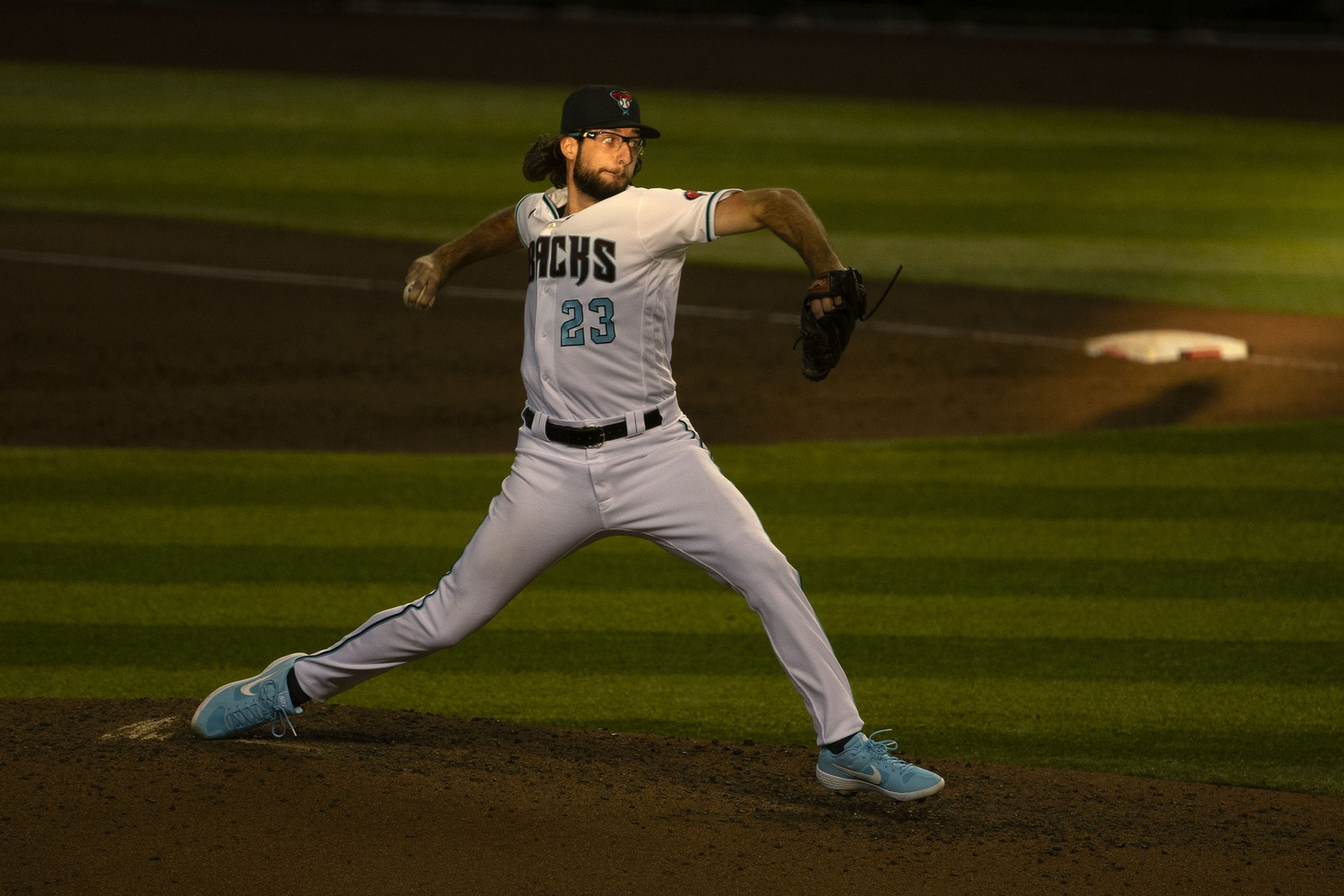 One of the traps I typically fall into when analyzing the Twins roster is seeing the offseason as a fixed and finite unit, as opposed to a continuum on which the trade deadline also sits. The Twins now sit at 42.0 projected fWAR after the Nelson Cruz and Alex Colome deals, good for fourth in baseball behind the Dodgers, Yankees, and Padres. This confirms what we all know, the Twins are a playoff team and should be in the mix in the postseason. The front office has messaged building a sustainable winner, and with payroll running low, it seems likely that high impact additions are done for the offseason. One avenue for improvement the Twins haven’t significantly tapped in Derrick Falvey’s tenure is making a big move at the trade deadline. Looking at the current roster, the avenue that seems most likely for them to pursue is a trade for a front end starting pitcher, to raise their pitching ceiling in the playoffs. Parameters for Trades I used PECOTA (Baseball Reference’s projection system) to examine four starters the Twins could target projecting forwards to the deadline. In order to do this, I stuck to a few key parameters: The pitcher needs to be from a relatively poor team, unlikely to be in playoff contention. I didn’t include anyone with an astronomical salary, as we know the Twins like to maintain financial flexibility. I typically targeted younger starters with multiple years of control, a scenario which would render the Twins more likely to part with a significant prospect haul. High ceiling -- I targeted starters projected to be as good or better than Jose Berrios in 2021 -- meaning they could potentially start game two of a playoff series. Notes: I left out two popular, high quality names -- Luis Castillo, and Brandon Woodruff. Castillo would be an incredibly expensive pickup for the Twins based on reports this winter, and the Brewers should still be in the hunt in the NL Central, making it unlikely they trade their best starter in Woodruff. We’ll move from worst to best options, according to PECOTA. DRA- is BP’s encompassing pitching rate stat. Average is 100, lower is better. WARP is Wins above replacement player (BP version of WAR) German Marquez Key projected stats: 4.01 ERA, 8.84 SO/9, DRA - 90, WARP 2.21. Contract average: $8.6 million over four years, UFA in 2025. Marquez has long been a popular source of Twins fans trade speculation. The now 25 year old originally came to the Rockies in the Corey Dickerson trade with the Rays. In four full seasons with the Rockies, he’s put up an impressive 12.2 fWAR. Marquez features a four-pitch mix including a fastball which gets up to 95 mph, a strong curveball and slider, and a changeup he doesn't use a whole lot. Marquez will be one of the few exciting players in a Rockies team ‘not in a rebuild’ according to GM Jeff Bridich. Marquez is under team control for a very reasonable price through the end of the 2024 season, so would likely cost significant prospect capital. Per PECOTA, his best comparables are Luis Severino, Lucas Giolito, and Jose Berrios. Sonny Gray Key projected stats: 4.03 ERA, 10.5 SO/9, DRA - 89, WARP 2.24. Contract average: $10.1 million average over three years, UFA in 2024. Gray is another popular trade candidate on Twins twitter after an excellent 2020 with the Reds. In his last two seasons with Cincinnatti, he’s been dominant, accruing 5.9 fWAR. Gray has a similar pitch-mix to Marquez, featuring a four-seam fastball, exceptional curveball, slider, and a rarely used changeup. Gray has done an exceptional job limiting hard contact in his last two seasons, and his excellent fastball and curveball spin rates should appeal to the Twins. Gray seems expensive currently, and is another starter with an affordable deal, but his price may drop if the Reds are out of contention at the deadline. Gray’s best comparables are Chris Archer, Jake Odorizzi, and Zack Wheeler Kyle Hendricks Key projected stats: 3.68 ERA, 7.68 SO/9, DRA- 87, WARP 2.55. Contract average: $13.8 average over three years, UFA in 2024. Perennially underrated by projection systems, Hendricks is my favorite under the radar Twins trade target for 2021. In the last six seasons with the Cubs, Hendricks has put up 20.8 fWAR with a fastball that is in the third percentile in the league for velocity and first for spin rate. Hendricks control and command are incredible, he managed a 2.5% BB% in 2020 and his curve is exceptional. Hendriks makes good not great SP money over the next few years. His consistent excellence, the amount he is typically underrated, the general lack of effort by the Cubs organization make him an excellent midseason target for the Twins. Hendricks best comparables are David Price, Tom Seaver, and James Shields. Zac Gallen Key projected stats: 3.32 ERA, 10.25 SO/9, DRA- 81, WARP 2.79. Contract: $575,000 base salary (pre-arbitration), UFA in 2026. Gallen is different from the rest of the trade targets as he only has 150ish MLB innings under his belt. Gallen was drafted by the Cardinals before being traded to Miami (along with Sandy Alcantara) for Marcel Ozuna. He was then traded to the Diamondback for Jazz Chishom in 2019. Since debuting in the majors with Arizona, he’s been excellent, with his fastball, cutter, changeup, curve mix limiting hard contact and leading to a good strikeout rate, with good command and control to boot. Gallen would likely be an expensive acquisition as he is pre-arbitration and under team control through 2025. Gallen’s best comparables are Jose Berrios, Jack Flaherty, and Jake Odorizzi. One untapped resource for the Twins remains adding significantly at the deadline. Perhaps 2021 will be the year they push more chips to the middle of the table in July. Which of these four options are most appealing to you as a higher end pitching addition? Which other candidates are you interested in? Leave your thoughts in the comments below. MORE FROM TWINS DAILY — Latest Twins coverage from our writers — Recent Twins discussion in our forums — Follow Twins Daily via Twitter, Facebook or email
 -
Couldn't agree more with this. Brave and inspiring.
-
One of baseball's biggest stars was traded (officially), Mickey Callaway is the subject of an investigation for lewd behavior, new Twins SS Andrelton Simmons opened up about his mental health, and Miguel Sano and Eddie Rosario have an Instagram beef. Here’s a rundown of today’s news from around the league.Twins Instagram Feud Eddie Rosario and Miguel Sano got into a bit of an Instagram feud. This is my favorite Twins content of the day (click link to see the full Tweet thread, translation thanks to Twitter user @Crewsett). Here's the juiciest part of their interaction: At the end of the exchange, both Rosario and Sano apologized and said it was a misunderstanding. Let us know in the comments if you’re Team Eddie or Team Miguel. Twins and Nelson Cruz Still in a Standoff? The Twins and Nelson Cruz seem to be in another staring match, with the sides allegedly still not close enough on money. With Cruz losing leverage from a lack of clarity about universal DH, it is being suggested that the Twins could pivot to other options, Nelly appears to be running out of time and options. KTSP reported tonight that the Twins have made Ozuna an offer. Andrelton Simmons Opens up About Mental Health Jeff Fletcher detailed an incredible story of new Twins SS Andrelton Simmons and his battle with depression and thoughts of suicide leading to his opt out at the end of the 2020 season. Simmons reached out to a reporter after not naming his reasons for opting out in his introductory press conference for the Twins. In the article, Simmons states he hopes his openness allows others struggling to seek help and support, in addition to voicing his fears that his story will be misinterpreted by those reading. I’d encourage everyone to read it’s a brave step to take and an incredibly important topic to normalize. Nolan Arenado Trade Finalized The unbelievable complex of Nolan Arenado from the beleaguered Colorado Rockies to the St. Louis Cardinals is complete. Here is the full prospect ‘package’: Additionally, the Rockies sent around $50 million in salary relief to the Cardinals to complete the deal (yes, you read that correctly). Rockies GM Jeff Bridich commented that he believes the Rockies are ‘not in a rebuild’. Presented without comment. Expanded Rosters Information about the shape and texture of the 2021 season continues to trickle slowly to its organizations, players, and audience. Today, it was confirmed that expanded rosters are here to stay. The CBA and Labor Relations With labor relations growing increasingly tense, Eugene Freedman provided a useful threadon the nature and status of the CBA. As Freedman notes, the incredulity around the lack of a counter-proposal from the MLBPA is misguided, given that would re-open the current agreement in place and lose the players association leverage for the forthcoming renegotiation of the CBA after the 2021 season. Mickey Callaway In incredible reporting from the Athletic (subscription required), current Angels pitching coach Mickey Callaway is subject to accusations of lewd behavior towards female reporters when employed by three different teams in a five-year span. The Angels have suspended Callaway pending an investigation, which would seem likely to cost him his job, following a similar story regarding former Mets GM Jared Porter last week. Drew Robinson Speaking of incredible stories, Jeff Passan’s longform about Drew Robinson is a must read from ESPN today. Transactions from Around the League The Phillies signed Hector Rondon and David Paulino to MiLB deals.The Padres extended GM A.J. Preller through 2026.The Reds signed Sean Doolittle to a 1 year, $1.5 million deal (I forgot he was a FA).The Rangers signed Spencer Patton to a MiLB deal.The Yankees signed Kyle Barraclough to a MiLB deal.The Rays signed Chris Archer to a one-year, $6.5 million deal. On initial glance this seems expensive given Archer’s recent performance and injury history. Additionally, it potentially heightens the market for remaining FA SPs (Odorizzi, Paxton) and brings full circle for Pittsburgh, the nightmare that was trading Tyler Glasnow, Shane Baz, and Austin Meadows for Archer in 2018, with the Rays eventually returning Archer anyway. Denard Span Back with Tampa Lastly, Tampa native and former Twins CF is back with the Rays in a baseball Ops role. Could there be a better place to learn? SEE ALSO Free Agent Market May Push Twins Away From Nelson Cruz 2021 Twins PECOTA Projections: 5 Free Agents Team Could Target 2021 Twins PECOTA Projections: 5 Big Takeaways STONKS! The 3 Minnesota Twins Player Stocks You Need to Invest In Right Now Click here to view the article

