



Jamie Cameron
-
Posts
1,341 -
Joined
-
Last visited
-
Days Won
4
Content Type
Profiles
News
Minnesota Twins Videos
2026 Minnesota Twins Top Prospects Ranking
2022 Minnesota Twins Draft Picks
Minnesota Twins Free Agent & Trade Rumors, Notes, & Tidbits
Guides & Resources
2023 Minnesota Twins Draft Picks
The Minnesota Twins Players Project
2024 Minnesota Twins Draft Picks
2025 Minnesota Twins Draft Pick Tracker
2026 Minnesota Twins Draft Tracker: Picks & Bonuses
Forums
Blogs
Events
Store
Downloads
Gallery
Everything posted by Jamie Cameron
-
BOS 4, MIN 2: More Missed Opportunities, Another Blown Lead
Jamie Cameron posted an article in Twins
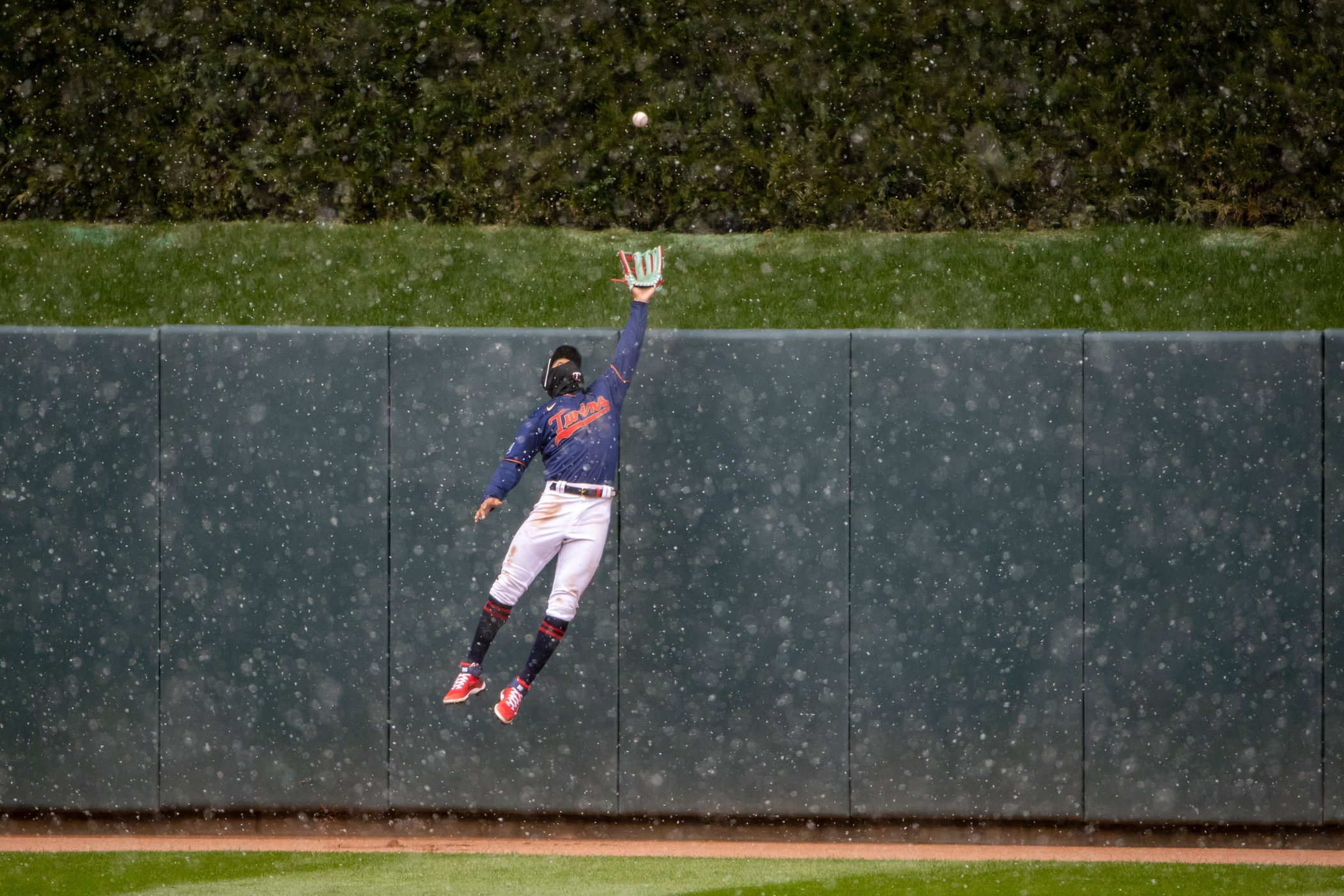 Box Score J.A. Happ: 4.2 IP, 4 H, 2 ER, 1 BB, 3 K Home Runs: None Bottom 3 WPA: Simmons -.230, Cave -.133, Polanco -.073 Win Probability Chart (via FanGraphs): Snow Instead of Rain, Cruz Scratched As J.A. Happ took to the mound for his first start of the season at Target Field. The Twins ballpark was a frigid 34 degrees with flurries of snow. Nelson Cruz was a late scratch from the lineup with a non COVID related illness (why does this keep happening?). Josh Donaldson, it seems, will make his return to the lineup from an opening day hamstring strain on Wednesday, when first pitch temperatures are predicted to be in the mid 40s. https://twitter.com/Jim_Duquette/status/1382014007188594696 Buxton Leads Off, Stays Hot. J.A. Happ managed a scoreless top of the first despite getting into some deep counts with the top of Boston’s lineup. Hitting leadoff for the first time in 2021, Byron Buxton continued his searing form, ripping a first pitch, broken bat double down the first base line. https://twitter.com/BallySportsNOR/status/1382043346722553857 Kyle Garlick was hit by a pitch before old friend Martin Pérez walked Mitch Garver to load the bases. Jorge Polanco hit a deep sacrifice fly, scoring Buxton, before a Luis Arraez groundout scored Garlick to push the Twins to a 2-0 lead. Arraez Flashes the Leather Happ continued to work inefficiently in the second inning putting two men on with no outs. Luis Arraez helped squash the threat with a beautiful double play, forcing Xander Bogaerts at third before a beautiful Willians Astudillo scoop got Christian Vazquez at first. Happ Steady Enough, Until he Wasn’t After an inefficient first three innings with several three ball counts, Happ finally settled in the fourth. Andrew Thares noted early that Happ had a clear plan of attack for some of Boston’s better hitters. https://twitter.com/AndrewThares/status/1382053871909019652 While Happ was hardly an exciting offseason signing, his command in the fourth inning improved notably and showed what he is capable of from the fifth spot in the rotation, painting the corners as the game went on, and taking advantage of strong framing from Mitch Garver, and a generous strike zone from Mark Carlson. Happ is one of the oldest starters in MLB, and has proved to be exactly what we thought he would be so far in 2021, a solid, average, MLB starter. https://twitter.com/TFTwins/status/1382049439670435842 Happ finally blinked in the fifth inning, as a Hunter Renfroe solo home run to straight center got the Red Sox on the board. Noted Twins assassin Bobby Dalbec doubled in Vazquez to tie the game, knocking Happ out after 4 2/3 innings. Bullpens Battle, Twins Fall Short Again After a promising start against Pérez, the Twins offense again sputtered to a dejecting halt, doing little to trouble the Red Sox starter after the first inning. As Randy Dobnak entered the game in the sixth inning, the clouds parted and the flurries melted away, as if Dobnak was the spark the Twins were waiting for. Dobnak cruised through the sixth and seventh innings, inducing five ground balls in a flawless 15 pitches before giving up back to back doubles to begin the eighth inning, Bobby Dalbec again stinging the Twins, bringing home Christian Arroyo. Jorge Alcala served up a solo shot to Rafael Devers in the ninth. The insurance run was more than enough for Boston. Darwinzon Hernandez and and Matt Barnes combining for two scoreless innings in the eighth and ninth. After a promising start, the Twins managed one hit in four innings against the Red Sox bullpen, which will inevitably lead to frustration about another game squandered from a winning position. https://twitter.com/MatthewTaylorMN/status/1382083397955244040 To finish on a positive, Willians Astudillo provided the lone Twins offensive highlight in the latter innings, sliding under a tag from Bobby Dalbec on his way to first base. https://twitter.com/BallySportsNOR/status/1382067622901080067 What were your highlights from the game today? What were your frustrations? What do you think the Twins need to get them back to winning ways? Postgame Interview https://twitter.com/BallySportsNOR/status/1382091680413810695 Bullpen Usage Spreadsheet Click here to see the bullpen usage over the past five days (link opens a Google Sheet).
 -
Nelson Cruz and Byron Buxton both hit their third home runs of the season but the Twins fell to the Tigers 4-3 in extra innings Tuesday afternoon in Detroit in a game marred by poor execution. Read more about the game in today’s recap.Box Score Happ: 4.0 IP, 3 H, 1 ER, 3 BB, 4 K Home Runs: Cruz (3), Buxton (3) Bottom 3 WPA: Robles -.350, Arraez -.210, Stashak -.196 Win Probability Chart (via FanGraphs): Download attachment: chart.png Happ Solid, Stretched Out J.A. Happ joined the Twins’ spring camp late due to a positive COVID test. Previously, Happ had only been stretched out to 73 pitches. In his first start of the season, Happ was solid, if not spectacular, striking out four in four innings of one-run ball. Happ managed 89 pitches, with a very mediocre Twins infield behind him. Mize Strong Early Casey Mize looked strong early for the Tigers. The 2018 No. 1 pick worked around scattered hits and walks in the first few innings, before struggling significantly in the fourth. In 2020, Mize typically got into messy innings, limiting his ability to get into later innings, the same was true today. Arraez and Buxton Return to Lineup Both Luis Arraez and Byron Buxton returned to the Twins lineup after exiting previous games with illness. Arraez started the game at second base, Buxton entered for Brent Rooker in the fifth. Squandered Opportunities The majority of the game felt like a frustrating 2020 offensive performance, full of missed opportunities. In the top of the seventh inning however, Nelson Cruz again took matters into his own hands, sending his third HR in two days to right center field. After replacing a struggling Brent Rooker, Byron Buxton deposited a pitch from José Cisnero deep into the left center field seats, emphatically tying the game in the top of the eighth after missing the previous two games with gastrointestinal discomfort. Bullpen Battle Happ’s relatively short start thrust the Twins bullpen into six innings of work. Cody Stashak entered the game in the fifth and struggled significantly. Stashak, who normally models impeccable control and command, needed 28 pitches (18 strikes) to see out his inning of work, giving up three hits, a walk and two runs in the process, ballooning his early 2021 ERA to 9.00. 2020 most surprising Twin Caleb Thielbar made his first appearance of 2021 in the seventh inning after missing some time in spring training with a back strain. Thielbar looked impressive in his outing, striking out five in two innings of work, showing sharp command of his curveball, and reaching an improved 93 mph with his fastball. After Tyler Duffey pitched his best inning of the year, allowing just a walk in the eighth, Taylor Rogers found trouble in the ninth. Rogers induced a double play from Miguel Cabrera to end the inning. In the top of the 10th, with Jorge Polanco beginning the inning at second base, Nelson Cruz immediately shot an opposite field single through the gap, sending Polanco to third base. Byron Buxton ground out, leading to Jorge Polanco being thrown out at the plate for the second time in the game before Andrelton Simmons struck out to end another empty Twins threat. In the bottom of the 10th, Jeimer Candelario grounded out, moving Harold Castro to third base. Wilson Ramos struck out swinging. Hansel Robles deliberately walked Robbie Grossman before Akil Baddoo continued his torrid start to his first month in MLB, stroking the game winning single to right field to put the final nail in the coffin of a game the Twins will feel they should have won. Mauer Joins Broadcast Lastly, in a treat for home team fans, Twins great and future Hall of Famer joined the broadcast in the sixth inning, joining Dick Bremer and Justin Morneau to preview a charity home run derby being held at Target Field. What were your thoughts on today's game? Who impressed? Who left you frustrated? Postgame with Baldelli Bullpen Usage Spreadsheet Download attachment: Screenshot 2021-04-06 at 4.11.31 PM.png Click here to view the article
-
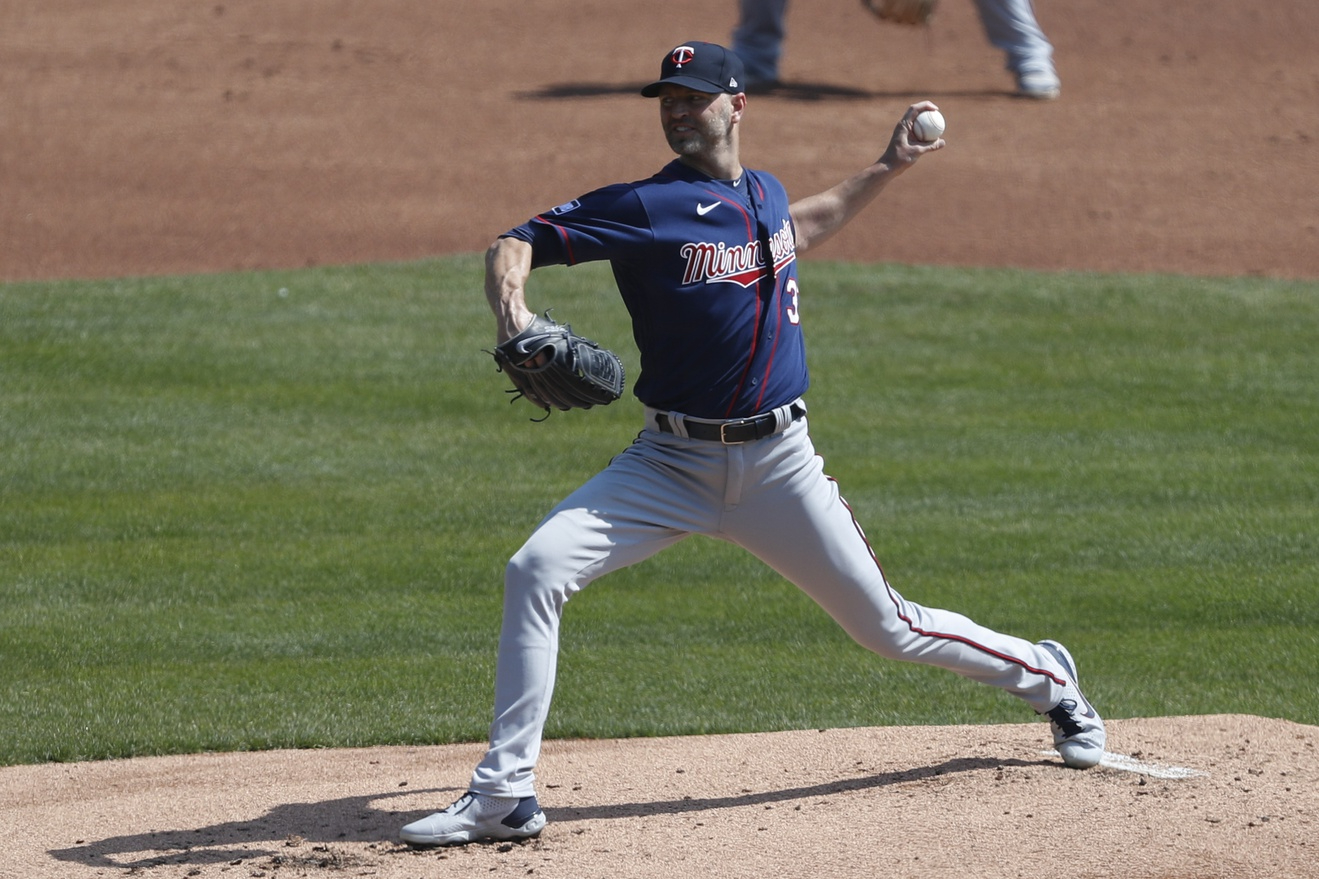 Box Score Happ: 4.0 IP, 3 H, 1 ER, 3 BB, 4 K Home Runs: Cruz (3), Buxton (3) Bottom 3 WPA: Robles -.350, Arraez -.210, Stashak -.196 Win Probability Chart (via FanGraphs): Happ Solid, Stretched Out J.A. Happ joined the Twins’ spring camp late due to a positive COVID test. Previously, Happ had only been stretched out to 73 pitches. In his first start of the season, Happ was solid, if not spectacular, striking out four in four innings of one-run ball. Happ managed 89 pitches, with a very mediocre Twins infield behind him. https://twitter.com/TFTwins/status/1379506788823752704 Mize Strong Early Casey Mize looked strong early for the Tigers. The 2018 No. 1 pick worked around scattered hits and walks in the first few innings, before struggling significantly in the fourth. In 2020, Mize typically got into messy innings, limiting his ability to get into later innings, the same was true today. Arraez and Buxton Return to Lineup Both Luis Arraez and Byron Buxton returned to the Twins lineup after exiting previous games with illness. Arraez started the game at second base, Buxton entered for Brent Rooker in the fifth. Squandered Opportunities The majority of the game felt like a frustrating 2020 offensive performance, full of missed opportunities. https://twitter.com/andluedtke/status/1379518350271803395 In the top of the seventh inning however, Nelson Cruz again took matters into his own hands, sending his third HR in two days to right center field. https://twitter.com/BallySportsNOR/status/1379522687719071749 After replacing a struggling Brent Rooker, Byron Buxton deposited a pitch from José Cisnero deep into the left center field seats, emphatically tying the game in the top of the eighth after missing the previous two games with gastrointestinal discomfort. https://twitter.com/BallySportsNOR/status/1379526730046709761 Bullpen Battle Happ’s relatively short start thrust the Twins bullpen into six innings of work. Cody Stashak entered the game in the fifth and struggled significantly. Stashak, who normally models impeccable control and command, needed 28 pitches (18 strikes) to see out his inning of work, giving up three hits, a walk and two runs in the process, ballooning his early 2021 ERA to 9.00. 2020 most surprising Twin Caleb Thielbar made his first appearance of 2021 in the seventh inning after missing some time in spring training with a back strain. Thielbar looked impressive in his outing, striking out five in two innings of work, showing sharp command of his curveball, and reaching an improved 93 mph with his fastball. After Tyler Duffey pitched his best inning of the year, allowing just a walk in the eighth, Taylor Rogers found trouble in the ninth. Rogers induced a double play from Miguel Cabrera to end the inning. In the top of the 10th, with Jorge Polanco beginning the inning at second base, Nelson Cruz immediately shot an opposite field single through the gap, sending Polanco to third base. Byron Buxton ground out, leading to Jorge Polanco being thrown out at the plate for the second time in the game before Andrelton Simmons struck out to end another empty Twins threat. In the bottom of the 10th, Jeimer Candelario grounded out, moving Harold Castro to third base. Wilson Ramos struck out swinging. Hansel Robles deliberately walked Robbie Grossman before Akil Baddoo continued his torrid start to his first month in MLB, stroking the game winning single to right field to put the final nail in the coffin of a game the Twins will feel they should have won. Mauer Joins Broadcast Lastly, in a treat for home team fans, Twins great and future Hall of Famer joined the broadcast in the sixth inning, joining Dick Bremer and Justin Morneau to preview a charity home run derby being held at Target Field. https://twitter.com/BallySportsNOR/status/1379517037022752783 What were your thoughts on today's game? Who impressed? Who left you frustrated? Postgame with Baldelli https://twitter.com/BallySportsNOR/status/1379551010310488064 Bullpen Usage Spreadsheet
 -
To wrap up the Twins Daily staff predictions, the crew forecast some Minnesota specific outcomes for the 2021 season.Twins Daily Staff Predictions: World Series and Individual Awards Twins Daily Staff Predictions: National League Twins Daily Staff Predictions: American League How many games will the Twins win in 2021? 91-95: 17 96-100: 5 86-90: 3 Download attachment: Wins.png It’s challenging to predict anything after a 60 game season so here’s some helpful context. Didn’t it feel like the Twins struggled last year? Games were always close, the bullpen was always in high leverage spots, and there was an abundance of fairly lengthy injuries. That team was on pace to win 97 games in a full 162 game season. That fact, combined with the Twins getting the NL Central for interleague play has me believing the Twins Daily team is being overly conservative with the majority predicting 91-95 wins in 2021. By how many games will the Twins win the Division? 1-4: 13 5-8: 8 9-12: 2 None, they're not winning the division: 2 Download attachment: Screenshot 2021-03-31 at 7.29.21 PM.png We have two moles discover! Two of our team picked the White Sox to win the division. I felt confident about the Twins chances of going back to back to back in the Central before the Eloy Jimenez injury, even more so now. The Twins April schedule yields 17 games out of 26 against sub .500 2020 teams. Team health for the Twins and the White Sox will surely be the most critical factor here. Who leads the Twins in home runs in 2021? Nelson Cruz: 10 Miguel Sano: 10 Josh Donaldson: 5 Download attachment: HomeRuns.png King Nelly has only one season in the last six with a wRC+ of under 140. Phew. Over the same span, Cruz has averaged 41 HR per season. Cruz and Sano are logical candidates to go head to head here. In 2020, Cruz’ HR/FB was 41%, compared to Sano’s 34.2%. Donaldson, meanwhile, is taking a Giants-esque every other season approach to massive home run totals, managing 37 with Atlanta in 2019, a season in which his HR/FB was 25.7%. Cruz remains the favorite until someone else takes the crown. How many games will Alex Kirilloff play for the Twins in 2021? 81-100: 13 101-120: 8 0-80: 3 121-140: 1 Download attachment: AK.png If Kirilloff was called up on May 1, he would be available for the Twins remaining 135 games. That would be super sus of the Twins though, and open up the organization for just criticism about suppressing service time. The Twins have plenty of depth and options for the outfield between Jake Cave, Kyle Garlick, Luis Arraez and Brent Rooker. Make no mistake, Kirilloff is coming, and he’s going to be special. Who leads the Twins in innings pitched in 2021? Kenta Maeda: 14 Jose Berrios: 11 This is challenging to judge because Kenta Maeda so often functioned as a reliever with the Dodgers. He was on track to throw 211 innings last year over a full 162 game season. Berríos himself has been a picture of durability and averaged 198 innings pitched from 2018-19. This one is a toss up. How many games will Randy Dobnak *start* for the Twins in 2021? 6-15: 19 16-25: 6 Dobnak’s recent extension proves he’s not just a feel good story. The Twins (rightly) believe in him. His openness and work ethic have drawn rave reviews from the front office. His newly developed slider may even give him more upside than he previously had. FanGraphs projects the Twins will use 11 starting pitchers this year, so 6-15 starts for Dobnak feels like a shoe in. Who has more saves in 2021? Alex Colomé: 16 Taylor Rogers: 9 Rocco Baldelli has been explicit about the Twins not having an official closer. Colomé, Rogers, Duffey, and Robles all have experience closing out games. In the instance of a tie, Colomé likely gets the nod, but the Twins will rely on data and matchups to put their relievers in the best possible spots to lock up games. Who is your pick for 2021 Twins MVP? Byron Buxton: 14 Josh Donaldson: 5 Nelson Cruz: 2 Kenta Maeda: 2 Luis Arraez: 1 Jose Berrios: 1 This outcome speaks to how tantalizing the thought of a healthy Buxton season is. Buxton looks stronger than previously this spring, will 2021 be the season we see 145 games from one of the most exciting players in the game? Fangraphs likes Donaldson for Twins MVP, and it would be hard to argue if he can stay healthy, he was locked in all spring. Perhaps the most encouraging anecdote from this category is the Twins have six players who were voted for, and a few more who it wouldn’t surprise you to hear about if they made the list. This team is deep. Will the Twins finally win a postseason game in 2021? Yes: 23 No: 2 Speak it into existence, Twins Daily team! I assume the same two grumps who predicted the Twins won’t win the division predicted their playoff drought will continue. I’m drinking the kool-aid, let's play ball, October here we come. Click here to view the article
-
 Twins Daily Staff Predictions: World Series and Individual Awards Twins Daily Staff Predictions: National League Twins Daily Staff Predictions: American League How many games will the Twins win in 2021? 91-95: 17 96-100: 5 86-90: 3 It’s challenging to predict anything after a 60 game season so here’s some helpful context. Didn’t it feel like the Twins struggled last year? Games were always close, the bullpen was always in high leverage spots, and there was an abundance of fairly lengthy injuries. That team was on pace to win 97 games in a full 162 game season. That fact, combined with the Twins getting the NL Central for interleague play has me believing the Twins Daily team is being overly conservative with the majority predicting 91-95 wins in 2021. By how many games will the Twins win the Division? 1-4: 13 5-8: 8 9-12: 2 None, they're not winning the division: 2 We have two moles discover! Two of our team picked the White Sox to win the division. I felt confident about the Twins chances of going back to back to back in the Central before the Eloy Jimenez injury, even more so now. The Twins April schedule yields 17 games out of 26 against sub .500 2020 teams. Team health for the Twins and the White Sox will surely be the most critical factor here. Who leads the Twins in home runs in 2021? Nelson Cruz: 10 Miguel Sano: 10 Josh Donaldson: 5 King Nelly has only one season in the last six with a wRC+ of under 140. Phew. Over the same span, Cruz has averaged 41 HR per season. Cruz and Sano are logical candidates to go head to head here. In 2020, Cruz’ HR/FB was 41%, compared to Sano’s 34.2%. Donaldson, meanwhile, is taking a Giants-esque every other season approach to massive home run totals, managing 37 with Atlanta in 2019, a season in which his HR/FB was 25.7%. Cruz remains the favorite until someone else takes the crown. How many games will Alex Kirilloff play for the Twins in 2021? 81-100: 13 101-120: 8 0-80: 3 121-140: 1 If Kirilloff was called up on May 1, he would be available for the Twins remaining 135 games. That would be super sus of the Twins though, and open up the organization for just criticism about suppressing service time. The Twins have plenty of depth and options for the outfield between Jake Cave, Kyle Garlick, Luis Arraez and Brent Rooker. Make no mistake, Kirilloff is coming, and he’s going to be special. Who leads the Twins in innings pitched in 2021? Kenta Maeda: 14 Jose Berrios: 11 This is challenging to judge because Kenta Maeda so often functioned as a reliever with the Dodgers. He was on track to throw 211 innings last year over a full 162 game season. Berríos himself has been a picture of durability and averaged 198 innings pitched from 2018-19. This one is a toss up. How many games will Randy Dobnak *start* for the Twins in 2021? 6-15: 19 16-25: 6 Dobnak’s recent extension proves he’s not just a feel good story. The Twins (rightly) believe in him. His openness and work ethic have drawn rave reviews from the front office. His newly developed slider may even give him more upside than he previously had. FanGraphs projects the Twins will use 11 starting pitchers this year, so 6-15 starts for Dobnak feels like a shoe in. Who has more saves in 2021? Alex Colomé: 16 Taylor Rogers: 9 Rocco Baldelli has been explicit about the Twins not having an official closer. Colomé, Rogers, Duffey, and Robles all have experience closing out games. In the instance of a tie, Colomé likely gets the nod, but the Twins will rely on data and matchups to put their relievers in the best possible spots to lock up games. Who is your pick for 2021 Twins MVP? Byron Buxton: 14 Josh Donaldson: 5 Nelson Cruz: 2 Kenta Maeda: 2 Luis Arraez: 1 Jose Berrios: 1 This outcome speaks to how tantalizing the thought of a healthy Buxton season is. Buxton looks stronger than previously this spring, will 2021 be the season we see 145 games from one of the most exciting players in the game? Fangraphs likes Donaldson for Twins MVP, and it would be hard to argue if he can stay healthy, he was locked in all spring. Perhaps the most encouraging anecdote from this category is the Twins have six players who were voted for, and a few more who it wouldn’t surprise you to hear about if they made the list. This team is deep. Will the Twins finally win a postseason game in 2021? Yes: 23 No: 2 Speak it into existence, Twins Daily team! I assume the same two grumps who predicted the Twins won’t win the division predicted their playoff drought will continue. I’m drinking the kool-aid, let's play ball, October here we come.
 -
The Minnesota Twins continued their 2021 Spring Training slate with 7-6 loss at the Rays. Notes on that game and more in today’s Twins Daily Notebook.Rays 7, Twins 6 Box Score Twins Takeaways Standout pitcher: Brandon Waddell (1 IP, 0 H, 0 R, 2 K) Standout hitter: Andrelton Simmons (2 for 3, HR, SB) The Twins bats broke out Wednesday, with plenty of power on display against a strong Rays pitching staff. The Twins pitching, however, was a different story in a 7-6 loss to Tampa Bay. Michael Pineda’s last outing was a ‘B team’ game where he stretched out to 70 pitches. Wednesday's game gave Twins fans an opportunity to see him for the first time since March 12. It was not pretty. Pineda showed better control (than his March 12 outing) but poor command, getting lit up for nine hits and five earned runs over five innings of work. Pineda was undone by some bad luck, with two first inning hits beating infield positioning and some soft contact in the third inning leading to runs. Overall, however, he left too much over the center of the plate against the reigning AL champs. The latest installment of Tyler Duffey’s roller coaster spring was another uneven performance. The good? Duffey’s fastball was up to 94 mph, ameliorating any early spring velocity concerns. The bad? Duffey continues to get beat up on. Wednesday, he failed to get out of his inning, giving up a walk and two runs which ballooned his spring ERA to 13.50. The Twins best pitching performer was Brandon Waddell, who has installed himself with Derek Law as co-outstanding fungible slider relief guy this spring. Waddell pitched a scoreless inning while striking out two. The Twins offense clicked Wednesday, paced by home runs from Andrelton Simmons, a mammoth blast from Ryan Jeffers, and this opposite field shot from Trevor Larnach. Byron Buxton added a triple. Willians Astudillo continued his push for a roster spot with another double. Max Kepler continued his spring slump with another hitless day. Tomorrow: Twins at Red Sox (Dobnak vs M. Perez) Other News With opening day in Milwaukee only seven days away, the Twins finally got some closure in the drawn out case of Lewis Thorpe and his fourth option. Thorpe then, will likely begin the season at the alternative site at St. Paul. It’s a tough blow for the Australian, who has worked hard and had an outstanding spring. One would assume Thorpe’s fourth option gives a boost to Randy Dobnak’s prospects of breaking camp with the team. In a league-wide memo, MLB is pledging to crack down on foreign substances used by pitchers in 2021. This seems like it would be challenging to monitor. In further details, it emerged that MLB intends to use spin rates from Baseball Savant as part of its analysis. This news was met with a variety of reactions around the league, not least former Twin, Trevor Plouffe. What do you think of the league’s attempts to limit foreign substance use on baseballs? Where do you think Lewis Thorpe will begin the year? Who do you think is going to emerge victorious in the battle for the Sire of Fort Myers? More from Twins Daily Twins 2021 Position Analysis: Relief Pitcher Ranking the Twins Top-5 Slider Prospects José Berríos is On Top of Things Click here to view the article
-
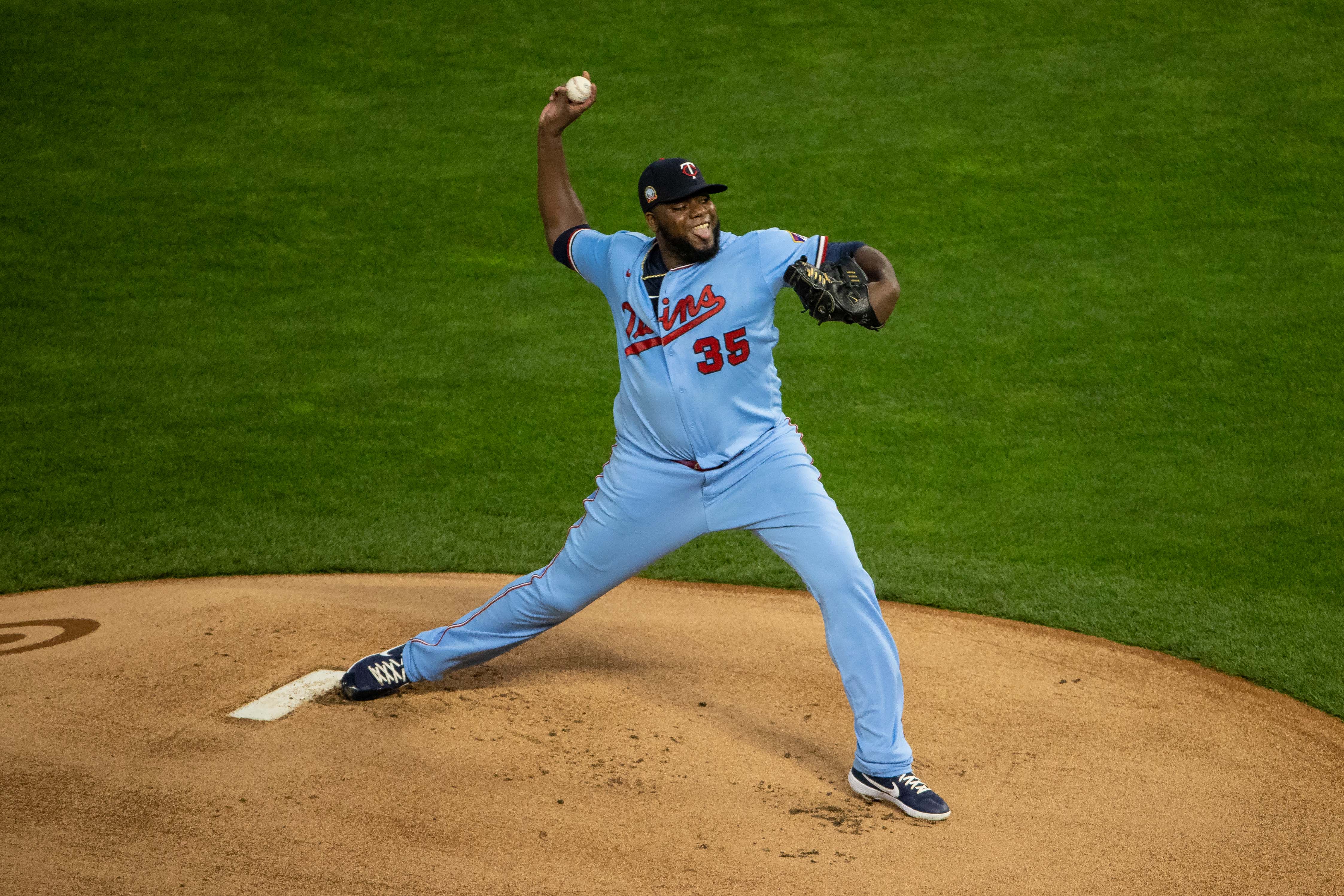 Rays 7, Twins 6 Box Score Twins Takeaways Standout pitcher: Brandon Waddell (1 IP, 0 H, 0 R, 2 K) Standout hitter: Andrelton Simmons (2 for 3, HR, SB) The Twins bats broke out Wednesday, with plenty of power on display against a strong Rays pitching staff. The Twins pitching, however, was a different story in a 7-6 loss to Tampa Bay. Michael Pineda’s last outing was a ‘B team’ game where he stretched out to 70 pitches. Wednesday's game gave Twins fans an opportunity to see him for the first time since March 12. It was not pretty. Pineda showed better control (than his March 12 outing) but poor command, getting lit up for nine hits and five earned runs over five innings of work. Pineda was undone by some bad luck, with two first inning hits beating infield positioning and some soft contact in the third inning leading to runs. Overall, however, he left too much over the center of the plate against the reigning AL champs. The latest installment of Tyler Duffey’s roller coaster spring was another uneven performance. The good? Duffey’s fastball was up to 94 mph, ameliorating any early spring velocity concerns. The bad? Duffey continues to get beat up on. Wednesday, he failed to get out of his inning, giving up a walk and two runs which ballooned his spring ERA to 13.50. The Twins best pitching performer was Brandon Waddell, who has installed himself with Derek Law as co-outstanding fungible slider relief guy this spring. Waddell pitched a scoreless inning while striking out two. https://twitter.com/TFTwins/status/1374824580817289218 The Twins offense clicked Wednesday, paced by home runs from Andrelton Simmons, a mammoth blast from Ryan Jeffers, and this opposite field shot from Trevor Larnach. https://twitter.com/fsnorth/status/1374810792680378369 Byron Buxton added a triple. Willians Astudillo continued his push for a roster spot with another double. Max Kepler continued his spring slump with another hitless day. https://twitter.com/TFTwins/status/1374808023684767750 Tomorrow: Twins at Red Sox (Dobnak vs M. Perez) Other News With opening day in Milwaukee only seven days away, the Twins finally got some closure in the drawn out case of Lewis Thorpe and his fourth option. https://twitter.com/DanHayesMLB/status/1374740755080736768 Thorpe then, will likely begin the season at the alternative site at St. Paul. It’s a tough blow for the Australian, who has worked hard and had an outstanding spring. One would assume Thorpe’s fourth option gives a boost to Randy Dobnak’s prospects of breaking camp with the team. In a league-wide memo, MLB is pledging to crack down on foreign substances used by pitchers in 2021. https://twitter.com/JeffPassan/status/1374715004629442562 This seems like it would be challenging to monitor. In further details, it emerged that MLB intends to use spin rates from Baseball Savant as part of its analysis. This news was met with a variety of reactions around the league, not least former Twin, Trevor Plouffe. https://twitter.com/trevorplouffe/status/1374729463934545925 What do you think of the league’s attempts to limit foreign substance use on baseballs? Where do you think Lewis Thorpe will begin the year? Who do you think is going to emerge victorious in the battle for the Sire of Fort Myers? More from Twins Daily Twins 2021 Position Analysis: Relief Pitcher Ranking the Twins Top-5 Slider Prospects José Berríos is On Top of Things
 -
The Minnesota Twins continued their 2021 Spring Training slate with a 9-1 loss at the Red Sox. Notes on that game and more in today’s Twins Daily Notebook.Red Sox 9, Twins 1 Box Score Twins Takeaways Standout pitcher: Derek Law (1 IP, 0 H, 0 ER, 0 BB, 3 K) Standout hitter: Willians Astudillo (1-for-3, 1 R) What does Bobby Dalbec have against the Twins? Dalbec crushed a grand slam off Matt Shoemaker for his third home run of the spring against Minnesota. Shoemaker struggled significantly today after the Twins rotation had been nearly flawless so far in spring. Shoemaker surrendered seven earned runs in three innings pitched, including an additional home run to Rafael Devers. Other pitching performances were mixed. Shaun Anderson continued a poor spring which surely places him at St. Paul to start the season. Taylor Rogers and Alex Colomé were both uneven on their first back to back appearances of March. Jorge Alcala, Tom Hackimer, and Andrew Albers all had scoreless appearances for the Twins. The Twins standout pitcher was Derek Law, currently a frontrunner for the prestigious Sire of Fort Myers crown. For the second straight appearance, Law struck out three hitters in his inning of work: The Twins offense offered nothing. JT Riddle and Willians Astudillo offered the only hits until a Caleb Hamilton garbage time single. Channels Bill Belicheck ... "we’re onto Atlanta." Tomorrow: OFF Friday: Twins at Atlanta, 5:05 CST, Randy Dobnak vs. Ian Anderson Other News Bally Sports North (I’ll never be O.K. with this) announced it’s full 156 game televised lineup today. 12 Twins games have at last been co-opted for a national broadcast. Additionally, it'll be the first time all 162 Twins games are televised. In additional welcome news, Justin Morneau will serve as the lead analyst for BSN alongside Dick Bremer. Twins fans will also experience Roy Smalley and LaTroy Hawkins in what should be a strong and compelling booth for an exciting 2021 Twins season. Michael Pineda continued to lengthen for the start of the regular season Wednesday, throwing 70 pitches over four innings in the Twins ‘B’ game. More from Twins Daily Spring Training Live: Two Weeks to Go Introducing Randy Dobnak's New and Improved Slider What a Luis Arraez Contract Extension Would Look Like Click here to view the article
-
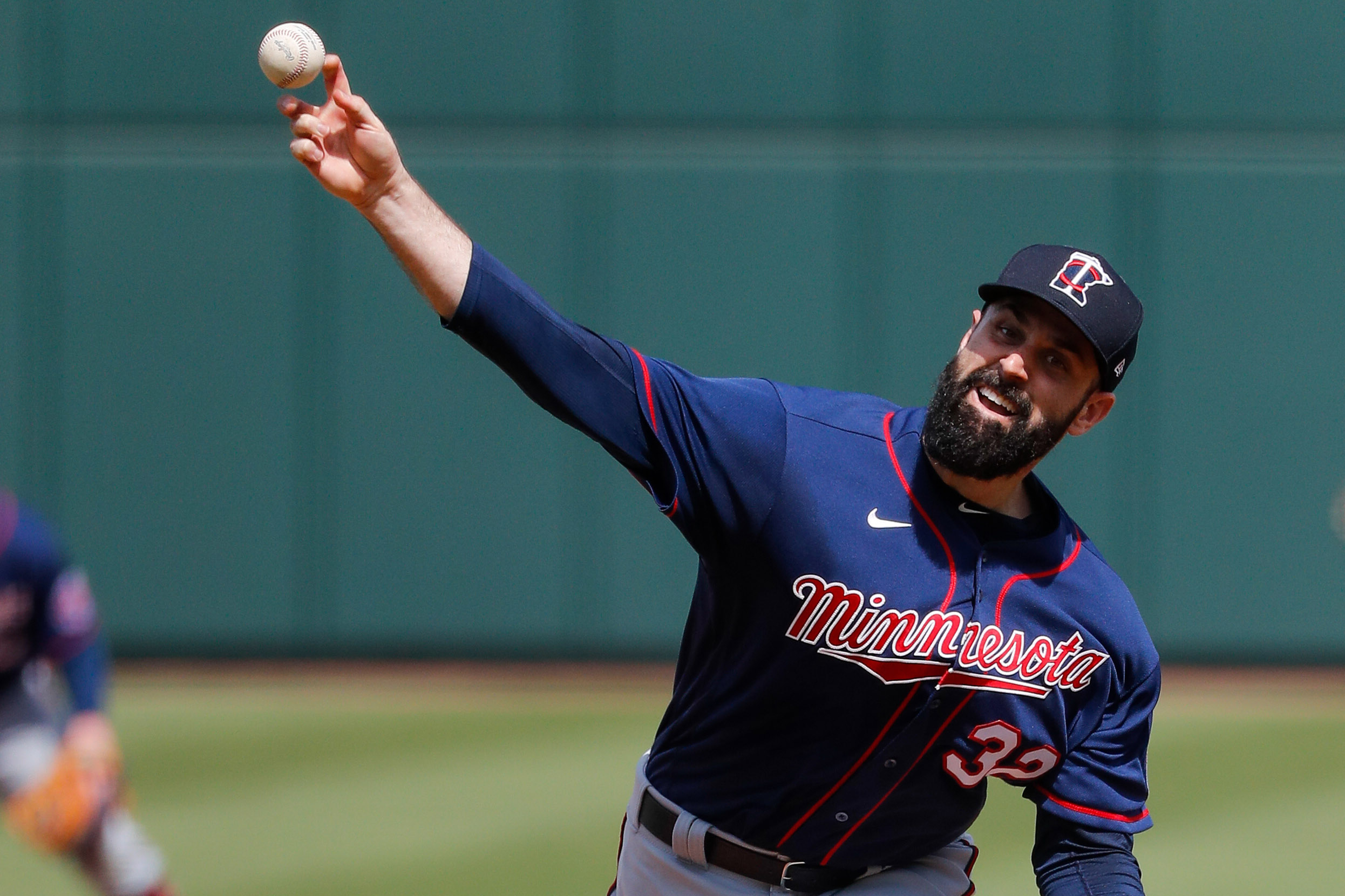 Red Sox 9, Twins 1 Box Score Twins Takeaways Standout pitcher: Derek Law (1 IP, 0 H, 0 ER, 0 BB, 3 K) Standout hitter: Willians Astudillo (1-for-3, 1 R) What does Bobby Dalbec have against the Twins? Dalbec crushed a grand slam off Matt Shoemaker for his third home run of the spring against Minnesota. Shoemaker struggled significantly today after the Twins rotation had been nearly flawless so far in spring. Shoemaker surrendered seven earned runs in three innings pitched, including an additional home run to Rafael Devers. Other pitching performances were mixed. Shaun Anderson continued a poor spring which surely places him at St. Paul to start the season. Taylor Rogers and Alex Colomé were both uneven on their first back to back appearances of March. Jorge Alcala, Tom Hackimer, and Andrew Albers all had scoreless appearances for the Twins. The Twins standout pitcher was Derek Law, currently a frontrunner for the prestigious Sire of Fort Myers crown. For the second straight appearance, Law struck out three hitters in his inning of work: https://twitter.com/TFTwins/status/1372275545912791044 The Twins offense offered nothing. JT Riddle and Willians Astudillo offered the only hits until a Caleb Hamilton garbage time single. Channels Bill Belicheck ... "we’re onto Atlanta." Tomorrow: OFF Friday: Twins at Atlanta, 5:05 CST, Randy Dobnak vs. Ian Anderson Other News Bally Sports North (I’ll never be O.K. with this) announced it’s full 156 game televised lineup today. 12 Twins games have at last been co-opted for a national broadcast. Additionally, it'll be the first time all 162 Twins games are televised. https://twitter.com/dohyoungpark/status/1372250824336932864 In additional welcome news, Justin Morneau will serve as the lead analyst for BSN alongside Dick Bremer. Twins fans will also experience Roy Smalley and LaTroy Hawkins in what should be a strong and compelling booth for an exciting 2021 Twins season. Michael Pineda continued to lengthen for the start of the regular season Wednesday, throwing 70 pitches over four innings in the Twins ‘B’ game. https://twitter.com/dohyoungpark/status/1372230821520801796 More from Twins Daily Spring Training Live: Two Weeks to Go Introducing Randy Dobnak's New and Improved Slider What a Luis Arraez Contract Extension Would Look Like
 -
The Minnesota Twins continued their 2021 Spring Training slate with a 6-2 win over the Rays. Notes on that game and more in today’s Twins Daily Notebook.Twins 6, Rays 2 (7 1/2 innings) Box Score Twins Takeaways Standout pitcher: José Berríos (3 IP, 1 H, 0 ER, 1 BB, 4 K). Standout hitter: Willians Astudillo (2-3, 1 R, 2 RBI) After some early unevenness, the Twins pitching staff has found a groove in the last few games, including another impressive start from José Berríos Berríos has dazzled so far this spring. On Wednesday, his fastball sat 93-95 mph but touched 97 mph on the stadium gun. Berríos was working effectively up in the zone with his fastball, a crucial detail to offset his curveball. Berríos’ curve was on song, with sharp vertical movement, a different shape and design to his typically slurvy curveball. A high fastball at 95 mph+ combined with greater vertical movement on his curve could be a devastating combination for Berríos in 2021. If you want to enjoy more highlights of a dominant Berríos performance in all its glory, here they are. Other Twins pitching performances were generally impressive. Cody Stashak, Derek Law and Jorge Alcala all had scoreless appearances in relief. Alcala walked two to get himself into trouble, but was throwing serious cheese, the best recap of which was offered by Do-Hyoung Park. The offense was solid. Willians Astudillo paced the Twins with two hits, including a double and two runs knocked in. Ryan Jeffers, Tzu Wei-Lin and Nick Gordon all added hits, while Rob Refsnyder added a triple. Tomorrow: Red Sox at Twins, 12:05 CST, E. Rodriguez vs. Shoemaker Other News On Wednesday, the Twins parted ways with MiLB instructors Donegal Fergus, Billy Boyer, and Michael Thomas, as first reported by Phil Miller. All three coaches had a significant positive impact on player development for the Twins. They were apparently released for breaking team COVID-19 protocols. Additionally, MLB.com reviewed it’s latest version of the Twins top 30 prospects, which can be found here. Jonathan Mayo ran a Twitter Q&A on Twins prospects, so be sure to check out his timeline today. In Arlington, the Texas Rangers have announced plans to host a full capacity of fans on opening day. Approximately 40,000 fans will pack Globe Life Field on April 5. Masks are required. Common sense, apparently, is not. More From Twins Daily Twins Prospect Louis Varland Won't Stop at Pretty Good Twins 2021 Position Analysis: Shortstop Why Mitch Garver is Poised for a Huge 2021 Click here to view the article
-
Notebook: Berríos in Ace-Like Form, Twins Release MiLB Instructors
Jamie Cameron posted an article in Twins
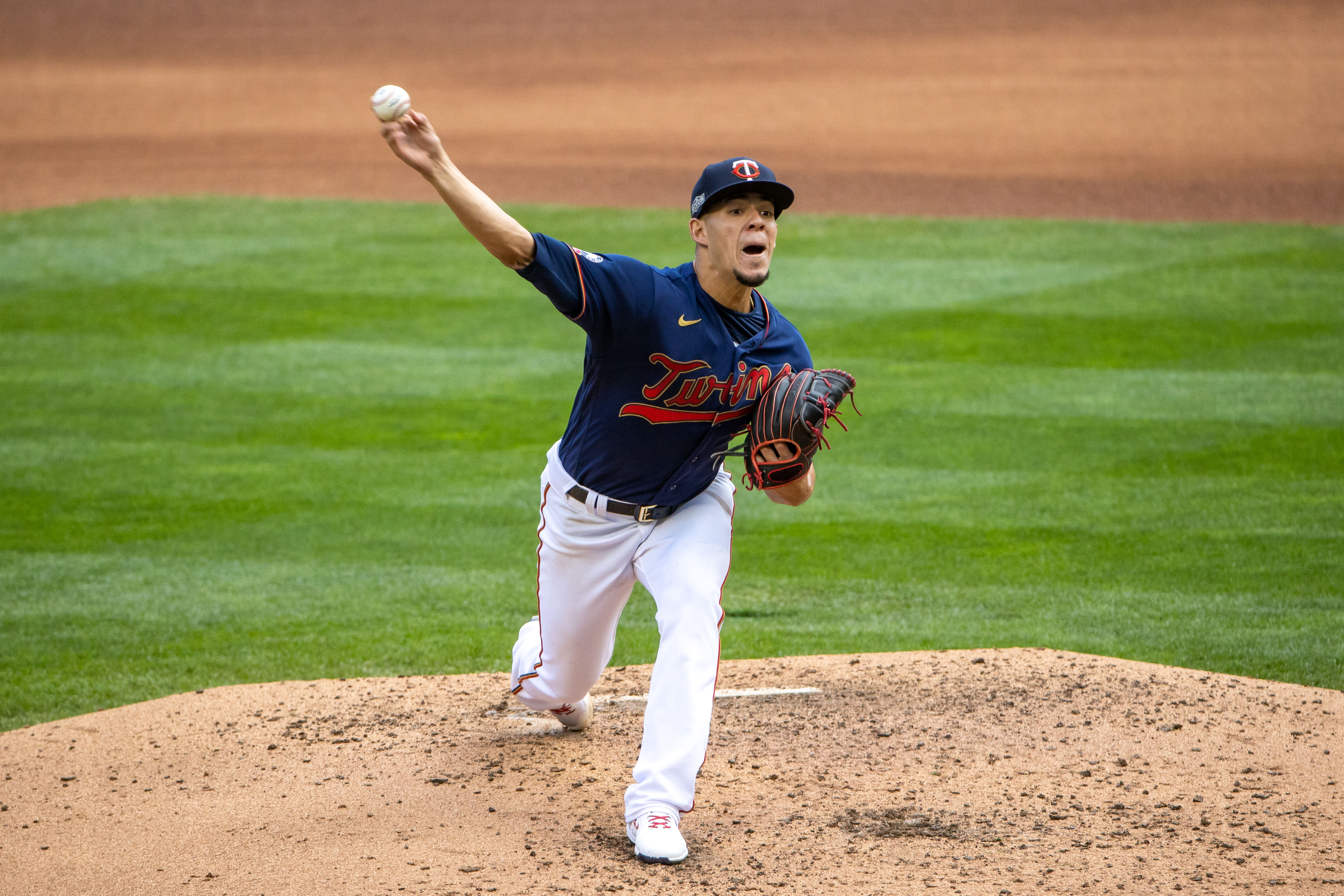 Twins 6, Rays 2 (7 1/2 innings) Box Score Twins Takeaways Standout pitcher: José Berríos (3 IP, 1 H, 0 ER, 1 BB, 4 K). Standout hitter: Willians Astudillo (2-3, 1 R, 2 RBI) After some early unevenness, the Twins pitching staff has found a groove in the last few games, including another impressive start from José Berríos Berríos has dazzled so far this spring. On Wednesday, his fastball sat 93-95 mph but touched 97 mph on the stadium gun. Berríos was working effectively up in the zone with his fastball, a crucial detail to offset his curveball. Berríos’ curve was on song, with sharp vertical movement, a different shape and design to his typically slurvy curveball. A high fastball at 95 mph+ combined with greater vertical movement on his curve could be a devastating combination for Berríos in 2021. https://twitter.com/PitchingNinja/status/1369725525514665986 If you want to enjoy more highlights of a dominant Berríos performance in all its glory, here they are. https://twitter.com/MLB/status/1369745077145329667 Other Twins pitching performances were generally impressive. Cody Stashak, Derek Law and Jorge Alcala all had scoreless appearances in relief. Alcala walked two to get himself into trouble, but was throwing serious cheese, the best recap of which was offered by Do-Hyoung Park. https://twitter.com/dohyoungpark/status/1369744913513017345 The offense was solid. Willians Astudillo paced the Twins with two hits, including a double and two runs knocked in. Ryan Jeffers, Tzu Wei-Lin and Nick Gordon all added hits, while Rob Refsnyder added a triple. Tomorrow: Red Sox at Twins, 12:05 CST, E. Rodriguez vs. Shoemaker Other News On Wednesday, the Twins parted ways with MiLB instructors Donegal Fergus, Billy Boyer, and Michael Thomas, as first reported by Phil Miller. https://twitter.com/MillerStrib/status/1369764543946194952 All three coaches had a significant positive impact on player development for the Twins. They were apparently released for breaking team COVID-19 protocols. https://twitter.com/DWolfsonKSTP/status/1369764834972229632 Additionally, MLB.com reviewed it’s latest version of the Twins top 30 prospects, which can be found here. Jonathan Mayo ran a Twitter Q&A on Twins prospects, so be sure to check out his timeline today. In Arlington, the Texas Rangers have announced plans to host a full capacity of fans on opening day. Approximately 40,000 fans will pack Globe Life Field on April 5. Masks are required. Common sense, apparently, is not. More From Twins Daily Twins Prospect Louis Varland Won't Stop at Pretty Good Twins 2021 Position Analysis: Shortstop Why Mitch Garver is Poised for a Huge 2021
 -
Why Mitch Garver is Poised for a Huge 2021
Jamie Cameron replied to Jamie Cameron's topic in Twins Daily Front Page News
Definitely should have asked Lucas about that. My understanding is totally healed and totally healthy - other than rigors of being a MLB catcher! -
Mitch Garver is off to a hot start in Spring Training. Why did he struggle in 2020? Why should Twins fans expect him to have a huge 2021?The Bomba Squad. ‘Sota Pop. The monikers came thick and fast for the 2019 Minnesota Twins record setting offense. After setting a MLB record by clobbering 307 home runs in 2019, an encore of that prolific output was expected in 2020. It didn’t happen. The offense sputtered throughout the season. I decided to use PECOTA to help put disappointing Twins 2020 offensive struggles in perspective. For each player, I found their percentile PECOTA projection which most closely matched their actual 2020 performance. While a small sample size from a shortened season and injuries were a significant part of the Twins 2020 offensive narrative, the dramatic underperformance of the offense needs to be more heavily emphasized, in addition to trying to mine ‘the why’ in each case. Mitch Garver Garver was the Twins biggest offensive disappointment in 2020. He was a wrecking ball in 2019, on the way to one of the greatest offensive seasons by a catcher ever. He put up 3.9 fWAR in just 359 plate appearances, along with a 155 wRC+, good for the 7th best mark in MLB. Garver was hampered by an intercostal strain in 2020 which seemed to inhibit his swing. His approach suffered significantly as his K% rose from 24% to 46% while his ISO plummeted from .357 to .097. Download attachment: Garver Table.png From these data, we see that Garver was considerably worse than his 1st percentile 2020 projection and almost 50% worse than the average hitter, more Jeff Mathis than Mike Piazza. We can also see his 50th percentile outcome for 2021 is a significant improvement on 2020. The Why So, what happened to Garver, exactly? While no one expected him to replicate his incredible 2019 season, no one expected him to fall off the face of the earth either. So what are some clues about his 2020 struggles? Garver’s Hard Hit% stayed consistent (50% in both 2019 and 2020) and his avg. exit velocity was actually up to 92.4 mph in 2020. There was no problem with what he *was* connecting with. Here’s the first giveaway. Garver’s swing and miss % rose dramatically for all pitch types between 2019 and 2020. In 2019, Garver feasted on fastballs (WOBA .562), but in 2020 (WOBA .267), he swung and missed at 33.7% of the fastballs he saw, up from 15.8% in 2019. Download attachment: Garver SwingMiss.png We know that Garver swung and missed at an extensively higher rate in 2020, but what does that look like in the strike zone? Before we answer that, it’s important to know a little bit about Garver’s strike zone profile. Garver is a pretty conservative hitter. O-Swing% measures the percentage of hacks you take at pitches outside the zone, while Z-Swing% measures the same for inside the zone. O-Contact% is percentage contact outside the zone, and Z-Contact% is percentage contact inside the zone. Garver typically swings at around 20% of pitches outside the zone, and 55% inside the zone. Overall, he swings at around 35% of pitches. For the sake of comparison, Nelson Cruz swings at around 30% of pitches outside the zone, and 70% in the zone, 48% overall. Garver saw a 20% drop in his O-Contact% in 2020 and a 12% drop in his Z-Contact%, put simply, he literally couldn’t hit the ball. Here’s what that looks like visually: Download attachment: Garver 2019.png Download attachment: Garver 2020.png You’ll notice that Garver’s performance over the heart of the plate was significantly worse in 2020 (-7 runs) than in 2019 (+10 runs), that’s especially problematic for someone who relies on waiting for a particular pitch. Garver had a persistent injury in 2020, an intercostal strain. Twins Daily’s resident injury expert, Lucas Seehafer, gave some thoughts on how this might impact a swing: ‘The intercostals lie between the rib bones and forcefully drive air in and out of the lungs. Breathing is usually a fairly passive experience; the diaphragm contracts to draw air in and relaxes to push air out. Every swing Garver made likely came with discomfort at best and significant pain at worst’. Maybe the injury seems or feels like a too simplistic explanation to hear for Garver’s 2020 struggles, but sometimes things really are that simple. Ultimately, there’s little to suggest that Garver’s underlying skillset to hit baseballs incredibly hard has changed. His intercostal injury certainly seems like a plausible explanation why he would struggle to connect bat and ball, particularly after a strong early Spring Training showing in 2021. Bottom Line: Don’t expect 2019 heights for Garver in 2021, but do expect a return to crushing fastballs, 25-30 home runs, and being one of the best hitting catchers in baseball. MORE FROM TWINS DAILY — Latest Twins coverage from our writers — Recent Twins discussion in our forums — Follow Twins Daily via Twitter, Facebook or email Click here to view the article
-
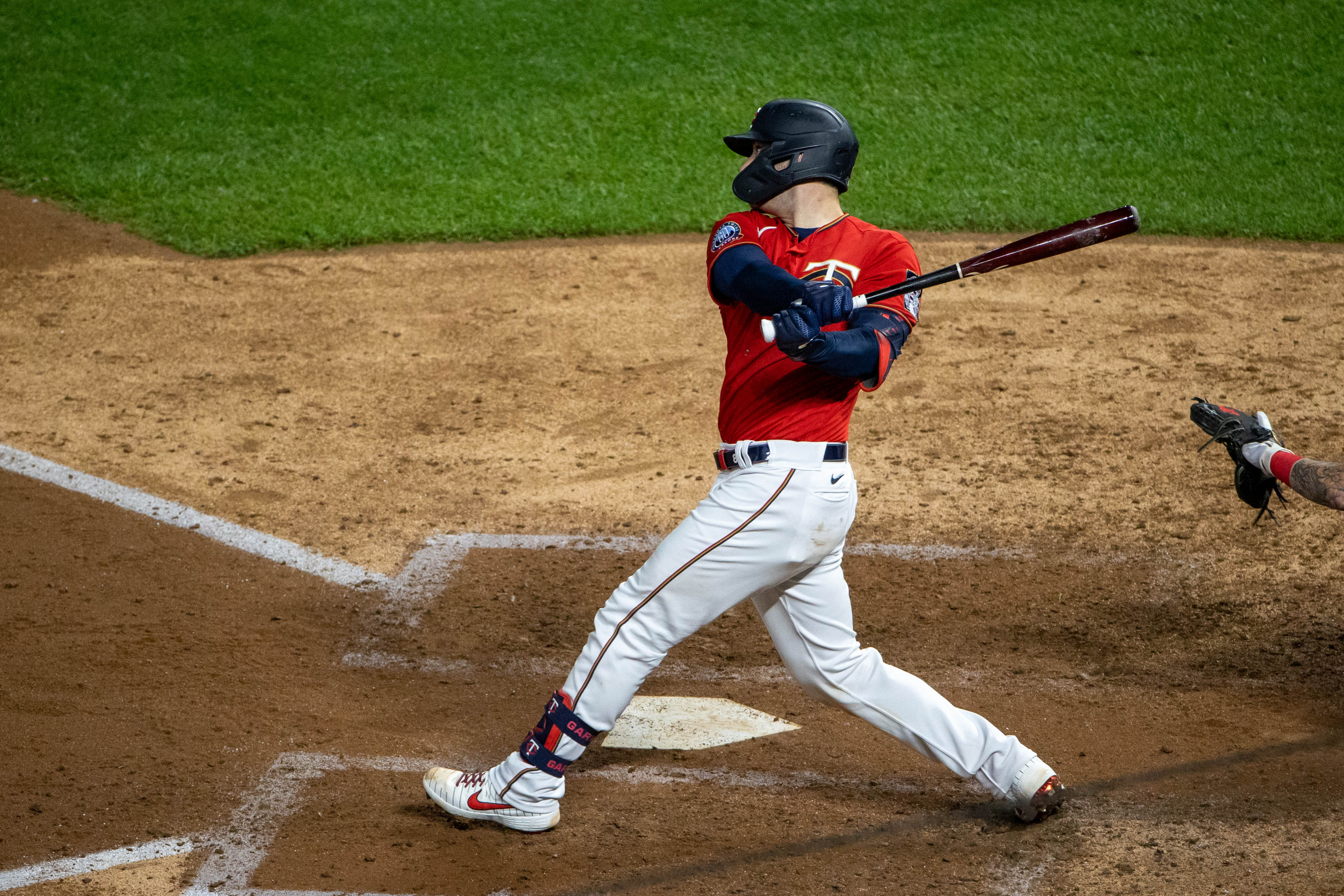 The Bomba Squad. ‘Sota Pop. The monikers came thick and fast for the 2019 Minnesota Twins record setting offense. After setting a MLB record by clobbering 307 home runs in 2019, an encore of that prolific output was expected in 2020. It didn’t happen. The offense sputtered throughout the season. I decided to use PECOTA to help put disappointing Twins 2020 offensive struggles in perspective. For each player, I found their percentile PECOTA projection which most closely matched their actual 2020 performance. While a small sample size from a shortened season and injuries were a significant part of the Twins 2020 offensive narrative, the dramatic underperformance of the offense needs to be more heavily emphasized, in addition to trying to mine ‘the why’ in each case. Mitch Garver Garver was the Twins biggest offensive disappointment in 2020. He was a wrecking ball in 2019, on the way to one of the greatest offensive seasons by a catcher ever. He put up 3.9 fWAR in just 359 plate appearances, along with a 155 wRC+, good for the 7th best mark in MLB. Garver was hampered by an intercostal strain in 2020 which seemed to inhibit his swing. His approach suffered significantly as his K% rose from 24% to 46% while his ISO plummeted from .357 to .097. From these data, we see that Garver was considerably worse than his 1st percentile 2020 projection and almost 50% worse than the average hitter, more Jeff Mathis than Mike Piazza. We can also see his 50th percentile outcome for 2021 is a significant improvement on 2020. The Why So, what happened to Garver, exactly? While no one expected him to replicate his incredible 2019 season, no one expected him to fall off the face of the earth either. So what are some clues about his 2020 struggles? Garver’s Hard Hit% stayed consistent (50% in both 2019 and 2020) and his avg. exit velocity was actually up to 92.4 mph in 2020. There was no problem with what he *was* connecting with. Here’s the first giveaway. Garver’s swing and miss % rose dramatically for all pitch types between 2019 and 2020. In 2019, Garver feasted on fastballs (WOBA .562), but in 2020 (WOBA .267), he swung and missed at 33.7% of the fastballs he saw, up from 15.8% in 2019. We know that Garver swung and missed at an extensively higher rate in 2020, but what does that look like in the strike zone? Before we answer that, it’s important to know a little bit about Garver’s strike zone profile. Garver is a pretty conservative hitter. O-Swing% measures the percentage of hacks you take at pitches outside the zone, while Z-Swing% measures the same for inside the zone. O-Contact% is percentage contact outside the zone, and Z-Contact% is percentage contact inside the zone. Garver typically swings at around 20% of pitches outside the zone, and 55% inside the zone. Overall, he swings at around 35% of pitches. For the sake of comparison, Nelson Cruz swings at around 30% of pitches outside the zone, and 70% in the zone, 48% overall. Garver saw a 20% drop in his O-Contact% in 2020 and a 12% drop in his Z-Contact%, put simply, he literally couldn’t hit the ball. Here’s what that looks like visually: You’ll notice that Garver’s performance over the heart of the plate was significantly worse in 2020 (-7 runs) than in 2019 (+10 runs), that’s especially problematic for someone who relies on waiting for a particular pitch. Garver had a persistent injury in 2020, an intercostal strain. Twins Daily’s resident injury expert, Lucas Seehafer, gave some thoughts on how this might impact a swing: ‘The intercostals lie between the rib bones and forcefully drive air in and out of the lungs. Breathing is usually a fairly passive experience; the diaphragm contracts to draw air in and relaxes to push air out. Every swing Garver made likely came with discomfort at best and significant pain at worst’. Maybe the injury seems or feels like a too simplistic explanation to hear for Garver’s 2020 struggles, but sometimes things really are that simple. Ultimately, there’s little to suggest that Garver’s underlying skillset to hit baseballs incredibly hard has changed. His intercostal injury certainly seems like a plausible explanation why he would struggle to connect bat and ball, particularly after a strong early Spring Training showing in 2021. Bottom Line: Don’t expect 2019 heights for Garver in 2021, but do expect a return to crushing fastballs, 25-30 home runs, and being one of the best hitting catchers in baseball. MORE FROM TWINS DAILY — Latest Twins coverage from our writers — Recent Twins discussion in our forums — Follow Twins Daily via Twitter, Facebook or email
 -
The Minnesota Twins continued their 2021 Spring Training slate with 14-6 demolition at the hands of the Red Sox. Notes on that game and more in today’s Twins Daily Notebook,Red Sox 14, Twins 6 (7 innings) Box Score | Baseball Savant Twins Takeaways Standout pitcher: José Berríos (2 IP, 1 H, 0 ER, 0 BB, 3 K). Standout hitter: Nelson Cruz (1-3, 3 R HR in first spring game) Fastest pitch: Ian Hamilton 95.5 mph Max exit velo: Nelson Cruz 108.6 mph After some early FSN mishaps, the Twins finally had their first televised Spring Training game of 2021. Matthew Trueblood wrote up some of what to watch for in Bérríos’ first spring start, and indeed, his season for the Twins. Bérríos was effective and efficient, striking out 3 over 2 innings of work, which included using his changeup 20% of the time. Bérríos hit 95.1 mph on the gun. Other Twins pitching performances were less impressive. Alex Colomé served up a succession of meatballs over the heart of the plate. Colomé gave up six hard hit balls and four earned runs on five hits. Glenn Sparkman, Chandler Shepard, and Andrew Albers all gave up multiple runs. Early Sire of Fort Myers frontrunner Ian Hamilton pitched his second scoreless inning of spring, striking out two to continue his impressive start to Spring Training. The offense was a saucy affair, with Mitch Garver hitting an opposite field home run which Statcast missed, while Kyle Garlick hit his second home run of Spring. Then Nelson Cruz came to the plate in the bottom of the fifth, and did this. Cruz launched a 390 foot rocket to left center in his first game of the pre-season. In a world full of change, Cruz remains the source of constancy Twins fans need. Tomorrow: Rays at Twins, 12:05 CST, Yarbrough VS Maeda. Other News Dan Hayes of the Athletic mentioned Tuesday that the Twins had checked in on Danny Santana and Eric Sogard as additional infield depth. On Wednesday morning, Sogard signed a MiLB deal with the Cubs Hayes also noted the primary challenge of reconnecting with Santana would be not wanting to guarantee a MLB contract. Elsewhere 2021 fantasy baseball darling Framber Valdez was diagnosed with a fractured finger, Jon Lester will undergo surgery to remove his thyroid gland, and Aaron Boone will take a medical leave of absence from the Yankees in order to have a pacemaker implanted. More From Twins Daily Report from the Fort: Spring Training Live Who Will Lead the Twins in Home Runs? The Immigration Challenges Ballplayers Face Click here to view the article
-
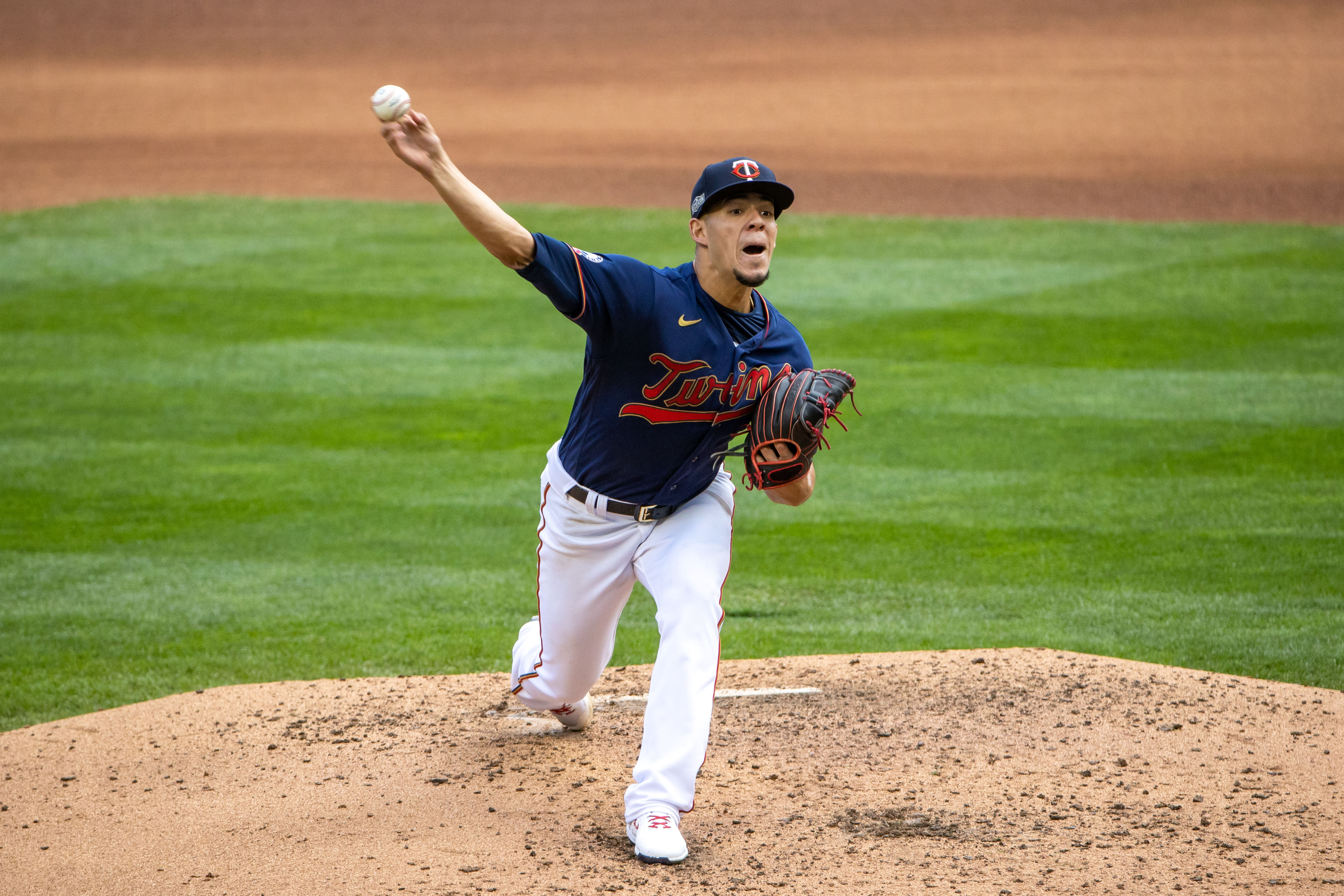 Red Sox 14, Twins 6 (7 innings) Box Score | Baseball Savant Twins Takeaways Standout pitcher: José Berríos (2 IP, 1 H, 0 ER, 0 BB, 3 K). Standout hitter: Nelson Cruz (1-3, 3 R HR in first spring game) Fastest pitch: Ian Hamilton 95.5 mph Max exit velo: Nelson Cruz 108.6 mph After some early FSN mishaps, the Twins finally had their first televised Spring Training game of 2021. https://twitter.com/J_D_Cameron/status/1367175997611782149 Matthew Trueblood wrote up some of what to watch for in Bérríos’ first spring start, and indeed, his season for the Twins. Bérríos was effective and efficient, striking out 3 over 2 innings of work, which included using his changeup 20% of the time. Bérríos hit 95.1 mph on the gun. https://twitter.com/AlexFast8/status/1367176749562421252 Other Twins pitching performances were less impressive. Alex Colomé served up a succession of meatballs over the heart of the plate. Colomé gave up six hard hit balls and four earned runs on five hits. Glenn Sparkman, Chandler Shepard, and Andrew Albers all gave up multiple runs. Early Sire of Fort Myers frontrunner Ian Hamilton pitched his second scoreless inning of spring, striking out two to continue his impressive start to Spring Training. The offense was a saucy affair, with Mitch Garver hitting an opposite field home run which Statcast missed, while Kyle Garlick hit his second home run of Spring. https://twitter.com/andluedtke/status/1367179392116535296 Then Nelson Cruz came to the plate in the bottom of the fifth, and did this. https://twitter.com/SlangsOnSports/status/1367207298783969281 Cruz launched a 390 foot rocket to left center in his first game of the pre-season. In a world full of change, Cruz remains the source of constancy Twins fans need. Tomorrow: Rays at Twins, 12:05 CST, Yarbrough VS Maeda. Other News Dan Hayes of the Athletic mentioned Tuesday that the Twins had checked in on Danny Santana and Eric Sogard as additional infield depth. On Wednesday morning, Sogard signed a MiLB deal with the Cubs https://twitter.com/mlbtraderumors/status/1367130927567155203 Hayes also noted the primary challenge of reconnecting with Santana would be not wanting to guarantee a MLB contract. https://twitter.com/DanHayesMLB/status/1367136659536547847 Elsewhere 2021 fantasy baseball darling Framber Valdez was diagnosed with a fractured finger, Jon Lester will undergo surgery to remove his thyroid gland, and Aaron Boone will take a medical leave of absence from the Yankees in order to have a pacemaker implanted. More From Twins Daily Report from the Fort: Spring Training Live Who Will Lead the Twins in Home Runs? The Immigration Challenges Ballplayers Face
 -
Ever wondered what it would be like to look for a position in a baseball front office? Twins Daily recently got to pick the brain of someone who did just that.Like many folks on Twins twitter, I pay attention to small details. There's a period in the winter where teams do the majority of their front office and coaching hiring. You'll often notice coaches and researchers tweeting out about a move to an organization, that's how I first ran into Ethan's work. Ethan Moore (@Moore_Stats) recently took a position with the Twins front office. He was gracious enough to sit down with me to talk about his analytics work, his search for a job with a front office, collaboration with Eno Sarris, and much more. Click here to see more videos on Twins Daily's YouTube channel. Click here to view the article
-
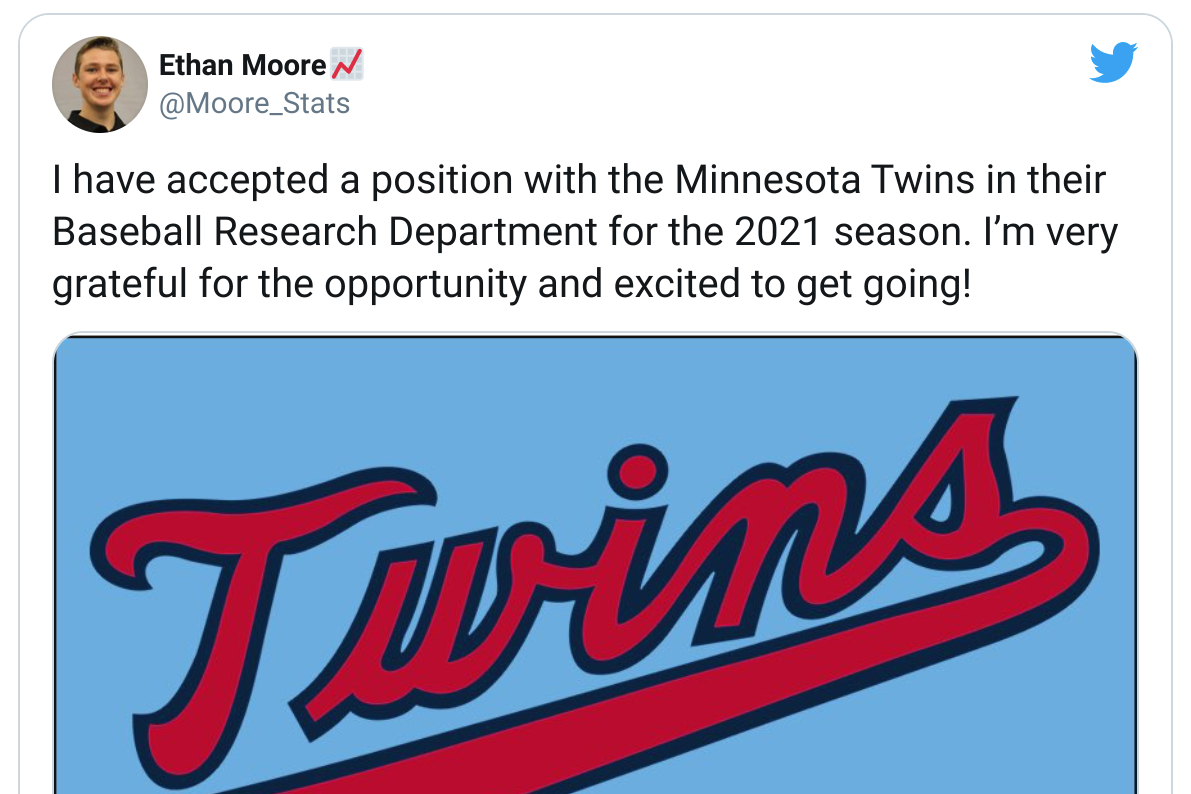 Like many folks on Twins twitter, I pay attention to small details. There's a period in the winter where teams do the majority of their front office and coaching hiring. You'll often notice coaches and researchers tweeting out about a move to an organization, that's how I first ran into Ethan's work. Ethan Moore (@Moore_Stats) recently took a position with the Twins front office. He was gracious enough to sit down with me to talk about his analytics work, his search for a job with a front office, collaboration with Eno Sarris, and much more. Click here to see more videos on Twins Daily's YouTube channel.
 -
AL Central Rundown: Right Field
Jamie Cameron replied to Jamie Cameron's topic in Twins Daily Front Page News
I agree. Projections agree with that point too. Kepler the clear favorite to be a more valuable player overall. -
AL Central Rundown: Right Field
Jamie Cameron replied to Jamie Cameron's topic in Twins Daily Front Page News
Makes sense. Grades came mostly from projections for this year and what both should accomplish offensively and defensively. Both contracts are GREAT for sure. -
Max Kepler had a disappointing season in right field for the Minnesota Twins in 2020. Where does he rank amongst other right fielders in the AL Central ahead of the 2021 season?The Rundown The AL Central provides a paltry offering in right field. Cody Pirkl wrote recently about how pivotal the 2021 season is for Max Kepler. If he’s able to return to 2019 form, he should easily be the best in the division. Besides the Royals, right field is a relatively weak position for other teams in the central. Detroit Tigers - Victor Reyes/Nomar Mazara The Tigers recently brought in former Rangers and Sox outfielder Nomar Mazara to play right field alongside Victor Reyes. Mazara was thought to be on the cusp of a breakout at the major league level for several years, but has never put it together, managing a miserable 67 wRC+ in 2020 for the White Sox. Mazara is poor in the field too, managing -8 OAA over the last 3 seasons. Reyes is more of a prototypical center fielder. The rangy, fleet footed Venezuelan will bat for high average, is a solid defender, and will play all three outfield positions for the Tigers. The two should combine for around 1.2 fWAR in 2021. The duo are a passable pair and probably won’t be the worst duo in the division. Kansas City Royals - Whit Merrifield Everyone’s favorite mid-season trade candidate Whit Merrifield should take the majority of the right field reps for KC in 2021. Merrifield has been a constant source of excellence for Kansas City for several years, putting up at least 2.8 fWAR in the three seasons preceding the shortened 2020 campaign. Versatility is a major plus for Merrifield, as he logged time at all three outfield positions and second base. The one worrying aspect for Merrifield is his BB%, which has fallen from around league average in 2019 to a Rosario-esque 4.5% in 2020. Steamer assumes Merrifield will regress in 2021, only projecting him for 1.7 fWAR. Merrifield will be an attractive trade candidate if the Royals are off the pace in July. He’s under team control through 2023, for a ridiculous price ($16 MM over 4 years). Cleveland - Jordan Luplow/Daniel Johnson Jr. What are we even doing here, Cleveland? Despite an impressively strong rotation, and improving left field, their right field situation is desperately poor. Luplow will be a league average hitter, projected for 99 wRC+ and was worth 1 OAA in his last three seasons between Pittsburgh and Cleveland. Johnson Jr. is Cleveland’s number 18 prospect. He saw limited MLB action in 2020 and profiles as an average MLB outfielder. Johnson Jr. has power to all fields and plus speed. Cleveland will be hoping Luplow returns to his 2.2 fWAR 2019 form, or they will be looking at a tandem worth a combined 1.0 fWAR in 2021. Woof. Chicago White Sox - Adam Eaton Eaton had a year to forget in 2020, putting up a wRC+ of 75 and -0.5 fWAR for the Nationals while seeing his BB% plummet and his K% increase. Eaton had bad BaBIP luck in 2019 however (.264) when we hadn’t produced a number less than .310 in his previous 6 seasons, so Sox fans can at least expect a moderate rebound. Eaton’s days of being an outstanding outfielder are behind him (17 OAA for the Sox in 2016), and he’ll likely put up close to a neutral number in 2020. Steamer expects him to split the difference of his last two seasons to the tune of a 1.1 fWAR in 2021. Twins fans can be grateful they’ll see Eaton, not George Springer in the Sox outfield this season. Minnesota Twins - Max Kepler Kepler had a poor 2020 season, by his own high standards. After a breakout 2019 (4.4 fWAR) he regressed at the plate. Kepler especially struggled against LHP (5 wRC+), while his K% grew significantly to 18.4%. Perhaps just as troubling was Kepler’s regression in the field. In his previous three MLB seasons, Kepler averaged 7 OAA, while he managed 0 OAA in 2020. While Kepler’s 2019 might be his true outlier, Steamer likes him to have a more promising 2021, projecting him to put up 3.0 fWAR which would make him the second best right fielder in the division, behind only Aaron Judge. Grade ‘Em Download attachment: Screenshot (34).png Detroit Tigers: C Detroit gets a passing grade here. Mazara should be a little better in 2021 than 2020 and Reyes is a solid outfielder in all three positions. Kansas City Royals: B Merrifield is a strong outfielder and has been a nuisance to the Twins over the last few seasons. Expect him to continue to set the tone at the top of a solid young offensive core. Cleveland: D Cleveland did well to upgrade their LF situation by signing Eddie Rosario. Right field is incredibly poor however, and the outfield promises to hamper this team yet again. Chicago White Sox: C+ Eaton hanging up on his introductory radio interview after signing, over what he saw as objectionable questions about new manager Tony La Russa, is probably the most interesting thing he will do this season. The Sox could, and should, have pursued George Springer as an outfield upgrade, instead they got Eaton. Minnesota Twins: B+ Kepler projects as the second best right fielder in the AL behind Aaron Judge, and will put up similar counting stats. Kepler will need to generate more consistency at the plate and return to excellence in the field to replicate his high flying 2019 season. MORE FROM TWINS DAILY — Latest Twins coveragefrom our writers — Recent Twins discussion in our forums — Follow Twins Daily via Twitter, Facebook or email Click here to view the article
-
 The Rundown The AL Central provides a paltry offering in right field. Cody Pirkl wrote recently about how pivotal the 2021 season is for Max Kepler. If he’s able to return to 2019 form, he should easily be the best in the division. Besides the Royals, right field is a relatively weak position for other teams in the central. Detroit Tigers - Victor Reyes/Nomar Mazara The Tigers recently brought in former Rangers and Sox outfielder Nomar Mazara to play right field alongside Victor Reyes. Mazara was thought to be on the cusp of a breakout at the major league level for several years, but has never put it together, managing a miserable 67 wRC+ in 2020 for the White Sox. Mazara is poor in the field too, managing -8 OAA over the last 3 seasons. Reyes is more of a prototypical center fielder. The rangy, fleet footed Venezuelan will bat for high average, is a solid defender, and will play all three outfield positions for the Tigers. The two should combine for around 1.2 fWAR in 2021. The duo are a passable pair and probably won’t be the worst duo in the division. Kansas City Royals - Whit Merrifield Everyone’s favorite mid-season trade candidate Whit Merrifield should take the majority of the right field reps for KC in 2021. Merrifield has been a constant source of excellence for Kansas City for several years, putting up at least 2.8 fWAR in the three seasons preceding the shortened 2020 campaign. Versatility is a major plus for Merrifield, as he logged time at all three outfield positions and second base. The one worrying aspect for Merrifield is his BB%, which has fallen from around league average in 2019 to a Rosario-esque 4.5% in 2020. Steamer assumes Merrifield will regress in 2021, only projecting him for 1.7 fWAR. Merrifield will be an attractive trade candidate if the Royals are off the pace in July. He’s under team control through 2023, for a ridiculous price ($16 MM over 4 years). Cleveland - Jordan Luplow/Daniel Johnson Jr. What are we even doing here, Cleveland? Despite an impressively strong rotation, and improving left field, their right field situation is desperately poor. Luplow will be a league average hitter, projected for 99 wRC+ and was worth 1 OAA in his last three seasons between Pittsburgh and Cleveland. Johnson Jr. is Cleveland’s number 18 prospect. He saw limited MLB action in 2020 and profiles as an average MLB outfielder. Johnson Jr. has power to all fields and plus speed. Cleveland will be hoping Luplow returns to his 2.2 fWAR 2019 form, or they will be looking at a tandem worth a combined 1.0 fWAR in 2021. Woof. Chicago White Sox - Adam Eaton Eaton had a year to forget in 2020, putting up a wRC+ of 75 and -0.5 fWAR for the Nationals while seeing his BB% plummet and his K% increase. Eaton had bad BaBIP luck in 2019 however (.264) when we hadn’t produced a number less than .310 in his previous 6 seasons, so Sox fans can at least expect a moderate rebound. Eaton’s days of being an outstanding outfielder are behind him (17 OAA for the Sox in 2016), and he’ll likely put up close to a neutral number in 2020. Steamer expects him to split the difference of his last two seasons to the tune of a 1.1 fWAR in 2021. Twins fans can be grateful they’ll see Eaton, not George Springer in the Sox outfield this season. Minnesota Twins - Max Kepler Kepler had a poor 2020 season, by his own high standards. After a breakout 2019 (4.4 fWAR) he regressed at the plate. Kepler especially struggled against LHP (5 wRC+), while his K% grew significantly to 18.4%. Perhaps just as troubling was Kepler’s regression in the field. In his previous three MLB seasons, Kepler averaged 7 OAA, while he managed 0 OAA in 2020. While Kepler’s 2019 might be his true outlier, Steamer likes him to have a more promising 2021, projecting him to put up 3.0 fWAR which would make him the second best right fielder in the division, behind only Aaron Judge. Grade ‘Em Detroit Tigers: C Detroit gets a passing grade here. Mazara should be a little better in 2021 than 2020 and Reyes is a solid outfielder in all three positions. Kansas City Royals: B Merrifield is a strong outfielder and has been a nuisance to the Twins over the last few seasons. Expect him to continue to set the tone at the top of a solid young offensive core. Cleveland: D Cleveland did well to upgrade their LF situation by signing Eddie Rosario. Right field is incredibly poor however, and the outfield promises to hamper this team yet again. Chicago White Sox: C+ Eaton hanging up on his introductory radio interview after signing, over what he saw as objectionable questions about new manager Tony La Russa, is probably the most interesting thing he will do this season. The Sox could, and should, have pursued George Springer as an outfield upgrade, instead they got Eaton. Minnesota Twins: B+ Kepler projects as the second best right fielder in the AL behind Aaron Judge, and will put up similar counting stats. Kepler will need to generate more consistency at the plate and return to excellence in the field to replicate his high flying 2019 season. MORE FROM TWINS DAILY — Latest Twins coverage from our writers — Recent Twins discussion in our forums — Follow Twins Daily via Twitter, Facebook or email
 -
AL Central Rundown: Left Field
Jamie Cameron replied to Jamie Cameron's topic in Twins Daily Front Page News
All love, Mike -
AL Central Rundown: Left Field
Jamie Cameron replied to Jamie Cameron's topic in Twins Daily Front Page News
Thanks for reading and commenting, Doc. A agree on the incomplete for the Twins. A little homerism shining through. For Rosario VS Eloy, the bat makes the difference. I relied in the fWAR projections of 1.6 VS 3.3 and that Eloy is projected to be the best in the AL. -
AL Central Rundown: Left Field
Jamie Cameron replied to Jamie Cameron's topic in Twins Daily Front Page News
Mike, Thanks for reading and commenting. The grading process was hard. I relied in projected fWAR for the grades, which overwhelmingly made Eloy the best. I know you don't want to hear this but the Twins are going to be better defensively without Eddie. I don't necessarily think uncertainty means they get knocked.
