Eric Blonigen
-
Posts
377 -
Joined
-
Last visited
-
Days Won
1
Content Type
Profiles
News
Minnesota Twins Videos
2026 Minnesota Twins Top Prospects Ranking
2022 Minnesota Twins Draft Picks
Minnesota Twins Free Agent & Trade Rumors, Notes, & Tidbits
Guides & Resources
2023 Minnesota Twins Draft Picks
The Minnesota Twins Players Project
2024 Minnesota Twins Draft Picks
2025 Minnesota Twins Draft Pick Tracker
2026 Minnesota Twins Draft Tracker: Picks & Bonuses
Forums
Blogs
Events
Store
Downloads
Gallery
Everything posted by Eric Blonigen
-
 Image courtesy of © Robert Edwards-Imagn Images (Mark Hallberg) New managers, more often than not, bring new coaching staffs with them. In this case, Pete Maki, Rudy Hernandez, Rayden Sierra, and Trevor Amicone remain in their roles, but everyone else turned over. While it’s unclear the degree to which Derek Shelton influenced the new hires on his staff, at least one seems likely to be a direct hire. The others are a mix of old friends, internal promotions, former players, and people with interesting journeys to Minnesota. A few through lines in the new hires: relationship building, communication, experience, and hitting instruction. Read on to learn a little about each of the six new faces. Bench Coach - Mark Hallberg Mark Hallberg is an interesting dude who grew up in Saudi Arabia and Pakistan before moving stateside. In high school, he didn’t strike out in his junior or senior years. He was Buster Posey’s college roommate, and directly influenced Posey becoming a catcher. There’s a great YouTube interview from his time with the Giants that’s worth a watch. He talks about how Kirby Puckett and the 1991 Twins helped him fall in love with baseball as a kid. Before joining the Giants coaching staff, he was a minor leaguer for the Diamondbacks, but did not make the bigs. As a utility infielder, he had two seasons out of six with a better-than-average wRC+, and retired due to injury. After his playing career ended, he coached and managed in the Cape Cod league and in indy ball. He left baseball for a few years, teaching in Dubai. For the past five seasons, Hallberg was with the Giants, first as assistant hitting coach, then third base coach, and finally first base coach. He was linked to manager vacancies in San Francisco twice over the past few seasons, and could be a frontrunner to succeed Shelton at some point. Assistant Bench Coach - Mike Rabelo Mike Rabelo is a former big league catcher with some coaching experience and ties to Derek Shelton. The Tigers took him in the fourth round of the 2001 draft and he made the majors in September of 2006. In 2007, he was part of the group of players traded to the Marlins for Miguel Cabrera and Dontrelle Willis. His short playing career was sub-replacement, and he retired in 2010. From 2014 through 2016, he occupied the hitting coach role for the Tigers rookie ball and Low-A affiliates. In 2017, he was promoted to manager of their Low-A team, then leveled up each of the next two seasons, ending with the Double-A Sea Wolves. As manager, he had a 358-274 record across six seasons, and was Midwest League Manager of the Year in 2017. The Pirates hired him for the 2020 season and he joined the team as assistant hitting coach. The next season he took a combo field coordinator and third base coach role which he did until the end of the 2025 season. Part of his responsibilities included in-game planning and strategy. He aspires to be a Major League manager at some point, and believes in effective communication and relationship building. Bullpen Coach - LaTroy Hawkins LaTroy Hawkins is an old friend. Nick Nelson did a nice write-up of him here, so I won’t go into too much detail. However, a few high points: Hawkins had a 21-year major-league career, where he played for 11 different teams, and is one of only three pitchers to earn a win for that many teams. He earned saves against all 30 teams, and once pitched an immaculate inning. If you are a fan of Immaculate Grid, he’s a very versatile name. Fans watched five seasons of mediocre starts for the Twins, after which they moved him to the bullpen. He spent four seasons as a closer and setup man before becoming a free agent and playing for a third of the remaining teams in MLB. More recently, he was a roving minor league instructor for the Twins, and fans have seen him intermittently on Twins broadcasts. He blends an old-school and new-school mentality, and has spoken at length about the need to focus on the human side of pitching first, getting to know his pitchers personally, and using data in very approachable ways. Knowing the Twins will likely be converting at least a couple of starters to relievers this upcoming season, Hawkins will have some unique personal perspective to share. The fact that he’s already familiar with the organization is an added bonus. Hitting Coach - Keith Beauregard Nick also wrote about Beauregard. He spent his playing days in indy ball, then coached in the college ranks, before eventually joining the Dodgers system as a minor league hitting instructor. He became a big league hitting coach for the 2023 for the Tigers where he spent the past three seasons. Notably, this past season, he helped Javy Baez rediscover his ability to hit after two mostly lost seasons. He also has experience working with the Tigers young core — Spencer Torkelson, Riley Greene, Kerry Carpenter, Colt Keith, and Dillon Dingler. It’s never a great sign for a club to cycle through their third hitting coach in as many seasons, but the Tigers competing ahead of schedule has to be a good sign. And, their young core spoke glowingly of the care, individualization, and game planning he provided. Given the disappointing regression (or even failure to launch) for many of the young Twins hitters, it’s possible that Beauregard’s success with the Tigers will translate well to a different group of former top prospects. First Base / Baserunning / Outfield Coach - Grady Sizemore Grady Sizemore is a former player, coach, and interim manager. As a player, Sizemore was a divisional foe for the eight seasons he played for Cleveland, and was a bit of a Twin killer, putting up an .835 OPS against them. More than that, though, he was a borderline-MVP candidate during his too-short, four season peak, and appeared to be on a Hall of Fame trajectory. However, injuries leading to no fewer than seven surgeries on his ankle, arm, groin, and knee derailed his promising career, which all but ended in his age-28 season. He logged fewer than 700 plate appearances after that, and was out of baseball when he was 32. Before hanging up his spikes, he made three All-Star teams, won a Silver Slugger, and had a pair of Gold Gloves as a center fielder. Since retiring, he has held a number of roles, all within the AL Central. In 2017, he worked in the player development department for Cleveland. He took a few years off to spend time with family, but the call to ball reemerged. Heading into the 2023 season, he looked into roles with the Diamondbacks as he lives in Arizona. There weren’t any positions available, so he took an internship with the front office. Then, in 2024, the White Sox hired him as a coach and he eventually became their interim manager during their historically terrible season. This past year, he was the White Sox offensive coordinator. He will likely be able to mentor some of the younger Twins players who have seen injuries slow their own career trajectories, and his unique blend of contact, power, speed, and defense gives him something to offer for nearly every Twins player. Field Coordinator - Toby Gardenhire Son of legendary Twins skipper Ron Gardenhire, Toby has spent most of his entire adult life working for the Twins in some capacity or another. They drafted him twice, in 2002 and 2005, and had the ignoble distinction of being drafted in a lower round out of college than he was after high school. He didn’t hit much in his six seasons as a minor league shortstop and retired as a player after the 2011 season. He coached the University of Wisconsin - Stout baseball team for four seasons from 2012 - 2015, then came home to the Twins organization. He was part of the coaching staff for both the Cedar Rapids Kernals and and Rochester Red Wings, then got his first manager job, of the Fort Myers Miracle. He was promoted for the 2021 season, jumping up to Triple-A. As manager, he has a winning record, going 508-488 across six seasons. Managing in the minors is a different beast than in the majors as the roster tends to be much more transient and the goal being development rather than winning. Gardenhire’s familiarity with many of the current young players, not to mention those likely to debut in 2026, adds a trust factor that many of the other coaches don’t bring with them. Shelton will likely lean heavily on him for advice and insight into the psyches of his players, and this may soothe the inevitable growing pains prospects face as they take their lumps at the big league level. So there you have it. Four new faces, a promotion, and one old friend new to a coaching role with the Twins. Welcome to all, and hopefully, they will help the Twins players elevate. View full article
 -
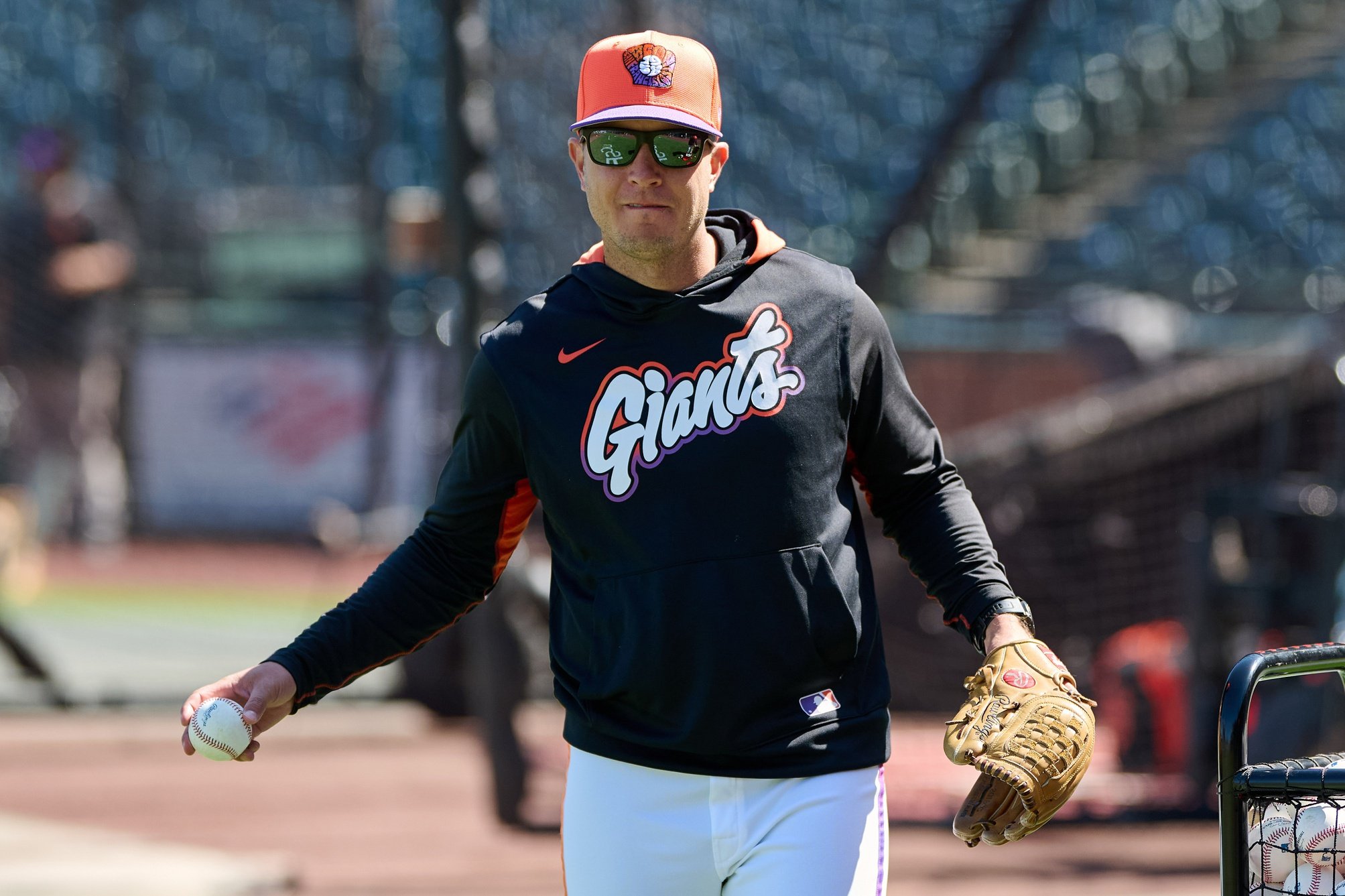 New managers, more often than not, bring new coaching staffs with them. In this case, Pete Maki, Rudy Hernandez, Rayden Sierra, and Trevor Amicone remain in their roles, but everyone else turned over. While it’s unclear the degree to which Derek Shelton influenced the new hires on his staff, at least one seems likely to be a direct hire. The others are a mix of old friends, internal promotions, former players, and people with interesting journeys to Minnesota. A few through lines in the new hires: relationship building, communication, experience, and hitting instruction. Read on to learn a little about each of the six new faces. Bench Coach - Mark Hallberg Mark Hallberg is an interesting dude who grew up in Saudi Arabia and Pakistan before moving stateside. In high school, he didn’t strike out in his junior or senior years. He was Buster Posey’s college roommate, and directly influenced Posey becoming a catcher. There’s a great YouTube interview from his time with the Giants that’s worth a watch. He talks about how Kirby Puckett and the 1991 Twins helped him fall in love with baseball as a kid. Before joining the Giants coaching staff, he was a minor leaguer for the Diamondbacks, but did not make the bigs. As a utility infielder, he had two seasons out of six with a better-than-average wRC+, and retired due to injury. After his playing career ended, he coached and managed in the Cape Cod league and in indy ball. He left baseball for a few years, teaching in Dubai. For the past five seasons, Hallberg was with the Giants, first as assistant hitting coach, then third base coach, and finally first base coach. He was linked to manager vacancies in San Francisco twice over the past few seasons, and could be a frontrunner to succeed Shelton at some point. Assistant Bench Coach - Mike Rabelo Mike Rabelo is a former big league catcher with some coaching experience and ties to Derek Shelton. The Tigers took him in the fourth round of the 2001 draft and he made the majors in September of 2006. In 2007, he was part of the group of players traded to the Marlins for Miguel Cabrera and Dontrelle Willis. His short playing career was sub-replacement, and he retired in 2010. From 2014 through 2016, he occupied the hitting coach role for the Tigers rookie ball and Low-A affiliates. In 2017, he was promoted to manager of their Low-A team, then leveled up each of the next two seasons, ending with the Double-A Sea Wolves. As manager, he had a 358-274 record across six seasons, and was Midwest League Manager of the Year in 2017. The Pirates hired him for the 2020 season and he joined the team as assistant hitting coach. The next season he took a combo field coordinator and third base coach role which he did until the end of the 2025 season. Part of his responsibilities included in-game planning and strategy. He aspires to be a Major League manager at some point, and believes in effective communication and relationship building. Bullpen Coach - LaTroy Hawkins LaTroy Hawkins is an old friend. Nick Nelson did a nice write-up of him here, so I won’t go into too much detail. However, a few high points: Hawkins had a 21-year major-league career, where he played for 11 different teams, and is one of only three pitchers to earn a win for that many teams. He earned saves against all 30 teams, and once pitched an immaculate inning. If you are a fan of Immaculate Grid, he’s a very versatile name. Fans watched five seasons of mediocre starts for the Twins, after which they moved him to the bullpen. He spent four seasons as a closer and setup man before becoming a free agent and playing for a third of the remaining teams in MLB. More recently, he was a roving minor league instructor for the Twins, and fans have seen him intermittently on Twins broadcasts. He blends an old-school and new-school mentality, and has spoken at length about the need to focus on the human side of pitching first, getting to know his pitchers personally, and using data in very approachable ways. Knowing the Twins will likely be converting at least a couple of starters to relievers this upcoming season, Hawkins will have some unique personal perspective to share. The fact that he’s already familiar with the organization is an added bonus. Hitting Coach - Keith Beauregard Nick also wrote about Beauregard. He spent his playing days in indy ball, then coached in the college ranks, before eventually joining the Dodgers system as a minor league hitting instructor. He became a big league hitting coach for the 2023 for the Tigers where he spent the past three seasons. Notably, this past season, he helped Javy Baez rediscover his ability to hit after two mostly lost seasons. He also has experience working with the Tigers young core — Spencer Torkelson, Riley Greene, Kerry Carpenter, Colt Keith, and Dillon Dingler. It’s never a great sign for a club to cycle through their third hitting coach in as many seasons, but the Tigers competing ahead of schedule has to be a good sign. And, their young core spoke glowingly of the care, individualization, and game planning he provided. Given the disappointing regression (or even failure to launch) for many of the young Twins hitters, it’s possible that Beauregard’s success with the Tigers will translate well to a different group of former top prospects. First Base / Baserunning / Outfield Coach - Grady Sizemore Grady Sizemore is a former player, coach, and interim manager. As a player, Sizemore was a divisional foe for the eight seasons he played for Cleveland, and was a bit of a Twin killer, putting up an .835 OPS against them. More than that, though, he was a borderline-MVP candidate during his too-short, four season peak, and appeared to be on a Hall of Fame trajectory. However, injuries leading to no fewer than seven surgeries on his ankle, arm, groin, and knee derailed his promising career, which all but ended in his age-28 season. He logged fewer than 700 plate appearances after that, and was out of baseball when he was 32. Before hanging up his spikes, he made three All-Star teams, won a Silver Slugger, and had a pair of Gold Gloves as a center fielder. Since retiring, he has held a number of roles, all within the AL Central. In 2017, he worked in the player development department for Cleveland. He took a few years off to spend time with family, but the call to ball reemerged. Heading into the 2023 season, he looked into roles with the Diamondbacks as he lives in Arizona. There weren’t any positions available, so he took an internship with the front office. Then, in 2024, the White Sox hired him as a coach and he eventually became their interim manager during their historically terrible season. This past year, he was the White Sox offensive coordinator. He will likely be able to mentor some of the younger Twins players who have seen injuries slow their own career trajectories, and his unique blend of contact, power, speed, and defense gives him something to offer for nearly every Twins player. Field Coordinator - Toby Gardenhire Son of legendary Twins skipper Ron Gardenhire, Toby has spent most of his entire adult life working for the Twins in some capacity or another. They drafted him twice, in 2002 and 2005, and had the ignoble distinction of being drafted in a lower round out of college than he was after high school. He didn’t hit much in his six seasons as a minor league shortstop and retired as a player after the 2011 season. He coached the University of Wisconsin - Stout baseball team for four seasons from 2012 - 2015, then came home to the Twins organization. He was part of the coaching staff for both the Cedar Rapids Kernals and and Rochester Red Wings, then got his first manager job, of the Fort Myers Miracle. He was promoted for the 2021 season, jumping up to Triple-A. As manager, he has a winning record, going 508-488 across six seasons. Managing in the minors is a different beast than in the majors as the roster tends to be much more transient and the goal being development rather than winning. Gardenhire’s familiarity with many of the current young players, not to mention those likely to debut in 2026, adds a trust factor that many of the other coaches don’t bring with them. Shelton will likely lean heavily on him for advice and insight into the psyches of his players, and this may soothe the inevitable growing pains prospects face as they take their lumps at the big league level. So there you have it. Four new faces, a promotion, and one old friend new to a coaching role with the Twins. Welcome to all, and hopefully, they will help the Twins players elevate.
- 16 comments
-
- 4
-

-
- mark hallberg
- mike rabelo
- (and 1 more)
-
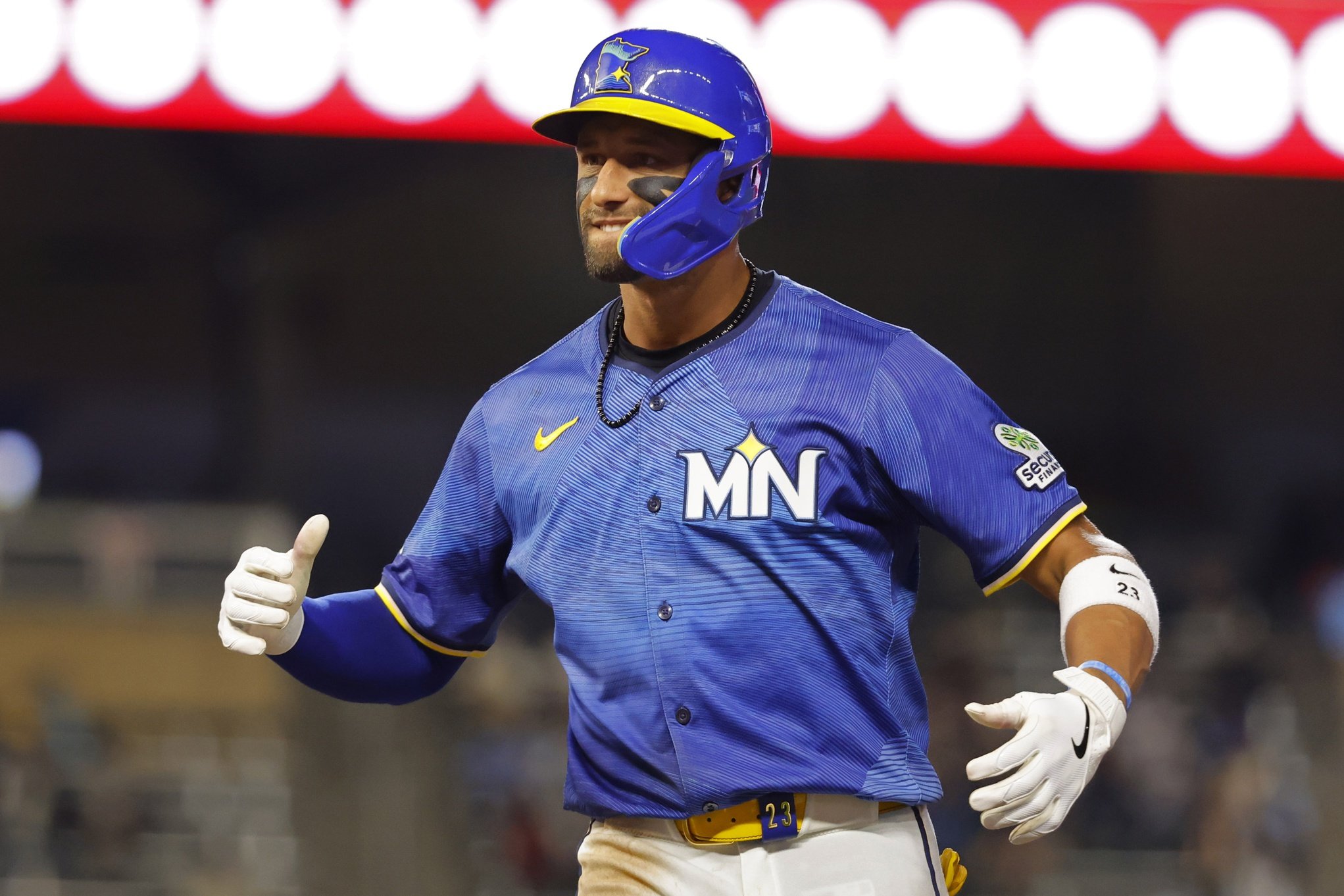 Royce Lewis is one of the most pivotal players of the current core. He’s also, unfortunately, one of the most difficult players to predict. This is true for his play on the field, and for his overall mindset and how he shows up to the media through his comments. He’s capable of being a team leader, an offensive force, and a building block for the next several years. But, it’s also possible that Lewis’ tenure with the Twins could be winding down. How did we get here, and is it possible that frustration has led to his sharp decline? As Lewis was coming up through the minors, he was known for being a consummate professional and for being profoundly positive. This showed up through his comments after suffering his second torn ACL in as many years, when he told Do-Hyoung Park of MLB.com: “I learned that every time I get put down, I come back stronger. So, why would I not bet on myself? … I don't think there's anything that can really stop me, to be honest.” Fans saw it through his infectious grins in postgame interviews after hitting yet another grand slam. The Twins saw it through his ability to carry the team on his back and to change the outcome of games — over and over again. He was joy incarnate. Then, sometime around August of 2024 (you know, right around the time the Twins began their epic collapse down the stretch to miss the playoffs after having better than 90% odds to make them), something changed. This change showed up in the box scores, in his comments, and in his demeanor. All of a sudden, it appeared that Lewis was no longer having a good time. He admitted as much during a slump this season, telling Aaron Gleeman of The Athletic “I'm tired of being the one who's being bullied and picked on by this game. Whether it wants me to suffer on the offensive side or when I'm going hot, it just wants to kick me out with an injury. Seems like it's picking on me at this moment, so I'm waiting for one of my friends to pick me up and stop this bully.” This is a moment of self-reflection, where it was clear that he was feeling a certain way about his travails at the plate, and about his health. Of course, Lewis has also made a number of comments that look outwards rather than introspect. Over the span of roughly a year, Lewis has made not-so-subtle digs at established veterans on the team, telling Bobby Nightingale of the Star Tribune during a rough patch of play, "It kind of falls on, obviously, the players. But I didn't realize it was just on us. Now I know that we're going to carry a lot of the load, especially the young guys - the cheap guys is the best way to put it". This was shortly after Carlos Correa made comments about younger players needing to put in the work to perform. There are hints that there was some ongoing friction between the two. Of his struggles at the plate, Lewis griped about the MLB arbitration system, telling Dan Hayes, "It's also hard to make a full in-season adjustment because you can try that, and those 30 games or at-bats of trial go toward your stats. Do you really want to sacrifice that?” He added, “Being under contract probably helps because he knows what he's making that year and the year after. For someone like me, I'm fighting (to take] care of myself and my family. I don't want to put any of those stats in jeopardy." Of course, this also reflects a communication gap between Lewis and the coaching staff. He further hinted at frustration with the coaching staff when he told Dan Hayes "I've become more results-oriented because of how we run things here. I’ve prided myself on understanding that (good process is) OK. But this year it seems like if I don't - or anybody in general - (they're) quick to pull the trigger on you. I'm trying to do my best to get some balls to fall, and when that doesn't happen, you're just like SOL.” In any light, these comments aren’t great. Worse, while he was saying those things, dating back to August 13th of 2024, Lewis has a .619 OPS, good for a wRC+ of just 71, or nearly 30% worse than an average hitter. Some of this was just plain bad luck; he had long stretches where he was BABIP’d, similar to what fans saw from Griffin Jax when things weren’t going quite right. But, beyond that, he just looked lost, and frustrated. Okay. So, putting all this together, he was frustrated with Baldelli, who is now gone. Remember that frustration with Matt Borgshulte’s coaching approach? He’s also gone. The highly paid veteran who wasn’t performing to his contract value but calling out the young guys? Now playing in Houston, and doing a bit better. The arbitration system hasn’t changed, but hey, there will be a new CBA in just over a year (if we are lucky). Anything is possible. Now, it’s entirely possible that Lewis was projecting some frustration he feels about his contributions and inability to rediscover the hitter he was for his first full season or so towards others around him. That would be a very human thing to do. Anyone with his promise, and skill should be immensely frustrated after seven IL stints in four seasons limit them to just 132 career games. Who wouldn’t be annoyed when they feel like no matter what they try at the plate, nothing works? When a budding superstar identifies that they may not be on that path any longer, a certain amount of irritation should be a given. And to his credit, down the stretch in the 2025 season, as he was hitting a bit better and running with abandon on the bases, he seemed more like himself — the high-energy, bubbly, charismatic presence we all saw in the beginning. This hints that just maybe, if Lewis can find a stretch of success at the plate and feel set up for success and valued at the same time, it could be a game changer for him. So, is this in the cards? Well, maybe. Fast forward a bit, and Dan Hayes reported that Lewis was blown away by Derek Shelton’s approach in his brief time in role. Lewis said: “We started off building a really good relationship. He told me I was important to him and our organization. I told him at points last year I didn’t feel like that. It was really important to me to feel that kind of confidence. I told him that part of me is a little bit of a wide receiver mentality, to where I need to be talked to and just told what’s going on, what the plan is for myself, for the organization, and to be involved just a little bit.”. That’s a start. Maybe, possibly, some of these changes in personnel will be exactly what Lewis needs to be the best version of himself. Perhaps feeling more connected to his manager will help him minimize emotion-based slumps. Maybe having strategy and approach explained in a slightly different way will connect with him, and he will feel more comfortable making tweaks and trusting they will work for him. Hopefully, we will all see a return to form in 2026, and Lewis will be a happy warrior at the plate, hitting endless grand slams, and carrying the offense for stretches of time. If so, the upcoming season just might have some real promise. On the other hand, unfortunately, if these things don’t cause a shift, or if that shift doesn’t sustain…well, then, his time as a part of this core is likely coming to an end as the next wave of top prospects approaches the majors. It seems that Lewis is aware of this as well. Hopefully 2026 brings Royce Lewis joy, and a return to the path he was on just 15 months ago.
 -
Image courtesy of Bruce Kluckhohn-Imagn Images Royce Lewis is one of the most pivotal players of the current core. He’s also, unfortunately, one of the most difficult players to predict. This is true for his play on the field, and for his overall mindset and how he shows up to the media through his comments. He’s capable of being a team leader, an offensive force, and a building block for the next several years. But, it’s also possible that Lewis’ tenure with the Twins could be winding down. How did we get here, and is it possible that frustration has led to his sharp decline? As Lewis was coming up through the minors, he was known for being a consummate professional and for being profoundly positive. This showed up through his comments after suffering his second torn ACL in as many years, when he told Do-Hyoung Park of MLB.com: “I learned that every time I get put down, I come back stronger. So, why would I not bet on myself? … I don't think there's anything that can really stop me, to be honest.” Fans saw it through his infectious grins in postgame interviews after hitting yet another grand slam. The Twins saw it through his ability to carry the team on his back and to change the outcome of games — over and over again. He was joy incarnate. Then, sometime around August of 2024 (you know, right around the time the Twins began their epic collapse down the stretch to miss the playoffs after having better than 90% odds to make them), something changed. This change showed up in the box scores, in his comments, and in his demeanor. All of a sudden, it appeared that Lewis was no longer having a good time. He admitted as much during a slump this season, telling Aaron Gleeman of The Athletic “I'm tired of being the one who's being bullied and picked on by this game. Whether it wants me to suffer on the offensive side or when I'm going hot, it just wants to kick me out with an injury. Seems like it's picking on me at this moment, so I'm waiting for one of my friends to pick me up and stop this bully.” This is a moment of self-reflection, where it was clear that he was feeling a certain way about his travails at the plate, and about his health. Of course, Lewis has also made a number of comments that look outwards rather than introspect. Over the span of roughly a year, Lewis has made not-so-subtle digs at established veterans on the team, telling Bobby Nightingale of the Star Tribune during a rough patch of play, "It kind of falls on, obviously, the players. But I didn't realize it was just on us. Now I know that we're going to carry a lot of the load, especially the young guys - the cheap guys is the best way to put it". This was shortly after Carlos Correa made comments about younger players needing to put in the work to perform. There are hints that there was some ongoing friction between the two. Of his struggles at the plate, Lewis griped about the MLB arbitration system, telling Dan Hayes, "It's also hard to make a full in-season adjustment because you can try that, and those 30 games or at-bats of trial go toward your stats. Do you really want to sacrifice that?” He added, “Being under contract probably helps because he knows what he's making that year and the year after. For someone like me, I'm fighting (to take] care of myself and my family. I don't want to put any of those stats in jeopardy." Of course, this also reflects a communication gap between Lewis and the coaching staff. He further hinted at frustration with the coaching staff when he told Dan Hayes "I've become more results-oriented because of how we run things here. I’ve prided myself on understanding that (good process is) OK. But this year it seems like if I don't - or anybody in general - (they're) quick to pull the trigger on you. I'm trying to do my best to get some balls to fall, and when that doesn't happen, you're just like SOL.” In any light, these comments aren’t great. Worse, while he was saying those things, dating back to August 13th of 2024, Lewis has a .619 OPS, good for a wRC+ of just 71, or nearly 30% worse than an average hitter. Some of this was just plain bad luck; he had long stretches where he was BABIP’d, similar to what fans saw from Griffin Jax when things weren’t going quite right. But, beyond that, he just looked lost, and frustrated. Okay. So, putting all this together, he was frustrated with Baldelli, who is now gone. Remember that frustration with Matt Borgshulte’s coaching approach? He’s also gone. The highly paid veteran who wasn’t performing to his contract value but calling out the young guys? Now playing in Houston, and doing a bit better. The arbitration system hasn’t changed, but hey, there will be a new CBA in just over a year (if we are lucky). Anything is possible. Now, it’s entirely possible that Lewis was projecting some frustration he feels about his contributions and inability to rediscover the hitter he was for his first full season or so towards others around him. That would be a very human thing to do. Anyone with his promise, and skill should be immensely frustrated after seven IL stints in four seasons limit them to just 132 career games. Who wouldn’t be annoyed when they feel like no matter what they try at the plate, nothing works? When a budding superstar identifies that they may not be on that path any longer, a certain amount of irritation should be a given. And to his credit, down the stretch in the 2025 season, as he was hitting a bit better and running with abandon on the bases, he seemed more like himself — the high-energy, bubbly, charismatic presence we all saw in the beginning. This hints that just maybe, if Lewis can find a stretch of success at the plate and feel set up for success and valued at the same time, it could be a game changer for him. So, is this in the cards? Well, maybe. Fast forward a bit, and Dan Hayes reported that Lewis was blown away by Derek Shelton’s approach in his brief time in role. Lewis said: “We started off building a really good relationship. He told me I was important to him and our organization. I told him at points last year I didn’t feel like that. It was really important to me to feel that kind of confidence. I told him that part of me is a little bit of a wide receiver mentality, to where I need to be talked to and just told what’s going on, what the plan is for myself, for the organization, and to be involved just a little bit.”. That’s a start. Maybe, possibly, some of these changes in personnel will be exactly what Lewis needs to be the best version of himself. Perhaps feeling more connected to his manager will help him minimize emotion-based slumps. Maybe having strategy and approach explained in a slightly different way will connect with him, and he will feel more comfortable making tweaks and trusting they will work for him. Hopefully, we will all see a return to form in 2026, and Lewis will be a happy warrior at the plate, hitting endless grand slams, and carrying the offense for stretches of time. If so, the upcoming season just might have some real promise. On the other hand, unfortunately, if these things don’t cause a shift, or if that shift doesn’t sustain…well, then, his time as a part of this core is likely coming to an end as the next wave of top prospects approaches the majors. It seems that Lewis is aware of this as well. Hopefully 2026 brings Royce Lewis joy, and a return to the path he was on just 15 months ago. View full article
-
As MLB Free Agency Opens, Twins Make Flurry of Roster Moves
Eric Blonigen posted an article in Twins
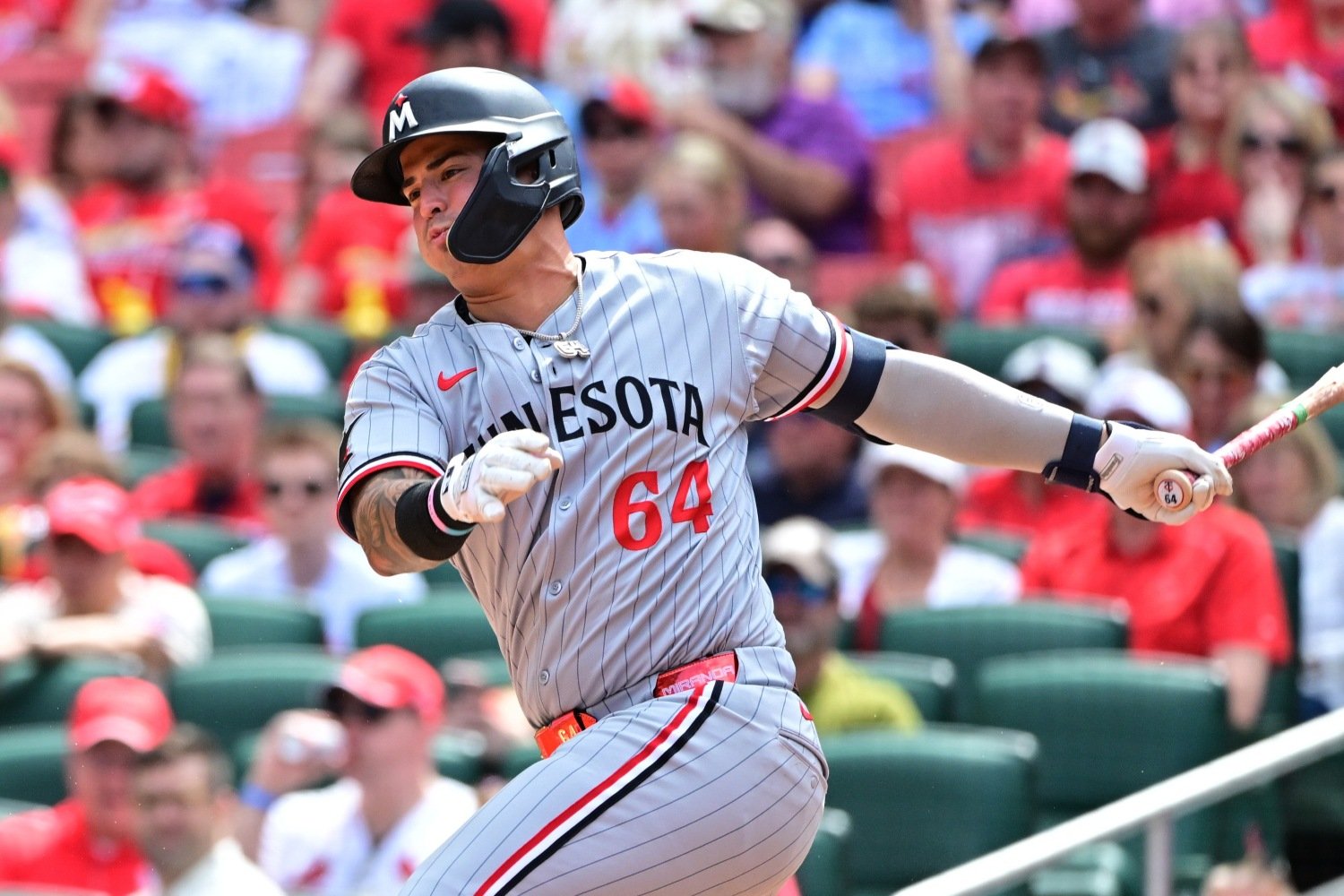 The MLB offseason reached its first interesting phase on Thursday. Qualifying offers were made, National League Silver Sluggers were announced, contract options were picked up or declined, and free agency officially got underway, as players who qualify for that right can now negotiate with all 30 teams. For the Twins, that meant some roster moves—seven of them, in fact. Some of these were expected, but there was at least one small surprise. I'll look at these moves in groups. The Formality For starters, Alan Roden was activated off the 60-day IL This move is really just a formality, as the 60-day IL doesn’t exist during the offseason. Roden is expected to be a full go for the 2026 season. That’s good news, because while he didn’t perform well with the Twins in limited action, he is a legitimate prospect and should be (at the very least) in the fourth outfielder mix. Topa’s Slight Pay Cut The Twins declined Justin Topa’s 2026 option. It was worth $2 million, and had a $225,000 buyout. His contract is a bit unique, in that he’s still under team control, but will head to arbitration for the final time. The interesting part here is that MLB Trade Rumors estimated his arbitration amount at $1.7 million. Assuming that’s close to correct, that gets his 2026 salary to $1.925 million, for a $75,000 savings. It's possible the Twins will lean on him to accept a bit less than that figure, or non-tender him when the deadline to decide about arbitration-eligible players arrives later this month. Four Fungible Relievers Cut Michael Tonkin, Génesis Cabrera, Anthony Misiewicz, and Thomas Hatch were all outrighted and became free agents. There really aren’t any surprises here, as none of the four were impact arms, and all lack upside at this point in their careers. Tonkin was estimated to make $1.4 million in arbitration, and is not an impact reliever. He was worth exactly 0.0 fWAR in 2025; the Twins can find someone similar within their own system and save $600,000 or so. In the past, Tonkin had durability to recommend him, even when his skills didn't stand out. After an injury-plagued campaign, that's out the window. Cabrera did not perform well for the Twins, or the other three organizations he played for in 2025. He allowed five home runs in 14 2/3 innings; opposing hitters hit .298 off of him; and he also walked nearly a batter an inning. Similarly projected to earn $1.4 million, he is four years removed from an average or better performance. Misiewicz signed with the Twins on a minor-league deal and is out of options. With below-average stuff and a 9.64 ERA, he presumably wouldn’t have remained on the roster this long, but for getting injured shortly after his July callup and only returning for one appearance on September 28. Thomas Hatch is a tinkerer, but unfortunately, his tinkering didn’t get results. His strikeout and walk rates were much worse than average, he gave up too much hard contact, and as a soft tosser, he didn’t bring enough to the table to justify even a league-minimum salary. As the Twins enter at least a soft rebuild, it will make more sense for these four roster spots to go to younger pitchers with more upside. The Twins will almost certainly need to convert some starters to relievers this offseason, as they have a glut of pitchers presumably fighting for just a couple of rotation spots, with more prospect depth on the way. Former Top-100 Prospect Outrighted Jose Miranda’s time as a part of the Twins organization has come to an end. He was one of the Twins' biggest failures in prospect development in recent seasons, as he was unable to find consistency or stay healthy. With elite contact skills, he demonstrated the capability to tie the major-league record for consecutive hits, and at one point, he looked like a building block. However, the formerly ascendant hitter failed to do that with any regularity, and throughout the 2025 season, he looked overmatched—even after being sent down to Triple-A St. Paul. Lacking defensive chops even at the bottom of the defensive spectrum, and frequently making mental mistakes while fielding or on the basepaths, the writing was on the wall when he failed to receive a call-up after the deadline selloff. It’s impossible to say how much of his struggles are health-related, as he has dealt with frequent injuries to his shoulder, back, and arm. The most unfortunate aspect of him being cut at this point is that the Twins failed to capitalize on his value while he had some. The Slightly Curious Move The one surprise, at least to me, was the Twins waiving Cody Laweryson. With the team needing to fill out almost an entirely new bullpen for 2026 after trading away all of the non-mop-up options aside from Cole Sands, I would have expected them to give him a longer look, particularly since he had six full seasons of team control remaining, and three minor-league options. He looked decent down the stretch, and the data bears this out. He didn’t walk anyone in 7 2/3 innings, had a roughly average strikeout rate, and FanGraphs rated his Stuff+ at 96, where 100 is average and higher numbers are better. They had his Location+ and Pitching+ as well above average, and he had the look of someone who Derek Shelton could send out in the fifth inning when a starter doesn’t go deep. Obviously, the Twins disagreed. The Angels claimed him, and he will have a chance to develop into a bullpen weapon for them. His slider, in particular, makes him worth watching. With these moves, the Twins' 40-man roster sits at 33, giving some room to add players to the roster ahead of the November 18 deadline to protect prospects from the Rule 5 Draft. Best wishes to the six players departing the organization on the next legs of their journeys.
- 81 comments
-
- 11
-
-
- jose miranda
- justin topa
- (and 5 more)
-
Image courtesy of © Tim Vizer-Imagn Images The MLB offseason reached its first interesting phase on Thursday. Qualifying offers were made, National League Silver Sluggers were announced, contract options were picked up or declined, and free agency officially got underway, as players who qualify for that right can now negotiate with all 30 teams. For the Twins, that meant some roster moves—seven of them, in fact. Some of these were expected, but there was at least one small surprise. I'll look at these moves in groups. The Formality For starters, Alan Roden was activated off the 60-day IL This move is really just a formality, as the 60-day IL doesn’t exist during the offseason. Roden is expected to be a full go for the 2026 season. That’s good news, because while he didn’t perform well with the Twins in limited action, he is a legitimate prospect and should be (at the very least) in the fourth outfielder mix. Topa’s Slight Pay Cut The Twins declined Justin Topa’s 2026 option. It was worth $2 million, and had a $225,000 buyout. His contract is a bit unique, in that he’s still under team control, but will head to arbitration for the final time. The interesting part here is that MLB Trade Rumors estimated his arbitration amount at $1.7 million. Assuming that’s close to correct, that gets his 2026 salary to $1.925 million, for a $75,000 savings. It's possible the Twins will lean on him to accept a bit less than that figure, or non-tender him when the deadline to decide about arbitration-eligible players arrives later this month. Four Fungible Relievers Cut Michael Tonkin, Génesis Cabrera, Anthony Misiewicz, and Thomas Hatch were all outrighted and became free agents. There really aren’t any surprises here, as none of the four were impact arms, and all lack upside at this point in their careers. Tonkin was estimated to make $1.4 million in arbitration, and is not an impact reliever. He was worth exactly 0.0 fWAR in 2025; the Twins can find someone similar within their own system and save $600,000 or so. In the past, Tonkin had durability to recommend him, even when his skills didn't stand out. After an injury-plagued campaign, that's out the window. Cabrera did not perform well for the Twins, or the other three organizations he played for in 2025. He allowed five home runs in 14 2/3 innings; opposing hitters hit .298 off of him; and he also walked nearly a batter an inning. Similarly projected to earn $1.4 million, he is four years removed from an average or better performance. Misiewicz signed with the Twins on a minor-league deal and is out of options. With below-average stuff and a 9.64 ERA, he presumably wouldn’t have remained on the roster this long, but for getting injured shortly after his July callup and only returning for one appearance on September 28. Thomas Hatch is a tinkerer, but unfortunately, his tinkering didn’t get results. His strikeout and walk rates were much worse than average, he gave up too much hard contact, and as a soft tosser, he didn’t bring enough to the table to justify even a league-minimum salary. As the Twins enter at least a soft rebuild, it will make more sense for these four roster spots to go to younger pitchers with more upside. The Twins will almost certainly need to convert some starters to relievers this offseason, as they have a glut of pitchers presumably fighting for just a couple of rotation spots, with more prospect depth on the way. Former Top-100 Prospect Outrighted Jose Miranda’s time as a part of the Twins organization has come to an end. He was one of the Twins' biggest failures in prospect development in recent seasons, as he was unable to find consistency or stay healthy. With elite contact skills, he demonstrated the capability to tie the major-league record for consecutive hits, and at one point, he looked like a building block. However, the formerly ascendant hitter failed to do that with any regularity, and throughout the 2025 season, he looked overmatched—even after being sent down to Triple-A St. Paul. Lacking defensive chops even at the bottom of the defensive spectrum, and frequently making mental mistakes while fielding or on the basepaths, the writing was on the wall when he failed to receive a call-up after the deadline selloff. It’s impossible to say how much of his struggles are health-related, as he has dealt with frequent injuries to his shoulder, back, and arm. The most unfortunate aspect of him being cut at this point is that the Twins failed to capitalize on his value while he had some. The Slightly Curious Move The one surprise, at least to me, was the Twins waiving Cody Laweryson. With the team needing to fill out almost an entirely new bullpen for 2026 after trading away all of the non-mop-up options aside from Cole Sands, I would have expected them to give him a longer look, particularly since he had six full seasons of team control remaining, and three minor-league options. He looked decent down the stretch, and the data bears this out. He didn’t walk anyone in 7 2/3 innings, had a roughly average strikeout rate, and FanGraphs rated his Stuff+ at 96, where 100 is average and higher numbers are better. They had his Location+ and Pitching+ as well above average, and he had the look of someone who Derek Shelton could send out in the fifth inning when a starter doesn’t go deep. Obviously, the Twins disagreed. The Angels claimed him, and he will have a chance to develop into a bullpen weapon for them. His slider, in particular, makes him worth watching. With these moves, the Twins' 40-man roster sits at 33, giving some room to add players to the roster ahead of the November 18 deadline to protect prospects from the Rule 5 Draft. Best wishes to the six players departing the organization on the next legs of their journeys. View full article
-
Image courtesy of © William Purnell-Imagn Images In baseball as in business, when an executive is feeling pressure to perform after a stretch of mediocrity, they will often take an action just so they can say they did something, anything, to try to move the needle. In many cases, these actions reek of desperation. Generally, even at the time these sorts of moves are made, they either look to be too little too late, or like the wrong move entirely. Sometimes there’s a blame game, a deflection of responsibility that can buy an executive a bit more time to right the ship. Derek Falvey firing Rocco Baldelli is one such action, and this becomes increasingly clear with his hiring of Derek Shelton. I’ll give you three points in this argument, and further, I believe Shelton was similarly a fall guy for Ben Cherington in Pittsburgh. The first clue that both were fall guys: Shelton got another manager position almost immediately. If he were the problem in Pittsburgh, surely the Twins would have sussed that out in the interview process. Similarly, Baldelli was publicly linked to the manager vacancies in Washington DC and Anaheim prior to both teams going with other candidates. Further, per Dan Hayes, from The Athletic, “As many as 10 teams called Baldelli in the aftermath of his Sept. 29 dismissal from the Twins to express interest in hiring the 2019 American League Manager of the Year for a variety of different roles, though Baldelli didn’t specify any job titles.” If Baldelli were the problem in Minnesota, that probably wouldn’t be the case — at least not immediately. So, based on this alone, teams seem to understand clearly that he was dealt a bad hand and couldn’t do much with it.. One can look at the statements the heads of baseball made about their respective managerial firings for the second clue that Baldelli was Falvey’s sacrificial lamb, and that the manager wasn’t the root of the problem. To wit, Falvey said at the time, “We’ve collectively arrived at this being the right time for a new voice in a new direction. It’s not about Rocco. This is a collective underperformance from our group, and it starts with me.” Well now. If it’s not about Baldelli, then why was he fired? How does removing him fix the payroll problem? Or the young hitters not hitting? How does it fix the glut of soft tissue injuries key players have suffered? If it’s time for a new voice and direction, then why did Falvey replace Rocco with someone so similar, and why did he bring in someone already familiar with the organization and its leadership? It turns out I don’t have answers to any of these questions, other than…the manager probably wasn’t the problem. Ok. So we know what Falvey said about Baldelli. How about the Pittsburgh situation? Ben Cherington said, of Shelton’s firing: “This certainly isn’t all on Shelty. We’re all responsible. It certainly starts with me. I’m more responsible than anyone. We need to perform better. That’s the bottom line. This wasn’t about any single player, even any single day. An accumulation over the last part of last year and early part of this year. It just became clear to me that in order to move forward and get the Pirates back moving in the direction we need to move that a change was necessary to give ourselves a chance to do that.” Sounds almost identical, and it’s pretty clear that in both cases, one can look at these firings and glean a sense of “it was him or me”. In neither case are there specific examples of what the manager got wrong, or should have done differently. In both cases, there’s a sort of word salad that could be oversimplified as follows: “our team is broken right now, and we gotta do something.” Further, if Falvey’s goal is to drive the sort of change that will usher in winning ways, this swap, when examined closely, doesn’t pass the sniff test. There are many similarities that suggest this is just shuffling deck chairs. Both are analytically oriented. Both have received the same sorts of criticism around team fundamentals, pulling pitchers early, and having their teams not be aggressive on the basepaths. Both have similar experience managing and have held a variety of other roles to build experience. Both also are said to have fun, warm personalities with their players. When Falvey hired Baldelli, he said of him: “He connects exceptionally well to people. His humility, his open-mindedness, but also there’s a strong sense of opinion there. He has a lot of ideas as how to help players.” Just a few days ago, Falvey said of Shelton: “We’ve seen firsthand the trust and respect he earns from players and how he helps them reach their best.” Ok, these sorts of platitudes could probably by applied to most managerial candidates in 2025, but still, the verbiage is almost identical, just separated by eight years. What Falvey is looking for is…the same dynamic he had with Baldelli. Really, what all of this says is that in some ways, the Twins’ 14th and 15th Managers are a bit interchangeable. Shelton is unlikely to produce fundamentally different results from Baldelli when the inputs (payroll and players) are the same. This is not to say that Shelton is a bad hire — even if his win/loss record isn’t markedly better than it was with the Pirates. Shelton seems widely respected across the league, has baseball bona fides, and is really not to blame for the Pirates' ineptitude for the past, well, forever. This is also not to say that Rocco Baldelli was an amazing manager, or even that it wasn’t time for a change in the clubhouse and in the dugout. However, if the Twins were truly interested in a fundamentally different voice, or even believed that the manager makes a significant impact on the team’s results, Falvey likely would have looked at a different group of candidates. The fact that he didn’t, and his own words, give up the game: Baldelli was a sacrifice. View full article
-
Derek Shelton's Hiring Shows That Rocco Baldelli Was Falvey's Fall Guy
Eric Blonigen posted an article in Twins
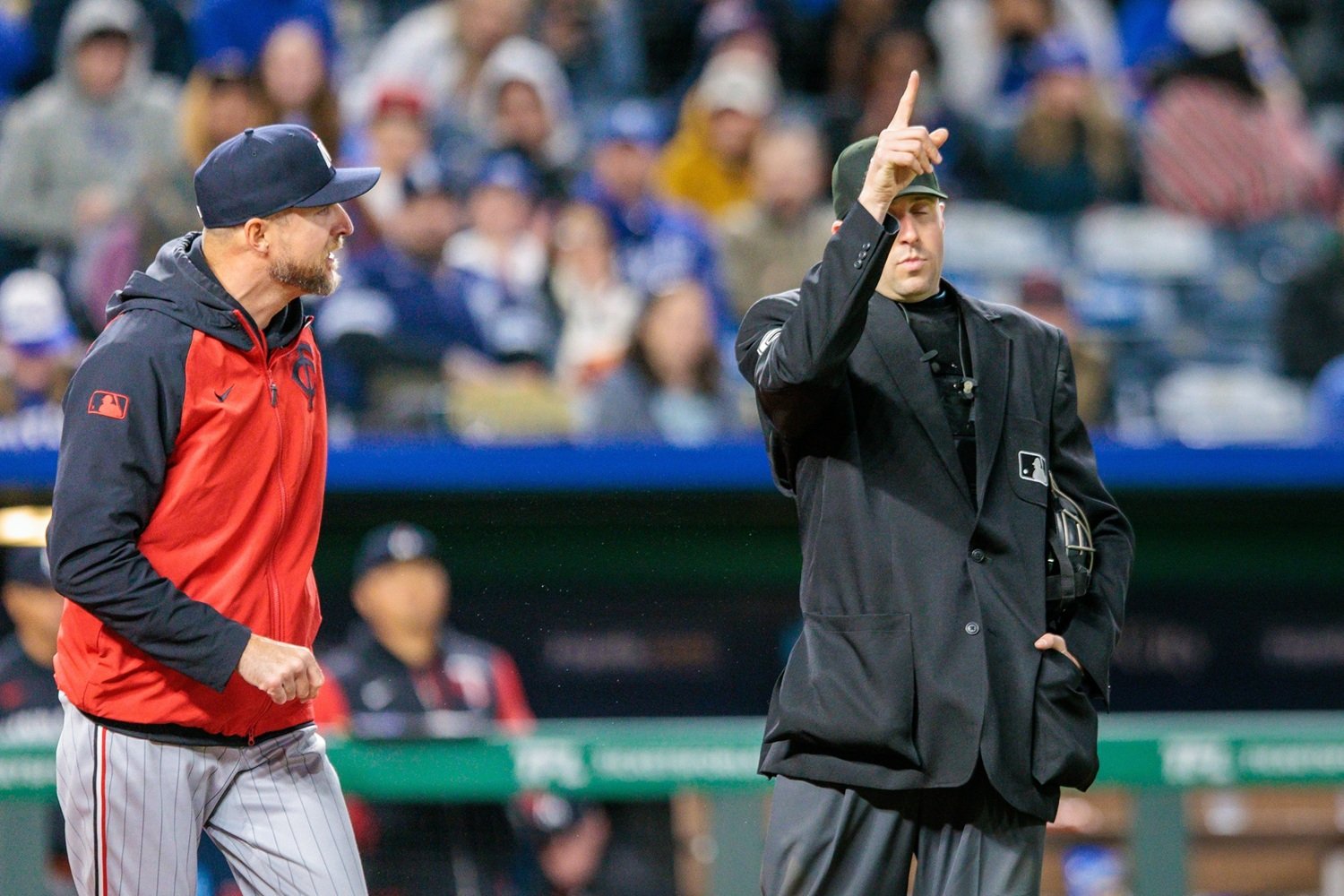 In baseball as in business, when an executive is feeling pressure to perform after a stretch of mediocrity, they will often take an action just so they can say they did something, anything, to try to move the needle. In many cases, these actions reek of desperation. Generally, even at the time these sorts of moves are made, they either look to be too little too late, or like the wrong move entirely. Sometimes there’s a blame game, a deflection of responsibility that can buy an executive a bit more time to right the ship. Derek Falvey firing Rocco Baldelli is one such action, and this becomes increasingly clear with his hiring of Derek Shelton. I’ll give you three points in this argument, and further, I believe Shelton was similarly a fall guy for Ben Cherington in Pittsburgh. The first clue that both were fall guys: Shelton got another manager position almost immediately. If he were the problem in Pittsburgh, surely the Twins would have sussed that out in the interview process. Similarly, Baldelli was publicly linked to the manager vacancies in Washington DC and Anaheim prior to both teams going with other candidates. Further, per Dan Hayes, from The Athletic, “As many as 10 teams called Baldelli in the aftermath of his Sept. 29 dismissal from the Twins to express interest in hiring the 2019 American League Manager of the Year for a variety of different roles, though Baldelli didn’t specify any job titles.” If Baldelli were the problem in Minnesota, that probably wouldn’t be the case — at least not immediately. So, based on this alone, teams seem to understand clearly that he was dealt a bad hand and couldn’t do much with it.. One can look at the statements the heads of baseball made about their respective managerial firings for the second clue that Baldelli was Falvey’s sacrificial lamb, and that the manager wasn’t the root of the problem. To wit, Falvey said at the time, “We’ve collectively arrived at this being the right time for a new voice in a new direction. It’s not about Rocco. This is a collective underperformance from our group, and it starts with me.” Well now. If it’s not about Baldelli, then why was he fired? How does removing him fix the payroll problem? Or the young hitters not hitting? How does it fix the glut of soft tissue injuries key players have suffered? If it’s time for a new voice and direction, then why did Falvey replace Rocco with someone so similar, and why did he bring in someone already familiar with the organization and its leadership? It turns out I don’t have answers to any of these questions, other than…the manager probably wasn’t the problem. Ok. So we know what Falvey said about Baldelli. How about the Pittsburgh situation? Ben Cherington said, of Shelton’s firing: “This certainly isn’t all on Shelty. We’re all responsible. It certainly starts with me. I’m more responsible than anyone. We need to perform better. That’s the bottom line. This wasn’t about any single player, even any single day. An accumulation over the last part of last year and early part of this year. It just became clear to me that in order to move forward and get the Pirates back moving in the direction we need to move that a change was necessary to give ourselves a chance to do that.” Sounds almost identical, and it’s pretty clear that in both cases, one can look at these firings and glean a sense of “it was him or me”. In neither case are there specific examples of what the manager got wrong, or should have done differently. In both cases, there’s a sort of word salad that could be oversimplified as follows: “our team is broken right now, and we gotta do something.” Further, if Falvey’s goal is to drive the sort of change that will usher in winning ways, this swap, when examined closely, doesn’t pass the sniff test. There are many similarities that suggest this is just shuffling deck chairs. Both are analytically oriented. Both have received the same sorts of criticism around team fundamentals, pulling pitchers early, and having their teams not be aggressive on the basepaths. Both have similar experience managing and have held a variety of other roles to build experience. Both also are said to have fun, warm personalities with their players. When Falvey hired Baldelli, he said of him: “He connects exceptionally well to people. His humility, his open-mindedness, but also there’s a strong sense of opinion there. He has a lot of ideas as how to help players.” Just a few days ago, Falvey said of Shelton: “We’ve seen firsthand the trust and respect he earns from players and how he helps them reach their best.” Ok, these sorts of platitudes could probably by applied to most managerial candidates in 2025, but still, the verbiage is almost identical, just separated by eight years. What Falvey is looking for is…the same dynamic he had with Baldelli. Really, what all of this says is that in some ways, the Twins’ 14th and 15th Managers are a bit interchangeable. Shelton is unlikely to produce fundamentally different results from Baldelli when the inputs (payroll and players) are the same. This is not to say that Shelton is a bad hire — even if his win/loss record isn’t markedly better than it was with the Pirates. Shelton seems widely respected across the league, has baseball bona fides, and is really not to blame for the Pirates' ineptitude for the past, well, forever. This is also not to say that Rocco Baldelli was an amazing manager, or even that it wasn’t time for a change in the clubhouse and in the dugout. However, if the Twins were truly interested in a fundamentally different voice, or even believed that the manager makes a significant impact on the team’s results, Falvey likely would have looked at a different group of candidates. The fact that he didn’t, and his own words, give up the game: Baldelli was a sacrifice.
 -
Image courtesy of © Nathan Ray Seebeck-Imagn Images Heading into the offseason, the Twins front office faced a daunting task. They had to endeavor to convince a beleaguered fanbase that the team intends to compete in 2026. By hiring Derek Shelton, they sent a different sort of message entirely. It sure feels like they're planning on a rebuild, but don’t want to say the words. Instead, they suggest that they actually plan on more of the same. More on that in a minute. First, I want to be clear about something. Old friend Derek Shelton is qualified for this role. He’s a baseball lifer. He’s been a well-thought-of hitting coach for the Guardians and the Rays, two well-thought-of organizations. This background as a hitting coach has the potential to help some of the young hitters (who have infamously not hit, as a collective) improve. Additionally, he was a quality control coach for the Blue Jays, and then became bench coach for the Twins under both Paul Molitor and Rocco Baldelli. Most recently, he was hired into the most futile of roles: manager of the ne’er-do-well (and not in a cool way) Pittsburgh Pirates. Surprising exactly nobody, his five-plus seasons at the helm saw results that ranged from poor to downright brutal, and he was fired in May after losing at least 86 games each year of his tenure, except the ones in which he managed many fewer games than that. The results are much less a reflection of Shelton’s competence, though, and much more a sign that the entire Pirates organization has been mired in a total system failure for about three decades. So if he’s qualified, why does this move feel like a white flag of surrender? Simply put, it’s the situation Shelton tolerated in Pittsburgh, and the similarities to the one he will immediately be hampered by in his role with the Twins. Hiring Shelton suggests that the only change is the name and the face, not the strategy or execution. Let’s look at this through the lens of ownership and the front office. The Ownership Situation During Shelton’s six seasons in Pittsburgh, the team payroll was never higher than 26th in the majors, and it was dead last twice. Over his tenure, the Pirates’ payroll never rose higher than $87 million, per FanGraphs. Shelton has worked for an owner who cries poor, faces “sell the team” chants from fans, and says disingenuous, tone-deaf, and fundamentally incorrect things like: “I think that I've done everything that I can to provide the tools and resources to the team. There is a point where it becomes execution. That's why you play the season. That's why you play the games. We talk about winning on the margins…I know that. [GM Ben Cherington] knows that. Shelty definitely knows that.” Does that sound familiar? It should. To put this another way, Shelton is used to faulty, incomplete rosters limited by insufficient payroll. He’s wrapped in the (in)security blanket of not being handed reinforcements, despite clear needs. He’s acclimated to the quiet feeling of despondence that goes along with doing your job with one hand tied behind your back. He’s familiar with ownership that’s more concerned with profit margins and operating cash flow than fielding a winning team. And, he’s no stranger to needing to pretend to agree with the direction of a bad team. The situation he will inherit in Minnesota? More of the same. The Twins are unlikely to raise payroll for 2026; they seem more likely to reduce it. If they go into the season with a $100 million payroll, Shelton could look at even that low number as a blessing. In fact, he could be one of the only managerial candidates who would look at the Minnesota Twins Way, and ownership in general, and see an upgrade compared to what he was used to. The Front Office’s Priorities During his tenure, Rocco Baldelli took a lot of flak from fans on social media for not focusing on fundamentals; having a quick hook with his pitching staff; having teams that don’t run much; and being overly focused on analytics. If you listen to Pirates fans, they levy the same criticisms against Shelton. Why are Shelton and Baldelli both in on all those things? Because those focal points are fairly institutionally ingrained across baseball. They largely make sense, and when executed upon, they lead to winning baseball more often than not. Of course, execution is key, and having a complete, deep roster is essential to winning. Derek Falvey seems to believe he’s capable of executing, despite little evidence that bears that belief out. In hiring Shelton, Falvey went with a familiar face, one with whom he has experience communicating—one similar to Baldelli, who understands the organizational norms. Basically, he’s a plug-and-play manager who can pick up right where Baldelli left off. This makes sense for Falvey, in his dual role. The less time he has to spend onboarding a new manager, the more time he can spend figuring out how to sell tickets and how he can fill approximately eight roster spots for a total of $10 million. Shelton is used to the same constraints he will face with the Twins, and in taking this role, he signals that he is unlikely to push back against either his front office or ownership; will tolerate lengthy stretches of non-competitive baseball; and is willing to put a brave face on a bad situation. By hiring Shelton, with his only managerial experience coming in a nearly identical environment, Falvey seems to be saying the quiet part out loud: things will get worse before they get better. Rather than go with a candidate who might challenge the status quo—one who might push back against flawed thinking, one who brings an outside voice, or one who demands excellence at all levels—Falvey went with inertia. In this case, the inertia is truly inert. The likeliest outcome, in my opinion, is that the team has to find another new manager for the 2028 season, if they feel they are ready to contend at that point. And if not, one has to imagine it’s time for a new front office, as well. View full article
-
In Choosing Derek Shelton, Twins Signal a Rebuild is Likely
Eric Blonigen posted an article in Twins
 Heading into the offseason, the Twins front office faced a daunting task. They had to endeavor to convince a beleaguered fanbase that the team intends to compete in 2026. By hiring Derek Shelton, they sent a different sort of message entirely. It sure feels like they're planning on a rebuild, but don’t want to say the words. Instead, they suggest that they actually plan on more of the same. More on that in a minute. First, I want to be clear about something. Old friend Derek Shelton is qualified for this role. He’s a baseball lifer. He’s been a well-thought-of hitting coach for the Guardians and the Rays, two well-thought-of organizations. This background as a hitting coach has the potential to help some of the young hitters (who have infamously not hit, as a collective) improve. Additionally, he was a quality control coach for the Blue Jays, and then became bench coach for the Twins under both Paul Molitor and Rocco Baldelli. Most recently, he was hired into the most futile of roles: manager of the ne’er-do-well (and not in a cool way) Pittsburgh Pirates. Surprising exactly nobody, his five-plus seasons at the helm saw results that ranged from poor to downright brutal, and he was fired in May after losing at least 86 games each year of his tenure, except the ones in which he managed many fewer games than that. The results are much less a reflection of Shelton’s competence, though, and much more a sign that the entire Pirates organization has been mired in a total system failure for about three decades. So if he’s qualified, why does this move feel like a white flag of surrender? Simply put, it’s the situation Shelton tolerated in Pittsburgh, and the similarities to the one he will immediately be hampered by in his role with the Twins. Hiring Shelton suggests that the only change is the name and the face, not the strategy or execution. Let’s look at this through the lens of ownership and the front office. The Ownership Situation During Shelton’s six seasons in Pittsburgh, the team payroll was never higher than 26th in the majors, and it was dead last twice. Over his tenure, the Pirates’ payroll never rose higher than $87 million, per FanGraphs. Shelton has worked for an owner who cries poor, faces “sell the team” chants from fans, and says disingenuous, tone-deaf, and fundamentally incorrect things like: “I think that I've done everything that I can to provide the tools and resources to the team. There is a point where it becomes execution. That's why you play the season. That's why you play the games. We talk about winning on the margins…I know that. [GM Ben Cherington] knows that. Shelty definitely knows that.” Does that sound familiar? It should. To put this another way, Shelton is used to faulty, incomplete rosters limited by insufficient payroll. He’s wrapped in the (in)security blanket of not being handed reinforcements, despite clear needs. He’s acclimated to the quiet feeling of despondence that goes along with doing your job with one hand tied behind your back. He’s familiar with ownership that’s more concerned with profit margins and operating cash flow than fielding a winning team. And, he’s no stranger to needing to pretend to agree with the direction of a bad team. The situation he will inherit in Minnesota? More of the same. The Twins are unlikely to raise payroll for 2026; they seem more likely to reduce it. If they go into the season with a $100 million payroll, Shelton could look at even that low number as a blessing. In fact, he could be one of the only managerial candidates who would look at the Minnesota Twins Way, and ownership in general, and see an upgrade compared to what he was used to. The Front Office’s Priorities During his tenure, Rocco Baldelli took a lot of flak from fans on social media for not focusing on fundamentals; having a quick hook with his pitching staff; having teams that don’t run much; and being overly focused on analytics. If you listen to Pirates fans, they levy the same criticisms against Shelton. Why are Shelton and Baldelli both in on all those things? Because those focal points are fairly institutionally ingrained across baseball. They largely make sense, and when executed upon, they lead to winning baseball more often than not. Of course, execution is key, and having a complete, deep roster is essential to winning. Derek Falvey seems to believe he’s capable of executing, despite little evidence that bears that belief out. In hiring Shelton, Falvey went with a familiar face, one with whom he has experience communicating—one similar to Baldelli, who understands the organizational norms. Basically, he’s a plug-and-play manager who can pick up right where Baldelli left off. This makes sense for Falvey, in his dual role. The less time he has to spend onboarding a new manager, the more time he can spend figuring out how to sell tickets and how he can fill approximately eight roster spots for a total of $10 million. Shelton is used to the same constraints he will face with the Twins, and in taking this role, he signals that he is unlikely to push back against either his front office or ownership; will tolerate lengthy stretches of non-competitive baseball; and is willing to put a brave face on a bad situation. By hiring Shelton, with his only managerial experience coming in a nearly identical environment, Falvey seems to be saying the quiet part out loud: things will get worse before they get better. Rather than go with a candidate who might challenge the status quo—one who might push back against flawed thinking, one who brings an outside voice, or one who demands excellence at all levels—Falvey went with inertia. In this case, the inertia is truly inert. The likeliest outcome, in my opinion, is that the team has to find another new manager for the 2028 season, if they feel they are ready to contend at that point. And if not, one has to imagine it’s time for a new front office, as well.
 -
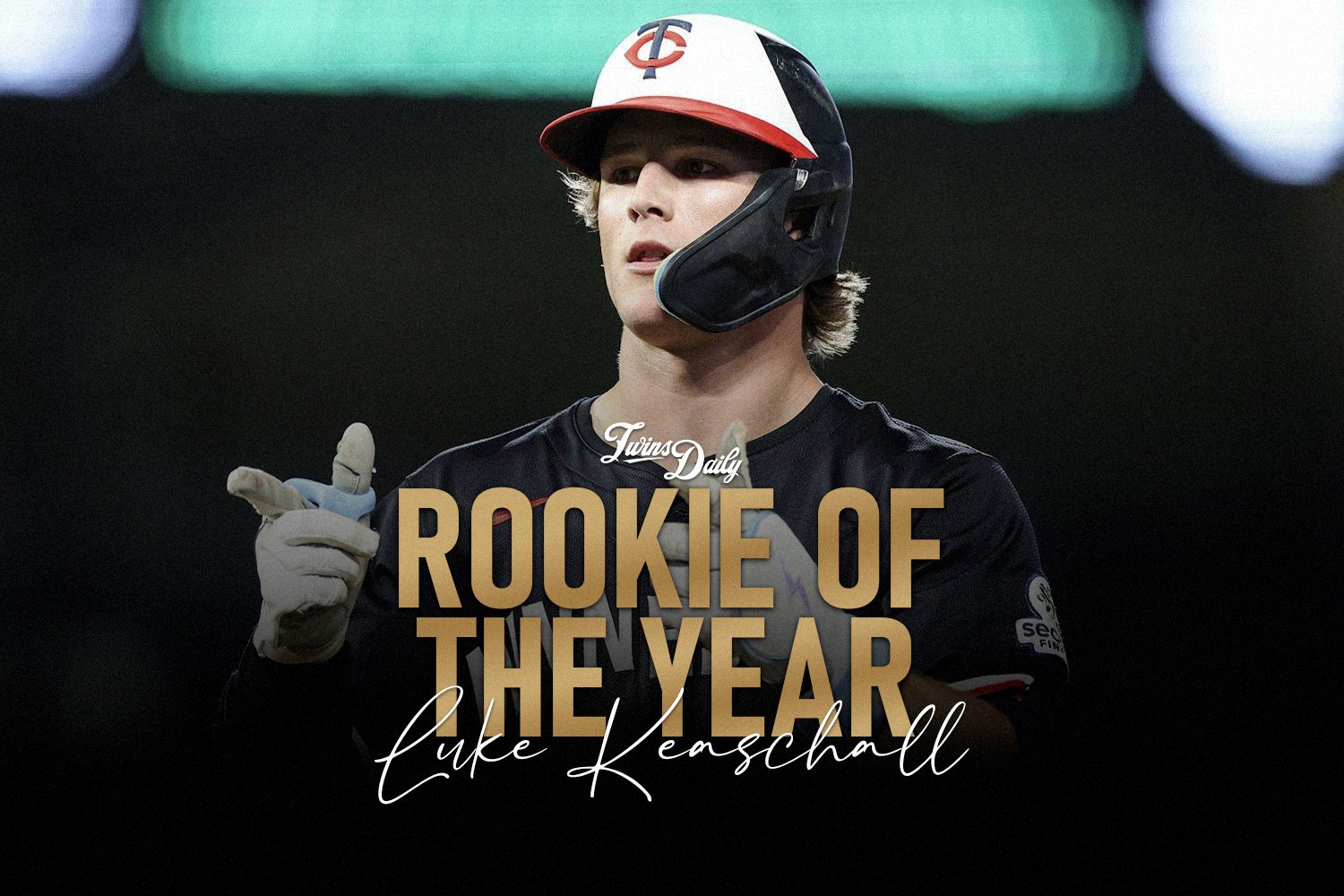 No fewer than ten rookies debuted for the Twins in 2025, and they can be grouped together a bit. Some, like Mickey Gasper, and DaShawn Keirsey looked overmatched. Some, like Carson McCusker and Alan Roden had such a limited opportunity (and didn’t do much with it) that it’s tough to project much from. Still others struggled but were miscast, asked to do too much by pitching in bulk innings, but may find success in one-inning roles: I’m looking at you, Travis Adams and Pierson Ohl. Finally, you have the guys that flashed a bit, but again, in small samples. These are the runners-up, in no particular order. Mick Abel - 4 GS, 14 IP, 27.3 K%, 10.6 BB%, 8.36 ERA, 2.99 FIP, 0.1 fWAR Abel had two rough outings, one decent one, and one brilliant start that telegraphs the sort of upside that had the Twins willing to trade Jhoan Duran to acquire him. Hitting 98 consistently and with legitimate secondary pitches, the fulcrum on which his upside balances is his ability to throw strikes. If he can get there, he’s got a real possibility to be a playoff-caliber starter. If not, his worst-case scenario is probably a setup-caliber reliever. Cody Laweryson - 5 games, 7-2/3 IP, 26.9 K%, 0.0 BB%, 1.17 ERA, 1.31 FIP. 0.3 fWAR Despite pitching fewer than eight innings, Laweryson looked legit — preventing hard contact, getting hitters to chase, and not walking anyone. With the state of the Twins bullpen heading into 2026, Laweryson can be at least penciled in — that is, unless the Twins sign four or five backend weapons in free agency. (Just kidding.) Ryan Fitzgerald - 24 games, .196/.302/.457/.759, 106 wRC+, 0.3 fWAR, 4 HR, 1 SB He's too old to be a prospect, but when the 31-year-old finally got the call, Fitzgerald showed enough that he likely has a path to being a utility infielder for the Twins next season; he certainly won’t have a long enough leash to block any real prospects though. His fielding at short, second, and third was average, and he hit enough (106 wRC+) that he’s not a liability at the plate. In fact, despite a .759 OPS, he had an unsustainably low .147 BABIP, suggesting that he has some room to grow. Alright. Enough buildup. It’s time for the Twins Daily Rookie of the Year. Surprising exactly nobody, it’s Luke Keaschall. And for good reason, too, even though the rest of the rookie class was a bit lacking. Luke Keaschall - 49 games, .302/.382/.445, 134 wRC+, 1.6 fWAR, 4 HR, 14 SB Luke Keaschall entered the 2025 season as a top-50-ish prospect in baseball after being picked in the second round of the 2023 draft. His ascension was rapid, and he entered the Twins scene with a bang, immediately showing that he belongs. Sporting one of the shortest (yet slowest) swings in baseball (right up there with Luis Arraez and Steven Kwan), he has been able to wait to make his swing decisions until the last second. This has allowed him to make contact at an elite rate, and to use all fields roughly equally. He has shown good awareness of the strike zone as well. All of this together, he took a ton of walks, didn’t strike out much at all, and hit over .300 in his rookie campaign. Plus, his 85th percentile sprint speed allowed him to steal 14 bags in 17 tries. The only real thing working against him as a hitter is that his swing style does limit his game power, making him more of a doubles hitter than a home run threat. Still, as the Twins look to get younger, more athletic, and faster, Keaschall has typified the sort of player that can get on base and then cause chaos. Defensively, Keaschall is a work in progress as he didn’t look good at second base. His arm strength has been almost non-existent. Part of that is skill-based, but part is likely due to his ongoing recovery from Tommy John surgery late last season. 2026 will reveal a lot regarding his future home: can he be an average-ish second baseman, or will he need to move to the outfield? Either way, the bat should play. Let’s look at a few of his accomplishments: He knocked in ten in his first ten games, the most in Twins team history. He stole five bags in his first seven games. He reached base 20 times in his first ten games, second-most in team history, tied with Kirby Puckett. He was named the American League Player of the Week in his second week in the majors. I would be remiss to not also discuss some of his big moments: the game winners and the fun. On August 10th, against the Royals, he hit a walkoff homer in the bottom of the 11th, his first career walkoff. He hasn’t looked overmatched, even when facing the best pitchers in baseball. On August 14th, he hits an RBI single off of Tarik Skubal. The Twins lost, On September 7th, he successfully stole home on a double steal. By the way, Keaschall was also quite clutch throughout his debut season. In less than a third of a season, he accumulated 1.14 WPA, meaning he netted the team roughly two wins through situational hitting. So there you have it. Keaschall was an exciting rookie, beset by fluke injuries, who is penned into the 2026 opening day lineup. With his skill set, he should be a key part of the next, hopefully more successful core. In 2026, this award will likely be more of a battle, with several of the Twins' top prospects likely to debut. However, Keaschall has set a high bar for his future peers. Maybe, just maybe, we will be talking about him as team MVP in 2026.
 -
No fewer than ten rookies debuted for the Twins in 2025, and they can be grouped together a bit. Some, like Mickey Gasper, and DaShawn Keirsey looked overmatched. Some, like Carson McCusker and Alan Roden had such a limited opportunity (and didn’t do much with it) that it’s tough to project much from. Still others struggled but were miscast, asked to do too much by pitching in bulk innings, but may find success in one-inning roles: I’m looking at you, Travis Adams and Pierson Ohl. Finally, you have the guys that flashed a bit, but again, in small samples. These are the runners-up, in no particular order. Mick Abel - 4 GS, 14 IP, 27.3 K%, 10.6 BB%, 8.36 ERA, 2.99 FIP, 0.1 fWAR Abel had two rough outings, one decent one, and one brilliant start that telegraphs the sort of upside that had the Twins willing to trade Jhoan Duran to acquire him. Hitting 98 consistently and with legitimate secondary pitches, the fulcrum on which his upside balances is his ability to throw strikes. If he can get there, he’s got a real possibility to be a playoff-caliber starter. If not, his worst-case scenario is probably a setup-caliber reliever. Cody Laweryson - 5 games, 7-2/3 IP, 26.9 K%, 0.0 BB%, 1.17 ERA, 1.31 FIP. 0.3 fWAR Despite pitching fewer than eight innings, Laweryson looked legit — preventing hard contact, getting hitters to chase, and not walking anyone. With the state of the Twins bullpen heading into 2026, Laweryson can be at least penciled in — that is, unless the Twins sign four or five backend weapons in free agency. (Just kidding.) Ryan Fitzgerald - 24 games, .196/.302/.457/.759, 106 wRC+, 0.3 fWAR, 4 HR, 1 SB He's too old to be a prospect, but when the 31-year-old finally got the call, Fitzgerald showed enough that he likely has a path to being a utility infielder for the Twins next season; he certainly won’t have a long enough leash to block any real prospects though. His fielding at short, second, and third was average, and he hit enough (106 wRC+) that he’s not a liability at the plate. In fact, despite a .759 OPS, he had an unsustainably low .147 BABIP, suggesting that he has some room to grow. Alright. Enough buildup. It’s time for the Twins Daily Rookie of the Year. Surprising exactly nobody, it’s Luke Keaschall. And for good reason, too, even though the rest of the rookie class was a bit lacking. Luke Keaschall - 49 games, .302/.382/.445, 134 wRC+, 1.6 fWAR, 4 HR, 14 SB Luke Keaschall entered the 2025 season as a top-50-ish prospect in baseball after being picked in the second round of the 2023 draft. His ascension was rapid, and he entered the Twins scene with a bang, immediately showing that he belongs. Sporting one of the shortest (yet slowest) swings in baseball (right up there with Luis Arraez and Steven Kwan), he has been able to wait to make his swing decisions until the last second. This has allowed him to make contact at an elite rate, and to use all fields roughly equally. He has shown good awareness of the strike zone as well. All of this together, he took a ton of walks, didn’t strike out much at all, and hit over .300 in his rookie campaign. Plus, his 85th percentile sprint speed allowed him to steal 14 bags in 17 tries. The only real thing working against him as a hitter is that his swing style does limit his game power, making him more of a doubles hitter than a home run threat. Still, as the Twins look to get younger, more athletic, and faster, Keaschall has typified the sort of player that can get on base and then cause chaos. Defensively, Keaschall is a work in progress as he didn’t look good at second base. His arm strength has been almost non-existent. Part of that is skill-based, but part is likely due to his ongoing recovery from Tommy John surgery late last season. 2026 will reveal a lot regarding his future home: can he be an average-ish second baseman, or will he need to move to the outfield? Either way, the bat should play. Let’s look at a few of his accomplishments: He knocked in ten in his first ten games, the most in Twins team history. He stole five bags in his first seven games. He reached base 20 times in his first ten games, second-most in team history, tied with Kirby Puckett. He was named the American League Player of the Week in his second week in the majors. I would be remiss to not also discuss some of his big moments: the game winners and the fun. On August 10th, against the Royals, he hit a walkoff homer in the bottom of the 11th, his first career walkoff. He hasn’t looked overmatched, even when facing the best pitchers in baseball. On August 14th, he hits an RBI single off of Tarik Skubal. The Twins lost, On September 7th, he successfully stole home on a double steal. By the way, Keaschall was also quite clutch throughout his debut season. In less than a third of a season, he accumulated 1.14 WPA, meaning he netted the team roughly two wins through situational hitting. So there you have it. Keaschall was an exciting rookie, beset by fluke injuries, who is penned into the 2026 opening day lineup. With his skill set, he should be a key part of the next, hopefully more successful core. In 2026, this award will likely be more of a battle, with several of the Twins' top prospects likely to debut. However, Keaschall has set a high bar for his future peers. Maybe, just maybe, we will be talking about him as team MVP in 2026. View full article
-
This.
-
Exactly. Both Martin and SWR were perceived as close to ready at the time, despite SWR being pushed aggressively through the minors.
-
Yeah, that wasn’t a great one. Might have been the start of their assuming good relievers are easily replaceable. At the time, Celestino was considered a get. But, you know, failure to develop players and all.
-
I’m curious about that as well. Seems like about the only way they could run a significant operating debt, aside from 2020.
-
Image courtesy of © Matt Blewett-Imagn Images The Twins announced on Monday that manager Rocco Baldelli won’t be back for the 2026 season, despite being under contract next season. While a large portion of the fanbase has been clamoring for this for a while, the move doesn’t address the larger issues with the organization—ownership and the front office—that are getting in the way of winning. Pohlads Remain Put, See Themselves as The Solution “We feel we’re the right people to lead this organization,” Joe Pohlad told The Athletic after pulling the Twins off the market late in this seasson. He didn't appear to know or care that no one else agreed. Before the 2025 season, not only did the Pohlad family express confidence in Derek Falvey, but they promoted him to oversee both the on-field and off-field aspects of the team. Now, they're widely expected to cut payroll—perhaps significantly—heading into 2026, because they can’t connect the dots between having a consistently below-average payroll and a below-average win-loss record. In any given season, teams who invest heavily in the roster are significantly more likely to make the playoffs. The Twins, famously, have not been investing heavily. This is all but certain to get worse, before it gets better. After all, as Joe Pohlad told the Star Tribune: “The goal is not to compete. The goal is to win a World Series. That doesn’t mean it doesn’t come with some pain in the short term. Building a true winner comes with some challenge. Right?” I can’t think of any other interpretation of short-term pain than continuing to tear the team down to the studs this offseason. “I’m trying to get my head out of all the negativity,” Pohlad said. “But I am overwhelmingly confident about Twins baseball. I’m confident because we have got all the right [pieces] … And we have the resources that we’re ready to invest when needed.” The most charitable assessment of these quotes is that, now that the organization is freed from their crippling debt, they can spend again. Do you believe that, though? And even if you do, is the current front office capable of spending the money in the right places? The Front Office Has Missed More Than They've Hit — In All Areas A mid-market team needs to win on the margins to remain successful: draft picks that hit, winning trades, uncovering undervalued assets, and hiring the right coaching and development staff to help young players put it all together. This front office has not consistently won in any of these areas, which has led to poor results. Rocco Baldelli might have been in a position to do more to mitigate some of these misses, but he was not ultimately to blame for any of them; they fall under the purview of his (ex-)bosses. Top Draft Picks Falvey has clearly whiffed on a number of first-round picks, and it’s too early to tell on a few more. Keoni Cavaco, Aaron Sabato, and Noah Miller all failed to launch. Brooks Lee has not yet lived up to his perceived potential, and even Chase Petty (whom the Twins flipped for Sonny Gray) has struggled mightily since reaching Triple-A. Player Development Falvey was hired to develop a consistent pitching pipeline, the sort that had helped the Cleveland Guardians churn out ace after ace. His strategy? Through the draft, they targeted tall pitchers from small schools with middling velocity in the middle and late rounds. These were pitchers whom other teams overlooked, and the Twins were confident they could add velocity and create frontline starters of their own, while spending their high picks on polished hitters. For a minute, it seemed to work. Guys like Bailey Ober (12th round), Louis Varland (15th round), Zebby Matthews (8th round), David Festa (13th round), and Andrew Morris (4th round) have all been a part of this pitching pipeline. Of this group, however, only Ober has found consistent success, and even that is in question, based on his performance this season. On the hitting side, top prospects like Royce Lewis, Brooks Lee, Alex Kirilloff, Austin Martin, Edouard Julien, Jose Miranda, and Trevor Larnach have all struggled to reach even their 50th-percentile outcomes. Trades Speaking of winning trades, Falvey has executed the following failed trades: Sending Cade Povich and Yennier Canó for Jorge López Trading Spencer Steer, Christian Encarnacion-Strand, and Steve Hajjar for Tyler Mahle Selling Trevor Megill for cash Selling Danny Coulombe for cash Swapping LaMonte Wade for Shawn Anderson In all of these examples, Falvey gave away significant surplus value, and that makes it tough to be competitive. Does this rest on the shoulders of the professional scouts—you know, the ones who were just fired? Maybe there is a problem with assessing talent from other teams. To be clear, Falvey did trade the husk of Nelson Cruz for Joe Ryan and Petty for Gray, so it’s not all bad. He has also had plenty of neutral-ish trades. Signings Falvey has executed the three largest free-agent signings in team history, in Josh Donaldson and Carlos Correa (twice!). Neither accomplished what Falvey hoped they would, though, and he proved incapable of building a complete roster around them. There have been copious other signings that were questionable at the time, and downright laughable in hindsight. From Matt Shoemaker to Joey Gallo, he invested limited resources in players nearly every season, and those players failed to deliver on the (rightfully) modest expectations that came with them. An Inability to Adapt In Real-Time Overall, the front office has shown limited ability to adapt to a changing landscape. When taking over from Terry Ryan, Falvey and company quickly corrected the analytics deficit in the organization, accurately assessing that even with a mid-market payroll, a team can invest heavily in understanding undervalued skills and the players who possess them. However, nine years later, they have once again fallen behind the league. In a recent episode of Gleeman and the Geek, Aaron Gleeman discussed the fact that the rest of the league has caught up as the Twins have failed to continue to expand their analytics staff. Teams like the Yankees and the Dodgers are massively outspending the Twins in this area of the business, at this point, but doing it with payrolls that allow them to buy all the players they need to suit their models, too. This inability also shows up in the types of lineups the Twins have assembled: plodding, station-to-station runners with questionable defensive chops. You know, sluggers who pop 30 homers year in and year out—except, the hitters haven’t done that, either. Aside from Byron Buxton and Matt Wallner, no member of the 2025 Twins hit even 20 bombs. Despite this, it took the deadline fire sale to encourage a different style of play. So, we have owners who don’t spend appropriately for their market size or with any understanding of a window of contention; who are out of touch with their customers’ expectations; and who are loyal to a front office that has gotten mixed results at best. We have a front office that hasn’t demonstrated a unique ability to hit on draft picks; that doesn’t develop top prospects especially well; doesn’t make one-sided trades consistently; and doesn’t find substantial value in the scratch-and-dent section of the free agent market. With those problems, does it really matter who the manager is? View full article
-
 The Twins announced on Monday that manager Rocco Baldelli won’t be back for the 2026 season, despite being under contract next season. While a large portion of the fanbase has been clamoring for this for a while, the move doesn’t address the larger issues with the organization—ownership and the front office—that are getting in the way of winning. Pohlads Remain Put, See Themselves as The Solution “We feel we’re the right people to lead this organization,” Joe Pohlad told The Athletic after pulling the Twins off the market late in this seasson. He didn't appear to know or care that no one else agreed. Before the 2025 season, not only did the Pohlad family express confidence in Derek Falvey, but they promoted him to oversee both the on-field and off-field aspects of the team. Now, they're widely expected to cut payroll—perhaps significantly—heading into 2026, because they can’t connect the dots between having a consistently below-average payroll and a below-average win-loss record. In any given season, teams who invest heavily in the roster are significantly more likely to make the playoffs. The Twins, famously, have not been investing heavily. This is all but certain to get worse, before it gets better. After all, as Joe Pohlad told the Star Tribune: “The goal is not to compete. The goal is to win a World Series. That doesn’t mean it doesn’t come with some pain in the short term. Building a true winner comes with some challenge. Right?” I can’t think of any other interpretation of short-term pain than continuing to tear the team down to the studs this offseason. “I’m trying to get my head out of all the negativity,” Pohlad said. “But I am overwhelmingly confident about Twins baseball. I’m confident because we have got all the right [pieces] … And we have the resources that we’re ready to invest when needed.” The most charitable assessment of these quotes is that, now that the organization is freed from their crippling debt, they can spend again. Do you believe that, though? And even if you do, is the current front office capable of spending the money in the right places? The Front Office Has Missed More Than They've Hit — In All Areas A mid-market team needs to win on the margins to remain successful: draft picks that hit, winning trades, uncovering undervalued assets, and hiring the right coaching and development staff to help young players put it all together. This front office has not consistently won in any of these areas, which has led to poor results. Rocco Baldelli might have been in a position to do more to mitigate some of these misses, but he was not ultimately to blame for any of them; they fall under the purview of his (ex-)bosses. Top Draft Picks Falvey has clearly whiffed on a number of first-round picks, and it’s too early to tell on a few more. Keoni Cavaco, Aaron Sabato, and Noah Miller all failed to launch. Brooks Lee has not yet lived up to his perceived potential, and even Chase Petty (whom the Twins flipped for Sonny Gray) has struggled mightily since reaching Triple-A. Player Development Falvey was hired to develop a consistent pitching pipeline, the sort that had helped the Cleveland Guardians churn out ace after ace. His strategy? Through the draft, they targeted tall pitchers from small schools with middling velocity in the middle and late rounds. These were pitchers whom other teams overlooked, and the Twins were confident they could add velocity and create frontline starters of their own, while spending their high picks on polished hitters. For a minute, it seemed to work. Guys like Bailey Ober (12th round), Louis Varland (15th round), Zebby Matthews (8th round), David Festa (13th round), and Andrew Morris (4th round) have all been a part of this pitching pipeline. Of this group, however, only Ober has found consistent success, and even that is in question, based on his performance this season. On the hitting side, top prospects like Royce Lewis, Brooks Lee, Alex Kirilloff, Austin Martin, Edouard Julien, Jose Miranda, and Trevor Larnach have all struggled to reach even their 50th-percentile outcomes. Trades Speaking of winning trades, Falvey has executed the following failed trades: Sending Cade Povich and Yennier Canó for Jorge López Trading Spencer Steer, Christian Encarnacion-Strand, and Steve Hajjar for Tyler Mahle Selling Trevor Megill for cash Selling Danny Coulombe for cash Swapping LaMonte Wade for Shawn Anderson In all of these examples, Falvey gave away significant surplus value, and that makes it tough to be competitive. Does this rest on the shoulders of the professional scouts—you know, the ones who were just fired? Maybe there is a problem with assessing talent from other teams. To be clear, Falvey did trade the husk of Nelson Cruz for Joe Ryan and Petty for Gray, so it’s not all bad. He has also had plenty of neutral-ish trades. Signings Falvey has executed the three largest free-agent signings in team history, in Josh Donaldson and Carlos Correa (twice!). Neither accomplished what Falvey hoped they would, though, and he proved incapable of building a complete roster around them. There have been copious other signings that were questionable at the time, and downright laughable in hindsight. From Matt Shoemaker to Joey Gallo, he invested limited resources in players nearly every season, and those players failed to deliver on the (rightfully) modest expectations that came with them. An Inability to Adapt In Real-Time Overall, the front office has shown limited ability to adapt to a changing landscape. When taking over from Terry Ryan, Falvey and company quickly corrected the analytics deficit in the organization, accurately assessing that even with a mid-market payroll, a team can invest heavily in understanding undervalued skills and the players who possess them. However, nine years later, they have once again fallen behind the league. In a recent episode of Gleeman and the Geek, Aaron Gleeman discussed the fact that the rest of the league has caught up as the Twins have failed to continue to expand their analytics staff. Teams like the Yankees and the Dodgers are massively outspending the Twins in this area of the business, at this point, but doing it with payrolls that allow them to buy all the players they need to suit their models, too. This inability also shows up in the types of lineups the Twins have assembled: plodding, station-to-station runners with questionable defensive chops. You know, sluggers who pop 30 homers year in and year out—except, the hitters haven’t done that, either. Aside from Byron Buxton and Matt Wallner, no member of the 2025 Twins hit even 20 bombs. Despite this, it took the deadline fire sale to encourage a different style of play. So, we have owners who don’t spend appropriately for their market size or with any understanding of a window of contention; who are out of touch with their customers’ expectations; and who are loyal to a front office that has gotten mixed results at best. We have a front office that hasn’t demonstrated a unique ability to hit on draft picks; that doesn’t develop top prospects especially well; doesn’t make one-sided trades consistently; and doesn’t find substantial value in the scratch-and-dent section of the free agent market. With those problems, does it really matter who the manager is?
 -
Image courtesy of © Jordan Johnson-Imagn Images On a recent episode of Hot Mic with Dom Izzo, Cory Provus speculated that Byron Buxton’s Twins tenure could be coming to an end. Cue the record scratch. Buxton has a full no-trade clause through the 2026 season, and limited protection against trades for 2027 and 2028. He has been clear about his proclivity to remain with the team that drafted him second overall in 2012 and his love for Minnesota; where is this coming from, and could Provus be right? In the episode, Izzo and Provus were discussing Buxton’s season and his health, and Izzo made mention that hopefully Twins fans get more of what they have this season over the next couple of years. To that, Provus said: “Is he going to be back? I don’t know. I don’t know what this is going to look like this offseason. And you know, I think if Pablo, if the Twins trade Pablo, then the likelihood of Buxton coming back, I think, drops considerably. That’s on my mind a lot. I’m kind of watching, you know, these games here this weekend, I can’t help but think in the back of my mind if this is the last time we’re going to see him as a Twin.” He continued, “I hope not. He’s awesome, and I know he loves it in Minnesota. His family loves living there. He’s been a Twin his whole life and I’ve thoroughly enjoyed getting to know him and his family.” Payroll, of course, will play a significant role in this decision, should it come to pass. Izzo asked Provus if he believes fans have seen Joe Ryan’s last start, and Provus demurred. “I mean, Joe is under team control…Pablo and Byron I put in a different column. Joe is very affordable and the Twins, you know, are benefitting from the system that’s set up right now. He’s under team control for two more years…Joe Ryan, I think, is somebody you keep and he’s somebody that’s affordable right now.” This lack of payroll will prevent the Twins from contending and could lead to Buxton asking out. Despite his loyalty, recently he has been more forceful in interviews around his desire to win. He told the Pioneer Press less than three weeks ago, ““I ain’t treading water…I won’t do that. It’s all about winning for me. I ain’t a person who’s going to be walking on my toes or anything like that to satisfy anybody. I want to win.” I have some bad news for you all: if the Twins trade Pablo Lopez and/or Joe Ryan this offseason, they aren’t going to win. In this interview, he didn’t mince words, and this could also be a part of what has led to Provus’ speculation. If Provus’ fears come to pass, the Twins may be approaching a nadir in both fan interest and ability to be even remotely competitive over the next few seasons. If this is a moment of prescience, the impact will be felt throughout the organization, perhaps to a level not seen since the Johan Santana trade nearly 20 years ago. Buxton impacts so many aspects of the Twins organization that his loss would be nearly cataclysmic. For starters, his play: Buxton, having the best, and generally, healthiest season of his career has been one of just a few bright spots in the 2025 lineup. Losing isn’t fun. Losing badly, and often looking outmatched, even when facing mediocre opponents is worse. There have been stretches of play over the past 13 months that just tough to watch. The bad pitching by guys that have failed to take a step forward. The shoddy defense. The swords on non-competitive pitches. The base running gaffes. The inexplicable failure to hit with bases loaded. You know who is fun, though? Byron Keiron Buxton. Knowing that Buck is in the lineup and having a special season has given fans something to tune in for. Even as his defense erodes with age, he’s still perfectly capable of making highlight-reel plays on any given night. His re-emergent speed has caused chaos on the base paths all season as he continues a career with literally the highest steal success rate in baseball history. And those majestic, leadoff home runs? They give the team a chance to win when otherwise, hope is but a fleeting memory. Since the “right sizing” of the payroll immediately following the Twins first playoff victory since 2004, fan interest has waned, and anger has pervaded those that want nothing more than the Twins organization to seem to want to win. Post deadline fire sale and the gutting of the team, attendance has cratered by 14% year over year as fans have decided to spend their two and a half hours nightly on an activity that is less angst-inducing. It’s not clear how much more this fanbase can take before the worst-case scenario — total apathy — sets in. If the front office trades Byron Buxton because he, too, finds the state of the team untenable, then what’s left to watch for? Sure, Luke Keaschall and the ascendent top prospects will put some butts in seats at Target Field and will get folks to tune in to Twins.TV. But for how long? Particularly when the losing, inevitably, continues? Not to mention, the kids will need mentoring. They will need examples. They will need to be taught what it means to be a major leaguer in all aspects. Buxton’s ability, class, and work ethic set a shining example for those around him. With a roster set to turn almost completely over in the next couple seasons, the Twins need someone of his caliber and character to mentor the next prospect wave as they matriculate to the Twins. What impact would losing Buxton make on the next generation of Twins fans that could be? Will they invest their summers becoming soccer fans instead? Will football become their sport? It’s tough to say. One thing that’s certain, though, is that the Pohlad family and the front office are in danger of running the remaining fan interest into the ground. I, for one, hope that Provus’ speculation is unfounded. I hope that the minority partners, once revealed, have the capacity to change things at One Twins Way. I hope that the Twins are able to field a competitive team, or at least one worth watching, in 2026. And more than anything, I hope that Byron Buxton continues to want what he has all along — to play his whole career for the Minnesota Twins. View full article
-
Cory Provus Thinks Season Finale Might Be Byron Buxton’s Last As A Twin
Eric Blonigen posted an article in Twins
 On a recent episode of Hot Mic with Dom Izzo, Cory Provus speculated that Byron Buxton’s Twins tenure could be coming to an end. Cue the record scratch. Buxton has a full no-trade clause through the 2026 season, and limited protection against trades for 2027 and 2028. He has been clear about his proclivity to remain with the team that drafted him second overall in 2012 and his love for Minnesota; where is this coming from, and could Provus be right? In the episode, Izzo and Provus were discussing Buxton’s season and his health, and Izzo made mention that hopefully Twins fans get more of what they have this season over the next couple of years. To that, Provus said: “Is he going to be back? I don’t know. I don’t know what this is going to look like this offseason. And you know, I think if Pablo, if the Twins trade Pablo, then the likelihood of Buxton coming back, I think, drops considerably. That’s on my mind a lot. I’m kind of watching, you know, these games here this weekend, I can’t help but think in the back of my mind if this is the last time we’re going to see him as a Twin.” He continued, “I hope not. He’s awesome, and I know he loves it in Minnesota. His family loves living there. He’s been a Twin his whole life and I’ve thoroughly enjoyed getting to know him and his family.” Payroll, of course, will play a significant role in this decision, should it come to pass. Izzo asked Provus if he believes fans have seen Joe Ryan’s last start, and Provus demurred. “I mean, Joe is under team control…Pablo and Byron I put in a different column. Joe is very affordable and the Twins, you know, are benefitting from the system that’s set up right now. He’s under team control for two more years…Joe Ryan, I think, is somebody you keep and he’s somebody that’s affordable right now.” This lack of payroll will prevent the Twins from contending and could lead to Buxton asking out. Despite his loyalty, recently he has been more forceful in interviews around his desire to win. He told the Pioneer Press less than three weeks ago, ““I ain’t treading water…I won’t do that. It’s all about winning for me. I ain’t a person who’s going to be walking on my toes or anything like that to satisfy anybody. I want to win.” I have some bad news for you all: if the Twins trade Pablo Lopez and/or Joe Ryan this offseason, they aren’t going to win. In this interview, he didn’t mince words, and this could also be a part of what has led to Provus’ speculation. If Provus’ fears come to pass, the Twins may be approaching a nadir in both fan interest and ability to be even remotely competitive over the next few seasons. If this is a moment of prescience, the impact will be felt throughout the organization, perhaps to a level not seen since the Johan Santana trade nearly 20 years ago. Buxton impacts so many aspects of the Twins organization that his loss would be nearly cataclysmic. For starters, his play: Buxton, having the best, and generally, healthiest season of his career has been one of just a few bright spots in the 2025 lineup. Losing isn’t fun. Losing badly, and often looking outmatched, even when facing mediocre opponents is worse. There have been stretches of play over the past 13 months that just tough to watch. The bad pitching by guys that have failed to take a step forward. The shoddy defense. The swords on non-competitive pitches. The base running gaffes. The inexplicable failure to hit with bases loaded. You know who is fun, though? Byron Keiron Buxton. Knowing that Buck is in the lineup and having a special season has given fans something to tune in for. Even as his defense erodes with age, he’s still perfectly capable of making highlight-reel plays on any given night. His re-emergent speed has caused chaos on the base paths all season as he continues a career with literally the highest steal success rate in baseball history. And those majestic, leadoff home runs? They give the team a chance to win when otherwise, hope is but a fleeting memory. Since the “right sizing” of the payroll immediately following the Twins first playoff victory since 2004, fan interest has waned, and anger has pervaded those that want nothing more than the Twins organization to seem to want to win. Post deadline fire sale and the gutting of the team, attendance has cratered by 14% year over year as fans have decided to spend their two and a half hours nightly on an activity that is less angst-inducing. It’s not clear how much more this fanbase can take before the worst-case scenario — total apathy — sets in. If the front office trades Byron Buxton because he, too, finds the state of the team untenable, then what’s left to watch for? Sure, Luke Keaschall and the ascendent top prospects will put some butts in seats at Target Field and will get folks to tune in to Twins.TV. But for how long? Particularly when the losing, inevitably, continues? Not to mention, the kids will need mentoring. They will need examples. They will need to be taught what it means to be a major leaguer in all aspects. Buxton’s ability, class, and work ethic set a shining example for those around him. With a roster set to turn almost completely over in the next couple seasons, the Twins need someone of his caliber and character to mentor the next prospect wave as they matriculate to the Twins. What impact would losing Buxton make on the next generation of Twins fans that could be? Will they invest their summers becoming soccer fans instead? Will football become their sport? It’s tough to say. One thing that’s certain, though, is that the Pohlad family and the front office are in danger of running the remaining fan interest into the ground. I, for one, hope that Provus’ speculation is unfounded. I hope that the minority partners, once revealed, have the capacity to change things at One Twins Way. I hope that the Twins are able to field a competitive team, or at least one worth watching, in 2026. And more than anything, I hope that Byron Buxton continues to want what he has all along — to play his whole career for the Minnesota Twins.
 -
This game against the Rangers is a perfect example of why the ABS challenge system will be great. Byron Buxton just struck out looking for I believe the fourth time since Saturday on a pitch that missed the zone by inches. Have any of those changed the outcome of the game? Tough to say. But, multiply that out throughout a season and across a full team, and yikes.
-
100% this. The challenge system will add a new element to the umpire grading system, will force improvement and consistency, and yeah, I think the added excitement is a real thing.
-
The umpires union will have some things to say about that for sure. The elimination of hundreds of jobs will be a non-starter at this point.
-
Yeah, I think the only scenario he’s in the org next season is if the Twins feel his struggles this season have been injury related. Although, even in that case I don’t know why he wouldn’t be shut down.
-
Ober has been very successful in past seasons sitting 92. His extension works wonders for perceived velocity. Now, sitting 89 on the other hand…tougher path to success, for sure.