



Cody Christie
-
Posts
7,791 -
Joined
-
Last visited
-
Days Won
5
Content Type
Profiles
News
Minnesota Twins Videos
2026 Minnesota Twins Top Prospects Ranking
2022 Minnesota Twins Draft Picks
Minnesota Twins Free Agent & Trade Rumors, Notes, & Tidbits
Guides & Resources
2023 Minnesota Twins Draft Picks
The Minnesota Twins Players Project
2024 Minnesota Twins Draft Picks
2025 Minnesota Twins Draft Pick Tracker
2026 Minnesota Twins Draft Tracker: Picks & Bonuses
Forums
Blogs
Events
Store
Downloads
Gallery
Everything posted by Cody Christie
-
 That was a fun start.
 -
Image courtesy of Bruce Kluckhohn, IMAGN IMAGES via Reuters Connect The Twins spent much of the summer hovering around the American League playoff picture. For a team that bought at the trade deadline, the final weeks have been a frustrating reminder of how quickly things can unravel. Minnesota's offense has played a major role in that collapse. There have been injuries, inconsistent production, and several players who simply haven't delivered at the plate when the team needed them most. Some struggles have come from players who were never expected to carry the lineup. Others have come from hitters who were supposed to be important pieces of the offense. So, which hitter has cost the Twins the most down the stretch? There are four primary candidates. 4. Royce Lewis 34 G: 0.3 fWAR, 95 wRC+, -0.13 WPA Lewis has experienced a roller coaster ride of a season. His poor first-half performance resulted in a demotion to Triple-A, but he returned to Minnesota and looked like a different hitter. Over his first 45 games back with the Twins, Lewis posted a .745 OPS and appeared to be settling into a new role at first base. Unfortunately, that improvement hasn't continued. Since August 1, Lewis has posted a .702 OPS while striking out 32 times in 140 plate appearances. Those numbers aren't disastrous, but they aren't what Minnesota needs from an everyday first baseman either. Lewis isn't the worst offender on this list because his overall production has remained somewhat respectable. However, the Twins need more from a player who is receiving everyday at-bats, particularly when the team is trying to stay alive in the postseason race. 3. Victor Caratini 14 G: -0.1 fWAR, 44 wRC+, -0.25 WPA Remember when Caratini looked like one of the best hitters on the roster? For a stretch in the middle of the season, it seemed like Caratini flipped a switch as soon as Ryan Jeffers landed on the injured list. He became one of Minnesota's hottest hitters, and there were even some writers who suggested the Twins might be comfortable trading Jeffers because Caratini was performing so well <Cough, whoops, cough>. The problem is that Caratini has gone in the opposite direction down the stretch. Since August 1, he has collected just five hits. That's not a typo. His recent struggles have become significant enough that the Twins have leaned heavily on Jeffers, starting him in nine straight games recently. Caratini's season was much better than these numbers suggest, but his collapse came at a terrible time. It also raises some uncomfortable questions about Minnesota's catching depth heading into 2027. 2. Ryan Kreidler 27 G: -0.2 fWAR, 22 wRC+, -0.51 WPA Kreidler's recent struggles have been difficult to watch because of how promising his season looked earlier in the year. When the Twins sent Royce Lewis to the minors, Brooks Lee moved over to third base, opening the door for Kreidler to take over the everyday shortstop job. That wasn't necessarily a bad thing. From May 1 through June 30, Kreidler posted an .822 OPS while providing solid defense at shortstop. He looked like a player who could potentially give Minnesota quality production at an important position. Then the bat disappeared. Since August 1, Kreidler is slashing .128/.226/.191 for a .418 OPS with 15 strikeouts in 54 plate appearances. That's not just below average. That's almost unplayable. The Twins didn't need Kreidler to become an All-Star. They simply needed him to provide competent at-bats while holding down a back-up bench role. Instead, his offensive production has cratered at precisely the wrong time. 1. Trevor Larnach 28 G: -0.1 fWAR, 73 wRC+, -0.44 WPA Larnach takes the top spot because his struggles come with the highest expectations and the fewest excuses. We've seen this story before. Larnach's defensive profile is below average, which means his bat has to carry more than its share of the workload. When he's hitting, that tradeoff can make sense. When he's not, there isn't much left to justify keeping him in the lineup. Since August 1, Larnach is slashing .200/.258/.367 for a .624 OPS with seven extra-base hits in 97 plate appearances. That's simply not enough from a corner outfielder on a team trying to make the playoffs. Larnach has also been worth -5 OAA for the season, making his offensive struggles even more problematic. If the bat isn't producing, the Twins aren't getting enough value from the rest of his game to compensate. And that's why he tops this list. There is also a bigger organizational question here. Larnach has had opportunities to establish himself as part of Minnesota's long-term plans, but the consistency hasn't been there. With the Twins entering an offseason where almost every roster spot should be evaluated, there is little reason to continue giving him at-bats simply because he has been around for a while. The Verdict There isn't one player responsible for Minnesota falling out of the playoff race. Baseball doesn't work that way. But when evaluating which hitters have hurt the Twins most down the stretch, Larnach stands out. His offensive production has been well below what the team needs from a corner outfielder, and his defensive shortcomings make the decline even more damaging. Kreidler's recent collapse has been more dramatic statistically, while Caratini's downturn has exposed the lack of catching depth behind Jeffers. Lewis, meanwhile, hasn't been terrible, but he also hasn't produced enough to justify being an everyday first baseman. The bigger issue is that Minnesota has had too many players struggling simultaneously. A contender can survive one cold bat. It becomes much harder when multiple lineup spots become automatic outs. The Twins spent much of the summer close enough to the playoff picture to make the postseason feel realistic. Their inability to get enough production from these four hitters helped turn that possibility into another disappointing September. And with the offseason approaching, the front office has plenty of decisions to make about who should still be getting those at-bats in 2027. How would you rank the players above? Should someone else make the list? Leave a comment and start the discussion. View full article
-
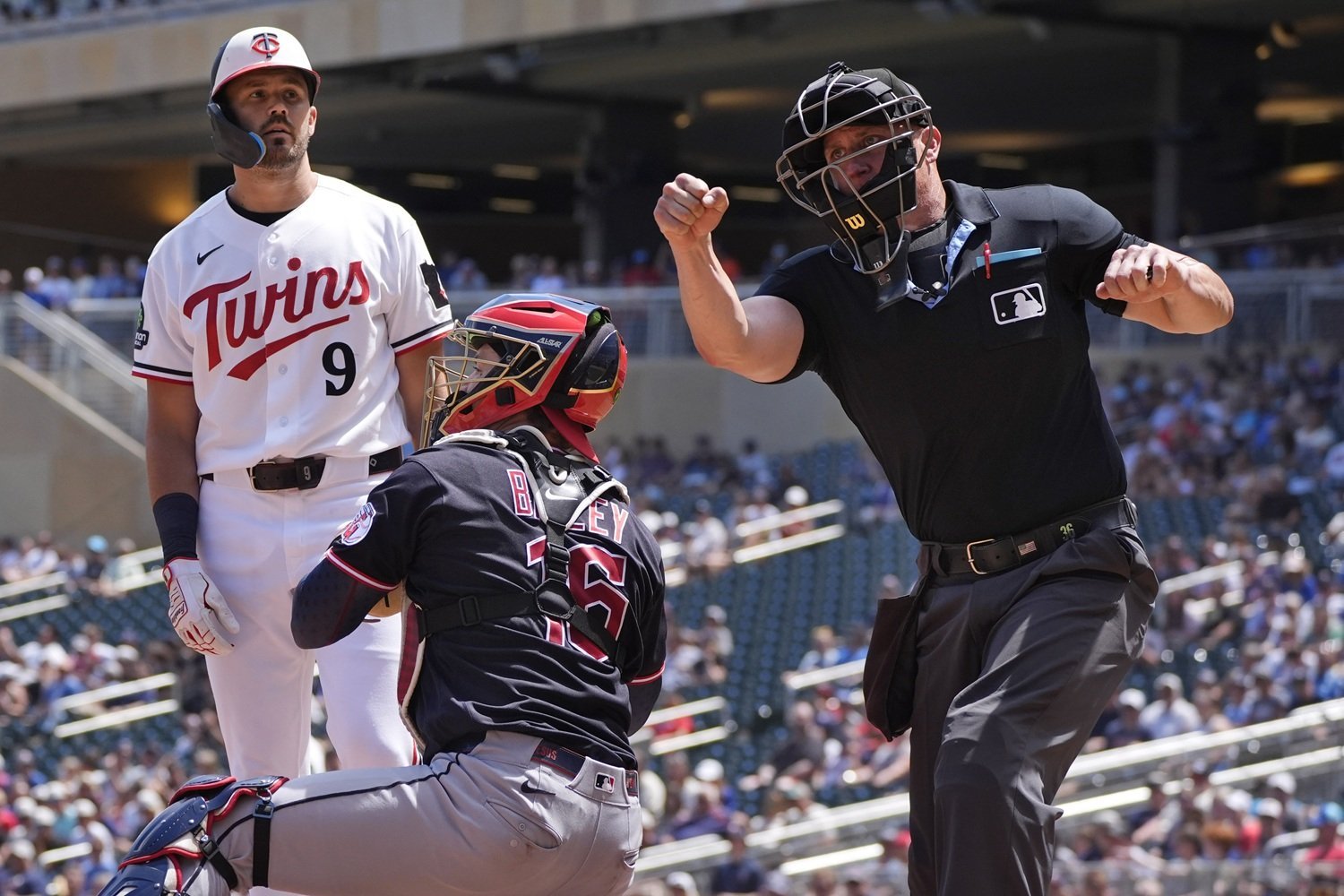 The Twins spent much of the summer hovering around the American League playoff picture. For a team that bought at the trade deadline, the final weeks have been a frustrating reminder of how quickly things can unravel. Minnesota's offense has played a major role in that collapse. There have been injuries, inconsistent production, and several players who simply haven't delivered at the plate when the team needed them most. Some struggles have come from players who were never expected to carry the lineup. Others have come from hitters who were supposed to be important pieces of the offense. So, which hitter has cost the Twins the most down the stretch? There are four primary candidates. 4. Royce Lewis 34 G: 0.3 fWAR, 95 wRC+, -0.13 WPA Lewis has experienced a roller coaster ride of a season. His poor first-half performance resulted in a demotion to Triple-A, but he returned to Minnesota and looked like a different hitter. Over his first 45 games back with the Twins, Lewis posted a .745 OPS and appeared to be settling into a new role at first base. Unfortunately, that improvement hasn't continued. Since August 1, Lewis has posted a .702 OPS while striking out 32 times in 140 plate appearances. Those numbers aren't disastrous, but they aren't what Minnesota needs from an everyday first baseman either. Lewis isn't the worst offender on this list because his overall production has remained somewhat respectable. However, the Twins need more from a player who is receiving everyday at-bats, particularly when the team is trying to stay alive in the postseason race. 3. Victor Caratini 14 G: -0.1 fWAR, 44 wRC+, -0.25 WPA Remember when Caratini looked like one of the best hitters on the roster? For a stretch in the middle of the season, it seemed like Caratini flipped a switch as soon as Ryan Jeffers landed on the injured list. He became one of Minnesota's hottest hitters, and there were even some writers who suggested the Twins might be comfortable trading Jeffers because Caratini was performing so well <Cough, whoops, cough>. The problem is that Caratini has gone in the opposite direction down the stretch. Since August 1, he has collected just five hits. That's not a typo. His recent struggles have become significant enough that the Twins have leaned heavily on Jeffers, starting him in nine straight games recently. Caratini's season was much better than these numbers suggest, but his collapse came at a terrible time. It also raises some uncomfortable questions about Minnesota's catching depth heading into 2027. 2. Ryan Kreidler 27 G: -0.2 fWAR, 22 wRC+, -0.51 WPA Kreidler's recent struggles have been difficult to watch because of how promising his season looked earlier in the year. When the Twins sent Royce Lewis to the minors, Brooks Lee moved over to third base, opening the door for Kreidler to take over the everyday shortstop job. That wasn't necessarily a bad thing. From May 1 through June 30, Kreidler posted an .822 OPS while providing solid defense at shortstop. He looked like a player who could potentially give Minnesota quality production at an important position. Then the bat disappeared. Since August 1, Kreidler is slashing .128/.226/.191 for a .418 OPS with 15 strikeouts in 54 plate appearances. That's not just below average. That's almost unplayable. The Twins didn't need Kreidler to become an All-Star. They simply needed him to provide competent at-bats while holding down a back-up bench role. Instead, his offensive production has cratered at precisely the wrong time. 1. Trevor Larnach 28 G: -0.1 fWAR, 73 wRC+, -0.44 WPA Larnach takes the top spot because his struggles come with the highest expectations and the fewest excuses. We've seen this story before. Larnach's defensive profile is below average, which means his bat has to carry more than its share of the workload. When he's hitting, that tradeoff can make sense. When he's not, there isn't much left to justify keeping him in the lineup. Since August 1, Larnach is slashing .200/.258/.367 for a .624 OPS with seven extra-base hits in 97 plate appearances. That's simply not enough from a corner outfielder on a team trying to make the playoffs. Larnach has also been worth -5 OAA for the season, making his offensive struggles even more problematic. If the bat isn't producing, the Twins aren't getting enough value from the rest of his game to compensate. And that's why he tops this list. There is also a bigger organizational question here. Larnach has had opportunities to establish himself as part of Minnesota's long-term plans, but the consistency hasn't been there. With the Twins entering an offseason where almost every roster spot should be evaluated, there is little reason to continue giving him at-bats simply because he has been around for a while. The Verdict There isn't one player responsible for Minnesota falling out of the playoff race. Baseball doesn't work that way. But when evaluating which hitters have hurt the Twins most down the stretch, Larnach stands out. His offensive production has been well below what the team needs from a corner outfielder, and his defensive shortcomings make the decline even more damaging. Kreidler's recent collapse has been more dramatic statistically, while Caratini's downturn has exposed the lack of catching depth behind Jeffers. Lewis, meanwhile, hasn't been terrible, but he also hasn't produced enough to justify being an everyday first baseman. The bigger issue is that Minnesota has had too many players struggling simultaneously. A contender can survive one cold bat. It becomes much harder when multiple lineup spots become automatic outs. The Twins spent much of the summer close enough to the playoff picture to make the postseason feel realistic. Their inability to get enough production from these four hitters helped turn that possibility into another disappointing September. And with the offseason approaching, the front office has plenty of decisions to make about who should still be getting those at-bats in 2027. How would you rank the players above? Should someone else make the list? Leave a comment and start the discussion.
- 37 comments
-
- 6
-

-
- trevor larnach
- royce lewis
- (and 2 more)
-
Image courtesy of Rob Thompson, St. Paul Saints The Twins are finally getting a look at one of the most intriguing bats in their organization. Minnesota has called up outfielder Emmanuel Rodriguez, giving the 23-year-old top prospect his first opportunity to establish himself at the big-league level. Rodriguez has been one of the organization’s highest-upside players for several years, but injuries have repeatedly interrupted his development. Now, with the season winding down, the Twins can get a firsthand look at what all that potential might look like against major-league pitching. There is an added layer of urgency to the move. Rodriguez is out of minor league options entering next season, meaning Minnesota will have to carry him on the Opening Day roster or expose him to waivers, where another club could potentially claim him. That makes these final games more important than they might appear. Injury-Marred Professional Career The Twins signed Rodriguez for $2.5 million in July 2019, and he has flashed impressive tools ever since. The biggest challenge has been keeping him on the field. His career high is only 99 games in a season, which he reached in 2023. The injuries have come in waves. Rodriguez missed significant time with a knee injury in 2022, suffered an abdominal strain the following year and dealt with a thumb injury in 2024. Last season brought another combination of thumb, hip and oblique issues. Despite all of that, Rodriguez reached Triple-A at just 22 years old in 2025. He also spent last offseason playing in the Dominican Winter League, an opportunity to make up for some of the development time he had lost to injuries. Unfortunately, the injury issues followed him into 2026. A torn ligament in his left thumb required surgery and kept Rodriguez out for nearly three months. His latest comeback has provided the Twins with enough reason to finally give him a chance at the highest level. And there is plenty to like about the player Minnesota is getting. What are the Twins Getting in Rodriguez? Rodriguez has tremendous bat speed and the raw power that comes with it. When he squares the baseball, the ball can jump off his bat in a hurry. He also has a strong understanding of the strike zone and has consistently demonstrated an ability to draw walks. Entering this season, Rodriguez owned a career 21.7% walk rate in the minors. He has continued to walk nearly 19% of the time at Triple-A this season. The problem is what happens when he does decide to swing. Rodriguez entered the season carrying a 30.3% career strikeout rate, and his in-zone miss rate remains a significant concern. However, he cut his strikeout rate to 26.5% in 2026. He does not necessarily chase at an alarming rate, but too many hittable pitches get by him without contact. Some of that can reasonably be attributed to his interrupted development. It is difficult to build a consistent offensive approach when healthy seasons have been so difficult to come by. Even so, the upside remains enormous. Rodriguez has posted a .914 OPS and 136 wRC+ at Triple-A this season. His .257 batting average might not jump off the page, but batting average is not the best way to understand his offensive profile. He is capable of getting on base at a high rate while also providing legitimate power, a combination that makes his offensive ceiling considerably more interesting than his batting average might suggest. That is especially notable for a player listed at just 5-foot-11. There are also reasons to believe Rodriguez can provide value beyond his bat. He is a tick above-average runner and has shown the ability to handle center field. His plus arm gives him another defensive weapon, although the Twins may ultimately find a better long-term fit for him elsewhere in the outfield. For years, the Rodriguez conversation has revolved around the same question: What happens if he can actually stay healthy? The Twins are finally going to get a chance to start answering it. Rodriguez remains a consensus top-100 prospect because of the massive upside attached to his offensive tools. There is legitimate middle-of-the-order potential here. But the injury history and strikeout concerns make him anything but a sure thing. Had Rodriguez stayed healthy, there is a good chance his major-league debut would have happened much earlier. Instead, the Twins are getting a late-season audition. It might only be a handful of games, but those games could have significant implications for both Rodriguez and the Twins. Minnesota needs to determine whether he is ready to be part of the 2027 roster, and Rodriguez finally gets an opportunity to show exactly what he can do when the lights are brightest. What stands out about Rodriguez’s profile? Can he help the Twins down the stretch? Leave a comment and start the discussion. View full article
-
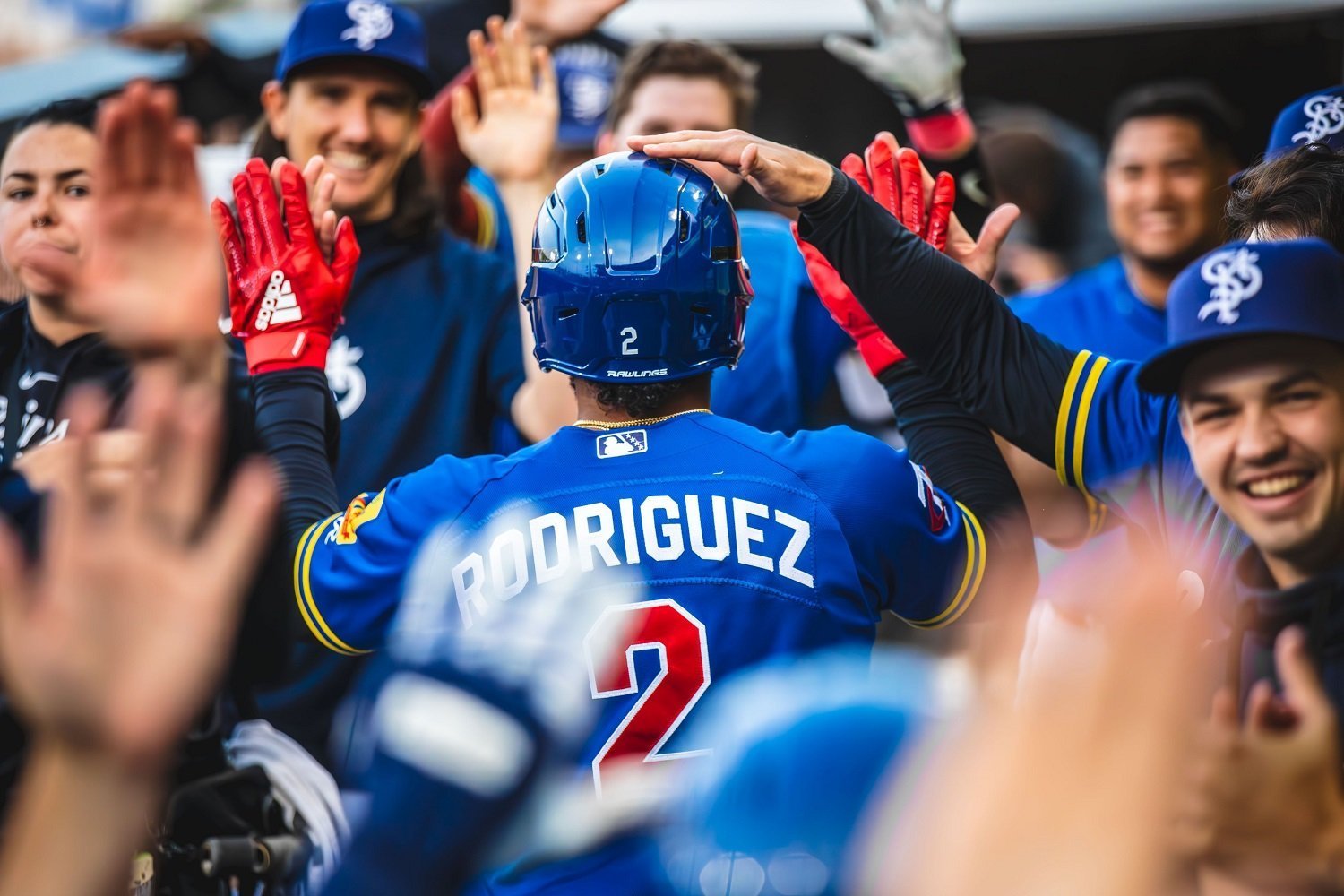 The Twins are finally getting a look at one of the most intriguing bats in their organization. Minnesota has called up outfielder Emmanuel Rodriguez, giving the 23-year-old top prospect his first opportunity to establish himself at the big-league level. Rodriguez has been one of the organization’s highest-upside players for several years, but injuries have repeatedly interrupted his development. Now, with the season winding down, the Twins can get a firsthand look at what all that potential might look like against major-league pitching. There is an added layer of urgency to the move. Rodriguez is out of minor league options entering next season, meaning Minnesota will have to carry him on the Opening Day roster or expose him to waivers, where another club could potentially claim him. That makes these final games more important than they might appear. Injury-Marred Professional Career The Twins signed Rodriguez for $2.5 million in July 2019, and he has flashed impressive tools ever since. The biggest challenge has been keeping him on the field. His career high is only 99 games in a season, which he reached in 2023. The injuries have come in waves. Rodriguez missed significant time with a knee injury in 2022, suffered an abdominal strain the following year and dealt with a thumb injury in 2024. Last season brought another combination of thumb, hip and oblique issues. Despite all of that, Rodriguez reached Triple-A at just 22 years old in 2025. He also spent last offseason playing in the Dominican Winter League, an opportunity to make up for some of the development time he had lost to injuries. Unfortunately, the injury issues followed him into 2026. A torn ligament in his left thumb required surgery and kept Rodriguez out for nearly three months. His latest comeback has provided the Twins with enough reason to finally give him a chance at the highest level. And there is plenty to like about the player Minnesota is getting. What are the Twins Getting in Rodriguez? Rodriguez has tremendous bat speed and the raw power that comes with it. When he squares the baseball, the ball can jump off his bat in a hurry. He also has a strong understanding of the strike zone and has consistently demonstrated an ability to draw walks. Entering this season, Rodriguez owned a career 21.7% walk rate in the minors. He has continued to walk nearly 19% of the time at Triple-A this season. The problem is what happens when he does decide to swing. Rodriguez entered the season carrying a 30.3% career strikeout rate, and his in-zone miss rate remains a significant concern. However, he cut his strikeout rate to 26.5% in 2026. He does not necessarily chase at an alarming rate, but too many hittable pitches get by him without contact. Some of that can reasonably be attributed to his interrupted development. It is difficult to build a consistent offensive approach when healthy seasons have been so difficult to come by. Even so, the upside remains enormous. Rodriguez has posted a .914 OPS and 136 wRC+ at Triple-A this season. His .257 batting average might not jump off the page, but batting average is not the best way to understand his offensive profile. He is capable of getting on base at a high rate while also providing legitimate power, a combination that makes his offensive ceiling considerably more interesting than his batting average might suggest. That is especially notable for a player listed at just 5-foot-11. There are also reasons to believe Rodriguez can provide value beyond his bat. He is a tick above-average runner and has shown the ability to handle center field. His plus arm gives him another defensive weapon, although the Twins may ultimately find a better long-term fit for him elsewhere in the outfield. For years, the Rodriguez conversation has revolved around the same question: What happens if he can actually stay healthy? The Twins are finally going to get a chance to start answering it. Rodriguez remains a consensus top-100 prospect because of the massive upside attached to his offensive tools. There is legitimate middle-of-the-order potential here. But the injury history and strikeout concerns make him anything but a sure thing. Had Rodriguez stayed healthy, there is a good chance his major-league debut would have happened much earlier. Instead, the Twins are getting a late-season audition. It might only be a handful of games, but those games could have significant implications for both Rodriguez and the Twins. Minnesota needs to determine whether he is ready to be part of the 2027 roster, and Rodriguez finally gets an opportunity to show exactly what he can do when the lights are brightest. What stands out about Rodriguez’s profile? Can he help the Twins down the stretch? Leave a comment and start the discussion.
 -
Image courtesy of Bruce Kluckhohn-Imagn Images Byron Buxton is once again on the injured list. This time, the issue is his hip, and the injury is serious enough that he will require offseason surgery. The Twins have not yet revealed exactly what procedure Buxton will undergo or what the recovery timeline might look like. Naturally, the injury has led to plenty of familiar conversations among Twins fans. How much longer can the team count on Buxton? Is he being paid too much? Would Minnesota be better off moving on? Those are fair questions. Buxton's injury history is extensive, and the Twins can't simply pretend that availability doesn't matter. But there's another side to the conversation that deserves more attention. Buxton has been an incredibly valuable player when he takes the field. And despite the injuries, his current contract has worked out very well for the Twins. 2026 Has Been a Tale of Two Seasons Buxton was having arguably the best first half of his career in 2026. He launched 25 home runs, posted a .904 OPS and earned a starting spot in the All-Star Game through fan voting. For a player who has spent much of his career fighting to stay healthy, Buxton looked like he was finally putting everything together over a prolonged stretch. Then things started going sideways around the All-Star break. Buxton has appeared in only 18 games during the second half, and his production has fallen dramatically. He owns a .477 OPS during that stretch, and the hip issue ultimately sent him back to the injured list. That's the frustrating part of Buxton. The Twins aren't paying for a player who provides average production when healthy. They're paying for one of the most impactful players in the game when he's on the field. Even with the limited second half, FanGraphs estimates Buxton's 2026 value at $20.9 million. The Twins are paying him $15 million. So, once again, Buxton has provided more value than his salary would suggest. That can be difficult to reconcile when looking at his injury history, but that's exactly what makes his career so interesting. The Contract Has Worked When Minnesota signed Buxton to a seven-year, $100 million extension before the 2022 season, there was obvious risk involved. The Twins weren't betting on Buxton staying perfectly healthy. Nobody could reasonably make that assumption. Instead, they were betting that the production he could provide during his healthy stretches would make the contract worthwhile. So far, that bet has paid off. Buxton made his first All-Star team in 2022 and posted a 133 OPS+ in 92 games. FanGraphs valued that season at $27.3 million. His 2023 season was the clear low point of the contract. Buxton played in just 85 games, struggled offensively with a 97 OPS+ and was limited to DH duties. FanGraphs valued his season at only $4.2 million. Then he bounced back in 2024. Buxton played more than 100 games for only the second time in his career and posted a 137 OPS+. FanGraphs valued his production at $29.6 million. And then came 2025. Buxton produced arguably the best overall season of his career, posting a 138 OPS+, 4.9 rWAR and tremendous value on both sides of the ball. FanGraphs valued his season at $40.5 million. Add it all together, and the numbers are pretty remarkable. The Twins have paid Buxton roughly $70 million through the first five seasons of the contract. FanGraphs estimates that he has provided approximately $122.5 million in value over that same span. That's more than $50 million in surplus value. Obviously, those calculations don't erase the games he has missed. They don't make the injuries less frustrating. They don't guarantee anything about the future. But they do provide some important context. The Twins haven't been overpaying Byron Buxton. In fact, they've gotten a significant discount when he's been healthy enough to play. The Twins Should Be Thinking Beyond 2028 Buxton is currently under contract for two more seasons. That means the Twins have some time to figure out what comes next, but they shouldn't necessarily wait until the end of his current deal to have that conversation. Buxton has been clear about his desire to finish his career in Minnesota. That's something the Twins should take seriously. “We’re just really lucky that a player of his talent is that committed to this team, particularly when in recent years, I don’t know that we’ve fully earned that level of loyalty and commitment,” Twins owner Tom Pohlad said. “We’re gonna show him the same level of loyalty and commitment going forward. … You could say that no player is not tradeable, but that’s about as close as it gets. When you have that kind of relationship, some things have got to be bigger than other things. Buxton’s in that category.” By the time his current contract expires, Buxton will be entering his age-35 season. That's obviously where the risk becomes even greater. The injuries aren't going to magically disappear because he gets older, and Minnesota shouldn't hand him a massive contract simply because of what he has accomplished in the past. But that doesn't mean an extension should be off the table. What if the Twins offered Buxton something like $20 million per season with additional performance and award incentives? Adding three or four years could potentially keep him in Minnesota through the remainder of his 30s while protecting the team against some of the risk associated with his availability. The structure could be particularly important. Instead of simply guaranteeing a massive salary regardless of how often Buxton plays, the Twins could build incentives around games played, plate appearances, awards and performance. That's similar to the framework that has already worked with his current contract. There are no guarantees with Buxton's body. There aren't supposed to be. The goal isn't to eliminate the risk. It's to structure the contract so the Twins are appropriately compensated if that risk becomes reality. Let Buxton Finish What He Started There will always be a segment of the fan base that sees Buxton's injury history and believes the Twins should move on. That's understandable. But there's another question worth asking. What would Minnesota look like without Byron Buxton? When healthy, he is still capable of changing games with his bat, his defense and his speed. Few players on the roster can impact a game in as many ways. And while his availability has been inconsistent, the financial results of his current contract tell a different story than the injury list does. Buxton has already provided the Twins with more value than they have paid for. Now Minnesota has an opportunity to make sure he finishes his career where it began. The Twins shouldn't blindly give Buxton another four-year contract. They shouldn't ignore the injury risk. They shouldn't pretend his age won't matter. But they also shouldn't allow the perfect to become the enemy of the good. If Buxton wants to finish his career in Minnesota, the Twins should explore a creative extension that makes sense for both sides. Because when Buxton is healthy, he's still one of the most valuable players the Twins have. And if the Twins can find the right way to manage the risk, there is no reason his final chapter can't be written in Minnesota. Should the Twins approach Buxton about an extension? Has he lived up to his contract? Leave a comment and start the discussion. View full article
-
 The Minnesota Twins are getting a useful piece of their roster back at an important time of the season. The Twins activated Austin Martin from the 10-day injured list Thursday afternoon, putting the versatile outfielder back in the lineup after he missed nearly a month with a left hamstring strain. Martin's last appearance came on August 16, when he injured the hamstring trying to track down a fly ball near the left-field line. The Twins appear satisfied that he is ready to return after a brief rehab assignment with Triple-A St. Paul. Martin appeared in two games for the Saints earlier this week, going 3-for-8 with a triple and three RBIs. Rehab statistics don't carry much weight when evaluating a player, but seeing Martin run the bases and play in games without an apparent setback was an important step following a hamstring injury. Now, the Twins need to figure out how to use him. Martin isn't going to transform the Minnesota offense by himself. He is hitting .241 with three home runs, 21 RBIs and a .686 OPS, good for a 95 OPS+, across 110 games this season. Finding Martin At-Bats The Twins already have a crowded outfield, which means bringing Martin back creates another roster puzzle for Shelton. One potential solution is splitting time between Martin and Trevor Larnach. Larnach has been mired in an extended slump that dates back roughly a month, making it difficult to justify running him out there every day regardless of the matchup. Martin's return gives Shelton the ability to mix and match. That doesn't mean Martin needs to become an everyday player. His defensive versatility allows him to move around the outfield, and his ability to handle multiple spots gives the Twins flexibility from one game to the next. At this point in the season, that flexibility matters. Martin may not be the answer to all of those problems, but getting him healthy gives Minnesota another competent option and lengthens the lineup. The hope is that Martin can find a rhythm quickly and provide a spark over the final weeks. Gonzalez Heads Back to St. Paul To make room for Martin, the Twins optioned outfielder Gabriel Gonzalez to Triple-A St. Paul. Gonzalez appeared in seven games with Minnesota this season but received only eight at-bats. He went 2-for-8, with his other plate appearance resulting in a hit by pitch. That's hardly enough time to make a meaningful evaluation. Sending Gonzalez back to St. Paul makes sense if the Twins aren't going to give him regular playing time. Sitting on the bench at the major-league level doesn't do much for a young player who needs consistent at-bats. Gonzalez remains an interesting piece for the Twins moving forward. He could potentially compete for a fourth-outfielder role next season, or find himself in the mix for a larger role if injuries or poor performance create an opening. But the Twins need to see more from him before making that decision. The final games of the season should give Gonzalez an opportunity to play regularly and show the organization what he can do. Strong performance could strengthen his case for a role in Minnesota. For now, though, the focus returns to Martin. The Twins have another versatile defender, another left-field option and another bat capable of moving around the lineup. Martin may not be a star, but players who can do a little bit of everything become especially valuable when a team is trying to navigate the final stretch of a long season. Getting him healthy was the first step. Now Shelton needs to find a way to put him to work.
 -
The Minnesota Twins are getting a useful piece of their roster back at an important time of the season. The Twins activated Austin Martin from the 10-day injured list Thursday afternoon, putting the versatile outfielder back in the lineup after he missed nearly a month with a left hamstring strain. Martin's last appearance came on August 16, when he injured the hamstring trying to track down a fly ball near the left-field line. The Twins appear satisfied that he is ready to return after a brief rehab assignment with Triple-A St. Paul. Martin appeared in two games for the Saints earlier this week, going 3-for-8 with a triple and three RBIs. Rehab statistics don't carry much weight when evaluating a player, but seeing Martin run the bases and play in games without an apparent setback was an important step following a hamstring injury. Now, the Twins need to figure out how to use him. Martin isn't going to transform the Minnesota offense by himself. He is hitting .241 with three home runs, 21 RBIs and a .686 OPS, good for a 95 OPS+, across 110 games this season. Finding Martin At-Bats The Twins already have a crowded outfield, which means bringing Martin back creates another roster puzzle for Shelton. One potential solution is splitting time between Martin and Trevor Larnach. Larnach has been mired in an extended slump that dates back roughly a month, making it difficult to justify running him out there every day regardless of the matchup. Martin's return gives Shelton the ability to mix and match. That doesn't mean Martin needs to become an everyday player. His defensive versatility allows him to move around the outfield, and his ability to handle multiple spots gives the Twins flexibility from one game to the next. At this point in the season, that flexibility matters. Martin may not be the answer to all of those problems, but getting him healthy gives Minnesota another competent option and lengthens the lineup. The hope is that Martin can find a rhythm quickly and provide a spark over the final weeks. Gonzalez Heads Back to St. Paul To make room for Martin, the Twins optioned outfielder Gabriel Gonzalez to Triple-A St. Paul. Gonzalez appeared in seven games with Minnesota this season but received only eight at-bats. He went 2-for-8, with his other plate appearance resulting in a hit by pitch. That's hardly enough time to make a meaningful evaluation. Sending Gonzalez back to St. Paul makes sense if the Twins aren't going to give him regular playing time. Sitting on the bench at the major-league level doesn't do much for a young player who needs consistent at-bats. Gonzalez remains an interesting piece for the Twins moving forward. He could potentially compete for a fourth-outfielder role next season, or find himself in the mix for a larger role if injuries or poor performance create an opening. But the Twins need to see more from him before making that decision. The final games of the season should give Gonzalez an opportunity to play regularly and show the organization what he can do. Strong performance could strengthen his case for a role in Minnesota. For now, though, the focus returns to Martin. The Twins have another versatile defender, another left-field option and another bat capable of moving around the lineup. Martin may not be a star, but players who can do a little bit of everything become especially valuable when a team is trying to navigate the final stretch of a long season. Getting him healthy was the first step. Now Shelton needs to find a way to put him to work. View full rumor
-
25 Years Later: How Michael Cuddyer Saved a Teammate's Life on 9/11
Cody Christie posted an article in History
 September 11, 2001, produced countless stories of heroism, sacrifice, and miraculous escapes. Twenty-five years later, those stories remain just as powerful. Some involved firefighters, police officers, first responders, airline passengers, and ordinary people who made extraordinary choices. Others were far less obvious, and involved those sliding-doors moments where everything might have been vastly changed by one small thing going differently. One involved a future Minnesota Twins fan favorite, a minor-league playoff series, and a couple of home runs. Michael Cuddyer wasn’t trying to save a life when he stepped into the batter’s box for the New Britain Rock Cats. He was just trying to help his team win a baseball game. But 25 years later, it’s impossible to look at those home runs without realizing just how much they meant. A Ticket Home In 2001, Cuddyer was a 22-year-old prospect in the Twins organization. He had already established himself as one of the better power hitters in the system, launching 30 home runs for New Britain during the regular season. Brad Thomas was his teammate. The left-handed reliever had reached Double-A alongside Cuddyer, and the two had become close friends and roommates. Thomas was also preparing to make a long trip home to Australia once the season ended. That meant booking a flight. Thomas and his fiancée, Kylie, had tickets on American Airlines Flight 11, scheduled to leave Boston’s Logan Airport on September 11 and eventually take them back to Australia. There was nothing unusual about that decision. Minor-league players routinely made travel arrangements before their seasons were officially finished, knowing they could be eliminated from the playoffs at any time. When the season was over, players wanted to get home. New Britain was facing the Norwich Navigators, the Yankees’ Double-A affiliate, in the Eastern League playoffs. The series was supposed to end on September 10, one way or another. If New Britain lost, Thomas and Kylie would head to Boston. Then, Cuddyer stepped to the plate. Fate in Cuddyer’s Hands New Britain trailed in the opening game of the series when Cuddyer came up in the bottom of the ninth inning. The count reached 3-2, before Cuddyer hit a walk-off home run. The Rock Cats won, and the series continued. For Thomas, it meant the flight home wasn’t necessary yet. There was still more baseball to play. Cuddyer delivered again in the clinching Game 4, hitting a go-ahead home run in the seventh inning. New Britain won the series and advanced to the Eastern League championship. The team had earned the right to keep playing. Thomas no longer needed those plane tickets. And then September 11 arrived. “Michael pretty much saved our lives single-handedly by knocking in the winning runs in the last of the playoff games that took us to the next round,” Thomas later said. The next morning, the players gathered at New Britain Stadium as the reality of what had happened began to sink in. American Airlines Flight 11 had been hijacked after departing Boston. At 8:46 a.m., it crashed into the North Tower of the World Trade Center. Everyone aboard the plane died. Thomas was supposed to be on it. There was no way Cuddyer could have known what his home run would ultimately mean. He wasn’t thinking about flights. He wasn’t thinking about the future. He was trying to win a baseball game. Yet, those two home runs altered the course of Thomas’ life. “It’s a miracle. Somebody was watching out for me,” Thomas said. That’s what makes the story so difficult to comprehend 25 years later. The connection between Cuddyer’s bat and Thomas’s survival wasn’t apparent at the time. It only became clear when the events of September 11 were unfolding. The Biggest Home Run of His Life Cuddyer would go on to hit 197 home runs in the major leagues. He became a two-time All-Star, won a Silver Slugger Award, and even helped the New York Mets reach the World Series. He hit plenty of important home runs. None carried the consequences of that September night in New Britain. “You don’t want to say the minor leagues was the biggest home run of my life, but obviously that was the biggest home run I ever hit,” Cuddyer said. The first walk-off home run of Cuddyer’s minor-league career already meant something to him. But the events that followed gave it an entirely different meaning. “It was my first walk-off home run in the minor leagues, which was pretty special, then with everything that follows you just realize how special it really was,” Cuddyer said. The championship series between New Britain and Reading was never played. The teams were eventually declared co-champions. Three days after the attacks, Cuddyer received another life-changing moment when the Twins called him up to the major leagues. His baseball career was beginning just as the country was trying to understand how much its own life had changed. A Quiet Understanding The friendship between Cuddyer and Thomas continued long after their days together in New Britain. Thomas eventually reached the majors with the Twins and Tigers. “Every time I see Michael, there’s a handshake and a hug,” Thomas said. Twenty-five years later, the story still feels almost impossible. A baseball player hit a couple of home runs in a minor-league playoff series. His teammate’s travel plans changed. The next morning, one of the world’s most devastating tragedies unfolded. There are plenty of ways to describe what happened. Coincidence. Fate. A miracle. Thomas has his own description. “There’s probably not a day that goes by that I don’t think about it and think how lucky I am.” September 11 was a nightmare—a tragedy that transformed a nation. From it, we shouldn't dare take real joy, but we can find relief, and we can find meaning in the often meaningless. Alongside the stories of unimaginable loss are stories of people who happened to be somewhere else, took a different route, missed a flight, changed a plan, or—as was the case for Thomas—had a teammate hit a baseball over a fence at exactly the right time. Cuddyer never knew he was saving his friend’s life when he hit those home runs. But 25 years later, he knows those swings meant far more than a baseball game. That’s a legacy that will last much longer than any box score.
 -
Image courtesy of Jody Gomez-USA TODAY Sports September 11, 2001, produced countless stories of heroism, sacrifice, and miraculous escapes. Twenty-five years later, those stories remain just as powerful. Some involved firefighters, police officers, first responders, airline passengers, and ordinary people who made extraordinary choices. Others were far less obvious, and involved those sliding-doors moments where everything might have been vastly changed by one small thing going differently. One involved a future Minnesota Twins fan favorite, a minor-league playoff series, and a couple of home runs. Michael Cuddyer wasn’t trying to save a life when he stepped into the batter’s box for the New Britain Rock Cats. He was just trying to help his team win a baseball game. But 25 years later, it’s impossible to look at those home runs without realizing just how much they meant. A Ticket Home In 2001, Cuddyer was a 22-year-old prospect in the Twins organization. He had already established himself as one of the better power hitters in the system, launching 30 home runs for New Britain during the regular season. Brad Thomas was his teammate. The left-handed reliever had reached Double-A alongside Cuddyer, and the two had become close friends and roommates. Thomas was also preparing to make a long trip home to Australia once the season ended. That meant booking a flight. Thomas and his fiancée, Kylie, had tickets on American Airlines Flight 11, scheduled to leave Boston’s Logan Airport on September 11 and eventually take them back to Australia. There was nothing unusual about that decision. Minor-league players routinely made travel arrangements before their seasons were officially finished, knowing they could be eliminated from the playoffs at any time. When the season was over, players wanted to get home. New Britain was facing the Norwich Navigators, the Yankees’ Double-A affiliate, in the Eastern League playoffs. The series was supposed to end on September 10, one way or another. If New Britain lost, Thomas and Kylie would head to Boston. Then, Cuddyer stepped to the plate. Fate in Cuddyer’s Hands New Britain trailed in the opening game of the series when Cuddyer came up in the bottom of the ninth inning. The count reached 3-2, before Cuddyer hit a walk-off home run. The Rock Cats won, and the series continued. For Thomas, it meant the flight home wasn’t necessary yet. There was still more baseball to play. Cuddyer delivered again in the clinching Game 4, hitting a go-ahead home run in the seventh inning. New Britain won the series and advanced to the Eastern League championship. The team had earned the right to keep playing. Thomas no longer needed those plane tickets. And then September 11 arrived. “Michael pretty much saved our lives single-handedly by knocking in the winning runs in the last of the playoff games that took us to the next round,” Thomas later said. The next morning, the players gathered at New Britain Stadium as the reality of what had happened began to sink in. American Airlines Flight 11 had been hijacked after departing Boston. At 8:46 a.m., it crashed into the North Tower of the World Trade Center. Everyone aboard the plane died. Thomas was supposed to be on it. There was no way Cuddyer could have known what his home run would ultimately mean. He wasn’t thinking about flights. He wasn’t thinking about the future. He was trying to win a baseball game. Yet, those two home runs altered the course of Thomas’ life. “It’s a miracle. Somebody was watching out for me,” Thomas said. That’s what makes the story so difficult to comprehend 25 years later. The connection between Cuddyer’s bat and Thomas’s survival wasn’t apparent at the time. It only became clear when the events of September 11 were unfolding. The Biggest Home Run of His Life Cuddyer would go on to hit 197 home runs in the major leagues. He became a two-time All-Star, won a Silver Slugger Award, and even helped the New York Mets reach the World Series. He hit plenty of important home runs. None carried the consequences of that September night in New Britain. “You don’t want to say the minor leagues was the biggest home run of my life, but obviously that was the biggest home run I ever hit,” Cuddyer said. The first walk-off home run of Cuddyer’s minor-league career already meant something to him. But the events that followed gave it an entirely different meaning. “It was my first walk-off home run in the minor leagues, which was pretty special, then with everything that follows you just realize how special it really was,” Cuddyer said. The championship series between New Britain and Reading was never played. The teams were eventually declared co-champions. Three days after the attacks, Cuddyer received another life-changing moment when the Twins called him up to the major leagues. His baseball career was beginning just as the country was trying to understand how much its own life had changed. A Quiet Understanding The friendship between Cuddyer and Thomas continued long after their days together in New Britain. Thomas eventually reached the majors with the Twins and Tigers. “Every time I see Michael, there’s a handshake and a hug,” Thomas said. Twenty-five years later, the story still feels almost impossible. A baseball player hit a couple of home runs in a minor-league playoff series. His teammate’s travel plans changed. The next morning, one of the world’s most devastating tragedies unfolded. There are plenty of ways to describe what happened. Coincidence. Fate. A miracle. Thomas has his own description. “There’s probably not a day that goes by that I don’t think about it and think how lucky I am.” September 11 was a nightmare—a tragedy that transformed a nation. From it, we shouldn't dare take real joy, but we can find relief, and we can find meaning in the often meaningless. Alongside the stories of unimaginable loss are stories of people who happened to be somewhere else, took a different route, missed a flight, changed a plan, or—as was the case for Thomas—had a teammate hit a baseball over a fence at exactly the right time. Cuddyer never knew he was saving his friend’s life when he hit those home runs. But 25 years later, he knows those swings meant far more than a baseball game. That’s a legacy that will last much longer than any box score. View full article
-
Image courtesy of John Hefti-USA TODAY Sports There is something uniquely frustrating about watching a baseball season slip away. For the Minnesota Twins, that frustration has become a familiar feeling. Over the last three seasons, the club has managed to turn promising or at least competitive first halves into increasingly disappointing finishes. The circumstances have been different each year, but the result has been remarkably similar: the Twins entered the second half with some level of hope and eventually found themselves watching the postseason from home. The 2024 collapse was fueled by a front office that stood pat. The 2025 collapse was accelerated by a front office that did the exact opposite. And in 2026, Minnesota tried to buy its way out of trouble, only to discover that being on the fringes of a terrible American League does not necessarily mean a team is truly a contender. So which collapse was the worst? Here is how the last three rank. 3. 2025 Twins First half: 47-49 (.490), Second half: 23-43 (.348) The 2025 Twins deserve the benefit of one important piece of context. By the time the season reached the trade deadline, Minnesota's direction had changed dramatically. The front office went from trying to compete to conducting one of the largest firesales in recent MLB history. The Twins ultimately traded 10 Major League players in a matter of days, including Carlos Correa, Jhoan Duran, Griffin Jax, Willi Castro, Harrison Bader, Ty France, Louis Varland, Brock Stewart, Danny Coulombe and Chris Paddack. That makes this collapse the easiest one to explain. Minnesota was already a .500 team at the break, so there was plenty to criticize about the season. But once the organization decided it was no longer interested in winning in 2025, expecting the club to suddenly put together a strong second half was unrealistic. The Twins went 23-43 after the break, finishing 18 games behind the Cleveland Guardians in the AL Central and 17 games out of the Wild Card. That is ugly. But it was also the inevitable result of the organization's decision-making. The 2025 season was less a collapse than it was a controlled demolition. 2. 2024 Twins First half: 54-42 (.563), Second half: 28-38 (.424) This one still hurts. The 2024 Twins had legitimate reasons to believe they could make another postseason run. They were coming off a 2023 playoff appearance, had a strong first half and appeared to have a roster capable of competing in the American League Central. Then came the trade deadline. Minnesota largely stood still. The Twins' lone addition was reliever Trevor Richards from Toronto. They did not add the starting pitcher many believed they needed, and they did not make the type of aggressive move that could have strengthened a team already dealing with injuries and roster weaknesses. The organization defended its decision. The clubhouse, however, was less enthusiastic about the lack of activity with some players being “disheartened.” That made the subsequent collapse even more frustrating. Minnesota went 54-42 before the All-Star break, winning 56.3% of its games. Afterward, the club went 28-38, winning only 42.4% of its games. The Twins stumbled all the way to the finish line, losing nine of their final 11 games. They finished 10.5 games behind the Guardians and four games out of the final Wild Card spot. This was a team that had postseason expectations and needed help. Instead, the organization essentially bet that what it already had would be enough. It wasn't. The 2024 collapse earns second place because the opportunity was there. Minnesota had a competitive team, had just demonstrated it could win in October and was in position to make the roster better. The decision to do nothing meaningful at the deadline became much harder to defend once the season disappeared. 1. 2026 Twins First half: 48-49 (.495), Second half: 21-28 (.429) This year's collapse ranks first because the Twins actually tried to prevent it. That makes it more frustrating. Minnesota entered the 2026 deadline sitting near the edge of the American League playoff race. Rather than selling, the front office bought. The Twins added Dean Kremer, A.J. Minter and Jeff Hoffman, while also choosing to keep impending free agents such as Ryan Jeffers and Josh Bell. The strategy made sense on paper. There was a pathway to October. The problem may have been that the American League was so mediocre that the Twins mistook proximity for contention. Minnesota was only 48-49 at the All-Star break, hardly the record of a dominant playoff club. Still, a weak league created an opportunity, and the Twins decided to take it. Since then, they have gone 21-28. That is a .429 winning percentage—hardly the kind of second-half surge necessary for a team trying to climb into the postseason. Entering Thursday, Minnesota sits 6.5 games out of first place in the AL Central and 4.5 games out of the final Wild Card spot. That's why 2026 takes the top spot. The Twins spent assets to make this team better. They kept players rather than cashing them in. They reinforced the bullpen and rotation. They decided that this was a season worth chasing. And yet, the results have barely changed. The Verdict These three collapses tell three very different stories. In 2024, the Twins failed to act when they had a legitimate chance. In 2025, they acted decisively, but they acted by dismantling the roster. In 2026, they acted like contenders and received results that looked more like those of a team that should have sold. The 2025 collapse was the worst statistically, but there was at least an explanation for it. The front office made a conscious decision to prioritize the future over the present. The 2024 collapse may have been the most painful because the Twins were close enough to make a difference but chose not to push their chips into the middle. The 2026 collapse is the most concerning because the organization did push its chips forward. Minnesota believed this team had enough to compete. Now, with the postseason slipping further away by the day, the Twins have to determine whether they misread the roster, misread the American League or simply underestimated how difficult it would be to turn a fringe contender into an actual playoff team. How would you rank the last three collapses? Leave a comment and start the discussion. View full article
-
 There is something uniquely frustrating about watching a baseball season slip away. For the Minnesota Twins, that frustration has become a familiar feeling. Over the last three seasons, the club has managed to turn promising or at least competitive first halves into increasingly disappointing finishes. The circumstances have been different each year, but the result has been remarkably similar: the Twins entered the second half with some level of hope and eventually found themselves watching the postseason from home. The 2024 collapse was fueled by a front office that stood pat. The 2025 collapse was accelerated by a front office that did the exact opposite. And in 2026, Minnesota tried to buy its way out of trouble, only to discover that being on the fringes of a terrible American League does not necessarily mean a team is truly a contender. So which collapse was the worst? Here is how the last three rank. 3. 2025 Twins First half: 47-49 (.490), Second half: 23-43 (.348) The 2025 Twins deserve the benefit of one important piece of context. By the time the season reached the trade deadline, Minnesota's direction had changed dramatically. The front office went from trying to compete to conducting one of the largest firesales in recent MLB history. The Twins ultimately traded 10 Major League players in a matter of days, including Carlos Correa, Jhoan Duran, Griffin Jax, Willi Castro, Harrison Bader, Ty France, Louis Varland, Brock Stewart, Danny Coulombe and Chris Paddack. That makes this collapse the easiest one to explain. Minnesota was already a .500 team at the break, so there was plenty to criticize about the season. But once the organization decided it was no longer interested in winning in 2025, expecting the club to suddenly put together a strong second half was unrealistic. The Twins went 23-43 after the break, finishing 18 games behind the Cleveland Guardians in the AL Central and 17 games out of the Wild Card. That is ugly. But it was also the inevitable result of the organization's decision-making. The 2025 season was less a collapse than it was a controlled demolition. 2. 2024 Twins First half: 54-42 (.563), Second half: 28-38 (.424) This one still hurts. The 2024 Twins had legitimate reasons to believe they could make another postseason run. They were coming off a 2023 playoff appearance, had a strong first half and appeared to have a roster capable of competing in the American League Central. Then came the trade deadline. Minnesota largely stood still. The Twins' lone addition was reliever Trevor Richards from Toronto. They did not add the starting pitcher many believed they needed, and they did not make the type of aggressive move that could have strengthened a team already dealing with injuries and roster weaknesses. The organization defended its decision. The clubhouse, however, was less enthusiastic about the lack of activity with some players being “disheartened.” That made the subsequent collapse even more frustrating. Minnesota went 54-42 before the All-Star break, winning 56.3% of its games. Afterward, the club went 28-38, winning only 42.4% of its games. The Twins stumbled all the way to the finish line, losing nine of their final 11 games. They finished 10.5 games behind the Guardians and four games out of the final Wild Card spot. This was a team that had postseason expectations and needed help. Instead, the organization essentially bet that what it already had would be enough. It wasn't. The 2024 collapse earns second place because the opportunity was there. Minnesota had a competitive team, had just demonstrated it could win in October and was in position to make the roster better. The decision to do nothing meaningful at the deadline became much harder to defend once the season disappeared. 1. 2026 Twins First half: 48-49 (.495), Second half: 21-28 (.429) This year's collapse ranks first because the Twins actually tried to prevent it. That makes it more frustrating. Minnesota entered the 2026 deadline sitting near the edge of the American League playoff race. Rather than selling, the front office bought. The Twins added Dean Kremer, A.J. Minter and Jeff Hoffman, while also choosing to keep impending free agents such as Ryan Jeffers and Josh Bell. The strategy made sense on paper. There was a pathway to October. The problem may have been that the American League was so mediocre that the Twins mistook proximity for contention. Minnesota was only 48-49 at the All-Star break, hardly the record of a dominant playoff club. Still, a weak league created an opportunity, and the Twins decided to take it. Since then, they have gone 21-28. That is a .429 winning percentage—hardly the kind of second-half surge necessary for a team trying to climb into the postseason. Entering Thursday, Minnesota sits 6.5 games out of first place in the AL Central and 4.5 games out of the final Wild Card spot. That's why 2026 takes the top spot. The Twins spent assets to make this team better. They kept players rather than cashing them in. They reinforced the bullpen and rotation. They decided that this was a season worth chasing. And yet, the results have barely changed. The Verdict These three collapses tell three very different stories. In 2024, the Twins failed to act when they had a legitimate chance. In 2025, they acted decisively, but they acted by dismantling the roster. In 2026, they acted like contenders and received results that looked more like those of a team that should have sold. The 2025 collapse was the worst statistically, but there was at least an explanation for it. The front office made a conscious decision to prioritize the future over the present. The 2024 collapse may have been the most painful because the Twins were close enough to make a difference but chose not to push their chips into the middle. The 2026 collapse is the most concerning because the organization did push its chips forward. Minnesota believed this team had enough to compete. Now, with the postseason slipping further away by the day, the Twins have to determine whether they misread the roster, misread the American League or simply underestimated how difficult it would be to turn a fringe contender into an actual playoff team. How would you rank the last three collapses? Leave a comment and start the discussion.
- 27 comments
-
- 1
-

-
- dean kremer
- carlos correa
- (and 7 more)
-
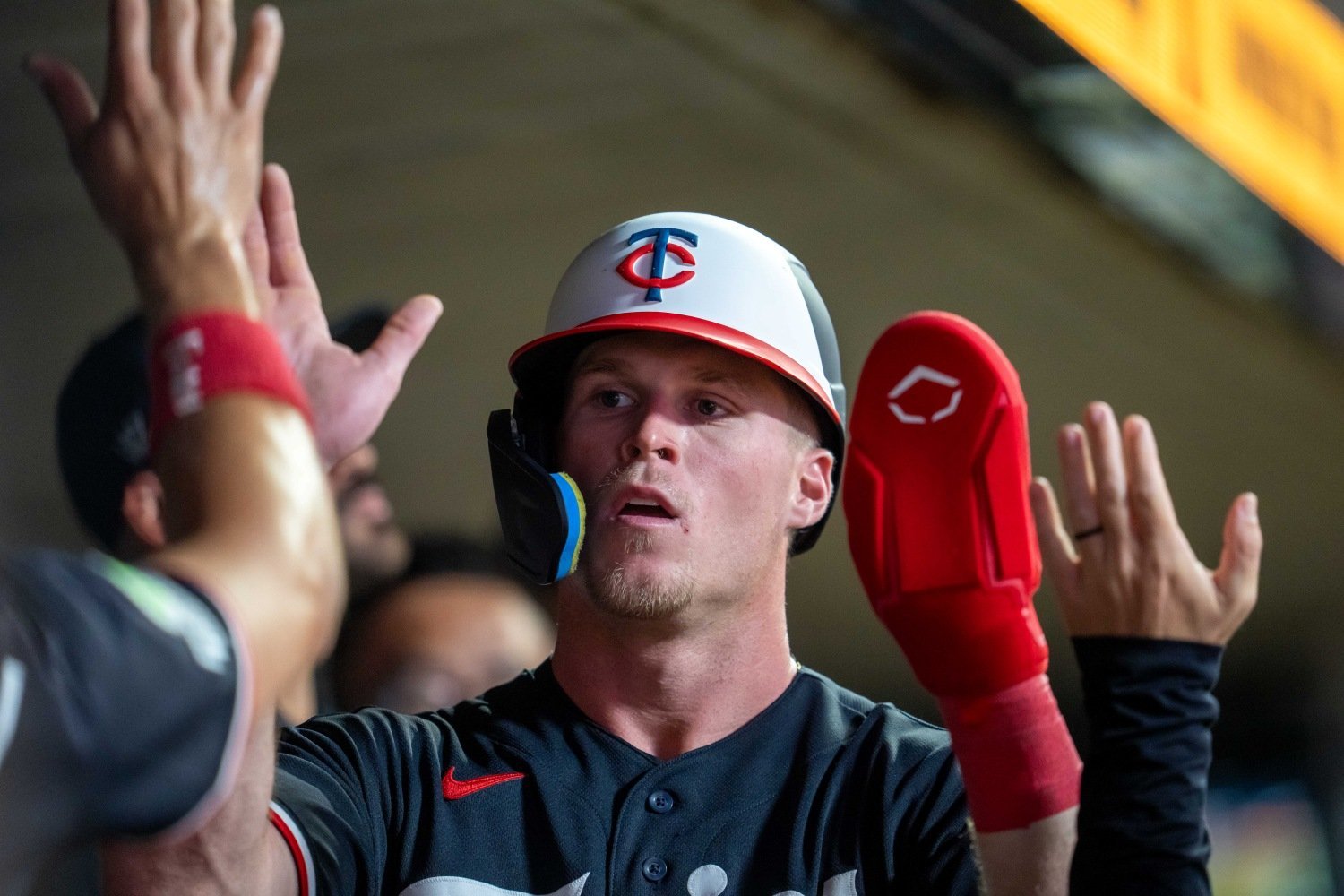 The Minnesota Twins are running out of games on the 2026 schedule, which means the evaluation period is getting shorter. With the club's playoff hopes fading, September becomes less about squeezing every possible win out of the roster and more about determining which young players should be part of the next competitive Twins team. There are plenty of intriguing names getting opportunities, but "young" and "ready for a 2027 job" aren't necessarily the same thing. Some players have already done enough to earn a spot. Others still have work to do. Here's where five of the organization's most important young players currently stand. OF Luke Keaschall 2027 Job: Yes Keaschall's first impression this season wasn't exactly what the Twins hoped to see. He hit just .217/.267/.275 over his first 131 plate appearances, while striking out 21 times. Minnesota eventually moved him down in the batting order, giving the young hitter an opportunity to work through his struggles without the added pressure that comes with hitting at the top of the lineup. That adjustment appears to have worked. Since July 1, Keaschall has been one of the better offensive players in the American League. Over 53 games, he's hitting .319/.414/.497 with a .912 OPS. He's collected 59 hits, scored 29 runs, hit seven home runs, added 12 doubles and been hit by 14 pitches. That's a pretty convincing response to his early struggles. The biggest question heading into 2027 is where Keaschall fits defensively. He's been worth negative OAA at both second base and center field, while his work in right field has been worth 0 OAA. That's where the Twins should look to keep him moving forward, though a switch from right to left field would also make sense. Keaschall has shown enough offensively to earn a 2027 job. Now, Minnesota needs to find the defensive position that allows him to maximize his overall value. SS Kaelen Culpepper 2027 Job: Yes Culpepper is getting an opportunity, and earning the trust that comes with it. The rookie was moved up to second in the lineup over the weekend, a clear sign that manager Derek Shelton has confidence in what Culpepper is doing. In his first 100-plus plate appearances, he's hitting .297/.350/.451 with five doubles, three home runs and a 133 wRC+. The underlying metrics support the production. Culpepper has shown impressive bat speed while making enough contact to give himself a chance to be a productive offensive player. That's an encouraging combination for a player still getting accustomed to the major leagues. His defense has been just as encouraging. Culpepper has been worth 1 OAA at shortstop in his limited opportunity. More importantly, he's looked comfortable at a position where the Twins have struggled to find consistent production defensively this season. His arm strength has stood out, too. Culpepper's throws have averaged 89.1 MPH, putting him in the 80th percentile. There are still plenty of questions to answer, but Culpepper has already done enough to earn a place on the 2027 roster. OF Gabriel Gonzalez 2027 Job: Not Yet On paper, Gonzalez looks like exactly the type of player the Twins could use. Minnesota has plenty of left-handed outfield options, creating a potential need for a right-handed platoon bat. Gonzalez could theoretically fill that role while providing some additional offensive upside. The problem is that he hasn't quite earned it yet. Gonzalez's stock has taken a hit this season after a breakout 2025 campaign that earned him Twins Daily's Minor League Hitter of the Year honors. His overall production hasn't matched last year's level. At Triple-A this season, Gonzalez owns a .741 OPS and an 88 wRC+. Those numbers aren't overwhelming for a player trying to force his way onto a major-league roster. That doesn't mean Gonzalez is out of the picture. He could still develop into the short side of a platoon and provide Minnesota with a useful right-handed bat. But that's something the Twins need to see him earn rather than simply assume. For now, Gonzalez belongs in the "not yet" category. OF Walker Jenkins 2027 Job: Prove It Few players in the Twins organization have more long-term upside than Jenkins. The tools are obvious. The potential is obvious. But major-league baseball has already provided the highly touted rookie with a few reminders that potential doesn't guarantee immediate success. Jenkins hasjust one hit since launching the first home run of his career off position player Zach McKinstry on Aug. 31. Since that homer, he's 1-for-20 with eight strikeouts and three walks. Overall, he's hitting .125/.263/.281. Of course, we're talking about just 38 plate appearances. That's nowhere near enough to make a sweeping judgment about Jenkins's ability to hit major-league pitching. But that's also why he's in the "prove it" category. Jenkins doesn't have much left to prove at Triple-A. The question is whether he can translate that success to the majors consistently enough to force the Twins' hand heading into 2027. If there's a roster crunch, Minnesota could send Jenkins back to Triple-A to begin next season. That wouldn't be an indictment of his future. It would simply give him more time to adjust. For now, Jenkins still has something to prove. OF Emmanuel Rodriguez 2027 Job: Prove It Rodriguez might have the most important evaluation left to complete before the offseason. He's out of minor-league options next season, meaning the Twins will need to put him on the Opening Day roster or expose him to the rest of the league. If another organization claims him, Minnesota could lose one of the most talented players in its system without getting the chance to see what he can do at the major-league level. Rodriguez has certainly done his part in the minor leagues. Across three levels this season, he's hitting .284/.433/.544. His on-base percentage is at least .400 for the fifth consecutive season. With the Saints, Rodriguez has posted a .993 OPS, a mark that would lead the International League if he had enough plate appearances to qualify. The talent has never been the question. Rodriguez has some of the best tools in the Twins' system. The bigger issue has been his ability to stay healthy long enough to turn those tools into sustained production. That's why Minnesota needs to get him some major-league at-bats before the season ends. Rodriguez doesn't necessarily need to dominate. He needs to show that he can handle the level well enough for the Twins to feel comfortable putting him on the 2027 roster. The clock is ticking, and Rodriguez needs to give the organization a reason to keep him. The Final Verdict The Twins have plenty of young players worth watching, but September isn't simply about seeing who can make an exciting debut. It's about determining who has actually earned a role for next season. Keaschall and Culpepper have done enough to receive the "yes" designation. Gonzalez is in the "not yet" category because his Triple-A production hasn't forced the Twins to make a decision. Jenkins and Rodriguez fall into "prove it" territory for different reasons. Jenkins needs to show that his impressive minor-league performance can translate to the majors, while Rodriguez needs to take advantage of his opportunity before his lack of options forces Minnesota to make a decision. There are still games left to change these evaluations. And that's exactly what makes the final weeks of the 2026 season so important. The Twins may not have much left to play for in the standings, but they have plenty left to learn about the players who could determine where this organization goes next. Do you agree with how the players are categorized above? Who still has something to prove in 2026? Leave a comment and start the discussion.
- 85 comments
-
- 7
-
-
- walker jenkins
- kalen culpepper
- (and 3 more)
-
Image courtesy of Jeffrey Becker-Imagn Images The Minnesota Twins may not have much left to play for in 2026, but that doesn't mean everyone at Target Field is sitting around doing nothing. With the playoff picture fading to black, general manager Jeremy Zoll has reportedly turned his attention toward a different kind of roster management. If the Twins can't turn their remaining players into prospects, perhaps they can turn them into a little extra cash. Enter the Jeremy Zoll End-of-Season Garage Sale. "At some point, you have to look at every available resource," Zoll said, standing next to a folding table covered with used baseballs, Twins promotional giveaways and several unopened boxes of Byron Buxton bobbleheads. "We have some talented players here. We just want to find ways to maximize their value." That, apparently, includes allowing them to take on odd jobs around the Twin Cities. Need Your Lawn Mowed? Ryan Jeffers Is Available Do you have a lawn that's gotten a little out of control this summer? Good news. Ryan Jeffers is available. For a small, reasonable fee, the Twins catcher will reportedly come to your house and mow your lawn for the remainder of the season. He'll even empty the grass catcher, although ironically, there is an additional charge if you want him to rake. "We've had a lot of interest in Jeffers," Zoll said. "He's athletic, he's got good hands, and he's already accustomed to working outside for three hours at a time." Jeffers seemed less enthusiastic about the arrangement. "I thought I was going to be catching baseballs," Jeffers said. "Now Jeremy handed me a push mower and told me my first appointment is in Edina." There is one catch: Jeffers will not be responsible for trimming hedges. "I've got a bad feeling about that," he said. Josh Bell: Your New School Bus Driver Josh Bell was another player who remained with the Twins past the trade deadline, and the organization has found an intriguing secondary use for the veteran first baseman. Need someone to drop your kids off at school? Bell is available. For an additional fee, Bell can also pick them up, help with homework and provide a brief lecture on the importance of hitting the baseball to the opposite field. "I'm just trying to contribute," Bell said. "If that means getting some kids to school on time, I'm willing to do it." Zoll believes Bell's size could be an advantage. "He's very noticeable," Zoll said. "You don't have to worry about losing him in a school pickup line." Bell did have one request. "I don't want to drive a minivan," he said. "If somebody has an SUV, we'll talk." Joe Ryan: Your New Home Inspector Joe Ryan might be working his way back from a glute injury, but that doesn't mean he can't contribute around the community. The Twins are now offering Ryan's services as a home inspector for the remainder of the season. Need somebody to check whether that crack in your basement wall is a serious structural issue or just something you've been ignoring for three years? Ryan is your guy. "I've spent a lot of time studying hitters," Ryan said. "I figure studying houses can't be that different." Zoll believes Ryan is particularly qualified because of his attention to detail. "Joe notices things other people don't," Zoll said. "That's an important quality in a home inspector. Plus, he's already used to pointing out flaws." Ryan has reportedly developed a comprehensive inspection process. He'll check the roof, inspect the foundation, test the plumbing and spend approximately 20 minutes staring at the electrical panel before saying, "Yeah, I don't love that." There is, however, one major limitation. "I don't do crawl spaces," Ryan said. "I've got a glute injury. I'm not crawling under anybody's house." Zoll said the Twins are willing to negotiate. "That's something we'll work around," Zoll said. "We're just trying to find ways to keep Joe productive until he's ready to pitch." Other Players Also Available The garage sale doesn't stop there. Twins fans can reportedly rent several other players for the remainder of the season. Need help moving a couch? Rookies Kaelen Culpepper and Walker Jenkins are available. Need someone to assemble a swing set? Bailey Ober is available. Need someone to stand in your driveway and tell you that the garbage truck is coming even though it clearly isn't? Royce Lewis is available. Zoll insisted the program isn't about desperation. "This is about creativity," he said. "We're always looking for ways to add value." When asked whether the Twins would consider renting players out for birthday parties, Zoll paused. "We're exploring all options." Saving for 2027 Ultimately, that's what this bizarre garage sale is all about. The Twins have already fallen out of contention, and the front office knows there are plenty of questions to answer before the 2027 season. Payroll will be one of them. So, why not find a few extra dollars wherever possible? The Twins may not be selling playoff tickets this September, but apparently they're selling lawn care, transportation and moving services. Just remember to tip your players. They're trying to save up for next year's payroll, too. View full article
-
 The Minnesota Twins may not have much left to play for in 2026, but that doesn't mean everyone at Target Field is sitting around doing nothing. With the playoff picture fading to black, general manager Jeremy Zoll has reportedly turned his attention toward a different kind of roster management. If the Twins can't turn their remaining players into prospects, perhaps they can turn them into a little extra cash. Enter the Jeremy Zoll End-of-Season Garage Sale. "At some point, you have to look at every available resource," Zoll said, standing next to a folding table covered with used baseballs, Twins promotional giveaways and several unopened boxes of Byron Buxton bobbleheads. "We have some talented players here. We just want to find ways to maximize their value." That, apparently, includes allowing them to take on odd jobs around the Twin Cities. Need Your Lawn Mowed? Ryan Jeffers Is Available Do you have a lawn that's gotten a little out of control this summer? Good news. Ryan Jeffers is available. For a small, reasonable fee, the Twins catcher will reportedly come to your house and mow your lawn for the remainder of the season. He'll even empty the grass catcher, although ironically, there is an additional charge if you want him to rake. "We've had a lot of interest in Jeffers," Zoll said. "He's athletic, he's got good hands, and he's already accustomed to working outside for three hours at a time." Jeffers seemed less enthusiastic about the arrangement. "I thought I was going to be catching baseballs," Jeffers said. "Now Jeremy handed me a push mower and told me my first appointment is in Edina." There is one catch: Jeffers will not be responsible for trimming hedges. "I've got a bad feeling about that," he said. Josh Bell: Your New School Bus Driver Josh Bell was another player who remained with the Twins past the trade deadline, and the organization has found an intriguing secondary use for the veteran first baseman. Need someone to drop your kids off at school? Bell is available. For an additional fee, Bell can also pick them up, help with homework and provide a brief lecture on the importance of hitting the baseball to the opposite field. "I'm just trying to contribute," Bell said. "If that means getting some kids to school on time, I'm willing to do it." Zoll believes Bell's size could be an advantage. "He's very noticeable," Zoll said. "You don't have to worry about losing him in a school pickup line." Bell did have one request. "I don't want to drive a minivan," he said. "If somebody has an SUV, we'll talk." Joe Ryan: Your New Home Inspector Joe Ryan might be working his way back from a glute injury, but that doesn't mean he can't contribute around the community. The Twins are now offering Ryan's services as a home inspector for the remainder of the season. Need somebody to check whether that crack in your basement wall is a serious structural issue or just something you've been ignoring for three years? Ryan is your guy. "I've spent a lot of time studying hitters," Ryan said. "I figure studying houses can't be that different." Zoll believes Ryan is particularly qualified because of his attention to detail. "Joe notices things other people don't," Zoll said. "That's an important quality in a home inspector. Plus, he's already used to pointing out flaws." Ryan has reportedly developed a comprehensive inspection process. He'll check the roof, inspect the foundation, test the plumbing and spend approximately 20 minutes staring at the electrical panel before saying, "Yeah, I don't love that." There is, however, one major limitation. "I don't do crawl spaces," Ryan said. "I've got a glute injury. I'm not crawling under anybody's house." Zoll said the Twins are willing to negotiate. "That's something we'll work around," Zoll said. "We're just trying to find ways to keep Joe productive until he's ready to pitch." Other Players Also Available The garage sale doesn't stop there. Twins fans can reportedly rent several other players for the remainder of the season. Need help moving a couch? Rookies Kaelen Culpepper and Walker Jenkins are available. Need someone to assemble a swing set? Bailey Ober is available. Need someone to stand in your driveway and tell you that the garbage truck is coming even though it clearly isn't? Royce Lewis is available. Zoll insisted the program isn't about desperation. "This is about creativity," he said. "We're always looking for ways to add value." When asked whether the Twins would consider renting players out for birthday parties, Zoll paused. "We're exploring all options." Saving for 2027 Ultimately, that's what this bizarre garage sale is all about. The Twins have already fallen out of contention, and the front office knows there are plenty of questions to answer before the 2027 season. Payroll will be one of them. So, why not find a few extra dollars wherever possible? The Twins may not be selling playoff tickets this September, but apparently they're selling lawn care, transportation and moving services. Just remember to tip your players. They're trying to save up for next year's payroll, too.
 -
Image courtesy of Jesse Johnson-Imagn Images The Minnesota Twins are running out of games on the 2026 schedule, which means the evaluation period is getting shorter. With the club's playoff hopes fading, September becomes less about squeezing every possible win out of the roster and more about determining which young players should be part of the next competitive Twins team. There are plenty of intriguing names getting opportunities, but "young" and "ready for a 2027 job" aren't necessarily the same thing. Some players have already done enough to earn a spot. Others still have work to do. Here's where five of the organization's most important young players currently stand. OF Luke Keaschall 2027 Job: Yes Keaschall's first impression this season wasn't exactly what the Twins hoped to see. He hit just .217/.267/.275 (.542) over his first 131 plate appearances while striking out 21 times. Minnesota eventually moved him down in the batting order, giving the young hitter an opportunity to work through his struggles without the added pressure that comes with hitting at the top of the lineup. That adjustment appears to have worked. Since July 1, Keaschall has been one of the better offensive players in the American League. Over 53 games, he's hitting .319/.414/.497 with a .912 OPS. He's collected 59 hits, scored 29 runs, hit seven home runs, added 12 doubles and been hit by a pitch 14 times. That's a pretty convincing response to his early struggles. The biggest question heading into 2027 is where Keaschall fits defensively. He's been worth negative OAA at both second base and center field, while his work in right field has been worth 0 OAA. That's where the Twins should look to keep him moving forward. Keaschall has shown enough offensively to earn a 2027 job. Now, Minnesota needs to find the defensive position that allows him to maximize his overall value. SS Kaelen Culpepper 2027 Job: Yes Culpepper is getting an opportunity, and earning the trust that comes with it. The rookie was moved up to second in the lineup over the weekend, a clear sign that manager Derek Shelton has confidence in what Culpepper is doing. In his first 100-plus plate appearances, he's hitting .297/.350/.451 with five doubles, three home runs and a 133 wRC+. The underlying metrics support the production. Culpepper has shown impressive bat speed while making enough contact to give himself a chance to be a productive offensive player. That's an encouraging combination for a player still getting accustomed to the major leagues. His defense has been just as encouraging. Culpepper has been worth 1 OAA at shortstop in his limited opportunity. More importantly, he has looked comfortable at a position where the Twins have struggled to find consistent production defensively this season. His arm strength has stood out, too. Culpepper's throws have averaged 89.1 mph, putting him in the 80th percentile. There are still plenty of questions to answer, but Culpepper has already done enough to earn a place on the 2027 roster. OF Gabriel Gonzalez 2027 Job: Not Yet On paper, Gonzalez looks like exactly the type of player the Twins could use. Minnesota has plenty of left-handed outfield options, creating a potential need for a right-handed platoon bat. Gonzalez could theoretically fill that role while providing some additional offensive upside. The problem is that he hasn't quite earned it yet. Gonzalez's stock has taken a hit this season after a breakout 2025 campaign that earned him Twins Daily's Minor League Hitter of the Year honors. His overall production hasn't matched last year's level. At Triple-A this season, Gonzalez owns a .741 OPS and an 88 wRC+. Those numbers aren't overwhelming for a player trying to force his way onto a major-league roster. That doesn't mean Gonzalez is out of the picture. He could still develop into the short side of a platoon and provide Minnesota with a useful right-handed bat. But that's something the Twins need to see him earn rather than simply assume. For now, Gonzalez belongs in the "not yet" category. OF Walker Jenkins 2027 Job: Prove It Few players in the Twins organization have more long-term upside than Jenkins. The tools are obvious. The potential is obvious. But major-league baseball has already provided the highly touted rookie with a few reminders that potential doesn't guarantee immediate success. Jenkins hasn't recorded a hit since launching the first home run of his career off position player Zach McKinstry on Aug. 31. Since that homer, he's 0-for-14 with seven strikeouts and three walks. Overall, he's hitting .115/.258/.269. Of course, we're talking about just 31 plate appearances. That's nowhere near enough to make a sweeping judgment about Jenkins' ability to hit major-league pitching. But that's also why he's in the "prove it" category. Jenkins doesn't have much left to prove at Triple-A. The question is whether he can translate that success to the majors consistently enough to force the Twins' hand heading into 2027. If there's a roster crunch, Minnesota could send Jenkins back to Triple-A to begin next season. That wouldn't be an indictment of his future. It would simply give him more time to adjust. For now, Jenkins still has something to prove. OF Emmanuel Rodriguez 2027 Job: Prove It Rodriguez might have the most important evaluation left to complete before the offseason. He's out of minor-league options next season, meaning the Twins will need to put him on the Opening Day roster or expose him to the rest of the league. If another organization claims him, Minnesota could lose one of the most talented players in its system without getting the chance to see what he can do at the major-league level. Rodriguez has certainly done his part in the minor leagues. Across three levels this season, he's hitting .284/.433/.544. His on-base percentage is at least .400 for the fifth consecutive season. With the Saints, Rodriguez has posted a .993 OPS, a mark that would lead the International League if he had enough plate appearances to qualify. The talent has never been the question. Rodriguez has some of the best tools in the Twins' system. The bigger issue has been his ability to stay healthy long enough to turn those tools into sustained production. That's why Minnesota needs to get him some major-league at-bats before the season ends. Rodriguez doesn't necessarily need to dominate. He needs to show that he can handle the level well enough for the Twins to feel comfortable putting him on the 2027 roster. The clock is ticking, and Rodriguez needs to give the organization a reason to keep him. The Final Verdict The Twins have plenty of young players worth watching, but September isn't simply about seeing who can make an exciting debut. It's about determining who has actually earned a role for next season. Keaschall and Culpepper have done enough to receive the "yes" designation. Gonzalez is in the "not yet" category because his Triple-A production hasn't forced the Twins to make a decision. Jenkins and Rodriguez fall into "prove it" territory for different reasons. Jenkins needs to show that his impressive minor-league performance can translate to the majors, while Rodriguez needs to take advantage of his opportunity before his lack of options forces Minnesota to make a decision. There are still games left to change these evaluations. And that's exactly what makes the final weeks of the 2026 season so important. The Twins may not have much left to play for in the standings, but they have plenty left to learn about the players who could determine where this organization goes next. Do you agree with how the players are categorized above? Who still has something to prove in 2026? Leave a comment and start the discussion. View full article
- 85 replies
-
- 1
-

-
- walker jenkins
- kalen culpepper
- (and 3 more)
-
 For a young baseball player, hearing his name called in the MLB Draft is the culmination of years of work. But for the Minnesota Twins, it's only the beginning. The modern draft calendar has changed the way organizations handle their newest players. Draft picks are arriving later than they did under previous schedules, yet they are also getting into games sooner. That leaves organizations with a shrinking window to introduce players to professional baseball before sending them onto the field. For the Twins, that means the traditional Draft Camp experience has become more condensed. So, what actually happens once a newly drafted player arrives in Fort Myers? On a recent episode of Inside Twins, Twins Director of Player Development Drew MacPhail provided some insight into how the organization handles that transition. While the process differs between position players and pitchers, the overarching goal is the same: make players comfortable, educate them on the organization's philosophies, and then let them play. Hitters The first priority isn't necessarily mechanics, swing changes or statistical development. It's making sure a player feels like he belongs. "I think the priority is when they get into the system and they arrive at the complex, making them feel comfortable," MacPhail said. "Letting them know they belong and we're excited to have them in the system." That's an important first step for players who have spent their entire lives playing amateur baseball. Suddenly, they are entering a professional organization with new coaches, new teammates, new terminology and an entirely different level of expectations. The Twins use the first portion of that process to introduce players to the organization. "It's really about educating them on some of our philosophies within player development whether their pitchers or position players," MacPhail explained. MacPhail discussed that the first week can feel a little like going back to school. "We always joke that that first week is going to feel a little bit more like school," he said. "I'm sure they are pretty over school and ready to play baseball full-time professionally, but honestly, that's kind of what it looks like. It's a lot of presentations and walking the guys through some of the resources we have available and at our disposal." That classroom portion doesn't last forever. Interestingly, the organization has found that many players don't require as much physical preparation as one might expect. "A lot of these guys are really prepared when they enter the system," MacPhail said. "They have been working out at facilities whether that is at their colleges or an agency, so we've actually been pleasantly surprised at how built up these players are when they arrive." That allows the Twins to get position players into games relatively quickly. And once they are there, the organization doesn't want to overwhelm them with instructions. "[What] we let them know is: 'We drafted you for a reason,'" MacPhail said. "So we want them to be confident in their abilities, kind of take some of the information we are giving them, apply it to their game, and ultimately performance is our North Star." The Twins aren't drafting players and immediately attempting to rebuild them from the ground up. They have already identified qualities they like, whether that's a hitter's bat speed, defensive ability, athleticism or offensive upside. Now, they want to see those traits play against professional competition. "We really are pretty hands off with the guys and let them go out and compete, play in games, especially the position players that go and play," MacPhail said. The games eventually become part of the evaluation process. "Then once we get a solid sample of performance, we let the games give us feedback," MacPhail said. "Then we bring that performance, those outcomes, to the player and work on a player plan kind of going into their first professional offseason." That process will be particularly interesting to follow with this year's draft class. Vahn Lackey and Carson Tinney are two of the hitters tied to the Twins' hopes for immediate production from the class. Rather than spending an extended period of time in instructional settings, the Twins want those players to get onto the field, compete and begin creating a professional track record. The organization can then use those results to determine what comes next. For hitters, that means the first professional games can serve as an important introduction to what the Twins believe they can become. Pitchers The approach is different for pitchers. The Twins' newest arms are already at the organization's Fort Myers complex, but fans shouldn't expect to see most of them taking the mound in official games this season. That's by design. "With our pitchers, we tend to be a little more conservative and just have them build up," MacPhail said. The physical demands of pitching make the transition from amateur baseball to professional baseball more complicated. Rather than rushing a pitcher into game action simply because the calendar allows it, the Twins can use the remainder of the year to establish a foundation. There are exceptions. "For the most part, we do have a couple guys that if they have been pitching in the MLB Dream League that we might get one or two innings at the end of the Low-A season," MacPhail said. But that isn't the expectation for most of the organization's higher-round selections. Instead, the Twins want those pitchers to build efficiently and enter next year prepared for their first full professional season. "For the most part, especially with those higher round draft picks, we tend to prioritize them building up efficiently, building up to lives, shutting down early in the offseason so we can then build them back up in October," MacPhail said. That process gives the organization an opportunity to establish a throwing program without immediately piling professional game innings onto a young arm. The goal is to get pitchers through their first professional offseason the right way. That includes "their first full professional offseason of lifting, throwing program, and ultimately entering early spring training camp," MacPhail said, before adding that the goal is to get them ready "for their first full professional season." The Twins are thinking about 2027 and beyond. That patience can be difficult for fans to see. A high draft pick arriving in Fort Myers creates natural excitement, and there is an understandable desire to watch that player compete immediately. But pitching development isn't always about getting a player into games as quickly as possible. Sometimes, the most important work is happening behind the scenes. The First Step in a Long Process The draft is often treated as the finish line for amateur players. For the Twins, it's the starting point. The organization has less time than ever before to get its newest players acclimated to professional baseball, but the process remains fairly straightforward. Make them comfortable. Educate them. Build them up. Let them compete. Then use the results to determine what comes next. For hitters, that can mean getting into games relatively quickly and allowing professional competition to provide the first real feedback. For pitchers, it often means taking a more measured approach and using the rest of the year to build a foundation for the following season. Ultimately, the Twins don't need their newest draft picks to prove everything immediately. They just need to give them the tools and environment to begin figuring out why the organization selected them in the first place. "We drafted you for a reason," MacPhail said. That's the message the Twins want their newest players to hear from the moment they walk through the doors. The development process can then begin. What stands out about how the Twins handle their recently drafted players? Leave a comment and start the discussion.
 -
Twins Prospect Hot Sheet: Trio of Saints Making Call Up Bids
Cody Christie posted an article in Minor Leagues
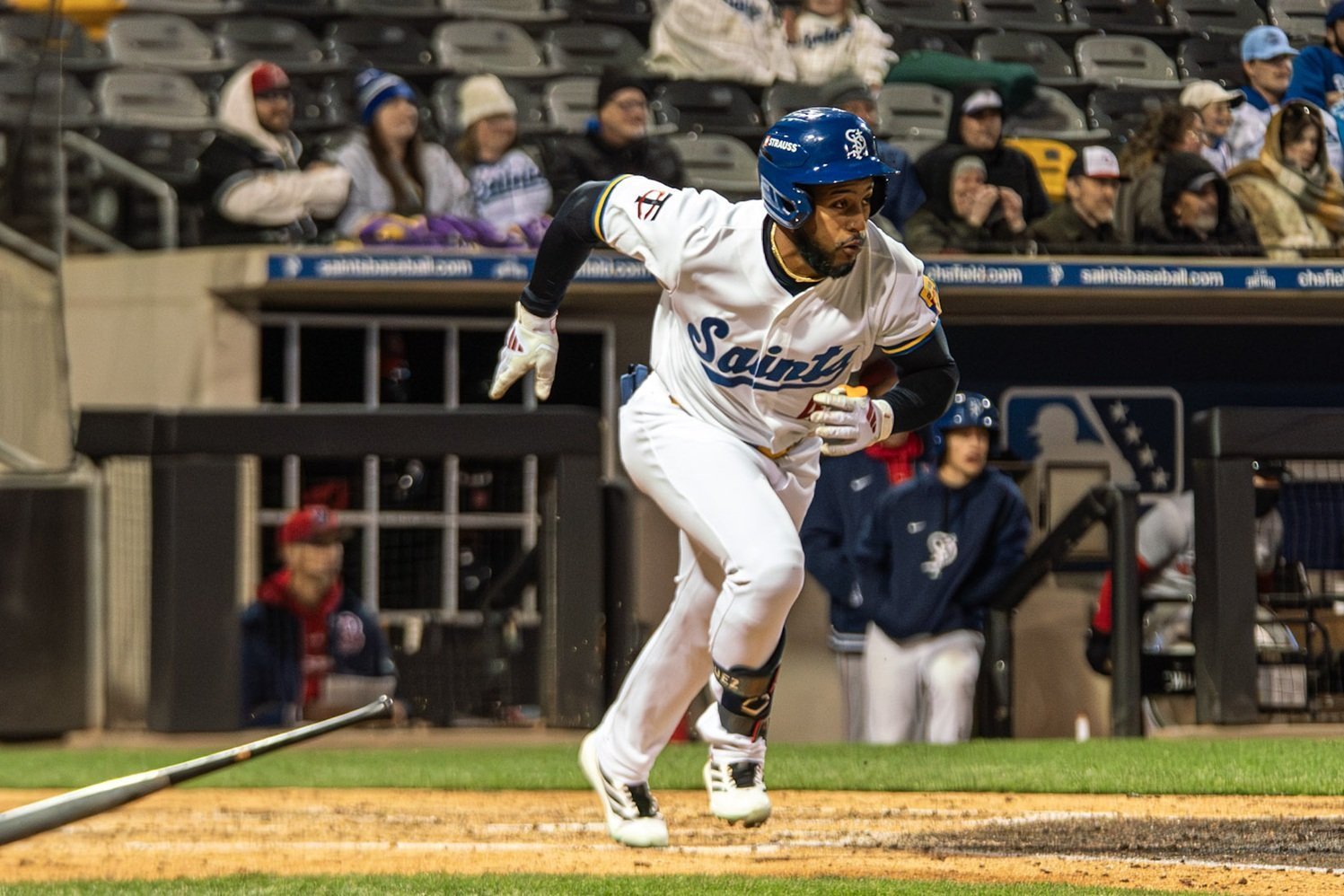 The minor-league season is quickly running out of runway. With the final games approaching, there isn't much time left for prospects and organizational depth pieces to make one last impression before the offseason arrives. For some players, September can provide an opportunity to earn a spot on the major-league roster. The expanded rosters of the past are gone, but the Twins still have a handful of decisions to make as they evaluate which players could help them down the stretch or potentially factor into next season's plans. This week's hot sheet features three St. Paul Saints who have made plenty of noise lately. Emmanuel Rodriguez is finally healthy and producing, Cody Morissette has transformed his offensive game since joining the organization, and Aaron Rozek continues to provide valuable pitching depth. Could one (or more) of them earn a September call-up? OF Emmanuel Rodriguez — St. Paul Saints How He Got Here: Ever since Rodriguez joined the Twins organization in July 2019 after signing for $2.5 million, the tools have been obvious. The bigger question has always been whether he could stay healthy long enough to show them consistently. That has been a difficult challenge. Rodriguez's career-high for games played in a season is just 99, set back in 2023. He dealt with a knee injury in 2022, an abdominal strain the following year, and a thumb injury in 2024. Last season brought another combination of thumb, hip and oblique injuries. Despite those setbacks, Rodriguez reached Triple-A at just 22 years old in 2025. He also performed well in the Dominican Winter League as he attempted to make up for some of the development time lost to injuries. Unfortunately, the injury bug returned this season. A torn ligament in his left thumb required surgery and kept him out for nearly three months. Hitting the Hot Button: Now that Rodriguez is finally back, he's wasting little time reminding everyone why he remains one of the more intriguing offensive players in the organization. He played six games for the Saints this week, going 7-for-25 (.280) with a double, triple, home run, four RBI and five walks. The highlight came Tuesday in Omaha, when Rodriguez hit for the cycle. More importantly, his production has been sustained since returning from the thumb injury. Over his last 21 games, Rodriguez has posted a .944 OPS while hitting five homers, three doubles and a triple. He's also swiped four bases. There's another important piece to this puzzle: Rodriguez is out of minor league options heading into next season. That means the Twins will eventually have to make a decision on him. If Rodriguez is healthy and producing, it makes plenty of sense for the organization to get a look at him in the majors before the season ends. INF Cody Morissette — St. Paul Saints How He Got Here: Morissette's path to St. Paul has been anything but straightforward. The former Boston College standout was selected by the Miami Marlins in the second round of the 2021 MLB Draft. He entered professional baseball viewed as a polished college hitter who could move quickly through the minor leagues. He eventually reached Triple-A, but consistent offensive production remained elusive. That culminated in a .660 OPS across the upper levels last season. Morissette began 2026 back in Miami's organization, but the Marlins released him in June. The Twins signed the New Hampshire native to a minor league contract on June 8. Since arriving in St. Paul, something has clicked. Hitting the Hot Button: Morissette has been on an absolute tear lately. He homered in four consecutive games this week, becoming just the second player in franchise history to accomplish the feat. The only other Saints player to homer in four straight games was Drew Maggi. That's impressive company, but Morissette isn't simply riding one hot stretch. Over his last 12 games, he's gone 15-for-48 (.313) with five home runs, two doubles and a 1.044 OPS. Since joining the Saints, Morissette has posted a 119 wRC+ across 60 games. That's a significant improvement from the offensive production that eventually led to his departure from the Marlins organization. The Twins weren't necessarily expecting to find an impact bat when they signed Morissette in June. But he's certainly giving the organization something to think about as the season winds down. SP Aaron Rozek — St. Paul Saints How He Got Here: Rozek took a much different route to professional baseball. He went undrafted out of Minnesota State University, Mankato and spent parts of two seasons pitching in independent leagues. Coming out of the pandemic, he signed with the Twins and quickly demonstrated that he could handle the organization's aggressive developmental approach. During his first season, Minnesota moved him from the rookie leagues all the way to Double-A. He finished that campaign with a 2.40 ERA and 74 strikeouts across 56 1/3 innings. Since 2023, Rozek has bounced between Double-A and Triple-A, filling whatever role the organization has needed. At times, he's provided starting depth. At other times, he's worked as a bulk reliever. Across six minor league seasons, Rozek owns a 4.27 ERA with 8.4 strikeouts and 2.8 walks per nine innings. Hitting the Hot Button: The Saints had been waiting a long time to see a starting pitcher put together a performance like this. Rozek finally delivered. For the first time in more than two years, a St. Paul starter completed six shutout innings. Rozek allowed just four hits while walking three and striking out three. The last Saints pitcher to throw at least six shutout innings was Louis Varland on August 3, 2024. Rozek has also been solid since moving up from Double-A. In 96 innings at Triple-A, he has posted a 3.84 ERA with a 19.1% strikeout rate and a 9.1% walk rate. He's probably not going to generate the same excitement as a top prospect, but that's not necessarily his role. The Twins need organizational pitching depth, and Rozek has repeatedly demonstrated an ability to provide it. Could Any of Them Get the Call? September is all about evaluation for a team that has already shifted its attention toward the future. Rodriguez might have the clearest path to a call-up. His combination of prospect pedigree, recent production and lack of minor league options makes him a particularly interesting candidate. Morissette is forcing his way into the conversation with his bat, while Rozek continues to prove that he can be trusted as depth on the pitching side. There are only so many games remaining to make an impression. These three Saints are certainly taking advantage of the opportunities they've been given. Will any of this trio make their MLB debuts in September? Leave a comment and start the discussion.
- 11 comments
-
- 6
-
-
- cody morissette
- emmanuel rodriguez
- (and 1 more)
-
Image courtesy of Peyton Vogel/Peyton Pics The minor-league season is quickly running out of runway. With the final games approaching, there isn't much time left for prospects and organizational depth pieces to make one last impression before the offseason arrives. For some players, September can provide an opportunity to earn a spot on the major-league roster. The expanded rosters of the past are gone, but the Twins still have a handful of decisions to make as they evaluate which players could help them down the stretch or potentially factor into next season's plans. This week's hot sheet features three St. Paul Saints who have made plenty of noise lately. Emmanuel Rodriguez is finally healthy and producing, Cody Morissette has transformed his offensive game since joining the organization, and Aaron Rozek continues to provide valuable pitching depth. Could one (or more) of them earn a September call-up? OF Emmanuel Rodriguez — St. Paul Saints How He Got Here: Ever since Rodriguez joined the Twins organization in July 2019 after signing for $2.5 million, the tools have been obvious. The bigger question has always been whether he could stay healthy long enough to show them consistently. That has been a difficult challenge. Rodriguez's career-high for games played in a season is just 99, set back in 2023. He dealt with a knee injury in 2022, an abdominal strain the following year, and a thumb injury in 2024. Last season brought another combination of thumb, hip and oblique injuries. Despite those setbacks, Rodriguez reached Triple-A at just 22 years old in 2025. He also performed well in the Dominican Winter League as he attempted to make up for some of the development time lost to injuries. Unfortunately, the injury bug returned this season. A torn ligament in his left thumb required surgery and kept him out for nearly three months. Hitting the Hot Button: Now that Rodriguez is finally back, he's wasting little time reminding everyone why he remains one of the more intriguing offensive players in the organization. He played six games for the Saints this week, going 7-for-25 (.280) with a double, triple, home run, four RBI and five walks. The highlight came Tuesday in Omaha, when Rodriguez hit for the cycle. More importantly, his production has been sustained since returning from the thumb injury. Over his last 21 games, Rodriguez has posted a .944 OPS while hitting five homers, three doubles and a triple. He's also swiped four bases. There's another important piece to this puzzle: Rodriguez is out of minor league options heading into next season. That means the Twins will eventually have to make a decision on him. If Rodriguez is healthy and producing, it makes plenty of sense for the organization to get a look at him in the majors before the season ends. INF Cody Morissette — St. Paul Saints How He Got Here: Morissette's path to St. Paul has been anything but straightforward. The former Boston College standout was selected by the Miami Marlins in the second round of the 2021 MLB Draft. He entered professional baseball viewed as a polished college hitter who could move quickly through the minor leagues. He eventually reached Triple-A, but consistent offensive production remained elusive. That culminated in a .660 OPS across the upper levels last season. Morissette began 2026 back in Miami's organization, but the Marlins released him in June. The Twins signed the New Hampshire native to a minor league contract on June 8. Since arriving in St. Paul, something has clicked. Hitting the Hot Button: Morissette has been on an absolute tear lately. He homered in four consecutive games this week, becoming just the second player in franchise history to accomplish the feat. The only other Saints player to homer in four straight games was Drew Maggi. That's impressive company, but Morissette isn't simply riding one hot stretch. Over his last 12 games, he's gone 15-for-48 (.313) with five home runs, two doubles and a 1.044 OPS. Since joining the Saints, Morissette has posted a 119 wRC+ across 60 games. That's a significant improvement from the offensive production that eventually led to his departure from the Marlins organization. The Twins weren't necessarily expecting to find an impact bat when they signed Morissette in June. But he's certainly giving the organization something to think about as the season winds down. SP Aaron Rozek — St. Paul Saints How He Got Here: Rozek took a much different route to professional baseball. He went undrafted out of Minnesota State University, Mankato and spent parts of two seasons pitching in independent leagues. Coming out of the pandemic, he signed with the Twins and quickly demonstrated that he could handle the organization's aggressive developmental approach. During his first season, Minnesota moved him from the rookie leagues all the way to Double-A. He finished that campaign with a 2.40 ERA and 74 strikeouts across 56 1/3 innings. Since 2023, Rozek has bounced between Double-A and Triple-A, filling whatever role the organization has needed. At times, he's provided starting depth. At other times, he's worked as a bulk reliever. Across six minor league seasons, Rozek owns a 4.27 ERA with 8.4 strikeouts and 2.8 walks per nine innings. Hitting the Hot Button: The Saints had been waiting a long time to see a starting pitcher put together a performance like this. Rozek finally delivered. For the first time in more than two years, a St. Paul starter completed six shutout innings. Rozek allowed just four hits while walking three and striking out three. The last Saints pitcher to throw at least six shutout innings was Louis Varland on August 3, 2024. Rozek has also been solid since moving up from Double-A. In 96 innings at Triple-A, he has posted a 3.84 ERA with a 19.1% strikeout rate and a 9.1% walk rate. He's probably not going to generate the same excitement as a top prospect, but that's not necessarily his role. The Twins need organizational pitching depth, and Rozek has repeatedly demonstrated an ability to provide it. Could Any of Them Get the Call? September is all about evaluation for a team that has already shifted its attention toward the future. Rodriguez might have the clearest path to a call-up. His combination of prospect pedigree, recent production and lack of minor league options makes him a particularly interesting candidate. Morissette is forcing his way into the conversation with his bat, while Rozek continues to prove that he can be trusted as depth on the pitching side. There are only so many games remaining to make an impression. These three Saints are certainly taking advantage of the opportunities they've been given. Will any of this trio make their MLB debuts in September? Leave a comment and start the discussion. View full article
-
On Monday, the Twins returned Joe Ryan from his rehab assignment and reinstated him from the 15-day injured list, officially putting one of their most important starting pitchers back on the active roster. To make room, Minnesota optioned right-handed reliever Garrett Acton to Triple-A St. Paul. Ryan's return comes at a time when the Twins don't have much left to play for in the standings, but there is still plenty of value in getting their All-Star right-hander back on the mound before the season comes to an end. Ryan completed a three-inning rehab start for St. Paul on Tuesday night in Omaha. He threw 42 pitches, with 29 finding the strike zone. He also threw roughly 10 additional pitches in the bullpen after completing his scheduled work. That was enough for the Twins to feel comfortable moving forward. Ryan also threw a bullpen session over the weekend in Chicago, and the organization ultimately gave him the green light to return to the roster for the team's series against Detroit. The Twins have a TBD scheduled for Monday’s afternoon game in Detroit, so Ryan could take that spot in the rotation. The rehab outing certainly wasn't perfect, but it accomplished what Ryan and the Twins wanted. He got back on the mound, worked through multiple innings and came out of the outing feeling good. Ryan's fastball velocity sat around 91-92 mph in Omaha. That's noticeably below the 93.4 mph average he has carried this season. For a pitcher like Ryan, whose effectiveness comes from command, deception and the ability to locate his pitches rather than overpower hitters, a drop in velocity is worth monitoring. The conditions in Omaha were extremely hot, and Ryan acknowledged that he wasn't trying to reach back for the same velocity he would during a regular-season Major League start. The goal was to work through his pitches and make sure his body responded well to the outing. More importantly, Ryan came away encouraged by the quality of his pitches. That's the part the Twins should care about most. And the Twins could certainly use him. Getting him back gives the organization another opportunity to evaluate what its pitching staff can look like heading into 2027. It also provides Ryan with a chance to finish his season on a positive note after an interrupted campaign. Acton's departure is the corresponding roster move. He appeared in seven games for Minnesota this season, allowing seven earned runs across 11 innings. He struck out 14 batters but also issued six walks. His numbers in Triple-A tell a different story. Acton owns a 2.55 ERA with 23 strikeouts and just eight walks across 17 2/3 innings for St. Paul. He has shown enough there to remain a potential bullpen option for the Twins, particularly as the organization continues evaluating its pitching depth. For now, though, the attention shifts back to Ryan. And after watching the Twins navigate the final stretch of the season without one of their best starters, that return can't come soon enough. View full rumor
-
Joe Ryan Returns to Twins, Garrett Acton Optioned
Cody Christie posted a rumor in Major League Notes
 On Monday, the Twins returned Joe Ryan from his rehab assignment and reinstated him from the 15-day injured list, officially putting one of their most important starting pitchers back on the active roster. To make room, Minnesota optioned right-handed reliever Garrett Acton to Triple-A St. Paul. Ryan's return comes at a time when the Twins don't have much left to play for in the standings, but there is still plenty of value in getting their All-Star right-hander back on the mound before the season comes to an end. Ryan completed a three-inning rehab start for St. Paul on Tuesday night in Omaha. He threw 42 pitches, with 29 finding the strike zone. He also threw roughly 10 additional pitches in the bullpen after completing his scheduled work. That was enough for the Twins to feel comfortable moving forward. Ryan also threw a bullpen session over the weekend in Chicago, and the organization ultimately gave him the green light to return to the roster for the team's series against Detroit. The Twins have a TBD scheduled for Monday’s afternoon game in Detroit, so Ryan could take that spot in the rotation. The rehab outing certainly wasn't perfect, but it accomplished what Ryan and the Twins wanted. He got back on the mound, worked through multiple innings and came out of the outing feeling good. Ryan's fastball velocity sat around 91-92 mph in Omaha. That's noticeably below the 93.4 mph average he has carried this season. For a pitcher like Ryan, whose effectiveness comes from command, deception and the ability to locate his pitches rather than overpower hitters, a drop in velocity is worth monitoring. The conditions in Omaha were extremely hot, and Ryan acknowledged that he wasn't trying to reach back for the same velocity he would during a regular-season Major League start. The goal was to work through his pitches and make sure his body responded well to the outing. More importantly, Ryan came away encouraged by the quality of his pitches. That's the part the Twins should care about most. And the Twins could certainly use him. Getting him back gives the organization another opportunity to evaluate what its pitching staff can look like heading into 2027. It also provides Ryan with a chance to finish his season on a positive note after an interrupted campaign. Acton's departure is the corresponding roster move. He appeared in seven games for Minnesota this season, allowing seven earned runs across 11 innings. He struck out 14 batters but also issued six walks. His numbers in Triple-A tell a different story. Acton owns a 2.55 ERA with 23 strikeouts and just eight walks across 17 2/3 innings for St. Paul. He has shown enough there to remain a potential bullpen option for the Twins, particularly as the organization continues evaluating its pitching depth. For now, though, the attention shifts back to Ryan. And after watching the Twins navigate the final stretch of the season without one of their best starters, that return can't come soon enough.
 -
What Happens After the Twins Draft a Player?
Cody Christie posted a topic in Twins Minor League Talk
Image courtesy of William Parmeter For a young baseball player, hearing his name called in the MLB Draft is the culmination of years of work. But for the Minnesota Twins, it is only the beginning. The modern draft calendar has changed the way organizations handle their newest players. Draft picks are arriving later than they did under previous schedules, yet they are also getting into games sooner. That leaves organizations with a shrinking window to introduce players to professional baseball before sending them onto the field. For the Twins, that means the traditional Draft Camp experience has become more condensed. So, what actually happens once a newly drafted player arrives in Fort Myers? On a recent episode of Inside Twins, Twins Director of Player Development Drew MacPhail provided some insight into how the organization handles that transition. While the process differs between position players and pitchers, the overarching goal is the same: make players comfortable, educate them on the organization's philosophies, and then let them play. Hitters The first priority isn't necessarily mechanics, swing changes or statistical development. It's making sure a player feels like he belongs. "I think the priority is 1.) when they get into the system and they arrive at the complex, making them feel comfortable," MacPhail said. "Letting them know they belong and we're excited to have them in the system." That's an important first step for players who have spent their entire lives playing amateur baseball. Suddenly, they are entering a professional organization with new coaches, new teammates, new terminology and an entirely different level of expectations. The Twins use the first portion of that process to introduce players to the organization. "It's really about educating them on some of our philosophies within player development whether their pitchers or position players," MacPhail explained. MacPhail discussed that the first week can feel a little like going back to school. "We always joke that that first week is going to feel a little bit more like school," he said. "I'm sure they are pretty over school and ready to play baseball full-time professionally, but honestly, that's kind of what it looks like. It's a lot of presentations and walking the guys through some of the resources we have available and at our disposal." That classroom portion doesn't last forever. Interestingly, the organization has found that many players don't require as much physical preparation as one might expect. "A lot of these guys are really prepared when they enter the system," MacPhail said. "They have been working out at facilities whether that is at their colleges or an agency, so we've actually been pleasantly surprised at how built up these players are when they arrive." That allows the Twins to get position players into games relatively quickly. And once they are there, the organization doesn't want to overwhelm them with instructions. "We let them know is: 'We drafted you for a reason,'" MacPhail said. "So we want them to be confident in their abilities, kind of take some of the information we are giving them, apply it to their game, and ultimately performance is our North Star." The Twins aren't drafting players and immediately attempting to rebuild them from the ground up. They have already identified qualities they like, whether that's a hitter's bat speed, defensive ability, athleticism or offensive upside. Now, they want to see those traits play against professional competition. "We really are pretty hands off with the guys and let them go out and compete, play in games, especially the position players that go and play," MacPhail said. The games eventually become part of the evaluation process. "Then once we get a solid sample of performance, we let the games give us feedback," MacPhail said. "Then we bring that performance, those outcomes, to the player and work on a player plan kind of going into their first professional offseason." That process will be particularly interesting to follow with this year's draft class. Vahn Lackey and Carson Tinney are two of the hitters tied to the Twins' hopes for immediate production from the class. Rather than spending an extended period of time in instructional settings, the Twins want those players to get onto the field, compete and begin creating a professional track record. The organization can then use those results to determine what comes next. For hitters, that means the first professional games can serve as an important introduction to what the Twins believe they can become. Pitchers The approach is different for pitchers. The Twins' newest arms are already at the organization's Fort Myers complex, but fans shouldn't expect to see most of them taking the mound in official games this season. That's by design. "With our pitchers, we tend to be a little more conservative and just have them build up," MacPhail said. The physical demands of pitching make the transition from amateur baseball to professional baseball more complicated. Rather than rushing a pitcher into game action simply because the calendar allows it, the Twins can use the remainder of the year to establish a foundation. There are exceptions. "For the most part, we do have a couple guys that if they have been pitching in the MLB Dream League that we might get one or two innings at the end of the Low-A season," MacPhail said. But that isn't the expectation for most of the organization's higher-round selections. Instead, the Twins want those pitchers to build efficiently and enter next year prepared for their first full professional season. "For the most part, especially with those higher round draft picks, we tend to prioritize them building up efficiently, building up to lives, shutting down early in the offseason so we can then build them back up in October," MacPhail said. That process gives the organization an opportunity to establish a throwing program without immediately piling professional game innings onto a young arm. The goal is to get pitchers through their first professional offseason the right way. That includes "their first full professional offseason of lifting, throwing program, and ultimately entering early spring training camp," MacPhail said, before adding that the goal is to get them ready "for their first full professional season." The Twins are thinking about 2027 and beyond. That patience can be difficult for fans to see. A high draft pick arriving in Fort Myers creates natural excitement, and there is an understandable desire to watch that player compete immediately. But pitching development isn't always about getting a player into games as quickly as possible. Sometimes, the most important work is happening behind the scenes. The First Step in a Long Process The draft is often treated as the finish line for amateur players. For the Twins, it's the starting point. The organization has less time than ever before to get its newest players acclimated to professional baseball, but the process remains fairly straightforward. Make them comfortable. Educate them. Build them up. Let them compete. Then use the results to determine what comes next. For hitters, that can mean getting into games relatively quickly and allowing professional competition to provide the first real feedback. For pitchers, it often means taking a more measured approach and using the rest of the year to build a foundation for the following season. Ultimately, the Twins don't need their newest draft picks to prove everything immediately. They just need to give them the tools and environment to begin figuring out why the organization selected them in the first place. "We drafted you for a reason," MacPhail said. That's the message the Twins want their newest players to hear from the moment they walk through the doors. The development process can then begin. What stands out about how the Twins handle their recently drafted players? Leave a comment and start the discussion. View full article -
Image courtesy of Wichita Wind Surge There is a temptation to look at a catcher’s defensive development through one statistic. For Khadim Diaw, that statistic does not tell the entire story. The Minnesota Twins catching prospect has allowed 123 stolen bases this season while throwing out just 10 runners. That eight-percent caught-stealing rate is difficult to overlook, particularly for a player whose long-term future could be tied to his ability to remain behind the plate. But within the Twins organization, there is a much different evaluation of Diaw's defensive progress. On a recent episode of Inside Twins, Twins Director of Player Development Drew MacPhail offered significant praise for the work Diaw has done behind the plate this season. “He’s made even more strides defensively,” MacPhail said. “He came in pretty raw and he’s grading now as one of our best receivers in the system.” That is a noteworthy development for a player who entered professional baseball with plenty of offensive intrigue but needed considerable refinement defensively. Diaw is showing that refinement. The Defensive Transformation Diaw was never viewed as a finished product when the Twins selected him in the third round of the 2024 MLB Draft. His athleticism was one of his most intriguing traits. He moves well for a catcher and possesses enough athletic ability to spend time in the outfield, giving the organization some flexibility in how it deploys him. But catching is still the priority. The Twins have invested considerable time into making Diaw a better receiver and improving the physical tools that come with playing the position. That includes his throwing arm. “I think a big thing as well has been working on his arm strength,” MacPhail said. “He’s done a really nice job of that with both our pitching coordinator and our catching coordinator, Tucker Frawley, to being on an offseason program to work on his arm strength.” The stolen-base numbers suggest there is still work to be done. But receiving is about far more than controlling the running game. Framing, presentation, blocking, preparation and working with a pitching staff all contribute to a catcher’s defensive value. Diaw appears to be making meaningful progress in those areas. The Bat Has Continued to Play Diaw is not simply surviving his first exposure to Double-A pitching. He is thriving against it. Diaw began the 2026 season with High-A Cedar Rapids, where he hit .300/.405/.454 with an .859 OPS and a 127 wRC+. That earned him a promotion to Wichita. The move up the organizational ladder did not cause his offensive production to disappear. Through his first 40 games with the Wind Surge, Diaw posted a .312/.432/.422 line over that stretch in one of the most challenging environments of his professional career, producing a 128 wRC+. Andrew Cresci, the hitting coach at Double-A Wichita, also praised Diaw's preparation and attention to detail. “Double-A is probably the biggest jump they'll make until they go to the big leagues, just in terms of the quality of the pitching,” Cresci said. “He did an excellent job. The guy is a perfectionist in his attention to detail. I can definitely appreciate his work in the cage and his preparation.” Perhaps even more encouraging was his plate discipline. Diaw drew 23 walks while striking out just 18 times. That is a remarkable ratio for a young catcher adjusting to Double-A pitching. Diaw has always possessed an advanced understanding of the strike zone. He posted an 11.8% walk rate in 2025, and his ability to get on base has continued into his second professional season. There is another number that has helped him reach base, too. He gets hit. A lot. Diaw was hit by a pitch 18 times during his first full professional season. Through 98 games in 2026, he has already been plunked 19 times, including 11 times at Double-A. Some of that is likely a byproduct of his willingness to work deep into counts and his aggressive approach to getting on base. But there is a bigger point here. When Diaw is healthy and in the lineup, he has consistently hit. Finding More Power The question has never necessarily been whether Diaw can hit. It has been how much damage he can create. Diaw is likely always going to be a hit-over-power offensive player. His approach is built around contact, controlling the strike zone and doing damage early in counts rather than selling out for power. Still, the Twins have seen signs that there could be more pop coming. Diaw made swing changes during his second professional season, including adjustments designed to unlock more power to his pull side. His Pull% has increased by 6.4% this season His power numbers have dipped since his promotion to Double-A (his slugging percentage dropped 30 points), but some of the underlying contact metrics have moved in the right direction. He had a 17-game hit streak from July 11 to August 8th that was the longest in the Texas League this season. In the streak, he batted .373 (25-for-67) with 12 runs scored, 2 home runs and 6 RBI. Diaw fell one game short of the franchise record for the longest streak. A player who already has the ability to make consistent contact, avoid strikeouts and draw walks becomes considerably more interesting if he can add even modest additional power. The goal isn't necessarily to turn Diaw into a 25-home-run catcher. It is to make pitchers pay more often when they enter the strike zone. A Catcher Worth Watching There are still legitimate questions surrounding Diaw. The stolen-base numbers cannot simply be ignored. His arm strength needs to continue developing, and the offensive power remains more projection than certainty. But his trajectory is changing. Diaw entered professional baseball as an athletic catcher with an advanced offensive approach who needed significant defensive development. Now, the Twins believe he is one of their better receivers. His offensive profile makes the development even more intriguing. A catcher who can hit for average, control the strike zone, avoid strikeouts and consistently reach base already has a foundation. If the swing changes continue to produce better contact quality and more power, his offensive ceiling rises. Ultimately, Diaw's trajectory will depend on whether the defensive improvements continue to catch up with his offensive ability. The Twins clearly believe that process is moving in the right direction. And if the work behind the plate eventually matches what the organization already sees from his bat, Diaw could become much more than another piece of catching depth. He could become a legitimate part of Minnesota's long-term catching picture. What stands out about Diaw in 2026? Leave a comment and start the discussion. View full article
-
How Khadim Diaw is Changing His Catching Trajectory
Cody Christie posted an article in Minor Leagues
 There is a temptation to look at a catcher’s defensive development through one statistic. For Khadim Diaw, that statistic does not tell the entire story. The Minnesota Twins catching prospect has allowed 123 stolen bases this season while throwing out just 10 runners. That eight-percent caught-stealing rate is difficult to overlook, particularly for a player whose long-term future could be tied to his ability to remain behind the plate. But within the Twins organization, there is a much different evaluation of Diaw's defensive progress. On a recent episode of Inside Twins, Twins Director of Player Development Drew MacPhail offered significant praise for the work Diaw has done behind the plate this season. “He’s made even more strides defensively,” MacPhail said. “He came in pretty raw and he’s grading now as one of our best receivers in the system.” That is a noteworthy development for a player who entered professional baseball with plenty of offensive intrigue but needed considerable refinement defensively. Diaw is showing that refinement. The Defensive Transformation Diaw was never viewed as a finished product when the Twins selected him in the third round of the 2024 MLB Draft. His athleticism was one of his most intriguing traits. He moves well for a catcher and possesses enough athletic ability to spend time in the outfield, giving the organization some flexibility in how it deploys him. But catching is still the priority. The Twins have invested considerable time into making Diaw a better receiver and improving the physical tools that come with playing the position. That includes his throwing arm. “I think a big thing as well has been working on his arm strength,” MacPhail said. “He’s done a really nice job of that with both our pitching coordinator and our catching coordinator, Tucker Frawley, to being on an offseason program to work on his arm strength.” The stolen-base numbers suggest there is still work to be done. But receiving is about far more than controlling the running game. Framing, presentation, blocking, preparation and working with a pitching staff all contribute to a catcher’s defensive value. Diaw appears to be making meaningful progress in those areas. The Bat Has Continued to Play Diaw is not simply surviving his first exposure to Double-A pitching. He is thriving against it. Diaw began the 2026 season with High-A Cedar Rapids, where he hit .300/.405/.454 with an .859 OPS and a 127 wRC+. That earned him a promotion to Wichita. The move up the organizational ladder did not cause his offensive production to disappear. Through his first 40 games with the Wind Surge, Diaw posted a .312/.432/.422 line over that stretch in one of the most challenging environments of his professional career, producing a 128 wRC+. Andrew Cresci, the hitting coach at Double-A Wichita, also praised Diaw's preparation and attention to detail. “Double-A is probably the biggest jump they'll make until they go to the big leagues, just in terms of the quality of the pitching,” Cresci said. “He did an excellent job. The guy is a perfectionist in his attention to detail. I can definitely appreciate his work in the cage and his preparation.” Perhaps even more encouraging was his plate discipline. Diaw drew 23 walks while striking out just 18 times. That is a remarkable ratio for a young catcher adjusting to Double-A pitching. Diaw has always possessed an advanced understanding of the strike zone. He posted an 11.8% walk rate in 2025, and his ability to get on base has continued into his second professional season. There is another number that has helped him reach base, too. He gets hit. A lot. Diaw was hit by a pitch 18 times during his first full professional season. Through 98 games in 2026, he has already been plunked 19 times, including 11 times at Double-A. Some of that is likely a byproduct of his willingness to work deep into counts and his aggressive approach to getting on base. But there is a bigger point here. When Diaw is healthy and in the lineup, he has consistently hit. Finding More Power The question has never necessarily been whether Diaw can hit. It has been how much damage he can create. Diaw is likely always going to be a hit-over-power offensive player. His approach is built around contact, controlling the strike zone and doing damage early in counts rather than selling out for power. Still, the Twins have seen signs that there could be more pop coming. Diaw made swing changes during his second professional season, including adjustments designed to unlock more power to his pull side. His Pull% has increased by 6.4% this season His power numbers have dipped since his promotion to Double-A (his slugging percentage dropped 30 points), but some of the underlying contact metrics have moved in the right direction. He had a 17-game hit streak from July 11 to August 8th that was the longest in the Texas League this season. In the streak, he batted .373 (25-for-67) with 12 runs scored, 2 home runs and 6 RBI. Diaw fell one game short of the franchise record for the longest streak. A player who already has the ability to make consistent contact, avoid strikeouts and draw walks becomes considerably more interesting if he can add even modest additional power. The goal isn't necessarily to turn Diaw into a 25-home-run catcher. It is to make pitchers pay more often when they enter the strike zone. A Catcher Worth Watching There are still legitimate questions surrounding Diaw. The stolen-base numbers cannot simply be ignored. His arm strength needs to continue developing, and the offensive power remains more projection than certainty. But his trajectory is changing. Diaw entered professional baseball as an athletic catcher with an advanced offensive approach who needed significant defensive development. Now, the Twins believe he is one of their better receivers. His offensive profile makes the development even more intriguing. A catcher who can hit for average, control the strike zone, avoid strikeouts and consistently reach base already has a foundation. If the swing changes continue to produce better contact quality and more power, his offensive ceiling rises. Ultimately, Diaw's trajectory will depend on whether the defensive improvements continue to catch up with his offensive ability. The Twins clearly believe that process is moving in the right direction. And if the work behind the plate eventually matches what the organization already sees from his bat, Diaw could become much more than another piece of catching depth. He could become a legitimate part of Minnesota's long-term catching picture. What stands out about Diaw in 2026? Leave a comment and start the discussion.
 -
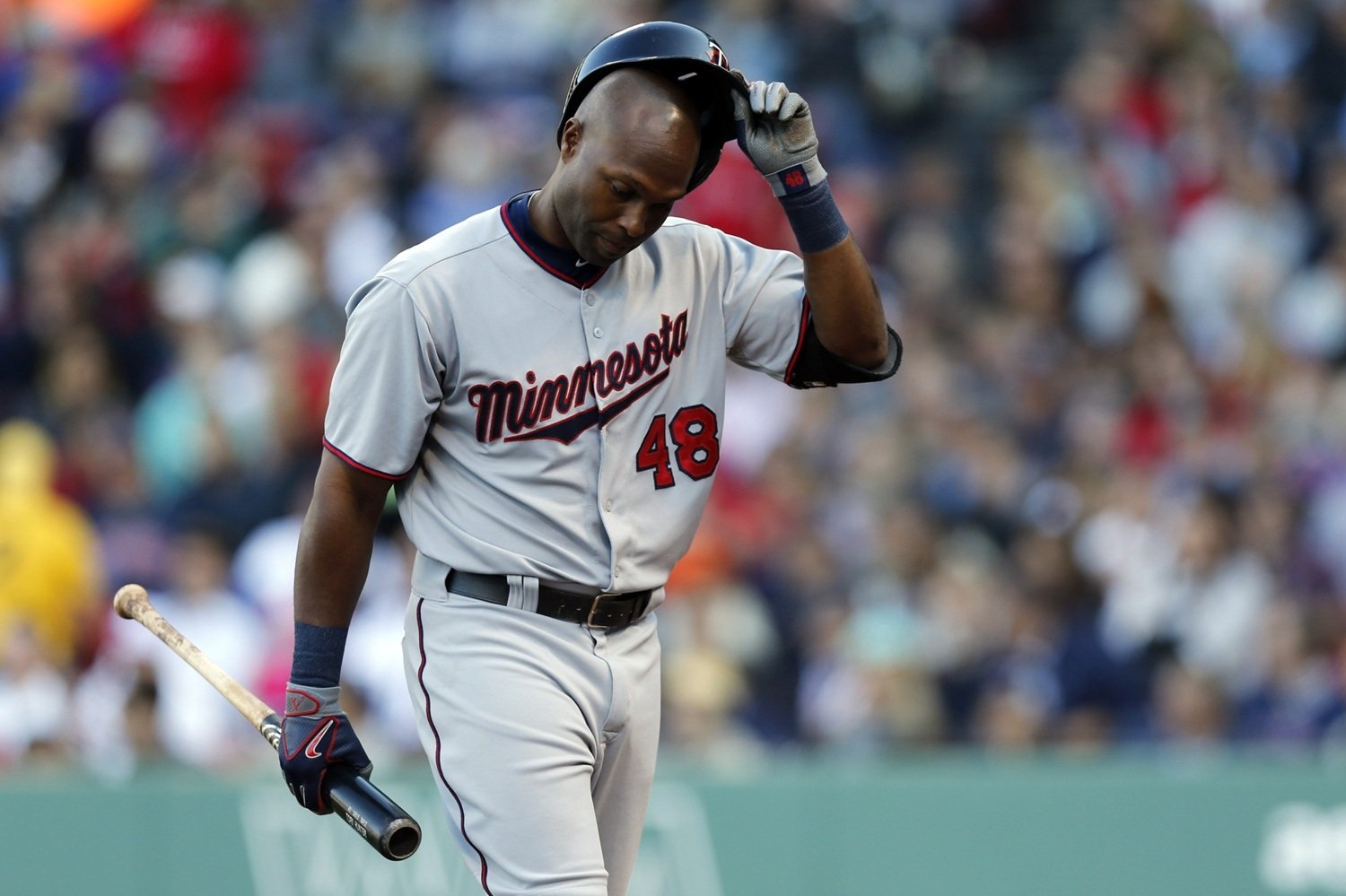 Torii Hunter had one final decision to make in the winter of 2014. After spending the first 11 seasons of his career with the Minnesota Twins, Hunter had already established himself as one of the most important players of his generation. He had left Minnesota as a free agent following the 2007 season, built an All-Star-caliber career with the Los Angeles Angels and Detroit Tigers, and reached the postseason multiple times. At age 39, though, Hunter had to decide where he wanted to play his final season. The Twins wanted him back. So did the Kansas City Royals, who were coming off a trip to the World Series. Looking back more than a decade later, Hunter still wonders what might have happened if he had chosen differently. Hunter recently appeared on the To The Majors podcast with Kevin Pillar and Cody Allen, where he revealed just how seriously he considered joining Kansas City. “I had a decision to make, and guess what the decision was: should I go to the Royals, or should I go to the Twins?” Hunter said. On paper, the Royals certainly presented an appealing option. Kansas City had just reached the World Series in 2014 and had a young core that looked capable of competing for years. Eric Hosmer, Mike Moustakas and Lorenzo Cain were emerging stars, while Alex Gordon remained one of the game's better two-way outfielders. Still, the Twins found a way to make their pitch more personal. One Last Chapter in Minnesota Hunter's relationship with the Twins was complicated. Minnesota drafted him in the first round of the 1993 MLB Draft, and he eventually became one of the most recognizable players in franchise history. But after the 2007 season, the Twins allowed him to leave in free agency. Hunter signed with the Angels and continued to thrive. When the opportunity came to return to Minnesota seven years later, there was understandably some hesitation. Hunter mentioned in the podcast that his wife didn't want to go back to Minnesota after the way his first tenure ended. Hunter also had a legitimate chance to join a Royals team that had just played for a championship. Then Mike Herman, who was part of the Twins' communications staff during Hunter's original Twins tenure, gave Hunter another reason to come home. He told Hunter that one more season with Minnesota could help cement his legacy among the franchise's all-time leaders. That argument worked. “He was like, ‘Hey, come back, and you’ve got an opportunity to be in the top five in every category with the Twins, and you’ll go down in history or whatever. And we love you,’” Hunter recalled. The Twins weren't simply selling him on another season of baseball. They were selling him on the chance to finish his career where it started. Hunter ultimately chose Minnesota. And while the 2015 Twins didn't reach the postseason, Hunter had a productive final season. He hit .286 with 22 doubles, 22 home runs and 81 RBIs while providing the veteran presence expected from a player entering his age-40 season. More importantly, he got the ending he wanted. Hunter retired as a Twin. The Part That Still Bugs Him There was just one problem. The Twins came remarkably close to making the postseason that year. Minnesota entered the final weekend of the 2015 season with a chance to secure an American League Wild Card spot. The Royals were also waiting at Target Field, having already established themselves as one of the American League's best teams. Then everything fell apart for the Twins. Kansas City swept Minnesota. The Royals secured the top seed in the American League, while the Twins watched their postseason hopes disappear. Kansas City eventually went all the way, defeating the New York Mets in the World Series. And that is where Hunter's alternate-history question comes into play. “If I would have chose the Royals, would I have won my World Series?” Hunter said. It's an understandable question. Hunter reached the postseason eight times during his career but never won a championship. He had plenty of opportunities, including multiple playoff runs with the Angels and Tigers, but a World Series ring remained missing from his résumé. Had he signed with Kansas City, Hunter could have been part of the team that finally broke through. Instead, he spent his final season chasing the Twins' playoff dream. And that dream ended at the hands of the very team he could have joined. The Right Decision for the Wrong Outcome? There is no way to know whether Hunter would have won a championship with Kansas City. Baseball doesn't work that way. One player doesn't guarantee a World Series, and an alternate decision can create an entirely different series of events. But from the Twins' perspective, Hunter's story is still significant. Minnesota wasn't the obvious baseball choice in that winter. The Royals had just reached the World Series, while the Twins were coming off a 92-loss season in 2014. Yet, the Twins had something Kansas City couldn't offer. They could give Hunter the opportunity to finish his career where it began. Hunter took that opportunity. He got to play in the new Target Field, a stadium that had been little more than a plan when he left Minnesota. He got to return to the clubhouse, reconnect with the organization, and officially retire as a member of the Twins. More than a decade later, Hunter can still wonder about the alternate ending. For Twins fans, though, there is something fitting about how it actually played out. Hunter started his career in Minnesota. He became a star in Minnesota. He left, built a borderline Hall of Fame-caliber résumé elsewhere and then came back for one final season. And when he walked away from the game, he did so wearing a Twins uniform. The World Series ring never came. But Hunter's place in Twins history was secure. What stands out about Hunter’s decision? Would the Twins have been better or worse without him in 2015? Leave a comment and start the discussion,


