Cody Christie
-
Posts
7,791 -
Joined
-
Last visited
-
Days Won
5
Content Type
Profiles
News
Minnesota Twins Videos
2026 Minnesota Twins Top Prospects Ranking
2022 Minnesota Twins Draft Picks
Minnesota Twins Free Agent & Trade Rumors, Notes, & Tidbits
Guides & Resources
2023 Minnesota Twins Draft Picks
The Minnesota Twins Players Project
2024 Minnesota Twins Draft Picks
2025 Minnesota Twins Draft Pick Tracker
2026 Minnesota Twins Draft Tracker: Picks & Bonuses
Forums
Blogs
Events
Store
Downloads
Gallery
Everything posted by Cody Christie
-

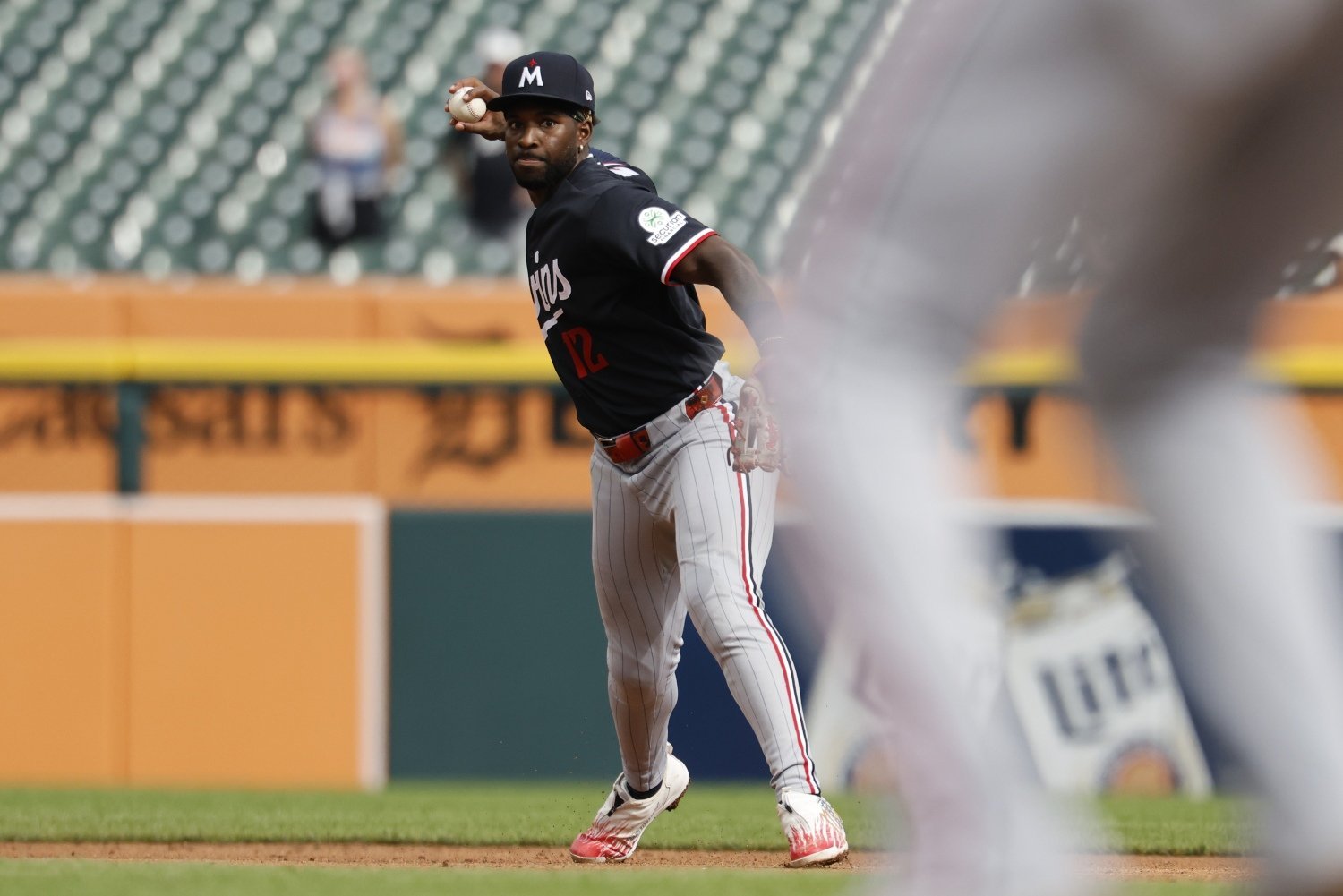 Kaelen Culpepper's rookie season may not be over just yet. According to Bobby Nightengale Jr. of the Star Tribune, Culpepper has been doing baseball activities at Target Field while the Twins are on their current road trip. The rookie shortstop is scheduled to run the bases Thursday, and if everything goes according to plan, he could be activated from the 10-day injured list for the final two games of the season. That would give Culpepper one more opportunity to put a finishing touch on what has been an encouraging first look at the major-league level. Culpepper was placed on the 10-day IL after suffering a mild left hamstring strain during Tuesday's game against the New York Yankees. He tweaked the hamstring in the sixth inning while running out a ground ball, and an MRI the following morning confirmed the strain. The Twins recalled infielder Ben Ross from Triple-A St. Paul to take Culpepper's spot on the active roster. When the injury happened, manager Derek Shelton left the door open for Culpepper to return before the end of the season. The timing was always going to make that difficult, though. With the season nearly finished, a return would mean Culpepper could play in only the final two games. Now, that possibility appears to be becoming more realistic. Culpepper has provided plenty of reasons for the Twins to want to see more of him. The 23-year-old has hit .275/.333/.404 across 31 games, collecting three home runs, five doubles and 11 RBIs. More importantly, he has looked comfortable defensively at shortstop, grading out as an above-average defender up the middle. There is still plenty for Culpepper to learn at the plate and in the field. Thirty-one games is hardly enough time to make sweeping conclusions about a young player's long-term future. Still, his performance has given the Twins another important piece to consider as they build toward 2027. That is what makes these final two games potentially meaningful for Culpepper. If he can get through Thursday's running without any setbacks, the Twins could give their rookie shortstop a chance to get back on the field before the season ends. Even a handful of plate appearances would allow him to finish his first major-league season on his own terms rather than watching from the injured list. For a Twins team already looking toward the next chapter, getting Culpepper back would be a small but important development. Ending the year healthy, productive and back at shortstop would give the organization another positive reason to feel encouraged about what comes next.
 -
Kaelen Culpepper's rookie season may not be over just yet. According to Bobby Nightengale Jr. of the Star Tribune, Culpepper has been doing baseball activities at Target Field while the Twins are on their current road trip. The rookie shortstop is scheduled to run the bases Thursday, and if everything goes according to plan, he could be activated from the 10-day injured list for the final two games of the season. That would give Culpepper one more opportunity to put a finishing touch on what has been an encouraging first look at the major-league level. Culpepper was placed on the 10-day IL after suffering a mild left hamstring strain during Tuesday's game against the New York Yankees. He tweaked the hamstring in the sixth inning while running out a ground ball, and an MRI the following morning confirmed the strain. The Twins recalled infielder Ben Ross from Triple-A St. Paul to take Culpepper's spot on the active roster. When the injury happened, manager Derek Shelton left the door open for Culpepper to return before the end of the season. The timing was always going to make that difficult, though. With the season nearly finished, a return would mean Culpepper could play in only the final two games. Now, that possibility appears to be becoming more realistic. Culpepper has provided plenty of reasons for the Twins to want to see more of him. The 23-year-old has hit .275/.333/.404 across 31 games, collecting three home runs, five doubles and 11 RBIs. More importantly, he has looked comfortable defensively at shortstop, grading out as an above-average defender up the middle. There is still plenty for Culpepper to learn at the plate and in the field. Thirty-one games is hardly enough time to make sweeping conclusions about a young player's long-term future. Still, his performance has given the Twins another important piece to consider as they build toward 2027. That is what makes these final two games potentially meaningful for Culpepper. If he can get through Thursday's running without any setbacks, the Twins could give their rookie shortstop a chance to get back on the field before the season ends. Even a handful of plate appearances would allow him to finish his first major-league season on his own terms rather than watching from the injured list. For a Twins team already looking toward the next chapter, getting Culpepper back would be a small but important development. Ending the year healthy, productive and back at shortstop would give the organization another positive reason to feel encouraged about what comes next. View full rumor
-
 The Minnesota Twins are continuing to reshape their front office. According to Bobby Nightengale Jr. of the Star Tribune, assistant general manager Daniel Adler is no longer with the organization. A source confirmed that the two sides mutually agreed to part ways, bringing an end to Adler’s nearly 10-year run with the Twins. Adler joined Minnesota in 2017 as the club’s director of baseball operations. He was promoted to assistant general manager in November 2019, moved up to vice president in 2021 and became an executive vice president in February 2025. His responsibilities eventually stretched well beyond traditional baseball operations, as he worked on both the baseball and business sides of the organization. On the baseball side, Adler oversaw areas including research and development, salary arbitration and rules compliance while remaining involved in roster construction, player acquisition, player development and athletic performance. His business responsibilities included information technology, human resources and business strategy and analytics. That makes his departure another notable change for an organization that has already undergone a significant leadership transition in 2026. The Twins parted ways with Derek Falvey earlier this year, leaving Jeremy Zoll to oversee baseball operations as the team's general manager. At the time, Zoll said the organization was still working through how responsibilities would be structured, while identifying Adler, Alex Hassan and Josh Kalk as key members of the leadership group. Now, one of those three assistant general managers is gone. Adler's background made him an unusual and highly qualified member of the Twins' front office. Before joining Minnesota, he worked for Boston Consulting Group and launched the Jacksonville Jaguars' football research department. He also spent time interning with Major League Baseball's labor relations department. Adler earned an economics degree, law degree and MBA from Harvard. The timing also creates an interesting opportunity for Adler. With his extensive experience across analytics, roster construction, arbitration and organizational strategy, he could draw interest from other clubs searching for front-office leadership. Houston, Anaheim and Sacramento are among the organizations with general manager openings, although it remains to be seen whether Adler will pursue one of those opportunities. For the Twins, the more immediate question is what comes next. Zoll is now firmly in charge of baseball operations, and Minnesota has already begun reshaping its leadership structure following Falvey's departure. Adler's exit adds another major piece to that transformation. The Twins' front office is going to look considerably different when the 2027 season begins.
- 31 comments
-
- 2
-

-
- daniel adler
- jeremy zoll
- (and 1 more)
-
The Minnesota Twins are continuing to reshape their front office. According to Bobby Nightengale Jr. of the Star Tribune, assistant general manager Daniel Adler is no longer with the organization. A source confirmed that the two sides mutually agreed to part ways, bringing an end to Adler’s nearly 10-year run with the Twins. Adler joined Minnesota in 2017 as the club’s director of baseball operations. He was promoted to assistant general manager in November 2019, moved up to vice president in 2021 and became an executive vice president in February 2025. His responsibilities eventually stretched well beyond traditional baseball operations, as he worked on both the baseball and business sides of the organization. On the baseball side, Adler oversaw areas including research and development, salary arbitration and rules compliance while remaining involved in roster construction, player acquisition, player development and athletic performance. His business responsibilities included information technology, human resources and business strategy and analytics. That makes his departure another notable change for an organization that has already undergone a significant leadership transition in 2026. The Twins parted ways with Derek Falvey earlier this year, leaving Jeremy Zoll to oversee baseball operations as the team's general manager. At the time, Zoll said the organization was still working through how responsibilities would be structured, while identifying Adler, Alex Hassan and Josh Kalk as key members of the leadership group. Now, one of those three assistant general managers is gone. Adler's background made him an unusual and highly qualified member of the Twins' front office. Before joining Minnesota, he worked for Boston Consulting Group and launched the Jacksonville Jaguars' football research department. He also spent time interning with Major League Baseball's labor relations department. Adler earned an economics degree, law degree and MBA from Harvard. The timing also creates an interesting opportunity for Adler. With his extensive experience across analytics, roster construction, arbitration and organizational strategy, he could draw interest from other clubs searching for front-office leadership. Houston, Anaheim and Sacramento are among the organizations with general manager openings, although it remains to be seen whether Adler will pursue one of those opportunities. For the Twins, the more immediate question is what comes next. Zoll is now firmly in charge of baseball operations, and Minnesota has already begun reshaping its leadership structure following Falvey's departure. Adler's exit adds another major piece to that transformation. The Twins' front office is going to look considerably different when the 2027 season begins. View full rumor
- 31 replies
-
- 1
-

-
- daniel adler
- jeremy zoll
- (and 1 more)
-
Image courtesy of Denis Poroy-Imagn Images Bailey Ober's 2026 season hasn't gone to plan. The right-hander has battled through a noticeable decline in velocity, and the results have been middling. There have been stretches where Ober hasn't looked like the pitcher Twins fans became accustomed to seeing over the previous several seasons. That doesn't mean his entire body of work should be forgotten, though—particularly if this weekend is the last time he dons the home uniform at Target Field. Ober has quietly become one of the better starting pitchers the Twins have developed over the last two decades. His career hasn't followed the traditional path of a highly-touted prospect becoming a frontline starter. Instead, he went from a 12th-round pick with limited expectations to a reliable big-league starter who ranks near the top of the organization's pitching leaderboard. His 2026 season deserves criticism. His career deserves appreciation. Ober's Velocity Problem Has Made 2026 a Challenge The biggest issue for Ober this season has been his diminished velocity. Ober has never been a pitcher who overpowered hitters with elite velocity. His success came from a combination of command, deception, pitch shape, extension and the ability to keep hitters from getting comfortable. When the velocity drops, however, there is less margin for error. Hitters can sit on pitches longer. Mistakes become easier to punish. The difference between a well-executed pitch and one left over the middle becomes even more important. That has been part of the story in 2026. Ober has still shown flashes of the pitcher he can be, but there haven't been enough of those stretches to make this season feel like a major step forward. It's fair to wonder what the diminished velocity means for his future, especially when the Twins are evaluating a rotation that could look considerably different next season. Still, one difficult season shouldn't erase everything that came before it. From 12th-Round Pick to Big-League Starter Ober's development might be one of the more impressive pitching stories of the current Twins era. Minnesota selected him in the 12th round of the 2017 MLB Draft out of the College of Charleston. There wasn't much expectation that he would eventually become a major-league starting pitcher. Ober had to create that opportunity for himself. The COVID-19 shutdown gave him an unusual opportunity to work on his delivery and make changes that might not have been possible during a normal season. He used that time to hone his mechanics and, importantly, increase his velocity. That work helped transform him. Instead of remaining a tall right-hander with interesting raw traits who might eventually reach the upper levels of the minors, Ober developed into a legitimate pitching prospect. The Twins eventually called him to the majors, and he established himself as more than just a temporary rotation option. Ober's Place in the Target Field Era When looking at the Twins' starting pitchers since Target Field opened in 2010, Ober's career stands out even more. Only Joe Ryan, José Berríos and Kyle Gibson have accumulated more fWAR among Twins starting pitchers during the Target Field era. That's impressive company for a pitcher who never fully felt like he was in the team’s long-term plans. Ober's best stretch came from 2022 through 2024. During those three seasons, he posted a 115 ERA+, a 3.74 FIP and a 1.03 WHIP while averaging 126 innings per season. Those aren't the numbers of a dominant ace. Ober was never consistently dominant. He didn't routinely overpower lineups or spend entire seasons looking like a Cy Young candidate. But he was good, and he had stretches when he looked extremely good. There were games when everything clicked and Ober looked nearly impossible to square up. Over a full season, consistency mattered more than those dominant moments. That's why his overall value has been so important to the Twins. He provided volume and stability at some vital periods in the team's last half-decade. What Happens Next? Ober is likely to receive one more opportunity to take the mound before the 2026 season ends, with a potential weekend start at Target Field against Texas. It could be another chapter in a Twins career that still has plenty left to write. But it could be his final start wearing a Minnesota uniform. Next season will be his final year before free agency, and his salary is likely to increase through arbitration after making $5.2 million in 2026. The Twins could have a crowded group competing for rotation spots next season. That combination creates an interesting offseason decision. Ober has value because of what he has already proved, but the Twins have to determine how much they believe in his ability to regain some of the velocity that helped make him successful. Only Ryan, Berríos and Gibson have accumulated more fWAR as Twins starters since 2010. That's not a bad legacy for a pitcher who entered professional baseball with very few expectations. Whatever happens this offseason, Ober has already earned his place among the organization's better starting pitchers of the last 15-plus years. His 2025 and 2026 seasons may have complicated his future, but they shouldn't diminish what he accomplished to get here. What stands out about Ober's time in Minnesota? Where does he rank among starting pitchers in the Target Field era? Leave a comment and start the discussion. View full article
-
Bailey Ober is One of Twins’ Most Valuable Starters of Target Field Era
Cody Christie posted an article in Twins
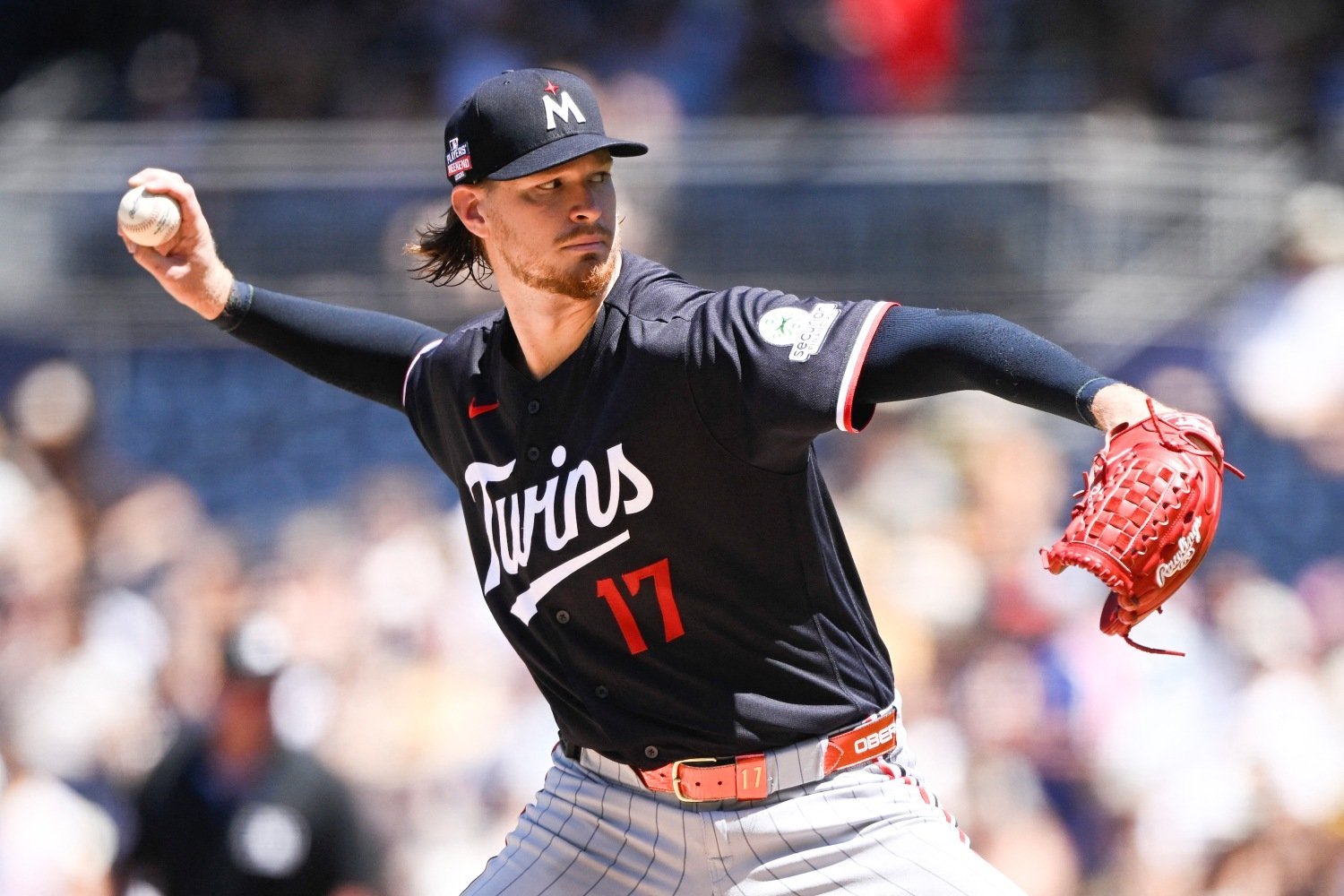 Bailey Ober's 2026 season hasn't gone to plan. The right-hander has battled through a noticeable decline in velocity, and the results have been middling. There have been stretches where Ober hasn't looked like the pitcher Twins fans became accustomed to seeing over the previous several seasons. That doesn't mean his entire body of work should be forgotten, though—particularly if this weekend is the last time he dons the home uniform at Target Field. Ober has quietly become one of the better starting pitchers the Twins have developed over the last two decades. His career hasn't followed the traditional path of a highly-touted prospect becoming a frontline starter. Instead, he went from a 12th-round pick with limited expectations to a reliable big-league starter who ranks near the top of the organization's pitching leaderboard. His 2026 season deserves criticism. His career deserves appreciation. Ober's Velocity Problem Has Made 2026 a Challenge The biggest issue for Ober this season has been his diminished velocity. Ober has never been a pitcher who overpowered hitters with elite velocity. His success came from a combination of command, deception, pitch shape, extension and the ability to keep hitters from getting comfortable. When the velocity drops, however, there is less margin for error. Hitters can sit on pitches longer. Mistakes become easier to punish. The difference between a well-executed pitch and one left over the middle becomes even more important. That has been part of the story in 2026. Ober has still shown flashes of the pitcher he can be, but there haven't been enough of those stretches to make this season feel like a major step forward. It's fair to wonder what the diminished velocity means for his future, especially when the Twins are evaluating a rotation that could look considerably different next season. Still, one difficult season shouldn't erase everything that came before it. From 12th-Round Pick to Big-League Starter Ober's development might be one of the more impressive pitching stories of the current Twins era. Minnesota selected him in the 12th round of the 2017 MLB Draft out of the College of Charleston. There wasn't much expectation that he would eventually become a major-league starting pitcher. Ober had to create that opportunity for himself. The COVID-19 shutdown gave him an unusual opportunity to work on his delivery and make changes that might not have been possible during a normal season. He used that time to hone his mechanics and, importantly, increase his velocity. That work helped transform him. Instead of remaining a tall right-hander with interesting raw traits who might eventually reach the upper levels of the minors, Ober developed into a legitimate pitching prospect. The Twins eventually called him to the majors, and he established himself as more than just a temporary rotation option. Ober's Place in the Target Field Era When looking at the Twins' starting pitchers since Target Field opened in 2010, Ober's career stands out even more. Only Joe Ryan, José Berríos and Kyle Gibson have accumulated more fWAR among Twins starting pitchers during the Target Field era. That's impressive company for a pitcher who never fully felt like he was in the team’s long-term plans. Ober's best stretch came from 2022 through 2024. During those three seasons, he posted a 115 ERA+, a 3.74 FIP and a 1.03 WHIP while averaging 126 innings per season. Those aren't the numbers of a dominant ace. Ober was never consistently dominant. He didn't routinely overpower lineups or spend entire seasons looking like a Cy Young candidate. But he was good, and he had stretches when he looked extremely good. There were games when everything clicked and Ober looked nearly impossible to square up. Over a full season, consistency mattered more than those dominant moments. That's why his overall value has been so important to the Twins. He provided volume and stability at some vital periods in the team's last half-decade. What Happens Next? Ober is likely to receive one more opportunity to take the mound before the 2026 season ends, with a potential weekend start at Target Field against Texas. It could be another chapter in a Twins career that still has plenty left to write. But it could be his final start wearing a Minnesota uniform. Next season will be his final year before free agency, and his salary is likely to increase through arbitration after making $5.2 million in 2026. The Twins could have a crowded group competing for rotation spots next season. That combination creates an interesting offseason decision. Ober has value because of what he has already proved, but the Twins have to determine how much they believe in his ability to regain some of the velocity that helped make him successful. Only Ryan, Berríos and Gibson have accumulated more fWAR as Twins starters since 2010. That's not a bad legacy for a pitcher who entered professional baseball with very few expectations. Whatever happens this offseason, Ober has already earned his place among the organization's better starting pitchers of the last 15-plus years. His 2025 and 2026 seasons may have complicated his future, but they shouldn't diminish what he accomplished to get here. What stands out about Ober's time in Minnesota? Where does he rank among starting pitchers in the Target Field era? Leave a comment and start the discussion.
- 15 comments
-
- 6
-
-
- bailey ober
- joe ryan
- (and 2 more)
-
 The baseball world lost a longtime coach and former Minnesota Twins pitcher Wednesday as Don Cooper passed away at the age of 70. While Cooper became best known for his work with the Chicago White Sox, his playing career included a brief stop in Minnesota. The Twins selected Cooper from the New York Yankees organization in the 1980 Rule 5 Draft, giving the right-hander an opportunity to reach the majors after working his way through the Yankees' minor-league system. Cooper made his MLB debut with the Twins in 1981 and spent parts of two seasons with the organization. Across 70 innings for Minnesota in 1981 and 1982, he posted a 5.14 ERA and 1.69 WHIP while striking out 38 batters and walking 43. His time with the Twins represented the largest portion of his big-league playing career. Cooper also appeared for the Toronto Blue Jays and New York Yankees. He pitched 5 1/3 innings for Toronto in 1983 and another 10 innings for New York in 1985. Cooper remained in professional baseball through the 1987 season, spending time in the minor leagues with the Blue Jays and Baltimore Orioles before eventually moving into coaching. That transition ultimately produced a remarkable second career. Cooper joined the White Sox organization in 1988 and remained there for 33 seasons. He became Chicago's major-league pitching coach in 2002 and held that position for 18 full seasons. The pinnacle came in 2005 when Cooper helped guide a talented White Sox pitching staff to a World Series championship. That group featured Mark Buehrle, Freddy Garcia, Jon Garland, José Contreras and Orlando Hernández. Chicago's championship run was particularly memorable because the White Sox pitching staff threw four consecutive complete games during the postseason, becoming the first team to accomplish that feat since the 1928 Yankees. The White Sox recognized Cooper's lengthy contribution to the organization following his passing. "Don Cooper spent 33 seasons as a coach in the White Sox organization from 1988-2020, including 18 full seasons as the major-league pitching coach. Cooper served as the pitching coach for the 2005 World Series champion club, which became the first team since the 1928 Yankees to toss four consecutive complete games in a single postseason," the team said. "Forever in our thoughts." For Twins fans, Cooper's legacy is a reminder of how many different paths can emerge from a short stint in Minnesota. His playing career with the Twins lasted only two seasons, but his impact on baseball continued for decades after he left the organization.
 -
The baseball world lost a longtime coach and former Minnesota Twins pitcher Wednesday as Don Cooper passed away at the age of 70. While Cooper became best known for his work with the Chicago White Sox, his playing career included a brief stop in Minnesota. The Twins selected Cooper from the New York Yankees organization in the 1980 Rule 5 Draft, giving the right-hander an opportunity to reach the majors after working his way through the Yankees' minor-league system. Cooper made his MLB debut with the Twins in 1981 and spent parts of two seasons with the organization. Across 70 innings for Minnesota in 1981 and 1982, he posted a 5.14 ERA and 1.69 WHIP while striking out 38 batters and walking 43. His time with the Twins represented the largest portion of his big-league playing career. Cooper also appeared for the Toronto Blue Jays and New York Yankees. He pitched 5 1/3 innings for Toronto in 1983 and another 10 innings for New York in 1985. Cooper remained in professional baseball through the 1987 season, spending time in the minor leagues with the Blue Jays and Baltimore Orioles before eventually moving into coaching. That transition ultimately produced a remarkable second career. Cooper joined the White Sox organization in 1988 and remained there for 33 seasons. He became Chicago's major-league pitching coach in 2002 and held that position for 18 full seasons. The pinnacle came in 2005 when Cooper helped guide a talented White Sox pitching staff to a World Series championship. That group featured Mark Buehrle, Freddy Garcia, Jon Garland, José Contreras and Orlando Hernández. Chicago's championship run was particularly memorable because the White Sox pitching staff threw four consecutive complete games during the postseason, becoming the first team to accomplish that feat since the 1928 Yankees. The White Sox recognized Cooper's lengthy contribution to the organization following his passing. "Don Cooper spent 33 seasons as a coach in the White Sox organization from 1988-2020, including 18 full seasons as the major-league pitching coach. Cooper served as the pitching coach for the 2005 World Series champion club, which became the first team since the 1928 Yankees to toss four consecutive complete games in a single postseason," the team said. "Forever in our thoughts." For Twins fans, Cooper's legacy is a reminder of how many different paths can emerge from a short stint in Minnesota. His playing career with the Twins lasted only two seasons, but his impact on baseball continued for decades after he left the organization. View full rumor
-
Image courtesy of Ed Szczepanski-Imagn Images The messaging was consistent from the beginning. The Twins wanted to play meaningful games in September. That phrase became one of the defining pieces of the organization's message entering the 2026 season. It started in January when Tom Pohlad became the new face of Twins ownership after the organization moved on from longtime president of baseball operations Derek Falvey. Pohlad was asked about how the organization would measure the success of the upcoming season. His answer was straightforward. "Let's get halfway through the year, to the end of the year, and let's judge the success of this year on wins and losses and whether we're playing meaningful baseball in September." General manager Jeremy Zoll echoed that message throughout the season. In July, he pointed back to spring training and said the goal had been "to play meaningful games in September." Now, September has come and gone. And it is fair to ask whether the Twins actually accomplished that goal. Technically, There Was a Chance There was a period when the Twins could legitimately point toward September and say they were still in the postseason race. Minnesota's playoff odds climbed to nearly 40% after the Twins swept the Atlanta Braves from August 17-19. The club was hovering around the American League Wild Card picture, and the schedule still provided an opportunity to make a late push. Then things unraveled. The Twins lost seven of eight games near the end of August, dramatically changing the picture. When September began, FanGraphs gave Minnesota a 9.8% chance of reaching the postseason. That isn't zero. But it also isn't what most people envision when an organization talks about playing meaningful games in September. The Twins were five games under .500 on September 1. They weren't chasing a division title. They weren't sitting comfortably in a Wild Card position. They needed a substantial turnaround while also relying on other teams to stumble. Minnesota then went 2-4 over the next week, dropping its postseason odds to 3.1%. At that point, the situation became more reminiscent of Dumb and Dumber. "So you're saying there's a chance." Technically, yes. Realistically, the margin for error had become microscopic. By September 15, the Twins' playoff odds were down to 0.1%. They were officially eliminated on September 20. So, were those meaningful games? That depends on how the phrase is defined. Meaningful Baseball or Meaningful Mathematics? Every September game has consequences. Players are competing for jobs. Prospects are trying to establish themselves. Veterans are auditioning for future contracts. Front-office executives are gathering information that can influence the next season. Those things matter. But that isn't necessarily what Pohlad and Zoll were talking about. The original promise was made in the context of wins and losses. The stated goal was to have a team playing meaningful baseball in September. That implies a competitive postseason race. The Twins did not have that for most of September. They had an outside chance. There is an important distinction. A team sitting five games below .500 on September 1 can technically remain alive because of an expanded playoff field and a crowded American League. But being mathematically alive is different from controlling your own destiny or being a legitimate postseason contender. The Twins' path required a lot to go right. And much of that opportunity existed because the American League was unusually open. That doesn't mean the Twins weren't responsible for their own position. Their record put them in that situation. Instead of entering September with a realistic cushion, they were already chasing. The Braves series temporarily changed the equation. The losses that followed changed it back. By the middle of September, the question wasn't whether the Twins could make a postseason run. It was how long the mathematical possibility would remain. That's a very different definition of meaningful baseball. The September Games Still Matter for 2027 That doesn't mean the final games of 2026 are meaningless. Far from it. The Twins now have to use September to answer questions about their next roster. Young players such as Luke Keaschall, Connor Preilipp, Emmanuel Rodriguez, Walker Jenkins, Brooks Lee and other emerging pieces are getting opportunities to show where they fit. Pitchers are auditioning for rotation and bullpen roles. Veterans are making their own cases for 2027. Those evaluations matter because the Twins have significant work ahead of them this offseason. The organization has already moved away from the previous baseball operations structure. Zoll is now responsible for shaping the next version of the roster, and the club has to determine which pieces from the 2026 team should be part of that future. That makes September valuable. It just isn't the same kind of meaningful that was promised in January. There is a difference between meaningful games because a postseason berth is on the line and meaningful games because a young player might earn a starting job next season. Both have value. They simply aren't interchangeable. Did the Twins Accomplish the Goal? There are two answers. If meaningful baseball means games with something at stake for individual players, then yes. September has provided plenty of opportunities for the Twins to evaluate their roster and their future. If meaningful baseball means being genuinely involved in the postseason race, the answer is much harder to defend. The Twins began September five games under .500 with a 9.8% playoff chance. Within two weeks, that number had fallen to 0.1%. The team was eliminated on September 20. There was a chance. But it was an extremely small one. That distinction matters because the phrase came directly from the organization's leadership. Pohlad made wins and losses part of his measurement for the season. Zoll repeatedly referenced the goal of reaching September with meaningful games. The Twins reached September. They just didn't reach it in the position they wanted. Now the organization has an offseason to make sure the same conversation doesn't happen again in 2027. Because "we technically had a chance" is not the standard the Twins themselves established. Did the Twins play meaningful games in September? Leave a comment and start the discussion. View full article
-
Image courtesy of © Matt Blewett-Imagn Images Byron Buxton's 2026 season ended with another injury. Buxton's incapacitation derailed the team's push toward the postseason, but the bigger concern for the Minnesota Twins might be what happens next. Buxton underwent arthroscopic surgery on his right hip last week, with the Twins announcing that the procedure included a labral repair, decompression and cam resection. Some of that is just to relieve the hip impingement he dealt with all year, but the labral repair is more involved—and more ominous. Nobody should pretend to be a doctor when discussing a complicated hip surgery. However, previous MLB cases involving labral repairs suggest a recovery that can take roughly 6-8 months. That timeline raises a question: Why did the Twins wait as long as they did to make this decision? Buxton's last game came on August 25 in Sacramento. His surgery didn't take place until September 18. That's nearly four weeks between Buxton's final game and the procedure. The Twins quasi-officially shut Buxton down for the season on September 11, but another week passed before the surgery actually happened. By that point, Minnesota's postseason chances had dwindled to virtually nothing, anyway. Even after he limped off the field against the A's, there was some hope that Buxton could return late in the season, but that increasingly looked like a long shot. Once that became clear, the argument for continuing to wait became much more difficult to understand. This is where the timeline becomes particularly important. Six months after Buxton's September 18 surgery lands on March 18. That's only one week before Opening Day. An eight-month recovery pushes his potential return to May 18, which would be 47 games into the 2027 season. Obviously, recovery timelines aren't guaranteed. Buxton could progress faster. He could also require more time. The latter seems more likely, given Buxton’s extensive injury history. There are too many variables involved to declare a specific return date this far in advance. But that's exactly why those extra weeks mattered. If the Twins had determined earlier that surgery was necessary, they could have started the recovery process sooner. Instead, they waited until late September to perform a procedure that could keep their best player out for a significant portion of the following season. The most frustrating part is that the Twins had already been dealing with the hip issue for months. Buxton and manager Derek Shelton both expressed confidence before the surgery that Buxton would be ready for next season. The exact wording varied, particularly when it came to whether that meant being ready for spring training or Opening Day. That optimism now feels more like a pipe dream. If he'd had surgery three weeks sooner, the chances of being ready on time would certainly be better. There is also a significant difference between saying a player will be "ready for next season" and having him physically prepared to play 162 games. That’s something few players accomplish in modern baseball, and Buxton has averaged 107 games per year over the last three seasons—the three healthiest campaigns he's had in the last decade. Even if Buxton avoids a major setback, a player returning from this type of surgery could need additional time to build strength and regain his normal workload. The Twins have spent years trying to get the most out of Buxton while managing his injury history. Minnesota paid Buxton roughly $70 million through the first five seasons of the contract. FanGraphs estimates that he has provided approximately $122.5 million in value over that span. Even when he misses time, he provides remarkable value. That makes the decision to sacrifice four weeks of recovery time even more difficult to understand. Maybe the surgery ultimately doesn't cost Buxton any games in 2027. Maybe his rehab goes perfectly and he's ready for Opening Day. But the Twins didn't need to gamble on that outcome. They had an opportunity to give Buxton more time to recover, and they didn't take it. A Mistake that Could Linger into 2027 The Twins' decision to wait on Buxton's surgery is one of those choices that might not be fully judged until next season. If Buxton is healthy for Opening Day and plays a full season, the timing becomes a footnote. If he's forced to miss the beginning of the season because the recovery takes closer to eight months, those September weeks will look much more significant. Minnesota already has plenty of questions to answer heading into the offseason. Payroll needs to be addressed, the roster needs more direction, and the organization needs to determine what kind of team it wants to build around its remaining core. The last thing the Twins needed was to unnecessarily complicate their plans for their most important player. There was a point when waiting made sense, because Buxton was still trying to return. But once it became apparent that his season was effectively over, the clock should have started immediately. Instead, the Twins waited. Now, they have to hope those lost weeks don't come back to haunt them in April and May. Considering the usual recovery timeline for Buxton's surgery, that is a gamble the Twins probably didn't need to take. Was it a mistake for the Twins to wait on Buxton’s surgery? Leave a comment and start the discussion. View full article
-
The Twins Made a Mistake Waiting on Byron Buxton’s Hip Surgery
Cody Christie posted an article in Twins
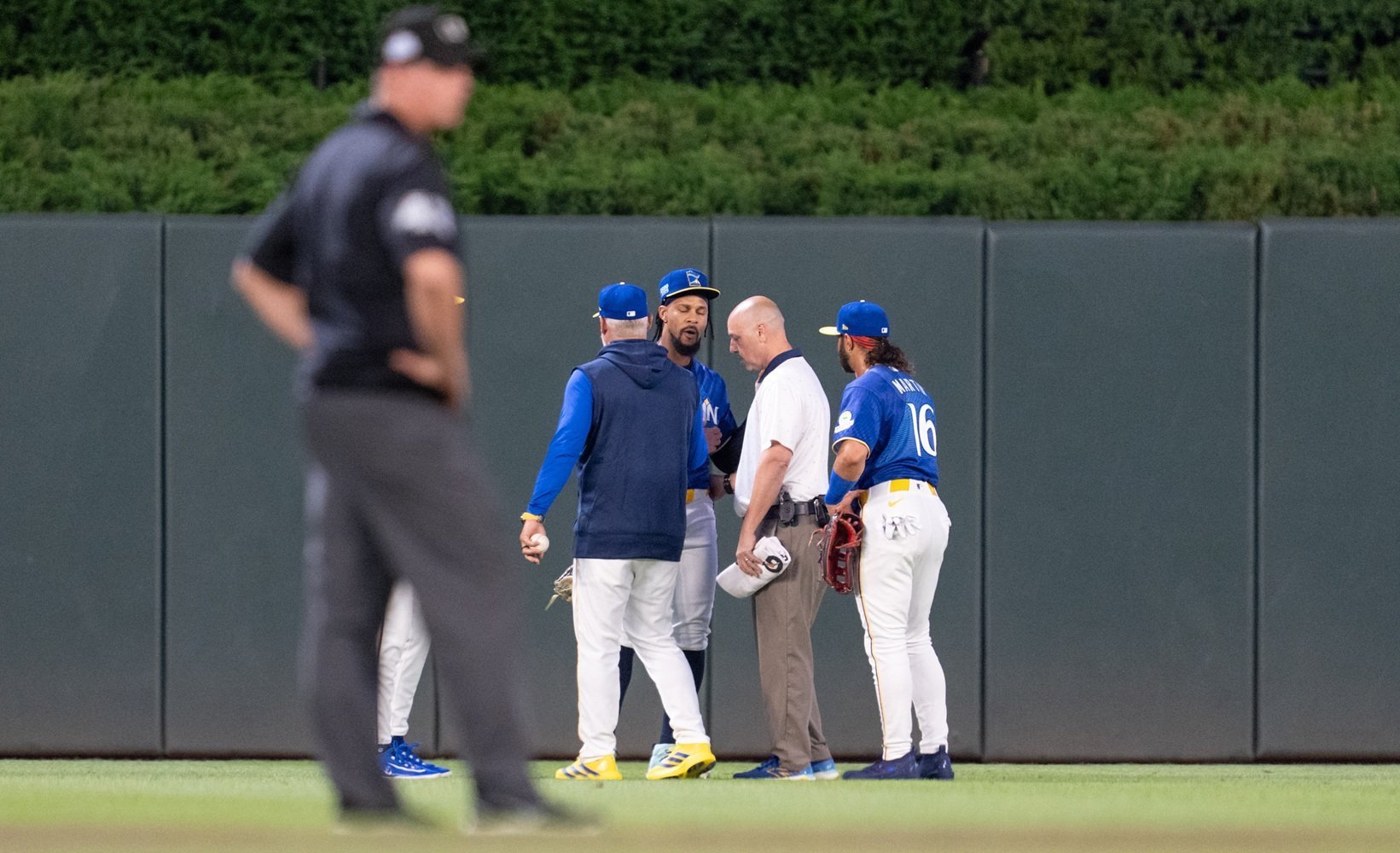 Byron Buxton's 2026 season ended with another injury. Buxton's incapacitation derailed the team's push toward the postseason, but the bigger concern for the Minnesota Twins might be what happens next. Buxton underwent arthroscopic surgery on his right hip last week, with the Twins announcing that the procedure included a labral repair, decompression and cam resection. Some of that is just to relieve the hip impingement he dealt with all year, but the labral repair is more involved—and more ominous. Nobody should pretend to be a doctor when discussing a complicated hip surgery. However, previous MLB cases involving labral repairs suggest a recovery that can take roughly 6-8 months. That timeline raises a question: Why did the Twins wait as long as they did to make this decision? Buxton's last game came on August 25 in Sacramento. His surgery didn't take place until September 18. That's nearly four weeks between Buxton's final game and the procedure. The Twins quasi-officially shut Buxton down for the season on September 11, but another week passed before the surgery actually happened. By that point, Minnesota's postseason chances had dwindled to virtually nothing, anyway. Even after he limped off the field against the A's, there was some hope that Buxton could return late in the season, but that increasingly looked like a long shot. Once that became clear, the argument for continuing to wait became much more difficult to understand. This is where the timeline becomes particularly important. Six months after Buxton's September 18 surgery lands on March 18. That's only one week before Opening Day. An eight-month recovery pushes his potential return to May 18, which would be 47 games into the 2027 season. Obviously, recovery timelines aren't guaranteed. Buxton could progress faster. He could also require more time. The latter seems more likely, given Buxton’s extensive injury history. There are too many variables involved to declare a specific return date this far in advance. But that's exactly why those extra weeks mattered. If the Twins had determined earlier that surgery was necessary, they could have started the recovery process sooner. Instead, they waited until late September to perform a procedure that could keep their best player out for a significant portion of the following season. The most frustrating part is that the Twins had already been dealing with the hip issue for months. Buxton and manager Derek Shelton both expressed confidence before the surgery that Buxton would be ready for next season. The exact wording varied, particularly when it came to whether that meant being ready for spring training or Opening Day. That optimism now feels more like a pipe dream. If he'd had surgery three weeks sooner, the chances of being ready on time would certainly be better. There is also a significant difference between saying a player will be "ready for next season" and having him physically prepared to play 162 games. That’s something few players accomplish in modern baseball, and Buxton has averaged 107 games per year over the last three seasons—the three healthiest campaigns he's had in the last decade. Even if Buxton avoids a major setback, a player returning from this type of surgery could need additional time to build strength and regain his normal workload. The Twins have spent years trying to get the most out of Buxton while managing his injury history. Minnesota paid Buxton roughly $70 million through the first five seasons of the contract. FanGraphs estimates that he has provided approximately $122.5 million in value over that span. Even when he misses time, he provides remarkable value. That makes the decision to sacrifice four weeks of recovery time even more difficult to understand. Maybe the surgery ultimately doesn't cost Buxton any games in 2027. Maybe his rehab goes perfectly and he's ready for Opening Day. But the Twins didn't need to gamble on that outcome. They had an opportunity to give Buxton more time to recover, and they didn't take it. A Mistake that Could Linger into 2027 The Twins' decision to wait on Buxton's surgery is one of those choices that might not be fully judged until next season. If Buxton is healthy for Opening Day and plays a full season, the timing becomes a footnote. If he's forced to miss the beginning of the season because the recovery takes closer to eight months, those September weeks will look much more significant. Minnesota already has plenty of questions to answer heading into the offseason. Payroll needs to be addressed, the roster needs more direction, and the organization needs to determine what kind of team it wants to build around its remaining core. The last thing the Twins needed was to unnecessarily complicate their plans for their most important player. There was a point when waiting made sense, because Buxton was still trying to return. But once it became apparent that his season was effectively over, the clock should have started immediately. Instead, the Twins waited. Now, they have to hope those lost weeks don't come back to haunt them in April and May. Considering the usual recovery timeline for Buxton's surgery, that is a gamble the Twins probably didn't need to take. Was it a mistake for the Twins to wait on Buxton’s surgery? Leave a comment and start the discussion.
 -
Image courtesy of Rob Thompson, St. Paul Saints Minnesota’s farm system continues to rank among the best in baseball, and the 2026 season provided plenty of reasons for optimism. Several prospects took significant steps forward, while others continued to establish themselves as legitimate pieces of the organization’s long-term plans. There were breakout performances throughout the system, from the Florida Complex League to Triple-A St. Paul. Some players combined power and plate discipline, while others added speed or defensive value to their offensive production. Injuries also played a role for some of the organization’s most recognizable prospects. Who have been the previous winners of this award? PREVIOUS WINNERS 2012 - Oswaldo Arcia 2013 - Miguel Sano 2014 - Mitch Garver 2015 - Max Kepler 2016 - Daniel Palka 2017 - Mitch Garver 2018 - Alex Kirilloff 2019 - Trevor Larnach 2021 - Jose Miranda 2022 - Matt Wallner 2023 - Yunior Severino 2024 - Luke Keaschall 2025 - Gabby Gonzalez So, which hitters stood out the most in 2026? Here are the top five candidates for the Minnesota Twins Minor League Hitter of the Year along with some honorable mentions. Honorable Mentions 1B Aaron Sabato, St. Paul (113 G): .273/.349/.528 (.877), 29 2B, 25 HR, 121 wRC+, 8.7 BB%, 25.3 K%. OF Matt Wallner, St. Paul (94 G): .254/.366/.520 (.886), 17 2B, 25 HR, 115 wRC+, 12.1 BB%, 27.8 K%. UTL Ben Ross, Wichita/St. Paul (121 G): .273/.379/.500 (.879), 30 2B, 3 3B, 20 HR, 125 wRC+, 13.9 BB%, 25.1 K%, 20 SB. C/OF Khadim Diaw, Wichita/St. Paul (107 G): .306/.417/.452 (.868), 26 2B, 2 3B, 9 HR, 130 wRC+, 11.8 BB%, 14.9 K%, 14 SB. OF Kyler Fedko, St. Paul (75 G): .274/.362/.545 (.907) 17 2B, 2 3B, 17 HR, 128 wRC+, 11.1 BB%, 22.8 K%, 10 SB. 5. OF/3B/1B Luis Fragoza– FCL Twins, Fort Myers Mighty Mussels, Cedar Rapids Kernels 83 G, .313/.408/.542 (.951), 23 2B, 14 HR, 148 wRC+, 9.7 BB%, 26.8 K%, 24 SB Fragoza was one of the biggest breakout performers in the Twins system this season. The 19-year-old moved from the Florida Complex League to the Midwest League and quickly established himself as one of the organization's more intriguing young hitters. Minnesota gave him only 10 games in the FCL before promoting him to Fort Myers. He proceeded to dominate the Florida State League, hitting .322/.398/.607 (1.005) with 18 doubles and 14 home runs over 59 games. He also showed plenty of versatility defensively, seeing more than 100 innings at each of left field, right field, third base, and first base. One of the most notable aspects of his season was his age relative to the competition. Fragoza faced older pitchers in only 19 plate appearances all season, making his production even more impressive for such a young prospect. 4. OF Emmanuel Rodriguez– St. Paul Saints, Minnesota Twins 58 G, .272/.422/.490 (.913), 7 2B, 2 3B, 140 wRC+, 18.6 BB%, 26.4 K%, 7 SB Injuries once again complicated Rodriguez's season, but when he was on the field, he continued to show why he remains one of the most intriguing prospects in the Twins organization. Rodriguez missed nearly three months of minor-league action after suffering a torn ulnar collateral ligament in his left thumb on May 1. Before the injury, he posted a .923 OPS and looked like a strong candidate for a midseason promotion to Minnesota. After returning, Rodriguez quickly found his swing again at Triple-A. He finished with a .905 OPS following his return and even hit for the cycle. His profile continues to feature plenty of walks and plenty of strikeouts, but the overall offensive production remains impressive. The availability concerns have followed Rodriguez throughout his professional career, but his offensive ceiling remains difficult to overlook. 3. SS Marek Houston– Cedar Rapids Kernels, Wichita Wind Surge 116 G, .312/.392/.455 (.847), 28 2B, 2 3B, 12 HR, 120 wRC+, 11.0 BB%, 19.5 K%, 50 SB Houston was recently named the Twins Minor League Player of the Year by Baseball America, and he was also a finalist for MLB Pipeline's top defensive award. His 2026 season provided plenty of evidence for both honors. There were questions about Houston's offensive potential when the Twins drafted him, but he answered many of them this season. He posted an .867 OPS at High-A before continuing to produce after his promotion to Double-A, where he finished with an .829 OPS. The offensive development is particularly encouraging when paired with what Houston already provides defensively. He is an elite defender at shortstop and added 50 stolen bases this season, giving the Twins a prospect who can impact the game in multiple ways. Houston's overall profile took a significant step forward in 2026, making him one of the more interesting young position players in the organization. 2. OF Caden Kendle– Cedar Rapids Kernels, Wichita Wind Surge 82 G, .330/.407/.572 (.979), 24 2B, 16 HR, 146 wRC+, 9.7 BB%, 19.8 K%, 19 SB Kendle might be the biggest unknown on this list for many Twins prospect followers. He has not established himself as one of Minnesota's highest-ranked prospects, but his production in 2026 is impossible to ignore. Kendle posted a .916 OPS across 32 games in the Midwest League before earning a promotion to Double-A. He became even more productive after moving up a level, posting a remarkable 1.076 OPS over 45 games with Wichita. There is an obvious age component to consider. Kendle was a four-year college player and turned 24 this season, putting him on a different developmental timeline than some of the younger players on this list. That doesn't take away from what he accomplished. Kendle consistently produced at two levels and finished the year with 16 home runs, 24 doubles, 19 stolen bases, and a .979 OPS. His 2026 season deserves to put him firmly on the radar. Twins Minor League Hitter of the Year: OF Walker Jenkins– St. Paul Saints, Minnesota Twins 73 G, .323/.417/.559 (.976), 18 2B, 3 3B, 14 HR, 151 wRC+, 13.3 BB%, 15.4 K%, 17 SB The biggest question surrounding Jenkins has never been his talent. It has been his availability. Unfortunately, that theme continued throughout the 2026 season. After Minnesota sent Jenkins back to Triple-A, the young outfielder got off to a somewhat slow start before suffering another setback. Jenkins crashed into an outfield wall and suffered a shoulder joint sprain, forcing him to miss more than a month. Once he returned, however, Jenkins reminded everyone why he remains one of the most highly regarded young players in baseball. Over his final 18 games at Triple-A, the 21-year-old hit .411/.488/.795 with eight home runs. It was an incredible finish to a season that once again featured an extended injury absence. Suddenly, the power was everywhere. The walks were there. The hard contact was there. And the hit tool that has long been considered one of Jenkins' greatest strengths was fully on display. His overall numbers were impressive, but the way Jenkins finished the season made the performance stand out even more. After another frustrating interruption, he returned and completely took over at the plate. The Twins have remained patient with Jenkins because of the talent they believe is underneath the injuries. His final stretch in 2026 provided another reminder of why that patience exists. There were plenty of worthy candidates for the Twins' Minor League Hitter of the Year in 2026. Fragoza broke out as one of the organization's youngest offensive prospects, Kendle produced at two levels, and Houston made significant strides while continuing to provide elite defense at shortstop. Rodriguez once again showed the offensive upside that has made him one of the organization's most intriguing prospects, even though injuries limited his season. Jenkins ultimately separated himself with a combination of production, plate discipline, power, and a dominant finish. His season was interrupted by another injury, but when he returned, he showed just how dangerous his bat can be. The 2026 season offered another reminder that the Twins have plenty of offensive talent developing throughout their minor-league system. The next step will be seeing which of these hitters can carry that success into the major leagues. What stands out about this group? How would your ballot look? Leave a comment and start the discussion. View full article
-
Minnesota Twins Minor League Hitter of the Year– 2026
Cody Christie posted an article in Minor Leagues
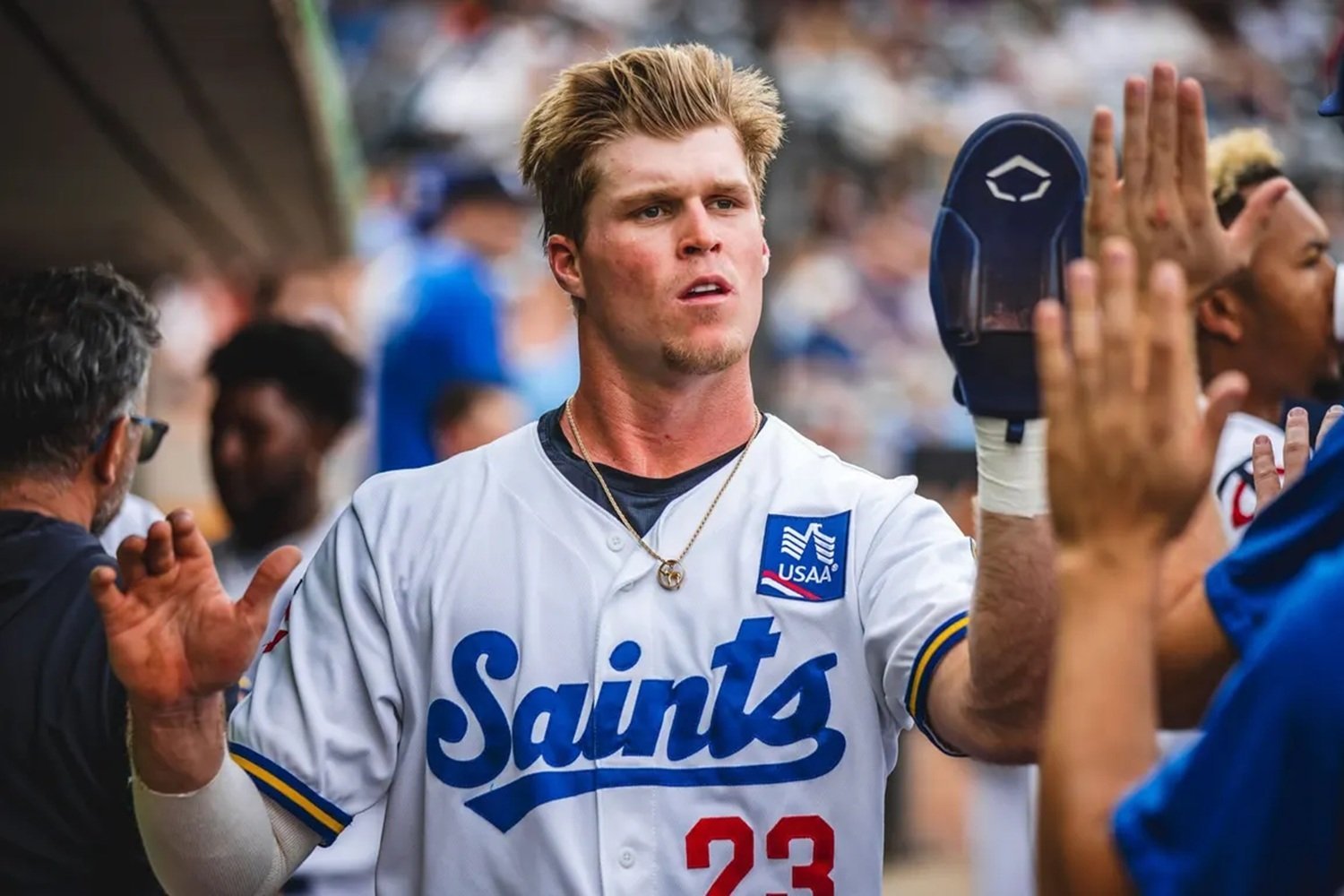 Minnesota’s farm system continues to rank among the best in baseball, and the 2026 season provided plenty of reasons for optimism. Several prospects took significant steps forward, while others continued to establish themselves as legitimate pieces of the organization’s long-term plans. There were breakout performances throughout the system, from the Florida Complex League to Triple-A St. Paul. Some players combined power and plate discipline, while others added speed or defensive value to their offensive production. Injuries also played a role for some of the organization’s most recognizable prospects. Who have been the previous winners of this award? PREVIOUS WINNERS 2012 - Oswaldo Arcia 2013 - Miguel Sano 2014 - Mitch Garver 2015 - Max Kepler 2016 - Daniel Palka 2017 - Mitch Garver 2018 - Alex Kirilloff 2019 - Trevor Larnach 2021 - Jose Miranda 2022 - Matt Wallner 2023 - Yunior Severino 2024 - Luke Keaschall 2025 - Gabby Gonzalez So, which hitters stood out the most in 2026? Here are the top five candidates for the Minnesota Twins Minor League Hitter of the Year along with some honorable mentions. Honorable Mentions 1B Aaron Sabato, St. Paul (113 G): .273/.349/.528 (.877), 29 2B, 25 HR, 121 wRC+, 8.7 BB%, 25.3 K%. OF Matt Wallner, St. Paul (94 G): .254/.366/.520 (.886), 17 2B, 25 HR, 115 wRC+, 12.1 BB%, 27.8 K%. UTL Ben Ross, Wichita/St. Paul (121 G): .273/.379/.500 (.879), 30 2B, 3 3B, 20 HR, 125 wRC+, 13.9 BB%, 25.1 K%, 20 SB. C/OF Khadim Diaw, Wichita/St. Paul (107 G): .306/.417/.452 (.868), 26 2B, 2 3B, 9 HR, 130 wRC+, 11.8 BB%, 14.9 K%, 14 SB. OF Kyler Fedko, St. Paul (75 G): .274/.362/.545 (.907) 17 2B, 2 3B, 17 HR, 128 wRC+, 11.1 BB%, 22.8 K%, 10 SB. 5. OF/3B/1B Luis Fragoza– FCL Twins, Fort Myers Mighty Mussels, Cedar Rapids Kernels 83 G, .313/.408/.542 (.951), 23 2B, 14 HR, 148 wRC+, 9.7 BB%, 26.8 K%, 24 SB Fragoza was one of the biggest breakout performers in the Twins system this season. The 19-year-old moved from the Florida Complex League to the Midwest League and quickly established himself as one of the organization's more intriguing young hitters. Minnesota gave him only 10 games in the FCL before promoting him to Fort Myers. He proceeded to dominate the Florida State League, hitting .322/.398/.607 (1.005) with 18 doubles and 14 home runs over 59 games. He also showed plenty of versatility defensively, seeing more than 100 innings at each of left field, right field, third base, and first base. One of the most notable aspects of his season was his age relative to the competition. Fragoza faced older pitchers in only 19 plate appearances all season, making his production even more impressive for such a young prospect. 4. OF Emmanuel Rodriguez– St. Paul Saints, Minnesota Twins 58 G, .272/.422/.490 (.913), 7 2B, 2 3B, 140 wRC+, 18.6 BB%, 26.4 K%, 7 SB Injuries once again complicated Rodriguez's season, but when he was on the field, he continued to show why he remains one of the most intriguing prospects in the Twins organization. Rodriguez missed nearly three months of minor-league action after suffering a torn ulnar collateral ligament in his left thumb on May 1. Before the injury, he posted a .923 OPS and looked like a strong candidate for a midseason promotion to Minnesota. After returning, Rodriguez quickly found his swing again at Triple-A. He finished with a .905 OPS following his return and even hit for the cycle. His profile continues to feature plenty of walks and plenty of strikeouts, but the overall offensive production remains impressive. The availability concerns have followed Rodriguez throughout his professional career, but his offensive ceiling remains difficult to overlook. 3. SS Marek Houston– Cedar Rapids Kernels, Wichita Wind Surge 116 G, .312/.392/.455 (.847), 28 2B, 2 3B, 12 HR, 120 wRC+, 11.0 BB%, 19.5 K%, 50 SB Houston was recently named the Twins Minor League Player of the Year by Baseball America, and he was also a finalist for MLB Pipeline's top defensive award. His 2026 season provided plenty of evidence for both honors. There were questions about Houston's offensive potential when the Twins drafted him, but he answered many of them this season. He posted an .867 OPS at High-A before continuing to produce after his promotion to Double-A, where he finished with an .829 OPS. The offensive development is particularly encouraging when paired with what Houston already provides defensively. He is an elite defender at shortstop and added 50 stolen bases this season, giving the Twins a prospect who can impact the game in multiple ways. Houston's overall profile took a significant step forward in 2026, making him one of the more interesting young position players in the organization. 2. OF Caden Kendle– Cedar Rapids Kernels, Wichita Wind Surge 82 G, .330/.407/.572 (.979), 24 2B, 16 HR, 146 wRC+, 9.7 BB%, 19.8 K%, 19 SB Kendle might be the biggest unknown on this list for many Twins prospect followers. He has not established himself as one of Minnesota's highest-ranked prospects, but his production in 2026 is impossible to ignore. Kendle posted a .916 OPS across 32 games in the Midwest League before earning a promotion to Double-A. He became even more productive after moving up a level, posting a remarkable 1.076 OPS over 45 games with Wichita. There is an obvious age component to consider. Kendle was a four-year college player and turned 24 this season, putting him on a different developmental timeline than some of the younger players on this list. That doesn't take away from what he accomplished. Kendle consistently produced at two levels and finished the year with 16 home runs, 24 doubles, 19 stolen bases, and a .979 OPS. His 2026 season deserves to put him firmly on the radar. Twins Minor League Hitter of the Year: OF Walker Jenkins– St. Paul Saints, Minnesota Twins 73 G, .323/.417/.559 (.976), 18 2B, 3 3B, 14 HR, 151 wRC+, 13.3 BB%, 15.4 K%, 17 SB The biggest question surrounding Jenkins has never been his talent. It has been his availability. Unfortunately, that theme continued throughout the 2026 season. After Minnesota sent Jenkins back to Triple-A, the young outfielder got off to a somewhat slow start before suffering another setback. Jenkins crashed into an outfield wall and suffered a shoulder joint sprain, forcing him to miss more than a month. Once he returned, however, Jenkins reminded everyone why he remains one of the most highly regarded young players in baseball. Over his final 18 games at Triple-A, the 21-year-old hit .411/.488/.795 with eight home runs. It was an incredible finish to a season that once again featured an extended injury absence. Suddenly, the power was everywhere. The walks were there. The hard contact was there. And the hit tool that has long been considered one of Jenkins' greatest strengths was fully on display. His overall numbers were impressive, but the way Jenkins finished the season made the performance stand out even more. After another frustrating interruption, he returned and completely took over at the plate. The Twins have remained patient with Jenkins because of the talent they believe is underneath the injuries. His final stretch in 2026 provided another reminder of why that patience exists. There were plenty of worthy candidates for the Twins' Minor League Hitter of the Year in 2026. Fragoza broke out as one of the organization's youngest offensive prospects, Kendle produced at two levels, and Houston made significant strides while continuing to provide elite defense at shortstop. Rodriguez once again showed the offensive upside that has made him one of the organization's most intriguing prospects, even though injuries limited his season. Jenkins ultimately separated himself with a combination of production, plate discipline, power, and a dominant finish. His season was interrupted by another injury, but when he returned, he showed just how dangerous his bat can be. The 2026 season offered another reminder that the Twins have plenty of offensive talent developing throughout their minor-league system. The next step will be seeing which of these hitters can carry that success into the major leagues. What stands out about this group? How would your ballot look? Leave a comment and start the discussion.
- 20 comments
-
- 6
-
-
- walker jenkins
- caden kendle
- (and 3 more)
-
Image courtesy of Rick Scuteri-Imagn Images The Minnesota Twins have spent much of the last few years asking fans to believe in the future. Believe in the young players. Believe in the player development system. Believe that the next wave of prospects can eventually form the foundation of a sustainable contender. There is nothing wrong with believing in those things. At some point, though, ownership has to show it believes in them, too. Tom Pohlad has already said the Twins' 2027 payroll will increase. "I'm not hoping—it will be higher," Pohlad said. "For us to accomplish the things that we want to accomplish, and be a consistently competitive team in the playoffs, and going deep, we have to make an investment into this team." That's a meaningful statement. It also creates a very simple question for the Twins heading into the offseason. How much higher? $30 Million Isn't Aggressive The easiest way to look at the situation is through the numbers. The Twins entered 2026 with an Opening Day payroll around $105 million, their lowest Opening Day figure since 2017. The trade deadline additions of A.J. Minter, Dean Kremer and Jeff Hoffman pushed the club's estimated payroll commitment to roughly $109 million for the season. So what happens if Minnesota adds $30 million this winter? The payroll reaches approximately $135 million. That would be meaningful compared to where the Twins are today. But it would not exactly qualify as an aggressive offseason. It would essentially take Minnesota back to where it was in 2025. The Twins entered that season with an Opening Day payroll estimated around $144.3 million. In other words, $30 million would represent an increase. But it wouldn't represent a major change in organizational spending. It would represent getting back to a level the Twins have already demonstrated they can reach. What About $60 Million? Now, we're talking about something different. Adding $60 million to a roughly $105 million baseline would put Minnesota around $165 million. That would bring the Twins back to the neighborhood of their record spending in 2023. Minnesota carried a payroll around $156 million on Opening Day in 2023 and finished the season around $160 million, depending on the accounting method used. That club won the American League Central and won a postseason series for the first time in over two decades. That doesn't mean spending $160 million guarantees anything. It doesn't. But it would send a very different message. A $160 million-plus payroll would tell the fan base that the organization isn't simply replacing departing salaries or filling holes around a young roster. It is actively trying to build a team capable of competing at the highest level. That would also give Jeremy Zoll considerably more flexibility. The Twins don't need to spend $60 million on one player. In fact, that's probably not the best way to approach the roster. They could spread that money across multiple areas. A starting pitcher. A high-leverage reliever. A legitimate middle-of-the-order bat. A catcher. Bench depth. Suddenly, a roster with an intriguing young core starts looking much different. $80 Million Would Be a Statement Then there's the $80 million question. A $105 million payroll plus $80 million would put Minnesota around $185 million. That would be a franchise-level commitment. It would also put the Twins well above their 2023 spending and into a payroll range they haven't consistently approached. Would $185 million guarantee a championship? Of course not. Would it guarantee the Twins make the playoffs? No. But there is an important distinction between spending money and spending money intelligently. The Twins have plenty of young players who should occupy roster spots at relatively low salaries. Walker Jenkins, Emmanuel Rodriguez, Kaelen Culpepper, Brooks Lee, Luke Keaschall and others could give the front office something every team wants: talented players who aren't yet expensive. That means Minnesota doesn't necessarily need to spend $185 million simply to have an expensive roster. It could use that money to address the areas where the current roster is weakest. That's what aggressive spending should look like. Not spending for the sake of spending. Spending to turn weaknesses into strengths. The Payroll Can't Be the Excuse Anymore This is where the conversation becomes bigger than a dollar amount. For years, payroll has been part of the Twins' explanation for why roster construction has to be creative. There have been legitimate reasons for those constraints. The uncertainty surrounding the local television situation played a role in the organization's payroll decisions. The Twins dropped from their franchise-record spending in 2023, and ownership publicly acknowledged that financial considerations were part of the decision. But that explanation can't carry the organization forever. The 2026 season provided an interesting case study. The Twins remained competitive deep into the season despite operating with one of baseball's lower payrolls. Then, at the trade deadline, ownership gave Zoll the flexibility to add A.J. Minter, Dean Kremer and Jeff Hoffman while taking on more than $8 million in prorated salary. That was important. It showed what can happen when the front office has financial flexibility. It also showed that the Twins aren't simply asking whether they can afford to add players. They're capable of making those additions when ownership gives them the room to do it. That makes 2027 different. There shouldn't be another surprise waiting around the corner. There shouldn't be a sudden need to cut payroll. There shouldn't be a repeat of the organization explaining why it can't pursue a player because the financial parameters are too restrictive. Pohlad has already told everyone the payroll will increase. Now the organization has to show what that means. A payroll increase that merely makes room for similar veteran scoop-ups as the ones they made last winter while retaining Joe Ryan, Pablo López and Trevor Larnach wouldn't be especially inspiring—though everyone should want those two hurlers to stick around. An increase that meaningfully changes what the team can do this winter is one that would probably, finally, make Pohlad flinch—but that's what needs to happen. How much will the Twins spend this winter? Leave a comment and start the discussion. View full article
-
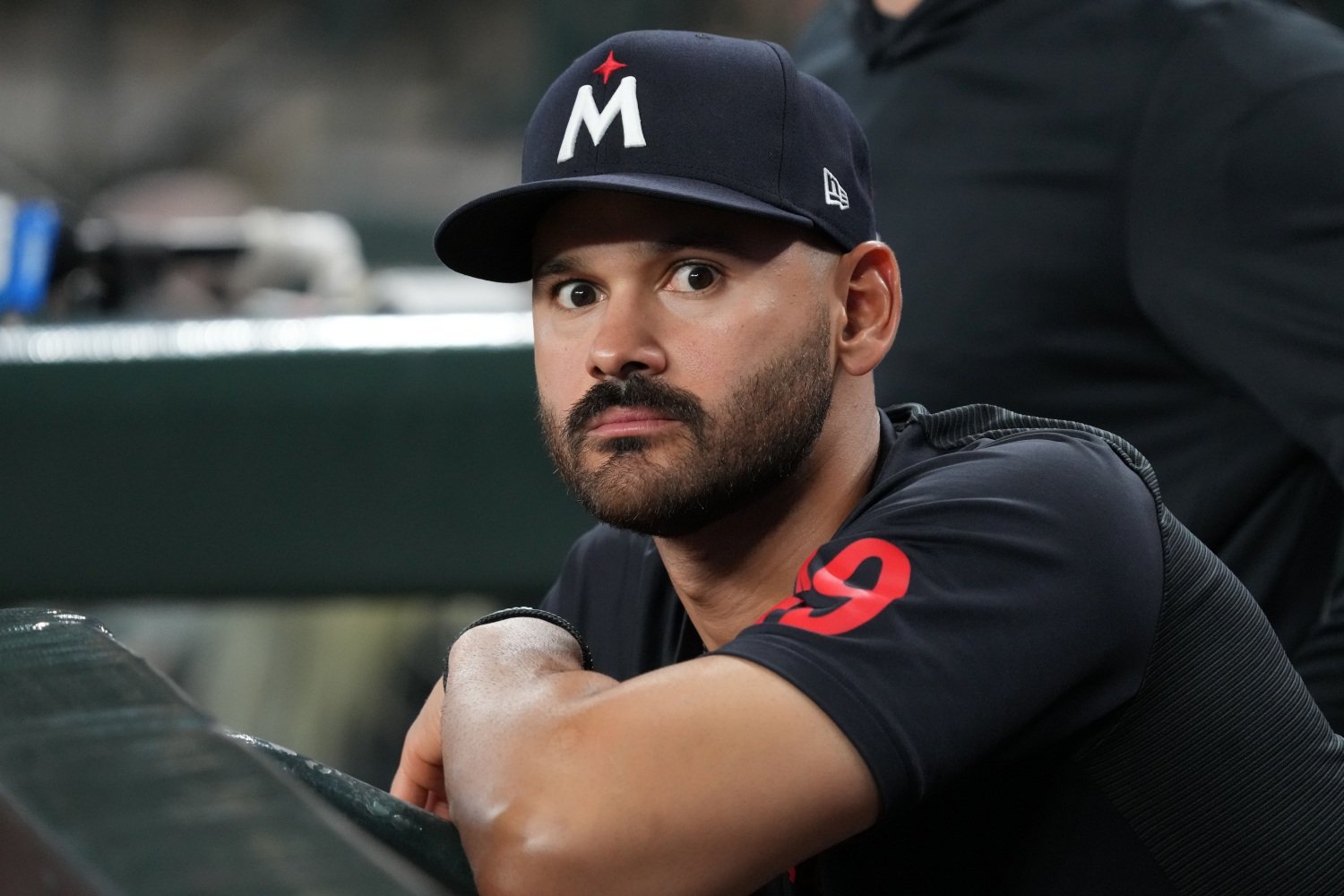 The Minnesota Twins have spent much of the last few years asking fans to believe in the future. Believe in the young players. Believe in the player development system. Believe that the next wave of prospects can eventually form the foundation of a sustainable contender. There is nothing wrong with believing in those things. At some point, though, ownership has to show it believes in them, too. Tom Pohlad has already said the Twins' 2027 payroll will increase. "I'm not hoping—it will be higher," Pohlad said. "For us to accomplish the things that we want to accomplish, and be a consistently competitive team in the playoffs, and going deep, we have to make an investment into this team." That's a meaningful statement. It also creates a very simple question for the Twins heading into the offseason. How much higher? $30 Million Isn't Aggressive The easiest way to look at the situation is through the numbers. The Twins entered 2026 with an Opening Day payroll around $105 million, their lowest Opening Day figure since 2017. The trade deadline additions of A.J. Minter, Dean Kremer and Jeff Hoffman pushed the club's estimated payroll commitment to roughly $109 million for the season. So what happens if Minnesota adds $30 million this winter? The payroll reaches approximately $135 million. That would be meaningful compared to where the Twins are today. But it would not exactly qualify as an aggressive offseason. It would essentially take Minnesota back to where it was in 2025. The Twins entered that season with an Opening Day payroll estimated around $144.3 million. In other words, $30 million would represent an increase. But it wouldn't represent a major change in organizational spending. It would represent getting back to a level the Twins have already demonstrated they can reach. What About $60 Million? Now, we're talking about something different. Adding $60 million to a roughly $105 million baseline would put Minnesota around $165 million. That would bring the Twins back to the neighborhood of their record spending in 2023. Minnesota carried a payroll around $156 million on Opening Day in 2023 and finished the season around $160 million, depending on the accounting method used. That club won the American League Central and won a postseason series for the first time in over two decades. That doesn't mean spending $160 million guarantees anything. It doesn't. But it would send a very different message. A $160 million-plus payroll would tell the fan base that the organization isn't simply replacing departing salaries or filling holes around a young roster. It is actively trying to build a team capable of competing at the highest level. That would also give Jeremy Zoll considerably more flexibility. The Twins don't need to spend $60 million on one player. In fact, that's probably not the best way to approach the roster. They could spread that money across multiple areas. A starting pitcher. A high-leverage reliever. A legitimate middle-of-the-order bat. A catcher. Bench depth. Suddenly, a roster with an intriguing young core starts looking much different. $80 Million Would Be a Statement Then there's the $80 million question. A $105 million payroll plus $80 million would put Minnesota around $185 million. That would be a franchise-level commitment. It would also put the Twins well above their 2023 spending and into a payroll range they haven't consistently approached. Would $185 million guarantee a championship? Of course not. Would it guarantee the Twins make the playoffs? No. But there is an important distinction between spending money and spending money intelligently. The Twins have plenty of young players who should occupy roster spots at relatively low salaries. Walker Jenkins, Emmanuel Rodriguez, Kaelen Culpepper, Brooks Lee, Luke Keaschall and others could give the front office something every team wants: talented players who aren't yet expensive. That means Minnesota doesn't necessarily need to spend $185 million simply to have an expensive roster. It could use that money to address the areas where the current roster is weakest. That's what aggressive spending should look like. Not spending for the sake of spending. Spending to turn weaknesses into strengths. The Payroll Can't Be the Excuse Anymore This is where the conversation becomes bigger than a dollar amount. For years, payroll has been part of the Twins' explanation for why roster construction has to be creative. There have been legitimate reasons for those constraints. The uncertainty surrounding the local television situation played a role in the organization's payroll decisions. The Twins dropped from their franchise-record spending in 2023, and ownership publicly acknowledged that financial considerations were part of the decision. But that explanation can't carry the organization forever. The 2026 season provided an interesting case study. The Twins remained competitive deep into the season despite operating with one of baseball's lower payrolls. Then, at the trade deadline, ownership gave Zoll the flexibility to add A.J. Minter, Dean Kremer and Jeff Hoffman while taking on more than $8 million in prorated salary. That was important. It showed what can happen when the front office has financial flexibility. It also showed that the Twins aren't simply asking whether they can afford to add players. They're capable of making those additions when ownership gives them the room to do it. That makes 2027 different. There shouldn't be another surprise waiting around the corner. There shouldn't be a sudden need to cut payroll. There shouldn't be a repeat of the organization explaining why it can't pursue a player because the financial parameters are too restrictive. Pohlad has already told everyone the payroll will increase. Now the organization has to show what that means. A payroll increase that merely makes room for similar veteran scoop-ups as the ones they made last winter while retaining Joe Ryan, Pablo López and Trevor Larnach wouldn't be especially inspiring—though everyone should want those two hurlers to stick around. An increase that meaningfully changes what the team can do this winter is one that would probably, finally, make Pohlad flinch—but that's what needs to happen. How much will the Twins spend this winter? Leave a comment and start the discussion.
 -
Image courtesy of William Parmeter The Minnesota Twins have spent plenty of time looking back at their first-round draft history this season. Byron Buxton, Royce Lewis, Trevor Larnach, and Brooks Lee have all taken the field for the club, while Kaelen Culpepper, Walker Jenkins, and Aaron Sabato made their MLB debuts. With the Twins officially running out of things to accomplish in 2026, the organization has decided there is only one logical next step. Call Keoni Cavaco. Yes, that Keoni Cavaco. The Twins selected Cavaco with the 13th overall pick in the 2019 MLB Draft, hoping the high school shortstop could eventually develop into an impact big-league player. Things did not exactly go according to plan. Cavaco reached High-A in the Twins system, where he posted a .529 OPS as a 23-year-old. After departing the organization, he spent the last two seasons playing for Chicago in the independent American Association. Apparently, that experience has also included a career change. Cavaco has transitioned to pitching. Naturally, the Twins are interested. “We've been looking at our bullpen options, and Keoni's name kept coming up,” Twins general manager Jeremy Zoll said. “Eventually, somebody asked, ‘Wait, is he still technically one of our first-round picks?’ We checked. Then we checked again. Once we confirmed the rules, we figured we might as well give him a call.” The call itself reportedly took several attempts. “I thought they had lost my number,” Cavaco said. “Honestly, I assumed they had lost it in 2021. Then I figured it was definitely gone by 2023. When I saw the Minnesota area code, I thought it was Target Customer Service for a complaint I recently made about their Lego clearance." Instead, it was the Twins asking whether he would like to make his major-league debut. At this point, there wasn't much reason to say no. The First-Round Reunion The Cavaco addition would give Minnesota another former first-round pick on the field and continue a theme that has developed throughout the final weeks of the season. For Shelton, it is all about getting as much first-round talent onto the field as possible. “It's great to have as much first-round talent on the field as possible,” Twins manager Derek Shelton said. “That's something we really value here. We're actually thinking about asking Tyler Jay and Kohl Stewart to come back for next season.” Jay was the sixth overall pick by Minnesota in 2015. Stewart was the fourth overall pick in 2013. The Twins are reportedly also checking whether anyone remembers where they drafted Levi Michael. “We're just trying to create opportunities,” Shelton said. “If you were selected in the first round by the Twins at some point, we'd like to hear from you.” Cavaco's transition to the mound could make him particularly intriguing for a team that has spent much of the season searching for bullpen answers. At the very least, he offers something different. Nobody else in the organization can say they were the 13th overall pick in 2019, reached High-A, spent two seasons in independent baseball, became a pitcher, and then got a call from the Twins asking if he was available for the final week of the season. It has been an unconventional journey. Now, it could end with Cavaco standing on a major-league mound at Target Field. And if that happens, Minnesota's 2019 first-round pick will finally make his Twins debut. Only took seven years. Not bad for a rebuilding bullpen. View full article
-
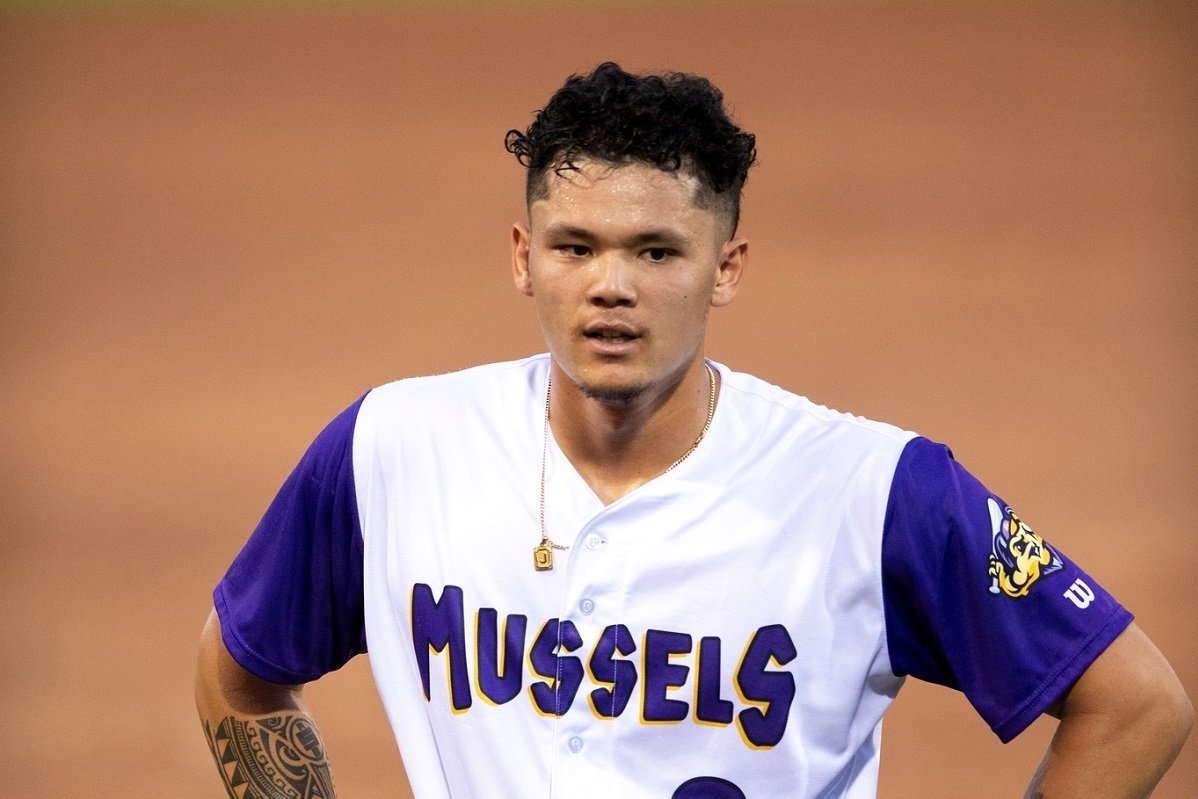 The Minnesota Twins have spent plenty of time looking back at their first-round draft history this season. Byron Buxton, Royce Lewis, Trevor Larnach, and Brooks Lee have all taken the field for the club, while Kaelen Culpepper, Walker Jenkins, and Aaron Sabato made their MLB debuts. With the Twins officially running out of things to accomplish in 2026, the organization has decided there is only one logical next step. Call Keoni Cavaco. Yes, that Keoni Cavaco. The Twins selected Cavaco with the 13th overall pick in the 2019 MLB Draft, hoping the high school shortstop could eventually develop into an impact big-league player. Things did not exactly go according to plan. Cavaco reached High-A in the Twins system, where he posted a .529 OPS as a 23-year-old. After departing the organization, he spent the last two seasons playing for Chicago in the independent American Association. Apparently, that experience has also included a career change. Cavaco has transitioned to pitching. Naturally, the Twins are interested. “We've been looking at our bullpen options, and Keoni's name kept coming up,” Twins general manager Jeremy Zoll said. “Eventually, somebody asked, ‘Wait, is he still technically one of our first-round picks?’ We checked. Then we checked again. Once we confirmed the rules, we figured we might as well give him a call.” The call itself reportedly took several attempts. “I thought they had lost my number,” Cavaco said. “Honestly, I assumed they had lost it in 2021. Then I figured it was definitely gone by 2023. When I saw the Minnesota area code, I thought it was Target Customer Service for a complaint I recently made about their Lego clearance." Instead, it was the Twins asking whether he would like to make his major-league debut. At this point, there wasn't much reason to say no. The First-Round Reunion The Cavaco addition would give Minnesota another former first-round pick on the field and continue a theme that has developed throughout the final weeks of the season. For Shelton, it is all about getting as much first-round talent onto the field as possible. “It's great to have as much first-round talent on the field as possible,” Twins manager Derek Shelton said. “That's something we really value here. We're actually thinking about asking Tyler Jay and Kohl Stewart to come back for next season.” Jay was the sixth overall pick by Minnesota in 2015. Stewart was the fourth overall pick in 2013. The Twins are reportedly also checking whether anyone remembers where they drafted Levi Michael. “We're just trying to create opportunities,” Shelton said. “If you were selected in the first round by the Twins at some point, we'd like to hear from you.” Cavaco's transition to the mound could make him particularly intriguing for a team that has spent much of the season searching for bullpen answers. At the very least, he offers something different. Nobody else in the organization can say they were the 13th overall pick in 2019, reached High-A, spent two seasons in independent baseball, became a pitcher, and then got a call from the Twins asking if he was available for the final week of the season. It has been an unconventional journey. Now, it could end with Cavaco standing on a major-league mound at Target Field. And if that happens, Minnesota's 2019 first-round pick will finally make his Twins debut. Only took seven years. Not bad for a rebuilding bullpen.
 -
 The Minnesota Twins are making another change behind the scenes. The organization has parted ways with longtime scout and former amateur scouting director Deron Johnson, according to Bobby Nightengale Jr. of the Star Tribune. The Twins eliminated Johnson's senior advisor position, bringing an end to more than three decades with the organization. Johnson originally joined Minnesota in January 1994 as an area scout covering Northern California. He eventually moved into a larger role as the club's West Coast supervisor before being promoted to scouting director in September 2007. His tenure leading the amateur scouting department included nine drafts and several notable selections. The first draft under his direction produced Aaron Hicks with the 14th overall pick in 2008. Johnson was also at the helm when Minnesota selected Byron Buxton second overall in 2012. Other first-round selections made while Johnson served as scouting director included Kohl Stewart, Nick Gordon and Tyler Jay. Not every pick developed into a long-term contributor, but Johnson's fingerprints were on a significant portion of the organization's amateur talent pipeline during that era. The Twins moved Johnson into a senior advisory role following the 2016 season. Rather than stepping away from scouting, he continued evaluating talent and contributed to professional, international and minor-league scouting efforts. Now, that position has been eliminated. The timing is notable as Minnesota continues making changes throughout its baseball operations department. The Twins entered the final week of the 2026 season already eliminated from postseason contention, with the organization beginning to look toward what comes next. Johnson's departure also comes on the same day Minnesota selected the contract of Aaron Sabato, the former first-round pick from the 2020 draft, allowing him to make his major-league debut. After 32 years with the Twins and a career that included nearly every level of the scouting department, Johnson's departure represents the end of a significant chapter in Minnesota's front-office history.
 -
The Minnesota Twins are making another change behind the scenes. The organization has parted ways with longtime scout and former amateur scouting director Deron Johnson, according to Bobby Nightengale Jr. of the Star Tribune. The Twins eliminated Johnson's senior advisor position, bringing an end to more than three decades with the organization. Johnson originally joined Minnesota in January 1994 as an area scout covering Northern California. He eventually moved into a larger role as the club's West Coast supervisor before being promoted to scouting director in September 2007. His tenure leading the amateur scouting department included nine drafts and several notable selections. The first draft under his direction produced Aaron Hicks with the 14th overall pick in 2008. Johnson was also at the helm when Minnesota selected Byron Buxton second overall in 2012. Other first-round selections made while Johnson served as scouting director included Kohl Stewart, Nick Gordon and Tyler Jay. Not every pick developed into a long-term contributor, but Johnson's fingerprints were on a significant portion of the organization's amateur talent pipeline during that era. The Twins moved Johnson into a senior advisory role following the 2016 season. Rather than stepping away from scouting, he continued evaluating talent and contributed to professional, international and minor-league scouting efforts. Now, that position has been eliminated. The timing is notable as Minnesota continues making changes throughout its baseball operations department. The Twins entered the final week of the 2026 season already eliminated from postseason contention, with the organization beginning to look toward what comes next. Johnson's departure also comes on the same day Minnesota selected the contract of Aaron Sabato, the former first-round pick from the 2020 draft, allowing him to make his major-league debut. After 32 years with the Twins and a career that included nearly every level of the scouting department, Johnson's departure represents the end of a significant chapter in Minnesota's front-office history. View full rumor
-
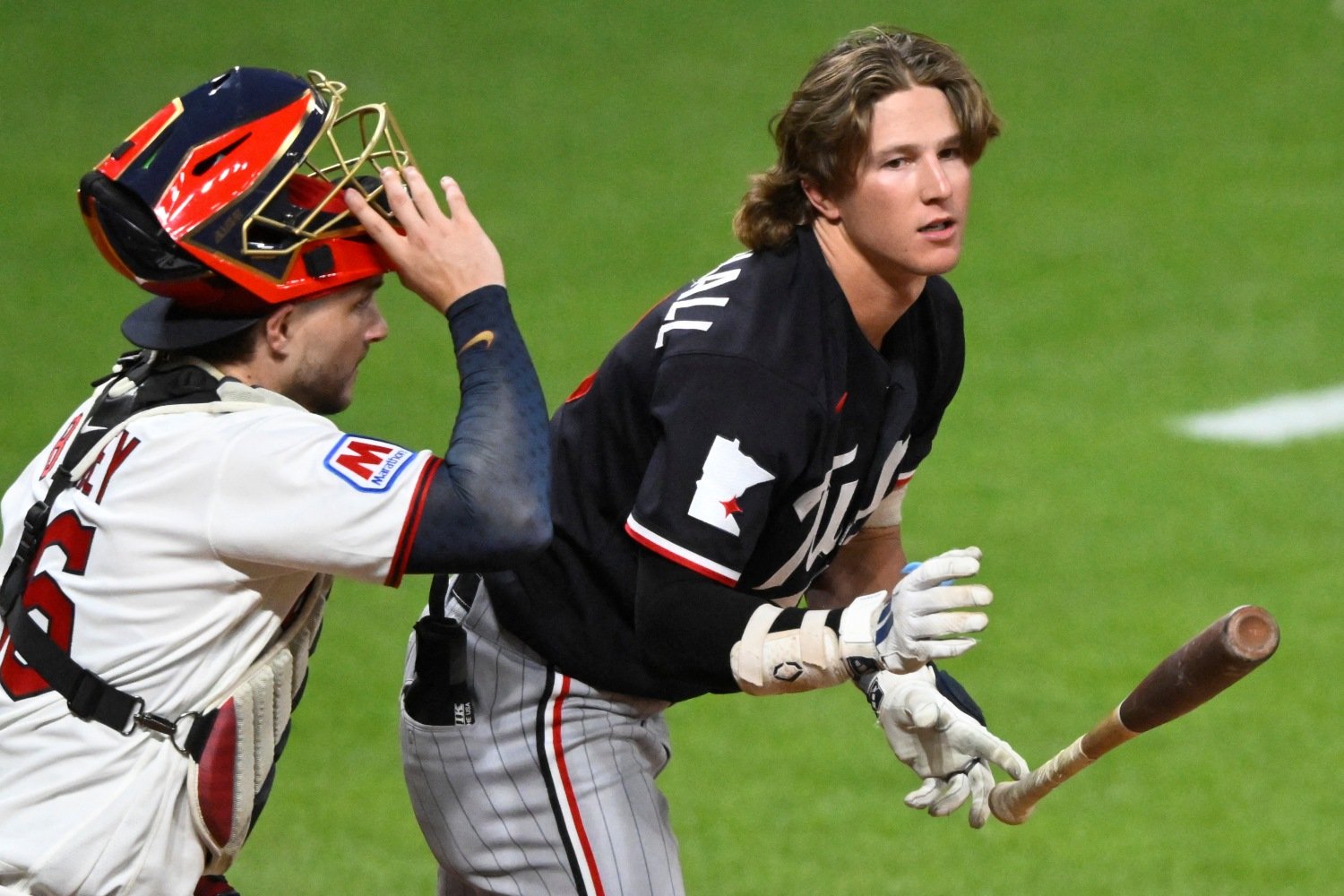 Getting hit by a pitch isn't something a hitter wants to become known for. For Luke Keaschall, however, it's becoming an important part of the package. The Twins' second-year player has spent much of his baseball career finding his way onto first base the hard way. That trend has continued in the majors, where Keaschall recently set a new franchise record by being hit by his 22nd pitch of the season. That record comes with an interesting backstory, because getting hit by a pitch has already cost Keaschall significant time in the majors. During his first week in the big leagues in 2025, Keaschall was hit by an 87-MPH pitch from Kyle Hendricks. The collision fractured his arm and forced him to miss roughly three months. It would have been understandable if that experience changed the way he approached the inside half of the plate. It didn't. Instead, Keaschall has continued doing what he's done throughout his baseball career. Now, he's the Twins' single-season leader in getting plunked. It's Part of His Game Keaschall's 22nd hit-by-pitch of the season came Friday in Anaheim, moving him past Willi Castro's franchise record of 21, set in 2024. Rather than treating the milestone as something particularly strange, Keaschall views it as another consequence of his approach at the plate. "It's part of my game,” Keaschall told reporters. “I've got short levers, so I have to stand on the plate a little closer than other guys to be able to cover [outside pitches]. It's just part of it." That explanation gets to the heart of why Keaschall has been hit so often. His body positioning and swing mechanics require him to crowd the plate. Standing closer gives him a better chance to reach pitches on the outer portion of the strike zone, but it also leaves him less room to avoid an errant pitch aimed for the inner half. There is a tradeoff. Keaschall appears more than willing to accept it. The numbers show this isn't some new development, though. During his sophomore season at the University of San Francisco, Keaschall was hit 19 times in only 57 games. He added another 13 plunkings in 55 games as a junior at Arizona State. Then, in 2024, he was plunked 18 times in 103 minor-league games. This has been following Keaschall around for years. "I've just gotten hit a lot my whole career," Keaschall said. "I land a little more closed with my front foot striding toward the plate, so I don't really bail on pitches like a lot of guys who land more open. I've just always got hit a lot." That's the big thing. Keaschall actually doesn't stand much closer to the plate than an average batter, but with a deep crouch, a high leg kick and a stride that takes him from open in his stance to more closed, he moves toward the plate until very late in his hitting actions. Many hitters are neutral or moving away from the plate earlier than Keaschall is. The right one.mp4 The Injury Didn't Change Him There's some irony in Keaschall breaking a Twins record for hit-by-pitches after a hit-by-pitch nearly derailed his rookie season. The Hendricks pitch was not some minor inconvenience. Keaschall suffered a fractured arm and spent approximately three months away from the Twins. Yet, when he returned, he didn't suddenly start backing away from the plate. That says something about how ingrained this approach has become. Keaschall was already comfortable operating close to the strike zone's edges. His willingness to stand near the plate is connected to the rest of his offensive profile. He wants to control the zone, get on base and put pressure on the defense. Getting hit is simply one way that happens. Protective equipment reduces the physical toll, but it doesn't eliminate the risk. There's still a certain amount of courage involved in repeatedly standing in the same spot after learning firsthand that a pitch can end your season. Not only is Keaschall doing so, but he still moves into the ball the same (arguably ill-advised) way that he did 17 months ago. Here's a side-by-side look at the moment he was hit by the pitch that broke his arm, and at a pitch that hit him against the Angels over the weekend in almost the same spot. The pitch on the right was 10 MPH harder. The pad he now wears spared him another major injury; he's chosen to wear that instead of adjusting the way he hits. When a hitter consistently crowds the plate, the margin for error becomes smaller. Keaschall's style puts him in that territory. Chuck Knoblauch remains the all-time Twins leader with 74 hit-by-pitches during his seven seasons with the organization. César Tovar ranks second with 68. Keaschall has a long way to go before approaching those career totals, but the single-season record is already his. Considering his history, it might not be his last record involving a baseball hitting him. Considering the nature of this approach, though, last year's might also not be the only time it costs him dearly. The July Transformation The most interesting part of Keaschall's 2026 hit-by-pitch total might not be the final number. It's when the plunkings started piling up. Keaschall was hit by only five pitches during his first 81 games of the season. Since July 1, however, he's been a completely different kind of target. Over the 64 games since that date, Keaschall has been hit 17 times, the most in the majors during that span. That's more than three times as many hit-by-pitches as he accumulated during the first half of the season. That's turned an interesting part of his offensive profile into a legitimate weapon. As Keaschall has settled into the major leagues, he's increasingly looked comfortable at the plate. His ability to get on base doesn't rely solely on getting hits. He can draw walks, use his speed, or (apparently) allow pitchers to provide him with a free trip to first base. That's valuable for any hitter. It's especially valuable for someone who could find himself near the top of Minnesota's lineup on a regular basis. What the Hit-By-Pitches Add to His Offensive Profile Obviously, getting on base is good, as long as it doesn't come at the expense of one's bone integrity. Being hit by pitches is an efficient way to pad OBP, too, because rather than requiring one to work a walk by taking four pitches outside the zone, it puts one on base immediately. If you're willing to get hit, you can afford to be a bit more aggressive at the plate (and, hopefully, get more hits, which are still more valuable than walks or being hit) without missing out on chances to reach via pitchers being wild. There is also a secondary benefit. Pitchers know Keaschall is willing to stand close to the plate. That can make the inside portion of the strike zone an important part of every matchup. If pitchers miss their spots, Keaschall can reach base. If they move too far away from the inside edge, he has the plate coverage to handle pitches farther away. The Art of Getting Hit There aren't many players who can say getting hit by a pitch is an intentional part of their offensive identity. Keaschall isn't trying to get hit. He's simply unwilling to move away from the plate just because he might get hit. The 22 hit-by-pitches are a byproduct of his approach, his body positioning and his desire to cover the entire strike zone. After already suffering a serious injury from one of those pitches, Keaschall has shown no interest in changing what has made him successful. He's gambling with his body. As long as he wears the right equipment and wins the bets he's making, though, it's a worthwhile tradeoff. Now, he's in the Twins record book because of it. As Minnesota looks toward the future, Keaschall could become a fixture near the top of the lineup. His ability to reach base, run, battle through at-bats and create pressure on opposing pitchers gives him an intriguing offensive foundation. If he keeps standing close to the plate, there will probably be plenty more free trips to first base along the way. What does this unique skill add to Keaschall's offensive profile? Leave a comment and start the discussion.
- 12 comments
-
- 1
-
-
- luke keaschall
- willi castro
- (and 1 more)
-
Image courtesy of David Richard-Imagn Images Getting hit by a pitch isn't something a hitter wants to become known for. For Luke Keaschall, however, it's becoming an important part of the package. The Twins' second-year player has spent much of his baseball career finding his way onto first base the hard way. That trend has continued in the majors, where Keaschall recently set a new franchise record by being hit by his 22nd pitch of the season. That record comes with an interesting backstory, because getting hit by a pitch has already cost Keaschall significant time in the majors. During his first week in the big leagues in 2025, Keaschall was hit by an 87-MPH pitch from Kyle Hendricks. The collision fractured his arm and forced him to miss roughly three months. It would have been understandable if that experience changed the way he approached the inside half of the plate. It didn't. Instead, Keaschall has continued doing what he's done throughout his baseball career. Now, he's the Twins' single-season leader in getting plunked. It's Part of His Game Keaschall's 22nd hit-by-pitch of the season came Friday in Anaheim, moving him past Willi Castro's franchise record of 21, set in 2024. Rather than treating the milestone as something particularly strange, Keaschall views it as another consequence of his approach at the plate. "It's part of my game,” Keaschall told reporters. “I've got short levers, so I have to stand on the plate a little closer than other guys to be able to cover [outside pitches]. It's just part of it." That explanation gets to the heart of why Keaschall has been hit so often. His body positioning and swing mechanics require him to crowd the plate. Standing closer gives him a better chance to reach pitches on the outer portion of the strike zone, but it also leaves him less room to avoid an errant pitch aimed for the inner half. There is a tradeoff. Keaschall appears more than willing to accept it. The numbers show this isn't some new development, though. During his sophomore season at the University of San Francisco, Keaschall was hit 19 times in only 57 games. He added another 13 plunkings in 55 games as a junior at Arizona State. Then, in 2024, he was plunked 18 times in 103 minor-league games. This has been following Keaschall around for years. "I've just gotten hit a lot my whole career," Keaschall said. "I land a little more closed with my front foot striding toward the plate, so I don't really bail on pitches like a lot of guys who land more open. I've just always got hit a lot." That's the big thing. Keaschall actually doesn't stand much closer to the plate than an average batter, but with a deep crouch, a high leg kick and a stride that takes him from open in his stance to more closed, he moves toward the plate until very late in his hitting actions. Many hitters are neutral or moving away from the plate earlier than Keaschall is. The right one.mp4 The Injury Didn't Change Him There's some irony in Keaschall breaking a Twins record for hit-by-pitches after a hit-by-pitch nearly derailed his rookie season. The Hendricks pitch was not some minor inconvenience. Keaschall suffered a fractured arm and spent approximately three months away from the Twins. Yet, when he returned, he didn't suddenly start backing away from the plate. That says something about how ingrained this approach has become. Keaschall was already comfortable operating close to the strike zone's edges. His willingness to stand near the plate is connected to the rest of his offensive profile. He wants to control the zone, get on base and put pressure on the defense. Getting hit is simply one way that happens. Protective equipment reduces the physical toll, but it doesn't eliminate the risk. There's still a certain amount of courage involved in repeatedly standing in the same spot after learning firsthand that a pitch can end your season. Not only is Keaschall doing so, but he still moves into the ball the same (arguably ill-advised) way that he did 17 months ago. Here's a side-by-side look at the moment he was hit by the pitch that broke his arm, and at a pitch that hit him against the Angels over the weekend in almost the same spot. The pitch on the right was 10 MPH harder. The pad he now wears spared him another major injury; he's chosen to wear that instead of adjusting the way he hits. When a hitter consistently crowds the plate, the margin for error becomes smaller. Keaschall's style puts him in that territory. Chuck Knoblauch remains the all-time Twins leader with 74 hit-by-pitches during his seven seasons with the organization. César Tovar ranks second with 68. Keaschall has a long way to go before approaching those career totals, but the single-season record is already his. Considering his history, it might not be his last record involving a baseball hitting him. Considering the nature of this approach, though, last year's might also not be the only time it costs him dearly. The July Transformation The most interesting part of Keaschall's 2026 hit-by-pitch total might not be the final number. It's when the plunkings started piling up. Keaschall was hit by only five pitches during his first 81 games of the season. Since July 1, however, he's been a completely different kind of target. Over the 64 games since that date, Keaschall has been hit 17 times, the most in the majors during that span. That's more than three times as many hit-by-pitches as he accumulated during the first half of the season. That's turned an interesting part of his offensive profile into a legitimate weapon. As Keaschall has settled into the major leagues, he's increasingly looked comfortable at the plate. His ability to get on base doesn't rely solely on getting hits. He can draw walks, use his speed, or (apparently) allow pitchers to provide him with a free trip to first base. That's valuable for any hitter. It's especially valuable for someone who could find himself near the top of Minnesota's lineup on a regular basis. What the Hit-By-Pitches Add to His Offensive Profile Obviously, getting on base is good, as long as it doesn't come at the expense of one's bone integrity. Being hit by pitches is an efficient way to pad OBP, too, because rather than requiring one to work a walk by taking four pitches outside the zone, it puts one on base immediately. If you're willing to get hit, you can afford to be a bit more aggressive at the plate (and, hopefully, get more hits, which are still more valuable than walks or being hit) without missing out on chances to reach via pitchers being wild. There is also a secondary benefit. Pitchers know Keaschall is willing to stand close to the plate. That can make the inside portion of the strike zone an important part of every matchup. If pitchers miss their spots, Keaschall can reach base. If they move too far away from the inside edge, he has the plate coverage to handle pitches farther away. The Art of Getting Hit There aren't many players who can say getting hit by a pitch is an intentional part of their offensive identity. Keaschall isn't trying to get hit. He's simply unwilling to move away from the plate just because he might get hit. The 22 hit-by-pitches are a byproduct of his approach, his body positioning and his desire to cover the entire strike zone. After already suffering a serious injury from one of those pitches, Keaschall has shown no interest in changing what has made him successful. He's gambling with his body. As long as he wears the right equipment and wins the bets he's making, though, it's a worthwhile tradeoff. Now, he's in the Twins record book because of it. As Minnesota looks toward the future, Keaschall could become a fixture near the top of the lineup. His ability to reach base, run, battle through at-bats and create pressure on opposing pitchers gives him an intriguing offensive foundation. If he keeps standing close to the plate, there will probably be plenty more free trips to first base along the way. What does this unique skill add to Keaschall's offensive profile? Leave a comment and start the discussion. View full article
-
Minnesota Twins Prospect Retrospective: Aaron Sabato
Cody Christie posted an article in Minor Leagues
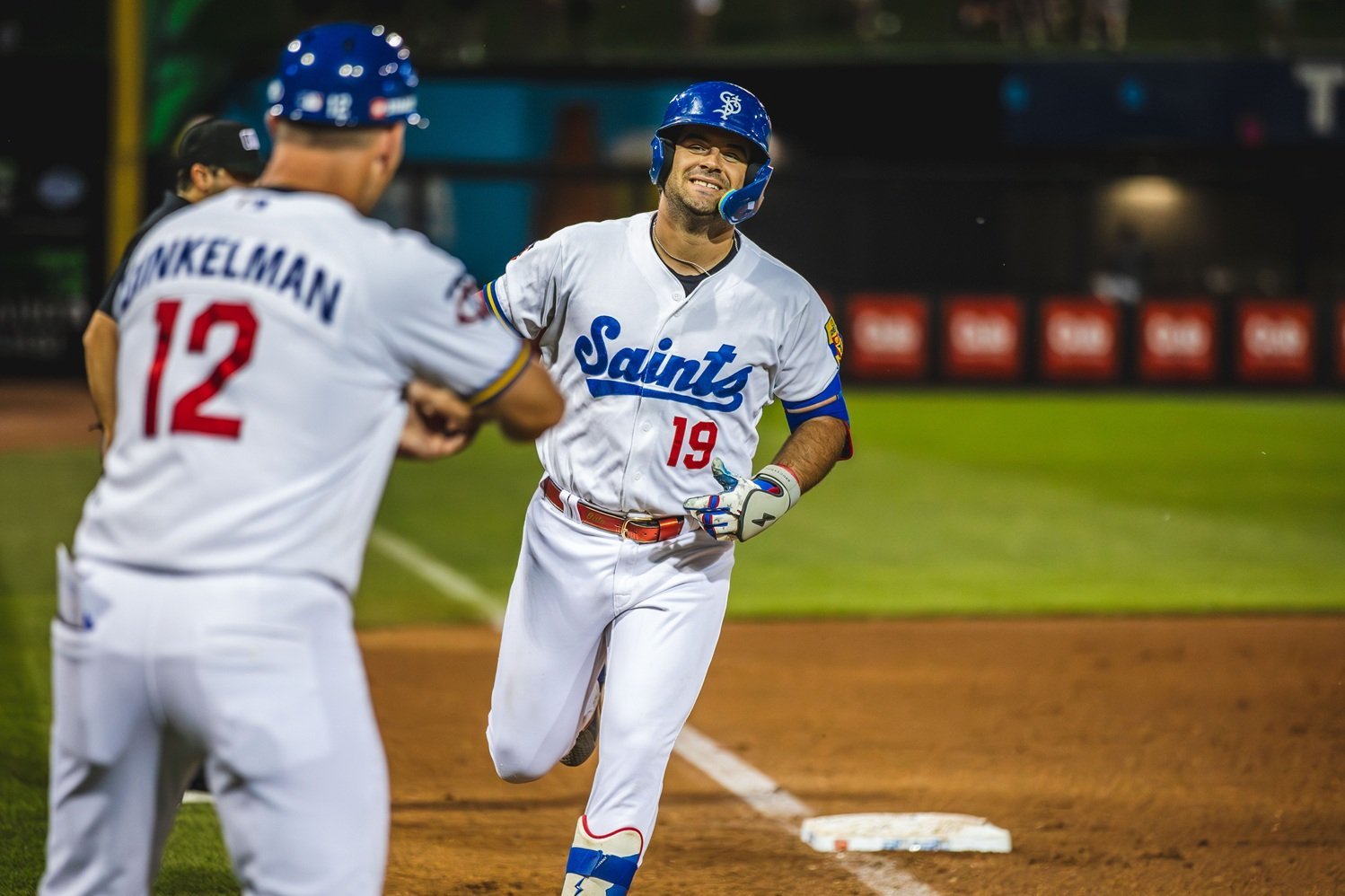 There was a time when Aaron Sabato had one of the biggest offensive upsides in the Minnesota Twins organization. The Twins selected Sabato 27th overall in the 2020 MLB Draft out of the University of North Carolina, betting on a powerful college bat that had produced at one of the highest levels of amateur baseball. The COVID-19 pandemic wiped out his first opportunity to play professionally, but Sabato finally began his climb through the organization in 2021.The journey did not go exactly as planned. There were plenty of home runs and walks along the way, but Sabato also struggled with strikeouts and consistency. His prospect stock declined as he moved through the system, eventually taking him from one of the organization's top prospects to a player fighting simply to get back onto the major league radar. Now, over six years after the Twins drafted him, Sabato is finally getting his chance. Minnesota selected his contract from Triple-A St. Paul on Monday, September 21, giving the 27-year-old his first opportunity in the major leagues. Here's how Sabato's journey unfolded year by year. 2020: Drafted in the First Round Sabato entered the 2020 MLB Draft after a standout career at North Carolina. In his abbreviated 2020 college season, Sabato hit .292/.478/.708 (1.149) with seven home runs and 18 RBI in just 19 games. The year before, he had hit .343/.453/.696 (1.185) with 18 home runs and 63 RBI. The Twins selected him at the end of the first round. There was plenty to like about the profile. Sabato possessed significant raw power, a strong understanding of the strike zone and experience playing first base against quality college competition. But the 2020 season was unlike any other. Because of the COVID-19 pandemic, the minor league season was canceled. Sabato had to wait until the following year to begin his professional career. 2021: The Professional Debut Sabato's first professional season provided both reasons for optimism and some early warning signs. He split the year between Low-A Fort Myers and High-A Cedar Rapids, appearing in 107 games. Overall, he hit .202/.373/.410 (.783) with 19 home runs and a 121 wRC+. The batting average was difficult to overlook, but neither was the plate discipline. Sabato walked 19.8% of the time and showed the power that made him a first-round selection. His 32.1% strikeout rate was also tough to ignore as he was older than the average age of the competition at Low-A, where he played the majority of the season. His transition to Cedar Rapids was particularly encouraging. In 22 games with the Kernels, Sabato hit .253/.402/.613 with eight home runs and 15 RBI. That translated to a 1.015 OPS over his brief time at the higher level. The Twins still had a young first baseman with considerable power and patience. The question was whether he could make enough contact to turn those tools into consistent production. 2022: More Power, Same Questions Sabato returned to Cedar Rapids to begin the 2022 season and continued to show the power that had made him a first-round pick. He hit 17 home runs with the Kernels and posted a .799 OPS across 80 games. Overall, Sabato played 103 games between Cedar Rapids and Double-A Wichita. He hit .215/.336/.438 (.774) with 22 home runs and 75 RBI. The power was still there. So were the strikeouts. Sabato had a 31.8 K% and a 13.2 BB%. His promotion to Double-A also exposed some of the challenges that would follow him throughout his development. In 23 games with Wichita, he hit just .179/.283/.405 (.688). The Twins had a hitter who could change a game with one swing, but getting him to consistently make contact against more advanced pitching remained the major developmental hurdle. 2023: Double-A Reality Check Sabato spent the entire 2023 season with Wichita, giving him his first extended opportunity to settle into Double-A baseball. The results were mixed. He played 77 games and hit .221/.329/.430 (.759) with 12 home runs, 45 RBI and 19 doubles. The 12 home runs were still evidence of the power in his bat, but the overall offensive production wasn't enough to push him toward the upper levels of the organization. Sabato also struck out 101 times in 319 plate appearances (32.3 K%). At this point, the narrative around the former first-round pick had changed. The question was no longer whether Sabato possessed enough power to play professionally. He clearly did. Instead, the organization needed to determine whether his approach would allow that power to translate against major league-caliber pitching. 2024: A Step Back The 2024 season was arguably the most difficult stretch of Sabato's professional career. He returned to Double-A Wichita, appearing in 85 games. Sabato hit just .206/.303/.350 (.653) with 10 home runs and an 83 wRC+. His .644 OPS was a significant step backward from the production he had shown earlier in his career. The power that had once been Sabato's calling card wasn't showing up with the same frequency, and his overall offensive profile left him fighting for relevance within a deepening Twins farm system. For a player drafted in the first round just four years earlier, it was a difficult position. But Sabato wasn't finished. 2025: The Turning Point Something changed in 2025. Sabato split time between Double- and Triple-A, and his offensive production finally started moving back in the right direction. Across 109 games, he hit .261/.327/.481 (.809) with 23 home runs, 18 doubles and a 112 wRC+. His .808 OPS represented a significant improvement from the previous season. More importantly, the home-run power returned. Sabato's 23 homers were his highest total since 2022, while his .261 batting average was easily the best mark of his professional career to that point. He wasn't suddenly viewed as the same prospect he had been after being drafted, but he had established himself as a productive minor league hitter again. That set the stage for 2026. 2026: The Breakthrough Sabato's 2026 campaign in the minor leagues became the strongest argument yet that he deserved another look. Playing 113 games for St. Paul, Sabato hit .273/.349/.528 (.877) with 29 doubles, 25 home runs, and a 121 wRC+. His .877 OPS was easily the highest of his minor league career. Sabato also made some history along the way. On September 11, he hit his 29th double of the season, establishing a new single-season record for the St. Paul Saints. His 25 home runs also tied the franchise's single-season record at the Triple-A level. That production finally forced his way into the major league conversation. Sabato's path to the major leagues is considerably different from what many expected when the Twins selected him in the first round. He entered the organization with a reputation as one of the better power hitters in the 2020 draft class. Instead of quickly climbing toward the majors, he spent six seasons battling through inconsistent production and a strikeout-heavy offensive profile. Sabato kept working his way through the organization. After his production dipped significantly in 2024, he responded with a strong 2025 season and an even better 2026 campaign. Now he gets the reward. Six years after Minnesota called his name in the first round, Sabato has finally reached the destination. The prospect journey is over. Now the major league chapter begins. What stands out about Sabato’s minor league career? Leave a comment and start the discussion.
 -
Image courtesy of Rob Thompson, St. Paul Saints There was a time when Aaron Sabato had one of the biggest offensive upsides in the Minnesota Twins organization. The Twins selected Sabato 27th overall in the 2020 MLB Draft out of the University of North Carolina, betting on a powerful college bat that had produced at one of the highest levels of amateur baseball. The COVID-19 pandemic wiped out his first opportunity to play professionally, but Sabato finally began his climb through the organization in 2021.The journey did not go exactly as planned. There were plenty of home runs and walks along the way, but Sabato also struggled with strikeouts and consistency. His prospect stock declined as he moved through the system, eventually taking him from one of the organization's top prospects to a player fighting simply to get back onto the major league radar. Now, over six years after the Twins drafted him, Sabato is finally getting his chance. Minnesota selected his contract from Triple-A St. Paul on Monday, September 21, giving the 27-year-old his first opportunity in the major leagues. Here's how Sabato's journey unfolded year by year. 2020: Drafted in the First Round Sabato entered the 2020 MLB Draft after a standout career at North Carolina. In his abbreviated 2020 college season, Sabato hit .292/.478/.708 (1.149) with seven home runs and 18 RBI in just 19 games. The year before, he had hit .343/.453/.696 (1.185) with 18 home runs and 63 RBI. The Twins selected him at the end of the first round. There was plenty to like about the profile. Sabato possessed significant raw power, a strong understanding of the strike zone and experience playing first base against quality college competition. But the 2020 season was unlike any other. Because of the COVID-19 pandemic, the minor league season was canceled. Sabato had to wait until the following year to begin his professional career. 2021: The Professional Debut Sabato's first professional season provided both reasons for optimism and some early warning signs. He split the year between Low-A Fort Myers and High-A Cedar Rapids, appearing in 107 games. Overall, he hit .202/.373/.410 (.783) with 19 home runs and a 121 wRC+. The batting average was difficult to overlook, but neither was the plate discipline. Sabato walked 19.8% of the time and showed the power that made him a first-round selection. His 32.1% strikeout rate was also tough to ignore as he was older than the average age of the competition at Low-A, where he played the majority of the season. His transition to Cedar Rapids was particularly encouraging. In 22 games with the Kernels, Sabato hit .253/.402/.613 with eight home runs and 15 RBI. That translated to a 1.015 OPS over his brief time at the higher level. The Twins still had a young first baseman with considerable power and patience. The question was whether he could make enough contact to turn those tools into consistent production. 2022: More Power, Same Questions Sabato returned to Cedar Rapids to begin the 2022 season and continued to show the power that had made him a first-round pick. He hit 17 home runs with the Kernels and posted a .799 OPS across 80 games. Overall, Sabato played 103 games between Cedar Rapids and Double-A Wichita. He hit .215/.336/.438 (.774) with 22 home runs and 75 RBI. The power was still there. So were the strikeouts. Sabato had a 31.8 K% and a 13.2 BB%. His promotion to Double-A also exposed some of the challenges that would follow him throughout his development. In 23 games with Wichita, he hit just .179/.283/.405 (.688). The Twins had a hitter who could change a game with one swing, but getting him to consistently make contact against more advanced pitching remained the major developmental hurdle. 2023: Double-A Reality Check Sabato spent the entire 2023 season with Wichita, giving him his first extended opportunity to settle into Double-A baseball. The results were mixed. He played 77 games and hit .221/.329/.430 (.759) with 12 home runs, 45 RBI and 19 doubles. The 12 home runs were still evidence of the power in his bat, but the overall offensive production wasn't enough to push him toward the upper levels of the organization. Sabato also struck out 101 times in 319 plate appearances (32.3 K%). At this point, the narrative around the former first-round pick had changed. The question was no longer whether Sabato possessed enough power to play professionally. He clearly did. Instead, the organization needed to determine whether his approach would allow that power to translate against major league-caliber pitching. 2024: A Step Back The 2024 season was arguably the most difficult stretch of Sabato's professional career. He returned to Double-A Wichita, appearing in 85 games. Sabato hit just .206/.303/.350 (.653) with 10 home runs and an 83 wRC+. His .644 OPS was a significant step backward from the production he had shown earlier in his career. The power that had once been Sabato's calling card wasn't showing up with the same frequency, and his overall offensive profile left him fighting for relevance within a deepening Twins farm system. For a player drafted in the first round just four years earlier, it was a difficult position. But Sabato wasn't finished. 2025: The Turning Point Something changed in 2025. Sabato split time between Double- and Triple-A, and his offensive production finally started moving back in the right direction. Across 109 games, he hit .261/.327/.481 (.809) with 23 home runs, 18 doubles and a 112 wRC+. His .808 OPS represented a significant improvement from the previous season. More importantly, the home-run power returned. Sabato's 23 homers were his highest total since 2022, while his .261 batting average was easily the best mark of his professional career to that point. He wasn't suddenly viewed as the same prospect he had been after being drafted, but he had established himself as a productive minor league hitter again. That set the stage for 2026. 2026: The Breakthrough Sabato's 2026 campaign in the minor leagues became the strongest argument yet that he deserved another look. Playing 113 games for St. Paul, Sabato hit .273/.349/.528 (.877) with 29 doubles, 25 home runs, and a 121 wRC+. His .877 OPS was easily the highest of his minor league career. Sabato also made some history along the way. On September 11, he hit his 29th double of the season, establishing a new single-season record for the St. Paul Saints. His 25 home runs also tied the franchise's single-season record at the Triple-A level. That production finally forced his way into the major league conversation. Sabato's path to the major leagues is considerably different from what many expected when the Twins selected him in the first round. He entered the organization with a reputation as one of the better power hitters in the 2020 draft class. Instead of quickly climbing toward the majors, he spent six seasons battling through inconsistent production and a strikeout-heavy offensive profile. Sabato kept working his way through the organization. After his production dipped significantly in 2024, he responded with a strong 2025 season and an even better 2026 campaign. Now he gets the reward. Six years after Minnesota called his name in the first round, Sabato has finally reached the destination. The prospect journey is over. Now the major league chapter begins. What stands out about Sabato’s minor league career? Leave a comment and start the discussion. View full article
-
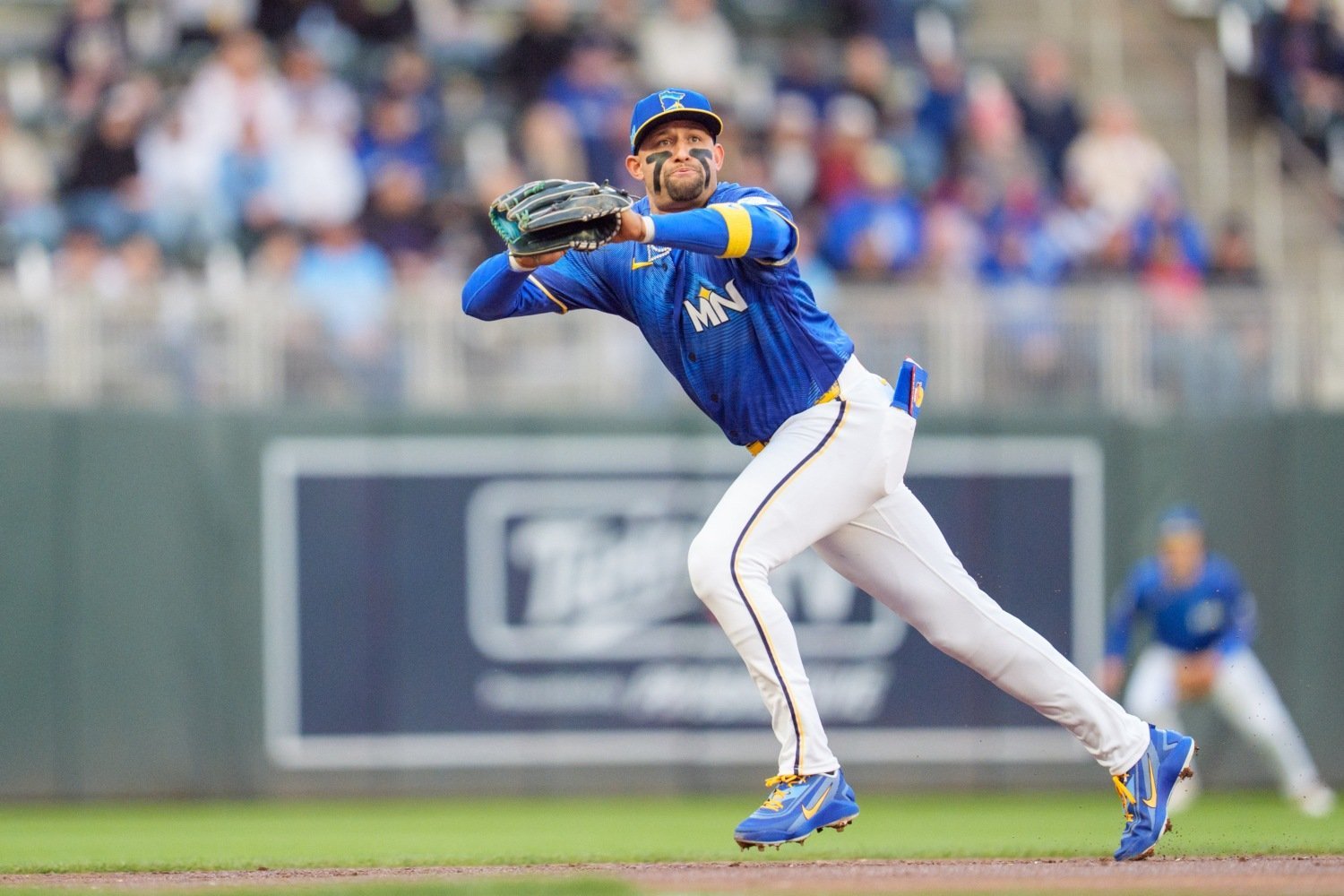 The Twins have spent much of the 2026 season trying to figure out where Royce Lewis fits. Lewis has spent most of his big-league career at third base, but the Twins have increasingly experimented with him at other positions. He's seen time at second base and first base, and the organization has made it clear that versatility is part of his path forward. If the Twins keep Lewis this offseason, though, they need to do so with a clear vision of his role for next year's team. Lewis cannot spend another season simply bouncing around the diamond without a larger plan. The Twins need to determine which position best fits his defensive abilities; which gives him the best chance to stay healthy and productive; and which one(s) his bat can support, in profile. That last part is particularly important. Lewis entered 2026 with many in the Twins front office hyping him up for a return to the production he had earlier in his career, but his campaign has not gone according to plan. In 119 games, he's hitting .228/.291/.383, with 14 homers, 24 doubles, and an 88 OPS+. That's not the offensive profile Minnesota wants from a player who was once viewed as one of the organization's foundational pieces. After showing real signs of improvement when he returned from the minors and well into August, he's been as bad down the stretch as he was in April and May. So, where does he go from here? Second Base Gives Lewis More Defensive Value There is an argument that second base is the natural landing spot for Lewis if the Twins decide to keep him. He has lateral quickness, soft hands and a modicum of speed. Those traits are more valuable at second base than at first. The defensive requirements are different, but second base allows Lewis to use some of the athleticism that made him such an intriguing prospect in the first place. The Twins have already seen him handle the position; he played there a lot for a three-week span from the All-Star break through early August. He returned to the position Saturday in Anaheim. Minnesota had also used him at second in St. Paul during his minor-league stint. At the big-league level, he's played 106 1/3 innings at second (almost all of them this year) with 1 OAA, his only position this season with a positive total. The problem is that Lewis hasn't accumulated enough second-base innings to know exactly what the long-term defensive results would look like with as much certainty as one might prefer. As a second baseman, though, his bat would also be a plus. This year, the league's keystoners have batted .248/.317/.380. That's better than Lewis's full-season line, but already, the only way the team retains him is if they believe in the version of him who batted .256/.313/.436 in his first 300 plate appearances afrer making it back from St. Paul. If the Twins don't think his bat easily clears the bar at second, the rest of this conversation is moot. First Base Takes Pressure Off the Glove, Not the Bat At first base, Lewis doesn't have to make nearly as many difficult plays. That sounds obvious, but it matters. The Twins can live with a player who's merely adequate defensively at first base if he is providing significant offensive production. Lewis has shown flashes that suggest he can be a very good receiver of throws. Statcast's first-base receiving data has credited him with positive value (2 OAA) in that area. However, his overall defense at first has been worth -3 OAA, as he has tried to learn the nuances of a new position on the fly. But first base comes with another problem. The offensive expectations increase. A .700 OPS might be survivable from a middle infielder, if the defense is good enough. It's much harder to justify from a first baseman. First basemen have hit .256/.337/.438 league-wide this year; only for a month or two has Lewis managed to meet that standard. The Twins don't need Lewis to become a Gold Glove first baseman. They need him to become a productive hitter. If he's playing first base every day (or anywhere near that), the offensive bar becomes considerably higher. That creates an interesting offseason question. Would Lewis benefit from knowing that he is playing second base every day and having the freedom to concentrate on rebuilding his offensive game? Or would moving to first allow him to focus less on difficult defensive responsibilities and put more energy into becoming the hitter Minnesota believes he can be? As is so often true with Lewis, there's no easy answer. The Position Could Affect His Offensive Development This might be the most overlooked part of the discussion. Position does not directly determine how well a player hits. But expectations, workload and defensive responsibilities can affect how a player approaches his development. Lewis has already gone through a significant adjustment period this season. He was optioned to Triple-A in May after struggling at the plate, then returned after hitting .340/.417/.868 in 2 1/2 weeks with St. Paul. When he returned, the Twins didn't simply hand him back his old third-base job. Instead, they began treating him as a more versatile player. If Minnesota decides Lewis is its second baseman, he can spend the winter preparing specifically for second base. If the Twins decide he's a first baseman, he can spend the winter becoming as polished as possible at that position. The worst outcome would be spending another season without a clear answer. Lewis Should Get the Chance to Earn Second Base If the Twins keep Royce Lewis, second base should be his primary position. That spot gives Minnesota a chance to take advantage of more of Lewis's athletic ability, while allowing his bat to develop without the offensive expectations attached to first base. There's also a bigger roster-building benefit. A Lewis-Kaelen Culpepper-Brooks Lee combination around the infield gives Minnesota three players with different defensive skill sets. If Lewis can become even an average second baseman, the Twins could have a relatively athletic infield with legitimate defensive upside. First base can then be filled by someone whose offensive profile better matches the position's expectations. That might be the most important consideration of all—though it assumes the team is proactive enough to go sign a productive first baseman this offseason. Lewis needs an opportunity to settle into a position, prepare for it during the offseason, and spend an entire season learning how to play it at the highest level. If that position is second base, the Twins would be asking Lewis to prove that his athleticism can translate to the middle infield. If it's first base, they would be asking him to prove that his bat can carry the position. For a player whose future with the organization remains one of the biggest questions of the offseason, choosing the right defensive home could be just as important as figuring out what went wrong offensively in 2026. Should Lewis be Minnesota’s starting second baseman in 2027? Leave a comment and start the discussion.
 -
Image courtesy of © Matt Blewett-Imagn Images The Twins have spent much of the 2026 season trying to figure out where Royce Lewis fits. Lewis has spent most of his big-league career at third base, but the Twins have increasingly experimented with him at other positions. He's seen time at second base and first base, and the organization has made it clear that versatility is part of his path forward. If the Twins keep Lewis this offseason, though, they need to do so with a clear vision of his role for next year's team. Lewis cannot spend another season simply bouncing around the diamond without a larger plan. The Twins need to determine which position best fits his defensive abilities; which gives him the best chance to stay healthy and productive; and which one(s) his bat can support, in profile. That last part is particularly important. Lewis entered 2026 with many in the Twins front office hyping him up for a return to the production he had earlier in his career, but his campaign has not gone according to plan. In 119 games, he's hitting .228/.291/.383, with 14 homers, 24 doubles, and an 88 OPS+. That's not the offensive profile Minnesota wants from a player who was once viewed as one of the organization's foundational pieces. After showing real signs of improvement when he returned from the minors and well into August, he's been as bad down the stretch as he was in April and May. So, where does he go from here? Second Base Gives Lewis More Defensive Value There is an argument that second base is the natural landing spot for Lewis if the Twins decide to keep him. He has lateral quickness, soft hands and a modicum of speed. Those traits are more valuable at second base than at first. The defensive requirements are different, but second base allows Lewis to use some of the athleticism that made him such an intriguing prospect in the first place. The Twins have already seen him handle the position; he played there a lot for a three-week span from the All-Star break through early August. He returned to the position Saturday in Anaheim. Minnesota had also used him at second in St. Paul during his minor-league stint. At the big-league level, he's played 106 1/3 innings at second (almost all of them this year) with 1 OAA, his only position this season with a positive total. The problem is that Lewis hasn't accumulated enough second-base innings to know exactly what the long-term defensive results would look like with as much certainty as one might prefer. As a second baseman, though, his bat would also be a plus. This year, the league's keystoners have batted .248/.317/.380. That's better than Lewis's full-season line, but already, the only way the team retains him is if they believe in the version of him who batted .256/.313/.436 in his first 300 plate appearances afrer making it back from St. Paul. If the Twins don't think his bat easily clears the bar at second, the rest of this conversation is moot. First Base Takes Pressure Off the Glove, Not the Bat At first base, Lewis doesn't have to make nearly as many difficult plays. That sounds obvious, but it matters. The Twins can live with a player who's merely adequate defensively at first base if he is providing significant offensive production. Lewis has shown flashes that suggest he can be a very good receiver of throws. Statcast's first-base receiving data has credited him with positive value (2 OAA) in that area. However, his overall defense at first has been worth -3 OAA, as he has tried to learn the nuances of a new position on the fly. But first base comes with another problem. The offensive expectations increase. A .700 OPS might be survivable from a middle infielder, if the defense is good enough. It's much harder to justify from a first baseman. First basemen have hit .256/.337/.438 league-wide this year; only for a month or two has Lewis managed to meet that standard. The Twins don't need Lewis to become a Gold Glove first baseman. They need him to become a productive hitter. If he's playing first base every day (or anywhere near that), the offensive bar becomes considerably higher. That creates an interesting offseason question. Would Lewis benefit from knowing that he is playing second base every day and having the freedom to concentrate on rebuilding his offensive game? Or would moving to first allow him to focus less on difficult defensive responsibilities and put more energy into becoming the hitter Minnesota believes he can be? As is so often true with Lewis, there's no easy answer. The Position Could Affect His Offensive Development This might be the most overlooked part of the discussion. Position does not directly determine how well a player hits. But expectations, workload and defensive responsibilities can affect how a player approaches his development. Lewis has already gone through a significant adjustment period this season. He was optioned to Triple-A in May after struggling at the plate, then returned after hitting .340/.417/.868 in 2 1/2 weeks with St. Paul. When he returned, the Twins didn't simply hand him back his old third-base job. Instead, they began treating him as a more versatile player. If Minnesota decides Lewis is its second baseman, he can spend the winter preparing specifically for second base. If the Twins decide he's a first baseman, he can spend the winter becoming as polished as possible at that position. The worst outcome would be spending another season without a clear answer. Lewis Should Get the Chance to Earn Second Base If the Twins keep Royce Lewis, second base should be his primary position. That spot gives Minnesota a chance to take advantage of more of Lewis's athletic ability, while allowing his bat to develop without the offensive expectations attached to first base. There's also a bigger roster-building benefit. A Lewis-Kaelen Culpepper-Brooks Lee combination around the infield gives Minnesota three players with different defensive skill sets. If Lewis can become even an average second baseman, the Twins could have a relatively athletic infield with legitimate defensive upside. First base can then be filled by someone whose offensive profile better matches the position's expectations. That might be the most important consideration of all—though it assumes the team is proactive enough to go sign a productive first baseman this offseason. Lewis needs an opportunity to settle into a position, prepare for it during the offseason, and spend an entire season learning how to play it at the highest level. If that position is second base, the Twins would be asking Lewis to prove that his athleticism can translate to the middle infield. If it's first base, they would be asking him to prove that his bat can carry the position. For a player whose future with the organization remains one of the biggest questions of the offseason, choosing the right defensive home could be just as important as figuring out what went wrong offensively in 2026. Should Lewis be Minnesota’s starting second baseman in 2027? Leave a comment and start the discussion. View full article