



Cody Christie
-
Posts
7,803 -
Joined
-
Last visited
-
Days Won
5
Content Type
Profiles
News
Minnesota Twins Videos
2026 Minnesota Twins Top Prospects Ranking
2022 Minnesota Twins Draft Picks
Minnesota Twins Free Agent & Trade Rumors, Notes, & Tidbits
Guides & Resources
2023 Minnesota Twins Draft Picks
The Minnesota Twins Players Project
2024 Minnesota Twins Draft Picks
2025 Minnesota Twins Draft Pick Tracker
2026 Minnesota Twins Draft Tracker: Picks & Bonuses
Forums
Blogs
Events
Store
Downloads
Gallery
Everything posted by Cody Christie
-
 Image courtesy of Indianapolis Indians The Minnesota Twins continue to find ways to score runs, regardless of who is in the lineup. A road trip that featured a sweep of the Texas Rangers and a series victory over the Arizona Diamondbacks showcased the depth of an offense that has become one of baseball's best. Entering Monday's action (a disappointing 2-1 loss, but just one game, after all), Minnesota ranked sixth in Major League Baseball in runs scored. Among American League clubs, only the New York Yankees had crossed home plate more often, and they were only ahead of the Twins by one run. The Twins aren't searching for answers offensively, but that doesn't mean there aren't reinforcements waiting in St. Paul. With several left-handed outfielders producing at an impressive rate, the organization may soon have difficult roster decisions to make. Matt Wallner is Demanding Attention Few hitters in Triple-A have been as productive over the last month as Wallner. After struggling through a disappointing spring that resulted in a demotion following a .554 OPS in 34 games with Minnesota, Wallner initially needed some time to regain his footing with the Saints. Once he found his rhythm, however, the results became impossible to ignore. Since May 31, Wallner has launched 11 home runs in just 18 games. His June numbers have been particularly eye-opening, with a slugging percentage north of .800 and an OPS above 1.200. Those are the types of numbers that suggest a player has little left to prove at the Triple-A level. The challenge for Wallner has never been Triple-A pitching. He owns elite raw power and already carries a career 118 OPS+ in the major leagues. The bigger question is whether additional Triple-A at-bats can help him make the adjustments necessary to handle the consistent quality of major-league pitching, and the answer remains beyond our reach right now. Even if the developmental benefits are limited, confidence matters. Wallner appears to have rediscovered his offensive identity, and that could be valuable whenever the Twins decide it's time for another opportunity. Given his track record and recent production, it feels more like a matter of when than if he returns to Target Field. Alan Roden is Forcing His Way into the Conversation While Wallner's power surge has grabbed headlines, Roden may be the most intriguing promotion candidate at Triple-A. Acquired from the Toronto Blue Jays in last season's Louis Varland trade, Roden spent much of this year sidelined by a shoulder injury. Since returning to action, he has looked completely healthy. Over his first four games back, Roden collected 10 hits in 18 at-bats while blasting four home runs. On Monday, he was named the International League Player of the Week. It's the latest reminder that Triple-A pitching has rarely challenged him. Across his career at the level, Roden owns a .951 OPS and has consistently demonstrated an advanced offensive approach. The unanswered question is whether that production can translate to the highest level. Roden has accumulated only 153 major-league plate appearances between Toronto and Minnesota, hardly enough time to make a definitive evaluation and one argument for giving him a shot before Wallner. Wallner has already gotten lots of chances to prove his upside and show his warts in the bigs; Roden still hasn't had the chance to fully demonstrate either. His profile could fit a need on the current roster. Roden's left-handed bat would bring additional balance to an outfield group that has leaned heavily right-handed, with Trevor Larnach being the lone lefty. A promotion would likely come at the expense of a player such as Kyler Fedko or Austin Martin, and neither decision would be simple. Fedko, in particular, deserves additional opportunities after waiting years for his first major-league chance. Still, Roden is making a strong case for an extended look. He's also a much better defender than Wallner, which will enter the equation as the two continue to push for their chances. Walker Jenkins Could Change the Equation No prospect in the organization carries more long-term significance than Jenkins. The Twins' top prospect is nearing the end of his recovery from a left shoulder sprain and has already begun reminding everyone why he remains one of baseball's premier young talents. During a recent rehab assignment with High-A Cedar Rapids, Jenkins immediately launched a first-inning home run and followed a four-hit performance from earlier in the week with another display of impact power. When healthy, Jenkins possesses the combination of bat speed, strike-zone awareness, and power that can make life miserable for opposing pitchers. Few prospects in baseball can match his ceiling. His 2026 season has already featured more adversity than expected. A hamstring strain interrupted his spring buildup, and he opened the year slowly with Triple-A St. Paul before finding his groove. Over his final 16 games before suffering the shoulder injury, Jenkins slashed .295/.419/.475 and looked increasingly comfortable against advanced pitching. The injury itself was another example of Jenkins' aggressive style of play. His willingness to sacrifice his body for every play has become both one of his greatest strengths and one of the biggest challenges of his young career. If he returns to St. Paul and quickly resumes his previous form, conversations about a major-league promotion may accelerate rapidly. A Good Problem for Minnesota to Have What should encourage the organization even more than their encouraging scoring clip is the quality of the reinforcements waiting nearby. Wallner is crushing Triple-A pitching. Roden is making up for lost time after returning from injury. Jenkins remains one of the most talented prospects in baseball and appears close to returning to full strength. The Twins may not need to make a move today, but they have several attractive options if they decide another offensive boost is necessary. Few contenders can match the kind of left-handed outfield depth currently waiting just down I-94. Who should be the team’s next call-up? Leave a comment and start the discussion. View full article
 -
As the August 3 trade deadline approaches, front offices across baseball are beginning to shape their strategies. The biggest headlines are expected to revolve around established stars and frontline starting pitchers. Names such as Tarik Skubal, Freddy Peralta, Robbie Ray, and Joe Ryan could dominate conversations if their teams decide to sell, while clubs around the league continue monitoring the situations involving players like Jarren Duran, Aroldis Chapman, Sonny Gray, Rafael Devers, Willy Adames, and Matt Chapman. Yet every deadline produces a handful of unexpected moves involving players who were never viewed as obvious trade candidates. According to The Athletic's Jim Bowden, Royce Lewis could fit that description this summer. Bowden recently included Lewis among his list of 10 under-the-radar trade candidates, citing both his talent and the growing market for impact infielders around the league. While Lewis has spent much of his career battling injuries, he remains an intriguing player because of his age, athleticism, positional versatility, and offensive upside. "The only question is: Can he stay healthy?" Bowden wrote. "He's healthy now, and several contending teams are looking to upgrade at third base and he can also play first base, so he may get moved." The timing of the speculation is notable because Lewis has looked much more like himself in recent weeks. After opening the season with a disappointing .163/.261/.279 (.540) slash line and three home runs across his first 31 games, Lewis was optioned to Triple-A St. Paul in a move that felt unthinkable just a year earlier. Instead of sulking, the former No. 1 overall pick responded exactly how the Twins hoped he would. Lewis crushed eight home runs in just 13 games with the Saints before earning a return trip to Minnesota. Since being recalled on June 6, he has looked rejuvenated at the plate, producing the type of impact contact that once made him one of baseball's top prospects. In 15 games, he has an .873 OPS with four homers and three doubles. The improvements have extended beyond the batter's box. Minnesota has shifted Lewis primarily to first base, where he has appeared in all but one game since returning to the majors. The organization has paired him with Twins Hall of Famer Justin Morneau in an effort to accelerate his development at the position, and the early returns have been encouraging. That positional change can be viewed from multiple angles. On one hand, it may represent the Twins searching for a long-term defensive home that allows Lewis to remain healthy while keeping his bat in the lineup. First base could provide stability as the organization continues developing its next wave of infield talent. On the other hand, rival executives may wonder whether the Twins are also attempting to maximize Lewis's value before the deadline. During Lewis's stint in Triple-A, Brooks Lee settled in at third base while top prospect Kaelen Culpepper continued progressing toward the major leagues. Luke Keaschall remains part of the organization's future plans despite some defensive growing pains, giving Minnesota multiple young infield pieces around which to build. If the Twins remain firmly in contention, moving Lewis would be difficult to justify. A healthy and productive Lewis still possesses the type of talent capable of changing a lineup and impacting a postseason race. If Minnesota falls further behind, however, the front office could face difficult decisions. Last year's deadline demonstrated a willingness to make unexpected moves, and Lewis would undoubtedly attract interest from clubs searching for controllable upside. He remains under team control through the 2028 season, making him appealing to both contenders and teams planning beyond this year. For now, Lewis is impacting the Twins, but there could be an element of "freezer burn" with Lewis that makes the front office consider moving on with other younger options ready to take his place. View full rumor
-
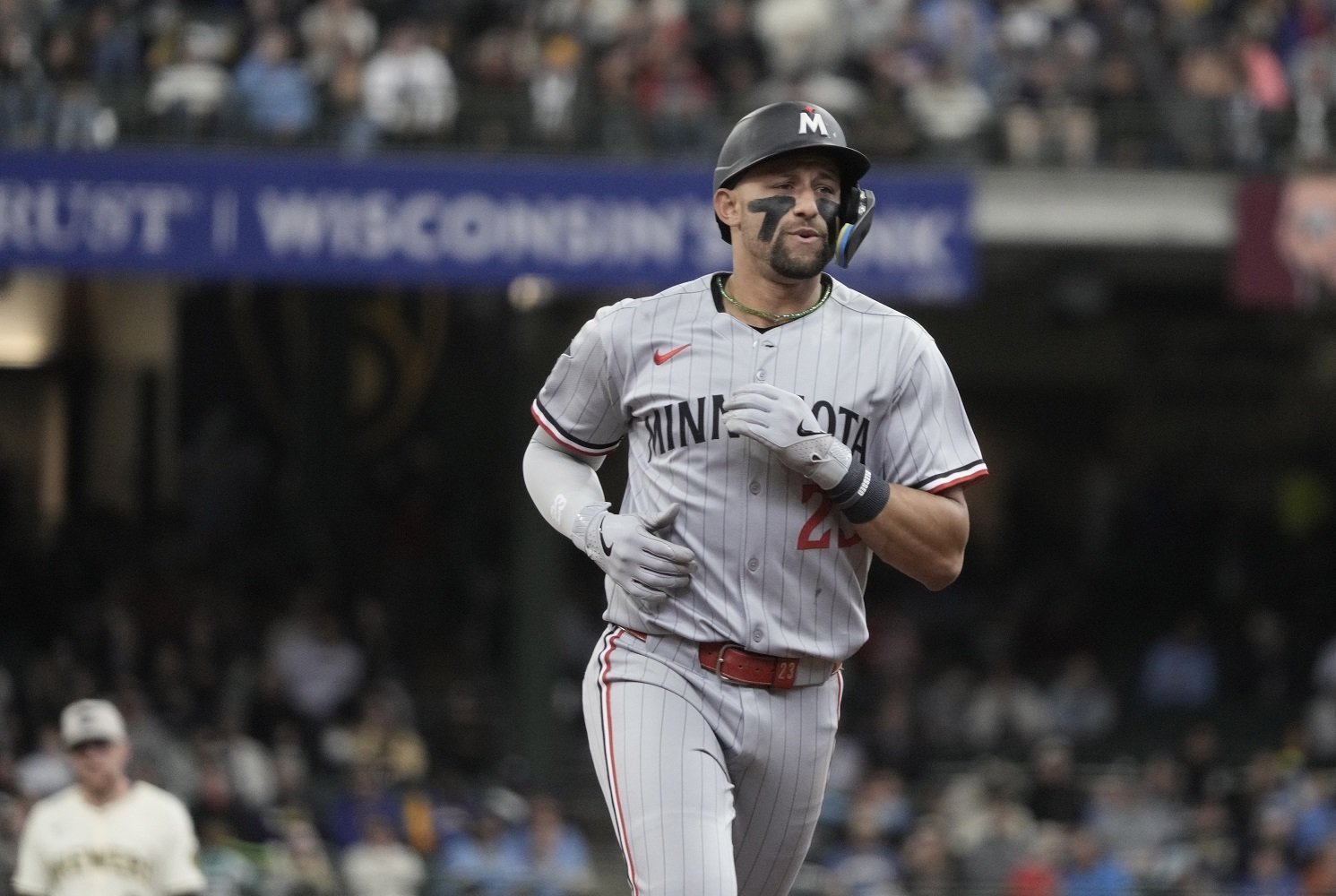 As the August 3 trade deadline approaches, front offices across baseball are beginning to shape their strategies. The biggest headlines are expected to revolve around established stars and frontline starting pitchers. Names such as Tarik Skubal, Freddy Peralta, Robbie Ray, and Joe Ryan could dominate conversations if their teams decide to sell, while clubs around the league continue monitoring the situations involving players like Jarren Duran, Aroldis Chapman, Sonny Gray, Rafael Devers, Willy Adames, and Matt Chapman. Yet every deadline produces a handful of unexpected moves involving players who were never viewed as obvious trade candidates. According to The Athletic's Jim Bowden, Royce Lewis could fit that description this summer. Bowden recently included Lewis among his list of 10 under-the-radar trade candidates, citing both his talent and the growing market for impact infielders around the league. While Lewis has spent much of his career battling injuries, he remains an intriguing player because of his age, athleticism, positional versatility, and offensive upside. "The only question is: Can he stay healthy?" Bowden wrote. "He's healthy now, and several contending teams are looking to upgrade at third base and he can also play first base, so he may get moved." The timing of the speculation is notable because Lewis has looked much more like himself in recent weeks. After opening the season with a disappointing .163/.261/.279 (.540) slash line and three home runs across his first 31 games, Lewis was optioned to Triple-A St. Paul in a move that felt unthinkable just a year earlier. Instead of sulking, the former No. 1 overall pick responded exactly how the Twins hoped he would. Lewis crushed eight home runs in just 13 games with the Saints before earning a return trip to Minnesota. Since being recalled on June 6, he has looked rejuvenated at the plate, producing the type of impact contact that once made him one of baseball's top prospects. In 15 games, he has an .873 OPS with four homers and three doubles. The improvements have extended beyond the batter's box. Minnesota has shifted Lewis primarily to first base, where he has appeared in all but one game since returning to the majors. The organization has paired him with Twins Hall of Famer Justin Morneau in an effort to accelerate his development at the position, and the early returns have been encouraging. That positional change can be viewed from multiple angles. On one hand, it may represent the Twins searching for a long-term defensive home that allows Lewis to remain healthy while keeping his bat in the lineup. First base could provide stability as the organization continues developing its next wave of infield talent. On the other hand, rival executives may wonder whether the Twins are also attempting to maximize Lewis's value before the deadline. During Lewis's stint in Triple-A, Brooks Lee settled in at third base while top prospect Kaelen Culpepper continued progressing toward the major leagues. Luke Keaschall remains part of the organization's future plans despite some defensive growing pains, giving Minnesota multiple young infield pieces around which to build. If the Twins remain firmly in contention, moving Lewis would be difficult to justify. A healthy and productive Lewis still possesses the type of talent capable of changing a lineup and impacting a postseason race. If Minnesota falls further behind, however, the front office could face difficult decisions. Last year's deadline demonstrated a willingness to make unexpected moves, and Lewis would undoubtedly attract interest from clubs searching for controllable upside. He remains under team control through the 2028 season, making him appealing to both contenders and teams planning beyond this year. For now, Lewis is impacting the Twins, but there could be an element of "freezer burn" with Lewis that makes the front office consider moving on with other younger options ready to take his place.
 -
The race to determine the starters for the 2026 MLB All-Star Game is entering its final stretch, and Byron Buxton is putting himself in position for a memorable milestone. The first phase of fan voting opened on June 3 and will conclude on Thursday, June 25, at 11 AM CT. During this opening phase, fans can vote for the starting lineup in each league, selecting eight position players and one designated hitter. Ballots are available through MLB.com, all 30 club websites, the MLB app, and the MLB Ballpark app. Fans can vote up to five times every 24 hours. When Phase 1 concludes, MLB Network will reveal the top vote-getters at every position. The leading vote-getter in each league automatically earns a starting spot, while the remaining finalists advance to Phase 2, where fans determine the rest of the starting lineup. Buxton Climbs Into Prime Position The latest voting update released Monday brought encouraging news for Twins fans. Buxton moved into third place among American League outfielders with 1,106,264 votes. American League Outfield Voting Leaders (June 22 Update) Aaron Judge, Yankees — 1,788,499 Mike Trout, Angels — 1,735,051 Byron Buxton, Twins — 1,106,264 Cody Bellinger, Yankees — 1,067,622 Julio Rodríguez, Mariners — 819,514 Randy Arozarena, Mariners — 793,017 Daulton Varsho, Blue Jays — 782,016 Jesús Sánchez, Blue Jays — 764,037 Riley Greene, Tigers — 751,512 Buxton's rise is notable because he sat fourth among American League outfielders in the previous update. A dominant stretch over the last few weeks has helped him leapfrog Cody Bellinger and move firmly into position to advance to Phase 2 voting. His performance has backed up the support. Buxton enters the week ranked second in the American League with 24 home runs and third in slugging percentage at .591. After years of battling injuries, he has remained on the field and produced at an elite level, giving Twins fans a compelling case to rally behind during the final days of voting. Injuries Could Change the Picture The voting leaderboard may not tell the entire story. Judge currently leads all American League outfielders, but he is expected to miss the All-Star Game after suffering a rib stress fracture. Judge's absence would leave one of the outfield starting spots open regardless of where he finishes in the voting process. Meanwhile, Trout's status has become less certain after he landed on the injured list last week with a right hamstring strain. Trout remains second in the voting, but his availability for the Midsummer Classic is now unclear. If both stars are unable to participate, Buxton's chances of earning a starting assignment improve significantly. Even if Judge and Trout remain among the leading vote-getters, MLB would need replacements should either player be unavailable. Final Week Push Ahead Minnesota has not had many realistic candidates for fan-elected starting spots in recent seasons, but Buxton has changed that narrative in 2026. His combination of power, highlight-reel defense, and durability (knock on wood) has made him one of the American League's most valuable players through the season's first half. The final days of Phase 1 voting will determine whether he advances comfortably to the next round, but his recent climb up the leaderboard shows that fans across baseball are taking notice. For a player who has spent much of his career battling injuries and unrealized All-Star potential, Buxton is now closer than ever to hearing his name announced as an All-Star Game starter. View full rumor
-
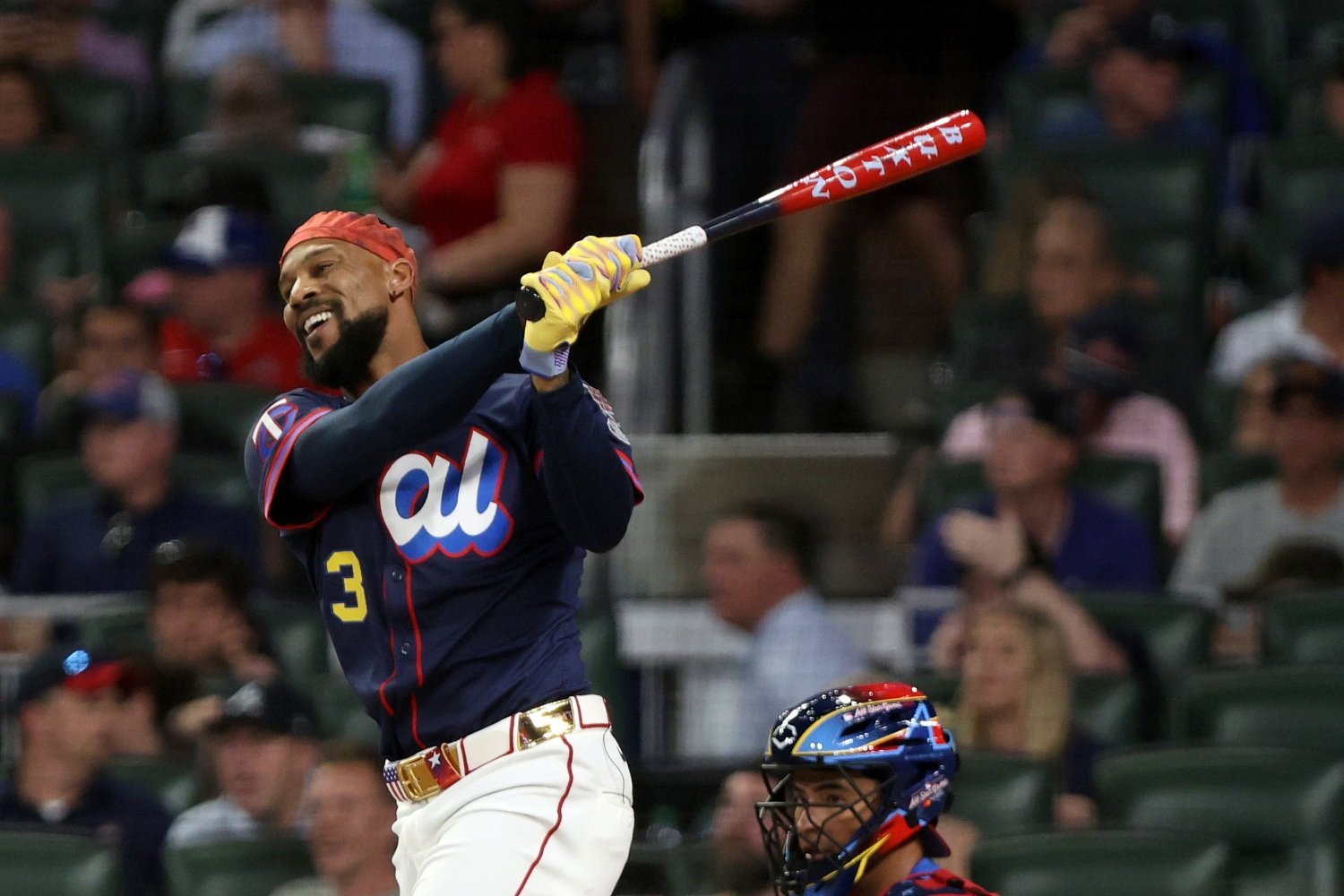 The race to determine the starters for the 2026 MLB All-Star Game is entering its final stretch, and Byron Buxton is putting himself in position for a memorable milestone. The first phase of fan voting opened on June 3 and will conclude on Thursday, June 25, at 11 AM CT. During this opening phase, fans can vote for the starting lineup in each league, selecting eight position players and one designated hitter. Ballots are available through MLB.com, all 30 club websites, the MLB app, and the MLB Ballpark app. Fans can vote up to five times every 24 hours. When Phase 1 concludes, MLB Network will reveal the top vote-getters at every position. The leading vote-getter in each league automatically earns a starting spot, while the remaining finalists advance to Phase 2, where fans determine the rest of the starting lineup. Buxton Climbs Into Prime Position The latest voting update released Monday brought encouraging news for Twins fans. Buxton moved into third place among American League outfielders with 1,106,264 votes. American League Outfield Voting Leaders (June 22 Update) Aaron Judge, Yankees — 1,788,499 Mike Trout, Angels — 1,735,051 Byron Buxton, Twins — 1,106,264 Cody Bellinger, Yankees — 1,067,622 Julio Rodríguez, Mariners — 819,514 Randy Arozarena, Mariners — 793,017 Daulton Varsho, Blue Jays — 782,016 Jesús Sánchez, Blue Jays — 764,037 Riley Greene, Tigers — 751,512 Buxton's rise is notable because he sat fourth among American League outfielders in the previous update. A dominant stretch over the last few weeks has helped him leapfrog Cody Bellinger and move firmly into position to advance to Phase 2 voting. His performance has backed up the support. Buxton enters the week ranked second in the American League with 24 home runs and third in slugging percentage at .591. After years of battling injuries, he has remained on the field and produced at an elite level, giving Twins fans a compelling case to rally behind during the final days of voting. Injuries Could Change the Picture The voting leaderboard may not tell the entire story. Judge currently leads all American League outfielders, but he is expected to miss the All-Star Game after suffering a rib stress fracture. Judge's absence would leave one of the outfield starting spots open regardless of where he finishes in the voting process. Meanwhile, Trout's status has become less certain after he landed on the injured list last week with a right hamstring strain. Trout remains second in the voting, but his availability for the Midsummer Classic is now unclear. If both stars are unable to participate, Buxton's chances of earning a starting assignment improve significantly. Even if Judge and Trout remain among the leading vote-getters, MLB would need replacements should either player be unavailable. Final Week Push Ahead Minnesota has not had many realistic candidates for fan-elected starting spots in recent seasons, but Buxton has changed that narrative in 2026. His combination of power, highlight-reel defense, and durability (knock on wood) has made him one of the American League's most valuable players through the season's first half. The final days of Phase 1 voting will determine whether he advances comfortably to the next round, but his recent climb up the leaderboard shows that fans across baseball are taking notice. For a player who has spent much of his career battling injuries and unrealized All-Star potential, Buxton is now closer than ever to hearing his name announced as an All-Star Game starter.
 -
Twins Prospect Hot Sheet: It’s Time for an Eduardo Tait Promotion
Cody Christie posted an article in Minor Leagues
 The summer months are when organizations begin to learn which teams are legitimate contenders and which clubs are already shifting focus toward the future. While the Minnesota Twins continue to navigate the major-league season, several prospects throughout the system are making strong cases for bigger opportunities. None of the players featured this week is likely to impact the 2026 Twins, but each could play a meaningful role in the organization's long-term plans. From a catcher forcing his way back into the conversation, to one of the system's youngest stars pushing for another promotion, to a reliever quietly climbing toward the big leagues, this week's hot sheet highlights three players trending in the right direction. C Andrew Cossetti – Wichita Wind Surge How He Got Here: The Twins selected Cossetti in the 11th round of the 2022 MLB Draft out of Saint Joseph's University and quickly challenged him with aggressive assignments. After reaching Double-A to begin the 2024 season, the jump proved difficult. He managed just a .643 OPS across 87 games. Rather than moving on, Minnesota allowed Cossetti to regroup at the same level. The decision paid off. He returned to Wichita and put together one of the better offensive seasons of his professional career, posting a .226/.366/.432 line with a 123 wRC+ while continuing to handle regular catching duties. His performance earned another opportunity with the Wind Surge to begin 2026. Hitting the Hot Button: Few hitters in the organization have experienced a bigger turnaround than Cossetti this season. April was a struggle, as he limped to a .440 OPS, but the veteran backstop has steadily regained his footing. He followed that rough opening month with an .852 OPS in May and has taken things to another level in June. Through the first few weeks of the month, Cossetti has launched six home runs, added a triple, and posted a 1.033 OPS. His latest week was especially impressive. Cossetti went 8-for-23 with four home runs, 12 RBIs and six walks across six games. He also drove in multiple runs in four consecutive contests from Sunday through Wednesday. At 26 years old, he is unlikely to rank among the organization's top prospects, but his offensive production is becoming impossible to ignore. C Eduardo Tait – Cedar Rapids Kernels How He Got Here: Tait's rise has been one of the more fascinating stories in professional baseball. Signed by the Phillies out of Panama for just $90,000 during the 2023 international signing period, he immediately exceeded expectations. He posted a .917 OPS in the Dominican Summer League and followed that performance by hitting .302 with an .842 OPS while advancing to full-season baseball in 2024. The teenage catcher continued to accelerate through Philadelphia's system. By age 18, he had reached High-A, earned a selection to the Futures Game, and established himself as one of the game's fastest-rising catching prospects. Minnesota acquired Tait as part of last summer's Jhoan Duran trade package, and he finished the season helping Cedar Rapids during its playoff run. The Twins have challenged him aggressively ever since. Hitting the Hot Button: This is where the argument for a promotion begins. Tait, still only 19 years old, went 8-for-24 with three home runs and 11 RBI during the week. He drove in five runs on Tuesday and followed that performance with six more RBIs on Thursday against Beloit. His overall .728 OPS may not immediately jump off the page, but context matters. Tait has spent virtually the entire season facing older and more experienced competition. Despite that challenge, he has begun to find another gear. Since June 1, Tait owns an .860 OPS, with seven home runs and three doubles in just 15 games. The combination of youth, power, and improving offensive consistency is becoming increasingly difficult to overlook. Minnesota has not been afraid to push him, and neither were his previous employers in Philadelphia. His recent production suggests another move up the ladder may soon be warranted. RHP C.J. Culpepper – St. Paul Saints How He Got Here: Culpepper is another successful late-round pitching find for Minnesota's player development staff. Selected in the 13th round of the 2022 MLB Draft out of California Baptist University, he has steadily worked his way through the system despite several obstacles. His professional career has featured flashes of promise at every stop. He advanced through both levels of A ball before reaching Double A in 2024 and spending much of 2025 with Wichita. Injuries have slowed his momentum at times, including a forearm strain in 2024 and a finger nerve issue that cost him significant time last season. This year has brought a different challenge. The Twins shifted Culpepper into a full-time relief role, hoping his arsenal could play up in shorter outings. Hitting the Hot Button: The early returns have been encouraging. Culpepper made three appearances for St. Paul this week and allowed just one unearned run on two hits across 3 1/3 innings. More importantly, he struck out six hitters and did not issue a walk. Since arriving in Triple A, he has posted a 26.3% strikeout rate while limiting walks to 10.0% of opposing hitters. Those numbers suggest his transition to relief is maximizing his strengths. Minnesota's bullpen depth remains one of the organization's growth areas, but Culpepper is beginning to position himself as a potential option if opportunities arise during the second half. The Twins may want to see a larger sample size before making that decision, but he is clearly moving in the right direction. The first half standings may be grabbing most of the attention, but development season is heating up across the Twins' farm system. Cossetti has transformed a difficult start into one of the hottest stretches of his career. Culpepper is showing signs that his conversion from the bullpen could unlock another level. And Tait continues to look like one of the most exciting young catching prospects in baseball. For now, the spotlight belongs to the teenager in Cedar Rapids. If Tait keeps producing at this pace against older competition, the Twins may soon have little choice but to find him a new challenge. What stands out about this trio of prospects? Can Cossetti and Tait help the organization’s long-term catching depth? Leave a comment and start the discussion.
- 18 comments
-
- 8
-

-
- eduardo tait
- cj culpepper
- (and 1 more)
-
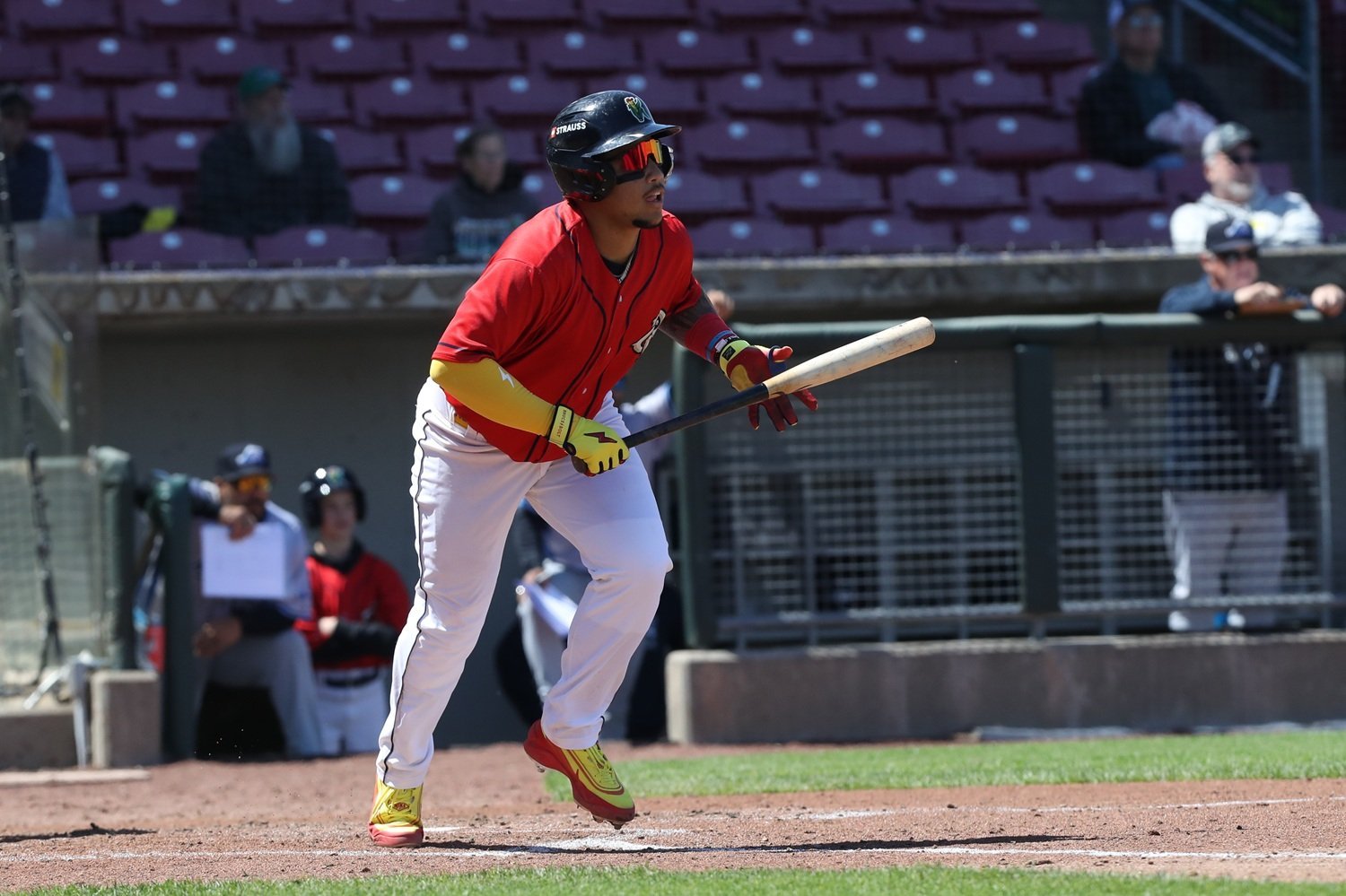
Image courtesy of Malamut Photography (photo of Eduardo Tait) The summer months are when organizations begin to learn which teams are legitimate contenders and which clubs are already shifting focus toward the future. While the Minnesota Twins continue to navigate the major-league season, several prospects throughout the system are making strong cases for bigger opportunities. None of the players featured this week is likely to impact the 2026 Twins, but each could play a meaningful role in the organization's long-term plans. From a catcher forcing his way back into the conversation, to one of the system's youngest stars pushing for another promotion, to a reliever quietly climbing toward the big leagues, this week's hot sheet highlights three players trending in the right direction. C Andrew Cossetti – Wichita Wind Surge How He Got Here: The Twins selected Cossetti in the 11th round of the 2022 MLB Draft out of Saint Joseph's University and quickly challenged him with aggressive assignments. After reaching Double-A to begin the 2024 season, the jump proved difficult. He managed just a .643 OPS across 87 games. Rather than moving on, Minnesota allowed Cossetti to regroup at the same level. The decision paid off. He returned to Wichita and put together one of the better offensive seasons of his professional career, posting a .226/.366/.432 line with a 123 wRC+ while continuing to handle regular catching duties. His performance earned another opportunity with the Wind Surge to begin 2026. Hitting the Hot Button: Few hitters in the organization have experienced a bigger turnaround than Cossetti this season. April was a struggle, as he limped to a .440 OPS, but the veteran backstop has steadily regained his footing. He followed that rough opening month with an .852 OPS in May and has taken things to another level in June. Through the first few weeks of the month, Cossetti has launched six home runs, added a triple, and posted a 1.033 OPS. His latest week was especially impressive. Cossetti went 8-for-23 with four home runs, 12 RBIs and six walks across six games. He also drove in multiple runs in four consecutive contests from Sunday through Wednesday. At 26 years old, he is unlikely to rank among the organization's top prospects, but his offensive production is becoming impossible to ignore. C Eduardo Tait – Cedar Rapids Kernels How He Got Here: Tait's rise has been one of the more fascinating stories in professional baseball. Signed by the Phillies out of Panama for just $90,000 during the 2023 international signing period, he immediately exceeded expectations. He posted a .917 OPS in the Dominican Summer League and followed that performance by hitting .302 with an .842 OPS while advancing to full-season baseball in 2024. The teenage catcher continued to accelerate through Philadelphia's system. By age 18, he had reached High-A, earned a selection to the Futures Game, and established himself as one of the game's fastest-rising catching prospects. Minnesota acquired Tait as part of last summer's Jhoan Duran trade package, and he finished the season helping Cedar Rapids during its playoff run. The Twins have challenged him aggressively ever since. Hitting the Hot Button: This is where the argument for a promotion begins. Tait, still only 19 years old, went 8-for-24 with three home runs and 11 RBI during the week. He drove in five runs on Tuesday and followed that performance with six more RBIs on Thursday against Beloit. His overall .728 OPS may not immediately jump off the page, but context matters. Tait has spent virtually the entire season facing older and more experienced competition. Despite that challenge, he has begun to find another gear. Since June 1, Tait owns an .860 OPS, with seven home runs and three doubles in just 15 games. The combination of youth, power, and improving offensive consistency is becoming increasingly difficult to overlook. Minnesota has not been afraid to push him, and neither were his previous employers in Philadelphia. His recent production suggests another move up the ladder may soon be warranted. RHP C.J. Culpepper – St. Paul Saints How He Got Here: Culpepper is another successful late-round pitching find for Minnesota's player development staff. Selected in the 13th round of the 2022 MLB Draft out of California Baptist University, he has steadily worked his way through the system despite several obstacles. His professional career has featured flashes of promise at every stop. He advanced through both levels of A ball before reaching Double A in 2024 and spending much of 2025 with Wichita. Injuries have slowed his momentum at times, including a forearm strain in 2024 and a finger nerve issue that cost him significant time last season. This year has brought a different challenge. The Twins shifted Culpepper into a full-time relief role, hoping his arsenal could play up in shorter outings. Hitting the Hot Button: The early returns have been encouraging. Culpepper made three appearances for St. Paul this week and allowed just one unearned run on two hits across 3 1/3 innings. More importantly, he struck out six hitters and did not issue a walk. Since arriving in Triple A, he has posted a 26.3% strikeout rate while limiting walks to 10.0% of opposing hitters. Those numbers suggest his transition to relief is maximizing his strengths. Minnesota's bullpen depth remains one of the organization's growth areas, but Culpepper is beginning to position himself as a potential option if opportunities arise during the second half. The Twins may want to see a larger sample size before making that decision, but he is clearly moving in the right direction. The first half standings may be grabbing most of the attention, but development season is heating up across the Twins' farm system. Cossetti has transformed a difficult start into one of the hottest stretches of his career. Culpepper is showing signs that his conversion from the bullpen could unlock another level. And Tait continues to look like one of the most exciting young catching prospects in baseball. For now, the spotlight belongs to the teenager in Cedar Rapids. If Tait keeps producing at this pace against older competition, the Twins may soon have little choice but to find him a new challenge. What stands out about this trio of prospects? Can Cossetti and Tait help the organization’s long-term catching depth? Leave a comment and start the discussion. View full article
-
Everything We Know About Target Field Concession Workers' Strike
Cody Christie posted an article in Twins
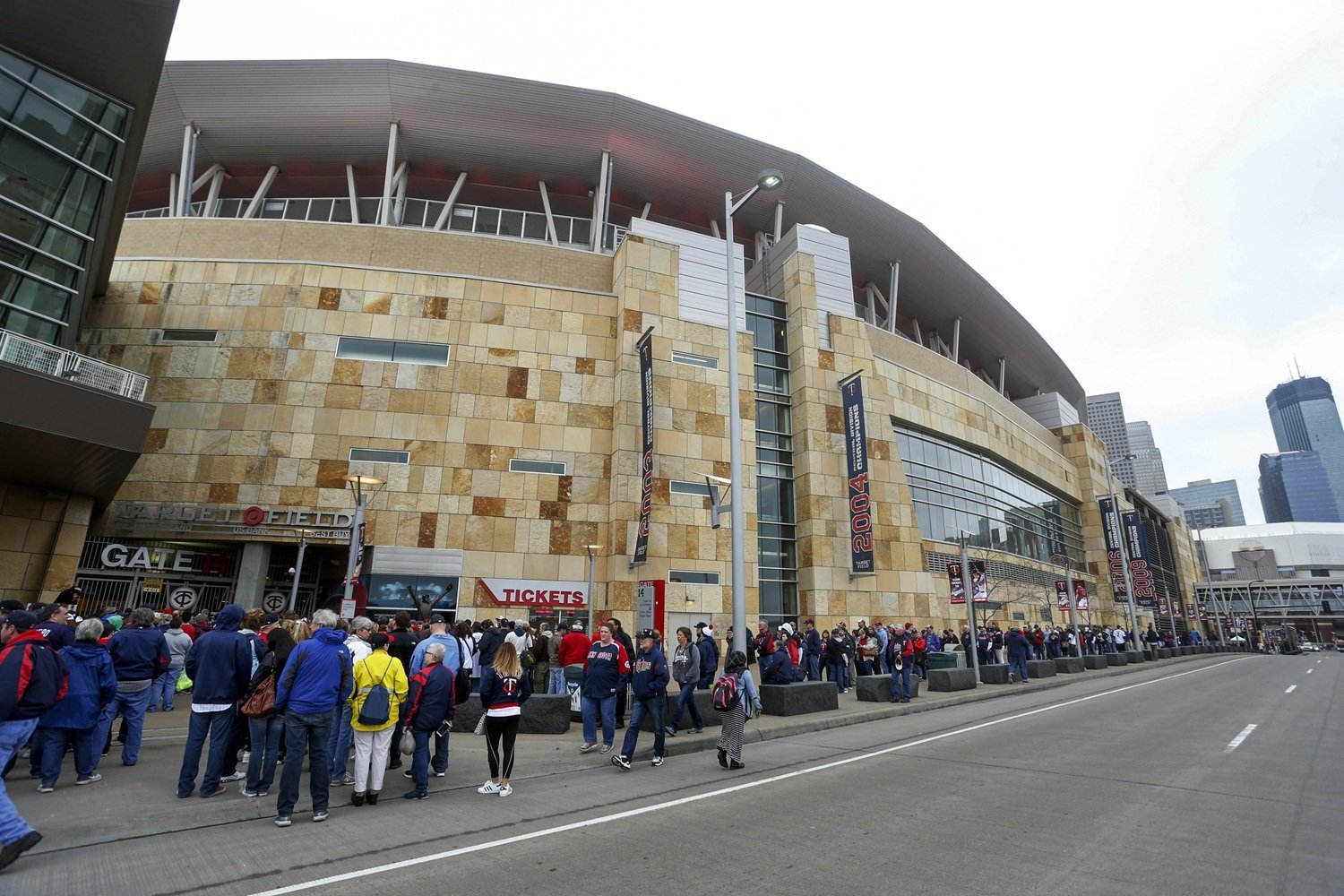 The Minnesota Twins return home Monday for one of the marquee series on their 2026 schedule, when the defending World Series champion Los Angeles Dodgers arrive at Target Field. Instead of the spotlight focusing solely on baseball, however, much of the attention could center on a labor dispute involving the stadium's concession workers. More than 500 Target Field employees represented by UNITE HERE Local 17 have announced plans to stage a one-day strike on June 22, as negotiations with concessions operator Delaware North continue. The dispute centers on wages, health care benefits, job protections, and the use of volunteer workers throughout the ballpark. If the strike proceeds as planned, union officials say it would be the first strike at a major-league stadium in Minnesota history. What We Know About Monday's Strike The planned walkout involves approximately 500 workers employed by Delaware North, the company that operates food and beverage services throughout Target Field. The union represents workers across nearly every part of the stadium's concession operation, including cooks, bartenders, suite attendants, warehouse workers, dishwashers, stand workers, runners, and other hospitality staff. The strike is scheduled for Monday's series opener against the Dodgers, one of the highest-profile home games remaining on the Twins' schedule. The teams are also scheduled to play Tuesday and Wednesday. Workers have been operating under an expired contract since January while negotiations continue. In May, union members voted 81% in favor of authorizing a strike if bargaining efforts failed to produce a new agreement. According to union leaders, the one-day strike is designed to pressure Delaware North back to the negotiating table after months of stalled discussions. "We've been in contract bargaining and the workers here have been committed to bargaining in good faith," said UNITE HERE Local 17 Secretary Treasurer Sheigh Freeberg. "Unfortunately, their employer, Delaware North Company, has not held to that same commitment." Freeberg indicated the union could consider additional actions if negotiations remain stalled. "We're keeping open the possibility of striking more games or an open-ended strike if Delaware North continues to not take this seriously," he said. The Union's Position Union leaders argue that many Target Field concession workers are struggling financially, despite years of service at the ballpark. Workers say wages have failed to keep pace with rising costs, while many seasonal employees do not qualify for employer-provided health insurance. Those concerns have become the central issues in negotiations. "A cheeseburger costs more than what we get paid," said concessions stand lead Nariel Green in an interview on KARE 11. "All the prices go up, but our pay doesn't." Suite bartender Adam Schreifels, who has worked at Target Field for a decade, pointed to health insurance as one of the primary reasons workers are willing to strike. "One of the biggest issues is that they don't offer health insurance," Schreifels said. "Because you work seasonal at a lot of these places, you don't qualify." Workers also emphasized that many employees view concession work as a long-term profession, rather than a temporary job. "This is a real career," said suites department employee Missy Simon. "The majority of us are over the age of 40. This isn't a high school kid's career." Warehouse worker Savion Johnson echoed similar frustrations, while noting his appreciation for both the organization and the work. "I love this. I love the Twins, one of my favorite teams," Johnson said. "A lot of people want to work, but we're out here struggling." Following the strike announcement, the union said Delaware North improved its wage proposal, offering raises of 25 cents per hour for minimum wage employees and 60 cents per hour for other workers. Union representatives have indicated that those increases still fall short of what workers are seeking, though. The Debate Over Volunteers One of the more public disagreements between the two sides involves Delaware North's use of nonprofit volunteer groups to help operate concession stands. Freeberg argues the practice reduces opportunities for paid employees and undermines the value of skilled hospitality work. "The practice also devalues the skilled work food and beverage workers do," Freeberg said. "Philanthropy does not have to come at the expense of the workers who help fans enjoy every game." The issue became a focal point of Delaware North's response following the strike announcement. Programs whereby (usually) parents staff concession stands in exchange for portions of the revenue generated in order to raise money for extracurricular activities go back decades, both in Minnesota and elsewhere. For many families, though, even the help those programs offer has dwindled, due to the rising costs of the activities their children participate in and to the watering-down of the revenue sharing those programs receive from partners like the Twins and Delaware North. It's a bad deal on both ends, but especially so for workers trying to make this part-time work part of a piecemeal living. Delaware North's Position Delaware North has pushed back against several of the union's claims, while maintaining that fans should expect normal concession operations during Monday's game. After union leaders encouraged fans to bring their own food and beverages, warning that food may not be available for purchase, Delaware North disputed that characterization. "It is our full intention that we will continue full-service concessions at Target Field should there be a strike," the company said in a statement. The company also criticized the union's position regarding nonprofit volunteer groups that use concession work as a fundraising opportunity. "If Unite Here's greed insists on displacing nonprofit fundraising, we believe the community will be deeply impacted," Delaware North said. "The decades-long partnerships we have with community groups that depend on concessions at Target Field for fundraising is something that reflects the values of the fans and residents of Minnesota." The company has not publicly provided additional details regarding ongoing negotiations, and their vociferous statements about the value of those fundraising programs aren't matched by a notable willingness to ensure the programs actually meet the needs of the volunteer families. Much more so than in the past, those volunteer partnerships feel like the company's effort to kill two birds with one stone: keeping labor costs down, while tooting their own horn with regard to community involvement. What Happens Next? As of this writing, the Twins have not publicly commented on the labor dispute. Because Delaware North operates concessions at Target Field, the negotiations are taking place between the company and the union rather than directly with the Twins organization. However, any disruption during a high-attendance series against the Dodgers would inevitably place additional attention on the club and the fan experience at the ballpark. The biggest question remains how Monday's game day operations will be affected if hundreds of workers leave their posts. For now, both sides remain far apart publicly, even as negotiations continue. The timing of the strike announcement ensures maximum visibility, coming during one of the Twins' most anticipated home series of the season. Whether Monday becomes a one-day labor action or the beginning of a larger dispute may depend on what happens at the bargaining table over the next several days. What is clear is that a disagreement that has simmered since the expiration of the contract in January has now become one of the biggest off-field stories surrounding the Twins this season.
 -
Image courtesy of © Brad Rempel-Imagn Images The Twins have spent much of the season trying to convince fans to come back to Target Field. The problem is that the numbers and Through 41 home games, Minnesota has announced ticket sales of 825,361, a 0.11% decline from the 826.296 tickets reported at the same point a year ago. That works out to an average of 23 fans per game, ranking 15th among the 30 major league clubs. On the surface, that small of a drop may not seem dramatic. The context makes it more concerning. Last season was already the lowest-attended full season in Target Field history. Excluding the pandemic-disrupted years of 2020 and 2021, the Twins' 1.769 million fans in 2025 represented their smallest crowd total since 2001, when the club still played in the Metrodome. Falling below that pace raises questions about both fan engagement and the organization's relationship with its customer base. A Predictable Decline The warning signs were obvious long before Opening Day. Fans entered the season frustrated after last summer's deadline selloff saw Minnesota move a significant portion of its major league roster. The winter brought little relief. Ownership cut payroll dramatically, leaving the Twins with a $105.7 million Opening Day payroll, their lowest figure in more than a decade. For a fan base already skeptical about ownership's commitment to winning, there was little reason to rush out and buy tickets. The schedule didn't help either. Minnesota played 17 home games in April, two more than it did during the same stretch last season. Cold weather has never been a friend of attendance figures in Minnesota, and several early-season crowds reflected that reality. Still, weather only explains part of the story. Promotions Can Help, But Only So Much The Twins have tried a variety of methods to generate interest. Friday and Saturday games now feature pregame $2 beers, one of several promotions designed to lower the barrier for fans considering a trip to the ballpark. The organization has also leaned heavily into ticket giveaways and special-event nights. Those efforts may help announced attendance figures, but they don't necessarily translate into meaningful revenue or sustained fan interest. That's part of why the 0.11% decline could actually understate the issue. A ticket given away counts the same as a ticket sold when attendance is announced publicly, even though the financial impact is obviously different. The Twins can improve optics by filling seats on paper. Rebuilding trust with paying customers is a much harder challenge. The Bigger Picture Around Baseball What's happening in Minneapolis stands out even more when viewed against the rest of the league. Major League Baseball is experiencing another attendance increase this season, with average crowds rising by more than 640 fans per game across the sport. Summer weather and pennant-race excitement could push that number even higher as the season progresses. Some clubs have seen massive jumps. The Blue Jays have enjoyed the largest increase after their World Series appearance, adding more than 10,000 fans per game. Tampa Bay's return to its home ballpark has also produced a significant attendance boost (+6,747). The Twins, meanwhile, are moving in the opposite direction. Their average crowd has dropped by roughly 23 fans per game compared to last season. Half the league has experienced larger declines, but many of those teams started from much stronger attendance positions. Even within the AL Central, the Twins aren't standing out in a positive way. The White Sox, despite entering the season with low expectations, have posted one of baseball's largest attendance increases (+6,115). However, the rest of the AL Central ranks below the Twins in decreased average attendance, but that might have to do with how low Minnesota was in 2025. Empty Seats Have Become Common Perhaps the most telling statistic is how rarely Target Field has hosted a truly large crowd. Minnesota has surpassed 30,000 announced fans only five times this season: April 3: The Home Opener. April 17: When the club offered complimentary tickets to fans affected by the Home Opener power outage. May 16: A Saturday matchup against Milwaukee. June 22-23: Dodgers series Outside of those dates, large crowds have been difficult to find. The contrast was particularly striking in mid-May. Two days after announcing a crowd of 33,115 against the Brewers, the Twins reported a season-low attendance of just 11,488 for a game against Houston. That's a swing of more than 21,000 people in the span of a single series. Can a Minnesota Summer Save The Numbers? There is still time for attendance to improve. The weather is getting warmer, and the Twins have several attractive home dates remaining, and a postgame Ludacris concert scheduled for June 26. Winning would help, too. Minnesota has a 38-43 record and sitting just outside the playoff picture. The American League remains crowded enough that a sustained hot streak could quickly put the Twins back in the postseason conversation. Fans have shown throughout the Target Field era that they'll support a contender. The challenge for the organization is convincing them that this team (and this ownership group) is worth investing in again. The Twins expected some attendance fallout after last year's deadline teardown and payroll reduction. What they probably didn't expect was to be tracking below a season that already represented a historic low point for Target Field. Promotions, giveaways, and concerts can provide temporary boosts, but they don't address the underlying issue. Fans respond to belief. They buy tickets when they trust the organization is committed to putting a competitive product on the field. Right now, the attendance numbers suggest many Twins fans are still waiting to be convinced. With half the home schedule remaining, there is time to change the story. Whether the club can do enough on the field (and off it) to bring fans back through the gates may be one of the most important questions facing the franchise during the second half. What stands out about the team’s attendance so far this year? Leave a comment and start the discussion. View full article
-
Image courtesy of © Bruce Kluckhohn-Imagn Images The Minnesota Twins return home Monday for one of the marquee series on their 2026 schedule when the defending World Series champion Los Angeles Dodgers arrive at Target Field. Instead of the spotlight focusing solely on baseball, however, much of the attention could center on a labor dispute involving the stadium's concession workers. More than 500 Target Field employees represented by UNITE HERE Local 17 have announced plans to stage a one day strike on June 22 as negotiations with concessions operator Delaware North continue. The dispute centers on wages, health care benefits, job protections, and the use of volunteer workers throughout the ballpark. If the strike proceeds as planned, union officials say it would be the first strike at a major league stadium in Minnesota history. What We Know About Monday's Strike The planned walkout involves approximately 500 workers employed by Delaware North, the company that operates food and beverage services throughout Target Field. The union represents workers across nearly every part of the stadium's concession operation, including cooks, bartenders, suite attendants, warehouse workers, dishwashers, stand workers, runners, and other hospitality staff. The strike is scheduled for Monday's series opener against the Dodgers, one of the highest profile home games remaining on the Twins' schedule. The teams are also scheduled to play Tuesday and Wednesday. Workers have been operating under an expired contract since January while negotiations continue. In May, union members voted 81% in favor of authorizing a strike if bargaining efforts failed to produce a new agreement. According to union leaders, the one day strike is designed to pressure Delaware North back to the negotiating table after months of stalled discussions. "We've been in contract bargaining and the workers here have been committed to bargaining in good faith," said UNITE HERE Local 17 Secretary Treasurer Sheigh Freeberg. "Unfortunately, their employer, Delaware North Company, has not held to that same commitment." Freeberg indicated the union could consider additional actions if negotiations remain stalled. "We're keeping open the possibility of striking more games or an open ended strike if Delaware North continues to not take this seriously," he said. The Union's Position Union leaders argue that many Target Field concession workers are struggling financially despite years of service at the ballpark. Workers say wages have failed to keep pace with rising costs, while many seasonal employees do not qualify for employer provided health insurance. Those concerns have become the central issues in negotiations. "A cheeseburger costs more than what we get paid," said concessions stand lead Nariel Green. "All the prices go up, but our pay doesn't." Suite bartender Adam Schreifels, who has worked at Target Field for a decade, pointed to health insurance as one of the primary reasons workers are willing to strike. "One of the biggest issues is that they don't offer health insurance," Schreifels said. "Because you work seasonal at a lot of these places, you don't qualify." Workers also emphasized that many employees view concession work as a long term profession rather than a temporary job. "This is a real career," said suites department employee Missy Simon. "The majority of us are over the age of 40. This isn't a high school kid's career." Warehouse worker Savion Johnson echoed similar frustrations while noting his appreciation for both the organization and the work. "I love this. I love the Twins, one of my favorite teams," Johnson said. "A lot of people want to work, but we're out here struggling." Following the strike announcement, the union said Delaware North improved its wage proposal, offering raises of 25 cents per hour for minimum wage employees and 60 cents per hour for other workers. Union representatives have indicated those increases still fall short of what workers are seeking. The Debate Over Volunteers One of the more public disagreements between the two sides involves Delaware North's use of nonprofit volunteer groups to help operate concession stands. Freeberg argues the practice reduces opportunities for paid employees and undermines the value of skilled hospitality work. "The practice also devalues the skilled work food and beverage workers do," Freeberg said. "Philanthropy does not have to come at the expense of the workers who help fans enjoy every game." The issue became a focal point of Delaware North's response following the strike announcement. Delaware North's Position Delaware North has pushed back against several of the union's claims while maintaining that fans should expect normal concession operations during Monday's game. After union leaders encouraged fans to bring their own food and beverages, warning that food may not be available for purchase, Delaware North disputed that characterization. "It is our full intention that we will continue full service concessions at Target Field should there be a strike," the company said in a statement. The company also criticized the union's position regarding nonprofit volunteer groups that use concession work as a fundraising opportunity. "If Unite Here's greed insists on displacing nonprofit fundraising, we believe the community will be deeply impacted," Delaware North said. "The decades long partnerships we have with community groups that depend on concessions at Target Field for fundraising is something that reflects the values of the fans and residents of Minnesota." The company has not publicly provided additional details regarding ongoing negotiations. What Happens Next? As of this writing, the Twins have not publicly commented on the labor dispute. Because Delaware North operates concessions at Target Field, the negotiations are taking place between the company and the union rather than directly with the Twins organization. However, any disruption during a high attendance series against the Dodgers would inevitably place additional attention on the club and the fan experience at the ballpark. The biggest question remains how Monday's game day operations will be affected if hundreds of workers leave their posts. Union leaders have warned fans to prepare for limited food service and have encouraged attendees to bring their own food and drinks. Delaware North insists concessions will continue operating normally. For now, both sides remain far apart publicly, even as negotiations continue. The timing of the strike announcement ensures maximum visibility, coming during one of the Twins' most anticipated home series of the season. Whether Monday becomes a one day labor action or the beginning of a larger dispute may depend on what happens at the bargaining table over the next several days. What is clear is that a disagreement that has simmered since the expiration of the contract in January has now become one of the biggest off field stories surrounding the Twins this season. View full article
-
Byron Buxton's Arm Strength Is Slipping. Should the Twins Be Concerned?
Cody Christie posted an article in Twins
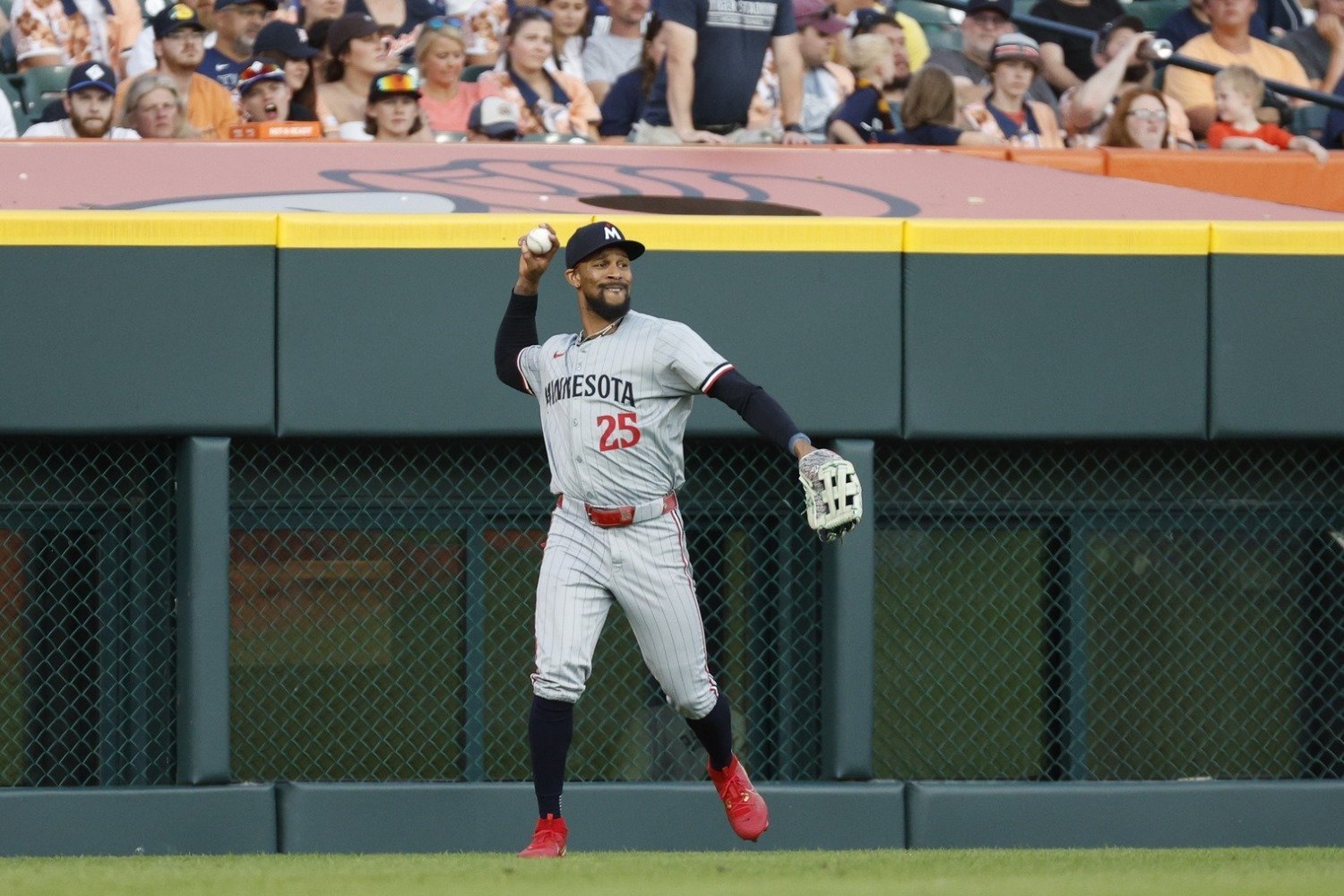 Health has become a little less of a concern for Byron Buxton in recent years. After spending much of the previous decade navigating injuries, Buxton has played more than 100 games in back-to-back seasons and is on pace to do it again in 2026. Please find the nearest piece of wood and knock on it immediately. Still, Father Time remains undefeated. The good news for Minnesota is that Buxton's offensive profile has evolved in ways that should help him age gracefully. Last week, I wrote about how his declining bat speed may have actually contributed to some of the best power production of his career. He can still handle premium velocity, but he's also doing a better job adjusting to breaking balls and offspeed pitches. Unfortunately, aging doesn't just impact players in the batter's box. It eventually shows up everywhere else. One area where the decline is becoming increasingly noticeable is Buxton's throwing arm. The Numbers Tell a Clear Story For most of his career, Buxton possessed one of the most complete defensive skill sets in baseball. His elite speed allowed him to cover massive amounts of ground, and his arm gave runners a reason to think twice before taking an extra base. That second part is becoming less true. In 2024, Buxton averaged 90.3 mph on his throws from the outfield, ranking in the 88th percentile across baseball. His arm value measured one run above average, placing him in the 74th percentile. The following season, his average arm strength dipped to 88.6 mph, still a respectable mark that ranked in the 77th percentile. His arm value, however, fell to exactly average. This season, the decline has accelerated. Buxton is averaging 85.1 mph on his throws, which ranks in just the 57th percentile. His arm value has dropped to -1 run, placing him in the 19th percentile. Those aren't catastrophic numbers, but they represent a dramatic change from the player Twins fans have watched for most of the last decade. Opposing Teams Have Noticed Baseball teams are exceptionally good at identifying weaknesses, especially in a world where organizations have seemingly unlimited data at their fingertips. When a pitcher loses velocity, opponents attack. When a hitter struggles against breaking balls, pitchers adjust. The same principle applies to outfield arms. Runners are becoming increasingly aggressive against Buxton. He has been worth -3 runs on baserunner advances this season after posting a -6 mark in 2025. Opponents have challenged him 49 times this year, and he has yet to record a single outfield assist. That doesn't necessarily mean Buxton has become a liability. It does mean the intimidation factor is gone. For years, runners often looked at the name on the back of the jersey and slammed on the brakes. Now they're testing him and finding little reason not to keep going. How Does the Rest of His Defense Stand Up? Before anyone starts preparing a farewell ceremony for Buxton in center field, it's important to remember that his overall defensive performance remains solid. Statcast credits him with three Outs Above Average this season, indicating he's still making plays that many center fielders cannot. Defensive Runs Saved paints a slightly less favorable picture, grading him at minus-one run overall. The biggest culprit is his throwing arm. Buxton's arm has cost him two Defensive Runs Saved this season, the second-worst mark among major-league center fielders. Only Miami's Jakob Marsee has graded lower at -3 runs. What's notable is that the decline isn't coming from his range. The athleticism is still there. The reads are still there. The closing speed remains above average. The arm simply isn't the weapon it used to be. What Does This Mean for the Future? The timing is worth monitoring because Minnesota's long-term outfield picture is beginning to take shape. Walker Jenkins is back in action at Triple-A after recovering from a shoulder injury and could make his major league debut sometime in 2026. Emmanuel Rodriguez remains sidelined with a thumb injury, but he also has significant experience in center field and possesses the athleticism to handle the position. Neither player is pushing Buxton out of center field today. However, both represent future options should the Twins eventually decide that Buxton's best fit is in a corner outfield spot. That's not a conversation Minnesota needs to have immediately. Buxton's speed and instincts still allow him to provide value in center. But it is becoming easier to envision a future in which preserving his health and maximizing his remaining skills mean asking him to cover a little less ground. How Worried Should the Twins Be? The answer is probably somewhere between "not at all" and "slightly." Buxton's arm strength decline is real. The numbers support it, opposing teams have recognized it, and the defensive metrics reflect it. At the same time, this isn't a player whose overall defensive value has collapsed. He's still making plays in center field that few players can make. His legs remain more important than his arms, and those legs continue to carry significant defensive value. What we're seeing is likely the first visible sign of the aging curve beginning to arrive. That's normal. It happens to every player, even the special ones. Kirby Puckett and Torii Hunter moved from center to a corner outfield spot in the later years of their career. Father Time eventually collects his debt from everyone. For Buxton, it appears he has started by taking a few miles per hour off the radar gun in center field. The encouraging part for the Twins is that, for now, that's all he's taken. Should the Twins be worried about Buxton’s decline in arm strength? Will 2026 be his final year in center field? Leave a comment and start the discussion.
 -
Image courtesy of Brian Bradshaw Sevald-USA TODAY Sports Health has become a little less of a concern for Byron Buxton in recent years. After spending much of the previous decade navigating injuries, Buxton has played more than 100 games in back-to-back seasons and is on pace to do it again in 2026. Please find the nearest piece of wood and knock on it immediately. Still, Father Time remains undefeated. The good news for Minnesota is that Buxton's offensive profile has evolved in ways that should help him age gracefully. Last week, I wrote about how his declining bat speed may have actually contributed to some of the best power production of his career. He can still handle premium velocity, but he's also doing a better job adjusting to breaking balls and offspeed pitches. Unfortunately, aging doesn't just impact players in the batter's box. It eventually shows up everywhere else. One area where the decline is becoming increasingly noticeable is Buxton's throwing arm. The Numbers Tell a Clear Story For most of his career, Buxton possessed one of the most complete defensive skill sets in baseball. His elite speed allowed him to cover massive amounts of ground, and his arm gave runners a reason to think twice before taking an extra base. That second part is becoming less true. In 2024, Buxton averaged 90.3 mph on his throws from the outfield, ranking in the 88th percentile across baseball. His arm value measured one run above average, placing him in the 74th percentile. The following season, his average arm strength dipped to 88.6 mph, still a respectable mark that ranked in the 77th percentile. His arm value, however, fell to exactly average. This season, the decline has accelerated. Buxton is averaging 85.1 mph on his throws, which ranks in just the 57th percentile. His arm value has dropped to -1 run, placing him in the 19th percentile. Those aren't catastrophic numbers, but they represent a dramatic change from the player Twins fans have watched for most of the last decade. Opposing Teams Have Noticed Baseball teams are exceptionally good at identifying weaknesses, especially in a world where organizations have seemingly unlimited data at their fingertips. When a pitcher loses velocity, opponents attack. When a hitter struggles against breaking balls, pitchers adjust. The same principle applies to outfield arms. Runners are becoming increasingly aggressive against Buxton. He has been worth -3 runs on baserunner advances this season after posting a -6 mark in 2025. Opponents have challenged him 49 times this year, and he has yet to record a single outfield assist. That doesn't necessarily mean Buxton has become a liability. It does mean the intimidation factor is gone. For years, runners often looked at the name on the back of the jersey and slammed on the brakes. Now they're testing him and finding little reason not to keep going. How Does the Rest of His Defense Stand Up? Before anyone starts preparing a farewell ceremony for Buxton in center field, it's important to remember that his overall defensive performance remains solid. Statcast credits him with three Outs Above Average this season, indicating he's still making plays that many center fielders cannot. Defensive Runs Saved paints a slightly less favorable picture, grading him at minus-one run overall. The biggest culprit is his throwing arm. Buxton's arm has cost him two Defensive Runs Saved this season, the second-worst mark among major-league center fielders. Only Miami's Jakob Marsee has graded lower at -3 runs. What's notable is that the decline isn't coming from his range. The athleticism is still there. The reads are still there. The closing speed remains above average. The arm simply isn't the weapon it used to be. What Does This Mean for the Future? The timing is worth monitoring because Minnesota's long-term outfield picture is beginning to take shape. Walker Jenkins is back in action at Triple-A after recovering from a shoulder injury and could make his major league debut sometime in 2026. Emmanuel Rodriguez remains sidelined with a thumb injury, but he also has significant experience in center field and possesses the athleticism to handle the position. Neither player is pushing Buxton out of center field today. However, both represent future options should the Twins eventually decide that Buxton's best fit is in a corner outfield spot. That's not a conversation Minnesota needs to have immediately. Buxton's speed and instincts still allow him to provide value in center. But it is becoming easier to envision a future in which preserving his health and maximizing his remaining skills mean asking him to cover a little less ground. How Worried Should the Twins Be? The answer is probably somewhere between "not at all" and "slightly." Buxton's arm strength decline is real. The numbers support it, opposing teams have recognized it, and the defensive metrics reflect it. At the same time, this isn't a player whose overall defensive value has collapsed. He's still making plays in center field that few players can make. His legs remain more important than his arms, and those legs continue to carry significant defensive value. What we're seeing is likely the first visible sign of the aging curve beginning to arrive. That's normal. It happens to every player, even the special ones. Kirby Puckett and Torii Hunter moved from center to a corner outfield spot in the later years of their career. Father Time eventually collects his debt from everyone. For Buxton, it appears he has started by taking a few miles per hour off the radar gun in center field. The encouraging part for the Twins is that, for now, that's all he's taken. Should the Twins be worried about Buxton’s decline in arm strength? Will 2026 be his final year in center field? Leave a comment and start the discussion. View full article
-
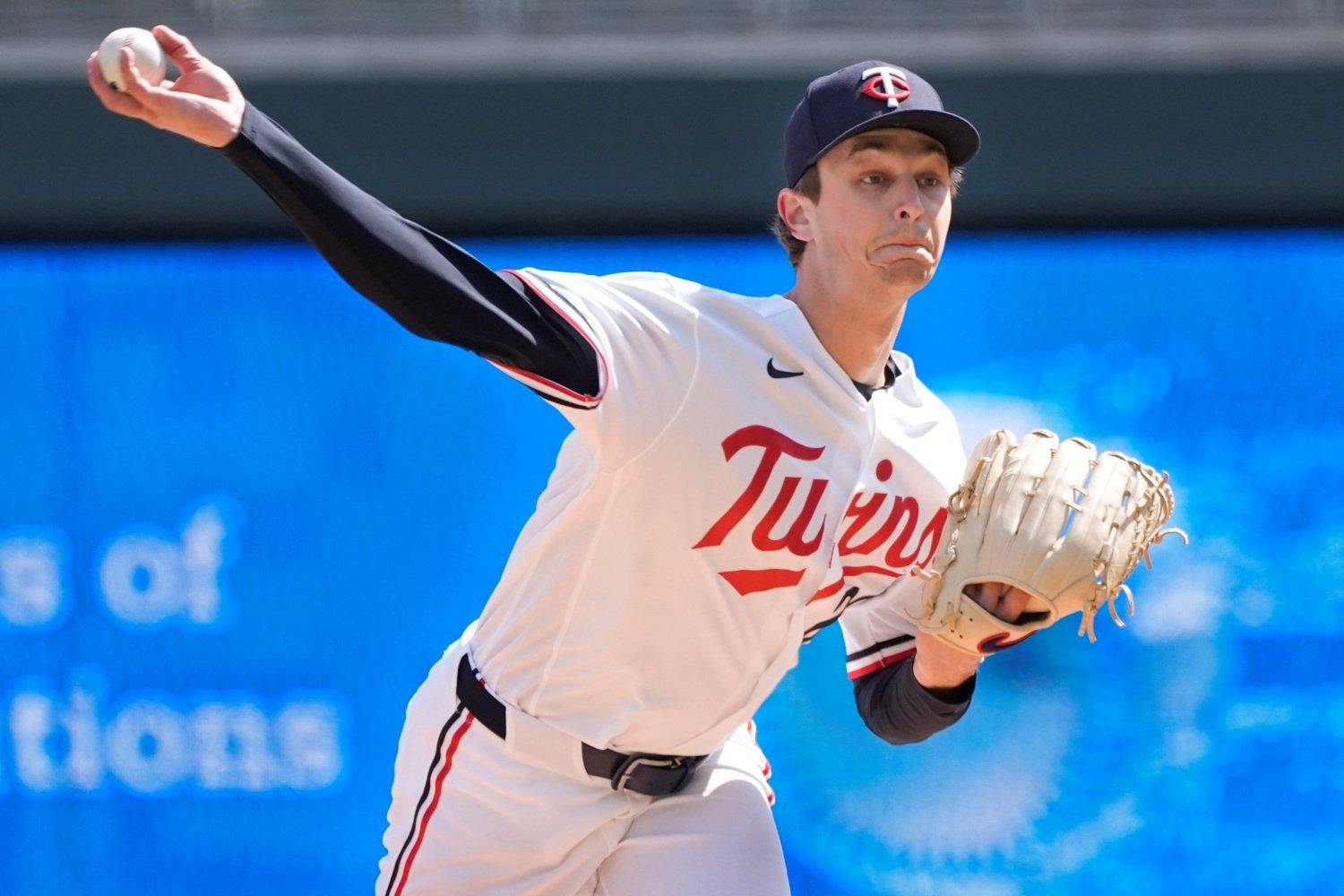 For a brief moment, it looked like the Twins were about to get one of their most important reinforcements back. Instead, Mick Abel's return to Minnesota's rotation is on hold once again. According to the Minnesota Star Tribune's Bobby Nightengale Jr., Abel experienced a setback in his recovery process after throwing a 20-pitch bullpen session on Friday. The right-hander will not return from the injured list this week and is scheduled to undergo an MRI when the club gets back to Minnesota. That's an unwelcome development for a pitching staff that has already spent most of the season patching together innings. A Promising Rehab Assignment Takes a Turn Abel has been sidelined since April 20 after being placed on the injured list with right elbow inflammation. The injury interrupted what had been an encouraging first season in the Twins organization after arriving as part of last summer's trade deadline haul. The 24-year-old finally began a rehab assignment with Triple-A St. Paul earlier this month, and the early results couldn't have gone much better. In his first outing on June 10, Abel tossed three scoreless innings while allowing only two hits and striking out five batters. He followed that performance six days later with an even longer outing, surrendering one run across five innings while once again recording five strikeouts. Those appearances appeared to put him on the doorstep of a return to the major league rotation. Instead, the Twins are back in wait-and-see mode. Rotation Questions Continue to Mount Minnesota's pitching depth has been tested all season, and Abel's setback only adds another layer of uncertainty. Pablo López is already lost for the remainder of the year. Bailey Ober remains on the injured list with a flexor strain, though the organization remains optimistic that his absence won't be a lengthy one. Simeon Woods Richardson was moved to Toronto after struggling to establish himself in the rotation. That leaves the Twins leaning heavily on Joe Ryan and Taj Bradley at the top of the staff while searching for consistency from a younger group of arms. Connor Prielipp has shown flashes of why the organization remains excited about his future. Zebby Matthews continues to work through the ups and downs that come with gaining major league experience. Mike Paredes has also been asked to shoulder a larger role than originally anticipated. The group has managed to keep Minnesota competitive, but the margin for error continues to shrink. Every Game Matters The timing of Abel's setback couldn't be much worse. Entering Saturday night's action, Minnesota sat 4.5 games behind Cleveland in the American League Central and 2.5 games out of the final Wild Card position. The Twins remain firmly in the postseason conversation, but they can ill afford to lose additional rotation depth for an extended period. If the MRI reveals only a minor issue, Abel could still rejoin the club relatively soon. However, if the setback leads to another lengthy shutdown, Minnesota may need to explore external options before the trade deadline or continue relying on inexperienced pitchers to navigate meaningful games down the stretch. The Twins have spent much of the season waiting for reinforcements, and Abel looked poised to become one of the most significant additions to the roster. His strong rehab outings offered hope that help was finally on the way. Now, the organization is once again waiting on medical results. For a team trying to chase down a division title and climb back into a playoff spot, the news serves as another reminder of just how thin the line can be between contention and crisis. The Twins have survived plenty of pitching injuries already in 2026. Whether they can continue doing so may depend on what Abel's MRI reveals in the coming days.
 -
For a brief moment, it looked like the Twins were about to get one of their most important reinforcements back. Instead, Mick Abel's return to Minnesota's rotation is on hold once again. According to the Minnesota Star Tribune's Bobby Nightengale Jr., Abel experienced a setback in his recovery process after throwing a 20-pitch bullpen session on Friday. The right-hander will not return from the injured list this week and is scheduled to undergo an MRI when the club gets back to Minnesota. That's an unwelcome development for a pitching staff that has already spent most of the season patching together innings. A Promising Rehab Assignment Takes a Turn Abel has been sidelined since April 20 after being placed on the injured list with right elbow inflammation. The injury interrupted what had been an encouraging first season in the Twins organization after arriving as part of last summer's trade deadline haul. The 24-year-old finally began a rehab assignment with Triple-A St. Paul earlier this month, and the early results couldn't have gone much better. In his first outing on June 10, Abel tossed three scoreless innings while allowing only two hits and striking out five batters. He followed that performance six days later with an even longer outing, surrendering one run across five innings while once again recording five strikeouts. Those appearances appeared to put him on the doorstep of a return to the major league rotation. Instead, the Twins are back in wait-and-see mode. Rotation Questions Continue to Mount Minnesota's pitching depth has been tested all season, and Abel's setback only adds another layer of uncertainty. Pablo López is already lost for the remainder of the year. Bailey Ober remains on the injured list with a flexor strain, though the organization remains optimistic that his absence won't be a lengthy one. Simeon Woods Richardson was moved to Toronto after struggling to establish himself in the rotation. That leaves the Twins leaning heavily on Joe Ryan and Taj Bradley at the top of the staff while searching for consistency from a younger group of arms. Connor Prielipp has shown flashes of why the organization remains excited about his future. Zebby Matthews continues to work through the ups and downs that come with gaining major league experience. Mike Paredes has also been asked to shoulder a larger role than originally anticipated. The group has managed to keep Minnesota competitive, but the margin for error continues to shrink. Every Game Matters The timing of Abel's setback couldn't be much worse. Entering Saturday night's action, Minnesota sat 4.5 games behind Cleveland in the American League Central and 2.5 games out of the final Wild Card position. The Twins remain firmly in the postseason conversation, but they can ill afford to lose additional rotation depth for an extended period. If the MRI reveals only a minor issue, Abel could still rejoin the club relatively soon. However, if the setback leads to another lengthy shutdown, Minnesota may need to explore external options before the trade deadline or continue relying on inexperienced pitchers to navigate meaningful games down the stretch. The Twins have spent much of the season waiting for reinforcements, and Abel looked poised to become one of the most significant additions to the roster. His strong rehab outings offered hope that help was finally on the way. Now, the organization is once again waiting on medical results. For a team trying to chase down a division title and climb back into a playoff spot, the news serves as another reminder of just how thin the line can be between contention and crisis. The Twins have survived plenty of pitching injuries already in 2026. Whether they can continue doing so may depend on what Abel's MRI reveals in the coming days. View full rumor
-
Perfect Contact Is Making Kody Clemens a More Complete Hitter
Cody Christie posted an article in Twins
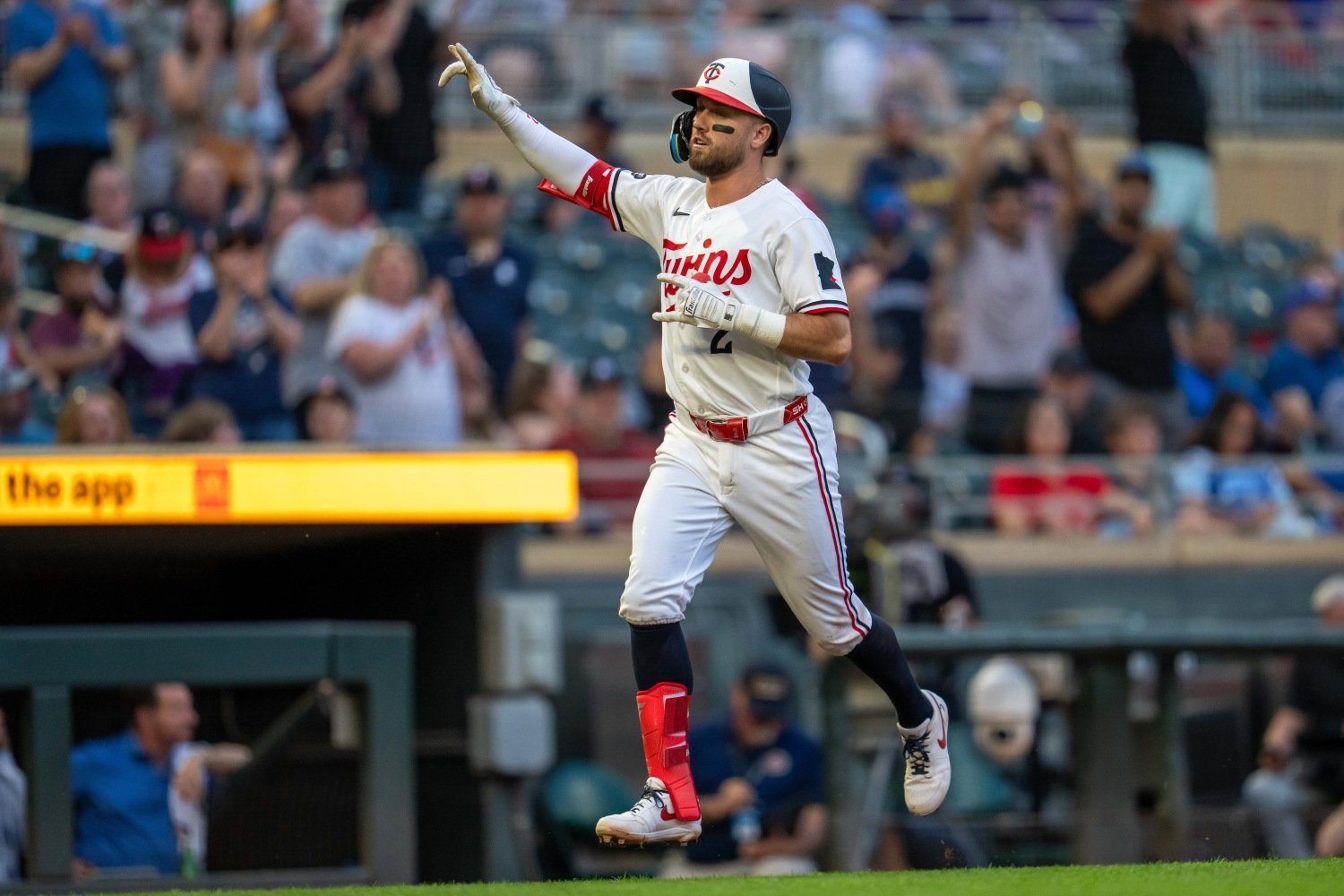 For most of his major-league career, Kody Clemens has fit the mold of a traditional left-handed hitter. He could damage right-handed pitching, but lefties consistently gave him problems. That trend has taken a surprising turn in 2026. Clemens has significantly narrowed the gap between his production against right-handed and left-handed pitchers. The results have been encouraging, but the underlying numbers may be even more promising. Improved contact quality and fewer swings and misses have helped him become a more complete hitter and a more valuable player for the Twins. For his career, Clemens owns a .223/.269/.335 (.604) line against southpaws across 204 plate appearances. He had managed only four home runs while striking out 47 times and drawing just nine walks. His overall OPS against lefties sat more than 110 points below what he produced against right-handed pitching. Those numbers painted a familiar picture. Left-handed hitters often struggle against same-side pitching, and Clemens appeared destined to remain a platoon option. This season has told a different story. In 54 plate appearances against lefties during 2026, Clemens is hitting .240/.283/.400 (.683) with four extra-base hits. Just as encouraging is his improved plate discipline. His .400 slugging percentage against lefties would be a career-high. He's struck out in only 17% of his PAs, a dramatic improvement from the swing-and-miss tendencies that plagued him earlier in his career. So what's changed? The answer starts with contact quality. Clemens currently ranks eighth in Major League Baseball in the percentage of balls in play classified as "Perfect Contact." Few hitters have been as efficient at centering the baseball on the barrel. That ability helps explain why the additional bat speed he added last spring has translated into improved offensive production. In 2024, his bat speed was at 70.5 mph, which would have ranked in baseball’s lower half if he had enough plate appearances to qualify. In 2025, he improved to 72.2 mph, ranking exactly at MLB’s midpoint, before decreasing a little this season to 71.8 mph. While a boost of 1.3 mph compared to 2024 might not seem like that much, it has made a significant difference for Clemens. The gains are especially noticeable when comparing his performance against left-handed pitching to previous seasons. Last year, opposing lefties consistently attacked him low and inside. Those pitches generated frequent whiffs, and Clemens struggled to get the barrel to the baseball. Even when he made contact, it often lacked authority. This season, that weakness has become far less pronounced. He is missing those pitches significantly less often, particularly in the lower part of the strike zone. Rather than swinging through low-and-inside offerings, Clemens is making more competitive contact and avoiding the empty swings that previously put him behind in counts. The improvement shows up in his run value profile as well. A season ago, his heat maps against left-handed pitching were filled with negative-value zones. Nearly every area of the strike zone represented a weakness that pitchers could exploit. The results this year still show some negative values, but the overall picture is much more encouraging. The largest improvements have come on pitches low and inside, as well as offerings up and away. Those areas once represented some of his biggest vulnerabilities. Now they are no longer automatic outs for opposing pitchers. That doesn't mean Clemens has suddenly become a dominant hitter against left-handed pitching. The sample size remains relatively small, and 54 plate appearances are far from enough to declare the issue solved. Still, the underlying indicators suggest that something real may be happening. “[I’m] trying to make some good swing decisions and make sure I’m swinging at good pitches,” Clemens said after Tuesday’s game, where he hit his seventh homer in 19 games. “Trying to stay within myself. I think sometimes I get too big, and that’s when I’ll swing and miss or foul one off or hit it in the air or whatever. But just trying to stay consistent and go day by day.” The improved contact rates, reduced swing-and-miss tendencies, and elite "Perfect Contact" numbers all point toward a hitter making meaningful adjustments. Even if some regression is inevitable, Clemens has narrowed the gap between his production against lefties and righties in a way he never has before. For a player who arrived in Minnesota as an emergency acquisition for cash considerations, that's another reminder that Clemens keeps finding ways to exceed expectations. What has stood out about Clemens this season? Can he build off these improvements? Leave a comment and start the discussion.
 -
As the countdown to the 2026 MLB Draft continues, most evaluators agree on one thing: nobody truly knows how the first three picks will unfold. That uncertainty is exactly what makes this year's draft so intriguing for the Twins. In his latest attempt to project the top of the draft, MLB.com draft expert Jim Callis laid out six different scenarios for the first three selections. While there are certainly other possibilities, his projections reinforce the idea that three elite prospects have separated themselves from the rest of the class. The debate centers around three names: UCLA shortstop Roch Cholowsky, Georgia Tech catcher Vahn Lackey, and prep shortstop Grady Emerson. For Minnesota, that's a pretty good place to be. Cholowsky Still Leads the Pack Callis currently projects the White Sox to select Cholowsky with the first overall pick. That wouldn't qualify as a surprise. Cholowsky has spent much of the draft cycle viewed as the favorite to go No. 1 overall thanks to his polished all-around game, defensive value at shortstop, and offensive upside. He has been the most consistent name atop draft boards for months. But consistency doesn't necessarily mean certainty. With several weeks remaining before draft night, teams are still gathering information, discussing bonus pool strategies, and determining whether another player might offer more value at the top of the board. Lackey's Meteoric Rise If Cholowsky goes first, Callis predicts the Rays would select Lackey with the second overall pick. Few players have boosted their stock more than the Georgia Tech backstop this spring. What began as a strong season evolved into a legitimate argument that Lackey could be the best player available in the entire draft. Catchers always bring additional risk because of the physical demands of the position, but Lackey's offensive profile and defensive tools have convinced many evaluators that he belongs in the conversation for the first overall selection. In fact, several of Callis' scenarios have Lackey coming off the board before either Cholowsky or Emerson. Emerson Could Be the Twins' Prize Under Callis' most likely projection, Minnesota lands Emerson at No. 3 overall. Not long ago, many draft observers believed Emerson would be the favorite to go second overall to Tampa Bay. That's no longer a consensus view, but it illustrates just how fluid the top of this draft remains. For the Twins, Emerson represents the type of upside teams dream about acquiring near the top of the draft. The prep shortstop has long been viewed as one of the most talented players in the class, and there are still plenty of scenarios where he doesn't make it past the first or second pick. That's why Minnesota's front office is likely spending more time preparing for multiple outcomes than targeting one specific player. The Tyler Bell Wild Card Another factor worth monitoring is Kentucky shortstop Tyler Bell. Callis noted that Bell could be willing to sign for less than slot value if selected within the top five picks. Those types of bonus considerations can dramatically alter draft boards. If a team believes it can save money early and redistribute those dollars later in the draft, Bell could become an appealing option. Any surprise move involving Bell would create a ripple effect that impacts the prospects available when Minnesota is on the clock. The Odds Favor Minnesota Callis assigned probabilities to six potential outcomes involving the first three selections: Cholowsky (White Sox), Lackey (Rays), Emerson (Twins): 26% Cholowsky (White Sox), Emerson (Rays), Lackey (Twins): 24% Emerson (White Sox), Lackey (Rays), Cholowsky (Twins): 21% Emerson (White Sox), Cholowsky (Rays), Lackey (Twins): 19% Lackey (White Sox), Emerson (Rays), Cholowsky (Twins): 5% Lackey (White Sox), Cholowsky (Rays), Emerson (Twins): 5% From Minnesota's perspective, the math works out quite nicely. Those projections give the Twins roughly a 43% chance of landing Lackey, a 31% chance of selecting Emerson, and a 29% chance of ending up with Cholowsky. When the possible outcomes are the three best players in the draft, those are odds any front office would gladly accept. A Familiar Situation This year's draft bears some resemblance to the 2023 draft. That summer, the Twins benefited from the inaugural MLB Draft Lottery, jumping from the 13th pick to the fifth overall selection. The top of that draft featured a clear group of elite prospects, and Minnesota's strategy was simple: wait and take whichever premium talent remained available. The result was Walker Jenkins, who has remained the organization's top prospect ever since. The Twins could find themselves following a similar blueprint this year. Rather than being locked into one player, Minnesota appears positioned to let the first two picks dictate its decision. With Cholowsky, Lackey, and Emerson all viewed as top-tier talents, the organization may simply select whichever member of that trio is still available. Draft season often becomes a search for certainty, but this year's class isn't offering much of it at the top. What it is offering, however, is opportunity. The White Sox and Rays will ultimately determine how the board unfolds, but Minnesota enters the process in an enviable position. Whether it's Cholowsky's polish, Lackey's rising star power, or Emerson's immense upside, the Twins appear likely to walk away with one of the draft's premier talents. With less than a month until commissioner Rob Manfred steps to the podium, the picture remains cloudy. For the Twins, that's perfectly fine. Sometimes the best draft strategy is letting the talent come to you. View full rumor
-
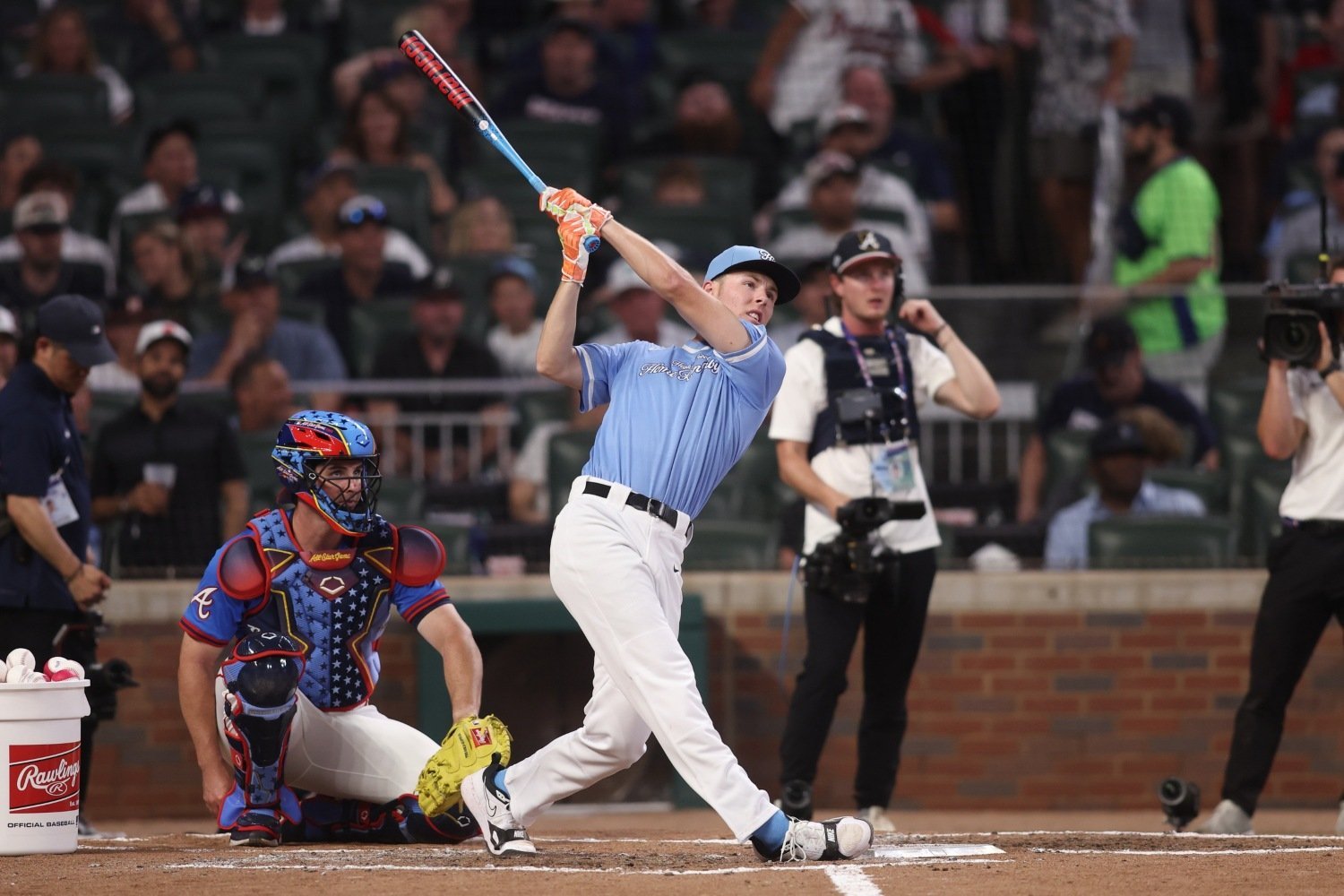 As the countdown to the 2026 MLB Draft continues, most evaluators agree on one thing: nobody truly knows how the first three picks will unfold. That uncertainty is exactly what makes this year's draft so intriguing for the Twins. In his latest attempt to project the top of the draft, MLB.com draft expert Jim Callis laid out six different scenarios for the first three selections. While there are certainly other possibilities, his projections reinforce the idea that three elite prospects have separated themselves from the rest of the class. The debate centers around three names: UCLA shortstop Roch Cholowsky, Georgia Tech catcher Vahn Lackey, and prep shortstop Grady Emerson. For Minnesota, that's a pretty good place to be. Cholowsky Still Leads the Pack Callis currently projects the White Sox to select Cholowsky with the first overall pick. That wouldn't qualify as a surprise. Cholowsky has spent much of the draft cycle viewed as the favorite to go No. 1 overall thanks to his polished all-around game, defensive value at shortstop, and offensive upside. He has been the most consistent name atop draft boards for months. But consistency doesn't necessarily mean certainty. With several weeks remaining before draft night, teams are still gathering information, discussing bonus pool strategies, and determining whether another player might offer more value at the top of the board. Lackey's Meteoric Rise If Cholowsky goes first, Callis predicts the Rays would select Lackey with the second overall pick. Few players have boosted their stock more than the Georgia Tech backstop this spring. What began as a strong season evolved into a legitimate argument that Lackey could be the best player available in the entire draft. Catchers always bring additional risk because of the physical demands of the position, but Lackey's offensive profile and defensive tools have convinced many evaluators that he belongs in the conversation for the first overall selection. In fact, several of Callis' scenarios have Lackey coming off the board before either Cholowsky or Emerson. Emerson Could Be the Twins' Prize Under Callis' most likely projection, Minnesota lands Emerson at No. 3 overall. Not long ago, many draft observers believed Emerson would be the favorite to go second overall to Tampa Bay. That's no longer a consensus view, but it illustrates just how fluid the top of this draft remains. For the Twins, Emerson represents the type of upside teams dream about acquiring near the top of the draft. The prep shortstop has long been viewed as one of the most talented players in the class, and there are still plenty of scenarios where he doesn't make it past the first or second pick. That's why Minnesota's front office is likely spending more time preparing for multiple outcomes than targeting one specific player. The Tyler Bell Wild Card Another factor worth monitoring is Kentucky shortstop Tyler Bell. Callis noted that Bell could be willing to sign for less than slot value if selected within the top five picks. Those types of bonus considerations can dramatically alter draft boards. If a team believes it can save money early and redistribute those dollars later in the draft, Bell could become an appealing option. Any surprise move involving Bell would create a ripple effect that impacts the prospects available when Minnesota is on the clock. The Odds Favor Minnesota Callis assigned probabilities to six potential outcomes involving the first three selections: Cholowsky (White Sox), Lackey (Rays), Emerson (Twins): 26% Cholowsky (White Sox), Emerson (Rays), Lackey (Twins): 24% Emerson (White Sox), Lackey (Rays), Cholowsky (Twins): 21% Emerson (White Sox), Cholowsky (Rays), Lackey (Twins): 19% Lackey (White Sox), Emerson (Rays), Cholowsky (Twins): 5% Lackey (White Sox), Cholowsky (Rays), Emerson (Twins): 5% From Minnesota's perspective, the math works out quite nicely. Those projections give the Twins roughly a 43% chance of landing Lackey, a 31% chance of selecting Emerson, and a 29% chance of ending up with Cholowsky. When the possible outcomes are the three best players in the draft, those are odds any front office would gladly accept. A Familiar Situation This year's draft bears some resemblance to the 2023 draft. That summer, the Twins benefited from the inaugural MLB Draft Lottery, jumping from the 13th pick to the fifth overall selection. The top of that draft featured a clear group of elite prospects, and Minnesota's strategy was simple: wait and take whichever premium talent remained available. The result was Walker Jenkins, who has remained the organization's top prospect ever since. The Twins could find themselves following a similar blueprint this year. Rather than being locked into one player, Minnesota appears positioned to let the first two picks dictate its decision. With Cholowsky, Lackey, and Emerson all viewed as top-tier talents, the organization may simply select whichever member of that trio is still available. Draft season often becomes a search for certainty, but this year's class isn't offering much of it at the top. What it is offering, however, is opportunity. The White Sox and Rays will ultimately determine how the board unfolds, but Minnesota enters the process in an enviable position. Whether it's Cholowsky's polish, Lackey's rising star power, or Emerson's immense upside, the Twins appear likely to walk away with one of the draft's premier talents. With less than a month until commissioner Rob Manfred steps to the podium, the picture remains cloudy. For the Twins, that's perfectly fine. Sometimes the best draft strategy is letting the talent come to you.
- 19 comments
-
- 4
-
-
- roch cholowsky
- grady emerson
- (and 1 more)
-
 The Minnesota Twins announced Thursday that former pitcher Al Worthington passed away earlier this week at the age of 97. For younger Twins fans, Worthington's name may not immediately jump off the page. However, his impact on some of the most successful teams in franchise history is impossible to overlook. Long before closers became baseball celebrities and bullpen usage charts consumed front offices, Worthington quietly became one of the game's most reliable late-inning arms and a key contributor to Minnesota's first American League pennant. Worthington arrived in professional baseball after starring at the University of Alabama and signing with the Chicago Cubs organization in 1951. After only one season in the minors, he was traded to the New York Giants, a move that would launch a major-league career spanning parts of 14 seasons. His introduction to the majors was memorable. Called up in 1953, Worthington opened his career by throwing complete-game shutouts in each of his first two appearances. He posted a 3.44 ERA as a rookie and appeared briefly for the Giants during their 1954 championship season. Although he did not pitch in the World Series, he was part of the club that defeated Cleveland in a Fall Classic best remembered for Willie Mays' iconic over-the-shoulder catch at the Polo Grounds. Worthington spent six seasons with the Giants organization, including the franchise's historic move from New York to San Francisco in 1958. Along the way, he transitioned from starting pitcher to reliever, a role that ultimately prolonged his career. Stops with the Chicago White Sox, Boston Red Sox, and Cincinnati Reds followed before his baseball journey took an unexpected turn. By 1964, Worthington was 35 years old and back in the minor leagues. Many players at that stage are contemplating retirement. Instead, the Twins purchased his contract from the Reds organization and gave him another opportunity. It turned out to be one of the better under-the-radar moves in franchise history. From 1964 through 1969, Worthington became a bullpen cornerstone for Minnesota. He won 37 games, recorded 88 saves, and posted four consecutive seasons with an ERA below 3.00. His finest season came in 1965 when he went 10-7 with 14 saves and a sparkling 2.14 ERA across 62 appearances. That season, the Twins captured their first American League pennant and advanced to the World Series against the Los Angeles Dodgers. Worthington delivered four scoreless innings during the series, allowing only an unearned run despite Minnesota ultimately falling in seven games. The right-hander remained a valuable contributor through the end of the decade, including a final postseason appearance during the Twins' 1969 American League Championship Series run. By the time he retired after the 1969 season, he had established himself as one of the most effective relievers in franchise history. Although the save did not become an official Major League Baseball statistic until the final year of his career, Worthington was retroactively credited with 111 saves. He finished his major-league career with a 75-82 record, a 3.09 ERA, 834 strikeouts, and 602 appearances. More than half of those outings ended with him recording the final outs of the game. His baseball accomplishments extended well beyond the major leagues. Before reaching the majors, Worthington spent four seasons with the Minneapolis Millers and helped lead the club to the 1955 American Association championship while posting a 19-10 record with 18 complete games. In nine minor-league seasons, he compiled a 98-69 record. After retiring as a player at age 40, Worthington dedicated nearly two decades to coaching and administration at what is now Liberty University. From 1973 through 1986, he amassed a 343-189-1 record as the school's baseball coach and later served as athletic director. His contributions earned him induction into both the Liberty University Hall of Fame and the Alabama Sports Hall of Fame. In 2010, the Twins recognized his place in franchise history by naming him one of the organization's "50 Greatest Twins." Worthington was the fourth-oldest living former major-league player at the time of his passing and one of the last remaining players who wore a Giants uniform before the franchise relocated to San Francisco. For Twins fans, however, his legacy will always be tied to the club's first pennant winner. More than 60 years after arriving in Minnesota as a veteran searching for one last opportunity, Worthington remains one of the most successful bullpen arms the franchise has ever had.
 -
The Minnesota Twins announced Thursday that former pitcher Al Worthington passed away earlier this week at the age of 97. For younger Twins fans, Worthington's name may not immediately jump off the page. However, his impact on some of the most successful teams in franchise history is impossible to overlook. Long before closers became baseball celebrities and bullpen usage charts consumed front offices, Worthington quietly became one of the game's most reliable late-inning arms and a key contributor to Minnesota's first American League pennant. Worthington arrived in professional baseball after starring at the University of Alabama and signing with the Chicago Cubs organization in 1951. After only one season in the minors, he was traded to the New York Giants, a move that would launch a major-league career spanning parts of 14 seasons. His introduction to the majors was memorable. Called up in 1953, Worthington opened his career by throwing complete-game shutouts in each of his first two appearances. He posted a 3.44 ERA as a rookie and appeared briefly for the Giants during their 1954 championship season. Although he did not pitch in the World Series, he was part of the club that defeated Cleveland in a Fall Classic best remembered for Willie Mays' iconic over-the-shoulder catch at the Polo Grounds. Worthington spent six seasons with the Giants organization, including the franchise's historic move from New York to San Francisco in 1958. Along the way, he transitioned from starting pitcher to reliever, a role that ultimately prolonged his career. Stops with the Chicago White Sox, Boston Red Sox, and Cincinnati Reds followed before his baseball journey took an unexpected turn. By 1964, Worthington was 35 years old and back in the minor leagues. Many players at that stage are contemplating retirement. Instead, the Twins purchased his contract from the Reds organization and gave him another opportunity. It turned out to be one of the better under-the-radar moves in franchise history. From 1964 through 1969, Worthington became a bullpen cornerstone for Minnesota. He won 37 games, recorded 88 saves, and posted four consecutive seasons with an ERA below 3.00. His finest season came in 1965 when he went 10-7 with 14 saves and a sparkling 2.14 ERA across 62 appearances. That season, the Twins captured their first American League pennant and advanced to the World Series against the Los Angeles Dodgers. Worthington delivered four scoreless innings during the series, allowing only an unearned run despite Minnesota ultimately falling in seven games. The right-hander remained a valuable contributor through the end of the decade, including a final postseason appearance during the Twins' 1969 American League Championship Series run. By the time he retired after the 1969 season, he had established himself as one of the most effective relievers in franchise history. Although the save did not become an official Major League Baseball statistic until the final year of his career, Worthington was retroactively credited with 111 saves. He finished his major-league career with a 75-82 record, a 3.09 ERA, 834 strikeouts, and 602 appearances. More than half of those outings ended with him recording the final outs of the game. His baseball accomplishments extended well beyond the major leagues. Before reaching the majors, Worthington spent four seasons with the Minneapolis Millers and helped lead the club to the 1955 American Association championship while posting a 19-10 record with 18 complete games. In nine minor-league seasons, he compiled a 98-69 record. After retiring as a player at age 40, Worthington dedicated nearly two decades to coaching and administration at what is now Liberty University. From 1973 through 1986, he amassed a 343-189-1 record as the school's baseball coach and later served as athletic director. His contributions earned him induction into both the Liberty University Hall of Fame and the Alabama Sports Hall of Fame. In 2010, the Twins recognized his place in franchise history by naming him one of the organization's "50 Greatest Twins." Worthington was the fourth-oldest living former major-league player at the time of his passing and one of the last remaining players who wore a Giants uniform before the franchise relocated to San Francisco. For Twins fans, however, his legacy will always be tied to the club's first pennant winner. More than 60 years after arriving in Minnesota as a veteran searching for one last opportunity, Worthington remains one of the most successful bullpen arms the franchise has ever had. View full rumor
-
Twins Still Viewing Themselves as Trade Deadline Buyers Despite Long Odds
Cody Christie posted an article in Twins
 As Major League Baseball inches closer to the trade deadline, one of the most valuable exercises isn't identifying specific trade targets. It's figuring out which teams believe they are buying and which ones are preparing to sell. That information shapes virtually every conversation that follows. In a recent piece for The Athletic, Jim Bowden checked in with all 30 organizations to gauge where each club stands and what their biggest needs are as the deadline approaches. For front offices around the league, this type of intelligence is critical. Before serious trade discussions begin, teams need a clear understanding of what other organizations are trying to accomplish. Most trades don't materialize overnight. Executives spend weeks gathering information, comparing organizational strengths and weaknesses, and identifying potential matches. Knowing which clubs need starting pitching, bullpen help, offense, or prospect capital is often the first step toward finding a workable deal. Normally, the biggest storyline of the trade deadline revolves around sorting teams into two categories: buyers and sellers. This season, however, things are far less straightforward. Outside of the San Francisco Giants and Colorado Rockies, virtually every team can still point to some path toward postseason contention. Expanded playoffs have created a middle class of teams that remain within striking distance, making it much harder for organizations to wave the white flag in June or even July. That reality could create a fascinating deadline dynamic. Rather than the traditional contender-versus-rebuilder transactions, many of this year's deals may involve two teams that both believe they have a legitimate chance to play meaningful games in October. The Twins appear to fall squarely into that category. According to Bowden, "The Twins are searching for bullpen help and believe if they can keep their star players like Byron Buxton and Royce Lewis healthy that they can stay in the race all season." The bullpen need shouldn't surprise anyone. Minnesota's relief corps has been inconsistent throughout the season, and adding another high-leverage arm would help stabilize a group that has struggled to protect leads at key moments. The more interesting part of Bowden's report is the confidence the organization apparently still has in its postseason chances. Looking strictly at the standings, that optimism requires a leap of faith. The Twins sit just 1.5 games behind the final American League Wild Card position, but several teams stand between them and a playoff berth. Every one of those clubs believes it can contend as well. According to FanGraphs, Minnesota currently owns a 27.9% chance of reaching the postseason. That's an improvement of more than 5 percentage points since the beginning of June, but it still means the Twins remain significant underdogs in the playoff race. In fact, it’s only the third-highest mark in the AL Central. Of course, front offices don't always view the situation through the same lens as projection systems. There's also an important leadership factor at play. This is the first trade deadline featuring the Twins' new organizational structure. Tom Pohlad is overseeing the business side, while Jeremy Zoll is running baseball operations. Neither has navigated a deadline from their current position before, creating plenty of uncertainty regarding how aggressively Minnesota will act. Zoll recently discussed Minnesota’s trade deadline position. He said that a lot of teams are currently having check-in conversations, but there isn’t enough separation in the playoff race to determine who the buyers and sellers are. It probably comes down to how the teams perform into the middle of July before meaningful trade conversations can occur. Still, the ultimate decision to buy or sell may come down to Pohlad. Earlier this season, Pohlad made it clear that he expected the Twins to remain competitive. Those comments could prove meaningful as the deadline approaches. Ownership groups rarely enjoy watching a team sell off pieces, especially when they're hovering around the playoff picture. If Minnesota remains within striking distance over the next several weeks, there may be pressure to continue pursuing contention rather than pivoting toward the future. That doesn't necessarily mean the Twins will become major buyers. It simply means they may be reluctant sellers. The next month will ultimately determine everything. If Minnesota gains ground in the standings, adding bullpen help could become a realistic objective. If the club falls further behind, difficult conversations about expiring contracts and tradeable veterans will become unavoidable. For now, though, Bowden's reporting offers a clear glimpse into the Twins' current mindset. Despite long odds, a crowded Wild Card race, and multiple teams standing in their way, Minnesota still appears to view itself as a contender. Whether reality eventually forces a different conclusion remains one of the most important questions facing the organization over the next six weeks. Do you view the Twins as buyers or sellers? Leave a comment and start the discussion.
 -
Image courtesy of © Bob DeChiara-Imagn Images As Major League Baseball inches closer to the trade deadline, one of the most valuable exercises isn't identifying specific trade targets. It's figuring out which teams believe they are buying and which ones are preparing to sell. That information shapes virtually every conversation that follows. In a recent piece for The Athletic, Jim Bowden checked in with all 30 organizations to gauge where each club stands and what their biggest needs are as the deadline approaches. For front offices around the league, this type of intelligence is critical. Before serious trade discussions begin, teams need a clear understanding of what other organizations are trying to accomplish. Most trades don't materialize overnight. Executives spend weeks gathering information, comparing organizational strengths and weaknesses, and identifying potential matches. Knowing which clubs need starting pitching, bullpen help, offense, or prospect capital is often the first step toward finding a workable deal. Normally, the biggest storyline of the trade deadline revolves around sorting teams into two categories: buyers and sellers. This season, however, things are far less straightforward. Outside of the San Francisco Giants and Colorado Rockies, virtually every team can still point to some path toward postseason contention. Expanded playoffs have created a middle class of teams that remain within striking distance, making it much harder for organizations to wave the white flag in June or even July. That reality could create a fascinating deadline dynamic. Rather than the traditional contender-versus-rebuilder transactions, many of this year's deals may involve two teams that both believe they have a legitimate chance to play meaningful games in October. The Twins appear to fall squarely into that category. According to Bowden, "The Twins are searching for bullpen help and believe if they can keep their star players like Byron Buxton and Royce Lewis healthy that they can stay in the race all season." The bullpen need shouldn't surprise anyone. Minnesota's relief corps has been inconsistent throughout the season, and adding another high-leverage arm would help stabilize a group that has struggled to protect leads at key moments. The more interesting part of Bowden's report is the confidence the organization apparently still has in its postseason chances. Looking strictly at the standings, that optimism requires a leap of faith. The Twins sit just 1.5 games behind the final American League Wild Card position, but several teams stand between them and a playoff berth. Every one of those clubs believes it can contend as well. According to FanGraphs, Minnesota currently owns a 27.9% chance of reaching the postseason. That's an improvement of more than 5 percentage points since the beginning of June, but it still means the Twins remain significant underdogs in the playoff race. In fact, it’s only the third-highest mark in the AL Central. Of course, front offices don't always view the situation through the same lens as projection systems. There's also an important leadership factor at play. This is the first trade deadline featuring the Twins' new organizational structure. Tom Pohlad is overseeing the business side, while Jeremy Zoll is running baseball operations. Neither has navigated a deadline from their current position before, creating plenty of uncertainty regarding how aggressively Minnesota will act. Zoll recently discussed Minnesota’s trade deadline position. He said that a lot of teams are currently having check-in conversations, but there isn’t enough separation in the playoff race to determine who the buyers and sellers are. It probably comes down to how the teams perform into the middle of July before meaningful trade conversations can occur. Still, the ultimate decision to buy or sell may come down to Pohlad. Earlier this season, Pohlad made it clear that he expected the Twins to remain competitive. Those comments could prove meaningful as the deadline approaches. Ownership groups rarely enjoy watching a team sell off pieces, especially when they're hovering around the playoff picture. If Minnesota remains within striking distance over the next several weeks, there may be pressure to continue pursuing contention rather than pivoting toward the future. That doesn't necessarily mean the Twins will become major buyers. It simply means they may be reluctant sellers. The next month will ultimately determine everything. If Minnesota gains ground in the standings, adding bullpen help could become a realistic objective. If the club falls further behind, difficult conversations about expiring contracts and tradeable veterans will become unavoidable. For now, though, Bowden's reporting offers a clear glimpse into the Twins' current mindset. Despite long odds, a crowded Wild Card race, and multiple teams standing in their way, Minnesota still appears to view itself as a contender. Whether reality eventually forces a different conclusion remains one of the most important questions facing the organization over the next six weeks. Do you view the Twins as buyers or sellers? Leave a comment and start the discussion. View full article
-
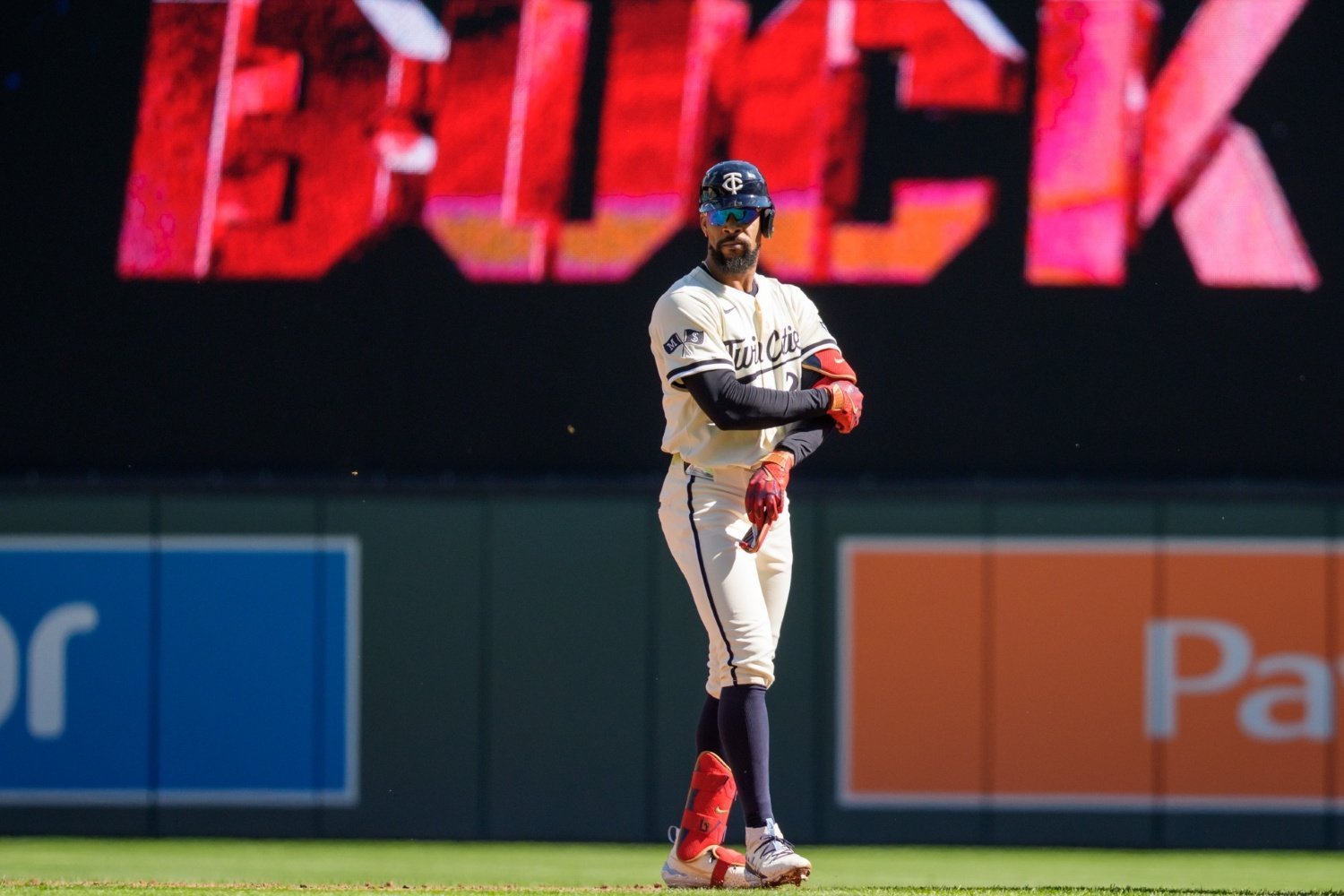 As MLB’s August 3 trade deadline inches closer, the Minnesota Twins continue to occupy baseball's uncomfortable middle ground. They're not out of the race. They're not exactly contenders either. At 36-40, Minnesota sits third in the American League Central, 4 1/2 games behind the division-leading Cleveland Guardians and lingering on the outskirts of the Wild Card picture. FanGraphs gives them a 28.7% chance of reaching the postseason, which is enough hope to keep the front office from making any easy decisions over the next six weeks. That uncertainty has naturally fueled trade speculation, and one name that continues to generate national attention is Byron Buxton. ESPN recently ranked the top trade candidates ahead of the deadline, placing Buxton second overall behind Detroit ace Tarik Skubal. While ESPN acknowledged the hurdles involved, they still assigned a 30% chance that Buxton could be moved before the deadline. There's just one problem with that prediction. Buxton doesn't sound remotely interested. When asked by The Athletic about his name surfacing in trade rumors, the Twins center fielder didn't leave much room for interpretation. Buxton said, "I don't give a f---." He wasn't finished. "End of the day, nobody's in my shoes. Nobody can say anything about what I'm going to do. I know what I'm a doing. The only way I'm getting out of here -- they're going to have to come talk to me and tell me something else. Simple as that. ... I ain't said nothing about leaving, nor will I. I'm a Twin." That's about as definitive as a player can be. Of course, Buxton has backed up those words before. During the 2025 All-Star festivities, he repeatedly stated his desire to spend his entire career in Minnesota. Every time the topic has surfaced over the last couple of seasons, his answer has remained remarkably consistent. He's a Twin, and he wants to stay a Twin. That matters because Buxton isn't just another player with trade value. He controls much of the situation himself. The 32-year-old has two seasons remaining after this year on the seven-year, $100 million extension he signed before the 2022 season. More importantly, he possesses a full no-trade clause and reached 10-5 rights earlier this season. Any potential deal would require his approval. That's a significant obstacle for rival executives dreaming up blockbuster scenarios. Could Buxton waive that protection under the right circumstances? Sure. Every no-trade clause comes with an asking price. But based on everything he's said publicly, there is currently no indication that he's looking for a way out. And from Minnesota's perspective, trading him would be complicated even if they wanted to explore the possibility. The Twins already endured a painful teardown last summer when they moved 10 players at the trade deadline. Ownership then followed by trimming approximately $38 million from payroll during the offseason. Asking fans to watch another sell-off while simultaneously moving the most popular player in the organization would be difficult to justify. It would also mean parting with one of the best seasons of Buxton's career. Through 64 games, he's batting .270 with 23 home runs and 36 RBIs while once again providing elite defense in center field. When healthy, he's still capable of impacting games in ways very few players can. That's why national outlets continue to mention his name. Teams would line up for the opportunity to acquire a player with Buxton's talent. The challenge is that the player himself doesn't seem interested in joining that conversation. The Twins still have plenty of time to determine whether they'll buy, sell, or attempt something in between. Their performance over the next six weeks will likely dictate the direction of the deadline. But unless Buxton experiences a dramatic change of heart, the trade rumors surrounding him may be generating far more noise outside Minnesota than inside the clubhouse. For now, Buxton's stance remains exactly what it has been for years. He's a Twin. And he seems perfectly happy keeping it that way.
 -
As MLB’s August 3 trade deadline inches closer, the Minnesota Twins continue to occupy baseball's uncomfortable middle ground. They're not out of the race. They're not exactly contenders either. At 36-40, Minnesota sits third in the American League Central, 4 1/2 games behind the division-leading Cleveland Guardians and lingering on the outskirts of the Wild Card picture. FanGraphs gives them a 28.7% chance of reaching the postseason, which is enough hope to keep the front office from making any easy decisions over the next six weeks. That uncertainty has naturally fueled trade speculation, and one name that continues to generate national attention is Byron Buxton. ESPN recently ranked the top trade candidates ahead of the deadline, placing Buxton second overall behind Detroit ace Tarik Skubal. While ESPN acknowledged the hurdles involved, they still assigned a 30% chance that Buxton could be moved before the deadline. There's just one problem with that prediction. Buxton doesn't sound remotely interested. When asked by The Athletic about his name surfacing in trade rumors, the Twins center fielder didn't leave much room for interpretation. Buxton said, "I don't give a f---." He wasn't finished. "End of the day, nobody's in my shoes. Nobody can say anything about what I'm going to do. I know what I'm a doing. The only way I'm getting out of here -- they're going to have to come talk to me and tell me something else. Simple as that. ... I ain't said nothing about leaving, nor will I. I'm a Twin." That's about as definitive as a player can be. Of course, Buxton has backed up those words before. During the 2025 All-Star festivities, he repeatedly stated his desire to spend his entire career in Minnesota. Every time the topic has surfaced over the last couple of seasons, his answer has remained remarkably consistent. He's a Twin, and he wants to stay a Twin. That matters because Buxton isn't just another player with trade value. He controls much of the situation himself. The 32-year-old has two seasons remaining after this year on the seven-year, $100 million extension he signed before the 2022 season. More importantly, he possesses a full no-trade clause and reached 10-5 rights earlier this season. Any potential deal would require his approval. That's a significant obstacle for rival executives dreaming up blockbuster scenarios. Could Buxton waive that protection under the right circumstances? Sure. Every no-trade clause comes with an asking price. But based on everything he's said publicly, there is currently no indication that he's looking for a way out. And from Minnesota's perspective, trading him would be complicated even if they wanted to explore the possibility. The Twins already endured a painful teardown last summer when they moved 10 players at the trade deadline. Ownership then followed by trimming approximately $38 million from payroll during the offseason. Asking fans to watch another sell-off while simultaneously moving the most popular player in the organization would be difficult to justify. It would also mean parting with one of the best seasons of Buxton's career. Through 64 games, he's batting .270 with 23 home runs and 36 RBIs while once again providing elite defense in center field. When healthy, he's still capable of impacting games in ways very few players can. That's why national outlets continue to mention his name. Teams would line up for the opportunity to acquire a player with Buxton's talent. The challenge is that the player himself doesn't seem interested in joining that conversation. The Twins still have plenty of time to determine whether they'll buy, sell, or attempt something in between. Their performance over the next six weeks will likely dictate the direction of the deadline. But unless Buxton experiences a dramatic change of heart, the trade rumors surrounding him may be generating far more noise outside Minnesota than inside the clubhouse. For now, Buxton's stance remains exactly what it has been for years. He's a Twin. And he seems perfectly happy keeping it that way. View full rumor
-
Image courtesy of © Jesse Johnson-Imagn Images For most of his major-league career, Kody Clemens has fit the mold of a traditional left-handed hitter. He could damage right-handed pitching, but lefties consistently gave him problems. That trend has taken a surprising turn in 2026. Clemens has significantly narrowed the gap between his production against right-handed and left-handed pitchers. The results have been encouraging, but the underlying numbers may be even more promising. Improved contact quality and fewer swings and misses have helped him become a more complete hitter and a more valuable player for the Twins. For his career, Clemens owns a .223/.269/.335 (.604) line against southpaws across 204 plate appearances. He had managed only four home runs while striking out 47 times and drawing just nine walks. His overall OPS against lefties sat more than 110 points below what he produced against right-handed pitching. Those numbers painted a familiar picture. Left-handed hitters often struggle against same-side pitching, and Clemens appeared destined to remain a platoon option. This season has told a different story. In 54 plate appearances against lefties during 2026, Clemens is hitting .240/.283/.400 (.683) with four extra-base hits. Just as encouraging is his improved plate discipline. His .400 slugging percentage against lefties would be a career-high. He owns a 9-to-2 strikeout-to-walk ratio, a dramatic improvement from the swing-and-miss tendencies that plagued him earlier in his career. So what's changed? The answer starts with contact quality. Clemens currently ranks eighth in Major League Baseball in the percentage of balls in play classified as "Perfect Contact." Few hitters have been as efficient at centering the baseball on the barrel. That ability helps explain why the additional bat speed he added last spring has translated into improved offensive production. In 2024, his bat speed was at 70.5 mph, which would have ranked in baseball’s lower half if he had enough plate appearances to qualify. In 2025, he improved to 72.2 mph, ranking exactly at MLB’s midpoint, before decreasing a little this season to 71.8 mph. While a difference of 1.3 mph compared to 2024 might not seem like that much, it has made a significant difference for Clemens. The gains are especially noticeable when comparing his performance against left-handed pitching to previous seasons. Last year, opposing lefties consistently attacked him low and inside. Those pitches generated frequent whiffs, and Clemens struggled to get the barrel to the baseball. Even when he made contact, it often lacked authority. This season, that weakness has become far less pronounced. He is missing those pitches significantly less often, particularly in the lower part of the strike zone. Rather than swinging through low-and-inside offerings, Clemens is making more competitive contact and avoiding the empty swings that previously put him behind in counts. The improvement shows up in his run value profile as well. A season ago, his heat maps against left-handed pitching were filled with negative-value zones. Nearly every area of the strike zone represented a weakness that pitchers could exploit. The results this year still show some negative values, but the overall picture is much more encouraging. The largest improvements have come on pitches low and inside, as well as offerings up and away. Those areas once represented some of his biggest vulnerabilities. Now they are no longer automatic outs for opposing pitchers. That doesn't mean Clemens has suddenly become a dominant hitter against left-handed pitching. The sample size remains relatively small, and 54 plate appearances are far from enough to declare the issue solved. Still, the underlying indicators suggest that something real may be happening. “[I’m] trying to make some good swing decisions and make sure I’m swinging at good pitches,” Clemens said after Tuesday’s game, where he hit his seventh homer in 19 games. “Trying to stay within myself. I think sometimes I get too big, and that’s when I’ll swing and miss or foul one off or hit it in the air or whatever. But just trying to stay consistent and go day by day.” The improved contact rates, reduced swing-and-miss tendencies, and elite "Perfect Contact" numbers all point toward a hitter making meaningful adjustments. Even if some regression is inevitable, Clemens has narrowed the gap between his production against lefties and righties in a way he never has before. For a player who arrived in Minnesota as an emergency acquisition for cash considerations, that's another reminder that Clemens keeps finding ways to exceed expectations. What has stood out about Clemens this season? Can he build off these improvements? Leave a comment and start the discussion. View full article
-
When the Twins designated Orlando Arcia for assignment earlier this week, there was at least a chance another club would take a flier on a veteran with nearly a decade of major league experience. Instead, Arcia passed through waivers unclaimed and will remain in the organization. According to The Athletic's Dan Hayes, Arcia has accepted an outright assignment to Triple-A St. Paul rather than electing free agency. That keeps a familiar depth piece in Minnesota's system as the club navigates the second half of the season. Arcia's latest stint with the Twins lasted just under a month. Minnesota promoted him after reshuffling the infield, a move that coincided with Royce Lewis being sent to Triple-A and Brooks Lee taking over at the hot corner. During his time with the big-league club, Arcia appeared in 19 games and collected 50 plate appearances, posting a .271/.300/.354 slash line with one home run. While his major league opportunity was brief, Arcia had done plenty to earn a look. Before his promotion, he was one of St. Paul's most productive hitters, batting .318/.376/.556 with eight home runs in 165 plate appearances for the Saints. The 31-year-old has built a lengthy major league résumé over parts of 11 seasons. Arcia carved out a respectable career and enjoyed a resurgence with the Braves, hitting .258/.319/.419 across the 2022 and 2023 seasons. Offensive production has been harder to find in recent years. Since the start of 2024, Arcia owns a .217/.265/.338 line in the majors, bringing his career numbers to .240/.292/.369 over more than 3,500 plate appearances. His return to St. Paul comes at a useful time for the organization. Top prospect Kaelen Culpepper is currently sidelined with a hip strain, creating regular at-bats in the Saints' infield. Even after Culpepper returns, Arcia provides valuable insurance for a Twins club that has dealt with its share of injuries and roster turnover. Minnesota doesn't currently have an obvious opening on the major league roster, but that can change quickly. If another infielder lands on the injured list or the Twins need a more reliable defensive option, Arcia's experience and familiarity with the organization could put him right back on the shuttle between St. Paul and Target Field. For now, the Twins keep a veteran depth piece in the fold, and Arcia keeps alive the possibility of adding another chapter to a major league career that has already spanned more than a decade. View full rumor


