



Andrew Mahlke
-
Posts
151 -
Joined
-
Last visited
Content Type
Profiles
News
Minnesota Twins Videos
2026 Minnesota Twins Top Prospects Ranking
2022 Minnesota Twins Draft Picks
Minnesota Twins Free Agent & Trade Rumors, Notes, & Tidbits
Guides & Resources
2023 Minnesota Twins Draft Picks
The Minnesota Twins Players Project
2024 Minnesota Twins Draft Picks
2025 Minnesota Twins Draft Pick Tracker
2026 Minnesota Twins Draft Tracker: Picks & Bonuses
Forums
Blogs
Events
Store
Downloads
Gallery
Everything posted by Andrew Mahlke
-
 I'm sure with the Twins and Saints facilities being so close to each other, Royce and Carlos will interact on a somewhat regular basis. They could interact over the phone, it will just be nice for Royce to have someone who was also a number one pick and plays shortstop that he can talk to
 -
Alex Rodriguez, Ken Griffey Jr, Chipper Jones, Bryce Harper, Joe Mauer, Carlos Correa, Royce Lewis. What do all of these players have in common? They were all first overall picks in the MLB Draft. Of this group, there is one Twins legend, one current Twin superstar, and one Twin of the future. Image courtesy of William Parmeter Alex Rodriguez, Ken Griffey Jr, Chipper Jones, Bryce Harper, Joe Mauer, Carlos Correa, Royce Lewis. What do all of these players have in common? They were all first overall picks in the MLB Draft. Of this group, there is one Twins legend, one current Twin superstar, and one Twin of the future. First Overall Of 56 first overall picks, 48 have reached the major leagues. Of the eight that didn't, four fizzled out, and four are still working their way to the majors. The latter group includes Royce Lewis. Lewis, the first overall selection in the 2017 draft, looked well on his way to the major leagues before the COVID-19 pandemic hit. After an incredible Arizona Fall League performance in which Lewis garnered AFL MVP honors, he was named the fifth-best prospect in baseball, behind current superstars Vladimir Guerrero Jr and Fernando Tatis Jr. But since then, Lewis hasn't appeared in a regular-season professional game. With the 2020 minor league season getting wiped out due to the pandemic, Lewis spent the 2020 season at the Twins alternate site in St. Paul. Lewis tore his ACL in February of 2021 after wiping out on the ice in Texas, to make matters worse. Lewis has completed his ACL rehab and is playing in spring training, where he went 1-for-8 in major league spring training action. Recently, he was optioned to Triple-A St. Paul, where he will presumably be the starting shortstop. From being the MLB.com fifth-best prospect pre-pandemic to their 46th best prospect currently, Lewis will have a lot to prove in St. Paul. There have been many questions about if Lewis can play shortstop at the major-league level, and he will look to regain his status as a top prospect in St. Paul. A Tale of Two Stories Unless you've been living under a rock, you know that the Twins have a new shortstop named Carlos Correa. Correa was widely regarded as the best free agent in the 2021-22 free-agent class and is one of the best players in baseball. Since entering the league in 2015, Correa leads all shortstops in WAR (34.1). He is a career .277/.356/.481 (.837) hitter with a flare for the dramatic, as he is tied for the seventh most postseason home runs of all time (18). Although they were both first overall selections out of high school as shortstops, Correa and Lewis have taken different paths. In June 2022, it will have been five years since the Twins selected Lewis with the first overall pick. Lewis has been through the wringer in his first five years, from showing unbelievable promise to a significant ACL tear setback. In the first five years after Correa was drafted, he won the American League Rookie of the Year, was named an all-star, and in his fifth year, won the World Series. Could Adding Correa Help Royce Lewis? Although Lewis hasn't had Correa's success, he's still an immense talent that could impact the Twins in the next few years. Adding Correa provides mentorship and comfort for Lewis. Before the Twins inked Correa to a record-breaking deal, their roster's most significant question mark was at shortstop. Were they going to trade for Elvis Andrus? Were they going to sign Trevor Story? Would they play an internal option at shortstop like Nick Gordon, Lewis, or Austin Martin? The Twins chose none of the above and signed one of the best shortstops in baseball. In Correa's three-year, $105.3 million deal, there are opt-outs after years one and two. These opt-outs will allow Correa to potentially take advantage of the free-agent market in a typical offseason, which doesn't include a three-month lockout. If Correa has a good 2022, he could enter free agency again in search of a larger deal. In this scenario, Lewis would most likely be the Twins shortstop in 2023 if all goes as planned. Had the Twins not signed Correa, they could have rushed Lewis through Triple A. The Correa signing allows Lewis to be the everyday shortstop in St. Paul for at least the 2022 season, allowing him to reacclimate himself to playing shortstop every day in the minor leagues without the added stress of playing in the big leagues right away. If Correa leaves after 2022, Lewis can take over the shortstop role for the big league club with a higher level of comfort and more experience. Lewis also may need someone to mentor him and help him through the pressure of being a first overall pick. Correa had high praise when asked about Royce Lewis at his introductory press conference. "He's a special talent; the future is bright for him. He is a hard worker, I love his attitude, and we've built a good relationship in the few days I've been here with him", said Correa. Final Thoughts For the Twins, it would be best to extend Carlos Correa and lock down the premier position in baseball for the next five to seven years. But right now, it looks most likely that Correa will be gone in the next year or two, so the Twins must groom Lewis into a major league-caliber shortstop, and who better to do that than Carlos Correa. Thank you for reading, and Go Twins! View full article
-
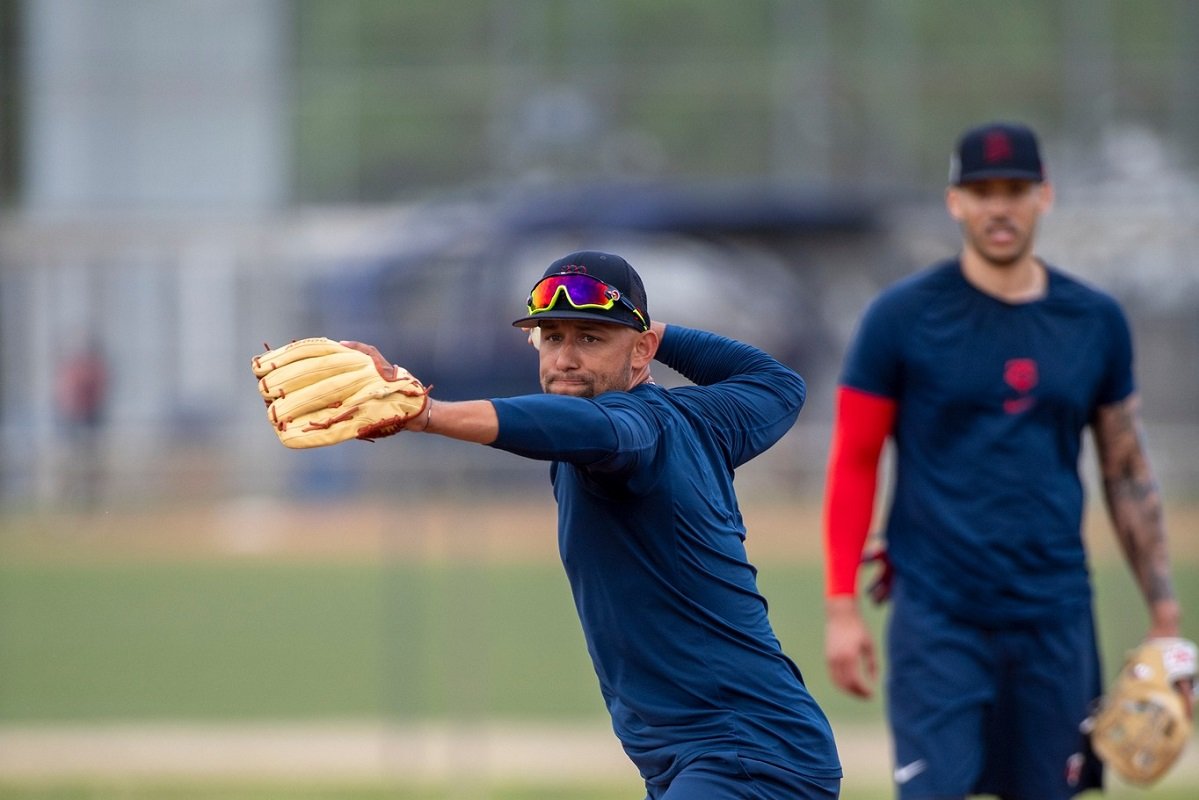 First Overall Of 56 first overall picks, 48 have reached the major leagues. Of the eight that didn't, four fizzled out, and four are still working their way to the majors. The latter group includes Royce Lewis. Lewis, the first overall selection in the 2017 draft, looked well on his way to the major leagues before the COVID-19 pandemic hit. After an incredible Arizona Fall League performance in which Lewis garnered AFL MVP honors, he was named the fifth-best prospect in baseball, behind current superstars Vladimir Guerrero Jr and Fernando Tatis Jr. But since then, Lewis hasn't appeared in a regular-season professional game. With the 2020 minor league season getting wiped out due to the pandemic, Lewis spent the 2020 season at the Twins alternate site in St. Paul. Lewis tore his ACL in February of 2021 after wiping out on the ice in Texas, to make matters worse. Lewis has completed his ACL rehab and is playing in spring training, where he went 1-for-8 in major league spring training action. Recently, he was optioned to Triple-A St. Paul, where he will presumably be the starting shortstop. From being the MLB.com fifth-best prospect pre-pandemic to their 46th best prospect currently, Lewis will have a lot to prove in St. Paul. There have been many questions about if Lewis can play shortstop at the major-league level, and he will look to regain his status as a top prospect in St. Paul. A Tale of Two Stories Unless you've been living under a rock, you know that the Twins have a new shortstop named Carlos Correa. Correa was widely regarded as the best free agent in the 2021-22 free-agent class and is one of the best players in baseball. Since entering the league in 2015, Correa leads all shortstops in WAR (34.1). He is a career .277/.356/.481 (.837) hitter with a flare for the dramatic, as he is tied for the seventh most postseason home runs of all time (18). Although they were both first overall selections out of high school as shortstops, Correa and Lewis have taken different paths. In June 2022, it will have been five years since the Twins selected Lewis with the first overall pick. Lewis has been through the wringer in his first five years, from showing unbelievable promise to a significant ACL tear setback. In the first five years after Correa was drafted, he won the American League Rookie of the Year, was named an all-star, and in his fifth year, won the World Series. Could Adding Correa Help Royce Lewis? Although Lewis hasn't had Correa's success, he's still an immense talent that could impact the Twins in the next few years. Adding Correa provides mentorship and comfort for Lewis. Before the Twins inked Correa to a record-breaking deal, their roster's most significant question mark was at shortstop. Were they going to trade for Elvis Andrus? Were they going to sign Trevor Story? Would they play an internal option at shortstop like Nick Gordon, Lewis, or Austin Martin? The Twins chose none of the above and signed one of the best shortstops in baseball. In Correa's three-year, $105.3 million deal, there are opt-outs after years one and two. These opt-outs will allow Correa to potentially take advantage of the free-agent market in a typical offseason, which doesn't include a three-month lockout. If Correa has a good 2022, he could enter free agency again in search of a larger deal. In this scenario, Lewis would most likely be the Twins shortstop in 2023 if all goes as planned. Had the Twins not signed Correa, they could have rushed Lewis through Triple A. The Correa signing allows Lewis to be the everyday shortstop in St. Paul for at least the 2022 season, allowing him to reacclimate himself to playing shortstop every day in the minor leagues without the added stress of playing in the big leagues right away. If Correa leaves after 2022, Lewis can take over the shortstop role for the big league club with a higher level of comfort and more experience. Lewis also may need someone to mentor him and help him through the pressure of being a first overall pick. Correa had high praise when asked about Royce Lewis at his introductory press conference. "He's a special talent; the future is bright for him. He is a hard worker, I love his attitude, and we've built a good relationship in the few days I've been here with him", said Correa. Final Thoughts For the Twins, it would be best to extend Carlos Correa and lock down the premier position in baseball for the next five to seven years. But right now, it looks most likely that Correa will be gone in the next year or two, so the Twins must groom Lewis into a major league-caliber shortstop, and who better to do that than Carlos Correa. Thank you for reading, and Go Twins!
 -
Local Buzzkill Readies 'Does He Pitch?' Zinger
Andrew Mahlke replied to RandBalls Stu's topic in Twins Daily Front Page News
This guy being a St Thomas grad is hilarious. Great work as always -
Sonny Gray Gives Twins a New Jose Berrios
Andrew Mahlke replied to Ted Schwerzler 's topic in Twins Daily Front Page News
The first chat are his spin rates by month in 2021 (ban was late June). Even though his spin rates decreased his xwOBA against did not have a huge change in any of his pitches.png.a1e2399d0b1f2d8ac8096d8febe9ac08.png)
.png.a0669f0901f06b8a0627dcabfa9ab7ea.png)
- 79 replies
-
- 3
-

-
- sonny gray
- jose berrios
- (and 3 more)
-
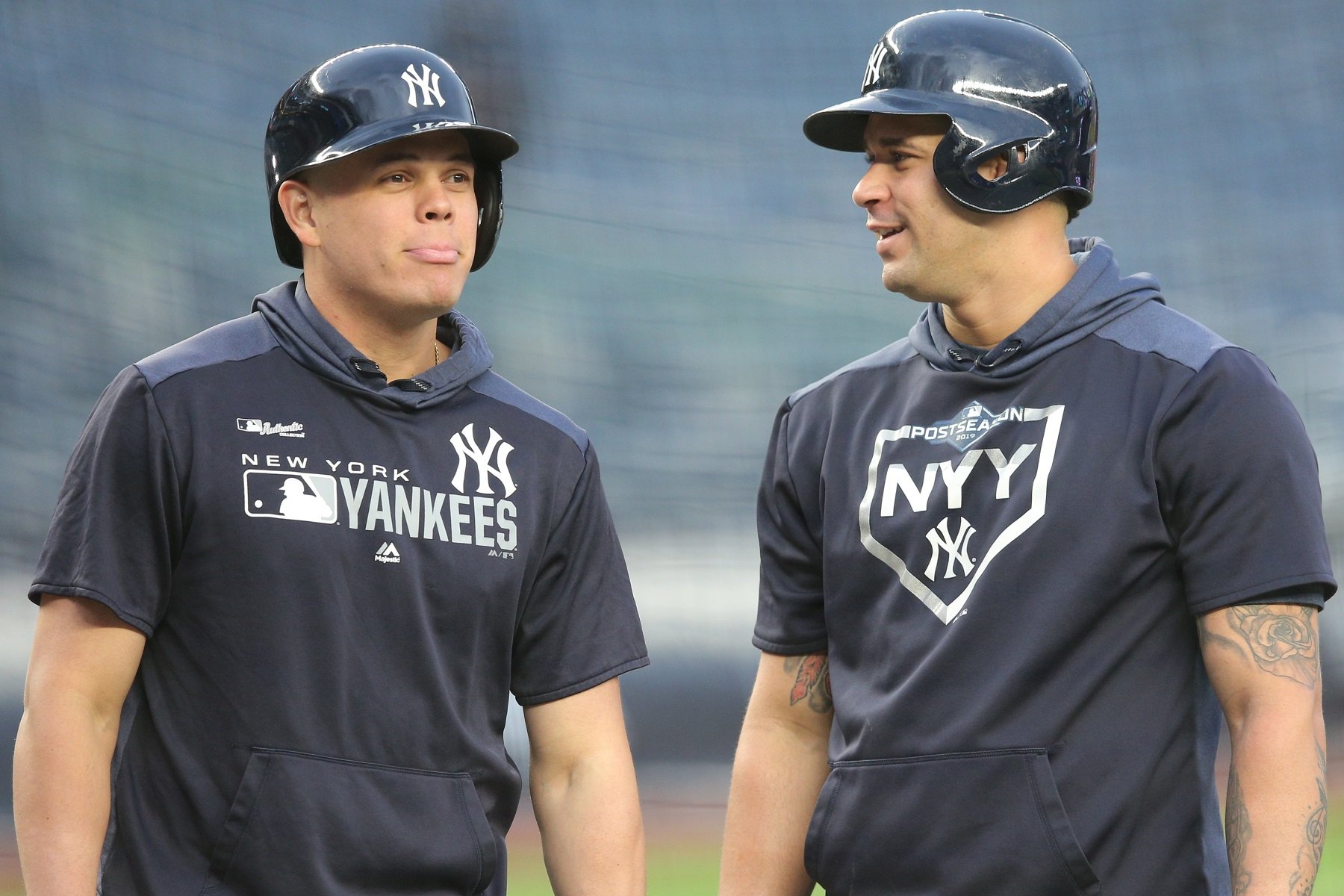 Weekend Recap: On Saturday, the Twins traded catcher Mitch Garver to the Texas Rangers in exchange for Twins legend Isiah Kiner-Falefa and right-handed pitching prospect Ronny Henriquez. Sunday afternoon, the Twins traded 2021 first-round pick Chase Petty to the Cincinnati Reds in exchange for right-handed pitcher Sonny Gray and right-handed pitching prospect Francis Peguero. And finally, late Sunday night, the Twins traded third baseman Josh Donaldson, Kiner-Falefa, and catcher Ben Rortvedt to the New York Yankees for infielder Gio Urshela and catcher Gary Sanchez. Since the season is only a few weeks away, let’s focus on the three players who will make an impact on the Twins from the get go. Sonny Gray Trading a first round pick who was only drafted nine months prior and has thrown his fastball over 100 miles per hour as a prep pitcher means that you must have a lot of faith in what you are getting in return. A two-time all-star, Gray has had a successful career to this point, going 82-72 with a 3.61 career ERA while pitching for the Athletics, Yankees, and Reds. In 2021, Gray was 7-9 with a 4.19 ERA. In a vacuum, these statistics are very average, as the MLB average ERA is 4.26. However, Gray pitched better than these numbers suggest. Let’s dive into it. Gray suffered from poor batted-ball luck when he was on the mound in 2021. Although his ERA was 4.19, his expected ERA (xERA) based on the quality of contact he allowed was 3.22. This is something to point to when people may suggest that Gray is past his prime. In his three years in Cincinnati, who have revamped their organizational philosophy to develop strong pitchers, Gray posted 10.6 strikeouts per nine innings pitched. This is a big change from his two seasons in New York, in which he posted 8.4 strikeouts per nine. One reason for Gray’s increased success has been the improvement of his slider. Gray has one of the best sliders in baseball. According to Baseball Savant, Gray has the eighth most vertical movement on his slider and the ninth most horizontal movement among all qualified pitchers in Major League Baseball. His baseball savant percentile ranking chart is a thing of beauty, showing that he is near the top of the league in limiting hard contact, which will be a huge positive for a team that struggled so desperately to limit hard contact in 2021. Finally, Gray is only due to make $10.2 million in 2022 with a $12 million club option in 2023, making him a relatively cheap option for the next two years for the Twins. Gio Urshela Unlike Gray, Urshela is a player who has been overlooked his entire career. After going unselected in the 2018 Rule 5 Draft, Urshela made the rest of the league seem foolish when he hit .314/.355/.534 (.889) with 21 home runs in 2019 for the Yankees. He followed up that performance with a short-season .298/.368/.490 (.858) performance in 2020. In 2021, Urshela took a minor step back after having an injury riddled season. He hit .267/.301/.419 (.720) and only posted 1.0 fWAR in 116 games. With the Twins trading away slugger Josh Donaldson, they will need Urshela to step up in a big way in 2022 at the hot corner. Similar to Gray, there is some promise in Urshela. His 2021 season was not very good statistically, as his Baseball Savant numbers are shown above. These struggles could very well be injury related and he could return to his 2019-20 form where he was in the 98th percentile of all hitters in expected batting average and the 90th percentile in terms of strikeout rate. Urshela is promising with the bat, not anything special with the glove, but he could definitely be a solid contributor for the Twins in ‘22. Gary Sanchez When a TwinsDaily writer brings up the name Miguel Sano, you usually hear a variety of different opinions ranging from “send him down to AAA” to “don’t trade him, he is the next David Ortiz”. Well Twins fans, get ready for another polarizing player in Gary "The Sanchise" Sanchez. When Sanchez made his debut in 2016, it seemed like we were witnessing the next Yankee great. That year, he hit 20 home runs in 53 games. His .657 slugging percentage was the best ever by a rookie (min. 200 plate appearances). He followed it up by hitting .278/.345/.531 (.876) with 33 home runs in 2017. After those two years, Sanchez has been very average offensively, still hitting for power but failing to have an OBP above .316 since 2017. He also has been one of the worst defensive catchers in baseball. In 2021, Sanchez was the fourth worst catcher in baseball in terms of framing, costing his team six runs because of his inability to frame. Sanchez could be a primary DH for the Twins when not catching, and with his extreme power potential he could be a scary force, especially against lefties, against whom he posted a .835 OPS in 2021. The Twins added three players who all could make a very good impact on the team’s 2022 success if they live up to their potential. Which of these players are you most excited to watch? What move do you think the Twins make next? Leave a comment below and start a discussion. Thank you for reading, and Go Twins!
 -
In one of the most active offseason weekends in Twins history, the Twins acquired three players who will have a large impact on the Twins for the 2022 season and possibly beyond. These moves may be the first in a series of moves to come for the Twins, and we could have a crazy few days ahead of us. Image courtesy of Brad Penner/USA Today In one of the most active offseason weekends in Twins history, the Twins acquired three players who will have a large impact on the Twins for the 2022 season and possibly beyond. These moves may be the first in a series of moves to come for the Twins, and we could have a crazy few days ahead of us. Weekend Recap: On Saturday, the Twins traded catcher Mitch Garver to the Texas Rangers in exchange for Twins legend Isiah Kiner-Falefa and right-handed pitching prospect Ronny Henriquez. Sunday afternoon, the Twins traded 2021 first-round pick Chase Petty to the Cincinnati Reds in exchange for right-handed pitcher Sonny Gray and right-handed pitching prospect Francis Peguero. And finally, late Sunday night, the Twins traded third baseman Josh Donaldson, Kiner-Falefa, and catcher Ben Rortvedt to the New York Yankees for infielder Gio Urshela and catcher Gary Sanchez. Since the season is only a few weeks away, let’s focus on the three players who will make an impact on the Twins from the get go. Sonny Gray Trading a first round pick who was only drafted nine months prior and has thrown his fastball over 100 miles per hour as a prep pitcher means that you must have a lot of faith in what you are getting in return. A two-time all-star, Gray has had a successful career to this point, going 82-72 with a 3.61 career ERA while pitching for the Athletics, Yankees, and Reds. In 2021, Gray was 7-9 with a 4.19 ERA. In a vacuum, these statistics are very average, as the MLB average ERA is 4.26. However, Gray pitched better than these numbers suggest. Let’s dive into it. Gray suffered from poor batted-ball luck when he was on the mound in 2021. Although his ERA was 4.19, his expected ERA (xERA) based on the quality of contact he allowed was 3.22. This is something to point to when people may suggest that Gray is past his prime. In his three years in Cincinnati, who have revamped their organizational philosophy to develop strong pitchers, Gray posted 10.6 strikeouts per nine innings pitched. This is a big change from his two seasons in New York, in which he posted 8.4 strikeouts per nine. One reason for Gray’s increased success has been the improvement of his slider. Gray has one of the best sliders in baseball. According to Baseball Savant, Gray has the eighth most vertical movement on his slider and the ninth most horizontal movement among all qualified pitchers in Major League Baseball. His baseball savant percentile ranking chart is a thing of beauty, showing that he is near the top of the league in limiting hard contact, which will be a huge positive for a team that struggled so desperately to limit hard contact in 2021. Finally, Gray is only due to make $10.2 million in 2022 with a $12 million club option in 2023, making him a relatively cheap option for the next two years for the Twins. Gio Urshela Unlike Gray, Urshela is a player who has been overlooked his entire career. After going unselected in the 2018 Rule 5 Draft, Urshela made the rest of the league seem foolish when he hit .314/.355/.534 (.889) with 21 home runs in 2019 for the Yankees. He followed up that performance with a short-season .298/.368/.490 (.858) performance in 2020. In 2021, Urshela took a minor step back after having an injury riddled season. He hit .267/.301/.419 (.720) and only posted 1.0 fWAR in 116 games. With the Twins trading away slugger Josh Donaldson, they will need Urshela to step up in a big way in 2022 at the hot corner. Similar to Gray, there is some promise in Urshela. His 2021 season was not very good statistically, as his Baseball Savant numbers are shown above. These struggles could very well be injury related and he could return to his 2019-20 form where he was in the 98th percentile of all hitters in expected batting average and the 90th percentile in terms of strikeout rate. Urshela is promising with the bat, not anything special with the glove, but he could definitely be a solid contributor for the Twins in ‘22. Gary Sanchez When a TwinsDaily writer brings up the name Miguel Sano, you usually hear a variety of different opinions ranging from “send him down to AAA” to “don’t trade him, he is the next David Ortiz”. Well Twins fans, get ready for another polarizing player in Gary "The Sanchise" Sanchez. When Sanchez made his debut in 2016, it seemed like we were witnessing the next Yankee great. That year, he hit 20 home runs in 53 games. His .657 slugging percentage was the best ever by a rookie (min. 200 plate appearances). He followed it up by hitting .278/.345/.531 (.876) with 33 home runs in 2017. After those two years, Sanchez has been very average offensively, still hitting for power but failing to have an OBP above .316 since 2017. He also has been one of the worst defensive catchers in baseball. In 2021, Sanchez was the fourth worst catcher in baseball in terms of framing, costing his team six runs because of his inability to frame. Sanchez could be a primary DH for the Twins when not catching, and with his extreme power potential he could be a scary force, especially against lefties, against whom he posted a .835 OPS in 2021. The Twins added three players who all could make a very good impact on the team’s 2022 success if they live up to their potential. Which of these players are you most excited to watch? What move do you think the Twins make next? Leave a comment below and start a discussion. Thank you for reading, and Go Twins! View full article
-
Rallying for our TD Blogger Andrew Mahlke
Andrew Mahlke replied to Vanimal46's topic in Minnesota Twins Talk
Thank you guys so much!! -
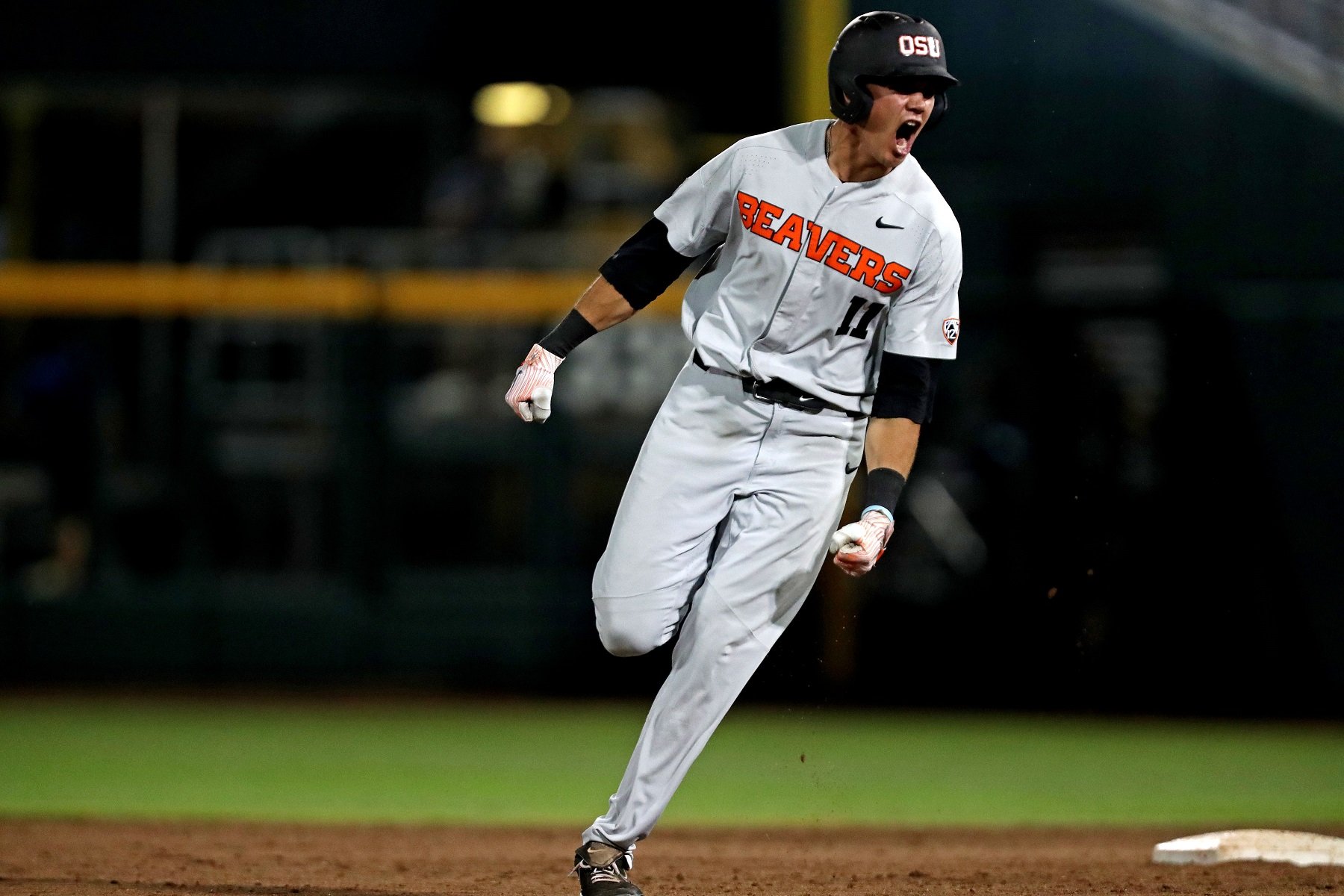 On the Twins 40-man roster, there are five position players who played college baseball. All five of these players had great success in college, leading them to get drafted in the top ten rounds of the MLB draft. Josh Donaldson, C/IF, Auburn After hitting .515 as a senior in high school, the future Twins third baseman decided to take his talents to Auburn University. In Donaldson's freshman year, he immediately made an impact on the Tigers. After seeing limited playing time for the first month of the season, he became their everyday third baseman in their series against Arkansas and never looked back. Donaldson finished his freshman campaign hitting .294/.347/.477 (.824) with seven doubles, seven home runs, and 26 RBI. Donaldson came into his sophomore year with increased responsibilities, as he was asked to catch. He made 56 starts (every game), with 36 being behind the dish and 20 being at third base. He once again was a very solid bat for the Tigers, hitting .276/.331/.487 (.818) with 16 doubles, ten home runs, and 42 RBI. This season earned him Louisville Slugger Preseason All-American status heading into his junior year. In Donaldson's junior year, he was stellar in all facets of the game. He hit .349/.444/.591 (1.035) with 19 doubles, 11 home runs, and 54 RBI. He also walked 38 times compared to only 27 strikeouts. One aspect of Donaldson’s game that really came into fruition was his baserunning. Donaldson stole 17 bases after only stealing one base between his first two years. It was clear from this standout season that Donaldson was ready for the big leagues, so he got drafted with the 48th overall pick by the Chicago Cubs after his junior season. Donaldson finished his career hitting .307/.378/.522 (.900) with 42 doubles, 28 home runs, and 122 RBI in 158 career games with the Tigers. Mitch Garver, C, University of New Mexico In 2013, the Twins used their ninth-round pick on a bat-first catcher out of the University of New Mexico by the name of Mitch Garver. A hometown kid, Garver grew up in Albuquerque, New Mexico, and was lucky enough to be able to stay at his hometown university for college at UNM. As a freshman, Garver served as the backup catcher to former Brewers farmhand Rafael Neda. He made 11 starts and hit .277/.351/.385 (.736) with five doubles and 15 RBI. Neda got drafted after this year, and Garver took the reins his sophomore year in which he started all 61 games. He improved at the plate, hitting .300/.380/.400 (.780) with 13 doubles, two home runs, 28 walks (led team), and 27 RBI. Garver went from a solid hitter his first two years to an absolute powerhouse his junior year. In his junior year, Garver once again started all 61 games, hitting .377/.438/.612 (1.050) with 27 doubles (led team), ten home runs, and 57 RBI. He earned Co-Mountain West Player of the Year honors, was named a national finalist for the Johnny Bench Award, and was named a second-team All-American by Louisville Slugger. Defensively, he was great, throwing out 39.6 percent of base stealers In his senior year, Garver once again started every game. He set the record for most consecutive games started at UNM with 181. He also hit .390/.458/.589 with 21 doubles, five triples, and six home runs. He also drove in 68 runs and was once again named a Johnny Bench finalist, Co-MW Player of the Year, and an Academic All-American for the fourth straight year. He finished his Lobo career 5th all-time in doubles and had the most career hits as a catcher in Lobo history. Ryan Jeffers, C, UNC Wilmington When Ryan Jeffers decided to go to UNC Wilmington, he would only be heading about two hours south from his hometown of Raleigh, NC. The three-time all-conference player in high school would go on to have an unbelievable career at Wilmington where he was one of the best catchers in the country. His freshman year, he served as the backup catcher behind future Diamondback farmhand Gavin Stupienski. Jeffers appeared in 13 games as a freshman, going 8-for-23 (.348) at the plate with three doubles and a home run. Although he did not see a whole lot of action in his freshman year of 2016, Jeffers showed a lot of promise and it was clear that he would be one of their best guys going forward, with Stupienski getting drafted following the 2016 season. In Jeffers’ sophomore campaign, he started 52 games and proved his success in 2016 was no fluke. He hit .328/.422/.604 (1.026) with 19 doubles, ten home runs, and 32 RBI. He also received a variety of honors, including NCCSIA First-Team All-State, ABCA All-East First-Team, and First-Team All-CAA. His third and final year at UNC Wilmington, he started all 62 games, hitting .315/.460/.635 (1.095) with 22 doubles, 16 home runs, 59 RBI, and 51 walks. He led the Colonial Athletic Association in doubles, home runs, OBP, and slugging percentage. He was once again named First-Team All-CAA and to the NCAA Greenville All-Regional team. Jeffers was rewarded for his great season by being drafted in the second round with the 59th pick by the Twins in the 2018 draft. Trevor Larnach, OF, Oregon State Despite being drafted by the San Diego Padres in the 40th round of the MLB Draft out of high school, Trevor Larnach opted not to sign and headed up to Corvallis, Oregon to start his college baseball career. Larnach’s freshman season at Oregon State was quite unremarkable. In 28 games (12 starts), Larnach hit a measly .157/.271/.176 (.447) with one double and three RBI. In increased playing time sophomore year (58 starts), Larnach hit .303/.421/.429 (.850) with 16 doubles, three home runs, 39 walks (led team), and 48 RBI (led team). He was named All-Pac-12 Conference Honorable Mention and was also named to the Corvallis Regional All-Tournament Team. The Oregon State Beavers made it to the semifinals of the College World Series before falling to LSU. In 2018, Larnach’s junior year, he was one of the best players in the country. Larnach hit .344/.458/.648 (1.106) with 18 doubles, 19 home runs, and 76 RBI. He was named to the All-American team, PAC-12 All-Conference Team, and received many other prestigious awards. On top of all of that, Larnach’s Beavers won the College World Series, much to his help. In the College World Series, Larnach hit .417/.447/.694 (1.142) with five doubles, one home run, and nine RBI. He also had the biggest hit of the World Series, a tie-breaking two home run in Oregon State’s elimination game with two outs in the top of the ninth. Larnach was drafted by the Twins in the first round (20th overall) in 2018. Larnach is a legend in Corvallis, and hopefully he can bring some of that playoff magic to the Minnesota Twins in the near future. Brent Rooker, OF, Mississippi State Rooker, unlike Larnach, was relatively unknown going into his freshman year at Mississippi State. Rooker did not see any action in his first year as a Bulldog, taking a redshirt year. His sophomore year, he played in 34 of the team’s 54 games, making 20 starts. He hit .257/.325/.378 (.703) with three doubles, two home runs, and 12 RBI. He primarily served as the team’s designated hitter and played a couple of games in left field. In Rooker's junior year, he took a major step forward. He hit .324/.376/.578 (.954) and had a team-best 11 home runs and 54 RBI. For this effort, Rooker was named to the All-SEC second team and was drafted by the Minnesota Twins in the 38th round. However, Rooker opted not to sign and came back to Mississippi State for his senior season. Rooker just did that, having a historic 2017 for the Bulldogs. Rooker absolutely mashed, hitting .387/.495/.810 (1.305!!!). Rooker set the single-season Mississippi State record for doubles in a season with 30. He led the SEC in doubles, home runs (23), batting average, OBP, slugging percentage, OPS, and RBI (82). He even stole 18 bases. He was named All-SEC first team, All-American, SEC player of the year, and National Player of the Year. Rooker’s 2017 season is one of the best seasons by any college player in recent history, and he was drafted in the first round by the Twins with the 35th overall pick. Had Rooker signed in 2016, he would have received a $1,000 signing bonus. In 2017, he received a $1.935 million dollar signing bonus. Rooker bet on himself and it paid off. Who had the best college career out of these five? Which current Twins prospects that attended college are you most excited for? Leave a comment below and start a discussion Thank you for reading, and Go Twins! MORE FROM TWINS DAILY — Latest Twins coverage from our writers — Recent Twins discussion in our forums — Follow Twins Daily via Twitter, Facebook, or email.
- 3 comments
-
- 1
-
-
- josh donaldson
- mitch garver
- (and 3 more)
-
Although MLB is in the middle of a lockout, that doesn’t mean baseball as a whole is shut down. If you find yourself missing baseball, I would highly suggest getting into college baseball. There are nearly 300 Division I baseball programs in the country, so you surely should be able to find a team to root for, wherever you may live. Image courtesy of Bruce Thorson/USA Today Although MLB is in the middle of a lockout, that doesn’t mean baseball as a whole is shut down. If you find yourself missing baseball, I would highly suggest getting into college baseball. There are nearly 300 Division I baseball programs in the country, so you surely should be able to find a team to root for, wherever you may live. On the Twins 40-man roster, there are five position players who played college baseball. All five of these players had great success in college, leading them to get drafted in the top ten rounds of the MLB draft. Josh Donaldson, C/IF, Auburn After hitting .515 as a senior in high school, the future Twins third baseman decided to take his talents to Auburn University. In Donaldson's freshman year, he immediately made an impact on the Tigers. After seeing limited playing time for the first month of the season, he became their everyday third baseman in their series against Arkansas and never looked back. Donaldson finished his freshman campaign hitting .294/.347/.477 (.824) with seven doubles, seven home runs, and 26 RBI. Donaldson came into his sophomore year with increased responsibilities, as he was asked to catch. He made 56 starts (every game), with 36 being behind the dish and 20 being at third base. He once again was a very solid bat for the Tigers, hitting .276/.331/.487 (.818) with 16 doubles, ten home runs, and 42 RBI. This season earned him Louisville Slugger Preseason All-American status heading into his junior year. In Donaldson's junior year, he was stellar in all facets of the game. He hit .349/.444/.591 (1.035) with 19 doubles, 11 home runs, and 54 RBI. He also walked 38 times compared to only 27 strikeouts. One aspect of Donaldson’s game that really came into fruition was his baserunning. Donaldson stole 17 bases after only stealing one base between his first two years. It was clear from this standout season that Donaldson was ready for the big leagues, so he got drafted with the 48th overall pick by the Chicago Cubs after his junior season. Donaldson finished his career hitting .307/.378/.522 (.900) with 42 doubles, 28 home runs, and 122 RBI in 158 career games with the Tigers. Mitch Garver, C, University of New Mexico In 2013, the Twins used their ninth-round pick on a bat-first catcher out of the University of New Mexico by the name of Mitch Garver. A hometown kid, Garver grew up in Albuquerque, New Mexico, and was lucky enough to be able to stay at his hometown university for college at UNM. As a freshman, Garver served as the backup catcher to former Brewers farmhand Rafael Neda. He made 11 starts and hit .277/.351/.385 (.736) with five doubles and 15 RBI. Neda got drafted after this year, and Garver took the reins his sophomore year in which he started all 61 games. He improved at the plate, hitting .300/.380/.400 (.780) with 13 doubles, two home runs, 28 walks (led team), and 27 RBI. Garver went from a solid hitter his first two years to an absolute powerhouse his junior year. In his junior year, Garver once again started all 61 games, hitting .377/.438/.612 (1.050) with 27 doubles (led team), ten home runs, and 57 RBI. He earned Co-Mountain West Player of the Year honors, was named a national finalist for the Johnny Bench Award, and was named a second-team All-American by Louisville Slugger. Defensively, he was great, throwing out 39.6 percent of base stealers In his senior year, Garver once again started every game. He set the record for most consecutive games started at UNM with 181. He also hit .390/.458/.589 with 21 doubles, five triples, and six home runs. He also drove in 68 runs and was once again named a Johnny Bench finalist, Co-MW Player of the Year, and an Academic All-American for the fourth straight year. He finished his Lobo career 5th all-time in doubles and had the most career hits as a catcher in Lobo history. Ryan Jeffers, C, UNC Wilmington When Ryan Jeffers decided to go to UNC Wilmington, he would only be heading about two hours south from his hometown of Raleigh, NC. The three-time all-conference player in high school would go on to have an unbelievable career at Wilmington where he was one of the best catchers in the country. His freshman year, he served as the backup catcher behind future Diamondback farmhand Gavin Stupienski. Jeffers appeared in 13 games as a freshman, going 8-for-23 (.348) at the plate with three doubles and a home run. Although he did not see a whole lot of action in his freshman year of 2016, Jeffers showed a lot of promise and it was clear that he would be one of their best guys going forward, with Stupienski getting drafted following the 2016 season. In Jeffers’ sophomore campaign, he started 52 games and proved his success in 2016 was no fluke. He hit .328/.422/.604 (1.026) with 19 doubles, ten home runs, and 32 RBI. He also received a variety of honors, including NCCSIA First-Team All-State, ABCA All-East First-Team, and First-Team All-CAA. His third and final year at UNC Wilmington, he started all 62 games, hitting .315/.460/.635 (1.095) with 22 doubles, 16 home runs, 59 RBI, and 51 walks. He led the Colonial Athletic Association in doubles, home runs, OBP, and slugging percentage. He was once again named First-Team All-CAA and to the NCAA Greenville All-Regional team. Jeffers was rewarded for his great season by being drafted in the second round with the 59th pick by the Twins in the 2018 draft. Trevor Larnach, OF, Oregon State Despite being drafted by the San Diego Padres in the 40th round of the MLB Draft out of high school, Trevor Larnach opted not to sign and headed up to Corvallis, Oregon to start his college baseball career. Larnach’s freshman season at Oregon State was quite unremarkable. In 28 games (12 starts), Larnach hit a measly .157/.271/.176 (.447) with one double and three RBI. In increased playing time sophomore year (58 starts), Larnach hit .303/.421/.429 (.850) with 16 doubles, three home runs, 39 walks (led team), and 48 RBI (led team). He was named All-Pac-12 Conference Honorable Mention and was also named to the Corvallis Regional All-Tournament Team. The Oregon State Beavers made it to the semifinals of the College World Series before falling to LSU. In 2018, Larnach’s junior year, he was one of the best players in the country. Larnach hit .344/.458/.648 (1.106) with 18 doubles, 19 home runs, and 76 RBI. He was named to the All-American team, PAC-12 All-Conference Team, and received many other prestigious awards. On top of all of that, Larnach’s Beavers won the College World Series, much to his help. In the College World Series, Larnach hit .417/.447/.694 (1.142) with five doubles, one home run, and nine RBI. He also had the biggest hit of the World Series, a tie-breaking two home run in Oregon State’s elimination game with two outs in the top of the ninth. Larnach was drafted by the Twins in the first round (20th overall) in 2018. Larnach is a legend in Corvallis, and hopefully he can bring some of that playoff magic to the Minnesota Twins in the near future. Brent Rooker, OF, Mississippi State Rooker, unlike Larnach, was relatively unknown going into his freshman year at Mississippi State. Rooker did not see any action in his first year as a Bulldog, taking a redshirt year. His sophomore year, he played in 34 of the team’s 54 games, making 20 starts. He hit .257/.325/.378 (.703) with three doubles, two home runs, and 12 RBI. He primarily served as the team’s designated hitter and played a couple of games in left field. In Rooker's junior year, he took a major step forward. He hit .324/.376/.578 (.954) and had a team-best 11 home runs and 54 RBI. For this effort, Rooker was named to the All-SEC second team and was drafted by the Minnesota Twins in the 38th round. However, Rooker opted not to sign and came back to Mississippi State for his senior season. Rooker just did that, having a historic 2017 for the Bulldogs. Rooker absolutely mashed, hitting .387/.495/.810 (1.305!!!). Rooker set the single-season Mississippi State record for doubles in a season with 30. He led the SEC in doubles, home runs (23), batting average, OBP, slugging percentage, OPS, and RBI (82). He even stole 18 bases. He was named All-SEC first team, All-American, SEC player of the year, and National Player of the Year. Rooker’s 2017 season is one of the best seasons by any college player in recent history, and he was drafted in the first round by the Twins with the 35th overall pick. Had Rooker signed in 2016, he would have received a $1,000 signing bonus. In 2017, he received a $1.935 million dollar signing bonus. Rooker bet on himself and it paid off. Who had the best college career out of these five? Which current Twins prospects that attended college are you most excited for? Leave a comment below and start a discussion Thank you for reading, and Go Twins! MORE FROM TWINS DAILY — Latest Twins coverage from our writers — Recent Twins discussion in our forums — Follow Twins Daily via Twitter, Facebook, or email. View full article
-
Do You Remember These Guys As Twins?
Andrew Mahlke replied to Ted Schwerzler 's topic in Twins Daily Front Page News
So many good ones. Some of my favorites: Shane Robinson, Alex Presley, Dennys Reyes, Josmil Pinto, Tsuyoshi Nishioka, and Chris Colabello- 24 replies
-
- 1
-
-
- carlos quentin
- david murphy
- (and 3 more)
-
No he does not.
-
With few moves made before the MLB lockout, the Twins’ current pitching staff is not where it needs to be heading into the 2022 season. Here is one relatively unknown pitcher who could have a bigger role in 2022 than some may think. Image courtesy of Andrew Dieb/USA Today With few moves made before the MLB lockout, the Twins’ current pitching staff is not where it needs to be heading into the 2022 season. Here is one relatively unknown pitcher who could have a bigger role in 2022 than some may think. Who is Jharel Cotton? Earlier this week, Cody Christie wrote an article about Three Twins Pitchers Due to Bounce Back. Today I will dive deeper into one of those three, Jharel Cotton. Since being drafted by the Dodgers in 2012, Jharel Cotton has made his way around Major League Baseball. He spent parts of five seasons in the Dodgers minor league system before getting traded to the Oakland A’s in 2016. Cotton had a rocky tenure with Oakland, bouncing back and forth between AAA and MLB before having Tommy John surgery in 2018. He was 11-10 with a 4.95 ERA for the Athletics in his career with only 7.3 K/9. He spent a season with the Cubs before going to the Texas Rangers in 2021. In 2021, Cotton started the year in AAA-Round Rock. There, he threw 42 innings with a 3.00 ERA. He struck out 57 batters and walked 17. On July 30, Cotton was called up and made his first major-league appearance in nearly four years. Cotton struggled for the first month, allowing a 5.79 ERA in 14 innings through August. He also had a very high 5.8 BB/9 in this time span. After August, Cotton hit his stride. For the last month of the season, Cotton posted a 1.62 ERA. He also lowered his BB/9 to 3.2 in September. Unique Pitch Mix Part of the reason for Cotton’s sudden improvement could have been due to changing his pitch usage. In August, Cotton threw 49 percent fastballs and only nine percent sliders. In September, he threw 42 percent fastballs and 19 percent sliders. Pairing a more diverse pitch mix with an already devastating changeup led to success. Riseball! Cotton has one of the most unique fastballs in Major League Baseball. In the day of velocity, his fastball only averaged 93 miles per hour but remained very effective. This is due to its movement. Among all Major League pitchers in 2021, Cotton had the most vertical movement vs avg on his fastball (4.3 inches more than average). This means his fastball is deceiving and the vertical movement will cause his fastball to stay on its initial plane longer instead of having the normal downward plane. This will cause hitters to swing underneath it. El Cambio Despite having a potentially effective fastball, Cotton can not throw it all the time or he becomes too predictable, like he did for his first month in the big leagues in 2021. Another unique pitch Cotton throws to complement the fastball is his changeup. Cotton has a very effective changeup. Among pitchers with at least 50 batters faced in 2021, Cotton’s changeup had the second lowest xSLG, meaning hitters did not square up the changeup well at all. Part of this could be due to the fact that Cotton’s changeup is so slow, averaging 80 miles per hour. Hitters were 9-for-50 (.180) with only three extra base hits and 17 strikeouts against his changeup in 2021. Slide-Piece In the big leagues, you can rarely get by just throwing two effective pitches. In August, when Cotton struggled, he threw either his fastball or changeup over 80 percent of the time. This made him too predictable. A 10 percent uptick in his slider usage over the last month of the season led to better results. In a limited sample in 2021, his slider had a whiff rate of 37.5 percent. His slider could still use some work but could be a serviceable third pitch, especially out of the bullpen. What role will Cotton play? With Texas, Cotton was a middle reliever. Below is his inning frequency numbers in 2021. The number of games is how many times he pitched in that certain inning. As you can see, Cotton was pretty versatile, mostly pitching in innings six through eight. With Tyler Duffey and Jorge Alcala as the Twins two best right-handed relievers, I see Cotton being more of a sixth or seventh inning guy to start. Closing Remarks Cotton is a promising pitcher that the Twins will only be paying $700K next year. In my opinion it is a good low-risk, high-reward situation. What are your thoughts on Jharel Cotton? Feel free to ask questions and discuss in the comment section. Thank you for reading, and Go Twins! View full article
-
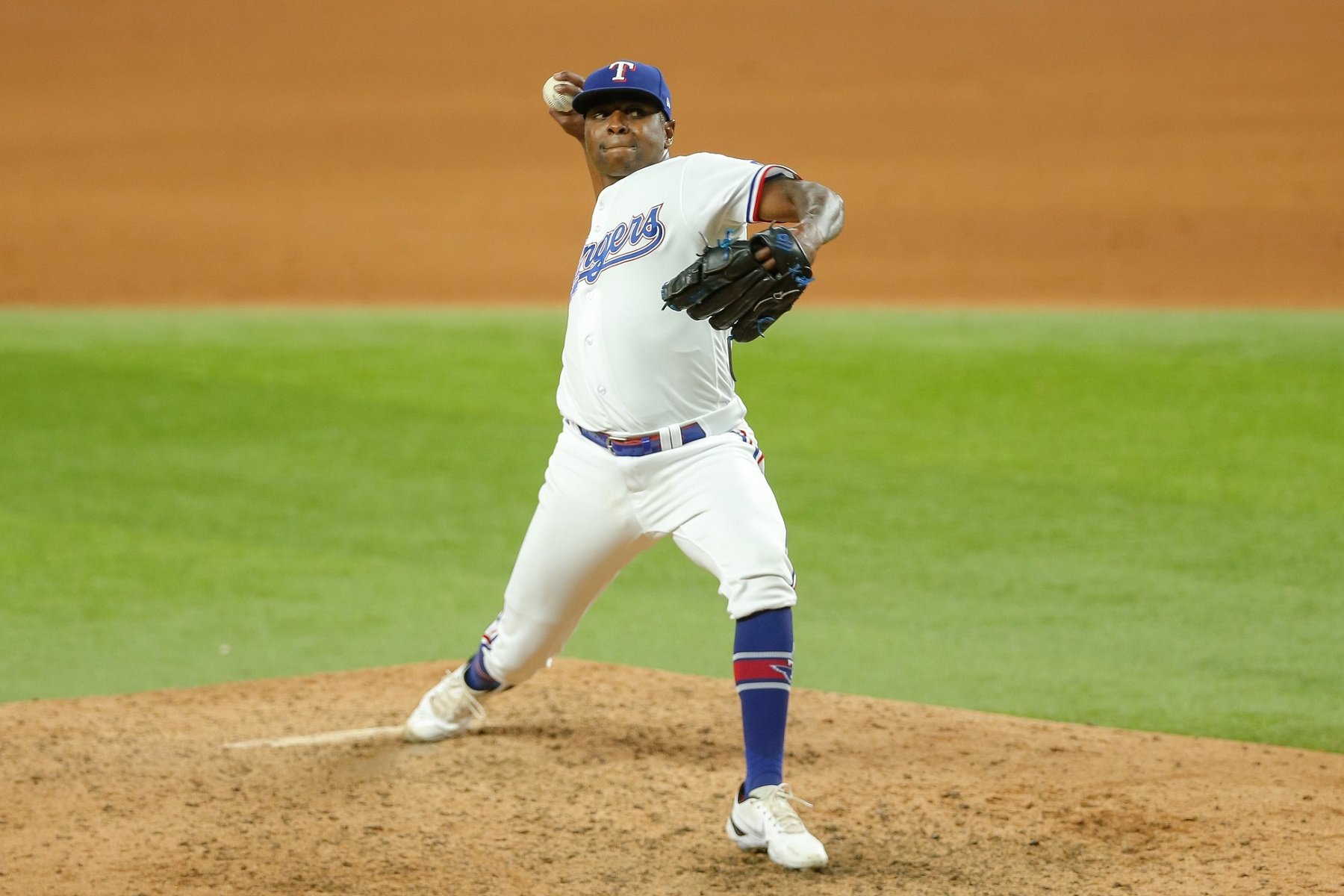 Who is Jharel Cotton? Earlier this week, Cody Christie wrote an article about Three Twins Pitchers Due to Bounce Back. Today I will dive deeper into one of those three, Jharel Cotton. Since being drafted by the Dodgers in 2012, Jharel Cotton has made his way around Major League Baseball. He spent parts of five seasons in the Dodgers minor league system before getting traded to the Oakland A’s in 2016. Cotton had a rocky tenure with Oakland, bouncing back and forth between AAA and MLB before having Tommy John surgery in 2018. He was 11-10 with a 4.95 ERA for the Athletics in his career with only 7.3 K/9. He spent a season with the Cubs before going to the Texas Rangers in 2021. In 2021, Cotton started the year in AAA-Round Rock. There, he threw 42 innings with a 3.00 ERA. He struck out 57 batters and walked 17. On July 30, Cotton was called up and made his first major-league appearance in nearly four years. Cotton struggled for the first month, allowing a 5.79 ERA in 14 innings through August. He also had a very high 5.8 BB/9 in this time span. After August, Cotton hit his stride. For the last month of the season, Cotton posted a 1.62 ERA. He also lowered his BB/9 to 3.2 in September. Unique Pitch Mix Part of the reason for Cotton’s sudden improvement could have been due to changing his pitch usage. In August, Cotton threw 49 percent fastballs and only nine percent sliders. In September, he threw 42 percent fastballs and 19 percent sliders. Pairing a more diverse pitch mix with an already devastating changeup led to success. Riseball! Cotton has one of the most unique fastballs in Major League Baseball. In the day of velocity, his fastball only averaged 93 miles per hour but remained very effective. This is due to its movement. Among all Major League pitchers in 2021, Cotton had the most vertical movement vs avg on his fastball (4.3 inches more than average). This means his fastball is deceiving and the vertical movement will cause his fastball to stay on its initial plane longer instead of having the normal downward plane. This will cause hitters to swing underneath it. El Cambio Despite having a potentially effective fastball, Cotton can not throw it all the time or he becomes too predictable, like he did for his first month in the big leagues in 2021. Another unique pitch Cotton throws to complement the fastball is his changeup. Cotton has a very effective changeup. Among pitchers with at least 50 batters faced in 2021, Cotton’s changeup had the second lowest xSLG, meaning hitters did not square up the changeup well at all. Part of this could be due to the fact that Cotton’s changeup is so slow, averaging 80 miles per hour. Hitters were 9-for-50 (.180) with only three extra base hits and 17 strikeouts against his changeup in 2021. Slide-Piece In the big leagues, you can rarely get by just throwing two effective pitches. In August, when Cotton struggled, he threw either his fastball or changeup over 80 percent of the time. This made him too predictable. A 10 percent uptick in his slider usage over the last month of the season led to better results. In a limited sample in 2021, his slider had a whiff rate of 37.5 percent. His slider could still use some work but could be a serviceable third pitch, especially out of the bullpen. What role will Cotton play? With Texas, Cotton was a middle reliever. Below is his inning frequency numbers in 2021. The number of games is how many times he pitched in that certain inning. As you can see, Cotton was pretty versatile, mostly pitching in innings six through eight. With Tyler Duffey and Jorge Alcala as the Twins two best right-handed relievers, I see Cotton being more of a sixth or seventh inning guy to start. Closing Remarks Cotton is a promising pitcher that the Twins will only be paying $700K next year. In my opinion it is a good low-risk, high-reward situation. What are your thoughts on Jharel Cotton? Feel free to ask questions and discuss in the comment section. Thank you for reading, and Go Twins!
 -
Ray was 115 for 5 so 23M per year
-
I love talking Twins, so of course. When I look at the contract, yes it is $100M but it is over seven years, which breaks down to roughly $14 million a year. Instead of looking at the total value of these other players' contracts, I would look at their average annual value. Scherzer for example, is making $30 million more than Buxton is over his contract, but Scherzer is making $43 million a year, three times more than what Buxton is getting. Jon Gray is making $56 million over 4 years, which boils down to $14 million a year, a hair less than what Buxton will be making. If Buxton meets his incentives, his value goes up, and I'm sure the Twins are fine with that because that means that he will be on the field for them. Personally, I know pitching is the bigger need, but I would take Buxton at 14 million per year over Gray at 14 million per year any day of the week. And yes while I understand it was an extension, it was either that or trade him. It was widely viewed that it made no sense to hold on to Buxton for 2022 if he didn't have plans to re-sign after the season, they would've wanted to get some value for him.
-
I respect your point. However them extending Buxton and signing other free agents aren't mutually exclusive events. They have sooo many front office members where they could've signed free agents while also extending Buxton. I agree they should've made some signings but not at the expense of losing Buxton. They should've done both
-
Lol...I couldn't imagine watching a team just to be negative about everything. The Twins are clearly a better team when Buck is on the field. 99 win pace per 162 when he plays versus 81 win pace when he doesn't. That's something you take a chance on. A lot of fans criticize the Twins for not spending money, but when they do extend a very talented player to a deal that is extremely team friendly if he stays even relatively healthy, fans complain that they gave him too much money. I would rather the Twins be overaggressive and fail that way than by being passive and not taking a chance.
-
When Buxton was 22-24, most fans viewed him as a bust. He still had a higher bWAR in those years than Arraez, and he wasn't even close to his potential. Why wouldn't you be optimistic about having one of the most talented players in the league?
-
The difference is that Buxton is worth taking a chance on, even with his limited durability, because his production during those 187 games has been unreal. In that time he has been worth 9.1 Wins Above Replacement, while in Arraez's 245 games he has only been worth 4.7 wins above replacement
-
40 days ago, MLB and the MLB Players Association entered their first work stoppage in over 25 years. No progress has been made yet, but some progress could happen soon. Image courtesy of Troy Taormina, USA Today 40 days ago, MLB and the MLB Players Association entered their first work stoppage in over 25 years. No progress has been made yet, but some progress could happen soon. On Tuesday morning, MLB Insider Jeff Passan tweeted that the two sides are planning on holding a bargaining session Thursday, their first about core economics, and MLB is planning to make a proposal to the Players Association. The last time the two sides met to discuss economics was before the lockout, and the meeting did not go well, as it was over in seven minutes with no progress made. In that proposal, the Players Association wanted to raise the league minimum salary. MLB proposed to raise the league minimum salary with a series of tiers. According to Ronald Blum of the Associated Press, the tiers would be as follows: “$600,000 for players with less than a year of big league service, $650,000 for at least one but less than two and $700,000 for at least two. Each would rise $10,000 annually, to $640,000, $690,000 and $740,000 in 2026”. The Free Agency system is another thing the two sides need to come to an agreement on. Players want to reach free agency as soon as they can, and owners want to have control of players as long as they can. Under the current system, players have to reach six years of MLB service time before they are granted free agency. This limits players who reach the big leagues at an older age as many times they won’t become free agents until they are well into their 30s. The current system also allows teams to hold players back to manipulate their service time so they won’t reach free agency as quick, like the Cubs did with Kris Bryant years ago. The Players Association wants the players to be able to reach free agency after five years, but that seems like a non-negotiable for the owners. What the players could propose is an age-based free agency system, where players reach free agency once they either hit the six years of service time or become a certain age, say 29. Once a player turns 29, he will hit free agency no matter his service time. This will benefit those who didn’t reach the big leagues as quickly as a player like Wander Franco for the Rays. The last important thing the two sides need to come to terms on is the luxury tax. As teams (not the Twins) inch closer and closer to the current luxury tax number of $210 million, they may not sign guys who could really help their team. They opt to low-ball the players to avoid paying the tax for going over $210 million. In-turn, the players may not receive as much money as they could. The Players Association wants to raise the luxury tax to around $240 million to avoid this happening. Under the old Collective Bargaining Agreement, teams were sometimes discouraged from spending so they would spend years rebuilding (à la Twins 2011-2016). This could be eliminated by implementing a salary floor so teams would have to sign good players and not just think about saving money all the time. If this lockout continues much longer, the sport of baseball could be significantly hurt, especially if it forces games in the 2022 season to be missed. Both sides have their flaws, so it will be interesting to see how they interact with each other on Thursday. Hopefully they can at least agree on some terms of the economics, or it will be a long off-season. What do you think about the lockout? What do the owners need to do to end it? What does the Players Association need to do to end it? Feel free to discuss in the comments and ask questions. Thank you for reading, and Go Twins! View full article
-
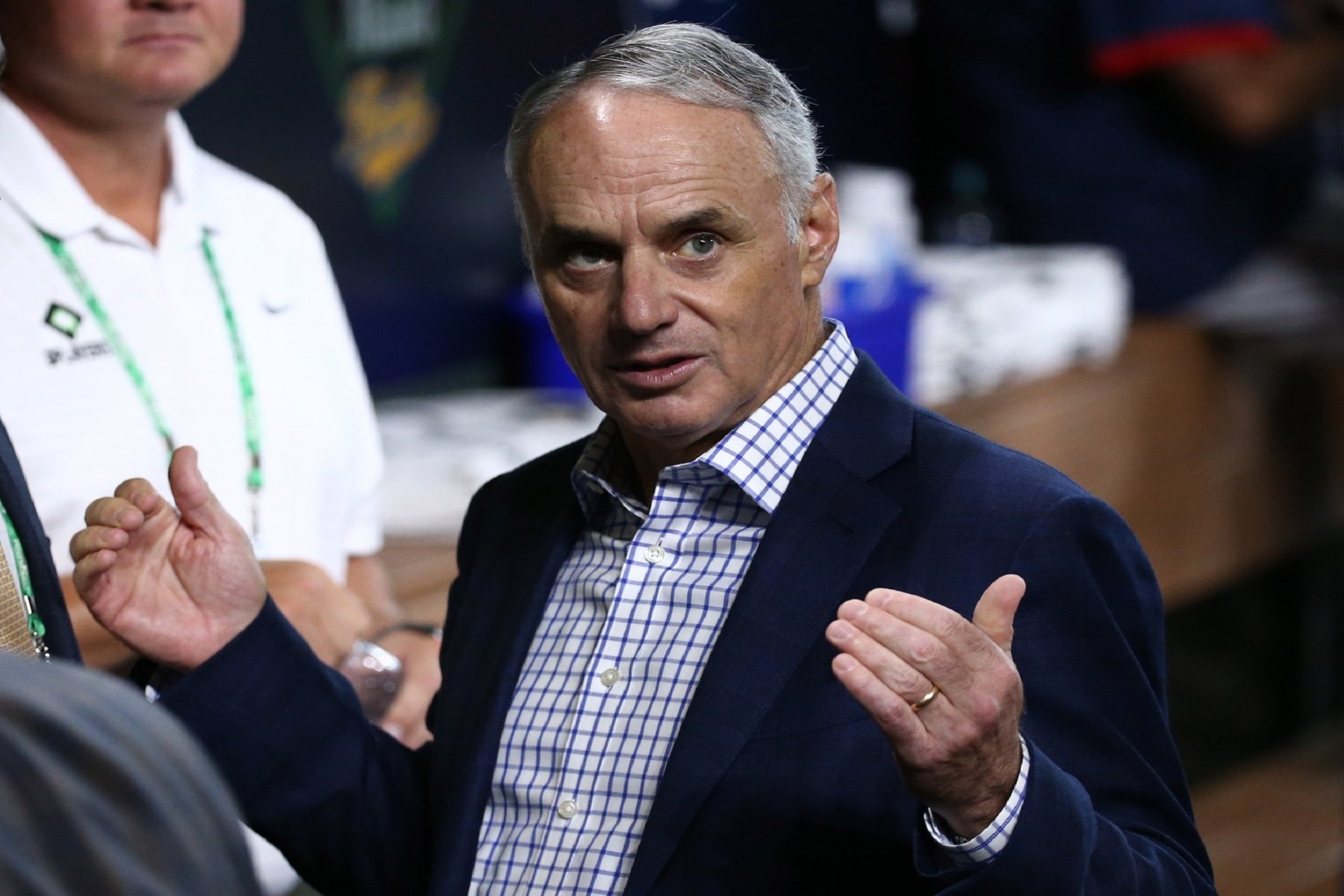 On Tuesday morning, MLB Insider Jeff Passan tweeted that the two sides are planning on holding a bargaining session Thursday, their first about core economics, and MLB is planning to make a proposal to the Players Association. The last time the two sides met to discuss economics was before the lockout, and the meeting did not go well, as it was over in seven minutes with no progress made. In that proposal, the Players Association wanted to raise the league minimum salary. MLB proposed to raise the league minimum salary with a series of tiers. According to Ronald Blum of the Associated Press, the tiers would be as follows: “$600,000 for players with less than a year of big league service, $650,000 for at least one but less than two and $700,000 for at least two. Each would rise $10,000 annually, to $640,000, $690,000 and $740,000 in 2026”. The Free Agency system is another thing the two sides need to come to an agreement on. Players want to reach free agency as soon as they can, and owners want to have control of players as long as they can. Under the current system, players have to reach six years of MLB service time before they are granted free agency. This limits players who reach the big leagues at an older age as many times they won’t become free agents until they are well into their 30s. The current system also allows teams to hold players back to manipulate their service time so they won’t reach free agency as quick, like the Cubs did with Kris Bryant years ago. The Players Association wants the players to be able to reach free agency after five years, but that seems like a non-negotiable for the owners. What the players could propose is an age-based free agency system, where players reach free agency once they either hit the six years of service time or become a certain age, say 29. Once a player turns 29, he will hit free agency no matter his service time. This will benefit those who didn’t reach the big leagues as quickly as a player like Wander Franco for the Rays. The last important thing the two sides need to come to terms on is the luxury tax. As teams (not the Twins) inch closer and closer to the current luxury tax number of $210 million, they may not sign guys who could really help their team. They opt to low-ball the players to avoid paying the tax for going over $210 million. In-turn, the players may not receive as much money as they could. The Players Association wants to raise the luxury tax to around $240 million to avoid this happening. Under the old Collective Bargaining Agreement, teams were sometimes discouraged from spending so they would spend years rebuilding (à la Twins 2011-2016). This could be eliminated by implementing a salary floor so teams would have to sign good players and not just think about saving money all the time. If this lockout continues much longer, the sport of baseball could be significantly hurt, especially if it forces games in the 2022 season to be missed. Both sides have their flaws, so it will be interesting to see how they interact with each other on Thursday. Hopefully they can at least agree on some terms of the economics, or it will be a long off-season. What do you think about the lockout? What do the owners need to do to end it? What does the Players Association need to do to end it? Feel free to discuss in the comments and ask questions. Thank you for reading, and Go Twins!
 -
Minnesota Made: Cold Spring’s Joey Stock
Andrew Mahlke replied to Theodore Tollefson's topic in Twins Daily Front Page News
Go johnnies! -
Best Seasons by Veterans in Twins History
Andrew Mahlke replied to Andrew Mahlke's topic in Twins Daily Front Page News
Because it’s only talking about hitters -
Usually when guys are in their late 30s and 40s playing baseball in Minnesota, you can find them playing for teams like the Miesville Mudhens or the Cold Spring Springers, not the Minnesota Twins. Take a look at the best seasons by Twins players 35 and older. Image courtesy of Raj Mehta, USA Today Usually when guys are in their late 30s and 40s playing baseball in Minnesota, you can find them playing for teams like the Miesville Mudhens or the Cold Spring Springers, not the Minnesota Twins. Take a look at the best seasons by Twins players 35 and older. As players age, their physical abilities deteriorate and they often can not play as well as they used to play.. So when a player 35 or older has a great season, it is remarkable. Veterans are usually good locker room presences and leaders for younger players, but if they can also be one of the best players on the team, that is an added bonus. In this article, we will look at the top five seasons by hitters in Twins history over the age of 35. If a player has multiple great seasons over the age of 35, I picked their best one. All of the players on this list have had illustrious careers and while their production in these seasons wasn’t as high as they had in their primes, they still were very impactful players on their teams. 5. Josh Donaldson, 2021 - 2.2 fWAR When Josh Donaldson made news in 2021, it was for sparking a sticky controversy with White Sox pitcher Lucas Giolito and for feuding with Gerrit Cole. Despite being one of the most controversial players in baseball, Josh Donaldson has also been one of the best. Since 2013, he has the third highest WAR in all of baseball, trailing only Mike Trout and Mookie Betts. In Donaldson’s prime, he was a 6-8 WAR player, winning AL MVP in 2015 and finishing in the top 10 four times. In 2021, he was only worth 2.2 WAR, making him the third best player on the Twins behind Byron Buxton and Jorge Polanco. Donaldson hit .247/.352/.475 (.827) in 135 games. He had a wRC+ of 124, meaning he was 24 percent better than league average at creating runs for his team. He also had a keen eye at the plate, leading the Twins with 74 walks. When you dive deeper into the numbers, Donaldson was even more impressive. He ranked 4th in MLB in average exit velocity (94.1), 3rd in Barrels per plate appearance (11.2 percent), and 11th in hard hit rate. Below are his Baseball Savant percentile rankings. In nearly all of the offensive categories, Donaldson ranked in the top 10 percent of all hitters. This is incredible for a player who is 35 years old. As Donaldson ages, he will get more time in the DH role as the Twins look to younger players like Luis Arraez and Jose Miranda to occupy third base to keep Donaldson’s bat in the lineup more regularly. Donaldson had a good 2021 and I wouldn’t be surprised to see his production improve in 2022 as a 36 year old. 4. Paul Molitor, 1996 - 2.5 fWAR After an outstanding career in Milwaukee and Toronto, Hall-of-Famer and native Minnesotan Paul Molitor returned to play in his homeland for the final three years of his career. As is the case with most veterans, Molitor was mostly a designated hitter in his tenure with the Twins. During his career, Molitor’s versatility was one of his best assets so confining him to DH took a lot of his value away. Still, the future Twins manager was able to post 2.5 WAR in 1996, his first season with the Twins. In Molitor’s prime, he was consistently a 4-6 win player for the Brewers and Blue Jays. He won the World Series in 1993 with the Blue Jays and was named World Series MVP, going 11-for-24 with five extra base hits, seven RBI, three walks, and no strikeouts in six games. He also tied the World Series record for most runs in a series with 10 runs scored. In 1996, Molitor hit .341/.390/.468 (.858) for a 114 wRC+. Molitor led the American League with 225 hits, which is the third most for a single season in Twins history. He also drove in 113 runs and hit 41 doubles in that year. During that season he became the first player to hit a triple for his 3000th career hit. Molitor was a great veteran addition to a Twins team that needed some guidance. 3. Jim Thome, 2010 3.1 fWAR As a player who spent the majority of his career with the Cleveland Indians and Chicago White Sox, Twins fans did not associate Jim Thome with good memories. In his career against the Twins, Thome hit an ungodly .314/.415/.635 (1.049) with 61 home runs in 196 games. In 2010, the Twins decided that if you can’t beat him, join him, so they signed Thome to a one year deal worth $1.5 million. In his age 39 season, Thome was outstanding. He appeared in 108 games and hit .283/.412/.627 (1.039) for a 177 wRC+. Among players 39 and older who appeared in 100 or more games, the only players in MLB history with a higher OPS than Thome were Barry Bonds and Hank Aaron. Thome posted 3.1 WAR in only 108 games despite only playing DH. The only primary DH’s in MLB history with more WAR in a similar amount of games are Yordan Alvarez and David Ortiz. Thome hit his 600th career home run with the Twins in 2011, but his signature moment as a Twin was this walk-off home run he hit in August of 2010, the first walk-off homer in Target Field history. Thome was also an outstanding clubhouse presence, being named the nicest player in baseball by his fellow players, a nice touch on an outstanding career. 2. Harmon Killebrew, 1971 3.9 fWAR Killebrew was an outstanding player for the entirety of his career. He actually had two seasons that would’ve placed him on this list but I chose to go with the better of the seasons, 1971. Killebrew was already on his way to the Hall of Fame before he turned 35, having hit 487 home runs in his career. But in his age 35 season, Killebrew had a great season. By this time, Killebrew’s outfield days were behind him and he was splitting time between first base and third base. In 1971, Killebrew hit .254/.386/.464 (.850) for a wRC+ of 137. He led the American League in RBI (119) and walks (114). He was named to the final all-star game of his fantastic career. In late July of this year, Killebrew hit his 499th homer. For the next 16 games, Killebrew went into a slump, not able to hit his 500th. But in the 17th game, Killebrew hit home runs 500 and 501 at Metropolitan Stadium to cement his legacy as an all-time great. Killebrew was relieved, telling the Associated Press he could finally breathe a sigh of relief again. “When people keep asking you when you’re going to hit it, you try a bit harder. The only time I thought about it was when people were asking me about it”, said Killebrew. 1. Nelson Cruz, 2019 - 4.3 fWAR The ageless wonder, Nelson Cruz, was a fantastic signing for the Twins in the 2019 offseason. In his age 38 season, Cruz turned the Twins from a mediocre team into a 100 game winner. The Dominican slugger helped guide young Hispanic sluggers Miguel Sano and Eddie Rosario to career highs in home runs. Cruz had such a profound impact on Sano that Sano decided to name Cruz the Godfather of his daughter. He also won the 2021 Roberto Clemente Award for all of the great work he does in the community. Along with his great leadership, Cruz was one of the best hitters in the league. In 2019, Cruz hit .311/.392/.639 (1.031) for a wRC+ of 164. His .639 slugging percentage was the best single season slugging percentage in Twins history. He hit 41 home runs and drove in 108 runs. He also led MLB in Barrels per Plate Appearance, Hard Hit Rate, and Average Exit Velocity. The combination of this means that he hit the ball harder than anyone else did more consistently than anyone else. This led to a lot of success for Cruz. Nelson Cruz had two more good seasons for the Twins before he was traded during his age 40 season to the Tampa Bay Rays for Joe Ryan and Drew Strotman. Cruz has a strong impact on baseballs and teammates, making him a great addition to any team. Conclusion Throughout the Twins history, they have had some great seasons by older players, proving that baseball isn’t always a young man’s game. Hopefully another great season by Donaldson next year can move him up on this list, but don’t look for many Twins to make this list in the near future as the Twins will try to get younger players more experience. Who did I miss on this list? What would you change about the order? Is Cruz the best power hitter in Twins history? Leave a comment below! Let me hear your thoughts. Thank you for reading, and Go Twins! View full article
- 7 replies
-
- 1
-
-
- josh donaldson
- paul molitor
- (and 3 more)

.png.a1e2399d0b1f2d8ac8096d8febe9ac08.png)
.png.a0669f0901f06b8a0627dcabfa9ab7ea.png)

