



Parker Hageman
-
Posts
4,152 -
Joined
-
Last visited
-
Days Won
6
Content Type
Profiles
News
Minnesota Twins Videos
2026 Minnesota Twins Top Prospects Ranking
2022 Minnesota Twins Draft Picks
Minnesota Twins Free Agent & Trade Rumors, Notes, & Tidbits
Guides & Resources
2023 Minnesota Twins Draft Picks
The Minnesota Twins Players Project
2024 Minnesota Twins Draft Picks
2025 Minnesota Twins Draft Pick Tracker
2026 Minnesota Twins Draft Tracker: Picks & Bonuses
Forums
Blogs
Events
Store
Downloads
Gallery
Everything posted by Parker Hageman
-
 First, I am sooooper glad you decided to stop reading right after the second GIF and make your comment here. After all, you missed the part where I wrote "Admittedly, without the ability to have MLB StatCast data on both these plays, this is an exercise in imperfection. There are other factors that might have led to the outcome like daytime versus nighttime, the score of the game or whether or not the glove oil fumes were causing dizziness." The other notable difference not pointed out in the article is that the two plays are slightly different. While Heyward closes in and makes a diving catch on a hard-hit ball, Hunter pulls up on a medium-hit ball. Had Hunter had a good first step or the speed of Heyward, chances are he might not even have had to dive for that ball. Second, since it was pointed out, yes, he suddenly did decide to play it safe because just one inning prior to that, he did this: http://i.imgur.com/zH5YLR4.gif This, is Hunter playing an Eric Fryer lazy fly ball into a triple when he could have gotten in front of it. Last, this was a representation, not trying to make a straight-line comparison because, in the end, there is nothing that is more accurate than the data. When you compare the data, Heyward is able to get to far more balls than Hunter. The real cherrypicking would have been had I shown three or four highlights of Hunter diving or making plays at the wall.
 -
The Minnesota Twins signing of outfielder Torii Hunter has sparked some debate among fans. The most recited complaint is that while Hunter is able to perform at the plate, his defensive skill set has eroded significantly and has made him a detriment to the team. Just how bad is his fielding?At 39-years-old, there is little question that the tools that had at one time made him an elite defender -- a blindingly quick first step and the closing speed -- has been left behind in some old Angels uniform pants. Every stat that measures range has painted him a liability in right field. Ultimate Zone Rating dismisses him wholly as the worst among qualified right fielder. Revised Zone Rating dinged him for not making plays in the accepted right fielder zone that are typically made. Inside Edge’s video scouts agree, saying he has caught 98% of all plays deemed “Almost Certain” (99% conversion rate average) and made 88% of all plays, third worst among right fielders. As the metric world has come to a consensus regarding the outfielder, some industry sources have mentioned his defensive abilities are not represented within that particular data. Hunter has entered the savvy veteran world of being able to take a proper route in order stave off would-be advancing baserunners. He has done things like thrown behind runners on the bases to get them out. In some ways, touting skills like this feels like sort of like congratulating an elder person who is doing 10 under the speed limit for at least staying in his lane. While there may be some value, it is still not as important as getting to the ball on time. Consider this play off the bat of the Twins’ Danny Santana in Comerica last June. With the bases loaded and two outs, this harmless fly balls lands safely at Hunter’s feet: http://i.imgur.com/h7EbT9p.gif Meanwhile, compare that play to the one made by the former Brave, now current Cardinal Jason Heyward: http://i.imgur.com/xEavT1x.gif Admittedly, without the ability to have MLB StatCast data on both these plays, this is an exercise in imperfection. There are other factors that might have led to the outcome like daytime versus nighttime, the score of the game or whether or not the glove oil fumes were causing dizziness. These two plays were selected based on the hit type, estimated hang time, direction and perceived distance from the right fielder to the play. What the two examples show is the visual difference in the person with the highest UZR (Heyward) and the person with the lowest (Hunter) on a very similar play. For those who do not enjoy the fruits of the advanced defensive metrics tree, the raw totals found within ESPN/trumedia’s database reveals more damning evidence against Hunter. By filtering the batted ball data to reduce all hits to right field, carrying in the air (line drive and fly balls) more than 210 feet past the no-man’s land between the infield and outfield, while examining the individual hit types (soft, medium and hard) we find that the batting average on balls in play across MLB in 2014 breakdown as such: Download attachment: Hunter_Chart_MLB Avg.png While the Tigers right fielders performed better than the average against the softly hit flies and liners (.124, third-lowest in MLB) they struggled mightily to provide the same coverage on more well-struck balls. The Tigers right fielders led by Hunter allowed a .356 batting average on balls in play on swings that produced medium-well hits (second-worst, just ahead of the Yankees) but the real damage was done on the hard-hit variety. Opponents were able to post a .778 average on balls in play, 21% worse than the MLB average and by far the worst rate in the league. To put that in perspective, the Atlanta Braves, who used to employ right fielder Jason Heyward, led baseball with a .529 batting average on hard-hit balls in play. By the UZR standards, Hayward’s coverage was amazing. Not only was he able to convert on a vast majority of balls in his zone, he was able to make plays on 122 balls out of a right fielder’s zone. For his part, in approximately 200 fewer innings, Hunter made 50 out of zone plays. Download attachment: Hard Hit Balls_Chart.png What creates this effect? Why are the Braves and Heyward so much better at fielding well-hit balls than the Tigers and Hunter? The obvious first difference is age and skill. Hayward’s young legs allows for greater coverage. Fangraphs.com’s Fan Scouting Report has Hayward rated as an 87 when it comes to a first step. Hunter, on the other hand, was rated a 38 for his first step. Overall speed is rated a tortoise-like 44 for Hunter and a hare-like 82 for Hayward. Having the quick first step allows for the ability to track those hard-hit balls. The speed allows closing on flies that are out of the range of most human right fielders. The less obvious factor might be the defensive alignment a team implements. It is not clear whether the Tigers are big proponents of moving people around in the field to maximize coverage despite having a defensive coordinator (Mike Martin) on staff. The focus has been on the infield shifts, much to manager Brad Ausmus’ chagrin. Likewise, the Braves seem to play straight up with some shading but the ability to generate twice as many outs in right field as the Tigers leaves the impression that they are positioning players very well. **** In the end, it appears the Twins front office either is not concerned on the effect of the outfield defense on the pitching staff or are completely misunderstanding what constitutes good defense. During the Twins Daily Handbook interview with Terry Ryan, Ryan dismissed the notion that the outfield from 2014, which was rated one of the worst by the advanced metrics, was as bad as it appeared. “We’ll be looking for outfield but I’m not as concerned about the outfield defense as maybe it sounds like you are,” Ryan told me, adding that he doesn’t necessarily trust the advanced stats. One could argue that Hunter is not worse than Oswaldo Arcia in right field, as some of the advanced metrics would suggest. After all, Hunter is more experienced which leads to the proper execution of other elements of the game that are not captured by zones alone. The advanced fielding stats can be misleading, there is no question. The data, however, doesn’t lie. It just is. And what the data says is that Hunter is not able to catch everything an average right fielder is able to. This notion could leave the pitching staff frustrated in 2015. Click here to view the article
-
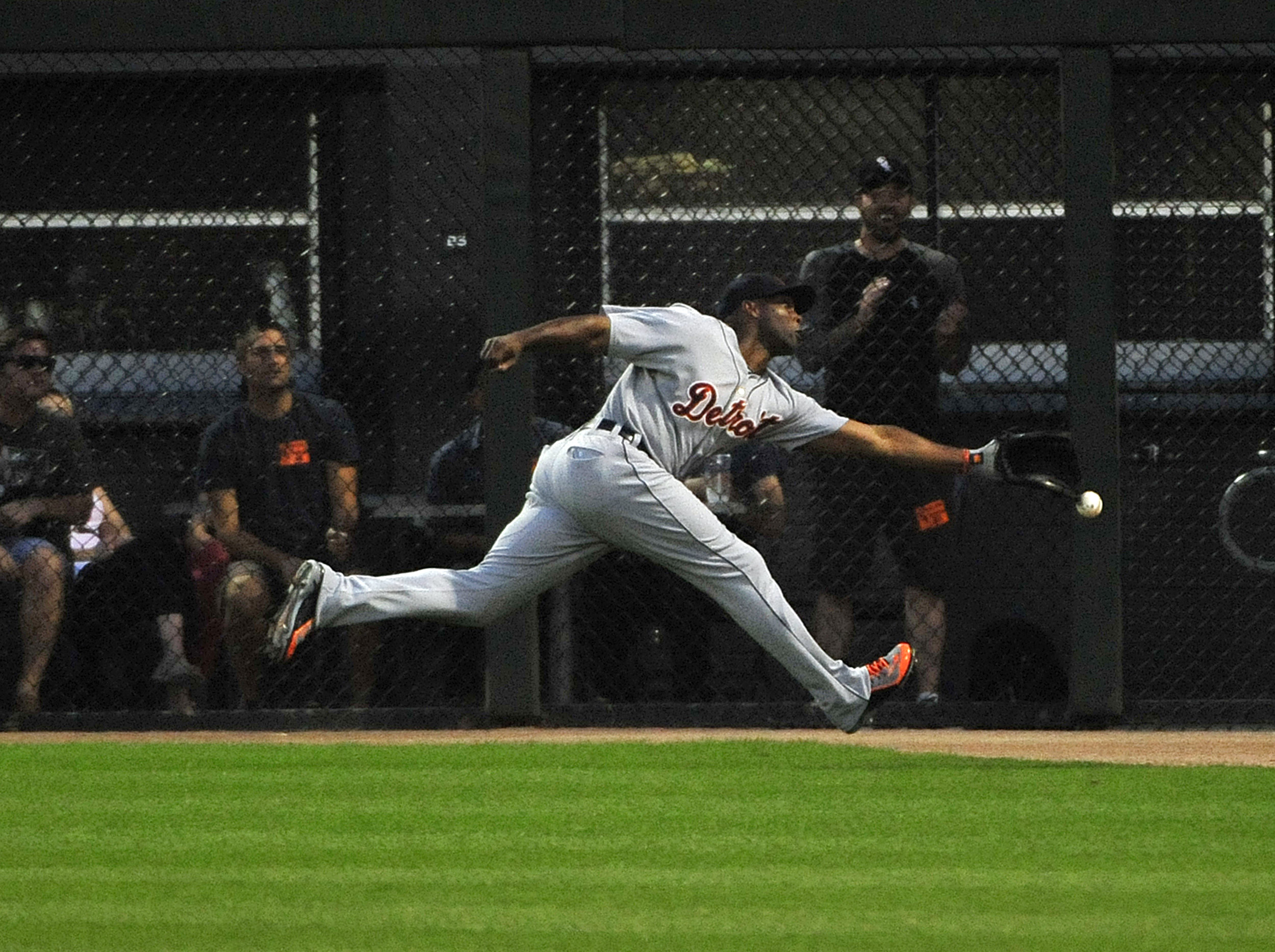 At 39-years-old, there is little question that the tools that had at one time made him an elite defender -- a blindingly quick first step and the closing speed -- has been left behind in some old Angels uniform pants. Every stat that measures range has painted him a liability in right field. Ultimate Zone Rating dismisses him wholly as the worst among qualified right fielder. Revised Zone Rating dinged him for not making plays in the accepted right fielder zone that are typically made. Inside Edge’s video scouts agree, saying he has caught 98% of all plays deemed “Almost Certain” (99% conversion rate average) and made 88% of all plays, third worst among right fielders. As the metric world has come to a consensus regarding the outfielder, some industry sources have mentioned his defensive abilities are not represented within that particular data. Hunter has entered the savvy veteran world of being able to take a proper route in order stave off would-be advancing baserunners. He has done things like thrown behind runners on the bases to get them out. In some ways, touting skills like this feels like sort of like congratulating an elder person who is doing 10 under the speed limit for at least staying in his lane. While there may be some value, it is still not as important as getting to the ball on time. Consider this play off the bat of the Twins’ Danny Santana in Comerica last June. With the bases loaded and two outs, this harmless fly balls lands safely at Hunter’s feet: http://i.imgur.com/h7EbT9p.gif Meanwhile, compare that play to the one made by the former Brave, now current Cardinal Jason Heyward: http://i.imgur.com/xEavT1x.gif Admittedly, without the ability to have MLB StatCast data on both these plays, this is an exercise in imperfection. There are other factors that might have led to the outcome like daytime versus nighttime, the score of the game or whether or not the glove oil fumes were causing dizziness. These two plays were selected based on the hit type, estimated hang time, direction and perceived distance from the right fielder to the play. What the two examples show is the visual difference in the person with the highest UZR (Heyward) and the person with the lowest (Hunter) on a very similar play. For those who do not enjoy the fruits of the advanced defensive metrics tree, the raw totals found within ESPN/trumedia’s database reveals more damning evidence against Hunter. By filtering the batted ball data to reduce all hits to right field, carrying in the air (line drive and fly balls) more than 210 feet past the no-man’s land between the infield and outfield, while examining the individual hit types (soft, medium and hard) we find that the batting average on balls in play across MLB in 2014 breakdown as such: While the Tigers right fielders performed better than the average against the softly hit flies and liners (.124, third-lowest in MLB) they struggled mightily to provide the same coverage on more well-struck balls. The Tigers right fielders led by Hunter allowed a .356 batting average on balls in play on swings that produced medium-well hits (second-worst, just ahead of the Yankees) but the real damage was done on the hard-hit variety. Opponents were able to post a .778 average on balls in play, 21% worse than the MLB average and by far the worst rate in the league. To put that in perspective, the Atlanta Braves, who used to employ right fielder Jason Heyward, led baseball with a .529 batting average on hard-hit balls in play. By the UZR standards, Hayward’s coverage was amazing. Not only was he able to convert on a vast majority of balls in his zone, he was able to make plays on 122 balls out of a right fielder’s zone. For his part, in approximately 200 fewer innings, Hunter made 50 out of zone plays. What creates this effect? Why are the Braves and Heyward so much better at fielding well-hit balls than the Tigers and Hunter? The obvious first difference is age and skill. Hayward’s young legs allows for greater coverage. Fangraphs.com’s Fan Scouting Report has Hayward rated as an 87 when it comes to a first step. Hunter, on the other hand, was rated a 38 for his first step. Overall speed is rated a tortoise-like 44 for Hunter and a hare-like 82 for Hayward. Having the quick first step allows for the ability to track those hard-hit balls. The speed allows closing on flies that are out of the range of most human right fielders. The less obvious factor might be the defensive alignment a team implements. It is not clear whether the Tigers are big proponents of moving people around in the field to maximize coverage despite having a defensive coordinator (Mike Martin) on staff. The focus has been on the infield shifts, much to manager Brad Ausmus’ chagrin. Likewise, the Braves seem to play straight up with some shading but the ability to generate twice as many outs in right field as the Tigers leaves the impression that they are positioning players very well. **** In the end, it appears the Twins front office either is not concerned on the effect of the outfield defense on the pitching staff or are completely misunderstanding what constitutes good defense. During the Twins Daily Handbook interview with Terry Ryan, Ryan dismissed the notion that the outfield from 2014, which was rated one of the worst by the advanced metrics, was as bad as it appeared. “We’ll be looking for outfield but I’m not as concerned about the outfield defense as maybe it sounds like you are,” Ryan told me, adding that he doesn’t necessarily trust the advanced stats. One could argue that Hunter is not worse than Oswaldo Arcia in right field, as some of the advanced metrics would suggest. After all, Hunter is more experienced which leads to the proper execution of other elements of the game that are not captured by zones alone. The advanced fielding stats can be misleading, there is no question. The data, however, doesn’t lie. It just is. And what the data says is that Hunter is not able to catch everything an average right fielder is able to. This notion could leave the pitching staff frustrated in 2015.
 -
According to the Kia Tigers, everyone is a loser: https://twitter.com/Jeeho_1/status/537479611219591168
-
On this week's No Juice Podcast, Dan Anderson and Parker Hageman talks about the latest happenings in the Twins' world including the hiring of pitching coach Neil Allen, bringing back Torii Hunter, the reports bidding on Korean LHP Hyeon-Jong Yang and the rumors of interest in Wily Mo Pena. Listen below.Other topics include the Vikings loss to the Packers, the Gophers upsetting Nebraska in Lincoln and finding a place to watch the Big Ten title game (send your suggestions to @NoJuicePodcast). Listen below, on iTunes or on Stitcher: NO JUICE PODCAST, EPISODE #31: BASEBALL THINGS! Click here to view the article
-
 Other topics include the Vikings loss to the Packers, the Gophers upsetting Nebraska in Lincoln and finding a place to watch the Big Ten title game (send your suggestions to @NoJuicePodcast). Listen below, on iTunes or on Stitcher: NO JUICE PODCAST, EPISODE #31: BASEBALL THINGS!
 -
Yup. Here is a great read from Brian Macpherson on the struggles of prospects (and why it might be a good thing): http://www.providencejournal.com/sports/red-sox/content/20141118-as-prospects-struggle-across-baseball-players-mentality-matters-more-than-ever.ece Reports are that he has the speed to be a good coverage corner outfield but his arm strength is lacking (not a problem as much in LF). As Radcliff said, he's got to get better on route, angles and anticipation.
- 38 replies
-
- 2
-

-
- eddie rosario
- mike radcliff
- (and 1 more)
-
Read the link and I think it's a good description of his mechanics. Almost anyone with any scouting acumen can see that with his swing. There is an odd echo effect regarding his prospect write-ups this season. Everyone seems to share the same things and raise the same questions. Some of it feels based on his poor performance during the regular season. Some are valid, some seem just to echo what every other report has said. I don't know if I feel like he is an everyday player at this point either. I am interested to see if he can do some hitting at AAA. While people feel his performance in the regular season was down because of the time off, I also wonder if it had to do with teams seeing him again, pitching him differently and exposing his flaws. In the fall league, pitchers are out there working on things sort of like spring training. I'm intrigued by his stick but his lack of patience is a detriment to his overall numbers.
-
When Mike Radcliff returned from Arizona he was hopeful with what he had seen from Eddie Rosario. Among the organization’s prospects playing for the Salt River Rafters in the Arizona Fall League was the recently rehabilitated Rosario. The 23-year-old had served a fifty game suspension due to a failed marijuana test -- his second such offense. In the grand scheme, with a nation heading towards increasing tolerance and two major league cities allowing use of the recreational drug, it appeared less of a concern than the use of performance enhancing drugs to inflate his numbers. Nevertheless, rules were rules and Rosario had broken them. Twice.The suspension could not have come at a worse point along his development timeline. Rosario was starting to gain attention as a hitter and, after a line drive that caught him in the face and required plates to be inserted in 2012, he already needed to play catch up. Beyond the lost time due to the injury, the Twins were trying to see if his path to the majors could be accelerated by moving to second base -- another hurdle. “Losing 50 games, that’s a huge setback,” general manager Terry Ryan told the Minneapolis Star Tribune at the time of his suspension. “That’s a lot of development time, a lot of learning that he’ll miss. It sets back his progression going up to the big leagues.” When he returned in 2014, based on his numbers and reports from scouts, his time away from the game appeared to stunt his development. Shifted back to the outfield because of the emergence of Brian Dozier at second, Rosario struggled to square the ball as frequently as he did in the past. He finished the season with the worst line of his career, turning in a .243/.286/.387 mark between High-A and Double-A. With the New Britain Rock Cats in June, Baseball Prospectus’ scouts reported he was a “at first player” and believed that he was “not likely to stick as long-term regular” after watching him for two games. They also questioned his hustle. In July another member of the Baseball Prospectus’ team, Jason Parks, concluded that “[w]ith his bat control and bat speed, he could really develop into a good hitter if he works the gaps and takes advantage of his strengths instead playing into his weaknesses. He’s a tweener for me right now, more a hit tool/speed type than a complete player.” Recognizing the need to get one of their more advanced prospects additional at-bats, Rosario was sent to the Arizona Fall League. In the desert -- while wearing the obsolete Twins pinstripe uniform and facing the game’s top prospect talent -- he started to hit again. The same type that earned him the reputation as one of the best hitters for average. Perhaps it was clicking at the right time or just a burst of small-sample size magic but the Twins’ Vice President of Player Personnel says that it may be due to re-engaging with the game. “I think the biggest thing is that he’s gone through a year of turmoil,” Radcliff said reflecting on Rosario’s offensive success in Arizona. “A year ago today it wasn’t good for him. He had a lot of things going on that weren’t good. Most of that is in the rearview mirror now and he has a different frame of mind. He concentrates and focuses on baseball and that’s allowed him to get back on track.” Where the regular season showed Rosario trying to do too much at the plate and unnecessarily swinging for the fences, the fall league was a profile of a more collected hitter. Many of the same points that have been raised about his swing still exist -- tons of pre-swing hand movement, stepping open with his front foot on his stride, drops his back shoulder at times, chases stuff down in the zone and so on -- but the positive aspects were on display as well. Rosario possesses extremely quick hands and, once he gets to his load point, he strikes like a cobra. The open stride which seemingly leaves him susceptible to the outer-half has not affected him as he covers the zone surprisingly well, keeping his front hip closed. A lot of the aforementioned traits can be seen in this clip from the AFL Championship Game: http://i.imgur.com/bopEWKq.gif The excessive hand movement. The front foot stride. Staying closed. Quick hands. Zone coverage. Yes, he pulls the ball too often instead of going with the pitch while his selection and patience will wreak havoc on his on-base percentage. As an aggressive hitter, he is unlikely to put up robust walk totals. He elevates too many fly balls with too little power, a factor that will likely impact his major league average, yet if you watched the final AFL game Rosario went 4-for-5 and hit everything on the screws. No lofted fly balls, these were hard, smashed line drives. Even the out he made was a shot to right field. “He’s refocused, he’s reenergized, he understands who he is now and where he is at and what his future is,” Radcliff said. “He got suspended, it took him a while to clean all that stuff up and play during the summer months. I think there is probably hope involved because there was a lot that has gone on in the last year and a half. I think that we hope that what we saw in the last 100 at-bats was more indicative of what is ahead for him that what we saw in those at-bats during the summer.” Performance at the plate is one thing, in the field is another. When creating his top 25 prospect from the Arizona Fall League list, MLB.com columnist Jim Callis noted that Rosario’s positional unknown looms as a big question mark. Radcliff and the Twins see that differently. Rosario has shown the ability to play anywhere at least at an adequate level, providing flexibility. “Versatility is a good thing when you are trying to break into a 25-man roster,” Radcliff said. But the clear vacancy right now is in left field for the Twins and Rosario has seen plenty of time in that area of the outfield. Is it possible he could be an option for 2015? “He can do a lot of things, he’s an advanced hitter for his experience level and where he is from,” said Radcliff. “He’s right on the cusp of being a good hitter, his power is probably down the road. All the little things: base-running, stolen bases, arm accuracy, technique, angles, routes in the outfield, those things progress, improve and get better along the way. Is he about ready to impact the major leagues? Yeah, I’d think most of us would agree with that. What role and how quick, that will all be determined in the coming months. He’s close, he’s right there on the edge.” Added to the team's 40-man roster on Thursday, when summarizing Rosario’s chances of reaching the highest level in the near future, Radcliff seemed to invoke personal responsibility for the talented 23-year-old. Possibly hinting at both his on and off the field performance: “It’s all up to him now.” Click here to view the article
-
Twins Feel Prospect Eddie Rosario Close to Major League Ready
Parker Hageman posted an article in Minor Leagues
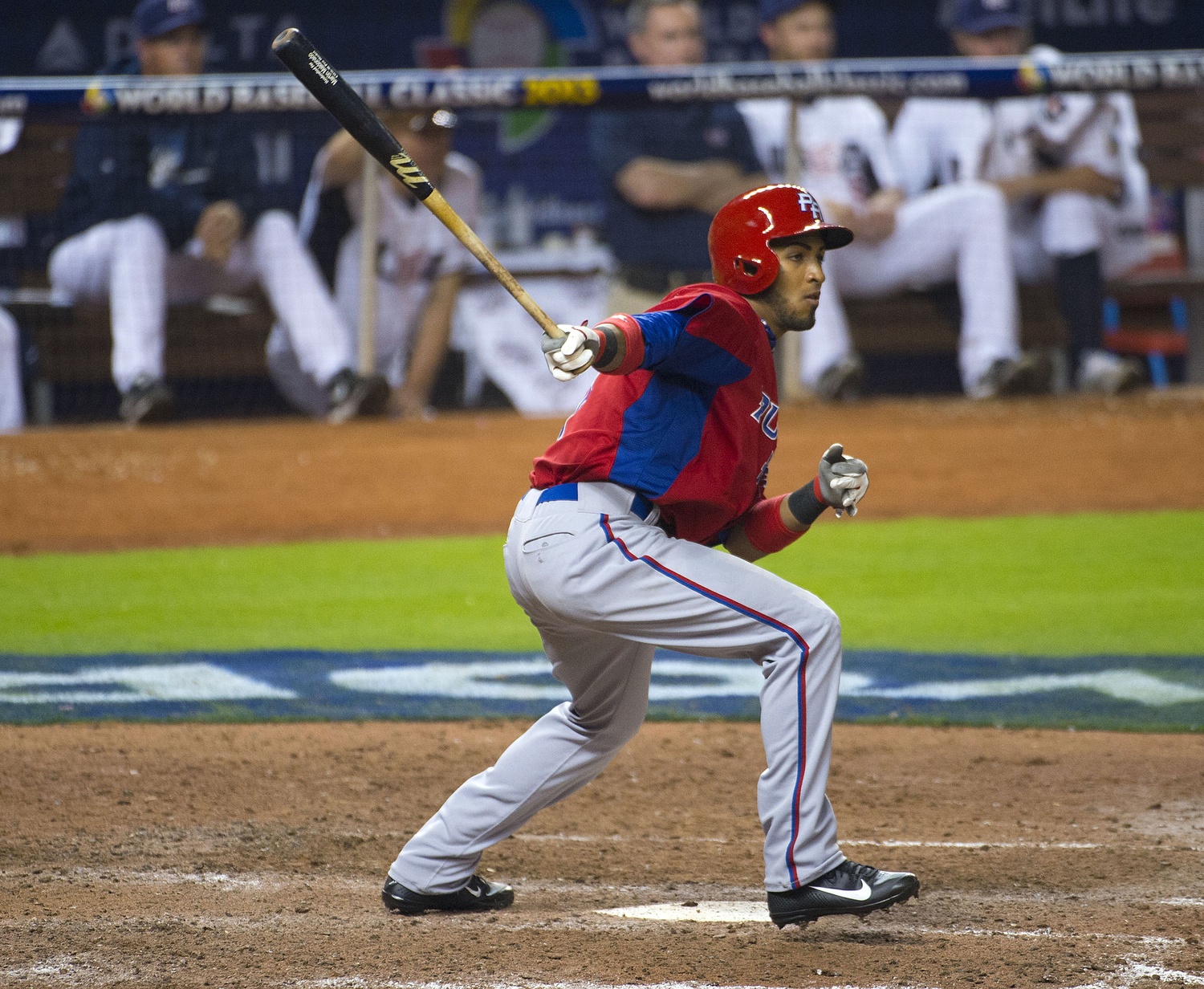 The suspension could not have come at a worse point along his development timeline. Rosario was starting to gain attention as a hitter and, after a line drive that caught him in the face and required plates to be inserted in 2012, he already needed to play catch up. Beyond the lost time due to the injury, the Twins were trying to see if his path to the majors could be accelerated by moving to second base -- another hurdle. “Losing 50 games, that’s a huge setback,” general manager Terry Ryan told the Minneapolis Star Tribune at the time of his suspension. “That’s a lot of development time, a lot of learning that he’ll miss. It sets back his progression going up to the big leagues.” When he returned in 2014, based on his numbers and reports from scouts, his time away from the game appeared to stunt his development. Shifted back to the outfield because of the emergence of Brian Dozier at second, Rosario struggled to square the ball as frequently as he did in the past. He finished the season with the worst line of his career, turning in a .243/.286/.387 mark between High-A and Double-A. With the New Britain Rock Cats in June, Baseball Prospectus’ scouts reported he was a “at first player” and believed that he was “not likely to stick as long-term regular” after watching him for two games. They also questioned his hustle. In July another member of the Baseball Prospectus’ team, Jason Parks, concluded that “[w]ith his bat control and bat speed, he could really develop into a good hitter if he works the gaps and takes advantage of his strengths instead playing into his weaknesses. He’s a tweener for me right now, more a hit tool/speed type than a complete player.” Recognizing the need to get one of their more advanced prospects additional at-bats, Rosario was sent to the Arizona Fall League. In the desert -- while wearing the obsolete Twins pinstripe uniform and facing the game’s top prospect talent -- he started to hit again. The same type that earned him the reputation as one of the best hitters for average. Perhaps it was clicking at the right time or just a burst of small-sample size magic but the Twins’ Vice President of Player Personnel says that it may be due to re-engaging with the game. “I think the biggest thing is that he’s gone through a year of turmoil,” Radcliff said reflecting on Rosario’s offensive success in Arizona. “A year ago today it wasn’t good for him. He had a lot of things going on that weren’t good. Most of that is in the rearview mirror now and he has a different frame of mind. He concentrates and focuses on baseball and that’s allowed him to get back on track.” Where the regular season showed Rosario trying to do too much at the plate and unnecessarily swinging for the fences, the fall league was a profile of a more collected hitter. Many of the same points that have been raised about his swing still exist -- tons of pre-swing hand movement, stepping open with his front foot on his stride, drops his back shoulder at times, chases stuff down in the zone and so on -- but the positive aspects were on display as well. Rosario possesses extremely quick hands and, once he gets to his load point, he strikes like a cobra. The open stride which seemingly leaves him susceptible to the outer-half has not affected him as he covers the zone surprisingly well, keeping his front hip closed. A lot of the aforementioned traits can be seen in this clip from the AFL Championship Game: http://i.imgur.com/bopEWKq.gif The excessive hand movement. The front foot stride. Staying closed. Quick hands. Zone coverage. Yes, he pulls the ball too often instead of going with the pitch while his selection and patience will wreak havoc on his on-base percentage. As an aggressive hitter, he is unlikely to put up robust walk totals. He elevates too many fly balls with too little power, a factor that will likely impact his major league average, yet if you watched the final AFL game Rosario went 4-for-5 and hit everything on the screws. No lofted fly balls, these were hard, smashed line drives. Even the out he made was a shot to right field. “He’s refocused, he’s reenergized, he understands who he is now and where he is at and what his future is,” Radcliff said. “He got suspended, it took him a while to clean all that stuff up and play during the summer months. I think there is probably hope involved because there was a lot that has gone on in the last year and a half. I think that we hope that what we saw in the last 100 at-bats was more indicative of what is ahead for him that what we saw in those at-bats during the summer.” Performance at the plate is one thing, in the field is another. When creating his top 25 prospect from the Arizona Fall League list, MLB.com columnist Jim Callis noted that Rosario’s positional unknown looms as a big question mark. Radcliff and the Twins see that differently. Rosario has shown the ability to play anywhere at least at an adequate level, providing flexibility. “Versatility is a good thing when you are trying to break into a 25-man roster,” Radcliff said. But the clear vacancy right now is in left field for the Twins and Rosario has seen plenty of time in that area of the outfield. Is it possible he could be an option for 2015? “He can do a lot of things, he’s an advanced hitter for his experience level and where he is from,” said Radcliff. “He’s right on the cusp of being a good hitter, his power is probably down the road. All the little things: base-running, stolen bases, arm accuracy, technique, angles, routes in the outfield, those things progress, improve and get better along the way. Is he about ready to impact the major leagues? Yeah, I’d think most of us would agree with that. What role and how quick, that will all be determined in the coming months. He’s close, he’s right there on the edge.” Added to the team's 40-man roster on Thursday, when summarizing Rosario’s chances of reaching the highest level in the near future, Radcliff seemed to invoke personal responsibility for the talented 23-year-old. Possibly hinting at both his on and off the field performance: “It’s all up to him now.”
- 38 comments
-
- 1
-
-
- eddie rosario
- mike radcliff
- (and 1 more)
-
From 2010 to 2013, he averaged 199 innings with a 3.67 FIP. Seems pretty consistent to me. I really don't think the Twins will make a huge commitment beyond the year for Masterson (or any free agent pitcher). They have plenty of talent behind him in the system.
-
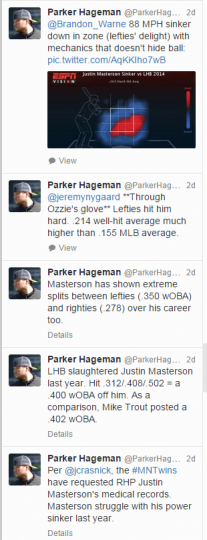
Glaring flaws? There are plenty of people in the comment section who are trying to do that for me... I will say that the only "glaring flaw" is his struggle against left-handed batters (which was mentioned several times in the article) but I also highlighted a bit on Twitter yesterday: To me, that's still a big flaw. I know you mentioned his command but again, that circles back to his ability to retire left-handed hitters. Over his career RHB K%/BB% is 25%/8% while his LHB split is 15%/10%. He still walks a lot of both but he's able to generate more strikeouts against same-sided batters.
-
What's your point? In his four seasons prior to coming to Minnesota, Phil Hughes had a 4.64 ERA. Injuries did not play a role in his 2009 when he was a reliever. 2010 he had a 3.87 xFIP, 21% K% and a 0.70 HR/9. In 2012 he had a 4.15 xFIP, 17% K% & 0.79 HR/9. All good things. He's definitely susceptible to left-handed opponents, there's no denying that but, for the most part, his peripherals have been better than his ERA indicates.
-
On the contrary, he's had minimal injury issues: Could he be in line for some? Sure. I do believe that if there are any red flags, the Twins should be able to catch them on his medical records.

-
After the season he said that his side was still hurting in spring training -- from the previous year's oblique injury. The knee likely hurt his shoulder, which MRIs said was impinged.
-
I should also mention that the distribution is based on right-handed pitcher movement from the catcher's perspective.
-
To clarify, the vertical drop measurement isn't in inches directly -- take a look at this chart below: http://fastballs.files.wordpress.com/2008/03/typical_spin_deflection2.jpg Most sinkers don't actually "sink" (just like rising fastballs don't "rise"). They fall at a greater rate than fastballs and typically run more horizontally. This is where most sinkers (two-seamers) fall on the pitch f/x scale -- above 0. That's the horizontal line. Masterson's sinker on the other hand, falls below that line.
-
By now you are aware that the Minnesota Twins have some level of interest in free agent pitcher Justin Masterson. The big-bodied Masterson is an ideal rebound candidate -- he is only 30 years old, he has big ground ball numbers, solid strikeout rates, averaged 199 innings per season from 2010 to 2013 while working 6.2 innings per start, big BABIP numbers are primed for regression and so on. You know, all the stuff that made Phil Hughes so amazing. On the other hand, because of his delivery and repertoire, he has never fared well against left-handed opponents and he had some shoulder ailments at the end of the 2014 season. The Twins front office will tell you that they are doing due diligence on all the available options, not just Masterson. Beyond the reasons above, here is a more in-depth look at what to expect from him in 2015.Masterson Is Just Another Nick Blackburn, Right? Twins fans probably think of the last few seasons of Nick Blackburn when they think of sinkerball pitchers. Or Carlos Silva. Or, more current, Kyle Gibson. That is not Justin Masterson. Masterson’s sinker is a sight to behold. When looking at the raw Pitch F/X numbers which tells you how much it moved vertically, you will find that he is in rarified company. Of all pitchers who amassed 20 starts in 2014, only Masterson’s sinker fell in the negative numbers in terms of inches dropped at -0.4. This is a number reserved for the submarining sidearmer relievers. On average, the league’s sinkerballers held a 4.3-inch vertical change. That seems impressive, right? For those of you who glazed over when all those meaningless numbers made an appearance: In layman’s terms, Masterson’s sinker shares similar downward movement usually reserved for curveballs only with fastball velocity. Still not convinced? Look at this example from Grantland posted earlier this year: http://giant.gfycat.com/AnimatedInsecureAustralianshelduck.gif What creates this action is both the grip and the delivery that differ from your standard sinkerball pitcher. Whereas most sinker pitchers use a two-seam fastball grip with a three-quarter arm slot delivery which generates more run than sink, Masterson’s grip is slightly different. “It’s nothing too extreme,” Masterson told MLB Network’s analyst and former pitcher Dan Plesac on the 30-for-30 program a few spring trainings ago. “I hold it on the ends [of my fingers] and kinda got my thumb on the side.” What it looks like is a modified version of the two-seamer only with added pressure on the sides from his thumb. Download attachment: Masterson_Grip.png The next factor related to the movement is the release. Compared to someone like Gibson (whose sinker has a career 5.9-inch vertical change), Masterson’s fingers are almost underneath the pitch at the release point -- not behind the ball and driving it towards the plate like Gibson: Download attachment: Masterson-Gibson-Release.png With this grip and release enhanced by the arm slot of a sidewinding slinger, it is easy to see why since 2009 Masterson has a 59% ground ball rate, a 7.8% swinging strike rate (compared to the league-average of 5.5% on the pitch), and a 43.6% in-play rate (the best among sinkerballers in that time). OK. Sure, yeah. But Masterson Was Terrible In 2014. Explain That, Nerd. Yes. Very much so. With a lower velocity and a greater amount of measurable movement in his sinker, hitters were not fooled by Masterson’s favorite pitch in 2014. “Sometimes you get a huge break [on the sinker] but it’s early and hitters can see that,” he said on MLB Network. “But sometimes it tightens up but it's that lateness and that’s what you really want to see.” Masterson’s sinker -- which had long been susceptible to left-handed bats -- was being splattered by right-handed ones as well. Heading into 2014, opponents had posted a line of .279/.357/.388 with a 59% ground ball rate while averaging a velocity of 91.7 but he was able to hump it up into the upper-90s over the five previous seasons. This last year his sinker was pounded to the tune of .333/.442/.525 but with an improved 64% ground ball rate as his velocity dipped to 88.7 and he was barely able to crest 94 at maximum speed. His command of the pitch disappeared. He was walking more with his sinker than he was striking out. In order to locate it better, Indians pitching coach Mickey Callaway said he tried to ease off the gas. "The problem," Callaway said told reporters in early April, "is what he was doing mechanically, and then trying to ease up and throw strikes with his two seamer, it kind of compounded everything and made it worse. He probably should've taken the other route, drive some four-seamers in there, something that doesn't move and work off that.” But later in April, following a few more starts, it became apparent that the velocity on the four-seamer that Callaway really wanted Masterson to mix in never arrived. In 2013, he threw 235 pitches 95 miles an hour or above. In 2014, he reached that plateau just once. “He can’t find that four-seam velocity that he had last year,” Callaway told the media at the end of that month. “I wouldn’t say he’s reinventing himself, he’s just playing the cards that he’s been dealt." As the season wore on, Masterson copped to an injury to his right knee that sidelined him for the bulk of June. Masterson later told people that the knee injury had affected his mechanics to the point of reducing his velocity and command. So What. When the Twins requested Masterson’s medical records, as sources claim, the primary focus could be on the health of his right knee. Following the season with the Cardinals, St. Louis’ general manager John Mozeliak said that Masterson told the team that he regretted not speaking out earlier about his ailments. Masterson’s knee injuries created issues with his mechanics, something the entire state of Missouri attempted to pinpoint on video. As Masterson told the Post-Dispatch there were various recommendations from all sources: he needed to refine his balance point, he needed to drive instead of drop, he needed to stay tall, he needed to keep his front knee closed and so on. All of these suggestions could conceivably help with his sinker command, but only one is aimed at regaining his velocity -- driving off that back leg. Consider these examples which are indicative of the larger collection of video on Masterson. In 2012 when facing the Detroit Tigers, Masterson demonstrates a great amount of exertion and torque off of his back leg when driving towards home plate. This helps generate the high 90s velocity: http://i.imgur.com/B8Fy1RT.gif Meanwhile while in his first start with St. Louis, Masterson merely falls forward off of his back leg. There is little drive or engagement from his back leg. http://i.imgur.com/ZG7A3tx.gif An MRI in September revealed impingement in his right shoulder, which was given a cortisone shot. This could be related to the mechanical flaw seen in the last video. Certainly this type of delivery would place added stress on his arm and shoulder. The question is, to what extent? Wrap This Up Please. We know what Masterson can be. He can be a quality starter who provides 200-ish innings with elite worm-burning skills and that could translate to approximately two wins above replacement (as he was in each season between 2010 and 2013). All of which is possible if he can curb the walks and regain his velocity. That appears contingent on his injuries. If it is just the knee -- and that heals this offseason -- there is no reason to think he cannot rebound to where he was prior to 2014. After all, he will be just 30 years old in 2015. On the other hand, if trying to pitch through a knee injury exacerbated his arm problems beyond what is known, there may be struggles ahead. Still, medical records should shed light on that and provide confidence one way or the other. After turning down a large multi-year contract from the Indians, reportedly seeking $17M per year, Masterson figures to be aiming for a make-good contract. Unless his medical records say otherwise, he should be able to make-good. Click here to view the article
-
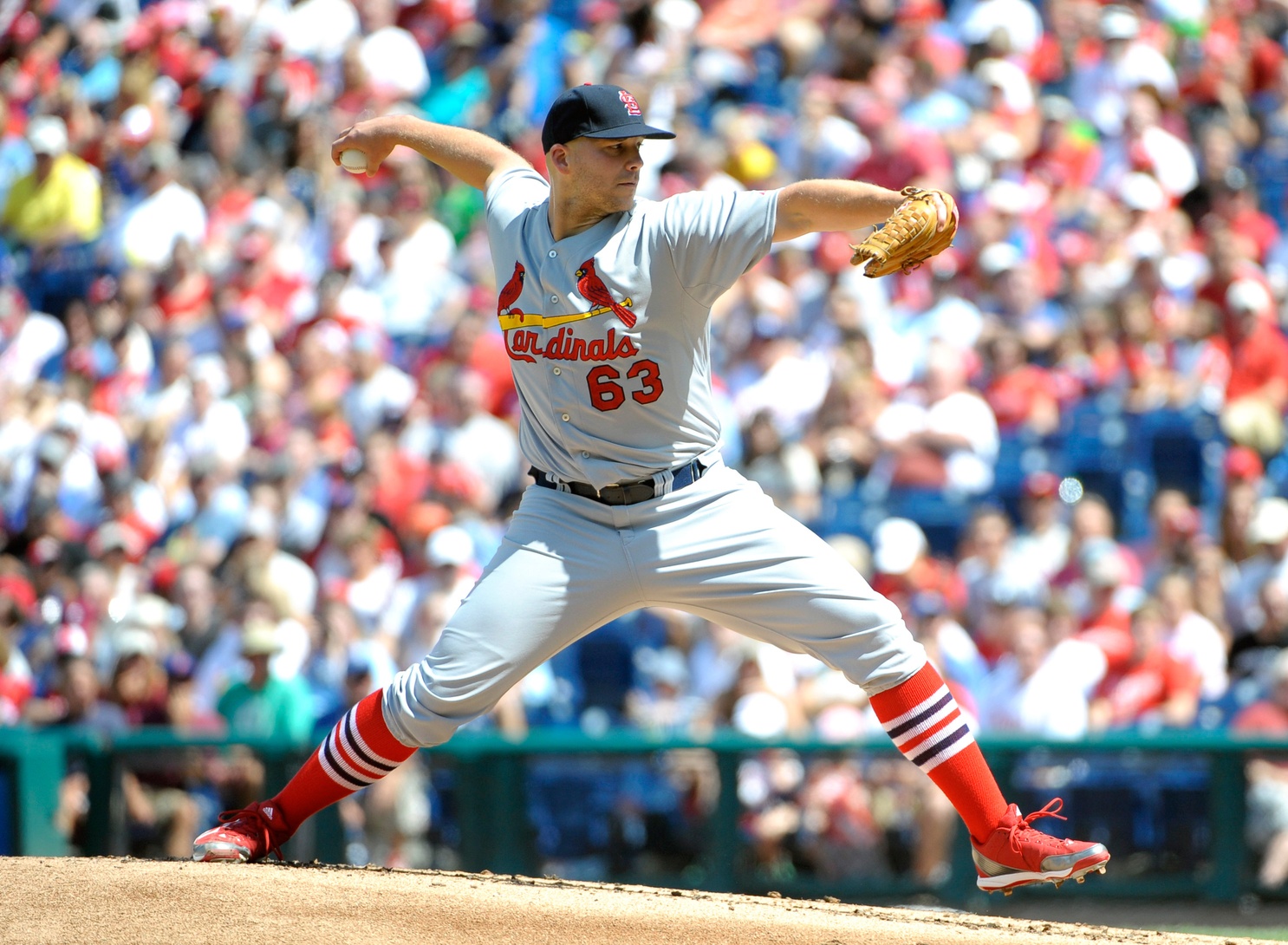 Masterson Is Just Another Nick Blackburn, Right? Twins fans probably think of the last few seasons of Nick Blackburn when they think of sinkerball pitchers. Or Carlos Silva. Or, more current, Kyle Gibson. That is not Justin Masterson. Masterson’s sinker is a sight to behold. When looking at the raw Pitch F/X numbers which tells you how much it moved vertically, you will find that he is in rarified company. Of all pitchers who amassed 20 starts in 2014, only Masterson’s sinker fell in the negative numbers in terms of inches dropped at -0.4. This is a number reserved for the submarining sidearmer relievers. On average, the league’s sinkerballers held a 4.3-inch vertical change. That seems impressive, right? For those of you who glazed over when all those meaningless numbers made an appearance: In layman’s terms, Masterson’s sinker shares similar downward movement usually reserved for curveballs only with fastball velocity. Still not convinced? Look at this example from Grantland posted earlier this year: http://giant.gfycat.com/AnimatedInsecureAustralianshelduck.gif What creates this action is both the grip and the delivery that differ from your standard sinkerball pitcher. Whereas most sinker pitchers use a two-seam fastball grip with a three-quarter arm slot delivery which generates more run than sink, Masterson’s grip is slightly different. “It’s nothing too extreme,” Masterson told MLB Network’s analyst and former pitcher Dan Plesac on the 30-for-30 program a few spring trainings ago. “I hold it on the ends [of my fingers] and kinda got my thumb on the side.” What it looks like is a modified version of the two-seamer only with added pressure on the sides from his thumb. The next factor related to the movement is the release. Compared to someone like Gibson (whose sinker has a career 5.9-inch vertical change), Masterson’s fingers are almost underneath the pitch at the release point -- not behind the ball and driving it towards the plate like Gibson: With this grip and release enhanced by the arm slot of a sidewinding slinger, it is easy to see why since 2009 Masterson has a 59% ground ball rate, a 7.8% swinging strike rate (compared to the league-average of 5.5% on the pitch), and a 43.6% in-play rate (the best among sinkerballers in that time). OK. Sure, yeah. But Masterson Was Terrible In 2014. Explain That, Nerd. Yes. Very much so. With a lower velocity and a greater amount of measurable movement in his sinker, hitters were not fooled by Masterson’s favorite pitch in 2014. “Sometimes you get a huge break [on the sinker] but it’s early and hitters can see that,” he said on MLB Network. “But sometimes it tightens up but it's that lateness and that’s what you really want to see.” Masterson’s sinker -- which had long been susceptible to left-handed bats -- was being splattered by right-handed ones as well. Heading into 2014, opponents had posted a line of .279/.357/.388 with a 59% ground ball rate while averaging a velocity of 91.7 but he was able to hump it up into the upper-90s over the five previous seasons. This last year his sinker was pounded to the tune of .333/.442/.525 but with an improved 64% ground ball rate as his velocity dipped to 88.7 and he was barely able to crest 94 at maximum speed. His command of the pitch disappeared. He was walking more with his sinker than he was striking out. In order to locate it better, Indians pitching coach Mickey Callaway said he tried to ease off the gas. "The problem," Callaway said told reporters in early April, "is what he was doing mechanically, and then trying to ease up and throw strikes with his two seamer, it kind of compounded everything and made it worse. He probably should've taken the other route, drive some four-seamers in there, something that doesn't move and work off that.” But later in April, following a few more starts, it became apparent that the velocity on the four-seamer that Callaway really wanted Masterson to mix in never arrived. In 2013, he threw 235 pitches 95 miles an hour or above. In 2014, he reached that plateau just once. “He can’t find that four-seam velocity that he had last year,” Callaway told the media at the end of that month. “I wouldn’t say he’s reinventing himself, he’s just playing the cards that he’s been dealt." As the season wore on, Masterson copped to an injury to his right knee that sidelined him for the bulk of June. Masterson later told people that the knee injury had affected his mechanics to the point of reducing his velocity and command. So What. When the Twins requested Masterson’s medical records, as sources claim, the primary focus could be on the health of his right knee. Following the season with the Cardinals, St. Louis’ general manager John Mozeliak said that Masterson told the team that he regretted not speaking out earlier about his ailments. Masterson’s knee injuries created issues with his mechanics, something the entire state of Missouri attempted to pinpoint on video. As Masterson told the Post-Dispatch there were various recommendations from all sources: he needed to refine his balance point, he needed to drive instead of drop, he needed to stay tall, he needed to keep his front knee closed and so on. All of these suggestions could conceivably help with his sinker command, but only one is aimed at regaining his velocity -- driving off that back leg. Consider these examples which are indicative of the larger collection of video on Masterson. In 2012 when facing the Detroit Tigers, Masterson demonstrates a great amount of exertion and torque off of his back leg when driving towards home plate. This helps generate the high 90s velocity: http://i.imgur.com/B8Fy1RT.gif Meanwhile while in his first start with St. Louis, Masterson merely falls forward off of his back leg. There is little drive or engagement from his back leg. http://i.imgur.com/ZG7A3tx.gif An MRI in September revealed impingement in his right shoulder, which was given a cortisone shot. This could be related to the mechanical flaw seen in the last video. Certainly this type of delivery would place added stress on his arm and shoulder. The question is, to what extent? Wrap This Up Please. We know what Masterson can be. He can be a quality starter who provides 200-ish innings with elite worm-burning skills and that could translate to approximately two wins above replacement (as he was in each season between 2010 and 2013). All of which is possible if he can curb the walks and regain his velocity. That appears contingent on his injuries. If it is just the knee -- and that heals this offseason -- there is no reason to think he cannot rebound to where he was prior to 2014. After all, he will be just 30 years old in 2015. On the other hand, if trying to pitch through a knee injury exacerbated his arm problems beyond what is known, there may be struggles ahead. Still, medical records should shed light on that and provide confidence one way or the other. After turning down a large multi-year contract from the Indians, reportedly seeking $17M per year, Masterson figures to be aiming for a make-good contract. Unless his medical records say otherwise, he should be able to make-good.
 -
Article: On Twins Pitching and Philosophy
Parker Hageman replied to Parker Hageman's topic in Twins Daily Front Page News
For starters, the chart you are showing is ALL pitches and not just fastballs. The reason his RAA is higher up in the zone is because -- dating back to 2009 -- he was susceptible allowing home runs on balls up in the zone (21 fastballs up/6 fastballs down). However, he was much better at getting outs on fastballs up (70.5% OUT%) compared to fastballs down (59.7% OUT%). In terms of his fastball, I will reiterate that he has performed very well: From 2009 on opponents hit .227 and struck out on 24% of their plate appearances while facing fastballs up in the zone against Baker. On the other hand, they batted .288 with strikeouts on 11% of their plate appearances on fastballs down. His success was found just below the letters.- 34 replies
-
- 2
-
-
- rick anderson
- tom brunansky
- (and 1 more)
-
Article: On Twins Pitching and Philosophy
Parker Hageman replied to Parker Hageman's topic in Twins Daily Front Page News
Yes, the common belief passed down is that low-and-away is the best fastball location, but it's not -- up-and-in is the best at creating outs: down/away: .254 avg/711 OPS -- 3.8% swinging strike up/in: .197 avg/658 OPS -- 8.9% swinging strike. The biggest difference is the tendency to allow home runs -- down/away: 0.6% vs up/in 2.4% -- which I think pitchers/coaches error far too cautious on. The problem with down/away is that that location diminishes Effective Velocity: "Escobar's stuff was about as good as it gets," he said. "But at the time I did the study, the league was hitting his fastball combo at a .369 clip. If movement is everything for a pitcher, this guy should have been a world-beater. But if movement is so important, why was he getting killed? "It turned out that he was throwing 97 down and away, which is about 92 EV. Then he throws the cutter to lefties at 92, and the sinker down and in, at about 91. He's throwing all his pitches within 2 or 3 mph of each other [in EV terms], and he's neutralizing all the effects. Even though the movement is there, it's killing him. Guys are getting ready for one pitch at one speed, and receiving two bonus pitches at the same speed. He was throwing pitches that moved right into hitters' bats, even if they were guessing wrong." Had Escobar reversed himself, he could have created a spread of up to 16 mph utilizing exactly the same pitches. Husband paused for a moment, and sighed. So, no, down and at the knees is not the optimal location for a fastball. Now just below that zone outside of the strike zone is a solid location: http://cdn0.vox-cdn.com/assets/4631875/EVchart.png It is good to hear that somewhere in the organization pitchers are working on going up in the zone.- 34 replies
-
- 5
-
-
- rick anderson
- tom brunansky
- (and 1 more)
-
Article: On Twins Pitching and Philosophy
Parker Hageman replied to Parker Hageman's topic in Twins Daily Front Page News
No, this was not meant to disparage Anderson. It was meant to highlight the mentality that the organization has for fastballs down in the zone. All of the things he listed are fine and are what made him a solid pitching coach. The difference is the game, in terms of fastballs and how offenses have developed, have changed.- 34 replies
-
- 1
-
-
- rick anderson
- tom brunansky
- (and 1 more)
-
The Minnesota Twins are starting to reassemble their coaching staff after blowing up the group after the 2014 season. At least one position was filled when the decision was made to retain hitting coach Tom Brunansky. Brunansky absorbs all of the data and analytics but has the ability to translate that into a practice his hitters can understand and take into a game. Now, hiring a pitching coach that would operate in the same guise as Brunansky would be ideal.Pitching has been a significant issue for the organization as the team floundered its way to four consecutive 90-loss seasons. Although replacement-level personnel has played a significant factor in the pitching results, the Twins have failed to adapt to the changes in the game around them. And part of that may be sourced back to former pitching coach Rick Anderson. In 2008, Anderson provided a scouting report of his young pitching staff that emphasized keeping the ball down in the zone. Specifically, for Kevin Slowey and Scott Baker, Anderson said keeping the fastball down was critical for success. In 2010, Anderson reiterated this belief. But Anderson was not alone in his assessment. On almost every broadcast, FSN and former pitcher Bert Blyleven would echo this as well. However, at least in Baker’s case, the inverse was actually true. From 2009 on, opponents hit .227 and struck out on 24% of their plate appearances while facing fastballs up in the zone against Baker. On the other hand, they batted .288 with strikeouts on 11% of their plate appearances on fastballs down. His success was found just below the letters. For Anderson and Blyleven, the mantra of shooting the knees and maintaining a downward plane may have been true during their era of pitching but the game has evolved beyond the notion that you have to live down in the zone with your fastball to survive. In fact, it is more detrimental if you do. While the rest of baseball was fawning over ground ball pitchers, the Oakland A’s ran the other direction and loaded their lineups with hitters who exhibit fly ball tendencies and uppercut swings -- a practice that would combat the downward action of sinkers and two-seam fastballs which live down in the zone. With that method, it is probably no surprise to learn that the A’s led baseball in hardest hit fastballs down in the zone (.212 hard-hit average) and put 26% in play as fly balls (well above the league average of 21%). Meanwhile, this uppercutting offense struggled to generate power on fastballs up in the zone, slugging just .293 -- the lowest in the American League. And it is not just Oakland that is having more success versus fastballs down in the zone compared to those left up. This past year the league batted .216/.331/.344 on fastballs above the waist while they managed a superior .283/.387/.409 on fastballs from mid-thigh and below. There are various reasons for this outcome. The first being a tenet of a Perry Husband’s theory of Effective Velocity. The reason why hitters often say a pitcher’s high fastball seemed to have more giddyup is because, as Husband’s research suggests, a hitter’s bat needs to travel further to make contact -- particularly up-and-in and middle-up above the strike zone. By locating a fastball properly, a pitcher’s heater can gain 1-to-5 miles an hour of Effective Velocity. While the majority of the baseball world was teaching downward plane, the UCLA Bruins found success in the NCAA by going up in the zone. Most notably, with current Cleveland Indians pitcher Trevor Bauer and then with Adam Plutko later in 2013. The Bruins pitchers aimed for what they call the “one spot” -- an elevated letter-high fastball out over the plate -- visiting that location in two-strike counts. "It’s why [former Mets starter] Sid Fernandez had success,” current Astros pitching coach Brett Strom told Husband. “Everybody wants a 6'5 guy, but hitters have been conditioned for ages for a ball to be in a certain spot, from a downward plane. Fernandez sat really deep on his back leg and had a low release point. Hitters couldn’t adjust." The second reason is the increase in the number of pitchers trained to work downhill. As a response, more hitters are conditioned to look for pitches down in the zone. For instance, Husband studied Mike Trout’s data closely and found that the superstar did not chase after fastballs up in the zone. It would appear that Trout, who can typically hit everything, at anytime and pitched anywhere, knew his limitations. Mariners pitcher Chris Young, a soft-tossing right-hander, told Fangraphs.com’s Enos Sarris the reason he works up in the zone more frequently despite the low velocity is because hitters have adapted to low fastballs. “You can look across the board and see that pitching up can be just as effective as pitching down, maybe moreso,” he said. “Hitting is cyclical. I’ve given up plenty of home runs on low balls. Hitters are very good low ball hitters now, too.” Like Young, Oakland’s closer Sean Doolittle adjusted his approach after video scouting revealed that opponents were jumping all over his fastball down in the zone. He ditched that for fastballs above the belt. "As long as most guys have been teaching pitching, you want to live at the knees and then maybe expand up with two strikes," Doolittle said. "But I've had more success throwing pitches up in the zone." The benefits of pitching down in the zone include a higher percentage of ground balls, but using a fastball up in the zone leads to more fly balls and infield pop-ups that are converted into outs more often than grounders. Are more home runs allowed on pitches up in the zone? Slightly. In 2014, 2.5% of all at-bats on fastballs up in the zone resulted in a home run compared to 2.0% of at-bats that resulted in a home run on pitches down in the zone. That said, hitters swing and miss on 11% of fastballs up in the zone while they do so on just 4% of fastballs down. Lower batting average, higher out-percentage and a better opportunity to miss bats certainly makes this an intriguing idea. Not every pitcher is designed to be a high-ball pitcher, to be sure. Pitchers like Kyle Gibson, who has a power sinker, is not likely to suddenly become a pitcher who targets the top of the strike zone. That said, pitching up in the zone shouldn’t be treated like a problem either, particularly while developing pitchers in the minor leagues. Heading into the 2014 season, Twins farm director Brad Steil made this statement regarding Trevor May: “For him to get better, it's going to be pitching down in the zone with his fastball. When he gets in trouble, he leaves the ball up above the belt. He's just got to make sure he's staying on top of the ball and pitching down in the zone. If he does that, he'll see results." Contrary to what Steil said, when May reached the major leagues he saw better results on his fastball when it was above the belt. Opponents hit .182 with 11/6 strikeouts/walks against his high fastball compared to a .313 average with a 7/9 strikeouts/walks when pitching the fastball down in the zone. Both are small sample sizes yet there may be something there. After all, Baker and Phil Hughes have had success while almost exclusively using high fastballs. If he is able to command it May might be better off using the upper reaches of the zone. To be clear, effective pitching is not just throwing fastballs up in the zone. It is proper sequencing, changing speed and locating pitches. Still, the game has shifted away from the idea that you have to throw fastballs down in the zone. The Twins have been criticized for not thinking differently and maintaining practices that have proven ineffective as the rest of the game has evolved around them. The new hire has the opportunity to make these philosophical and practical changes that can improve the team. Click here to view the article
- 34 replies
-
- 4
-
-
- rick anderson
- tom brunansky
- (and 1 more)
-
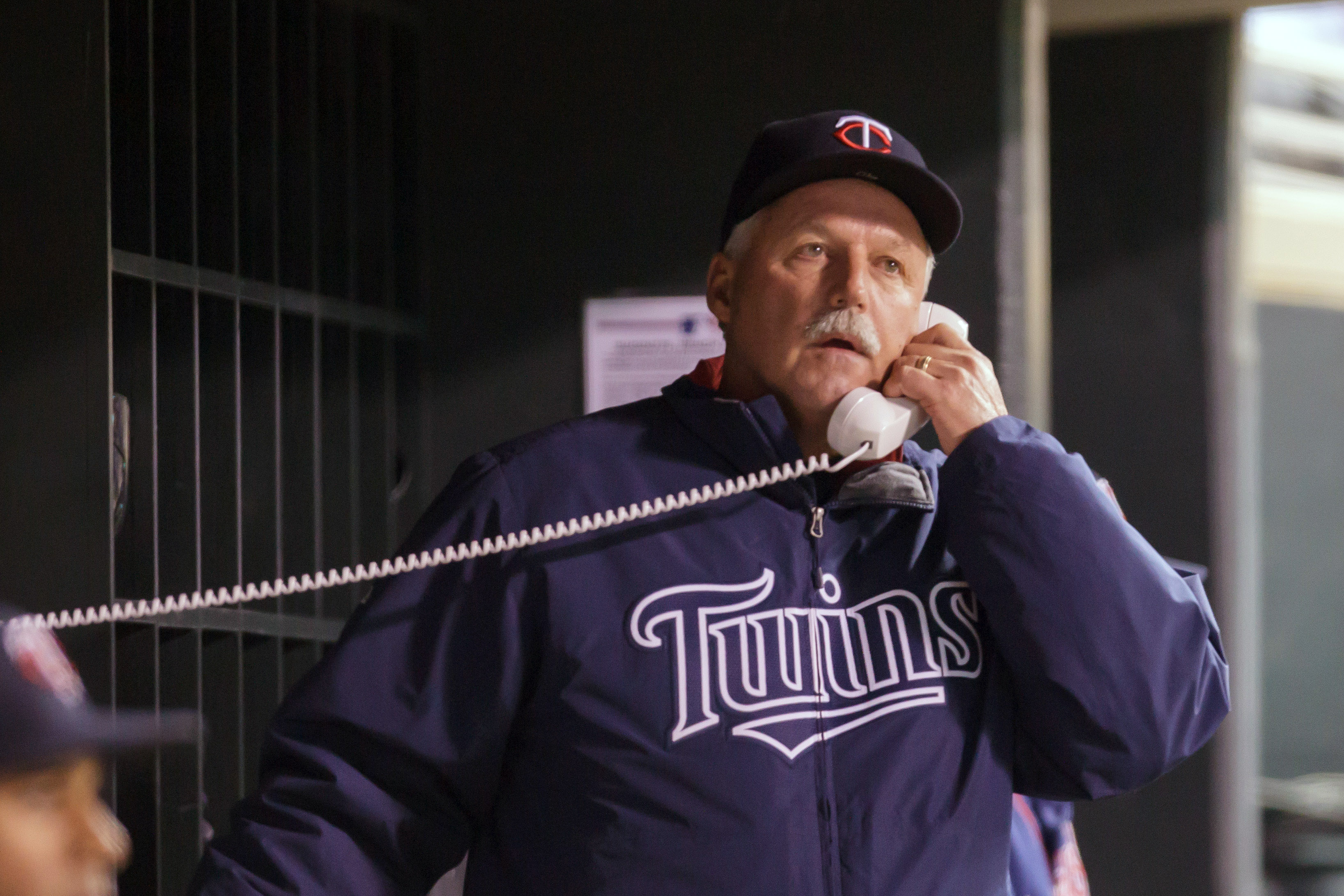 Pitching has been a significant issue for the organization as the team floundered its way to four consecutive 90-loss seasons. Although replacement-level personnel has played a significant factor in the pitching results, the Twins have failed to adapt to the changes in the game around them. And part of that may be sourced back to former pitching coach Rick Anderson. In 2008, Anderson provided a scouting report of his young pitching staff that emphasized keeping the ball down in the zone. Specifically, for Kevin Slowey and Scott Baker, Anderson said keeping the fastball down was critical for success. In 2010, Anderson reiterated this belief. But Anderson was not alone in his assessment. On almost every broadcast, FSN and former pitcher Bert Blyleven would echo this as well. However, at least in Baker’s case, the inverse was actually true. From 2009 on, opponents hit .227 and struck out on 24% of their plate appearances while facing fastballs up in the zone against Baker. On the other hand, they batted .288 with strikeouts on 11% of their plate appearances on fastballs down. His success was found just below the letters. For Anderson and Blyleven, the mantra of shooting the knees and maintaining a downward plane may have been true during their era of pitching but the game has evolved beyond the notion that you have to live down in the zone with your fastball to survive. In fact, it is more detrimental if you do. While the rest of baseball was fawning over ground ball pitchers, the Oakland A’s ran the other direction and loaded their lineups with hitters who exhibit fly ball tendencies and uppercut swings -- a practice that would combat the downward action of sinkers and two-seam fastballs which live down in the zone. With that method, it is probably no surprise to learn that the A’s led baseball in hardest hit fastballs down in the zone (.212 hard-hit average) and put 26% in play as fly balls (well above the league average of 21%). Meanwhile, this uppercutting offense struggled to generate power on fastballs up in the zone, slugging just .293 -- the lowest in the American League. And it is not just Oakland that is having more success versus fastballs down in the zone compared to those left up. This past year the league batted .216/.331/.344 on fastballs above the waist while they managed a superior .283/.387/.409 on fastballs from mid-thigh and below. There are various reasons for this outcome. The first being a tenet of a Perry Husband’s theory of Effective Velocity. The reason why hitters often say a pitcher’s high fastball seemed to have more giddyup is because, as Husband’s research suggests, a hitter’s bat needs to travel further to make contact -- particularly up-and-in and middle-up above the strike zone. By locating a fastball properly, a pitcher’s heater can gain 1-to-5 miles an hour of Effective Velocity. While the majority of the baseball world was teaching downward plane, the UCLA Bruins found success in the NCAA by going up in the zone. Most notably, with current Cleveland Indians pitcher Trevor Bauer and then with Adam Plutko later in 2013. The Bruins pitchers aimed for what they call the “one spot” -- an elevated letter-high fastball out over the plate -- visiting that location in two-strike counts. "It’s why [former Mets starter] Sid Fernandez had success,” current Astros pitching coach Brett Strom told Husband. “Everybody wants a 6'5 guy, but hitters have been conditioned for ages for a ball to be in a certain spot, from a downward plane. Fernandez sat really deep on his back leg and had a low release point. Hitters couldn’t adjust." The second reason is the increase in the number of pitchers trained to work downhill. As a response, more hitters are conditioned to look for pitches down in the zone. For instance, Husband studied Mike Trout’s data closely and found that the superstar did not chase after fastballs up in the zone. It would appear that Trout, who can typically hit everything, at anytime and pitched anywhere, knew his limitations. Mariners pitcher Chris Young, a soft-tossing right-hander, told Fangraphs.com’s Enos Sarris the reason he works up in the zone more frequently despite the low velocity is because hitters have adapted to low fastballs. “You can look across the board and see that pitching up can be just as effective as pitching down, maybe moreso,” he said. “Hitting is cyclical. I’ve given up plenty of home runs on low balls. Hitters are very good low ball hitters now, too.” Like Young, Oakland’s closer Sean Doolittle adjusted his approach after video scouting revealed that opponents were jumping all over his fastball down in the zone. He ditched that for fastballs above the belt. "As long as most guys have been teaching pitching, you want to live at the knees and then maybe expand up with two strikes," Doolittle said. "But I've had more success throwing pitches up in the zone." The benefits of pitching down in the zone include a higher percentage of ground balls, but using a fastball up in the zone leads to more fly balls and infield pop-ups that are converted into outs more often than grounders. Are more home runs allowed on pitches up in the zone? Slightly. In 2014, 2.5% of all at-bats on fastballs up in the zone resulted in a home run compared to 2.0% of at-bats that resulted in a home run on pitches down in the zone. That said, hitters swing and miss on 11% of fastballs up in the zone while they do so on just 4% of fastballs down. Lower batting average, higher out-percentage and a better opportunity to miss bats certainly makes this an intriguing idea. Not every pitcher is designed to be a high-ball pitcher, to be sure. Pitchers like Kyle Gibson, who has a power sinker, is not likely to suddenly become a pitcher who targets the top of the strike zone. That said, pitching up in the zone shouldn’t be treated like a problem either, particularly while developing pitchers in the minor leagues. Heading into the 2014 season, Twins farm director Brad Steil made this statement regarding Trevor May: “For him to get better, it's going to be pitching down in the zone with his fastball. When he gets in trouble, he leaves the ball up above the belt. He's just got to make sure he's staying on top of the ball and pitching down in the zone. If he does that, he'll see results." Contrary to what Steil said, when May reached the major leagues he saw better results on his fastball when it was above the belt. Opponents hit .182 with 11/6 strikeouts/walks against his high fastball compared to a .313 average with a 7/9 strikeouts/walks when pitching the fastball down in the zone. Both are small sample sizes yet there may be something there. After all, Baker and Phil Hughes have had success while almost exclusively using high fastballs. If he is able to command it May might be better off using the upper reaches of the zone. To be clear, effective pitching is not just throwing fastballs up in the zone. It is proper sequencing, changing speed and locating pitches. Still, the game has shifted away from the idea that you have to throw fastballs down in the zone. The Twins have been criticized for not thinking differently and maintaining practices that have proven ineffective as the rest of the game has evolved around them. The new hire has the opportunity to make these philosophical and practical changes that can improve the team.
 -
On this week's No Juice Podcast, Dan Anderson and Parker Hageman discuss Parker's findings from his research on Brian Dozier's ability to swipe bases. Is it possible with help from MLB's StatCast system, sliding could wind up being the next pitch framing stat? Listen below.Other topics include apologizing for technical difficulties, reminiscing about NFL Blitz, thoughts on and Mallrats. Listen below, on iTunes or on Stitcher: NO JUICE PODCAST, EPISODE #29: RUN DOZIER RUN Be sure to watch our latest video promo, : Click here to view the article


