



Seth Stohs
-
Posts
25,912 -
Joined
-
Last visited
-
Days Won
109
Content Type
Profiles
News
Minnesota Twins Videos
2026 Minnesota Twins Top Prospects Ranking
2022 Minnesota Twins Draft Picks
Minnesota Twins Free Agent & Trade Rumors, Notes, & Tidbits
Guides & Resources
2023 Minnesota Twins Draft Picks
The Minnesota Twins Players Project
2024 Minnesota Twins Draft Picks
2025 Minnesota Twins Draft Pick Tracker
2026 Minnesota Twins Draft Tracker: Picks & Bonuses
Forums
Blogs
Events
Store
Downloads
Gallery
Everything posted by Seth Stohs
-
The Minnesota Twins announced on Monday that they have claimed infielder Ehire Adrianza from the Milwaukee Brewers. To make room on the 40-man roster, hard-throwing right-hander Pat Light was designated for assignment. Image courtesy of Richard Mackson, USA Today The Minnesota Twins announced on Monday that they have claimed infielder Ehire Adrianza from the Milwaukee Brewers. To make room on the 40-man roster, hard-throwing right-hander Pat Light was designated for assignment. Ehire Adrianza has spent parts of each of the past four seasons with San Francisco Giants. He was DFAd by the Giants late last month when the Giants signed Nick Hundley. The Brewers claimed him but then put him back on the DFA roller coaster. The Twins claimed him. He hasn't hit much in the big leagues, .220 over 154 games and 331 plate appearances. He primarily played shortstop and second base, but he also played a little at the corner infield spots. The 27-year-old could compete for the 25th man on the 40-man roster, or the Twins could keep the roller coaster going. Pat Light was acquired by the Twins at the July trade deadline last year for LHP Fernando Abad. View full article
-
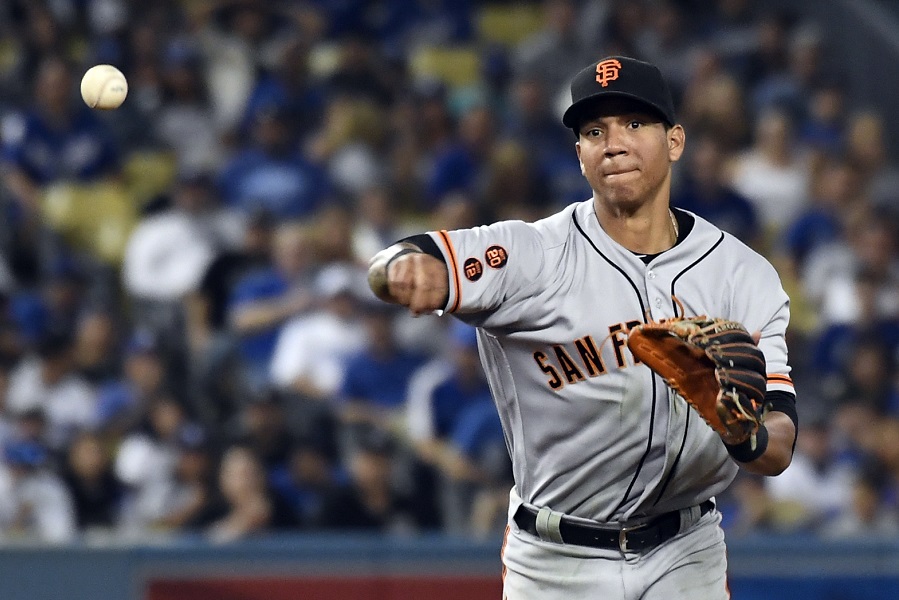 Ehire Adrianza has spent parts of each of the past four seasons with San Francisco Giants. He was DFAd by the Giants late last month when the Giants signed Nick Hundley. The Brewers claimed him but then put him back on the DFA roller coaster. The Twins claimed him. He hasn't hit much in the big leagues, .220 over 154 games and 331 plate appearances. He primarily played shortstop and second base, but he also played a little at the corner infield spots. The 27-year-old could compete for the 25th man on the 40-man roster, or the Twins could keep the roller coaster going. Pat Light was acquired by the Twins at the July trade deadline last year for LHP Fernando Abad.
 -
Draft Preview: Greene Hits 100
Seth Stohs replied to Jeremy Nygaard's topic in Twins Daily Front Page News
Like I tweeted yesterday, I'm ready for the Twins to take Hunter Greene right now and get started... I can't wait to see his athleticism and arm take over and just see what he can become.- 53 replies
-
- 9
-

-
- hunter greene
- royce lewis
- (and 3 more)
-
2017 Twins Off-Season top 60 Prospect List: 16-20
Seth Stohs commented on Thrylos's blog entry in Thrylos' Blog - select Tenth Inning Stretch posts
Agree on Melotakis... I like O'Rourke a lot, but I think Melotakis and Rogers can be long-term Twins bullpen guys. O'Rourke can pitch in the big leagues for a long time too. Minier... hasn't played anywhere but first base for two years, and his best position is probably DH. He's no longer in my Top 50, but he does have some power. Too early to give up on his bat though. Same thing with Stewart... way too early to give up on him... though I ranked him low at 13 too. -
Twins Super (Bowl) Predictions
Seth Stohs replied to Seth Stohs's topic in Twins Daily Front Page News
Tyler Wells with the exact prediction.... And Ryan O'Rourke was pretty much right too... -
I would agree that it's not automatic that he's the backup catcher... His defense is actually very good.
-
I'd have no problem with Navarreto repeating... I think Murray needs to stay in Ft. Myers to start the season. Murray needs time behind the plate. He's got a lot of work to do. He's improved quite a bit already, but he still has a long way to go. Navarreto is advanced defensively, but he definitely could use more at bats.
- 32 replies
-
- 1
-
-
- jason castro
- mitch garver
- (and 3 more)
-
I don't know enough about the Reds catching situation to know if he could be their backup or if he could be their third catcher. If he came back, he would likely go back to Chattanooga. I also don't think the Twins would be against bringing him back, though I'm guessing they're developing some reports on lots of Reds prospects too.
-
Teams DFA and claim players all of the time. I don't think that a team is a fraud if someone claims a player another team DFAs. If that were the case, the Twins, Brewers and Orioles are all frauds for DFAing Adam Brett Walker. Also yesterday, a Rays beat reporter tweeted that he thinks they will claim him. I wouldn't have DFAd Park, but it's not the end of the world.
-
The Twins used their 35th-round pick last June to select left-handed reliever Austin Tribby out of the University of Missouri. He threw 31.2 innings over 16 appearances for Elizabethton. He went 5-0 and struck out 30 batters. The Springfield native went 10-0 with a 0.55 ERA during his senior season, and he also hit .340. Today, we get to know him a little more. Image courtesy of David McQueen (photo of Austin Tribby) The Twins used their 35th-round pick last June to select left-handed reliever Austin Tribby out of the University of Missouri. He threw 31.2 innings over 16 appearances for Elizabethton. He went 5-0 and struck out 30 batters. The Springfield native went 10-0 with a 0.55 ERA during his senior season, and he also hit .340. Today, we get to know him a little more. Recently Twins Daily caught up with the southpaw to discuss his baseball career and much more. Seth Stohs (SS): Growing up in Springfield, Missouri, who was your favorite team to follow? Who were some of your favorite players? Austin Tribby (AT): Growing up, I was always a Cardinals fan. But, I started to follow the Royals too because they are from Missouri. I have had the opportunity to pitch at both stadiums in college. So that was a pretty cool experience. Some of my favorite players Chris Carpenter, Adam Wainwright and Greg Maddux.SS: What were some of the better memories of your high school baseball career? Did you play other sports or were you involved in other activities? AT: We made it to state my junior year, which was a great experience. I played football for three years until I signed with Mizzou, then I decided to just focus on baseball.SS: What was the recruitment process like for you out of high school, and what was it about Missouri that made you want to pitch there? AT: Recruitment was pretty slow because I was a late bloomer. But, it picked up after I had already committed to Mizzou. Growing up, I always wanted to play baseball at the Division 1 level. When I got the opportunity, I ran with it. I took a visit to Mizzou with my parents and sat down with the pitching coach Matt Hobbs. He basically said that the best players will play, and that they would love to have me play there. I think it was no more than a week later, I committed.SS: What was the experience for your at Missouri? What were some of your highlights and favorite moments in your years there? AT: I had a great experience. The bond that I made with my teammates will last forever. I made some of my best friends at Mizzou, and I will never forget that. Some of the highlights will always be playing at packed stadiums like LSU, Texas A&M, Arkansas, and Ole Miss. The atmosphere is incredible.SS: Did you have the chance to speak with many scouts before the draft? Where did you think that you might be drafted? What was your interaction with Twins scouts before the draft? AT: I talked to quite a few scouts, but I knew that being a senior meant that I just had to wait and see what happens. I actually had not talked in person to the Twins area scout, but filled out questionnaires for him. Again, being a senior it was a toss up. I'm very grateful that I got the opportunity.SS: When you did hear your name in the 35th round, where were you? What was your reaction and the reaction of those close to you? AT: I had just finished a very stressful round of golf with a couple of my good friends and my dad, we were listening to the draft and had just gotten back in our cars and my advisor sent me a text and it said "Twins" that's it. About two minutes later the Twins scout calls me and tells me they're going to draft me. It was the best day of my life. Playing baseball all your life, this is what you dream about. So one of my dreams came true. It was really special to have my Dad there with me.SS: What has the adjustment like for you, from the amateur/college game to the professional game, both on and off the field? AT: I tried to not think of it as an adjustment. I tried to think about it like, the game hasn't changed, it is still the game I've been playing my whole life. So I think that helped me keep it in perspective. But, getting to hear the National Anthem on the foul line, playing professional baseball always gives me chills. Every game.SS: What was your experience in Elizabethton, playing in the Appy League? AT: I had a great experience for my first year of pro ball, I had great roommates: Shane Carrier and Caleb Hamilton, and our host family was amazing as well. Growing up being a Cardinals and Royals fan, and getting to pitch against both teams was great.SS: What pitches do you throw, and what would you consider your out pitch? AT: I throw a 2 and a 4 seam fastball, a changeup and a curveball. I would say my curveball is my best pitch.SS: At this very early stage in your career, what would you say are your biggest strengths? AT: My biggest strengths, in my opinion, are my work ethic, and knowledge of the game.SS: What are the areas of your game that you have been working on improving in the offseason and going forward? AT: This off-season I coached a 16-17-year-old baseball team, and it showed me a different side of the game. It showed me how I needed to slow the game down and not let things get out of control. I have been working on the physical side as well as the mental side. Trying to put myself in the best shape possible for season.SS: Did you go back to school in the offseason? What is your major in school? AT: While at Mizzou, I graduated with a bachelor’s degree in Health Science.SS: What are some of the things you enjoy doing away from the game of baseball? AT: I love to fish, golf, hunt, go hiking, and hangout with my friends and family.SS: Who are some of the people who have helped you get to this point in your career? AT: My mom and dad are my biggest supporters, they've always been there for me and been my biggest fans. Also all the coaches that I have had along the road who have given me the knowledge that I have today. My teammates who pushed me to be the best I could be, I wouldn't trade my teammates for the world. I couldn't be more thankful for the people I have in my life supporting me on and off the field.SS: Favorite baseball movie? AT: Easily, Bull Durham.Thank you very much to lefty Austin Tribby for taking time to respond to our questions. Feel free to leave comments or ask questions below. View full article
-
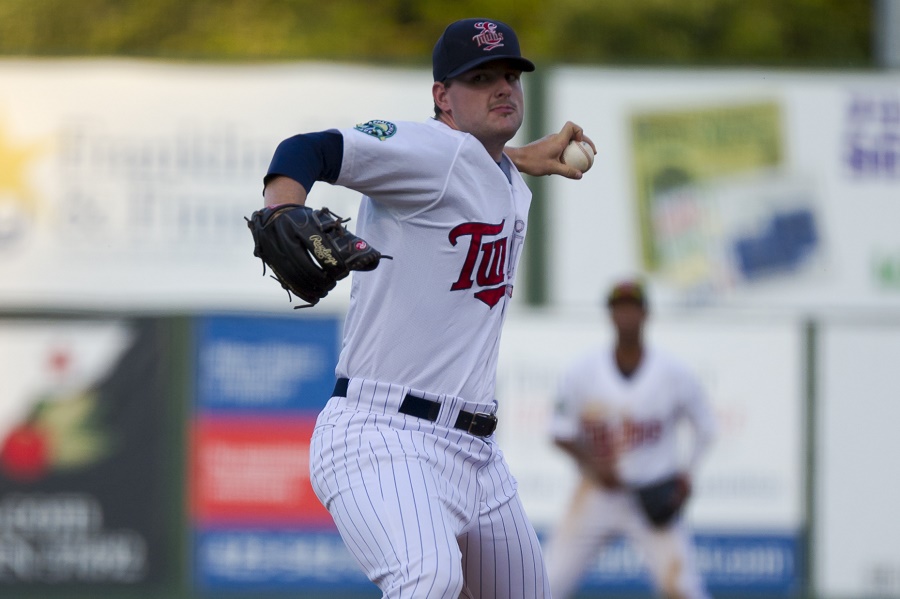 Recently Twins Daily caught up with the southpaw to discuss his baseball career and much more. Seth Stohs (SS): Growing up in Springfield, Missouri, who was your favorite team to follow? Who were some of your favorite players? Austin Tribby (AT): Growing up, I was always a Cardinals fan. But, I started to follow the Royals too because they are from Missouri. I have had the opportunity to pitch at both stadiums in college. So that was a pretty cool experience. Some of my favorite players Chris Carpenter, Adam Wainwright and Greg Maddux. SS: What were some of the better memories of your high school baseball career? Did you play other sports or were you involved in other activities? AT: We made it to state my junior year, which was a great experience. I played football for three years until I signed with Mizzou, then I decided to just focus on baseball. SS: What was the recruitment process like for you out of high school, and what was it about Missouri that made you want to pitch there? AT: Recruitment was pretty slow because I was a late bloomer. But, it picked up after I had already committed to Mizzou. Growing up, I always wanted to play baseball at the Division 1 level. When I got the opportunity, I ran with it. I took a visit to Mizzou with my parents and sat down with the pitching coach Matt Hobbs. He basically said that the best players will play, and that they would love to have me play there. I think it was no more than a week later, I committed. SS: What was the experience for your at Missouri? What were some of your highlights and favorite moments in your years there? AT: I had a great experience. The bond that I made with my teammates will last forever. I made some of my best friends at Mizzou, and I will never forget that. Some of the highlights will always be playing at packed stadiums like LSU, Texas A&M, Arkansas, and Ole Miss. The atmosphere is incredible. SS: Did you have the chance to speak with many scouts before the draft? Where did you think that you might be drafted? What was your interaction with Twins scouts before the draft? AT: I talked to quite a few scouts, but I knew that being a senior meant that I just had to wait and see what happens. I actually had not talked in person to the Twins area scout, but filled out questionnaires for him. Again, being a senior it was a toss up. I'm very grateful that I got the opportunity. SS: When you did hear your name in the 35th round, where were you? What was your reaction and the reaction of those close to you? AT: I had just finished a very stressful round of golf with a couple of my good friends and my dad, we were listening to the draft and had just gotten back in our cars and my advisor sent me a text and it said "Twins" that's it. About two minutes later the Twins scout calls me and tells me they're going to draft me. It was the best day of my life. Playing baseball all your life, this is what you dream about. So one of my dreams came true. It was really special to have my Dad there with me. SS: What has the adjustment like for you, from the amateur/college game to the professional game, both on and off the field? AT: I tried to not think of it as an adjustment. I tried to think about it like, the game hasn't changed, it is still the game I've been playing my whole life. So I think that helped me keep it in perspective. But, getting to hear the National Anthem on the foul line, playing professional baseball always gives me chills. Every game. SS: What was your experience in Elizabethton, playing in the Appy League? AT: I had a great experience for my first year of pro ball, I had great roommates: Shane Carrier and Caleb Hamilton, and our host family was amazing as well. Growing up being a Cardinals and Royals fan, and getting to pitch against both teams was great. SS: What pitches do you throw, and what would you consider your out pitch? AT: I throw a 2 and a 4 seam fastball, a changeup and a curveball. I would say my curveball is my best pitch. SS: At this very early stage in your career, what would you say are your biggest strengths? AT: My biggest strengths, in my opinion, are my work ethic, and knowledge of the game. SS: What are the areas of your game that you have been working on improving in the offseason and going forward? AT: This off-season I coached a 16-17-year-old baseball team, and it showed me a different side of the game. It showed me how I needed to slow the game down and not let things get out of control. I have been working on the physical side as well as the mental side. Trying to put myself in the best shape possible for season. SS: Did you go back to school in the offseason? What is your major in school? AT: While at Mizzou, I graduated with a bachelor’s degree in Health Science. SS: What are some of the things you enjoy doing away from the game of baseball? AT: I love to fish, golf, hunt, go hiking, and hangout with my friends and family. SS: Who are some of the people who have helped you get to this point in your career? AT: My mom and dad are my biggest supporters, they've always been there for me and been my biggest fans. Also all the coaches that I have had along the road who have given me the knowledge that I have today. My teammates who pushed me to be the best I could be, I wouldn't trade my teammates for the world. I couldn't be more thankful for the people I have in my life supporting me on and off the field. SS: Favorite baseball movie? AT: Easily, Bull Durham. Thank you very much to lefty Austin Tribby for taking time to respond to our questions. Feel free to leave comments or ask questions below.
 -
Twins Super (Bowl) Predictions
Seth Stohs replied to Seth Stohs's topic in Twins Daily Front Page News
Vote here: -
Twins Super (Bowl) Predictions
Seth Stohs replied to Seth Stohs's topic in Twins Daily Front Page News
I guess we'll find out. Maybe it's wishful thinking... -
He could... but he's more likely a post-spring training release... or a sit-in-Ft. Myers waiting for an injury candidate.
-
According to the below article, former Twins minor league catcher Jairo Rodriguez was expected to fly to the Dominican Republic this weekend to begin his coaching career in the DSL. However, that will be delayed. Last night in his hometown, he was attacked and shot in the stomach. According to google's translation of the article, he had surgery and appears to be in stable condition. I'm not sure if we'll hear more details or when, but obviously keep him in your thoughts. http://www.elemergente.com/2017/02/hieren-de-un-balazo-en-el-estomago.html?utm_source=dlvr.it&utm_medium=twitter
-
Apparently there is a big football game on Sunday in Houston. The Super Bowl will pit the Atlanta Falcons against the New England Patriots. That has nothing to do with the Twins, or really even with baseball, but like a million-billion people are going to watch it. They watch it for the football, or for the commercials, or maybe even just for the halftime show. But everyone has an opinion. So, I reached out to a ton of current, former and future Minnesota Twins players to get their thoughts on the big game. Apparently there is a big football game on Sunday in Houston. The Super Bowl will pit the Atlanta Falcons against the New England Patriots. That has nothing to do with the Twins, or really even with baseball, but like a million-billion people are going to watch it. They watch it for the football, or for the commercials, or maybe even just for the halftime show. But everyone has an opinion. So, I reached out to a ton of current, former and future Minnesota Twins players to get their thoughts on the big game. This page will be updated frequently throughout the day, right up until the start of the Super Bowl. Below you will find the picks of over 70 Twins-related people. Be sure to post your predictions in the comments below. Let's get to the picks: Seth Stohs - Twins Daily Falcons 37, Patriots 20 This is a tough one. First, I will always root for whoever Tom Brady and the Patriots are playing… But, I also would love to see Roger Goodell have to hand over the Lombardi Trophy to Robert Kraft and Tom Brady. But I also think that the Falcons offense will dominate a lot. Jeremy Nygaard - Twins Daily Falcons 28, Patriots 20. Eric Pleiss - Twins Daily Falcons 27, Pats 24 Juan Gamez - GCL pitcher and 2016 draft pick Patriots are winning it 24-21! Tom Brady is by far the greatest player in NFL history! Zack Granite - Chattanooga outfielder, Twins Minor League Player of the Year The final score will be 31-26 Patriots. As good as Atlanta’s offense is I think the Patriots slow them down. My MVP is LaGarrette Blount as he rushes for 146 yards and 3 touchdowns. Book it Lean Marrero - GCL Twins outfield prospect, 2015 draft pick 33-20 Patriots, Brady 320 yards, 3TD Casey Scoggins - Kernels outfielder and 2016 draft pick I'm tired of New England winning, and I'm not a fan of them even though Brady and his squad are solid. I think Matt Ryan and Atlanta have something special this year. So I'm going to say: 35-28 Atlanta wins on a late score in the 4th. Aaron Whitefield - GCL Twins prospect from Australia I'm going Patriots, cause Brady is a stud but low scoring game! 20-7. Travis Blankenhorn - Kernels 2B prospect and 2015 draft pick I'm going to have to go with 28-24 Patriots. Trey Cabbage - Elizabethton 3B prospect and 2015 draft pick I'm rooting for the Falcons, but I think Tom and the Pats will pull it out. 31-23 Pats. Ryan Walker - Lookouts infield prospect ATL 38 NE 23. Hank Morrison - Elizabethton outfielder and 2016 draft pick I am a Steelers fan so I definitely want the Patriots to lose. I think the Patriots will lose, but I think it will be very close 24-17 Falcons! Justin Hazard - GCL Twins catcher and 2016 signee. My predictions for this Super Bowl is Falcons win 24-20. They just have too many weapons on offense and look for Sanu to have a big game with a lot of attention being paid to Julio Jones. Brandon Lopez - Kernels shortstop prospect and 2016 draft pick My prediction is 24-17. Pats take it home! Tyler Wells - Elizabethton RHP prospect and 2016 draft pick I predict that the Patriots will win by a score of 34-28 Kevin Garcia - Kernels and Miracle catching prospect I got the Patriots! It's hard to beat tom Brady although Matt Ryan will put up a fight I still believe the Patriots will come on top. DJ Baxendale - Red Wings RHP prospect My prediction for this years’ Super Bowl is the same prediction as the beginning of the NFL season. Sir Thomas Brady will lead the New England Patriots to another Super Bowl victory! David Hurlbut - Red Wings LHP prospect I have the Patriots over the Falcons 24-21. Tom Brady will seal the deal. But it will be a dogfight with Matt Ryan leading the Falcons. Randy LeBlanc - Miracle RHP prospect 31-27 Pats. Who dat! Daniel Kihle - Miracle outfield prospect and 2015 draft pick I think it's going to be a shootout with the two quarterbacks. My guess is a lot of action with the Falcons winning it late in the 4th quarter. 35-31 Falcons. Alex Kirilloff - Elizabethton outfield prospect and 2016 first-round pick 28-21 Falcons. Tom Hackimer - Kernels RH RP prospect and 2016 draft pick I've got Patriots 42, Falcons 27. Logan Darnell - free agent LHP, spent years with the Twins O'Rourke is going to hate me for this. Falcons 30 - Pats 21. Zack Jones - Lookouts RH RP prospect I want the Falcons to win, but I have the Patriots winning 31-23. Kolton Kendrick - GCL Twins 1B prospect and 2015 draft pick It's really a hard question because I want the Falcons to win, and it's going to be a great game. But I see the Patriots winning 31-24 and the Falcons jumping up early in the game. Pat Light - Twins RH RP prospect Patriots 37 Falcons 21 … Never bet against Tom Brady. Patrick McGuff - Elizabethton Twins RH RP prospect, 2016 draft pick Patriots, It would feel wrong to pick against the greatest quarterback to ever play the game. Shane Carrier - Elizabethton outfield prospect, 2016 draft pick I've got Atlanta 27, New England 24. Ryan O’Rourke - Twins Left-handed relief pitcher Pats 34, Falcons - thanks for coming. Keaton Steele - Miracle RHP prospect Brady is 4-0 all-time against Atlanta. With that being said, all streaks must come to an end just like the Cubs this past year. I've got Atlanta by a field goal. Zach Strecker - GCL Twins RH RP prospect, 2016 signee I'm hoping the Falcons win like 50-0, but I don't see that happening. But, more like a 34-31 Falcons instead is more realistic. Jake Reed - Red Wings RH RP prospect I got the Falcons! Tight end Levine Toilolo went to the same high school as I did and it would be great to see him win a championship. Travis Harrison - Lookouts Outfield Prospect Patriots 31, Falcons 28. Jeff Manship - Former Twins pitcher, recently signed to play in Korea I'm predicting the Falcons because they are such a high powered offense. Plus, I really want them to win because I like Matt Ryan and I'm sick of the Patriots always being in the Super Bowl. Hector Lujan - Elizabethton RH RP prospect and 2015 draft pick I'm taking the Patriots winning by a score of 24-17. Luke Bard - Lookouts RH RP prospect 31-27 Pats. Can't bet against Tommy. Sean Miller - Miracle infield prospect, 2015 draft pick Can't go against Tom Brady. I think it'll be a good game, but I'm taking the Patriots! Mitchell Kranson - Elizabethton C/3B prospect, 2016 draft pick I have the Patriots winning 35-30. Tyler Benninghoff - Twins RHP prospect, 2016 draft pick I got the Pats winning 31-17! Stephen Gonsalves - Lookouts LHP prospect, Twins Minor League Pitcher of the Year Atlanta 28-24. Matty Iceis going to take care of business. Anthony Slama - former Twins pitcher, Slama Time! Patriots 31-24. Ryan throws one interception, Brady throws one interception. New England will win coin toss and defer. Cody Stashak - Miracle RHP prospect I'm going to have to go with Atlanta over New England, 34-31. Callan Pearce - South African, GCL Twins RH RP prospect I'm not too clued up on the points system, but I'll have the Patriots winning 34-24. Cory Provus - Twins Radio Voice 34-24 Falcons. Austin Malinowski - Minnesotan and former LHP in Twins system Patriots by 14. Tom Brady Super Bowl MVP! Brice Zimmerman - The Voice of Miracle baseball 38-31 Falcons. #RiseUp!!!!! Dallas Gallant - Former Twins RH RP prospect Patriots win 27-20. Matt Fiedler - Minnesotan, former Gopher, Big 10 MVP, Cardinals 2016 draft pick I got the Pats winning 21-17! Alex Wimmers - Twins RH RP prospect, debuted in 2016 I'm rocking with the Patriots. I can't go against Tom Brady in Super Bowls. Even though he went to Michigan... He just plays well in big games and the Atlanta defense won't know how to stop them. The Patriots will shut down Julio and the Falcons won't make the right adjustments in which they need to. I got Patriots 31, Falcons 17 with Matt Ryan throwing a Pick-6 at the end of the game when they are trying to mount a game-tying drive at the end of the game. LaTroy Hawkins - former Twins pitcher, spent 21 years in MLB, Twins Special Assistant to Baseball Operations I'm rooting for Brady and the Pats, 27-21. Can't wait for the Commissioner to hand that trophy to Brady/Kraft. Ryan Mason - Elizabethton RHP prospect, 2016 draft pick My prediction for Sunday's Super Bowl: Patriots 27-24 over the Falcons. Go Brady! Josh Rabe - former Twins outfielder, current head coach and Quincy University Patriots 34, Atlanta 31 -- Brady and Bill will find a way. Terry Doyle - former Twins Rule 5 pick I think the Patriots win a close one. 27-24 is my guess. Dan Osterbrock - former Twins LHP prospect Patriots 31, Falcons 24. Tom Brady is the MVP and secretly spits in his hand before shaking Roger Goodell's hand (just like we used to do in Little League after a loss). Steve Blevins - former Twins RH RP prospect 31-28 Patriots. Chris Colabello - former Twins DH, recently signed with Cleveland I'm not a big prediction guy because I think the team that scores the most points will end up winning... haha (that's why they play the game) With all the bias in the world, as a Pats fan… Pats 37-21 with a garbage time TD by Atlanta. But, I actually hope it's close because Super Bowls are way better when they're down to the wire. Matt Albanese - Twins outfield prospect, 2016 draft pick Pats got it ..... Bill and Tom are winners. Todd Van Steensel - Australian, Twin RH RP prospect I reckon Patriots will win 34-17. Ethan Mildren - former Twins RHP prospect I'd like to see the Patriots lose for my beating my Steelers, but I think they are going to win 24-17. Steve Singleton - former Twins 2B prospect, currently Miracle hitting coach Atlanta 35-31. Sean Johnson - Twins Direction of Scouting I'll go 35-31 Patriots. Hard to not bet on Brady. Atlanta puts up some points but won't quite get it done. Tim Shibuya - former Twins RHP prospect Patriots win 24-17. Brian Dinkelman - former Twins 2B/OF, current Kernels hitting coach I'm going Patriots 27-23 . Late TD by Pats wins it. Austin Tribby - Elizabethton LH RP prospect, 2016 draft pick I think the Patriots will win... Tom Brady is the GOAT, and unfortunately I don't think it will be a close game. I'm calling 42-20. Dalton Hicks - Lookouts 1B prospect I think my man Tom is going to have a good day. They are going to win 24-17 ! Go Dolphins! AJ Pettersen - former Twins infield prospect, current head coach Chanhassen HS I'll take Patriots 28-17! Jake Proctor - former Twins OF prospect Pats have been there-done that far too many times. Falcons come out hot with an early lead, but Tom leads a late comeback to remind people. He's the GOAT. Patriots 31, Falcons 28. Isaiah Aluko - GCL Twins outfield prospect, 2016 signee Yes, I am. My prediction is that the Falcons will win 27-24 on a last minute field goal. #Riseup Jacque Jones - former Twins outfielder, current Nationals assistant hitting coach Don't really care who wins. Just wanna see an exciting game. Tyler Beardsley - Kernels RHP prospect, 2016 draft pick Patriots 34-31. Chris Mazza - former Twins RHP prospect, currently in Marlins system Falcons 36-27, and Jones will have over 150 yards receiving and 2 TDs. Griffin Jax - Twins RHP prospect, 2016 draft pick I really do not care who wins. I just love watching football and am excited for a good game! John Curtiss - Miracle RH RP prospect I think the Patriots are gonna win! I like Brady a lot, respect that guy. AJ Achter - former Twins pitcher, currently with the Detroit Tigers I'll go Pats 28-24. As much as I dislike them because I'm a Bills fan, I can't go against Brady, the best QB of all-time, and I believe he will get his 5th ring. Niko Goodrum - Lookouts IF/OF prospect Of course I'm riding with my home team. Falcons all day, every day! Trey Vavra - Miracle 1B prospect They destroyed the Packers... my heart is broke. Go Falcons! 27-23. Austin Diemer - Miracle OF prospect 31-28 Patriots... going to be a competitive game but Brady won't let his boys lose! Logan Lombana - Miracle RH RP prospect Pats 34-31! Trevor Plouffe - former Twins 3B, recently signed with the Oakland A's Patriots 38-35 Dave St. Peter - Minnesota Twins President New England 30, Atlanta 27 (Overtime) Robby Incmikoski - former FSN reporter, now at Root Sports in Pittsburgh Matt Ryan and Julio Jones are playing in their own world right now and everyone else is just a spectator, and it's fun to watch! But here's the rub: I have a REALLY hard time betting against Tom Brady and Bill Belichick. I predict a high-scoring, entertaining game.....and a 34-31 Patriots win! Trevor Hildenberger - Lookouts RH RP prospect (two-time Twins Daily Minor League Relief Pitcher of the Year) I think the Pats win by a touchdown or 2. When you give Belichick time to prepare, it helps the Patriots take away what the other team does best. I think the Pats slow down the Falcons enough to win Tommy Watkins - former Twins player, current Kernels manager Patriots 24-21. Will Hurt - former Twins infield prospect Patriots! Michael Theofanopoulos - Miracle LH RP prospect I have Falcons 34, Patriots 28. LaMonte Wade - Miracle outfield prospect Pats 28 Falcons 21. This page will continue to be updated until the Super Bowl starts late Sunday afternoon. As of right now, here is how our picks are leaning. Patriots 59, Falcons 25 View full article
- 52 replies
-
- 2
-
-
- jeff manship
- stephen gonsalves
- (and 3 more)
-
 This page will be updated frequently throughout the day, right up until the start of the Super Bowl. Below you will find the picks of over 70 Twins-related people. Be sure to post your predictions in the comments below. Let's get to the picks: Seth Stohs - Twins Daily Falcons 37, Patriots 20 This is a tough one. First, I will always root for whoever Tom Brady and the Patriots are playing… But, I also would love to see Roger Goodell have to hand over the Lombardi Trophy to Robert Kraft and Tom Brady. But I also think that the Falcons offense will dominate a lot. Jeremy Nygaard - Twins Daily Falcons 28, Patriots 20. Eric Pleiss - Twins Daily Falcons 27, Pats 24 Juan Gamez - GCL pitcher and 2016 draft pick Patriots are winning it 24-21! Tom Brady is by far the greatest player in NFL history! Zack Granite - Chattanooga outfielder, Twins Minor League Player of the Year The final score will be 31-26 Patriots. As good as Atlanta’s offense is I think the Patriots slow them down. My MVP is LaGarrette Blount as he rushes for 146 yards and 3 touchdowns. Book it Lean Marrero - GCL Twins outfield prospect, 2015 draft pick 33-20 Patriots, Brady 320 yards, 3TD Casey Scoggins - Kernels outfielder and 2016 draft pick I'm tired of New England winning, and I'm not a fan of them even though Brady and his squad are solid. I think Matt Ryan and Atlanta have something special this year. So I'm going to say: 35-28 Atlanta wins on a late score in the 4th. Aaron Whitefield - GCL Twins prospect from Australia I'm going Patriots, cause Brady is a stud but low scoring game! 20-7. Travis Blankenhorn - Kernels 2B prospect and 2015 draft pick I'm going to have to go with 28-24 Patriots. Trey Cabbage - Elizabethton 3B prospect and 2015 draft pick I'm rooting for the Falcons, but I think Tom and the Pats will pull it out. 31-23 Pats. Ryan Walker - Lookouts infield prospect ATL 38 NE 23. Hank Morrison - Elizabethton outfielder and 2016 draft pick I am a Steelers fan so I definitely want the Patriots to lose. I think the Patriots will lose, but I think it will be very close 24-17 Falcons! Justin Hazard - GCL Twins catcher and 2016 signee. My predictions for this Super Bowl is Falcons win 24-20. They just have too many weapons on offense and look for Sanu to have a big game with a lot of attention being paid to Julio Jones. Brandon Lopez - Kernels shortstop prospect and 2016 draft pick My prediction is 24-17. Pats take it home! Tyler Wells - Elizabethton RHP prospect and 2016 draft pick I predict that the Patriots will win by a score of 34-28 Kevin Garcia - Kernels and Miracle catching prospect I got the Patriots! It's hard to beat tom Brady although Matt Ryan will put up a fight I still believe the Patriots will come on top. DJ Baxendale - Red Wings RHP prospect My prediction for this years’ Super Bowl is the same prediction as the beginning of the NFL season. Sir Thomas Brady will lead the New England Patriots to another Super Bowl victory! David Hurlbut - Red Wings LHP prospect I have the Patriots over the Falcons 24-21. Tom Brady will seal the deal. But it will be a dogfight with Matt Ryan leading the Falcons. Randy LeBlanc - Miracle RHP prospect 31-27 Pats. Who dat! Daniel Kihle - Miracle outfield prospect and 2015 draft pick I think it's going to be a shootout with the two quarterbacks. My guess is a lot of action with the Falcons winning it late in the 4th quarter. 35-31 Falcons. Alex Kirilloff - Elizabethton outfield prospect and 2016 first-round pick 28-21 Falcons. Tom Hackimer - Kernels RH RP prospect and 2016 draft pick I've got Patriots 42, Falcons 27. Logan Darnell - free agent LHP, spent years with the Twins O'Rourke is going to hate me for this. Falcons 30 - Pats 21. Zack Jones - Lookouts RH RP prospect I want the Falcons to win, but I have the Patriots winning 31-23. Kolton Kendrick - GCL Twins 1B prospect and 2015 draft pick It's really a hard question because I want the Falcons to win, and it's going to be a great game. But I see the Patriots winning 31-24 and the Falcons jumping up early in the game. Pat Light - Twins RH RP prospect Patriots 37 Falcons 21 … Never bet against Tom Brady. Patrick McGuff - Elizabethton Twins RH RP prospect, 2016 draft pick Patriots, It would feel wrong to pick against the greatest quarterback to ever play the game. Shane Carrier - Elizabethton outfield prospect, 2016 draft pick I've got Atlanta 27, New England 24. Ryan O’Rourke - Twins Left-handed relief pitcher Pats 34, Falcons - thanks for coming. Keaton Steele - Miracle RHP prospect Brady is 4-0 all-time against Atlanta. With that being said, all streaks must come to an end just like the Cubs this past year. I've got Atlanta by a field goal. Zach Strecker - GCL Twins RH RP prospect, 2016 signee I'm hoping the Falcons win like 50-0, but I don't see that happening. But, more like a 34-31 Falcons instead is more realistic. Jake Reed - Red Wings RH RP prospect I got the Falcons! Tight end Levine Toilolo went to the same high school as I did and it would be great to see him win a championship. Travis Harrison - Lookouts Outfield Prospect Patriots 31, Falcons 28. Jeff Manship - Former Twins pitcher, recently signed to play in Korea I'm predicting the Falcons because they are such a high powered offense. Plus, I really want them to win because I like Matt Ryan and I'm sick of the Patriots always being in the Super Bowl. Hector Lujan - Elizabethton RH RP prospect and 2015 draft pick I'm taking the Patriots winning by a score of 24-17. Luke Bard - Lookouts RH RP prospect 31-27 Pats. Can't bet against Tommy. Sean Miller - Miracle infield prospect, 2015 draft pick Can't go against Tom Brady. I think it'll be a good game, but I'm taking the Patriots! Mitchell Kranson - Elizabethton C/3B prospect, 2016 draft pick I have the Patriots winning 35-30. Tyler Benninghoff - Twins RHP prospect, 2016 draft pick I got the Pats winning 31-17! Stephen Gonsalves - Lookouts LHP prospect, Twins Minor League Pitcher of the Year Atlanta 28-24. Matty Iceis going to take care of business. Anthony Slama - former Twins pitcher, Slama Time! Patriots 31-24. Ryan throws one interception, Brady throws one interception. New England will win coin toss and defer. Cody Stashak - Miracle RHP prospect I'm going to have to go with Atlanta over New England, 34-31. Callan Pearce - South African, GCL Twins RH RP prospect I'm not too clued up on the points system, but I'll have the Patriots winning 34-24. Cory Provus - Twins Radio Voice 34-24 Falcons. Austin Malinowski - Minnesotan and former LHP in Twins system Patriots by 14. Tom Brady Super Bowl MVP! Brice Zimmerman - The Voice of Miracle baseball 38-31 Falcons. #RiseUp!!!!! Dallas Gallant - Former Twins RH RP prospect Patriots win 27-20. Matt Fiedler - Minnesotan, former Gopher, Big 10 MVP, Cardinals 2016 draft pick I got the Pats winning 21-17! Alex Wimmers - Twins RH RP prospect, debuted in 2016 I'm rocking with the Patriots. I can't go against Tom Brady in Super Bowls. Even though he went to Michigan... He just plays well in big games and the Atlanta defense won't know how to stop them. The Patriots will shut down Julio and the Falcons won't make the right adjustments in which they need to. I got Patriots 31, Falcons 17 with Matt Ryan throwing a Pick-6 at the end of the game when they are trying to mount a game-tying drive at the end of the game. LaTroy Hawkins - former Twins pitcher, spent 21 years in MLB, Twins Special Assistant to Baseball Operations I'm rooting for Brady and the Pats, 27-21. Can't wait for the Commissioner to hand that trophy to Brady/Kraft. Ryan Mason - Elizabethton RHP prospect, 2016 draft pick My prediction for Sunday's Super Bowl: Patriots 27-24 over the Falcons. Go Brady! Josh Rabe - former Twins outfielder, current head coach and Quincy University Patriots 34, Atlanta 31 -- Brady and Bill will find a way. Terry Doyle - former Twins Rule 5 pick I think the Patriots win a close one. 27-24 is my guess. Dan Osterbrock - former Twins LHP prospect Patriots 31, Falcons 24. Tom Brady is the MVP and secretly spits in his hand before shaking Roger Goodell's hand (just like we used to do in Little League after a loss). Steve Blevins - former Twins RH RP prospect 31-28 Patriots. Chris Colabello - former Twins DH, recently signed with Cleveland I'm not a big prediction guy because I think the team that scores the most points will end up winning... haha (that's why they play the game) With all the bias in the world, as a Pats fan… Pats 37-21 with a garbage time TD by Atlanta. But, I actually hope it's close because Super Bowls are way better when they're down to the wire. Matt Albanese - Twins outfield prospect, 2016 draft pick Pats got it ..... Bill and Tom are winners. Todd Van Steensel - Australian, Twin RH RP prospect I reckon Patriots will win 34-17. Ethan Mildren - former Twins RHP prospect I'd like to see the Patriots lose for my beating my Steelers, but I think they are going to win 24-17. Steve Singleton - former Twins 2B prospect, currently Miracle hitting coach Atlanta 35-31. Sean Johnson - Twins Direction of Scouting I'll go 35-31 Patriots. Hard to not bet on Brady. Atlanta puts up some points but won't quite get it done. Tim Shibuya - former Twins RHP prospect Patriots win 24-17. Brian Dinkelman - former Twins 2B/OF, current Kernels hitting coach I'm going Patriots 27-23 . Late TD by Pats wins it. Austin Tribby - Elizabethton LH RP prospect, 2016 draft pick I think the Patriots will win... Tom Brady is the GOAT, and unfortunately I don't think it will be a close game. I'm calling 42-20. Dalton Hicks - Lookouts 1B prospect I think my man Tom is going to have a good day. They are going to win 24-17 ! Go Dolphins! AJ Pettersen - former Twins infield prospect, current head coach Chanhassen HS I'll take Patriots 28-17! Jake Proctor - former Twins OF prospect Pats have been there-done that far too many times. Falcons come out hot with an early lead, but Tom leads a late comeback to remind people. He's the GOAT. Patriots 31, Falcons 28. Isaiah Aluko - GCL Twins outfield prospect, 2016 signee Yes, I am. My prediction is that the Falcons will win 27-24 on a last minute field goal. #Riseup Jacque Jones - former Twins outfielder, current Nationals assistant hitting coach Don't really care who wins. Just wanna see an exciting game. Tyler Beardsley - Kernels RHP prospect, 2016 draft pick Patriots 34-31. Chris Mazza - former Twins RHP prospect, currently in Marlins system Falcons 36-27, and Jones will have over 150 yards receiving and 2 TDs. Griffin Jax - Twins RHP prospect, 2016 draft pick I really do not care who wins. I just love watching football and am excited for a good game! John Curtiss - Miracle RH RP prospect I think the Patriots are gonna win! I like Brady a lot, respect that guy. AJ Achter - former Twins pitcher, currently with the Detroit Tigers I'll go Pats 28-24. As much as I dislike them because I'm a Bills fan, I can't go against Brady, the best QB of all-time, and I believe he will get his 5th ring. Niko Goodrum - Lookouts IF/OF prospect Of course I'm riding with my home team. Falcons all day, every day! Trey Vavra - Miracle 1B prospect They destroyed the Packers... my heart is broke. Go Falcons! 27-23. Austin Diemer - Miracle OF prospect 31-28 Patriots... going to be a competitive game but Brady won't let his boys lose! Logan Lombana - Miracle RH RP prospect Pats 34-31! Trevor Plouffe - former Twins 3B, recently signed with the Oakland A's Patriots 38-35 Dave St. Peter - Minnesota Twins President New England 30, Atlanta 27 (Overtime) Robby Incmikoski - former FSN reporter, now at Root Sports in Pittsburgh Matt Ryan and Julio Jones are playing in their own world right now and everyone else is just a spectator, and it's fun to watch! But here's the rub: I have a REALLY hard time betting against Tom Brady and Bill Belichick. I predict a high-scoring, entertaining game.....and a 34-31 Patriots win! Trevor Hildenberger - Lookouts RH RP prospect (two-time Twins Daily Minor League Relief Pitcher of the Year) I think the Pats win by a touchdown or 2. When you give Belichick time to prepare, it helps the Patriots take away what the other team does best. I think the Pats slow down the Falcons enough to win Tommy Watkins - former Twins player, current Kernels manager Patriots 24-21. Will Hurt - former Twins infield prospect Patriots! Michael Theofanopoulos - Miracle LH RP prospect I have Falcons 34, Patriots 28. LaMonte Wade - Miracle outfield prospect Pats 28 Falcons 21. This page will continue to be updated until the Super Bowl starts late Sunday afternoon. As of right now, here is how our picks are leaning. Patriots 59, Falcons 25
 -
We've heard it before, but it's always fun to read from a national perspective. Eddie Rosario is playing for Puerto Rico in the Caribbean Series (as is Dereck Rodriguez)... Jesse Sanchez from MLB.com caught up with him and Thad Levine. There are some great quotes in the article including: Check out the article... http://m.twins.mlb.com/news/article/215143306/twins-eddie-rosario-gearing-up-for-2017-season/
-
I know this could fit under the forum thread for the Matt Belisle signing, but I thought it might be big enough of a topic for it's own. To make room on the 40-man roster for Belisle, the Twins DFAd Byungho Park. Signed just over a year ago after putting up video-game numbers the last 4-5 years in Korea, Park's 2016 showed some promise, he hit a bunch of home runs, but he struck out even more and he got hurt. I am a bit surprised, but when you consider the free agent market for power hitters this offseason, it's likely he clears waivers and the Twins can outright him to AAA. Of course, he may be willing to work out a buy out and return to Korea as well. This may also open up the possibility of the Twins signing a DH, like Napoli, etc. I personally have mixed thoughts on this. I would have liked to see what he could do if healthy. Maybe it wouldn't have been great and this would have been the result later, but we shall see.
-
Well, I think pretty much everyone would say that Garver has a better bat than Murphy (Though again, Murphy is better than what he showed in 2016). Defensively, I think that Murphy is likely a bit better, but Garver has improved so much defensively that most think he can be a bit above average.
- 32 replies
-
- 1
-
-
- jason castro
- mitch garver
- (and 3 more)
-
' I'm a big believer in Garver, offensively and now defensively. But there's a reason Murphy was highly thought of. He's had 2-3 solid MLB seasons backing up Brian McCann. Murphy is almost a year younger. Garver has two months in Rochester. One was terrific. One wasn't. I don't think another month or two would be bad for him. But I think he's ready.
- 32 replies
-
- 4
-
-
- jason castro
- mitch garver
- (and 3 more)
-
Today I’ll start a series in which I am going to try to (somewhat) predict which players will start the season at which levels, which affiliates. It’s a fun exercise to try to predict. I’m going to include everyone who is currently in the organization. As you know, the unfortunate side of the business is that some players will not be in the organization following spring training. Hopefully this series will spur some interesting discussion. We’ll start today behind the plate. Kurt Suzuki has been the Twins primary catcher the last three seasons. He left via free agency and recently signed with the Atlanta Braves. The Twins looked to free agency this offseason for a replacement and signed one early. Jason Castro received at three year, $24.5 million contract, primarily for his pitch framing abilities. Image courtesy of David Richard, USA Today Today I’ll start a series in which I am going to try to (somewhat) predict which players will start the season at which levels, which affiliates. It’s a fun exercise to try to predict. I’m going to include everyone who is currently in the organization. As you know, the unfortunate side of the business is that some players will not be in the organization following spring training. Hopefully this series will spur some interesting discussion. We’ll start today behind the plate. Kurt Suzuki has been the Twins primary catcher the last three seasons. He left via free agency and recently signed with the Atlanta Braves. The Twins looked to free agency this offseason for a replacement and signed one early. Jason Castro received at three year, $24.5 million contract, primarily for his pitch framing abilities. However, who will be the backup to Castro, and how will the rest of the catchers fit into the rest of the organization? Let's walk through the catchers throughout the Minnesota Twins organization. Minnesota Twins - Jason Castro (29), John Ryan Murphy (25) No, aside from spring training injury, there is no way that Jason Castro isn’t the team’s primary catcher coming out of spring training. So really it’s all about who the backup will be to start the season. I think going into spring training, there are three guys on pretty equal footing. John Ryan Murphy got the job last year but really struggled in the season’s first month. He spent most of the rest of the season in Rochester. He was very good defensively, but the offense never came on for more than a couple of weeks at a time. He’s still just 25. He has one option remaining. Mitch Garver was just added to the Twins 40-man roster (so he’s got three options left). He was drafted and immediately started hitting. However, over the last three seasons, he has developed into a very solid defensive backstop. He’s got a strong arm and his pitch framing numbers are acceptable and improving. Chris Gimenez was brought in recently on a minor league deal, which puts him a little bit behind the eight-ball. He’s a veteran who has been around a long time. He’s definitely a backup type. Also, he’s played for Cleveland and Texas in recent years so Derek Falvey and Thad Levine are very familiar with him. Which of the three will be the backup? Rochester Red Wings - Mitch Garver (26), Chris Gimenez (34), Eddy Rodriguez (31) Well, the other two will be at Rochester. If Garver is in Rochester, he will continue to get the majority of time behind the plate but will also get to DH and play first base. Murphy would catch at least 50% of the time if he’s there. Gimenez would likely have the same role in Rochester as he would have in the big leagues, backup catcher. Eddy Rodriguez has been around a long time. The 31-year-old was born in Cuba, came to the States and played in high school and college in Miami. He’s played in AAA each year since 2011, and he even played in two games for the Padres in 2012. Chattanooga Lookouts - Brian Navarreto (22), Dan Rohlfing (27) Rohlfing spent the first eight seasons of his pro career in the Twins system including spending the entire 2014 season in Rochester. He left and had spent the last two seasons playing in the Mets and Diamondbacks systems. The 27-year-old may find himself splitting time between AA and AAA. Navarreto remains a big prospect behind the plate. That’s mostly because he is a big man. Unfortunately to this point his bat hasn’t been big. But I maintain hope that it will improve at some point, at least enough to be a quality backup backstop. Defensively, Navarreto fits into the elite category. He has a huge arm and does very well behind the plate. Ft. Myers Miracle - AJ Murray (23), Kevin Garcia (24), Brian Olson (24) Murray was a Midwest League All-Star in 2016. Right after the game (in which he homered), he was promoted to the Miracle (and homered in his first game). He’s got work to do defensively, and after hitting well in Cedar Rapids, he struggled with the Miracle. Kevin Garcia came to the Twins as a free agent before the 2016 season. He moved back and forth between Ft. Myers and Cedar Rapids. He is solid with the glove and a good leader for a pitching staff. He caught every game for the Kernels once the playoffs started. Brian Olson played in the GCL, Cedar Rapids, Ft. Myers and even a game in Rochester. He’s got some bat and puts together quality plate appearances. He’s solid defensively and could likely ride the same roller coaster in 2017. Cedar Rapids Kernels - Ben Rortvedt (19), Rainis Silva (20), Bryant Hayman (24) Rortvedt was the Twins second-round pick in 2016 out of high school in Wisconsin. While it’s possible he could start the season in extended spring training, he will be the primary catcher wherever he is. He’s got plenty of room for improvement across the board, but he’s got the tools to develop into a very good player. Bryant Hayman began the 2016 season in Cedar Rapids but really struggled and went back down to extended spring training where he got hurt while at Elizabethton. Rainis Silva is a solid defensive catcher. He hasn’t hit, and he’s still young. He spent the second half of the 2016 season with the Kernels. Mitch Kranson played a lot of third base in college, but he went to Instructs to catch, and that's where he would like to play going forward. So expect him to do a lot of catching. Extended Spring Training - Justin Hazard (23), Dominic Blanco (21), Robert Molina (19), Jhon Alvarez (19), Kerby Camacho (19), Kidany Salva (18) Blanco was released by the Mariners midseason last year and the Twins quickly signed him. He got into a handful of games in the GCL, and he should bump up to E-Town this year. Robert Molina can catch but he struggled with the bat at E-Town last year. He’ll likely head back there. Jhon Alvarez is young and debuted in the States in 2016. He is likely to repeat the level. Kidany Salva was drafted last year. A Puerto Rico native, he moved to Texas for his senior year in high school. While he is very young and will head back to the GCL, he has some potential to be good both offensively and defensively. The Top Prospects 1.) Mitch Garver, 2.) Ben Rortvedt, 3.) Brian Navarreto, 4.) Kidany Salva, 5.) AJ Murray So what do you think? Who will start the season as Jason Castro’s backup? Which prospects are you most excited about in 2017? Please feel free to discuss and ask questions in the Comments below. View full article
-
2017 Minnesota Twins Roster Projections - The Catchers
Seth Stohs posted an article in Minor Leagues
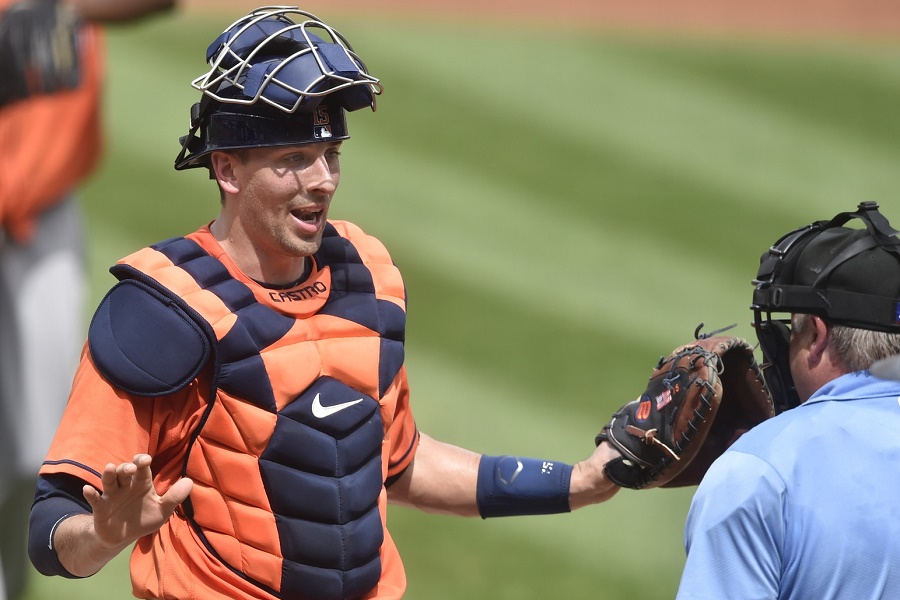 However, who will be the backup to Castro, and how will the rest of the catchers fit into the rest of the organization? Let's walk through the catchers throughout the Minnesota Twins organization. Minnesota Twins - Jason Castro (29), John Ryan Murphy (25) No, aside from spring training injury, there is no way that Jason Castro isn’t the team’s primary catcher coming out of spring training. So really it’s all about who the backup will be to start the season. I think going into spring training, there are three guys on pretty equal footing. John Ryan Murphy got the job last year but really struggled in the season’s first month. He spent most of the rest of the season in Rochester. He was very good defensively, but the offense never came on for more than a couple of weeks at a time. He’s still just 25. He has one option remaining. Mitch Garver was just added to the Twins 40-man roster (so he’s got three options left). He was drafted and immediately started hitting. However, over the last three seasons, he has developed into a very solid defensive backstop. He’s got a strong arm and his pitch framing numbers are acceptable and improving. Chris Gimenez was brought in recently on a minor league deal, which puts him a little bit behind the eight-ball. He’s a veteran who has been around a long time. He’s definitely a backup type. Also, he’s played for Cleveland and Texas in recent years so Derek Falvey and Thad Levine are very familiar with him. Which of the three will be the backup? Rochester Red Wings - Mitch Garver (26), Chris Gimenez (34), Eddy Rodriguez (31) Well, the other two will be at Rochester. If Garver is in Rochester, he will continue to get the majority of time behind the plate but will also get to DH and play first base. Murphy would catch at least 50% of the time if he’s there. Gimenez would likely have the same role in Rochester as he would have in the big leagues, backup catcher. Eddy Rodriguez has been around a long time. The 31-year-old was born in Cuba, came to the States and played in high school and college in Miami. He’s played in AAA each year since 2011, and he even played in two games for the Padres in 2012. Chattanooga Lookouts - Brian Navarreto (22), Dan Rohlfing (27) Rohlfing spent the first eight seasons of his pro career in the Twins system including spending the entire 2014 season in Rochester. He left and had spent the last two seasons playing in the Mets and Diamondbacks systems. The 27-year-old may find himself splitting time between AA and AAA. Navarreto remains a big prospect behind the plate. That’s mostly because he is a big man. Unfortunately to this point his bat hasn’t been big. But I maintain hope that it will improve at some point, at least enough to be a quality backup backstop. Defensively, Navarreto fits into the elite category. He has a huge arm and does very well behind the plate. Ft. Myers Miracle - AJ Murray (23), Kevin Garcia (24), Brian Olson (24) Murray was a Midwest League All-Star in 2016. Right after the game (in which he homered), he was promoted to the Miracle (and homered in his first game). He’s got work to do defensively, and after hitting well in Cedar Rapids, he struggled with the Miracle. Kevin Garcia came to the Twins as a free agent before the 2016 season. He moved back and forth between Ft. Myers and Cedar Rapids. He is solid with the glove and a good leader for a pitching staff. He caught every game for the Kernels once the playoffs started. Brian Olson played in the GCL, Cedar Rapids, Ft. Myers and even a game in Rochester. He’s got some bat and puts together quality plate appearances. He’s solid defensively and could likely ride the same roller coaster in 2017. Cedar Rapids Kernels - Ben Rortvedt (19), Rainis Silva (20), Bryant Hayman (24) Rortvedt was the Twins second-round pick in 2016 out of high school in Wisconsin. While it’s possible he could start the season in extended spring training, he will be the primary catcher wherever he is. He’s got plenty of room for improvement across the board, but he’s got the tools to develop into a very good player. Bryant Hayman began the 2016 season in Cedar Rapids but really struggled and went back down to extended spring training where he got hurt while at Elizabethton. Rainis Silva is a solid defensive catcher. He hasn’t hit, and he’s still young. He spent the second half of the 2016 season with the Kernels. Mitch Kranson played a lot of third base in college, but he went to Instructs to catch, and that's where he would like to play going forward. So expect him to do a lot of catching. Extended Spring Training - Justin Hazard (23), Dominic Blanco (21), Robert Molina (19), Jhon Alvarez (19), Kerby Camacho (19), Kidany Salva (18) Blanco was released by the Mariners midseason last year and the Twins quickly signed him. He got into a handful of games in the GCL, and he should bump up to E-Town this year. Robert Molina can catch but he struggled with the bat at E-Town last year. He’ll likely head back there. Jhon Alvarez is young and debuted in the States in 2016. He is likely to repeat the level. Kidany Salva was drafted last year. A Puerto Rico native, he moved to Texas for his senior year in high school. While he is very young and will head back to the GCL, he has some potential to be good both offensively and defensively. The Top Prospects 1.) Mitch Garver, 2.) Ben Rortvedt, 3.) Brian Navarreto, 4.) Kidany Salva, 5.) AJ Murray So what do you think? Who will start the season as Jason Castro’s backup? Which prospects are you most excited about in 2017? Please feel free to discuss and ask questions in the Comments below.
 -
Twins To Sign RH RP Matt Belisle
Seth Stohs replied to Seth Stohs's topic in Twins Daily Front Page News
There are so many similarities between this signing and Brandon Kintzler last year. The difference, of course, is that Belisle got an MLB deal. Like Kintzler, Belisle missed time the previous year due to leg injuries. Their previous couple of years were very solid. Stuff profiles similarly. Hopefully he's as good in 2017 and Kintzler was in 2016. Hopefully Kintzler is as good in 2017 as he was in 2016. If so, they could be dealt in June/July, and then Reed, Hildenberger and Reed may be ready to go! -
A report from Fan Rag's Jon Heyman (which has been verified by others now) says that the Minnesota Twins have signed veteran reliever Matt Belisle to a one-year contract. The 36-year-old right-hander spent 2016 with the Washington Nationals where he posted an impressive 1.87 ERA over 40 games. In 46 innings, he struck out 32 and walked just seven. (More information to come as we gather details) Image courtesy of Mark J. Rebilas, USA Today A report from Fan Rag's Jon Heyman (which has been verified by others now) says that the Minnesota Twins have signed veteran reliever Matt Belisle to a one-year contract. The 36-year-old right-hander spent 2016 with the Washington Nationals where he posted an impressive 1.87 ERA over 40 games. In 46 innings, he struck out 32 and walked just seven. (More information to come as we gather details) Belisle posted a 2.67 ERA in 2015 with the Cardinals. Before that, he had pitched five seasons with the Cincinnati Reds and six seasons with the Colorado Rockies. After making at least 72 appearances each season from 2010 to 2013(including a league-leading 80 appearances in 2012), Belisle pitched 66 games in 2014. The last two seasons, he has combined to pitch in 74 games. He missed two months of the 2016 season with a strained calf muscle. Mike Berardino tweeted that it is a one-year, $2.05 million deal. Belisle easily fits into the Twins bullpen as a 7th and 8th inning guy. Since it's a cheap, one-year deal, he could easily be a trade deadline deal guy if he gets off to a strong start. The deal is also cheap enough such that if any of the prospects are knocking down the door in AAA, they could release him if he isn't pitching well. The Twins are currently at 40 men on their 40-man roster, so they will have to DFA someone to make the move official. View full article
