



Seth Stohs
-
Posts
25,912 -
Joined
-
Last visited
-
Days Won
109
Content Type
Profiles
News
Minnesota Twins Videos
2026 Minnesota Twins Top Prospects Ranking
2022 Minnesota Twins Draft Picks
Minnesota Twins Free Agent & Trade Rumors, Notes, & Tidbits
Guides & Resources
2023 Minnesota Twins Draft Picks
The Minnesota Twins Players Project
2024 Minnesota Twins Draft Picks
2025 Minnesota Twins Draft Pick Tracker
2026 Minnesota Twins Draft Tracker: Picks & Bonuses
Forums
Blogs
Events
Store
Downloads
Gallery
Everything posted by Seth Stohs
-
2017 Twins Off-Season top 60 Prospect List: 1-5
Seth Stohs commented on Thrylos's blog entry in Thrylos' Blog - select Tenth Inning Stretch posts
Weighed in at 250 at Instructs. -
His name is on my relief pitcher list. Maybe should have mentioned him here, but I think he'll be a bullpen guy fairly soon.
-
Correct... though they also count the innings that Romero threw in Extended Spring Training, which was likely around another 25-30. He also threw some in Instructs, maybe 10-15? Either way, I agree. I do think he could be a late season bullpen option for the Twins, and I think he'll move up to Chattanooga fairly quickly. I think he could end the year in Rochester.
-
TD Top Prospects: #9 Travis Blankenhorn
Seth Stohs replied to Cody Christie's topic in Twins Daily Front Page News
I'd argue that the sample size for Blankenhorn at Cedar Rapids is pretty meaningless. I also wouldn't say that Arraez is better defensively than Blankenhorn (Which isn't a positive necessarily for either). Blankenhorn is a much, much better athlete than Arraez. Arraez is a wonderful singles hitter, and that's just fine. Blankenhorn could add a lot of power yet. -
TD Top Prospects: #9 Travis Blankenhorn
Seth Stohs replied to Cody Christie's topic in Twins Daily Front Page News
I don't think he's set as a 2B. He could still play some 3B. He may even get some time in the outfield. -
Mejia is a fairly decent prospect at AAA. And yes, the group of Gonsalves, Stewart, Jay, Jorge, Romero will likely be ready in 2018, though we could see a couple of them in 2017.
- 63 replies
-
- 2
-

-
- ervin santana
- phil hughes
- (and 3 more)
-
Celebrating Five Years Of Twins Daily
Seth Stohs replied to Seth Stohs's topic in Twins Daily Front Page News
I didn't really have any expectations. I was curious... I hadn't really kept track of how many page views I had on SethSpeaks.net, so when I started seeing some of the page view numbers at Twins Daily, it was very exciting. The surprise has been some of the doors that it has opened. -
Tyler Benninghoff... I just added him. He's likely to miss the full year, though maybe he can get into a couple of late games in the GCL. Thorpe has been in Ft. Myers. I saw he was throwing off the mound just yesterday. He did not pitch in Australia this winter.
- 63 replies
-
- 1
-
-
- ervin santana
- phil hughes
- (and 3 more)
-
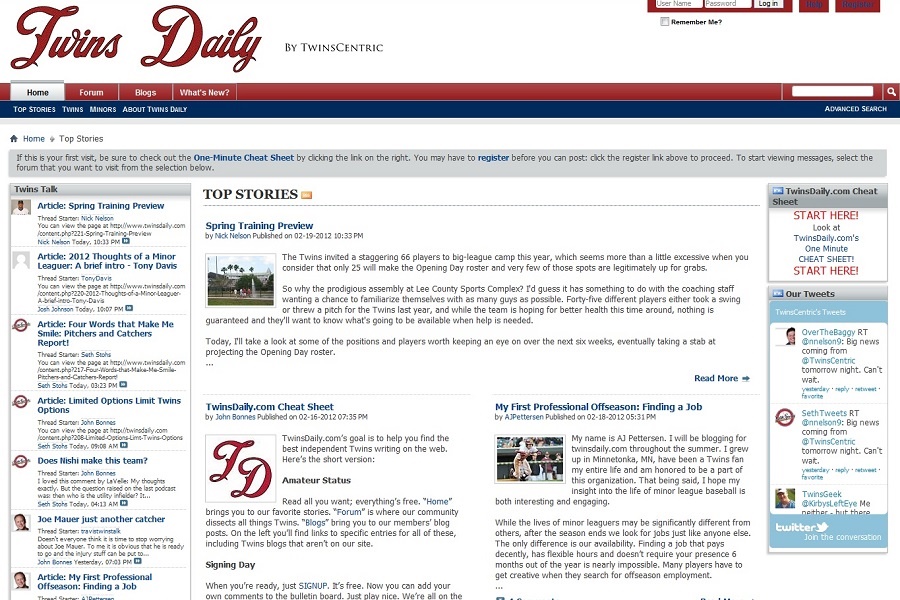
Time flies when you’re having fun! And, at Twins Daily, we’ve been having a lot of fun, and hopefully you have too. It is hard to believe that in the next week, Twins Daily will turn five years old. In fact, when one of the Twins Daily owners recently mentioned that we were about to turn five, we all did a double-take. Fortunately, we had the screenshot from the first day to prove it has been five years. Over the next few days, we’ll be sharing our thoughts on our old sites, Twins Daily, and some of our favorite things about this community. And that community is what Twins Daily really is all about, at least in my opinion. When John, Parker, Nick and I first started meeting and discussing consolidating our individual blogs, we spoke frequently about building a community of Twins fans. As you can see from the Day 1 web page, Twins Daily has come a long ways in five years. Arguably the best decision in Twins Daily history was bringing on Brock Beauchamp. OK, not arguably. It was. -------------------------------------------------------------------------- Note that this is Part 1 of a series of articles. Each of the Twins Daily owners will share their thoughts on the site's first five years and what it has meant to them. -------------------------------------------------------------------------- Time flies when you’re having fun! And, at Twins Daily, we’ve been having a lot of fun, and hopefully you have too. It is hard to believe that in the next week, Twins Daily will turn five years old. In fact, when one of the Twins Daily owners recently mentioned that we were about to turn five, we all did a double-take. Fortunately, we had the screenshot from the first day to prove it has been five years. Over the next few days, we’ll be sharing our thoughts on our old sites, Twins Daily, and some of our favorite things about this community. And that community is what Twins Daily really is all about, at least in my opinion. When John, Parker, Nick and I first started meeting and discussing consolidating our individual blogs, we spoke frequently about building a community of Twins fans. As you can see from the Day 1 web page, Twins Daily has come a long ways in five years. Arguably the best decision in Twins Daily history was bringing on Brock Beauchamp. OK, not arguably. It was. -------------------------------------------------------------------------- Note that this is Part 1 of a series of articles. Each of the Twins Daily owners will share their thoughts on the site's first five years and what it has meant to them. -------------------------------------------------------------------------- I think I speak for all of the owners when I say that I am proud of the Twins Daily site and the community that has grown over our first five years. In May of 2003, SethSpeaks.net began. It started, in large part, thanks to the old Twins Geek site. Maybe some of you even remember the old Dickie Thon Twins Fan Forum. I figured I was a baseball guy with a lot of years of playing, but also a willingness to listen to other thoughts and ideas. At the time, SethSpeaks.net was a baseball blog, but I also wrote about basketball, football, movies, TV, and generally whatever I wanted. I figured that I wanted a site that represented me, and that would be something I would want to read. I just hoped eventually a few others might read and that we could discuss and share ideas. Over time, SethSpeaks.net became much more TwinsCentric (hmmm… that’s an interesting name). I began diving further and further into the minor leagues. One of my favorite things to do on that site and on Twins Daily is doing Q&As with players, getting to know the minor leaguers. Of course, when I started doing that at SethSpeaks.net in the mid-’00s, things were different. I actually hand-wrote letters with questions for players and sent them to the minor league affiliates’ media relation types. I got responses from some players, including Kevin Slowey, Matt Garza and others. As we have moved ahead, social media has made it a lot easier. I admit, sometimes I miss what SethSpeaks.net was. There were some great relationships that grew from e-mail (people can still e-mail me, my e-mail address is on this site, in my profile). But at Twins Daily, the community is wonderful (most of the time). Through our get togethers and through the events such as the Winter Meltdown, it has been wonderful getting to know so many of the Twins Daily readers. It’s always nice hearing people come up and introduce themselves and say Thank You. And, even more, it’s nice being able to say Thank You to our readers in person. And though that isn’t possible to say Thank You in person to everyone, well, you can read it here. I really do Thank You for all of the support, not only over the last five years, but the support I’ve felt for almost 13 years. Being a part of Twins Daily has provided many opportunities. I know I’m looking forward to getting down to Ft. Myers again in March to cover the Twins and the minor league fields for our Reports from The Fort. The Twins have been very accepting of Twins Daily, and that means a lot and is very appreciated. It’s been wonderful to earn the respect (hopefully) of the terrific Twins beat writers. It’s been fun getting to work with people from each of the Twins affiliates, especially those in Cedar Rapids where I enjoy spending 3-4 days each summer too. It's been fun going to fantastic events like Twins Fest and the Diamond Awards. I am proud to be a part of Twins Daily. Sure, it has had its ups and downs, as does everything, but I am proud. The thing that I am most proud of is that I believe that Twins Daily is the go-to place online for Twins minor league information. I’m excited that we’ll be doing daily minor league reports again in 2017. We get tremendous feedback on those daily reports from our readers and I know that the players and their families enjoy reading them as well. Thank you to Jeremy Nygaard, Cody Christie, Eric Pleiss and Steve Lein for helping to write those. Also thank you to Steve Buhr in Cedar Rapids for his great Kernels articles. And Jeremy Nygaard’s work makes Twins Daily the best spot for MLB (and Twins-specific) draft information. I have always believed that the minor leaguers deserve credit for the work they put in. Those who have purchased the annual Twins Prospect Handbook know that it means a lot to me. That’s why I want to do Q&As and Get To Know ‘Em interviews with players, top prospects or not. They all deserve that. It’s always fun for me to get to know players when they get drafted and watch them grow on and off the field. Many don’t get to the big leagues, but it’s always fun to see guys who put in their time get an opportunity in the big leagues. Likewise, it has been a lot of fun to watch Twins Daily grow over the past five years. I think we are willing to try new things in the internet era, both on our site, on social media, and in our events. It’s been fun to watch how the site, the audience, the events and the fun has all grown. I remember 1987 and 1991 very well. I enjoyed the years from 2001 through 2010. These last few years have been tough (which again makes me glad that I enjoy following the minor leagues!), but hopefully things will turn around, starting in 2017. We are all Twins fans, first and foremost. Hopefully our passion shines through in our writing - whether it is positive or negative. Part of the allure of Twins Daily was that I wouldn’t have to write five or more times each week as I did at SethSpeaks.net. Well, looking at the numbers, I’ve been still writing 5-10 articles every week. Why? Because I enjoy it. So again, as we celebrate five years of Twins Daily, I just want to say thank you to everyone who makes this such a special place, a place I enjoy checking out many times each day. View full article
- 42 replies
-
- 10
-
-
 I think I speak for all of the owners when I say that I am proud of the Twins Daily site and the community that has grown over our first five years. In May of 2003, SethSpeaks.net began. It started, in large part, thanks to the old Twins Geek site. Maybe some of you even remember the old Dickie Thon Twins Fan Forum. I figured I was a baseball guy with a lot of years of playing, but also a willingness to listen to other thoughts and ideas. At the time, SethSpeaks.net was a baseball blog, but I also wrote about basketball, football, movies, TV, and generally whatever I wanted. I figured that I wanted a site that represented me, and that would be something I would want to read. I just hoped eventually a few others might read and that we could discuss and share ideas. Over time, SethSpeaks.net became much more TwinsCentric (hmmm… that’s an interesting name). I began diving further and further into the minor leagues. One of my favorite things to do on that site and on Twins Daily is doing Q&As with players, getting to know the minor leaguers. Of course, when I started doing that at SethSpeaks.net in the mid-’00s, things were different. I actually hand-wrote letters with questions for players and sent them to the minor league affiliates’ media relation types. I got responses from some players, including Kevin Slowey, Matt Garza and others. As we have moved ahead, social media has made it a lot easier. I admit, sometimes I miss what SethSpeaks.net was. There were some great relationships that grew from e-mail (people can still e-mail me, my e-mail address is on this site, in my profile). But at Twins Daily, the community is wonderful (most of the time). Through our get togethers and through the events such as the Winter Meltdown, it has been wonderful getting to know so many of the Twins Daily readers. It’s always nice hearing people come up and introduce themselves and say Thank You. And, even more, it’s nice being able to say Thank You to our readers in person. And though that isn’t possible to say Thank You in person to everyone, well, you can read it here. I really do Thank You for all of the support, not only over the last five years, but the support I’ve felt for almost 13 years. Being a part of Twins Daily has provided many opportunities. I know I’m looking forward to getting down to Ft. Myers again in March to cover the Twins and the minor league fields for our Reports from The Fort. The Twins have been very accepting of Twins Daily, and that means a lot and is very appreciated. It’s been wonderful to earn the respect (hopefully) of the terrific Twins beat writers. It’s been fun getting to work with people from each of the Twins affiliates, especially those in Cedar Rapids where I enjoy spending 3-4 days each summer too. It's been fun going to fantastic events like Twins Fest and the Diamond Awards. I am proud to be a part of Twins Daily. Sure, it has had its ups and downs, as does everything, but I am proud. The thing that I am most proud of is that I believe that Twins Daily is the go-to place online for Twins minor league information. I’m excited that we’ll be doing daily minor league reports again in 2017. We get tremendous feedback on those daily reports from our readers and I know that the players and their families enjoy reading them as well. Thank you to Jeremy Nygaard, Cody Christie, Eric Pleiss and Steve Lein for helping to write those. Also thank you to Steve Buhr in Cedar Rapids for his great Kernels articles. And Jeremy Nygaard’s work makes Twins Daily the best spot for MLB (and Twins-specific) draft information. I have always believed that the minor leaguers deserve credit for the work they put in. Those who have purchased the annual Twins Prospect Handbook know that it means a lot to me. That’s why I want to do Q&As and Get To Know ‘Em interviews with players, top prospects or not. They all deserve that. It’s always fun for me to get to know players when they get drafted and watch them grow on and off the field. Many don’t get to the big leagues, but it’s always fun to see guys who put in their time get an opportunity in the big leagues. Likewise, it has been a lot of fun to watch Twins Daily grow over the past five years. I think we are willing to try new things in the internet era, both on our site, on social media, and in our events. It’s been fun to watch how the site, the audience, the events and the fun has all grown. I remember 1987 and 1991 very well. I enjoyed the years from 2001 through 2010. These last few years have been tough (which again makes me glad that I enjoy following the minor leagues!), but hopefully things will turn around, starting in 2017. We are all Twins fans, first and foremost. Hopefully our passion shines through in our writing - whether it is positive or negative. Part of the allure of Twins Daily was that I wouldn’t have to write five or more times each week as I did at SethSpeaks.net. Well, looking at the numbers, I’ve been still writing 5-10 articles every week. Why? Because I enjoy it. So again, as we celebrate five years of Twins Daily, I just want to say thank you to everyone who makes this such a special place, a place I enjoy checking out many times each day.
 -
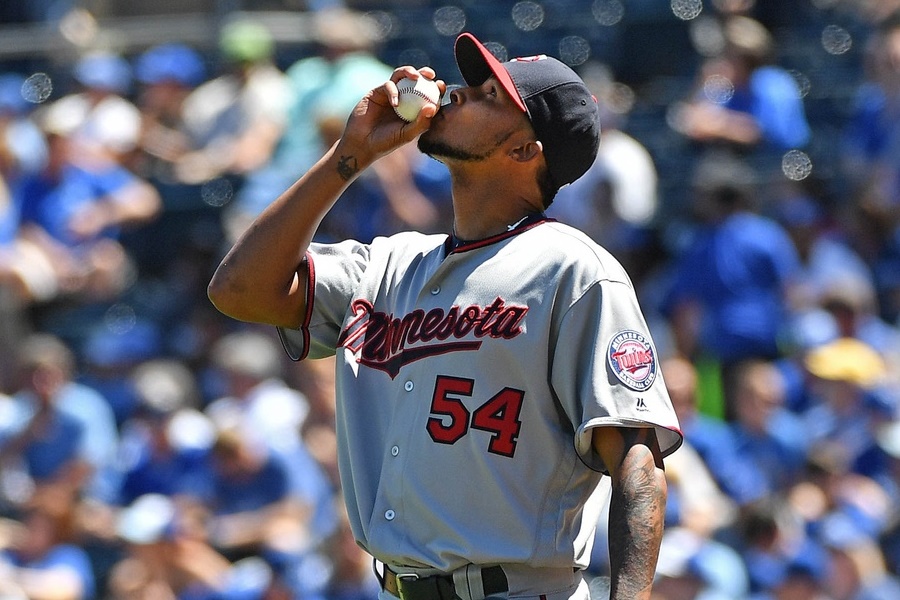
We have projected all of the hitters in the Minnesota Twins organization over the last couple of weeks. Today we dive into what could very possibly be the most important part of any baseball team. The bullpen is important, but it can be helped by starters being good and giving six and seven innings consistently. The hitters obviously have to score runs, but the starting pitchers have to give the offense a chance. There are plenty of questions as it relates to starting pitching with the Twins, as you would expect. There are some veterans who will get a shot, but there are also some high-end, talented pitchers who will likely get an opportunity in 2017 as well. If you missed any of the previous articles, you can find them here: Catchers, Middle Infielders, Corner Infielders, Outfielders. Image courtesy of Peter Aiken, USA Today We have projected all of the hitters in the Minnesota Twins organization over the last couple of weeks. Today we dive into what could very possibly be the most important part of any baseball team. The bullpen is important, but it can be helped by starters being good and giving six and seven innings consistently. The hitters obviously have to score runs, but the starting pitchers have to give the offense a chance. There are plenty of questions as it relates to starting pitching with the Twins, as you would expect. There are some veterans who will get a shot, but there are also some high-end, talented pitchers who will likely get an opportunity in 2017 as well. If you missed any of the previous articles, you can find them here: Catchers, Middle Infielders, Corner Infielders, Outfielders. So let’s get to it. At the end, discuss your thoughts on the Twins starting pitcher roster projections. Minnesota Twins - Ervin Santana (34), Hector Santiago (29), Kyle Gibson (29), Phil Hughes (30), Jose Berrios (21), (Trevor May (27), Tyler Duffey (26), Ryan Vogelsong (39), Justin Haley (25)) Ervin Santana may not be an “Ace” but he’s been a very solid MLB pitcher for most of the past decade. 2016 was one of his better seasons. Beyond Santana, the Twins are going to have to hope for improvements and a return to past success. While most aren’t terribly excited about Hector Santiago’s outlook, due to his walks and home runs allowed, the hope should be that he can get back to a sub-3.75 ERA. It isn’t an unattainable number for Santiago. It’s something he had done for four straight seasons before 2016. Kyle Gibson was the Twins Pitcher of the Year in 2015 when he posted a 3.84 ERA. Last year, he missed six-plus weeks due to shoulder issues and struggled the remainder of the season to find success. Phil Hughes is now two full seasons separated from his historic (K/BB rate) 2014 season. He also had thoracic outlet syndrome surgery last summer and hopes to return healthy in 2017. After that, it will be very interesting to see how things play out. Obviously any setbacks with the aforementioned starters would open up a second rotation spot. In my opinion, if Jose Berrios reports to spring training and shows much improved fastball command, he will be in the big leagues. Trevor May will report to spring training with an opportunity to start again. If he and Berrios pitch well in spring, there may have to be another transaction. Of course, at least a couple of others will be given a shot at a rotation spot. Tyler Duffey has certainly shown flashes but with a two-pitch mix, he may be best suited for the bullpen. Justin Haley will likely get some starter innings in spring while competing for a long relief position. Ryan Vogelsong is likely in the same boat, competing as a starter and for a long relief job. Others you’ll see below. Rochester Red Wings - Jason Wheeler (26), Adalberto Mejia (23), Aaron Slegers (24), Nick Tepesch (28), David Hurlbut (27), Drew Rucinski (28), Nick Greenwood (29), Yohan Pino (33) Adalberto Mejia is the one pitcher on this list who is on the Twins 40-man roster. He came to the Twins in the Eduardo Nunez trade last summer. At various times in his career, he’s been considered a prospect. He could be a back-of-the-rotation guy in time. Jason Wheeler and David Hurlbut are pretty similar pitchers, southpaws who rely on fastball command and decent secondary stuff. Both have been in the Twins system since 2011. Nick Greenwood fits the same mold, though he came to the organization mid-season last year from the independent leagues. He had pitched for the Cardinals in 2014 and 2015. The Nick Tepesch and Ryan Vogelsong signings were announced on the same day. Vogelsong is nearly 40 but his representatives like to say that his arm didn’t get used as much early so it’s still strong. Tepesch debuted with the Rangers and spent a couple of years with them, though he missed all of 2015 and most of 2016 with injury. A college teammate of Kyle Gibson, if he returns to form, he too can be a back of rotation guy. Drew Rucinski spent last year with the Cubs AAA team in the PCL. He spent some time with the Angels big league club in 2014 and 2015. Chattanooga Lookouts - Stephen Gonsalves (22), Felix Jorge (23), Tyler Jay (22), Kohl Stewart (22), Randy Rosario (22), Keaton Steele (25) Last year, the big story early in the year was the starting rotation of the Ft. Myers Miracle. That group should all start the season in Chattanooga in 2017 as well. All but Steele ended their season in Chattanooga. Stephen Gonsalves emerged as arguably the Twins top starting pitching prospect with his strong 2016 season which was actually even better once he moved up to the Lookouts. He was the Twins' and Twins Daily’s Starting Pitcher of the Year in 2016. Adding a slider to his pitch mix helped him increase those strikeout numbers. Kohl Stewart began the season by repeating in Ft. Myers, where he increased his strikeout rate. When he moved up to AA, the K-rate completely dropped again, so he should spend the full 2017 season with the Lookouts. Felix Jorge remained remarkably consistent. Some observers contend he was the best of the group in Ft. Myers, and it would be hard to argue. He struggled in his first couple of starts in Chattanooga, but after that he again became an aggressive innings-eater. He was added to the Twins 40-man roster in November. Tyler Jay had expected ups and downs in his first full pro season and in the transition to starting pitcher. In six starts between May 4 and June 8, he posted a 0.70 ERA in 38.1 innings. In that stretch, he showed why there were a lot of teams interested in him as a starter. He has a four-pitch mix, but finding a consistency with them will be key. Or, he could move to the bullpen and dominate. Randy Rosario got through his first full season after Tommy John surgery healthy. He had moments with the Miracle, though the strikeout numbers were down. He throws mid-to-high 90s, left-handed, so he remains very intriguing. Keaton Steele was the veteran of the rotation in Ft. Myers. He put up pedestrian overall numbers though he came on stronger in the season’s second half. Ft. Myers Miracle - Fernando Romero (22), Cody Stashak (22), Dereck Rodriguez (24), Randy LeBlanc (24), Henry Centeno (22), Lewis Thorpe (21) Fernando Romero missed two seasons due to Tommy John surgery and a 2015 knee surgery. He returned in early May to the Kernels, but his stay was short there because he dominated. He moved up to the Miracle and continued to rack up impressive numbers before being shut down late. He is another very strong candidate for Twins top pitching prospect. Randy LeBlanc had a terrific 2016 season. For the first time, he was a full-time starter. He began the season by going 6-2 with a 0.74 ERA in Cedar Rapids. He posted a 4.70 ERA in Ft. Myers, but he then posted ten scoreless innings in Chattanooga to end the season. Cody Stashak went 8-5 with a 3.16 ERA in Cedar Rapids. At the end of the season, he moved up to Ft. Myers and gave up just one run in 16.2 innings over three starts. Dereck Rodriguez started the season in Cedar Rapids and really struggled, but he figured things out and was promoted to Ft. Myers where he continued to pitch well. It’s been an interesting offseason for the right-hander. He carried some momentum into the Puerto Rican Winter League where he pitched very well out of the bullpen. He carried that success onto the Puerto Rico WBC roster. The Twins signed Henry Centeno as a minor league free agent out of the Rays organization. Still just 22, he went 5-1 with a 1.34 ERA in nine outings (six starts) in the Midwest League. He moved up to the Florida State League and went 3-3 with a 2.72 ERA. In 93 innings, he walked 29 and struck out 83. Lewis Thorpe has missed the last two seasons after Tommy John surgery. He hopes to get back on the mound in 2017. Since he’s missed so much time, they may choose to ease him back in, maybe some EST or maybe out of the bullpen. Hopefully by the end of the year, he’ll be making quality starts. Cedar Rapids Kernels - Lachlan Wells (19), Eduardo Del Rosario (21), Tyler Wells (22), Miguel DeJesus (21), Tyler Beardsley (22), Ryan Mason (22), Brady Anderson (24), Sean Poppen (22) Lachlan Wells came up to the Kernels in late June and was lights out. The Australian southpaw went 6-4 with a 1.77 ERA in 12 starts as a 19-year-old. He was recently named to Australia’s WBC team. Eduardo Del Rosario came up a month earlier. After some early struggles, he came on pretty solidly at the end of the season. He went 6-2 with a 3.67 ERA in 16 starts. Miguel DeJesus split 2016 between the GCL and Elizabethton. The right-hander throws hard, up to mid-90s, but he’ll need to work on secondary stuff. Tyler Beardsley and Sean Poppen are 2016 draft picks who each pitched a handful of games with the Kernels. Tyler Wells was also drafted last year. After a slow start in Elizabethton, he pitched very well late including seven scoreless innings of one-hit, 14-strikeout ball. It was followed by six shutout innings and two hits. He was in Cedar Rapids for their playoff run, though not on the roster. Ryan Mason was also drafted last season and pitched in Elizabethton. Brady Anderson wasn’t drafted last year out of Florida Gulf Coast, but he pitched so well in the GCL (2-0, 0.98 ERA in 27.2 innings) that he jumped up to the Kernels rotation and pitched well there too (3-1, 2.62 ERA, 34.1 innings). Extended Spring Training - Huascar Ynoa (18), Brusdar Graterol (18), Jordan Balazovic (18), Jovani Moran (19), Taylor Clemensia (19), Jose Martinez (20), Matt Jones (18), Bo Hellquist (22), Tyler Fox (23), Tyler Benninghoff (DL - 19) It seems a little funny to say, but it’s OK to be excited about the starting pitchers in this EST group. Huascar Ynoa and Brusdar Graterol have the talent and potential to be Top 10 Twins prospects at this time next year. Ynoa is the younger brother of White Sox reliever Michael Ynoa. He’s young, but he has really good stuff besides a fastball that’s 92-95. Speaking of fastballs, Graterol has a huge one. In Instructs, he was sitting 95-97 and touched 100 a couple of times. He has just a dozen or so innings pitched in the DSL before he had mid-season 2015 Tommy John surgery, but he has immense upside. Jordan Balazovic isn’t too far behind those two when it comes to potential. The 2016 draft pick from the suburbs of Toronto was very impressive in his debut, and reports say that he was even more impressive in Instructs. Moran was drafted in 2015, but he missed the 2016 season after having some bone chips removed from his elbow. The Puerto Rican has some good stuff from the left side. Another lefty, Taylor Clemensia, is from The Netherlands. A great athlete, he played a lot of outfield in his amateur days. He’s got good stuff on the mound, but he’s still very raw. Martinez struggled last year in Elizabethton, so expect him to head back there. Jones signed late last year after being drafted out of Canada. He’ll likely go back to the GCL. Tyler Benninghoff was drafted in the 11th round last year and immediately had Tommy John surgery. He will most likely miss the entire 2017 season. Bo Hellquist and Tyler Fox were non-drafted free agents signed after the draft. Hellquist pitched at Minnesota-Duluth, and Fox was one of the best pitchers at Nebraska-Omaha. They could compete for spots in Cedar Rapids or spend time in extended spring. Top Prospects 1.) Stephen Gonsalves 2.) Fernando Romero 3.) Tyler Jay 4.) Felix Jorge 5.) Adalberto Mejia 6.) Kohl Stewart 7.) Huascar Ynoa 8.) Lachlan Wells 9.) Brusdar Graterol 10.) Lewis Thorpe So, there are a lot of questions to discuss in this segment. Of course, it all starts with the big league rotation. Who will be the five there? After meeting expectations in Ft. Myers last year, how will the guys who start in Chattanooga do in 2017? Can Fernando Romero take the next step and become a true ace? How many of these guys could we see in 2017? (Gonsalves? Romero? Jay? Jorge? Mejia?) Which starters will come out of nowhere and become prospects a year from now? View full article
- 63 replies
-
- 2
-
-
- ervin santana
- phil hughes
- (and 3 more)
-
2017 Minnesota Twins Roster Projections - The Starting Pitchers
Seth Stohs posted an article in Minor Leagues
 So let’s get to it. At the end, discuss your thoughts on the Twins starting pitcher roster projections. Minnesota Twins - Ervin Santana (34), Hector Santiago (29), Kyle Gibson (29), Phil Hughes (30), Jose Berrios (21), (Trevor May (27), Tyler Duffey (26), Ryan Vogelsong (39), Justin Haley (25)) Ervin Santana may not be an “Ace” but he’s been a very solid MLB pitcher for most of the past decade. 2016 was one of his better seasons. Beyond Santana, the Twins are going to have to hope for improvements and a return to past success. While most aren’t terribly excited about Hector Santiago’s outlook, due to his walks and home runs allowed, the hope should be that he can get back to a sub-3.75 ERA. It isn’t an unattainable number for Santiago. It’s something he had done for four straight seasons before 2016. Kyle Gibson was the Twins Pitcher of the Year in 2015 when he posted a 3.84 ERA. Last year, he missed six-plus weeks due to shoulder issues and struggled the remainder of the season to find success. Phil Hughes is now two full seasons separated from his historic (K/BB rate) 2014 season. He also had thoracic outlet syndrome surgery last summer and hopes to return healthy in 2017. After that, it will be very interesting to see how things play out. Obviously any setbacks with the aforementioned starters would open up a second rotation spot. In my opinion, if Jose Berrios reports to spring training and shows much improved fastball command, he will be in the big leagues. Trevor May will report to spring training with an opportunity to start again. If he and Berrios pitch well in spring, there may have to be another transaction. Of course, at least a couple of others will be given a shot at a rotation spot. Tyler Duffey has certainly shown flashes but with a two-pitch mix, he may be best suited for the bullpen. Justin Haley will likely get some starter innings in spring while competing for a long relief position. Ryan Vogelsong is likely in the same boat, competing as a starter and for a long relief job. Others you’ll see below. Rochester Red Wings - Jason Wheeler (26), Adalberto Mejia (23), Aaron Slegers (24), Nick Tepesch (28), David Hurlbut (27), Drew Rucinski (28), Nick Greenwood (29), Yohan Pino (33) Adalberto Mejia is the one pitcher on this list who is on the Twins 40-man roster. He came to the Twins in the Eduardo Nunez trade last summer. At various times in his career, he’s been considered a prospect. He could be a back-of-the-rotation guy in time. Jason Wheeler and David Hurlbut are pretty similar pitchers, southpaws who rely on fastball command and decent secondary stuff. Both have been in the Twins system since 2011. Nick Greenwood fits the same mold, though he came to the organization mid-season last year from the independent leagues. He had pitched for the Cardinals in 2014 and 2015. The Nick Tepesch and Ryan Vogelsong signings were announced on the same day. Vogelsong is nearly 40 but his representatives like to say that his arm didn’t get used as much early so it’s still strong. Tepesch debuted with the Rangers and spent a couple of years with them, though he missed all of 2015 and most of 2016 with injury. A college teammate of Kyle Gibson, if he returns to form, he too can be a back of rotation guy. Drew Rucinski spent last year with the Cubs AAA team in the PCL. He spent some time with the Angels big league club in 2014 and 2015. Chattanooga Lookouts - Stephen Gonsalves (22), Felix Jorge (23), Tyler Jay (22), Kohl Stewart (22), Randy Rosario (22), Keaton Steele (25) Last year, the big story early in the year was the starting rotation of the Ft. Myers Miracle. That group should all start the season in Chattanooga in 2017 as well. All but Steele ended their season in Chattanooga. Stephen Gonsalves emerged as arguably the Twins top starting pitching prospect with his strong 2016 season which was actually even better once he moved up to the Lookouts. He was the Twins' and Twins Daily’s Starting Pitcher of the Year in 2016. Adding a slider to his pitch mix helped him increase those strikeout numbers. Kohl Stewart began the season by repeating in Ft. Myers, where he increased his strikeout rate. When he moved up to AA, the K-rate completely dropped again, so he should spend the full 2017 season with the Lookouts. Felix Jorge remained remarkably consistent. Some observers contend he was the best of the group in Ft. Myers, and it would be hard to argue. He struggled in his first couple of starts in Chattanooga, but after that he again became an aggressive innings-eater. He was added to the Twins 40-man roster in November. Tyler Jay had expected ups and downs in his first full pro season and in the transition to starting pitcher. In six starts between May 4 and June 8, he posted a 0.70 ERA in 38.1 innings. In that stretch, he showed why there were a lot of teams interested in him as a starter. He has a four-pitch mix, but finding a consistency with them will be key. Or, he could move to the bullpen and dominate. Randy Rosario got through his first full season after Tommy John surgery healthy. He had moments with the Miracle, though the strikeout numbers were down. He throws mid-to-high 90s, left-handed, so he remains very intriguing. Keaton Steele was the veteran of the rotation in Ft. Myers. He put up pedestrian overall numbers though he came on stronger in the season’s second half. Ft. Myers Miracle - Fernando Romero (22), Cody Stashak (22), Dereck Rodriguez (24), Randy LeBlanc (24), Henry Centeno (22), Lewis Thorpe (21) Fernando Romero missed two seasons due to Tommy John surgery and a 2015 knee surgery. He returned in early May to the Kernels, but his stay was short there because he dominated. He moved up to the Miracle and continued to rack up impressive numbers before being shut down late. He is another very strong candidate for Twins top pitching prospect. Randy LeBlanc had a terrific 2016 season. For the first time, he was a full-time starter. He began the season by going 6-2 with a 0.74 ERA in Cedar Rapids. He posted a 4.70 ERA in Ft. Myers, but he then posted ten scoreless innings in Chattanooga to end the season. Cody Stashak went 8-5 with a 3.16 ERA in Cedar Rapids. At the end of the season, he moved up to Ft. Myers and gave up just one run in 16.2 innings over three starts. Dereck Rodriguez started the season in Cedar Rapids and really struggled, but he figured things out and was promoted to Ft. Myers where he continued to pitch well. It’s been an interesting offseason for the right-hander. He carried some momentum into the Puerto Rican Winter League where he pitched very well out of the bullpen. He carried that success onto the Puerto Rico WBC roster. The Twins signed Henry Centeno as a minor league free agent out of the Rays organization. Still just 22, he went 5-1 with a 1.34 ERA in nine outings (six starts) in the Midwest League. He moved up to the Florida State League and went 3-3 with a 2.72 ERA. In 93 innings, he walked 29 and struck out 83. Lewis Thorpe has missed the last two seasons after Tommy John surgery. He hopes to get back on the mound in 2017. Since he’s missed so much time, they may choose to ease him back in, maybe some EST or maybe out of the bullpen. Hopefully by the end of the year, he’ll be making quality starts. Cedar Rapids Kernels - Lachlan Wells (19), Eduardo Del Rosario (21), Tyler Wells (22), Miguel DeJesus (21), Tyler Beardsley (22), Ryan Mason (22), Brady Anderson (24), Sean Poppen (22) Lachlan Wells came up to the Kernels in late June and was lights out. The Australian southpaw went 6-4 with a 1.77 ERA in 12 starts as a 19-year-old. He was recently named to Australia’s WBC team. Eduardo Del Rosario came up a month earlier. After some early struggles, he came on pretty solidly at the end of the season. He went 6-2 with a 3.67 ERA in 16 starts. Miguel DeJesus split 2016 between the GCL and Elizabethton. The right-hander throws hard, up to mid-90s, but he’ll need to work on secondary stuff. Tyler Beardsley and Sean Poppen are 2016 draft picks who each pitched a handful of games with the Kernels. Tyler Wells was also drafted last year. After a slow start in Elizabethton, he pitched very well late including seven scoreless innings of one-hit, 14-strikeout ball. It was followed by six shutout innings and two hits. He was in Cedar Rapids for their playoff run, though not on the roster. Ryan Mason was also drafted last season and pitched in Elizabethton. Brady Anderson wasn’t drafted last year out of Florida Gulf Coast, but he pitched so well in the GCL (2-0, 0.98 ERA in 27.2 innings) that he jumped up to the Kernels rotation and pitched well there too (3-1, 2.62 ERA, 34.1 innings). Extended Spring Training - Huascar Ynoa (18), Brusdar Graterol (18), Jordan Balazovic (18), Jovani Moran (19), Taylor Clemensia (19), Jose Martinez (20), Matt Jones (18), Bo Hellquist (22), Tyler Fox (23), Tyler Benninghoff (DL - 19) It seems a little funny to say, but it’s OK to be excited about the starting pitchers in this EST group. Huascar Ynoa and Brusdar Graterol have the talent and potential to be Top 10 Twins prospects at this time next year. Ynoa is the younger brother of White Sox reliever Michael Ynoa. He’s young, but he has really good stuff besides a fastball that’s 92-95. Speaking of fastballs, Graterol has a huge one. In Instructs, he was sitting 95-97 and touched 100 a couple of times. He has just a dozen or so innings pitched in the DSL before he had mid-season 2015 Tommy John surgery, but he has immense upside. Jordan Balazovic isn’t too far behind those two when it comes to potential. The 2016 draft pick from the suburbs of Toronto was very impressive in his debut, and reports say that he was even more impressive in Instructs. Moran was drafted in 2015, but he missed the 2016 season after having some bone chips removed from his elbow. The Puerto Rican has some good stuff from the left side. Another lefty, Taylor Clemensia, is from The Netherlands. A great athlete, he played a lot of outfield in his amateur days. He’s got good stuff on the mound, but he’s still very raw. Martinez struggled last year in Elizabethton, so expect him to head back there. Jones signed late last year after being drafted out of Canada. He’ll likely go back to the GCL. Tyler Benninghoff was drafted in the 11th round last year and immediately had Tommy John surgery. He will most likely miss the entire 2017 season. Bo Hellquist and Tyler Fox were non-drafted free agents signed after the draft. Hellquist pitched at Minnesota-Duluth, and Fox was one of the best pitchers at Nebraska-Omaha. They could compete for spots in Cedar Rapids or spend time in extended spring. Top Prospects 1.) Stephen Gonsalves 2.) Fernando Romero 3.) Tyler Jay 4.) Felix Jorge 5.) Adalberto Mejia 6.) Kohl Stewart 7.) Huascar Ynoa 8.) Lachlan Wells 9.) Brusdar Graterol 10.) Lewis Thorpe So, there are a lot of questions to discuss in this segment. Of course, it all starts with the big league rotation. Who will be the five there? After meeting expectations in Ft. Myers last year, how will the guys who start in Chattanooga do in 2017? Can Fernando Romero take the next step and become a true ace? How many of these guys could we see in 2017? (Gonsalves? Romero? Jay? Jorge? Mejia?) Which starters will come out of nowhere and become prospects a year from now?
 -
Thrylos's Top 60 Twins Prospects
Seth Stohs replied to Seth Stohs's topic in Twins Minor League Talk
Not even close, and he's got 9 whole games of professional baseball under his wings. For me, Javier was ranked 7th or 8th. But based on ceiling alone, Javier might have the highest. -
2017 Twins Off-Season top 60 Prospect List: 1-5
Seth Stohs commented on Thrylos's blog entry in Thrylos' Blog - select Tenth Inning Stretch posts
Nine out of 52 #5 overall picks have had a career bWAR over 15. There have been some good ones like Buster Posey, Ryan Braun, Mark Teixeira, JD Drew, Vernon Wells, Jack McDowell, Dwight Gooden and Dale Murphy. Twenty-three of 52 never made it to the big leagues. If he becomes a solid, average MLB shortstop, that would be wonderful... especially for this organization! -
2017 Twins Off-Season top 60 Prospect List: 1-5
Seth Stohs commented on Thrylos's blog entry in Thrylos' Blog - select Tenth Inning Stretch posts
He was 263 last spring training... not sure where he is now, but that certainly could be a concern. -
John Sickels Top 200 for 2017
Seth Stohs replied to Otto von Ballpark's topic in Twins Minor League Talk
While I wish there would have been more Twins players mentioned, it kind of mirrors my thoughts on the Twins prospects right now. The Top 5 are legit prospects, and then there is a big gap to get to #6... -
TD Top Prospects: #10 Lewin Diaz
Seth Stohs replied to Parker Hageman's topic in Twins Daily Front Page News
Of course, the fences at the stadium in Eizabethton are also quite a bit deeper than they were back then. He's definitely a high-risk prospect, but if he works he has a high ceiling. -
TD Top Prospects: #10 Lewin Diaz
Seth Stohs replied to Parker Hageman's topic in Twins Daily Front Page News
No question. He'll start in Cedar Rapids. -
TD Top Prospects: #10 Lewin Diaz
Seth Stohs replied to Parker Hageman's topic in Twins Daily Front Page News
Correct... Numbers play a very small role in prospect ranking, especially for those in the lowest levels. The numbers there are almost meaningless - though the assumption also should be that the talent and tools will at least somewhat show up in the stats. I ranked Diaz #6 due to his power potential, but also his athleticism. Told he was pretty nimble around first base. And, he's more than just a power hitter. Obviously that comes with the risk of his size and that he's got a long way to move up still. -
Twins Daily Top Prospect Countdown: 15-11
Seth Stohs replied to Seth Stohs's topic in Twins Daily Front Page News
1.) I've said before that I talked to Mike Radcliff at spring training last year while Wade was hitting. He said that he doesn't really have any tools that jump out at you, but he also doesn't have a real weak spot in his game either. He said that his makeup is plus-plus. His approach and thinking at the plate is very advanced. I was told that he has some sneaky power too. He's not a big guy, but when he does look to pull the ball, he can drive it a long way. 2.) Palka is similar to AB Walker, in my opinion. I think he can be a solid MLB hitter in time. He certainly can hit a ball a long way. He certainly will strike out a lot. His defense is describe as 'shaky.' He can probably play some 1B, but he won't get great there either. I woudln't be surprised, and I think it would be good, if he did play some 1B in 2017 just to give him more versatility. 3.) I'm definitely a believe in Garver as well. I think you nailed it. None of his skills necessarily jump out, but he does everything pretty well. 4.) Jorge is easily Top 10 for me, but for the TD voting, he dropped some.- 26 replies
-
- 2
-
-
- mitch garver
- felix jorge
- (and 3 more)
-
What To Make Of Kennys Vargas
Seth Stohs replied to Tom Froemming's topic in Twins Daily Front Page News
I've never been real high on Vargas, but i have no problem with them giving him 500 PA in 2017 to see. The power is certainly there. -
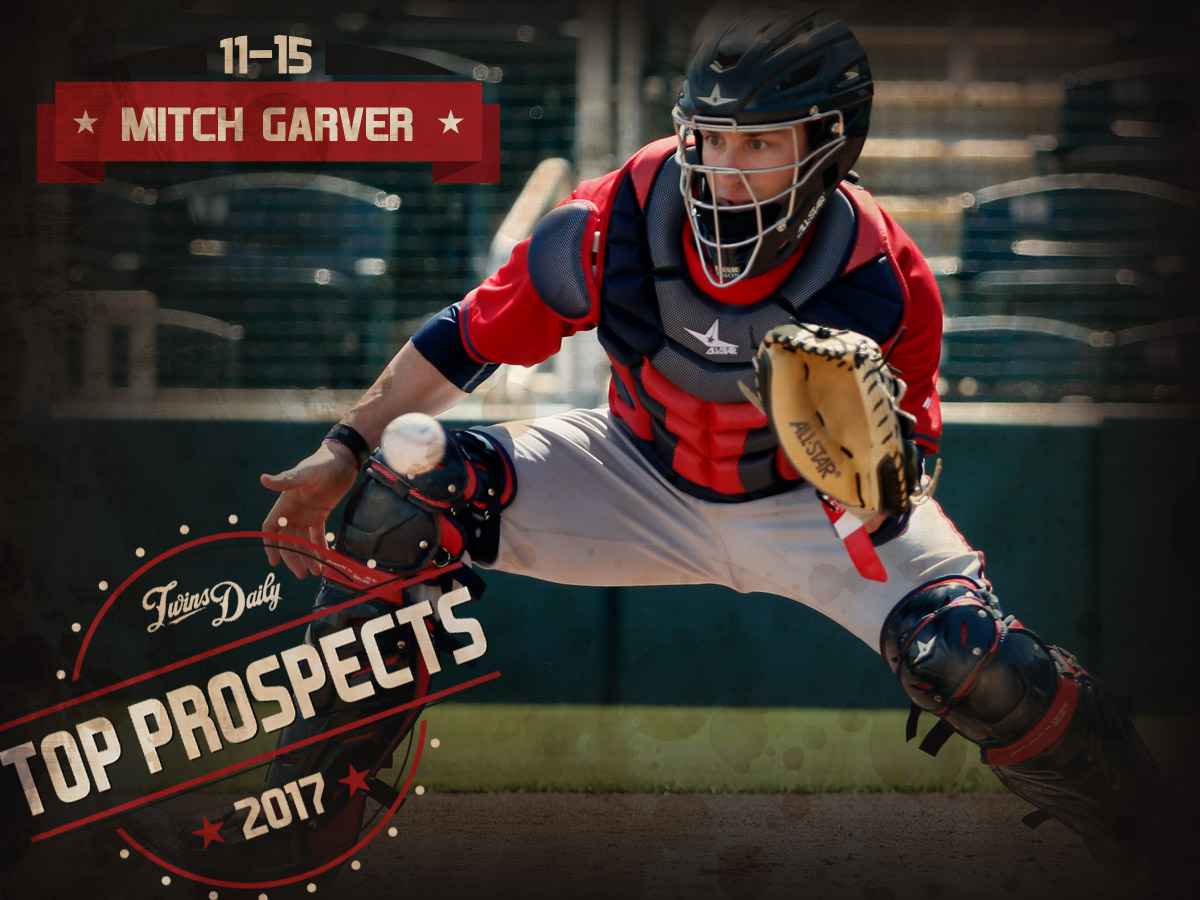
Many Twins players and Twins minor leaguers are already in Ft. Myers. On Tuesday, pitchers and catchers report. Yesterday, Nick began the Twins Daily Top 20 Prospect Rankings by providing us with more information on our choices for Twins prospects 16-20. Today, we continue to count them down with our choices for Twins Prospects 11-15. This group includes a potential closer, and a total of four guys who will be in big league spring training this year. This is an exciting group of players with the potential to play in the big leagues as early as 2017. Many Twins players and Twins minor leaguers are already in Ft. Myers. On Tuesday, pitchers and catchers report. Yesterday, Nick began the Twins Daily Top 20 Prospect Rankings by providing us with more information on our choices for Twins prospects 16-20. Today, we continue to count them down with our choices for Twins Prospects 11-15. This group includes a potential closer, and a total of four guys who will be in big league spring training this year. This is an exciting group of players with the potential to play in the big leagues as early as 2017. Let’s get to the list, and please feel free to discuss our choices and how they may rank on your personal top 10 or top 20 lists. 15. LaMonte Wade - OF Age: 23 2016 Stats (A/Hi-A): .293/.402/.438 (.841), 8 HR, 51 RBI, 49 R, 6/10 SB ETA: 2019 Wade fell to the ninth round of the 2015 season, in part due to an injury that cost half of his junior season at Maryland. Since signing, he has been a very productive hitter. In 2015 in Elizabethton, he .312/.428/.506 (.934) with eight doubles, five triples and nine home runs in 62 games. He stole 12 out of 13 bases, and he walked 46 times with just 34 strikeouts. He continued those patterns in his first full season. In 56 games in Cedar Rapids to start the season, he hit .280/.410/.396 (.806) with 13 extra-base hits. He walked 44 times with just 27 strikeouts. He was a Midwest League All Star and was moved up to Ft. Myers where he began on the DL. In 32 games with the Miracle, he hit .318/.386/.518 (.904) with 13 extra-base hits. Wade primarily played center field throughout 2016, though he is most likely to be a corner outfielder as he moves up. Injuries curtailed his 2016, but he’s healthy and looking to take the next step in 2017. 14. Daniel Palka - OF Age: 25 2016 Stats (AA/AAA): .254/.327/.521 (.848), 34 HR, 90 RBI, 73 R, 9/14 SB ETA: 2017 Palka is a South Carolina native who was the third-round pick of the Arizona Diamondbacks in 2013 out of Georgia Tech. He had a strong 2015 season in High-A when he hit .280/.352/.532 (.885) with 36 doubles and 29 homers. Following that season, he came to the Twins in exchange for Chris Herrmann. He made quite the impression quickly on the Twins organization. In his first big league spring training game, he hit homers in his first two at-bats. He went to Chattanooga and hit .270/.348/.547 (.894) with 12 doubles and 21 homers. In July he was promoted to AAA Rochester and hit .232/.296/.483 (.799) with 12 doubles and 13 home runs. He was added to the 40-man roster following the season. 13. JT Chargois - RH RP Age: 26 2016 MiLB Stats (AA/AAA): 46.2 IP, 2-1, 16 Saves, 1.35 ERA, 1.03 WHIP, 55/13 K/BB 2016 MLB Stats (Twins): 23.0 IP, 1-1, 0 Saves, 4.70 ERA, 1.61 WHIP, 17/12 K/BB ETA: 2016 The Twins drafted Chargois in the second round of the 2012 draft out of Rice University where he had been a closer and played some first base. He spent that summer in Elizabethton. However, he missed the 2013 and 2014 seasons due to elbow issues and Tommy John surgery. Chargois returned in 2015 and pitched well in Ft. Myers and Chattanooga. By season’s end, he was the closer for the Lookouts through their Southern League championship run. He returned to Chattanooga to start 2016 and completely dominated before moving up to Rochester where there was more domination. He made his big league debut in June, and it didn’t go as planned. He gave up five runs on three hits and two walks in just 0.2 innings. He returned to the big leagues in mid-August. Once September came, he took off and showed the type of pitcher that he can be in the late innings… Dominant! 12. Felix Jorge - RHP Age: 23 2016 Stats (Hi-A, AA): 167.1 IP, 12-8, 2.69 ERA, 1.09 WHIP, 109/23 K/BB ETA: 2018 Signed in February of 2011 Jorge has gradually worked his way up the Twins system. The last two years, he has turned himself from a suspect to a prospect and for his efforts he was added to the Twins 40-man roster in November. In 2014, he was sent back to Elizabethton from Cedar Rapids after some real struggles. He was the Appy League Pitcher of the Year. In 2015, he went 6-7 with a 2.79 ERA in Cedar Rapids. He is remarkably consistent. Of his 22 starts, he worked at least six innings in 20 of them. In 2016, 13 of his 14 starts in Ft. Myers were at least six innings. He found some struggles in Chattanooga, but even then eight of 11 starts went six innings. The other three went at least five. Jorge is very aggressive in the strike zone with good stuff in the low-90s. He hits 93, but his very smooth delivery makes it jump on batters. He’s got a very good changeup and a slider that doesn’t move a lot, but enough so that hitters can’t barrel it. 11. Mitch Garver - C Age: 26 2016 Stats (AA/AAA): .270/.342/.422 (.764), 12 HR, 74 RBI, 50 R, 1/4 SB ETA: 2017 Garver was the Twins ninth-round draft pick in 2013 after four years at the University of New Mexico. In 2014, he was the Twins Daily Minor League Hitter of the Year after a strong first full season in Cedar Rapids. He played in Ft. Myers in 2015. After a nice showing in the Arizona Fall League, he began 2016 in Chattanooga. For the Lookouts, he hit .257/.334/.419 (.753) with 25 doubles and 11 homers. He participated in the Southern League All-Star Game. He spent most of the final month of the season in Rochester where he hit .329/.381/.434 (.815) with five doubles and a homer in just 22 games. Known more for his offense, Garver has worked very hard on his defense the last few years. The hard work has begun to pay off. He is now considered ready to be a quality receiver in the big leagues. His pitch framing numbers were strong, and he threw out nearly 50% of would-be base stealers. He was added to the Twins 40-man roster in November and should receive a legitimate shot to compete for an Opening Day roster spot. Please feel free to ask questions and leave comments about Twins Daily's choices for prospects 11-15. Stop by next week when we start out Top 10 Countdown. View full article
- 26 replies
-
- 2
-
-
- mitch garver
- felix jorge
- (and 3 more)
-
 Let’s get to the list, and please feel free to discuss our choices and how they may rank on your personal top 10 or top 20 lists. 15. LaMonte Wade - OF Age: 23 2016 Stats (A/Hi-A): .293/.402/.438 (.841), 8 HR, 51 RBI, 49 R, 6/10 SB ETA: 2019 Wade fell to the ninth round of the 2015 season, in part due to an injury that cost half of his junior season at Maryland. Since signing, he has been a very productive hitter. In 2015 in Elizabethton, he .312/.428/.506 (.934) with eight doubles, five triples and nine home runs in 62 games. He stole 12 out of 13 bases, and he walked 46 times with just 34 strikeouts. He continued those patterns in his first full season. In 56 games in Cedar Rapids to start the season, he hit .280/.410/.396 (.806) with 13 extra-base hits. He walked 44 times with just 27 strikeouts. He was a Midwest League All Star and was moved up to Ft. Myers where he began on the DL. In 32 games with the Miracle, he hit .318/.386/.518 (.904) with 13 extra-base hits. Wade primarily played center field throughout 2016, though he is most likely to be a corner outfielder as he moves up. Injuries curtailed his 2016, but he’s healthy and looking to take the next step in 2017. 14. Daniel Palka - OF Age: 25 2016 Stats (AA/AAA): .254/.327/.521 (.848), 34 HR, 90 RBI, 73 R, 9/14 SB ETA: 2017 Palka is a South Carolina native who was the third-round pick of the Arizona Diamondbacks in 2013 out of Georgia Tech. He had a strong 2015 season in High-A when he hit .280/.352/.532 (.885) with 36 doubles and 29 homers. Following that season, he came to the Twins in exchange for Chris Herrmann. He made quite the impression quickly on the Twins organization. In his first big league spring training game, he hit homers in his first two at-bats. He went to Chattanooga and hit .270/.348/.547 (.894) with 12 doubles and 21 homers. In July he was promoted to AAA Rochester and hit .232/.296/.483 (.799) with 12 doubles and 13 home runs. He was added to the 40-man roster following the season. 13. JT Chargois - RH RP Age: 26 2016 MiLB Stats (AA/AAA): 46.2 IP, 2-1, 16 Saves, 1.35 ERA, 1.03 WHIP, 55/13 K/BB 2016 MLB Stats (Twins): 23.0 IP, 1-1, 0 Saves, 4.70 ERA, 1.61 WHIP, 17/12 K/BB ETA: 2016 The Twins drafted Chargois in the second round of the 2012 draft out of Rice University where he had been a closer and played some first base. He spent that summer in Elizabethton. However, he missed the 2013 and 2014 seasons due to elbow issues and Tommy John surgery. Chargois returned in 2015 and pitched well in Ft. Myers and Chattanooga. By season’s end, he was the closer for the Lookouts through their Southern League championship run. He returned to Chattanooga to start 2016 and completely dominated before moving up to Rochester where there was more domination. He made his big league debut in June, and it didn’t go as planned. He gave up five runs on three hits and two walks in just 0.2 innings. He returned to the big leagues in mid-August. Once September came, he took off and showed the type of pitcher that he can be in the late innings… Dominant! 12. Felix Jorge - RHP Age: 23 2016 Stats (Hi-A, AA): 167.1 IP, 12-8, 2.69 ERA, 1.09 WHIP, 109/23 K/BB ETA: 2018 Signed in February of 2011 Jorge has gradually worked his way up the Twins system. The last two years, he has turned himself from a suspect to a prospect and for his efforts he was added to the Twins 40-man roster in November. In 2014, he was sent back to Elizabethton from Cedar Rapids after some real struggles. He was the Appy League Pitcher of the Year. In 2015, he went 6-7 with a 2.79 ERA in Cedar Rapids. He is remarkably consistent. Of his 22 starts, he worked at least six innings in 20 of them. In 2016, 13 of his 14 starts in Ft. Myers were at least six innings. He found some struggles in Chattanooga, but even then eight of 11 starts went six innings. The other three went at least five. Jorge is very aggressive in the strike zone with good stuff in the low-90s. He hits 93, but his very smooth delivery makes it jump on batters. He’s got a very good changeup and a slider that doesn’t move a lot, but enough so that hitters can’t barrel it. 11. Mitch Garver - C Age: 26 2016 Stats (AA/AAA): .270/.342/.422 (.764), 12 HR, 74 RBI, 50 R, 1/4 SB ETA: 2017 Garver was the Twins ninth-round draft pick in 2013 after four years at the University of New Mexico. In 2014, he was the Twins Daily Minor League Hitter of the Year after a strong first full season in Cedar Rapids. He played in Ft. Myers in 2015. After a nice showing in the Arizona Fall League, he began 2016 in Chattanooga. For the Lookouts, he hit .257/.334/.419 (.753) with 25 doubles and 11 homers. He participated in the Southern League All-Star Game. He spent most of the final month of the season in Rochester where he hit .329/.381/.434 (.815) with five doubles and a homer in just 22 games. Known more for his offense, Garver has worked very hard on his defense the last few years. The hard work has begun to pay off. He is now considered ready to be a quality receiver in the big leagues. His pitch framing numbers were strong, and he threw out nearly 50% of would-be base stealers. He was added to the Twins 40-man roster in November and should receive a legitimate shot to compete for an Opening Day roster spot. Please feel free to ask questions and leave comments about Twins Daily's choices for prospects 11-15. Stop by next week when we start out Top 10 Countdown.
 -
Not disagreeing with any of that, but there's a new regime, and they're not going to put him out there if he's not ready.
-
So far, we have projected the rosters for Twins catchers, outfielders and middle infielders. Today, we’ll look at the first basemen and third basemen (And a bunch of DHs too). Pending any last minute moves, the Twins’ opening day corner infielders are likely set. Joe Mauer will play a lot at first base, but he’ll be given time off, and we’ll see Kennys Vargas there also. Miguel Sano will finally get the opportunity to be the third baseman, and we’ll get to see how that pans out. Will the Twins still bring in a veteran to play some first base and DH, or will Byungho Park be in Rochester, ready to help? There are plenty of AAA veterans ready for another big league shot. There are some prospects, but most are working through the lower levels of the minor leagues. Image courtesy of Jesse Johnson, USA Today So far, we have projected the rosters for Twins catchers, outfielders and middle infielders. Today, we’ll look at the first basemen and third basemen (And a bunch of DHs too). Pending any last minute moves, the Twins’ opening day corner infielders are likely set. Joe Mauer will play a lot at first base, but he’ll be given time off, and we’ll see Kennys Vargas there also. Miguel Sano will finally get the opportunity to be the third baseman, and we’ll get to see how that pans out. Will the Twins still bring in a veteran to play some first base and DH, or will Byungho Park be in Rochester, ready to help? There are plenty of AAA veterans ready for another big league shot. There are some prospects, but most are working through the lower levels of the minor leagues. Below you’ll find the corner infielders throughout the Twins organization. Minnesota Twins - 1B - Joe Mauer (33), Kennys Vargas (26) 3B - Miguel Sano (23), Eduardo Escobar (28) Miguel Sano is going to get his shot to prove whether or not he can be the third baseman of the future. His offense struggled some last season and yet he still hit 25 home runs. Hopefully he will start showing us what his full potential is very soon. Eduardo Escobar will likely play the three non-first base infield positions. Joe Mauer is solid at first base. His overall offensive numbers in 2016 were a career-worst. However, if you’re looking for a silver lining, if his season had ended in mid-August when he got hurt, he was hitting .284/.384/.417 (.801). If he can put up those numbers, we’d all be happy. Kennys Vargas appears to be the primary DH to start the season, though he can also play some first base. He posted an .833 OPS in 2016, though in just 47 games. Rochester Red Wings - 1B - Ben Paulsen (29), Reynaldo Rodriguez (31), Byungho Park (30) 3B - Matt Hague (31), Dan Gamache (26), Leonardo Reginnato (26) It was certainly surprising that the Twins DFAd Byungho Park. His big league debut was disappointing, but it also ended early with wrist issues and eventually surgery. But there is no denying the power potential that he’s got. He cleared waivers and will be in spring training. Ben Paulsen has 517 plate appearances over the last three seasons with the Rockies. He played 116 big league games in 2015 and was then DFAd following the 2016 season. He signed with the Twins and will go to spring training with an opportunity to play first base and the corner outfield positions. Reynaldo Rodriguez is now in his fourth season in the Twins organization. He was suspended for 80 games last year, but he’s been a strong source of power. Matt Hague was the International League MVP in 2015. He spent 2016 in Japan where he struggled. He returns to the States this year. Gamache comes over from the Pirates organization. He hit .244/.338/.324 (.662) in just 79 games in AAA last year. Reginnato came to the Twins as a minor league free agent last year. He spent most of the season in Chattanooga before ending the year with the Red Wings. Chattanooga Lookouts - 1B - Dalton Hicks (26), Trey Vavra (25) 3B - Niko Goodrum (24), TJ White (25), Tom Belza (27) Dalton Hicks has spent the last two seasons in Chattanooga, but both years he missed time due to injury. When he’s played, he continues to be a major run producer. Trey Vavra struggled some in 2016 in Ft. Myers and yet he still hit eight home runs for the Miracle. He is finally back to healthy after the ankle injury (and surgery) from 2015. Belza was signed recently. He split last year between AA and AAA with the Diamondbacks and Brewers organizations. He has played the corner infield and outfield positions in recent years. Niko Goodrum could have been a minor league free agent, but he quickly re-signed with the Twins. He’s a great athlete who missed half of the 2016 season with a stress reaction in his foot. He primarily played third base, but he can also play shortstop and center field and more. TJ White was primed for a solid season in Ft. Myers last year, but weeks into the season he was pushed to Chattanooga as an injury replacement. He struggled, but he did have his moments that remind us of the talent (speed and power) that he has. Ft. Myers Miracle - 1B - Zander Wiel (24), Chris Paul (24) 3B - Nelson Molina (21), Chris Ibarra (24) Zander Wiel ended his season very strong and led the Midwest League in RBIs. He was a Twins Daily organizational all-star last year. He was drafted out of Vanderbilt in 2015. In 128 games, he hit .259/.333/.459 (.792) with 27 doubles, eight triples and 19 home runs. When TJ White moved up to AA, Chris Paul was moved up to the Miracle. He played mostly third base, though he had played mostly first base the years before. Nelson Molina was also a Twins minor league all-star in 2016 after his surprise success at Cedar Rapids. He hit .300/.374/.381 (.755) with 15 doubles for the Kernels. He played shortstop most of his career as well as in the playoffs for the Kernels. Chris Ibarra signed out of the independent leagues last year and split his season between Cedar Rapids and Ft. Myers. Cedar Rapids Kernels - 1B - Lewin Diaz (20), Amaurys Minier (21) 3B - Mitchell Kranson (23), Caleb Hamilton (22) Lewin Diaz was the Twins Daily Short-Season Minor League Hitter of the Year. In 46 games in Elizabethton, he hit .310/.353/.575 (.928) with 15 doubles and nine home runs. He was the Twins big international free agent signing in 2013. Their big international free agent signing in 2012 was Amaurys Minier. Things have been more of a struggle for him. In E-Town in 2016, he played 48 games and his .222/.318/.449 (.767) with eight doubles and ten home runs. He was signed as a third baseman, spent one year there, moved to the outfield, spent one year there, and has been at first base, and really DH, since. Mitchell Kranson played a lot of third base at California. He was the Twins ninth-round pick last year and went to Instructional League as a catcher. He will likely spend a lot of time behind the plate. He’s got a ton of power potential. Caleb Hamilton can play all over the diamond. He was the Twins 23rd-round pick last year out of Oregon State. Extended Spring Training - 1B - Zach Featherstone (21), Roni Tapia (19), Kolton Kendrick (20) 3B - Trey Cabbage (19) Trey Cabbage was the Twins fourth-round pick in 2015 out of high school. He fought some back issues right before the Elizabethton season got started. He’ll likely repeat at Elizabethton, although an opening could move him up to Cedar Rapids earlier. Featherstone was the team’s 12th-round pick last year out of junior college. He hit .212 in 34 games in the GCL in his pro debut. Roni Tapia signed with the Twins in 2013. He debuted in 2014 in the DSL. He’s hit .160 and .127 over the last two season in the GCL. Of his 58 plate appearances, he had 29 strikeouts. Kolton Kendrick was the Twins eighth-round pick in 2015. He really struggled in 2016, striking out 24 times in 49 plate appearances. Top Prospects 1.) Lewin Diaz 2.) Trey Cabbage 3.) Amaurys Minier 4.) Zander Wiel 5.) Niko Goodrum 6.) Nelson Molina 7.) TJ White There are a lot of question marks at the corner infield positions throughout the system. What can Joe Mauer do in 2017. Can Kennys Vargas handle a full load of DH time? Can Miguel Sano play third base well enough? Will any of those AAA veterans need to be called upon at some point this season? The prospects are at the lowest levels, so watching their development will be very important as well. Please feel free to discuss in the comments below. View full article
