



Nick Nelson
-
Posts
8,325 -
Joined
-
Last visited
-
Days Won
56
Content Type
Profiles
News
Minnesota Twins Videos
2026 Minnesota Twins Top Prospects Ranking
2022 Minnesota Twins Draft Picks
Minnesota Twins Free Agent & Trade Rumors, Notes, & Tidbits
Guides & Resources
2023 Minnesota Twins Draft Picks
The Minnesota Twins Players Project
2024 Minnesota Twins Draft Picks
2025 Minnesota Twins Draft Pick Tracker
2026 Minnesota Twins Draft Tracker: Picks & Bonuses
Forums
Blogs
Events
Store
Downloads
Gallery
Everything posted by Nick Nelson
-
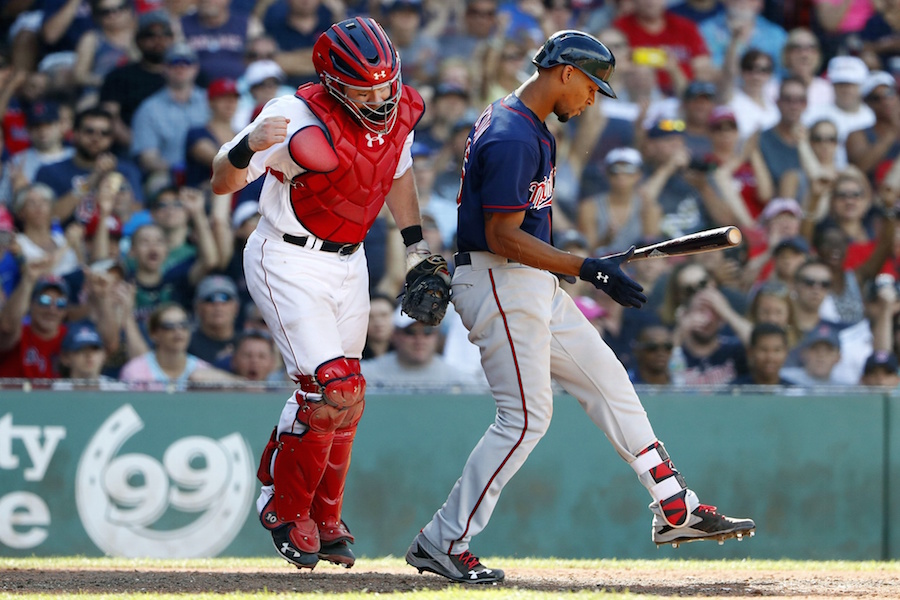 With the Twins needing to open a roster spot for Trevor Plouffe's impending return from the disabled list, Buxton was optioned back to Triple-A on Sunday. He was sadly the obvious choice. The center fielder's latest stint in the majors was about as fruitless as all that preceded it. While we have seen brief glimpses of promise at times, they have always proven fleeting. Since the All-Star break, Buxton was 6-for-54 (.130) with one double, three runs scored and 19 strikeouts. His lack of progress at the plate is as obvious from watching him as it is from examining the numbers. After four separate tries with the Twins, and more than 350 plate appearances, Buxton continues to play into the hands of opposing hurlers. He routinely falls behind in counts and is doomed once he gets there. When Buxton is forced to protect the plate, he disintegrates. With the pitcher ahead this year, he has batted .064 and slugged .115. He has been one of the worst hitters in the majors since his debut, and isn't really showing signs of improvement other than a modestly improved contact rate. Now, he'll return to the International League, which he clobbered to the tune of a 1.007 OPS following his last demotion. Given that his confidence-building stretch in Rochester yielded no meaningful improvement at the MLB level, one wonders what might change this time around. On the one hand, you can hardly blame the Twins for choosing Buxton as the odd man out. He looks blatantly overwhelmed by big-league pitching. On the other hand, can we really expect him to make the necessary adjustments against lesser competition? The popular narrative is that Buxton was rushed, and maybe he was, but when he has a .357/.415/.585 hitting line at Triple-A, it's tough to fathom what he has left to gain there. Paul Molitor said after Sunday's game that Buxton would go down to work on "physical, mechanical things," which presumably means that the outfielder will attempt to shorten his swing to become competitive against tough pitches. Yet, when he's not facing a steady diet of tough major-league pitches, the learning experience can only go so far. Ideally, the Twins would keep all of their young pieces on roster and allow them to continue growing alongside one another. Plouffe's return threw a wrench into that blueprint because it essentially meant that one of Buxton, Jorge Polanco, Kennys Vargas or Miguel Sano needed to be removed. There was no argument for the others based on merit, so Buck is the guy. Ostensibly he's going to iron things out in a less pressure-packed environment, but in reality the only way he'll solve his problems is by conquering them here. Unlike others on the roster, there are no questions surrounding Buxton's work ethic, no doubts concerning his commitment to improving. Given the time, he will figure it out. Will this move accelerate or set back that eventuality? Are the Twins truly doing the right thing for their prized prospect's development, or are they simply sending him away to make room for an aging, mediocre veteran who is almost assuredly on his way out?
 -
 The Boston Red Sox are in the thick of the postseason race primarily because of their incredible offense. They have outscored the next-closest American League team by 50 runs, they lead baseball in OPS by a wide margin, and four of their hitters started in the All Star Game. The Red Sox are on pace to score almost 900 runs. Would it surprise you to learn that Minnesota's offense has been better than Boston's over the past couple of months?Plenty of doubts swirled around the Twins pitching staff entering this season, and unfortunately things have played out as many feared (or worse) in that department. Yet, the offense looked like a safe bet to score a ton of runs. The potential power that this group boasted, on paper, led some to wonder if they might approach 200 home runs, a feat that hasn't been accomplished by a Twins team in 50 years. This unit's lacking production over the first leg of the season was by far the most disappointing development among many, in my mind. It's now a distant memory. The Twins have managed to turn things around in a big way when it comes to run-scoring. Here's a comparative look at what the Twins and Red Sox offenses have done since June 1st (not including Thursday's games): Boston: 54 G, 273 R, 70 HR, 28 SB, .276/.343/.449 (.792 OPS) Minnesota: 56 G, 305 R, 76 HR, 39 SB, .271/.336/.466 (.802 OPS) It isn't a huge difference, but the Twins have outhit, outrun and outscored this star-studded Red Sox lineup for two months and running. You can throw many different numbers around but this, to me, really encapsulates the emergence of Minnesota's offense. That 200-HR benchmark that seemed like a pipe dream in May? It's suddenly well within reach. Presently the Twins are on pace to finish with 193, which would be the fourth-highest total in franchise history and the most since 1987. What's truly remarkable about this ongoing offensive tear is that it has come to fruition without much support from the expected (or hopeful) contributors. Miguel Sano missed all of June and has slumped since his return. Byron Buxton still has not turned a corner at the plate. Byung Ho Park posted a .684 OPS before being sent to the minors. Oswaldo Arcia is in another organization. Others have been pulling the weight to make up for these shortcomings. Up and down the lineup, people are getting it done. Brian Dozier, who gained a reputation for falling off in the second half, has been scorching since the break. Kurt Suzuki is amidst a career year. Joe Mauer is coming off a jaw-dropping series in Cleveland, restoring hope that his April wasn't a total fluke. And, of course, Max Kepler is enjoying one of the better power-hitting rookie seasons we've ever seen. For the most part, these performances carry promising future implications. And the outlook for the offensive unit overall is even more encouraging when you consider the untapped potential of guys like Buxton and Sano. The next general manager, whether it's Rob Antony or a newcomer, is going to face some daunting challenges when it comes to rebuilding the pitching staff. But he/she is also going to inherit a talented and dominant young offense, which is now taking the step from potential to proven. Click here to view the article
 -
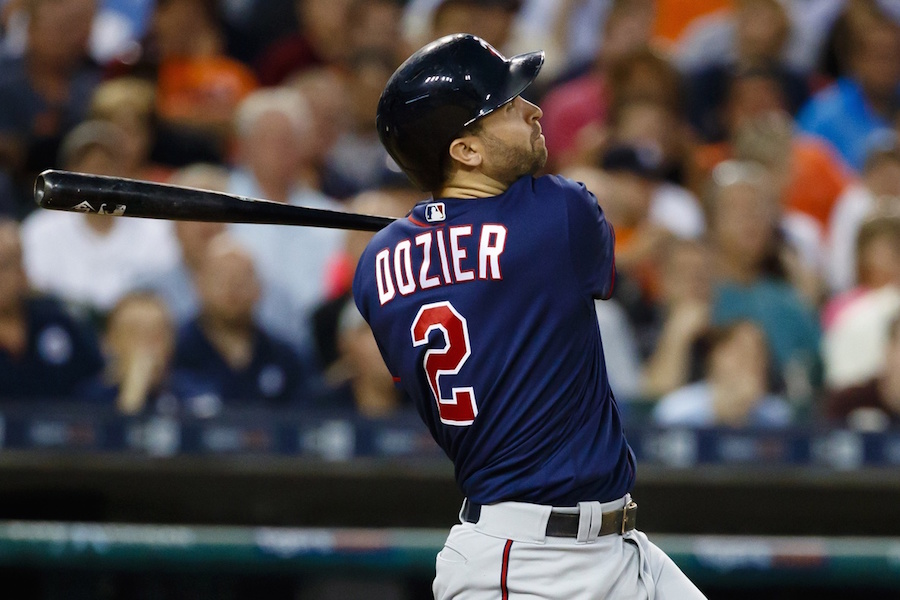 Plenty of doubts swirled around the Twins pitching staff entering this season, and unfortunately things have played out as many feared (or worse) in that department. Yet, the offense looked like a safe bet to score a ton of runs. The potential power that this group boasted, on paper, led some to wonder if they might approach 200 home runs, a feat that hasn't been accomplished by a Twins team in 50 years. This unit's lacking production over the first leg of the season was by far the most disappointing development among many, in my mind. It's now a distant memory. The Twins have managed to turn things around in a big way when it comes to run-scoring. Here's a comparative look at what the Twins and Red Sox offenses have done since June 1st (not including Thursday's games): Boston: 54 G, 273 R, 70 HR, 28 SB, .276/.343/.449 (.792 OPS) Minnesota: 56 G, 305 R, 76 HR, 39 SB, .271/.336/.466 (.802 OPS) It isn't a huge difference, but the Twins have outhit, outrun and outscored this star-studded Red Sox lineup for two months and running. You can throw many different numbers around but this, to me, really encapsulates the emergence of Minnesota's offense. That 200-HR benchmark that seemed like a pipe dream in May? It's suddenly well within reach. Presently the Twins are on pace to finish with 193, which would be the fourth-highest total in franchise history and the most since 1987. What's truly remarkable about this ongoing offensive tear is that it has come to fruition without much support from the expected (or hopeful) contributors. Miguel Sano missed all of June and has slumped since his return. Byron Buxton still has not turned a corner at the plate. Byung Ho Park posted a .684 OPS before being sent to the minors. Oswaldo Arcia is in another organization. Others have been pulling the weight to make up for these shortcomings. Up and down the lineup, people are getting it done. Brian Dozier, who gained a reputation for falling off in the second half, has been scorching since the break. Kurt Suzuki is amidst a career year. Joe Mauer is coming off a jaw-dropping series in Cleveland, restoring hope that his April wasn't a total fluke. And, of course, Max Kepler is enjoying one of the better power-hitting rookie seasons we've ever seen. For the most part, these performances carry promising future implications. And the outlook for the offensive unit overall is even more encouraging when you consider the untapped potential of guys like Buxton and Sano. The next general manager, whether it's Rob Antony or a newcomer, is going to face some daunting challenges when it comes to rebuilding the pitching staff. But he/she is also going to inherit a talented and dominant young offense, which is now taking the step from potential to proven.
 -
Good call! Fixed that detail, thanks
- 90 replies
-
- 1
-

-
- jose berrios
- max kepler
- (and 1 more)
-
Twins fans have endured a lot of tough days this year. There have been long stretches where the performances, the injuries, and the decision-making have led local ball enthusiasts to echo the words of Bryce Harper, in an urgent plea: Please, make baseball fun again. On Monday, baseball was fun again.From the perspective of disenchanted followers of the Twins searching for hope, it was easily the best day of the season thus far. It began with multiple trades that jolted excitement into a hazy Monday afternoon, and ended with one of the best games the team has played all year. For much of this campaign, it has been hard to feel confident that this ship is moving in the right direction. For a glorious 12-hour stretch, it was impossible to feel any other way. Let's run through Monday's developments in (somewhat) chronological order. Twins send RP Fernando Abad to Red Sox for RP Pat Light Things got started around lunchtime, when the Twins announced their first trade of the day. Terry Ryan is gone, but the Abad signing will go down as one of his best final moves. The veteran lefty gave the club four very good months and now yields a decent relief prospect. Light, who can touch 100 with his fastball but often struggles to find the zone, is far from a sure bet to become an effective MLB hurler. We have seen many such erratic fire-ballers come through this system and few have panned out. But he's a solid gamble and certainly a nice return for Abad, who was very much a non-essential piece. When it comes to lefty relievers, the Twins are just as well sticking with the likes of Taylor Rogers and Buddy Boshers. Twins send SP Ricky Nolasco and SP Alex Meyer to Angels for SP Hector Santiago and RP Alan Busenitz. Antony may sit in the GM chair long-term, but if not, he just cleared out one of the biggest headaches that his successor was going to inherit. Somehow, he managed to unload Nolasco. Since 2014, his first season in Minnesota, Nolasco ranks 113th out of 113 qualified MLB starters in ERA (5.44). Injuries marred his first two years with the Twins but this summer he has been healthy and utterly hittable. He hasn't made any case for belonging in a half-decent rotation, and is no more than an expensive innings-eater. Any incoming GM was going to face the unfortunate situation of having to either work around Nolasco on the staff or ask his new bosses to eat $13 million in salary. But Antony, perhaps in efforts to build his own case, has removed that dilemma. In Nolasco's place, the Twins get another established big-league starter who is – by all appearances – a massive upgrade. On the same list of 113 qualified pitchers since 2014, Santiago's ERA (3.68) ranks 60 spots higher, at 53. He's five years younger. He was an All Star last year. And he's coming off a month of July in which he went 6-0 with a 1.78 ERA. Granted, Santiago has his warts, but even when you overlook his blatantly superior play on the field, he gives the Twins newfound flexibility. He's arbitration-eligible for a final time in 2017, so if the team desires, they can simply non-tender and move on. Antony removed the anchor that was Nolasco's contract and flipped it into a team-friendly situation. He did so by capitalizing on the Angels' desperation to infuse any kind of upside into their drab farm system. The other part of the deal involved swapping projects, and I think most would agree that Meyer is a more interesting one than Busenitz. But Meyer is also 26, plagued by constant shoulder problems, utterly unaccomplished in the majors, and out of options next year. This deal looks like a home run. Speaking of home runs... All of this frenzied action unfolded before Monday night's series opener in Cleveland. Major League Baseball made the decision this year to nudge the trade deadline back – to a weekday afternoon, when no games would take place – and Twins fans benefited from the switch. After following the trade news during the day, we were able to devote our full attention to a revelatory ballgame for the local nine. Jose Berrios was making his anticipated return to the big-league mound, while Max Kepler was batting third against All-Star Danny Salazar. Both rookies rose to the challenge. Max Power Kepler has continually surprised with his long-ball proclivity since joining the team for good in June. In this game, he took things to another level entirely. The 23-year-old homered in three of his first four at-bats. After tying for the MLB lead with eight bombs in July, he's now almost halfway to that mark in August after one day. He joins Harmon Killebrew, Justin Morneau, Tony Oliva and Bob Allison as the only hitters in Twins history to go deep three times in a game. Kepler is already achieving legendary status. Berrios bounces back Watching the young righty labor through a tumultuous, 30-pitch first inning in which he coughed up an early lead, it was hard not to think, 'Here we go again.' But Berrios wasn't ready to go down that path. Instead, he went out and retired 14 straight hitters, cruising through five more frames without allowing another run. Shaking off his previous control issues, Berrios threw 62 out of 99 pitches for strikes and didn't issue a walk. That's what I'm talking about. The fun didn't stop... These two performances by future cogs were two highlights of many in a 12-5 bashing of the division leaders. Jorge Polanco hit two triples, including one with the bases juiced. Joe Mauer reached base five times, and took Andrew Miller deep to foil his Cleveland debut. Eddie Rosario homered, and took a walk in an MLB game for the first time since April 15th. Brian Dozier made two insane defensive plays. This game felt like it included more encouraging moments than the first three months combined. Incidentally, it happened on a day where Byron Buxton and Miguel Sano were both out of the lineup. Those two obviously have been going through their struggles but no one can deny their enormous potential impact going forward. Which brings me to my final thought: If one is to disagree with the way Antony and the front office operated during this deadline period, it's because they didn't go all-in on a roster blowout. The Twins have the worst record in the league, the argument goes, and contention in 2017 is a pipe dream. Why not salvage whatever possible value for the likes of Ervin Santana and even someone like Brian Dozier? I personally don't agree with this defeatist attitude. Evidently, neither does the interim GM, because while he certainly acted as a seller, he managed to stay away from any moves with negative impact extending beyond this year. There's a rational case against that approach, but I'm glad it's not being embraced, and if the organization hires a new head of baseball ops, I hope it is not his or her mindset. At some point, this young core is going to turn a corner together. On Monday, that inevitability felt surer and closer than it ever has before. When that happens, it'll be a disservice to waste the opportunity by failing to surround the kids with a capable roster. Click here to view the article
- 90 replies
-
- 2
-
-
- jose berrios
- max kepler
- (and 1 more)
-
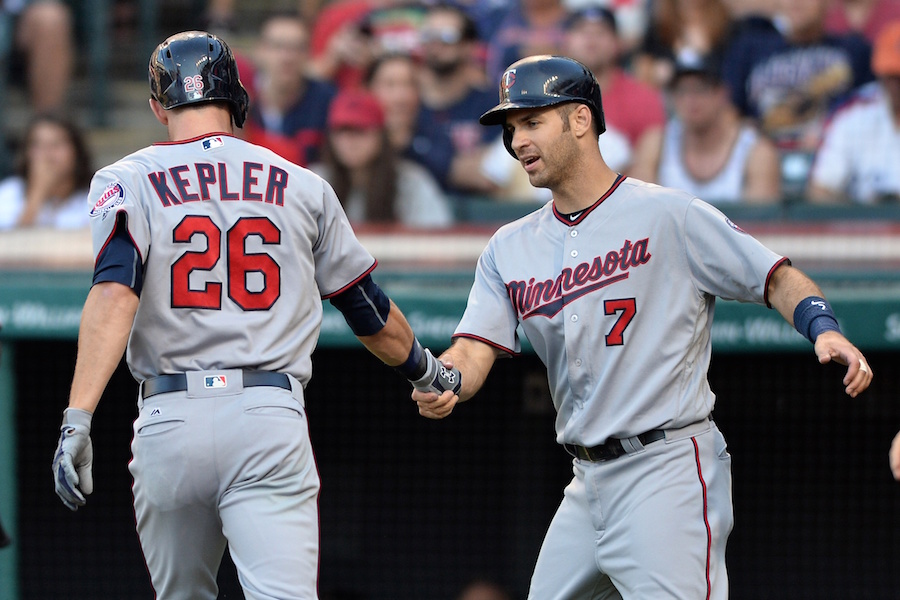 From the perspective of disenchanted followers of the Twins searching for hope, it was easily the best day of the season thus far. It began with multiple trades that jolted excitement into a hazy Monday afternoon, and ended with one of the best games the team has played all year. For much of this campaign, it has been hard to feel confident that this ship is moving in the right direction. For a glorious 12-hour stretch, it was impossible to feel any other way. Let's run through Monday's developments in (somewhat) chronological order. Twins send RP Fernando Abad to Red Sox for RP Pat Light Things got started around lunchtime, when the Twins announced their first trade of the day. Terry Ryan is gone, but the Abad signing will go down as one of his best final moves. The veteran lefty gave the club four very good months and now yields a decent relief prospect. Light, who can touch 100 with his fastball but often struggles to find the zone, is far from a sure bet to become an effective MLB hurler. We have seen many such erratic fire-ballers come through this system and few have panned out. But he's a solid gamble and certainly a nice return for Abad, who was very much a non-essential piece. When it comes to lefty relievers, the Twins are just as well sticking with the likes of Taylor Rogers and Buddy Boshers. Twins send SP Ricky Nolasco and SP Alex Meyer to Angels for SP Hector Santiago and RP Alan Busenitz. Antony may sit in the GM chair long-term, but if not, he just cleared out one of the biggest headaches that his successor was going to inherit. Somehow, he managed to unload Nolasco. Since 2014, his first season in Minnesota, Nolasco ranks 113th out of 113 qualified MLB starters in ERA (5.44). Injuries marred his first two years with the Twins but this summer he has been healthy and utterly hittable. He hasn't made any case for belonging in a half-decent rotation, and is no more than an expensive innings-eater. Any incoming GM was going to face the unfortunate situation of having to either work around Nolasco on the staff or ask his new bosses to eat $13 million in salary. But Antony, perhaps in efforts to build his own case, has removed that dilemma. In Nolasco's place, the Twins get another established big-league starter who is – by all appearances – a massive upgrade. On the same list of 113 qualified pitchers since 2014, Santiago's ERA (3.68) ranks 60 spots higher, at 53. He's five years younger. He was an All Star last year. And he's coming off a month of July in which he went 6-0 with a 1.78 ERA. Granted, Santiago has his warts, but even when you overlook his blatantly superior play on the field, he gives the Twins newfound flexibility. He's arbitration-eligible for a final time in 2017, so if the team desires, they can simply non-tender and move on. Antony removed the anchor that was Nolasco's contract and flipped it into a team-friendly situation. He did so by capitalizing on the Angels' desperation to infuse any kind of upside into their drab farm system. The other part of the deal involved swapping projects, and I think most would agree that Meyer is a more interesting one than Busenitz. But Meyer is also 26, plagued by constant shoulder problems, utterly unaccomplished in the majors, and out of options next year. This deal looks like a home run. Speaking of home runs... All of this frenzied action unfolded before Monday night's series opener in Cleveland. Major League Baseball made the decision this year to nudge the trade deadline back – to a weekday afternoon, when no games would take place – and Twins fans benefited from the switch. After following the trade news during the day, we were able to devote our full attention to a revelatory ballgame for the local nine. Jose Berrios was making his anticipated return to the big-league mound, while Max Kepler was batting third against All-Star Danny Salazar. Both rookies rose to the challenge. Max Power Kepler has continually surprised with his long-ball proclivity since joining the team for good in June. In this game, he took things to another level entirely. The 23-year-old homered in three of his first four at-bats. After tying for the MLB lead with eight bombs in July, he's now almost halfway to that mark in August after one day. He joins Harmon Killebrew, Justin Morneau, Tony Oliva and Bob Allison as the only hitters in Twins history to go deep three times in a game. Kepler is already achieving legendary status. Berrios bounces back Watching the young righty labor through a tumultuous, 30-pitch first inning in which he coughed up an early lead, it was hard not to think, 'Here we go again.' But Berrios wasn't ready to go down that path. Instead, he went out and retired 14 straight hitters, cruising through five more frames without allowing another run. Shaking off his previous control issues, Berrios threw 62 out of 99 pitches for strikes and didn't issue a walk. That's what I'm talking about. The fun didn't stop... These two performances by future cogs were two highlights of many in a 12-5 bashing of the division leaders. Jorge Polanco hit two triples, including one with the bases juiced. Joe Mauer reached base five times, and took Andrew Miller deep to foil his Cleveland debut. Eddie Rosario homered, and took a walk in an MLB game for the first time since April 15th. Brian Dozier made two insane defensive plays. This game felt like it included more encouraging moments than the first three months combined. Incidentally, it happened on a day where Byron Buxton and Miguel Sano were both out of the lineup. Those two obviously have been going through their struggles but no one can deny their enormous potential impact going forward. Which brings me to my final thought: If one is to disagree with the way Antony and the front office operated during this deadline period, it's because they didn't go all-in on a roster blowout. The Twins have the worst record in the league, the argument goes, and contention in 2017 is a pipe dream. Why not salvage whatever possible value for the likes of Ervin Santana and even someone like Brian Dozier? I personally don't agree with this defeatist attitude. Evidently, neither does the interim GM, because while he certainly acted as a seller, he managed to stay away from any moves with negative impact extending beyond this year. There's a rational case against that approach, but I'm glad it's not being embraced, and if the organization hires a new head of baseball ops, I hope it is not his or her mindset. At some point, this young core is going to turn a corner together. On Monday, that inevitability felt surer and closer than it ever has before. When that happens, it'll be a disservice to waste the opportunity by failing to surround the kids with a capable roster.
 -
The Minnesota Twins just announced their first deadline day move. They are sending lefty reliever Fernando Abad to the Boston Red Sox in exchange for right-hander Pat Light. Light, 25, was drafted by the Red Sox 37th overall in 2012. He's a relief prospect that can touch triple digits with his heater.The Twins have some familiarity with the new arrival. Three years before Boston drafted him out of Monmouth University in the first round, Minnesota selected him in the 28th round of his New Jersey high school, though he didn't sign. Light struggled during his first few pro seasons as a starter, but since converting to a relief role last year he has turned himself back into an intriguing prospect with premium velocity. In the last two seasons between Double-A and Triple-A, he has amassed 103 strikeouts in 93 2/3 innings (9.9 K/9) though all the whiffs have come along with a whopping 54 walks (5.2 BB/9) Like many other young bullpen arms the Twins have targeted over the past few years, Light is a hard-throwing specimen with control problems and plentiful upside if he can iron them out. He's a nice return for Abad, who signed a minor-league deal during the offseason and went on to post a 2.65 ERA in 39 appearances for Minnesota. Abad's vacated roster spot goes to Jose Berrios, who will start tonight for the Twins in Cleveland. What are your thoughts on the deal? Click here to view the article
-
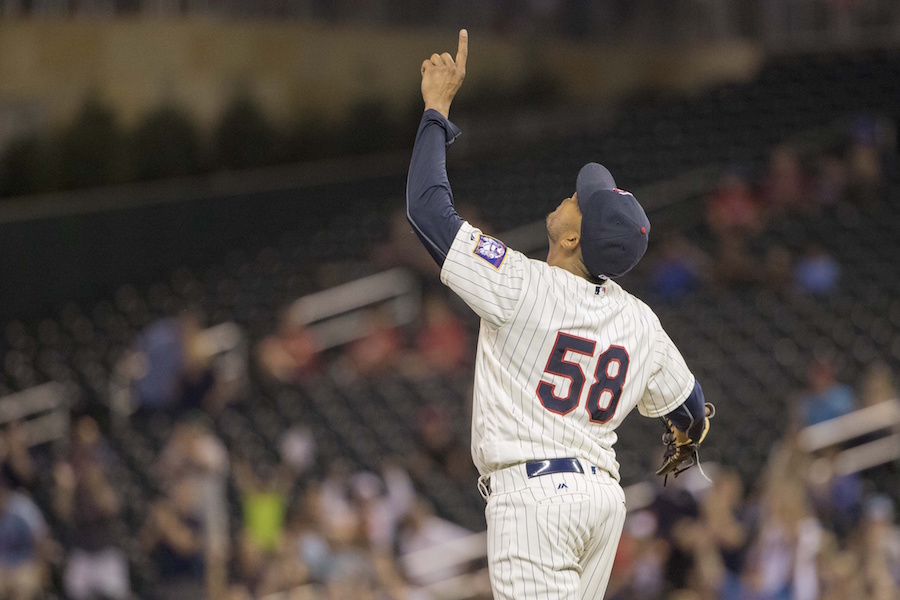 The Twins have some familiarity with the new arrival. Three years before Boston drafted him out of Monmouth University in the first round, Minnesota selected him in the 28th round of his New Jersey high school, though he didn't sign. Light struggled during his first few pro seasons as a starter, but since converting to a relief role last year he has turned himself back into an intriguing prospect with premium velocity. In the last two seasons between Double-A and Triple-A, he has amassed 103 strikeouts in 93 2/3 innings (9.9 K/9) though all the whiffs have come along with a whopping 54 walks (5.2 BB/9) Like many other young bullpen arms the Twins have targeted over the past few years, Light is a hard-throwing specimen with control problems and plentiful upside if he can iron them out. He's a nice return for Abad, who signed a minor-league deal during the offseason and went on to post a 2.65 ERA in 39 appearances for Minnesota. Abad's vacated roster spot goes to Jose Berrios, who will start tonight for the Twins in Cleveland. What are your thoughts on the deal?
 -
Article: Official Trade Deadline Day Thread
Nick Nelson replied to Seth Stohs's topic in Twins Daily Front Page News
Per Jon Heyman, Twins sending Abad to Red Sox.- 553 replies
-
- 10
-
-
- kurt suzuki
- brandon kintzler
- (and 2 more)
-
Rob Antony's first big move was a tough one to criticize. The interim general manager flipped Eduardo Nunez at peak value and got back an impressive pitching prospect in return. It's not clear that Antony will remain in the GM's chair long-term, but he's operating with an acute focus on the organization's No. 1 big-picture priority.The Twins have played 104 games this year. In the first 52, they went 15-37, digging into a hopelessly deep hole. In the second 52, they went 25-27. They're still mired in last place because of that horrendous start, but they have been playing decent ball for two months now. The offensive breakthrough has been a striking component in this improvement. Over the first 52 games, the Twins posted a .686 OPS while averaging 3.7 runs per game. In the latter 52, they posted a .774 OPS and averaged 5.2 runs. Yet, we all know the reason they are still two games under .500 over the past couple months despite their prolific scoring. It's pitching, which is also the reason many fans are understandably skeptical of the club's ability to turn around and contend in 2017. Recognizing this, Antony told reporters last week that he was honing in on starting pitching, noting that "we don't have a lot of guys that are right on the cusp." This is indeed true, and especially problematic with questions swirling around so many players that figure to be in the rotation mix next year. Against this backdrop, the acquisition of Adalberto Mejia from the Giants looks like a master stroke by Antony and the front office. While he's not an ace-in-the-making, Mejia is a big, young, MLB-ready left-hander whose stock is on the rise. The 23-year-old crept onto Baseball America's Top 100 Prospects list for the first time last month, appearing at No. 91 on the site's midseason update. With a still-developing slider, he has struck out 24 percent of batters faced between Double-A and Triple-A this season, improving over his previous career mark of 20 percent. At the Futures Game three weeks ago, Twins prospect J.T. Chargois started the top of the ninth for the U.S. team. Mejia started the bottom half for World, closing out a victory with his scoreless frame. He is exactly the kind of arm the Twins needed to add, and they did so while giving up a player that, in my opinion, should have been behind Eduardo Escobar in the shortstop pecking order anyway. This team has given up the most runs in the American League, and is on pace to allow more than any Twins squad since 1996. Obviously, there are many legitimate reasons for concern about the pitching staff's outlook. On offense, the pieces are already in place. Turning this rotation into one that can contend is easily the most pressing task Antony or his replacement will face. But it feels a bit less insurmountable with Mejia joining Jose Berrios, who makes his return to the big-league mound on Monday night, as promising young hurlers that are on right on the cusp. Click here to view the article
-
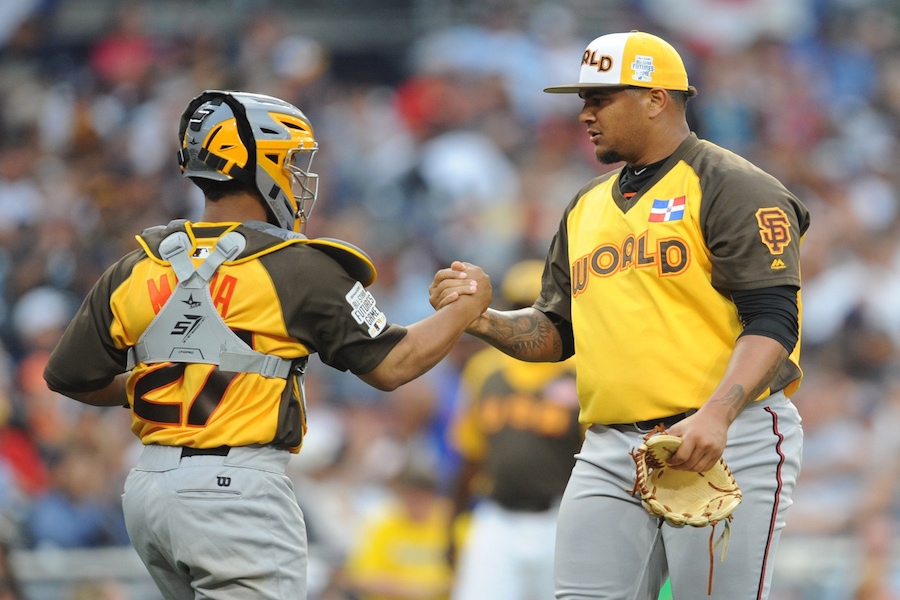 The Twins have played 104 games this year. In the first 52, they went 15-37, digging into a hopelessly deep hole. In the second 52, they went 25-27. They're still mired in last place because of that horrendous start, but they have been playing decent ball for two months now. The offensive breakthrough has been a striking component in this improvement. Over the first 52 games, the Twins posted a .686 OPS while averaging 3.7 runs per game. In the latter 52, they posted a .774 OPS and averaged 5.2 runs. Yet, we all know the reason they are still two games under .500 over the past couple months despite their prolific scoring. It's pitching, which is also the reason many fans are understandably skeptical of the club's ability to turn around and contend in 2017. Recognizing this, Antony told reporters last week that he was honing in on starting pitching, noting that "we don't have a lot of guys that are right on the cusp." This is indeed true, and especially problematic with questions swirling around so many players that figure to be in the rotation mix next year. Against this backdrop, the acquisition of Adalberto Mejia from the Giants looks like a master stroke by Antony and the front office. While he's not an ace-in-the-making, Mejia is a big, young, MLB-ready left-hander whose stock is on the rise. The 23-year-old crept onto Baseball America's Top 100 Prospects list for the first time last month, appearing at No. 91 on the site's midseason update. With a still-developing slider, he has struck out 24 percent of batters faced between Double-A and Triple-A this season, improving over his previous career mark of 20 percent. At the Futures Game three weeks ago, Twins prospect J.T. Chargois started the top of the ninth for the U.S. team. Mejia started the bottom half for World, closing out a victory with his scoreless frame. He is exactly the kind of arm the Twins needed to add, and they did so while giving up a player that, in my opinion, should have been behind Eduardo Escobar in the shortstop pecking order anyway. This team has given up the most runs in the American League, and is on pace to allow more than any Twins squad since 1996. Obviously, there are many legitimate reasons for concern about the pitching staff's outlook. On offense, the pieces are already in place. Turning this rotation into one that can contend is easily the most pressing task Antony or his replacement will face. But it feels a bit less insurmountable with Mejia joining Jose Berrios, who makes his return to the big-league mound on Monday night, as promising young hurlers that are on right on the cusp.
 -
The August 1st non-waiver trade deadline is only five days away. Here's a rundown of the relevant rumors and rumblings regarding the Minnesota Twins and interim general manager Rob Antony.* Since dismissing Terry Ryan as GM, Twins ownership has made some remarks that I would generously refer to as "tone deaf." Antony, for his part, seems a bit more interested in saying the right things. During a Q&A with MLB.com's Rhett Bollinger this week (well worth reading), Antony suggested that he will "use advanced statistics as the first tool to evaluate players before relying on the club's scouts." He also talked about the prioritization of bulking up the analytics department. Whether this is lip service or an actual indication of Antony's evolution on the subject remains to be seen. But at least he recognizes the problematic perceptions of the front office regime under his predecessor, and is actively trying to draw a distinction. * Speaking of the general manager search, the Twins announced that they are hiring search firm Korn Ferry to assist with the process. It's good news, ensuring that the they plan to conduct a comprehensive search for their next baseball ops leader. Most recently, Korn Ferry assisted with the GM hirings of David Stearns by the Brewers and Ross Atkins by the Blue Jays. Stearns, 30, became the youngest general manager in the game when Milwaukee fished him away from Houston. For three years, he had been the right-hand man to Jeff Luhnow with the Astros, helping craft one of the league's most talented young rosters. It was a bold hire. In the case of the Blue Jays, Atkins beat out internal candidate Tony LaCava, the other finalist who had been serving in an interim capacity following the departure of Alex Anthopoulos. Atkins came over after spending 15 years in the Indians organization. It's hard to believe this choice wasn't heavily influenced by Toronto's new president Mark Shapiro, who was very familiar with Atkins having brought him up in Cleveland's front office. * Switching to trade rumblings, it sounds like the Twins won't trade Ervin Santana unless they're overwhelmed by an offer. Given the uncertainties surrounding Phil Hughes (health) and Ricky Nolasco (performance), that's a logical approach, if the team does indeed have aspirations of returning to contention in 2017. He threw nine good innings on Tuesday night against the worst lineup in ball, but Santana just isn't the kind of arm that's going to entice someone to give up a haul. * As for Nolasco, based on everything I've been hearing and reading, the front office would happily ship him to any willing recipient, but interest in the veteran right-hander is undoubtedly low. Nolasco's 5.40 ERA ranks as fifth-worst among qualified MLB starters, and he has tallied more walks than strikeouts this month. Even if the Twins are throwing in a wad of cash, why bother? * A source from a contending team told Mike Berardino that the Twins are in "listening mode--at best" on Kyle Gibson. That's probably the right mindset. Gibson is a fairly reliable rotation piece going forward and his value is depressed right now thanks to a poor start and a shoulder injury that cost him a chunk of the season. The righty quietly has posted a 3.03 ERA over his last five starts. * One club that may be expressing interest in Twins pitchers is Miami. In a column for the Boston Globe, Nick Cafardo wrote that the Marlins had scouts at Fenway last week to watch Nolasco and Tommy Milone. Both got shelled, but regardless of how they pitched in those outings, no one was going to form any illusions about either hittable hurler. * Buster Olney of ESPN tweeted on Tuesday that Eduardo Nunez is among options the first-place Indians have evaluated as they seek to bolster their offense. Presumably, they would install Nunez as their regular third baseman. Francisco Lindor and Jason Kipnis are holding down the middle infield, while Juan Uribe has done little to distinguish himself at the hot corner. This is one worth keeping an eye on. * Ken Rosenthal of FOX Sports wrote last week that Minnesota's trade chips drawing the most attention are Nunez, Kurt Suzuki, Fernando Abad and Brandon Kintzler. This list isn't surprising, but sort of encapsulates why it's hard to get too jazzed up about this deadline period. The Twins have assets that are intriguing to contenders, but we're talking about a career bench player (prior to this year), a decent-at-best catcher, and a pair of relievers on minor-league contracts. The only opportunity that Antony has to make a major splash would be a shocking move involving, say, Brian Dozier or one of the kids he feels is expendable. But is the interim GM really going to uproot the long-term roster foundation, not to mention the clubhouse dynamic, by taking such a gamble? Hard to envision. Click here to view the article
-
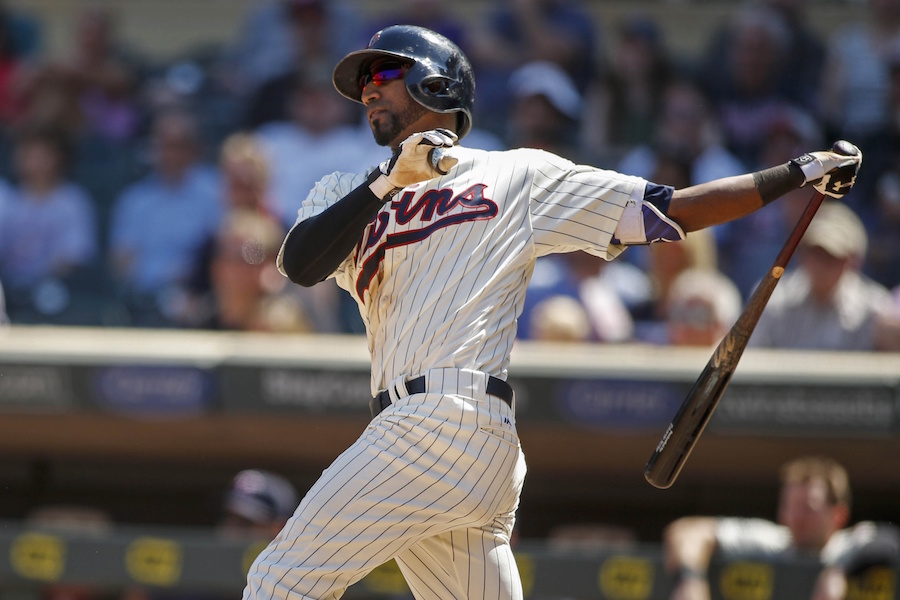 * Since dismissing Terry Ryan as GM, Twins ownership has made some remarks that I would generously refer to as "tone deaf." Antony, for his part, seems a bit more interested in saying the right things. During a Q&A with MLB.com's Rhett Bollinger this week (well worth reading), Antony suggested that he will "use advanced statistics as the first tool to evaluate players before relying on the club's scouts." He also talked about the prioritization of bulking up the analytics department. Whether this is lip service or an actual indication of Antony's evolution on the subject remains to be seen. But at least he recognizes the problematic perceptions of the front office regime under his predecessor, and is actively trying to draw a distinction. * Speaking of the general manager search, the Twins announced that they are hiring search firm Korn Ferry to assist with the process. It's good news, ensuring that the they plan to conduct a comprehensive search for their next baseball ops leader. Most recently, Korn Ferry assisted with the GM hirings of David Stearns by the Brewers and Ross Atkins by the Blue Jays. Stearns, 30, became the youngest general manager in the game when Milwaukee fished him away from Houston. For three years, he had been the right-hand man to Jeff Luhnow with the Astros, helping craft one of the league's most talented young rosters. It was a bold hire. In the case of the Blue Jays, Atkins beat out internal candidate Tony LaCava, the other finalist who had been serving in an interim capacity following the departure of Alex Anthopoulos. Atkins came over after spending 15 years in the Indians organization. It's hard to believe this choice wasn't heavily influenced by Toronto's new president Mark Shapiro, who was very familiar with Atkins having brought him up in Cleveland's front office. * Switching to trade rumblings, it sounds like the Twins won't trade Ervin Santana unless they're overwhelmed by an offer. Given the uncertainties surrounding Phil Hughes (health) and Ricky Nolasco (performance), that's a logical approach, if the team does indeed have aspirations of returning to contention in 2017. He threw nine good innings on Tuesday night against the worst lineup in ball, but Santana just isn't the kind of arm that's going to entice someone to give up a haul. * As for Nolasco, based on everything I've been hearing and reading, the front office would happily ship him to any willing recipient, but interest in the veteran right-hander is undoubtedly low. Nolasco's 5.40 ERA ranks as fifth-worst among qualified MLB starters, and he has tallied more walks than strikeouts this month. Even if the Twins are throwing in a wad of cash, why bother? * A source from a contending team told Mike Berardino that the Twins are in "listening mode--at best" on Kyle Gibson. That's probably the right mindset. Gibson is a fairly reliable rotation piece going forward and his value is depressed right now thanks to a poor start and a shoulder injury that cost him a chunk of the season. The righty quietly has posted a 3.03 ERA over his last five starts. * One club that may be expressing interest in Twins pitchers is Miami. In a column for the Boston Globe, Nick Cafardo wrote that the Marlins had scouts at Fenway last week to watch Nolasco and Tommy Milone. Both got shelled, but regardless of how they pitched in those outings, no one was going to form any illusions about either hittable hurler. * Buster Olney of ESPN tweeted on Tuesday that Eduardo Nunez is among options the first-place Indians have evaluated as they seek to bolster their offense. Presumably, they would install Nunez as their regular third baseman. Francisco Lindor and Jason Kipnis are holding down the middle infield, while Juan Uribe has done little to distinguish himself at the hot corner. This is one worth keeping an eye on. * Ken Rosenthal of FOX Sports wrote last week that Minnesota's trade chips drawing the most attention are Nunez, Kurt Suzuki, Fernando Abad and Brandon Kintzler. This list isn't surprising, but sort of encapsulates why it's hard to get too jazzed up about this deadline period. The Twins have assets that are intriguing to contenders, but we're talking about a career bench player (prior to this year), a decent-at-best catcher, and a pair of relievers on minor-league contracts. The only opportunity that Antony has to make a major splash would be a shocking move involving, say, Brian Dozier or one of the kids he feels is expendable. But is the interim GM really going to uproot the long-term roster foundation, not to mention the clubhouse dynamic, by taking such a gamble? Hard to envision.
 -
Article: Parting Gifts: Ryan's 5 Best Final Moves
Nick Nelson replied to Nick Nelson's topic in Twins Daily Front Page News
I'm looking at the move independent of the Murphy and Hicks acquisitions, which clearly did not pan. On its own this was a good trade. If you were complaining about losing Herrmann last November coming off a season where he posted a .486 OPS, I'd love you to point me to it.- 78 replies
-
- 3
-
-
- robbie grossman
- buddy boshers
- (and 2 more)
-
Article: Parting Gifts: Ryan's 5 Best Final Moves
Nick Nelson replied to Nick Nelson's topic in Twins Daily Front Page News
Look, I've been as skeptical of Ryan's conservative bullpen approach as anyone, but when his minor-league deal gambles are excelling while popular offseason targets like Bastardo/Sipp are mired in mediocrity and Storen is getting DFA'd in July, I think it's worth pointing out.- 78 replies
-
- 2
-
-
- robbie grossman
- buddy boshers
- (and 2 more)
-
Article: Parting Gifts: Ryan's 5 Best Final Moves
Nick Nelson replied to Nick Nelson's topic in Twins Daily Front Page News
A 24-year-old Palka is of more value to a team in MN's position than a 28-year-old (out of options) Herrmann. I don't think this is a particularly controversial statement. Of course Palka carries uncertainty, as does any prospect, but it seems odd to completely downplay a guy who's on track to hit almost 40 home runs in his first taste of the high minors.- 78 replies
-
- 1
-
-
- robbie grossman
- buddy boshers
- (and 2 more)
-
Article: Parting Gifts: Ryan's 5 Best Final Moves
Nick Nelson replied to Nick Nelson's topic in Twins Daily Front Page News
Bottom line is that Herrmann was on his way out, and rightfully so. Ryan got something of actual value for him, which is a win, regardless of what happens going forward. It's pretty amusing to watch some of the hindsight judgments playing out here, though. I had completely forgotten what big Herrmann supporters you all were!- 78 replies
-
- 5
-
-
- robbie grossman
- buddy boshers
- (and 2 more)
-
In the wake of his dismissal as general manager, there has been much discussion of Terry Ryan's missteps. Rightfully so. But despite the poor results this year, Ryan did make a few notably good moves, and many were the apparent result of savvy scouting. Amidst the focus on his shortcomings, we'll take a look at a few instances where Ryan's instincts paid off (and may continue to pay off long after he's gone).These five low-key decisions, dating back to the end of last season, all worked out better than anyone would have suspected. Three of them involve bullpen pickups, which is somewhat ironic considering that Ryan's lack of action on that front was a primary source of offseason criticism. Let's give the man his due: Believing in Fernando Abad Most fans, including myself, rolled their eyes when Abad became the highest-profile addition to the Twins bullpen during the offseason. For a team badly needing impact left-handed relievers, bypassing the big names on the market and settling for a guy who couldn't get a major-league deal left something to be desired. As it turns out, the Twins were astute in preferring Abad over the high-priced free agent alternatives. His numbers have been vastly superior to Antonio Bastardo or Tony Sipp, and he came with only a fraction of the contractual commitment. Now, Rob Antony may be able to flip Abad ahead of the deadline for a decent prospect. Signing Robbie Grossman Following a 2015 campaign that was poor across the board, the Astros released Grossman in November. He went on to sign a minor-league deal with the Indians. After six weeks with Cleveland's Triple-A affiliate, seeing no path to the majors, Grossman opted out and became a free agent. Ryan liked what he saw and snagged him, and now the outfielder is looking like a potential piece for the future. He certainly can't be counted on to maintain an .850 OPS long-term, but Grossman brings a skill set that offers good value off the bench. He's a switch-hitter. He's a solid fielder and runner. He has a keen eye at the plate, and walks enough to keep his OBP afloat through hitting slumps. And finally, he's only 26 with plenty of team control left. Uncovering Buddy Boshers Last year, Boshers was pitching in an independent league. He performed very well for the Somerset Patriots, and after the season he drew interest from a few different MLB clubs. No one pushed harder than the Twins, who landed him on a minor-league deal in December. What a find he is turning out to be. The 28-year-old southpaw has excelled consistently this year, whether in Rochester or Minnesota. In 20 appearances with the Red Wings, he has a 1.16 ERA, 1.07 WHIP and 26-to-8 K/BB ratio. In 17 appearances with the Twins, he has a 2.81 ERA, 1.13 WHIP and 18-to-3 K/BB. He misses bats, stays in the zone and devastates left-handed hitters. What's not to like? Boshers and Abad have become legitimate lefty bullpen options for the Twins going forward, along with Taylor Rogers who was drafted in TR's first year back at the helm. Give the exiled GM this much: he addressed this particular area effectively, albeit in characteristically subtle fashion. Trading Chris Herrmann for Daniel Palka It's safe to say that Chris Herrmann was not in Minnesota's plans this year, right? He was out of options, with a .530 career OPS, and his fringy receiving skills weren't exactly appealing to a team in need of help behind the plate. Somehow, Ryan managed to flip Herrmann for Palka, whose power-hitting skills have only grown more prolific in a new system. Palka's homer last Wednesday in Rochester was his 25th of the year in the minors. No Twin has more than 17. The 24-year-old put on a show in spring training with his long-ball theatrics and is reinforcing his power-hitting prowess with dominant numbers in Double-A and Triple-A. Acquiring Palka for a player who was on his way out will go down as a big win for Ryan. Betting on Brandon Kintzler Kintzler was once a very effective setup man for the Brewers, but had fallen off in recent years. Ryan believed that there was still something left, and it looks like he was right. With Glen Perkins out for the year, and Kevin Jepsen released, Kintzler has taken over the closer role. He has done a damn good job, converting all eight of his save chances despite lacking dominant stuff. Clearly he isn't a long-term ninth-inning solution but he does have the makings of a quality bullpen arm. The Jared Burton parallels are obvious. Click here to view the article
- 78 replies
-
- 2
-
-
- robbie grossman
- buddy boshers
- (and 2 more)
-
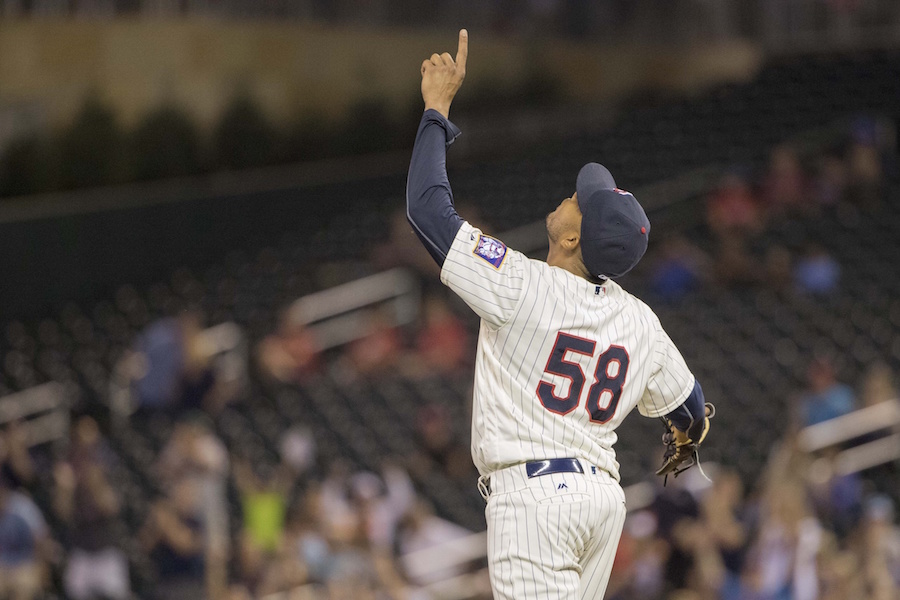 These five low-key decisions, dating back to the end of last season, all worked out better than anyone would have suspected. Three of them involve bullpen pickups, which is somewhat ironic considering that Ryan's lack of action on that front was a primary source of offseason criticism. Let's give the man his due: Believing in Fernando Abad Most fans, including myself, rolled their eyes when Abad became the highest-profile addition to the Twins bullpen during the offseason. For a team badly needing impact left-handed relievers, bypassing the big names on the market and settling for a guy who couldn't get a major-league deal left something to be desired. As it turns out, the Twins were astute in preferring Abad over the high-priced free agent alternatives. His numbers have been vastly superior to Antonio Bastardo or Tony Sipp, and he came with only a fraction of the contractual commitment. Now, Rob Antony may be able to flip Abad ahead of the deadline for a decent prospect. Signing Robbie Grossman Following a 2015 campaign that was poor across the board, the Astros released Grossman in November. He went on to sign a minor-league deal with the Indians. After six weeks with Cleveland's Triple-A affiliate, seeing no path to the majors, Grossman opted out and became a free agent. Ryan liked what he saw and snagged him, and now the outfielder is looking like a potential piece for the future. He certainly can't be counted on to maintain an .850 OPS long-term, but Grossman brings a skill set that offers good value off the bench. He's a switch-hitter. He's a solid fielder and runner. He has a keen eye at the plate, and walks enough to keep his OBP afloat through hitting slumps. And finally, he's only 26 with plenty of team control left. Uncovering Buddy Boshers Last year, Boshers was pitching in an independent league. He performed very well for the Somerset Patriots, and after the season he drew interest from a few different MLB clubs. No one pushed harder than the Twins, who landed him on a minor-league deal in December. What a find he is turning out to be. The 28-year-old southpaw has excelled consistently this year, whether in Rochester or Minnesota. In 20 appearances with the Red Wings, he has a 1.16 ERA, 1.07 WHIP and 26-to-8 K/BB ratio. In 17 appearances with the Twins, he has a 2.81 ERA, 1.13 WHIP and 18-to-3 K/BB. He misses bats, stays in the zone and devastates left-handed hitters. What's not to like? Boshers and Abad have become legitimate lefty bullpen options for the Twins going forward, along with Taylor Rogers who was drafted in TR's first year back at the helm. Give the exiled GM this much: he addressed this particular area effectively, albeit in characteristically subtle fashion. Trading Chris Herrmann for Daniel Palka It's safe to say that Chris Herrmann was not in Minnesota's plans this year, right? He was out of options, with a .530 career OPS, and his fringy receiving skills weren't exactly appealing to a team in need of help behind the plate. Somehow, Ryan managed to flip Herrmann for Palka, whose power-hitting skills have only grown more prolific in a new system. Palka's homer last Wednesday in Rochester was his 25th of the year in the minors. No Twin has more than 17. The 24-year-old put on a show in spring training with his long-ball theatrics and is reinforcing his power-hitting prowess with dominant numbers in Double-A and Triple-A. Acquiring Palka for a player who was on his way out will go down as a big win for Ryan. Betting on Brandon Kintzler Kintzler was once a very effective setup man for the Brewers, but had fallen off in recent years. Ryan believed that there was still something left, and it looks like he was right. With Glen Perkins out for the year, and Kevin Jepsen released, Kintzler has taken over the closer role. He has done a damn good job, converting all eight of his save chances despite lacking dominant stuff. Clearly he isn't a long-term ninth-inning solution but he does have the makings of a quality bullpen arm. The Jared Burton parallels are obvious.
 -
That the Minnesota Twins decided to move on from general manager Terry Ryan would not, in and of itself, be all that surprising for any organization that didn't have the same reputation for inscrutable loyalty. It is a results-oriented business, and the results have been dire since Ryan's return. The timing of the move, however, was stunning from any perspective.The Twins removed Ryan from the GM's chair just two weeks ahead of a pivotal trade deadline. In that same chair, he was amidst discussions and negotiations that had been percolating for weeks. The next 10 days could prove extremely important to the future of the franchise. Now, instead of a seasoned veteran highly familiar navigating with the deadline landscape, the burden falls to Rob Antony, who has virtually no experience in this top role. The pressure Antony faces is immense. This is a job that he has eyed for much of his life. He has spent nearly 30 years climbing the ladder with this team. He stated earlier this week that he has always envisioned a day when Ryan would step aside on his own terms and recommend his longtime assistant as successor. Had things played out the way they were supposed to this year, that could have very well come to fruition. Obviously, it isn't what happened. The club collapsed, Ryan was fired, and now Antony carries the dubious distinction of being next-in-command for this precarious regime. He finally has the job he has long coveted, but it's far from certain that he'll be able to keep it beyond the next two months. Earlier this week in the Star Tribune, columnist Pat Reusse wrote that there is "zero chance" of Antony keeping the position long-term. If the premise of Reusse's piece is true, and the dismissal of Ryan was driven by PR considerations, then this only makes sense. Regardless of Antony's qualifications, installing him as the permanent replacement isn't going to excite or rejuvenate a wilting fan base. The Twins would need a splashy outside hire. But, given the critical timing of Antony's installation as interim GM, along with the organization's aforementioned loyalty and preference for promoting from within, I have to believe that the 51-year-old is being given an opportunity to audition. Could he bolster his case with a few savvy moves leading up the deadline and beyond? It's going to be tough to evaluate him on this basis, for a few reasons. First of all, the nature Minnesota's position as sellers means that any moves they make will involve swapping out veterans for prospects. Those deals are almost impossible to evaluate until several years down the line. Secondly, Antony is only picking up where Ryan left off. Very few deadline deals materialize out of nowhere in the final days of July. Seeds have been planted. Antony isn't really operating in full autonomy even though he now has the final say. There were several interesting tidbits within La Velle E. Neal III's Q&A with Antony earlier this week. One that I found particularly noteworthy: Ryan advised, "You might get more action now than we did before because people are going to test you." It's a side of this whole thing that I hadn't really considered. Ryan has always had a shrewd and conservative approach at the deadline, much to the dismay of action-hungry fans. Opposing general managers were undoubtedly reluctant to push him too hard, knowing where such efforts would end up. Antony, though, is a different man. Perhaps he's more willing to pull the trigger. Perhaps that was even a part of the reasoning behind the switch. Will his desire to make a splash and distinguish himself compel him to be more active? Will opportunistic execs around the league seek to take advantage of the new guy? I'll be curious to see how this plays out. One thing is for sure: he's being thrown right into the frying pan. The stakes for Antony and his career are as high as can be. How will the interim GM handle the task? Click here to view the article
-
 The Twins removed Ryan from the GM's chair just two weeks ahead of a pivotal trade deadline. In that same chair, he was amidst discussions and negotiations that had been percolating for weeks. The next 10 days could prove extremely important to the future of the franchise. Now, instead of a seasoned veteran highly familiar navigating with the deadline landscape, the burden falls to Rob Antony, who has virtually no experience in this top role. The pressure Antony faces is immense. This is a job that he has eyed for much of his life. He has spent nearly 30 years climbing the ladder with this team. He stated earlier this week that he has always envisioned a day when Ryan would step aside on his own terms and recommend his longtime assistant as successor. Had things played out the way they were supposed to this year, that could have very well come to fruition. Obviously, it isn't what happened. The club collapsed, Ryan was fired, and now Antony carries the dubious distinction of being next-in-command for this precarious regime. He finally has the job he has long coveted, but it's far from certain that he'll be able to keep it beyond the next two months. Earlier this week in the Star Tribune, columnist Pat Reusse wrote that there is "zero chance" of Antony keeping the position long-term. If the premise of Reusse's piece is true, and the dismissal of Ryan was driven by PR considerations, then this only makes sense. Regardless of Antony's qualifications, installing him as the permanent replacement isn't going to excite or rejuvenate a wilting fan base. The Twins would need a splashy outside hire. But, given the critical timing of Antony's installation as interim GM, along with the organization's aforementioned loyalty and preference for promoting from within, I have to believe that the 51-year-old is being given an opportunity to audition. Could he bolster his case with a few savvy moves leading up the deadline and beyond? It's going to be tough to evaluate him on this basis, for a few reasons. First of all, the nature Minnesota's position as sellers means that any moves they make will involve swapping out veterans for prospects. Those deals are almost impossible to evaluate until several years down the line. Secondly, Antony is only picking up where Ryan left off. Very few deadline deals materialize out of nowhere in the final days of July. Seeds have been planted. Antony isn't really operating in full autonomy even though he now has the final say. There were several interesting tidbits within La Velle E. Neal III's Q&A with Antony earlier this week. One that I found particularly noteworthy: Ryan advised, "You might get more action now than we did before because people are going to test you." It's a side of this whole thing that I hadn't really considered. Ryan has always had a shrewd and conservative approach at the deadline, much to the dismay of action-hungry fans. Opposing general managers were undoubtedly reluctant to push him too hard, knowing where such efforts would end up. Antony, though, is a different man. Perhaps he's more willing to pull the trigger. Perhaps that was even a part of the reasoning behind the switch. Will his desire to make a splash and distinguish himself compel him to be more active? Will opportunistic execs around the league seek to take advantage of the new guy? I'll be curious to see how this plays out. One thing is for sure: he's being thrown right into the frying pan. The stakes for Antony and his career are as high as can be. How will the interim GM handle the task?
 -
When the Twins announced on Monday the stunning midseason dismissal of longtime general manager Terry Ryan, it was a promising signal to fans that the organization is taking its dismal state of affairs very seriously. Unfortunately, that optimism quickly faded once the franchise's remaining top decision-makers began speaking about what's coming next.The problem with removing the GM is that the Twins have lacked foresight to lay the groundwork for such an eventuality. They never surrounded Ryan with new blood, so each of the internal replacement candidates is entrenched in the organizational culture, and to some extent a student of Ryan. The line of succession is stale. They did not replace their team president with a baseball man, so the executive who has the final say on the matter (outside of the owners) remains Dave St. Peter, an individual who inspires little confidence as an evaluator. By his own admission, St. Peter tries to stick to the business side – "we believe strongly that we should let the baseball people make baseball decisions" – but now the top baseball person is gone, and so the responsibility of finding a new general manager falls on decidedly non-baseball people: St. Peter and the ownership. Yes, the same ownership that stays connected from afar, and lacks much knowledge of how teams around the league operate. To reinforce this reality, Jim Pohlad said at a press conference on Monday that he was brushing up on how other front offices are structured by reading their media guides. He also stated that his foremost requirement for a new candidate was that he be "lovable." Given his success in the business world, and the amount of time he has been involved with running a sports franchise, it is almost inconceivable to me that Pohlad would be tone deaf enough not to foresee how these public comments would be perceived by fans, media and basically everyone... but here we are. The rhetoric from St. Peter and the Pohlads makes it difficult to have faith in their aptitude to choose the right person for the job. So does their history. The last time Ryan departed as GM, the same group tabbed Bill Smith as his replacement, and the outcome was brutal. The possibility of keeping on Rob Antony isn't popular, both because of of the Smith experience and because of Minnesota's history of insularity, but it shouldn't be written off quite so hastily. While he has delivered some troubling quotes in the past, that was a long time ago. In my interactions with him, Antony has always come off as being sharp and knowledgeable. He has considerable experience negotiating contracts, and knows the system here inside and out. While this is speculative, I suspect Antony would be more open to the influence of stats guru Jack Goin than was Ryan, a grizzled scout. Perhaps Antony would even push for an expansion of the analytics department. Who knows. The point is: just because he learned under TR does not mean he's the same guy. But hiring Antony without conducting an extensive outside search would be outrageous and unacceptable. Pohlad indicated that the Twins "might" bring in a search firm for assistance, and that's only another reason to hold extreme skepticism toward their approach. Enlisting outside help in this process should be an absolute no-brainer. When you're hedging on that and talking about how you're looking for a lovable guy, how can anyone really believe that this monumentally important task is being treated with the proper gravity? If they want to parlay this pivotal decision into feelings of hope and enthusiasm amongst fans desperate for a positive change in direction, the people running the show at Target Field need to start saying and doing the right things. So far, they are failing. Click here to view the article
-
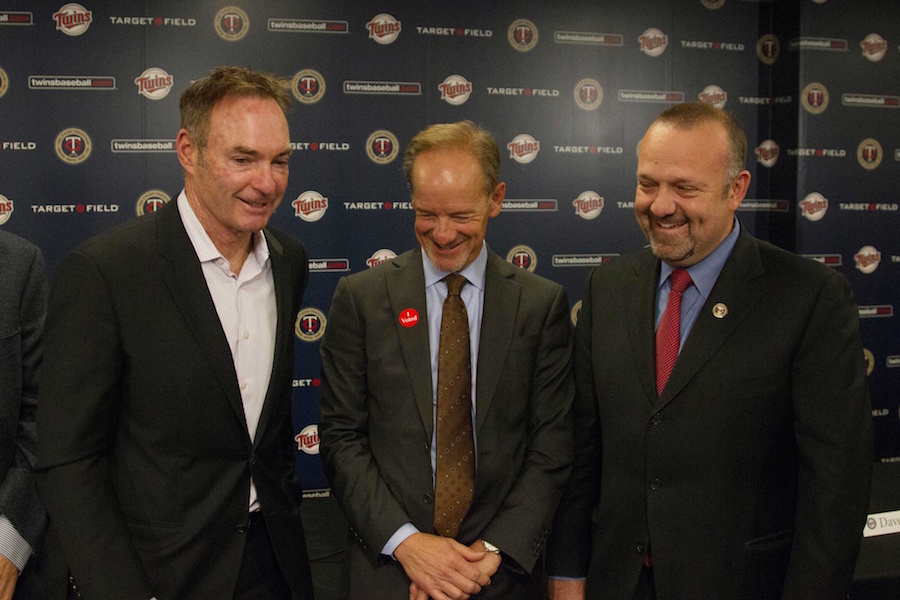 The problem with removing the GM is that the Twins have lacked foresight to lay the groundwork for such an eventuality. They never surrounded Ryan with new blood, so each of the internal replacement candidates is entrenched in the organizational culture, and to some extent a student of Ryan. The line of succession is stale. They did not replace their team president with a baseball man, so the executive who has the final say on the matter (outside of the owners) remains Dave St. Peter, an individual who inspires little confidence as an evaluator. By his own admission, St. Peter tries to stick to the business side – "we believe strongly that we should let the baseball people make baseball decisions" – but now the top baseball person is gone, and so the responsibility of finding a new general manager falls on decidedly non-baseball people: St. Peter and the ownership. Yes, the same ownership that stays connected from afar, and lacks much knowledge of how teams around the league operate. To reinforce this reality, Jim Pohlad said at a press conference on Monday that he was brushing up on how other front offices are structured by reading their media guides. He also stated that his foremost requirement for a new candidate was that he be "lovable." Given his success in the business world, and the amount of time he has been involved with running a sports franchise, it is almost inconceivable to me that Pohlad would be tone deaf enough not to foresee how these public comments would be perceived by fans, media and basically everyone... but here we are. The rhetoric from St. Peter and the Pohlads makes it difficult to have faith in their aptitude to choose the right person for the job. So does their history. The last time Ryan departed as GM, the same group tabbed Bill Smith as his replacement, and the outcome was brutal. The possibility of keeping on Rob Antony isn't popular, both because of of the Smith experience and because of Minnesota's history of insularity, but it shouldn't be written off quite so hastily. While he has delivered some troubling quotes in the past, that was a long time ago. In my interactions with him, Antony has always come off as being sharp and knowledgeable. He has considerable experience negotiating contracts, and knows the system here inside and out. While this is speculative, I suspect Antony would be more open to the influence of stats guru Jack Goin than was Ryan, a grizzled scout. Perhaps Antony would even push for an expansion of the analytics department. Who knows. The point is: just because he learned under TR does not mean he's the same guy. But hiring Antony without conducting an extensive outside search would be outrageous and unacceptable. Pohlad indicated that the Twins "might" bring in a search firm for assistance, and that's only another reason to hold extreme skepticism toward their approach. Enlisting outside help in this process should be an absolute no-brainer. When you're hedging on that and talking about how you're looking for a lovable guy, how can anyone really believe that this monumentally important task is being treated with the proper gravity? If they want to parlay this pivotal decision into feelings of hope and enthusiasm amongst fans desperate for a positive change in direction, the people running the show at Target Field need to start saying and doing the right things. So far, they are failing.
 -
The narrative about the Minnesota Twins front office being run as a "country club" took a hit today, as the organization shocked the baseball world by announcing the dismissal of general manager Terry Ryan. He will be replaced by assistant GM Rob Antony on an interim basis.The stunning announcement comes just two weeks ahead of a pivotal trade deadline, meaning that a different leader will oversee this critical opportunity to support and reinforce Minnesota's rebuilding process. Antony has been working in the organization for nearly 30 years, first in the PR and media relations departments before moving into baseball operations and eventually becoming a high-ranking front office executive. He has briefly handled GM duties in the past, when Ryan was absent while battling skin cancer in 2014. It isn't entirely surprising that the Twins decided to part ways with their long-time GM, given the disastrous way that things have played out on the field this year, but the timing is striking. Is Antony auditioning for a permanent gig based on how he handles the deadline and the remainder of the season? Or does the franchise have plans in place for a more comprehensive and competitive successor search during the offseason? (NOTE: According MLB Network's Jon Morosi, the Twins plan to launch an extensive GM search within the coming weeks.) We'll keep you updated with new details as they emerge. But for now, here's what we know: Terry Ryan, who has largely been the enduring face of Twins baseball since first taking the GM gig back in 1994, is out. Click here to view the article
-
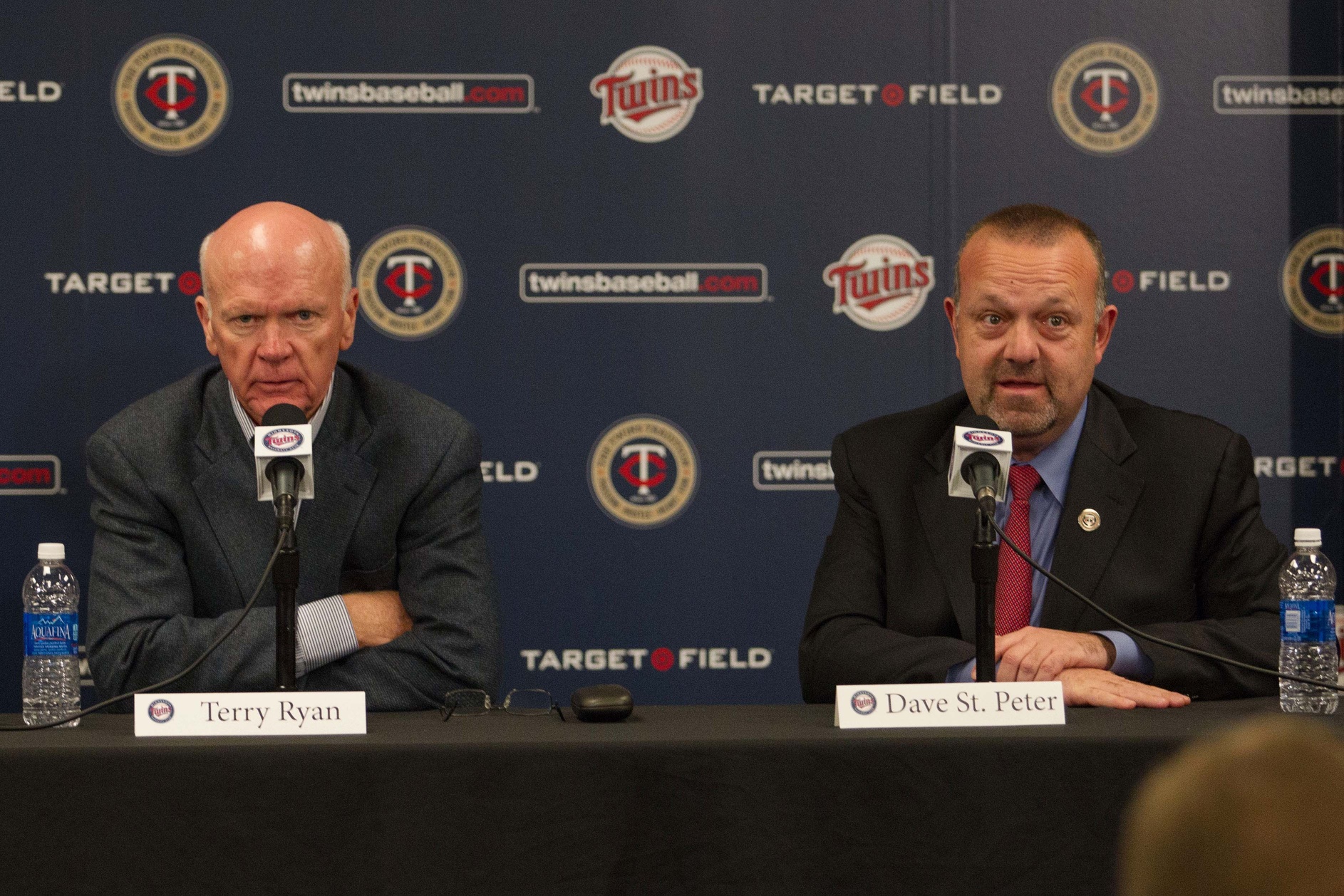 The stunning announcement comes just two weeks ahead of a pivotal trade deadline, meaning that a different leader will oversee this critical opportunity to support and reinforce Minnesota's rebuilding process. Antony has been working in the organization for nearly 30 years, first in the PR and media relations departments before moving into baseball operations and eventually becoming a high-ranking front office executive. He has briefly handled GM duties in the past, when Ryan was absent while battling skin cancer in 2014. It isn't entirely surprising that the Twins decided to part ways with their long-time GM, given the disastrous way that things have played out on the field this year, but the timing is striking. Is Antony auditioning for a permanent gig based on how he handles the deadline and the remainder of the season? Or does the franchise have plans in place for a more comprehensive and competitive successor search during the offseason? (NOTE: According MLB Network's Jon Morosi, the Twins plan to launch an extensive GM search within the coming weeks.) We'll keep you updated with new details as they emerge. But for now, here's what we know: Terry Ryan, who has largely been the enduring face of Twins baseball since first taking the GM gig back in 1994, is out.

