Matthew Taylor
-
Posts
973 -
Joined
-
Last visited
Content Type
Profiles
News
Minnesota Twins Videos
2026 Minnesota Twins Top Prospects Ranking
2022 Minnesota Twins Draft Picks
Minnesota Twins Free Agent & Trade Rumors, Notes, & Tidbits
Guides & Resources
2023 Minnesota Twins Draft Picks
The Minnesota Twins Players Project
2024 Minnesota Twins Draft Picks
2025 Minnesota Twins Draft Pick Tracker
2026 Minnesota Twins Draft Tracker: Picks & Bonuses
Forums
Blogs
Events
Store
Downloads
Gallery
Everything posted by Matthew Taylor
-
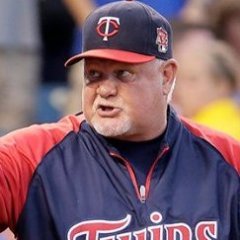 For much of the 2026 season, the American League has been defined by mediocrity. Outside of the division leaders and whichever AL East club happened to occupy second place between the Yankees and Rays, there were no clear playoff teams. Instead, the Wild Card race became a crowded collection of six or seven clubs hovering around the .500 mark, all believing they had a legitimate chance to reach October. That environment has been one of the biggest reasons the Twins have remained in the playoff conversation despite an underwhelming season. Their record has often looked uninspiring, but so has almost everyone else's. On July 1, Minnesota sat at 42-46, yet still carried a 27 percent chance of making the postseason. At that same point, no non-division leader in the American League had playoff odds higher than 33 percent. It was an indication of just how unsettled the Wild Card picture had become. As long as the Twins stayed within striking distance of .500, they were always going to remain part of that conversation. The math worked in their favor because there simply weren't enough teams separating themselves from the pack. The biggest threat to Minnesota's playoff hopes wasn't necessarily their own record. It was the possibility that another team would finally catch fire and turn a wide open race into a much more exclusive one. That is exactly what has happened. On July 1, the Boston Red Sox looked finished. They were 37-48, sitting in last place in the American League East and carrying just a 13.8 percent chance to make the playoffs. Reports had already surfaced that Boston was deep into trade discussions and preparing to sell ahead of the deadline. They appeared to be on the verge of waving the white flag on their season. Instead, they completely changed the landscape of the American League. Beginning on July 1, Boston ripped off a remarkable 15-game winning streak that transformed its season almost overnight. The Red Sox went from 11 games under .500 to 52-48 and suddenly found themselves two games clear of a Wild Card spot. Their playoff odds have skyrocketed to 61.3 percent, and rather than preparing to sell, they now look like one of the most aggressive buyers at the trade deadline. A team that was days away from pulling itself out of the playoff race is now firmly in the driver's seat for October baseball. For the Twins, the implications are significant. Minnesota has actually improved since July 1, climbing from four games under .500 to just two games below the break-even mark. Under normal circumstances, that would be encouraging progress in such a tightly packed Wild Card race. Instead, their playoff odds have actually declined because the overall landscape has changed. There is essentially one fewer playoff spot available. The American League once looked like six teams battling for two Wild Card berths. Boston's surge has effectively allowed one club to separate from the pack, leaving everyone else fighting over what may now amount to a single remaining opening. The margin for error has become much smaller. That is the danger of relying on the struggles of everyone around you. It can be tempting to look at a mediocre field and believe that simply hanging around .500 will be enough to stay alive until September. The problem is that those standings are never frozen in place. Eventually, somebody gets hot. This time it was Boston. Could another team make a similar run? Absolutely. Could it be the Twins? They certainly hope so. There is still plenty of baseball left, and Minnesota remains close enough to make a legitimate push. Their front office can still justify buying at the deadline if they believe this roster has another level to reach. What Boston's run should eliminate, however, is any thought that simply staying afloat will be enough. An 81-win season was never likely to earn a playoff berth, even in a weak American League. The Red Sox have reinforced that reality. Teams that want to play in October have to create separation, not wait for everyone else to stay mediocre. The Red Sox have reminded everyone that playoff races are won by taking advantage of opportunities, not by waiting for opportunities to come to you. Do you think Boston has effectively claimed one of the American League Wild Card spots, or is the race still wide open? Can the Twins put together a run of their own over the final two months, and should that possibility influence how aggressive they are at the trade deadline? Leave a comment below and start the conversation! View full article
 -
Twins could really go in either direction at this point. Playoff odds are at 26%. Easily a world in which they buy and easily a world in which they sell. IMO buying a right handed bat AND selling Jeffers doesn’t make sense.
- 59 replies
-
- 6
-

-

-
- trade deadline
- gleyber torres
- (and 2 more)
-
Image courtesy of © Denny Medley-Imagn Images Exactly what the Minnesota Twins will do at the trade deadline remains anyone's guess. With just a week and a half remaining before the August 3 deadline, the Twins continue to hover around the 20% mark in playoff odds. A good week could convince the front office to add pieces for a postseason push. A bad week could just as easily send them toward selling. There is still plenty left to decide. If the Twins determine they are buyers, the biggest needs are fairly obvious. Starting pitching and relief pitching both stand out as areas that need reinforcements. One need that has received much less attention, however, is another right-handed bat. For what feels like the fifth consecutive season, the Twins simply have not been able to hit left-handed pitching. Entering the deadline, they rank 28th in the majors with a .227 batting average against southpaws and 27th with a .677 OPS. It has become one of the biggest flaws in an otherwise solid offense, and has left opposing managers free to lean heavily on left-handed pitching late in games. The two spots where a right-handed hitter would fit best are corner outfield and second base. Trevor Larnach has become an important top-of-the-order bat against right-handed pitching, but the production disappears when a lefty is on the mound. Larnach owns just a .588 career OPS against left-handed pitchers. Austin Martin has received many of those starts this season and has done an admirable job, but much of his production came very early in the season, and even at his best, his lack of power is limiting. Second base presents another opportunity. Kody Clemens has been one of the better stories of the Twins' season, but he's still best utilized in a platoon role. While Clemens owns a respectable .733 OPS against lefties this season, his career numbers paint a different picture. He has just a .628 career OPS against southpaws and managed only a .482 OPS against them a year ago. The Twins do have an intriguing internal option waiting in Triple-A. Kaelen Culpepper has the versatility to play all over the infield and could eventually provide the right-handed bat Minnesota is looking for. However, injuries have interrupted much of his season, making it difficult to know exactly what the Twins can expect from him over the final two months. If the front office isn't comfortable relying on a rookie returning from injury to make his debut during a playoff race, adding a veteran infielder becomes a much more appealing option. If Minnesota decides to buy, these three players should be among the names at the top of their list. Lane Thomas, OF, Royals DiamondCentric's Trade Candidate Rank: 55 Lane Thomas has long felt like a natural fit for the Twins because of his ability to punish left-handed pitching. For his career, Thomas owns an .848 OPS against southpaws and has continued that success this season. He has also been swinging one of the hotter bats in baseball lately, posting an .843 OPS since June 1. His defensive versatility only adds to the appeal. Thomas can handle either corner outfield position while also filling in at center field whenever Byron Buxton needs a day off. Perhaps most importantly, Thomas is scheduled to become a free agent after the season, meaning he should be obtainable without an overwhelming prospect package. He checks nearly every box Minnesota should be looking for in a deadline addition. Taylor Ward, OF, Orioles DiamondCentric's Trade Candidate Rank: 48 Taylor Ward offers many of the same qualities as Thomas, with perhaps even more offensive upside. Ward has been one of baseball's better hitters against left-handed pitching throughout his career, compiling an .835 OPS against southpaws. He has been even better this season, posting a .900 OPS against lefties. A natural left fielder, Ward would fit perfectly into a platoon with Larnach for the remainder of the season. Shelton could continue starting Larnach against right-handed pitching while turning to Ward whenever a lefty takes the mound, giving the lineup considerably more balance. Like Thomas, Ward is set to reach free agency following the season, making him an attractive rental option for a Twins club that may not want to sacrifice premium prospects. Gleyber Torres, 2B, Tigers DiamondCentric's Trade Candidate Rank: 56 Intra-division trades don't happen often, but they aren't unheard of, either. The Twins and Tigers have completed deals before, most notably the Michael Fulmer trade, and could be willing to do business again if Detroit decides to move veterans. Torres has built a career on hitting left-handed pitching. He owns an .852 career OPS against southpaws and continues to produce offensively with a .787 OPS this season. He is also just one year removed from an All-Star campaign, proving there is still plenty of offensive value in his bat. The biggest question surrounding a move like this is Kaelen Culpepper. If the Twins believe Culpepper is healthy enough to come up and contribute during the stretch run, they may choose to stick with their top prospect. But if injuries have created enough uncertainty that the organization isn't comfortable counting on him in a playoff race, Torres becomes an intriguing alternative. He would give Minnesota a proven right-handed bat who could platoon with Clemens at second base while also receiving regular at-bats at designated hitter. None of these players would solve every problem facing the Twins. Starting pitching and bullpen help would still need to be addressed if Minnesota hopes to make a legitimate postseason run. Still, adding another proven right-handed bat could quietly become one of the most impactful moves the front office makes. The Twins' struggles against left-handed pitching have been impossible to ignore, and each of Thomas, Ward, and Torres would directly address one of the roster's biggest weaknesses while fitting naturally into the Twins' lineup. Which right-handed bat would you like to see the Twins target? Is there another player you think deserves to be on this list? Leave a comment below and start the conversation! View full article
- 59 replies
-
- 1
-

-
- trade deadline
- gleyber torres
- (and 2 more)
-
3 Right-Handed Bats Minnesota Twins Should Target at MLB Trade Deadline
Matthew Taylor posted an article in Twins
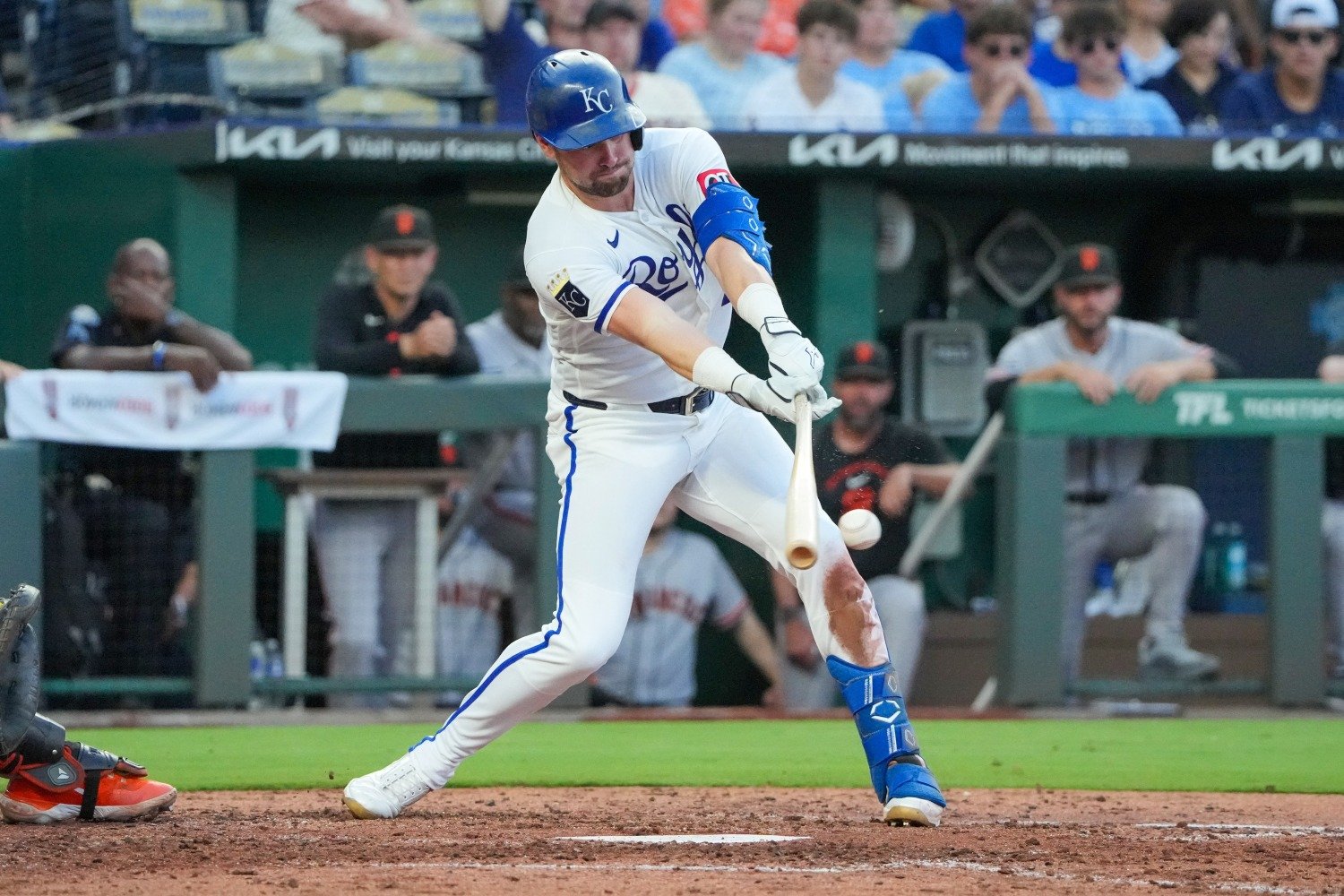 Exactly what the Minnesota Twins will do at the trade deadline remains anyone's guess. With just a week and a half remaining before the August 3 deadline, the Twins continue to hover around the 20% mark in playoff odds. A good week could convince the front office to add pieces for a postseason push. A bad week could just as easily send them toward selling. There is still plenty left to decide. If the Twins determine they are buyers, the biggest needs are fairly obvious. Starting pitching and relief pitching both stand out as areas that need reinforcements. One need that has received much less attention, however, is another right-handed bat. For what feels like the fifth consecutive season, the Twins simply have not been able to hit left-handed pitching. Entering the deadline, they rank 28th in the majors with a .227 batting average against southpaws and 27th with a .677 OPS. It has become one of the biggest flaws in an otherwise solid offense, and has left opposing managers free to lean heavily on left-handed pitching late in games. The two spots where a right-handed hitter would fit best are corner outfield and second base. Trevor Larnach has become an important top-of-the-order bat against right-handed pitching, but the production disappears when a lefty is on the mound. Larnach owns just a .588 career OPS against left-handed pitchers. Austin Martin has received many of those starts this season and has done an admirable job, but much of his production came very early in the season, and even at his best, his lack of power is limiting. Second base presents another opportunity. Kody Clemens has been one of the better stories of the Twins' season, but he's still best utilized in a platoon role. While Clemens owns a respectable .733 OPS against lefties this season, his career numbers paint a different picture. He has just a .628 career OPS against southpaws and managed only a .482 OPS against them a year ago. The Twins do have an intriguing internal option waiting in Triple-A. Kaelen Culpepper has the versatility to play all over the infield and could eventually provide the right-handed bat Minnesota is looking for. However, injuries have interrupted much of his season, making it difficult to know exactly what the Twins can expect from him over the final two months. If the front office isn't comfortable relying on a rookie returning from injury to make his debut during a playoff race, adding a veteran infielder becomes a much more appealing option. If Minnesota decides to buy, these three players should be among the names at the top of their list. Lane Thomas, OF, Royals DiamondCentric's Trade Candidate Rank: 55 Lane Thomas has long felt like a natural fit for the Twins because of his ability to punish left-handed pitching. For his career, Thomas owns an .848 OPS against southpaws and has continued that success this season. He has also been swinging one of the hotter bats in baseball lately, posting an .843 OPS since June 1. His defensive versatility only adds to the appeal. Thomas can handle either corner outfield position while also filling in at center field whenever Byron Buxton needs a day off. Perhaps most importantly, Thomas is scheduled to become a free agent after the season, meaning he should be obtainable without an overwhelming prospect package. He checks nearly every box Minnesota should be looking for in a deadline addition. Taylor Ward, OF, Orioles DiamondCentric's Trade Candidate Rank: 48 Taylor Ward offers many of the same qualities as Thomas, with perhaps even more offensive upside. Ward has been one of baseball's better hitters against left-handed pitching throughout his career, compiling an .835 OPS against southpaws. He has been even better this season, posting a .900 OPS against lefties. A natural left fielder, Ward would fit perfectly into a platoon with Larnach for the remainder of the season. Shelton could continue starting Larnach against right-handed pitching while turning to Ward whenever a lefty takes the mound, giving the lineup considerably more balance. Like Thomas, Ward is set to reach free agency following the season, making him an attractive rental option for a Twins club that may not want to sacrifice premium prospects. Gleyber Torres, 2B, Tigers DiamondCentric's Trade Candidate Rank: 56 Intra-division trades don't happen often, but they aren't unheard of, either. The Twins and Tigers have completed deals before, most notably the Michael Fulmer trade, and could be willing to do business again if Detroit decides to move veterans. Torres has built a career on hitting left-handed pitching. He owns an .852 career OPS against southpaws and continues to produce offensively with a .787 OPS this season. He is also just one year removed from an All-Star campaign, proving there is still plenty of offensive value in his bat. The biggest question surrounding a move like this is Kaelen Culpepper. If the Twins believe Culpepper is healthy enough to come up and contribute during the stretch run, they may choose to stick with their top prospect. But if injuries have created enough uncertainty that the organization isn't comfortable counting on him in a playoff race, Torres becomes an intriguing alternative. He would give Minnesota a proven right-handed bat who could platoon with Clemens at second base while also receiving regular at-bats at designated hitter. None of these players would solve every problem facing the Twins. Starting pitching and bullpen help would still need to be addressed if Minnesota hopes to make a legitimate postseason run. Still, adding another proven right-handed bat could quietly become one of the most impactful moves the front office makes. The Twins' struggles against left-handed pitching have been impossible to ignore, and each of Thomas, Ward, and Torres would directly address one of the roster's biggest weaknesses while fitting naturally into the Twins' lineup. Which right-handed bat would you like to see the Twins target? Is there another player you think deserves to be on this list? Leave a comment below and start the conversation!
- 59 comments
-
- 3
-
-
- trade deadline
- gleyber torres
- (and 2 more)
-
3 Teams Who Could Make a Play for Ryan Jeffers at MLB Trade Deadline
Matthew Taylor posted an article in Twins
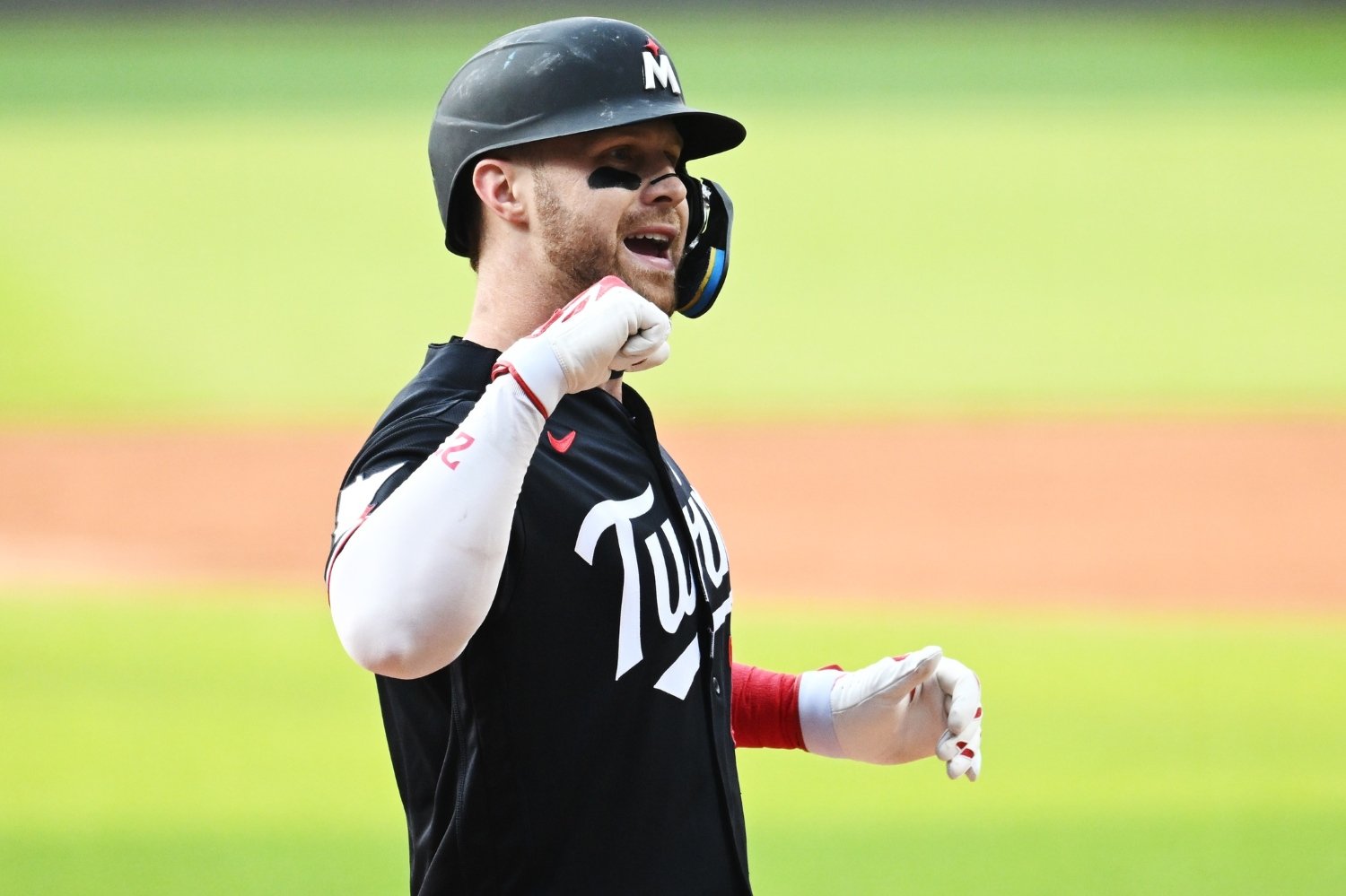 The Minnesota Twins have spent much of July walking the line between buying and selling. Entering Wednesday at 49-53 with playoff odds hovering just above 20 percent, they have about a week left before the front office must decide which direction to take before the August 3 trade deadline. If Minnesota catches fire, adding reinforcements makes sense. If the club continues to slide, however, the Twins could become one of the more interesting sellers on the market. No player's future may depend more on this short stretch than Ryan Jeffers. Jeffers is scheduled to become a free agent at the end of the season, making him an obvious trade candidate if the Twins decide to move expiring contracts. More importantly, he would probably be the top catcher available at the deadline. Jeffers has put together one of the best offensive seasons of any catcher in baseball, in the midst of a career-best season that includes a .941 OPS at the prime age of 29. He's also adapted well to MLB's Automated Ball-Strike challenge system. That combination should generate significant interest from contenders looking for an upgrade behind the plate. The New York Yankees stand out as perhaps the most logical fit. At 56-44, the Yankees currently occupy the top American League Wild Card spot and sit just two games behind the Rays in the AL East. With their sights set on catching Tampa Bay and earning a first-round bye, New York will undoubtedly be aggressive at the deadline. Catcher is one of the Yankees' biggest weaknesses. They have received the fifth-lowest WAR from the position in baseball, primarily relying on Austin Wells, who owns a 44 OPS+. Replacing that production with Jeffers would represent a substantial upgrade for a club with legitimate World Series aspirations. Although the Yankees' farm system is no longer among baseball's elite, they still possess enough prospect talent to make an intriguing offer. George Lombard Jr. would be untouchable in this kind of deal, but the Yankees also have intriguing pitching prospects in Carlos Lagrange and Elmer Rodriguez. Another team that makes plenty of sense is the Boston Red Sox. After ripping off a 15-game winning streak (and counting), Boston has firmly entered the buyer category and now looks like a legitimate postseason contender. The Red Sox have received very little production behind the plate this season, with Carlos Narváez posting a 59 OPS+ as the club has accumulated -0.5 WAR from the catcher position. Their backup, Connor Wong, has hit very well, but that's not his true talent level. Boston also matches up well with Minnesota from a prospect standpoint. The Red Sox have assembled an impressive collection of young pitching, an area where the Twins could always use additional depth. Righthanders Anthony Eyanson and Kyson Witherspoon would both be intriguing names for Minnesota to pursue if it decides to leverage Jeffers into future pitching. The Los Angeles Dodgers round out the list. With Will Smith landing on the 60-day injured list with severe neck inflammation, catcher looks like a position the Dodgers will need to address. Jeffers will certainly draw interest from a club like the Dodgers with championship expectations. As usual, the Dodgers have one of baseball's deepest farm systems. They rarely hesitate to move prospects for the right major league upgrade, and the Twins would have no shortage of interesting names to target. Outfielder Zyhir Hope headlines the group, while Eduardo Quintero and Emil Morales are also high-upside position players who could fit into Minnesota's long-term plans. Whether Jeffers is actually traded will depend entirely on what the Twins do over the next two weeks. If they play their way back into the playoff picture, keeping one of the league's most productive catchers is an easy decision. If they fall further behind, however, Jeffers could become one of the most sought-after rental position players available. With so many contenders needing help behind the plate and so few quality catchers expected to hit the market, the Twins could find themselves in an enviable position. If the Twins ultimately decide to move Jeffers, which team do you think makes the most sense, and which prospect would you want Minnesota to target in return? Leave a comment below and start the conversation!
 -
Image courtesy of © Ken Blaze-Imagn Images The Minnesota Twins have spent much of July walking the line between buying and selling. Entering Wednesday at 49-53 with playoff odds hovering just above 20 percent, they have about a week left before the front office must decide which direction to take before the August 3 trade deadline. If Minnesota catches fire, adding reinforcements makes sense. If the club continues to slide, however, the Twins could become one of the more interesting sellers on the market. No player's future may depend more on this short stretch than Ryan Jeffers. Jeffers is scheduled to become a free agent at the end of the season, making him an obvious trade candidate if the Twins decide to move expiring contracts. More importantly, he would probably be the top catcher available at the deadline. Jeffers has put together one of the best offensive seasons of any catcher in baseball, in the midst of a career-best season that includes a .941 OPS at the prime age of 29. He's also adapted well to MLB's Automated Ball-Strike challenge system. That combination should generate significant interest from contenders looking for an upgrade behind the plate. The New York Yankees stand out as perhaps the most logical fit. At 56-44, the Yankees currently occupy the top American League Wild Card spot and sit just two games behind the Rays in the AL East. With their sights set on catching Tampa Bay and earning a first-round bye, New York will undoubtedly be aggressive at the deadline. Catcher is one of the Yankees' biggest weaknesses. They have received the fifth-lowest WAR from the position in baseball, primarily relying on Austin Wells, who owns a 44 OPS+. Replacing that production with Jeffers would represent a substantial upgrade for a club with legitimate World Series aspirations. Although the Yankees' farm system is no longer among baseball's elite, they still possess enough prospect talent to make an intriguing offer. George Lombard Jr. would be untouchable in this kind of deal, but the Yankees also have intriguing pitching prospects in Carlos Lagrange and Elmer Rodriguez. Another team that makes plenty of sense is the Boston Red Sox. After ripping off a 15-game winning streak (and counting), Boston has firmly entered the buyer category and now looks like a legitimate postseason contender. The Red Sox have received very little production behind the plate this season, with Carlos Narváez posting a 59 OPS+ as the club has accumulated -0.5 WAR from the catcher position. Their backup, Connor Wong, has hit very well, but that's not his true talent level. Boston also matches up well with Minnesota from a prospect standpoint. The Red Sox have assembled an impressive collection of young pitching, an area where the Twins could always use additional depth. Righthanders Anthony Eyanson and Kyson Witherspoon would both be intriguing names for Minnesota to pursue if it decides to leverage Jeffers into future pitching. The Los Angeles Dodgers round out the list. With Will Smith landing on the 60-day injured list with severe neck inflammation, catcher looks like a position the Dodgers will need to address. Jeffers will certainly draw interest from a club like the Dodgers with championship expectations. As usual, the Dodgers have one of baseball's deepest farm systems. They rarely hesitate to move prospects for the right major league upgrade, and the Twins would have no shortage of interesting names to target. Outfielder Zyhir Hope headlines the group, while Eduardo Quintero and Emil Morales are also high-upside position players who could fit into Minnesota's long-term plans. Whether Jeffers is actually traded will depend entirely on what the Twins do over the next two weeks. If they play their way back into the playoff picture, keeping one of the league's most productive catchers is an easy decision. If they fall further behind, however, Jeffers could become one of the most sought-after rental position players available. With so many contenders needing help behind the plate and so few quality catchers expected to hit the market, the Twins could find themselves in an enviable position. If the Twins ultimately decide to move Jeffers, which team do you think makes the most sense, and which prospect would you want Minnesota to target in return? Leave a comment below and start the conversation! View full article
-
Image courtesy of © David Richard-Imagn Images Box Score SP: Joe Ryan 4 IP, 10 H, 8 ER, 3 K, 0 BB (78 pitches, 55 strikes) HR: None, for the Twins Bottom 3 WPA: Ryan -0.49, Clemens -0.05, Caratini -0.05 Win Probability Chart (via FanGraphs): The Twins entered Monday night knowing just how important the next four games could be. After dropping two of three to the Cubs over the weekend for their first series loss since June 24, Minnesota arrived in Cleveland needing to make up ground in both the American League Central and Wild Card races. The Twins opened the series four games behind the division lead and two games out of the final Wild Card spot, with the Guardians sitting directly in front of them in the postseason chase. It also happened to be a Joe Ryan day. With Minnesota's back end of the rotation continuing to search for consistency, every start from the club's ace carries added importance. Games Ryan starts have increasingly felt like must-win opportunities, making Monday's opener an ideal chance for the Twins to regain momentum. Instead, it became one of the ugliest losses of the season. Ryan turned in one of the worst outings of his career, lasting just four innings while allowing eight earned runs on 10 hits. Six of those hits left the ballpark, tying the major-league record for the most home runs allowed by a pitcher in a single game. The eight earned runs were also the most Ryan has surrendered since allowing 10 against the Padres in 2022. Cleveland wasted no time putting Ryan on the defensive. Brayan Rocchio launched a two-run homer in the first inning before Rhys Hoskins followed immediately with a solo shot, giving the Guardians a quick 3-0 lead. The Twins briefly answered in the second inning. Brooks Lee lined an RBI triple past a diving Chase Delauter before Alan Roden brought him home with a sacrifice fly, cutting the deficit to 3-2 and giving Minnesota a brief spark. It didn't last. The Guardians immediately resumed their power display in the bottom of the second. Petey Halpin, who entered the night with just a .471 OPS, crushed a two-run homer before 2024 No. 1 overall pick Travis Bazzana added another long ball later in the inning. The home run barrage continued from there. Hoskins connected for his second homer of the night in the third inning, before Halpin also left the yard for a second time in the fourth, chasing Ryan from the game with Cleveland holding an 8-2 advantage. Unfortunately for the Twins, the damage didn't stop when Ryan exited. Cleveland continued to pile on against Minnesota's low-leverage relievers, adding runs in the fifth, sixth and seventh innings while turning the opener into a complete rout. By the end of the night, the Guardians had collected 19 hits, including seven home runs and four doubles, overwhelming every pitcher the Twins sent to the mound. Minnesota managed a pair of late runs after the outcome had long since been decided. Trevor Larnach delivered an RBI single in the seventh inning before Victor Caratini doubled home another run in the eighth, trimming the deficit to 13-4. Those late contributions did little more than make the final score slightly more respectable. The 13-4 defeat was about as discouraging a way as possible to begin a pivotal four-game series. The Twins fell to 49-52 and now sit three games below .500, while dropping to 2.5 games behind the final American League Wild Card spot with three teams standing between them and a playoff position. With the trade deadline now just a couple of weeks away, every loss increases the pressure on Minnesota to prove it remains a legitimate postseason contender. What's Next The Twins will try to bounce back Tuesday evening, when the second game of the series begins at 5:40 p.m. Minnesota has yet to announce a starting pitcher, while Cleveland will hand the ball to impressive rookie Parker Messick as the Twins look to avoid falling even further behind in the playoff race. Postgame Interviews: Bullpen Usage Chart: THUR FRI SAT SUN MON TOT Nance 0 25 0 0 36 61 Gómez 0 22 0 0 0 22 Morris 0 14 0 0 0 14 Rogers 0 2 0 0 0 2 Rojas 0 0 18 0 0 18 Go 0 0 0 23 24 47 Adams 0 0 0 45 0 45 Funderburk 0 0 0 14 16 30 Alex Jackson 0 0 0 0 11 11 Paredes 0 0 40 0 0 40 View full article
-
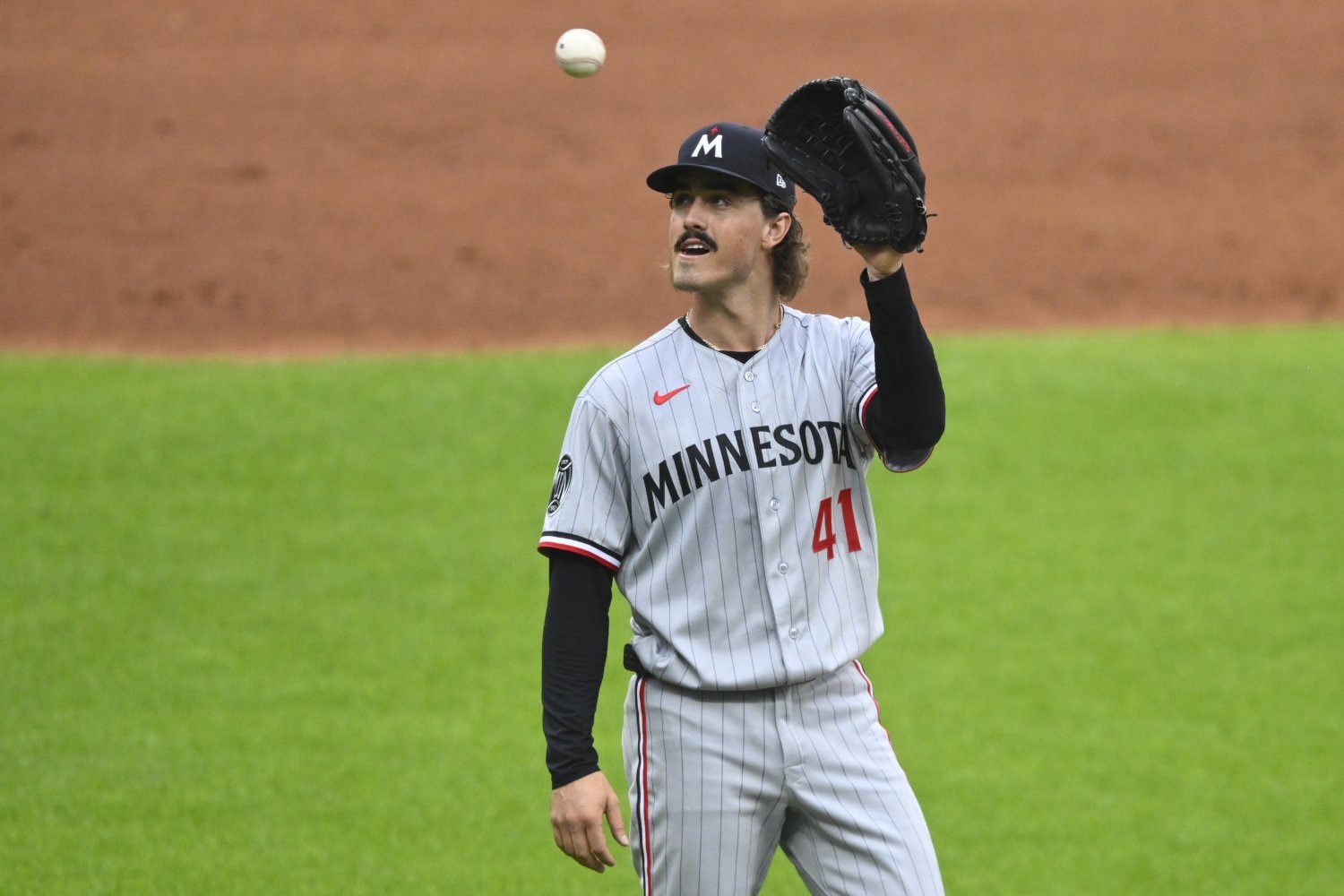 Box Score SP: Joe Ryan 4 IP, 10 H, 8 ER, 3 K, 0 BB (78 pitches, 55 strikes) HR: None, for the Twins Bottom 3 WPA: Ryan -0.49, Clemens -0.05, Caratini -0.05 Win Probability Chart (via FanGraphs): The Twins entered Monday night knowing just how important the next four games could be. After dropping two of three to the Cubs over the weekend for their first series loss since June 24, Minnesota arrived in Cleveland needing to make up ground in both the American League Central and Wild Card races. The Twins opened the series four games behind the division lead and two games out of the final Wild Card spot, with the Guardians sitting directly in front of them in the postseason chase. It also happened to be a Joe Ryan day. With Minnesota's back end of the rotation continuing to search for consistency, every start from the club's ace carries added importance. Games Ryan starts have increasingly felt like must-win opportunities, making Monday's opener an ideal chance for the Twins to regain momentum. Instead, it became one of the ugliest losses of the season. Ryan turned in one of the worst outings of his career, lasting just four innings while allowing eight earned runs on 10 hits. Six of those hits left the ballpark, tying the major-league record for the most home runs allowed by a pitcher in a single game. The eight earned runs were also the most Ryan has surrendered since allowing 10 against the Padres in 2022. Cleveland wasted no time putting Ryan on the defensive. Brayan Rocchio launched a two-run homer in the first inning before Rhys Hoskins followed immediately with a solo shot, giving the Guardians a quick 3-0 lead. The Twins briefly answered in the second inning. Brooks Lee lined an RBI triple past a diving Chase Delauter before Alan Roden brought him home with a sacrifice fly, cutting the deficit to 3-2 and giving Minnesota a brief spark. It didn't last. The Guardians immediately resumed their power display in the bottom of the second. Petey Halpin, who entered the night with just a .471 OPS, crushed a two-run homer before 2024 No. 1 overall pick Travis Bazzana added another long ball later in the inning. The home run barrage continued from there. Hoskins connected for his second homer of the night in the third inning, before Halpin also left the yard for a second time in the fourth, chasing Ryan from the game with Cleveland holding an 8-2 advantage. Unfortunately for the Twins, the damage didn't stop when Ryan exited. Cleveland continued to pile on against Minnesota's low-leverage relievers, adding runs in the fifth, sixth and seventh innings while turning the opener into a complete rout. By the end of the night, the Guardians had collected 19 hits, including seven home runs and four doubles, overwhelming every pitcher the Twins sent to the mound. Minnesota managed a pair of late runs after the outcome had long since been decided. Trevor Larnach delivered an RBI single in the seventh inning before Victor Caratini doubled home another run in the eighth, trimming the deficit to 13-4. Those late contributions did little more than make the final score slightly more respectable. The 13-4 defeat was about as discouraging a way as possible to begin a pivotal four-game series. The Twins fell to 49-52 and now sit three games below .500, while dropping to 2.5 games behind the final American League Wild Card spot with three teams standing between them and a playoff position. With the trade deadline now just a couple of weeks away, every loss increases the pressure on Minnesota to prove it remains a legitimate postseason contender. What's Next The Twins will try to bounce back Tuesday evening, when the second game of the series begins at 5:40 p.m. Minnesota has yet to announce a starting pitcher, while Cleveland will hand the ball to impressive rookie Parker Messick as the Twins look to avoid falling even further behind in the playoff race. Postgame Interviews: Bullpen Usage Chart: THUR FRI SAT SUN MON TOT Nance 0 25 0 0 36 61 Gómez 0 22 0 0 0 22 Morris 0 14 0 0 0 14 Rogers 0 2 0 0 0 2 Rojas 0 0 18 0 0 18 Go 0 0 0 23 24 47 Adams 0 0 0 45 0 45 Funderburk 0 0 0 14 16 30 Alex Jackson 0 0 0 0 11 11 Paredes 0 0 40 0 0 40
 -
Image courtesy of © Matt Marton-Imagn Images The Twins have no shortage of needs as the trade deadline approaches, but one priority stands above the rest. If this team is serious about making a playoff push, the bullpen has to be fixed. The numbers leave little room for debate. Minnesota's relievers rank 27th in baseball with a 4.72 ERA and 24th in fWAR. Too often, strong starts have unraveled late because the bullpen simply has not been able to protect leads with any consistency. Every contender needs trustworthy relief pitching in October, and right now, the Twins are far from having that. That reality has naturally led to plenty of discussion about adding another high-leverage reliever or two before the deadline. While that certainly makes sense, there may be an even smarter way to address the bullpen. Instead of strictly trading for relievers, the Twins should consider trading for another starting pitcher. At first glance, it seems counterintuitive. The rotation has clearly outperformed the bullpen this season, ranking 15th in MLB in ERA and 13th in fWAR. Compared to the relief corps, that looks like a strength. Dig a little deeper, however, and there are still legitimate concerns about whether this group can carry the Twins through the final two months. Zebby Matthews remains one of the biggest question marks. His season ERA sits at 5.40, and while he has flashed the ability that made him one of the organization's most intriguing pitching prospects, the inconsistency has been impossible to ignore. Three of his 12 starts have resulted in seven or more earned runs allowed, including Sunday's outing at Wrigley Field when he surrendered eight runs in just three innings. Those kinds of blowups are incredibly difficult for a playoff hopeful to absorb. Connor Prielipp has experienced a similar learning curve. There have been stretches where his upside has been obvious, but there have also been too many outings where command or efficiency has eluded him. His 5.00 ERA reflects that inconsistency. Prielipp is currently on a rehab assignment and should return to the major-league rotation soon, but he is also entering uncharted territory with his workload. After years of injuries limited his innings, asking him to shoulder a significant role throughout the remainder of the season comes with understandable risk. Bailey Ober adds another layer of uncertainty. He recently returned from the injured list and owns a respectable 4.32 ERA, but his profile continues to walk a fine line. Ober succeeds through command and deception, rather than overpowering velocity, and every outing seems to require near-perfect execution. His 88-MPH fastball leaves very little margin for error against playoff-caliber lineups. None of this is to suggest the rotation is a disaster. Joe Ryan has pitched like an ace, Taj Bradley has been an outstanding addition, and the group has generally done enough to keep the Twins competitive. The problem is that Minnesota cannot afford to ignore the uncertainty behind them while also trying to solve the bullpen. The solution may be simpler than many expect. Instead of splitting prospect capital between a starting pitcher and a reliever, the Twins could acquire another established starter who slots behind Ryan and Bradley in the postseason rotation. Whether that pitcher is someone like Freddy Peralta, Kevin Gausman, or another veteran who becomes available, adding a quality starter would immediately strengthen the rotation while creating another benefit that extends beyond those five days between starts. It would free one of the current starters to move into the bullpen. Both Matthews and Prielipp have the type of arsenal that could become even more dangerous in relief. We've already seen this blueprint succeed within the Twins organization. Griffin Jax transformed from an inconsistent starter into one of baseball's best relievers. Louis Varland followed a similar path and has become one of baseball's most valuable bullpen arms (unfortunately with Toronto). Matthews has all the ingredients to be next. As a starter, he already sits comfortably in the mid-90s with his fastball. Working one inning at a time, it's easy to envision that velocity climbing into the upper 90s and regularly touching 98 MPH. Pair that with a slider opponents are hitting just .203 against this season, and suddenly the Twins could have another legitimate late-inning weapon. His changeup would also likely play up against left-handed hitters once it's paired with premium velocity. Prielipp offers a similarly intriguing profile. His fastball already has plenty of life, and shorter outings could allow him to consistently approach triple digits. His slider has been his best pitch, limiting opponents to a .198 batting average. As a reliever, he would immediately give Minnesota a power lefthander capable of attacking the highest-leverage situations, something this bullpen desperately lacks. Rather than viewing a starting pitcher as a luxury, the Twins should see one as an opportunity to improve two areas of the roster at once. A new starter would stabilize the rotation, reduce the pressure on Matthews or Prielipp, and allow one of those electric young arms to shift into a bullpen role where the raw stuff could play at an even higher level. The Twins unquestionably need bullpen help before the deadline. They might find the best way to get it by trading for a starter, instead. What do you think? Should the Twins prioritize another reliever, or would adding a starting pitcher and moving Matthews or Prielipp into the bullpen be the smarter deadline strategy? Leave a comment below and start the conversation! View full article
-
Twins Can Upgrade Rotation and Bullpen With One Trade Deadline Move
Matthew Taylor posted an article in Twins
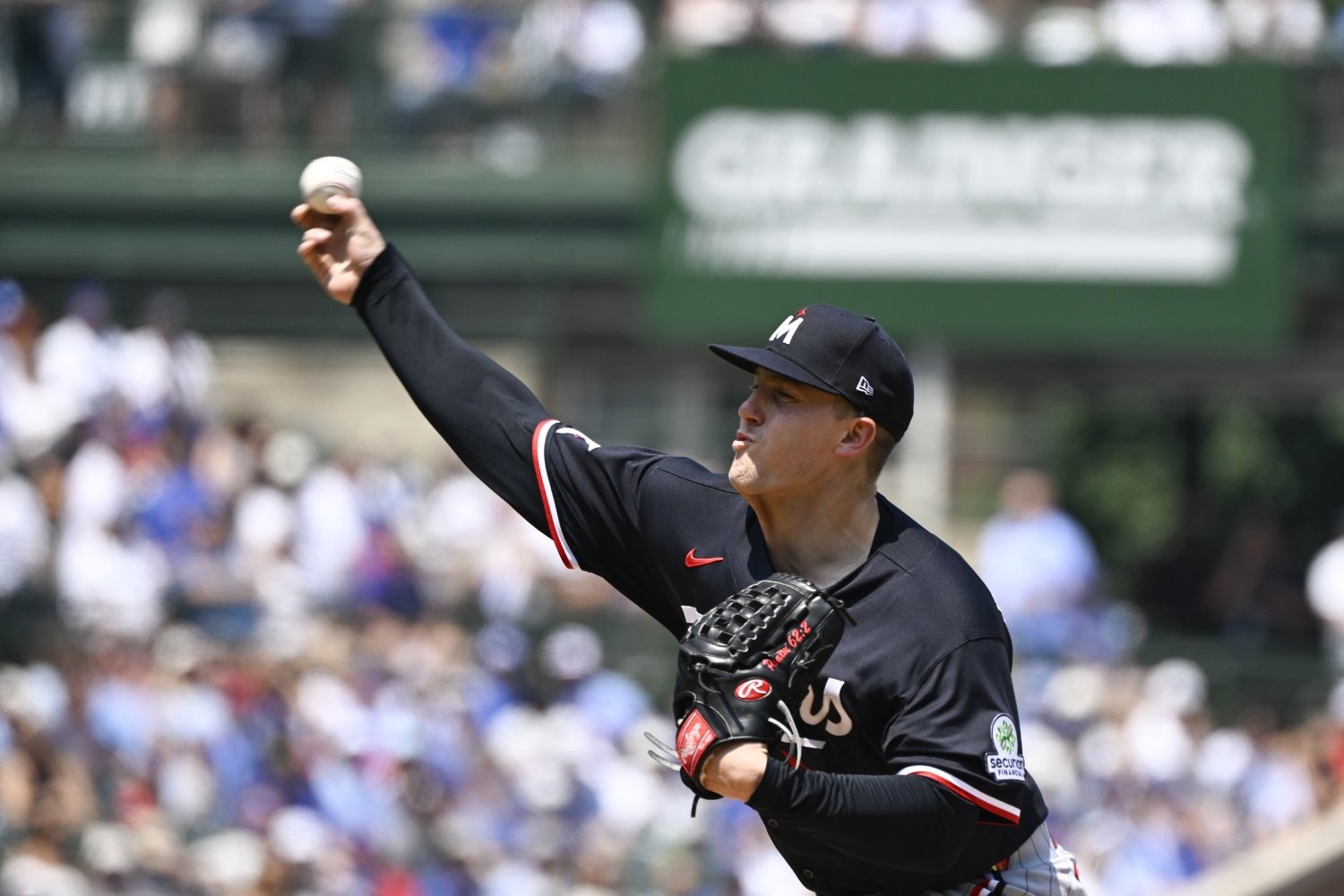 The Twins have no shortage of needs as the trade deadline approaches, but one priority stands above the rest. If this team is serious about making a playoff push, the bullpen has to be fixed. The numbers leave little room for debate. Minnesota's relievers rank 27th in baseball with a 4.72 ERA and 24th in fWAR. Too often, strong starts have unraveled late because the bullpen simply has not been able to protect leads with any consistency. Every contender needs trustworthy relief pitching in October, and right now, the Twins are far from having that. That reality has naturally led to plenty of discussion about adding another high-leverage reliever or two before the deadline. While that certainly makes sense, there may be an even smarter way to address the bullpen. Instead of strictly trading for relievers, the Twins should consider trading for another starting pitcher. At first glance, it seems counterintuitive. The rotation has clearly outperformed the bullpen this season, ranking 15th in MLB in ERA and 13th in fWAR. Compared to the relief corps, that looks like a strength. Dig a little deeper, however, and there are still legitimate concerns about whether this group can carry the Twins through the final two months. Zebby Matthews remains one of the biggest question marks. His season ERA sits at 5.40, and while he has flashed the ability that made him one of the organization's most intriguing pitching prospects, the inconsistency has been impossible to ignore. Three of his 12 starts have resulted in seven or more earned runs allowed, including Sunday's outing at Wrigley Field when he surrendered eight runs in just three innings. Those kinds of blowups are incredibly difficult for a playoff hopeful to absorb. Connor Prielipp has experienced a similar learning curve. There have been stretches where his upside has been obvious, but there have also been too many outings where command or efficiency has eluded him. His 5.00 ERA reflects that inconsistency. Prielipp is currently on a rehab assignment and should return to the major-league rotation soon, but he is also entering uncharted territory with his workload. After years of injuries limited his innings, asking him to shoulder a significant role throughout the remainder of the season comes with understandable risk. Bailey Ober adds another layer of uncertainty. He recently returned from the injured list and owns a respectable 4.32 ERA, but his profile continues to walk a fine line. Ober succeeds through command and deception, rather than overpowering velocity, and every outing seems to require near-perfect execution. His 88-MPH fastball leaves very little margin for error against playoff-caliber lineups. None of this is to suggest the rotation is a disaster. Joe Ryan has pitched like an ace, Taj Bradley has been an outstanding addition, and the group has generally done enough to keep the Twins competitive. The problem is that Minnesota cannot afford to ignore the uncertainty behind them while also trying to solve the bullpen. The solution may be simpler than many expect. Instead of splitting prospect capital between a starting pitcher and a reliever, the Twins could acquire another established starter who slots behind Ryan and Bradley in the postseason rotation. Whether that pitcher is someone like Freddy Peralta, Kevin Gausman, or another veteran who becomes available, adding a quality starter would immediately strengthen the rotation while creating another benefit that extends beyond those five days between starts. It would free one of the current starters to move into the bullpen. Both Matthews and Prielipp have the type of arsenal that could become even more dangerous in relief. We've already seen this blueprint succeed within the Twins organization. Griffin Jax transformed from an inconsistent starter into one of baseball's best relievers. Louis Varland followed a similar path and has become one of baseball's most valuable bullpen arms (unfortunately with Toronto). Matthews has all the ingredients to be next. As a starter, he already sits comfortably in the mid-90s with his fastball. Working one inning at a time, it's easy to envision that velocity climbing into the upper 90s and regularly touching 98 MPH. Pair that with a slider opponents are hitting just .203 against this season, and suddenly the Twins could have another legitimate late-inning weapon. His changeup would also likely play up against left-handed hitters once it's paired with premium velocity. Prielipp offers a similarly intriguing profile. His fastball already has plenty of life, and shorter outings could allow him to consistently approach triple digits. His slider has been his best pitch, limiting opponents to a .198 batting average. As a reliever, he would immediately give Minnesota a power lefthander capable of attacking the highest-leverage situations, something this bullpen desperately lacks. Rather than viewing a starting pitcher as a luxury, the Twins should see one as an opportunity to improve two areas of the roster at once. A new starter would stabilize the rotation, reduce the pressure on Matthews or Prielipp, and allow one of those electric young arms to shift into a bullpen role where the raw stuff could play at an even higher level. The Twins unquestionably need bullpen help before the deadline. They might find the best way to get it by trading for a starter, instead. What do you think? Should the Twins prioritize another reliever, or would adding a starting pitcher and moving Matthews or Prielipp into the bullpen be the smarter deadline strategy? Leave a comment below and start the conversation!
- 39 comments
-
- 9
-
-
-
- zebby matthews
- bailey ober
- (and 2 more)
-
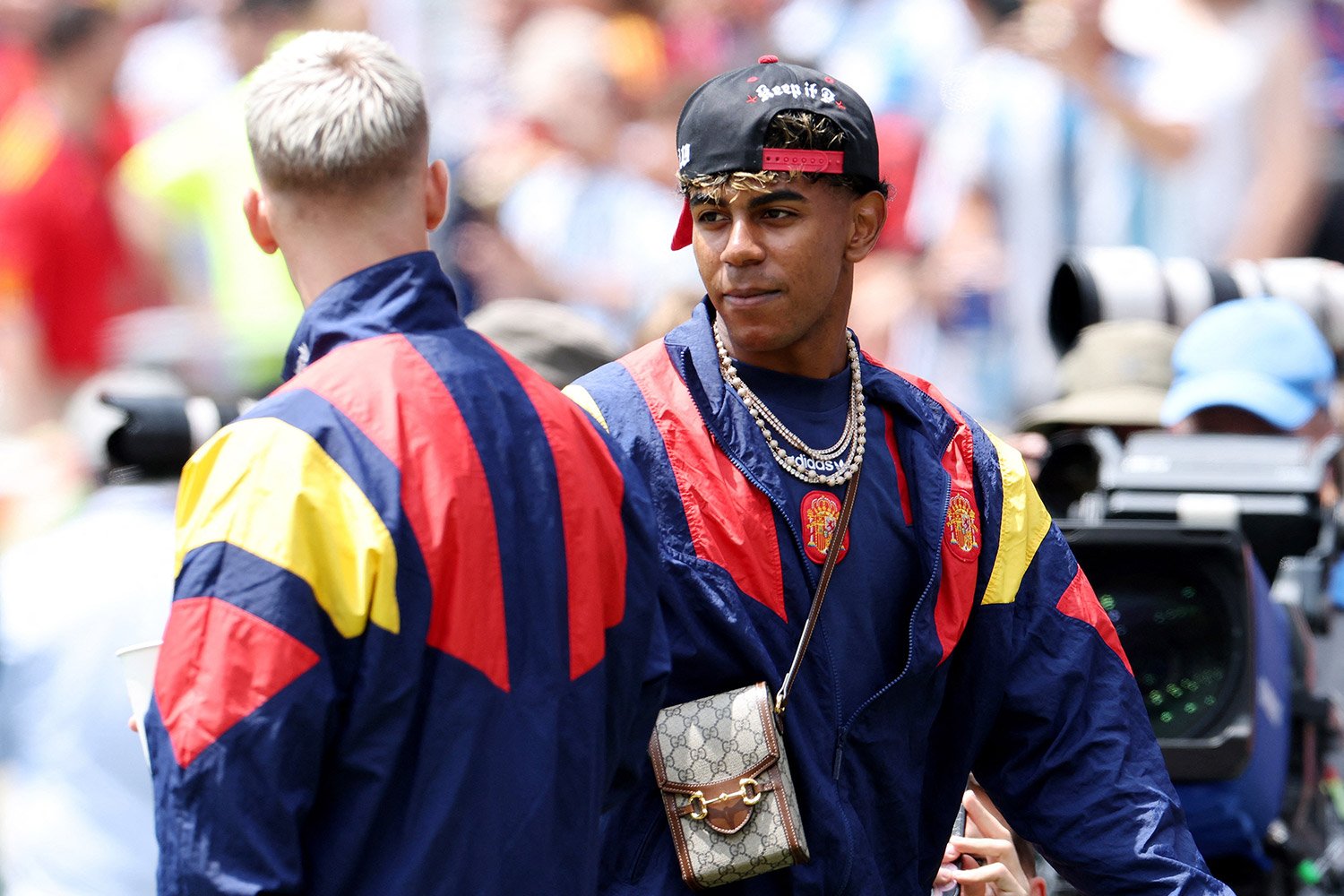 Minnesota may have an unexpected fan ahead of Sunday's World Cup Final. Spanish superstar Lamine Yamal was recently spotted strolling through New York City wearing the Twins' light blue City Connect cap, and the video quickly went viral across social media. Naturally, Twins fans immediately began wondering if there was some hidden connection. theScore (@thescore) • Instagram reel WWW.INSTAGRAM.COM 1,615 likes, 18 comments - thescore on July 17, 2026: "Lamine Yamal stoped by a New York food truck with his girlfriend rocking a Minnesota Twins caps two days before the World Cup... As far as anyone can tell, there isn't one. Yamal has no known ties to the Twins, Minnesota, or the organization. The most likely explanation is simply that he liked the look of the cap, but it still provided some unexpected national exposure for the club. The 19-year-old phenom will lead Spain against Lionel Messi and Argentina in the World Cup Final on Sunday at 2 p.m. CT. Whether the Twins hat was just a fashion choice or the beginning of baseball's newest international fan, Twins fans seemed more than happy to claim him.
 -
Image courtesy of Kyle Ross-Imagn Images Trade deadline rumors are beginning to heat up, and one of the biggest names on the market could be Padres closer Mason Miller. Kevin Acee of The San Diego Union-Tribune recently reported that San Diego is open to moving the All-Star right-hander, a surprising development considering Miller has been nearly untouchable since arriving in San Diego. While adding the game's most dominant closer is an exciting idea, the Twins should look elsewhere this deadline. Miller was arguably the biggest name dealt at last year's trade deadline when the Padres acquired the flamethrowing closer from the Athletics. San Diego paid an enormous price, headlined by consensus top-five prospect Leo De Vries along with several additional prospects. At the time, it felt like one of the rare blockbuster trades that worked out exactly as both sides hoped. The Athletics received a franchise cornerstone prospect, while the Padres acquired arguably the most dominant reliever in baseball. After posting a microscopic 0.77 ERA during the second half of last season, he has followed it up with a 0.91 ERA across 40 innings with San Diego while leading the majors with 25 saves. There is little debate that Miller has established himself as baseball's premier closer. Despite all of that success, the Padres appear willing to deal away the right-hander. It is an understandable position for a team sitting at 48-48 in an incredibly competitive National League, particularly in a loaded NL West. With playoff odds hovering around 12 percent, the Padres may see this as an opportunity to replenish a farm system they emptied to acquire Miller in the first place. If he truly is available, there will be no shortage of bidders. Every contender would love to shorten games by handing the ninth inning to Miller. He is the type of player who instantly raises a team's ceiling. Despite their back-end bullpen needs, the Twins simply are not in the position where paying that price makes sense. Minnesota has put itself in a good spot to return to the postseason for the first time since 2023, finally back to a .500 record and with playoff odds of nearly 40 percent. That alone represents meaningful progress after the disappointment of the past two seasons. But making the playoffs and being one player away from a deep October run are two very different things. Acquiring Miller is the type of move teams make when they believe they are one missing piece from winning a World Series. It is hard to make that argument for this Twins roster. The asking price is almost certainly going to start with elite prospects. If San Diego paid Leo De Vries to get Miller, they are not going to flip him one year later for a package built around secondary prospects. The Twins would likely have to begin conversations with names like Walker Jenkins or Kaelen Culpepper. That is simply too steep for a relief pitcher, even one as dominant as Miller, for a team that's no sure thing to make the playoffs, nevertheless the World Series. There is also the financial side of the equation, which should not be overlooked. Miller is making just $4 million this season, but he has already begun the arbitration process which figures to escalate quickly for someone of his caliber. That matters because saves are one of the biggest drivers of arbitration salaries for relievers. With a league-leading save total and continued dominance, it is easy to envision Miller earning well north of $10 million next season before climbing to nearly $20 million and above in his remaining arbitration years. Yes, the Twins could technically afford those salaries. The better question is whether that is the smartest use of (self imposed) limited payroll flexibility. For organizations like the Dodgers, Yankees, or Mets, paying top dollar for a closer is manageable. For a mid-market club like Minnesota, every payroll decision carries more weight. Committing that kind of money to a reliever limits flexibility elsewhere on the roster, especially when the Twins have several young players who will also become more expensive over the next few seasons. Recent reports suggest the Padres have discussed the possibility of attaching Xander Bogaerts to a Miller trade as a way to unload the remainder of the veteran shortstop's contract. Bogaerts is still owed $25 million annually over each of the next seven seasons, an enormous commitment for an underperforming 33-year-old. On paper, absorbing that contract could reduce the prospect package needed to acquire Miller. In reality, it creates an even bigger problem for Minnesota. The Twins are already carrying $10 million annually of dead money for Carlos Correa's contract through 2028. Taking on Bogaerts would saddle the organization with another massive long-term commitment for a declining player. Even if the prospect cost became more reasonable, the financial burden would almost certainly outweigh the benefit. That is not how this front office should allocate its resources. The bullpen certainly deserves attention before the deadline. There is no question the Twins could use multiple reliable late-inning arms. The mistake would be confusing that need with a reason to push all of their chips into the middle of the table. Successful mid-market organizations rarely build bullpens through blockbuster trades. They identify undervalued relievers, develop arms internally, and spread their resources across multiple needs rather than concentrating them into one bullpen spot. If the Twins are going to make a significant deadline splash, it should come at a position that impacts the game every day or every fifth day. A frontline starter or an impact bat would move the needle far more than even the best closer in baseball. There is no denying that watching Mason Miller in a Twins uniform would be a lot of fun. His electric fastball and dominant stuff would immediately transform the back end of Minnesota's bullpen and make every late lead feel secure. The problem is that acquiring him would likely require paying both a prospect price and eventually a financial price that simply do not align with where this organization is today. The Twins are trending in the right direction, but they are not one closer away from winning a championship. Sometimes the smartest deadline move is recognizing that the biggest name on the market is not the right fit. What do you think? Should the Twins push their chips to the middle for the best closer in baseball, or should they focus their prospect capital and payroll on addressing bigger needs before the trade deadline? Leave a comment below and start the conversation! View full article
-
Thinking Big: Should the Twins Target Top Closer Mason Miller?
Matthew Taylor posted an article in Twins
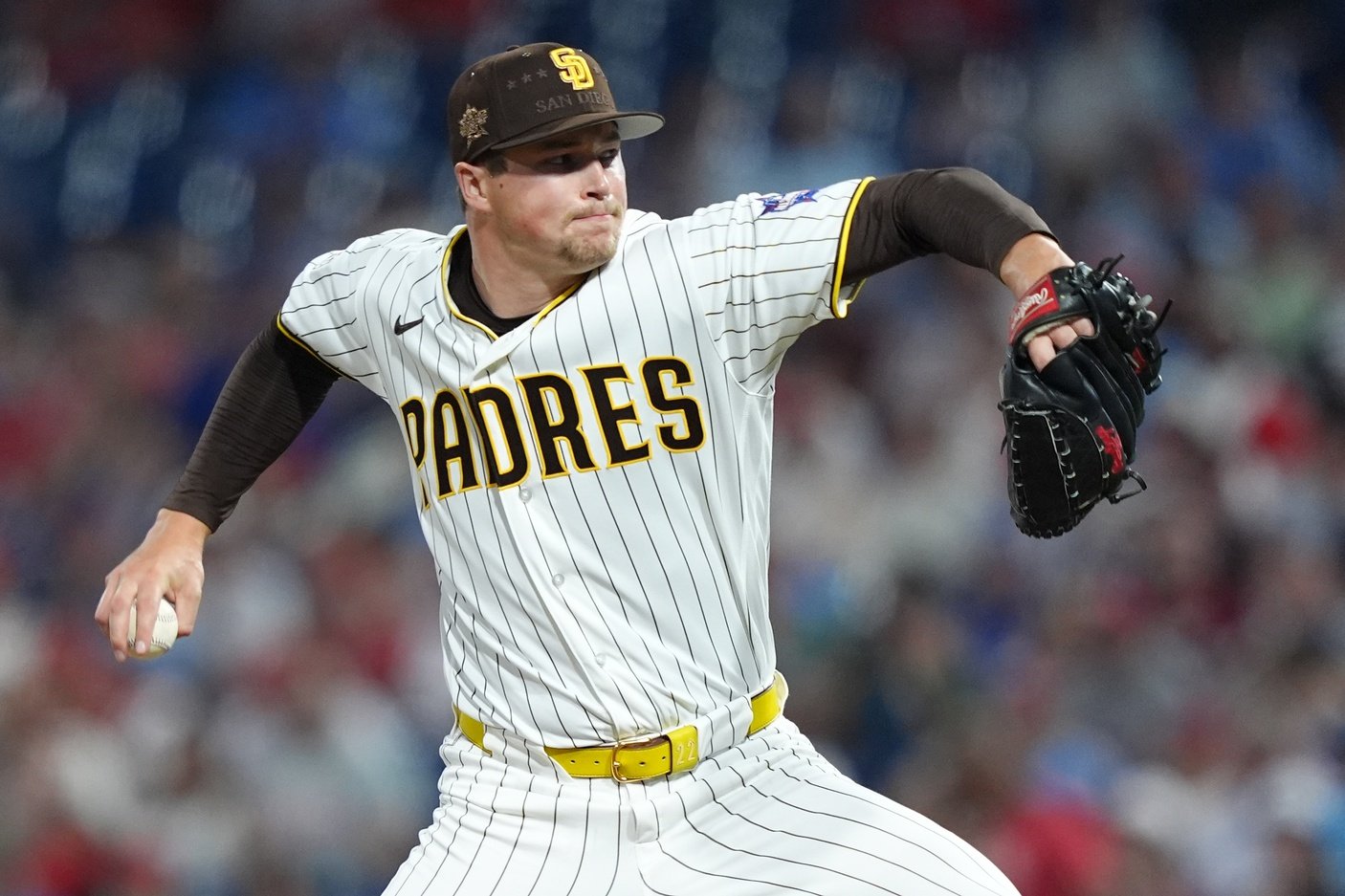 Trade deadline rumors are beginning to heat up, and one of the biggest names on the market could be Padres closer Mason Miller. Kevin Acee of The San Diego Union-Tribune recently reported that San Diego is open to moving the All-Star right-hander, a surprising development considering Miller has been nearly untouchable since arriving in San Diego. While adding the game's most dominant closer is an exciting idea, the Twins should look elsewhere this deadline. Miller was arguably the biggest name dealt at last year's trade deadline when the Padres acquired the flamethrowing closer from the Athletics. San Diego paid an enormous price, headlined by consensus top-five prospect Leo De Vries along with several additional prospects. At the time, it felt like one of the rare blockbuster trades that worked out exactly as both sides hoped. The Athletics received a franchise cornerstone prospect, while the Padres acquired arguably the most dominant reliever in baseball. After posting a microscopic 0.77 ERA during the second half of last season, he has followed it up with a 0.91 ERA across 40 innings with San Diego while leading the majors with 25 saves. There is little debate that Miller has established himself as baseball's premier closer. Despite all of that success, the Padres appear willing to deal away the right-hander. It is an understandable position for a team sitting at 48-48 in an incredibly competitive National League, particularly in a loaded NL West. With playoff odds hovering around 12 percent, the Padres may see this as an opportunity to replenish a farm system they emptied to acquire Miller in the first place. If he truly is available, there will be no shortage of bidders. Every contender would love to shorten games by handing the ninth inning to Miller. He is the type of player who instantly raises a team's ceiling. Despite their back-end bullpen needs, the Twins simply are not in the position where paying that price makes sense. Minnesota has put itself in a good spot to return to the postseason for the first time since 2023, finally back to a .500 record and with playoff odds of nearly 40 percent. That alone represents meaningful progress after the disappointment of the past two seasons. But making the playoffs and being one player away from a deep October run are two very different things. Acquiring Miller is the type of move teams make when they believe they are one missing piece from winning a World Series. It is hard to make that argument for this Twins roster. The asking price is almost certainly going to start with elite prospects. If San Diego paid Leo De Vries to get Miller, they are not going to flip him one year later for a package built around secondary prospects. The Twins would likely have to begin conversations with names like Walker Jenkins or Kaelen Culpepper. That is simply too steep for a relief pitcher, even one as dominant as Miller, for a team that's no sure thing to make the playoffs, nevertheless the World Series. There is also the financial side of the equation, which should not be overlooked. Miller is making just $4 million this season, but he has already begun the arbitration process which figures to escalate quickly for someone of his caliber. That matters because saves are one of the biggest drivers of arbitration salaries for relievers. With a league-leading save total and continued dominance, it is easy to envision Miller earning well north of $10 million next season before climbing to nearly $20 million and above in his remaining arbitration years. Yes, the Twins could technically afford those salaries. The better question is whether that is the smartest use of (self imposed) limited payroll flexibility. For organizations like the Dodgers, Yankees, or Mets, paying top dollar for a closer is manageable. For a mid-market club like Minnesota, every payroll decision carries more weight. Committing that kind of money to a reliever limits flexibility elsewhere on the roster, especially when the Twins have several young players who will also become more expensive over the next few seasons. Recent reports suggest the Padres have discussed the possibility of attaching Xander Bogaerts to a Miller trade as a way to unload the remainder of the veteran shortstop's contract. Bogaerts is still owed $25 million annually over each of the next seven seasons, an enormous commitment for an underperforming 33-year-old. On paper, absorbing that contract could reduce the prospect package needed to acquire Miller. In reality, it creates an even bigger problem for Minnesota. The Twins are already carrying $10 million annually of dead money for Carlos Correa's contract through 2028. Taking on Bogaerts would saddle the organization with another massive long-term commitment for a declining player. Even if the prospect cost became more reasonable, the financial burden would almost certainly outweigh the benefit. That is not how this front office should allocate its resources. The bullpen certainly deserves attention before the deadline. There is no question the Twins could use multiple reliable late-inning arms. The mistake would be confusing that need with a reason to push all of their chips into the middle of the table. Successful mid-market organizations rarely build bullpens through blockbuster trades. They identify undervalued relievers, develop arms internally, and spread their resources across multiple needs rather than concentrating them into one bullpen spot. If the Twins are going to make a significant deadline splash, it should come at a position that impacts the game every day or every fifth day. A frontline starter or an impact bat would move the needle far more than even the best closer in baseball. There is no denying that watching Mason Miller in a Twins uniform would be a lot of fun. His electric fastball and dominant stuff would immediately transform the back end of Minnesota's bullpen and make every late lead feel secure. The problem is that acquiring him would likely require paying both a prospect price and eventually a financial price that simply do not align with where this organization is today. The Twins are trending in the right direction, but they are not one closer away from winning a championship. Sometimes the smartest deadline move is recognizing that the biggest name on the market is not the right fit. What do you think? Should the Twins push their chips to the middle for the best closer in baseball, or should they focus their prospect capital and payroll on addressing bigger needs before the trade deadline? Leave a comment below and start the conversation!
 -
Image courtesy of Petre Thomas, Kyle Ross-Imagn Images For years under the Derek Falvey regime, the Twins built their organization around pitching depth. While the farm system has consistently produced quality arms, impact position players have been much harder to come by. There have certainly been individual prospects to get excited about, but it has been a long time since Minnesota could point to an entire wave of elite offensive talent that looked capable of growing into the core of a contender. That is why the selection of Vahn Lackey feels so significant. The Twins entered this year's draft with the third overall pick in what many viewed as a three-player draft. Minnesota was fortunate enough to see Lackey still available, and they didn't hesitate. At just 21 years old, Lackey immediately becomes one of the organization's premier prospects and the latest piece of what is shaping up to be an incredibly exciting young offensive core. Lackey entered the spring as one of the best defensive catchers in the country, but he elevated himself into the conversation for a top-three selection because of what he did with the bat. During his junior season with Georgia Tech in the ACC, he hit nearly .400 while posting a ridiculous 1.291 OPS with 20 home runs in just 61 games. Those numbers would stand out anywhere, but doing it against some of the toughest competition in college baseball made them even more impressive. There is still plenty of development ahead before anyone should pencil him into the Twins' lineup, but the possibility of pairing that kind of offensive upside with a long-term catcher is incredibly enticing. Teams spend years trying to find impact offensive catchers, and the Twins may have just landed one. More importantly, Lackey is joining an organization that suddenly has elite offensive prospects all over the diamond, particularly at premium defensive positions. The biggest name remains Walker Jenkins. The fifth overall selection in the 2023 draft would have been the first overall pick in many other draft classes, and despite battling injuries throughout his professional career, he has done nothing but reaffirm that belief whenever he has been healthy. Across four seasons and four levels of the minor leagues, Jenkins owns an .870 OPS while continuing to flash the combination of power, athleticism and bat control that made him one of the most coveted high school hitters in years. Already in Triple-A at just 21 years old, Jenkins appears poised to make his major league debut during the second half of this season. Whether he ends up in center field or either corner, he has all the tools to become the middle-of-the-order bat for the Twins for years to come. The Twins have another first-round pick knocking on the door in Kaelen Culpepper. Selected 21st overall in 2024, Culpepper has impressed at every stop since entering the Twins' system, posting an .837 OPS across three seasons in the Twins' system. Like Jenkins, he looks ready to make his major-league debut later this season, if only he can get and stay healthy. Culpepper should get the opportunity to play shortstop initially, but his long-term value goes beyond one position. If Marek Houston develops into the defensive shortstop many believe he can become, Culpepper has the athleticism and versatility to slide to either second or third base without sacrificing his offensive impact. At just 23 years old, Culpepper looks like another player capable of anchoring Minnesota's lineup for years. Houston, meanwhile, has exceeded expectations almost immediately. Drafted 16th overall in 2025, he entered the draft as arguably the best defensive player in the entire class. The question was always whether the bat would allow him to become an everyday player. So far, the answer has been encouraging. Houston has climbed to Double-A at only 22 years old while posting an .861 OPS this season with seven home runs and 17 doubles in 73 games. His glove was never in doubt, but if the offense continues to develop, the Twins could have their long-term shortstop already in the organization. What makes this collection of talent so exciting is where these players play. Premium offensive players at catcher, shortstop and center field are among the hardest assets to acquire in baseball. The Twins now have legitimate long-term upside at each of those positions, and they are not done there. Luke Keaschall remains one of the organization's most promising young hitters. Still only 23 years old, he has already flashed his offensive upside in the majors and reminded everyone why the Twins were so high on him as a prospect. After hitting some bumps in his sophomore season, he has started to look much more comfortable at the plate lately and continues to project as an impact offensive player.. Brooks Lee is another player who is easy to overlook simply because he has already reached the majors and hasn't consistently popped yet. Still just 25 years old, Lee has experienced the expected ups and downs of a young hitter, but there are reasons for optimism. Since moving to third base, he has developed into a quality defender while continuing to deliver timely hits. There is still another level he can reach offensively, and the Twins believe that ceiling remains within reach. Eduardo Tait continues to rank among baseball's top prospects despite being only 19 years old. Before the draft, he looked like the organization's catcher of the future. Now, with Lackey in the fold, the Twins have options. Tait's bat has always been the carrying tool, and the organization could eventually choose to move him to first base or another position that allows him to focus on maximizing his offensive potential. Having two young catchers with that kind of upside is a luxury few organizations can claim. The depth extends even beyond those names. Emmanuel Rodriguez remains a top-tier all-around prospect, Gabriel Gonzalez continues to show intriguing offensive tools, while Alan Roden has done nothing but hit (in the minors) since joining the Twins. Not every prospect becomes a star, but having this many legitimate options dramatically improves the odds that several will develop into impact major leaguers. That is what separates this farm system from many Twins organizations of the past. This is not simply a collection of interesting prospects. It is a wave of former first-round picks and highly regarded young hitters playing premium positions throughout the diamond. Lackey at catcher. Jenkins and Rodriguez in the outfield. Houston at shortstop. Culpepper capable of sliding wherever needed across the infield. Keaschall and Lee already contributing in the majors. Tait waiting behind them with big offensive upside. Of course, prospect development is never linear. Some of these players will fall short of expectations. Others may need more time than anticipated. Injuries will always play a factor. But the sheer volume of talent, combined with the pedigree attached to so many of these players, gives the Twins something they have not possessed in a very long time. Even better, many of these players are already knocking on the door of the major leagues. Jenkins, Culpepper and Rodriguez could arrive before the end of this season. Houston is moving quickly. Additionally, with all of these players coming up together, they will be making league-minimum salaries, giving the Twins financial flexibility to strengthen the roster around them. There is still a long way to go before this group proves anything at the major league level. But for the first time in years, the Twins appear to be building something special offensively and defensively at premiere positions. Lackey is the newest piece of that foundation, and he may someday be remembered as the pick that completed one of the most exciting young offensive cores the Twins have assembled in decades. What do you think? Is this the most exciting offensive core the Twins have had in years? Which prospect are you most excited to watch develop? Leave a comment below and start the conversation! View full article
-
The Twins Are Building an Offensive Foundation That Could Last for Years
Matthew Taylor posted an article in Twins
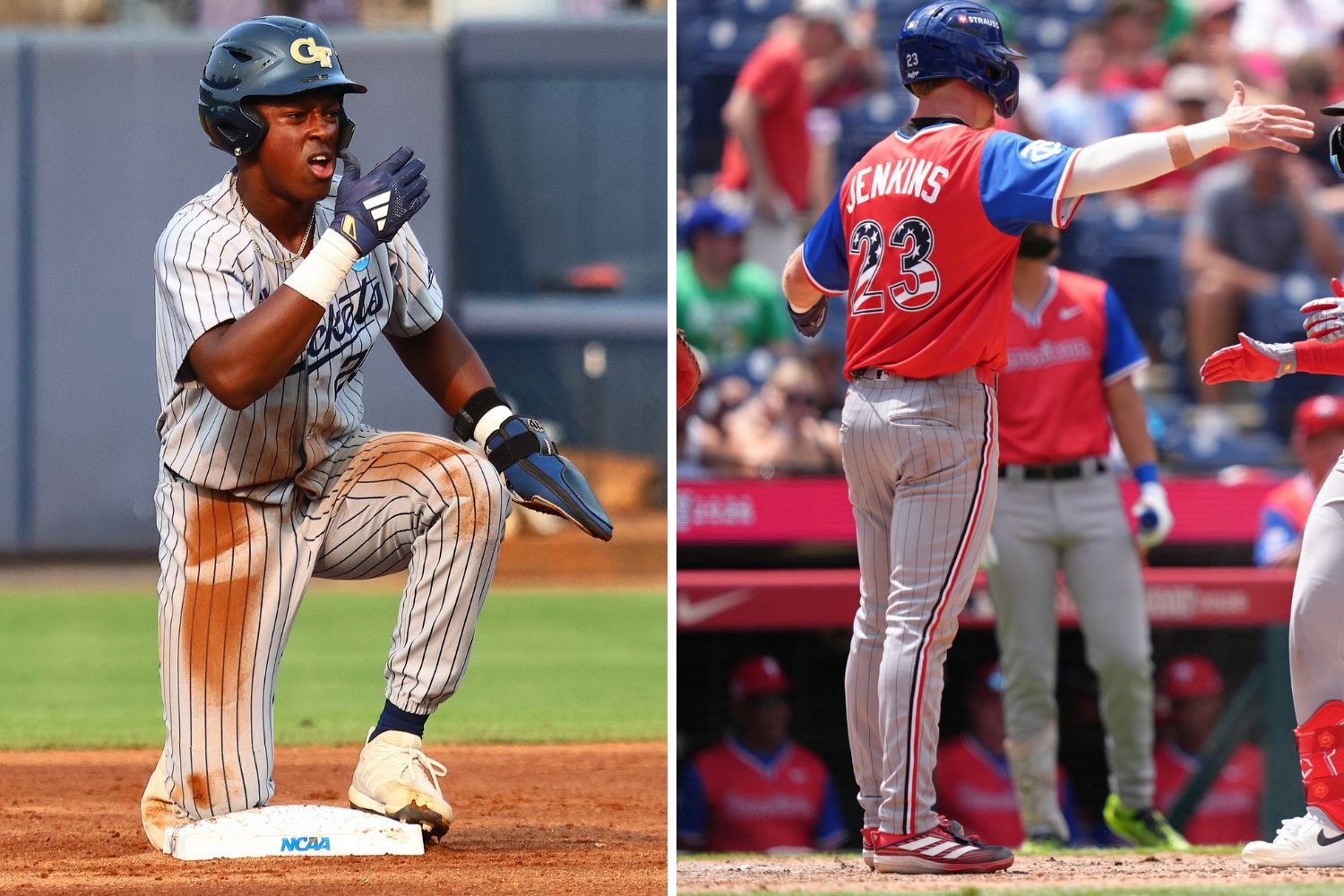 For years under the Derek Falvey regime, the Twins built their organization around pitching depth. While the farm system has consistently produced quality arms, impact position players have been much harder to come by. There have certainly been individual prospects to get excited about, but it has been a long time since Minnesota could point to an entire wave of elite offensive talent that looked capable of growing into the core of a contender. That is why the selection of Vahn Lackey feels so significant. The Twins entered this year's draft with the third overall pick in what many viewed as a three-player draft. Minnesota was fortunate enough to see Lackey still available, and they didn't hesitate. At just 21 years old, Lackey immediately becomes one of the organization's premier prospects and the latest piece of what is shaping up to be an incredibly exciting young offensive core. Lackey entered the spring as one of the best defensive catchers in the country, but he elevated himself into the conversation for a top-three selection because of what he did with the bat. During his junior season with Georgia Tech in the ACC, he hit nearly .400 while posting a ridiculous 1.291 OPS with 20 home runs in just 61 games. Those numbers would stand out anywhere, but doing it against some of the toughest competition in college baseball made them even more impressive. There is still plenty of development ahead before anyone should pencil him into the Twins' lineup, but the possibility of pairing that kind of offensive upside with a long-term catcher is incredibly enticing. Teams spend years trying to find impact offensive catchers, and the Twins may have just landed one. More importantly, Lackey is joining an organization that suddenly has elite offensive prospects all over the diamond, particularly at premium defensive positions. The biggest name remains Walker Jenkins. The fifth overall selection in the 2023 draft would have been the first overall pick in many other draft classes, and despite battling injuries throughout his professional career, he has done nothing but reaffirm that belief whenever he has been healthy. Across four seasons and four levels of the minor leagues, Jenkins owns an .870 OPS while continuing to flash the combination of power, athleticism and bat control that made him one of the most coveted high school hitters in years. Already in Triple-A at just 21 years old, Jenkins appears poised to make his major league debut during the second half of this season. Whether he ends up in center field or either corner, he has all the tools to become the middle-of-the-order bat for the Twins for years to come. The Twins have another first-round pick knocking on the door in Kaelen Culpepper. Selected 21st overall in 2024, Culpepper has impressed at every stop since entering the Twins' system, posting an .837 OPS across three seasons in the Twins' system. Like Jenkins, he looks ready to make his major-league debut later this season, if only he can get and stay healthy. Culpepper should get the opportunity to play shortstop initially, but his long-term value goes beyond one position. If Marek Houston develops into the defensive shortstop many believe he can become, Culpepper has the athleticism and versatility to slide to either second or third base without sacrificing his offensive impact. At just 23 years old, Culpepper looks like another player capable of anchoring Minnesota's lineup for years. Houston, meanwhile, has exceeded expectations almost immediately. Drafted 16th overall in 2025, he entered the draft as arguably the best defensive player in the entire class. The question was always whether the bat would allow him to become an everyday player. So far, the answer has been encouraging. Houston has climbed to Double-A at only 22 years old while posting an .861 OPS this season with seven home runs and 17 doubles in 73 games. His glove was never in doubt, but if the offense continues to develop, the Twins could have their long-term shortstop already in the organization. What makes this collection of talent so exciting is where these players play. Premium offensive players at catcher, shortstop and center field are among the hardest assets to acquire in baseball. The Twins now have legitimate long-term upside at each of those positions, and they are not done there. Luke Keaschall remains one of the organization's most promising young hitters. Still only 23 years old, he has already flashed his offensive upside in the majors and reminded everyone why the Twins were so high on him as a prospect. After hitting some bumps in his sophomore season, he has started to look much more comfortable at the plate lately and continues to project as an impact offensive player.. Brooks Lee is another player who is easy to overlook simply because he has already reached the majors and hasn't consistently popped yet. Still just 25 years old, Lee has experienced the expected ups and downs of a young hitter, but there are reasons for optimism. Since moving to third base, he has developed into a quality defender while continuing to deliver timely hits. There is still another level he can reach offensively, and the Twins believe that ceiling remains within reach. Eduardo Tait continues to rank among baseball's top prospects despite being only 19 years old. Before the draft, he looked like the organization's catcher of the future. Now, with Lackey in the fold, the Twins have options. Tait's bat has always been the carrying tool, and the organization could eventually choose to move him to first base or another position that allows him to focus on maximizing his offensive potential. Having two young catchers with that kind of upside is a luxury few organizations can claim. The depth extends even beyond those names. Emmanuel Rodriguez remains a top-tier all-around prospect, Gabriel Gonzalez continues to show intriguing offensive tools, while Alan Roden has done nothing but hit (in the minors) since joining the Twins. Not every prospect becomes a star, but having this many legitimate options dramatically improves the odds that several will develop into impact major leaguers. That is what separates this farm system from many Twins organizations of the past. This is not simply a collection of interesting prospects. It is a wave of former first-round picks and highly regarded young hitters playing premium positions throughout the diamond. Lackey at catcher. Jenkins and Rodriguez in the outfield. Houston at shortstop. Culpepper capable of sliding wherever needed across the infield. Keaschall and Lee already contributing in the majors. Tait waiting behind them with big offensive upside. Of course, prospect development is never linear. Some of these players will fall short of expectations. Others may need more time than anticipated. Injuries will always play a factor. But the sheer volume of talent, combined with the pedigree attached to so many of these players, gives the Twins something they have not possessed in a very long time. Even better, many of these players are already knocking on the door of the major leagues. Jenkins, Culpepper and Rodriguez could arrive before the end of this season. Houston is moving quickly. Additionally, with all of these players coming up together, they will be making league-minimum salaries, giving the Twins financial flexibility to strengthen the roster around them. There is still a long way to go before this group proves anything at the major league level. But for the first time in years, the Twins appear to be building something special offensively and defensively at premiere positions. Lackey is the newest piece of that foundation, and he may someday be remembered as the pick that completed one of the most exciting young offensive cores the Twins have assembled in decades. What do you think? Is this the most exciting offensive core the Twins have had in years? Which prospect are you most excited to watch develop? Leave a comment below and start the conversation!
- 73 comments
-
- 17
-
-
-

-
- vahn lackey
- walker jenkins
- (and 2 more)
-
Minnesota may have an unexpected fan ahead of Sunday's World Cup Final. Spanish superstar Lamine Yamal was recently spotted strolling through New York City wearing the Twins' light blue City Connect cap, and the video quickly went viral across social media. Naturally, Twins fans immediately began wondering if there was some hidden connection. theScore (@thescore) • Instagram reel WWW.INSTAGRAM.COM 1,615 likes, 18 comments - thescore on July 17, 2026: "Lamine Yamal stoped by a New York food truck with his girlfriend rocking a Minnesota Twins caps two days before the World Cup... As far as anyone can tell, there isn't one. Yamal has no known ties to the Twins, Minnesota, or the organization. The most likely explanation is simply that he liked the look of the cap, but it still provided some unexpected national exposure for the club. The 19-year-old phenom will lead Spain against Lionel Messi and Argentina in the World Cup Final on Sunday at 2 p.m. CT. Whether the Twins hat was just a fashion choice or the beginning of baseball's newest international fan, Twins fans seemed more than happy to claim him. View full rumor
-
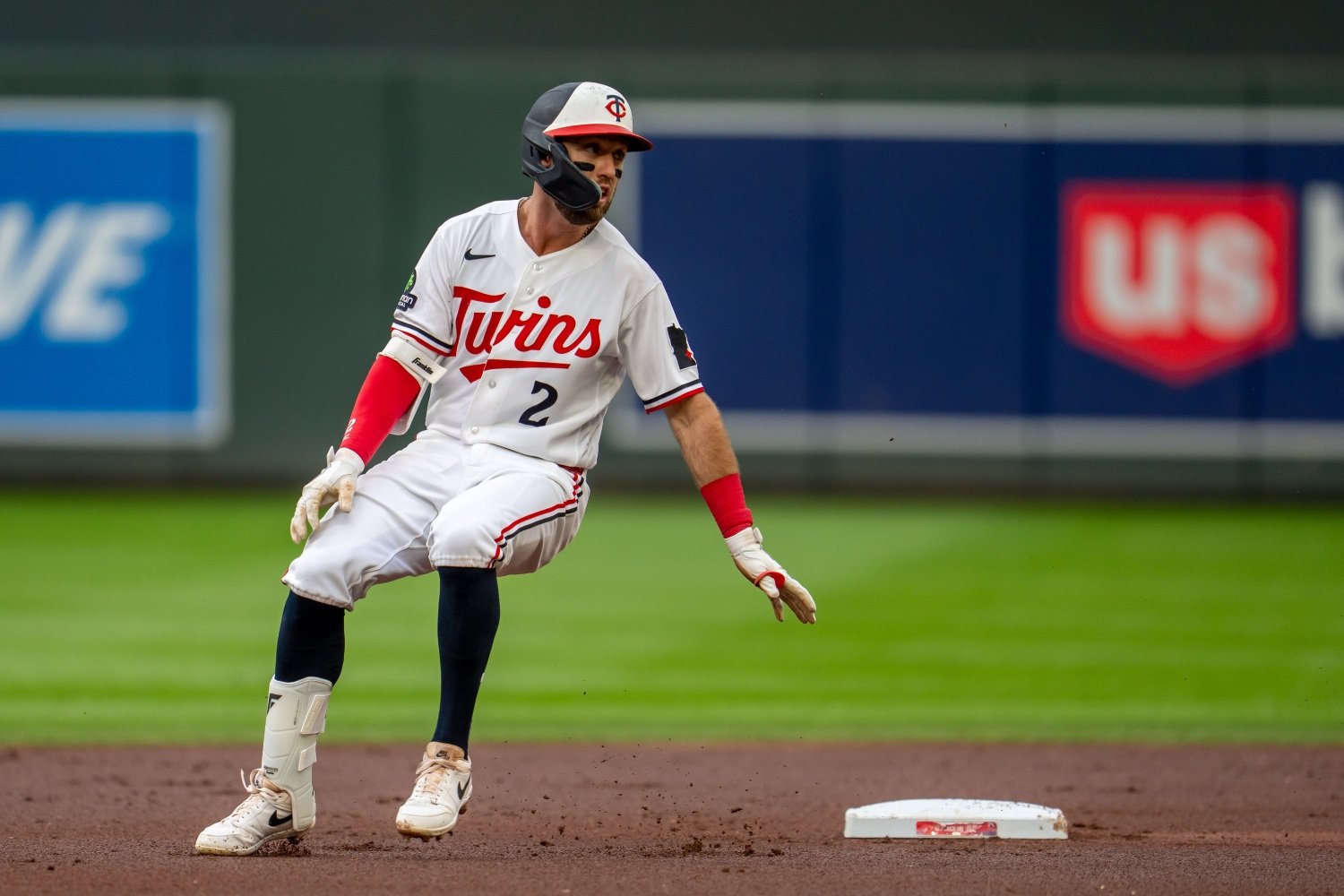 Derek Falvey's final season leading the Twins' baseball operations department will always be remembered for the sheer volume of moves he made. Faced with a disappointing season, Falvey orchestrated a historic selloff at the trade deadline, completing more than 10 trades as he reshaped the organization's future before departing at the end of the year. Some of those deals brought back highly regarded prospects. Others cleared payroll or addressed long-term organizational needs. Looking back now, though, the best trade Falvey made during his final season wasn't one of the blockbuster deadline deals. It came three months earlier, when he quietly acquired Kody Clemens from the Philadelphia Phillies for cash considerations. On April 26, the Twins sent cash to the Phillies to acquire Clemens after he had been designated for assignment. It was an emergency move after Luke Keaschall suffered a broken forearm, leaving the Twins in need of another infielder. Rather than wait and hope Clemens cleared waivers, Falvey jumped the line to ensure he landed in Minnesota. At the time, the move barely generated a reaction, because there wasn't much reason to believe Clemens would become anything more than organizational depth. Already, the likes of Jonah Bride and Mickey Gasper were conditioning fans not to expect much from such additions. Before joining the Twins, Clemens owned a career .611 OPS across 402 major-league plate appearances. He had hit just 14 home runs while striking out 102 times, compared to only 22 walks. Players with that type of production don't typically become useful contributors, especially in their late 20s. Clemens had been designated for assignment for a reason, and expecting him to suddenly blossom into an everyday player would have been unrealistic. But Falvey and the Twins clearly saw something the rest of baseball didn't. They didn't have to trade for Clemens. They could have waited to see if he cleared waivers or simply targeted another player who was already available. Instead, they specifically identified Clemens as someone worth acquiring immediately. Whatever they saw has paid off in a massive way. Since joining the Twins, Clemens has posted a .763 OPS with a 108 wRC+. He ranks second on the team with 35 home runs, third with 96 RBIs, third with 3.2 fWAR, and second in Win Probability Added, trailing only Byron Buxton. Those aren't the numbers of a bench player or a temporary injury replacement. They are the numbers of one of the most valuable players on the roster. The value becomes even greater when considering what Clemens costs. He has produced all of that while making the league minimum, after being acquired for what amounted to just a couple extra months' worth of a minimum-salary player's earnings. That matters for this version of the Twins. Since the end of the 2023 season, ownership has steadily reduced payroll, limiting the organization's ability to improve through free agency. Finding an above-average everyday player making the minimum salary is exactly how a team operating under financial constraints stays competitive. Just as importantly, Clemens has been available virtually every day. Since joining the Twins, he ranks fourth on the team in plate appearances and has yet to spend any time on the injured list. In a season where injuries have once again tested the club's depth, that reliability has been incredibly valuable. His defensive versatility has only increased his importance, as the Twins have used him at first base, second base, left field, right field, and even center field. Few players have given the Twins more flexibility when filling out the lineup card, allowing the Twins to shuffle pieces around while keeping Clemens' bat in the lineup almost every day. The scary part is that he may not even be slowing down any time soon. Over the past 30 games since June 1, Clemens owns an .895 OPS with 10 home runs and 23 runs scored, both of which lead the Twins during that stretch. Rather than cooling off after an unexpectedly productive first couple of months, he has become one of the hottest hitters on the team and continues to exceed every expectation anyone had when the Twins acquired him. Looking back, it's remarkable how insignificant the trade felt at the time. Falvey's final season featured a whirlwind of transactions, including a historic trade deadline selloff that reshaped the organization. Some of those deals may eventually prove to be franchise-changing, but none have already delivered the kind of value the Clemens trade has. For cash, the Twins acquired one of their best hitters, one of their most valuable players, and one of the best bargains on the team. Considering the acquisition cost, his league-minimum salary, and everything he has produced, it's hard to argue any move Derek Falvey made during his final season with the Twins has aged better than the trade for Kody Clemens. Do you think Kody Clemens was the best trade Falvey made last season? Leave a comment below and start the conversation!
 -
Image courtesy of © Jesse Johnson-Imagn Images Derek Falvey's final season leading the Twins' baseball operations department will always be remembered for the sheer volume of moves he made. Faced with a disappointing season, Falvey orchestrated a historic selloff at the trade deadline, completing more than 10 trades as he reshaped the organization's future before departing at the end of the year. Some of those deals brought back highly regarded prospects. Others cleared payroll or addressed long-term organizational needs. Looking back now, though, the best trade Falvey made during his final season wasn't one of the blockbuster deadline deals. It came three months earlier, when he quietly acquired Kody Clemens from the Philadelphia Phillies for cash considerations. On April 26, the Twins sent cash to the Phillies to acquire Clemens after he had been designated for assignment. It was an emergency move after Luke Keaschall suffered a broken forearm, leaving the Twins in need of another infielder. Rather than wait and hope Clemens cleared waivers, Falvey jumped the line to ensure he landed in Minnesota. At the time, the move barely generated a reaction, because there wasn't much reason to believe Clemens would become anything more than organizational depth. Already, the likes of Jonah Bride and Mickey Gasper were conditioning fans not to expect much from such additions. Before joining the Twins, Clemens owned a career .611 OPS across 402 major-league plate appearances. He had hit just 14 home runs while striking out 102 times, compared to only 22 walks. Players with that type of production don't typically become useful contributors, especially in their late 20s. Clemens had been designated for assignment for a reason, and expecting him to suddenly blossom into an everyday player would have been unrealistic. But Falvey and the Twins clearly saw something the rest of baseball didn't. They didn't have to trade for Clemens. They could have waited to see if he cleared waivers or simply targeted another player who was already available. Instead, they specifically identified Clemens as someone worth acquiring immediately. Whatever they saw has paid off in a massive way. Since joining the Twins, Clemens has posted a .763 OPS with a 108 wRC+. He ranks second on the team with 35 home runs, third with 96 RBIs, third with 3.2 fWAR, and second in Win Probability Added, trailing only Byron Buxton. Those aren't the numbers of a bench player or a temporary injury replacement. They are the numbers of one of the most valuable players on the roster. The value becomes even greater when considering what Clemens costs. He has produced all of that while making the league minimum, after being acquired for what amounted to just a couple extra months' worth of a minimum-salary player's earnings. That matters for this version of the Twins. Since the end of the 2023 season, ownership has steadily reduced payroll, limiting the organization's ability to improve through free agency. Finding an above-average everyday player making the minimum salary is exactly how a team operating under financial constraints stays competitive. Just as importantly, Clemens has been available virtually every day. Since joining the Twins, he ranks fourth on the team in plate appearances and has yet to spend any time on the injured list. In a season where injuries have once again tested the club's depth, that reliability has been incredibly valuable. His defensive versatility has only increased his importance, as the Twins have used him at first base, second base, left field, right field, and even center field. Few players have given the Twins more flexibility when filling out the lineup card, allowing the Twins to shuffle pieces around while keeping Clemens' bat in the lineup almost every day. The scary part is that he may not even be slowing down any time soon. Over the past 30 games since June 1, Clemens owns an .895 OPS with 10 home runs and 23 runs scored, both of which lead the Twins during that stretch. Rather than cooling off after an unexpectedly productive first couple of months, he has become one of the hottest hitters on the team and continues to exceed every expectation anyone had when the Twins acquired him. Looking back, it's remarkable how insignificant the trade felt at the time. Falvey's final season featured a whirlwind of transactions, including a historic trade deadline selloff that reshaped the organization. Some of those deals may eventually prove to be franchise-changing, but none have already delivered the kind of value the Clemens trade has. For cash, the Twins acquired one of their best hitters, one of their most valuable players, and one of the best bargains on the team. Considering the acquisition cost, his league-minimum salary, and everything he has produced, it's hard to argue any move Derek Falvey made during his final season with the Twins has aged better than the trade for Kody Clemens. Do you think Kody Clemens was the best trade Falvey made last season? Leave a comment below and start the conversation! View full article
-
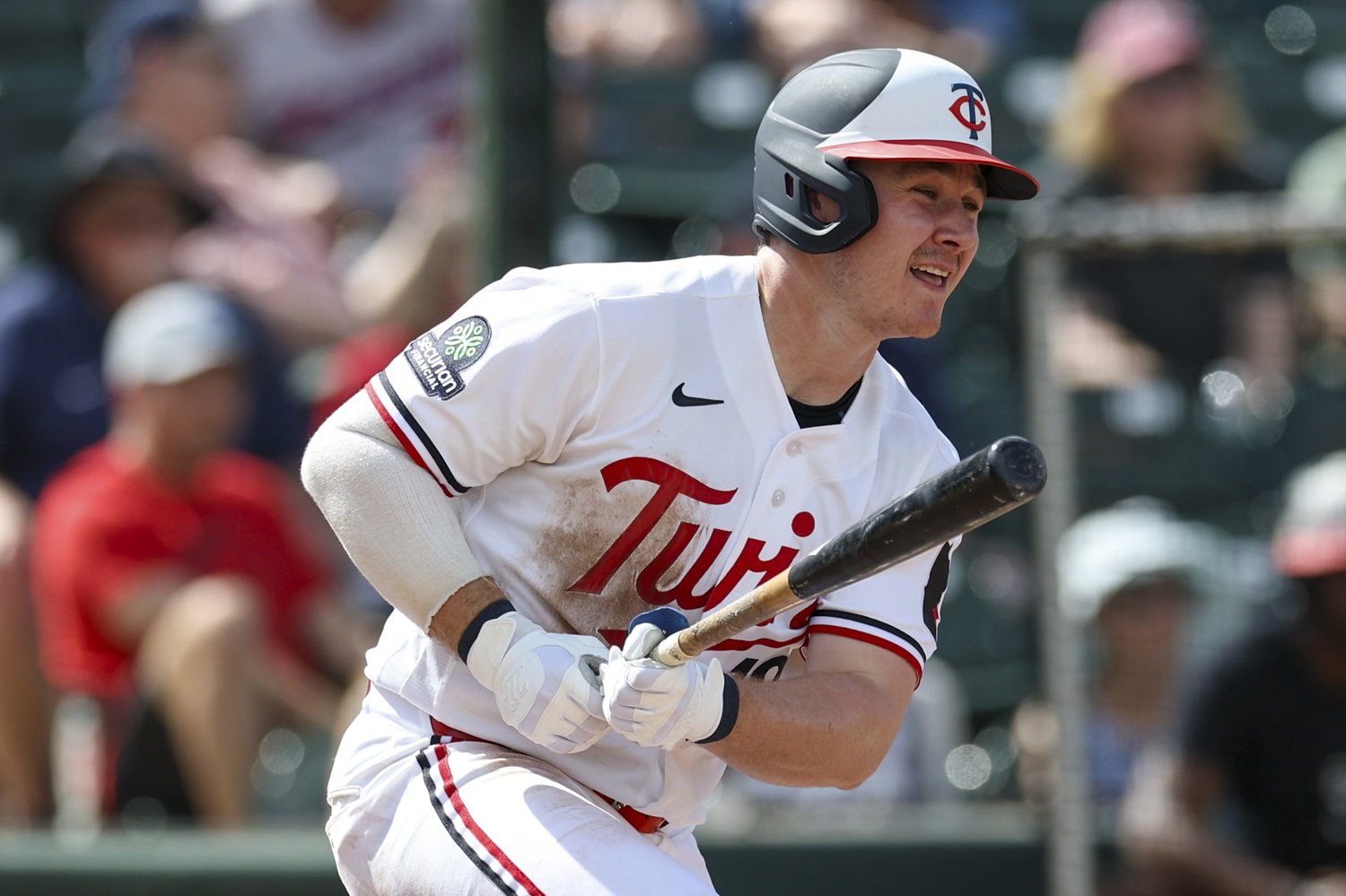 The Minnesota Twins have reached the point where waiting on Alan Roden simply doesn't make much sense anymore. When they acquired Roden and Kendry Rojas from the Toronto Blue Jays at last year's trade deadline in exchange for Louis Varland, the move was viewed as one that could help both the present and the future. Rojas arrived as a talented young starting pitching prospect with plenty of upside, but Roden was the more polished, major league-ready player. The Twins didn't trade for him because they thought he needed another full season in Triple-A. They traded for him because they believed he was close to helping them win games. Unfortunately, Twins fans barely got to see him after the trade. Roden appeared in only 12 games before suffering a thumb injury that ended his season, putting his Twins tenure on hold almost as soon as it began. He responded well to the setback this year in spring training, where it became increasingly apparent that Roden deserved a spot on the Opening Day roster. He spent camp competing with James Outman for the final outfield job, and it was hard to argue that Roden hadn't outperformed him. Instead, the Twins opted for roster flexibility. Because Roden still had minor-league options remaining (while Outman did not), Roden was sent to St. Paul, despite looking like the better baseball choice. The decision was understandable from a roster management perspective, but it always felt temporary. Roden appeared to be first in line whenever the Twins needed another outfielder, and that opportunity looked like it was only days away—before another injury derailed his season. In April, Roden tore the labrum in his right shoulder, forcing him back to the injured list just as the door to the majors was beginning to open. Now he's healthy again, and he's reminding everyone exactly why the Twins wanted him in the first place. Since returning from injury on June 6, Roden has been one of the most productive hitters in Triple-A, batting .333 with six home runs. Just as encouraging has been his approach at the plate. He's drawn 14 walks while striking out only 12 times, continuing to show the advanced strike zone awareness that has defined his professional career. He has also spent a significant amount of time playing center field, giving the Twins another layer of prospective defensive flexibility. The timing could not be better, because this lineup desperately needs another hitter capable of getting on base. Since the start of June, Trevor Larnach and Luke Keaschall are the only Twins with an on-base percentage above .350. Too often, this offense has struggled to sustain rallies because hitters are expanding the strike zone instead of forcing pitchers to work. Roden has built his entire offensive profile around doing exactly that. He consistently puts together competitive at-bats, works deep counts and reaches base—skills that translate to success regardless of whether he is hitting home runs. At 26 years old with nearly 1,500 career minor-league plate appearances, Roden has nothing left to prove in Triple-A. The Twins acquired him because they believed he was major league-ready. Every additional week he spends dominating minor-league pitching feels like a week that accomplishes very little for either Roden or the organization. If anything, keeping him in St. Paul now seems to contradict the very reason they targeted him. His fit extends well beyond the batter's box. Byron Buxton returned to center field on Saturday after missing the entire Houston series because of another hip aggravation. While Buxton remains one of the best players in baseball when healthy, the Twins also need to acknowledge that they cannot expect him to play every day for the remainder of the season. That was underscored Sunday, when he left the game after the top of the first inning. Right now, their backup plan has been moving Ryan Kreidler from shortstop to center field whenever Buxton is unavailable. Kreidler is more than capable of handling center, but that move creates another problem by forcing Tristan Gray into the lineup at shortstop. Gray owns just a 67 OPS+ this season, and his defense has left plenty to be desired. Instead of weakening two positions at once, the Twins could leave Kreidler where he is strongest defensively while allowing Roden to handle center field against right-handed pitching and on days when Buxton serves as the designated hitter. It's a move that strengthens both the lineup and the defense while giving Buxton the flexibility to stay healthy over the final three months of the season. Roden's left-handed bat makes him a natural platoon partner in center field, and his disciplined offensive approach fills one of the biggest holes on the roster. The Twins need another quality hitter, another capable center fielder, and another reliable way to keep Byron Buxton fresh. Alan Roden checks every one of those boxes. Roden needs to find his way onto the roster, and soon. Do you think the Twins should finally call up Alan Roden, or would you make a different roster move? Leave a comment below and start the conversation!
 -
Image courtesy of © Bruce Kluckhohn-Imagn Images Winning a series at Yankee Stadium doesn't guarantee anything. It doesn't erase an inconsistent first half, and it certainly doesn't mean the Twins suddenly look like World Series favorites. But after taking two of three in the Bronx (and outscoring New York 19-10), one thing has become increasingly difficult to ignore. The Twins have played solid baseball over the past few weeks, winning six of their last seven series, four of them on the road. They've climbed to within three games of .500, sit four games behind first place in the American League Central, and trail the final American League Wild Card spot by just 1.5 games. According to FanGraphs, they now have a 33.1% chance to make the postseason. With less than a month until the trade deadline, the Twins have firmly put themselves in position to be buyers. That reality makes it impossible not to think back to everything Tom Pohlad has said since taking over as the Twins' control person and chairman. His most memorable quote came during his introductory press conference when he said, "I'm not a half-measure guy. I'm a 'go big or go home' guy." It was exactly what Twins fans wanted to hear after years of payroll cuts and conservative spending. Understandably, though, many didn't believe it. But perhaps the more important comment came later in that same conversation when he said, "We owe the fan base something. We owe our veteran and star players something. And we owe this organization something. And that something is hope." Those quotes created expectations. If you're going to tell fans that you aren't interested in half measures and that you owe them hope, those words have to be backed up when the opportunity presents itself. The Twins have done exactly what ownership could have hoped for. Despite injuries, roster flaws, and a reduced payroll, they've fought their way back into contention and earned the chance to receive help. Pohlad doubled down on that message in April. In an interview with Dan Hayes, he acknowledged that taking over ownership so late in the offseason limited what the organization could accomplish in free agency. Instead, he pointed toward the trade deadline, saying he hoped the Twins would still be competitive so they could add to the roster. In other words, he asked fans to judge him in July, not January. Well, July is here. The Twins are exactly where Pohlad hoped they would be. They've consistently won series over the past few weeks, despite an imperfect roster, giving the front office every reason to invest in this club. There's still plenty of time for things to change. The Twins could get hot and strengthen their position, or they could stumble before the deadline. But that uncertainty shouldn't become an excuse for waiting. Teams don't have to wait until the final day to make trades, and there are already several organizations with no realistic playoff aspirations. If Jeremy Zoll identifies a player who can improve the roster, there's no reason the Twins can't act early and give that player several extra weeks to contribute. The timing is also ideal because of the opportunity in front of them. The American League has remained remarkably open all season, allowing Minnesota to stay in contention despite an inconsistent first half. On top of that, reinforcements are on the way. Walker Jenkins, Kaelen Culpepper, and Emmanuel Rodriguez all have a chance to contribute later this season. Pairing that wave of young talent with meaningful additions from outside the organization could certainly have the Twins rolling in the second half of the season No one is suggesting the Twins empty the farm system or make a reckless trade. But there's a big difference between making smart, aggressive additions and standing pat. Whether it's bullpen help, a starting pitcher, or a bat, this is the type of situation Pohlad was talking about when he said he wasn't interested in half measures. This deadline is also about more than the 2026 season. It's Tom Pohlad's first real opportunity to build credibility with a fan base that has heard promises from ownership before. He has talked about thinking bigger, explained why the quiet offseason was a matter of timing, and repeatedly pointed toward the trade deadline as the moment he'd have a chance to make his mark. Making meaningful additions won't guarantee a playoff berth, but it would send a clear message to the clubhouse and the fan base that this Pohlad is different from the others. So would not making those additions; the message would just be a different one. What do you think? Have the Twins done enough to justify buying at the trade deadline? Should the front office wait until the deadline, or would you like to see them make a move sooner? View full article
-
Tom Pohlad Said "Go Big or Go Home." Now He Needs to Actually Choose.
Matthew Taylor posted an article in Twins
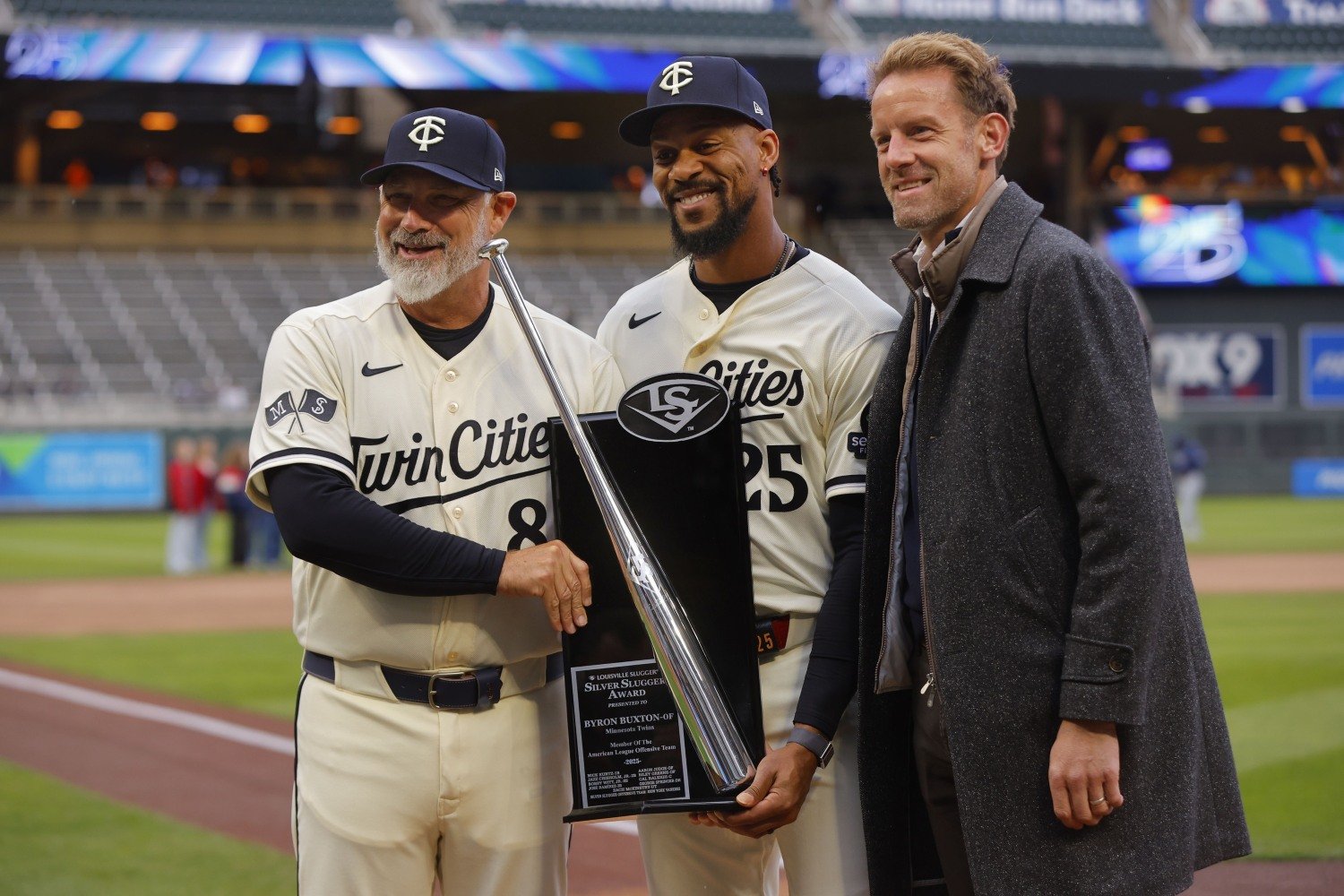 Winning a series at Yankee Stadium doesn't guarantee anything. It doesn't erase an inconsistent first half, and it certainly doesn't mean the Twins suddenly look like World Series favorites. But after taking two of three in the Bronx (and outscoring New York 19-10), one thing has become increasingly difficult to ignore. The Twins have played solid baseball over the past few weeks, winning six of their last seven series, four of them on the road. They've climbed to within three games of .500, sit four games behind first place in the American League Central, and trail the final American League Wild Card spot by just 1.5 games. According to FanGraphs, they now have a 33.1% chance to make the postseason. With less than a month until the trade deadline, the Twins have firmly put themselves in position to be buyers. That reality makes it impossible not to think back to everything Tom Pohlad has said since taking over as the Twins' control person and chairman. His most memorable quote came during his introductory press conference when he said, "I'm not a half-measure guy. I'm a 'go big or go home' guy." It was exactly what Twins fans wanted to hear after years of payroll cuts and conservative spending. Understandably, though, many didn't believe it. But perhaps the more important comment came later in that same conversation when he said, "We owe the fan base something. We owe our veteran and star players something. And we owe this organization something. And that something is hope." Those quotes created expectations. If you're going to tell fans that you aren't interested in half measures and that you owe them hope, those words have to be backed up when the opportunity presents itself. The Twins have done exactly what ownership could have hoped for. Despite injuries, roster flaws, and a reduced payroll, they've fought their way back into contention and earned the chance to receive help. Pohlad doubled down on that message in April. In an interview with Dan Hayes, he acknowledged that taking over ownership so late in the offseason limited what the organization could accomplish in free agency. Instead, he pointed toward the trade deadline, saying he hoped the Twins would still be competitive so they could add to the roster. In other words, he asked fans to judge him in July, not January. Well, July is here. The Twins are exactly where Pohlad hoped they would be. They've consistently won series over the past few weeks, despite an imperfect roster, giving the front office every reason to invest in this club. There's still plenty of time for things to change. The Twins could get hot and strengthen their position, or they could stumble before the deadline. But that uncertainty shouldn't become an excuse for waiting. Teams don't have to wait until the final day to make trades, and there are already several organizations with no realistic playoff aspirations. If Jeremy Zoll identifies a player who can improve the roster, there's no reason the Twins can't act early and give that player several extra weeks to contribute. The timing is also ideal because of the opportunity in front of them. The American League has remained remarkably open all season, allowing Minnesota to stay in contention despite an inconsistent first half. On top of that, reinforcements are on the way. Walker Jenkins, Kaelen Culpepper, and Emmanuel Rodriguez all have a chance to contribute later this season. Pairing that wave of young talent with meaningful additions from outside the organization could certainly have the Twins rolling in the second half of the season No one is suggesting the Twins empty the farm system or make a reckless trade. But there's a big difference between making smart, aggressive additions and standing pat. Whether it's bullpen help, a starting pitcher, or a bat, this is the type of situation Pohlad was talking about when he said he wasn't interested in half measures. This deadline is also about more than the 2026 season. It's Tom Pohlad's first real opportunity to build credibility with a fan base that has heard promises from ownership before. He has talked about thinking bigger, explained why the quiet offseason was a matter of timing, and repeatedly pointed toward the trade deadline as the moment he'd have a chance to make his mark. Making meaningful additions won't guarantee a playoff berth, but it would send a clear message to the clubhouse and the fan base that this Pohlad is different from the others. So would not making those additions; the message would just be a different one. What do you think? Have the Twins done enough to justify buying at the trade deadline? Should the front office wait until the deadline, or would you like to see them make a move sooner?
 -
The Minnesota Twins have reached the point where waiting on Alan Roden simply doesn't make much sense anymore. When the Twins acquired Roden and Kendry Rojas from the Toronto Blue Jays at last year's trade deadline in exchange for Louis Varland, the move was viewed as one that could help both the present and the future. Rojas arrived as a talented young starting pitching prospect with plenty of upside, but Roden was the more polished, major league ready player. The Twins didn't trade for him because they thought he needed another full season in Triple-A. They traded for him because they believed he was close to helping them win games in Minnesota. Unfortunately, Twins fans barely got to see him after the trade. Roden appeared in only 12 games before suffering a thumb injury that ended his season, putting his Twins debut on hold almost as soon as it began. That momentum carried into spring training, where it became increasingly apparent that Roden deserved a spot on the Opening Day roster. He spent camp competing with James Outman for the final outfield job, and it was hard to argue that Roden hadn't outperformed him. Instead, the Twins opted for roster flexibility. Because Roden still had minor league options remaining while Outman did not, Roden was sent to St. Paul despite looking like the better baseball choice. The decision was understandable from a roster management perspective, but it always felt temporary. Roden appeared to be first in line whenever the Twins needed another outfielder, and that opportunity looked like it was only days away before another injury derailed his season. In April, Roden tore the labrum in his right shoulder, forcing him back to the injured list just as the door to the majors was beginning to open. Now he is healthy again, and he is reminding everyone exactly why the Twins wanted him in the first place. Since returning from injury on June 6, Roden has been one of the most productive hitters in Triple-A, batting .333 with six home runs. Just as encouraging has been his approach at the plate. He has drawn 14 walks while striking out only 12 times, continuing to show the advanced strike zone awareness that has defined his professional career. He has also spent a significant amount of time playing center field, giving the Twins another layer of defensive flexibility. The timing could not be better because this lineup desperately needs another hitter capable of getting on base. Since the start of June, Trevor Larnach and Luke Keaschall are the only Twins with an on-base percentage above .350. Too often this offense has struggled to sustain rallies because hitters are expanding the strike zone instead of forcing pitchers to work. Roden has built his entire offensive profile around doing exactly that. He consistently puts together competitive at-bats, works deep counts and reaches base, skills that translate regardless of whether he is hitting home runs. At 26 years old with nearly 1,500 career minor league plate appearances, Roden has nothing left to prove in Triple-A. The Twins acquired him because they believed he was major league ready. Every additional week he spends dominating minor league pitching feels like a week that accomplishes very little for either Roden or the organization. If anything, keeping him in St. Paul now seems to contradict the very reason they targeted him at the trade deadline. His fit also extends well beyond the batter's box. Byron Buxton returned to center field on Saturday after missing the entire Houston series because of another hip aggravation. While Buxton remains one of the best players in baseball when healthy, the Twins also need to acknowledge that they cannot expect him to play every day for the remainder of the season. Right now, their backup plan has been moving Ryan Kreidler from shortstop to center field whenever Buxton is unavailable. Kreidler is more than capable of handling center, but that move creates another problem by forcing Tristan Gray into the lineup at shortstop. Gray owns just a 67 OPS+ this season, and his defense has left plenty to be desired. Instead of weakening two positions at once, the Twins could leave Kreidler where he is strongest defensively while allowing Roden to handle center field against right-handed pitching and on days when Buxton serves as the designated hitter. It is a move that strengthens both the lineup and the defense while giving Buxton the flexibility to stay healthy over the final three months of the season. Roden's left-handed bat makes him a natural platoon partner in center field, and his disciplined offensive approach fills one of the biggest holes currently on the roster. The Twins traded for Alan Roden because they believed he was ready to contribute in the major leagues. Injuries delayed that opportunity, but they should not delay it any longer. He is healthy, he is producing, and he has already proven everything there is to prove in Triple-A. The Twins need another quality hitter, another capable center fielder and another reliable way to keep Byron Buxton fresh. Alan Roden checks every one of those boxes. Do you think the Twins should finally call up Alan Roden, or would you make a different roster move? Leave a comment below and start the conversation! View full article
-
Image courtesy of © Jesse Johnson-Imagn Images When the Minnesota Twins acquired Kendry Rojas from the Toronto Blue Jays at last year's trade deadline, they were betting on upside. The controversial trade that sent Louis Varland to Toronto also brought Alan Roden to the organization, but Rojas was viewed as the potential long-term prize. A fringe top-100 prospect, he featured a mid- to high-90s fastball, a devastating slider, and the kind of raw stuff that made scouts believe he could eventually settle into the middle of a major-league rotation. There was always one major concern, though. Rojas struggled to consistently throw strikes, and that issue has followed him to Minnesota. Between Triple-A St. Paul and the Twins, Rojas has walked 44 batters in just 43 2/3 innings. The electric arsenal is still there, but the command hasn't improved enough to convince the organization he can handle the workload of a traditional starting pitcher. If the Twins truly believed Rojas was part of their future rotation, they'd be developing him like one. Instead, they've done the opposite. Since joining the organization, Rojas has bounced between starting and relieving, without ever really fitting either role. In his two major-league starts, he lasted just two innings and four innings, respectively. With the Saints, he's started five games but has never been allowed to throw more than four innings, usually exiting after just two or three. Even when he's come out of the bullpen, he hasn't been used as a traditional late-inning reliever. Instead, he's worked one to three innings as a piggyback option or long reliever after an early exit from another pitcher. That hybrid role is arguably the least valuable one a pitcher can fill. He's not providing the length teams expect from a starter. Nor is he being trusted to record the biggest outs at the ends of games. Instead, he's stuck somewhere in the middle, where neither his development nor his impact is being maximized. At some point, the Twins need to decide what they believe Rojas is, because the current plan isn't a long-term solution. The organization's usage tells the story. Teams don't consistently pull starting pitchers after two, three, or four innings unless they have concerns about their ability to turn a lineup over multiple times. Rojas has premium velocity and an excellent slider, but he doesn't yet have the command, demonstrated durability or complete pitch mix to profile as a traditional starter. There's nothing wrong with that. Plenty of talented pitchers have found greater success after moving to the bullpen. In fact, the Twins have already shown exactly how to maximize this type of arm. Ironically, the blueprint belongs to the same pitcher they traded away to acquire Rojas. Louis Varland also entered professional baseball as a starter. When that role didn't fully click, the Twins tried him as a multi-inning reliever, before eventually committing him to one inning at a time. That's when everything changed. Without worrying about pacing himself for multiple trips through the lineup, Varland was able to attack hitters with maximum effort. His velocity ticked up, and his best pitches became even more effective. The result was one of the best late-inning relievers in the American League. There's every reason to believe Rojas could follow a similar path. He's already capable of reaching the upper 90s while pitching multiple innings. In a one-inning role, it's easy to envision him sitting comfortably in the upper 90s, while occasionally touching triple digits. More importantly, he wouldn't need to rely on a deep arsenal. He could lean heavily on his overpowering fastball and devastating slider, allowing his two best pitches to play at their highest level, instead of trying to navigate hitters multiple times with inconsistent command. The timing also couldn't be better. The Twins suddenly have an opening for another impact left-hander after Anthony Banda landed on the injured list with a lat strain earlier this week. A power lefty capable of missing bats late in games is something every contender covets, and Rojas has the raw talent to become exactly that if the organization commits to the transition. Right now, though, the Twins are getting the worst of both worlds. Rojas isn't developing into the type of starter who can consistently give the club five or six innings, and he isn't being allowed to become the high-leverage reliever his stuff suggests he could be. He's simply existing in between those roles, and that isn't helping either the player or the organization. The Twins don't need another hybrid pitcher. They need impact arms, especially in the bullpen. Rojas has all the ingredients to become one, if the organization is willing to stop trying to force him into a role that no longer appears realistic. It's time to pick a lane. Turn Kendry Rojas into a true one-inning reliever. Let him attack hitters with his fastball and slider. Let him throw every pitch at maximum effort, instead of worrying about saving something for the fourth inning. The Twins already followed this exact formula with Varland. The irony is that the player they acquired in exchange for him may need the very same treatment. What do you think? Should the Twins commit to Kendry Rojas as a late-inning reliever, or would you continue trying to develop him as a starter? Leave a comment below and start the conversation! View full article
-
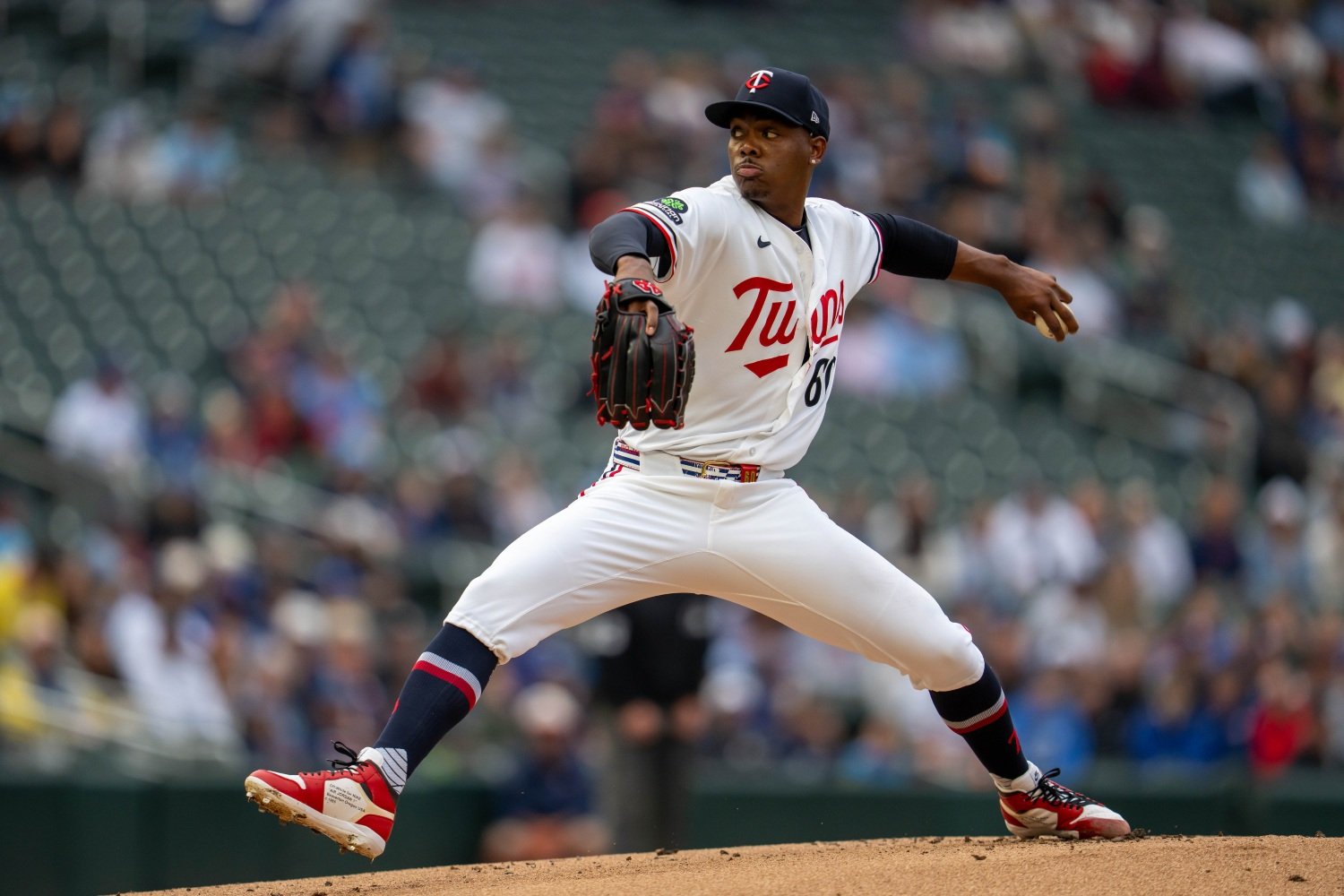 When the Minnesota Twins acquired Kendry Rojas from the Toronto Blue Jays at last year's trade deadline, they were betting on upside. The controversial trade that sent Louis Varland to Toronto also brought Alan Roden to the organization, but Rojas was viewed as the potential long-term prize. A fringe top-100 prospect, he featured a mid- to high-90s fastball, a devastating slider, and the kind of raw stuff that made scouts believe he could eventually settle into the middle of a major-league rotation. There was always one major concern, though. Rojas struggled to consistently throw strikes, and that issue has followed him to Minnesota. Between Triple-A St. Paul and the Twins, Rojas has walked 44 batters in just 43 2/3 innings. The electric arsenal is still there, but the command hasn't improved enough to convince the organization he can handle the workload of a traditional starting pitcher. If the Twins truly believed Rojas was part of their future rotation, they'd be developing him like one. Instead, they've done the opposite. Since joining the organization, Rojas has bounced between starting and relieving, without ever really fitting either role. In his two major-league starts, he lasted just two innings and four innings, respectively. With the Saints, he's started five games but has never been allowed to throw more than four innings, usually exiting after just two or three. Even when he's come out of the bullpen, he hasn't been used as a traditional late-inning reliever. Instead, he's worked one to three innings as a piggyback option or long reliever after an early exit from another pitcher. That hybrid role is arguably the least valuable one a pitcher can fill. He's not providing the length teams expect from a starter. Nor is he being trusted to record the biggest outs at the ends of games. Instead, he's stuck somewhere in the middle, where neither his development nor his impact is being maximized. At some point, the Twins need to decide what they believe Rojas is, because the current plan isn't a long-term solution. The organization's usage tells the story. Teams don't consistently pull starting pitchers after two, three, or four innings unless they have concerns about their ability to turn a lineup over multiple times. Rojas has premium velocity and an excellent slider, but he doesn't yet have the command, demonstrated durability or complete pitch mix to profile as a traditional starter. There's nothing wrong with that. Plenty of talented pitchers have found greater success after moving to the bullpen. In fact, the Twins have already shown exactly how to maximize this type of arm. Ironically, the blueprint belongs to the same pitcher they traded away to acquire Rojas. Louis Varland also entered professional baseball as a starter. When that role didn't fully click, the Twins tried him as a multi-inning reliever, before eventually committing him to one inning at a time. That's when everything changed. Without worrying about pacing himself for multiple trips through the lineup, Varland was able to attack hitters with maximum effort. His velocity ticked up, and his best pitches became even more effective. The result was one of the best late-inning relievers in the American League. There's every reason to believe Rojas could follow a similar path. He's already capable of reaching the upper 90s while pitching multiple innings. In a one-inning role, it's easy to envision him sitting comfortably in the upper 90s, while occasionally touching triple digits. More importantly, he wouldn't need to rely on a deep arsenal. He could lean heavily on his overpowering fastball and devastating slider, allowing his two best pitches to play at their highest level, instead of trying to navigate hitters multiple times with inconsistent command. The timing also couldn't be better. The Twins suddenly have an opening for another impact left-hander after Anthony Banda landed on the injured list with a lat strain earlier this week. A power lefty capable of missing bats late in games is something every contender covets, and Rojas has the raw talent to become exactly that if the organization commits to the transition. Right now, though, the Twins are getting the worst of both worlds. Rojas isn't developing into the type of starter who can consistently give the club five or six innings, and he isn't being allowed to become the high-leverage reliever his stuff suggests he could be. He's simply existing in between those roles, and that isn't helping either the player or the organization. The Twins don't need another hybrid pitcher. They need impact arms, especially in the bullpen. Rojas has all the ingredients to become one, if the organization is willing to stop trying to force him into a role that no longer appears realistic. It's time to pick a lane. Turn Kendry Rojas into a true one-inning reliever. Let him attack hitters with his fastball and slider. Let him throw every pitch at maximum effort, instead of worrying about saving something for the fourth inning. The Twins already followed this exact formula with Varland. The irony is that the player they acquired in exchange for him may need the very same treatment. What do you think? Should the Twins commit to Kendry Rojas as a late-inning reliever, or would you continue trying to develop him as a starter? Leave a comment below and start the conversation!
 -
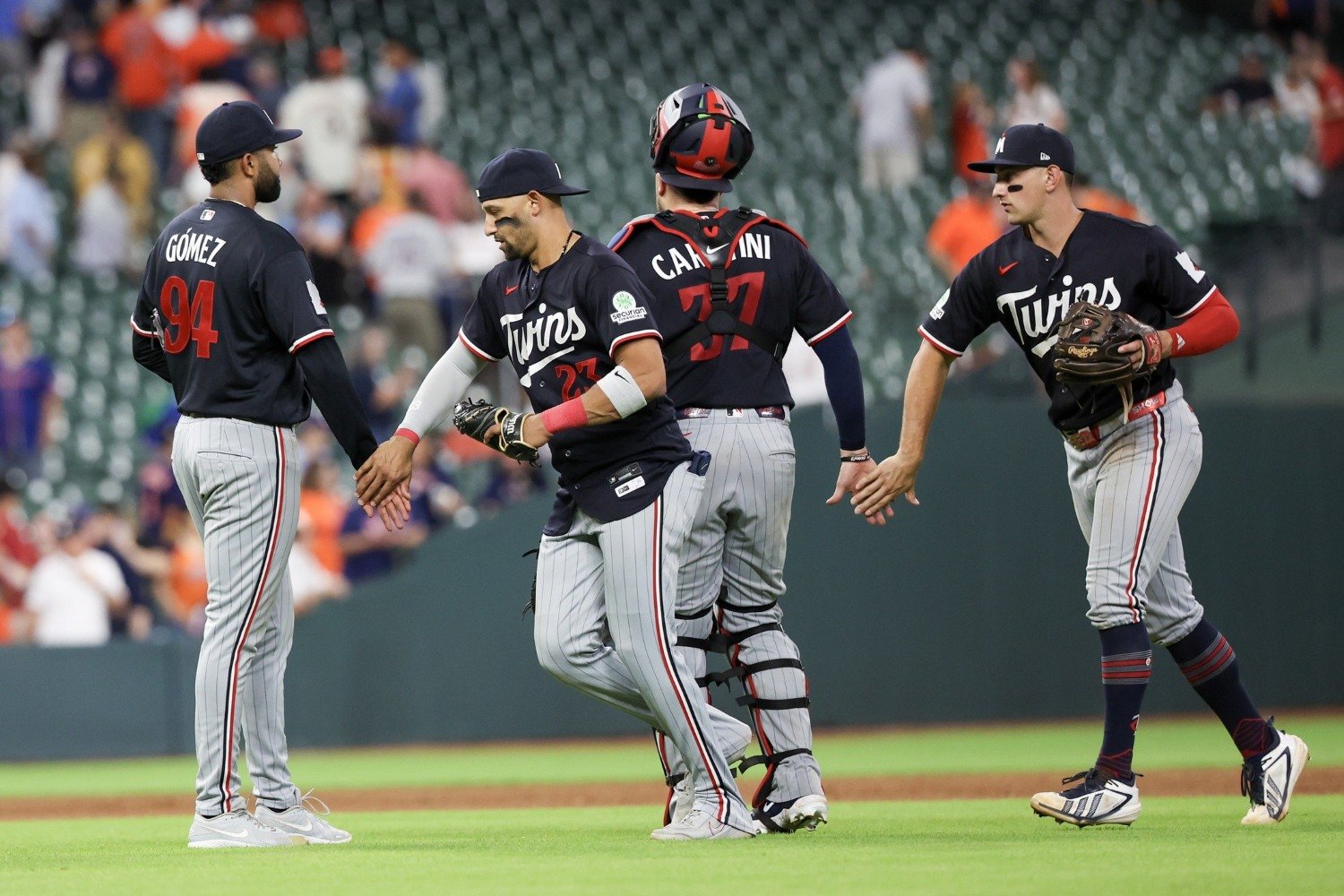 Box Score SP: Zebby Matthews: 7 IP, 4 H, 1 ER, 7 K, 1 BB HR: Royce Lewis (8), Victor Caratini (7), Josh Bell (10) Top 3 WPA: Matthews 0.25, Caratini 0.13, Bell 0.12 Win Probability Chart (via FanGraphs): The Minnesota Twins entered Monday night's series opener in Houston knowing the competition was about to get much tougher. After taking a series from the Colorado Rockies, Minnesota kicked off a six-game road trip against an Astros club that had won nine of its previous 12 games, before heading to Yankee Stadium this weekend. The Twins were also without Byron Buxton, who was held out of the lineup after experiencing a recurrence of hip discomfort and undergoing imaging, according to MLB.com's Matthew Leach. That didn't stop them from taking control of the game early, even if the finish ended up being far more dramatic than it needed to be. The biggest reason was Zebby Matthews. After recording three quality starts in his previous four outings while pitching at least six innings in each, Matthews built on that momentum with arguably his best start of the 2026 season. The right-hander tossed seven innings of one-run ball, allowing just four hits while striking out seven and walking only one. His only mistake came in the fifth inning, when Cam Smith connected for a solo home run. Outside of that swing, Matthews was in complete control all night. Matthews gave the Twins exactly the kind of start they needed, and the offense rewarded him with an early cushion. After being held hitless through the first three innings, Minnesota broke through in the fourth when Victor Caratini and Royce Lewis launched back-to-back home runs. Both hitters continued their outstanding months of June, and Josh Bell joined them two innings later. Bell, who entered the night with an .880 OPS this month after his miserable start to the season, crushed a two-run homer to extend the lead to 4-1. Kody Clemens added one more insurance run in the seventh with an RBI groundout, giving the Twins what looked like a comfortable 5-1 advantage. Matthews's seven frames meant the bullpen only needed to notch the final six outs. Travis Adams looked poised to do just that, retiring the first five batters he faced before Taylor Trammell spoiled the effort with a two-out, full-count, two-run home run in the ninth inning to trim Minnesota's lead to 5-3. That forced the Twins to turn to Yoendrys Gómez for the final out. Instead, the Astros made things even more interesting when Smith launched a solo homer to make it a one-run game. Gómez settled down, however, retiring the final batter of the night to earn his eighth save of the season as the Twins hung on for the 5-4 victory. The Twins passed the first test of a challenging road trip. Matthews delivered the best outing of his season, while Lewis, Bell, and Caratini continued their hot stretches at the plate to provide enough offense. It got far more interesting than anyone expected over the final two outs, but the Twins ultimately did enough to open the road trip with a much-needed win. What's Next The Twins will look to lock up the series on Tuesday evening at 7:10 p.m. CT. Joe Ryan is scheduled to take the mound for Minnesota against Astros right-hander Mike Burrows, as the Twins try to string together some series victories and position themselves to buy (or at least not sell) at the trade deadline. Bullpen Usage Chart THU FRI SAT SUN SUN P Raya 0 0 40 0 0 40 Banda 0 11 0 14 0 25 Morris 0 6 0 12 0 18 Funderburk 0 20 25 0 0 45 Orze 0 14 0 0 0 14 Gómez 0 0 0 4 7 11 Rogers 0 0 9 0 0 9 Adams 0 0 0 0 35 35
- 33 comments
-
- 4
-
-
- game recap
- zebby matthews
- (and 3 more)