Matthew Taylor
-
Posts
973 -
Joined
-
Last visited
Content Type
Profiles
News
Minnesota Twins Videos
2026 Minnesota Twins Top Prospects Ranking
2022 Minnesota Twins Draft Picks
Minnesota Twins Free Agent & Trade Rumors, Notes, & Tidbits
Guides & Resources
2023 Minnesota Twins Draft Picks
The Minnesota Twins Players Project
2024 Minnesota Twins Draft Picks
2025 Minnesota Twins Draft Pick Tracker
2026 Minnesota Twins Draft Tracker: Picks & Bonuses
Forums
Blogs
Events
Store
Downloads
Gallery
Everything posted by Matthew Taylor
-
 Image courtesy of Jordan Johnson-Imagn Images Box Score SP: Bailey Ober 4 1/3 IP, 6 H, 2 ER, 4 K, 1 BB (94 pitches, 62 strikes) HR: None Top 3 WPA: Bell 0.15, Adams 0.14, Hoffman 0.08 Win Probability Chart (via FanGraphs): The Minnesota Twins came into Monday night’s series opener against the Atlanta Braves with plenty of pressure on their shoulders. After being swept by the Philadelphia Phillies over the weekend, the Twins fell six games behind in the American League Central and dropped to five games below .500. They remained just one game out of the AL Wild Card, but with the season quickly running out of runway, another series sweep would have been a difficult hole to climb out of. The Twins were also looking for a bounce-back performance after blowing a five-run lead against the Phillies on Sunday. They got exactly what they needed Monday night, although it certainly did not come easy. The game itself started later than usual after the Twins and Braves called for a preemptive rain delay. The tarps eventually came off, and after waiting an hour, the two teams began the game without a drop of rain falling. The Twins were tasked with facing an old friend in Braves starter Martín Pérez, who spent the 2019 season with Minnesota. It looked like a challenging matchup on paper, especially considering the Twins entered the night ranked 22nd in baseball in OPS against left-handed pitching. They certainly didn't play like it in the first inning. Luke Keaschall got the offense started with a leadoff double, and the Twins quickly loaded the bases after Pérez walked Byron Buxton and Ryan Jeffers. That brought Josh Bell to the plate, and the veteran first baseman delivered with a two-run bloop double down the first base line to give Minnesota an early 2-0 advantage. The Twins weren't finished. Royce Lewis followed with an RBI single, and Kody Clemens added another RBI single to make it 4-0 before the Twins had even recorded their first out. After struggling to generate offense against left-handed pitching all season, Minnesota couldn't have asked for a better start. Bailey Ober took the mound for the Twins looking to rebound from a rough outing against Baltimore last week in which he allowed five earned runs. Ober looked sharp through the first four innings, but things began to unravel in the fifth. Austin Riley led off the inning with a single before reigning Rookie of the Year Drake Baldwin doubled to put two runners in scoring position. Ronald Acuña Jr. then delivered a two-run single to cut the Twins' lead in half. With Acuña on base and just one out, the Twins decided they had seen enough from Ober. The right-hander was pulled after just 4 1/3 innings, leaving Minnesota's bullpen with a tall task: protect a two-run lead for the final 4 2/3 innings. Considering what had happened less than 24 hours earlier, it was easy to wonder if the Twins were about to watch another big lead disappear. Instead, the bullpen saved the day. Taylor Rogers was the first man through the door, and he entered in a difficult situation. Acuña was standing on first base, there was only one out, and the heart of Atlanta's lineup was coming to the plate with the Twins clinging to a 4-2 lead. Rogers worked his way out of the jam to keep the Braves off the board, giving the Twins exactly what they needed after Ober's abbreviated outing. Travis Adams followed and provided perhaps the biggest contribution of the night. Adams has struggled considerably of late, but the Twins needed him to provide length and bridge the gap to the back end of the bullpen. He responded with two scoreless innings, striking out three without allowing a baserunner, allowing Minnesota to preserve its two-run advantage. That set the stage for the bullpen's heavy hitters. Jeff Hoffman, who has quickly become the Twins' most important bullpen piece since arriving at the trade deadline, tossed a scoreless eighth inning, aided by a massive defensive play from Kody Clemens. Then Yoendrys Gómez came in for the ninth and shut the door, albeit not without some nerves, securing a 4-2 Twins victory. After scoring four runs in the first inning, the Twins couldn't push another run across the plate despite creating several opportunities. The biggest came in the bottom of the eighth, when Minnesota loaded the bases with nobody out and had a chance to put the game away, and came away empty-handed. It didn't matter. The four runs Minnesota scored in the opening frame were enough because the bullpen refused to let Atlanta answer. After Ober's early exit, the Twins' relievers combined for 4 2/3 scoreless innings, allowing Minnesota to survive a game that could have easily gone the other direction. The Twins improved to 61-65 with the victory and, thanks to losses by both the Baltimore Orioles and the Texas Rangers and Toronto Blue Jays having the day off, moved to just a half-game back of the AL Wild Card. After the way the weekend went, the Twins desperately needed a win to start this series, and they got exactly that. What's Next The Twins will look to capture a series victory on Tuesday evening at Target Field. The Twins will be facing another old friend in Tyler Mahle, with Zebby Matthews taking the rubber for the Twins. First pitch will be at 6:40 pm (assuming no rain delay this time). Postgame Interviews Bullpen Usage Chart THU FRI SAT SUN MON TOT Morris 0 0 23 28 0 51 Adams 42 0 0 0 18 60 Hoffman 0 0 17 0 20 37 Minter 0 0 12 14 0 26 Rogers 10 0 0 16 11 37 Funderburk 0 0 16 4 0 20 Nance 16 0 0 0 0 16 Gomez 0 0 0 0 19 19 View full article
 -
Image courtesy of Reese Strickland-Imagn Images Luke Keaschall has quickly become one of the more fascinating players on the Twins roster. There is a very clear reason to want him in the lineup, and an equally clear reason to wonder whether the team can actually afford to play him. The good news is that Keaschall has continued to show that his rookie season was not a fluke. After posting a terrific 130 OPS+ during his rookie campaign, Keaschall got off to a slow start in 2026, but he's been much better at bat as the season has progressed. Since June 1, he's posted a .826 OPS, bringing his OPS+ for the full season to 108. Through 164 games as a Twin, Keaschall has shown that he can be a productive major-league hitter. Keaschall gets on base, and when he does, his speed can immediately become a problem for opposing teams. He has the ability to create value without hitting for a ton of power; there's plenty to like about what he brings to the Twins offensively. The problem is that finding a place for that offense has become increasingly difficult, because of his defense. The issues initially surfaced at second base, where Keaschall played all of last season and began the 2026 campaign. It did not take long for the Twins to decide they were uncomfortable with him there. By the end of June, Minnesota had moved him off the position, and other than one emergency mid-game appearance in July, Keaschall has not returned to second base. At this point, it's fair to assume that chapter of his career is closed. Over the last two seasons, Keaschall has accumulated -9 Outs Above Average at second base, and the Twins clearly do not believe the position is a viable long-term home for him. When Keaschall moved to the outfield, the idea was that things would get better. His speed could become an asset, and playing in the outfield would seemingly allow him to use his athleticism without asking him to handle the responsibilities of the middle infield. That has not happened. Since moving off second base, Keaschall has bounced between center field (filling in for Byron Buxton) and right field. He's struggled defensively in both spots. Defensive metrics are far from perfect, especially when a player has limited time at a position, but when multiple metrics are telling the same story, it becomes difficult to dismiss the numbers. In just two months as an outfielder, Keaschall has posted -3 OAA and -3 DRS in center field and -2 OAA and -4 DRS in right field. Combined with his work at second base, his defensive metrics paint a pretty ugly picture. Keaschall currently ranks as the sixth-worst defender in baseball in terms of Outs Above Average this season. Again, OAA is not a perfect statistic, and there is plenty of room to debate exactly how much weight should be placed on any individual defensive metric. But the numbers also match what has been visible on the field. Keaschall has looked overmatched at every defensive position he has played for the Twins. Moving him from second base to the outfield was supposed to solve the problem, but instead, it has created the same questions in a different part of the diamond. That leaves the Twins with a very interesting problem. What do you do with a player who can clearly hit, but cannot seem to find a defensive position? The obvious answer is to put Keaschall in the outfield and live with the defense. The problem is that there may not be a natural opening for him, long-term. Byron Buxton is going to occupy one of those spots, and Walker Jenkins appears destined to occupy another once he inevitably debuts next season. That leaves one corner outfield spot for a Twins system that has plenty of options. The Twins could give that spot to Keaschall and simply accept that they're going to sacrifice defense in order to keep his bat in the lineup. There's a precedent for teams doing exactly that. Players such as CJ Abrams and Junior Caminero have significant defensive shortcomings, but their offensive production is MVP-level and their teams live with those defensive problems. If Keaschall's bat develops to anywhere near that level, the defensive concerns become much easier to overlook. The question is whether Keaschall's bat is good enough to justify doing that, or can get anywhere close to it. A 108 OPS+ is certainly useful. His OBP is exactly .400 since the start of May; that carries great value. But that's not necessarily the level of offensive production that makes a player with significant defensive deficiencies an obvious everyday player. If Keaschall is going to be a liability wherever he plays, the Twins need his offense to provide enough surplus value to make the tradeoff worthwhile. There is also another possibility: designated hitter. A DH role would allow the Twins to put Keaschall's best skill on display without worrying about where to hide his glove. With Royce Lewis establishing himself at first base, that position does not appear to offer an obvious alternative. The DH spot may ultimately be the cleanest way to get Keaschall's bat into the lineup. But that comes with its own problem. A player who is going to occupy the designated hitter spot has to really hit. There's little value in carrying a full-time DH who is merely a good (as opposed to very good, or great) hitter, especially when the Twins could use that lineup spot to rotate players through the position or to keep another regular healthy. For now, Keaschall's role is likely to stay the same, but it should be modified to tip the share of his contributions to the game from defense toward offense. Since July 1, he's batted second once and fifth once, but otherwise, he's slotted in sixth or lower in the batting order. That's the worst possible way to handle a bat-first player. If the team believes enough in what Keaschall has done at bat over the past three-plus months to keep him in the lineup, he should bat higher. Move him up three spots, and you raise the chances of him getting one extra plate appearance in a game by 33%. He also gets each of his at-bats earlier that way, so if you get a mid-game lead and want to switch to a defensive mode, you can lift Keaschall after (say) three plate appearances in six innings, rather than only getting two from him by then or needing to play him an extra frame or two in the field to get a third. This question becomes even more pertinent as we look to the future, though. Do they put him in the third outfield spot next season and simply accept the defensive shortcomings in hopes that his offense can outweigh them, withholding someone like Emmanuel Rodriguez in the meantime? Do they move him into a full-time DH role and bet on his bat taking another step forward? Or is there another solution the Twins should explore? Keaschall has proven that he can be a productive major-league hitter. Now, the Twins have to figure out how to get the most out of that production without allowing his defense to overwhelm everything else he brings to the table. What do you think the Twins should do with Luke Keaschall? Let us know in the comments. View full article
-
Twins Must Change the Balance Between Luke Keaschall's Bat and His Glove
Matthew Taylor posted an article in Twins
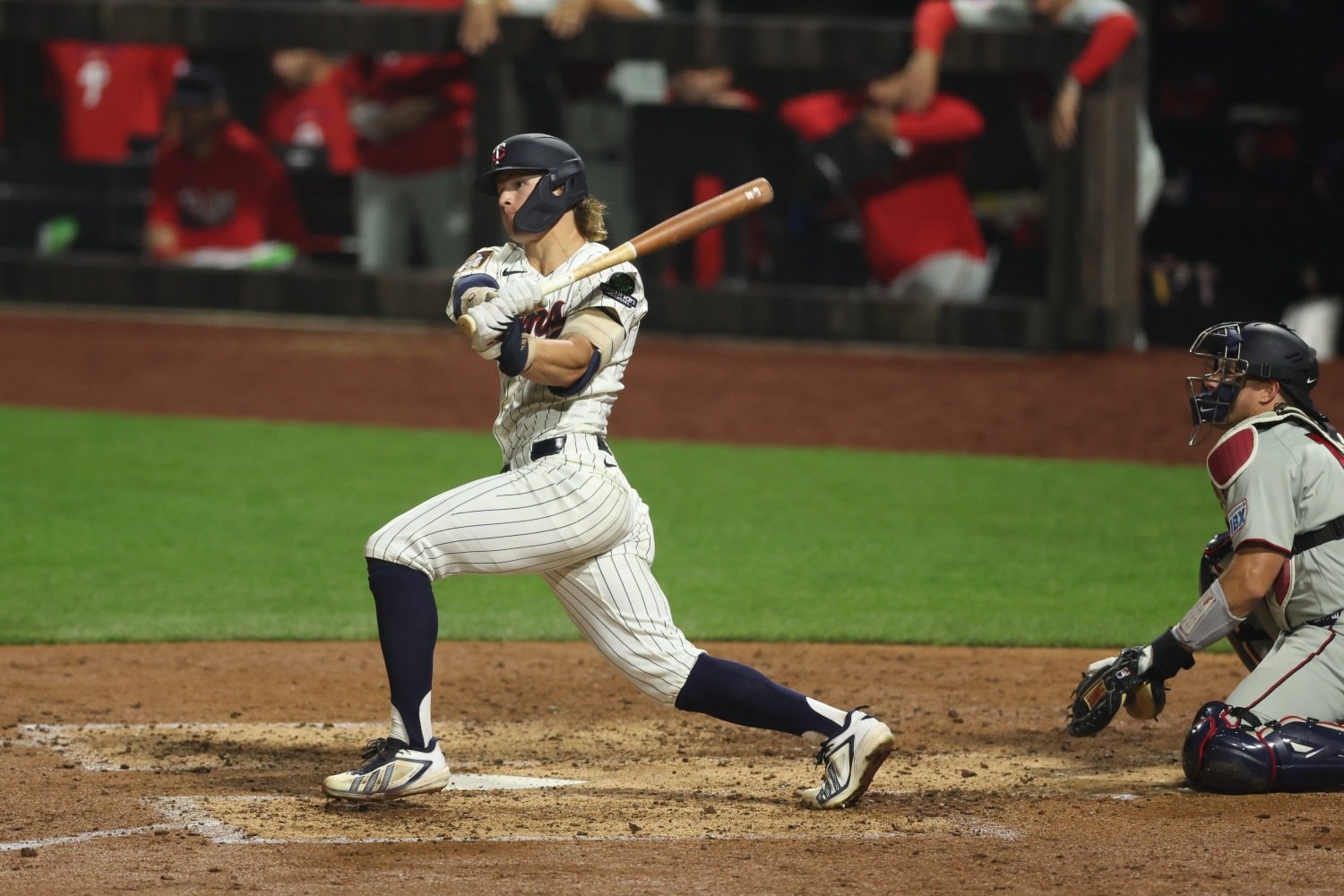 Luke Keaschall has quickly become one of the more fascinating players on the Twins roster. There is a very clear reason to want him in the lineup, and an equally clear reason to wonder whether the team can actually afford to play him. The good news is that Keaschall has continued to show that his rookie season was not a fluke. After posting a terrific 130 OPS+ during his rookie campaign, Keaschall got off to a slow start in 2026, but he's been much better at bat as the season has progressed. Since June 1, he's posted a .826 OPS, bringing his OPS+ for the full season to 108. Through 164 games as a Twin, Keaschall has shown that he can be a productive major-league hitter. Keaschall gets on base, and when he does, his speed can immediately become a problem for opposing teams. He has the ability to create value without hitting for a ton of power; there's plenty to like about what he brings to the Twins offensively. The problem is that finding a place for that offense has become increasingly difficult, because of his defense. The issues initially surfaced at second base, where Keaschall played all of last season and began the 2026 campaign. It did not take long for the Twins to decide they were uncomfortable with him there. By the end of June, Minnesota had moved him off the position, and other than one emergency mid-game appearance in July, Keaschall has not returned to second base. At this point, it's fair to assume that chapter of his career is closed. Over the last two seasons, Keaschall has accumulated -9 Outs Above Average at second base, and the Twins clearly do not believe the position is a viable long-term home for him. When Keaschall moved to the outfield, the idea was that things would get better. His speed could become an asset, and playing in the outfield would seemingly allow him to use his athleticism without asking him to handle the responsibilities of the middle infield. That has not happened. Since moving off second base, Keaschall has bounced between center field (filling in for Byron Buxton) and right field. He's struggled defensively in both spots. Defensive metrics are far from perfect, especially when a player has limited time at a position, but when multiple metrics are telling the same story, it becomes difficult to dismiss the numbers. In just two months as an outfielder, Keaschall has posted -3 OAA and -3 DRS in center field and -2 OAA and -4 DRS in right field. Combined with his work at second base, his defensive metrics paint a pretty ugly picture. Keaschall currently ranks as the sixth-worst defender in baseball in terms of Outs Above Average this season. Again, OAA is not a perfect statistic, and there is plenty of room to debate exactly how much weight should be placed on any individual defensive metric. But the numbers also match what has been visible on the field. Keaschall has looked overmatched at every defensive position he has played for the Twins. Moving him from second base to the outfield was supposed to solve the problem, but instead, it has created the same questions in a different part of the diamond. That leaves the Twins with a very interesting problem. What do you do with a player who can clearly hit, but cannot seem to find a defensive position? The obvious answer is to put Keaschall in the outfield and live with the defense. The problem is that there may not be a natural opening for him, long-term. Byron Buxton is going to occupy one of those spots, and Walker Jenkins appears destined to occupy another once he inevitably debuts next season. That leaves one corner outfield spot for a Twins system that has plenty of options. The Twins could give that spot to Keaschall and simply accept that they're going to sacrifice defense in order to keep his bat in the lineup. There's a precedent for teams doing exactly that. Players such as CJ Abrams and Junior Caminero have significant defensive shortcomings, but their offensive production is MVP-level and their teams live with those defensive problems. If Keaschall's bat develops to anywhere near that level, the defensive concerns become much easier to overlook. The question is whether Keaschall's bat is good enough to justify doing that, or can get anywhere close to it. A 108 OPS+ is certainly useful. His OBP is exactly .400 since the start of May; that carries great value. But that's not necessarily the level of offensive production that makes a player with significant defensive deficiencies an obvious everyday player. If Keaschall is going to be a liability wherever he plays, the Twins need his offense to provide enough surplus value to make the tradeoff worthwhile. There is also another possibility: designated hitter. A DH role would allow the Twins to put Keaschall's best skill on display without worrying about where to hide his glove. With Royce Lewis establishing himself at first base, that position does not appear to offer an obvious alternative. The DH spot may ultimately be the cleanest way to get Keaschall's bat into the lineup. But that comes with its own problem. A player who is going to occupy the designated hitter spot has to really hit. There's little value in carrying a full-time DH who is merely a good (as opposed to very good, or great) hitter, especially when the Twins could use that lineup spot to rotate players through the position or to keep another regular healthy. For now, Keaschall's role is likely to stay the same, but it should be modified to tip the share of his contributions to the game from defense toward offense. Since July 1, he's batted second once and fifth once, but otherwise, he's slotted in sixth or lower in the batting order. That's the worst possible way to handle a bat-first player. If the team believes enough in what Keaschall has done at bat over the past three-plus months to keep him in the lineup, he should bat higher. Move him up three spots, and you raise the chances of him getting one extra plate appearance in a game by 33%. He also gets each of his at-bats earlier that way, so if you get a mid-game lead and want to switch to a defensive mode, you can lift Keaschall after (say) three plate appearances in six innings, rather than only getting two from him by then or needing to play him an extra frame or two in the field to get a third. This question becomes even more pertinent as we look to the future, though. Do they put him in the third outfield spot next season and simply accept the defensive shortcomings in hopes that his offense can outweigh them, withholding someone like Emmanuel Rodriguez in the meantime? Do they move him into a full-time DH role and bet on his bat taking another step forward? Or is there another solution the Twins should explore? Keaschall has proven that he can be a productive major-league hitter. Now, the Twins have to figure out how to get the most out of that production without allowing his defense to overwhelm everything else he brings to the table. What do you think the Twins should do with Luke Keaschall? Let us know in the comments.
 -
Image courtesy of © Jim Rassol-Imagn Images For weeks, Twins fans have been clamoring for the same thing: Call up Walker Jenkins. It is not hard to understand why. Jenkins, the Minnesota Twins' No. 1 prospect and a top-15 prospect in baseball, has been tearing through Triple-A since his promotion. Since July 15, Jenkins has posted a .934 OPS, continuing to show that he has very little left to prove in St. Paul. Meanwhile, the Twins could desperately use the offensive help. Since July 15, Minnesota ranks 21st in Major League Baseball in both OPS and runs scored, and this is a team fighting for a playoff spot with roughly six weeks remaining in the regular season. Despite that, the Twins have held firm with Jenkins in Triple-A. The team has made plenty of other roster moves during that time, including promoting Tristan Gray and later Kaelen Culpepper, but Jenkins has remained in St. Paul. Maybe the Twins genuinely believe he needs more time in Triple-A—that there are still aspects of his game that need to be polished before he makes his major-league debut. I don't necessarily agree with that assessment, but at least it would make sense. If the Twins don't believe Jenkins is ready, there is a baseball reason for keeping him in the minors. There is another possible explanation, however, and it has been speculated about quite a bit: MLB's Prospect Promotion Incentive (PPI). MLB and the MLB Players Association (MLBPA) introduced that incentive as part of the 2022 collective bargaining agreement, in an effort to discourage teams from manipulating the service time of top prospects. Under the PPI, a team can receive an extra draft pick after the first round if a preseason top-100 prospect is promoted early enough to gain a full year of service time and subsequently wins a major award such as Rookie of the Year. The key here is rookie eligibility. A player loses rookie status if they spend 45 active days on the major-league roster or collect 130 at-bats. That has led to the theory that the Twins' plan with Jenkins could be to keep him in Triple-A until late August, call him up once he can no longer reach 130 ABs (the 45-day threshold passed on Friday), and preserve his rookie eligibility for 2027. If Jenkins then wins the Rookie of the Year award next season, the Twins could receive a compensation pick immediately after the first round of the 2028 Draft. If he were to win the MVP (or be a finalist for it) in any of 2027, 2028 or 2029, they'd get one, too. We don't know if that's the reason the Twins have held Jenkins back. There is no way to know what's happening behind closed doors unless someone with the organization says so. But considering everything surrounding this situation, it certainly feels like it could be a major factor. And if it is, I don't think it is a good enough reason. A pick immediately after the first round is certainly valuable. We're talking about a selection that could land somewhere in the mid-30s, and those picks can absolutely turn into quality major-league players. The Twins have also shown throughout their history that they can find talent in that portion of the draft. It's not as though the potential reward is meaningless. The problem is that the Twins would be making a pretty significant bet to get it. First, Jenkins actually has to win Rookie of the Year or become one of the elite players in the league almost immediately after his rookie year; that's far from a guarantee. The 2027 Rookie of the Year race could be extremely competitive, with prospects such as Kade Anderson, Franklin Arias, Leo De Vries, Ryan Sloan and others potentially entering the season with legitimate cases to win the award. We all think highly of Jenkins, and he could absolutely be the best rookie in baseball next season, but an injury or slow start could derail his chances. Another rookie could simply have a better season. If either of those things happens, the Twins have sacrificed weeks of having Jenkins on their major-league roster for a draft pick that would never materialize. That would be a pretty poor trade-off. That brings us to the bigger issue: the Twins aren't playing for 2027 right now. They're playing for 2026. With roughly six weeks remaining in the regular season, Minnesota is still in the playoff hunt. The third Wild Card is within reach, and the AL Central remains wide-open. Nobody knows where this team will be next year, but we do know where it is right now. It has a chance to make the playoffs. If the Twins believe Jenkins can help them win games right now, they should be putting him on the roster and giving themselves the best possible chance to reach October. Instead, if the PPI is indeed a factor, they're sacrificing a meaningful portion of Jenkins' first major-league season in the hopes of acquiring a draft pick more than a year from now. That feels backwards. The value of getting Jenkins onto the roster and helping the Twins make the playoffs is tangible. It could impact the organization immediately. It could change the trajectory of the 2026 season. The value of the PPI pick is entirely speculative. The Twins have to receive the pick. Then they have to select the right player with it. Then that player has to develop. There are a lot of steps between keeping Jenkins in Triple-A today and getting meaningful value from that draft pick years down the road. If Jenkins is suddenly promoted in the coming days, it will only add more fuel to the speculation that the PPI was at least part of the reason he was held back in the first place. He has amassed 122 AB (137 PA) since returning to the St. Paul lineup on July 1, so yes, there's still a chance he would end up surpassing 130 in the majors if called up today. They can avoid that risk by keeping him in the minors even another two or three games. If that was the strategy, though, the Twins have already burned multiple weeks of potential Jenkins production just to position themselves for a potential draft pick. I would have a hard time defending that decision. The Twins have a chance to make the playoffs right now. They have an offensive need right now. They have a prospect who has been performing extremely well at Triple-A. They should be thinking about what can help them win in 2026, not what might give them an extra draft pick in two years. Nobody is going to complain about the Twins receiving an extra pick after the first round if Jenkins wins Rookie of the Year next season. That would be a fantastic bonus. But the bonus should be exactly that: a bonus. It shouldn't be something that influences the construction of the 2026 roster when the team is still in contention for the postseason. What do you think? If the PPI is a significant reason the Twins have held Jenkins back, is that a defensible strategy, or should the Twins have prioritized getting their best prospect onto the Major League roster sooner? View full article
-
 For weeks, Twins fans have been clamoring for the same thing: Call up Walker Jenkins. It is not hard to understand why. Jenkins, the Minnesota Twins' No. 1 prospect and a top-15 prospect in baseball, has been tearing through Triple-A since his promotion. Since July 15, Jenkins has posted a .934 OPS, continuing to show that he has very little left to prove in St. Paul. Meanwhile, the Twins could desperately use the offensive help. Since July 15, Minnesota ranks 21st in Major League Baseball in both OPS and runs scored, and this is a team fighting for a playoff spot with roughly six weeks remaining in the regular season. Despite that, the Twins have held firm with Jenkins in Triple-A. The team has made plenty of other roster moves during that time, including promoting Tristan Gray and later Kaelen Culpepper, but Jenkins has remained in St. Paul. Maybe the Twins genuinely believe he needs more time in Triple-A—that there are still aspects of his game that need to be polished before he makes his major-league debut. I don't necessarily agree with that assessment, but at least it would make sense. If the Twins don't believe Jenkins is ready, there is a baseball reason for keeping him in the minors. There is another possible explanation, however, and it has been speculated about quite a bit: MLB's Prospect Promotion Incentive (PPI). MLB and the MLB Players Association (MLBPA) introduced that incentive as part of the 2022 collective bargaining agreement, in an effort to discourage teams from manipulating the service time of top prospects. Under the PPI, a team can receive an extra draft pick after the first round if a preseason top-100 prospect is promoted early enough to gain a full year of service time and subsequently wins a major award such as Rookie of the Year. The key here is rookie eligibility. A player loses rookie status if they spend 45 active days on the major-league roster or collect 130 at-bats. That has led to the theory that the Twins' plan with Jenkins could be to keep him in Triple-A until late August, call him up once he can no longer reach 130 ABs (the 45-day threshold passed on Friday), and preserve his rookie eligibility for 2027. If Jenkins then wins the Rookie of the Year award next season, the Twins could receive a compensation pick immediately after the first round of the 2028 Draft. If he were to win the MVP (or be a finalist for it) in any of 2027, 2028 or 2029, they'd get one, too. We don't know if that's the reason the Twins have held Jenkins back. There is no way to know what's happening behind closed doors unless someone with the organization says so. But considering everything surrounding this situation, it certainly feels like it could be a major factor. And if it is, I don't think it is a good enough reason. A pick immediately after the first round is certainly valuable. We're talking about a selection that could land somewhere in the mid-30s, and those picks can absolutely turn into quality major-league players. The Twins have also shown throughout their history that they can find talent in that portion of the draft. It's not as though the potential reward is meaningless. The problem is that the Twins would be making a pretty significant bet to get it. First, Jenkins actually has to win Rookie of the Year or become one of the elite players in the league almost immediately after his rookie year; that's far from a guarantee. The 2027 Rookie of the Year race could be extremely competitive, with prospects such as Kade Anderson, Franklin Arias, Leo De Vries, Ryan Sloan and others potentially entering the season with legitimate cases to win the award. We all think highly of Jenkins, and he could absolutely be the best rookie in baseball next season, but an injury or slow start could derail his chances. Another rookie could simply have a better season. If either of those things happens, the Twins have sacrificed weeks of having Jenkins on their major-league roster for a draft pick that would never materialize. That would be a pretty poor trade-off. That brings us to the bigger issue: the Twins aren't playing for 2027 right now. They're playing for 2026. With roughly six weeks remaining in the regular season, Minnesota is still in the playoff hunt. The third Wild Card is within reach, and the AL Central remains wide-open. Nobody knows where this team will be next year, but we do know where it is right now. It has a chance to make the playoffs. If the Twins believe Jenkins can help them win games right now, they should be putting him on the roster and giving themselves the best possible chance to reach October. Instead, if the PPI is indeed a factor, they're sacrificing a meaningful portion of Jenkins' first major-league season in the hopes of acquiring a draft pick more than a year from now. That feels backwards. The value of getting Jenkins onto the roster and helping the Twins make the playoffs is tangible. It could impact the organization immediately. It could change the trajectory of the 2026 season. The value of the PPI pick is entirely speculative. The Twins have to receive the pick. Then they have to select the right player with it. Then that player has to develop. There are a lot of steps between keeping Jenkins in Triple-A today and getting meaningful value from that draft pick years down the road. If Jenkins is suddenly promoted in the coming days, it will only add more fuel to the speculation that the PPI was at least part of the reason he was held back in the first place. He has amassed 122 AB (137 PA) since returning to the St. Paul lineup on July 1, so yes, there's still a chance he would end up surpassing 130 in the majors if called up today. They can avoid that risk by keeping him in the minors even another two or three games. If that was the strategy, though, the Twins have already burned multiple weeks of potential Jenkins production just to position themselves for a potential draft pick. I would have a hard time defending that decision. The Twins have a chance to make the playoffs right now. They have an offensive need right now. They have a prospect who has been performing extremely well at Triple-A. They should be thinking about what can help them win in 2026, not what might give them an extra draft pick in two years. Nobody is going to complain about the Twins receiving an extra pick after the first round if Jenkins wins Rookie of the Year next season. That would be a fantastic bonus. But the bonus should be exactly that: a bonus. It shouldn't be something that influences the construction of the 2026 roster when the team is still in contention for the postseason. What do you think? If the PPI is a significant reason the Twins have held Jenkins back, is that a defensible strategy, or should the Twins have prioritized getting their best prospect onto the Major League roster sooner?
 -
Josh Donaldson has never been shy about sharing his opinion, and the former Minnesota Twins third baseman is making waves with some rather unflattering comments about his former team and the state of Minnesota. On a recent episode of his Get It Done League podcast, Donaldson was discussing Jeff Hoffman being traded to the Twins at the deadline and his thoughts on Minnesota as a destination. Donaldson did not exactly give his former home a ringing endorsement. "He's going to get to go to Minnesota, where it's 'Minnesota Nice'... people in Minnesota... I don't think they even care about baseball that much... Playing there for two years, I thought it was mediocre at best," Donaldson said. Parker Hageman of Twins Daily shared a clip of Donaldson's comments on X, and it quickly generated plenty of engagement from Twins fans, many of whom remember Donaldson's own two-year run in Minnesota quite well. Donaldson signed with the Twins as a free agent ahead of the 2020 season and spent two seasons with the club. While he was productive when on the field, posting a .829 OPS, many fans had a sour taste in their mouths over Donaldson's time in Minnesota. Injuries limited him to just 163 games over those two years, and he missed the Twins' 2020 postseason run because of injury. Donaldson's tenure in Minnesota was also defined by his personality. He became a polarizing figure among Twins fans, with his attitude, controversial comments and perceived lack of leadership rubbing plenty of people the wrong way. After spending the 2022 and 2023 seasons in New York and Milwaukee, Donaldson retired following the 2023 season. He now hosts Get It Done League alongside former teammate and All-Star Russell Martin and veteran broadcaster Arash Madani. Now, his comments about Minnesota have given Twins fans another reason to revisit the Donaldson era. What do you make of Josh Donaldson's comments? And what is your overall opinion of Donaldson's time with the Twins? Let us know in the comments. View full rumor
-
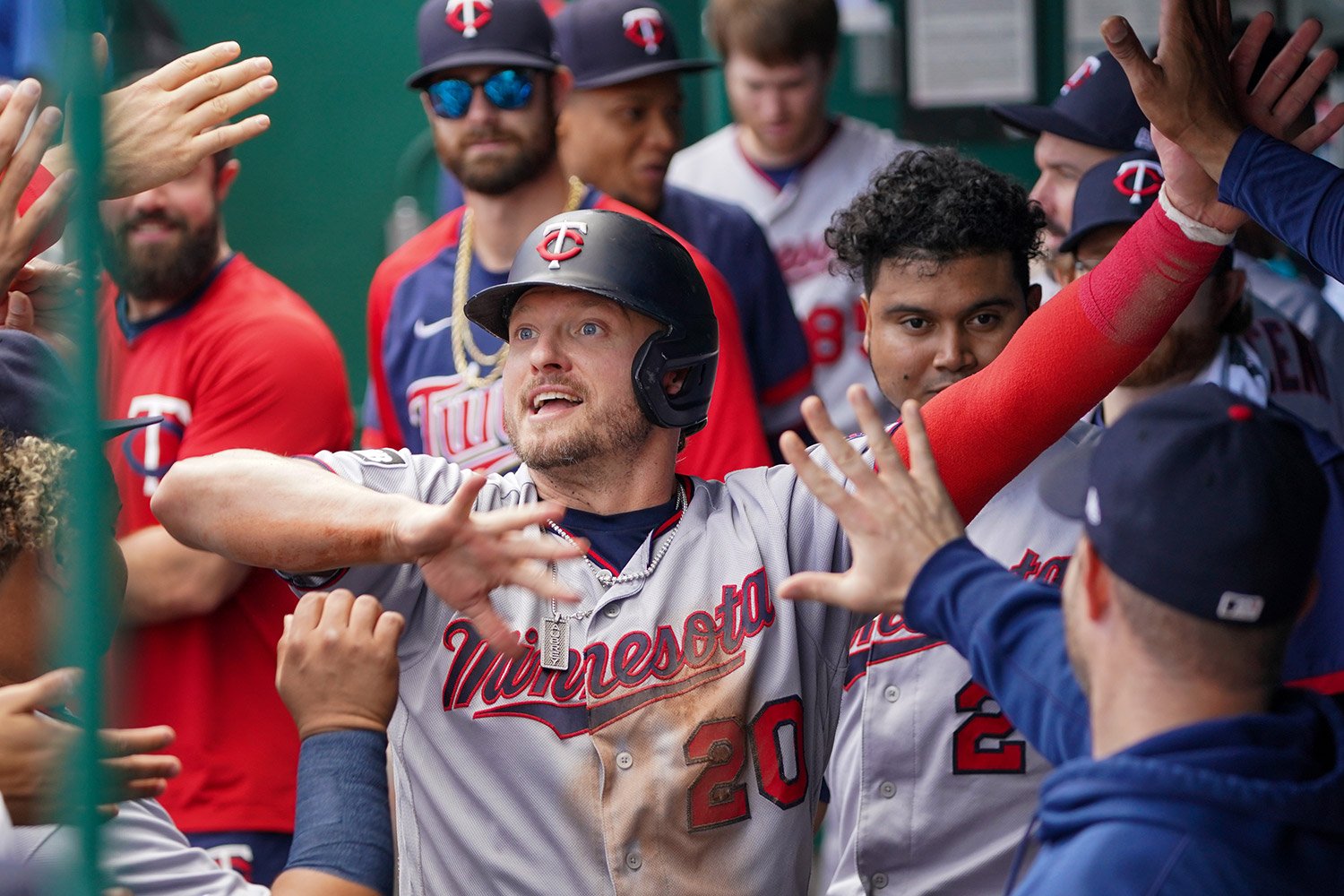 Josh Donaldson has never been shy about sharing his opinion, and the former Minnesota Twins third baseman is making waves with some rather unflattering comments about his former team and the state of Minnesota. On a recent episode of his Get It Done League podcast, Donaldson was discussing Jeff Hoffman being traded to the Twins at the deadline and his thoughts on Minnesota as a destination. Donaldson did not exactly give his former home a ringing endorsement. "He's going to get to go to Minnesota, where it's 'Minnesota Nice'... people in Minnesota... I don't think they even care about baseball that much... Playing there for two years, I thought it was mediocre at best," Donaldson said. Parker Hageman of Twins Daily shared a clip of Donaldson's comments on X, and it quickly generated plenty of engagement from Twins fans, many of whom remember Donaldson's own two-year run in Minnesota quite well. Donaldson signed with the Twins as a free agent ahead of the 2020 season and spent two seasons with the club. While he was productive when on the field, posting a .829 OPS, many fans had a sour taste in their mouths over Donaldson's time in Minnesota. Injuries limited him to just 163 games over those two years, and he missed the Twins' 2020 postseason run because of injury. Donaldson's tenure in Minnesota was also defined by his personality. He became a polarizing figure among Twins fans, with his attitude, controversial comments and perceived lack of leadership rubbing plenty of people the wrong way. After spending the 2022 and 2023 seasons in New York and Milwaukee, Donaldson retired following the 2023 season. He now hosts Get It Done League alongside former teammate and All-Star Russell Martin and veteran broadcaster Arash Madani. Now, his comments about Minnesota have given Twins fans another reason to revisit the Donaldson era. What do you make of Josh Donaldson's comments? And what is your overall opinion of Donaldson's time with the Twins? Let us know in the comments.
 -
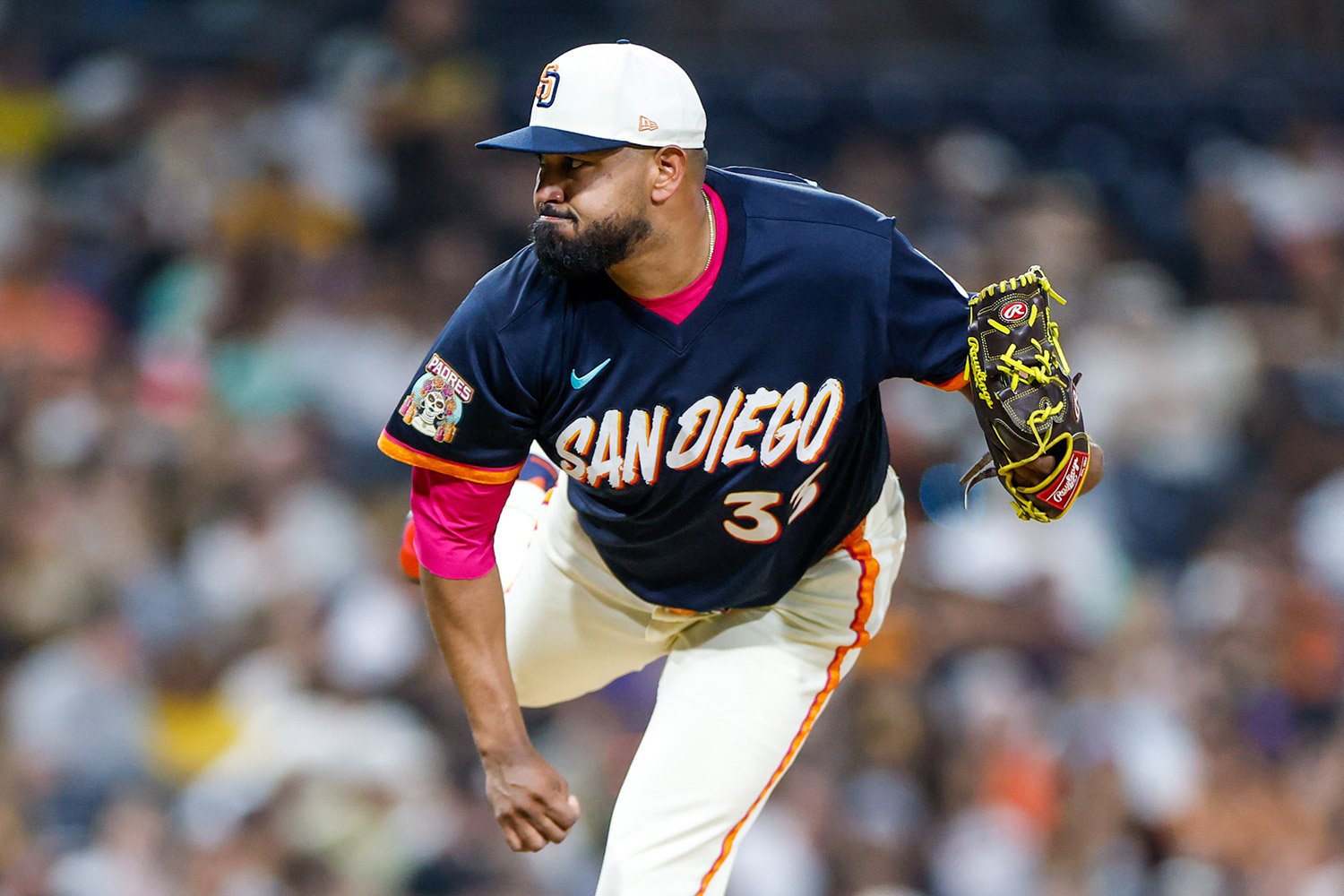 The Minnesota Twins have added some veteran pitching depth, signing right-hander Germán Márquez to a minor league deal, according to Dan Hayes of The Athletic. Márquez will report to Triple-A St. Paul. Márquez was designated for assignment by the San Diego Padres on August 5 to make room for Robbie Ray, whom San Diego acquired at the trade deadline. The 31-year-old Márquez has spent 11 seasons in the Major Leagues, with the first 10 coming with the Colorado Rockies. He earned an All-Star selection in 2021 and has made 210 career starts. Despite carrying a 4.70 ERA for his career, Márquez has posted a 103 ERA+, which is above league average and speaks to just how difficult it is to pitch half of your games at Coors Field. Márquez primarily works with a mid-90s fastball and a knuckle curve that has generated a 27% whiff rate. However, the underlying numbers haven't been particularly encouraging in recent seasons, which helps explain why the Padres ultimately moved on. He doesn't miss many bats, averaging six strikeouts per nine innings over the past two seasons, and he's also been prone to giving up hard contact. Over the past two seasons, Márquez has allowed 37 home runs in 179 innings. There's certainly a chance Márquez doesn't have much left in the tank. That's also why the Twins were able to sign him to a minor league deal rather than making a significant commitment. There's a good chance he never makes an appearance for the big league club. Still, Márquez provides the Twins with something valuable at this point in the season: veteran starting pitching depth. He's been through just about everything a pitcher can experience over an 11-year Major League career, and if the Twins suddenly need someone to make a spot start because of an injury or another roster need, Márquez has plenty of experience doing exactly that. It's a low-risk move for the Twins, but one that could potentially pay off if they find something in Márquez that the Padres couldn't. What do you think of the Twins signing Germán Márquez to a minor league deal? Leave a comment below and start the conversation!
 -
The Minnesota Twins have added some veteran pitching depth, signing right-hander Germán Márquez to a minor league deal, according to Dan Hayes of The Athletic. Márquez will report to Triple-A St. Paul. Márquez was designated for assignment by the San Diego Padres on August 5 to make room for Robbie Ray, whom San Diego acquired at the trade deadline. The 31-year-old Márquez has spent 11 seasons in the Major Leagues, with the first 10 coming with the Colorado Rockies. He earned an All-Star selection in 2021 and has made 210 career starts. Despite carrying a 4.70 ERA for his career, Márquez has posted a 103 ERA+, which is above league average and speaks to just how difficult it is to pitch half of your games at Coors Field. Márquez primarily works with a mid-90s fastball and a knuckle curve that has generated a 27% whiff rate. However, the underlying numbers haven't been particularly encouraging in recent seasons, which helps explain why the Padres ultimately moved on. He doesn't miss many bats, averaging six strikeouts per nine innings over the past two seasons, and he's also been prone to giving up hard contact. Over the past two seasons, Márquez has allowed 37 home runs in 179 innings. There's certainly a chance Márquez doesn't have much left in the tank. That's also why the Twins were able to sign him to a minor league deal rather than making a significant commitment. There's a good chance he never makes an appearance for the big league club. Still, Márquez provides the Twins with something valuable at this point in the season: veteran starting pitching depth. He's been through just about everything a pitcher can experience over an 11-year Major League career, and if the Twins suddenly need someone to make a spot start because of an injury or another roster need, Márquez has plenty of experience doing exactly that. It's a low-risk move for the Twins, but one that could potentially pay off if they find something in Márquez that the Padres couldn't. What do you think of the Twins signing Germán Márquez to a minor league deal? Leave a comment below and start the conversation! View full rumor
-
Image courtesy of Matt Marton-Imagn Images Six weeks remain in the regular season, and the Minnesota Twins are right in the thick of the American League playoff race. The Twins enter the MLB Field of Dreams Game Thursday night three games behind the Chicago White Sox in the AL Central and just half a game behind the Texas Rangers and Detroit Tigers for the third and final Wild Card spot. The Cleveland Guardians are just one game behind the Twins, making the race extraordinarily crowded. The first two Wild Card spots are essentially spoken for, with the Yankees and Red Sox sitting at 99.5% and 91% playoff odds, respectively. That leaves one opening for a group of seven striving teams. Along with Minnesota, the Rangers, Tigers, Guardians, Blue Jays, Orioles and Mariners are all within five games of that final spot. It's not unthinkable that the Astros will tumble off their perch at the top of the AL West, but even if they do, Seattle or Texas would have to take their place, so it wouldn't exactly add a team to this mix. It would just change the identity of one of them. Of course, the division provides another path for the Twins. That's why this isn't simply a ranking of the teams closest to Minnesota in the standings. It's a ranking of the teams who should concern Twins fans the most over the final six weeks. Think of it as a scoreboard-watching guide. These are the teams whose wins and losses will have the biggest impact on Minnesota's playoff hopes. 1. Chicago White Sox 62-58 | +40 Run Differential | 2.5 games ahead in AL Central The clear No. 1 team on this list is the team the Twins have been chasing all season. Chicago has been one of baseball's biggest surprises and has put itself in position to win a division many expected it to compete for next year. The easiest and best path to the playoffs for the Twins remains winning the AL Central. That's why the White Sox are so important. Minnesota still has six games remaining against Chicago, giving the Twins a chance to make up ground directly. If the White Sox win the division, Minnesota's playoff path gets significantly more difficult. 2. Detroit Tigers 60-60 | +90 Run Differential | Tied for 3rd Wild Card Spot After trading away Tarik Skubal and Casey Mize at the deadline, it looked like the Tigers were waving the white flag on their season. Instead, Detroit is 6-3 since the deadline, with series wins over the Mariners, Giants and aforementioned Guardians. They have the second-best run differential in the American League, ahead of both the Yankees and Red Sox. Their pitching is the biggest reason why, with the best starting rotation ERA in baseball and the sixth-best bullpen. Even without Skubal and Mize, Detroit still has Troy Melton, Keider Montero and Framber Valdez leading the rotation. The Tigers may have sold at the deadline, but they're still very much a playoff threat. 3. Cleveland Guardians 59-63 | -30 Run Differential | 1.5 games behind in Wild Card The Guardians are dangerous because they can hurt the Twins in both races. They're four games behind Chicago in the division and only one game behind Minnesota in the Wild Card race. Cleveland hasn't been particularly impressive this season, but they were buyers at the trade deadline and have plenty of experience playing in tight playoff races. If the White Sox stumble, the Guardians could also become a factor in the division. For Twins fans, Cleveland losses are valuable, no matter which playoff path Minnesota is pursuing. 4. Texas Rangers 60-60 | -31 Run Differential | Tied for 3rd Wild Card Spot It's hard to find a more average (derogatory) team in baseball than the Rangers. They're 60-60 overall, 18th in the majors in offense and 20th in pitching. They're not particularly good at anything, but somehow, they're still sitting in the third and final Wild Card spot. That's what makes Texas such an interesting threat to the Twins. Minnesota doesn't have to chase a great team to get into the playoffs. It just has to be better than a very mediocre Rangers team over the final six weeks. The smart money says whichever team takes that final playoff berth will do so by playing better down the stretch than they have so far, though, so don't count on simply being able to limp past someone like Texas to collect a place in the tournament. 5. Toronto Blue Jays 59-63 | -54 Run Differential | 1.5 games behind in Wild Card The Blue Jays entered 2026 with high expectations after losing Game 7 of the World Series last season. A slow start put those hopes in jeopardy, but Toronto has started to find its stride and is 13-7 over its last 20 games. Even after selling some pieces at the deadline, the Blue Jays added José Soriano to a pitching staff that already features arguably the leading Cy Young candidate, in Dylan Cease. With the fifth-highest payroll in baseball and plenty of star power, Toronto is a team the Twins shouldn't overlook. 6. Seattle Mariners 57-65 | -26 Run Differential | 3.5 games behind in Wild Card The Mariners came into the season riding high just like the Blue Jays, after reaching the ALCS last year. Alas, the expected surge still hasn't arrived. Instead, Seattle has slowly fallen further out of the playoff race. The biggest problem is obvious: the Mariners can't hit. Seattle has the second-lowest OPS in baseball, making it difficult to see a late-season turnaround without a major offensive improvement. The Mariners are still alive, but they look increasingly like a team the Twins should put in the rearview. One way or another, it won't be Seattle who denies Minnesota entry into the postseason. 7. Baltimore Orioles 58-63 | -36 Run Differential | 2.0 games behind in Wild Card The Orioles are the final team on this list, after selling aggressively at the trade deadline. Baltimore parted with star catcher Adley Rutschman, outfielder Taylor Ward and starter Dean Kremer, among others, signaling that the organization wasn't counting on a playoff push. They were already on the outside looking in before the sell-off, and staying in the race will be difficult while playing in the AL East. Baltimore still has 17 games remaining against the Rays, Yankees and Red Sox, a brutal schedule to close the season. The White Sox remain the most important team, because Minnesota still has six head-to-head games remaining and the division remains the cleanest path to October. The Guardians are dangerous in both races, while the Rangers and Tigers currently occupy the Wild Card spot the Twins want. Detroit may have sold at the deadline, but its pitching makes it a much bigger threat than its record suggests. Toronto is heating up, while Seattle and Baltimore are running out of time. With so many teams still fighting for one playoff spot, every night of scoreboard watching is going to matter. Which of these teams concerns you the most? And which team do you think is most likely to fall out of the race before the Twins get there? Leave a comment below and start the conversation! View full article
-
 Six weeks remain in the regular season, and the Minnesota Twins are right in the thick of the American League playoff race. The Twins enter the MLB Field of Dreams Game Thursday night three games behind the Chicago White Sox in the AL Central and just half a game behind the Texas Rangers and Detroit Tigers for the third and final Wild Card spot. The Cleveland Guardians are just one game behind the Twins, making the race extraordinarily crowded. The first two Wild Card spots are essentially spoken for, with the Yankees and Red Sox sitting at 99.5% and 91% playoff odds, respectively. That leaves one opening for a group of seven striving teams. Along with Minnesota, the Rangers, Tigers, Guardians, Blue Jays, Orioles and Mariners are all within five games of that final spot. It's not unthinkable that the Astros will tumble off their perch at the top of the AL West, but even if they do, Seattle or Texas would have to take their place, so it wouldn't exactly add a team to this mix. It would just change the identity of one of them. Of course, the division provides another path for the Twins. That's why this isn't simply a ranking of the teams closest to Minnesota in the standings. It's a ranking of the teams who should concern Twins fans the most over the final six weeks. Think of it as a scoreboard-watching guide. These are the teams whose wins and losses will have the biggest impact on Minnesota's playoff hopes. 1. Chicago White Sox 62-58 | +40 Run Differential | 2.5 games ahead in AL Central The clear No. 1 team on this list is the team the Twins have been chasing all season. Chicago has been one of baseball's biggest surprises and has put itself in position to win a division many expected it to compete for next year. The easiest and best path to the playoffs for the Twins remains winning the AL Central. That's why the White Sox are so important. Minnesota still has six games remaining against Chicago, giving the Twins a chance to make up ground directly. If the White Sox win the division, Minnesota's playoff path gets significantly more difficult. 2. Detroit Tigers 60-60 | +90 Run Differential | Tied for 3rd Wild Card Spot After trading away Tarik Skubal and Casey Mize at the deadline, it looked like the Tigers were waving the white flag on their season. Instead, Detroit is 6-3 since the deadline, with series wins over the Mariners, Giants and aforementioned Guardians. They have the second-best run differential in the American League, ahead of both the Yankees and Red Sox. Their pitching is the biggest reason why, with the best starting rotation ERA in baseball and the sixth-best bullpen. Even without Skubal and Mize, Detroit still has Troy Melton, Keider Montero and Framber Valdez leading the rotation. The Tigers may have sold at the deadline, but they're still very much a playoff threat. 3. Cleveland Guardians 59-63 | -30 Run Differential | 1.5 games behind in Wild Card The Guardians are dangerous because they can hurt the Twins in both races. They're four games behind Chicago in the division and only one game behind Minnesota in the Wild Card race. Cleveland hasn't been particularly impressive this season, but they were buyers at the trade deadline and have plenty of experience playing in tight playoff races. If the White Sox stumble, the Guardians could also become a factor in the division. For Twins fans, Cleveland losses are valuable, no matter which playoff path Minnesota is pursuing. 4. Texas Rangers 60-60 | -31 Run Differential | Tied for 3rd Wild Card Spot It's hard to find a more average (derogatory) team in baseball than the Rangers. They're 60-60 overall, 18th in the majors in offense and 20th in pitching. They're not particularly good at anything, but somehow, they're still sitting in the third and final Wild Card spot. That's what makes Texas such an interesting threat to the Twins. Minnesota doesn't have to chase a great team to get into the playoffs. It just has to be better than a very mediocre Rangers team over the final six weeks. The smart money says whichever team takes that final playoff berth will do so by playing better down the stretch than they have so far, though, so don't count on simply being able to limp past someone like Texas to collect a place in the tournament. 5. Toronto Blue Jays 59-63 | -54 Run Differential | 1.5 games behind in Wild Card The Blue Jays entered 2026 with high expectations after losing Game 7 of the World Series last season. A slow start put those hopes in jeopardy, but Toronto has started to find its stride and is 13-7 over its last 20 games. Even after selling some pieces at the deadline, the Blue Jays added José Soriano to a pitching staff that already features arguably the leading Cy Young candidate, in Dylan Cease. With the fifth-highest payroll in baseball and plenty of star power, Toronto is a team the Twins shouldn't overlook. 6. Seattle Mariners 57-65 | -26 Run Differential | 3.5 games behind in Wild Card The Mariners came into the season riding high just like the Blue Jays, after reaching the ALCS last year. Alas, the expected surge still hasn't arrived. Instead, Seattle has slowly fallen further out of the playoff race. The biggest problem is obvious: the Mariners can't hit. Seattle has the second-lowest OPS in baseball, making it difficult to see a late-season turnaround without a major offensive improvement. The Mariners are still alive, but they look increasingly like a team the Twins should put in the rearview. One way or another, it won't be Seattle who denies Minnesota entry into the postseason. 7. Baltimore Orioles 58-63 | -36 Run Differential | 2.0 games behind in Wild Card The Orioles are the final team on this list, after selling aggressively at the trade deadline. Baltimore parted with star catcher Adley Rutschman, outfielder Taylor Ward and starter Dean Kremer, among others, signaling that the organization wasn't counting on a playoff push. They were already on the outside looking in before the sell-off, and staying in the race will be difficult while playing in the AL East. Baltimore still has 17 games remaining against the Rays, Yankees and Red Sox, a brutal schedule to close the season. The White Sox remain the most important team, because Minnesota still has six head-to-head games remaining and the division remains the cleanest path to October. The Guardians are dangerous in both races, while the Rangers and Tigers currently occupy the Wild Card spot the Twins want. Detroit may have sold at the deadline, but its pitching makes it a much bigger threat than its record suggests. Toronto is heating up, while Seattle and Baltimore are running out of time. With so many teams still fighting for one playoff spot, every night of scoreboard watching is going to matter. Which of these teams concerns you the most? And which team do you think is most likely to fall out of the race before the Twins get there? Leave a comment below and start the conversation!
- 10 comments
-
- 4
-

-
- chicago white sox
- cleveland guardians
- (and 2 more)
-
The Minnesota Twins have activated Byron Buxton from the injured list, bringing their All-Star outfielder back just in time for Thursday's Field of Dreams game against the Philadelphia Phillies in Dyersville, Iowa. Buxton has been sidelined with right hip impingement since July 29. Before the injury, he was enjoying another productive season, posting a .864 OPS with 25 home runs and 45 RBI. The 32-year-old earned his third All-Star selection earlier this season. Because Buxton can be added as the 27th man under a special roster exemption for the Field of Dreams Game, the Twins do not have to make a corresponding roster move until Friday. Now the question is how the Twins will deploy Buxton in his return and who will be the odd man out when they make the corresponding move tomorrow. Look for Buxton to make his return in the Field of Dreams game at 6:30pm on Netflix. What are you expecting to see from Buxton in his return? And who do you think the Twins will move off the roster Friday? Let us know in the comments. View full rumor
-
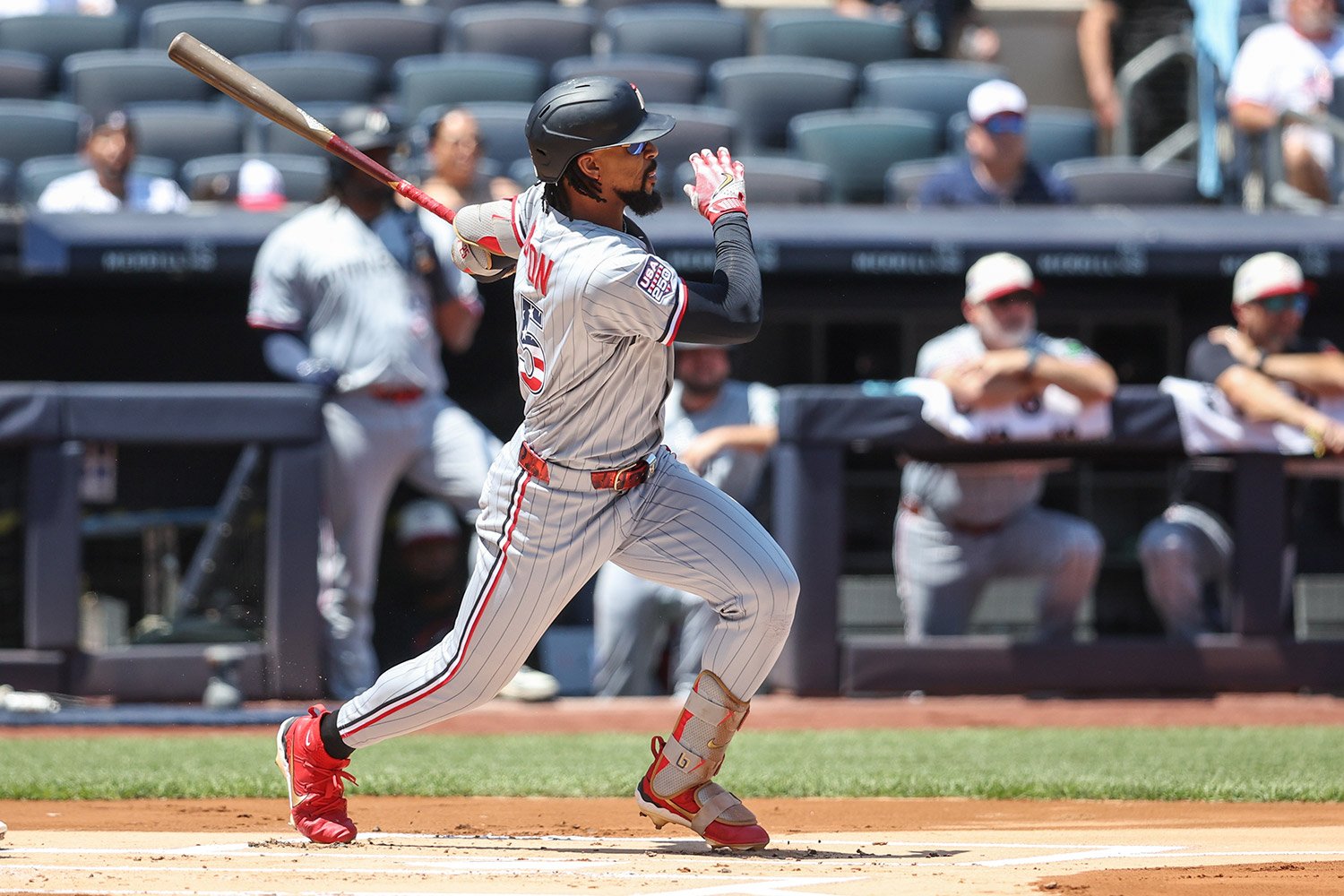 The Minnesota Twins have activated Byron Buxton from the injured list, bringing their All-Star outfielder back just in time for Thursday's Field of Dreams game against the Philadelphia Phillies in Dyersville, Iowa. Buxton has been sidelined with right hip impingement since July 29. Before the injury, he was enjoying another productive season, posting a .864 OPS with 25 home runs and 45 RBI. The 32-year-old earned his third All-Star selection earlier this season. Because Buxton can be added as the 27th man under a special roster exemption for the Field of Dreams Game, the Twins do not have to make a corresponding roster move until Friday. Now the question is how the Twins will deploy Buxton in his return and who will be the odd man out when they make the corresponding move tomorrow. Look for Buxton to make his return in the Field of Dreams game at 6:30pm on Netflix. What are you expecting to see from Buxton in his return? And who do you think the Twins will move off the roster Friday? Let us know in the comments.
 -
Image courtesy of Denny Medley - IMAGN IMAGES via Reuters Connect Yoendrys Gómez has been one of the best additions the Minnesota Twins have made this season, and it's hard to argue with the results. Since the Twins acquired him in early May, Gómez has been nothing short of excellent. In 35 innings with Minnesota, the right-hander has posted a sparkling 1.80 ERA while becoming the team's most trusted option in the highest-leverage situations. He leads all Twins players with a 1.88 Win Probability Added (WPA) and has appeared in more high-leverage situations than any other reliever on the roster. Gómez has firmly established himself as the Twins' closer, too. Even after Minnesota added Jeff Hoffman at the trade deadline, there has been no indication that the Twins intend to move Gómez out of the ninth inning. When the Twins have a lead to protect in the ninth, Gómez is still the guy, and considering how well he has pitched, it's easy to understand why. But there are some reasons to pump the brakes on expecting Gómez to continue pitching at this level for the remainder of the season. Despite that 1.80 ERA with the Twins, Gómez's season-long ERA sits at 3.27, and his underlying numbers suggest that even that mark may be flattering. Gómez has a 5.05 expected ERA, and the enormous gap between his actual ERA and expected ERA is the 13th-largest difference in baseball, making him one of the luckiest pitchers in the majors by that measure. One of the reasons for that discrepancy is that Gómez has been remarkably effective at getting outs despite allowing some solid contact. Gómez ranks in the bottom third of the league in both hard-hit percentage and barrel percentage, which isn't exactly the profile you want to see from a pitcher who is being relied upon to consistently shut down the best hitters in the biggest moments of games. His xFIP reflects that, as it is the sixth highest in all of baseball among relievers at 5.01, suggesting that his true skill level has been significantly worse than his results would indicate. xFIP attempts to strip away some of the luck involved in a pitcher's results by removing the impact of defense and normalizing home-run rates based on fly balls allowed. When a pitcher has a 1.80 ERA but an xFIP that ranks among the worst in baseball, it's probably worth paying attention. Then there's the control, which might be the biggest concern. Gómez ranks in just the 11th percentile in walk percentage, and those free passes have gotten him into plenty of precarious situations. To his credit, he has been remarkably good at escaping them, stranding 79% of the runners who have reached base against him. The problem is that the Twins can't reasonably expect him to keep escaping those situations at that rate forever, especially with a strikeout rate that is solid, but nowhere near elite. Eventually, those walks are going to come back to bite him. There have already been some cracks, too. Gómez took the loss in extra innings against the Milwaukee Brewers over the weekend, and struggled again on Wednesday as he surrendered a home run against the Baltimore Orioles. More concerning is the recent walk problem, as Gómez has issued 10 walks over his last 12 innings. That's a lot of traffic for a pitcher who is being asked to navigate the highest-leverage situations on the roster. None of this is meant to suggest that Gómez has been a bad acquisition. Quite the opposite. He has been a slam-dunk addition for the Twins and has provided tremendous value since arriving in Minnesota. But there's a difference between appreciating what Gómez has done and expecting him to continue doing it indefinitely, especially when so many of his underlying numbers suggest that a correction is coming. The Twins should be prepared for that regression, and the good news is that they have given themselves a much better chance to withstand it. Minnesota was aggressive about adding bullpen help at the trade deadline, and the Twins now have multiple legitimate alternatives if Gómez's underlying numbers eventually catch up with his results. A.J. Minter, Jeff Hoffman and Andrew Morris are all capable of handling important innings, giving Minnesota options if Gómez needs to be moved out of the ninth inning at some point. For now, though, the Twins have been firm about keeping Gómez in the closer role, and there's no reason to change that simply because his underlying numbers aren't pretty. He's earned the opportunity to keep pitching in those situations, but the Twins also shouldn't be surprised if things get a little bumpy down the stretch. Gómez has done an outstanding job getting himself out of trouble all season, but eventually the walks, hard contact and other underlying indicators are likely to catch up with him. What do you think? Is Yoendrys Gómez due for a significant regression, or has he earned the benefit of the doubt and proven that he can continue to thrive as the Twins' closer down the stretch? Leave a comment below and start the conversation! View full article
-
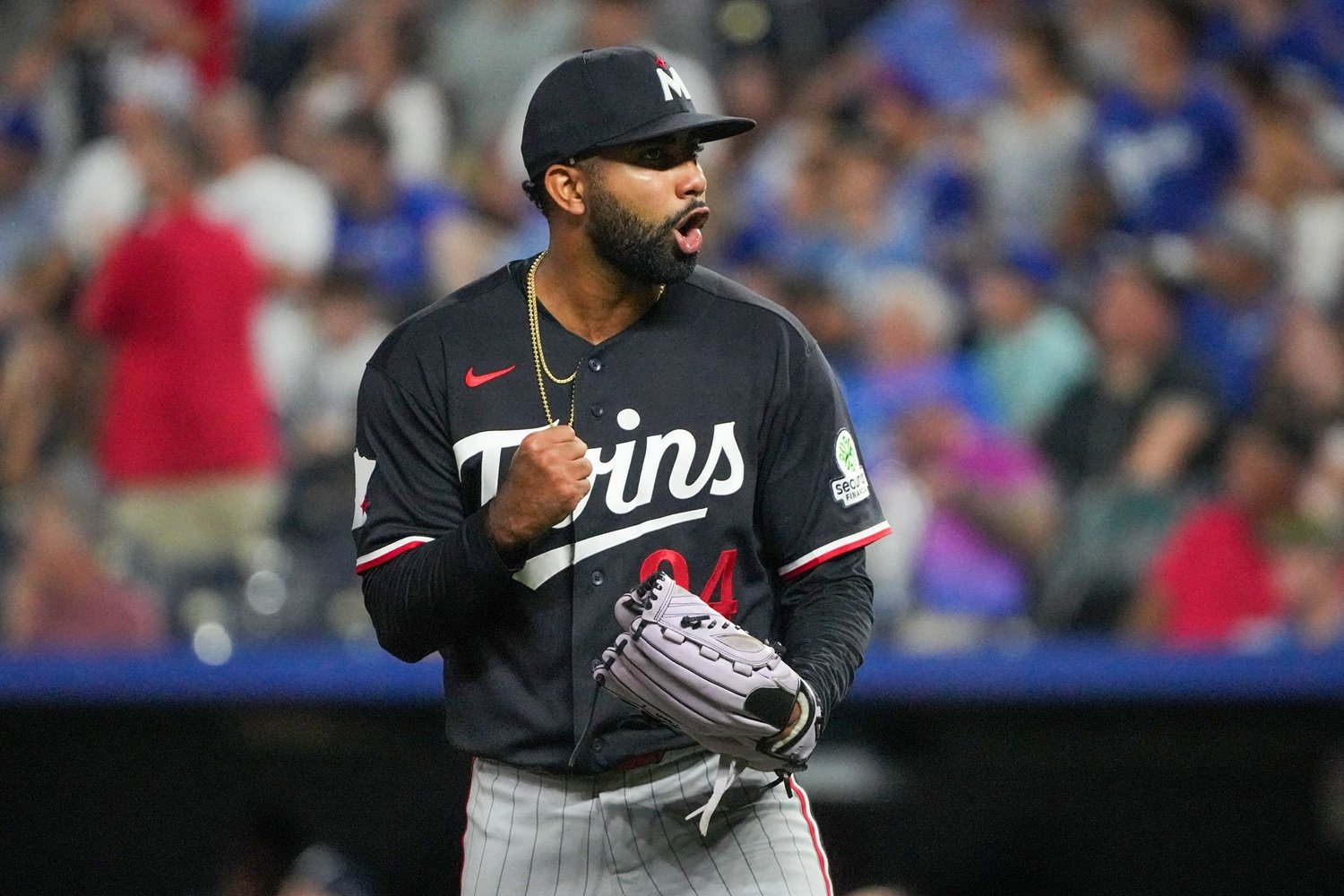 Yoendrys Gómez has been one of the best additions the Minnesota Twins have made this season, and it's hard to argue with the results. Since the Twins acquired him in early May, Gómez has been nothing short of excellent. In 35 innings with Minnesota, the right-hander has posted a sparkling 1.80 ERA while becoming the team's most trusted option in the highest-leverage situations. He leads all Twins players with a 1.88 Win Probability Added (WPA) and has appeared in more high-leverage situations than any other reliever on the roster. Gómez has firmly established himself as the Twins' closer, too. Even after Minnesota added Jeff Hoffman at the trade deadline, there has been no indication that the Twins intend to move Gómez out of the ninth inning. When the Twins have a lead to protect in the ninth, Gómez is still the guy, and considering how well he has pitched, it's easy to understand why. But there are some reasons to pump the brakes on expecting Gómez to continue pitching at this level for the remainder of the season. Despite that 1.80 ERA with the Twins, Gómez's season-long ERA sits at 3.27, and his underlying numbers suggest that even that mark may be flattering. Gómez has a 5.05 expected ERA, and the enormous gap between his actual ERA and expected ERA is the 13th-largest difference in baseball, making him one of the luckiest pitchers in the majors by that measure. One of the reasons for that discrepancy is that Gómez has been remarkably effective at getting outs despite allowing some solid contact. Gómez ranks in the bottom third of the league in both hard-hit percentage and barrel percentage, which isn't exactly the profile you want to see from a pitcher who is being relied upon to consistently shut down the best hitters in the biggest moments of games. His xFIP reflects that, as it is the sixth highest in all of baseball among relievers at 5.01, suggesting that his true skill level has been significantly worse than his results would indicate. xFIP attempts to strip away some of the luck involved in a pitcher's results by removing the impact of defense and normalizing home-run rates based on fly balls allowed. When a pitcher has a 1.80 ERA but an xFIP that ranks among the worst in baseball, it's probably worth paying attention. Then there's the control, which might be the biggest concern. Gómez ranks in just the 11th percentile in walk percentage, and those free passes have gotten him into plenty of precarious situations. To his credit, he has been remarkably good at escaping them, stranding 79% of the runners who have reached base against him. The problem is that the Twins can't reasonably expect him to keep escaping those situations at that rate forever, especially with a strikeout rate that is solid, but nowhere near elite. Eventually, those walks are going to come back to bite him. There have already been some cracks, too. Gómez took the loss in extra innings against the Milwaukee Brewers over the weekend, and struggled again on Wednesday as he surrendered a home run against the Baltimore Orioles. More concerning is the recent walk problem, as Gómez has issued 10 walks over his last 12 innings. That's a lot of traffic for a pitcher who is being asked to navigate the highest-leverage situations on the roster. None of this is meant to suggest that Gómez has been a bad acquisition. Quite the opposite. He has been a slam-dunk addition for the Twins and has provided tremendous value since arriving in Minnesota. But there's a difference between appreciating what Gómez has done and expecting him to continue doing it indefinitely, especially when so many of his underlying numbers suggest that a correction is coming. The Twins should be prepared for that regression, and the good news is that they have given themselves a much better chance to withstand it. Minnesota was aggressive about adding bullpen help at the trade deadline, and the Twins now have multiple legitimate alternatives if Gómez's underlying numbers eventually catch up with his results. A.J. Minter, Jeff Hoffman and Andrew Morris are all capable of handling important innings, giving Minnesota options if Gómez needs to be moved out of the ninth inning at some point. For now, though, the Twins have been firm about keeping Gómez in the closer role, and there's no reason to change that simply because his underlying numbers aren't pretty. He's earned the opportunity to keep pitching in those situations, but the Twins also shouldn't be surprised if things get a little bumpy down the stretch. Gómez has done an outstanding job getting himself out of trouble all season, but eventually the walks, hard contact and other underlying indicators are likely to catch up with him. What do you think? Is Yoendrys Gómez due for a significant regression, or has he earned the benefit of the doubt and proven that he can continue to thrive as the Twins' closer down the stretch? Leave a comment below and start the conversation!
- 30 comments
-
- 3
-
-
- yoendrys gomez
- jeff hoffman
- (and 2 more)
-
Image courtesy of Eric Hartline, IMAGN IMAGES via Reuters Connect One year ago, the Minnesota Twins reshaped the organization with one of the biggest trade deadline selloffs in franchise history, making nine separate deals before the deadline passed. Immediately afterward, I graded each trade based on the information available at the time. A year later, we have a much better picture. Some of the prospects the Twins acquired have taken significant steps forward, while others have struggled or battled injuries. Meanwhile, several of the veterans the Twins traded away have continued to build their value elsewhere. With the 2026 trade deadline now behind us (and with Jhoan Duran coming home to Target Field later this week), it's time to revisit all nine trades and see which ones have aged the best and which ones look worse than they did a year ago. 1. (Last Year's Rank: 7) Griffin Jax to the Rays Return: RHP Taj Bradley 2025 Grade: C- 2026 Grade: A- I wasn't a big fan of the Griffin Jax trade at last year's trade deadline for a few reasons. The biggest was that the Twins didn't need to make the trade. Jax still had 2.5 years of team control remaining, and it felt like a rushed move when they could have let the market develop over the winter. At the time, Taj Bradley also didn't feel like an exciting return after posting a 4.70 ERA across 354 career innings with Tampa Bay. This trade has completely flipped. Bradley has emerged as one of the Twins' most valuable starters, posting a 3.69 ERA while leading the club in innings pitched. He's still in his pre-arbitration years, giving Minnesota a young, affordable starter for years to come. Griffin Jax has reinvented himself as a starter with the Rays, but landing a controllable rotation piece with upside has made this look like one of the Twins' best moves. 2. (Last Year's Rank: 1) Harrison Bader to the Phillies Return: OF Hendry Mendez, RHP Geremy Villoria 2025 Grade: A- 2026 Grade: A- Last year, I graded the Harrison Bader trade as the best move the Twins made at the deadline, and it still ranks near the top. Bader was playing on an expiring contract and had little long-term value to a selling club. Minnesota turned him into an intriguing left-handed hitting outfield prospect in Hendry Mendez, who owned an .808 OPS at Double-A at the time of the trade. Since joining the organization, Mendez posted a .912 OPS with Wichita before earning a promotion to Triple-A, where he has continued producing with an .844 OPS. He looks like someone who will factor into the Twins' big league plans in the near future, making this an excellent return for a pending free agent. The Twins also got 17-year-old Geremy Villoria as a lottery ticket; we won't learn whether it was a winner for several more years. 3. (Last Year's Rank: 4) Chris Paddack and Randy Dobnak to the Tigers Return: C Enrique Jimenez 2025 Grade: B- 2026 Grade: B+ Chris Paddack was struggling on an expiring contract when the Twins dealt him, so the fact that Minnesota was able to receive a legitimate prospect at all was impressive. Jimenez rewarded that gamble almost immediately, posting a .983 OPS in A-ball after joining the organization. This season he earned a promotion to High-A as a 20-year-old before suffering a significant left hamstring strain in late July that is expected to end his season. The injury is unfortunate, but the upside remains intriguing, and this trade looks better today than it did a year ago. 4. (Last Year's Rank: 3) Carlos Correa to the Astros Return: RHP Matt Mikulski and roughly $70 million in salary relief 2025 Grade: B 2026 Grade: B This was always more about financial flexibility than prospect value. Matt Mikulski has since been released, eliminating any player value from the return. However, shedding the remainder of Correa's contract gave the Twins significantly more payroll flexibility, something that showed up at this year's trade deadline when they were willing to absorb more than $8 million in salary. Correa is also out for the remainder of the 2026 season with an injury, making it difficult to argue the Twins should regret moving on. Still, because this was primarily a salary dump, it's difficult to rank it much higher. 5. (Last Year's Rank: 5) Willi Castro to the Cubs Return: RHP Ryan Gallagher, RHP Sam Armstrong 2025 Grade: C+ 2026 Grade: C While Castro was an impending free agent, he was enjoying another productive season when Minnesota moved him. Ryan Gallagher had generated some excitement after posting a 3.43 ERA in the Cubs' system and earning a promotion to Double-A before the trade. Since arriving in the Twins organization, however, Gallagher has struggled. He posted a 6.69 ERA after the trade last season and owns a 5.50 ERA in 91 innings this year. However, the strikeout numbers and raw stuff remain intriguing, and he has had a successful run of good starts lately, making him look like he could still become a piece for the Twins rotation of the future. 6. (Last Year's Rank: 2) Jhoan Duran to the Phillies Return: C Eduardo Tait, RHP Mick Abel 2025 Grade: B+ 2026 Grade: C- Much like Griffin Jax, the Twins weren't under any pressure to trade Jhoan Duran. He still had multiple years of club control remaining. At the time, receiving two Top 100 prospects looked like a strong return. Unfortunately, both players have lost momentum. Tait has yet to truly break out at High-A, though he has shown signs of life recently. Abel flashed his upside during three major league starts this season before injuries derailed his year. He has since undergone elbow surgery and likely won't pitch again this season. Meanwhile, Duran has continued establishing himself as one of baseball's elite relievers. Looking back, it's difficult not to wonder what this Twins bullpen would look like with him still anchoring the ninth inning. There's still time for Tait to realize his prospect potential, and if Abel can stay healthy, he could be a #2 or #3 pitcher for the Twins, but early returns aren't looking great for the biggest swing the Twins made at the trade deadline last season. 7. (Last Year's Rank: 6) Danny Coulombe to the Rangers Return: LHP Garrett Horn 2025 Grade: C 2026 Grade: C- Trading a left-handed specialist on an expiring contract was never expected to produce a significant return. Unfortunately, Garrett Horn hasn't done much to change that perception. Shoulder issues have limited him to just 16 innings this season, and at 23 years old, he doesn't appear to be a significant part of the organization's long-term plans. It's hard to see this trade moving much higher as time goes on. 8. (Last Year's Rank: 8) Brock Stewart to the Dodgers Return: OF James Outman 2025 Grade: D+ 2026 Grade: D This trade didn't make much sense when it happened, and it didn't exactly age great. The Twins already had an abundance of left-handed hitting outfielders, yet they acquired James Outman, another left-handed outfielder whose major league production had fallen off dramatically after his rookie season. That concern proved valid. Across two seasons with Minnesota, Outman posted just a .526 OPS in 174 plate appearances. The coaching staff never seemed comfortable using him in center field, and his defense in the corners wasn't impactful enough to justify his bat. He has since been designated for assignment and is no longer with the organization. The only thing keeping this trade from ranking last is Brock Stewart's health. Stewart was already dealing with complicated medical concerns when the Twins traded him, and he has thrown only 17 innings over the past calendar year while spending much of that time on the injured list. It seems likely those medical questions significantly limited the Twins' leverage and made Outman about as much as they could realistically receive. 9. (Last Year's Rank: 9) Louis Varland and Ty France to the Blue Jays Return: LHP Kendry Rojas , OF Alan Roden 2025 Grade: D+ 2026 Grade: D This was already my lowest-ranked trade immediately after the deadline, and it looks even worse a year later. Since joining Toronto, Louis Varland has developed into one of the best relievers in baseball. He earned his first All-Star selection this season while posting a 1.09 ERA across 57 innings, while striking out 11.5 batters per nine innings. Even more importantly, he's still making the league minimum and remains under team control through the 2030 season. On the Twins' side, Kendry Rojas remains an intriguing arm, though he increasingly looks more like a future reliever than a starter. Alan Roden has struggled throughout his time in the organization and has done little to change the outlook of the trade. What makes this deal even more painful is how perfectly Varland would fit on the current roster. Minnesota's bullpen has been one of the club's biggest weaknesses this season, and Varland has somehow become an even better reliever than anyone could have realistically projected a year ago. Watching him dominate elsewhere while the Twins have searched for reliable late-inning options, needing to dip into the prospect pool to acquire those options at this year's trade deadline, makes this trade look even more lopsided than it did last summer. Overall, the 2025 trade deadline class hasn't aged particularly well, although it's still early in the development process for many of these prospects. Player development is rarely linear, and several of these young players still have plenty of time to change the narrative. Still, one year later, it's fair to say some of the Twins' biggest bets have lost value, while only a handful have clearly moved in the right direction. Given how monumental that deadline was in shaping the franchise's direction, these trades will continue to be worth revisiting for years to come. Do you agree with these updated rankings and grades? Which trade would you take back if you could only redo one? Leave a comment below and start the conversation! View full article
-
Re-Grading All 9 of the Twins' 2025 Trade Deadline Deals One Year Later
Matthew Taylor posted an article in Twins
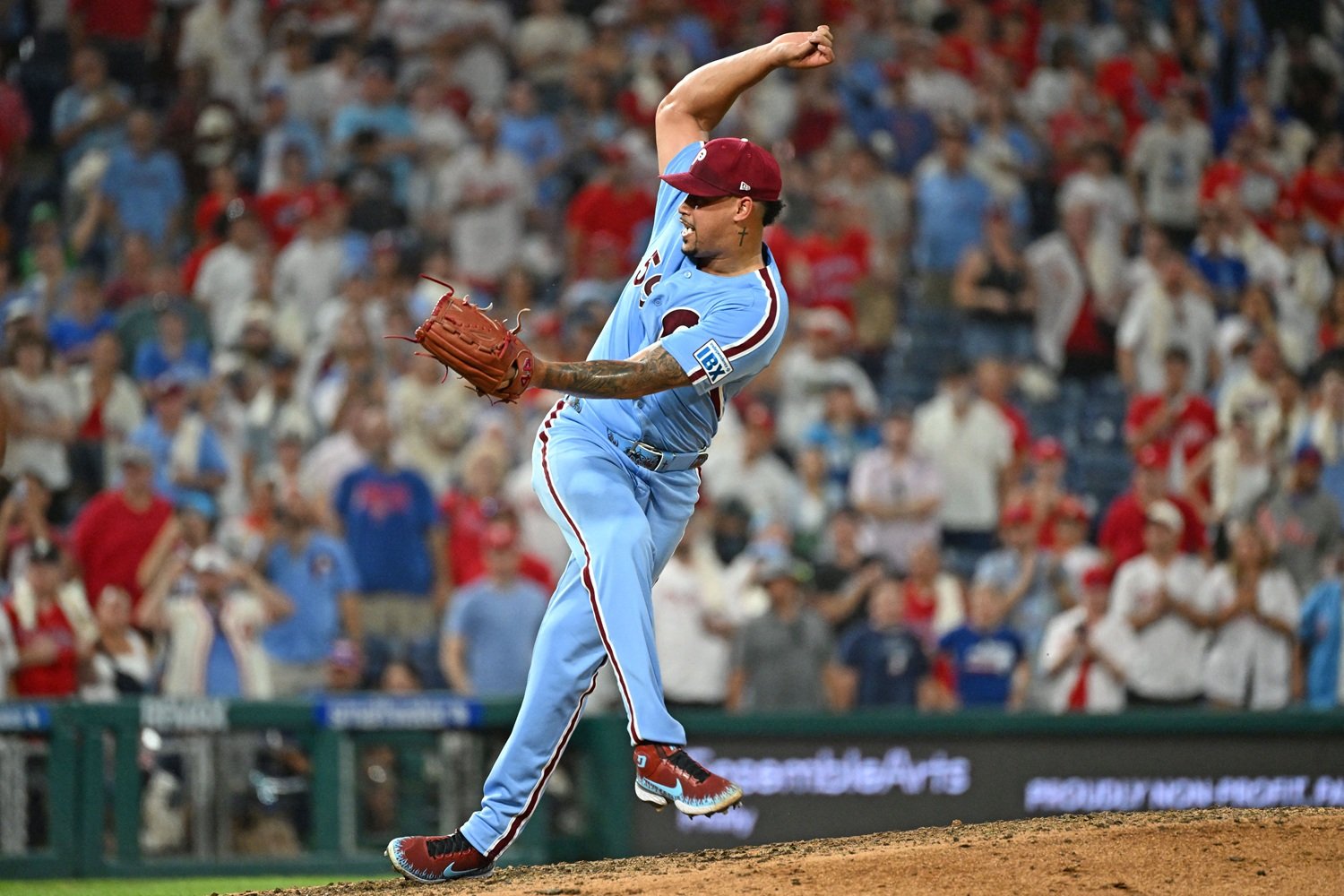 One year ago, the Minnesota Twins reshaped the organization with one of the biggest trade deadline selloffs in franchise history, making nine separate deals before the deadline passed. Immediately afterward, I graded each trade based on the information available at the time. A year later, we have a much better picture. Some of the prospects the Twins acquired have taken significant steps forward, while others have struggled or battled injuries. Meanwhile, several of the veterans the Twins traded away have continued to build their value elsewhere. With the 2026 trade deadline now behind us (and with Jhoan Duran coming home to Target Field later this week), it's time to revisit all nine trades and see which ones have aged the best and which ones look worse than they did a year ago. 1. (Last Year's Rank: 7) Griffin Jax to the Rays Return: RHP Taj Bradley 2025 Grade: C- 2026 Grade: A- I wasn't a big fan of the Griffin Jax trade at last year's trade deadline for a few reasons. The biggest was that the Twins didn't need to make the trade. Jax still had 2.5 years of team control remaining, and it felt like a rushed move when they could have let the market develop over the winter. At the time, Taj Bradley also didn't feel like an exciting return after posting a 4.70 ERA across 354 career innings with Tampa Bay. This trade has completely flipped. Bradley has emerged as one of the Twins' most valuable starters, posting a 3.69 ERA while leading the club in innings pitched. He's still in his pre-arbitration years, giving Minnesota a young, affordable starter for years to come. Griffin Jax has reinvented himself as a starter with the Rays, but landing a controllable rotation piece with upside has made this look like one of the Twins' best moves. 2. (Last Year's Rank: 1) Harrison Bader to the Phillies Return: OF Hendry Mendez, RHP Geremy Villoria 2025 Grade: A- 2026 Grade: A- Last year, I graded the Harrison Bader trade as the best move the Twins made at the deadline, and it still ranks near the top. Bader was playing on an expiring contract and had little long-term value to a selling club. Minnesota turned him into an intriguing left-handed hitting outfield prospect in Hendry Mendez, who owned an .808 OPS at Double-A at the time of the trade. Since joining the organization, Mendez posted a .912 OPS with Wichita before earning a promotion to Triple-A, where he has continued producing with an .844 OPS. He looks like someone who will factor into the Twins' big league plans in the near future, making this an excellent return for a pending free agent. The Twins also got 17-year-old Geremy Villoria as a lottery ticket; we won't learn whether it was a winner for several more years. 3. (Last Year's Rank: 4) Chris Paddack and Randy Dobnak to the Tigers Return: C Enrique Jimenez 2025 Grade: B- 2026 Grade: B+ Chris Paddack was struggling on an expiring contract when the Twins dealt him, so the fact that Minnesota was able to receive a legitimate prospect at all was impressive. Jimenez rewarded that gamble almost immediately, posting a .983 OPS in A-ball after joining the organization. This season he earned a promotion to High-A as a 20-year-old before suffering a significant left hamstring strain in late July that is expected to end his season. The injury is unfortunate, but the upside remains intriguing, and this trade looks better today than it did a year ago. 4. (Last Year's Rank: 3) Carlos Correa to the Astros Return: RHP Matt Mikulski and roughly $70 million in salary relief 2025 Grade: B 2026 Grade: B This was always more about financial flexibility than prospect value. Matt Mikulski has since been released, eliminating any player value from the return. However, shedding the remainder of Correa's contract gave the Twins significantly more payroll flexibility, something that showed up at this year's trade deadline when they were willing to absorb more than $8 million in salary. Correa is also out for the remainder of the 2026 season with an injury, making it difficult to argue the Twins should regret moving on. Still, because this was primarily a salary dump, it's difficult to rank it much higher. 5. (Last Year's Rank: 5) Willi Castro to the Cubs Return: RHP Ryan Gallagher, RHP Sam Armstrong 2025 Grade: C+ 2026 Grade: C While Castro was an impending free agent, he was enjoying another productive season when Minnesota moved him. Ryan Gallagher had generated some excitement after posting a 3.43 ERA in the Cubs' system and earning a promotion to Double-A before the trade. Since arriving in the Twins organization, however, Gallagher has struggled. He posted a 6.69 ERA after the trade last season and owns a 5.50 ERA in 91 innings this year. However, the strikeout numbers and raw stuff remain intriguing, and he has had a successful run of good starts lately, making him look like he could still become a piece for the Twins rotation of the future. 6. (Last Year's Rank: 2) Jhoan Duran to the Phillies Return: C Eduardo Tait, RHP Mick Abel 2025 Grade: B+ 2026 Grade: C- Much like Griffin Jax, the Twins weren't under any pressure to trade Jhoan Duran. He still had multiple years of club control remaining. At the time, receiving two Top 100 prospects looked like a strong return. Unfortunately, both players have lost momentum. Tait has yet to truly break out at High-A, though he has shown signs of life recently. Abel flashed his upside during three major league starts this season before injuries derailed his year. He has since undergone elbow surgery and likely won't pitch again this season. Meanwhile, Duran has continued establishing himself as one of baseball's elite relievers. Looking back, it's difficult not to wonder what this Twins bullpen would look like with him still anchoring the ninth inning. There's still time for Tait to realize his prospect potential, and if Abel can stay healthy, he could be a #2 or #3 pitcher for the Twins, but early returns aren't looking great for the biggest swing the Twins made at the trade deadline last season. 7. (Last Year's Rank: 6) Danny Coulombe to the Rangers Return: LHP Garrett Horn 2025 Grade: C 2026 Grade: C- Trading a left-handed specialist on an expiring contract was never expected to produce a significant return. Unfortunately, Garrett Horn hasn't done much to change that perception. Shoulder issues have limited him to just 16 innings this season, and at 23 years old, he doesn't appear to be a significant part of the organization's long-term plans. It's hard to see this trade moving much higher as time goes on. 8. (Last Year's Rank: 8) Brock Stewart to the Dodgers Return: OF James Outman 2025 Grade: D+ 2026 Grade: D This trade didn't make much sense when it happened, and it didn't exactly age great. The Twins already had an abundance of left-handed hitting outfielders, yet they acquired James Outman, another left-handed outfielder whose major league production had fallen off dramatically after his rookie season. That concern proved valid. Across two seasons with Minnesota, Outman posted just a .526 OPS in 174 plate appearances. The coaching staff never seemed comfortable using him in center field, and his defense in the corners wasn't impactful enough to justify his bat. He has since been designated for assignment and is no longer with the organization. The only thing keeping this trade from ranking last is Brock Stewart's health. Stewart was already dealing with complicated medical concerns when the Twins traded him, and he has thrown only 17 innings over the past calendar year while spending much of that time on the injured list. It seems likely those medical questions significantly limited the Twins' leverage and made Outman about as much as they could realistically receive. 9. (Last Year's Rank: 9) Louis Varland and Ty France to the Blue Jays Return: LHP Kendry Rojas , OF Alan Roden 2025 Grade: D+ 2026 Grade: D This was already my lowest-ranked trade immediately after the deadline, and it looks even worse a year later. Since joining Toronto, Louis Varland has developed into one of the best relievers in baseball. He earned his first All-Star selection this season while posting a 1.09 ERA across 57 innings, while striking out 11.5 batters per nine innings. Even more importantly, he's still making the league minimum and remains under team control through the 2030 season. On the Twins' side, Kendry Rojas remains an intriguing arm, though he increasingly looks more like a future reliever than a starter. Alan Roden has struggled throughout his time in the organization and has done little to change the outlook of the trade. What makes this deal even more painful is how perfectly Varland would fit on the current roster. Minnesota's bullpen has been one of the club's biggest weaknesses this season, and Varland has somehow become an even better reliever than anyone could have realistically projected a year ago. Watching him dominate elsewhere while the Twins have searched for reliable late-inning options, needing to dip into the prospect pool to acquire those options at this year's trade deadline, makes this trade look even more lopsided than it did last summer. Overall, the 2025 trade deadline class hasn't aged particularly well, although it's still early in the development process for many of these prospects. Player development is rarely linear, and several of these young players still have plenty of time to change the narrative. Still, one year later, it's fair to say some of the Twins' biggest bets have lost value, while only a handful have clearly moved in the right direction. Given how monumental that deadline was in shaping the franchise's direction, these trades will continue to be worth revisiting for years to come. Do you agree with these updated rankings and grades? Which trade would you take back if you could only redo one? Leave a comment below and start the conversation!
- 45 comments
-
- 5
-
-

-
- trade deadline
- taj bradley
- (and 2 more)
-
Image courtesy of Bruce Kluckhohn-Imagn Images Box Score SP: Dean Kremer 7 IP, 1 H, 1 ER, 7 K, 1 BB HR: Martin (3), Bell (16) Top 3 WPA: Kremer 0.34, Martin 0.22, Lee 0.16 Win Probability Chart (via FanGraphs): The Minnesota Twins needed a jolt after losing six of their last eight games, including a series loss to the Milwaukee Brewers over the weekend. They got one Monday night from an unlikely source, as Austin Martin provided an early spark and Dean Kremer delivered arguably the best start of his career against his former team. Martin gave the Twins an early lead in the third inning when he launched a solo home run to left-center field. It was Martin's third home run of the season and his first since May 22nd, providing a much-needed big hit from a player who has struggled mightily since his hot start with the Twins this spring. The home run gave the Twins a 1-0 lead, but Kremer quickly became the biggest story of the night. Facing the Baltimore Orioles for the first time since being acquired by the Twins at the trade deadline, Kremer looked like a pitcher who had something to prove against his former club. He had virtually everything working, generating 14 swings and misses while allowing just one hit, an infield single. He walked one batter and struck out seven while working seven innings. Perhaps just as importantly, Kremer gave the Twins length at a time when their bullpen desperately needed it. Minnesota has leaned heavily on its relievers during a stretch filled with close, one-run games, so getting seven innings from Kremer was a major development. The only run Kremer allowed came in an unusual sequence in the fourth inning. He struck out the batter, but the Orioles were able to turn it into a strike-em-out, throw-em-out double play that allowed Gunnar Henderson to score from third on the throw down to second, tying the game at 1-1. Outside of that "play", Kremer was essentially untouchable. The Twins quickly gave him the lead back in the bottom of the fourth. Rookie Kaelen Culpepper came through with a sacrifice fly to score Luke Keaschall, putting Minnesota back in front 2-1. For the next few innings, the game remained within striking distance for Baltimore. Then the Twins offense finally broke things open in the seventh. Minnesota put together a five-run inning that started with an RBI single from Ryan Jeffers. Josh Bell followed with the biggest swing of the night, launching a towering three-run home run that left his bat at 106 MPH. It was Bell's 16th home run of the season (third in the past week) and gave the Twins a commanding 7-1 advantage. The Twins added two more runs in the eighth inning. Jeffers came through again with an RBI double before Royce Lewis followed with an RBI single, pushing Minnesota's lead to 9-1. The offensive outburst was exactly what the Twins needed after struggling to consistently put runs on the board during their recent skid. The nine runs were the most Minnesota had scored since July 26th, and the Twins collected 14 hits while recording five extra-base hits, including two home runs. Baltimore did manage to get a couple of runs off Travis Adams in the eighth inning and Taylor Rogers in the ninth, but by that point, the Twins had already put the game out of reach, and the Twins came away with a 9-5 victory. The win gives the Twins a needed victory to open the series and improves their position in the American League Wild Card race. Minnesota now sits just one game out of the final Wild Card spot with plenty of baseball still to be played. More importantly, the Twins finally got the kind of complete performance they have been searching for. Martin provided an early spark, the offense eventually broke through in a big way, and Kremer delivered seven dominant innings against his former club. After dropping six of their previous eight games, the Twins will have an opportunity to build some momentum when they return to the field Tuesday night. What's Next The Twins will look to take the series against the Orioles on Tuesday at 6:40 p.m. Bailey Ober will take the mound for Minnesota, facing Orioles right-hander Brandon Young. Postgame Interviews Bullpen Usage Chart THU FRI SAT SUN MON TOT Funderburk 20 0 21 15 0 56 Hoffman 0 25 15 0 0 40 Morris 13 13 0 14 0 40 Gomez 18 12 0 9 0 39 Adams 0 0 15 0 21 36 Nance 0 24 0 11 0 35 Rogers 0 0 0 0 30 30 Minter 0 3 0 16 0 19 View full article
-
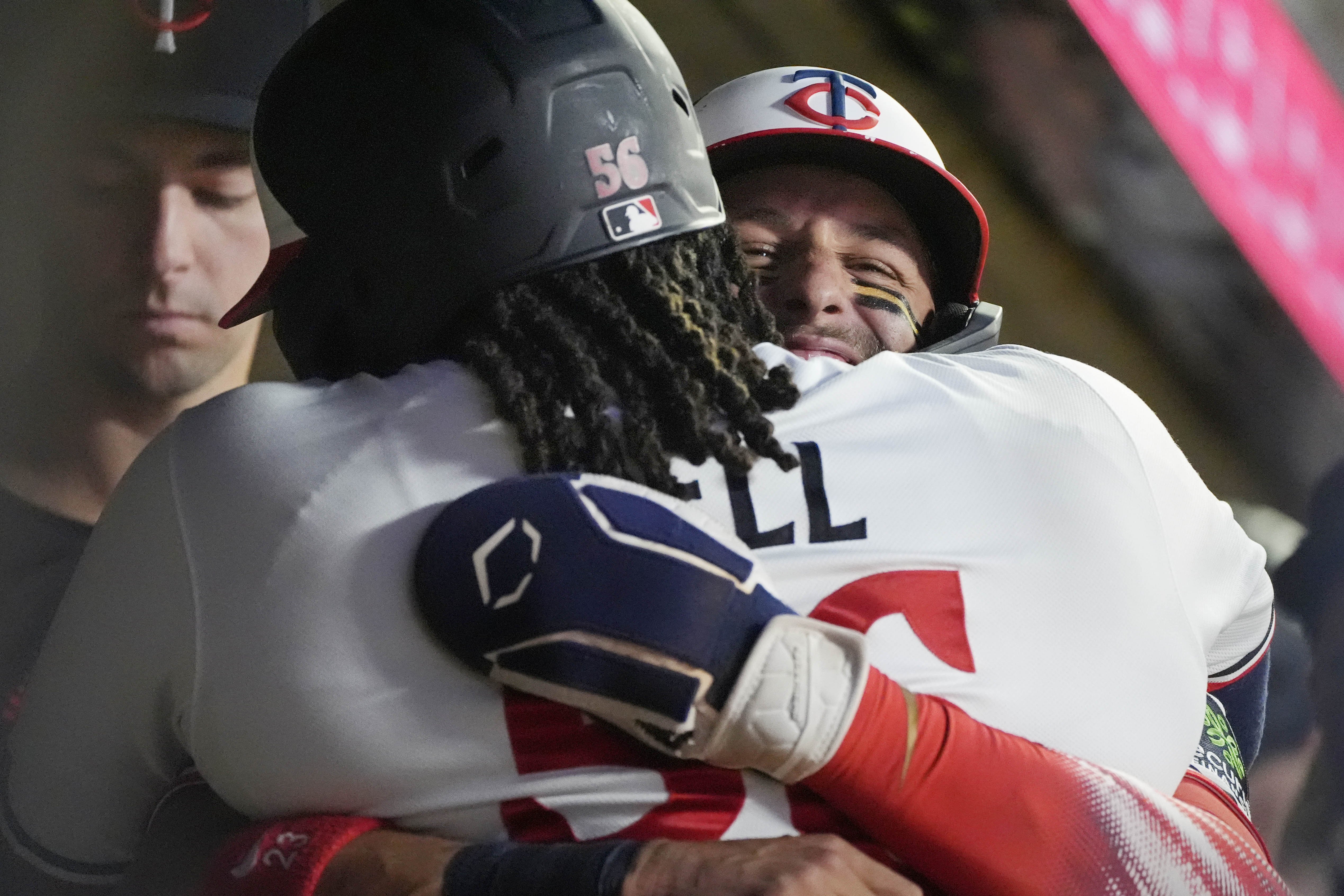 Box Score SP: Dean Kremer 7 IP, 1 H, 1 ER, 7 K, 1 BB HR: Martin (3), Bell (16) Top 3 WPA: Kremer 0.34, Martin 0.22, Lee 0.16 Win Probability Chart (via FanGraphs): The Minnesota Twins needed a jolt after losing six of their last eight games, including a series loss to the Milwaukee Brewers over the weekend. They got one Monday night from an unlikely source, as Austin Martin provided an early spark and Dean Kremer delivered arguably the best start of his career against his former team. Martin gave the Twins an early lead in the third inning when he launched a solo home run to left-center field. It was Martin's third home run of the season and his first since May 22nd, providing a much-needed big hit from a player who has struggled mightily since his hot start with the Twins this spring. The home run gave the Twins a 1-0 lead, but Kremer quickly became the biggest story of the night. Facing the Baltimore Orioles for the first time since being acquired by the Twins at the trade deadline, Kremer looked like a pitcher who had something to prove against his former club. He had virtually everything working, generating 14 swings and misses while allowing just one hit, an infield single. He walked one batter and struck out seven while working seven innings. Perhaps just as importantly, Kremer gave the Twins length at a time when their bullpen desperately needed it. Minnesota has leaned heavily on its relievers during a stretch filled with close, one-run games, so getting seven innings from Kremer was a major development. The only run Kremer allowed came in an unusual sequence in the fourth inning. He struck out the batter, but the Orioles were able to turn it into a strike-em-out, throw-em-out double play that allowed Gunnar Henderson to score from third on the throw down to second, tying the game at 1-1. Outside of that "play", Kremer was essentially untouchable. The Twins quickly gave him the lead back in the bottom of the fourth. Rookie Kaelen Culpepper came through with a sacrifice fly to score Luke Keaschall, putting Minnesota back in front 2-1. For the next few innings, the game remained within striking distance for Baltimore. Then the Twins offense finally broke things open in the seventh. Minnesota put together a five-run inning that started with an RBI single from Ryan Jeffers. Josh Bell followed with the biggest swing of the night, launching a towering three-run home run that left his bat at 106 MPH. It was Bell's 16th home run of the season (third in the past week) and gave the Twins a commanding 7-1 advantage. The Twins added two more runs in the eighth inning. Jeffers came through again with an RBI double before Royce Lewis followed with an RBI single, pushing Minnesota's lead to 9-1. The offensive outburst was exactly what the Twins needed after struggling to consistently put runs on the board during their recent skid. The nine runs were the most Minnesota had scored since July 26th, and the Twins collected 14 hits while recording five extra-base hits, including two home runs. Baltimore did manage to get a couple of runs off Travis Adams in the eighth inning and Taylor Rogers in the ninth, but by that point, the Twins had already put the game out of reach, and the Twins came away with a 9-5 victory. The win gives the Twins a needed victory to open the series and improves their position in the American League Wild Card race. Minnesota now sits just one game out of the final Wild Card spot with plenty of baseball still to be played. More importantly, the Twins finally got the kind of complete performance they have been searching for. Martin provided an early spark, the offense eventually broke through in a big way, and Kremer delivered seven dominant innings against his former club. After dropping six of their previous eight games, the Twins will have an opportunity to build some momentum when they return to the field Tuesday night. What's Next The Twins will look to take the series against the Orioles on Tuesday at 6:40 p.m. Bailey Ober will take the mound for Minnesota, facing Orioles right-hander Brandon Young. Postgame Interviews Bullpen Usage Chart THU FRI SAT SUN MON TOT Funderburk 20 0 21 15 0 56 Hoffman 0 25 15 0 0 40 Morris 13 13 0 14 0 40 Gomez 18 12 0 9 0 39 Adams 0 0 15 0 21 36 Nance 0 24 0 11 0 35 Rogers 0 0 0 0 30 30 Minter 0 3 0 16 0 19
- 73 comments
-
- 2
-
-
- game recap
- dean kremer
- (and 2 more)
-
Image courtesy of Kevin Sousa, IMAGN IMAGES via Reuters Connect The Minnesota Twins had a productive trade deadline. After weeks of speculation about whether they would buy or sell, the front office ultimately made three additions over the final weekend before the deadline. They bolstered the rotation with Dean Kremer and strengthened the bullpen with A.J. Minter and Jeff Hoffman before the clock struck 5 p.m. While opinions varied on each move, the overall consensus was positive. Twins Daily's Cody Christie graded the club's trades between a B- and a B+, and most national analysts landed in a similar range. Still, every trade deadline leaves behind a handful of deals that make you stop and wonder. Some trades immediately spark the reaction of, "That's all it took?" Others look even better a few days later after you have time to compare the prices teams paid across the league. Looking back, there are at least three deals the Twins probably wish they had been the team making instead. Kevin Gausman - Starting Pitcher The Chicago Cubs acquired the veteran right-hander from Toronto for infield prospect Ty Southisene, the Blue Jays' No. 17 prospect, and outfielder Brett Bateman, their No. 20 prospect. Considering Gausman's résumé, it was a surprisingly modest return. Yes, Gausman has struggled this season, posting a 4.38 ERA, and he's only a rental with two months of team control remaining. But this is also a two-time All-Star who finished third in American League Cy Young voting as recently as 2023. His underlying metrics still point toward a pitcher capable of performing much better than his ERA suggests. The return is what makes this trade so intriguing from a Twins perspective. The Cubs only had to part with their No. 17 and No. 20 prospects despite owning MLB.com's No. 23-ranked farm system. According to FanGraphs, those prospects would rank below players like Bruin Agbayani and John Klein in the Twins organization. Minnesota ultimately paid a steeper price to acquire Dean Kremer. Kremer brings another season of club control, which certainly adds value, but if the goal was simply maximizing the 2026 postseason push, it's hard not to wonder if Gausman would have been the better target at a lower acquisition cost. Taylor Ward - Outfielder Another missed opportunity came in the market for right-handed hitting. The Mariners acquired Taylor Ward from Baltimore for reliever Alex Hoppe, who owns a 5.79 ERA, along with pitching prospects Brock Moore and Harrison Kreiling, neither of whom ranked among Seattle's top 30 prospects. That feels like a deal the Twins should have been all over. Minnesota entered the deadline with one glaring offensive need: another right-handed bat capable of punishing left-handed pitching. Ward checks that box while also providing the versatility to handle center field when needed. He's exactly the type of player who would've fit the roster without requiring a major overhaul. Considering the Mariners didn't have to surrender a premium (or even good) prospect to get him, it's difficult not to look back and wonder why the Twins weren't able to put together a similar package. Ward is also a rental, but for that price, he would've addressed one of Minnesota's biggest weaknesses without significantly impacting the organization's long-term outlook. The final deal that stands out happened inside the division. Foster Griffin - Starting Pitcher The Cleveland Guardians acquired left-hander Foster Griffin from Washington in exchange for Will Dion, Josh Hartle, Kendeglys Virguez and Nick Mitchell. Hartle was Cleveland's highest-ranked prospect in the deal at No. 25, meaning the Guardians landed an All-Star without giving up anyone inside the top 24 of their system. Griffin has one of the more unique stories in baseball. After leaving for Japan in 2023, he spent three seasons dominating overseas before returning to Major League Baseball with the Nationals this year. All he has done since returning is post a 3.06 ERA with a WHIP barely over 1.00 while earning his first All-Star selection. Perhaps even more enticing are the underlying metrics, which suggest the 31-year-old could be even better moving forward. He offers more upside than Kremer while costing Cleveland less prospect capital to acquire. Making matters worse for the Twins, Griffin is now headed to Cleveland. The Guardians have built a reputation for getting the most out of pitchers, and it's hard not to imagine Griffin taking another step forward in their development system. None of this is meant to criticize what the Twins accomplished at the deadline. Their front office addressed multiple needs and deserves credit for being aggressive enough to improve the roster for the stretch run. But hindsight is part of every trade deadline. Once the dust settles and every deal can be compared side by side, there are always a few moves that leave you wondering what could have been. Looking back at the prices teams paid for Kevin Gausman, Taylor Ward and Foster Griffin, it's hard not to think the Twins had opportunities to come away with an even stronger deadline than the one they already had. Do you agree that these are the three trades the Twins should have made? Are there any other deadline deals you wish Minnesota had jumped into? Leave a comment below and start the conversation! View full article
- 25 replies
-
- 1
-

-
- kevin gausman
- foster griffin
- (and 1 more)
-
Three Trades the Twins Should Wish They Had Made at the Deadline
Matthew Taylor posted an article in Twins
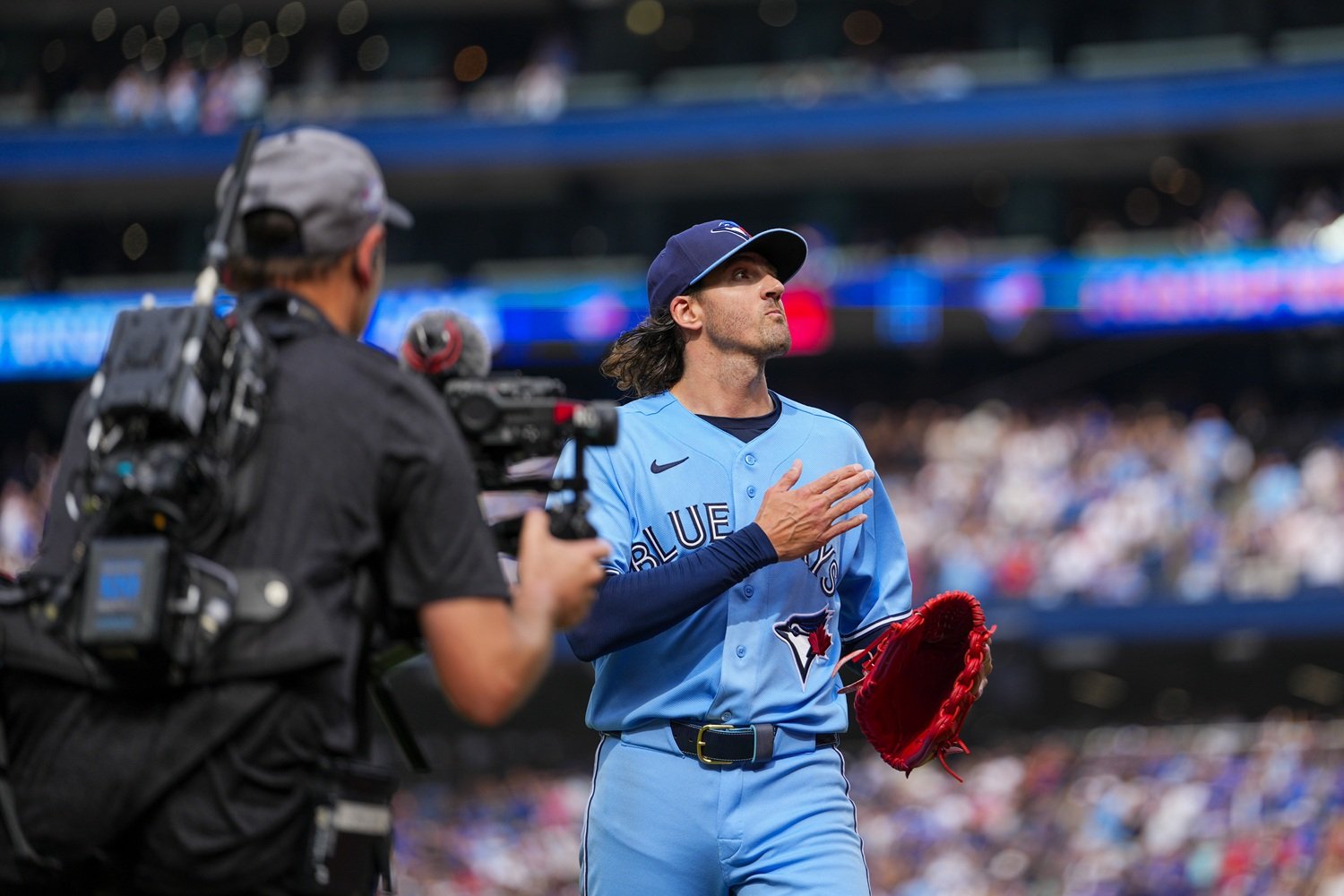 The Minnesota Twins had a productive trade deadline. After weeks of speculation about whether they would buy or sell, the front office ultimately made three additions over the final weekend before the deadline. They bolstered the rotation with Dean Kremer and strengthened the bullpen with A.J. Minter and Jeff Hoffman before the clock struck 5 p.m. While opinions varied on each move, the overall consensus was positive. Twins Daily's Cody Christie graded the club's trades between a B- and a B+, and most national analysts landed in a similar range. Still, every trade deadline leaves behind a handful of deals that make you stop and wonder. Some trades immediately spark the reaction of, "That's all it took?" Others look even better a few days later after you have time to compare the prices teams paid across the league. Looking back, there are at least three deals the Twins probably wish they had been the team making instead. Kevin Gausman - Starting Pitcher The Chicago Cubs acquired the veteran right-hander from Toronto for infield prospect Ty Southisene, the Blue Jays' No. 17 prospect, and outfielder Brett Bateman, their No. 20 prospect. Considering Gausman's résumé, it was a surprisingly modest return. Yes, Gausman has struggled this season, posting a 4.38 ERA, and he's only a rental with two months of team control remaining. But this is also a two-time All-Star who finished third in American League Cy Young voting as recently as 2023. His underlying metrics still point toward a pitcher capable of performing much better than his ERA suggests. The return is what makes this trade so intriguing from a Twins perspective. The Cubs only had to part with their No. 17 and No. 20 prospects despite owning MLB.com's No. 23-ranked farm system. According to FanGraphs, those prospects would rank below players like Bruin Agbayani and John Klein in the Twins organization. Minnesota ultimately paid a steeper price to acquire Dean Kremer. Kremer brings another season of club control, which certainly adds value, but if the goal was simply maximizing the 2026 postseason push, it's hard not to wonder if Gausman would have been the better target at a lower acquisition cost. Taylor Ward - Outfielder Another missed opportunity came in the market for right-handed hitting. The Mariners acquired Taylor Ward from Baltimore for reliever Alex Hoppe, who owns a 5.79 ERA, along with pitching prospects Brock Moore and Harrison Kreiling, neither of whom ranked among Seattle's top 30 prospects. That feels like a deal the Twins should have been all over. Minnesota entered the deadline with one glaring offensive need: another right-handed bat capable of punishing left-handed pitching. Ward checks that box while also providing the versatility to handle center field when needed. He's exactly the type of player who would've fit the roster without requiring a major overhaul. Considering the Mariners didn't have to surrender a premium (or even good) prospect to get him, it's difficult not to look back and wonder why the Twins weren't able to put together a similar package. Ward is also a rental, but for that price, he would've addressed one of Minnesota's biggest weaknesses without significantly impacting the organization's long-term outlook. The final deal that stands out happened inside the division. Foster Griffin - Starting Pitcher The Cleveland Guardians acquired left-hander Foster Griffin from Washington in exchange for Will Dion, Josh Hartle, Kendeglys Virguez and Nick Mitchell. Hartle was Cleveland's highest-ranked prospect in the deal at No. 25, meaning the Guardians landed an All-Star without giving up anyone inside the top 24 of their system. Griffin has one of the more unique stories in baseball. After leaving for Japan in 2023, he spent three seasons dominating overseas before returning to Major League Baseball with the Nationals this year. All he has done since returning is post a 3.06 ERA with a WHIP barely over 1.00 while earning his first All-Star selection. Perhaps even more enticing are the underlying metrics, which suggest the 31-year-old could be even better moving forward. He offers more upside than Kremer while costing Cleveland less prospect capital to acquire. Making matters worse for the Twins, Griffin is now headed to Cleveland. The Guardians have built a reputation for getting the most out of pitchers, and it's hard not to imagine Griffin taking another step forward in their development system. None of this is meant to criticize what the Twins accomplished at the deadline. Their front office addressed multiple needs and deserves credit for being aggressive enough to improve the roster for the stretch run. But hindsight is part of every trade deadline. Once the dust settles and every deal can be compared side by side, there are always a few moves that leave you wondering what could have been. Looking back at the prices teams paid for Kevin Gausman, Taylor Ward and Foster Griffin, it's hard not to think the Twins had opportunities to come away with an even stronger deadline than the one they already had. Do you agree that these are the three trades the Twins should have made? Are there any other deadline deals you wish Minnesota had jumped into? Leave a comment below and start the conversation!
- 25 comments
-
- 6
-
-
- kevin gausman
- foster griffin
- (and 1 more)
-
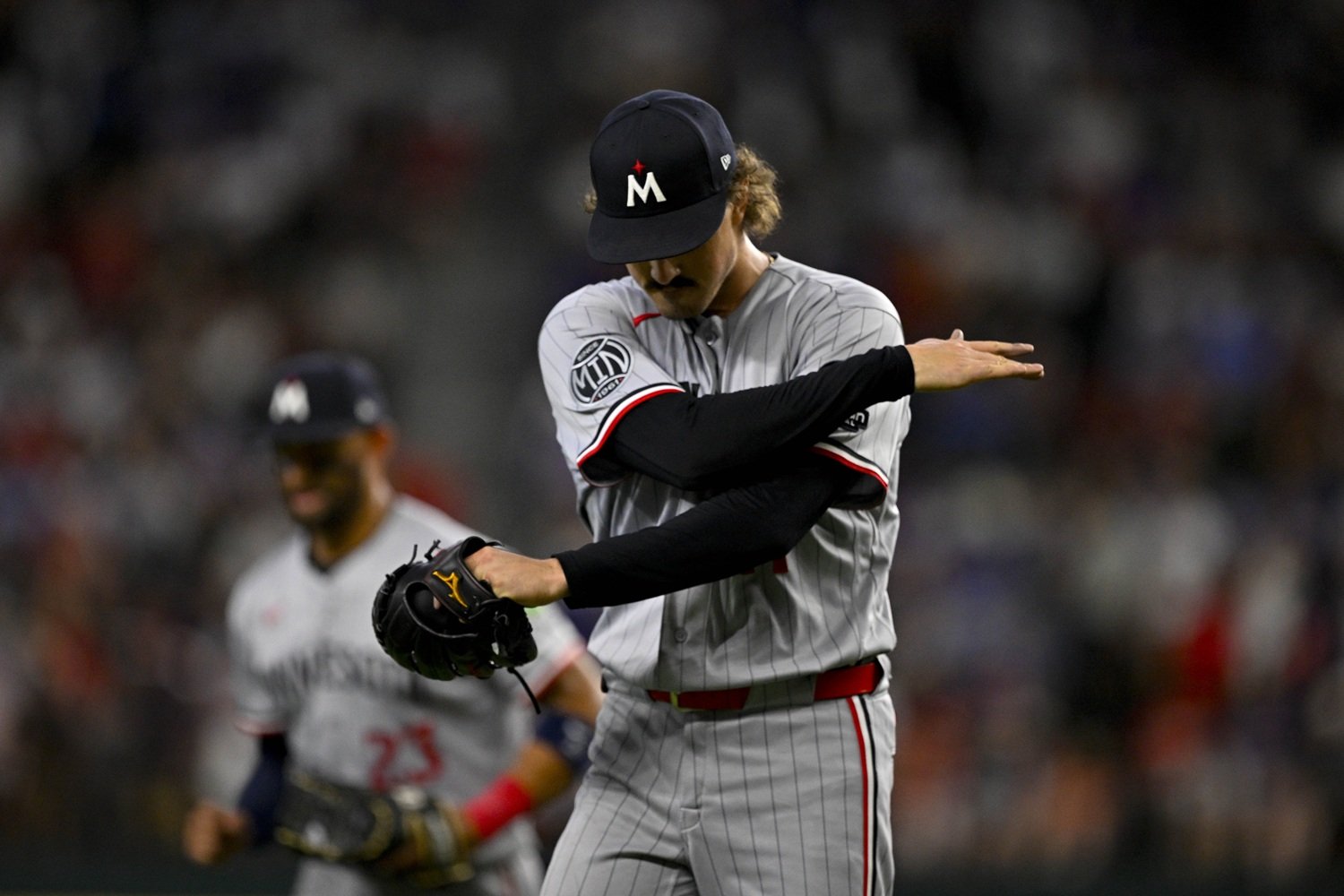 Joe Ryan's recent struggles may not simply be a matter of poor execution. According to The Athletic's Dan Hayes, Twins manager Derek Shelton said Ryan left the club in Kansas City to be evaluated by team physician Christopher Camp in Minneapolis. The development comes after Ryan turned in his third consecutive disappointing start following the All-Star break, allowing four earned runs over 5 1/3 innings against the last-place Royals on Tuesday night. Over his last three starts, Ryan owns a 9.39 ERA across 15 1/3 innings. While he has developed a reputation for fading in the second half of seasons, this latest update suggests there could be more going on than a typical late-season slump. Hayes also reported that Shelton acknowledged the possibility of something physical contributing to Ryan's recent performance. "He's frustrated and not able to replicate his delivery...I'm not going to say it's not physical. But we owe it to him and to us to find out what he's feeling and how he's going about it." Whether Ryan will require a stint on the injured list remains to be seen, but if he is sidelined, the most logical replacement would be Zebby Matthews. Matthews was optioned to Triple-A St. Paul over the weekend to make room on the active roster for newly acquired starter Dean Kremer, but he would be an obvious candidate to return if another rotation spot opens up. Do you think Joe Ryan is dealing with an injury, or is this simply another case of his second-half struggles resurfacing? Leave a comment below and start the conversation!
 -
Joe Ryan's recent struggles may not simply be a matter of poor execution. According to The Athletic's Dan Hayes, Twins manager Derek Shelton said Ryan left the club in Kansas City to be evaluated by team physician Christopher Camp in Minneapolis. The development comes after Ryan turned in his third consecutive disappointing start following the All-Star break, allowing four earned runs over 5 1/3 innings against the last-place Royals on Tuesday night. Over his last three starts, Ryan owns a 9.39 ERA across 15 1/3 innings. While he has developed a reputation for fading in the second half of seasons, this latest update suggests there could be more going on than a typical late-season slump. Hayes also reported that Shelton acknowledged the possibility of something physical contributing to Ryan's recent performance. "He's frustrated and not able to replicate his delivery...I'm not going to say it's not physical. But we owe it to him and to us to find out what he's feeling and how he's going about it." Whether Ryan will require a stint on the injured list remains to be seen, but if he is sidelined, the most logical replacement would be Zebby Matthews. Matthews was optioned to Triple-A St. Paul over the weekend to make room on the active roster for newly acquired starter Dean Kremer, but he would be an obvious candidate to return if another rotation spot opens up. Do you think Joe Ryan is dealing with an injury, or is this simply another case of his second-half struggles resurfacing? Leave a comment below and start the conversation! View full rumor
-
Image courtesy of Rob Thompson (photo of Matt Wallner) The trade deadline has come and gone, and the Minnesota Twins have officially turned the page toward the final two months of the regular season. Jeremy Zoll added multiple pieces at the deadline, all of the new acquisitions are now on the active roster, and the focus shifts to making a run at a postseason berth. But just because the deadline has passed doesn't mean the Twins are done improving their roster. Some of the biggest upgrades available are already in the organization. With every game becoming more important, Minnesota can't afford to let roster spots go to players who aren't contributing while impact talent waits in St. Paul. If the Twins want to put themselves in the best position possible for the stretch run, there are three moves they should make immediately. 1. Option Tristan Gray to Triple-A St. Paul and promote Kaelen Culpepper. Gray being called up when Byron Buxton landed on the injured list was a curious decision from the beginning, and it has only become more confusing over the last week. Since joining the Twins on July 29, Gray has received just two plate appearances, going 0-for-2 with two strikeouts. The lack of playing time says everything. The Twins simply don't trust him enough to put him in the lineup, meaning they've essentially been playing with one fewer roster spot. Instead of carrying a player who isn't going to play, the Twins should hand that opportunity to Kaelen Culpepper. The organization's top shortstop prospect has battled injuries throughout the season, but he has looked healthy since returning and continues to produce. Culpepper owns an .826 OPS at Triple-A this season and reminded everyone what he's capable of by going 3-for-5 with a triple on Tuesday night. He's a right-handed hitter, something Minnesota desperately needs, and he brings considerably more upside than Gray. Giving Culpepper regular opportunities at shortstop while Ryan Kreidler fills a reserve role would make the Twins younger, more athletic and with greater offensive upside. At some point, the organization has to find out what it has in one of its top prospects, and there may not be a better opportunity than right now. 2. Designate Alex Jackson for assignment and recall Matt Wallner from Triple-A Carrying three catchers over the last month made perfect sense before the trade deadline. Ryan Jeffers was one of the biggest trade candidates on the roster, and keeping Jackson around gave the Twins insurance in case they decided to move Jeffers. They didn't end up moving him, however. Now that Jeffers is still in Minnesota, there isn't much reason to continue carrying three catchers. Jeffers and Victor Caratini form one of the better catching duos in baseball, and that extra roster spot could be much better utilized elsewhere. To Jackson's credit, he has been a pleasant surprise during his time with the Twins. Still, with a $1.35 million contract, there's a reasonable chance he could clear waivers and remain in the organization if another club isn't interested. Replacing him with Matt Wallner would immediately make the Twins' lineup more dangerous. Wallner's demotion in May was justified after his slow start to the season, but he has done everything the organization could have asked of him since arriving in St. Paul. He owns a .938 OPS with 20 home runs since being sent down, and he added another homer Tuesday night. He has forced his way back into the conversation. The Twins have been searching for offensive consistency for weeks, and Wallner's power gives them another legitimate threat in the middle of the lineup. That is simply more valuable than carrying a third catcher who has no clear role. 3. Option Alan Roden to Triple-A and select the contract of Walker Jenkins When the Twins promoted Alan Roden in early July, the move was easy to understand. He was swinging the bat well at Triple-A, was healthy and deserved an opportunity to prove himself in the majors. Unfortunately, it hasn't happened. Roden has produced just a .514 OPS with no extra-base hits over his first 50 plate appearances with Minnesota. The Twins have also made it clear they aren't comfortable playing him in center field, limiting his versatility even further. Between his lack of production and limited defensive role, Roden simply hasn't established himself as someone who needs to remain on the roster. That opportunity should now belong to Walker Jenkins. Jenkins is one of the top prospects in baseball for a reason. He has posted an .818 OPS in Triple-A this season and has looked even better since returning from injury at the end of June. More importantly, he passes the eye test every time he steps on the field. He looks like a player who is ready for the next challenge. With Buxton sidelined, there are plenty of at-bats available. Jenkins can play either corner outfield spot and is capable of handling center field as well, giving manager Derek Shelton another athletic option while adding one of the organization's highest-upside bats. At some point, prospects stop benefiting from Triple-A and start benefiting from major league experience. Jenkins appears to have reached that point. The Twins have struggled to score runs over the last few weeks, and waiting around for the offense to suddenly improve isn't much of a strategy. The front office already addressed external needs before the deadline. Now it's time to maximize the talent that's already in the organization. Calling up Culpepper, Wallner and Jenkins would inject youth, upside and offensive potential into a lineup that desperately needs a spark. If the Twins are serious about making a run over the final two months, these are the kinds of aggressive roster decisions they should be making now instead of waiting until it's too late. What do you think? Are these the three roster moves the Twins should make immediately, or would you go in a different direction as they begin their postseason push? Leave a comment below and start the conversation! View full article
-
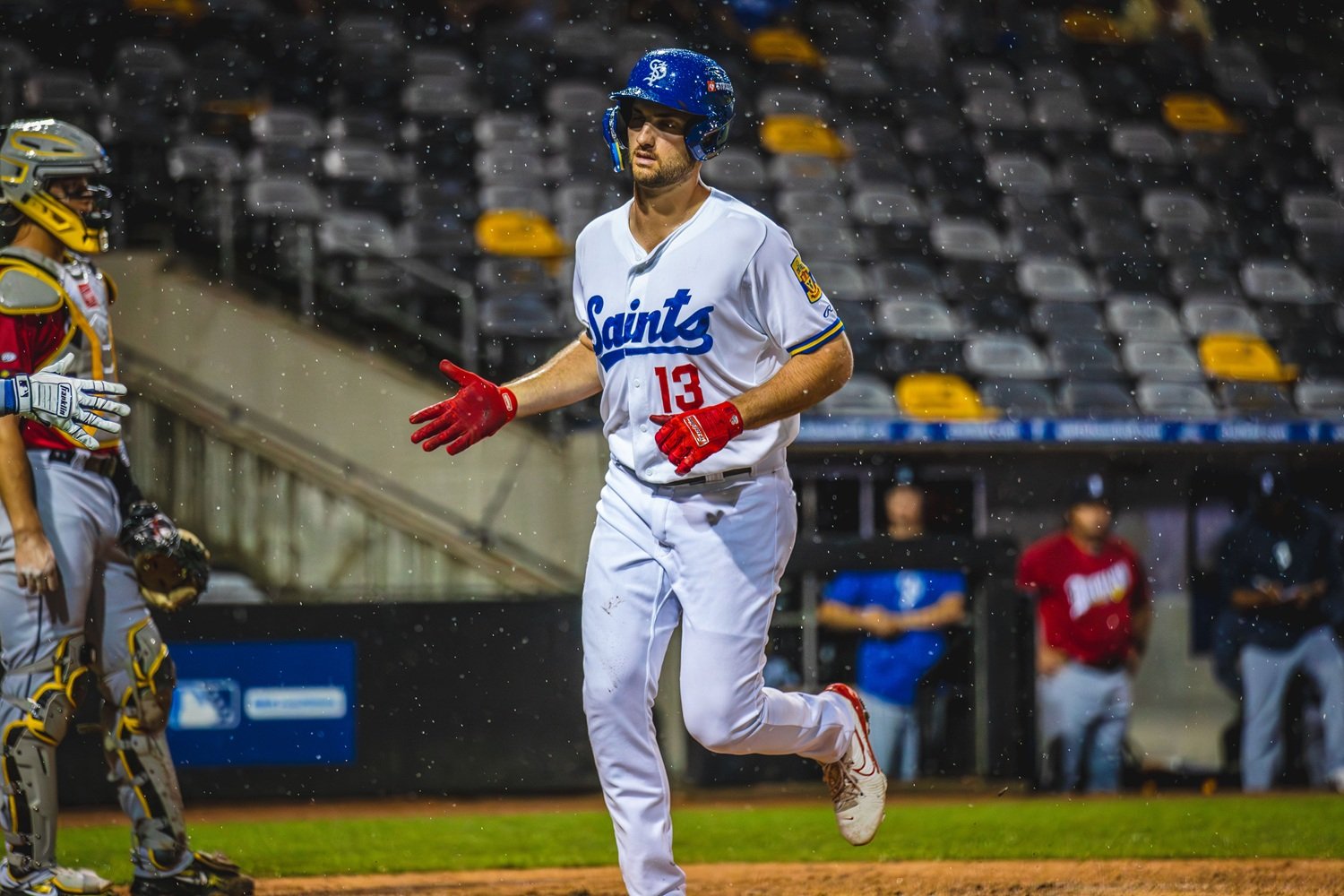 The trade deadline has come and gone, and the Minnesota Twins have officially turned the page toward the final two months of the regular season. Jeremy Zoll added multiple pieces at the deadline, all of the new acquisitions are now on the active roster, and the focus shifts to making a run at a postseason berth. But just because the deadline has passed doesn't mean the Twins are done improving their roster. Some of the biggest upgrades available are already in the organization. With every game becoming more important, Minnesota can't afford to let roster spots go to players who aren't contributing while impact talent waits in St. Paul. If the Twins want to put themselves in the best position possible for the stretch run, there are three moves they should make immediately. 1. Option Tristan Gray to Triple-A St. Paul and promote Kaelen Culpepper. Gray being called up when Byron Buxton landed on the injured list was a curious decision from the beginning, and it has only become more confusing over the last week. Since joining the Twins on July 29, Gray has received just two plate appearances, going 0-for-2 with two strikeouts. The lack of playing time says everything. The Twins simply don't trust him enough to put him in the lineup, meaning they've essentially been playing with one fewer roster spot. Instead of carrying a player who isn't going to play, the Twins should hand that opportunity to Kaelen Culpepper. The organization's top shortstop prospect has battled injuries throughout the season, but he has looked healthy since returning and continues to produce. Culpepper owns an .826 OPS at Triple-A this season and reminded everyone what he's capable of by going 3-for-5 with a triple on Tuesday night. He's a right-handed hitter, something Minnesota desperately needs, and he brings considerably more upside than Gray. Giving Culpepper regular opportunities at shortstop while Ryan Kreidler fills a reserve role would make the Twins younger, more athletic and with greater offensive upside. At some point, the organization has to find out what it has in one of its top prospects, and there may not be a better opportunity than right now. 2. Designate Alex Jackson for assignment and recall Matt Wallner from Triple-A Carrying three catchers over the last month made perfect sense before the trade deadline. Ryan Jeffers was one of the biggest trade candidates on the roster, and keeping Jackson around gave the Twins insurance in case they decided to move Jeffers. They didn't end up moving him, however. Now that Jeffers is still in Minnesota, there isn't much reason to continue carrying three catchers. Jeffers and Victor Caratini form one of the better catching duos in baseball, and that extra roster spot could be much better utilized elsewhere. To Jackson's credit, he has been a pleasant surprise during his time with the Twins. Still, with a $1.35 million contract, there's a reasonable chance he could clear waivers and remain in the organization if another club isn't interested. Replacing him with Matt Wallner would immediately make the Twins' lineup more dangerous. Wallner's demotion in May was justified after his slow start to the season, but he has done everything the organization could have asked of him since arriving in St. Paul. He owns a .938 OPS with 20 home runs since being sent down, and he added another homer Tuesday night. He has forced his way back into the conversation. The Twins have been searching for offensive consistency for weeks, and Wallner's power gives them another legitimate threat in the middle of the lineup. That is simply more valuable than carrying a third catcher who has no clear role. 3. Option Alan Roden to Triple-A and select the contract of Walker Jenkins When the Twins promoted Alan Roden in early July, the move was easy to understand. He was swinging the bat well at Triple-A, was healthy and deserved an opportunity to prove himself in the majors. Unfortunately, it hasn't happened. Roden has produced just a .514 OPS with no extra-base hits over his first 50 plate appearances with Minnesota. The Twins have also made it clear they aren't comfortable playing him in center field, limiting his versatility even further. Between his lack of production and limited defensive role, Roden simply hasn't established himself as someone who needs to remain on the roster. That opportunity should now belong to Walker Jenkins. Jenkins is one of the top prospects in baseball for a reason. He has posted an .818 OPS in Triple-A this season and has looked even better since returning from injury at the end of June. More importantly, he passes the eye test every time he steps on the field. He looks like a player who is ready for the next challenge. With Buxton sidelined, there are plenty of at-bats available. Jenkins can play either corner outfield spot and is capable of handling center field as well, giving manager Derek Shelton another athletic option while adding one of the organization's highest-upside bats. At some point, prospects stop benefiting from Triple-A and start benefiting from major league experience. Jenkins appears to have reached that point. The Twins have struggled to score runs over the last few weeks, and waiting around for the offense to suddenly improve isn't much of a strategy. The front office already addressed external needs before the deadline. Now it's time to maximize the talent that's already in the organization. Calling up Culpepper, Wallner and Jenkins would inject youth, upside and offensive potential into a lineup that desperately needs a spark. If the Twins are serious about making a run over the final two months, these are the kinds of aggressive roster decisions they should be making now instead of waiting until it's too late. What do you think? Are these the three roster moves the Twins should make immediately, or would you go in a different direction as they begin their postseason push? Leave a comment below and start the conversation!
- 241 comments
-
- 16
-
-
-
-
- kalen culpepper
- walker jenkins
- (and 1 more)