



Al from SoDak
-
Posts
274 -
Joined
-
Last visited
Content Type
Profiles
News
Minnesota Twins Videos
2026 Minnesota Twins Top Prospects Ranking
2022 Minnesota Twins Draft Picks
Minnesota Twins Free Agent & Trade Rumors, Notes, & Tidbits
Guides & Resources
2023 Minnesota Twins Draft Picks
The Minnesota Twins Players Project
2024 Minnesota Twins Draft Picks
2025 Minnesota Twins Draft Pick Tracker
2026 Minnesota Twins Draft Tracker: Picks & Bonuses
Forums
Blogs
Events
Store
Downloads
Gallery
Everything posted by Al from SoDak
-
 Agreed! They were cooked.
 -
When Mike Trombley’s Long Career Ended, It Was Clearly Over
Al from SoDak posted an article in History
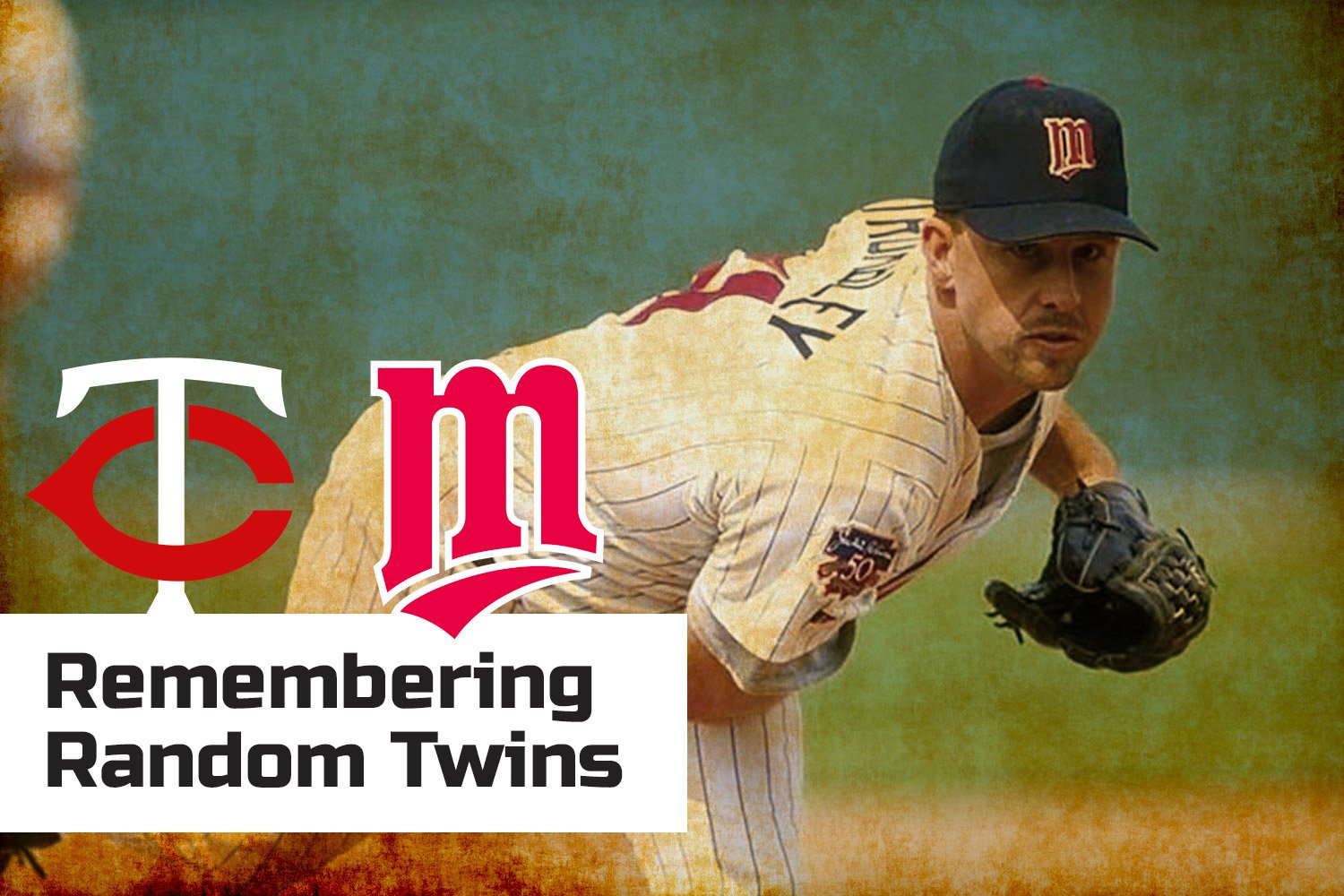 Michael Scott Trombley was born in Springfield, Massachusetts, on April 14, 1967. Mike grew up playing baseball and football and excelled in each sport. Ultimately, Trombley elected to concentrate on baseball and attended Duke University in North Carolina. During summers, he returned to Massachusetts and played in the Cape Cod League. By his junior year at Duke, he was selected as captain, and it was becoming increasingly possible an MLB team might draft him. The Twins drafted the six-foot-two, 200-pound Mike Trombley in the 14th round of the 1989 MLB June Amateur Draft. He immediately went to work in the Twins minor league system – first at Kenosha in the Class A Midwest League, then to High-A Visalia in California. He had a total of seven wins and three losses in that first minor league season. In the next three seasons, the right-handed starter pitched a lot of games and a lot of innings. He won 10 games or more each season from 1990 to 1992 while spending a year at the Class-A, Double-A, and Triple-A levels. He led his league in strikeouts in 1991 and 1992. He developed well enough to be called to the major leagues and debuted for the Twins on August 19, 1992, against Cleveland. He pitched one inning and allowed one hit in a 5-1 loss. He pitched two more relief outings, then got seven starts with the Twins to close the year. His first win came on September 7 against the Angels. Trombley’s mound opponent that day was former Twin Bert Blyleven. Trombley allowed only two runs in six innings that day while the Twins scored five off Blyleven and won the game 7-2. After the season, Trombley would be named the Twins Rookie of the Year. In 1993, Trombley pitched for the Twins all season. He started 10 games and appeared as a reliever 34 times. He finished the season with a 6-6 record and a 4.88 ERA. His biggest issue was allowing too many hits – 10.3 per nine innings pitched. His WHIP was 1.504 – simply too high. But he had completed his first big league season. Perhaps he could build off that season. In 1994, he again made the Twins out of spring training. He pitched entirely from the bullpen that season, and his ERA ballooned to 6.33. 1994 would be his worst season, posting a negative WAR (-0.4). From May to July, he was back in Triple-A. He threw more innings in Triple-A Salt Lake than with the Twins. By 1995, he was no longer considered a prospect and was perhaps on his last legs in the Twins organization. He did not make the Opening Day roster. In Triple-A, he was again being used as a starter and posted solid numbers through early June, when he was recalled to the Twins. He continued to be used primarily as a starter in the majors that season, but his numbers were not major league caliber. His WHIP was again over 1.5, and his ERA was again too high – 5.62. Was he running out of time to prove himself? He was now 28 years old and had been primarily ineffective at the major league level. Trombley was taken off the 40-man roster after 1995. He came into 1996 spring training as a non-roster invitee and learned a split-fingered forkball from All-Star teammate Rick Aguilera, which helped him make the team and turn his career around. The Twins also changed their usage of Trombley. He was now strictly a reliever and developed into a useful one. In 1996, he pitched 68 2/3 innings over 43 games and had an ERA of 3.01. Better yet, he reduced the number of hits allowed, resulting in a much more palatable 1.252 WHIP. Maybe Trombley had found his niche. From 1997-99, Trombley was solid in the bullpen. He threw 266 1/3 innings in 219 games during those three seasons. His ERA of 4.09 was not bad, considering this was the height of the steroid era. His ERA+ was better than average at 118. He even became the primary closer in 1999 and saved 24 ball games on a team that won only 65. But with that bit of success and the paltry payrolls of the Metrodome-era Twins, success just meant it was time for the player to move to greener pastures. During that offseason, the Twins offered Trombley a three-year, $5.2 million contract, but the Baltimore Orioles signed him to $7.75 million over those three seasons. Trombley’s 2000 season was good – a 115 ERA+ over 72 innings as a setup man. 2001 was a little better, but he was traded to the Dodgers. In both of Trombley’s seasons in Baltimore, the Orioles finished in fourth place in the American League East. The 2001 Dodgers were in the playoff hunt, so they acquired Trombley at the trade deadline. Trombley was not the missing link; the Dodgers faltered down the stretch and missed the playoffs. Trombley had a bad start to 2002. He did not appear in any games and was released by the Dodgers on April 8. As always, the Twins needed pitching, so they signed Trombley after his release. By May 15, he was pitching in major league games again, but it would not last long. Here is where we finally get to my opening thought about seeing and feeling the end for a seasoned veteran. May 15, 2002: Trombley returns and pitches 1/3 of an inning. He allowed one hit but no runs in the seventh inning of an 8-6 victory over Kansas City. Good enough. May 16, 2002: A 14-5 blowout win for the Twins against the Royals. Trombley finished the game by pitching the ninth inning. He got the first batter on a groundout. Then, he allowed a double, a home run, and another groundout. Then, a single and another double, but got the final batter to line out. Two runs allowed and lots of hard-hit balls. Hmmm. May 17, 2002: The night I called his career over while watching. The Twins had traveled to New York to face the Yankees. The Twins were down 8-3, but they scored six in the sixth inning to take a 9-8 lead. The Yankees scored one in the bottom of the ninth to force extra innings. Neither team scored in the tenth inning… the 11th… the 12th, or the 13th. Finally, the Twins broke out for three runs in the 14th inning. They have completed the comeback on the road at Yankee Stadium, right? Trombley had pitched the prior two games, and I’m sure the Twins had no plans to use him for a third day in a row. But they had already used seven pitchers in the 13 prior innings, so they had no choice but to turn to Trombley for the 14th. He allowed a single to Shane Spencer but got the second batter to fly out. OK. But then Derek Jeter hit a single, and Trombley walked Bernie Williams. It might have been during the walk to Williams when I started thinking, “Trombley’s done. He doesn’t have it anymore.” Or it might have been a minute later when Jason Giambi’s blast to right-center flew through the New York City sky before clearing the wall for a walk-off grand slam. Whenever it was, I knew it was the end for Trombley. He had given up four runs in 12 pitches – astonishingly fast. I remember feeling kind of sad for him. His life was going to change. He had lived the dream for 11 years, but it was over. Or was it? May 18, 2002: Trombley lived to see another day. He closed out the following day’s game, a 6-2 Yankees win. May 27, 2002: Trombley allowed one run on two hits in 1 1/3 innings. The Twins won 5-2 against Texas. June 3, 2002: Trombley must have also known he was at the end of the road. He asked for and was granted his release. The Twins granted the request, and Trombley’s MLB career was over. He pitched just two more games after I called his career done. Mike Trombley had a record of 37-47 in his career with 44 saves. He pitched in 509 games and threw 795 2/3 innings. His career ERA was 4.48 (104 ERA+), and his WHIP was 1.406. He struck out 672 batters. Since he retired from baseball in 2002, Mike and his wife have owned and operated an investment and retirement planning firm. They have three children and live in Massachusetts. Do you vividly remember a player’s end like I did of Trombley when you just knew their time had come? I’m not talking about ‘so-and-so sucks, and they need to cut this bum.’ I’m talking about a good player whose skills were eroding, and the results were not good, but then there was one obvious moment when you thought, ‘Yep, he’s done.’ If so, please share your memories in the comments below. If you like looking back at the Twins past, check out my previous articles at Twins Daily History. Sources include Baseball Reference, Society for American Baseball Research, and Wikipedia.
 -
Have you ever watched a game and felt you were watching a player that was simply done? I’m not talking about the impending star’s almost certain retirement. I’m not talking about a player who is not of MLB caliber and is lucky to be there. I’m talking about watching a player trying to hang on, skills diminishing, but then there’s that game where it’s obvious he’s done. I got that feeling about Mike Trombley on May 17, 2002. Michael Scott Trombley was born in Springfield, Massachusetts, on April 14, 1967. Mike grew up playing baseball and football and excelled in each sport. Ultimately, Trombley elected to concentrate on baseball and attended Duke University in North Carolina. During summers, he returned to Massachusetts and played in the Cape Cod League. By his junior year at Duke, he was selected as captain, and it was becoming increasingly possible an MLB team might draft him. The Twins drafted the six-foot-two, 200-pound Mike Trombley in the 14th round of the 1989 MLB June Amateur Draft. He immediately went to work in the Twins minor league system – first at Kenosha in the Class A Midwest League, then to High-A Visalia in California. He had a total of seven wins and three losses in that first minor league season. In the next three seasons, the right-handed starter pitched a lot of games and a lot of innings. He won 10 games or more each season from 1990 to 1992 while spending a year at the Class-A, Double-A, and Triple-A levels. He led his league in strikeouts in 1991 and 1992. He developed well enough to be called to the major leagues and debuted for the Twins on August 19, 1992, against Cleveland. He pitched one inning and allowed one hit in a 5-1 loss. He pitched two more relief outings, then got seven starts with the Twins to close the year. His first win came on September 7 against the Angels. Trombley’s mound opponent that day was former Twin Bert Blyleven. Trombley allowed only two runs in six innings that day while the Twins scored five off Blyleven and won the game 7-2. After the season, Trombley would be named the Twins Rookie of the Year. In 1993, Trombley pitched for the Twins all season. He started 10 games and appeared as a reliever 34 times. He finished the season with a 6-6 record and a 4.88 ERA. His biggest issue was allowing too many hits – 10.3 per nine innings pitched. His WHIP was 1.504 – simply too high. But he had completed his first big league season. Perhaps he could build off that season. In 1994, he again made the Twins out of spring training. He pitched entirely from the bullpen that season, and his ERA ballooned to 6.33. 1994 would be his worst season, posting a negative WAR (-0.4). From May to July, he was back in Triple-A. He threw more innings in Triple-A Salt Lake than with the Twins. By 1995, he was no longer considered a prospect and was perhaps on his last legs in the Twins organization. He did not make the Opening Day roster. In Triple-A, he was again being used as a starter and posted solid numbers through early June, when he was recalled to the Twins. He continued to be used primarily as a starter in the majors that season, but his numbers were not major league caliber. His WHIP was again over 1.5, and his ERA was again too high – 5.62. Was he running out of time to prove himself? He was now 28 years old and had been primarily ineffective at the major league level. Trombley was taken off the 40-man roster after 1995. He came into 1996 spring training as a non-roster invitee and learned a split-fingered forkball from All-Star teammate Rick Aguilera, which helped him make the team and turn his career around. The Twins also changed their usage of Trombley. He was now strictly a reliever and developed into a useful one. In 1996, he pitched 68 2/3 innings over 43 games and had an ERA of 3.01. Better yet, he reduced the number of hits allowed, resulting in a much more palatable 1.252 WHIP. Maybe Trombley had found his niche. From 1997-99, Trombley was solid in the bullpen. He threw 266 1/3 innings in 219 games during those three seasons. His ERA of 4.09 was not bad, considering this was the height of the steroid era. His ERA+ was better than average at 118. He even became the primary closer in 1999 and saved 24 ball games on a team that won only 65. But with that bit of success and the paltry payrolls of the Metrodome-era Twins, success just meant it was time for the player to move to greener pastures. During that offseason, the Twins offered Trombley a three-year, $5.2 million contract, but the Baltimore Orioles signed him to $7.75 million over those three seasons. Trombley’s 2000 season was good – a 115 ERA+ over 72 innings as a setup man. 2001 was a little better, but he was traded to the Dodgers. In both of Trombley’s seasons in Baltimore, the Orioles finished in fourth place in the American League East. The 2001 Dodgers were in the playoff hunt, so they acquired Trombley at the trade deadline. Trombley was not the missing link; the Dodgers faltered down the stretch and missed the playoffs. Trombley had a bad start to 2002. He did not appear in any games and was released by the Dodgers on April 8. As always, the Twins needed pitching, so they signed Trombley after his release. By May 15, he was pitching in major league games again, but it would not last long. Here is where we finally get to my opening thought about seeing and feeling the end for a seasoned veteran. May 15, 2002: Trombley returns and pitches 1/3 of an inning. He allowed one hit but no runs in the seventh inning of an 8-6 victory over Kansas City. Good enough. May 16, 2002: A 14-5 blowout win for the Twins against the Royals. Trombley finished the game by pitching the ninth inning. He got the first batter on a groundout. Then, he allowed a double, a home run, and another groundout. Then, a single and another double, but got the final batter to line out. Two runs allowed and lots of hard-hit balls. Hmmm. May 17, 2002: The night I called his career over while watching. The Twins had traveled to New York to face the Yankees. The Twins were down 8-3, but they scored six in the sixth inning to take a 9-8 lead. The Yankees scored one in the bottom of the ninth to force extra innings. Neither team scored in the tenth inning… the 11th… the 12th, or the 13th. Finally, the Twins broke out for three runs in the 14th inning. They have completed the comeback on the road at Yankee Stadium, right? Trombley had pitched the prior two games, and I’m sure the Twins had no plans to use him for a third day in a row. But they had already used seven pitchers in the 13 prior innings, so they had no choice but to turn to Trombley for the 14th. He allowed a single to Shane Spencer but got the second batter to fly out. OK. But then Derek Jeter hit a single, and Trombley walked Bernie Williams. It might have been during the walk to Williams when I started thinking, “Trombley’s done. He doesn’t have it anymore.” Or it might have been a minute later when Jason Giambi’s blast to right-center flew through the New York City sky before clearing the wall for a walk-off grand slam. Whenever it was, I knew it was the end for Trombley. He had given up four runs in 12 pitches – astonishingly fast. I remember feeling kind of sad for him. His life was going to change. He had lived the dream for 11 years, but it was over. Or was it? May 18, 2002: Trombley lived to see another day. He closed out the following day’s game, a 6-2 Yankees win. May 27, 2002: Trombley allowed one run on two hits in 1 1/3 innings. The Twins won 5-2 against Texas. June 3, 2002: Trombley must have also known he was at the end of the road. He asked for and was granted his release. The Twins granted the request, and Trombley’s MLB career was over. He pitched just two more games after I called his career done. Mike Trombley had a record of 37-47 in his career with 44 saves. He pitched in 509 games and threw 795 2/3 innings. His career ERA was 4.48 (104 ERA+), and his WHIP was 1.406. He struck out 672 batters. Since he retired from baseball in 2002, Mike and his wife have owned and operated an investment and retirement planning firm. They have three children and live in Massachusetts. Do you vividly remember a player’s end like I did of Trombley when you just knew their time had come? I’m not talking about ‘so-and-so sucks, and they need to cut this bum.’ I’m talking about a good player whose skills were eroding, and the results were not good, but then there was one obvious moment when you thought, ‘Yep, he’s done.’ If so, please share your memories in the comments below. If you like looking back at the Twins past, check out my previous articles at Twins Daily History. Sources include Baseball Reference, Society for American Baseball Research, and Wikipedia. View full article
-
Tom Klawitter Was A 1985 Spring Training Flash In The Pan
Al from SoDak posted an article in History
 Neil Young once proclaimed, “It’s better to burn out than fade away.” A statement so profound it was reiterated by Def Leppard, the movie Highlander, and sadly, Kurt Cobain, among others. Is it true? Or is it perhaps better to fade away from one vocation to thrive in another? Thomas Carl Klawitter was born in La Crosse, Wisconsin, on June 24, 1958. He graduated from Craig High School on the other side of the state in Janesville. The rare left-handed thrower but right-handed batter first attended college at the University of Wisconsin-Madison but ultimately settled in at the University of Wisconsin-La Crosse, where he played college baseball. During his senior season, the six-foot-two, 190-pound Klawitter began to attract the attention of scouts when he went 5-0. Tom Klawitter was drafted in the 19th round of the 1980 MLB June Amateur Draft by the Los Angeles Dodgers and played four seasons in the Dodgers minor league system. The big lefty always walked too many batters, including a whopping 110 in 162 innings in 1981. The Dodgers released Klawitter in May 1983, but Minnesota quickly signed him. He played two seasons for the Twins minor leagues and produced good to great ERAs. The Twins of the early- to mid-80s could be described as pitching-starved, so after a great spring training in 1985, the unassuming Klawitter made the Opening Day roster. Klawitter made his MLB debut on April 14, 1985, in a 5-1 loss against the Seattle Mariners. Klawitter pitched one inning and allowed no hits or runs. He did walk one, which proved to be an omen of bad things to come. He again gave up no runs in his second game, but then the problems started. He gave up runs in each of his next five outings while pitching 7 1/3 innings, and that was it for his major league career. In all, he gave up seven runs in 9 1/3 innings, allowing seven hits and striking out five. The biggest killer was the 13 walks he issued. He did not record a decision in his seven games for the Twins, including two short starts. He finished with a 6.75 ERA. His walk rate was much too high – 28.9 percent. What made him memorable to me and perhaps a section of other Twins fans was the name Klawitter and his nickname, Klaw. In the 1980s, Minnesota was the heart of the American Wrestling Association territory. There was a wrestler named Baron von Raschke whose signature move was “The Claw,” where he would grab and squeeze the head of his opponent, thereby rendering the opponent incapacitated, perhaps unconscious. The Baron’s “Claw” became Manager Billy Gardner’s hand signal to the bullpen to send in Klawitter. It possibly made the pitcher a bit of a cult hero in the spring of 1985. Unfortunately for Klaw, this notoriety did not lead to a long and successful MLB career. His baseball career was over after pitching for Toronto’s Double-A affiliate in 1986. After his playing career, Klawitter returned to Wisconsin and became a physical education teacher and girls’ basketball coach at Parker High School in Janesville, Wisconsin. Maybe this was his calling. He was immensely successful. In 26 seasons, Klawitter's teams won 564 games and 16 conference titles and appeared in 12 state tournaments – winning three championships. He retired in June 2015. Since retirement, Klawitter has been an assistant college baseball coach at the University of Wisconsin-Whitewater. He was inducted into the Wisconsin State Baseball League Hall of Fame. While Tom Klawitter faded away from a Major League Baseball career, he certainly burned bright as a high school basketball coach and teacher. He had much success on the court and had a profound effect on many young women and students. Sounds like a life well-lived. Do you have any recollection of Tom Klawitter? If so, please share your memories in the comments section below. If you like looking back at the Twins past, check out my previous articles at Twins Daily History. Sources include Baseball Reference, Baseball Almanac, and Wikipedia. Ten years ago, @Seth Stohs interviewed Klawitter on the 30th anniversary of his big-league season in a two-part story (Part 1, Part 2).
 -
Spring Training is upon us. Some years, there is a fascinating story of a player who comes out of nowhere to exceed expectations, put himself on the organization’s radar, or perhaps even make the team. Let’s take a look at the 1985 Spring Training phenom Tom Klawitter. Neil Young once proclaimed, “It’s better to burn out than fade away.” A statement so profound it was reiterated by Def Leppard, the movie Highlander, and sadly, Kurt Cobain, among others. Is it true? Or is it perhaps better to fade away from one vocation to thrive in another? Thomas Carl Klawitter was born in La Crosse, Wisconsin, on June 24, 1958. He graduated from Craig High School on the other side of the state in Janesville. The rare left-handed thrower but right-handed batter first attended college at the University of Wisconsin-Madison but ultimately settled in at the University of Wisconsin-La Crosse, where he played college baseball. During his senior season, the six-foot-two, 190-pound Klawitter began to attract the attention of scouts when he went 5-0. Tom Klawitter was drafted in the 19th round of the 1980 MLB June Amateur Draft by the Los Angeles Dodgers and played four seasons in the Dodgers minor league system. The big lefty always walked too many batters, including a whopping 110 in 162 innings in 1981. The Dodgers released Klawitter in May 1983, but Minnesota quickly signed him. He played two seasons for the Twins minor leagues and produced good to great ERAs. The Twins of the early- to mid-80s could be described as pitching-starved, so after a great spring training in 1985, the unassuming Klawitter made the Opening Day roster. Klawitter made his MLB debut on April 14, 1985, in a 5-1 loss against the Seattle Mariners. Klawitter pitched one inning and allowed no hits or runs. He did walk one, which proved to be an omen of bad things to come. He again gave up no runs in his second game, but then the problems started. He gave up runs in each of his next five outings while pitching 7 1/3 innings, and that was it for his major league career. In all, he gave up seven runs in 9 1/3 innings, allowing seven hits and striking out five. The biggest killer was the 13 walks he issued. He did not record a decision in his seven games for the Twins, including two short starts. He finished with a 6.75 ERA. His walk rate was much too high – 28.9 percent. What made him memorable to me and perhaps a section of other Twins fans was the name Klawitter and his nickname, Klaw. In the 1980s, Minnesota was the heart of the American Wrestling Association territory. There was a wrestler named Baron von Raschke whose signature move was “The Claw,” where he would grab and squeeze the head of his opponent, thereby rendering the opponent incapacitated, perhaps unconscious. The Baron’s “Claw” became Manager Billy Gardner’s hand signal to the bullpen to send in Klawitter. It possibly made the pitcher a bit of a cult hero in the spring of 1985. Unfortunately for Klaw, this notoriety did not lead to a long and successful MLB career. His baseball career was over after pitching for Toronto’s Double-A affiliate in 1986. After his playing career, Klawitter returned to Wisconsin and became a physical education teacher and girls’ basketball coach at Parker High School in Janesville, Wisconsin. Maybe this was his calling. He was immensely successful. In 26 seasons, Klawitter's teams won 564 games and 16 conference titles and appeared in 12 state tournaments – winning three championships. He retired in June 2015. Since retirement, Klawitter has been an assistant college baseball coach at the University of Wisconsin-Whitewater. He was inducted into the Wisconsin State Baseball League Hall of Fame. While Tom Klawitter faded away from a Major League Baseball career, he certainly burned bright as a high school basketball coach and teacher. He had much success on the court and had a profound effect on many young women and students. Sounds like a life well-lived. Do you have any recollection of Tom Klawitter? If so, please share your memories in the comments section below. If you like looking back at the Twins past, check out my previous articles at Twins Daily History. Sources include Baseball Reference, Baseball Almanac, and Wikipedia. Ten years ago, @Seth Stohs interviewed Klawitter on the 30th anniversary of his big-league season in a two-part story (Part 1, Part 2). View full article
-
Wilmer Dean Chance was born June 1, 1941, in Wooster, Ohio. After high school, the Baltimore Orioles signed Chance. After two seasons in the Orioles minor league system, the expansion Washington Senators chose Chance in the expansion draft of 1960, but he was immediately traded to the Angels. He would debut with the Angels on September 11, 1961, against our Minnesota Twins. He went 7 1/3 innings, allowing four runs, and took the loss. In 1962 he finished third in Rookie of the Year voting. By 1964, he made the All-Star team and won the Major League Cy Young Award (prior to there being two separate awards for the American and National Leagues). In December of 1966, Chance was traded to Minnesota for Pete Cimino, Jimmie Hall, and Don Mincher. In 1967, he was selected to the All-Star Game for a second time and threw a no-hitter. During his time with the Twins, Chance won 41 and lost 34. His ERA was 2.67 (126 ERA+). He pitched 664 innings and struck out 504 batters. His WHIP was 1.069. Chance was part of another big trade in December of 1969. He was traded to Cleveland with Bob Miller, Graig Nettles, and Ted Uhlaender for Luis Tiant and Stan Williams. He played with Cleveland and the New York Mets in 1970, and the Tigers in 1971. He was released by Detroit after the 1971 season thus ending his baseball career. After baseball, Dean Chance worked as a boxing manager and promotor before becoming president of the International Boxing Association. View full player
-
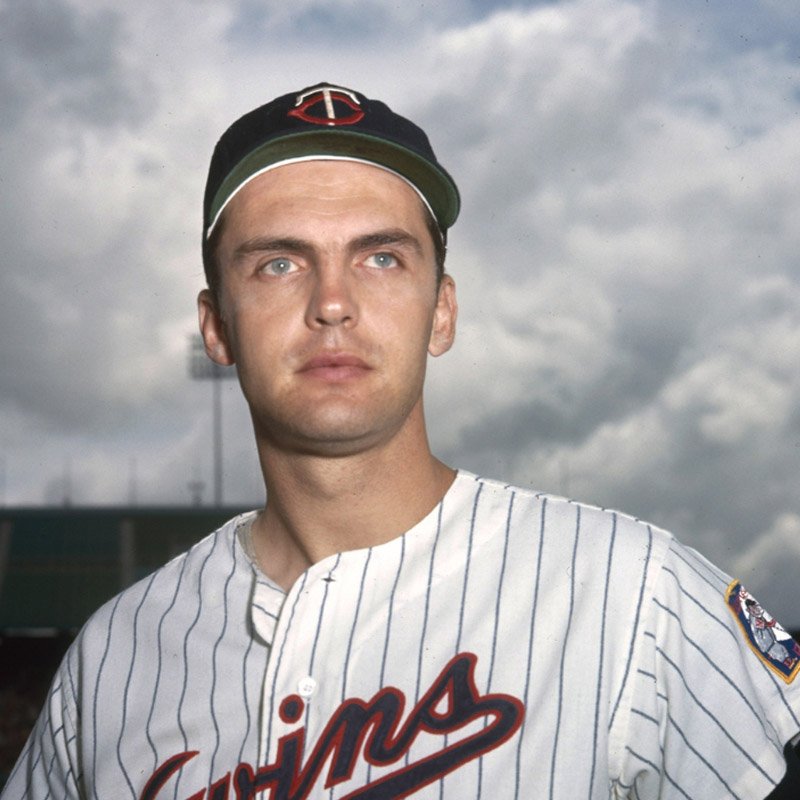 Wilmer Dean Chance was born June 1, 1941, in Wooster, Ohio. After high school, the Baltimore Orioles signed Chance. After two seasons in the Orioles minor league system, the expansion Washington Senators chose Chance in the expansion draft of 1960, but he was immediately traded to the Angels. He would debut with the Angels on September 11, 1961, against our Minnesota Twins. He went 7 1/3 innings, allowing four runs, and took the loss. In 1962 he finished third in Rookie of the Year voting. By 1964, he made the All-Star team and won the Major League Cy Young Award (prior to there being two separate awards for the American and National Leagues). In December of 1966, Chance was traded to Minnesota for Pete Cimino, Jimmie Hall, and Don Mincher. In 1967, he was selected to the All-Star Game for a second time and threw a no-hitter. During his time with the Twins, Chance won 41 and lost 34. His ERA was 2.67 (126 ERA+). He pitched 664 innings and struck out 504 batters. His WHIP was 1.069. Chance was part of another big trade in December of 1969. He was traded to Cleveland with Bob Miller, Graig Nettles, and Ted Uhlaender for Luis Tiant and Stan Williams. He played with Cleveland and the New York Mets in 1970, and the Tigers in 1971. He was released by Detroit after the 1971 season thus ending his baseball career. After baseball, Dean Chance worked as a boxing manager and promotor before becoming president of the International Boxing Association.
 -
Victor Felipe Pellot Pové (Power) was born November 1, 1927, in Arecibo, Puerto Rico. Power graduated high school and was soon playing ball in the Puerto Rican league and soon after on to the independent Provincial League in Drummondville, Quebec, Canada. A New York Yankees scout had seen Power play in Puerto Rico and checked on him again in Drummondville. In 1949, the Yankees signed the six-foot, 186-pound Power but soon traded him to the Philadelphia Athletics. He debuted in MLB on April 13, 1954, and was one of the first Puerto Ricans in Major League Baseball. When the Athletics moved to Kansas City for 1955, Power’s bat got going. In 1955 and 1956, Power would play in his first two All-Star Games and he garnered MVP votes. He earned four straight Gold Glove Awards from 1958-1961 with KC and Cleveland. Prior to the 1962 season the Twins acquired Power by trade from Cleveland along with Dick Stigman for Pedro Ramos. Power would play for the Twins in 1962, 1963, and part of 1964. He won three more Gold Gloves in those seasons, making it seven years in a row. During the Twins portion of Power’s career, he hit .278/.305/.398. His OBP was never good; he rarely walked. His career walk rate was 4.3 percent, roughly half the MLB average of 8.7. Vic’s OPS+ in his time with Minnesota was a substandard 89. In 1962 and 1963, it was becoming apparent that the Twins would need to make room for Tony Oliva. Thus, in early 1964, Power was traded with Lenny Green to the Angels in a three-team trade which included Cleveland. The Twins received Jerry Kindall and Frank Kostro. Moving Power allowed the Twins to shift Harmon Killebrew from the outfield to first base, opening an outfield spot for Oliva. It’s hard to argue with this logic. Tony Oliva would go on to a Hall of Fame career and Power was out of baseball after 1965. View full player
-
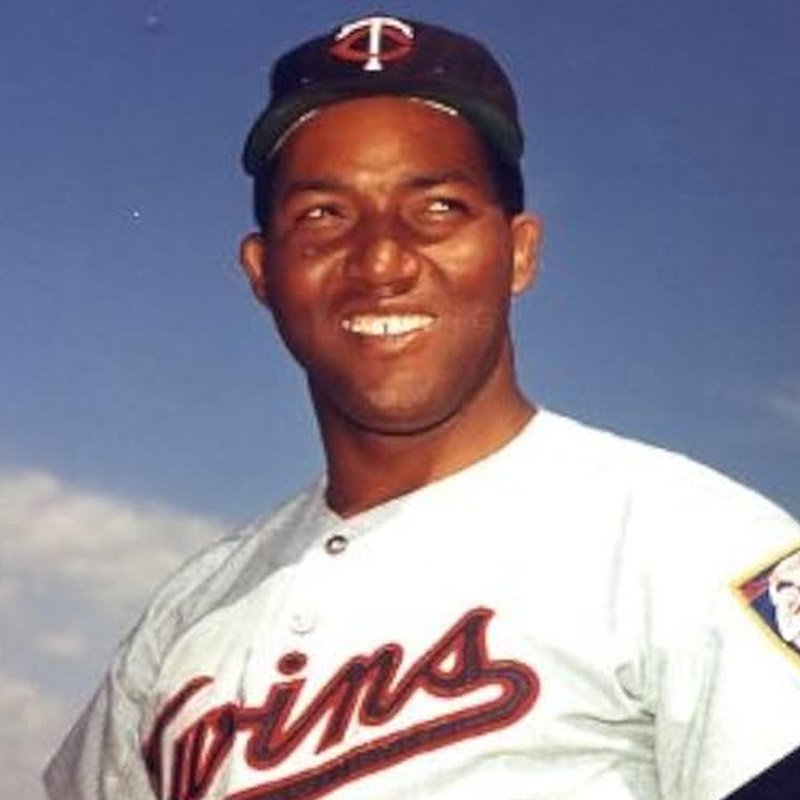 Victor Felipe Pellot Pové (Power) was born November 1, 1927, in Arecibo, Puerto Rico. Power graduated high school and was soon playing ball in the Puerto Rican league and soon after on to the independent Provincial League in Drummondville, Quebec, Canada. A New York Yankees scout had seen Power play in Puerto Rico and checked on him again in Drummondville. In 1949, the Yankees signed the six-foot, 186-pound Power but soon traded him to the Philadelphia Athletics. He debuted in MLB on April 13, 1954, and was one of the first Puerto Ricans in Major League Baseball. When the Athletics moved to Kansas City for 1955, Power’s bat got going. In 1955 and 1956, Power would play in his first two All-Star Games and he garnered MVP votes. He earned four straight Gold Glove Awards from 1958-1961 with KC and Cleveland. Prior to the 1962 season the Twins acquired Power by trade from Cleveland along with Dick Stigman for Pedro Ramos. Power would play for the Twins in 1962, 1963, and part of 1964. He won three more Gold Gloves in those seasons, making it seven years in a row. During the Twins portion of Power’s career, he hit .278/.305/.398. His OBP was never good; he rarely walked. His career walk rate was 4.3 percent, roughly half the MLB average of 8.7. Vic’s OPS+ in his time with Minnesota was a substandard 89. In 1962 and 1963, it was becoming apparent that the Twins would need to make room for Tony Oliva. Thus, in early 1964, Power was traded with Lenny Green to the Angels in a three-team trade which included Cleveland. The Twins received Jerry Kindall and Frank Kostro. Moving Power allowed the Twins to shift Harmon Killebrew from the outfield to first base, opening an outfield spot for Oliva. It’s hard to argue with this logic. Tony Oliva would go on to a Hall of Fame career and Power was out of baseball after 1965.
 -
Allan Fulton Worthington was born February 5, 1969, in Birmingham, Alabama. He stayed home and played college baseball first at Samford University in Homewood, Alabama, then at the University of Alabama where he also played football for the Crimson Tide. The lanky right-hander – 6 foot 2 inches and 195 pounds – was initially signed by the Chicago Cubs in 1951 but was soon sent to the New York Giants. After three seasons in the minor leagues (including with the Giants’ AA affiliate, the Minneapolis Millers), Worthington debuted in July of 1953 with the Giants, and wow, what a start it was. His first two games were excellent, each start a complete-game shutout. He continued with the Giants when they moved to San Franciso in 1958 and by then was mostly a reliever. He never started another game after 1959. Before the 1960 season Worthington was traded to the Red Sox, then later to the White Sox in August. In 1961 and 1962 he was back in the minor leagues working on this control. In 1963, he pitched for the Reds. He pitched well enough in 1963 and into 1964 that the Twins saw something and made a move to acquire the big right-hander. The Twins purchased Worthington on June 26, 1964, and thus began the best stretch of his career despite his advanced age of 35 years. Worthington pitched 72.1 innings after coming to Minnesota in 1964. His ERA was a fantastic 1.37 (264 ERA+). During the World Series season of 1965, Worthington was the top reliever on the team. He threw 80.1 innings, with a 2.13 ERA, 10 wins, and a career-high 21 saves. In the World Series, Worthington did not allow an earned run in 4.0 innings. However, he was on the mound in Game 4 when the Dodgers broke open the game. Mudcat Grant gave up a walk and a hit to start the sixth inning. Runners were on second and third. Manager Sam Mele made the call to Worthington, but things deteriorated quickly from there. The first batter hit a ground ball single through the SS/3B hole with both runners scoring and the batter advancing to second base on a throw home. The next batter bunted, but catcher Earl Battey threw wildly to first allowing the runner from second to score. Worthington allowed no further damage, but a 3-2 deficit quickly escalated to 6-2. The Dodgers would ultimately win the game 7-2. Worthington’s second World Series appearance came in the Game Seven loss. He appeared early. The Dodgers scored two runs off Jim Kaat to begin the fourth inning. Mele immediately brought in Worthington, who got out of the inning with no further harm. Unfortunately for Twins fans, the damage was already done. The Dodgers won the game 2-0 and the Series 4-3. Worthington continued to provide steady excellence from the Twins bullpen through the end of the 1960s. From 1966-68, his ERA was under 2.84 all three years. He ERA+ was better than league average – exceeding 116 in all three years. He pitched more than 90 innings twice. Big Al led the league in saves in 1968. 1969 was not quite as good for Worthington but he was still an important piece in the bullpen of the first winners of the inaugural American League West division. The Orioles swept the three-game American League Championship Series. The first two games were close, decided by only one run. Worthington appeared only in Game Three which ended as an Orioles’ rout. He entered the game in the fifth inning with the Twins trailing 5-1. He pitched a perfect inning but then got roughed up in the sixth. The Orioles continued their scoring and won the game 11-2, and the series 3-0. This appearance in the deciding game of the inaugural ALCS proved to be the final pitches Al Worthington threw in Major League Baseball. At 40 years of age, Worthington was finally done. Worthington’s final statistics showed a record of 78-82. His career WAR was 16.2 and his career ERA was 3.39 (110 ERA+). In 1,246.2 innings he struck out 834 and walked 527. He finished with 111 saves. He was the Twins career leader in saves (88) until passed by the great Ron Davis in 1985. View full player
-
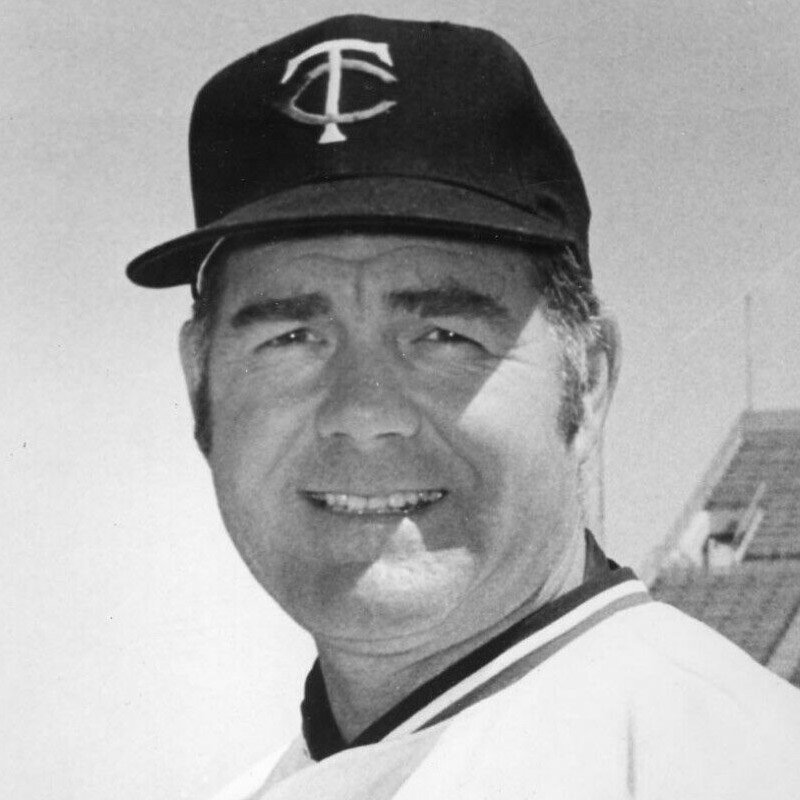 Allan Fulton Worthington was born February 5, 1969, in Birmingham, Alabama. He stayed home and played college baseball first at Samford University in Homewood, Alabama, then at the University of Alabama where he also played football for the Crimson Tide. The lanky right-hander – 6 foot 2 inches and 195 pounds – was initially signed by the Chicago Cubs in 1951 but was soon sent to the New York Giants. After three seasons in the minor leagues (including with the Giants’ AA affiliate, the Minneapolis Millers), Worthington debuted in July of 1953 with the Giants, and wow, what a start it was. His first two games were excellent, each start a complete-game shutout. He continued with the Giants when they moved to San Franciso in 1958 and by then was mostly a reliever. He never started another game after 1959. Before the 1960 season Worthington was traded to the Red Sox, then later to the White Sox in August. In 1961 and 1962 he was back in the minor leagues working on this control. In 1963, he pitched for the Reds. He pitched well enough in 1963 and into 1964 that the Twins saw something and made a move to acquire the big right-hander. The Twins purchased Worthington on June 26, 1964, and thus began the best stretch of his career despite his advanced age of 35 years. Worthington pitched 72.1 innings after coming to Minnesota in 1964. His ERA was a fantastic 1.37 (264 ERA+). During the World Series season of 1965, Worthington was the top reliever on the team. He threw 80.1 innings, with a 2.13 ERA, 10 wins, and a career-high 21 saves. In the World Series, Worthington did not allow an earned run in 4.0 innings. However, he was on the mound in Game 4 when the Dodgers broke open the game. Mudcat Grant gave up a walk and a hit to start the sixth inning. Runners were on second and third. Manager Sam Mele made the call to Worthington, but things deteriorated quickly from there. The first batter hit a ground ball single through the SS/3B hole with both runners scoring and the batter advancing to second base on a throw home. The next batter bunted, but catcher Earl Battey threw wildly to first allowing the runner from second to score. Worthington allowed no further damage, but a 3-2 deficit quickly escalated to 6-2. The Dodgers would ultimately win the game 7-2. Worthington’s second World Series appearance came in the Game Seven loss. He appeared early. The Dodgers scored two runs off Jim Kaat to begin the fourth inning. Mele immediately brought in Worthington, who got out of the inning with no further harm. Unfortunately for Twins fans, the damage was already done. The Dodgers won the game 2-0 and the Series 4-3. Worthington continued to provide steady excellence from the Twins bullpen through the end of the 1960s. From 1966-68, his ERA was under 2.84 all three years. He ERA+ was better than league average – exceeding 116 in all three years. He pitched more than 90 innings twice. Big Al led the league in saves in 1968. 1969 was not quite as good for Worthington but he was still an important piece in the bullpen of the first winners of the inaugural American League West division. The Orioles swept the three-game American League Championship Series. The first two games were close, decided by only one run. Worthington appeared only in Game Three which ended as an Orioles’ rout. He entered the game in the fifth inning with the Twins trailing 5-1. He pitched a perfect inning but then got roughed up in the sixth. The Orioles continued their scoring and won the game 11-2, and the series 3-0. This appearance in the deciding game of the inaugural ALCS proved to be the final pitches Al Worthington threw in Major League Baseball. At 40 years of age, Worthington was finally done. Worthington’s final statistics showed a record of 78-82. His career WAR was 16.2 and his career ERA was 3.39 (110 ERA+). In 1,246.2 innings he struck out 834 and walked 527. He finished with 111 saves. He was the Twins career leader in saves (88) until passed by the great Ron Davis in 1985.
 -
Scott Thomas Leius was born September 24, 1965, in Yonkers, New York. He attended and graduated high school from nearby Mamaroneck, New York, before attending and playing baseball at Concordia College in Bronxville, New York. The Minnesota Twins drafted the right-handed hitting infielder in the 13th round of the 1986 Major League Baseball June Amateur Draft. He played five minor league seasons, with a single season played at each level. He was almost exclusively a shortstop. The 6-foot-3, 180-pound Leius received his call to the big leagues after September roster expansion in the Twins last place season of 1990. During that first taste of the major league baseball, he received 28 plate appearances and hit .240 with one home run and four RBI. When Leius was invited to Spring Training in 1991, Greg Gagne was entrenched as the starting shortstop and the Twins had signed free agent Mike Pagliarulo over the winter to play third base. I’m not sure anyone expected there to be room for Leius to make the team out of spring training. Well, Pagliarulo was coming off a couple subpar seasons for him and struggled to hit during the spring, and Leius made an impression with his hitting and fielding. He surprised everyone and made the team as an extra infielder out of spring training and ended up platooning all season with Pags at the hot corner. In 1991, Leius’ batting numbers were .286/.378/.416 with five home runs and an OPS+ of 116. 161 of his 235 plate appearances were against left-handed pitchers and 42 of his 52 starts were against lefthanders. In the post season, Leius played in three of the five games of the American League Championship Series against Toronto, totaling five plate appearances. Left-hander Charlie Leibrandt started Game One of the World Series for Atlanta, so Leius got the start at third base for the Twins. In the fifth inning Leius singled then scored on a three-run homer by Greg Gagne which put the Twins up 4-0 on their way to a 5-2 victory. But Game Two was Leius’ time to shine. It was another lefthander starter for the Braves, Tom Glavine this time. The score remained tied until the bottom of the eighth inning, when Leius had the biggest hit of his life. Leading off the inning, Leius launched the first pitch into the left-field stands and it proved to be the winning run in Game Two. The Twins had a two games to none lead. The Series moved to Atlanta for Games three through Five where the Braves won three straight. Leius went one for six in Atlanta. He had an RBI walk in the 14-5 Game Five blowout by the Braves. Leius had two hits in Game Six – the Kirby Puckett game – but no runs or RBI. In Game Seven, Leius saw Pagliarulo start at third base against righty John Smoltz. Leius was put into the game at shortstop in the tenth inning after Gagne and Al Newman had been replaced by pinch hitters during the two most recent plate appearances for the shortstop position. For the Series, Leius appeared in all seven games getting 14 at bats. He had five hits, a walk, two RBI, and that pivotal home run in Game Two. 1992 saw Leius and Pagliarulo again split time at third base. All of Leius’ offensive numbers dipped from his rookie season. After the 1992 season, the underappreciated Greg Gagne left the Twins and signed a free agent contract with Kansas City. The Twins’ answer to replacing Gagne was to award the 1993 opening-day shortstop assignment to Leius. Unfortunately, the 1991 World Series hero tore his rotator cuff and was done after only ten games. While he was out, Pat Meares was called up and played well enough to solidify himself as the starting shortstop going into 1994. In 1994 and 1995, Leius was back at third base and posting similar, underwhelming, offensive numbers as in 1992. He had become a fairly replaceable player. After the 1995 season, he became a free agent and was signed by Cleveland. He had one bad season with Cleveland in 1996, missed 1997, and played 1998 and 1999 with the Royals. Each of those last three seasons, he played fewer than 40 games and had fewer than 90 plate appearances. Injuries to his hamstring and shoulders contributed to the lack of playing time. Throughout his career, Leius’ role never changed. He was a slick-fielding third baseman who hit left-handed pitching well enough to remain in the majors. Unfortunately, that promising first season was his best and he never improved on it. His final career statistics were .244/.316/.353 for an OPS of .669. He hit 28 home runs and had 172 RBI in nine seasons. His career OPS+ settled at a below average mark of 78, which includes the last three abysmal seasons with Cleveland and Kansas City. For his Twins career, his OPS+ was 85. View full player
-
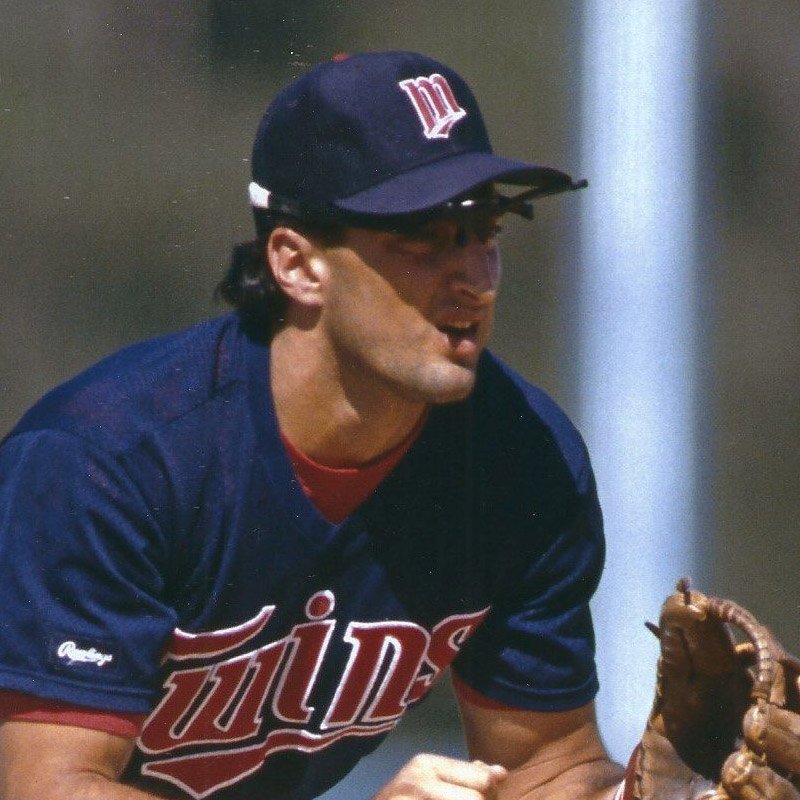 Scott Thomas Leius was born September 24, 1965, in Yonkers, New York. He attended and graduated high school from nearby Mamaroneck, New York, before attending and playing baseball at Concordia College in Bronxville, New York. The Minnesota Twins drafted the right-handed hitting infielder in the 13th round of the 1986 Major League Baseball June Amateur Draft. He played five minor league seasons, with a single season played at each level. He was almost exclusively a shortstop. The 6-foot-3, 180-pound Leius received his call to the big leagues after September roster expansion in the Twins last place season of 1990. During that first taste of the major league baseball, he received 28 plate appearances and hit .240 with one home run and four RBI. When Leius was invited to Spring Training in 1991, Greg Gagne was entrenched as the starting shortstop and the Twins had signed free agent Mike Pagliarulo over the winter to play third base. I’m not sure anyone expected there to be room for Leius to make the team out of spring training. Well, Pagliarulo was coming off a couple subpar seasons for him and struggled to hit during the spring, and Leius made an impression with his hitting and fielding. He surprised everyone and made the team as an extra infielder out of spring training and ended up platooning all season with Pags at the hot corner. In 1991, Leius’ batting numbers were .286/.378/.416 with five home runs and an OPS+ of 116. 161 of his 235 plate appearances were against left-handed pitchers and 42 of his 52 starts were against lefthanders. In the post season, Leius played in three of the five games of the American League Championship Series against Toronto, totaling five plate appearances. Left-hander Charlie Leibrandt started Game One of the World Series for Atlanta, so Leius got the start at third base for the Twins. In the fifth inning Leius singled then scored on a three-run homer by Greg Gagne which put the Twins up 4-0 on their way to a 5-2 victory. But Game Two was Leius’ time to shine. It was another lefthander starter for the Braves, Tom Glavine this time. The score remained tied until the bottom of the eighth inning, when Leius had the biggest hit of his life. Leading off the inning, Leius launched the first pitch into the left-field stands and it proved to be the winning run in Game Two. The Twins had a two games to none lead. The Series moved to Atlanta for Games three through Five where the Braves won three straight. Leius went one for six in Atlanta. He had an RBI walk in the 14-5 Game Five blowout by the Braves. Leius had two hits in Game Six – the Kirby Puckett game – but no runs or RBI. In Game Seven, Leius saw Pagliarulo start at third base against righty John Smoltz. Leius was put into the game at shortstop in the tenth inning after Gagne and Al Newman had been replaced by pinch hitters during the two most recent plate appearances for the shortstop position. For the Series, Leius appeared in all seven games getting 14 at bats. He had five hits, a walk, two RBI, and that pivotal home run in Game Two. 1992 saw Leius and Pagliarulo again split time at third base. All of Leius’ offensive numbers dipped from his rookie season. After the 1992 season, the underappreciated Greg Gagne left the Twins and signed a free agent contract with Kansas City. The Twins’ answer to replacing Gagne was to award the 1993 opening-day shortstop assignment to Leius. Unfortunately, the 1991 World Series hero tore his rotator cuff and was done after only ten games. While he was out, Pat Meares was called up and played well enough to solidify himself as the starting shortstop going into 1994. In 1994 and 1995, Leius was back at third base and posting similar, underwhelming, offensive numbers as in 1992. He had become a fairly replaceable player. After the 1995 season, he became a free agent and was signed by Cleveland. He had one bad season with Cleveland in 1996, missed 1997, and played 1998 and 1999 with the Royals. Each of those last three seasons, he played fewer than 40 games and had fewer than 90 plate appearances. Injuries to his hamstring and shoulders contributed to the lack of playing time. Throughout his career, Leius’ role never changed. He was a slick-fielding third baseman who hit left-handed pitching well enough to remain in the majors. Unfortunately, that promising first season was his best and he never improved on it. His final career statistics were .244/.316/.353 for an OPS of .669. He hit 28 home runs and had 172 RBI in nine seasons. His career OPS+ settled at a below average mark of 78, which includes the last three abysmal seasons with Cleveland and Kansas City. For his Twins career, his OPS+ was 85.
 -
Park Pittman was drafted by the Twins in the fourth round of the 1986 MLB June Amateur Draft. Pittman was drafted from college – Ohio State University. He was immediately assigned to rookie ball at Elizabethton. He showed a crazy high strikeout rate of 13.3 per nine innings pitched. In hindsight I would say his walk rate of 4.7 per nine innings was high. But he finished the season with a 2.45 ERA. The next season, 1987, was at class A Visalia. His strikeout rate decreased to 11.0 and his walk rate increased to 7.7 – not a good sign. This trend continued as he moved up the minor league hierarchy. By AAA Portland in 1990 he was striking out only 7.0 per nine innings and walking 10.8. He threw only 28.1 innings in 1990 at that was it for his baseball career. On August 1, 1987, the Star Tribune reported that the first place Twins were trying to acquire veteran pitching for the stretch drive, but other teams were asking for one of a trio of top pitching prospects – Steve Gasser, Jeff Bumgarner, or Park Pittman. The Twins stopped discussions at that point – those guys were off limits. MacPhail wanted to improve the club without depleting its farm system. In the August 9, 1987, Star Tribune MacPhail said of Gasser, Bumgarner, and Pittman, “We aren’t going to give up any one of those three in any type of trade.” On August 15, 1987, also from the Star Tribune, MacPhail was quoted, “The prospects we have left in our system are the very, very high-premium types. We aren’t going to give up prospects like…Park Pittman, Jeff Bumgarner, and Steve Gasser. Those are the types of kids who you can’t make available unless you get a major contributing type of player who has a lot of years left.” Predicting success of baseball prospects is an inexact science, especially pitchers. TINSTAAPP. View full player
-
- 1
-

-
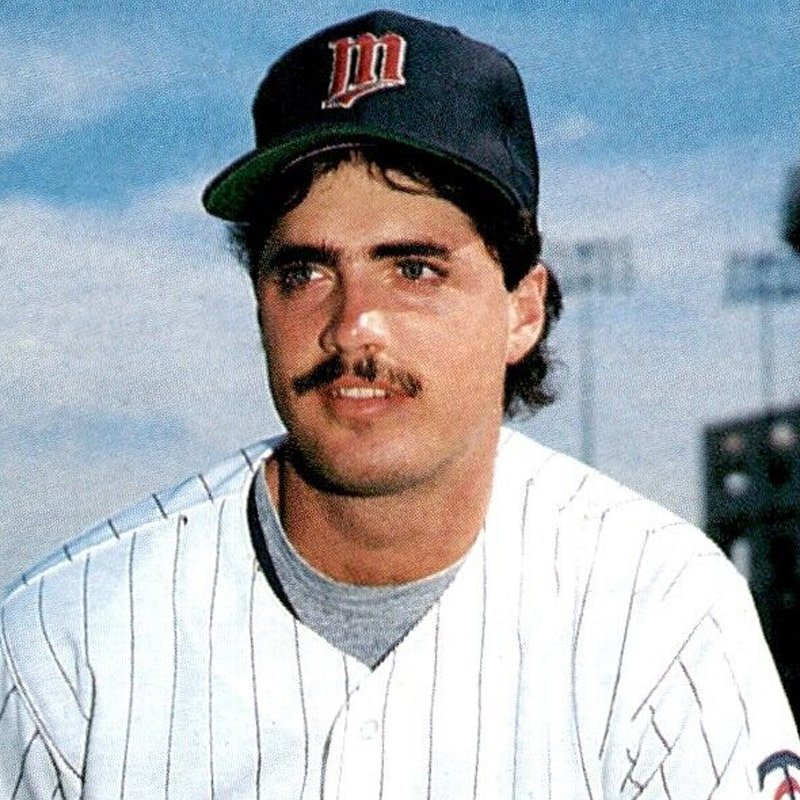 Park Pittman was drafted by the Twins in the fourth round of the 1986 MLB June Amateur Draft. Pittman was drafted from college – Ohio State University. He was immediately assigned to rookie ball at Elizabethton. He showed a crazy high strikeout rate of 13.3 per nine innings pitched. In hindsight I would say his walk rate of 4.7 per nine innings was high. But he finished the season with a 2.45 ERA. The next season, 1987, was at class A Visalia. His strikeout rate decreased to 11.0 and his walk rate increased to 7.7 – not a good sign. This trend continued as he moved up the minor league hierarchy. By AAA Portland in 1990 he was striking out only 7.0 per nine innings and walking 10.8. He threw only 28.1 innings in 1990 at that was it for his baseball career. On August 1, 1987, the Star Tribune reported that the first place Twins were trying to acquire veteran pitching for the stretch drive, but other teams were asking for one of a trio of top pitching prospects – Steve Gasser, Jeff Bumgarner, or Park Pittman. The Twins stopped discussions at that point – those guys were off limits. MacPhail wanted to improve the club without depleting its farm system. In the August 9, 1987, Star Tribune MacPhail said of Gasser, Bumgarner, and Pittman, “We aren’t going to give up any one of those three in any type of trade.” On August 15, 1987, also from the Star Tribune, MacPhail was quoted, “The prospects we have left in our system are the very, very high-premium types. We aren’t going to give up prospects like…Park Pittman, Jeff Bumgarner, and Steve Gasser. Those are the types of kids who you can’t make available unless you get a major contributing type of player who has a lot of years left.” Predicting success of baseball prospects is an inexact science, especially pitchers. TINSTAAPP.
 -
Jeff Bumgarner was the Twins’ first-round draft pick in the 1985 MLB June Amateur Draft. He was drafted straight out of high school from Hanford High School in Richland, Washington. He was very hyped as a prospect, being untouchable in trade talks. He never made it to the show. Bumgarner was 6’6” and 210 pounds – a prototypical starting pitcher. This right-hander’s minor league statistics do not show much promise to me. His strikeout rate was low – only 5.5 per inning pitched. His walk rate was high at 4.8 per inning pitched. He also gave up a lot of hits at 9.5 per inning pitched. His ERA in the low minors was OK but ballooned at class AA and AAA. He almost always had a losing record. With the Twins organization, he topped out at class AAA Portland with a 2.571 WHIP and a 7.71 ERA in 25.2 innings. After the 1988 season, the former first-round pick and former untouchable was traded to the Mets with Steve Gasser for Wally Backman and a prospect. After being traded from the Twins, Bumgarner pitched four more seasons in the minor leagues but always at the A or AA level. He never again reached class AAA let alone Major League Baseball. After 1992, he was out of baseball. Jeff Bumgarner, a former top prospect who flamed out. He was supposed to be phenomenal and was supposed lead the next generation of Twins’ pitchers to untold successes. Except it didn’t happen. View full player
-
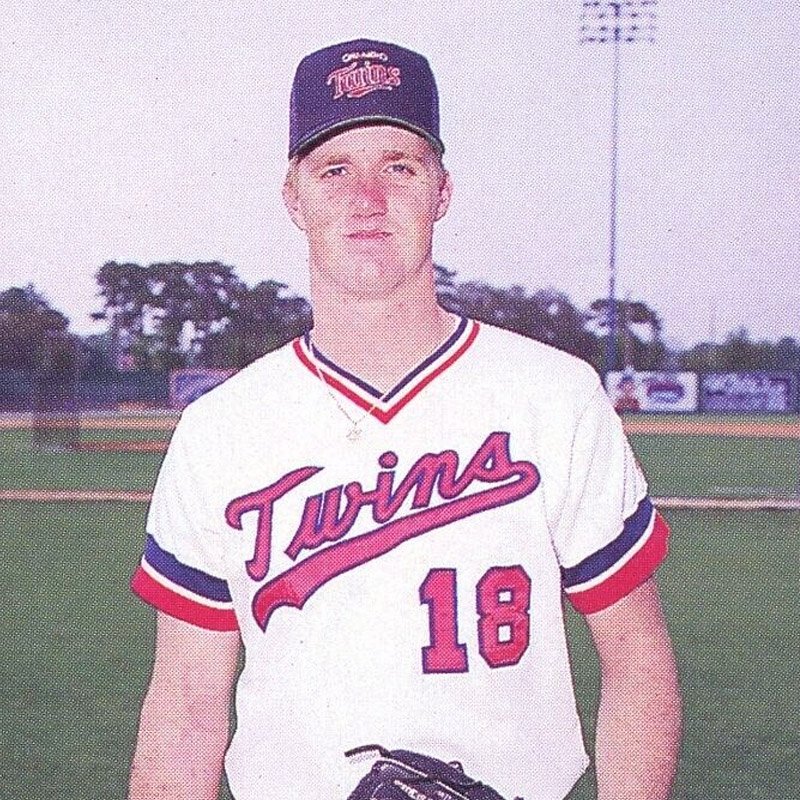 Jeff Bumgarner was the Twins’ first-round draft pick in the 1985 MLB June Amateur Draft. He was drafted straight out of high school from Hanford High School in Richland, Washington. He was very hyped as a prospect, being untouchable in trade talks. He never made it to the show. Bumgarner was 6’6” and 210 pounds – a prototypical starting pitcher. This right-hander’s minor league statistics do not show much promise to me. His strikeout rate was low – only 5.5 per inning pitched. His walk rate was high at 4.8 per inning pitched. He also gave up a lot of hits at 9.5 per inning pitched. His ERA in the low minors was OK but ballooned at class AA and AAA. He almost always had a losing record. With the Twins organization, he topped out at class AAA Portland with a 2.571 WHIP and a 7.71 ERA in 25.2 innings. After the 1988 season, the former first-round pick and former untouchable was traded to the Mets with Steve Gasser for Wally Backman and a prospect. After being traded from the Twins, Bumgarner pitched four more seasons in the minor leagues but always at the A or AA level. He never again reached class AAA let alone Major League Baseball. After 1992, he was out of baseball. Jeff Bumgarner, a former top prospect who flamed out. He was supposed to be phenomenal and was supposed lead the next generation of Twins’ pitchers to untold successes. Except it didn’t happen.
 -
Sounds interesting so I just ordered a copy. Thanks
-
Stephen Russell Braun was born May 8, 1948, in Trenton, New Jersey. He was the oldest of nine children. The family loved all sports. Steve’s first love was basketball, but it was baseball at which he would excel. The Minnesota Twins chose Steve Braun in the tenth round of the 1966 Major League Baseball June Amateur Draft from Hopewell Valley Central High School in Penington, New Jersey. Braun’s first spring training was in 1971. He had a tremendous spring and made the Twins opening day roster despite never having played above class A before. After being used as a pinch hitter in his first five career games, Braun finally got his first start and first hit on April 16, 1971, against Dave La Roche of the Angels. Braun was a left-handed hitting and right-handed throwing player who contributed mostly as a third baseman and leftfielder but was versatile enough to log innings at all positions except catcher and pitcher. Later in his career he was almost strictly a pinch hitter. In 1977, two expansion teams were added to the American League. Seattle chose Braun from the Twins in the expansion draft and made him their primary left fielder. Braun had asked to be exposed to the draft because he was sick of Twins tightwad owner Calvin Griffith. He was a replacement level player for the Mariners for a season and a half before being traded to the Kansas City Royals where he played for parts of three seasons. The Royals released him in June of 1980, but he was quickly picked up by the Toronto Blue Jays where he finished the 1980 season. That offseason, Braun reached free agency and signed with the St. Louis Cardinals, and his former Royals manager Whitey Herzog who was now leading the Cardinals. He would play five seasons in St. Louis to finish his career. Braun was part of the 1982 World Series Champion St. Louis Cardinals along with another former Twin, Jim Kaat. Braun appeared in three 1982 World Series games. His biggest and most lasting contribution was during Game Two, a 5-4 Cardinals win. In a tie game in the eighth inning, Braun pinch hit for David Green with the bases loaded. Braun’s walk against Pete Ladd drove in the decisive run in the Cardinals 5-4 victory. In Game Seven, Braun’s single drove in an insurance run in the eighth inning for the final run of a 6-3 Cardinals win. The Cardinals won in seven games. Braun would play three more seasons in St. Louis being used mostly as a pinch hitter. In 1985 he appeared in another World Series, but this time the Cardinals lost the seven-game series to the Kansas City Royals. His career batting line was .271/.371/.367. He had 52 home runs and 388 runs batted in. He amassed a career WAR of 17.4 and an OPS+ of 109. View full player
-
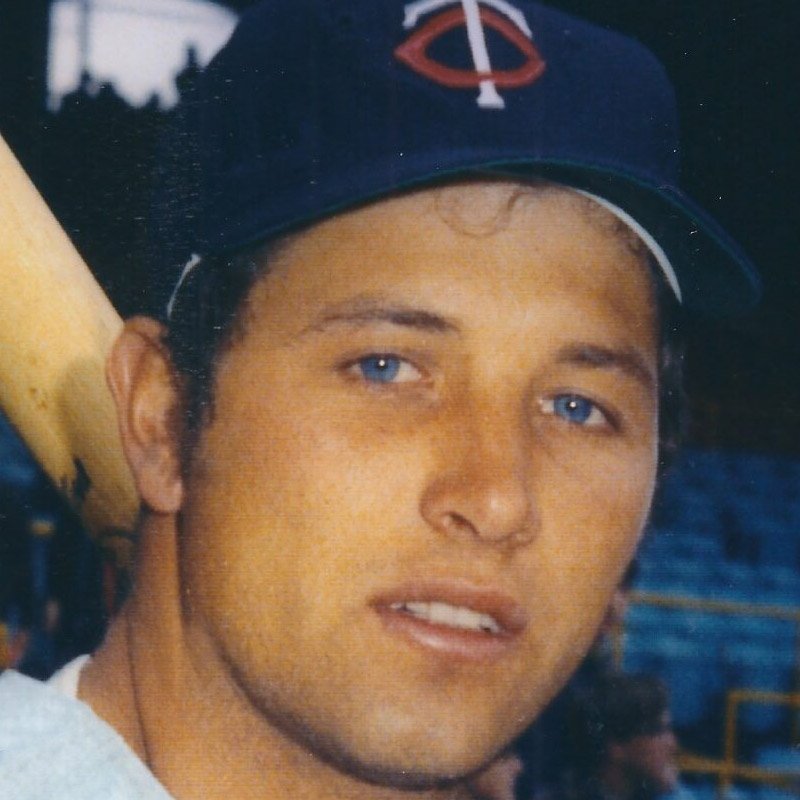 Stephen Russell Braun was born May 8, 1948, in Trenton, New Jersey. He was the oldest of nine children. The family loved all sports. Steve’s first love was basketball, but it was baseball at which he would excel. The Minnesota Twins chose Steve Braun in the tenth round of the 1966 Major League Baseball June Amateur Draft from Hopewell Valley Central High School in Penington, New Jersey. Braun’s first spring training was in 1971. He had a tremendous spring and made the Twins opening day roster despite never having played above class A before. After being used as a pinch hitter in his first five career games, Braun finally got his first start and first hit on April 16, 1971, against Dave La Roche of the Angels. Braun was a left-handed hitting and right-handed throwing player who contributed mostly as a third baseman and leftfielder but was versatile enough to log innings at all positions except catcher and pitcher. Later in his career he was almost strictly a pinch hitter. In 1977, two expansion teams were added to the American League. Seattle chose Braun from the Twins in the expansion draft and made him their primary left fielder. Braun had asked to be exposed to the draft because he was sick of Twins tightwad owner Calvin Griffith. He was a replacement level player for the Mariners for a season and a half before being traded to the Kansas City Royals where he played for parts of three seasons. The Royals released him in June of 1980, but he was quickly picked up by the Toronto Blue Jays where he finished the 1980 season. That offseason, Braun reached free agency and signed with the St. Louis Cardinals, and his former Royals manager Whitey Herzog who was now leading the Cardinals. He would play five seasons in St. Louis to finish his career. Braun was part of the 1982 World Series Champion St. Louis Cardinals along with another former Twin, Jim Kaat. Braun appeared in three 1982 World Series games. His biggest and most lasting contribution was during Game Two, a 5-4 Cardinals win. In a tie game in the eighth inning, Braun pinch hit for David Green with the bases loaded. Braun’s walk against Pete Ladd drove in the decisive run in the Cardinals 5-4 victory. In Game Seven, Braun’s single drove in an insurance run in the eighth inning for the final run of a 6-3 Cardinals win. The Cardinals won in seven games. Braun would play three more seasons in St. Louis being used mostly as a pinch hitter. In 1985 he appeared in another World Series, but this time the Cardinals lost the seven-game series to the Kansas City Royals. His career batting line was .271/.371/.367. He had 52 home runs and 388 runs batted in. He amassed a career WAR of 17.4 and an OPS+ of 109.
 -
Bernard Keith Allen was born April 16, 1939, in East Liverpool, Ohio. Allen attended Purdue to play football. In his sophomore season (1958), he started the season as a defensive back but was playing quarterback by the end of the year. In 1959, Allen began the football season as the backup quarterback, but the starter broke his collar bone in the second game. Bernie Allen would start the remainder of his junior season and all of his senior season. In that senior season of 1960, Allen, who was also the team’s kicker and punter, kicked the winning field goal against the heavily favored Buckeyes and Woody Hayes. Later that season, Allen would lead the Boilermakers to another upset, this time against the number one team in the country who would end up being voted the National Champs. Sports fans of this era won’t believe it, but that number one team was, yes, your Minnesota Gophers! The Twins signed Bernie Allen before the 1961 season as an amateur free agent. He played a single year in the minor leagues with the Twins class A affiliate in Charlotte. In 80 games he hit .241/.327/.320 with little power but played excellent defense. The Twins had an opening at second base in 1962. Despite Allen’s relatively low production in the minor leagues, the Twins saw enough to make him the opening day second baseman in 1962. They were impressed with his defense and thought he would hit. Bernie Allen had a good rookie year in 1962 batting .269/.338/.403 with 12 home runs and 64 runs batted in. In fact, he posted career highs in every single offensive category except walks and on base percentage. It was probably his best year in Minnesota. He impressed enough that he finished third in Rookie of the Year voting and received one first place vote. Despite the strong first season, Allen’s career would never be as good as 1962. The 1962 season was the only time in his career he had more than 500 at bats. In 1964, Allen suffered a severe injury in a collision at second base when an aggressive Don Zimmer took out Allen with a hard slide. Allen did not know it immediately, but he had torn multiple knee ligaments in his left knee. In those days, before modern surgical techniques, this type of injury could end a career, but Allen tried to continue. In 1965 he was still injured, started the season on the disabled list, played only 19 games, and did not appear on the World Series roster. After the 1965 season Allen was seen by the Vikings’ orthopedic surgeon who found both the MCL and ACL ligaments had been torn in the 1964 injury. He finally had surgery but would never be the same player. On December 3, 1966, the Twins traded Allen and Camilo Pascual to the new Washington Senators for Ron Kline. Later in his career Allen would play two more seasons – first with the Yankees, then finishing his career with the Montreal Expos. Bernie Allen’s career statistics are .239/.314/.357 for an OPS of .671. His OPS+ was 91. He had 73 home runs and 352 RBI. He was the stereotypical second baseman with a good glove and a little pop in his bat. View full player
-
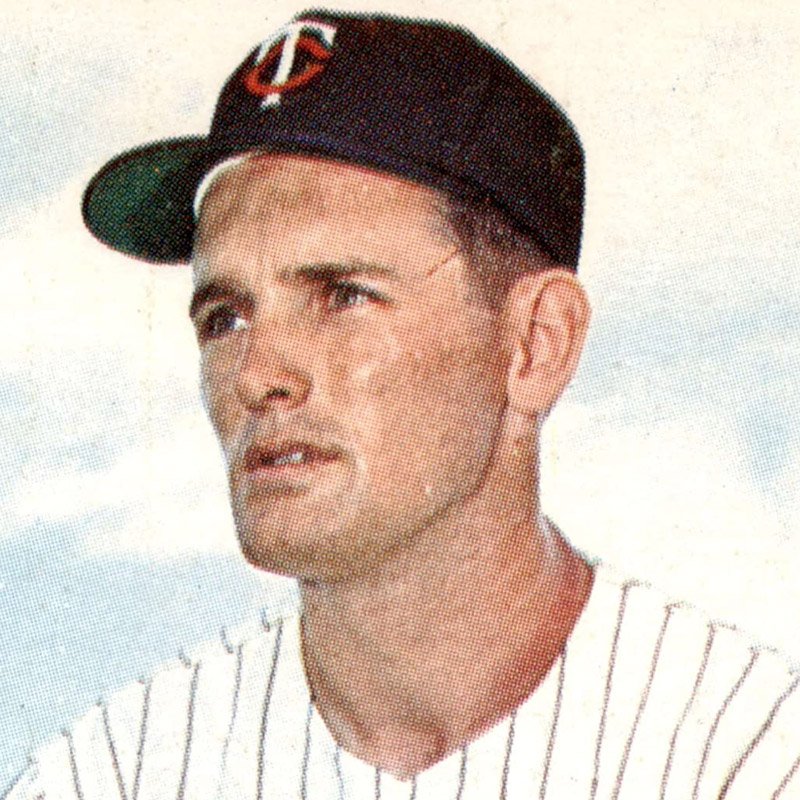 Bernard Keith Allen was born April 16, 1939, in East Liverpool, Ohio. Allen attended Purdue to play football. In his sophomore season (1958), he started the season as a defensive back but was playing quarterback by the end of the year. In 1959, Allen began the football season as the backup quarterback, but the starter broke his collar bone in the second game. Bernie Allen would start the remainder of his junior season and all of his senior season. In that senior season of 1960, Allen, who was also the team’s kicker and punter, kicked the winning field goal against the heavily favored Buckeyes and Woody Hayes. Later that season, Allen would lead the Boilermakers to another upset, this time against the number one team in the country who would end up being voted the National Champs. Sports fans of this era won’t believe it, but that number one team was, yes, your Minnesota Gophers! The Twins signed Bernie Allen before the 1961 season as an amateur free agent. He played a single year in the minor leagues with the Twins class A affiliate in Charlotte. In 80 games he hit .241/.327/.320 with little power but played excellent defense. The Twins had an opening at second base in 1962. Despite Allen’s relatively low production in the minor leagues, the Twins saw enough to make him the opening day second baseman in 1962. They were impressed with his defense and thought he would hit. Bernie Allen had a good rookie year in 1962 batting .269/.338/.403 with 12 home runs and 64 runs batted in. In fact, he posted career highs in every single offensive category except walks and on base percentage. It was probably his best year in Minnesota. He impressed enough that he finished third in Rookie of the Year voting and received one first place vote. Despite the strong first season, Allen’s career would never be as good as 1962. The 1962 season was the only time in his career he had more than 500 at bats. In 1964, Allen suffered a severe injury in a collision at second base when an aggressive Don Zimmer took out Allen with a hard slide. Allen did not know it immediately, but he had torn multiple knee ligaments in his left knee. In those days, before modern surgical techniques, this type of injury could end a career, but Allen tried to continue. In 1965 he was still injured, started the season on the disabled list, played only 19 games, and did not appear on the World Series roster. After the 1965 season Allen was seen by the Vikings’ orthopedic surgeon who found both the MCL and ACL ligaments had been torn in the 1964 injury. He finally had surgery but would never be the same player. On December 3, 1966, the Twins traded Allen and Camilo Pascual to the new Washington Senators for Ron Kline. Later in his career Allen would play two more seasons – first with the Yankees, then finishing his career with the Montreal Expos. Bernie Allen’s career statistics are .239/.314/.357 for an OPS of .671. His OPS+ was 91. He had 73 home runs and 352 RBI. He was the stereotypical second baseman with a good glove and a little pop in his bat.
 -
Thanks for reading them. I like doing them, but I would probably would lose interest if nobody was getting enjoyment from them.
-
The Minnesota Twins have had a lengthy history of defensive excellence at the first base position, and it all started with Vic Power. My Twins fandom/memory starts around 1980. Kent Hrbek would soon take the field and set a standard (at least for me) for what a solid defensive first basement should look like. Hrbek was followed by other excellent defenders at first, such as Gold Glove Award winners Doug Mientkiewicz and Carlos Santana, plus Joe Mauer and Justin Morneau. Further back in Twins history, I have heard or read that Rich Reese and Don Mincher were also exceptional fielders at first base. Still, Vic Power was the original, perhaps the premier, defensive first baseman in Minnesota Twins history. Victor Felipe Pellot Pové (Power) was born November 1, 1927, in Arecibo, Puerto Rico. When Vic’s mother was in first grade, the teacher changed her last name to Pové, believing it was too hard for the apparently illiterate student to spell. The teacher changed the “v” to a “w” and added an “r,” so Pové became Power. Young Vic loved to play baseball as a child, but his father was against it and would punish the youngster for playing. Vic’s father passed when Vic was just 13; it was a heartbreaking way to allow young Power to play ball. Power graduated high school and was soon playing ball in the Puerto Rican league and, soon after, on to the independent Provincial League in Drummondville, Quebec, Canada. At this time, Power was still using his father’s name, Pellot, but to francophones in Quebec, it was mistaken for or sounded like a sexual term. To silence the giggling in the crowd, Victor changed his name to his mother’s modified name of Power, and that would be how he was known throughout his North American baseball career. He would retain and use Pellot when playing winter ball in his native Puerto Rico or other Latin American countries. A New York Yankees scout had seen Power play in Puerto Rico and checked on him again in Drummondville. In 1949, the Yankees signed the six-foot, 186-pound Power. The right-handed hitting and fielding Power rose through the Yankees farm system quickly. During this time, a funny tale occurred. Power, seeking a table at a Syracuse, NY, restaurant, was purportedly told, “I'm sorry, we don't serve colored people here." Power was said to have replied, "That's OK, I don't eat colored people. I just want rice and beans.” While Power was in the minor leagues, Moose Skowron was a first baseman in the Yankees minor leagues and would be their first baseman of the future. Power played many positions in the infield and outfield to make himself more versatile and more likely to be promoted. The Yankees were under pressure to add a Black player as baseball had been integrated in 1947. However, Vic Power would not be the first Black player for the Yankees. He was soon traded to the Philadelphia Athletics. One reason New York traded him was that he dated white women. Despite the outside pressure, I guess Yankee management wasn’t ready for a Black player. But for Power, the trade to Philadelphia was his opportunity. He debuted on April 13, 1954, and was one of the first Puerto Ricans in Major League Baseball. (I found one source putting him as the second player from Puerto Rico; another claimed he was the sixth.) That first season, he played all over the diamond, got into 127 games, and had 462 at-bats. His offense was limited, but he showed promise. When the Athletics moved to Kansas City in 1955, Power’s bat got going. In 1955 and 1956, Power played in his first two All-Star Games, and he garnered MVP votes. He earned four straight Gold Glove Awards from 1958-1961 with KC and Cleveland. Before the 1962 season, the Twins acquired Power by trade from Cleveland along with Dick Stigman for Pedro Ramos. Power would play for the Twins in 1962, 1963, and part of 1964. He won three more Gold Gloves in those seasons, making it seven years in a row. His defense was called brilliant, flashy, and flamboyant. Legendary Hall of Fame manager Casey Stengel said Power was the best right-handed first baseman he ever saw. Power often caught the ball one-handed, considered showboating in those days but is standard in today’s game. Power would play extremely deep at first base and tell teammates to throw the ball to first, even if he wasn’t there yet. This led to some apprehension on the part of the throwers, but they eventually learned Power would get there. During the Twins portion of Power’s career, the defense was still there, but the bat was less than ideal. With the Twins, Power hit .278/.305/.398. His OBP was never good; he rarely walked. His career walk rate was 4.3 percent, roughly half the MLB average of 8.7. Vic’s OPS+ in his time with Minnesota was a substandard 89. In 1962 and 1963, the Twins had a young Cuban who was coming. It was apparent that they would need to make room for Tony Oliva. Thus, in early 1964, fan-favorite Power was traded with Lenny Green to the Angels in a three-team trade, which included Cleveland. The Twins received Jerry Kindall and Frank Kostro. Moving Power allowed the Twins to shift Harmon Killebrew from the outfield to first base, opening an outfield spot for Oliva. It’s hard to argue with this logic. Tony Oliva would go on to a Hall of Fame career, and Power was out of baseball after 1965. In his 12-season major league career, Vic Power played for five teams. He appeared in six All-Star Games. He hit .284/.315/.411 with 126 home runs and 658 runs batted in. He led the American League with 10 triples in 1957. His career OPS+ was 97, and he achieved a WAR of 15.2. Most notably, he won seven Gold Glove Awards, with the first coming in 1958, the fifth season of his career and the second season of the award. Would he have won additional Gold Gloves had the award existed prior to 1957? We’ll never know. Regardless, his seven awards are the fourth most by a first baseman in the history of the Gold Glove Award. Power remained engaged in baseball after his playing career. He managed the Puerto Rican national team to a Silver Medal in the 1973 FIBA Amateur World Series. He scouted for the California Angels in Puerto Rico. According to Wikipedia, “During the summers, he helped youngsters develop their baseball skills in Puerto Rico and San Pedro de Macorís in the Dominican Republic. According to historian Bill James, [Power] was probably a main reason San Pedro de Macorís became ‘the world's richest source of baseball talent’”. Vic Power passed away on November 29, 2005, in Puerto Rico from cancer. Vic Power came to the US to play baseball when it was rare for a Puerto Rican to do so. He had a long, notable career and was especially memorable for his glove work. As a fan of flashy defense, I wish I could have seen him play. Did you see Vic Power play? How good was his defense? Please share any memories or thoughts in the comments below. If you like looking back at the Twins past, check out my previous articles at Twins Daily History. Sources include Baseball Reference, Twenty-Five Seasons by Dave Mona and Dave Jarzyna, Cool of the Evening by Jim Thielman, Society for American Baseball Research, and Wikipedia. View full article
-
 My Twins fandom/memory starts around 1980. Kent Hrbek would soon take the field and set a standard (at least for me) for what a solid defensive first basement should look like. Hrbek was followed by other excellent defenders at first, such as Gold Glove Award winners Doug Mientkiewicz and Carlos Santana, plus Joe Mauer and Justin Morneau. Further back in Twins history, I have heard or read that Rich Reese and Don Mincher were also exceptional fielders at first base. Still, Vic Power was the original, perhaps the premier, defensive first baseman in Minnesota Twins history. Victor Felipe Pellot Pové (Power) was born November 1, 1927, in Arecibo, Puerto Rico. When Vic’s mother was in first grade, the teacher changed her last name to Pové, believing it was too hard for the apparently illiterate student to spell. The teacher changed the “v” to a “w” and added an “r,” so Pové became Power. Young Vic loved to play baseball as a child, but his father was against it and would punish the youngster for playing. Vic’s father passed when Vic was just 13; it was a heartbreaking way to allow young Power to play ball. Power graduated high school and was soon playing ball in the Puerto Rican league and, soon after, on to the independent Provincial League in Drummondville, Quebec, Canada. At this time, Power was still using his father’s name, Pellot, but to francophones in Quebec, it was mistaken for or sounded like a sexual term. To silence the giggling in the crowd, Victor changed his name to his mother’s modified name of Power, and that would be how he was known throughout his North American baseball career. He would retain and use Pellot when playing winter ball in his native Puerto Rico or other Latin American countries. A New York Yankees scout had seen Power play in Puerto Rico and checked on him again in Drummondville. In 1949, the Yankees signed the six-foot, 186-pound Power. The right-handed hitting and fielding Power rose through the Yankees farm system quickly. During this time, a funny tale occurred. Power, seeking a table at a Syracuse, NY, restaurant, was purportedly told, “I'm sorry, we don't serve colored people here." Power was said to have replied, "That's OK, I don't eat colored people. I just want rice and beans.” While Power was in the minor leagues, Moose Skowron was a first baseman in the Yankees minor leagues and would be their first baseman of the future. Power played many positions in the infield and outfield to make himself more versatile and more likely to be promoted. The Yankees were under pressure to add a Black player as baseball had been integrated in 1947. However, Vic Power would not be the first Black player for the Yankees. He was soon traded to the Philadelphia Athletics. One reason New York traded him was that he dated white women. Despite the outside pressure, I guess Yankee management wasn’t ready for a Black player. But for Power, the trade to Philadelphia was his opportunity. He debuted on April 13, 1954, and was one of the first Puerto Ricans in Major League Baseball. (I found one source putting him as the second player from Puerto Rico; another claimed he was the sixth.) That first season, he played all over the diamond, got into 127 games, and had 462 at-bats. His offense was limited, but he showed promise. When the Athletics moved to Kansas City in 1955, Power’s bat got going. In 1955 and 1956, Power played in his first two All-Star Games, and he garnered MVP votes. He earned four straight Gold Glove Awards from 1958-1961 with KC and Cleveland. Before the 1962 season, the Twins acquired Power by trade from Cleveland along with Dick Stigman for Pedro Ramos. Power would play for the Twins in 1962, 1963, and part of 1964. He won three more Gold Gloves in those seasons, making it seven years in a row. His defense was called brilliant, flashy, and flamboyant. Legendary Hall of Fame manager Casey Stengel said Power was the best right-handed first baseman he ever saw. Power often caught the ball one-handed, considered showboating in those days but is standard in today’s game. Power would play extremely deep at first base and tell teammates to throw the ball to first, even if he wasn’t there yet. This led to some apprehension on the part of the throwers, but they eventually learned Power would get there. During the Twins portion of Power’s career, the defense was still there, but the bat was less than ideal. With the Twins, Power hit .278/.305/.398. His OBP was never good; he rarely walked. His career walk rate was 4.3 percent, roughly half the MLB average of 8.7. Vic’s OPS+ in his time with Minnesota was a substandard 89. In 1962 and 1963, the Twins had a young Cuban who was coming. It was apparent that they would need to make room for Tony Oliva. Thus, in early 1964, fan-favorite Power was traded with Lenny Green to the Angels in a three-team trade, which included Cleveland. The Twins received Jerry Kindall and Frank Kostro. Moving Power allowed the Twins to shift Harmon Killebrew from the outfield to first base, opening an outfield spot for Oliva. It’s hard to argue with this logic. Tony Oliva would go on to a Hall of Fame career, and Power was out of baseball after 1965. In his 12-season major league career, Vic Power played for five teams. He appeared in six All-Star Games. He hit .284/.315/.411 with 126 home runs and 658 runs batted in. He led the American League with 10 triples in 1957. His career OPS+ was 97, and he achieved a WAR of 15.2. Most notably, he won seven Gold Glove Awards, with the first coming in 1958, the fifth season of his career and the second season of the award. Would he have won additional Gold Gloves had the award existed prior to 1957? We’ll never know. Regardless, his seven awards are the fourth most by a first baseman in the history of the Gold Glove Award. Power remained engaged in baseball after his playing career. He managed the Puerto Rican national team to a Silver Medal in the 1973 FIBA Amateur World Series. He scouted for the California Angels in Puerto Rico. According to Wikipedia, “During the summers, he helped youngsters develop their baseball skills in Puerto Rico and San Pedro de Macorís in the Dominican Republic. According to historian Bill James, [Power] was probably a main reason San Pedro de Macorís became ‘the world's richest source of baseball talent’”. Vic Power passed away on November 29, 2005, in Puerto Rico from cancer. Vic Power came to the US to play baseball when it was rare for a Puerto Rican to do so. He had a long, notable career and was especially memorable for his glove work. As a fan of flashy defense, I wish I could have seen him play. Did you see Vic Power play? How good was his defense? Please share any memories or thoughts in the comments below. If you like looking back at the Twins past, check out my previous articles at Twins Daily History. Sources include Baseball Reference, Twenty-Five Seasons by Dave Mona and Dave Jarzyna, Cool of the Evening by Jim Thielman, Society for American Baseball Research, and Wikipedia.


