



Matt Braun
-
Posts
1,393 -
Joined
-
Last visited
-
Days Won
1
Content Type
Profiles
News
Minnesota Twins Videos
2026 Minnesota Twins Top Prospects Ranking
2022 Minnesota Twins Draft Picks
Minnesota Twins Free Agent & Trade Rumors, Notes, & Tidbits
Guides & Resources
2023 Minnesota Twins Draft Picks
The Minnesota Twins Players Project
2024 Minnesota Twins Draft Picks
2025 Minnesota Twins Draft Pick Tracker
2026 Minnesota Twins Draft Tracker: Picks & Bonuses
Forums
Blogs
Events
Store
Downloads
Gallery
Everything posted by Matt Braun
-
It has become apparent with each offseason that the front office headed by Derek Falvey and Thad Levine is nothing like the ones from before. The team has finally expanded their reach in free agency over the last few seasons. Players who would previously never have been considered realistic targets for the team such as Nelson Cruz and Josh Donaldson have made their way up north to bring their talents to the Twin Cities. Could the next big move be acquiring Trevor Bauer?The free agent market for starting pitchers next year isn’t quite a desert but it could be a distant cousin of one. The market lacks the big flashy names of last offseason that saw Gerrit Cole, Stephen Strasburg, Hyun-Jin Ryu, and Zack Wheeler become available. Instead, this offseason’s market will be littered with assorted #2 guys at best in players like Masahiro Tanaka, James Paxton, Marcus Stroman, and Jake Odorizzi. All are fine pitchers but more as complementary pieces to a rotation that already has a bona-fide stud leading the way. The Twins may have that guy in José Berríos but the fact that that is a disputed take among Twins fans speaks to the idea that he isn’t quite at that studly level yet. Bauer, however, has been at that level. Using fWAR, his 2018 season (5.8 fWAR) would be the second best season by a Twins starter over the last decade. Part of that is due to the Twins’ inability to develop a starting pitcher of value for much of that time, but that’s why free agency exists in the first place. Can’t develop them? Then go buy them. Beyond Bauer’s on-field ability, his work with Driveline Baseball and desire to push the pitching meta of baseball as far as it can go would essentially make him an extra pitching coach in the dugout. In fact, it was this quality that connected Bauer and Derek Falvey when Falvey was with the Indians who had plucked the pitcher from the Diamondbacks. The familiarity is already there. Now, the thing about Bauer is that you’re getting more than just his ability. Bauer is one of the more outspoken players in baseball and comes with an eccentric personality. Unfortunately, this also comes with political statements that will not be specified for the purpose of focusing on strictly baseball, but can be found with a Google search. This is where the prospect of trading for Bauer becomes hazy. Yes, he would undoubtedly make the team better, but should we advocate for acquiring talent over all else? Do we not also want to be rooting for the best people possible or is it “just win baby”? If you only value the product on the field, then Bauer should absolutely be your first target on the free agent market. His ability combined with his playoff experience will make him a top target for most teams but the Twins could be an attractive choice given the Falvey connection and their contention window. Netting him would stabilize a rotation that will likely lose Jake Odorizzi in free agency but will have Berríos, Kenta Maeda, and Michael Pineda returning. If Bauer is absolutely off the table for you, then you will likely have to settle for either one of the aforementioned second-tier starters or a Maeda-type through trade (maybe Syndergaard will be cheap coming off TJ surgery). You’d also be justified in using his on-field performance on top of his antics off the field as his reason for avoiding him. He has merely been a passable starter outside his monster 2018 campaign (his second lowest season ERA is 4.18). That number is much more in line with the Robbie Rays and Mike Minors of the world who will also be available and probably less sought after. This will likely be the turmoil that both the fans and front office members face next offseason. The starting pitching need will still likely be obvious and they may not want to deal another top prospect like they did to acquire Maeda. Bauer will be the top free agent option available and signing him would, on paper, likely push them even further into being World Series contenders. Is that worth it? MORE FROM TWINS DAILY — Latest Twins coverage from our writers — Recent Twins discussion in our forums — Follow Twins Daily via Twitter, Facebook, or email — Follow Matt Braun on Twitter here Click here to view the article
-
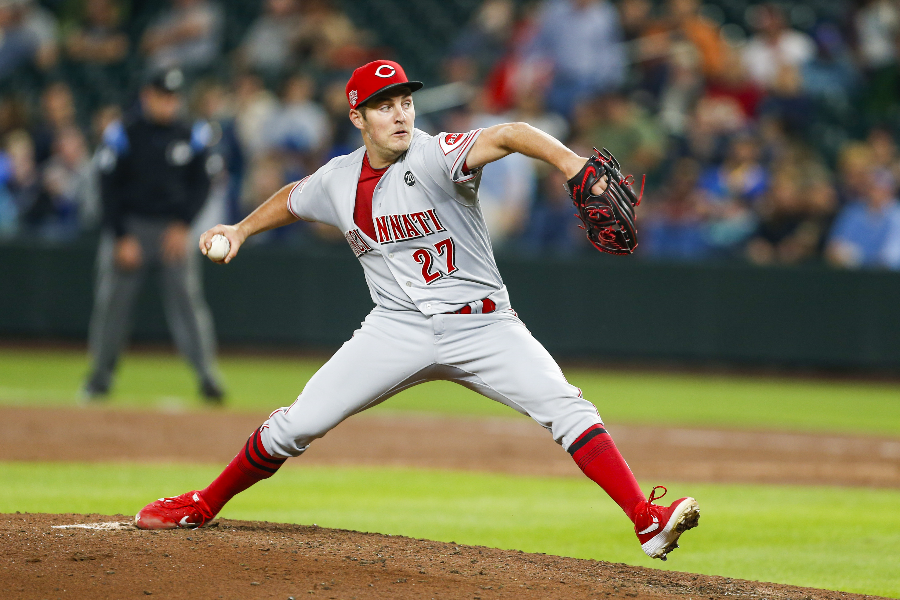 The free agent market for starting pitchers next year isn’t quite a desert but it could be a distant cousin of one. The market lacks the big flashy names of last offseason that saw Gerrit Cole, Stephen Strasburg, Hyun-Jin Ryu, and Zack Wheeler become available. Instead, this offseason’s market will be littered with assorted #2 guys at best in players like Masahiro Tanaka, James Paxton, Marcus Stroman, and Jake Odorizzi. All are fine pitchers but more as complementary pieces to a rotation that already has a bona-fide stud leading the way. The Twins may have that guy in José Berríos but the fact that that is a disputed take among Twins fans speaks to the idea that he isn’t quite at that studly level yet. Bauer, however, has been at that level. Using fWAR, his 2018 season (5.8 fWAR) would be the second best season by a Twins starter over the last decade. Part of that is due to the Twins’ inability to develop a starting pitcher of value for much of that time, but that’s why free agency exists in the first place. Can’t develop them? Then go buy them. Beyond Bauer’s on-field ability, his work with Driveline Baseball and desire to push the pitching meta of baseball as far as it can go would essentially make him an extra pitching coach in the dugout. In fact, it was this quality that connected Bauer and Derek Falvey when Falvey was with the Indians who had plucked the pitcher from the Diamondbacks. The familiarity is already there. Now, the thing about Bauer is that you’re getting more than just his ability. Bauer is one of the more outspoken players in baseball and comes with an eccentric personality. Unfortunately, this also comes with political statements that will not be specified for the purpose of focusing on strictly baseball, but can be found with a Google search. This is where the prospect of trading for Bauer becomes hazy. Yes, he would undoubtedly make the team better, but should we advocate for acquiring talent over all else? Do we not also want to be rooting for the best people possible or is it “just win baby”? If you only value the product on the field, then Bauer should absolutely be your first target on the free agent market. His ability combined with his playoff experience will make him a top target for most teams but the Twins could be an attractive choice given the Falvey connection and their contention window. Netting him would stabilize a rotation that will likely lose Jake Odorizzi in free agency but will have Berríos, Kenta Maeda, and Michael Pineda returning. If Bauer is absolutely off the table for you, then you will likely have to settle for either one of the aforementioned second-tier starters or a Maeda-type through trade (maybe Syndergaard will be cheap coming off TJ surgery). You’d also be justified in using his on-field performance on top of his antics off the field as his reason for avoiding him. He has merely been a passable starter outside his monster 2018 campaign (his second lowest season ERA is 4.18). That number is much more in line with the Robbie Rays and Mike Minors of the world who will also be available and probably less sought after. This will likely be the turmoil that both the fans and front office members face next offseason. The starting pitching need will still likely be obvious and they may not want to deal another top prospect like they did to acquire Maeda. Bauer will be the top free agent option available and signing him would, on paper, likely push them even further into being World Series contenders. Is that worth it? MORE FROM TWINS DAILY — Latest Twins coverage from our writers — Recent Twins discussion in our forums — Follow Twins Daily via Twitter, Facebook, or email — Follow Matt Braun on Twitter here
 -
The system of player development in baseball makes replenishing the talent at the major league level a tough science to nail down. Unlike the NFL where draft picks can become stars immediately, MLB essentially requires a few years of minor league time to fully season a prospect. This creates an interesting dynamic where teams may deal major league players in preparation for their highly-touted prospects. The Twins did exactly this a few years back and are now in a similar position.The year was 2012 and the Twins were in the middle of their stretch of uninspired baseball. But there was good news! They had just taken Byron Buxton with the second overall pick that year. With him, Oswaldo Arcia, and a fresh-faced Aaron Hicks on the horizon, the team saw their opportunity to deal both Ben Revere and Denard Span in the 2012 offseason. Between Span and Revere, their trade returns netted Alex Meyer, Vance Worley, and Trevor May. Meyer had 95 1/3 innings pitched in MLB (most not with the Twins) and subsequently retired before he hit 30. Worley made 10 terrible starts for the Twins and was shipped off to Pittsburgh for a bag of baseballs. May at least is still on the team and is currently one of the better relievers. Also, to Meyer’s credit, he allowed the Twins to also drop Ricky Nolasco onto the Angels for Alan Busenitz and Héctor Santiago. It’s unfair to call these trades disasters, but it’s tough to see any of them as anything but disappointing. Span was still a solid player (though he would have been wasted on the Twins at the time) and the players they nabbed in return all should have been quality pitchers for the Twins for years to come. Only May proved to have any staying power on the team. But there’s still one more topic to cover. You know exactly what is coming. Remember in 2015 when Aaron Hicks finally put together a decent season in MLB and was immediately dealt to the, shudders, Yankees? At least Jon Ryan Murphy, the player they received in return, put up a wRC+ of 4 for the Twins. Yes, that is typed out correctly. A wRC+ of 4. It’s awfully mean to bring up these trades and players for no reason. You, the good reader, were likely either just starting a fine day or getting ready to go to bed following said fine day and didn’t need these memories to be brought up again. There is a point behind all of this. The Twins saw the young prospects they had at the time (Hicks and Arcia) and dealt their established major league talent (Revere and Span) to make room for these players. Arcia was DFA’d a few years after making his debut and Hicks continued the cycle by being traded to make room for Buxton and Max Kepler. Fortunately, both of those players have proved themselves at the major league level. The Twins are now in a very similar situation to where they were in 2012. Both Trevor Larnach and Alex Kirilloff are knocking on the door of the majors and there has been much speculation regarding how the team can make room for them. The situation is slightly different in the fact that the Twins now are much better than the Twins in 2012 and their system of development has been overhauled. They don’t have quite the same shoot-yourself-in-the-foot ability that those teams had. Yet, knowing that trading players to make room for prospects failed just a few years ago should make the Twins halt if they plan to do the same thing soon. Prospects are nice but should never be taken as guarantees. As long as the possibility of a player not succeeding at the major league level exists, then it would be wiser for the team to go with the sure thing in an already capable major league player. The Twins should stay put with their outfield and wait for Kirilloff and/or Larnach to prove themselves at the major league level before handing them playing time. MORE FROM TWINS DAILY — Latest Twins coverage from our writers — Recent Twins discussion in our forums — Follow Twins Daily via Twitter, Facebook, or email — Follow Matt Braun on Twitter here Click here to view the article
-
Alex Kirilloff, Trevor Larnach, and Learning From Past Mistakes
Matt Braun posted an article in Twins
 The year was 2012 and the Twins were in the middle of their stretch of uninspired baseball. But there was good news! They had just taken Byron Buxton with the second overall pick that year. With him, Oswaldo Arcia, and a fresh-faced Aaron Hicks on the horizon, the team saw their opportunity to deal both Ben Revere and Denard Span in the 2012 offseason. Between Span and Revere, their trade returns netted Alex Meyer, Vance Worley, and Trevor May. Meyer had 95 1/3 innings pitched in MLB (most not with the Twins) and subsequently retired before he hit 30. Worley made 10 terrible starts for the Twins and was shipped off to Pittsburgh for a bag of baseballs. May at least is still on the team and is currently one of the better relievers. Also, to Meyer’s credit, he allowed the Twins to also drop Ricky Nolasco onto the Angels for Alan Busenitz and Héctor Santiago. It’s unfair to call these trades disasters, but it’s tough to see any of them as anything but disappointing. Span was still a solid player (though he would have been wasted on the Twins at the time) and the players they nabbed in return all should have been quality pitchers for the Twins for years to come. Only May proved to have any staying power on the team. But there’s still one more topic to cover. You know exactly what is coming. Remember in 2015 when Aaron Hicks finally put together a decent season in MLB and was immediately dealt to the, shudders, Yankees? At least Jon Ryan Murphy, the player they received in return, put up a wRC+ of 4 for the Twins. Yes, that is typed out correctly. A wRC+ of 4. It’s awfully mean to bring up these trades and players for no reason. You, the good reader, were likely either just starting a fine day or getting ready to go to bed following said fine day and didn’t need these memories to be brought up again. There is a point behind all of this. The Twins saw the young prospects they had at the time (Hicks and Arcia) and dealt their established major league talent (Revere and Span) to make room for these players. Arcia was DFA’d a few years after making his debut and Hicks continued the cycle by being traded to make room for Buxton and Max Kepler. Fortunately, both of those players have proved themselves at the major league level. The Twins are now in a very similar situation to where they were in 2012. Both Trevor Larnach and Alex Kirilloff are knocking on the door of the majors and there has been much speculation regarding how the team can make room for them. The situation is slightly different in the fact that the Twins now are much better than the Twins in 2012 and their system of development has been overhauled. They don’t have quite the same shoot-yourself-in-the-foot ability that those teams had. Yet, knowing that trading players to make room for prospects failed just a few years ago should make the Twins halt if they plan to do the same thing soon. Prospects are nice but should never be taken as guarantees. As long as the possibility of a player not succeeding at the major league level exists, then it would be wiser for the team to go with the sure thing in an already capable major league player. The Twins should stay put with their outfield and wait for Kirilloff and/or Larnach to prove themselves at the major league level before handing them playing time. MORE FROM TWINS DAILY — Latest Twins coverage from our writers — Recent Twins discussion in our forums — Follow Twins Daily via Twitter, Facebook, or email — Follow Matt Braun on Twitter here
 -
Yeah I definitely should have. I'll make sure to give him credit if I do another one of these.
-
One of the best aspects of baseball is the relationship the fans get to build with the players. Great players who stay with the team for years become almost like a family member to the fans who watch them play everyday. Their struggles and successes are placed onto a stage for everyone to see and the fans are allowed to adventure through life alongside these players. This article is not about these players. This article wants to look back at some of the, unfortunately, forgettable players in Twins history. Let’s Remember Some Guys.Remembering Some Guys is a subtle art. An eligible player should have been with the team for a decent time (maybe a year or two) but was otherwise not notable in their playing or persona. While someone like Lew Ford would fit the description through his mostly unremarkable play, he is infamous among Twins fans and is therefore ineligible for this list. With these guidelines set, allow us to Remember Some Guys. Scott Diamond You would be forgiven if you simply chose to forget any Twins player between 2011 and 2017 not named Joe Mauer or Brian Dozier because of, well, you already know. Diamond was a prototypical soft-tossing lefty who the Twins took in the rule 5 draft in 2011. Amazingly, Diamond only struck out 10.9% of the batters he faced in his career. Him pitching against Willians Astudillo would be like aiming a pitching machine at a brick wall. Diamond conjured up a decent 2012 season (2.4 fWAR) but ultimately didn’t last much longer in the majors. Still a decent career for a rule 5 draft pick and he always has the fact that his last name is “Diamond”. Pedro Florimón Believe it or not, there was a year in which Pedro Florimón played in 134 games for the Twins. Somehow, that year feels like a decade ago in a season lost to the sands of time. Florimón was blessed with the ability to play great defense at shortstop but was cursed with the inability to hit the baseball in any effective way. His career wRC+ of 59 would have made him the worst qualified hitter in baseball in 2019 as Orlando Arcia just barely edged him out with his meaty 61 wRC+. Florimón went on to play for two more teams after his stint with the Twins which shows that good defense at shortstop can still lead to a respectable MLB career. Jared Burton Using relievers from 2011-2016 is almost cheating. Beyond Glen Perkins, it was basically a Guess Who of dudes who topped out at 91 and sat in the high 4’s with their ERA. Burton was one of the rare cromulent relievers at this time. Armed with a great changeup, Burton was actually quite great in 2012 (2.18 ERA), useful in 2013, and then meh in 2014. Afterwards, he bounced around some teams on minor league deals but never stuck for a long time. He was suspended for 50 games in 2016 for a second positive test for a “drug of abuse” and has not pitched in the majors since. Here’s a random video of him striking out the side in 2012: Jason Tyner No player embodied the “piranha” mentality of the mid-2000’s Twins more than Jason Tyner. Tyner impressively has just one homerun in 440 career MLB games. The footage is likely locked away in a secret government facility as it is either haunted or cursed. Looking up Tyner on YouTube nets a few results of news coverage from some baseball camps he helped run but nothing can be found regarding Jason Tyner highlights from MLB. He is a ghost, an enigma, a character actively being scrubbed out of the fabric of MLB with no documentation that he even existed. Cole De Vries The pride of Eden Prairie High School marks the end of this humble list. De Vries was sporadically effective over his 102 ⅔ innings with the Twins. His 4.11 ERA in 2012 showed that he had some promise but his next season was disastrous. De Vries unfortunately fell into the same vat of uninspiring pitchers for the Twins at the time that held other names like Samuel Deduno and P.J. Walters. But, he will always have that one start where he went seven strong innings against the Boston Red Sox. MORE FROM TWINS DAILY — Latest Twins coverage from our writers — Recent Twins discussion in our forums — Follow Twins Daily via Twitter, Facebook, or email — Follow Matt Braun on Twitter here Click here to view the article
-
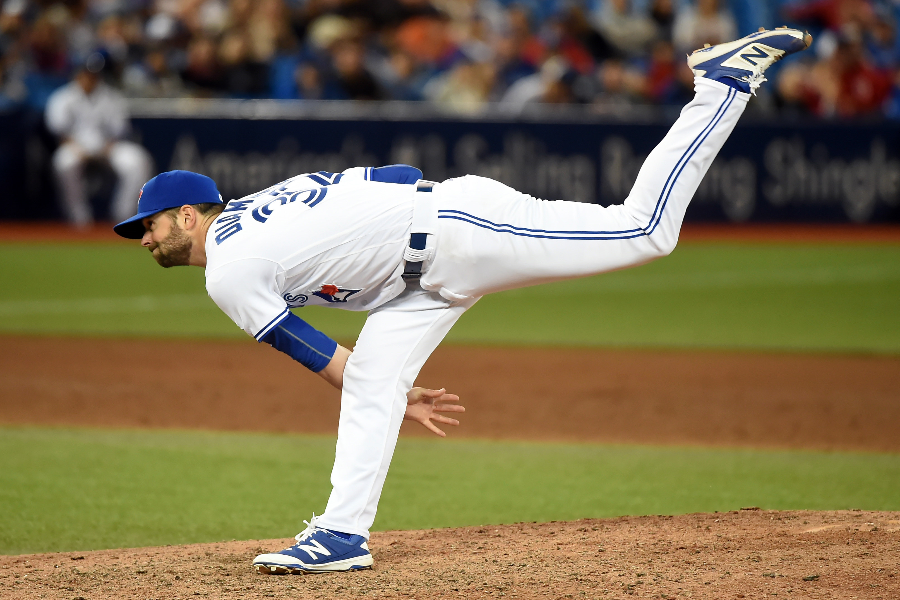 Remembering Some Guys is a subtle art. An eligible player should have been with the team for a decent time (maybe a year or two) but was otherwise not notable in their playing or persona. While someone like Lew Ford would fit the description through his mostly unremarkable play, he is infamous among Twins fans and is therefore ineligible for this list. With these guidelines set, allow us to Remember Some Guys. Scott Diamond You would be forgiven if you simply chose to forget any Twins player between 2011 and 2017 not named Joe Mauer or Brian Dozier because of, well, you already know. Diamond was a prototypical soft-tossing lefty who the Twins took in the rule 5 draft in 2011. Amazingly, Diamond only struck out 10.9% of the batters he faced in his career. Him pitching against Willians Astudillo would be like aiming a pitching machine at a brick wall. Diamond conjured up a decent 2012 season (2.4 fWAR) but ultimately didn’t last much longer in the majors. Still a decent career for a rule 5 draft pick and he always has the fact that his last name is “Diamond”. https://www.youtube.com/watch?v=NvJm3oqtnMs Pedro Florimón Believe it or not, there was a year in which Pedro Florimón played in 134 games for the Twins. Somehow, that year feels like a decade ago in a season lost to the sands of time. Florimón was blessed with the ability to play great defense at shortstop but was cursed with the inability to hit the baseball in any effective way. His career wRC+ of 59 would have made him the worst qualified hitter in baseball in 2019 as Orlando Arcia just barely edged him out with his meaty 61 wRC+. Florimón went on to play for two more teams after his stint with the Twins which shows that good defense at shortstop can still lead to a respectable MLB career. Jared Burton Using relievers from 2011-2016 is almost cheating. Beyond Glen Perkins, it was basically a Guess Who of dudes who topped out at 91 and sat in the high 4’s with their ERA. Burton was one of the rare cromulent relievers at this time. Armed with a great changeup, Burton was actually quite great in 2012 (2.18 ERA), useful in 2013, and then meh in 2014. Afterwards, he bounced around some teams on minor league deals but never stuck for a long time. He was suspended for 50 games in 2016 for a second positive test for a “drug of abuse” and has not pitched in the majors since. Here’s a random video of him striking out the side in 2012: https://www.youtube.com/watch?v=zER4DO8TARs Jason Tyner No player embodied the “piranha” mentality of the mid-2000’s Twins more than Jason Tyner. Tyner impressively has just one homerun in 440 career MLB games. The footage is likely locked away in a secret government facility as it is either haunted or cursed. Looking up Tyner on YouTube nets a few results of news coverage from some baseball camps he helped run but nothing can be found regarding Jason Tyner highlights from MLB. He is a ghost, an enigma, a character actively being scrubbed out of the fabric of MLB with no documentation that he even existed. Cole De Vries The pride of Eden Prairie High School marks the end of this humble list. De Vries was sporadically effective over his 102 ⅔ innings with the Twins. His 4.11 ERA in 2012 showed that he had some promise but his next season was disastrous. De Vries unfortunately fell into the same vat of uninspiring pitchers for the Twins at the time that held other names like Samuel Deduno and P.J. Walters. But, he will always have that one start where he went seven strong innings against the Boston Red Sox. https://www.youtube.com/watch?v=9fhAf-rA7Jo MORE FROM TWINS DAILY — Latest Twins coverage from our writers — Recent Twins discussion in our forums — Follow Twins Daily via Twitter, Facebook, or email — Follow Matt Braun on Twitter here
 -
One of the pastimes that is most celebrated in the baseball community is the ranking of prospects. Beyond producing more online bickering content, these lists provide a useful way to compare the quality of prospects across each team’s system. But there might be a different way we should be valuing the prospects in a single franchise.The argument for which Twins prospect is the best is a concise and frankly pretty boring one. The majority consensus has Royce Lewis as the Twins’ best prospect with Alex Kirilloff being the second best. Keith Law was one of the few writers to go against the grain as he placed Kirilloff much higher than Lewis in his most recent top 100 ranking. Even in cases like this, the list of prospects who are often considered to be the best is almost never longer than two names. But what if there was another way to look at the system? Lists like the common top 100 variant are created with no thought in mind besides the merit of the players being ranked. That’s the entire purpose of the list. But the importance of a prospect in context is more nuanced than how good they are or how good people perceive them to be. Their status rests on the value they bring to their specific organization in context with what that organization already has at that position. For example, if there was some ridiculous team out there that had a starting rotation of Gerrit Cole, Jacob deGrom, Justin Verlander, Max Scherzer, and Shane Bieber all under contract for the next five years, then having top pitching prospects would be pretty pointless. A prospect like Nate Pearson isn’t going to crack that starting rotation unless he steals one of their jerseys and wears a mask. This is where prospects become more useful in regards to their trade value in order to shore up a weakness elsewhere on the team. Now, no team out there will ever find itself in the same situation as the hypothetical one mentioned above (the Indians sure did try but cheapness can only take you so far). So figuring out which prospects are the most indispensable takes more thought and comes down to personal taste. While the Twins aren’t in the equivalent situation as the team with the incredible starting rotation, they do find themselves in a similar conundrum with Royce Lewis. Lewis’ position through the vast majority of his time in the minors has been shortstop. But the Twins already have a 26-year-old All-Star at the same position. Sure, Jorge Polanco has his issues defensively, but finishing 13th in MVP voting is nothing to scoff at. Third base would be the next logical move if the Twins hadn’t just handed their biggest free agent contract ever to a third baseman. Josh Donaldson remains an elite player on both sides of the ball despite his age but could relinquish the position if that age catches up soon. Even then, Lewis is even more of an unknown at third base and penciling him in there long term would be foolish. The last position that remains is center field. Some scouts have banished him there due to his incredible athleticism and current defensive shortcomings at shortstop. He has all of eight minor league innings at the position so placing him here also would fall under “unwise acts”. Oh, and the other top two position-playing prospects for the Twins (the aforementioned Kirilloff and Trevor Larnach) also play in the outfield. Maybe you’ve heard this, but the Twins already have a pretty solid outfield at the major league level. Likely their worst starter, Eddie Rosario, was projected to be around a 2 fWAR player in 2020. Again, that’s their worst starter. So if all of their top three position playing prospects are all blocked to varying degrees, one of Jordan Balazovic or Jhoan Duran likely is the Twins’ most indispensable prospect. The value of starting pitching around the league is already quite high as quality starting pitching becomes more expensive each year. When combined with the fact that Jake Odorizzi will likely leave next season, it becomes crucial for someone to step up and take over in the rotation. The Twins do already have some interesting names in Lewis Thorpe, Randy Dobnak, and Devin Smeltzer, but both Balazovic and Duran currently possess more upside. Whether they achieve that upside is another issue, but the talent right now is undeniable. Given that he has a relatively straightforward path to the majors and has yet to struggle mightily at any level, Balazovic may very well be the most indispensable prospect in the Twins’ system. Pitching prospects especially are from a given (Martín Pérez was once a top prospect), but Balazovic’s raw stuff combined with the Twins’ newfound ability to develop pitching gives him a great shot at being successful at the major league level. In the meantime, the Twins can deal their other top prospects with a relatively safe peace of mind. MORE FROM TWINS DAILY — Latest Twins coverage from our writers — Recent Twins discussion in our forums — Follow Twins Daily via Twitter, Facebook, or email — Follow Matt Braun on Twitter here Click here to view the article
- 1 reply
-
- 1
-

-
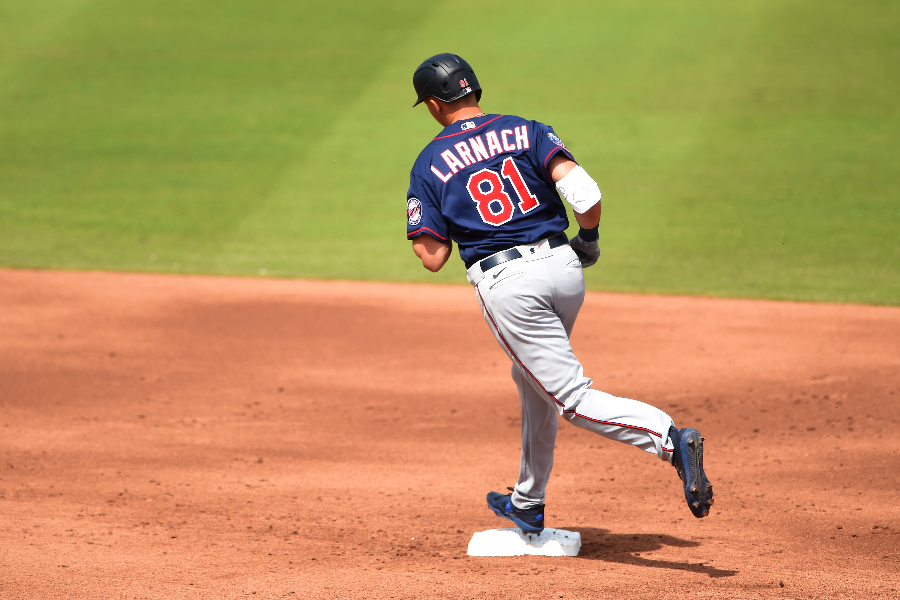 The argument for which Twins prospect is the best is a concise and frankly pretty boring one. The majority consensus has Royce Lewis as the Twins’ best prospect with Alex Kirilloff being the second best. Keith Law was one of the few writers to go against the grain as he placed Kirilloff much higher than Lewis in his most recent top 100 ranking. Even in cases like this, the list of prospects who are often considered to be the best is almost never longer than two names. But what if there was another way to look at the system? Lists like the common top 100 variant are created with no thought in mind besides the merit of the players being ranked. That’s the entire purpose of the list. But the importance of a prospect in context is more nuanced than how good he is or how good people perceive him to be. Their status rests on the value they bring to their specific organization in context with what that organization already has at that position. For example, if there was some ridiculous team out there that had a starting rotation of Gerrit Cole, Jacob deGrom, Justin Verlander, Max Scherzer, and Shane Bieber all under contract for the next five years, then having top pitching prospects would be pretty pointless. A prospect like Nate Pearson isn’t going to crack that starting rotation unless he steals one of their jerseys and wears a mask. This is where prospects become more useful in regard to their trade value in order to shore up a weakness elsewhere on the team. Now, no team out there will ever find itself in the same situation as the hypothetical one mentioned above (the Indians sure did try but cheapness can only take you so far). So figuring out which prospects are the most indispensable takes more thought and comes down to personal taste. While the Twins aren’t in the equivalent situation as the team with the incredible starting rotation, they do find themselves in a similar conundrum with Royce Lewis. Lewis’ position through the vast majority of his time in the minors has been shortstop. But the Twins already have a 26-year-old All-Star at the same position. Sure, Jorge Polanco has his issues defensively, but finishing 13th in MVP voting is nothing to scoff at. Third base would be the next logical move if the Twins hadn’t just handed their biggest free agent contract ever to a third baseman. Josh Donaldson remains an elite player on both sides of the ball despite his age but could relinquish the position if that age catches up soon. Even then, Lewis is even more of an unknown at third base and penciling him in there long term would be foolish. The last position that remains is center field. Some scouts have banished him there due to his incredible athleticism and his current defensive shortcomings at shortstop. He has all of eight minor league innings at the position so placing him here also would fall under “unwise acts”. Oh, and the other top two position-playing prospects for the Twins (the aforementioned Kirilloff and Trevor Larnach) also play in the outfield. Maybe you’ve heard this, but the Twins already have a pretty solid outfield at the major league level. Likely their worst starter, Eddie Rosario, was projected to be around a 2 fWAR player in 2020. Again, that’s their worst starter. So if all of their top three position playing prospects are all blocked to varying degrees, one of Jordan Balazovic or Jhoan Duran likely is the Twins’ most indispensable prospect. The value of starting pitching around the league is already quite high as quality starting pitching becomes more expensive each year. When combined with the fact that Jake Odorizzi will likely leave next season, it becomes crucial for someone to step up and take over in the rotation. The Twins do already have some interesting names in Lewis Thorpe, Randy Dobnak, and Devin Smeltzer, but both Balazovic and Duran currently possess more upside. Whether they achieve that upside is another issue, but the talent right now is undeniable. Given that he has a relatively straightforward path to the majors and has yet to struggle mightily at any level, Balazovic may very well be the most indispensable prospect in the Twins’ system. Pitching prospects especially are not a given (Martín Pérez was once a top prospect), but Balazovic’s raw stuff combined with the Twins’ newfound ability to develop pitching gives him a great shot at being successful at the major league level. In the meantime, the Twins can deal their other top prospects with a relatively safe peace of mind. MORE FROM TWINS DAILY — Latest Twins coverage from our writers — Recent Twins discussion in our forums — Follow Twins Daily via Twitter, Facebook, or email — Follow Matt Braun on Twitter here
 -
The use of the phrase “there are many ways to skin a cat” apparently originated in 1854 with roots to a seventeenth century proverb that references a dog instead of a cat. Even though the saying is weird as hell it proves true when using it as an analogy for something like, say pitching.Pitching philosophies have evolved over the years as coaches and players have attempted to develop the best way to terrorize hitters. The modern way of doing things on the mound is almost universally now focused on strikeouts. “Pitch-to-contact” might as well be Latin phrase with how little it is said nowadays. Pitchers are squarely focused on missing bats and forcing hitters to walk back to the dugout without ever leaving the batter’s box. One of the best stats for understanding pitching dominance in the modern era is swinging strike %. Where strikeouts only count, swinging strike % records any instance where a batter swung and missed a pitch regardless of the count. Looking at the leader board in swinging strike rate for relievers gives you a predictable cast of characters like Ken Giles, Nick Anderson, Ryan Pressly, Roberto Osuna, and Josh Hader. These relievers have all made names for themselves as high-stuff and high-impact arms out of the bullpen. But way, way, way down the list at 106th among qualified relievers by swinging strike rate is Taylor Rogers. Rogers was elite last season by basically every other metric. He was fifth in all of baseball for relievers by fWAR, 22nd in ERA, and 12th in K-BB%. But names like Ryne Harper, Yimi Garcia, Sam Gaviglio, and Colton Brewer sit ahead of him in netting swings and misses. If Rogers wasn’t getting the whiffs, how else was he getting his strikeouts? The issue with strictly using swinging strike % is that it completely ignores the other major way to get strikes-by getting called strikes. Only four qualified relievers were better at throwing pitches in the zone than Rogers last season and only 10 relievers had hitters swing less at pitches thrown by the pitcher that were in the strike zone. That sounds like a lot of information but it basically boils down to the fact that Rogers typically was throwing pitches in the zone and hitters were typically not swinging at those pitches. One way to get ahead of hitters quickly is to just throw first pitch strikes (what a concept). Rogers was elite in that as well as just 10 relievers had a higher first pitch strike % than him last season. In looking at his heat map in 0-0 counts, it’s unsurprising that he got into so many 0-1 counts. That heat map is more red than a fire truck. Rogers was serving strikes consistently to start at-bats and hitters were almost always at a disadvantage the rest of the way. Getting that first pitch strike is crucial as hitters in 2019 held a wRC+ of just 64 in counts that started 0-1 but hit for a 126 wRC+ in counts that started 1-0. In Twins player terms, that’s like going from Denny Hocking (career 69 wRC+) to Kent Hrbek (career126 wRC+). No matter how much pitching philosophy changes, getting a first pitch strike has been a perennial goal for pitchers. While most can’t simply just lay it in on the first pitch, Rogers did exactly that to great success last season. Perhaps his movement proves to be tricky for hitters or maybe his arm motion makes it difficult for the batter to focus on the ball. Either way, Rogers has no problem getting strikes and that should continue to frighten hitters for years to come. MORE FROM TWINS DAILY — Latest Twins coverage from our writers — Recent Twins discussion in our forums — Follow Twins Daily via Twitter, Facebook, or email — Follow Matt Braun on Twitter here Click here to view the article
-
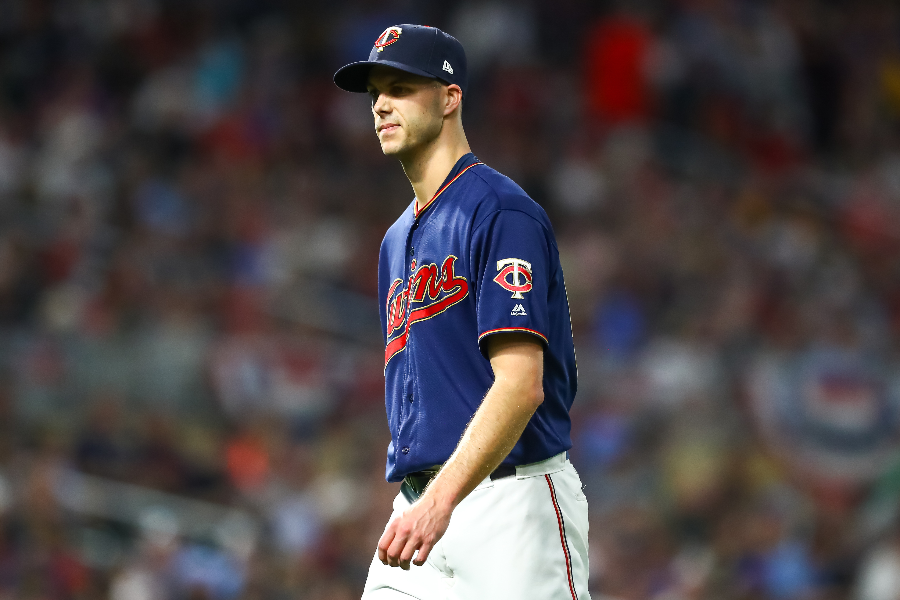 Pitching philosophies have evolved over the years as coaches and players have attempted to develop the best way to terrorize hitters. The modern way of doing things on the mound is almost universally now focused on strikeouts. “Pitch-to-contact” might as well be Latin phrase with how little it is said nowadays. Pitchers are squarely focused on missing bats and forcing hitters to walk back to the dugout without ever leaving the batter’s box. One of the best stats for understanding pitching dominance in the modern era is swinging strike %. Where strikeouts only count, swinging strike % records any instance where a batter swung and missed a pitch regardless of the count. Looking at the leader board in swinging strike rate for relievers gives you a predictable cast of characters like Ken Giles, Nick Anderson, Ryan Pressly, Roberto Osuna, and Josh Hader. These relievers have all made names for themselves as high-stuff and high-impact arms out of the bullpen. But way, way, way down the list at 106th among qualified relievers by swinging strike rate is Taylor Rogers. Rogers was elite last season by basically every other metric. He was fifth in all of baseball for relievers by fWAR, 22nd in ERA, and 12th in K-BB%. But names like Ryne Harper, Yimi Garcia, Sam Gaviglio, and Colton Brewer sit ahead of him in netting swings and misses. If Rogers wasn’t getting the whiffs, how else was he getting his strikeouts? The issue with strictly using swinging strike % is that it completely ignores the other major way to get strikes-by getting called strikes. Only four qualified relievers were better at throwing pitches in the zone than Rogers last season and only 10 relievers had hitters swing less at pitches thrown by the pitcher that were in the strike zone. That sounds like a lot of information but it basically boils down to the fact that Rogers typically was throwing pitches in the zone and hitters were typically not swinging at those pitches. One way to get ahead of hitters quickly is to just throw first pitch strikes (what a concept). Rogers was elite in that as well as just 10 relievers had a higher first pitch strike % than him last season. In looking at his heat map in 0-0 counts, it’s unsurprising that he got into so many 0-1 counts. That heat map is more red than a fire truck. Rogers was serving strikes consistently to start at-bats and hitters were almost always at a disadvantage the rest of the way. Getting that first pitch strike is crucial as hitters in 2019 held a wRC+ of just 64 in counts that started 0-1 but hit for a 126 wRC+ in counts that started 1-0. In Twins player terms, that’s like going from Denny Hocking (career 69 wRC+) to Kent Hrbek (career126 wRC+). No matter how much pitching philosophy changes, getting a first pitch strike has been a perennial goal for pitchers. While most can’t simply just lay it in on the first pitch, Rogers did exactly that to great success last season. Perhaps his movement proves to be tricky for hitters or maybe his arm motion makes it difficult for the batter to focus on the ball. Either way, Rogers has no problem getting strikes and that should continue to frighten hitters for years to come. MORE FROM TWINS DAILY — Latest Twins coverage from our writers — Recent Twins discussion in our forums — Follow Twins Daily via Twitter, Facebook, or email — Follow Matt Braun on Twitter here
 -
This week, with the help of Out of the Park, we’ve simulated the 91/19 World Series, a seven-game battle between the 1991 Twins and the 2019 Twins. Tom Kelly’s Twins were facing a potentially tied series but rallied late against the 19’ Twins’ bullpen to turn the tides. A crucial game for Rocco Baldelli’s Twins team may prove to be backbreaking as Taylor Rogers’ rare off-game sunk a stellar start by Kyle Gibson and put the 19’ Twins in a 3-1 series disadvantage.The starting pitching matchup was veteran vs veteran as Kelly sent out Kevin Tapani while Baldelli countered with the aforementioned Gibson. On the outset, it seemed like Tapani would have had the upper hand in this game as he both finished 7th in Cy Young voting and pitched a gem in Game 1, but Gibson ended up out-pitching the righthander in this battle. The game started quite slowly as neither team could scratch across a run for the first three innings of the game. The 19’ Twins were able to slap a few singles in these innings but no one was able to come around and score as Tapani worked around some minor trouble. Gibson allowed just a single walk in his first three innings as he made quick work of the 91’ Twins to begin the game. The 4th inning is where things got interesting. Kent Hrbek worked a leadoff walk against Gibson but was erased when Kirby Puckett worm-burned his way into a double play. A one pitch groundout to Shane Mack ended the threat just about as quickly as it began. In the bottom half of the inning, Mitch Garver mirrored Hrbek and worked his own leadoff walk. The next batter, Max Kepler, did not hit into a double play, however. A 1-2 breaking ball caught too much of the plate and Kepler hit it out to give the 19’ Twins a 2-0 lead. “It was a hanger alright”, said Kepler after the game. “My first at-bat was kind of awful so I was glad that I could do something better afterwards. I hate pitchers more than I hate spiders, so showing one up always feels good.” said the apparent spider-hating Kepler. Tension started to brew between the teams as Miguel Sanó was hit by a pitch in his at-bat following Kepler’s homer. Sanó barked a bit at Tapani while 91’ Twins’ catcher Brian Harper told him to keep walking to 1st base. Tapani tried to play it cool which was tough to do for a pitcher who just gave up a massive homer. Ultimately, the inning ended and all passive-aggressive animosity between the two teams remained under wraps. After putting up runs in support, the pressure was now on Gibson to carry his squad the rest of the way and he did not disappoint. Gibson mowed down hitters like it was the last game he would ever pitch. The innings flew by before it was suddenly the top of the 6th and the 91’ Twins were still hitless. Hrbek finally lined a two out single into the outfield to break it up but Gibson got the third out and the inning remained quiet. Kelly had seen enough of his own starter, Tapani, and yanked him in the bottom half of the inning despite only throwing 64 pitches. Such a move continued to prove that old-school starters never go as deep into games as pitchers nowadays. Gibson remained cruising into the 7th inning but his own error proved to be the last straw for Baldelli. In such a close game, the manager took no chances and pulled his starter with one out in the inning. The short-term effects proved to be in Baldelli’s favor as Trevor May came in and immediately induced a double play to end the inning. Each team traded goose eggs until the top of the 9th when Taylor Rogers stepped on the mound with a chance to preserve a 2-0 win and tie the series. Rogers battled his stuff in the inning as his pitches caught more of the plate than he would have liked. Chuck Knoblauch and Shane Mack were both able to get singles against the lefty while Rogers was able to induce a pair of flyouts. Both runners moved into scoring position after a wild pitch and then Chili Davis broke hearts with a two out single that scored both runners and knotted the game at two. “I was terrible, plain and simple” said Rogers after the game. “I couldn’t throw strikes and the ones I were throwing were so bad that even Nick Punto could have got a hit off me.” Rogers said something else snarky but was overshadowed when Kepler started shrieking when he saw a spider. An unexpectedly tied game now made this a battle of the bullpens between the two squads. Each team kept trotting out reliever after reliever in the hopes that they could buy their offense some time to win the game. This game plan worked for both sides until it was Tyler Duffey’s turn to pitch. In the top of the 11th, Duffey gave up a solo homer to Kent Hrbek who continued to absolutely terrorize Baldelli’s crew this series. The lead was now in favor of Kelly’s team, but all was not smooth sailing as he had already burned through Carl Willis, Steve Bedrosian, and Rick Aguilera in his efforts to keep the game tied. The cunning Kelly kept the righty Terry Leach in to start the inning. Leach got the lefty Kepler to ground out but Sanó was able to crack a single to give his team some hope. Kelly made a move and brought in the lefty Mark Guthrie to get Eddie Rosario to fly out and Guthrie went one step further as he struck out the righty C.J. Cron to end the game. The game seemed ripe for the 19’ Twins to win and tie the series but the 91’ Twins had more rebellion in them than previously thought. Instead of an even series, the 19’ Twins are now looking at a potential series loss in game 5 if they are unable to have an answer for the big man, Kent Hrbek. Ultimately, it wasn’t the decision making that lost the game for Baldelli’s team and sometimes, that’s just how baseball goes. You can find the boxscore and pitch-by-pitch results for Game One attached below. If you would like to learn more about Out of the Park 21, please click on this link. If you would like to try it, you can also download it for 10% off the regular price using the code TWINSDAILY. You may also want to read the recaps for: Game 1 Game 2 Game 3 Click here to view the article
-
91/19 World Series Game 4: Late Inning Heroics Lift the 91' Team to Victory
Matt Braun posted an article in Twins
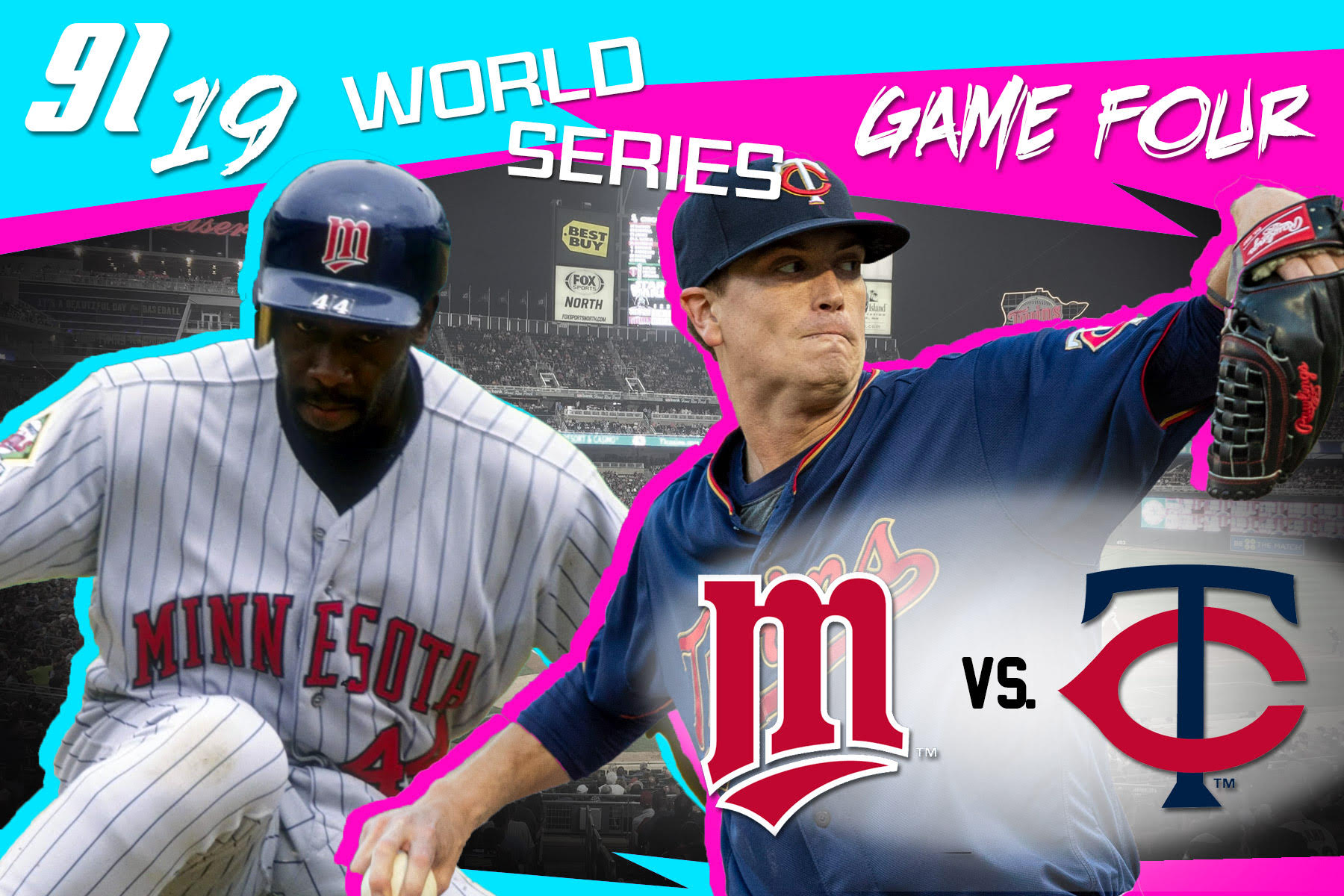 The starting pitching matchup was veteran vs veteran as Kelly sent out Kevin Tapani while Baldelli countered with the aforementioned Gibson. On the outset, it seemed like Tapani would have had the upper hand in this game as he both finished 7th in Cy Young voting and pitched a gem in Game 1, but Gibson ended up out-pitching the righthander in this battle. The game started quite slowly as neither team could scratch across a run for the first three innings of the game. The 19’ Twins were able to slap a few singles in these innings but no one was able to come around and score as Tapani worked around some minor trouble. Gibson allowed just a single walk in his first three innings as he made quick work of the 91’ Twins to begin the game. The 4th inning is where things got interesting. Kent Hrbek worked a leadoff walk against Gibson but was erased when Kirby Puckett worm-burned his way into a double play. A one pitch groundout to Shane Mack ended the threat just about as quickly as it began. In the bottom half of the inning, Mitch Garver mirrored Hrbek and worked his own leadoff walk. The next batter, Max Kepler, did not hit into a double play, however. A 1-2 breaking ball caught too much of the plate and Kepler hit it out to give the 19’ Twins a 2-0 lead. “It was a hanger alright”, said Kepler after the game. “My first at-bat was kind of awful so I was glad that I could do something better afterwards. I hate pitchers more than I hate spiders, so showing one up always feels good.” said the apparent spider-hating Kepler. Tension started to brew between the teams as Miguel Sanó was hit by a pitch in his at-bat following Kepler’s homer. Sanó barked a bit at Tapani while 91’ Twins’ catcher Brian Harper told him to keep walking to 1st base. Tapani tried to play it cool which was tough to do for a pitcher who just gave up a massive homer. Ultimately, the inning ended and all passive-aggressive animosity between the two teams remained under wraps. After putting up runs in support, the pressure was now on Gibson to carry his squad the rest of the way and he did not disappoint. Gibson mowed down hitters like it was the last game he would ever pitch. The innings flew by before it was suddenly the top of the 6th and the 91’ Twins were still hitless. Hrbek finally lined a two out single into the outfield to break it up but Gibson got the third out and the inning remained quiet. Kelly had seen enough of his own starter, Tapani, and yanked him in the bottom half of the inning despite only throwing 64 pitches. Such a move continued to prove that old-school starters never go as deep into games as pitchers nowadays. Gibson remained cruising into the 7th inning but his own error proved to be the last straw for Baldelli. In such a close game, the manager took no chances and pulled his starter with one out in the inning. The short-term effects proved to be in Baldelli’s favor as Trevor May came in and immediately induced a double play to end the inning. Each team traded goose eggs until the top of the 9th when Taylor Rogers stepped on the mound with a chance to preserve a 2-0 win and tie the series. Rogers battled his stuff in the inning as his pitches caught more of the plate than he would have liked. Chuck Knoblauch and Shane Mack were both able to get singles against the lefty while Rogers was able to induce a pair of flyouts. Both runners moved into scoring position after a wild pitch and then Chili Davis broke hearts with a two out single that scored both runners and knotted the game at two. “I was terrible, plain and simple” said Rogers after the game. “I couldn’t throw strikes and the ones I were throwing were so bad that even Nick Punto could have got a hit off me.” Rogers said something else snarky but was overshadowed when Kepler started shrieking when he saw a spider. An unexpectedly tied game now made this a battle of the bullpens between the two squads. Each team kept trotting out reliever after reliever in the hopes that they could buy their offense some time to win the game. This game plan worked for both sides until it was Tyler Duffey’s turn to pitch. In the top of the 11th, Duffey gave up a solo homer to Kent Hrbek who continued to absolutely terrorize Baldelli’s crew this series. The lead was now in favor of Kelly’s team, but all was not smooth sailing as he had already burned through Carl Willis, Steve Bedrosian, and Rick Aguilera in his efforts to keep the game tied. The cunning Kelly kept the righty Terry Leach in to start the inning. Leach got the lefty Kepler to ground out but Sanó was able to crack a single to give his team some hope. Kelly made a move and brought in the lefty Mark Guthrie to get Eddie Rosario to fly out and Guthrie went one step further as he struck out the righty C.J. Cron to end the game. The game seemed ripe for the 19’ Twins to win and tie the series but the 91’ Twins had more rebellion in them than previously thought. Instead of an even series, the 19’ Twins are now looking at a potential series loss in game 5 if they are unable to have an answer for the big man, Kent Hrbek. Ultimately, it wasn’t the decision making that lost the game for Baldelli’s team and sometimes, that’s just how baseball goes. You can find the boxscore and pitch-by-pitch results for Game One attached below. If you would like to learn more about Out of the Park 21, please click on this link. If you would like to try it, you can also download it for 10% off the regular price using the code TWINSDAILY. You may also want to read the recaps for: Game 1 Game 2 Game 3
 -
Relievers are probably the least predictable players in all of baseball. It’s incredibly common for a reliever to drastically improve from one season to the next and sometimes it happens from just one month to the next. Because of this, relievers are often the players who most “got away” from a team by finding success with another squad. The Twins are no different.The 2019 Twins had a great bullpen that took a little time to sort out. Once pitchers like Cody Stashak and Zack Littell took over and replaced the old guard, the pen became one of the best in all of baseball. Well, until the gas ran out in the postseason, but it’s best to forget such things. In the end, the Twins finished the season third in all of baseball in bullpen fWAR, yet there are a few ex-players they could have held on to in order to up that ranking. Let’s start with the most realistic option: Ryan Pressly Ryan Pressly had shown flashes of brilliance over his Twins career but never really put it together for an extended period of time. He had the tools to do so as he was armed with a high-spin curveball and a big velocity heater. Ultimately, the Twins decided to deal him to the Astros at the deadline in 2018 in a move that most Twins fans still shake their head at. Pressly predictably became a destroyer of worlds as his walk rate dropped, his strikeout rate skyrocketed, and his ERA with Houston plummeted into the earth’s crust. Pressly would have been a great setup man for Taylor Rogers and would have eased the pressure Rogers faced early in the season when he had to clean up every mess that the other relievers liked to get in. Now, let’s move on to the most painful option: Nick Anderson Why the Twins never gave Anderson a shot at the end of 2018 will continue to be one of the great mysteries of the world. It’s up there with where Old Zealand is and how the hell calculus works. Anyways, Anderson finally got his shot with the Marlins in 2019 and started punching out people at a rate that would make Mike Tyson blush. He was so effective that the Rays gave up a top 100 prospect in order to get him at the trade deadline. Pro tip: if a Rays want a pitcher, then that pitcher is probably pretty damn good. Anderson finished 2019 with a cartoonish K% of 41.7 that was only topped by Josh Hader. Anderson would have been an absolutely phenomenal addition to the now quad-headed monster of Rogers/Pressly/Anderson/Tyler Duffey. It’s painful to think that all the Twins had to do was give him a call in September but that mistake can’t be changed now. On to the last and strangest option: Liam Hendriks LIAM HENDRIKS??? ARE YOU KIDDING ME? When pitchers like Hendriks come all the way back around to start melting faces, all someone can do is laugh. Pop quiz: Who led all of baseball in reliever fWAR in 2019? Pencils down. It was Hendriks. Yes, the ex-soft-tossing rando for the Twins finally put it all together in 2019 and was the best reliever in baseball. He was boosted by a fastball that now averaged **checks notes** 96.5 MPH and a slider that almost matched his Twins’ fastball velocity (88.6 to 90.0). Hendriks is the most unrealistic option in this scenario as probably no one saw him becoming this good after leaving the Twins. Hendriks remains an example that every single MLB player has an incredible amount of ability but some just need a few tweaks in order to fully realize that potential. Hendriks would have been the closer for the Twins but the team also could have rotated their top five potential relievers in any relief role and everything would have worked out. Now, let’s have some fun with math to end this out. Just taking the top five Twins relievers in this scenario (Hendriks, Rogers, Anderson, Pressly, Duffey) would give you 10.8 fWAR in 2019. That would have easily crushed the best bullpen in MLB in 2019 which belonged to the Rays (7.7 to 10.8) Expanding the list to the top eight potential Twins relievers would add Trevor May, Ryne Harper, and Zack Littell. This boosts the Twins’ total to 13.2 fWAR. The best team bullpen since 2000 was the 2003 Dodgers who were fueled by Eric Gagne’s balanced breakfasts. Their total was a meager 9.6 fWAR. There isn’t much more to this than the fact that baseball is full of “what if?” questions. There’re an incalculable amount of missed connections like this, but that’s what makes the sport fun. The Giants likely are still probably kicking themselves over giving up Joe Nathan and Francisco Liriano for basically nothing. Just don’t get too upset about losing these players, it happens to every team. MORE FROM TWINS DAILY — Latest Twins coverage from our writers — Recent Twins discussion in our forums — Follow Twins Daily via Twitter, Facebook, or email — Follow Matt Braun on Twitter here Click here to view the article
-
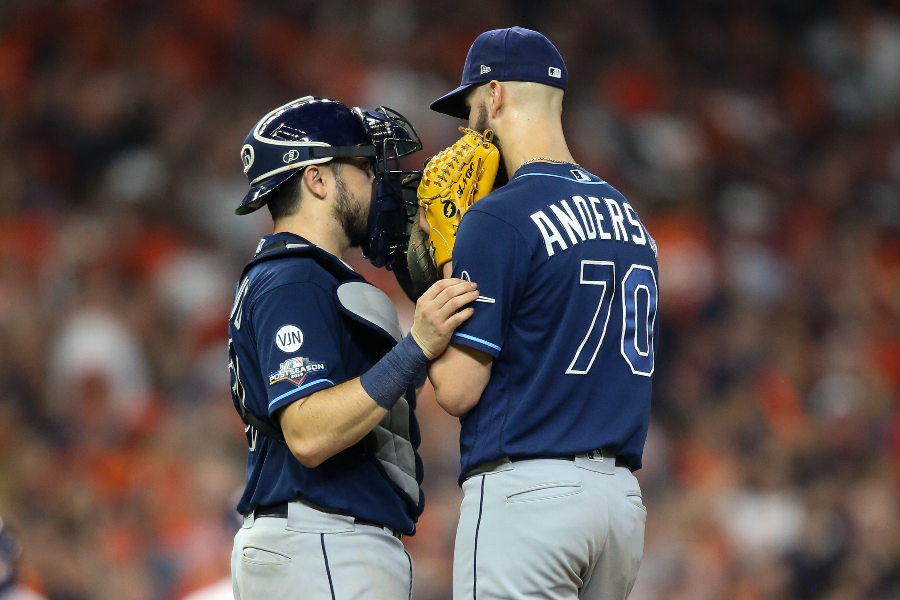 The 2019 Twins had a great bullpen that took a little time to sort out. Once pitchers like Cody Stashak and Zack Littell took over and replaced the old guard, the pen became one of the best in all of baseball. Well, until the gas ran out in the postseason, but it’s best to forget such things. In the end, the Twins finished the season third in all of baseball in bullpen fWAR, yet there are a few ex-players they could have held on to in order to up that ranking. Let’s start with the most realistic option: Ryan Pressly Ryan Pressly had shown flashes of brilliance over his Twins career but never really put it together for an extended period of time. He had the tools to do so as he was armed with a high-spin curveball and a big velocity heater. Ultimately, the Twins decided to deal him to the Astros at the deadline in 2018 in a move that most Twins fans still shake their head at. Pressly predictably became a destroyer of worlds as his walk rate dropped, his strikeout rate skyrocketed, and his ERA with Houston plummeted into the earth’s crust. Pressly would have been a great setup man for Taylor Rogers and would have eased the pressure Rogers faced early in the season when he had to clean up every mess that the other relievers liked to get in. Now, let’s move on to the most painful option: Nick Anderson Why the Twins never gave Anderson a shot at the end of 2018 will continue to be one of the great mysteries of the world. It’s up there with where Old Zealand is and how the hell calculus works. Anyways, Anderson finally got his shot with the Marlins in 2019 and started punching out people at a rate that would make Mike Tyson blush. He was so effective that the Rays gave up a top 100 prospect in order to get him at the trade deadline. Pro tip: if a Rays want a pitcher, then that pitcher is probably pretty damn good. Anderson finished 2019 with a cartoonish K% of 41.7 that was only topped by Josh Hader. Anderson would have been an absolutely phenomenal addition to the now quad-headed monster of Rogers/Pressly/Anderson/Tyler Duffey. It’s painful to think that all the Twins had to do was give him a call in September but that mistake can’t be changed now. On to the last and strangest option: Liam Hendriks LIAM HENDRIKS??? ARE YOU KIDDING ME? When pitchers like Hendriks come all the way back around to start melting faces, all someone can do is laugh. Pop quiz: Who led all of baseball in reliever fWAR in 2019? Pencils down. It was Hendriks. Yes, the ex-soft-tossing rando for the Twins finally put it all together in 2019 and was the best reliever in baseball. He was boosted by a fastball that now averaged **checks notes** 96.5 MPH and a slider that almost matched his Twins’ fastball velocity (88.6 to 90.0). Hendriks is the most unrealistic option in this scenario as probably no one saw him becoming this good after leaving the Twins. Hendriks remains an example that every single MLB player has an incredible amount of ability but some just need a few tweaks in order to fully realize that potential. Hendriks would have been the closer for the Twins but the team also could have rotated their top five potential relievers in any relief role and everything would have worked out. Now, let’s have some fun with math to end this out. Just taking the top five Twins relievers in this scenario (Hendriks, Rogers, Anderson, Pressly, Duffey) would give you 10.8 fWAR in 2019. That would have easily crushed the best bullpen in MLB in 2019 which belonged to the Rays (7.7 to 10.8) Expanding the list to the top eight potential Twins relievers would add Trevor May, Ryne Harper, and Zack Littell. This boosts the Twins’ total to 13.2 fWAR. The best team bullpen since 2000 was the 2003 Dodgers who were fueled by Eric Gagne’s balanced breakfasts. Their total was a meager 9.6 fWAR. There isn’t much more to this than the fact that baseball is full of “what if?” questions. There’re an incalculable amount of missed connections like this, but that’s what makes the sport fun. The Giants likely are still probably kicking themselves over giving up Joe Nathan and Francisco Liriano for basically nothing. Just don’t get too upset about losing these players, it happens to every team. MORE FROM TWINS DAILY — Latest Twins coverage from our writers — Recent Twins discussion in our forums — Follow Twins Daily via Twitter, Facebook, or email — Follow Matt Braun on Twitter here
 -
Bad habits are tough to get rid of in any scenario. It’s incredibly easy to get addicted to something and then continuously rely on that one thing for an extended period of time. For the Twins, that thing used to be a mentality of pitching to contact and ignoring the velocity trends in MLB in favor of Brad Radke clones. Years later, have they finally distanced themselves from the sins of Rick Anderson?Fastball velocity has almost always been the sought after skill in a pitcher. Dads across the country who watched Greg Maddux dominate for decades, may scoff at this idea but the reality nowadays is that teams value speed more than ever. Relievers who throw 96 with no idea where it’s going are given chance after chance, as pitching coaches like to believe that they can finally “fix” that pitcher and create a weapon of mass destruction. Perhaps this is like searching for the lost city of gold, but this current trend will remain until someone breaks the mold. When Wes Johnson was hired as the pitching coach before last season, he brought with him an extensive history of coaxing extra velocity out of his pitchers. This combined with his embracing of modern pitching technologies, made him an ideal pick to lead a major league pitching staff despite his lack of experience in professional baseball. Taylor Rogers, Trevor May, and Tyler Duffey all notably saw a bump in their velocity in 2019 thanks to Johnson. Were they outliers, or did the 2019 Twins take a step forward in throwing heat? Enough beating around the bush. The Twins were 16th in MLB in fastball velocity with a heater that averaged 93.1 MPH. To break it down even further, Twins’ relievers were 21st in MLB with an average fastball velocity of 93.3 MPH while Twins’ starters were 12th at 92.9 MPH. You can all leave now, as the ad revenue has already been collected. But it would be boring to just leave the analysis at that. Where were they in prior years? Here’s a quick breakdown: Compared to the previous five years, the 2019 Twins were quite the outlier. They reached a higher velocity average than any other team in recent history and climbed up from the depths of league rankings to reach an average rank. It’s hard to conclude that their velocity problems have been “fixed” but it definitely has seen improvement. The team is much more focused on adding velocity in the minors when pitchers are younger and more able to do so. In return the team will continue to compound velocity at the major league level, as these pitchers make their way up the system. Even after dealing Brusdar Graterol, the Twins still have Jhoan Duran who can occasionally hit triple digits, and Jordan Balazovic who can comfortably sit in the mid-90’s. What is intriguing, however, is that the Twins’ pitching moves this offseason do not reflect this velo-addicted mentality. Sergo Romo, much like Madonna, has been incredibly successful making money in the 80’s. Tyler Clippard averaged just 90 MPH on his fastball last season, while Rich Hill sat just a smidge above that. Kenta Maeda hovers around 92 MPH, while Homer Bailey’s 93 MPH heater makes him look like a flamethrower in comparison. It seems that the Twins are comfortable with their velocity and understand that there are other things that are important in order to get hitters out. Whether this works is yet to be seen (for more reasons than one), but the team is finally on track with another modern baseball trend. MORE FROM TWINS DAILY — Latest Twins coverage from our writers — Recent Twins discussion in our forums — Follow Twins Daily via Twitter, Facebook, or email — Follow Matt Braun on Twitter here Click here to view the article
-
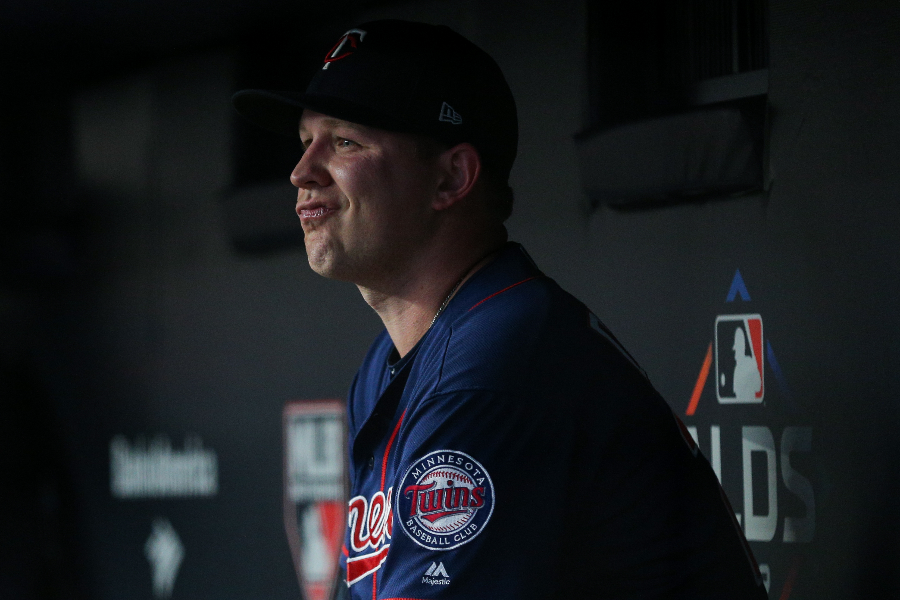 Fastball velocity has almost always been the sought after skill in a pitcher. Dads across the country who watched Greg Maddux dominate for decades, may scoff at this idea but the reality nowadays is that teams value speed more than ever. Relievers who throw 96 with no idea where it’s going are given chance after chance, as pitching coaches like to believe that they can finally “fix” that pitcher and create a weapon of mass destruction. Perhaps this is like searching for the lost city of gold, but this current trend will remain until someone breaks the mold. When Wes Johnson was hired as the pitching coach before last season, he brought with him an extensive history of coaxing extra velocity out of his pitchers. This combined with his embracing of modern pitching technologies, made him an ideal pick to lead a major league pitching staff despite his lack of experience in professional baseball. Taylor Rogers, Trevor May, and Tyler Duffey all notably saw a bump in their velocity in 2019 thanks to Johnson. Were they outliers, or did the 2019 Twins take a step forward in throwing heat? Enough beating around the bush. The Twins were 16th in MLB in fastball velocity with a heater that averaged 93.1 MPH. To break it down even further, Twins’ relievers were 21st in MLB with an average fastball velocity of 93.3 MPH while Twins’ starters were 12th at 92.9 MPH. You can all leave now, as the ad revenue has already been collected. But it would be boring to just leave the analysis at that. Where were they in prior years? Here’s a quick breakdown: Compared to the previous five years, the 2019 Twins were quite the outlier. They reached a higher velocity average than any other team in recent history and climbed up from the depths of league rankings to reach an average rank. It’s hard to conclude that their velocity problems have been “fixed” but it definitely has seen improvement. The team is much more focused on adding velocity in the minors when pitchers are younger and more able to do so. In return the team will continue to compound velocity at the major league level, as these pitchers make their way up the system. Even after dealing Brusdar Graterol, the Twins still have Jhoan Duran who can occasionally hit triple digits, and Jordan Balazovic who can comfortably sit in the mid-90’s. What is intriguing, however, is that the Twins’ pitching moves this offseason do not reflect this velo-addicted mentality. Sergo Romo, much like Madonna, has been incredibly successful making money in the 80’s. Tyler Clippard averaged just 90 MPH on his fastball last season, while Rich Hill sat just a smidge above that. Kenta Maeda hovers around 92 MPH, while Homer Bailey’s 93 MPH heater makes him look like a flamethrower in comparison. It seems that the Twins are comfortable with their velocity and understand that there are other things that are important in order to get hitters out. Whether this works is yet to be seen (for more reasons than one), but the team is finally on track with another modern baseball trend. MORE FROM TWINS DAILY — Latest Twins coverage from our writers — Recent Twins discussion in our forums — Follow Twins Daily via Twitter, Facebook, or email — Follow Matt Braun on Twitter here
 -
“What’s that? An article about signing Josh Donaldson months after it occurred? Good luck with that”. While the ghostly voice of criticism rings valid, there remains at least one more major point to dissect regarding the Donaldson signing.At this point, every person who holds even just a passing interest in the Twins has given their two cents on signing Josh Donaldson. Some have talked about how he may influence the next wave of prospects, most have concluded that he was the last shot the Twins had at making an impact move, and one Twins Daily writer directly compared him to Jesus. Despite that massive range of topics, there is one point that has yet to be mentioned so. The questions regarding the strength of the Twins’ position players were limited coming into the offseason. They had just smashed about a billion homers and seemed set at every position in the field. However, one of the major realistic concerns was whether or not Miguel Sanó should stay at third base long term. He still possessed the raw tools to man the hot corner but had been dreadful there by basically any defensive stat since his debut. The idea that Sanó would move to first base became more inevitable than there being drugs at a Led Zeppelin concert. Signing Donaldson was the nail in the coffin for Sanó’s future at third base. But beyond the short-term coverage of the position, Donaldson also provides the long-term stability that the Twins secretly needed. Eric Longenhagen and Kiley McDaniel wrote about the Twins’ farm system on Fangraphs a few months ago. A quick scan of the players on the list reveals that they see just three future third baseman in the Twins’ farm system with Jose Miranda being the only one with playing time above A ball. MLB.com sees a similar picture as just two of the prospects on the Twins’ list are marked as third baseman. Minor league positions are hardly ever a life sentence for a player – Alex Bregman notoriously played mainly at SS in the minors – but they often illuminate what the team’s long-term plan is for a player. A team likely doesn’t believe in a player’s capability to play a position if they won’t allow them to play that position in games they can afford to lose. So the next immediate prospect who would realistically man third base for the Twins was the aforementioned Miranda who spent the vast majority of 2019 with the Fort Myers Miracle at A+. Digging around through other internal options would have yielded names like Ehire Adrianza, Marwin González, Willians Astudillo, and Luis Arráez. Adrianza and González would have been fine options but both bring more value to the team when their role is not well defined. Both players serve well as break-in-case-of-emergency options for if (when) something goes wrong. Astudillo has little experience at third and his awful 2019 brings into question his viability at the major league level, so he would have been a poor choice as well. Arráez has been locked in as the future second baseman and I am unaware of any players who could play two positions on the field at the same time. One interesting option for the position would have been (and still can be) Royce Lewis. Lewis had just four innings at third base in 2019 with Pensacola but almost strictly played there during his time with the Arizona Fall League. One of his knocks has been his potential to play shortstop which may lead to a position change to either the outfield or third base in the future. It’s not unusual for players to be poor at shortstop yet great at third base as Manny Machado proved when he confusingly changed positions in 2018. Knowing this, Lewis may possess the ability to play third base but only time will tell. The Twins can now rest well at night knowing that they have third base locked down for the next few years. They solved a problem that had the potential to be longer term than most likely had realized. Now all that is left to do is to watch Donaldson bring some rain to Target Field. MORE FROM TWINS DAILY — Latest Twins coverage from our writers — Recent Twins discussion in our forums — Follow Twins Daily via Twitter, Facebook, or email — Follow Matt Braun on Twitter here Click here to view the article
-
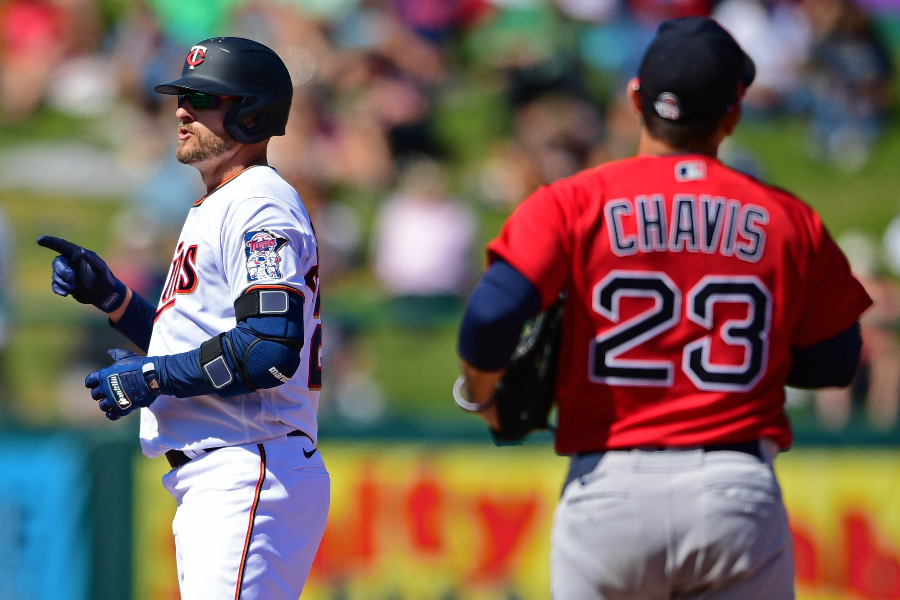 At this point, every person who holds even just a passing interest in the Twins has given their two cents on signing Josh Donaldson. Some have talked about how he may influence the next wave of prospects, most have concluded that he was the last shot the Twins had at making an impact move, and one Twins Daily writer directly compared him to Jesus. Despite that massive range of topics, there is one point that has yet to be mentioned so. The questions regarding the strength of the Twins’ position players were limited coming into the offseason. They had just smashed about a billion homers and seemed set at every position in the field. However, one of the major realistic concerns was whether or not Miguel Sanó should stay at third base long term. He still possessed the raw tools to man the hot corner but had been dreadful there by basically any defensive stat since his debut. The idea that Sanó would move to first base became more inevitable than there being drugs at a Led Zeppelin concert. Signing Donaldson was the nail in the coffin for Sanó’s future at third base. But beyond the short-term coverage of the position, Donaldson also provides the long-term stability that the Twins secretly needed. Eric Longenhagen and Kiley McDaniel wrote about the Twins’ farm system on Fangraphs a few months ago. A quick scan of the players on the list reveals that they see just three future third baseman in the Twins’ farm system with Jose Miranda being the only one with playing time above A ball. MLB.com sees a similar picture as just two of the prospects on the Twins’ list are marked as third baseman. Minor league positions are hardly ever a life sentence for a player – Alex Bregman notoriously played mainly at SS in the minors – but they often illuminate what the team’s long-term plan is for a player. A team likely doesn’t believe in a player’s capability to play a position if they won’t allow them to play that position in games they can afford to lose. So the next immediate prospect who would realistically man third base for the Twins was the aforementioned Miranda who spent the vast majority of 2019 with the Fort Myers Miracle at A+. Digging around through other internal options would have yielded names like Ehire Adrianza, Marwin González, Willians Astudillo, and Luis Arráez. Adrianza and González would have been fine options but both bring more value to the team when their role is not well defined. Both players serve well as break-in-case-of-emergency options for if (when) something goes wrong. Astudillo has little experience at third and his awful 2019 brings into question his viability at the major league level, so he would have been a poor choice as well. Arráez has been locked in as the future second baseman and I am unaware of any players who could play two positions on the field at the same time. One interesting option for the position would have been (and still can be) Royce Lewis. Lewis had just four innings at third base in 2019 with Pensacola but almost strictly played there during his time with the Arizona Fall League. One of his knocks has been his potential to play shortstop which may lead to a position change to either the outfield or third base in the future. It’s not unusual for players to be poor at shortstop yet great at third base as Manny Machado proved when he confusingly changed positions in 2018. Knowing this, Lewis may possess the ability to play third base but only time will tell. The Twins can now rest well at night knowing that they have third base locked down for the next few years. They solved a problem that had the potential to be longer term than most likely had realized. Now all that is left to do is to watch Donaldson bring some rain to Target Field. MORE FROM TWINS DAILY — Latest Twins coverage from our writers — Recent Twins discussion in our forums — Follow Twins Daily via Twitter, Facebook, or email — Follow Matt Braun on Twitter here
 -
5 Prospects Who Could Be the Next Cody Stashak
Matt Braun replied to Matt Braun's topic in Twins Daily Front Page News
I didn't mention Colina because he's still a starter in my eyes. Probably should have put him in the honorable mentions, though. -
Benjamin Franklin once said that the only guarantees in life are “death, taxes, and relievers with options constantly moving between AAA and the majors”. Who knew that he was such a baseball fan?While that quote might be false, the premise of it is still quite true. Every year without fail the players that shuttle between Rochester and Minnesota the most are ones of the relief-pitcher variety. There are a number of reasons why this is true but the call for fresh arms does more than just revive a tired bullpen. Calling up new players allows for them to showcase what they can do at the major league level and sometimes those players stick around. It’s no secret that the Twins bullpen improved mightily last year as the season went on because of capable players getting opportunities to perform. Relievers like Cody Stashak and Zack Littell became reliable late-inning arms despite the fact that neither player started the season in the majors. Knowing that this outcome is a possibility for some players, let’s look into a few names who may follow a similar path and be used out of the bullpen for the Twins in 2020. To qualify for this arbitrary list, a player must not have pitched at AAA in 2019 and was used out of the bullpen for the majority of their innings. The reason is that these qualifications applied to Stashak last year yet he still ended up in the majors. RHP Ryan Mason: The 25-year-old righty was phenomenal at AA in 2019. He struck out nearly 30% of the batters he faced (29.8%) and walked less than 5% (4.3%) of them. The only thing holding Mason back is the fact that he only threw 23 innings last season. If he’s healthy and performing, he could carve out a path to the major league roster in 2020. RHP Hector Lujan: On the surface, Lujan had quite a strange season in 2019. He held a modest 7.84 K/9 at A+ that jumped up to 9.87 at AA. Yet, his K% stayed stable in going from 22.4% all the way up to 22.6%. How is this possible? His walk rate jumped up by 5.1% (4.4% to 9.5%) after the promotion to AA. That number is quite ugly but if he regains the command he had at A+, then he may see himself in the majors at some point in 2020. RHP Tom Hackimer: The side-armer and elite Twitter user ate hitters alive in 2019. While holding an ERA of just 2.54, he also happened to strike out 30.6% of all hitters he saw. Much like Lujan, command is the only thing holding Hackimer back as he gave 11.0% of all the batters he faced a free pass to first base in 2019. But even with this, he punches enough tickets and garners enough groundballs to potentially claw his way onto the Twins roster in 2020. RHP Derek Molina: Strikeouts have not been a problem for Molina so far in his professional career. The lowest K/9 he has held at any level so far was his 11.34 mark in 2017. Molina struck out an astonishing 36.3% of hitters in 2019. For reference, Aroldis Chapman punched out 36.2% of hitters last year. Molina threw just over 40 innings last season and has yet to play at AA but he has an outside shot at making the majors if this level of domination continues. RHP Moises Gomez: Much like Molina, Gomez is a long shot for playing in the majors but his numbers are too eye-popping to dismiss. Gomez punched out hitters at a slightly higher rate than Molina (36.8%) and allowed just a .149 batting average against. He has not played at AA yet but could jump a few levels if this trend of missing bats doesn’t end. Honorable Mentions: LHP Jovani Moran: Moran struck out nearly a third of all the hitters he faced in 2019 but also walked 15.1% of batters. That kind of walk rate is going to hold him back from a promotion to the majors anytime soon. LHP Sam Clay: Clay played at AAA last season which is why he didn’t make the standard list but his groundball rate of 71.3% last season was too insane not to mention. He also did not surrender a homer at all in 2019. Clay is currently in camp for spring training so he may make the majors sooner than anyone else in this list. RHP Adam Bray: Bray also dabbled in AAA last season but was lights out at AA with a 2.51 FIP there. AAA was less kind to him as his strikeout rate plummeted there but a rebound could set Bray up nicely for playing time with the Twins in 2020. MORE FROM TWINS DAILY — Latest Twins coverage from our writers — Recent Twins discussion in our forums — Follow Twins Daily via Twitter, Facebook, or email — Follow Matt Braun on Twitter here Click here to view the article
-
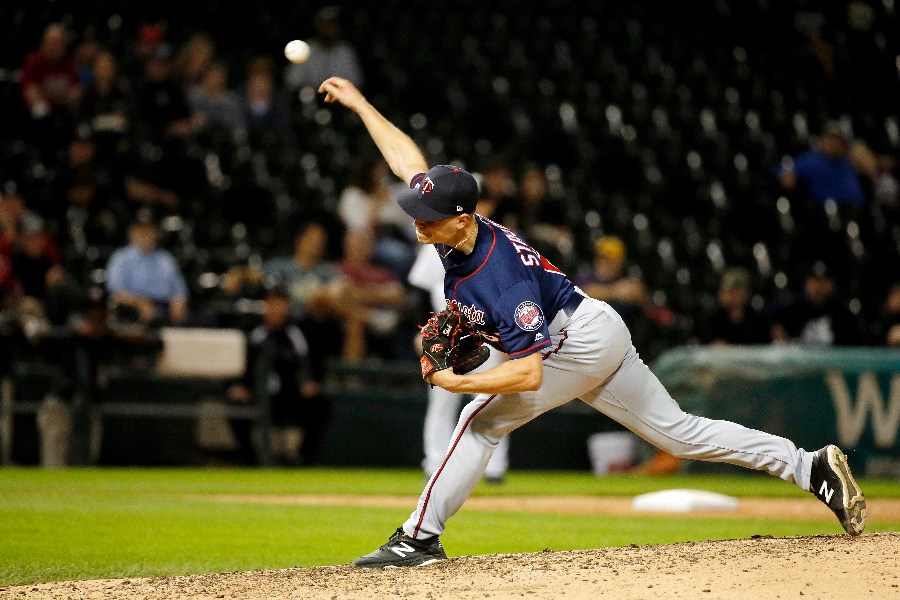 While that quote might be false, the premise of it is still quite true. Every year without fail the players that shuttle between Rochester and Minnesota the most are ones of the relief-pitcher variety. There are a number of reasons why this is true but the call for fresh arms does more than just revive a tired bullpen. Calling up new players allows for them to showcase what they can do at the major league level and sometimes those players stick around. It’s no secret that the Twins bullpen improved mightily last year as the season went on because of capable players getting opportunities to perform. Relievers like Cody Stashak and Zack Littell became reliable late-inning arms despite the fact that neither player started the season in the majors. Knowing that this outcome is a possibility for some players, let’s look into a few names who may follow a similar path and be used out of the bullpen for the Twins in 2020. To qualify for this arbitrary list, a player must not have pitched at AAA in 2019 and was used out of the bullpen for the majority of their innings. The reason is that these qualifications applied to Stashak last year yet he still ended up in the majors. RHP Ryan Mason: The 25-year-old righty was phenomenal at AA in 2019. He struck out nearly 30% of the batters he faced (29.8%) and walked less than 5% (4.3%) of them. The only thing holding Mason back is the fact that he only threw 23 innings last season. If he’s healthy and performing, he could carve out a path to the major league roster in 2020. RHP Hector Lujan: On the surface, Lujan had quite a strange season in 2019. He held a modest 7.84 K/9 at A+ that jumped up to 9.87 at AA. Yet, his K% stayed stable in going from 22.4% all the way up to 22.6%. How is this possible? His walk rate jumped up by 5.1% (4.4% to 9.5%) after the promotion to AA. That number is quite ugly but if he regains the command he had at A+, then he may see himself in the majors at some point in 2020. RHP Tom Hackimer: The side-armer and elite Twitter user ate hitters alive in 2019. While holding an ERA of just 2.54, he also happened to strike out 30.6% of all hitters he saw. Much like Lujan, command is the only thing holding Hackimer back as he gave 11.0% of all the batters he faced a free pass to first base in 2019. But even with this, he punches enough tickets and garners enough groundballs to potentially claw his way onto the Twins roster in 2020. RHP Derek Molina: Strikeouts have not been a problem for Molina so far in his professional career. The lowest K/9 he has held at any level so far was his 11.34 mark in 2017. Molina struck out an astonishing 36.3% of hitters in 2019. For reference, Aroldis Chapman punched out 36.2% of hitters last year. Molina threw just over 40 innings last season and has yet to play at AA but he has an outside shot at making the majors if this level of domination continues. RHP Moises Gomez: Much like Molina, Gomez is a long shot for playing in the majors but his numbers are too eye-popping to dismiss. Gomez punched out hitters at a slightly higher rate than Molina (36.8%) and allowed just a .149 batting average against. He has not played at AA yet but could jump a few levels if this trend of missing bats doesn’t end. Honorable Mentions: LHP Jovani Moran: Moran struck out nearly a third of all the hitters he faced in 2019 but also walked 15.1% of batters. That kind of walk rate is going to hold him back from a promotion to the majors anytime soon. LHP Sam Clay: Clay played at AAA last season which is why he didn’t make the standard list but his groundball rate of 71.3% last season was too insane not to mention. He also did not surrender a homer at all in 2019. Clay is currently in camp for spring training so he may make the majors sooner than anyone else in this list. RHP Adam Bray: Bray also dabbled in AAA last season but was lights out at AA with a 2.51 FIP there. AAA was less kind to him as his strikeout rate plummeted there but a rebound could set Bray up nicely for playing time with the Twins in 2020. MORE FROM TWINS DAILY — Latest Twins coverage from our writers — Recent Twins discussion in our forums — Follow Twins Daily via Twitter, Facebook, or email — Follow Matt Braun on Twitter here
 -
As we sit and wait until the first spring training games officially begin, it has become clear that the Kenta Maeda trade will be the cherry on top of the offseason for the Twins. Despite a somewhat slow start, the Twins ended up with a bevy of starting pitchers, Josh Donaldson, and the aforementioned Maeda among other acquisitions in their attempt to recreate the magic of the 2019 team. Yet, it feels like there is a piece still missing.Not long after the end of the World Series, GM Thad Levine made statements regarding the plans for the Twins for the offseason. The magic phrase “impact starting pitching” was uttered and every Twins fan became quite pleased when they heard this. It has been no secret that the starting rotation has been the Achilles heel for the team for a while so to have a front office member acknowledge this need felt refreshing. While it was never specified, Twins fans understood that this “impact starting pitching” would have to be acquired within reason. Gerrit Cole and Stephen Strasburg were fun pipe dreams but nothing more. Instead, focus was turned onto the likes of Zack Wheeler, Madison Bumgarner, and Hyun-Jin Ryu. All three pitchers fit inside the Twins’ implied pragmatic wheelhouse and it felt as if the Twins would actually end up with one of these players on the team. As we know, this isn’t the case. All three signed elsewhere and the Twins were left with the fact that it was Josh Donaldson or bust. Fortunately, they did not end up busting here and they saved the offseason by signing the former MVP. Yet, there remains a missing piece. The goal for the Twins should have been to acquire a starting pitcher better than Jake Odorizzi. This isn’t a knock on Odorizzi but instead a reflection that a strong top end of a starting rotation can take a team deep into the playoffs. Having Odorizzi, an All-Star coming off a 4.3 fWAR season, be the third starting pitcher would have been the optimal way to legitimize the Twins as a threat to the AL as a whole. But that didn’t happen. Odorizzi will start the season as the number 2 starter with José Berríos likely being the Opening Day starter. This top two will certainly prove to be formidable but a team needs more than two starting pitchers to make a playoff run. The combo of Kenta Maeda and Michael Pineda will likely be passable but passable doesn’t cut it if a team wants to make a deep playoff run. A team needs quality over quantity and the Twins don’t have that quality just yet. Using 2019 fWAR, the top three starters for the Twins (Berríos, Odorizzi, and Pineda) combined for 11.3 fWAR. fWAR is used to calculate the value of a given player. Generally the guideline goes that a player worth 2 fWAR is an average MLB player, a 3-4 fWAR player is pretty good, a 5-6 fWAR player is an All-Star, and anything higher is an MVP candidate. Using Minnesota math, the value of the top three can be reached by adding each player's fWAR together. Now, let’s compare the Twins’ top three starters with the top three of every other playoff team in 2019: Astros (Cole, Verlander, Greinke): 19.2 Nationals (Scherzer, Strasburg, Corbin): 17 Dodgers (Buehler, Ryu, Kershaw): 13.2 Rays (Morton, Snell, Yarbrough): 11.5 (11.1 if you swap Yarbrough for Glasnow) Cardinals (Flaherty, Mikolas, Wainwright): 9.4 Yankees (Paxton, Tanaka, Germán): 8.8 Braves (Soroka, Fried, Teheran): 8.6 Brewers (Woodruff, Houser, Davies): 6.5 Athletics (Bassitt, Anderson, Fiers): 5.8 There seems to be a positive correlation between the strength of a team’s top three starters and how far they made it in the playoffs. The Twins ended up more in the middle of the pack for playoff teams in this stat which might be more of a reflection of the quality of starting pitching across baseball. But if the Twins want to take the step into being a World Series contender, they will need that elusive great third starter. They might have it in Rich Hill but expecting him to carry such a burden would be foolish considering his path recovering from injury. The good news is that the playoffs don’t start tomorrow and the Twins look to be set up well to carry themselves until the trade deadline at least. If everything plays out like it appears it should, the Twins should finally pull the trigger in acquiring the elite starting pitcher that would give them a starting rotation the rest of the teams will be envious of. MORE FROM TWINS DAILY — Latest Twins coverage from our writers — Recent Twins discussion in our forums — Follow Twins Daily via Twitter, Facebook, or email — Follow Matt Braun on Twitter here Click here to view the article
-
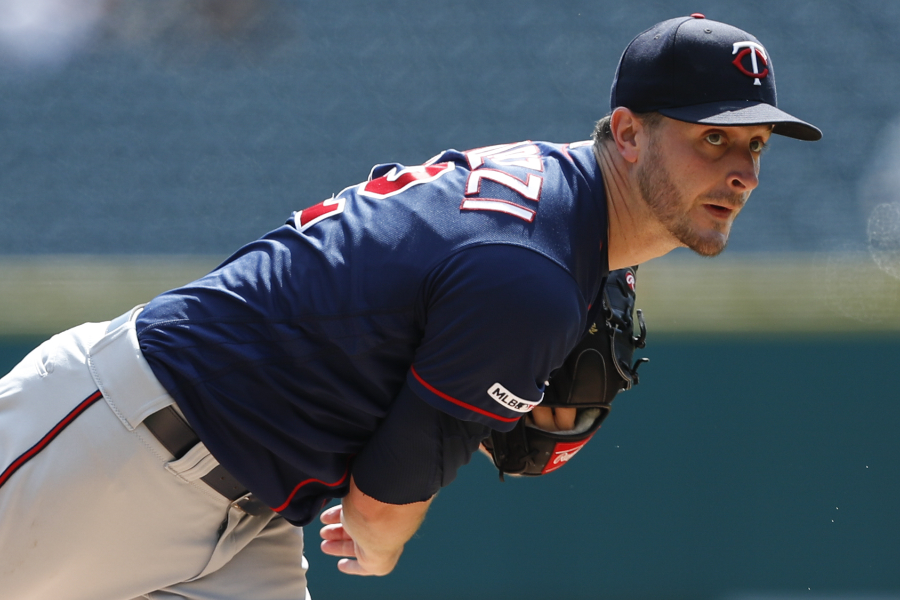 Not long after the end of the World Series, GM Thad Levine made statements regarding the plans for the Twins for the offseason. The magic phrase “impact starting pitching” was uttered and every Twins fan became quite pleased when they heard this. It has been no secret that the starting rotation has been the Achilles heel for the team for a while so to have a front office member acknowledge this need felt refreshing. While it was never specified, Twins fans understood that this “impact starting pitching” would have to be acquired within reason. Gerrit Cole and Stephen Strasburg were fun pipe dreams but nothing more. Instead, focus was turned onto the likes of Zack Wheeler, Madison Bumgarner, and Hyun-Jin Ryu. All three pitchers fit inside the Twins’ implied pragmatic wheelhouse and it felt as if the Twins would actually end up with one of these players on the team. As we know, this isn’t the case. All three signed elsewhere and the Twins were left with the fact that it was Josh Donaldson or bust. Fortunately, they did not end up busting here and they saved the offseason by signing the former MVP. Yet, there remains a missing piece. The goal for the Twins should have been to acquire a starting pitcher better than Jake Odorizzi. This isn’t a knock on Odorizzi but instead a reflection that a strong top end of a starting rotation can take a team deep into the playoffs. Having Odorizzi, an All-Star coming off a 4.3 fWAR season, be the third starting pitcher would have been the optimal way to legitimize the Twins as a threat to the AL as a whole. But that didn’t happen. Odorizzi will start the season as the number 2 starter with José Berríos likely being the Opening Day starter. This top two will certainly prove to be formidable but a team needs more than two starting pitchers to make a playoff run. The combo of Kenta Maeda and Michael Pineda will likely be passable but passable doesn’t cut it if a team wants to make a deep playoff run. A team needs quality over quantity and the Twins don’t have that quality just yet. Using 2019 fWAR, the top three starters for the Twins (Berríos, Odorizzi, and Pineda) combined for 11.3 fWAR. fWAR is used to calculate the value of a given player. Generally the guideline goes that a player worth 2 fWAR is an average MLB player, a 3-4 fWAR player is pretty good, a 5-6 fWAR player is an All-Star, and anything higher is an MVP candidate. Using Minnesota math, the value of the top three can be reached by adding each player's fWAR together. Now, let’s compare the Twins’ top three starters with the top three of every other playoff team in 2019: Astros (Cole, Verlander, Greinke): 19.2 Nationals (Scherzer, Strasburg, Corbin): 17 Dodgers (Buehler, Ryu, Kershaw): 13.2 Rays (Morton, Snell, Yarbrough): 11.5 (11.1 if you swap Yarbrough for Glasnow) Cardinals (Flaherty, Mikolas, Wainwright): 9.4 Yankees (Paxton, Tanaka, Germán): 8.8 Braves (Soroka, Fried, Teheran): 8.6 Brewers (Woodruff, Houser, Davies): 6.5 Athletics (Bassitt, Anderson, Fiers): 5.8 There seems to be a positive correlation between the strength of a team’s top three starters and how far they made it in the playoffs. The Twins ended up more in the middle of the pack for playoff teams in this stat which might be more of a reflection of the quality of starting pitching across baseball. But if the Twins want to take the step into being a World Series contender, they will need that elusive great third starter. They might have it in Rich Hill but expecting him to carry such a burden would be foolish considering his path recovering from injury. The good news is that the playoffs don’t start tomorrow and the Twins look to be set up well to carry themselves until the trade deadline at least. If everything plays out like it appears it should, the Twins should finally pull the trigger in acquiring the elite starting pitcher that would give them a starting rotation the rest of the teams will be envious of. MORE FROM TWINS DAILY — Latest Twins coverage from our writers — Recent Twins discussion in our forums — Follow Twins Daily via Twitter, Facebook, or email — Follow Matt Braun on Twitter here
 -
My Experience As A Twins Fan In Washington State
Matt Braun replied to Matt Braun's topic in Twins Daily Front Page News
Well unfortunately I don't live in Seattle so I can't help you there.
