



Matt Braun
-
Posts
1,393 -
Joined
-
Last visited
-
Days Won
1
Content Type
Profiles
News
Minnesota Twins Videos
2026 Minnesota Twins Top Prospects Ranking
2022 Minnesota Twins Draft Picks
Minnesota Twins Free Agent & Trade Rumors, Notes, & Tidbits
Guides & Resources
2023 Minnesota Twins Draft Picks
The Minnesota Twins Players Project
2024 Minnesota Twins Draft Picks
2025 Minnesota Twins Draft Pick Tracker
2026 Minnesota Twins Draft Tracker: Picks & Bonuses
Forums
Blogs
Events
Store
Downloads
Gallery
Everything posted by Matt Braun
-
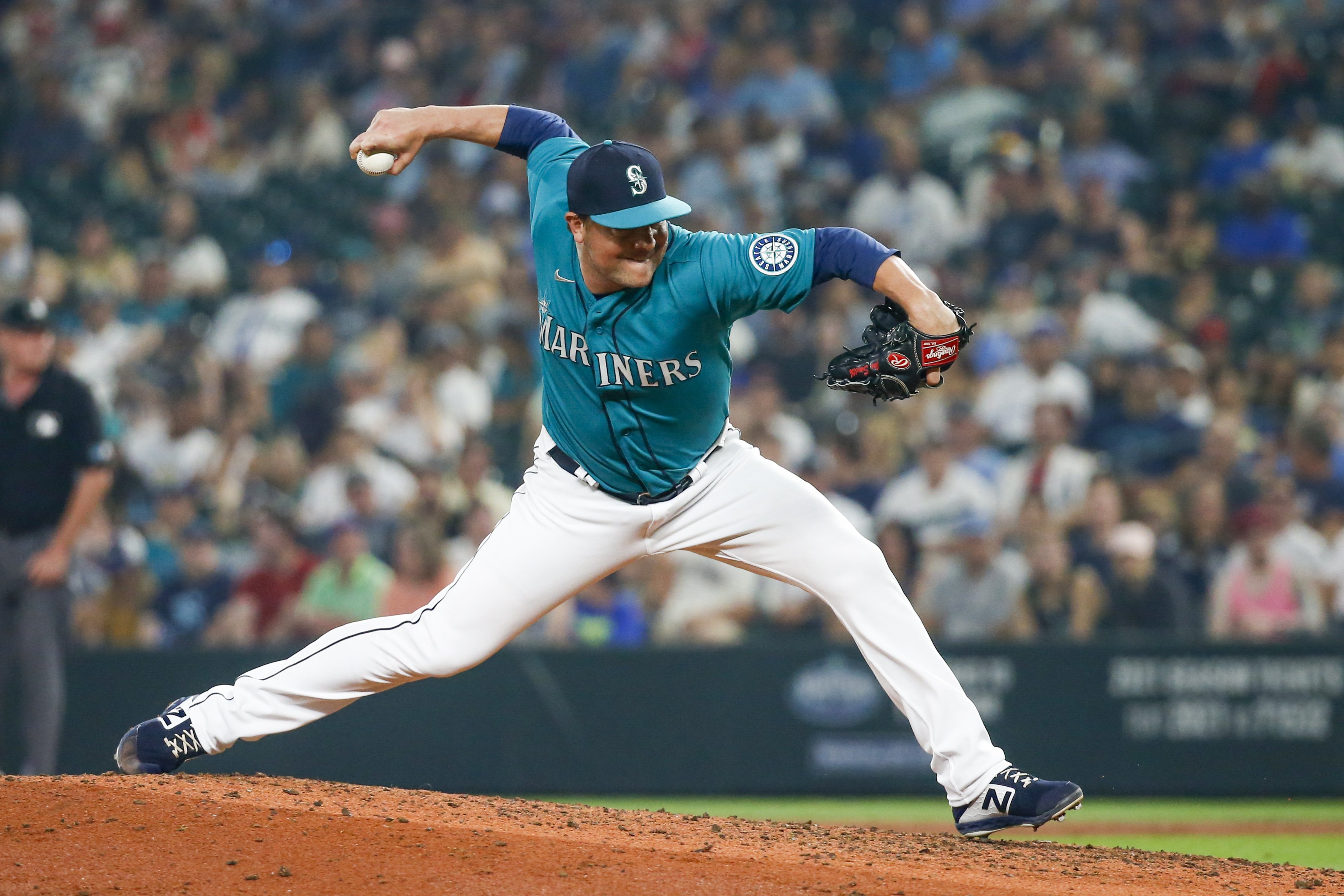 In the fanfare and celebration of signing Carlos Correa, you'd be forgiven if you missed the Twins inking 38-year-old Joe Smith to a one-year pact. Smith, an MLB pitcher since the Bush administration, is precisely the style of reliever favored by Falvey and company. His average fastball hasn’t tickled 90 MPH in years, and much of his effectiveness is rooted in “funkiness,” a pitching trait in the Potter Stewart philosophy of “I know it when I see it.” In the case of Smith, his unique, low arm slot is his special calling card. Smith now joins the likes of Matt Belisle, Fernando Rodney, Zach Duke, Sergio Romo, and Tyler Clippard as an “unusual Twins reliever” acquired during the Falvey regime. That is to say, these bullpeners are (or were) atypical in their archetype—age or poor fastball velocity lowered the industry opinion of them, whether fair or not. But the Twins, perhaps believing in a philosophical blind spot, decided to trust in their past effectiveness and were rewarded with mixed but generally positive results. Belisle caught fire in the second half of 2017 to help lead the team to their first playoff appearance in seven years, Rodney and Duke both performed just well enough to net prospects in 2018, Romo was crucial in cementing a shaky Twins bullpen in 2019, and Clippard was a quality reliever for the Twins during the truncated 2020 season. Of course, the Twins haven’t solely focused on cast-offs from the island of misfit toys; they have signed or acquired more prototypical relievers like Addison Reed, Sam Dyson, and Alex Colomé on top of their usual assortment of unique funkmasters. Funny enough, it seems like they have had better fortune with odd relievers than with your more standard ones, but that isn’t quite the point of this article. Why ignore velocity? The Twins, as pointed out by Tom Froemming, had a velocity problem in May 2021 and had not fixed that issue by October 2021. It is March 2022, and the symptoms still persist. None of the four assumed starters possess an average fastball velocity that tops 93 MPH—a fact entirely at odds with the front office’s implications that velocity would be a top priority when they took over command of decision-making in 2016. Both newly-acquired starters, Sonny Gray and Dylan Bundy, are more masters of breaking balls than fireballers. Taylor Rogers and Jorge Alcala are the only true flamethrowers established in the bullpen. When diagnosing the malady, we must remember that there is nuance in team building; teams like the Twins count all their chips to the last penny as their room for error is smaller than other franchises. The team could quickly cash in and deal their top prospects for high-octane arms or sign the fastest-tossing relievers with little care for the long-term implications of those decisions. Still, such moves would not only likely hurt the franchise, but it would also open them up to being dunked on by randoms on Twitter years in the future, and that’s a risk no one wants to take. Why ignore velocity? Velocity is expensive, perhaps too much so. Corey Knebel (96.5 MPH) signed for $10 million, Joe Kelly (98.1 MPH) signed for $17 million over two years, and Kendall Graveman (96.5 MPH), signed for $24 million over three years. With no disrespect, none of those three players have been particularly consistent in their performance (or with health), but teams see their “stuff” and can’t help but imagine a perfect world where it all comes together for such a player. Trading for velocity can also be expensive. The White Sox parted with two young, talented players in Nick Madrigal and Codi Heuer to acquire Craig Kimbrel, the Padres gave up their 9th best prospect, Mason Thompson, for half a season of Daniel Hudson, and the fact that the Twins received anyone for Hansel Robles showed that teams are willing to ignore performance in favor of the allure of stuff. The same can be said for prospects. Arms that can sit in the high-90s are valued highly because the upside of that player is tantalizing. We’ve seen the natural sheen of “stuff” blind teams into ignoring risk because they see the next Roger Clemens in an arm that will likely flame out in high-A. The Twins have recognized this and seem to tap their higher-velo arms in deals; Huascar Ynoa, Luis Gil, Brusdar Graterol, and Chase Petty all own big fastballs, but now pitch for other organizations. The guess is that the team is leveraging industry opinions on fastball velocity to acquire major-league talent they otherwise could not have if the pitcher were your average 93-95 MPH Joe. Or, to simplify, they think other teams over-value fastballs and are trying to find value in overlooked arms. Consider the Smith signing; $2.5 million for Joe Smith’s consistency is a bargain if you choose to look at his performance absent velocity implications. The Gray trade looks exquisite as well. Acquiring a great starting pitcher for a pitcher four or so years away from debuting is a masterclass in fleecing. Has it worked? The results are iffy. Twins pitching was undeniably elite in 2019 and 2020 when their team average fastball velocity sat in the bottom five of the league but fell off entirely in 2021. We shall see how 2022 plays out, but the prospects so far do not look good. Shoot, 43-year-old Johan Santana might be an upgrade to the starting rotation. That isn’t to say the team is completely ignoring velocity. Jordan Balazovic is capable of sitting 94-95, Jhoan Duran hits 100 daily, Josh Winder can sit in the mid-90s, and Matt Canterino can do the same. The team is still focusing on velocity, but more on developing said heat, not paying for it upfront. If a pitching prospect can throw hard, great, but their velocity isn’t as prioritized as other aspects of their game. If another team overvalues a prospect’s velocity? Ship him off and receive a more bountiful return than expected. Again, it is unclear if the plan has been successful or not, but the Twins unquestionably believe in their process.
- 18 comments
-
- 7
-

-
- joe smith
- sonny gray
- (and 3 more)
-
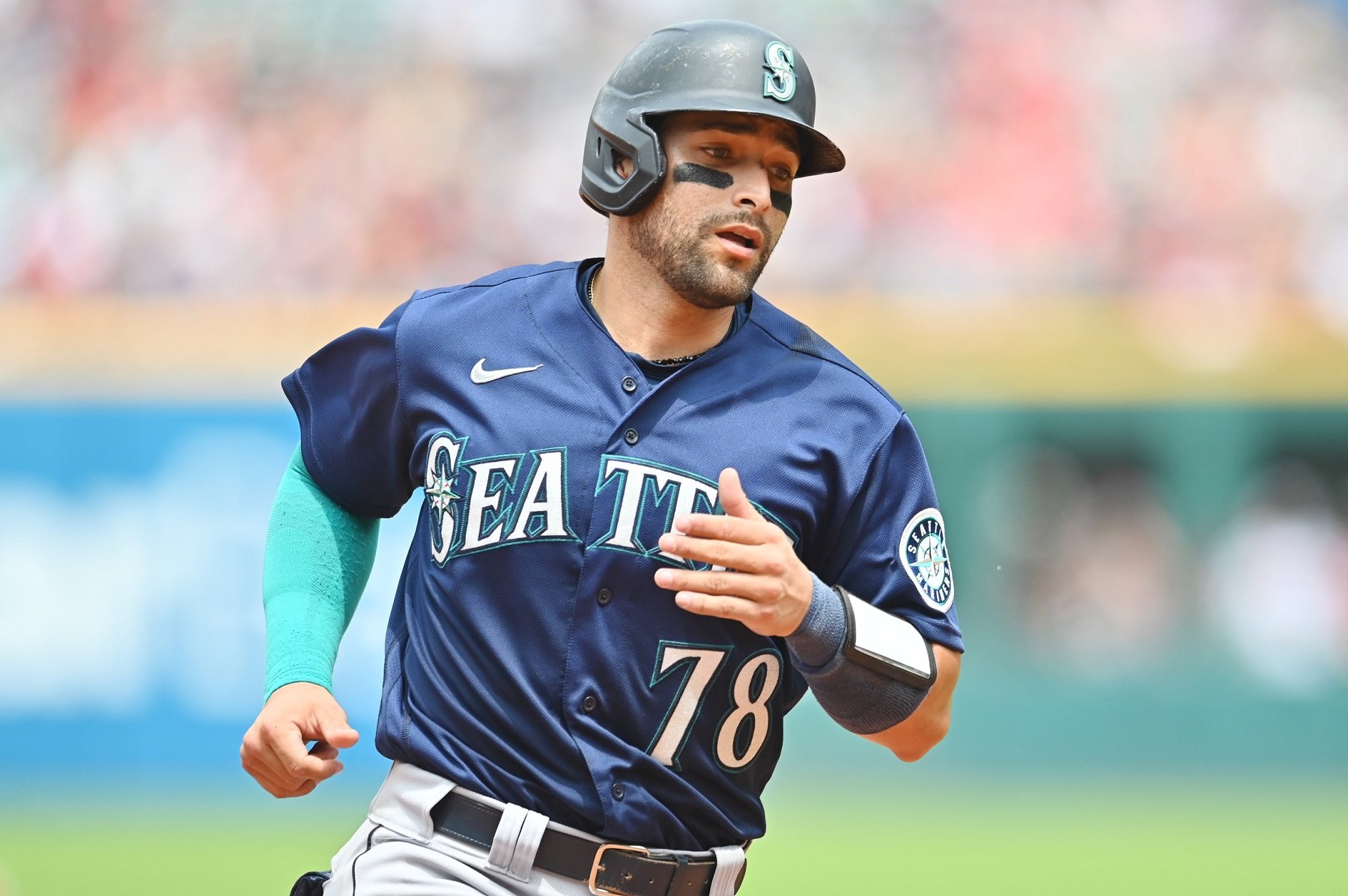 Jose Godoy, despite his age, made his MLB debut in 2021 with the Seattle Mariners. The Venezuelan native signed with the St. Louis Cardinals a decade ago and labored through the minors with them for the first eight seasons of his career before joining the Mariners late in 2020. A handful of injuries pushed Godoy to the major-league level, netting him 40 plate appearances for the 90-win team. Just four days ago, Godoy had been claimed by the San Francisco Giants who then put him on the waiver wire again. This time, the Twins were awarded his rights. With just a handful of plate appearances to his name, it’s difficult to analyze what he brings to the table with both the glove and the bat. In May, Eric Longenhagen wrote that Godoy is “a lefty stick with good feel for contact and a frame built to withstand the beating catchers take.” Continuing, he says that he “like[s] him as upper-level depth and think[s] he’d be a fine third catcher on a 40-man roster.” Andrew Baggarly, when writing about Godoy for the Giants (yes, he has been claimed twice now in a week), called him “an upper-level catching alternative.” It appears that is how Godoy will fit into the Twins roster. Ryan Jeffers and Gary Sánchez will demand the majority of playing time at the position, but the alleged plan to have Sánchez DH consistently leaves the team thin at the catching position; just two untimely injuries could leave the Twins in a prickly position. Godoy looks to be insurance against any such outcomes. Godoy slashed .285/.330/.413 in 73 games at AAA Tacoma in 2021. He still has two options remaining, so the Twins could: 1.) Keep him on the big-league roster as the third catcher, allowing Gary Sanchez to DH more often. 2.) Option him to St. Paul, and if one of the Twins catchers gets hurt, call him up. 3.) Try to pass him through waivers again, and hope that he clears waivers and can be sent to St. Paul. What do you think his role can be with the Twins? Leave a Comment below. MORE FROM TWINS DAILY — Latest Twins coverage from our writers — Recent Twins discussion in our forums — Follow Twins Daily via Twitter, Facebook, or email
 -
While the Twins played their first spring training game, the front office stayed active with a waiver claim for catcher José Godoy. What can we expect from the 27-year-old catcher? Jose Godoy, despite his age, made his MLB debut in 2021 with the Seattle Mariners. The Venezuelan native signed with the St. Louis Cardinals a decade ago and labored through the minors with them for the first eight seasons of his career before joining the Mariners late in 2020. A handful of injuries pushed Godoy to the major-league level, netting him 40 plate appearances for the 90-win team. Just four days ago, Godoy had been claimed by the San Francisco Giants who then put him on the waiver wire again. This time, the Twins were awarded his rights. With just a handful of plate appearances to his name, it’s difficult to analyze what he brings to the table with both the glove and the bat. In May, Eric Longenhagen wrote that Godoy is “a lefty stick with good feel for contact and a frame built to withstand the beating catchers take.” Continuing, he says that he “like[s] him as upper-level depth and think[s] he’d be a fine third catcher on a 40-man roster.” Andrew Baggarly, when writing about Godoy for the Giants (yes, he has been claimed twice now in a week), called him “an upper-level catching alternative.” It appears that is how Godoy will fit into the Twins roster. Ryan Jeffers and Gary Sánchez will demand the majority of playing time at the position, but the alleged plan to have Sánchez DH consistently leaves the team thin at the catching position; just two untimely injuries could leave the Twins in a prickly position. Godoy looks to be insurance against any such outcomes. Godoy slashed .285/.330/.413 in 73 games at AAA Tacoma in 2021. He still has two options remaining, so the Twins could: 1.) Keep him on the big-league roster as the third catcher, allowing Gary Sanchez to DH more often. 2.) Option him to St. Paul, and if one of the Twins catchers gets hurt, call him up. 3.) Try to pass him through waivers again, and hope that he clears waivers and can be sent to St. Paul. What do you think his role can be with the Twins? Leave a Comment below. MORE FROM TWINS DAILY — Latest Twins coverage from our writers — Recent Twins discussion in our forums — Follow Twins Daily via Twitter, Facebook, or email View full article
-
Twins Daily 2022 Top Prospects: #7 Jhoan Duran
Matt Braun replied to Nick Nelson's topic in Twins Minor League Talk
I ranked Duran 9th. His stuff is obviously still mind-bending, but the nature of his injury is absolutely terrifying. Still, I kept him higher than a guy like Canterino because his last full, healthy season was dominant. -
Twins Daily 2022 Top Prospects: #10 Josh Winder
Matt Braun replied to Matt Braun's topic in Twins Minor League Talk
Agreed, I had him 6th in my ranking. He's my third favorite pitching prospect after Jordan Balazovic and Joe Ryan. Which reminds me, we should call these guys "The Killer J's" or something. -
Twins Daily 2022 Top Prospects: #10 Josh Winder
Matt Braun posted a topic in Twins Minor League Talk
As we here at Twins Daily continue our First Great Prospect Rundown of 2022, it may become easy for you, the wise reader, to lump the glut of right-handed pitching prospects together in your mind. It’s easy to do—most of the great arms in the system are knocking on the door of the majors. The Twins will certainly shuffle them around so quickly that their names and faces seem to exist within a weird baseball uncanny valley; is Jordan Balazovic real, or did you imagine him? But I implore you, do not ignore Josh Winder. There may be more hyped pitching prospects in the Twins system, but no one else who toes that raised 24 by six-inch slab of rubber in the middle of the diamond can dominate the strike zone with four pitches as Winder did in 2021. The Twins selected Josh Winder in the 7th round of the 2018 draft (the second process headed by Derek Falvey and Thad Levine) out of Virginia Military Institute. Winder spent the next two years milling around prospect list No Man’s Land with occasional phrases like “repeatable delivery” written to let you know his name can be forgotten. In retrospect, those rankings seem harsh, given that his 2019 season was more than serviceable. Winder tossed 125 2/3 innings at low A-ball with a 2.65 ERA, and a 3.44 FIP; plus he struck out then uber-prospect Wander Franco in the Midwest League All-Star Game. Heading into the mid-levels of the minor leagues, Winder appeared set to fly under the radar amongst people-in-the-know. Then 2020 happened. For most prospects, 2020 either knocked them off trajectory or at least shifted industry opinions to the negative; it was an entire year of development gone, after all. Winder went against the grain. He did not pitch at the alternate site, but some mechanical tweaks combined with a different workout routine netted him a few ticks of fastball velocity—an adjustment that adds to every pitcher’s prospect stock. When even a curmudgeon like Keith Law is intrigued to see you pitch, the game is tilting in your favor. Given this excess of previously non-existent attention, it would have been understandable if Winder fell flat in 2021, victimized by the weight of his own hype. That did not happen. Winder dominated AA to the tune of a 1.98 ERA. Over his 54 ⅔ innings pitched at the level, his 31.3% K rate provided the melody, while his outstanding 4.8% BB rate served as the harmony. Just five qualified starters in MLB struck out hitters at a higher rate; only one starter walked batters at a lower rate. It’s not difficult to see why Winder was so good, I lamented the “repeatable delivery” comment before, but he easily owns one of the smoothest windups I’ve seen from a Twins pitching prospect: Hitters have to be prepared for 96 at the pits, a breaking ball dropped in glove-side, and a changeup gliding away arm-side. That’s an impossible task. After embarrassing AA hitters for a month and a half, Winder received the call to AAA, where he hit a minor roadblock. He started just four games which in itself is both a sign for relief and mild concern; four games is a sample too small to analyze closely, but he made such few starts due to a shoulder injury that ended his season prematurely. Those AAA stats—a 4.67 ERA, a 5.15 FIP, and a reduced strikeout rate of 22.4%—ultimately lessen his excellent 2021. In total, Winder tossed 72 innings with a 2.63 ERA, a 29.1% K rate, a 4.7% BB rate, and a FIP of 3.40. Amongst 251 pitchers who threw 70 innings in the upper minors (AA and AAA), Winder posted the 12th best K-BB% and was the highest placed Twins starter with those qualifications. Yeah, I know that stat is a bit of a stretch, just understand that Winder was unusually dominant amongst pitchers around his league placement. When we were dicing out which writer would cover which prospect, I immediately leaped at the chance to post Winder’s writeup. His 2021 season greatly intrigued me—what soulless Twins fan wouldn’t find interest in a pitcher who netted results after improving their raw ability? There are pitching prospects with more impressive stuff, a higher ceiling, a more regal pedigree, or a more dominant individual pitch, but few, if any, can harvest a plethora of crucial pitching characteristics like Winder. He is, in many ways, the total package. Previous Rankings Honorable Mentions Prospects 16-20 Prospects 11-15 #10: Josh Winder, RHP #9: Coming Soon View full article -
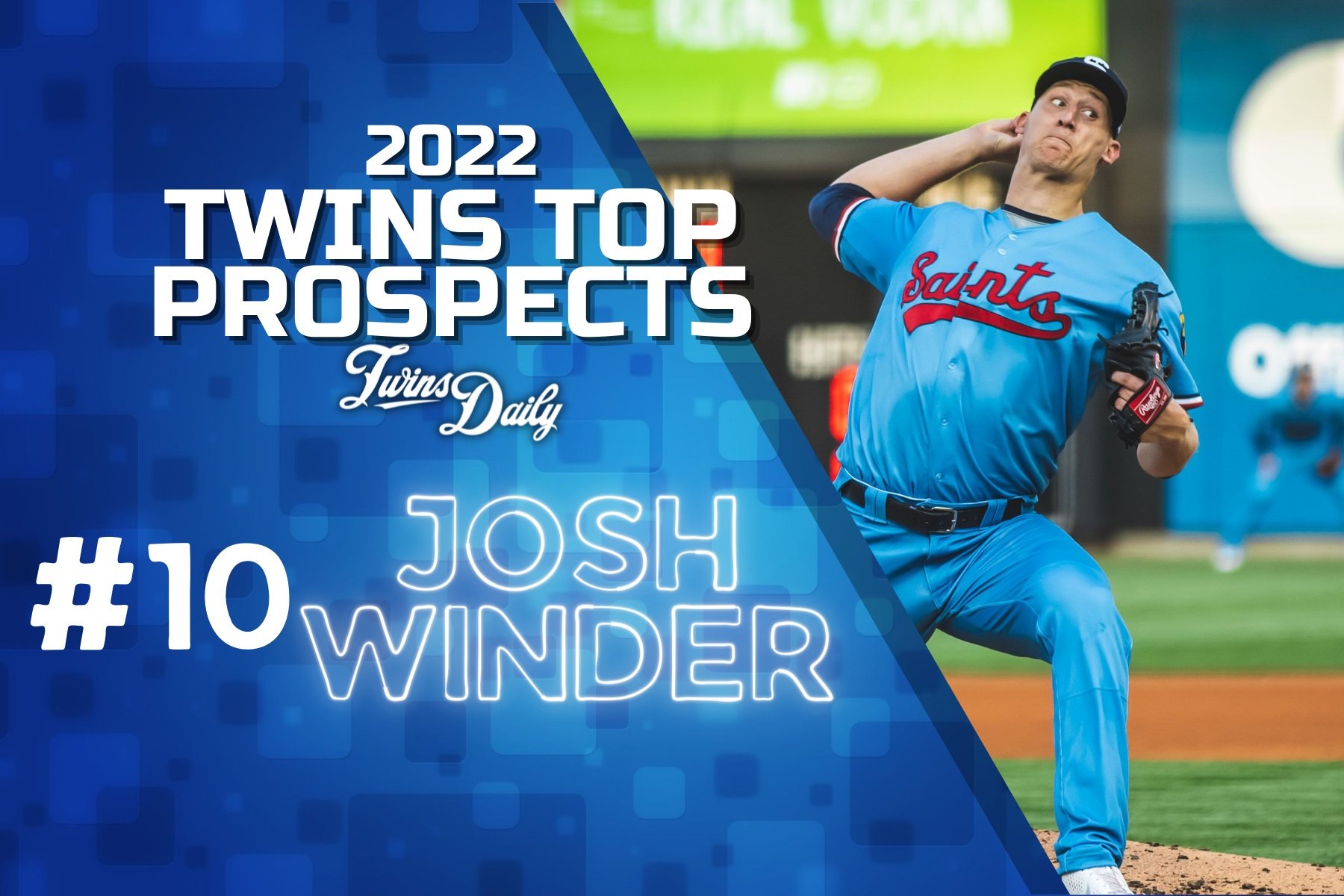 The Twins selected Josh Winder in the 7th round of the 2018 draft (the second process headed by Derek Falvey and Thad Levine) out of Virginia Military Institute. Winder spent the next two years milling around prospect list No Man’s Land with occasional phrases like “repeatable delivery” written to let you know his name can be forgotten. In retrospect, those rankings seem harsh, given that his 2019 season was more than serviceable. Winder tossed 125 2/3 innings at low A-ball with a 2.65 ERA, and a 3.44 FIP; plus he struck out then uber-prospect Wander Franco in the Midwest League All-Star Game. Heading into the mid-levels of the minor leagues, Winder appeared set to fly under the radar amongst people-in-the-know. Then 2020 happened. For most prospects, 2020 either knocked them off trajectory or at least shifted industry opinions to the negative; it was an entire year of development gone, after all. Winder went against the grain. He did not pitch at the alternate site, but some mechanical tweaks combined with a different workout routine netted him a few ticks of fastball velocity—an adjustment that adds to every pitcher’s prospect stock. When even a curmudgeon like Keith Law is intrigued to see you pitch, the game is tilting in your favor. Given this excess of previously non-existent attention, it would have been understandable if Winder fell flat in 2021, victimized by the weight of his own hype. That did not happen. Winder dominated AA to the tune of a 1.98 ERA. Over his 54 ⅔ innings pitched at the level, his 31.3% K rate provided the melody, while his outstanding 4.8% BB rate served as the harmony. Just five qualified starters in MLB struck out hitters at a higher rate; only one starter walked batters at a lower rate. It’s not difficult to see why Winder was so good, I lamented the “repeatable delivery” comment before, but he easily owns one of the smoothest windups I’ve seen from a Twins pitching prospect: Hitters have to be prepared for 96 at the pits, a breaking ball dropped in glove-side, and a changeup gliding away arm-side. That’s an impossible task. After embarrassing AA hitters for a month and a half, Winder received the call to AAA, where he hit a minor roadblock. He started just four games which in itself is both a sign for relief and mild concern; four games is a sample too small to analyze closely, but he made such few starts due to a shoulder injury that ended his season prematurely. Those AAA stats—a 4.67 ERA, a 5.15 FIP, and a reduced strikeout rate of 22.4%—ultimately lessen his excellent 2021. In total, Winder tossed 72 innings with a 2.63 ERA, a 29.1% K rate, a 4.7% BB rate, and a FIP of 3.40. Amongst 251 pitchers who threw 70 innings in the upper minors (AA and AAA), Winder posted the 12th best K-BB% and was the highest placed Twins starter with those qualifications. Yeah, I know that stat is a bit of a stretch, just understand that Winder was unusually dominant amongst pitchers around his league placement. When we were dicing out which writer would cover which prospect, I immediately leaped at the chance to post Winder’s writeup. His 2021 season greatly intrigued me—what soulless Twins fan wouldn’t find interest in a pitcher who netted results after improving their raw ability? There are pitching prospects with more impressive stuff, a higher ceiling, a more regal pedigree, or a more dominant individual pitch, but few, if any, can harvest a plethora of crucial pitching characteristics like Winder. He is, in many ways, the total package. Previous Rankings Honorable Mentions Prospects 16-20 Prospects 11-15 #10: Josh Winder, RHP #9: Coming Soon
 -
A little over two years ago, reports broke that the Twins agreed with Josh Donaldson on a four-year $92 million deal. It’s a surreal experience to look back on that day. Not only was the news groundbreaking—the Twins broke the dam and finally signed a big-name free agent to an expensive contract, but the memory exists in a time and place just weeks before COVID would alter our lives forever. There was hope (at least, as much hope that could exist amongst Minnesota sports fans), as the winds of change seemed to blow in our favor for once. Now? I’m left wondering what ultimately is Donaldson’s legacy on the Twins. Certainly, Josh Donaldson cannot be the one to blame for the putrid 2021 season; that existed outside of his sphere of influence. Unless he secretly siphoned off all the talent from the pitching staff while bullying Max Kepler by placing pictures of his BABIP in his locker before every game, the disastrous year should not be attributed to him. In fact, I would argue that he did exactly what the team asked of him. His somewhat disappointing 124 wRC+ masks batted ball data that suggests he should have hit at an MVP level in 2021. If those balls allude outfielders like they were supposed to, then we’re talking about Donaldson as a tragic hero, an excellent performer stuck on a bad team. Click the link and you'll see enough red to give Senator Joseph McCarthy a heart attack. His xwOBA is right in line with his peak years on the Toronto Blue Jays—some better luck would have altered the season and turned the Twins from bad to... still pretty bad, but with a better third baseman. Ultimately, his batted-ball numbers change little about the team as a whole, but it does improve Donaldson's footing; perhaps the vitriol of fans washes over him if his wRC+ is upped by 30-40 points. But those balls didn’t safely land in the grass. They were caught. And the team stunk. And stats disagree on his defense. And the team stunk. So, now we’re halfway through a contract that was supposed to represent a changing tide for the Twins organization, and all there is to show for it is a playoff series sweep at the hands of the Houston Astros, a series that Donaldson did not participate in. The conversation has moved on from discussing Donaldson as the veteran that will lead the Twins to higher greatness. Now we ask whether or not his contract should be dumped onto some rich team like the Mets so that we can warm the seat for Jose Miranda, Austin Martin, or another prospect who represents the soft rebuild the team is inevitably embracing. Funny how much two years can change things. But none of this is his fault. It’s somewhat odd, really, that the team failed solidly in 2021, yet the big-name free agent signing was not the reason for such disaster. Donaldson did as we expected, or, to play off the words of the great Dennis Green; he was who we thought he was. He hit well, made headlines for comments made outside of the diamond, made headlines for comments made inside of the diamond, was told to meet Lucas Giolito outside, met Lucas Giolito outside, and, ultimately, flashed a level of showmanship possibly unmatched in franchise history. If you’re the type who is unimpressed by xwOBA, BABIP, or any other vaguely medicinal-sounding advanced stat, you at least can’t argue that Donaldson has brought entertainment to the team. I don’t know if Josh Donaldson will be on the Twins for the 2022 season. The front office has played their cards close to their hand as usual; after the lockout ends, I could wake up to the headline that the team signed Trevor Story and be just as surprised had I woke up to see that they dealt Jorge Polanco. The Twins under Derek Falvey and Thad Levine relish refusing to act until they absolutely must—a bowl is most useful when it is empty, after all. If Donaldson remains, he will be left as the eldest leader of a currently youthful squad—just three players currently on the 40-man roster were born during the Reagan administration. The team would have to rebound dramatically to make good on the promises made following the 2019 season. If the Twins decide to trade him, then I can say for sure that it was the team that failed Donaldson, not the other way around. I hope the biggest free-agent signing in franchise history gets the chance to lead a legendary Twins squad properly, but the real world is not as poetic as hopes and dreams; wrongs cannot be righted by the whims of an author and the randomness of life can often spoil even the prettiest of visions. MORE FROM TWINS DAILY — Latest Twins coverage from our writers — Recent Twins discussion in our forums — Follow Twins Daily via Twitter, Facebook, or email View full article
-
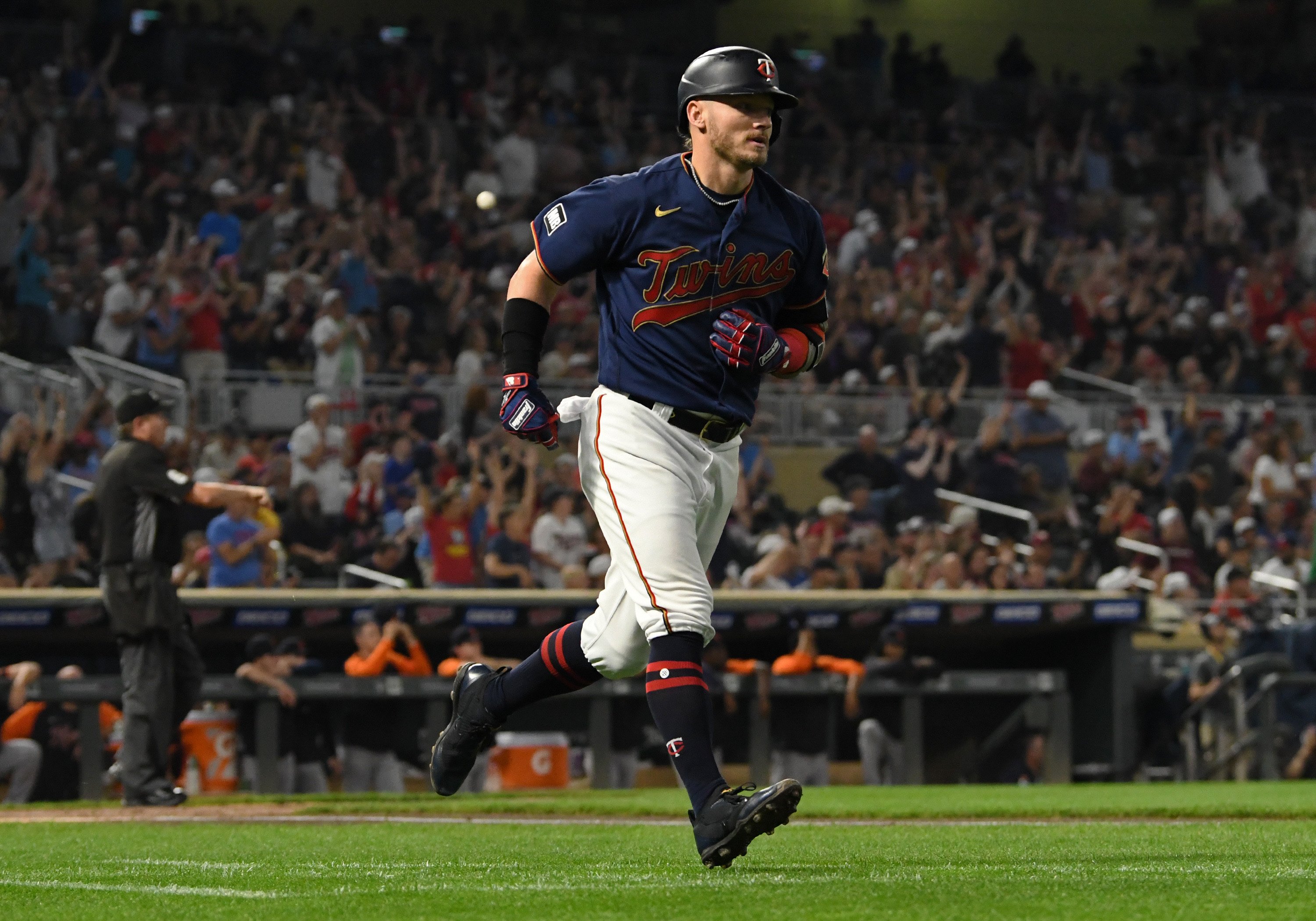 Certainly, Josh Donaldson cannot be the one to blame for the putrid 2021 season; that existed outside of his sphere of influence. Unless he secretly siphoned off all the talent from the pitching staff while bullying Max Kepler by placing pictures of his BABIP in his locker before every game, the disastrous year should not be attributed to him. In fact, I would argue that he did exactly what the team asked of him. His somewhat disappointing 124 wRC+ masks batted ball data that suggests he should have hit at an MVP level in 2021. If those balls allude outfielders like they were supposed to, then we’re talking about Donaldson as a tragic hero, an excellent performer stuck on a bad team. Click the link and you'll see enough red to give Senator Joseph McCarthy a heart attack. His xwOBA is right in line with his peak years on the Toronto Blue Jays—some better luck would have altered the season and turned the Twins from bad to... still pretty bad, but with a better third baseman. Ultimately, his batted-ball numbers change little about the team as a whole, but it does improve Donaldson's footing; perhaps the vitriol of fans washes over him if his wRC+ is upped by 30-40 points. But those balls didn’t safely land in the grass. They were caught. And the team stunk. And stats disagree on his defense. And the team stunk. So, now we’re halfway through a contract that was supposed to represent a changing tide for the Twins organization, and all there is to show for it is a playoff series sweep at the hands of the Houston Astros, a series that Donaldson did not participate in. The conversation has moved on from discussing Donaldson as the veteran that will lead the Twins to higher greatness. Now we ask whether or not his contract should be dumped onto some rich team like the Mets so that we can warm the seat for Jose Miranda, Austin Martin, or another prospect who represents the soft rebuild the team is inevitably embracing. Funny how much two years can change things. But none of this is his fault. It’s somewhat odd, really, that the team failed solidly in 2021, yet the big-name free agent signing was not the reason for such disaster. Donaldson did as we expected, or, to play off the words of the great Dennis Green; he was who we thought he was. He hit well, made headlines for comments made outside of the diamond, made headlines for comments made inside of the diamond, was told to meet Lucas Giolito outside, met Lucas Giolito outside, and, ultimately, flashed a level of showmanship possibly unmatched in franchise history. If you’re the type who is unimpressed by xwOBA, BABIP, or any other vaguely medicinal-sounding advanced stat, you at least can’t argue that Donaldson has brought entertainment to the team. I don’t know if Josh Donaldson will be on the Twins for the 2022 season. The front office has played their cards close to their hand as usual; after the lockout ends, I could wake up to the headline that the team signed Trevor Story and be just as surprised had I woke up to see that they dealt Jorge Polanco. The Twins under Derek Falvey and Thad Levine relish refusing to act until they absolutely must—a bowl is most useful when it is empty, after all. If Donaldson remains, he will be left as the eldest leader of a currently youthful squad—just three players currently on the 40-man roster were born during the Reagan administration. The team would have to rebound dramatically to make good on the promises made following the 2019 season. If the Twins decide to trade him, then I can say for sure that it was the team that failed Donaldson, not the other way around. I hope the biggest free-agent signing in franchise history gets the chance to lead a legendary Twins squad properly, but the real world is not as poetic as hopes and dreams; wrongs cannot be righted by the whims of an author and the randomness of life can often spoil even the prettiest of visions. MORE FROM TWINS DAILY — Latest Twins coverage from our writers — Recent Twins discussion in our forums — Follow Twins Daily via Twitter, Facebook, or email
 -
OOTP: Acting aggressively to rebuild Twins
Matt Braun commented on Greglw3's blog entry in Greg Allen
Interesting choices you have here. I usually have better luck tanking in 2021 and 2022 while accumulating prospects. Let us know how things go. -
You're comparing solely strikeouts and walks to each other instead of considering all that a pitcher can allow. Winder had 80 strikeouts and 13 walks, yes. But he allowed other things as well; singles, homers, groundouts, you name it. K-BB% includes all of this instead of just pitting strikeouts and walks against each other. Say a pitcher strikes out two batters in an inning, walks another, and in total, faces six hitters. If you calculated it by comparing the strikeouts to the walk, he would be at 66%. If you calculated by including all outcomes (the six batters faced), he would be at 16.7%. In a way, you can think of K-BB% as considering strikeouts along with a pitchers WHIP. Giving up more hits and walks takes away opportunities for strikeouts.
- 21 replies
-
- 2
-
-
- louis varland
- ben gross
- (and 3 more)
-
For transparency sake, I'll post my ballot and explain it here. 1. Louie Varland Not much to say here. He was easily the best starting pitcher in the system by most important metrics. 2. Sawyer Gipson-Long I don't look at ERA at all these days. I don't care about what a guy has done, but rather what he is likely to do in the future. These are prospects after all. Gipson-Long had the second highest K-BB% in the system for a starter (25.6), and also threw 97 innings. That means a lot in my book, so he received my second place pick. 3. Ben Gross Gross is quite similar to Gipson-Long. He also had a phenomenal K-BB% (21.8) while tossing 95 1/3 innings (if you couldn't tell, I greatly value how many innings a pitcher threw). His overall peripherals are not as good as Gipson-Long, but they were good enough to nab 3rd place for me. 4. Andrew Albers Andrew Albers walked 2.7% of hitters in 2021. 2.7! That was too absurd to overlook. He was not one to strike out many, of course, but, again, he pitched 96 innings in the minors with a respectable WHIP. That kind of workload is sometimes difficult to find among minor league starters. 5. Jordan Balazovic These last two spots were nearly impossible for me to choose and I actually almost left Balazovic off of the list. His peripherals were actually fairly mediocre for his standards (3.91 FIP, 4.28 xFIP), but those 97 innings stuck out to me; especially considering that he started the season on the IL. I'm not married to this placement and I could easily be argued into choosing Cole Sands or someone else for these spots, though. 6. Josh Winder This was the one time I strayed from my love of innings. Winder "only" had 72 innings but was just so dominant in those innings (24.4 K-BB%), that I gave him the nod for the last spot. Is that hypocritical? Maybe. But I don't care.
- 21 replies
-
- 4
-
-
- louis varland
- ben gross
- (and 3 more)
-
 TRANSACTIONS None Saints Sentinel St. Paul 11, Iowa 1 Box Score Andrew Albers: 5 IP, 4 H, 1 ER, 2 BB, 7 K HR: David Bañuelos (3) Multi-hit games: Jose Miranda (3-for-6, 2B, R, 3 RBI), David Bañuelos (2-for-4, HR, 2 R, 3 RBI, BB) The Saints steamrolled the Cubs on Sunday. St. Paul took all the way until the 2nd inning to score a number of runs that would be wholly unnecessary for them to win. A wild pitch plated B.J. Boyd before Jose Miranda brought two more runners in safely with a single up the middle. Miranda racked up three RBIs in the game; his first time doing that since… Friday. David Bañuelos provided the firepower for the 3rd inning. He unclogged the bases with a two-run double that put St. Paul up 5-0 after the first third of the game. They would be far from done scoring. The 7th inning would prove to be the most fruitful for the Saints’ offense. Jose Miranda flexed his muscles once more and banged a run-scoring double to take the lead 7-1. Drew Maggi singled home a run before B.J. Boyd tripled home two more. Mr. Bañuelos added a solo homer in the 8th for good measure. In total, the Saints offense knocked ten hits, walked an astounding 13 times, and scored 11 runs. Somehow, actually, it seems that the Cubs got off easier than they should have. But it did not matter as Andrew Albers and the rest of the Saints pitching staff carried the torch the rest of the way. Albers allowed a single run over his five excellent innings of work while Ian Hamilton, Derek Law, and Ian Gibaut combined to hold Iowa’s offense scoreless. In total, the three relievers struck out five, walked one, and allowed one hit en route to that lopsided victory. Kernels Nuggets Cedar Rapids 0, Quad Cities 5 Box Score Cody Laweryson: 1/3 IP, 2 H, 2 ER, 2 BB HR: None Multi-hit games: None The Kernels lost Game 5 to Quad Cities, finish second in High-A Central League. Cody Laweryson was wild early. Four of the first five hitters he faced reached base, and he was pulled after throwing 26 pitches to net one out. Denny Bentley held the bleeding to just a pair of runs, but he was also touched up for two runs over his 2 2/3 innings of work. Derek Molina was the most effective out-getter of the night as he allowed no runs over 2 2/3 innings while striking out three batters. Even if the River Bandits failed to score after the 1st inning, they still would have won the game. The Kernels’ offense was completely blanked in the game as, despite walking eight times, they were unable to score a run. In a unique outcome, the team left ten men on base despite only having two hits in the ballgame. The River Bandits gave the Kernels a plethora of opportunities to plate a run, but the offense could not find a single hit with a runner on base. DaShawn Keirsey tried to kick-start the bats with a 9th inning double-the only extra-base hit of the game for Cedar Rapids-but he was stranded at second. It was a tough loss for a team that was in the driver’s seat just two days ago. Cedar Rapids was up 2-1 in the series but lost on Saturday and Sunday, and they now find themselves as the second place team in the High-A Central, as they were in the regular season. Nonetheless, it was an impressive season for the team as they were without Matt Canterino and Blayne Enlow for most of the year, and only had one healthy player from our Twins Daily Top 20 on the roster for the final game (Matt Wallner). TWINS DAILY PLAYERS OF THE DAY Twins Daily Minor League Pitcher of the Day – Andrew Albers Twins Daily Minor League Hitter of the Day – David Bañuelos PROSPECT SUMMARY Here’s a look at how the Twins Daily Top 20 Twins Prospects performed: #6 – Jose Miranda (St. Paul) - 3-6, 2B, R, 3 RBI #12 – Matt Wallner (Cedar Rapids) - 0-4, K #13 – Gilberto Celestino (St. Paul) - 1-5, R, K #16 – Brent Rooker (Minnesota) - 0-2, 2 K
- 1 comment
-
- 2
-
-
- andrew albers
- david banuelos
- (and 3 more)
-
The Saints crushed their opponents on Sunday while the Kernels season came to an end with a loss in the championship series Game 5. TRANSACTIONS None Saints Sentinel St. Paul 11, Iowa 1 Box Score Andrew Albers: 5 IP, 4 H, 1 ER, 2 BB, 7 K HR: David Bañuelos (3) Multi-hit games: Jose Miranda (3-for-6, 2B, R, 3 RBI), David Bañuelos (2-for-4, HR, 2 R, 3 RBI, BB) The Saints steamrolled the Cubs on Sunday. St. Paul took all the way until the 2nd inning to score a number of runs that would be wholly unnecessary for them to win. A wild pitch plated B.J. Boyd before Jose Miranda brought two more runners in safely with a single up the middle. Miranda racked up three RBIs in the game; his first time doing that since… Friday. David Bañuelos provided the firepower for the 3rd inning. He unclogged the bases with a two-run double that put St. Paul up 5-0 after the first third of the game. They would be far from done scoring. The 7th inning would prove to be the most fruitful for the Saints’ offense. Jose Miranda flexed his muscles once more and banged a run-scoring double to take the lead 7-1. Drew Maggi singled home a run before B.J. Boyd tripled home two more. Mr. Bañuelos added a solo homer in the 8th for good measure. In total, the Saints offense knocked ten hits, walked an astounding 13 times, and scored 11 runs. Somehow, actually, it seems that the Cubs got off easier than they should have. But it did not matter as Andrew Albers and the rest of the Saints pitching staff carried the torch the rest of the way. Albers allowed a single run over his five excellent innings of work while Ian Hamilton, Derek Law, and Ian Gibaut combined to hold Iowa’s offense scoreless. In total, the three relievers struck out five, walked one, and allowed one hit en route to that lopsided victory. Kernels Nuggets Cedar Rapids 0, Quad Cities 5 Box Score Cody Laweryson: 1/3 IP, 2 H, 2 ER, 2 BB HR: None Multi-hit games: None The Kernels lost Game 5 to Quad Cities, finish second in High-A Central League. Cody Laweryson was wild early. Four of the first five hitters he faced reached base, and he was pulled after throwing 26 pitches to net one out. Denny Bentley held the bleeding to just a pair of runs, but he was also touched up for two runs over his 2 2/3 innings of work. Derek Molina was the most effective out-getter of the night as he allowed no runs over 2 2/3 innings while striking out three batters. Even if the River Bandits failed to score after the 1st inning, they still would have won the game. The Kernels’ offense was completely blanked in the game as, despite walking eight times, they were unable to score a run. In a unique outcome, the team left ten men on base despite only having two hits in the ballgame. The River Bandits gave the Kernels a plethora of opportunities to plate a run, but the offense could not find a single hit with a runner on base. DaShawn Keirsey tried to kick-start the bats with a 9th inning double-the only extra-base hit of the game for Cedar Rapids-but he was stranded at second. It was a tough loss for a team that was in the driver’s seat just two days ago. Cedar Rapids was up 2-1 in the series but lost on Saturday and Sunday, and they now find themselves as the second place team in the High-A Central, as they were in the regular season. Nonetheless, it was an impressive season for the team as they were without Matt Canterino and Blayne Enlow for most of the year, and only had one healthy player from our Twins Daily Top 20 on the roster for the final game (Matt Wallner). TWINS DAILY PLAYERS OF THE DAY Twins Daily Minor League Pitcher of the Day – Andrew Albers Twins Daily Minor League Hitter of the Day – David Bañuelos PROSPECT SUMMARY Here’s a look at how the Twins Daily Top 20 Twins Prospects performed: #6 – Jose Miranda (St. Paul) - 3-6, 2B, R, 3 RBI #12 – Matt Wallner (Cedar Rapids) - 0-4, K #13 – Gilberto Celestino (St. Paul) - 1-5, R, K #16 – Brent Rooker (Minnesota) - 0-2, 2 K View full article
- 1 reply
-
- 1
-
-
- andrew albers
- david banuelos
- (and 3 more)
-
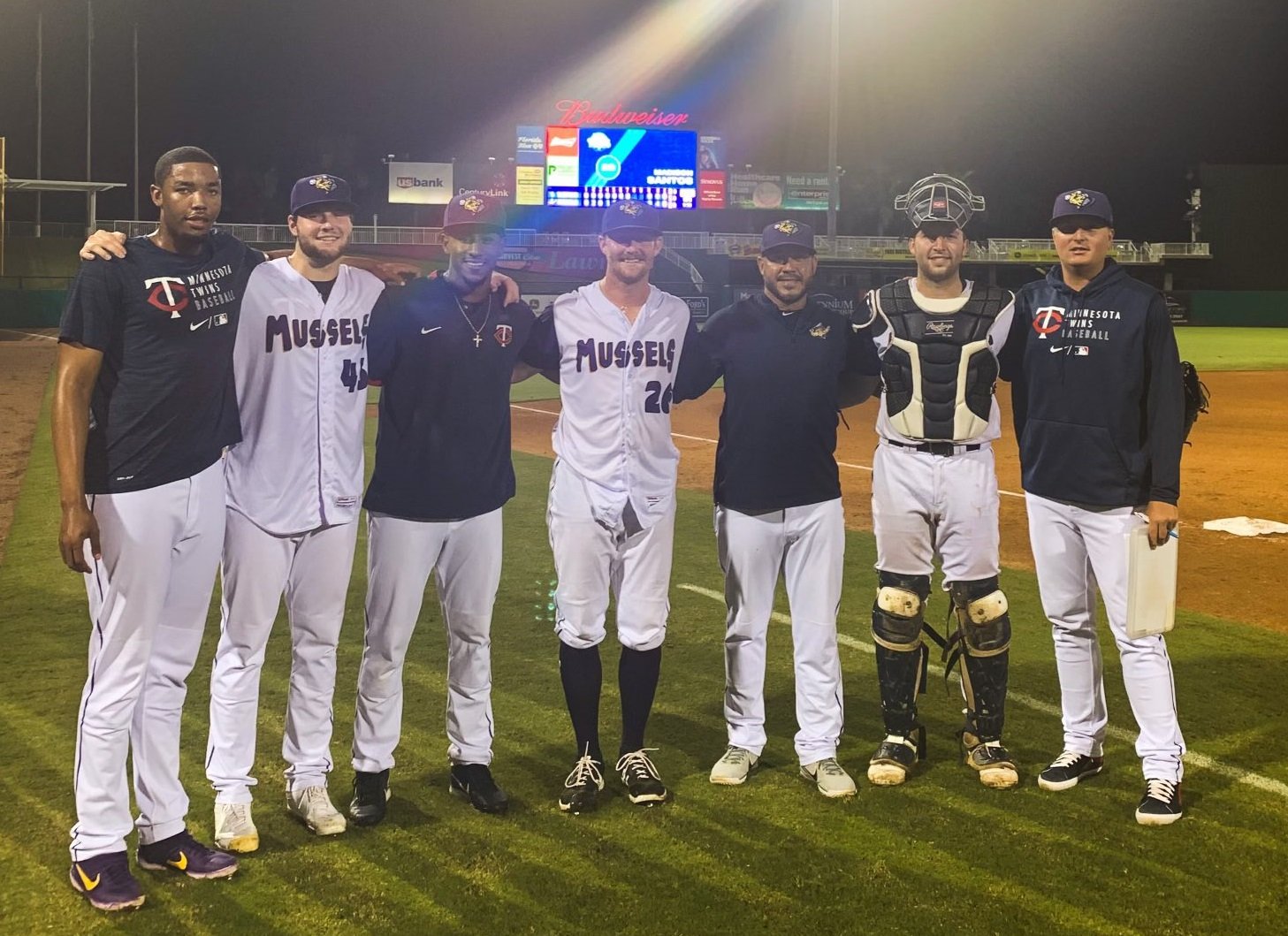 TRANSACTIONS INF Drew Maggi selected by Twins from AAA St. Paul Saints Sentinel St. Paul 5, Indianapolis 9 Box Score Bryan Sammons: 3 1/3 IP, 7 H, 7 ER, 3 BB, 4 K HR: None Multi-hit games: Tomás Telis (3-for-5), Drew Stankiewicz (2-for-4, RBI) The Saints lost on Saturday. Bryan Sammons had a rough day at the office. He allowed seven runs as Indianapolis put up back-to-back four-run efforts in the 3rd and 4th innings. The score was close at times. The Saints originally took the lead in the 2nd inning thanks to singles by Sherman Johnson and Drew Stankiewicz, but that lead did not last for long. Indianapolis instantly responded with five runs over the next two innings; runs that were capped off with a bases-clearing double from Taylor Davis. Damek Tomscha brought the game within striking distance with a triple and eventually came around thanks to a balk. The good news ends there as Indianapolis piled on four more runs in the 4th inning and essentially ended the game there. Mitch Garver went 1-4 with a single and a strikeout in his rehab appearance. Wind Surge Wisdom Wichita 3, Arkansas 5 Box Score Austin Schulfer: 5 IP, 4 H, 2 ER, 0 BB, 3 K HR: None Multi-hit games: None The Wind Surge lost a close one on Saturday. Offensively, Wichita was limited to only singles and walks, but the team was able to scrap themselves to a few runs. Austin Martin, Aaron Whitefield, Jermaine Palacios, and Leobaldo Cabrera all stole a base on Saturday (and Palacios stole two). The steals directly to the three runs the Wind Surge scored. Three runs would not be enough to win. Austin Schulfer allowed two runs in his start, but Evan Sisk matched that total in relief of Schulfer. The Travelers tacked on another run, but that proved to just be unnecessary breathing room. Wichita put together a rally in the 9th inning as Palacios and Trey Cabbage both took walks, but Whitefield and Andrew Bechtold were unable to bring any more runners home. Kernels Nuggets Cedar Rapids 6, Peoria 3 Box Score Sawyer Gipson-Long: 6 1/3 IP, 7 H, 3 ER, 1 BB, 8 K HR: Edouard Julien (14), Aaron Sabato (8) Multi-hit games: Alex Isola (2-for-4) The Kernels won a close game on Saturday. Sawyer Gipson-Long continued his ridiculous strikeout streak by punching out eight Chiefs. He now has 134 punchies on the season, which, by my count, is pretty darn good. Gipson-Long might still fly under the radar on prospect lists, but he certainly is a name that should be kept track of. Offensively, the Kernels dominated. Only one hitter had multiple hits but that was because every other hitter was too busy taking walks. The team walked eight times with Aaron Sabato leading the way with three free passes on top of his homerun. Let’s talk about his homer. Sabato’s 5th inning shot was his eighth in 92 plate appearances with the Kernels. Over a 600 plate appearance season (a traditional full year of play), that would be good for 52 blasts. I don’t think you need me to tell you how good that is. Not to be outdone, Edouard Julien blasted his 14th homer with the Kernels in the 3rd inning. Julien has seen a dramatic boost in home runs since his promotion (three with Fort Myers, 14 with Cedar Rapids over a comparable amount of playing time), and the new power is quite intriguing. If he can find the perfect mix of discipline and power, then we may be looking at a great hitter for the Twins. Osiris German and Tyler Watson combined to end the game for Cedar Rapids with 2 2/3 clean innings of work between the two pitchers. Mussel Matters Fort Myers 5, Tampa 6 (7 innings) Box Score Jackson Hicks: 0 IP, 1 H, 1 ER, 1 BB, 0 K HR: Willie Joe Garry Jr. (4) Multi-hit games: Willie Joe Garry Jr. (2-for-3, HR, R, 2 RBI) The Fort Myers Miracle lost their paused game on Saturday. Cade Povich took over for Jackson Hicks and performed admirably. He struck out five batters over his two innings of work without allowing an earned run. Povich now has 16 strikeouts over eight innings with Fort Myers, not a bad start at all. Fort Myers held the lead late in the game thanks to Willie Joe Garry Jr’s. two-run homer, Misael Urbina’s double, and some early-inning shenanigans from Christian Encarnacion-Strand and Kole McKinnon. The 6th inning proved to be the back-breaker, though. A single from Tyler Hardman, with the aid of a Garry Jr. error, scored the game-ending go-ahead run. The Mighty Mussels had three total errors in the game. The three errors, along with going 1-9 with RISP, proved to be too much for Fort Myers to overcome. Game two: Fort Myers 3, Tampa 0 Box Score Regi Grace: 3 IP, 0 H, 0 ER, 0 BB, 4 K HR: None Multi-hit games: None The Mighty Mussels threw a no-hitter* in game two. ...Kind of. MLB already established that a seven-inning no-hitter does not technically count, but I find that to be lame, so Fort Myers threw a no-hitter on Saturday (as declared by Matt Braun.) Regi Grace was astonishingly efficient in his start. Landon Leach, Bradley Hanner, and Matthew Swain combined to complete the game in relief of Grace. In total, the Mighty Mussels struck out 11 batters, allowed no hits (duh), and walked just one batter. That lone walk proved to be the sole blemish on the night. The Fort Myers offense, to their credit, did their part as well. Will Holland doubled home a run, Jake Rucker brought in another with a sacrifice fly, and Patrick Winkel added on with a run-scoring double. Those three runs were more than enough for the Mighty Mussels in game two. Quotes following the game: Matthew Swain, who struck out the side in the ninth inning, said, "I just focused and took it pitch-by pitch. Just trying to get strike one and eliminate hitters. Just wanted to finish out the season strong, on a good note. I had a little chip on my shoulder this game." Tonight's starter, Regi Grace, said of the group, "It's just our organizational philosophy; throw nasty (stuff) in the zone. I guess all four of us were all a little extra nasty tonight." Catcher Patrick Winkel said, "(Manager) Brian (Meyer) told us before the week, this might be the last time you guys play together, so try to have fun with it, and that's exactly what we're doing. That just comes through on the field, the level of energy and the focus we have. We're just trying to enjoy these last few days as a group. We don't know if or when we'll ever play together again. Just trying to go out on a good note." Winkel said of his pitchers, "Regi was dominating with his fastball and then going to his curveball, keeping them off balance. Leach came out and was working really fast, not giving them a chance to breathe and catching them off guard. Working down and away. Putting the ball where he wanted to put it. Hanner came in and had great energy and focus. He didn't back down. He had the top of the order, some of the best hitters in this league, and obviously Swain came in and closed the door by just blew fastballs by them." Hanner said, "I just wanted to end the season on a high note, and I can't think of a better way to do it." Complex Chronicles FCL Twins 4, FCL Red Sox 3 (7 innings) Box Score Mike Paredes: 2 IP, 0 H, 0 ER, 0 BB, 5 K HR: Kala’i Rosario (5) Multi-hit games: Kala’i Rosario (2-for-3, HR, 2 R, 2 RBI), Gregory Duran (2-for-3, 2B) The FCL Twins won their paused game on Saturday. Technically, Kala’i Rosario kicked off the game yesterday with a monstrous first-inning home run. But, because the game did not end until today, I am commandeering the content for today’s write-up. Here it is: Mike Paredes mowed through the FCL Red Sox offense to begin the game before Chase Petty took over to carry the torch. His second professional outing resulted in three earned runs over his three innings of work-not the best performance on the surface, but he also struck out four batters. Those three earned runs turned the tide of the game against the FCL Twins as they now found themselves down by a run. The team was not finished, though. A 6th inning double-steal brought home the tying run, and a 7th inning single from Ricardo Olivar ended the game for good. The Twins and Red Sox were supposed to play a second game, but that game was canceled. Today was also the last day of the season for the FCL and it appears that the team will not make up the game on Sunday. TWINS DAILY PLAYERS OF THE DAY Twins Daily Minor League Pitcher of the Day – Sawyer Gipson-Long Twins Daily Minor League Hitter of the Day – Aaron Sabato PROSPECT SUMMARY Here’s a look at how the Twins Daily Top 20 Twins Prospects performed: #1 – Royce Lewis (Rehab) - Out for season (torn ACL) #2 – Austin Martin (Wichita) - 1-4, K #3 – Jordan Balazovic (Wichita) - Did not pitch #4 – Simeon Woods Richardson (Wichita) - Did not pitch #5 – Jhoan Duran (St. Paul) - Injured List (Right Elbow Strain) #6 – Jose Miranda (St. Paul) - 1-5, 2B #7 – Joe Ryan (Minnesota) - Did not pitch #8 – Matt Canterino (Cedar Rapids) - Injured List (Right Elbow Strain) #9 – Chase Petty (Complex) - 3 IP, 4 H, 3 ER, 1 BB, 4 K #10 – Keoni Cavaco (Fort Myers) - Did not play #11 – Josh Winder (St. Paul) - Injured List (Right Shoulder Impingement) #12 – Matt Wallner (Cedar Rapids) - 1-5, R, 2 K #13 – Gilberto Celestino (St. Paul) - 0-3, 2 R, K #14 – Drew Strotman (St. Paul) - Did not pitch #15 – Noah Miller (FCL Twins) - 1-3, RBI, BB, 2 K #16 – Brent Rooker (Minnesota) - 0-3, BB, K #17 – Blayne Enlow (Cedar Rapids) - Out for Season (Tommy John surgery) #18 – Misael Urbina (Fort Myers) - 1-6, R, RBI, 2B, BB, K #19 – Cole Sands (Wichita) - Did not pitch #20 – Spencer Steer (Wichita) - 0-4, 2 K SUNDAY’S PROBABLE STARTERS Tampa @ Fort Myers (10:00 AM) LHP Zarion Sharpe St. Paul @ Indianapolis (11:35 AM) RHP Drew Strotman Arkansas @ Wichita (12:05 PM) RHP Simeon Woods Richardson Cedar Rapids @ Peoria (12:35 PM) TBD
- 4 comments
-
- 2
-
-
- sawyer gipson-long
- aaron sabato
- (and 3 more)
-
One of the Twins minor league teams threw a no-hitter that, while fun, is most certainly not an official no-hitter. You'll see what I mean. Chase Petty made his second career outing, Aaron Sabato ripped, and Sawyer Gipson-Long punched out fools. TRANSACTIONS INF Drew Maggi selected by Twins from AAA St. Paul Saints Sentinel St. Paul 5, Indianapolis 9 Box Score Bryan Sammons: 3 1/3 IP, 7 H, 7 ER, 3 BB, 4 K HR: None Multi-hit games: Tomás Telis (3-for-5), Drew Stankiewicz (2-for-4, RBI) The Saints lost on Saturday. Bryan Sammons had a rough day at the office. He allowed seven runs as Indianapolis put up back-to-back four-run efforts in the 3rd and 4th innings. The score was close at times. The Saints originally took the lead in the 2nd inning thanks to singles by Sherman Johnson and Drew Stankiewicz, but that lead did not last for long. Indianapolis instantly responded with five runs over the next two innings; runs that were capped off with a bases-clearing double from Taylor Davis. Damek Tomscha brought the game within striking distance with a triple and eventually came around thanks to a balk. The good news ends there as Indianapolis piled on four more runs in the 4th inning and essentially ended the game there. Mitch Garver went 1-4 with a single and a strikeout in his rehab appearance. Wind Surge Wisdom Wichita 3, Arkansas 5 Box Score Austin Schulfer: 5 IP, 4 H, 2 ER, 0 BB, 3 K HR: None Multi-hit games: None The Wind Surge lost a close one on Saturday. Offensively, Wichita was limited to only singles and walks, but the team was able to scrap themselves to a few runs. Austin Martin, Aaron Whitefield, Jermaine Palacios, and Leobaldo Cabrera all stole a base on Saturday (and Palacios stole two). The steals directly to the three runs the Wind Surge scored. Three runs would not be enough to win. Austin Schulfer allowed two runs in his start, but Evan Sisk matched that total in relief of Schulfer. The Travelers tacked on another run, but that proved to just be unnecessary breathing room. Wichita put together a rally in the 9th inning as Palacios and Trey Cabbage both took walks, but Whitefield and Andrew Bechtold were unable to bring any more runners home. Kernels Nuggets Cedar Rapids 6, Peoria 3 Box Score Sawyer Gipson-Long: 6 1/3 IP, 7 H, 3 ER, 1 BB, 8 K HR: Edouard Julien (14), Aaron Sabato (8) Multi-hit games: Alex Isola (2-for-4) The Kernels won a close game on Saturday. Sawyer Gipson-Long continued his ridiculous strikeout streak by punching out eight Chiefs. He now has 134 punchies on the season, which, by my count, is pretty darn good. Gipson-Long might still fly under the radar on prospect lists, but he certainly is a name that should be kept track of. Offensively, the Kernels dominated. Only one hitter had multiple hits but that was because every other hitter was too busy taking walks. The team walked eight times with Aaron Sabato leading the way with three free passes on top of his homerun. Let’s talk about his homer. Sabato’s 5th inning shot was his eighth in 92 plate appearances with the Kernels. Over a 600 plate appearance season (a traditional full year of play), that would be good for 52 blasts. I don’t think you need me to tell you how good that is. Not to be outdone, Edouard Julien blasted his 14th homer with the Kernels in the 3rd inning. Julien has seen a dramatic boost in home runs since his promotion (three with Fort Myers, 14 with Cedar Rapids over a comparable amount of playing time), and the new power is quite intriguing. If he can find the perfect mix of discipline and power, then we may be looking at a great hitter for the Twins. Osiris German and Tyler Watson combined to end the game for Cedar Rapids with 2 2/3 clean innings of work between the two pitchers. Mussel Matters Fort Myers 5, Tampa 6 (7 innings) Box Score Jackson Hicks: 0 IP, 1 H, 1 ER, 1 BB, 0 K HR: Willie Joe Garry Jr. (4) Multi-hit games: Willie Joe Garry Jr. (2-for-3, HR, R, 2 RBI) The Fort Myers Miracle lost their paused game on Saturday. Cade Povich took over for Jackson Hicks and performed admirably. He struck out five batters over his two innings of work without allowing an earned run. Povich now has 16 strikeouts over eight innings with Fort Myers, not a bad start at all. Fort Myers held the lead late in the game thanks to Willie Joe Garry Jr’s. two-run homer, Misael Urbina’s double, and some early-inning shenanigans from Christian Encarnacion-Strand and Kole McKinnon. The 6th inning proved to be the back-breaker, though. A single from Tyler Hardman, with the aid of a Garry Jr. error, scored the game-ending go-ahead run. The Mighty Mussels had three total errors in the game. The three errors, along with going 1-9 with RISP, proved to be too much for Fort Myers to overcome. Game two: Fort Myers 3, Tampa 0 Box Score Regi Grace: 3 IP, 0 H, 0 ER, 0 BB, 4 K HR: None Multi-hit games: None The Mighty Mussels threw a no-hitter* in game two. ...Kind of. MLB already established that a seven-inning no-hitter does not technically count, but I find that to be lame, so Fort Myers threw a no-hitter on Saturday (as declared by Matt Braun.) Regi Grace was astonishingly efficient in his start. Landon Leach, Bradley Hanner, and Matthew Swain combined to complete the game in relief of Grace. In total, the Mighty Mussels struck out 11 batters, allowed no hits (duh), and walked just one batter. That lone walk proved to be the sole blemish on the night. The Fort Myers offense, to their credit, did their part as well. Will Holland doubled home a run, Jake Rucker brought in another with a sacrifice fly, and Patrick Winkel added on with a run-scoring double. Those three runs were more than enough for the Mighty Mussels in game two. Quotes following the game: Matthew Swain, who struck out the side in the ninth inning, said, "I just focused and took it pitch-by pitch. Just trying to get strike one and eliminate hitters. Just wanted to finish out the season strong, on a good note. I had a little chip on my shoulder this game." Tonight's starter, Regi Grace, said of the group, "It's just our organizational philosophy; throw nasty (stuff) in the zone. I guess all four of us were all a little extra nasty tonight." Catcher Patrick Winkel said, "(Manager) Brian (Meyer) told us before the week, this might be the last time you guys play together, so try to have fun with it, and that's exactly what we're doing. That just comes through on the field, the level of energy and the focus we have. We're just trying to enjoy these last few days as a group. We don't know if or when we'll ever play together again. Just trying to go out on a good note." Winkel said of his pitchers, "Regi was dominating with his fastball and then going to his curveball, keeping them off balance. Leach came out and was working really fast, not giving them a chance to breathe and catching them off guard. Working down and away. Putting the ball where he wanted to put it. Hanner came in and had great energy and focus. He didn't back down. He had the top of the order, some of the best hitters in this league, and obviously Swain came in and closed the door by just blew fastballs by them." Hanner said, "I just wanted to end the season on a high note, and I can't think of a better way to do it." Complex Chronicles FCL Twins 4, FCL Red Sox 3 (7 innings) Box Score Mike Paredes: 2 IP, 0 H, 0 ER, 0 BB, 5 K HR: Kala’i Rosario (5) Multi-hit games: Kala’i Rosario (2-for-3, HR, 2 R, 2 RBI), Gregory Duran (2-for-3, 2B) The FCL Twins won their paused game on Saturday. Technically, Kala’i Rosario kicked off the game yesterday with a monstrous first-inning home run. But, because the game did not end until today, I am commandeering the content for today’s write-up. Here it is: Mike Paredes mowed through the FCL Red Sox offense to begin the game before Chase Petty took over to carry the torch. His second professional outing resulted in three earned runs over his three innings of work-not the best performance on the surface, but he also struck out four batters. Those three earned runs turned the tide of the game against the FCL Twins as they now found themselves down by a run. The team was not finished, though. A 6th inning double-steal brought home the tying run, and a 7th inning single from Ricardo Olivar ended the game for good. The Twins and Red Sox were supposed to play a second game, but that game was canceled. Today was also the last day of the season for the FCL and it appears that the team will not make up the game on Sunday. TWINS DAILY PLAYERS OF THE DAY Twins Daily Minor League Pitcher of the Day – Sawyer Gipson-Long Twins Daily Minor League Hitter of the Day – Aaron Sabato PROSPECT SUMMARY Here’s a look at how the Twins Daily Top 20 Twins Prospects performed: #1 – Royce Lewis (Rehab) - Out for season (torn ACL) #2 – Austin Martin (Wichita) - 1-4, K #3 – Jordan Balazovic (Wichita) - Did not pitch #4 – Simeon Woods Richardson (Wichita) - Did not pitch #5 – Jhoan Duran (St. Paul) - Injured List (Right Elbow Strain) #6 – Jose Miranda (St. Paul) - 1-5, 2B #7 – Joe Ryan (Minnesota) - Did not pitch #8 – Matt Canterino (Cedar Rapids) - Injured List (Right Elbow Strain) #9 – Chase Petty (Complex) - 3 IP, 4 H, 3 ER, 1 BB, 4 K #10 – Keoni Cavaco (Fort Myers) - Did not play #11 – Josh Winder (St. Paul) - Injured List (Right Shoulder Impingement) #12 – Matt Wallner (Cedar Rapids) - 1-5, R, 2 K #13 – Gilberto Celestino (St. Paul) - 0-3, 2 R, K #14 – Drew Strotman (St. Paul) - Did not pitch #15 – Noah Miller (FCL Twins) - 1-3, RBI, BB, 2 K #16 – Brent Rooker (Minnesota) - 0-3, BB, K #17 – Blayne Enlow (Cedar Rapids) - Out for Season (Tommy John surgery) #18 – Misael Urbina (Fort Myers) - 1-6, R, RBI, 2B, BB, K #19 – Cole Sands (Wichita) - Did not pitch #20 – Spencer Steer (Wichita) - 0-4, 2 K SUNDAY’S PROBABLE STARTERS Tampa @ Fort Myers (10:00 AM) LHP Zarion Sharpe St. Paul @ Indianapolis (11:35 AM) RHP Drew Strotman Arkansas @ Wichita (12:05 PM) RHP Simeon Woods Richardson Cedar Rapids @ Peoria (12:35 PM) TBD View full article
- 4 replies
-
- 1
-
-
- sawyer gipson-long
- aaron sabato
- (and 3 more)
-
Simeon Woods Richardson made his much-anticipated debut in the Twins organization while a few 2021 draft picks had big nights. TRANSACTIONS OF Trevor Larnach placed on the 7-day IL at AAA St. Paul retroactive to 9/2 (Left-hand contusion) RHP Alex Phillips placed on the IL at AA Wichita RHP Simeon Woods Richardson activated from development list at AA Wichita Saints Sentinel St. Paul 0, Columbus 5 (7 innings) Box Score Beau Burrows: 4 1/3 IP, 7 H, 4 ER, 0 BB, 4 K HR: None Multi-hit games: None The Saints lost firmly on Saturday. Beau Burrows kicked off a quasi-bullpen game by allowing three home runs in his effort. Really, Columbus just needed one of them, so this was a real rude thing for them to do. The Saints knocked out just three hits in this game as they were unable to put up any runs against Heath Fillmyer and Kyle Nelson. On the bright side, two of those hits were doubles (by Drew Stankiewicz and Mark Contreras.) Ryan Mason’s scoreless outing in relief of Burrows is just about the only solid positive that came out of this game, unfortunately. This was also supposed to be the first of an eventual doubleheader, but that game actually was rained out, so there will be a doubleheader (attempt, at least) on Sunday. Wind Surge Wisdom Wichita 0, Arkansas 1 Box Score Simeon Woods Richardson: 1 ⅓ IP, 0 H, 0 ER, 3 BB, 2 K HR: None Multi-hit games: Ernie De La Trinidad (2-for-3) Wichita lost on a walk-off on Saturday. Simeon Woods Richardson made his debut for the Twins organization on Saturday and, well, the start could have gone better. The righty needed 40 pitches to get four outs and the Wind Surge decided that it was not worth it to push him any farther. The good news is this is probably the worst start he will ever make for the team so, you know, silver linings and all that. Tyler Beck saved the day in relief of Woods Richardson. He took over and swiftly established order with five shutout innings. Now that’s what we call a good teammate. Offensively, Wichita could not get anything going. Roy Morales knocked the lone extra-base hit while Ernie De La Trinidad reached base twice. In total, the team struck out 14 times without taking a single walk. Hector Lujan was pushing to send the game into extras when David Shaeffer sent a homer over the wall to end the game. Kernels Nuggets Cedar Rapids 8, Quad Cities 7 Box Score Aaron Rozek: 5 IP, 5 H, 1 ER, 0 BB, 3 K HR: Alex Isola (13), Yunior Severino (3) Multi-hit games: Alex Isola (2-for-4, HR, R, 2 RBI) Cedar Rapids won a barn-burner on Saturday. Aaron Rozek effectively held the River Bandits’ offense at bay for five quality innings. The Burnsville native has pitched quite well this season, and he could potentially find himself placed on the back end of some Twins prospect lists. Despite putting up eight runs, the Kernels’ offense was somewhat unusual. They were actually out-hit on the night, but they were able to bunch their scoring and knock in runs when it mattered. Alex Isola continued his ridiculous power stretch with his 13th home run of the season, Yunior Severino blasted a three-run shot of his own, and Edouard Julien set the table for the rest of the offense. All seven RBIs came from Aaron Sabato, Severino, and Isola. The lesson to take away from this is that if a team wants to win, they should bunch their hits together (wow, what wisdom, Matt.) Mussel Matters Fort Myers 4, Daytona 6 Box Score Cade Povich: 3 IP, 3 H, 1 ER, 1 BB, 6 K HR: None Multi-hit games: Christian Encarnacion-Strand (3-for-4, R, RBI) Fort Myers lost a close one on Saturday. Cade Povich made his Fort Myers debut on Saturday. The 3rd round pick from the 2021 draft impressed with six strikeouts over three innings of work in what was the best outing from any Mighty Mussels pitcher. He will certainly be an interesting arm to keep track of. Just two players stood out offensively for Fort Myers. Christian Encarnacion-Strand, another 2021 pick, dropped in three singles while Will Holland reached base twice. Unfortunately, it was another game in the system tonight where offense was hard to come by. Complex Chronicles FCL Twins 3, FCL Red Sox 4 (8 innings) Box Score Brent Headrick: 1 2/3 IP, 1 H, 0 ER, 2 BB, 2 K HR: Noah Cardenas (1) Multi-hit games: Argenis Jimenez (2-for-4, 3B, 2 RBI) The FCL Twins were walked-off in “extras” on Saturday. The pitching effort by the Twins was commendable. Five different pitchers combined to allow just two earned runs over 7 1/3 innings of work. Develson Aria was especially impressive as he threw three shutout innings with six punch outs and only two baserunners allowed. The struggle was for naught, though. The FCL Red Sox pitching staff pitched just as well as the Twins and the two teams were locked in a Cold War stalemate for much of the game. The game was finally decided when Phillip Sikes knocked in the extra-innings runner in the 8th. The good news is that Noah Cardenas, the Twins’ 8th round pick in the 2021 draft, launched his first career professional homer on Saturday. The catcher out of UCLA blasted a solo shot in the 2nd in what was one of two extra-base hits for the team on Saturday. The FCL Twins were also supposed to play a doubleheader but the second game was rained out as well. Mother nature was not born a baseball fan. TWINS DAILY PLAYERS OF THE DAY Twins Daily Minor League Pitcher of the Day – Tyler Beck Twins Daily Minor League Hitter of the Day – Christian Encarnacion-Strand PROSPECT SUMMARY Here’s a look at how the Twins Daily Top 20 Twins Prospects performed: #1 – Royce Lewis (Rehab) - Out for season (torn ACL) #2 – Austin Martin (Wichita) - Did not play #3 – Jordan Balazovic (Wichita) - Did not pitch #4 – Simeon Woods Richardson (Wichita) - 1 1/3 IP, 0 H, 0 ER, 3 BB, 2 K #5 – Jhoan Duran (St. Paul) - Injured List (Right Elbow Strain) #6 – Jose Miranda (St. Paul) - 1-3 #7 – Joe Ryan (Minnesota) - Did not pitch #8 – Matt Canterino (Cedar Rapids) - Injured List (Right Elbow Strain) #9 – Chase Petty (Complex) - #10 – Keoni Cavaco (Fort Myers) - Did not play #11 – Josh Winder (St. Paul) - Injured List (Right Shoulder Impingement) #12 – Matt Wallner (Cedar Rapids) - Did not play #13 – Gilberto Celestino (St. Paul) - 0-2, BB, K #14 – Drew Strotman (St. Paul) - Did not pitch #15 – Noah Miller (FCL Twins) - Did not play #16 – Brent Rooker (Minnesota) - Did not play #17 – Blayne Enlow (Cedar Rapids) - Out for Season (Tommy John surgery) #18 – Misael Urbina (Fort Myers) - 1-5, 2B, R #19 – Cole Sands (Wichita) - Did not pitch #20 – Spencer Steer (Wichita) - 0-4, 2 K SUNDAY’S PROBABLE STARTERS Quad Cities @ Cedar Rapids (1:05 PM) LHP Tyler Watson Wichita @ Arkansas (1:10 PM) RHP Jordan Balazovic St. Paul @ Columbus (2:05 PM) RHP Jason Garcia St. Paul @ Columbus (30 minutes following the end of game one) LHP Charlie Barnes Fort Myers @ Daytona (3:35 PM) RHP Regi Grace View full article
- 10 replies
-
- 1
-
-
- simeon woods richardson
- christian encarnacion-strand
- (and 3 more)
-
Minor League Report 9/4 Simeon Woods Richardson Debuts
Matt Braun posted an article in Minor Leagues
 TRANSACTIONS OF Trevor Larnach placed on the 7-day IL at AAA St. Paul retroactive to 9/2 (Left-hand contusion) RHP Alex Phillips placed on the IL at AA Wichita RHP Simeon Woods Richardson activated from development list at AA Wichita Saints Sentinel St. Paul 0, Columbus 5 (7 innings) Box Score Beau Burrows: 4 1/3 IP, 7 H, 4 ER, 0 BB, 4 K HR: None Multi-hit games: None The Saints lost firmly on Saturday. Beau Burrows kicked off a quasi-bullpen game by allowing three home runs in his effort. Really, Columbus just needed one of them, so this was a real rude thing for them to do. The Saints knocked out just three hits in this game as they were unable to put up any runs against Heath Fillmyer and Kyle Nelson. On the bright side, two of those hits were doubles (by Drew Stankiewicz and Mark Contreras.) Ryan Mason’s scoreless outing in relief of Burrows is just about the only solid positive that came out of this game, unfortunately. This was also supposed to be the first of an eventual doubleheader, but that game actually was rained out, so there will be a doubleheader (attempt, at least) on Sunday. Wind Surge Wisdom Wichita 0, Arkansas 1 Box Score Simeon Woods Richardson: 1 ⅓ IP, 0 H, 0 ER, 3 BB, 2 K HR: None Multi-hit games: Ernie De La Trinidad (2-for-3) Wichita lost on a walk-off on Saturday. Simeon Woods Richardson made his debut for the Twins organization on Saturday and, well, the start could have gone better. The righty needed 40 pitches to get four outs and the Wind Surge decided that it was not worth it to push him any farther. The good news is this is probably the worst start he will ever make for the team so, you know, silver linings and all that. Tyler Beck saved the day in relief of Woods Richardson. He took over and swiftly established order with five shutout innings. Now that’s what we call a good teammate. Offensively, Wichita could not get anything going. Roy Morales knocked the lone extra-base hit while Ernie De La Trinidad reached base twice. In total, the team struck out 14 times without taking a single walk. Hector Lujan was pushing to send the game into extras when David Shaeffer sent a homer over the wall to end the game. Kernels Nuggets Cedar Rapids 8, Quad Cities 7 Box Score Aaron Rozek: 5 IP, 5 H, 1 ER, 0 BB, 3 K HR: Alex Isola (13), Yunior Severino (3) Multi-hit games: Alex Isola (2-for-4, HR, R, 2 RBI) Cedar Rapids won a barn-burner on Saturday. Aaron Rozek effectively held the River Bandits’ offense at bay for five quality innings. The Burnsville native has pitched quite well this season, and he could potentially find himself placed on the back end of some Twins prospect lists. Despite putting up eight runs, the Kernels’ offense was somewhat unusual. They were actually out-hit on the night, but they were able to bunch their scoring and knock in runs when it mattered. Alex Isola continued his ridiculous power stretch with his 13th home run of the season, Yunior Severino blasted a three-run shot of his own, and Edouard Julien set the table for the rest of the offense. All seven RBIs came from Aaron Sabato, Severino, and Isola. The lesson to take away from this is that if a team wants to win, they should bunch their hits together (wow, what wisdom, Matt.) Mussel Matters Fort Myers 4, Daytona 6 Box Score Cade Povich: 3 IP, 3 H, 1 ER, 1 BB, 6 K HR: None Multi-hit games: Christian Encarnacion-Strand (3-for-4, R, RBI) Fort Myers lost a close one on Saturday. Cade Povich made his Fort Myers debut on Saturday. The 3rd round pick from the 2021 draft impressed with six strikeouts over three innings of work in what was the best outing from any Mighty Mussels pitcher. He will certainly be an interesting arm to keep track of. Just two players stood out offensively for Fort Myers. Christian Encarnacion-Strand, another 2021 pick, dropped in three singles while Will Holland reached base twice. Unfortunately, it was another game in the system tonight where offense was hard to come by. Complex Chronicles FCL Twins 3, FCL Red Sox 4 (8 innings) Box Score Brent Headrick: 1 2/3 IP, 1 H, 0 ER, 2 BB, 2 K HR: Noah Cardenas (1) Multi-hit games: Argenis Jimenez (2-for-4, 3B, 2 RBI) The FCL Twins were walked-off in “extras” on Saturday. The pitching effort by the Twins was commendable. Five different pitchers combined to allow just two earned runs over 7 1/3 innings of work. Develson Aria was especially impressive as he threw three shutout innings with six punch outs and only two baserunners allowed. The struggle was for naught, though. The FCL Red Sox pitching staff pitched just as well as the Twins and the two teams were locked in a Cold War stalemate for much of the game. The game was finally decided when Phillip Sikes knocked in the extra-innings runner in the 8th. The good news is that Noah Cardenas, the Twins’ 8th round pick in the 2021 draft, launched his first career professional homer on Saturday. The catcher out of UCLA blasted a solo shot in the 2nd in what was one of two extra-base hits for the team on Saturday. The FCL Twins were also supposed to play a doubleheader but the second game was rained out as well. Mother nature was not born a baseball fan. TWINS DAILY PLAYERS OF THE DAY Twins Daily Minor League Pitcher of the Day – Tyler Beck Twins Daily Minor League Hitter of the Day – Christian Encarnacion-Strand PROSPECT SUMMARY Here’s a look at how the Twins Daily Top 20 Twins Prospects performed: #1 – Royce Lewis (Rehab) - Out for season (torn ACL) #2 – Austin Martin (Wichita) - Did not play #3 – Jordan Balazovic (Wichita) - Did not pitch #4 – Simeon Woods Richardson (Wichita) - 1 1/3 IP, 0 H, 0 ER, 3 BB, 2 K #5 – Jhoan Duran (St. Paul) - Injured List (Right Elbow Strain) #6 – Jose Miranda (St. Paul) - 1-3 #7 – Joe Ryan (Minnesota) - Did not pitch #8 – Matt Canterino (Cedar Rapids) - Injured List (Right Elbow Strain) #9 – Chase Petty (Complex) - #10 – Keoni Cavaco (Fort Myers) - Did not play #11 – Josh Winder (St. Paul) - Injured List (Right Shoulder Impingement) #12 – Matt Wallner (Cedar Rapids) - Did not play #13 – Gilberto Celestino (St. Paul) - 0-2, BB, K #14 – Drew Strotman (St. Paul) - Did not pitch #15 – Noah Miller (FCL Twins) - Did not play #16 – Brent Rooker (Minnesota) - Did not play #17 – Blayne Enlow (Cedar Rapids) - Out for Season (Tommy John surgery) #18 – Misael Urbina (Fort Myers) - 1-5, 2B, R #19 – Cole Sands (Wichita) - Did not pitch #20 – Spencer Steer (Wichita) - 0-4, 2 K SUNDAY’S PROBABLE STARTERS Quad Cities @ Cedar Rapids (1:05 PM) LHP Tyler Watson Wichita @ Arkansas (1:10 PM) RHP Jordan Balazovic St. Paul @ Columbus (2:05 PM) RHP Jason Garcia St. Paul @ Columbus (30 minutes following the end of game one) LHP Charlie Barnes Fort Myers @ Daytona (3:35 PM) RHP Regi Grace
- 10 comments
-
- 3
-
-
- simeon woods richardson
- christian encarnacion-strand
- (and 3 more)
-
As the month turns to September and the coffee becomes pumpkin-spiced, the discussions among teams outside of the playoff race has shifted towards offseason plans. Unfortunately, this includes the Twins. This roster has more holes than a target at a shooting range, and the front office has their work cut out for them. Some may be inclined to immediately look for a few starting pitchers who can bring relief to a much-depleted Twins rotation, but I believe that this would be a mistake. Allow me to explain. (For the record, I did not intend for this to be a pseudo-response to Nick Nelson’s article from the other day, but it worked out like that.) In all likelihood, Kenta Maeda’s Tommy John surgery has ended any chance he has of pitching to any significant degree in 2022. There remains an outside chance that he can return in nine months, but even that heavily optimistic prediction shortens his 2022 season. Because of this, the potential Twins starting rotation in 2022 as of this very moment will consist solely of players with little MLB playing time and John Gant. And John Gant is not a starter. You, yes, you, my good reader, have about as much playing time as any of these other guys. Sure, Bailey Ober has flashed some ability; but the names after him are either questionable or dreadful. It is an unsustainable rotation. The natural thought would be then to sign an entire stable of starters. Just line up pitchers and send them through in such rapid fashion that FDR’s 100 days would appear to have run at a snail’s pace. But this would not be a good idea. First, which teams have built a successful starting rotation on such short notice? Yes, the Giants have found success this season with this method, but they are the exceptions. Look down the list of the top rotations by fWAR. Almost every team has a foundation of starters who were either developed internally or acquired before this last off-season. Teams like the Giants are relatively rare in building a starting rotation; most great units require a more solid base. The Twins, by comparison, would have to sign four starters (or three and pray that someone fixed Randy Dobnak) and assume that Bailey Ober will be available for 160+ quality innings next season. Not a great plan. Secondly, let’s think big picture. What good would a patchwork rotation be in 2022? There remain significant questions regarding the stability of this current core of players. The central nucleus of names is getting older. Considering that this same group of players has struggled early in 2021, why should we believe the situation will suddenly be any better? Will Miguel Sanó abruptly learn plate discipline? Will Max Kepler’s BABIP finally go above .250? I think not. The moves made by the front office signal to me that they do not plan on seriously competing until 2023. They traded José Berríos, a starter under control for 2022, for prospects. Yes, it was also because the deal was great for them, but the main driver, I believe, was a fundamental belief that this team, as currently constructed, will come up short in any effort in 2022 without heavenly intervention. Why else would they also peddle core players like Byron Buxton and Kepler? One of the other main tenants in the belief of a 2022 surrender is the prospect situation. It isn’t the lack of quality of prospects; they have those. It’s when they should make their MLB debuts. According to MLB.com, nine of their top 10 prospects will likely debut this year or next year. According to Fangraphs, it is nine of 11. Neither of these lists includes Alex Kirilloff and Trevor Larnach, who, while no longer prospects, will become long-term players in their own right who can (and will) replace current names. These soon-to-be-Twins reflect a conscious effort to have 2022 be a messy season in which the Twins can figure out which players will contribute in 2022 and beyond. Call up all the kids, see what they can do, then decide from there. There will be no competing next season. Now, while this should prevent the Twins from going all-in on starters, they should not utterly abstain from signing. They should target a younger long-term arm like Jon Gray, Eduardo Rodriguez, or even a more prominent name like Marcus Stroman. These players can bring an essential veteran presence while not presenting the same risks that an older (but probably better) pitcher like Zack Greinke or Justin Verlander will have. If the team wants to sign a player of that magnitude, it makes more sense to do so after 2022, when the genetic makeup of the team makes more sense. This line of thought does raise one more important question. If the team only signs one major starter, where does the rest of the money go? Their theoretical spending limit will be significant after this season. While I would love to give Mr. Pohlad a chance to purchase another absurd yacht or buy off a state senator or something, I don’t believe that money should go to waste. Perhaps the team could look towards signing one of the many All-Star shortstops available this off-season or decide to hand out an early extension to one of their numerous pre-arb players. I know that advocating for minimal movement on the rotation front while inking a high-caliber position player to a long-term deal seems like a strange idea, and it is. The key phrase is “long-term”; I’m thinking about building a better 2023 team, not a better 2022 team, and a burnt contract year is just the cost of investing. I get it, though. This team has not won a playoff game since the Bush administration, and it feels that it may be asking the world of some to hold off another season before diving headfirst back into the fray. No one wants to do that. This idea comes from the same desire that every other Twins fan possesses; we want this team to succeed. We want to finally shed the pressure that is years of unmatched playoff ineptitude. All I am asking is that the team realizes the poor situation that 2022 will likely be and instead decide to take a better-calculated shot at playoff success with a more solid foundation underneath them. What good will one more poorly constructed hopeful playoff run do? Plan for a better future. View full article
-
The Twins Shouldn't Spend (Much) On Starting Pitching This Offseason
Matt Braun posted an article in Twins
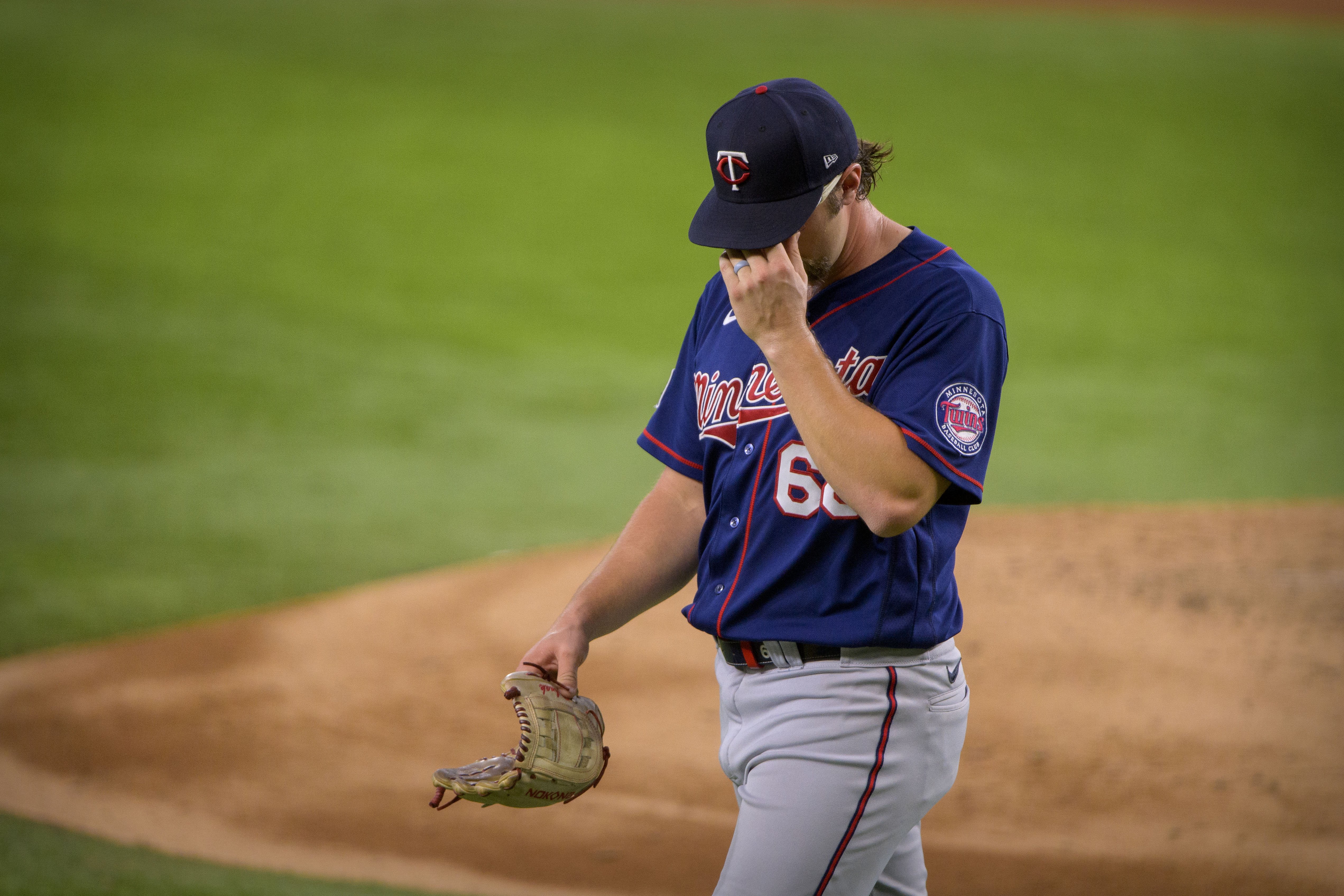 (For the record, I did not intend for this to be a pseudo-response to Nick Nelson’s article from the other day, but it worked out like that.) In all likelihood, Kenta Maeda’s Tommy John surgery has ended any chance he has of pitching to any significant degree in 2022. There remains an outside chance that he can return in nine months, but even that heavily optimistic prediction shortens his 2022 season. Because of this, the potential Twins starting rotation in 2022 as of this very moment will consist solely of players with little MLB playing time and John Gant. And John Gant is not a starter. You, yes, you, my good reader, have about as much playing time as any of these other guys. Sure, Bailey Ober has flashed some ability; but the names after him are either questionable or dreadful. It is an unsustainable rotation. The natural thought would be then to sign an entire stable of starters. Just line up pitchers and send them through in such rapid fashion that FDR’s 100 days would appear to have run at a snail’s pace. But this would not be a good idea. First, which teams have built a successful starting rotation on such short notice? Yes, the Giants have found success this season with this method, but they are the exceptions. Look down the list of the top rotations by fWAR. Almost every team has a foundation of starters who were either developed internally or acquired before this last off-season. Teams like the Giants are relatively rare in building a starting rotation; most great units require a more solid base. The Twins, by comparison, would have to sign four starters (or three and pray that someone fixed Randy Dobnak) and assume that Bailey Ober will be available for 160+ quality innings next season. Not a great plan. Secondly, let’s think big picture. What good would a patchwork rotation be in 2022? There remain significant questions regarding the stability of this current core of players. The central nucleus of names is getting older. Considering that this same group of players has struggled early in 2021, why should we believe the situation will suddenly be any better? Will Miguel Sanó abruptly learn plate discipline? Will Max Kepler’s BABIP finally go above .250? I think not. The moves made by the front office signal to me that they do not plan on seriously competing until 2023. They traded José Berríos, a starter under control for 2022, for prospects. Yes, it was also because the deal was great for them, but the main driver, I believe, was a fundamental belief that this team, as currently constructed, will come up short in any effort in 2022 without heavenly intervention. Why else would they also peddle core players like Byron Buxton and Kepler? One of the other main tenants in the belief of a 2022 surrender is the prospect situation. It isn’t the lack of quality of prospects; they have those. It’s when they should make their MLB debuts. According to MLB.com, nine of their top 10 prospects will likely debut this year or next year. According to Fangraphs, it is nine of 11. Neither of these lists includes Alex Kirilloff and Trevor Larnach, who, while no longer prospects, will become long-term players in their own right who can (and will) replace current names. These soon-to-be-Twins reflect a conscious effort to have 2022 be a messy season in which the Twins can figure out which players will contribute in 2022 and beyond. Call up all the kids, see what they can do, then decide from there. There will be no competing next season. Now, while this should prevent the Twins from going all-in on starters, they should not utterly abstain from signing. They should target a younger long-term arm like Jon Gray, Eduardo Rodriguez, or even a more prominent name like Marcus Stroman. These players can bring an essential veteran presence while not presenting the same risks that an older (but probably better) pitcher like Zack Greinke or Justin Verlander will have. If the team wants to sign a player of that magnitude, it makes more sense to do so after 2022, when the genetic makeup of the team makes more sense. This line of thought does raise one more important question. If the team only signs one major starter, where does the rest of the money go? Their theoretical spending limit will be significant after this season. While I would love to give Mr. Pohlad a chance to purchase another absurd yacht or buy off a state senator or something, I don’t believe that money should go to waste. Perhaps the team could look towards signing one of the many All-Star shortstops available this off-season or decide to hand out an early extension to one of their numerous pre-arb players. I know that advocating for minimal movement on the rotation front while inking a high-caliber position player to a long-term deal seems like a strange idea, and it is. The key phrase is “long-term”; I’m thinking about building a better 2023 team, not a better 2022 team, and a burnt contract year is just the cost of investing. I get it, though. This team has not won a playoff game since the Bush administration, and it feels that it may be asking the world of some to hold off another season before diving headfirst back into the fray. No one wants to do that. This idea comes from the same desire that every other Twins fan possesses; we want this team to succeed. We want to finally shed the pressure that is years of unmatched playoff ineptitude. All I am asking is that the team realizes the poor situation that 2022 will likely be and instead decide to take a better-calculated shot at playoff success with a more solid foundation underneath them. What good will one more poorly constructed hopeful playoff run do? Plan for a better future.
 -
Minor League Report 8/28 Offensive Explosions and A Curfew-ed Game
Matt Braun posted an article in Minor Leagues
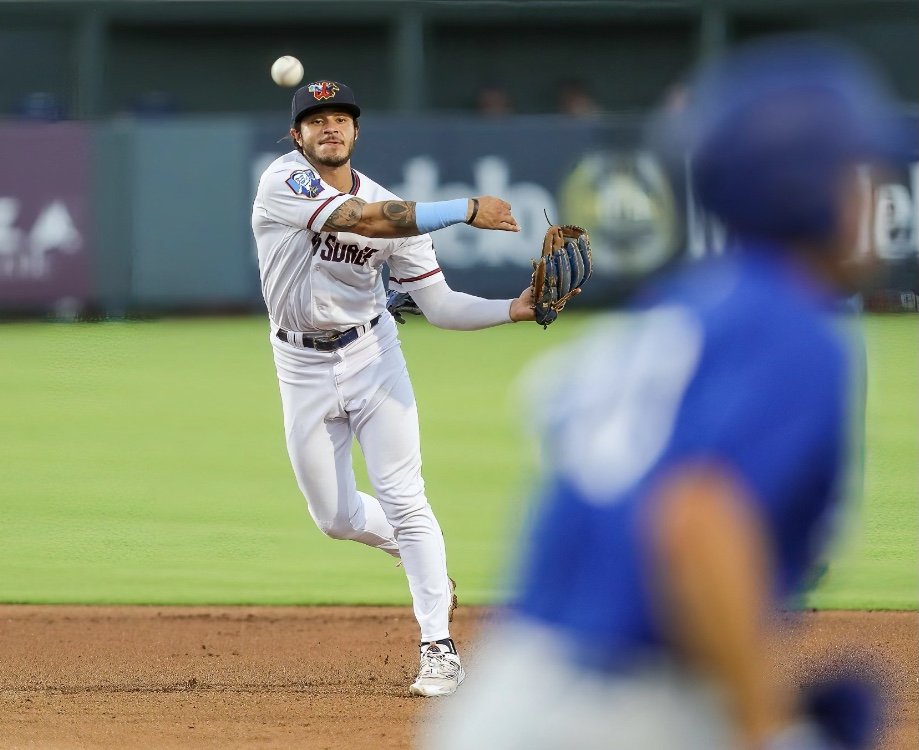 TRANSACTIONS RHP Miguel Rodriguez reinstated from 7-day IL at A Fort Myers RHP Ramon Pineda transferred from FCL Twins to A Fort Myers Saints Sentinel St. Paul 9, Toledo 9 (Paused game) Box Score Drew Strotman: 2 2/3 IP, 3 H, 6 ER, 6 BB, 2 K HR: None Multi-hit games: Well, I had a write-up here, but apparently the game ran so late that it was paused due to a curfew. I'll leave the box score link so that people can check it out as they please, but know that the game is not technically finished. Also know that this is the first time I have ever seen something like this happen in a minor league game. Weird stuff. Wind Surge Wisdom Wichita 13, Tulsa 4 Box Score Cole Sands: 3 IP, 6 H, 1 ER, 2 BB, 3 K HR: Leobaldo Cabrera (8), Andrew Bechtold (16), Austin Martin (2), Spencer Steer (13) Multi-hit games: Spencer Steer (2-for-4, HR, 2B, 4 R, 2 RBI, BB), Austin Martin (3-for-5, HR, 2 R, 3 RBI), Wichita gave Tulsa the business on Saturday. ...Oh, I need to say more? (Editor's Note: Yes, please.) Here are a few questions: Is it a good thing when eight out of nine of your batters get a hit? Is it a good thing when six different hitters earn an RBI? Is it a good thing when your 1-2 hitters combine for six runs? I’m not a baseball expert, but I tend to think that the answer to all of those questions is yes. Tulsa actually had the first lead of the game but a homer by Leobaldo Cabrera put the lead firmly in Wichita’s grasp. They would not let go. With five runs already on the board, Andrew Bechtold demolished a three-run homerun to make it a cruel seven-run lead. With a nine-run lead, Austin Martin clobbered a homer to make it an evil 11-run lead. Finally, with 12 runs on the board, Spencer Steer obliterated a solo shot to add a cherry on top of this battered cake. Tulsa actually out-hit the Wind Surge on Saturday which is objectively hilarious. Cabrera: Bechtold: Martin: Steer: Cole Sands allowed only one run over three innings but was inefficient as he tossed 80 pitches in order to do so. From there the combination of Kody Funderburk, Zach Neff, and Hector Lujan took Wichita to the finish line on Saturday. Kernels Nuggets Cedar Rapids 1, Beloit 6 Box Score Ben Gross: 5 IP, 10 H, 6 ER, 0 BB, 8 K HR: None Multi-hit games: Daniel Ozoria (2-for-3, RBI) Cedar Rapids had the lone offensive dud on Saturday. Ben Gross brought the strikeouts, but the Snappers proved resilient, and dropped 10 hits on the starter. It was an all-or-nothing approach that netted Beloit six extra-base hits off of Gross en route to a lead that would never really be challenged. The lone Kernels run came thanks to a Daniel Ozoria infield single in the 5th inning. The team put together just six hits on the night, but oddly enough, three of those hits were doubles. In another odd turn, both teams had matching one walk, 14 strikeout performances by their respective pitching staffs (and lineups, technically). But, Beloit bunching their extra-base hits proved to be a wise strategy as they easily beat Cedar Rapids on Saturday. Mussel Matters Fort Myers 6, Bradenton 8 Box Score Miguel Rodriguez: 1 IP, 4 H, 4 ER, 3 BB, 0 K HR: Jesus Feliz (7) Multi-hit games: Jake Rucker (2-for-5, 3 R), Will Holland (3-for-4, 2B, R, RBI) Fort Myers was unable to recover from a 4-0 deficit on Saturday. Starter Miguel Rodriguez had one to forget. The righty was activated just before the game and more than a bit rusty on Saturday. Allowing three walks over just a single inning more or less speaks for itself. Let’s hope that Rodriguez can get back on the horse the next time he’s called upon. To their credit, the Mighty Mussels did not lie down and let the Marauders win this game without a fight. They were down by a score of 7-1 before a burning offensive spirit took hold across the dugout. Jesus Feliz kicked off the rebuttal with a solo homer in the 7th while Will Holland doubled home a run later in the inning. This would be just the first attack. Kyler Fedko unloaded the bases in the 8th with a double that was followed by the classic double error on the part of the Marauders. Unfortunately, the fight would end there. Bradenton plated one more run in the 9th, and Fort Myers fell narrowly short of a victory. Casey Legumina provided a strong effort in the loss. He was able to siphon off the bleeding over five strong innings of one-run ball in relief of Rodriguez. Complex Chronicles The FCL Twins game was suspended in the 8th inning on Saturday. Nash will have the update for you on this game when it is completed on Sunday. TWINS DAILY PLAYERS OF THE DAY Twins Daily Minor League Pitcher of the Day – Casey Legumina Twins Daily Minor League Hitter of the Day – Spencer Steer PROSPECT SUMMARY Here’s a look at how the Twins Daily Top 20 Twins Prospects performed: #1 – Royce Lewis (Rehab) - Out for season (torn ACL) #2 – Austin Martin (Wichita) - 3-5, HR, 2 R, 3 RBI, K #3 – Jordan Balazovic (Wichita) - Did not pitch #4 – Simeon Woods Richardson (Wichita) - Did not pitch #5 – Jhoan Duran (St. Paul) - Injured List (Right Elbow Strain) #6 – Jose Miranda (St. Paul) - Suspended game #7 – Joe Ryan (St. Paul) - Did not pitch #8 – Matt Canterino (Cedar Rapids) - Injured List (Right Elbow Strain) #9 – Chase Petty (Complex) - #10 – Keoni Cavaco (Fort Myers) - Did not play #11 – Josh Winder (St. Paul) - Injured List (Right Shoulder Impingement) #12 – Matt Wallner (Cedar Rapids) - Did not play #13 – Gilberto Celestino (St. Paul) - Suspended game #14 – Drew Strotman (St. Paul) - 2 2/3 IP, 3 H, 6 ER, 6 BB, 2 K #15 – Noah Miller (FCL Twins) - 1-3, RBI, BB, 2 K #16 – Brent Rooker (Minnesota) - 0-1, R, BB, K #17 – Blayne Enlow (Cedar Rapids) - Out for Season (Tommy John surgery) #18 – Misael Urbina (Fort Myers) - 1-3, 2 BB #19 – Cole Sands (Wichita) - 3 IP, 6 H, 1 ER, 2 BB, 3 K #20 – Spencer Steer (Wichita) - 2-4, HR, 2B, 4 R, 2 RBI, BB SUNDAY’S PROBABLE STARTERS Bradenton @ Fort Myers (10:00 AM) RHP Landon Leach St. Paul @ Toledo (12:05 PM) RHP Beau Burrows Tulsa @ Wichita (12:05 PM) RHP Austin Schulfer Cedar Rapids @ Beloit (1:05 PM) TBD
- 9 comments
-
- 2
-
-
- austin martin
- spencer steer
- (and 3 more)
-
A bunch of games had a bunch of runs and one game had to be halted due to a curfew. For real. Read all about the wild night in the Twins' minor league system on Saturday, TRANSACTIONS RHP Miguel Rodriguez reinstated from 7-day IL at A Fort Myers RHP Ramon Pineda transferred from FCL Twins to A Fort Myers Saints Sentinel St. Paul 9, Toledo 9 (Paused game) Box Score Drew Strotman: 2 2/3 IP, 3 H, 6 ER, 6 BB, 2 K HR: None Multi-hit games: Well, I had a write-up here, but apparently the game ran so late that it was paused due to a curfew. I'll leave the box score link so that people can check it out as they please, but know that the game is not technically finished. Also know that this is the first time I have ever seen something like this happen in a minor league game. Weird stuff. Wind Surge Wisdom Wichita 13, Tulsa 4 Box Score Cole Sands: 3 IP, 6 H, 1 ER, 2 BB, 3 K HR: Leobaldo Cabrera (8), Andrew Bechtold (16), Austin Martin (2), Spencer Steer (13) Multi-hit games: Spencer Steer (2-for-4, HR, 2B, 4 R, 2 RBI, BB), Austin Martin (3-for-5, HR, 2 R, 3 RBI), Wichita gave Tulsa the business on Saturday. ...Oh, I need to say more? (Editor's Note: Yes, please.) Here are a few questions: Is it a good thing when eight out of nine of your batters get a hit? Is it a good thing when six different hitters earn an RBI? Is it a good thing when your 1-2 hitters combine for six runs? I’m not a baseball expert, but I tend to think that the answer to all of those questions is yes. Tulsa actually had the first lead of the game but a homer by Leobaldo Cabrera put the lead firmly in Wichita’s grasp. They would not let go. With five runs already on the board, Andrew Bechtold demolished a three-run homerun to make it a cruel seven-run lead. With a nine-run lead, Austin Martin clobbered a homer to make it an evil 11-run lead. Finally, with 12 runs on the board, Spencer Steer obliterated a solo shot to add a cherry on top of this battered cake. Tulsa actually out-hit the Wind Surge on Saturday which is objectively hilarious. Cabrera: Bechtold: Martin: Steer: Cole Sands allowed only one run over three innings but was inefficient as he tossed 80 pitches in order to do so. From there the combination of Kody Funderburk, Zach Neff, and Hector Lujan took Wichita to the finish line on Saturday. Kernels Nuggets Cedar Rapids 1, Beloit 6 Box Score Ben Gross: 5 IP, 10 H, 6 ER, 0 BB, 8 K HR: None Multi-hit games: Daniel Ozoria (2-for-3, RBI) Cedar Rapids had the lone offensive dud on Saturday. Ben Gross brought the strikeouts, but the Snappers proved resilient, and dropped 10 hits on the starter. It was an all-or-nothing approach that netted Beloit six extra-base hits off of Gross en route to a lead that would never really be challenged. The lone Kernels run came thanks to a Daniel Ozoria infield single in the 5th inning. The team put together just six hits on the night, but oddly enough, three of those hits were doubles. In another odd turn, both teams had matching one walk, 14 strikeout performances by their respective pitching staffs (and lineups, technically). But, Beloit bunching their extra-base hits proved to be a wise strategy as they easily beat Cedar Rapids on Saturday. Mussel Matters Fort Myers 6, Bradenton 8 Box Score Miguel Rodriguez: 1 IP, 4 H, 4 ER, 3 BB, 0 K HR: Jesus Feliz (7) Multi-hit games: Jake Rucker (2-for-5, 3 R), Will Holland (3-for-4, 2B, R, RBI) Fort Myers was unable to recover from a 4-0 deficit on Saturday. Starter Miguel Rodriguez had one to forget. The righty was activated just before the game and more than a bit rusty on Saturday. Allowing three walks over just a single inning more or less speaks for itself. Let’s hope that Rodriguez can get back on the horse the next time he’s called upon. To their credit, the Mighty Mussels did not lie down and let the Marauders win this game without a fight. They were down by a score of 7-1 before a burning offensive spirit took hold across the dugout. Jesus Feliz kicked off the rebuttal with a solo homer in the 7th while Will Holland doubled home a run later in the inning. This would be just the first attack. Kyler Fedko unloaded the bases in the 8th with a double that was followed by the classic double error on the part of the Marauders. Unfortunately, the fight would end there. Bradenton plated one more run in the 9th, and Fort Myers fell narrowly short of a victory. Casey Legumina provided a strong effort in the loss. He was able to siphon off the bleeding over five strong innings of one-run ball in relief of Rodriguez. Complex Chronicles The FCL Twins game was suspended in the 8th inning on Saturday. Nash will have the update for you on this game when it is completed on Sunday. TWINS DAILY PLAYERS OF THE DAY Twins Daily Minor League Pitcher of the Day – Casey Legumina Twins Daily Minor League Hitter of the Day – Spencer Steer PROSPECT SUMMARY Here’s a look at how the Twins Daily Top 20 Twins Prospects performed: #1 – Royce Lewis (Rehab) - Out for season (torn ACL) #2 – Austin Martin (Wichita) - 3-5, HR, 2 R, 3 RBI, K #3 – Jordan Balazovic (Wichita) - Did not pitch #4 – Simeon Woods Richardson (Wichita) - Did not pitch #5 – Jhoan Duran (St. Paul) - Injured List (Right Elbow Strain) #6 – Jose Miranda (St. Paul) - Suspended game #7 – Joe Ryan (St. Paul) - Did not pitch #8 – Matt Canterino (Cedar Rapids) - Injured List (Right Elbow Strain) #9 – Chase Petty (Complex) - #10 – Keoni Cavaco (Fort Myers) - Did not play #11 – Josh Winder (St. Paul) - Injured List (Right Shoulder Impingement) #12 – Matt Wallner (Cedar Rapids) - Did not play #13 – Gilberto Celestino (St. Paul) - Suspended game #14 – Drew Strotman (St. Paul) - 2 2/3 IP, 3 H, 6 ER, 6 BB, 2 K #15 – Noah Miller (FCL Twins) - 1-3, RBI, BB, 2 K #16 – Brent Rooker (Minnesota) - 0-1, R, BB, K #17 – Blayne Enlow (Cedar Rapids) - Out for Season (Tommy John surgery) #18 – Misael Urbina (Fort Myers) - 1-3, 2 BB #19 – Cole Sands (Wichita) - 3 IP, 6 H, 1 ER, 2 BB, 3 K #20 – Spencer Steer (Wichita) - 2-4, HR, 2B, 4 R, 2 RBI, BB SUNDAY’S PROBABLE STARTERS Bradenton @ Fort Myers (10:00 AM) RHP Landon Leach St. Paul @ Toledo (12:05 PM) RHP Beau Burrows Tulsa @ Wichita (12:05 PM) RHP Austin Schulfer Cedar Rapids @ Beloit (1:05 PM) TBD View full article
-
The Twins have a Jhoan Duran problem. Or, at least, they are about to have one. The stud prospect possesses a triple-digit fastball, nasty breaking stuff, and the coolest name in the entire farm system, but injuries (and a non-existent minor league season in 2020) have limited him to just 16 innings over the last two seasons. Let's get him back on track. The team has not yet announced that Duran will miss the rest of 2021, but, given the nature of elbow strains, I find it difficult to see him returning to the mound in any meaningful way. There's just no decent reason to push him. Now, 2022 will be about rebuilding (essentially) two years of missed time while juggling playing time at both the AAA and major league levels. That sounds like quite a challenge. Fortunately, there is another player that the Twins can mimic in how they build Duran back up. Unfortunately, that player is on a rival squad. Michael Kopech; you probably know him. The White Sox brought him over with Yoán Moncada when they traded scissors-enthusiast Chris Sale to Boston as a kick-start to their rebuild. Kopech debuted in 2018 with mild success-barely any walks, but a ton of homers-and emerged as something of a budding ace. The following two years were less kind. Kopech missed all of 2019 with Tommy John surgery, and then he opted out of the 2020 season for 'personal reasons'. Kopech was still more-or-less as talented as when he debuted, but he faced an uphill climb in 2021 to build back the stamina needed to be a successful starter. What has been the plan? Use him as a reliever, of course. Kopech has started just three games against 27 relief appearances as of August 23rd. Oddly enough, Chicago immediately threw Kopech into the heat of battle-eight of his first ten appearances lasted longer than one inning-before reining him in afterward. Since May 18th, he has thrown multiple innings just three times, with none of those outings lasting longer than two innings. Perhaps part of that is caution. MLB teams are notorious for treating young pitchers like buried treasure, but I think there's a somewhat different philosophy at play here. Yes, the White Sox want to be careful with Kopech, but they want to get him cheap playing time. Relief pitchers are much easier to command because the manager can control the situations they find themselves in. Do you want to avoid using a guy in a high-leverage context? Then don't. Do you want to get him multiple innings? Go right ahead. The reliever moniker allows the team to be flexible in a way that starters cannot be. I believe that the Twins should follow suit with Duran. His lack of innings perfectly mirrors the situation Kopech was in, and the 2021 season has been fantastic for Chicago's righty (I wrote this sentence before he gave up five earned runs in one inning, whoops.) The team should use Duran as a sort of swingman or as a piggybacker at the major league level as soon as they can. Forcing Duran to burn time at AAA in a vain effort to build back his stamina will only cause the team to avoid utilizing one of their most exciting pitching prospects. "But Matt," you say, "why not just keep him as a starter in AAA? Why force him into the bullpen? What difference does it make?" These are fair questions. The Twins will strongly limit Duran in 2022. My guess is 80 innings-it could be more but likely not by much. Why, then, should Duran waste innings at AAA when he could instead get accustomed to major league talent while also building back his innings? The team will not be competitive in 2022, so Duran taking his occasional licks will hurt no one. Keep in mind that Duran will be 24 when the 2022 season begins, and if they keep him as a starter that season, he likely will not be up in any significant fashion until 2023, when he's 25. That's far from old, but he's getting to the point where his prospect status needs to become actual tangible major league ability. The Twins should be looking solely to prep Duran for 2023, and I see a spot in the major league bullpen as a better alternative than more time at AAA. View full article
-
 The team has not yet announced that Duran will miss the rest of 2021, but, given the nature of elbow strains, I find it difficult to see him returning to the mound in any meaningful way. There's just no decent reason to push him. Now, 2022 will be about rebuilding (essentially) two years of missed time while juggling playing time at both the AAA and major league levels. That sounds like quite a challenge. Fortunately, there is another player that the Twins can mimic in how they build Duran back up. Unfortunately, that player is on a rival squad. Michael Kopech; you probably know him. The White Sox brought him over with Yoán Moncada when they traded scissors-enthusiast Chris Sale to Boston as a kick-start to their rebuild. Kopech debuted in 2018 with mild success-barely any walks, but a ton of homers-and emerged as something of a budding ace. The following two years were less kind. Kopech missed all of 2019 with Tommy John surgery, and then he opted out of the 2020 season for 'personal reasons'. Kopech was still more-or-less as talented as when he debuted, but he faced an uphill climb in 2021 to build back the stamina needed to be a successful starter. What has been the plan? Use him as a reliever, of course. Kopech has started just three games against 27 relief appearances as of August 23rd. Oddly enough, Chicago immediately threw Kopech into the heat of battle-eight of his first ten appearances lasted longer than one inning-before reining him in afterward. Since May 18th, he has thrown multiple innings just three times, with none of those outings lasting longer than two innings. Perhaps part of that is caution. MLB teams are notorious for treating young pitchers like buried treasure, but I think there's a somewhat different philosophy at play here. Yes, the White Sox want to be careful with Kopech, but they want to get him cheap playing time. Relief pitchers are much easier to command because the manager can control the situations they find themselves in. Do you want to avoid using a guy in a high-leverage context? Then don't. Do you want to get him multiple innings? Go right ahead. The reliever moniker allows the team to be flexible in a way that starters cannot be. I believe that the Twins should follow suit with Duran. His lack of innings perfectly mirrors the situation Kopech was in, and the 2021 season has been fantastic for Chicago's righty (I wrote this sentence before he gave up five earned runs in one inning, whoops.) The team should use Duran as a sort of swingman or as a piggybacker at the major league level as soon as they can. Forcing Duran to burn time at AAA in a vain effort to build back his stamina will only cause the team to avoid utilizing one of their most exciting pitching prospects. "But Matt," you say, "why not just keep him as a starter in AAA? Why force him into the bullpen? What difference does it make?" These are fair questions. The Twins will strongly limit Duran in 2022. My guess is 80 innings-it could be more but likely not by much. Why, then, should Duran waste innings at AAA when he could instead get accustomed to major league talent while also building back his innings? The team will not be competitive in 2022, so Duran taking his occasional licks will hurt no one. Keep in mind that Duran will be 24 when the 2022 season begins, and if they keep him as a starter that season, he likely will not be up in any significant fashion until 2023, when he's 25. That's far from old, but he's getting to the point where his prospect status needs to become actual tangible major league ability. The Twins should be looking solely to prep Duran for 2023, and I see a spot in the major league bullpen as a better alternative than more time at AAA.
