



Matthew Lenz
-
Posts
1,465 -
Joined
-
Last visited
-
Days Won
3
Content Type
Profiles
News
Minnesota Twins Videos
2026 Minnesota Twins Top Prospects Ranking
2022 Minnesota Twins Draft Picks
Minnesota Twins Free Agent & Trade Rumors, Notes, & Tidbits
Guides & Resources
2023 Minnesota Twins Draft Picks
The Minnesota Twins Players Project
2024 Minnesota Twins Draft Picks
2025 Minnesota Twins Draft Pick Tracker
2026 Minnesota Twins Draft Tracker: Picks & Bonuses
Forums
Blogs
Events
Store
Downloads
Gallery
Everything posted by Matthew Lenz
-
 I wouldn't be surprised if they were done making any non-NRI moves, but I think they need a starter and 4th OF more than a reliever.
 -
Thorpe is really the only one out of options, but they would need to pass Hamilton through waivers if they don't add him to the active roster. FWIW, he has failed to make it past waivers twice since September so, unless he's awful in Spring Training, I'm guessing he's gonna get the first crack at the front end of the bullpen. For partially the same reason, I'd venture to guess Thorpe may get the first crack at the number five rotation spot over Dobnak. In general, I tend not to believe in Dobnak so I would like to see Thorpe given an opportunity.
- 34 replies
-
- 1
-

-
- nelson cruz
- byron buxton
- (and 3 more)
-
I don't see any reason to have Astudillo on the active roster over Blankenhorn unless it's also the service time game, which i personally don't agree with but understand it's part of the game.
- 34 replies
-
- 4
-
-
- nelson cruz
- byron buxton
- (and 3 more)
-
The Twins have made some moves to bolster their bullpen this offseason with the additions of Ian Gibaut, Brandon Waddell, Hansel Robles, Alex Colomé, Shaun Anderson, and Ian Hamilton. It remains to be seen if the Twins are done but let’s take a look at how the bullpen is shaping up and the potential roles for each player. Image courtesy of © David Berding-USA TODAY Sports The Twins have made some moves to bolster their bullpen this offseason with the additions of Ian Gibaut, Brandon Waddell, Hansel Robles, Alex Colomé, Shaun Anderson, and Ian Hamilton. It remains to be seen if the Twins are done but let’s take a look at how the bullpen is shaping up and the potential roles for each player. I personally do believe the Twins are done adding to the bullpen. Although I would have loved to see Sergio Romo or Tyler Clippard re-signed, their recent moves of adding Anderson and Hamilton tell me that they are okay giving a young, unproven arm the opportunity to compete for a spot at the front end of the bullpen. Remember, this is an organization that has been relying on Trevor May, Tyler Duffey, Taylor Rogers, Matt Wisler and Cody Stashak over the last two seasons and, as a group, accrued the second-most fWAR in baseball over that time. In the two years that Rocco Baldell and his staff have been in control, they’ve been able to get the most out of their relievers (if only we had hung onto Ryan Pressly for one more year!!), and even though Anderson and Hamilton were not the impact arms that Twins fans were clamoring for, this regime has shown that we can trust them in their decision making and usage of relatively unknown bullpen names. So with all that said, let’s take a look at who could be in the bullpen to start the season and what their role will likely be. Remember, rosters have been expanded to 26 guys and teams can carry a max of 13 pitchers on the roster, which I imagine most will do. After ruling out the five starters, that will leave us with eight relievers to the bullpen. 8. Ian Hamilton RHP This was the hardest spot to project so I was going with upside here. This will be one of the Spring Training stories to follow as I think others who will compete for the two jobs are Gibaut, Waddell, Anderson, Edwar Colina, Devin Smeltzer, Randy Dobnak, and Lewis Thorpe. Smeltzer, Dobank,and Thorpe will likely be competing for the last starting job, assuming they don’t add another starter via free agency, but one thing to note is that Thorpe is out of options which may give him a slight edge over the others. The recently-acquired Hamilton has been unable to sneak through waivers without getting claimed this offseason as both the Mariners and Phillies tried to do so after adding him themselves. Despite only 12 innings of Major League experience, he’s the Twins prototype with a fastball in the high 90’s and plus slider. Unless one of the aforementioned names really show out during Spring Training, I think Hamilton is given the initial opportunity here during low leverage situations. 7. Cody Stashak RHP 6. Jorge Alcala RHP 5. Caleb Thielbar LHP This group will be in the rotation more regularly as low or medium leverage options in the sixth and seventh innings. Through 40 big league innings, Stashak has pretty even splits against right and lefty hitters and generates a lot of whiffs and poor contact with his slider, which is important as his fastball tops out at 92 and isn’t a true power pitch. I think Alcala’s 2020 is going mostly unnoticed but he was actually really good, especially against righties (.182 wOBA), posting some elite numbers. Alcala should absolutely be trusted in middle inning, medium leverage situations and might even move up the list if he sustains his elite numbers against right handed batters. Thielbar’s inspirational five-year comeback might have overshadowed how well he pitched in 2020 although we can temper expectations a bit as we can’t expect him to never give up a home run. That said, he’s one of two lefties in the pen and provides a different look as his offspeed relies more on vertical movement than horizontal movement. He’ll probably be called upon when the opposing team has a couple lefty’s coming up in the order, but can also be trusted against righties in moderation. 4. Hansel Robles RHP 3. Tyler Duffey RHP Robles was pretty bad in 2020 but was good in 2019 and has been mostly solid otherwise while also bringing moderate success in medium and high leverage situations. The Twins obviously believe that 2020 was an outlier and with great spin and whiff rates must believe his 2019 season is repeatable. An added bonus is his reverse splits, throughout his career he’s had slightly more success against lefties with a better strikeout rate and wOBA. He’ll share the set up role with Duffey but will also get some save opportunities along the way. Duffey showed that 2019 was no fluke by having an even better 2020. He’s not an overpower pitcher but getting ahead in the count and striking batters out at an elite rate. On paper his curveball and fastball aren’t great, but he generates an elite number of whiffs by throwing his looping curveball in the bottom of the zone and pinpointing his fastball on edges. Like Robles, he’ll be trusted with bridging the gap to Colome and Rogers while also earning some save opportunities himself. 2. Alex Colomé RHP 1. Taylor Rogers LHP Colomé will be a breath of fresh air as Rogers has generally struggled against righties throughout his career. He’ll bring a different look to a slider dominant bullpen as he uses a fastball and cutter to get batters. He’s not going to overpower hitters with either pitch and relies on soft contact and ground balls to get outs, which plays right into the Twins strong infield defense. Rogers wasn’t great in 2020 but we shouldn’t completely forget about the two years prior where he accrued 3.9 fWAR, good enough for fourth best among all relievers in baseball. Some of his struggles can be attributed to luck as his oBABIP was 90 points higher than his career norm and a ERA-FIP of 1.21. I would expect numbers closer to 2018-19 than 2020 but also have comfort in knowing the Twins have Colomé, Duffey, and Robles as very good fall back options. A single bad outing from a relief pitcher or bad day from a bullpen as a whole tend to be magnified and overstated, as well as skew numbers to look worse than they actually are. Per fWAR, the Twins have had the second best bullpen in all of baseball over the last two years and improved upon it this offseason. There will assuredly be bad days throughout a 162-game stretch, but overall they will once again have one of the best bullpens in baseball. MORE FROM TWINS DAILY — Latest Twins coverage from our writers — Recent Twins discussion in our forums — Follow Twins Daily via Twitter, Facebook or email View full article
-
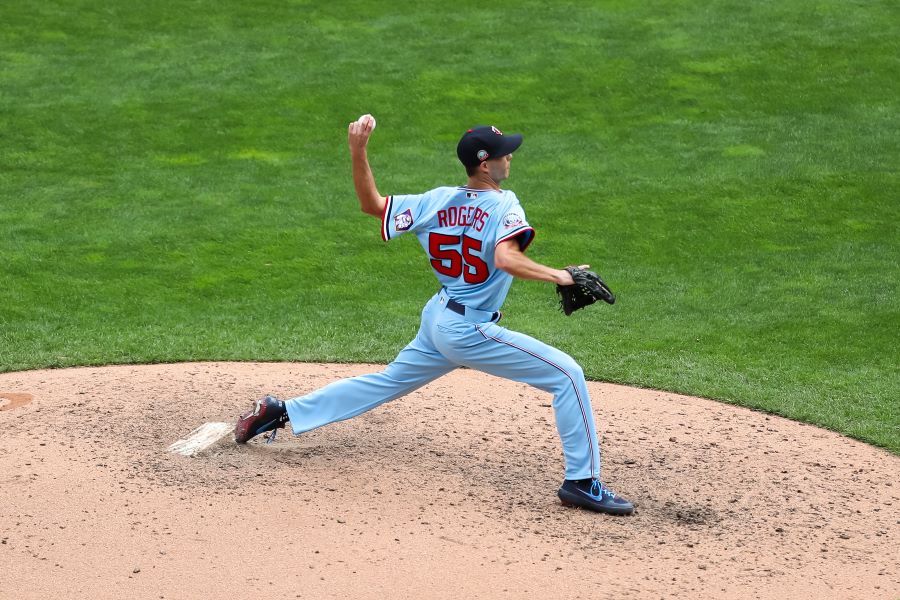 I personally do believe the Twins are done adding to the bullpen. Although I would have loved to see Sergio Romo or Tyler Clippard re-signed, their recent moves of adding Anderson and Hamilton tell me that they are okay giving a young, unproven arm the opportunity to compete for a spot at the front end of the bullpen. Remember, this is an organization that has been relying on Trevor May, Tyler Duffey, Taylor Rogers, Matt Wisler and Cody Stashak over the last two seasons and, as a group, accrued the second-most fWAR in baseball over that time. In the two years that Rocco Baldell and his staff have been in control, they’ve been able to get the most out of their relievers (if only we had hung onto Ryan Pressly for one more year!!), and even though Anderson and Hamilton were not the impact arms that Twins fans were clamoring for, this regime has shown that we can trust them in their decision making and usage of relatively unknown bullpen names. So with all that said, let’s take a look at who could be in the bullpen to start the season and what their role will likely be. Remember, rosters have been expanded to 26 guys and teams can carry a max of 13 pitchers on the roster, which I imagine most will do. After ruling out the five starters, that will leave us with eight relievers to the bullpen. 8. Ian Hamilton RHP This was the hardest spot to project so I was going with upside here. This will be one of the Spring Training stories to follow as I think others who will compete for the two jobs are Gibaut, Waddell, Anderson, Edwar Colina, Devin Smeltzer, Randy Dobnak, and Lewis Thorpe. Smeltzer, Dobank,and Thorpe will likely be competing for the last starting job, assuming they don’t add another starter via free agency, but one thing to note is that Thorpe is out of options which may give him a slight edge over the others. The recently-acquired Hamilton has been unable to sneak through waivers without getting claimed this offseason as both the Mariners and Phillies tried to do so after adding him themselves. Despite only 12 innings of Major League experience, he’s the Twins prototype with a fastball in the high 90’s and plus slider. Unless one of the aforementioned names really show out during Spring Training, I think Hamilton is given the initial opportunity here during low leverage situations. 7. Cody Stashak RHP 6. Jorge Alcala RHP 5. Caleb Thielbar LHP This group will be in the rotation more regularly as low or medium leverage options in the sixth and seventh innings. Through 40 big league innings, Stashak has pretty even splits against right and lefty hitters and generates a lot of whiffs and poor contact with his slider, which is important as his fastball tops out at 92 and isn’t a true power pitch. I think Alcala’s 2020 is going mostly unnoticed but he was actually really good, especially against righties (.182 wOBA), posting some elite numbers. Alcala should absolutely be trusted in middle inning, medium leverage situations and might even move up the list if he sustains his elite numbers against right handed batters. Thielbar’s inspirational five-year comeback might have overshadowed how well he pitched in 2020 although we can temper expectations a bit as we can’t expect him to never give up a home run. That said, he’s one of two lefties in the pen and provides a different look as his offspeed relies more on vertical movement than horizontal movement. He’ll probably be called upon when the opposing team has a couple lefty’s coming up in the order, but can also be trusted against righties in moderation. 4. Hansel Robles RHP 3. Tyler Duffey RHP Robles was pretty bad in 2020 but was good in 2019 and has been mostly solid otherwise while also bringing moderate success in medium and high leverage situations. The Twins obviously believe that 2020 was an outlier and with great spin and whiff rates must believe his 2019 season is repeatable. An added bonus is his reverse splits, throughout his career he’s had slightly more success against lefties with a better strikeout rate and wOBA. He’ll share the set up role with Duffey but will also get some save opportunities along the way. Duffey showed that 2019 was no fluke by having an even better 2020. He’s not an overpower pitcher but getting ahead in the count and striking batters out at an elite rate. On paper his curveball and fastball aren’t great, but he generates an elite number of whiffs by throwing his looping curveball in the bottom of the zone and pinpointing his fastball on edges. Like Robles, he’ll be trusted with bridging the gap to Colome and Rogers while also earning some save opportunities himself. 2. Alex Colomé RHP 1. Taylor Rogers LHP Colomé will be a breath of fresh air as Rogers has generally struggled against righties throughout his career. He’ll bring a different look to a slider dominant bullpen as he uses a fastball and cutter to get batters. He’s not going to overpower hitters with either pitch and relies on soft contact and ground balls to get outs, which plays right into the Twins strong infield defense. Rogers wasn’t great in 2020 but we shouldn’t completely forget about the two years prior where he accrued 3.9 fWAR, good enough for fourth best among all relievers in baseball. Some of his struggles can be attributed to luck as his oBABIP was 90 points higher than his career norm and a ERA-FIP of 1.21. I would expect numbers closer to 2018-19 than 2020 but also have comfort in knowing the Twins have Colomé, Duffey, and Robles as very good fall back options. A single bad outing from a relief pitcher or bad day from a bullpen as a whole tend to be magnified and overstated, as well as skew numbers to look worse than they actually are. Per fWAR, the Twins have had the second best bullpen in all of baseball over the last two years and improved upon it this offseason. There will assuredly be bad days throughout a 162-game stretch, but overall they will once again have one of the best bullpens in baseball. MORE FROM TWINS DAILY — Latest Twins coverage from our writers — Recent Twins discussion in our forums — Follow Twins Daily via Twitter, Facebook or email
 -
The Twins made a trade, the starting pitcher rumor mill has started to heat up, 2021 AL Central odds and more. Come check out tonight's notebook. Image courtesy of © Kyle Terada-USA TODAY Sports The Twins made a trade, the starting pitcher rumor mill has started to heat up, 2021 AL Central odds and more. Come check out tonight's notebook. Lamonte Wade traded to Giants for RHP Shaun Anderson https://twitter.com/DanHayesMLB/status/1357502339385618438 Anderson is the regime’s prototype slider heavy pitcher and has mostly been used as a reliever with the Giants. Nick Nelson breaks down the new Twins pitcher here. Starting Pitcher update Aside from adding Anderson tonight many Twins fans, including myself, think the Twins should be looking to add one more starter. https://twitter.com/Feinsand/status/1357328008013639685 All three of those names are of interest to me to fill-in as a number 3, 4, or 5 starter depending on how you rate Jose Berrios and J.A. Happ. Matthew Taylor broke down Odorizzi and Paxton here. I think Odorizzi and Paxton are a step above Walker but all three have good ceilings, while I think Paxton has the safest floor so he’d be my pick if I had a say. Bovada released Twins betting lines https://twitter.com/tlschwerz/status/1357333624077615107 Second in the AL Central?! Wow. The oddsmakers must be drinking the same Kool-Aid as White Sox Nation! Trevor Bauer update The Twins are still out on the pitcher but there were a lot of conflicting reports today, and he’s still worth tracking to see how many times the Twins may have to face the Cy Young Award winner.. His agent, Rachel Luba, clarified tonight that he does not currently have a deal with the Mets after tweeting “Down to 2” earlier in the day. According to Mark Feinsand of MLB.com, the Dodgers are the other team which would be good news for the Twins as both possibilities leave him in the NL. White Sox add Jonathan Lucroy via Minor League Deal More name value than productive value here ... don’t let White Sox Nation aka Bovada fool you, this is a speculative add that doesn’t push them ahead of the Twins on paper. Eddie in a Cleveland uniform https://twitter.com/Indians/status/1357437555222999040 Odd sight. MORE FROM TWINS DAILY — Latest Twins coverage from our writers — Recent Twins discussion in our forums — Follow Twins Daily via Twitter, Facebook or email View full article
-
Notebook: Wade Dealt to Giants; Twins Have Active Competition in SP Market
Matthew Lenz posted an article in Twins
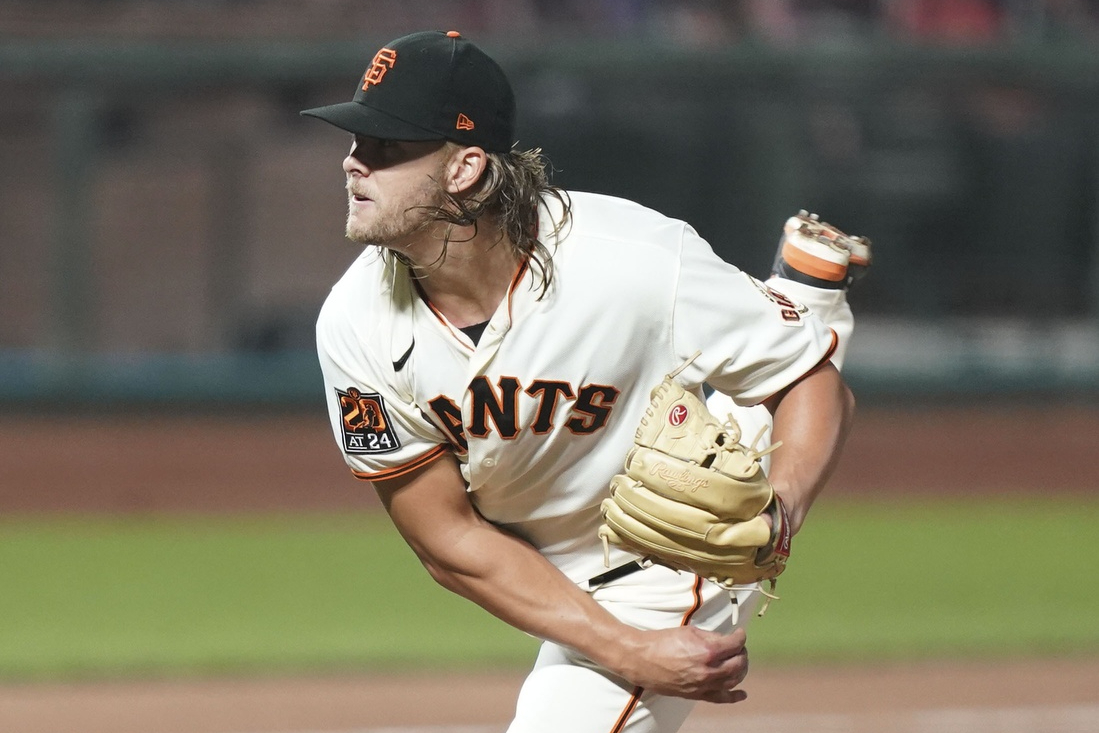 Lamonte Wade traded to Giants for RHP Shaun Anderson https://twitter.com/DanHayesMLB/status/1357502339385618438 Anderson is the regime’s prototype slider heavy pitcher and has mostly been used as a reliever with the Giants. Nick Nelson breaks down the new Twins pitcher here. Starting Pitcher update Aside from adding Anderson tonight many Twins fans, including myself, think the Twins should be looking to add one more starter. https://twitter.com/Feinsand/status/1357328008013639685 All three of those names are of interest to me to fill-in as a number 3, 4, or 5 starter depending on how you rate Jose Berrios and J.A. Happ. Matthew Taylor broke down Odorizzi and Paxton here. I think Odorizzi and Paxton are a step above Walker but all three have good ceilings, while I think Paxton has the safest floor so he’d be my pick if I had a say. Bovada released Twins betting lines https://twitter.com/tlschwerz/status/1357333624077615107 Second in the AL Central?! Wow. The oddsmakers must be drinking the same Kool-Aid as White Sox Nation! Trevor Bauer update The Twins are still out on the pitcher but there were a lot of conflicting reports today, and he’s still worth tracking to see how many times the Twins may have to face the Cy Young Award winner.. His agent, Rachel Luba, clarified tonight that he does not currently have a deal with the Mets after tweeting “Down to 2” earlier in the day. According to Mark Feinsand of MLB.com, the Dodgers are the other team which would be good news for the Twins as both possibilities leave him in the NL. White Sox add Jonathan Lucroy via Minor League Deal More name value than productive value here ... don’t let White Sox Nation aka Bovada fool you, this is a speculative add that doesn’t push them ahead of the Twins on paper. Eddie in a Cleveland uniform https://twitter.com/Indians/status/1357437555222999040 Odd sight. MORE FROM TWINS DAILY — Latest Twins coverage from our writers — Recent Twins discussion in our forums — Follow Twins Daily via Twitter, Facebook or email
 -
Eddie Rosario is no longer with Minnesota, but Twins fans will be seeing plenty of him this coming season. Notes on Rosario's new team and more in tonight's notebook. Image courtesy of Brad Rempel-USA TODAY Sports Eddie Rosario is no longer with Minnesota, but Twins fans will be seeing plenty of him this coming season. Notes on Rosario's new team and more in tonight's notebook. Former Twins LF, Eddie Rosario, lands in Cleveland https://twitter.com/Feinsand/status/1355334773288407040 Twins fans will get plenty of opportunity to watch Rosario play for the 2021 season as he remains in the AL Central. The free swinging lefty goes to a park that his pull hitting tendencies will benefit from. Baseball Savant estimates that Rosario would have hit an additional eight home runs over the last two seasons had all of his at-bats came at Progressive Field compared to if they had all come at Target Field. Check out this farewell when it became clear Eddie was no longer going to be a Twin. Griffey Jr. added as Senior Advisory to Rob Manfred “The Kid” will help with various areas but will specifically have “a special emphasis on baseball operations and youth baseball development, particularly on improving diversity at amateur levels”, according to Daniel Kramer of MLB.com. Despite concerns and rule changes to help the pace of play, MLB viewership has actually been on the rise for years (sources: 2018, 2019, 2020), according to Forbes, although attendance has continued to decline. Furthermore, according to a USA Today report in 2019, youth baseball participation has been increasing in recent years although numbers don’t seem to be what they were last century. I don’t know that we will ever get back to baseball truly being “America’s Pastime”, but perhaps it’s not in as bad of a state that is portrayed in the media? The world is inarguably very different now that it was last century, as we live in a fast-paced, instant gratification culture, and admittedly baseball doesn’t always provide those things. That said, data shows that baseball’s popularity is back on the rise and Griffey will undoubtedly bring a fresh perspective to an already successful Play Ball initiative as youth participation has increased by 52.8% since its inception in 2015, according to Matt Kelly of MLB.com. Twins attend Mike Foltynewicz throwing session https://twitter.com/DWolfsonKSTP/status/1355242433932615680 Foltynewicz had a very good 2018 campaign before being sidelined for part of 2019 with elbow discomfort and never returning to his 2018 form when he got healthy. At his best, he is the current regime’s prototype slider pitcher so I wouldn’t be surprised to see the Twins try to add Foltynewicz on a MiLB deal. Cleveland re-sign MIF Cesar Hernandez https://twitter.com/ZackMeisel/status/1355274552608219136 Hernandez, who joined the Indians last offseason, has been a solid ~2.0 WAR player for the last three seasons. Last year in particular he slashed .283/.355/.408 with a WRC+ of 110 while also playing very good second base. At $5MM this makes him the third highest paid player on the roster until they inevitably deal Jose Ramirez, who still has one-year and two club options remaining on his contract at an AAV of $11.67MM. Cubs sign Joc Pederson Although never tied to the Twins, Pederson could have been a solid fit for the Twins as Twins Daily’s own, Cody Pirkl, points out https://twitter.com/CodyPirkl/status/1354259041267179520 St. Louis Cardinals: Wainwright re-signs, Molina expected to; adding Arenado? https://twitter.com/JonHeyman/status/1355280231255470085 https://twitter.com/jonmorosi/status/1355263087348224000 https://twitter.com/JonHeyman/status/1355333006110707713 The two Cardinal mainstays have signed up for what will likely be one last go around while the club is also looking to add third basemen Nolan Arenado. The NL Central is wide open right as the Cubs and Pirates are selling and the Reds and Brewers have been quiet this offseason. Tigers nab another former Twins player https://twitter.com/josefriverap/status/1354254977179516939 Wilson Ramos made his Major League debut in 2010 while Gardy was managing the Twins to his last postseason with the club. Of course, then this happened. The former number two Twins prospect, per Baseball America, has gone on to have a solid, yet mostly underwhelming career as almost half of his career fWAR came from just two seasons. JT Realmuto officially back with the Phils https://twitter.com/JonHeyman/status/1355287025428144128 Arguably the best backstop in the league is going back to Philly for the next three years. This comes two months after it was leaked that the Phillies lost $145MM during 2020 and that might impact their spending this offseason despite giving Bryce Harper the largest contract in baseball history just two years ago. Daniel Murphy retires The 2015 NLCS MVP is hanging up his cleats after an impressive career that included a runner-up MVP season, three all-star seasons, and two silver slugger awards. Last but assuredly not least, don’t miss out on your chance to get a Winter Meltdown pint glass while also supporting the community! MORE FROM TWINS DAILY — Latest Twins coverage from our writers — Recent Twins discussion in our forums — Follow Twins Daily via Twitter, Facebook or email View full article
-
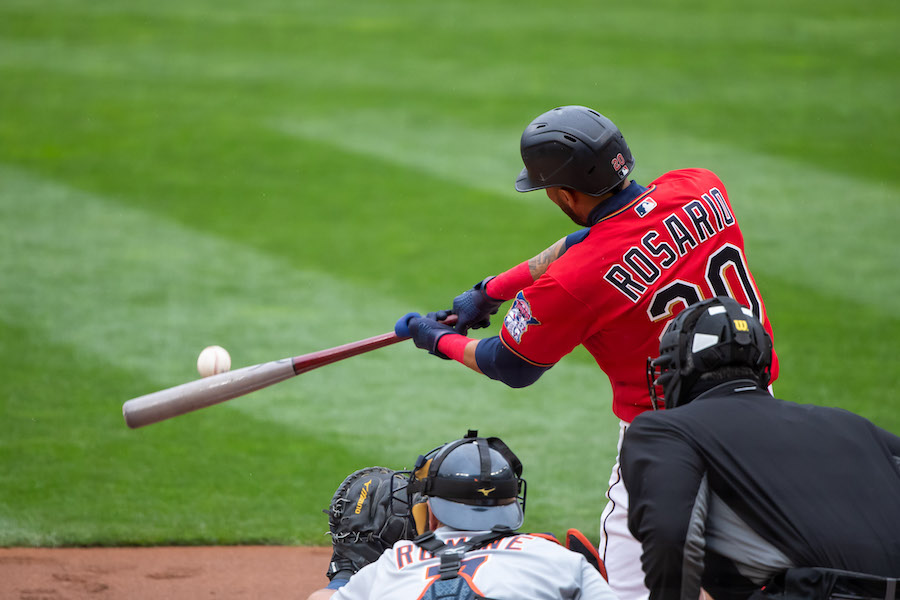 Former Twins LF, Eddie Rosario, lands in Cleveland https://twitter.com/Feinsand/status/1355334773288407040 Twins fans will get plenty of opportunity to watch Rosario play for the 2021 season as he remains in the AL Central. The free swinging lefty goes to a park that his pull hitting tendencies will benefit from. Baseball Savant estimates that Rosario would have hit an additional eight home runs over the last two seasons had all of his at-bats came at Progressive Field compared to if they had all come at Target Field. Check out this farewell when it became clear Eddie was no longer going to be a Twin. Griffey Jr. added as Senior Advisory to Rob Manfred “The Kid” will help with various areas but will specifically have “a special emphasis on baseball operations and youth baseball development, particularly on improving diversity at amateur levels”, according to Daniel Kramer of MLB.com. Despite concerns and rule changes to help the pace of play, MLB viewership has actually been on the rise for years (sources: 2018, 2019, 2020), according to Forbes, although attendance has continued to decline. Furthermore, according to a USA Today report in 2019, youth baseball participation has been increasing in recent years although numbers don’t seem to be what they were last century. I don’t know that we will ever get back to baseball truly being “America’s Pastime”, but perhaps it’s not in as bad of a state that is portrayed in the media? The world is inarguably very different now that it was last century, as we live in a fast-paced, instant gratification culture, and admittedly baseball doesn’t always provide those things. That said, data shows that baseball’s popularity is back on the rise and Griffey will undoubtedly bring a fresh perspective to an already successful Play Ball initiative as youth participation has increased by 52.8% since its inception in 2015, according to Matt Kelly of MLB.com. Twins attend Mike Foltynewicz throwing session https://twitter.com/DWolfsonKSTP/status/1355242433932615680 Foltynewicz had a very good 2018 campaign before being sidelined for part of 2019 with elbow discomfort and never returning to his 2018 form when he got healthy. At his best, he is the current regime’s prototype slider pitcher so I wouldn’t be surprised to see the Twins try to add Foltynewicz on a MiLB deal. Cleveland re-sign MIF Cesar Hernandez https://twitter.com/ZackMeisel/status/1355274552608219136 Hernandez, who joined the Indians last offseason, has been a solid ~2.0 WAR player for the last three seasons. Last year in particular he slashed .283/.355/.408 with a WRC+ of 110 while also playing very good second base. At $5MM this makes him the third highest paid player on the roster until they inevitably deal Jose Ramirez, who still has one-year and two club options remaining on his contract at an AAV of $11.67MM. Cubs sign Joc Pederson Although never tied to the Twins, Pederson could have been a solid fit for the Twins as Twins Daily’s own, Cody Pirkl, points out https://twitter.com/CodyPirkl/status/1354259041267179520 St. Louis Cardinals: Wainwright re-signs, Molina expected to; adding Arenado? https://twitter.com/JonHeyman/status/1355280231255470085 https://twitter.com/jonmorosi/status/1355263087348224000 https://twitter.com/JonHeyman/status/1355333006110707713 The two Cardinal mainstays have signed up for what will likely be one last go around while the club is also looking to add third basemen Nolan Arenado. The NL Central is wide open right as the Cubs and Pirates are selling and the Reds and Brewers have been quiet this offseason. Tigers nab another former Twins player https://twitter.com/josefriverap/status/1354254977179516939 Wilson Ramos made his Major League debut in 2010 while Gardy was managing the Twins to his last postseason with the club. Of course, then this happened. The former number two Twins prospect, per Baseball America, has gone on to have a solid, yet mostly underwhelming career as almost half of his career fWAR came from just two seasons. JT Realmuto officially back with the Phils https://twitter.com/JonHeyman/status/1355287025428144128 Arguably the best backstop in the league is going back to Philly for the next three years. This comes two months after it was leaked that the Phillies lost $145MM during 2020 and that might impact their spending this offseason despite giving Bryce Harper the largest contract in baseball history just two years ago. Daniel Murphy retires The 2015 NLCS MVP is hanging up his cleats after an impressive career that included a runner-up MVP season, three all-star seasons, and two silver slugger awards. Last but assuredly not least, don’t miss out on your chance to get a Winter Meltdown pint glass while also supporting the community! MORE FROM TWINS DAILY — Latest Twins coverage from our writers — Recent Twins discussion in our forums — Follow Twins Daily via Twitter, Facebook or email
 -
There were a plethora of updates on players that could help fill some gaps in the Twins roster, but first, we remember Hammerin’ Hank Aaron. Image courtesy of Brad Rempel-USA TODAY Sports There were a plethora of updates on players that could help fill some gaps in the Twins roster, but first, we remember Hammerin’ Hank Aaron. Hank Aaron passes away at 86 https://twitter.com/starting9/status/1352650669606506497?s=21 Hank Aaron, most well known for hitting the 2nd most homeruns in MLB history, obviously has a plethora of other records and achievements throughout his 23-year-career. He is a member of the 3,000 hit club, won the MVP and World Series in 1957 and received at least one MVP vote in 19 of 23 seasons while also earning Rookie of the Year votes in 1954. He was a 25-time all-star, a two time batting champion, a three time gold glove winner, and was enshrined in the Baseball Hall of Fame in 1982. To top it off the Hank Aaron Award, given to the top offensive performer in each league, was established in 1999. He continued to have an impact on baseball and the Atlanta Braves organization as he served as an assistant to the Braves president. Here are some reactions from around the Twins Daily community: https://twitter.com/MatthewTaylorMN/status/1352646749077336064 https://twitter.com/DYoungs15/status/1352639926781808645 https://twitter.com/tlschwerz/status/1352638357881450496 https://twitter.com/matrueblood/status/1352639813871153155?s=21 https://twitter.com/seehafer_/status/1352648075886649350?s=20 The Twins “are not finished this off season https://twitter.com/AaronGleeman/status/1352717562312708097 The Twins remained quiet today but there were a fair amount of moves and updates on players that would fill some of their neeeds. Starting Pitching Updates The Twins were reported as being believed to be in the mix for Trevor Bauer by Ken Rosenthal of The Athletic. That lasted about a half hour. He provided an update that noted the Twins are not in the mix for Bauer. It was fun while it lasted. https://twitter.com/jonmorosi/status/1352634586988220416?s=20 I think the Twins need to add another arm that’s on the same level or better as Odorizzi, including Jake Odorizzi himself. I like the J.A. Happ addition as a #4 in the rotation but that still leaves us giving the ball to an unproven pitcher every fifth day. Our own Parker Hageman did a nice job of instilling some optimism after the Happ signing, meanwhile other TD writers were going back and forth on the matter. My take is simple: if Happ ends up being anything more than our fourth-best starter then I think that means something went wrong with one or more of Kenta Maeda, Michael Pineda, or Jose Berrios and it won’t matter how good of a season Happ had. https://twitter.com/DWolfsonKSTP/status/1352681676355338243 Arrieta isn’t an arm I would qualify as “same level or better as Odorizzi” or anywhere near that level. Like Doogie suggests, they’re doing their homework on the former Cy Young winner which is a good thing. That said, I don’t think this will lead to anything and would prefer one of our unproven arms over Arrieta who has proven to be on the downturn of his career. Relief Pitcher Updates Anthony Bass signs with Miami Marlins Bass gets a two-year $5MM guarantee plus extras with a third year team option, per Jon Heyman, and will likely fill-in at the back end of the bullpen. The details on the extras, team option, and buyout have yet to be released. Recently, I wrote an article on why the Twins shouldn’t spend up for relief pitchers much to the dismay of many fans despite the mathematical and historical evidence that supports the opinion. Twins Daily’s own Cody Pirkl Although Bass is not the Twins prototype pitcher, relying on his sinker to induce ground balls, he’s been a solid middle innings relief arm for the last three years and does use a slider as his second pitch. At just $2.5AAV and a team option, I’m really not sure how they can pass up on someone who would fill-in nicely as a 6th - 8th inning guy and could close if needed. In short, the Twins missed an opportunity to add a value arm here. DH Updates https://twitter.com/JonHeyman/status/1352682159866318851 https://twitter.com/hgomez27/status/1352635698126458880 Our own Matthew Taylor dove into Ozuna v. Nelson Cruz in his “Free Agent Faceoff” series, and provides good cases for and against both players. I don’t want to spoil anything other than to say that I agree with Mr. Taylor, so go ahead and take a look for yourself! SS/Utility Updates https://twitter.com/feinsand/status/1352782633718194179?s=21 https://twitter.com/JeffPassan/status/1352647456912236548 https://twitter.com/jonheyman/status/1352757342232862721?s=21 The aforementioned Taylor also compared Hernandez and Tommy La Stella in his series. I’ll let you look at his take on Kike. Here are my thoughts on Profar...he had a solid year in 2020, specifically the second half of the shortened season, but his Baseball Savant profile suggests the second half might be the exception and not the norm: Profar’s name had been kicked around on Twins Daily, but I never saw a report saying that Twins had shown interest themselves. I’d assume they had done their homework, but I have to imagine that asking for multiple player options would be a huge turn off. I think this is a deal that the Padres will ultimately regret despite his Marwin Gonzalez-esque versatility. I talked about Simmons in yesterday’s Notebook after the news yesterday that the Reds are also kicking the tires on him. Maybe the Twins will show interest as Profar and Hernandez are now off the board. MORE FROM TWINS DAILY — Latest Twins coverage from our writers — Recent Twins discussion in our forums — Follow Twins Daily via Twitter, Facebook or email View full article
-
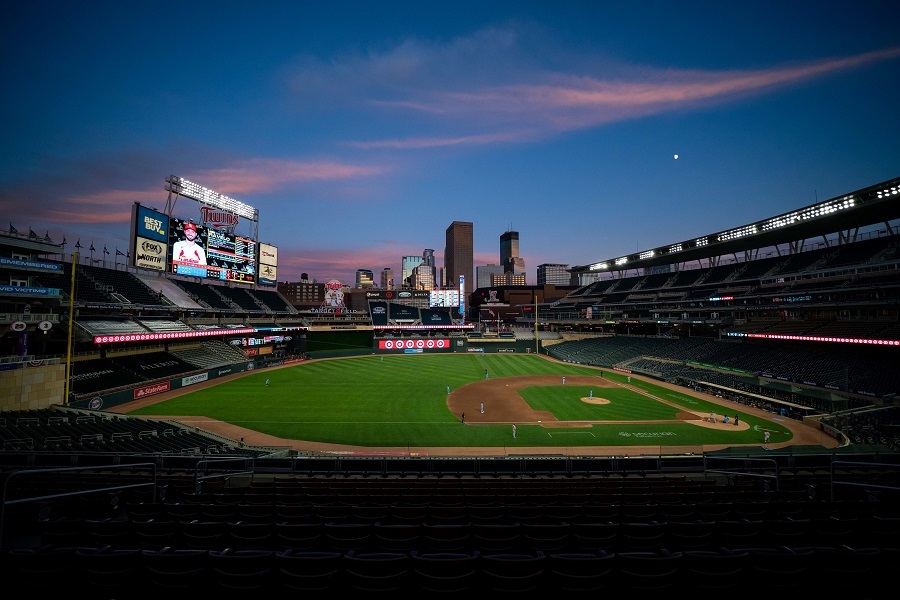 Hank Aaron passes away at 86 https://twitter.com/starting9/status/1352650669606506497?s=21 Hank Aaron, most well known for hitting the 2nd most homeruns in MLB history, obviously has a plethora of other records and achievements throughout his 23-year-career. He is a member of the 3,000 hit club, won the MVP and World Series in 1957 and received at least one MVP vote in 19 of 23 seasons while also earning Rookie of the Year votes in 1954. He was a 25-time all-star, a two time batting champion, a three time gold glove winner, and was enshrined in the Baseball Hall of Fame in 1982. To top it off the Hank Aaron Award, given to the top offensive performer in each league, was established in 1999. He continued to have an impact on baseball and the Atlanta Braves organization as he served as an assistant to the Braves president. Here are some reactions from around the Twins Daily community: https://twitter.com/MatthewTaylorMN/status/1352646749077336064 https://twitter.com/DYoungs15/status/1352639926781808645 https://twitter.com/tlschwerz/status/1352638357881450496 https://twitter.com/matrueblood/status/1352639813871153155?s=21 https://twitter.com/seehafer_/status/1352648075886649350?s=20 The Twins “are not finished this off season https://twitter.com/AaronGleeman/status/1352717562312708097 The Twins remained quiet today but there were a fair amount of moves and updates on players that would fill some of their neeeds. Starting Pitching Updates The Twins were reported as being believed to be in the mix for Trevor Bauer by Ken Rosenthal of The Athletic. That lasted about a half hour. He provided an update that noted the Twins are not in the mix for Bauer. It was fun while it lasted. https://twitter.com/jonmorosi/status/1352634586988220416?s=20 I think the Twins need to add another arm that’s on the same level or better as Odorizzi, including Jake Odorizzi himself. I like the J.A. Happ addition as a #4 in the rotation but that still leaves us giving the ball to an unproven pitcher every fifth day. Our own Parker Hageman did a nice job of instilling some optimism after the Happ signing, meanwhile other TD writers were going back and forth on the matter. My take is simple: if Happ ends up being anything more than our fourth-best starter then I think that means something went wrong with one or more of Kenta Maeda, Michael Pineda, or Jose Berrios and it won’t matter how good of a season Happ had. https://twitter.com/DWolfsonKSTP/status/1352681676355338243 Arrieta isn’t an arm I would qualify as “same level or better as Odorizzi” or anywhere near that level. Like Doogie suggests, they’re doing their homework on the former Cy Young winner which is a good thing. That said, I don’t think this will lead to anything and would prefer one of our unproven arms over Arrieta who has proven to be on the downturn of his career. Relief Pitcher Updates Anthony Bass signs with Miami Marlins Bass gets a two-year $5MM guarantee plus extras with a third year team option, per Jon Heyman, and will likely fill-in at the back end of the bullpen. The details on the extras, team option, and buyout have yet to be released. Recently, I wrote an article on why the Twins shouldn’t spend up for relief pitchers much to the dismay of many fans despite the mathematical and historical evidence that supports the opinion. Twins Daily’s own Cody Pirkl Although Bass is not the Twins prototype pitcher, relying on his sinker to induce ground balls, he’s been a solid middle innings relief arm for the last three years and does use a slider as his second pitch. At just $2.5AAV and a team option, I’m really not sure how they can pass up on someone who would fill-in nicely as a 6th - 8th inning guy and could close if needed. In short, the Twins missed an opportunity to add a value arm here. DH Updates https://twitter.com/JonHeyman/status/1352682159866318851 https://twitter.com/hgomez27/status/1352635698126458880 Our own Matthew Taylor dove into Ozuna v. Nelson Cruz in his “Free Agent Faceoff” series, and provides good cases for and against both players. I don’t want to spoil anything other than to say that I agree with Mr. Taylor, so go ahead and take a look for yourself! SS/Utility Updates https://twitter.com/feinsand/status/1352782633718194179?s=21 https://twitter.com/JeffPassan/status/1352647456912236548 https://twitter.com/jonheyman/status/1352757342232862721?s=21 The aforementioned Taylor also compared Hernandez and Tommy La Stella in his series. I’ll let you look at his take on Kike. Here are my thoughts on Profar...he had a solid year in 2020, specifically the second half of the shortened season, but his Baseball Savant profile suggests the second half might be the exception and not the norm: Profar’s name had been kicked around on Twins Daily, but I never saw a report saying that Twins had shown interest themselves. I’d assume they had done their homework, but I have to imagine that asking for multiple player options would be a huge turn off. I think this is a deal that the Padres will ultimately regret despite his Marwin Gonzalez-esque versatility. I talked about Simmons in yesterday’s Notebook after the news yesterday that the Reds are also kicking the tires on him. Maybe the Twins will show interest as Profar and Hernandez are now off the board. MORE FROM TWINS DAILY — Latest Twins coverage from our writers — Recent Twins discussion in our forums — Follow Twins Daily via Twitter, Facebook or email
 -
The Twins were quiet today but Kris Bryant made headlines while the Astros were busy for the second consecutive day signing a former Twin. Image courtesy of © Dennis Wierzbicki-USA TODAY Sports The Twins were quiet today but Kris Bryant made headlines while the Astros were busy for the second consecutive day signing a former Twin. Former Minnesota Twins catcher, Jason Castro, back in Houston https://twitter.com/JeffPassan/status/1352268804009680897 This gives the Astros a possible platoon option with Martin Maldando as both hitters have traditional splits against lefty and righty pitchers. Castro is coming off of his worst offensive season since 2013 with .179/.233/.375 splits in 92 at-bats over 27 games played. Per Baseball Prospectus Catching Leaders, Castro is going to be a huge improvement defensively over any of their catching options, Maldanado included, from the 2020 season. Kris Bryant: “... is this even fun anymore?” https://twitter.com/EddieBarstool/status/1352275248197079049 On an episode of Barstool Sports podcast “Red Line Radio” that was released today, Bryant rhetorically questioned if he was having fun playing baseball anymore. The former MVP is coming off of his worst season as a pro and enters the final year of his contract amid another offseason of trade rumors. The Cubs seem to be in sell mode after unloading Yu Darvish to the San Diego Padres and the Twins would be an ideal fit for the three-time all star who could theoretically play any of the four corner infield or outfield spots. Blue Jays designate Anthony Castro https://twitter.com/mlbtraderumors/status/1352369734369615883 Castro signed as an international free agent in 2012 with the Detroit Tigers, has just one Major League inning under his belt, and is only 25-years-old. The righty has had moderate success in the Minors as a high strikeout rate but has issues with his control as that’s coupled with a very high walk rate. In his “Top 39 Prospects: Blue Jays” analysis, Eric Longenhagen scouting report reads “his heater has natural cut; his slider lacks depth”. It’s that last part that might pique my interest for the Twins. We have a franchise that loves pitcher development and sliders ... doesn’t Castro fit the bill? And at only 25-years-old with room on the roster, he could make for an interesting project. Reds are interested in Andrelton Simmons https://twitter.com/JonHeyman/status/1352283006807977984 The free agent shortstop hasn’t been tied to the Twins but the Twins have been tied to needing a shortstop or utility infielder. Simmons is arguably the best shortstop available on the market and, if the Twins were to be interested, it appears they would have added competition in the Reds. If you are overly concerned with Polanco’s defense, then Simmons is right up your alley as one of baseball’s best defensive shortstops. Tim Anderson to star on the cover of RBI 21 https://twitter.com/RBIGAME/status/1352283572154064896 MLB announced that Chicago White Sox shortstop Tim Anderson would be the cover player for RBI 2021. This is now the seventh year this game has been released since its reboot in 2015, and Anderson is the second American League Central shortstop to be featured after Francisco Lindor donned the cover in 2018. Anderson has inarguably been charismatic and productive in his last three Major League seasons, but how do you snub Fernando Tatis Jr or one of the players from baseball's most trending team? Just another gaff for a marketing department that struggles in advertising the games most polarizing stars. Calm down, @ChiSoxFanMike, this is less of a shot at Anderson and more of a recognition of the coast-to-coash star that Tatis Jr has become. MORE FROM TWINS DAILY — Latest Twins coverage from our writers — Recent Twins discussion in our forums — Follow Twins Daily via Twitter, Facebook or email View full article
-
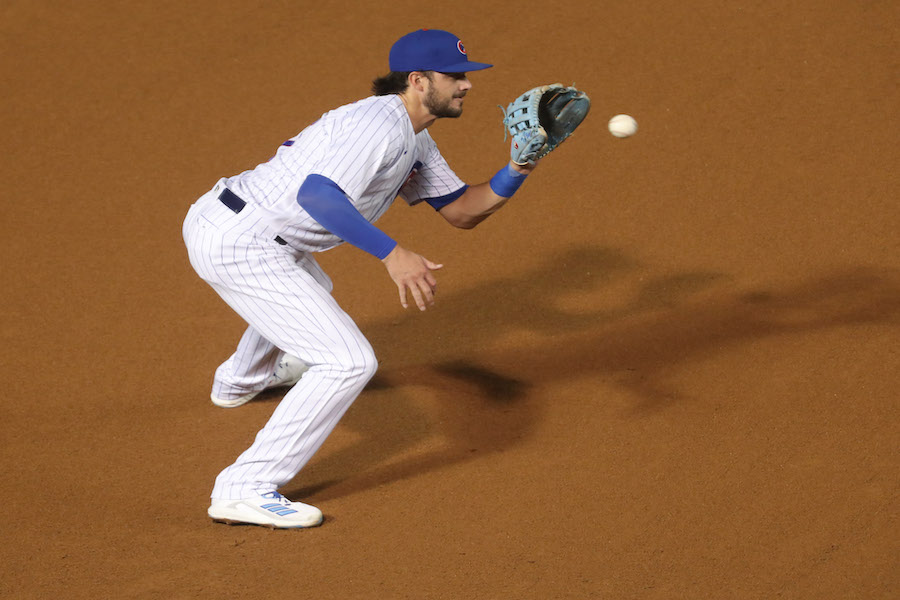 Former Minnesota Twins catcher, Jason Castro, back in Houston https://twitter.com/JeffPassan/status/1352268804009680897 This gives the Astros a possible platoon option with Martin Maldando as both hitters have traditional splits against lefty and righty pitchers. Castro is coming off of his worst offensive season since 2013 with .179/.233/.375 splits in 92 at-bats over 27 games played. Per Baseball Prospectus Catching Leaders, Castro is going to be a huge improvement defensively over any of their catching options, Maldanado included, from the 2020 season. Kris Bryant: “... is this even fun anymore?” https://twitter.com/EddieBarstool/status/1352275248197079049 On an episode of Barstool Sports podcast “Red Line Radio” that was released today, Bryant rhetorically questioned if he was having fun playing baseball anymore. The former MVP is coming off of his worst season as a pro and enters the final year of his contract amid another offseason of trade rumors. The Cubs seem to be in sell mode after unloading Yu Darvish to the San Diego Padres and the Twins would be an ideal fit for the three-time all star who could theoretically play any of the four corner infield or outfield spots. Blue Jays designate Anthony Castro https://twitter.com/mlbtraderumors/status/1352369734369615883 Castro signed as an international free agent in 2012 with the Detroit Tigers, has just one Major League inning under his belt, and is only 25-years-old. The righty has had moderate success in the Minors as a high strikeout rate but has issues with his control as that’s coupled with a very high walk rate. In his “Top 39 Prospects: Blue Jays” analysis, Eric Longenhagen scouting report reads “his heater has natural cut; his slider lacks depth”. It’s that last part that might pique my interest for the Twins. We have a franchise that loves pitcher development and sliders ... doesn’t Castro fit the bill? And at only 25-years-old with room on the roster, he could make for an interesting project. Reds are interested in Andrelton Simmons https://twitter.com/JonHeyman/status/1352283006807977984 The free agent shortstop hasn’t been tied to the Twins but the Twins have been tied to needing a shortstop or utility infielder. Simmons is arguably the best shortstop available on the market and, if the Twins were to be interested, it appears they would have added competition in the Reds. If you are overly concerned with Polanco’s defense, then Simmons is right up your alley as one of baseball’s best defensive shortstops. Tim Anderson to star on the cover of RBI 21 https://twitter.com/RBIGAME/status/1352283572154064896 MLB announced that Chicago White Sox shortstop Tim Anderson would be the cover player for RBI 2021. This is now the seventh year this game has been released since its reboot in 2015, and Anderson is the second American League Central shortstop to be featured after Francisco Lindor donned the cover in 2018. Anderson has inarguably been charismatic and productive in his last three Major League seasons, but how do you snub Fernando Tatis Jr or one of the players from baseball's most trending team? Just another gaff for a marketing department that struggles in advertising the games most polarizing stars. Calm down, @ChiSoxFanMike, this is less of a shot at Anderson and more of a recognition of the coast-to-coash star that Tatis Jr has become. MORE FROM TWINS DAILY — Latest Twins coverage from our writers — Recent Twins discussion in our forums — Follow Twins Daily via Twitter, Facebook or email
 -
Liam Hendriks is off the board and it appears Brad Hand may sign shortly, but history tells us avoiding the top of the bullpen market will likely be a wise decision by the Twins. Image courtesy of © Ken Blaze-USA TODAY Sports Liam Hendriks is off the board and it appears Brad Hand may sign shortly, but history tells us avoiding the top of the bullpen market will likely be a wise decision by the Twins. At around the same time that Twins fans heard the Hendriks news, MLB Network was releasing their #Top10RightNow relievers which featured him at the top of the list: https://twitter.com/MLB/status/1348796885943918592 Naturally, many were concerned with the White Sox bolstering their already solid bullpen and many more were wondering if the Twins would sign Brad Hand, who recently said he would love to play for his hometown team. When I saw this list, the question I posed was what did this look like two years ago ... suggesting that it probably looked very different from the current list. The only names on both lists are Aroldis Chapman and Josh Hader. Want to know what last year's list looked like? See for yourself. https://twitter.com/MLBNetwork/status/1226294136392777730 Once again, Chapman and Hader are the only two names that are on even two of the three lists, and we now have two decades worth of data in this new era of power pitching bullpens that shows this type of fluctuation in the games top relievers is the norm rather than the exception. Quite literally when reviewing league wide relief pitcher data on Fangraphs you can see that what we now know as the modern day bullpen started forming right around 2000. The last 21 seasons are all in the top 21 of relief innings pitched and 18 of the 21 are in the top 21 of K/9, while the other three are still in the top 26. (Sidenote: the 1875 season is 21st on the list at 7.19 K/9 over just 41.1 innings pitched...bizarre outlier) What has the lifespan of an “elite reliever” looked like over the last 20 years? Although not the end-all and be-all indicator, I used fWAR as my measure while limiting the search to pitchers who had a season where they pitched at least 50 innings so my research wasn’t influenced by guys who didn’t put in a full season of work. This obviously eliminated 2020 from the data set which I think is actually pretty fair given the unique set of circumstances compared to every other season. I then found the standardized score of each player's fWAR and found that the data fit a bell-shaped distribution and was close to being “normal”. Using the standard normal table, I defined an elite reliever as someone who finished in the top three-percent of the data set which equated to 1.88 standard deviations above the mean. There are 147 individual seasons and 78 unique pitchers who accomplished this feat, which is evidence in itself that a reliever lifespan as “elite” doesn’t last more than a season or two in a vast majority of cases. Furthermore, it was infrequent that a pitcher even appeared on the list as many as four times. Mariano Rivera (7) -- who we knew would be an outlier on this list -- Kenley Jansen (4), Jonathan Papelbon (4), Joe Nathan (4), Craig Kimbrel (4) and Aroldis Chapman (4) are the only pitchers who appear on the list more than three times, and they account for about 18.4% of the total list. A handful of pitchers accomplished the feat three times of which the most notable might be Eric Gagne who accumulated 83.6% of his career fWAR in those three seasons. He has since admitted to steroid use during his run which could explain his massive three-year peak in an otherwise uninspiring career, but is nonetheless another case of an elite reliever falling off after a few short years. So let's bring this back to the two elite free agent relievers entering the 2021offseason that Twins fans were clamoring for. Per fWAR, Liam Hendriks 2019 season was the second best relief season of the century behind the aforementioned Gagne’s 2003 which we now know was partially thanks to steroids, and he was the best pitcher in 2020 accruing the same fWAR (1.4) as Brewers reliever Devin Williams. If the data above tells us anything it’s that Hendriks, who will be 32 by season's start, will likely be overpaid and no longer elite for at least half of his contract with the White Sox. Both parties definitely benefit from the shortened 2020 season as he saved 50-60 innings on his arm, but on top of history being against him he is also on the older end of when the list of relievers above peaked in their careers. And remember, a vast majority of the pitchers in the data set only appeared once or twice. The former Twin might be a “Twin Killer” in 2021, possibly 2022, but 2023 and 2024 (there is a team option) is a crapshoot that the White Sox went all-in on. On the other hand, heh, Minnesota native Brad Hand hasn’t truly had an elite season in his career. His best season in 2017, where he accrued 1.7 fWAR, would rank as the 259th best season of the century although he had a solid year last year where he finished as the fifth-best reliever in baseball. In 2020, he was on pace for what would likely have been an “elite” season, but if you’ve gathered anything from this article so far it’s that relievers are nearly impossible to predict. Hand is about a year younger than Hendriks and doesn’t have the same umph behind his fastball that some of the names listed above have, which are both factors that could make his lifespan as a top, if not elite, reliever a little longer. The real issues with these two, and other “elite” relievers, isn’t necessarily the unpredictable production that their teams will get out of them, but it’s their cost that has me saying “no, thanks”. Even if Liam Hendriks isn’t an elite closer in a couple years, he’ll likely be serviceable as a 7th/8th inning type, but the problem lies in paying a 7th/8th inning type $15.4MM per year. MLB Trade Rumors has Hand signing for two-years, $14MM which actually wouldn’t be a bad deal, a short term deal paying $7MM AAV for a top end reliever is practically a steal. That said, they also had Hendriks signing for three-years, $30MM and he ended up getting an extra year, although it’s a team option, plus an extra $5.4MM AAV and these two factors will surely drive up Hand’s cost. I’d be willing to give Hand two-years, maybe three if it’s a team option, but no more than $9MM based on the volatility at his position. Let me end with a mea culpa, especially directed towards fellow Twins Daily-er Nick Nelson. You see, I was a BIG Craig Kimbrel bobo, as a certain Twins Cities sports radio station might say, and went back and forth with Nick quite a bit on the topic. Even with damning evidence that Kimbrel was toast, I wanted the Twins to DO SOMETHING ... ANYTHING ... but specifically throw money at Kimbrel. I’m sorry, Nick. The data presented in this article, and Kimbrel’s production since 2019, has shown me the light. We shouldn’t be mad about “losing out” on [insert top reliever here]. MORE FROM TWINS DAILY — Latest Twins coverage from our writers — Recent Twins discussion in our forums — Follow Twins Daily via Twitter, Facebook or email View full article
-
Why You Shouldn't Be Mad About "Losing Out" On [Insert Top Reliever Here]
Matthew Lenz posted an article in Twins
![More information about "Why You Shouldn't Be Mad About "Losing Out" On [Insert Top Reliever Here]"](//dtb3yzl0vm3pr.cloudfront.net/monthly_2021_05/b4c07a8181f118864f426d586fa16f68.jpg.ee9659925b50b7125a6aac8ba8b6d62a.jpg) At around the same time that Twins fans heard the Hendriks news, MLB Network was releasing their #Top10RightNow relievers which featured him at the top of the list: https://twitter.com/MLB/status/1348796885943918592 Naturally, many were concerned with the White Sox bolstering their already solid bullpen and many more were wondering if the Twins would sign Brad Hand, who recently said he would love to play for his hometown team. When I saw this list, the question I posed was what did this look like two years ago ... suggesting that it probably looked very different from the current list. The only names on both lists are Aroldis Chapman and Josh Hader. Want to know what last year's list looked like? See for yourself. https://twitter.com/MLBNetwork/status/1226294136392777730 Once again, Chapman and Hader are the only two names that are on even two of the three lists, and we now have two decades worth of data in this new era of power pitching bullpens that shows this type of fluctuation in the games top relievers is the norm rather than the exception. Quite literally when reviewing league wide relief pitcher data on Fangraphs you can see that what we now know as the modern day bullpen started forming right around 2000. The last 21 seasons are all in the top 21 of relief innings pitched and 18 of the 21 are in the top 21 of K/9, while the other three are still in the top 26. (Sidenote: the 1875 season is 21st on the list at 7.19 K/9 over just 41.1 innings pitched...bizarre outlier) What has the lifespan of an “elite reliever” looked like over the last 20 years? Although not the end-all and be-all indicator, I used fWAR as my measure while limiting the search to pitchers who had a season where they pitched at least 50 innings so my research wasn’t influenced by guys who didn’t put in a full season of work. This obviously eliminated 2020 from the data set which I think is actually pretty fair given the unique set of circumstances compared to every other season. I then found the standardized score of each player's fWAR and found that the data fit a bell-shaped distribution and was close to being “normal”. Using the standard normal table, I defined an elite reliever as someone who finished in the top three-percent of the data set which equated to 1.88 standard deviations above the mean. There are 147 individual seasons and 78 unique pitchers who accomplished this feat, which is evidence in itself that a reliever lifespan as “elite” doesn’t last more than a season or two in a vast majority of cases. Furthermore, it was infrequent that a pitcher even appeared on the list as many as four times. Mariano Rivera (7) -- who we knew would be an outlier on this list -- Kenley Jansen (4), Jonathan Papelbon (4), Joe Nathan (4), Craig Kimbrel (4) and Aroldis Chapman (4) are the only pitchers who appear on the list more than three times, and they account for about 18.4% of the total list. A handful of pitchers accomplished the feat three times of which the most notable might be Eric Gagne who accumulated 83.6% of his career fWAR in those three seasons. He has since admitted to steroid use during his run which could explain his massive three-year peak in an otherwise uninspiring career, but is nonetheless another case of an elite reliever falling off after a few short years. So let's bring this back to the two elite free agent relievers entering the 2021offseason that Twins fans were clamoring for. Per fWAR, Liam Hendriks 2019 season was the second best relief season of the century behind the aforementioned Gagne’s 2003 which we now know was partially thanks to steroids, and he was the best pitcher in 2020 accruing the same fWAR (1.4) as Brewers reliever Devin Williams. If the data above tells us anything it’s that Hendriks, who will be 32 by season's start, will likely be overpaid and no longer elite for at least half of his contract with the White Sox. Both parties definitely benefit from the shortened 2020 season as he saved 50-60 innings on his arm, but on top of history being against him he is also on the older end of when the list of relievers above peaked in their careers. And remember, a vast majority of the pitchers in the data set only appeared once or twice. The former Twin might be a “Twin Killer” in 2021, possibly 2022, but 2023 and 2024 (there is a team option) is a crapshoot that the White Sox went all-in on. On the other hand, heh, Minnesota native Brad Hand hasn’t truly had an elite season in his career. His best season in 2017, where he accrued 1.7 fWAR, would rank as the 259th best season of the century although he had a solid year last year where he finished as the fifth-best reliever in baseball. In 2020, he was on pace for what would likely have been an “elite” season, but if you’ve gathered anything from this article so far it’s that relievers are nearly impossible to predict. Hand is about a year younger than Hendriks and doesn’t have the same umph behind his fastball that some of the names listed above have, which are both factors that could make his lifespan as a top, if not elite, reliever a little longer. The real issues with these two, and other “elite” relievers, isn’t necessarily the unpredictable production that their teams will get out of them, but it’s their cost that has me saying “no, thanks”. Even if Liam Hendriks isn’t an elite closer in a couple years, he’ll likely be serviceable as a 7th/8th inning type, but the problem lies in paying a 7th/8th inning type $15.4MM per year. MLB Trade Rumors has Hand signing for two-years, $14MM which actually wouldn’t be a bad deal, a short term deal paying $7MM AAV for a top end reliever is practically a steal. That said, they also had Hendriks signing for three-years, $30MM and he ended up getting an extra year, although it’s a team option, plus an extra $5.4MM AAV and these two factors will surely drive up Hand’s cost. I’d be willing to give Hand two-years, maybe three if it’s a team option, but no more than $9MM based on the volatility at his position. Let me end with a mea culpa, especially directed towards fellow Twins Daily-er Nick Nelson. You see, I was a BIG Craig Kimbrel bobo, as a certain Twins Cities sports radio station might say, and went back and forth with Nick quite a bit on the topic. Even with damning evidence that Kimbrel was toast, I wanted the Twins to DO SOMETHING ... ANYTHING ... but specifically throw money at Kimbrel. I’m sorry, Nick. The data presented in this article, and Kimbrel’s production since 2019, has shown me the light. We shouldn’t be mad about “losing out” on [insert top reliever here]. MORE FROM TWINS DAILY — Latest Twins coverage from our writers — Recent Twins discussion in our forums — Follow Twins Daily via Twitter, Facebook or email
At around the same time that Twins fans heard the Hendriks news, MLB Network was releasing their #Top10RightNow relievers which featured him at the top of the list: https://twitter.com/MLB/status/1348796885943918592 Naturally, many were concerned with the White Sox bolstering their already solid bullpen and many more were wondering if the Twins would sign Brad Hand, who recently said he would love to play for his hometown team. When I saw this list, the question I posed was what did this look like two years ago ... suggesting that it probably looked very different from the current list. The only names on both lists are Aroldis Chapman and Josh Hader. Want to know what last year's list looked like? See for yourself. https://twitter.com/MLBNetwork/status/1226294136392777730 Once again, Chapman and Hader are the only two names that are on even two of the three lists, and we now have two decades worth of data in this new era of power pitching bullpens that shows this type of fluctuation in the games top relievers is the norm rather than the exception. Quite literally when reviewing league wide relief pitcher data on Fangraphs you can see that what we now know as the modern day bullpen started forming right around 2000. The last 21 seasons are all in the top 21 of relief innings pitched and 18 of the 21 are in the top 21 of K/9, while the other three are still in the top 26. (Sidenote: the 1875 season is 21st on the list at 7.19 K/9 over just 41.1 innings pitched...bizarre outlier) What has the lifespan of an “elite reliever” looked like over the last 20 years? Although not the end-all and be-all indicator, I used fWAR as my measure while limiting the search to pitchers who had a season where they pitched at least 50 innings so my research wasn’t influenced by guys who didn’t put in a full season of work. This obviously eliminated 2020 from the data set which I think is actually pretty fair given the unique set of circumstances compared to every other season. I then found the standardized score of each player's fWAR and found that the data fit a bell-shaped distribution and was close to being “normal”. Using the standard normal table, I defined an elite reliever as someone who finished in the top three-percent of the data set which equated to 1.88 standard deviations above the mean. There are 147 individual seasons and 78 unique pitchers who accomplished this feat, which is evidence in itself that a reliever lifespan as “elite” doesn’t last more than a season or two in a vast majority of cases. Furthermore, it was infrequent that a pitcher even appeared on the list as many as four times. Mariano Rivera (7) -- who we knew would be an outlier on this list -- Kenley Jansen (4), Jonathan Papelbon (4), Joe Nathan (4), Craig Kimbrel (4) and Aroldis Chapman (4) are the only pitchers who appear on the list more than three times, and they account for about 18.4% of the total list. A handful of pitchers accomplished the feat three times of which the most notable might be Eric Gagne who accumulated 83.6% of his career fWAR in those three seasons. He has since admitted to steroid use during his run which could explain his massive three-year peak in an otherwise uninspiring career, but is nonetheless another case of an elite reliever falling off after a few short years. So let's bring this back to the two elite free agent relievers entering the 2021offseason that Twins fans were clamoring for. Per fWAR, Liam Hendriks 2019 season was the second best relief season of the century behind the aforementioned Gagne’s 2003 which we now know was partially thanks to steroids, and he was the best pitcher in 2020 accruing the same fWAR (1.4) as Brewers reliever Devin Williams. If the data above tells us anything it’s that Hendriks, who will be 32 by season's start, will likely be overpaid and no longer elite for at least half of his contract with the White Sox. Both parties definitely benefit from the shortened 2020 season as he saved 50-60 innings on his arm, but on top of history being against him he is also on the older end of when the list of relievers above peaked in their careers. And remember, a vast majority of the pitchers in the data set only appeared once or twice. The former Twin might be a “Twin Killer” in 2021, possibly 2022, but 2023 and 2024 (there is a team option) is a crapshoot that the White Sox went all-in on. On the other hand, heh, Minnesota native Brad Hand hasn’t truly had an elite season in his career. His best season in 2017, where he accrued 1.7 fWAR, would rank as the 259th best season of the century although he had a solid year last year where he finished as the fifth-best reliever in baseball. In 2020, he was on pace for what would likely have been an “elite” season, but if you’ve gathered anything from this article so far it’s that relievers are nearly impossible to predict. Hand is about a year younger than Hendriks and doesn’t have the same umph behind his fastball that some of the names listed above have, which are both factors that could make his lifespan as a top, if not elite, reliever a little longer. The real issues with these two, and other “elite” relievers, isn’t necessarily the unpredictable production that their teams will get out of them, but it’s their cost that has me saying “no, thanks”. Even if Liam Hendriks isn’t an elite closer in a couple years, he’ll likely be serviceable as a 7th/8th inning type, but the problem lies in paying a 7th/8th inning type $15.4MM per year. MLB Trade Rumors has Hand signing for two-years, $14MM which actually wouldn’t be a bad deal, a short term deal paying $7MM AAV for a top end reliever is practically a steal. That said, they also had Hendriks signing for three-years, $30MM and he ended up getting an extra year, although it’s a team option, plus an extra $5.4MM AAV and these two factors will surely drive up Hand’s cost. I’d be willing to give Hand two-years, maybe three if it’s a team option, but no more than $9MM based on the volatility at his position. Let me end with a mea culpa, especially directed towards fellow Twins Daily-er Nick Nelson. You see, I was a BIG Craig Kimbrel bobo, as a certain Twins Cities sports radio station might say, and went back and forth with Nick quite a bit on the topic. Even with damning evidence that Kimbrel was toast, I wanted the Twins to DO SOMETHING ... ANYTHING ... but specifically throw money at Kimbrel. I’m sorry, Nick. The data presented in this article, and Kimbrel’s production since 2019, has shown me the light. We shouldn’t be mad about “losing out” on [insert top reliever here]. MORE FROM TWINS DAILY — Latest Twins coverage from our writers — Recent Twins discussion in our forums — Follow Twins Daily via Twitter, Facebook or email -
T’was the night before christmas, when all through stands Not a creature was stirring, not even the fans. The Target Field bars and concessions were bare, With hopes in twenty-one, we all could be there. Image courtesy of Brad Rempel-USA TODAY Sports T’was the night before christmas, when all through stands Not a creature was stirring, not even the fans. The Target Field bars and concessions were bare, With hopes in twenty-one, we all could be there. Twins Territory nestled in and pulled up Twins Daily, While making their list to replace Homer Bailey. And fans in the comments said give Bauer a cap, While wondering if Odo would get another lap. When up in the office, there arose different clatters, They also had needs for some new Bomba batters. Away to free agency Rosie flew like a flash, Now open the checkbook to give Nelly some cash. No need to fly like new-fallen snow, Now prospects can drive across I-ninety fo’. When, what to fans wandering minds became clear, They had a new affiliate for which they could cheer. Jeffers and Rooker got to the majors so quick, We knew in a moment they would definitely stick. Just as rapid as the season, players come and they go, But none were more surprising than Fernando Romero. Thank you Rosie and Marwin! Thank you Romo and Adrianza! Bring on Kirilloff or Larnach, Or even Marcell Ozuna. However you choose to take in the call, Cheer away, cheer away, cheer away all! Here's the 2019 version for those of you interested. Happy Holiday's everyone! MORE FROM TWINS DAILY — Latest Twins coverage from our writers — Recent Twins discussion in our forums — Follow Twins Daily via Twitter, Facebook or email View full article
-
Twas the Night Before Christmas...(2020 Twins Edition)
Matthew Lenz posted an article in Just For Fun
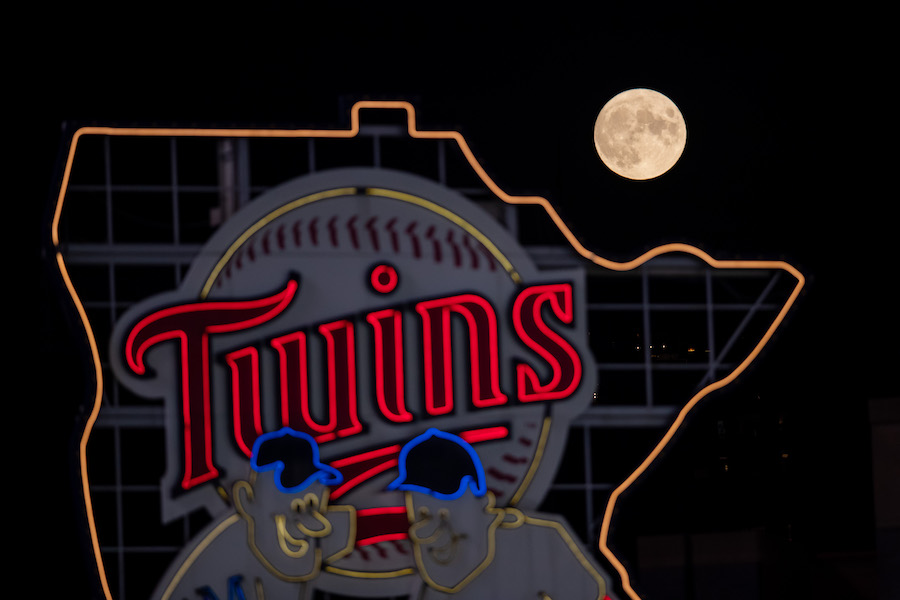 Twins Territory nestled in and pulled up Twins Daily, While making their list to replace Homer Bailey. And fans in the comments said give Bauer a cap, While wondering if Odo would get another lap. When up in the office, there arose different clatters, They also had needs for some new Bomba batters. Away to free agency Rosie flew like a flash, Now open the checkbook to give Nelly some cash. No need to fly like new-fallen snow, Now prospects can drive across I-ninety fo’. When, what to fans wandering minds became clear, They had a new affiliate for which they could cheer. Jeffers and Rooker got to the majors so quick, We knew in a moment they would definitely stick. Just as rapid as the season, players come and they go, But none were more surprising than Fernando Romero. Thank you Rosie and Marwin! Thank you Romo and Adrianza! Bring on Kirilloff or Larnach, Or even Marcell Ozuna. However you choose to take in the call, Cheer away, cheer away, cheer away all! Here's the 2019 version for those of you interested. Happy Holiday's everyone! MORE FROM TWINS DAILY — Latest Twins coverage from our writers — Recent Twins discussion in our forums — Follow Twins Daily via Twitter, Facebook or email
 -
With the Twins and Nelson Cruz at a stalemate, Dan Hayes of The Athletic recently reported that the Twins have “checked in on" Kyle Schwarber, Adam Duvall and Michael Brantley. Yet, one of the best free agents available could be an even better fit than the previous three listed. Image courtesy of Peter Aiken-USA TODAY Sports With the Twins and Nelson Cruz at a stalemate, Dan Hayes of The Athletic recently reported that the Twins have “checked in on" Kyle Schwarber, Adam Duvall and Michael Brantley. Yet, one of the best free agents available could be an even better fit than the previous three listed. On Wednesday, Hayes shared an update on the Cruz situation stating that talks “may not speed up any time soon” as Cruz is looking for a two-year deal on top of a raise from the last two years where he averaged $13 million each year. Understandably, the Twins are hesitant to give the aging slugger a multi-year deal as he’s also coming off three consecutive seasons dealing with various ailments. It was his ankle in 2018, his wrist in 2019, his knee in 2020, and as he is entering his 16th full major league season those should be some red flags for the Twins. As previously noted, there are younger options that the Twins can consider for the role of DH. Without a doubt Schwarber and Duvall would each be a downgrade at the position, and they are both coming off the worst seasons of their respective careers. On the other hand, Brantley is arguably a more valuable piece than Cruz as he is younger and more versatile with the ability to play a solid left field. MLB Trade Rumors (MLBTR) has Brantley as the 13th-best free agent this offseason and predicts him signing a two-year, $28MM deal with the Atlanta Braves, but he is undoubtedly a really nice fit for the Twins now that Eddie Rosario is gone. That said, if the Twins are okay settling with more of a DH-only, they should kick the tires on a player that is four years younger than Brantley. Following Hayes’ article on Wednesday, Eno Sarris posted another article “Find the Best Fits for the Top Ten MLB Free Agents”. In that article he points that 31-year-old LF/DH Marcell Ozuna would be a good fit for the Twins but ultimately predicts him signing with the Chicago White Sox on a four-year, $80MM contract. At MLBTR, they have him as the fourth best free agent and signing with the Nationals for four years, $72MM. It’s worth noting that before Sarris, Twins Daily own Cody Christie had Ozuna part of his 2021 Blueprint and Nash Walker mentioned it on his podcast not long before that. And for good reason. Between Ozuna, Brantley, and Cruz, Ozuna is coming off the best season slashing .338/.431/.636 while hitting 18 home runs and posting a WRC+ of 179. Ozuna’s biggest knock, specifically when compared to Brantley, will be his strikeout and rates although his numbers do fall pretty closely to those of Cruz. Defensively, Brantley is definitely the superior player as Ozuna was almost exclusively used as a DH in Atlanta and Brantley became Houston’s primary DH partially due to Yordan Alvarez’s injury. That said, overall Ozuna is the better hitter, the younger player, and doesn’t have the spotty injury history that Brantley has although he has remained healthy for each of the last three seasons. As Sarris and MLBTR predict, Ozuna will likely be looking for a multi-year deal longer than the two-year deal that Cruz wants and Brantley is predicted for. Looking long term, this could be something the Twins aren’t interested in as Josh Donaldson may need to slide into that role to remain healthy and productive as he gets older. If the Twins don’t want a drop in productivity then Duvall and Schwarber aren’t serious options, but Brantley, Cruz, and Ozuna are all kind of a toss up. They could go with the best player in Ozuna, the best fit and value in Brantley, or stick with the veteran in Cruz who has provided invaluable leadership in his two years as a Twin. Of the names mentioned in this article, who do you want the Twins to go after? Is there a name not listed here you’d consider? MORE FROM TWINS DAILY — Latest Twins coverage from our writers — Recent Twins discussion in our forums — Follow Twins Daily via Twitter, Facebook or email View full article
-
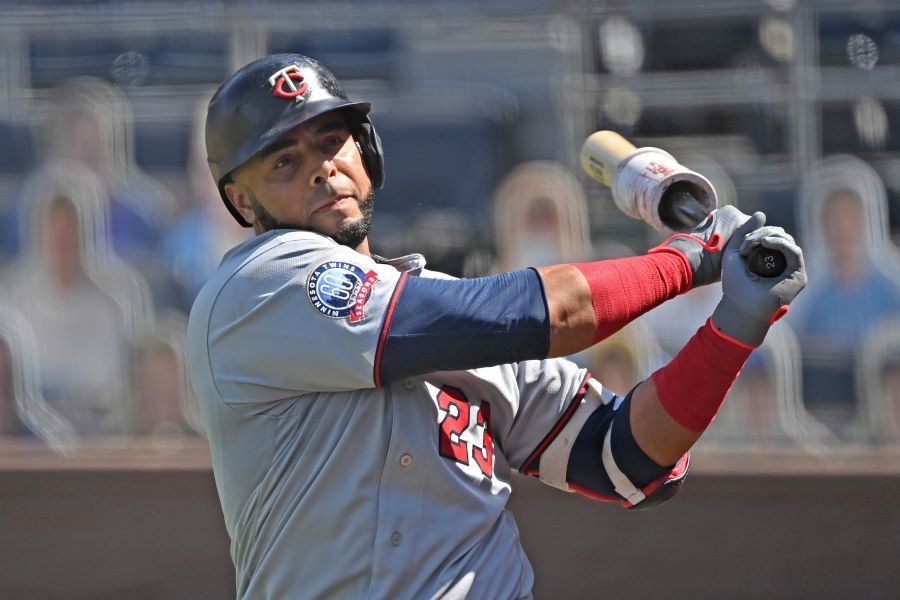 On Wednesday, Hayes shared an update on the Cruz situation stating that talks “may not speed up any time soon” as Cruz is looking for a two-year deal on top of a raise from the last two years where he averaged $13 million each year. Understandably, the Twins are hesitant to give the aging slugger a multi-year deal as he’s also coming off three consecutive seasons dealing with various ailments. It was his ankle in 2018, his wrist in 2019, his knee in 2020, and as he is entering his 16th full major league season those should be some red flags for the Twins. As previously noted, there are younger options that the Twins can consider for the role of DH. Without a doubt Schwarber and Duvall would each be a downgrade at the position, and they are both coming off the worst seasons of their respective careers. On the other hand, Brantley is arguably a more valuable piece than Cruz as he is younger and more versatile with the ability to play a solid left field. MLB Trade Rumors (MLBTR) has Brantley as the 13th-best free agent this offseason and predicts him signing a two-year, $28MM deal with the Atlanta Braves, but he is undoubtedly a really nice fit for the Twins now that Eddie Rosario is gone. That said, if the Twins are okay settling with more of a DH-only, they should kick the tires on a player that is four years younger than Brantley. Following Hayes’ article on Wednesday, Eno Sarris posted another article “Find the Best Fits for the Top Ten MLB Free Agents”. In that article he points that 31-year-old LF/DH Marcell Ozuna would be a good fit for the Twins but ultimately predicts him signing with the Chicago White Sox on a four-year, $80MM contract. At MLBTR, they have him as the fourth best free agent and signing with the Nationals for four years, $72MM. It’s worth noting that before Sarris, Twins Daily own Cody Christie had Ozuna part of his 2021 Blueprint and Nash Walker mentioned it on his podcast not long before that. And for good reason. Between Ozuna, Brantley, and Cruz, Ozuna is coming off the best season slashing .338/.431/.636 while hitting 18 home runs and posting a WRC+ of 179. Ozuna’s biggest knock, specifically when compared to Brantley, will be his strikeout and rates although his numbers do fall pretty closely to those of Cruz. Defensively, Brantley is definitely the superior player as Ozuna was almost exclusively used as a DH in Atlanta and Brantley became Houston’s primary DH partially due to Yordan Alvarez’s injury. That said, overall Ozuna is the better hitter, the younger player, and doesn’t have the spotty injury history that Brantley has although he has remained healthy for each of the last three seasons. As Sarris and MLBTR predict, Ozuna will likely be looking for a multi-year deal longer than the two-year deal that Cruz wants and Brantley is predicted for. Looking long term, this could be something the Twins aren’t interested in as Josh Donaldson may need to slide into that role to remain healthy and productive as he gets older. If the Twins don’t want a drop in productivity then Duvall and Schwarber aren’t serious options, but Brantley, Cruz, and Ozuna are all kind of a toss up. They could go with the best player in Ozuna, the best fit and value in Brantley, or stick with the veteran in Cruz who has provided invaluable leadership in his two years as a Twin. Of the names mentioned in this article, who do you want the Twins to go after? Is there a name not listed here you’d consider? MORE FROM TWINS DAILY — Latest Twins coverage from our writers — Recent Twins discussion in our forums — Follow Twins Daily via Twitter, Facebook or email
 -
Not a surprise to many, it became unofficially official this week that Twins fans had seen the last of Eddie Rosario donning a TC Hat.. As a thank you to Eddie, who spent more than a third of his life with this franchise, let's look back at some of his biggest moments. Image courtesy of © Sam Navarro-USA TODAY Sports Not a surprise to many, it became unofficially official this week that Twins fans had seen the last of Eddie Rosario donning a TC Hat.. As a thank you to Eddie, who spent more than a third of his life with this franchise, let's look back at some of his biggest moments. Watching Eddie Rosario play was always exciting, as Seth Stohs would say, although not always in a good way. It seemed that for every time he made fans throw their hands up in excitement, he would also make them throw their hands up in disbelief as . Whether it was base running errors, errant throws, or swinging at anything from his toes to the bill of helmet, you never knew what to expect while watching him play baseball. BUT, on the flip side, he also made a habit of , and he arguably was one of the best “bad ball” hitters in the league over the last six seasons. His passion and energy were contagious to both teammates and fans alike, and he provided the franchise with lasting memories that will likely be added to his Twins Hall of Fame Highlight Reel in 20 years. [Author’s Note: Yes, if Michael Cuddyer is a Twins Hall of Famer, then so is Eddie]It’s the aforementioned moments that has Twins fans divided and has left many with mixed emotions. Whether you’re ready to move on or wish the Twins had ponied up, there’s no arguing that Eddie provided some exciting moments over his six major league seasons and here are some of the best: May 6th, 2015 v. Oakland Athletics Eddie Rosario starts his career with a bang by hitting a 399 foot homer to the left field bleachers in his first big league at-bat. September 13th, 2017 v. San Diego Padres The Twins are surprisingly two games up on the Angels for the 2nd Wild Card spot and need every win they can get. Cue Eddie with the Walk Off blast. https://www.youtube.com/watch?v=TYnoZEWsIHw October 3rd, 2017 @ New York Yankees Like his first regular season at-bat, Rosario starts his postseason career off with a bang giving the Twins a 3-0 lead with a two-run shot in the first inning of a one-game playoff. https://twitter.com/renucho/status/915377392205668353 September 6th, 2019 @ Boston Red Sox In the midst of a playoff race, Eddie Rosario throws out the game tying run at home plate to secure the win. Needless to say there are many more moments that could be added to this list. All of this is to remind everyone that no matter your feelings about him overall, he is undoubtedly one of the most exciting Twins to watch in recent memory. So, Eddie, here’s to you. Thank you for the highlights over the years. Thank you for helping this franchise become a contender again. When you return, and when fans return, you’ll get a standing ovation from me. We’ll see you in a Twins uni one last time in a couple decades from now. MORE FROM TWINS DAILY — Latest Twins coverage from our writers — Recent Twins discussion in our forums — Follow Twins Daily via Twitter, Facebook or email View full article
-
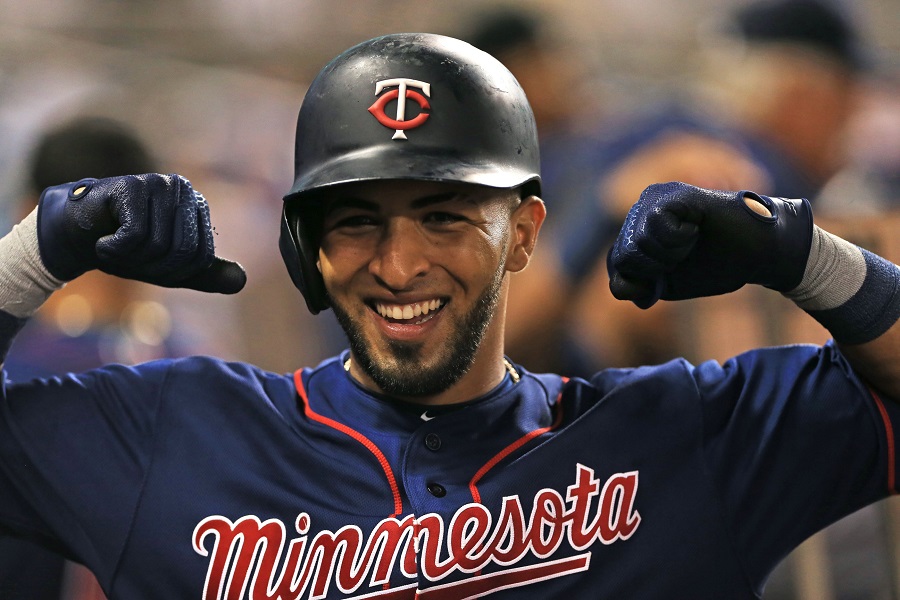 Watching Eddie Rosario play was always exciting, as Seth Stohs would say, although not always in a good way. It seemed that for every time he made fans throw their hands up in excitement, he would also make them throw their hands up in disbelief as . Whether it was base running errors, errant throws, or swinging at anything from his toes to the bill of helmet, you never knew what to expect while watching him play baseball. BUT, on the flip side, he also made a habit of , and he arguably was one of the best “bad ball” hitters in the league over the last six seasons. His passion and energy were contagious to both teammates and fans alike, and he provided the franchise with lasting memories that will likely be added to his Twins Hall of Fame Highlight Reel in 20 years. [Author’s Note: Yes, if Michael Cuddyer is a Twins Hall of Famer, then so is Eddie]It’s the aforementioned moments that has Twins fans divided and has left many with mixed emotions. Whether you’re ready to move on or wish the Twins had ponied up, there’s no arguing that Eddie provided some exciting moments over his six major league seasons and here are some of the best: May 6th, 2015 v. Oakland Athletics Eddie Rosario starts his career with a bang by hitting a 399 foot homer to the left field bleachers in his first big league at-bat. September 13th, 2017 v. San Diego Padres The Twins are surprisingly two games up on the Angels for the 2nd Wild Card spot and need every win they can get. Cue Eddie with the Walk Off blast. https://www.youtube.com/watch?v=TYnoZEWsIHw October 3rd, 2017 @ New York Yankees Like his first regular season at-bat, Rosario starts his postseason career off with a bang giving the Twins a 3-0 lead with a two-run shot in the first inning of a one-game playoff. https://twitter.com/renucho/status/915377392205668353 September 6th, 2019 @ Boston Red Sox In the midst of a playoff race, Eddie Rosario throws out the game tying run at home plate to secure the win. Needless to say there are many more moments that could be added to this list. All of this is to remind everyone that no matter your feelings about him overall, he is undoubtedly one of the most exciting Twins to watch in recent memory. So, Eddie, here’s to you. Thank you for the highlights over the years. Thank you for helping this franchise become a contender again. When you return, and when fans return, you’ll get a standing ovation from me. We’ll see you in a Twins uni one last time in a couple decades from now. MORE FROM TWINS DAILY — Latest Twins coverage from our writers — Recent Twins discussion in our forums — Follow Twins Daily via Twitter, Facebook or email
 -
I feel like your comment has nothing to with the topic of this article. Not at all suggesting a rebuild, replacing Sano, Buxton, et al I guarantee all of these guys will be employed in 2021. I’m not suggesting the Twins sign any of these guys in lieu of going after a bigger dish, I say as much in the article, but the fact is that every time has these guys in the active roster.
-
Thanks!
-
I prefer to give the prospects a shot too, but even in that case we need some backup in case they need some more seasoning.
-
Black Friday’s here and there are some deals the Twins shouldn’t miss! You won’t need to stand outside at 3 a.m. waiting for the doors to open, rather a phone call to the three players covered in this article during business hours will probably go over better than knocking on their door at 5 a.m. Image courtesy of © Benny Sieu-USA TODAY Sports Black Friday’s here and there are some deals the Twins shouldn’t miss! You won’t need to stand outside at 3 a.m. waiting for the doors to open, rather a phone call to the three players covered in this article during business hours will probably go over better than knocking on their door at 5 a.m. When making your Black Friday shopping list, you first need to think about what you need. The Twins have six days to decide whether they want to tender offers to Jose Berrios, Byron Buxton, Tyler Duffey, Mitch Garver, Taylor Rogers, Eddie Rosario, and Matt Wisler. It’s widely believed that all of those players will be tendered an offer with the lone exception being Eddie Rosario. They could also lose Nelson Cruz, Alex Avila, Marwin Gonzalez, Ehire Adrianza, Rich Hill, Homer Bailey, Jake Odorizzi, Sergio Romo, Trevor May, Tyler Clippard, and Zack Littell to free agency. That’s a long list of players to fill voids for but I’ve summarized a list of the Twins needs based off the players they’re losing: Left fielder Designated Hitter Two starting pitchers Multiple relievers Utility Infielder/Outfielder Now some of these needs will need to be filled by impact players who you aren’t going to find on the cheap. For example, the Twins will hopefully be legitimate suitors for Trevor Bauer to fill one of the starting pitcher voids and, whether or not they are able to attract him, they could also bring back Odorizzi on a deal. Outside of that, they could fill some of the gaps with players who could be had on the cheap. Here’s my list of Major League Baseball’s Black Friday Deals that could help the Twins: Brad Miller - Utility Infielder Defense has never been his strong suit which would make him a downgrade over Adrianza and Gonzalez, but he’s a considerable upgrade offensively and is able to play anywhere in the infield. FanGraphs Free Agent Tracker projects him to get a one-year deal worth two million, which would be a steal compared to the value he could provide ... especially if Josh Donaldson were to miss time in 2021. Kevin Pillar - Utility Outfielder Pillar contributes on both sides of the ball and would be an upgrade over Jake Cave who is entering his final year of team control before entering the arbitration phase of his career. Cave has been solid defensively in his career but has been streaky at the plate. I’m not clamoring for Pillar to replace Rosario but he would provide some consistency and flexibility if a full-time player needed a break or got hurt. Michael Wacha - Right-Handed Starting Pitcher Wacha was a first-round draft pick, who accelerated through the minors, and had a strong five-year start to his career including NLCS MVP in 2013 and All-Star appearance in 2015. In the last three seasons, he’s dealt with injuries that have limited his innings and effectiveness. The Atlanta Braves and Drew Smyly have set an expensive starting pitcher market which might make big name guys like Corey Kluber and Chris Archer too expensive for their inherited risk. FanGraphs has Wacha signing for one-year at three million dollars ... a no-risk, no-brainer deal in my eyes. Brett Anderson - Left-Handed Starting Pitcher Doesn’t have the upside of Wacha but also doesn’t come with the recent injury history, and is thought to be similarly priced. As a cheap option, he might be more attractive to the Twins than Wacha for the sole reason that he is a lefty in a rotation that is dominated by righties and is less of a question mark. I would prefer one of these two over anyone else currently on the Twins 40-man roster. Justin Wilson and/or Jake McGee - Left-Handed Relief Pitchers Relievers are wild cards. They’re nearly impossible to project and, in my opinion, not worth spending on. I like Trevor May but wouldn’t mind letting him walk assuming that he is going to look for a multi-year deal after a ‘bleh’ season. Wilson and McGee are two guys who have shown flashes, are coming off solid seasons, and could shore up the middle of the bullpen. The last cheap option that could help fill various voids is by relying on prospects. The Twins have a few prospects in Brent Rooker, Alex Kiriloff, and Trevor Larnach who could help fill the positions that might be left open by the departure of Eddie Rosario and Nelson Cruz. Even if this is the case, which I hope it is, I still think the Twins need to bring in a utility veteran or two who can fill-in if they rookies show they still need some fine tuning. Again, I do hope that the Twins spend on starting pitching. Kenta Maeda, Michael Pineda, and Jose Berrios make a solid 1-3 but you can never have too much pitching, especially of the power variety. An arm, like Bauer, to slide in front of those three would create one of the best rotations in baseball no matter who the fifth arm is. If the Twins do spend big on a starter, left fielder, or designated hitter then this list serves as some cheaper fill-ins. What do you think of these guys as filling important roles for the Twins? Is there an under-the-radar player that makes your list that didn’t make mine? MORE FROM TWINS DAILY — Latest Twins coverage from our writers — Recent Twins discussion in our forums — Follow Twins Daily via Twitter, Facebook or email View full article
![More information about "Why You Shouldn't Be Mad About "Losing Out" On [Insert Top Reliever Here]"](http://dtb3yzl0vm3pr.cloudfront.net/monthly_2021_05/b4c07a8181f118864f426d586fa16f68.jpg.ee9659925b50b7125a6aac8ba8b6d62a.jpg)
