Brock Beauchamp
-
Posts
32,641 -
Joined
-
Last visited
-
Days Won
328
Content Type
Profiles
News
Minnesota Twins Videos
2026 Minnesota Twins Top Prospects Ranking
2022 Minnesota Twins Draft Picks
Minnesota Twins Free Agent & Trade Rumors, Notes, & Tidbits
Guides & Resources
2023 Minnesota Twins Draft Picks
The Minnesota Twins Players Project
2024 Minnesota Twins Draft Picks
2025 Minnesota Twins Draft Pick Tracker
2026 Minnesota Twins Draft Tracker: Picks & Bonuses
Forums
Blogs
Events
Store
Downloads
Gallery
Everything posted by Brock Beauchamp
-
 Right, I see what you're saying. Technically he is returned to the minors but because there is no restriction on call-ups, he could be demoted for literally five seconds and then brought back to the major league team.
 -
Yep, the 27th man must be demoted after the game. https://www.mlb.com/glossary/transactions/27th-man "That player accrues one day of MLB service time and is returned to the Minor Leagues following the completion of the doubleheader."
-
You sure about that? I'm like 95% sure the 27th man is required to be demoted. I'll start digging.
-
Yay, Cole Sands is warming.
-
That is correct.
-
That's fair. If Santana has another 2023 season in him, the signing is just fine. My skepticism is whether he's capable of doing that.
-
He's the 27th man for a doubleheader, he HAS to be demoted back to the minors per MLB rules.
-
He has been terrible but it's 50 plate appearances. I was leery of the signing due to his age (and I watched him a lot with the Brewers in 2023) but it's too early to even think of cutting bait.
-
I'd probably send SWR out for the seventh but it's entirely defensible to pull him. He's a young starter that shut down the Tigers offense, get him off the mound before things unravel. It's not a ridiculous way to look at the situation.
-
I quite like this version of Simeon Woods Richardson. The version I've seen in the past, not so much.
-
I shouldn't be shocked every time the Twins score a run, but I am.
-
It makes sense to rotate them at least somewhat, as Farmer is better against LHP and Castro is better against RHP.
-
Kevin Tapani was born in Des Moines, Iowa. Interestingly, only while typing this bio did I (Brock Beauchamp) discover that Tapani grew up in the town where I was born (Escanaba, Michigan). Fun trivia, for me at least. Tapani's high school (Escanaba) was too small to have a baseball team so he didn't play the sport until he attended Central Michigan University. He was originally drafted by the Cubs in the 1985 MLB Draft (9th round) but returned to Central Michigan for one more season, after which he was drafted by the Oakland Athletics in the second round of the 1986 draft. In 1987, Tapani was traded to the New York Mets where he stayed until the trade deadline of 1989, when he was traded to the Twins as part of the Frank Viola trade. He had made his MLB debut earlier that season in New York but with the Twins he made his first MLB starts (five that season). Entering the 1990 season, Baseball America ranked Tapani as the 88th-best prospect in baseball. Tapani spent most of the 1990 season in the Twins rotation but it was 1991 that cemented Tapani in the minds of Twins fans. He posted a 6.8 Baseball-Reference WAR that season with a 2.99 ERA in 244.0 innings pitched. In stark contrast to how we evaluate pitchers in modern baseball, Tapani finished all the way back in seventh place in American League Cy Young voting that season. While Tapani was one of the most critical pieces of the 1991 Twins during the regular season, he did not pitch well in the postseason. He posted a 7.84 ERA in two starts of the ALCS and a 4.50 ERA in two starts in the World Series. Tapani stayed with the Twins through the 1994 season and came back from the MLB strike in 1995 still a member of the team. He was traded to the Los Angeles Dodgers at the 1995 trade deadline for Ron Coomer, Greg Hansell, and Jose Parra. Thus ended Kevin Tapani's tenure with the Twins. Over parts of seven seasons, he finished with a 4.06 ERA (108 ERA+) and 19.1 Baseball-Reference WAR. That 19.1 rWAR number puts him just outside the top ten of all-time Twins pitching WAR leaders at #12. Tapani signed with the Chicago White Sox for the 1996 season, then moved to the Chicago Cubs in 1997, where he pitched for five seasons. He retired after the 2001 season at 37 years old. View full player
-
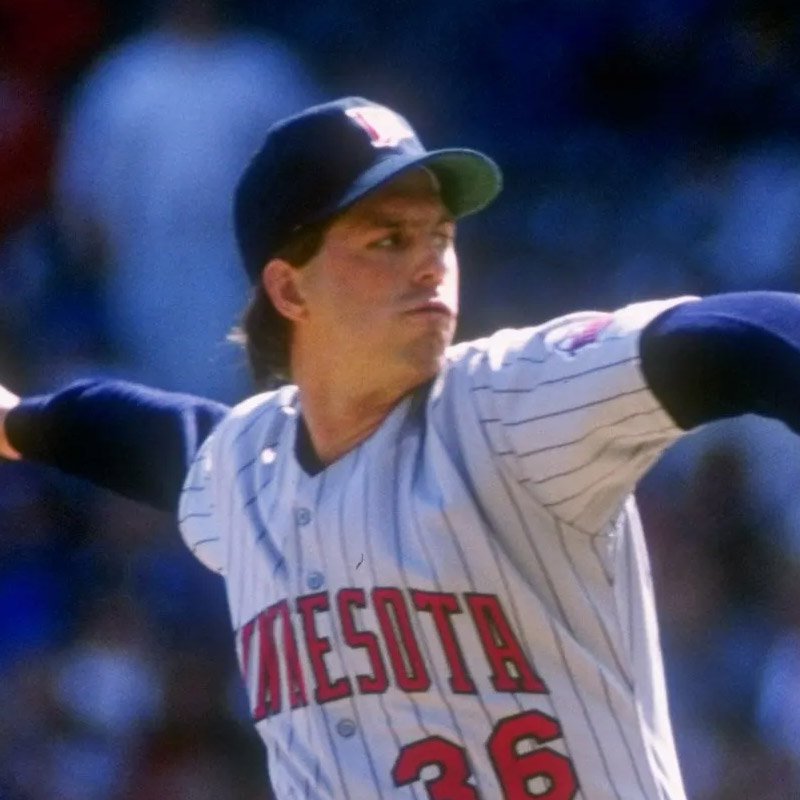 Kevin Tapani was born in Des Moines, Iowa. Interestingly, only while typing this bio did I (Brock Beauchamp) discover that Tapani grew up in the town where I was born (Escanaba, Michigan). Fun trivia, for me at least. Tapani's high school (Escanaba) was too small to have a baseball team so he didn't play the sport until he attended Central Michigan University. He was originally drafted by the Cubs in the 1985 MLB Draft (9th round) but returned to Central Michigan for one more season, after which he was drafted by the Oakland Athletics in the second round of the 1986 draft. In 1987, Tapani was traded to the New York Mets where he stayed until the trade deadline of 1989, when he was traded to the Twins as part of the Frank Viola trade. He had made his MLB debut earlier that season in New York but with the Twins he made his first MLB starts (five that season). Entering the 1990 season, Baseball America ranked Tapani as the 88th-best prospect in baseball. Tapani spent most of the 1990 season in the Twins rotation but it was 1991 that cemented Tapani in the minds of Twins fans. He posted a 6.8 Baseball-Reference WAR that season with a 2.99 ERA in 244.0 innings pitched. In stark contrast to how we evaluate pitchers in modern baseball, Tapani finished all the way back in seventh place in American League Cy Young voting that season. While Tapani was one of the most critical pieces of the 1991 Twins during the regular season, he did not pitch well in the postseason. He posted a 7.84 ERA in two starts of the ALCS and a 4.50 ERA in two starts in the World Series. Tapani stayed with the Twins through the 1994 season and came back from the MLB strike in 1995 still a member of the team. He was traded to the Los Angeles Dodgers at the 1995 trade deadline for Ron Coomer, Greg Hansell, and Jose Parra. Thus ended Kevin Tapani's tenure with the Twins. Over parts of seven seasons, he finished with a 4.06 ERA (108 ERA+) and 19.1 Baseball-Reference WAR. That 19.1 rWAR number puts him just outside the top ten of all-time Twins pitching WAR leaders at #12. Tapani signed with the Chicago White Sox for the 1996 season, then moved to the Chicago Cubs in 1997, where he pitched for five seasons. He retired after the 2001 season at 37 years old.
 -
I tuned out of the game after the Vazquez interference call, guess the Twins felt my bad vibes and did something about it.
-
Shane Mack is one of the more fascinating players in Minnesota Twins history. Originally drafted by the Kansas City Royals in the 1981 MLB Draft out of Richard Gahr High School in Cerritos, CA he declined to sign and opted to attend UCLA. He was drafted again in 1984 in the first round by the San Diego Padres (11th overall). He toiled in the Padres farm system for years, posting gaudy numbers in AAA Las Vegas in limited playing time; a .930 OPS in 1987 and a .981 OPS in 1988. After struggling to hit in 1989, the Padres failed to protect him on the 40-man roster, leaving him open for the Twins to select him in that winter's Rule 5 Draft. Mack is a testament to how much baseball has changed since the 1980s. It's almost unfathomable to believe a team would leave someone like Mack unprotected in the modern day. Mack wasn't a one-dimensional hitter, he was a legitimate centerfielder who hit for average, had very good plate discipline, and also had decent power. He was the entire package. Because he was selected in the Rule 5 Draft, the Twins had to keep him on their 25-man roster for the entirety of the 1990 season. That wasn't a problem, as Mack raked in 1990, posting a .326/.392/.460 triple slash over 125 games. Mack was quietly one of the best Twins players during his five-year stint with the team from 1990-1994, posting a 130 OPS+ in a Twins uniform and compiling 19.7 Baseball-Reference WAR. He peaked with a 6.5 rWAR season in 1992. In the 1991 postseason, Mack was instrumental to the Twins beating the Toronto Blue Jays in the ALCS, as he hit for a .881 OPS in 21 plate appearances. Mack's career took yet another bizarre (and frankly inexplicable) twist when the baseball work stoppage happened in the middle of the 1994 season. He packed his bags and headed to Japan instead of waiting out the strike, playing the 1995 season for the Yomiuri Giants of the NPB. When the strike ended in 1995, instead of returning to MLB he played yet another season in Japan. Shane Mack didn't return to MLB until the 1997 season when he signed a one-year contract to play for the Boston Red Sox. Only 33 years old, he posted yet another above-average season with a 109 OPS+. In 1998, Mack played for the Oakland Athletics and Kansas City Royals, posting a 103 OPS+ in 69 games. After the 1998 season, the now-34 Mack retired from baseball. Shane Mack is a player that leaves me scratching my head every time I think about him. He was a player unappreciated in his era and would be a highly-valued commodity in the modern game. It's a shame he never rose to the stardom he deserved. View full player
-
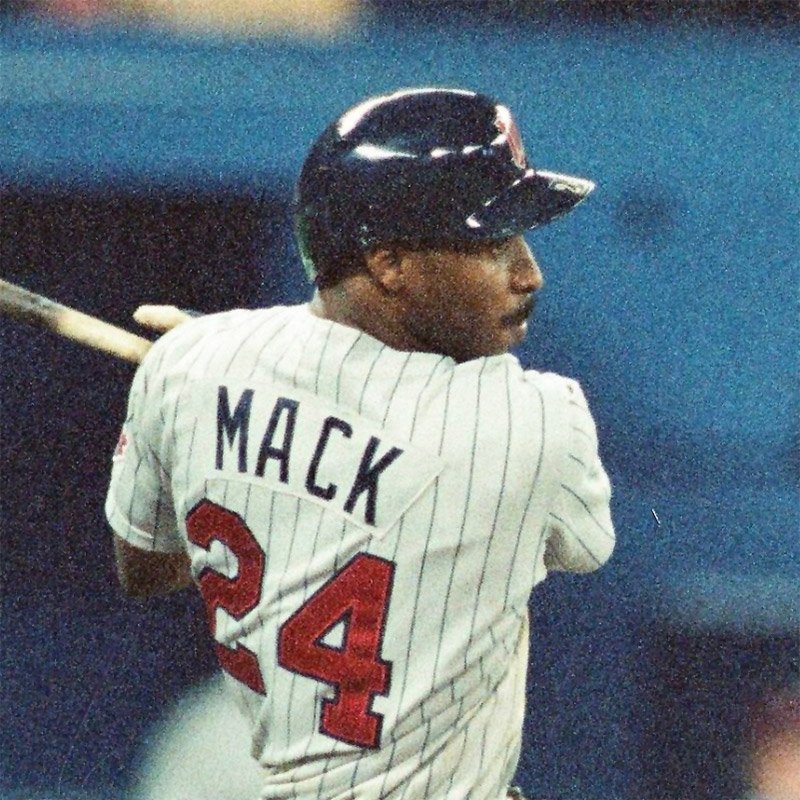 Shane Mack is one of the more fascinating players in Minnesota Twins history. Originally drafted by the Kansas City Royals in the 1981 MLB Draft out of Richard Gahr High School in Cerritos, CA he declined to sign and opted to attend UCLA. He was drafted again in 1984 in the first round by the San Diego Padres (11th overall). He toiled in the Padres farm system for years, posting gaudy numbers in AAA Las Vegas in limited playing time; a .930 OPS in 1987 and a .981 OPS in 1988. After struggling to hit in 1989, the Padres failed to protect him on the 40-man roster, leaving him open for the Twins to select him in that winter's Rule 5 Draft. Mack is a testament to how much baseball has changed since the 1980s. It's almost unfathomable to believe a team would leave someone like Mack unprotected in the modern day. Mack wasn't a one-dimensional hitter, he was a legitimate centerfielder who hit for average, had very good plate discipline, and also had decent power. He was the entire package. Because he was selected in the Rule 5 Draft, the Twins had to keep him on their 25-man roster for the entirety of the 1990 season. That wasn't a problem, as Mack raked in 1990, posting a .326/.392/.460 triple slash over 125 games. Mack was quietly one of the best Twins players during his five-year stint with the team from 1990-1994, posting a 130 OPS+ in a Twins uniform and compiling 19.7 Baseball-Reference WAR. He peaked with a 6.5 rWAR season in 1992. In the 1991 postseason, Mack was instrumental to the Twins beating the Toronto Blue Jays in the ALCS, as he hit for a .881 OPS in 21 plate appearances. Mack's career took yet another bizarre (and frankly inexplicable) twist when the baseball work stoppage happened in the middle of the 1994 season. He packed his bags and headed to Japan instead of waiting out the strike, playing the 1995 season for the Yomiuri Giants of the NPB. When the strike ended in 1995, instead of returning to MLB he played yet another season in Japan. Shane Mack didn't return to MLB until the 1997 season when he signed a one-year contract to play for the Boston Red Sox. Only 33 years old, he posted yet another above-average season with a 109 OPS+. In 1998, Mack played for the Oakland Athletics and Kansas City Royals, posting a 103 OPS+ in 69 games. After the 1998 season, the now-34 Mack retired from baseball. Shane Mack is a player that leaves me scratching my head every time I think about him. He was a player unappreciated in his era and would be a highly-valued commodity in the modern game. It's a shame he never rose to the stardom he deserved.
 -
Michael Tonkin was born in Glendale, CA and was drafted out of Palmdale High School by the Minnesota Twins in the 30th round of the 2008 MLB Draft. He entered the Twins' farm system where it quickly became apparent that Tonkin's arm was better suited for the bullpen than the rotation. After making 22 starts in the low minors from 2008-2010, Tonkin moved primarily to the bullpen in 2011 and started to show potential. He made his debut with the Twins on July 11, 2013 against the Tampa Bay Rays where he pitched 1.1 innings of scoreless ball. From 2013-2017, Tonkin became a regular in the Twins' bullpen, pitching 146.1 innings with a 4.43 ERA. He was released by the Twins following the 2017 season, after which he went to Japan to play in the NPB for the Nippon Ham Fighters for one season. He returned to Major League Baseball in 2019, joining the Milwaukee Brewers' Triple-A affiliate. From there, Tonkin began bouncing around baseball, playing in the Diamonbacks organization, the Atlantic League, the Caribbean Series, the Mexican League, and the Dominican Winter League. In 2022, he joined the Atlanta Braves' Triple-A affiliate and made it back to the majors with the Braves in 2023. He had a somewhat productive season with the Braves that year, posting a 4.28 ERA in 80 innings pitched. He then joined the Mets organization and pitched in three games for them in 2024 before being placed on waivers. The Twins offered the Mets some money to jump the waiver line and traded for Tonkin, returning him full circle to the team that drafted him way back in 2008. View full player
-
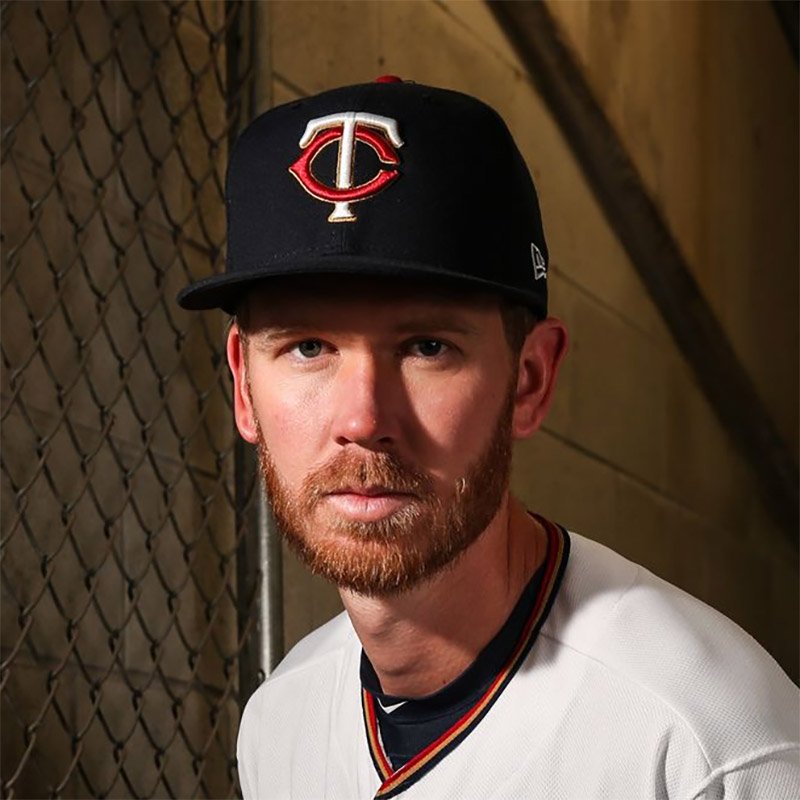 Michael Tonkin was born in Glendale, CA and was drafted out of Palmdale High School by the Minnesota Twins in the 30th round of the 2008 MLB Draft. He entered the Twins' farm system where it quickly became apparent that Tonkin's arm was better suited for the bullpen than the rotation. After making 22 starts in the low minors from 2008-2010, Tonkin moved primarily to the bullpen in 2011 and started to show potential. He made his debut with the Twins on July 11, 2013 against the Tampa Bay Rays where he pitched 1.1 innings of scoreless ball. From 2013-2017, Tonkin became a regular in the Twins' bullpen, pitching 146.1 innings with a 4.43 ERA. He was released by the Twins following the 2017 season, after which he went to Japan to play in the NPB for the Nippon Ham Fighters for one season. He returned to Major League Baseball in 2019, joining the Milwaukee Brewers' Triple-A affiliate. From there, Tonkin began bouncing around baseball, playing in the Diamonbacks organization, the Atlantic League, the Caribbean Series, the Mexican League, and the Dominican Winter League. In 2022, he joined the Atlanta Braves' Triple-A affiliate and made it back to the majors with the Braves in 2023. He had a somewhat productive season with the Braves that year, posting a 4.28 ERA in 80 innings pitched. He then joined the Mets organization and pitched in three games for them in 2024 before being placed on waivers. The Twins offered the Mets some money to jump the waiver line and traded for Tonkin, returning him full circle to the team that drafted him way back in 2008.
 -
Billy Beane was born in Orlando, Florida and was drafted first overall by the New York Mets in the 1980 MLB Draft. He flourished in the Mets system, culminating in his posting an .842 OPS in AA Jackson in 1984, followed by an .821 OPS in AAA Tidewater in 1985. After brief appearances with the Mets in 1984 and 1985, in January of 1986 he was traded to the Twins (along with Bill Latham and Joe Klink), with Pat Crosby and Tim Teufel heading to New York in return. Across 1986 and 1987, Beane received the bulk of his career MLB plate appearances with the Twins, accumulating 209 total PAs. He posted an underwhelming .561 OPS (52 OPS+). Before the 1988 season, Beane was offloaded to the Detroit Tigers for Balvino Galvez. Beane was a free agent following the 1988 season and signed a one-year contract with the Oakland Athletics, where he ended his MLB career after the 1989 season. Beane has been quite open in discussing his status as a first-overall draft pick, ensuing struggles, and how it opened him up to the idea of evaluating baseball differently on his path to a wildly successful career in the Oakland Athletics front office. View full player
-
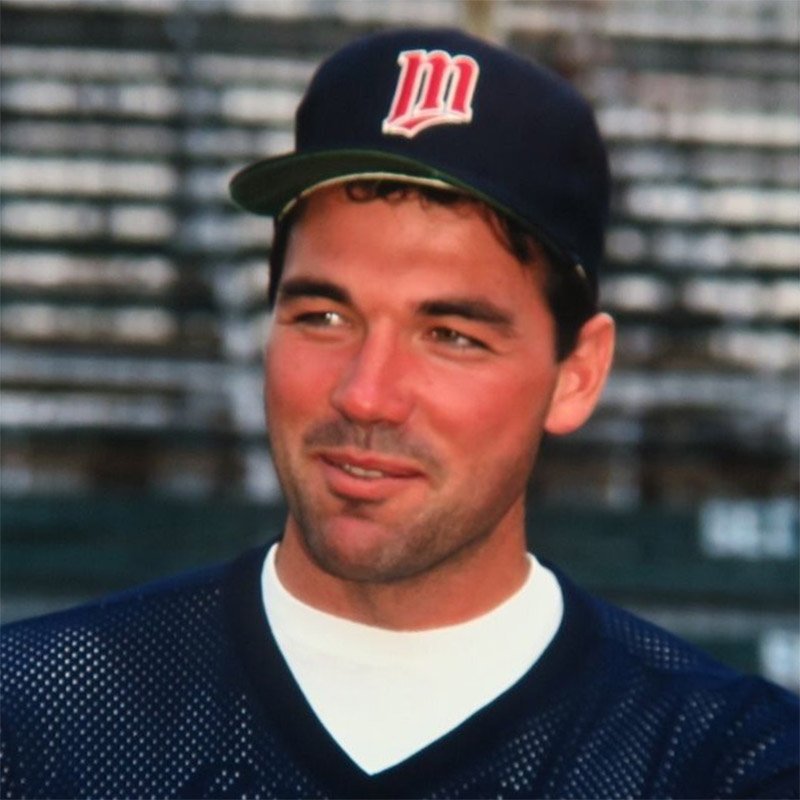 Billy Beane was born in Orlando, Florida and was drafted first overall by the New York Mets in the 1980 MLB Draft. He flourished in the Mets system, culminating in his posting an .842 OPS in AA Jackson in 1984, followed by an .821 OPS in AAA Tidewater in 1985. After brief appearances with the Mets in 1984 and 1985, in January of 1986 he was traded to the Twins (along with Bill Latham and Joe Klink), with Pat Crosby and Tim Teufel heading to New York in return. Across 1986 and 1987, Beane received the bulk of his career MLB plate appearances with the Twins, accumulating 209 total PAs. He posted an underwhelming .561 OPS (52 OPS+). Before the 1988 season, Beane was offloaded to the Detroit Tigers for Balvino Galvez. Beane was a free agent following the 1988 season and signed a one-year contract with the Oakland Athletics, where he ended his MLB career after the 1989 season. Beane has been quite open in discussing his status as a first-overall draft pick, ensuing struggles, and how it opened him up to the idea of evaluating baseball differently on his path to a wildly successful career in the Oakland Athletics front office.
 -
Game Thread Twins vs Dodgers 12:10pm 4/10/2024ad
Brock Beauchamp replied to wsnydes's topic in Archived Game Threads
Damn, he was safe. Still a heck of a play from Julien. -
Dan Gladden was born in San Jose, CA in 1957. He went to college at California State University - Fresno and was drafted by his hometown team, the San Francisco Giants, in the 1979 MLB Draft. He made his MLB debut in 1983 and played with the Giants through the 1986 season, after which he was traded to the Minnesota Twins for Jose Dominguez, Ray Velasquez, and a player to be named later. Gladden immediately became a fixture at the top of the Twins lineup, swiping 116 bags in his five seasons with the team. He was a member of both Twins' championship teams and performed well in the postseason, posting a .771 OPS across 1987 and 1991. He famously scored the winning run in the tenth inning of game seven of the 1991 World Series. In 2000, Gladden joined the Twins radio broadcast team as the color commentator where he continues to work today. View full player
-
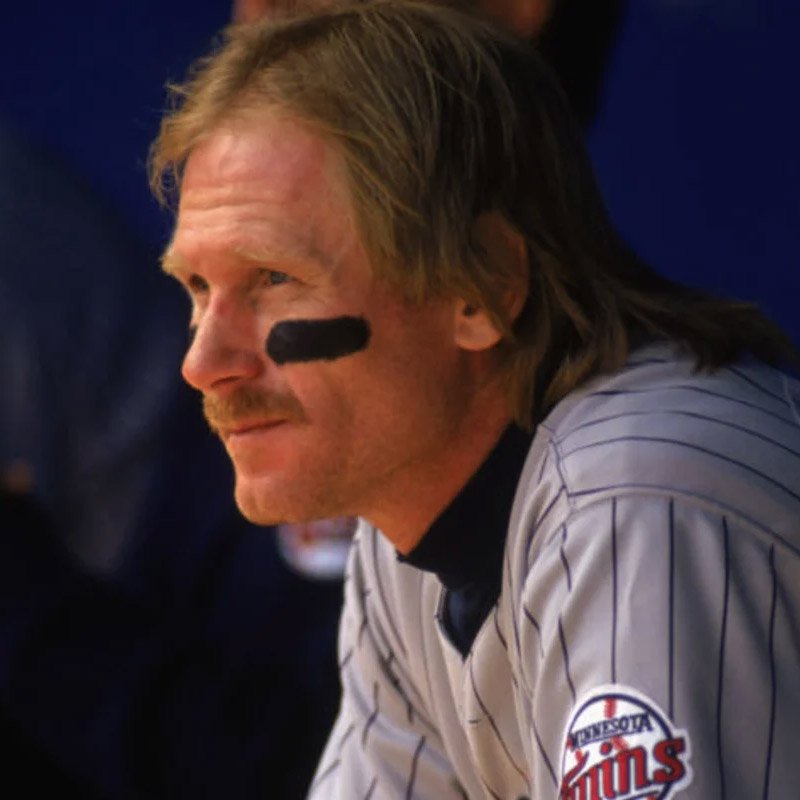 Dan Gladden was born in San Jose, CA in 1957. He went to college at California State University - Fresno and was drafted by his hometown team, the San Francisco Giants, in the 1979 MLB Draft. He made his MLB debut in 1983 and played with the Giants through the 1986 season, after which he was traded to the Minnesota Twins for Jose Dominguez, Ray Velasquez, and a player to be named later. Gladden immediately became a fixture at the top of the Twins lineup, swiping 116 bags in his five seasons with the team. He was a member of both Twins' championship teams and performed well in the postseason, posting a .771 OPS across 1987 and 1991. He famously scored the winning run in the tenth inning of game seven of the 1991 World Series. In 2000, Gladden joined the Twins radio broadcast team as the color commentator where he continues to work today.