


Twins Video
Here are a few experiences that Derek Falvey and Thad Levine have had with free agency since taking over the Twins front office:
* In their first signature move, they quickly signed free agent Jason Castro to a three-year contract. He was solid in his first year, and the second was a total loss. Now he enters Year 3 as a fairly significant (and somewhat pricey) question mark.
* In their second year, they signed Addison Reed, Logan Morrison and Lance Lynn for a combined ~$25 million. Morrison and Lynn were busts, and so to a lesser extent was Reed, who now enters Year 2 as a fairly significant (and somewhat pricey) question mark.
* They made a serious bid for Yu Darvish last winter, reportedly offering more than $100 million before falling short of the Cubs and watching the right-hander immediately bomb in Chicago.
* They inherited the contract of Ervin Santana, who qualifies as one of Minnesota's most successful free agent signings ever, but saw the downside of that deal as well with $13.5 million of their payroll dedicated to a guy who provided basically nothing in 2018.
* They also inherited the contract of Phil Hughes, some of which they're still on the hook for this year. Granted, it was an ill-advised extension rather than Hughes' original deal that went sour, but he's another fine example of the dangers in long-term commitments to veterans – even those that are on top of their games at the time.
So now we come to the team's approach this year in free agency. With the exception of Nelson Cruz, none of the players acquired by Minnesota were on those lists fans skimmed through in September and let their brains run wild, because none of them were firmly expected to be on the market. And now most players that did occupy the upper levels of those rankings are gone.
Is this by design? Are the Twins attempting to take advantage of a league-wide aversion to spending by capturing quality players who are being unfairly devalued? It sure seems that way.
Instead of tethering themselves to expensive, inescapable commitments for players on the higher tiers (which, as we've learned time and time again, carry no assurances) the front office is making deals on its own terms.
Martin Perez on a one-year deal plus team option is actually a lot more interesting than those standard Terry Ryan flyers of yesteryear, because it has real upside. Perez doesn't turn 28 until April. If the Twins are able to unlock whatever they see in him (and I have to believe it's more than meets the eye, because other teams were interested too), they've actually found themselves an asset. The same is true of Cruz and Blake Parker, though they don't have the same long-term fit potential.
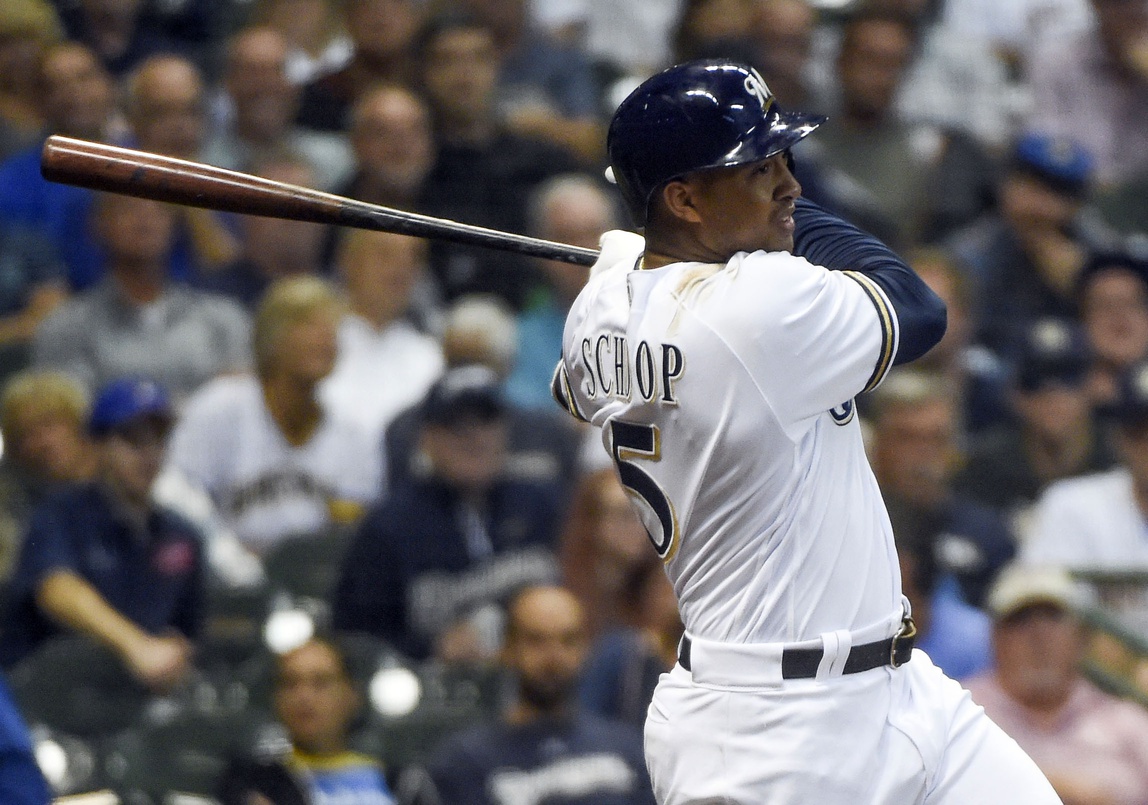
One that does is Jonathan Schoop. He's probably the player we're not talking about enough. The Twins aggressively signed him one week after his non-tender from Milwaukee. He's an athletic defender, one year removed from an All-Star season, and he's averaged 25 homers in the past three seasons. Most vitally, he's only 27.
Guys like this don't become available too often. And for teams that want more of a sure thing – such as the Brewers, who elected to move on – maybe he's not the best choice. But within Minnesota's developing strategy, he made all the sense in the world. Unlike the others added this winter, his contract doesn't include a 2020 option, but if he rebounds, blends into the nucleus, and likes it here? Now you might've found yourself a newly minted piece to your core.
It's tough to knock any of these deals on their own. But when you look at the big picture it's easy to feel a bit underwhelmed. As someone in the forums astutely put it: "the sum is lesser than its parts." I understand and empathize with the lack of enthusiasm some are feeling. But ultimately, it's not Jed Lowrie or Adam Ottavino that's going to put fans in the seats. Winning will.
You may not be jazzed about the caliber of these names. But don't conflate the current front office with the previous regime. These aren't your garden-variety bargain bin signings of the Kevin Correia or Mike Pelfrey ilk. There's a deeper methodology in place, and I'm sure I'm only scratching its surface.
From my view, the Twins are hoping they can hit on a few of these gambles while the incumbents rebound enough to keep them hanging in a weak division. Then, around the middle of the season they can more clearly assess their position and their needs. As I concluded on Monday, the silver lining to this resource preservation is that it will give them extreme flexibility leading up to the trade deadline.
The pessimistic view is that the Twins are treading water until 2020. The optimistic (and I think more realistic) view is that they're treading water until June or July.
Let us not forget: The most impactful, game-changing transaction in the American League over the past two years didn't happen during the offseason. It happened when Detroit traded Justin Verlander to Houston in August of 2017. Given the league's expected landscape this summer, it's not hard to envision similar opportunities emerging in a sea of non-contenders.
So, there's something to dream on.




Recommended Comments
Create an account or sign in to comment
You need to be a member in order to leave a comment
Create an account
Sign up for a new account in our community. It's easy!
Register a new accountSign in
Already have an account? Sign in here.
Sign In Now