



Tom Froemming
-
Posts
5,260 -
Joined
-
Last visited
-
Days Won
22
Content Type
Profiles
News
Minnesota Twins Videos
2026 Minnesota Twins Top Prospects Ranking
2022 Minnesota Twins Draft Picks
Minnesota Twins Free Agent & Trade Rumors, Notes, & Tidbits
Guides & Resources
2023 Minnesota Twins Draft Picks
The Minnesota Twins Players Project
2024 Minnesota Twins Draft Picks
2025 Minnesota Twins Draft Pick Tracker
2026 Minnesota Twins Draft Tracker: Picks & Bonuses
Forums
Blogs
Events
Store
Downloads
Gallery
Everything posted by Tom Froemming
-
 Agreed, I never said it was unique to Baddoo.
 -
One of the things I believe to be an X factor for Thorpe is how well he hides the ball. I'm going to share a few videos but before I do, DISCLAIMER, I'm not trying to suggest Thorpe is on the same level as these other guys. Take a look at some behind the plate footage of Thorpe: https://youtu.be/z2n6QStc5us?t=87 And compare that to fellow lefty Jesus Luzardo: https://youtu.be/RcBc40SGdsY?t=22 Or MacKenzie Gore: https://youtu.be/FKABC62i1Ec?t=34 To my eyes, Thorpe does an exceptional job at hiding the ball. Do you see what I'm saying, or am I nuts? Luzardo and Gore, the two top lefty pitching prospects in the game per MLB Pipeline, certainly have other ways of creating deception. Luzardo has great arm speed and varies his windup while Gore has some exaggerated glove movements and a crossfire action. Again, Thorpe is NOT on the same level as those two guys, I'm simply using them as examples.
-
Are you trying to suggest that if Baddoo posts a sub-.600 OPS he's not going to slip in these prospect rankings? All I'm trying say is if he struggles, like a lot of guys do making this jump, he's going to get passed by in these rankings. There will be guys who breakout, additions via the draft and, let's face it, a good chance of some talent being added at the deadline again. At the same time, I'm not sure I'd project a single guy ranked ahead of Baddoo right now to graduate from prospect status in 2019, so it's not like room is opening up at the top. Competition for a spot this high is going to be thick.
-
As Seth mentioned, throws are still not anything to hang his hat on. I've also seen him take some not so efficient routes or first steps out there. Nothing to be too concerned about, but stuff like that might result in him being pushed to left field as he moves up and starts playing alongside better outfielders. *In terms of prospect status. Take a look at some of the guys who were going from Cedar Rapids to Fort Myers last year and what happened to them, guys like Lewin Diaz and Travis Blankenhorn. I think a lot of things can get exposed in this jump that Baddoo's about to make, pitchers in the FSL are a lot more advanced than in the MWL.
-
Having a brother who is 4 1/2 years older than me, I got introduced to card collecting at an early age. I don't remember any of my very first cards, though I'm sure they were just his castaways, which I was very happy to have. But in 1991, when I would have been six, I can remember getting a Donruss The Rookies set as a gift. Chuck Knoblauch, my favorite player at the time, was in that set as well as Ivan Rodriguez, who would become my favorite player a couple years later. I'm sure at the time I was also excited to have sure-fire Hall of Famer Todd Van Poppel in that set. Good times.
-
Article: TwinsFest 2019 Joe Mauer White Glove Tour
Tom Froemming replied to TCAnelle's topic in Twins Daily Front Page News
I still can't believe that last game. I fully expected everybody to just play it off like just another game, especially since he hadn't made an announcement, but Joe appears to have opened himself up more to embrace some of the attention he seemed to shy away from in the past. It sounds like he loosened up for this tour as well. I also noticed in his chat with WCCO that interviewers are starting to ask him some different questions, and he talked some more about his days as a catcher. I hope he enjoys the next several years with his young family, but I think he could be an outstanding broadcaster or instructor of some kind when the time comes. -
The lower levels of the minor leagues are littered with speedy center fielders who have no idea how to play baseball. Elite athletes who have absolutely no clue what they’re doing in the batter’s box. And then you have Akil Baddoo. Guys like this aren’t supposed to know the strike zone like he does.10. Akil Baddoo, CF Age: 20 (DOB (8/16/98) 2018 Stats (-A): 517 PA, .243/.351/.419, 11 HR, 40 RBI ETA: 2021 2018 Ranking: 10 What’s to like? This guy’s not just an athlete. Baddoo has a career .367 on-base percentage and an even more impressive walk rate of 14.4 percent. Only 10 qualified MLB hitters walked more often in 2018. Baddoo’s also not just a strict pull hitter, another common issue among lower-level prospects. That should keep opposing teams from employing any extreme shifts against him. Here’s a look at his spray chart: Download attachment: BaddooSpray.png Most of his home run power is right down the line, but you can see plenty of extra-base hits going to the left of center field. Through the first two months of last season, Baddoo posted a .396 OBP, but that came with a very weak .336 slugging percentage. From that point forward, we started to see him punish pitches on a more regular basis. His OBP was only .329 through the rest of the season, but that came with an impressive .454 slugging percentage. So I think it’s fair to say he’s both shown excellent on-base skills and some nice pop. Is there a way he can balance out those two approaches, or even better yet, manage to maintain the best of both worlds? That’s the part that’s really exciting about Baddoo. He’s shown flashes of so many different skills. But let’s get back to that athleticism. Baddoo led the Midwest League with 11 triples last season and has a stolen base success rate over 80 percent for his career (41-for-51). The speed is real. There’s a lot to like. What’s left to work on? Surprise, surprise, he needs to get better against left-handed pitching. Real original, Akil. After handling southpaws to the tune of an .840 OPS in 2017, Baddoo hit just .220/.304/.339 (.643 OPS) against same-sided pitching this past season. Of his 17 career home runs, all but one of them have come against right-handed pitchers. What else? Baddoo would also benefit from cutting down on his strikeouts. Being comfortable working deep counts is great, but his strikeout rate of 24 percent last season is just a little too high. If anything, that rate figures to rise as he climbs the ladder, so Baddoo may benefit from being a bit more aggressive early in the count from time-to-time. He could also use some refinement in the field. What’s next? After spending the entire 2018 season with Cedar Rapids, Baddoo figures to spend plenty of his time in Fort Myers this year. Not only does the competition become more advanced, but the Florida State League is also a notorious pitcher’s environment. It should serve for a great measuring stick for Baddoo. This is the second straight year Baddoo has slotted 10th in our rankings. With this upcoming season serving as somewhat of a make or break year in terms of his prospect stock, he could shoot up the list or he could drop down, but I’d bet against a three-peat in the 10 spot. Twins Daily 2019 Top 20 Prospects Honorable Mentions 20. Jose Miranda 19. Jorge Alcala 18. LaMonte Wade 17. Zack Littell 16. Gilberto Celestino 15. Yunior Severino 14. Ben Rortvedt 13. Ryan Jeffers 12. Nick Gordon 11. Stephen Gonsalves 10. Akil Baddoo 9. Coming Soon Get to know more about these five Minnesota Twins prospects and much more in the 2019 Minnesota Twins Prospect Handbook. It’s available in paperback or as an eBook. Click here to view the article
-
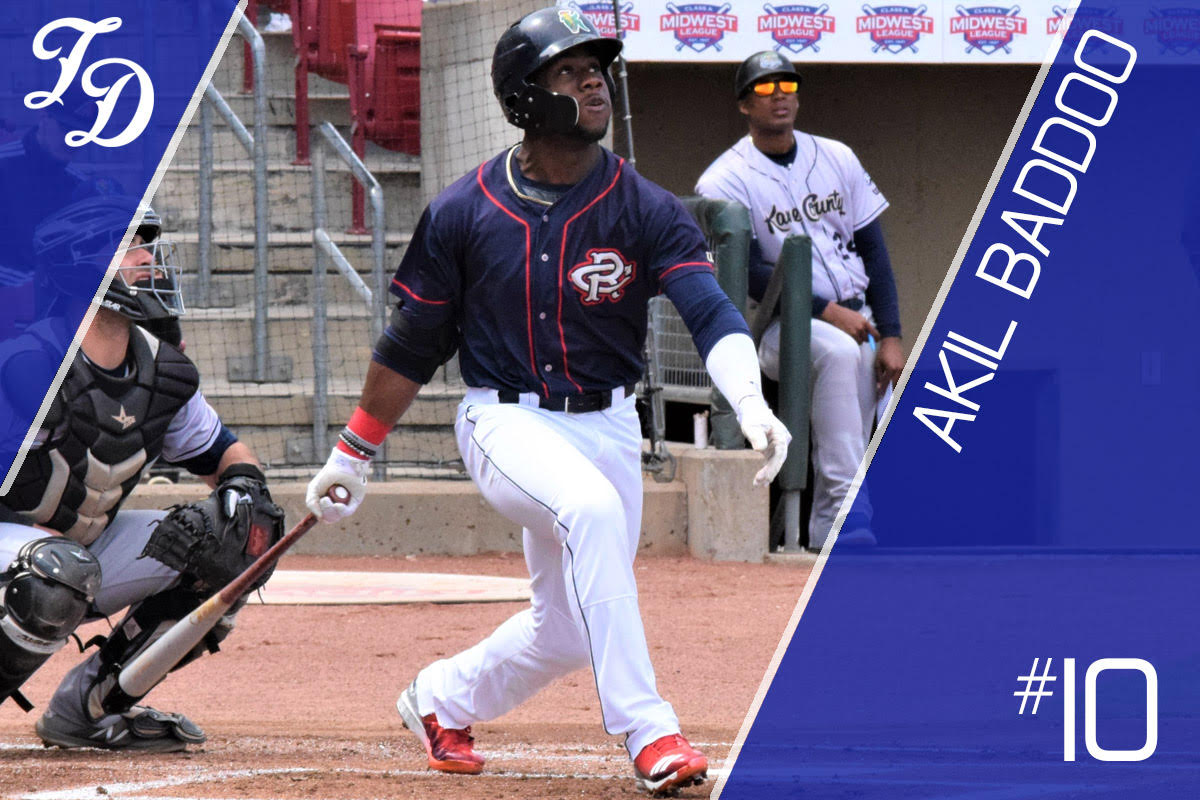 10. Akil Baddoo, CF Age: 20 (DOB (8/16/98) 2018 Stats (-A): 517 PA, .243/.351/.419, 11 HR, 40 RBI ETA: 2021 2018 Ranking: 10 What’s to like? This guy’s not just an athlete. Baddoo has a career .367 on-base percentage and an even more impressive walk rate of 14.4 percent. Only 10 qualified MLB hitters walked more often in 2018. Baddoo’s also not just a strict pull hitter, another common issue among lower-level prospects. That should keep opposing teams from employing any extreme shifts against him. Here’s a look at his spray chart: Most of his home run power is right down the line, but you can see plenty of extra-base hits going to the left of center field. Through the first two months of last season, Baddoo posted a .396 OBP, but that came with a very weak .336 slugging percentage. From that point forward, we started to see him punish pitches on a more regular basis. His OBP was only .329 through the rest of the season, but that came with an impressive .454 slugging percentage. So I think it’s fair to say he’s both shown excellent on-base skills and some nice pop. Is there a way he can balance out those two approaches, or even better yet, manage to maintain the best of both worlds? That’s the part that’s really exciting about Baddoo. He’s shown flashes of so many different skills. But let’s get back to that athleticism. Baddoo led the Midwest League with 11 triples last season and has a stolen base success rate over 80 percent for his career (41-for-51). The speed is real. There’s a lot to like. What’s left to work on? Surprise, surprise, he needs to get better against left-handed pitching. Real original, Akil. After handling southpaws to the tune of an .840 OPS in 2017, Baddoo hit just .220/.304/.339 (.643 OPS) against same-sided pitching this past season. Of his 17 career home runs, all but one of them have come against right-handed pitchers. What else? Baddoo would also benefit from cutting down on his strikeouts. Being comfortable working deep counts is great, but his strikeout rate of 24 percent last season is just a little too high. If anything, that rate figures to rise as he climbs the ladder, so Baddoo may benefit from being a bit more aggressive early in the count from time-to-time. He could also use some refinement in the field. What’s next? After spending the entire 2018 season with Cedar Rapids, Baddoo figures to spend plenty of his time in Fort Myers this year. Not only does the competition become more advanced, but the Florida State League is also a notorious pitcher’s environment. It should serve for a great measuring stick for Baddoo. This is the second straight year Baddoo has slotted 10th in our rankings. With this upcoming season serving as somewhat of a make or break year in terms of his prospect stock, he could shoot up the list or he could drop down, but I’d bet against a three-peat in the 10 spot. Twins Daily 2019 Top 20 Prospects Honorable Mentions 20. Jose Miranda 19. Jorge Alcala 18. LaMonte Wade 17. Zack Littell 16. Gilberto Celestino 15. Yunior Severino 14. Ben Rortvedt 13. Ryan Jeffers 12. Nick Gordon 11. Stephen Gonsalves 10. Akil Baddoo 9. Coming Soon Get to know more about these five Minnesota Twins prospects and much more in the 2019 Minnesota Twins Prospect Handbook. It’s available in paperback or as an eBook.
 -
Article: Twins Daily 2019 Top Prospects: 16-20
Tom Froemming replied to Tom Froemming's topic in Twins Daily Front Page News
I can tell you his overall swinging strike rate was eight percent in September. Not terrible, but he wasn't facing the stiffest competition either. That will need to improve. Like a lot of guys in the high minors, I think there's still some work being done on how he can most effectively use his pitches. I definitely think he could benefit from some more time working against Triple-A hitters. I was a bit surprised they gave him those couple looks earlier in the season, but he was on the 40 man, so I guess why not? -
Article: Twins Daily 2019 Top Prospects: 16-20
Tom Froemming replied to Tom Froemming's topic in Twins Daily Front Page News
This is the golden question. If you think the power will come, he's way too low on our list. If not, he might be a few spots too high, though legit center fielders don't grow on trees. He doesn't even turn 20 for another couple weeks, so trying to predict where he ends up physically is tough. So I think we've kind of hedged our bets in a way with this ranking, which I'm perfectly fine with. -
Article: Twins Daily 2019 Top Prospects: 16-20
Tom Froemming replied to Tom Froemming's topic in Twins Daily Front Page News
I think you can honestly start considering Celestino and Alcala as high as fifth. This is a potential five-tool center fielder and a guy who throws triple-digit heat. The tools are elite. Collectively, I think we took more of a pessimistic view on both for this list. I tend to be a bit conservative in my rankings, so I'm comfortable with where they ended up, but I wouldn't bat an eye at a list that had either one comfortably inside the top 10.- 47 replies
-
- 10
-

-
- gilberto celestino
- zack littell
- (and 3 more)
-
It’s not easy for a prospect to crack the Twins top 20 rankings these days. This system has been picking up steam in recent years, and as you’ll see in this segment of our list, trades have helped make significant strides. Three of the five players we’ll look at today were acquired via trades. Let’s get into it ...20. Jose Miranda, 2B/3B Age: 20 (DOB 6/29/1998) 2018 Stats (A/+A): 552 PA, .264/.319/.417, 16 HR, 82 RBI ETA: 2021 2018 Ranking: NR Since joining the Twins as the 73rd overall pick in 2016 draft, Miranda has been getting his feet wet all around the infield. This past season, the product of Puerto Rico basically split time between second base and third base with a couple appearances at shortstop mixed in. At the plate, Miranda provides an intriguing mix of power and contact skills. He actually had the lowest strikeout rate of any Midwest League hitter with at least 400 plate appearances last season. The really crazy thing is he struck out even less after he was promoted to Fort Myers, dropping from 11.62 K% to a 9.73 K%. “No, I don’t like striking out,” Miranda emphatically told SD Buhr in June. “I hate it. Since I was little, I’ve tried to battle.” And it’s not like he sacrifices power to do it, as Miranda finished fourth in the system in both doubles (27) and home runs (16). He was second to Alex Kirilloff in RBIs with 82 and even ranked second in the system by getting hit with 12 pitches. Miranda capped the season by making a huge impact in Fort Myers’ championship run, going 10-for-25 with three doubles and two home runs in the postseason. 19. Jorge Alcala, RHP Age: 23 (DOB 7/28/1995) 2018 Stats (AA/+A): 99.1 IP, 3.81 ERA, 9.4 K/9, 4.4 BB/9, 1.34 WHIP ETA: 2020 2018 Ranking: NR Alcala came to the Twins this July in the trade that sent Ryan Pressly to Houston. Prior to the deal, Alcala had a 3.29 ERA and 1.21 WHIP over 79 1/3 innings in the Astros’ system, but finished things out in Chattanooga pitching to a 5.85 ERA and 1.85 WHIP in 20 innings. So, not the best first impression. Armed with a fastball that’s been clocked as high as 102 mph, his slider doesn’t give batters much time to react either. That’s a late-breaking pitch ranging in the upper 80s. He seemed to learn how to put batters away last season, boosting his strikeout rate from 7.8 K/9 in 2017 to 9.4 K/9 last year. Alcala’s secondary offerings have some work to do in terms of consistency, which has put some uncertainty around his future role. Of his 24 outings on the season, 13 were for four innings or fewer. Even if the consistency with the full repertoire doesn’t develop, Alcala could make for a very exciting relief prospect. 18. LaMonte Wade, OF Age: 25 (DOB 1/1/1994) 2018 Stats (AAA/AA): 495 PA, .257/.360/.380, 11 HR, 48 RBI ETA: 2019 2018 Ranking: 14 Wade doesn’t have any especially loud tools but he also lacks any clear weaknesses. His true calling card is the ability to grind out at bats. He actually had more strikeouts (74) than walks (64) for the first time in his career last season, but he certainly makes pitchers earn it. His two-strike approach is outstanding and he’s not above choking up on the bat. Here’s a look back at one of his impressive plate appearances from spring training last year: Wade was hitting .278/.388/.419 (.807 OPS) through July, then had a really tough final 25 games of the season that put a damper on his final year-end numbers. He gave right-handed pitchers all kinds of trouble, hitting .281/.391/.409 (.800 OPS), but had just a .563 OPS against same-sided pitching. Wade has seen a fair amount of time in center field over his pro career, but he seemed to settle into left field with some right field mixed in last season. He also played some first base back in college. Wade was added to the 40-man roster this offseason, and while he’s a bit buried on the current depth chart, there’s a chance we’ll see him at Target Field in 2019. 17. Zack Littell, RHP Age: 23 (DOB 10/5/1995) 2018 Stats (MLB/AAA/AA): 149.1 IP, 8.7 K/9, 3.5 BB/9, 1.31 WHIP ETA: Debuted in 2018 2018 Ranking: 11 Littell got knocked around in his first taste of the big leagues, posting a 6.20 ERA in 20 1/3 innings for the Twins, but he put together a strong season down on the farm. Only Lewis Thorpe racked up more strikeouts among Twins minor league pitchers. Littell boosted his K/9 rate a full strikeout from 8.1 in 2017 to 9.1 during his time in the minor leagues in 2018. Littell was the youngest player to surface with the Twins last season and faced batters who were older than him 96 percent of the time through the course of the year (629 of 655 plate appearances). He's never picked up much steam in prospect circles due to a relative lack of velocity, but Littell actually topped out at 96 mph during his time with the Twins, per Baseball Savant. It's rare for him to reach back with that kind of heat, he typically sits more like 92, but it appears he could be on the verge of unlocking something extra. Littell lacks a true plus secondary offering, but the curveball can really shine some days and he has enough of a changeup to keep hitters off balance. Wrap in solid command and you’ve got an excellent baseline package to continue to build upon. 16. Gilberto Celestino, CF Age: 19 (DOB 2/13/1999) 2018 Stats (AA/-A/Rk): 268 PA, .287/.341/.406, 5 HR, 34 RBI ETA: 2022 2018 Ranking: NR Speaking of the Ryan Pressly trade, Celestino was the other piece to the deal that was simply just too good for the Twins to turn down. A premiere athlete, this Dominican import is considered among the top defensive outfielders in the minor leagues. He’s regarded as having excellent instincts, good range and a strong arm. Celestino also uses his speed effectively on the basepaths. He’s 47-for-54 in stolen base attempts in his career, an 87 percent success rate. In addition to his athleticism, he also already has an idea of what he’s doing at the plate. He has a career .345 on-base percentage, a strikeout rate under 19 percent and a walk rate of over nine percent. Pretty solid stuff coming from a guy who’s faced older pitchers in nearly 95 percent of his plate appearances. Similar to Alcala, Celestino didn’t make the greatest first impression with the Twins. Luckily he had the opportunity to more than make up for it in the postseason. After posting a .656 OPS in 27 regular games with Elizabethton, Celestino reached base safely 12 times in five postseason games, going 7-for-19 with four walks and a hit-by-pitch. Twins Daily 2019 Top 20 Prospects Honorable Mentions Prospects 11-15 Coming Soon Get to know more about these five Minnesota Twins prospects and much more in the 2019 Minnesota Twins Prospect Handbook. It’s available in paperback or as an eBook. Click here to view the article
- 47 replies
-
- 2
-
-
- gilberto celestino
- zack littell
- (and 3 more)
-
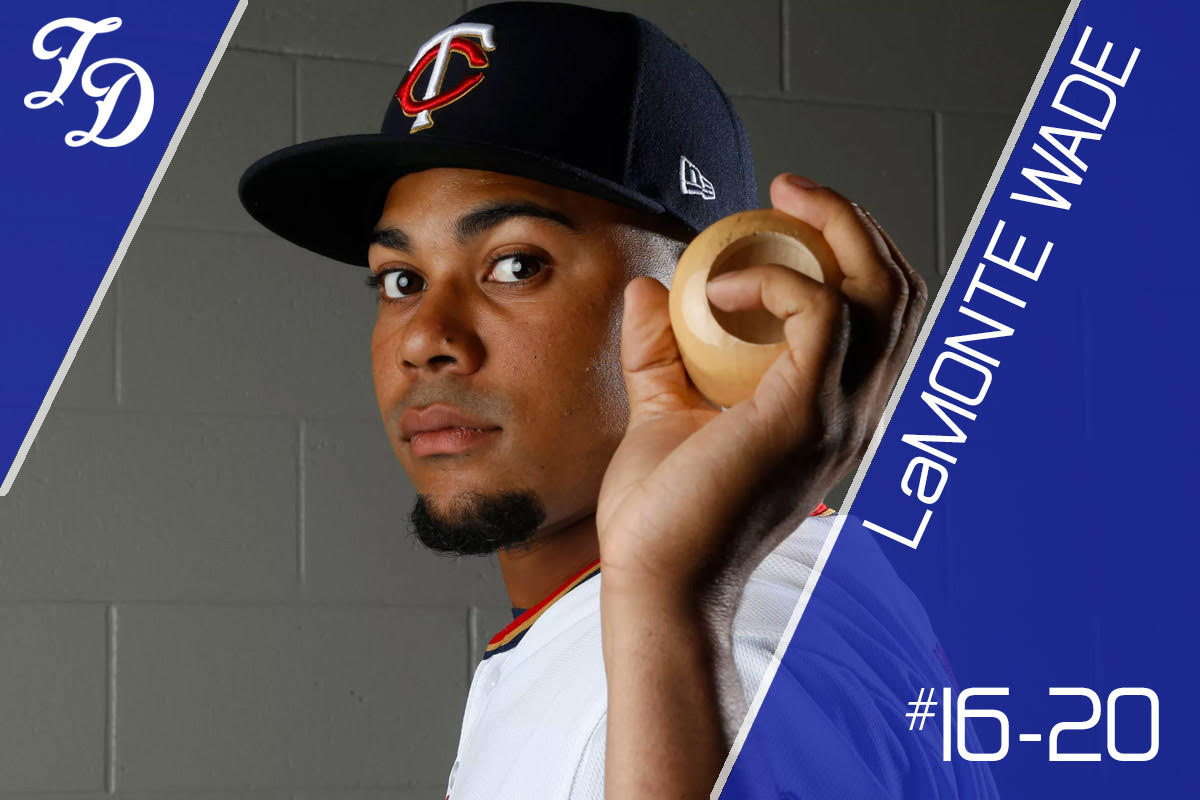 20. Jose Miranda, 2B/3B Age: 20 (DOB 6/29/1998) 2018 Stats (A/+A): 552 PA, .264/.319/.417, 16 HR, 82 RBI ETA: 2021 2018 Ranking: NR Since joining the Twins as the 73rd overall pick in 2016 draft, Miranda has been getting his feet wet all around the infield. This past season, the product of Puerto Rico basically split time between second base and third base with a couple appearances at shortstop mixed in. At the plate, Miranda provides an intriguing mix of power and contact skills. He actually had the lowest strikeout rate of any Midwest League hitter with at least 400 plate appearances last season. The really crazy thing is he struck out even less after he was promoted to Fort Myers, dropping from 11.62 K% to a 9.73 K%. “No, I don’t like striking out,” Miranda emphatically told SD Buhr in June. “I hate it. Since I was little, I’ve tried to battle.” And it’s not like he sacrifices power to do it, as Miranda finished fourth in the system in both doubles (27) and home runs (16). He was second to Alex Kirilloff in RBIs with 82 and even ranked second in the system by getting hit with 12 pitches. Miranda capped the season by making a huge impact in Fort Myers’ championship run, going 10-for-25 with three doubles and two home runs in the postseason. 19. Jorge Alcala, RHP Age: 23 (DOB 7/28/1995) 2018 Stats (AA/+A): 99.1 IP, 3.81 ERA, 9.4 K/9, 4.4 BB/9, 1.34 WHIP ETA: 2020 2018 Ranking: NR Alcala came to the Twins this July in the trade that sent Ryan Pressly to Houston. Prior to the deal, Alcala had a 3.29 ERA and 1.21 WHIP over 79 1/3 innings in the Astros’ system, but finished things out in Chattanooga pitching to a 5.85 ERA and 1.85 WHIP in 20 innings. So, not the best first impression. Armed with a fastball that’s been clocked as high as 102 mph, his slider doesn’t give batters much time to react either. That’s a late-breaking pitch ranging in the upper 80s. He seemed to learn how to put batters away last season, boosting his strikeout rate from 7.8 K/9 in 2017 to 9.4 K/9 last year. Alcala’s secondary offerings have some work to do in terms of consistency, which has put some uncertainty around his future role. Of his 24 outings on the season, 13 were for four innings or fewer. Even if the consistency with the full repertoire doesn’t develop, Alcala could make for a very exciting relief prospect. 18. LaMonte Wade, OF Age: 25 (DOB 1/1/1994) 2018 Stats (AAA/AA): 495 PA, .257/.360/.380, 11 HR, 48 RBI ETA: 2019 2018 Ranking: 14 Wade doesn’t have any especially loud tools but he also lacks any clear weaknesses. His true calling card is the ability to grind out at bats. He actually had more strikeouts (74) than walks (64) for the first time in his career last season, but he certainly makes pitchers earn it. His two-strike approach is outstanding and he’s not above choking up on the bat. Here’s a look back at one of his impressive plate appearances from spring training last year: https://twitter.com/TwinsHighlights/status/967919766269722625 Wade was hitting .278/.388/.419 (.807 OPS) through July, then had a really tough final 25 games of the season that put a damper on his final year-end numbers. He gave right-handed pitchers all kinds of trouble, hitting .281/.391/.409 (.800 OPS), but had just a .563 OPS against same-sided pitching. Wade has seen a fair amount of time in center field over his pro career, but he seemed to settle into left field with some right field mixed in last season. He also played some first base back in college. Wade was added to the 40-man roster this offseason, and while he’s a bit buried on the current depth chart, there’s a chance we’ll see him at Target Field in 2019. 17. Zack Littell, RHP Age: 23 (DOB 10/5/1995) 2018 Stats (MLB/AAA/AA): 149.1 IP, 8.7 K/9, 3.5 BB/9, 1.31 WHIP ETA: Debuted in 2018 2018 Ranking: 11 Littell got knocked around in his first taste of the big leagues, posting a 6.20 ERA in 20 1/3 innings for the Twins, but he put together a strong season down on the farm. Only Lewis Thorpe racked up more strikeouts among Twins minor league pitchers. Littell boosted his K/9 rate a full strikeout from 8.1 in 2017 to 9.1 during his time in the minor leagues in 2018. Littell was the youngest player to surface with the Twins last season and faced batters who were older than him 96 percent of the time through the course of the year (629 of 655 plate appearances). He's never picked up much steam in prospect circles due to a relative lack of velocity, but Littell actually topped out at 96 mph during his time with the Twins, per Baseball Savant. It's rare for him to reach back with that kind of heat, he typically sits more like 92, but it appears he could be on the verge of unlocking something extra. Littell lacks a true plus secondary offering, but the curveball can really shine some days and he has enough of a changeup to keep hitters off balance. Wrap in solid command and you’ve got an excellent baseline package to continue to build upon. 16. Gilberto Celestino, CF Age: 19 (DOB 2/13/1999) 2018 Stats (AA/-A/Rk): 268 PA, .287/.341/.406, 5 HR, 34 RBI ETA: 2022 2018 Ranking: NR Speaking of the Ryan Pressly trade, Celestino was the other piece to the deal that was simply just too good for the Twins to turn down. A premiere athlete, this Dominican import is considered among the top defensive outfielders in the minor leagues. He’s regarded as having excellent instincts, good range and a strong arm. Celestino also uses his speed effectively on the basepaths. He’s 47-for-54 in stolen base attempts in his career, an 87 percent success rate. In addition to his athleticism, he also already has an idea of what he’s doing at the plate. He has a career .345 on-base percentage, a strikeout rate under 19 percent and a walk rate of over nine percent. Pretty solid stuff coming from a guy who’s faced older pitchers in nearly 95 percent of his plate appearances. Similar to Alcala, Celestino didn’t make the greatest first impression with the Twins. Luckily he had the opportunity to more than make up for it in the postseason. After posting a .656 OPS in 27 regular games with Elizabethton, Celestino reached base safely 12 times in five postseason games, going 7-for-19 with four walks and a hit-by-pitch. Twins Daily 2019 Top 20 Prospects Honorable Mentions Prospects 11-15 Coming Soon Get to know more about these five Minnesota Twins prospects and much more in the 2019 Minnesota Twins Prospect Handbook. It’s available in paperback or as an eBook.
 -
I think that's easy for us to say, but if I was a superstar athlete good enough to be a hotshot quarterback in Texas as well as the No. 4 pick of the draft, still only 20-21 years old with $4.5 million in the bank and putting up decent primary numbers, I don't know if I'd be real convinced there was anything I needed to change at that point. I'm not saying that was Kohl Stewart's view, but you could certainly see a scenario in which a young man around that age would have a sort of invincibility to him. It may have been more difficult to get a guy with that mindset to buy in to overhauling some things as opposed to a 23-year-old who took some lumps and started to see some of his peers leapfrog him in the pecking order.
- 36 replies
-
- 11
-
-
This is total speculation, but my guess is here's sort of how Stewart has been handled: 2013: Draft year, let's just help this kid get used to being away from home. 2014: First full season, let's get this kid used to having a game on the schedule every day. 2015: Alright, a 3.20 ERA as a 20-year-old in the FSL. Not going to mess with that. 2016: Alright, a 3.03 ERA as a 21-year-old in Double-A. Not going to mess with that. 2017: This may have been the opportune time to give him some extra attention, but the front office change and following improvements to the coaching staff/analytics department was just starting. I'm sure Stewart got plenty of instruction during this time, but not to that level that he had to being 2018. Another thing to consider is maybe the Kalks and Maiks of the organization only have so much time. I can't imagine they can do a similar meeting they had with Stewart with every pitcher in the org, even if they wanted to. Also, I think sometimes it's good to wait for a guy to fail until trying to convince him he needs to make changes. Let him learn that he's going to need to adjust. It's a two-way street. Again, that's all just a theory.
- 36 replies
-
- 11
-
-
WCCO does an excellent job at covering TwinsFest. All their interviews are available on demand at their site. As far as the really inside baseball stuff goes, I thoroughly enjoyed listening to Kohl Stewart discuss his 2018 season. A spring training meeting between Stewart, senior analyst Josh Kalk and minor league pitching coordinator Pete Maki set the course for Stewart to go from somewhat of an afterthought in the system to a major leaguer.Kohl Stewart on the 2019 offseason: “For the first time, with our program and what’s been implemented, I feel 100 percent confident with the plan they have in front of me and I feel like I can go out and execute it. I learned a lot last year whenever I got up in the big leagues for those eight appearances and I just feel like I knew exactly what I needed to do going into this offseason and I feel like I’m on a straight line, focused on what I’ve got to do.” Stewart on getting a shot with the Twins: “I wasn’t ready until this year. I didn’t ever buy in, I didn’t ever feel like I had a real good plan in place, I didn’t feel like I knew how to use the stuff that I had. And when I got to sit down with Josh Kalk and Pete Maki and all those guys in spring training and we talked about the one-seamer and we talked about throwing the cutter/slider off of it, throwing the curveball more often behind that, I finally felt like I was confident enough to actually be here. I never felt like that until this year.” “It’s a big hurdle. Everybody in the minor leagues, it’s always messing with your mind. ‘Am I ever going to get there, am I good enough, can I play up there with those guys?’ So to get up here and to finally experience it is pretty awesome, pretty special.” “I struggled for awhile in the minor leagues and finally this year, right after May I would say, I turned it on, I felt confident, I knew what to do on the mound, I had 100 percent confidence in what I was doing and it paid off.” “The meeting is spring training, it was so eye-opening talking to those guys. They found a whole bunch of pitchers I had similar stuff with based on movement plots and based on velocity. They basically said ‘this is how these guys use their stuff. This is how Roy Halladay uses his sinker and cutter. This is how Marcus Stroman uses his sinker and slider. Your stuff is very close, we can get it closer. We can use slow cameras, we can use the Rapsodo, we can help you create these pitches. Let’s see how these guys compliment their stuff and how they pitch.’” “So I spent a lot of time with Josh and those guys looking at that video, figuring out exactly what my plan was so by the time I took the mound in April, I knew exactly what I needed to do. And if I struggled in April and May, they said ‘look, you might go through some rough patches. This is new, it’s going to be hard for you to adjust.’ But once I had full confidence in what we were doing it was like, man, this pretty incredible.” Stewart on new pitching coach Wes Johnson: “Wes and I have talked a lot about my slider/cutter. We’re trying to get it a little bit more depth and a little bit more velocity and we think that they’ll tunnel a little bit better together so as a hitter it’ll be hard to account for those two things. Wes is pretty special at it. We’ve already talked about things like different pitch grips, moving the baseball around in my hand and how to make it happen. And we have actual data that can prove that it’s working, so it’s pretty awesome.” Stewart on heading into the 2019 season: “I never thought last year I’d be in the big leagues, but I never worried about it and I think that was why I was able to stay focused and not get too caught up in the transactions, playing GM when you’re in the minor leagues or on the verge of being in the big leagues. You just can’t get caught up in it, if you do, you’re going to lose track of what is in front of you.” “I probably will have a chance to start in Triple-A this year and I need to go down there and do my job and earn a spot. Everybody’s gotta earn it. There’s only 25 spots here and they’re not giving them away, so make them notice you.” Stewart was far from the only guy to reveal some interesting insights into what’s going on behind the scenes. Here are some more tidbits that I thought were particularly interesting: Rocco Baldelli on preparing for his rookie season as manager: “The prep that goes into everything going into the first year is kinda striking. It hits you when you realize you’re going to go over everything that goes on from top to bottom in all regards in all aspects. When you actually line it all up, it’s a lot, but it’s very important to do.” “You don’t change things just for the sake of changing them, but until you look at it all, you just don’t know. And after being in the same organization for basically my entire baseball career, except for one year, I had a lot to learn. I had a lot of people to get to know here. And trying to do all that in one offseason, it’s been a lot, but really at the end of the day the most important thing right now for me is getting down to Fort Myers and getting on the field.” “That’s actually what I’m looking forward to the most too, because I’m tired of talking, I’m ready to get out there and to watch these players.” Joe Mauer in response to a question about the opener/third time through the order: “I always say scouting reports go out the window after that first at bat. You’re making adjustments, he’s making adjustments. You’ve gotta figure out what your pitcher is capable of doing that day, not just what he should be doing.” “Brad Radke was one of the best all-time control pitchers of our game, of his time. One thing he told me that really stuck with me was out of his 36 starts, he might only have all four pitches working maybe four times. So what are you going to do when he has three pitches working? What are you going to do when he has two pitches working? So I took that as a hitter, as well, to kind of eliminate pitches.” Taylor Rogers on Eddie Guardado’s suggestion: “He pointed out one day that I could maybe throw a slider along with the curveball. So we worked on it for probably about a month or so, pregame and everything like that, and felt comfortable enough with it to bring it in the game and just got some immediate results with it. So I’m kinda looking forward to bringing ‘er back this year and working on it for an entire season.” There’s always a lot of prospects at TwinsFest. One of my favorite things about listening through all these interviews was hearing all the guys talk about the climb up through the minor leagues. Trevor Larnach on difference from college to pros: “Pro ball, there’s starters every night that go low to mid 90s or even high upper 90s. College, it’s more like maybe high 88/low 90s, they’re going to hit their spots, they’re going to try and really get you out as a pitcher. I think that really helped me out coming into pro ball. Coming to E-Town and Cedar Rapids, you’re facing some good arms every night so you kinda gotta be locked in, but at the same time, for me at least, I had the edge of an approach that I’ve developed throughout the years in college.” Royce Lewis on his first full season in pro ball: “There’s times where you can go super hard and there’s times where you can reel back a little bit. And then learning how to work off the field on your game, getting more rest, eating the right ways. I just ate Chick-fil-A all the time, that’s my favorite place to go. I started to stop eating that and started to cook home-cooked meals, so little things like that will help you get prepared for the game.” Brent Rooker on the jump from A-Ball to Double-A: “Once you get to Double-A there’s more experience on the pitching staff. The stuff is about the same as it is in High-A, it’s just a little bit more refined, they can kinda do what they want to with it. They have better pitch plans, better game plans against you, how they want to beat you, how they want to get you out. So the level of talent kind of stays the same, it’s just that those guys are a little bit more experienced and kinda have a better idea of what they want to do.” LaMonte Wade on the difference from Double-A to Triple-A: “The pitchers throw less fastballs in fastball counts at Triple-A. They have more command of all their pitches. They really know how to get you out. They’re veteran guys that have been there before. You face a lot of big leaguers rehabbing, a lot of ex-big leaguers still playing, so they know how to make outs. It’s always adjustments. It’s a game of adjustments, and I think in Triple-A you really see that.” Nick Gordon on the move up to Triple A: “It’s not so much about talent when you get to Triple-A. Everybody’s talented, everybody can play the game, that’s why they’re there. It’s about being smart, using your head and knowing situations, knowing the guy you’re facing the day before, knowing the team that you’re playing against, knowing who likes to shift, knowing who likes to do this and do that. I think really it’s about learning the game and being a student of the game is really what Triple-A brings to you.” Stephen Gonsalves on moving from Triple-A to the big leagues: “Everyone has that talent once you get to Triple-A but I think it’s that mental toughness. Guys go about their business a certain way. They all have their routines. They’re much more professional. It’s just a matter of trusting who you are as a person.” Even some of the less substantial questions and small talk was pretty enjoyable. While interviewing Lewis Thorpe, Dick Bremer mentioned that his son Eric was broadcasting games for the Brisbane Bandits in the Australian Baseball League. Bremer asked “is he eating well, is he doing OK?” Thorpe, who did color commentary alongside Bremer’s son for a few games, replied “yeah, he’s doing well, he hasn’t got eaten by a crocodile or anything like that” in his amazing Australian accent. Click here to view the article
- 36 replies
-
- 11
-
-
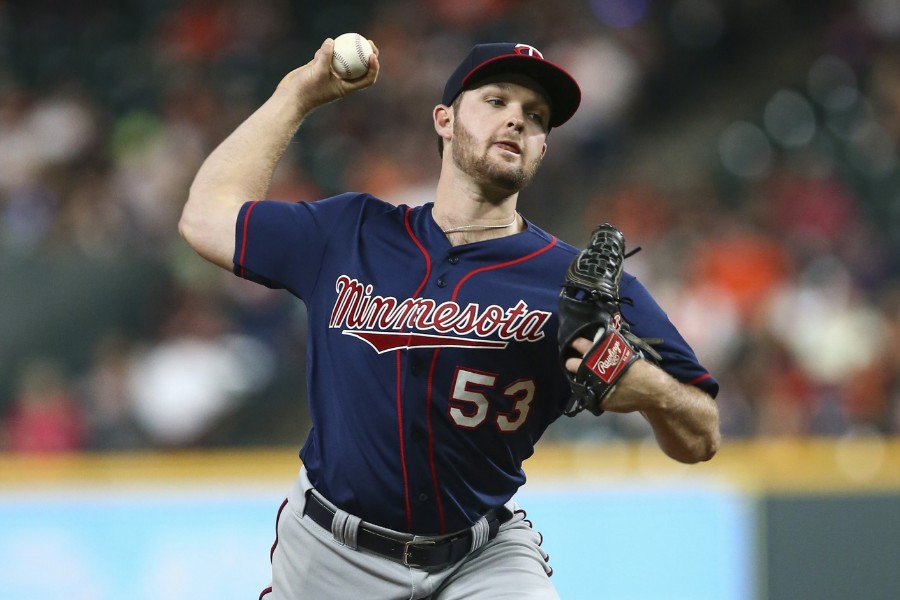 Kohl Stewart on the 2019 offseason: “For the first time, with our program and what’s been implemented, I feel 100 percent confident with the plan they have in front of me and I feel like I can go out and execute it. I learned a lot last year whenever I got up in the big leagues for those eight appearances and I just feel like I knew exactly what I needed to do going into this offseason and I feel like I’m on a straight line, focused on what I’ve got to do.” Stewart on getting a shot with the Twins: “I wasn’t ready until this year. I didn’t ever buy in, I didn’t ever feel like I had a real good plan in place, I didn’t feel like I knew how to use the stuff that I had. And when I got to sit down with Josh Kalk and Pete Maki and all those guys in spring training and we talked about the one-seamer and we talked about throwing the cutter/slider off of it, throwing the curveball more often behind that, I finally felt like I was confident enough to actually be here. I never felt like that until this year.” “It’s a big hurdle. Everybody in the minor leagues, it’s always messing with your mind. ‘Am I ever going to get there, am I good enough, can I play up there with those guys?’ So to get up here and to finally experience it is pretty awesome, pretty special.” “I struggled for awhile in the minor leagues and finally this year, right after May I would say, I turned it on, I felt confident, I knew what to do on the mound, I had 100 percent confidence in what I was doing and it paid off.” “The meeting is spring training, it was so eye-opening talking to those guys. They found a whole bunch of pitchers I had similar stuff with based on movement plots and based on velocity. They basically said ‘this is how these guys use their stuff. This is how Roy Halladay uses his sinker and cutter. This is how Marcus Stroman uses his sinker and slider. Your stuff is very close, we can get it closer. We can use slow cameras, we can use the Rapsodo, we can help you create these pitches. Let’s see how these guys compliment their stuff and how they pitch.’” “So I spent a lot of time with Josh and those guys looking at that video, figuring out exactly what my plan was so by the time I took the mound in April, I knew exactly what I needed to do. And if I struggled in April and May, they said ‘look, you might go through some rough patches. This is new, it’s going to be hard for you to adjust.’ But once I had full confidence in what we were doing it was like, man, this pretty incredible.” Stewart on new pitching coach Wes Johnson: “Wes and I have talked a lot about my slider/cutter. We’re trying to get it a little bit more depth and a little bit more velocity and we think that they’ll tunnel a little bit better together so as a hitter it’ll be hard to account for those two things. Wes is pretty special at it. We’ve already talked about things like different pitch grips, moving the baseball around in my hand and how to make it happen. And we have actual data that can prove that it’s working, so it’s pretty awesome.” Stewart on heading into the 2019 season: “I never thought last year I’d be in the big leagues, but I never worried about it and I think that was why I was able to stay focused and not get too caught up in the transactions, playing GM when you’re in the minor leagues or on the verge of being in the big leagues. You just can’t get caught up in it, if you do, you’re going to lose track of what is in front of you.” “I probably will have a chance to start in Triple-A this year and I need to go down there and do my job and earn a spot. Everybody’s gotta earn it. There’s only 25 spots here and they’re not giving them away, so make them notice you.” Stewart was far from the only guy to reveal some interesting insights into what’s going on behind the scenes. Here are some more tidbits that I thought were particularly interesting: Rocco Baldelli on preparing for his rookie season as manager: “The prep that goes into everything going into the first year is kinda striking. It hits you when you realize you’re going to go over everything that goes on from top to bottom in all regards in all aspects. When you actually line it all up, it’s a lot, but it’s very important to do.” “You don’t change things just for the sake of changing them, but until you look at it all, you just don’t know. And after being in the same organization for basically my entire baseball career, except for one year, I had a lot to learn. I had a lot of people to get to know here. And trying to do all that in one offseason, it’s been a lot, but really at the end of the day the most important thing right now for me is getting down to Fort Myers and getting on the field.” “That’s actually what I’m looking forward to the most too, because I’m tired of talking, I’m ready to get out there and to watch these players.” Joe Mauer in response to a question about the opener/third time through the order: “I always say scouting reports go out the window after that first at bat. You’re making adjustments, he’s making adjustments. You’ve gotta figure out what your pitcher is capable of doing that day, not just what he should be doing.” “Brad Radke was one of the best all-time control pitchers of our game, of his time. One thing he told me that really stuck with me was out of his 36 starts, he might only have all four pitches working maybe four times. So what are you going to do when he has three pitches working? What are you going to do when he has two pitches working? So I took that as a hitter, as well, to kind of eliminate pitches.” Taylor Rogers on Eddie Guardado’s suggestion: “He pointed out one day that I could maybe throw a slider along with the curveball. So we worked on it for probably about a month or so, pregame and everything like that, and felt comfortable enough with it to bring it in the game and just got some immediate results with it. So I’m kinda looking forward to bringing ‘er back this year and working on it for an entire season.” There’s always a lot of prospects at TwinsFest. One of my favorite things about listening through all these interviews was hearing all the guys talk about the climb up through the minor leagues. Trevor Larnach on difference from college to pros: “Pro ball, there’s starters every night that go low to mid 90s or even high upper 90s. College, it’s more like maybe high 88/low 90s, they’re going to hit their spots, they’re going to try and really get you out as a pitcher. I think that really helped me out coming into pro ball. Coming to E-Town and Cedar Rapids, you’re facing some good arms every night so you kinda gotta be locked in, but at the same time, for me at least, I had the edge of an approach that I’ve developed throughout the years in college.” Royce Lewis on his first full season in pro ball: “There’s times where you can go super hard and there’s times where you can reel back a little bit. And then learning how to work off the field on your game, getting more rest, eating the right ways. I just ate Chick-fil-A all the time, that’s my favorite place to go. I started to stop eating that and started to cook home-cooked meals, so little things like that will help you get prepared for the game.” Brent Rooker on the jump from A-Ball to Double-A: “Once you get to Double-A there’s more experience on the pitching staff. The stuff is about the same as it is in High-A, it’s just a little bit more refined, they can kinda do what they want to with it. They have better pitch plans, better game plans against you, how they want to beat you, how they want to get you out. So the level of talent kind of stays the same, it’s just that those guys are a little bit more experienced and kinda have a better idea of what they want to do.” LaMonte Wade on the difference from Double-A to Triple-A: “The pitchers throw less fastballs in fastball counts at Triple-A. They have more command of all their pitches. They really know how to get you out. They’re veteran guys that have been there before. You face a lot of big leaguers rehabbing, a lot of ex-big leaguers still playing, so they know how to make outs. It’s always adjustments. It’s a game of adjustments, and I think in Triple-A you really see that.” Nick Gordon on the move up to Triple A: “It’s not so much about talent when you get to Triple-A. Everybody’s talented, everybody can play the game, that’s why they’re there. It’s about being smart, using your head and knowing situations, knowing the guy you’re facing the day before, knowing the team that you’re playing against, knowing who likes to shift, knowing who likes to do this and do that. I think really it’s about learning the game and being a student of the game is really what Triple-A brings to you.” Stephen Gonsalves on moving from Triple-A to the big leagues: “Everyone has that talent once you get to Triple-A but I think it’s that mental toughness. Guys go about their business a certain way. They all have their routines. They’re much more professional. It’s just a matter of trusting who you are as a person.” Even some of the less substantial questions and small talk was pretty enjoyable. While interviewing Lewis Thorpe, Dick Bremer mentioned that his son Eric was broadcasting games for the Brisbane Bandits in the Australian Baseball League. Bremer asked “is he eating well, is he doing OK?” Thorpe, who did color commentary alongside Bremer’s son for a few games, replied “yeah, he’s doing well, he hasn’t got eaten by a crocodile or anything like that” in his amazing Australian accent.
 -
I'd certainly entertain this idea, but I'd be more inclined to get a big-time starting pitcher if I'm trading away Kirilloff. Noah Syndergaard?
-
Allow me to assume the role of Derek Falvey for a moment. Just play along. We believe strongly that Jose Berrios is as good of a building block to a rotation as there is. He's still only 24-years-old and has several years ahead of him in a Minnesota Twins uniform. So we feel like that box is already checked. Top of the rotation starter is such a subjective term, what I can tell you is we think very highly of our starting pitching depth throughout the entire minor league system. Some of those players we're excited about you saw at Target Field in late 2018, others we anticipate arriving very soon. Our pitching partnership of Wes Johnson, Jeremy Hefner, Pere Maki and others are going to put those pitchers in the best possible situations to succeed. We're confident of that. As far as pursuing a top-end starter, again, we're very confident in the guys we have in place, but take a look at the Milwaukee Brewers. That was a division championship team, a 96-win team, a team that was a game away from the World Series. I'm not sure anyone in their rotation last season would exactly fit the description of top-end starter. There are a lot of ways to build a championship-caliber club. We are going to continue to be flexible, and you can certainly never have too much pitching, but we like what we see when we take a look at our in-house options. OK, how'd I do?
- 43 replies
-
- 5
-
-
- jose berrios
- brusdar graterol
- (and 1 more)
-
Article: Giving Out the Grades in Minnesota
Tom Froemming replied to Ted Schwerzler 's topic in Twins Daily Front Page News
I think I'd give their acquisitions to date a C, at best. They've filled holes and made some improvements, so it's a passing grade, but they really haven't moved the needle much. Again, to date. There are things to like about each of the guys they added, and each of them appears to be on a good deal, but these additions won't really help push the Twins into contention for the division title in my view. The only one of them you can argue is comfortably above average for his position is Cruz. It takes 25 guys, well more than that really, so I can see some sense in a building strategy in which you focus on filling holes and improving depth as opposed to shooting for the stars. But they need to keep at it. There's really no reason not to further fill out the pitching staff. Opportunities will open up if some of the young guys are really pushing their way into the picture. -
Pfff bwahahahaha, Good one jimbo, I needed a laugh. I'd bet this is a big factor in any potential extension talks. Berrios clearly believes his best days are ahead of him, so there doesn't seem like there'd be any motivation on his end to sign what would be a team-friendly deal at this point. I felt the same way. I don't agree with this mentality of "all these things could happen" that he's pushing. Sure they could, there are a lot of high-ceiling guys on this roster, but I'd still like to see some more work done to raise the floor of this team. Any of those things that could happen should just be a bonus to what you've already built up. Falvey and Levine are both incredibly good at what I'd call being slippery. They're both very skilled in answering direct questions in sly, indirect ways. I'm not knocking them, that seems to be a valuable skill for a front office these days. I felt like Falvey didn't do as much of that sliding around in this interview, and to me it sounded like he got a little fired up, relatively speaking. There was definitely some more conviction in his voice than I've heard in most other interviews.
- 43 replies
-
- 4
-
-
- jose berrios
- brusdar graterol
- (and 1 more)
-
La MaKina is setting his sights on Cooperstown. New Twins beat writer Do-Hyoung Park had a chance to catch up with Jose Berrios and ask about his goals. The entire interview is available on MLB.com. Berrios responded by starting out with your sort of canned athlete answer of it’s a new year and I just want to get better everyday, stuff like that. But then he got into specifics and it got very exciting.“For me, I want to make the All-Star Game again,” Berrios said. “I want to make 20 wins and put my team in the playoffs … I want to play in October with my team.” Alright! I’m already getting excited. Then Park asked Jose about establishing himself as an ace and how his mentality has changed since he was a rookie. “My mindset and my attitude to work everyday is the same. I want to be the best,” Berrios said. OK, now I’m getting really hyped. Go on … “I want to be in the Hall of Fame someday,” Berrios said. POW! How awesome is that!? I don’t recall ever hearing a player throw that out as one of his goals, let alone a guy who’s only 24-years-old. I love it! When we talk about leadership, this is true in baseball as well as other aspects of life, we typically are looking toward figures of authority or elders. That’s a relative term. You wouldn’t typically call a 38-year-old an elder, but in baseball terms I think that label fits for Nelson Cruz. Anyway, with his energy, work ethic and optimism, I see no reason to think Jose Berrios can’t be the leader of the Twins pitching staff for years to come. Of course, there is no substitute for experience, but Berrios is entering this season with 71 starts under his belt. By no means has he seen it all, but it’s also not like it’s his first rodeo, either. And some of the young guys are already looking up to him. Brusdar Graterol has started referring to himself as The Machine Jr. That’s awesome. Back in June, Mike Berardino asked Graterol about Berrios. Here are some of the things he had to say: “My favorite pitcher is Jose Berrios. I like the way he throws. I like how he throws his breaking ball. Oh, my God, it's impressive.” "My focus is to work out every day—every day. I need to keep my arm strong; that's the most important thing. So, every day I work on my arm. I like working hard. That's why Jose Berrios is my favorite. I understand he works every day." "Every day I watch video of Berrios. That helps me improve. Right now, I'm working on my changeup." Someday soon there may be two members of the Minnesota Twins rotation trying to pitch themselves to Cooperstown. Am I getting ahead of myself? Of course I am, but can you blame me? Listen to these guys. You gotta love it. Falvey on WCCO Twins Chief Baseball Officer Derek Falvey joined Chad Hartman on WCCO Thursday to preview TwinsFest. Here’s a link to where you can listen to the entire segment. Falvey joins the broadcast at about the seven-minute mark. At around the 16-minute mark, the conversation really turned interesting and Hartman did an excellent job asking all the kind of questions that are on the minds of Twins fans. Here’s the question Hartman presented: "If I see a team that wasn’t a factor for the majority of the season in the race and then spends 30 million dollars less in payroll, it makes me think 'is this just a rebuilding year?' Where the organization is in many ways admitting by their actions in the offseason 'we don’t think this is the year we should go all in because we think we’re either not good enough right now, we’re too young,' whatever it might be. Is it fair to say you view this year as a rebuilding season?” It’s not like Falvey was going to respond by calling the Pohlads cheap and admitting the team is raising the white flag, of course, so he started his response with a lot of things we've heard before about the front office always being backed up when it comes to baseball decisions. But here's was what I thought was the key takeaway from his long response: “We’ve added to this team,” Falvey said. “We don’t look at this as a rebuilding team. We look at this as a group that, if all those things come together with our young players — that we are putting all kinds of resources around to ensure that happens — if that happens, along with some adds we’ve made, we’re going to continue to have flexibility moving forward. So I don’t fixate solely on the payroll number, I think this is a team that’s growing and developing and getting better. They’re going to have their sights set on Cleveland from the start, I know that.” Hartman asked about all the one-year deals they’ve been signing and why the team is so willing to go there when things went so poorly with similar deals last season. Falvey said the difference as the players they signed late heading into 2018 were all seeking multi-year deals, whereas the guys they’ve added this year were comfortable and saw some value in signing one-year deals. He said he views them very differently in terms of player desire and interest. Hartman acknowledge that he saw a lot of potential for the lineup to be good, but expressed concerns about the current pitching staff. He asked if Falvey believes whether or not the pitching staff as it’s currently constructed can play meaningful games in September. To his credit, Falvey didn’t side step the question, beginning his answer with “I do, and here’s why.” He went on to point out all the seemingly unorthodox ways some really good bullpens have been built of late, and specifically mentioned the 2018 Oakland Athletics. In regard to the closer role, he added that the Twins have five relievers who have closed out games at the big league level. How about those 2018 A’s? Blake Treinen went from basically your average reliever in terms of production to arguably the most dominant pitcher in baseball. Yusmeiro Petit was sort of the equivalent to a bullpen innings eater, pitching an effective 93 innings, which had to go a long way to keeping everybody else fresh. Rookie Lou Trivino burst onto the scene, Emilio Pagan was death to right-handed hitters and Ryan Buchter was untouchable against lefties. That foundation of those five pitchers ended up blending to be a deadly bullpen. Nobody could have seen things shaking out the way they did, but everything seemed to magically fall into place for Oakland. They added to that group around the trade deadline and went on to win 97 games last season. I don’t love the idea of the Twins depending on some of that magic finding their way, but if you wanted to point out an unorthodox way an excellent bullpen was built, I think Falvey nailed it with the 2018 A’s. “Bullpens are made in many different ways, and you certainly have to have different looks and different angles to the group,” Falvey said. “I’m not ruling out that we could have a chance to add to that group of pitchers, but I think that’s a group that could surprise a lot of us because of what they can do, how young they are and the chance that they could take steps forward for us.” Finally, Chad asked about whether or not Falvey really felt like they’d be making any more additions. Falvey said they have to be open to that possibility and it’s possible they might not even truly know how the team is going to round out until late March. Hartman finished with “will I see Bryce Harper or Manny Machado at TwinsFest this week?” “Don’t always believe everything you read on the Internet,” Falvey said. Click here to view the article
-
Overheard: Hall of Fame Jose, Falvey on the State of the Twins and More
Tom Froemming posted an article in Twins
 “For me, I want to make the All-Star Game again,” Berrios said. “I want to make 20 wins and put my team in the playoffs … I want to play in October with my team.” Alright! I’m already getting excited. Then Park asked Jose about establishing himself as an ace and how his mentality has changed since he was a rookie. “My mindset and my attitude to work everyday is the same. I want to be the best,” Berrios said. OK, now I’m getting really hyped. Go on … “I want to be in the Hall of Fame someday,” Berrios said. POW! How awesome is that!? I don’t recall ever hearing a player throw that out as one of his goals, let alone a guy who’s only 24-years-old. I love it! When we talk about leadership, this is true in baseball as well as other aspects of life, we typically are looking toward figures of authority or elders. That’s a relative term. You wouldn’t typically call a 38-year-old an elder, but in baseball terms I think that label fits for Nelson Cruz. Anyway, with his energy, work ethic and optimism, I see no reason to think Jose Berrios can’t be the leader of the Twins pitching staff for years to come. Of course, there is no substitute for experience, but Berrios is entering this season with 71 starts under his belt. By no means has he seen it all, but it’s also not like it’s his first rodeo, either. And some of the young guys are already looking up to him. Brusdar Graterol has started referring to himself as The Machine Jr. That’s awesome. Back in June, Mike Berardino asked Graterol about Berrios. Here are some of the things he had to say: “My favorite pitcher is Jose Berrios. I like the way he throws. I like how he throws his breaking ball. Oh, my God, it's impressive.” "My focus is to work out every day—every day. I need to keep my arm strong; that's the most important thing. So, every day I work on my arm. I like working hard. That's why Jose Berrios is my favorite. I understand he works every day." "Every day I watch video of Berrios. That helps me improve. Right now, I'm working on my changeup." Someday soon there may be two members of the Minnesota Twins rotation trying to pitch themselves to Cooperstown. Am I getting ahead of myself? Of course I am, but can you blame me? Listen to these guys. You gotta love it. Falvey on WCCO Twins Chief Baseball Officer Derek Falvey joined Chad Hartman on WCCO Thursday to preview TwinsFest. Here’s a link to where you can listen to the entire segment. Falvey joins the broadcast at about the seven-minute mark. At around the 16-minute mark, the conversation really turned interesting and Hartman did an excellent job asking all the kind of questions that are on the minds of Twins fans. Here’s the question Hartman presented: "If I see a team that wasn’t a factor for the majority of the season in the race and then spends 30 million dollars less in payroll, it makes me think 'is this just a rebuilding year?' Where the organization is in many ways admitting by their actions in the offseason 'we don’t think this is the year we should go all in because we think we’re either not good enough right now, we’re too young,' whatever it might be. Is it fair to say you view this year as a rebuilding season?” It’s not like Falvey was going to respond by calling the Pohlads cheap and admitting the team is raising the white flag, of course, so he started his response with a lot of things we've heard before about the front office always being backed up when it comes to baseball decisions. But here's was what I thought was the key takeaway from his long response: “We’ve added to this team,” Falvey said. “We don’t look at this as a rebuilding team. We look at this as a group that, if all those things come together with our young players — that we are putting all kinds of resources around to ensure that happens — if that happens, along with some adds we’ve made, we’re going to continue to have flexibility moving forward. So I don’t fixate solely on the payroll number, I think this is a team that’s growing and developing and getting better. They’re going to have their sights set on Cleveland from the start, I know that.” Hartman asked about all the one-year deals they’ve been signing and why the team is so willing to go there when things went so poorly with similar deals last season. Falvey said the difference as the players they signed late heading into 2018 were all seeking multi-year deals, whereas the guys they’ve added this year were comfortable and saw some value in signing one-year deals. He said he views them very differently in terms of player desire and interest. Hartman acknowledge that he saw a lot of potential for the lineup to be good, but expressed concerns about the current pitching staff. He asked if Falvey believes whether or not the pitching staff as it’s currently constructed can play meaningful games in September. To his credit, Falvey didn’t side step the question, beginning his answer with “I do, and here’s why.” He went on to point out all the seemingly unorthodox ways some really good bullpens have been built of late, and specifically mentioned the 2018 Oakland Athletics. In regard to the closer role, he added that the Twins have five relievers who have closed out games at the big league level. How about those 2018 A’s? Blake Treinen went from basically your average reliever in terms of production to arguably the most dominant pitcher in baseball. Yusmeiro Petit was sort of the equivalent to a bullpen innings eater, pitching an effective 93 innings, which had to go a long way to keeping everybody else fresh. Rookie Lou Trivino burst onto the scene, Emilio Pagan was death to right-handed hitters and Ryan Buchter was untouchable against lefties. That foundation of those five pitchers ended up blending to be a deadly bullpen. Nobody could have seen things shaking out the way they did, but everything seemed to magically fall into place for Oakland. They added to that group around the trade deadline and went on to win 97 games last season. I don’t love the idea of the Twins depending on some of that magic finding their way, but if you wanted to point out an unorthodox way an excellent bullpen was built, I think Falvey nailed it with the 2018 A’s. “Bullpens are made in many different ways, and you certainly have to have different looks and different angles to the group,” Falvey said. “I’m not ruling out that we could have a chance to add to that group of pitchers, but I think that’s a group that could surprise a lot of us because of what they can do, how young they are and the chance that they could take steps forward for us.” Finally, Chad asked about whether or not Falvey really felt like they’d be making any more additions. Falvey said they have to be open to that possibility and it’s possible they might not even truly know how the team is going to round out until late March. Hartman finished with “will I see Bryce Harper or Manny Machado at TwinsFest this week?” “Don’t always believe everything you read on the Internet,” Falvey said.
 -
Article: Don’t Sleep on Jorge Polanco
Tom Froemming replied to Thiéres Rabelo's topic in Twins Daily Front Page News
Here's another fun one: Jorge Polanco's last 132 games .299/.358/.478 (.836 OPS) Manny Machado's last two seasons combined .278/.339/.505 (.844 OPS) Wow.- 44 replies
-
- 11
-
-
Article: Don’t Sleep on Jorge Polanco
Tom Froemming replied to Thiéres Rabelo's topic in Twins Daily Front Page News
*raises hand* "In 567 PA since then (132 games) he slashed .299/.358/.478, with 16 home runs, 84 RBIs and a 125 wRC+." That surprised me. That's a better OPS (.836) than Didi Gregorius had last year (.829) and he had the benefit of playing half his games in a bandbox. Only five qualified shortstops had a higher OPS than that .836 mark of Polanco's last year. Polanco has always been billed as a strong offensive middle infielder, but his OPS in the minors was "only" .761. Now you can make the case that Jorge is among the absolute best hitting shortstops in baseball. That'll be an even easier argument to make if Manny Machado ends up back at third base. Can Polanco keep up that pace? Tough to say, but its a sample of 567 PAs that Thieres was referencing, so maybe.
