



Tom Froemming
-
Posts
5,260 -
Joined
-
Last visited
-
Days Won
22
Content Type
Profiles
News
Minnesota Twins Videos
2026 Minnesota Twins Top Prospects Ranking
2022 Minnesota Twins Draft Picks
Minnesota Twins Free Agent & Trade Rumors, Notes, & Tidbits
Guides & Resources
2023 Minnesota Twins Draft Picks
The Minnesota Twins Players Project
2024 Minnesota Twins Draft Picks
2025 Minnesota Twins Draft Pick Tracker
2026 Minnesota Twins Draft Tracker: Picks & Bonuses
Forums
Blogs
Events
Store
Downloads
Gallery
Everything posted by Tom Froemming
-
 Word came out of Twins camp today that Ryne Harper, Tyler Austin and Willians Astudillo will all be on the team's Opening Day roster. With that, the entire 25-man roster appears to be set. The only question mark seems to be whether Jorge Polanco will be healthy. He's nursing a sore shoulder.What a ride it's been for Harper this spring. If you've been following the Sire of Fort Myers race this year, you know his story by now. He turns 30 on Wednesday and has never pitched in the majors. Talk about a big week. Speaking of big, the Twins bench is going to be huge. A five-man bench!? Wow. As of right now, it's expected to be Mitch Garver, Jake Cave, Ehire Adrianza, Astudillo and Austin. Dan Hayes of The Athletic reported that Polanco "looks to be on track" to make the Opening Day roster, but if he's not available Ronald Torreyes will take his spot. Addison Reed, Matt Magill, Gabriel Moya and, of course, Miguel Sano are all already expected to open the year on the Injured List. We also learned how the rotation is going to shake out. After Jose Berrios it'll be Jake Odorizzi and Michael Pineda with Kyle Gibson starting Tuesday in Kansas City. He was slightly behind schedule due to that battle with e. coli over the winter. Martin Perez will open the season pitching out of the bullpen. So here's what appears to be the full Opening Day roster: Rotation: Jose Berrios, Jake Odorizzi, Michael Pineda, Kyle Gibson Bullpen: Martin Perez, Trevor May, Blake Parker, Taylor Rogers, Trevor Hildenberger, Adalberto Mejia, Ryne Harper Catchers: Jason Castro, Mitch Garver, Willians Astudillo Infield: C.J. Cron, Jonathan Schoop, Marwin Gonzalez, Polanco, Ehire Adrianza, Tyler Austin Outfield: Eddie Rosario, Byron Buxton, Max Kepler, Jake Cave DH: Nelson Cruz Click here to view the article
 -
BREAKING: Harper, Austin, Astudillo Make Opening Day Roster
Tom Froemming posted an article in Twins
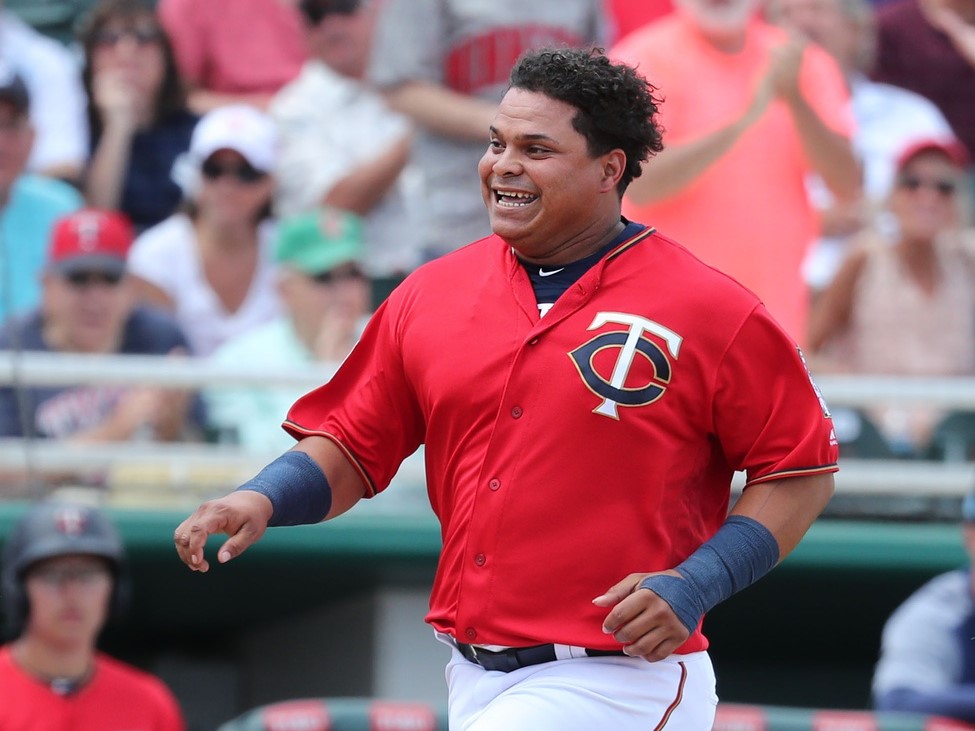 What a ride it's been for Harper this spring. If you've been following the Sire of Fort Myers race this year, you know his story by now. He turns 30 on Wednesday and has never pitched in the majors. Talk about a big week. Speaking of big, the Twins bench is going to be huge. A five-man bench!? Wow. As of right now, it's expected to be Mitch Garver, Jake Cave, Ehire Adrianza, Astudillo and Austin. Dan Hayes of The Athletic reported that Polanco "looks to be on track" to make the Opening Day roster, but if he's not available Ronald Torreyes will take his spot. Addison Reed, Matt Magill, Gabriel Moya and, of course, Miguel Sano are all already expected to open the year on the Injured List. We also learned how the rotation is going to shake out. After Jose Berrios it'll be Jake Odorizzi and Michael Pineda with Kyle Gibson starting Tuesday in Kansas City. He was slightly behind schedule due to that battle with e. coli over the winter. Martin Perez will open the season pitching out of the bullpen. So here's what appears to be the full Opening Day roster: Rotation: Jose Berrios, Jake Odorizzi, Michael Pineda, Kyle Gibson Bullpen: Martin Perez, Trevor May, Blake Parker, Taylor Rogers, Trevor Hildenberger, Adalberto Mejia, Ryne Harper Catchers: Jason Castro, Mitch Garver, Willians Astudillo Infield: C.J. Cron, Jonathan Schoop, Marwin Gonzalez, Polanco, Ehire Adrianza, Tyler Austin Outfield: Eddie Rosario, Byron Buxton, Max Kepler, Jake Cave DH: Nelson Cruz
 -
It’s not really supposed to be like this. The Sire of Fort Myers is intended to be all about shining a light on an unheralded player who realistically has no shot at actually cracking the Opening Day roster. Lucky for us, baseball has a knack for somehow circumventing reality. A year after Ryan LaMarre played his way onto the Twins, it appears Ryne Harper may be on the verge of doing the same.UPDATE: The polls are officially open. Last we checked in, Harper and 35-year-old infielder Adam Rosales had established themselves as the favorites. Well, Rosales cooled off and was released Friday evening. Still, his .278/.350/.694 batting line, a 1.044 OPS, makes him a finalist regardless. He was by far the most impressive hitter among those who qualified for the title. Among the other five names listed in the last update, Lucas Duda was let go and has since signed with the Royals, Tim Collins was also just released Friday night and LaMonte Wade was reassigned to minor league camp. A month ago, I didn’t even list Harper among the top 10 candidates for Sire of Fort Myers. Though most of his competition is no longer in big league camp with the Twins, there are still a few other candidates lingering. They’re also right-handed relief pitchers. Mike Morin has also had a strong spring. While Harper’s big, slow curveball has dazzled, Morin has really turned heads with his changeup. He’s given up four runs on nine hits and two walks over 9 ⅔ innings, striking out nine batters in the process. Preston Guilmet is also still in big league camp with the Twins. He’s given up four earned in 8 ⅔ innings but has an eye-popping 14 strikeouts, which leads the team. Prospect Ryan Eades has also shined. He's only yielded one earned run in seven innings while striking out nine batters. But you can’t get lower than a 0.00 ERA. Harper hasn’t given up an earned run in 10 innings, he’s only surrendered seven hits and hasn’t walked a single batter. He’s also racked up 13 strikeouts. Here’s his outing from Friday night: Harper is now the clear favorite for Sire of Fort Myers, but what about those odds of making the Opening Day roster? Well, it would certainly make for an amazing story. Harper has pitched in more than 300 games in his professional career. He was called up to the Mariners for a couple days in 2017 but did not make his major league debut. He turns 30 on Wednesday. Opening Day is Thursday. Can you imagine what it would mean to him to hear his name announced during intros at Target Field? I’m getting chills just thinking about it! Fernando Romero has already been optioned to the minor leagues. Addison Reed and Matt Magill haven’t pitched in well over a week. A path has been cleared. I’m rooting hard for Harper to break camp with the Twins, but it’s undeniable that those 186 career MLB appearances look really good on Morin’s resume. The final vote for Sire of Fort Myers will take place in the forums section here at Twins Daily on starting on Monday. Make sure your voice is heard. Click here to view the article
-
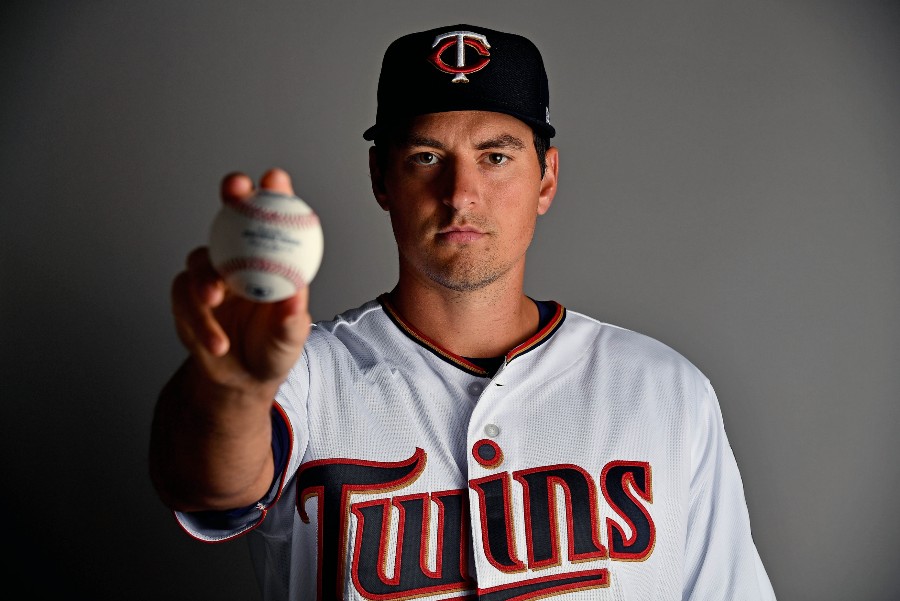 UPDATE: The polls are officially open. Last we checked in, Harper and 35-year-old infielder Adam Rosales had established themselves as the favorites. Well, Rosales cooled off and was released Friday evening. Still, his .278/.350/.694 batting line, a 1.044 OPS, makes him a finalist regardless. He was by far the most impressive hitter among those who qualified for the title. Among the other five names listed in the last update, Lucas Duda was let go and has since signed with the Royals, Tim Collins was also just released Friday night and LaMonte Wade was reassigned to minor league camp. A month ago, I didn’t even list Harper among the top 10 candidates for Sire of Fort Myers. Though most of his competition is no longer in big league camp with the Twins, there are still a few other candidates lingering. They’re also right-handed relief pitchers. Mike Morin has also had a strong spring. While Harper’s big, slow curveball has dazzled, Morin has really turned heads with his changeup. He’s given up four runs on nine hits and two walks over 9 ⅔ innings, striking out nine batters in the process. Preston Guilmet is also still in big league camp with the Twins. He’s given up four earned in 8 ⅔ innings but has an eye-popping 14 strikeouts, which leads the team. Prospect Ryan Eades has also shined. He's only yielded one earned run in seven innings while striking out nine batters. But you can’t get lower than a 0.00 ERA. Harper hasn’t given up an earned run in 10 innings, he’s only surrendered seven hits and hasn’t walked a single batter. He’s also racked up 13 strikeouts. Here’s his outing from Friday night: https://twitter.com/TFTwins/status/1109275849562488833 Harper is now the clear favorite for Sire of Fort Myers, but what about those odds of making the Opening Day roster? Well, it would certainly make for an amazing story. Harper has pitched in more than 300 games in his professional career. He was called up to the Mariners for a couple days in 2017 but did not make his major league debut. He turns 30 on Wednesday. Opening Day is Thursday. Can you imagine what it would mean to him to hear his name announced during intros at Target Field? I’m getting chills just thinking about it! Fernando Romero has already been optioned to the minor leagues. Addison Reed and Matt Magill haven’t pitched in well over a week. A path has been cleared. I’m rooting hard for Harper to break camp with the Twins, but it’s undeniable that those 186 career MLB appearances look really good on Morin’s resume. The final vote for Sire of Fort Myers will take place in the forums section here at Twins Daily on starting on Monday. Make sure your voice is heard.
 -
A couple comments have made reference to deceiving the umpire. While that would be an incredible skill to be able to hone, framing is much more about simply making sure strikes are called as such. Here's a good quote on framing from Jason Castro from February 2017: "The goal at the end of the day is to try to help your pitcher keep as many strikes as possible," Castro said. "And to not do anything to take away from presenting pitches that are in the strike zone to the umpires that would lead them to believe that any given pitch is not a strike." So it's more about keeping strikes than stealing them. This data from an April 24 game Mitch Garver caught shows what an area of improvement that is for him. These were all called balls:
- 34 replies
-
- 5
-

-
- mitch garvertanner swanson
- scouting
- (and 1 more)
-

From the album: Uncategorized
-
This was a joint announcement from the MLB and MLBPA, they've already agreed to the new rules. It is unfortunate for relief specialists, but there will be 30 more players collecting a big league check starting in 2020, a huge victory for the players.
-
There’s no place in today’s game for a weak-side platoon bat who offers little defensive value. It’s really difficult for me to see the value in the Twins keeping Tyler Austin on the active roster. That all changes in 2020. The MLB announced a series of rule changes that will dramatically change a player like Austin’s future outlook. He’s exactly the type of player who will benefit most from these updates.One of the challenges the Twins face in retaining Austin will be trying to fit him on the roster, which will more than likely feature a three-man bench for the majority of the season. He’s out of options, and power is typically very expensive. If the Twins place him on waivers, I have little doubt the majority of rebuilding teams would be salivating over the thought of bringing him in. We learned today that an extra roster spot will be added next season, making it much easier for a team to carry a bat-only type player. That’s huge for a guy like Austin. One of the other significant changes coming is the three-batter minimum for pitchers. But there’s a twist. Starting in 2020, a pitcher must either face three batters or pitch to the end of a half-inning. So it’s not a strict three-batter minimum rule, but it will make it more difficult for teams to deploy specialist pitchers. Austin has been phenomenal against left-handed pitching over his young career (.937 OPS), but right-handers have mostly had their way with him (.664 OPS, 39.0 K%). As it stands right now, it’s not always easy to take advantage of that platoon split, but it will become much easier with these new restrictions. A lot of the focus on this rule change has revolved around how it impacts bullpen usage. While that’s certainly the most obvious element to the rule and the thing it aims to adjust, I believe this change (in addition to the extra roster spot) means pinch hitters suddenly become a great deal more valuable than they’ve been in the era of the 13-man pitching staff. These tweaks have the potential to change a slugging pinch hitter from a luxury most teams cannot afford to shoehorn onto their rosters to a potential integral part of the makeup of each team’s bench. While Austin’s potential value is boosted by these changes, there were already some good reasons for the Twins to try to keep him in the org. Nelson Cruz has been arguably the best power hitter in baseball over the past few years, but nobody escapes Father Time. He does an incredible job at taking care of himself but you never know when a dropoff or significant injury may come. C.J. Cron had a breakout year last season and is a much more established player than Austin, but what if he can’t replicate that success? What if he's LoMo 2.0? The Twins are only committed to Cruz and Cron for this upcoming season, though both can be brought back in 2020 if the team so chooses – Cruz has a $12 million option and Cron has one more year of arbitration eligibility. Austin, meanwhile, isn’t set to become a free agent until 2024. The Twins also have some nice bats down on the farm who figure to be factoring into the 1B/DH conversation before too long. Brent Rooker also seems to be a big beneficiary of these rule changes, but a bat in the hand is worth two in the rack. I have not been a big supporter of Tyler Austin in the past because it’s difficult to see much value in a player of his profile the way the game is being played today. With a tweak in the rules must also come a reevaluations of how we value certain players. While these rule changes aren’t so dramatic to cause any kind of a seismic shift, I do believe they have a significant impact on players of Austin’s specific profile. The only question is can they find room for Austin throughout the entire 2019 season? Full Rule Changes Here’s a link to the full press release. For 2019: -Inning breaks reduced to two minutes. They were previously 2:05 for local games and 2:25 for national broadcasts. -There will be a single July 31 trade deadline. No more separate wavier trade deadline. -Updates to All-Star Game voting and a $1 million bonus to the Home Run Derby winner. For 2020: -Active roster to expand one spot to 26. -Rosters will only expand to 28 in September instead of 40. -Undetermined cap on the number of pitchers on an active roster. This will be determined by a joint committee. -Pitchers will need to either face three batters or pitch to the end of a half-inning. -Injured list goes back up to 15 days instead of 10. Click here to view the article
-
Upcoming Rule Changes Greatly Benefit Tyler Austin’s Future
Tom Froemming posted an article in Twins
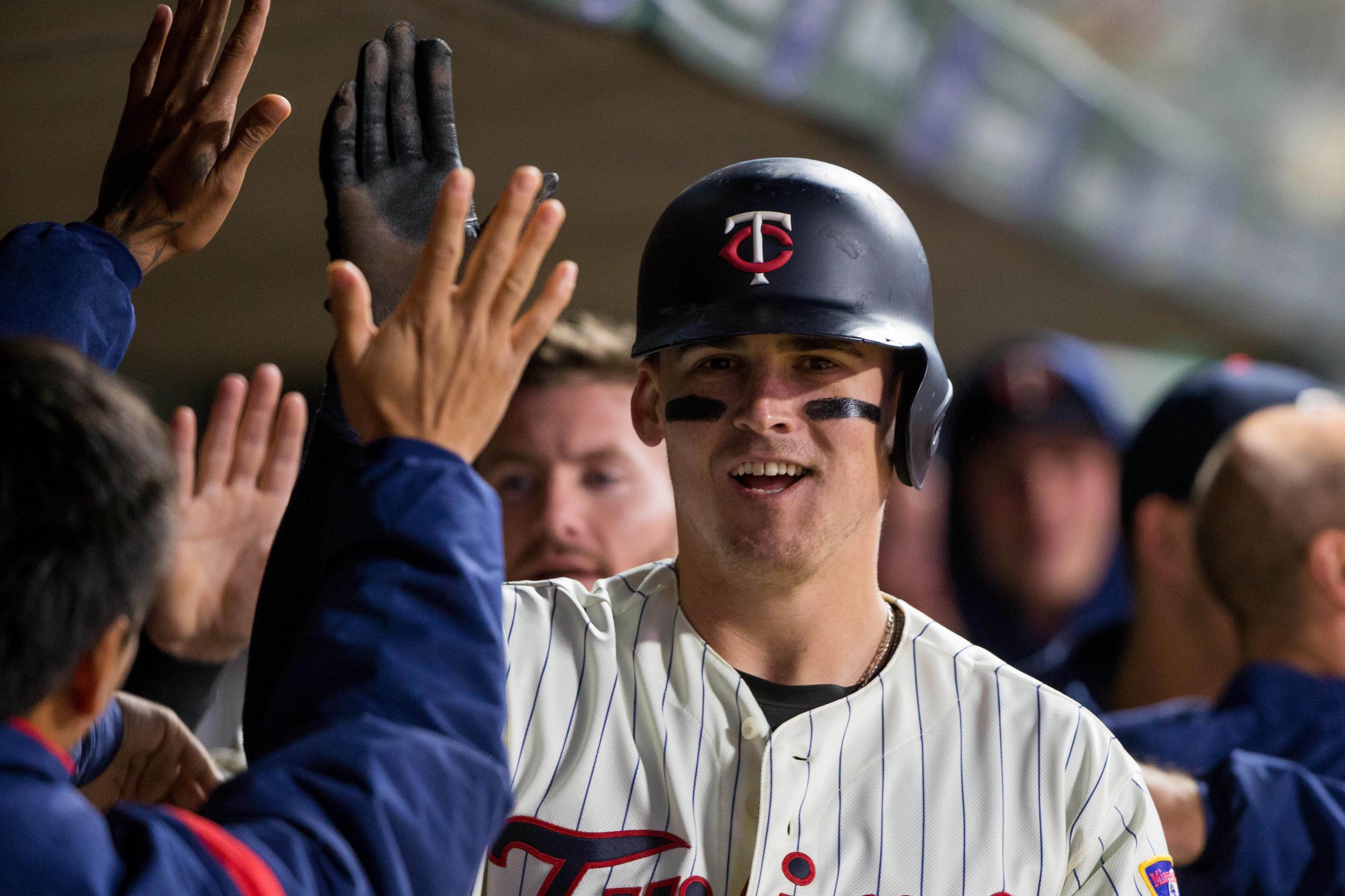 One of the challenges the Twins face in retaining Austin will be trying to fit him on the roster, which will more than likely feature a three-man bench for the majority of the season. He’s out of options, and power is typically very expensive. If the Twins place him on waivers, I have little doubt the majority of rebuilding teams would be salivating over the thought of bringing him in. We learned today that an extra roster spot will be added next season, making it much easier for a team to carry a bat-only type player. That’s huge for a guy like Austin. One of the other significant changes coming is the three-batter minimum for pitchers. But there’s a twist. Starting in 2020, a pitcher must either face three batters or pitch to the end of a half-inning. So it’s not a strict three-batter minimum rule, but it will make it more difficult for teams to deploy specialist pitchers. Austin has been phenomenal against left-handed pitching over his young career (.937 OPS), but right-handers have mostly had their way with him (.664 OPS, 39.0 K%). As it stands right now, it’s not always easy to take advantage of that platoon split, but it will become much easier with these new restrictions. A lot of the focus on this rule change has revolved around how it impacts bullpen usage. While that’s certainly the most obvious element to the rule and the thing it aims to adjust, I believe this change (in addition to the extra roster spot) means pinch hitters suddenly become a great deal more valuable than they’ve been in the era of the 13-man pitching staff. These tweaks have the potential to change a slugging pinch hitter from a luxury most teams cannot afford to shoehorn onto their rosters to a potential integral part of the makeup of each team’s bench. While Austin’s potential value is boosted by these changes, there were already some good reasons for the Twins to try to keep him in the org. Nelson Cruz has been arguably the best power hitter in baseball over the past few years, but nobody escapes Father Time. He does an incredible job at taking care of himself but you never know when a dropoff or significant injury may come. C.J. Cron had a breakout year last season and is a much more established player than Austin, but what if he can’t replicate that success? What if he's LoMo 2.0? The Twins are only committed to Cruz and Cron for this upcoming season, though both can be brought back in 2020 if the team so chooses – Cruz has a $12 million option and Cron has one more year of arbitration eligibility. Austin, meanwhile, isn’t set to become a free agent until 2024. The Twins also have some nice bats down on the farm who figure to be factoring into the 1B/DH conversation before too long. Brent Rooker also seems to be a big beneficiary of these rule changes, but a bat in the hand is worth two in the rack. I have not been a big supporter of Tyler Austin in the past because it’s difficult to see much value in a player of his profile the way the game is being played today. With a tweak in the rules must also come a reevaluations of how we value certain players. While these rule changes aren’t so dramatic to cause any kind of a seismic shift, I do believe they have a significant impact on players of Austin’s specific profile. The only question is can they find room for Austin throughout the entire 2019 season? Full Rule Changes Here’s a link to the full press release. For 2019: -Inning breaks reduced to two minutes. They were previously 2:05 for local games and 2:25 for national broadcasts. -There will be a single July 31 trade deadline. No more separate wavier trade deadline. -Updates to All-Star Game voting and a $1 million bonus to the Home Run Derby winner. For 2020: -Active roster to expand one spot to 26. -Rosters will only expand to 28 in September instead of 40. -Undetermined cap on the number of pitchers on an active roster. This will be determined by a joint committee. -Pitchers will need to either face three batters or pitch to the end of a half-inning. -Injured list goes back up to 15 days instead of 10.
 -
We’re only two weeks from Opening Day. Can you believe it? We’ve reached the point of spring training where the rosters are starting to get trimmed down. Now 18 games into the spring slate, it’s a good time to check in and get a pulse on who the top contenders for Sire of Fort Myers are. We have a fun field this year, topped by a couple guys trying to keep the dream alive.There are very few spots up for grabs on the 25-man roster, but there are still plenty of players who have a lot to gain from having strong spring showings. This is their chance to not only be seen by top members of the Twins’ staff but also the other 29 MLB teams, overseas and independent leagues. So who is eligible to be named Sire of Fort Myers? Anybody who’s not on the 40-man roster, even guys with several years of MLB service time, and anyone on the 40-man roster who hasn’t made their MLB debut also qualifies. This is not about identifying the player most likely to break camp with the team, or the player who has the highest upside. It’s all about performance. The mantra this time of year is “spring training stats don’t matter.” That’s definitely true in the case of established major leaguers, but there are some players who have something to gain from a strong spring. Top Hitters Ryan LaMarre was crowned the inaugural Sire of Fort Myers after hitting .475/.511/.775 (1.286 OPS) in 45 plate appearances. It’d be crazy to expect anyone to replicate those video game numbers, right? Well … Adam Rosales, 35, IF .385/.429/.962 (1.390 OPS) 10-for-26, 3 2B, 4 HR, 2 BB, 3 K Rosales has been bouncing around as a Quad-A type player for years now. He’s seen major league time with six different teams over the past 11 seasons. He’s shown good power with the Twins, both at the plate and in regard to his throwing arm. Most of his time has been spent at third base, but he’s also played some second and even got a start at shortstop. Get a load of that slugging percentage. Wow. He’s shown almost no pop in the majors (.365 career slugging), but Rosales did hit 18 home runs in 114 games for Cleveland’s Triple-A team last year. The Twins have no shortage of multi-positional players in camp, or whatever Rocco Baldelli prefers to call them, so it’s likely Rosales is playing for an opportunity elsewhere every bit as much as he’s trying to make a good impression on the Twins. But it’s fair to point out that it was almost impossible to imagine Ryan LaMarre making the Opening Day roster at this point last season, so anything’s possible. For more on Morin, La Velle E. Neal III wrote a nice profile on him and his changeup over at the Star Tribune. Honorable mentions among pitchers include Justin Nicolino, Jake Reed and Tim Collins. So there you have it, the top contenders for 2019 Sire of Fort Myers as we head down the stretch. Coronation day will be in a few short weeks. Click here to view the article
- 16 replies
-
- 3
-
-
- adam rosales
- ryne harper
- (and 3 more)
-
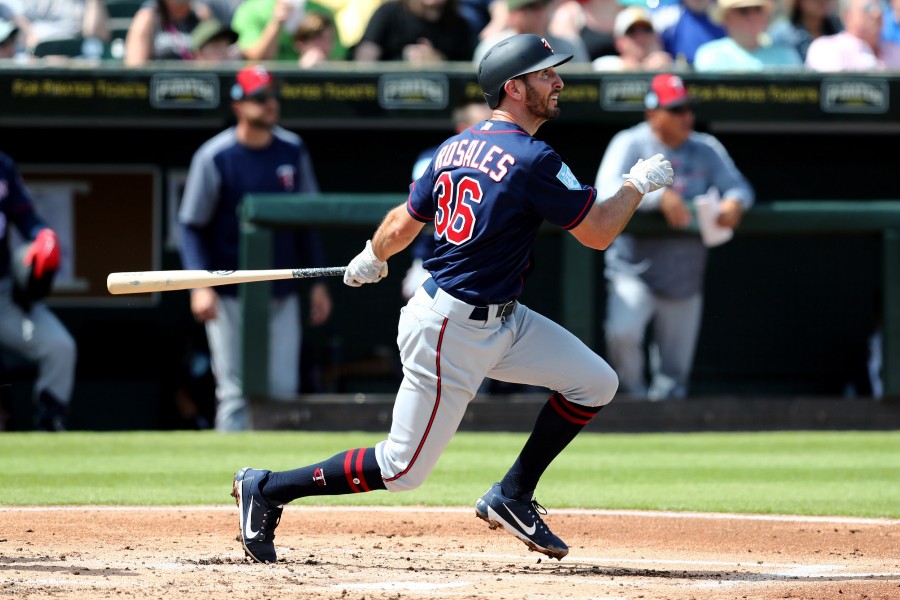 There are very few spots up for grabs on the 25-man roster, but there are still plenty of players who have a lot to gain from having strong spring showings. This is their chance to not only be seen by top members of the Twins’ staff but also the other 29 MLB teams, overseas and independent leagues. So who is eligible to be named Sire of Fort Myers? Anybody who’s not on the 40-man roster, even guys with several years of MLB service time, and anyone on the 40-man roster who hasn’t made their MLB debut also qualifies. This is not about identifying the player most likely to break camp with the team, or the player who has the highest upside. It’s all about performance. The mantra this time of year is “spring training stats don’t matter.” That’s definitely true in the case of established major leaguers, but there are some players who have something to gain from a strong spring. Top Hitters Ryan LaMarre was crowned the inaugural Sire of Fort Myers after hitting .475/.511/.775 (1.286 OPS) in 45 plate appearances. It’d be crazy to expect anyone to replicate those video game numbers, right? Well … Adam Rosales, 35, IF .385/.429/.962 (1.390 OPS) 10-for-26, 3 2B, 4 HR, 2 BB, 3 K Rosales has been bouncing around as a Quad-A type player for years now. He’s seen major league time with six different teams over the past 11 seasons. He’s shown good power with the Twins, both at the plate and in regard to his throwing arm. Most of his time has been spent at third base, but he’s also played some second and even got a start at shortstop. Get a load of that slugging percentage. Wow. He’s shown almost no pop in the majors (.365 career slugging), but Rosales did hit 18 home runs in 114 games for Cleveland’s Triple-A team last year. The Twins have no shortage of multi-positional players in camp, or whatever Rocco Baldelli prefers to call them, so it’s likely Rosales is playing for an opportunity elsewhere every bit as much as he’s trying to make a good impression on the Twins. But it’s fair to point out that it was almost impossible to imagine Ryan LaMarre making the Opening Day roster at this point last season, so anything’s possible. https://twitter.com/TFTwins/status/1105999332149465094 Lucas Duda, 33, 1B .333/.448/.458 (.907 OPS) 8-for-24. 3 2B, 5 BB, 9 K I tabbed Dude as the hands-down favorite in my Sire of Fort Myers preview, and while he trails a few other players, he has not disappointed. Duda has a lot of pressure on him this spring, a poor performance could have been very damaging to his hopes of landing on a major league roster this season. It’s a bit difficult to see Duda cracking the Twins’ Opening Day roster, but he’s done a nice job at showcasing his skills to other teams that may be searching for a lefty bat. LaMonte Wade, 25, OF .296/.375/.556 (.931 OPS) 8-for-27, 2 2B, 3B, HR, 3 BB, 5 K How great is this to see? After struggling in his first taste of Triple A toward the end of last season, Wade has put a positive spin on the start to his 2019 season. He was optioned to Rochester after Tuesday’s game, but I felt it was still well worth mentioning his efforts to this point. Honorable mentions among hitters include Nick Gordon, Brian Navarreto and Jimmy Kerrigan. Top Pitchers The bullpen is the biggest question mark in terms of the major league club. It seems like the guys on the outside looking in smell blood in the water. Ryne Harper, 29, RHP 0.00 ERA, 0.67 WHIP, 39.1 K% 6.0 IP, 4 H, 1 R, 0 ER, 0 BB, 9 K Harper always put up great numbers in the minor leagues but never could find an opportunity even above Double A for years. He came up in the Braves’ system before being dealt to Seattle in December of 2015. After a great first season in the Mariners’ system, Harper finally appeared to be getting his shot. He was called up May 28, 2017. Unfortunately, he never got the chance to pitch and was sent back to Triple A just three days later. Harper became a minor league free agent after that season and signed with the Twins. In 65 innings between Chattanooga and Rochester, Harper posted a 3.60 ERA and 1.09 WHIP. What really jumps off the page is his sterling strikeout-to-walk ratio of 8.60. He averaged 11.9 K/9 while issuing just 1.4 BB/9. The Twins brought him back on another minors deal this offseason. Including winter leagues, Harper has pitched in more than 300 minor league games in his career. https://twitter.com/TFTwins/status/1105681142596931584 Ryan Eades, 27, RHP 0.00 ERA, 0.80 WHIP, 35.0 K% 5.0 IP, 4 H, 0 R, 0 ER, 0 BB, 7 K We go from a former 37th-round pick in Harper to the Twins’ second-round pick from the 2013 Draft. Eades has been pitching primarily out of the bullpen the past two seasons and really took a step forward in 2018. Over his final 30 1/3 innings, Eades gave up just three earned runs (0.89 ERA), struck out 34 batters and walked just five (6.8 K:BB ratio). https://twitter.com/TFTwins/status/1102405680819027969 Preston Guilmet, 31, RHP 1.50 ERA, 0.83 WHIP, 39.1 K% 6.0 IP, 4 H, 1 R, 1 ER, 1 BB, 9 K Guilmet has 27 big league appearances under his belt, spreading those across six organizations. That’s a lot of cups of coffee. He was drafted twice, traded once and selected off waivers five times. In all, he’s pitched for 22 different teams in his professional career, including one in Japan (2017 with the Yakult Swallows). He had a 1.60 ERA, 0.65 WHIP and 9.9 K/9 in 33 2/3 Triple-A innings last season. Mike Morin, 27, RHP 0.00 ERA, 0.50 WHIP, 27.3 K% 6.0 IP, 2 H, 0 R, 0 ER, 1 BB, 6 K Here’s another reliever who’s bounced around quite a bit. Morin had a great rookie year in 2014 as a 23-year-old with the Angels, pitching to a 2.90 ERA and 1.19 WHIP in 59 innings. Things haven’t gone as well since. He was claimed off waivers by the Royals, then again by the Mariners. He made three appearances with Seattle but spent most of the season in Triple A, where he had a 3.86 ERA and 1.19 WHIP. Morin was born in Andover but played his high school ball in Kansas before attending the University of North Carolina. https://twitter.com/TFTwins/status/1102314523569074178 For more on Morin, La Velle E. Neal III wrote a nice profile on him and his changeup over at the Star Tribune. Honorable mentions among pitchers include Justin Nicolino, Jake Reed and Tim Collins. So there you have it, the top contenders for 2019 Sire of Fort Myers as we head down the stretch. Coronation day will be in a few short weeks.
 -
I didn't realize Blake Parker was a converted hitter. After that solid college career it's not like he fell on his face in the minors. He split time between third and first his draft year and hit .224/.325/.367 in the Cubs' system. Not great, but not a disaster. He appears to have been a quick learner, as he posted a 2.39 ERA over 26 1/3 innings in his first season as a pitcher (2007).
-
During the first week of March 2018, Twins fans were hearing that the team was done adding to it’s already madeover roster and that the remaining free agents were not budging from their lofty asking prices. Fast forward one year and … same. Based on the rumors, it would appear highly unlikely the Twins could sign Craig Kimbrel or Dallas Keuchel. Just like how it appeared highly unlikely they would sing Lance Lynn. Huh.It’s important to keep in mind that every situation is different, but I still think there’s some value in looking back at how the Lynn contract came to be and compare that to where things are with this year’s market. I’m not saying any of this means the Twins are going to sign Kimbrel or Keuchel, but as long as they’re out there on the market it’s a possibility. One more disclaimer, sharing these reports that ultimately turned out to be untrue isn’t intended to be a jab at the reporters mentioned. They were simply relaying the information that was brought to them at that time from credible sources. Their reports were accurate to the situation in that snapshot in time. It’s clear things changed very quickly at some point, actually right around this time, last year. Here’s a look back at how things developed through the rumor mill. Feb. 28, 2018 Mike Berardino Tweets that the Twins, who are just a few weeks removed from a strong pursuit of Yu Darvish, are likely done adding. Wouldn’t say no 100 percent? So you’re telling me there’s a chance! But seriously, Dan would know. To his credit, he’s already done a lot of the leg work in trying to find a scenario in which Kimbrel could land in Minnesota. Back in late January, he wrote a thorough 1,300-word piece over at The Athletic on the topic. He’s been painting the possibility of Kimbrel signing with the Twins as a long shot, but he did end that article attached above with this sentence: “As unlikely as it seems, if all those market conditions fell their way, the Twins could just wind up with Kimbrel.” This past Monday, La Velle E. Neal III of the Star Tribune wrote that “it would take a major change of events for the Twins to sign either pitcher [Kimbrel or Keuchel] and bring him into a training camp that started three weeks ago.” And added this: “I got the sense that, unless Keuchel or Kimbrel were willing to sign a one-year contract, there's no deal here.” A one-year contract you say? Hmm … While it does not appear likely that either Kimbrel or Keuchel will be in a Twins uniform this season it also doesn’t really seem like either of those guys is likely to be in any particular team’s uniform this season. There doesn’t appear to be a front-runner or obvious destination for either of them at this point. We’ve seen this movie. Our guys came out on top with contract in hand when the dust settled. Things didn’t work out exactly as intended, which was unfortunate, but they have this move in their playbook. Is it possible there was something they learned from last year that they can apply and ensure a smoother transition into the regular season for a late signing? All I’m saying is anything’s possible. Here are a couple more links if you’re interested in some further reading. MLB Trade Rumors featured both of these pitchers Friday. Let’s Find A Landing Spot For Craig Kimbrel Historical Market Price Points For Dallas Keuchel Click here to view the article
- 26 replies
-
- 1
-
-
- craig kimbrel
- dallas keuchel
- (and 1 more)
-
Twins Unlikely to Sign Kimbrel, Keuchel — Wait, This Sounds Familiar!
Tom Froemming posted an article in Twins
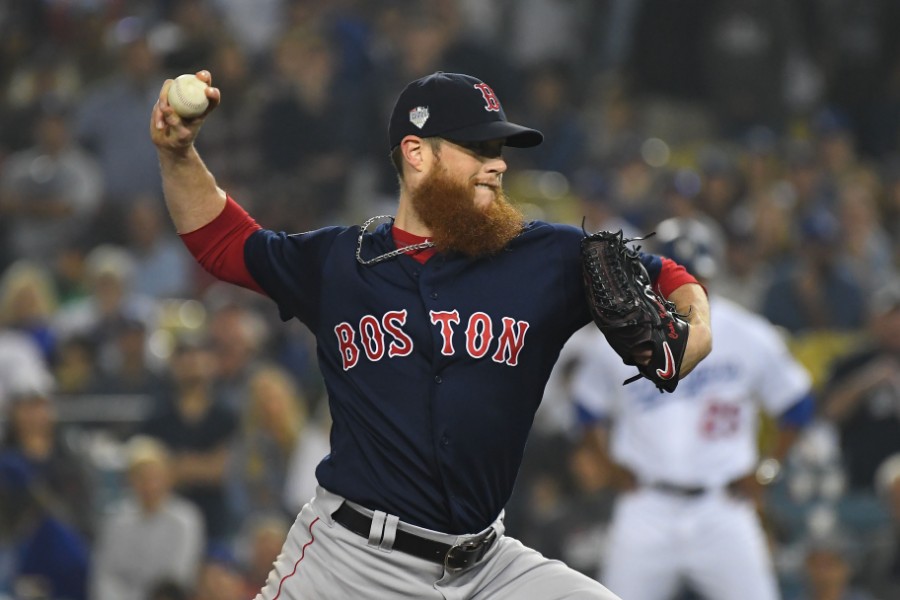 It’s important to keep in mind that every situation is different, but I still think there’s some value in looking back at how the Lynn contract came to be and compare that to where things are with this year’s market. I’m not saying any of this means the Twins are going to sign Kimbrel or Keuchel, but as long as they’re out there on the market it’s a possibility. One more disclaimer, sharing these reports that ultimately turned out to be untrue isn’t intended to be a jab at the reporters mentioned. They were simply relaying the information that was brought to them at that time from credible sources. Their reports were accurate to the situation in that snapshot in time. It’s clear things changed very quickly at some point, actually right around this time, last year. Here’s a look back at how things developed through the rumor mill. Feb. 28, 2018 Mike Berardino Tweets that the Twins, who are just a few weeks removed from a strong pursuit of Yu Darvish, are likely done adding. https://twitter.com/MikeBerardino/status/968920573169553409 March 2, 2018 Jim Bowden of The Athletic reports Lynn’s asking price is north of $50 million, a mark no team is currently willing to entertain. https://twitter.com/JimBowdenGM/status/969602577498361864 March 4, 208 Bowden’s sources tell him the Twins are unlikely to sign Lynn or any of the other top starters available. https://twitter.com/JimBowdenGM/status/970452020795772930 March 6, 2018 Berardino writes that a person with direct knowledge said a $20 million commitment was a non-starter for Lynn. March 12, 2018 Lance Lynn signs a one-year, $12 million deal with the Twins. https://twitter.com/jonmorosi/status/972587332066074624 I’m sure there were additional reports I missed, but you get the drift. As we learned with Lynn last year, things can change incredibly quickly. That lesson can obviously apply to other teams, as well. Bowden Tweeted Friday evening that the Nationals and Braves were “not in” on Kimbrel according to multiple sources. That would certainly make it appear the Twins have a better chance at swooping in at the midnight hour to sign him, but (again) things can change very quickly. If Kimbrel’s expectations are lowered, I’d imagine there’s a point at which the Nats and Braves would be very much in on him. Dan Hayes, also of The Athletic, passed this along shortly after Bowden's Tweet: https://twitter.com/DanHayesMLB/status/1104213155637530624 Wouldn’t say no 100 percent? So you’re telling me there’s a chance! But seriously, Dan would know. To his credit, he’s already done a lot of the leg work in trying to find a scenario in which Kimbrel could land in Minnesota. Back in late January, he wrote a thorough 1,300-word piece over at The Athletic on the topic. He’s been painting the possibility of Kimbrel signing with the Twins as a long shot, but he did end that article attached above with this sentence: “As unlikely as it seems, if all those market conditions fell their way, the Twins could just wind up with Kimbrel.” This past Monday, La Velle E. Neal III of the Star Tribune wrote that “it would take a major change of events for the Twins to sign either pitcher [Kimbrel or Keuchel] and bring him into a training camp that started three weeks ago.” And added this: “I got the sense that, unless Keuchel or Kimbrel were willing to sign a one-year contract, there's no deal here.” A one-year contract you say? Hmm … While it does not appear likely that either Kimbrel or Keuchel will be in a Twins uniform this season it also doesn’t really seem like either of those guys is likely to be in any particular team’s uniform this season. There doesn’t appear to be a front-runner or obvious destination for either of them at this point. We’ve seen this movie. Our guys came out on top with contract in hand when the dust settled. Things didn’t work out exactly as intended, which was unfortunate, but they have this move in their playbook. Is it possible there was something they learned from last year that they can apply and ensure a smoother transition into the regular season for a late signing? All I’m saying is anything’s possible. Here are a couple more links if you’re interested in some further reading. MLB Trade Rumors featured both of these pitchers Friday. Let’s Find A Landing Spot For Craig Kimbrel Historical Market Price Points For Dallas Keuchel
 -
Miguel Sano 2017, Francisco Liriano 2006. Had those teams not been in playoff races, I'm certain both players would have been shutdown for the year. And those were two guys they had for the long run. Don't count on teams to always act on what's best for the player.
-
Agreed. Just go out and get the most dangerous bat you can on a one-year commitment every offseason. There's obviously health concerns with guys of his age, but at the same time it's pretty easy to fill in at DH should your main guy miss time.
-
Article: Twins 2019 Position Analysis: Left Field
Tom Froemming replied to Nick Nelson's topic in Twins Daily Front Page News
I love Rosie. Well, he drives me nuts sometimes, so it can definitely be a love-hate relationship, but the positives heavily outweigh the negatives. I think Twins fans as a whole have done so much fretting over the other young guys -- why can't Sano and Buxton stay healthy, will Max ever breakout? -- that Eddie has been somewhat underappreciated. Fun player to watch.- 19 replies
-
- 11
-
-
- eddie rosario
- jake cave
- (and 2 more)
-
Baseball is a team game. No one position player can have that much of an impact on a game. I would never suggest that the Twins are somehow better without Miguel Sano than they would be with him. Still, there's no denying there are some interesting trends in how they've done without him in the lineup over the years.Sano made his major league debut in 2015. From that season forward, the Twins have actually been much better in games he doesn't start than they have been in games where he's in the lineup. This is especially true of the past two seasons. Check out the year-by-year numbers: 2018 28-42 (.400) in Sano starts 50-42 (.543) otherwise 2017 56-54 (.509) in Sano starts 29-23 (.558) otherwise 2016 43-71 (.377) in Sano starts 16-32 (.333) otherwise 2015 40-38 (.513) in Sano starts 43-41 (.512) otherwise The team was slightly better with Sano his first two seasons but has been significantly worse with him in the lineup over the most recent two years. By the way, the numbers above are all courtesy of Baseball-Reference, where you can find team record in appearances stats on a player's game logs. Add it all up and the Twins have been an even .500 without Sano in the starting lineup, 138-138. Meanwhile, they've been 167-205 (.449 winning percentage) in games he's started. Even with this data in mind, I still refuse to believe the Twins are better off without Sano, but I do think we can confidently say this 2019 team can win without him. They've done it in the past. What about how the Twins have fared with and without some of the other players over that same time frame? Check this out: Twins 2015-19 230-243 (.486) in Eddie Rosario starts 75-100 (.429) otherwise 138-142 (.493) in Byron Buxton starts 167-201 (.454) otherwise Twins since 2016-19 173-201 (.463) in Max Kepler starts 49-63 (.438) otherwise 131-134 (.494) in Jorge Polanco starts 91-130 (.412) otherwise Again, baseball is a team game, but these are some pretty interesting numbers to look at. The Twins have been significantly better with Rosario, Buxton, Kepler and Polanco in the starting lineup but significantly worse with Sano. Here's all that data crammed into a tidy table: Download attachment: SanoGraph.png So what does this actually mean? If you can't tell by now, even I'm having a hard time really committing to this data being truly telling. At the same time, I do feel as though this should ease the minds of any Twins fans who may feel like the sky is falling just because Miguel Sano is injured again. Click here to view the article
- 38 replies
-
- 2
-
-
- miguel sano
- byron buxton
- (and 3 more)
-
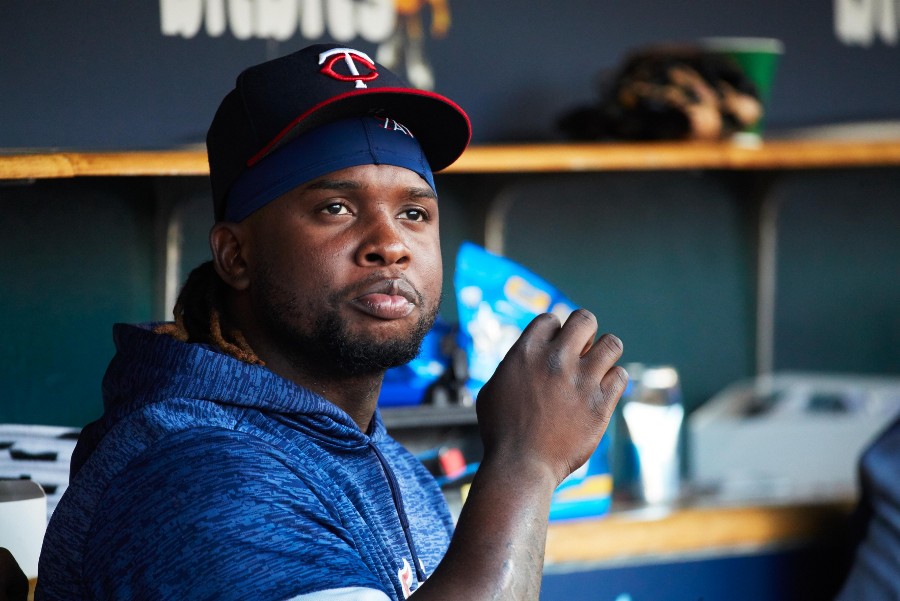 Sano made his major league debut in 2015. From that season forward, the Twins have actually been much better in games he doesn't start than they have been in games where he's in the lineup. This is especially true of the past two seasons. Check out the year-by-year numbers: 2018 28-42 (.400) in Sano starts 50-42 (.543) otherwise 2017 56-54 (.509) in Sano starts 29-23 (.558) otherwise 2016 43-71 (.377) in Sano starts 16-32 (.333) otherwise 2015 40-38 (.513) in Sano starts 43-41 (.512) otherwise The team was slightly better with Sano his first two seasons but has been significantly worse with him in the lineup over the most recent two years. By the way, the numbers above are all courtesy of Baseball-Reference, where you can find team record in appearances stats on a player's game logs. Add it all up and the Twins have been an even .500 without Sano in the starting lineup, 138-138. Meanwhile, they've been 167-205 (.449 winning percentage) in games he's started. Even with this data in mind, I still refuse to believe the Twins are better off without Sano, but I do think we can confidently say this 2019 team can win without him. They've done it in the past. What about how the Twins have fared with and without some of the other players over that same time frame? Check this out: Twins 2015-19 230-243 (.486) in Eddie Rosario starts 75-100 (.429) otherwise 138-142 (.493) in Byron Buxton starts 167-201 (.454) otherwise Twins since 2016-19 173-201 (.463) in Max Kepler starts 49-63 (.438) otherwise 131-134 (.494) in Jorge Polanco starts 91-130 (.412) otherwise Again, baseball is a team game, but these are some pretty interesting numbers to look at. The Twins have been significantly better with Rosario, Buxton, Kepler and Polanco in the starting lineup but significantly worse with Sano. Here's all that data crammed into a tidy table: So what does this actually mean? If you can't tell by now, even I'm having a hard time really committing to this data being truly telling. At the same time, I do feel as though this should ease the minds of any Twins fans who may feel like the sky is falling just because Miguel Sano is injured again.
 -
Congratulations! You've just been elected as the official spring training game thread manager!
-
It exploded. Blood everywhere. Oh the humanity! But seriously, thank you for the medial insights. They are greatly appreciated.
-
The Rocco quote is from Wednesday, the reporting from Betsty was from Thursday. Things changed a bit after he was evaluated. I just thought it was interesting that the field staff and front office seem to be inclined to downplay the severity of the injury while the medical team is hesitant to grant him clearance to resume baseball activities. It sounds like the wound still has a slight opening, so it seems weird to me that anyone would think he'd be close to returning. I'd imagine they want that wound to close and give it some additional time to heal on top of that before they have him running around. But I'm not a medical professional. I just hope they continue to take the cautious route.
-
It's basically the general area where your leg meets your heel. Betsy Helfand and Do-Hyung Park have referred to it as being on his right heel area. Dan Hayes says it's the Achilles, but has also referred to it as the back of his foot. We should probably stick with what the medical professional says. Here's a quote from head trainer Tony Leo from Dan's piece at The Athletic: “You don’t want to have the wound reopen. It’s not fully closed yet. We want it to be fully closed. It’s just in an area that’s bad, down there by the Achilles. We’ve got to be very protective of that area.” As far as the story of how it actually, yes, I have heard it both ways. The only one to re-hash that part in their most-recent report was Park, who wrote this: "Sano sustained the injury during the parade celebrating his Dominican Winter League championship with his hometown team, Estrellas Orientales. A teammate slipped on a substance on the stage and bumped into Sano, who scraped his leg on metal stairs."
-
The Twins came into camp remarkably healthy, but the one guy worth monitoring right now is Miguel Sano. He’s been in a walking boot for precautionary reasons as a cut on the back of his foot heals. While some Twins fans seem anxious to see Miguel hit the field, I say what’s the rush? Haven’t we seen enough guys rushed back from injury the past few seasons?Sano suffered a severe cut on his right foot in January. A teammate on his Dominican Winter League team slipped and spiked him him in the Achilles, requiring 12 stitches. On Wednesday night’s Twins Hot Stove Show with host Kris Atteberry, Twins manager Rocco Baldelli relayed this update on Sano: “Miguel is actually doing well,” Baldelli said. “His small wound is healed up, it’s getting to the point where we’re getting ready to revisit an appointment with the specialist just to get clearance to get him out there on the field. He’s been at the field, he’s been taking part in light activity until we get this clearance. It should be here in the next day or two and we should be able to progress. He’s ready to go, we’re really looking forward to seeing him actually take the field and I don’t think we’re far away from that.” While the stitches have been removed at this point and the cut is healing, it sounds like it'll be awhile yet before Sano hits the field. Betsy Helfand of the Pioneer Press reported Thursday that Sano is expected to remain in the boot for another week. The team seems concerned about the potential of the wound reopening. Sano appears to be in great shape — he’s still able to do cardio and weight training with his upper body — and he got some extra reps in at the plate during winter ball. So again, why rush? I love this course of action the Twins are taking so far. The worst-case scenario with an extremely safe timeline is that Sano doesn’t have enough time to get ready for Opening Day. So what? Put him on the Injured List and let him get up to speed with a rehab assignment in the minors. Stuff like this is exactly why you have guys like Marwin Gonzalez and Willians Astudillo around. It’s a lot more important to have a healthy Sano in the fold for the long haul than it is to get him into the Opening Day lineup. Rush Sano back and who knows what could happen. It could be as severe as the cut reopening or as simple as discomfort causing Sano to fall into some bad mechanical habits due to favoring that foot. Of course, the most difficult element to all this is there’s no way of knowing the perfect timeline for him. I’d bet if it was up to Miguel he’d already be out there, so you can’t really take him for his word on the recovery process. It’ll be a situation they’ll have to continue to monitor, but I’ve personally had enough of the Twins pushing Sano and Byron Buxton back from injuries. Or I guess allowing those two to push themselves back from injury, whichever the case may be. Remember when Sano shattered his leg in August of 2017 and played the next day? Even after the team identified the injury, they allowed him to return for three games in late September. That injury was bad enough he’s going to have to live with a titanium rod in his left shin for the rest of his life. If Sano and Buxton are as important to this organization as the front office makes them out to be then they’d better make sure to put them in the best positions possible to succeed. It appears that’s exactly what’s happening with Sano’s current injury. So far, at least. Rocco on Spring Games “I think they’re really helpful. These are spring training games, but I take them serious,” said Baldelli on this week’s Hot Stove Show. “I think about them like they’re real games. What would we do in the season during these situations? I think taking advantage of this month is very important for me and for the whole staff.” “You might not actually make the decision that you would make and actually put it into play, but I think talking about all the different scenarios and situations — what we want to do going forward and the decisions that I’d like to make once we hit March 28 — I think those are the discussions we have during the games and these are the discussions we have all day long over here.” Free Agent Signings Some of the biggest names left on the free agent market signed Thursday. The Blue Jays scooped up both Bud Norris and Clay Buchholz. Oh yeah, Bryce Harper signed with the Phillies too. Dallas Keuchel and Craig Kimbrel remain unsigned, however, and the Twins are still being loosely connected to Kimbrel. Click here to view the article
-
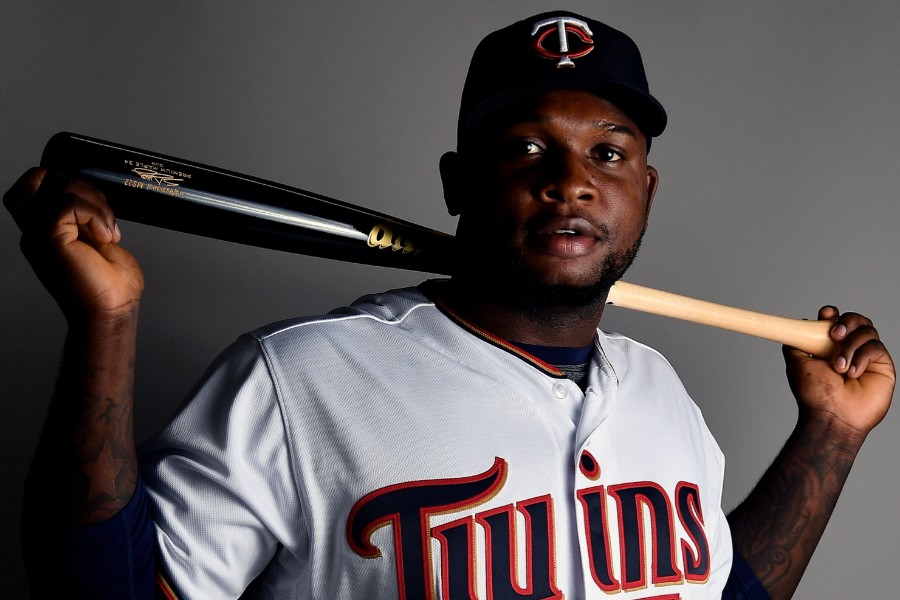 Sano suffered a severe cut on his right foot in January. A teammate on his Dominican Winter League team slipped and spiked him him in the Achilles, requiring 12 stitches. On Wednesday night’s Twins Hot Stove Show with host Kris Atteberry, Twins manager Rocco Baldelli relayed this update on Sano: “Miguel is actually doing well,” Baldelli said. “His small wound is healed up, it’s getting to the point where we’re getting ready to revisit an appointment with the specialist just to get clearance to get him out there on the field. He’s been at the field, he’s been taking part in light activity until we get this clearance. It should be here in the next day or two and we should be able to progress. He’s ready to go, we’re really looking forward to seeing him actually take the field and I don’t think we’re far away from that.” While the stitches have been removed at this point and the cut is healing, it sounds like it'll be awhile yet before Sano hits the field. Betsy Helfand of the Pioneer Press reported Thursday that Sano is expected to remain in the boot for another week. The team seems concerned about the potential of the wound reopening. Sano appears to be in great shape — he’s still able to do cardio and weight training with his upper body — and he got some extra reps in at the plate during winter ball. So again, why rush? I love this course of action the Twins are taking so far. The worst-case scenario with an extremely safe timeline is that Sano doesn’t have enough time to get ready for Opening Day. So what? Put him on the Injured List and let him get up to speed with a rehab assignment in the minors. Stuff like this is exactly why you have guys like Marwin Gonzalez and Willians Astudillo around. It’s a lot more important to have a healthy Sano in the fold for the long haul than it is to get him into the Opening Day lineup. Rush Sano back and who knows what could happen. It could be as severe as the cut reopening or as simple as discomfort causing Sano to fall into some bad mechanical habits due to favoring that foot. Of course, the most difficult element to all this is there’s no way of knowing the perfect timeline for him. I’d bet if it was up to Miguel he’d already be out there, so you can’t really take him for his word on the recovery process. It’ll be a situation they’ll have to continue to monitor, but I’ve personally had enough of the Twins pushing Sano and Byron Buxton back from injuries. Or I guess allowing those two to push themselves back from injury, whichever the case may be. Remember when Sano shattered his leg in August of 2017 and played the next day? Even after the team identified the injury, they allowed him to return for three games in late September. That injury was bad enough he’s going to have to live with a titanium rod in his left shin for the rest of his life. If Sano and Buxton are as important to this organization as the front office makes them out to be then they’d better make sure to put them in the best positions possible to succeed. It appears that’s exactly what’s happening with Sano’s current injury. So far, at least. Rocco on Spring Games “I think they’re really helpful. These are spring training games, but I take them serious,” said Baldelli on this week’s Hot Stove Show. “I think about them like they’re real games. What would we do in the season during these situations? I think taking advantage of this month is very important for me and for the whole staff.” “You might not actually make the decision that you would make and actually put it into play, but I think talking about all the different scenarios and situations — what we want to do going forward and the decisions that I’d like to make once we hit March 28 — I think those are the discussions we have during the games and these are the discussions we have all day long over here.” Free Agent Signings Some of the biggest names left on the free agent market signed Thursday. The Blue Jays scooped up both Bud Norris and Clay Buchholz. Oh yeah, Bryce Harper signed with the Phillies too. Dallas Keuchel and Craig Kimbrel remain unsigned, however, and the Twins are still being loosely connected to Kimbrel. https://twitter.com/JimBowdenGM/status/1101220841809940482 Spring Highlights I’ll leave you with some recent highlights from spring action. First up, Martin Perez’s first outing in a Twins uniform: https://twitter.com/TFTwins/status/1099784152411455488 Here’s Brent Rooker’s blast from Wednesday afternoon: https://twitter.com/TFTwins/status/1100868879855816709 Action from Stephen Gonsalves: https://twitter.com/TFTwins/status/1100883660985778176 Some Lewis Thorpe: https://twitter.com/TFTwins/status/1100892481506426880 And finally, a nice double from Luke Raley: https://twitter.com/TFTwins/status/1101276744148008961

