



Ted Schwerzler
-
Posts
5,149 -
Joined
-
Last visited
Content Type
Profiles
News
Minnesota Twins Videos
2026 Minnesota Twins Top Prospects Ranking
2022 Minnesota Twins Draft Picks
Minnesota Twins Free Agent & Trade Rumors, Notes, & Tidbits
Guides & Resources
2023 Minnesota Twins Draft Picks
The Minnesota Twins Players Project
2024 Minnesota Twins Draft Picks
2025 Minnesota Twins Draft Pick Tracker
2026 Minnesota Twins Draft Tracker: Picks & Bonuses
Forums
Blogs
Events
Store
Downloads
Gallery
Everything posted by Ted Schwerzler
-
Bryce Harper has the best hair on the open market this winter, but Josh Donaldson may not be far behind. The oft-injured third basemen is a free agent and coincidentally plays a position that the Minnesota Twins could be looking to rectify. Joe Mauer should provide clarity to the club soon, and that could leave Miguel Sano with an opportunity to swap sides on the diamond. Transitioning from the division-rival Indians, Donaldson could be an answer to the Twins questions. When the 2019 season gets underway the former Oakland and Toronto third basemen will be 33 years old. He's got just shy of 900 big league games under his belt, and has eight years of MLB service to his credit. Talent is undeniable when looking at what Donaldson possesses, but he's also played in just 165 games across the past two seasons. Last season the Donaldson made $23 million in the final year of arbitration eligibility. He enters the market at an odd time, looking for a long term payday but also having to calm fears of recent injury concerns and the reality of being an aging commodity. While a one-year deal may be more team friendly this is probably his last chance to get paid, and some level of stability will be hard to pass up. From a dollars and cents standpoint, something like three years and $75 million seems like fair market value. Donaldson would be 36 at the end of that deal, and $25 million is a steal for a guy that has owned a .931 OPS dating back to 2015. There's obviously the risk that injuries derail things from the get go, but he played in 16 games down the stretch for Cleveland and was healthy enough to act as an impact bat in the Postseason. The Minnesota Twins have to decide how they are going to handle both their corner and middle infield spots during the first year under Rocco Baldelli. Manny Machado is a perfect fit solely from a positional standpoint, but in that same vein, so to is Donaldson. The latter comes in at a far lower price point, and given the spending flexibility, is still well within the realm of Derek Falvey and Thad Levine's reach. At his absolute best Miguel Sano is probably a league average defender at third base. Moving over to first puts him in a spot where defense is less of an issue, but also allows him the opportunity to take strides forward at a less demanding position. In Donaldson an acquiring team is getting a player that has never posted a negative defensive season in terms of DRS. With over 7,000 innings to his credit he owns a 53 DRS total and has a combined 30.3 UZR. Although he's never been rewarded with a Gold Glove, the leather is plenty strong with this one. If there's another avenue that Donaldson plays up for the Twins, it's a middle-of-the-order bat that checks off every box. Not only is he a real power threat, having hit 29 or more home runs in each full season since 2014, but he's not a strikeout machine either. On-base threats are something Minnesota's lineup could use, and his .383 mark since 2015 is beyond impressive. Allowing Sano to see that kind of production, and likely learn from it, could pay dividends in more ways than one. The reality is that when dealing with free agents the marriage has to be an ideal fit for both sides. No matter how much money the Twins could throw at the likes of Manny Machado, there's plenty of other big hurdles to overcome. Going into contract talks with Donaldson hoping for a one-year pact may be enticing for the Twins, but it probably doesn't move the needle or position them well amongst competing markets. Should the front office push their chips forward and believe the injury issues are behind him, this could be the opportunity to land a superstar talent through a perfect storm. Pairing the likes of Donaldson with a lineup that includes Miguel Sano and Byron Buxton should be mouth-watering for Twins Territorians. You're never going to avoid risk when ponying up this level of cash, but being able to make a move like this doesn't often present itself so perfectly to organizations like the Twins. Whether Mauer returns or not, Donaldson fits and the iron is hot. For more from Off The Baggy, click here. Follow @tlschwerz
- 17 comments
-
- 2
-

-
- minnesota twins
- josh donaldson
- (and 2 more)
-
1. Jimmy Butler has NEVER been a leader. He's a good player, but that isn't the personality of a leader in any sense. 2. Cutch still provides plenty of value on the field, but obviously makes more sense at the right price.
-
That probably works as well. The Twins have 4 outfielders in the mix, but there's nothing wrong with pushing some of them down for better talent. They have other areas that are far greater needs however.
-
I don't think there's anything wrong with this sentiment at all.
- 8 comments
-
- 1
-
-
- minnesota twins
- andrew mccutchen
- (and 1 more)
-
Going into this offseason the Minnesota Twins have some very clear needs. Deciding what to do in the infield, and adding a few relief arms are chief among them. If there's a position that isn't immediately on the radar it's adding a body in the outfield. That being said, we don't know what the offseason will bring, and there's a free agent of intrigue on the market. After being the 11th overall pick by the Pittsburgh Pirates in the 2005 Major League Baseball draft, Andrew McCutchen spent the first nine years of his big league career with the same organization. Traded to the Giants prior to 2018, he was then shipped to the New York Yankees down the stretch. This isn't the same perennial MVP candidate that Pennsylvania natives came to love from 2012-2015, but there's something left in the 32 year-old's tank. At 29 in 2016, there was a real fear that McCutchen was hitting the skids and looking at the downside of his career. A .766 OPS and awful centerfield defense brought plenty of questions heading into the 2017 season. He responded by moving to right field and putting up an .849 OPS which was bolstered by a near-career high home run total. 2018 saw Cutch post a .792 OPS that was buoyed by a strong .368 OBP and a very nice 25 game stretch for the Yankees. Coming off a $14.75 million salary in 2018, and a long term deal with the Pirates, McCutchen gets to test the waters for the first time in his career. His market will be interesting, but I'd think that logic suggests years may be the greater focus than a high AAV. If he could be had for something like three years and $30 million you'd certainly find teams willing to play the role of suitor. With Byron Buxton, Max Kepler, and Eddie Rosario in tow for the Minnesota Twins there isn't an immediate opening. However if I'm Derek Falvey and Thad Levine, two of those players should absolutely be made available on the trading block. Max Kepler likely has the lower value at the moment given his statistical output, but I'm fine in believing he could end up being the superior player. In 2018 Eddie Rosario was deserving of being Minnesota's representative at the All Star game. He was on fire in the first half and finished with an .803 OPS. Playing in 138 games, he displayed power and production at the plate. From where I sit however, I think we're seeing the absolute peak of what Rosario can bring to the table. If there's a partner out there willing to match the Twins asset with real value, that's a guy to move with certainty. Never mind that despite the All Star caliber start, Rosario put up lower numbers in 2018 than he did the year prior. His plan at the plate has always been to work as a bad ball hitter, and that didn't change last season. He chased 43% of the pitches he swung at, and he whiffed nearly 13% of the time. On top of that, his walk rate remained at an ugly 5%. When the lumber connects things go well, but that's a trio of numbers just begging for a chance to fall off the table. Since his debut, Rosario's outfield defense has also taken a dip. As a rookie the outfield assists piled up and were a number to recognize. While his arm strength is a known commodity at this point, he sees himself tested less. Although he did perform positively in 2018, there's still more than a handful of blunders due to routes and decision making that have negative impacts on the scenarios at play. Make no mistake, there should never be a suggestion to move a 27 year-old Rosario for a 32 year-old McCutchen. Looking at how this could play out however, we aren't operating in a vacuum. If another team wants to bring Rosario on board in exchange for pitching help or something of equal value to the Twins, it's a swap that needs to be heavily considered. At 27 Rosario isn't a kid anymore, and his approach doesn't lend itself to production heights much higher than what we've seen. If the Twins can cash in before things go belly up, it'd be a move you'd need to applaud. The front office needs to inject this current roster with a bit of leadership, some significant on-base prowess, and talent that can challenge the Cleveland Indians in the very weak AL Central. There's more than one way for them to get that done this winter, and it will be interesting to see how it all takes place. For more from Off The Baggy, click here. Follow @tlschwerz
- 8 comments
-
- 1
-
-
- minnesota twins
- andrew mccutchen
- (and 1 more)
-
Although it could’ve been expected that the 108-win Boston Red Sox would run away with the World Series, the Los Angeles Dodgers provided their fans with more than a few moments of pleasure along the way. Chief among them was Yasiel Puig’s mammoth blast off Eduardo Rodriguez in the sixth inning of Game 4. Boston would go on to win that contest, but it was at the height of the jubilation that I found myself considering the Minnesota Twins' Miguel Sano.Back in the summer of 2012, Yasiel Puig was all the rage. A Cuban defector, he was looking for a big payday with a major league team. Ned Colletti inked the outfielder on a seven-year, $42 million deal. Puig, 21 years old at the time, had taken roughly a year off to go through the signing process (one which has many hurdles for players from his home country). With a list of suitors a mile long, Yasiel experienced the highs and lows of being an international free agent. In defecting from Cuba, Puig escaped by speedboat in the middle of the night. His handlers made death threats against him, and the journey to freedom through Mexico and eventually the United States was not one for the faint of heart. Even before debuting with the Dodgers on June 3, 2013, he had been put through the wringer. For Miguel Sano, the journey was a much more traditional one. The Dominican Republic is a hotbed of baseball talent and although Buscones still have plenty of shady tactics up their sleeves, the stories regarding death threats and necessary defection are few and far between. Sano’s eventual signing by the Twins came after hiccups regarding his age, and even included bone scans to verify the truth. Arriving in the organization prior to his 17th birthday, he’s had a much stronger support system throughout his professional career. Jumping back to that World Series moment for Puig, and where we are today with both players, the parallels between them are intriguing to say the least. In 2016, as a 25-year-old, Puig was sent packing by the Dodgers. In the three seasons prior, the Los Angeles outfielder owned an .858 OPS and had an All-Star appearance under his belt. A continuous slide in performance had become a yearly occurrence though, and the .740 OPS is where things bottomed out that year. Assigned to Triple-A Oklahoma City, the Dodgers were looking for their outfielder to improve “as a player and person.” Puig was recalled after 19 games at Triple-A, and turned in a .900 OPS for the Dodgers to wrap up the season. Since that point Puig has posted an .827 OPS over the past two seasons and has used his personality to fuel a competitive drive on the field. Less of a distraction off the field, the Dodgers once again have a difference maker on their 25-man roster. It was in 2018 that Miguel Sano experienced some of the same realities with the Minnesota Twins. An immense talent, one that was ranked as the fourth best prospect in baseball by MLB.com, the person came to be questioned. As production slid and weight was added, the level of commitment toward being great had become the focal point of Sano’s narrative. Needing to be a cornerstone for the Twins big league roster, the reality is that the organization simply couldn’t count on the level of production that would be given to them. Sitting at the same age of the demoted Yasiel Puig, 25-year-old Miguel Sano was sent packing. Needing to be watched over, given a support system, and be invested in, Fort Myers and Single-A was the landing spot for the Twins star. He too spent 19 games riding the bus, before a brief four game stint at Triple-A that would vault him back to Minnesota. We aren’t yet at a point to call this story complete, and while Yasiel Puig is two years removed from his adjustment, Miguel will enter 2019 at the age of 26. The next chapter in this saga comes down to Miguel and what he’d like to demand of himself. The Twins have all but played their hand, and Sano investing in himself provides the best path for his moment to still be in front of him. Yasiel Puig posted his best OPS since 2014 when he returned to the Dodgers full time in 2017. He didn’t garner the All-Star or MVP votes that came in his first two seasons, but he re-established himself as a cornerstone piece to a very talented active roster. How Miguel Sano prepares for 2019 will set the expectations that both he and the Minnesota Twins can establish for the year ahead. Currently at his lowest point as a professional, this is where there is great opportunity for the climb. Even if it ends up as a five game World Series loss in 2020 it’d be magical to see Miguel Sano take an opposing pitcher deep, toss his bat, and throw his hands in the air full of jubilation. At this moment that seems far-fetched, but there’s a blueprint and a path to follow. All the talent in the world resides on the side of Miguel Sano. The Minnesota Twins have made the commitment to him as both a ballplayer and a person. In 2019, it will be on the Dominican, and whether he wants stardom for himself or not. Click here to view the article
- 17 replies
-
- 3
-
-
- minnesota twins
- miguel sano
- (and 1 more)
-
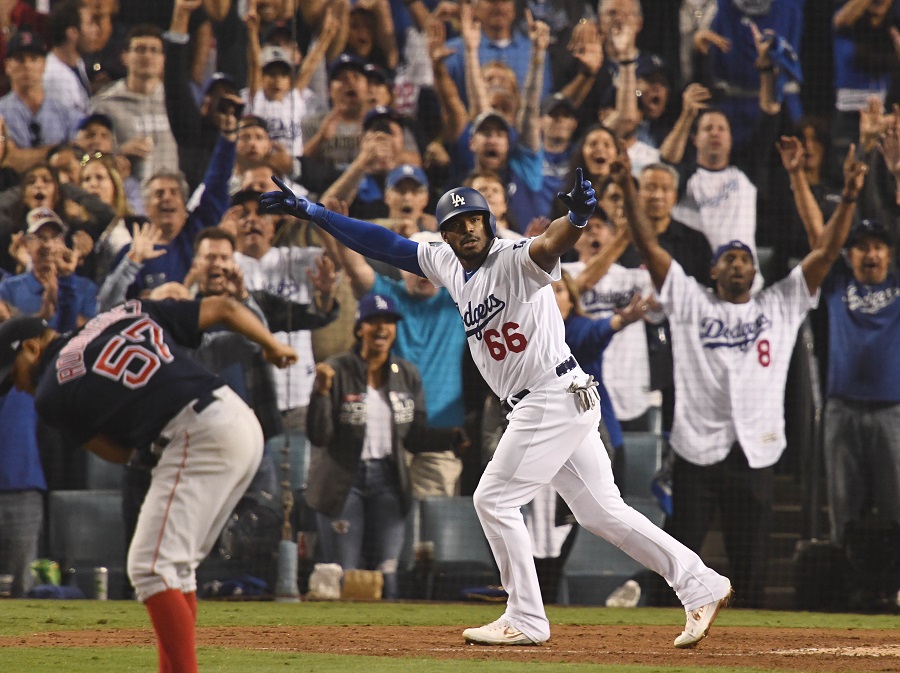 Back in the summer of 2012, Yasiel Puig was all the rage. A Cuban defector, he was looking for a big payday with a major league team. Ned Colletti inked the outfielder on a seven-year, $42 million deal. Puig, 21 years old at the time, had taken roughly a year off to go through the signing process (one which has many hurdles for players from his home country). With a list of suitors a mile long, Yasiel experienced the highs and lows of being an international free agent. In defecting from Cuba, Puig escaped by speedboat in the middle of the night. His handlers made death threats against him, and the journey to freedom through Mexico and eventually the United States was not one for the faint of heart. Even before debuting with the Dodgers on June 3, 2013, he had been put through the wringer. For Miguel Sano, the journey was a much more traditional one. The Dominican Republic is a hotbed of baseball talent and although Buscones still have plenty of shady tactics up their sleeves, the stories regarding death threats and necessary defection are few and far between. Sano’s eventual signing by the Twins came after hiccups regarding his age, and even included bone scans to verify the truth. Arriving in the organization prior to his 17th birthday, he’s had a much stronger support system throughout his professional career. Jumping back to that World Series moment for Puig, and where we are today with both players, the parallels between them are intriguing to say the least. In 2016, as a 25-year-old, Puig was sent packing by the Dodgers. In the three seasons prior, the Los Angeles outfielder owned an .858 OPS and had an All-Star appearance under his belt. A continuous slide in performance had become a yearly occurrence though, and the .740 OPS is where things bottomed out that year. Assigned to Triple-A Oklahoma City, the Dodgers were looking for their outfielder to improve “as a player and person.” Puig was recalled after 19 games at Triple-A, and turned in a .900 OPS for the Dodgers to wrap up the season. Since that point Puig has posted an .827 OPS over the past two seasons and has used his personality to fuel a competitive drive on the field. Less of a distraction off the field, the Dodgers once again have a difference maker on their 25-man roster. It was in 2018 that Miguel Sano experienced some of the same realities with the Minnesota Twins. An immense talent, one that was ranked as the fourth best prospect in baseball by MLB.com, the person came to be questioned. As production slid and weight was added, the level of commitment toward being great had become the focal point of Sano’s narrative. Needing to be a cornerstone for the Twins big league roster, the reality is that the organization simply couldn’t count on the level of production that would be given to them. Sitting at the same age of the demoted Yasiel Puig, 25-year-old Miguel Sano was sent packing. Needing to be watched over, given a support system, and be invested in, Fort Myers and Single-A was the landing spot for the Twins star. He too spent 19 games riding the bus, before a brief four game stint at Triple-A that would vault him back to Minnesota. We aren’t yet at a point to call this story complete, and while Yasiel Puig is two years removed from his adjustment, Miguel will enter 2019 at the age of 26. The next chapter in this saga comes down to Miguel and what he’d like to demand of himself. The Twins have all but played their hand, and Sano investing in himself provides the best path for his moment to still be in front of him. Yasiel Puig posted his best OPS since 2014 when he returned to the Dodgers full time in 2017. He didn’t garner the All-Star or MVP votes that came in his first two seasons, but he re-established himself as a cornerstone piece to a very talented active roster. How Miguel Sano prepares for 2019 will set the expectations that both he and the Minnesota Twins can establish for the year ahead. Currently at his lowest point as a professional, this is where there is great opportunity for the climb. Even if it ends up as a five game World Series loss in 2020 it’d be magical to see Miguel Sano take an opposing pitcher deep, toss his bat, and throw his hands in the air full of jubilation. At this moment that seems far-fetched, but there’s a blueprint and a path to follow. All the talent in the world resides on the side of Miguel Sano. The Minnesota Twins have made the commitment to him as both a ballplayer and a person. In 2019, it will be on the Dominican, and whether he wants stardom for himself or not.
 -
First Round Fall on Minnesota 40 Man
Ted Schwerzler commented on Ted Schwerzler 's blog entry in Off The Baggy
Thanks for catching that. Him not having surgery is WHY he could return for the AFL last season, that's right. It was the shoulder that took away his year in 2017, and one has to wonder to what extent it's responsible for the lackluster numbers since. -
With the regular season and Postseason now in the books, the Minnesota Twins are joined by every other major league team in the offseason. Joe Mauer is a free agent for the first time in his career, and the front office has plenty of 40 man roster decisions to make. Prior to bringing in new talent the organization must decide who will be kept from within. At this juncture, there's a very real possibility a first round pick could see his time come to an end. Recently on Twins Daily, Seth Stohs did a great job highlighting the minor leaguers with impending 40 man additions looming. Although the Twins don't have much in the form of guaranteed adds, there's a couple of big name prospects that are part of the group. Nick Gordon and LaMonte Wade will certainly be added to the 40 man roster, but there's zero certainties given to former 6th overall pick Tyler Jay. Set to follow in the footsteps of Phil Hughes and Matt Harvey, Jay was destined for surgery to address Thoracic Outlet Syndrome. After getting in just 11.2 IP during 2017, Jay opted to pass on the surgical route and believed rest and rehab had addressed the issue. Returning for Arizona Fall League action, Jay got in 9.2 innings before his offseason began. In 2018 Jay returned to Double-A and spent the entire season there. Pitching just shy of 60 innings, he turned in a lackluster 4.22 ERA that was bolstered by a career worst 7.4 K/9. Selected by Terry Ryan in the 2015 Major League Draft, Jay looked like an odd fit from the get go. He was a dominant closer at the University of Illinois, but had never worked as a starter, and the frame didn't suggest great things would be in store. Ryan had made a habit of going with relievers early in drafts during the final years of his tenure as Minnesota's GM, but the track record in developing them was poor at best. Prior to the front office change the Twins attempted to work Jay as a starter. He made just 18 starts, and while the numbers weren't bad, the quality of his stuff sagged across the board. As a reliever the velocity and strikeouts were his best assets, but the unfortunate shoulder issues changed things significantly as well. At this point in the game shoulder problems are significantly more damning to the effectiveness a pitcher will display as their career continues. While Tommy John surgery carries the name recognition and the lengthy timetable, the reality is that it's a standard operation and pretty well understood. Shoulders and the injuries related to them, are a much bigger wildcard, and we see a minefield of guys that will look back and wonder what could've been. It's really too bad that Jay is going to be at this crossroad, but the climb through minor league baseball is not an easy one. He'll be 25 next season, and hasn't been a top prospect for three years. Having relievers like Jake Reed and Nick Anderson more deserving of the roster spots, it's hard to make a case based solely on pick pedigree. On the flip side, there is a decent possibility that the Twins may not lose Jay through the Rule 5 draft. The same hurdles in front of him for Minnesota are present anywhere else. He wasn't good last season, health remains a question mark, and jumping up to the big leagues likely doesn't provide ideal results. Another year in a system he's grown acquainted to could be a good thing for both the player and the organization. Looking back it would've been great if Terry Ryan's run on early round relievers would've worked out. It was a low ceiling with an even lower floor approach though, and it's a process that yielded projectable results. Adding Jay to the list of misses would be the final nail in the coffin, but we could certainly be embarking upon that reality soon. For more from Off The Baggy, click here. Follow @tlschwerz
-
Examining the effectiveness and ability of managers in baseball’s ever-changing climate can be a difficult task. As front office personnel look for competitive advantages both on and off the field, finding someone to execute from the dugout is as imperative as ever. While it’s hard to argue that a manager has a drastic effect on the wins and losses over the course of a season, there’s no doubt that the best ones can squeeze out every shred of probability.After being told to stick with Paul Molitor upon their hiring Derek Falvey and Thad Levine now get to usher in their guy. Rocco Baldelli becomes the first manager hired without ties to the Twins organization since Ray Miller back in 1985. He takes over at 37 years of age, with no managerial experience, and following three guys who all held the position for at least four seasons (two of which lasted a decade-plus). Without having heard information from the interview process there’s some obvious traits Minnesota’s front office must have liked. Baldelli’s youth likely plays as a form of relatability to a team needing to connect. Coming from the Tampa Bay Rays organization, like Derek Shelton and Josh Kalk before him, analytics and the application of statistical advantages likely runs strong. Having retired less than a decade ago, Baldelli is still plenty connected to the current game, and having been a former top prospect himself, he succeeded at a high level. Arguably the most interesting position Baldelli has held was the previous role with the Rays organization. In 2017 he acted as their major league field coordinator. His focus was on studying and dissecting opposing hitters, player positioning, and implementation of defensive strategies. This is an important note as the Twins utilized shifts as often as any team in baseball last year. Fangraphs recently introduced a “shift runs saved” statistic and Minnesota’s 31 from 2018 ranked 3rd in all of baseball. They seem to have added a new asset to that initiative as well. So, with plenty to like about Baldelli, how do we go about understand his value and evaluating his effectiveness? First and foremost, I expect to see the collaboration that Falvey and Levine so often preach. I don’t think Paul Molitor did anything wrong in 2018, and the season certainly wasn’t solely his fault. However, I do think there’s a disconnect between being open to ideas, or embracing them, as compared to the idea of championing them. Following their latest loss, New York Giants head football coach Pat Shurmur talked about going for two points late in the game, and the probability of success. Rather than discussing how he was told that the plan may be good, or what the numbers say, he had a grasp of them, executed a plan, and had drawn it up himself. That moment was one that clicked for me, in relation to the Twins and believing this was the mindset the front office is looking for. Baldelli already has a wealth of information on his own and being able to mesh it with the front office and proactively execute on the field, is something that should help an organization striving for every possible statistical advantage. From there the next most integral part of this undertaking is connecting with the cornerstones of the clubhouse. It’s a very real possibility that should the Twins take another dive, Falvey and Levine won’t be around to see the fruits of their drafting labor. Royce Lewis and Alex Kirilloff could be organization altering prospects, but there’s already two of those guys at the big-league level that are more important at the current juncture. Both Miguel Sano and Byron Buxton have failed to live up to their potential for different reasons. Baldelli will be tasked with getting their complete buy in and figuring out how to unlock all they have to offer. Regardless of the level of blame should be placed on Molitor, the reality is that those players didn’t blossom under his leadership. Rocco must figure out a way to have both producing like the superstars that the Twins have counted on. 2019 isn’t a rebuild for the Twins and generating significant production from the internal talent will only allow the acquisitions to further supplement what is taking place at target field. We can certainly dissect Baldelli’s managing style throughout the course of the 2019 season. Wondering how he will manage a bullpen, set a lineup, execute in-game situations, or attack the opposition are all key factors for the manager. On a nightly basis they may, and added together, have a not insignificant impact in the final win tally. I’m comfortable in saying however, that all those things pale in comparison to the aforementioned focuses. Gone are the days of needing managerial experience, a proven name, or some sort of track record. Alex Cora inherited a very talented Boston Red Sox team and pulled the right strings to have them staring down a World Series championship during his first season at the helm. Those heights would be near unfathomable for Baldelli next year, but collaborating with the front office to produce the best results in all phases, while generating the best from his inherited cornerstones would be an optimal place to start. This offseason was and is going to be of vast importance for the organization, and ultimately the legacy of the current front office. Falvey and Levine have now selected a leader they believe in, and it’s time for everyone to get to work. Click here to view the article
- 63 replies
-
- 2
-
-
- minnesota twins
- rocco baldelli
- (and 2 more)
-
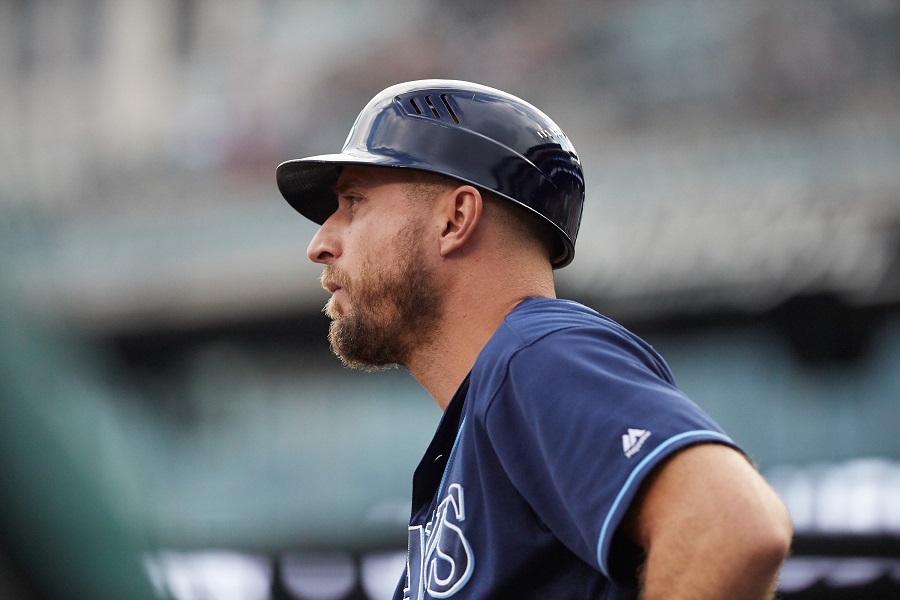 After being told to stick with Paul Molitor upon their hiring Derek Falvey and Thad Levine now get to usher in their guy. Rocco Baldelli becomes the first manager hired without ties to the Twins organization since Ray Miller back in 1985. He takes over at 37 years of age, with no managerial experience, and following three guys who all held the position for at least four seasons (two of which lasted a decade-plus). Without having heard information from the interview process there’s some obvious traits Minnesota’s front office must have liked. Baldelli’s youth likely plays as a form of relatability to a team needing to connect. Coming from the Tampa Bay Rays organization, like Derek Shelton and Josh Kalk before him, analytics and the application of statistical advantages likely runs strong. Having retired less than a decade ago, Baldelli is still plenty connected to the current game, and having been a former top prospect himself, he succeeded at a high level. Arguably the most interesting position Baldelli has held was the previous role with the Rays organization. In 2017 he acted as their major league field coordinator. His focus was on studying and dissecting opposing hitters, player positioning, and implementation of defensive strategies. This is an important note as the Twins utilized shifts as often as any team in baseball last year. Fangraphs recently introduced a “shift runs saved” statistic and Minnesota’s 31 from 2018 ranked 3rd in all of baseball. They seem to have added a new asset to that initiative as well. So, with plenty to like about Baldelli, how do we go about understand his value and evaluating his effectiveness? First and foremost, I expect to see the collaboration that Falvey and Levine so often preach. I don’t think Paul Molitor did anything wrong in 2018, and the season certainly wasn’t solely his fault. However, I do think there’s a disconnect between being open to ideas, or embracing them, as compared to the idea of championing them. Following their latest loss, New York Giants head football coach Pat Shurmur talked about going for two points late in the game, and the probability of success. Rather than discussing how he was told that the plan may be good, or what the numbers say, he had a grasp of them, executed a plan, and had drawn it up himself. That moment was one that clicked for me, in relation to the Twins and believing this was the mindset the front office is looking for. Baldelli already has a wealth of information on his own and being able to mesh it with the front office and proactively execute on the field, is something that should help an organization striving for every possible statistical advantage. From there the next most integral part of this undertaking is connecting with the cornerstones of the clubhouse. It’s a very real possibility that should the Twins take another dive, Falvey and Levine won’t be around to see the fruits of their drafting labor. Royce Lewis and Alex Kirilloff could be organization altering prospects, but there’s already two of those guys at the big-league level that are more important at the current juncture. Both Miguel Sano and Byron Buxton have failed to live up to their potential for different reasons. Baldelli will be tasked with getting their complete buy in and figuring out how to unlock all they have to offer. Regardless of the level of blame should be placed on Molitor, the reality is that those players didn’t blossom under his leadership. Rocco must figure out a way to have both producing like the superstars that the Twins have counted on. 2019 isn’t a rebuild for the Twins and generating significant production from the internal talent will only allow the acquisitions to further supplement what is taking place at target field. We can certainly dissect Baldelli’s managing style throughout the course of the 2019 season. Wondering how he will manage a bullpen, set a lineup, execute in-game situations, or attack the opposition are all key factors for the manager. On a nightly basis they may, and added together, have a not insignificant impact in the final win tally. I’m comfortable in saying however, that all those things pale in comparison to the aforementioned focuses. Gone are the days of needing managerial experience, a proven name, or some sort of track record. Alex Cora inherited a very talented Boston Red Sox team and pulled the right strings to have them staring down a World Series championship during his first season at the helm. Those heights would be near unfathomable for Baldelli next year, but collaborating with the front office to produce the best results in all phases, while generating the best from his inherited cornerstones would be an optimal place to start. This offseason was and is going to be of vast importance for the organization, and ultimately the legacy of the current front office. Falvey and Levine have now selected a leader they believe in, and it’s time for everyone to get to work.
 -
Looking ahead to the 2019 Major League Baseball season, it’s relatively apparent that this is a year that looms large for the Minnesota Twins front office. Embarking on year three, and with their hand-picked managerial candidate soon to be announced, the impact of change must be felt at the major league level. Derek Falvey and Thad Levine have done a good job revamping the organization, but the fruits of their labor must start to show promise. In an offseason of massive proportions, some aggressive moves could be on the table. I’m not sure how to categorize each of these scenarios other than to catalog them as realistic possibilities. Without attempting to venture down a hot take hole, each of the following situations could play out, but shouldn’t necessarily be banked on either. Minnesota has a significant amount of money to spend, and new talent should flood onto the 25 man roster this year. Noting both of those things as definitive truths, we could certainly see some interesting avenues explored when blueprinting how things look in March. Eddie Rosario Doesn’t Play for Minnesota in 2019 If the Twins want to make a big move on the trade market, dealing from the outfield could be the option they explore. Max Kepler could be had by an opposing team, but obviously brings back a significantly muted return. Byron Buxton combines a low value and high ceiling to find himself in a relatively untouchable form. In Rosario Minnesota would be capitalizing on a player at his peak. Eddie would bring back the most talent and would be of benefit to another organization for the next few seasons. At this point we’ve seen Rosario establish himself as a near All-Star caliber type of player. I don’t think the ceiling is much higher, but he’s also helped to cement the floor as being respectable as well. It would hurt the Twins to lose him, but there’s other avenues to make up the loss in outfield ability. Should the Twins pull off a big swap, I’d much prefer to see it include this name as opposed to some of the top prospects. Nick Gordon Gets Dealt This Winter Thinking along similar lines to any Rosario deal, Gordon is the prospect I’d try and entice another organization with. He’s still entrenched among Top 100 lists, and he’s just 23 years old. To be frank, that’s where the good news ends. Gordon has played 556 minor league games and owns just a .704 OPS. His only solid offensive output came over the course of 42 Double-A games while repeating the level to begin 2018. At this stage of his career it doesn’t seem like Gordon will stick at shortstop either. Destined for second base, light hitting, and lacking ideal on-base skills, he seems like a decent type of prospect to include in a trade to sweeten the deal. Should the Twins sign a middle infielder this winter (and they need to) Gordon falls further down the depth chart as well. Miguel Sano Is Done at Third Base There’s a lot of assumptions built into this one, but I don’t think any of them are a relative leap. Joe Mauer appears to have player his last game in the major leagues, and that leaves the Twins with an opening at first. The free agent market for the position is beyond ugly and dealing for some thump could prove to be an unwise endeavor. Reports on Brent Rooker in the outfield aren’t good, and they aren’t much better at first. Miguel has looked passable at times when it comes to his defensive ability, but it almost solely falls on his drive to be great. There’s a lot riding on how he prepares this offseason, and a move to first could allow him to slack further. That said, Minnesota can upgrade at the hot corner and grab the best bopper for first base from their own team. Both Mauer and Justin Morneau could help Miguel (if he’s willing) take to his new role this spring. Addison Reed Rebounds in Year 2 Going the one-year contract route on a few relievers, it was Reed who grabbed $16.75MM from Minnesota on a two-year deal prior to 2017. The numbers looked good for the home team, and Reed was expected to be every bit worth of that contract. Fast forward to today, and we saw a guy be both bad and hurt most of the season. Reed’s average velocity dipped to 91.3mph last year, which represented a career low and third straight season of decline. He’ll be just 30 years old however, and a clean bill of health should help significantly when it comes to righting the ship. Missing bats was the biggest problem for Reed last year, and that was evidenced by a career worst 7.1 K/9. Ticking the velocity back up and staying in front of hitters, he should see an ERA more in line with the 2.66 mark put up between 2015-17. Once the offseason gets started the Minnesota Twins are going to be a team with plenty of intrigue. The front office knows what is expected of them, and there’s more than one way they can execute upon vast improvement for the year ahead. After a winter where baseball mostly froze out free agents, I’d expect a significantly different couple of months this time around. For more from Off The Baggy, click here. Follow @tlschwerz
-
Mr. Miami in Twins Territory?
Ted Schwerzler commented on Ted Schwerzler 's blog entry in Off The Baggy
There’s no comedy in thinking they should. If you want to make a joke, it’d be at the expense of the FO and their ability to pitch they why. -
Mr. Miami in Twins Territory?
Ted Schwerzler commented on Ted Schwerzler 's blog entry in Off The Baggy
And that's where the sell job for Falvey and Levine comes in. It's whether or not he wants to go to an established winner already (NY/BOS type) or if he wants to be a part of the expected winning here. -
Right now, the most pressing question for the Minnesota Twins revolves around who will be managing the club during the 2019 Major League Baseball season. Beyond that however, the questions revolve around how the club will allocate something like $50 million in salary dollars to round out their squad for the upcoming season. Two names highlight this free agent class, and one of them is worth taking a deeper look into. The stage is yours Mr. Machado. Entering free agency for the first time in his career, Manny Machado will have just experienced a new clubhouse for the first time as a big leaguer. Being traded to the Los Angeles Dodgers, he’ll have some knowledge as to what awaits him in acclimating to what could end up being his third team in the last calendar year. With just over $34 million in career earnings to date, the massive payday awaiting him is one that should destroy historical precedents. Given the level of talent Machado possesses, and combined with the expected digits on a check presented to him, it’s fair to wonder why the Twins in this scenario. There’re more than a few reasons in which a marriage of the two makes a good deal of sense. Minnesota Needs a Shortstop Jorge Polanco has dedicated himself to his craft, and the strides he’s made at short have been admirable. Having initially been nothing short of a complete abomination, he’s embarked upon the category of passable. The reality though is that his arm still plays better at second base, and he could end up being the answer to who replaces Brian Dozier is he moves over to the right side of the diamond. Yes, the best prospect in the Twins system is a shortstop, and there’s ever reason to believe that Royce Lewis is destined to be a superstar. You don’t pass up franchise altering players for the possibility of how a prospect may round out. Lewis looks like a better bet to stick at short now than he did at the time he turned pro, but there’s plenty of positional flexibility to be had. Two or three years from now is when the alignment should enter the equation. The Dollars Make Sense Joe Mauer and his $23 million average annual value are removed from the books. Even if Machado were to command something like 10 years and $300 million, Minnesota has the financial flexibility to absorb the deal. In an uncapped sport, there’s always going to be money to spend, but the reality is that payrolls are reflections of revenues driven largely by TV contracts. Yes, the Pohlad’s are rich, but so is every other owner in the sport. Sticking within logical spending parameters Minnesota can add Machado and still afford multiple other upgrades. There’s little reason to believe that the Twins wouldn’t need to slightly overpay in acquiring Machado’s services, but we aren’t talking about a bottom of the barrel organization here. Minnesota plays in a poor division and is embarking upon a window of contention. Machado didn’t have a choice in his Orioles assignment but will go to a much better place this time around. Also, should he be coming off a World Series victory, priorities regarding winning or financial capital could also be impacted. A Trial Run Last season Derek Falvey and Thad Levine were in the running for premiere starting pitcher Yu Darvish. At this point, it certainly looks like a good thing that the Twins lost the contest, but they were right near the finish line according to reports. Given that they were involved with the “must have” free agent a season ago, this green front office isn’t afraid or unaccustomed to making a big move. At 26, and looking for a mega-deal, Machado would be in an entirely different category. The practice and knowledge gained from last offseason certainly isn’t going to hurt the Twins front office however, and it could better position their tactics this time around. Looking to find players worthy of long-term commitments appears to be part of the goal as well, and this is about as long as it gets. I could make a list of positives as long as I’d like, but there’s no denying that the detractors would dwarf the total. Any time the New York Yankees, Los Angeles Dodgers, or Boston Red Sox are going to be involved on a player, everyone else is put on notice with a wait a see plan of action. Fortunately for Twins, the biggest market players are relatively set at the position Machado would most like to play. That won’t stop them from flashing cash, but it could temper the level to which the pursuit is made. When the dust settles, the Minnesota Twins are always going to face long odds when it comes to landing the biggest fish. There’d be some irony in it happening following the retirement of their last big fish however. Joe Mauer provided the hometown team with an inside edge and replicating that type of a contract would be contingent upon an incredible sell. If there’s an opportunity to make it happen however, Falvey and Levine are staring it right in the face. For more from Off The Baggy, click here. Follow @tlschwerz
-
At the end of the 2018 Major League Baseball season the Minnesota Twins had a trio of main narratives. First and foremost, this was a team that took steps backwards after a Wild Card appearance the season before. Secondly and thirdly were the double-headed monster representing lost seasons for cornerstones Byron Buxton and Miguel Sano. Lost in all of this though, was the year another member of the current core endured. Max Kepler played 156 games and there remain plenty more questions than answers.Entering the 2019 season, Kepler will be a 26-year-old with over 400 games and 1,600 plate appearances under his belt. He’ll have what amounts to roughly three full big-league seasons and should be more prime than a prospect at this point. Looking back at the past two seasons however, growth is hard to find, and time may be running out. In 2017 Kepler posted a .737 OPS that was buoyed by an .828 OPS against righties. Despite never seeing significant platoon splits in the minors, he was routinely getting benched against southpaws down the stretch. With a .453 OPS against lefties, Paul Molitor had determined he was untrustworthy with a bat in those spots. Fast forward to 2018 and we’ve got normalization, but little else. Last season Kepler owned a .720 OPS vs RHP and a .745 mark against LHP, though the power came almost exclusively against righties. Right now, it’s hard not to wonder where the past two seasons leave things with Kepler. He got out of the gate quickly in 2018, posting a .921 OPS through April 30. Owning just a .690 OPS the rest of the way however, he went from a plus-bat to a mediocre one. In a season that the Twins needed someone to step up during the absence of Buxton, it was Jake Cave who proved more notable than the expected-to-improve German. Posting a career best 2.6 fWAR it wasn’t all downhill for Max a season ago. What bolstered that mark was his emergence in the field. Kepler has been a capable defender during his career, but the 6.6 defensive value was light years ahead of where he’s been throughout his professional tenure. He posted 10 DRS across all outfield positions, which nearly doubled his previous career high. With the expanded role Kepler also fared well on the Statcast leaderboards. His 10 outs above average was tied for 11th in baseball, and he contributed 3% to his expected catch percentage this past season. That’s up slightly from the 8 OAA tally from 2017 and helped to fill the void felt by Minnesota being without the OAA leader in Byron Buxton. All things considered the Twins need to feel a more significant all-around impact from Kepler going forward. It’s great that his defensive game has continued to raise the bar, but offensive stagnation at this stage of the game is anything but ideal. His 37.1% hard hit rate and 15.9% ground ball rate were both career bests, but there’s room for improvement in the middle. Kepler has been vocal previously about his lack of desire to elevate the baseball. We’ve all but concluded that the most successful way to launch the baseball is increasing the launch angle. Despite his reservations Kepler’s results trended towards that reality this season. Unfortunately, his 46.2% fly ball rate and 37.8% line drive rate weren’t more married together. Rather than achieving an optimal launch angle, Kepler lifted often with little room for error. His 9.9% HR/FB was a career low and has trended downward each of the past two season. Whether it falls on James Rowson in 2019, or a different coach entirely, continuing to get Kepler’s buy in to the launch angle revolution is a must. The more he understands the approach, the more likely he becomes able to execute upon it. Right now, it’s all but set in stone that Max Kepler will open 2019 as a starting outfielder for the Minnesota Twins. The new manager will be tasked with getting the best out of Byron Buxton, and Eddie Rosario is inked in as well. Max continuing to tread water could lead to ceded playing time to Cave or some yet to be realized commodity. As important as it’s always been for the Twins to develop Jose Berrios, Sano, Buxton, and Rosario, it’s equally important for Max to step up with that group as well. The breakout needs to come, and soon would be great. Click here to view the article
-
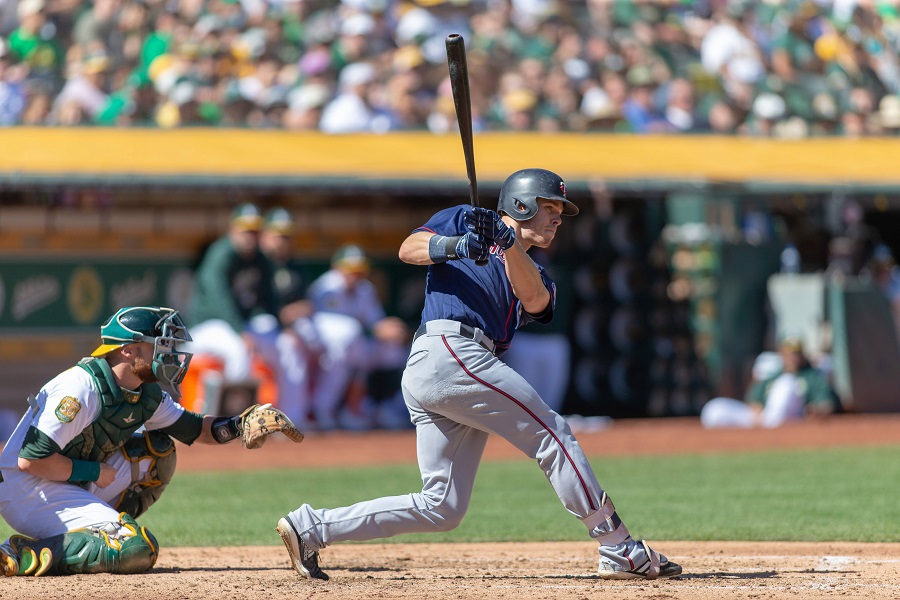 Entering the 2019 season, Kepler will be a 26-year-old with over 400 games and 1,600 plate appearances under his belt. He’ll have what amounts to roughly three full big-league seasons and should be more prime than a prospect at this point. Looking back at the past two seasons however, growth is hard to find, and time may be running out. In 2017 Kepler posted a .737 OPS that was buoyed by an .828 OPS against righties. Despite never seeing significant platoon splits in the minors, he was routinely getting benched against southpaws down the stretch. With a .453 OPS against lefties, Paul Molitor had determined he was untrustworthy with a bat in those spots. Fast forward to 2018 and we’ve got normalization, but little else. Last season Kepler owned a .720 OPS vs RHP and a .745 mark against LHP, though the power came almost exclusively against righties. Right now, it’s hard not to wonder where the past two seasons leave things with Kepler. He got out of the gate quickly in 2018, posting a .921 OPS through April 30. Owning just a .690 OPS the rest of the way however, he went from a plus-bat to a mediocre one. In a season that the Twins needed someone to step up during the absence of Buxton, it was Jake Cave who proved more notable than the expected-to-improve German. Posting a career best 2.6 fWAR it wasn’t all downhill for Max a season ago. What bolstered that mark was his emergence in the field. Kepler has been a capable defender during his career, but the 6.6 defensive value was light years ahead of where he’s been throughout his professional tenure. He posted 10 DRS across all outfield positions, which nearly doubled his previous career high. With the expanded role Kepler also fared well on the Statcast leaderboards. His 10 outs above average was tied for 11th in baseball, and he contributed 3% to his expected catch percentage this past season. That’s up slightly from the 8 OAA tally from 2017 and helped to fill the void felt by Minnesota being without the OAA leader in Byron Buxton. All things considered the Twins need to feel a more significant all-around impact from Kepler going forward. It’s great that his defensive game has continued to raise the bar, but offensive stagnation at this stage of the game is anything but ideal. His 37.1% hard hit rate and 15.9% ground ball rate were both career bests, but there’s room for improvement in the middle. Kepler has been vocal previously about his lack of desire to elevate the baseball. We’ve all but concluded that the most successful way to launch the baseball is increasing the launch angle. Despite his reservations Kepler’s results trended towards that reality this season. Unfortunately, his 46.2% fly ball rate and 37.8% line drive rate weren’t more married together. Rather than achieving an optimal launch angle, Kepler lifted often with little room for error. His 9.9% HR/FB was a career low and has trended downward each of the past two season. Whether it falls on James Rowson in 2019, or a different coach entirely, continuing to get Kepler’s buy in to the launch angle revolution is a must. The more he understands the approach, the more likely he becomes able to execute upon it. Right now, it’s all but set in stone that Max Kepler will open 2019 as a starting outfielder for the Minnesota Twins. The new manager will be tasked with getting the best out of Byron Buxton, and Eddie Rosario is inked in as well. Max continuing to tread water could lead to ceded playing time to Cave or some yet to be realized commodity. As important as it’s always been for the Twins to develop Jose Berrios, Sano, Buxton, and Rosario, it’s equally important for Max to step up with that group as well. The breakout needs to come, and soon would be great.
 -
Twins Nearing Some Key Crossroads
Ted Schwerzler commented on Ted Schwerzler 's blog entry in Off The Baggy
This is a joke right? His 2017, was one of the most historically great defensive seasons ever. Yes, his defense is exceptional... -
Outlining the Offseason: Names to Consider
Ted Schwerzler commented on Ted Schwerzler 's blog entry in Off The Baggy
It seems like the Twins have hinted at staying away from too many one year deals. This is one I’d jump on though. Trade familiarity there, and you’re right, hopefully you can buy low.- 7 comments
-
- 3
-
-
- minnesota twins
- justin bour
- (and 2 more)
-
Outlining the Offseason: Names to Consider
Ted Schwerzler commented on Ted Schwerzler 's blog entry in Off The Baggy
He hasn’t been good offensively since 2016. He was significantly better than Dozier defensively and has been for a while. The 2B market also isn’t great. I do like Martin Gonzalez as another Eduardo Escobar type option. -
Although the Postseason continues to press onwards with the League Championship Series round, the Minnesota Twins are firmly entrenched in their offseason. The front office has begun interviews of possible managerial candidates, and the free agent market looms right around the corner. Recently I looked at a handful of positions the Twins need to fulfill for the 2019 season, and now it’s time to put some names to those groups. Given the free agent class, more loaded at the top than displaying real significant depth, there’s opportunity for Minnesota to get better through the trade market as well. Having financial flexibility plays on both the open market, as well as being able to absorb a contract in trade. On top of dollars, the Twins organization boasts one of the best farm systems in baseball, and while Royce Lewis and Alex Kirilloff are untouchable, that’s probably where the designation ends. Bullpen A season ago, the Twins brought Fernando Rodney and Zach Duke in on one-year deals. Addison Reed was given a two-year contract and responded with the worst year of his career. Although it’s a toss up giving lengthy deals to relievers, there’s two names that have age and ability on their side. Both Kelvin Herrera and Jeurys Familia have yet to reach 30 and are among the premiere relief options in the game. Closing experience resides in both, and Herrera obviously has divisional familiarity through his time with Kansas City. Minnesota isn’t going to acquire either of those guys on the cheap, and a two-year deal around $20 million for each seems logical. That’s a pretty big chunk to spend on the pen, so a lesser option for just a year could come into play as well. Zach Britton isn’t the impact arm he used to be, and he’s never been a big-time strikeout guy. Given the expected market there, I think that’s a pretty safe pass. Joe Kelly and Adam Ottavino are both guys that would be huge boosts to the pen, and I’d think the one-year route could be doable there. As things stand now, the Twins don’t have a proven closer, so they could make a big play for Craig Kimbrel. He’s elite but will be paid as such also. Kimbrel well beyond a pace to shatter Mariano Rivera’s records, so he’ll need the 9th no matter where he ends up. 1st Base In my initial breakdown, it was first base that I saw Minnesota looking to explore when it comes to the infield corners. Joe Mauer looks to be hanging them up, and that would leave a significant hole there. Obviously, the caveat is whether Miguel Sano slides over, but still just 25 and with more of a commitment, third base would be the ideal role from the Twins perspective. From a point of talent acquisition, it’s relative negligible when it comes to what infield corner is being acquired. The market for first basemen is incredibly thin, bearing no starting caliber talents. On the hot corner side, you’ve got the injury plagued Josh Donaldson, or the utility man Eduardo Escobar. Minnesota has bridges to mend with Eduardo, and Donaldson will likely be given a deal that puts an organization in the unenviable position to be burned. If there’s an opportunity for the Twins to make a trade, this could be it. There’s no doubt that the Phillies showed up in 2018, and probably outperformed a certain level of expectations. In signing Carlos Santana last winter though, they positioned youngster Rhys Hoskins well out of position and were worse off for it. They then also acquired Justin Bour, and now have a glut of options at the position. Both Bour and Santana are coming off down seasons and could be nice candidates to have bounce back performances. Santana is owed another $40 million over two years, while Bour is under team control through 2020. Either of those options would look nice in a Twins uniform, and they’d bring some significant thump to the lineup. 2nd Base After deciding to hold off on any extension talks with Brian Dozier prior to the 2018 season, hindsight makes the decision look even better. In a contract year, Dozier put up his worst numbers as a pro, and he may need to settle for a one-year deal in hopes of recouping some future value. Minnesota could look to former utility man, and Fogo de Chao connoisseur, Eduardo Escobar here. Again, that’d have to include some mended feelings, and reunions aren’t often seen that quickly through free agency. You’d have to put Logan Forsythe squarely in the running for a return to Minnesota. He played great defense and showed a capable bat down the stretch. There isn’t much youth to be had, and D.J. LeMahieu is the youngster of the class at 30. The falloff from Coors is real for LeMahieu, and he provides little else besides contact offensively. Asdrubal Cabrera could be a nice option, and there’s power in his bat that doesn’t typically show up at the position. I can’t see Minnesota being enticed by a 37-year-old Ian Kinsler, or an expensive Daniel Murphy however. In an ideal world, Manny Machado makes too much sense for the Twins on paper. He’d be able to take over at short, pushing Jorge Polanco to second base. After rating horribly at the position with the Orioles, the more analytically inclined Dodgers had Machado looking like a new man. He’s elite, and at the top of this class however, so even if the Twins wanted to go all in, Manny would need to meet them there. Starting Pitcher Given the internal depth of Minnesota’s rotation, this is a much less pressing need than it has been in previous seasons. Fernando Romero looks ready to assume a regular big-league role, and unless the Twins want to add a top three starter, I’d rather not see him get bumped from that position. Should there be money left over however, slotting another arm in with Jose Berrios and Kyle Gibson would only improve what should be a respectable group. When it comes to hurlers Dallas Keuchel and Patrick Corbin headline the talent. The New York Yankees have already indicated their intentions to pursue Corbin, and his figure is going to get quite high. Keuchel isn’t the Cy Young winner of a few years ago, but he won’t come cheap either. Minnesota could acquire either, but it’d likely come at the detriment of another position group. Operating on two ends of the spectrum, both J.A. Happ and Gio Gonzalez are names that would be a fit. At 36, Happ isn’t the type you’d go more than a year or two on, but it certainly seems like there’s plenty left in the tank. Gonzalez will be 33 and has proved a timely addition for the Milwaukee Brewers down the stretch. Both should be in the mid-level category when it comes to a payday, and there’s little doubt that they’d pitch as one of the Twins three best starters. Looking at more of a dice roll Trevor Cahill could be an option. He was solid this season for the Athletics, and while his track record isn’t great, the cost shouldn’t be significant either. I’d have trouble trusting him among the top half of the rotation, but he’d be a worthy addition to supplement the overall depth. Following along a similar train of thought used with Michael Pineda in 2018, Garrett Richards is a very enticing arm as well. He has a horrible time staying healthy, having not pitched a full season since 2015, but he’s very good when available. He’ll be 31 next year and is still recovering from Tommy John surgery in July. The stuff is hard to shy away from however, and if you can make the dollars work, there’s certainly appeal here. If we’ve learned anything thus far about this front office, it’s that they have done a very solid job when it comes to talent acquisition. Regardless of how it worked out, the names brought in last winter were all good ones. Getting a big-league starter under team control for a flier prospect was also a shrewd move. I’d expect Derek Falvey and Thad Levine to be active on both fronts, and it should only push the envelope for Minnesota’s relevance next season. For more from Off The Baggy, click here. Follow @tlschwerz
- 7 comments
-
- 1
-
-
- minnesota twins
- justin bour
- (and 2 more)
-
Coming off a 78-win season, the Minnesota Twins took a step backward from their postseason berth in 2017. With the same core intact, and significant added talent throughout the offseason, it was a relatively unexpected result. With the AL Central remaining down, and an opportunity for the core to put up a more expected result in 2019, winning shouldn’t be far off for this collection. Given the circumstances, this offseason is a big one for the hometown nine, but how do they go about executing on that?Derek Falvey and Thad Levine will be tasked with landing the replacement for Paul Molitor. Once their manager is in place, reconstructing the 25-man roster will shift towards being the focus. Now having MLB Trade Rumors put out their projected arbitration salaries, we being to see a clearer picture for what the in-house options may round into. As is always the case, Minnesota can either explore the open market or make deals with the competition in hopes of raising the overall water level. This offseason, each avenue presents some interesting opportunities. Open Market Looking at MLBTR’s salary projections, the Twins would be on the hook for something like $38.3MM spread across 10 players. $4MM seems a bit rich for Robbie Grossman if he’s going to slot into a 5th outfielder spot, and Ehire Adrianza could be expendable depending on how the middle infield is addressed. From there, the Twins have $33.5MM committed to four players under contract (and including $1MM for the buyout of Ervin Santana). That total comes to $71.8MM. Pre-arbitration players still exist on the Twins roster, and there’s a group of roughly seven guys that could or should be on the Opening Day roster. With their salaries checking in at something like $600k, the organization would be looking at roughly $50MM in payroll compared to the franchise-record $128.4MM mark that opened this past season. With that much money to spend, the front office should have plenty of leverage on the open market. A guy like Manny Machado would easily fit within the constructs of the budget, pair well with the current group, and fill a need in the lineup. On the flip side, all the money in the world may not be enough to convince top end talent that Minnesota is the place they want to be. Beyond having money to spend however, there needs to be players worthy of spending it on. Certainly, the class is headlined by Bryce Harper and Manny Machado, and there’s a bit of depth to it, but things fall off rather quickly. Yasmani Grandal is maybe the only premiere name behind the dish, Patrick Corbin and Dallas Keuchel headline the pitchers, while the up-the-middle talent is sparse at best. There’s a good deal of names in this class but looking past their warts is something any bidding team must do. Can Josh Donaldson still be an impact player? Is D.J. LeMahieu any good away from Coors? Do you want an aging Gio Gonzalez? Having money to spend is certainly a good problem for the Twins to have, but this market could dictate aiming high or settling, and that’s not necessarily the position you want to be in. Making Deals On the flip side of spending dollars, the payroll flexibility also allows Minnesota’s front office the opportunity to take on contracts. With so much space left in the budget, acquiring a big splash from a team not yet ready to compete, or going through a full-on rebuild, is an enticing option as well. Venturing down this road would cost the Twins prospect capital, but the goal would obviously be to see meaningful returns in the majors. Players like Paul Goldschmidt, Carlos Santana, and Justin Bour could all fill Minnesota’s presumed hole at first base. J.T. Realmuto is likely still available from the Marlins, and Justin Smoak or Wil Myers could be on the block as well. Maybe the Royals would move Whit Merrifield, and there’s a list of names yet to be unearthed. Before panicking, the Twins would certainly leave both Royce Lewis and Alex Kirilloff on the untouchables list. Brusdar Graterol may not be far behind them either. However, with a top 5-8 farm system, there’s depth and top-end talent that would be enticing for many an organization to jump at. Should the front office be more inclined to operate in this manner, their human assets are almost as appealing as the dollars themselves. I’d be relatively surprised to see the market move as slowly as it did this past offseason. There was a bit of a market correction it seemed, in shying away from long term commitments to players reaching a tipping point in age. Machado and Harper will still get theirs this winter, but the rest of the group should have a more realistic stance on what the message from organizations was. With that in mind, I’d also imagine we’ll see more action earlier, and fewer guys showing up to new homes once spring training has started. It will be interesting to see if Minnesota leans one way or the other when adding talent this winter, or if the go with a healthy mix of both routes. Being well positioned financially is half of the battle, and now it’s on the front office to identify the right talent and entice them to the belief that the Twins are who they want to play for. Click here to view the article
- 87 replies
-
- 3
-
-
- minnesota twins
- free agency
- (and 2 more)
-
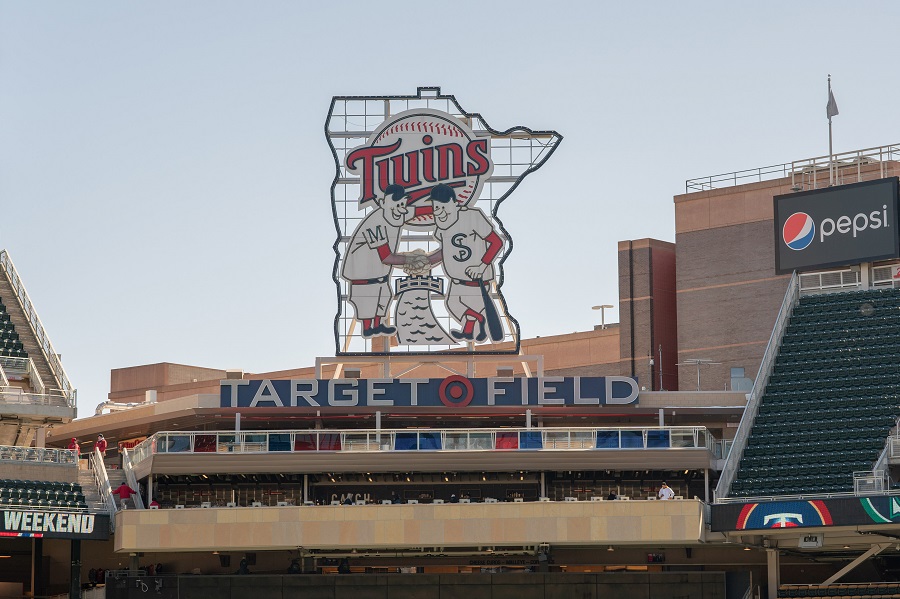 Derek Falvey and Thad Levine will be tasked with landing the replacement for Paul Molitor. Once their manager is in place, reconstructing the 25-man roster will shift towards being the focus. Now having MLB Trade Rumors put out their projected arbitration salaries, we being to see a clearer picture for what the in-house options may round into. As is always the case, Minnesota can either explore the open market or make deals with the competition in hopes of raising the overall water level. This offseason, each avenue presents some interesting opportunities. Open Market Looking at MLBTR’s salary projections, the Twins would be on the hook for something like $38.3MM spread across 10 players. $4MM seems a bit rich for Robbie Grossman if he’s going to slot into a 5th outfielder spot, and Ehire Adrianza could be expendable depending on how the middle infield is addressed. From there, the Twins have $33.5MM committed to four players under contract (and including $1MM for the buyout of Ervin Santana). That total comes to $71.8MM. Pre-arbitration players still exist on the Twins roster, and there’s a group of roughly seven guys that could or should be on the Opening Day roster. With their salaries checking in at something like $600k, the organization would be looking at roughly $50MM in payroll compared to the franchise-record $128.4MM mark that opened this past season. With that much money to spend, the front office should have plenty of leverage on the open market. A guy like Manny Machado would easily fit within the constructs of the budget, pair well with the current group, and fill a need in the lineup. On the flip side, all the money in the world may not be enough to convince top end talent that Minnesota is the place they want to be. Beyond having money to spend however, there needs to be players worthy of spending it on. Certainly, the class is headlined by Bryce Harper and Manny Machado, and there’s a bit of depth to it, but things fall off rather quickly. Yasmani Grandal is maybe the only premiere name behind the dish, Patrick Corbin and Dallas Keuchel headline the pitchers, while the up-the-middle talent is sparse at best. There’s a good deal of names in this class but looking past their warts is something any bidding team must do. Can Josh Donaldson still be an impact player? Is D.J. LeMahieu any good away from Coors? Do you want an aging Gio Gonzalez? Having money to spend is certainly a good problem for the Twins to have, but this market could dictate aiming high or settling, and that’s not necessarily the position you want to be in. Making Deals On the flip side of spending dollars, the payroll flexibility also allows Minnesota’s front office the opportunity to take on contracts. With so much space left in the budget, acquiring a big splash from a team not yet ready to compete, or going through a full-on rebuild, is an enticing option as well. Venturing down this road would cost the Twins prospect capital, but the goal would obviously be to see meaningful returns in the majors. Players like Paul Goldschmidt, Carlos Santana, and Justin Bour could all fill Minnesota’s presumed hole at first base. J.T. Realmuto is likely still available from the Marlins, and Justin Smoak or Wil Myers could be on the block as well. Maybe the Royals would move Whit Merrifield, and there’s a list of names yet to be unearthed. Before panicking, the Twins would certainly leave both Royce Lewis and Alex Kirilloff on the untouchables list. Brusdar Graterol may not be far behind them either. However, with a top 5-8 farm system, there’s depth and top-end talent that would be enticing for many an organization to jump at. Should the front office be more inclined to operate in this manner, their human assets are almost as appealing as the dollars themselves. I’d be relatively surprised to see the market move as slowly as it did this past offseason. There was a bit of a market correction it seemed, in shying away from long term commitments to players reaching a tipping point in age. Machado and Harper will still get theirs this winter, but the rest of the group should have a more realistic stance on what the message from organizations was. With that in mind, I’d also imagine we’ll see more action earlier, and fewer guys showing up to new homes once spring training has started. It will be interesting to see if Minnesota leans one way or the other when adding talent this winter, or if the go with a healthy mix of both routes. Being well positioned financially is half of the battle, and now it’s on the front office to identify the right talent and entice them to the belief that the Twins are who they want to play for.
 -
Outlining the Offseason: Areas of Addition
Ted Schwerzler commented on Ted Schwerzler 's blog entry in Off The Baggy
I left third out, and thought about incorporating it into 1B, because so much depends on Sano. If Sano moves to 1B, then obviously you have a hole there. I think it comes down to whether or not they like available options at one corner over the other. I do think Miguel can make the move, so that shouldn't be the issue. -
As the 2018 Major League Baseball Postseason continues to rumble on down the tracks, the Minnesota Twins are nearly two weeks into their offseason. Paul Molitor has been let go as manager of the club, and the winter ahead looks to be the most critical in the Derek Falvey and Thad Levine tenure. Despite a 78 win season for the hometown nine, this is still a collection that should compete next year in a weak AL Central. To best position the club however, the front office has some work to do. With departures, and dollars coming off the books, Minnesota should have something like $50-60 million to spend on talent before Opening Day 2019. That's a good chunk of change, presumably one of the higher numbers in the sport, but before looking at names we'll need to blueprint the areas of focus. There's a handful of holes that need to be filled, and prioritizing them is part of the process as well. Let's take a look at what the blueprint may look like. Bullpen In 2017 the Twins owned the 22nd best relief ERA in baseball at 4.40. The front office responded by signing Zach Duke, Fernando Rodney, and Addison Reed in hopes of an uptick. In 2018 the relief corps owned the 22nd best relief ERA in baseball at 4.45. Looking ahead to 2019, two of those free acquisitions have since been traded (both were on one year deals), and Reed put up a clunker. Elite arm Ryan Pressly was also dealt from the group. Taking a look at holdovers Minnesota really only has three certainties. Trevor May, Taylor Rogers, and Trevor Hildenberger look like capable high-leverage options. Outside of that trio however, Minnesota's bullpen is somewhat of a black hole. Names like Alan Busenitz and Tyler Duffey haven't seen consistent big league success, and internal options appear to be running relatively thin. Given the impact relievers now have on the game, it's hard to suggest less than two impact arms be acquired by the Twins. Right now this collection doesn't have the "proven closer" type, although I'm not certain that's a necessity. If Reed can return to form, giving him the 9th wouldn't be such a bad idea. Pairing the internal trio with a couple more firemen that can be leaned out to get big outs would lighten everyone's workload, and raise the overall water level. 1st Base Given where things stand currently, it seems near certain that Joe Mauer's playing career is over. I don't see how he'd be able to top the moment he left Target Field on, and a season of questions doesn't strike me as something the Minnesota native would welcome. Add in the fact that he'd be learning another new manager, along with his changing family dynamic, and I just can't find a way it makes sense. That means the Twins need someone new to start at first. Tyler Austin is going to be in this mix, and he certainly should be, but there's a lot to be desired defensively from his candidacy. With Mauer out of the mix, the Twins could go the more traditional route of a power hitter at the corner spot. Miguel Sano could definitely be moved off of the hot corner, but again would need to show the defensive chops worthy of regular time there. Brent Rooker still remains a bat only prospect, and Zander Wiel probably isn't ready for that type of promotion. How the Twins decide to address this spot is going to be interesting. All of the internal options have a couple of warts, and Mauer held the position despite being non-traditional in the stat producing categories. When a legend hangs them up you've got big shoes to fill, but how the front office goes about this fix should be worth watching. 2nd Base From 2013-2018 the Minnesota Twins employed the 3rd best second basemen in baseball (in terms of fWAR). Brian Dozier also hit a position leading 166 homers in that time span. In fact, since Dozier came into the league in 2012, no second basemen has hit more than his 172 longballs. Transforming himself from a failed shortstop into a slugging two-bagger was an incredible feat. Don't let any of that cloud your judgement though, as Minnesota did the right thing. In the final year of his deal Dozier owned a .712 OPS through 104 games for the Twins. It was apparent that a qualifying offer wasn't going to be an option for the organization, and getting assets in return was a very good proposition. Brian went on to post a .650 OPS in 47 games with Los Angeles, and hasn't started a Postseason game. When looking to fill holes up the middle, the Twins have a few options. Although Jorge Polanco is miscast as a shortstop, he's certainly not an abomination. He could be shifted though, and a shortstop could be targeted instead. Nick Gordon struggled mightily at Triple-A and isn't a big league option right now. Really, you'd need to go down to Royce Lewis before you find a true shortstop in the system. At the end of the day, expecting peak Dozier production from the replacement is a losing proposition. Second basemen typically don't launch 30 or 40 homers in a season. Polanco may be the best bat available, and Minnesota has some flexibility in that regard with how they'll fill the other position. An up the middle player is needed however, and it'll need to be one of starting caliber. Starting Pitcher You could arguably put starting pitcher among the list of needs on a continual basis for eternity. That said, seeing it this far down the priority list when looking at the Twins is quite a nice development. Kyle Gibson, Jose Berrios, and Jake Odorizzi have spots locked in for 2018. Michael Pineda is also going to be in the rotation if he's healthy. From there, it's up to the Twins depth. The front office could deem that Fernando Romero is ready to be the 5th starter right from the get go. That would hardly be a poor decision, but it would be a significant gamble in the depth department. Should the Twins go out and sign a guy that can slot into the top three of their rotation, the overall quality rises, and Romero immediately becomes a strong first depth option. It was nice to see guys like Kohl Stewart, Stephen Gonsalves, and Aaron Slegers get run this year. In 2019 names like Lewis Thorpe and Brusdar Graterol could vault to the next level as well. The more patient the organization can be in terms of readiness however, the better results can be expected from the big league group. Minnesota could make a relative splash here, and with the talent already in house, it would make for a very strong overall positional group. For more from Off The Baggy, click here. Follow @tlschwerz
- 5 comments
-
- 1
-
-
- minnesota twins
- brian dozier
- (and 1 more)
