



Ted Schwerzler
-
Posts
5,153 -
Joined
-
Last visited
Content Type
Profiles
News
Minnesota Twins Videos
2026 Minnesota Twins Top Prospects Ranking
2022 Minnesota Twins Draft Picks
Minnesota Twins Free Agent & Trade Rumors, Notes, & Tidbits
Guides & Resources
2023 Minnesota Twins Draft Picks
The Minnesota Twins Players Project
2024 Minnesota Twins Draft Picks
2025 Minnesota Twins Draft Pick Tracker
2026 Minnesota Twins Draft Tracker: Picks & Bonuses
Forums
Blogs
Events
Store
Downloads
Gallery
Everything posted by Ted Schwerzler
-
Over the winter the Minnesota Twins both needed and had the opportunity to improve. With payroll flexibility and roster gaps, there was a need for an infusion of talent. The lineup was targeted with the most aggressive decisions, and the one with the most impact may end up being in the form of a 38-year-old veteran. Older than his new manager, Nelson Cruz joins the Twins on a $14 million pact with hopes that his boomstick propels the offense forward. It’s a move we’ve seen in Twins Territory previously, but this has more potential to work out better than the last. Image courtesy of © Jasen Vinlove-USA TODAY Sports Over the winter the Minnesota Twins both needed and had the opportunity to improve. With payroll flexibility and roster gaps, there was a need for an infusion of talent. The lineup was targeted with the most aggressive decisions, and the one with the most impact may end up being in the form of a 38-year-old veteran. Older than his new manager, Nelson Cruz joins the Twins on a $14 million pact with hopes that his boomstick propels the offense forward. It’s a move we’ve seen in Twins Territory previously, but this has more potential to work out better than the last. Fan favorite, and longtime Twins great, Torii Hunter was brought back by Terry Ryan prior to the 2015 season. He was playing that year at the age of 39 and coming off just a .765 OPS. Despite no longer being a good defensive outfielder, the front office ponied up for $10 million and he played 139 games in his final year. As expected, the production sagged further, and the OPS ended up at just .702 on the season. 83 wins were accomplished, and Hunter’s impact was felt most within the clubhouse. If judging this by motivational impact, the contract was a win. Back in 2010, the Ryan regime went the way of a 39-year-old yet again. This time recently inducted Hall of Famer Jim Thome found himself joining one of his longtime rivals. 2009 saw Thome post an .847 OPS and hit 23 longballs. His first year in Minnesota was incredible, owning a 1.039 OPS and earning MVP votes for the first time since 2006. He’d then go on to join the 600-home run club in a Minnesota uniform the following year and did so with an .827 OPS across 71 games. Thome was a leader on one good team, and one bad one, but there was clearly plenty left in the tank as well. Paid just $4.5 million after making $13 million in his final year with the White Sox, this was larceny for the Twins. So where does that leave Nelson Cruz, and the expectations for what he can bring in 2019? From the get-go we can count out any sort of defensive effort. Cruz hasn’t been a regular fielder in years, and given his offensive prowess, that’s a plenty fine stipulation. He’s a year removed from a .924 OPS, and since 2013 his 230 homers rank first in all of baseball. Cruz has surpassed the 40-home run plateau in three of the past five seasons, while hitting 39 and 37 in the other two. In 2016 Brian Dozier hit 42 dingers for the Twins, but the only other player to surpass the 40 mark is Harmon Killebrew. It’s certainly fair to note that there’s risk relying on Nelson’s offense. After all, he’s 38 and his .850 OPS in 2018 was roughly a 75-point drop from the year prior. He’s a strong on-base contributor, and while there’s a strikeout potential, it isn’t close to danger territory. Last season Cruz posted his worst fWAR (2.5) since 2013, and we already know the overall package is completely reliant on plate production. In looking at the numbers, somewhat of a rebound seems possible. Outside of completely hitting an age cliff, Cruz has many things still going in his favor. The 42.3% hard hit rate last season was a career high, and there’s room for a better BABIP with the ground ball rate jumping up to 44% (a 4% increase over 2017). Cruz has owned a consistent swing profile for roughly six years now though, and he’s coming to a park with a much more batter friendly left field line. A marriage between these two parties seemed destined from the onset, and the eventual deal is much more about production then it is nostalgia. I’d still imagine Cruz will be plenty beneficial to players like Miguel Sano in the clubhouse (assuming he has willing observers), but there’s reason to think he can pace this lineup. ZiPS projects Cruz for a .266/.348/.500 line with 30 longballs this season. I’d argue that’s reflective of his slide in 2018 and take the over on almost all of that. Nelson Cruz isn’t the Hall of Famer that Jim Thome was, but I think he could have a similar impact for the Twins in 2019. Reaching the 400-homer run plateau (he’s currently 40 shy) and raking in the middle of Rocco Baldelli’s lineup are good bets. Torii Hunter was fun, and his dance parties helped to spark a looseness that elevated a Twins squad. Jim Thome was on a 94-win team that grabbed a division title, and that seems like a much more fun outcome this time around. View full article
- 9 replies
-
- 1
-

-
- minnesota twins
- nelson cruz
- (and 2 more)
-
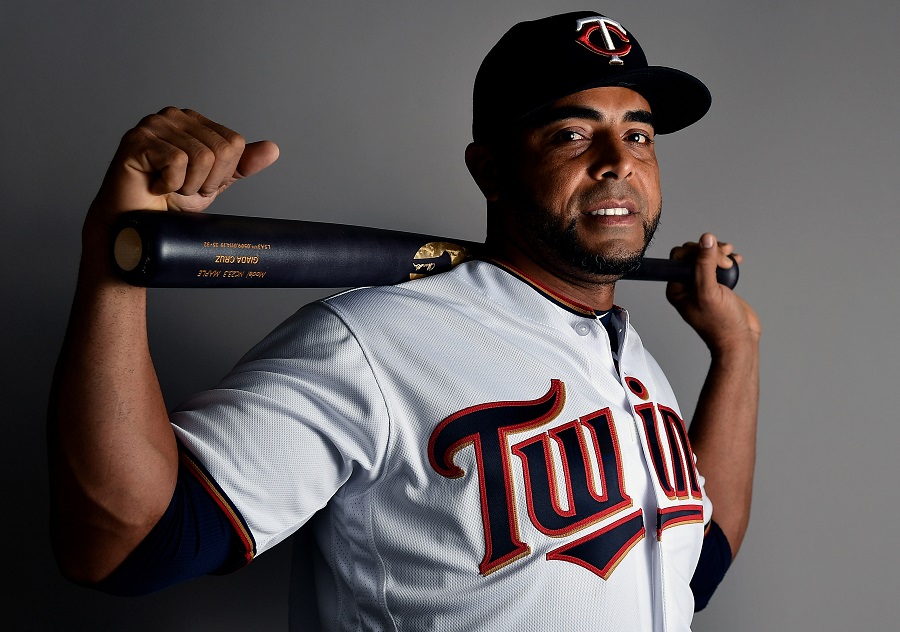 Fan favorite, and longtime Twins great, Torii Hunter was brought back by Terry Ryan prior to the 2015 season. He was playing that year at the age of 39 and coming off just a .765 OPS. Despite no longer being a good defensive outfielder, the front office ponied up for $10 million and he played 139 games in his final year. As expected, the production sagged further, and the OPS ended up at just .702 on the season. 83 wins were accomplished, and Hunter’s impact was felt most within the clubhouse. If judging this by motivational impact, the contract was a win. Back in 2010, the Ryan regime went the way of a 39-year-old yet again. This time recently inducted Hall of Famer Jim Thome found himself joining one of his longtime rivals. 2009 saw Thome post an .847 OPS and hit 23 longballs. His first year in Minnesota was incredible, owning a 1.039 OPS and earning MVP votes for the first time since 2006. He’d then go on to join the 600-home run club in a Minnesota uniform the following year and did so with an .827 OPS across 71 games. Thome was a leader on one good team, and one bad one, but there was clearly plenty left in the tank as well. Paid just $4.5 million after making $13 million in his final year with the White Sox, this was larceny for the Twins. So where does that leave Nelson Cruz, and the expectations for what he can bring in 2019? From the get-go we can count out any sort of defensive effort. Cruz hasn’t been a regular fielder in years, and given his offensive prowess, that’s a plenty fine stipulation. He’s a year removed from a .924 OPS, and since 2013 his 230 homers rank first in all of baseball. Cruz has surpassed the 40-home run plateau in three of the past five seasons, while hitting 39 and 37 in the other two. In 2016 Brian Dozier hit 42 dingers for the Twins, but the only other player to surpass the 40 mark is Harmon Killebrew. It’s certainly fair to note that there’s risk relying on Nelson’s offense. After all, he’s 38 and his .850 OPS in 2018 was roughly a 75-point drop from the year prior. He’s a strong on-base contributor, and while there’s a strikeout potential, it isn’t close to danger territory. Last season Cruz posted his worst fWAR (2.5) since 2013, and we already know the overall package is completely reliant on plate production. In looking at the numbers, somewhat of a rebound seems possible. Outside of completely hitting an age cliff, Cruz has many things still going in his favor. The 42.3% hard hit rate last season was a career high, and there’s room for a better BABIP with the ground ball rate jumping up to 44% (a 4% increase over 2017). Cruz has owned a consistent swing profile for roughly six years now though, and he’s coming to a park with a much more batter friendly left field line. A marriage between these two parties seemed destined from the onset, and the eventual deal is much more about production then it is nostalgia. I’d still imagine Cruz will be plenty beneficial to players like Miguel Sano in the clubhouse (assuming he has willing observers), but there’s reason to think he can pace this lineup. ZiPS projects Cruz for a .266/.348/.500 line with 30 longballs this season. I’d argue that’s reflective of his slide in 2018 and take the over on almost all of that. Nelson Cruz isn’t the Hall of Famer that Jim Thome was, but I think he could have a similar impact for the Twins in 2019. Reaching the 400-homer run plateau (he’s currently 40 shy) and raking in the middle of Rocco Baldelli’s lineup are good bets. Torii Hunter was fun, and his dance parties helped to spark a looseness that elevated a Twins squad. Jim Thome was on a 94-win team that grabbed a division title, and that seems like a much more fun outcome this time around.
-
I think the piece I wrote on Monday touches on this quite a bit (read here: http://offthebaggy.blogspot.com/2019/03/wondering-on-twins-decision-makers.html). The Twins were plenty behind at the end of the Ryan regime in terms of both technology and fresh ideas. This new front office, and specifically what has taken place this offseason, has been nothing short of incredible from an infrastructure standpoint. It's too bad the overhaul didn't start sooner.
- 5 comments
-
- 2
-
-
- minnesota twins
- mitch garver
- (and 1 more)
-
Miguel Sano won a Dominican Winter League championship this offseason. He also showed up to Spring Training in a much more trimmed down fashion. That’s the good news. The bad news is that he suffered an unfortunate cut on his heel and has now dealt with healing complications that will shelve him until May. Prior to this development, I wasn’t sure that everyone’s favorite folk hero Willians Astudillo was going to make the 25-man roster. Now it’s all but guaranteed, and the rubber begins to hit the road. Going into 2019 Rocco Baldelli will almost certainly employ Marwin Gonzalez as his starting third basemen. Gonzalez was acquired as a free agent after having served in a super utility role for the Houston Astros. He had a down 2018 but has previously put up gaudy offensive numbers. His most vital contribution is that he can spell players all over the diamond and should end up playing no less than five different positions for Minnesota in 2019. What that also means is he’ll need a break at the hot corner. Enter La Tortuga. Astudillo has set Twins Territory ablaze with her persona and ability since emerging on the scene. He joined the Twins organization, his fourth professionally, in 2018. At Triple-A Rochester he posted a .782 OPS that is just a tick above his .754 minors mark/ His calling card has been the way he attacked pitches, and his bat to ball abilities. In over 2,400 minor league plate appearances Willians has struck out just 81 times, drawing 85 walks. In fact, his 65 HBP almost surpass that paltry strikeout total. To put it mildly, it’s insane. If you wanted to throw water on this fire, September’s production for Astudillo wasn’t going to help you. Although MLB rosters expand and the competition may decrease a bit, Willians made his MLB debut and posted an .887 OPS across 97 plate appearances for the Twins. He struck out just three times, walking twice, and notching eight extra-base hits (three homers). His swinging strike rate was just 4.7% and the 91.7% contact rating was exceptional. Across 458 hitters with at least 90 plate appearances last season, Astudillo’s swinging strike rate was 10th best, and his contact rate stood alone at the top. Projected for 385 plate appearances in 2019, ZiPS has Astudillo coming in with a .280/.307/.459 slash line. It’s hard to know how much run the Venezuelan will get off the bench with other utility options on the roster, but there’s going to be opportunity. What’s certain is that Astudillo has made believers of many throughout Twins Territory, and it appears he has the respect and admiration of his peers within the clubhouse as well. Oftentimes we aren’t given the answer as to whether a September promotion is substantiated from a fringe player. In this scenario, we’re going to find out just how real the production was, and for Minnesota’s sake, how much a man nicknamed “The Turtle” can be a difference maker in the early going. For more from Off The Baggy, click here. Follow @tlschwerz
-
- 1
-
-
- minnesota twins
- willians astudillo
- (and 1 more)
-
This entirely overlooks the premise of his offseason though. Nothing you’ve suggested is foreign to Mitch or anyone watching him catch. It’s why he made that the goal of his offseason. The point of the argument isn’t that his bat has even more room to grow. It’s that if the work he put in defensively, and the changes Tanner Swanson has made take hold, then the current state of everything else makes him a valuable asset given the defensive improvement.
- 5 comments
-
- 2
-
-
- minnesota twins
- mitch garver
- (and 1 more)
-
There’s no denying that the Minnesota Twins employed one of the best catchers Major League Baseball has ever seen. Up until the point that a brain injury forced him out from behind the plate, Joe Mauer was on a trajectory we hadn’t seen since Johnny Bench. Following the positional change, the organization has been starved for the next “it” factor behind the plate. Jason Castro has been the only designated long-term solution, but it’s an internally developed option that is at the doorstep of a breakthrough. After getting called up for a cup of coffee in September of 2017, Mitch Garver enjoyed his rookie tour during the 2018 Twins campaign. Playing in 102 games as the backup to Castro, he split the work nearly right down the middle. Castro suffered an injury that left him playing just 19 games for Paul Molitor, and Garver ceded duties to veteran journeyman such as Bobby Wilson and Chris Gimenez. In the time that he was the guy, it seemed obvious there was talent to his credit, but a defensive liability had been holding him back. Looking over some of the numbers, this was bore out in the data as well. Strike zone runs saved had Garver at -8, which was tied for third-worst among 86 catchers to log at least 100 innings behind the dish. His -16 DRS was better than only Nick Hundley across the same sample size, and ball skills were something that appeared to be an ever-present bugaboo. For however frustrating that may have been to fans watching on TV, you can bet Garver took it much harder. In a recent piece The Athletic’s Dan Hayes and Eno Saris tagged teamed, Garver said, “Apparently, the people on Twitter realized I was the worst defensive catcher in the league, and they let me know about it — even though I already knew.” Minnesota now employs Tanner Swanson as their Minor League Catching Coordinator, and despite being a college coach previously, his impact is seen throughout the organization. Over the course of spring training, many fans have wondered about the crouches they’ve seen from Twins behind the plate. With a focus on stealing more strikes, presenting a better ball, and providing the umpire a stronger vantage point, a highlight on each pitch has been the goal. Garver has worked plenty on his own over the course of the offseason, but his immediate development under Swanson has also drawn rave reviews throughout the organization as well. A step forward defensively gives us reason to wonder what’s next for the New Mexico product. When the dust settled on 2018, Garver was worth 1.3 fWAR making him the 16th best catcher in baseball. Despite being a cumulative statistic, Garver was able to compile that tally in an injury shortened season, while being negatively impacted by his poor defensive play. That only goes to show just how important his offensive impact may be. No matter what level of the system you look at, Mitch has always hit. His .679 OPS at Elizabethton during the first year of pro ball was reflective of a lacking power stroke. From there he posted an .880 OPS at Low-A and went on to tally an .815 OPS during his first taste of Triple-A ball. Before being promoted to the Twins, Garver rounded out his minors career with a scintillating .928 OPS across 88 games for Rochester. Whatever defensive deficiencies had been present on the farm, were certainly overshadowed by how well the bat had played. Although a .749 OPS isn’t earth-shattering by any means, it was the 10th best number across baseball for backstops. He was just one point shy of Yadier Molina, and within legitimate striking distance of a top six mark across baseball. Mitch has always mashed lefties, posting a .938 OPS against them in his final Triple-A stint. With Minnesota last year though, he owned an .806 mark against righties, with just a .629 OPS against southpaws. Hitting just seven homers in 335 plate appearances, only on came off left-handed pitchers. If that doesn’t sound like opportunity, I don’t know what does. Making loud contact with a hard-hit rate north of 40%, the opportunity for growth is there. Minnesota would like to see advancement on the 8% HR/FB ratio, as well as an increase in the fly ball and line drive outcomes. At just a 7.8% career swinging strike rate, and only a 22.4% chase rate, Mitch has the zone plenty honed in. The numbers suggest it’s about making the outcomes work more in his favor, using the inputs already at play. Rocco Baldelli gets a backstop on the last year of a veteran deal in Jason Castro this season. Willians Astudillo is a fun swiss army knife that’s not an ideal catching option. Mitch Garver though, is the 1B to a likely platoon, that could take over as the starter and run away with the opportunity. Another year of acclimation at the plate makes the bat more than exciting, and if the defensive development is to be believed, the floor ends up skyrocketing towards the roof. You aren’t ever going to recreate a Joe Mauer type catcher, but Minnesota could have one of the better options in baseball if everything goes as planned. For more from Off The Baggy, click here. Follow @tlschwerz
- 5 comments
-
- 2
-
-
- minnesota twins
- mitch garver
- (and 1 more)
-
Going into 2019, Derek Falvey and Thad Levine have an advantage they were not previously afforded. Picking their manager for the first time as the duo leading the organization, Rocco Baldelli represents opportunity. It’s not only the skipper though, as we’ve seen the Twins front office infuse talent across all levels of development this winter. Being impressed with what’s been done, it’s worth wondering if this is really what we were always waiting for. When the new front office took over for Terry Ryan, the ownership group decided they would be saddled with manager Paul Molitor. Sure, he was a hometown hero and had ties to the organization, but that seemed like an odd mandate to force on a culture shift. The Minnesota manager was coming off a 103-loss season and did little to substantiate the 83 wins in his first go around. Surprisingly the club won 85 games, and despite a Postseason berth and Manager of the Year nod, the feeling was always that it was maybe time to part ways. The front office couldn’t make the move they were obviously leaning towards and needed an opportunity for a clean break. 2018 provided that, and where we are today has only cemented to desire to make a shift. Not only is Baldelli green as a manager, but the Twins have a pitching coach who has only worked in college, and an assistant closer to still being a player than leaning on a resume of development. Looking at it all, it’s obvious what the vision for the front office truly is. Despite a spending deficiency in the form of payroll, the Twins have dropped a significant amount of cash on the coaching and development side of the house. New coaches have been brought in across the minor league ranks, and no stone has been left unturned when it comes to finding that talent. Dollars have been allocated to Rapsodo devices and Edgertronic cameras, money has been spent on analytics salaries, and in general, every competitive advantage has been explored. As we’ve seen with the changing free agent landscape this winter, teams are spending smarter and working harder. No longer are fringe big leaguers finding guaranteed or lucrative deals. Instead teams are looking to find players with the ability to unlock talent that is hidden behind a small tweak. Minnesota is attempting this exact thing in the form of Matt Magill and Martin Perez. Using the infrastructure, they’ve now set up, and the expertise of the newly acquired Wes Johnson, the hope is that the results bear fruit. What it all boils down to is wondering where we’d be at if this all happened a bit sooner. 2019 is being billed as a season in which Miguel Sano and Byron Buxton help to dictate the future. While they will both play an integral role in that reality, having had this infrastructure in place a year or two ago may have helped to create consistency the organization so badly has desired. Rather than up and down years, or not being able to pinpoint reasons for success, the Twins now have a clear blueprint for process to drive results. There’s room to be frustrated with the lack of pitching additions this winter. There’s legitimacy to wondering why payroll hasn’t properly been allocated. There isn’t any question about the intentions driving development and coaching, however. Derek Falvey and Thad Levine have welcomed more information, and they’ve also hired and placed individuals in position to disseminate that knowledge in usable ways. We’ll see if it all works, but it’s hard not to view it as exciting. For more from Off The Baggy, click here. Follow @tlschwerz
- 4 comments
-
- 2
-
-
- minnesota twins
- rocco baldelli
- (and 2 more)
-
2019 AL Central Division Preview
Ted Schwerzler commented on Ted Schwerzler 's blog entry in Off The Baggy
Thanks for catching that, was an extra word in there. -
The year is 2006, and the ERA was 2.77. It was a time that strikeouts were on the rise, but not yet at the premium of today. However, this Twins pitcher sat down nearly 10 per nine innings, and he was a bulldog throwing 233.2 IP. Helping the club to win 96 games, Johan Santana captured his second American League Cy Young award. He would go on to pitch just one more season with Minnesota, and the Twins have not had a winner of the award since. 2019 could turn that tide. Image courtesy of © Kelley L Cox-USA TODAY Sports The year is 2006, and the ERA was 2.77. It was a time that strikeouts were on the rise, but not yet at the premium of today. However, this Twins pitcher sat down nearly 10 per nine innings, and he was a bulldog throwing 233.2 IP. Helping the club to win 96 games, Johan Santana captured his second American League Cy Young award. He would go on to pitch just one more season with Minnesota, and the Twins have not had a winner of the award since. 2019 could turn that tide. For most of the past decade, the Twins have taken their lumps in the starting rotation. Top prospects have flamed out or materialized on a slower trajectory. Free agents have largely been overpaid while underproducing, and only Ervin Santana has shown a glimpse of the Johan that came before him. It’s now though, that a 32nd overall pick from Puerto Rico, could be looking at as good of an opportunity as ever. Jose Berrios is coming off his best season as a big leaguer, and the first in which he pitched in the majors from the beginning. Tallying 192.1 IP, the Bayamon native posted a 3.84 ERA to go along with a 9.5 K/9 and 2.9 BB/9. He earned his first All Star appearance and posted a career best 3.3 fWAR to lead all Minnesota pitchers. There’s no denying the 2018 campaign was a good one for the 24-year-old, but there’s also avenue for improvement. Over the course of the offseason, one of the most impressive developments for the organization has been the infusion of coaching talent. Specifically relating to Berrios, Wes Johnson and Jeremy Hefner will have a significant impact on a young and moldable arm in the years ahead. While Johnson doesn’t have the big-league track record, he’s got a list of accolade at the amateur level that doesn’t stop. His teaching along with the delivery of former big-leaguer Hefner, should go far to help the Twins staff unlock a new level of potential. Although Johnson is known as a velocity guru, I’d assume there’s plenty of other knowledge he may be able to impart on Berrios. Jose has shoved right around 94 mph on average over the course of his career. His ridiculous bender is a great strikeout pitch, and his pitchability has improved while learning the tendencies of major league hitters. If there’s a middle ground to be found in looking for the next step, it’s probably in quality of contact allowed. Berrios gave up a career worst 34.2% hard hit balls last season, while allowing 12.8% of fly balls to leave the yard. His stature has always provided pause on his downward plane, and questions regarding how often pitches will result in homers. On the flip side, Berrios generated a career best 11.2% swinging strike rate and got opposing batters to chase almost one-third of the time last year. There’s really no avenue to suggest that Berrios does anything poorly. He’s well above average across the board, but it’s the smaller tweaks that may help to unlock that next tier. A year ago, he finished 11th in fWAR among American League starters. Based on betting prognostications, that’s roughly where he’s viewed going into the 2019 season. Given the assumption for continued growth from talented youth, I’m betting on another step forward being taken. As someone who has suggested an idea that the Twins are in for a great year, and Byron Buxton’s emergence will pace the offense, it’s Berrios having a coming out party that should be a blast on the bump. View full article
-
- 1
-
-
- johan santana
- minnesota twins
- (and 2 more)
-
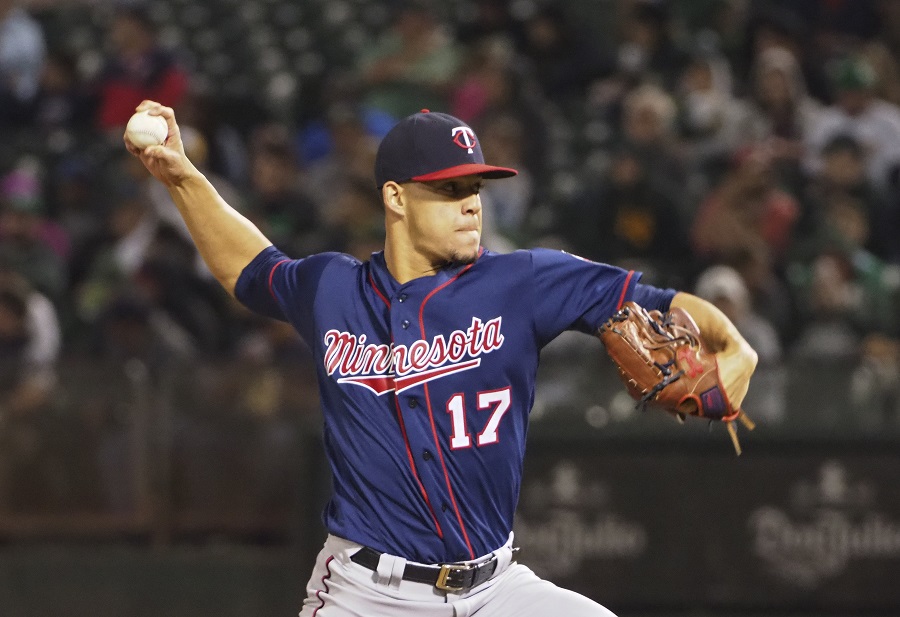 For most of the past decade, the Twins have taken their lumps in the starting rotation. Top prospects have flamed out or materialized on a slower trajectory. Free agents have largely been overpaid while underproducing, and only Ervin Santana has shown a glimpse of the Johan that came before him. It’s now though, that a 32nd overall pick from Puerto Rico, could be looking at as good of an opportunity as ever. Jose Berrios is coming off his best season as a big leaguer, and the first in which he pitched in the majors from the beginning. Tallying 192.1 IP, the Bayamon native posted a 3.84 ERA to go along with a 9.5 K/9 and 2.9 BB/9. He earned his first All Star appearance and posted a career best 3.3 fWAR to lead all Minnesota pitchers. There’s no denying the 2018 campaign was a good one for the 24-year-old, but there’s also avenue for improvement. Over the course of the offseason, one of the most impressive developments for the organization has been the infusion of coaching talent. Specifically relating to Berrios, Wes Johnson and Jeremy Hefner will have a significant impact on a young and moldable arm in the years ahead. While Johnson doesn’t have the big-league track record, he’s got a list of accolade at the amateur level that doesn’t stop. His teaching along with the delivery of former big-leaguer Hefner, should go far to help the Twins staff unlock a new level of potential. Although Johnson is known as a velocity guru, I’d assume there’s plenty of other knowledge he may be able to impart on Berrios. Jose has shoved right around 94 mph on average over the course of his career. His ridiculous bender is a great strikeout pitch, and his pitchability has improved while learning the tendencies of major league hitters. If there’s a middle ground to be found in looking for the next step, it’s probably in quality of contact allowed. Berrios gave up a career worst 34.2% hard hit balls last season, while allowing 12.8% of fly balls to leave the yard. His stature has always provided pause on his downward plane, and questions regarding how often pitches will result in homers. On the flip side, Berrios generated a career best 11.2% swinging strike rate and got opposing batters to chase almost one-third of the time last year. There’s really no avenue to suggest that Berrios does anything poorly. He’s well above average across the board, but it’s the smaller tweaks that may help to unlock that next tier. A year ago, he finished 11th in fWAR among American League starters. Based on betting prognostications, that’s roughly where he’s viewed going into the 2019 season. Given the assumption for continued growth from talented youth, I’m betting on another step forward being taken. As someone who has suggested an idea that the Twins are in for a great year, and Byron Buxton’s emergence will pace the offense, it’s Berrios having a coming out party that should be a blast on the bump.
-
2019 AL Central Division Preview
Ted Schwerzler commented on Ted Schwerzler 's blog entry in Off The Baggy
If and when things hit the skids, I fully expect my Twitter mentions to be filled with people pointing at this prediction. The written word is forever fresh.- 9 comments
-
- 1
-
-
- minnesota twins
- cleveland indians
- (and 3 more)
-
We are now at the point in the Major League Baseball calendar where exhibition games have commenced, teams are looking at how to fill out their 25-man roster, and the regular season is on the horizon. Although a few marquee free agents remain, I’m at a point where I feel good about how what could potentially be baseball’s worst division, is going to play out. The incumbent division winning Cleveland Indians are ready to defend their throne and it’ll be on a challenger to emerge. Including current PECOTA projections (as of February 26, 2019) next to predicted records, here’s how this writer has the standings for the American League Central playing out: 1. Minnesota Twins 92-70 (83-79) No team has done more in the division to take strides forward than the Twins for 2019. While that’s great in a vacuum, no team was also able to make bigger moves than Minnesota as well. I’ve dug deeper into why I think this is realistic in a secondary piece here, but the front office must be hoping what they’ve done is enough. Despite what’s being billed as a “wait and see” type approach, I’m all in on the Falvey and Levine being vindicated in their decision making. 2. Cleveland Indians 89-73 (96-66) Quite opposite of the Twins, arguably no team within the division has gotten worse than the Indians. Cleveland loses Michael Brantley as well as Carlos Santana. They’ve replaced the latter with Edwin Encarnacion, but there’s no outfield to speak of, and significant reliance on repeat performances. Trevor Bauer, Jose Ramirez, and Francisco Lindor all posted career year’s in 2018, all while Cleveland mustered just 91 wins. Lindor will miss the beginning of the season, and despite the rotation still being among the best in baseball, it’s hard not wondering what else to fall in love with surrounding this team. 3. Chicago White Sox 73-89 (70-92) One of the trendiest teams in baseball right now, the White Sox are being lauded for their stellar farm system. There’s no denying that Eloy Jimenez is a stud, and he’s backed by names like Kopech, Cease, and Robert. The first starter on that list is rehabbing from Tommy John surgery though, and there’s always an incredible amount of volatility when it comes to top prospects (ask Twins fans about that.) Manny Machado would’ve moved the needle for this franchise, but instead of going all in, Kenny Williams signed friends and family hoping that would be enough. Chicago will get there, and an 11-game jump in the win column from 2018 is no small task, but that’s about where the fun ends. 4. Kansas City Royals 69-93 (72-90) Welcome to the dreaded middle ground. It was great for the Royals that they popped up and won a World Series, as the fanbase could be looking at mediocrity or worse for quite some time. The big-league club is void of any real star potential, and the farm system is among the worst in baseball. Kansas City can’t spend big with it making any sort of a difference, but they’ve also yet to hit on any prospects that put them in a better light going forward. If you’re a Royals fan, the highlight of the season is June 3rd when Dayton Moore will have the second overall pick in the 2019 Major League Baseball Draft. 5. Detroit Tigers 62-100 (67-95) If Kansas City is considered the dreaded middle ground, then Detroit is trending in a much better direction. The Tigers have a strong farm system headlined by pitching stalwarts, and they also hold the 5th overall pick this summer. There’s still plenty of questions surrounding both Michael Fulmer and Matthew Boyd, and Detroit is hoping to see Nicholas Castellanos take yet another step forward, but there’s some building blocks here. Miguel Cabrera is on his way to Cooperstown, but Niko Goodrum has provided some immediate intrigue in the infield. This team won’t be good in 2019, but they could certainly flip the script in the coming years. For more from Off The Baggy, click here. Follow @tlschwerz
- 9 comments
-
- 4
-
-
- minnesota twins
- cleveland indians
- (and 3 more)
-
Although it’s Series 1 that kicks off a new year of baseball card collection each season, it’s the early year release of Heritage that is often seen as the first big product. Heritage carries a promise of being a throwback to yesteryear, this time 1970 specifically. Producing some of the most desired rookie cards, and short prints in all the collecting landscape, this product is one Topps knows you won’t want to miss. Much like Series 1, Heritage isn’t designed as a massive hit factory. The biggest pulls in this product have more to do with photo variations and differing parallels. Although Topps has changed to define what each different type of card is on the reverse side in recent years, slow rolling through packs to spot differences helps to add appeal to this set. For the Minnesota Twins specifically, there’s a lot to like in 2019. Base Set- There are 13 different players in the Twins base set, and they are delivered on 11 different cards. Heritage represents the first time C.J. Cron, Nelson Cruz, and Jonathan Schoop will be in Minnesota uniforms. Although Kohl Stewart had his first rookie card in Series 1, both Willians Astudillo and Stephen Gonsalves will make their Topps rookie debut on a three-person card joining Stewart. Continuing with the tradition of short printed base cards, Minnesota has two entrants in the 100-card grouping. Schoop’s first Minnesota card is short printed, while he’s joined by Jose Berrios. Inserts- A set utilizing a throwback theme, Heritage has remained consistent with many of the insert offerings transferring from year to year. Jim Perry and Harmon Killebrew are paired with current stars on three different Then & Now cards, while Rod Carew is included in the Baseball Flashback set. Sitting somewhere in between an insert and a hit, Joe Mauer is offered on a 1970 Poster Boxloader. Hits- For Twins fans looking at the big chase, there’s a bit of a letdown here. Both Schoop and Berrios are in the new Silver Metal run, which are serial numbered to just 70 copies. Eddie Rosario joins the duo as the three Minnesota offerings among the base mini set, all serial numbered to 100. The crown jewel of Heritage has always been the Real One autographs, and this is where fans may have wished for more. Bert Blyleven and Rod Carew are the only single signed cards. The former isn’t a hobby darling, and the latter is hitting collecting fatigue with autographs in virtually every product currently produced. Branching out a bit to a bit tougher pulls, there are two separate cards that should turn out nicely. A dual Real One autograph features Carew and Rosario together, hand numbering, and likely a very small print run. There’s also a Real One triple autograph that features Byron Buxton, Torii Hunter, and Carew. Buxton has had Real One autos recently in Heritage, but Hunter getting back into the game is something of a nice development. Relics will remain aplenty in Heritage and the Twins are represented there as well. From the 1970 mint coin cards to the postage stamp offerings, you’ll find plenty of throwback flavor. Cut up pieces of Eddie Rosario’s game worn jersey can also be expected as part of the Clubhouse Collection relics. All in all, 2019 Topps Heritage is shaping up to be a fun set once again. The 1970 design won’t be a favorite for all, but this should be a fun set to build. The autograph portion of the program is a bit of a letdown for Twins fans, but there’s enough meat here to draw in other excitement. Look for the product in both hobby stores and on retail shelves February 27. For more from Off The Baggy, click here. Follow @tlschwerz
-
- 1
-
-
- minnesota twins
- stephen gonsalves
- (and 1 more)
-
Magill, the Pen, and What to Make of it All
Ted Schwerzler commented on Ted Schwerzler 's blog entry in Off The Baggy
This is where the problem lies. Nothing suggests he'll improve, and you're starting with a very low bar by not doing more.- 7 comments
-
- 1
-
-
- matt magill
- craig kimbrel
- (and 2 more)
-
This week Fangraphs writer Dan Szymborski unveiled the 2019 ZiPS projections for the Minnesota Twins. While they aren’t kind, the projection system isn’t harsh either. In summarizing the reality of what can be expected for 2019, Dan puts it best in saying, “the Minnesota Twins represent an increasingly rare breed: the excruciatingly, unbearably, average team.” Image courtesy of © Jeffrey Becker-USA TODAY Sports This week Fangraphs writer Dan Szymborski unveiled the 2019 ZiPS projections for the Minnesota Twins. While they aren’t kind, the projection system isn’t harsh either. In summarizing the reality of what can be expected for 2019, Dan puts it best in saying, “the Minnesota Twins represent an increasingly rare breed: the excruciatingly, unbearably, average team.” Projection systems are built on input parameters; there’s no emotion or belief in what could be possible. Although the Twins front office has carried the water that 2019 almost solely relies on Byron Buxton and Miguel Sano, the computer isn’t playing with that same fire. Sano and Buxton both project to be right around 2.0 fWAR players, but an All-Star emergence like that dreamed up at 1 Twins Way, would equate to something more along the lines of a 4.0 fWAR. Acquired over the offseason, Nelson Cruz and his bat are projected to pace the Twins. A 2.6 fWAR leads the team and a 127 OPS+ is really the only mark of offensive substance. Tabbed for 30 dingers, he’d be doing more than enough as a 38-year-old designated hitter. It’s the help that he’ll need which causes reason for pause. There’s no denying that C.J. Cron and Jonathan Schoop are upgrades over their predecessors, ZiPS agrees with this notion. What that duo doesn’t do is push the envelope forward in any drastic way. Adding just enough offensive firepower to be a bit better leaves Rocco Baldelli’s pitching staff to be exposed as well. Jose Berrios is staring at the lone 3+ fWAR projection (3.2), and there’s quite the drop off behind him. At this point Kyle Gibson appears to have rounded in to the starter many hoped he would be, but he’ll deal with some uncertainty entering spring training fresh off a bout with E Coli. Average is what can best describe ZiPS feelings on both Michael Pineda and Martin Perez, while bullpen addition Blake Parker ends up being just a guy. Further development for Taylor Rogers looks exciting (3.22 ERA) but questions on how the pen will be pieced together remain aplenty. https://twitter.com/DSzymborski/status/1097931279142666240 After the San Diego Padres signed Manny Machado on Tuesday, Szymborski tweeted praise towards the decision. Jump-starting what should be a competitive window has always made sense, and San Diego accomplished that with one of the best assets they’ll ever have a chance to acquire. I found myself suggesting that Minnesota found themselves in the exact same boat, but instead turned away from spending and acquiring talent this winter. Jiving with commentary on the Twins ZiPS projections, Szymborski noted, “the Twins are one of the teams I'm most disappointed in this offseason. *This* was the prime offseason to make a huge play.” Swimming in the middle ground leaves room for a wide range of outcomes for the Twins in 2019. The downside is that there’s plenty of chances for things to go negatively. With opportunity to step above average staring them in the face, Derek Falvey and Thad Levine balked, and the computers suggest that it’ll be interesting to see how that works out. View full article
- 16 replies
-
- 1
-
-
- minnesota twins
- nelson cruz
- (and 2 more)
-
Projections, Opportunity, and Where it Stands in Minnesota
Ted Schwerzler posted an article in Twins
 Projection systems are built on input parameters; there’s no emotion or belief in what could be possible. Although the Twins front office has carried the water that 2019 almost solely relies on Byron Buxton and Miguel Sano, the computer isn’t playing with that same fire. Sano and Buxton both project to be right around 2.0 fWAR players, but an All-Star emergence like that dreamed up at 1 Twins Way, would equate to something more along the lines of a 4.0 fWAR. Acquired over the offseason, Nelson Cruz and his bat are projected to pace the Twins. A 2.6 fWAR leads the team and a 127 OPS+ is really the only mark of offensive substance. Tabbed for 30 dingers, he’d be doing more than enough as a 38-year-old designated hitter. It’s the help that he’ll need which causes reason for pause. There’s no denying that C.J. Cron and Jonathan Schoop are upgrades over their predecessors, ZiPS agrees with this notion. What that duo doesn’t do is push the envelope forward in any drastic way. Adding just enough offensive firepower to be a bit better leaves Rocco Baldelli’s pitching staff to be exposed as well. Jose Berrios is staring at the lone 3+ fWAR projection (3.2), and there’s quite the drop off behind him. At this point Kyle Gibson appears to have rounded in to the starter many hoped he would be, but he’ll deal with some uncertainty entering spring training fresh off a bout with E Coli. Average is what can best describe ZiPS feelings on both Michael Pineda and Martin Perez, while bullpen addition Blake Parker ends up being just a guy. Further development for Taylor Rogers looks exciting (3.22 ERA) but questions on how the pen will be pieced together remain aplenty. https://twitter.com/DSzymborski/status/1097931279142666240 After the San Diego Padres signed Manny Machado on Tuesday, Szymborski tweeted praise towards the decision. Jump-starting what should be a competitive window has always made sense, and San Diego accomplished that with one of the best assets they’ll ever have a chance to acquire. I found myself suggesting that Minnesota found themselves in the exact same boat, but instead turned away from spending and acquiring talent this winter. Jiving with commentary on the Twins ZiPS projections, Szymborski noted, “the Twins are one of the teams I'm most disappointed in this offseason. *This* was the prime offseason to make a huge play.” Swimming in the middle ground leaves room for a wide range of outcomes for the Twins in 2019. The downside is that there’s plenty of chances for things to go negatively. With opportunity to step above average staring them in the face, Derek Falvey and Thad Levine balked, and the computers suggest that it’ll be interesting to see how that works out.
-
Magill, the Pen, and What to Make of it All
Ted Schwerzler commented on Ted Schwerzler 's blog entry in Off The Baggy
That's the problem though, you should have a problem with Magill. He pitched in higher leverage during September games that are watered down. His numbers suggest regression is coming. If he was a FA, no one would be jumping at signing him, let alone putting them in their pen. Another extension or not, $3MM here or there isn't eating up the deficit. Go use that money to do something of consequence.- 7 comments
-
- 1
-
-
- matt magill
- craig kimbrel
- (and 2 more)
-
Going into the offseason, the Minnesota Twins had plenty of opportunity to make waves. Playing in a bad AL Central division with a strong farm system on the rise, jump starting a competitive window seemingly was the obvious play for the front office. At this point, they’ve upgraded the offense while ignoring their pitching staff. In the bullpen, the most central name in all of this is none other than Matt Magill. The 29-year-old returned to the majors in 2018 after having big league stints during 2013 and 2016. He logged 56.2 IP under the tutelage of Paul Molitor, and his 3.81 ERA was plenty shiny. That’s where the luster wears off. Under the hood is an ugly 5.08 FIP, 1.7 HR/9, and a 1.429 WHIP. He did average 95 mph on his fastball last season, and the 75% contact rate was plenty workable, but in the big leagues, there needs to be more. Magill needed just 8.2 IP in Rochester prior to getting the call for Minnesota. His minor league track record has been relatively spotty though, and there’s the tale of a guy who owns middle-of-the-road numbers in just about every stop he makes. Knowing that Rocco Baldelli could use a significantly upgraded bullpen, it’s curious as to why such a smart front office would go down this path. Currently Minnesota is all but accepting the idea that Magill and Fernando Romero will round out the final two spots in relief. The former is a regression candidate waiting to happen, while the latter is a starter being pushed into this position. There’s nothing to suggest that Romero couldn’t move back to the rotation in the future, but this duo has become plan A as opposed to being the fallback for what could have been better executed. As big-league talent signs on minor league deals, and quality options remain free agents despite the Twins having an abundance of unused funds, the blueprint seems sketchy at best. Spending on relievers is hardly a winning strategy in a vacuum, but right now Minnesota has a need along with a position in which cash considerations aren’t a factor now or the future. There’s zero argument to be made against the substantial upgrade that Craig Kimbrel would provide in relief for the Twins. Baldelli is tasked with a dart throw or committee approach at present, and while saves aren’t a worthy chase, that level of reliever takes the collective whole up another notch. Shying away from relief, Dallas Keuchel would improve the rotation, and in turn allow Martin Perez to bolster the pen. Something like $20 million per year for either of these guys does nothing to the Twins bottom line and would undoubtedly be a more realistic process to drive results. At the end of the day, Minnesota isn’t doing anything with the bullpen or the rotation. Matt Magill and his shiny ERA are somewhat of a defining principle for how this offseason has been handled. Sure, there’s plenty of reason to look for more, but why not see what regression we can hope to stave off? In relief, the Twins start with a low bar, and they’ll need to bet on the bottom not falling out. For more from Off The Baggy, click here. Follow @tlschwerz
-
Right now, the Minnesota Twins have a tentative five-man starting rotation penciled in for 2019. Martin Perez was signed as a free agent to round out the group, and Michael Pineda will pitch for the first time in a Twins uniform. No matter how set the plan may be today however, there’s no denying a wrench will soon be thrown into it. How things are handled from there are worth speculating about. The reality for the Twins is that they’ve burned through pitchers in recent seasons. Both in the rotation and the bullpen, no number of fresh arms have been enough. The good part of this equation is that depth is being stockpiled on both fronts and that gives us something to look at. While there’s no argument against the fact that the front office could’ve added more arm talent this winter, we’re now in a spot to consider what is readily available to them. During the 2018 season players like Kohl Stewart, Fernando Romero, and Stephen Gonsalves all got their shot. Zack Littell showed up in the big leagues, and some higher tier prospects made significant strides on the farm. In 2019 though, there’s just one guy I’m keying in on, and he comes from the Land Down Under. Lewis Thorpe missed two full seasons due to Tommy John surgery and then illness. Since his return though, he’s done nothing but vault up prospect rankings and lay waster to opposing hitters. At 22 last season, he reached Triple-A for the first time in his career. Through four rotation turns Thorpe posted a 3.32 ERA along with a 10.8 K/9 and 2.5 BB/9. As a lefty, he’s not the soft-tossing crafty type, with an ability to put the ball by opposing hitters. The strikeout stuff has been there throughout his whole career, as evidenced by a 10.7 K/9 across 328.1 minor league IP. Recently turning 23, Thorpe should factor into the Rochester rotation from day one. Fernando Romero looks like he’ll work in Minnesota as a reliever and Adalberto Mejia needs to make the big-league roster being out of options. Those developments put Thorpe in a group with guys like Gonsalves and Stewart. Everyone at Triple-A will have some level of prospect status and be looked upon as depth at some point during 2019. For Thorpe though, he could certainly find himself creating distance from the pack. It seems that while there are top pitching prospects that get focus each season, like Romero and Gonsalves last year, there’s guys that pop up and take the reigns like Littell did early. I’m not sure how the season will go for any of the guys pitching for the Red Wings, but I’d bet against Thorpe being held down. If the capability he has shown over the past two seasons is on display early, he could push for big league time soon. Baldelli’s starting rotation could use some help on the back end, and despite Dallas Keuchel being able to provide that, he doesn’t seem to be on Minnesota’s radar. The emergence, and sustainability of an internal talent would be a great reality, and the Aussie has as good of a shot as anyone to provide that. For more from Off The Baggy, click here. Follow @tlschwerz
- 3 comments
-
- 3
-
-
- minnesota twins
- lewis thorpe
- (and 3 more)
-
Twins Opening Day Roster Projection 1.0
Ted Schwerzler commented on Ted Schwerzler 's blog entry in Off The Baggy
Not short at all, and he shouldn't. When healthy, he's one of the better relievers in baseball. In 2018 he was awful, prior to that he was exceptional. -
Down in sunny Fort Myers, Florida the Minnesota Twins pitchers and catchers have officially reported, and practice is underway. With many position players either already in camp, or soon to join them, real game action is not far off. Attempting to decipher how Rocco Baldelli will shape his first major league roster should be a fun exercise and doing a first projection before we see anything take shape is plenty exciting. In past seasons there was some level of continuity with how Paul Molitor wanted his roster to look. The front office had influence, but it was the skipper that ultimately was responsible for the 25 men that headed north. Now having to get used to a new process, we’ll have to figure out how the former Rays star feels about organizing the ends of his roster. For your first Opening Day roster projection of 2019, here’s how I see the Twins embarking upon Target Field: Rotation (5): Jose Berrios, Kyle Gibson, Jake Odorizzi, Michael Pineda, Martin Perez Barring another signing, this group looks to be inked in pen. The Perez signing is a head scratcher, and he was better in relief for the Rangers in 2018. That said, the front office has been bullish about him being their 5th guy, and none of the depth behind him makes that a ridiculous proposition. Minnesota could still go out and acquire another arm, with the bar being relatively low, but today this is where we’re at. Bullpen (7): Trevor May, Addison Reed, Blake Parker, Taylor Rogers, Trevor Hildenberger, Adalberto Mejia, Fernando Romero The Twins bullpen was an area capable of improving the most going into 2019, and while it’s ok, there’s still plenty of uncertainty. Rogers looks like a very reliable, and high-quality arm, while May projects as one of the better relievers in the division. Reed is a prime candidate for a bounce back year and Hildenberger has flashed plenty of potential in his previous exploits. Mejia is out of options, and I’d imagine the Twins won’t move on without reason. Really the only question here is what happens with Romero. Ideally, he still gets developed as a starter, but he could very well be an elite level reliever right now. Catchers (2): Jason Castro, Mitch Garver Going into the year Castro will get the lion’s share of the reps but seeing that swing as the season goes on would not be a surprise. Garver needs to take steps forward defensively, but the bat is impressive and needs to be in the lineup often. He was under-utilized at times by Molitor, and that’s hopefully not a path Baldelli goes down. There’s no Willians Astudillo here which will disappoint some, but his days as a catcher could also be limited. Infielders (6): C.J. Cron, Jonathan Schoop, Jorge Polanco, Miguel Sano, Ehire Adrianza, Lucas Duda There’s not much question regarding the starters around the diamond. I could listen to an argument that Duda and Tyler Austin make up a platoon that pushes out Cron, but I don’t think there’s much steam to that. The front office made upgrades at both first and second base this winter, and the returning tandem of Sano and Polanco looks enticing on paper. Adrianza will once again play the utility role, and Duda as a platoon partner and bench bat makes a good deal of sense. Outfielders (5): Eddie Rosario, Byron Buxton, Max Kepler, Nelson Cruz, Jake Cave Like the infield, Minnesota’s outfield is all but set in stone. The corners are well established, and Buxton will return to start in center. This needs to be the campaign in which he puts it all together, and that taking shape could lead to his first All Star appearance. Nelson Cruz is going to be a full-time DH but could see time in the field during interleague play, although everyone would probably prefer that doesn’t happen. There should be worry about regression from Cave this year, and that could open the door for another suitor, but he’ll have the role to start. For more from Off The Baggy, click here. Follow @tlschwerz
-
When the Minnesota Twins' non-roster invitees to spring training were unveiled, there was a previously unreported name among the bunch. Long time New York Met, and former MVP candidate, Lucas Duda was heading to Fort Myers for the beginning of his 2019 season. Having signed C.J. Cron and with Tyler Austin already in tow, the minor league deal was the avenue for Lucas to get his chance with the Twins. The question is, will it work and should it? Image courtesy of © Dale Zanine-USA TODAY Sports When the Minnesota Twins' non-roster invitees to spring training were unveiled, there was a previously unreported name among the bunch. Long time New York Met, and former MVP candidate, Lucas Duda was heading to Fort Myers for the beginning of his 2019 season. Having signed C.J. Cron and with Tyler Austin already in tow, the minor league deal was the avenue for Lucas to get his chance with the Twins. The question is, will it work and should it? The reality is that there’s a decision looming on Tyler Austin. Of this trio, he’s the guy out of options and has the shortest track record. Acquired from the Yankees in exchange for Lance Lynn last season, he performed admirably in 35 games with Minnesota down the stretch. The .782 OPS was hardly otherworldly, but it was enough to warrant a longer look. Through three big league seasons, Austin has just 404 plate appearances to his credit and has never gotten consistent playing time. For that to change with the Twins in the year ahead, we’d probably be in for some sort of surprise. C.J. Cron is the expected heir to Joe Mauer at first base. The .816 OPS he posted during 2018 was a career high, and it came during his age-28 season, his first and only with the Tampa Bay Rays. After launching 16 long balls in three consecutive seasons, he turned in 30 over 140 games as a regular. Batting right handed, Cron doesn’t have traditional platoon splits. He owned a .767 OPS vs righties and a .930 OPS vs lefties in 2018. While it’s obvious that he performs better against southpaws, the power was almost entirely skewed the opposite way. Only eight of his 30 home runs came against lefties, though the doubles production was more evenly distributed. As an arbitration player, Cron will make $4.8 million this season. Minnesota’s front office grabbed Duda on a non-guaranteed pact that will pay him $1.75 million if he’s on the big-league roster. Per Jon Heyman, there are incentives in the deal that could push it north of $3 million in total compensation. At 33-years-old, and a traditional platoon player, that could push the Twins bill north of $7 million if they go with this combination. Given the production though, it could be a nice tandem. A down year last year saw Lucas own just a .731 OPS, coming off an .818 mark in 2017. From 2011-2015, he owned an .803 OPS and averaged right around 20 bombs per season. On Rocco Baldelli’s squad there isn’t room for him to be a regular, but the left-handed side of a platoon makes sense. Last season he saw 265 plate appearances vs righties and put up an .813 OPS with 12 of his 14 home runs. Over the course of his big-league career, the split disparity plays out as well. Duda owns an .839 lifetime OPS against righties as opposed to just a .642 OPS against lefties. Should the Twins go this route, it would also need to fit into their current roster construction. Assuming the starting lineup is composed of the usual suspects, we should have a pretty good idea of the bench as well. Mitch Garver is going to be the backup catcher, with Ehire Adrianza acting as the utility infielder and Jake Cave operating as the fourth outfielder. This blueprint leaves only a spot for a fourth bench bat should the Twins begin season with 12 pitchers. Not needing a fifth starter until into April, that seems like a pretty good bet. Garver bats right-handed, while Cave is a lefty, and Adrianza can do both. Garver is the only guy in that trio with any semblance of being a power bat however, so Duda can bring that dynamic as well. If I had to put odds on it right now, I’d imagine that both Cron and Duda are teammates out of the gate. Austin would hurt to lose, so I think the Twins would be best served finding a trade partner, but he’s semi-redundant playing behind C.J. The likelihood of just a three-man bench doesn’t seem like great roster management either, so thinking both players are on the outside looking in would strike me as odd. We’ll see how each player is deployed throughout February and into March. At 33 and off a down year, Duda could be cooked and this all becomes clearer. For now, though, the speculation is all we’ve got. View full article
-
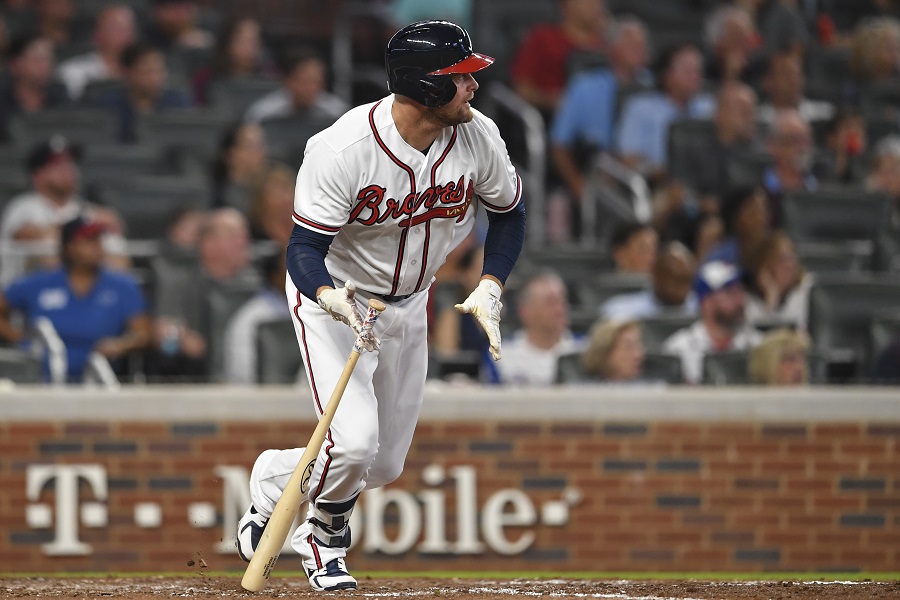 The reality is that there’s a decision looming on Tyler Austin. Of this trio, he’s the guy out of options and has the shortest track record. Acquired from the Yankees in exchange for Lance Lynn last season, he performed admirably in 35 games with Minnesota down the stretch. The .782 OPS was hardly otherworldly, but it was enough to warrant a longer look. Through three big league seasons, Austin has just 404 plate appearances to his credit and has never gotten consistent playing time. For that to change with the Twins in the year ahead, we’d probably be in for some sort of surprise. C.J. Cron is the expected heir to Joe Mauer at first base. The .816 OPS he posted during 2018 was a career high, and it came during his age-28 season, his first and only with the Tampa Bay Rays. After launching 16 long balls in three consecutive seasons, he turned in 30 over 140 games as a regular. Batting right handed, Cron doesn’t have traditional platoon splits. He owned a .767 OPS vs righties and a .930 OPS vs lefties in 2018. While it’s obvious that he performs better against southpaws, the power was almost entirely skewed the opposite way. Only eight of his 30 home runs came against lefties, though the doubles production was more evenly distributed. As an arbitration player, Cron will make $4.8 million this season. Minnesota’s front office grabbed Duda on a non-guaranteed pact that will pay him $1.75 million if he’s on the big-league roster. Per Jon Heyman, there are incentives in the deal that could push it north of $3 million in total compensation. At 33-years-old, and a traditional platoon player, that could push the Twins bill north of $7 million if they go with this combination. Given the production though, it could be a nice tandem. A down year last year saw Lucas own just a .731 OPS, coming off an .818 mark in 2017. From 2011-2015, he owned an .803 OPS and averaged right around 20 bombs per season. On Rocco Baldelli’s squad there isn’t room for him to be a regular, but the left-handed side of a platoon makes sense. Last season he saw 265 plate appearances vs righties and put up an .813 OPS with 12 of his 14 home runs. Over the course of his big-league career, the split disparity plays out as well. Duda owns an .839 lifetime OPS against righties as opposed to just a .642 OPS against lefties. Should the Twins go this route, it would also need to fit into their current roster construction. Assuming the starting lineup is composed of the usual suspects, we should have a pretty good idea of the bench as well. Mitch Garver is going to be the backup catcher, with Ehire Adrianza acting as the utility infielder and Jake Cave operating as the fourth outfielder. This blueprint leaves only a spot for a fourth bench bat should the Twins begin season with 12 pitchers. Not needing a fifth starter until into April, that seems like a pretty good bet. Garver bats right-handed, while Cave is a lefty, and Adrianza can do both. Garver is the only guy in that trio with any semblance of being a power bat however, so Duda can bring that dynamic as well. If I had to put odds on it right now, I’d imagine that both Cron and Duda are teammates out of the gate. Austin would hurt to lose, so I think the Twins would be best served finding a trade partner, but he’s semi-redundant playing behind C.J. The likelihood of just a three-man bench doesn’t seem like great roster management either, so thinking both players are on the outside looking in would strike me as odd. We’ll see how each player is deployed throughout February and into March. At 33 and off a down year, Duda could be cooked and this all becomes clearer. For now, though, the speculation is all we’ve got.
-
Miguel Sano enters the 2019 Major League Baseball season as one half of the Minnesota Twins largest question mark. The front office has tied the upcoming schedule to the production of both Sano and Byron Buxton. Needing to rebound from his worst year as a professional, it seems that an important development has taken place for the former top prospect. Commitment and accountability appear evident in a new report, and that’s always been the biggest question for the Dominican Native. Recently the Star Tribune’s LaVelle E. Neal penned a piece on possible extension candidates for the Twins. Within the writing he noted that the Minnesota third basemen has lost 25 pounds, which would comfortably put him in the 265-275 range. At 6’4” he’s still a very large human being, but there’s no denying that it’s a more doable number and a development that should only relieve pressure on the titanium rod inserted into his leg. For this writer though, it’s never been about the weight. Despite being signed as a shortstop, Sano bulked up and moved off the position quickly. He only continued to grow and add size as he progressed through the minors, and while much of that was muscle mass, the weight became an issue in recent years. Instructed by the Twins to take conditioning more seriously, in hopes of seeing a bump in production and renewed focus from the player, Sano failed to take the direction as anything more than advice. Despite being looked at as a key cornerstone, and knowing the investment made in him, the 25-year-old simply ignored his employer’s demands. With a trip back to Single-A and a .679 OPS in his rear-view mirror, the former All Star appears he’s finally had enough. Obviously, there are physical limitations to what is realistically acceptable for a high-performing athlete to adhere to, but from purely a weight standpoint I could care less. What has always seemed most important from Sano is that he buy into the vision the organization has for him and believe in their process to get the most out of himself. After posting a .916 OPS in his rookie season, the .859 OPS during his All-Star campaign left room for improvement. Strikeouts are always going to be a part of a power hitters’ profile, but a consistent command of the strike zone and the ability to punish misses needs to be a key focus. Turning 26 in 2019, staving off a shift across the diamond or to a designated hitter role is also an integral piece of the puzzle. So where does this all leave us in the year ahead? If process drives results, the fact that Miguel has committed to a conditioning program (and more importantly his employer’s wishes), suggests he’s on board with believing there’s more in the tank. Baseball Prospectus’ PECOTA projections have him slated for just a .752 OPS. Obviously that number doesn’t account for his injury or the ramifications of his 2018 output. Using that as a baseline however, I’d like to bet on the over. At his best, Sano is a monster in the batter’s box. He punished baseballs with a hard-hit rate north of 44%. Fly balls leave the yard over a quarter of the time, and he chases out of the zone less than 25% while also missing under 15% of the time. That profile doesn’t work for everyone, but a player having the strength and slugging ability that this one does, it’s a perfect storm of relevancy. On top of his own decisions this winter, Miguel may find accountability in the form of a clubhouse confidant for 2019. 38-year-old countryman Nelson Cruz joins the Twins fold for the year ahead. He was never a top prospect and didn’t truly debut until he was 28 years old. With more than enough wisdom to his credit, imparting learned principles on Sano could be a valuable development that holds weight well beyond whatever time they spend competing together. As a new manager, Rocco Baldelli’s greatest accomplishment in the year ahead is going to be how well he can connect with and what he can generate out of his expected stars. Right now, it seems like the one playing the infield is catching up to the one in the outfield as far as desire is concerned, and that’s more than half of the battle. For more from Off The Baggy, click here. Follow @tlschwerz
-
Buxton Ready for a Big Breakthrough
Ted Schwerzler commented on Ted Schwerzler 's blog entry in Off The Baggy
I’m not sure there ever been work ethic questions, and motivating him isn’t something that was needed. He was stripped of what could’ve been vital ABs down the stretch after losing a year to injury.
