



Ted Schwerzler
-
Posts
5,149 -
Joined
-
Last visited
Content Type
Profiles
News
Minnesota Twins Videos
2026 Minnesota Twins Top Prospects Ranking
2022 Minnesota Twins Draft Picks
Minnesota Twins Free Agent & Trade Rumors, Notes, & Tidbits
Guides & Resources
2023 Minnesota Twins Draft Picks
The Minnesota Twins Players Project
2024 Minnesota Twins Draft Picks
2025 Minnesota Twins Draft Pick Tracker
2026 Minnesota Twins Draft Tracker: Picks & Bonuses
Forums
Blogs
Events
Store
Downloads
Gallery
Everything posted by Ted Schwerzler
-
As the month of July came to an end, Minnesota Twins fans watched with anticipation hoping that their club was going to make the necessary bullpen acquisitions. When the dust settled it was Segio Romo and Sam Dyson that were brought into the fold. Since then though, Rocco Baldelli has managed the second best bullpen in the big leagues and its been for every reason but the ones that were expected.For months there was a growing notion that the Twins would make a move. This club looked the part and jumped out to a big divisional lead. With a relief corps that could use some reinforcements, the front office would almost assuredly deal from depth to bolster the bullpen. Although it didn’t happen in as timely of a matter as some may have hoped, and there could have been some hiccups avoided mid-summer, moves came. Two veteran arms with high ceilings would be added to a back end that already had some promise. But then, two became one, and a handful emerged. Dyson was the best reliever dealt at the deadline. There were bigger names that weren’t moved, but it was he who had previous closing experience and top-notch stuff. He has since been shut down and it looks like his season may be over. Romo and his wipe-out slider are still getting the job done, and he’s stuck in high leverage as expected. One of the two moves worked, but it’s the ones set into motion many months before that are truly paying off. Back in February I suggested that the Twins would win 92 games en route to a Central division crown. Chief among the reasons was the revamped coaching staff and infrastructure within the organization. The current group is a collaborative power that is constantly changing on the fly and looking for an opportunity to exploit the next level out of each player. For some, it takes longer to unlock then others, but if there’s a way this contingent of coaches is going to find the right buttons. There’s no more apparent area currently reflective of that then the bullpen. Since the trade deadline the Twins have posted 2.9 fWAR (2nd in MLB). Their 2.06 BB/9 is the lowest in baseball as is the 3.58 FIP that suggests they’re even better than a fifth best 3.67 ERA. The 1.54 WPA is fifth in baseball and one of just 12 teams currently putting up positive numbers. No one has opponents chasing more than the Twins' 35.2% and the arms they’re doing it with are virtually all home grown. You already know Taylor Rogers is an absolute menace. He’s a lefty with high velocity stuff that doesn’t care what side of the plate you stand on. Tyler Duffey owns 0.8 fWAR since August 1st and hasn’t given up a run since July 23 (a streak of 18.2 IP). He has a ridiculous 30/5 K/BB in that time, and looks the part of the elite closer that Minnesota drafted out of Rice way back in 2012. Looking for his calling with the Twins, there’s no denying Trevor May appears to have found it. Despite an ugly breaking pitch against Cleveland, and one that Rafael Devers beat him on in Boston, his 20 innings since the deadline have been exceptional. May has generated 0.5 fWAR and has allowed just those two earned runs in 20.0 IP. He has a 25/4 K/BB and opposing batters have mustered a sad .325 OPS against him. Arguably the most impressive work comes from the guy that the least was expected of. Still just 23-years-old, Zack Littell was asked to take a game against the Rays on the chin in May. He went back to Triple-A and transitioned to relief. Ramping up the velocity in shorter stints, he showcased his stuff in brief call-ups throughout the year. Now adding the time up, he’s pitched 24.2 innings in relief since June. Littell has allowed just two runs, both in the same outing, and has 21 strikeouts to his credit. He’s still working through command issues at times, but the .209 batting average against is exceptional. With just two weeks left until postseason baseball, Minnesota’s earliest bugaboo has now become an area of strength. This isn’t a lineup that needs to pad a starter’s lead bridging a gap to Taylor Rogers. The Twins are something like six or seven deep in quality arms, and none of those guys could care less who is in the opposing batter's box. Opponents may not have heard of anyone aside from the elder statesmen Romo, but this is a group that will generate name recognition as they turn from the plate watching the ball go around the horn following any given at-bat. There’s no denying that Rocco Baldelli is going to need a healthy dose of mix and match in October. Only the Astros go deep enough to throw starting cares to the wind. Teams like Minnesota will need to get what they can from the first man on the bump and then turn it over to the reinforcements behind the wall. Fortunately for this group, everyone from Baldelli to Wes Johnson, Jeremy Hefner, and the entirety of the minor league pitching support staff deserves a significant pat on the back for the speed with which they turned a deficiency into an asset. Click here to view the article
-
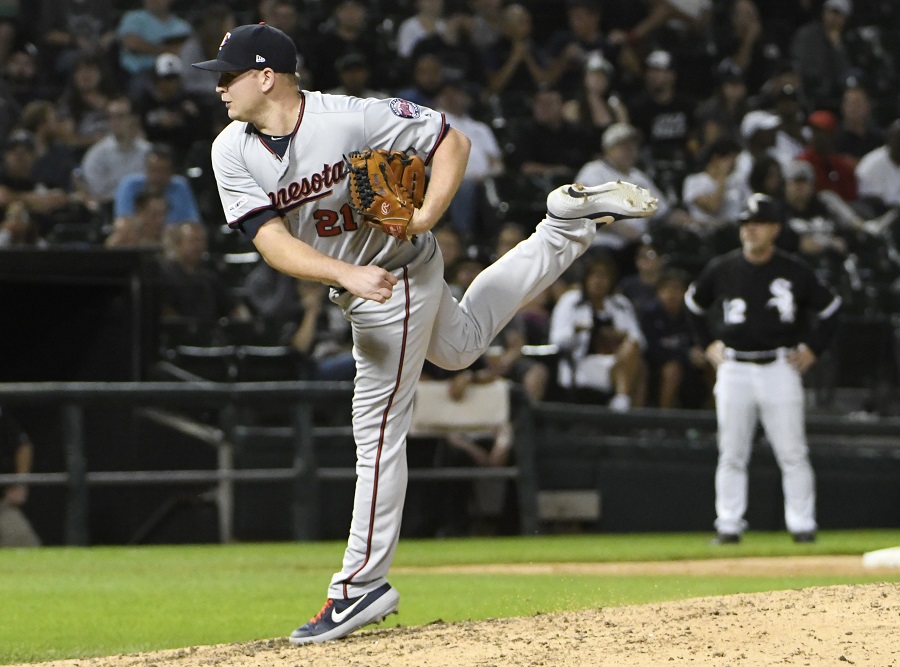 For months there was a growing notion that the Twins would make a move. This club looked the part and jumped out to a big divisional lead. With a relief corps that could use some reinforcements, the front office would almost assuredly deal from depth to bolster the bullpen. Although it didn’t happen in as timely of a matter as some may have hoped, and there could have been some hiccups avoided mid-summer, moves came. Two veteran arms with high ceilings would be added to a back end that already had some promise. But then, two became one, and a handful emerged. Dyson was the best reliever dealt at the deadline. There were bigger names that weren’t moved, but it was he who had previous closing experience and top-notch stuff. He has since been shut down and it looks like his season may be over. Romo and his wipe-out slider are still getting the job done, and he’s stuck in high leverage as expected. One of the two moves worked, but it’s the ones set into motion many months before that are truly paying off. Back in February I suggested that the Twins would win 92 games en route to a Central division crown. Chief among the reasons was the revamped coaching staff and infrastructure within the organization. The current group is a collaborative power that is constantly changing on the fly and looking for an opportunity to exploit the next level out of each player. For some, it takes longer to unlock then others, but if there’s a way this contingent of coaches is going to find the right buttons. There’s no more apparent area currently reflective of that then the bullpen. Since the trade deadline the Twins have posted 2.9 fWAR (2nd in MLB). Their 2.06 BB/9 is the lowest in baseball as is the 3.58 FIP that suggests they’re even better than a fifth best 3.67 ERA. The 1.54 WPA is fifth in baseball and one of just 12 teams currently putting up positive numbers. No one has opponents chasing more than the Twins' 35.2% and the arms they’re doing it with are virtually all home grown. You already know Taylor Rogers is an absolute menace. He’s a lefty with high velocity stuff that doesn’t care what side of the plate you stand on. Tyler Duffey owns 0.8 fWAR since August 1st and hasn’t given up a run since July 23 (a streak of 18.2 IP). He has a ridiculous 30/5 K/BB in that time, and looks the part of the elite closer that Minnesota drafted out of Rice way back in 2012. Looking for his calling with the Twins, there’s no denying Trevor May appears to have found it. Despite an ugly breaking pitch against Cleveland, and one that Rafael Devers beat him on in Boston, his 20 innings since the deadline have been exceptional. May has generated 0.5 fWAR and has allowed just those two earned runs in 20.0 IP. He has a 25/4 K/BB and opposing batters have mustered a sad .325 OPS against him. Arguably the most impressive work comes from the guy that the least was expected of. Still just 23-years-old, Zack Littell was asked to take a game against the Rays on the chin in May. He went back to Triple-A and transitioned to relief. Ramping up the velocity in shorter stints, he showcased his stuff in brief call-ups throughout the year. Now adding the time up, he’s pitched 24.2 innings in relief since June. Littell has allowed just two runs, both in the same outing, and has 21 strikeouts to his credit. He’s still working through command issues at times, but the .209 batting average against is exceptional. With just two weeks left until postseason baseball, Minnesota’s earliest bugaboo has now become an area of strength. This isn’t a lineup that needs to pad a starter’s lead bridging a gap to Taylor Rogers. The Twins are something like six or seven deep in quality arms, and none of those guys could care less who is in the opposing batter's box. Opponents may not have heard of anyone aside from the elder statesmen Romo, but this is a group that will generate name recognition as they turn from the plate watching the ball go around the horn following any given at-bat. There’s no denying that Rocco Baldelli is going to need a healthy dose of mix and match in October. Only the Astros go deep enough to throw starting cares to the wind. Teams like Minnesota will need to get what they can from the first man on the bump and then turn it over to the reinforcements behind the wall. Fortunately for this group, everyone from Baldelli to Wes Johnson, Jeremy Hefner, and the entirety of the minor league pitching support staff deserves a significant pat on the back for the speed with which they turned a deficiency into an asset.
 -
Tomorrow is the annual release of Topps’ Bowman Chrome product. Each year there is a Bowman Draft and Bowman Chrome offering during the baseball card collecting calendar. As one would expect, the former highlights some of the top picks in the amateur draft while the latter picks up the slack on some of the others. For the Minnesota Twins, Chrome provides and interesting opportunity this time around. While collecting baseball cards is traditionally a hobby, it’s also now a robust gambling and investor market. From ripping open a box looking for the next hot player or holding onto a card in hopes of it being the next Mike Trout, there’s money to be made and this isn’t just a child’s corner store pickup anymore. That isn’t more apparent anywhere than within the checklist of a Bowman product. These are all players that are defined as prospects or up and coming. Their elusive first autographs can be the most coveted cards in the hobby. For Minnesota the signers this time around are Jorge Alcala and Jhoan Duran. It’s an intriguing duo in that both were acquired during the 2018 season in trades. Both have now spent a year within the organization, and the arrows for each are trending straight up. Alcala has earned his big-league call although he’s yet to debut, while Duran is still working exclusively as a starter topping out at Double-A. There’s a difference between baseball good, and baseball card good, so let’s explore that within the parameters these two have provided us. First and foremost, pitchers are a risky investment. The volatility of injury and sample size is truly one you must cope with. Then there’s the reality of a given market, and no one will argue that Twins players would be more coveted than the likes of Dodgers or Yankees. Beyond that you then get into a merit-based discussion. Alcala is the fireballer acquired in exchange for Ryan Pressly from Houston. He comes from an organization with good developmental traits and is now in one that represents a similar level of execution. Starting didn’t work out well for Alcala this season, but since moving to relief he had a 0.98 ERA and .479 OPS against in 18.1 IP. The 18/4 K/BB is indicative of a guy that should rack up strikeouts, and his promotion to the big leagues during a Postseason run suggests that Minnesota sees him as a future difference maker as well. The downside here is that Alcala is already 24 and he appears to be destined for the pen. While the opportunity to become a substantial asset for the Twins is real, the upside in the card collecting community is all but nullified. Josh Hader is one of the best arms on the planet, but his cardboard will never be at a premium because of the market and position he finds himself in. Alcala’s ink should be affordable and that will make him fun to collect, but this isn’t a guy that’s going to appreciate substantially. When fan favorite Eduardo Escobar was traded the clubhouse went pretty sour. He found out on TV first, and it was among the initial moves that had the Twins parting out pieces as sellers. Duran headlined the return and has looked the part of a solid starting arm since coming over to Minnesota. He’s not a top 100 prospect and finds himself in the middle of the Twins top 10, but that doesn’t negate the production we’ve seen. Still just 21-years-old, Duran reached Double-A Pensacola during 2019. His 3.76 ERA across two levels is plenty respectable, but the 10.6 K/9 is what jumps off the page. He can push it into the upper 90’s and sits comfortably in the mid-90’s. Homers have never been an issue for him, and we’ll see how that changes with the live ball at Triple-A and the big leagues, but this is an arm that could make its way into the Minnesota rotation by next year. There isn’t ace-type upside here, and he too will have the designation of playing for the Twins, but a mid-rotation starter with upside is a pretty good bet. Duran would need to go on some sort of hot stretch or have a record setting year to vault himself into significant hobby-lore, but the ability for a short burst jump is certainly there. Another guy that should have very affordable autographs, he’s someone that you could see slight gains following a strong showing immediately after his promotion. More baseball good than hobby good, upside does have a bit of presence with him. Make sure to check out 2019 Bowman Chrome at your local hobby shops when it drops on September 18. Along with these prospects, Minnesota has a few rookie autograph offerings as well as one of Nelson Cruz’s few depictions in a Twins uniform. For more from Off The Baggy, click here. Follow at @tlschwerz
- 4 comments
-
- 1
-

-
- minnesota twins
- jorge alcala
- (and 2 more)
-
After what was arguably the most impactful series of the year thus far, the Minnesota Twins have now put the AL Central Division on ice. With a magic number at nine, and 13 games left against the divisional doldrums, all eyes are on October. The first opponent of the final homestand in 2019 is none other than the Chicago White Sox. Doubling up on them thus far, Rocco Baldelli’s club gets their final three cracks at Rick Renteria’s squad.Brief Overview: When you play any team 19 times in one season you’re going to get to know them quite well. Chicago knows the Twins are what they aspire to be (in a few years), and Minnesota is familiar with the up-and-coming names on the White Sox. Luis Robert did not garner a September look, so this is the same squad we’ve grown accustomed to. What They Do Well: At 65-84 it’s not shocking that there’s very little the White Sox do well. These two teams last played against each other on August 29th so it’s worth trying to isolate the numbers since that point. Over the past few weeks the White Sox own the 10th best offense in baseball. That’s actually superior to the Twins, which isn’t surprising given what Minnesota has had to run out there. There isn’t a specific category that truly jumps off the page for Chicago in that time, but they have done a great job hitting for average. With a .272 batting average they have the fifth best tally dating back to the 30th. What They Do Not Do Well: Pitching has been pretty middle of the road for Chicago since the end of August. Lucas Giolito has continued to look the part of a staff ace and that’s helped to anchor a group that’s definitely lacking as a whole. Where Chicago really falls off, as has been the case most of the year, is in the field. You can’t isolate defensive metrics over a sample size so small, but the White Sox have been 25th in fielding over the course of the season. They have a whopping -59 defensive runs saved and have a whole collection of guys that struggle to provide any range. It’s a dated stat, but only the Seattle Mariners have made more errors than Chicago’s 111, and that many miscues is hardly a positive. Individuals Of Note: The same names you’ve gotten to know all year are worth mentioning again in this space. Eloy Jimenez is the big-bat prospect that Chicago is pinning its future hopes on. Lucas Giolito is that late-blooming arm that has developed into a staff ace, and now looks like one of the best starters in baseball. Tim Anderson has electrified the sport and provided plenty of excitement all year long. If there’re two guys that have flown a bit under the radar in terms of recognition, it’s James McCann and Yoan Moncada. The former was an All-Star (because Mitch Garver wasn’t on the ballot), and has fallen off in the second half, but he’s having a career year. The latter is a former superstar prospect that has finally met expectations and looks the part of a franchise cornerstone. McCann will need to substantiate the 2019 results, and Moncada will also, but it’s Yoan that can be a guy you build around. Recent History: Minnesota swept Chicago at the end of August on the road but dropped two of three the week before at Target Field. On the season, the Twins have gone 11-5 against the White Sox and they own a healthy +59 run differential. Recent Trajectories: The Twins wrapped up their last difficult stretch of the season going 6-6 against the Red Sox, Nationals, and Indians. Chicago is 4-6 across their last ten and have been losers in each of their last two. Pitching Matchups: Monday: Berrios vs Lopez Tuesday: Perez vs Giolito Giolito now done for the year with a lat strain Wednesday: Odorizzi vs Covey Ending Thoughts: There’s no denying that Minnesota should have a healthy amount of wins awaiting them in this final 13 game stretch, but the reality is they still need to play the games and compete. The Twins bumped Jose Berrios to get another day of rest, and they should prioritize getting ready for October. They’ll get solid tests against Lopez and Giolito though, so dropping the series is something they should be keyed in on avoiding. I don’t see a sweep, but Minnesota needs to assert some home dominance against bottom feeders the rest of the way. Take two and call it good. Click here to view the article
- 14 replies
-
- 3
-
-
- minnesota twins
- chicago white sox
- (and 3 more)
-
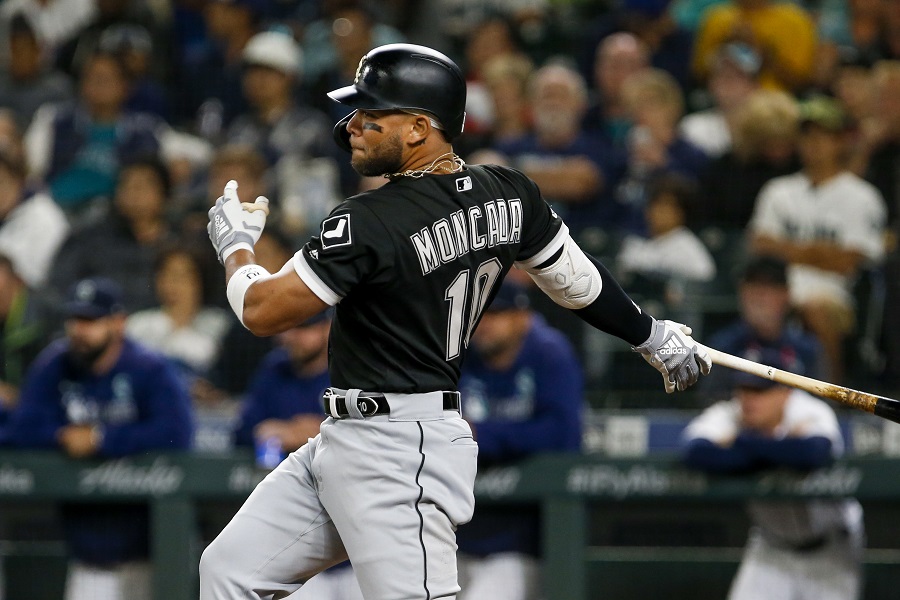 Brief Overview: When you play any team 19 times in one season you’re going to get to know them quite well. Chicago knows the Twins are what they aspire to be (in a few years), and Minnesota is familiar with the up-and-coming names on the White Sox. Luis Robert did not garner a September look, so this is the same squad we’ve grown accustomed to. What They Do Well: At 65-84 it’s not shocking that there’s very little the White Sox do well. These two teams last played against each other on August 29th so it’s worth trying to isolate the numbers since that point. Over the past few weeks the White Sox own the 10th best offense in baseball. That’s actually superior to the Twins, which isn’t surprising given what Minnesota has had to run out there. There isn’t a specific category that truly jumps off the page for Chicago in that time, but they have done a great job hitting for average. With a .272 batting average they have the fifth best tally dating back to the 30th. What They Do Not Do Well: Pitching has been pretty middle of the road for Chicago since the end of August. Lucas Giolito has continued to look the part of a staff ace and that’s helped to anchor a group that’s definitely lacking as a whole. Where Chicago really falls off, as has been the case most of the year, is in the field. You can’t isolate defensive metrics over a sample size so small, but the White Sox have been 25th in fielding over the course of the season. They have a whopping -59 defensive runs saved and have a whole collection of guys that struggle to provide any range. It’s a dated stat, but only the Seattle Mariners have made more errors than Chicago’s 111, and that many miscues is hardly a positive. Individuals Of Note: The same names you’ve gotten to know all year are worth mentioning again in this space. Eloy Jimenez is the big-bat prospect that Chicago is pinning its future hopes on. Lucas Giolito is that late-blooming arm that has developed into a staff ace, and now looks like one of the best starters in baseball. Tim Anderson has electrified the sport and provided plenty of excitement all year long. If there’re two guys that have flown a bit under the radar in terms of recognition, it’s James McCann and Yoan Moncada. The former was an All-Star (because Mitch Garver wasn’t on the ballot), and has fallen off in the second half, but he’s having a career year. The latter is a former superstar prospect that has finally met expectations and looks the part of a franchise cornerstone. McCann will need to substantiate the 2019 results, and Moncada will also, but it’s Yoan that can be a guy you build around. Recent History: Minnesota swept Chicago at the end of August on the road but dropped two of three the week before at Target Field. On the season, the Twins have gone 11-5 against the White Sox and they own a healthy +59 run differential. Recent Trajectories: The Twins wrapped up their last difficult stretch of the season going 6-6 against the Red Sox, Nationals, and Indians. Chicago is 4-6 across their last ten and have been losers in each of their last two. Pitching Matchups: Monday: Berrios vs Lopez Tuesday: Perez vs Giolito Giolito now done for the year with a lat strain Wednesday: Odorizzi vs Covey Ending Thoughts: There’s no denying that Minnesota should have a healthy amount of wins awaiting them in this final 13 game stretch, but the reality is they still need to play the games and compete. The Twins bumped Jose Berrios to get another day of rest, and they should prioritize getting ready for October. They’ll get solid tests against Lopez and Giolito though, so dropping the series is something they should be keyed in on avoiding. I don’t see a sweep, but Minnesota needs to assert some home dominance against bottom feeders the rest of the way. Take two and call it good.
 -
Seth reached out to me after seeing my ballot. He likely thought I was crazy, and there’s probably no denying that. My thought process was to leave both Davis and Diaz off in an attempt to award someone still within the organization. Unquestionably though, Davis has the best year among hitters that player on the Twins farm IMO. My goal wasn’t to slight Jaylin or Lewin by any means.
- 31 replies
-
- 3
-
-
- trevor larnach
- jaylin davis
- (and 3 more)
-
Pineda and the PED Stupidity
Ted Schwerzler commented on Ted Schwerzler 's blog entry in Off The Baggy
Interesting question. Typically the regular season games are all that count towards suspension. A PED violation is automatic Postseason ineligibility. Because his was reduced though, he would’ve been Postseason. Eligible if there had been 60 regular season games left. I still believe the Postseason games don’t count though, so he’ll need to serve 39 games next year. He will be Postseason eligible though. His contract will also be prorated for just 123 G -
With less than 20 games left the Minnesota Twins have a 97% probability of winning the AL Central and a 99.4% probability of making the postseason. After a lackluster 2018, the Rocco Baldelli-led club is going to win 90+ games and represent the division in October. As injuries have piled up, and the 25-man roster has taken a hit, a deep postseason run becomes a bit tougher to dream on. For Minnesota though, the optimal road goes through New York.Let’s get this out of the way right now: This Twins team hasn’t lost anything to the Yankees. None of these guys care about what Ron Gardenhire’s clubs did against the Evil Empire, and I can guarantee no one in the current clubhouse is worried about what wins and losses took place a decade ago. Let’s view this through the lens of relevance in the here and now. Chasing down the best record in the American League, the only thing in New York’s way is the Houston Astros. Besting a rotation bolstered by Gerrit Cole, Justin Verlander, and Zack Greinke in a five or seven game series seems near impossible. That isn’t just a Minnesota hurdle, but one that makes Houston the odds-on favorite to win the World Series regardless of who they play. The best way for the Twins to generate positive momentum is an ALDS victory, and the most optimal way for that to occur is a few wins in the Bronx. So why the Yankees? I’m glad you asked. Starting Pitching Does it stink that the Twins won’t be able to turn to Michael Pineda at any point? Certainly. Do they need Jose Berrios and a few of his co-workers to step up? Certainly. Are they going to have opportunity against a New York group that owns the 19th rotation in baseball, and 15th since August first? Absolutely. James Paxton has had a lackluster 2019, but he’s been exceptional of late. A 2.57 ERA since August 2nd is the type of arm the Yankees intended to acquire. As a game one type pitcher, he’s everything you could hope for. From there, Aaron Boone has Masahiro Tanaka, Domingo German, and J.A. Happ. That trio has as many warts (if not more) than the group Minnesota would call upon to oppose them. The Twins may not see Happ in an effort to keep a lefty off the hill, but the lineup can certainly bang through any of those arms. Relief Pitching It’s kind of weird to think a group with Aroldis Chapman, Adam Ottavino, and Zack Britton could be bested but Minnesota is doing that just now. Since the trade deadline only the Tampa Bay Rays have a better relief corps than Wes Johnson’s group. The Twins don’t have the names, but Sergio Romo has bolstered an internal group anchored by the likes of Taylor Rogers, Tyler Duffey, and Trevor May. Realistically the Twins need to be able to get something from Sam Dyson. Knowing October games will be shortened by relief arms getting extended work, Baldelli needs the ability to turn to his recently acquired help. Hopefully the Twins can get his biceps soreness right over the next couple of weeks and get him back in the fold. New York is going to get better with the additions of Dellin Betances and Luis Severino. There’s no denying their group has the bigger names and more trustworthy performances. Because Minnesota started the year with so many question marks doesn’t make that a reality now though, and this collection of Twins' relievers can get the best of them. Lineup After setting the major league record in home runs for a single season, it’s easy to call the Bomba Squad a force to be reckoned with. The Yankees are the one team that holds a candle to that power though, trailing in the same stat by just single digits. The collection often known as the Bombers have plenty of pop on their own, but there’s also a level of uncertainty. Left fielder Mike Tauchman was just lost for the year, and former Minnesota outfielder Aaron Hicks is still on the shelf. Edwin Encarnacion and Gio Urshella recently returned to active duty, but they both need to work their way back in (Edwin appears to be acclimating just fine). Much like the Twins, there aren’t many holes in this group one through nine, but they’re also a team that can be hung with. The two squads are separated by less than 10 runs in total run differential, and despite a few game difference in the win column, that’s indicative of how similar they are. It’s obvious that the Twins need to get healthy. The Minnesota lineup needs a full go Nelson Cruz, Miguel Sano, and Max Kepler. Jake Cave being back with Marin Gonzalez are also must have additions. There’s no denying that the current Rocco Baldelli group isn’t in an optimal spot. Fast forward two weeks though and getting proper rest and healing would leave about a week of runway prior to the postseason. If the organization can prioritize health, and mix in some winning along the way, then October gets significantly brighter. The rotation was going to need to step up in big spots regardless of who was available. Health is more important than the loss of Pineda, and stealing games is going to need to happen against the Astros rotation regardless. The Twins are as good as the Yankees in 2019 and establishing that during the ALDS would go a long way for the sake of momentum. Winning the World Series is difficult. One team out of thirty ends their season on a winning note. Not all organizations have the same probability, and even being among the final ten teams, odds are stacked in a few teams' favor. If you’re a Twins fan down the stretch though, you should be a Houston fan as well. Let the October road begin in New York and grab a big series victory before giving World Series favorite Houston all you have. Click here to view the article
-
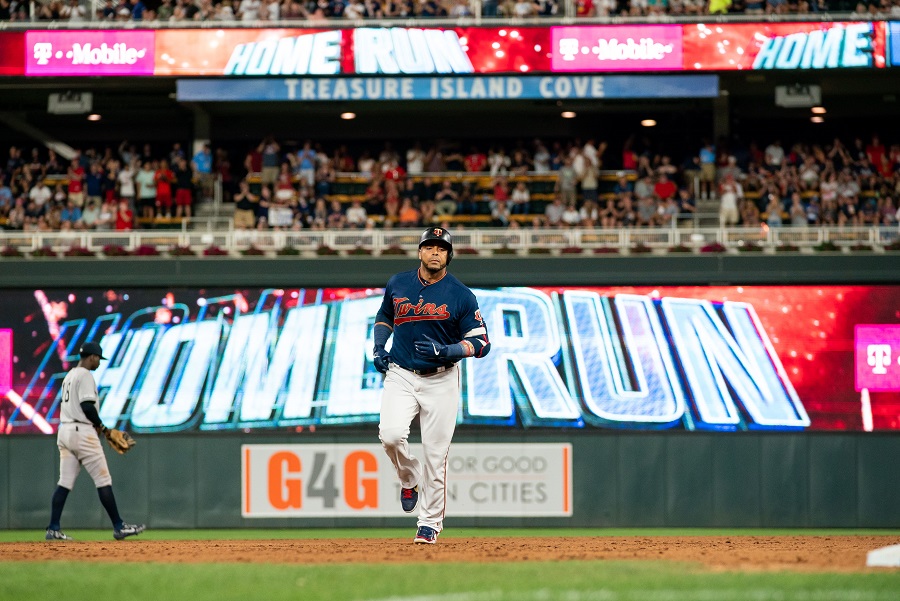 Let’s get this out of the way right now: This Twins team hasn’t lost anything to the Yankees. None of these guys care about what Ron Gardenhire’s clubs did against the Evil Empire, and I can guarantee no one in the current clubhouse is worried about what wins and losses took place a decade ago. Let’s view this through the lens of relevance in the here and now. Chasing down the best record in the American League, the only thing in New York’s way is the Houston Astros. Besting a rotation bolstered by Gerrit Cole, Justin Verlander, and Zack Greinke in a five or seven game series seems near impossible. That isn’t just a Minnesota hurdle, but one that makes Houston the odds-on favorite to win the World Series regardless of who they play. The best way for the Twins to generate positive momentum is an ALDS victory, and the most optimal way for that to occur is a few wins in the Bronx. So why the Yankees? I’m glad you asked. Starting Pitching Does it stink that the Twins won’t be able to turn to Michael Pineda at any point? Certainly. Do they need Jose Berrios and a few of his co-workers to step up? Certainly. Are they going to have opportunity against a New York group that owns the 19th rotation in baseball, and 15th since August first? Absolutely. James Paxton has had a lackluster 2019, but he’s been exceptional of late. A 2.57 ERA since August 2nd is the type of arm the Yankees intended to acquire. As a game one type pitcher, he’s everything you could hope for. From there, Aaron Boone has Masahiro Tanaka, Domingo German, and J.A. Happ. That trio has as many warts (if not more) than the group Minnesota would call upon to oppose them. The Twins may not see Happ in an effort to keep a lefty off the hill, but the lineup can certainly bang through any of those arms. Relief Pitching It’s kind of weird to think a group with Aroldis Chapman, Adam Ottavino, and Zack Britton could be bested but Minnesota is doing that just now. Since the trade deadline only the Tampa Bay Rays have a better relief corps than Wes Johnson’s group. The Twins don’t have the names, but Sergio Romo has bolstered an internal group anchored by the likes of Taylor Rogers, Tyler Duffey, and Trevor May. Realistically the Twins need to be able to get something from Sam Dyson. Knowing October games will be shortened by relief arms getting extended work, Baldelli needs the ability to turn to his recently acquired help. Hopefully the Twins can get his biceps soreness right over the next couple of weeks and get him back in the fold. New York is going to get better with the additions of Dellin Betances and Luis Severino. There’s no denying their group has the bigger names and more trustworthy performances. Because Minnesota started the year with so many question marks doesn’t make that a reality now though, and this collection of Twins' relievers can get the best of them. Lineup After setting the major league record in home runs for a single season, it’s easy to call the Bomba Squad a force to be reckoned with. The Yankees are the one team that holds a candle to that power though, trailing in the same stat by just single digits. The collection often known as the Bombers have plenty of pop on their own, but there’s also a level of uncertainty. Left fielder Mike Tauchman was just lost for the year, and former Minnesota outfielder Aaron Hicks is still on the shelf. Edwin Encarnacion and Gio Urshella recently returned to active duty, but they both need to work their way back in (Edwin appears to be acclimating just fine). Much like the Twins, there aren’t many holes in this group one through nine, but they’re also a team that can be hung with. The two squads are separated by less than 10 runs in total run differential, and despite a few game difference in the win column, that’s indicative of how similar they are. It’s obvious that the Twins need to get healthy. The Minnesota lineup needs a full go Nelson Cruz, Miguel Sano, and Max Kepler. Jake Cave being back with Marin Gonzalez are also must have additions. There’s no denying that the current Rocco Baldelli group isn’t in an optimal spot. Fast forward two weeks though and getting proper rest and healing would leave about a week of runway prior to the postseason. If the organization can prioritize health, and mix in some winning along the way, then October gets significantly brighter. The rotation was going to need to step up in big spots regardless of who was available. Health is more important than the loss of Pineda, and stealing games is going to need to happen against the Astros rotation regardless. The Twins are as good as the Yankees in 2019 and establishing that during the ALDS would go a long way for the sake of momentum. Winning the World Series is difficult. One team out of thirty ends their season on a winning note. Not all organizations have the same probability, and even being among the final ten teams, odds are stacked in a few teams' favor. If you’re a Twins fan down the stretch though, you should be a Houston fan as well. Let the October road begin in New York and grab a big series victory before giving World Series favorite Houston all you have.
 -
Hitting the ball hard has virtually always been his path to success. We don’t need to rehash where his performances and outcomes rank him in 2019 - this previous blog post accomplished that - but the all-time greats have had their doors knocked on plenty by Nelson Cruz this season.By now you know the backstory. Cruz didn’t debut as a regular in the big leagues until 2009 as a 28-year-old. He’s now 39 and is experiencing the best season of his career. Minnesota beat out a tightly contested market including the Houston Astros and Tampa Bay Rays for his services, and he’s been an integral part of a team that’s hit the most home runs during a single season in major league history. It’s one thing to put up an incredible power season. It’s a great development to absolutely crush a free agent signing. It’s a completely different development to rival the likes of Barry Bonds, Frank Thomas, and David Ortiz. When checking in on seasons to take place after a player turns 38 years old is somewhat difficult for a guy like Cruz. He’s posted 3.6 fWAR in 104 games thus far, which ranks 37th of 210 seasons to meet the criteria. The top of the leader board is a Who’s Who of Hall of Famers, but it’s also chock full of guys still playing a position or those from yesteryear. Barry Bonds tops the list while names like Ted Williams, Babe Ruth, Honus Wagner, and Willie Mays all make appearances as well. In strict terms of value, Cruz comes up a bit short. When comparing his skill set though, there’s a lot of eye-opening to be done. Only five players, including Nelson, have ever posted an OPS north of 1.000 after turning 38. That list is Bonds, Williams, Ty Cobb, and Ortiz. Cruz trails only Bonds and Williams in the single season slugging department, and his 35 homers round out the top 10. Even more impressively, only 13 other seasons in that 210 total have been composed of fewer games. Cruz has missed time due to a nagging wrist injury, but it hasn’t slowed him down when in the lineup and has only dropped what would be an even more gaudy counting stat line. In recent memory Minnesota employed the services of another aging talent in the rotund form of Bartolo Colon. A 44-year-old back in 2017, there was nothing exceptional about his 5.18 ERA. He was brought in to eat innings and did exactly that down the stretch. Cruz was signed to be a key cog in a lineup destined to make noise, and his response has been greater than anyone could’ve imagined. Baseball is a unique sport in that the best players generally are consistent on a yearly basis. Aside from that group though, there are often breakouts that can be remembered for some time. Phil Hughes’ record setting K/BB ratio in 2014 comes to mind, and Nelson Cruz’s exploits for Rocco Baldelli this season will likely be remembered in the same vein. Cruz won’t be talked about in the same realm as the likes of Bonds, Williams, or the previously mentioned tie-ins, but for 2019 he absolutely has some real parallels. The Twins are given the opportunity to bring Nelson back in 2020 at a discounted $12 million, and you can bet they'll exercise that option. Expecting him to defy Father Time again may be foolish, and the age cliff can be steep when it appears. For now though, there’s no denying this has been one of the most exceptional seasons in Minnesota history, and it’s one that Cruz can hang his hat on well into retirement. Whether home run number 400 comes (he’s currently 5 shy) before September flips or not, the greatest of greats would be proud of this elder statesmen representing longevity well. Click here to view the article
-
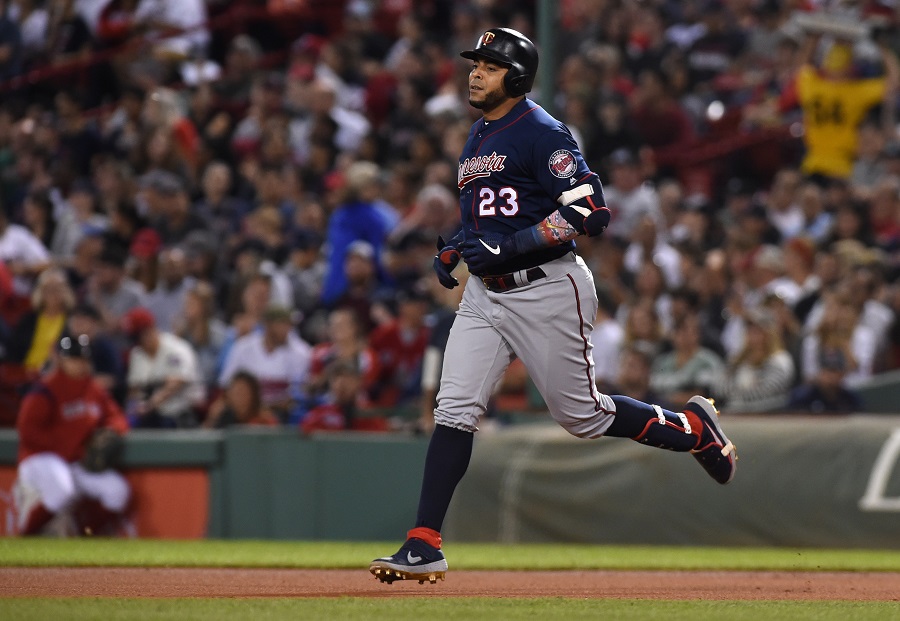 By now you know the backstory. Cruz didn’t debut as a regular in the big leagues until 2009 as a 28-year-old. He’s now 39 and is experiencing the best season of his career. Minnesota beat out a tightly contested market including the Houston Astros and Tampa Bay Rays for his services, and he’s been an integral part of a team that’s hit the most home runs during a single season in major league history. It’s one thing to put up an incredible power season. It’s a great development to absolutely crush a free agent signing. It’s a completely different development to rival the likes of Barry Bonds, Frank Thomas, and David Ortiz. When checking in on seasons to take place after a player turns 38 years old is somewhat difficult for a guy like Cruz. He’s posted 3.6 fWAR in 104 games thus far, which ranks 37th of 210 seasons to meet the criteria. The top of the leader board is a Who’s Who of Hall of Famers, but it’s also chock full of guys still playing a position or those from yesteryear. Barry Bonds tops the list while names like Ted Williams, Babe Ruth, Honus Wagner, and Willie Mays all make appearances as well. In strict terms of value, Cruz comes up a bit short. When comparing his skill set though, there’s a lot of eye-opening to be done. Only five players, including Nelson, have ever posted an OPS north of 1.000 after turning 38. That list is Bonds, Williams, Ty Cobb, and Ortiz. Cruz trails only Bonds and Williams in the single season slugging department, and his 35 homers round out the top 10. Even more impressively, only 13 other seasons in that 210 total have been composed of fewer games. Cruz has missed time due to a nagging wrist injury, but it hasn’t slowed him down when in the lineup and has only dropped what would be an even more gaudy counting stat line. In recent memory Minnesota employed the services of another aging talent in the rotund form of Bartolo Colon. A 44-year-old back in 2017, there was nothing exceptional about his 5.18 ERA. He was brought in to eat innings and did exactly that down the stretch. Cruz was signed to be a key cog in a lineup destined to make noise, and his response has been greater than anyone could’ve imagined. Baseball is a unique sport in that the best players generally are consistent on a yearly basis. Aside from that group though, there are often breakouts that can be remembered for some time. Phil Hughes’ record setting K/BB ratio in 2014 comes to mind, and Nelson Cruz’s exploits for Rocco Baldelli this season will likely be remembered in the same vein. Cruz won’t be talked about in the same realm as the likes of Bonds, Williams, or the previously mentioned tie-ins, but for 2019 he absolutely has some real parallels. The Twins are given the opportunity to bring Nelson back in 2020 at a discounted $12 million, and you can bet they'll exercise that option. Expecting him to defy Father Time again may be foolish, and the age cliff can be steep when it appears. For now though, there’s no denying this has been one of the most exceptional seasons in Minnesota history, and it’s one that Cruz can hang his hat on well into retirement. Whether home run number 400 comes (he’s currently 5 shy) before September flips or not, the greatest of greats would be proud of this elder statesmen representing longevity well.
 -
I'd imagine you meant Tom, because I'm not doing a whole lot haha!
-
What you have built, and fostered here, has been nothing short of exception John. To all of the owners at TD, having this outlet to discuss, write, and cover the game through a Twins lens has been amazing. Tom's leadership continues to be exceptional, and the support from everyone involved is something I feel so proud to be a part of.
-
Following a well deserved off day the Minnesota Twins welcome the Washington Nationals to Target Field for a three-game interleague series. With this being played on home turf, Rocco Baldelli’s club will be afforded the sensibility of having a designated hitter. Although the Twins have been without Nelson Cruz after a recent wrist flare-up, he could return to his post at the beginning of the series.Brief Overview: As is to be expected from any National League club, the Nationals are relative strangers to Target Field. This will be their first visit without Bryce Harper, and thankfully for the Twins, Max Scherzer is not scheduled to pitch in this set either. Washington is wrapping up a brief two-city road trip and is just 1-3 after leaving Atlanta with a series loss. What They Do Well: You have to start this section with their resolve and resilience. Expected to be a postseason team when 2019 began, the Washington Nationals raced out to an awful 20-31 start. By the beginning of June it looked like Davey Martinez’s squad was left for dead owning a 24-33 record and trailing in the NL East by nine full games.Since that point they have gone 55-30 being one of the hottest teams in the sport, and are now firmly entrenched in the first wild card spot. It’s not a surprise that a team with Scherzer, Stephen Strasburg, and Patrick Corbin in its rotation would pitch well. At fifth in overall fWAR as a staff, it’s the rotation that does the heavy lifting on this club. Washington’s starters own the best fWAR in baseball and have generated a full win more than the second-place Dodgers. Just because they can pitch doesn’t mean they don’t hit as well. Bryce Harper’s departure wasn’t ever going to be inconsequential but the lineup has had plenty of players step up. The lineup has produced a top third fWAR and they’ve scored the seventh most runs in all of baseball. What They Do Not Do Well: Technically we could put fielding in this category as the Nationals own the 19th-rated team in terms of defensive WAR. That’s essentially middle of the pack though, and it’s only two spots shy of the Minnesota Twins. Relief pitching has been atrocious. Washington owns the 25th overall fWAR from a relief perspective, and the poor performances have come from all over the place. Sean Doolittle looked like a lock-down lefty until just shy of the trade deadline, and now he’s got a 4.09 ERA. Tanner Rainey is the only arm with an ERA south of 4.00 to pitch more than 25 innings for the Nationals, and they’ve turned to Oakland Athletics castoff Fernando Rodney as a steadying presence. The bullpen is a hodgepodge of no-names and has-beens, while the group as a whole has hardly lived up to expectations (or performed right on par with them depending on how you look at it.) Individuals of Note: You know all about Strasburg, Scherzer, and Corbin. You probably know that Juan Soto is one of the best young players in the game right now. The outfielder has a .968 OPS through 131 games and he’s making it look incredibly easy. Former divisional foe Yan Gomes is on this club, and previous fan favorite Brian Dozier comes back to town for the first time as well. The most important individual, and one that flies under the radar most often, is none other than Anthony Rendon. Christian Yelich and Cody Bellinger have gotten all of the NL MVP hype in 2019, but you best believe the Nationals third baseman is deserving of consideration as well. Rendon is just 29, has a 1.047 OPS and has blasted 32 dingers this season. He hits for average, he hits for power, and he does it all while playing a strong third base. If it’s Gerrit Cole being handed a blank check on the bump this free agency cycle, teams should be lining up to pay Rendon whatever he wants to join their lineup. Recent History: Minnesota last played Washington in 2016 going 0-3 against them. The last time the Nationals were in Minnesota the Twins still played at the Metrodome. In 2008 the Twins swept the Nats over a three-game series in June. Recent Trajectories: Minnesota has gone 6-4 over their last ten games but are coming off a dropped series to begin this six game home swing. The Nats are 5-5 in their last 10 and went 1-4 against the Braves to start this trip. Pitching Matchups: Tuesday: Berrios vs Sanchez Wednesday: Perez vs Strasburg Thursday: Gibson vs Corbin Ending Thoughts: For whatever reason I was convinced that the Twins were scheduled to play the Nationals in 2020. That isn’t the case though, and Stephen Strasburg will be making his Target Field debut this week. Juan Soto was all of 9-years-old when Washington last came to Minnesota. This is going to be a clash of two good, likely playoff-bound, clubs. The Twins need to get healthy, and showing a lineup that resembles that during this series is a must. With the starter tipped in their favor just once, the Twins are in an uphill battle, but this team has risen to the occasion often in 2019. I’ll say the Fightin’ Rocco’s take two and keep the train moving. Click here to view the article
-
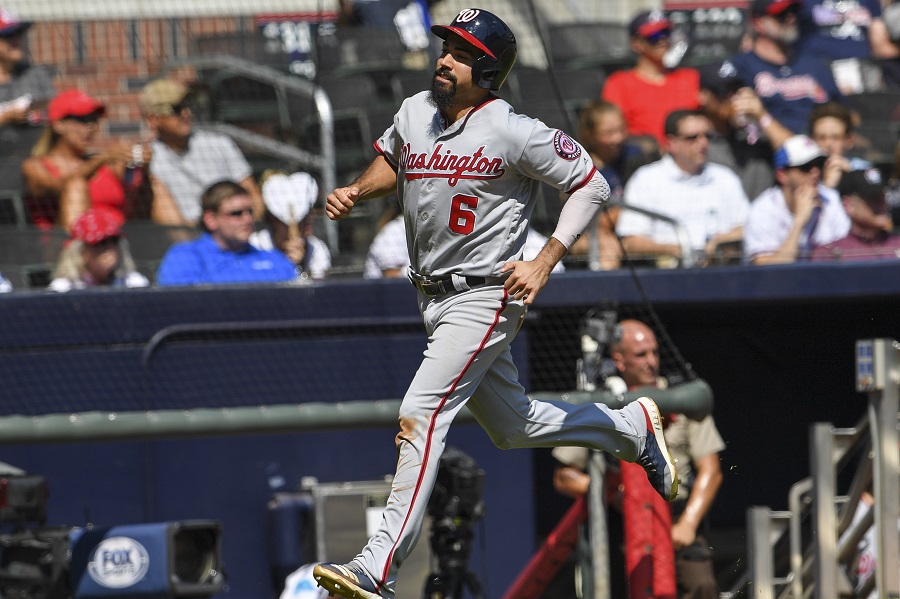 Brief Overview: As is to be expected from any National League club, the Nationals are relative strangers to Target Field. This will be their first visit without Bryce Harper, and thankfully for the Twins, Max Scherzer is not scheduled to pitch in this set either. Washington is wrapping up a brief two-city road trip and is just 1-3 after leaving Atlanta with a series loss. What They Do Well: You have to start this section with their resolve and resilience. Expected to be a postseason team when 2019 began, the Washington Nationals raced out to an awful 20-31 start. By the beginning of June it looked like Davey Martinez’s squad was left for dead owning a 24-33 record and trailing in the NL East by nine full games.Since that point they have gone 55-30 being one of the hottest teams in the sport, and are now firmly entrenched in the first wild card spot. It’s not a surprise that a team with Scherzer, Stephen Strasburg, and Patrick Corbin in its rotation would pitch well. At fifth in overall fWAR as a staff, it’s the rotation that does the heavy lifting on this club. Washington’s starters own the best fWAR in baseball and have generated a full win more than the second-place Dodgers. Just because they can pitch doesn’t mean they don’t hit as well. Bryce Harper’s departure wasn’t ever going to be inconsequential but the lineup has had plenty of players step up. The lineup has produced a top third fWAR and they’ve scored the seventh most runs in all of baseball. What They Do Not Do Well: Technically we could put fielding in this category as the Nationals own the 19th-rated team in terms of defensive WAR. That’s essentially middle of the pack though, and it’s only two spots shy of the Minnesota Twins. Relief pitching has been atrocious. Washington owns the 25th overall fWAR from a relief perspective, and the poor performances have come from all over the place. Sean Doolittle looked like a lock-down lefty until just shy of the trade deadline, and now he’s got a 4.09 ERA. Tanner Rainey is the only arm with an ERA south of 4.00 to pitch more than 25 innings for the Nationals, and they’ve turned to Oakland Athletics castoff Fernando Rodney as a steadying presence. The bullpen is a hodgepodge of no-names and has-beens, while the group as a whole has hardly lived up to expectations (or performed right on par with them depending on how you look at it.) Individuals of Note: You know all about Strasburg, Scherzer, and Corbin. You probably know that Juan Soto is one of the best young players in the game right now. The outfielder has a .968 OPS through 131 games and he’s making it look incredibly easy. Former divisional foe Yan Gomes is on this club, and previous fan favorite Brian Dozier comes back to town for the first time as well. The most important individual, and one that flies under the radar most often, is none other than Anthony Rendon. Christian Yelich and Cody Bellinger have gotten all of the NL MVP hype in 2019, but you best believe the Nationals third baseman is deserving of consideration as well. Rendon is just 29, has a 1.047 OPS and has blasted 32 dingers this season. He hits for average, he hits for power, and he does it all while playing a strong third base. If it’s Gerrit Cole being handed a blank check on the bump this free agency cycle, teams should be lining up to pay Rendon whatever he wants to join their lineup. Recent History: Minnesota last played Washington in 2016 going 0-3 against them. The last time the Nationals were in Minnesota the Twins still played at the Metrodome. In 2008 the Twins swept the Nats over a three-game series in June. Recent Trajectories: Minnesota has gone 6-4 over their last ten games but are coming off a dropped series to begin this six game home swing. The Nats are 5-5 in their last 10 and went 1-4 against the Braves to start this trip. Pitching Matchups: Tuesday: Berrios vs Sanchez Wednesday: Perez vs Strasburg Thursday: Gibson vs Corbin Ending Thoughts: For whatever reason I was convinced that the Twins were scheduled to play the Nationals in 2020. That isn’t the case though, and Stephen Strasburg will be making his Target Field debut this week. Juan Soto was all of 9-years-old when Washington last came to Minnesota. This is going to be a clash of two good, likely playoff-bound, clubs. The Twins need to get healthy, and showing a lineup that resembles that during this series is a must. With the starter tipped in their favor just once, the Twins are in an uphill battle, but this team has risen to the occasion often in 2019. I’ll say the Fightin’ Rocco’s take two and keep the train moving.
 -
Pineda and the PED Stupidity
Ted Schwerzler commented on Ted Schwerzler 's blog entry in Off The Baggy
My understanding is the team/FO never finds out until the player wants them to. The MLBPA notifies the agent, then the player. Appeals process takes place after that. Sounds like Rocco found out on Saturday afternoon because Pineda told him. Polanco did not notify the Twins last season. -
Following the completion of the Major League Baseball Amateur Draft, organizations kick off their short season leagues. For the Minnesota Twins, their Gulf Coast team stays at the southern headquarters in Fort Myers, while the Appalachian League Elizabethton Twins head out to Tennessee. Both teams had plenty of intriguing names on them this season, and kicking off the awards swing, it’s the Twins Daily 2019 Short Season Hitter of the Year. Image courtesy of Nicolas Badders, Elizabethton Twins (graphics by Finn Pearson) A list of previous winners of this award is comprised of an interesting trio. In 2016 it was the recently traded Lewin Diaz. Having broken out in a big way during 2019, he became a hot commodity and was the piece Miami coveted in exchange for big league reliever Sergio Romo. For his efforts in 2017 Akil Baddoo took home the honors. He played in just 29 games for High-A Fort Myers before needing season ending elbow surgery. Last year’s winner was Chris Williams who split time between Cedar Rapids and Fort Myers this season. The goal with the Short Season Hitter of the Year award is to put a focus on both the GCL and Elizabethton clubs. While promotions are great for players, only their exploits in those respective leagues are to be considered. The seasons are shorter and the stats obviously have less ability to accumulate, but these bats all made an immediate and powerful impact. Previous Winners: 2016: Lewin Diaz 2017: Akil Baddoo 2018: Chris Williams Stay tuned to Twins Daily for the announcements of the rest of the minor league awards in the coming days. Before we profile the top five, here’re the guys that rounded out the Short Season Hitter of the Year ballots. Others Receiving Votes: Jeferson Morales, GCL Twins: 26-110, .236/.373/.436, 7 2B, 3 3B, 3 HR, 16 RBI Seth Gray, Elizabethton Twins: 49-218, .225/.336/.445, 15 2B, 11 HR, 36 RBI Parker Phillips, GCL Twins/Elizabethton Twins: 54-204, .265/.367/.407, 9 2B, 3B, 6 HR, 26 RBI Short Season Hitter of the Year: Here are the top five players for the Twins Daily Short Season Hitter of the Year 5. Albee Weiss, Elizabethton Twins: 25-96, .260/.295/.604, 4 2B, 3B, 9 HR, 25 RBI Weiss was selected in the 23rd round of the 2018 MLB draft. He played the entire season last year at Elizabethton and mustered just a .610 OPS in 36 games. Repeating the level this year, his power played significantly higher and he parlayed that in to opportunities with both Cedar Rapids and Fort Myers. He’s split time between left field and first base during his professional career. 4. Max Smith, Elizabethton Twins: 61-213, .286/.353/.451, 12 2B, 3B, 7 HR, 28 RBI The Twins took Smith in the 31st round of the 2019 MLB draft out of UNLV. The Tucson, Arizona native was a senior sign and turned in a respectable debut season in pro ball. Power isn’t really his game, but seeing seven long balls show up in his first year is a nice development. A left-handed bat, he played primarily in left field for Elizabethton, but can man all three outfield spots. 3. Spencer Steer, Elizabethton Twins: 25-77, .325/.442/.506, 6 2B, 3B, 2 HR, 13 RBI Minnesota made the former Oregon Ducks shortstop their third-round pick in the most recent amateur draft. It’s not surprising that a talent taken that high would be better than the rookie ball level, but Steer proved it quickly. He hit on a nightly basis and left Elizabethton with a .949 OPS. Moving up to Cedar Rapids, he was an important cog for a team with postseason aspirations. This is definitely a player to watch in the Twins system going forward. 2. Wander Valdez, GCL Twins: 30-93, .323/.382/.516, 6 2B, 4 HR, 13 RBI Signed on the July 2 International Free Agent date back in 2016 as a 16-year-old, Valdez spent the past two seasons playing in the Dominican Summer League. In his first season on US soil the Twins got to see plenty of excitement from a talent they doled out a half-million to. Still young, power should be a developing aspect of the corner infielder’s game, but the impressive output during 29 games of GCL action is something to build off of. 1. Matt Wallner, Elizabethton Twins: 56-208, .269/.361/.451, 18 2B, 3B, 6 HR, 28 RBI A hometown star from Forest Lake, Minnesota, Wallner was grabbed by the Twins with their 39th overall selection in the most recent MLB draft. After three great seasons for Southern Mississippi, and a handful of shattered Conference USA records, it was time to go pro. Wallner has an electric arm, but was drafted as a hitter for Minnesota. The power stroke is something of a calling card for him, and putting him in the same system as 2017 draftee Brent Rooker gives Minnesota two of the most accomplished Division I ballplayers of recent memory. For the Golden Eagles Wallner hit at least 16 homers in each of his collegiate seasons, and topped out with 23 as a junior in 2019. He owned a career 1.113 OPS across 189 games in Conference USA and left his mark all over the program. Talking with Wallner after the draft in June, he mentioned the level of excitement being taken by his hometown team saying, “It’s a dream come true and can’t wait to get started with the Twins organization.” Wallner was actually selected by the Twins out of high school in the 32nd round, but the intention then was always to go to school. He mentioned comparisons of his power-lefty style to Justin Morneau, and Minnesota fans would be elated to see that replicate itself at the highest level. Wallner earned a late season promotion to Cedar Rapids, and has been involved in a postseason run that will no doubt help development and growth down the line through valuable experience. Matt has operated entirely as a right fielder for Minnesota, and continuing to see his power play from that role as he helps teams at different levels throughout his journey to the big leagues will be must-watch excitement. The Ballots In an attempt to be transparent, here are the votes from our Twins Daily minor league writers: Seth Stohs- 1) Matt Wallner 2) Max Smith 3) Seth Gray 4) Parker Phillips 5) Wander Valdez Tom Froemming- 1) Matt Wallner 2) Albee Weiss 3) Seth Gray 4) Jeferson Morales 5) Wander Valdez Cody Christie- 1) Wander Valdez 2) Matt Wallner 3) Max Smith 4) Spencer Steer 5) Jeferson Morales Matt Braun- 1) Spencer Steer 2) Wander Valdez 3) Jeferson Morales 4) Albee Weiss 5) Matt Wallner Ted Schwerzler- 1) Spencer Steer 2) Albee Weiss 3) Wander Valdez 4) Matt Wallner 5) Jeferson Morales Steve Lein- 1) Matt Wallner 2) Max Smith 3) Wander Valdez 4) Seth Gray 5) Jeferson Morales Feel free to discuss. What do you think of our rankings? How would you rank them? How would your ballot look? View full article
- 5 replies
-
- 2
-
-
- matt wallner
- wander valdez
- (and 3 more)
-
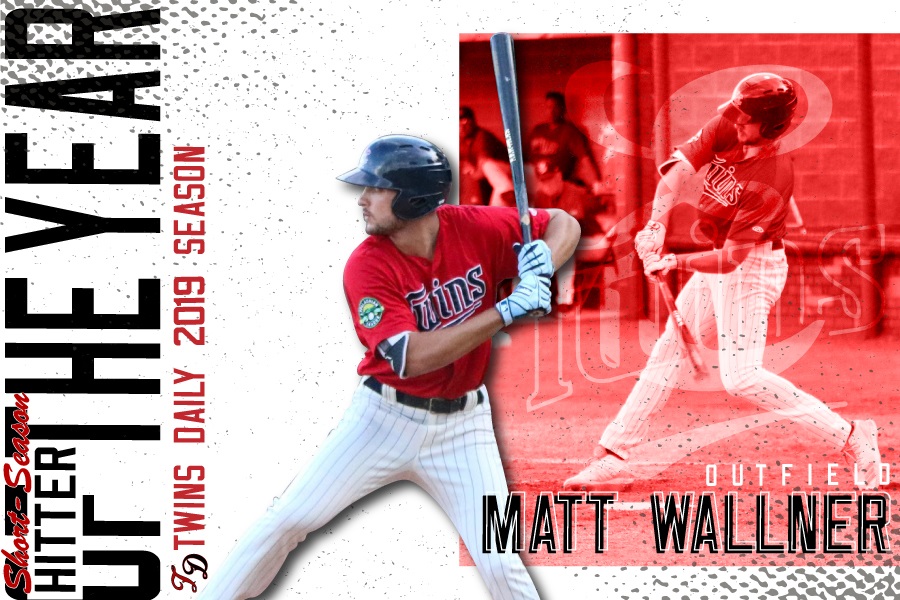 A list of previous winners of this award is comprised of an interesting trio. In 2016 it was the recently traded Lewin Diaz. Having broken out in a big way during 2019, he became a hot commodity and was the piece Miami coveted in exchange for big league reliever Sergio Romo. For his efforts in 2017 Akil Baddoo took home the honors. He played in just 29 games for High-A Fort Myers before needing season ending elbow surgery. Last year’s winner was Chris Williams who split time between Cedar Rapids and Fort Myers this season. The goal with the Short Season Hitter of the Year award is to put a focus on both the GCL and Elizabethton clubs. While promotions are great for players, only their exploits in those respective leagues are to be considered. The seasons are shorter and the stats obviously have less ability to accumulate, but these bats all made an immediate and powerful impact. Previous Winners: 2016: Lewin Diaz 2017: Akil Baddoo 2018: Chris Williams Stay tuned to Twins Daily for the announcements of the rest of the minor league awards in the coming days. Before we profile the top five, here’re the guys that rounded out the Short Season Hitter of the Year ballots. Others Receiving Votes: Jeferson Morales, GCL Twins: 26-110, .236/.373/.436, 7 2B, 3 3B, 3 HR, 16 RBI Seth Gray, Elizabethton Twins: 49-218, .225/.336/.445, 15 2B, 11 HR, 36 RBI Parker Phillips, GCL Twins/Elizabethton Twins: 54-204, .265/.367/.407, 9 2B, 3B, 6 HR, 26 RBI Short Season Hitter of the Year: Here are the top five players for the Twins Daily Short Season Hitter of the Year 5. Albee Weiss, Elizabethton Twins: 25-96, .260/.295/.604, 4 2B, 3B, 9 HR, 25 RBI Weiss was selected in the 23rd round of the 2018 MLB draft. He played the entire season last year at Elizabethton and mustered just a .610 OPS in 36 games. Repeating the level this year, his power played significantly higher and he parlayed that in to opportunities with both Cedar Rapids and Fort Myers. He’s split time between left field and first base during his professional career. 4. Max Smith, Elizabethton Twins: 61-213, .286/.353/.451, 12 2B, 3B, 7 HR, 28 RBI The Twins took Smith in the 31st round of the 2019 MLB draft out of UNLV. The Tucson, Arizona native was a senior sign and turned in a respectable debut season in pro ball. Power isn’t really his game, but seeing seven long balls show up in his first year is a nice development. A left-handed bat, he played primarily in left field for Elizabethton, but can man all three outfield spots. 3. Spencer Steer, Elizabethton Twins: 25-77, .325/.442/.506, 6 2B, 3B, 2 HR, 13 RBI Minnesota made the former Oregon Ducks shortstop their third-round pick in the most recent amateur draft. It’s not surprising that a talent taken that high would be better than the rookie ball level, but Steer proved it quickly. He hit on a nightly basis and left Elizabethton with a .949 OPS. Moving up to Cedar Rapids, he was an important cog for a team with postseason aspirations. This is definitely a player to watch in the Twins system going forward. 2. Wander Valdez, GCL Twins: 30-93, .323/.382/.516, 6 2B, 4 HR, 13 RBI Signed on the July 2 International Free Agent date back in 2016 as a 16-year-old, Valdez spent the past two seasons playing in the Dominican Summer League. In his first season on US soil the Twins got to see plenty of excitement from a talent they doled out a half-million to. Still young, power should be a developing aspect of the corner infielder’s game, but the impressive output during 29 games of GCL action is something to build off of. 1. Matt Wallner, Elizabethton Twins: 56-208, .269/.361/.451, 18 2B, 3B, 6 HR, 28 RBI A hometown star from Forest Lake, Minnesota, Wallner was grabbed by the Twins with their 39th overall selection in the most recent MLB draft. After three great seasons for Southern Mississippi, and a handful of shattered Conference USA records, it was time to go pro. Wallner has an electric arm, but was drafted as a hitter for Minnesota. The power stroke is something of a calling card for him, and putting him in the same system as 2017 draftee Brent Rooker gives Minnesota two of the most accomplished Division I ballplayers of recent memory. For the Golden Eagles Wallner hit at least 16 homers in each of his collegiate seasons, and topped out with 23 as a junior in 2019. He owned a career 1.113 OPS across 189 games in Conference USA and left his mark all over the program. Talking with Wallner after the draft in June, he mentioned the level of excitement being taken by his hometown team saying, “It’s a dream come true and can’t wait to get started with the Twins organization.” Wallner was actually selected by the Twins out of high school in the 32nd round, but the intention then was always to go to school. He mentioned comparisons of his power-lefty style to Justin Morneau, and Minnesota fans would be elated to see that replicate itself at the highest level. Wallner earned a late season promotion to Cedar Rapids, and has been involved in a postseason run that will no doubt help development and growth down the line through valuable experience. Matt has operated entirely as a right fielder for Minnesota, and continuing to see his power play from that role as he helps teams at different levels throughout his journey to the big leagues will be must-watch excitement. The Ballots In an attempt to be transparent, here are the votes from our Twins Daily minor league writers: Seth Stohs- 1) Matt Wallner 2) Max Smith 3) Seth Gray 4) Parker Phillips 5) Wander Valdez Tom Froemming- 1) Matt Wallner 2) Albee Weiss 3) Seth Gray 4) Jeferson Morales 5) Wander Valdez Cody Christie- 1) Wander Valdez 2) Matt Wallner 3) Max Smith 4) Spencer Steer 5) Jeferson Morales Matt Braun- 1) Spencer Steer 2) Wander Valdez 3) Jeferson Morales 4) Albee Weiss 5) Matt Wallner Ted Schwerzler- 1) Spencer Steer 2) Albee Weiss 3) Wander Valdez 4) Matt Wallner 5) Jeferson Morales Steve Lein- 1) Matt Wallner 2) Max Smith 3) Wander Valdez 4) Seth Gray 5) Jeferson Morales Feel free to discuss. What do you think of our rankings? How would you rank them? How would your ballot look?
 -
Pineda and the PED Stupidity
Ted Schwerzler commented on Ted Schwerzler 's blog entry in Off The Baggy
He took a masking agent, and believing it was for the reason he suggested seems thick to me. The ONLY reason you don’t run that by the Twins staff is because you don’t want the answer. -
Why can't we have nice things? Maybe that's a common refrain, but then again shouldn't it be why does common sense escape so many? As Michael Pineda now faces a 60 game suspension, ending his season and ability to help the Minnesota Twins in the Postseason, we're left shaking our heads as to why cheating is always defined as a mistake. There's zero denying that Michael Pineda knew what he was doing. Ingesting a diuretic that he obtained from a "close acquaintance" is the same tired excuse we're often fed. You see, those that lack common sense also have this belief the world around them follows suit. Here's the reality, Pineda got caught and still can't own it so he's going down with the ship. If there was no ill intentions in taking the drug, Pineda could have quickly reached out to team doctors or trainers for an opinion. He made a choice to forego that route because of the assumed answer. Whether Pineda believed there would be substantial helpful effects for whatever he was trying to mask or not, he chose to turn from a protocol that would've been in the best interest of himself and moreso his team. In the end it's really the Twins that lose here. After paying $2 million on the belief they'd get to monitor rehab and then get a productive pitcher in 2019, they got an $8 million tab that ran out right when they needed it most. Pineda has been Rocco Baldelli's best starter since being shut down for 10 days on May 27, and Minnesota went 11-4 in the 15 games he started. This was supposed to be Jose Berrios' staff, but it was Big Mike that looked the part of ALDS game one pitcher. Not anymore. Nothing about this suspension changes the Twins outlook when it comes to playing in October or winning the AL Central division. Both of those things will still happen. Where the fallout comes is in how and what Minnesota does to compete against the best of the best. You can get by with three elite starters or four quality ones in Postseason play, but the Twins now have two wild cards, an ill asset, and a handful of unproven commodities. It's been the Bomba Squad all year, and the pen has stepped up of late, but the need has now never been greater. An era or so ago when PED usage ran rampant in baseball (thank you Bud Selig), I had no problem with the best looking for that advantage. Now the ball is juiced and the playing field is leveled that way. Testing is stricter than it's ever been though, and the sport has since decided drugs have no place in the game. To continue operating that way is as selfish as it gets, and only hurts your club. Pineda will still get paid next season, and he makes a healthy sum for 2019. The fans and players looking to make a splash this season now all lose. This is a story we've heard plenty of times before. It's an excuse and apology we'll hear plenty of times again. No amount of money can buy common sense, and unfortunately for the Twins, Michael Pineda's desire to be about himself is the latest example. For more from Off The Baggy, click here. Follow @tlschwerz
-
Front Page: A Stab at the Twins Postseason Roster
Ted Schwerzler replied to Ted Schwerzler 's topic in Twins Daily Front Page News
Definitely made a mistake in excluding Adrianza. He’s probably in instead of Cave, and that’s how I’d leave it.- 22 replies
-
- 1
-
-
- minnesota twins
- miguel sano
- (and 3 more)
-
It’s all but a forgone conclusion that the Minnesota Twins are going to play in the Postseason following the conclusion of the 2019 Major League Baseball season. With a 5.5 game lead in the AL Central, a soft schedule still ahead, and representative of the most superior team in the division, getting there is part of the battle Rocco Baldelli’s club has all but accomplished. The question become centered around who makes that roster, and that’s where things get sticky.In the last year of active roster expansion to 40 players Minnesota has taken full advantage. They currently have 36 players up with the big-league club, and Kyle Gibson is hoping to return from Ulcerative Colitis in short order. That means there’s more than 10 players who must be trimmed prior to the Postseason, and there’s only a few spots up for grabs. As of right now, here’s how I see this playing out: Catchers (2): Jason Castro, Mitch Garver This duo should be considered a lock. They have combined to represent the most impressive production at the position in years, and Garver has been a walking bomba for much of the season. Playing into the platoon advantage, and both now providing adequate or better defensive skills, just about every ability is crossed off here. Willians Astudillo was fun early in the year, but he’s not much of a factor at this point. Infield (7): C.J. Cron, Luis Arraez, Jonathan Schoop, Jorge Polanco, Marwin Gonzalez, Miguel Sano, Ehire Adrianza Starting positions have been well established in this group for a while. Arraez has taken over at 2B for Schoop, but Jonathan provides a nice right-handed option and some pop off the bench. Gonzalez can play all over the place, and his flexibility has spelled Minnesota in multiple different ways over the course of the season. Sano and Cron are both locked in on the corners, and there shouldn’t be any surprises here. Edit: Completely blanked in leaving out Adrianza. He has been exceptional for the Twins this year, and will provide both utility and a capably bench bat. He definitely makes the roster. Outfield (4): Eddie Rosario, Byron Buxton, Max Kepler, Ian Miller, Jake Cave There are zero doubts who the Twins starting outfield trio is when health is at its highest. Buxton remains somewhat of a wild card as he returns from his shoulder dislocation, and there’s always the possibility of the next malady that puts him on the shelf. After being left for dead early in the year, Jake Cave has played himself into a significant opportunity both down the stretch and into October. Kepler and Rosario are etched in stone as well. Miller represents the first wild card on the roster. He was added to the 40 man and made a September call up for a reason. Speed is his asset, and he can play as a defensive replacement in the outfield. The Twins don’t run much, but Postseason baseball certainly provides unique opportunities. I’d think he’s got an inside track at a spot right now and having a guy like that is evidence of strong roster utilization. Edit: With Adrianza being added, it's Cave that was redundant. While Miller can't provide the bat, he's as good or better of a defender and brings the speed option to the table. Jake has been great since Byron has been out, but he will be left off the Postseason 25man assuming Buxton is full go. Designated Hitter (1): Nelson Cruz One and only, Nelson Cruz. No surprise here, but the 39-year-old that has crushed all season will be expected to do the same in October. There’s previous World Series experience under his belt and Minnesota is certainly hoping for that to be of value for much of the youth on the roster. Rotation (4): Jose Berrios, Michael Pineda, Jake Odorizzi, Martin Perez In the Postseason you don’t need a five-man rotation. For a five-game series, you probably don’t even need a fourth starter. Minnesota finds themselves in a weird spot though. The ideal game one starter would be Jose Berrios, but he’s scuffled through August. His last start against the Red Sox didn’t provide strong results from a command perspective, but the stuff was back. He had regained velocity and missed bats. In a short series you could ask him to go twice, and on short rest, but that may be playing with fire. Baldelli has got the best, and most consistent, production from Pineda this year. He represents a strong option for game two, and Odorizzi has flashed enough to lock down game three. Perez has been up and down most of the season, but he’s trending back towards the positive of late. He could be pushed to the pen or may represent a game four option if the Twins have one in hand. Noticeably excluded from this list is homegrown talent Kyle Gibson. That’d be a pretty tough reality for the former 1st round pick to swallow, but illness may make that a reality. His ability depends almost entirely on how he rebounds from his sickness, and the effectiveness of the medication. If he can get back, and get right, in enough time then there’s probability he bumps someone from this foursome. Bullpen (7): Taylor Rogers, Sergio Romo, Tyler Duffey, Trevor May, Sam Dyson, Zack Littell, Brusdar Graterol Recently Cooper did a great job constructing an ideal Postseason pen for Minnesota at Twins Daily. I’d agree with him that the first four names above are all locks. Rogers is the closer, Romo was brought in for these moments, and both Duffey and May have worked their way into high leverage. Dyson should also be considered a lock, but that requires him to be healthy. He’s dealt with bicep issues since the trade from San Francisco and owns a 7.15 ERA through 11.1 IP with his new team. That leaves two openings for Baldelli to decide on, and one was seemingly already made. When Brusdar Graterol was promoted to the 40 man roster a few days ago, it was with an eye on the Postseason. Yes, he’s still transitioning to bullpen life for now, and he’ll need to make sure he doesn’t pitch himself out of the opportunity, but this is the goal. Triple-digit heat coming in from the pen isn’t something the Twins have employed previously, and that could be a significant weapon in tight October games. Choosing from a known commodity on the roster is a bit tougher but Littell looks to be the right option. Following the blowup in Tampa he’s been nothing short of exception. Across 19.2 IP he owns a 0.92 ERA and .675 OPS against. There’s strikeout stuff and the velocity plays into the upper 90’s. Ryne Harper and his curveball may be enticing, Lewis Thorpe as another lefty makes some sense, and Trevor Hildenberger with previous experience could be tempting as well. Having been passed over previously however, I think this is the spot that Littell gets and thrives. We’re still about a month away from Postseason action, and so much can happen from both a health and effectiveness standpoint. I feel good about this 25-man group right now, but we’ll re-evaluate as things get closer. What would your Postseason roster look like? How does it differ, or where is it the same? Click here to view the article
- 22 replies
-
- 3
-
-
- minnesota twins
- miguel sano
- (and 3 more)
-
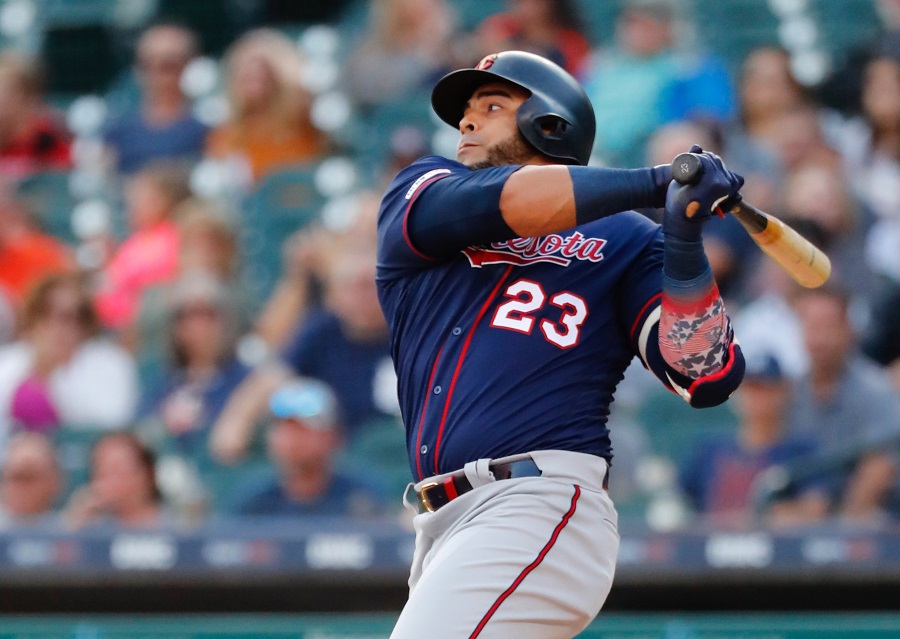 In the last year of active roster expansion to 40 players Minnesota has taken full advantage. They currently have 36 players up with the big-league club, and Kyle Gibson is hoping to return from Ulcerative Colitis in short order. That means there’s more than 10 players who must be trimmed prior to the Postseason, and there’s only a few spots up for grabs. As of right now, here’s how I see this playing out: Catchers (2): Jason Castro, Mitch Garver This duo should be considered a lock. They have combined to represent the most impressive production at the position in years, and Garver has been a walking bomba for much of the season. Playing into the platoon advantage, and both now providing adequate or better defensive skills, just about every ability is crossed off here. Willians Astudillo was fun early in the year, but he’s not much of a factor at this point. Infield (7): C.J. Cron, Luis Arraez, Jonathan Schoop, Jorge Polanco, Marwin Gonzalez, Miguel Sano, Ehire Adrianza Starting positions have been well established in this group for a while. Arraez has taken over at 2B for Schoop, but Jonathan provides a nice right-handed option and some pop off the bench. Gonzalez can play all over the place, and his flexibility has spelled Minnesota in multiple different ways over the course of the season. Sano and Cron are both locked in on the corners, and there shouldn’t be any surprises here. Edit: Completely blanked in leaving out Adrianza. He has been exceptional for the Twins this year, and will provide both utility and a capably bench bat. He definitely makes the roster. Outfield (4): Eddie Rosario, Byron Buxton, Max Kepler, Ian Miller, Jake Cave There are zero doubts who the Twins starting outfield trio is when health is at its highest. Buxton remains somewhat of a wild card as he returns from his shoulder dislocation, and there’s always the possibility of the next malady that puts him on the shelf. After being left for dead early in the year, Jake Cave has played himself into a significant opportunity both down the stretch and into October. Kepler and Rosario are etched in stone as well. Miller represents the first wild card on the roster. He was added to the 40 man and made a September call up for a reason. Speed is his asset, and he can play as a defensive replacement in the outfield. The Twins don’t run much, but Postseason baseball certainly provides unique opportunities. I’d think he’s got an inside track at a spot right now and having a guy like that is evidence of strong roster utilization. Edit: With Adrianza being added, it's Cave that was redundant. While Miller can't provide the bat, he's as good or better of a defender and brings the speed option to the table. Jake has been great since Byron has been out, but he will be left off the Postseason 25man assuming Buxton is full go. Designated Hitter (1): Nelson Cruz One and only, Nelson Cruz. No surprise here, but the 39-year-old that has crushed all season will be expected to do the same in October. There’s previous World Series experience under his belt and Minnesota is certainly hoping for that to be of value for much of the youth on the roster. Rotation (4): Jose Berrios, Michael Pineda, Jake Odorizzi, Martin Perez In the Postseason you don’t need a five-man rotation. For a five-game series, you probably don’t even need a fourth starter. Minnesota finds themselves in a weird spot though. The ideal game one starter would be Jose Berrios, but he’s scuffled through August. His last start against the Red Sox didn’t provide strong results from a command perspective, but the stuff was back. He had regained velocity and missed bats. In a short series you could ask him to go twice, and on short rest, but that may be playing with fire. Baldelli has got the best, and most consistent, production from Pineda this year. He represents a strong option for game two, and Odorizzi has flashed enough to lock down game three. Perez has been up and down most of the season, but he’s trending back towards the positive of late. He could be pushed to the pen or may represent a game four option if the Twins have one in hand. Noticeably excluded from this list is homegrown talent Kyle Gibson. That’d be a pretty tough reality for the former 1st round pick to swallow, but illness may make that a reality. His ability depends almost entirely on how he rebounds from his sickness, and the effectiveness of the medication. If he can get back, and get right, in enough time then there’s probability he bumps someone from this foursome. Bullpen (7): Taylor Rogers, Sergio Romo, Tyler Duffey, Trevor May, Sam Dyson, Zack Littell, Brusdar Graterol Recently Cooper did a great job constructing an ideal Postseason pen for Minnesota at Twins Daily. I’d agree with him that the first four names above are all locks. Rogers is the closer, Romo was brought in for these moments, and both Duffey and May have worked their way into high leverage. Dyson should also be considered a lock, but that requires him to be healthy. He’s dealt with bicep issues since the trade from San Francisco and owns a 7.15 ERA through 11.1 IP with his new team. That leaves two openings for Baldelli to decide on, and one was seemingly already made. When Brusdar Graterol was promoted to the 40 man roster a few days ago, it was with an eye on the Postseason. Yes, he’s still transitioning to bullpen life for now, and he’ll need to make sure he doesn’t pitch himself out of the opportunity, but this is the goal. Triple-digit heat coming in from the pen isn’t something the Twins have employed previously, and that could be a significant weapon in tight October games. Choosing from a known commodity on the roster is a bit tougher but Littell looks to be the right option. Following the blowup in Tampa he’s been nothing short of exception. Across 19.2 IP he owns a 0.92 ERA and .675 OPS against. There’s strikeout stuff and the velocity plays into the upper 90’s. Ryne Harper and his curveball may be enticing, Lewis Thorpe as another lefty makes some sense, and Trevor Hildenberger with previous experience could be tempting as well. Having been passed over previously however, I think this is the spot that Littell gets and thrives. We’re still about a month away from Postseason action, and so much can happen from both a health and effectiveness standpoint. I feel good about this 25-man group right now, but we’ll re-evaluate as things get closer. What would your Postseason roster look like? How does it differ, or where is it the same?
 -
The postseason started for Minnesota Twins affiliates tonight and that means the Pensacola Blue Wahoos and Cedar Rapids Kernels were in action. While both teams came up on the short end of the scoreboard, they did so in dramatically different fashion. Speaking of drama, some top prospects provided plenty of it, and neither of these series is expected to see Minnesota’s clubs go down quietly.TRANSACTIONS Pensacola LHP Bryan Sammons transferred to Fort Myers LHP Andrew Vasquez transferred to Rochester RHP Jordan Balazovic promoted from Fort Myers RHP Dakota Chalmers promoted from Fort myers BLUE WAHOOS BITES Biloxi 11, Pensacola 10 Box Score What an absolute doozy. Jhoan Duran drew the start for the Blue Wahoos and it could have definitely gone better. He made it to just one out into the fifth inning, and despite striking out six and walking one, he allowed four earned runs on eight hits. This game was all about offense though, so let’s fast forward to where things got crazy. Despite there being 20 runs and 28 hits through the first nine frames, Pensacola had no home runs. Down 9-5 with no outs and only owning their final three outs, Alex Kirilloff stepped in for the away team. Minnesota’s #2 prospect launched a grand slam into the night and tied this one. After a ball to start the at-bat for top prospect Royce Lewis, he launched a solo shot of his own and the Blue Wahoos owned their most important lead of the night. Alex Phillips came on to close it out in the ninth and came one errant pitch from getting it done. A leadoff single turned into a runner on second following a one-out wild pitch, and the runner came around to score on a two-out single a couple of batters later. The game that had everything was now headed to extras. After going down in order during the top half, Pensacola tasked Jovani Moran with getting them to the 11th. Moran worked around a leadoff walk by getting a ground ball double play from the next batter, but a walk off homer, while needing just one more out, did him in. Griffin Jax will look to send the series back to Florida all knotted up after a win tomorrow night. KERNELS NUGGETS Quad Cities 4, Cedar Rapids 1 Box Score Luis Rijo earned the game one start for Cedar Rapids and he gave the home team everything they could ask for and then some. Working six innings, he allowed just two runs (one earned) while striking out six and issuing zero free passes. Down just one run when he left the contest, Rijo put the Kernels in striking distance to take game one of their postseason run. Unfortunately the Tyler Webb solo shot in the bottom of the third inning was the only production that Cedar Rapids mustered. The five hits were scattered and the home field advantage didn’t provide a lift in the ninth as Kernels hitters went down in order on strikes. Seth Gray was the lone Cedar Rapids hitter to rack up multiple hits, and only Gabe Snyder joined him by reaching base more than once on the evening. Tomorrow, Matt Canterino will look to draw things back even on the road, and the Kernels will attempt to play a more crisp game after having three errors tonight. TWINS DAILY PLAYERS OF THE DAY Twins Daily Minor League Pitcher of the Day - Luis Rijo (Cedar Rapids) 6.0 IP, 6 H, 2 R, 1 ER, 0 BB, 6 K Twins Daily Minor League Hitter of the Day – Alex Kirilloff (Pensacola) - 2-5, 2B, HR(GS), 2 R, 4 RBI, K PROSPECT SUMMARY Here’s a look at how the Twins Daily Midseason Top 20 Twins Prospects performed: #1 - Royce Lewis (Pensacola) - 3-5, 2B, HR, 2 R, 2 RBI, K #2 - Alex Kirilloff (Pensacola) - 2-5, 2B, HR(GS), 2 R, 4 RBI, K #3 - Brusdar Graterol (Minnesota) - 1.0 IP, 0 H, 0 R, 0 ER, 1 BB, 0 K #4 - Trevor Larnach (Pensacola) - 1-4, 2B, 2 R, RBI, BB, K #5 - Wander Javier (Cedar Rapids) - 0-4, K #9 - Jhoan Duran (Pensacola) - 4.1 IP, 8 H, 4 R, 4 ER, 1 BB, 6 K #13 - Ryan Jeffers (Pensacola) - 1-5, K #14 - Luis Arraez (Minnesota) - Defensive replacement #15 - Matt Wallner (Cedar Rapids) - 0-4, K #20 - Travis Blankenhorn (Pensacola) - 1-3, R, 2 BB THURSDAY’S PROBABLE STARTERS Pensacola vs Biloxi (6:35PM CST) - RHP Griffin Jax Cedar Rapids vs Quad Cities (6:35PM CST) - RHP Matt Canterino Please feel free to ask any questions and discuss Wednesday’s games or any other minor league topics you would like. Click here to view the article
- 4 replies
-
- 1
-
-
- minnesota twins
- alex kirilloff
- (and 2 more)
-
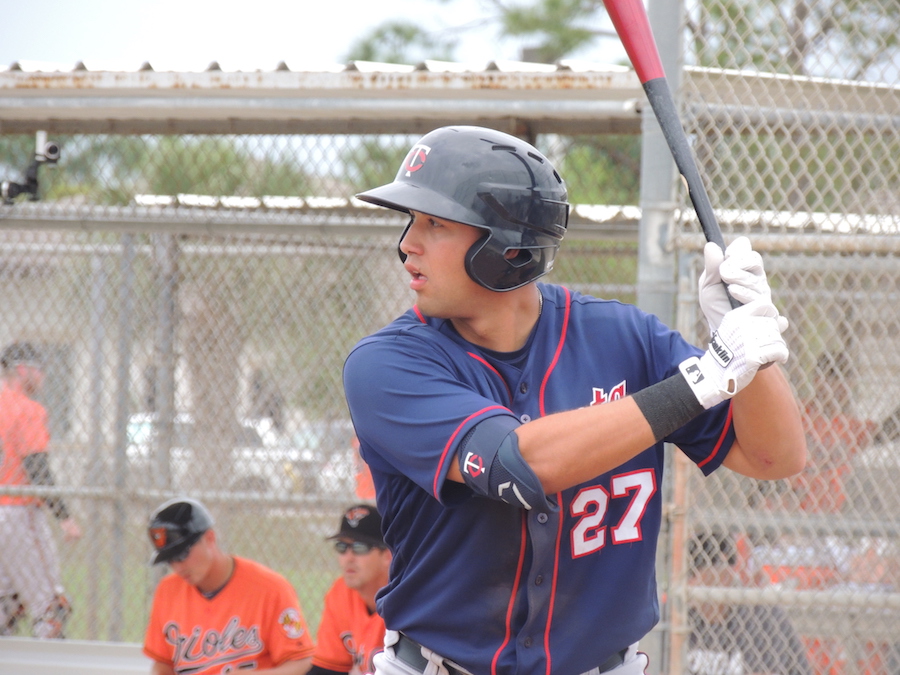 TRANSACTIONS Pensacola LHP Bryan Sammons transferred to Fort Myers LHP Andrew Vasquez transferred to Rochester RHP Jordan Balazovic promoted from Fort Myers RHP Dakota Chalmers promoted from Fort myers BLUE WAHOOS BITES Biloxi 11, Pensacola 10 Box Score What an absolute doozy. Jhoan Duran drew the start for the Blue Wahoos and it could have definitely gone better. He made it to just one out into the fifth inning, and despite striking out six and walking one, he allowed four earned runs on eight hits. This game was all about offense though, so let’s fast forward to where things got crazy. https://twitter.com/MLBPipeline/status/1169411349010472960 Despite there being 20 runs and 28 hits through the first nine frames, Pensacola had no home runs. Down 9-5 with no outs and only owning their final three outs, Alex Kirilloff stepped in for the away team. Minnesota’s #2 prospect launched a grand slam into the night and tied this one. After a ball to start the at-bat for top prospect Royce Lewis, he launched a solo shot of his own and the Blue Wahoos owned their most important lead of the night. https://twitter.com/TFTwins/status/1169445938043265025 Alex Phillips came on to close it out in the ninth and came one errant pitch from getting it done. A leadoff single turned into a runner on second following a one-out wild pitch, and the runner came around to score on a two-out single a couple of batters later. The game that had everything was now headed to extras. After going down in order during the top half, Pensacola tasked Jovani Moran with getting them to the 11th. Moran worked around a leadoff walk by getting a ground ball double play from the next batter, but a walk off homer, while needing just one more out, did him in. Griffin Jax will look to send the series back to Florida all knotted up after a win tomorrow night. KERNELS NUGGETS Quad Cities 4, Cedar Rapids 1 Box Score Luis Rijo earned the game one start for Cedar Rapids and he gave the home team everything they could ask for and then some. Working six innings, he allowed just two runs (one earned) while striking out six and issuing zero free passes. Down just one run when he left the contest, Rijo put the Kernels in striking distance to take game one of their postseason run. https://twitter.com/Carlson_MnTwins/status/1169401366915272704 Unfortunately the Tyler Webb solo shot in the bottom of the third inning was the only production that Cedar Rapids mustered. The five hits were scattered and the home field advantage didn’t provide a lift in the ninth as Kernels hitters went down in order on strikes. Seth Gray was the lone Cedar Rapids hitter to rack up multiple hits, and only Gabe Snyder joined him by reaching base more than once on the evening. Tomorrow, Matt Canterino will look to draw things back even on the road, and the Kernels will attempt to play a more crisp game after having three errors tonight. TWINS DAILY PLAYERS OF THE DAY Twins Daily Minor League Pitcher of the Day - Luis Rijo (Cedar Rapids) 6.0 IP, 6 H, 2 R, 1 ER, 0 BB, 6 K Twins Daily Minor League Hitter of the Day – Alex Kirilloff (Pensacola) - 2-5, 2B, HR(GS), 2 R, 4 RBI, K PROSPECT SUMMARY Here’s a look at how the Twins Daily Midseason Top 20 Twins Prospects performed: #1 - Royce Lewis (Pensacola) - 3-5, 2B, HR, 2 R, 2 RBI, K #2 - Alex Kirilloff (Pensacola) - 2-5, 2B, HR(GS), 2 R, 4 RBI, K #3 - Brusdar Graterol (Minnesota) - 1.0 IP, 0 H, 0 R, 0 ER, 1 BB, 0 K #4 - Trevor Larnach (Pensacola) - 1-4, 2B, 2 R, RBI, BB, K #5 - Wander Javier (Cedar Rapids) - 0-4, K #9 - Jhoan Duran (Pensacola) - 4.1 IP, 8 H, 4 R, 4 ER, 1 BB, 6 K #13 - Ryan Jeffers (Pensacola) - 1-5, K #14 - Luis Arraez (Minnesota) - Defensive replacement #15 - Matt Wallner (Cedar Rapids) - 0-4, K #20 - Travis Blankenhorn (Pensacola) - 1-3, R, 2 BB THURSDAY’S PROBABLE STARTERS Pensacola vs Biloxi (6:35PM CST) - RHP Griffin Jax Cedar Rapids vs Quad Cities (6:35PM CST) - RHP Matt Canterino Please feel free to ask any questions and discuss Wednesday’s games or any other minor league topics you would like.
