



John Bonnes
-
Posts
6,785 -
Joined
-
Last visited
-
Days Won
4
Content Type
Profiles
News
Minnesota Twins Videos
2026 Minnesota Twins Top Prospects Ranking
2022 Minnesota Twins Draft Picks
Minnesota Twins Free Agent & Trade Rumors, Notes, & Tidbits
Guides & Resources
2023 Minnesota Twins Draft Picks
The Minnesota Twins Players Project
2024 Minnesota Twins Draft Picks
2025 Minnesota Twins Draft Pick Tracker
2026 Minnesota Twins Draft Tracker: Picks & Bonuses
Forums
Blogs
Events
Store
Downloads
Gallery
Everything posted by John Bonnes
-

Article: Twins To Sign Lance Lynn
John Bonnes replied to Tom Froemming's topic in Twins Daily Front Page News
Last I saw, Vegas had given the Twins an over/under of 82.5, which would leave them just out of the second Wild Card spot, held by the Angels with an over/under of 84.5. This should close that gap. But the larger point is that the Twins are on the fringes of competitiveness, and that's when it makes sense to bite the bullet and spend a little extra money to help out that postseason appearance. This doesn't guarantee anything, but it helps it along. The Twins chances of another postseason appearance were helped quite a bit today. -
FT MYERS - The question isn’t whether I’m purposely deluding myself. I am. The question is “How much am I deluding myself?” I’m about to find out, using some simple back-of-the-napkin math. I was asked this morning for the 22nd time how many games I think the Twins will win this year. I gave the same answer I've given 21 times:“Mid to high 80s. The AL Central is just so bad. Three teams – the Royals, Tigers and White Sox – are just phoning it in this year. You play each of those teams 19 times, so you figure you go 12-7 against them each and now you’re 15 games above .500 before you start playing the rest of the American League. Even if they give a few back against Cleveland, they’re already an 86 win team. ” It’s simple, but I know it doesn’t ring true. I’m almost surely overestimating, but let’s get an exact number. Just how much does being in the AL Central help the Twins? Let's do a little back-of-the-napkin figuring. Here’s how I’m going to figure it out (in case you want to play along at home): 1. I’m going to find out the over/under for each team from Vegas and turn it into a win percentage. 2. I’ll multiply that percentage times the 19 games the Twins play against each one of them. That will give me the average number of times the Twins will win versus the number of times the opponent wins. That seems pretty straight-forward. Here are the results: Download attachment: AL Central.PNG I’m not off by SO much. Vegas thinks it’s likely the Twins go about 11-8 versus the trio of downtrodden AL Central teams, ending up about eight games over .500 instead of 15. Then the Twins give back three versus Cleveland, leaving them about 5 games over .500, or on pace for 83-84 wins. Plus, this exercise assumes the Twins are about a .500 team, because that's what Vegas assumes. If they're better than that, then my numbers would be a few games better. Of course, that leaves the rest of the American League to consider, which still has at least three very good teams and fewer bad teams. So tomorrow we’ll look at the Twins overall strength of schedule, and see how well this natural advantage holds up. Click here to view the article
-
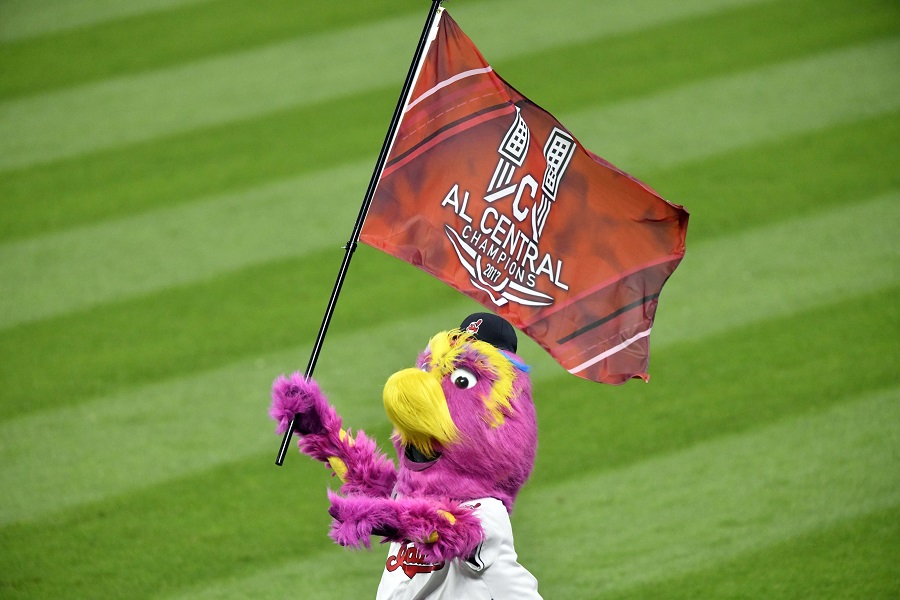 “Mid to high 80s. The AL Central is just so bad. Three teams – the Royals, Tigers and White Sox – are just phoning it in this year. You play each of those teams 19 times, so you figure you go 12-7 against them each and now you’re 15 games above .500 before you start playing the rest of the American League. Even if they give a few back against Cleveland, they’re already an 86 win team. ” It’s simple, but I know it doesn’t ring true. I’m almost surely overestimating, but let’s get an exact number. Just how much does being in the AL Central help the Twins? Let's do a little back-of-the-napkin figuring. Here’s how I’m going to figure it out (in case you want to play along at home): 1. I’m going to find out the over/under for each team from Vegas and turn it into a win percentage. 2. I’ll multiply that percentage times the 19 games the Twins play against each one of them. That will give me the average number of times the Twins will win versus the number of times the opponent wins. That seems pretty straight-forward. Here are the results: I’m not off by SO much. Vegas thinks it’s likely the Twins go about 11-8 versus the trio of downtrodden AL Central teams, ending up about eight games over .500 instead of 15. Then the Twins give back three versus Cleveland, leaving them about 5 games over .500, or on pace for 83-84 wins. Plus, this exercise assumes the Twins are about a .500 team, because that's what Vegas assumes. If they're better than that, then my numbers would be a few games better. Of course, that leaves the rest of the American League to consider, which still has at least three very good teams and fewer bad teams. So tomorrow we’ll look at the Twins overall strength of schedule, and see how well this natural advantage holds up.
 -
Article: Off Day Stories and Audio Mailbag
John Bonnes replied to John Bonnes's topic in Twins Daily Front Page News
Oh, and I apologize for how loud Seth's audio is after the Molitor clip. I'll do better next time. -
Article: Off Day Stories and Audio Mailbag
John Bonnes posted a topic in Twins Daily Front Page News
John reports on a spring training off day, answering audio questions about Phil Hughes' velocity, Paul Molitor's favorite player, Kennys Vargas' future and best places to eat. Listen here! Sorry! We posted this 15-minute download last night but forgot to link to it here. (We still had a ton of people download it because they are subscribing, which you can do using the instructions below.)To add this podcast to your iPhone podcast app, do the following: 1. Open up this page in your iphone and copy this link: http://twinsdaily.libsyn.com/rss 2. Go into your iPhone podcast app and click on the "Library" tab at the bottom and then click on "Edit" in the upper right-hand corner: 3. Click on "Add a Podcast by URL..." 4. Paste the link you just copied into the dialog box and click on 'Subscribe'. Now you'll get every episode delivered to your phone to listen to whenever you want Click here to view the article -
 To add this podcast to your iPhone podcast app, do the following: 1. Open up this page in your iphone and copy this link: http://twinsdaily.libsyn.com/rss 2. Go into your iPhone podcast app and click on the "Library" tab at the bottom and then click on "Edit" in the upper right-hand corner: 3. Click on "Add a Podcast by URL..." 4. Paste the link you just copied into the dialog box and click on 'Subscribe'. Now you'll get every episode delivered to your phone to listen to whenever you want
 -
FT. MYERS - You’re going to hate Fernando Rodney. You might also love him, but you are definitely going to hate him. He is going to drive you crazy. And he is OK with that. In Seattle they dubbed his appearances “The Fernando Rodney Experience.” It wasn’t that he wasn’t effective; in 2014 he saved 48 games for the Mariners versus just three blown saves. It was how he saved them.His saves were painful to watch. Men on base. Full counts. Long innings. Times when you’re sure he will never throw another strike. And then, somehow, victory, redemption, and 300 career saves. Which is great for him and for the team and the fans, provided your heart clung to life through the final out. It might help to know that Rodney wants all of this. He wants the drama. He might even need the drama. “I am very focused when the game is on the line,” he explains. “I like to live the moment. When the game is on the line, I feel like I’m more controlled. And I feel like I can control the game and that’s the place I like.” That control is also achieved by the agonizing pace he has on the mound. “I take my time. Every time, take my time,” says Rodney. We talked about how his mindset is similar to something that many fans have experienced: speaking in public. The speaker might find themselves rushing through their story and need to consciously tell himself or herself to slow down, to make the dramatic pause. “Exactly,” agrees Rodney. “That is exactly what I’m looking for. When I get there, I try to convince myself to move in slow motion and do (dramatic pause) the job (dramatic pause) slow.” Minnesota fans can take some solace in the same thing we seemingly always take solace in – other fans’ pain. Because if you think it’s painful to watch Rodney deliver a victory at home, imagine watching him wriggle out of a jam against your team on the road. Rodney seems to relish that, and the snail’s pace makes it all the more delicious. “I try to slow down. I feel like when you try to slow down, you control most of the things that happen in the game. Especially with the fans,” he says as he grins. “When you go to different cities, different towns, they try to yell at you. They say a lot of things to you. Well, that’s what I want to hear. That’s why I’m here.” So remember: it isn’t that Rodney necessarily wants you to suffer – it just might be what the Fernando Rodney Experience is. Fortunately Minnesota Twins fans might have a built-in advantage. Most of us are also Vikings fans, so how bad can the pain be, really? Click here to view the article
-
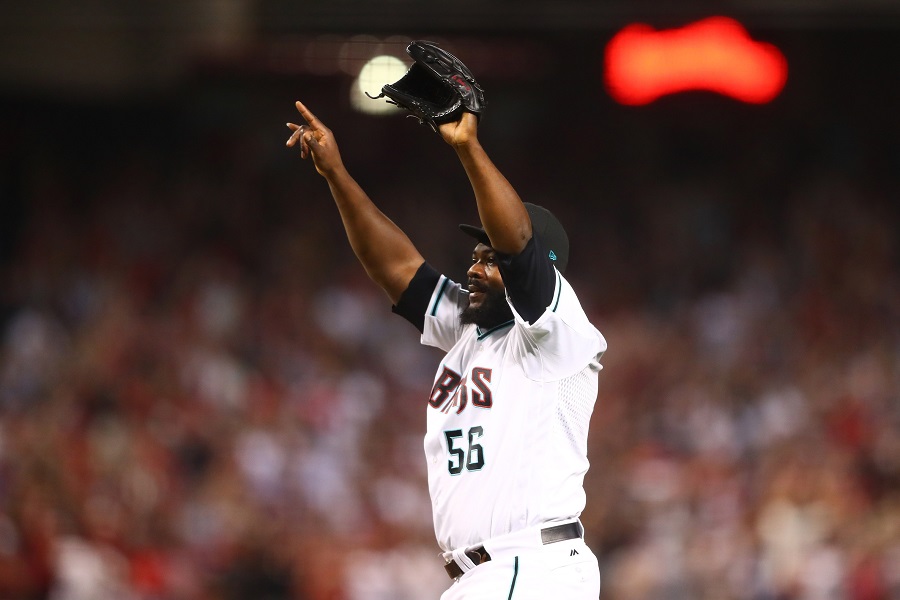 His saves were painful to watch. Men on base. Full counts. Long innings. Times when you’re sure he will never throw another strike. And then, somehow, victory, redemption, and 300 career saves. Which is great for him and for the team and the fans, provided your heart clung to life through the final out. It might help to know that Rodney wants all of this. He wants the drama. He might even need the drama. “I am very focused when the game is on the line,” he explains. “I like to live the moment. When the game is on the line, I feel like I’m more controlled. And I feel like I can control the game and that’s the place I like.” That control is also achieved by the agonizing pace he has on the mound. “I take my time. Every time, take my time,” says Rodney. We talked about how his mindset is similar to something that many fans have experienced: speaking in public. The speaker might find themselves rushing through their story and need to consciously tell himself or herself to slow down, to make the dramatic pause. “Exactly,” agrees Rodney. “That is exactly what I’m looking for. When I get there, I try to convince myself to move in slow motion and do (dramatic pause) the job (dramatic pause) slow.” Minnesota fans can take some solace in the same thing we seemingly always take solace in – other fans’ pain. Because if you think it’s painful to watch Rodney deliver a victory at home, imagine watching him wriggle out of a jam against your team on the road. Rodney seems to relish that, and the snail’s pace makes it all the more delicious. “I try to slow down. I feel like when you try to slow down, you control most of the things that happen in the game. Especially with the fans,” he says as he grins. “When you go to different cities, different towns, they try to yell at you. They say a lot of things to you. Well, that’s what I want to hear. That’s why I’m here.” So remember: it isn’t that Rodney necessarily wants you to suffer – it just might be what the Fernando Rodney Experience is. Fortunately Minnesota Twins fans might have a built-in advantage. Most of us are also Vikings fans, so how bad can the pain be, really?
 -
Here's one quote I didn't include in the story, but I wish I had. I didn't include it because it didn't really talk about the theme of the story, but I think his response gives some insight into his mindset about his health, his performance and how he prepares. I asked him about his goals for the upcoming season. "For me, it’s like every other year: just stay out on the field and give your team a chance to win. I’m feeling good. I’ve never really been a guy who says 'I want to hit this for an average or hit this many home runs or this whatever' I feel if I stay healthy and on the field, those things usually take care of themselves."
-
I have to agree.... ;-)
-
FT. MYERS — Joe Mauer doesn’t sound like a guy who is ready to retire. “There’s going to be a day where I won’t be able to come in here and put the uniform on,” Mauer reflected. “That’ll be a sad day for me. That’s kind of the mentality I have right now: just keep enjoying every day, enjoying going out there and competing, especially with this group that we have.”In the course of a five-minute conversation surrounding his future with the Twins, Mauer mentioned his love for “competing” three different times. Lest we forget, this is a guy who wanted to play point guard in basketball, quarterback in football and fought to stay at catcher in baseball. Those three positions in those three sports have something in common: they’re the position where the focus is on helping teammates, helping the team, win. Mauer is not fiery. He is not a good quote. He says “heck” non-ironically. In a state that is football-oriented, we might prefer a little more of a bloodthirsty demeanor. But if you think that calmness means he doesn’t want to beat you, you’re not paying attention. “Because once seven o’clock or one o’clock hits, that’s what it’s all about,” Mauer says. “Stepping in the box. I don’t think I’ll ever get tired of that feeling. Stepping in against a big league pitcher. Trying to help your team win that day.” This year will be the last year of Mauer’s mega-contract extension he signed with the Twins as they moved into their new ballpark in 2010. Mauer signed another extension before that, so this will be his first “contract year,” the year before a player becomes a free agent. It doesn’t sound like that lends itself any urgency. “I never really get too far ahead of myself," says Mauer. "Like any other year, I look forward to enjoying the heck out of this one.” There it is. That milquetoast demeanor is one of the reasons fans might expect Mauer to walk away from the game at the end of his contract. But it doesn’t sound like he’s in any hurry to walk despite all the changes he has been through. “I’m a much different person than I was seventeen years ago," he says. "I’ve got a family. I’ve got my girls. There’s a lot of things going on. But one thing that hasn’t changed is I still love going out there and competing.” Which is where the extra work comes in. It’s a pain, but you probably already know why he goes through all the “little things.” “Take care of yourself. Try to eat right. Try to get in there and be ready for the next day," he says. "Do a lot of stretching. A lot of lifting. Spend a lot of time in the training room and in the weight room to make sure my body is ready to go not just for that day, but for the days to come. Everybody in here has to do a little something. And our older guys seem to have to do a little bit more. It’s a process. But like I said, once seven o’clock and one o’clock hit, it’s all worth it.” Mauer is 34 years old and has spent his entire adult life with one organization. At the end of this season, he will be a free agent. He may return to the Twins or he may choose to go somewhere else. But don’t expect him to be happily riding into a sunset. “Coming in this spring, I drive in the first day and I was like ‘This is my seventeenth year of doing this, of coming to big league camp.’ You can think about it that way,” reflects Mauer. “But like I said, I just enjoy coming to the ballpark and competing and playing. I look forward to that every day.” Don't forget you can get lots more from spring training by listening to our 15-minute audio wrapup. You can even ask your own question for tomorrow's show here. Click here to view the article
-
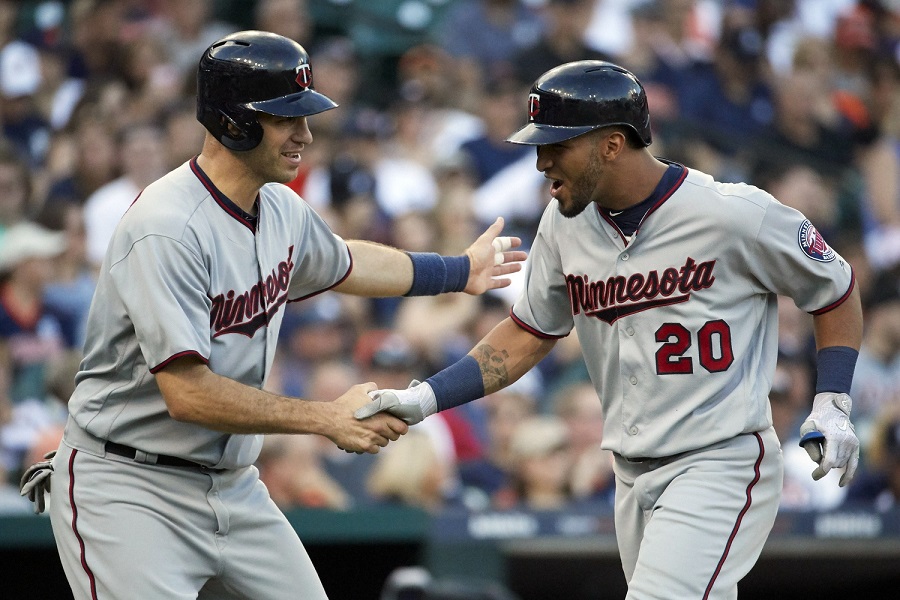 In the course of a five-minute conversation surrounding his future with the Twins, Mauer mentioned his love for “competing” three different times. Lest we forget, this is a guy who wanted to play point guard in basketball, quarterback in football and fought to stay at catcher in baseball. Those three positions in those three sports have something in common: they’re the position where the focus is on helping teammates, helping the team, win. Mauer is not fiery. He is not a good quote. He says “heck” non-ironically. In a state that is football-oriented, we might prefer a little more of a bloodthirsty demeanor. But if you think that calmness means he doesn’t want to beat you, you’re not paying attention. “Because once seven o’clock or one o’clock hits, that’s what it’s all about,” Mauer says. “Stepping in the box. I don’t think I’ll ever get tired of that feeling. Stepping in against a big league pitcher. Trying to help your team win that day.” This year will be the last year of Mauer’s mega-contract extension he signed with the Twins as they moved into their new ballpark in 2010. Mauer signed another extension before that, so this will be his first “contract year,” the year before a player becomes a free agent. It doesn’t sound like that lends itself any urgency. “I never really get too far ahead of myself," says Mauer. "Like any other year, I look forward to enjoying the heck out of this one.” There it is. That milquetoast demeanor is one of the reasons fans might expect Mauer to walk away from the game at the end of his contract. But it doesn’t sound like he’s in any hurry to walk despite all the changes he has been through. “I’m a much different person than I was seventeen years ago," he says. "I’ve got a family. I’ve got my girls. There’s a lot of things going on. But one thing that hasn’t changed is I still love going out there and competing.” Which is where the extra work comes in. It’s a pain, but you probably already know why he goes through all the “little things.” “Take care of yourself. Try to eat right. Try to get in there and be ready for the next day," he says. "Do a lot of stretching. A lot of lifting. Spend a lot of time in the training room and in the weight room to make sure my body is ready to go not just for that day, but for the days to come. Everybody in here has to do a little something. And our older guys seem to have to do a little bit more. It’s a process. But like I said, once seven o’clock and one o’clock hit, it’s all worth it.” Mauer is 34 years old and has spent his entire adult life with one organization. At the end of this season, he will be a free agent. He may return to the Twins or he may choose to go somewhere else. But don’t expect him to be happily riding into a sunset. “Coming in this spring, I drive in the first day and I was like ‘This is my seventeenth year of doing this, of coming to big league camp.’ You can think about it that way,” reflects Mauer. “But like I said, I just enjoy coming to the ballpark and competing and playing. I look forward to that every day.” Don't forget you can get lots more from spring training by listening to our 15-minute audio wrapup. You can even ask your own question for tomorrow's show here.
 -
FT MYERS - John recaps the day following the Twins with lots of notes on a some new injuries, an amped up lineup, and where shortstop prospect Nick Gordon should play this year. To ask an audio question for tomorrow night's show, click here. You can listen immediately by clicking here, or subscribe by following the instructions below.To add this podcast to your iPhone podcast app, do the following: 1. Open up this page in your iphone and copy this link: http://twinsdaily.libsyn.com/rss 2. Go into your iPhone podcast app and click on the "Library" tab at the bottom and then click on "Edit" in the upper right-hand corner: 3. Click on "Add a Podcast by URL..." 4. Paste the link you just copied into the dialog box and click on 'Subscribe'. Now you'll get every episode delivered to your phone to listen to whenever you want. Click here to view the article
- 6 replies
-
- 1
-

-
- nick gordon
- logan morrison
- (and 3 more)
-
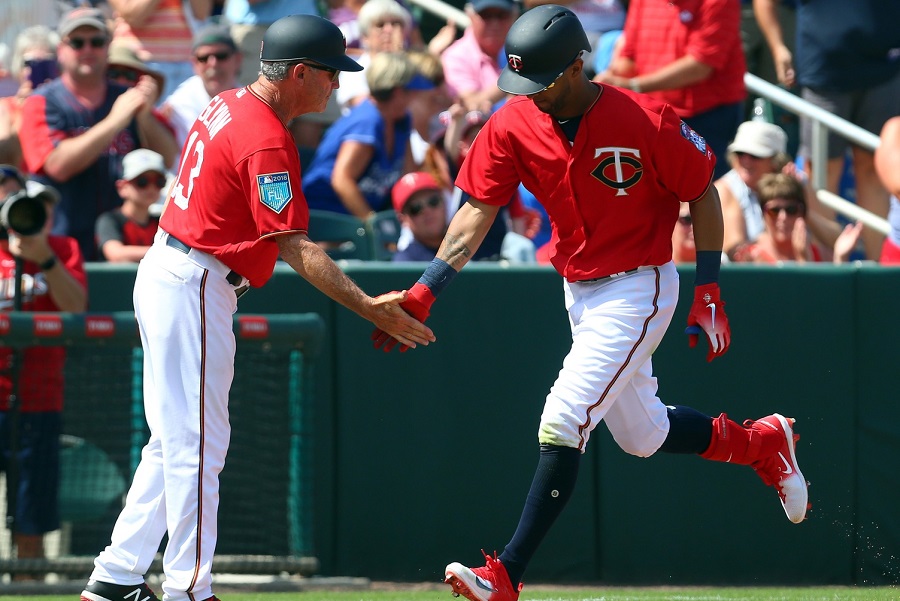 To add this podcast to your iPhone podcast app, do the following: 1. Open up this page in your iphone and copy this link: http://twinsdaily.libsyn.com/rss 2. Go into your iPhone podcast app and click on the "Library" tab at the bottom and then click on "Edit" in the upper right-hand corner: 3. Click on "Add a Podcast by URL..." 4. Paste the link you just copied into the dialog box and click on 'Subscribe'. Now you'll get every episode delivered to your phone to listen to whenever you want.
 -
FT. MYERS - If you think the shopping was good this offseason, wait until you look at next offseason. A little back-of-the-napkin figuring shows that the Twins could have upwards of $30-40M to spend in the 2019 offseason, and be looking for basically one bat. Or at least that’s one option. Let’s look at a few options and where they Twins could be by November 2018.OPTION ONE: Most hitters walk. There has been a lot of talk about Brian Dozier hitting the free agent market next year. There have also been some questions to Joe Mauer about the end of his mega-contract. Eduardo Escobar will also be a free agent and so will closer Fernando Rodney. The Twins will likely have options on Logan Morrison and a choice on whether to offer arbitration to Robbie Grossman. First, we’ll include anticipated raises to Byron Buxton, Miguel Sano, Jorge Polanco, Eddie Rosario and Max Kepler. Then, let everyone but Morrison test the free agent market. Finally, bring back all their starting pitchers. The Twins would have a payroll at about $93M heading into the 2019 offseason. This year’s payroll is about $118M, and if we assume a modest increase to about $130M, they would have almost $40M to spend. Plus, they really only need to replace Mauer (who will likely be available for less than $10M on the free agent market) and Dozier (who might be replaced by top prospect Nick Gordon.) That would leave $20-30M to fill… bullpen? Upgrade some positions? Add to the starting rotation? OPTION TWO: Strategic decisions on the rotation. If the Twins want to overhaul the starting rotation, it could mean even more available money. The Twins could free up as much as another $30M by declining options or not offering arbitration to three members of the rotation: Ervin Santana ($14M team option), Kyle Gibson (~$7M arbitration option) and Jake Odorizzi (~$9.5M option). Turning all three down would drop the payroll to about $60M, leaving the team as much as $70M to spend, but it also opens more spots that the team would need to fill. It’s worth noting that the Twins do have some promising (and cheap) arms in AAA this year who could be competing for rotation spots by midyear. LOOKING AHEAD: More in 2020 Things get even crazier in 2020. Santana, Gibson and Odorizzie will all be free agents. So will Phil Hughes, who is chewing up $13.5M of salary the next two years. So would reliever Addison Reed (8.5M/year), Jason Castro ($8M) and Morrison. That leaves a lot of gaps to fill but also a lot of money to use. Of course, there are lots of other scenarios. If you aren’t crazy about the two I listed, feel free to play with the numbers yourself. Maybe you want to keep Dozier? Maybe you want to only give up on Gibson. You can do whatever you like: just follow this link, download the google sheet to your own spreadsheet program, and have fun. The remarkable story of this offseason isn’t just how inexpensive some of these players have been. It’s been how short their deals are, and that becomes apparent when looking at the Twins payroll over the next few years. It also means there is some urgency in each of these next couple years. There is going to be some major turnover to this roster. For these players, the time to compete is right now. Click here to view the article
-
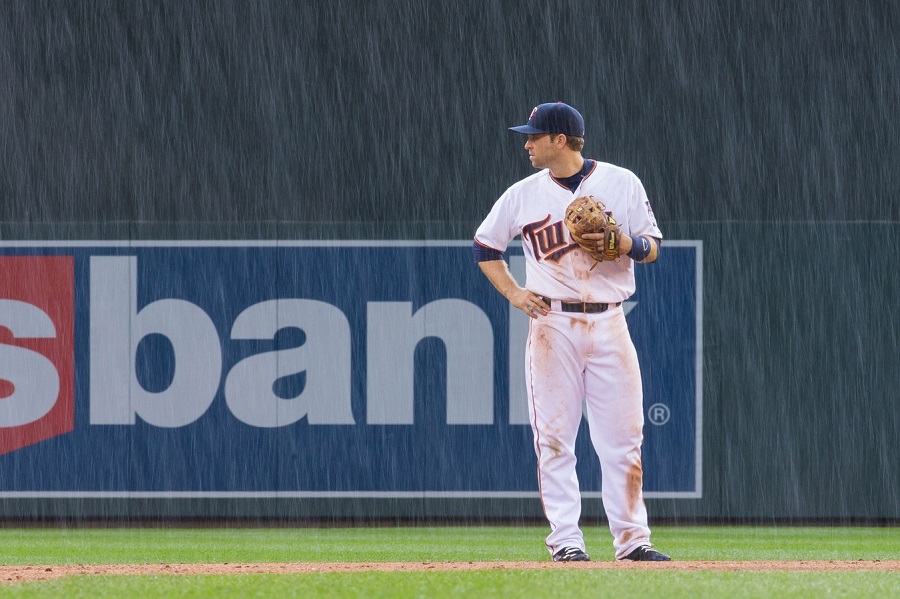 OPTION ONE: Most hitters walk. There has been a lot of talk about Brian Dozier hitting the free agent market next year. There have also been some questions to Joe Mauer about the end of his mega-contract. Eduardo Escobar will also be a free agent and so will closer Fernando Rodney. The Twins will likely have options on Logan Morrison and a choice on whether to offer arbitration to Robbie Grossman. First, we’ll include anticipated raises to Byron Buxton, Miguel Sano, Jorge Polanco, Eddie Rosario and Max Kepler. Then, let everyone but Morrison test the free agent market. Finally, bring back all their starting pitchers. The Twins would have a payroll at about $93M heading into the 2019 offseason. This year’s payroll is about $118M, and if we assume a modest increase to about $130M, they would have almost $40M to spend. Plus, they really only need to replace Mauer (who will likely be available for less than $10M on the free agent market) and Dozier (who might be replaced by top prospect Nick Gordon.) That would leave $20-30M to fill… bullpen? Upgrade some positions? Add to the starting rotation? OPTION TWO: Strategic decisions on the rotation. If the Twins want to overhaul the starting rotation, it could mean even more available money. The Twins could free up as much as another $30M by declining options or not offering arbitration to three members of the rotation: Ervin Santana ($14M team option), Kyle Gibson (~$7M arbitration option) and Jake Odorizzi (~$9.5M option). Turning all three down would drop the payroll to about $60M, leaving the team as much as $70M to spend, but it also opens more spots that the team would need to fill. It’s worth noting that the Twins do have some promising (and cheap) arms in AAA this year who could be competing for rotation spots by midyear. LOOKING AHEAD: More in 2020 Things get even crazier in 2020. Santana, Gibson and Odorizzie will all be free agents. So will Phil Hughes, who is chewing up $13.5M of salary the next two years. So would reliever Addison Reed (8.5M/year), Jason Castro ($8M) and Morrison. That leaves a lot of gaps to fill but also a lot of money to use. Of course, there are lots of other scenarios. If you aren’t crazy about the two I listed, feel free to play with the numbers yourself. Maybe you want to keep Dozier? Maybe you want to only give up on Gibson. You can do whatever you like: just follow this link, download the google sheet to your own spreadsheet program, and have fun. The remarkable story of this offseason isn’t just how inexpensive some of these players have been. It’s been how short their deals are, and that becomes apparent when looking at the Twins payroll over the next few years. It also means there is some urgency in each of these next couple years. There is going to be some major turnover to this roster. For these players, the time to compete is right now.
 -
FT. MYERS - Twins fans can be forgiven for not paying much attention to the arbitration process. The Twins haven’t gone to arbitration with any player since 2006, when they lost to Kyle Lohse. But that changed this year, and it was odd; the Twins went to arbitration over a fairly small amount, just $355,000. Sources within the Twins suggest that they went to arbitration not because they couldn’t reach an agreement with Kyle Gibson, but because they organization wanted the experience of going through arbitration under the new management team. Doing so also helps draw a line in the sand with regard to negotiations. Players’ agents have mocked the Twins perceived unwillingness (or inability) to risk arbitration.One could argue that if an organization was trying to stress test their arbitration process, Gibson’s case provided an ideal scenario. It wasn’t for much money and Gibson seems like a level-headed enough fellow that he wouldn’t take it personally. And he didn’t. “I didn’t hear anything or go through anything that I didn’t expect,” replied Gibson when I asked him what it was like to be in the room. ”I knew coming off a below average year that I had half of a year that wasn’t as good, and a second half that I was probably as good as I’ve ever been. So I knew that the process was going to highlight the first half where I wasn’t very good, and we were going to try to highlight the second half. Twins CBO Derek Falvey, GM Thad Levine or manager Paul Molitor were not the ones doing the highlighting. The Twins side included Rob Antony and legal counsel, including representatives from Major League Baseball, presumably to play The Heavy. According to Gibson, they’re the most frontal about his performance. “The Commissioner’s Office does most of the hard-hitting and makes most of the statements that the players aren’t too excited about,” says Gibson. One concern that fans often express is that the arbitration process can dredge up a lot of negative feelings between the club and the player. In this instance, that doesn’t seem to be the case. “[The Twins] were respectful,” says Gibson. “They said things that I expected them to say. And I walked out of there and shook Rob Antony’s hand.” In arbitration, the team and the player each submit an amount they think the player should be paid and the arbiter MUST pick one of the amounts; they cannot pick a midpoint or any other amount. The arbiter does this by comparing the player to other players with similar tenure and performance that play the same position. They then judge where the player is in relation to those other players and picks which number is the closest. In this case, this key player that both sides focused on was pitcher Wily Peralta. In the previous offseason, Peralta has very similar service time as Gibson and was coming off a similar year. Peralta was 7-11 with a 4.86 ERA. Gibson’s record last year was 12-10 with a 5.07 ERA. Both struggled mightily in the first half of the year, spent some time in the minors, and had a great finishing kick to their year. Peralta agreed to a $4.275M contract that offseason with the Brewers. With that many similarities, it’s no surprise that the Twins and Gibson’s numbers were close; they both picked numbers close to Peralta’s salary. The Twins filed at $4.2M, just $75,000 less than Peralta’s amount. Gibson’s ask was $4.55M, which is $280,000 more than Peralta made. That means it wasn’t enough for Gibson’s team to show that he was better than Peralta; he had to show he was about $100,000 better than Peralta for his number to be the closer of the two. Gibson lost that case. He isn’t too broken up about it. “Yeah, I lost arbitration but you still go from this number to that number and you still have a job. And you play again this year,” he says. “I don’t view it as such a negative process as it can be.” Click here to view the article
-
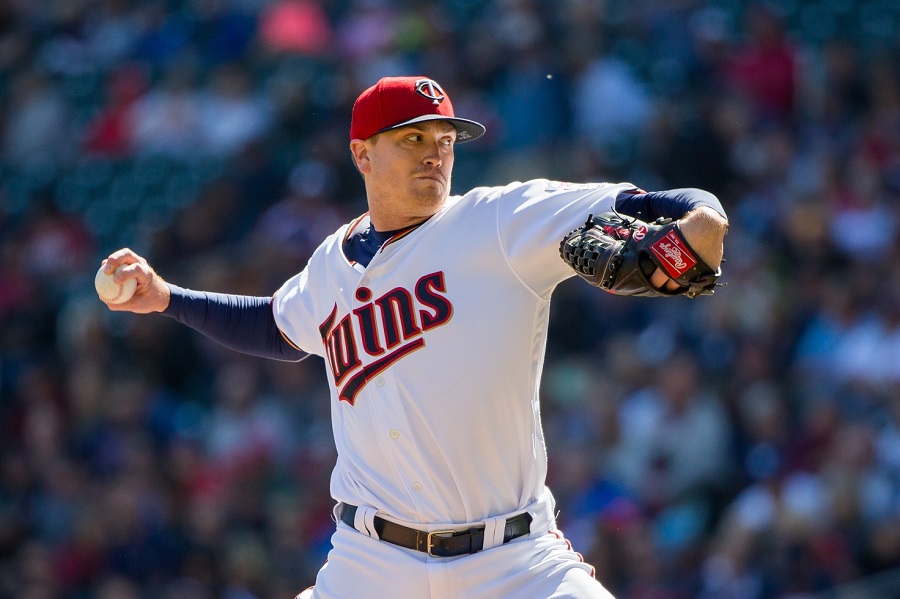 One could argue that if an organization was trying to stress test their arbitration process, Gibson’s case provided an ideal scenario. It wasn’t for much money and Gibson seems like a level-headed enough fellow that he wouldn’t take it personally. And he didn’t. “I didn’t hear anything or go through anything that I didn’t expect,” replied Gibson when I asked him what it was like to be in the room. ”I knew coming off a below average year that I had half of a year that wasn’t as good, and a second half that I was probably as good as I’ve ever been. So I knew that the process was going to highlight the first half where I wasn’t very good, and we were going to try to highlight the second half. Twins CBO Derek Falvey, GM Thad Levine or manager Paul Molitor were not the ones doing the highlighting. The Twins side included Rob Antony and legal counsel, including representatives from Major League Baseball, presumably to play The Heavy. According to Gibson, they’re the most frontal about his performance. “The Commissioner’s Office does most of the hard-hitting and makes most of the statements that the players aren’t too excited about,” says Gibson. One concern that fans often express is that the arbitration process can dredge up a lot of negative feelings between the club and the player. In this instance, that doesn’t seem to be the case. “[The Twins] were respectful,” says Gibson. “They said things that I expected them to say. And I walked out of there and shook Rob Antony’s hand.” In arbitration, the team and the player each submit an amount they think the player should be paid and the arbiter MUST pick one of the amounts; they cannot pick a midpoint or any other amount. The arbiter does this by comparing the player to other players with similar tenure and performance that play the same position. They then judge where the player is in relation to those other players and picks which number is the closest. In this case, this key player that both sides focused on was pitcher Wily Peralta. In the previous offseason, Peralta has very similar service time as Gibson and was coming off a similar year. Peralta was 7-11 with a 4.86 ERA. Gibson’s record last year was 12-10 with a 5.07 ERA. Both struggled mightily in the first half of the year, spent some time in the minors, and had a great finishing kick to their year. Peralta agreed to a $4.275M contract that offseason with the Brewers. With that many similarities, it’s no surprise that the Twins and Gibson’s numbers were close; they both picked numbers close to Peralta’s salary. The Twins filed at $4.2M, just $75,000 less than Peralta’s amount. Gibson’s ask was $4.55M, which is $280,000 more than Peralta made. That means it wasn’t enough for Gibson’s team to show that he was better than Peralta; he had to show he was about $100,000 better than Peralta for his number to be the closer of the two. Gibson lost that case. He isn’t too broken up about it. “Yeah, I lost arbitration but you still go from this number to that number and you still have a job. And you play again this year,” he says. “I don’t view it as such a negative process as it can be.”
 -
Article: Report From The Fort: A Market Squeezed
John Bonnes replied to John Bonnes's topic in Twins Daily Front Page News
That's a good point, and I asked Clark about whether teams gradually approaching the cap is having an effect, given payroll growth has exceeded luxury tax level growth. He admitted we saw five teams go over last year but still thought the bigger issue is the lower end of the market. I'm not so sure I agree. He did admit there were a number of teams withing about $20M of the cap limit. -
Aaron and John chat with Twins Director of Baseball Operations Daniel Adler over beers at Modist Brewing. Sponsored by Harry's Razors. You can listen to the episode here. listen to it immediately here or subscribe to it on iTunes here, so you don't miss an episode all season.http://traffic.libsy...3?dest-id=74590 Click here to view the article
-
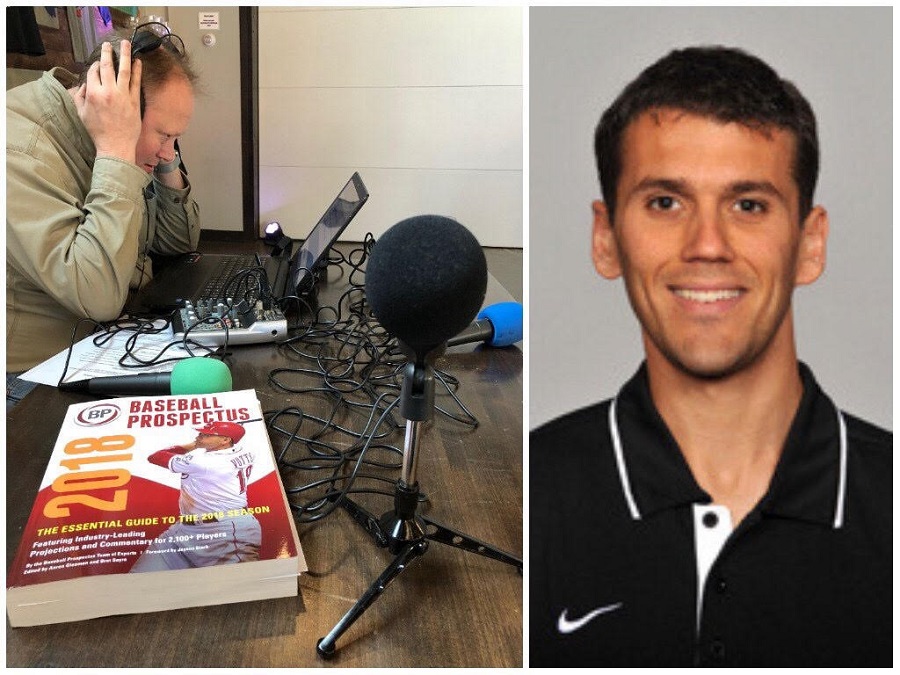 http://traffic.libsyn.com/gleemangeek/Ep_358_Daniel_Adler_Twins_Director_of_Baseball_Operations.mp3?dest-id=74590
 -
FT. MYERS - The Twins signing of Logan Morrison was sudden and unexpected, but it was the result of forces that have been developing for years and even decades. This historically slow offseason has been analyzed by many, but perhaps none have had more incentive to decipher it than the Major League Baseball Player's Association (MLBPA) Executive Director Tony Clark. Clark sees a double-whammy affecting the free agent market and warned that it might not be a one-time event. His perception of what is happening differs from the most popular narrative.That narrative is that luxury tax is having a huge effect and it is, but “not as much as everyone seems to be pointing too,” says Clark. “The resetting provision that most are now aware of has been in the CBA [Collective Bargaining Agreement] for last three CBAs now.” Clark is talking about some specific parts of the agreement between MLB and the Players Union which is mean to create competitive balance. In MLB, there is a “luxury tax.” If a team surpasses a certain number in overall team salary, they need to pay a tax for every dollar they go over. Last year that number was $196M and five teams were over it. But the percentage taxed gets higher every consecutive year a team exceeds that level. The first year a team pays 20%, the second, 30%, and the third they pay 50%. The “resetting provision” is another way of saying that if a team can get back below the luxury tax threshold, they can reset back to year one of that escalating scale. This year, three of the teams that were over the luxury tax (the Yankees, Dodgers and Giants) worked hard to get back under the threshold for a simple reason: next year there will likely be some VERY good free agents on the market. For instance, if the Yankees want to sign Bryce Harper next year for $40M per year, and almost all of that will be over the luxury tax threshold, they want to pay him $48M ($40M + 20% tax) instead of $60M ($40M + 50% tax). That strategy eliminated at least a few of the most free-spending teams in MLB. Clark is right that the provision has been in the CBA for years. But there are two important caveats. First, payroll has grown faster than the luxury tax level has increased, so what used to affect one or two teams now affects as many as five. The second is that the most recent CBA added some additional penalties for going more than $20M or $40M over the threshold. For $20M, there is a 12% surcharge on amounts over $20M to $40M. There is also a 45% surcharge on amounts over $40M for repeat offenders. Plus, if any team goes over $40M, they can also have their top amateur draft pick dropped back 10 slots. “If teams are treating the luxury tax as a cap, that’s a different world than we ever have been in before,” says Clark. He’s right, and there is a good deal of evidence that for this year at least, there are several teams that are doing exactly that. But Clark doesn’t see it as a major affect for a couple of legitimate reasons. First, even if you count the two teams over the cap (which one might, considering how damaging those new surcharges are), it’s only five teams. Second, two of those teams – the Yankees and the Red Sox – acquired very expensive players this offseason, which suggests only three teams were frozen. Far more damaging in Clark’s mind is the opposite end of the spectrum. He sees as many as three times that many teams cutting salary and not seriously competing in 2018. His reasoning is solid, but this is also a result of provisions in the CBA to enhance competitive balance. There are two very good reasons for MLB teams to slash payroll even if it means being uncompetitive. The first, is that being a bad team returns good draft picks and those picks can fuel a high-level resurgence in the future. This method was popularized most recently by the (World Champion) Houston Astros. And that doesn’t even count prospects a team might receive from trading away their veteran talented players. But the second reason might be even more compelling. Those teams with the lowest payroll and least revenue tend to receive more money from revenue sharing. It is extremely profitable for a team to stink. And after stinking, hopefully they have accrued enough talent to not just make the postseason but be favored. This has two big impacts, both of which hurt the market for free agents. The obvious one is that it reduces the demand in the marketplace. Between the teams that are passively (or actively – I’m looking at you Miami) tanking and the teams being careful of the luxury tax, there are really only 17 or so of the 30 teams that are trying to sign free agents. The second impact is that selling off players to reduce payroll increases the supply of players in the market. A prime example was the Marlins shopping slugger Giancarlo Stanton at the beginning of the offseason. He ended up being the one big salary the Yankees took on this year, and then they were no longer in the market for free agents. So the tanking philosophy creates a double-whammy to the market, affecting both the supply and demand side. It’s no wonder the prices on free agents dropped precipitously. “That’s why this is different,” says Clark. “That’s why when you take the talent that’s being moved, when you take the revenue sharing dollars that are being accessed, and you flood the system [with players] while removing a number of teams that appear to not being interested in winning today … it creates some challenges.” When you look at those forces, it is not clear that this is a one-year blip only due to next year’s free agent market and a few high-end teams shedding payroll. “When there are concerns across multiple levels to the competitive integrity of our system and how it’s manifesting itself – that’s not going to go away overnight,” warns Clark. And the forces that drive it are not likely to change until the next Collective Bargaining Agreement is negotiated. That’s four seasons away. The market that produced Logan Morrison might not be as short-lived as it appears. Click here to view the article
-
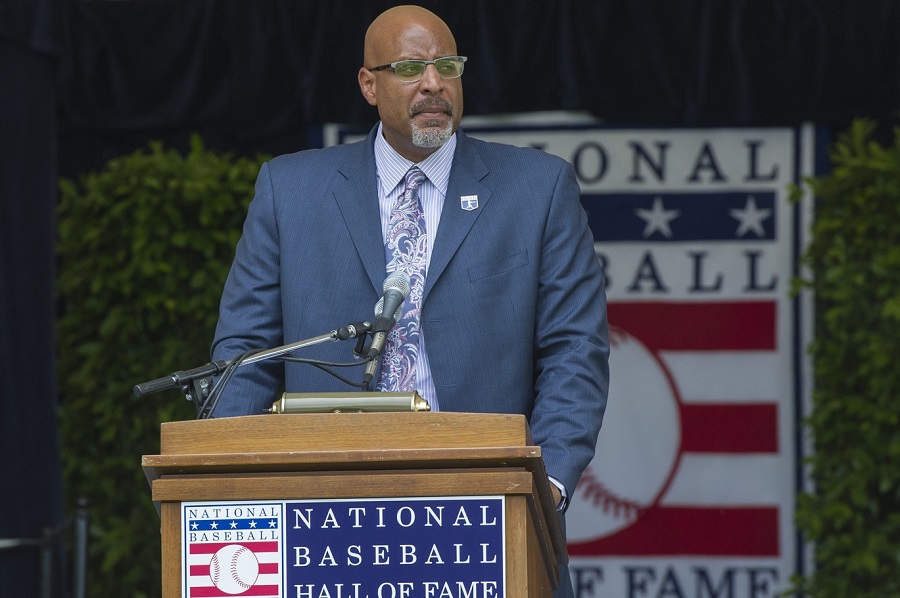 That narrative is that luxury tax is having a huge effect and it is, but “not as much as everyone seems to be pointing too,” says Clark. “The resetting provision that most are now aware of has been in the CBA [Collective Bargaining Agreement] for last three CBAs now.” Clark is talking about some specific parts of the agreement between MLB and the Players Union which is mean to create competitive balance. In MLB, there is a “luxury tax.” If a team surpasses a certain number in overall team salary, they need to pay a tax for every dollar they go over. Last year that number was $196M and five teams were over it. But the percentage taxed gets higher every consecutive year a team exceeds that level. The first year a team pays 20%, the second, 30%, and the third they pay 50%. The “resetting provision” is another way of saying that if a team can get back below the luxury tax threshold, they can reset back to year one of that escalating scale. This year, three of the teams that were over the luxury tax (the Yankees, Dodgers and Giants) worked hard to get back under the threshold for a simple reason: next year there will likely be some VERY good free agents on the market. For instance, if the Yankees want to sign Bryce Harper next year for $40M per year, and almost all of that will be over the luxury tax threshold, they want to pay him $48M ($40M + 20% tax) instead of $60M ($40M + 50% tax). That strategy eliminated at least a few of the most free-spending teams in MLB. Clark is right that the provision has been in the CBA for years. But there are two important caveats. First, payroll has grown faster than the luxury tax level has increased, so what used to affect one or two teams now affects as many as five. The second is that the most recent CBA added some additional penalties for going more than $20M or $40M over the threshold. For $20M, there is a 12% surcharge on amounts over $20M to $40M. There is also a 45% surcharge on amounts over $40M for repeat offenders. Plus, if any team goes over $40M, they can also have their top amateur draft pick dropped back 10 slots. “If teams are treating the luxury tax as a cap, that’s a different world than we ever have been in before,” says Clark. He’s right, and there is a good deal of evidence that for this year at least, there are several teams that are doing exactly that. But Clark doesn’t see it as a major affect for a couple of legitimate reasons. First, even if you count the two teams over the cap (which one might, considering how damaging those new surcharges are), it’s only five teams. Second, two of those teams – the Yankees and the Red Sox – acquired very expensive players this offseason, which suggests only three teams were frozen. Far more damaging in Clark’s mind is the opposite end of the spectrum. He sees as many as three times that many teams cutting salary and not seriously competing in 2018. His reasoning is solid, but this is also a result of provisions in the CBA to enhance competitive balance. There are two very good reasons for MLB teams to slash payroll even if it means being uncompetitive. The first, is that being a bad team returns good draft picks and those picks can fuel a high-level resurgence in the future. This method was popularized most recently by the (World Champion) Houston Astros. And that doesn’t even count prospects a team might receive from trading away their veteran talented players. But the second reason might be even more compelling. Those teams with the lowest payroll and least revenue tend to receive more money from revenue sharing. It is extremely profitable for a team to stink. And after stinking, hopefully they have accrued enough talent to not just make the postseason but be favored. This has two big impacts, both of which hurt the market for free agents. The obvious one is that it reduces the demand in the marketplace. Between the teams that are passively (or actively – I’m looking at you Miami) tanking and the teams being careful of the luxury tax, there are really only 17 or so of the 30 teams that are trying to sign free agents. The second impact is that selling off players to reduce payroll increases the supply of players in the market. A prime example was the Marlins shopping slugger Giancarlo Stanton at the beginning of the offseason. He ended up being the one big salary the Yankees took on this year, and then they were no longer in the market for free agents. So the tanking philosophy creates a double-whammy to the market, affecting both the supply and demand side. It’s no wonder the prices on free agents dropped precipitously. “That’s why this is different,” says Clark. “That’s why when you take the talent that’s being moved, when you take the revenue sharing dollars that are being accessed, and you flood the system [with players] while removing a number of teams that appear to not being interested in winning today … it creates some challenges.” When you look at those forces, it is not clear that this is a one-year blip only due to next year’s free agent market and a few high-end teams shedding payroll. “When there are concerns across multiple levels to the competitive integrity of our system and how it’s manifesting itself – that’s not going to go away overnight,” warns Clark. And the forces that drive it are not likely to change until the next Collective Bargaining Agreement is negotiated. That’s four seasons away. The market that produced Logan Morrison might not be as short-lived as it appears.
 -
FT MYERS - Today Twins manager Paul Molitor reaffirmed his plan is to only have four pitchers designated as starting pitchers when the Twins break training camp. This means the decision regarding a fifth starter may not happen until April. The Twins won't need a fifth starting pitcher until April 11th, almost two weeks into the 2018 season. What’s more, the second start would not come until almost two weeks later, on April 24. That happens during a 19-game stretch where the Twins would need a fifth starter three times. But then they don’t need a fifth starter again until late in May on the 22nd, when starter Ervin Santana should be back in the rotation. And all of that is assuming the Twins have no rainouts or postponed games, which could help even more.It’s also an open question whether the fifth starter would be better served being the eighth guy in the bullpen or starting the season in Rochester. For that matter, given how often new Twins management utilized the waiver wire last year, it wouldn’t be inconceivable that they grab someone from another organization to pitch the April 11th game or give someone a three-start tryout during the 19-game stretch. A linchpin in that decision might be Phil Hughes, or rather Hughes and his remaining two-year $27 million contract. The new management team didn’t offer that extension to Hughes, and thus might be able to view it more objectively. But objectively, it’s still $27 million out the door, unless they can get some results from it, or have Hughes develop enough value to move at least a portion of it. Hughes would probably like that too, but that’s easier said than done. After two years of dismal results and unresolved shoulder issues, Hughes is trying to find his way into the rotation’s mix. He’s likely on the outside looking in for one of the top four spots. But he has to be considered a contender, and maybe even the favorite, for the fifth spot until Santana rejoins the rotation. It isn’t totally clear that Hughes will ever be able to return back to a major-league caliber starting pitcher, partly because we don’t know if he’ll ever be healthy enough to be a major-league caliber starting pitcher. Hughes said last week that he wasn’t sure of that himself. “I’m going to have to get towards that 100-pitch mark to really have an idea,” he admitted. He’s nowhere near that limit now, but he felt good in his second start of the season yesterday, even noting that he got loose easily in warmups. “It’s something I don’t even think about anymore,” he said after Saturday’s game. “So that’s a good thing. My main focus has been executing pitches, and not thinking about anything arm-related or anything like that. That’s been a good thing, because we have enough to worry about. Baseball is a pretty hard game without having to take your health and everything else into account.” However, even if he is healthy, he need to win the fifth starter job, which means he likely starts the season in the bullpen. And if he doesn’t, the Twins would probably like him to start the season in the bullpen too. They can’t send him to the AAA Rochester club to wait his turn, unless he is still hurt and on a rehab assignment. So either way, Hughes' most likely path (provided he stays with Minnesota) has him spending some time in the bullpen. He says he hasn’t spent any time considering that. “To be honest, I haven’t really given it any thought,” Hughes claims. “My one and only focus this spring has been on the rubber to the plate. That’s all I’ve been focused on. I haven’t really gone into our schedule all that deep. I’m just trying to make sure I’m healthy and improving and showing good stuff while I’m out there. So I can’t really give you an answer on that.” A generous soul might call that focus commendable. A cynic might call it willfully obtuse. I’ll call it doing whatever it takes to regain the ability and confidence to get another season in the sun. But Phil Hughes 'road back to the rotation likely goes through the bullpen, and it will likely be a longer road than to just Opening Day. Saturday's Game The Twins lost 13-8 on the road versus the Toronto Blue Jays on Saturday afternoon. The score reflects the wind conditions more than the quality of the pitching as it was a windy day blowing straight out from home plate to center field. Molitor, who of course played with the Blue Jays for three years, summed it up: "I’ve played in this park long enough to know that when the prevailing wind is to right center, the ball is going to find its way over the fence a few times.” The game featured a lineup of mostly probable bench and non-roster players at Dunedin, where the Blue Jays train and is about a 3-hour drive from Fort Myers. The most likely to make the Twins roster included Zach Granite, Edire Adrianza, Eduardo Escobar, Ryan Pressly and Hughes. Click here to view the article
-
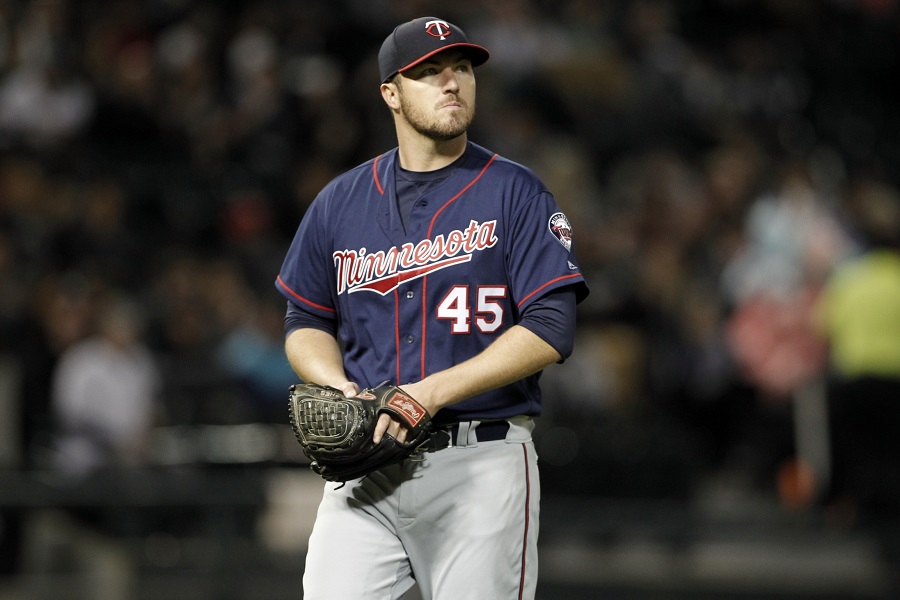 It’s also an open question whether the fifth starter would be better served being the eighth guy in the bullpen or starting the season in Rochester. For that matter, given how often new Twins management utilized the waiver wire last year, it wouldn’t be inconceivable that they grab someone from another organization to pitch the April 11th game or give someone a three-start tryout during the 19-game stretch. A linchpin in that decision might be Phil Hughes, or rather Hughes and his remaining two-year $27 million contract. The new management team didn’t offer that extension to Hughes, and thus might be able to view it more objectively. But objectively, it’s still $27 million out the door, unless they can get some results from it, or have Hughes develop enough value to move at least a portion of it. Hughes would probably like that too, but that’s easier said than done. After two years of dismal results and unresolved shoulder issues, Hughes is trying to find his way into the rotation’s mix. He’s likely on the outside looking in for one of the top four spots. But he has to be considered a contender, and maybe even the favorite, for the fifth spot until Santana rejoins the rotation. It isn’t totally clear that Hughes will ever be able to return back to a major-league caliber starting pitcher, partly because we don’t know if he’ll ever be healthy enough to be a major-league caliber starting pitcher. Hughes said last week that he wasn’t sure of that himself. “I’m going to have to get towards that 100-pitch mark to really have an idea,” he admitted. He’s nowhere near that limit now, but he felt good in his second start of the season yesterday, even noting that he got loose easily in warmups. “It’s something I don’t even think about anymore,” he said after Saturday’s game. “So that’s a good thing. My main focus has been executing pitches, and not thinking about anything arm-related or anything like that. That’s been a good thing, because we have enough to worry about. Baseball is a pretty hard game without having to take your health and everything else into account.” However, even if he is healthy, he need to win the fifth starter job, which means he likely starts the season in the bullpen. And if he doesn’t, the Twins would probably like him to start the season in the bullpen too. They can’t send him to the AAA Rochester club to wait his turn, unless he is still hurt and on a rehab assignment. So either way, Hughes' most likely path (provided he stays with Minnesota) has him spending some time in the bullpen. He says he hasn’t spent any time considering that. “To be honest, I haven’t really given it any thought,” Hughes claims. “My one and only focus this spring has been on the rubber to the plate. That’s all I’ve been focused on. I haven’t really gone into our schedule all that deep. I’m just trying to make sure I’m healthy and improving and showing good stuff while I’m out there. So I can’t really give you an answer on that.” A generous soul might call that focus commendable. A cynic might call it willfully obtuse. I’ll call it doing whatever it takes to regain the ability and confidence to get another season in the sun. But Phil Hughes 'road back to the rotation likely goes through the bullpen, and it will likely be a longer road than to just Opening Day. Saturday's Game The Twins lost 13-8 on the road versus the Toronto Blue Jays on Saturday afternoon. The score reflects the wind conditions more than the quality of the pitching as it was a windy day blowing straight out from home plate to center field. Molitor, who of course played with the Blue Jays for three years, summed it up: "I’ve played in this park long enough to know that when the prevailing wind is to right center, the ball is going to find its way over the fence a few times.” The game featured a lineup of mostly probable bench and non-roster players at Dunedin, where the Blue Jays train and is about a 3-hour drive from Fort Myers. The most likely to make the Twins roster included Zach Granite, Edire Adrianza, Eduardo Escobar, Ryan Pressly and Hughes.
