



John Bonnes
-
Posts
6,782 -
Joined
-
Last visited
-
Days Won
4
Content Type
Profiles
News
Minnesota Twins Videos
2026 Minnesota Twins Top Prospects Ranking
2022 Minnesota Twins Draft Picks
Minnesota Twins Free Agent & Trade Rumors, Notes, & Tidbits
Guides & Resources
2023 Minnesota Twins Draft Picks
The Minnesota Twins Players Project
2024 Minnesota Twins Draft Picks
2025 Minnesota Twins Draft Pick Tracker
2026 Minnesota Twins Draft Tracker: Picks & Bonuses
Forums
Blogs
Events
Store
Downloads
Gallery
Everything posted by John Bonnes
-
Now that we know fans can go to games, how do you get your hands on some tickets? Following today's press conference with the Twins, John tells you the latest details. Click here to view the article
-
 https://www.youtube.com/watch?v=kI40CrT7ULc
 -
 We've got live baseball again. Today Governor Tim Walz announced an easing of restrictions around live events and shortly thereafter, the Twins announced the "safe return of our fans to Target Field" starting with April 8th's home opener.Specifics have not been announced, but you can expect crowd management to look a lot like it does at Twins' games in spring training, with about 25% capacity. We also don't know now how many tickets, if any, will be available to the general public, since season ticket holders will likely get the first opportunity for tickets. In spring training, some tickets were available to the general public, but they sold out within hours of going on sale. Yesterday, John Bonnes provided this one-minute captioned video from Fort Myers, previewing what fan attendance looks like in Hammond Stadium for Twins games right now. Here is the full announcement from the Twins: MINNESOTA TWINS STATEMENT ON NEW STATE GUIDELINES MINNEAPOLIS-ST. PAUL, MN – The Minnesota Twins today released the following statement regarding new state guidelines for large venues, as announced by Governor Tim Walz and the Minnesota Department of Health: “The Minnesota Twins organization is thrilled that the new state guidelines announced today by Governor Tim Walz and the Minnesota Department of Health (MDH) pave the way for the safe return of our fans to Target Field for the upcoming 2021 season, beginning with our April 8 home opener. “Our singular focus remains on the health, safety and well-being of every person that enters Target Field; to that end, we are currently reviewing the new guidance to ensure our comprehensive re-opening plan adheres to all MDH and Minneapolis Health Department directives. We will announce next steps, including our full ballpark protocols and ticket plans, in the very near future. “We appreciate the continued partnership and dialogue with Governor Walz, MDH and City of Minneapolis officials throughout this process, and cannot wait to safely welcome Major League Baseball’s best fans back into Target Field. Win Twins!” Click here to view the article
 -
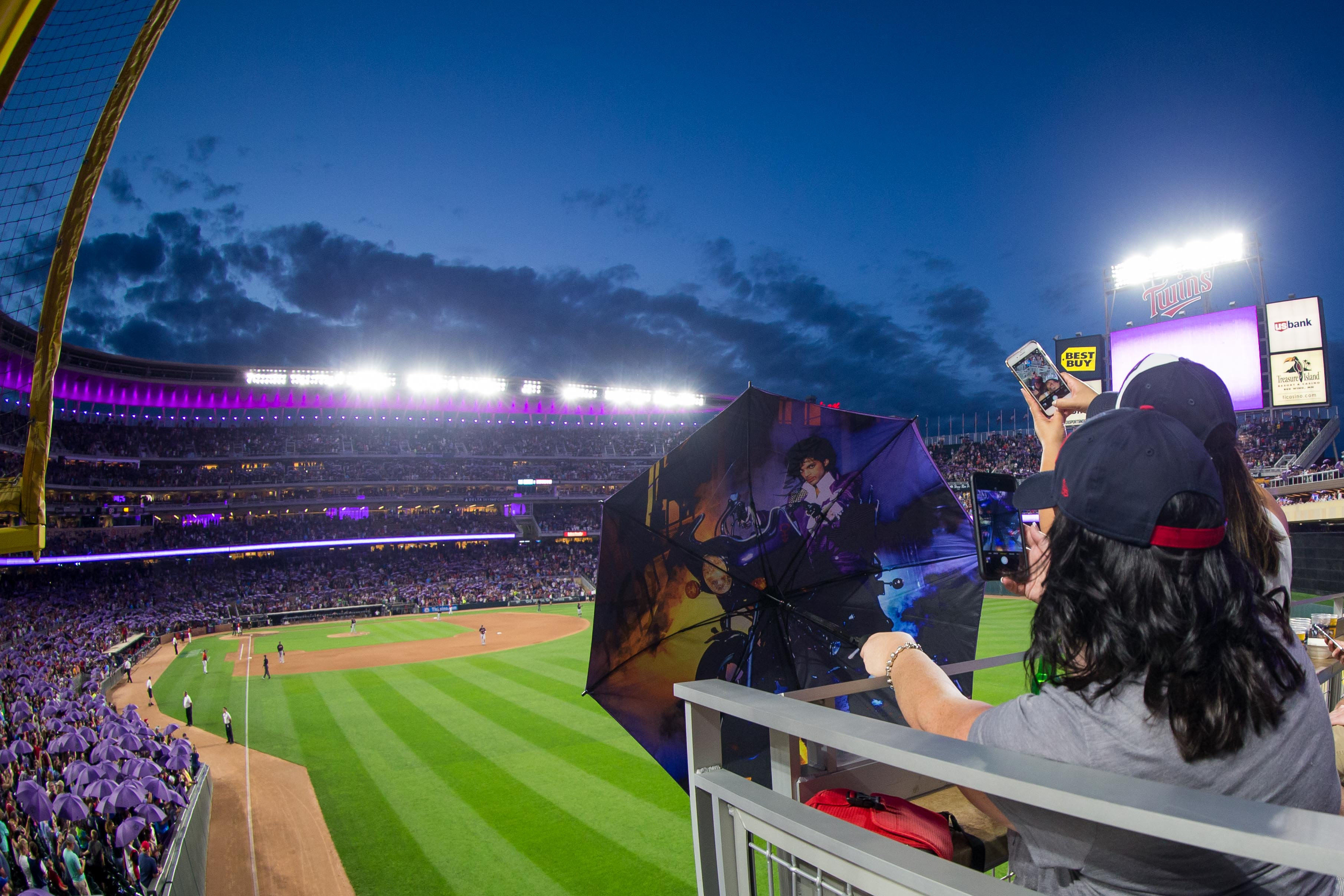 Specifics have not been announced, but you can expect crowd management to look a lot like it does at Twins' games in spring training, with about 25% capacity. We also don't know now how many tickets, if any, will be available to the general public, since season ticket holders will likely get the first opportunity for tickets. In spring training, some tickets were available to the general public, but they sold out within hours of going on sale. Yesterday, John Bonnes provided this one-minute captioned video from Fort Myers, previewing what fan attendance looks like in Hammond Stadium for Twins games right now. https://www.youtube.com/watch?v=R5pg6Cwihio Here is the full announcement from the Twins: MINNESOTA TWINS STATEMENT ON NEW STATE GUIDELINES MINNEAPOLIS-ST. PAUL, MN – The Minnesota Twins today released the following statement regarding new state guidelines for large venues, as announced by Governor Tim Walz and the Minnesota Department of Health: “The Minnesota Twins organization is thrilled that the new state guidelines announced today by Governor Tim Walz and the Minnesota Department of Health (MDH) pave the way for the safe return of our fans to Target Field for the upcoming 2021 season, beginning with our April 8 home opener. “Our singular focus remains on the health, safety and well-being of every person that enters Target Field; to that end, we are currently reviewing the new guidance to ensure our comprehensive re-opening plan adheres to all MDH and Minneapolis Health Department directives. We will announce next steps, including our full ballpark protocols and ticket plans, in the very near future. “We appreciate the continued partnership and dialogue with Governor Walz, MDH and City of Minneapolis officials throughout this process, and cannot wait to safely welcome Major League Baseball’s best fans back into Target Field. Win Twins!”
 -
FORT MYERS - With Governor Walz lifting restrictions on live events on Friday, John Bonnes provides a one-minute report from spring training about watching live Twins games, and what it means for attending games in Target Field in 2021. MORE FROM TWINS DAILY — Latest Twins coverage from our writers — Recent Twins discussion in our forums — Follow Twins Daily via Twitter, Facebook or email Click here to view the article
-
 https://www.youtube.com/watch?v=R5pg6Cwihio MORE FROM TWINS DAILY — Latest Twins coverage from our writers — Recent Twins discussion in our forums — Follow Twins Daily via Twitter, Facebook or email
 -
FORT MYERS - It's the eternal question, so let's take a minute to talk about how the Twins improved their pitching in a sneaky way. Click here to view the article
-
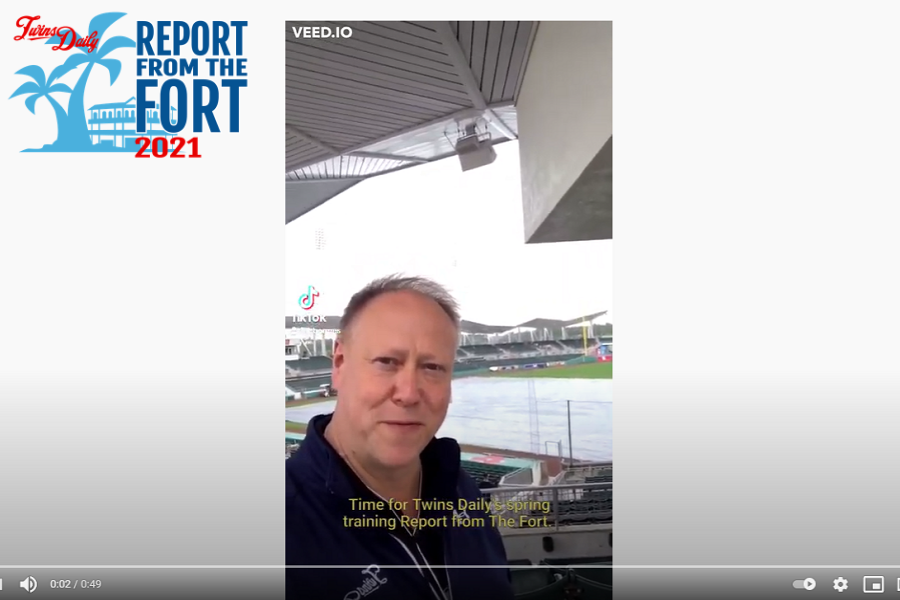 https://www.youtube.com/watch?v=hftmYccGqyw
 -
FORT MYERS - It was a picture perfect day at Hammond Stadium today. The weather was pretty good, too.Rain (Man), Then Thunder Josh Donaldson made his spring debut today and turned an 89 mph fastball into a 110 mph home run. The 3-run blast not only cleared the center field wall, it did so against the wind. “He's doing really well,” commented Twins manager Rocco Baldelli after the game. “He's in a good spot physically and he's got his plan put together and he's out there executing it every day.” Baldelli also said that Donaldson will be back in the lineup soon, probably right after the Twins off-day tomorrow. Thorpe Continues to Impress Lewis Thorpe continued to impress this spring. Starting the game, he struck out all three batters he faced on a total of 13 pitches. “His fastball life was exceptional,” said Baldelli. “Commanded the ball well throughout the inning. I mean, that’s just a really nice day of work. He should feel really good about himself.” In sort of an odd development, after that one inning, he went to the bullpen to get more work in and get his pitch count up. There was a good reason: Thorpe was granted an additional option this offseason, and there are five veterans in front of him for the starting rotation, so he’s on the outside looking in for the 26-man roster. But he’s certainly positioning himself to be near the front of the line if an opportunity arises. The Twins seem to view his future is that of a starting pitcher, more than an occasional bullpen swingman. Lineup Obsessing The Twins have played 8 games this spring and Max Kepler has hit leadoff for four of them and Luis Arraez for the other four. So that question has certainly not been settled. Yesterday it was Arraez’s turn, and he got on base in two of his three at-bats, with a diamond-cutter single and a walk. There was one mild surprise at the top of the order. This is the first game that Donaldson and Nelson Cruz have shared a lineup card, and Donaldson batted second (which is not unusual), but Cruz batted cleanup. You’ll recall that Cruz has mostly batted third with the Twins, but last Cruz batted cleanup in six of the first seven games, before going back to third in the lineup again. Batting between the two big right-handed bats was Jorge Polanco, who could be poised to have a big year, especially hitting left-handed. That’s something to keep an eye on for the rest of camp. Quick Hits Shortstop Andrelton Simmons had his first day in Twins camp today after getting past his visa challenges in Curacao. He got in some work, but also got to tour the complex and get to know his new teammates. Baldelli plans to get him into his first spring training game sooner rather than later. Outfielder Keon Broxton also had a 110-mph home run today. He’s also had a good camp, and provides and interesting option as a bench player. He brings a right-handed bat and can play center field too. But the 30-year-old isn’t on the 40-man roster, so he’s got an uphill climb compared to Jake Cave, Brent Rooker and even Kyle Garlick. The Twins 8-4 win was closed out by fireball prospects Matt Canterino (Twins Daily’s #9 prospect) and Josh Winder (an Honorable Mention candidate). Both had a chance to show off their 97 mph fastball. Former first round pick and shortstop prospect Nick Gordon talked to the media today. After missing last year battling Covid and having limited playing time in 2019 battling gastrointestinal problems, his main goal this year is to stay healthy. “I feel like this year is special for me in the sense of just being back on the field,” he admitted, “and I'll take that with open arms.” MORE FROM TWINS DAILY — Latest Twins coverage from our writers — Recent Twins discussion in our forums — Follow Twins Daily via Twitter, Facebook or email Click here to view the article
-
 Rain (Man), Then Thunder Josh Donaldson made his spring debut today and turned an 89 mph fastball into a 110 mph home run. The 3-run blast not only cleared the center field wall, it did so against the wind. “He's doing really well,” commented Twins manager Rocco Baldelli after the game. “He's in a good spot physically and he's got his plan put together and he's out there executing it every day.” Baldelli also said that Donaldson will be back in the lineup soon, probably right after the Twins off-day tomorrow. Thorpe Continues to Impress Lewis Thorpe continued to impress this spring. Starting the game, he struck out all three batters he faced on a total of 13 pitches. “His fastball life was exceptional,” said Baldelli. “Commanded the ball well throughout the inning. I mean, that’s just a really nice day of work. He should feel really good about himself.” In sort of an odd development, after that one inning, he went to the bullpen to get more work in and get his pitch count up. There was a good reason: https://twitter.com/twinsdaily/status/1368629113632792588 Thorpe was granted an additional option this offseason, and there are five veterans in front of him for the starting rotation, so he’s on the outside looking in for the 26-man roster. But he’s certainly positioning himself to be near the front of the line if an opportunity arises. The Twins seem to view his future is that of a starting pitcher, more than an occasional bullpen swingman. Lineup Obsessing The Twins have played 8 games this spring and Max Kepler has hit leadoff for four of them and Luis Arraez for the other four. So that question has certainly not been settled. Yesterday it was Arraez’s turn, and he got on base in two of his three at-bats, with a diamond-cutter single and a walk. There was one mild surprise at the top of the order. This is the first game that Donaldson and Nelson Cruz have shared a lineup card, and Donaldson batted second (which is not unusual), but Cruz batted cleanup. You’ll recall that Cruz has mostly batted third with the Twins, but last Cruz batted cleanup in six of the first seven games, before going back to third in the lineup again. Batting between the two big right-handed bats was Jorge Polanco, who could be poised to have a big year, especially hitting left-handed. That’s something to keep an eye on for the rest of camp. Quick Hits Shortstop Andrelton Simmons had his first day in Twins camp today after getting past his visa challenges in Curacao. He got in some work, but also got to tour the complex and get to know his new teammates. Baldelli plans to get him into his first spring training game sooner rather than later. Outfielder Keon Broxton also had a 110-mph home run today. He’s also had a good camp, and provides and interesting option as a bench player. He brings a right-handed bat and can play center field too. But the 30-year-old isn’t on the 40-man roster, so he’s got an uphill climb compared to Jake Cave, Brent Rooker and even Kyle Garlick. The Twins 8-4 win was closed out by fireball prospects Matt Canterino (Twins Daily’s #9 prospect) and Josh Winder (an Honorable Mention candidate). Both had a chance to show off their 97 mph fastball. Former first round pick and shortstop prospect Nick Gordon talked to the media today. After missing last year battling Covid and having limited playing time in 2019 battling gastrointestinal problems, his main goal this year is to stay healthy. “I feel like this year is special for me in the sense of just being back on the field,” he admitted, “and I'll take that with open arms.” MORE FROM TWINS DAILY — Latest Twins coverage from our writers — Recent Twins discussion in our forums — Follow Twins Daily via Twitter, Facebook or email
 -
Aaron and John talk about potential Byron Buxton and Jose Berrios contract extensions, Jake Odorizzi signing with the Astros, Trevor Larnach as an underrated prospect, Andrelton Simmons reporting to camp, and the Twins' late-inning bullpen plan. You can listen by downloading us from iTunes, Spotify, Stitcher, iHeartRadio or find it at GleemanAndTheGeek.com. Or just click this link. Play Gleeman and the Geek Now Click here to view the article
-
 Play Gleeman and the Geek Now
 -
FORT MYERS - Today, Byron Buxton revealed his agent discussed a contract extension with the Twins earlier this week. What would a deal with Buxton look like and can it make sense for both sides? Click here to view the article
-
Report from The Fort: Byron Buxton Talking Contract Extension?
John Bonnes posted an article in Twins
 https://www.youtube.com/watch?v=zTl-92iewFQ
 -
FORT MYERS - There are some positive signs for Mitch Garver this spring. Click here to view the article
-
 https://www.youtube.com/watch?v=2OS6IneyWs4
 -
FORT MYERS - Jorge Polanco knows something you don’t know.Every thrust is countered by a parry. For every style change, there is an answer. The Man in Black is winning this duel, and so there is no point in not admitting it. “You are better than I am,” concedes Inigo Montoya. “Then why are you smiling,” asks the Man in Black, quizzically. “Because I know something you don’t know,” replies Montoya, slyly. “I am not left-handed.” You knew something was wrong with Jorge Polanco. Why was he swinging with only his arms? Why was he trying to slap the ball the other way? Where was the guy who hit 22 home runs the year before? Now he’s Ben Revere – with less power? Something was, indeed, wrong. The right ankle on which he had surgery following the 2019 season hadn’t healed, or at least the surgery had not taken care of the problem that slowed him over the latter half of the season. “After the first surgery, I did my rehab stuff and we got into the season and I felt, right away, during the season, that I wasn't feeling good on my ankle in games,” Polanco revealed last week. “I knew it, and when I went to see the doctor again a couple of months before the season was over, he said they'd require a second surgery." A couple months before the season was over? Uh, the 2020 season was only two months long. Meaning Polanco knew for most of the season that he would require surgery. Until then, he would have to deal with it impacting one very specific aspect of his game. “It didn't feel good, hitting left-handed”, Polanco says. “I think that was one of my problems last year - that I couldn't get good at-bats hitting left-handed. But this year, it's feeling pretty good." Polanco is a switch-hitter, but like Inigo Montoya in The Princess Bride, he has a dominant side at the plate. Unlike Inigo Montoya, it’s his left side: Download attachment: Polanco's Splits.PNG It’s not been close. From 2017-2019, Polanco’s OPS averaged 150 points higher on the left than the right. Better batting average, better patience, and a boatload more power. But last year, while you focused on overall numbers that scared you into thinking his early performance in 2019 was a fluke, there was a positive trend. Polanco actually hit better right-handed then he did the year before. In fact, you see a pretty clear trend in Polanco’s OPS over his career on both sides of the plate: it keeps going up. except for the injury-marred at-bats from the left side last year. That overall trend makes further sense because Polanco enters the season as a 27-year-old. He’s on the right side of the aging curve. You might think it’s always a convenient narrative to blame an unproductive year on an injury. You’re right, but his manager has also noticed a difference. “His right-handed swing felt fine. His left-handed swing did not”, says Twins manager Rocco Baldelli about Polanco last year. And Baldelli also notices a difference in camp this year, too. “Right now we don't have to worry about any of that.” But let’s step out of the fairy tale for a moment. Polanco’s first half of 2019 was certainly a bit surprising, and some regression could be expected. However, the data supports a compelling narrative: that Polanco is a player trending upwards who was anklecapped (Is that a word? We’re going with it.) by an injury that affected 75% of his at-bats in a shortened season. Of course, there could be another surprise still to come. You’ll recall that the Man in Black revealed a little later that he was also not left-handed, defeated Montoya, and continued his quest to save Princess Buttercup from the inconceivably ruthless Vizinni. Still, the underestimated Montoya, after preparing for 20 years, ultimately had his day. Polanco may not get his revenge against the six-fingered man, but maybe he’ll rebound from a injured 2020 to once again be a productive major leaguer, as you dare to hope. Or maybe he’ll be much more than that - as you wish. Don’t rule out him living happily ever after. Click here to view the article
-
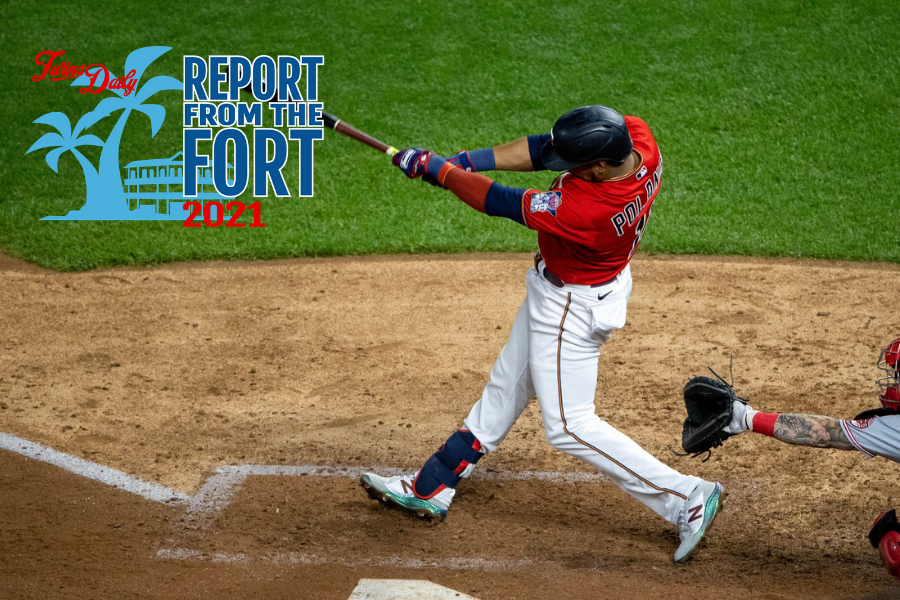 Every thrust is countered by a parry. For every style change, there is an answer. The Man in Black is winning this duel, and so there is no point in not admitting it. “You are better than I am,” concedes Inigo Montoya. “Then why are you smiling,” asks the Man in Black, quizzically. “Because I know something you don’t know,” replies Montoya, slyly. “I am not left-handed.” You knew something was wrong with Jorge Polanco. Why was he swinging with only his arms? Why was he trying to slap the ball the other way? Where was the guy who hit 22 home runs the year before? Now he’s Ben Revere – with less power? Something was, indeed, wrong. The right ankle on which he had surgery following the 2019 season hadn’t healed, or at least the surgery had not taken care of the problem that slowed him over the latter half of the season. “After the first surgery, I did my rehab stuff and we got into the season and I felt, right away, during the season, that I wasn't feeling good on my ankle in games,” Polanco revealed last week. “I knew it, and when I went to see the doctor again a couple of months before the season was over, he said they'd require a second surgery." A couple months before the season was over? Uh, the 2020 season was only two months long. Meaning Polanco knew for most of the season that he would require surgery. Until then, he would have to deal with it impacting one very specific aspect of his game. “It didn't feel good, hitting left-handed”, Polanco says. “I think that was one of my problems last year - that I couldn't get good at-bats hitting left-handed. But this year, it's feeling pretty good." Polanco is a switch-hitter, but like Inigo Montoya in The Princess Bride, he has a dominant side at the plate. Unlike Inigo Montoya, it’s his left side: It’s not been close. From 2017-2019, Polanco’s OPS averaged 150 points higher on the left than the right. Better batting average, better patience, and a boatload more power. But last year, while you focused on overall numbers that scared you into thinking his early performance in 2019 was a fluke, there was a positive trend. Polanco actually hit better right-handed then he did the year before. In fact, you see a pretty clear trend in Polanco’s OPS over his career on both sides of the plate: it keeps going up. except for the injury-marred at-bats from the left side last year. That overall trend makes further sense because Polanco enters the season as a 27-year-old. He’s on the right side of the aging curve. You might think it’s always a convenient narrative to blame an unproductive year on an injury. You’re right, but his manager has also noticed a difference. “His right-handed swing felt fine. His left-handed swing did not”, says Twins manager Rocco Baldelli about Polanco last year. And Baldelli also notices a difference in camp this year, too. “Right now we don't have to worry about any of that.” But let’s step out of the fairy tale for a moment. Polanco’s first half of 2019 was certainly a bit surprising, and some regression could be expected. However, the data supports a compelling narrative: that Polanco is a player trending upwards who was anklecapped (Is that a word? We’re going with it.) by an injury that affected 75% of his at-bats in a shortened season. Of course, there could be another surprise still to come. You’ll recall that the Man in Black revealed a little later that he was also not left-handed, defeated Montoya, and continued his quest to save Princess Buttercup from the inconceivably ruthless Vizinni. Still, the underestimated Montoya, after preparing for 20 years, ultimately had his day. Polanco may not get his revenge against the six-fingered man, but maybe he’ll rebound from a injured 2020 to once again be a productive major leaguer, as you dare to hope. Or maybe he’ll be much more than that - as you wish. Don’t rule out him living happily ever after.
 -
FORT MYERS - There aren’t a lot of meaningful spring training battle in Twins' camp on the field, but there may be one in the lineup.The pivot point in the Twins' lineup comes early, very early. It’s the leadoff hitter. Go one direction, and the lineup looks one way. Go the other, and it looks very different. For the last two years, that leadoff hitter has mostly been Max Kepler, but coming into the season, there were two significant challenges to that status quo: Luis Arraez Is Healthy Arraez is expected to get a lot of at-bats as a multi-positional player. Arraez isn’t exactly a prototypical leadoff hitter because he doesn’t walk a ton, and doesn’t bring a lot of speed to the bases. But he battles and he gets on base: at a .390 clip in his 487 career plate appearances. Arraez is fearless, and an asset almost anywhere except the heart of the lineup. “He's an on-base machine, a line-drive machine," gushed Twins manager Rocco Baldelli this week. “He's a throwback. You don't see a lot of guys with the skills he does with the bat in his hands.” An on-base machine would be a logical fit for the top spot in the lineup. Especially when the left-handed hitting 23-year-old would likely bat right in front of right-handed hitting Josh Donaldson and Nelson Cruz. Eddie Rosario Is Gone The Twins have a hole to fill in the middle of their lineup with the departure of left-handed hitting Eddie Rosario. Rosario batted fourth for the vast majority of his plate appearances the last two years. He’ll likely be replaced in the outfield with left-handed hitting Alex Kirilloff, but odds are the Twins would thrust cleanup on a rookie making his (regular season) debut this year. With Rosario gone, the best left-handed hitting Twins' batter is Kepler. (He probably was before Rosario left, too.) So he makes a lot of sense to bat cleanup, but – follow me here – he’s not allowed to do that if he’s batting leadoff. I know, it’s a silly rule. In the Twins first four spring training games, Kepler has lead off twice and Arraez has lead off twice. Baldelli is notorious for not tipping his hand when it comes to lineups, and this year is no different. But it’s clear he recognizes the luxury having both affords him. “Two different hitters, but two guys that can certainly be productive at the top of the order, Baldelli said, talking about Arraez and Kepler. “One thing they both do well is they both see the ball well. They are hitters that see the ball and then react. They're not in swing-first mode like a lot of guys can get into that mode.” There is not bad answer. Some might wonder since Arraez is slated for a utility role, whether the decision takes care of itself? But Kepler has played in 89% of all the Twins games since 2017, and Baldelli is vowing to make sure that Arraez will get as much run as any other regular. So odds are there is going to be significant overlap in the playing time of the two. It should also be mentioned that theoretically, Kepler and Arraez are not the only options. Mitch Garver and Jorge Polanco have both been in the leadoff spot over the last two years, and it’s possible that would be the case against some pitchers. Byron Buxton, if he ever raises his ability to get on base, would certainly be electric out of that spot. But Kepler and Arraez seem to be the top options, and they’re the only two we’ve seen lead off so far in spring training. So if you’re looking to track a spring training battle from afar this spring, here’s your chance. Arraez and Kepler haven’t been in the same lineup yet, but one would think that would certainly give a clue to what Baldelli is thinking. Until then, build your lineup, maybe starting in the comments below, and see if you can settle this leading question. Click here to view the article
- 22 replies
-
- 1
-

-
- luis arraez
- rocco baldelli
- (and 1 more)
-
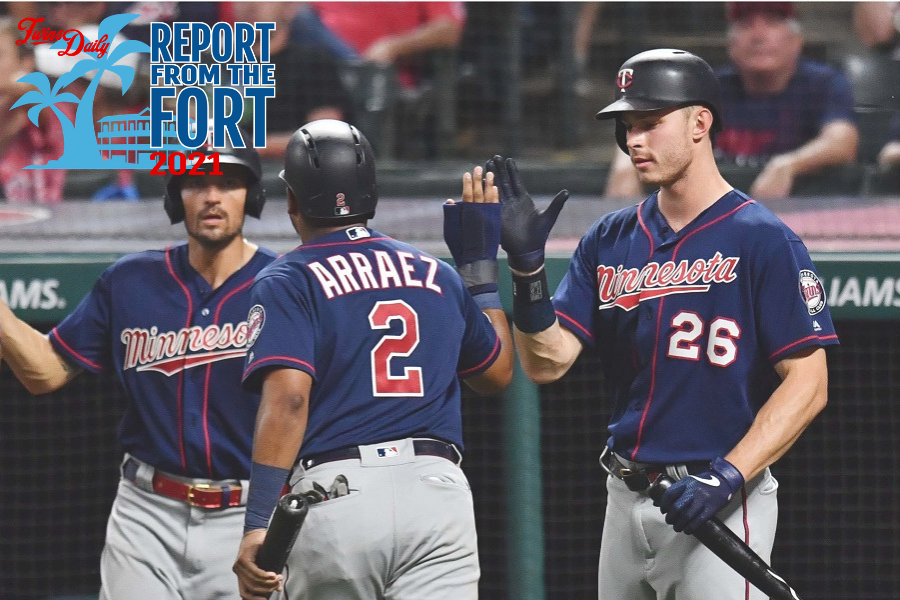 The pivot point in the Twins' lineup comes early, very early. It’s the leadoff hitter. Go one direction, and the lineup looks one way. Go the other, and it looks very different. For the last two years, that leadoff hitter has mostly been Max Kepler, but coming into the season, there were two significant challenges to that status quo: Luis Arraez Is Healthy Arraez is expected to get a lot of at-bats as a multi-positional player. Arraez isn’t exactly a prototypical leadoff hitter because he doesn’t walk a ton, and doesn’t bring a lot of speed to the bases. But he battles and he gets on base: at a .390 clip in his 487 career plate appearances. Arraez is fearless, and an asset almost anywhere except the heart of the lineup. “He's an on-base machine, a line-drive machine," gushed Twins manager Rocco Baldelli this week. “He's a throwback. You don't see a lot of guys with the skills he does with the bat in his hands.” An on-base machine would be a logical fit for the top spot in the lineup. Especially when the left-handed hitting 23-year-old would likely bat right in front of right-handed hitting Josh Donaldson and Nelson Cruz. Eddie Rosario Is Gone The Twins have a hole to fill in the middle of their lineup with the departure of left-handed hitting Eddie Rosario. Rosario batted fourth for the vast majority of his plate appearances the last two years. He’ll likely be replaced in the outfield with left-handed hitting Alex Kirilloff, but odds are the Twins would thrust cleanup on a rookie making his (regular season) debut this year. With Rosario gone, the best left-handed hitting Twins' batter is Kepler. (He probably was before Rosario left, too.) So he makes a lot of sense to bat cleanup, but – follow me here – he’s not allowed to do that if he’s batting leadoff. I know, it’s a silly rule. In the Twins first four spring training games, Kepler has lead off twice and Arraez has lead off twice. Baldelli is notorious for not tipping his hand when it comes to lineups, and this year is no different. But it’s clear he recognizes the luxury having both affords him. “Two different hitters, but two guys that can certainly be productive at the top of the order, Baldelli said, talking about Arraez and Kepler. “One thing they both do well is they both see the ball well. They are hitters that see the ball and then react. They're not in swing-first mode like a lot of guys can get into that mode.” There is not bad answer. Some might wonder since Arraez is slated for a utility role, whether the decision takes care of itself? But Kepler has played in 89% of all the Twins games since 2017, and Baldelli is vowing to make sure that Arraez will get as much run as any other regular. So odds are there is going to be significant overlap in the playing time of the two. It should also be mentioned that theoretically, Kepler and Arraez are not the only options. Mitch Garver and Jorge Polanco have both been in the leadoff spot over the last two years, and it’s possible that would be the case against some pitchers. Byron Buxton, if he ever raises his ability to get on base, would certainly be electric out of that spot. But Kepler and Arraez seem to be the top options, and they’re the only two we’ve seen lead off so far in spring training. So if you’re looking to track a spring training battle from afar this spring, here’s your chance. Arraez and Kepler haven’t been in the same lineup yet, but one would think that would certainly give a clue to what Baldelli is thinking. Until then, build your lineup, maybe starting in the comments below, and see if you can settle this leading question.
 -
Report from The Fort: Spring Training Live
John Bonnes posted a topic in Twins Daily Front Page News
FORT MYERS - You had questions. We had answers. Seth, Nick, Ted, David, Matt and the Twins Daily community peppered John with questions on Tuesday night about every Twins spring training topic under the sun. Now you can watch it all.Watch the show here: Click here to view the article-
- 1
-
-
 Watch the show here:
 -
PORT CHARLOTTE - The Twins defeated the Rays 6-5 in a road game that featured a number of Twins’ players’ 2021 debuts. We saw Lewis Thorpe (and maybe as importantly, Lewis Thorpe’s velocity), Luis Arraez and Brent Rooker for the first time this spring. The results were encouraging.Lewis Thorpe Thorpe didn’t have the cleanest first inning – he walked his first batter and hit another in the head - but the pitches that we’ve heard about this spring were all on display. Most noticeably, the velocity that had deserted him last year has returned, as he was consistently throwing his fastball at least 90 mph, reaching 93 mph on occasion. Asked about the variation, he explained “Sometimes I just try to groove [the slower version] in there and if I really want to let one rip, the 93 is in the back of the tank somewhere.” His offspeed stuff was similarly impressive. He relied several times on a mid-70s curveball that he threw as a first-pitch-looking strikes to batters. His slider was a little less reliable, but good enough to strikeout the last batter he faced in an efficient second inning. He finished with two strikeouts and no runs over two innings. Tuesday the Twins will be playing the Braves on the road, and if you would like to follow along, follow @TwinsDaily on Twitter. Click here to view the article
-
Report from The Fort: Lewis Thorpe’s Hype Train Stays on Track
John Bonnes posted an article in Twins
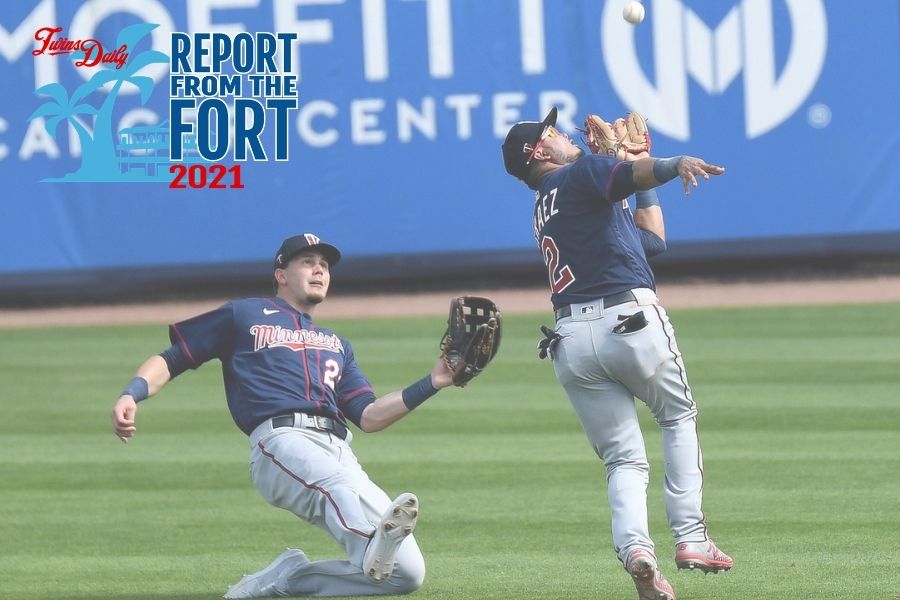 Lewis Thorpe Thorpe didn’t have the cleanest first inning – he walked his first batter and hit another in the head - but the pitches that we’ve heard about this spring were all on display. Most noticeably, the velocity that had deserted him last year has returned, as he was consistently throwing his fastball at least 90 mph, reaching 93 mph on occasion. Asked about the variation, he explained “Sometimes I just try to groove [the slower version] in there and if I really want to let one rip, the 93 is in the back of the tank somewhere.” His offspeed stuff was similarly impressive. He relied several times on a mid-70s curveball that he threw as a first-pitch-looking strikes to batters. His slider was a little less reliable, but good enough to strikeout the last batter he faced in an efficient second inning. He finished with two strikeouts and no runs over two innings. https://twitter.com/twinsdaily/status/1366455965093154818 He even made a couple of plays in the field, including tangoing with catcher Ryan Jeffers on a high pop fly that came down two feet in front of home plate. Jeffers ended up on the ground, but on his way there, he watched Thorpe catch the ball over Jeffers’ shoulder. It was another encouraging step for the Thorpe. The southpaw still has an uphill climb to the majors as a member of the rotation. He’s certainly behind the five veterans in camp, and maybe also be behind Randy Dobnak and Devin Smeltzer. But it’s clear the team is gaining confidence in him. As is Thorpe. “It's fantastic,” he exclaimed after. “To come back with the way I'm throwing the ball right now, it's such a positive leading up to my first outing after that live BP. To be able to pound the zone and get some swings and misses, and know my stuff belongs here, it's a relief, that's for sure.” Luis Arraez Luis Arraez not only made his debut, but also hit lead off, lacing a line drive off of Rays’ starter Tyler Glasnow, he of the 97 mph fastball. That drive found a diving center fielder’s glove, but Arraez had an even more impressive at-bat in the second inning. Glasnow was clearly tiring, but the bases were loaded with two outs. Arraez fell behind in the count 0-2 on two foul balls, but worked the count back to 3-2 and three pitches later worked a walk to give the Twins a 2-0 lead. He was the last batter Glasnow faced. What was striking about the at-bat is there was never a point, even down 0-2, that it felt like Arraez was in any kind of trouble. “Luis is not intimidated by really anyone,” mused manager Rocco Baldelli after the game. Arraez also made a great running catch ranging into right field, but it left his manager holding his breath: https://twitter.com/twinsdaily/status/1366466502476587008 Brent Rooker Rooker started in left field and batted cleanup. Last year, his season ended shortly after he was called up to the Twins last when he suffered a broken arm after being hit by a pitch. With the Twins having an abundance of left-handed hitting corner outfielders, the right-handed hitting Rooker looks like a valuable piece to have on the 26-man roster this year. He certainly didn’t show any ill effects from the injury in his first at-bat of the season. Facing Glasnow he drilled a home run to right-center field to give the Twins and early 1-0 lead. https://twitter.com/twinsdaily/status/1366456585636216839 Odd and Ends Or should I say “an odd end?” We had heard all games would be seven innings, but following the fifth inning, an announcement was made that the game would only be one more inning long. So we got a six inning game. The Rays’ stadium was practicing the same type of pandemic crowd control that Hammond Stadium did on Sunday, but the American League’s defending champs’ crowd was so light, there was little reason for concern. Seats were spread out, and I never say any line at a concession stand or for the restroom. There was plenty of distance between the fans. https://twitter.com/twinsdaily/status/1366448547743342593 Tuesday the Twins will be playing the Braves on the road, and if you would like to follow along, follow @TwinsDaily on Twitter.
 -
Aaron and John talk about Royce Lewis' knee injury, the Twins' first spring training game and the presence of fans at the ballpark, Alex Kirilloff's chances of being on the Opening Day roster, Lewis Thorpe's improved outlook, and why Jake Odorizzi is still unsigned. You can listen by downloading us from iTunes, Spotify, Stitcher, iHeartRadio or find it at GleemanAndTheGeek.com. Or just click this link. Listen Here Now Click here to view the article

