



Sam Caulder
-
Posts
650 -
Joined
-
Last visited
Content Type
Profiles
News
Minnesota Twins Videos
2026 Minnesota Twins Top Prospects Ranking
2022 Minnesota Twins Draft Picks
Minnesota Twins Free Agent & Trade Rumors, Notes, & Tidbits
Guides & Resources
2023 Minnesota Twins Draft Picks
The Minnesota Twins Players Project
2024 Minnesota Twins Draft Picks
2025 Minnesota Twins Draft Pick Tracker
2026 Minnesota Twins Draft Tracker: Picks & Bonuses
Forums
Blogs
Events
Store
Downloads
Gallery
Everything posted by Sam Caulder
-
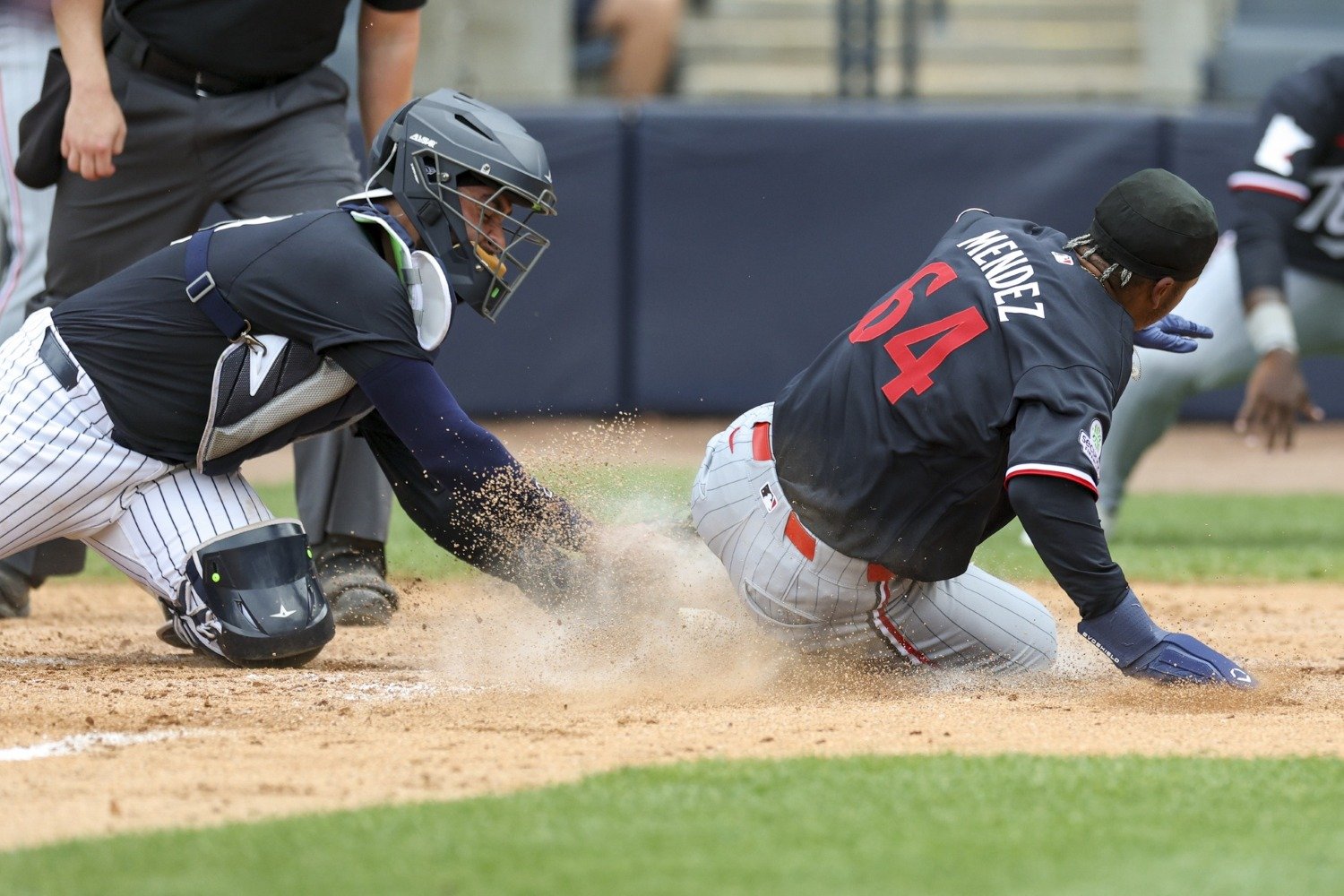 As we approach the final month of the major-league regular season, many teams bring up some of their top prospects for quick looks and for needed boosts in playoff races. September callups allow teams to add two more players to their rosters, going from 26 to 28 players, and a lot of the conversations around the Twins’ organization lately have been focused on two outfielders: Walker Jenkins and Emmanuel Rodriguez. They’re two of the best prospects in the organization. Both are right on the doorstep of the major leagues, and it feels like only a matter of time before the Twins give each of them an opportunity. But there’s another outfielder who doesn’t get mentioned nearly enough, in my opinion, and he’s in a very similar spot. It’s Hendry Mendez. The Harrison Bader trade at last summer’s trade deadline continues to look good. Mendez has done nothing but hit the ball since being acquired from the Phillies—so much so that he’s climbed directly behind Rodriguez in Twins Daily’s prospect rankings. Across 356 plate appearances between Double-A and Triple-A this year, Mendez is slashing .290/.383/.454. When you compare his Triple-A numbers specifically to those of Jenkins and Rodriguez, you might be surprised by just how well Mendez stacks up. His extra-base hit production isn’t quite as high, largely because of Mendez’s 52% ground-ball rate. He isn’t going to provide the same raw power that Rodriguez can, but that doesn’t mean there isn’t plenty to like about his offensive profile. Mendez is getting on base at a higher clip than Jenkins, and his hard-hit rate is also about four percentage points higher. The biggest difference, though, might be his ability to consistently put the bat on the baseball. Rodriguez’s overall contact rate is at just 65% (a major concern, but one for another time). Mendez’s contact rate is up at 82%. That gives Mendez a very different offensive profile from Rodriguez. He may not have the same ceiling in terms of power, but there is considerably less swing-and-miss in his game. That could be valuable for the Twins as they try to figure out what their outfield should look like over the next few seasons. Mendez is also already on the 40-man roster, meaning the Twins face no major friction if they decide to promote him. Even after making the jump from Double-A to Triple-A, he’s continued to produce and put good swings on the ball and post impressive numbers. There’s no reason Mendez has to be viewed as a direct alternative to Jenkins or Rodriguez. The Twins could theoretically bring up multiple young outfielders, especially if they want to use September as an opportunity to get a better look at the players who could be part of the playoff window they hope is opening this season. Each of the three prospects would bring very different things to the table. Jenkins offers the highest overall prospect pedigree, but isn’t on the 40-man and could be stuck in St. Paul for the rest of the year. Rodriguez brings some of the most impressive raw power in the organization, and Mendez brings a more contact-oriented approach with the ability to get on base and consistently make hard contact. That diversity could actually make Mendez an even more interesting piece of the puzzle. The Twins have many decisions to make in their outfield moving forward. Some veterans are likely to be moved, with a wave of prospects getting closer and closer to the major leagues. It's all but guaranteed the outfield will shift to a much younger group in the near future. Jenkins and Rodriguez will probably be at the center of those conversations, but Mendez should be part of them, too. I don’t think the Twins need to rush Mendez to the major leagues, and I wouldn’t argue that he needs to be prioritized over Jenkins or Rodriguez. But if the organization is looking for another young hitter to get a taste of the majors in September, there’s a compelling case to give Mendez a chance.
 -
Image courtesy of Rob Thompson, St. Paul Saints Walker Jenkins has done everything you could ask of him since entering pro ball. The Twins’ first-round draft pick in 2023 and the organization’s top prospect should become a staple in Minnesota’s outfield for several years to come. At just 21 years old, Jenkins is currently slashing .291/.385/.483 at Triple-A St. Paul, good for an .868 OPS. His plate discipline and bat-to-ball skills are clearly well beyond his years, and while he might not have 30-homer upside, he has no shortage of in-game power. As a result, it seems like all of Twins Territory is clamoring to see Jenkins in the major leagues, and I can’t blame anyone for that. However, I don’t share that belief. And before everyone goes to bury me in the comments, let me explain why. I think there are a few reasons the Twins should keep Jenkins at St. Paul for (ideally) the rest of the season, or at the very least, until September. Some of those reasons are admittedly more important than others, but when you put them all together, I think the argument for keeping Jenkins in Triple-A is pretty compelling. For starters, Jenkins is not currently on the Twins’ 40-man roster. That by itself is a relatively minor issue, but it would create an additional roster decision for the Twins to make if they wanted to call him up now. Unless the team places someone currently on the 40-man roster on the 60-day injured list, Minnesota would have to remove someone to make room for Jenkins. That alone probably isn't enough to keep him in the minors, but I think it goes well beyond that. By calling Jenkins up now, the Twins run the risk of him becoming ineligible for the Rookie of the Year award in 2027. If Jenkins were to win that award, Minnesota would receive a Prospect Promotion Incentive (PPI) draft pick, which would come immediately after the first round and before the Competitive Balance Round A picks. How much do the Twins care about that? I can’t say, but there is a pretty clear incentive to preserve that possibility. Jenkins can get up to 130 at-bats between now and the end of the season and retain his rookie eligibility for 2027. If he exceeds that threshold, however, he would no longer qualify. Considering Jenkins is already performing at a high level in Triple-A, it would be pretty easy to see him accumulating enough playing time to cross that threshold if he were called up soon. There’s also the reality that the 2027 season might not be your typical baseball season. The current Collective Bargaining Agreement is set to expire in December, meaning MLB owners and players will have to agree to a new CBA ahead of next season. Given how much uncertainty there is surrounding future spending rules and the possibility of a work stoppage, the 2027 major-league season could very well be delayed. The minor-league season, however, would not be impacted. If the Twins bring him up to the majors this season and the 2027 season starts late, that's valuable at-bat and development time that Jenkins could potentially miss out on. He'd be sitting around waiting for the major-league season to begin, instead of getting regular playing time in the minors. If he stays in the minors for the rest of this season, the Twins could bring him up early in 2027 if everything goes according to plan. Again, how much weight the Twins place on that possibility is impossible to know. But at the very least, it’s another potential complication they have to consider. The last point I’ll mention isn’t really a point. It’s a name, and that name is Emmanuel Rodriguez. Rodriguez and Jenkins have quite a bit in common. Both are talented, left-handed hitting outfielders who have performed extremely well at Triple-A. But they also have some important differences. For starters, Rodriguez is already on the Twins’ 40-man roster, and in addition, he’s out of minor-league options after this season. Just as Jenkins passed an important deadline Friday when he wasn't recalled within 45 days of the end of the season, eliminating one way he could have lost rookie eligiblity, Rodriguez passed one this week when he exceeded 30 active days on the Saints roster this year. He's now played (technically) five full pro seasons and is not eligible for a fourth option in 2027; the criteria for a full season require only that a player be active for at least 90 days, or be active for 30 days (not counting rehab assignments) and be on the IL (as opposed to the restricted list or in free agency) for another 60 days; Rodriguez has now had five such campaigns. To be saddled with a fourth option year (a benefit to the team, but not the player), a player must have four or fewer seasons meeting those criteria when they exhaust their first three years of being optionable. If the Twins plan on keeping Rodriguez around beyond next Opening Day—which I don't know for sure that they do—this is essentially his last chance to get his feet wet in the major leagues before potentially being thrust into a much more impactful role next season. It would also be easier for the Twins to bring him up. They wouldn't need to remove someone from the 40-man roster to make room for him, and a potential 2027 work stoppage wouldn't affect his development in the same way, because he can't simply be optioned back to the minors again. If the Twins feel inclined to add an outfielder from Triple-A, I’d rather see them give Rodriguez that opportunity first. It might not be the most popular take I’ve ever had, but I think keeping Jenkins in the minors is the right move. I don't think there's any reason to rush him this season, especially with so much uncertainty surrounding next year. Jenkins has already done everything the Twins could have asked of him. Another month in St. Paul isn't going to change that. If the 2027 season starts on time (or soon thereafter), the Twins can bring him up early and let him begin his major-league career on their terms. And if that happens, Jenkins should have a very good chance to establish himself as one of the favorites for the 2027 AL Rookie of the Year award. For a player with this much potential, waiting a little longer might ultimately be the best move for everyone. View full article
-
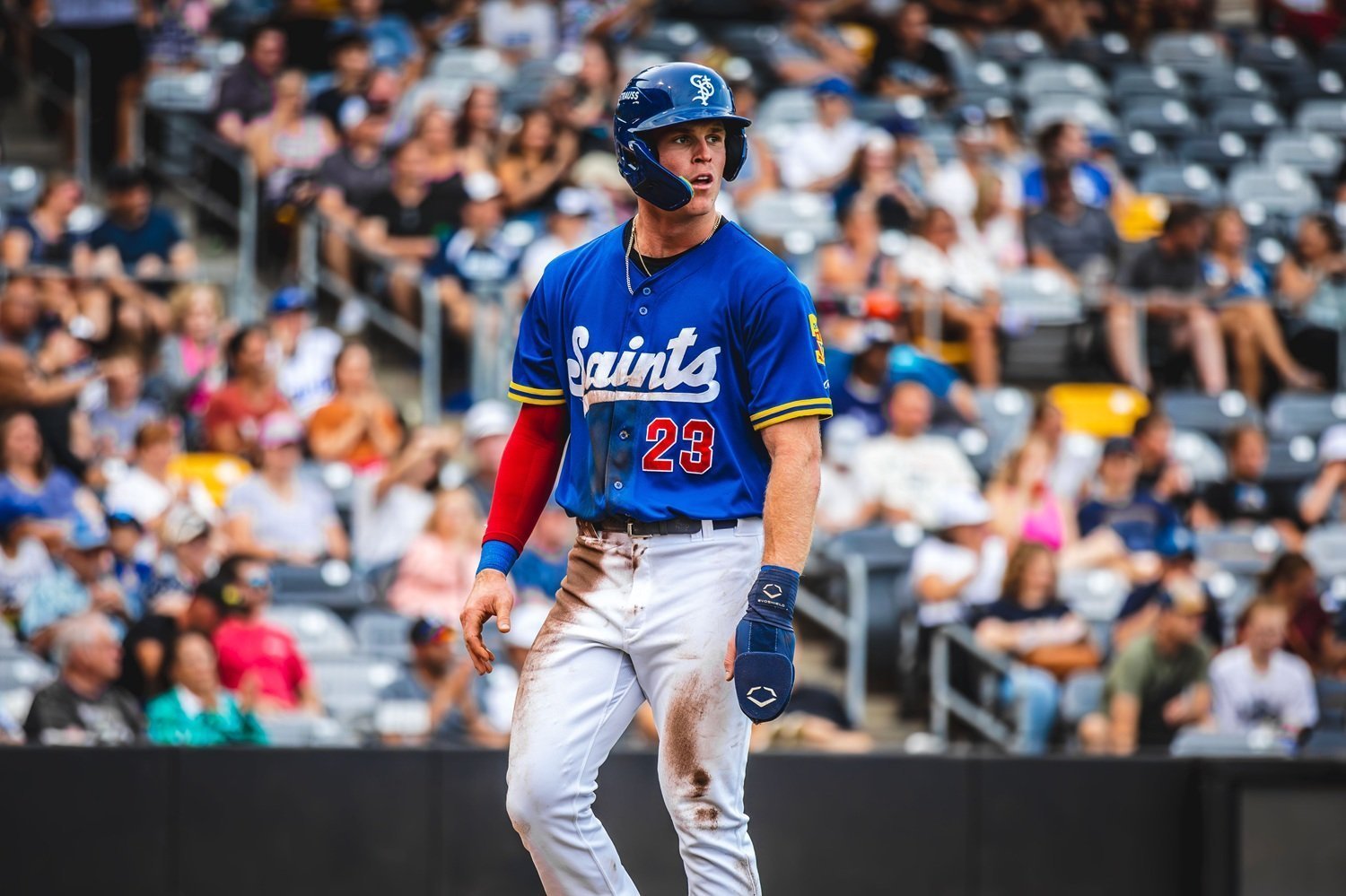 Walker Jenkins has done everything you could ask of him since entering pro ball. The Twins’ first-round draft pick in 2023 and the organization’s top prospect should become a staple in Minnesota’s outfield for several years to come. At just 21 years old, Jenkins is currently slashing .291/.385/.483 at Triple-A St. Paul, good for an .868 OPS. His plate discipline and bat-to-ball skills are clearly well beyond his years, and while he might not have 30-homer upside, he has no shortage of in-game power. As a result, it seems like all of Twins Territory is clamoring to see Jenkins in the major leagues, and I can’t blame anyone for that. However, I don’t share that belief. And before everyone goes to bury me in the comments, let me explain why. I think there are a few reasons the Twins should keep Jenkins at St. Paul for (ideally) the rest of the season, or at the very least, until September. Some of those reasons are admittedly more important than others, but when you put them all together, I think the argument for keeping Jenkins in Triple-A is pretty compelling. For starters, Jenkins is not currently on the Twins’ 40-man roster. That by itself is a relatively minor issue, but it would create an additional roster decision for the Twins to make if they wanted to call him up now. Unless the team places someone currently on the 40-man roster on the 60-day injured list, Minnesota would have to remove someone to make room for Jenkins. That alone probably isn't enough to keep him in the minors, but I think it goes well beyond that. By calling Jenkins up now, the Twins run the risk of him becoming ineligible for the Rookie of the Year award in 2027. If Jenkins were to win that award, Minnesota would receive a Prospect Promotion Incentive (PPI) draft pick, which would come immediately after the first round and before the Competitive Balance Round A picks. How much do the Twins care about that? I can’t say, but there is a pretty clear incentive to preserve that possibility. Jenkins can get up to 130 at-bats between now and the end of the season and retain his rookie eligibility for 2027. If he exceeds that threshold, however, he would no longer qualify. Considering Jenkins is already performing at a high level in Triple-A, it would be pretty easy to see him accumulating enough playing time to cross that threshold if he were called up soon. There’s also the reality that the 2027 season might not be your typical baseball season. The current Collective Bargaining Agreement is set to expire in December, meaning MLB owners and players will have to agree to a new CBA ahead of next season. Given how much uncertainty there is surrounding future spending rules and the possibility of a work stoppage, the 2027 major-league season could very well be delayed. The minor-league season, however, would not be impacted. If the Twins bring him up to the majors this season and the 2027 season starts late, that's valuable at-bat and development time that Jenkins could potentially miss out on. He'd be sitting around waiting for the major-league season to begin, instead of getting regular playing time in the minors. If he stays in the minors for the rest of this season, the Twins could bring him up early in 2027 if everything goes according to plan. Again, how much weight the Twins place on that possibility is impossible to know. But at the very least, it’s another potential complication they have to consider. The last point I’ll mention isn’t really a point. It’s a name, and that name is Emmanuel Rodriguez. Rodriguez and Jenkins have quite a bit in common. Both are talented, left-handed hitting outfielders who have performed extremely well at Triple-A. But they also have some important differences. For starters, Rodriguez is already on the Twins’ 40-man roster, and in addition, he’s out of minor-league options after this season. Just as Jenkins passed an important deadline Friday when he wasn't recalled within 45 days of the end of the season, eliminating one way he could have lost rookie eligiblity, Rodriguez passed one this week when he exceeded 30 active days on the Saints roster this year. He's now played (technically) five full pro seasons and is not eligible for a fourth option in 2027; the criteria for a full season require only that a player be active for at least 90 days, or be active for 30 days (not counting rehab assignments) and be on the IL (as opposed to the restricted list or in free agency) for another 60 days; Rodriguez has now had five such campaigns. To be saddled with a fourth option year (a benefit to the team, but not the player), a player must have four or fewer seasons meeting those criteria when they exhaust their first three years of being optionable. If the Twins plan on keeping Rodriguez around beyond next Opening Day—which I don't know for sure that they do—this is essentially his last chance to get his feet wet in the major leagues before potentially being thrust into a much more impactful role next season. It would also be easier for the Twins to bring him up. They wouldn't need to remove someone from the 40-man roster to make room for him, and a potential 2027 work stoppage wouldn't affect his development in the same way, because he can't simply be optioned back to the minors again. If the Twins feel inclined to add an outfielder from Triple-A, I’d rather see them give Rodriguez that opportunity first. It might not be the most popular take I’ve ever had, but I think keeping Jenkins in the minors is the right move. I don't think there's any reason to rush him this season, especially with so much uncertainty surrounding next year. Jenkins has already done everything the Twins could have asked of him. Another month in St. Paul isn't going to change that. If the 2027 season starts on time (or soon thereafter), the Twins can bring him up early and let him begin his major-league career on their terms. And if that happens, Jenkins should have a very good chance to establish himself as one of the favorites for the 2027 AL Rookie of the Year award. For a player with this much potential, waiting a little longer might ultimately be the best move for everyone.
 -
Image courtesy of Brad Rempel-Imagn Images Bailey Ober has become something of a unicorn in modern-day baseball. When you see a 6-foot-9, 260-pound pitcher standing on the mound, the natural assumption is that he is going to overpower hitters with a high-velocity fastball. Ober, however, has never fit that mold. He has built his career around deception, extension and an unusual ability to make a relatively mediocre fastball play above its radar-gun reading. That formula has made him a key member of the Twins’ rotation over the past handful of seasons. But it’s becoming increasingly difficult to ignore how little room for error there is in Ober’s approach. Ober’s fastball is averaging just 88 mph this season, the lowest mark among all major league starting pitchers. And while velocity has never been his calling card, the problem is that the rest of his arsenal isn't compensating for it the way it once did. Through 99 innings, Ober owns a 4.64 ERA. That’s certainly an improvement from the 5.10 ERA he posted in 2025, but it’s hardly the type of production the Twins can comfortably build around. More concerning is that the underlying numbers don't exactly suggest a pitcher who has simply been the victim of some bad luck. Ober's whiff rate and strikeout rate both rank in the 11th percentile or lower among major league pitchers. That's particularly noteworthy because one of the biggest selling points of his unique profile has always been his ability to use his 6-foot-9 frame and more than seven feet of extension to make his pitches play differently than their raw velocity would suggest. Right now, that advantage doesn't appear to be doing enough. Additionally, there’s another issue that has followed Ober throughout his career: home runs. He has surrendered 17 homers in 99 innings this season, putting him at 1.5 home runs per nine innings. This isn't an isolated down year, either. Ober allowed 1.4 homers per nine innings in 2024 and 1.8 in 2025. His 11th-percentile barrel rate this season further illustrates the problem. Hitters aren’t merely making contact against Ober; they’re finding ways to do significant damage when they square him up. That's the tradeoff that comes with pitching at the bottom of the league in velocity. If Ober isn't generating many whiffs and isn't consistently getting weak contact, there isn't much left to fall back on when hitters get comfortable at the plate. And over the past few seasons, that appears to be happening more often. Ober's velocity has gradually ticked downward, his strikeout and whiff numbers have as well, and the home runs have remained a persistent problem. At some point, the question stops being whether Ober can make adjustments and becomes whether the Twins can continue waiting for those adjustments to materialize. That doesn't mean Ober suddenly has no value. He’s been a legitimate major league starter for a handful of years, and there’s still plenty to like about a 6-foot-9 pitcher who has demonstrated an ability to navigate lineups despite lacking premium velocity. His track record also matters. This isn't a pitcher who has never shown an ability to succeed at the major league level. But the Twins also have to look beyond what Ober has been and consider what he is likely to be moving forward. Ober turns 32 next year and will enter the final year of his contract. That puts him at an interesting crossroads, particularly for a team whose rotation could look dramatically different by the time next season begins. Assuming Pablo López and Mick Abel don't encounter any further setbacks in their recoveries, both should factor heavily into Minnesota's plans alongside Joe Ryan. Taj Bradley has also taken a step forward this season and should have a firm grip on a rotation spot. Connor Prielipp and Zebby Matthews remain in the picture, while Dean Kremer is now another legitimate option after joining the Twins at the trade deadline. Minnesota could also decide to add another starting pitcher — or perhaps even multiple starters — during the offseason. Suddenly, Ober's place doesn't look nearly as secure as it once did. Of course, injuries will inevitably play a role. Starting pitchers miss time every year, and the Twins could easily enter next season needing more depth than they currently have. It's also possible that one or more of the pitchers currently viewed as rotation pieces won't be with the organization by Opening Day. Those realities could create a path for Ober to remain in the rotation. But that's different from saying he should be considered a lock. For years, Ober's unusual profile made him an interesting exception to the conventional rules of pitching. A starting pitcher throwing in the upper 80s shouldn't work as well as it has. And for a while, Ober consistently found ways to make it work. The question now is whether that formula is finally breaking down. The declining velocity is concerning. The lack of whiffs is concerning. The elevated barrel rate is concerning, and the continued home-run problems are becoming increasingly difficult to overlook. Taken individually, none of those issues necessarily spells the end of Ober's time in Minnesota. Taken together, however, they paint a much more concerning picture. With a crowded rotation, a pitcher entering his age-32 season, and the possibility of more additions on the horizon, Ober's long-term role is no longer something the Twins can take for granted. It may not happen this offseason. It may not even happen before next season. But given everything we've seen from Ober lately, we may be witnessing the beginning of the end. View full article
-
Bailey Ober Is Running Out of Reasons for the Twins to Keep Believing
Sam Caulder posted an article in Twins
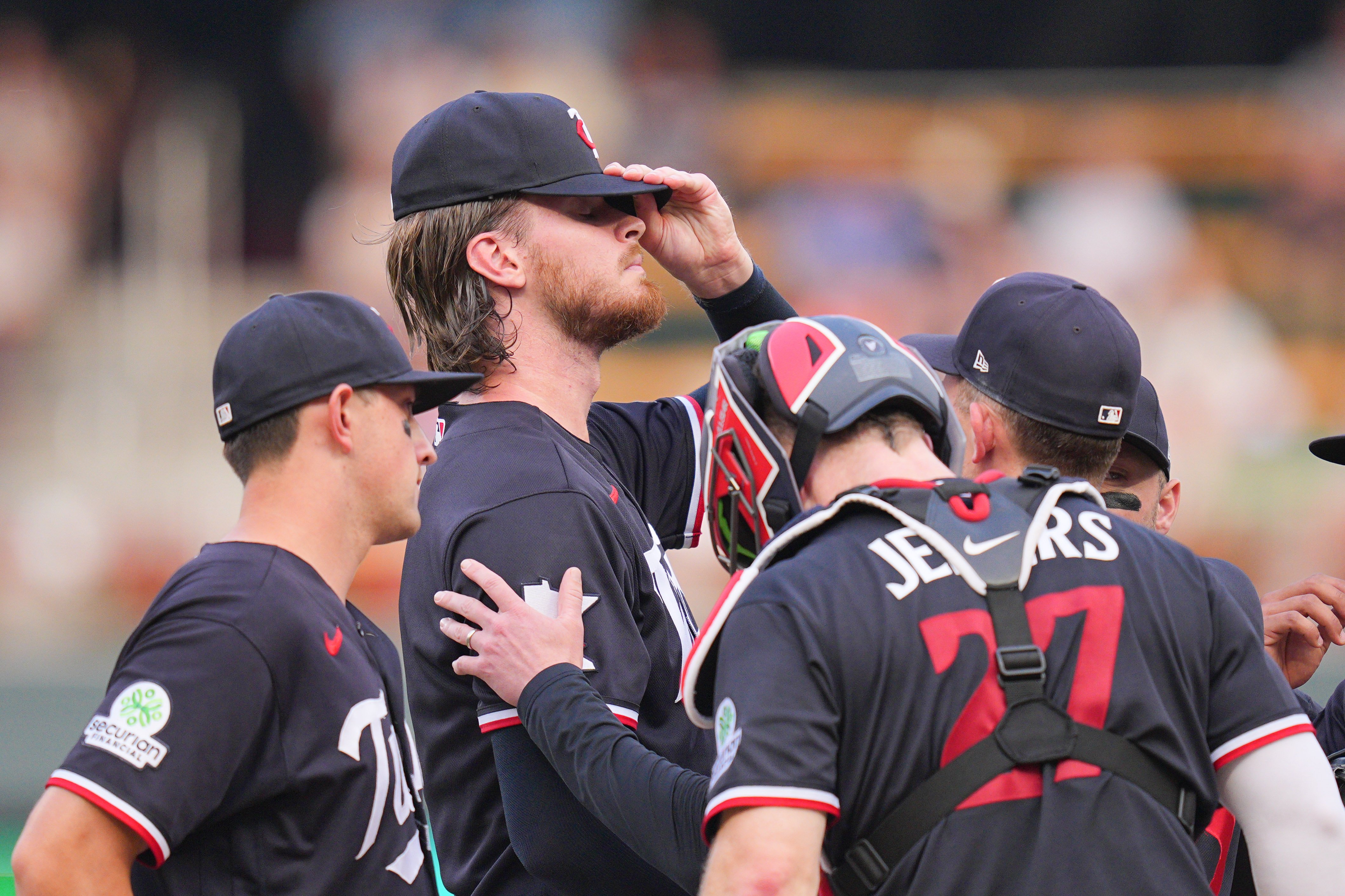 Bailey Ober has become something of a unicorn in modern-day baseball. When you see a 6-foot-9, 260-pound pitcher standing on the mound, the natural assumption is that he is going to overpower hitters with a high-velocity fastball. Ober, however, has never fit that mold. He has built his career around deception, extension and an unusual ability to make a relatively mediocre fastball play above its radar-gun reading. That formula has made him a key member of the Twins’ rotation over the past handful of seasons. But it’s becoming increasingly difficult to ignore how little room for error there is in Ober’s approach. Ober’s fastball is averaging just 88 mph this season, the lowest mark among all major league starting pitchers. And while velocity has never been his calling card, the problem is that the rest of his arsenal isn't compensating for it the way it once did. Through 99 innings, Ober owns a 4.64 ERA. That’s certainly an improvement from the 5.10 ERA he posted in 2025, but it’s hardly the type of production the Twins can comfortably build around. More concerning is that the underlying numbers don't exactly suggest a pitcher who has simply been the victim of some bad luck. Ober's whiff rate and strikeout rate both rank in the 11th percentile or lower among major league pitchers. That's particularly noteworthy because one of the biggest selling points of his unique profile has always been his ability to use his 6-foot-9 frame and more than seven feet of extension to make his pitches play differently than their raw velocity would suggest. Right now, that advantage doesn't appear to be doing enough. Additionally, there’s another issue that has followed Ober throughout his career: home runs. He has surrendered 17 homers in 99 innings this season, putting him at 1.5 home runs per nine innings. This isn't an isolated down year, either. Ober allowed 1.4 homers per nine innings in 2024 and 1.8 in 2025. His 11th-percentile barrel rate this season further illustrates the problem. Hitters aren’t merely making contact against Ober; they’re finding ways to do significant damage when they square him up. That's the tradeoff that comes with pitching at the bottom of the league in velocity. If Ober isn't generating many whiffs and isn't consistently getting weak contact, there isn't much left to fall back on when hitters get comfortable at the plate. And over the past few seasons, that appears to be happening more often. Ober's velocity has gradually ticked downward, his strikeout and whiff numbers have as well, and the home runs have remained a persistent problem. At some point, the question stops being whether Ober can make adjustments and becomes whether the Twins can continue waiting for those adjustments to materialize. That doesn't mean Ober suddenly has no value. He’s been a legitimate major league starter for a handful of years, and there’s still plenty to like about a 6-foot-9 pitcher who has demonstrated an ability to navigate lineups despite lacking premium velocity. His track record also matters. This isn't a pitcher who has never shown an ability to succeed at the major league level. But the Twins also have to look beyond what Ober has been and consider what he is likely to be moving forward. Ober turns 32 next year and will enter the final year of his contract. That puts him at an interesting crossroads, particularly for a team whose rotation could look dramatically different by the time next season begins. Assuming Pablo López and Mick Abel don't encounter any further setbacks in their recoveries, both should factor heavily into Minnesota's plans alongside Joe Ryan. Taj Bradley has also taken a step forward this season and should have a firm grip on a rotation spot. Connor Prielipp and Zebby Matthews remain in the picture, while Dean Kremer is now another legitimate option after joining the Twins at the trade deadline. Minnesota could also decide to add another starting pitcher — or perhaps even multiple starters — during the offseason. Suddenly, Ober's place doesn't look nearly as secure as it once did. Of course, injuries will inevitably play a role. Starting pitchers miss time every year, and the Twins could easily enter next season needing more depth than they currently have. It's also possible that one or more of the pitchers currently viewed as rotation pieces won't be with the organization by Opening Day. Those realities could create a path for Ober to remain in the rotation. But that's different from saying he should be considered a lock. For years, Ober's unusual profile made him an interesting exception to the conventional rules of pitching. A starting pitcher throwing in the upper 80s shouldn't work as well as it has. And for a while, Ober consistently found ways to make it work. The question now is whether that formula is finally breaking down. The declining velocity is concerning. The lack of whiffs is concerning. The elevated barrel rate is concerning, and the continued home-run problems are becoming increasingly difficult to overlook. Taken individually, none of those issues necessarily spells the end of Ober's time in Minnesota. Taken together, however, they paint a much more concerning picture. With a crowded rotation, a pitcher entering his age-32 season, and the possibility of more additions on the horizon, Ober's long-term role is no longer something the Twins can take for granted. It may not happen this offseason. It may not even happen before next season. But given everything we've seen from Ober lately, we may be witnessing the beginning of the end.
 -
Image courtesy of Michael McLoone-Imagn Images Brooks Lee’s first few seasons in the major leagues haven’t exactly been what we all hoped for. Across his first 305 big-league games, Lee slashed just .238/.289/.383. For a player whose bat was supposed to be his calling card coming out of the draft, that isn’t the kind of production the Twins were looking for—and he's already slid to third base, where his glove looks good but not great. There have been flashes, but nothing consistent enough to suggest that Lee was becoming the hitter Minnesota had hoped for. However, something does appear to be changing in 2026. Through 466 plate appearances, Lee is hitting .247 with a .303 on-base percentage. Those numbers certainly aren’t eye-popping, but they represent a noticeable step forward from what we’ve seen during his first two seasons. The biggest area of growth has been his power production. Lee’s slugging percentage is .054 higher than it was a year ago, and he has already established new career highs in doubles, triples and home runs. Pair that with the highest walk rate of his career, and on the surface, it looks like Lee might finally be breaking out. But is he actually doing so? While Lee’s surface-level numbers are comfortably the best of his young career, the underlying data suggest that the improvement hasn’t necessarily come from him making better contact. In fact, compared to 2025, his quality of contact has regressed. Lee’s average exit velocity has dipped from 88.6 mph to 87.7 mph, while his hard-hit rate has fallen considerably, from 38.5% to 31.7%. His barrel rate (as a share of his batted balls) has also dropped by more than two percentage points. That’s not exactly what you want to see from a hitter whose offensive production is supposedly taking a step forward. His expected batting average sits at just .224, while his expected slugging percentage is a whopping .095 lower than his actual mark. While Lee’s production on the surface has been as good as ever, he's making less impressive contact. The obvious question, then, is which indicator we should trust. Is Lee breaking out, or just shuffling sideways? I’m going to say the surface-level numbers carry more weight, for now. Maybe that’s just me trying to be optimistic about a former top prospect who hasn’t quite lived up to expectations yet, but there are legitimate reasons to believe Lee’s improvement is more than just a statistical mirage. For starters, his calling card has always been his hit tool, and that part of his game has taken a step forward this season. Lee’s whiff rate and strikeout rate are both lower than they were a year ago. He’s putting the ball in play more often, and naturally, good things tend to happen when a hitter consistently gives himself a chance to produce. No, he isn’t hitting the ball quite as hard as he was a year ago. Yes, his hard-hit and barrel rates have gone backward. But if he’s putting the ball in play more frequently and giving himself more opportunities to find gaps, reach base and take advantage of defensive mistakes, hitting it hard becomes less vital. There’s also been a pretty clear change in Lee’s overall approach at the plate. He’s pulling the ball more often this season, while also hitting the ball in the air at a higher rate. Those two changes tend to go hand in hand with increased extra-base production, even when the hitter isn’t consistently producing barrels. Lee has been more aggressive on pitches in the strike zone, too. That would suggest his improvement isn’t simply coming from getting lucky on balls in play. There’s intention behind some of the changes he has made at the plate. Even if the resulting contact isn’t always particularly loud, that approach gives him a better chance to turn his natural bat-to-ball ability into actual offensive production. None of this means Lee is suddenly going to become a superstar. He probably isn’t going to be the type of hitter who puts up 30 home runs in a season. He’s probably never going to rank among the hardest hitters in baseball, either. But that’s alright. He doesn’t need to become that player to have a successful major-league career. He just needs to become the player the Twins thought they were drafting: a smart, fundamentally sound hitter who consistently puts the ball in play and can do enough damage to make pitchers pay. At 25 years old, there should still be plenty of room for that player to emerge. The numbers underneath Lee’s 2026 breakout are certainly worth monitoring, and if the quality of his contact doesn’t eventually catch up, there’s reason to believe his current production could regress. But for the first time in his young career, there are also signs that Lee is figuring out how to make his skill set work at the major-league level. View full article
-
Brooks Lee's Batted-Ball Data Says His Breakout is Fake. Is It?
Sam Caulder posted an article in Twins
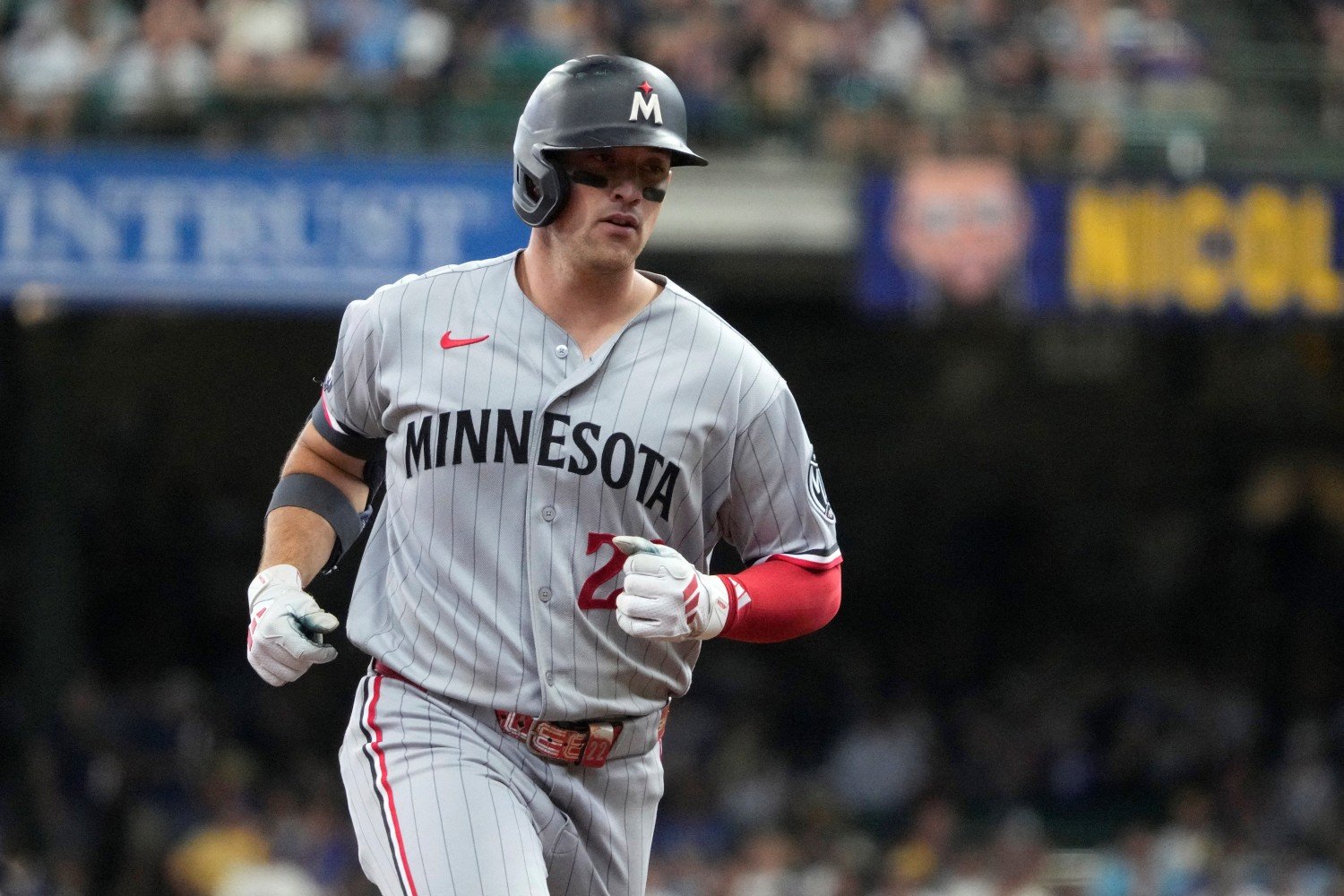 Brooks Lee’s first few seasons in the major leagues haven’t exactly been what we all hoped for. Across his first 305 big-league games, Lee slashed just .238/.289/.383. For a player whose bat was supposed to be his calling card coming out of the draft, that isn’t the kind of production the Twins were looking for—and he's already slid to third base, where his glove looks good but not great. There have been flashes, but nothing consistent enough to suggest that Lee was becoming the hitter Minnesota had hoped for. However, something does appear to be changing in 2026. Through 466 plate appearances, Lee is hitting .247 with a .303 on-base percentage. Those numbers certainly aren’t eye-popping, but they represent a noticeable step forward from what we’ve seen during his first two seasons. The biggest area of growth has been his power production. Lee’s slugging percentage is .054 higher than it was a year ago, and he has already established new career highs in doubles, triples and home runs. Pair that with the highest walk rate of his career, and on the surface, it looks like Lee might finally be breaking out. But is he actually doing so? While Lee’s surface-level numbers are comfortably the best of his young career, the underlying data suggest that the improvement hasn’t necessarily come from him making better contact. In fact, compared to 2025, his quality of contact has regressed. Lee’s average exit velocity has dipped from 88.6 mph to 87.7 mph, while his hard-hit rate has fallen considerably, from 38.5% to 31.7%. His barrel rate (as a share of his batted balls) has also dropped by more than two percentage points. That’s not exactly what you want to see from a hitter whose offensive production is supposedly taking a step forward. His expected batting average sits at just .224, while his expected slugging percentage is a whopping .095 lower than his actual mark. While Lee’s production on the surface has been as good as ever, he's making less impressive contact. The obvious question, then, is which indicator we should trust. Is Lee breaking out, or just shuffling sideways? I’m going to say the surface-level numbers carry more weight, for now. Maybe that’s just me trying to be optimistic about a former top prospect who hasn’t quite lived up to expectations yet, but there are legitimate reasons to believe Lee’s improvement is more than just a statistical mirage. For starters, his calling card has always been his hit tool, and that part of his game has taken a step forward this season. Lee’s whiff rate and strikeout rate are both lower than they were a year ago. He’s putting the ball in play more often, and naturally, good things tend to happen when a hitter consistently gives himself a chance to produce. No, he isn’t hitting the ball quite as hard as he was a year ago. Yes, his hard-hit and barrel rates have gone backward. But if he’s putting the ball in play more frequently and giving himself more opportunities to find gaps, reach base and take advantage of defensive mistakes, hitting it hard becomes less vital. There’s also been a pretty clear change in Lee’s overall approach at the plate. He’s pulling the ball more often this season, while also hitting the ball in the air at a higher rate. Those two changes tend to go hand in hand with increased extra-base production, even when the hitter isn’t consistently producing barrels. Lee has been more aggressive on pitches in the strike zone, too. That would suggest his improvement isn’t simply coming from getting lucky on balls in play. There’s intention behind some of the changes he has made at the plate. Even if the resulting contact isn’t always particularly loud, that approach gives him a better chance to turn his natural bat-to-ball ability into actual offensive production. None of this means Lee is suddenly going to become a superstar. He probably isn’t going to be the type of hitter who puts up 30 home runs in a season. He’s probably never going to rank among the hardest hitters in baseball, either. But that’s alright. He doesn’t need to become that player to have a successful major-league career. He just needs to become the player the Twins thought they were drafting: a smart, fundamentally sound hitter who consistently puts the ball in play and can do enough damage to make pitchers pay. At 25 years old, there should still be plenty of room for that player to emerge. The numbers underneath Lee’s 2026 breakout are certainly worth monitoring, and if the quality of his contact doesn’t eventually catch up, there’s reason to believe his current production could regress. But for the first time in his young career, there are also signs that Lee is figuring out how to make his skill set work at the major-league level.
 -
Dean Kremer struggled to a 6.50 ERA before the trade deadline, but he's been dominant through two starts with Minnesota. Here's what's behind the turnaround. View full video
-
Dean Kremer struggled to a 6.50 ERA before the trade deadline, but he's been dominant through two starts with Minnesota. Here's what's behind the turnaround.
-
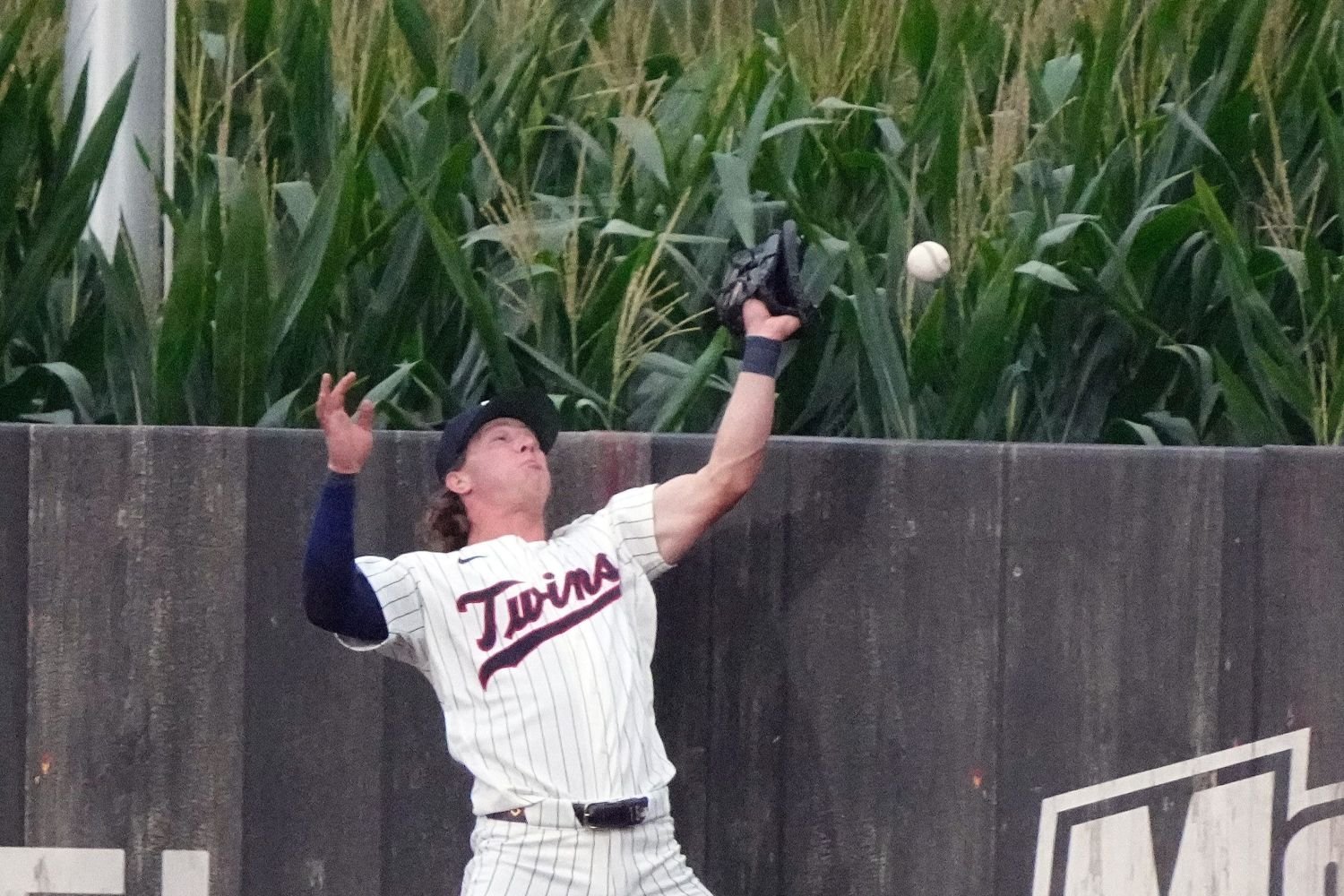 Box Score SP: Taj Bradley - 4 IP, 7 H, 5 R, 4 BB, 3 K (89 pitches, 48 strikes (54% strikes)) Home Runs: Luke Keaschall Bottom 3 WPA: Taj Bradley (-0.30), Royce Lewis (-0.14), Brooks Lee (-0.07) Win Probability Chart The Twins entered Thursday night's Field of Dreams Game against the Phillies looking to carry some momentum over from their series win against the Orioles. After battling back from an early deficit multiple times during Wednesday's victory, Minnesota once again found itself playing from behind almost immediately. Unfortunately, this time, the response never came. Taj Bradley struggled to find his command from the beginning, allowing Philadelphia to build a 2-0 lead in the first inning before the Phillies extended it to 5-1 in the fourth. Luke Keaschall's seventh homer of the season briefly gave Minnesota some life, but the Twins couldn't generate enough offense against Aaron Nola and Philadelphia's bullpen. The Phillies eventually pulled away on a two-run homer from Brandon Marsh in the seventh, handing Minnesota a 7-1 loss in the return of one of the sport's niftier jewel events. Bradley got off to about as difficult a start as possible. Kyle Schwarber opened the game with a solo homer, launching a 2-0 fastball into the corn for his league-leading 36th home run of the season. After Trea Turner popped out, Bryce Harper walked and Luis Arraez singled to put runners on the corners. Bryson Stott followed with an RBI single, giving Philadelphia a 2-0 lead. The right-hander then walked Marsh to load the bases, but he managed to escape without allowing any additional damage. Unfortunately, it took him 32 pitches to do so, with only 16 going for strikes. He was a bit wobbly in the second, too, though he didn't allow any more runs. Bradley did settle down in the third, working a 1-2-3 inning on just 10 pitches. But the fourth inning brought the command problems right back. He walked Marsh to begin the frame, threw a fastball over Ryan Jeffers's head and to the backstop, and eventually surrendered another homer to Schwarber. The second homer was a high fly and a wall-scraper. It was nearly caught (and probably should have been) by Luke Keaschall, but the ball kicked off his glove and over the wall. That made it a 4-1 game. Turner doubled on what should have been a single toward the right-field line, with Keaschall being beaten a bit once again. Harper singled him home to extend Philadelphia's advantage, with a grounder that just eluded the dive of second baseman Kody Clemens. By the time Bradley finally escaped the inning, his pitch count had reached 89. The 30-pitch fourth inning ended his night, leaving Minnesota's bullpen to handle the final five. It was a frustrating outing for Bradley, and left the Twins offense in need of a crooked number they would never quite generate. Minnesota did have opportunities to make this a game, but Nola consistently found a way to shut down the biggest threats. The Twins got runners on base in the first inning, as Trevor Larnach singled and Jeffers reached on a swinging bunt. But Josh Bell struck out and Royce Lewis lined a ball directly at Turner to end the inning. It was the kind of ball that shows how good his process has been lately; he's hitting it on a line to the pull field consistently. This time, it just didn't generate a happy result. Keaschall provided Minnesota's biggest offensive moment in the second. He jumped on a fastball on the inside corner and sent it beyond the left-field wall, cutting Philadelphia's lead in half with his seventh homer of the season. That gave the Twins some life, but they couldn't build on it. The biggest missed opportunity came in the fifth inning. With two outs, Byron Buxton doubled down the third-base line (poor defense from the Phillies, this time; they've had their lineup rearranged as much as the Twins have, and Bryson Stott's inexperience at the hot corner showed). Jeffers and Bell drew back-to-back walks. Suddenly, the bases were loaded, with Lewis coming to the plate as the potential game-changing hitter. Instead, Lewis swung through a Nola curveball for the pitcher's ninth strikeout of the night. Nola was particularly effective with that pitch throughout the game. All six of his strikeouts through the fourth inning came on his knuckle-curve, and he kept Minnesota's lineup off balance for most of the night. The Twins did manage to collect eight hits and put runners on base throughout the game, but they couldn't string enough of those opportunities together to mount a comeback. Even in a game where very little went right offensively, Keaschall once again stood out. The sophomore accounted for three of Minnesota's better moments at the plate, starting with his solo homer in the second inning. In the sixth inning, he lined a double into left field for his second extra-base hit of the night. It was also his third time reaching base, giving him one of the better individual performances in an otherwise quiet night for Minnesota's offense. His defensive misadventures have been costly, but even great teams sometimes have to put up with a bad fielder somewhere to let their bat play. Since the beginning of May, Keaschall has been flirting with a .400 on-base percentage. After Bradley's departure, the Twins' bullpen did a solid job of keeping Philadelphia within striking distance for a while. Travis Adams entered in the fifth and worked around a pair of singles before retiring Schwarber to end the inning. He then delivered a clean sixth, retiring Turner, Harper and Arraez in order. But the Phillies finally broke through against Adams in the seventh, when Marsh connected on that putaway homer. The pitch was a two-strike changeup that caught too much of the plate. The homer ended Adams' night, with Taylor Rogers entering to finish the inning. From there, the Phillies' bullpen took care of business. Jonathan Bowlan, Orion Kerkering and Jhoan Duran combined to shut down the Twins over the final three innings, allowing just one hit. Minnesota did get a ninth-inning single from Kaelen Culpepper, but the game ended fittingly for the Twins. Culpepper attempted to steal second on the first pitch of Larnach's at-bat, but Duran snagged the ball and doubled him off first base for the final out. What’s Next? The Twins are off tomorrow as they return to Minnesota, where they’ll resume their three-game series with the Phillies on Saturday. Connor Prielipp is in line to throw for Minnesota; he’ll face fellow left-hander Jesús Luzardo. First pitch is set for 6:10 PM. Postgame Interviews Coming soon! Bullpen Availability Chart
- 97 comments
-
- 3
-

-

-
- game recap
- taj bradley
- (and 2 more)
-
Image courtesy of USA TODAY Network via Reuters Connect Box Score SP: Taj Bradley - 4 IP, 7 H, 5 R, 4 BB, 3 K (89 pitches, 48 strikes (54% strikes)) Home Runs: Luke Keaschall Bottom 3 WPA: Taj Bradley (-0.30), Royce Lewis (-0.14), Brooks Lee (-0.07) Win Probability Chart The Twins entered Thursday night's Field of Dreams Game against the Phillies looking to carry some momentum over from their series win against the Orioles. After battling back from an early deficit multiple times during Wednesday's victory, Minnesota once again found itself playing from behind almost immediately. Unfortunately, this time, the response never came. Taj Bradley struggled to find his command from the beginning, allowing Philadelphia to build a 2-0 lead in the first inning before the Phillies extended it to 5-1 in the fourth. Luke Keaschall's seventh homer of the season briefly gave Minnesota some life, but the Twins couldn't generate enough offense against Aaron Nola and Philadelphia's bullpen. The Phillies eventually pulled away on a two-run homer from Brandon Marsh in the seventh, handing Minnesota a 7-1 loss in the return of one of the sport's niftier jewel events. Bradley got off to about as difficult a start as possible. Kyle Schwarber opened the game with a solo homer, launching a 2-0 fastball into the corn for his league-leading 36th home run of the season. After Trea Turner popped out, Bryce Harper walked and Luis Arraez singled to put runners on the corners. Bryson Stott followed with an RBI single, giving Philadelphia a 2-0 lead. The right-hander then walked Marsh to load the bases, but he managed to escape without allowing any additional damage. Unfortunately, it took him 32 pitches to do so, with only 16 going for strikes. He was a bit wobbly in the second, too, though he didn't allow any more runs. Bradley did settle down in the third, working a 1-2-3 inning on just 10 pitches. But the fourth inning brought the command problems right back. He walked Marsh to begin the frame, threw a fastball over Ryan Jeffers's head and to the backstop, and eventually surrendered another homer to Schwarber. The second homer was a high fly and a wall-scraper. It was nearly caught (and probably should have been) by Luke Keaschall, but the ball kicked off his glove and over the wall. That made it a 4-1 game. Turner doubled on what should have been a single toward the right-field line, with Keaschall being beaten a bit once again. Harper singled him home to extend Philadelphia's advantage, with a grounder that just eluded the dive of second baseman Kody Clemens. By the time Bradley finally escaped the inning, his pitch count had reached 89. The 30-pitch fourth inning ended his night, leaving Minnesota's bullpen to handle the final five. It was a frustrating outing for Bradley, and left the Twins offense in need of a crooked number they would never quite generate. Minnesota did have opportunities to make this a game, but Nola consistently found a way to shut down the biggest threats. The Twins got runners on base in the first inning, as Trevor Larnach singled and Jeffers reached on a swinging bunt. But Josh Bell struck out and Royce Lewis lined a ball directly at Turner to end the inning. It was the kind of ball that shows how good his process has been lately; he's hitting it on a line to the pull field consistently. This time, it just didn't generate a happy result. Keaschall provided Minnesota's biggest offensive moment in the second. He jumped on a fastball on the inside corner and sent it beyond the left-field wall, cutting Philadelphia's lead in half with his seventh homer of the season. That gave the Twins some life, but they couldn't build on it. The biggest missed opportunity came in the fifth inning. With two outs, Byron Buxton doubled down the third-base line (poor defense from the Phillies, this time; they've had their lineup rearranged as much as the Twins have, and Bryson Stott's inexperience at the hot corner showed). Jeffers and Bell drew back-to-back walks. Suddenly, the bases were loaded, with Lewis coming to the plate as the potential game-changing hitter. Instead, Lewis swung through a Nola curveball for the pitcher's ninth strikeout of the night. Nola was particularly effective with that pitch throughout the game. All six of his strikeouts through the fourth inning came on his knuckle-curve, and he kept Minnesota's lineup off balance for most of the night. The Twins did manage to collect eight hits and put runners on base throughout the game, but they couldn't string enough of those opportunities together to mount a comeback. Even in a game where very little went right offensively, Keaschall once again stood out. The sophomore accounted for three of Minnesota's better moments at the plate, starting with his solo homer in the second inning. In the sixth inning, he lined a double into left field for his second extra-base hit of the night. It was also his third time reaching base, giving him one of the better individual performances in an otherwise quiet night for Minnesota's offense. His defensive misadventures have been costly, but even great teams sometimes have to put up with a bad fielder somewhere to let their bat play. Since the beginning of May, Keaschall has been flirting with a .400 on-base percentage. After Bradley's departure, the Twins' bullpen did a solid job of keeping Philadelphia within striking distance for a while. Travis Adams entered in the fifth and worked around a pair of singles before retiring Schwarber to end the inning. He then delivered a clean sixth, retiring Turner, Harper and Arraez in order. But the Phillies finally broke through against Adams in the seventh, when Marsh connected on that putaway homer. The pitch was a two-strike changeup that caught too much of the plate. The homer ended Adams' night, with Taylor Rogers entering to finish the inning. From there, the Phillies' bullpen took care of business. Jonathan Bowlan, Orion Kerkering and Jhoan Duran combined to shut down the Twins over the final three innings, allowing just one hit. Minnesota did get a ninth-inning single from Kaelen Culpepper, but the game ended fittingly for the Twins. Culpepper attempted to steal second on the first pitch of Larnach's at-bat, but Duran snagged the ball and doubled him off first base for the final out. What’s Next? The Twins are off tomorrow as they return to Minnesota, where they’ll resume their three-game series with the Phillies on Saturday. Connor Prielipp is in line to throw for Minnesota; he’ll face fellow left-hander Jesús Luzardo. First pitch is set for 6:10 PM. Postgame Interviews Coming soon! Bullpen Availability Chart View full article
-
Image courtesy of Peter Aiken - IMAGN IMAGES via Reuters Connect The Minnesota Twins were active at the 2026 trade deadline, adding four arms to their pitching staff in an effort to strengthen a group that needed reinforcements for the stretch run. One of those additions was Dean Kremer. Of the four pitchers Minnesota brought in, Kremer may have been the easiest to overlook. He arrived in Minnesota with a 6.50 ERA across 36 innings with the Baltimore Orioles, hardly the kind of surface-level production you’re looking for from a deadline addition. Clearly, though, the Twins believed there was more to unlock. So far, they most certainly have. Through his first two starts in a Twins uniform, Kremer has allowed just two runs across 12 innings of work. He's surrendered only four hits and three walks while striking out nine, and he is coming off a dominant seven-inning performance against his former team. It would be easy to chalk that up to a small-sample-size hot streak, and there's certainly an element of that here. Two starts aren't enough to suddenly declare that Kremer has transformed into a frontline starter. But there are some legitimate changes behind the early success, and they offer a pretty good explanation for why the Twins have been able to get more out of him than the Orioles did. For one, Kremer's pitch usage has changed noticeably. Before coming to Minnesota, Kremer leaned heavily on his splitter. It accounted for roughly 30% of his arsenal with Baltimore, and it was the pitch he went to the most. That hasn't been the case through his first two starts with the Twins. Instead, Kremer has leaned on his four-seam fastball, which has accounted for roughly 37% of his pitches. Meanwhile, his splitter usage has dropped to about 21%. That might seem like a relatively minor adjustment, but it’s changed the way the rest of his arsenal plays. Kremer has also significantly reduced his usage of his sinker. He was throwing it roughly 15% of the time with the Orioles, but that number has dropped to just 6% across his two starts with Minnesota. In its place, the four-seam has become much more prominent, and it's not difficult to understand why the Twins would want him throwing it more. His four-seam is a quality pitch, particularly when he’s able to get the kind of life he's shown in these first two starts. By using it more frequently, Kremer’s giving hitters a different look while creating better opportunities for his secondary pitches to play off of it. There has also been another noticeable change, particularly in Monday night's start: Kremer's arm angle appeared to be higher than it typically has been. That may not sound like a major adjustment, but it has had a meaningful impact on the movement of his pitches. Kremer's induced vertical break was up by roughly an inch on average across his arsenal over these two starts. An extra inch doesn't sound like much, but when you're talking about a baseball and the width of a major league bat, that inch can be the difference between a hitter squaring up a pitch and swinging underneath it. And there are already some tangible results. The quality of contact Kremer has allowed in his two starts with the Twins has been extremely impressive. Opposing hitters have produced just a 34% hard-hit rate against him during that span, a strong indication that hitters haven't been consistently squaring up what he's throwing. That's especially important for a pitcher like Kremer, who isn't going to overpower hitters very often. His success is going to come from changing speeds, manipulating movement and keeping hitters from getting comfortable in the batter's box. The early results suggest he's doing exactly that. In addition to his pitch usage and arm angle, there’s been an increase in swings outside the strike zone. Kremer's chase rate for the season is around 31%, but that number has climbed to roughly 36% across his two starts with Minnesota. Much of that increase has come against his splitter and cutter, which is where the changes to his fastball become particularly important. If Kremer can consistently get his four-seam to rise through the zone, hitters have to account for that pitch when they see it. When he follows it with a cutter or splitter that works down, he can create the kind of vertical separation that leads to awkward swings. The result has been a pitcher who is getting more swings outside the zone and weaker contact when hitters do make contact. That's exactly the kind of formula the Twins were hoping they could find when they acquired him. Should anyone expect Kremer to continue throwing six innings of one-run ball every fifth day for the rest of the season? No, two starts are still just two starts, and opposing teams will eventually adjust. Kremer will have outings where his fastball doesn’t play as well, and his splitter and cutter don’t get as many chases or hitters find a way to square him up. But that doesn't mean the early results should be dismissed. The Twins didn't acquire Kremer because they expected him to suddenly become an ace. They acquired him because they saw a pitcher whose underlying traits could potentially be improved, and they've already made some adjustments that appear to be working. That's a pretty encouraging development for a team that needs as much from its pitching staff as it can get. With roughly a month and a half remaining in the regular season, Minnesota doesn't necessarily need Kremer to be perfect. They need him to be useful. If these changes allow him to consistently give the Twins quality innings while keeping hitters off balance, that could be incredibly valuable down the stretch. And for a team trying to make a playoff push, getting that kind of production from one of its more under-the-radar trade deadline additions could end up being a much bigger deal than it initially appeared. View full article
-
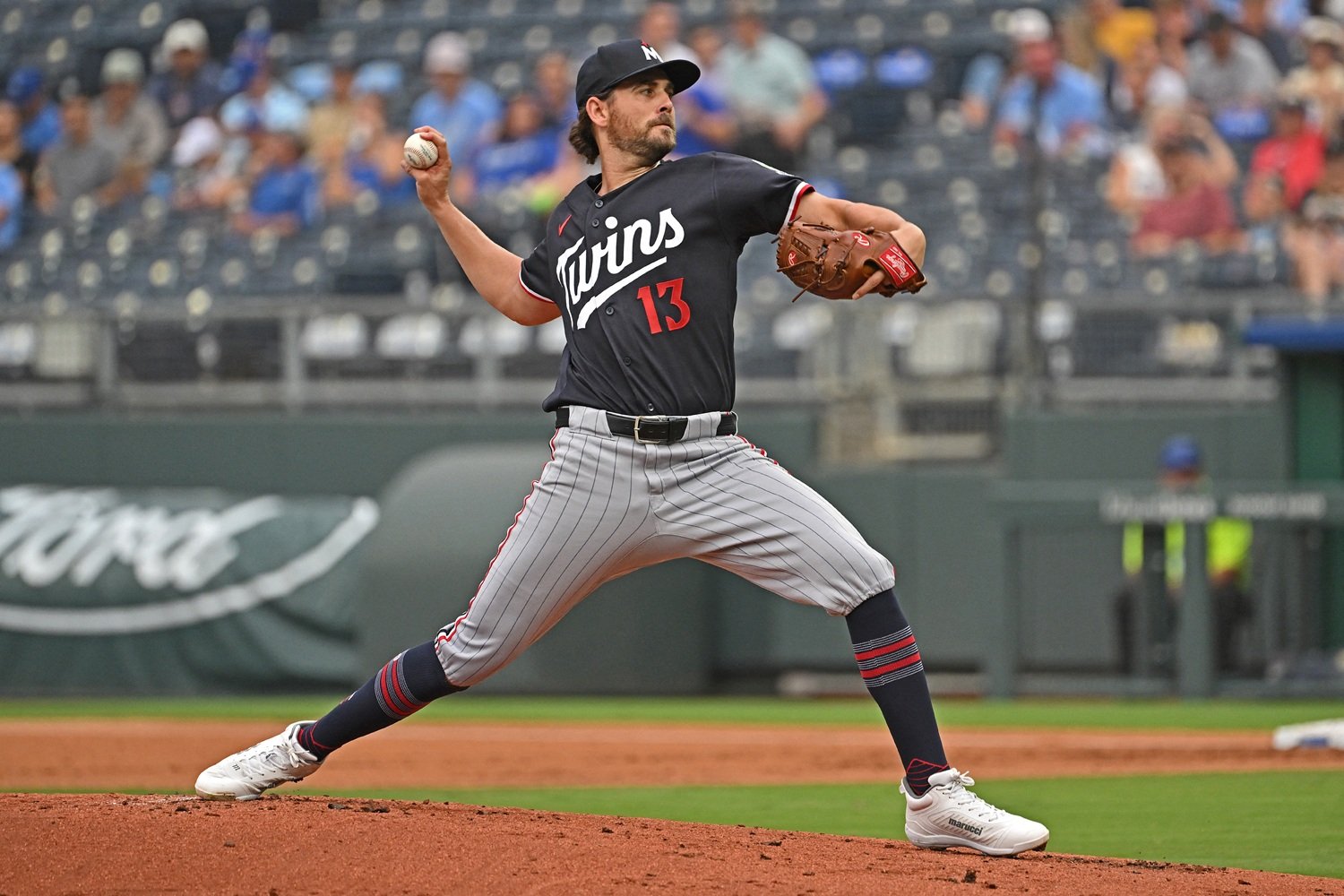 The Minnesota Twins were active at the 2026 trade deadline, adding four arms to their pitching staff in an effort to strengthen a group that needed reinforcements for the stretch run. One of those additions was Dean Kremer. Of the four pitchers Minnesota brought in, Kremer may have been the easiest to overlook. He arrived in Minnesota with a 6.50 ERA across 36 innings with the Baltimore Orioles, hardly the kind of surface-level production you’re looking for from a deadline addition. Clearly, though, the Twins believed there was more to unlock. So far, they most certainly have. Through his first two starts in a Twins uniform, Kremer has allowed just two runs across 12 innings of work. He's surrendered only four hits and three walks while striking out nine, and he is coming off a dominant seven-inning performance against his former team. It would be easy to chalk that up to a small-sample-size hot streak, and there's certainly an element of that here. Two starts aren't enough to suddenly declare that Kremer has transformed into a frontline starter. But there are some legitimate changes behind the early success, and they offer a pretty good explanation for why the Twins have been able to get more out of him than the Orioles did. For one, Kremer's pitch usage has changed noticeably. Before coming to Minnesota, Kremer leaned heavily on his splitter. It accounted for roughly 30% of his arsenal with Baltimore, and it was the pitch he went to the most. That hasn't been the case through his first two starts with the Twins. Instead, Kremer has leaned on his four-seam fastball, which has accounted for roughly 37% of his pitches. Meanwhile, his splitter usage has dropped to about 21%. That might seem like a relatively minor adjustment, but it’s changed the way the rest of his arsenal plays. Kremer has also significantly reduced his usage of his sinker. He was throwing it roughly 15% of the time with the Orioles, but that number has dropped to just 6% across his two starts with Minnesota. In its place, the four-seam has become much more prominent, and it's not difficult to understand why the Twins would want him throwing it more. His four-seam is a quality pitch, particularly when he’s able to get the kind of life he's shown in these first two starts. By using it more frequently, Kremer’s giving hitters a different look while creating better opportunities for his secondary pitches to play off of it. There has also been another noticeable change, particularly in Monday night's start: Kremer's arm angle appeared to be higher than it typically has been. That may not sound like a major adjustment, but it has had a meaningful impact on the movement of his pitches. Kremer's induced vertical break was up by roughly an inch on average across his arsenal over these two starts. An extra inch doesn't sound like much, but when you're talking about a baseball and the width of a major league bat, that inch can be the difference between a hitter squaring up a pitch and swinging underneath it. And there are already some tangible results. The quality of contact Kremer has allowed in his two starts with the Twins has been extremely impressive. Opposing hitters have produced just a 34% hard-hit rate against him during that span, a strong indication that hitters haven't been consistently squaring up what he's throwing. That's especially important for a pitcher like Kremer, who isn't going to overpower hitters very often. His success is going to come from changing speeds, manipulating movement and keeping hitters from getting comfortable in the batter's box. The early results suggest he's doing exactly that. In addition to his pitch usage and arm angle, there’s been an increase in swings outside the strike zone. Kremer's chase rate for the season is around 31%, but that number has climbed to roughly 36% across his two starts with Minnesota. Much of that increase has come against his splitter and cutter, which is where the changes to his fastball become particularly important. If Kremer can consistently get his four-seam to rise through the zone, hitters have to account for that pitch when they see it. When he follows it with a cutter or splitter that works down, he can create the kind of vertical separation that leads to awkward swings. The result has been a pitcher who is getting more swings outside the zone and weaker contact when hitters do make contact. That's exactly the kind of formula the Twins were hoping they could find when they acquired him. Should anyone expect Kremer to continue throwing six innings of one-run ball every fifth day for the rest of the season? No, two starts are still just two starts, and opposing teams will eventually adjust. Kremer will have outings where his fastball doesn’t play as well, and his splitter and cutter don’t get as many chases or hitters find a way to square him up. But that doesn't mean the early results should be dismissed. The Twins didn't acquire Kremer because they expected him to suddenly become an ace. They acquired him because they saw a pitcher whose underlying traits could potentially be improved, and they've already made some adjustments that appear to be working. That's a pretty encouraging development for a team that needs as much from its pitching staff as it can get. With roughly a month and a half remaining in the regular season, Minnesota doesn't necessarily need Kremer to be perfect. They need him to be useful. If these changes allow him to consistently give the Twins quality innings while keeping hitters off balance, that could be incredibly valuable down the stretch. And for a team trying to make a playoff push, getting that kind of production from one of its more under-the-radar trade deadline additions could end up being a much bigger deal than it initially appeared.
 -
Walker Jenkins and Emmanuel Rodriguez are both making strong cases for a major league promotion. Which highly touted outfielder will the Twins call up first? View full video
-
Walker Jenkins and Emmanuel Rodriguez are both making strong cases for a major league promotion. Which highly touted outfielder will the Twins call up first?
-
My deepest apologies, I meant no disrespect towards the Church of Kreidler
- 59 replies
-
- 9
-

-
-

-
- game recap
- zebby matthews
- (and 7 more)
-
Twins 7, Orioles 5: Twins Keep Punching Back in Series-Clinching Victory
Sam Caulder posted an article in Twins
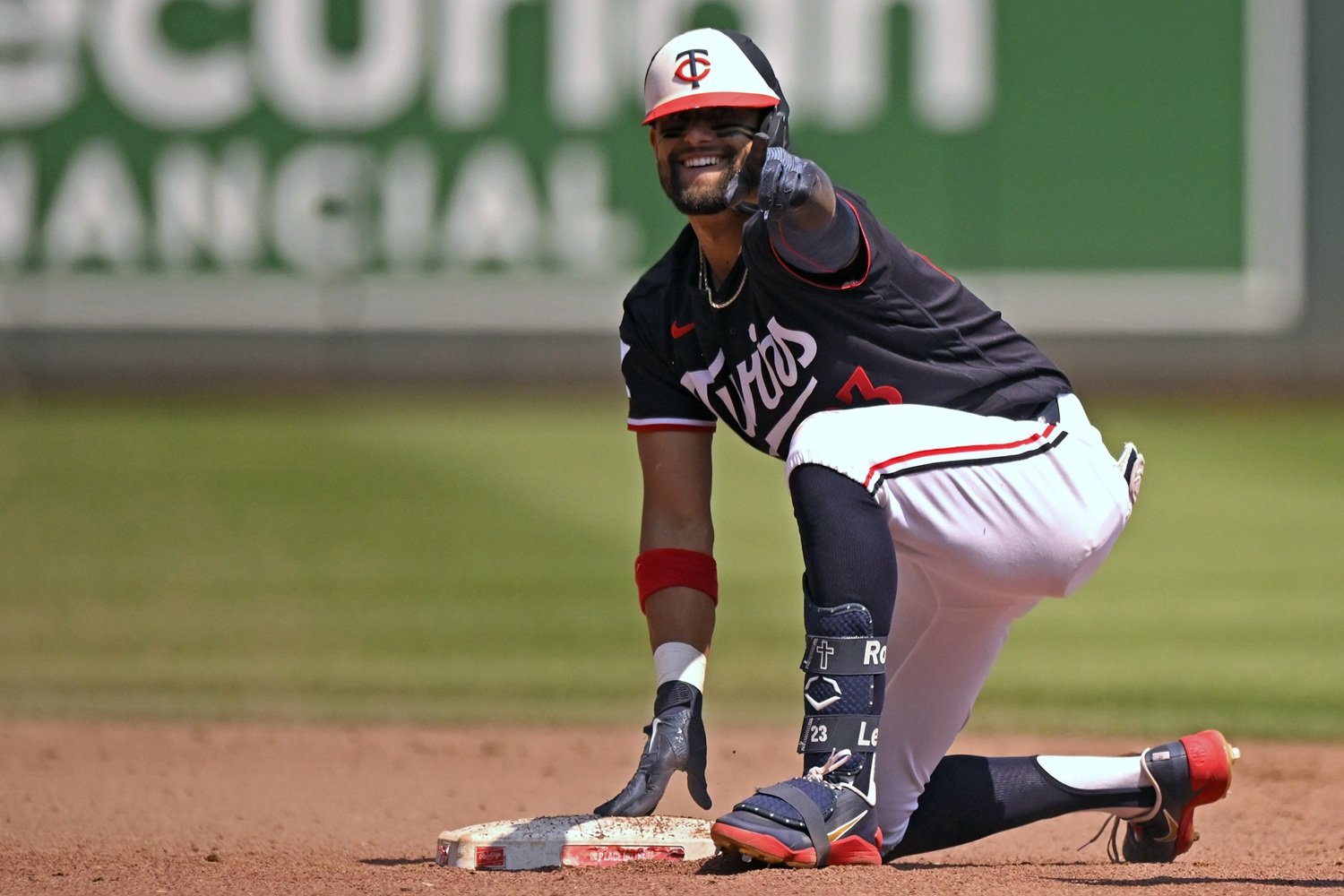 Box Score SP: Zebby Matthews - 5 IP, 6 H, 4 R, 2 BB, 4 K (94 pitches, 60 strikes (64% strikes)) Home Runs: None Top 3 WPA: Alan Roden (0.28), Josh Bell (0.17), Victor Caratini (0.12) Win Probability Chart The Twins entered Wednesday afternoon's series finale against the Orioles needing a win in the worst way. After dropping three straight series, Minnesota had to win the finale to avoid another series loss, and an early deficit against Baltimore made that task even more difficult. For a while, it looked like the Orioles were going to make things even more uncomfortable. Zebby Matthews struggled to find his rhythm early, allowing Baltimore to build a 4-1 lead by the third inning while forcing the Twins to work from behind once again. But Minnesota responded immediately, putting together a four-run third inning and shutting down any Orioles’ momentum. The Twins' offense finished with 14 hits, the pitching staff settled down after the early struggles, and Yoendrys Gómez worked out of a ninth-inning jam to secure a 7-5 victory. After another difficult stretch, this was exactly the type of win Minnesota needed. THE TWINS ANSWERED EVERY TIME BALTIMORE SCORED The biggest takeaway from Wednesday's game might’ve been how quickly the Twins responded whenever the Orioles grabbed control. Baltimore opened the scoring in the first inning after Gunnar Henderson walked, Pete Alonso singled and Jackson Holliday reached on a fielder's choice. Minnesota answered immediately in the bottom half, with Trevor Larnach's smart baserunning helping him advance to second on Royce Lewis' deep flyout before Josh Bell brought him home with an RBI single. Then the Orioles struck again. Dylan Beavers launched a three-run homer in the third inning, turning a 1-1 game into a 4-1 Baltimore lead. The pitch was a two-strike curveball that caught too much of the plate, and Beavers didn't miss it. But the Twins didn't let the deficit linger. Lewis started the bottom of the third with a double before Bell singled to put runners on the corners. Kody Clemens followed with an RBI single, Brooks Lee kept the rally going with another hit, and Luke Keaschall brought home Bell with a sacrifice fly. Victor Caratini then tied the game with an RBI single before Alan Roden smoked a ball off the wall in dead-center field, bringing home Lee and giving Minnesota a 5-4 lead. It was a four-run response to Baltimore's three-run inning, and it completely changed the game. THE OFFENSE KEPT POURING IT ON Once the Twins finally grabbed the lead, their offense didn't let up. Minnesota entered the fifth inning with a one-run advantage, but Caratini and Roden quickly put pressure on Baltimore's bullpen. Caratini opened the inning with a long single off the wall in right before Roden followed with a double, putting runners on second and third with nobody out. Trevor Larnach eventually grounded out, but Caratini scored on the play to extend Minnesota's lead to 6-4. Then Lewis came through again. The Twins' shortstop ripped a splitter down the left-field line for his second double of the afternoon, driving in Roden and pushing the lead to 7-4. Bell finished with three hits, while Roden reached base four times and collected two hits. Lee added multiple hits of his own, and the Twins' lineup finished with 14 hits overall. After a tough night at the plate on Tuesday, Minnesota's offense broke out in a major way when it mattered most. ZEBBY MATTHEWS BATTLED THROUGH A ROUGH START Matthews certainly didn't have his best afternoon, but he deserves credit for settling down after a difficult start. The right-hander issued a leadoff walk to Henderson before Alonso singled, immediately putting runners on the corners. Baltimore took the lead on Holliday's fielder's choice, and Matthews needed 22 pitches just to get through the first inning. Things didn't get much easier in the second. Matthews allowed a pair of two-out singles before finally escaping the inning, pushing his pitch count to 43 through two frames. Then came the three-run homer from Beavers in the third, which put Baltimore ahead 4-1 and brought Matthews to 67 pitches. At that point, Minnesota desperately needed him to find a way to settle down. Luckily, he did. Matthews retired Baltimore in order in the fourth after allowing a leadoff walk, inducing a 6-4-3 double play in the process. He then worked a quick 1-2-3 fifth inning, exiting after 94 pitches with the Twins still holding a three-run lead. It wasn't the most efficient outing, and the early command issues put the Twins in a difficult position. But Matthews kept the Orioles from doing any further damage after the third inning, allowing Minnesota's offense to take over. THE BULLPEN SHUT THE DOOR Once the Twins built their three-run lead, their bullpen did exactly what it needed to do. Andrew Morris entered in the sixth and immediately delivered a clean inning, striking out Dylan Beavers and Leody Taveras while getting Christian Encarnacion-Strand on a groundout. Jeff Hoffman followed in the seventh. After striking out Christian Franklin and getting Carlos Narváez to fly out, Hoffman allowed consecutive two-out walks to Henderson and Alonso, bringing Holliday to the plate as the potential tying run. That's when Kody Clemens made one of the biggest plays of the game. Clemens made a spectacular jumping catch at second base, preventing at least one run from scoring and allowing Hoffman to escape the inning without surrendering the lead. AJ Minter then delivered a dominant eighth inning, needing only nine pitches to retire the Orioles. All nine pitches were strikes, and he struck out Encarnacion-Strand to finish the frame. That left the ninth to Gómez. Things got interesting quickly. Taveras launched a leadoff solo homer to right field on the first pitch he saw from Gómez, cutting Minnesota's lead to 7-5. Franklin then worked a walk, putting the tying run on base with nobody out. But Gómez responded. Pinch-hitter Colton Cowser lined a ball directly back at the right-hander, who caught it before doubling Franklin off first base. Henderson then grounded back to Gómez for the final out, securing the win. After allowing Baltimore to repeatedly put pressure on them early, the Twins eventually settled in and took control. Their offense provided the big response every time the Orioles threatened, while the bullpen made sure the late lead held up. It won't erase the frustration of three straight series losses, but Minnesota avoided another series defeat and moved to 60-62 on the season. More importantly, the Twins showed some of the fight that has been missing during their recent struggles. Baltimore landed the first punch, but Minnesota answered every time, and ultimately walked away with a much-needed series-clinching victory. What’s Next? The Twins will travel to Dyersville, Iowa to take on the Phillies in the 2026 Field of Dreams game tomorrow night. Taj Bradley will toe the rubber for the good guys, and he’ll face off against veteran right-hander Aaron Nola. First pitch is set for 6:30 PM on Netflix. Postgame Interviews Coming soon! Bullpen Availability Chart
- 59 comments
-
- 5
-
-
- game recap
- zebby matthews
- (and 7 more)
-
Image courtesy of Nick Wosika-IMAGN IMAGES via Reuters Connect Box Score SP: Zebby Matthews - 5 IP, 6 H, 4 R, 2 BB, 4 K (94 pitches, 60 strikes (64% strikes)) Home Runs: None Top 3 WPA: Alan Roden (0.28), Josh Bell (0.17), Victor Caratini (0.12) Win Probability Chart The Twins entered Wednesday afternoon's series finale against the Orioles needing a win in the worst way. After dropping three straight series, Minnesota had to win the finale to avoid another series loss, and an early deficit against Baltimore made that task even more difficult. For a while, it looked like the Orioles were going to make things even more uncomfortable. Zebby Matthews struggled to find his rhythm early, allowing Baltimore to build a 4-1 lead by the third inning while forcing the Twins to work from behind once again. But Minnesota responded immediately, putting together a four-run third inning and shutting down any Orioles’ momentum. The Twins' offense finished with 14 hits, the pitching staff settled down after the early struggles, and Yoendrys Gómez worked out of a ninth-inning jam to secure a 7-5 victory. After another difficult stretch, this was exactly the type of win Minnesota needed. THE TWINS ANSWERED EVERY TIME BALTIMORE SCORED The biggest takeaway from Wednesday's game might’ve been how quickly the Twins responded whenever the Orioles grabbed control. Baltimore opened the scoring in the first inning after Gunnar Henderson walked, Pete Alonso singled and Jackson Holliday reached on a fielder's choice. Minnesota answered immediately in the bottom half, with Trevor Larnach's smart baserunning helping him advance to second on Royce Lewis' deep flyout before Josh Bell brought him home with an RBI single. Then the Orioles struck again. Dylan Beavers launched a three-run homer in the third inning, turning a 1-1 game into a 4-1 Baltimore lead. The pitch was a two-strike curveball that caught too much of the plate, and Beavers didn't miss it. But the Twins didn't let the deficit linger. Lewis started the bottom of the third with a double before Bell singled to put runners on the corners. Kody Clemens followed with an RBI single, Brooks Lee kept the rally going with another hit, and Luke Keaschall brought home Bell with a sacrifice fly. Victor Caratini then tied the game with an RBI single before Alan Roden smoked a ball off the wall in dead-center field, bringing home Lee and giving Minnesota a 5-4 lead. It was a four-run response to Baltimore's three-run inning, and it completely changed the game. THE OFFENSE KEPT POURING IT ON Once the Twins finally grabbed the lead, their offense didn't let up. Minnesota entered the fifth inning with a one-run advantage, but Caratini and Roden quickly put pressure on Baltimore's bullpen. Caratini opened the inning with a long single off the wall in right before Roden followed with a double, putting runners on second and third with nobody out. Trevor Larnach eventually grounded out, but Caratini scored on the play to extend Minnesota's lead to 6-4. Then Lewis came through again. The Twins' shortstop ripped a splitter down the left-field line for his second double of the afternoon, driving in Roden and pushing the lead to 7-4. Bell finished with three hits, while Roden reached base four times and collected two hits. Lee added multiple hits of his own, and the Twins' lineup finished with 14 hits overall. After a tough night at the plate on Tuesday, Minnesota's offense broke out in a major way when it mattered most. ZEBBY MATTHEWS BATTLED THROUGH A ROUGH START Matthews certainly didn't have his best afternoon, but he deserves credit for settling down after a difficult start. The right-hander issued a leadoff walk to Henderson before Alonso singled, immediately putting runners on the corners. Baltimore took the lead on Holliday's fielder's choice, and Matthews needed 22 pitches just to get through the first inning. Things didn't get much easier in the second. Matthews allowed a pair of two-out singles before finally escaping the inning, pushing his pitch count to 43 through two frames. Then came the three-run homer from Beavers in the third, which put Baltimore ahead 4-1 and brought Matthews to 67 pitches. At that point, Minnesota desperately needed him to find a way to settle down. Luckily, he did. Matthews retired Baltimore in order in the fourth after allowing a leadoff walk, inducing a 6-4-3 double play in the process. He then worked a quick 1-2-3 fifth inning, exiting after 94 pitches with the Twins still holding a three-run lead. It wasn't the most efficient outing, and the early command issues put the Twins in a difficult position. But Matthews kept the Orioles from doing any further damage after the third inning, allowing Minnesota's offense to take over. THE BULLPEN SHUT THE DOOR Once the Twins built their three-run lead, their bullpen did exactly what it needed to do. Andrew Morris entered in the sixth and immediately delivered a clean inning, striking out Dylan Beavers and Leody Taveras while getting Christian Encarnacion-Strand on a groundout. Jeff Hoffman followed in the seventh. After striking out Christian Franklin and getting Carlos Narváez to fly out, Hoffman allowed consecutive two-out walks to Henderson and Alonso, bringing Holliday to the plate as the potential tying run. That's when Kody Clemens made one of the biggest plays of the game. Clemens made a spectacular jumping catch at second base, preventing at least one run from scoring and allowing Hoffman to escape the inning without surrendering the lead. AJ Minter then delivered a dominant eighth inning, needing only nine pitches to retire the Orioles. All nine pitches were strikes, and he struck out Encarnacion-Strand to finish the frame. That left the ninth to Gómez. Things got interesting quickly. Taveras launched a leadoff solo homer to right field on the first pitch he saw from Gómez, cutting Minnesota's lead to 7-5. Franklin then worked a walk, putting the tying run on base with nobody out. But Gómez responded. Pinch-hitter Colton Cowser lined a ball directly back at the right-hander, who caught it before doubling Franklin off first base. Henderson then grounded back to Gómez for the final out, securing the win. After allowing Baltimore to repeatedly put pressure on them early, the Twins eventually settled in and took control. Their offense provided the big response every time the Orioles threatened, while the bullpen made sure the late lead held up. It won't erase the frustration of three straight series losses, but Minnesota avoided another series defeat and moved to 60-62 on the season. More importantly, the Twins showed some of the fight that has been missing during their recent struggles. Baltimore landed the first punch, but Minnesota answered every time, and ultimately walked away with a much-needed series-clinching victory. What’s Next? The Twins will travel to Dyersville, Iowa to take on the Phillies in the 2026 Field of Dreams game tomorrow night. Taj Bradley will toe the rubber for the good guys, and he’ll face off against veteran right-hander Aaron Nola. First pitch is set for 6:30 PM on Netflix. Postgame Interviews Coming soon! Bullpen Availability Chart View full article
- 59 replies
-
- 1
-
-
- game recap
- zebby matthews
- (and 7 more)
-
Image courtesy of Rob Thompson, St. Paul Saints; Peyton Vogel/Peyton Pics As we’ve already seen this year, the Twins are taking their time when it comes to calling up their top young players. For most of the season, Twins fans have been clamoring to see some of the organization’s best prospects get their chance in the majors. On Friday, we finally got the opportunity to see one of them. The Twins promoted their No. 3 prospect, shortstop Kaelen Culpepper, and he wasted no time getting acclimated to the big leagues. Culpepper homered in his second major league at-bat against Brewers left-hander Shane Drohan, then reached base three times in his second career game. It was an impressive start to what the Twins hope will be a long and productive MLB career. But even after Culpepper's promotion, there are still two names Twins fans have been waiting all year to see. Twins No. 1 prospect Walker Jenkins and No. 6 prospect Emmanuel Rodriguez are both seemingly right on the verge of a major league call-up, and there are a lot of similarities between the two. They’re both outfielders, and both left-handed outfielders (shocker). They can both play all over the outfield, and both have more than held their own at Triple-A. So, with that in mind, who will we see in the majors first? I think you can make a very compelling case for both players, but if I had to make the bet right now, I’d take Rodriguez. There are a couple of different things working in his favor. For one, he’s two years older than Jenkins and has significantly more experience at the professional level. His career Triple-A OPS is 62 points higher than Jenkins’, giving him another advantage when it comes to evaluating which player is more prepared for the majors right now. He's also out of minor league options, meaning this season is his last chance to get major league reps before the Twins' hand is forced. Assuming they plan on keeping him around beyond this year, it would be wise to let him get his feet wet before he's thrust into a more impactful role. There’s also the fact that Rodriguez is already on the Twins’ 40-man roster. The Twins wouldn’t have to make a corresponding move to add Rodriguez to the active roster; they could select his contract and bring him up whenever they feel he’s ready. And considering how well he’s performed at Triple-A, it’s becoming increasingly difficult to argue that he isn’t. Rodriguez is sporting an outrageous .423 on-base percentage across 84 games with the St. Paul Saints. There are still some legitimate concerns about his ability to consistently make contact, but he draws enough walks to (at least partially) offset those concerns. And there’s no questioning the power. Rodriguez recorded the hardest-hit ball ever by a Twins player when he launched a 117.1 mph home run back in April. Ten days later, he broke his own record by hitting a home run at 118.3 mph. That type of raw power is extremely difficult to find. The biggest question with Rodriguez has always been his ability to stay healthy. He’s dealt with more than his fair share of injuries throughout his career, and he’s actually just returning to St. Paul’s lineup after suffering a UCL tear in his thumb. But he’s healthy now, and if he can stay on the field, his major-league call-up could come very soon. Then there’s Jenkins, who is making an increasingly strong case that he deserves to be in the majors, too. In fact, his recent performance is making it difficult to justify keeping him in St. Paul much longer. Since returning from his AC joint sprain on June 13, Jenkins has been outstanding. Across 158 plate appearances, he’s hitting .326 with a .380 on-base percentage, 20 extra-base hits and six stolen bases in seven attempts. And he’s doing all of that at just 21 years old. At times, Jenkins has looked like a man amongst boys in Triple-A. That’s the type of performance you want to see from a prospect ranked as highly as he is, and when your organization’s No. 1 prospect is performing at that level, there’s only so long you can justify keeping him in the minors. But there are a couple of things working against Jenkins when looking at the bigger picture, and those are ultimately the reasons I’d take Rodriguez to get called up first. For one, Jenkins is not currently on the Twins’ 40-man roster. He doesn’t have to be added until after next season, meaning the Twins would have to create a spot for him if they wanted to bring him up now. That could certainly happen; the Twins could move someone to the 60-day injured list, or they could decide that another player is expendable and remove him from the 40-man roster. But it’s still an additional hurdle that doesn’t exist with Rodriguez. There’s also an interesting wrinkle when it comes to the upcoming CBA negotiations. With uncertainty surrounding the next collective bargaining agreement, there’s at least a chance that the 2027 season could be delayed. That makes the Twins’ decision with Jenkins a little more complicated. If they add him to the 40-man roster this year and there’s a lockout next spring, there’s a possibility that Jenkins could lose valuable development time while sitting on the roster instead of continuing to develop in the minor leagues. That by itself probably isn’t enough to keep him in St. Paul if the Twins believe he’s ready for the majors, but it’s another factor the organization has to consider. In an ideal world, both Rodriguez and Jenkins get called up at some point this season, and the 2027 season plays out normally. That would be the best-case scenario for everyone involved. The Twins would get two of their best young talents into the major league lineup, while Jenkins and Rodriguez would get valuable experience heading into what could be a very important offseason for the organization. But if I had to make the bet on which one we see in Minnesota first, I’m taking Rodriguez. It’s not necessarily because he’s more talented than Jenkins, or even because he’s more deserving of a call-up at this exact moment. It’s because the circumstances surrounding Rodriguez make his path to the majors significantly easier. He’s older, more experienced, already on the 40-man roster and producing at an elite level in Triple-A. Jenkins may very well be the Twins’ top prospect for a reason, and if he keeps hitting like this, it’s going to be awfully difficult to keep him down for much longer. But for now, I think Rodriguez has the clearer path. View full article
-
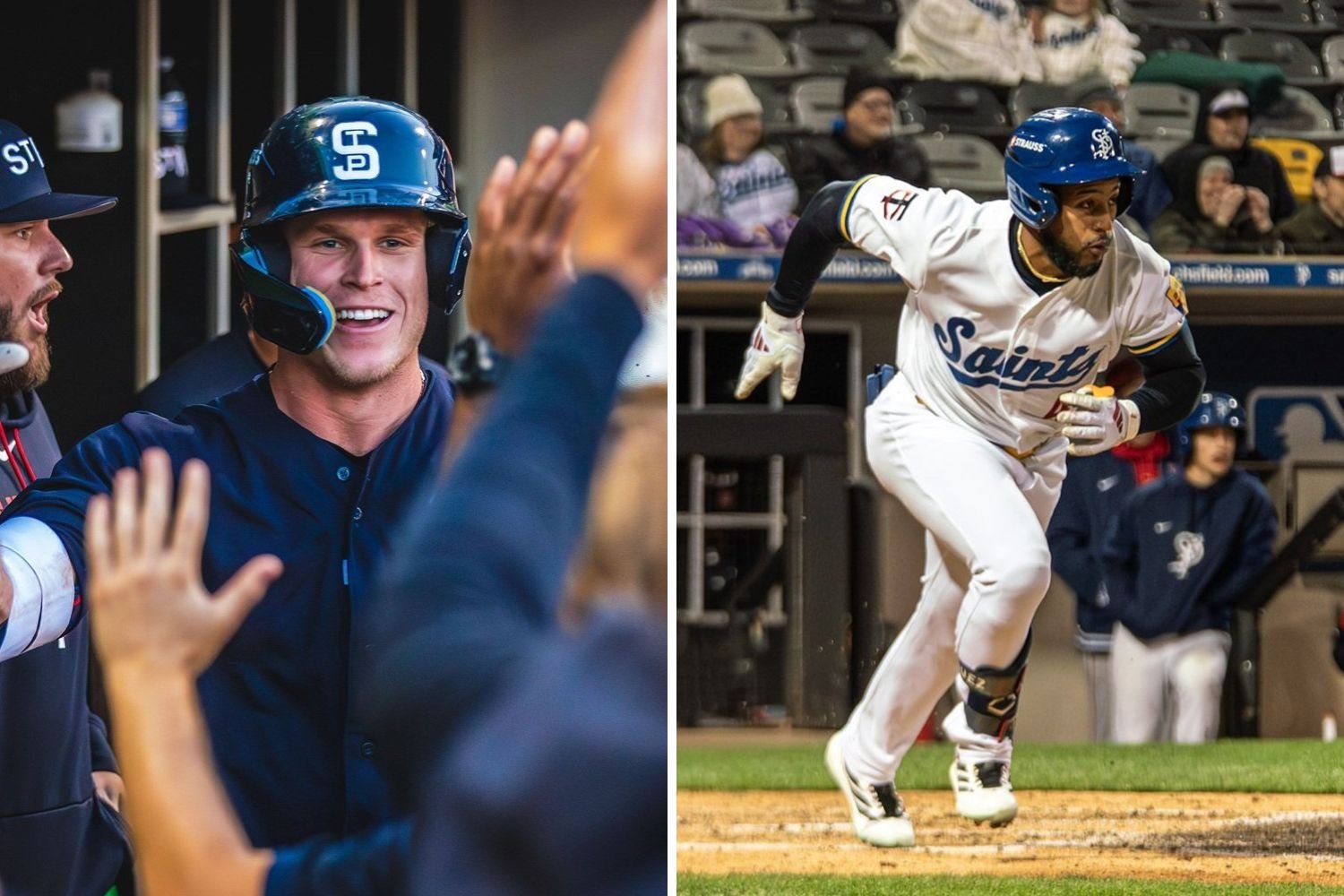 As we’ve already seen this year, the Twins are taking their time when it comes to calling up their top young players. For most of the season, Twins fans have been clamoring to see some of the organization’s best prospects get their chance in the majors. On Friday, we finally got the opportunity to see one of them. The Twins promoted their No. 3 prospect, shortstop Kaelen Culpepper, and he wasted no time getting acclimated to the big leagues. Culpepper homered in his second major league at-bat against Brewers left-hander Shane Drohan, then reached base three times in his second career game. It was an impressive start to what the Twins hope will be a long and productive MLB career. But even after Culpepper's promotion, there are still two names Twins fans have been waiting all year to see. Twins No. 1 prospect Walker Jenkins and No. 6 prospect Emmanuel Rodriguez are both seemingly right on the verge of a major league call-up, and there are a lot of similarities between the two. They’re both outfielders, and both left-handed outfielders (shocker). They can both play all over the outfield, and both have more than held their own at Triple-A. So, with that in mind, who will we see in the majors first? I think you can make a very compelling case for both players, but if I had to make the bet right now, I’d take Rodriguez. There are a couple of different things working in his favor. For one, he’s two years older than Jenkins and has significantly more experience at the professional level. His career Triple-A OPS is 62 points higher than Jenkins’, giving him another advantage when it comes to evaluating which player is more prepared for the majors right now. He's also out of minor league options, meaning this season is his last chance to get major league reps before the Twins' hand is forced. Assuming they plan on keeping him around beyond this year, it would be wise to let him get his feet wet before he's thrust into a more impactful role. There’s also the fact that Rodriguez is already on the Twins’ 40-man roster. The Twins wouldn’t have to make a corresponding move to add Rodriguez to the active roster; they could select his contract and bring him up whenever they feel he’s ready. And considering how well he’s performed at Triple-A, it’s becoming increasingly difficult to argue that he isn’t. Rodriguez is sporting an outrageous .423 on-base percentage across 84 games with the St. Paul Saints. There are still some legitimate concerns about his ability to consistently make contact, but he draws enough walks to (at least partially) offset those concerns. And there’s no questioning the power. Rodriguez recorded the hardest-hit ball ever by a Twins player when he launched a 117.1 mph home run back in April. Ten days later, he broke his own record by hitting a home run at 118.3 mph. That type of raw power is extremely difficult to find. The biggest question with Rodriguez has always been his ability to stay healthy. He’s dealt with more than his fair share of injuries throughout his career, and he’s actually just returning to St. Paul’s lineup after suffering a UCL tear in his thumb. But he’s healthy now, and if he can stay on the field, his major-league call-up could come very soon. Then there’s Jenkins, who is making an increasingly strong case that he deserves to be in the majors, too. In fact, his recent performance is making it difficult to justify keeping him in St. Paul much longer. Since returning from his AC joint sprain on June 13, Jenkins has been outstanding. Across 158 plate appearances, he’s hitting .326 with a .380 on-base percentage, 20 extra-base hits and six stolen bases in seven attempts. And he’s doing all of that at just 21 years old. At times, Jenkins has looked like a man amongst boys in Triple-A. That’s the type of performance you want to see from a prospect ranked as highly as he is, and when your organization’s No. 1 prospect is performing at that level, there’s only so long you can justify keeping him in the minors. But there are a couple of things working against Jenkins when looking at the bigger picture, and those are ultimately the reasons I’d take Rodriguez to get called up first. For one, Jenkins is not currently on the Twins’ 40-man roster. He doesn’t have to be added until after next season, meaning the Twins would have to create a spot for him if they wanted to bring him up now. That could certainly happen; the Twins could move someone to the 60-day injured list, or they could decide that another player is expendable and remove him from the 40-man roster. But it’s still an additional hurdle that doesn’t exist with Rodriguez. There’s also an interesting wrinkle when it comes to the upcoming CBA negotiations. With uncertainty surrounding the next collective bargaining agreement, there’s at least a chance that the 2027 season could be delayed. That makes the Twins’ decision with Jenkins a little more complicated. If they add him to the 40-man roster this year and there’s a lockout next spring, there’s a possibility that Jenkins could lose valuable development time while sitting on the roster instead of continuing to develop in the minor leagues. That by itself probably isn’t enough to keep him in St. Paul if the Twins believe he’s ready for the majors, but it’s another factor the organization has to consider. In an ideal world, both Rodriguez and Jenkins get called up at some point this season, and the 2027 season plays out normally. That would be the best-case scenario for everyone involved. The Twins would get two of their best young talents into the major league lineup, while Jenkins and Rodriguez would get valuable experience heading into what could be a very important offseason for the organization. But if I had to make the bet on which one we see in Minnesota first, I’m taking Rodriguez. It’s not necessarily because he’s more talented than Jenkins, or even because he’s more deserving of a call-up at this exact moment. It’s because the circumstances surrounding Rodriguez make his path to the majors significantly easier. He’s older, more experienced, already on the 40-man roster and producing at an elite level in Triple-A. Jenkins may very well be the Twins’ top prospect for a reason, and if he keeps hitting like this, it’s going to be awfully difficult to keep him down for much longer. But for now, I think Rodriguez has the clearer path.
 -
Image courtesy of Jeff Hanisch-Imagn Images Royce Lewis has long been one of the more fascinating (and frustrating) players not just on the Twins’ roster, but in all of Major League Baseball. When he’s right, Lewis looks like an All-Star-caliber player. The power is obvious, the athleticism is obvious, and there are stretches where he looks capable of taking over games in a way very few players across the entire league can. The problem has been finding that version of Lewis consistently enough. That inconsistency has been on full display again this season, but perhaps the most encouraging development for the Twins is that Lewis appears to be trending in the right direction at exactly the right time. On the season as a whole, Lewis is hitting .239 with a .313 on-base percentage and a .739 OPS. Those are fine numbers on their own, but they don’t exactly jump off the page. More importantly, they fail to capture just how dramatically his season has changed over the past few weeks. For much of the first half, Lewis was struggling. Prior to the All-Star break, he hit just .219 with an on-base percentage below .300 and an OPS below .700. His 94 wRC+ further underscored those struggles, putting him below league average offensively. Eventually, things deteriorated to the point where the Twins optioned Lewis to Triple-A. That obviously wasn’t what the team had hoped to see, but the demotion may have ultimately served as something of a reset. And since the All-Star break in particular, the difference has been striking. Across 22 games, Lewis is hitting .293 with a .359 on-base percentage and an .859 OPS. He has recorded 10 extra-base hits and five stolen bases during that span, showcasing the well-rounded skill set that has always made him such an intriguing player. His 136 wRC+ since the All-Star break may be the most telling number of all. Lewis hasn’t simply been hitting for a decent average during this stretch. He has been well above league average offensively, and he’s been impacting the game in multiple ways. That matters because the version of Lewis the Twins need down the stretch isn’t necessarily the player who hits 30-plus home runs or produces at an MVP level for an extended period. They simply need the player who can consistently put pressure on opposing teams. When Lewis is seeing the ball well, his power changes the way pitchers have to attack him, and his speed gives him another way to create offense once he reaches base. That combination is what gives him such a high ceiling. It’s also why his recent surge is particularly meaningful for a Twins team that remains firmly within striking distance of the postseason. Despite coming off of a disappointing series in Milwaukee, Minnesota came into the week just four games back in the American League Central and 1.5 games behind the final American League Wild Card spot. There’s obviously plenty of work left to do, and the Twins have little margin for error. But they’re close enough that a strong final month-and-a-half could completely change the outlook of their season. And if that happens, Lewis is going to have to be part of it. The Twins’ offense, especially without Byron Buxton, has been needing some players to step up. Lewis provides a different dimension when he’s playing at his best. There is a ceiling to this lineup that simply isn’t there when he is struggling to make consistent contact or get on base. That’s what makes his current stretch so encouraging. It would be misguided to assume that Lewis is suddenly going to maintain an .850 OPS for the remainder of the season. His track record suggests there will be some ups and downs along the way, and another cold stretch would hardly be surprising. The goal should be consistency, not perfection. If Lewis can settle somewhere around a high-.700s to low-.800s OPS over the remainder of the regular season, that would be a meaningful contribution to a Twins lineup trying to fight its way into October. And if he can do more than that, Minnesota could have something even more valuable. His streakiness can be a gift and a curse. Right now, though, it's working in the Twins’ favor. Lewis is playing his best baseball of the season while Minnesota is trying to make up ground in a crowded American League playoff race. That doesn’t guarantee anything, but it gives the Twins something they desperately need: another potentially dynamic bat playing at a high level. There is still a long way to go. The Twins will need better pitching, more consistent production throughout the lineup, a healthier roster, and plenty of other things to break their way if they are going to make a legitimate push for October. But Lewis doesn’t need to carry the entire team; he needs to continue being the player he has been over these last few weeks. If he can do that, the Twins suddenly have a much more dangerous lineup than they did earlier in the season, especially if Buxton returns in the coming days. And perhaps most importantly, they have a player who is starting to look like the version of Royce Lewis everyone knew was still somewhere in there. For a Twins team still fighting for its season, the timing couldn’t be much better. View full article
-
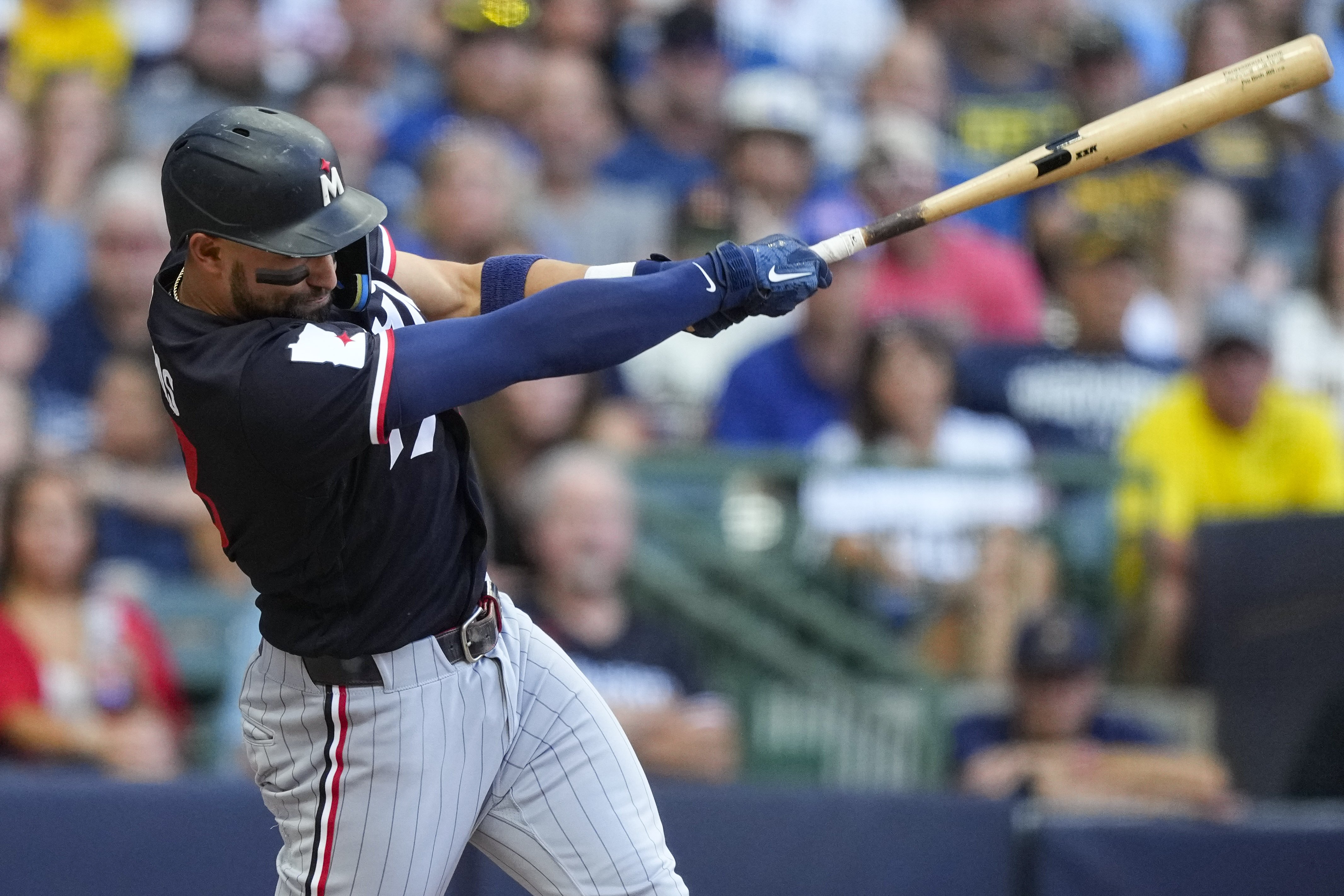 Royce Lewis has long been one of the more fascinating (and frustrating) players not just on the Twins’ roster, but in all of Major League Baseball. When he’s right, Lewis looks like an All-Star-caliber player. The power is obvious, the athleticism is obvious, and there are stretches where he looks capable of taking over games in a way very few players across the entire league can. The problem has been finding that version of Lewis consistently enough. That inconsistency has been on full display again this season, but perhaps the most encouraging development for the Twins is that Lewis appears to be trending in the right direction at exactly the right time. On the season as a whole, Lewis is hitting .239 with a .313 on-base percentage and a .739 OPS. Those are fine numbers on their own, but they don’t exactly jump off the page. More importantly, they fail to capture just how dramatically his season has changed over the past few weeks. For much of the first half, Lewis was struggling. Prior to the All-Star break, he hit just .219 with an on-base percentage below .300 and an OPS below .700. His 94 wRC+ further underscored those struggles, putting him below league average offensively. Eventually, things deteriorated to the point where the Twins optioned Lewis to Triple-A. That obviously wasn’t what the team had hoped to see, but the demotion may have ultimately served as something of a reset. And since the All-Star break in particular, the difference has been striking. Across 22 games, Lewis is hitting .293 with a .359 on-base percentage and an .859 OPS. He has recorded 10 extra-base hits and five stolen bases during that span, showcasing the well-rounded skill set that has always made him such an intriguing player. His 136 wRC+ since the All-Star break may be the most telling number of all. Lewis hasn’t simply been hitting for a decent average during this stretch. He has been well above league average offensively, and he’s been impacting the game in multiple ways. That matters because the version of Lewis the Twins need down the stretch isn’t necessarily the player who hits 30-plus home runs or produces at an MVP level for an extended period. They simply need the player who can consistently put pressure on opposing teams. When Lewis is seeing the ball well, his power changes the way pitchers have to attack him, and his speed gives him another way to create offense once he reaches base. That combination is what gives him such a high ceiling. It’s also why his recent surge is particularly meaningful for a Twins team that remains firmly within striking distance of the postseason. Despite coming off of a disappointing series in Milwaukee, Minnesota came into the week just four games back in the American League Central and 1.5 games behind the final American League Wild Card spot. There’s obviously plenty of work left to do, and the Twins have little margin for error. But they’re close enough that a strong final month-and-a-half could completely change the outlook of their season. And if that happens, Lewis is going to have to be part of it. The Twins’ offense, especially without Byron Buxton, has been needing some players to step up. Lewis provides a different dimension when he’s playing at his best. There is a ceiling to this lineup that simply isn’t there when he is struggling to make consistent contact or get on base. That’s what makes his current stretch so encouraging. It would be misguided to assume that Lewis is suddenly going to maintain an .850 OPS for the remainder of the season. His track record suggests there will be some ups and downs along the way, and another cold stretch would hardly be surprising. The goal should be consistency, not perfection. If Lewis can settle somewhere around a high-.700s to low-.800s OPS over the remainder of the regular season, that would be a meaningful contribution to a Twins lineup trying to fight its way into October. And if he can do more than that, Minnesota could have something even more valuable. His streakiness can be a gift and a curse. Right now, though, it's working in the Twins’ favor. Lewis is playing his best baseball of the season while Minnesota is trying to make up ground in a crowded American League playoff race. That doesn’t guarantee anything, but it gives the Twins something they desperately need: another potentially dynamic bat playing at a high level. There is still a long way to go. The Twins will need better pitching, more consistent production throughout the lineup, a healthier roster, and plenty of other things to break their way if they are going to make a legitimate push for October. But Lewis doesn’t need to carry the entire team; he needs to continue being the player he has been over these last few weeks. If he can do that, the Twins suddenly have a much more dangerous lineup than they did earlier in the season, especially if Buxton returns in the coming days. And perhaps most importantly, they have a player who is starting to look like the version of Royce Lewis everyone knew was still somewhere in there. For a Twins team still fighting for its season, the timing couldn’t be much better.
 -
Image courtesy of Rob Thompson, St. Paul Saints Transactions St. Paul Saints activated CF Emmanuel Rodriguez from the 60-day injured list. ST. PAUL SAINTS SENTINEL The Saints were so close to a series sweep at CHS Field against the Louisville Bats. They took the first five games of the week, before dropping Sunday’s series finale. They did so despite the roster taking a hit, with Twins Daily’s number three prospect Kaelen Culpepper being promoted to the majors. Walker Jenkins provided the biggest highlight of the week with a two-homer game on Thursday, building on his own strong case to follow Culpepper onto the Twins roster. They Saints will now head south as they take on the Iowa Cubs this week, where the St. Paul offense will be tested. North Side Baseball’s top pitching prospect (and number three overall prospect), Jaxon Wiggins, has struggled in Iowa. He’s sporting a 9.82 ERA across 22 innings, having allowed more than a hit AND walk per inning on average. The stuff is still there though, as he’s racked up 28 punchouts, and the Saints will have to worry about more than just him. A trio of major leaguers in Edward Cabrera, Braxton Garrett and Daniel Palencia are currently rehabbing in Iowa, and all will present challenges to St. Paul’s bats. Offensively, the Cubs are led by right fielder Kevin Alcantara. Alcantara, who has bounced between Triple-A and the majors, is slashing .270/.364/.548 (.912 OPS), and has logged 31 extra-base hits across 63 games. Third baseman BJ Murray is also swinging a hot bat, slashing .296/.407/.489 (.896 OPS), and 40 extra-base hits. WICHITA WIND SURGE WISDOM It was a strong week for the Wind Surge, taking four out of six against NW Arkansas. They’ll now travel to Texas this week to take on the Corpus Christi Hooks. The Hooks are home to the Houston Astros’ number three prospect (according to MLB Pipeline), catcher Jason Schiavone, who’s slashing .246/.384/.384 (.768 OPS), along with 16 extra-base hits and 15 stolen bases. The Hooks’ pitching staff is led by right-hander Brett Gillis, who has posted a 3.57 ERA and a 1.15 WHIP across 16 starts, as well as a 20.1% strikeout rate and an 8.2% walk rate. CEDAR RAPIDS KERNELS CHRONICLE The Kernels are coming off a series split in South Bend against the Cubs. They’ll now turn their attention to hosting the Wisconsin Timber Rattlers this week. The Timber Rattlers’ offense is headlined by a pair of Brewer Fanatic’s top five prospects, including their number two – shortstop Luis Pena. Across 46 games, he’s slashing .315/.402/.455 (.857 OPS), along with 15 extra-base hits and 25 stolen bases. He’s joined by outfielder Braylon Payne, who has already posted a 20-20 season, along with a .960 OPS. Their pitching staff is led by Brewer Fanatic’s number 14 prospect, Josh Knoth. Knoth currently owns a 4.85 ERA across 52 innings for the Timber Rattlers, along with a 26% strikeout rate. FORT MYERS MIGHTY MUSSELS MATTERS Fort Myers continued the trend of strong performances, taking four of six in Bradenton, Florida against the Marauders. While neither of the Twins’ top two draft picks (catchers Vahn Lackey and Carson Tinney) had particularly strong weeks at the plate, it was a successful week for the team. They’ll now take on the Clearwater Threshers this week, as they return to Fort Myers. The Threshers are home to a pair of top 10 Phillies’ prospects (according to MLB Pipeline), one of whom being their number six prospect: Alirio Ferrebus. Ferrebus is slashing .324/.375/.520 (.895 OPS). On the pitching side, the Mighty Mussels will get to see Philadelphia’s number seven prospect: left-hander Cade Obermueller. Across 35 2/3 innings, Obermueller owns a 2.78 ERA, along with an outrageous 35.3% strikeout rate. DSL TWINS Twins 4, Tigers 3 Box Score The Twins fell behind 2-0 early Monday, but rallied twice to come away with a 4-3 victory over the DSL Tigers 2. The win moves the Twins to 16-31 on the season. The Twins got on the board in the third inning when Fabian Ulloa doubled and later scored on a sacrifice fly from Jendy Martinez after Daiyer Barboza singled. An inning later, Enmanuel Merlo singled and stole second before Jeferson Abreu launched his fourth home run of the season with two outs, putting Minnesota ahead 3-2. Detroit tied the game in the sixth, but the Twins immediately regained the lead in the bottom half. Jhon Gonzalez opened the inning with a double, and after an Abel Sosa single, Merlo grounded out to bring Gonzalez home. Gonzalez and Barboza each finished 2-for-3, while Merlo went 1-for-3 with an RBI, a run, and a stolen base. Abreu added two RBI of his own. Wisarly Reinoso earned his first win of the season after recording the final out of the sixth, and Arthur De La Cruz struck out two in a scoreless seventh to earn the save. The Twins finished with eight hits while holding Detroit to five. They’ll take on DSL Miami tomorrow. TWINS DAILY PLAYERS OF THE DAY Jeferson Abreu: 1-2, 1 H, 1 R, 2 RBI, 1 HR Arthur De La Cruz: 1 IP, 0 ER, 0 H, 1 BB, 2 K TOP 20 PROSPECT WEEK IN REVIEW #1 - Walker Jenkins (Saints) - .304/.304/.696, 1.000 OPS, 2 HR #2 - Vahn Lackey (Mussels) - .154/.353/.308, 2 2B #3 - Kaelen Culpepper (Saints) - 462/.500/.769, 2 2B, 1 3B #4 - Emmanuel Rodriguez (Rehab) - .375/.565/.438, 6 BB, 2 K #5 - Marek Houston (Wind Surge) - .143/.280/.191, 10 K, 4 BB #6 - Riley Quick (Wind Surge) - 4 IP, 2 ER, 2 K, 2 BB #7 - Eduardo Tait (Kernels) - .177/.222/.235, 1 2B, 1 RBI #8 - Kendry Rojas (Saints) - 3 IP, 0 R, 0 H, 0 BB, 5 K #10 - Hendry Mendez (Saints) - .200/.333/.333, 2 2B, 2 RBI #11 - Gabriel Gonzalez (Saints) - .467/.467/.733, 2B, HR, 2 RBI #13 - Carson Tinney (Mussels) - .083/.353/.083, 5 BB, 4 K #14 - Khadim Diaw (Wind Surge) - .389/.542/.667, 2 2B, HR, 2 RBI #15 - Brandon Winokur (Wind Surge) - .238/.261/.286, 8 K, 0 BB #17 - Quentin Young (Mussels) - .357/.333/.786, 2B, 3B, HR, 5 RBI #18 - Ryan Gallagher (Saints) - 6 IP, 1 R, 3 H, 1 BB, 9 K TUESDAY’S PROBABLE STARTERS St. Paul Saints @ Iowa – LHP Kendry Rojas Corpus Christi @ Wichita Wind Surge – TBD Wisconsin @ Cedar Rapids Kernels – LHP Michael Carpenter Clearwater @ Fort Myers Mighty Mussels – TBD DSL Twins @ DSL Miami – TBD View full article
-
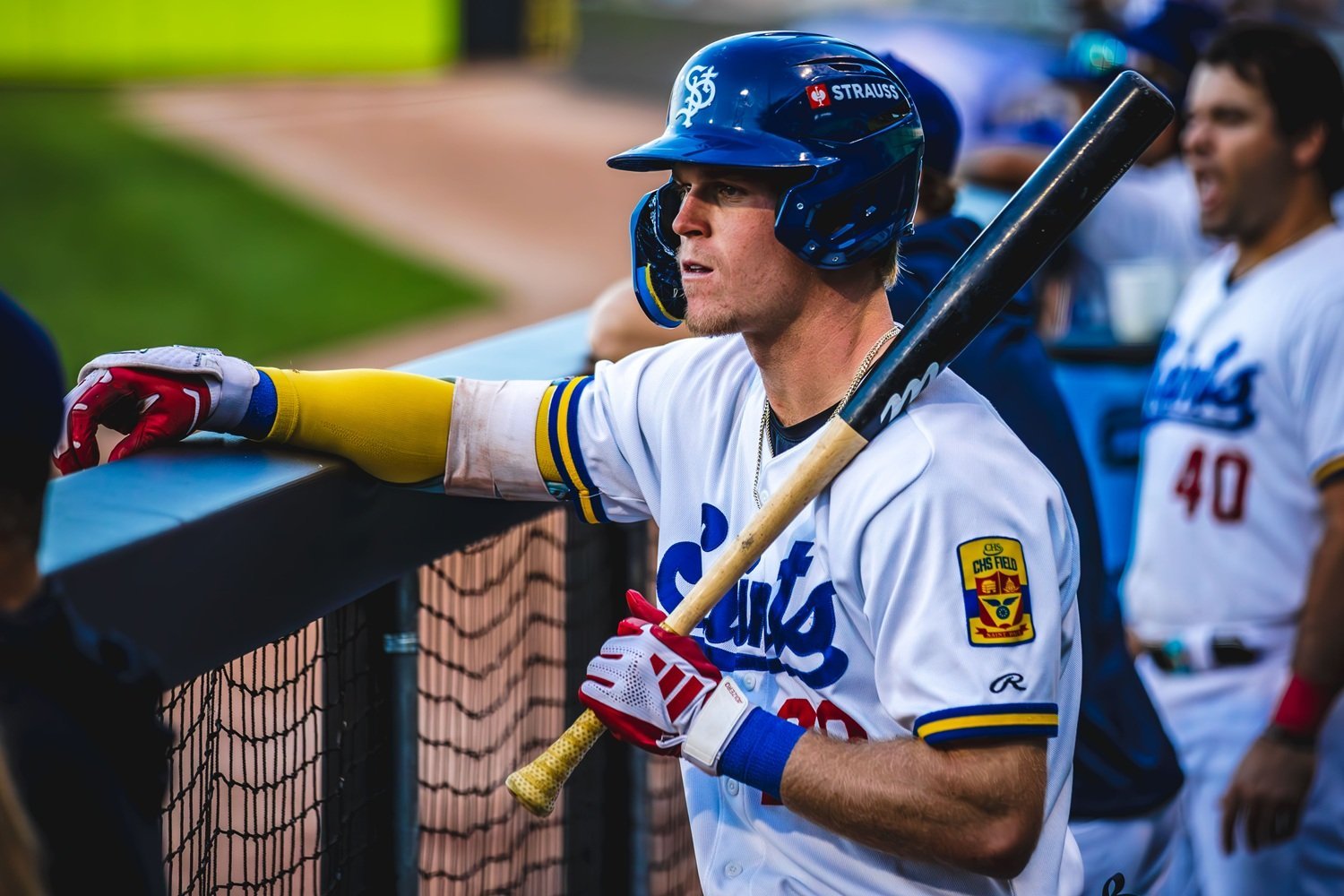 Transactions St. Paul Saints activated CF Emmanuel Rodriguez from the 60-day injured list. ST. PAUL SAINTS SENTINEL The Saints were so close to a series sweep at CHS Field against the Louisville Bats. They took the first five games of the week, before dropping Sunday’s series finale. They did so despite the roster taking a hit, with Twins Daily’s number three prospect Kaelen Culpepper being promoted to the majors. Walker Jenkins provided the biggest highlight of the week with a two-homer game on Thursday, building on his own strong case to follow Culpepper onto the Twins roster. They Saints will now head south as they take on the Iowa Cubs this week, where the St. Paul offense will be tested. North Side Baseball’s top pitching prospect (and number three overall prospect), Jaxon Wiggins, has struggled in Iowa. He’s sporting a 9.82 ERA across 22 innings, having allowed more than a hit AND walk per inning on average. The stuff is still there though, as he’s racked up 28 punchouts, and the Saints will have to worry about more than just him. A trio of major leaguers in Edward Cabrera, Braxton Garrett and Daniel Palencia are currently rehabbing in Iowa, and all will present challenges to St. Paul’s bats. Offensively, the Cubs are led by right fielder Kevin Alcantara. Alcantara, who has bounced between Triple-A and the majors, is slashing .270/.364/.548 (.912 OPS), and has logged 31 extra-base hits across 63 games. Third baseman BJ Murray is also swinging a hot bat, slashing .296/.407/.489 (.896 OPS), and 40 extra-base hits. WICHITA WIND SURGE WISDOM It was a strong week for the Wind Surge, taking four out of six against NW Arkansas. They’ll now travel to Texas this week to take on the Corpus Christi Hooks. The Hooks are home to the Houston Astros’ number three prospect (according to MLB Pipeline), catcher Jason Schiavone, who’s slashing .246/.384/.384 (.768 OPS), along with 16 extra-base hits and 15 stolen bases. The Hooks’ pitching staff is led by right-hander Brett Gillis, who has posted a 3.57 ERA and a 1.15 WHIP across 16 starts, as well as a 20.1% strikeout rate and an 8.2% walk rate. CEDAR RAPIDS KERNELS CHRONICLE The Kernels are coming off a series split in South Bend against the Cubs. They’ll now turn their attention to hosting the Wisconsin Timber Rattlers this week. The Timber Rattlers’ offense is headlined by a pair of Brewer Fanatic’s top five prospects, including their number two – shortstop Luis Pena. Across 46 games, he’s slashing .315/.402/.455 (.857 OPS), along with 15 extra-base hits and 25 stolen bases. He’s joined by outfielder Braylon Payne, who has already posted a 20-20 season, along with a .960 OPS. Their pitching staff is led by Brewer Fanatic’s number 14 prospect, Josh Knoth. Knoth currently owns a 4.85 ERA across 52 innings for the Timber Rattlers, along with a 26% strikeout rate. FORT MYERS MIGHTY MUSSELS MATTERS Fort Myers continued the trend of strong performances, taking four of six in Bradenton, Florida against the Marauders. While neither of the Twins’ top two draft picks (catchers Vahn Lackey and Carson Tinney) had particularly strong weeks at the plate, it was a successful week for the team. They’ll now take on the Clearwater Threshers this week, as they return to Fort Myers. The Threshers are home to a pair of top 10 Phillies’ prospects (according to MLB Pipeline), one of whom being their number six prospect: Alirio Ferrebus. Ferrebus is slashing .324/.375/.520 (.895 OPS). On the pitching side, the Mighty Mussels will get to see Philadelphia’s number seven prospect: left-hander Cade Obermueller. Across 35 2/3 innings, Obermueller owns a 2.78 ERA, along with an outrageous 35.3% strikeout rate. DSL TWINS Twins 4, Tigers 3 Box Score The Twins fell behind 2-0 early Monday, but rallied twice to come away with a 4-3 victory over the DSL Tigers 2. The win moves the Twins to 16-31 on the season. The Twins got on the board in the third inning when Fabian Ulloa doubled and later scored on a sacrifice fly from Jendy Martinez after Daiyer Barboza singled. An inning later, Enmanuel Merlo singled and stole second before Jeferson Abreu launched his fourth home run of the season with two outs, putting Minnesota ahead 3-2. Detroit tied the game in the sixth, but the Twins immediately regained the lead in the bottom half. Jhon Gonzalez opened the inning with a double, and after an Abel Sosa single, Merlo grounded out to bring Gonzalez home. Gonzalez and Barboza each finished 2-for-3, while Merlo went 1-for-3 with an RBI, a run, and a stolen base. Abreu added two RBI of his own. Wisarly Reinoso earned his first win of the season after recording the final out of the sixth, and Arthur De La Cruz struck out two in a scoreless seventh to earn the save. The Twins finished with eight hits while holding Detroit to five. They’ll take on DSL Miami tomorrow. TWINS DAILY PLAYERS OF THE DAY Jeferson Abreu: 1-2, 1 H, 1 R, 2 RBI, 1 HR Arthur De La Cruz: 1 IP, 0 ER, 0 H, 1 BB, 2 K TOP 20 PROSPECT WEEK IN REVIEW #1 - Walker Jenkins (Saints) - .304/.304/.696, 1.000 OPS, 2 HR #2 - Vahn Lackey (Mussels) - .154/.353/.308, 2 2B #3 - Kaelen Culpepper (Saints) - 462/.500/.769, 2 2B, 1 3B #4 - Emmanuel Rodriguez (Rehab) - .375/.565/.438, 6 BB, 2 K #5 - Marek Houston (Wind Surge) - .143/.280/.191, 10 K, 4 BB #6 - Riley Quick (Wind Surge) - 4 IP, 2 ER, 2 K, 2 BB #7 - Eduardo Tait (Kernels) - .177/.222/.235, 1 2B, 1 RBI #8 - Kendry Rojas (Saints) - 3 IP, 0 R, 0 H, 0 BB, 5 K #10 - Hendry Mendez (Saints) - .200/.333/.333, 2 2B, 2 RBI #11 - Gabriel Gonzalez (Saints) - .467/.467/.733, 2B, HR, 2 RBI #13 - Carson Tinney (Mussels) - .083/.353/.083, 5 BB, 4 K #14 - Khadim Diaw (Wind Surge) - .389/.542/.667, 2 2B, HR, 2 RBI #15 - Brandon Winokur (Wind Surge) - .238/.261/.286, 8 K, 0 BB #17 - Quentin Young (Mussels) - .357/.333/.786, 2B, 3B, HR, 5 RBI #18 - Ryan Gallagher (Saints) - 6 IP, 1 R, 3 H, 1 BB, 9 K TUESDAY’S PROBABLE STARTERS St. Paul Saints @ Iowa – LHP Kendry Rojas Corpus Christi @ Wichita Wind Surge – TBD Wisconsin @ Cedar Rapids Kernels – LHP Michael Carpenter Clearwater @ Fort Myers Mighty Mussels – TBD DSL Twins @ DSL Miami – TBD
- 10 comments
-
- 6
-
-
- minor league report
- walker jenkins
- (and 2 more)
-
The Twins are hoping Jeff Hoffman can help lock down the back end of their bullpen. His elite strikeout numbers suggest he can, but his recent track record shows there's plenty of risk attached to that bet. View full video

