



Greggory Masterson
-
Posts
819 -
Joined
-
Last visited
-
Days Won
2
Content Type
Profiles
News
Minnesota Twins Videos
2026 Minnesota Twins Top Prospects Ranking
2022 Minnesota Twins Draft Picks
Minnesota Twins Free Agent & Trade Rumors, Notes, & Tidbits
Guides & Resources
2023 Minnesota Twins Draft Picks
The Minnesota Twins Players Project
2024 Minnesota Twins Draft Picks
2025 Minnesota Twins Draft Pick Tracker
2026 Minnesota Twins Draft Tracker: Picks & Bonuses
Forums
Blogs
Events
Store
Downloads
Gallery
Everything posted by Greggory Masterson
-

Get In. We’re Going Shopping
Greggory Masterson replied to Greggory Masterson's topic in Twins Daily Front Page News
I gathered information on this as well, but I probably won’t publish it until the off-season, when it’s more relevant. They’ve done pretty well with off-season trades and have been more successful in bringing in MLB talent that way.- 21 replies
-
- 1
-

-
- sergio romo
- michael fulmer
- (and 3 more)
-
Get In. We’re Going Shopping
Greggory Masterson replied to Greggory Masterson's topic in Twins Daily Front Page News
Hold onto that thought. I’m working on finishing up a similar article going over the deadline buys (11 of them, if I recall), and there have definitely been more wins in those; even trades like the Dozier trade could be considered a win.- 21 replies
-
- 2
-
-
- sergio romo
- michael fulmer
- (and 3 more)
-
Get In. We’re Going Shopping
Greggory Masterson replied to Greggory Masterson's topic in Twins Daily Front Page News
The Dyson trade was probably the hardest to grade. Neither team got anything, but Dyson was a borderline all star reliever and the prospects had value at the time. There was an opportunity cost there, because those prospects could have been traded for a different high-leverage arm. The Dyson trade stopped them from getting someone else.- 21 replies
-
- 5
-
-
- sergio romo
- michael fulmer
- (and 3 more)
-
Get In. We’re Going Shopping
Greggory Masterson replied to Greggory Masterson's topic in Twins Daily Front Page News
Good catch, thank you. It’s also why Steve Hajjar never reached Baltimore, I’d say. -
How have Derek Falvey and Thad Levine fared buying at the deadline? As the 2023 Trade Deadline approaches and the Twins sit in first place, let’s look at every time the current front office has bought at the deadline. Image courtesy of Raj Mehta-USA TODAY Sports Regarding things like making trades, no one wins every time, not even the Dodgers and Rays (see Yordan Álvarez and Joe Ryan, respectively). However, a good team wins their trades more often than they lose them. Deadline buys are especially complicated because a team almost always knowingly trades away valuable long-term pieces for short-term rewards. Deadline trades have been hot on Twins fans’ minds for the last month after Tyler Mahle got shut down for the season to get Tommy John surgery and Jorge López’s struggles reached a head. I, your humble narrator, have combed through every trade that the Twins have made since October 2016 (when Falvey and Levine were brought on) that involved at least one MLB player and was not for cash considerations or players to be named later. You, my only friends, can make your own judgment. Below, I’ve listed every trade that could be considered a buy near the deadline. These trades occurred in 2017, 2019, and 2022, as the team was in contention in each of those three years. Before we begin, some housekeeping. I provided stats for each player with their new team. Performance isn’t considered if they were again traded or signed elsewhere as free agents after the trade being discussed. Obviously, this analysis doesn’t include future performance, either. This information was gathered as a snapshot on June 23, 2023. Those with an * indicate that the player is still in the organization they were traded to, so the full picture isn’t available. I will also be providing some context for each trade. Comparing statistics does not necessarily indicate which team won the trade, so I have done my best to explain why the trade occurred. For an example of why comparing statistics isn’t ideal, let’s skip to the 2019 Sam Dyson trade. Statistically, the Twins won the trade. Dyson was worth -0.3 bWAR, but the players traded for him have amounted to -0.7 bWAR. No one truly won that trade, value-wise. Perhaps more importantly, the Twins paid an opportunity cost to acquire him, as he was their main addition that deadline. Trading for him stopped the team from trading a similar package for a different reliever. However, the stats do provide some background. Without further ado, here’s my subjective order, from best to worst. 1. 7/27/19: Minnesota acquires Sergio Romo (42.2 IP, 125 ERA+, 0.4 bWAR), Chris Vallimont (did not reach Minnesota) from Miami for Lewin Diaz (343 PA, 55 OPS+, 0.1 bWAR), +0.3 bWAR for Minnesota. Romo was one of two relievers acquired at the 2019 deadline, and he would be a mainstay in the back of the Twins bullpen for two years, as he was brought back for 2020 before having his option declined. Vallimont was waived in 2022 and is currently in Baltimore’s system. Diaz had some promise but failed to hit enough as a first baseman to stick in Miami 2. 8/2/22: Minnesota acquires Michael Fulmer (24.1 IP, 107 ERA+, 0.5 bWAR) from Detroit for Sawyer Gipson-Long* (has not reached Detroit), +0.5 bWAR for Minnesota. Fulmer was a quality setup man down the stretch in 2022, though the Twins did not resign him in the offseason. He’s struggled pitching for the Cubs since then. Gipson-Long is starting games at AA in Detroit’s system, so there’s time for this trade to swing back into Detroit’s favor, but it was a solid enough trade for now. 3. 7/27/17: Minnesota acquires Gabriel Moya (42.2 IP, 94 ERA+, 0.2 bWAR) from Arizona for John Ryan Murphy (299 PA, 62 OPS+), -0.2 bWAR), +0.4 bWAR for Minnesota John Ryan Murphy was most infamous in Minnesota for being the return in the trade that sent Aaron Hicks to New York. Moya was a decent reliever for a couple of years but was designated for assignment in 2019. 4. 8/2/22: Minnesota acquires Sandy León (65 IP, 65 ERA+, -0.3 bWAR) from Cleveland for Ian Hamilton (did not reach Cleveland), -0.3 bWAR for Minnesota. A simple veteran-for-veteran swap sent journeyman catcher León to Minnesota as catcher depth and Hamilton to Cleveland as reliever depth. León didn’t hit a lick, but the pitching staff appreciated him, and Hamilton never got called up prior to his release in 2022. 5. 7/24/17: Minnesota acquires Jaime Garcia (6.2 IP, 115 ERA+, 0.1 bWAR), Anthony Recker (did not reach Minnesota) from Atlanta for Huascar Ynoa* (122.1 IP, 85 ERA+, 1.1 bWAR), -1.0 bWAR for Minnesota In an effort to “go for it,” the Twins acquired the aging starter to fortify the rotation, sending over the 19-year-old prospect. He made one start. Ynoa had a solid 17-start stretch for Atlanta in 2021 but has not had a significant effect otherwise and is currently recovering from Tommy John. It’s hard to separate this trade from the one that sent Garcia away a week later, but the first trade wasn’t bad in itself. 6. 8/2/22: Minnesota acquires Jorge López* (49.2 IP, 87 ERA+, -0.2 bWAR) from Baltimore for Juan Rojas* (has not reached Baltimore), Cade Povich* (has not reached Baltimore), Juan Nuñez* (has not reached Baltimore), Yennier Cano* (41.2 IP, 150 ERA+, 2.0 bWAR), -2.2 bWAR for Minnesota. The Twins swung a deal for what was arguably the best reliever traded at the 2022 deadline in López, along with his 2.5 years of team control. However, he was rocky down the stretch in 2022, and after a hot start to 2023, the wheels have come off. Povich, Rojas, and Nuñez are all in the minors, but Cano has emerged as arguably the best reliever in baseball thus far in 2023 for the Orioles 7. 7/31/19: Minnesota acquires Sam Dyson (11.1 IP, 65 ERA+, -0.3 bWAR) from San Francisco for Prelander Berroa (did not reach San Francisco), Jaylin Davis (68 PA, 31 OPS+, -0.7 bWAR), Kai-Wei Teng* (has not reached San Francisco), +0.4 bWAR for Minnesota. This trade was a mess for all involved, as Dyson pitched a poor 11 innings, had a season-ending injury, and was exposed as a domestic abuser shortly thereafter. Berroa has not reached the majors and was traded to Seattle in 2022, and Teng is still in San Francisco’s system as a 24-year-old at AA. Davis played poorly in limited action over three years and is now in his third minor league system since the trade. 8. 8/2/22: Minnesota acquires Tyler Mahle* (42 IP, 116 ERA+, 0.5 bWAR) from Cincinnati for Spencer Steer* (414 PA, 106 OPS+, 1.3 bWAR), Christian Encarnacion-Strand* (has not reached Cincinnati), Steven Hajjar (did not reach Cincinnati), -0.8 bWAR for Minnesota. Mahle was one of the top available starting pitchers and was brought in to bring stability to a rotation. However, his preexisting injuries in 2022 and eventual Tommy John (not necessarily related to his 2022 injuries) limited him to 42 moderately-effective innings as a Twin. Steer was blocked from reaching MLB at the time, and is beginning to stabilize in his second season. Encarnacion-Strand is one of the biggest power hitters in the minor leagues, at AAA currently and soon to debut, and Hajjar has been traded as player to be named later in a trade for Will Benson Do you agree with this order? How do you feel about the team’s performance buying at the deadline? Do you hope that the team buys again this year? View full article
-
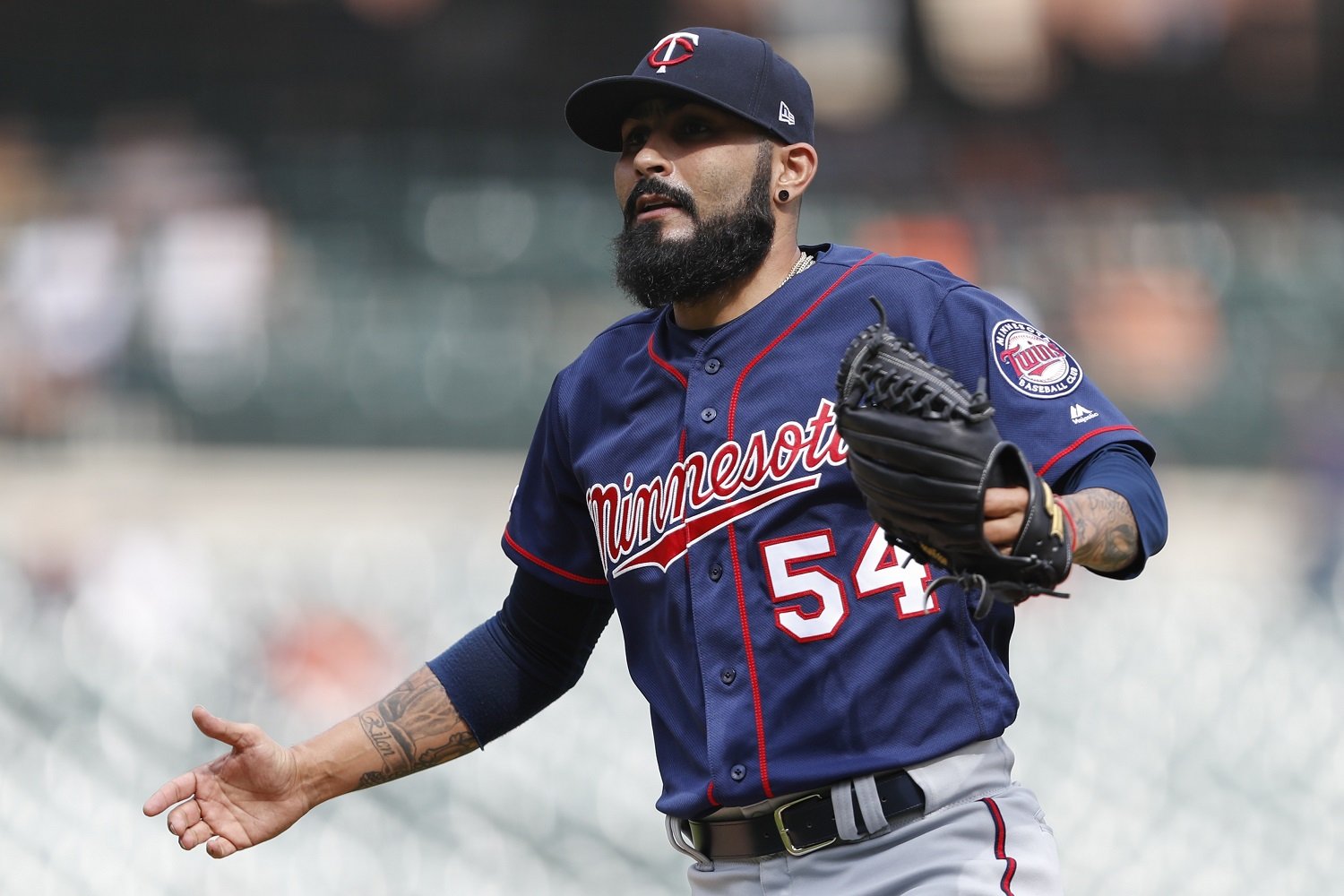 Regarding things like making trades, no one wins every time, not even the Dodgers and Rays (see Yordan Álvarez and Joe Ryan, respectively). However, a good team wins their trades more often than they lose them. Deadline buys are especially complicated because a team almost always knowingly trades away valuable long-term pieces for short-term rewards. Deadline trades have been hot on Twins fans’ minds for the last month after Tyler Mahle got shut down for the season to get Tommy John surgery and Jorge López’s struggles reached a head. I, your humble narrator, have combed through every trade that the Twins have made since October 2016 (when Falvey and Levine were brought on) that involved at least one MLB player and was not for cash considerations or players to be named later. You, my only friends, can make your own judgment. Below, I’ve listed every trade that could be considered a buy near the deadline. These trades occurred in 2017, 2019, and 2022, as the team was in contention in each of those three years. Before we begin, some housekeeping. I provided stats for each player with their new team. Performance isn’t considered if they were again traded or signed elsewhere as free agents after the trade being discussed. Obviously, this analysis doesn’t include future performance, either. This information was gathered as a snapshot on June 23, 2023. Those with an * indicate that the player is still in the organization they were traded to, so the full picture isn’t available. I will also be providing some context for each trade. Comparing statistics does not necessarily indicate which team won the trade, so I have done my best to explain why the trade occurred. For an example of why comparing statistics isn’t ideal, let’s skip to the 2019 Sam Dyson trade. Statistically, the Twins won the trade. Dyson was worth -0.3 bWAR, but the players traded for him have amounted to -0.7 bWAR. No one truly won that trade, value-wise. Perhaps more importantly, the Twins paid an opportunity cost to acquire him, as he was their main addition that deadline. Trading for him stopped the team from trading a similar package for a different reliever. However, the stats do provide some background. Without further ado, here’s my subjective order, from best to worst. 1. 7/27/19: Minnesota acquires Sergio Romo (42.2 IP, 125 ERA+, 0.4 bWAR), Chris Vallimont (did not reach Minnesota) from Miami for Lewin Diaz (343 PA, 55 OPS+, 0.1 bWAR), +0.3 bWAR for Minnesota. Romo was one of two relievers acquired at the 2019 deadline, and he would be a mainstay in the back of the Twins bullpen for two years, as he was brought back for 2020 before having his option declined. Vallimont was waived in 2022 and is currently in Baltimore’s system. Diaz had some promise but failed to hit enough as a first baseman to stick in Miami 2. 8/2/22: Minnesota acquires Michael Fulmer (24.1 IP, 107 ERA+, 0.5 bWAR) from Detroit for Sawyer Gipson-Long* (has not reached Detroit), +0.5 bWAR for Minnesota. Fulmer was a quality setup man down the stretch in 2022, though the Twins did not resign him in the offseason. He’s struggled pitching for the Cubs since then. Gipson-Long is starting games at AA in Detroit’s system, so there’s time for this trade to swing back into Detroit’s favor, but it was a solid enough trade for now. 3. 7/27/17: Minnesota acquires Gabriel Moya (42.2 IP, 94 ERA+, 0.2 bWAR) from Arizona for John Ryan Murphy (299 PA, 62 OPS+), -0.2 bWAR), +0.4 bWAR for Minnesota John Ryan Murphy was most infamous in Minnesota for being the return in the trade that sent Aaron Hicks to New York. Moya was a decent reliever for a couple of years but was designated for assignment in 2019. 4. 8/2/22: Minnesota acquires Sandy León (65 IP, 65 ERA+, -0.3 bWAR) from Cleveland for Ian Hamilton (did not reach Cleveland), -0.3 bWAR for Minnesota. A simple veteran-for-veteran swap sent journeyman catcher León to Minnesota as catcher depth and Hamilton to Cleveland as reliever depth. León didn’t hit a lick, but the pitching staff appreciated him, and Hamilton never got called up prior to his release in 2022. 5. 7/24/17: Minnesota acquires Jaime Garcia (6.2 IP, 115 ERA+, 0.1 bWAR), Anthony Recker (did not reach Minnesota) from Atlanta for Huascar Ynoa* (122.1 IP, 85 ERA+, 1.1 bWAR), -1.0 bWAR for Minnesota In an effort to “go for it,” the Twins acquired the aging starter to fortify the rotation, sending over the 19-year-old prospect. He made one start. Ynoa had a solid 17-start stretch for Atlanta in 2021 but has not had a significant effect otherwise and is currently recovering from Tommy John. It’s hard to separate this trade from the one that sent Garcia away a week later, but the first trade wasn’t bad in itself. 6. 8/2/22: Minnesota acquires Jorge López* (49.2 IP, 87 ERA+, -0.2 bWAR) from Baltimore for Juan Rojas* (has not reached Baltimore), Cade Povich* (has not reached Baltimore), Juan Nuñez* (has not reached Baltimore), Yennier Cano* (41.2 IP, 150 ERA+, 2.0 bWAR), -2.2 bWAR for Minnesota. The Twins swung a deal for what was arguably the best reliever traded at the 2022 deadline in López, along with his 2.5 years of team control. However, he was rocky down the stretch in 2022, and after a hot start to 2023, the wheels have come off. Povich, Rojas, and Nuñez are all in the minors, but Cano has emerged as arguably the best reliever in baseball thus far in 2023 for the Orioles 7. 7/31/19: Minnesota acquires Sam Dyson (11.1 IP, 65 ERA+, -0.3 bWAR) from San Francisco for Prelander Berroa (did not reach San Francisco), Jaylin Davis (68 PA, 31 OPS+, -0.7 bWAR), Kai-Wei Teng* (has not reached San Francisco), +0.4 bWAR for Minnesota. This trade was a mess for all involved, as Dyson pitched a poor 11 innings, had a season-ending injury, and was exposed as a domestic abuser shortly thereafter. Berroa has not reached the majors and was traded to Seattle in 2022, and Teng is still in San Francisco’s system as a 24-year-old at AA. Davis played poorly in limited action over three years and is now in his third minor league system since the trade. 8. 8/2/22: Minnesota acquires Tyler Mahle* (42 IP, 116 ERA+, 0.5 bWAR) from Cincinnati for Spencer Steer* (414 PA, 106 OPS+, 1.3 bWAR), Christian Encarnacion-Strand* (has not reached Cincinnati), Steven Hajjar (did not reach Cincinnati), -0.8 bWAR for Minnesota. Mahle was one of the top available starting pitchers and was brought in to bring stability to a rotation. However, his preexisting injuries in 2022 and eventual Tommy John (not necessarily related to his 2022 injuries) limited him to 42 moderately-effective innings as a Twin. Steer was blocked from reaching MLB at the time, and is beginning to stabilize in his second season. Encarnacion-Strand is one of the biggest power hitters in the minor leagues, at AAA currently and soon to debut, and Hajjar has been traded as player to be named later in a trade for Will Benson Do you agree with this order? How do you feel about the team’s performance buying at the deadline? Do you hope that the team buys again this year?
- 21 comments
-
- 3
-
-
- sergio romo
- michael fulmer
- (and 3 more)
-
There were some emotions Thursday night. Let’s talk about it. Image courtesy of Jesse Johnson-USA TODAY Sports Sonny Gray had a rough outing last Thursday night, even if the box score indicates he only gave up two runs. After escaping a fourth inning in which Gray labored through a single and three ugly walks, having given up only one run, manager Rocco Baldelli pulled the plug. As documented, Gray prefers to stay in games as long as possible. As visible on the Bally Sports North broadcast, the manager and pitcher disagreed. Viewers could see some level of emotion, seemingly from both parties, as they talked it over in the dugout. What does that mean for the relationship between a player and a manager or the team overall? Those who have read my writing, specifically those articles that delve into emotion, relationships, and psychology, will know that I don’t like to assume to understand everything between teammates and coaches in the clubhouse. However, this is an excellent time to examine conflict within a team and what interactions like the one Thursday can mean. When I use the term "Conflict," the definition that I like comes from a 2003 article by Carsten De Dreu and Laurie Weingart (it’s been cited 4,500 times, so apparently, a lot of other people like it too): “a process resulting from the tension between team members because of real or perceived differences.” Conflict as a concept is pretty self-evident, but a definition always helps and serves as a basis for analyzing different types of conflict. One way that conflict can be broken down is into task conflict and relationship conflict. This method of separating types of conflict is generally attributed to a 1995 article by Karen Jehn (cited over 6,000 times). It’s again self-explanatory: task conflict is conflict that arises out of performing tasks, and relationship conflict is conflict that arises out of interpersonal interactions. They’re both the natural result of people working together. Let’s take a look at task conflict first. Task conflict isn’t necessarily a bad thing. A complete lack of task conflict actually indicates issues like a lack of attention or commitment or even something like groupthink. When people work together, they’ll disagree on the best way to do whatever the group wants. For a baseball team, that disagreement can take the form of strategy and approach, for example. Players may have differing views with teammates and coaches about the best way to approach a plate appearance against a specific pitcher or even the right way to play the game (running out a grounder, etc.). If we use our imagination, we can see a disagreement between a hypothetical pitcher wanting to stay in the game for the fifth inning and a hypothetical manager wanting to pull his starter. Hey, I didn’t use names. Those are in your head. In that situation, it’s perfectly reasonable for a disagreement between the two to arise. It’s reasonable to expect a heated discussion. For the most part, there’s nothing wrong with that type of conflict. Opinionated competitors will have competitive opinions, and they’ll discuss them. I’d go so far as to say it’s healthy. Relationship conflict, on the other hand, is seldom healthy. Relationship conflict refers to things like annoyances over other people’s actions, disagreements over non-team-related manners, or lack of trust. It’s again natural because who hasn’t been annoyed by one of their coworker’s simple presence? However, it should be avoided. Within a baseball team, this type of conflict could be related to things like card games gone awry or a teammate eating animal crackers in the hotel bed. They could arise because one teammate is a general nuisance and pain in the tuchus. Relationship conflict can also emerge from task conflict. Let’s consider another hypothetical. Imagine one player, who is a notorious hothead, batting with a runner on second (who would hypothetically later in his career chase a .400 batting average for the Miami Marlins). Imagine that as the batter dug in, he noticed that the runner was not paying attention and was instead facing into the outfield. The two may have some understandable task conflict. The batter believed the runner should pay better attention, and conflict could ensue. However, if that conflict devolves into a shouting match, teammates start taking personal digs at each other, and feelings are hurt, it’s now relationship conflict (not saying that did happen). Relationship conflict isn’t productive. It’s a hindrance to good team functioning. It must be worked through for a team to perform optimally, and it takes time away from more important matters. Even if it sits dormant, it can cause future task conflict to devolve into relationship conflict. So, then, the key is keeping conflict on the task side. Saying things like “You are ugly!” takes players away from their objective—winning games—and refocuses their energy around interpersonal matters. By all accounts, there was visible task conflict in Thursday’s game, but that doesn’t mean there was also relationship conflict. In his postgame comments, Gray was clear in his position; he wants the opportunity to work through trouble and compete, and he understands that, at times, the manager will make decisions that go against those wishes because Baldelli sees it as the best thing to do. By his comments, at least, this seems to be firmly in the differences in beliefs category, and if it’s handled well, both parties can grow from it. Gray even acknowledged that the two likely need to discuss it. So long as it doesn’t become personal, that’s a good thing. On the other hand, if there is conflict bubbling under the surface and one or more parties reach the point that they have active disdain for the other as a person, then you’re talking about trouble. To be frank, you’re probably talking about trouble even before active disdain gets involved. Of course, I want to reiterate that I don’t know the actual status of their relationships. All I know is what a bunch of dry papers and books written by stuffy academics have taught me. So long as the episode between the manager and player avoids getting personal, even if it’s conflict that reappears a few times during the season, it’s not the end of the world. View full article
-
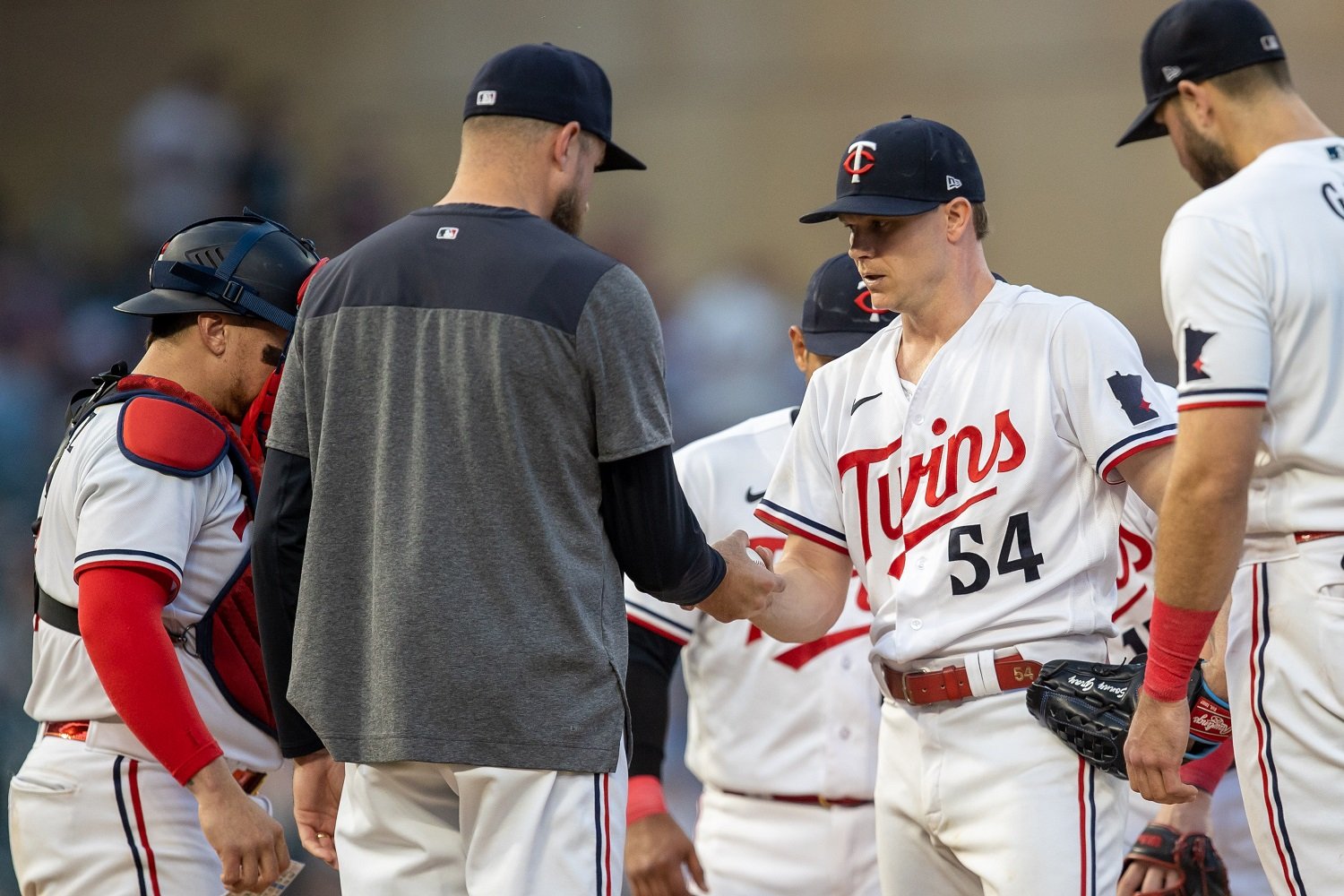 Sonny Gray had a rough outing last Thursday night, even if the box score indicates he only gave up two runs. After escaping a fourth inning in which Gray labored through a single and three ugly walks, having given up only one run, manager Rocco Baldelli pulled the plug. As documented, Gray prefers to stay in games as long as possible. As visible on the Bally Sports North broadcast, the manager and pitcher disagreed. Viewers could see some level of emotion, seemingly from both parties, as they talked it over in the dugout. What does that mean for the relationship between a player and a manager or the team overall? Those who have read my writing, specifically those articles that delve into emotion, relationships, and psychology, will know that I don’t like to assume to understand everything between teammates and coaches in the clubhouse. However, this is an excellent time to examine conflict within a team and what interactions like the one Thursday can mean. When I use the term "Conflict," the definition that I like comes from a 2003 article by Carsten De Dreu and Laurie Weingart (it’s been cited 4,500 times, so apparently, a lot of other people like it too): “a process resulting from the tension between team members because of real or perceived differences.” Conflict as a concept is pretty self-evident, but a definition always helps and serves as a basis for analyzing different types of conflict. One way that conflict can be broken down is into task conflict and relationship conflict. This method of separating types of conflict is generally attributed to a 1995 article by Karen Jehn (cited over 6,000 times). It’s again self-explanatory: task conflict is conflict that arises out of performing tasks, and relationship conflict is conflict that arises out of interpersonal interactions. They’re both the natural result of people working together. Let’s take a look at task conflict first. Task conflict isn’t necessarily a bad thing. A complete lack of task conflict actually indicates issues like a lack of attention or commitment or even something like groupthink. When people work together, they’ll disagree on the best way to do whatever the group wants. For a baseball team, that disagreement can take the form of strategy and approach, for example. Players may have differing views with teammates and coaches about the best way to approach a plate appearance against a specific pitcher or even the right way to play the game (running out a grounder, etc.). If we use our imagination, we can see a disagreement between a hypothetical pitcher wanting to stay in the game for the fifth inning and a hypothetical manager wanting to pull his starter. Hey, I didn’t use names. Those are in your head. In that situation, it’s perfectly reasonable for a disagreement between the two to arise. It’s reasonable to expect a heated discussion. For the most part, there’s nothing wrong with that type of conflict. Opinionated competitors will have competitive opinions, and they’ll discuss them. I’d go so far as to say it’s healthy. Relationship conflict, on the other hand, is seldom healthy. Relationship conflict refers to things like annoyances over other people’s actions, disagreements over non-team-related manners, or lack of trust. It’s again natural because who hasn’t been annoyed by one of their coworker’s simple presence? However, it should be avoided. Within a baseball team, this type of conflict could be related to things like card games gone awry or a teammate eating animal crackers in the hotel bed. They could arise because one teammate is a general nuisance and pain in the tuchus. Relationship conflict can also emerge from task conflict. Let’s consider another hypothetical. Imagine one player, who is a notorious hothead, batting with a runner on second (who would hypothetically later in his career chase a .400 batting average for the Miami Marlins). Imagine that as the batter dug in, he noticed that the runner was not paying attention and was instead facing into the outfield. The two may have some understandable task conflict. The batter believed the runner should pay better attention, and conflict could ensue. However, if that conflict devolves into a shouting match, teammates start taking personal digs at each other, and feelings are hurt, it’s now relationship conflict (not saying that did happen). Relationship conflict isn’t productive. It’s a hindrance to good team functioning. It must be worked through for a team to perform optimally, and it takes time away from more important matters. Even if it sits dormant, it can cause future task conflict to devolve into relationship conflict. So, then, the key is keeping conflict on the task side. Saying things like “You are ugly!” takes players away from their objective—winning games—and refocuses their energy around interpersonal matters. By all accounts, there was visible task conflict in Thursday’s game, but that doesn’t mean there was also relationship conflict. In his postgame comments, Gray was clear in his position; he wants the opportunity to work through trouble and compete, and he understands that, at times, the manager will make decisions that go against those wishes because Baldelli sees it as the best thing to do. By his comments, at least, this seems to be firmly in the differences in beliefs category, and if it’s handled well, both parties can grow from it. Gray even acknowledged that the two likely need to discuss it. So long as it doesn’t become personal, that’s a good thing. On the other hand, if there is conflict bubbling under the surface and one or more parties reach the point that they have active disdain for the other as a person, then you’re talking about trouble. To be frank, you’re probably talking about trouble even before active disdain gets involved. Of course, I want to reiterate that I don’t know the actual status of their relationships. All I know is what a bunch of dry papers and books written by stuffy academics have taught me. So long as the episode between the manager and player avoids getting personal, even if it’s conflict that reappears a few times during the season, it’s not the end of the world.
 -
 Over the offseason, a clear focus for Minnesota Twins decision-makers was improving on depth. With few exceptions, they retained everyone who was not an impending free agent. They brought in veteran depth pieces like Joey Gallo, Kyle Farmer, Michael A. Taylor, Donovan Solano, and several others on minor league contracts. Naturally, part of the rationale for this depth stockpile was to protect against injuries forcing the team to run out anemic lineups reminiscent of the atrocities seen in September 2022. Check out this analysis comparing the depth of this team against the worst-case scenarios of last fall. A second rationale for stockpiling depth was the number of question marks that the organization employed. They had eight potential corner outfielders, nine potential starting pitchers; you get the gist. In football, there’s a saying that “if you have two quarterbacks, you don’t have one.” The same could be said about a baseball team. Even if you run a team that likes to mix it up positionally, if you have five first basemen, you don’t have one to put your trust in. Take the corner outfield situation as an example. Every candidate to occupy the corners had red flags coming into the year. Max Kepler had not hit in two years. Gallo was coming off a year in which he hit .169. Alex Kirilloff and Trevor Larnach both had prospect pedigree, but both had also missed most of the last two years with injury and struggled to find consistency when on the field. Matt Wallner is unproven. Nick Gordon’s second half of 2022 was encouraging, but difficult to fully trust. Willi Castro was a 25-year-old castoff. Kyle Garlick doesn’t hit righties well. There’s not much to hang your hat on in that group. However, with that many candidates, there’s hope that a few will emerge as mainstays. The beginning of 2023 can be treated as a sorting period in which the team can determine which players are here to stay. We’ve passed Memorial Day. There are fewer than 100 games left. The trade deadline is a little over a month away. The true team has to manifest soon, right? To this point, the team has yet to make a truly active decision on the roster. Players like Wallner and Eduoard Julien have gotten some run, Royce Lewis has been added to the active roster, and Brock Stewart has gotten high-leverage work. Jorge Alcala and Jose Miranda are in St. Paul. But no decisions have been made. Instead, to date, except for Miranda and Alcala, injuries have dictated the roster. Even with Alcala, the demotion was related to his recovery from injury. Miranda lost his starting job, yes, but he was the worst hitter on the team and was the victim of a roster crunch when Farmer returned from injury, and he would likely have also been moved to make room for Lewis after his return from injury. You may be reading this and thinking of the fans’ flavor of the week, Wallner, and persona non grata of the week, Kepler. Sure, they qualify, and I wouldn’t be surprised if a Kepler departure is the first domino to fall. However, Gallo will return from injury soon, at which point, even if Kepler is no longer around, the team will need to make a decision between Larnach and Wallner. Larnach has gotten the nod to date, seemingly out of seniority. Either way, it’s challenging to justify stowing MLB talent in AAA for an entire year. It goes deeper than the corner outfielders, though. Kenta Maeda will hopefully return from injury within the month, at which point a decision needs to be made about Louie Varland and perhaps Bailey Ober, who have both pitched like rotation mainstays in Maeda’s absence. Miranda has been heating up in St. Paul, and if the Twins still see him as part of the future, it’s reasonable to look for major league room for him. Julien has also been playing well but has only seen MLB action as a fill-in for Jorge Polanco. There are a plethora of live arms in St. Paul. There are fungible pieces on the MLB bench in Kyle Garlick, Solano, Farmer, and Castro, but Castro has been one of the top players on the team, and Solano and Farmer would need to be traded or released. The only bullpen arms that can be removed from the roster without being waived or traded are Jhoan Duran, Griffin Jax, and Cole Sands. Now that we’re 40% of the way through the season, it’s coming time to make difficult decisions to put the best players on the field. Even with abundant caution taken for injury depth, changes can be made. However, the changes will soon require moves that cannot be taken back. This front office has long shown a propensity for not cutting ways with any value to protect themselves from the injury bug. Sitting on this level of depth for an entire season seems somewhat unreasonable, with so many players at AAA performing well. If injuries don’t force decisions on who will be playing in August and September, eventually, the team will have to make those decisions. Feel free to disregard this if injuries do dictate who plays, though. Let’s hope the decisions are difficult.
- 32 comments
-
- 6
-
-

-
- max kepler
- kenta maeda
- (and 3 more)
-
Call it the Great Sort, the purge, pruning the tree, culling the herd, whatever. It’s got to be coming soon, right? Image courtesy of © David Richard-USA TODAY Sports Over the offseason, a clear focus for Minnesota Twins decision-makers was improving on depth. With few exceptions, they retained everyone who was not an impending free agent. They brought in veteran depth pieces like Joey Gallo, Kyle Farmer, Michael A. Taylor, Donovan Solano, and several others on minor league contracts. Naturally, part of the rationale for this depth stockpile was to protect against injuries forcing the team to run out anemic lineups reminiscent of the atrocities seen in September 2022. Check out this analysis comparing the depth of this team against the worst-case scenarios of last fall. A second rationale for stockpiling depth was the number of question marks that the organization employed. They had eight potential corner outfielders, nine potential starting pitchers; you get the gist. In football, there’s a saying that “if you have two quarterbacks, you don’t have one.” The same could be said about a baseball team. Even if you run a team that likes to mix it up positionally, if you have five first basemen, you don’t have one to put your trust in. Take the corner outfield situation as an example. Every candidate to occupy the corners had red flags coming into the year. Max Kepler had not hit in two years. Gallo was coming off a year in which he hit .169. Alex Kirilloff and Trevor Larnach both had prospect pedigree, but both had also missed most of the last two years with injury and struggled to find consistency when on the field. Matt Wallner is unproven. Nick Gordon’s second half of 2022 was encouraging, but difficult to fully trust. Willi Castro was a 25-year-old castoff. Kyle Garlick doesn’t hit righties well. There’s not much to hang your hat on in that group. However, with that many candidates, there’s hope that a few will emerge as mainstays. The beginning of 2023 can be treated as a sorting period in which the team can determine which players are here to stay. We’ve passed Memorial Day. There are fewer than 100 games left. The trade deadline is a little over a month away. The true team has to manifest soon, right? To this point, the team has yet to make a truly active decision on the roster. Players like Wallner and Eduoard Julien have gotten some run, Royce Lewis has been added to the active roster, and Brock Stewart has gotten high-leverage work. Jorge Alcala and Jose Miranda are in St. Paul. But no decisions have been made. Instead, to date, except for Miranda and Alcala, injuries have dictated the roster. Even with Alcala, the demotion was related to his recovery from injury. Miranda lost his starting job, yes, but he was the worst hitter on the team and was the victim of a roster crunch when Farmer returned from injury, and he would likely have also been moved to make room for Lewis after his return from injury. You may be reading this and thinking of the fans’ flavor of the week, Wallner, and persona non grata of the week, Kepler. Sure, they qualify, and I wouldn’t be surprised if a Kepler departure is the first domino to fall. However, Gallo will return from injury soon, at which point, even if Kepler is no longer around, the team will need to make a decision between Larnach and Wallner. Larnach has gotten the nod to date, seemingly out of seniority. Either way, it’s challenging to justify stowing MLB talent in AAA for an entire year. It goes deeper than the corner outfielders, though. Kenta Maeda will hopefully return from injury within the month, at which point a decision needs to be made about Louie Varland and perhaps Bailey Ober, who have both pitched like rotation mainstays in Maeda’s absence. Miranda has been heating up in St. Paul, and if the Twins still see him as part of the future, it’s reasonable to look for major league room for him. Julien has also been playing well but has only seen MLB action as a fill-in for Jorge Polanco. There are a plethora of live arms in St. Paul. There are fungible pieces on the MLB bench in Kyle Garlick, Solano, Farmer, and Castro, but Castro has been one of the top players on the team, and Solano and Farmer would need to be traded or released. The only bullpen arms that can be removed from the roster without being waived or traded are Jhoan Duran, Griffin Jax, and Cole Sands. Now that we’re 40% of the way through the season, it’s coming time to make difficult decisions to put the best players on the field. Even with abundant caution taken for injury depth, changes can be made. However, the changes will soon require moves that cannot be taken back. This front office has long shown a propensity for not cutting ways with any value to protect themselves from the injury bug. Sitting on this level of depth for an entire season seems somewhat unreasonable, with so many players at AAA performing well. If injuries don’t force decisions on who will be playing in August and September, eventually, the team will have to make those decisions. Feel free to disregard this if injuries do dictate who plays, though. Let’s hope the decisions are difficult. View full article
-
I asked myself before writing this if it's too early, and it probably is. However, I've seen enough people lamenting his loss, and it's a topic I'm interested beyond this one isolated case, so I decided to put pen to paper with it.
-
I wonder about this often as well. On one hand, there's a lot of variability when you're one of the shuttle guys, and you don't get to establish routine or truly prove you've got it. On the other hand, guys on the shuttle are able to spend more time in AAA, where there's more time to work on development rather than performance.
-
It sucks, but sometimes that's the best we have
-
Yennier Cano, an afterthought in the trade that brought Jorge López to Minnesota, has been pitching like an All-Star in Baltimore. Why couldn’t the Twins unlock his stuff? Image courtesy of © Darren Yamashita-USA TODAY Sports The first two months of 2023 may or may not be a fluke for Yennier Cano and Baltimore, but even if they are a fluke, he’s already produced far more than most would have expected over an entire year back when he was a Twin. He’s allowed three runs in 29 innings and carries a 0.59 WHIP. Losing guys like that is an unfortunate part of the game, and it hurts to watch your team’s castaways find success elsewhere. Look no further than other Orioles: Kyle Gibson, Tyler Wells, and Danny Coulombe, for more examples. The Twins have also been the beneficiaries of such processes playing out. Caleb Thielbar was out of baseball before getting a shot in 2020, and he’s been one of their top relievers for four years. Willi Castro, Brock Stewart, and José De León are each off to promising starts in 2023 after not securing MLB contracts this offseason. However, identifying and molding talent into MLB value isn’t an exact science. Let’s use Cano as an example and then tie in some notable other instances of this process in practice. The Yennier Cano Situation No one will, at any point, deny that Yennier Cano had stuff. However, he struggled with his control mightily, even in the minors. His stuff was good enough to succeed, even with an alarming walk rate. When he got his shot with the Twins as a 28-year-old rookie, he did not impress. He gave up 17 hits, 11 walks, and 14 runs in under 14 innings. It’s unfair to judge a pitcher off of 14 innings. Still, a performance like that put him squarely on the St. Paul shuttle with arms like Juan Minaya and Jharel Cotton—guys who would come up to eat meaningless relief innings before returning to AAA. Those shuttle guys weren’t nobodies. They all had fans within the organization who believed they were a tweak away from being a solid bullpen piece. Come the 2022 trade deadline, the Twins brought in three MLB players (Tyler Mahle, Jorge López, Michael Fulmer) and also traded for Sandy León, who was likely to make the big league team. 40-man roster cuts were coming. A handful of guys had to be waived to accommodate the newcomers. When Baltimore showed interest in one of the guys on the chopping block, it made all the sense in the world to include him in the trade. Upon arriving in Baltimore, he still wasn’t impressive, allowing nine runs in 4 1/3 innings. It seemed like a nothing burger. But then, 2023 happened. The primary reason for Cano’s newfound success has been adjusting his arm slot. With this change, the match between the release point and the movement on the pitches is immaculate, and he can better locate from that angle, too. The question that Twins fans likely ask, then, is why he never changed his arm slot with Minnesota. Surely a competent player development system could have done that, right? Player Development As stated earlier, player development isn’t an exact science. It’s pretty chaotic. In any organization, there are dozens of minor leaguers who can feasibly become MLB contributors. Even some who never reached AA at one point had the potential to play on the biggest stage. Sometimes players merely need to refine their skills on their ascent through the system. For others, it’s not so cut and dry. Most players who are talented enough to make AAA can have success in MLB. However, many of those guys don’t need more experience to reach that level; they need adjustments. For Cano, that adjustment was a change in his arm slot. Hindsight is 20-20. Now, we can sit here and say, “Obviously, he needed a change in his arm slot. Why didn’t the Twins try that?” First, they may have tried to change the arm slot but didn’t get it perfect. Second, in the moment, it’s challenging to identify what the issue is. Player development departments are faced with the nigh-on impossible task of correctly identifying each player’s mystery tweak that can vault them into being a major league contributor. Then there’s the challenge of actually implementing that tweak. There’s a good deal of guess-and-check in the process, and it can take weeks or months to determine whether each tweak is successful. Beyond that, there are finite resources in each system. There are only so many hours in a day and so many instructors or coaches at each level. Every player is equal, but some are more equal than others. As a 28-year-old minor league reliever, even with the potential everyone can see, a player like Cano won’t get as much instructional attention as teammates on prospect lists like Jordan Balazovic or Ronny Henriquez, rightly or wrongly. Not only are resources finite in terms of time but each coach or instructor only has so much expertise. Just like no one expects Luis Arraez to hit 40 home runs and maintain a .350 batting average, we can’t expect every coach to be proficient in identifying and implementing every possible tweak. Let’s look at two notorious examples of this in Twins history. Johan Santana We all know of Johan’s greatness, and most of us have heard of the tweak he made in AAA. Edmonton Trappers pitching coach Bobby Cuellar personally taught Johan the circle change that catapulted him to the top pitcher in baseball with the best changeup in baseball. In this case, the player-player development pairing worked as well as anyone could dream. However, we know that Cuellar never again had the same effect on a player. No other player was able to take this specific instruction, make the tweak, and become a legend for it. If it were simply the quality of the coach and instruction that determined the player’s success, the entire organization would have had unhittable changeups. David Ortiz We all also know of Ortiz’s greatness, and we will go to our graves filled with regret that he didn’t have that career in a Twins uniform. After signing with the Red Sox for $1,250,000 in 2003 following his release from Minnesota, he became a superstar. Surely the Twins could have kept him, and he would have been Big Papi in the Metrodome, right? It’s debatable. The version of Papi that became a Bostonian legend was not what the Twins envisioned for him. In his own words, the Twins wanted Ortiz to hit to the other field “like a little b****.” Did the Twins have someone on their staff who could work with Ortiz to hit like he preferred? It’s unlikely, as that hitting style was out of line with organizational philosophy. The hard truth is he probably would have never become all-caps DAVID ORTIZ in Twins pinstripes. Is all of this to say that the Twins should be excused for missing on Cano? Not necessarily. In a vacuum, it’s looking like an ugly miss (though there is plenty of season left for that to change). It’s incredibly frustrating to know he was one tweak from potentially being a bullpen fixture. In the grand scheme of things, though, there are players like Cano that enter and exit organizations constantly. A good organization is able to mold those guys into more Caleb Thielbars than Shaun Andersons, but it’s not an exact science. It takes skill, luck, and timing to identify the right changes and implement them, and it will never be one-size-fits-all. View full article
-
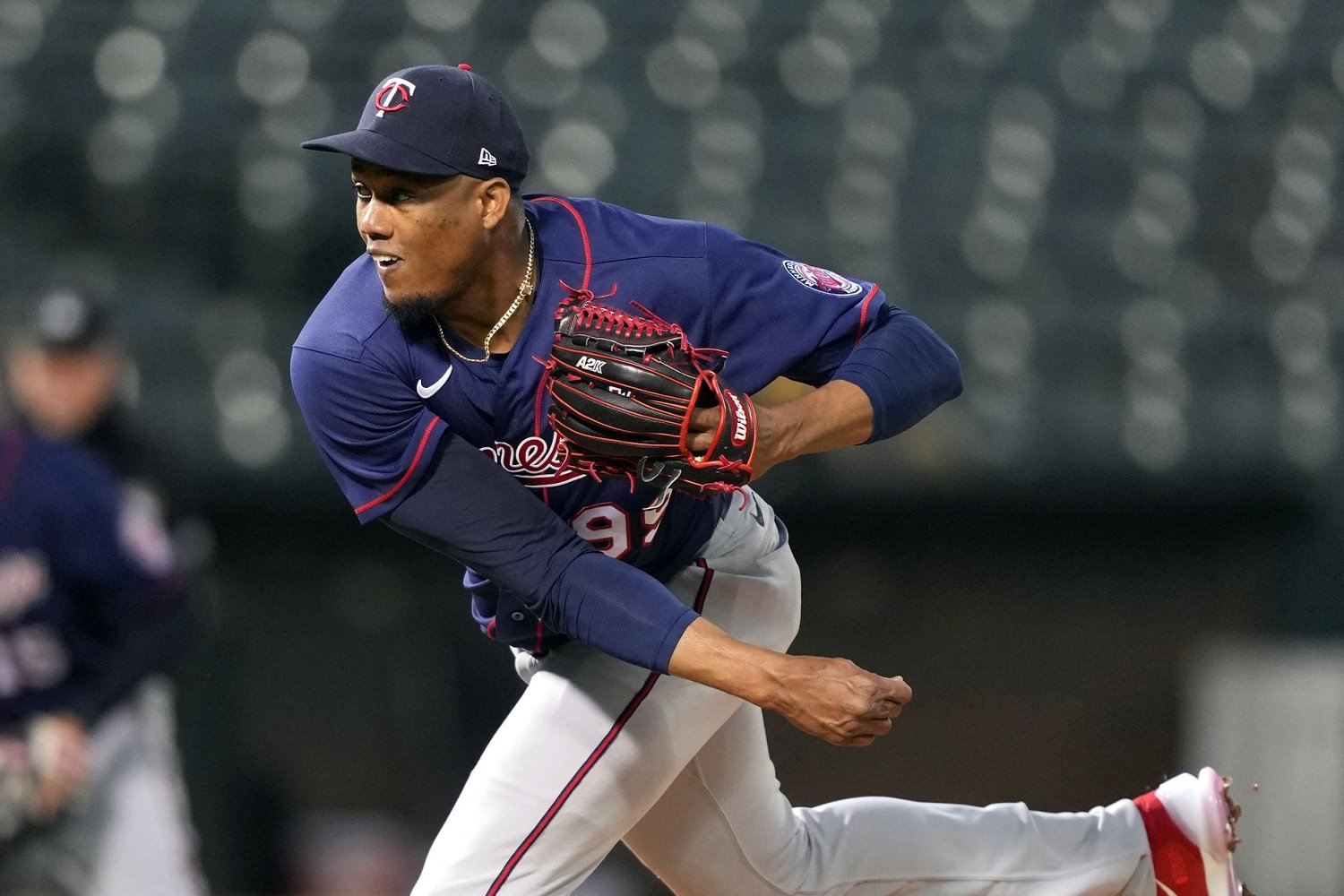 The first two months of 2023 may or may not be a fluke for Yennier Cano and Baltimore, but even if they are a fluke, he’s already produced far more than most would have expected over an entire year back when he was a Twin. He’s allowed three runs in 29 innings and carries a 0.59 WHIP. Losing guys like that is an unfortunate part of the game, and it hurts to watch your team’s castaways find success elsewhere. Look no further than other Orioles: Kyle Gibson, Tyler Wells, and Danny Coulombe, for more examples. The Twins have also been the beneficiaries of such processes playing out. Caleb Thielbar was out of baseball before getting a shot in 2020, and he’s been one of their top relievers for four years. Willi Castro, Brock Stewart, and José De León are each off to promising starts in 2023 after not securing MLB contracts this offseason. However, identifying and molding talent into MLB value isn’t an exact science. Let’s use Cano as an example and then tie in some notable other instances of this process in practice. The Yennier Cano Situation No one will, at any point, deny that Yennier Cano had stuff. However, he struggled with his control mightily, even in the minors. His stuff was good enough to succeed, even with an alarming walk rate. When he got his shot with the Twins as a 28-year-old rookie, he did not impress. He gave up 17 hits, 11 walks, and 14 runs in under 14 innings. It’s unfair to judge a pitcher off of 14 innings. Still, a performance like that put him squarely on the St. Paul shuttle with arms like Juan Minaya and Jharel Cotton—guys who would come up to eat meaningless relief innings before returning to AAA. Those shuttle guys weren’t nobodies. They all had fans within the organization who believed they were a tweak away from being a solid bullpen piece. Come the 2022 trade deadline, the Twins brought in three MLB players (Tyler Mahle, Jorge López, Michael Fulmer) and also traded for Sandy León, who was likely to make the big league team. 40-man roster cuts were coming. A handful of guys had to be waived to accommodate the newcomers. When Baltimore showed interest in one of the guys on the chopping block, it made all the sense in the world to include him in the trade. Upon arriving in Baltimore, he still wasn’t impressive, allowing nine runs in 4 1/3 innings. It seemed like a nothing burger. But then, 2023 happened. The primary reason for Cano’s newfound success has been adjusting his arm slot. With this change, the match between the release point and the movement on the pitches is immaculate, and he can better locate from that angle, too. The question that Twins fans likely ask, then, is why he never changed his arm slot with Minnesota. Surely a competent player development system could have done that, right? Player Development As stated earlier, player development isn’t an exact science. It’s pretty chaotic. In any organization, there are dozens of minor leaguers who can feasibly become MLB contributors. Even some who never reached AA at one point had the potential to play on the biggest stage. Sometimes players merely need to refine their skills on their ascent through the system. For others, it’s not so cut and dry. Most players who are talented enough to make AAA can have success in MLB. However, many of those guys don’t need more experience to reach that level; they need adjustments. For Cano, that adjustment was a change in his arm slot. Hindsight is 20-20. Now, we can sit here and say, “Obviously, he needed a change in his arm slot. Why didn’t the Twins try that?” First, they may have tried to change the arm slot but didn’t get it perfect. Second, in the moment, it’s challenging to identify what the issue is. Player development departments are faced with the nigh-on impossible task of correctly identifying each player’s mystery tweak that can vault them into being a major league contributor. Then there’s the challenge of actually implementing that tweak. There’s a good deal of guess-and-check in the process, and it can take weeks or months to determine whether each tweak is successful. Beyond that, there are finite resources in each system. There are only so many hours in a day and so many instructors or coaches at each level. Every player is equal, but some are more equal than others. As a 28-year-old minor league reliever, even with the potential everyone can see, a player like Cano won’t get as much instructional attention as teammates on prospect lists like Jordan Balazovic or Ronny Henriquez, rightly or wrongly. Not only are resources finite in terms of time but each coach or instructor only has so much expertise. Just like no one expects Luis Arraez to hit 40 home runs and maintain a .350 batting average, we can’t expect every coach to be proficient in identifying and implementing every possible tweak. Let’s look at two notorious examples of this in Twins history. Johan Santana We all know of Johan’s greatness, and most of us have heard of the tweak he made in AAA. Edmonton Trappers pitching coach Bobby Cuellar personally taught Johan the circle change that catapulted him to the top pitcher in baseball with the best changeup in baseball. In this case, the player-player development pairing worked as well as anyone could dream. However, we know that Cuellar never again had the same effect on a player. No other player was able to take this specific instruction, make the tweak, and become a legend for it. If it were simply the quality of the coach and instruction that determined the player’s success, the entire organization would have had unhittable changeups. David Ortiz We all also know of Ortiz’s greatness, and we will go to our graves filled with regret that he didn’t have that career in a Twins uniform. After signing with the Red Sox for $1,250,000 in 2003 following his release from Minnesota, he became a superstar. Surely the Twins could have kept him, and he would have been Big Papi in the Metrodome, right? It’s debatable. The version of Papi that became a Bostonian legend was not what the Twins envisioned for him. In his own words, the Twins wanted Ortiz to hit to the other field “like a little b****.” Did the Twins have someone on their staff who could work with Ortiz to hit like he preferred? It’s unlikely, as that hitting style was out of line with organizational philosophy. The hard truth is he probably would have never become all-caps DAVID ORTIZ in Twins pinstripes. Is all of this to say that the Twins should be excused for missing on Cano? Not necessarily. In a vacuum, it’s looking like an ugly miss (though there is plenty of season left for that to change). It’s incredibly frustrating to know he was one tweak from potentially being a bullpen fixture. In the grand scheme of things, though, there are players like Cano that enter and exit organizations constantly. A good organization is able to mold those guys into more Caleb Thielbars than Shaun Andersons, but it’s not an exact science. It takes skill, luck, and timing to identify the right changes and implement them, and it will never be one-size-fits-all.
 -
Stop me if you’ve heard this one before: a Twins reliever slated for a late-inning role has underperformed, and some are saying that his underlying numbers mean he’s actually better than he appears. Image courtesy of © Nick Wosika-USA TODAY Sports Fans witnessing the struggles of Griffin Jax in 2023 might be fighting off memories of 2022 Emilio Pagán. Both pitchers have been disappointing, yet the analytics wonks still claim they’re good. However, when those wonks start talking about their underlying numbers, they’re really talking about separate concepts between the two pitchers. Jax’s numbers are far more encouraging than Pagán’s are or were. Without referencing a single number or statistic, I will walk through how “Trust the numbers” differs between the two. Instead, I will just talk baseball to contrast them for the skeptics out there. Let’s start with Pagán. Mostly, when people talk about Pagán’s underlying metrics, they’re talking about the quality of his pitches. He throws with good velocity, and his pitches have a lot of break. Because his pitches are somewhere between good and nasty, he can get a lot of swings and misses—in theory—and swings and misses mean strikeouts: the most surefire way of recording an out. Pagán’s issue, though, is that a few times a game, a pitch doesn’t break the way he wants it to, and it often results in home runs: the most surefire way of recording a run. He will also miss the plate more often than a late-inning reliever should. So, when Pagán’s underlying metrics are discussed and people have hope that there is a lights-out reliever hiding somewhere inside of him, what they’re counting on is for his ability to be harnessed. In a vacuum, he has the tools to be a great reliever based on his pitches. The issue for the team and the pitcher is channeling those pitches not to give up 400-foot homers or issue bases-loaded walks. Jax, on the other hand, has other stats highlighted. Sure, many talk about the quality of his pitches, especially his fastball and slider. However, the primary topic when discussing his stats this year are the quality of his batted balls. Pitchers who give up hard contact are likelier to struggle than pitchers who give up weak contact. Ask Greg Maddux next time you see him. You can still be a good pitcher giving up a lot of hard contact, but it’s much easier to record outs on slow rollers to second base than line drives hit over the second baseman. Much of the contact made off of Jax’s pitches this season has been soft. However, he’s still giving up a lot of runs. Now, he hasn’t been perfect, and he’s given up some hard-hit balls and walked too many opponents, so he can’t be absolved of all of his performance. Nonetheless, he’s been largely successful at preventing hard contact. For some reason, though, a lot of that soft contact is being converted into hits. The nerds and their spreadsheets would be led to believe that over the course of an entire season, those softly-hit balls would be converted into outs far more often than they have been to this point. Of course, the human element is also at play here, as seeing all of those runs being scored on his watch may discourage him, regardless of the expected result. Furthermore, he simply needs to strike more guys out and take luck and fielding out of the equation. Still, believers can hold on to the idea that, more often than not, he will come across outs on balls in play than he has so far this season. If he could strike more batters out, that would also be helpful, but that’s a discussion for another time. In both of these cases, analysts may claim that “his underlying numbers are better than his performance,” but the meaning differs based on which player is being discussed. For Pagán, it means “He throws great pitches, and if the coaches can mold him into leaving fewer balls over the middle of the plate, he can be good.” For Jax, though, it means “If he keeps doing what he’s doing right now, things should start breaking his way. Neither may actually be true in practice, but the numbers are dreaming big on Pagán. They’re reassuring for Jax. There, see, no numbers and no stats, just baseball. I even refrained from using the number 95 when describing Pagán’s fastball velocity because I keep my promises. View full article
-
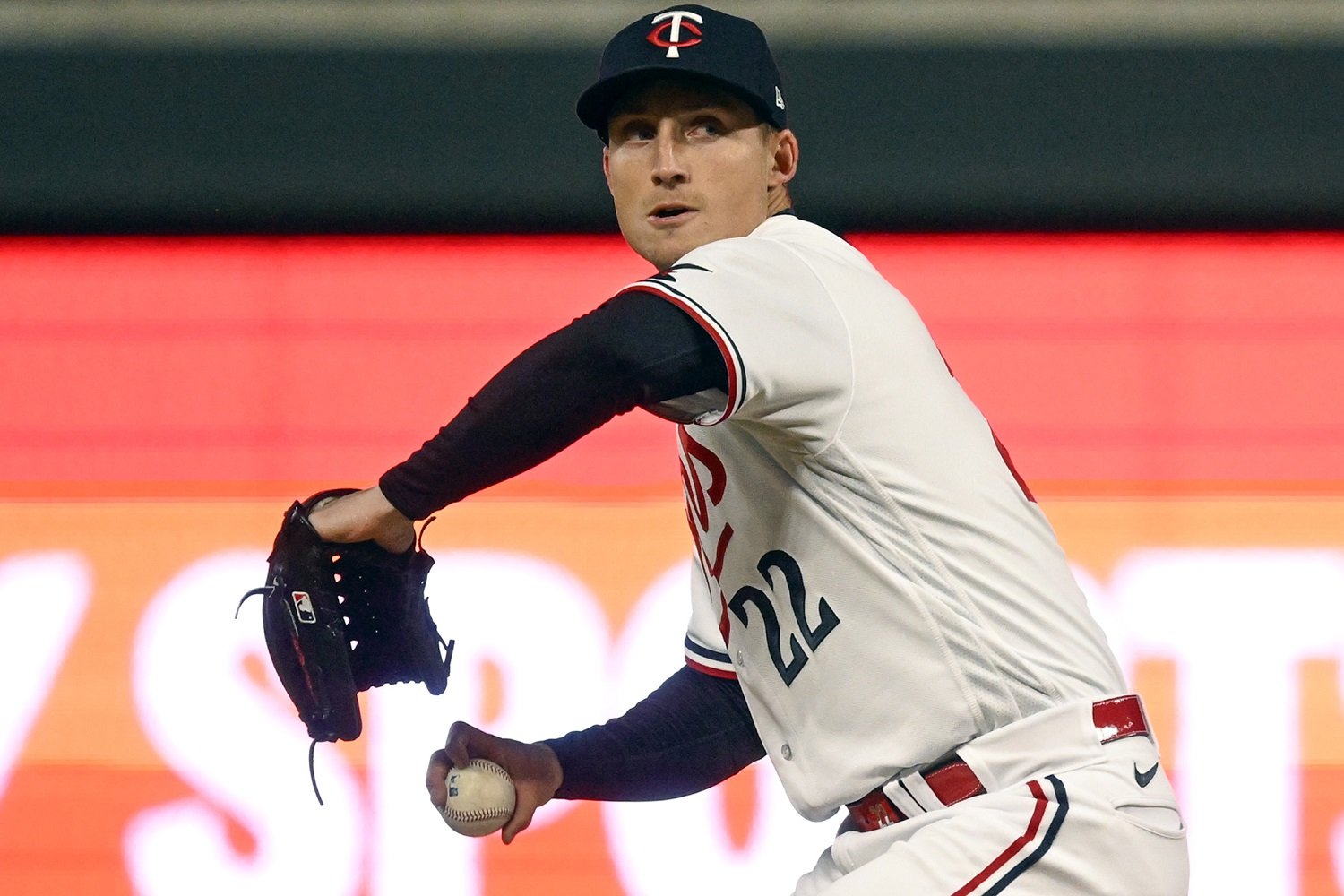 Fans witnessing the struggles of Griffin Jax in 2023 might be fighting off memories of 2022 Emilio Pagán. Both pitchers have been disappointing, yet the analytics wonks still claim they’re good. However, when those wonks start talking about their underlying numbers, they’re really talking about separate concepts between the two pitchers. Jax’s numbers are far more encouraging than Pagán’s are or were. Without referencing a single number or statistic, I will walk through how “Trust the numbers” differs between the two. Instead, I will just talk baseball to contrast them for the skeptics out there. Let’s start with Pagán. Mostly, when people talk about Pagán’s underlying metrics, they’re talking about the quality of his pitches. He throws with good velocity, and his pitches have a lot of break. Because his pitches are somewhere between good and nasty, he can get a lot of swings and misses—in theory—and swings and misses mean strikeouts: the most surefire way of recording an out. Pagán’s issue, though, is that a few times a game, a pitch doesn’t break the way he wants it to, and it often results in home runs: the most surefire way of recording a run. He will also miss the plate more often than a late-inning reliever should. So, when Pagán’s underlying metrics are discussed and people have hope that there is a lights-out reliever hiding somewhere inside of him, what they’re counting on is for his ability to be harnessed. In a vacuum, he has the tools to be a great reliever based on his pitches. The issue for the team and the pitcher is channeling those pitches not to give up 400-foot homers or issue bases-loaded walks. Jax, on the other hand, has other stats highlighted. Sure, many talk about the quality of his pitches, especially his fastball and slider. However, the primary topic when discussing his stats this year are the quality of his batted balls. Pitchers who give up hard contact are likelier to struggle than pitchers who give up weak contact. Ask Greg Maddux next time you see him. You can still be a good pitcher giving up a lot of hard contact, but it’s much easier to record outs on slow rollers to second base than line drives hit over the second baseman. Much of the contact made off of Jax’s pitches this season has been soft. However, he’s still giving up a lot of runs. Now, he hasn’t been perfect, and he’s given up some hard-hit balls and walked too many opponents, so he can’t be absolved of all of his performance. Nonetheless, he’s been largely successful at preventing hard contact. For some reason, though, a lot of that soft contact is being converted into hits. The nerds and their spreadsheets would be led to believe that over the course of an entire season, those softly-hit balls would be converted into outs far more often than they have been to this point. Of course, the human element is also at play here, as seeing all of those runs being scored on his watch may discourage him, regardless of the expected result. Furthermore, he simply needs to strike more guys out and take luck and fielding out of the equation. Still, believers can hold on to the idea that, more often than not, he will come across outs on balls in play than he has so far this season. If he could strike more batters out, that would also be helpful, but that’s a discussion for another time. In both of these cases, analysts may claim that “his underlying numbers are better than his performance,” but the meaning differs based on which player is being discussed. For Pagán, it means “He throws great pitches, and if the coaches can mold him into leaving fewer balls over the middle of the plate, he can be good.” For Jax, though, it means “If he keeps doing what he’s doing right now, things should start breaking his way. Neither may actually be true in practice, but the numbers are dreaming big on Pagán. They’re reassuring for Jax. There, see, no numbers and no stats, just baseball. I even refrained from using the number 95 when describing Pagán’s fastball velocity because I keep my promises.
 -
You're Wrong to Not Like Max Kepler
Greggory Masterson replied to Greggory Masterson's topic in Twins Daily Front Page News
I just went through the rosters of every team with a winning record. I may be forgetting about some injured players, but based on the current rosters, their performance, and my quick judgement, Kepler would reasonably have a valuable spot on the following teams: Dodgers Diamondbacks Brewers Angels* Astros Jays* Rays* *probably better suited as a platoon 4th outfielder -
You're Wrong to Not Like Max Kepler
Greggory Masterson replied to Greggory Masterson's topic in Twins Daily Front Page News
To be frank, I'm in the same position. I've been hoping that the youth would come up to replace him for three years now, but until then, I don't see them moving him, nor does it make sense for him to be moved. -
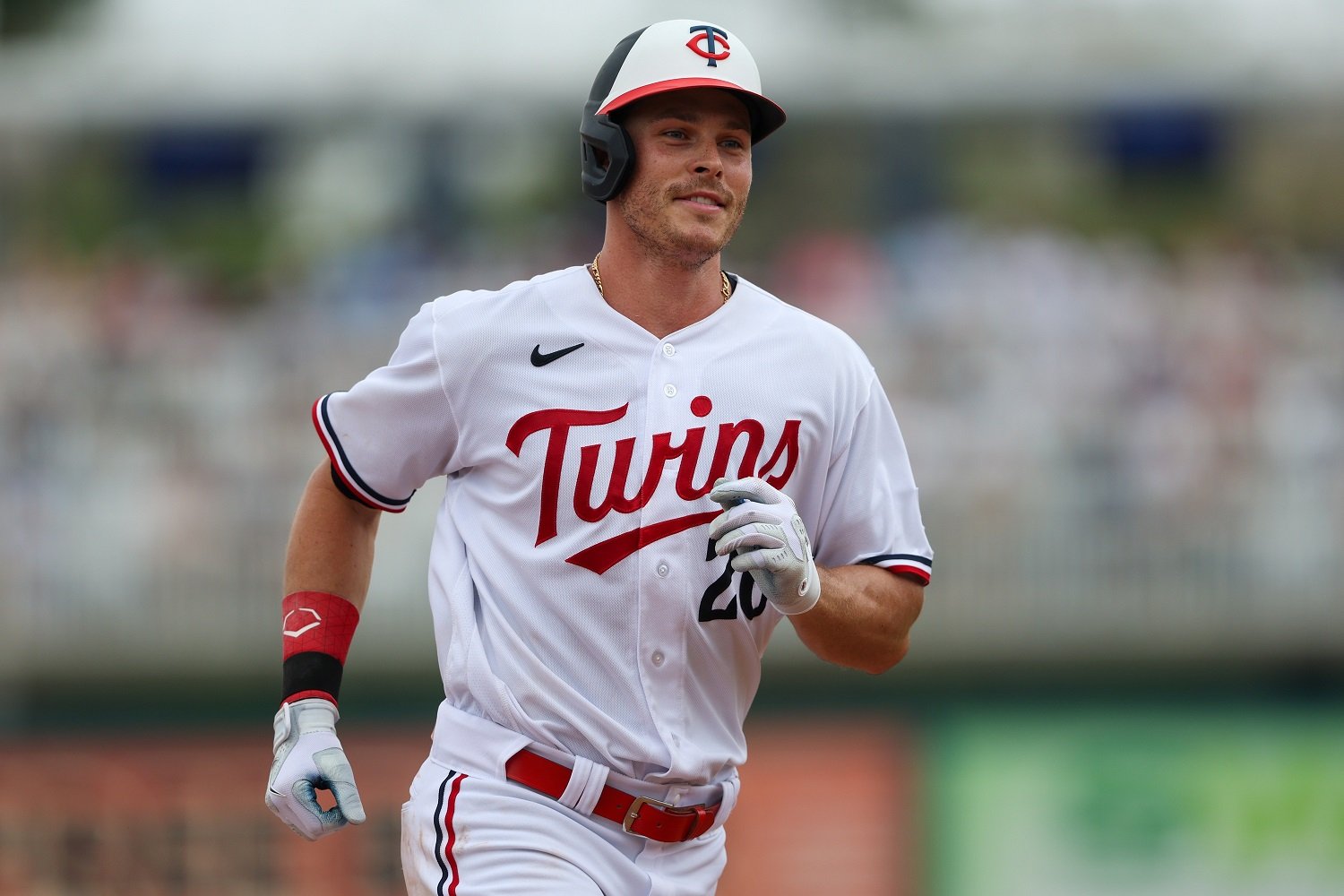 You’re not alone if you are firmly in the anti-Max Kepler camp, and no Twins Daily article can convince you to love him. Instead, read this as assurance that the Twins can get something of value for him. The current regime does not part with assets for no return. They may hold on to them for too long, but if they have value, they won’t be salary dumped. Kepler could fit into both groups, depending on your outlook. After a terrific 2019 campaign, in which he smacked 36 home runs with an OPS+ of 123 (23% better than the average hitter) as a 26-year-old, he had suiters. The Twins didn’t bite and retained him on a team-friendly extension. Since then, the Twins and Kepler have been chasing a high, hoping he can put together another year like 2019. He has shown flashes. In 2022, before a May 28th leg injury, he slashed .247/.353/.425, hitting 26% better than the average player. He trod water until late July when he suffered a fractured toe, which he fought through to a tune of .178/.239/.228, 68% below average. Still, on the year, he was merely a slightly below-average hitter. A slightly below-average hitter is nothing to be excited about, but that’s who Kepler has been almost his entire career. It’s somewhat befuddling, as he is, by and large, the same hitter in 2023 as a 23-year-old in 2016. It’s part of fans’ frustration with him—he seems to have not developed over his eight-year career. Why is he valuable, then? His defense, for one. He plays a terrific right field. He’s 8th across MLB in Outs Above Average (OAA) among all outfielders since 2020. That stat is remarkable because scoring well as a corner outfielder is more difficult than a centerfielder. And runs saved are runs saved. He has range and an arm and can cover centerfield in a pinch. He’s a solid centerfielder but prefers to stay in the corner. He can be considered a solid regular as an almost-average hitter with an elite defense. He’s averaged more than 2.0 WAR over the last three seasons via both FanGraphs and Baseball Reference. That number is generally taken as meaning solid regular. Is that what fans had hoped for after his 2019 campaign? Nope. Is it valuable? Yup. Pair this value with his contract—it pays him $8.5 million this year with a $10 million option for next year. It’s frankly a bargain, given his production. Andrew Benintendi, another corner outfielder worth approximately the same value since 2020, was given a five-year, $75 million contract, good for $15 million a year until 2027. Nonetheless, the context matters here. Many of the Twins’ most exciting prospects or recently-graduated prospects are left-handed corner outfielders—Alex Kirilloff, Trevor Larnach, Matt Wallner, and even Edouard Julien, if you’re feeling frisky. The presence of Kepler blocks those players. Although it is fun to dream on those young hitters, none are a guarantee. Kirilloff, quite famously, is coming off of his second major wrist surgery to repair an injury that has decimated his performance at the plate and could potentially flare up again. Larnach has also dealt with several injuries and has been a below-average hitter and worse defender than Kepler across 603 MLB plate appearances. Wallner and Julien have been acceptable in their minimal time, but that’s not necessarily indicative of future performance. It’s very reasonable to look at that information and come to a conclusion that the drop-off, if there is one, between those prospects and Kepler can’t be too drastic, given Kepler’s moderate ceiling. At the same time, there is value in known commodities, which Kepler is at this point in his career. He’s off to a solid start in 2023, despite his early struggles. An average hitter with great corner defense isn’t someone to build your lineup around, but it’s not a weakness. That statement is said with full knowledge that Kepler has served as the primary leadoff hitter in 2023 against righties. It’s one of the more frustrating parts of the situation. If he were hitting seventh, he probably wouldn’t have more fans, but he would have fewer detractors. Let’s do a mental exercise. Imagine you were a GM and had never heard of Max Kepler. If he were described as an average hitter with 20 homer pop and an average on-base percentage, a potential Gold Glove right fielder who can play center when needed, and he cost $10 million, would your ears perk up? Maybe. It depends on your circumstances. He won’t be appetizing for a Padres team with Fernando Tatís Jr. and Juan Soto in their corner spots. On the other hand, a Yankees team that’s running out Willie Calhoun and Franchy Cordero is probably interested to some degree, even when their injured regulars return. Kepler fits the bill of a perfect fourth outfielder. Your opinion on his fit with the Twins probably lies in whether you see some combination of Nick Gordon, Joey Gallo, Kirilloff, Larnach, Wallner, and maybe Julien, Royce Lewis, and Kyle Garlick as being closer to Tatis-Soto or to Calhoun-Cordero. It’s really not as fun to say, “he’s an asset that a winning team can make use of,” as it is to say, “he’s a bum,” or “he’s a misunderstood genius,” but that’s where this lands.
 -
You're Wrong to Not Like Max Kepler
Greggory Masterson posted a topic in Twins Daily Front Page News
He may not have lived up to your expectations, he may be blocking your favorite player, and he may bat too far up in the lineup, but he helps teams win games. You’re not alone if you are firmly in the anti-Max Kepler camp, and no Twins Daily article can convince you to love him. Instead, read this as assurance that the Twins can get something of value for him. The current regime does not part with assets for no return. They may hold on to them for too long, but if they have value, they won’t be salary dumped. Kepler could fit into both groups, depending on your outlook. After a terrific 2019 campaign, in which he smacked 36 home runs with an OPS+ of 123 (23% better than the average hitter) as a 26-year-old, he had suiters. The Twins didn’t bite and retained him on a team-friendly extension. Since then, the Twins and Kepler have been chasing a high, hoping he can put together another year like 2019. He has shown flashes. In 2022, before a May 28th leg injury, he slashed .247/.353/.425, hitting 26% better than the average player. He trod water until late July when he suffered a fractured toe, which he fought through to a tune of .178/.239/.228, 68% below average. Still, on the year, he was merely a slightly below-average hitter. A slightly below-average hitter is nothing to be excited about, but that’s who Kepler has been almost his entire career. It’s somewhat befuddling, as he is, by and large, the same hitter in 2023 as a 23-year-old in 2016. It’s part of fans’ frustration with him—he seems to have not developed over his eight-year career. Why is he valuable, then? His defense, for one. He plays a terrific right field. He’s 8th across MLB in Outs Above Average (OAA) among all outfielders since 2020. That stat is remarkable because scoring well as a corner outfielder is more difficult than a centerfielder. And runs saved are runs saved. He has range and an arm and can cover centerfield in a pinch. He’s a solid centerfielder but prefers to stay in the corner. He can be considered a solid regular as an almost-average hitter with an elite defense. He’s averaged more than 2.0 WAR over the last three seasons via both FanGraphs and Baseball Reference. That number is generally taken as meaning solid regular. Is that what fans had hoped for after his 2019 campaign? Nope. Is it valuable? Yup. Pair this value with his contract—it pays him $8.5 million this year with a $10 million option for next year. It’s frankly a bargain, given his production. Andrew Benintendi, another corner outfielder worth approximately the same value since 2020, was given a five-year, $75 million contract, good for $15 million a year until 2027. Nonetheless, the context matters here. Many of the Twins’ most exciting prospects or recently-graduated prospects are left-handed corner outfielders—Alex Kirilloff, Trevor Larnach, Matt Wallner, and even Edouard Julien, if you’re feeling frisky. The presence of Kepler blocks those players. Although it is fun to dream on those young hitters, none are a guarantee. Kirilloff, quite famously, is coming off of his second major wrist surgery to repair an injury that has decimated his performance at the plate and could potentially flare up again. Larnach has also dealt with several injuries and has been a below-average hitter and worse defender than Kepler across 603 MLB plate appearances. Wallner and Julien have been acceptable in their minimal time, but that’s not necessarily indicative of future performance. It’s very reasonable to look at that information and come to a conclusion that the drop-off, if there is one, between those prospects and Kepler can’t be too drastic, given Kepler’s moderate ceiling. At the same time, there is value in known commodities, which Kepler is at this point in his career. He’s off to a solid start in 2023, despite his early struggles. An average hitter with great corner defense isn’t someone to build your lineup around, but it’s not a weakness. That statement is said with full knowledge that Kepler has served as the primary leadoff hitter in 2023 against righties. It’s one of the more frustrating parts of the situation. If he were hitting seventh, he probably wouldn’t have more fans, but he would have fewer detractors. Let’s do a mental exercise. Imagine you were a GM and had never heard of Max Kepler. If he were described as an average hitter with 20 homer pop and an average on-base percentage, a potential Gold Glove right fielder who can play center when needed, and he cost $10 million, would your ears perk up? Maybe. It depends on your circumstances. He won’t be appetizing for a Padres team with Fernando Tatís Jr. and Juan Soto in their corner spots. On the other hand, a Yankees team that’s running out Willie Calhoun and Franchy Cordero is probably interested to some degree, even when their injured regulars return. Kepler fits the bill of a perfect fourth outfielder. Your opinion on his fit with the Twins probably lies in whether you see some combination of Nick Gordon, Joey Gallo, Kirilloff, Larnach, Wallner, and maybe Julien, Royce Lewis, and Kyle Garlick as being closer to Tatis-Soto or to Calhoun-Cordero. It’s really not as fun to say, “he’s an asset that a winning team can make use of,” as it is to say, “he’s a bum,” or “he’s a misunderstood genius,” but that’s where this lands. View full article -
He's off today
-
Your minutes might not return, but hopefully Kirilloff does.
-
 “We need guidance; we’ve been misled—young and hostile, but not stupid.” – Tom DeLonge Fans have been looking forward to Alex Kirilloff ’s return since his most recent season-ending trip to the injured list. The 25-year-old former top 25 prospect has had a rocky beginning to his MLB career. He got off to a great start in 2021, appearing ready to live up to the hype surrounding him before a wrist injury in May 2021. Since then, he’s undergone two surgeries and has looked questionable in limited MLB time. Through 104 MLB games, he’s been inconsistent, with some highs but a 94 OPS+ overall, at times losing the ability to hit the ball with any authority. He, the Twins, and fans hope those days are behind him following surgery to shorten his ulna bone to give his wrist more room to operate. Early results have been promising, as he has hit three home runs with a .391 batting average and a 1.326 OPS at AAA. His rehab assignment—limited to 20 days—ends on Monday, May 1 (Mayday! Mayday!). Given this information, it’s easy to believe he will be on the big league team soon. However, signs are pointing elsewhere. Why would a player crushing the ball in AAA and at the end of his rehab stint not be moments from donning an MLB jersey? Club officials have been characteristically tight-lipped about Kirilloff’s timetable. Little is truly known for sure about the situation. Still, Aaron Gleeman of the Athletic reported that many in the organization believe he will be optioned to AAA at the end of his rehab assignment to give him more time. This development is abnormal. If he’s healthy enough to play at AAA, he should be healthy enough to play in MLB. If he’s crushing AAA, he should be ready to step into an MLB lineup and at least hit well enough to get regular time. Even if he didn’t have a standard spring training, hitting on the backfields in Ft. Myers and getting a full three weeks of minor league baseball should be enough, right? Well, therein lies the problem. Kirilloff has not had a full three weeks in the minors. At the time of this article’s writing, he has played back-to-back days only twice—April 15th and 16th, then again on April 20th and 21st. He has played 10 games in 16 days and only finished the most recent three on the field. The Twins are slow-playing his return. There’s really no telling what’s going on with him or how soon we’ll see him. We need to be prepared for him not to show up next week. There’s where the speculation starts. As fans, we’re only privy to what we are told. For the rest, we speculate. Three fans could read the above information and jump to three different conclusions. Maybe he’s not healthy enough to play more than three or four times per week. Maybe the Twins aren’t pushing him as hard as they need to. Maybe they plan on keeping him down long enough that he won’t hit arbitration this year as an edict from Cheap Pohlad. Then the takes get fired. He needs to be up ASAP because the lineup needs him, and his on-field results indicate he’s healthy. He can play every other day in the majors. He needs to learn to play through pain. His wrist is cooked if he can’t play every day yet. Cheap Pohlad needs to sell the team. Daddy Rest is keeping secrets, so he might not even have a wrist. Nelson Cruz was fine without a wrist. The Twins should have DFAed him. Obviously, the team could be more forthcoming (see Jamie Cameron’s suggestions for better communication). A note in the Athletic and a bunch of box scores can’t provide fans with all the information they crave, and we make our own stories in the absence of information. Heck, in the presence of information, we still make our own stories. Injuries, though, are challenging to communicate about. Naturally, there are privacy concerns. Beyond that, though, is the general uncertainty and nonlinearity of recovery times. There are timetables, but they’re more suggestions than rules. Kirilloff’s situation is even more nebulous, given the lack of precedent for his surgery and the length of time he’s been working to get back—we’re coming up on two whole years since his injury. But still, we want to know what’s going on. We want to be able to evaluate and critique the move. We want to have a plan and to know what to expect. We hate the unknown. I don’t have answers. You don’t have answers. Derek Falvey, Thad Levine, and Rocco Baldelli don’t have answers. Nick Paparesta probably doesn’t have the answers. But we want so deeply to know what’s going on so that we can have an opinion on it or just sleep a little better at night. Do we really need to have an opinion on it, though? Sure, speculation is fun. Certainty is comforting. Speculating yourself into a sense of certainty checks both of those boxes. But what good does that do? I don’t mean to preach—you can handle the information given to you however you want; it’s the fun of sports. I’ve just reached the point where I don’t pay much attention to injury updates. Let me know when he (whether that be Kirilloff, Royce Lewis, Chris Paddack, or Matt Canterino) makes it back to the majors. Until then, I’ll watch and analyze the game on the field. There are simply better things to critique the Twins’ management over than a cloudy injury recovery whose shadows we watch on the wall of Plato’s Cave. We don’t need to worry ourselves sick about the unknown when we could instead be arguing about who deserves the seventh spot in the bullpen—which is much more fun. Get back soon, Alex. And rake.
 -
The long-awaited return of Alex Kirilloff is nearly upon us - but it also may be further away than we hope. We don’t have all the information. It’s something we have to deal with. Image courtesy of © David Richard-USA TODAY Sports “We need guidance; we’ve been misled—young and hostile, but not stupid.” – Tom DeLonge Fans have been looking forward to Alex Kirilloff ’s return since his most recent season-ending trip to the injured list. The 25-year-old former top 25 prospect has had a rocky beginning to his MLB career. He got off to a great start in 2021, appearing ready to live up to the hype surrounding him before a wrist injury in May 2021. Since then, he’s undergone two surgeries and has looked questionable in limited MLB time. Through 104 MLB games, he’s been inconsistent, with some highs but a 94 OPS+ overall, at times losing the ability to hit the ball with any authority. He, the Twins, and fans hope those days are behind him following surgery to shorten his ulna bone to give his wrist more room to operate. Early results have been promising, as he has hit three home runs with a .391 batting average and a 1.326 OPS at AAA. His rehab assignment—limited to 20 days—ends on Monday, May 1 (Mayday! Mayday!). Given this information, it’s easy to believe he will be on the big league team soon. However, signs are pointing elsewhere. Why would a player crushing the ball in AAA and at the end of his rehab stint not be moments from donning an MLB jersey? Club officials have been characteristically tight-lipped about Kirilloff’s timetable. Little is truly known for sure about the situation. Still, Aaron Gleeman of the Athletic reported that many in the organization believe he will be optioned to AAA at the end of his rehab assignment to give him more time. This development is abnormal. If he’s healthy enough to play at AAA, he should be healthy enough to play in MLB. If he’s crushing AAA, he should be ready to step into an MLB lineup and at least hit well enough to get regular time. Even if he didn’t have a standard spring training, hitting on the backfields in Ft. Myers and getting a full three weeks of minor league baseball should be enough, right? Well, therein lies the problem. Kirilloff has not had a full three weeks in the minors. At the time of this article’s writing, he has played back-to-back days only twice—April 15th and 16th, then again on April 20th and 21st. He has played 10 games in 16 days and only finished the most recent three on the field. The Twins are slow-playing his return. There’s really no telling what’s going on with him or how soon we’ll see him. We need to be prepared for him not to show up next week. There’s where the speculation starts. As fans, we’re only privy to what we are told. For the rest, we speculate. Three fans could read the above information and jump to three different conclusions. Maybe he’s not healthy enough to play more than three or four times per week. Maybe the Twins aren’t pushing him as hard as they need to. Maybe they plan on keeping him down long enough that he won’t hit arbitration this year as an edict from Cheap Pohlad. Then the takes get fired. He needs to be up ASAP because the lineup needs him, and his on-field results indicate he’s healthy. He can play every other day in the majors. He needs to learn to play through pain. His wrist is cooked if he can’t play every day yet. Cheap Pohlad needs to sell the team. Daddy Rest is keeping secrets, so he might not even have a wrist. Nelson Cruz was fine without a wrist. The Twins should have DFAed him. Obviously, the team could be more forthcoming (see Jamie Cameron’s suggestions for better communication). A note in the Athletic and a bunch of box scores can’t provide fans with all the information they crave, and we make our own stories in the absence of information. Heck, in the presence of information, we still make our own stories. Injuries, though, are challenging to communicate about. Naturally, there are privacy concerns. Beyond that, though, is the general uncertainty and nonlinearity of recovery times. There are timetables, but they’re more suggestions than rules. Kirilloff’s situation is even more nebulous, given the lack of precedent for his surgery and the length of time he’s been working to get back—we’re coming up on two whole years since his injury. But still, we want to know what’s going on. We want to be able to evaluate and critique the move. We want to have a plan and to know what to expect. We hate the unknown. I don’t have answers. You don’t have answers. Derek Falvey, Thad Levine, and Rocco Baldelli don’t have answers. Nick Paparesta probably doesn’t have the answers. But we want so deeply to know what’s going on so that we can have an opinion on it or just sleep a little better at night. Do we really need to have an opinion on it, though? Sure, speculation is fun. Certainty is comforting. Speculating yourself into a sense of certainty checks both of those boxes. But what good does that do? I don’t mean to preach—you can handle the information given to you however you want; it’s the fun of sports. I’ve just reached the point where I don’t pay much attention to injury updates. Let me know when he (whether that be Kirilloff, Royce Lewis, Chris Paddack, or Matt Canterino) makes it back to the majors. Until then, I’ll watch and analyze the game on the field. There are simply better things to critique the Twins’ management over than a cloudy injury recovery whose shadows we watch on the wall of Plato’s Cave. We don’t need to worry ourselves sick about the unknown when we could instead be arguing about who deserves the seventh spot in the bullpen—which is much more fun. Get back soon, Alex. And rake. View full article
