



Parker Hageman
-
Posts
4,152 -
Joined
-
Last visited
-
Days Won
6
Content Type
Profiles
News
Minnesota Twins Videos
2026 Minnesota Twins Top Prospects Ranking
2022 Minnesota Twins Draft Picks
Minnesota Twins Free Agent & Trade Rumors, Notes, & Tidbits
Guides & Resources
2023 Minnesota Twins Draft Picks
The Minnesota Twins Players Project
2024 Minnesota Twins Draft Picks
2025 Minnesota Twins Draft Pick Tracker
2026 Minnesota Twins Draft Tracker: Picks & Bonuses
Forums
Blogs
Events
Store
Downloads
Gallery
Everything posted by Parker Hageman
-
 Those might be factored in somewhat but, ultimately, his swing from the minors to the major is different: http://i.imgur.com/AoaBdR0.gif http://i.imgur.com/4IOzAsG.gif As such, the results are going to be different. Maybe I'm taking exception to the label of "great" considering Arcia is in the lineup with Joe Mauer and if Arcia has a "great" swing, where are we classifying Mauer's? Bottom line is I agree that Arcia has the ability to put a charge into the ball. The swing/mechanics need polishing. The Twins were hip to that last year and he made strides. Once those adjustments are made Arcia will find plenty of success.
 -
I don't know if it is a "great" swing but it has power. This past September when everyone stopped caring about Twins baseball, I looked at his swing and the changes he's been trying to make: http://twinsdaily.com/_/minnesota-twins-news/minnesota-twins/twins-trying-to-make-oswaldo-arcia-a-complete-hitter-r3045 But there's more: http://twinsdaily.com/_/minnesota-twins-news/minnesota-twins/oswaldo-arcia-and-crushing-in-august-r3001 I'm hoping he develops to his potential but there are flaws in his mechanics that have hindered him.
-
Yes. The outfield defense definitely needs work. I like what Molitor said about his defense during the winter meeting:
-
Certainly not a lot of players who have multi-year contracts. I don't know what constitutes "established" but players like the Cubs' Junior Lake (580 MLB PA over last two seasons) go to play -- those that may need to work on a couple of things.
-
I'm surprised the Twins haven't stepped in. That's my feelings on this. I get that he needs to improve in areas and that's probably the benefit of additional time but, man, he's someone you want at 100% for next season.
-
Truthfully I think it is difficult to gauge when not following the team on a regular basis. I don't know if the Twins have contacts following the team and providing updates [that's a good question for JACK GOIN] but if I am the front office, I might be more inclined to encourage Arcia sit out the rest of the year. Again, if it is mild and he's 90-to-100% when he returns to play, great. But I do wonder if the urge to play in the postseason in front of his family/friends/countrymen would make him try to play again at less than that.
-
With the round robin postseason set to begin for the Liga Venezuela Beisbol Profesional, Minnesota Twins outfielder Oswaldo Arcia remains sidelined with a back injury. Should one of the organization's best power threats continue to play out the winter season?UPDATE [1/12]: Oswaldo Arcia, who was expected to return to action this past Saturday, has not reported back to his team and will sit out the remainder of the postseason. Last week Arcia had informed his team that he was ready to play but requested Thursday and Friday off due to "family commitments". Arcia however did not connect with the team on Saturday nor Sunday. Arcia's manager in Venezuela speculated that his unexpected absence was likely related to his lingering back injury. **** Yesterday, ElEmergente.com speculated that Arcia could be out for the team's 14-game postseason. Today, Pedro Mena, the general manager of Arica's team, Caribes de Anzoategui, told ElEmergente.com that the team is waiting to see how Arcia's back responds before considering him out for the postseason. "The idea is to rest but I think in a couple of days at least [he] could be with the team," said Mena. This is the second injury that has plagued Arcia this winter. In December, he encountered a tendon issue in his right hand which kept him out of the lineup for several days. In January, it was reported that a back injury had kept him out of the lineup and would be out for "five or six days". The Twins have a history of injuries in the winter leagues, most notably Miguel Sano in 2013 who strained his UCL while playing in the Dominican. This season, the Twins denied pitcher Jose Berrios the opportunity to pitch in Puerto Rico. Obviously, pitchers are handled differently than position players. Overall, if Arcia sits out the rest of the season, he will miss 14 to 20 games. In 33 games this winter, he has hit .270/.377/.539 with 7 home runs and gained some experience in left field -- the position the Twins have slated him for 2015. What do you think? Should Arcia attempt to play in the offseason or remain on the bench to ensure he is healthy for spring training? Click here to view the article
-
Keep Playing? Oswaldo Arcia Continues To Battle Injuries In Venezuela
Parker Hageman posted an article in Twins
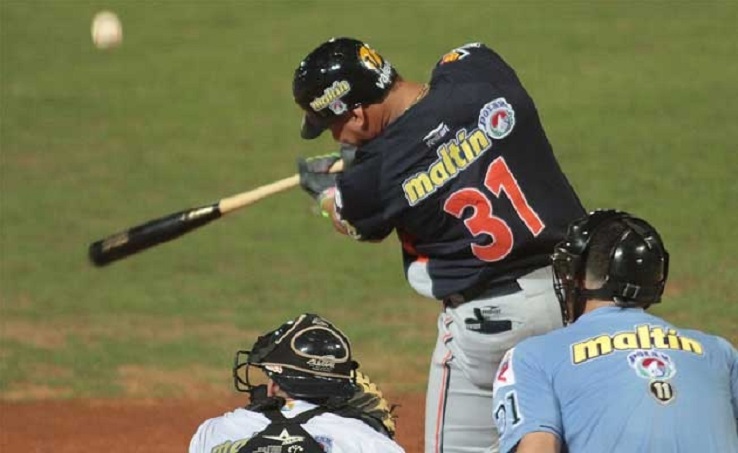 UPDATE [1/12]: Oswaldo Arcia, who was expected to return to action this past Saturday, has not reported back to his team and will sit out the remainder of the postseason. Last week Arcia had informed his team that he was ready to play but requested Thursday and Friday off due to "family commitments". Arcia however did not connect with the team on Saturday nor Sunday. Arcia's manager in Venezuela speculated that his unexpected absence was likely related to his lingering back injury. **** Yesterday, ElEmergente.com speculated that Arcia could be out for the team's 14-game postseason. Today, Pedro Mena, the general manager of Arica's team, Caribes de Anzoategui, told ElEmergente.com that the team is waiting to see how Arcia's back responds before considering him out for the postseason. "The idea is to rest but I think in a couple of days at least [he] could be with the team," said Mena. This is the second injury that has plagued Arcia this winter. In December, he encountered a tendon issue in his right hand which kept him out of the lineup for several days. In January, it was reported that a back injury had kept him out of the lineup and would be out for "five or six days". The Twins have a history of injuries in the winter leagues, most notably Miguel Sano in 2013 who strained his UCL while playing in the Dominican. This season, the Twins denied pitcher Jose Berrios the opportunity to pitch in Puerto Rico. Obviously, pitchers are handled differently than position players. Overall, if Arcia sits out the rest of the season, he will miss 14 to 20 games. In 33 games this winter, he has hit .270/.377/.539 with 7 home runs and gained some experience in left field -- the position the Twins have slated him for 2015. What do you think? Should Arcia attempt to play in the offseason or remain on the bench to ensure he is healthy for spring training?
 -
On this week's No Juice Podcast, without much in the way of baseball activity, Dan Anderson and Parker Hageman remember the career of cult fan favorite Boof Bonser, who reportedly retired this week, and everything he and the AJ Pierzynski trade meant for the Minnesota Twins. Click to listen below.The guys also realize that their show is the opposite of the Bill Swarzki's Superfans. But if they did model their show after the SNL bit, they chose a Minnesota sports power animal equivalent to Hurricane Ditka. Download attachment: Mauer.jpg Other topics include the Gophers bowl game, how to party on New Years and more. Listen below, on iTunes or on Stitcher: NO JUICE PODCAST, EPISODE #37: TORNADO MAUER Click here to view the article
-
 The guys also realize that their show is the opposite of the Bill Swarzki's Superfans. But if they did model their show after the SNL bit, they chose a Minnesota sports power animal equivalent to Hurricane Ditka. Other topics include the Gophers bowl game, how to party on New Years and more. Listen below, on iTunes or on Stitcher: NO JUICE PODCAST, EPISODE #37: TORNADO MAUER
 -
Yep. Sorry -- 11 pitchers faced. Nine official at-bats. (In 2013, he was a long reliever so he wound up in the game early a lot. Was called upon in the first inning twice and the second inning once.)
-
Good question. I would have assumed so too. I wish we had a JACK GOIN bat signal to have him comment on that.
-
Well aware. Just playing his game when he cited FIP. As for the adjusted FIP, I'm not a huge proponent when gauging relievers. It clearly attempts to factor in the park (which is good) but in terms of the league adjustments with the pitcher batting in the National League, you rarely face a pitcher as a reliever (Stauffer faced a pitcher nine times last year which I would be would have been in his starts). Thus, he receives a demerit in FIP- while never really facing a pitcher. To me, this stat is better reserved for starters when gauging across leagues.
-
On this week's No Juice Podcast, Dan Anderson and Parker Hageman wrap up their first year by discussing the Phil Hughes extension and the Tim Stauffer addition. Click to listen below.Other topics include #SugarDaddysParkingLotUpdate, holiday festivities, and the best and worst in local sports in 2014. Have a Happy New Year everyone! Listen below, on iTunes or on Stitcher: NO JUICE PODCAST, EPISODE #36: 2014 YEAR IN REVIEW Click here to view the article
-
 Other topics include #SugarDaddysParkingLotUpdate, holiday festivities, and the best and worst in local sports in 2014. Have a Happy New Year everyone! Listen below, on iTunes or on Stitcher: NO JUICE PODCAST, EPISODE #36: 2014 YEAR IN REVIEW
 -
Yup, he throws his changeup to both sides regularly. Over the past two years in the 'pen the reverse split has been even more pronounced: .237/.291/.314 vs LHB and .267/.342/.420 vs RHB.
-
Heh. "ERA". FIP 2013-2014: Stauffer -- 3.30 Swarzak -- 3.51 Burton -- 3.91
-
Shortly before Christmas break, the Minnesota Twins signed free agent pitcher Tim Stauffer to one-year, $2.2 million. If you happened to check Fangraphs.com on the 32-year-old righthander, gazing upon his average velocity may have been as exciting as unwrapping another pair of socks. Low 90s? Again? While the trend for pitching staffs has been to stockpile power arms, Stauffer’s flexibility as a starter and a reliever provides the team with various options. Beyond the low velocity, over his career Stauffer has combated an endless war against injuries that would have made Orwell proud. What exactly do the Twins see in him? **** When Stauffer was drafted out of the University of Richmond in 2003, Baseball America quoted one scout as saying Stauffer is “Brad Radke with a better fastball and breaking ball.” In his senior year Stauffer had thrown 146 innings while walking just 19 batters -- a Radke-ian feat by any measure. Still, insiders were concerned over the workload Stauffer shouldered in his final two years in college: He had amassed 250 innings with 28 complete games to boot. The Padres did not show much concern over the mileage nor the fact that he came from the University of Richmond -- a school that touts Sean Casey and Brian Jordan as themajor league contributors they had produced. The Padres saw a pitcher who not only dominated hitters in a less competitive conference but had also witnessed him doing the same to the nation’s best collegiate hitters in the Cape Cod League as well. Convinced, San Diego used their fourth overall pick in 2003 on Stauffer. According to Baseball America, the Padres noted that Stauffer’s superior character was one of the reasons he was selected at that point. That character was tested right away after being selected. In his last collegiate start against UC Riverside, Stauffer said he finished the game with some discomfort in his throwing shoulder. A “little more stiffness or soreness than usual” as he put it. An MRI revealed his shoulder joint was weakened from taxing the labrum and rotator cuff. Stauffer could have accepted the $2.6 million bonus from the team and not said anything but instead, he and his agent came clean. Rather than being a multi-millionaire, Stauffer agreed to $750,000. **** Baseball analysts like to try to find root causes of arms issues (such as shoulder blowouts or UCL tears) and assign various explanations (such as pitch counts, innings totals or mechanics). While all, some or none may be responsible, there may simply be genetics as an influential factor. Prior to being draft, Stauffer’s father Rick spoke to The Daily Gazette in New York about his son’s success and noted that he too played in college for a while and had professional teams inquiring about him as well. The elder Stauffer, however, ran headlong into shoulder problems in college that derailed his career. “I threw a little like Timmy does…I could throw in the low-90-mph range,” Rick Stauffer told the newspaper. “But, I decided to go to college at St. Joseph’s and hurt my shoulder during my freshman year. Rotator cuff injuries weren’t diagnosed back then. They sent me to Temple University Hospital in Philadelphia, where they worked with me for more than a year.” Like for his father, the weak shoulder would eventually falter for Tim. Attempting to win a spot in the Padres’ 2008 rotation during spring training, Stauffer said something did not feel right. He had pitched through pain and soreness before but this felt different. Tests revealed a partial labrum tear -- his weakened shoulder joint. “It happened over time," Stauffer told the Saratogan as he attempted to rehab his arm at his high school gymnasium in 2009. "It's not something that happened with one pitch or one game. Rehab wasn't doing it, so I decided to have it fixed and go from there." The shoulder surgery and recovery erased the 2008 season for him. 2009 was limited. In 2010, the injury bug bit again in the form of appendicitis that Stauffer diagnosed himself using an WebMD app on his phone in the middle of the night. That cost him 47 games. Most recently, in 2012 while recovering from more shoulder soreness Stauffer’s elbow began barking as well. More surgery. More rehab. More people calling him a bust. **** Stauffer had missed two of the past five seasons for the Padres. He was now on the other side of 30 and had a future shrouded in doubt. In October 2012 San Diego designated him for assignment. He cleared waivers when no other team was willing to claim him and elected free agency. Stauffer would remain a free agent until late January 2013 when the Padres -- perhaps out of respect for his character-- signed him to a minor league deal and offered him a major league tryout. Rather than return as a starter, Stauffer was converted to a reliever. After a run in Triple-A, Stauffer was recalled in May 2013 and completed his first season in the Padres’ bullpen. The results were solid. As a long reliever Stauffer worked in 43 outings but threw 69.2 innings while striking out 64 and walking just 20, leading to a healthy 3.55 ERA. Still arbitration-eligible because of his lack of major league service time, the Padres brought him back again in 2014. Again he worked lower leverage situations in the sixth and seventh innings and provided multi-inning support in blowouts. Like the Twins’ Anthony Swarzak, Stauffer was asked to make a few spot starts in the season as well (to mixed results). In all, Stauffer pitched 64.2 innings over 44 games, including three starts. Like in the season before, his numbers were respectable. He struck out 67, walked 23 and carried a 3.50 ERA. Not great, but respectable. Other than finally having a healthy arm, the biggest difference in his performance between the rotation and the bullpen was his use of the changeup. Download attachment: Stauffer_ChangeupUsage.png Stauffer said he was working on his changeup in 2011 but it did not seem to take hold until he reached the bullpen full time. Maybe it was feel or confidence but Stauffer threw his changeup more often and much more frequently in two-strike counts as his knuckle-curve gave way to a circle change. Download attachment: USATSI_7981390.jpg Over the past two seasons, among relievers who have thrown the pitch at least 150 times, Stauffer’s 22.4% swinging strike rate ranks ahead of Seattle’s Fernando Rodney (22.0%) and the Twins’ Jared Burton (20.3%), two of the more devastating changeups in the game, and 14th overall. http://i.imgur.com/2clvtXq.gif It is because of this pitch that he is such a Jared Burton-like clone. They both had relied on changeups -- Burton called his a splangeup as it was a split between his middle and ring finger instead of a circle change like Stauffer’s (as seen above). What makes it effective is the arm action and movement coupled with the deviation in velocity from his fastball. Although his fastball barely reaches 90, his change sits at 80. Having an above average secondary or out-pitch is good for a reliever when asking him to retire just three hitters a night. However, Stauffer’s primary pitch -- his fastball -- lacks zip and is often bombarded. His slider is above average but the fastball can be a liability at times. **** What the 2015 season holds for Stauffer is uncertain. Born and bred as a starting pitcher through his career, the Twins have said they will give Stauffer an opportunity to make the rotation. “He’s had some success as a starter, so we’ve told him we will give him that opportunity and see where it lands,” General Manager Terry Ryan told the Star Tribune after Stauffer’s signing was announced. Unless injuries appear or several of the younger arms appear ineffective in the spring, Stauffer’s immediate future with the Twins is likely as a reliever. Without Burton or Swarzak, the Twins need someone who can handle both short and long outings. Moreover, Stauffer’s experience as a starter provides the Twins with some additional insurance throughout the season rather than having to summon pitchers like Yohan Pino or Kris Johnson to fill starts. Of course, when talking about potential injury Stauffer is as likely as any to have arm issues. Likewise, his ability to retire American League hitters remains in question. That said, Stauffer appears to be someone with the drive and history to provide the Twins with multiple options. Click here to view the article
-
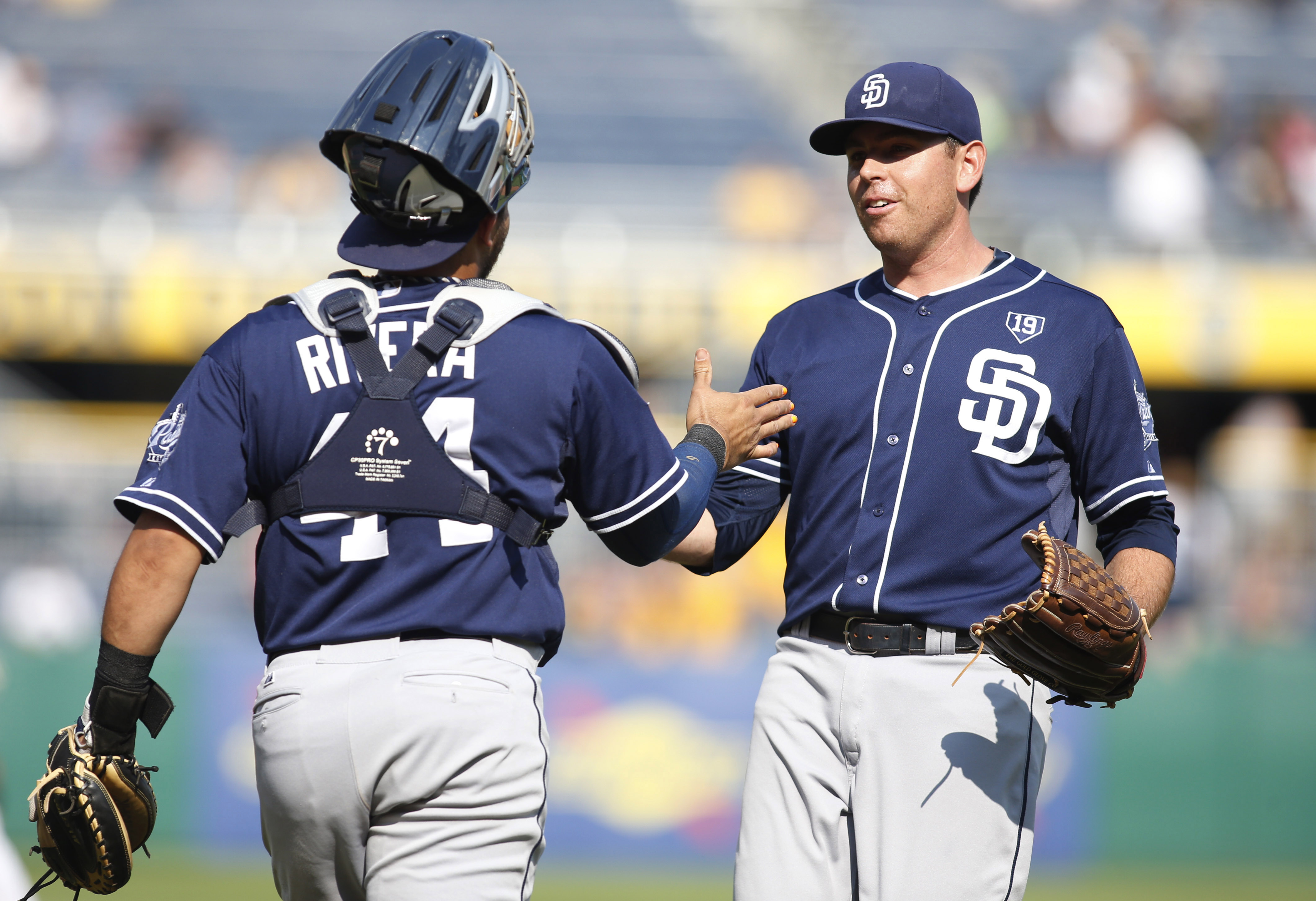 **** When Stauffer was drafted out of the University of Richmond in 2003, Baseball America quoted one scout as saying Stauffer is “Brad Radke with a better fastball and breaking ball.” In his senior year Stauffer had thrown 146 innings while walking just 19 batters -- a Radke-ian feat by any measure. Still, insiders were concerned over the workload Stauffer shouldered in his final two years in college: He had amassed 250 innings with 28 complete games to boot. The Padres did not show much concern over the mileage nor the fact that he came from the University of Richmond -- a school that touts Sean Casey and Brian Jordan as themajor league contributors they had produced. The Padres saw a pitcher who not only dominated hitters in a less competitive conference but had also witnessed him doing the same to the nation’s best collegiate hitters in the Cape Cod League as well. Convinced, San Diego used their fourth overall pick in 2003 on Stauffer. According to Baseball America, the Padres noted that Stauffer’s superior character was one of the reasons he was selected at that point. That character was tested right away after being selected. In his last collegiate start against UC Riverside, Stauffer said he finished the game with some discomfort in his throwing shoulder. A “little more stiffness or soreness than usual” as he put it. An MRI revealed his shoulder joint was weakened from taxing the labrum and rotator cuff. Stauffer could have accepted the $2.6 million bonus from the team and not said anything but instead, he and his agent came clean. Rather than being a multi-millionaire, Stauffer agreed to $750,000. **** Baseball analysts like to try to find root causes of arms issues (such as shoulder blowouts or UCL tears) and assign various explanations (such as pitch counts, innings totals or mechanics). While all, some or none may be responsible, there may simply be genetics as an influential factor. Prior to being draft, Stauffer’s father Rick spoke to The Daily Gazette in New York about his son’s success and noted that he too played in college for a while and had professional teams inquiring about him as well. The elder Stauffer, however, ran headlong into shoulder problems in college that derailed his career. “I threw a little like Timmy does…I could throw in the low-90-mph range,” Rick Stauffer told the newspaper. “But, I decided to go to college at St. Joseph’s and hurt my shoulder during my freshman year. Rotator cuff injuries weren’t diagnosed back then. They sent me to Temple University Hospital in Philadelphia, where they worked with me for more than a year.” Like for his father, the weak shoulder would eventually falter for Tim. Attempting to win a spot in the Padres’ 2008 rotation during spring training, Stauffer said something did not feel right. He had pitched through pain and soreness before but this felt different. Tests revealed a partial labrum tear -- his weakened shoulder joint. “It happened over time," Stauffer told the Saratogan as he attempted to rehab his arm at his high school gymnasium in 2009. "It's not something that happened with one pitch or one game. Rehab wasn't doing it, so I decided to have it fixed and go from there." The shoulder surgery and recovery erased the 2008 season for him. 2009 was limited. In 2010, the injury bug bit again in the form of appendicitis that Stauffer diagnosed himself using an WebMD app on his phone in the middle of the night. That cost him 47 games. Most recently, in 2012 while recovering from more shoulder soreness Stauffer’s elbow began barking as well. More surgery. More rehab. More people calling him a bust. **** Stauffer had missed two of the past five seasons for the Padres. He was now on the other side of 30 and had a future shrouded in doubt. In October 2012 San Diego designated him for assignment. He cleared waivers when no other team was willing to claim him and elected free agency. Stauffer would remain a free agent until late January 2013 when the Padres -- perhaps out of respect for his character-- signed him to a minor league deal and offered him a major league tryout. Rather than return as a starter, Stauffer was converted to a reliever. After a run in Triple-A, Stauffer was recalled in May 2013 and completed his first season in the Padres’ bullpen. The results were solid. As a long reliever Stauffer worked in 43 outings but threw 69.2 innings while striking out 64 and walking just 20, leading to a healthy 3.55 ERA. Still arbitration-eligible because of his lack of major league service time, the Padres brought him back again in 2014. Again he worked lower leverage situations in the sixth and seventh innings and provided multi-inning support in blowouts. Like the Twins’ Anthony Swarzak, Stauffer was asked to make a few spot starts in the season as well (to mixed results). In all, Stauffer pitched 64.2 innings over 44 games, including three starts. Like in the season before, his numbers were respectable. He struck out 67, walked 23 and carried a 3.50 ERA. Not great, but respectable. Other than finally having a healthy arm, the biggest difference in his performance between the rotation and the bullpen was his use of the changeup. Stauffer said he was working on his changeup in 2011 but it did not seem to take hold until he reached the bullpen full time. Maybe it was feel or confidence but Stauffer threw his changeup more often and much more frequently in two-strike counts as his knuckle-curve gave way to a circle change. Over the past two seasons, among relievers who have thrown the pitch at least 150 times, Stauffer’s 22.4% swinging strike rate ranks ahead of Seattle’s Fernando Rodney (22.0%) and the Twins’ Jared Burton (20.3%), two of the more devastating changeups in the game, and 14th overall. http://i.imgur.com/2clvtXq.gif It is because of this pitch that he is such a Jared Burton-like clone. They both had relied on changeups -- Burton called his a splangeup as it was a split between his middle and ring finger instead of a circle change like Stauffer’s (as seen above). What makes it effective is the arm action and movement coupled with the deviation in velocity from his fastball. Although his fastball barely reaches 90, his change sits at 80. Having an above average secondary or out-pitch is good for a reliever when asking him to retire just three hitters a night. However, Stauffer’s primary pitch -- his fastball -- lacks zip and is often bombarded. His slider is above average but the fastball can be a liability at times. **** What the 2015 season holds for Stauffer is uncertain. Born and bred as a starting pitcher through his career, the Twins have said they will give Stauffer an opportunity to make the rotation. “He’s had some success as a starter, so we’ve told him we will give him that opportunity and see where it lands,” General Manager Terry Ryan told the Star Tribune after Stauffer’s signing was announced. Unless injuries appear or several of the younger arms appear ineffective in the spring, Stauffer’s immediate future with the Twins is likely as a reliever. Without Burton or Swarzak, the Twins need someone who can handle both short and long outings. Moreover, Stauffer’s experience as a starter provides the Twins with some additional insurance throughout the season rather than having to summon pitchers like Yohan Pino or Kris Johnson to fill starts. Of course, when talking about potential injury Stauffer is as likely as any to have arm issues. Likewise, his ability to retire American League hitters remains in question. That said, Stauffer appears to be someone with the drive and history to provide the Twins with multiple options.
 -
I don't know. Which would you prefer to be called? Thanks for listening!
-
On this week's No Juice Podcast, Dan Anderson and Parker Hageman kicked off their first ever holiday episode by discussing the Twins center field situation, Jose Berrios playing in the winter league, and then they had the Airing of the Grievances. Click to listen below.Topics also include worst MLB uniforms ever. Was this one your favorite? Download attachment: B5eCMInCAAAhDlt.jpg Or this? Download attachment: B5LJMP2CAAAD5nE.jpg Then you probably should listen and find out what was the worst uniform ever. Listen below, on iTunes or on Stitcher: NO JUICE PODCAST, EPISODE #35: THE FESTIVUS BASEBALL EPISODE Click here to view the article
-
 Topics also include worst MLB uniforms ever. Was this one your favorite? Or this? Then you probably should listen and find out what was the worst uniform ever. Listen below, on iTunes or on Stitcher: NO JUICE PODCAST, EPISODE #35: THE FESTIVUS BASEBALL EPISODE
 -
Article: Can Aaron Hicks Be Fixed?
Parker Hageman replied to Parker Hageman's topic in Twins Daily Front Page News
I think he is still has some things to work on but I tend to agree with Ryan's assessment of Hicks' defense in the Offseason Handbook "[H]is defense and his throwing and his range and his jumps and his angles are pretty good. In fact, a lot of people will tell you it is better than pretty good." I'm not confident the 480 innings in center this year tells us much in terms of UZR performance. Inside Edge's fielding stats are a little more favorable towards him. I would consider him a "good" defender. The problem is, the Twins need a "great" defender in the outfield to work between Arcia and Hunter. -
One of the more critical openings the Minnesota Twins will have this year is in center field. If all goes well, that job will be Aaron Hicks’ to borrow. What are the odds that he meets expectations in 2015?The offseason did not start off well for Hicks: In November he was released from his Venezuelan winter ball team after hitting just .220/.381/.280 in 16 games. The explanation from his team was that he was released because of the poor production but there were rumblings from local media that the Venezuelan team was also upset with his attitude. Whatever the case might be between him and Bravos de Margarita, earlier in the offseason general manager Terry Ryan was emphatic that the Twins organization had no concerns over Hicks’ drive and makeup. Meanwhile, during his introductory conference call with season ticket holders manager Paul Molitor reiterated his hopes that Hicks will be able to hold the center field job. That, of course, will depend on how much he can do with the stick. Since coming up to the Twins in 2013, Hicks has posted an OPS+ of 69 (heh) which is 79 out of 89 hitters who have played at least 25 games in center. Ahead of him? Sam Fuld (76), Jordan Schafer (82), Alex Presley (83) and Danny Santana (130). With the exception of Santana those other three players were readily available, making Hicks the epitome of a player below replacement-level. It is a shame considering Hicks has the requisite tools necessary to be a solid contributor. All that is, except hitting. If the baseball saying goes " Hit and we’ll find a position for you" is true, the opposite is certainly valid for those who cannot hit. There does not seem to be any reason to blame bad luck for the low offensive numbers, either. According to ESPN/TruMedia’s database, since 2013 Hicks’ hard-hit average has been at .115 -- well below the average of .155, and qualifies as 31 of 36 center fielders with 400 plate appearances. Because of this, it is easy to see why he wound up with the second lowest batting average on balls in play in that pool. Part of what makes him so volatile at the plate is being a switch-hitter who has not found comfort at either side of the plate -- particularly from the left-hand side where he will find the bulk of his plate appearances. Ted Simmons, the former switch-hitting catcher who eventually became the San Diego Padres bench coach, offered this up to ESPN’s Tim Kurkjian about hitting from both sides: It’s difficult. "Six percent of all players is a very small sample,'' Simmons told ESPN regarding having success when hitting from both sides. "And how many of that 6 percent are even capable of hitting .300? Now that 6 percent goes down to maybe 2 percent. So now we're talking about a very, very, very small sample. I also have yet to find a person that completely, totally, unequivocally has bilateral symmetry. One side is always dominant. People can't write right-handed and left-handed with the same physicality.” Hicks shares Simmons’ sentiments on switch-hitting as well. Even before his decision to drop the left-handed swing in 2014, he knew the sinister swing was his weaker side. “I play golf right-handed. I do everything right-handed,” Hicks told Alan Maimon and Chuck Myron in their book Hits and Misses in the Baseball Draft before the start of the 2012 season. “I think one of the main reasons I’m good at hitting baseball right-handed is because of the eye-hand coordination I developed playing golf. I never felt the same confidence hitting left-handed. And neither did my coaches. In high school, they’d say, ‘Hey, we’ve got the bases loaded. Can Aaron please hit right-handed, so we can win this game?’ [before the 2012 season], I fooled around with playing left-handed golf. I think it helped my left-handed baseball swing come along.” Beyond the strains of switch-hitting, what is happening in his swing that is hindering his ability to make quality contact? In 2012 Hicks said to the Star Tribune’s Phil Miller in a Baseball America article that he had been tinkering too much with his swing the previous season. “I never got any consistency last year because I was just tweaking my swing too much,” the Hicks said. “I tried my hands high, then tried them low. I tried holding my bat still, then I tried letting my hands move more freely. I was constantly changing it up.” Despite trying multiple swings along the way, it appears that the bulk of the modifications were focused on his hands. Judging from recent video, the problem could be a few feet lower. Watch his swing up to the point of contact from the left-hand side. http://i.imgur.com/JHhf3Jt.gif At the end of the clip, keep an eye on his front foot as it begins to turn and roll. For the majority of hitters, the process of turning over their front foot begins after contact, not before (with Jason Heyward being one of those outlying exceptions). While there are almost unlimited examples to compare to, below is a comparison of Hicks to teammate Joe Mauer before contact. Download attachment: AH_LHB.jpg Download attachment: JM_LHB.jpg When this was presented to hitting instruction Bobby Tewksbary, who has worked with Jason Donaldson and Chris Colabello, Tewksbary said he believes this to be the symptom of a larger issue with his swing. This is an indicator that his front side is pulling out. In the video clip above, it is clear that his front side is drifting well below the point of contact. The planted front foot ensures a strong leverage point and keeps the hips from opening up too soon. If the front side opens up, the swing as a tendency to lag through the zone and the outer-half of the plate becomes a safe haven for pitchers. This is why pitchers likely targeted Hicks in that location: Download attachment: strike-zone (6).png Perhaps even more disheartening is that pitchers threw plenty of pitches over the heart of the plate with which Hicks has been unable to produce. Hicks’ practice of turning over on his foot before contact happens from the right-side as well. As he stated before, he is a much more natural hitter from the right so he demonstrates better contact and more power. That said, he still drifts: Download attachment: AH_RHB.jpg Download attachment: AJ_RHB.jpg **** Twins hitting coach Tom Brunansky has been credited with working wonders on a handful of his players. Hicks, on the other hand, has been a complete mystery. Gifted with the tools to succeed at the highest level, the ability to hit consistently has eluded him. To this point, Brunansky and the rest of the organization’s coaches have not been able to figure out that problem either. If the Twins have spotted this and have tried to get him to stop turning off his front side, then it would seem that he has not been unable to replicate the work in the cages into the game. It is also possible that he was working on it in Venezuela, hence the low yield at the plate. If they have not, it could pay dividends to attempt to have Hicks try to work on keeping his front foot firm up to the point of contact. Either way, progress needs to be made. As much as Hicks could use a good season at the plate, the Twins could really benefit from having a strong contributor at a key position. Click here to view the article
-
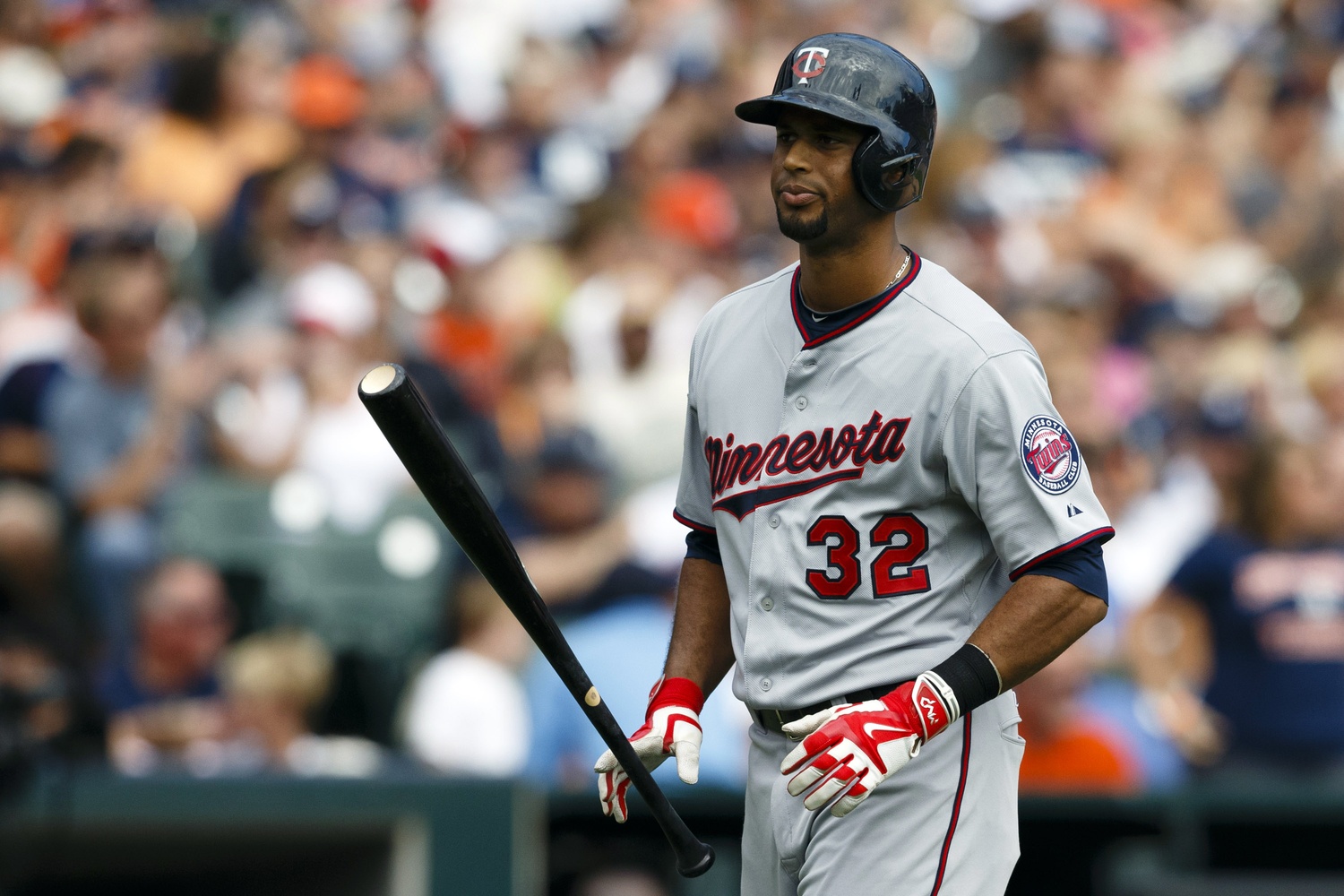 The offseason did not start off well for Hicks: In November he was released from his Venezuelan winter ball team after hitting just .220/.381/.280 in 16 games. The explanation from his team was that he was released because of the poor production but there were rumblings from local media that the Venezuelan team was also upset with his attitude. Whatever the case might be between him and Bravos de Margarita, earlier in the offseason general manager Terry Ryan was emphatic that the Twins organization had no concerns over Hicks’ drive and makeup. Meanwhile, during his introductory conference call with season ticket holders manager Paul Molitor reiterated his hopes that Hicks will be able to hold the center field job. That, of course, will depend on how much he can do with the stick. Since coming up to the Twins in 2013, Hicks has posted an OPS+ of 69 (heh) which is 79 out of 89 hitters who have played at least 25 games in center. Ahead of him? Sam Fuld (76), Jordan Schafer (82), Alex Presley (83) and Danny Santana (130). With the exception of Santana those other three players were readily available, making Hicks the epitome of a player below replacement-level. It is a shame considering Hicks has the requisite tools necessary to be a solid contributor. All that is, except hitting. If the baseball saying goes " Hit and we’ll find a position for you" is true, the opposite is certainly valid for those who cannot hit. There does not seem to be any reason to blame bad luck for the low offensive numbers, either. According to ESPN/TruMedia’s database, since 2013 Hicks’ hard-hit average has been at .115 -- well below the average of .155, and qualifies as 31 of 36 center fielders with 400 plate appearances. Because of this, it is easy to see why he wound up with the second lowest batting average on balls in play in that pool. Part of what makes him so volatile at the plate is being a switch-hitter who has not found comfort at either side of the plate -- particularly from the left-hand side where he will find the bulk of his plate appearances. Ted Simmons, the former switch-hitting catcher who eventually became the San Diego Padres bench coach, offered this up to ESPN’s Tim Kurkjian about hitting from both sides: It’s difficult. "Six percent of all players is a very small sample,'' Simmons told ESPN regarding having success when hitting from both sides. "And how many of that 6 percent are even capable of hitting .300? Now that 6 percent goes down to maybe 2 percent. So now we're talking about a very, very, very small sample. I also have yet to find a person that completely, totally, unequivocally has bilateral symmetry. One side is always dominant. People can't write right-handed and left-handed with the same physicality.” Hicks shares Simmons’ sentiments on switch-hitting as well. Even before his decision to drop the left-handed swing in 2014, he knew the sinister swing was his weaker side. “I play golf right-handed. I do everything right-handed,” Hicks told Alan Maimon and Chuck Myron in their book Hits and Misses in the Baseball Draft before the start of the 2012 season. “I think one of the main reasons I’m good at hitting baseball right-handed is because of the eye-hand coordination I developed playing golf. I never felt the same confidence hitting left-handed. And neither did my coaches. In high school, they’d say, ‘Hey, we’ve got the bases loaded. Can Aaron please hit right-handed, so we can win this game?’ [before the 2012 season], I fooled around with playing left-handed golf. I think it helped my left-handed baseball swing come along.” Beyond the strains of switch-hitting, what is happening in his swing that is hindering his ability to make quality contact? In 2012 Hicks said to the Star Tribune’s Phil Miller in a Baseball America article that he had been tinkering too much with his swing the previous season. “I never got any consistency last year because I was just tweaking my swing too much,” the Hicks said. “I tried my hands high, then tried them low. I tried holding my bat still, then I tried letting my hands move more freely. I was constantly changing it up.” Despite trying multiple swings along the way, it appears that the bulk of the modifications were focused on his hands. Judging from recent video, the problem could be a few feet lower. Watch his swing up to the point of contact from the left-hand side. http://i.imgur.com/JHhf3Jt.gif At the end of the clip, keep an eye on his front foot as it begins to turn and roll. For the majority of hitters, the process of turning over their front foot begins after contact, not before (with Jason Heyward being one of those outlying exceptions). While there are almost unlimited examples to compare to, below is a comparison of Hicks to teammate Joe Mauer before contact. When this was presented to hitting instruction Bobby Tewksbary, who has worked with Jason Donaldson and Chris Colabello, Tewksbary said he believes this to be the symptom of a larger issue with his swing. This is an indicator that his front side is pulling out. In the video clip above, it is clear that his front side is drifting well below the point of contact. The planted front foot ensures a strong leverage point and keeps the hips from opening up too soon. If the front side opens up, the swing as a tendency to lag through the zone and the outer-half of the plate becomes a safe haven for pitchers. This is why pitchers likely targeted Hicks in that location: Perhaps even more disheartening is that pitchers threw plenty of pitches over the heart of the plate with which Hicks has been unable to produce. Hicks’ practice of turning over on his foot before contact happens from the right-side as well. As he stated before, he is a much more natural hitter from the right so he demonstrates better contact and more power. That said, he still drifts: **** Twins hitting coach Tom Brunansky has been credited with working wonders on a handful of his players. Hicks, on the other hand, has been a complete mystery. Gifted with the tools to succeed at the highest level, the ability to hit consistently has eluded him. To this point, Brunansky and the rest of the organization’s coaches have not been able to figure out that problem either. If the Twins have spotted this and have tried to get him to stop turning off his front side, then it would seem that he has not been unable to replicate the work in the cages into the game. It is also possible that he was working on it in Venezuela, hence the low yield at the plate. If they have not, it could pay dividends to attempt to have Hicks try to work on keeping his front foot firm up to the point of contact. Either way, progress needs to be made. As much as Hicks could use a good season at the plate, the Twins could really benefit from having a strong contributor at a key position.

