



Seth Stohs
-
Posts
25,870 -
Joined
-
Last visited
-
Days Won
109
Content Type
Profiles
News
Minnesota Twins Videos
2026 Minnesota Twins Top Prospects Ranking
2022 Minnesota Twins Draft Picks
Minnesota Twins Free Agent & Trade Rumors, Notes, & Tidbits
Guides & Resources
2023 Minnesota Twins Draft Picks
The Minnesota Twins Players Project
2024 Minnesota Twins Draft Picks
2025 Minnesota Twins Draft Pick Tracker
2026 Minnesota Twins Draft Tracker: Picks & Bonuses
Forums
Blogs
Events
Store
Downloads
Gallery
Everything posted by Seth Stohs
-

Article: Seth's Preliminary Top 50: Part 1 (41-50)
Seth Stohs replied to Seth Stohs's topic in Twins Daily Front Page News
I can do that... I'll include that in the comments here. But I'll only include guys who made my previous Top 30 lists heading into spring training. Remember this is a preliminary list and after researching all 150 or so minor leaguers, it is definitely subject to change.- 40 replies
-
- 1
-

-
- brett lee
- levi michael
- (and 3 more)
-
Article: Seth's Preliminary Top 50: Part 1 (41-50)
Seth Stohs replied to Seth Stohs's topic in Twins Daily Front Page News
I don't actually disagree with anything you say here about Michael, except for being a Dozier replacement. He could be a replacement if Dozier got hurt maybe. I'd be surprised if the Twins protected him, but at the same time, I do think that he's shown that, when healthy, he can be a solid player. I think he can be a poor-man's Nick Punto... just without the great defense and rocket for an arm. Offensively, pretty similar, I think.- 40 replies
-
- 1
-
-
- brett lee
- levi michael
- (and 3 more)
-
Article: Seth's Preliminary Top 50: Part 1 (41-50)
Seth Stohs replied to Seth Stohs's topic in Twins Daily Front Page News
He is an incredible athlete and definitely should not be given up on. Going back to when he was drafted, it was all about tools and upside. I would agree that if he can get the hit tool improved, he's got a chance. He really struggled defensively at 3B this year, but he's got a good glove and a strong arm. Definitely don't give up on him! -
Article: Seth's Preliminary Top 50: Part 1 (41-50)
Seth Stohs replied to Seth Stohs's topic in Twins Daily Front Page News
That's why they're in the 40s. Some good potential on this list, but injuries or inconsistent play or scouting reports or whatever have them here. If these guys were top 20 guys, it'd be worrisome. That this group is 41-50 should be pretty encouraging for what's left on the list. Even after some really good prospects 'graduated' from prospect rankings.- 40 replies
-
- 2
-
-
- brett lee
- levi michael
- (and 3 more)
-
Since the end of minor league season, we have handed out some minor league awards. Twins Daily named Trevor Hildenberger the Relief Pitcher of the Year. JO Berrios won the Starting Pitcher of the Year for the second straight season. Max Kepler was the Best Hitter. Jermaine Palacios and Williams Ramirez ran away with the Best Hitter and Best Pitcher among short-season players Today I’m going to start a preliminary Top 50 Twins prospects list and welcome your feedback. Today, I’ll post Part 1: Prospects 41-50.Players eligible to be on this list include players who remain eligible for Rookie of the Year voting in 2016. That is to say, hitters with less than 130 at-bats and pitchers with less than 50 innings. (The list is preliminary. Following research for the Minnesota Twins Prospect Handbook 2016 - which Cody Christie, Jeremy Nygaard and I are working on - I’ll provide my final Top 30 prospects list.) Top Prospects 41-50 #50 – Zach Granite - 23 – OF – Cedar Rapids Kernels/Ft. Myers Miracle Granite was the Twins 14th round pick in 2013 out of Seton Hall. He was limited to just 25 games in 2014 due to a couple of separate injuries. He began the 2015 season back in Cedar Rapids for 19 games during which he hit .358/.463/.463 (.925). He was promoted on May 1 to Ft. Myers where the numbers weren’t quite the same. He hit .249/.328/.304 (.632) with 10 doubles, four triples and a homer. Listed at 6-1 and 175 pounds (maybe!), Granite’s best tool is his speed. He also profiles well at the top of a batting order as he puts together very professional at-bats. Early in the season, a Twins Daily writer asked Granite whether he’s thinking double every time he hits the ball to the outfield. He responded, “I’m thinking triple out of the box.” #49 – Mat Batts - 24 – LHP – Cedar Rapids Kernels/Ft. Myers Miracle Mat Batts spent summers during college interning at Baseball America. This offseason he is writing high school football stories in North Carolina. At times during the season, he wrote for Twins Daily. He was the Twins 17th round pick in 2014 after playing four years at UNC-Wilmington. His fastball tops out in the mid-to-upper 80s, but he has put up remarkable numbers since signing. Between the GCL, Elizabethton and Cedar Rapids in 2014, he went 4-1 with a 1.78 ERA. He began 2015 by going 3-2 with a 2.21 ERA in seven starts for the Kernels. He moved up to Ft. Myers and went 8-4 with a 2.77 ERA in 17 starts. He walks hardly anyone and despite lack of velocity, struck out 8.1 per nine innings overall this season. Listed at 5-11 and 190 pounds, Batts has a deceptive delivery and a good pitch mix to go with good command. As they frequently say, the biggest challenge will be when he gets to AA. #48 – Keaton Steele - 23 – RHP –Cedar Rapids Kernels Steele is another four-year college guy. After playing at Iowa Western CC, he went to Missouri where he pitched for two years (and was drafted twice). The Twins made him their eighth round pick in 2014. He pitched well at Elizabethton in 2014 out of the bullpen. He began 2015 at extended spring training, but he made 14 starts (15 appearances) for the Kernels. He went 7-4 with a 3.41 ERA. In 89.2 innings he walked just 21, though he also struck out just 60. As the Kernels got to the postseason, Steele was pitching his best. #47 – DJ Baxendale - 24 – RHP – Chattanooga Lookouts The Twins drafted Baxendale in the 10th round of the 2012 draft. He signed shortly after pitching for Arkansas in the College World Series. He’s got a good fastball in the low-90s with movement. He also has a good slider. He moved up the system quickly, reaching AA New Britain by May of 2013 where he did struggle. In 2014, he struggled with the Rock Cats before moving back down to Ft. Myers. It turned out that he was injured and just didn’t fully recover the rest of the season. He pitched for Chattanooga through the 2015 season. In 21 starts (two relief outings), he went 7-5 with a 3.80 ERA in 118.1 innings. He walked 40 and struck out 92. He has started, but his stuff may play better out of the bullpen as he continues to move forward. #46 – Levi Michael - 24 – 2B – Chattanooga Lookouts Michael was the Twins first-round pick (30th overall) out of UNC in Chapel Hill in 2011. He was inured that year and began his professional playing career in Ft. Myers in 2012. He played for Ft. Myers again in 2013. And he began the 2014 season in Ft. Myers. However, in 45 games with the Miracle that year, he hit .305/.375/.395 (.770) In 15 games at New Britain, he hit .340/444/.358 (.803). However, a recurring theme in his career, injury, had limited him to just 60 games. In 2015 in Chattanooga, he hit .267/.369/.434 (.804) with 12 doubles, five triples and five home runs. However, he was limited to just 63 games by injury. When healthy the last two years he has been a solid contributor. He has played almost exclusively at second base the last two years, though he played all three positions in college. His MLB career will likely be as a utility type of player, though he puts together good at-bats and could be a solid #9 hitter in the big leagues for some time. It would be nice if he could just get through a full season healthy. #45 – Brett Lee - 25 – LHP – Ft. Myers Miracle/Chattanooga Lookouts Lee was the Twins 10th round pick in 2011 out of St. Petersburg College in Florida. He has been a starter since his first full season. He was an All-Star in 2014 in the Florida State League, but he missed some time with injury. He was 10-5 with a 2.46 ERA despite a 54/36 strikeout to walk ratio in 106 innings. In 2015, he began the season with six starts for the Miracle. He moved up to Chattanooga and made 16 starts for the Lookouts. He went 6-4 with a 3.10 ERA. In 134 total innings, he walked 41 and struck out just 65. He has good stuff, and twice he has had stretches of three or more starts where he completed seven or more innings. He works quickly and gets quick outs. He is pitching in Venezuela this winter. #44 – LaMonte Wade - 21 – OF – Elizabethton Twins/Cedar Rapids Kernels Wade was the Twins ninth-round pick in 2015 out of the University of Maryland. He fell to the ninth round, in part, because he missed significant time during his junior season with an injury. He finished the Big 10 season strong and was healthy when the Twins assigned him to Elizabethton. In 64 games with the E-Twins, he hit .312/.428/.506 (.934) with eight doubles, five triples and nine home runs. He also stole 12 bases. As impressive, he walked 46 times with just 35 strikeouts. He moved up to Cedar Rapids at the conclusion of the E-Twins season for the final four games and the Kernels playoff run to the Midwest league championship series. Wade is a great athlete with a top of the order approach at the plate. He can play centerfield, get on base and hit for some power. #43 – Niko Goodrum - 23 – IF/OF – Ft. Myers Miracle/Chattanooga Lookouts Goodrum was the Twins second-round draft pick out of high school in Georgia in 2010. He spent that season in the GCL before spending both 2011 and 2012 in Elizabethton. He was a very good shortstop for the Cedar Rapids Kernels in 2013 and in 2014, he was moved to third base in Ft. Myers. He posted a .672 OPS for the Miracle in 2014. He returned to the team for the first half of the 2015 season and posted .671 OPS in 53 games. He was promoted to Chattanooga where he hit .244/.332/.392 (.724) in 61 games. With the Lookouts, he played 15 or more games at third base, shortstop and in center field. An immensely talented athlete with great speed and middle of the field defense, it looks more and more like he will be more of a utility, role player should he get to the big leagues. #42 – Jason Wheeler - 24 – LHP – Rochester Red Wings/Chattanooga Lookouts Wheeler was the Twins eighth-round pick in 2011 out of Loyola Marymount. He pitched well between Ft. Myers and New Britain in 2014 and was added to the Twins 40-man roster following the season. Despite making just 12 starts at AA, and a spot start in AAA, in 2014, the Twins pushed him to AAA to start 2015. Unfortunately, he went 1-7 with a 6.58 ERA in 15 starts. The highlight was likely getting the opportunity to pitch with his brother, former big league infielder Ryan Wheeler, who was signed to a minor league deal and spent about a month with the Red Wings. Wheeler was sent back to AA where he went 4-3 with a 3.92 ERA. He was named the Southern League Championship Series MVP. Though he was removed from the 40-man roster in early September, he still has a chance. #41 – Johan Quezada - 21 – RHP – GCL Twins Signed by the Twins in 2012, he spent the 2013 and 2014 seasons in his home country, playing in the Dominican Summer League. In those two seasons, he posted a 6.02 ERA and a 2.33 WHIP. In 43.1 innings, he struck out 50, but he walked 74. So, how does he enter into this list? Fair question. As a 20-year-old in the GCL, he posted a pedestrian 3.38 ERA and a 1.22 WHIP. However, he greatly improved his walk rate. In 21.1 innings, he gave up just 14 hits, walked 12 (still not good, but much improved) and struck out 23 batters. At 6-6 tall and a lanky build, he was frequently clocked at 97-98 mph. That kind of velocity with improved control is worth monitoring. He turned 21 after the season, so he isn’t young for his level, but he is a project signed just before he turned 18. So what do you think of Part 1, Prospects 41-50? Next up will be prospects 31-40. Click here to view the article
- 40 replies
-
- 4
-
-
- brett lee
- levi michael
- (and 3 more)
-
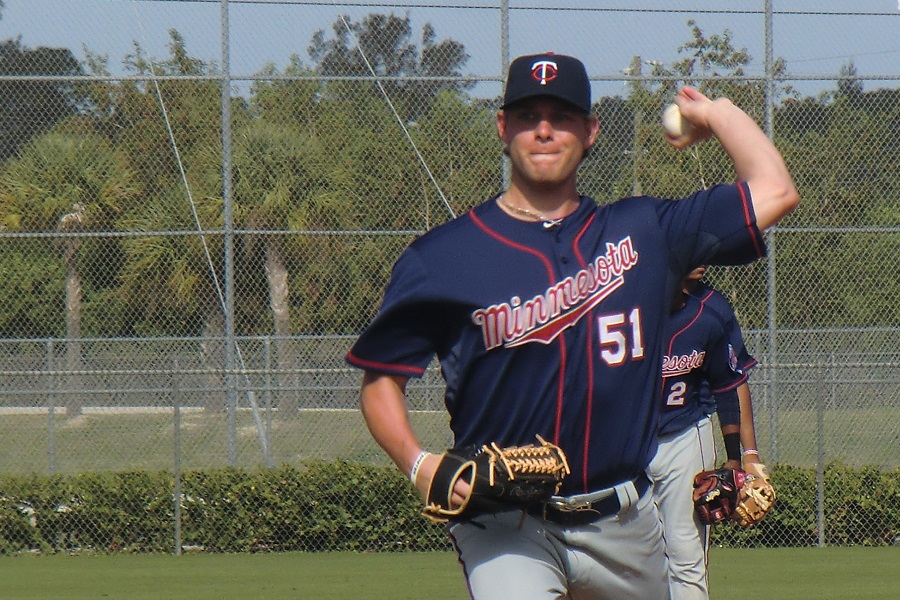 Players eligible to be on this list include players who remain eligible for Rookie of the Year voting in 2016. That is to say, hitters with less than 130 at-bats and pitchers with less than 50 innings. (The list is preliminary. Following research for the Minnesota Twins Prospect Handbook 2016 - which Cody Christie, Jeremy Nygaard and I are working on - I’ll provide my final Top 30 prospects list.) Top Prospects 41-50 #50 – Zach Granite - 23 – OF – Cedar Rapids Kernels/Ft. Myers Miracle Granite was the Twins 14th round pick in 2013 out of Seton Hall. He was limited to just 25 games in 2014 due to a couple of separate injuries. He began the 2015 season back in Cedar Rapids for 19 games during which he hit .358/.463/.463 (.925). He was promoted on May 1 to Ft. Myers where the numbers weren’t quite the same. He hit .249/.328/.304 (.632) with 10 doubles, four triples and a homer. Listed at 6-1 and 175 pounds (maybe!), Granite’s best tool is his speed. He also profiles well at the top of a batting order as he puts together very professional at-bats. Early in the season, a Twins Daily writer asked Granite whether he’s thinking double every time he hits the ball to the outfield. He responded, “I’m thinking triple out of the box.” #49 – Mat Batts - 24 – LHP – Cedar Rapids Kernels/Ft. Myers Miracle Mat Batts spent summers during college interning at Baseball America. This offseason he is writing high school football stories in North Carolina. At times during the season, he wrote for Twins Daily. He was the Twins 17th round pick in 2014 after playing four years at UNC-Wilmington. His fastball tops out in the mid-to-upper 80s, but he has put up remarkable numbers since signing. Between the GCL, Elizabethton and Cedar Rapids in 2014, he went 4-1 with a 1.78 ERA. He began 2015 by going 3-2 with a 2.21 ERA in seven starts for the Kernels. He moved up to Ft. Myers and went 8-4 with a 2.77 ERA in 17 starts. He walks hardly anyone and despite lack of velocity, struck out 8.1 per nine innings overall this season. Listed at 5-11 and 190 pounds, Batts has a deceptive delivery and a good pitch mix to go with good command. As they frequently say, the biggest challenge will be when he gets to AA. #48 – Keaton Steele - 23 – RHP –Cedar Rapids Kernels Steele is another four-year college guy. After playing at Iowa Western CC, he went to Missouri where he pitched for two years (and was drafted twice). The Twins made him their eighth round pick in 2014. He pitched well at Elizabethton in 2014 out of the bullpen. He began 2015 at extended spring training, but he made 14 starts (15 appearances) for the Kernels. He went 7-4 with a 3.41 ERA. In 89.2 innings he walked just 21, though he also struck out just 60. As the Kernels got to the postseason, Steele was pitching his best. #47 – DJ Baxendale - 24 – RHP – Chattanooga Lookouts The Twins drafted Baxendale in the 10th round of the 2012 draft. He signed shortly after pitching for Arkansas in the College World Series. He’s got a good fastball in the low-90s with movement. He also has a good slider. He moved up the system quickly, reaching AA New Britain by May of 2013 where he did struggle. In 2014, he struggled with the Rock Cats before moving back down to Ft. Myers. It turned out that he was injured and just didn’t fully recover the rest of the season. He pitched for Chattanooga through the 2015 season. In 21 starts (two relief outings), he went 7-5 with a 3.80 ERA in 118.1 innings. He walked 40 and struck out 92. He has started, but his stuff may play better out of the bullpen as he continues to move forward. #46 – Levi Michael - 24 – 2B – Chattanooga Lookouts Michael was the Twins first-round pick (30th overall) out of UNC in Chapel Hill in 2011. He was inured that year and began his professional playing career in Ft. Myers in 2012. He played for Ft. Myers again in 2013. And he began the 2014 season in Ft. Myers. However, in 45 games with the Miracle that year, he hit .305/.375/.395 (.770) In 15 games at New Britain, he hit .340/444/.358 (.803). However, a recurring theme in his career, injury, had limited him to just 60 games. In 2015 in Chattanooga, he hit .267/.369/.434 (.804) with 12 doubles, five triples and five home runs. However, he was limited to just 63 games by injury. When healthy the last two years he has been a solid contributor. He has played almost exclusively at second base the last two years, though he played all three positions in college. His MLB career will likely be as a utility type of player, though he puts together good at-bats and could be a solid #9 hitter in the big leagues for some time. It would be nice if he could just get through a full season healthy. #45 – Brett Lee - 25 – LHP – Ft. Myers Miracle/Chattanooga Lookouts Lee was the Twins 10th round pick in 2011 out of St. Petersburg College in Florida. He has been a starter since his first full season. He was an All-Star in 2014 in the Florida State League, but he missed some time with injury. He was 10-5 with a 2.46 ERA despite a 54/36 strikeout to walk ratio in 106 innings. In 2015, he began the season with six starts for the Miracle. He moved up to Chattanooga and made 16 starts for the Lookouts. He went 6-4 with a 3.10 ERA. In 134 total innings, he walked 41 and struck out just 65. He has good stuff, and twice he has had stretches of three or more starts where he completed seven or more innings. He works quickly and gets quick outs. He is pitching in Venezuela this winter. #44 – LaMonte Wade - 21 – OF – Elizabethton Twins/Cedar Rapids Kernels Wade was the Twins ninth-round pick in 2015 out of the University of Maryland. He fell to the ninth round, in part, because he missed significant time during his junior season with an injury. He finished the Big 10 season strong and was healthy when the Twins assigned him to Elizabethton. In 64 games with the E-Twins, he hit .312/.428/.506 (.934) with eight doubles, five triples and nine home runs. He also stole 12 bases. As impressive, he walked 46 times with just 35 strikeouts. He moved up to Cedar Rapids at the conclusion of the E-Twins season for the final four games and the Kernels playoff run to the Midwest league championship series. Wade is a great athlete with a top of the order approach at the plate. He can play centerfield, get on base and hit for some power. #43 – Niko Goodrum - 23 – IF/OF – Ft. Myers Miracle/Chattanooga Lookouts Goodrum was the Twins second-round draft pick out of high school in Georgia in 2010. He spent that season in the GCL before spending both 2011 and 2012 in Elizabethton. He was a very good shortstop for the Cedar Rapids Kernels in 2013 and in 2014, he was moved to third base in Ft. Myers. He posted a .672 OPS for the Miracle in 2014. He returned to the team for the first half of the 2015 season and posted .671 OPS in 53 games. He was promoted to Chattanooga where he hit .244/.332/.392 (.724) in 61 games. With the Lookouts, he played 15 or more games at third base, shortstop and in center field. An immensely talented athlete with great speed and middle of the field defense, it looks more and more like he will be more of a utility, role player should he get to the big leagues. #42 – Jason Wheeler - 24 – LHP – Rochester Red Wings/Chattanooga Lookouts Wheeler was the Twins eighth-round pick in 2011 out of Loyola Marymount. He pitched well between Ft. Myers and New Britain in 2014 and was added to the Twins 40-man roster following the season. Despite making just 12 starts at AA, and a spot start in AAA, in 2014, the Twins pushed him to AAA to start 2015. Unfortunately, he went 1-7 with a 6.58 ERA in 15 starts. The highlight was likely getting the opportunity to pitch with his brother, former big league infielder Ryan Wheeler, who was signed to a minor league deal and spent about a month with the Red Wings. Wheeler was sent back to AA where he went 4-3 with a 3.92 ERA. He was named the Southern League Championship Series MVP. Though he was removed from the 40-man roster in early September, he still has a chance. #41 – Johan Quezada - 21 – RHP – GCL Twins Signed by the Twins in 2012, he spent the 2013 and 2014 seasons in his home country, playing in the Dominican Summer League. In those two seasons, he posted a 6.02 ERA and a 2.33 WHIP. In 43.1 innings, he struck out 50, but he walked 74. So, how does he enter into this list? Fair question. As a 20-year-old in the GCL, he posted a pedestrian 3.38 ERA and a 1.22 WHIP. However, he greatly improved his walk rate. In 21.1 innings, he gave up just 14 hits, walked 12 (still not good, but much improved) and struck out 23 batters. At 6-6 tall and a lanky build, he was frequently clocked at 97-98 mph. That kind of velocity with improved control is worth monitoring. He turned 21 after the season, so he isn’t young for his level, but he is a project signed just before he turned 18. So what do you think of Part 1, Prospects 41-50? Next up will be prospects 31-40.
 -
What's weird is that they had Turner skip the Midwest League. He's advanced defensively, but if they wanted the bat to catch up, it would have been nice to put him at Cedar Rapids. Then instead of keeping him at Ft. Myers to start this year, he jumped up to AA right away. I'm not saying that's right or wrong... but if it was me, I'd have Garver and Turner both start the year at AA next year. I think an extra half-season there for Turner would be beneficial. In fact, it wouldn't hurt for him to spend the full season there in the hopes that his bat will catch up a little. He doesn't need to be a great hitter to be a valuable MLB catcher, but he has to be OK.
- 28 replies
-
- 1
-
-
- adam brett walker
- nick burdi
- (and 3 more)
-
I think that would be the hope, though Carter walked a lot more in the minors. But I think that's the type of player he can be.
-
He had a really solid second half. I think Garver is still a legit future big leaguer. The power dropped, but that's not unusual in the FSL. He takes a lot of walks, has a very professional approach. And, as I've mentioned before, pitchers love throwing to him and working with him. His defense has improved. And, it's far from now-or-never for Garver or Turner.
- 28 replies
-
- 2
-
-
- adam brett walker
- nick burdi
- (and 3 more)
-
Yeah, I think they sent a pretty good group. Kepler and Buxton were there the last two years, so they didn't need to go. Duffey, Berrios - I'd rather they not pick up a ball until January. Rogers had a lot of innings too, but he's thrown innings before. I think they sent a pretty good group.
-
Article: Myth: Starting Pitcher Velocity
Seth Stohs replied to Seth Stohs's topic in Twins Daily Front Page News
Felix Hernandez average fastball was 92.1 mph in 2015. That's 0.1 faster than Kyle Gibson and slower than Santana or Pelfrey. Dallas Kuechel's average fastball was 89.6 mph in 2015. Looking at the list, high velocity - greater than 94 avg, is rare. Those guys are typically really good, but it's also because they have the other things. I didn't say there was no correlation between velocity and effectiveness. But, velocity by itself isn't it.- 64 replies
-
- 4
-
-
- tommy milone
- trevor may
- (and 3 more)
-
Article: Myth: Starting Pitcher Velocity
Seth Stohs replied to Seth Stohs's topic in Twins Daily Front Page News
I agree with this...- 64 replies
-
- 1
-
-
- tommy milone
- trevor may
- (and 3 more)
-
Article: Myth: Starting Pitcher Velocity
Seth Stohs replied to Seth Stohs's topic in Twins Daily Front Page News
Well, then I guess I meant Median... Changed.- 64 replies
-
- 1
-
-
- tommy milone
- trevor may
- (and 3 more)
-
How many times and in how many ways have you heard the following comment? “He sits 91 to 93 with his fastball. That’s not hard enough.” “The Twins need more hard-throwing starters.” “Other teams have starters that average 95 mph or more with their fastballs.” So, how do you feel about that? What value does extra velocity have for a pitcher, and do pitchers need to throw 95 to be successful? Do they need to average 94 of 95 with their fastball to be an “Ace?”In my opinion, that is completely a myth and there are so many examples of that. Here are a few things we do know about velocity. 1) Velocity allows a greater margin for error for any pitcher. The faster the ball comes in toward the plate, the quicker the batter’s brain needs to process whether to swing at it and then try to hit it. There’s no question about that. 2) Control and – more important – command are much more important than velocity alone in a pitcher’s success. Alex Meyer can hit 98 with his fastball with frequency. When he is on, he can dominate. When he lacks control, gets behind and then lacks command in the strike zone, he – like every other pitcher – is going to struggle. 3) MLB hitters can hit straight fastballs, even if they come in near triple digits. MLB hitters are good and have great hand-eye coordination. Making the fastball move – in, out or down – is very important to sustained success. Having a good four-seam fastball is great, but a two-seam fastball with movement is usually a better pitcher’s pitch, even though it comes in a couple of miles per hour slower. 4) Having quality second and third and maybe even fourth pitches is also important for a starter. Having control of a change-up that comes in eight to twelve mph slower than the fastball with the same delivery can be the most difficult pitch to hit because it messes with your timing. It can also make the fastball look a couple of mph faster. I always thought that the change-up and the cutter were the two most difficult pitches to hit. That said, a curve ball like Tyler Duffey showed in his big league debut is also difficult because it changes the batter’s eye level. This is not a knock on velocity. In fact, if a pitcher has 1-4 above and throws 98, he's going to be great. Velocity is not a bad thing. I’m not telling you anything you don’t already know. For a starter, being able to mix and match three or four pitches with good control is immensely important, and I would argue it is far more important than velocity. Now, maybe the Twins Geek will want to run a Correlation Analysis to show what makes a starting pitcher successful. My hypothesis for such a study would be that velocity wouldn’t be in the Top 5 factors for pitcher success. But again, I thought it would be interesting to see how Twins pitchers compared in terms of fastball velocity to other starters around baseball. In 2015, 141 pitchers threw at least 100 innings. Going back to my days as a math minor, I believe that “median” is the number in the middle of a group, a number in which half of the data comes in higher and half are lower. The “Median” Average Fastball Velocity for the 141 starters is 91.8 mph. Two pitchers (Yankees Nathan Eovaldi, and Mets Noah Syndergaard) averaged 96.0+ on their fastballs. Just 11 of the 141 pitchers averaged 95.0 with their fastball. 25 averaged 94.0+ with the fastball. In other words, when you hear someone say that a pitcher sits between 91 and 93 mph, that isn’t a knock. It just is what it is. That’s what 60% of pitchers throw, with more big leaguers below that range rather than higher. TWINS VELOCITIES The Twins had six pitchers throw at least 100 innings, and here is how they ranked by Average Fastball Velocity. Trevor May – 93.2 (was tied with Justin Verlander for 36th in MLB, though clearly that number was improved by his time in the bullpen)Mike Pelfrey – 93.0 (was tied for 38th on the list – Tied with Jordan Zimmerman and Sonny Gray)Ervin Santana – 92.5 (was tied for 49th on the list)Kyle Gibson – 92.0 (was tied for 61st on the list. Tied with the likes of Masahiro Tanaka, Madison Bumgarner and Jon Lester.)Phil Hughes – 90.7 (was tied for 98th on the list – he as at 92.1 in 2014)Tommy Milone – 87.6 (was tied for 131st on the list)So, what does that mean? Well, four of the six Twins pitchers with 100 or more innings in 2015 pitched with above-average velocity. The Twins starting rotation was improved in 2015 (starter ERA improved by nearly a run), but they were still 10th in the American League. However, struggles of the staff should not be attributed to lack of velocity. THE CASE OF TOMMY MILONE Tommy Milone is an interesting case. Many believe he is not a guy to build around because of his lack of velocity. However, a quick look at the pitchers in MLB whose average velocity is even lower than Milone’s proves interesting. Dodgers RHP Mike Bolsinger (87.2), Rockies RHP Kyle Kendrick (86.7), Nationals RHP Doug Fister (86.4), Royals RHP Chris Young (86.4), Cubs RHP Dan Haren (86.0), Diamondbacks RHP Josh Collmenter (85.9), Angels RHP Jered Weaver (84.9), Blue Jays LHP Mark Buehrle (83.9), Blue Jays RHP RA Dickey (81.4).There are some long-time, very successful starting pitchers in that group. They are rare, and you’ll note just how pinpoint their control has been over the years. It has to be. I’m not saying that Tommy Milone will turn into the next Mark Buehrle, but I also refuse to say that he can’t be. His fastball may be just 87.6 mph, but he has a slow curve ball and a very good change-up. That three-pitch mix can be success (with command) at any level. PLAYOFF ROTATIONS You will also often hear that the Twins need some flame-throwers in order to make a run in the playoffs. Again, that wouldn’t hurt, but velocity isn’t necessarily the key to success for starters to get a team to the playoffs. Just for fun (and because I’m curious), I looked at the 10 playoff teams and considered their playoff rotations as well as other starters who helped a team to the playoffs (for instance, the injured Carlos Martinez of the Cardinals, or CC Sabathia of the Yankees). What you will find is a mixed bag of pitchers in the rotations. Pittsburgh Pirates: Gerrit Cole (95.5), Francisco Liriano (92.1), Charlie Morton (92.1), Jeff Locke (91.8), AJ Burnett (91.1) New York Yankees: Nathan Eovaldi (96.6), Ivan Nova (93.0), Adam Warren (92.8), Michael Pineda (92.5), Masahiro Tanaka (92.0), CC Sabathia (90.3) Chicago Cubs: Jake Arrieta (94.4), Jason Hammel (92.2), Jon Lester (92.0), Kyle Hendricks (89.9), Dan Haren (86.0) St. Louis Cardinals: Carlos Martinez (95.2), Michael Wacha (93.9), Lance Lynn (91.7), John Lackey (91.6), Jaime Garcia (90.0) New York Mets: Noah Syndergaard (96.5), Matt Harvey (95.2), Jacob De Grom (94.9), Stephen Matz (94.3), Bartolo Colon (90.3), Jon Niese (89.2) Los Angeles Dodgers: Clayton Kershaw (93.6), Zach Greinke (91.8), Brett Anderson (91.0), Alex Wood (89.3). Houston Astros: Lance McCullers (94.2), Scott Kazmir (91.5), Collin McHugh (90.3), Scott Feldman (90.0), Dallas Kuechel (89.6), Mike Fiers (89.4) Kansas City Royals: Yordano Ventura (95.6), Edinson Volquez (93.8), Danny Duffy (93.6), Johnny Cueto (92.2), Jeremy Guthrie (92.0), Chris Young (86.4) Toronto Blue Jays: David Price (94.0), Marcus Stroman (92.9), Drew Hutchinson (92.4), Marco Estrada (89.1), Mark Buehrle (83.9), RA Dickey (81.4) Texas Rangers: Derek Holland (92.9), Cole Hamels (92.1), Martin Perez (91.8), Yovani Gallardo (90.5), Nick Martinez (89.7), Colby Lewis (88.2) The Mets clearly are all about youth and velocity and that’s a good strategy when the pitchers are as talented as that young quartet. Jake Arrieta and David Price are aces who throw hard. But look at the Astros pitching after McCullers. Dallas Kuechel, the likely AL Cy Young Award winner, doesn’t average 90 mph on his fastball. Great pitching comes in all shapes and sizes. Some develop by 21 or 22, and others don’t reach their potential until they’re 25 or 26. Most are somewhere in between. There have been great pitchers who are 6-0 tall and others at 6-11, and everywhere in-between. Likewise, there have been aces who throw 97, and there have been aces that top out at 89 or 90. And, everywhere in between. Velocity can be a good thing for a starting pitcher for several reasons. However, it is a myth if someone tells you that one must have great velocity to become an ace. Click here to view the article
- 64 replies
-
- 4
-
-
- tommy milone
- trevor may
- (and 3 more)
-
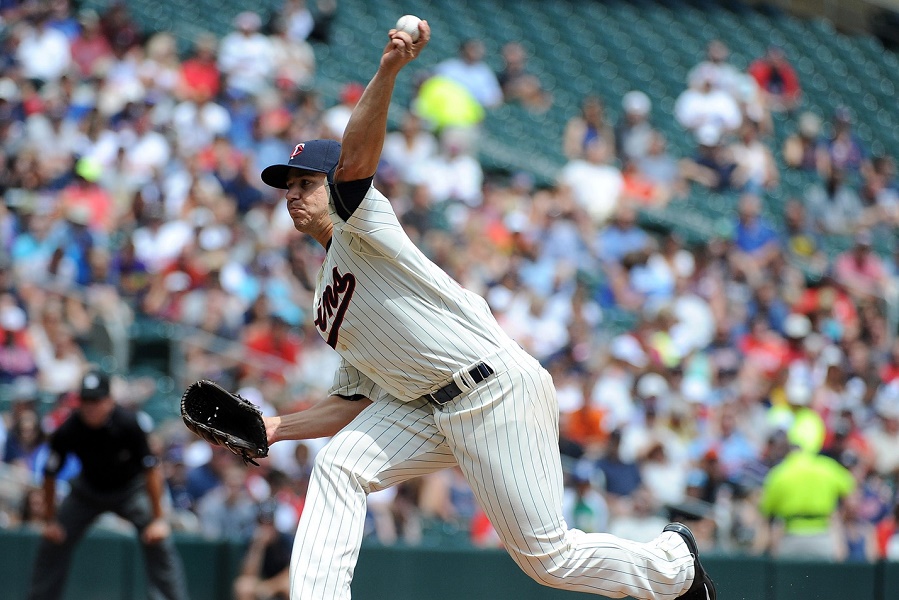 In my opinion, that is completely a myth and there are so many examples of that. Here are a few things we do know about velocity. 1) Velocity allows a greater margin for error for any pitcher. The faster the ball comes in toward the plate, the quicker the batter’s brain needs to process whether to swing at it and then try to hit it. There’s no question about that. 2) Control and – more important – command are much more important than velocity alone in a pitcher’s success. Alex Meyer can hit 98 with his fastball with frequency. When he is on, he can dominate. When he lacks control, gets behind and then lacks command in the strike zone, he – like every other pitcher – is going to struggle. 3) MLB hitters can hit straight fastballs, even if they come in near triple digits. MLB hitters are good and have great hand-eye coordination. Making the fastball move – in, out or down – is very important to sustained success. Having a good four-seam fastball is great, but a two-seam fastball with movement is usually a better pitcher’s pitch, even though it comes in a couple of miles per hour slower. 4) Having quality second and third and maybe even fourth pitches is also important for a starter. Having control of a change-up that comes in eight to twelve mph slower than the fastball with the same delivery can be the most difficult pitch to hit because it messes with your timing. It can also make the fastball look a couple of mph faster. I always thought that the change-up and the cutter were the two most difficult pitches to hit. That said, a curve ball like Tyler Duffey showed in his big league debut is also difficult because it changes the batter’s eye level. This is not a knock on velocity. In fact, if a pitcher has 1-4 above and throws 98, he's going to be great. Velocity is not a bad thing. I’m not telling you anything you don’t already know. For a starter, being able to mix and match three or four pitches with good control is immensely important, and I would argue it is far more important than velocity. Now, maybe the Twins Geek will want to run a Correlation Analysis to show what makes a starting pitcher successful. My hypothesis for such a study would be that velocity wouldn’t be in the Top 5 factors for pitcher success. But again, I thought it would be interesting to see how Twins pitchers compared in terms of fastball velocity to other starters around baseball. In 2015, 141 pitchers threw at least 100 innings. Going back to my days as a math minor, I believe that “median” is the number in the middle of a group, a number in which half of the data comes in higher and half are lower. The “Median” Average Fastball Velocity for the 141 starters is 91.8 mph. Two pitchers (Yankees Nathan Eovaldi, and Mets Noah Syndergaard) averaged 96.0+ on their fastballs. Just 11 of the 141 pitchers averaged 95.0 with their fastball. 25 averaged 94.0+ with the fastball. In other words, when you hear someone say that a pitcher sits between 91 and 93 mph, that isn’t a knock. It just is what it is. That’s what 60% of pitchers throw, with more big leaguers below that range rather than higher. TWINS VELOCITIES The Twins had six pitchers throw at least 100 innings, and here is how they ranked by Average Fastball Velocity. Trevor May – 93.2 (was tied with Justin Verlander for 36th in MLB, though clearly that number was improved by his time in the bullpen) Mike Pelfrey – 93.0 (was tied for 38th on the list – Tied with Jordan Zimmerman and Sonny Gray) Ervin Santana – 92.5 (was tied for 49th on the list) Kyle Gibson – 92.0 (was tied for 61st on the list. Tied with the likes of Masahiro Tanaka, Madison Bumgarner and Jon Lester.) Phil Hughes – 90.7 (was tied for 98th on the list – he as at 92.1 in 2014) Tommy Milone – 87.6 (was tied for 131st on the list) So, what does that mean? Well, four of the six Twins pitchers with 100 or more innings in 2015 pitched with above-average velocity. The Twins starting rotation was improved in 2015 (starter ERA improved by nearly a run), but they were still 10th in the American League. However, struggles of the staff should not be attributed to lack of velocity. THE CASE OF TOMMY MILONE Tommy Milone is an interesting case. Many believe he is not a guy to build around because of his lack of velocity. However, a quick look at the pitchers in MLB whose average velocity is even lower than Milone’s proves interesting. Dodgers RHP Mike Bolsinger (87.2), Rockies RHP Kyle Kendrick (86.7), Nationals RHP Doug Fister (86.4), Royals RHP Chris Young (86.4), Cubs RHP Dan Haren (86.0), Diamondbacks RHP Josh Collmenter (85.9), Angels RHP Jered Weaver (84.9), Blue Jays LHP Mark Buehrle (83.9), Blue Jays RHP RA Dickey (81.4). There are some long-time, very successful starting pitchers in that group. They are rare, and you’ll note just how pinpoint their control has been over the years. It has to be. I’m not saying that Tommy Milone will turn into the next Mark Buehrle, but I also refuse to say that he can’t be. His fastball may be just 87.6 mph, but he has a slow curve ball and a very good change-up. That three-pitch mix can be success (with command) at any level. PLAYOFF ROTATIONS You will also often hear that the Twins need some flame-throwers in order to make a run in the playoffs. Again, that wouldn’t hurt, but velocity isn’t necessarily the key to success for starters to get a team to the playoffs. Just for fun (and because I’m curious), I looked at the 10 playoff teams and considered their playoff rotations as well as other starters who helped a team to the playoffs (for instance, the injured Carlos Martinez of the Cardinals, or CC Sabathia of the Yankees). What you will find is a mixed bag of pitchers in the rotations. Pittsburgh Pirates: Gerrit Cole (95.5), Francisco Liriano (92.1), Charlie Morton (92.1), Jeff Locke (91.8), AJ Burnett (91.1) New York Yankees: Nathan Eovaldi (96.6), Ivan Nova (93.0), Adam Warren (92.8), Michael Pineda (92.5), Masahiro Tanaka (92.0), CC Sabathia (90.3) Chicago Cubs: Jake Arrieta (94.4), Jason Hammel (92.2), Jon Lester (92.0), Kyle Hendricks (89.9), Dan Haren (86.0) St. Louis Cardinals: Carlos Martinez (95.2), Michael Wacha (93.9), Lance Lynn (91.7), John Lackey (91.6), Jaime Garcia (90.0) New York Mets: Noah Syndergaard (96.5), Matt Harvey (95.2), Jacob De Grom (94.9), Stephen Matz (94.3), Bartolo Colon (90.3), Jon Niese (89.2) Los Angeles Dodgers: Clayton Kershaw (93.6), Zach Greinke (91.8), Brett Anderson (91.0), Alex Wood (89.3). Houston Astros: Lance McCullers (94.2), Scott Kazmir (91.5), Collin McHugh (90.3), Scott Feldman (90.0), Dallas Kuechel (89.6), Mike Fiers (89.4) Kansas City Royals: Yordano Ventura (95.6), Edinson Volquez (93.8), Danny Duffy (93.6), Johnny Cueto (92.2), Jeremy Guthrie (92.0), Chris Young (86.4) Toronto Blue Jays: David Price (94.0), Marcus Stroman (92.9), Drew Hutchinson (92.4), Marco Estrada (89.1), Mark Buehrle (83.9), RA Dickey (81.4) Texas Rangers: Derek Holland (92.9), Cole Hamels (92.1), Martin Perez (91.8), Yovani Gallardo (90.5), Nick Martinez (89.7), Colby Lewis (88.2) The Mets clearly are all about youth and velocity and that’s a good strategy when the pitchers are as talented as that young quartet. Jake Arrieta and David Price are aces who throw hard. But look at the Astros pitching after McCullers. Dallas Kuechel, the likely AL Cy Young Award winner, doesn’t average 90 mph on his fastball. Great pitching comes in all shapes and sizes. Some develop by 21 or 22, and others don’t reach their potential until they’re 25 or 26. Most are somewhere in between. There have been great pitchers who are 6-0 tall and others at 6-11, and everywhere in-between. Likewise, there have been aces who throw 97, and there have been aces that top out at 89 or 90. And, everywhere in between. Velocity can be a good thing for a starting pitcher for several reasons. However, it is a myth if someone tells you that one must have great velocity to become an ace.
 -
Front Page: 1987 Revisited: Twins Upset Tigers
Seth Stohs replied to Parker Hageman's topic in Twins Daily Front Page News
I remember there was an afternoon game (can't remember which game it was). Our 7th grade football season was done, we had played our last game, but for some reason we had another practice. I was so mad that we would have a practice on that day. Fortunately, the practice wasn't too long. I like the Joe Brinkman crow-hop call out of Evans at 3B. I think tipping him off to a play coming may have been a huge factor in getting a close out.- 48 replies
-
- 1
-
-
- 1987 world series
- detroit tigers
- (and 2 more)
-
Here are the ballots: Seth: 1.) Dozier, 2.) Plouffe, 3.) Sano, 4.) Escobar, 5.) Hunter Nick: 1.) Dozier, 2.) Sano, 3.) Escobar, 4.) Gibson, 5.) Plouffe Parker: 1.) Sano, 2.) Dozier, 3.) Gibson, 4.) Mauer, 5.) Perkins John: 1.) Sano, 2.) Dozier, 3.) Hunter, 4.) Gibson, 5.) Mauer Jeremy: 1.) Dozier, 2.) Hunter, 3.) Sano, 4.) Plouffe, 5.) Escobar Cody: 1.) Dozier, 2.) Plouffe, 3.) Sano, 4.) Escobar, 5.) Gibson Steve: 1.) Dozier, 2.) Plouffe, 3.) Sano, 4.) Escobar, 5.) Hicks Eric: 1.) Dozier, 2.) Sano, 3.) Hicks, 4.) Escobar, 5.) Rosario
-
After handing out the 2015 Twins Daily Award for Most Improved (Aaron Hicks), Best Rookie (Miguel Sano) and Best Pitcher (Kyle Gibson), today we focus on the 2015 Minnesota Twins Most Valuable Player. Each year, it seems, there is some controversy on what the definition of “Valuable” is in baseball terms. Is it simply the best player? Is there a Leadership function to it? How about a clutch factor? How do you compare a guy who played nearly every game to a guy who was tremendous but missed half of the season? That was the decision our eight Twins Daily voters had to consider. The first half (and full season) of Brian Dozier had to be compared to the second half of Miguel Sano. There were other solid candidates as well which is why this ballot had the most variety in its vote.Each voter ranked their Twins MVP choices one through five. A first-place vote was worth five points. A second-place vote was worth four points. And so on. THE RESULTS (ballots will be shown in the comments below) Brian Dozier – 38 (6 first-place votes) Miguel Sano – 30 (2 first-place votes) Trevor Plouffe - 15 Eduardo Escobar – 12 Torii Hunter/Kyle Gibson – 8 Aaron Hicks – 4 Joe Mauer – 3 Glen Perkins/Eddie Rosario – 1 Our voters clearly found value in the players who spent the full season with the Minnesota Twins over Sano’s dominant second half. Brian Dozier led the Twins in several categories including Home Runs (28), runs scored (101) and Wins Above Replacement (3.5). Overall, a second half slump put his season-ending numbers at .236/.307/.444 (.751) with 39 doubles, four triples and 28 home runs. When the Twins were at their best (ten games over .500 at the All Star break), it was Brian Dozier who was leading the way. Through July 19th (his first 91 games), Dozier was hitting .260/.331/.520 (.850). He was also going back and forth with Blue Jays 3B Josh Donaldson for the MLB lead in extra base hits. Despite the incredible numbers, Brian Dozier was not initially named to the American League All Star roster. He was part of the final vote, but finished second in that voting. However, soon after that was announced, Dozier was named an injury replacement and was on the All Star team. He got one at bat in the Midsummer Classic and homered to dead center off of Pirates closer Mark Melancon. The #VoteDozier campaign and the fan support is something that he won’t forget. Dozier said, “How everything transpired leading up to the All Star game was amazing to see and kind of surreal experience for me to see all of the support from fans. I do not play for any personal achievements, but it was a great honor to be selected to represent the Twins in Cincy. I had a lot of fun.” Though he struggled in the second half, the Twins continued to stay in contention and finished above .500 for the first time since 2010. It was the first time that Dozier has been on a contending, winning Twins team. “For the first time in my career, I felt the feeling of what it’s like to contend for the playoffs, and that feeling is night and day compared to previous years. It hasn’t always been fun coming to the yard years prior, but I am being honest when I say I couldn’t wait to get to the field and win a big league baseball game. The game, the concentration level, the energy, the excitement all changes when you’re in contention and that was fun to see.” Some of that fun involved teaming with Torii Hunter. While Hunter was unquestionably the team leader in 2015, Dozier’s name is always brought up when it comes to who will lead the team when Hunter is gone. It is a role that Dozier embraces. “I have always embraced leadership roles from when I was younger until now, in every sport I played. First, in order to lead, you must learn how to follow, and this year was a good indicator of that alongside Torii. You have to trust your teammates and coaching staff in order to lead, and by doing that requires a lot, like doing the little things right, respecting the game, playing the game with hear and passion.” Regarding Hunter, Dozier added, “Torii taught me a lot on the field, and a lot off the field as well. A lot I can’t share – secrets – but overall, I picked his brain about numerous things on and off the field in order to embrace more leadership skills for the future.” Dozier’s second-half struggles were well documented. In his last 66 games, he posted a .619 OPS. Late in the season, he broke Bobby Darwin’s 43-year-old Minnesota Twins strikeout record. He took it in stride though, not caring at all about his own numbers, only about the Twins results. “I hate when people evaluate one’s season into halves or months or whatever. Just doesn’t make sense to me. Some days you feel better than others, which is typical for most of us.” However, between his presence at the top of the lineup and his solid defense (1.3 UZR, .990 fielding percentage), Paul Molitor just continued to put him at the top of the order. “To have the confidence from Mollie to run myself out there on a daily basis means a lot. There are a lot of times when I may not feel good physically, mentally or whatever, but I guarantee that I’m going to give you everything I’ve got for nine innings whether the results are good or bad. I also believe others on our team can say the same about themselves, and I believe that is why a lot of us this year meshed together well. We know how hard the game is and results are sometimes bad for long stretches, but if we gave each other everything every night, then that’s the respect from teammates you receive by playing every day.” Dozier was great in the first half, carrying the Twins to the second-base record in the league. He had the extra base hits. He had the defense. He even had the clutch hits. The most memorable came on July 10th. The Twins came into the bottom of the ninth down by five runs to Detroit. The scratched across a couple of runs. Dozier came to the plate with the team down 6-5 with two outs and Joakim Soria on the mound. He launched a ball well into the bleachers in left field to give the Twins an 8-6 win. It was his second walkoff home run of that week. That was the high point of the season for the Twins which says a lot in a season full of great moments and a lot of wins. Dozier said, “2015 was a unique season. We made major strides in our organization to get things going back in the winning direction.” However, he and his teammates are not satisfied. “I will never say it was a successful season though. We came up short of our goal, and it never feels good when you set to reach something and come up short. However, we did make strides and believe we are on the brink of something really special for many years to come in this organization. Always stay hungry for more in this game and never be satisfied. We can always get better in many different ways, and we will.” Dozier said he’ll start working out in December and then slowly get back into baseball activities. For now, he’s got a couple of other things on his mind. “My only focus now is limiting out on ducks every weekend and putting meat in the freezer, and to try and fix the slice in my golf game.” Congratulations to Brian Dozier, Twins Daily’s selection for 2015 Twins Most Valuable Player. Click here to view the article
-
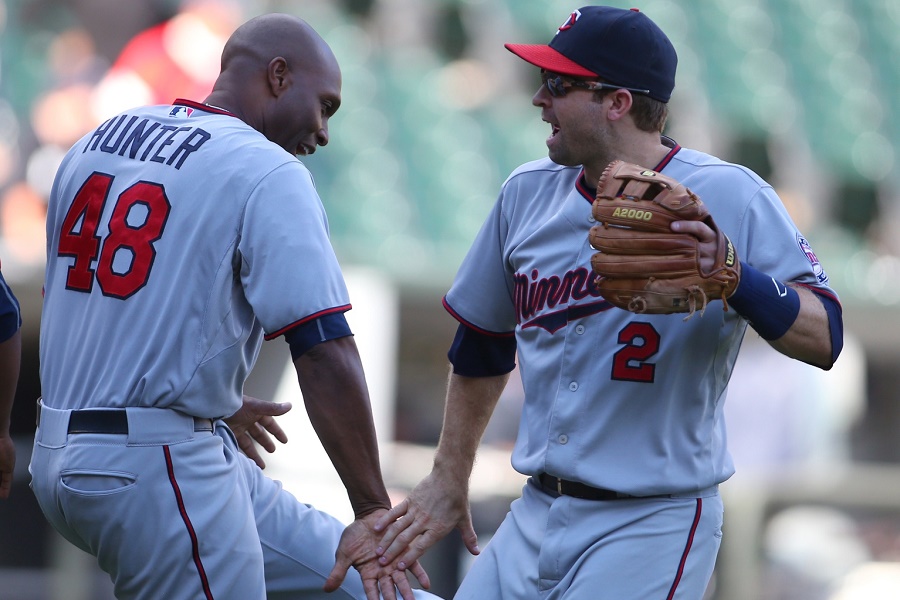 Each voter ranked their Twins MVP choices one through five. A first-place vote was worth five points. A second-place vote was worth four points. And so on. THE RESULTS (ballots will be shown in the comments below) Brian Dozier – 38 (6 first-place votes) Miguel Sano – 30 (2 first-place votes) Trevor Plouffe - 15 Eduardo Escobar – 12 Torii Hunter/Kyle Gibson – 8 Aaron Hicks – 4 Joe Mauer – 3 Glen Perkins/Eddie Rosario – 1 Our voters clearly found value in the players who spent the full season with the Minnesota Twins over Sano’s dominant second half. Brian Dozier led the Twins in several categories including Home Runs (28), runs scored (101) and Wins Above Replacement (3.5). Overall, a second half slump put his season-ending numbers at .236/.307/.444 (.751) with 39 doubles, four triples and 28 home runs. When the Twins were at their best (ten games over .500 at the All Star break), it was Brian Dozier who was leading the way. Through July 19th (his first 91 games), Dozier was hitting .260/.331/.520 (.850). He was also going back and forth with Blue Jays 3B Josh Donaldson for the MLB lead in extra base hits. Despite the incredible numbers, Brian Dozier was not initially named to the American League All Star roster. He was part of the final vote, but finished second in that voting. However, soon after that was announced, Dozier was named an injury replacement and was on the All Star team. He got one at bat in the Midsummer Classic and homered to dead center off of Pirates closer Mark Melancon. The #VoteDozier campaign and the fan support is something that he won’t forget. Dozier said, “How everything transpired leading up to the All Star game was amazing to see and kind of surreal experience for me to see all of the support from fans. I do not play for any personal achievements, but it was a great honor to be selected to represent the Twins in Cincy. I had a lot of fun.” Though he struggled in the second half, the Twins continued to stay in contention and finished above .500 for the first time since 2010. It was the first time that Dozier has been on a contending, winning Twins team. “For the first time in my career, I felt the feeling of what it’s like to contend for the playoffs, and that feeling is night and day compared to previous years. It hasn’t always been fun coming to the yard years prior, but I am being honest when I say I couldn’t wait to get to the field and win a big league baseball game. The game, the concentration level, the energy, the excitement all changes when you’re in contention and that was fun to see.” Some of that fun involved teaming with Torii Hunter. While Hunter was unquestionably the team leader in 2015, Dozier’s name is always brought up when it comes to who will lead the team when Hunter is gone. It is a role that Dozier embraces. “I have always embraced leadership roles from when I was younger until now, in every sport I played. First, in order to lead, you must learn how to follow, and this year was a good indicator of that alongside Torii. You have to trust your teammates and coaching staff in order to lead, and by doing that requires a lot, like doing the little things right, respecting the game, playing the game with hear and passion.” Regarding Hunter, Dozier added, “Torii taught me a lot on the field, and a lot off the field as well. A lot I can’t share – secrets – but overall, I picked his brain about numerous things on and off the field in order to embrace more leadership skills for the future.” Dozier’s second-half struggles were well documented. In his last 66 games, he posted a .619 OPS. Late in the season, he broke Bobby Darwin’s 43-year-old Minnesota Twins strikeout record. He took it in stride though, not caring at all about his own numbers, only about the Twins results. “I hate when people evaluate one’s season into halves or months or whatever. Just doesn’t make sense to me. Some days you feel better than others, which is typical for most of us.” However, between his presence at the top of the lineup and his solid defense (1.3 UZR, .990 fielding percentage), Paul Molitor just continued to put him at the top of the order. “To have the confidence from Mollie to run myself out there on a daily basis means a lot. There are a lot of times when I may not feel good physically, mentally or whatever, but I guarantee that I’m going to give you everything I’ve got for nine innings whether the results are good or bad. I also believe others on our team can say the same about themselves, and I believe that is why a lot of us this year meshed together well. We know how hard the game is and results are sometimes bad for long stretches, but if we gave each other everything every night, then that’s the respect from teammates you receive by playing every day.” Dozier was great in the first half, carrying the Twins to the second-base record in the league. He had the extra base hits. He had the defense. He even had the clutch hits. The most memorable came on July 10th. The Twins came into the bottom of the ninth down by five runs to Detroit. The scratched across a couple of runs. Dozier came to the plate with the team down 6-5 with two outs and Joakim Soria on the mound. He launched a ball well into the bleachers in left field to give the Twins an 8-6 win. It was his second walkoff home run of that week. That was the high point of the season for the Twins which says a lot in a season full of great moments and a lot of wins. Dozier said, “2015 was a unique season. We made major strides in our organization to get things going back in the winning direction.” However, he and his teammates are not satisfied. “I will never say it was a successful season though. We came up short of our goal, and it never feels good when you set to reach something and come up short. However, we did make strides and believe we are on the brink of something really special for many years to come in this organization. Always stay hungry for more in this game and never be satisfied. We can always get better in many different ways, and we will.” Dozier said he’ll start working out in December and then slowly get back into baseball activities. For now, he’s got a couple of other things on his mind. “My only focus now is limiting out on ducks every weekend and putting meat in the freezer, and to try and fix the slice in my golf game.” Congratulations to Brian Dozier, Twins Daily’s selection for 2015 Twins Most Valuable Player.
 -
Article: Twins Daily Awards 2015: Best Pitcher
Seth Stohs replied to Seth Stohs's topic in Twins Daily Front Page News
Here is a breakdown of the votes: Seth: 1.) Gibson, 2.) May, 3.) Perkins Nick: 1.) Gibson, 2.) May, 3.) Perkins Parker: 1.) Gibson, 2.) May, 3.) Perkins John: 1.) Gibson, 2.) Perkins, 3.) Jepsen Jeremy: 1.) Gibson, 2.) Perkins, 3.) May Cody: 1.) Gibson, 2.) May, 3.) Pelfrey Steve: 1.) Gibson, 2.) May, 3.) Santana Eric: 1.) Gibson, 2.) Perkins, 3.) May -
Article: Twins Daily Awards 2015: Best Pitcher
Seth Stohs replied to Seth Stohs's topic in Twins Daily Front Page News
Duffey should be talked about more. His 7-8 weeks in the big leagues were remarkable. But 50 innings compared to 194 innings is hard to overcome. He came in 3rd or 4th in minor league starting pitcher balloting. Either way, he deserves a lot of attention and discussion. -
We began our look Twins Daily Award 2015 on Tuesday by naming Aaron Hicks the Twins Most Improved Player. Yesterday, Nick surprised no one when he wrote that Miguel Sano was named the Best Rookie. Today, we continue handing out some hypothetical hardware by naming the Best Twins Pitcher in 2015. In 2014, the Twins posted a team ERA of 4.57 which was 29th of 30 in baseball, ahead of only the Colorado Rockies. Fast-forward to 2015. The Twins reduced their team ERA by a half run, to 4.07. That was good for 19th in MLB and 10th (of 15) in the American League. Still not great, but a significant improvement from just one year ago. The pitching improvement was even more noteworthy when focusing on Twins starting pitchers. In 2014, starters posted an ERA of 5.06. That number included the remarkable performance of Phil Hughes. In 2015, Twins starting pitchers worked to an ERA of 4.14. That improvement is nearly one full run per game. That huge improvement came despite the fact that no starter put up numbers near what Hughes did in 2014. It is unlikely any Twins pitcher will receive a single vote for American League Cy Young.Despite those facts, our Twins Daily panel of eight voters were unanimous in our choice for Minnesota Twins Pitcher of the Year in 2015. (Note that voters each voted for their top three pitchers. First place was 3 points. Second place was 2 points. Third place was 1 point.) Twins Daily Minnesota Twins Pitcher of the Year Results Kyle Gibson – 24 Trevor May – 12 Glen Perkins – 9 Mike Pelfrey, Ervin Santana, Kevin Jepsen – 1 point each Kyle Gibson was the Twins first-round pick in the 2009 draft out of the University of Missouri. He made his professional debut in 2010 and pitched for Ft. Myers, New Britain and ended that season with three starts in Rochester. He got off to a quick start in the 2011 season, but as the season went along, he began to feel pain in his elbow. He was shut down and had Tommy John surgery in September of 2011. Remarkably, he returned to the mound in early July of 2012, spending a month rehabbing with the GCL Twins. He made two appearances for the Miracle and ended the season with two starts in Rochester. It was a very quick recovery. In fact, he made six starts in the Arizona Fall League. He made his big league debut with ten starts for the Twins in the second half of 2013. In 2014, he made the Opening Day starting rotation and made 31 starts. He went 13-12 with a 4.47 ERA in 179.1 innings. In 2015, Gibson made 32 starts for the Twins. After missing time with injury in 2012, being able to make 31+ starts the last two seasons is important. Gibson said, “It means a lot to be able to make the 31 starts a year. If I want to become the best pitcher I can be, then being able to be relied upon every five days is important. There are always going to be injuries that pop up, but there is nothing you can do about those. Pitching better consistently will help the numbers take care of themselves.” He went 11-11 with a 3.84 ERA in 194.2 innings. He led the Twins in Innings Pitched, finishing with 30 innings more than Mike Pelfrey. Opponents posted an OPS of just .698 which was best of the six Twins pitchers with more than 100 innings on the mound. His Fielding Independent Pitching (FIP) and xFIP were second-best, behind just Trevor May. Despite the record, Gibson made strides in most every statistical category. His ERA dropped by 0.63. His WHIP dropped. He worked 15 more innings. He gave up less hits, and he struck out more batters. Last year, Gibson struck out just 5.4 batters per nine innings. In 2015, he struck out 6.7 per nine. Though he’ll never be considered a strikeout pitcher, the improvement is noteworthy and encouraging. Gibson said it was really “something that just happened. I talked a lot with Perk, May, and the other guys who get Ks just to see if they saw anything that could be changed. Worked some on high fastballs. If I go back and see the games I struck out the most, I bet I got ahead of the hitters more often. 2-2 and 3-2 aren’t really K counts. You have to be 0-2 and 1-2 if you want to see the K-count go up.” But the strikeouts still are not a big deal to Gibson. “Personally, I couldn’t care less about Ks. I think I had some of my best starts and got maybe just a couple of Ks in those. Sometimes they just swing and miss more often, and sometimes those same pitches get fouled off, at least with my sinker especially.” Through his pro career, the word “consistency” has been used in descriptions of Gibson. Terry Ryan would talk about how Gibson needed to be more consistent when he was in Rochester. His first full season (2014) was full of ups and downs. Even in his improved 2015 season, it was inconsistent throughout the year. In 18 starts before the All Star game this year, Gibson was 8-6 with a 2.85 ERA. “In the first half, my fastball command was pretty decent, but it was my off speed that helped me the most. My change up was as consistent as it has ever been. When I fell behind, my off speed command is what I used to get back into counts. Overall though, defense was also a big part of why I had a good first half. Not being a K guy means that defense is important to me, and they did an awesome job all year for me!” However, in 14 starts following the break, he was just 3-5 with a 5.22 ERA. Coming out of the break, he gave up at least five earned runs in four of his first six starts. However, he learned a lot from that, continued to work and aside from one start in September, he was very good again. “In August, my fastball command was pretty terrible. I was walking a lot of guys, and along with that, my off speed was not as good. That is a bad combination. At the end of August, I had decided to move to the third base side of the rubber. As I was working through that in my side sessions with Neil (Allen), we also worked on a few other things that helped with my consistency. It allowed for some different movement on my pitches since I was on the third base side of the rubber and also a bit more consistent release point. All of those things combined, allowed for a few adjustments, and in turn allowed for a bit better results.” On September 24th at Target Field against Cleveland, Gibson had his shortest outing of the season (2.2 innings). Six days later, at Cleveland, he tossed six shutout innings and struck out nine in a huge win for the Twins. A season for a pitcher (or any ball player) is all about making those adjustments. As important as any of his numbers, he gained the confidence of his teammates and the coaching staff. Had their 162nd game been meaningful, it would have been Kyle Gibson making the start on short rest. Gibson told Twins Daily, “It meant a lot to me that they had that confidence. We knew we were going to be in a bind once the double header was scheduled in Cleveland. I was lined up to pitch that last day versus Kansas City had we not been postponed, and for me, it was an exciting conversation to have with Mollie and Neil. I hadn’t pitched on short rest in my professional career, but I was very excited about the opportunity. Physically, I felt great and was ready for that challenge.” 2015 was a good year for Gibson and yet he’s already talked about things that he knows he can improve. He talked about needing to be better with the fastball up in the zone. He wants to be more consistent. He also really wants to improve his control. He walked 3.0 per nine innings. “More so than not this year, I did a TERRIBLE job of getting 0-2 and 1-2. That is something that HAS to change for next year. That will automatically cut out walks, which is something I have to do to take the next step and get better! Can’t walk guys…” Gibson is a smart guy, on and off the mound. He’ll start looking to 2016 in a little while, but for now, “It’s time to sit back and relax with my family.” That’s not to say he won’t think about baseball at all. “I’ll probably look back on 2015 more than looking ahead for right now, but that will change soon. I do think looking back is a great way to learn. So I will do a little when I start preparing for 2016. Not saying I will dwell on 2016 all throughout the offseason, but I do need to learn from a few things from this year. I am a visual learner, so the only way to do that is revisit those starts, and learn from watching video.” Congratulations to Kyle Gibson on being named the Twins Daily Twins Best Pitcher for 2015! Click here to view the article
-
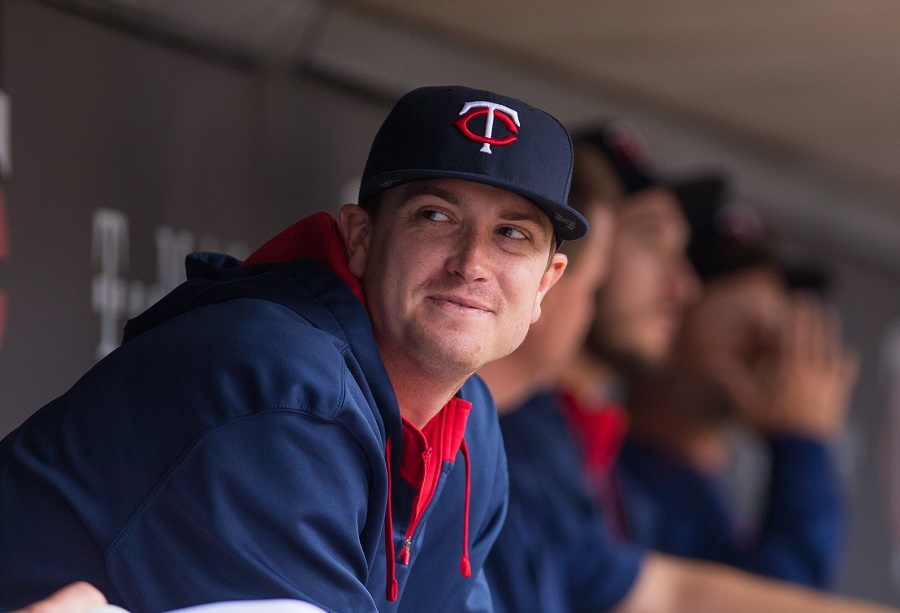 Despite those facts, our Twins Daily panel of eight voters were unanimous in our choice for Minnesota Twins Pitcher of the Year in 2015. (Note that voters each voted for their top three pitchers. First place was 3 points. Second place was 2 points. Third place was 1 point.) Twins Daily Minnesota Twins Pitcher of the Year Results Kyle Gibson – 24 Trevor May – 12 Glen Perkins – 9 Mike Pelfrey, Ervin Santana, Kevin Jepsen – 1 point each Kyle Gibson was the Twins first-round pick in the 2009 draft out of the University of Missouri. He made his professional debut in 2010 and pitched for Ft. Myers, New Britain and ended that season with three starts in Rochester. He got off to a quick start in the 2011 season, but as the season went along, he began to feel pain in his elbow. He was shut down and had Tommy John surgery in September of 2011. Remarkably, he returned to the mound in early July of 2012, spending a month rehabbing with the GCL Twins. He made two appearances for the Miracle and ended the season with two starts in Rochester. It was a very quick recovery. In fact, he made six starts in the Arizona Fall League. He made his big league debut with ten starts for the Twins in the second half of 2013. In 2014, he made the Opening Day starting rotation and made 31 starts. He went 13-12 with a 4.47 ERA in 179.1 innings. In 2015, Gibson made 32 starts for the Twins. After missing time with injury in 2012, being able to make 31+ starts the last two seasons is important. Gibson said, “It means a lot to be able to make the 31 starts a year. If I want to become the best pitcher I can be, then being able to be relied upon every five days is important. There are always going to be injuries that pop up, but there is nothing you can do about those. Pitching better consistently will help the numbers take care of themselves.” He went 11-11 with a 3.84 ERA in 194.2 innings. He led the Twins in Innings Pitched, finishing with 30 innings more than Mike Pelfrey. Opponents posted an OPS of just .698 which was best of the six Twins pitchers with more than 100 innings on the mound. His Fielding Independent Pitching (FIP) and xFIP were second-best, behind just Trevor May. Despite the record, Gibson made strides in most every statistical category. His ERA dropped by 0.63. His WHIP dropped. He worked 15 more innings. He gave up less hits, and he struck out more batters. Last year, Gibson struck out just 5.4 batters per nine innings. In 2015, he struck out 6.7 per nine. Though he’ll never be considered a strikeout pitcher, the improvement is noteworthy and encouraging. Gibson said it was really “something that just happened. I talked a lot with Perk, May, and the other guys who get Ks just to see if they saw anything that could be changed. Worked some on high fastballs. If I go back and see the games I struck out the most, I bet I got ahead of the hitters more often. 2-2 and 3-2 aren’t really K counts. You have to be 0-2 and 1-2 if you want to see the K-count go up.” But the strikeouts still are not a big deal to Gibson. “Personally, I couldn’t care less about Ks. I think I had some of my best starts and got maybe just a couple of Ks in those. Sometimes they just swing and miss more often, and sometimes those same pitches get fouled off, at least with my sinker especially.” Through his pro career, the word “consistency” has been used in descriptions of Gibson. Terry Ryan would talk about how Gibson needed to be more consistent when he was in Rochester. His first full season (2014) was full of ups and downs. Even in his improved 2015 season, it was inconsistent throughout the year. In 18 starts before the All Star game this year, Gibson was 8-6 with a 2.85 ERA. “In the first half, my fastball command was pretty decent, but it was my off speed that helped me the most. My change up was as consistent as it has ever been. When I fell behind, my off speed command is what I used to get back into counts. Overall though, defense was also a big part of why I had a good first half. Not being a K guy means that defense is important to me, and they did an awesome job all year for me!” However, in 14 starts following the break, he was just 3-5 with a 5.22 ERA. Coming out of the break, he gave up at least five earned runs in four of his first six starts. However, he learned a lot from that, continued to work and aside from one start in September, he was very good again. “In August, my fastball command was pretty terrible. I was walking a lot of guys, and along with that, my off speed was not as good. That is a bad combination. At the end of August, I had decided to move to the third base side of the rubber. As I was working through that in my side sessions with Neil (Allen), we also worked on a few other things that helped with my consistency. It allowed for some different movement on my pitches since I was on the third base side of the rubber and also a bit more consistent release point. All of those things combined, allowed for a few adjustments, and in turn allowed for a bit better results.” On September 24th at Target Field against Cleveland, Gibson had his shortest outing of the season (2.2 innings). Six days later, at Cleveland, he tossed six shutout innings and struck out nine in a huge win for the Twins. A season for a pitcher (or any ball player) is all about making those adjustments. As important as any of his numbers, he gained the confidence of his teammates and the coaching staff. Had their 162nd game been meaningful, it would have been Kyle Gibson making the start on short rest. Gibson told Twins Daily, “It meant a lot to me that they had that confidence. We knew we were going to be in a bind once the double header was scheduled in Cleveland. I was lined up to pitch that last day versus Kansas City had we not been postponed, and for me, it was an exciting conversation to have with Mollie and Neil. I hadn’t pitched on short rest in my professional career, but I was very excited about the opportunity. Physically, I felt great and was ready for that challenge.” 2015 was a good year for Gibson and yet he’s already talked about things that he knows he can improve. He talked about needing to be better with the fastball up in the zone. He wants to be more consistent. He also really wants to improve his control. He walked 3.0 per nine innings. “More so than not this year, I did a TERRIBLE job of getting 0-2 and 1-2. That is something that HAS to change for next year. That will automatically cut out walks, which is something I have to do to take the next step and get better! Can’t walk guys…” Gibson is a smart guy, on and off the mound. He’ll start looking to 2016 in a little while, but for now, “It’s time to sit back and relax with my family.” That’s not to say he won’t think about baseball at all. “I’ll probably look back on 2015 more than looking ahead for right now, but that will change soon. I do think looking back is a great way to learn. So I will do a little when I start preparing for 2016. Not saying I will dwell on 2016 all throughout the offseason, but I do need to learn from a few things from this year. I am a visual learner, so the only way to do that is revisit those starts, and learn from watching video.” Congratulations to Kyle Gibson on being named the Twins Daily Twins Best Pitcher for 2015!
 -
Article: Twins Daily Awards 2015: Best Rookie
Seth Stohs replied to Nick Nelson's topic in Twins Daily Front Page News
Two things: 1.) Vargas is no Sano. He's just not. 2.) Ortiz sure bashed the Twins style, but he became the player he became because he crushed a lot of baseballs to left and left-center, off of or over, that Green Monster.- 22 replies
-
- 3
-
-
- miguel sano
- eddie rosario
- (and 2 more)
-
Article: Twins Daily Awards 2015: Best Rookie
Seth Stohs replied to Nick Nelson's topic in Twins Daily Front Page News
Buxton ended with 129 At Bats, so he is rookie-eligible next year. But yes, I should have had Berrios on that list, as well as Polanco and Meyer.
