



Nick Nelson
-
Posts
8,325 -
Joined
-
Last visited
-
Days Won
56
Content Type
Profiles
News
Minnesota Twins Videos
2026 Minnesota Twins Top Prospects Ranking
2022 Minnesota Twins Draft Picks
Minnesota Twins Free Agent & Trade Rumors, Notes, & Tidbits
Guides & Resources
2023 Minnesota Twins Draft Picks
The Minnesota Twins Players Project
2024 Minnesota Twins Draft Picks
2025 Minnesota Twins Draft Pick Tracker
2026 Minnesota Twins Draft Tracker: Picks & Bonuses
Forums
Blogs
Events
Store
Downloads
Gallery
Everything posted by Nick Nelson
-
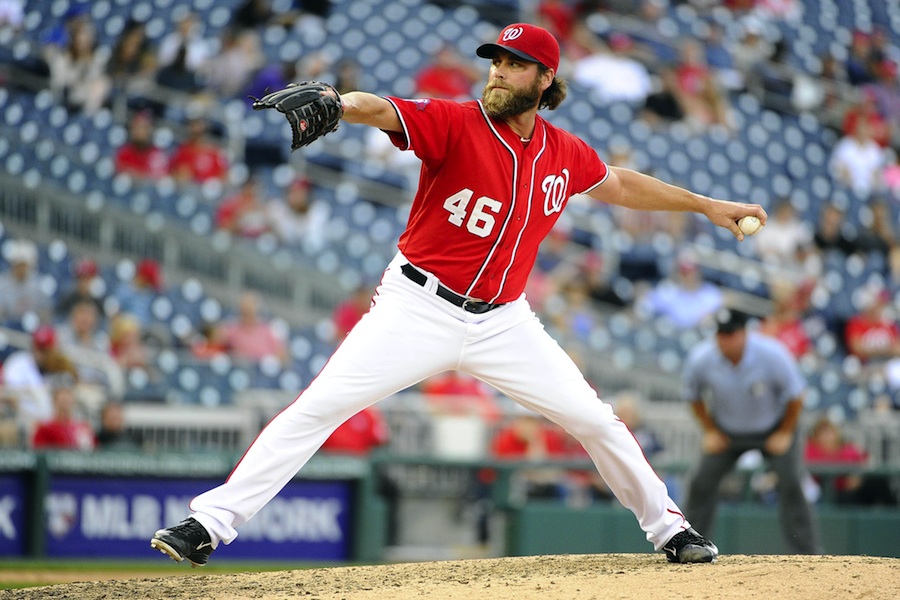 What Terry Ryan has done is assemble a group of intriguing arms with non-guaranteed commitments to go along with the (altogether decent) in-house options. Fernando Abad, who has been quite effective for the A's over the past three seasons, becomes the most established player in the mix, and appears to be the leading contender at this point for top lefty in the bullpen. He'll be joined in spring training by some other outside guys that offer intrigue. Buddy Boshers, inked to a minor-league contract in December, is coming off an eye-opening season in independent ball. Mike Strong, claimed off waivers from the Marlins on Friday, has piled up a lot of strikeouts in the minors. And then you have Ryan O'Rourke, Taylor Rogers, Pat Dean, Aaron Thompson, and maybe Tommy Milone. If that's the group that the Twins want to take to camp, they'll probably be able to head north with one or two adequate southpaws to complement closer Glen Perkins. But this is a collection that ultimately lacks experience in a very evident way. Aside from Abad, none of the pitchers competing for these important roles has made more than a few dozen relief appearances in the majors. And for those that have, the results haven't been there. As for Abad, while he looks fine on paper, there's a reason that no other club wanted to give him an MLB contract, so he is a gamble in his own right. Given their aspirations for this season, it would be surprising if the Twins didn't add one more veteran lefty. They are known to value the qualities that such a player brings to the table, and with Antonio Bastardo off the market, any remaining free agent can likely be had on a one-year deal. Here's a look at those remaining options, with a quick glance at the pros and cons for each. Matt Thornton Pros: Shuts down lefty hitters year after year. Held them to 484 OPS in 2015. Familiar to Twins, having spent many seasons with the White Sox. Tall, sturdy specimen at 6'6" with a long track record of durability (10 straight seasons with 60+ appearances). Cons: Turned 39 in September. Velocity has been declining along with his strikeout rates. Last year he averaged a career-low 5.0 strikeouts per nine innings – not exactly what this K-starved bullpen needs. Neal Cotts Pros: Spent time with the Twins last season, delivering solid performances down the stretch. Steady vet with 3.03 ERA over the past three years. Not overly vulnerable to right-handed hitters. Cons: Limited upside. He's had one season in the last decade (2013) that would truly be considered a stand-out. Occasional control problems. Turning 36 in March, he's not as old as Thornton, but he has seen a similar downward velo trend. Randy Choate Pros: Has been used as a true lefty specialist, making 196 appearances over the last three years with St. Louis and recording only 296 outs. He has been effective in that capacity, with a 1.12 WHIP and only four home runs allowed during that span. Fits the bill for experience; has played with six different teams, has pitched in the playoffs five times, and has led the league in appearances twice. Cons: At 40, he's the oldest player on this list. And while he has been very good as a lefty one out guy, do we really expect Paul Molitor to use him that way? The manager didn't really show a propensity for doing so last year. Franklin Morales Pros: He was the No. 1 lefty option last year in a bullpen that helped carry the Royals to a World Series title. Held left-handed hitters to a .192 average. At 30, far younger than the names listed above him here. Cons: Very inconsistent track record. Terrible against right-handed hitters. Has averaged more than four walks per nine innings in his career. Represented by Scott Boras. Sean Marshall Pros: From 2010 through 2013, he was one of the National League's finest left-handed relievers, posting a 2.44 ERA and 253/60 K/BB ratio in 221 innings. Would carry substantial upside on a minor-league deal. Cons: Recurring shoulder problems limited him to 16 appearances in 2013, 15 in 2014 and zero in 2015. Manny Parra Pros: Has been mostly effective in Cincinnati for the past three years. Cons: He's been fairly mediocre since a career year in 2013, and last year he battled elbow and bicep issues. Eric O'Flaherty Pros: Consistently exception from 2009 through 2014. During that span, he never posted an ERA above 3.04 or a WHIP above 1.25. Sharp command and very tough to hit. Cons: His 2015 was a disaster. In stints with the A's and Mets, O'Flaherty posted an 8.10 ERA and allowed 47 hits in 30 innings. He has generally had a hard time staying healthy in recent years. Craig Breslow Pros: Very fine reliever for many years after leaving Twins in 2009. Effective against both righties and lefties when he's on his game. Cons: He hasn't been very good over the past couple seasons and, at age 35, do we really expect that to turn around? Brian Duensing Pros: Drafted and developed by the Twins. Has held lefty hitters to .238/.289/.325 in his career. Turning 33 in a month, not as old as many others on this list. Cons: He was bad in 2015, even against lefties, and he has always been a liability against righties. Who would you choose from this group? Or would you be more comfortable sticking with what the Twins have?
 -
Article: Charting The Competition: Detroit Tigers
Nick Nelson replied to Nick Nelson's topic in Twins Daily Front Page News
-
From 2011 through 2014, Detroit reigned over the AL Central, winning the division (and at least one postseason series) every year, with a lineup powered by Miguel Cabrera and a rotation led by Justin Verlander. In 2015, the Tigers suddenly sunk to last place in the division, failing to overcome reduced contributions from their erstwhile superstars and receiving minimal production from role players.Looking back, it's kind of amazing a team that had Yoenis Cespedes AND David Price, along with Cabrera hitting at an MVP level, in the first half was in position to sell everything by the end of July in a wide open American League. But that speaks to how badly things went off the rails elsewhere. Verlander missed the first 10 weeks and only sporadically looked like himself after returning. Outside of Price's sterling four months, the entire rotation was a mess around him. Cabrera missed a month with a calf injury. Victor Martinez, MVP runner-up a year earlier, hobbled around on a bad knee and posted career lows in batting average (.245) and OPS (.667). In many ways, it's tempting to count the Tigers out. Cabrera and Verlander aren't getting any younger, and Detroit's organizational talent was ranked 30th out of 30 clubs by Baseball America last March. However, their pipeline was reinfused quite a bit last summer by the Cespedes and Price trades. And whereas the Twins have taken a very passive approach this offseason, relying on their talented young core to keep improving and driving further progress, the Tigers have been proactive in reinforcing their aging roster. The signing of Justin Upton this week to a six-year, $132.75 million contract is an enormous move. Upton is a premium athlete who will thrive offensively in Detroit's park and is only 28. He drastically upgrades a Tigers lineup that will already be bringing back a healthy Cabrera and J.D. Martinez, who is coming off a 38-homer campaign. Jordan Zimmermann, one of the best free agent starters on the market, was signed to join Verlander at the top of the rotation and the Tigers are hopeful that our old friend Mike Pelfrey can add a little more reliability at the bottom. Meanwhile, the acquisition of All-Star closer Francisco Rodriguez from Milwaukee powers up the bullpen significantly. Even coming off a 74-win season, the Tigers are undeniably a threat, and they could be downright dangerous if Verlander's late-season resurgence (2.30 ERA in his final 10 starts) carries over while a few younger guys emerge. We'll see whether new general manager Al Avila's profound aggressiveness in the wake of a nosedive pays off. Click here to view the article
-
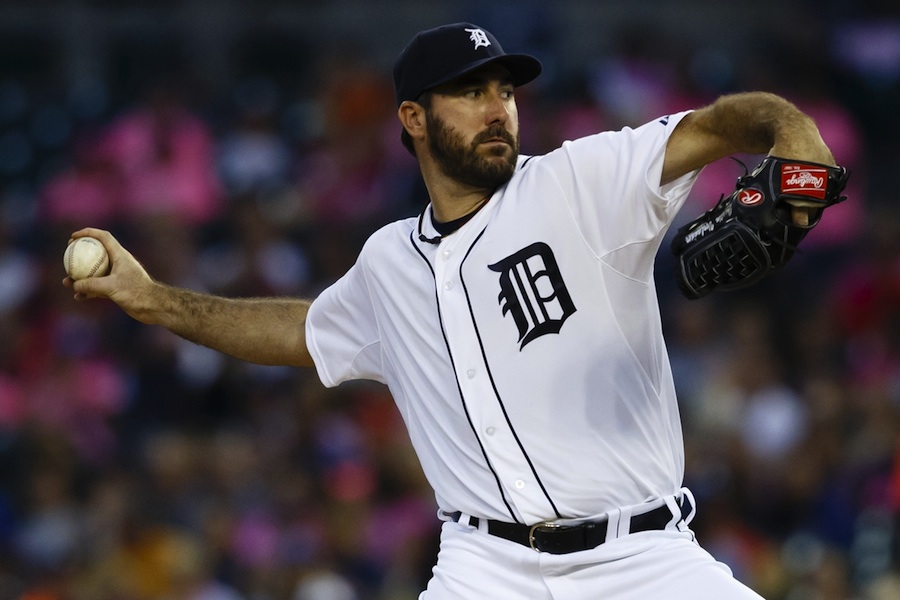 Looking back, it's kind of amazing a team that had Yoenis Cespedes AND David Price, along with Cabrera hitting at an MVP level, in the first half was in position to sell everything by the end of July in a wide open American League. But that speaks to how badly things went off the rails elsewhere. Verlander missed the first 10 weeks and only sporadically looked like himself after returning. Outside of Price's sterling four months, the entire rotation was a mess around him. Cabrera missed a month with a calf injury. Victor Martinez, MVP runner-up a year earlier, hobbled around on a bad knee and posted career lows in batting average (.245) and OPS (.667). In many ways, it's tempting to count the Tigers out. Cabrera and Verlander aren't getting any younger, and Detroit's organizational talent was ranked 30th out of 30 clubs by Baseball America last March. However, their pipeline was reinfused quite a bit last summer by the Cespedes and Price trades. And whereas the Twins have taken a very passive approach this offseason, relying on their talented young core to keep improving and driving further progress, the Tigers have been proactive in reinforcing their aging roster. The signing of Justin Upton this week to a six-year, $132.75 million contract is an enormous move. Upton is a premium athlete who will thrive offensively in Detroit's park and is only 28. He drastically upgrades a Tigers lineup that will already be bringing back a healthy Cabrera and J.D. Martinez, who is coming off a 38-homer campaign. Jordan Zimmermann, one of the best free agent starters on the market, was signed to join Verlander at the top of the rotation and the Tigers are hopeful that our old friend Mike Pelfrey can add a little more reliability at the bottom. Meanwhile, the acquisition of All-Star closer Francisco Rodriguez from Milwaukee powers up the bullpen significantly. Even coming off a 74-win season, the Tigers are undeniably a threat, and they could be downright dangerous if Verlander's late-season resurgence (2.30 ERA in his final 10 starts) carries over while a few younger guys emerge. We'll see whether new general manager Al Avila's profound aggressiveness in the wake of a nosedive pays off.
 -
Article: Meltdown Sold Out!
Nick Nelson replied to Parker Hageman's topic in Twins Daily Front Page News
Meatsauce (aka Paul Lambert) is a comedian and one of the hosts for the highest rated morning radio show in the Twin Cities. Also one of the nicest and most down-to-earth guys you will meet in the radio biz. He will be a great host and emcee. -
Article: Glen Quagmire: The Closer Conundrum
Nick Nelson replied to Nick Nelson's topic in Twins Daily Front Page News
To add to this, I wouldn't be surprised if the changing nature of the market helps facilitate a change in this regard. It used to be that if you were a reliever without saves on your stat sheet, the best pay-day you could hope for as a free agent paled in comparison to even the non-elite tier of ninth inning men. Now, with relievers becoming more highly valued in general, and setup men scoring deals like the ones Darren O'Day and Tony Sipp got this offseason, a guy might not grumble so much about his role. Especially someone like Perkins who has two years left on his deal. -
I know what you're wondering. Did I decide to start writing this article about Glen Perkins and the Minnesota Twins' closer situation solely so I could make the punny Family Guy reference you see in the headline above? The answer: yes. However, it also happens to be a pertinent topic as we inch toward spring training, so read on. Giggity.To call the ninth inning situation a "closer conundrum" isn't really accurate. The job belongs to Perkins, as it should. The lefty has made three straight All-Star teams, and has established a reputation as one of the league's best. Multiple times this offseason, Paul Molitor has confirmed that Perkins would be returning to the role. The fact that the manager would even need to address it speaks to the tumult that Perkins faced in the second half last year. After fatigue had worn him down late in the 2014 season, his body broke down once again, and this time at a crucial juncture. When Blair Walsh hooked a chip shot left to cost the Vikings a playoff win two Sundays ago, Perkins tweeted out a message of commiseration: Granted, no blown save in Perk's career could measure up to the crushing devastation of Walsh's shank, but the 32-year-old hurler can certainly relate. So accustomed to getting the job done, his arm started to fail him as he pitched in meaningful late-season games for the first time. Perkins did his best to battle through, receiving cortisone shots in his neck and back, but he floundered. In August and September opposing hitters had an OPS above 1.000 against him. Time and time again, he watched hard fought games slip away at the very end, while he stood in disbelief on the hill. Alas, that is now in the past, and Perkins has had several months to heal and rest up. La Velle E. Neal III mentioned in a recent column that the southpaw spent six weeks in Ft. Myers working out daily during the offseason. No surprise there. Perkins likes to goof around on Twitter, and he's generally one of the most relaxed guys in the clubhouse, but he is competitive as hell and takes a lot of pride in his game. He's going to come back with some fire. If things should go the wrong way, how long is his leash? It's an interesting question, given the effectiveness displayed by Kevin Jepsen while filling in at times last year. At the end of the season, with both pitchers ostensibly healthy, it was Jepsen getting the save chances. He got the job done, too, converting 10 of 11. In La Velle's article, Molitor lamented the communication issues that arose while trying to navigate the situation. It's an unenviable spot for a rookie manager. He's surely hoping that he won't be thrust right back into it in a couple of months. Considering the way Perkins bounced back from his September swoon in 2014, converting 18 straight saves to open the following campaign, we can have confidence that he'll be back to form come April. But even if he is, one quandary remains. Perkins has worn down late in consecutive seasons and it's hard to believe his heavy usage didn't play a part. This especially rings true for last year, when the Twins essentially needed him in every close game for lack of adequate alternatives. In May, when Minnesota won 20 games, Perkins pitched 15 times – basically every other day. He came through, converting 13 saves while the Twins went 14-1 in those contests, but you have to wonder if it cost him down the stretch. Perkins might have worked harder this offseason on conditioning himself for the long grind, but he turns 33 in March. Managing the closer's workload will need to be a prioritized concern for Molitor in his second year at the helm. Fortunately, the presence of Jepsen will make that easier. He's a viable backup and sub in the ninth inning, and his acquisition last July will go down as one of Terry Ryan's best in-season pick-ups if the righty picks up where he left off. The fact that Jepsen looked so damn good after coming over last year is the only reason Ryan's inaction this winter has been remotely understandable. And, well, it still really isn't. Because once you go beyond Perkins and Jepsen, you've got Casey Fien, Trevor May, and a whole lot of question marks. In a best case scenario, this could become a pretty effective and reliable unit, but in anything less than that, the Twins are going to be turning to guys that don't necessarily merit a lot of trust. Either that or once again leaning on Perkins way too hard. We've already seen the end of that story. Click here to view the article
-
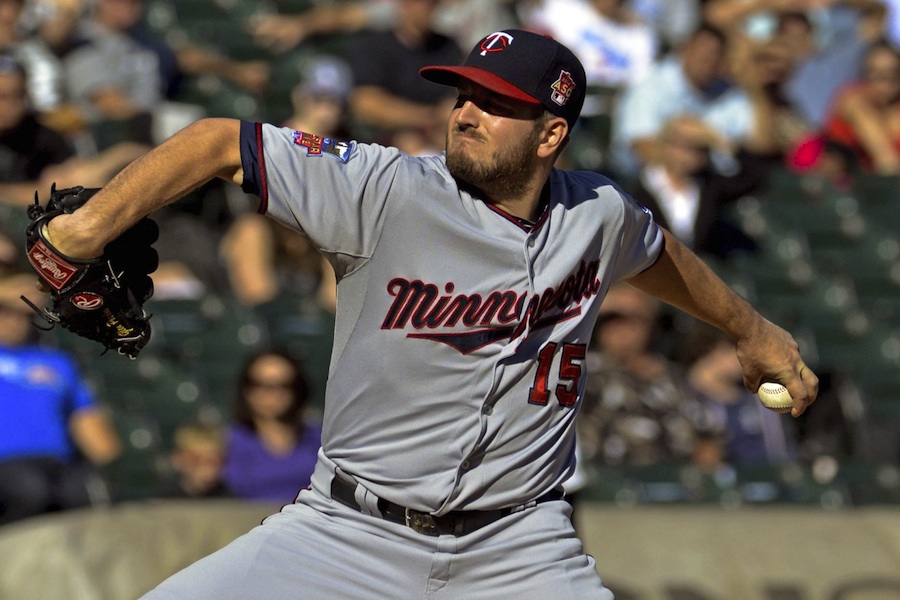 To call the ninth inning situation a "closer conundrum" isn't really accurate. The job belongs to Perkins, as it should. The lefty has made three straight All-Star teams, and has established a reputation as one of the league's best. Multiple times this offseason, Paul Molitor has confirmed that Perkins would be returning to the role. The fact that the manager would even need to address it speaks to the tumult that Perkins faced in the second half last year. After fatigue had worn him down late in the 2014 season, his body broke down once again, and this time at a crucial juncture. When Blair Walsh hooked a chip shot left to cost the Vikings a playoff win two Sundays ago, Perkins tweeted out a message of commiseration: https://twitter.com/glenperkins/status/686293557821485056 Granted, no blown save in Perk's career could measure up to the crushing devastation of Walsh's shank, but the 32-year-old hurler can certainly relate. So accustomed to getting the job done, his arm started to fail him as he pitched in meaningful late-season games for the first time. Perkins did his best to battle through, receiving cortisone shots in his neck and back, but he floundered. In August and September opposing hitters had an OPS above 1.000 against him. Time and time again, he watched hard fought games slip away at the very end, while he stood in disbelief on the hill. Alas, that is now in the past, and Perkins has had several months to heal and rest up. La Velle E. Neal III mentioned in a recent column that the southpaw spent six weeks in Ft. Myers working out daily during the offseason. No surprise there. Perkins likes to goof around on Twitter, and he's generally one of the most relaxed guys in the clubhouse, but he is competitive as hell and takes a lot of pride in his game. He's going to come back with some fire. If things should go the wrong way, how long is his leash? It's an interesting question, given the effectiveness displayed by Kevin Jepsen while filling in at times last year. At the end of the season, with both pitchers ostensibly healthy, it was Jepsen getting the save chances. He got the job done, too, converting 10 of 11. In La Velle's article, Molitor lamented the communication issues that arose while trying to navigate the situation. It's an unenviable spot for a rookie manager. He's surely hoping that he won't be thrust right back into it in a couple of months. Considering the way Perkins bounced back from his September swoon in 2014, converting 18 straight saves to open the following campaign, we can have confidence that he'll be back to form come April. But even if he is, one quandary remains. Perkins has worn down late in consecutive seasons and it's hard to believe his heavy usage didn't play a part. This especially rings true for last year, when the Twins essentially needed him in every close game for lack of adequate alternatives. In May, when Minnesota won 20 games, Perkins pitched 15 times – basically every other day. He came through, converting 13 saves while the Twins went 14-1 in those contests, but you have to wonder if it cost him down the stretch. Perkins might have worked harder this offseason on conditioning himself for the long grind, but he turns 33 in March. Managing the closer's workload will need to be a prioritized concern for Molitor in his second year at the helm. Fortunately, the presence of Jepsen will make that easier. He's a viable backup and sub in the ninth inning, and his acquisition last July will go down as one of Terry Ryan's best in-season pick-ups if the righty picks up where he left off. The fact that Jepsen looked so damn good after coming over last year is the only reason Ryan's inaction this winter has been remotely understandable. And, well, it still really isn't. Because once you go beyond Perkins and Jepsen, you've got Casey Fien, Trevor May, and a whole lot of question marks. In a best case scenario, this could become a pretty effective and reliable unit, but in anything less than that, the Twins are going to be turning to guys that don't necessarily merit a lot of trust. Either that or once again leaning on Perkins way too hard. We've already seen the end of that story.
 -
Article: An Updated Look At Twins Payroll
Nick Nelson replied to Nick Nelson's topic in Twins Daily Front Page News
But that's not actually how the payment is dispensed. The entirety of the posting fee is payed up front. -
Over the weekend, salary agreements were announced for four of the Twins' six arbitration eligible players. For two others, figures were publicly exchanged. Below, we will take a look at those numbers, while also examining where the 2016 payroll stands with the updated info incorporated.Here are the official 2016 salary numbers for the four players that reached agreement (in parentheses, their 2015 salaries): Tommy Milone: $4.5M ($2.775M) Casey Fien: $2.275M ($1.375M) Eduardo Escobar: $2.15M ($533K) Eduardo Nunez: $1.475M ($1.025M) (Big ups to Mike Berardino of the Pioneer Press for being first to report most of these figures on his must-follow Twitter account.) Trevor Plouffe and Kevin Jepsen did not finalize deals with the team, which isn't surprising since they will be the two highest paid players of the bunch. As the arbitration process goes, both players submitted numbers, as did the team. In almost all cases where the difference is relatively modest, the two sides settle right around the halfway point. How that would look here, with a little rounding for simplicity's sake: Plouffe Proposal: $7.95M Twins Proposal: $7M Midpoint: $7.5M Jepsen Proposal: $5.4M Twins Proposal: $5.05M Midpoint: $5.2M With these specifics in hand, we now have a clearer picture of the team's projected payroll for the 2016 season. Here's how it shakes out (note: pre-arb numbers all rounded down to $500K, though most will likely be closer to $550K): Joe Mauer: $23M Ervin Santana: $13.5M Ricky Nolasco: $12M Phil Hughes: $9.2M Trevor Plouffe: $7.5M Glen Perkins: $6.3M Kurt Suzuki: $6M Kevin Jepsen: $5.2M Tommy Milone: $4.5M Brian Dozier: $3M Byung Ho Park: $2.75M Casey Fien: $2.275M Eduardo Escobar: $2.15M Eduardo Nunez: $1.475M Fernando Abad: $1.25M Ryan Sweeney: $750K Eddie Rosario: $500K Oswaldo Arcia: $500K Miguel Sano: $500K Danny Santana: $500K John Ryan Murphy: $500K Kyle Gibson: $500K Trevor May: $500K Ryan Pressly: $500K Michael Tonkin: $500K TOTAL: $105.35M A couple notes: Fernando Abad and Ryan Sweeney are on minor-league deals but will get $1.25 million (per Darren Wolfson) and $750,000 (also per DW) if they make the Opening Day roster, which for now we'll assume they will. Several of the names toward the bottom of the list are obviously not locks to make the team, but barring further moves, they would be swapped out for other minimum-salary players. That total of $105.35 million is a small drop-off from last year's Opening Day payroll of $108.26 million. However, if you factor in the entirety of Park's $12.85 million posting fee, which seems reasonable enough, the new figure rises to $118.2 million. Click here to view the article
-
 Here are the official 2016 salary numbers for the four players that reached agreement (in parentheses, their 2015 salaries): Tommy Milone: $4.5M ($2.775M) Casey Fien: $2.275M ($1.375M) Eduardo Escobar: $2.15M ($533K) Eduardo Nunez: $1.475M ($1.025M) (Big ups to Mike Berardino of the Pioneer Press for being first to report most of these figures on his must-follow Twitter account.) Trevor Plouffe and Kevin Jepsen did not finalize deals with the team, which isn't surprising since they will be the two highest paid players of the bunch. As the arbitration process goes, both players submitted numbers, as did the team. In almost all cases where the difference is relatively modest, the two sides settle right around the halfway point. How that would look here, with a little rounding for simplicity's sake: Plouffe Proposal: $7.95M Twins Proposal: $7M Midpoint: $7.5M Jepsen Proposal: $5.4M Twins Proposal: $5.05M Midpoint: $5.2M With these specifics in hand, we now have a clearer picture of the team's projected payroll for the 2016 season. Here's how it shakes out (note: pre-arb numbers all rounded down to $500K, though most will likely be closer to $550K): Joe Mauer: $23M Ervin Santana: $13.5M Ricky Nolasco: $12M Phil Hughes: $9.2M Trevor Plouffe: $7.5M Glen Perkins: $6.3M Kurt Suzuki: $6M Kevin Jepsen: $5.2M Tommy Milone: $4.5M Brian Dozier: $3M Byung Ho Park: $2.75M Casey Fien: $2.275M Eduardo Escobar: $2.15M Eduardo Nunez: $1.475M Fernando Abad: $1.25M Ryan Sweeney: $750K Eddie Rosario: $500K Oswaldo Arcia: $500K Miguel Sano: $500K Danny Santana: $500K John Ryan Murphy: $500K Kyle Gibson: $500K Trevor May: $500K Ryan Pressly: $500K Michael Tonkin: $500K TOTAL: $105.35M A couple notes: Fernando Abad and Ryan Sweeney are on minor-league deals but will get $1.25 million (per Darren Wolfson) and $750,000 (also per DW) if they make the Opening Day roster, which for now we'll assume they will. Several of the names toward the bottom of the list are obviously not locks to make the team, but barring further moves, they would be swapped out for other minimum-salary players. That total of $105.35 million is a small drop-off from last year's Opening Day payroll of $108.26 million. However, if you factor in the entirety of Park's $12.85 million posting fee, which seems reasonable enough, the new figure rises to $118.2 million.
 -
With spring training less than six weeks away, the Twins' outfield remains amorphous. We can't say with any degree of confidence who will be starting at any of the three positions and we might not have any real clarity on the matter until camp gets underway. One wild card in this equation is Max Kepler. How, and when, might the ascending young prospect fit into the team's outfield picture?Kepler is, of course, coming off a huge breakout season in which he was named the organization's Minor League Player of the Year after hitting .322/.416/.531 with 54 extra-base hits, 19 steals and a phenomenal 63-to-67 strikeout-to-walk ratio in 112 games at Class-AA Chattanooga. His campaign ended with a September call-up to the big leagues at age 22. The fast-rising outfielder is featured on the cover of the recently released 2016 Twins Prospect Handbook and could very well be a factor in the 2016 campaign. But how quickly is it realistic to believe he'll become a viable option? Could he make a legitimate play for an Opening Day spot? The fluidity of the outfield situation would appear to leave that door open. Eddie Rosario is basically assured a job, and – barring an unforeseen Trevor Plouffe trade – so is Miguel Sano. With Aaron Hicks gone, that leaves one opening, which could be center or a corner spot. The contenders for that gig are all questionable to varying degrees. Oswaldo Arcia is coming off a wreck of a season. Byron Buxton may need more seasoning. Danny Santana is a less than appealing option. Ryan Sweeney, Darin Mastroianni and Joe Benson? Meh. Kepler certainly has more momentum behind him than any of those names, and there is precedent for a prospect turning the corner at Double-A and overtaking a vacant outfield job the following spring. Hicks did so in 2013, following the trades of Denard Span and Ben Revere. While that obviously didn't end well, Kepler is coming off a considerably more impressive year at Chattanooga than Hicks' 2012 at New Britain. Still, as a kid who was signed at age 16 out of Germany and was always viewed as more of a long-term project, I think the Twins will be more inclined to show patience with Kepler. His hit tool has developed very gradually in the minors and while his 2015 campaign was a very encouraging one, I believe they'll be inclined to give him some time in Triple-A before considering him as anything other an an emergency option in the majors. While he'll be in big-league camp this spring, I suspect that even with a big performance in Grapefruit League play, he'll be ticketed for Rochester out of the gates. How long will he stay there? That will be dictated by what happens in the Twins outfield and of course by his own performance. It isn't difficult to envision Kepler entering the fold by June or July, and perhaps earlier if injuries strike. I also wouldn't be surprised if he spends the entire year at Triple-A, even with solid production, because Buxton is ahead of him in line and it behooves the Twins to give Arcia a good long look this year. Really, what it comes down to is that the guy standing in front of Kepler is Plouffe. Once he's gone and Sano can return to third, the path becomes much clearer. Whenever Kepler does arrive, he'll have a pretty good chance at quickly establishing himself as the best European player in MLB history -- a highly attainable title given the relatively untapped nature of that market. Sometime this season, a Minnesota Twins lineup could feature representation from Germany (Kepler), Dominican Republic (Sano), Puerto Rico (Rosario), Venezuela (Eduardo Escobar) and South Korea (Byung Ho Park). That's an exciting mix of nationalities that reflects the growing international flavor of baseball as a whole. I love it. When do you expect Kepler to be here? Click here to view the article
-
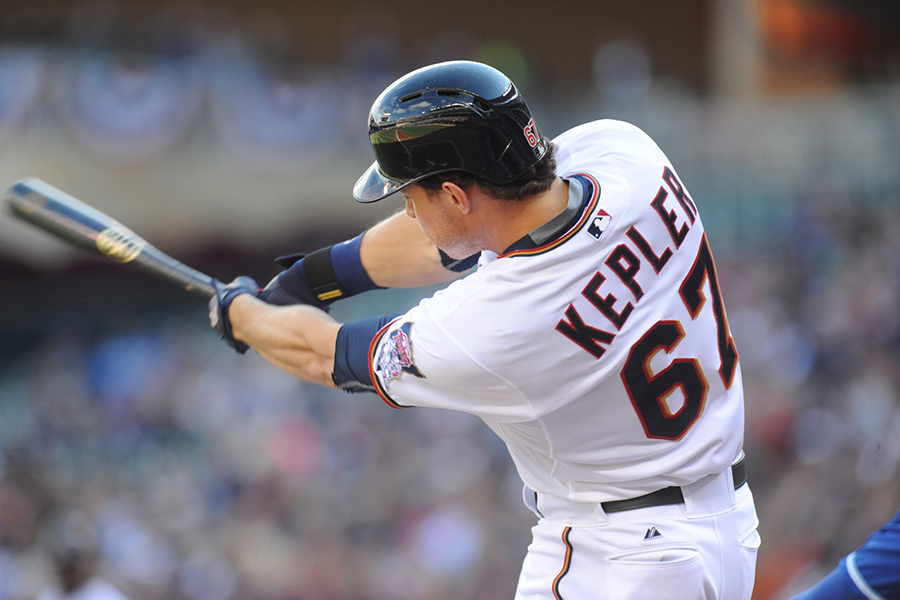 Kepler is, of course, coming off a huge breakout season in which he was named the organization's Minor League Player of the Year after hitting .322/.416/.531 with 54 extra-base hits, 19 steals and a phenomenal 63-to-67 strikeout-to-walk ratio in 112 games at Class-AA Chattanooga. His campaign ended with a September call-up to the big leagues at age 22. The fast-rising outfielder is featured on the cover of the recently released 2016 Twins Prospect Handbook and could very well be a factor in the 2016 campaign. But how quickly is it realistic to believe he'll become a viable option? Could he make a legitimate play for an Opening Day spot? The fluidity of the outfield situation would appear to leave that door open. Eddie Rosario is basically assured a job, and – barring an unforeseen Trevor Plouffe trade – so is Miguel Sano. With Aaron Hicks gone, that leaves one opening, which could be center or a corner spot. The contenders for that gig are all questionable to varying degrees. Oswaldo Arcia is coming off a wreck of a season. Byron Buxton may need more seasoning. Danny Santana is a less than appealing option. Ryan Sweeney, Darin Mastroianni and Joe Benson? Meh. Kepler certainly has more momentum behind him than any of those names, and there is precedent for a prospect turning the corner at Double-A and overtaking a vacant outfield job the following spring. Hicks did so in 2013, following the trades of Denard Span and Ben Revere. While that obviously didn't end well, Kepler is coming off a considerably more impressive year at Chattanooga than Hicks' 2012 at New Britain. Still, as a kid who was signed at age 16 out of Germany and was always viewed as more of a long-term project, I think the Twins will be more inclined to show patience with Kepler. His hit tool has developed very gradually in the minors and while his 2015 campaign was a very encouraging one, I believe they'll be inclined to give him some time in Triple-A before considering him as anything other an an emergency option in the majors. While he'll be in big-league camp this spring, I suspect that even with a big performance in Grapefruit League play, he'll be ticketed for Rochester out of the gates. How long will he stay there? That will be dictated by what happens in the Twins outfield and of course by his own performance. It isn't difficult to envision Kepler entering the fold by June or July, and perhaps earlier if injuries strike. I also wouldn't be surprised if he spends the entire year at Triple-A, even with solid production, because Buxton is ahead of him in line and it behooves the Twins to give Arcia a good long look this year. Really, what it comes down to is that the guy standing in front of Kepler is Plouffe. Once he's gone and Sano can return to third, the path becomes much clearer. Whenever Kepler does arrive, he'll have a pretty good chance at quickly establishing himself as the best European player in MLB history -- a highly attainable title given the relatively untapped nature of that market. Sometime this season, a Minnesota Twins lineup could feature representation from Germany (Kepler), Dominican Republic (Sano), Puerto Rico (Rosario), Venezuela (Eduardo Escobar) and South Korea (Byung Ho Park). That's an exciting mix of nationalities that reflects the growing international flavor of baseball as a whole. I love it. When do you expect Kepler to be here?
 -
The Twins finished 12 games behind the Royals in the standings last year – a larger deficit than any other second-place team in the majors. Rising to the top of the division means closing that gap. Can Minnesota surpass the defending champs in 2016?The Royals made a huge move to keep their core intact last week by re-signing free agent Alex Gordon on a four-year, $72 million deal. It comes as a surprise weeks after it was reported that the team had "no chance" of retaining him. Gordon's solid offense and premium defense have been critical to Kansas City's success over the past two seasons, and he would have been a big loss had he signed elsewhere. It's a contract that might not look too great on the back end, when Gordon is 35 and making $20 million, but it certainly boosts the club's short-term outlook. Gordon rejoins a lineup keyed by prime-aged hitters such as Eric Hosmer (26), Salvador Perez (26), Mike Moustakas (27), Alcides Escobar (29) and Lorenzo Cain (29). Things are looking quite promising on the offensive front. The rotation is one area where the Royals do appear vulnerable. Johnny Cueto is gone, and they've done little to improve a unit that was frequently shaky in 2015. Re-signing 36-year-old Chris Young to a two-year deal with hopes that he can repeat last year's magic seems less than prudent. Yordano Ventura has all the tools to be a quality No. 1 but will he continue to be such a volatile asset? Unfortunately (for the rest of the Central), Kansas City's weakness in the rotation hasn't held them back much. Their starters ranked 12th in the AL in ERA and 14th in WHIP last year, but the team won 95 games and cruised through the playoffs nonetheless. That is in large part because, as we all know, the Royals lean heavily on a dynamite bullpen that has given them an enormous edge. There are no signs of that changing. Signing Joakim Soria makes up for the losses of Ryan Madson and Greg Holland. Wade Davis might be the best reliever in the league. Kelvin Herrera is only 26. Luke Hochevar and Franklin Morales will return. Top prospect Kyle Zimmer, who finished at Double-A last year, could be a factor. In other words, the Royals aren't poised for much of a drop-off, so the Twins are going to need to take big step forward to get over the hump and recapture the division crown. That is, of course, not even accounting for the rest of the teams in the division, which have improved to varying degrees in efforts to leapfrog the Twins and take their own shots at KC. You can argue that Minnesota hasn't really improved much on paper this winter. They don't appear built to overcome the Royals, especially when you look at the bullpen disparities. Will the Twins rely entirely on what they currently have or is a big splash still in store? Click here to view the article
-
 The Royals made a huge move to keep their core intact last week by re-signing free agent Alex Gordon on a four-year, $72 million deal. It comes as a surprise weeks after it was reported that the team had "no chance" of retaining him. Gordon's solid offense and premium defense have been critical to Kansas City's success over the past two seasons, and he would have been a big loss had he signed elsewhere. It's a contract that might not look too great on the back end, when Gordon is 35 and making $20 million, but it certainly boosts the club's short-term outlook. Gordon rejoins a lineup keyed by prime-aged hitters such as Eric Hosmer (26), Salvador Perez (26), Mike Moustakas (27), Alcides Escobar (29) and Lorenzo Cain (29). Things are looking quite promising on the offensive front. The rotation is one area where the Royals do appear vulnerable. Johnny Cueto is gone, and they've done little to improve a unit that was frequently shaky in 2015. Re-signing 36-year-old Chris Young to a two-year deal with hopes that he can repeat last year's magic seems less than prudent. Yordano Ventura has all the tools to be a quality No. 1 but will he continue to be such a volatile asset? Unfortunately (for the rest of the Central), Kansas City's weakness in the rotation hasn't held them back much. Their starters ranked 12th in the AL in ERA and 14th in WHIP last year, but the team won 95 games and cruised through the playoffs nonetheless. That is in large part because, as we all know, the Royals lean heavily on a dynamite bullpen that has given them an enormous edge. There are no signs of that changing. Signing Joakim Soria makes up for the losses of Ryan Madson and Greg Holland. Wade Davis might be the best reliever in the league. Kelvin Herrera is only 26. Luke Hochevar and Franklin Morales will return. Top prospect Kyle Zimmer, who finished at Double-A last year, could be a factor. In other words, the Royals aren't poised for much of a drop-off, so the Twins are going to need to take big step forward to get over the hump and recapture the division crown. That is, of course, not even accounting for the rest of the teams in the division, which have improved to varying degrees in efforts to leapfrog the Twins and take their own shots at KC. You can argue that Minnesota hasn't really improved much on paper this winter. They don't appear built to overcome the Royals, especially when you look at the bullpen disparities. Will the Twins rely entirely on what they currently have or is a big splash still in store?
 -
Article: What's Left On The Market?
Nick Nelson replied to Nick Nelson's topic in Twins Daily Front Page News
I'm sure it will hinge on how he looks in spring training. Doesn't hurt to have an additional option in the mix. And it's not implausible that both could make the roster; the Twins are bereft of dependable lefty bullpen options right now. -
The offseason started off with a bang for the Minnesota Twins, whose winning bid for Korean star Byung Ho Park was announced just a week after the conclusion of the World Series. That news was followed a couple days later by the Aaron Hicks-for-John Ryan Murphy trade, but since then, it's been an awfully quiet couple of months for Terry Ryan and the front office. Most conspicuously, the Twins have done nothing to address their questionable bullpen, outside of tendering a contract to Casey Fien and doling out a handful of minor-league contracts. If the chilly Hot Stove season has got you down, keep in mind that we still have more than six weeks remaining until pitchers and catchers report, and as you'll see below, there are numerous options still available at areas of need for the Twins. Where Things Stand We still won't know for a few more weeks what the exact salary figures will look like for Minnesota's arbitration-eligible players, but based on our estimates the current projected payroll stands at around $108 million. If you add the entirety of Byung Ho Park's posting fee, that number jumps to about $120 million. The Twins entered the 2015 season with a payroll of $108.3 million, so depending on how you look at it, they presently stand either right around, or slightly ahead of, last year's benchmark. Either way, there's little reason to believe that Ryan does not have flexibility to add at this point, especially with spending continually rising across the league. From everything we've heard, it sounds like his primary reluctance in the free agent arena has not been a strict matter of dollars, but rather giving out long-term commitments that could potentially clog the system's internal pipeline. With the holiday lull coming to an end, we will see a fresh wave of activity across baseball over the coming weeks, in terms of signings and trades. Will the Twins take part in the action? Who might they be interested in that is still out there? Free Agent Relievers Many of the big names have come off the market over the past couple months, but numerous intriguing options remain. The biggest fish left in the sea is probably Tyler Clippard, the 30-year-old right-hander with a very consistent track record that includes multiple stints as a closer. He seems likely to land a multi-year deal, which might rule him out for the Twins, who are more urgently seeking a left-hander anyway. In that department, one name clearly stands out. Antonio Bastardo was the No. 1 free agent lefty reliever on the market in the Offseason Handbookand would be a tremendously impactful addition for the Twins bullpen, but he is said to be seeking a contract similar to the three-year, $18 million deal signed by Tony Sipp last month. It's difficult to envision Ryan wading into those waters, especially given the southpaw's frequent struggles with control. ESPN's Buster Olney reported this week that the Orioles and Mets have been in talks with Bastardo, who hasn't been publicly tied to the Twins. With Ryan evidently targeting short-term deals – most likely one-year commitments – a veteran hurler in the second tier is going to be more in his wheelhouse. There are a lot of names that fit that category: Matt Thornton, Neal Cotts, Franklin Morales, Manny Parra, Randy Choate. These aren't the kinds of arms that will dramatically upgrade the relief corps, but they would certainly add a bit more assurance to the unit and wouldn't inhibit internal options long-term. I find it extremely likely that the Twins will end up adding one of the pitchers in that group, on something like a one-year, $3 million contract. Injury Gamble? Ryan has a history of success with reclamation projects, with one example being Jared Burton, who came to the team on a minor-league contract after battling shoulder problems and reemerged as a quality setup man in Minnesota. Could Sean Marshall follow a similar path? From 2010 through 2012, Marshall was one of the best left-handed relievers in the game, posting a 2.47 ERA, 1.12 WHIP, 10.3 K/9 and 2.5 K/9 in 231 trips to the mound for the Reds and Cubs. Since the start of the 2013 season, however, he has totalled only 31 appearances, and he didn't pitch at all in 2015. Two shoulder operations and a litany of setbacks have cast serious doubt on his future. Marshall told the Cincinnati Enquirer in September that he wants to keep playing and was toying with a new arm angle. He's obviously a long shot, but if he looks good in his throwing sessions, he would be a nice no-risk gamble with some upside much like Fernando Abad. If he can return anywhere close to his previous form, he'd be a big pick-up. Storen Still Standing I've been beating the Drew Storen drum since mid-September, at which point it was already apparent that the Nationals would be shopping the righty reliever, and that he might be available at a discount given his tumultuous second half. Storen remains a National here in early January, but Jon Morosi of FOX Sports wrote this week that Washington is still trying to trade him. At this point in the offseason, one has to imagine that the asking price has dropped a bit. He's still only 27, he has high-end ability, and he has only one year of team control remaining. He isn't left-handed, obviously, but would be a transformative acquisition for the bullpen in 2016. Can Ryan pull together a package that will get it done without hampering the big picture? What About The Outfield? The search continues for an additional outfielder. Right now the names in that mix are Eddie Rosario, Byron Buxton, Miguel Sano, Oswaldo Arcia and Danny Santana. (Max Kepler could be added to that list, but I can't see him being a factor until midseason at least.) That's a group with little built-up equity that could use some established veteran backing. Among the fourth outfielder types who could fill a Shane Robinson role are Johnny Gomes, Matt Joyce, Skip Schumaker, Chris Denorfia, David Lough and others. The challenge is in finding a player who could hold his own as a regular over an extended period but would not necessarily have an expectation of being a starter for the entire season. Surely the Twins' hope is to have some combination of the aforementioned youngsters firmly entrenched by September. Span Reunion? We'll round out the outfield discussion with a familiar face. Denard Span remains mired in free agency despite very strong results over the last two years (.301/.358/.421), because he's coming off September hip surgery. The other day Span posted the following tweet, which seems to suggest that he's recovering pretty well: The fact that the 31-year-old outfielder is campaigning on his own behalf here in January may indicate that he's not finding the kind of reception he's hoping for on the market. If he's open to taking a one-year deal to bolster his value, that might present an advantageous opportunity for the Twins. Obviously he has familiarity here, and his offensive skill set would be welcomed given the current lack of a prototypical leadoff type. But it brings us back to the playing time equation. Can the Twins promise Span the role he wants without putting themselves in position to block a younger player who is ready to step in? Who would you like to see the team pursue? Click here to view the article
-
 Where Things Stand We still won't know for a few more weeks what the exact salary figures will look like for Minnesota's arbitration-eligible players, but based on our estimates the current projected payroll stands at around $108 million. If you add the entirety of Byung Ho Park's posting fee, that number jumps to about $120 million. The Twins entered the 2015 season with a payroll of $108.3 million, so depending on how you look at it, they presently stand either right around, or slightly ahead of, last year's benchmark. Either way, there's little reason to believe that Ryan does not have flexibility to add at this point, especially with spending continually rising across the league. From everything we've heard, it sounds like his primary reluctance in the free agent arena has not been a strict matter of dollars, but rather giving out long-term commitments that could potentially clog the system's internal pipeline. With the holiday lull coming to an end, we will see a fresh wave of activity across baseball over the coming weeks, in terms of signings and trades. Will the Twins take part in the action? Who might they be interested in that is still out there? Free Agent Relievers Many of the big names have come off the market over the past couple months, but numerous intriguing options remain. The biggest fish left in the sea is probably Tyler Clippard, the 30-year-old right-hander with a very consistent track record that includes multiple stints as a closer. He seems likely to land a multi-year deal, which might rule him out for the Twins, who are more urgently seeking a left-hander anyway. In that department, one name clearly stands out. Antonio Bastardo was the No. 1 free agent lefty reliever on the market in the Offseason Handbook and would be a tremendously impactful addition for the Twins bullpen, but he is said to be seeking a contract similar to the three-year, $18 million deal signed by Tony Sipp last month. It's difficult to envision Ryan wading into those waters, especially given the southpaw's frequent struggles with control. ESPN's Buster Olney reported this week that the Orioles and Mets have been in talks with Bastardo, who hasn't been publicly tied to the Twins. With Ryan evidently targeting short-term deals – most likely one-year commitments – a veteran hurler in the second tier is going to be more in his wheelhouse. There are a lot of names that fit that category: Matt Thornton, Neal Cotts, Franklin Morales, Manny Parra, Randy Choate. These aren't the kinds of arms that will dramatically upgrade the relief corps, but they would certainly add a bit more assurance to the unit and wouldn't inhibit internal options long-term. I find it extremely likely that the Twins will end up adding one of the pitchers in that group, on something like a one-year, $3 million contract. Injury Gamble? Ryan has a history of success with reclamation projects, with one example being Jared Burton, who came to the team on a minor-league contract after battling shoulder problems and reemerged as a quality setup man in Minnesota. Could Sean Marshall follow a similar path? From 2010 through 2012, Marshall was one of the best left-handed relievers in the game, posting a 2.47 ERA, 1.12 WHIP, 10.3 K/9 and 2.5 K/9 in 231 trips to the mound for the Reds and Cubs. Since the start of the 2013 season, however, he has totalled only 31 appearances, and he didn't pitch at all in 2015. Two shoulder operations and a litany of setbacks have cast serious doubt on his future. Marshall told the Cincinnati Enquirer in September that he wants to keep playing and was toying with a new arm angle. He's obviously a long shot, but if he looks good in his throwing sessions, he would be a nice no-risk gamble with some upside much like Fernando Abad. If he can return anywhere close to his previous form, he'd be a big pick-up. Storen Still Standing I've been beating the Drew Storen drum since mid-September, at which point it was already apparent that the Nationals would be shopping the righty reliever, and that he might be available at a discount given his tumultuous second half. Storen remains a National here in early January, but Jon Morosi of FOX Sports wrote this week that Washington is still trying to trade him. At this point in the offseason, one has to imagine that the asking price has dropped a bit. He's still only 27, he has high-end ability, and he has only one year of team control remaining. He isn't left-handed, obviously, but would be a transformative acquisition for the bullpen in 2016. Can Ryan pull together a package that will get it done without hampering the big picture? What About The Outfield? The search continues for an additional outfielder. Right now the names in that mix are Eddie Rosario, Byron Buxton, Miguel Sano, Oswaldo Arcia and Danny Santana. (Max Kepler could be added to that list, but I can't see him being a factor until midseason at least.) That's a group with little built-up equity that could use some established veteran backing. Among the fourth outfielder types who could fill a Shane Robinson role are Johnny Gomes, Matt Joyce, Skip Schumaker, Chris Denorfia, David Lough and others. The challenge is in finding a player who could hold his own as a regular over an extended period but would not necessarily have an expectation of being a starter for the entire season. Surely the Twins' hope is to have some combination of the aforementioned youngsters firmly entrenched by September. Span Reunion? We'll round out the outfield discussion with a familiar face. Denard Span remains mired in free agency despite very strong results over the last two years (.301/.358/.421), because he's coming off September hip surgery. The other day Span posted the following tweet, which seems to suggest that he's recovering pretty well: https://twitter.com/thisisdspan/status/684047970493403136 The fact that the 31-year-old outfielder is campaigning on his own behalf here in January may indicate that he's not finding the kind of reception he's hoping for on the market. If he's open to taking a one-year deal to bolster his value, that might present an advantageous opportunity for the Twins. Obviously he has familiarity here, and his offensive skill set would be welcomed given the current lack of a prototypical leadoff type. But it brings us back to the playing time equation. Can the Twins promise Span the role he wants without putting themselves in position to block a younger player who is ready to step in? Who would you like to see the team pursue?
 -
With the calendar flipping to a new year, we're suddenly less than two months away from the Minnesota Twins' first spring training game. It's been a mostly quiet offseason for the front office, but their one big splash is among five reasons that fans should be downright giddy for this 2016 season to get started. It's going to be a fun one. 1) Byung Ho Park arrives Even though the Tsuyoshi Nishioka move didn't work out, there was no denying that his arrival brought a distinct twist of added excitement. Bringing over an established star from another league across the world carries an intoxicating combination of unpredictability and intrigue, not to mention many extra media throngs covering the team. There are plenty of reasons to believe that Park is in line for a much more successful transition to the majors. Finding out how his prodigious 50-homer power transfers from KBO to MLB will be a primary storyline this season from the moment the team reports to Ft. Myers. 2) Miguel Sano settles in Sano was called up on July 2nd last year, and his at-bats quickly became appointment viewing. In 2016 he'll be locked in from the start of the season, and we'll see what kind of numbers he can put up over the course of a full big-league campaign. I'm sure I speak for a lot of fans when I say I'm more apprehensive than enthused about the experiment of trying Sano in the outfield defensively, but at the plate, there's not much reason to think he can't put up monster numbers that border on MVP caliber, especially if Park proves to be a decent threat behind him. 3) Jose Berrios debuts By the end of last year, it was fairly obvious that Berrios was ready for a shot in the majors, but the Twins ultimately opted against calling him up and their reasons for doing so were valid. In 2016, there will be no holding him back as long as he's healthy. It seems likely that Berrios will open the season back in Triple-A (the Twins stand to gain an extra year of service time by waiting until at least late April to promote him), but he'll be first in line as a replacement and he might force the issue if he picks up where he left off at Rochester performance-wise. Berrios is the best and most electric pitching prospect Minnesota has had since Francisco Liriano, and he certainly stands out amongst a mix of starting pitchers that are generally more capable than special. 4. Byron Buxton breaks through Terry Ryan's decision to trade Aaron Hicks in November was seemingly an indication that he believes in Buxton's impending readiness, in spite of the top prospect looking rather overwhelmed during his rookie debut. He could open the season in Rochester but it's hard to imagine he'll be there long. Historically, Buxton has often experienced a bit of a learning curve when reaching a new level before making adjustments and dominating. We'll see if he can follow that trend at the highest level. Once he turns the corner at the plate, he's going to be an absolute blast to watch on a daily basis, changing games routinely with his dynamic speed and elite athleticism. 5. The rotation comes together In 2015, Twins starters ranked 16th in the majors in ERA, which might not sound all that impressive until you consider that they'd been dead last in each of the prior two seasons, and 29th in 2012. They accomplished this jump despite: Ricky Nolasco missing most of the year due to injury, Phil Hughes devolving from the club's best starter in 2014 to its worst, Ervin Santana losing half the year to a suspension, and Berrios throwing zero pitches in the majors. As long as the rotation can stay healthy through spring training, the Twins will enter the 2016 season feeling as confident in their starting pitching as they have in a long while, and perhaps more so than any team in the division other than Cleveland. Click here to view the article
- 32 replies
-
- 5
-

-
- byungho park
- miguel sano
- (and 2 more)
-
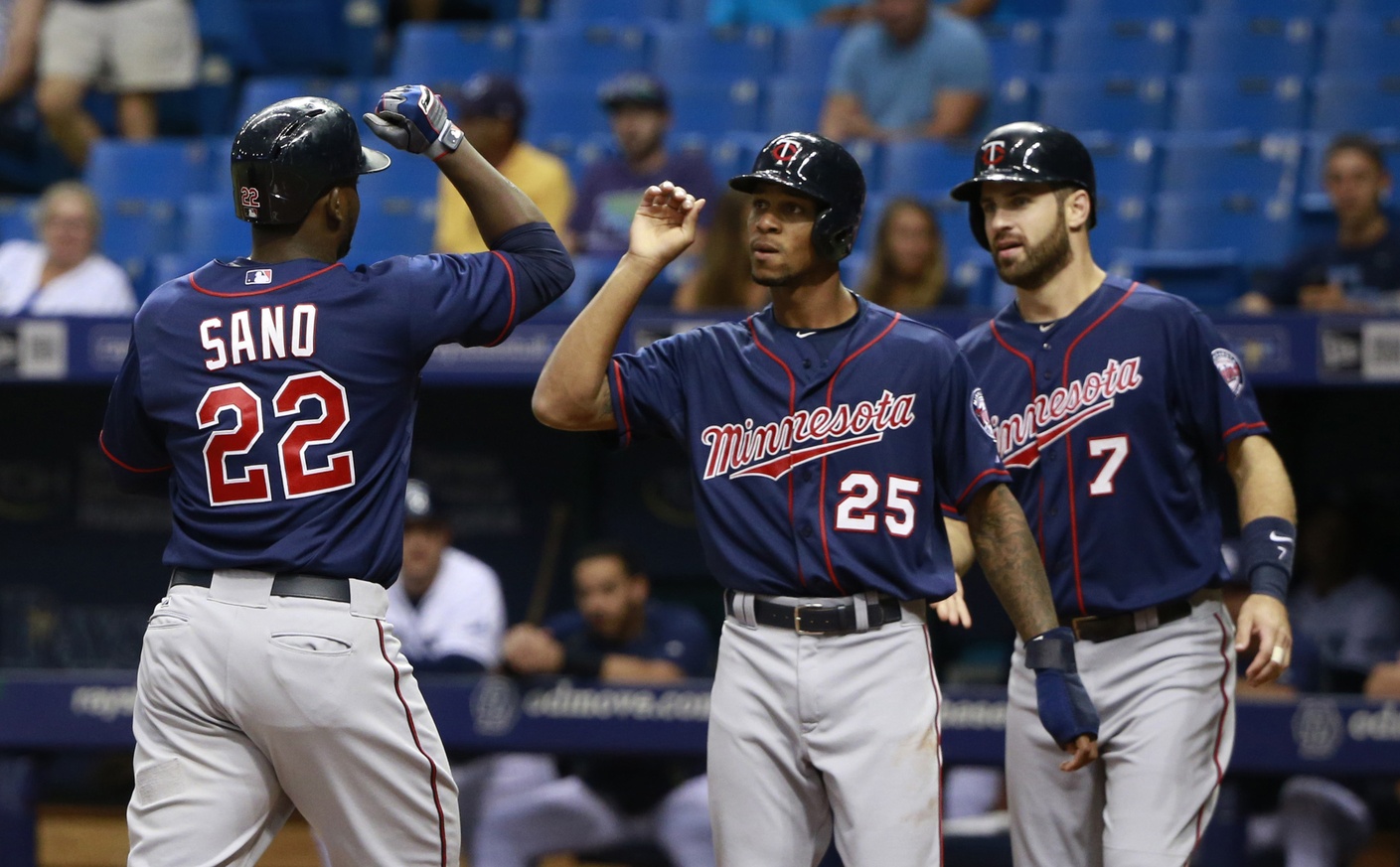 1) Byung Ho Park arrives Even though the Tsuyoshi Nishioka move didn't work out, there was no denying that his arrival brought a distinct twist of added excitement. Bringing over an established star from another league across the world carries an intoxicating combination of unpredictability and intrigue, not to mention many extra media throngs covering the team. There are plenty of reasons to believe that Park is in line for a much more successful transition to the majors. Finding out how his prodigious 50-homer power transfers from KBO to MLB will be a primary storyline this season from the moment the team reports to Ft. Myers. 2) Miguel Sano settles in Sano was called up on July 2nd last year, and his at-bats quickly became appointment viewing. In 2016 he'll be locked in from the start of the season, and we'll see what kind of numbers he can put up over the course of a full big-league campaign. I'm sure I speak for a lot of fans when I say I'm more apprehensive than enthused about the experiment of trying Sano in the outfield defensively, but at the plate, there's not much reason to think he can't put up monster numbers that border on MVP caliber, especially if Park proves to be a decent threat behind him. 3) Jose Berrios debuts By the end of last year, it was fairly obvious that Berrios was ready for a shot in the majors, but the Twins ultimately opted against calling him up and their reasons for doing so were valid. In 2016, there will be no holding him back as long as he's healthy. It seems likely that Berrios will open the season back in Triple-A (the Twins stand to gain an extra year of service time by waiting until at least late April to promote him), but he'll be first in line as a replacement and he might force the issue if he picks up where he left off at Rochester performance-wise. Berrios is the best and most electric pitching prospect Minnesota has had since Francisco Liriano, and he certainly stands out amongst a mix of starting pitchers that are generally more capable than special. 4. Byron Buxton breaks through Terry Ryan's decision to trade Aaron Hicks in November was seemingly an indication that he believes in Buxton's impending readiness, in spite of the top prospect looking rather overwhelmed during his rookie debut. He could open the season in Rochester but it's hard to imagine he'll be there long. Historically, Buxton has often experienced a bit of a learning curve when reaching a new level before making adjustments and dominating. We'll see if he can follow that trend at the highest level. Once he turns the corner at the plate, he's going to be an absolute blast to watch on a daily basis, changing games routinely with his dynamic speed and elite athleticism. 5. The rotation comes together In 2015, Twins starters ranked 16th in the majors in ERA, which might not sound all that impressive until you consider that they'd been dead last in each of the prior two seasons, and 29th in 2012. They accomplished this jump despite: Ricky Nolasco missing most of the year due to injury, Phil Hughes devolving from the club's best starter in 2014 to its worst, Ervin Santana losing half the year to a suspension, and Berrios throwing zero pitches in the majors. As long as the rotation can stay healthy through spring training, the Twins will enter the 2016 season feeling as confident in their starting pitching as they have in a long while, and perhaps more so than any team in the division other than Cleveland.
 -
To say that the Twins have not traditionally been a team that specializes in power-hitting would be a late entrant for "Most Obvious Statement of 2015." Anyone who has followed Minnesota baseball knows that home runs have generally been a little tough to come by around these parts. In the past decade, the Twins have never ranked in the top half of the American League in long balls, and they've been last or second-to-last five times during that span. There's reason to think that trend might be changing, though.We have already begun to see some upward movement. After ranking at the bottom of the AL in homers in both 2011 and 2012, the Twins took a step forward in 2013, going deep 151 times to rank 11th with seven different players reaching double-digits. In 2014 they once again ranked 11th and this year they moved up to 10th. That might not sound like any kind of major accomplishment but it marks the first time that Minnesota has broken into the Top 10 since 2004, which also happens to be the last time they won a playoff game. That year, a lineup powered by 20+ HR efforts from Corey Koskie, Jacque Jones and Torii Hunter piled up a total of 191 bombs, most for a Twins team since 1987. It's unlikely they're going to get back to that total in this era of lowered offense (12 teams hit 191 or more homers in 2004, while five did so in 2015), but it's quite plausible that they could once again approach a Top 5 rank in the American League, maybe even as soon as next year. These five players are big reasons why: Miguel Sano He is the obvious starting point. As a 22-year-old rookie seeing MLB pitching for the first time after skipping Triple-A, Sano hit 18 home runs in 80 games this year with the Twins. When you include his 15 homers at Chattanooga prior to being called up, that pushes his season total to 33. Forty is a realistic target for this elite slugging talent. If Sano is in the lineup alongside Trevor Plouffe, rather than as his replacement, those two alone could combine for 60 long balls. Byung Ho Park The biggest acquisition of the offseason thus far, Park launched 53 home runs in Korea this year after going deep 52 times in 2014. In total, he has amassed 173 homers over the past four seasons across the pond. While it's impossible to predict how that prodigious power will translate to the majors, one predictive model estimates 27 dingers next year. That would be the highest total for a regular Twins DH since Jason Kubel's 28 in 2009. Brian Dozier It's not being talked about much because of his ugly second half, but Dozier took another big step forward in the power department this year, clubbing a career-high 28 home runs. That total was 33 percent higher than the No. 2 second baseman, Robinson Cano. Based on his HR progression in three years as a full-time starter (from 18 to 23 to 28), his 2015 production looks like no fluke. If he comes close to 30 again next year, he'll give the Twins a big edge at a position that is typically low on pop. Eduardo Escobar Escobar is another guy who gives the Twins a key positional power advantage. His .445 slugging percentage in 2015 outranked all qualified MLB shortstops other than Brandon Crawford of the Giants. Escobar hit 12 home runs in 127 games this year, which projects to about 15 in a full season. No Minnesota shortstop has reached that total since Roy Smalley in 1979. Dozier and Escobar provide a tremendous power combo up the middle that helps offset the offense's clear weakness at first base. Oswaldo Arcia The forgotten man. While his brutal 2015 campaign may have a number of fans down on him, it's important to remember that, among players 24 and under, Arcia's 36 home runs since 2013 ranks 12th in the majors. Since he's out of options and the Twins currently project to have at least one corner outfield opening, I'd expect to see him starting next year with a chance to reestablish his intimidating bat in the middle of the lineup. Wild Cards: Kennys Vargas and Adam Walker Vargas is on the outs right now, but he remains on the 40-man roster and would be in line for substantial playing time if either Park or Joe Mauer were to go down with an injury. A massive specimen at 6'5" 290 and still only 25 years old, Vargas' potential in the HR column is obvious, especially if you've ever seen him take BP. Meanwhile, Walker was just added to the 40-man last month after ranking fourth among all minor-leaguers with 31 bombs for Class-AA Chattanooga this year. Many believe that he has the most raw power of any player in the organization -- quite the statement in a system that also includes Sano and Vargas. Another name to keep in mind is Daniel Palka, the 24-year-old outfielder acquired from Arizona in the Chris Herrmann deal who hit 29 homers at Double-A this year. If they all stay healthy and play up to their demonstrated ability level, it's not unthinkable that six players -- Sano (35), Dozier (25), Park (25), Plouffe (20), Arcia (20), Escobar (15) -- could combine to come close to Minnesota's 2015 team home run total of 156. Sprinkle in some output from guys like Mauer and Eddie Rosario, as well as perhaps a little extra from the wild cards mentioned above, and you have the makings of a legitimate power-hitting lineup that can match up against some of the league's best. It's been a long time since we've been able to say that around here. Click here to view the article
- 28 replies
-
- 1
-
-
- miguel sano
- byungho park
- (and 3 more)
-
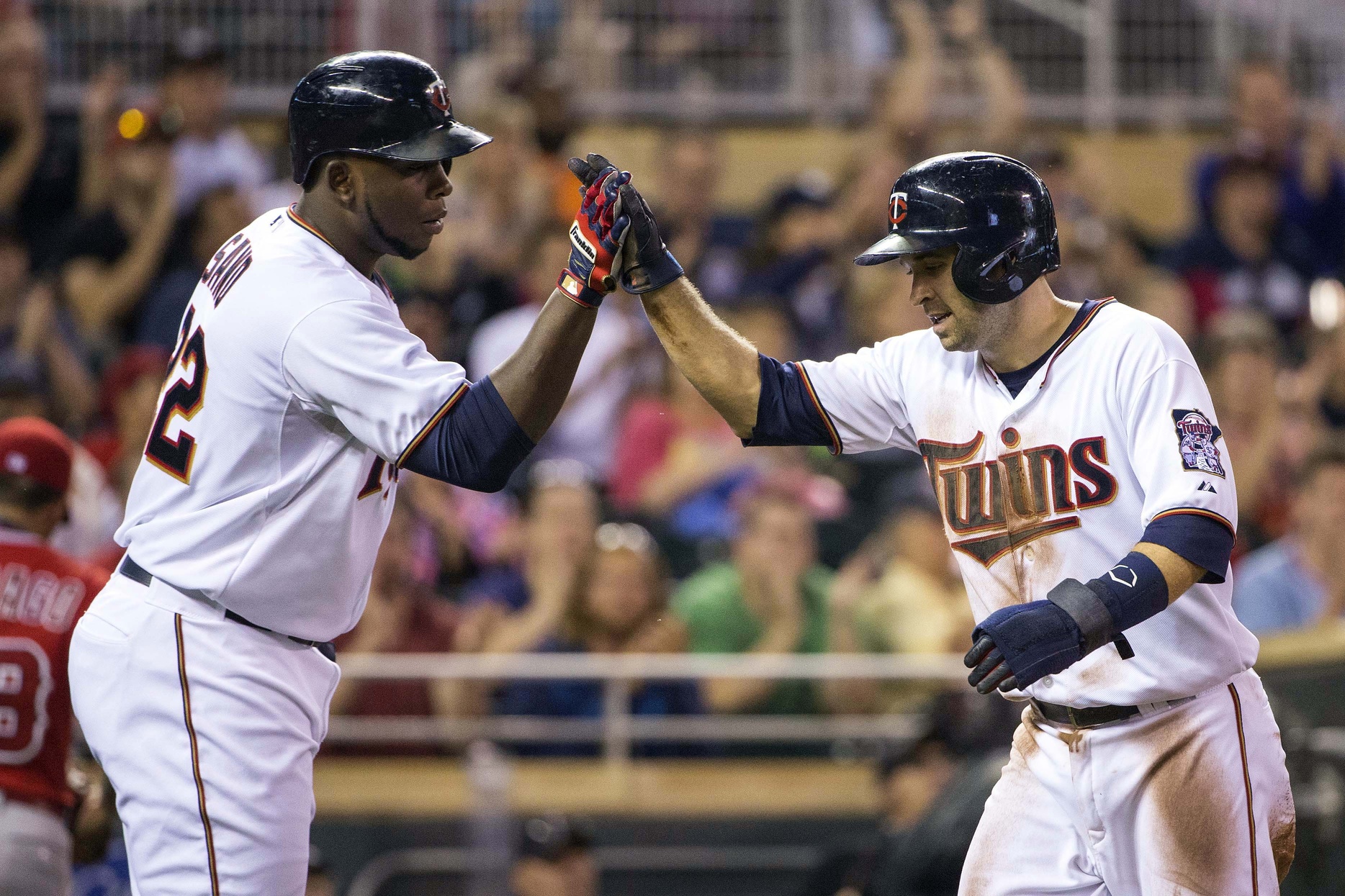 We have already begun to see some upward movement. After ranking at the bottom of the AL in homers in both 2011 and 2012, the Twins took a step forward in 2013, going deep 151 times to rank 11th with seven different players reaching double-digits. In 2014 they once again ranked 11th and this year they moved up to 10th. That might not sound like any kind of major accomplishment but it marks the first time that Minnesota has broken into the Top 10 since 2004, which also happens to be the last time they won a playoff game. That year, a lineup powered by 20+ HR efforts from Corey Koskie, Jacque Jones and Torii Hunter piled up a total of 191 bombs, most for a Twins team since 1987. It's unlikely they're going to get back to that total in this era of lowered offense (12 teams hit 191 or more homers in 2004, while five did so in 2015), but it's quite plausible that they could once again approach a Top 5 rank in the American League, maybe even as soon as next year. These five players are big reasons why: Miguel Sano He is the obvious starting point. As a 22-year-old rookie seeing MLB pitching for the first time after skipping Triple-A, Sano hit 18 home runs in 80 games this year with the Twins. When you include his 15 homers at Chattanooga prior to being called up, that pushes his season total to 33. Forty is a realistic target for this elite slugging talent. If Sano is in the lineup alongside Trevor Plouffe, rather than as his replacement, those two alone could combine for 60 long balls. Byung Ho Park The biggest acquisition of the offseason thus far, Park launched 53 home runs in Korea this year after going deep 52 times in 2014. In total, he has amassed 173 homers over the past four seasons across the pond. While it's impossible to predict how that prodigious power will translate to the majors, one predictive model estimates 27 dingers next year. That would be the highest total for a regular Twins DH since Jason Kubel's 28 in 2009. Brian Dozier It's not being talked about much because of his ugly second half, but Dozier took another big step forward in the power department this year, clubbing a career-high 28 home runs. That total was 33 percent higher than the No. 2 second baseman, Robinson Cano. Based on his HR progression in three years as a full-time starter (from 18 to 23 to 28), his 2015 production looks like no fluke. If he comes close to 30 again next year, he'll give the Twins a big edge at a position that is typically low on pop. Eduardo Escobar Escobar is another guy who gives the Twins a key positional power advantage. His .445 slugging percentage in 2015 outranked all qualified MLB shortstops other than Brandon Crawford of the Giants. Escobar hit 12 home runs in 127 games this year, which projects to about 15 in a full season. No Minnesota shortstop has reached that total since Roy Smalley in 1979. Dozier and Escobar provide a tremendous power combo up the middle that helps offset the offense's clear weakness at first base. Oswaldo Arcia The forgotten man. While his brutal 2015 campaign may have a number of fans down on him, it's important to remember that, among players 24 and under, Arcia's 36 home runs since 2013 ranks 12th in the majors. Since he's out of options and the Twins currently project to have at least one corner outfield opening, I'd expect to see him starting next year with a chance to reestablish his intimidating bat in the middle of the lineup. Wild Cards: Kennys Vargas and Adam Walker Vargas is on the outs right now, but he remains on the 40-man roster and would be in line for substantial playing time if either Park or Joe Mauer were to go down with an injury. A massive specimen at 6'5" 290 and still only 25 years old, Vargas' potential in the HR column is obvious, especially if you've ever seen him take BP. Meanwhile, Walker was just added to the 40-man last month after ranking fourth among all minor-leaguers with 31 bombs for Class-AA Chattanooga this year. Many believe that he has the most raw power of any player in the organization -- quite the statement in a system that also includes Sano and Vargas. Another name to keep in mind is Daniel Palka, the 24-year-old outfielder acquired from Arizona in the Chris Herrmann deal who hit 29 homers at Double-A this year. If they all stay healthy and play up to their demonstrated ability level, it's not unthinkable that six players -- Sano (35), Dozier (25), Park (25), Plouffe (20), Arcia (20), Escobar (15) -- could combine to come close to Minnesota's 2015 team home run total of 156. Sprinkle in some output from guys like Mauer and Eddie Rosario, as well as perhaps a little extra from the wild cards mentioned above, and you have the makings of a legitimate power-hitting lineup that can match up against some of the league's best. It's been a long time since we've been able to say that around here.
 -
Article: Let's Stop Discounting Tommy Milone
Nick Nelson replied to Nick Nelson's topic in Twins Daily Front Page News
I see Nolasco as part of a separate discussion. IMO he's keeping the Berrios spot warm. Start Nolasco in the rotation, Berrios in AAA. Once Berrios passes the service clock deadline that extends his control by a year (late April), if Nolasco hasn't impressed in his first handful of starts, call up Berrios and push Nolasco to long relief. If Nolasco is looking good, then Berrios is first in line as an injury/performance replacement, assuming he's getting it done in Rochester. -
Article: Let's Stop Discounting Tommy Milone
Nick Nelson replied to Nick Nelson's topic in Twins Daily Front Page News
In 2012, Milone made 31 starts for a playoff team and started Game 2 in the ALDS, tossing 6 innings of one-run ball against a high-powered Detroit offense. That's an oversimplification. As the splits in this article show, Milone is a guy who gets better as he settles in and finds his groove. That's the case for a lot of pitchers with his type of profile. -
In discussions of how the 2016 Twins rotation might shape up, one thing that I've been noticing is that fans seem rather sour on Tommy Milone. I don't fully understand why.When it became clear last week that Paul Molitor is planning to put Trevor May in the bullpen, much of the frustration I saw related to the fact that the Twins would opt for a pitcher like Milone in the rotation. The rationale, then, must be that May is likely to be so much better than Milone as a starter that it cancels out the edge gained by utilizing his potent skills as a reliever. May certainly has more upside, I don't think anyone would deny that. He has the ability to be a No. 2 or No. 3 type in a rotation, and that's hard to envision with Milone. But there is value in a quality fourth or fifth starter, and Milone has very consistently been that. Here are some reasons that I think people need to appreciate Milone a little more, particularly as it pertains to this discussion: He has never been bad. He has had bad stretches. But since coming to the big leagues in 2011, Milone has never truly been bad over the course of a full year. His worst season-ending ERA was 4.19, and that came in 2014 when he finished on an uncharacteristically brutal note after being traded to Minnesota. He has never had an ERA+ above 105 or below 90, so you pretty much know what you're getting. He's reliably average, and there's value in that; for proof, look no further than the deal Mike Leake signed with the Cardinals this week. Lineups don't adjust to him. In contemplating May's merits as a starting pitcher, I think these splits (via Baseball Reference) are worth considering: Download attachment: maysplit.png That's how May has fared the first, second and third time through the lineup in his MLB career. As you can see, he gets noticeably worse each time through, and what stands out in particular is the K/BB ratios. (Of course, the sample size for May is quite small – he only has 25 major-league starts, less than a full season's worth.) Here are the same career splits for Milone: Download attachment: milonesplit.png It looks like opposing hitters jump on him right away occasionally, but they don't adjust to his lower velocity and start crushing him. Quite the opposite. He doesn't seem to offer much as a reliever. This is a big piece of this thing that many seem to overlook. We know that May has the ability to be a transformative asset in the bullpen. Do we think Milone can really provide much value there at all, outside of serving as a long reliever or mop-up guy? Milone doesn't really have the kind of splits that you'd want in a lefty specialist, and my non-scouting eye doesn't see his stuff playing up all that much in short stints. There's just not a lot of benefit to be seen there, which is probably why only nine of his 213 appearances as a pro have been in relief. Now to be clear, none of this is meant to downplay May, who I still want to see in the rotation long-term. But to suggest that the Twins are shooting themselves in the foot by preferring Milone over him as a starter right now ignores the qualities that the lefty brings to the table, as well as the comparative advantage of moving May to the bullpen instead. Click here to view the article
