



Nate Palmer
-
Posts
439 -
Joined
-
Last visited
Content Type
Profiles
News
Minnesota Twins Videos
2026 Minnesota Twins Top Prospects Ranking
2022 Minnesota Twins Draft Picks
Minnesota Twins Free Agent & Trade Rumors, Notes, & Tidbits
Guides & Resources
2023 Minnesota Twins Draft Picks
The Minnesota Twins Players Project
2024 Minnesota Twins Draft Picks
2025 Minnesota Twins Draft Pick Tracker
2026 Minnesota Twins Draft Tracker: Picks & Bonuses
Forums
Blogs
Events
Store
Downloads
Gallery
Everything posted by Nate Palmer
-
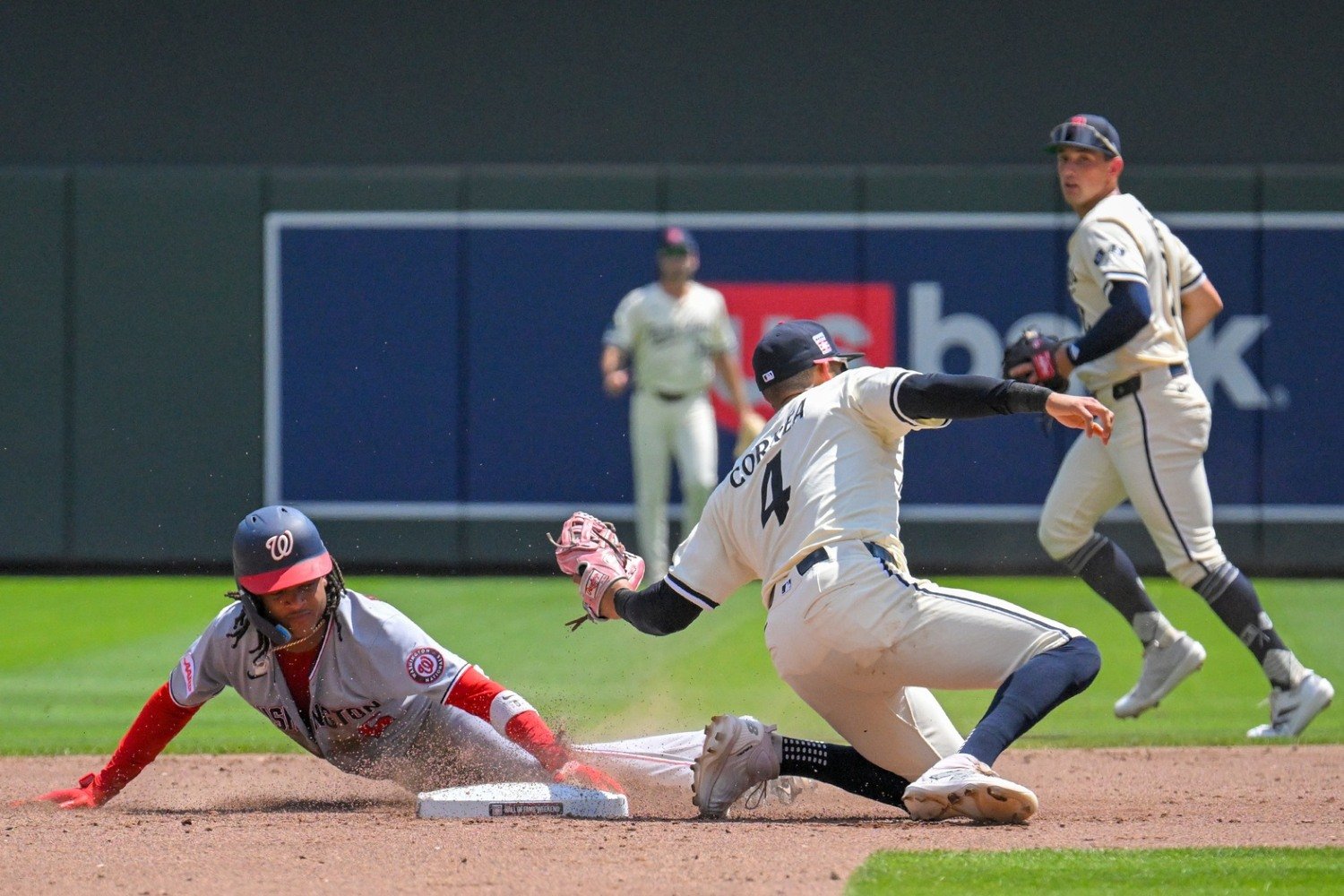 With the Winter Meetings out of the way, there will be lots of opportunities for baseball matchmaking to occur. With Carlos Correa long out the door, the Minnesota Twins could turn their attention to another shortstop on the trade market to bolster their current infield core. Rumors around the Washington Nationals have been heavy, and many of those rumblings have centered on the club's current shortstop, CJ Abrams. Abrams is a player who could help the Twins achieve their short- and long-term roster goals. As it stands, the Twins are short on major-league experience at each of their infield positions. Abrams debuted in 2022 and since then, he's played in the majority of three major-league seasons. While Abrams would have the most experience under his belt of anyone currently in Minnesota if he joined the Twins roster, he is also only 25 years old; is hitting his first year of arbitration; and very well could grow with the other young players in the Twins system. Abrams is coming off his best season of offensive production, wherein he hit .257/.315/.433 and launched 19 home runs. Twins shortstops, meanwhile, hit .251/.307/.380 and managed just 17 home runs. Abrams would be able to provide improved offensive production at a prime defensive position. Whoever acquires Abrams would hope his growth and increased production continue—although they'll also need to reckon with the need to move him off shortstop. Abrams also fits the mold of “younger and faster,” if the Twins want to continue leaning into the increased baserunning aggressiveness they displayed toward the end of 2025. In the past three seasons, Abrams has stolen 47, 31, and 31 bases. Adding him would bring a well-established base-stealing threat to the Twins roster. Statcast tracked Abrams at 28.2 ft/s in sprint speed, and he was worth 7 baserunning runs, according to Baseball Savant. Defense is the bugaboo. Abrams has not been a good defender at the shortstop position, no matter the metric you look at. He produced -5 Defensive Runs Saved and -9 Outs Above Average this past season. The OAA metric was actually an improvement over a -14 in 2024. Shortstop wouldn’t have to be Abrams's position with the Twins, though, as Brooks Lee could continue to be penciled in at that spot. Lee turned in -1 OAA with an extended run after the Correa trade. If defense is a priority, moving Abrams to third (or second) is a real possibility. Regardless of the position Abrams would fill with the Twins, adding him would create a logjam in the infield, unless one of those current infielders is part of the package that fetches the young shortstop. While the Derek Shelton hire has seemed positive for Royce Lewis, the mercurial infielder has not been shy about expressing his displeasure with the direction of the clubhouse in the past. Overall, Lewis’s production has only trended downward since he entered the league. He did rebound in the second half of the season and posted a .723 OPS, giving some optimism for 2026. A trade for Abrams could provide a perfect opportunity to give Lewis a change of scenery and truly revitalize his career. It also points to the sort of "MLB player-for-MLB player" trade that Derek Falvey mentioned is more likely this time of year—not unlike Pablo Lopez for Luis Arraez. If they trade Abrams, the Nationals will certainly want to reload their own lineup, and Lewis would give them someone who has produced in the majors and is still on the front end of his career. The Twins could then play Lee and Abrams on the left side of the infield. Willy Adames was also traded when he was 25. The then-Ray was traded (along with relief pitcher Trevor Richards) to the Brewers for pitchers J.P. Feyereisen and Drew Rasmussen. With that as a deal to compare potential value in an Abrams deal, and the reality that there may be some legitimate competition for Abrams, the Twins would need to kick a significant prospect into the deal in addition to Lewis. The Twins do have enough prospects to get the deal done while keeping Lewis, if they choose to go that route. If they did so, they would just need to get creative with the infield. Luke Keaschall would be able to shift to first base or even be a right-handed option for the outfield. It doesn’t create the most straightforward path to opportunities for each player and their development, but it could be accomplished. A challenge-plus trade makes the most sense, though. Washington could roll the dice on Lewis, while the Twins get better immediately and leverage their strong farm system to make the upgrade from Lewis to Abrams. The Twins need to give their lineup a shot in the arm, and a young, dynamic player like Abrams could provide that. Best-case, the Twins catch a player (like the Brewers did with Adames) hitting the prime of his career. Carlos Correa's signing(s) didn't quite deliver the high-impact, prime-aged infield dynamism the team expected. This kind of trade could do so.
 -
With the Winter Meetings well underway, there will be lots of opportunities for baseball matchmaking to occur. With Carlos Correa long out the door, the Minnesota Twins could turn their attention to another shortstop on the trade market to bolster their current infield core. Rumors addressing what might be happening in the Washington Nationals suite has been heavy, and many of those rumblings have centered around the club's current shortstop, CJ Abrams. Abrams is a player who could help the Twins achieve their short- and long-term roster goals. As it stands, the Twins are short on major league experience at each of their infield positions. Abrams debuted in 2022 and, since then, has played in the majority of three major league seasons. While Abrams would have the most game experience under his belt of anyone currently in Minnesota if he joined the Twins roster, he is also only 25 years old, is hitting his first year of arbitration, and very well could grow with the other young players in the Twins system. Abrams is coming off his best season of offensive production, where he hit .257/.315/.433, a .748 OPS, and 20 home runs. Twins shortstops in 2025 hit .246/.299/.380, a .679 OPS, and 27 home runs. Abrams would be able to provide improved offensive production at a prime defensive position. Whoever acquires Abrams would hope his growth and increased production continue. Abrams also fits the mold of “younger and faster” if the Twins do want to continue leaning into the increased baserunning they displayed toward the end of 2025. In the past three seasons, Abrams has stolen 47, 31, and 31 bases. Adding him would be adding a well-established base-stealing and speed threat to the Twins roster. Statcast Abrams at 28.2 ft/s in sprint speed while providing a value of +7 in baserunning runs. Defense is a place where question marks will arise. Abrams has not been a good defender at the shortstop position, no matter the metric you look at. He produced a -5 DRS and -9 OAA this past season. The OAA metric was actually an improvement over a -14 in 2024. Shortstop wouldn’t have to be Abrams' primary position with the Twins, as Brooks Lee could continue to be penciled in at that spot. While Lee turned in a -1 OAA with an extended run after the Correa trade. If defense is a priority, moving Abrams to third or second is a real possibility. Regardless of the position Abrams would fill with the Twins, adding Abrams would create a logjam in the infield, unless one of those current infielders is part of the package that fetches the young shortstop. While the Derek Shelton hire has seemed positive for Royce Lewis, he has not been shy about expressing his displeasure with the direction of the clubhouse in the past. Overall, Lewis’ production has only trended downward since he entered the league. The Twins' third basemen did rebound in the second half of the season and hit for a .723 OPS, giving some optimism for 2026. A trade for Abrams could provide a perfect opportunity to give Lewis a change of scenery and truly revitalize his career. It also points to the sort of "MLB player for MLB player" trade that Derek Falvey mentioned is more likely this time of year. Not unlike Pablo Lopez for Luis Arraez. If they trade Abrams, the Nationals will certainly want to reload their own lineup, and Lewis would give them someone who has produced in the majors and is still on the front end of his career. The Twins could then play Lee and Abrams on the left side of the infield in whichever order they feel most comfortable, with whoever plays third base positioned as the first backup to the shortstop position. Willy Adames was also traded when he was 25. The then Ray was traded along with relief pitcher Trevor Richards to the Brewers for pitchers J.P. Feyereisen and Drew Rasmussen. With that as a deal to compare potential value in an Abrams deal, and the reality that there may be some legitimate competition for Abrams, the Twins would need to kick a prospect into the deal in addition to Lewis. Depending on how real the interest around the league is in the shortstop, it may even need to be a somewhat significant prospect. The Twins do have enough prospects to get the deal done while keeping Lewis if they choose to go that route. If they did so, they would just need to get creative with the infield. Luke Keaschall would be able to shift to first base or even be a right-handed option for the outfield. It doesn’t create the most straightforward path to opportunities for each player and their development, but it could be accomplished. The Twins need to give their lineup a shot in the arm, and a young, dynamic player like Abrams could help provide that. Best case, the Twins catch a player like the Brewers did with Adames, hitting the prime of his career. Likely also acquiring the type of player and impact that Carlos Correa was supposed to more consistently provide for the club. View full article
-
The Minnesota Twins must see an improvement in their offense in order to have a chance at being competitive in 2026. The team has an obvious need for a right-handed, impact bat with first base and designated hitter as the most obvious positions where that addition could be added to the roster. Could free agent Paul Goldschmidt make sense for the Twins? Earlier in his career, Goldschmidt was a constant in All-Star and MVP conversations. He won the MVP award in the National League in 2022 while he was with the St. Louis Cardinals. Since 2022, Goldschmidt has not played anywhere near that MVP form, with a significant decline across many statistical categories. Even with that decline in performance, Goldschmidt looks like he would be a passable everyday player in Minnesota based on the traditional stats we look toward to measure production. With the Yankees in 2025, Goldschmidt slashed .274/.328/.403 with a .731 OPS. In 2025, Twins first basemen as a collective slashed .231/.304/.383 with a .687 OPS. With Kody Clemens currently the front runner for time at first base in 2026, a combination of Clemens and Goldschmidt looks intriguing when we simply look at the stats laid out above. A closer look reveals plenty of reasons to grow concerned about the 38-year-old. Often, when we look at batters and try to gauge where they are headed, bat speed is an important indicator. Goldschmidt, in the three years of data we have on swing speed, saw an increase in bat speed from 2023. An increase in bat speed is good, but what came with it may not be. With that increased speed, Goldschmidt, especially in 2025, began to swing under the ball more than ever. In 2024, Goldschmidt’s under% according to Statcast was 22.0% and rose to 27.1% last season. Subsequently, his flyball rate increased over the same time frame from 56.3% to 61.1%. The increase in flyball rate isn’t necessarily a concern in and of itself, as Goldschmidt has had similar flyball rates in some of his more productive seasons. The flyballs, combined with where the ball is being contacted, seem to have decreased much of Goldschmidt’s power. Year by year, since his MVP season, Goldschmidt has seen a decline in several secondary stats that indicate potential power output. xSLG xwOBA Barrel % 2023 0.447 0.367 12 2024 0.414 0.329 10.7 2025 0.403 0.328 7.9 By looking at expected stats, we eliminate the possibility that Goldschmidt has simply had bad luck. Instead, his reduction in production and power truly seems to be a product of a true decline. While in the Twins' recent past, the club has found success in signing aging sluggers such as Nelson Cruz and Jim Thome , Goldschmidt does not seem to be aging as gracefully. The production may level off and be similar in 2026 as it was in 2025, but at what cost for Goldschmidt’s next team, and is that cost worth it for the Twins? It seems unlikely that it would be wise for the Twins to go in the direction of Goldschmidt, even as desperate as they are for offensive production. The Twins will need to find treasure this offseason, but a Goldschmidt signing has a good chance of turning up fool’s gold. View full article
-
 The Minnesota Twins must see an improvement in their offense in order to have a chance at being competitive in 2026. The team has an obvious need for a right-handed, impact bat with first base and designated hitter as the most obvious positions where that addition could be added to the roster. Could free agent Paul Goldschmidt make sense for the Twins? Earlier in his career, Goldschmidt was a constant in All-Star and MVP conversations. He won the MVP award in the National League in 2022 while he was with the St. Louis Cardinals. Since 2022, Goldschmidt has not played anywhere near that MVP form, with a significant decline across many statistical categories. Even with that decline in performance, Goldschmidt looks like he would be a passable everyday player in Minnesota based on the traditional stats we look toward to measure production. With the Yankees in 2025, Goldschmidt slashed .274/.328/.403 with a .731 OPS. In 2025, Twins first basemen as a collective slashed .231/.304/.383 with a .687 OPS. With Kody Clemens currently the front runner for time at first base in 2026, a combination of Clemens and Goldschmidt looks intriguing when we simply look at the stats laid out above. A closer look reveals plenty of reasons to grow concerned about the 38-year-old. Often, when we look at batters and try to gauge where they are headed, bat speed is an important indicator. Goldschmidt, in the three years of data we have on swing speed, saw an increase in bat speed from 2023. An increase in bat speed is good, but what came with it may not be. With that increased speed, Goldschmidt, especially in 2025, began to swing under the ball more than ever. In 2024, Goldschmidt’s under% according to Statcast was 22.0% and rose to 27.1% last season. Subsequently, his flyball rate increased over the same time frame from 56.3% to 61.1%. The increase in flyball rate isn’t necessarily a concern in and of itself, as Goldschmidt has had similar flyball rates in some of his more productive seasons. The flyballs, combined with where the ball is being contacted, seem to have decreased much of Goldschmidt’s power. Year by year, since his MVP season, Goldschmidt has seen a decline in several secondary stats that indicate potential power output. xSLG xwOBA Barrel % 2023 0.447 0.367 12 2024 0.414 0.329 10.7 2025 0.403 0.328 7.9 By looking at expected stats, we eliminate the possibility that Goldschmidt has simply had bad luck. Instead, his reduction in production and power truly seems to be a product of a true decline. While in the Twins' recent past, the club has found success in signing aging sluggers such as Nelson Cruz and Jim Thome , Goldschmidt does not seem to be aging as gracefully. The production may level off and be similar in 2026 as it was in 2025, but at what cost for Goldschmidt’s next team, and is that cost worth it for the Twins? It seems unlikely that it would be wise for the Twins to go in the direction of Goldschmidt, even as desperate as they are for offensive production. The Twins will need to find treasure this offseason, but a Goldschmidt signing has a good chance of turning up fool’s gold.
 -
Image courtesy of © Mark J. Rebilas-Imagn Images The Minnesota Twins will need to find more consistent offensive production in 2026. With no signs pointing to an ability to spend substantial money in the free agent market, the Twins could turn to a crop of players who were recently made available at the non-tender deadline on Friday. Going into the deadline, it seemed as if the Twins would be keeping an eye on catchers who hit the open market after being non-tendered. The acquisition of Alex Jackson has since then made a move for a catcher no longer needed; therefore, we will turn our attention elsewhere. Here are three players who could help fill some lineup roles for the Twins. Nathaniel Lowe 1B Nathaniel Lowe was non-tendered by the Boston Red Sox, who acquired the left-handed batter mid-2025 from the Washington Nationals. MLBTR projected Lowe to be up for a raise that would land him at $13.5 million, which is too rich for the Twins if Lowe still expects something nearing that. Due to his play, the first baseman’s price should come down considerably, and the Red Sox version of Lowe could help stabilize first base and designated hitter for the Twins. In those 34 games with Boston, Lowe slashed .280/.370/.420 with a .790 OPS. The average and on-base percentage are well above his career marks, but the OPS is close to his career mark, in which he has held a .771 OPS. Lowe is approaching age 30, so the dip in production over the last several years is a concern, but he has still been as good as any of the Twins' current options at first base. Alexander Canario OF If the Twins wanted to try to add some right-handedness to their outfield, a Derek Shelton reunion with Alexander Canario would do that. The 25-year-old got his first significant playing time with the Pirates after spending time in the majors with the Chicago Cubs, where he was once a top prospect. As a prospect, Canario was viewed as someone with good size, which could translate into good pull power, but he hasn’t seen that materialize yet in the majors. Canario has shown his bat at lower levels of professional baseball, producing a .850 OPS and 18 home runs with the Triple-A Iowa Cubs in 2024. Last winter in the Dominican Winter League, the right-hander had a .955 OPS. Canario seems like many Twins players who have yet to fully find a way to translate their tools into major league production. If Shelton and the Twins evaluators see something in him, yet he could be worth a flyer to capture a bat with some pop to it. J.J. Bleday OF In the past several offseasons, the Twins' front office has identified a backup centerfielder to bring into the mix. J.J. Bleday has a lot of experience at the position, playing 157 games there in 2024 and another 55 this past season as a member of the Athletics. In 2024, he played 159 games with the Athletics and amassed 2.1 bWAR, a .762 OPS, and an OPS+ of 120. Now, Bleday is unlike those other centerfielders the Twins have employed, as he has struggled with his range in center field. If the Twins believe they can recapture his bat from 2024 and make him into the sort of defender who can spell Byron Buxton in center, there could be a platoon role for Bleday. He would be joining a very full roster of fellow left-handed outfielders, which that redundancy alone may make him a long shot for the Twins. What do you think? Can any of these non-tendered hitters help the Twins in 2026? Are there other non-tendered hitters you'd like to see the Twins try to sign? View full article
-
 The Minnesota Twins will need to find more consistent offensive production in 2026. With no signs pointing to an ability to spend substantial money in the free agent market, the Twins could turn to a crop of players who were recently made available at the non-tender deadline on Friday. Going into the deadline, it seemed as if the Twins would be keeping an eye on catchers who hit the open market after being non-tendered. The acquisition of Alex Jackson has since then made a move for a catcher no longer needed; therefore, we will turn our attention elsewhere. Here are three players who could help fill some lineup roles for the Twins. Nathaniel Lowe 1B Nathaniel Lowe was non-tendered by the Boston Red Sox, who acquired the left-handed batter mid-2025 from the Washington Nationals. MLBTR projected Lowe to be up for a raise that would land him at $13.5 million, which is too rich for the Twins if Lowe still expects something nearing that. Due to his play, the first baseman’s price should come down considerably, and the Red Sox version of Lowe could help stabilize first base and designated hitter for the Twins. In those 34 games with Boston, Lowe slashed .280/.370/.420 with a .790 OPS. The average and on-base percentage are well above his career marks, but the OPS is close to his career mark, in which he has held a .771 OPS. Lowe is approaching age 30, so the dip in production over the last several years is a concern, but he has still been as good as any of the Twins' current options at first base. Alexander Canario OF If the Twins wanted to try to add some right-handedness to their outfield, a Derek Shelton reunion with Alexander Canario would do that. The 25-year-old got his first significant playing time with the Pirates after spending time in the majors with the Chicago Cubs, where he was once a top prospect. As a prospect, Canario was viewed as someone with good size, which could translate into good pull power, but he hasn’t seen that materialize yet in the majors. Canario has shown his bat at lower levels of professional baseball, producing a .850 OPS and 18 home runs with the Triple-A Iowa Cubs in 2024. Last winter in the Dominican Winter League, the right-hander had a .955 OPS. Canario seems like many Twins players who have yet to fully find a way to translate their tools into major league production. If Shelton and the Twins evaluators see something in him, yet he could be worth a flyer to capture a bat with some pop to it. J.J. Bleday OF In the past several offseasons, the Twins' front office has identified a backup centerfielder to bring into the mix. J.J. Bleday has a lot of experience at the position, playing 157 games there in 2024 and another 55 this past season as a member of the Athletics. In 2024, he played 159 games with the Athletics and amassed 2.1 bWAR, a .762 OPS, and an OPS+ of 120. Now, Bleday is unlike those other centerfielders the Twins have employed, as he has struggled with his range in center field. If the Twins believe they can recapture his bat from 2024 and make him into the sort of defender who can spell Byron Buxton in center, there could be a platoon role for Bleday. He would be joining a very full roster of fellow left-handed outfielders, which that redundancy alone may make him a long shot for the Twins. What do you think? Can any of these non-tendered hitters help the Twins in 2026? Are there other non-tendered hitters you'd like to see the Twins try to sign?
- 36 comments
-
- 4
-

-
- nathaniel lowe
- alexander canario
- (and 1 more)
-
 As Derek Shelton takes over as Twins manager, there have been plenty of questions swirling about whether he could manage the Pittsburgh Pirates to success. How will he do that in his new role with the Twins? Derek Falvey has stated that he believes this Twins roster is much different than the Pittsburgh Pirates team Shelton was charged with leading. At first blush, much of Twins Territory recoiled at that statement, seeing how far this roster has fallen and how much payroll has been slashed. The Twins have felt very Pirate-y very quickly, but maybe there is some truth to Falvey’s words. The Hitters The 2020 Pirates had some names that are now recognizable, but their 2020 versions were much younger and very different from the current versions we know. In the shortened 2020 COVID season, then 23-year-old rookie Ke’Bryan Hayes led the Pirates with a 1.9 bWAR in just 24 games, producing a 1.124 OPS. Next were a pair of the most elderly of the Pirates starting group, starting with the 30-year-old catcher Jacob Stallings, who posted a 1.0 bWAR, and 28-year-old infielder Adam Frazier, who turned in a 0.8 bWAR. Only three Pirates were able to produce an OPS above .700 for 2020. Those players being the aforementioned Hayes and Stallings, as well as Colin Moran. While the stats will always look strange when looking back at the 2020 season because of the smaller sample size of the shortened season, the Twins come out looking much better offensively, even after what is considered a failed season in 2025. Byron Buxton clearly leads the way with his 4.9 bWAR and .878 OPS. The Twins had their own rookie climb the leaderboard in Luke Keaschall with a 2.0 bWAR and .827 OPS. Of the players currently on the Twins roster, Buxton, Keaschall, Ryan Jeffers, Matt Wallner, Trevor Larnach, and Kody Clemens each posted an OPS above .700. In a limited time, Austin Martin and Ryan Fitzgerald did as well. Beyond the performance level in 2025, the Twins will have a mix of young players ready to hit the majors (more on that later) as well as a much more established set of veteran players than the Pirates did. As the Twins stand today, they will have Jeffers, Buxton, Wallner, Larnach, Clemens, and James Outman as potential regulars, all playing in their 28th year or older. The Pitchers At first glance, the pitching staffs are very similar in many ways. A young Mitch Keller was in place to lead the way for the Pirates, while the Twins have their own star in Joe Ryan. In 2020, Keller posted a 157 ERA+, and Ryan trailed with a 125 ERA+. The Twins next starter in line, Pablo Lopez, in his limited action, posted a 156 ERA+. The Pirates had three starters behind Keller, who posted an ERA+ above 100 in Steven Brault (134), Joe Musgrove (117), and Chad Kuhl (106). The Twins didn’t quite keep the same pace, with only Simeon Woods Richardson (107) joining Lopez and Ryan with an ERA+ above 100. While many production numbers between the two rotations seem similar, the Twins depth goes deeper than the Pirates did in 2020. Although there are still many injury and performance concerns amongst the likes of Bailey Ober, David Festa, and Zebby Matthews, there will hopefully be depth there for the Twins and Shelton to lean on. It is almost impossible to evaluate the Twins bullpen at this point. One advantage the Pirates had in 2020 was veteran Richard Rodriguez, who locked down the back end of the bullpen. Something the Twins do not have at this point in the offseason as they look forward to 2026. Prospects If the Twins roster hasn’t distanced itself from the 2020 Pirates by the players on the active roster, it is in the farm system that separation seems to be found. The Pirates had only two Top 100 prospects according to MLB.com in 2020: Mitch Keller (39) and Oneil Cruz (64). What is good for the Pirates is that in a world where prospects often fail, both Keller and Cruz turned into productive major leaguers. In the most recent update, the Twins placed four players in MLB.com’s Top 100. Walker Jenkins (10), Kaelen Culpepper (52), Eduardo Tait (57), and Emmanuel Rodriguez (69). Out of that group, two, if not three, of those on the list are within realistic striking distance of playing in the majors in 2026. Jenkins and Rodriguez are very close; Culpepper may be a long shot, but it is still possible he gets a call in 2026, while Tait will require a bit more seasoning in the minors. Prospects do not always produce in the way they are projected, but the Twins have a strong group coming up, and Shelton will have the opportunity to usher these top 100 prospects, among others, into the big leagues. Even though it felt a little crazy at first, Falvey seems right in his assessment that the Pirates roster Shelton took over “had a lot less talent on the roster than what we (the Twins) have right now that he’s (Shelton) is walking into.” With Buxton leading the offense, a good core of starting pitchers, and prospects ready to make the leap to the majors, the Twins, on paper, look like they are in a better starting spot than Shelton’s first go around as a manager with the Pirates. The real question now will be, not just how they line up against the 2020 Pirates, but how well they can perform against 2026 MLB competition.
 -
As Derek Shelton takes over as manager of the Minnesota Twins, there have been plenty of questions swirling about whether he could manage the Pittsburgh Pirates to success. How will he do that in his new role with the Twins? Derek Falvey has stated that he believes this Twins roster is much different than the Pittsburgh Pirates team Shelton was charged with leading. At first blush, much of Twins territory recoiled at that statement, seeing how far this roster has fallen and how much payroll has been slashed. The Twins have felt very Pirate-y very quickly, but maybe there is some truth to Falvey’s words. The Hitters The 2020 Pirates had some names that are now recognizable, but their 2020 versions were much younger and very different from the current versions we know. In the shortened 2020 COVID season, then 23-year-old rookie Ke’Bryan Hayes led the Pirates offensively with a 1.9 bWAR in just 24 games producing a 1.124 OPS. Next were a pair of the most elderly of the Pirates starting group, starting with the 30-year-old catcher Jacob Stallings, who posted a 1.0 bWAR, and 28 the 28-year-old infielder Adam Frazier, who turned in a 0.8 bWAR. Only three Pirates were able to produce an OPS above .700 for 2020. Those players being the aforementioned Hayes and Stallings, as well as Collin Moran. While the stats will always look strange when looking back at the 2020 season because of the smaller sample size of the shortened season, the Twins come out looking much better offensively, even after what is considered a failed season in 2025. Byron Buxton clearly leads the way with his 4.9 bWAR and .878 OPS. The Twins had their own rookie climb the leaderboard in Luke Keaschall with a 2.0 bWAR and .827 OPS. Of the players currently on the Twins roster, Buxton, Keaschall, Ryan Jeffers, Matt Wallner, Trevor Larnach, and Kody Clemens each posted an .OPS above .700. In a limited time, Austin Martin and Ryan Fitzgerald did as well. Beyond the performance level in 2025, the Twins will have a mix of young players ready to hit the majors (more on that later) as well as a much more established set of veteran players than the Pirates did. As the Twins stand today, they will have Jeffers, Buxton, Wallner, Larnach, Clemens, and James Outman as potential regulars, all playing in their 28th year or older. The Pitchers At first glance, the pitching staffs are very similar in many ways. A young Mitch Keller was in place to lead the way for the Pirates, while the Twins have their own star in Joe Ryan. In 2020, Keller posted a 157 ERA+, and Ryan trailed with a 125 ERA+. The Twins next starter in line, Pablo Lopez, in his limited action, posted a 156 ERA+. The Pirates had three starters behind Keller, who posted an ERA+ above 100 in Steven Brault (134), Joe Musgrove (117), and Chad Kuhl (106). The Twins didn’t quite keep the same pace, with only Simeon Woods-Richardson (107) joining Lopez and Ryan with an ERA+ above 100. While many production numbers between the two rotations seem similar, the Twins depth goes deeper than the Pirates did in 2020. Although there are still many injury and performance concerns amongst the likes of Bailey Ober, David Festa, and Zebby Matthews, there will hopefully be depth there for the Twins and Shelton to lean on. It is almost impossible to evaluate the Twins bullpen at this point. One advantage the Pirates had in 2020 was veteran Richard Rodriguez, who locked down the back end of the bullpen. Something the Twins do not have at this point in the offseason as they look forward to 2026. Prospects If the Twins roster hasn’t distanced itself from the 2020 Pirates by the players on the active roster, it is in the farm system that separation seems to be found. The Pirates had only two top-100 prospects according to MLB.com in 2020: Mitch Keller (39) and Oneil Cruz (64). What is good for the Pirates is that in a world where prospects often fail, both Keller and Cruz turned into productive major leaguers. In the most recent update, the Twins placed four players in MLB.com’s top 100. Walker Jenkins (10), Kaelen Culpepper (52), Eduardo Tait (57), and Emmanuel Rodriguez (69). Out of that group, two, if not three, of those on the list are within realistic striking distance of playing in the majors in 2026. Jenkins and Rodriguez are very close; Culpepper may be a long shot, but it is still possible he gets a call in 2026, while Tait will require a bit more seasoning in the minors. Prospects do not always produce in the way they are projected, but the Twins have a strong group coming up, and Shelton will have the opportunity to usher these top 100 prospects, among others, into the big leagues. Even though it felt a little crazy at first, Falvey seems right in his assessment that the Pirates roster Shelton took over “had a lot less talent on the roster than what we (the Twins) have right now that he’s (Shelton) is walking into.” With Buxton leading the offense, a good core of starting pitchers, and prospects ready to make the leap to the majors, the Twins, on paper, look like they are in a better starting spot than Shelton’s first go around as a manager with the Pirates. The real question now will be, not just how they line up against the 2020 Pirates, but how well they can perform against 2026 MLB competition. View full article
-
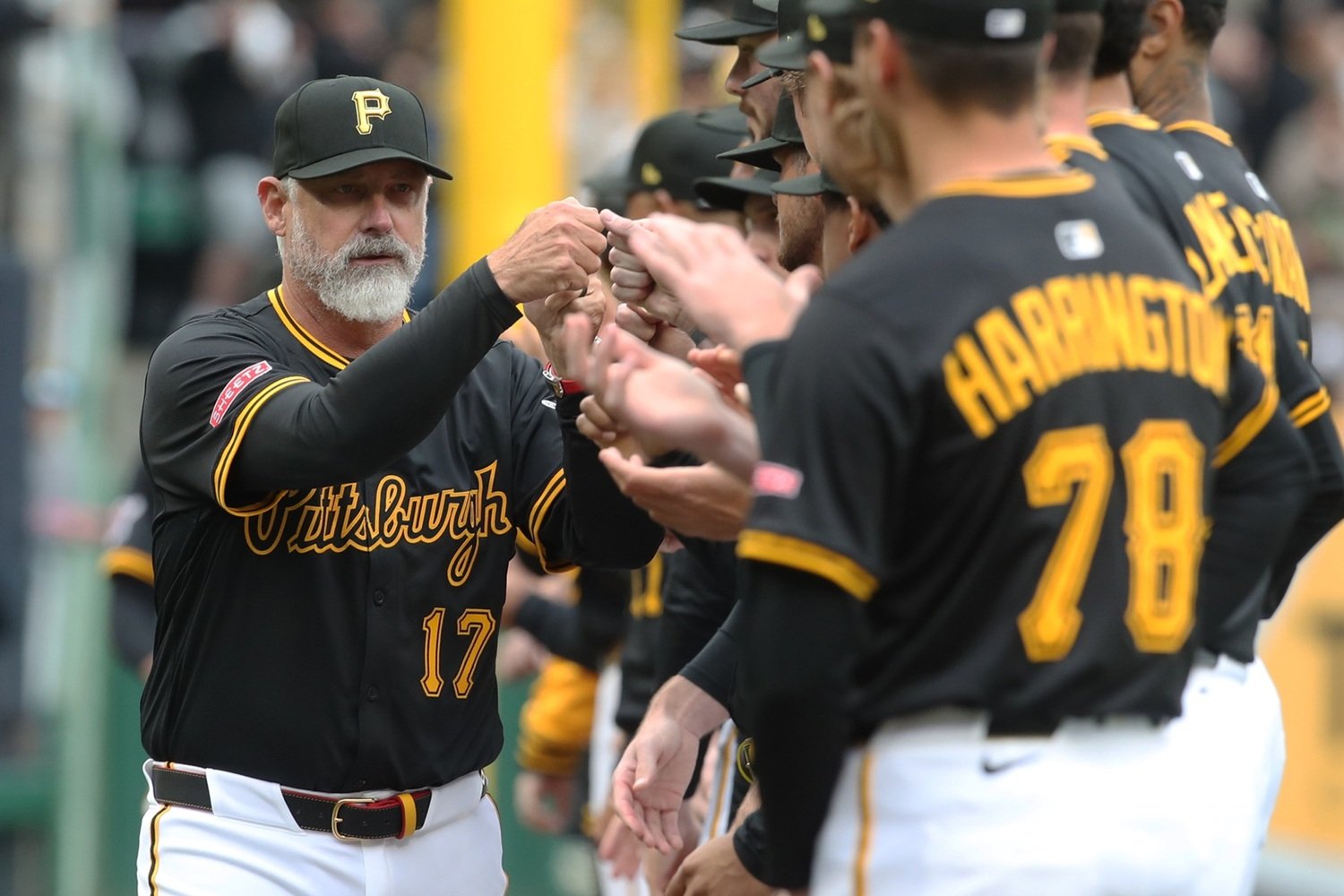 With the selection of Derek Shelton as the Minnesota Twins' next manager, the front office and ownership forgot one of their own publicly stated goals for the next manager of the Minnesota Twins. This manager was supposed to be a hire who would help address the struggles that have existed in player development. Derek Falvey made that direction known at the press conference following Rocco Baldelli's official firing, specifically when addressing questions about payroll. Falvey said that, because the Twins are a mid-market team, a new manager needs to be “a partner in growth and development.” ""The most important thing, I think, always is that you want a good partner who cares about not just maybe that day, but does want to invest in the whole organization and wants to think about young players and how we get them better," Falvey stated. "If you’re in a market like ours, and you’re going to bring up players, you’re going to bring up young players and guys that aren’t quite there yet. They need to be given runway, need to be given development and need to grow at this level." But Shelton didn’t seem to do particularly well in his previous stop in Pittsburgh. Yes, more recently, Paul Skenes and Oneil Cruz have thrived, but that doesn’t seem to be to the credit of anyone other than their otherworldly natural gifts. Shelton had the opportunity to manage and introduce a few top-100 prospects to the big leagues, but the results the Pirates would have liked were not achieved. Henry Davis might headline that group as a catcher who has played in 186 MLB games over the past three seasons. In 2023 and 2024, when he would have played fully under Shelton, Davis posted a negative WAR and hit his major league best OPS at a mere .653 in 2023. Davis was touted as a top college bat in the 2021 class, but has not reached that standard to this point. Nick Gonzales cracked the top 20 on the MLB.com prospect list and has also experienced underwhelming offensive production. His bat was coveted after a strong final year at New Mexico State, and he grabbed the honor of being Cape Cod League MVP in 2019, the premier wood bat league for college players. 2024 was maybe an acceptable production year at age 25 with a .709 OPS and 97 OPS+, but acceptable is quite the dirty word for a one-time top 20 prospect. Endy Rodriguez, Nick Yorke, and Liover Peguero are other players who have yet to deliver on the potential ascribed to top-100 prospects. Joey Bart, acquired from the Giants, initially posted greatly improved production in 2024, posting a 2.2 bWAR and an OPS+ of 121. 2025 started well for Bart, but even before the catcher suffered a concussion, his production began to dip. As great as Cruz’s skills are, his production has been up and down, and there have been questions about his effort. To the credit of Shelton, Cruz’s two best seasons (2022 and 2024) were with Shelton at the helm. Maybe this is something Shelton has reflected on and realizes he didn’t do as well as he did during his tenure as manager. Shelton did point to some unnamed areas of improvement he has identified in quotes in a recent Bob Nightengale article. Even if Shelton recognizes it as a weakness and wants to improve it, the reality is that there is currently no track record of his meeting this goal well. That means the Twins will need to turn to the rest of the coaching staff to address this glaring player development issue. One could wonder whether the coaching approach outlined by LaTroy Hawkins might be part of what will be needed under Shelton to see an unproven Twins roster succeed. In a recent interview with Dan Hayes of The Athletic, Hawkins outlined how much of what many players need in their development isn’t related to the mechanics of baseball. Hawkins said, “We forget there’s a human element to it, the mental part of the game. The numbers don’t tell if you have an argument with your wife or your significant other on the way to the ballpark. They don’t care if your kid is in the hospital.” It would seem strange that Baldelli would have struggled with that side of managing and coaching since he is considered a players' manager, but maybe something along these lines was missing. While there is currently no chatter about Hawkins being added to the staff, it may be that approach that is missing from a player development perspective in the Twins dugout. Whether it is the approach of making sure a player's mind is right that is needed more, or something else, Falvey needs to find that right mix. The Shelton hire, on its own, doesn’t seem to address the original goal of improved player development, so it will be interesting to see what the Twins front office does as the offseason continues to address that issue.
 -
With the selection of Derek Shelton as the Minnesota Twins next manager, the front office and ownership forgot one of their own publicly stated goals for the next manager of the Minnesota Twins. This manager was supposed to be a hire who would help address the struggles that have existed in player development. Derek Falvey made that direction known at the press conference following Rocco Baldelli's official firing, specifically when addressing questions about payroll. Falvey said that, because the Twins are a mid-market team, a new manager needs to be “a partner in growth and development.” The issue now that we know Shelton is the Twins' choice is that he didn’t seem to do particularly well in his previous stop in Pittsburgh. Yes, more recently, Paul Skenes and O’Neil Cruz have thrived, but that doesn’t seem to be to the credit of anyone other than their otherworldly natural gifts. Shelton had the opportunity to manage and introduce a few top-100 prospects to the big leagues, but the results the Pirates would have liked were not achieved. Henry Davis might headline that group as a catcher who has played in 186 MLB games over the past three seasons. In 2023 and 2024, when he would have played fully under Shelton, Davis posted a negative WAR and hit his major league best OPS at a mere .653 in 2023. Davis was touted as a top college bat in the 2021 class, but has not reached that standard to this point. Nick Gonzales cracked the top 20 on the MLB.com prospect list and has also experienced underwhelming offensive production. His bat was heavily believed in after a strong final year at New Mexico State, and he grabbed the honor of being Cape Cod League MVP in 2019, the premier wood bat league for college players. 2024 was maybe an acceptable production year at age 25 with a .709 OPS and 97 OPS+, but acceptable is quite the dirty word for a one-time top 20 prospect. Endy Rodriguez, Nick Yorke, and Liver Peguero are other players who have yet to show the product of the potential ascribed to top-100 prospects. Joey Bart, acquired from the Giants, initially posted greatly improved production in 2024, posting a 2.2 bWAR and an OPS+ of 121. 2025 started well for Bart, but even before the catcher suffered a concussion, his production began to dip. As great as Cruz’s skills are, his production has been up and down, and there have been questions about his effort. To the credit of Shelton, Cruz’s two best seasons (2022 and 2024) were with Shelton at the helm. Maybe this is something Shelton has reflected on and realizes he didn’t do as well as he did during his tenure as manager. Shelton did point to some unnamed areas of improvement he has identified in quotes in a recent Bob Nightengale article. Even if Shelton recognizes it as a weakness and wants to improve it, the reality is that there is currently no track record of his meeting this goal well. That means the Twins will need to turn to the rest of the coaching staff to address this glaring player development issue. One could wonder if the approach to coaching outlined by LaTroy Hawkins might not be part of an approach that will be needed under Shelton to see an unproven Twins roster succeed. In a recent interview with Dan Hayes of The Athletic, Hawkins outlined how much of what many players need in their development isn’t related to the mechanics of baseball. Hawkins said, “We forget there’s a human element to it, the mental part of the game. The numbers don’t tell if you have an argument with your wife or your significant other on the way to the ballpark. They don’t care if your kid is in the hospital.” It would seem strange that Baldelli would have struggled with that side of managing and coaching since he is considered a players' manager, but maybe something along these lines was missing. While there is currently no chatter about Hawkins being added to the staff, it may be that approach that is missing from a player development perspective in the Twins dugout. Whether it is the approach of making sure a player's mind is right that is needed more, or something else, Falvey needs to find that right mix. The Shelton hire, on its own, doesn’t seem to address the original goal of improved player development, so it will be interesting as the offseason continues to see what the Twins front office does to address that issue. View full article
-
With Rocco Baldelli Gone, What's Next for Pete Maki and Matt Borgschulte?
Nate Palmer posted an article in Twins
 Rocco Baldelli was shown the door on Monday and will not be returning to manage the Minnesota Twins in 2026. That leaves a whole staff of coaches in limbo. Most prominent on that list are pitching coach Pete Maki and hitting coach Matt Borgschulte. The last time (and only other time) the Twins have been in this position under Derek Falvey’s leadership was at the end of the 2018 campaign, when the front office fired Paul Molitor and began the search that culminated in Baldelli being hired. At that time, the Twins did retain three coaches from Molitor’s staff: bench coach Derek Shelton, hitting coach James Rowson, and assistant hitting coach Rudy Hernandez. The atmosphere around the club is slightly different today than it was at the end of 2018. Then, the team was a year removed from a playoff berth, and there was a group of hitters that had produced enough under Rowson to give hope for what was to come. That core included Mitch Garver, Jorge Polanco, Eddie Rosario (coming off an .803 OPS season), Max Kepler, a 24-year-old Byron Buxton, and Miguel Sanó. The front office was also new enough, in itself, that the general state of leadership and the trust therein from outside the organization was much different than it is now. The moves to retain Rowson and Shelton paid off for the Twins, as both were recognized as contributors to the Twins' success in the following season. Rowson would ultimately receive a promotion and move to the Miami Marlins. Shelton got the even bigger bump, as he was hired to manage the Pittsburgh Pirates. By contrast, the current Twins club is at a low point in morale and performance. The question needs to be asked: Is there any part of the current Twins coaching culture that is worth retaining for the new manager, or is it best for the new manager to have a clean slate to work with? "Obviously, the next manager [who] comes in will have quite a bit of say, as Rocco did," Falvey said Tuesday, at the team's end-of-season press conference. "We told the coaching staff that. We had to be as clear and as transparent with them as we could be, which is, we’ll work toward the next manager and then figure out exactly what the staff looks like." Borgschulte just completed his first season as the Twins' hitting coach. He was welcomed as a returning hero after leaving the Twins to serve on the Orioles staff for a few years, but the Twins scored 678 runs (23rd in MLB) and ranked 18th in wRC+. For the entirety of 2025, the Twins consistently fell short when it came to scoring enough runs to win games. Even when looking at individual players, the successes are few for the recently completed season on the offensive side. That list may begin and end with Byron Buxton—and “coaching” up an alreay-elite player who simply stayed healthy this time isn’t much to hang your hat, on as a coach. Yes, there were flashes for parts of 2025 for other players, but the failures of so many far outweighed any good found. Borgschulte’s biggest hope for remaining on the 2026 staff is likely that the Twins front office realizes this isn’t a coaching problem, but a roster problem. Since the front office and ownership have already fired the manager, it seems unlikely that the upper-level leadership would view themselves and their roster construction as the problem, but rather, they would like to continue and shift blame elsewhere. We can quickly glance at David Popkins to realize the 2025 offense is likely a bigger issue than Borgschulte alone, but Baldelli has taken the initial fall, and unfortunately for Borgschulte, he may follow him out the door. Maki has been around longer than Borgschulte, having been elevated from bullpen coach to pitching coach after Wes Johnson walked away mid-season in June 2022. Overall, the Twins pitching staff's numbers were not great in 2025, as they allowed the 8th-most runs in MLB and ranked 24th in ERA. The difference between Maki and Borgschulte is that there were individual performances that can be pointed to as signs of forward progress. Joe Ryan took a step forward and looked like the Twins' number one starter for large parts of the season. Ryan reached 171 innings pitched, amassed 4.5 WAR, was named to the All-Star team, and had a 3.42 ERA. Zebby Matthews didn’t end the season with great overall numbers, but he had a stretch in August where he looked much more like the pitching prospect we had hoped to see when he was called up. Others, like Simeon Woods-Richardson, Bailey Ober, and Pablo López, have been steady, if not impressive, under Maki’s leadership. While those were the positives, Maki also seemed to have more talent to work with than Borgschulte, and wasn’t able to help it all come together. The bullpen, although good enough to be largely traded away, was not as dominant as it looked on paper before the season began. The bullpen performance may be one of the most significant negative marks on Maki’s season. While Maki has a larger resume to stand on to be retained under a new manager, that same resume may be the reason he is also shown the door. Out of the two, Maki seems more likely to be around in 2026. The fates of Maki and Borgschulte are situations that we will need to continue monitoring closely. Based on what has happened over the past year, both may be shown the door. What would you like to see the Twins do, and what do you think the Twins will actually do? Share in the comments below.
- 24 comments
-
- 3
-
-
- matt borgschulte
- pete maki
- (and 1 more)
-
Image courtesy of © Eric Canha-Imagn Images Rocco Baldelli was shown the door on Monday and will not be returning to manage the Minnesota Twins in 2026. That leaves a whole staff of coaches in limbo. Most prominent on that list are pitching coach Pete Maki and hitting coach Matt Borgschulte. The last time (and only other time) the Twins have been in this position under Derek Falvey’s leadership was at the end of the 2018 campaign, when the front office fired Paul Molitor and began the search that culminated in Baldelli being hired. At that time, the Twins did retain three coaches from Molitor’s staff: bench coach Derek Shelton, hitting coach James Rowson, and assistant hitting coach Rudy Hernandez. The atmosphere around the club is slightly different today than it was at the end of 2018. Then, the team was a year removed from a playoff berth, and there was a group of hitters that had produced enough under Rowson to give hope for what was to come. That core included Mitch Garver, Jorge Polanco, Eddie Rosario (coming off an .803 OPS season), Max Kepler, a 24-year-old Byron Buxton, and Miguel Sanó. The front office was also new enough, in itself, that the general state of leadership and the trust therein from outside the organization was much different than it is now. The moves to retain Rowson and Shelton paid off for the Twins, as both were recognized as contributors to the Twins' success in the following season. Rowson would ultimately receive a promotion and move to the Miami Marlins. Shelton got the even bigger bump, as he was hired to manage the Pittsburgh Pirates. By contrast, the current Twins club is at a low point in morale and performance. The question needs to be asked: Is there any part of the current Twins coaching culture that is worth retaining for the new manager, or is it best for the new manager to have a clean slate to work with? "Obviously, the next manager [who] comes in will have quite a bit of say, as Rocco did," Falvey said Tuesday, at the team's end-of-season press conference. "We told the coaching staff that. We had to be as clear and as transparent with them as we could be, which is, we’ll work toward the next manager and then figure out exactly what the staff looks like." Borgschulte just completed his first season as the Twins' hitting coach. He was welcomed as a returning hero after leaving the Twins to serve on the Orioles staff for a few years, but the Twins scored 678 runs (23rd in MLB) and ranked 18th in wRC+. For the entirety of 2025, the Twins consistently fell short when it came to scoring enough runs to win games. Even when looking at individual players, the successes are few for the recently completed season on the offensive side. That list may begin and end with Byron Buxton—and “coaching” up an alreay-elite player who simply stayed healthy this time isn’t much to hang your hat, on as a coach. Yes, there were flashes for parts of 2025 for other players, but the failures of so many far outweighed any good found. Borgschulte’s biggest hope for remaining on the 2026 staff is likely that the Twins front office realizes this isn’t a coaching problem, but a roster problem. Since the front office and ownership have already fired the manager, it seems unlikely that the upper-level leadership would view themselves and their roster construction as the problem, but rather, they would like to continue and shift blame elsewhere. We can quickly glance at David Popkins to realize the 2025 offense is likely a bigger issue than Borgschulte alone, but Baldelli has taken the initial fall, and unfortunately for Borgschulte, he may follow him out the door. Maki has been around longer than Borgschulte, having been elevated from bullpen coach to pitching coach after Wes Johnson walked away mid-season in June 2022. Overall, the Twins pitching staff's numbers were not great in 2025, as they allowed the 8th-most runs in MLB and ranked 24th in ERA. The difference between Maki and Borgschulte is that there were individual performances that can be pointed to as signs of forward progress. Joe Ryan took a step forward and looked like the Twins' number one starter for large parts of the season. Ryan reached 171 innings pitched, amassed 4.5 WAR, was named to the All-Star team, and had a 3.42 ERA. Zebby Matthews didn’t end the season with great overall numbers, but he had a stretch in August where he looked much more like the pitching prospect we had hoped to see when he was called up. Others, like Simeon Woods-Richardson, Bailey Ober, and Pablo López, have been steady, if not impressive, under Maki’s leadership. While those were the positives, Maki also seemed to have more talent to work with than Borgschulte, and wasn’t able to help it all come together. The bullpen, although good enough to be largely traded away, was not as dominant as it looked on paper before the season began. The bullpen performance may be one of the most significant negative marks on Maki’s season. While Maki has a larger resume to stand on to be retained under a new manager, that same resume may be the reason he is also shown the door. Out of the two, Maki seems more likely to be around in 2026. The fates of Maki and Borgschulte are situations that we will need to continue monitoring closely. Based on what has happened over the past year, both may be shown the door. What would you like to see the Twins do, and what do you think the Twins will actually do? Share in the comments below. View full article
-
Image courtesy of © Jesse Johnson-Imagn Images Box Score SP: Simeon Woods Richardson - 6 IP, 2 H, 0 ER, 3 BB, 11 K (92 pitches, 58 strikes (63.0%) Home Runs: Brooks Lee (15) Top 3 WPA: Simeon Woods-Richardson (0.350), Brooks Lee (0.111), Edouard Julien (0.089) Win Probability Chart (via FanGraphs) Even in a season that is lost from a competitive standpoint, dishing a loss to the New York Yankees is worth the price of admission. Those who were willing to pay admission Monday night got that sweetest of treats. Hustlin’ a Run The Twins' offense would strike first, fueled by plenty of hustle on the basepaths. Jhonny Pereda led off the inning with a scorching double down the left field line that clocked in at 110.6 mph off the bat. Edouard Julien followed Pareda’s at-bat with his own hard-hit grounder up the middle, which got under the defender's glove and trickled into the outfield just far enough that Julien was able to beat out the throw to first and set up runners on first and second. After a Byron Buxton strikeout, Austin Martin would follow up with his own hustle on a grounder that the Yankees defense tried turning for two, in vain. Keeping the out off the board allowed Pereda to make his way home and put the Twins up 1-0. SWR Had a Night Simeon Woods Richardson had a tall task in front of him with a very dangerous Yankees lineup to pitch against. It feels like an understatement to say that he lived up to the task on Monday evening. The righty easily topped his own career strikeout mark with 11; previously, he had only reached eight in a game. Those 11 strikeouts also matched the top Twins mark for the 2025 season. Among those strikeouts was the fourth inning, in which Woods Richardson struck out the side and flirted with an immaculate inning. He also got the dangerous Giancarlo Stanton to strike out three times, including the 11th and final strikeout of the evening. On the way, Woods-Richardson created 16 swings and misses. Lee’s Right-Handed Power Brooks Lee had the opportunity to turn to the right side of the plate as a batter and seized it, to show off some power against the tough Carlos Rodon. Rodon has continued to be a dominant pitcher, with a 3.11 ERA across 30 starts in 2025. Lee still found a way to take Rodon deep for his 15th home run of the season and put the Twins up 2-0. In the seventh inning, Lee would turn to the other side of the plate and hit a double to drive in Trevor Larnach and increase the Twins lead once again to 3-0. Martin Delivers the Knockout After Lee added to the lead with his double, the Twins worked to load the bases for Austin Martin to come to the plate. Once again, Martin delivered, this time with a bases-clearing double, which also doubled the Twins' run total, putting them up 6-0. Martin’s four RBIs add to his already impressive September, in which he was hitting for a .333 average with a .880 OPS. If the hitting wasn't enough, Martin also turned in a great catch over the wall in foul territory while battling a Yankee fan to bring the top of the eighth inning to an end. What’s Next? As the Twins continue to try to play the role of spoiler to the Yankees, Zebby Matthews will try to follow in his teammates' footsteps Tuesday evening. To do so, Matthews will need to bounce back after a rough outing in which he allowed five runs to the Angels last time out. The Yankees will counter with right-hander Cam Schlittler and his excellent 3.05 ERA. Postgame Interviews THU FRI SAT SUN MON TOT Ohl 0 0 35 0 14 49 Sands 0 21 26 0 0 47 Adams 0 17 0 0 29 46 Tonkin 0 20 0 19 0 39 Funderburk 0 7 15 0 16 38 Cabrera 0 0 0 22 0 22 Laweryson 0 0 20 0 0 20 Hatch 0 0 0 17 0 17 View full article
-
(20).png.1ca5951d21a03fffd5d52ed7dccfb4ff.png) Box Score SP: Simeon Woods Richardson - 6 IP, 2 H, 0 ER, 3 BB, 11 K (92 pitches, 58 strikes (63.0%) Home Runs: Brooks Lee (15) Top 3 WPA: Simeon Woods-Richardson (0.350), Brooks Lee (0.111), Edouard Julien (0.089) Win Probability Chart (via FanGraphs) Even in a season that is lost from a competitive standpoint, dishing a loss to the New York Yankees is worth the price of admission. Those who were willing to pay admission Monday night got that sweetest of treats. Hustlin’ a Run The Twins' offense would strike first, fueled by plenty of hustle on the basepaths. Jhonny Pereda led off the inning with a scorching double down the left field line that clocked in at 110.6 mph off the bat. Edouard Julien followed Pareda’s at-bat with his own hard-hit grounder up the middle, which got under the defender's glove and trickled into the outfield just far enough that Julien was able to beat out the throw to first and set up runners on first and second. After a Byron Buxton strikeout, Austin Martin would follow up with his own hustle on a grounder that the Yankees defense tried turning for two, in vain. Keeping the out off the board allowed Pereda to make his way home and put the Twins up 1-0. SWR Had a Night Simeon Woods Richardson had a tall task in front of him with a very dangerous Yankees lineup to pitch against. It feels like an understatement to say that he lived up to the task on Monday evening. The righty easily topped his own career strikeout mark with 11; previously, he had only reached eight in a game. Those 11 strikeouts also matched the top Twins mark for the 2025 season. Among those strikeouts was the fourth inning, in which Woods Richardson struck out the side and flirted with an immaculate inning. He also got the dangerous Giancarlo Stanton to strike out three times, including the 11th and final strikeout of the evening. On the way, Woods-Richardson created 16 swings and misses. Lee’s Right-Handed Power Brooks Lee had the opportunity to turn to the right side of the plate as a batter and seized it, to show off some power against the tough Carlos Rodon. Rodon has continued to be a dominant pitcher, with a 3.11 ERA across 30 starts in 2025. Lee still found a way to take Rodon deep for his 15th home run of the season and put the Twins up 2-0. In the seventh inning, Lee would turn to the other side of the plate and hit a double to drive in Trevor Larnach and increase the Twins lead once again to 3-0. Martin Delivers the Knockout After Lee added to the lead with his double, the Twins worked to load the bases for Austin Martin to come to the plate. Once again, Martin delivered, this time with a bases-clearing double, which also doubled the Twins' run total, putting them up 6-0. Martin’s four RBIs add to his already impressive September, in which he was hitting for a .333 average with a .880 OPS. If the hitting wasn't enough, Martin also turned in a great catch over the wall in foul territory while battling a Yankee fan to bring the top of the eighth inning to an end. What’s Next? As the Twins continue to try to play the role of spoiler to the Yankees, Zebby Matthews will try to follow in his teammates' footsteps Tuesday evening. To do so, Matthews will need to bounce back after a rough outing in which he allowed five runs to the Angels last time out. The Yankees will counter with right-hander Cam Schlittler and his excellent 3.05 ERA. Postgame Interviews THU FRI SAT SUN MON TOT Ohl 0 0 35 0 14 49 Sands 0 21 26 0 0 47 Adams 0 17 0 0 29 46 Tonkin 0 20 0 19 0 39 Funderburk 0 7 15 0 16 38 Cabrera 0 0 0 22 0 22 Laweryson 0 0 20 0 0 20 Hatch 0 0 0 17 0 17
Box Score SP: Simeon Woods Richardson - 6 IP, 2 H, 0 ER, 3 BB, 11 K (92 pitches, 58 strikes (63.0%) Home Runs: Brooks Lee (15) Top 3 WPA: Simeon Woods-Richardson (0.350), Brooks Lee (0.111), Edouard Julien (0.089) Win Probability Chart (via FanGraphs) Even in a season that is lost from a competitive standpoint, dishing a loss to the New York Yankees is worth the price of admission. Those who were willing to pay admission Monday night got that sweetest of treats. Hustlin’ a Run The Twins' offense would strike first, fueled by plenty of hustle on the basepaths. Jhonny Pereda led off the inning with a scorching double down the left field line that clocked in at 110.6 mph off the bat. Edouard Julien followed Pareda’s at-bat with his own hard-hit grounder up the middle, which got under the defender's glove and trickled into the outfield just far enough that Julien was able to beat out the throw to first and set up runners on first and second. After a Byron Buxton strikeout, Austin Martin would follow up with his own hustle on a grounder that the Yankees defense tried turning for two, in vain. Keeping the out off the board allowed Pereda to make his way home and put the Twins up 1-0. SWR Had a Night Simeon Woods Richardson had a tall task in front of him with a very dangerous Yankees lineup to pitch against. It feels like an understatement to say that he lived up to the task on Monday evening. The righty easily topped his own career strikeout mark with 11; previously, he had only reached eight in a game. Those 11 strikeouts also matched the top Twins mark for the 2025 season. Among those strikeouts was the fourth inning, in which Woods Richardson struck out the side and flirted with an immaculate inning. He also got the dangerous Giancarlo Stanton to strike out three times, including the 11th and final strikeout of the evening. On the way, Woods-Richardson created 16 swings and misses. Lee’s Right-Handed Power Brooks Lee had the opportunity to turn to the right side of the plate as a batter and seized it, to show off some power against the tough Carlos Rodon. Rodon has continued to be a dominant pitcher, with a 3.11 ERA across 30 starts in 2025. Lee still found a way to take Rodon deep for his 15th home run of the season and put the Twins up 2-0. In the seventh inning, Lee would turn to the other side of the plate and hit a double to drive in Trevor Larnach and increase the Twins lead once again to 3-0. Martin Delivers the Knockout After Lee added to the lead with his double, the Twins worked to load the bases for Austin Martin to come to the plate. Once again, Martin delivered, this time with a bases-clearing double, which also doubled the Twins' run total, putting them up 6-0. Martin’s four RBIs add to his already impressive September, in which he was hitting for a .333 average with a .880 OPS. If the hitting wasn't enough, Martin also turned in a great catch over the wall in foul territory while battling a Yankee fan to bring the top of the eighth inning to an end. What’s Next? As the Twins continue to try to play the role of spoiler to the Yankees, Zebby Matthews will try to follow in his teammates' footsteps Tuesday evening. To do so, Matthews will need to bounce back after a rough outing in which he allowed five runs to the Angels last time out. The Yankees will counter with right-hander Cam Schlittler and his excellent 3.05 ERA. Postgame Interviews THU FRI SAT SUN MON TOT Ohl 0 0 35 0 14 49 Sands 0 21 26 0 0 47 Adams 0 17 0 0 29 46 Tonkin 0 20 0 19 0 39 Funderburk 0 7 15 0 16 38 Cabrera 0 0 0 22 0 22 Laweryson 0 0 20 0 0 20 Hatch 0 0 0 17 0 17- 29 comments
-
- 6
-
-
- austin martin
- simeon woods richardson
- (and 1 more)
-
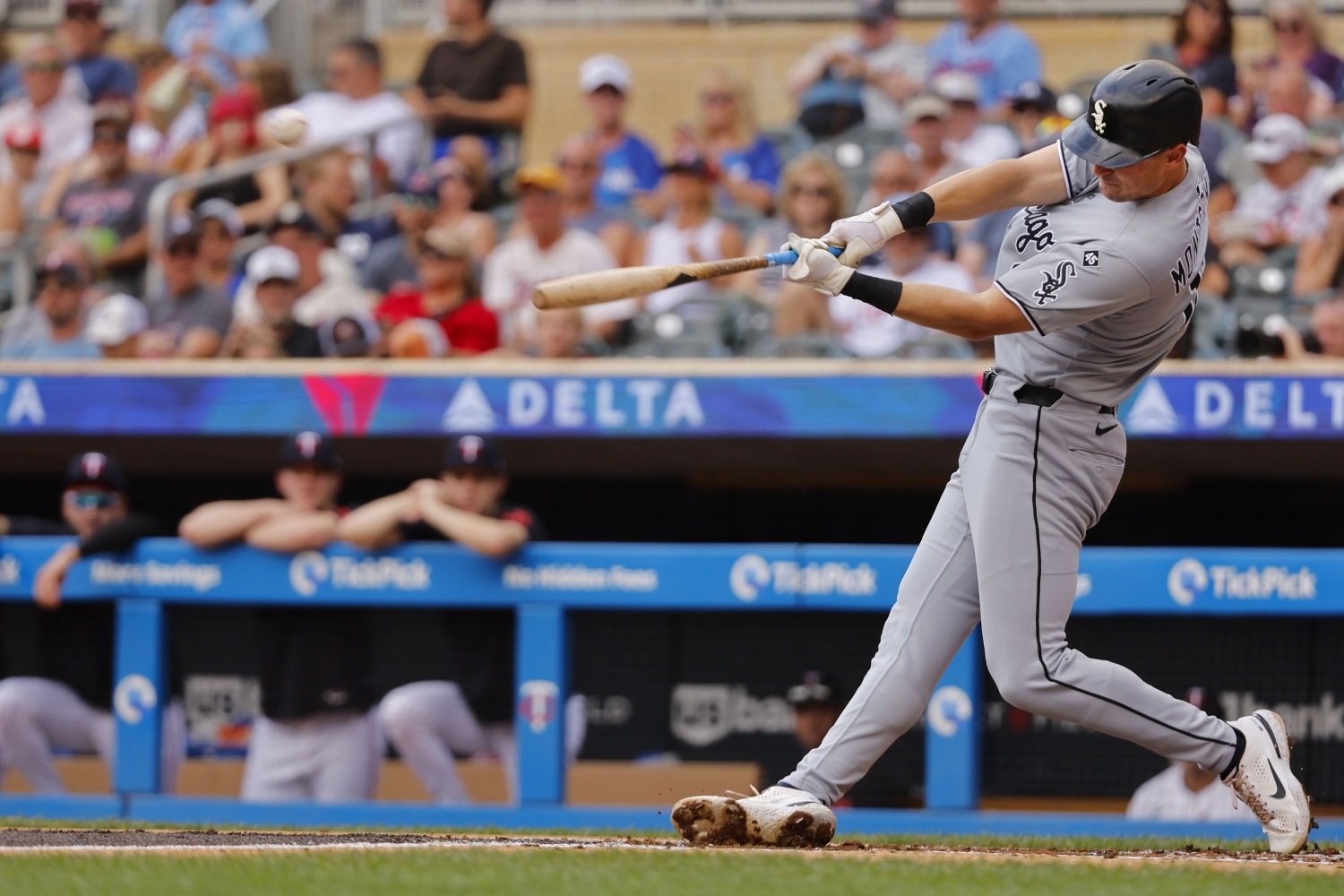 Box Score SP: Bailey Ober 5.0 IP, 6 H, 4 ER, 2 BB, 3 K (69 pitches, 46 strikes (66.7%) Home Runs: Royce Lewis (10) Bottom 3 WPA: Justin Topa (-0.449), Bailey Ober (-0.209), James Outman (-0.106) Win Probability Chart (via FanGraphs) The last time the Minnesota Twins faced the Chicago White Sox, the result was a series loss that felt a lot like rock bottom. Coming off a series win against the likely playoff-bound San Diego Padres, the Twins will look to handle the South Siders better this week at home. To do so, they'll need to keep some of the White Sox's young bats at bay. White Sox Jump On Ober So much for that. Colson Montgomery has been a problem for much of Major League Baseball, but a downright terror to the Twins. Montgomery only hits home runs when he faces the Twins, and he did so again in the second inning of Monday’s Labor Day matchup. Bailey Ober’s slider for the third pitch of the at-bat turned into Montgomery’s 16th home run, and fourth in his four games against Minnesota so far. After a Curtis Mead single and an Andrew Benintendi strikeout, Chase Meidroth would also hit a home run, to left-center field. Meidroth also jumped on an offspeed pitch, this time a curveball, and put the White Sox up 3-0 quickly. Twins Score, But Leave Runners Hanging It should have been good news for Twins batters that the White Sox would be throwing a bullpen game Monday afternoon. Early on, the Twins were unable to capitalize as they had hoped. In the bottom of the second inning, however, they put together a two-out rally. The trouble began with an error by Curtis Mead on a Royce Lewis groundball and was followed by walks to both Edouard Julien and James Outman to bring Byron Buxton to the plate. Buxton was certainly looking to tear the game open, but with newly inserted Wikelman Gonzalez on the mound, he was patient. He walked, to score the Twins' first run and narrow the deficit to 3-1. Ryan Jeffers was next up, but would leave the bases full by striking out to end the inning. In the third inning, both Luke Keaschall and Trevor Larnach would reach base on singles with one out. Neither Brooks Lee nor Lewis were able to create any more offense, and the Twins instead walked away with two more men left on base and the score still 3-1, when so much more seemed possible. Buxton continued to be the offensive engine in the fourth inning. He hit his 17th double of 2025, and while on second base, the White Sox did traditional White Sox things, and the Twins outfielder took advantage. Reliever Cam Booser threw a wild pitch, and as Buxton was sprinting toward third base, White Sox catcher Kyle Teel fired off-target. As the ball zipped past third and into left field, it allowed Buxton to trot home and cut into the White Sox lead, bringing the score to 3-2. Power and Speed in the Sixth After a strange series of rare defensive misplays by Buxton that put the White Sox up 4-2, the Twins found some more offense in the sixth inning. It started with Royce Lewis hitting a solo home run, his 10th, to bring the Twins within one. Next up, Julien hit a double off the left-field wall. Recently recalled DaShawn Kiersey Jr. would pinch-run for Julien, steal third base, and then score on a sac fly off by, you guessed it, Buxton. Pinch-Running Pays Off Again Into the 7th inning, Matt Wallner started things with a hustle double. To get more speed in his spot, manager Rocco Baldelli opted to bring Austin Martin into the game to pinch-run. The Twins would reach two outs and were at risk of once again leaving a runner in scoring position. Instead of walking away empty-handed, though, Brooks Lee came up with a big single to score the go-ahead run, putting the Twins up 5-4. With two runs being scored by pinch-runners, it's safe to say that on this first day of September, Baldelli was able to use his expanded roster to impact the game significantly. White Sox Not Done Yet With Justin Topa on the mound, the White Sox would not settle for the Twins taking the lead from them. After a single by Curtis Mead and a Michael A. Taylor (pinch-running) sighting, the previous innings' hero would make a throwing error. As Lee was unable to complete a would-be 3-6-1 double play, he also fired wide, and Meidroth wound up on second base with two outs. The White Sox did, with two outs, what the Twins were unable to do in the second inning. Brooks Baldwin doubled to tie the ball game. Mike Tauchman hit his own double to replace Baldwin at second and give his team the advantage. The White Sox, after seven, would hold on to a one-run, 6-5 lead. Those two runs would be the deciding factor. While the Twins' moves seem to push some of the right buttons, the missed opportunities early in the game and Topa's bad inning were insurmountable. What’s Next? After his recent return, Simeon Woods Richardson will make his second start for the Twins since recovering from his recent ordeal with a parasite. Woods Richardson will hope to rebound after giving up five runs against the Blue Jays. Davis Martin will bring his 4.03 ERA to make the start for the White Sox. Postgame Interviews Bullpen Usage Spreadsheet THU FRI SAT SUN MON TOT Funderburk 0 23 0 0 31 54 Cabrera 0 0 31 0 20 51 Kriske 0 0 44 0 0 44 Topa 0 24 0 0 17 41 Tonkin 0 0 0 37 0 37 Sands 0 17 0 0 0 17 Adams 0 0 0 0 6 6 Hatch 0 0 0 0 0 0
- 30 comments
-
- 3
-
-
- byron buxton
- bailey ober
- (and 2 more)
-
Image courtesy of © Bruce Kluckhohn-Imagn Images Box Score SP: Bailey Ober 5.0 IP, 6 H, 4 ER, 2 BB, 3 K (69 pitches, 46 strikes (66.7%) Home Runs: Royce Lewis (10) Bottom 3 WPA: Justin Topa (-0.449), Bailey Ober (-0.209), James Outman (-0.106) Win Probability Chart (via FanGraphs) The last time the Minnesota Twins faced the Chicago White Sox, the result was a series loss that felt a lot like rock bottom. Coming off a series win against the likely playoff-bound San Diego Padres, the Twins will look to handle the South Siders better this week at home. To do so, they'll need to keep some of the White Sox's young bats at bay. White Sox Jump On Ober So much for that. Colson Montgomery has been a problem for much of Major League Baseball, but a downright terror to the Twins. Montgomery only hits home runs when he faces the Twins, and he did so again in the second inning of Monday’s Labor Day matchup. Bailey Ober’s slider for the third pitch of the at-bat turned into Montgomery’s 16th home run, and fourth in his four games against Minnesota so far. After a Curtis Mead single and an Andrew Benintendi strikeout, Chase Meidroth would also hit a home run, to left-center field. Meidroth also jumped on an offspeed pitch, this time a curveball, and put the White Sox up 3-0 quickly. Twins Score, But Leave Runners Hanging It should have been good news for Twins batters that the White Sox would be throwing a bullpen game Monday afternoon. Early on, the Twins were unable to capitalize as they had hoped. In the bottom of the second inning, however, they put together a two-out rally. The trouble began with an error by Curtis Mead on a Royce Lewis groundball and was followed by walks to both Edouard Julien and James Outman to bring Byron Buxton to the plate. Buxton was certainly looking to tear the game open, but with newly inserted Wikelman Gonzalez on the mound, he was patient. He walked, to score the Twins' first run and narrow the deficit to 3-1. Ryan Jeffers was next up, but would leave the bases full by striking out to end the inning. In the third inning, both Luke Keaschall and Trevor Larnach would reach base on singles with one out. Neither Brooks Lee nor Lewis were able to create any more offense, and the Twins instead walked away with two more men left on base and the score still 3-1, when so much more seemed possible. Buxton continued to be the offensive engine in the fourth inning. He hit his 17th double of 2025, and while on second base, the White Sox did traditional White Sox things, and the Twins outfielder took advantage. Reliever Cam Booser threw a wild pitch, and as Buxton was sprinting toward third base, White Sox catcher Kyle Teel fired off-target. As the ball zipped past third and into left field, it allowed Buxton to trot home and cut into the White Sox lead, bringing the score to 3-2. Power and Speed in the Sixth After a strange series of rare defensive misplays by Buxton that put the White Sox up 4-2, the Twins found some more offense in the sixth inning. It started with Royce Lewis hitting a solo home run, his 10th, to bring the Twins within one. Next up, Julien hit a double off the left-field wall. Recently recalled DaShawn Kiersey Jr. would pinch-run for Julien, steal third base, and then score on a sac fly off by, you guessed it, Buxton. Pinch-Running Pays Off Again Into the 7th inning, Matt Wallner started things with a hustle double. To get more speed in his spot, manager Rocco Baldelli opted to bring Austin Martin into the game to pinch-run. The Twins would reach two outs and were at risk of once again leaving a runner in scoring position. Instead of walking away empty-handed, though, Brooks Lee came up with a big single to score the go-ahead run, putting the Twins up 5-4. With two runs being scored by pinch-runners, it's safe to say that on this first day of September, Baldelli was able to use his expanded roster to impact the game significantly. White Sox Not Done Yet With Justin Topa on the mound, the White Sox would not settle for the Twins taking the lead from them. After a single by Curtis Mead and a Michael A. Taylor (pinch-running) sighting, the previous innings' hero would make a throwing error. As Lee was unable to complete a would-be 3-6-1 double play, he also fired wide, and Meidroth wound up on second base with two outs. The White Sox did, with two outs, what the Twins were unable to do in the second inning. Brooks Baldwin doubled to tie the ball game. Mike Tauchman hit his own double to replace Baldwin at second and give his team the advantage. The White Sox, after seven, would hold on to a one-run, 6-5 lead. Those two runs would be the deciding factor. While the Twins' moves seem to push some of the right buttons, the missed opportunities early in the game and Topa's bad inning were insurmountable. What’s Next? After his recent return, Simeon Woods Richardson will make his second start for the Twins since recovering from his recent ordeal with a parasite. Woods Richardson will hope to rebound after giving up five runs against the Blue Jays. Davis Martin will bring his 4.03 ERA to make the start for the White Sox. Postgame Interviews Bullpen Usage Spreadsheet THU FRI SAT SUN MON TOT Funderburk 0 23 0 0 31 54 Cabrera 0 0 31 0 20 51 Kriske 0 0 44 0 0 44 Topa 0 24 0 0 17 41 Tonkin 0 0 0 37 0 37 Sands 0 17 0 0 0 17 Adams 0 0 0 0 6 6 Hatch 0 0 0 0 0 0 View full article
-
Image courtesy of © Vincent Carchietta-Imagn Images As the calendar flips to September and most of the United States celebrates Labor Day, MLB rosters are expanding. With that expansion, the Twins have chosen a few players to get a longer look at down the stretch. The Twins also chose to option Mick Abel back to Triple-A St. Paul after his rough outing this weekend, where he only made it through one inning but gave up six runs, five of them earned. That move made room for three total additions to the Twins roster. RHP Travis Adams Adams has already made eight appearances for the parent club in 2025. The overall numbers have not been good. In his eight appearances, he holds a 7.71 ERA, working mostly in bulk relief outings. While the numbers are unimpressive in many ways, Adams has had some moments to create intrigue at least. His five-inning start against the Detroit Tigers stands out. In that appearance, the right-handed 25-year-old was able to strike out seven batters. It'll be interesting to see if the Twins continue to use Adams as an innings-eater and pseudo-starter, or if they will try out the right-hander in a one-inning relief role. Since moving back to the minors in mid-August, Adams has pitched more in a one-inning role. With starting rotation roles likely to go to several other Twins pitchers, excelling in a one-inning role may be Adams's ticket to a 2026 roster spot. If his recent minor-league usage is any indication, that could be the intention. His four-seamer sat close to 96 miles per hour in his last two games before getting recalled, which is an encouraging sign. RHP Noah Davis After coming over from the Dodgers organization, Davis made a rough first impression as he introduced himself to Twins fans. In two appearances and three innings of relief, Davis gave up five runs and two home runs to give himself an ugly 15.00 ERA as a member of the Twins—and an 18.00 ERA if you include his appearances with the Dodgers. What could Davis provide for the Twins down the stretch with those sorts of numbers? The Twins are searching high and low for new bullpen members, and if Davis were able to limit his allowance of home runs, there is an interesting enough pitch mix there that he could turn into something. Davis has also appeared in eight games since returning to St. Paul, and held opponents scoreless in six of those outings. OF DaShawn Keirsey Jr. DaShawn Keirsey Jr. has spent a fair amount of time on the Twins' active roster this season, logging 67 games. That resulted in only 85 plate appearances for the speedy outfielder, as many of his game appearances were as a pinch-runner or defensive replacement. That was how he got into Monday's tilt, too. At best, Keirsey would undoubtedly like to compete for an outfield spot with the likes of Matt Wallner, Trevor Larnach, Austin Martin, and James Outman. Based on past usage, this feels strongly like Keirsey Jr. is back on the roster to pinch-run and play defense as Rocco Baldelli mixes and matches the Twins lineup. As a fan, what are you hoping for out of this trio? Are there other players you would rather get a look at in the big leagues? View full article
-
With September Roster Expansion, Twins Add Three, Option Mick Abel.
Nate Palmer posted an article in Twins
 As the calendar flips to September and most of the United States celebrates Labor Day, MLB rosters are expanding. With that expansion, the Twins have chosen a few players to get a longer look at down the stretch. The Twins also chose to option Mick Abel back to Triple-A St. Paul after his rough outing this weekend, where he only made it through one inning but gave up six runs, five of them earned. That move made room for three total additions to the Twins roster. RHP Travis Adams Adams has already made eight appearances for the parent club in 2025. The overall numbers have not been good. In his eight appearances, he holds a 7.71 ERA, working mostly in bulk relief outings. While the numbers are unimpressive in many ways, Adams has had some moments to create intrigue at least. His five-inning start against the Detroit Tigers stands out. In that appearance, the right-handed 25-year-old was able to strike out seven batters. It'll be interesting to see if the Twins continue to use Adams as an innings-eater and pseudo-starter, or if they will try out the right-hander in a one-inning relief role. Since moving back to the minors in mid-August, Adams has pitched more in a one-inning role. With starting rotation roles likely to go to several other Twins pitchers, excelling in a one-inning role may be Adams's ticket to a 2026 roster spot. If his recent minor-league usage is any indication, that could be the intention. His four-seamer sat close to 96 miles per hour in his last two games before getting recalled, which is an encouraging sign. RHP Noah Davis After coming over from the Dodgers organization, Davis made a rough first impression as he introduced himself to Twins fans. In two appearances and three innings of relief, Davis gave up five runs and two home runs to give himself an ugly 15.00 ERA as a member of the Twins—and an 18.00 ERA if you include his appearances with the Dodgers. What could Davis provide for the Twins down the stretch with those sorts of numbers? The Twins are searching high and low for new bullpen members, and if Davis were able to limit his allowance of home runs, there is an interesting enough pitch mix there that he could turn into something. Davis has also appeared in eight games since returning to St. Paul, and held opponents scoreless in six of those outings. OF DaShawn Keirsey Jr. DaShawn Keirsey Jr. has spent a fair amount of time on the Twins' active roster this season, logging 67 games. That resulted in only 85 plate appearances for the speedy outfielder, as many of his game appearances were as a pinch-runner or defensive replacement. That was how he got into Monday's tilt, too. At best, Keirsey would undoubtedly like to compete for an outfield spot with the likes of Matt Wallner, Trevor Larnach, Austin Martin, and James Outman. Based on past usage, this feels strongly like Keirsey Jr. is back on the roster to pinch-run and play defense as Rocco Baldelli mixes and matches the Twins lineup. As a fan, what are you hoping for out of this trio? Are there other players you would rather get a look at in the big leagues?
- 38 comments
-
- 4
-

-

-

-
- travis adams
- noah davis
- (and 1 more)
-
Image courtesy of © John E Sokolowski-Imagn Images Box Score SP: Joe Ryan 5.0 IP, 7 H, 6 ER, 1 BB, 7 K (93 pitches, 62 strikes (66.7%) Home Runs: Matt Wallner (18,19) Bottom 3 WPA: Ryan (-0.338), Brooks Kriske (-0.134), Brooks Lee (-0.035) Win Probability Chart (via FanGraphs) Reunions are supposed to be fun. This week, the Twins are in Toronto, and they can see trade deadline departures Louis Varland and Ty France in the same visit, as well as former hitting coach David Popkins. Alas, Monday night’s portion of the reunion was far from fun. Early Game Woes Once Again Twins starter Joe Ryan continued a negative trend from the weekend. As Mick Abel and Taj Bradley each had rough starts to their respective outings, Ryan got hit hard early in Monday night’s game. The Blue Jays got to Ryan for four runs in the first inning, highlighted by an Alejandro Kirk two-run home run to right-center field. The second inning also saw Ryan give up a homer, this time on a ball that traveled to center field off of Andrés Giménez’s bat. An early 5-0 deficit is not what the Twins needed with their de facto ace on the mound, after a weekend filled with similar starts to games. Thankfully, like the weekend starts, Ryan was able to settle in and mainly control the Blue Jays lineup the rest of the way in his five innings. Wallner Wrecks Baseballs The Twins would find some offense against veteran Max Scherzer. They hit a few balls hard with no joy, but Matt Wallner finally broke through. Wallner got the Twins on the board with their first run in the fourth inning, smashing a home run to right field for his 18th dinger of 2025. He wasn’t done there. After Byron Buxton was able to score on a Brooks Lee groundout to make the score 6-2, Wallner stepped up to the plate with Trevor Larnach on base and launched his second home run of the night on a first-pitch fastball from Scherzer, to shorten the Blue Jays lead to 6-4. As Wallner collected that 19th home run of the season, he also landed himself his second career multi-homer game. Both multi-homer contests and long balls with runners on base are developments this Twins offense will welcome going forward. Bullpen Struggle Looms Large Again While the 6th inning scoring burst created momentary optimism, it was quickly wiped away during the Blue Jays' half of the inning. As Ryan exited the game, Brooks Kriske entered. It felt like deja vu for this writer, as once again, the Twins game was quickly buried while the right-hander was on the mound. Four hits, two walks, and four runs later, the score was 10-4, and any positive momentum seemed to disappear. As players continue to audition for 2026, Génesis Cabrera did put together a solid two innings of work for his résumé. Cabrera was able to work around a walk to Kirk and get out of the inning by only facing four batters in his first inning of work. Cabrera did issue a second walk in the eighth inning, but was able to work around it as well, with the help of a double play turned by the defense behind him. What's Next? The Twins will send Bailey Ober to the mound to try to end the three-game skid. Ober will need to rebound from his own struggles of late to bring that to fruition. The Blue Jays counter with veteran right-hander Chris Bassitt and his 4.18 ERA. Postgame Interviews Coming soon Bullpen Usage Spreadsheet THU FRI SAT SUN MON TOT Hatch 0 0 54 0 0 54 Kriske 10 0 0 0 37 47 Ohl 0 0 0 46 0 46 Cabrera 0 17 0 0 22 39 Topa 0 32 0 0 0 32 Tonkin 32 0 0 0 0 32 Funderburk 0 21 0 0 0 21 Sands 0 14 0 0 0 14 View full article
-
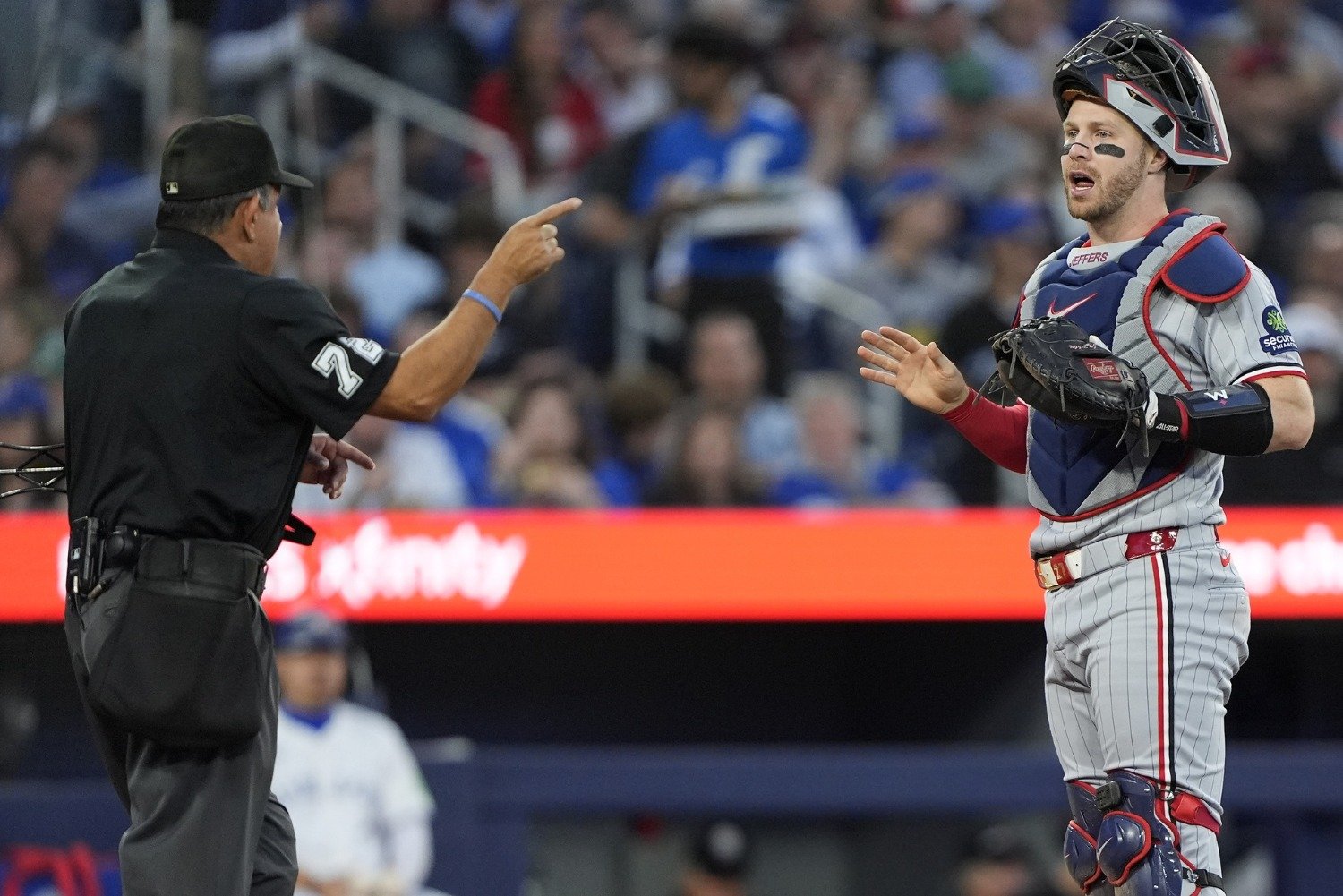 Box Score SP: Joe Ryan 5.0 IP, 7 H, 6 ER, 1 BB, 7 K (93 pitches, 62 strikes (66.7%) Home Runs: Matt Wallner (18,19) Bottom 3 WPA: Ryan (-0.338), Brooks Kriske (-0.134), Brooks Lee (-0.035) Win Probability Chart (via FanGraphs) Reunions are supposed to be fun. This week, the Twins are in Toronto, and they can see trade deadline departures Louis Varland and Ty France in the same visit, as well as former hitting coach David Popkins. Alas, Monday night’s portion of the reunion was far from fun. Early Game Woes Once Again Twins starter Joe Ryan continued a negative trend from the weekend. As Mick Abel and Taj Bradley each had rough starts to their respective outings, Ryan got hit hard early in Monday night’s game. The Blue Jays got to Ryan for four runs in the first inning, highlighted by an Alejandro Kirk two-run home run to right-center field. The second inning also saw Ryan give up a homer, this time on a ball that traveled to center field off of Andrés Giménez’s bat. An early 5-0 deficit is not what the Twins needed with their de facto ace on the mound, after a weekend filled with similar starts to games. Thankfully, like the weekend starts, Ryan was able to settle in and mainly control the Blue Jays lineup the rest of the way in his five innings. Wallner Wrecks Baseballs The Twins would find some offense against veteran Max Scherzer. They hit a few balls hard with no joy, but Matt Wallner finally broke through. Wallner got the Twins on the board with their first run in the fourth inning, smashing a home run to right field for his 18th dinger of 2025. He wasn’t done there. After Byron Buxton was able to score on a Brooks Lee groundout to make the score 6-2, Wallner stepped up to the plate with Trevor Larnach on base and launched his second home run of the night on a first-pitch fastball from Scherzer, to shorten the Blue Jays lead to 6-4. As Wallner collected that 19th home run of the season, he also landed himself his second career multi-homer game. Both multi-homer contests and long balls with runners on base are developments this Twins offense will welcome going forward. Bullpen Struggle Looms Large Again While the 6th inning scoring burst created momentary optimism, it was quickly wiped away during the Blue Jays' half of the inning. As Ryan exited the game, Brooks Kriske entered. It felt like deja vu for this writer, as once again, the Twins game was quickly buried while the right-hander was on the mound. Four hits, two walks, and four runs later, the score was 10-4, and any positive momentum seemed to disappear. As players continue to audition for 2026, Génesis Cabrera did put together a solid two innings of work for his résumé. Cabrera was able to work around a walk to Kirk and get out of the inning by only facing four batters in his first inning of work. Cabrera did issue a second walk in the eighth inning, but was able to work around it as well, with the help of a double play turned by the defense behind him. What's Next? The Twins will send Bailey Ober to the mound to try to end the three-game skid. Ober will need to rebound from his own struggles of late to bring that to fruition. The Blue Jays counter with veteran right-hander Chris Bassitt and his 4.18 ERA. Postgame Interviews Coming soon Bullpen Usage Spreadsheet THU FRI SAT SUN MON TOT Hatch 0 0 54 0 0 54 Kriske 10 0 0 0 37 47 Ohl 0 0 0 46 0 46 Cabrera 0 17 0 0 22 39 Topa 0 32 0 0 0 32 Tonkin 32 0 0 0 0 32 Funderburk 0 21 0 0 0 21 Sands 0 14 0 0 0 14
- 41 comments
-
- 4
-
-
- matt wallner
- joe ryan
- (and 2 more)
-
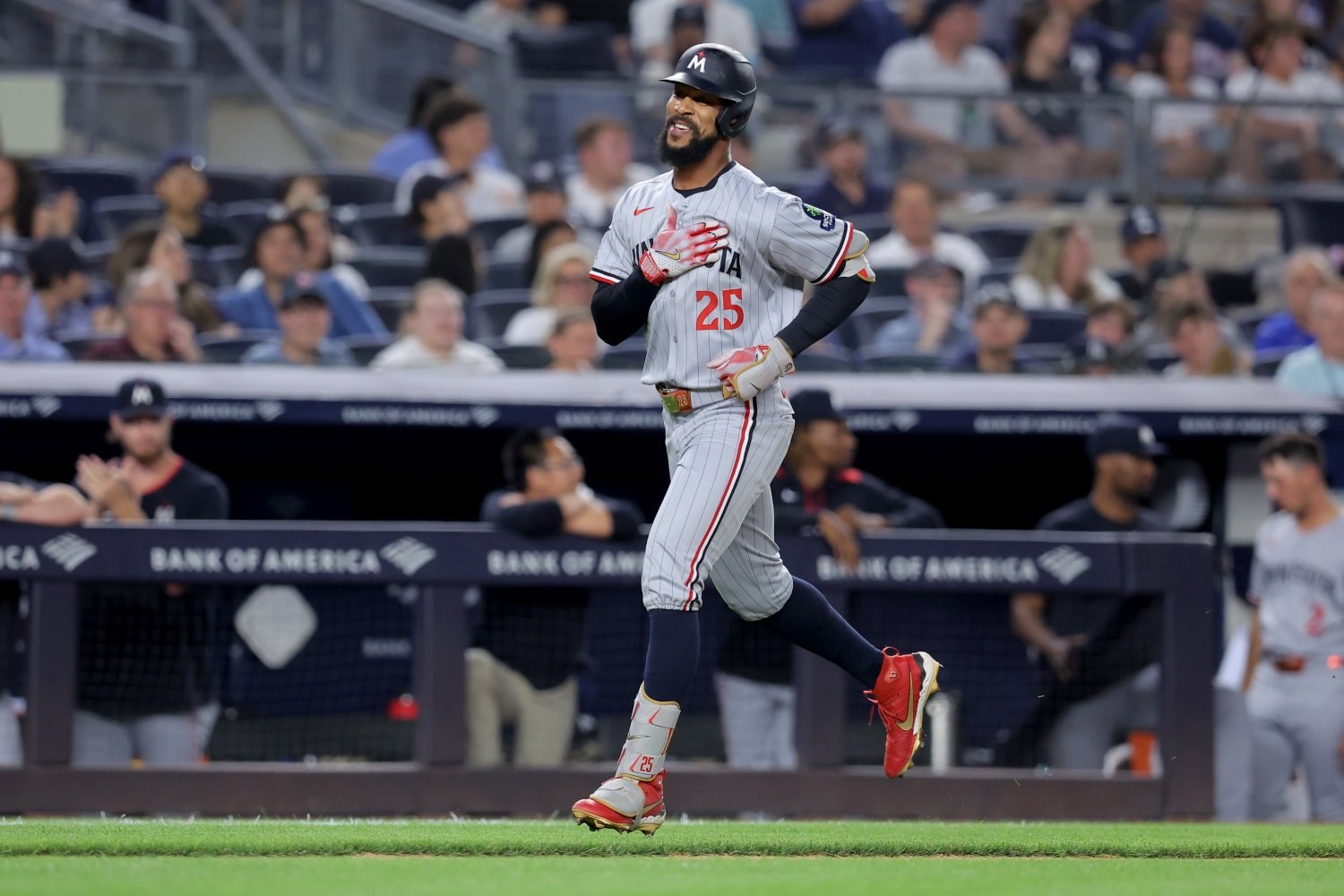 Box Score SP: Zebby Matthews 5.2 IP, 6 H, 3 ER, 1 BB, 9 K (99 pitches, 68 strikes (68.7%) Home Runs: Byron Buxton (24), Trevor Larnach (16) Bottom 3 WPA: Brooks Kriske (-0.157), Zebby Matthews (-0.112), Ryan Jeffers (-0.059) Win Probability Chart (via FanGraphs) The Minnesota Twins arrived at Yankee Stadium flying high after Sunday’s walkoff win, fueled by a Luke Keaschall opposite-field home run. Keaschall’s big hit capped an excellent week by the Twins rookie, which earned him Player of the Week honors for the American League. The Twins also regained the services of leader Byron Buxton, and looked to see what viability the combination of those two might offer to their otherwise limp lineup. The Twins are a long way out, but can certainly play spoiler as the Yankees hold onto the final Wild Card spot going into this week's series. Considering all the trouble the Yankee franchise has given the Twins fanbase, nothing may feel better (outside of a miraculous surge back into contention) than messing up plans for the Bronx Bombers. Alas, that wasn't on the cards in the opener. Warren Whiffs In his first full season of major-league play, Will Warren hasn’t put together the type of season that strikes absolute fear into a lineup, but he looked like he should be feared after his performance Monday evening. The righty came into Monday with a respectable 4.44 ERA and a 92 ERA+, but the Twins struggled to get much of anything going offensively against the Yankee righty most of the evening. Warren caused the Twins offense to make weak contact for most of the evening, resulting in a lot of frustration. When Warren exited the game after 6 ⅔ innings, he had collected seven strikeouts and 11 swings and misses. In fact, he completely quieted the visitors' bats until the sixth inning. Buck Truck Returns The one place the Twins were able to get anything going against Warren was with Byron Buxton at the plate in the sixth. After striking out in his first two plate appearances, Buxton got enough of Warren's sweeper to pull it over the left-field fence. It was a much-needed breakthrough, though a small thing. In the seventh inning, Trevor Larnach followed in Buxton’s footsteps and hit his own home run. The exit velocity wasn’t much different than Buxton’s, but in New York, when a home run sails to right field, it almost always looks impressive. Larnach's 16th looked downright majestic. Zebby Impressive (Mostly) Zebby Matthews put together a very impressive start, outside of three big swings—each taken with two outs in the inning. Those three solo homers propelled the Yankees to an early 3-0 lead. Cody Bellinger, Giancarlo Stanton, and Ben Rice each took their turns finding the sweet spot against Matthews, for whom the home run remains a major bugaboo as he fights for a foothold in the major leagues. Outside of those mistakes, Matthews put together one of his more impressive starts. He generated 18 swings and misses, on his way to striking out nine Yankee batters. Eventually, there have to be fewer 'but's involved, but his ability to both miss bats and fill up the strike zone sets a high ceiling if he can learn to limit damage on contact. Bullpen Couldn't Hold Up Matthews departed trailing just 3-2, but as we've seen several times this month, a bullpen full of journeymen and auditioning hopefuls tends to mean that small deficits grow. The Yankees were able to break the game open a bit with Brooks Kriske on the mound, as they tagged him for two runs and he got just one out. Erasmo Ramirez also got in the game, and the Yankees added a sixth run via a Jazz Chisholm Jr. homer against him. There were exciting moments, but as it seems to do, Yankee Stadium delivered depression to Twins fans. Unlike other years, though, it didn't feel like the pinstriped mystique was the primary problem Monday night. What’s Next? Tuesday night, the Twins will try to get some hits rolling against Carlos Rodón. The Yankee left-hander carries a 3.35 ERA into his start and will look to keep the Yankees in their Wild Card position. As of publishing, the Twins starter was listed as TBD. A bullpen game is a distinct possibility. Postgame Interviews Bullpen Usage Spreadsheet THU FRI SAT SUN MON TOT Tonkin 0 0 18 38 0 56 Kriske 0 17 0 17 19 53 Ramírez 0 0 21 0 23 44 Adams 0 43 0 0 0 43 Ohl 0 0 0 36 0 36 Topa 0 0 15 20 0 35 Sands 0 9 0 9 0 18 Funderburk 0 0 0 9 0 9 Hatch 0 0 0 0 0 0
- 35 comments
-
- 2
-
-
- zebby matthews
- byron buxton
- (and 1 more)
-
Image courtesy of © Brad Penner-Imagn Images Box Score SP: Zebby Matthews 5.2 IP, 6 H, 3 ER, 1 BB, 9 K (99 pitches, 68 strikes (68.7%) Home Runs: Byron Buxton (24), Trevor Larnach (16) Bottom 3 WPA: Brooks Kriske (-0.157), Zebby Matthews (-0.112), Ryan Jeffers (-0.059) Win Probability Chart (via FanGraphs) The Minnesota Twins arrived at Yankee Stadium flying high after Sunday’s walkoff win, fueled by a Luke Keaschall opposite-field home run. Keaschall’s big hit capped an excellent week by the Twins rookie, which earned him Player of the Week honors for the American League. The Twins also regained the services of leader Byron Buxton, and looked to see what viability the combination of those two might offer to their otherwise limp lineup. The Twins are a long way out, but can certainly play spoiler as the Yankees hold onto the final Wild Card spot going into this week's series. Considering all the trouble the Yankee franchise has given the Twins fanbase, nothing may feel better (outside of a miraculous surge back into contention) than messing up plans for the Bronx Bombers. Alas, that wasn't on the cards in the opener. Warren Whiffs In his first full season of major-league play, Will Warren hasn’t put together the type of season that strikes absolute fear into a lineup, but he looked like he should be feared after his performance Monday evening. The righty came into Monday with a respectable 4.44 ERA and a 92 ERA+, but the Twins struggled to get much of anything going offensively against the Yankee righty most of the evening. Warren caused the Twins offense to make weak contact for most of the evening, resulting in a lot of frustration. When Warren exited the game after 6 ⅔ innings, he had collected seven strikeouts and 11 swings and misses. In fact, he completely quieted the visitors' bats until the sixth inning. Buck Truck Returns The one place the Twins were able to get anything going against Warren was with Byron Buxton at the plate in the sixth. After striking out in his first two plate appearances, Buxton got enough of Warren's sweeper to pull it over the left-field fence. It was a much-needed breakthrough, though a small thing. In the seventh inning, Trevor Larnach followed in Buxton’s footsteps and hit his own home run. The exit velocity wasn’t much different than Buxton’s, but in New York, when a home run sails to right field, it almost always looks impressive. Larnach's 16th looked downright majestic. Zebby Impressive (Mostly) Zebby Matthews put together a very impressive start, outside of three big swings—each taken with two outs in the inning. Those three solo homers propelled the Yankees to an early 3-0 lead. Cody Bellinger, Giancarlo Stanton, and Ben Rice each took their turns finding the sweet spot against Matthews, for whom the home run remains a major bugaboo as he fights for a foothold in the major leagues. Outside of those mistakes, Matthews put together one of his more impressive starts. He generated 18 swings and misses, on his way to striking out nine Yankee batters. Eventually, there have to be fewer 'but's involved, but his ability to both miss bats and fill up the strike zone sets a high ceiling if he can learn to limit damage on contact. Bullpen Couldn't Hold Up Matthews departed trailing just 3-2, but as we've seen several times this month, a bullpen full of journeymen and auditioning hopefuls tends to mean that small deficits grow. The Yankees were able to break the game open a bit with Brooks Kriske on the mound, as they tagged him for two runs and he got just one out. Erasmo Ramirez also got in the game, and the Yankees added a sixth run via a Jazz Chisholm Jr. homer against him. There were exciting moments, but as it seems to do, Yankee Stadium delivered depression to Twins fans. Unlike other years, though, it didn't feel like the pinstriped mystique was the primary problem Monday night. What’s Next? Tuesday night, the Twins will try to get some hits rolling against Carlos Rodón. The Yankee left-hander carries a 3.35 ERA into his start and will look to keep the Yankees in their Wild Card position. As of publishing, the Twins starter was listed as TBD. A bullpen game is a distinct possibility. Postgame Interviews Bullpen Usage Spreadsheet THU FRI SAT SUN MON TOT Tonkin 0 0 18 38 0 56 Kriske 0 17 0 17 19 53 Ramírez 0 0 21 0 23 44 Adams 0 43 0 0 0 43 Ohl 0 0 0 36 0 36 Topa 0 0 15 20 0 35 Sands 0 9 0 9 0 18 Funderburk 0 0 0 9 0 9 Hatch 0 0 0 0 0 0 View full article
-
Image courtesy of © Ken Blaze-Imagn Images (Alan Roden), © Eric Hartline-Imagn Images (Mick Abel), © Daniel Kucin Jr.-Imagn Images (Taj Bradley) Let’s take a trip back to the beginning of the Derek Falvey regime. The Minnesota Twins were coming off a second-place finish in the division, but essentially, there wasn’t a strong feeling that the roster as constructed could keep up with the teams pushing for the pennant. Under Falvey’s leadership, there has been an influx of much higher-end talent than has been seen on the Twins in some time. The prospects that line the current Twins prospect list are much different than those lists at the beginning of the Falvey regime. Falvey’s imprint and direction on the organizational depth are evident today, but it took time to reach our current state. As fans, we have begun seeing the first glimpses of pitching success stories in the last couple of seasons. Hitting has lagged, but there were still successes, such as identifying Willi Castro on that side of the ball. 2023 was the peak of major league success under Falvey with the playoff series win over the Toronto Blue Jays. Twins Territory showed just how much they could make Target Field rock. As the season closed in a loss to the Astros, we now know so did the door to contention as the Pohlad’s followed with a slamming shut of the checkbook. 2025 still seemed to be a year with a chance at contention. The organization has some of the most intriguing young talent it has had in some time. The major league pitching looks as good as many fans can remember. Even as the team struggled, there still seemed to be a path to contention as early as 2026 if the front office could make the right moves at the trade deadline. What none of us expected was that they would make all the moves. Instead of a retooling or reshuffling of key pieces, the Twins tore the entire bullpen down. Most believed there was a strong possibility that some bullpen pieces would move at the deadline, as it is one of the most valuable moves a selling team can make. It was more than some in the end. All the top bullpen arms were traded, and it was a shock, which leaves the roster, outside of the starting rotation, full of many unproven pieces. In short, the Twins traded the ability to sell to fans a contender in the making for hope in prospects, and in some cases, prospects whose flame has grown dim. For most of 2025, there has been confidence in the pitching staff, whether starting or in relief. It was the clear base the Twins were built on. The biggest problem came with the lineup and its inability to score runs. When thinking long term, the development of or addition of a few quality bats would turn this roster around. After the trade deadline, it is only the starting rotation that looks ready to go for contention. Professional sports teams most often find themselves in one of two places. With the need to rebuild both a lineup and a bullpen, the Twins bring us back to an all too familiar place. That place is where fans are once again being sold on the aforementioned hope of prospects. The hope of development. A hope that all too often is not fully realized. The Twins roster, especially in the bullpen, went from proven commodity (even as fickle as a bullpen arm can be) to needing to learn the names of who is in the room. There is at least some ready or near-ready MLB talent to try and fill in the empty spots left by trades. The concern is that they are all still unproven talents. Some will hit, some will completely flame out, and some will end up somewhere in the middle. As fans, we will be left to hope in a lot of unproven and unknowns. There certainly is a path to this hope being fulfilled. Even as early as 2026. Much of that has to do with the teams around the Twins in the AL Central. The Tigers bought some pieces, but there are significant questions about how well they bought. The Royals and Indians mostly sold. We all know where the White Sox currently stand. Cleveland has proven time and again that a solid rotation and enough bats can play in this division. So, the Twins could work the same magic this front office has many times on a smaller scale and replenish bullpen arms quickly. Some hitting prospects could graduate to the majors and hit the ground running in stride. It could all magically click with a much younger group of players. That just rarely fully clicks in the way we dream. Just look at the Twins' 2025 lineup, and there are plenty of examples of how that can fail as a plan. The Twins could also take a page out of the A.J. Preller playbook, do what they seemed not to want to commit to this offseason, and trade away some of their prospects for proven major league talent. A willingness to "buy" in some trades this offseason seems a more likely path back to contention than the development route. There are far too many outfielders who can be given a role in the depth of the organization. Right now, there are starting pitchers to trade from as well. A trade from those two positions within the organization could and should go to address what has ailed this team all season. Bats that will help the team score runs. There is a path to success for 2026, but it is trending as unlikely. It brings us back to the place of hope in unproven prospects. It is a place we have been before, and while it can produce a winner, there are a lot of variables at play. At the start of August, the Twins seem much further away than they were before the deadline. As mentioned above, while a lot of moves were made, the offense simply was not addressed. The offense has been the problem all season long. Is this hope we can buy into? Taj Bradley, Mick Abel, James Outman and Alan Roden could and will need to bolster this roster in ways others couldn’t. Hope is a powerful thing. Hope realized isn’t a guarantee, and the Twins just dealt proven commodities (or the closest thing we may have to a guarantee in baseball) for Hope. I for one, would like a few more of those proven commodities around, but instead I guess one must hope. Are you ready to hope again? Do you see hope in the moves the Twins made this deadline? View full article
-
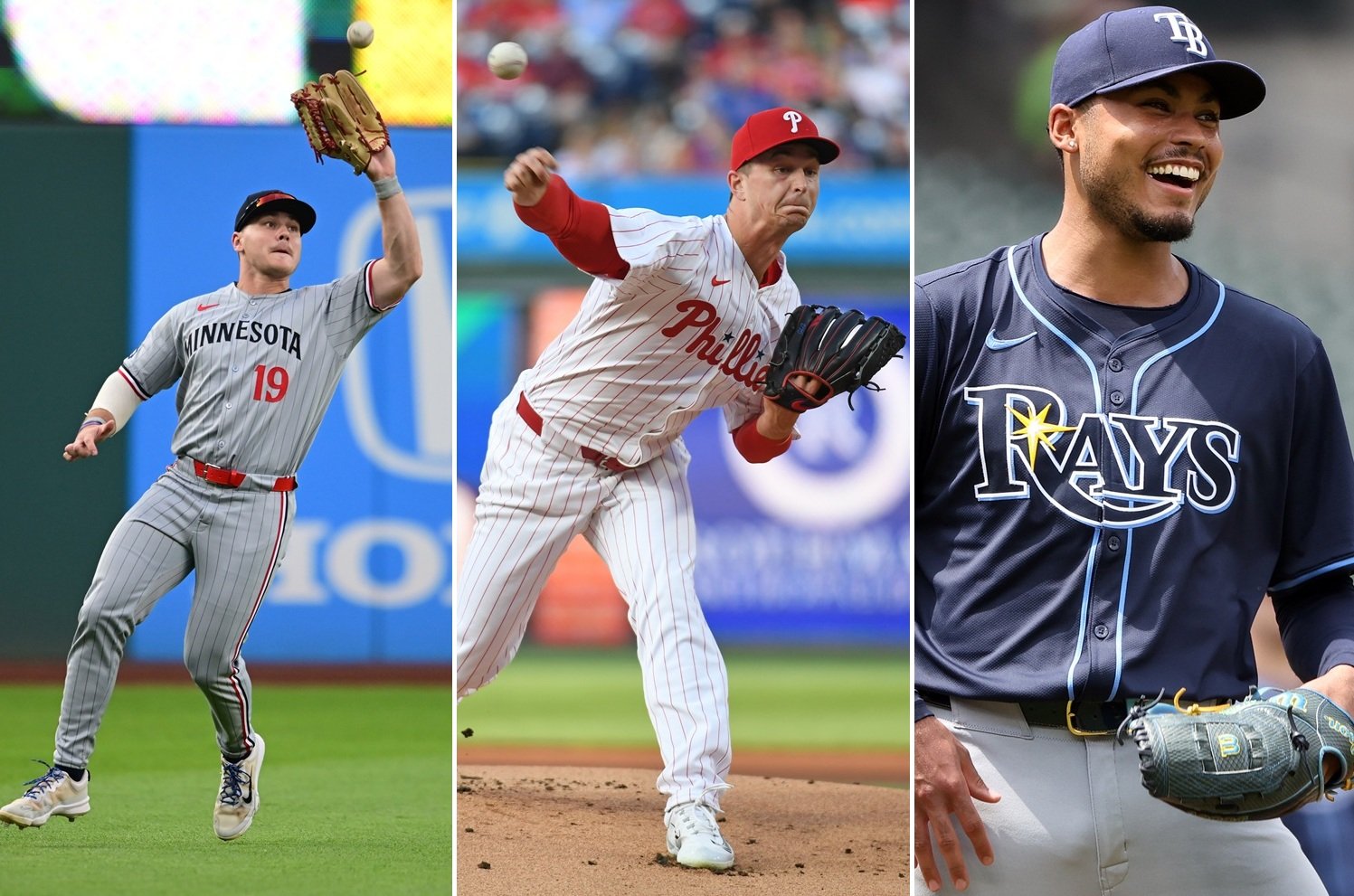 Let’s take a trip back to the beginning of the Derek Falvey regime. The Minnesota Twins were coming off a second-place finish in the division, but essentially, there wasn’t a strong feeling that the roster as constructed could keep up with the teams pushing for the pennant. Under Falvey’s leadership, there has been an influx of much higher-end talent than has been seen on the Twins in some time. The prospects that line the current Twins prospect list are much different than those lists at the beginning of the Falvey regime. Falvey’s imprint and direction on the organizational depth are evident today, but it took time to reach our current state. As fans, we have begun seeing the first glimpses of pitching success stories in the last couple of seasons. Hitting has lagged, but there were still successes, such as identifying Willi Castro on that side of the ball. 2023 was the peak of major league success under Falvey with the playoff series win over the Toronto Blue Jays. Twins Territory showed just how much they could make Target Field rock. As the season closed in a loss to the Astros, we now know so did the door to contention as the Pohlad’s followed with a slamming shut of the checkbook. 2025 still seemed to be a year with a chance at contention. The organization has some of the most intriguing young talent it has had in some time. The major league pitching looks as good as many fans can remember. Even as the team struggled, there still seemed to be a path to contention as early as 2026 if the front office could make the right moves at the trade deadline. What none of us expected was that they would make all the moves. Instead of a retooling or reshuffling of key pieces, the Twins tore the entire bullpen down. Most believed there was a strong possibility that some bullpen pieces would move at the deadline, as it is one of the most valuable moves a selling team can make. It was more than some in the end. All the top bullpen arms were traded, and it was a shock, which leaves the roster, outside of the starting rotation, full of many unproven pieces. In short, the Twins traded the ability to sell to fans a contender in the making for hope in prospects, and in some cases, prospects whose flame has grown dim. For most of 2025, there has been confidence in the pitching staff, whether starting or in relief. It was the clear base the Twins were built on. The biggest problem came with the lineup and its inability to score runs. When thinking long term, the development of or addition of a few quality bats would turn this roster around. After the trade deadline, it is only the starting rotation that looks ready to go for contention. Professional sports teams most often find themselves in one of two places. With the need to rebuild both a lineup and a bullpen, the Twins bring us back to an all too familiar place. That place is where fans are once again being sold on the aforementioned hope of prospects. The hope of development. A hope that all too often is not fully realized. The Twins roster, especially in the bullpen, went from proven commodity (even as fickle as a bullpen arm can be) to needing to learn the names of who is in the room. There is at least some ready or near-ready MLB talent to try and fill in the empty spots left by trades. The concern is that they are all still unproven talents. Some will hit, some will completely flame out, and some will end up somewhere in the middle. As fans, we will be left to hope in a lot of unproven and unknowns. There certainly is a path to this hope being fulfilled. Even as early as 2026. Much of that has to do with the teams around the Twins in the AL Central. The Tigers bought some pieces, but there are significant questions about how well they bought. The Royals and Indians mostly sold. We all know where the White Sox currently stand. Cleveland has proven time and again that a solid rotation and enough bats can play in this division. So, the Twins could work the same magic this front office has many times on a smaller scale and replenish bullpen arms quickly. Some hitting prospects could graduate to the majors and hit the ground running in stride. It could all magically click with a much younger group of players. That just rarely fully clicks in the way we dream. Just look at the Twins' 2025 lineup, and there are plenty of examples of how that can fail as a plan. The Twins could also take a page out of the A.J. Preller playbook, do what they seemed not to want to commit to this offseason, and trade away some of their prospects for proven major league talent. A willingness to "buy" in some trades this offseason seems a more likely path back to contention than the development route. There are far too many outfielders who can be given a role in the depth of the organization. Right now, there are starting pitchers to trade from as well. A trade from those two positions within the organization could and should go to address what has ailed this team all season. Bats that will help the team score runs. There is a path to success for 2026, but it is trending as unlikely. It brings us back to the place of hope in unproven prospects. It is a place we have been before, and while it can produce a winner, there are a lot of variables at play. At the start of August, the Twins seem much further away than they were before the deadline. As mentioned above, while a lot of moves were made, the offense simply was not addressed. The offense has been the problem all season long. Is this hope we can buy into? Taj Bradley, Mick Abel, James Outman and Alan Roden could and will need to bolster this roster in ways others couldn’t. Hope is a powerful thing. Hope realized isn’t a guarantee, and the Twins just dealt proven commodities (or the closest thing we may have to a guarantee in baseball) for Hope. I for one, would like a few more of those proven commodities around, but instead I guess one must hope. Are you ready to hope again? Do you see hope in the moves the Twins made this deadline?
- 36 comments
-
- 5
-
-
- mick abel
- taj bradley
- (and 2 more)
-
Image courtesy of © Junfu Han / USA TODAY NETWORK via Imagn Images Box Score SP: Travis Adams 5.0 IP, 4 H, 2 ER, 0 BB, 7 K (63 pitches, 44 strikes (69.8%) Home Runs: Ryan Jeffers (8), Trevor Larnach (14), Matt Wallner (15 Bottom 3 WPA: Noah Davis (-0.436), Austin Martin (-0.155), Royce Lewis (-0.138) Win Probability Chart (via FanGraphs) Travis Adams got the start Monday night and started the game off on an impressive roll. In the first two innings, Adams collected five strikeouts. The right-hander got to those early strikeouts in large part by inducing whiffs as he went through the Tigers lineup. Adams exited the game after completing five innings. That becomes his longest outing of the season in the majors. Adams walked off the mound with seven strikeouts and 16 swing-and-misses. An impressive outing by Adams through four innings, but the fifth resulted in trouble. Tigers bloop and blast Spencer Torkelson got to Adams with a line drive single with one out in the fifth inning. It was Wenceel Perez who got the Tigers on the board and tied the game with a home run to right field. Rocco Baldelli tried to stretch Adams, who had a low pitch count, and it didn’t work Monday. Solo Home Run Parade Thankfully for Adams, when he left the game after giving up the home run to Perez, it was only a tie game. Ryan Jeffers got the offense going in the first inning with a home run for an early 1-0 lead. It was just before the Tigers got on the board, Trevor Larnach joined Jeffers by hitting a home run of his own. Finally, after the Tigers tied the lead, Matt Wallner would not let the score remain there. To put the Twins back up 3-0, Wallner blasted the third solo home run for the Twins. Home runs are great, quickly fans would be reminded why it is nice to make them of a different variety than the solo. Noah Davis and the bullpen With Adams out of the game, Noah Davis came in for his second appearance as a Twin. It was an outing Davis will likely want to forget. Before joining the Twins, the former Dodger struggled with giving up home runs, and a home run is what accented a 3-run inning for the Tigers. Davis left a 2-0 pitch for Kerry Carpenter which gave the Tigers a 5-3 lead after 6. Before the end of the game the Tigers would add one more run to make the game 6-3. As was the case early in the season, the Twins had opportunities in this game they just didn’t put it all together. The home runs were nice, but as the season finishes it will be the job of some of the rest of the lineup to step up and claim their role in the roster. What’s Next? The headline for Tuesday is that the Twins will face former teammate Chris Paddack for the first time since his trade. Paddack performed well, completing six innings and only allowing one run. Zebby Matthews is up for the Twins and will try to bounce back from a rough time out before trade deadline day when he went up against Boston. Postgame Interviews Bullpen Usage Spreadsheet THU FRI SAT SUN MON TOT Ureña 0 0 0 69 0 69 Adams 0 0 0 0 63 63 Ohl 0 0 52 0 0 52 Funderburk 0 11 0 35 0 46 Sands 0 20 0 21 0 41 Davis 0 0 0 0 28 31 Topa 0 13 0 15 0 28 Ramírez 0 0 0 9 19 28 Tonkin 0 11 0 14 0 25 View full article

(20).png.1ca5951d21a03fffd5d52ed7dccfb4ff.png)
