



Nate Palmer
-
Posts
439 -
Joined
-
Last visited
Content Type
Profiles
News
Minnesota Twins Videos
2026 Minnesota Twins Top Prospects Ranking
2022 Minnesota Twins Draft Picks
Minnesota Twins Free Agent & Trade Rumors, Notes, & Tidbits
Guides & Resources
2023 Minnesota Twins Draft Picks
The Minnesota Twins Players Project
2024 Minnesota Twins Draft Picks
2025 Minnesota Twins Draft Pick Tracker
2026 Minnesota Twins Draft Tracker: Picks & Bonuses
Forums
Blogs
Events
Store
Downloads
Gallery
Everything posted by Nate Palmer
-
 TRANSACTIONS The Minnesota Twins signed free agent RHP Failin Placencio to a minor league contract and assigned him to the DSL Twins. Cedar Rapids Kernels send OF Caden Kendle on a rehab assignment to FCL Twins. The Twins traded #OldFriend Cash Considerations to the Arizona Diamondbacks for RHP Taylor Rashi. SAINTS SENTINEL After a week at home in which the Saints went 5-1 against Indiana, the team will head on the road to face the Toledo Mud Hens. One of the highlights of the week will be the Saints lineup facing a scheduled rehab start by veteran starting pitcher Justin Verlander. At age 43, Verlander saw one outing with the Detroit Tigers before facing injury. In that one start, the right-hander only completed 3 2/3 innings and allowed five earned runs. Another name to watch from the Toledo side is top organizational prospect CF Max Clark. As a 21-year-old, Clark is hitting .257/.341/.390 (.731) to this point in 2026. Clark is certainly a player the Tigers hope Twins fans will have to see a lot of in the years to come. Alan Roden is also on rehab assignment with the FCL Twins and could be returning to the Saints soon. Before going down with a shoulder injury, Roden was hitting .275/.425/.464 (.889) for the Saints. WIND SURGE WISDOM The Wind Surge did not have a good week. They went 1-5 while hosting San Antonio. They will leave Wichita for Tulsa this week, hoping to regain their winning form. As the Wind Surge visit Tulsa, they will face three top ten outfield prospects for the Los Angeles Dodgers. Josue De Paula leads the way for the Dodgers prospects. The 21-year-old left-hander is hitting .319/.420/.551 (.971) with 10 home runs. Fellow left-hander Zyhir Hope has also been hitting well with power, hitting .294/.351/.528 (.879) with 13 home runs. Rounding out the trio is right-handed hitting Mike Sirota, who has hit .339/.488/.602 (1.090) with 10 home runs of his own in 2026. KERNELS CHRONICLE The Kernels managed a 2-3 week, with a Sunday rainout, as they hosted the Wisconsin Timber Rattlers this past week. This week, the Kernels travel to play the Lansing Lugnuts, an affiliate of the Athletics. The Kernels will face off against outfield prospect Devin Taylor. A left-handed hitting but right-handed throwing 22-year-old who is hitting .292/.425/.436 (.861 OPS). MIGHTY MATTERS Coming off a 4-2 week, Fort Myers will host the Dunedin Blue Jays. This version of the Blue Jays boasts two top ten organizational prospects who each play the left side of the infield. JoJo Parker is 19 years old, bats left-handed, and has been hitting .226/.373/.367 (.740). Parker is joined by 18-year-old Juan Sanchez, who is batting .226/.315/.384 (.699) for the season. FCL TWINS Twins 10, Braves 3 Box Score For the majority of Twins Territory, eyes were on the rehabbing Alan Roden, who started in left field for the FCL Twins. Roden went 2-for-3, with a double and a walk, driving in a run, and scoring a run, a positive development for Roden as he looks to return to the Saints soon. Roden was just a small part of the offensive output from the Twins as they scored 10 total runs on Monday. Catcher Miguel Caraballo had the biggest performance on the day. He went 3-for-4 with a home run, run scored, and three RBIs. Center fielder Teilon Serrano also homered for the Twins for his lone run but was on base two other times via walk and scored all three times he reached base. Hendry Chivilli rebounded from last Monday’s start, going 4 1/3 innings. He allowed no runs on three hits, no walks, and two strikeouts. Chivilli pitched in relief of the rehabbing Matt Barr who made his third rehab start in the FCL. He gave up two runs on three hits and a walk over 1 2/3 innings. He struck out three batters. Halton Hardy signed earlier in the week and made his affiliated debut. He gave up one run on one hit. DSL TWINS Twins 9, Mets Orange 5 Box Score The Mets were able to score first in Monday’s matchup with the Twins, but it was the Twins and their bats that would prevail in their 9-5 victory. The Twins were held scoreless by the Mets until the fifth inning when Abel Sosa hit a two-run home run for his third on the season, and Luis Duarte hit a solo home run, his first of the young DSL season. The pair of long balls put the Twins up 3-1. Duarte wasn’t finished displaying power with his homer in the fifth. The right-handed-hitting catcher hit another solo home run in the 9th inning to give the Twins an insurance run to go up 6-3. It was a Jhon Gonzalez double and an Enmanuel Merlo 2-RBI single that helped the Twins reach nine total runs scored for the day. Agustin Campusano improved on his opening start by going 3 1/3 innings, striking out five batters, issuing three walks, and cutting back to two earned runs from five last week. Miguel Martinez did an exceptional job once again in relief, tossing 4 2/3 innings, allowing two hits, one unearned run, walking two batters, and striking out five. Right-hander Aldwin Morillo recorded the save in ugly fashion, giving up two runs in the ninth before shutting the door on the Mets. TWINS DAILY PLAYERS OF THE DAY Luis Duarte: 2-4, 2 HR Hendry Chivilli: 4 1/3 IP, 0 ER, 3 H, 0 BB, 2 Ks TOP 20 PROSPECT WEEK IN REVIEW #2- Kaelen Culpepper (Saints)- .368/.478/.684, (1.162) 2 HR. #4- Connor Prielipp (Twins)- 1-1, 10 1/3 IP, 10 H, 6 ER, 3 BB, 14K #5- Eduardo Tait (Kernels)- .304/.386/.609 (.993), 1 2B, 2 HR #6- Dasan Hill (Kernels)- 0-1, 2 2/3 IP, 4 H, 2 ER, 3 BB, 5 K #7- Marek Houston (Kernels)- .375/.524/.750 (1.274), 2 HR #8- Riley Quick (Kernels)- 4 IP, 2 H, 1 ER, 0 BB, 6 K #10- Gabriel Gonzalez (Saints)- .176/.333/.176 (.510) #11- Charlee Soto (Kernels)- 1 IP, 2 H, 3 ER, 1 BB, 2 K. #12- Andrew Morris (Twins)- 1 GS, 4 1/3 IP, 9 H, 5 ER, 1 BB, 8 K #13- Hendry Mendez (Saints)- .292/.370/.417, (OPS), 1 HR #14- Quentin Young (Mussels)- .158/.182/.316 (.498), 1 2B, 1 3B #15- Brandon Winokur (Kernels)- .222/.462/.556 (1.017), 2B, 3B, HR #16 Ryan Gallagher (Saints)- 5 IP, 2 H, 0 ER, 4 BB, 4K #17-C.J. Culpepper (Saints)- 2 1/3 IP, 3 H, 1 ER, 2 BB #19- Khadim Diaw (Kernels)- .353/.522/.471 (.992), 2 2B #20- Kyle Debarge (Wind Surge)- .167/.318/.222 (.540), 1 2B TUESDAY’S PROBABLE STARTERS St. Paul Saints @ Toledo- RHP Ryan Gallagher Wichita Wind Surge @ Tulsa- TBD Cedar Rapids Kernels @ Lansing- TBD Dunedin @ Fort Myers Mussels - TBD FCL Pirates @ FCL Twins - TBD DSL NYY Yankees @ DSL Twins - TBD
- 4 comments
-
- 5
-

-

-
- minor league report
- jhon gonzalez
- (and 8 more)
-
TRANSACTIONS The Minnesota Twins signed free agent RHP Failin Placencio to a minor league contract and assigned him to the DSL Twins. Cedar Rapids Kernels send OF Caden Kendle on a rehab assignment to FCL Twins. The Twins traded #OldFriend Cash Considerations to the Arizona Diamondbacks for RHP Taylor Rashi. SAINTS SENTINEL After a week at home in which the Saints went 5-1 against Indiana, the team will head on the road to face the Toledo Mud Hens. One of the highlights of the week will be the Saints lineup facing a scheduled rehab start by veteran starting pitcher Justin Verlander. At age 43, Verlander saw one outing with the Detroit Tigers before facing injury. In that one start, the right-hander only completed 3 2/3 innings and allowed five earned runs. Another name to watch from the Toledo side is top organizational prospect CF Max Clark. As a 21-year-old, Clark is hitting .257/.341/.390 (.731) to this point in 2026. Clark is certainly a player the Tigers hope Twins fans will have to see a lot of in the years to come. Alan Roden is also on rehab assignment with the FCL Twins and could be returning to the Saints soon. Before going down with a shoulder injury, Roden was hitting .275/.425/.464 (.889) for the Saints. WIND SURGE WISDOM The Wind Surge did not have a good week. They went 1-5 while hosting San Antonio. They will leave Wichita for Tulsa this week, hoping to regain their winning form. As the Wind Surge visit Tulsa, they will face three top ten outfield prospects for the Los Angeles Dodgers. Josue De Paula leads the way for the Dodgers prospects. The 21-year-old left-hander is hitting .319/.420/.551 (.971) with 10 home runs. Fellow left-hander Zyhir Hope has also been hitting well with power, hitting .294/.351/.528 (.879) with 13 home runs. Rounding out the trio is right-handed hitting Mike Sirota, who has hit .339/.488/.602 (1.090) with 10 home runs of his own in 2026. KERNELS CHRONICLE The Kernels managed a 2-3 week, with a Sunday rainout, as they hosted the Wisconsin Timber Rattlers this past week. This week, the Kernels travel to play the Lansing Lugnuts, an affiliate of the Athletics. The Kernels will face off against outfield prospect Devin Taylor. A left-handed hitting but right-handed throwing 22-year-old who is hitting .292/.425/.436 (.861 OPS). MIGHTY MATTERS Coming off a 4-2 week, Fort Myers will host the Dunedin Blue Jays. This version of the Blue Jays boasts two top ten organizational prospects who each play the left side of the infield. JoJo Parker is 19 years old, bats left-handed, and has been hitting .226/.373/.367 (.740). Parker is joined by 18-year-old Juan Sanchez, who is batting .226/.315/.384 (.699) for the season. FCL TWINS Twins 10, Braves 3 Box Score For the majority of Twins Territory, eyes were on the rehabbing Alan Roden, who started in left field for the FCL Twins. Roden went 2-for-3, with a double and a walk, driving in a run, and scoring a run, a positive development for Roden as he looks to return to the Saints soon. Roden was just a small part of the offensive output from the Twins as they scored 10 total runs on Monday. Catcher Miguel Caraballo had the biggest performance on the day. He went 3-for-4 with a home run, run scored, and three RBIs. Center fielder Teilon Serrano also homered for the Twins for his lone run but was on base two other times via walk and scored all three times he reached base. Hendry Chivilli rebounded from last Monday’s start, going 4 1/3 innings. He allowed no runs on three hits, no walks, and two strikeouts. Chivilli pitched in relief of the rehabbing Matt Barr who made his third rehab start in the FCL. He gave up two runs on three hits and a walk over 1 2/3 innings. He struck out three batters. Halton Hardy signed earlier in the week and made his affiliated debut. He gave up one run on one hit. DSL TWINS Twins 9, Mets Orange 5 Box Score The Mets were able to score first in Monday’s matchup with the Twins, but it was the Twins and their bats that would prevail in their 9-5 victory. The Twins were held scoreless by the Mets until the fifth inning when Abel Sosa hit a two-run home run for his third on the season, and Luis Duarte hit a solo home run, his first of the young DSL season. The pair of long balls put the Twins up 3-1. Duarte wasn’t finished displaying power with his homer in the fifth. The right-handed-hitting catcher hit another solo home run in the 9th inning to give the Twins an insurance run to go up 6-3. It was a Jhon Gonzalez double and an Enmanuel Merlo 2-RBI single that helped the Twins reach nine total runs scored for the day. Agustin Campusano improved on his opening start by going 3 1/3 innings, striking out five batters, issuing three walks, and cutting back to two earned runs from five last week. Miguel Martinez did an exceptional job once again in relief, tossing 4 2/3 innings, allowing two hits, one unearned run, walking two batters, and striking out five. Right-hander Aldwin Morillo recorded the save in ugly fashion, giving up two runs in the ninth before shutting the door on the Mets. TWINS DAILY PLAYERS OF THE DAY Luis Duarte: 2-4, 2 HR Hendry Chivilli: 4 1/3 IP, 0 ER, 3 H, 0 BB, 2 Ks TOP 20 PROSPECT WEEK IN REVIEW #2- Kaelen Culpepper (Saints)- .368/.478/.684, (1.162) 2 HR. #4- Connor Prielipp (Twins)- 1-1, 10 1/3 IP, 10 H, 6 ER, 3 BB, 14K #5- Eduardo Tait (Kernels)- .304/.386/.609 (.993), 1 2B, 2 HR #6- Dasan Hill (Kernels)- 0-1, 2 2/3 IP, 4 H, 2 ER, 3 BB, 5 K #7- Marek Houston (Kernels)- .375/.524/.750 (1.274), 2 HR #8- Riley Quick (Kernels)- 4 IP, 2 H, 1 ER, 0 BB, 6 K #10- Gabriel Gonzalez (Saints)- .176/.333/.176 (.510) #11- Charlee Soto (Kernels)- 1 IP, 2 H, 3 ER, 1 BB, 2 K. #12- Andrew Morris (Twins)- 1 GS, 4 1/3 IP, 9 H, 5 ER, 1 BB, 8 K #13- Hendry Mendez (Saints)- .292/.370/.417, (OPS), 1 HR #14- Quentin Young (Mussels)- .158/.182/.316 (.498), 1 2B, 1 3B #15- Brandon Winokur (Kernels)- .222/.462/.556 (1.017), 2B, 3B, HR #16 Ryan Gallagher (Saints)- 5 IP, 2 H, 0 ER, 4 BB, 4K #17-C.J. Culpepper (Saints)- 2 1/3 IP, 3 H, 1 ER, 2 BB #19- Khadim Diaw (Kernels)- .353/.522/.471 (.992), 2 2B #20- Kyle Debarge (Wind Surge)- .167/.318/.222 (.540), 1 2B TUESDAY’S PROBABLE STARTERS St. Paul Saints @ Toledo- RHP Ryan Gallagher Wichita Wind Surge @ Tulsa- TBD Cedar Rapids Kernels @ Lansing- TBD Dunedin @ Fort Myers Mussels - TBD FCL Pirates @ FCL Twins - TBD DSL NYY Yankees @ DSL Twins - TBD View full article
-
Monday kicked off the month of June, which also kicked off games for the DSL Twins. Below, we will recap the games the FCL and DSL Twins played and preview the upcoming series for the other Twins affiliates, as Monday is their traditional off day. TRANSACTIONS The St. Paul Saints, in conjunction with the Minnesota Twins placed C Ricardo Olivar placed on the 7-day IL (Right Knee Sprain) The Minnesota Twins and Fort Myers Might Mussels transfer INF Yilber Herrera to the FCL. SAINTS SENTINEL As the Saints head into the week, they welcome Indianapolis into town, who are currently 10th in the International League West. Indianapolis will have a tall task. The Saints have several players swinging hot bats, with the top six players in Twins Daily's May Minor League Hitters of the Month spending part of their month with the Saints. That, of course, includes Twins Daily’s hitter of the month, Aaron Sabato, who slashed .312/.402/.699 (1.101 OPS) with eight home runs. (The Twins Daily Minor League Pitcher of the Month, along with the Twins top hitter and pitcher for May, will be announced in the next day or two.) Indianapolis boasts many of the Pittsburgh Pirates top prospects, and the Saints will hope they can fare better against the "Baby Bucs" than their major-league counterparts fared over the weekend in the major league matchup of these two organizations. Indianapolis will bring six Top 10 organizational prospects to CHS Field. On the offensive side are OF Esmerlyn Valdez (6), 2B/OF Nick Yorke (9), and 2B Termarr Johnson (10). On the pitching side are LHP Hunter Barco (5), RHP Antwone Kelly (7), and RHP Thomas Harrington (8). WIND SURGE WISDOM The Wichita Wind Surge are also playing a series at home this week as they welcome the San Diego Padres affiliate, the San Antonio Missions, to town. The Missions bring in nationally recognized catching prospect Ethan Salas, who tops the Padres' system. It is the second series already this season between Ethan and Wind Surge utilityman Jose Salas. Alongside Salas is the Padres' second-ranked prospect, RHP Miguel Mendez. Both are putting together a good season. Salas is hitting .311/.359/.503 (.862). Mendez’s ERA isn’t as pretty as he would like at 4.76, but his 26.9 K% and 11.1 K/9 are looking good. A reminder that Padres Mission is our sister site. Check out how their writing staff ranks the Pades prospects. KERNELS CHRONICLE The Kernels are set to welcome the Wisconsin Timber-Rattlers, the Milwaukee Brewers High-A team, to Iowa. Wisconsin will bring three top 10 organizational prospects, all on the offensive side. The highest-ranked is SS Luis Pena (2), who is 19 years old and putting together an incredible offensive start to 2026, hitting .348/.463/.485 (.948 OPS). He returned to the team after missing about a month after collapsing in the dugout during a game. CF Braylon Payne (6) will join Pena. Payne’s numbers are not as impressive across the board as Pena's, but he is still hitting well in his own right, slashing .260/.368/.569 (.937). Rounding out the top prospects making the trip to Cedar Rapids is 3B Andrew Fischer, who is hitting .275/.411/.625 (1.036). The Kernels pitching will have a tall task keeping those three at bay throughout the week’s series. Check out another sister site of Twins Daily, Brewer Fanatic. Check out how their writing staff ranks the Brewers prospects. MIGHTY MATTERS The Fort Myers Might Mussels will be traveling to play the Lakeland Flying Tigers, affiliate for the division rival Tigers. Lakeland isn’t bringing much in the way of top-end organizational talent, but there are a pair of starting pitchers that will look to challenge Fort Myers. Kelvis Salcedo would like to bring his 5.68 ERA down and will look to do so by striking out batters. Salcedo brings to the series a 32.8% K% and a 13.5 K/9. Malachi Witherspoon will feel similarly to his teammate. His 5.18 ERA is not where the right-hander would like to be, but he also has the ability to induce some strikeouts. He isn’t quite as prolific as Salcedo but still has a 29.2% K% and a 11.5 K/9. FCL TWINS Twins 2, Rays 7 Box Score As the FCL Twins took on the top team in their league, the Rays, none of their pitchers walked away with a clean outing. In his second rehab outing, right-hander Matt Barr got the start and went 1 1/3 innings. He allowed two hits, one run on a home run, and issued one walk. Hendry Chivilli had the longest outing He went 3 2/3 innings and allowed five hits, four runs (three earned runs), three walks, and two strikeouts. Yoel Roque worked the final two innings. He gave up two runs on two hits. He walked three and had one strikeout. On the offensive side, Jhomnardo Reyes led the team with two hits and scored one of the Twins two runs on a Carlos Taveras single. Reyes also had three stolen bases. Jose Barrios scored the Twins second run on a Yovanny Duran single that at the time brought the Twins within one run of the Rays in the bottom of the fourth inning. Barrios reached on his third double of the season. Teilon Serrano walked twice. DSL TWINS Twins 1, Rangers 5 Box Score The Twins DSL opener did not go as they had hoped it would. Agustin Campusano got the start for the DSL Twins. Campusano pitched 12 games in 2025, recording a 0-1 record, 4.80 ERA, and 25 strikeouts over 30 innings. The 18-year-old right-hander went 3 2/3 innings, gave up five hits, two walks, struck out three, and gave up three runs. Two of which were earned runs. Miguel Martinez came in relief of Campusano and had a strong outing for the Twins. Martinez went 3 1/3 innings, giving up no hits, no runs, walking one batter, and striking out four strike outs. As evidenced by the lack of run scoring, the offense was not quite fully firing on all cylinders in its 2026 debut. Outfielder Jhon Gonzalez had the most impressive of outputs, gathering two hits, which included a triple on a line drive to left field in the sixth inning. Luis Duarte, Juan Holmann, and Abel Sosa each collected a hit to round out the team's five total hits on the day. Sosa also drove in the Twins lone run on a sacrifice fly that scored Joaquin Arias Jr. in the bottom of the 5th inning. At the time, it brought the Twins within two runs of the lead, 3-1. TWINS DAILY PLAYERS OF THE DAY Hitter: Jhon Gonzalez: 2-4, 1 BB, 3B, 2 K Pitcher: Miguel Martinez: 3 1/3 IP, 0 ER, 1 BB, 4 Ks TUESDAY’S PROBABLE STARTERS Indiana @ St. Paul Saints- Aaron Rozek San Antonio @ Wichita Wind Surge- Sam Armstrong Wisconsin @ Cedar Rapids Kernels- TBD Fort Myers Mussels @ Lakeland- TBD FCL Twins @ FCL Rays- TBD DSL Twins @ DSL Tigers- TBD View full article
- 1 reply
-
- 1
-
-
- minor league report
- matt barr
- (and 8 more)
-
Twins Minor League Report (6/1): Quiet Bats in DSL Opener
Nate Palmer posted an article in Minor Leagues
 Monday kicked off the month of June, which also kicked off games for the DSL Twins. Below, we will recap the games the FCL and DSL Twins played and preview the upcoming series for the other Twins affiliates, as Monday is their traditional off day. TRANSACTIONS The St. Paul Saints, in conjunction with the Minnesota Twins placed C Ricardo Olivar placed on the 7-day IL (Right Knee Sprain) The Minnesota Twins and Fort Myers Might Mussels transfer INF Yilber Herrera to the FCL. SAINTS SENTINEL As the Saints head into the week, they welcome Indianapolis into town, who are currently 10th in the International League West. Indianapolis will have a tall task. The Saints have several players swinging hot bats, with the top six players in Twins Daily's May Minor League Hitters of the Month spending part of their month with the Saints. That, of course, includes Twins Daily’s hitter of the month, Aaron Sabato, who slashed .312/.402/.699 (1.101 OPS) with eight home runs. (The Twins Daily Minor League Pitcher of the Month, along with the Twins top hitter and pitcher for May, will be announced in the next day or two.) Indianapolis boasts many of the Pittsburgh Pirates top prospects, and the Saints will hope they can fare better against the "Baby Bucs" than their major-league counterparts fared over the weekend in the major league matchup of these two organizations. Indianapolis will bring six Top 10 organizational prospects to CHS Field. On the offensive side are OF Esmerlyn Valdez (6), 2B/OF Nick Yorke (9), and 2B Termarr Johnson (10). On the pitching side are LHP Hunter Barco (5), RHP Antwone Kelly (7), and RHP Thomas Harrington (8). WIND SURGE WISDOM The Wichita Wind Surge are also playing a series at home this week as they welcome the San Diego Padres affiliate, the San Antonio Missions, to town. The Missions bring in nationally recognized catching prospect Ethan Salas, who tops the Padres' system. It is the second series already this season between Ethan and Wind Surge utilityman Jose Salas. Alongside Salas is the Padres' second-ranked prospect, RHP Miguel Mendez. Both are putting together a good season. Salas is hitting .311/.359/.503 (.862). Mendez’s ERA isn’t as pretty as he would like at 4.76, but his 26.9 K% and 11.1 K/9 are looking good. A reminder that Padres Mission is our sister site. Check out how their writing staff ranks the Pades prospects. KERNELS CHRONICLE The Kernels are set to welcome the Wisconsin Timber-Rattlers, the Milwaukee Brewers High-A team, to Iowa. Wisconsin will bring three top 10 organizational prospects, all on the offensive side. The highest-ranked is SS Luis Pena (2), who is 19 years old and putting together an incredible offensive start to 2026, hitting .348/.463/.485 (.948 OPS). He returned to the team after missing about a month after collapsing in the dugout during a game. CF Braylon Payne (6) will join Pena. Payne’s numbers are not as impressive across the board as Pena's, but he is still hitting well in his own right, slashing .260/.368/.569 (.937). Rounding out the top prospects making the trip to Cedar Rapids is 3B Andrew Fischer, who is hitting .275/.411/.625 (1.036). The Kernels pitching will have a tall task keeping those three at bay throughout the week’s series. Check out another sister site of Twins Daily, Brewer Fanatic. Check out how their writing staff ranks the Brewers prospects. MIGHTY MATTERS The Fort Myers Might Mussels will be traveling to play the Lakeland Flying Tigers, affiliate for the division rival Tigers. Lakeland isn’t bringing much in the way of top-end organizational talent, but there are a pair of starting pitchers that will look to challenge Fort Myers. Kelvis Salcedo would like to bring his 5.68 ERA down and will look to do so by striking out batters. Salcedo brings to the series a 32.8% K% and a 13.5 K/9. Malachi Witherspoon will feel similarly to his teammate. His 5.18 ERA is not where the right-hander would like to be, but he also has the ability to induce some strikeouts. He isn’t quite as prolific as Salcedo but still has a 29.2% K% and a 11.5 K/9. FCL TWINS Twins 2, Rays 7 Box Score As the FCL Twins took on the top team in their league, the Rays, none of their pitchers walked away with a clean outing. In his second rehab outing, right-hander Matt Barr got the start and went 1 1/3 innings. He allowed two hits, one run on a home run, and issued one walk. Hendry Chivilli had the longest outing He went 3 2/3 innings and allowed five hits, four runs (three earned runs), three walks, and two strikeouts. Yoel Roque worked the final two innings. He gave up two runs on two hits. He walked three and had one strikeout. On the offensive side, Jhomnardo Reyes led the team with two hits and scored one of the Twins two runs on a Carlos Taveras single. Reyes also had three stolen bases. Jose Barrios scored the Twins second run on a Yovanny Duran single that at the time brought the Twins within one run of the Rays in the bottom of the fourth inning. Barrios reached on his third double of the season. Teilon Serrano walked twice. DSL TWINS Twins 1, Rangers 5 Box Score The Twins DSL opener did not go as they had hoped it would. Agustin Campusano got the start for the DSL Twins. Campusano pitched 12 games in 2025, recording a 0-1 record, 4.80 ERA, and 25 strikeouts over 30 innings. The 18-year-old right-hander went 3 2/3 innings, gave up five hits, two walks, struck out three, and gave up three runs. Two of which were earned runs. Miguel Martinez came in relief of Campusano and had a strong outing for the Twins. Martinez went 3 1/3 innings, giving up no hits, no runs, walking one batter, and striking out four strike outs. As evidenced by the lack of run scoring, the offense was not quite fully firing on all cylinders in its 2026 debut. Outfielder Jhon Gonzalez had the most impressive of outputs, gathering two hits, which included a triple on a line drive to left field in the sixth inning. Luis Duarte, Juan Holmann, and Abel Sosa each collected a hit to round out the team's five total hits on the day. Sosa also drove in the Twins lone run on a sacrifice fly that scored Joaquin Arias Jr. in the bottom of the 5th inning. At the time, it brought the Twins within two runs of the lead, 3-1. TWINS DAILY PLAYERS OF THE DAY Hitter: Jhon Gonzalez: 2-4, 1 BB, 3B, 2 K Pitcher: Miguel Martinez: 3 1/3 IP, 0 ER, 1 BB, 4 Ks TUESDAY’S PROBABLE STARTERS Indiana @ St. Paul Saints- Aaron Rozek San Antonio @ Wichita Wind Surge- Sam Armstrong Wisconsin @ Cedar Rapids Kernels- TBD Fort Myers Mussels @ Lakeland- TBD FCL Twins @ FCL Rays- TBD DSL Twins @ DSL Tigers- TBD
- 1 comment
-
- 1
-
-
- minor league report
- matt barr
- (and 8 more)
-
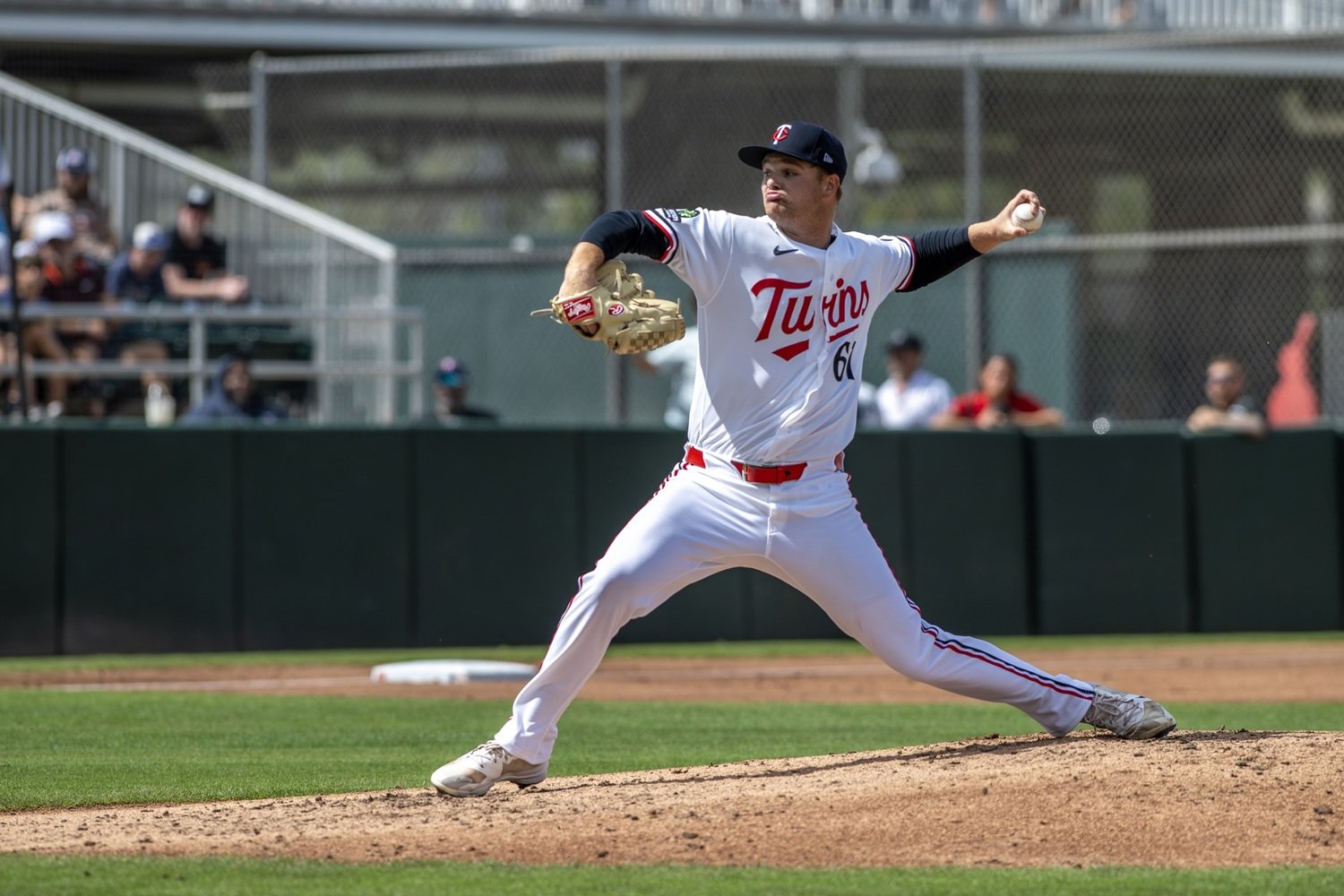 Connor Prielipp has had much of his early pitching career marred by injury questions marks. Calling into question for most of his career whether he would be durable enough to make it to the majors. In a great turn of events, the left-hander has been on a path in which both his health and performance have made him the Twins' top pitching prospect and given him a much better chance to stick as a starter. Struggle with Injuries The native of Tomah, WI, in the heart of cranberry country, took his pitching talents to the University of Alabama out of high school. While his performance in college was phenomenal in his debut, it ended prematurely with the need to go under the knife and undergo Tommy John surgery. Even though the actual gameplay at the college level was limited, Prielipp showed enough potential with his stuff and talent level to be the pick for the Twins in the second round of the 2019 MLB draft. As Prielipp started his professional career, the injury issue continued to linger, with the need for an internal brace procedure in 2023. But in 2025, he was finally healthy, and all of baseball could see what his stuff and potential looked like over a full season of work. Spending most of the season at Wichita and ending the season in St. Paul, Prielipp logged 82 2/3 innings with a 4.03 ERA and 98 strikeouts (10.7 K/9). Healthy and Hitting His Stride His 2025 performance was enough to create even more buzz around Prielipp; not only did the 25-year-old solidify himself as the Twins' top pitching prospect, but he also garnered a fair amount of national attention. Here at Twins Daily, he is ranked as the fifth prospect in the organization. ESPN had Prielipp ranked the highest amongst the national experts at 54th. Those accolades have only seemed to catapult Prielipp into this season, as he has been impressive in St. Paul. In 2026, Prielipp has appeared in four games for St. Paul and started three. Over 15 ⅔ innings, he has allowed four runs, striking out 22 and upping his strikeout per nine to 12.6 strikeouts. That performance was accentuated in his most recent start, in which Prielipp went five innings with eight strikeouts, one walk, and one earned run to collect his first win of the season. Prielipp’s 2025 success was largely predicated on his use of his slider, 4-seam fastball, and changeup. In 2026, each of those pitches is still an important part of his arsenal, but Prielipp has also employed an effective curveball to the mix, which has sat at an incredible spin rate of 3154 RPMs. Adding that to an already incredible slider-changeup combination has fueled the great numbers early from Prielipp. With health currently on his side, Prielipp is getting the chance to prove he can turn into a quality major league starter as he joins the Twins in New York. The Twins willingness to stick with the left-hander as a starter only echoes the confidence that the national prospect experts have shown in him. Almost every pitcher, as they enter the professional ranks, just wants a chance to prove they are a starter before being relegated to a bullpen role. At one point this offseason, it looked like Prielipp was going to have to be a backend bullpen arm. Due to a likely self-imposed innings limit to protect the prospect from injury, the Twins may turn him that way if he is effective in the majors. To start with, Prielipp will have a chance to prove that he has the durability to pair with the stuff to be a major league starter. A development that would be the best for both Prielipp the individual and the Twins as an organization.
 -
Connor Prielipp has had much of his early pitching career marred by injury questions marks. Calling into question for most of his career whether he would be durable enough to make it to the majors. In a great turn of events, the left-hander has been on a path in which both his health and performance have made him the Twins' top pitching prospect and given him a much better chance to stick as a starter. Struggle with Injuries The native of Tomah, WI, in the heart of cranberry country, took his pitching talents to the University of Alabama out of high school. While his performance in college was phenomenal in his debut, it ended prematurely with the need to go under the knife and undergo Tommy John surgery. Even though the actual gameplay at the college level was limited, Prielipp showed enough potential with his stuff and talent level to be the pick for the Twins in the second round of the 2019 MLB draft. As Prielipp started his professional career, the injury issue continued to linger, with the need for an internal brace procedure in 2023. But in 2025, he was finally healthy, and all of baseball could see what his stuff and potential looked like over a full season of work. Spending most of the season at Wichita and ending the season in St. Paul, Prielipp logged 82 ⅔ innings with a 4.03 ERA and 98 strikeouts (10.7 K/9). Healthy and Hitting His Stride His 2025 performance was enough to create even more buzz around Prielipp; not only did the 25-year-old solidify himself as the Twins' top pitching prospect, but he also garnered a fair amount of national attention. Here at Twins Daily, he is ranked as the fifth prospect in the organization. ESPN had Prielipp ranked the highest amongst the national experts at 54th. Those accolades have only seemed to catapult Prielipp into this season, as he has been impressive in St. Paul. In 2026, Prielipp has appeared in four games for St. Paul and started three. Over 15 ⅔ innings, he has allowed four runs, striking out 22 and upping his strikeout per nine to 12.6 strikeouts. That performance was accentuated in his most recent start, in which Prielipp went five innings with eight strikeouts, one walk, and one earned run to collect his first win of the season. Prielipp’s 2025 success was largely predicated on his use of his slider, 4-seam fastball, and changeup. In 2026, each of those pitches is still an important part of his arsenal, but Prielipp has also employed an effective curveball to the mix, which has sat at an incredible spin rate of 3154 RPMs. Adding that to an already incredible slider-changeup combination has fueled the great numbers early from Prielipp. With health currently on his side, Prielipp is getting the chance to prove he can turn into a quality major league starter as he joins the Twins in New York. The Twins willingness to stick with the left-hander as a starter only echoes the confidence that the national prospect experts have shown in him. Almost every pitcher, as they enter the professional ranks, just wants a chance to prove they are a starter before being relegated to a bullpen role. At one point this offseason, it looked like Prielipp was going to have to be a backend bullpen arm. Due to a likely self-imposed innings limit to protect the prospect from injury, the Twins may turn him that way if he is effective in the majors. To start with, Prielipp will have a chance to prove that he has the durability to pair with the stuff to be a major league starter. A development that would be the best for both Prielipp the individual and the Twins as an organization. View full article
-
Image courtesy of © Jesse Johnson-Imagn Images Just as everyone drew it up at the beginning of the season, the Minnesota Twins are battling the Cleveland Guardians not only for the top spot in the American League, but also for second place for innings pitched by starters in the American League. The rotation’s usage is a far cry from what had been one of the biggest grievances hurled at former skipper Rocco Baldelli: a quick hook on starters. What has changed to bring the Twins' starting rotation into such a different place from a usage standpoint? Last season, the Twins finished 13th in the AL for innings from starting pitchers; they only topped the Athletics and the White Sox. Two seasons ago, the Twins were seventh—much better than 13th, but still quite a way from that second-place spot they currently sit in after taking the series from the Boston Red Sox. It's not hard to identify the main reason why this year's team has hewed closer to the blueprint of a club built around a strong starting rotation: solid performance. The unproven starters the team turned to after López went down, Taj Bradley, and Mick Abel, have been nothing short of remarkable to start the season. Other factors have also contributed to the choice to let starters work deeper. The offense has actually been providing run support. If we take, for instance, Bailey Ober’s outing against the Red Sox on Monday evening, he gave up four runs over six innings. Three of those runs came somewhat early in the game during the third inning. Since the Twins already had 11 runs on the board, though, there wasn’t even a thought of getting Ober out of the game that early. Instead, Derek Shelton could simply let Ober battle through and cover a few more innings. Over the last two seasons, Baldelli frequently admitted that the flow of the game forced him to remove starters before he'd have ideally done so. Ober’s recent outing is really the only example that fits that mold exactly, but it isn’t the only way run support helps out the rotation. What has been a more regular occurrence is good run support paired with good pitching performances. In that scenario, pitchers likely have a psychological edge, allowing them to pitch more freely. They get some extra time to recover and refresh themselves while the offense goes to work, and when they're on the mound, there's more margin for error and less anxiety. Every pitch isn't a do-or-die situation like it has been for the Twins for long stretches in recent seasons, when the offense struggled to produce. We especially saw this last season, when what was supposed to be a dominant bullpen always had to pitch with the precision of a surgeon's scalpel in order to carry the Twins to a win, because there was little to no offense behind them. If this group were underperforming, of course, a strong offense wouldn't be enough to have them eating this many innings. Joe Ryan continues to be Joe Ryan, somewhat vulnerable to external influences but immensely talented and competitive. Bradley is doing his best to impersonate Ryan’s first full season with the Twins, quickly cementing himself as the number two starter in the rotation. He has a longer track record and a sturdier build than Ryan had back then, though, and can be trusted to work a bit deeper than Ryan could be. Abel is dealing right now, and Ober, despite his decreased velocity, is giving the team competitive outings and keeping them in it. Simeon Woods Richardson is the closest of the bunch to drawing concern, but his track record gives him some leeway. The success of the rest of the group gives him even more. Obviously, the team also lacks the deep, high-powered bullpen Baldelli had over the last few years. That could be a motivating factor in Shelton's decision to allow longer starts. Regardless of the motivation, until there is a more solidified path through the pen, getting that extra inning or two from a starter will pay dividends for the club. The volume they've provided has shielded Shelton and his team from the roster's weaknesses. For as long as he can afford to do so, we're likely to see Shelton keep trusting his starters, and letting them get deeper into games than we've seen in the past. View full article
-
The Twins' Starting Rotation is Carrying a Heavy Load, for Good Reasons
Nate Palmer posted an article in Twins
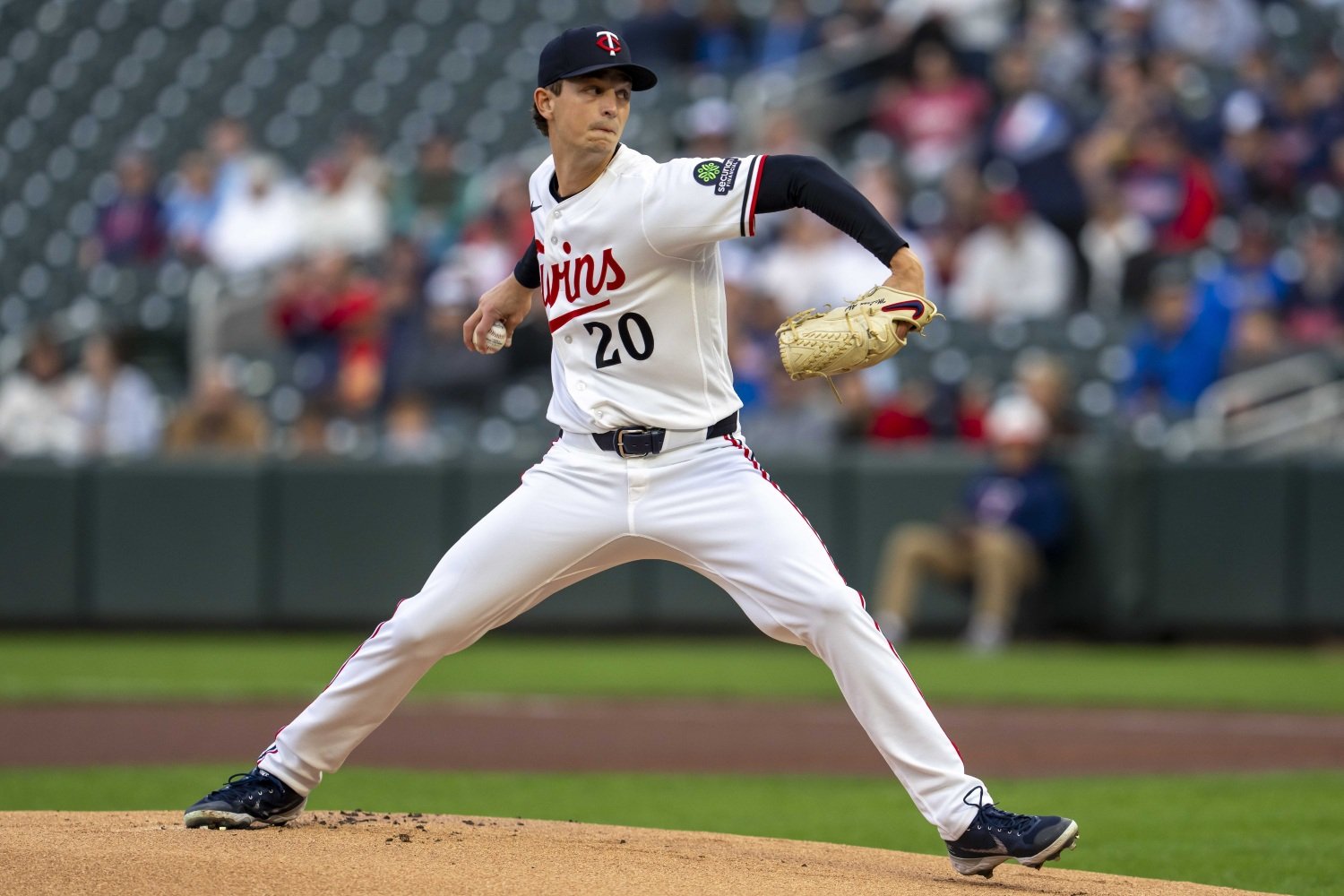 Just as everyone drew it up at the beginning of the season, the Minnesota Twins are battling the Cleveland Guardians not only for the top spot in the American League, but also for second place for innings pitched by starters in the American League. The rotation’s usage is a far cry from what had been one of the biggest grievances hurled at former skipper Rocco Baldelli: a quick hook on starters. What has changed to bring the Twins' starting rotation into such a different place from a usage standpoint? Last season, the Twins finished 13th in the AL for innings from starting pitchers; they only topped the Athletics and the White Sox. Two seasons ago, the Twins were seventh—much better than 13th, but still quite a way from that second-place spot they currently sit in after taking the series from the Boston Red Sox. It's not hard to identify the main reason why this year's team has hewed closer to the blueprint of a club built around a strong starting rotation: solid performance. The unproven starters the team turned to after López went down, Taj Bradley, and Mick Abel, have been nothing short of remarkable to start the season. Other factors have also contributed to the choice to let starters work deeper. The offense has actually been providing run support. If we take, for instance, Bailey Ober’s outing against the Red Sox on Monday evening, he gave up four runs over six innings. Three of those runs came somewhat early in the game during the third inning. Since the Twins already had 11 runs on the board, though, there wasn’t even a thought of getting Ober out of the game that early. Instead, Derek Shelton could simply let Ober battle through and cover a few more innings. Over the last two seasons, Baldelli frequently admitted that the flow of the game forced him to remove starters before he'd have ideally done so. Ober’s recent outing is really the only example that fits that mold exactly, but it isn’t the only way run support helps out the rotation. What has been a more regular occurrence is good run support paired with good pitching performances. In that scenario, pitchers likely have a psychological edge, allowing them to pitch more freely. They get some extra time to recover and refresh themselves while the offense goes to work, and when they're on the mound, there's more margin for error and less anxiety. Every pitch isn't a do-or-die situation like it has been for the Twins for long stretches in recent seasons, when the offense struggled to produce. We especially saw this last season, when what was supposed to be a dominant bullpen always had to pitch with the precision of a surgeon's scalpel in order to carry the Twins to a win, because there was little to no offense behind them. If this group were underperforming, of course, a strong offense wouldn't be enough to have them eating this many innings. Joe Ryan continues to be Joe Ryan, somewhat vulnerable to external influences but immensely talented and competitive. Bradley is doing his best to impersonate Ryan’s first full season with the Twins, quickly cementing himself as the number two starter in the rotation. He has a longer track record and a sturdier build than Ryan had back then, though, and can be trusted to work a bit deeper than Ryan could be. Abel is dealing right now, and Ober, despite his decreased velocity, is giving the team competitive outings and keeping them in it. Simeon Woods Richardson is the closest of the bunch to drawing concern, but his track record gives him some leeway. The success of the rest of the group gives him even more. Obviously, the team also lacks the deep, high-powered bullpen Baldelli had over the last few years. That could be a motivating factor in Shelton's decision to allow longer starts. Regardless of the motivation, until there is a more solidified path through the pen, getting that extra inning or two from a starter will pay dividends for the club. The volume they've provided has shielded Shelton and his team from the roster's weaknesses. For as long as he can afford to do so, we're likely to see Shelton keep trusting his starters, and letting them get deeper into games than we've seen in the past.
- 21 comments
-
- 6
-
-
-
- taj bradley
- joe ryan
- (and 1 more)
-
Thank-you and good catch! Just trying to live in a different era!
-
Image courtesy of Nathan Ray Seebeck-Imagn Images As the Minnesota Twins gear up for their season opener in Baltimore, the major-league roster continues to be trimmed down to its appropriate 26-player size. Friday, two recognizable veteran relievers, Andrew Chafin and Liam Hendriks, were granted their release after being informed they wouldn't make the team. Considering the depleted state of the Twins bullpen after the trade deadline sell-off, this seems like a strange move and one that should invoke panic. It may instead be the exact opposite: a move that signals a lesson learned from past roster mistakes. Hendriks, at the outset of camp, was a leading candidate to be the top right-hander at the back end of the bullpen, vying for save opportunities. Coming off injuries and a cancer battle, the Twins needed to see Hendriks regain form closer to his 2022 self. While Hendriks was able to ramp up to the mid-90s in velocity, general manager Jeremy Zoll stated they didn’t see the consistency they had hoped to from their reliever. The most recent of those inconsistencies was on display Thursday evening as the Twins visited the Red Sox. Hendriks, in his one inning of work, gave up two hits, two walks, threw a wild pitch, and allowed one run. Evidenced by his release the next day, it was not what the Twins and Zoll were looking for in the veteran. Chafin came to the Twins with a similar good veteran track record, offering continued hope for the rebuilding bullpen. When the left-hander was at his peak of success, he was able to throw 93 mph with his sinker. As Chafin worked through spring, he was never able to touch 90 mph and sat at only 86 mph in Monday’s outing. It's a continued negative trend from his 89 mph average in 2025. Moving on from those two veterans represents a shift from what we have traditionally seen from the Twins. The club is giving a chance to an unproven group that may have upside, rather than potentially watching some name-worthy veterans continue to trend in the wrong direction. This means that now the likes of Cole Sands, Zak Kent, Eric Orze, Dan Altavilla, Matt Bowman, Trent Baker, and Cody Laweryson will have a shot at being the arms that rebuild the Twins bullpen. It may be too early to call this a full-on change in philosophy, but it is a positive sign that there may be one in process. Twins fans have had to endure watching the Twins hang onto veterans of the likes of Joey Gallo way beyond their usefulness. Instead, we will get to see if one of these low-wattage additions can have the sort of success the team desperately needs for the sake of the bullpen. It should be a welcome change from the post-deadline stretch in 2025 when veteran placeholders got most of the innings rather than anyone with much future potential. It wasn’t too long ago that the Twins had both Danny Coulombe and Jeff Hoffman in camp and released them just before they had great success elsewhere. While Derek Falvey is gone, others like Zoll have been part of a leadership that has been able to identify good arms, but hasn't held onto them long enough. Just a fraction of that sort of success from one of the group of relievers still in camp would be great development for the 2026 roster. If this is a true signal of a renewed willingness to move on from veterans sooner rather than later, it could be a significant advantage on the positional side as well. Right now, the Twins will have an exciting group of outfield prospects in St. Paul to start the season, including Emmanuel Rodriguez, Gabriel Gonzelez, and Walker Jenkins. If the likes of James Outman or Trevor Larnach struggle out of the gate, fans can be hopeful that a Zoll-led front office may be willing to move on with appropriate timing, paving the way for this exciting group of prospects ready to hit the majors. What do you think? Did the Twins make a grave mistake by letting go of two proven veterans, or do you have faith that this is a sign that the tide is turning in Minnesota in how the front office handles veterans? View full article
-
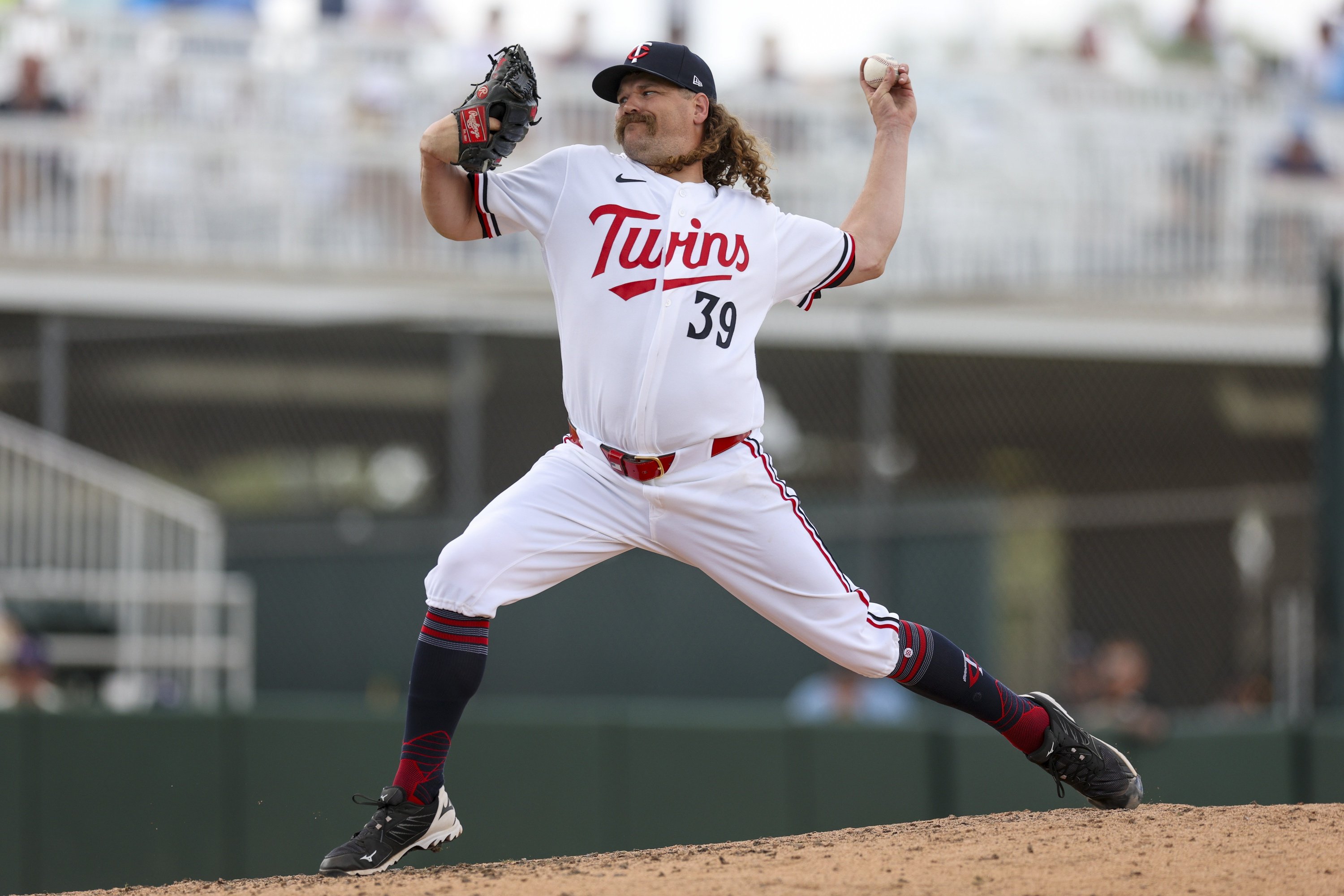 As the Minnesota Twins gear up for their season opener in Baltimore, the major-league roster continues to be trimmed down to its appropriate 26-player size. Friday, two recognizable veteran relievers, Andrew Chafin and Liam Hendriks, were granted their release after being informed they wouldn't make the team. Considering the depleted state of the Twins bullpen after the trade deadline sell-off, this seems like a strange move and one that should invoke panic. It may instead be the exact opposite: a move that signals a lesson learned from past roster mistakes. Hendriks, at the outset of camp, was a leading candidate to be the top right-hander at the back end of the bullpen, vying for save opportunities. Coming off injuries and a cancer battle, the Twins needed to see Hendriks regain form closer to his 2022 self. While Hendriks was able to ramp up to the mid-90s in velocity, general manager Jeremy Zoll stated they didn’t see the consistency they had hoped to from their reliever. The most recent of those inconsistencies was on display Thursday evening as the Twins visited the Red Sox. Hendriks, in his one inning of work, gave up two hits, two walks, threw a wild pitch, and allowed one run. Evidenced by his release the next day, it was not what the Twins and Zoll were looking for in the veteran. Chafin came to the Twins with a similar good veteran track record, offering continued hope for the rebuilding bullpen. When the left-hander was at his peak of success, he was able to throw 93 mph with his sinker. As Chafin worked through spring, he was never able to touch 90 mph and sat at only 86 mph in Monday’s outing. It's a continued negative trend from his 89 mph average in 2025. Moving on from those two veterans represents a shift from what we have traditionally seen from the Twins. The club is giving a chance to an unproven group that may have upside, rather than potentially watching some name-worthy veterans continue to trend in the wrong direction. This means that now the likes of Cole Sands, Zak Kent, Eric Orze, Dan Altavilla, Matt Bowman, Trent Baker, and Cody Laweryson will have a shot at being the arms that rebuild the Twins bullpen. It may be too early to call this a full-on change in philosophy, but it is a positive sign that there may be one in process. Twins fans have had to endure watching the Twins hang onto veterans of the likes of Joey Gallo way beyond their usefulness. Instead, we will get to see if one of these low-wattage additions can have the sort of success the team desperately needs for the sake of the bullpen. It should be a welcome change from the post-deadline stretch in 2025 when veteran placeholders got most of the innings rather than anyone with much future potential. It wasn’t too long ago that the Twins had both Danny Coulombe and Jeff Hoffman in camp and released them just before they had great success elsewhere. While Derek Falvey is gone, others like Zoll have been part of a leadership that has been able to identify good arms, but hasn't held onto them long enough. Just a fraction of that sort of success from one of the group of relievers still in camp would be great development for the 2026 roster. If this is a true signal of a renewed willingness to move on from veterans sooner rather than later, it could be a significant advantage on the positional side as well. Right now, the Twins will have an exciting group of outfield prospects in St. Paul to start the season, including Emmanuel Rodriguez, Gabriel Gonzelez, and Walker Jenkins. If the likes of James Outman or Trevor Larnach struggle out of the gate, fans can be hopeful that a Zoll-led front office may be willing to move on with appropriate timing, paving the way for this exciting group of prospects ready to hit the majors. What do you think? Did the Twins make a grave mistake by letting go of two proven veterans, or do you have faith that this is a sign that the tide is turning in Minnesota in how the front office handles veterans?
 -
Image courtesy of © Jonah Hinebaugh/Naples Daily News/USA Today Network-Florida / USA TODAY NETWORK via Imagn Images Minnesota Twins left-handed pitching prospect Kendry Rojas got his first spring training action Sunday. He worked two innings, tossing 24 pitches, with three strikeouts and no walks against the Atlanta Braves. Rojas also generated an encouraging five swings and misses over his two innings, while touching 98 mph on the radar gun. After coming over from Toronto in the trade that sent Louis Varland out of Minnesota, Rojas will hope to be that electric on a more consistent basis. There's still plenty of room to grow for the 23-year-old left-hander, who has struggled to stay healthy during his pro career. To be a starter, Rojas will need to throw more innings than he has proved capable of. His career high for innings in a season is 84, achieved in A-ball back in 2023. Rojas has traditionally been a fastball-slider pitcher, but there seem to be issues with both of those pitches. The heater has sometimes had a four-seam shape, and sometimes been much more of a running two-seamer. The two-seam version of the pitch got hit hard last year, and overall fastball execution is a key area in which to make progress for Rojas. Rojas's slider grades out fairly well, but still got hit hard last season, itself. The lack of consistent execution in terms of lateral movement sometimes leaves Rojas's fastball(s), changeup and slider looking too similar; he has rarely shown the ability to create big contrasts in movement and location. That's limited him in thee effort to get whiffs. The key to that might be committing to the four-seamer, and scrapping the sinker. Rojas's four-seamer averaged north of 97 MPH Sunday, and because he kept it from running and flattening out, it set up his changeup and slider better. This will be an interesting development to keep an eye on. As we outlined above, Rojas’s heat has been hit hard in the past. Is his first outing of the spring the sign of a new approach in pitch mix for the young pitcher, or simply a one-off that worked against the Braves? This is the point where we usually ask whether Rojas should remain a starter or be considered for a relief role. However, this team is already loaded with lefty relief options for 2026. Furthermore, as we said at the beginning, from a value standpoint, the Twins really need Rojas to blossom into the effective starter they traded Varland for. Rojas has also told reporters this spring that the Twins have told him he is a starter, making the answer to that question simple. Rojas is plenty young and has plenty of time before any true panic needs to set in—that is, unless injuries, trades or ineffectiveness cause the Twins to need to call upon their Triple-A depth sooner than they would wish to. He has all three minor-league option years remaining, but if he's going to break through as a starter, it will probably happen before then. It will probably happen, too, via the tightening of that fastball into a pitch with consistent ride and less run, giving him more chances to generate swings and misses. View full article
-
Getting Kendry Rojas to the Developmental Finish Line as a Starter
Nate Palmer posted an article in Twins
 Minnesota Twins left-handed pitching prospect Kendry Rojas got his first spring training action Sunday. He worked two innings, tossing 24 pitches, with three strikeouts and no walks against the Atlanta Braves. Rojas also generated an encouraging five swings and misses over his two innings, while touching 98 mph on the radar gun. After coming over from Toronto in the trade that sent Louis Varland out of Minnesota, Rojas will hope to be that electric on a more consistent basis. There's still plenty of room to grow for the 23-year-old left-hander, who has struggled to stay healthy during his pro career. To be a starter, Rojas will need to throw more innings than he has proved capable of. His career high for innings in a season is 84, achieved in A-ball back in 2023. Rojas has traditionally been a fastball-slider pitcher, but there seem to be issues with both of those pitches. The heater has sometimes had a four-seam shape, and sometimes been much more of a running two-seamer. The two-seam version of the pitch got hit hard last year, and overall fastball execution is a key area in which to make progress for Rojas. Rojas's slider grades out fairly well, but still got hit hard last season, itself. The lack of consistent execution in terms of lateral movement sometimes leaves Rojas's fastball(s), changeup and slider looking too similar; he has rarely shown the ability to create big contrasts in movement and location. That's limited him in thee effort to get whiffs. The key to that might be committing to the four-seamer, and scrapping the sinker. Rojas's four-seamer averaged north of 97 MPH Sunday, and because he kept it from running and flattening out, it set up his changeup and slider better. This will be an interesting development to keep an eye on. As we outlined above, Rojas’s heat has been hit hard in the past. Is his first outing of the spring the sign of a new approach in pitch mix for the young pitcher, or simply a one-off that worked against the Braves? This is the point where we usually ask whether Rojas should remain a starter or be considered for a relief role. However, this team is already loaded with lefty relief options for 2026. Furthermore, as we said at the beginning, from a value standpoint, the Twins really need Rojas to blossom into the effective starter they traded Varland for. Rojas has also told reporters this spring that the Twins have told him he is a starter, making the answer to that question simple. Rojas is plenty young and has plenty of time before any true panic needs to set in—that is, unless injuries, trades or ineffectiveness cause the Twins to need to call upon their Triple-A depth sooner than they would wish to. He has all three minor-league option years remaining, but if he's going to break through as a starter, it will probably happen before then. It will probably happen, too, via the tightening of that fastball into a pitch with consistent ride and less run, giving him more chances to generate swings and misses.
 -
Image courtesy of Jonathan Dyer-Imagn Images The Minnesota Twins are looking for pitchers in their gutted bullpen and now in their rotation, which had its depth shaken up by the now-official news that Pablo López will undergo Tommy John surgery on Wednesday. That leaves a prospect like Andrew Morris in a unique place. With the subtraction of López, Morris moves up the starter pecking order, but if the darts thrown at veteran relievers don’t work out, should Morris be considered as a reliever? The 24-year-old right-hander has drawn plenty of comparisons to fellow Twins starting pitcher Zebby Matthews. Both have added considerable velocity to their four-seam fastball, and both had a quick ascension through the minor league system. In 2024, Morris began the season at High-A and closed it out at Triple-A St. Paul as he threw 133 innings across three levels. His 2025 season was interrupted by a forearm strain, but he threw 94 ⅔ innings with a 4.09 ERA and still showed encouraging developmental signs. Two aspects of Morris’ game that are clear positives for him are that he has a good four-seam fastball and has been good at limiting walks. Morris also has a vast pitch mix in addition to his four-seamer (sinker, cutter, curve, slider, and change), which could help him continue to develop and profile as a starter as long as each of those pitches performs well against MLB hitters. The effectiveness of Morris’ entire arsenal seems to be something the Twins still need more confidence in before he can make the jump to the majors. His fastball has average pure vertical break at 16.33 inches and vertical run at 5.36 inches. Morris’ four-seamer is his most used pitch at 29.8% last season, sits at 94-96 MPH, but has touched 98 MPH when needed. While Morris’ fastball looks like his best pitch in many ways, it is also the pitch that has been hit the hardest, with a 47.67% hard hit percentage. The rest of Morris’ mix outside of his sweeper seems to fall within the pitching “dead zone” when it comes to movement, making them much less deceptive and easier for opposing batters to hit. Across the board, Morris would be well served if he could develop more shape to his pitch mix, helping him as he mixes and matches against opponents. Image from Prospect Savant The site Prospect Savant gives Morris an overall good score, but in its ranking of each pitch individually, that ranking gets interesting. The site uses a psStuff+ stat, which mimics the Stuff+ stat we're all more familiar with. Using psStuff+, only Morris’ cutter (104) and sweeper (103) rank above the 100 threshold. This makes Morris’ cutter a very interesting pitch. As psStuff+ highlights, the cutter may have the best characteristics of any of Morris’ pitches, but it has produced some of the worst expected results of any of his pitches. This seems like an immediate area where improvement could yield big gains for the right-hander and boost his ranking as a starter in the Twins system. If Morris were to move to being a one-inning reliever, we could expect the velocity on his fastball to improve, and he would also likely focus on trimming down his pitch mix and could lean into his sweeper, which is the one other good movement pitch outside of his four-seamer and the aforementioned cutter. Completely cutting out the other secondary pitches wouldn’t be absolutely necessary, as other starters turned relievers have kept their full arsenal to help them with their effectiveness. There's a chance that cutting some of those secondary pitches may negatively affect how he attacks left-handed hitters. Based on the recent developments in the Twins free agency activity and Lopez’s injury, it doesn’t make sense at this point to move the 24-year-old Morris away from starting. If the time came later in his career or late in the season where the team needed a talented arm to move into the pen, Morris is a pitcher who could follow a long line of one-time starters to make that transition, whether it would be permanently or for a shorter stint. For now, more time starting in St. Paul makes the most sense for Morris. What would be your plan for handling Morris going forward? What role do you believe will unleash his maximum effectiveness? View full article
-
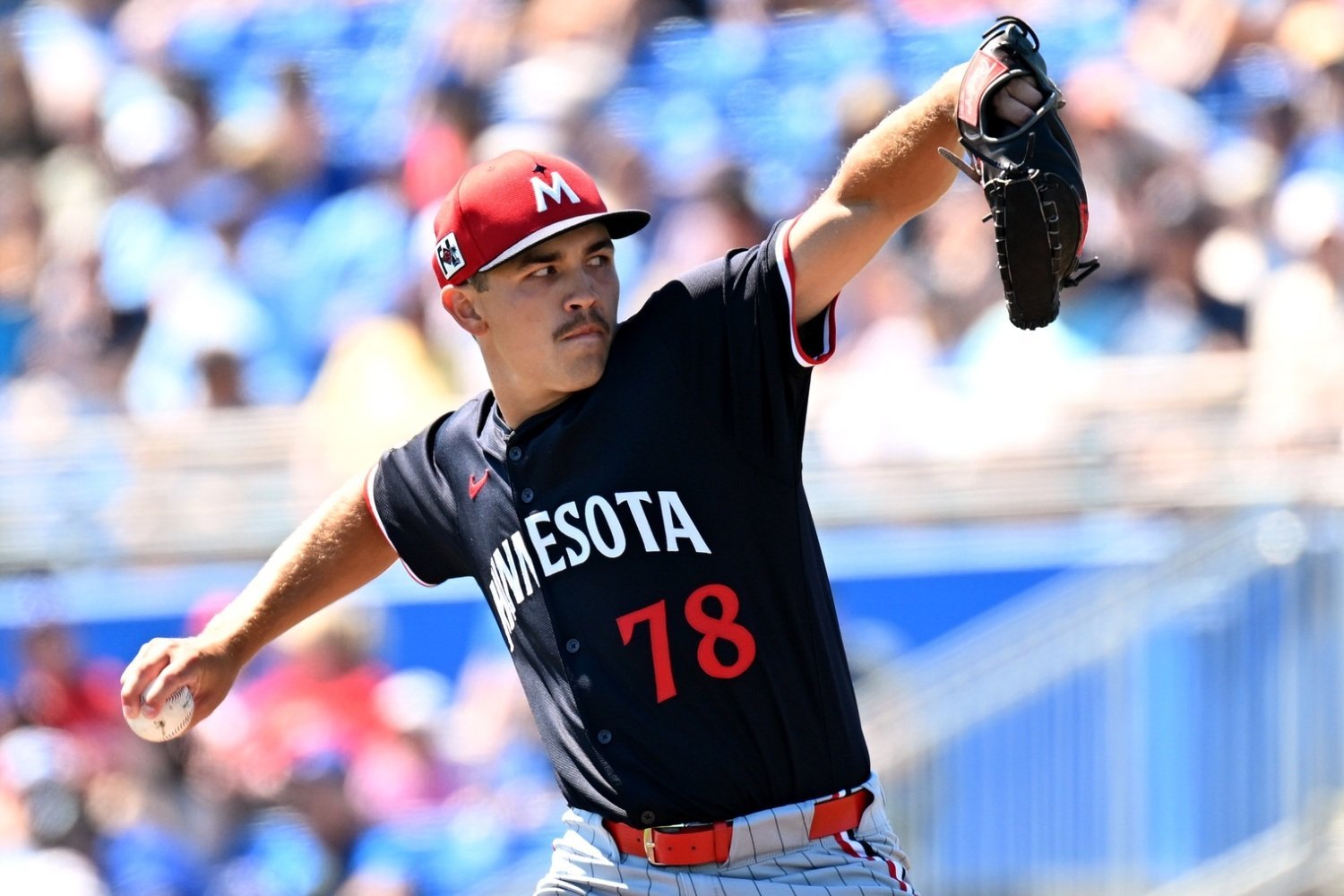 The Minnesota Twins are looking for pitchers in their gutted bullpen and now in their rotation, which had its depth shaken up by the now-official news that Pablo López will undergo Tommy John surgery on Wednesday. That leaves a prospect like Andrew Morris in a unique place. With the subtraction of López, Morris moves up the starter pecking order, but if the darts thrown at veteran relievers don’t work out, should Morris be considered as a reliever? The 24-year-old right-hander has drawn plenty of comparisons to fellow Twins starting pitcher Zebby Matthews. Both have added considerable velocity to their four-seam fastball, and both had a quick ascension through the minor league system. In 2024, Morris began the season at High-A and closed it out at Triple-A St. Paul as he threw 133 innings across three levels. His 2025 season was interrupted by a forearm strain, but he threw 94 ⅔ innings with a 4.09 ERA and still showed encouraging developmental signs. Two aspects of Morris’ game that are clear positives for him are that he has a good four-seam fastball and has been good at limiting walks. Morris also has a vast pitch mix in addition to his four-seamer (sinker, cutter, curve, slider, and change), which could help him continue to develop and profile as a starter as long as each of those pitches performs well against MLB hitters. The effectiveness of Morris’ entire arsenal seems to be something the Twins still need more confidence in before he can make the jump to the majors. His fastball has average pure vertical break at 16.33 inches and vertical run at 5.36 inches. Morris’ four-seamer is his most used pitch at 29.8% last season, sits at 94-96 MPH, but has touched 98 MPH when needed. While Morris’ fastball looks like his best pitch in many ways, it is also the pitch that has been hit the hardest, with a 47.67% hard hit percentage. The rest of Morris’ mix outside of his sweeper seems to fall within the pitching “dead zone” when it comes to movement, making them much less deceptive and easier for opposing batters to hit. Across the board, Morris would be well served if he could develop more shape to his pitch mix, helping him as he mixes and matches against opponents. Image from Prospect Savant The site Prospect Savant gives Morris an overall good score, but in its ranking of each pitch individually, that ranking gets interesting. The site uses a psStuff+ stat, which mimics the Stuff+ stat we're all more familiar with. Using psStuff+, only Morris’ cutter (104) and sweeper (103) rank above the 100 threshold. This makes Morris’ cutter a very interesting pitch. As psStuff+ highlights, the cutter may have the best characteristics of any of Morris’ pitches, but it has produced some of the worst expected results of any of his pitches. This seems like an immediate area where improvement could yield big gains for the right-hander and boost his ranking as a starter in the Twins system. If Morris were to move to being a one-inning reliever, we could expect the velocity on his fastball to improve, and he would also likely focus on trimming down his pitch mix and could lean into his sweeper, which is the one other good movement pitch outside of his four-seamer and the aforementioned cutter. Completely cutting out the other secondary pitches wouldn’t be absolutely necessary, as other starters turned relievers have kept their full arsenal to help them with their effectiveness. There's a chance that cutting some of those secondary pitches may negatively affect how he attacks left-handed hitters. Based on the recent developments in the Twins free agency activity and Lopez’s injury, it doesn’t make sense at this point to move the 24-year-old Morris away from starting. If the time came later in his career or late in the season where the team needed a talented arm to move into the pen, Morris is a pitcher who could follow a long line of one-time starters to make that transition, whether it would be permanently or for a shorter stint. For now, more time starting in St. Paul makes the most sense for Morris. What would be your plan for handling Morris going forward? What role do you believe will unleash his maximum effectiveness?
 -
I really appreciate this from TopGunn for the alternative packages. I really mistrust Trade Values valuation as it often has some unrealistic values for players that is why I chose to instead try to use trades that have been completed in the past. I would love nothing else than the Twins to be able to get the likes of Abreu, Casas, or Campbell, I just don't think other teams will value Jeffers, Larnach, or Wallner to that level. I will eat crow if that changes and be very happy to do so. I may run around in the streets singing "Win Twins." I would think the only hope for that sort of value coming true is if other catcher needy teams push the trade to that level. Thank-you for everyone's thoughts!
-
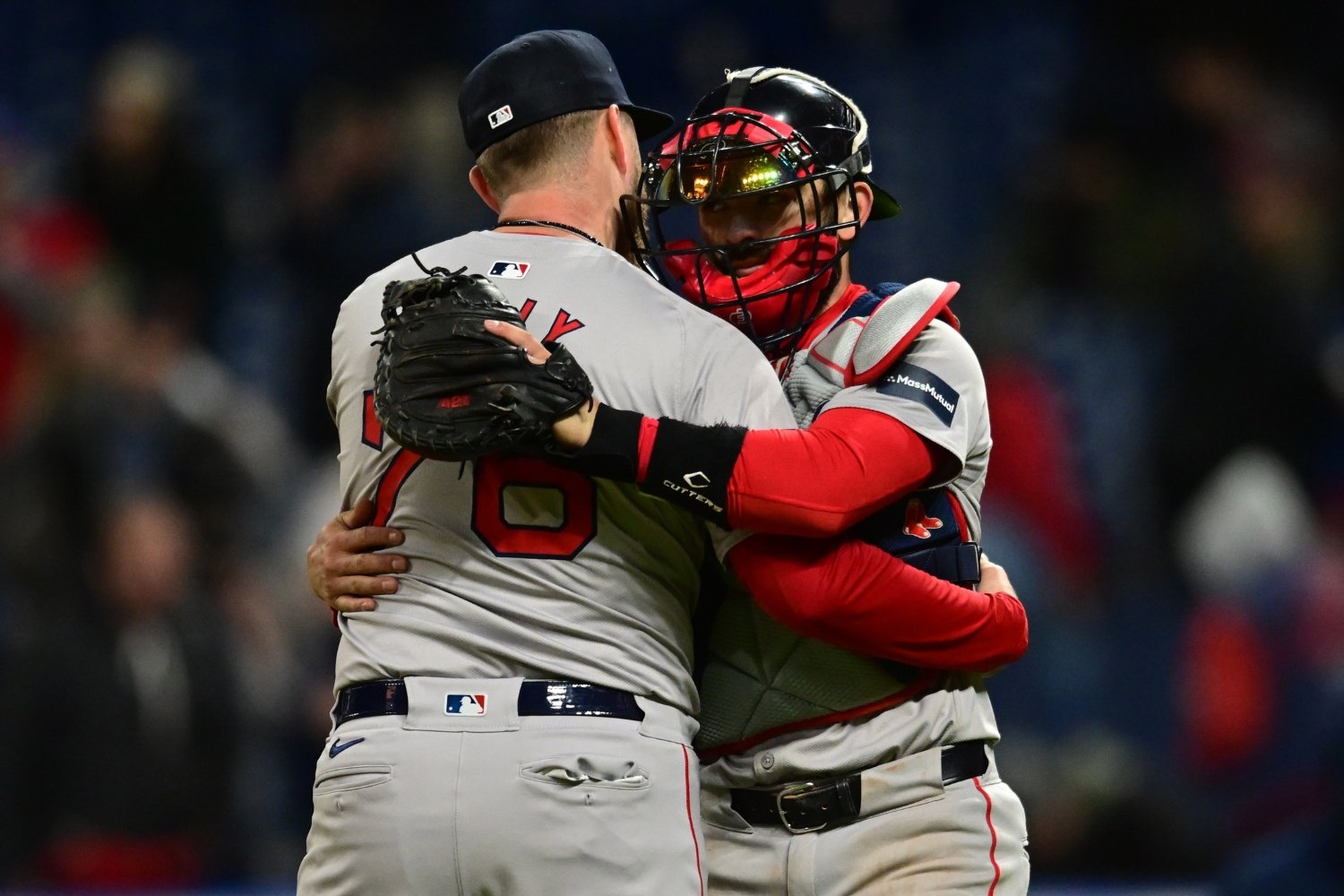 As we wait for the Twins to give us clues to how the roster will fit together with the addition of veteran catcher Victor Caratini, we can also still speculate about some moves that could work. The Boston Red Sox are still seeking help at the catcher position. The two teams already primed the pump for trades with a minor move on Wednesday morning. Let's see if we can make a bigger trade work, sending Ryan Jeffers to Boston to solve their catching needs. Before the reported signing of Caratini to a two-year deal, one of the big question marks moving forward for the Twins was who would fill the catcher position come 2027. The Twins have collected plenty of catching talent recently, but none of those players is likely to reach the big leagues anytime soon. With Caratini in place, there is a baseline for 2027. If the Red Sox trade for Jeffers, they have a player who could help with the Twins' needs in 2027 and beyond. Connor Wong is currently slated to be the Red Sox's backup catcher, but he doesn’t fit into their long-term plans. Wong is similar to both Caratini and Jeffers, in that he isn’t highly regarded for his defense. His value should lie in his bat. Alas, last season, he did not deliver in that way, hitting .190 with a .500 OPS—a ghastly 39 wRC+ in 63 games. The Twins could be more patient with Wong, who still has an option year remaining and can be sent to the minors. While last year's offensive stats were not good, in 2024, he played in 126 games with a .280 batting average, 112 wRC+, and .758 OPS. while also hitting 13 home runs. The Twins could send Wong to St. Paul and hope the club can help him rediscover that 2024 offensive form, while letting Caratini and Alex Jackson set up behind the plate in Minneapolis. In this part of the trade, the Twins trade away Jeffers’s $6.7 million and replace it with Wong’s $1.375 million, which he'll earn in his first year of arbitration eligibility. That would save the Twins roughly $5.3 million, which could be used to further reinforce the bullpen. Speaking of the bullpen, considering how much more valuable Jeffers is than Wong, the Twins could turn to see if they could identify a reliever for the 2026 bullpen who is on the Red Sox roster. Boston's relief corps is not as deep as their starting rotation, but they could part with a middle-relief arm and use their starter candidates to patch the pen. Late-blooming Zack Kelly, 30, has four more years of team control and can still be optioned to the minors. His results last season were unimpressive, but he has plus stuff. For Twins fans, this return package likely feels underwhelming for a player who has been a key to any positive vibes recently for the club. It does fit with what some previous catcher trades have produced, though. Detroit traded for a half-season of catcher Carson Kelly in 2024, sending two minor leaguers, catcher Liam Hicks and pitcher Tyler Owens. Hicks has seen success with Miami after they selected him in the Rule 5 draft, while Owens debuted last season but pitched well in very limited chances. This past trade deadline, Danny Jansen netted the Rays a prospect in Jadher Areinamo. Before being traded, Areinamo was often ranked in the low 20s in Brewers prospect rankings, and has been successful in the Venezuelan league this winter. Both Jansen and Kelly had less control than Jeffers currently does, and Jeffers is better than either of them were, but it at least gives us a tentative range for Jeffers's value. He has upside, and the Red Sox could get a leg up on other teams in any effort to keep him around long-term by bringing him in now. That would certainly be reflected in a package of Wong and Kelly, who both have a major-league track record to look at and would be under team control for three and four more seasons, respectively. Is this a deal worth making to clean up what appears to be a confusing roster? Should the Twins just figure out how to make it work with both Jeffers and Caratini on the roster? Let's clump around the hot stove on a cold night and talk trade.
- 32 comments
-
- 6
-
-

-
- ryan jeffers
- connor wong
- (and 1 more)
-
As we wait for the Twins to give us clues to how the roster will fit together with the addition of the veteran Victor Caratini, we can also still speculate on some moves that could work. The Boston Red Sox are a team that is still seeking help at the catcher position. The two teams already primed the pump for trades with a minor trade on Wednesday morning. Let us see if we can make a bigger trade work, sending Ryan Jeffers to Boston to solve their catching needs. Before the reported signing of Caratini to a two-year deal, one of the big question marks moving forward for the Twins has been who will fill the catcher position come 2027. The Twins have collected plenty of catching talent recently, but none of those players is likely to reach the big leagues anytime soon. With Caratini in place, there is a baseline for 2027. If the Red Sox trade for Jeffers, they have a player who could help with the Twins' needs in 2027 and beyond. Connor Wong is currently slated to be the Red Sox backup catcher, but he doesn’t seem long-term in the Red Sox plans, considering they are shopping around for more catching help. Wong is similar to both Caratini and Jeffers in that he isn’t highly regarded for his defense at catcher. Where Wong can bring value to a team is with his bat. The issue is that last season, he did not deliver in that way, only hitting for a .190 batting average, .500 OPS, and 39 wRC+ over 63 games. The Twins could be more patient with Wong, who still has an option year remaining and can be sent to the minors. While last year's offensive stats were not good, in 2024, he played in 126 games with a .280 batting average, 112 wRC+, and .758 OPS. while also hitting 13 home runs. The Twins could send Wong to St. Paul and hope the club can help the catcher rediscover that 2024 offensive form while letting Caratini and Alex Jackson set up behind the plate in Minneapolis. In this part of the trade, the Twins trade away Jeffers’ $6.7 million and replace it with Wong’s $1.375 million, which he earned himself in his first year of arbitration. That would save the Twins roughly $5.3 million, which we can hope could be used to add to a very empty bullpen in some late offseason additions. Speaking of the bullpen, considering how much more valuable Jeffers is than Wong, the Twins could turn to see if they could identify a reliever for the 2026 bullpen who is on the Red Sox roster. One name that immediately jumps off the roster is an old friend and left-handed reliever, Jovani Moran. Moran had a worrisome 6.75 ERA last season but an expected ERA of 3.75. If the regime still sees value in Moran, he could be a target. It doesn’t have to be Moran either. But if the Twins brought back a potential future catcher in Wong and a reliever to give a bit more steadiness to the bullpen, that gives the Twins value for a player in Jeffers that looks ready to walk off into free agency this offseason and is part of a weird fit of players currently on the Twins roster. For Twins fans, this return package likely feels underwhelming for a player who has been a key to any positive vibes recently for the club. It does fit with what some previous catcher trades have produced. Detroit traded for a half-season of catcher Carson Kelly in 2024 in exchange for two minor leaguers, catcher Liam Hicks and pitcher Tyler Owens. Hicks has seen success with Miami after they selected him in the Rule 5 draft, while Owens debuted last season but pitched well in very limited chances. This past trade deadline, Danny Jansen netted the Rays a prospect in Jadher Areinamo. Before being traded, Areinamo was often ranked in the low 20s in Brewers prospect rankings and has been successful in the Venezuelan league this winter. Both Jansen and Kelly had less control than Jeffers currently does, but it at least gives us a launching point for value. Jeffers has full-year control and better offensive production, so his value should be slightly higher. That would certainly be reflected in a package of Wong and Moran, who both have a major league track record to look at. Is this a deal worth making to clean up what appears to be a confusing roster? Should the Twins just figure out how to make it work with both Jeffers and Caratini on the roster? View full article
-
Image courtesy of Bill Streicher-Imagn Images On Friday afternoon, it was announced that the Minnesota Twins have a 2-year, $14 million agreement with catcher and first baseman Victor Caratini. With the way the team has postured its own spending limitations this offseason, it seems like a very strange move given they already had two major-league catchers on the roster. What could be next for the Twins after the signing of Caratini? 1. Incoming Jeffers trade? Ryan Jeffers’s name has already been in the trade rumor mill. With Caratini’s $14 million over the next two years added to the payroll, it seems hard to find a way that Jeffers's $6.7 million this year makes sense, or if any extensions for him are possible. A trade involving Jeffers already seemed very plausible, and Caratini’s addition only seems to add to that reality. Most recently, Jeffers was linked to the Philadelphia Phillies, but with the return of J.T. Realmuto, that connection is no longer possible. Teams like the San Diego Padres, Chicago Cubs, Tampa Bay Rays, and Pittsburgh Pirates are teams that have been linked to catchers this offseason. Jeffers would represent a solid addition for any team looking for catching help at an affordable salary. If the Twins were to move on from Jeffers, that would put the club back essentially in the same place they were, payroll-wise, for 2026, while holding control of Caratini for one more year than they have control of Jeffers. A trade would also provide the opportunity for the Twins to acquire a significant player(s) to either help with infield defensive needs or the bullpen. 2. Is Jeffers viewed as a bat now? If a trade is not in the works, Jeffers has been one of the Twins most impactful bats during his tenure. The addition of another catcher that the Twins feel confident in starting frees the right-handed Jeffers up to escape the physical demands of being the Twins starting catcher for 120+ games. Instead, Caratini would allow Jeffers to return to a similar catching load as he had when paired with Christian Vazquez. Possibly even less, with Alex Jackson also currently in the mix. It would be an interesting rotation to navigate, but with as much as the Twins struggled on offense last season, maximizing one of your best bats could yield good results for the club. Jeffers ended 2025 with a 113 wRC+ and a .752 OPS. The only current Twins that finished ahead of him in those stat categories are Byron Buxton, Luke Keaschall, and Matt Wallner. If Jeffers is viewed as having more value as a bat than as a catcher, getting him in the lineup more often becomes that much more important. Jeffers played in 119 games last season, and rotating him more often as a first baseman or DH would get him closer to playing 162 games and maximizing the value of his bat. Which inevitably means more first base or DH play. This also pushes Kody Clemens down the depth chart, allowing him to be an effective role player instead of a stretched starter if he makes the roster. In this view of Jeffers, Caratini now becomes the primary catcher defensively. At the plate, he would provide similar offensive stats and not a huge drop off with a 104 wRC+ and .728 OPS in 2025. Defensively, he has been rated very similarly to Jeffers. One area in which he is superior to Jeffers is in Baseball Savant’s blocks above average. His 4 blocks above average ranks him 15th amongst MLB catchers. 3. Jackson, the odd man out? It is possible that the first two points are simply applying too much complexity to the move. Jackson was the waterline move that the front office made early on in the offseason to make sure, in the worst-case scenario, they weren’t left without a backup catcher. Caratini now simply represents the upgrade, and Jackson, who is out of options, is now expendable. In that case, in the next several days, we may see if the Twins can find a suitor for Jackson or simply release him. From there, Caratini and Jeffers will share catching duties similarly to how Vazquez and Jeffers had done previously. As fans, we will certainly be waiting to see how Caratini fits into the overall roster construction plans for 2026. What do you believe is next for the Twins? View full article
-
 On Friday afternoon, it was announced that the Minnesota Twins have a 2-year, $14 million agreement with catcher and first baseman Victor Caratini. With the way the team has postured its own spending limitations this offseason, it seems like a very strange move given they already had two major-league catchers on the roster. What could be next for the Twins after the signing of Caratini? 1. Incoming Jeffers trade? Ryan Jeffers’s name has already been in the trade rumor mill. With Caratini’s $14 million over the next two years added to the payroll, it seems hard to find a way that Jeffers's $6.7 million this year makes sense, or if any extensions for him are possible. A trade involving Jeffers already seemed very plausible, and Caratini’s addition only seems to add to that reality. Most recently, Jeffers was linked to the Philadelphia Phillies, but with the return of J.T. Realmuto, that connection is no longer possible. Teams like the San Diego Padres, Chicago Cubs, Tampa Bay Rays, and Pittsburgh Pirates are teams that have been linked to catchers this offseason. Jeffers would represent a solid addition for any team looking for catching help at an affordable salary. If the Twins were to move on from Jeffers, that would put the club back essentially in the same place they were, payroll-wise, for 2026, while holding control of Caratini for one more year than they have control of Jeffers. A trade would also provide the opportunity for the Twins to acquire a significant player(s) to either help with infield defensive needs or the bullpen. 2. Is Jeffers viewed as a bat now? If a trade is not in the works, Jeffers has been one of the Twins most impactful bats during his tenure. The addition of another catcher that the Twins feel confident in starting frees the right-handed Jeffers up to escape the physical demands of being the Twins starting catcher for 120+ games. Instead, Caratini would allow Jeffers to return to a similar catching load as he had when paired with Christian Vazquez. Possibly even less, with Alex Jackson also currently in the mix. It would be an interesting rotation to navigate, but with as much as the Twins struggled on offense last season, maximizing one of your best bats could yield good results for the club. Jeffers ended 2025 with a 113 wRC+ and a .752 OPS. The only current Twins that finished ahead of him in those stat categories are Byron Buxton, Luke Keaschall, and Matt Wallner. If Jeffers is viewed as having more value as a bat than as a catcher, getting him in the lineup more often becomes that much more important. Jeffers played in 119 games last season, and rotating him more often as a first baseman or DH would get him closer to playing 162 games and maximizing the value of his bat. Which inevitably means more first base or DH play. This also pushes Kody Clemens down the depth chart, allowing him to be an effective role player instead of a stretched starter if he makes the roster. In this view of Jeffers, Caratini now becomes the primary catcher defensively. At the plate, he would provide similar offensive stats and not a huge drop off with a 104 wRC+ and .728 OPS in 2025. Defensively, he has been rated very similarly to Jeffers. One area in which he is superior to Jeffers is in Baseball Savant’s blocks above average. His 4 blocks above average ranks him 15th amongst MLB catchers. 3. Jackson, the odd man out? It is possible that the first two points are simply applying too much complexity to the move. Jackson was the waterline move that the front office made early on in the offseason to make sure, in the worst-case scenario, they weren’t left without a backup catcher. Caratini now simply represents the upgrade, and Jackson, who is out of options, is now expendable. In that case, in the next several days, we may see if the Twins can find a suitor for Jackson or simply release him. From there, Caratini and Jeffers will share catching duties similarly to how Vazquez and Jeffers had done previously. As fans, we will certainly be waiting to see how Caratini fits into the overall roster construction plans for 2026. What do you believe is next for the Twins?
- 57 comments
-
- 5
-
-
- victor caratini
- ryan jeffers
- (and 1 more)
-
Image courtesy of © Junfu Han / USA TODAY NETWORK via Imagn Images As the offseason market churns, the most significant news for the Twins comes from moves that affect off-the-field dealings and less the ones that directly affect on-field competition. The club recently revealed further details about the limited partners purchasing minority interests in the club. Of course, the Pohlads stole the spotlight in that announcement by ousting brother Joe for brother Tom. On the field, the Twins have signed Josh Bell to bolster their lineup and replaced free agent Christian Vázquez with Alex Jackson via a trade with Baltimore. A lot of questions remain regarding the bullpen, but an early offseason trade to acquire Eric Orze from the Rays is the most significant relief pitcher addition to date. Instead of dwelling on the Twins' needs, let's turn to what the rest of the AL Central has done and what the Twins might be up against in 2026. Cleveland Guardians In light of the news that the Guardians will certainly be without Emmanuel Clase and Luis Ortiz while both face federal charges related to rigging bets, the AL Central foes have spent most of their additions on bullpen arms. Shawn Armstrong will bring his veteran presence to Cleveland, after one of the best seasons of his career as he enters his age-35 season. Kolby Allard and Jakob Junis also represent depth arms that Cleveland will need to replace, either through other signings (like Connor Brogdon and Colin Holderman, whom they've also scooped up so far) or from within. Beyond the bullpen, this Cleveland team is currently slated to be the same one we saw last offseason, with familiar names like José Ramírez and Steven Kwan leading the offense. We must remember that this was a group good enough to win the division last season. Additions: Signed RP Connor Brogdon to a 1-year deal. 2025 fWAR: -0.3 Signed RP Colin Holderman to a 1-year deal. 2025 fWAR: 0.1 Signed RP Shawn Armstrong to a 1-year deal. 2025 fWAR: 1.4 RP Justin Bruihl (acquired from Toronto). 2025 fWAR: 0.0 OF Stuart Fairchild (MiLB deal). 2025 fWAR: 0.0 Subtractions: RP Sam Hentges (signed with Giants). 2025 fWAR: Injured OF Lane Thomas (signed with Royals). 2025 fWAR: -0.5 SP Triston McKenzie (signed MiLB deal with Padres). 2025 fWAR: -0.1 Still on the Board: RP Nic Enright. 2025 fWAR: 0.2 OF Will Brennan. 2025 fWAR: -0.1 RP Jakob Junis. 2025 fWAR: 0.6 RP Ben Lively. 2025 fWAR: 0.4 RP Kolby Allard. 2025 fWAR 0.7 INF Will Wilson. 2025 fWAR -0.4 Chicago White Sox The White Sox will hope to see many of their young players take the next step in 2026, but they have—if nothing else—added some intriguing names to their talent mix. Munetaka Murakami comes over from Japan on a two-year deal, in a bit of a surprise signing. Murakami could become another South Side power bat that the Twins will be forced to pay attention to. Sean Newcomb will add some desperately needed length to the White Sox rotation, which is slated to be led by last season’s Rule 5 pick, Shane Smith. Anthony Kay is a fellow left-handed starter who will come back to the States after a stint in Asia. The White Sox will hope that Kay’s 1.74 ERA over 155 innings will translate back to the United States, as it has for others before him making that same transition. Additions: SP/RP Sean Newcomb to a 1-year deal. 2025 fWAR: 1.7 1B/3B Munetaka Murakami to a 2-year deal. 2025 fWAR: NPB SP Anthony Kay to a 2-year deal. 2025 fWAR: NPB SP/RP Chris Murphy (acquired from Boston) 2025 fWAR: -0.2 OF Everson Pereira (Acquired from Tampa Bay). 2025 fWAR: -0.5 Subtractions: RP Steven Wilson (traded to Tampa Bay). 2025 fWAR: 0.4 SP/RP Yoendrys Gomez (traded to Tampa Bay). 2025 fWAR: 0.1 OF Michael A. Taylor (retired). 2025 fWAR: -0.1 RP Tyler Alexander signed a 1-year deal with Texas. 2025 fWAR: 1.3 OF Will Robertson (claimed by Pittsburgh). 2025 fWAR: -0.8 Still on the Board: RP Cam Booser. 2025 fWAR: -0.6 OF Mike Tauchman. 2025 fWAR: 1.4 SP Martin Perez (mutual option declined). 2025 fWAR: 0.8 RP Miguel Castro. 2025 fWAR: -0.1 Losing Tyler Alexander and potentially Mike Tauchman will leave the White Sox with the biggest production voids. The team will only succeed if the young players develop, as the baseball world got a glimpse of last season. While the hill looks steep, it could prove unwise to completely overlook an offensive core of Chase Meidroth, Kyle Teel, and Colson Montgomery, now joined by Murakami. Detroit Tigers For much of 2025, Detroit looked like the team to beat in the AL Central. There are still many reasons why they look that way going into 2026. Among all the trade rumors, Tarik Skubal is arguably one of the best starting pitchers in baseball and is still a Tiger. Gleyber Torres is returning to the team to maintain the middle of a formidable lineup, with Kerry Carpenter, Riley Greene, and Spencer Torkelson. On the pitching side, the Tigers have made some significant additions to their bullpen. Kenley Jansen is slated to take over the closer's role as he chases 500 career saves. Kyle Finnegan will bring ample setup experience to deepen the Tigers' bullpen. Additions: RP Kenley Jansen to a 1-year deal. 2025 fWAR: 0.6 RP Kyle Finnegan to a 2-year deal. 2025 fWAR: 1.2 2B Gleyber Torres (accepted qualifying offer). 2025 fWAR: 2.6 SP/RP Drew Anderson to a 1-year deal. 2025 fWAR: KBO Subtractions: RP Chase Lee (traded to Toronto). 2025 fWAR: -0.1 SP Randy Dobnak (minor league deal with Seattle) 2025 fWAR: -0.1 RP Alex Lange (signed with Kansas City) 2025 fWAR: 0.0 RP Jason Foley (signed with San Francisco). 2025 fWAR: DNP Still on the Board: INF Andy Ibanez (non-tendered). 2025 fWAR: 0.4 RP Jason Foley. 2025 fWAR: 0.3 RP Dugan Darnell. 2025 fWAR: 0.0 RP Paul Sewald (mutual option declined). 2025 fWAR: 0.0 SP Jose Urquidy (club option declined). 2025 fWAR: 0.0 SP Alex Cobb. 2025 fWAR: 0.3 RP Tommy Kahnle. 2025 fWAR: 0.1 RP Rafael Montero. 2025 fWAR: 0.1 SP Chris Paddack. 2025 fWAR: 0.7 While the Tigers are certainly losing a lot of recognizable names, those names did not quite perform as hoped. Jansen and Finnegan bring some name recognition with them as well, and Detroit will hope they bring their 2025 production with them. Kansas City Royals The Royals were initially viewed as a team with limited payroll flexibility heading into the offseason. That hasn’t stopped them from making some trades and deals, and specifically dealing from a place of depth: their pitching staff. Most of Twins Territory didn’t believe the Royals would be competitive last season, even after a series of signings. Unfortunately, they were competitive, and the Royals only seemed to strengthen themselves. Kansas City has added to its roster with the acquisition of lefty Matt Strahm (one of my favorite moves of the offseason) and outfielder Isaac Collins, both acquired via trade. Additions: RP Matt Strahm (acquired from Philadelphia). 2025 fWAR: 1.5 RP Nick Mears (acquired from Milwaukee). 2025 fWAR: 0.5 OF Isaac Collins (acquired from Milwaukee). 2025 fWAR: 2.6 OF Lane Thomas to a 1-year deal. 2025 fWAR: -0.5 RP Alex Lange to a 1-year deal. 2025 fWAR: 0.0 OF Kameron Misner (acquired from Tampa Bay). 2025 fWAR: 0.3 SP Mason Black (acquired from San Fransisco). 2025 fWAR: -0.1 C Salvador Perez re-signed to 2-year deal. 2025 fWAR: 0.5 Subtractions: RP Jonathan Bowlan (traded to Philadelphia). 2025 fWAR: 0.2 RP Angel Zerpa (traded to Milwaukee). 2025 fWAR: 0.3 OF Logan Martin (traded to San Francisco). 2025 fWAR: N/A RP Sam Long (signed with NPB Chiba Lotte). 2025 fWAR: -0.4 OF Mike Yastrzemski (signed with Atlanta). 2025 fWAR: 2.4 RP Hunter Harvey (signed with Cubs). 2025 fWAR: 0.5 Still on the Board: RP Taylor Clarke. 2025 fWAR: 0.3 OF MJ Melendez. 2025 fWAR: -0.6 OF Randal Grichuk. 2025 fWAR: -0.4 SP Michael Lorenzen (declined mutual option). 2025 fWAR: 1.2 C Luke Maile. 2025 fWAR: 0.3 INF/OF Adam Frazier. 2025 fWAR: 0.7 Mike Yastrzemski certainly represented value as a solid MLB regular last season, so losing him shouldn’t be entirely overlooked. At the same time, the Royals look ready to reload in the outfield and should continue to compete for the AL Central. Not to mention, there still seems to be steam around a desire to acquire outfielder Jarren Duran from the Boston Red Sox. What do these division moves mean for the Twins? Clearly, some AL Central foes have strengthened themselves, while the Twins haven’t done much. The AL Central does continue to be the AL Central. With the Twins still having a strong starting pitching core, they should be able to put themselves in a position to compete throughout the season, as none of the division teams have seemed to separate themselves from the rest of the pack. View full article
-
A Look at the Offseason for the Rest of the American League Central
Nate Palmer posted an article in Twins
 As the offseason market churns, the most significant news for the Twins comes from moves that affect off-the-field dealings and less the ones that directly affect on-field competition. The club recently revealed further details about the limited partners purchasing minority interests in the club. Of course, the Pohlads stole the spotlight in that announcement by ousting brother Joe for brother Tom. On the field, the Twins have signed Josh Bell to bolster their lineup and replaced free agent Christian Vázquez with Alex Jackson via a trade with Baltimore. A lot of questions remain regarding the bullpen, but an early offseason trade to acquire Eric Orze from the Rays is the most significant relief pitcher addition to date. Instead of dwelling on the Twins' needs, let's turn to what the rest of the AL Central has done and what the Twins might be up against in 2026. Cleveland Guardians In light of the news that the Guardians will certainly be without Emmanuel Clase and Luis Ortiz while both face federal charges related to rigging bets, the AL Central foes have spent most of their additions on bullpen arms. Shawn Armstrong will bring his veteran presence to Cleveland, after one of the best seasons of his career as he enters his age-35 season. Kolby Allard and Jakob Junis also represent depth arms that Cleveland will need to replace, either through other signings (like Connor Brogdon and Colin Holderman, whom they've also scooped up so far) or from within. Beyond the bullpen, this Cleveland team is currently slated to be the same one we saw last offseason, with familiar names like José Ramírez and Steven Kwan leading the offense. We must remember that this was a group good enough to win the division last season. Additions: Signed RP Connor Brogdon to a 1-year deal. 2025 fWAR: -0.3 Signed RP Colin Holderman to a 1-year deal. 2025 fWAR: 0.1 Signed RP Shawn Armstrong to a 1-year deal. 2025 fWAR: 1.4 RP Justin Bruihl (acquired from Toronto). 2025 fWAR: 0.0 OF Stuart Fairchild (MiLB deal). 2025 fWAR: 0.0 Subtractions: RP Sam Hentges (signed with Giants). 2025 fWAR: Injured OF Lane Thomas (signed with Royals). 2025 fWAR: -0.5 SP Triston McKenzie (signed MiLB deal with Padres). 2025 fWAR: -0.1 Still on the Board: RP Nic Enright. 2025 fWAR: 0.2 OF Will Brennan. 2025 fWAR: -0.1 RP Jakob Junis. 2025 fWAR: 0.6 RP Ben Lively. 2025 fWAR: 0.4 RP Kolby Allard. 2025 fWAR 0.7 INF Will Wilson. 2025 fWAR -0.4 Chicago White Sox The White Sox will hope to see many of their young players take the next step in 2026, but they have—if nothing else—added some intriguing names to their talent mix. Munetaka Murakami comes over from Japan on a two-year deal, in a bit of a surprise signing. Murakami could become another South Side power bat that the Twins will be forced to pay attention to. Sean Newcomb will add some desperately needed length to the White Sox rotation, which is slated to be led by last season’s Rule 5 pick, Shane Smith. Anthony Kay is a fellow left-handed starter who will come back to the States after a stint in Asia. The White Sox will hope that Kay’s 1.74 ERA over 155 innings will translate back to the United States, as it has for others before him making that same transition. Additions: SP/RP Sean Newcomb to a 1-year deal. 2025 fWAR: 1.7 1B/3B Munetaka Murakami to a 2-year deal. 2025 fWAR: NPB SP Anthony Kay to a 2-year deal. 2025 fWAR: NPB SP/RP Chris Murphy (acquired from Boston) 2025 fWAR: -0.2 OF Everson Pereira (Acquired from Tampa Bay). 2025 fWAR: -0.5 Subtractions: RP Steven Wilson (traded to Tampa Bay). 2025 fWAR: 0.4 SP/RP Yoendrys Gomez (traded to Tampa Bay). 2025 fWAR: 0.1 OF Michael A. Taylor (retired). 2025 fWAR: -0.1 RP Tyler Alexander signed a 1-year deal with Texas. 2025 fWAR: 1.3 OF Will Robertson (claimed by Pittsburgh). 2025 fWAR: -0.8 Still on the Board: RP Cam Booser. 2025 fWAR: -0.6 OF Mike Tauchman. 2025 fWAR: 1.4 SP Martin Perez (mutual option declined). 2025 fWAR: 0.8 RP Miguel Castro. 2025 fWAR: -0.1 Losing Tyler Alexander and potentially Mike Tauchman will leave the White Sox with the biggest production voids. The team will only succeed if the young players develop, as the baseball world got a glimpse of last season. While the hill looks steep, it could prove unwise to completely overlook an offensive core of Chase Meidroth, Kyle Teel, and Colson Montgomery, now joined by Murakami. Detroit Tigers For much of 2025, Detroit looked like the team to beat in the AL Central. There are still many reasons why they look that way going into 2026. Among all the trade rumors, Tarik Skubal is arguably one of the best starting pitchers in baseball and is still a Tiger. Gleyber Torres is returning to the team to maintain the middle of a formidable lineup, with Kerry Carpenter, Riley Greene, and Spencer Torkelson. On the pitching side, the Tigers have made some significant additions to their bullpen. Kenley Jansen is slated to take over the closer's role as he chases 500 career saves. Kyle Finnegan will bring ample setup experience to deepen the Tigers' bullpen. Additions: RP Kenley Jansen to a 1-year deal. 2025 fWAR: 0.6 RP Kyle Finnegan to a 2-year deal. 2025 fWAR: 1.2 2B Gleyber Torres (accepted qualifying offer). 2025 fWAR: 2.6 SP/RP Drew Anderson to a 1-year deal. 2025 fWAR: KBO Subtractions: RP Chase Lee (traded to Toronto). 2025 fWAR: -0.1 SP Randy Dobnak (minor league deal with Seattle) 2025 fWAR: -0.1 RP Alex Lange (signed with Kansas City) 2025 fWAR: 0.0 RP Jason Foley (signed with San Francisco). 2025 fWAR: DNP Still on the Board: INF Andy Ibanez (non-tendered). 2025 fWAR: 0.4 RP Jason Foley. 2025 fWAR: 0.3 RP Dugan Darnell. 2025 fWAR: 0.0 RP Paul Sewald (mutual option declined). 2025 fWAR: 0.0 SP Jose Urquidy (club option declined). 2025 fWAR: 0.0 SP Alex Cobb. 2025 fWAR: 0.3 RP Tommy Kahnle. 2025 fWAR: 0.1 RP Rafael Montero. 2025 fWAR: 0.1 SP Chris Paddack. 2025 fWAR: 0.7 While the Tigers are certainly losing a lot of recognizable names, those names did not quite perform as hoped. Jansen and Finnegan bring some name recognition with them as well, and Detroit will hope they bring their 2025 production with them. Kansas City Royals The Royals were initially viewed as a team with limited payroll flexibility heading into the offseason. That hasn’t stopped them from making some trades and deals, and specifically dealing from a place of depth: their pitching staff. Most of Twins Territory didn’t believe the Royals would be competitive last season, even after a series of signings. Unfortunately, they were competitive, and the Royals only seemed to strengthen themselves. Kansas City has added to its roster with the acquisition of lefty Matt Strahm (one of my favorite moves of the offseason) and outfielder Isaac Collins, both acquired via trade. Additions: RP Matt Strahm (acquired from Philadelphia). 2025 fWAR: 1.5 RP Nick Mears (acquired from Milwaukee). 2025 fWAR: 0.5 OF Isaac Collins (acquired from Milwaukee). 2025 fWAR: 2.6 OF Lane Thomas to a 1-year deal. 2025 fWAR: -0.5 RP Alex Lange to a 1-year deal. 2025 fWAR: 0.0 OF Kameron Misner (acquired from Tampa Bay). 2025 fWAR: 0.3 SP Mason Black (acquired from San Fransisco). 2025 fWAR: -0.1 C Salvador Perez re-signed to 2-year deal. 2025 fWAR: 0.5 Subtractions: RP Jonathan Bowlan (traded to Philadelphia). 2025 fWAR: 0.2 RP Angel Zerpa (traded to Milwaukee). 2025 fWAR: 0.3 OF Logan Martin (traded to San Francisco). 2025 fWAR: N/A RP Sam Long (signed with NPB Chiba Lotte). 2025 fWAR: -0.4 OF Mike Yastrzemski (signed with Atlanta). 2025 fWAR: 2.4 RP Hunter Harvey (signed with Cubs). 2025 fWAR: 0.5 Still on the Board: RP Taylor Clarke. 2025 fWAR: 0.3 OF MJ Melendez. 2025 fWAR: -0.6 OF Randal Grichuk. 2025 fWAR: -0.4 SP Michael Lorenzen (declined mutual option). 2025 fWAR: 1.2 C Luke Maile. 2025 fWAR: 0.3 INF/OF Adam Frazier. 2025 fWAR: 0.7 Mike Yastrzemski certainly represented value as a solid MLB regular last season, so losing him shouldn’t be entirely overlooked. At the same time, the Royals look ready to reload in the outfield and should continue to compete for the AL Central. Not to mention, there still seems to be steam around a desire to acquire outfielder Jarren Duran from the Boston Red Sox. What do these division moves mean for the Twins? Clearly, some AL Central foes have strengthened themselves, while the Twins haven’t done much. The AL Central does continue to be the AL Central. With the Twins still having a strong starting pitching core, they should be able to put themselves in a position to compete throughout the season, as none of the division teams have seemed to separate themselves from the rest of the pack.
 -
The Nats are at least being asked about him. Good to see your name pop up!
-
Nats are at least being asked about him. Rosenthal and Sammon have been on top of that. What do you think it would take?
-
I did write "significant." I am thinking at least top-10 if not top-5. A lot of that depends on what the true demand is from other teams bidding.

