



Sherry Cerny
-
Posts
581 -
Joined
-
Last visited
Content Type
Profiles
News
Minnesota Twins Videos
2026 Minnesota Twins Top Prospects Ranking
2022 Minnesota Twins Draft Picks
Minnesota Twins Free Agent & Trade Rumors, Notes, & Tidbits
Guides & Resources
2023 Minnesota Twins Draft Picks
The Minnesota Twins Players Project
2024 Minnesota Twins Draft Picks
2025 Minnesota Twins Draft Pick Tracker
2026 Minnesota Twins Draft Tracker: Picks & Bonuses
Forums
Blogs
Events
Store
Downloads
Gallery
Everything posted by Sherry Cerny
-
Image courtesy of © Nick Turchiaro-Imagn Images Throughout the offseason, Trevor Larnach worked to refine his approach at the plate, focusing on making more consistent contact and becoming a more complete offensive contributor. While that adjustment has shown some positive results, it has also coincided with a noticeable shift in his power profile. Manager Derek Shelton pointed to several hard-hit balls during the Twins' recent road trip as evidence that better results could be on the horizon. However, Larnach's underlying metrics suggest a more significant change may be taking place. Since early May, he has increased his contact rate, but it appears to have come at the expense of the impact that made him one of Minnesota's most dangerous left-handed hitters. Beginning with the road series against Washington and Cleveland, Larnach posted a .225/.295/.352 slash line while averaging just 85.1 mph in exit velocity. His contact point has also moved significantly farther out in front of the plate compared to 2025, a potential indication that he is committing earlier to pitches and prioritizing contact over damage. That trend is particularly noteworthy considering the adjustments he has already made to his swing. Twins Daily reported in 2025 that Larnach had flattened his bat path, reducing his swing angle from 40 degrees to 36 degrees. This season, that figure has dipped again to 33 degrees and it's making a huge difference in his production. The tip of the bat is nearly scrapping the ground, but it's squaring up and has shoved his stats early in the season lookg better already then 2025. The clearest example came during his home run against Pittsburgh. Larnach turned on a 98 mph fastball and made contact approximately 40.5 inches in front of his body—an unusually aggressive contact point against that velocity. The result was a home run, but the swing also raised an important question: Is Larnach intentionally moving his contact point forward to reduce swing-and-miss and put more balls in play? The data suggests this may be less about timing and more about approach. Despite the decline in power production, there are encouraging signs. Larnach has become considerably more selective at the plate, increasing his walk rate by 48 percent compared to 2025. He is consistently finding the sweet spot of the bat, with a sweet-spot percentage approaching 66 percent, and much of his contact has been driven through the middle of the field. Rather than selling out for pull-side power, he appears focused on producing quality at-bats and creating opportunities for the offense. In many ways, Larnach's evolution reflects a hitter continuing to make adjustments. While the power numbers have suffered, the improved discipline and contact quality have helped make him a productive offensive piece in other ways and he's having one of the best seasons of his career. The transition also appears to be gaining traction. Since returning to Target Field at the start of June, Larnach has recorded hits in three of four games while helping manufacture three runs for Minnesota's offense. Whether this shift is the result of an organizational emphasis or simply a hitter searching for a more sustainable approach remains unclear. What is evident, however, is that the version of Larnach the Twins are seeing today looks different from the one who generated much of his power a season ago. Larnach has been open about hits struggles, as well as his growth. At the beginning of the season, it was obvious that he was confident in his process and that his commitment to the game was a priority. It leads to a thought about how he continues to improve when other hitters continue to struggle with finding a way to hit for power only, leaving out the adjustments that make players like Larnach continue to be successful. Looking at previous trends in his at-bats, intentional has appeared to be the name of the game for Larnach, but maybe his secret formula to his recent success is a mixture of both. The answer may reveal the true story behind how his struggles that started on the road came about. If the change is intentional, it points to a philosophical adjustment centered on contact and plate discipline. If it is not, it could suggest a hitter who has become sped up by velocity and is compensating by committing earlier, an explanation that would align with both the reduced slugging numbers and the decline in hard contact. Either way, Larnach continues to be one of the most productive hitters on the team, as well as a strong presence in the field. View full article
-
Image courtesy of © Bruce Kluckhohn-Imagn Images Box Score SP: Taj Bradley - 4.2 IP, 7 H, 5 ER, 5 BB, 5 K (104 pitches, 63 strikes (72% strikes) Home Runs: None Bottom 3 WPA: Taj Bradley (-0.24); Austin Martin (-0.05); Byron Buxton (-0.05) Win Probability Chart (via FanGraphs) Taj Bradley had his third appearance since returning from the injured list on Wednesday, and the first inning was an utter disaster. Bradley gave up two walks and two singles, allowing four runs and giving the White Sox a 4-0 head start in the game. Bradley struggled through five innings in an exhausting pattern: loading the bases, walking players, but with the rest of his appearance scoreless, he was pulled as he just eclipsed the 100-pitch mark. The defense behind him was no help, from a key error by Tristan Gray at shortstop to a mistimed leap at the wall by Austin Martin. Eric Orze replaced Bradley, followed by Taylor Rogers. Both pitchers gave up no runs and provided chances for the offense to close the 5-0 gap, but Cody Laweryson gave up three runs, sucking the life right out of the game as the White Sox extended their lead to 8-0. The Twins offense struggled as much as the pitching. There was no type of movement until the bottom of the sixth for the Twins. The little bit of life came from Luke Keaschall, who delivered the Twins their first hit on a two-out single, followed by another single from Gray. But a groundout to short from Orlando Arcia forced an out, ending the small two-out rally. The Twins tried to get a bite of the White Sox bullpen in the seventh, with a single from Josh Bell, but the lineup behind Bell just couldn’t get any production, leaving him stranded. Every rally was short-lived. The More Things Change, The More They Stay The Same The White Sox have exposed the Twins' new setup’s weaknesses on the field with their bats and their speed. The Twins have made a lot of adjustments, with Royce Lewis being sent down to Triple-A St. Paul, and everyone is slowly locking in. Gray committed three errors Wednesday. Plenty of other plays seemed to elude the team's gloves; they're no more rangy than they are sure-handed. A Valiant Effort The Twins did keep the game a bit more under control late than might have been the case. Though he wobbled, new arm Justin Lawrence showed the nastiness that made the team want to acquire him via trade in his late appearance. In a blowout, Derek Shelton put in better defenders (James Outman for the hampered Byron Buxton in center; Ryan Kreidler for Gray at short) and the team played respectably late. It was just too little to make the game feel remotely within reach. Lawrence struck out his first hitter, but plunked the next two. Suddenly, he had two men on base. He got out of the inning with no damage, except a few bruises on the opposition. One last valiant rally gave the Twins a chance to avoid their first shutout defeat of 2026, but they couldn't break through. No matter. There are no moral victories, they say. What’s Next? The Royals come to town for a four-game weekender beginning Thursday. The Twins will send Andrew Morris to the mound at the front end of what is essentially a bullpen game; the Royals counter with eight-figure veteran signee Seth Lugo. First pitch is scheduled for 6:40 PM CT. Postgame Interviews Coming soon. Bullpen Availability Chart View full article
-
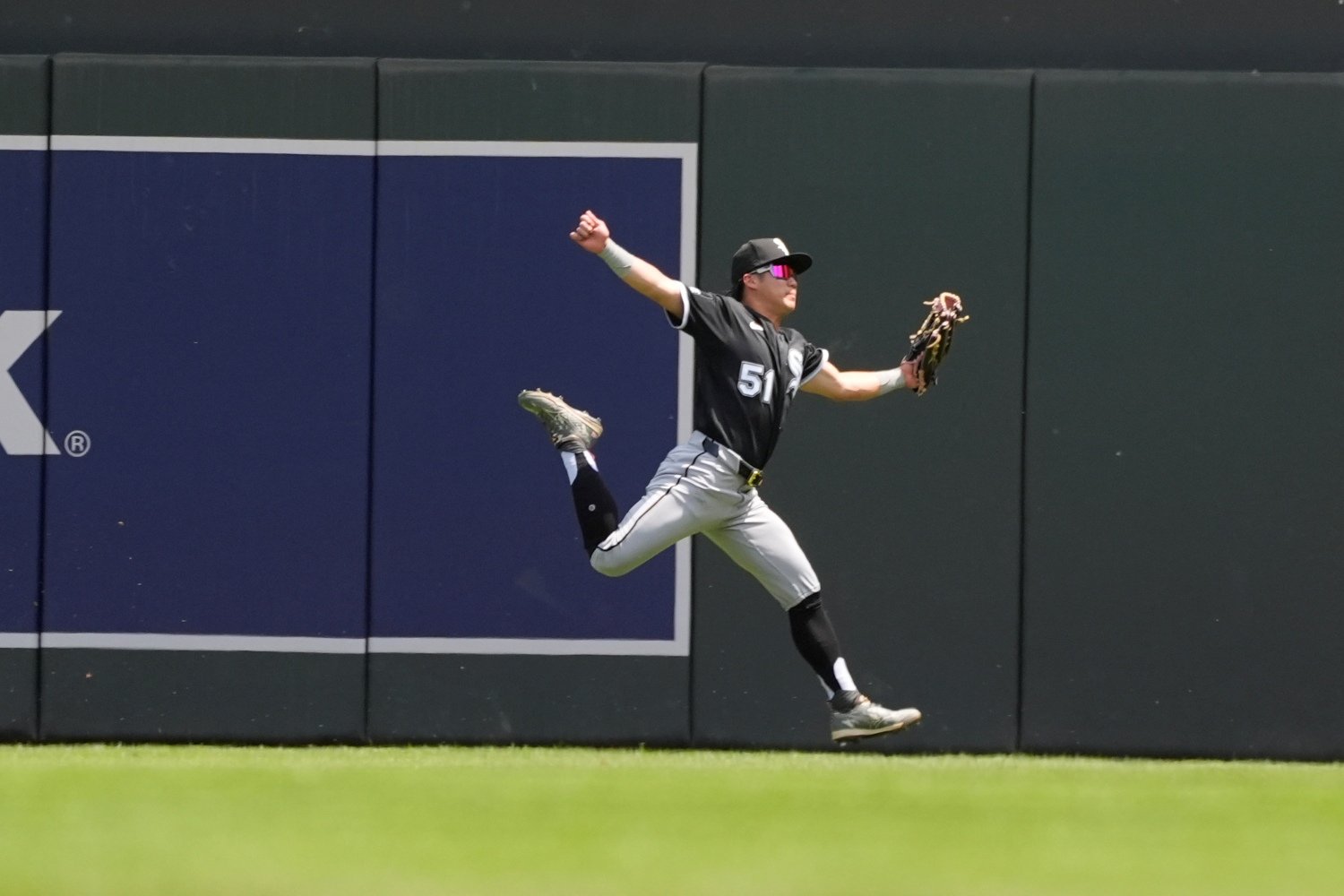 Box Score SP: Taj Bradley - 4.2 IP, 7 H, 5 ER, 5 BB, 5 K (104 pitches, 63 strikes (72% strikes) Home Runs: None Bottom 3 WPA: Taj Bradley (-0.24); Austin Martin (-0.05); Byron Buxton (-0.05) Win Probability Chart (via FanGraphs) Taj Bradley had his third appearance since returning from the injured list on Wednesday, and the first inning was an utter disaster. Bradley gave up two walks and two singles, allowing four runs and giving the White Sox a 4-0 head start in the game. Bradley struggled through five innings in an exhausting pattern: loading the bases, walking players, but with the rest of his appearance scoreless, he was pulled as he just eclipsed the 100-pitch mark. The defense behind him was no help, from a key error by Tristan Gray at shortstop to a mistimed leap at the wall by Austin Martin. Eric Orze replaced Bradley, followed by Taylor Rogers. Both pitchers gave up no runs and provided chances for the offense to close the 5-0 gap, but Cody Laweryson gave up three runs, sucking the life right out of the game as the White Sox extended their lead to 8-0. The Twins offense struggled as much as the pitching. There was no type of movement until the bottom of the sixth for the Twins. The little bit of life came from Luke Keaschall, who delivered the Twins their first hit on a two-out single, followed by another single from Gray. But a groundout to short from Orlando Arcia forced an out, ending the small two-out rally. The Twins tried to get a bite of the White Sox bullpen in the seventh, with a single from Josh Bell, but the lineup behind Bell just couldn’t get any production, leaving him stranded. Every rally was short-lived. The More Things Change, The More They Stay The Same The White Sox have exposed the Twins' new setup’s weaknesses on the field with their bats and their speed. The Twins have made a lot of adjustments, with Royce Lewis being sent down to Triple-A St. Paul, and everyone is slowly locking in. Gray committed three errors Wednesday. Plenty of other plays seemed to elude the team's gloves; they're no more rangy than they are sure-handed. A Valiant Effort The Twins did keep the game a bit more under control late than might have been the case. Though he wobbled, new arm Justin Lawrence showed the nastiness that made the team want to acquire him via trade in his late appearance. In a blowout, Derek Shelton put in better defenders (James Outman for the hampered Byron Buxton in center; Ryan Kreidler for Gray at short) and the team played respectably late. It was just too little to make the game feel remotely within reach. Lawrence struck out his first hitter, but plunked the next two. Suddenly, he had two men on base. He got out of the inning with no damage, except a few bruises on the opposition. One last valiant rally gave the Twins a chance to avoid their first shutout defeat of 2026, but they couldn't break through. No matter. There are no moral victories, they say. What’s Next? The Royals come to town for a four-game weekender beginning Thursday. The Twins will send Andrew Morris to the mound at the front end of what is essentially a bullpen game; the Royals counter with eight-figure veteran signee Seth Lugo. First pitch is scheduled for 6:40 PM CT. Postgame Interviews Coming soon. Bullpen Availability Chart
- 35 comments
-
- 3
-

-
- game recap
- austin martin
- (and 4 more)
-
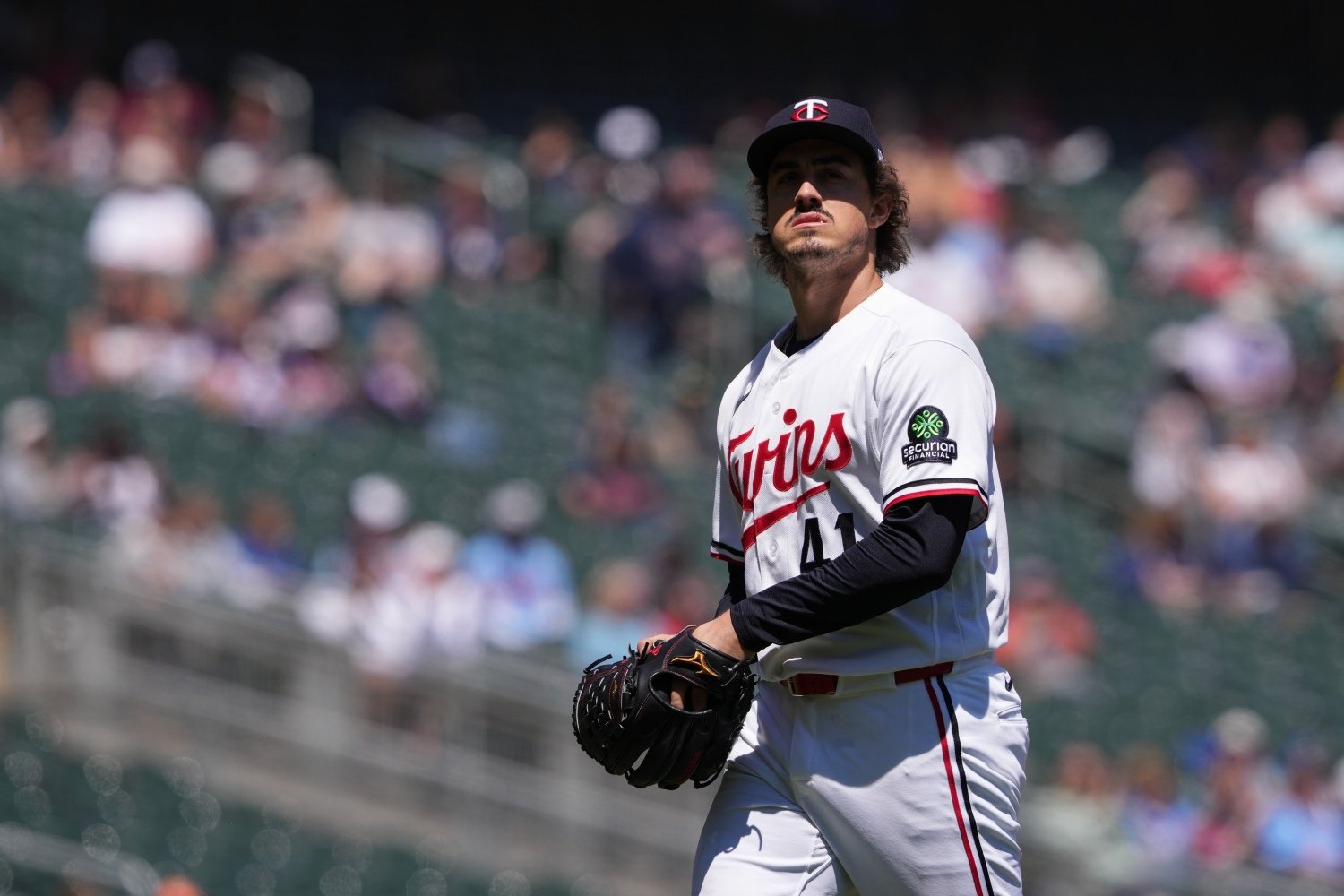 Box Score SP: Joe Ryan - 6 IP, 5 H, 1 ER, 0 BB, 9 K (99 pitches, 71 strikes (72% strikes) Home Runs: Ryan Kriedler (3) 3 WPA: Ryan Kreidler (0.24); Joe Ryan (0.20); Victor Caratini (0.11) Win Probability Chart (via FanGraphs) The rubber match of a series against the Astros Wednesday afternoon was also getaway day, and the telling contest of a nine-game homestand. The Twins had won one series and lost the next, and entered Wednesday needing a win to go 5-4 before heading out on a 10-game road trip. Two Ryan Experiences for the Price of One Joe Ryan gave up three singles to the bottom of Houston’s lineup in the top of the 2nd, allowing the Astros to strike first on an RBI single from former Twin Christian Vázquez. Houston grabbed the early lead, but the Twins answered immediately with a (looong) solo home run from Victor Caratini to tie the game at 1-1. Both before and after that blip, however, Ryan looked much more like himself. While his pitch count continued to climb, he worked out of several jams and racked up nine strikeouts through six innings, looking more confident with every trip to the mound. The Twins took control in the fourth inning with a three-run homer from Ryan Kriedler, extending the lead to 4-1 heading into the fifth. Kreidler had an execrable offensive track record in the majors before this season, but he's thriving in his part-time role with the Twins this year. Ryan finished six innings and told Audra Martin afterward that one of the things he appreciates most is his defense, pointing specifically to James Outman’s diving catch for the final out of the fourth inning. Ryan also joked about former teammate Vázquez being the lone hitter to drive in a run against him. Since leaving his start on May 3 with elbow soreness after facing just two batters, he's not only managed to stay in the rotation, but been dazzling. It's a huge relief, in a year when every other player who reports some minor malady seems to land on the injured list for months. It's a Team Effort Kody Clemens has become an important piece of the lineup, filling multiple roles defensively. Against Houston, he started in right field and finished at first base. Derek Shelton commented before the game that Clemens has been “a net positive at every defensive position he’s played,” while also allowing other players to get needed rest without sacrificing defense. Clemens has also continued to improve offensively, hitting .240 with a .754 overall OPS—his best production to date. There were no more runs for either side after the fourth inning, and the bullpens set up to battle it out, both sides needing the win. Strong Bullpen Appearance Yoendrys Gómez relieved Ryan in the seventh and struck out three straight hitters, preserving the cushion and allowing the offense to avoid grinding through every at-bat. The Twins have played in 10 one-run games this season and won only three of them, making any lead larger than one especially valuable. The bullpen still brings some uncertainty, but lately the starters have been delivering longer, more effective outings, giving the relievers room to breathe instead of being overused on a nightly basis. Gómez returned for the eighth inning and looked a little less sharp than he did in the seventh, but still managed to post a zero and keep the Twins in control. Andrew Morris closed things out with a 10-pitch save, the first of his career. He's settling ever more into a standard, high-leverage relief role, and is one symbol of the rising promise of this roster. What’s Next? The Twins have a day off on Thursday in Boston, after which they'll begin a 10-day road trip. Their first contest at Fenway Park begins at 6:10 PM CT on Friday. The Twins will send Connor Prielipp to the mound (1-2, 2.88 ERA), facing Payton Tolle (2-2, .205 ERA), Postgame Interviews Bullpen Availability Chart
- 29 comments
-
- 3
-
-
- game recap
- victor caratini
- (and 2 more)
-
Image courtesy of © Jordan Johnson-Imagn Images Box Score SP: Joe Ryan - 6 IP, 5 H, 1 ER, 0 BB, 9 K (99 pitches, 71 strikes (72% strikes) Home Runs: Ryan Kriedler (3) 3 WPA: Ryan Kreidler (0.24); Joe Ryan (0.20); Victor Caratini (0.11) Win Probability Chart (via FanGraphs) The rubber match of a series against the Astros Wednesday afternoon was also getaway day, and the telling contest of a nine-game homestand. The Twins had won one series and lost the next, and entered Wednesday needing a win to go 5-4 before heading out on a 10-game road trip. Two Ryan Experiences for the Price of One Joe Ryan gave up three singles to the bottom of Houston’s lineup in the top of the 2nd, allowing the Astros to strike first on an RBI single from former Twin Christian Vázquez. Houston grabbed the early lead, but the Twins answered immediately with a (looong) solo home run from Victor Caratini to tie the game at 1-1. Both before and after that blip, however, Ryan looked much more like himself. While his pitch count continued to climb, he worked out of several jams and racked up nine strikeouts through six innings, looking more confident with every trip to the mound. The Twins took control in the fourth inning with a three-run homer from Ryan Kriedler, extending the lead to 4-1 heading into the fifth. Kreidler had an execrable offensive track record in the majors before this season, but he's thriving in his part-time role with the Twins this year. Ryan finished six innings and told Audra Martin afterward that one of the things he appreciates most is his defense, pointing specifically to James Outman’s diving catch for the final out of the fourth inning. Ryan also joked about former teammate Vázquez being the lone hitter to drive in a run against him. Since leaving his start on May 3 with elbow soreness after facing just two batters, he's not only managed to stay in the rotation, but been dazzling. It's a huge relief, in a year when every other player who reports some minor malady seems to land on the injured list for months. It's a Team Effort Kody Clemens has become an important piece of the lineup, filling multiple roles defensively. Against Houston, he started in right field and finished at first base. Derek Shelton commented before the game that Clemens has been “a net positive at every defensive position he’s played,” while also allowing other players to get needed rest without sacrificing defense. Clemens has also continued to improve offensively, hitting .240 with a .754 overall OPS—his best production to date. There were no more runs for either side after the fourth inning, and the bullpens set up to battle it out, both sides needing the win. Strong Bullpen Appearance Yoendrys Gómez relieved Ryan in the seventh and struck out three straight hitters, preserving the cushion and allowing the offense to avoid grinding through every at-bat. The Twins have played in 10 one-run games this season and won only three of them, making any lead larger than one especially valuable. The bullpen still brings some uncertainty, but lately the starters have been delivering longer, more effective outings, giving the relievers room to breathe instead of being overused on a nightly basis. Gómez returned for the eighth inning and looked a little less sharp than he did in the seventh, but still managed to post a zero and keep the Twins in control. Andrew Morris closed things out with a 10-pitch save, the first of his career. He's settling ever more into a standard, high-leverage relief role, and is one symbol of the rising promise of this roster. What’s Next? The Twins have a day off on Thursday in Boston, after which they'll begin a 10-day road trip. Their first contest at Fenway Park begins at 6:10 PM CT on Friday. The Twins will send Connor Prielipp to the mound (1-2, 2.88 ERA), facing Payton Tolle (2-2, .205 ERA), Postgame Interviews Bullpen Availability Chart View full article
-
Image courtesy of © Bruce Kluckhohn-Imagn Images Box Score SP: Simeon Woods-Richardson - 3 IP, 7 H, 6 ER, 1 BB, 1 K (88 pitches, 48 strikes (49% strikes) Home Runs: Byron Buxton (15), Kody Clemens (4) 3 WPA: Simeon Woods-Richardson (-0.47), Luke Keaschall (-0.12), Matt Wallner (-0.07) Win Probability Chart (via FanGraphs) We’re in Our ‘Fix the Starter’ Era After an absolute gem from Bailey Ober on Tuesday, the Twins handed the ball to Simeon Woods-Richardson heading into the night, still searching for his first win. Almost immediately, you could tell this would not be that night. He issued a walk to Xavier Edwards, and an error by Luke Keaschall on a ground ball by Liam Hicks doubled the trouble. Otto Lopez followed with an RBI single that should also have produced an out, and Kyle Stowers walked to load the bases. Connor Norby then hit into a double play that still brought in a run, giving Miami an early 2–0 lead. Victor Caratini threw out Jakob Marsee on an attempted steal to end the inning, but the defense had let Woods Richardson down—and he had done nothing to help himself. Minnesota answered right away. Byron Buxton led off the bottom of the first with a first-pitch solo home run, cutting the deficit to 2-1. It was a skyscraper, a high pitch Buxton hit very hard but clipped the bottom half of, but which still easily carried into the bleachers down the left-field line. But Miami kept applying pressure in the second inning, breaking through again with a two-run homer that stretched the lead to 4-1. Woods Richardson never really found a groove, and in fact, he hasn't found one all season. While the pitching struggled to settle in, Buxton kept the Twins alive. He struck again in the third inning, launching another first-pitch home run, giving the Twins their second run. After being burned on a high four-seamer, Max Meyer tried a low sinker. The result was different, in that Buxton hit a screaming liner this time. It was the same, in that he circled the bases with his 15th dinger of the year. Could he hit 40 before 2026 is over? It's absolutely in play. New Pitchers, Same Old Problems The first four batters of the top of the fourth inning reached against Woods Richardson, with two more scoring. Derek Shelton turned to his much-rested bullpen, but not the way he'd hoped he might be able to. Travis Adams entered in relief, but could do little damage control. A single through the drawn-in infield scored two more runs. Adams closed the barn door, but the horses were long gone. The Twins scored twice in the bottom of the fifth, on a well-placed double by Josh Bell, but Adams couldn't keep the game within slam range. Edwards tripled past the hopelessly immobile Matt Wallner in the sixth and came home on a fielder's choice, stretching the lead to 9-4 Miami. Justin Topa took over and minimized damage, though he hardly looked dominant in his first outing since having his own doors blown off a week ago. So It Goes… By the time the game reached the later innings, what had been a long, grinding contest finally began to settle into a quicker rhythm as both sides cycled through the bullpen. Luis García came out in the eighth inning and mopped up the mess. Tristan Gray made the second of two good catches on pop-ups behind third base; he looks more like the team's short-term regular third baseman every day. Kody Clemens offered one last jolt of life in the bottom of the eighth with a garbage-time home run. If he and Bell can get going again at the plate, the team will have a moral victory to take away from the loss. What’s Next? The Twins will close out against the interleague series with a rubber match tomorrow in an afternoon game at 12:40 PM CT, before the Brewers come over to continue the nine-game homestand. The Twins are expected to promote Triple-A starter Zebby Matthews for his first outing of the year. After rookie Robbie Snelling landed on the injured list, the Marlins will also reach into their farm system, for Braxton Garrett. Postgame Interviews Coming soon. Bullpen Availability Chart View full article
- 36 replies
-
- 1
-
-
- game recap
- byron buxton
- (and 3 more)
-
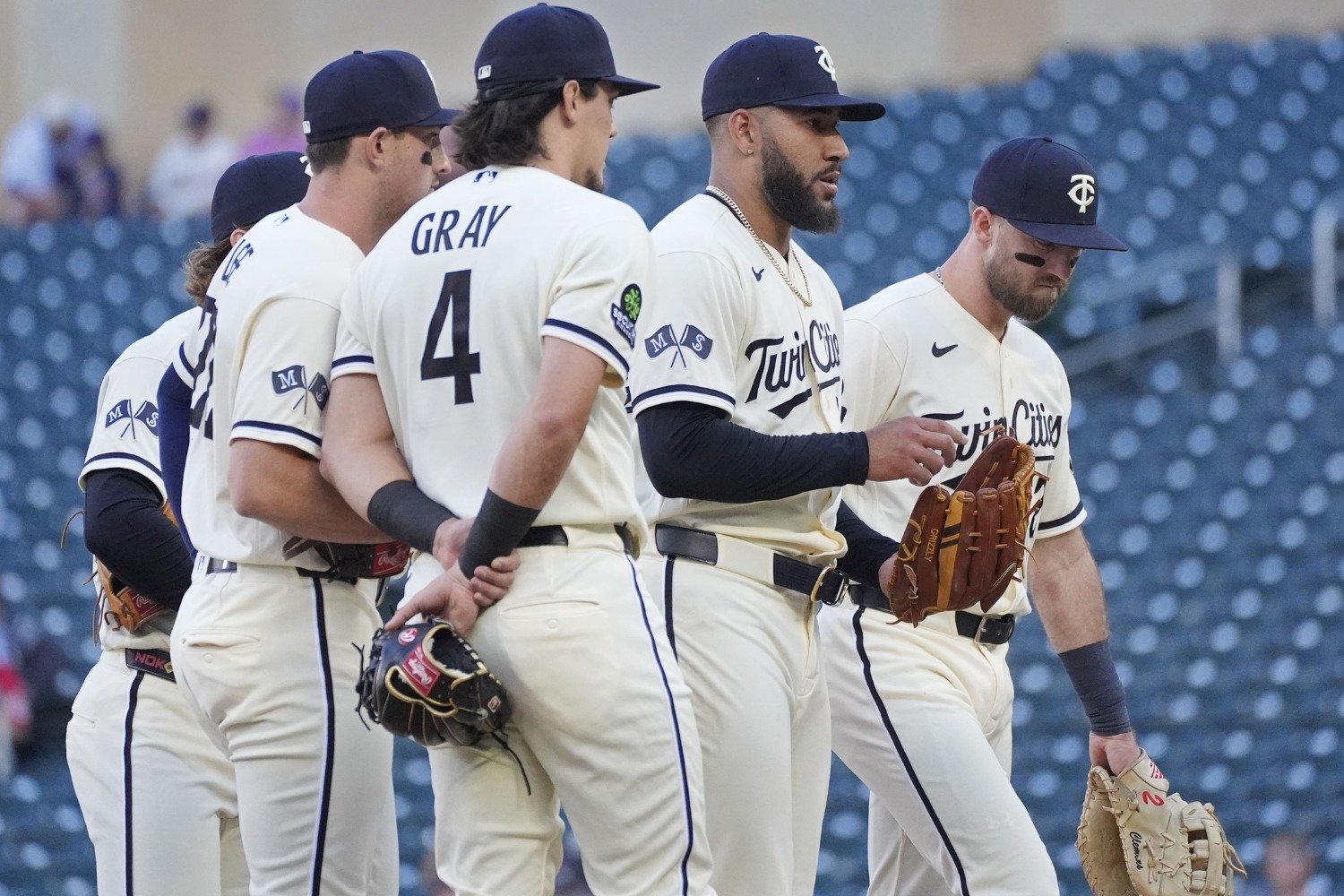 Box Score SP: Simeon Woods-Richardson - 3 IP, 7 H, 6 ER, 1 BB, 1 K (88 pitches, 48 strikes (49% strikes) Home Runs: Byron Buxton (15), Kody Clemens (4) 3 WPA: Simeon Woods-Richardson (-0.47), Luke Keaschall (-0.12), Matt Wallner (-0.07) Win Probability Chart (via FanGraphs) We’re in Our ‘Fix the Starter’ Era After an absolute gem from Bailey Ober on Tuesday, the Twins handed the ball to Simeon Woods-Richardson heading into the night, still searching for his first win. Almost immediately, you could tell this would not be that night. He issued a walk to Xavier Edwards, and an error by Luke Keaschall on a ground ball by Liam Hicks doubled the trouble. Otto Lopez followed with an RBI single that should also have produced an out, and Kyle Stowers walked to load the bases. Connor Norby then hit into a double play that still brought in a run, giving Miami an early 2–0 lead. Victor Caratini threw out Jakob Marsee on an attempted steal to end the inning, but the defense had let Woods Richardson down—and he had done nothing to help himself. Minnesota answered right away. Byron Buxton led off the bottom of the first with a first-pitch solo home run, cutting the deficit to 2-1. It was a skyscraper, a high pitch Buxton hit very hard but clipped the bottom half of, but which still easily carried into the bleachers down the left-field line. But Miami kept applying pressure in the second inning, breaking through again with a two-run homer that stretched the lead to 4-1. Woods Richardson never really found a groove, and in fact, he hasn't found one all season. While the pitching struggled to settle in, Buxton kept the Twins alive. He struck again in the third inning, launching another first-pitch home run, giving the Twins their second run. After being burned on a high four-seamer, Max Meyer tried a low sinker. The result was different, in that Buxton hit a screaming liner this time. It was the same, in that he circled the bases with his 15th dinger of the year. Could he hit 40 before 2026 is over? It's absolutely in play. New Pitchers, Same Old Problems The first four batters of the top of the fourth inning reached against Woods Richardson, with two more scoring. Derek Shelton turned to his much-rested bullpen, but not the way he'd hoped he might be able to. Travis Adams entered in relief, but could do little damage control. A single through the drawn-in infield scored two more runs. Adams closed the barn door, but the horses were long gone. The Twins scored twice in the bottom of the fifth, on a well-placed double by Josh Bell, but Adams couldn't keep the game within slam range. Edwards tripled past the hopelessly immobile Matt Wallner in the sixth and came home on a fielder's choice, stretching the lead to 9-4 Miami. Justin Topa took over and minimized damage, though he hardly looked dominant in his first outing since having his own doors blown off a week ago. So It Goes… By the time the game reached the later innings, what had been a long, grinding contest finally began to settle into a quicker rhythm as both sides cycled through the bullpen. Luis García came out in the eighth inning and mopped up the mess. Tristan Gray made the second of two good catches on pop-ups behind third base; he looks more like the team's short-term regular third baseman every day. Kody Clemens offered one last jolt of life in the bottom of the eighth with a garbage-time home run. If he and Bell can get going again at the plate, the team will have a moral victory to take away from the loss. What’s Next? The Twins will close out against the interleague series with a rubber match tomorrow in an afternoon game at 12:40 PM CT, before the Brewers come over to continue the nine-game homestand. The Twins are expected to promote Triple-A starter Zebby Matthews for his first outing of the year. After rookie Robbie Snelling landed on the injured list, the Marlins will also reach into their farm system, for Braxton Garrett. Postgame Interviews Coming soon. Bullpen Availability Chart
- 36 comments
-
- 2
-
-
- game recap
- byron buxton
- (and 3 more)
-
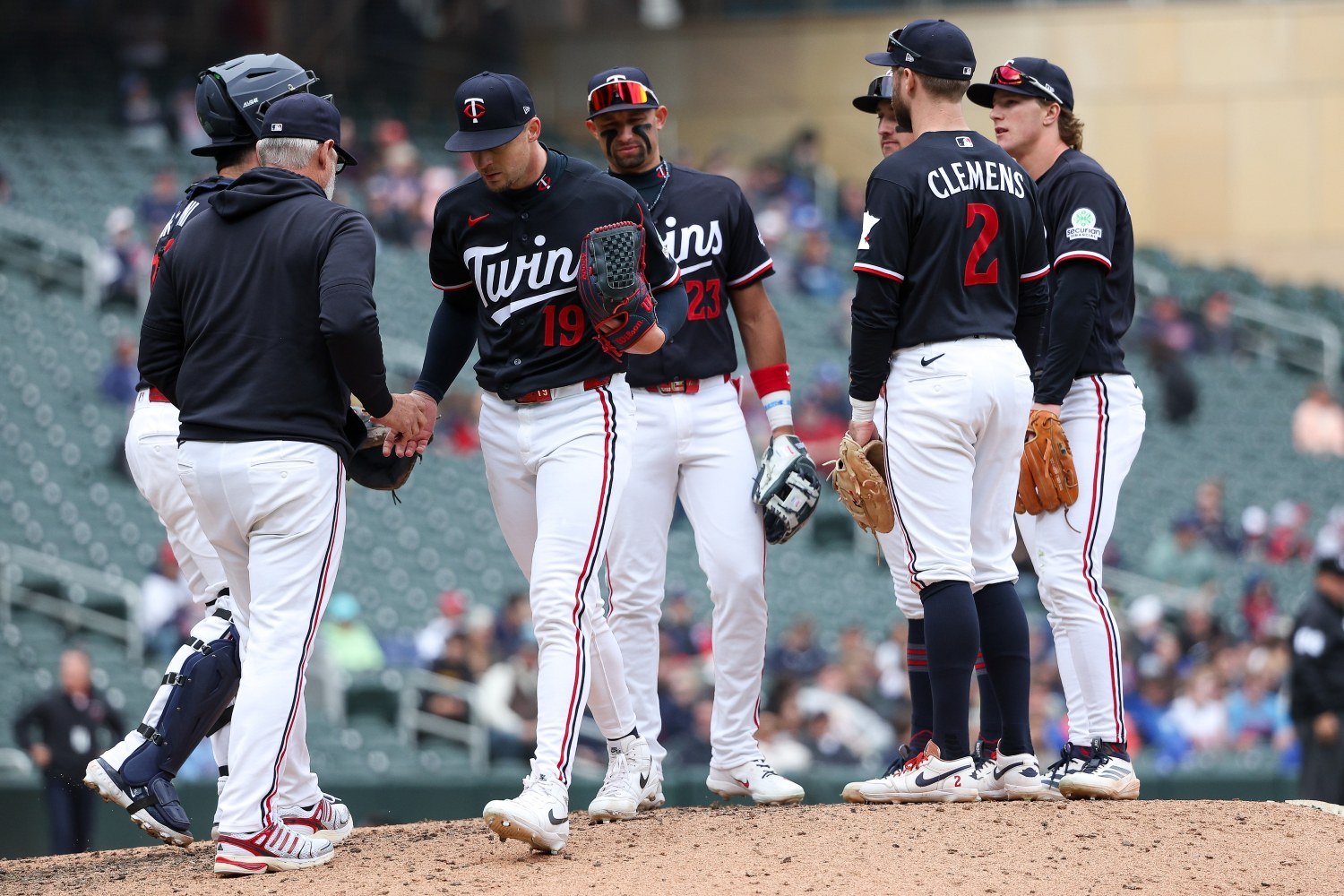 Box Score SP: Taj Badley - 7 IP, 2 H, 2 ER, 2 BB, 7 K (114 pitches, 73 strikes (64% strikes)) Home Runs: None Bottom 3 WPA: Eric Orze (-0.70), Josh Bell (-0.18), Matt Wallner (-0.13) Win Probability Chart (via FanGraphs) Taj Bradley entered Wednesday's game looking to get back to his dominant ways. Bradley surrendered four monster home runs, his first of the season, last weekend against the Rays—two each to former teammates Junior Caminero and Jonathan Aranda. But this game was different, Bradley had control, and marched through seven innings in which he allowed two runs on just four hits and two walks, while striking out seven. Derek Shelton trusted his newfound workhorse, letting him throw more pitches than any Twins pitcher had since Kenta Maeda was chasing a no-hitter during the 2020 pandemic season. Arguably, that trust tipped over from admirably old-school to inadvisable passivity in the seventh. With the Twins nursing a 2-1 lead, Bradley gave up back-to-back doubles to left-handed batters to tie the game with two outs in the inning, already having passed 100 pitches—even though lefty Anthony Banda was warming in the pen. Banda came out in the eighth to relieve Bradley and took care of business, setting the stage for the Twins to take the lead again. A Little Life The Twins offense was virtually non-existent Tuesday night, making their Monday outburst feel a bit like a mirage. Lately, they seem unable to muster the consistency of approach and production that characterized their hot streak earlier this month. They did get something going in the fourth inning, though. Ryan Jeffers singled with one out and advanced to second on a walk by Kody Clemens. Luke Keaschall blooped a single into center, and although Jeffers couldn't score after holding up to make sure the ball fell in, both he and Clemens scored when Brooks Lee followed with a flared single of his own. Jeffers (.409 OBP) and Clemens (who got on base three times Wednesday and is hitting his stride as the team starts seeing more righty hurlers) have become quietly vital to the team's offense, especially with some of the others in the group beginning to struggle. Those two runs didn't prove decisive, but briefly, it looked like their late tally could. Another Jeffers single set the wheels in motion, and James Outman (pinch-running for the catcher) stole second base. After two strikeout, Victor Caratini pinch-hit for Matt Wallner and came up huge: The Twins threatened to score some insurance runs, too, loading the bases for Byron Buxton, but the Twins' star slugger flied out to end the frame. And a Painful Death Those insurance runs, as it turned out, were much-needed, and because they didn't get them, the Twins lost. Eric Orze couldn't find the strike zone, walking Randy Arozarena to lead off the inning. He fell behind most of the hitters he saw, and though he came back to strike out one of them, he surrendered back-to-back singles and a walk to give Seattle the lead and left Taylor Rogers in a jam, to boot. Rogers minimized the damage reasonably well, but another run scored on a sacrifice fly. The Twins went down with barely a whimper in the bottom of the ninth. What’s Next? The Twins take on the Toronto Blue Jays at home for a four-game series. The Twins will send Bailey Ober to the mound (2-1, 3.94 ERA) in Thursday's series opener, facing Toronto ace Kevin Gausman (2-1, 2.57 ERA). Postgame Interviews Coming soon. Bullpen Availability Chart
- 90 comments
-
- 3
-

-
-
- victor caratini
- ryan jeffers
- (and 3 more)
-
Image courtesy of © Matt Krohn-Imagn Images Box Score SP: Taj Badley - 7 IP, 2 H, 2 ER, 2 BB, 7 K (114 pitches, 73 strikes (64% strikes)) Home Runs: None Bottom 3 WPA: Eric Orze (-0.70), Josh Bell (-0.18), Matt Wallner (-0.13) Win Probability Chart (via FanGraphs) Taj Bradley entered Wednesday's game looking to get back to his dominant ways. Bradley surrendered four monster home runs, his first of the season, last weekend against the Rays—two each to former teammates Junior Caminero and Jonathan Aranda. But this game was different, Bradley had control, and marched through seven innings in which he allowed two runs on just four hits and two walks, while striking out seven. Derek Shelton trusted his newfound workhorse, letting him throw more pitches than any Twins pitcher had since Kenta Maeda was chasing a no-hitter during the 2020 pandemic season. Arguably, that trust tipped over from admirably old-school to inadvisable passivity in the seventh. With the Twins nursing a 2-1 lead, Bradley gave up back-to-back doubles to left-handed batters to tie the game with two outs in the inning, already having passed 100 pitches—even though lefty Anthony Banda was warming in the pen. Banda came out in the eighth to relieve Bradley and took care of business, setting the stage for the Twins to take the lead again. A Little Life The Twins offense was virtually non-existent Tuesday night, making their Monday outburst feel a bit like a mirage. Lately, they seem unable to muster the consistency of approach and production that characterized their hot streak earlier this month. They did get something going in the fourth inning, though. Ryan Jeffers singled with one out and advanced to second on a walk by Kody Clemens. Luke Keaschall blooped a single into center, and although Jeffers couldn't score after holding up to make sure the ball fell in, both he and Clemens scored when Brooks Lee followed with a flared single of his own. Jeffers (.409 OBP) and Clemens (who got on base three times Wednesday and is hitting his stride as the team starts seeing more righty hurlers) have become quietly vital to the team's offense, especially with some of the others in the group beginning to struggle. Those two runs didn't prove decisive, but briefly, it looked like their late tally could. Another Jeffers single set the wheels in motion, and James Outman (pinch-running for the catcher) stole second base. After two strikeout, Victor Caratini pinch-hit for Matt Wallner and came up huge: The Twins threatened to score some insurance runs, too, loading the bases for Byron Buxton, but the Twins' star slugger flied out to end the frame. And a Painful Death Those insurance runs, as it turned out, were much-needed, and because they didn't get them, the Twins lost. Eric Orze couldn't find the strike zone, walking Randy Arozarena to lead off the inning. He fell behind most of the hitters he saw, and though he came back to strike out one of them, he surrendered back-to-back singles and a walk to give Seattle the lead and left Taylor Rogers in a jam, to boot. Rogers minimized the damage reasonably well, but another run scored on a sacrifice fly. The Twins went down with barely a whimper in the bottom of the ninth. What’s Next? The Twins take on the Toronto Blue Jays at home for a four-game series. The Twins will send Bailey Ober to the mound (2-1, 3.94 ERA) in Thursday's series opener, facing Toronto ace Kevin Gausman (2-1, 2.57 ERA). Postgame Interviews Coming soon. Bullpen Availability Chart View full article
-
Image courtesy of © Brad Penner-Imagn Images Box Score Starting Pitcher: Connor Priellep - 4 IP, 4 H, 2 ER, 0 BB, 6 K (82 pitches, 52 strikes (62% strikes)) Home Runs: Byron Buxton (5) Top 3 WPA: Kendry Rojas (.12); Eric Orze (.09); Austin Martin (.05) Win Probability Chart (via FanGraphs) A New Set of Twins Connor Prielipp and Kendry Rojas gave Twins fans a little something extra to savor Wednesday night—a dual debut against the Mets, and a tantalizing taste of each player's upside. Prielipp, the 48th overall pick in the 2022 MLB Draft out of Alabama, has long been a high-upside arm the Twins were willing to bet on, even through injuries. After Tommy John surgery in 2021 and a UCL procedure in 2023, his return in 2024 and strong 2025 campaign between Wichita and St. Paul proved the patience was worth it, ultimately earning him a spot on the 40-man roster and his big league call-up. His first inning was no gentle introduction. Bo Bichette wasted no time, sneaking in a double to get things going, and while Prielipp settled in to grab two quick outs, Francisco Lindor singled Bichette home to put the Mets on the board first. From there, Prielipp found his groove. He worked four innings, allowing just two runs, issuing no walks, and punching out six. His stuff was lively, and he gave the team a chance to win. For a starter making their debut on the road, that's all you can ask. Rojas took over in the fifth, and proved less impressive but more successful. The Cuban native, originally signed by the Blue Jays in 2020 and acquired by Minnesota in a trade alongside Alan Roden, has battled his own injury setbacks, but his fastball averaged 97 MPH and touched 98.4. After two quick outs, things got wobbly for Rojas. He walked Mark Vientos, and on a 3-2 count, he hung a pitch that Marcus Semien bashed into the left-field corner. With the full count and two outs, Vientos was running, but he didn't get a very good jump; he's very slow; and Trevor Larnach played the ball smoothly with the bare hand on a nice carom off the wall. Larnach's throw to Brooks Lee left plenty of time for an accurate peg by Lee to Victor Caratini, and Vientos was out by a mile. It was good to see the Twins defense execute the fundamentals, and the rookie escaped his first frame in the majors unscathed—but the play also laid bare some of what's wrong in New York right now. Be it hustle or sheer athleticism, there has to be more of something in Vientos there; that should at least have been a more difficult play for the visitors. Minnesota Keeps Swinging - And Leaving Guys on Base The Twins’ bats looked a little shaky through the first two innings as they worked to chase down the Mets’ early lead, but Trevor Larnach sparked some life by getting on base and moving station to station while Minnesota’s lineup began chipping away at New York’s pitching. That pressure paid off when Victor Caratini lifted a sacrifice fly to bring Larnach home and knot things up at 1-1. In the sixth, the Twins finally struck again. They'd fallen behind 2-1, but Byron Buxton hit a long, game-tying homer to left-center off Mets starter Clay Holmes. Buxton is heating up nicely after his ice-cold start, with five homers in the last week and a half. The Twins made a huge push in the eighth inning against Mets reliever Brooks Raley. Austin Martin came in for Larnach and walked; Josh Bell singled to push the go-ahead run into scoring position. While the Mets were forced into another relief pitcher change, the Twins also made another replacement. With two outs, Ryan Jeffers pinch-hit for Kody Clemens in an attempt to bring at least one of the guys home. Luke Weaver walked Jeffers, loading the bases for Luke Keaschall, but the Luke-on-Luke matchup favored the same-handed, same-named pitcher, who induced a foul popout that thwarted the rally. Twins Pitching Versus … Everyone Taylor Rogers came in to face a left-leaning pocket of the Mets lineup in the bottom of the eighth, but chaos took control of the inning, rather than Rogers or anyone else. Juan Soto led off with a single just past a diving Keaschall. With one out, however, the Twins picked him off, clearing the bases and seeming to pave the way to the end of the frame. Alas, Rogers walked young lefty batter Brett Baty, so Derek Shelton turned to Justin Topa to face Francisco Alvarez. Topa walked Alvarez, too, though, bringing Vientos to bat with the go-ahead run at second. Topa gave Vientos the revenge he probably wanted with a sinker that ran in on him and produced a weak fly ball to right. Unfortunately, Matt Wallner came nowhere near making a play on a ball that seemed catchable. With two outs, Baty had been going all the way; there was no play at the plate this time: 3-2 New York. The damage could have been much worse, though. Semien lined a ball to center that looked like it could get down to score another run, but Buxton made a tremendous, flying, diving catch on the run to take away the hit and RBI. The Twins offense had one more chance to come back and tie things up, but the Mets finally got their demons under control and Luke Weaver shut the door with ease. What’s Next? The Twins finish out the series against the Mets Thursday evening, before taking off for Tampa. They'll send Joe Ryan to the mound (2-2, 3.29 ERA), facing Christian Scott, a former top prospect pitching in the majors for the first time since Tommy John surgery ended his 2024 season. First pitch is, once again, at 6:10 PM CT. Postgame Interviews Coming soon. Bullpen Availability Chart FRI SAT SUN MON TUE WED TOT Sands 20 12 0 0 23 0 55 Morris 0 0 47 0 0 0 47 Acton 0 0 29 0 0 0 29 Banda 0 0 0 0 18 0 18 Orze 0 15 0 0 0 11 26 Rogers 0 0 8 0 0 12 20 Topa 11 10 0 0 17 17 55 Rojas 0 0 0 0 0 35 35 View full article
- 68 replies
-
- 1
-
-
- connor prielipp
- byron buxton
- (and 3 more)
-
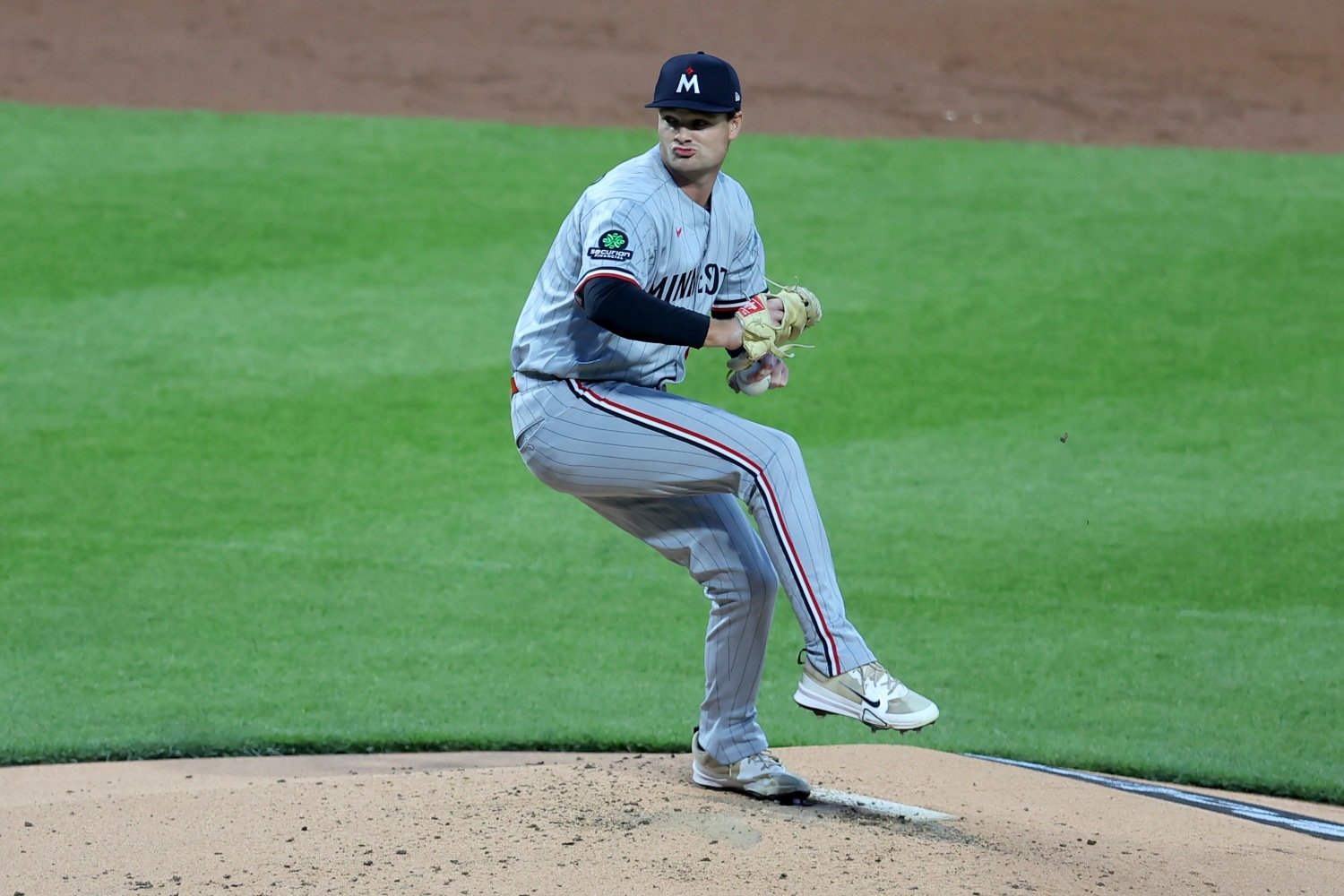 Box Score Starting Pitcher: Connor Priellep - 4 IP, 4 H, 2 ER, 0 BB, 6 K (82 pitches, 52 strikes (62% strikes)) Home Runs: Byron Buxton (5) Top 3 WPA: Kendry Rojas (.12); Eric Orze (.09); Austin Martin (.05) Win Probability Chart (via FanGraphs) A New Set of Twins Connor Prielipp and Kendry Rojas gave Twins fans a little something extra to savor Wednesday night—a dual debut against the Mets, and a tantalizing taste of each player's upside. Prielipp, the 48th overall pick in the 2022 MLB Draft out of Alabama, has long been a high-upside arm the Twins were willing to bet on, even through injuries. After Tommy John surgery in 2021 and a UCL procedure in 2023, his return in 2024 and strong 2025 campaign between Wichita and St. Paul proved the patience was worth it, ultimately earning him a spot on the 40-man roster and his big league call-up. His first inning was no gentle introduction. Bo Bichette wasted no time, sneaking in a double to get things going, and while Prielipp settled in to grab two quick outs, Francisco Lindor singled Bichette home to put the Mets on the board first. From there, Prielipp found his groove. He worked four innings, allowing just two runs, issuing no walks, and punching out six. His stuff was lively, and he gave the team a chance to win. For a starter making their debut on the road, that's all you can ask. Rojas took over in the fifth, and proved less impressive but more successful. The Cuban native, originally signed by the Blue Jays in 2020 and acquired by Minnesota in a trade alongside Alan Roden, has battled his own injury setbacks, but his fastball averaged 97 MPH and touched 98.4. After two quick outs, things got wobbly for Rojas. He walked Mark Vientos, and on a 3-2 count, he hung a pitch that Marcus Semien bashed into the left-field corner. With the full count and two outs, Vientos was running, but he didn't get a very good jump; he's very slow; and Trevor Larnach played the ball smoothly with the bare hand on a nice carom off the wall. Larnach's throw to Brooks Lee left plenty of time for an accurate peg by Lee to Victor Caratini, and Vientos was out by a mile. It was good to see the Twins defense execute the fundamentals, and the rookie escaped his first frame in the majors unscathed—but the play also laid bare some of what's wrong in New York right now. Be it hustle or sheer athleticism, there has to be more of something in Vientos there; that should at least have been a more difficult play for the visitors. Minnesota Keeps Swinging - And Leaving Guys on Base The Twins’ bats looked a little shaky through the first two innings as they worked to chase down the Mets’ early lead, but Trevor Larnach sparked some life by getting on base and moving station to station while Minnesota’s lineup began chipping away at New York’s pitching. That pressure paid off when Victor Caratini lifted a sacrifice fly to bring Larnach home and knot things up at 1-1. In the sixth, the Twins finally struck again. They'd fallen behind 2-1, but Byron Buxton hit a long, game-tying homer to left-center off Mets starter Clay Holmes. Buxton is heating up nicely after his ice-cold start, with five homers in the last week and a half. The Twins made a huge push in the eighth inning against Mets reliever Brooks Raley. Austin Martin came in for Larnach and walked; Josh Bell singled to push the go-ahead run into scoring position. While the Mets were forced into another relief pitcher change, the Twins also made another replacement. With two outs, Ryan Jeffers pinch-hit for Kody Clemens in an attempt to bring at least one of the guys home. Luke Weaver walked Jeffers, loading the bases for Luke Keaschall, but the Luke-on-Luke matchup favored the same-handed, same-named pitcher, who induced a foul popout that thwarted the rally. Twins Pitching Versus … Everyone Taylor Rogers came in to face a left-leaning pocket of the Mets lineup in the bottom of the eighth, but chaos took control of the inning, rather than Rogers or anyone else. Juan Soto led off with a single just past a diving Keaschall. With one out, however, the Twins picked him off, clearing the bases and seeming to pave the way to the end of the frame. Alas, Rogers walked young lefty batter Brett Baty, so Derek Shelton turned to Justin Topa to face Francisco Alvarez. Topa walked Alvarez, too, though, bringing Vientos to bat with the go-ahead run at second. Topa gave Vientos the revenge he probably wanted with a sinker that ran in on him and produced a weak fly ball to right. Unfortunately, Matt Wallner came nowhere near making a play on a ball that seemed catchable. With two outs, Baty had been going all the way; there was no play at the plate this time: 3-2 New York. The damage could have been much worse, though. Semien lined a ball to center that looked like it could get down to score another run, but Buxton made a tremendous, flying, diving catch on the run to take away the hit and RBI. The Twins offense had one more chance to come back and tie things up, but the Mets finally got their demons under control and Luke Weaver shut the door with ease. What’s Next? The Twins finish out the series against the Mets Thursday evening, before taking off for Tampa. They'll send Joe Ryan to the mound (2-2, 3.29 ERA), facing Christian Scott, a former top prospect pitching in the majors for the first time since Tommy John surgery ended his 2024 season. First pitch is, once again, at 6:10 PM CT. Postgame Interviews Coming soon. Bullpen Availability Chart FRI SAT SUN MON TUE WED TOT Sands 20 12 0 0 23 0 55 Morris 0 0 47 0 0 0 47 Acton 0 0 29 0 0 0 29 Banda 0 0 0 0 18 0 18 Orze 0 15 0 0 0 11 26 Rogers 0 0 8 0 0 12 20 Topa 11 10 0 0 17 17 55 Rojas 0 0 0 0 0 35 35
- 68 comments
-
- 3
-
-
- connor prielipp
- byron buxton
- (and 3 more)
-
Red Sox 9, Twins 5: Defensive Lapses Cost Twins Chance to Sweep Sox
Sherry Cerny posted an article in Twins
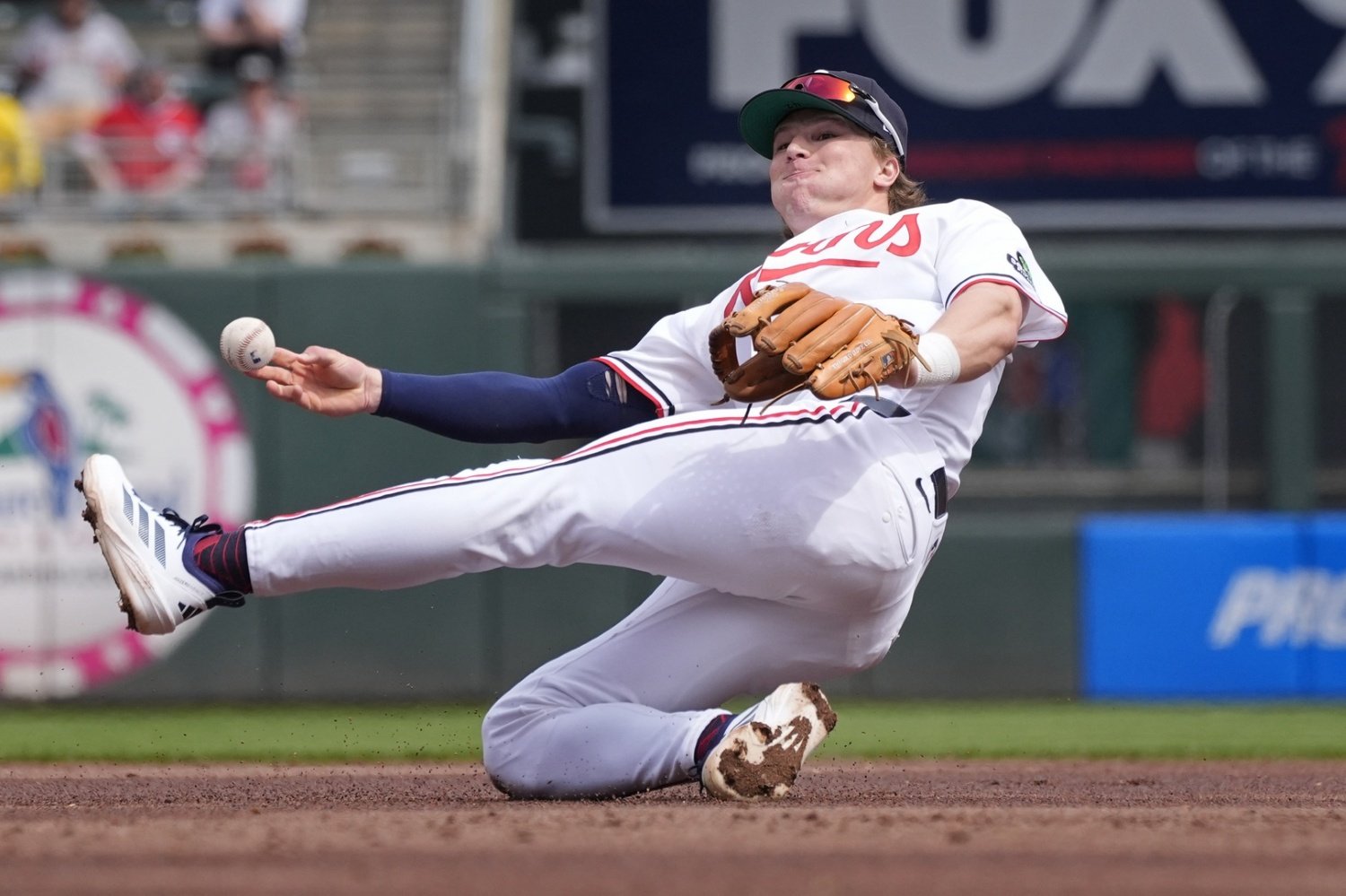 Box Score Starting Pitchers: Simeon Woods-Richardson - 5 IP, 10 H, 6 ER, 3 BB, 3 K (92 pitches, 57 strikes (62% strikes)) Home Runs: Austin Martin (1), Ryan Kreidler (1) Bottom 3 WPA: Simeon Woods Richardson (-0.39); Byron Buxton (-0.05); Matt Wallner (-0.04) Win Probability Chart (via FanGraphs) It Looked Promising The Twins rolled into this game having already secured the series—making it three in a row—but every game counts as a team builds towards the later part of the spring. Extending their home winning streak to seven games would have been a wonderful way to celebrate Jackie Robinson Day. Instead, dead lumber and lousy leather derailed them in the early innings, putting them in a hole they couldn't escape. The Twins faced 24-year-old lefty Connelly Early, fresh off a late 2025 call-up and still very much in his rookie era. The hot-hitting home lineup welcomed him with a solo home run from Austin Martin, who dropped the barrel on a pitch down and in and pulled it out of the park. Connelly settled in after that, though, and kept the Twins to two hits and one run for the next five innings, before handing things off to the beleaguered Boston bullpen. New Bomba Squad? While today wasn't a great example of multiple home runs, it doesn't take away from the fact that the Twins lineup has shown a lot of consistency in their hitting. It hasn’t mattered who teams send out to the mound. In fact, lefties have posed the team no problems, despite preseason expectations to the contrary. Too early to say it? Maybe. But also… it’s starting to feel a little Bomba-ish. The Twins pull the ball in the air as much as almost anyone in baseball. They're unlikely to make history this time, but if they can keep slugging the way they did even on a down day Wednesday, everyone will have a more fun summer than was forecasted. It's Not Over Until It's Over... or Something Like That. Even in a game where the guys looked down and out, in the ninth inning, Derek Shelton's competitive bunch put up a fight. In the last of 15 straight games between off days, they could have mailed in what shaped up to be a blowout loss, but they didn't. The Twins started chipping away when Tristan Gray sparked momentum with a single, followed by Matt Wallner drawing a walk to put some real traffic on the basepaths. Brooks Lee delivered, too, ripping an RBI single to bring a run home and keep the inning alive. Ryan Kreidler stepped in, then, and made things interesting, right at the death. He hit his second home run of the week, another no-doubter. Suddenly, what felt like a comfortable 9-1 Boston lead had been cut in half, forcing a mound visit and a pitching change as the Red Sox tried to stop the surge. Minnesota didn’t just score—they made Boston sweat. Alas, the comeback fell far short. Simeon Woods-Richardson entered the game hoping to bounce back after a rough outing against the Blue Jays, wherein he was reportedly pitching through illness. If that’s the case, it offers some context—because otherwise, the performance raised concerns for the young starter. He looked sharp through the first two innings, but things unraveled quickly in the third. Three misplays by Luke Keaschall spread acorss two plays helped Boston score twice to flip the score. Trevor Story then delivered a three-run homer to blow the game open, extending the lead to 5-1. Woods-Richardson battled through the fourth inning. Despite walking two more and having poor defensive support again, he managed to escape without further damage. In the fifth, he wasn't so lucky, and the Red Sox extended their advantage to 7-1. The Sox were on Woods Richardson all day, but he got such lousy support from his infielders that it's hard to hang the loss on him. The bullpen gave up two more runs, neutering the eventual would-be rally before it could begin. Jackie Robinson Day Celebrated Today is a very special day across MLB: Jackie Robinson Day. It comes at a moment when the league feels like it has renewed momentum toward inclusion and diversity in the player ranks. Across the league, the percentage of Black players on Opening Day active and inactive lists increased from 6.0% in 2024 to 6.2% in 2025 to 6.8% in 2026. This marks the first time in at least two decades that MLB has had back-to-back years of increases in that percentage. The 0.6% increase from last year is the highest since a 0.7% increase from 2017 to 2018. Woods Richardson and Taj Bradley are proud to be members of the fraternity of Black starting pitchers. Byron Buxton and Josh Bell have two of the four corner lockers in the Twins clubhouse, offering leadership and mentorship to teammates of all races. This is arguably the most important holiday on the baseball calendar; the Twins have much to celebrate, despite the loss. What’s Next? After an off day, the Twins will welcome the Reds to town for the weekend. On Friday, the team sends ace Joe Ryan to the mound (2-1, 3.80 ERA), to face Brandon Williamson (1-1, 5.28 ERA). Postgame Interviews Coming soon. Bullpen Availability Chart
- 37 comments
-
- 5
-
-

-
- kody funderburk
- austin martin
- (and 2 more)
-
Image courtesy of © Bruce Kluckhohn-Imagn Images Box Score Starting Pitchers: Simeon Woods-Richardson - 5 IP, 10 H, 6 ER, 3 BB, 3 K (92 pitches, 57 strikes (62% strikes)) Home Runs: Austin Martin (1), Ryan Kreidler (1) Bottom 3 WPA: Simeon Woods Richardson (-0.39); Byron Buxton (-0.05); Matt Wallner (-0.04) Win Probability Chart (via FanGraphs) It Looked Promising The Twins rolled into this game having already secured the series—making it three in a row—but every game counts as a team builds towards the later part of the spring. Extending their home winning streak to seven games would have been a wonderful way to celebrate Jackie Robinson Day. Instead, dead lumber and lousy leather derailed them in the early innings, putting them in a hole they couldn't escape. The Twins faced 24-year-old lefty Connelly Early, fresh off a late 2025 call-up and still very much in his rookie era. The hot-hitting home lineup welcomed him with a solo home run from Austin Martin, who dropped the barrel on a pitch down and in and pulled it out of the park. Connelly settled in after that, though, and kept the Twins to two hits and one run for the next five innings, before handing things off to the beleaguered Boston bullpen. New Bomba Squad? While today wasn't a great example of multiple home runs, it doesn't take away from the fact that the Twins lineup has shown a lot of consistency in their hitting. It hasn’t mattered who teams send out to the mound. In fact, lefties have posed the team no problems, despite preseason expectations to the contrary. Too early to say it? Maybe. But also… it’s starting to feel a little Bomba-ish. The Twins pull the ball in the air as much as almost anyone in baseball. They're unlikely to make history this time, but if they can keep slugging the way they did even on a down day Wednesday, everyone will have a more fun summer than was forecasted. It's Not Over Until It's Over... or Something Like That. Even in a game where the guys looked down and out, in the ninth inning, Derek Shelton's competitive bunch put up a fight. In the last of 15 straight games between off days, they could have mailed in what shaped up to be a blowout loss, but they didn't. The Twins started chipping away when Tristan Gray sparked momentum with a single, followed by Matt Wallner drawing a walk to put some real traffic on the basepaths. Brooks Lee delivered, too, ripping an RBI single to bring a run home and keep the inning alive. Ryan Kreidler stepped in, then, and made things interesting, right at the death. He hit his second home run of the week, another no-doubter. Suddenly, what felt like a comfortable 9-1 Boston lead had been cut in half, forcing a mound visit and a pitching change as the Red Sox tried to stop the surge. Minnesota didn’t just score—they made Boston sweat. Alas, the comeback fell far short. Simeon Woods-Richardson entered the game hoping to bounce back after a rough outing against the Blue Jays, wherein he was reportedly pitching through illness. If that’s the case, it offers some context—because otherwise, the performance raised concerns for the young starter. He looked sharp through the first two innings, but things unraveled quickly in the third. Three misplays by Luke Keaschall spread acorss two plays helped Boston score twice to flip the score. Trevor Story then delivered a three-run homer to blow the game open, extending the lead to 5-1. Woods-Richardson battled through the fourth inning. Despite walking two more and having poor defensive support again, he managed to escape without further damage. In the fifth, he wasn't so lucky, and the Red Sox extended their advantage to 7-1. The Sox were on Woods Richardson all day, but he got such lousy support from his infielders that it's hard to hang the loss on him. The bullpen gave up two more runs, neutering the eventual would-be rally before it could begin. Jackie Robinson Day Celebrated Today is a very special day across MLB: Jackie Robinson Day. It comes at a moment when the league feels like it has renewed momentum toward inclusion and diversity in the player ranks. Across the league, the percentage of Black players on Opening Day active and inactive lists increased from 6.0% in 2024 to 6.2% in 2025 to 6.8% in 2026. This marks the first time in at least two decades that MLB has had back-to-back years of increases in that percentage. The 0.6% increase from last year is the highest since a 0.7% increase from 2017 to 2018. Woods Richardson and Taj Bradley are proud to be members of the fraternity of Black starting pitchers. Byron Buxton and Josh Bell have two of the four corner lockers in the Twins clubhouse, offering leadership and mentorship to teammates of all races. This is arguably the most important holiday on the baseball calendar; the Twins have much to celebrate, despite the loss. What’s Next? After an off day, the Twins will welcome the Reds to town for the weekend. On Friday, the team sends ace Joe Ryan to the mound (2-1, 3.80 ERA), to face Brandon Williamson (1-1, 5.28 ERA). Postgame Interviews Coming soon. Bullpen Availability Chart View full article
-
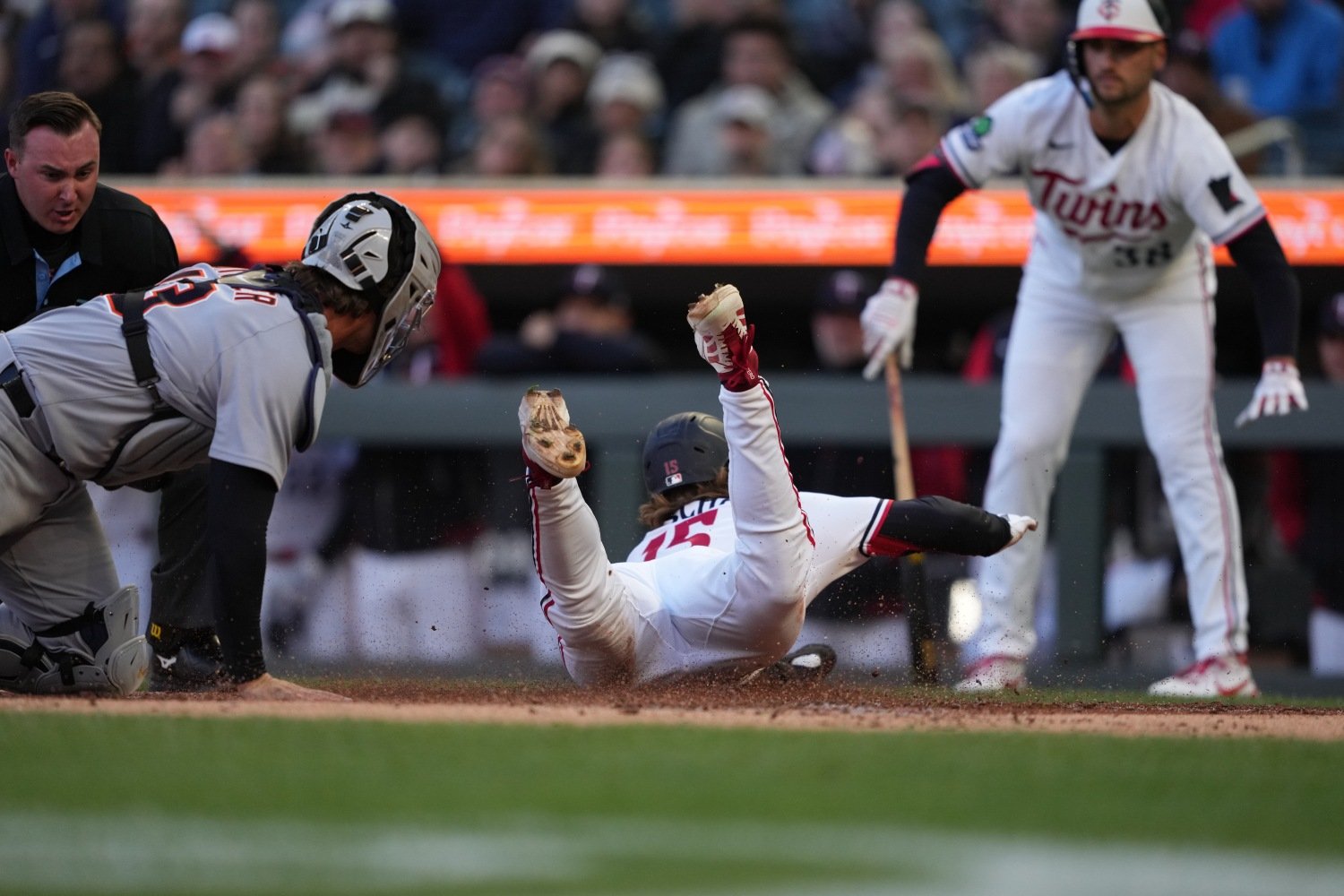 Box Score Starting Pitcher: Bailey Ober - 5.2 IP, 5 H, 2 R, 2 ER, 2 BB, 2 K (99 pitches, 64 strikes (64.6% strikes)) Home Runs: None Top 3 WPA: Byron Buxton (0.11), Luke Keaschall (0.08), Bailey Ober (0.08) Win Probability Chart (via FanGraphs) Coming Out Swinging The Twins wasted no time setting the tone Wednesday night, coming out absolutely electric in the first inning against Framber Valdez. From the first pitch, it was everything fans had been craving—relentless pressure, smart baserunning, and clutch contact. Byron Buxton ignited the attack with a leadoff single, Austin Martin followed by wasting one of the team's ABS challenges on a first-pitch strike, but Valdez helped him out by hitting him in the foot with a second-pitch curveball. Luke Keaschall notched an infield single to load the bases, almost instantly. Valdez, the expensive ace southpaw with whom Detroit envisioned pairing Tarik Skubal for a deep run into October, melted under the home side's light application of heat. A wild pitch brought Buxton flying home, while Martin and Keaschall scooted up. Ryan Jeffers kept the momentum rolling with an RBI groundout, and Victor Caratini showed patience at the plate with a walk. Then Josh Bell delivered, flaring a single to left-center on which Keaschall got a poor read but made the right, aggressive play by racing home anyway. His flying slide beat the throw home, and it was 3-0 Minnesota. Perhaps the biggest jolt came from Matt Wallner—who entered the game ice cold, at 0-for-20. He heated up like a pan-seared steak with a sizzling double to right field, eerily close to where his previous attempt had just gone foul. That swing brought Caratini home (a ribeye!) and pushed Bell to third, sending the crowd into a frenzy as the team's three beefiest sluggers showed what passes for their speed. With the energy surging, Royce Lewis stepped in and delivered the dagger: a sharp single to center that plated two more runs and blew the game open, at 6-0. Lewis wasn’t done, swiping second and advancing to third, keeping the pressure alive until the inning finally came full circle—ending with Buxton, who started it all, grounding out to shortstop Javier Báez. Six runs, nonstop action, and a statement made loud and clear: the Twins haven't mentally made room for the Tigers atop the AL Central. The top of the order combined to tack on another run in the fourth, thanks to Buxton's speed. He singled, advanced to second on a Martin groundout, and hared around on a Keaschall single to make it a 7-0 cushion. After that, though, the hit parade ended abruptly. The Twins would score just once more, and the tone of the game changed significantly. Holding on Tight The Tigers would charge back to make a game of this (more on that in a moment), so Minnesota was lucky to have Ryan Jeffers catching again Wednesday. After Martin squandered one of their challenges early, they managed to retain the other into the late stages—at which point Jeffers flipped two crucial calls amid a Detroit rally, snatching two called third strikes initially not given by home plate umpire Steven Jaschinski. Ober Shows, and Bullpen Woes It was a great night for Bailey Ober, who continues to evolve into a kitchen-sink starter as he searches for mechanical efficiency and the velocity that he had two years ago. Turning more and more often to his trademark changeup and mixing in some new wrinkles (curveballs in the first two innings, instead of as late changes of pace; sweepers to lefties, acting like curves but looking more enticing out of the hand), he danced through five scoreless innings and appeared to have the team in cruise control. Ober returned through the top of the sixth, but things started to slowly unravel. Derek Shelton got him out of there after a two-out Dillon Dingler single plated the second Detroit run; Justin Topa cleaned up the mess. Anthony Banda was not able to keep things so calm. The Tigers bunched together four hits against him in the top of the seventh, and when he couldn't escape, Cole Sands came in to face Dingler—who, alas, again came through with a two-out knock, drawing the margin to 8-6. The improbable high-leverage duo of Cody Laweryson and Kody Funderburk took the team the rest of the way, with some help from Jeffers. Martin’s Defense continues to improve The younger players have been inconsistent when it comes to making plays, but one reassuring development has come in left field. In 2024, Martin stepped in frequently during Buxton’s absence, and that gap was noticeable. He struggled with routine plays, poor reads, and missed opportunities that ultimately cost runs. This season, however, something has clicked. Martin’s defense is starting to resemble that of his center-field mentor, Buxton. Even first base coach Grady Sizemore told Audra Martin in an interview before the game that during spring training, he saw a slight change in Martin (er, Austin, that is). So far, he’s been flawless, and he made three fine plays on Wednesday. What’s Next? The Twins finish out the series against the Tigers in a day game, before leaving the chilly temps in Minnesota and heading to Toronto—where, even if the weather isn't nicer, the playing conditions will be, since the Rogers Centre has a roof. The Twins will send Mick Abel to the mound (0-2, 11,05 ERA) in the series finale on getaway day, to face Jack Flaherty (0-1 7.54 ERA). Postgame Interviews Coming soon. Bullpen Availability Chart
- 36 comments
-
- 6
-
-
- byron buxton
- bailey ober
- (and 4 more)
-
Image courtesy of © Jordan Johnson-Imagn Images Box Score Starting Pitcher: Bailey Ober - 5.2 IP, 5 H, 2 R, 2 ER, 2 BB, 2 K (99 pitches, 64 strikes (64.6% strikes)) Home Runs: None Top 3 WPA: Byron Buxton (0.11), Luke Keaschall (0.08), Bailey Ober (0.08) Win Probability Chart (via FanGraphs) Coming Out Swinging The Twins wasted no time setting the tone Wednesday night, coming out absolutely electric in the first inning against Framber Valdez. From the first pitch, it was everything fans had been craving—relentless pressure, smart baserunning, and clutch contact. Byron Buxton ignited the attack with a leadoff single, Austin Martin followed by wasting one of the team's ABS challenges on a first-pitch strike, but Valdez helped him out by hitting him in the foot with a second-pitch curveball. Luke Keaschall notched an infield single to load the bases, almost instantly. Valdez, the expensive ace southpaw with whom Detroit envisioned pairing Tarik Skubal for a deep run into October, melted under the home side's light application of heat. A wild pitch brought Buxton flying home, while Martin and Keaschall scooted up. Ryan Jeffers kept the momentum rolling with an RBI groundout, and Victor Caratini showed patience at the plate with a walk. Then Josh Bell delivered, flaring a single to left-center on which Keaschall got a poor read but made the right, aggressive play by racing home anyway. His flying slide beat the throw home, and it was 3-0 Minnesota. Perhaps the biggest jolt came from Matt Wallner—who entered the game ice cold, at 0-for-20. He heated up like a pan-seared steak with a sizzling double to right field, eerily close to where his previous attempt had just gone foul. That swing brought Caratini home (a ribeye!) and pushed Bell to third, sending the crowd into a frenzy as the team's three beefiest sluggers showed what passes for their speed. With the energy surging, Royce Lewis stepped in and delivered the dagger: a sharp single to center that plated two more runs and blew the game open, at 6-0. Lewis wasn’t done, swiping second and advancing to third, keeping the pressure alive until the inning finally came full circle—ending with Buxton, who started it all, grounding out to shortstop Javier Báez. Six runs, nonstop action, and a statement made loud and clear: the Twins haven't mentally made room for the Tigers atop the AL Central. The top of the order combined to tack on another run in the fourth, thanks to Buxton's speed. He singled, advanced to second on a Martin groundout, and hared around on a Keaschall single to make it a 7-0 cushion. After that, though, the hit parade ended abruptly. The Twins would score just once more, and the tone of the game changed significantly. Holding on Tight The Tigers would charge back to make a game of this (more on that in a moment), so Minnesota was lucky to have Ryan Jeffers catching again Wednesday. After Martin squandered one of their challenges early, they managed to retain the other into the late stages—at which point Jeffers flipped two crucial calls amid a Detroit rally, snatching two called third strikes initially not given by home plate umpire Steven Jaschinski. Ober Shows, and Bullpen Woes It was a great night for Bailey Ober, who continues to evolve into a kitchen-sink starter as he searches for mechanical efficiency and the velocity that he had two years ago. Turning more and more often to his trademark changeup and mixing in some new wrinkles (curveballs in the first two innings, instead of as late changes of pace; sweepers to lefties, acting like curves but looking more enticing out of the hand), he danced through five scoreless innings and appeared to have the team in cruise control. Ober returned through the top of the sixth, but things started to slowly unravel. Derek Shelton got him out of there after a two-out Dillon Dingler single plated the second Detroit run; Justin Topa cleaned up the mess. Anthony Banda was not able to keep things so calm. The Tigers bunched together four hits against him in the top of the seventh, and when he couldn't escape, Cole Sands came in to face Dingler—who, alas, again came through with a two-out knock, drawing the margin to 8-6. The improbable high-leverage duo of Cody Laweryson and Kody Funderburk took the team the rest of the way, with some help from Jeffers. Martin’s Defense continues to improve The younger players have been inconsistent when it comes to making plays, but one reassuring development has come in left field. In 2024, Martin stepped in frequently during Buxton’s absence, and that gap was noticeable. He struggled with routine plays, poor reads, and missed opportunities that ultimately cost runs. This season, however, something has clicked. Martin’s defense is starting to resemble that of his center-field mentor, Buxton. Even first base coach Grady Sizemore told Audra Martin in an interview before the game that during spring training, he saw a slight change in Martin (er, Austin, that is). So far, he’s been flawless, and he made three fine plays on Wednesday. What’s Next? The Twins finish out the series against the Tigers in a day game, before leaving the chilly temps in Minnesota and heading to Toronto—where, even if the weather isn't nicer, the playing conditions will be, since the Rogers Centre has a roof. The Twins will send Mick Abel to the mound (0-2, 11,05 ERA) in the series finale on getaway day, to face Jack Flaherty (0-1 7.54 ERA). Postgame Interviews Coming soon. Bullpen Availability Chart View full article
-
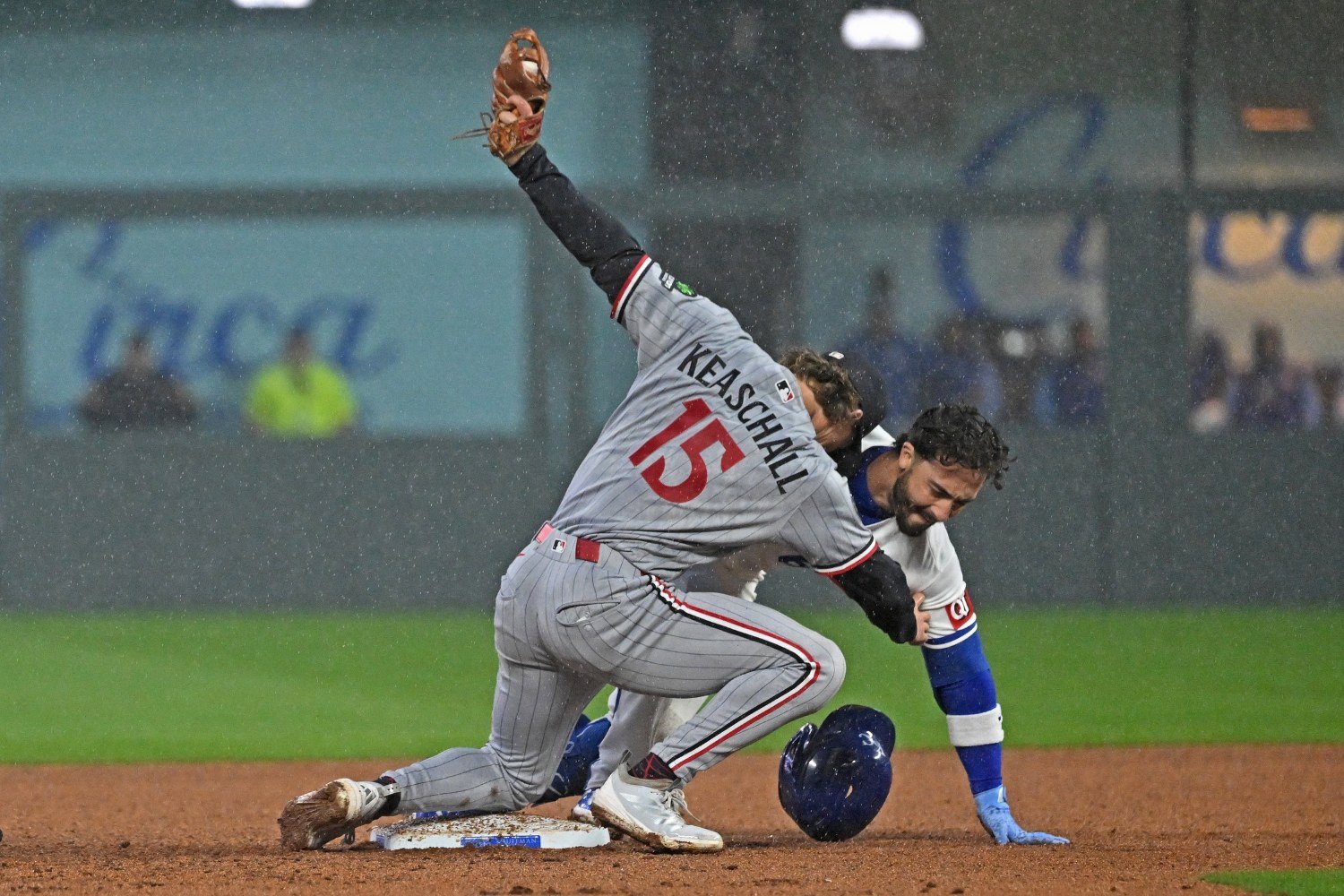 Box Score Starting Pitcher: Joe Ryan 4 IP, 9 H, 5 ER, 0 BB, 3 K (77 pitches, 49 strikes) Home Runs: -0- Bottom 3 WPA: Joe Ryan -0.25, Byron Buxton -0.07, Matt Wallner -0.05 Win Probability Chart (via FanGraphs): The Twins continued their first divisional series of the season, looking to bounce back after continuing their losses from Baltimore into Kansas City. Heading into tonight, the Twins were also trying to come out with a better record, after losing 10 of their last 12 games there. Alas, it was more of the same frustrating formula, as Minnesota fell to the Kansas City Royals at Kauffman Stadium in a game that felt all too familiar. The Twins were hoping for Joe Ryan to continue the good work he did on Opening Day, when the team fell to Baltimore but Ryan looked magnificent. Instead, the Royals jumped ahead in the second inning, capitalizing on a two-out double from Jac Caglianone. That moment sparked a string of two-out damage against Ryan. Isaac Collins followed with a double of his own, and after a single by Kyle Isbel, Caglianone came around to score. Isbel then advanced on a stolen base during Maikel García’s at-bat, setting up another scoring opportunity against a clearly struggling Ryan. García worked a five-pitch at-bat before sending a ground ball that appeared playable for shortstop Brooks Lee, but it deflected off his arm, allowing Isbel to score. Ryan retired Bobby Witt Jr. on a pop fly to end the inning, but the damage had already been done. The Twins were not only scoreless through three innings, but they had more challenges than hits. Matt Wallner, who had already drawn attention for an ill-advised challenge during the Orioles series on a pitch that was clearly a strike down the middle, added to the frustration. He challenged another call, lost it, and ended the first inning, leaving the Twins with just one remaining challenge for the next 24 outs. Fortunately for Minnesota, they would later win two challenges before the end of the third, something they desperately needed. Still, it raises the question of whether Wallner should be on some sort of “challenge timeout,” if such a thing exists. Meanwhile, the rain intensified from a light mist to a steady sprinkle, but play continued as both teams pushed to reach the fifth inning. The Royals kept the pressure on, adding another run in the third to go up 4–0. In the fourth, they loaded the bases with no outs, threatening to break the game open. However, Ryan, with help from his defense, limited the damage to just one run. The fog got denser. Fly balls became hard to see; ground balls became hard to handle cleanly. The game was still alive starting the fifth. After a pop-out by Victor Caratini, Royce Lewis banged a double out to the right-center field gap, followed by a single from Lee, scoring Lewis to narrow the gap to 5-1. A very frustrated Martin, who has been hitting well this series, saw seven pitches before striking out. Buxton did likewise, to end the inning. Cody Laweryson replaced Joe Ryan in the fifth inning, making his 2026 debut. The rookie was immediately tested—baptized by rain at Kauffman Stadium—but showed flashes of composure. He struck out two and held the home side at bay in that first frame. Laweryson returned for the sixth, as did the grounds crew, drawing cheers as they worked to keep the field playable. But the worsening conditions began to impact his command. He loaded the bases with no outs and walked in a run, allowing Jac Caglianone to score and extend the Royals’ lead to 6–1. As the farce deepened, Matt Wallner chased a fly from Witt into foul territory and slammed into the wall, missing the catch. Clearly frustrated, he quickly regrouped and redeemed himself by tracking down Witt’s ensuing sacrifice fly for the first out. Still, the lead stretched to 7-1. Twins manager Derek Shelton turned to Zak Kent to stop the bleeding, but Kansas City kept the pressure on. With two outs and the bases loaded, Jonathan India delivered the decisive blow—a grand slam that broke the game open at 12–1. The Twins showed signs of life in the seventh, loading the bases with one out. Austin Martin won a challenge that overturned a called strike into a ball, resulting in a walk that made it 12–2. Luke Keaschall followed with a two-run double, trimming the deficit to 12–4. The Royals answered with a run in the bottom half to push the lead to 13–4, but Minnesota wasn’t done. In the eighth, facing Alex Lange, the Twins mounted another rally. Jeffers and Josh Bell drew walks, and Caratini drove a ball into the right-center gap to bring in a run, cutting it to 13–5 with no outs. Martin kept the line moving by being plunked, which forced in another run, making it 13–6. The Twins refused to go quietly. After two quick outs, Bell stepped in and benefited from a successful challenge that extended his at-bat. On the very next pitch, he launched a three-run home run deep to left field, pulling Minnesota within 13–9 and injecting late life into the game. But the rally stalled there. Royals closer Lucas Erceg was able to shut the door, with the tying run dying in the on-deck circle. The Twins can’t pin this loss on the weather. The rally was too little, too late. With a return to Minnesota ahead, Ryan will have a chance to reset and reestablish himself in front of the home crowd—an opportunity to get back to the command and reliability that define him at his best, and the offense can keep forging forward and hopefully continue to show the same grit they showed tonight. What's Next Minnesota has one more chance to claim a win in Missouri, before heading to Target Field to welcome back the fans for the home opener against the Tampa Bay Rays. The Twins will tab Taj Bradley to the mound, while Kansas City is expected to send ace southpaw Cole Ragans out there, Thursday at 1:10 PM CT. Postgame Interviews (Coming Soon) Bullpen Usage Chart
 -
Image courtesy of © Peter Aiken-Imagn Images Box Score Starting Pitcher: Joe Ryan 4 IP, 9 H, 5 ER, 0 BB, 3 K (77 pitches, 49 strikes) Home Runs: -0- Bottom 3 WPA: Joe Ryan -0.25, Byron Buxton -0.07, Matt Wallner -0.05 Win Probability Chart (via FanGraphs): The Twins continued their first divisional series of the season, looking to bounce back after continuing their losses from Baltimore into Kansas City. Heading into tonight, the Twins were also trying to come out with a better record, after losing 10 of their last 12 games there. Alas, it was more of the same frustrating formula, as Minnesota fell to the Kansas City Royals at Kauffman Stadium in a game that felt all too familiar. The Twins were hoping for Joe Ryan to continue the good work he did on Opening Day, when the team fell to Baltimore but Ryan looked magnificent. Instead, the Royals jumped ahead in the second inning, capitalizing on a two-out double from Jac Caglianone. That moment sparked a string of two-out damage against Ryan. Isaac Collins followed with a double of his own, and after a single by Kyle Isbel, Caglianone came around to score. Isbel then advanced on a stolen base during Maikel García’s at-bat, setting up another scoring opportunity against a clearly struggling Ryan. García worked a five-pitch at-bat before sending a ground ball that appeared playable for shortstop Brooks Lee, but it deflected off his arm, allowing Isbel to score. Ryan retired Bobby Witt Jr. on a pop fly to end the inning, but the damage had already been done. The Twins were not only scoreless through three innings, but they had more challenges than hits. Matt Wallner, who had already drawn attention for an ill-advised challenge during the Orioles series on a pitch that was clearly a strike down the middle, added to the frustration. He challenged another call, lost it, and ended the first inning, leaving the Twins with just one remaining challenge for the next 24 outs. Fortunately for Minnesota, they would later win two challenges before the end of the third, something they desperately needed. Still, it raises the question of whether Wallner should be on some sort of “challenge timeout,” if such a thing exists. Meanwhile, the rain intensified from a light mist to a steady sprinkle, but play continued as both teams pushed to reach the fifth inning. The Royals kept the pressure on, adding another run in the third to go up 4–0. In the fourth, they loaded the bases with no outs, threatening to break the game open. However, Ryan, with help from his defense, limited the damage to just one run. The fog got denser. Fly balls became hard to see; ground balls became hard to handle cleanly. The game was still alive starting the fifth. After a pop-out by Victor Caratini, Royce Lewis banged a double out to the right-center field gap, followed by a single from Lee, scoring Lewis to narrow the gap to 5-1. A very frustrated Martin, who has been hitting well this series, saw seven pitches before striking out. Buxton did likewise, to end the inning. Cody Laweryson replaced Joe Ryan in the fifth inning, making his 2026 debut. The rookie was immediately tested—baptized by rain at Kauffman Stadium—but showed flashes of composure. He struck out two and held the home side at bay in that first frame. Laweryson returned for the sixth, as did the grounds crew, drawing cheers as they worked to keep the field playable. But the worsening conditions began to impact his command. He loaded the bases with no outs and walked in a run, allowing Jac Caglianone to score and extend the Royals’ lead to 6–1. As the farce deepened, Matt Wallner chased a fly from Witt into foul territory and slammed into the wall, missing the catch. Clearly frustrated, he quickly regrouped and redeemed himself by tracking down Witt’s ensuing sacrifice fly for the first out. Still, the lead stretched to 7-1. Twins manager Derek Shelton turned to Zak Kent to stop the bleeding, but Kansas City kept the pressure on. With two outs and the bases loaded, Jonathan India delivered the decisive blow—a grand slam that broke the game open at 12–1. The Twins showed signs of life in the seventh, loading the bases with one out. Austin Martin won a challenge that overturned a called strike into a ball, resulting in a walk that made it 12–2. Luke Keaschall followed with a two-run double, trimming the deficit to 12–4. The Royals answered with a run in the bottom half to push the lead to 13–4, but Minnesota wasn’t done. In the eighth, facing Alex Lange, the Twins mounted another rally. Jeffers and Josh Bell drew walks, and Caratini drove a ball into the right-center gap to bring in a run, cutting it to 13–5 with no outs. Martin kept the line moving by being plunked, which forced in another run, making it 13–6. The Twins refused to go quietly. After two quick outs, Bell stepped in and benefited from a successful challenge that extended his at-bat. On the very next pitch, he launched a three-run home run deep to left field, pulling Minnesota within 13–9 and injecting late life into the game. But the rally stalled there. Royals closer Lucas Erceg was able to shut the door, with the tying run dying in the on-deck circle. The Twins can’t pin this loss on the weather. The rally was too little, too late. With a return to Minnesota ahead, Ryan will have a chance to reset and reestablish himself in front of the home crowd—an opportunity to get back to the command and reliability that define him at his best, and the offense can keep forging forward and hopefully continue to show the same grit they showed tonight. What's Next Minnesota has one more chance to claim a win in Missouri, before heading to Target Field to welcome back the fans for the home opener against the Tampa Bay Rays. The Twins will tab Taj Bradley to the mound, while Kansas City is expected to send ace southpaw Cole Ragans out there, Thursday at 1:10 PM CT. Postgame Interviews (Coming Soon) Bullpen Usage Chart View full article
-
Image courtesy of © Jesse Johnson-Imagn Images This is the second installment in a series about the many opportunities and difficulties of signing and developing international amateur free agents. Part 1 can be found here. Evaluating the Minnesota Twins’ international program requires a level of honesty that can be uncomfortable. For much of the past two decades, international scouting has not been a consistent organizational strength. Before the implementation of international bonus pools under the CBA that went into effect in 2012, teams were free to spend aggressively in the international amateur market, without penalty. Many organizations took advantage of that freedom. The Twins did not. As reported in a 2019 article at The Athletic, international free agency was not viewed as a high priority by ownership or the front office during that era. While competitors invested heavily across Central and South America, Minnesota often spent conservatively, signaling—intentionally or not—a lack of seriousness to players, trainers, and international talent evaluators. There were, however, notable exceptions. In 2009, despite facing challenges related to age verification and budget overruns, the Twins signed three 16-year-olds who would go on to define the franchise for years: Jorge Polanco, Max Kepler, and Miguel Sanó. That class became the clearest example of what international investment could yield when scouting, development, and opportunity aligned. Following that success, the pre-2020 era settled into a familiar pattern. The July 2 signing window typically brought modest spending and similarly underwhelming results. The Twins often targeted athletic infielders and outfielders with defensive versatility and strong baseball instincts. While there were occasional wins—particularly among low- to mid-bonus players who developed steadily—the organization struggled to convert its largest bonus signings into long-term MLB impact. Systemic challenges persisted. Even as the Twins continued to invest in the global market, outcomes frequently lagged behind those of peer organizations. Volatility is inherent to international scouting, and every team misses more often than it hits, but Minnesota’s results often fell short of expectations due to stalled development or recurring injuries. When top-end talent didn’t fully materialize, the club more often leveraged those players as trade capital, rather than foundational big-leaguers. Until 2020, the organization remained heavily focused on position players. Pitching was frequently acquired via trades, rather than developed after signing internationally. That approach began to shift recently. In 2024, the Twins signed four international pitchers—the largest number of arms they’ve added in a single class—signaling a potential philosophical change. From 2024 through the now-underway 2026 period, Minnesota has shown increased aggressiveness in pursuing pitching talent and a greater willingness to diversify geographically, particularly in the Dominican Republic, Venezuela, and Colombia. Still, it is far too early to draw firm conclusions. While the Twins appear to be turning a page, the long-standing question remains whether this renewed emphasis will translate into sustained MLB value, rather than isolated success. Until development outcomes consistently match investment, the international program remains a work in progress—defined as much by missed opportunity as by cautious optimism. During the 2016–2020 stretch, the club attempted to recalibrate its approach. The 2021 transition to the January 15 signing period provided stability on the calendar, but not necessarily better outcomes. The overarching pattern remains: In Jamie Cameron’s article in 2022, he points out that Minnesota has invested, but the return has not kept pace with the rest of the league. Compared to organizations known for thriving in the international market (clubs like the Dodgers, Guardians, Rays, and Yankees), the Twins have produced fewer big-league contributors and fewer high-impact talents through this pipeline. For example, the Dodgers have built a reputation for consistently developing international talent, signing players like Julio Urías, Andy Pages and Edgardo Henríquez, who progressed through the system to make meaningful contributions. The Guardians might be benefiting from the signing of José Ramírez for another half-decade or more, and their dedication to Latin America has yielded a bunch of complementary players over the years. They've also benefited by building an infrastructure that is friendly to Latin American players, whom they've thus been especially proactive about acquiring in trades. Carlos Santana, Carlos Carrasco, Ubaldo Jiménez, Emmanuel Clase, Andrés Giménez, Amed Rosario and more have streamed through Cleveland, finding success because the franchise has oriented itself to support the development of players from their home countries. The Yankees, meanwhile, leveraged their international scouting to find players like Luis Severino, who became a frontline starter. When they sign a high-profile prospect from that class, they also remain open to trading them, thus improving their team by converting hoped-for value into sure things in the short term. By contrast, while the Twins have invested heavily internationally, their pipeline has produced fewer high-impact MLB players. Prospects like Huascar Ynoa, Amaurys Minier, and Lewin Díaz highlight both the promise and pitfalls of Minnesota’s approach, showing that spotting talent alone hasn’t yet translated into consistent big-league success. The Twins may not have gotten a lot of high value from their IFA players, but what they have done is make trades for roster-ready players. In 2018, two IFA players brought back Jake Odirizzi from the Rays. In early 2020, the team traded away Brusdar Graterol for Kenta Maeda. More infamously, of course, they dealt then-teenager Luis Gil to the Yankees for Jake Cave, but even that move helped them in the short term. This isn’t to say the system lacks promise. On the contrary, there have been individual bright spots (most notably Emmanuel Rodriguez), and a clearer organizational plan is beginning to take shape. But the Twins’ track record shows that the international program has been more of a weakness than a strength. Fred Guerrero, who was the director for 19 years, left in 2023 after not accepting a smaller role. Guerrero, one of the last guys in the system who was more old school and brought in talent like Sano and Polanco, no longer fit into an evolving vision. The Twins took an analytical turn in 2022, which probably prompted Guerrero’s exit. Kevin Goldstein, who was hired by the Twins in 2022, modernized the international scouting process with data and technology, then was promoted to VP of International Scouting in January 2024. The biggest part of international free agency is the relationships, and the Twins brought in Roman Barinas in 2023 as the new Latin American Scouting Director, bringing extensive experience from the Dodgers to complement Goldstein's efforts. As a result, the Twins' classes in 2024 and 2025 have been more about talent, and less about trade value for veterans—at least, that's the sense so far. The team hasn't done well in this market, but that tide is beginning to turn. View full article
-
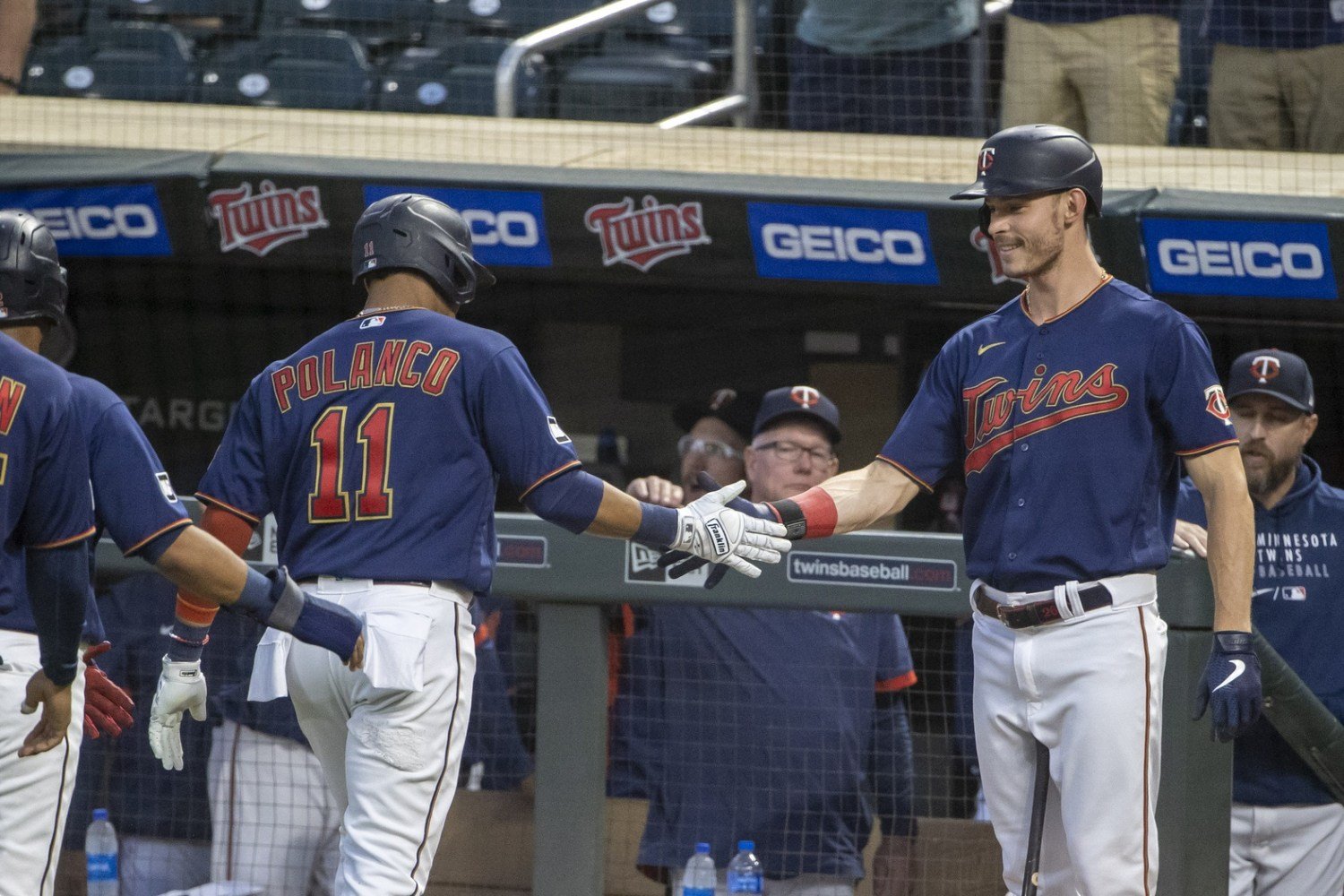 This is the second installment in a series about the many opportunities and difficulties of signing and developing international amateur free agents. Part 1 can be found here. Evaluating the Minnesota Twins’ international program requires a level of honesty that can be uncomfortable. For much of the past two decades, international scouting has not been a consistent organizational strength. Before the implementation of international bonus pools under the CBA that went into effect in 2012, teams were free to spend aggressively in the international amateur market, without penalty. Many organizations took advantage of that freedom. The Twins did not. As reported in a 2019 article at The Athletic, international free agency was not viewed as a high priority by ownership or the front office during that era. While competitors invested heavily across Central and South America, Minnesota often spent conservatively, signaling—intentionally or not—a lack of seriousness to players, trainers, and international talent evaluators. There were, however, notable exceptions. In 2009, despite facing challenges related to age verification and budget overruns, the Twins signed three 16-year-olds who would go on to define the franchise for years: Jorge Polanco, Max Kepler, and Miguel Sanó. That class became the clearest example of what international investment could yield when scouting, development, and opportunity aligned. Following that success, the pre-2020 era settled into a familiar pattern. The July 2 signing window typically brought modest spending and similarly underwhelming results. The Twins often targeted athletic infielders and outfielders with defensive versatility and strong baseball instincts. While there were occasional wins—particularly among low- to mid-bonus players who developed steadily—the organization struggled to convert its largest bonus signings into long-term MLB impact. Systemic challenges persisted. Even as the Twins continued to invest in the global market, outcomes frequently lagged behind those of peer organizations. Volatility is inherent to international scouting, and every team misses more often than it hits, but Minnesota’s results often fell short of expectations due to stalled development or recurring injuries. When top-end talent didn’t fully materialize, the club more often leveraged those players as trade capital, rather than foundational big-leaguers. Until 2020, the organization remained heavily focused on position players. Pitching was frequently acquired via trades, rather than developed after signing internationally. That approach began to shift recently. In 2024, the Twins signed four international pitchers—the largest number of arms they’ve added in a single class—signaling a potential philosophical change. From 2024 through the now-underway 2026 period, Minnesota has shown increased aggressiveness in pursuing pitching talent and a greater willingness to diversify geographically, particularly in the Dominican Republic, Venezuela, and Colombia. Still, it is far too early to draw firm conclusions. While the Twins appear to be turning a page, the long-standing question remains whether this renewed emphasis will translate into sustained MLB value, rather than isolated success. Until development outcomes consistently match investment, the international program remains a work in progress—defined as much by missed opportunity as by cautious optimism. During the 2016–2020 stretch, the club attempted to recalibrate its approach. The 2021 transition to the January 15 signing period provided stability on the calendar, but not necessarily better outcomes. The overarching pattern remains: In Jamie Cameron’s article in 2022, he points out that Minnesota has invested, but the return has not kept pace with the rest of the league. Compared to organizations known for thriving in the international market (clubs like the Dodgers, Guardians, Rays, and Yankees), the Twins have produced fewer big-league contributors and fewer high-impact talents through this pipeline. For example, the Dodgers have built a reputation for consistently developing international talent, signing players like Julio Urías, Andy Pages and Edgardo Henríquez, who progressed through the system to make meaningful contributions. The Guardians might be benefiting from the signing of José Ramírez for another half-decade or more, and their dedication to Latin America has yielded a bunch of complementary players over the years. They've also benefited by building an infrastructure that is friendly to Latin American players, whom they've thus been especially proactive about acquiring in trades. Carlos Santana, Carlos Carrasco, Ubaldo Jiménez, Emmanuel Clase, Andrés Giménez, Amed Rosario and more have streamed through Cleveland, finding success because the franchise has oriented itself to support the development of players from their home countries. The Yankees, meanwhile, leveraged their international scouting to find players like Luis Severino, who became a frontline starter. When they sign a high-profile prospect from that class, they also remain open to trading them, thus improving their team by converting hoped-for value into sure things in the short term. By contrast, while the Twins have invested heavily internationally, their pipeline has produced fewer high-impact MLB players. Prospects like Huascar Ynoa, Amaurys Minier, and Lewin Díaz highlight both the promise and pitfalls of Minnesota’s approach, showing that spotting talent alone hasn’t yet translated into consistent big-league success. The Twins may not have gotten a lot of high value from their IFA players, but what they have done is make trades for roster-ready players. In 2018, two IFA players brought back Jake Odirizzi from the Rays. In early 2020, the team traded away Brusdar Graterol for Kenta Maeda. More infamously, of course, they dealt then-teenager Luis Gil to the Yankees for Jake Cave, but even that move helped them in the short term. This isn’t to say the system lacks promise. On the contrary, there have been individual bright spots (most notably Emmanuel Rodriguez), and a clearer organizational plan is beginning to take shape. But the Twins’ track record shows that the international program has been more of a weakness than a strength. Fred Guerrero, who was the director for 19 years, left in 2023 after not accepting a smaller role. Guerrero, one of the last guys in the system who was more old school and brought in talent like Sano and Polanco, no longer fit into an evolving vision. The Twins took an analytical turn in 2022, which probably prompted Guerrero’s exit. Kevin Goldstein, who was hired by the Twins in 2022, modernized the international scouting process with data and technology, then was promoted to VP of International Scouting in January 2024. The biggest part of international free agency is the relationships, and the Twins brought in Roman Barinas in 2023 as the new Latin American Scouting Director, bringing extensive experience from the Dodgers to complement Goldstein's efforts. As a result, the Twins' classes in 2024 and 2025 have been more about talent, and less about trade value for veterans—at least, that's the sense so far. The team hasn't done well in this market, but that tide is beginning to turn.
 -
.jpg.0c449ba0cd9f09ba76a1b10eedbe6945.jpg) Thursday marked the opening of the 2026 International Signing Period, and it looks like the Twins have a potential for celebration if all things go their way. This is the day that young athletes from Central and South America have the opportunity to sign with a major-league team, continue to work out and grow with the team. Baseball America says that the Twins 2025 class was one of the best classes in the Dominican Republic and produced a solid prospect turnout. This year is about the same and shows that the Twins are certainly using all their technology and scouting potential. The Twins pool is $7,357,100 this year, tied for the third-highest allotment, and it sounds like they have plenty of places to spend it. The Twins officially announced their 2026 international signing class, featuring 20 players. Here's the full rundown, with an in-depth look at some of the highlights. Enmanuel Merlo (SS, Venezuela) - 29th-highest signing bonus in this class. Twins Daily writer Jamie Cameron covered Merlo in an article going over some of the 2026 class. Merlo is set to make an impact at 6’1”, another switch hitter with top notch offensive skills. He is a little more advanced than his peers with exit velo, ability to be patient at the plate, and take a walk if he can. Fast on the plates and the infield - short stop may end up being home for him with his agility and speed. (Signing Bonus: $1.5 million) Abel Sosa (OF, Venezuela) - Sosa is one of the more intriguing bats in the 2026 international class. The Venezuelan outfielder won’t turn 17 until June, yet already stands 6-foot-3, 185 pounds with broad shoulders and plenty of physical upside. Baseball America has noted his impressive raw power for his age, and there’s reason to believe that power could become plus as he continues to mature. Sosa plays with an aggressive approach and will expand the zone at times, but he’s made real progress over the past year improving his contact against live pitching, allowing his power to show up more consistently in games. He’s a plus runner with a strong arm, giving him a legitimate chance to begin his career in center field, though long-term he could profile well in right if he outgrows the position. (Signing Bonus: $800,000) Juan Diego Holmann (SS/OF, Nicaragua) - One of the top prospects from Nicaragua in 2026. In an interview with 8 Deportivo during a workout, Holman told the reporter that he is excited to have the opportunity to sign with the Twins. Touted as an average runner by Baseball America, the shortstop will more than likely find his home between second and third base, and the outfield. His bat will take some honing, but he has a great read on the ball and a gap hitter, which is something the organization definitely needs. Holmann's father played very briefly in the Dodgers organization. His uncle Mario Holmann spent five seasons in the Yankees organization, topping out at Triple-A. He has participated in events in Europe and speaks fluent German. (Signing Bonus: $500,000) Jendy Martinez (SS, Dominican Republic) - The switch-hitter is one of the shortest prospects on the list, Reports say that he hits the ball with authority, especially given his size. Martinez has plus speed, and could be an asset as a utility player, but there is going to be some work to be done to capitalize on his physical strength to match his bat. (Signing Bonus: $500,000) Misael Rodriguez (OF, Dominican Republic) - An athletic center fielder, Rodriguez, according to Baseball America, has plus speed and has a good chance to stick in center field. He’s not very big, at just 5-10. He will work on making more consistent contact and driving the ball to all fields. (Signing Bonus: $500,000) Frederick Hiciano (RHP, Dominican Republic) - Eligible to sign in 2025, he decided to wait a year. He’s 6-2 and 175 pounds and will likely fill out his frame, according to Baseball America. His fastball has reached 95 mph and sits in the low-90s. Like many young prospects, his off-speed pitches are a work in progress but have potential to complement the fastball. His fastball is in the 99th percentile in his class. (Signing Bonus: Unknown) Sebastian Echavarria (RHP, Dominican Republic) - Echavarria throws his fastball in the low 90s, but has the potential to add speed, like many young prospects. He also has a breaking ball and changeup. From the Dominican Republic, Echavarria is 6 foot 3 inches, and will likely continue to fill out. (Signing Bonus: Unknown) Additionally, the Twins announced these players among their 2026 international signing class: Daiyer Barboza (IF, Venezuela, $130,000) - Juan Germosen (RHP, Dominican Republic) - Yael Retituyo (RHP, Dominican Republic) - Adrián Martinez (RHP, Colombia, $100,000) - Jeremy Jimenez (RHP, Dominican Republic) - Jhon Gonzalez (OF, Dominican Republic, $375,000) - Anibal Beltré (OF, Dominican Republic, $500,000) - Juan Collado (RHP, Dominican Republic) - Luis Duarte (C, Venezuela) - Known more for his defense in his youth, he does have potential offensively due to his strength. Fabián Ulloa (SS, Venezuela) - Luis Suárez (OF, Venezuela, $140,000) - Ashwar Sprok (OF, Aruba) - Jeferson Abreu (C, Dominican Republic $45,000 - Rosmel Silva (LHP, Venezuela, $20,000) - We will keep an eye on these prospects as they begin their professional career. These players, and likely more players added between now and the end of the year, will play in the Dominican Summer League.
Thursday marked the opening of the 2026 International Signing Period, and it looks like the Twins have a potential for celebration if all things go their way. This is the day that young athletes from Central and South America have the opportunity to sign with a major-league team, continue to work out and grow with the team. Baseball America says that the Twins 2025 class was one of the best classes in the Dominican Republic and produced a solid prospect turnout. This year is about the same and shows that the Twins are certainly using all their technology and scouting potential. The Twins pool is $7,357,100 this year, tied for the third-highest allotment, and it sounds like they have plenty of places to spend it. The Twins officially announced their 2026 international signing class, featuring 20 players. Here's the full rundown, with an in-depth look at some of the highlights. Enmanuel Merlo (SS, Venezuela) - 29th-highest signing bonus in this class. Twins Daily writer Jamie Cameron covered Merlo in an article going over some of the 2026 class. Merlo is set to make an impact at 6’1”, another switch hitter with top notch offensive skills. He is a little more advanced than his peers with exit velo, ability to be patient at the plate, and take a walk if he can. Fast on the plates and the infield - short stop may end up being home for him with his agility and speed. (Signing Bonus: $1.5 million) Abel Sosa (OF, Venezuela) - Sosa is one of the more intriguing bats in the 2026 international class. The Venezuelan outfielder won’t turn 17 until June, yet already stands 6-foot-3, 185 pounds with broad shoulders and plenty of physical upside. Baseball America has noted his impressive raw power for his age, and there’s reason to believe that power could become plus as he continues to mature. Sosa plays with an aggressive approach and will expand the zone at times, but he’s made real progress over the past year improving his contact against live pitching, allowing his power to show up more consistently in games. He’s a plus runner with a strong arm, giving him a legitimate chance to begin his career in center field, though long-term he could profile well in right if he outgrows the position. (Signing Bonus: $800,000) Juan Diego Holmann (SS/OF, Nicaragua) - One of the top prospects from Nicaragua in 2026. In an interview with 8 Deportivo during a workout, Holman told the reporter that he is excited to have the opportunity to sign with the Twins. Touted as an average runner by Baseball America, the shortstop will more than likely find his home between second and third base, and the outfield. His bat will take some honing, but he has a great read on the ball and a gap hitter, which is something the organization definitely needs. Holmann's father played very briefly in the Dodgers organization. His uncle Mario Holmann spent five seasons in the Yankees organization, topping out at Triple-A. He has participated in events in Europe and speaks fluent German. (Signing Bonus: $500,000) Jendy Martinez (SS, Dominican Republic) - The switch-hitter is one of the shortest prospects on the list, Reports say that he hits the ball with authority, especially given his size. Martinez has plus speed, and could be an asset as a utility player, but there is going to be some work to be done to capitalize on his physical strength to match his bat. (Signing Bonus: $500,000) Misael Rodriguez (OF, Dominican Republic) - An athletic center fielder, Rodriguez, according to Baseball America, has plus speed and has a good chance to stick in center field. He’s not very big, at just 5-10. He will work on making more consistent contact and driving the ball to all fields. (Signing Bonus: $500,000) Frederick Hiciano (RHP, Dominican Republic) - Eligible to sign in 2025, he decided to wait a year. He’s 6-2 and 175 pounds and will likely fill out his frame, according to Baseball America. His fastball has reached 95 mph and sits in the low-90s. Like many young prospects, his off-speed pitches are a work in progress but have potential to complement the fastball. His fastball is in the 99th percentile in his class. (Signing Bonus: Unknown) Sebastian Echavarria (RHP, Dominican Republic) - Echavarria throws his fastball in the low 90s, but has the potential to add speed, like many young prospects. He also has a breaking ball and changeup. From the Dominican Republic, Echavarria is 6 foot 3 inches, and will likely continue to fill out. (Signing Bonus: Unknown) Additionally, the Twins announced these players among their 2026 international signing class: Daiyer Barboza (IF, Venezuela, $130,000) - Juan Germosen (RHP, Dominican Republic) - Yael Retituyo (RHP, Dominican Republic) - Adrián Martinez (RHP, Colombia, $100,000) - Jeremy Jimenez (RHP, Dominican Republic) - Jhon Gonzalez (OF, Dominican Republic, $375,000) - Anibal Beltré (OF, Dominican Republic, $500,000) - Juan Collado (RHP, Dominican Republic) - Luis Duarte (C, Venezuela) - Known more for his defense in his youth, he does have potential offensively due to his strength. Fabián Ulloa (SS, Venezuela) - Luis Suárez (OF, Venezuela, $140,000) - Ashwar Sprok (OF, Aruba) - Jeferson Abreu (C, Dominican Republic $45,000 - Rosmel Silva (LHP, Venezuela, $20,000) - We will keep an eye on these prospects as they begin their professional career. These players, and likely more players added between now and the end of the year, will play in the Dominican Summer League.- 42 comments
-
- 4
-
-
-
- enmanuel merlo
- abel sosa
- (and 8 more)
-
Image courtesy of Twins Player Development (@TwinsPlayerDev) on X/Twitter Thursday marked the opening of the 2026 International Signing Period, and it looks like the Twins have a potential for celebration if all things go their way. This is the day that young athletes from Central and South America have the opportunity to sign with a major-league team, continue to work out and grow with the team. Baseball America says that the Twins 2025 class was one of the best classes in the Dominican Republic and produced a solid prospect turnout. This year is about the same and shows that the Twins are certainly using all their technology and scouting potential. The Twins pool is $7,357,100 this year, tied for the third-highest allotment, and it sounds like they have plenty of places to spend it. The Twins officially announced their 2026 international signing class, featuring 20 players. Here's the full rundown, with an in-depth look at some of the highlights. Enmanuel Merlo (SS, Venezuela) - 29th-highest signing bonus in this class. Twins Daily writer Jamie Cameron covered Merlo in an article going over some of the 2026 class. Merlo is set to make an impact at 6’1”, another switch hitter with top notch offensive skills. He is a little more advanced than his peers with exit velo, ability to be patient at the plate, and take a walk if he can. Fast on the plates and the infield - short stop may end up being home for him with his agility and speed. (Signing Bonus: $1.5 million) Abel Sosa (OF, Venezuela) - Sosa is one of the more intriguing bats in the 2026 international class. The Venezuelan outfielder won’t turn 17 until June, yet already stands 6-foot-3, 185 pounds with broad shoulders and plenty of physical upside. Baseball America has noted his impressive raw power for his age, and there’s reason to believe that power could become plus as he continues to mature. Sosa plays with an aggressive approach and will expand the zone at times, but he’s made real progress over the past year improving his contact against live pitching, allowing his power to show up more consistently in games. He’s a plus runner with a strong arm, giving him a legitimate chance to begin his career in center field, though long-term he could profile well in right if he outgrows the position. (Signing Bonus: $800,000) Juan Diego Holmann (SS/OF, Nicaragua) - One of the top prospects from Nicaragua in 2026. In an interview with 8 Deportivo during a workout, Holman told the reporter that he is excited to have the opportunity to sign with the Twins. Touted as an average runner by Baseball America, the shortstop will more than likely find his home between second and third base, and the outfield. His bat will take some honing, but he has a great read on the ball and a gap hitter, which is something the organization definitely needs. Holmann's father played very briefly in the Dodgers organization. His uncle Mario Holmann spent five seasons in the Yankees organization, topping out at Triple-A. He has participated in events in Europe and speaks fluent German. (Signing Bonus: $500,000) Jendy Martinez (SS, Dominican Republic) - The switch-hitter is one of the shortest prospects on the list, Reports say that he hits the ball with authority, especially given his size. Martinez has plus speed, and could be an asset as a utility player, but there is going to be some work to be done to capitalize on his physical strength to match his bat. (Signing Bonus: $500,000) Misael Rodriguez (OF, Dominican Republic) - An athletic center fielder, Rodriguez, according to Baseball America, has plus speed and has a good chance to stick in center field. He’s not very big, at just 5-10. He will work on making more consistent contact and driving the ball to all fields. (Signing Bonus: $500,000) Frederick Hiciano (RHP, Dominican Republic) - Eligible to sign in 2025, he decided to wait a year. He’s 6-2 and 175 pounds and will likely fill out his frame, according to Baseball America. His fastball has reached 95 mph and sits in the low-90s. Like many young prospects, his off-speed pitches are a work in progress but have potential to complement the fastball. His fastball is in the 99th percentile in his class. (Signing Bonus: Unknown) Sebastian Echavarria (RHP, Dominican Republic) - Echavarria throws his fastball in the low 90s, but has the potential to add speed, like many young prospects. He also has a breaking ball and changeup. From the Dominican Republic, Echavarria is 6 foot 3 inches, and will likely continue to fill out. (Signing Bonus: Unknown) Additionally, the Twins announced these players among their 2026 international signing class: Daiyer Barboza (IF, Venezuela, $130,000) - Juan Germosen (RHP, Dominican Republic) - Yael Retituyo (RHP, Dominican Republic) - Adrián Martinez (RHP, Colombia, $100,000) - Jeremy Jimenez (RHP, Dominican Republic) - Jhon Gonzalez (OF, Dominican Republic, $375,000) - Anibal Beltré (OF, Dominican Republic, $500,000) - Juan Collado (RHP, Dominican Republic) - Luis Duarte (C, Venezuela) - Known more for his defense in his youth, he does have potential offensively due to his strength. Fabián Ulloa (SS, Venezuela) - Luis Suárez (OF, Venezuela, $140,000) - Ashwar Sprok (OF, Aruba) - Jeferson Abreu (C, Dominican Republic $45,000 - Rosmel Silva (LHP, Venezuela, $20,000) - We will keep an eye on these prospects as they begin their professional career. These players, and likely more players added between now and the end of the year, will play in the Dominican Summer League. View full article
- 42 replies
-
- 1
-
-
- enmanuel merlo
- abel sosa
- (and 8 more)
-
International Free Agency: Baseball’s Most Challenging Frontier - Part 1
Sherry Cerny posted an article in Twins
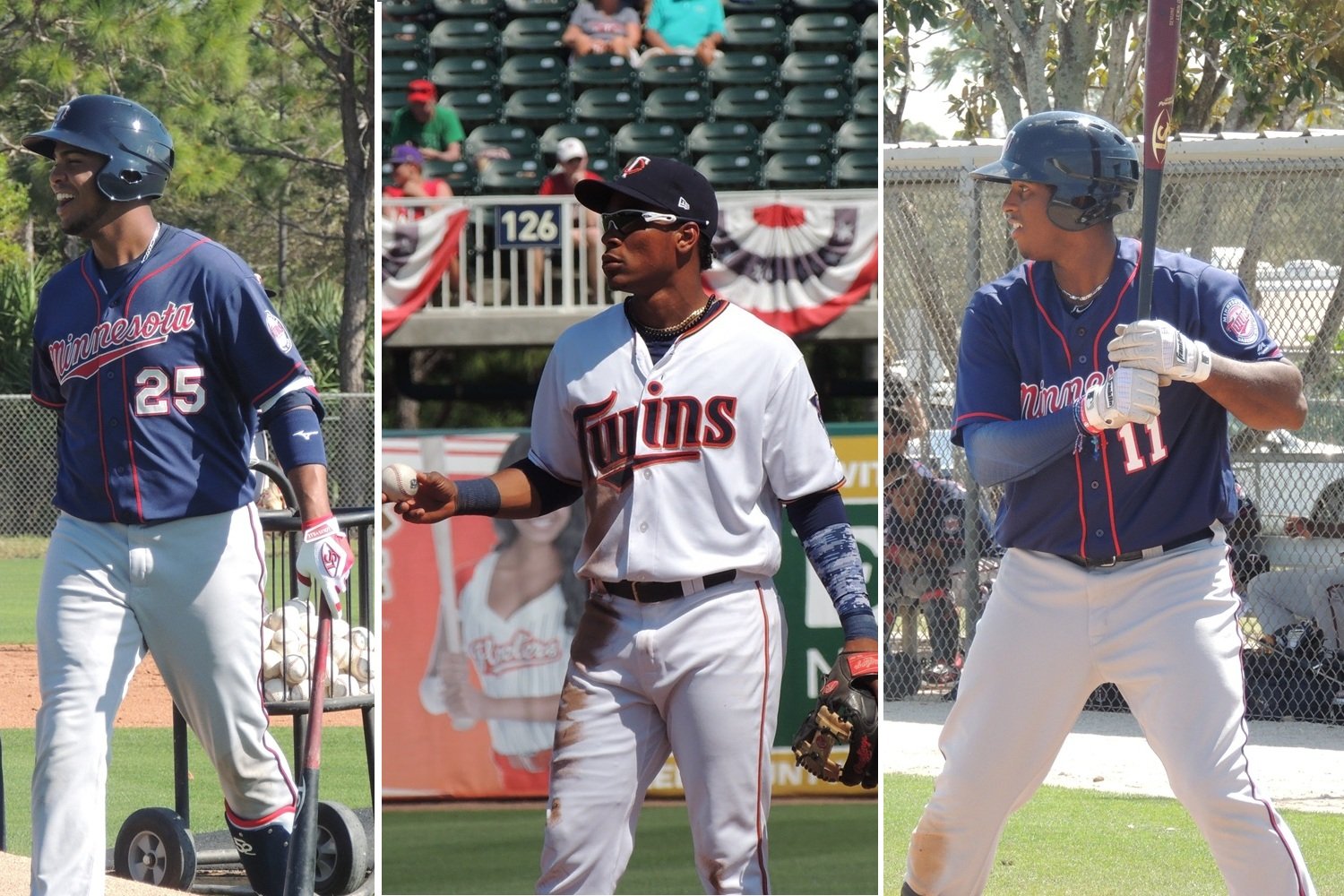 We are already a week into January. That means we are less than a week from the start of the 2026 International Free Agent Signing Period. Clubs will be scrambling to finalize deals that had been informally agreed upon with handshakes with their prospects and finding the talent that will round out their programs in the years to come. Projecting young baseball talent is hard in any context, but international free agency pushes that challenge to an extreme. In the United States, scouts evaluate high school players who are 15-18 years old. College players are typically 18-22 years old. By then, bodies have developed a little more, skill sets are a little clearer, and the physical projection window is narrower. Even then, teams often miss. Now imagine trying to do these three or four years earlier, in a foreign country, where creating opportunities means working with very young people just entering the early years of growth and development. On the international market, scouts begin following players at 13 or 14 years old—sometimes even younger. These aren’t fully formed athletes yet; they’re children whose bodies, strength, mechanics, and maturity will change dramatically before they turn 20. Yet by 16 or 17, many of them are signing professional contracts with Major League Baseball organizations. The projection gap is enormous, and the risk is baked into the process. When comparing U.S. and international scouting, several key differences stand out. U.S. players are typically scouted between ages 15 and 21, while international prospects are often evaluated as early as 12 to 16. This age difference also affects body maturity: domestic players are mostly physically developed, whereas international teenagers are still rapidly growing and changing. These factors contribute to the relative risk of bust, which is generally medium for U.S. players but very high for international signees, making projection and player evaluation considerably more challenging. Players drafted in college, instead of early on in their formative years of 17/18, are at a much higher risk of being a bust than international players. Take for example Twins outfielder, Austin Martin. Martin was not an international player, but he attended Trinity Academy in Florida and while there, he played for Team USA at the age of 14 in 2014. In 2017, he was drafted by Cleveland in the 37th round, he turned down the offer and went to Vanderbilt. For him, it was an opportunity to mature physically and emotionally. He had an outstanding collegiate career. He was considered the top hitter in the 2020 draft and as the fifth overall pick by the Blue Jays, he got a $7mm signing bonus. Things haven't come easily for Martin in pro ball. He came to the Twins in the Jose Berrios trade in 2021. Since then, he has bounced back and forth between the minors and the big-league club and has yet to secure a full-time roster spot, with what was a slam dunk draft pick. On the international market, scouts must project what 13-14-year-olds will look like when they are 23-27, a nearly impossible task. Before 2020, the signing date was July 2. Since 2021, January 15 has aligned scouting with the offseason and provided better structure. Twins Daily, specifically ramps up reports for prospects and international signings for January 15, so check out our coverage as we move forward. This article is not to say that international scouting doesn’t work. In fact, it has worked for a lot of teams, including the Twins, but it’s not as simple as showing up to a scouting event like in the U.S. and leaving with the confidence that the junior in high school has the potential to be ready in a year or two, or after college. It means they have to “see the potential” and know that those kids could be developed into an asset to the team. At a minimum, someone they can get good trade value for. International scouting is built on long-term relationships, trust, and projection. While scouts look at players in their younger years, they cannot sign until they are 16, which means a lot of watching, evaluating, and building trust with the families. It’s selling your organization’s facilities in the Dominican Republic, but also in the United States. The Twins have very nice arrangements for young minor leagues with new complexes built in Boca Chica and in Fort Myers. In 2017, the Twins opened their baseball academy in the Dominican Republic on Tuesday, hosting a grand opening in Boca Chica with the Phillies, who share the facility. The two clubs entered a partnership to help build the $18 million academy, which is housed on 45 acres. It features six baseball fields and housing for prospects. It will allow prospects for both teams to live and train at the facility while also participating in education and cultural development programs. Parents know their child will be fed. Most organizations provide these players with an education so they can reach a GED which will serve them well if baseball isn’t in their future. The same is available when the recruits come to Fort Myers in Florida. The Twins have the Lee Sports Complex which comes with the Development Academy, and a 112-room residence hall for players, coaches and staff. While it hosts the Clubs spring training, it serves as a year-round facility for the international students where they can not only train, but an education as well. They also have access to common areas and a play room for down time, when they get it. Adding to the complexity, teams often unofficially agree to deals years before the signing date. These “handshake agreements” are an open secret in baseball and mean that clubs commit significant resources to players before they have fully matured, leaving the team with even less margin for error. They must also be registered with Major League Baseball before any signings and meet residency requirements, meaning they must reside outside the United States, Canada, and Puerto Rico. This article at Baseball Tips does a great job of breaking down what is expected from all sides of the coin. Still, the heart of the challenge remains: projection is guesswork, and the volatility of international talent is extraordinarily high. Some mega-bonus signings never reach the majors. Others, who received far smaller bonuses, became All-Stars. For every highly touted prospect, dozens never leave the complex leagues. If the Twins want to stay competitive and do so within a budget, creating a strong farm system of all signees internationally and from the draft is the only way to do that. With all of this complexity swirling around the international landscape, one big question rises for Twins fans: How well has Minnesota navigated this uniquely challenging market?
 -
Image courtesy of Seth Stohs (L to R: Amaurys Minier, Jorge Polanco, Lewin Diaz) We are already a week into January. That means we are less than a week from the start of the 2026 International Free Agent Signing Period. Clubs will be scrambling to finalize deals that had been informally agreed upon with handshakes with their prospects and finding the talent that will round out their programs in the years to come. Projecting young baseball talent is hard in any context, but international free agency pushes that challenge to an extreme. In the United States, scouts evaluate high school players who are 15-18 years old. College players are typically 18-22 years old. By then, bodies have developed a little more, skill sets are a little clearer, and the physical projection window is narrower. Even then, teams often miss. Now imagine trying to do these three or four years earlier, in a foreign country, where creating opportunities means working with very young people just entering the early years of growth and development. On the international market, scouts begin following players at 13 or 14 years old—sometimes even younger. These aren’t fully formed athletes yet; they’re children whose bodies, strength, mechanics, and maturity will change dramatically before they turn 20. Yet by 16 or 17, many of them are signing professional contracts with Major League Baseball organizations. The projection gap is enormous, and the risk is baked into the process. When comparing U.S. and international scouting, several key differences stand out. U.S. players are typically scouted between ages 15 and 21, while international prospects are often evaluated as early as 12 to 16. This age difference also affects body maturity: domestic players are mostly physically developed, whereas international teenagers are still rapidly growing and changing. These factors contribute to the relative risk of bust, which is generally medium for U.S. players but very high for international signees, making projection and player evaluation considerably more challenging. Players drafted in college, instead of early on in their formative years of 17/18, are at a much higher risk of being a bust than international players. Take for example Twins outfielder, Austin Martin. Martin was not an international player, but he attended Trinity Academy in Florida and while there, he played for Team USA at the age of 14 in 2014. In 2017, he was drafted by Cleveland in the 37th round, he turned down the offer and went to Vanderbilt. For him, it was an opportunity to mature physically and emotionally. He had an outstanding collegiate career. He was considered the top hitter in the 2020 draft and as the fifth overall pick by the Blue Jays, he got a $7mm signing bonus. Things haven't come easily for Martin in pro ball. He came to the Twins in the Jose Berrios trade in 2021. Since then, he has bounced back and forth between the minors and the big-league club and has yet to secure a full-time roster spot, with what was a slam dunk draft pick. On the international market, scouts must project what 13-14-year-olds will look like when they are 23-27, a nearly impossible task. Before 2020, the signing date was July 2. Since 2021, January 15 has aligned scouting with the offseason and provided better structure. Twins Daily, specifically ramps up reports for prospects and international signings for January 15, so check out our coverage as we move forward. This article is not to say that international scouting doesn’t work. In fact, it has worked for a lot of teams, including the Twins, but it’s not as simple as showing up to a scouting event like in the U.S. and leaving with the confidence that the junior in high school has the potential to be ready in a year or two, or after college. It means they have to “see the potential” and know that those kids could be developed into an asset to the team. At a minimum, someone they can get good trade value for. International scouting is built on long-term relationships, trust, and projection. While scouts look at players in their younger years, they cannot sign until they are 16, which means a lot of watching, evaluating, and building trust with the families. It’s selling your organization’s facilities in the Dominican Republic, but also in the United States. The Twins have very nice arrangements for young minor leagues with new complexes built in Boca Chica and in Fort Myers. In 2017, the Twins opened their baseball academy in the Dominican Republic on Tuesday, hosting a grand opening in Boca Chica with the Phillies, who share the facility. The two clubs entered a partnership to help build the $18 million academy, which is housed on 45 acres. It features six baseball fields and housing for prospects. It will allow prospects for both teams to live and train at the facility while also participating in education and cultural development programs. Parents know their child will be fed. Most organizations provide these players with an education so they can reach a GED which will serve them well if baseball isn’t in their future. The same is available when the recruits come to Fort Myers in Florida. The Twins have the Lee Sports Complex which comes with the Development Academy, and a 112-room residence hall for players, coaches and staff. While it hosts the Clubs spring training, it serves as a year-round facility for the international students where they can not only train, but an education as well. They also have access to common areas and a play room for down time, when they get it. Adding to the complexity, teams often unofficially agree to deals years before the signing date. These “handshake agreements” are an open secret in baseball and mean that clubs commit significant resources to players before they have fully matured, leaving the team with even less margin for error. They must also be registered with Major League Baseball before any signings and meet residency requirements, meaning they must reside outside the United States, Canada, and Puerto Rico. This article at Baseball Tips does a great job of breaking down what is expected from all sides of the coin. Still, the heart of the challenge remains: projection is guesswork, and the volatility of international talent is extraordinarily high. Some mega-bonus signings never reach the majors. Others, who received far smaller bonuses, became All-Stars. For every highly touted prospect, dozens never leave the complex leagues. If the Twins want to stay competitive and do so within a budget, creating a strong farm system of all signees internationally and from the draft is the only way to do that. With all of this complexity swirling around the international landscape, one big question rises for Twins fans: How well has Minnesota navigated this uniquely challenging market? View full article
-
 The Minnesota Twins have had a very quiet offseason, at least in terms of adding on-field talent. Even during the winter meetings when other teams were making movements to fill gaps, the Twins grabbed a player during the Rule 5 Draft and traded him immediately. Nothing flashy, nothing grandiose, just a little building and maintenance. Looking at the 40-man roster and the potential active roster, the Twins have talent, and with the turnover on the coaching staff, the hope is that results will improve. The front office not making big moves is probably smart on their part right now, but there are still gaps in the lineup. There are still questions at first base where there has been a lot of turnover and change the past four seasons. Last season, Twins first basemen ranked 25th out of 30 teams defensively. There was plenty of talking around, looking specifically at first base options. During the Winter Meetings, the Big Fish, Kyle Schwarber and Pete Alonso, signed their new contracts. Clearly the Twins weren't swimming in that pool, but they were believed to be looking at the secondary market at first base, such as Rhys Hoskins, Ryan O’ Hearn, and Josh Bell were floating around the rumor mill as potential targets for the Twins. Not a poor choice in the bunch, just what would fit best, and what would the front office be willing to spend with their available funds. The Twins were serious about plugging in another first baseman, so it wasn’t a matter of when, just a matter of who. The Twins jumped into the secondary first base market shortly after the Winter Meetings completed. At 9:28 am on December 15th, Jeff Passan posted on X that the Twins and switch-hitter Josh Bell had agreed to a one-year contract with a 2027 mutual option. While Bell is a first baseman and can and will more than likely play first base, the switch-hitter was picked up for his bat. He will likely serve in the DH role often as he did his last season with the Washington Nationals. At the same time, most fans recall Bell’s 2025 season as being far less productive at the plate than his previous seasons. He ended 2025 with a .237/.325/.417 slash line, suitable for a 110 OPS+, and his relentless work ethic is what makes him a reliable player and leader. If you haven't followed Josh Bell in his career, here is a little background and a snapshot of what the Twins are getting. Bell attended Jesuit College Preparatory in Dallas and had committed to play baseball at the University of Texas. In his senior year of high school, he hit .548 with a 1.054 slugging percentage, 13 home runs, 54 runs batted in, and 54 runs scored. However, Baseball America stated that he was the nation’s top corner outfielder available in the 2011 draft, and even though he was a sought-after commodity, he wrote a letter to the Commissioner's office stating that he would not sign with anyone and intended to honor his commitment to Texas. Despite the notification, he was drafted by the Pittsburgh Pirates in the second round, He still went to Texas, took some classes, worked out, and then decided to sign with the Pirates in August 2011 for a $5 million signing bonus, setting a record for a second-round draft pick. MLB.com ranked Bell as the 69th best prospect in baseball and number three in the Pirates organization. His professional rise wasn’t instantaneous. In fact, he was in the Pirates minor league system for five years. Ultimately, he used that time to develop, to ready himself for the big leagues. He debuted in 2016, a reminder that some of the game’s most impactful bats aren’t always the fastest risers. Once in the majors, Bell immediately showcased why Pittsburgh invested in him. Even though he was brought up, sent down, and had knee surgery all within a year, he never missed a game or went on the Injured List. On September 4, 2017, Bell broke the National League record for most home runs by a rookie switch hitter. Over five seasons with the Pirates, he posted a .261 batting average with power that translated into 86 home runs across 552 games. His breakout 2019 season earned him an All‑Star nod and a Home Run Derby appearance, milestones that cemented his status as a legitimate middle‑of‑the‑order presence during his peak. But Bell’s career arc hasn’t been a straight line of success. After his All‑Star season, he moved through several teams, including multiple stints with the Nationals. He won a Silver Slugger in 2022. However, a series of trades and signings that have kept him moving around the league, landing back again with the Nationals in 2025. In 2025, Bell experienced the kind of inconsistency that has marked parts of his career. Bell opened the season slowly at the plate before settling into more reliable production. He ended the season with 22 home runs and became the second player on the Nationals, joining Danny Espinosa, to hit home runs from both sides of the plate in the same game. Bell’s defensive metrics have drawn mixed reviews, and rightfully so. In 2025, an already struggling offense for the Nationals was not assisted at all with Bell’s first base performances, or lack thereof, but for the Twins, he will primarily be a DH and will bring a veteran voice to the locker room. The Twins have a fairly young team, not the youngest anymore, but certainly comparatively young and inexperienced to the rest of the league. Along with his presence and a shake-up of the coaching staff, Minnesota is still adamant on 2026 being a season of developmental emphasis and roster evaluation, particularly as the team assesses its competitive timetable. He will add a nice, power-hitting bat to the lineup, while hopefully helping grow the confidence and professionalism of the younger players. This move is calculated. It doesn’t mean that Hoskins or O’Hearn would have been a bad fit. However, having a switch-hitting DH, especially with Clemens available to cover first base, a veteran bat with pop and a track record of production who might unlock lineup balance and offer clubhouse mentorship while allowing Minnesota to keep its long‑term options open by not spending a lot. The AL Central clearly isn’t the best division. Still, it’s a division that demands both offense and savvy roster construction, especially against the ever-frustrating Cleveland Guardians. Bell’s signing strikes a balance of both and gives the Twins another intriguing storyline to follow as spring training approaches.
 -
Image courtesy of © Mark J. Rebilas-USA TODAY Sports The Minnesota Twins have had a very quiet offseason, at least in terms of adding on-field talent. Even during the winter meetings when other teams were making movements to fill gaps, the Twins grabbed a player during the Rule 5 Draft and traded him immediately. Nothing flashy, nothing grandiose, just a little building and maintenance. Looking at the 40-man roster and the potential active roster, the Twins have talent, and with the turnover on the coaching staff, the hope is that results will improve. The front office not making big moves is probably smart on their part right now, but there are still gaps in the lineup. There are still questions at first base where there has been a lot of turnover and change the past four seasons. Last season, Twins first basemen ranked 25th out of 30 teams defensively. There was plenty of talking around, looking specifically at first base options. During the Winter Meetings, the Big Fish, Kyle Schwarber and Pete Alonso, signed their new contracts. Clearly the Twins weren't swimming in that pool, but they were believed to be looking at the secondary market at first base, such as Rhys Hoskins, Ryan O’ Hearn, and Josh Bell were floating around the rumor mill as potential targets for the Twins. Not a poor choice in the bunch, just what would fit best, and what would the front office be willing to spend with their available funds. The Twins were serious about plugging in another first baseman, so it wasn’t a matter of when, just a matter of who. The Twins jumped into the secondary first base market shortly after the Winter Meetings completed. At 9:28 am on December 15th, Jeff Passan posted on X that the Twins and switch-hitter Josh Bell had agreed to a one-year contract with a 2027 mutual option. While Bell is a first baseman and can and will more than likely play first base, the switch-hitter was picked up for his bat. He will likely serve in the DH role often as he did his last season with the Washington Nationals. At the same time, most fans recall Bell’s 2025 season as being far less productive at the plate than his previous seasons. He ended 2025 with a .237/.325/.417 slash line, suitable for a 110 OPS+, and his relentless work ethic is what makes him a reliable player and leader. If you haven't followed Josh Bell in his career, here is a little background and a snapshot of what the Twins are getting. Bell attended Jesuit College Preparatory in Dallas and had committed to play baseball at the University of Texas. In his senior year of high school, he hit .548 with a 1.054 slugging percentage, 13 home runs, 54 runs batted in, and 54 runs scored. However, Baseball America stated that he was the nation’s top corner outfielder available in the 2011 draft, and even though he was a sought-after commodity, he wrote a letter to the Commissioner's office stating that he would not sign with anyone and intended to honor his commitment to Texas. Despite the notification, he was drafted by the Pittsburgh Pirates in the second round, He still went to Texas, took some classes, worked out, and then decided to sign with the Pirates in August 2011 for a $5 million signing bonus, setting a record for a second-round draft pick. MLB.com ranked Bell as the 69th best prospect in baseball and number three in the Pirates organization. His professional rise wasn’t instantaneous. In fact, he was in the Pirates minor league system for five years. Ultimately, he used that time to develop, to ready himself for the big leagues. He debuted in 2016, a reminder that some of the game’s most impactful bats aren’t always the fastest risers. Once in the majors, Bell immediately showcased why Pittsburgh invested in him. Even though he was brought up, sent down, and had knee surgery all within a year, he never missed a game or went on the Injured List. On September 4, 2017, Bell broke the National League record for most home runs by a rookie switch hitter. Over five seasons with the Pirates, he posted a .261 batting average with power that translated into 86 home runs across 552 games. His breakout 2019 season earned him an All‑Star nod and a Home Run Derby appearance, milestones that cemented his status as a legitimate middle‑of‑the‑order presence during his peak. But Bell’s career arc hasn’t been a straight line of success. After his All‑Star season, he moved through several teams, including multiple stints with the Nationals. He won a Silver Slugger in 2022. However, a series of trades and signings that have kept him moving around the league, landing back again with the Nationals in 2025. In 2025, Bell experienced the kind of inconsistency that has marked parts of his career. Bell opened the season slowly at the plate before settling into more reliable production. He ended the season with 22 home runs and became the second player on the Nationals, joining Danny Espinosa, to hit home runs from both sides of the plate in the same game. Bell’s defensive metrics have drawn mixed reviews, and rightfully so. In 2025, an already struggling offense for the Nationals was not assisted at all with Bell’s first base performances, or lack thereof, but for the Twins, he will primarily be a DH and will bring a veteran voice to the locker room. The Twins have a fairly young team, not the youngest anymore, but certainly comparatively young and inexperienced to the rest of the league. Along with his presence and a shake-up of the coaching staff, Minnesota is still adamant on 2026 being a season of developmental emphasis and roster evaluation, particularly as the team assesses its competitive timetable. He will add a nice, power-hitting bat to the lineup, while hopefully helping grow the confidence and professionalism of the younger players. This move is calculated. It doesn’t mean that Hoskins or O’Hearn would have been a bad fit. However, having a switch-hitting DH, especially with Clemens available to cover first base, a veteran bat with pop and a track record of production who might unlock lineup balance and offer clubhouse mentorship while allowing Minnesota to keep its long‑term options open by not spending a lot. The AL Central clearly isn’t the best division. Still, it’s a division that demands both offense and savvy roster construction, especially against the ever-frustrating Cleveland Guardians. Bell’s signing strikes a balance of both and gives the Twins another intriguing storyline to follow as spring training approaches. View full article
.jpg.0c449ba0cd9f09ba76a1b10eedbe6945.jpg)
