



Cody Pirkl
-
Posts
1,314 -
Joined
-
Last visited
-
Days Won
4
Content Type
Profiles
News
Minnesota Twins Videos
2026 Minnesota Twins Top Prospects Ranking
2022 Minnesota Twins Draft Picks
Minnesota Twins Free Agent & Trade Rumors, Notes, & Tidbits
Guides & Resources
2023 Minnesota Twins Draft Picks
The Minnesota Twins Players Project
2024 Minnesota Twins Draft Picks
2025 Minnesota Twins Draft Pick Tracker
2026 Minnesota Twins Draft Tracker: Picks & Bonuses
Forums
Blogs
Events
Store
Downloads
Gallery
Everything posted by Cody Pirkl
-
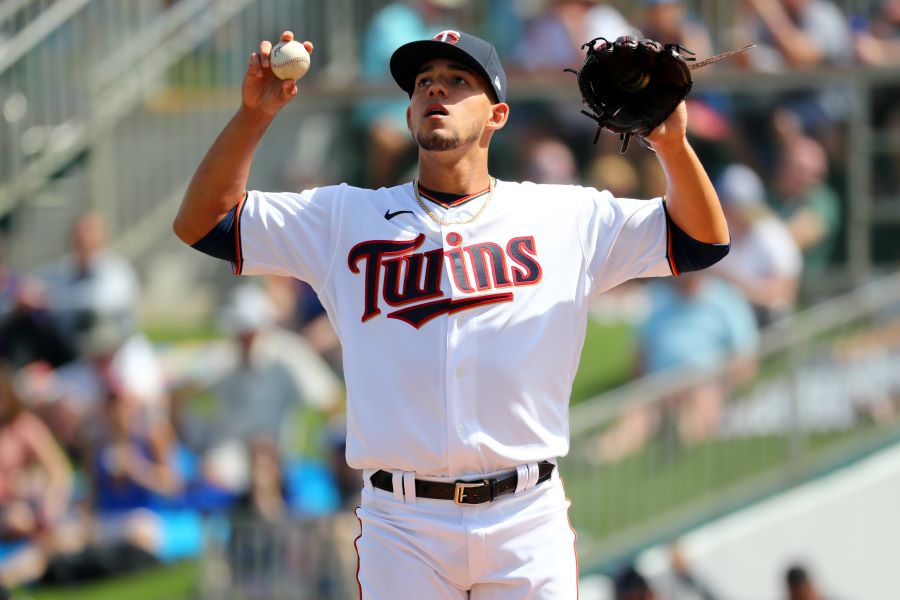 Are Trades Worth It? We’ve seen an August 31st trade deadline before, but never like this one. We used to have a revocable waiver trade deadline prior to 2019 which some teams did take advantage of. Before underestimating the amount of craziness we could see at the deadline this year because of there only being a month left, consider this: In regards to the MLB as a whole, September 2020 will be the most interesting month of baseball we’ve ever seen. Trades only impact twenty some odd games, but the percentage of the full schedule this represents is huge. Many teams will likely be hanging around looking for a jolt on the trade market. The Astros pulled off a trade for Justin Verlander on July 31 of 2017. He made 5 regular season starts for them going 5-0 with a 1.06 ERA to finish the season. Acquiring a superstar at the deadline in a normal year is huge. Doing so in a shortened season could take a fringe team and allow them to coast into the playoffs. Get excited for what could be one of the most influential trade deadlines in MLB history. Who’s available? So I’ve created a bit of a fallacy in my logic. If a bunch of teams are surprisingly hanging around at the deadline, who will even be available to trade for? The beauty of this season is that we have absolutely no idea! Not a clue! Every team is a bad month away from selling. Every team is a decent month away from buying. If the Yankees are 6 games under .500 at the deadline with the Rays and Red Sox looking unbreakable, why hang onto James Paxton? If the Marlins go off in August leading up to the deadline, why not look for some bats to complement their impressive young rotation? The bottom line is that this could all come down to how aggressive each team wants to be. An emerging team like the Reds may want to make a push while hovering around .500. Another team with a similar record could feel like they’re nearing the end of their winning cycle and look to retool such as the Indians with Francisco Lindor. Negotiations are probably going to be outrageous, and I wouldn’t rule out some big names being available. Evaluating Need How do you evaluate team needs in such a short amount of time? Some teams enter the season with obvious holes. Others like the Twins feel fairly solid in every aspect of their roster. We feel good now, but how many starts does Berrios need to struggle in before we’re clamoring for an ace? (If you’re on Twitter you already know the answer is one) This will again come down to aggressiveness by each organization. The Twins for example shouldn’t save bullets in my opinion. We’ve lost enough of our 2020, don’t forfeit the entire year by being conservative. The window for improvement is small and if teams are serious about winning, they should address weakness externally as soon as it shows up. Another consideration is injury. Hamstrings, obliques, etc that normally sideline a player for a few weeks now puts their season in jeopardy. Good teams with an injury to one or more of their starters will be looking for high level replacements if their player’s return is at all in question. If Polanco sprains his ankle, it may make sense to go get more of a consistent producer at shortstop than Ehire Adrianza for example. My not so hot take is that we’ve never seen anything like the 2020 trade deadline and we probably never will again. Even if the volume of trades drops, the impact of each trade will be infinitely higher than baseball has ever seen. We’re bound to see some surprise moves that could push teams you’d never have expected into the driver's seat as they hit a stride. We were clearly looking forward to baseball being played in general in 2020, but the trade deadline in particular should be something for fans of every team to dream about. — Latest Twins coverage from our writers — Recent Twins discussion in our forums — Follow Twins Daily via Twitter, Facebook or email — Follow Cody Pirkl on Twitter here
 -
Which Twins Will Make the 60-Man Roster?
Cody Pirkl replied to Matthew Trueblood's topic in Twins Daily Front Page News
I believe Blaine Hardy opted for Tommy John. Replace him with Randolph native Caleb Thielbar and it looks good to me! -
The Twins Stand to Lose the Most in 2020
Cody Pirkl replied to Cody Pirkl's topic in Twins Daily Front Page News
I think they'll be formidable for several years and should still be a powerhouse in 2021. I have the utmost faith in the players on their way from the minors. That being said, 2020 was definitely the best Twins team we've seen in years and was definitely our best chance. In order to have that feeling again it's going to take some young guys stepping up and supplementing the team with another good free agent or two. -
Believe it or not, the Twins were a juggernaut in 2019 despite getting rolled out of the playoffs in 3 games. With a young core of MLB talent, strong veteran leadership, and a fast approaching glut of talent in the minors, the whimper 2019 ended with at least brought hope for the coming “window” that had obviously opened. *Sigh*While more serious issues in the real world persist, it’s possible that no MLB team is more poorly affected by the pause coronavirus has put on baseball than our Minnesota Twins. Lower tier teams appear to be losing a year of MiLB development, but how much hope did they really have for 2020? Teams like the Dodgers, Yankees etc. lose a year of contention but let’s be honest, they’ll be just fine. The Twins stand to lose both. After years of accumulating the talent to manufacture a new window, it’s all finally come together. We’ve got the team friendly deals with Max Kepler and Jorge Polanco. There are a fair amount of contributors on near league minimum contracts such as Arraez and Garver. On top of that, there likely isn’t a better duo of “been there, done that” veterans to lead a team than Nelson Cruz and Josh Donaldson who can’t slug forever. Several near MLB ready phenom prospects wait in the wings to contribute to a potential title run. If not this year, you can bet the Kirilloffs, Larnachs and Durans of the world would have been ready to step in for 2021. Here we are though. Even if baseball is played in 2020, the sample size invites chaos and the minor leaguers will lose a year of development. So why whine about the Twins during this time where every team suffers? Ask yourself the question: When’s the last time the Twins have been so armed and ready for success? We’re talking about a team coming off 101 wins sporting a top 10 minor league system. This isn’t the Dodgers we’re talking about who regularly supplement their brilliant infrastructure with a $200m MLB team. The Twins front office and development created this window almost completely internally. Look at the Astros payroll history to see how precious a season for a contender is. In 2016, their young core was assembled and finally ready to compete for about $97m. In 2020 those players along with their contracts have matured to the tune of a $210m payroll. Even with strong prospects on their way, a window is only open for so long before the money entices ownership to tear it down. This was also an important year in Twins territory because it was one where we still felt confident at the top of the Central. Cleveland will be competitive but our Twins should still be top dog (as I believe they will be for some time). Despite what their fans say, the White Sox were not in fact ready to go 162-0 in 2020. They do however have talent coming up through the system that should compete with the Twins in the coming years. 2020 should have been heavy Central favorites in 162 games. Even in a 50-60 game season the Twins are obviously favored, but who knows? A bad month and your team can be toast in this scenario. Perhaps it’s biased to say our Twins are the most negatively affected by the mess baseball is going through right now. How perfectly “Minnesota Sports” is it to finally have what looks like years of fun in the confines of Target Field be interrupted by an act of nature though? In a window where every year should bring as much hope as we’ve had in almost a decade, this one hurts. Do you think the Twins truly are taking the biggest hit from the stoppage in play? — Latest Twins coverage from our writers — Recent Twins discussion in our forums — Follow Twins Daily via Twitter, Facebook or email — Follow Cody Pirkl on Twitter here Click here to view the article
-
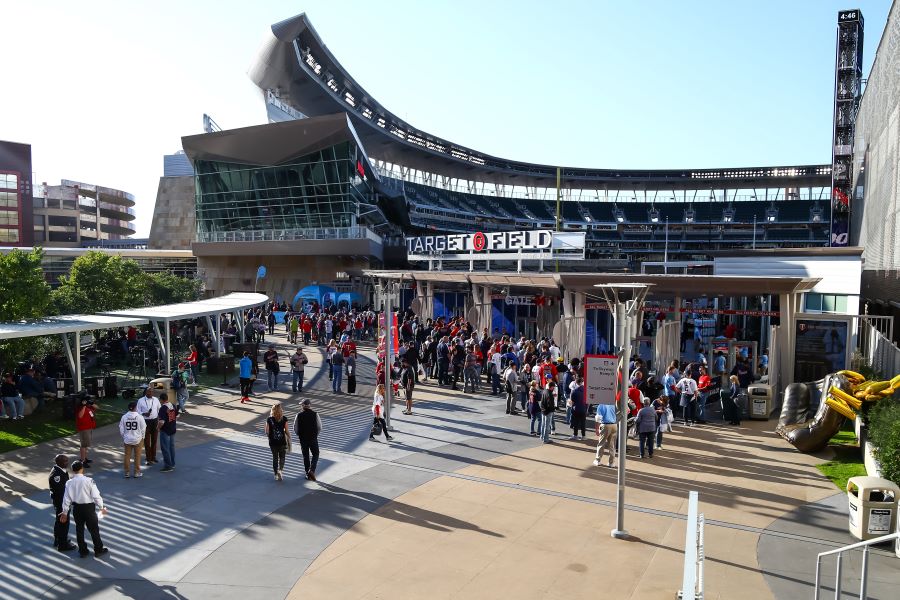 While more serious issues in the real world persist, it’s possible that no MLB team is more poorly affected by the pause coronavirus has put on baseball than our Minnesota Twins. Lower tier teams appear to be losing a year of MiLB development, but how much hope did they really have for 2020? Teams like the Dodgers, Yankees etc. lose a year of contention but let’s be honest, they’ll be just fine. The Twins stand to lose both. After years of accumulating the talent to manufacture a new window, it’s all finally come together. We’ve got the team friendly deals with Max Kepler and Jorge Polanco. There are a fair amount of contributors on near league minimum contracts such as Arraez and Garver. On top of that, there likely isn’t a better duo of “been there, done that” veterans to lead a team than Nelson Cruz and Josh Donaldson who can’t slug forever. Several near MLB ready phenom prospects wait in the wings to contribute to a potential title run. If not this year, you can bet the Kirilloffs, Larnachs and Durans of the world would have been ready to step in for 2021. Here we are though. Even if baseball is played in 2020, the sample size invites chaos and the minor leaguers will lose a year of development. So why whine about the Twins during this time where every team suffers? Ask yourself the question: When’s the last time the Twins have been so armed and ready for success? We’re talking about a team coming off 101 wins sporting a top 10 minor league system. This isn’t the Dodgers we’re talking about who regularly supplement their brilliant infrastructure with a $200m MLB team. The Twins front office and development created this window almost completely internally. Look at the Astros payroll history to see how precious a season for a contender is. In 2016, their young core was assembled and finally ready to compete for about $97m. In 2020 those players along with their contracts have matured to the tune of a $210m payroll. Even with strong prospects on their way, a window is only open for so long before the money entices ownership to tear it down. This was also an important year in Twins territory because it was one where we still felt confident at the top of the Central. Cleveland will be competitive but our Twins should still be top dog (as I believe they will be for some time). Despite what their fans say, the White Sox were not in fact ready to go 162-0 in 2020. They do however have talent coming up through the system that should compete with the Twins in the coming years. 2020 should have been heavy Central favorites in 162 games. Even in a 50-60 game season the Twins are obviously favored, but who knows? A bad month and your team can be toast in this scenario. Perhaps it’s biased to say our Twins are the most negatively affected by the mess baseball is going through right now. How perfectly “Minnesota Sports” is it to finally have what looks like years of fun in the confines of Target Field be interrupted by an act of nature though? In a window where every year should bring as much hope as we’ve had in almost a decade, this one hurts. Do you think the Twins truly are taking the biggest hit from the stoppage in play? — Latest Twins coverage from our writers — Recent Twins discussion in our forums — Follow Twins Daily via Twitter, Facebook or email — Follow Cody Pirkl on Twitter here
 -
You can debate over his worth, he pointed out that he knew he wasn't worth the 10s of millions he had been previously. I just know for a lot of players, they were getting offers that were worth a super lowball amount often for a contract that wasn't guaranteed. I think Span was worth more than that, and I respect his decision to walk away instead of settling.
-
News broke on Wednesday that former Twins outfielder Denard Span was calling it a career after 11 seasons. As one of my favorite mid 2000s Twins players, this news was more noteworthy than just a quick news flash amid MLB money negotiationsSpan was taken 20th overall in the 2002 draft. It took him a few years to make it to the big leagues, but he got his chance in 2008 and put together a nice rookie season with a .294/.387/.432 triple slash. He would play 4 more seasons in a Twins uniform and would become one of the true stud leadoff hitters in all of baseball. Span put together a strong five years in Minnesota including: -.284/.357/.389 triple slash and 90 stolen bases -Accumulating 15.1 fWAR and 17.2 bWAR -(Technically) The first hit and home run in Target Field in an exhibition game -First regular season run and stolen base at Target Field -Led off for two AL Central champion Twins teams Denard span has a lot of weird moments in a Twins jersey that are just downright hard to forget. Considering the odds of him hitting a foul ball into the stands and hitting his own mom to his record tying three triple game, Span certainly had an interesting stay in Minnesota on top of a productive one. He was a player that I for whatever reason felt would always stay in Minnesota. Much to many’s disgust, the Twins traded Span in 2012 to Washington for Alex Meyer. This trade needs no explanation for how bad it was. The Twins would struggle to find production in center field for years to come while Span would go on to have some of his most productive years in Washington, even finishing 19th in MVP voting in 2014. After three productive years, Span departed for San Francisco where he continued being an around league average hitter before being traded to Tampa Bay and eventually Seattle later in 2018. Despite putting up a top 5 offensive season in his career (112 wRC+), Span couldn’t find a contract in the 2018 offseason and sat out 2019. After similar issues this offseason, Span retired feeling disrespected by the free agent market. He was an above league average hitter in 4 of his final 5 seasons. His fWAR hovered in the low to mid 1s in his last five seasons. While his defense had slipped a bit, he still had plenty to offer the game of baseball. from our writers— Recent Twins discussion in our forums — Follow Twins Daily via Twitter, Facebook or email — Follow Cody Pirkl on Twitter here Click here to view the article
-
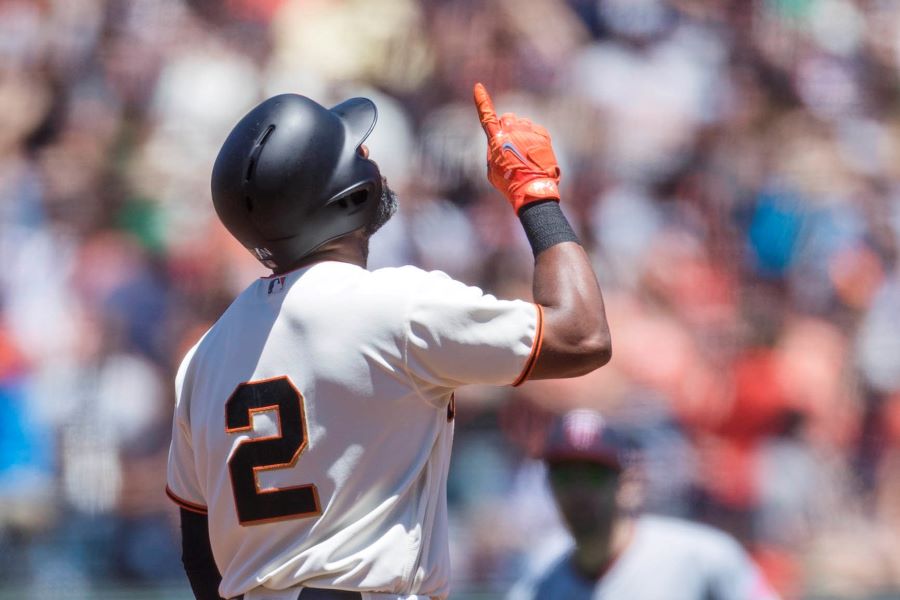 Span was taken 20th overall in the 2002 draft. It took him a few years to make it to the big leagues, but he got his chance in 2008 and put together a nice rookie season with a .294/.387/.432 triple slash. He would play 4 more seasons in a Twins uniform and would become one of the true stud leadoff hitters in all of baseball. Span put together a strong five years in Minnesota including: -.284/.357/.389 triple slash and 90 stolen bases -Accumulating 15.1 fWAR and 17.2 bWAR -(Technically) The first hit and home run in Target Field in an exhibition game -First regular season run and stolen base at Target Field -Led off for two AL Central champion Twins teams Denard span has a lot of weird moments in a Twins jersey that are just downright hard to forget. Considering the odds of him hitting a foul ball into the stands and hitting his own mom to his record tying three triple game, Span certainly had an interesting stay in Minnesota on top of a productive one. He was a player that I for whatever reason felt would always stay in Minnesota. Much to many’s disgust, the Twins traded Span in 2012 to Washington for Alex Meyer. This trade needs no explanation for how bad it was. The Twins would struggle to find production in center field for years to come while Span would go on to have some of his most productive years in Washington, even finishing 19th in MVP voting in 2014. After three productive years, Span departed for San Francisco where he continued being an around league average hitter before being traded to Tampa Bay and eventually Seattle later in 2018. Despite putting up a top 5 offensive season in his career (112 wRC+), Span couldn’t find a contract in the 2018 offseason and sat out 2019. After similar issues this offseason, Span retired feeling disrespected by the free agent market. He was an above league average hitter in 4 of his final 5 seasons. His fWAR hovered in the low to mid 1s in his last five seasons. While his defense had slipped a bit, he still had plenty to offer the game of baseball. https://twitter.com/CodyPirkl/status/1270544992038240256 The issue that caused Span to ride off into the sunset is one that has become all too common in recent years. The free agent market has recently put players in situations where they’ve had to compromise on the value of their talent. The end of Span’s career however shows his character. He knew he was still a productive player and refused to give into the salary offers trying to tell him otherwise. For that I will always respect the Twins center fielder tremendously. In a post game interview in 2018 after a showdown between the Twins and the Rays, Span pulled at our heartstrings by saying he will always be a Twin at heart. I strongly suggest watching the interview and getting all the feels. I think I speak for all of us when I say that we’re happy to have him. It broke my heart to hear him talk about coming back. My baseball knowledge of the Twins stacked outfield situation just melts away and makes me wish the Twins would just give the man a contract just to see Denard Span standing in the outfield in Target Field again. At any rate, cheers to the career of a former Twin who can only be remembered fondly. A player who did it the right way up until the day he called it a career. Wishing Denard Span all the best in retirement. — Latest Twins coverage from our writers — Recent Twins discussion in our forums — Follow Twins Daily via Twitter, Facebook or email — Follow Cody Pirkl on Twitter here
 -
With the 2020 season undoubtedly becoming more of a sprint than a marathon, throw traditional thinking out the window. It affords for a whole lot to go differently than everybody expects and I believe opens up a window for some players to unexpectedly pave the way for the rest of their team. Today I’m giving my predictions for the Twins award winners in a 50-60 game season.I limited this to Rookie of the Year, Cy Young, MVP, and decided to throw in “Firefighter” for most impressive bullpen arm since I think relievers who already see a lot of variance in performance could put together some interesting stat lines in a shortened season. With no further ado, here are my predictions for the 2020 Twins shortened season award Winners: Twins Rookie of the Year: Jhoan Duran I think of a shortened season and the talented arms in our system and one phrase comes to mind: Smoke ‘em if you got ‘em. The Twins are at the beginning of a window that’s already been disrupted by this season’s delay. Duran and other minor leaguers may miss an entire year of development as well with the bleak MiLB outlook for 2020. Wouldn’t it be mutually beneficial for Duran to pitch competitively this year while also providing another high octane arm in the Twins pen? Especially if rosters do in fact expand? Duran has been excellent in the minors, and pitchers making the MLB leap from AA isn’t uncommon. He could be not only a short burst reliever, but could even piggyback off of starters to keep him stretched out. He has the talent, he’s on the 40 man, his service time shouldn’t be an issue, our window is now. I think Duran is an immediately valuable Major League pitcher if given the chance, and I believe he will get that chance. Twins Fireman of the Year: Trevor May I expect to see some variation of Rogers and Duffey at the end of games in 2020 and that leaves May to fill in everywhere else. In a shortened season, high leverage situations are more dire no matter the inning. I think May is the guy we see early in games to put out the fires if a starter or other middle reliever gets pulled. May really showed he was recovered from Tommy John as the year went on in 2019 and finished with a 2.94 ERA, 29.7 K rate, and notably improved his walk rate throughout the year. I foresee him getting some high leverage situations as Baldelli looks to protect leads that are all the more valuable in a shortened season while keeping Duffey and Rogers for later in the game. It may not be in a traditional role, but I see May being a big time stopper in the Twins bullpen in 2020. Twins Cy Young: Kenta Maeda Maeda has a slider that’s been death on hitters who have faced him for years. Now he arrives in the right handed heavy AL and those poor hitters have nothing but video to prepare with. With his fastball being his weak spot in 2019, look for the Twins to improve upon things like sequencing while still drawing into his devastating slider and developing change up. While most picks would be Berrios for this spot, I truly believe Maeda has the ability to completely baffle hitters for a time or two through the league. A shortened season isn’t going to give them as much time to adjust, and I see Maeda taking the AL by storm. Twins MVP: Eddie Rosario Mark it down, Cody Pirkl has something nice to say about Eddie Rosario. For as much talent as this roster has, we’ve seen few players with the ability to get as hot as Eddie does at any given time. He can legitimately carry the team for periods, even if it does level off eventually and become a point of frustration again. Eddie is my pick because I think of the Twins in need of a spark with 20 or so games left and nobody comes to mind quicker than Eddie Rosario. With last year’s injuries in the past and having something to prove, I could see him rebounding big time. In a shortened season, there’s probably no better weapon than a player who can show up on any given day and start a white hot streak. I think a 50-60 game season changes these awards drastically, as we all know what smaller sample sizes do to final results. It almost makes it hard to disagree with any predictions just because of the unexpected nature of this game we love. Who are your shortened season Twins award winners? How about some general predictions and hot takes given a shortened season? — Latest Twins coverage from our writers — Recent Twins discussion in our forums — Follow Twins Daily via Twitter, Facebook or email — Follow Cody Pirkl on Twitter here Click here to view the article
-
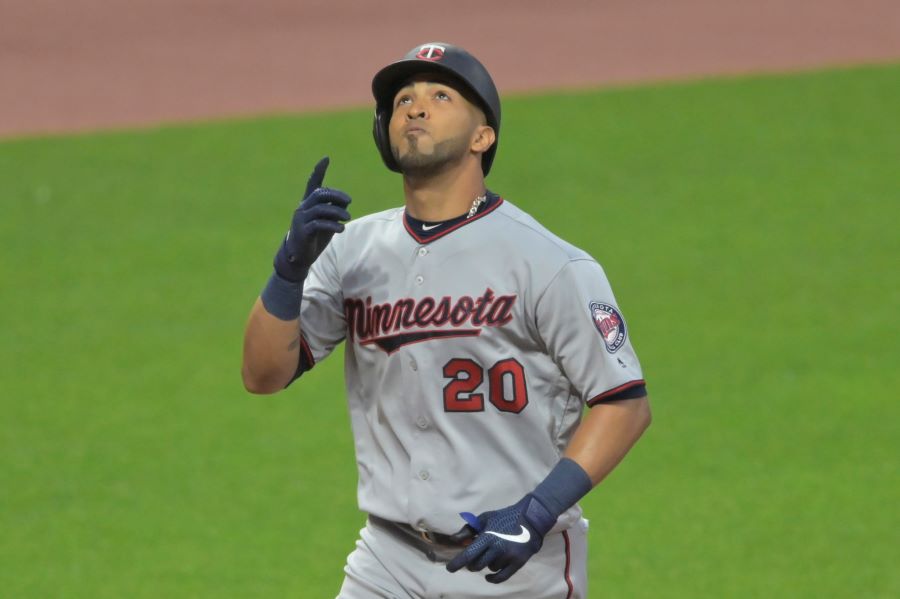 I limited this to Rookie of the Year, Cy Young, MVP, and decided to throw in “Firefighter” for most impressive bullpen arm since I think relievers who already see a lot of variance in performance could put together some interesting stat lines in a shortened season. With no further ado, here are my predictions for the 2020 Twins shortened season award Winners: Twins Rookie of the Year: Jhoan Duran I think of a shortened season and the talented arms in our system and one phrase comes to mind: Smoke ‘em if you got ‘em. The Twins are at the beginning of a window that’s already been disrupted by this season’s delay. Duran and other minor leaguers may miss an entire year of development as well with the bleak MiLB outlook for 2020. Wouldn’t it be mutually beneficial for Duran to pitch competitively this year while also providing another high octane arm in the Twins pen? Especially if rosters do in fact expand? Duran has been excellent in the minors, and pitchers making the MLB leap from AA isn’t uncommon. He could be not only a short burst reliever, but could even piggyback off of starters to keep him stretched out. He has the talent, he’s on the 40 man, his service time shouldn’t be an issue, our window is now. I think Duran is an immediately valuable Major League pitcher if given the chance, and I believe he will get that chance. https://twitter.com/TFTwins/status/1218742464028323840?s=20 Twins Fireman of the Year: Trevor May I expect to see some variation of Rogers and Duffey at the end of games in 2020 and that leaves May to fill in everywhere else. In a shortened season, high leverage situations are more dire no matter the inning. I think May is the guy we see early in games to put out the fires if a starter or other middle reliever gets pulled. May really showed he was recovered from Tommy John as the year went on in 2019 and finished with a 2.94 ERA, 29.7 K rate, and notably improved his walk rate throughout the year. I foresee him getting some high leverage situations as Baldelli looks to protect leads that are all the more valuable in a shortened season while keeping Duffey and Rogers for later in the game. It may not be in a traditional role, but I see May being a big time stopper in the Twins bullpen in 2020. https://twitter.com/JMaschino_56/status/1239946113236504577?s=20 Twins Cy Young: Kenta Maeda Maeda has a slider that’s been death on hitters who have faced him for years. Now he arrives in the right handed heavy AL and those poor hitters have nothing but video to prepare with. With his fastball being his weak spot in 2019, look for the Twins to improve upon things like sequencing while still drawing into his devastating slider and developing change up. While most picks would be Berrios for this spot, I truly believe Maeda has the ability to completely baffle hitters for a time or two through the league. A shortened season isn’t going to give them as much time to adjust, and I see Maeda taking the AL by storm. https://twitter.com/AlexFast8/status/1236722161760579585 Twins MVP: Eddie Rosario Mark it down, Cody Pirkl has something nice to say about Eddie Rosario. For as much talent as this roster has, we’ve seen few players with the ability to get as hot as Eddie does at any given time. He can legitimately carry the team for periods, even if it does level off eventually and become a point of frustration again. Eddie is my pick because I think of the Twins in need of a spark with 20 or so games left and nobody comes to mind quicker than Eddie Rosario. With last year’s injuries in the past and having something to prove, I could see him rebounding big time. In a shortened season, there’s probably no better weapon than a player who can show up on any given day and start a white hot streak. https://twitter.com/fsnorth/status/1173318072708390912?s=20 I think a 50-60 game season changes these awards drastically, as we all know what smaller sample sizes do to final results. It almost makes it hard to disagree with any predictions just because of the unexpected nature of this game we love. Who are your shortened season Twins award winners? How about some general predictions and hot takes given a shortened season? — Latest Twins coverage from our writers — Recent Twins discussion in our forums — Follow Twins Daily via Twitter, Facebook or email — Follow Cody Pirkl on Twitter here
 -
Taylor Rogers Shouldn’t Be THE Twins Closer
Cody Pirkl replied to Cody Pirkl's topic in Twins Daily Front Page News
Actually the Twins basically did to Duffey what the Astros did to Pressey and the parallels are pretty funny. Duffey went on a 26 inning scoreless streak and we saw Pressley set a record 31 inning scoreless streak. The answer to both of their success was throwing a breakingball more, which means that if you believe in the changes Pressley made, it's pretty hard to shoot down Duffey. Tyler Duffey had a higher K% than Pressley did in 2019 and their BB% are almost identical as well. I think baseball fans have a tendency to underrate their own players just because they see more games from them and ultimately see more than just their highlights. If the Twins had cut Duffey after the 2019 season and he did this for another team, fans would be absolutely irate because Duffey's development is a fraction of a step below what we saw with Pressley and he's 2 years younger. -
Taylor Rogers Shouldn’t Be THE Twins Closer
Cody Pirkl replied to Cody Pirkl's topic in Twins Daily Front Page News
That was a super small sample size but you could then argue to bring in Taylor Rogers in those spots Duffey saw in the playoffs if you believe he's the better reliever. -
Max Kepler and the Cost of Silence
Cody Pirkl replied to Nick Nelson's topic in Twins Daily Front Page News
I'm going to take a leap and try to verbalize my take on the Max Kepler situation. It was incredibly tone deaf to come out with a post that displayed police support the day after such an atrocity was committed by them, certainly a mistake. It put him under a microscope more so than any of the other Twins players that hadn't vocalized any disgust for the action or support for change. He should have removed the post, because the implication it creates isn't a good one. I want to play devil's advocate on the second post however. "I don't do politics" is a phrase that shouldn't always be taken at face value. Sometimes "I don't do politics" just means "I think there will be repercussions if I speak my opinions". In some cases, people's opinions are disgusting and evil as we know all too well. In other instances however, the world has become a political powder keg where some alienate people with opinions that may differ from the majority, and I believe that's true no matter the political affiliation. Long story short, first picture: Yikes. Second Picture: It may not be the way you wish he used his platform, but there is certainly a level of understanding from me. Minnesota is a state where a lot of the population shares common political beliefs. While it's not every person, there will always be people who hold you in contempt for having beliefs on issues that don't align with theirs. Maybe recusing yourself from any of these discussions is a cowardly move, but it's one that some people may deem necessary based on past experiences. -
Taylor Rogers Shouldn’t Be THE Twins Closer
Cody Pirkl replied to Cody Pirkl's topic in Twins Daily Front Page News
I agree, it's a struggle to fit the necessary information in an article! There are some interesting splits to take into account. Taylor Rogers 1st half - 1.82 ERA 2nd half - 3.68 ERA Tyler Duffey 1st half - 3.49 ERA 2nd half - 1.53 ERA. People don't realize that Duffey was the better pitcher in the second half as his tweaks to his pitch mix really settled in and Rogers began to get roughed up on occasion after being relied on more for multi inning saves and consecutive days. I don't believe in leverage numbers necessarily, but in 2019 Duffey was actually fantastic in high leverage (.156/.229/.219 in 9.1 innings). Those splits are always about sample size, but I'd be interested to see how he fares in a larger one. I know it's easy to distrust Duffey after all these years, but I really do trust in the measurable changes he's made to his pitch mix and I don't think anybody can argue that he's worse than Blake Parker who we trusted in that role for half of last year. In the end I wouldn't say it's the end of the world if Rogers is still closing out every game, I think it's just about optimizing and trying to snag another win or two which could easily be huge. -
Taylor Rogers Shouldn’t Be THE Twins Closer
Cody Pirkl posted a topic in Twins Daily Front Page News
If baseball can find a way to happen in 2020, our Twins have a lot more certainty in their bullpen than in recent years. Taylor Rogers was one of the few relievers we had confidence in for 2019 and he certainly earned his role as the closer. It may serve the Twins well to not be so fast to assign that role again however.Tyler Duffey had an unbelievable season in 2019 that often goes unnoticed outside of the Twins fandom because of his usage. That should change in the future. A 2.50 ERA was no accident with a 3.06 FIP and 2.94 xFIP. His K% nearly doubled to 34.4%. He took no prisoners, left-handed or right-handed, as he allowed a .588 and .601 OPS respectively. By all accounts, the numbers Duffey put up would be devastating in any role. That being said, I think it’s fair to say that Taylor Rogers is still the best pitcher in this bullpen. One benefit of the analytics developing in baseball however is recognizing that the end of the game isn’t always the highest leverage role. In a close game, it may make more sense to use your best pitcher against the top of the lineup in the seventh or eighth. We saw that thought process early in 2019 with Blake Parker picking up saves until it was proven he couldn’t do it anymore. Rogers was the Josh Hader-esque fireman, and both he and the Twins thrived when another pitcher could be relied on to close out the game depending on how the game played out. Taylor Rogers’ only struggles in 2019 appeared to surface when pitching in consecutive games, where he owned an ERA over 7. While we occasionally saw a save from another member of the bullpen, it was typically Rogers being relied upon in every save situation. Moving him into a more fluid role may allow him to avoid pitching in consecutive games as often, as he doesn’t have to be automatically given the ball in a 3-run game and risk suffering the consequences if he’s needed in a close game the following night. Furthermore, Rogers being left-handed makes him somewhat non-traditional for being a closer. One of the main missing pieces on the roster headed into last winter was a left-handed reliever, as Rogers was expected to be saved for the end of the game. It’s a minor factor, but one that can be solved by not locking Rogers into the ninth inning. If Shohei Ohtani leads off the eighth inning of a 3-2 game, leave nothing to chance. Is this a statement of Duffey passing Rogers on the bullpen totem pole? Should Rogers be “demoted”? In both cases, the answer is no. Many are still skeptical of Duffey’s 2019 despite his numbers looking legit. I think he made measurable changes by tweaking his fastball and throwing his curveball more and these changes should make him effective even if he regresses a bit. That being said, whether it’s the 7th-9th inning, who would you rather have on the mound against the best hitters in the opponent's lineup in a close game? If your answer is Rogers, you should be rooting for the Twins analytics team to look for a more fluid role for the Twins lefty. Baseball analysis continues to advance and the traditional closer role may soon be left behind. Tyler Duffey and the rest of the bullpen give us an opportunity to fully buy in and create the matchups we want day in and day out. Taylor Rogers can still be a closer, he just shouldn’t be THE closer. — Latest Twins coverage from our writers — Recent Twins discussion in our forums — Follow Twins Daily via Twitter, Facebook or email — Follow Cody Pirkl on Twitter here Click here to view the article -
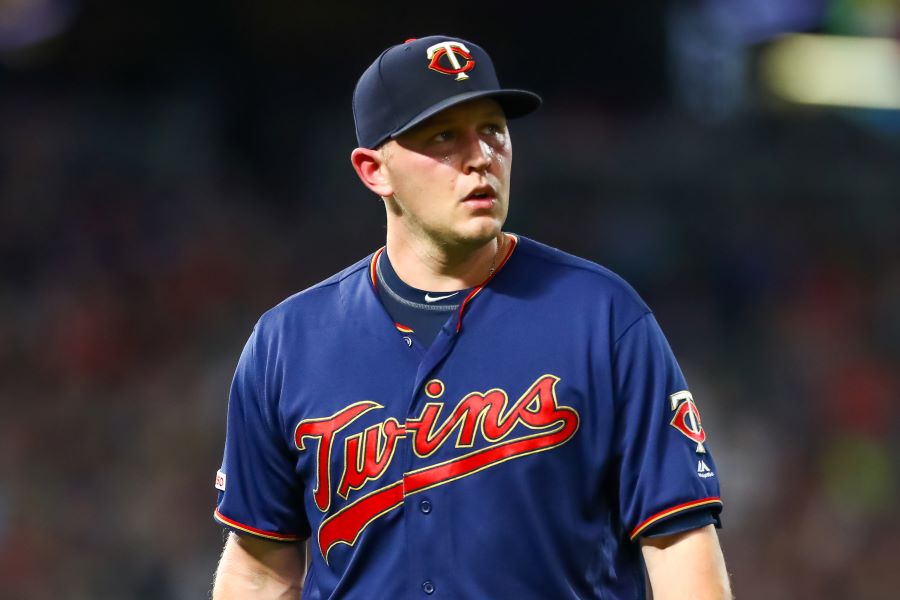 Tyler Duffey had an unbelievable season in 2019 that often goes unnoticed outside of the Twins fandom because of his usage. That should change in the future. A 2.50 ERA was no accident with a 3.06 FIP and 2.94 xFIP. His K% nearly doubled to 34.4%. He took no prisoners, left-handed or right-handed, as he allowed a .588 and .601 OPS respectively. By all accounts, the numbers Duffey put up would be devastating in any role. That being said, I think it’s fair to say that Taylor Rogers is still the best pitcher in this bullpen. One benefit of the analytics developing in baseball however is recognizing that the end of the game isn’t always the highest leverage role. In a close game, it may make more sense to use your best pitcher against the top of the lineup in the seventh or eighth. We saw that thought process early in 2019 with Blake Parker picking up saves until it was proven he couldn’t do it anymore. Rogers was the Josh Hader-esque fireman, and both he and the Twins thrived when another pitcher could be relied on to close out the game depending on how the game played out. Taylor Rogers’ only struggles in 2019 appeared to surface when pitching in consecutive games, where he owned an ERA over 7. While we occasionally saw a save from another member of the bullpen, it was typically Rogers being relied upon in every save situation. Moving him into a more fluid role may allow him to avoid pitching in consecutive games as often, as he doesn’t have to be automatically given the ball in a 3-run game and risk suffering the consequences if he’s needed in a close game the following night. Furthermore, Rogers being left-handed makes him somewhat non-traditional for being a closer. One of the main missing pieces on the roster headed into last winter was a left-handed reliever, as Rogers was expected to be saved for the end of the game. It’s a minor factor, but one that can be solved by not locking Rogers into the ninth inning. If Shohei Ohtani leads off the eighth inning of a 3-2 game, leave nothing to chance. Is this a statement of Duffey passing Rogers on the bullpen totem pole? Should Rogers be “demoted”? In both cases, the answer is no. Many are still skeptical of Duffey’s 2019 despite his numbers looking legit. I think he made measurable changes by tweaking his fastball and throwing his curveball more and these changes should make him effective even if he regresses a bit. That being said, whether it’s the 7th-9th inning, who would you rather have on the mound against the best hitters in the opponent's lineup in a close game? If your answer is Rogers, you should be rooting for the Twins analytics team to look for a more fluid role for the Twins lefty. Baseball analysis continues to advance and the traditional closer role may soon be left behind. Tyler Duffey and the rest of the bullpen give us an opportunity to fully buy in and create the matchups we want day in and day out. Taylor Rogers can still be a closer, he just shouldn’t be THE closer. — Latest Twins coverage from our writers — Recent Twins discussion in our forums — Follow Twins Daily via Twitter, Facebook or email — Follow Cody Pirkl on Twitter here
 -
Who Would the Twins Protect in an Expansion Draft?
Cody Pirkl replied to Cody Pirkl's topic in Twins Daily Front Page News
Actually now that I look at it, you're correct. I think that almost starts to beg the question of protecting guys like Pineda, Dobnak, etc. Probably even Littell. -
Who Would the Twins Protect in an Expansion Draft?
Cody Pirkl replied to Cody Pirkl's topic in Twins Daily Front Page News
Everything Duffey did last season looked legit. He made a measurable change by throwing his curveball more and increasing his fastball velo and it resulted in him almost doubling his K%. His season as a whole was incredible, but he was one of the best relievers in baseball in the second half with a 1.53 ERA and 47 Ks in 29.1 IP. I would almost rather have Duffey close and use Taylor Rogers in a Josh Hader fireman role, but that's a different conversation. Duffey would definitely be gone in my opinion. -
League expansion talk pops up every now and then in the MLB. Before this season’s difficulties, baseball was thriving. There was likely plenty of room for another team or two, and that may remain a possibility in the future. As proposed by the MLB Trade Rumors article, I wanted to explore who the Twins should protect in an expansion draft if we were looking at one this coming winter.The rules of this hypothetical are based on the previous expansion draft in 1997. What that boils down to is that each team protects 15 of their players during the winter after the 2020 season (with finer guidelines in place to protect top prospects such as Lewis, Kirilloff, etc.). The article does the leg work of selecting 11 “no brainer” protected players listed below which are pretty difficult to disagree with: The Keepers: Max Kepler, Byron Buxton, Josh Donaldson, Jorge Polanco, Mitch Garver, Miguel Sano, Luis Arraez, Jose Berrios, Taylor Rogers, Michael Pineda, Kenta Maeda That leaves 4 spots to protect in this scenario with a decent list of players we have to choose from. Up For Grabs: Eddie Rosario, Jake Cave, Lamonte Wade Jr., Willians Astudillo, Jorge Alcala, Randy Dobnak, Tyler Duffey, Zack Littell, Sean Poppen, Devin Smeltzer, Cody Stashak, Lewis Thorpe, Matt Wisler I’ll preface this by saying that if you think the list is missing any big names like Cruz and Odorizzi, they’ll be free agents next winter. There are two factors to look at when considering this list: 1. How likely is each player to be taken? 2. What kind of effect would losing each player have on the team both immediately and long term? Considering that, I plucked out the four players that I think are most appropriate to protect. Lewis Thorpe: Thorpe didn’t dazzle the league in his debut, but all signs point to some bad luck (6.18 ERA, 3.47 FIP). He gets swings and misses at a healthy rate and has a strong pedigree in the minors. An upstart team would love to pluck up an MLB ready arm with so much potential and years of control. He’s too likely to figure into the Twins not so distant future plans to let him go to another team. Thorpe has to be a keeper. Randy Dobnak: Dobnak showed he’s MLB ready last season with good peripherals to at least partially back his 1.59 ERA. He assaults the strike zone and rolls up grounders at an impressive rate, which makes him a great candidate to shore up the back of the rotation for an expansion team at the very least. He was likely headed to crack the opening day rotation in 2020, and anything near what he did last year is just too valuable for the Twins to lose out on for free. Randy’s got to stay. Tyler Duffey: The Doof has had an up and down career and finally figured it all out in 2019. He became a lights out back of the bullpen option who I argue would be closing games if not for the dominance of Taylor Rogers. An expansion team would absolutely snag Duffey as an immediate bullpen monster with 2 more years of control. He’s sure to slot into an important role for a contending Twins team over the next few years, and letting him go after he finally found his groove would be a mistake. Zack Littell: Littell may not be quite the sure thing the other 3 are, but he broke through in 2019 after converting to the bullpen. We saw shade of his potential, as his fastball/slider combo made for a great pairing to attack hitters. We may take him for granted because of the strength of the rest of our bullpen, but at only 24 years old Zack Littell would be a fine bullpen piece on any roster. He’s not needed in high leverage immediately in our bullpen, but allowing him to continue his development as a middle reliever gives him time to make some more strides. The potential for Littell is just too high. Notably missing from the four is Eddie Rosario. I’ll just say it: In this case, Eddie Rosario is manning left field for whichever expansion team picks first. He’s clearly an asset, but with one year remaining on his contract and replacements right around the corner, it’s just not worth protecting one year of Eddie at the expense of another player being taken that factors into the long term stability of the team. Jake Cave would likely factor into covering for him until the prospects are ready in short order assuming he isn’t taken himself. While this exact scenario may not be an issue presently, we may find ourselves here in a few years. It’s just a fun exercise, but it shows how difficult this choice could end up being to leave several home grown players exposed to just be taken for nothing. Who would you prioritize in an expansion draft? — Latest Twins coverage from our writers — Recent Twins discussion in our forums — Follow Twins Daily via Twitter, Facebook or email — Follow Cody Pirkl on Twitter here Click here to view the article
-
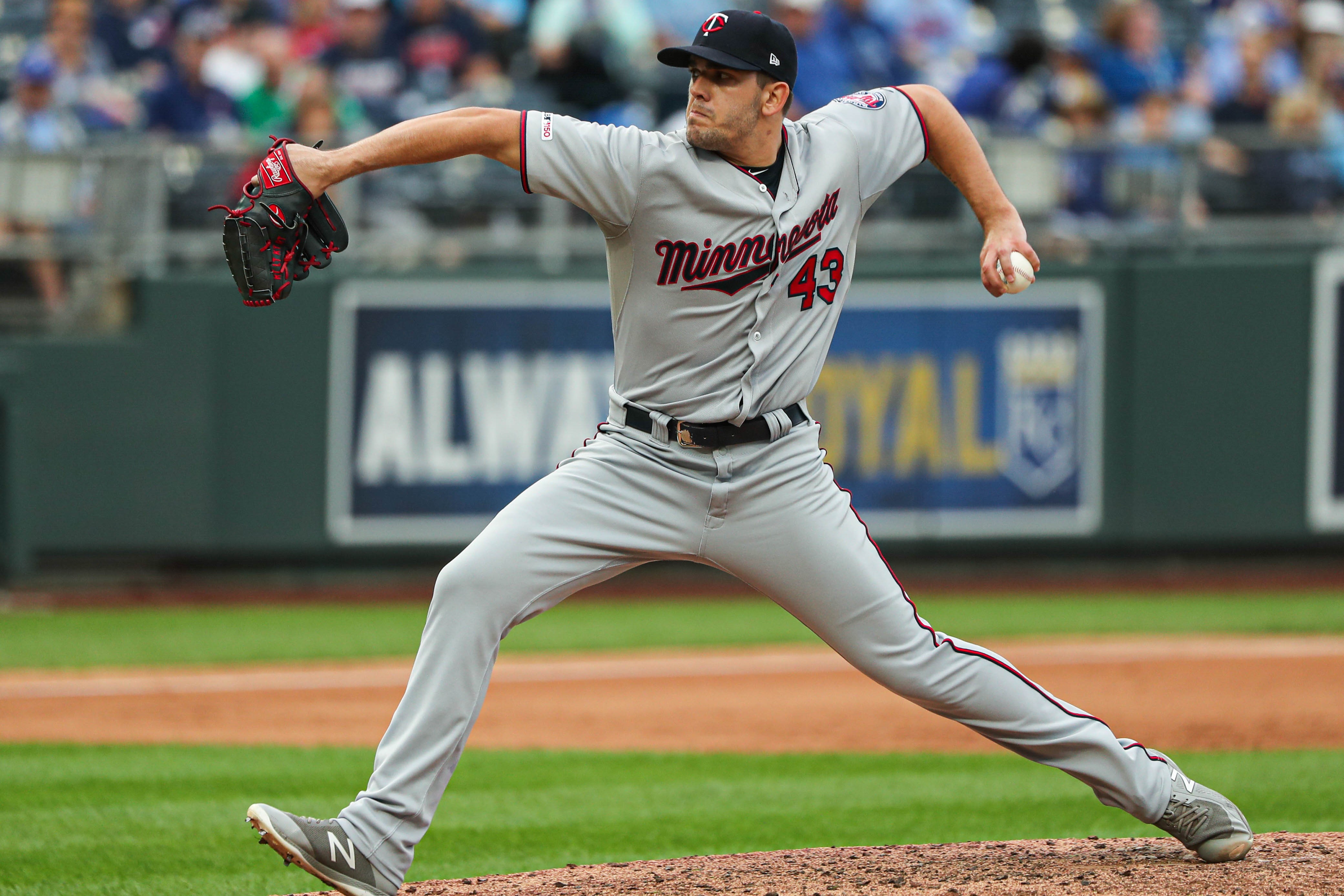 The rules of this hypothetical are based on the previous expansion draft in 1997. What that boils down to is that each team protects 15 of their players during the winter after the 2020 season (with finer guidelines in place to protect top prospects such as Lewis, Kirilloff, etc.). The article does the leg work of selecting 11 “no brainer” protected players listed below which are pretty difficult to disagree with: The Keepers: Max Kepler, Byron Buxton, Josh Donaldson, Jorge Polanco, Mitch Garver, Miguel Sano, Luis Arraez, Jose Berrios, Taylor Rogers, Michael Pineda, Kenta Maeda That leaves 4 spots to protect in this scenario with a decent list of players we have to choose from. Up For Grabs: Eddie Rosario, Jake Cave, Lamonte Wade Jr., Willians Astudillo, Jorge Alcala, Randy Dobnak, Tyler Duffey, Zack Littell, Sean Poppen, Devin Smeltzer, Cody Stashak, Lewis Thorpe, Matt Wisler I’ll preface this by saying that if you think the list is missing any big names like Cruz and Odorizzi, they’ll be free agents next winter. There are two factors to look at when considering this list: 1. How likely is each player to be taken? 2. What kind of effect would losing each player have on the team both immediately and long term? Considering that, I plucked out the four players that I think are most appropriate to protect. Lewis Thorpe: Thorpe didn’t dazzle the league in his debut, but all signs point to some bad luck (6.18 ERA, 3.47 FIP). He gets swings and misses at a healthy rate and has a strong pedigree in the minors. An upstart team would love to pluck up an MLB ready arm with so much potential and years of control. He’s too likely to figure into the Twins not so distant future plans to let him go to another team. Thorpe has to be a keeper. Randy Dobnak: Dobnak showed he’s MLB ready last season with good peripherals to at least partially back his 1.59 ERA. He assaults the strike zone and rolls up grounders at an impressive rate, which makes him a great candidate to shore up the back of the rotation for an expansion team at the very least. He was likely headed to crack the opening day rotation in 2020, and anything near what he did last year is just too valuable for the Twins to lose out on for free. Randy’s got to stay. Tyler Duffey: The Doof has had an up and down career and finally figured it all out in 2019. He became a lights out back of the bullpen option who I argue would be closing games if not for the dominance of Taylor Rogers. An expansion team would absolutely snag Duffey as an immediate bullpen monster with 2 more years of control. He’s sure to slot into an important role for a contending Twins team over the next few years, and letting him go after he finally found his groove would be a mistake. Zack Littell: Littell may not be quite the sure thing the other 3 are, but he broke through in 2019 after converting to the bullpen. We saw shade of his potential, as his fastball/slider combo made for a great pairing to attack hitters. We may take him for granted because of the strength of the rest of our bullpen, but at only 24 years old Zack Littell would be a fine bullpen piece on any roster. He’s not needed in high leverage immediately in our bullpen, but allowing him to continue his development as a middle reliever gives him time to make some more strides. The potential for Littell is just too high. Notably missing from the four is Eddie Rosario. I’ll just say it: In this case, Eddie Rosario is manning left field for whichever expansion team picks first. He’s clearly an asset, but with one year remaining on his contract and replacements right around the corner, it’s just not worth protecting one year of Eddie at the expense of another player being taken that factors into the long term stability of the team. Jake Cave would likely factor into covering for him until the prospects are ready in short order assuming he isn’t taken himself. While this exact scenario may not be an issue presently, we may find ourselves here in a few years. It’s just a fun exercise, but it shows how difficult this choice could end up being to leave several home grown players exposed to just be taken for nothing. Who would you prioritize in an expansion draft? — Latest Twins coverage from our writers — Recent Twins discussion in our forums — Follow Twins Daily via Twitter, Facebook or email — Follow Cody Pirkl on Twitter here
 -
Bargain Hunting for Next Offseason
Cody Pirkl replied to Cody Pirkl's topic in Twins Daily Front Page News
I think we're getting into another issue here but I agree that they'll look to change the CBA and it'll likely end in a holdout. The thing about those late career contracts that run into a player's late 30s is that once those disappear, something else needs to change. Players need 6 years of service time to become a free agent, during most of which they're making almost nothing. If the future payoff of those 6 years drops, that's a huge swing in payout for the owners. That won't be the main issue this offseason after teams legitimately have lost money, but it's something to consider in the future. -
Bargain Hunting for Next Offseason
Cody Pirkl replied to Cody Pirkl's topic in Twins Daily Front Page News
Marwin has been just a bit better than Hernandez offensively, but I do think a huge part of free agency this year will be price tags. Marwin will certainly command more, and while it's a slight downgrade on offense, Hernandez can play CF and you actually feel fine about him playing shortstop in a pinch. He might actually make Adrianza and Marwin redundant for less money. I worry about Odorizzi if we're being honest. He should have at least a couple good years left, but his career year coincides with a career year in fastball velo and that's no accident. He struggles to go deep into games because generally speaking, his fastball is his only pitch that's overly impressive. Once he starts losing velocity on that he's at risk for the bottom on everything else dropping out. On a shorter deal it would be fine, but I think he's pursuing a big payday, and the front office is going to have to weigh whether he's a guy they want to have over likely the next 4-5 years. Quintana doesn't rely on velocity and has a nice repertoire. Pitcher's are always a crap shoot to project, but I could see him aging better. 100% agree on May vs Herrera. I wish they'd have extended May last spring. My worry now is that some team comes in with a Will Harris or Jeurys Familia like offer. Do the Twins counter that with how much confidence they have in the young arms that have either already debuted or will do so soon? I think it'll come down to money again as sad as that is. -
Bargain Hunting for Next Offseason
Cody Pirkl replied to Cody Pirkl's topic in Twins Daily Front Page News
I think that statement of them being paid "what they deserve" is based on precedent. Baseball makes a lot of money, and someone like Marwin is a great example of somebody that shouldn't have fallen into the Twins laps because no other team wanted to pay that money. He wasn't an "old player". With regards to the market dictating salaries, you're correct. This coming offseason will have a tangible reason for the market to depress, whereas 2 and 3 years ago there was no explanation which is why players were worried about collusion. -
The Twins have been accused of raiding the bargain bin so to speak in recent years. Free agency bottomed out in the offseasons headed into 2018 and 2019, which brought players like Lance Lynn, Logan Morrison and Marwin Gonzalez to Minnesota. While some worked out better than others, the Twins may find themselves in a similar position in the coming offseason.A lot of solid players just didn’t get paid the kind of money they expected in the 2017-2018 and 2018-2019 offseasons. Suddenly, teams seemed less interested in the middle to lower tier free agents and many of these players had to wait and ultimately accept lower-level deals. While this was seemingly out of nowhere, what awaits in free agency this coming offseason can already be seen. Baseball as a whole has already lost money, and owners are making sure the world is aware. There will without a doubt be a drop in payouts for free agents this winter, and players again stand to make less money than they deserve. Because of that there are some players who could fall into the Twins laps next winter. Here are my top three 2021 free agents who could become “hired guns” for our Minnesota Twins. Enrique Hernández Hernández can fill a role that every competing team wants, but one that many may not deem necessary. While he’s had a few solid season’s at the plate, Enrique is not really regarded as a plus offensive player or everyday starter. He instead earns his value from his utility around the diamond, playing every position but catcher in 2019. Marwin Gonzalez has filled this role for the Twins admirably, but he’s set to hit free agency in 2021 in his age-32 season. He also has a lot more name value whereas Hernández may be available for less. This is a savvy move the Twins could make to bridge the gap until an in-house player is ready to take this role after a missed year of minor league baseball in 2020. I also think he’d be an instant fan favorite. José Quintana While never quite an ace, Twins fans saw plenty of fantastic years from Quintana with the Sox. After being traded to the Cubs, he’s struggled to regain that success. He’s still a valuable pitcher that periodically flashes big talent. At 32 years old in 2021, improvements after working with the Twins coaching staff aren’t out of the question. At worst we’ve seen a mid 4s ERA pitcher who can eat some innings. Similar to Lance Lynn, Quintana could look for a one-year deal to re-establish some value. Odorizzi is set to depart in 2021, and while the Twins have a system full of pitchers relatively close, they’re all losing some development time with a likely loss of the minor league season. While you could argue Odorizzi being in the same tier as Quintana, I’d bet he pursues a longer deal as he should have last offseason. He’s likely a top-five starting pitcher on the market for 2021 given his 2019, and he may just find a longer deal. Quintana would be a valuable veteran replacement in the rotation to buy another year for the young studs, and could even be signed to a multi-year deal for a reasonable price. Kelvin Herrera I wanted the Twins to sign Herrera last year. Turns out the front office is smarter than me, imagine that! Herrera suffered through a miserable 2019 with a 6.14 ERA for Chicago. He managed a 3.92 in the second half however, and even with losing a tick on his fastball, sits at 96.3 MPH. The tools are still there, but an ugly final line won’t have teams lining up to offer him a contract. The Twins are set to lose Trevor May out of their bullpen. While I’d rather they just re-sign him, the year he’s coming off of should generate some interest. If they decide to go the cheaper route, Herrera has a similarly high-octane fastball to work with and will still be just 31 years old. Any kind of bounce back near Herrera’s KC days would be fantastic, and the Twins may have the bullpen depth to roll those dice. It’s been a frustrating year for baseball, and that will certainly extend into free agency. Teams will cut payroll and avoid paying big-time money. Impact players will suffer unfortunately. The Twins have the ability to wait things out as we’ve seen in the past, as they have the depth to fill out a roster. And, if the price is right, they aren’t afraid to make a move even into spring training. What do you think? Are there any players you could see the front office snagging in a depressed free agent market? — Latest Twins coverage from our writers — Recent Twins discussion in our forums — Follow Twins Daily via Twitter, Facebook or email — Follow Cody Pirkl on Twitter here Click here to view the article
-
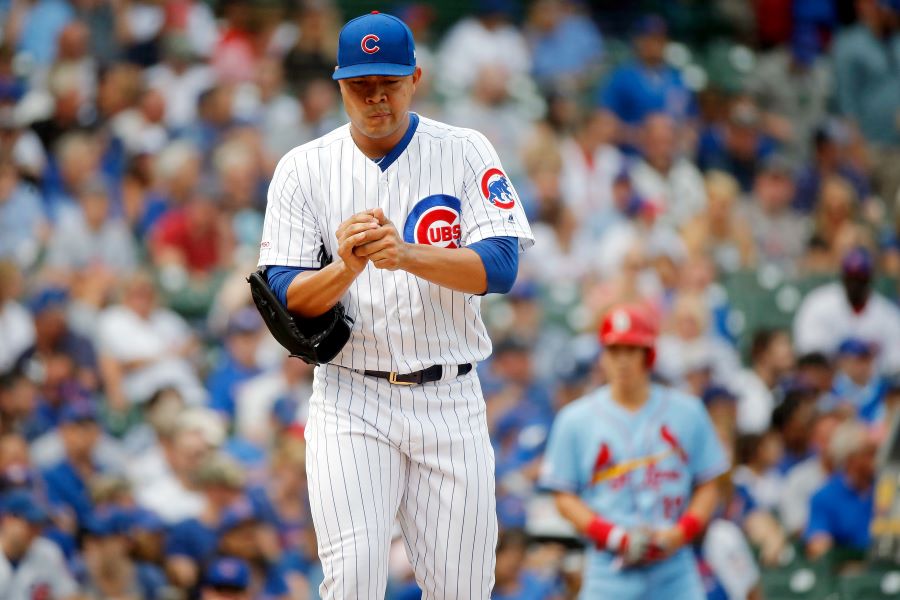 A lot of solid players just didn’t get paid the kind of money they expected in the 2017-2018 and 2018-2019 offseasons. Suddenly, teams seemed less interested in the middle to lower tier free agents and many of these players had to wait and ultimately accept lower-level deals. While this was seemingly out of nowhere, what awaits in free agency this coming offseason can already be seen. Baseball as a whole has already lost money, and owners are making sure the world is aware. There will without a doubt be a drop in payouts for free agents this winter, and players again stand to make less money than they deserve. Because of that there are some players who could fall into the Twins laps next winter. Here are my top three 2021 free agents who could become “hired guns” for our Minnesota Twins. Enrique Hernández Hernández can fill a role that every competing team wants, but one that many may not deem necessary. While he’s had a few solid season’s at the plate, Enrique is not really regarded as a plus offensive player or everyday starter. He instead earns his value from his utility around the diamond, playing every position but catcher in 2019. Marwin Gonzalez has filled this role for the Twins admirably, but he’s set to hit free agency in 2021 in his age-32 season. He also has a lot more name value whereas Hernández may be available for less. This is a savvy move the Twins could make to bridge the gap until an in-house player is ready to take this role after a missed year of minor league baseball in 2020. I also think he’d be an instant fan favorite. https://twitter.com/Dodgers/status/1158530290123300864 José Quintana While never quite an ace, Twins fans saw plenty of fantastic years from Quintana with the Sox. After being traded to the Cubs, he’s struggled to regain that success. He’s still a valuable pitcher that periodically flashes big talent. At 32 years old in 2021, improvements after working with the Twins coaching staff aren’t out of the question. At worst we’ve seen a mid 4s ERA pitcher who can eat some innings. Similar to Lance Lynn, Quintana could look for a one-year deal to re-establish some value. Odorizzi is set to depart in 2021, and while the Twins have a system full of pitchers relatively close, they’re all losing some development time with a likely loss of the minor league season. While you could argue Odorizzi being in the same tier as Quintana, I’d bet he pursues a longer deal as he should have last offseason. He’s likely a top-five starting pitcher on the market for 2021 given his 2019, and he may just find a longer deal. Quintana would be a valuable veteran replacement in the rotation to buy another year for the young studs, and could even be signed to a multi-year deal for a reasonable price. Kelvin Herrera I wanted the Twins to sign Herrera last year. Turns out the front office is smarter than me, imagine that! Herrera suffered through a miserable 2019 with a 6.14 ERA for Chicago. He managed a 3.92 in the second half however, and even with losing a tick on his fastball, sits at 96.3 MPH. The tools are still there, but an ugly final line won’t have teams lining up to offer him a contract. The Twins are set to lose Trevor May out of their bullpen. While I’d rather they just re-sign him, the year he’s coming off of should generate some interest. If they decide to go the cheaper route, Herrera has a similarly high-octane fastball to work with and will still be just 31 years old. Any kind of bounce back near Herrera’s KC days would be fantastic, and the Twins may have the bullpen depth to roll those dice. It’s been a frustrating year for baseball, and that will certainly extend into free agency. Teams will cut payroll and avoid paying big-time money. Impact players will suffer unfortunately. The Twins have the ability to wait things out as we’ve seen in the past, as they have the depth to fill out a roster. And, if the price is right, they aren’t afraid to make a move even into spring training. What do you think? Are there any players you could see the front office snagging in a depressed free agent market? — Latest Twins coverage from our writers — Recent Twins discussion in our forums — Follow Twins Daily via Twitter, Facebook or email — Follow Cody Pirkl on Twitter here

