



Cody Pirkl
-
Posts
1,314 -
Joined
-
Last visited
-
Days Won
4
Content Type
Profiles
News
Minnesota Twins Videos
2026 Minnesota Twins Top Prospects Ranking
2022 Minnesota Twins Draft Picks
Minnesota Twins Free Agent & Trade Rumors, Notes, & Tidbits
Guides & Resources
2023 Minnesota Twins Draft Picks
The Minnesota Twins Players Project
2024 Minnesota Twins Draft Picks
2025 Minnesota Twins Draft Pick Tracker
2026 Minnesota Twins Draft Tracker: Picks & Bonuses
Forums
Blogs
Events
Store
Downloads
Gallery
Everything posted by Cody Pirkl
-
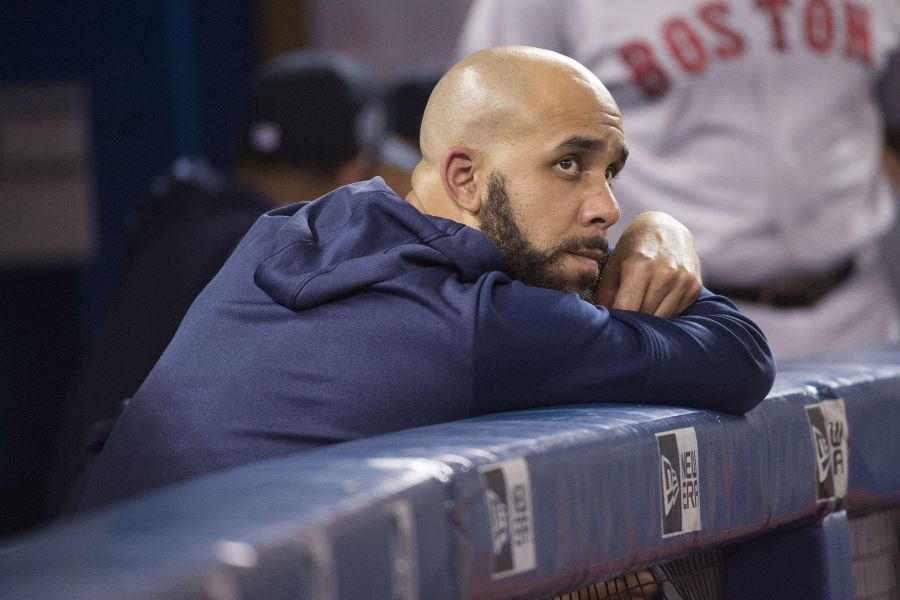 David Price Price was traded from the Red Sox with Mookie Betts as a salary dump last offseason before opting out of the 2020 season. Despite the stigma of what many consider a bad contract, Price has thrown about 275 innings the last 3 years to the tune of a 3.94 ERA. The raw numbers say Price would still be a valuable addition to a contending team. The downside of Price is obviously the salary hit by acquiring him with 2 years $64m attached. The Dodgers don’t seem too concerned about saving money these days, but he’d likely be their preferred pitcher to trade and could likely be had for free. Price also has a bit of unknown attached to him given his lack of a 2020 season and number of injuries starting to pile up in recent years. Dustin May May was actually speculated to possibly be the pitcher the Twins were receiving last winter when we got Maeda instead. Dubbed “Gingergaard”, May has a high octane fastball that regularly appears to bend the laws of physics. https://twitter.com/PitchingNinja/status/1290822220567191554?s=20 Despite the wow factor, May hasn’t even managed a 21% K rate in the MLB thus far. His ceiling is still high and he’s a valuable pitcher even in his current form with a 2.98 ERA through about 90 innings. May has always been a hyped Dodgers prospect they love, and any price to acquire him would be a hit to the Twins farm system if not the immediate Major League roster depending on what they want. An investment in a pitcher like May would likely require the Twins to be confident they could turn him into the face of their pitching rotation for the next 4-5 years. Tony Gonsolin Gonsolin was an unheralded star of the Dodgers rotation in 2020 pitching to a 2.31 ERA in 46 innings. Also a former top prospect of the Dodgers, he figures to be the last in line for a rotation spot in 2021.The Dodgers appeared to show their hand in the playoffs in 2021 that Gonsolin appears to be at the bottom of the totem pole for Dodgers starting pitchers. https://twitter.com/CodyPirkl/status/1321245827701084161?s=20 The Dodgers just never seemed like they planned on using Gonsolin in the playoffs in 2021. For that reason, it’s fair to say Gonsolin is a tier below May in the Dodgers minds. That being said, Gonsolin is a young controllable starting pitcher and won’t be cheap. The Dodgers still haven’t re-signed Justin Turner for their infield, and it’s possible they’d come asking for Polanco or Arraez as a starting piece with plenty else included in the deal. Similar to May, The Twins would have to be confident in what they’re getting in Gonsolin to pull the trigger on this one. He’s nasty though. https://twitter.com/PitchingNinja/status/1293731694068080640?s=20 Unlike some trade options available these days, the Dodger options will all cost a fair bit in one way or another. That being said, it would likely be worth the Twins at least checking in. Which Dodgers starter do you think would be the best fit in Minnesota? — Latest Twins coverage from our writers — Recent Twins discussion in our forums — Follow Twins Daily via Twitter, Facebook or email — Follow Cody Pirkl on Twitter here
 -
FWIW, Cruz had that knee issue that he missed time with. I'd have assumed that it'd affect his exit velo but maybe not? Could certainly see a knee affecting launch angle though. Especially the ability to load back and get balls in the air.
-
We know all about the defense Andrelton Simmons brings the Twins at this point as well as the effects it will have on the layout of the rest of the infield. It may however be worth digging deeper on why it’s just so perfect for both sides that Simmons fell in the Twins lap.The Twins found themselves in a sort of middle ground this winter after an injury hobbled season from Jorge Polanco was topped off by a crippling error in the first round of the playoffs. Their former second base prospect turned Major League shortstop was pencilled in to undergo his second ankle surgery in as many years and had a particularly loud question mark attached to his future throughout the fanbase. So much so in fact that some have called for former number 1 overall pick Royce Lewis to get the call to start the 2021 season. The problem is Lewis hasn’t seen official competition in over a year, and didn’t look ready when he had. The Twins hit what appears to be a jackpot when Andrelton Simmons was willing to sign for only a single year to fill in this gap. While I believe there's no such thing as a bad one year deal, Simmons was brought in for $7.5m less than his fellow shortstop Marcus Semien. The Twins got their “Hired Gun”, a free agent role often occupied by talented yet often unexciting options. Andrelton Simmons is different. After the Twins brought in plenty of contributors on one year deals recently such as C.J. Cron or Jonathan Schoop, Simmons brings the type of talent that could make him our most valuable player in 2021 and it wouldn’t be a complete surprise. In addition to the level of talent Simmons brings, he may be particularly inclined to reach that ceiling. Andrelton Simmons is a man on a mission in 2021. Next offseason at 32, he’s set to re-enter free agency and compete for what he would likely prefer to be a long term contract. His competitors at shortstop include the likes of Trevor Story, Carlos Correa and Francisco Lindor. In 2021. Effort isn’t something I question a whole lot at the MLB level unless we’re talking about Lance Lynn, but Simmons in particular has a lot to work for. He’s playing for a sizable contract in one of the most incredible shortstop markets in years. At 31, he’s also fighting to show that his all world talent at shortstop can defy the aging curve often seen at the position. The main point goes beyond “Andrelton Simmons will play hard for the Twins”. Both sides are in very particular situations that make this a win-win. On the Twins side, they bring in a bridge to Royce Lewis which would often be occupied by a player much less talented than Andrelton Simmons. On Simmons’ side, he can pair up with a contender in the Twins for one year and use them as a springboard to his next contract. Both sides always want a one year deal to work out, but in this case, it can’t get much better. If there’s one positive to come from this suppressed free agent market, it’s that Twins Territory will get to watch what one of the best defensive shortstops in history can do first hand. I expect Simmons will be everything we expect and then some. If this one year pact goes south, it won’t be for lack of effort from either side. — Latest Twins coverage from our writers — Recent Twins discussion in our forums — Follow Twins Daily via Twitter, Facebook or email — Follow Cody Pirkl on Twitter here Click here to view the article
-
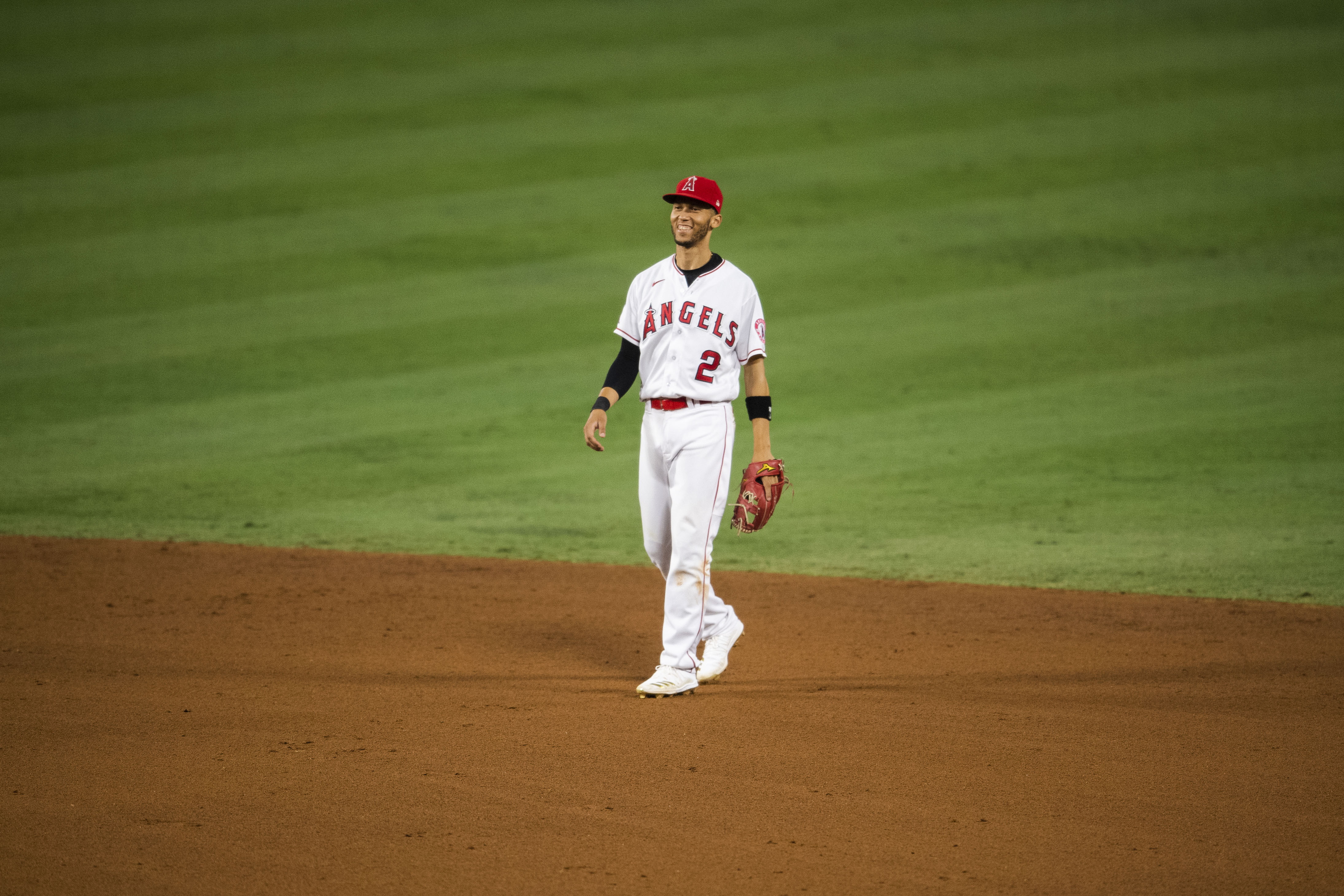 The Twins found themselves in a sort of middle ground this winter after an injury hobbled season from Jorge Polanco was topped off by a crippling error in the first round of the playoffs. Their former second base prospect turned Major League shortstop was pencilled in to undergo his second ankle surgery in as many years and had a particularly loud question mark attached to his future throughout the fanbase. So much so in fact that some have called for former number 1 overall pick Royce Lewis to get the call to start the 2021 season. The problem is Lewis hasn’t seen official competition in over a year, and didn’t look ready when he had. The Twins hit what appears to be a jackpot when Andrelton Simmons was willing to sign for only a single year to fill in this gap. While I believe there's no such thing as a bad one year deal, Simmons was brought in for $7.5m less than his fellow shortstop Marcus Semien. The Twins got their “Hired Gun”, a free agent role often occupied by talented yet often unexciting options. Andrelton Simmons is different. After the Twins brought in plenty of contributors on one year deals recently such as C.J. Cron or Jonathan Schoop, Simmons brings the type of talent that could make him our most valuable player in 2021 and it wouldn’t be a complete surprise. https://twitter.com/TalkinBaseball_/status/1355248600138149891?s=20 In addition to the level of talent Simmons brings, he may be particularly inclined to reach that ceiling. Andrelton Simmons is a man on a mission in 2021. Next offseason at 32, he’s set to re-enter free agency and compete for what he would likely prefer to be a long term contract. His competitors at shortstop include the likes of Trevor Story, Carlos Correa and Francisco Lindor. In 2021. Effort isn’t something I question a whole lot at the MLB level unless we’re talking about Lance Lynn, but Simmons in particular has a lot to work for. He’s playing for a sizable contract in one of the most incredible shortstop markets in years. At 31, he’s also fighting to show that his all world talent at shortstop can defy the aging curve often seen at the position. The main point goes beyond “Andrelton Simmons will play hard for the Twins”. Both sides are in very particular situations that make this a win-win. On the Twins side, they bring in a bridge to Royce Lewis which would often be occupied by a player much less talented than Andrelton Simmons. On Simmons’ side, he can pair up with a contender in the Twins for one year and use them as a springboard to his next contract. Both sides always want a one year deal to work out, but in this case, it can’t get much better. If there’s one positive to come from this suppressed free agent market, it’s that Twins Territory will get to watch what one of the best defensive shortstops in history can do first hand. I expect Simmons will be everything we expect and then some. If this one year pact goes south, it won’t be for lack of effort from either side. — Latest Twins coverage from our writers — Recent Twins discussion in our forums — Follow Twins Daily via Twitter, Facebook or email — Follow Cody Pirkl on Twitter here
 -
The Twins still have some high leverage innings to fill in the bullpen and the obvious options are dwindling. There are a few under the radar arms still out there however that may be just the Twins style.Trevor Rosenthal, Brad Hand, Alex Colomé, all fun names, all on the top end of what’s left of free agency. It may make us feel better to pick up more of a surefire option, but the Twins take a lot of pride in manufacturing their bullpen. For that reason, a few options are still out there that may fit their mould for one reason or another and at a cheaper price. Darren O’Day At 38, he’s coming off a season with a 1.10 ERA/2.76 FIP. O’Day had a strong 7 year career in Baltimore before moving to Atlanta where he’s had his fair share of injuries. He won’t wow you with even a 90 mph fastball, but what he will do is absolutely mow down right handed hitters. In fact, he’s allowed a triple slash of .193/.262/.287 against same handed hitters in his 13 year career. O’Day likely won’t fill the part time closer role left by Sergio Romo, but in terms of matching up against righties, O’Day would surely have that role taken care of. Specialists in the bullpen aren’t worth much these days, but O’Day would shine against right handed slugging teams such as the White Sox and Yankees for a modest pay day. Perhaps an extra roster spot would make O’Day a worthwhile luxury. Cam Bedrosian Son of Steve “Bedrock” Bedrosian, Cam has had a valuable 7 year career with the Angels with a 3.70 ERA/3.60 FIP before being non tendered this offseason. He throws mostly a low to mid 90s fastball and slider as well as conservatively mixing in a splitter. The reason the Twins may be in on Bedrosian is that he loves to use his 2300 rpm fastball up in the zone while pairing it with a slider that had a 34% whiff rate in 2019. He saw that whiff rate and his overall K% drop in 2020, but his 2019 Statcast measures are what may really pique the front office’s interest. Download attachment: Bedrosian.PNG At only 29 years old, Bedrosian could definitely have a few years left as an effective reliever and recreating his 2019 breakout may not be all that unrealistic. He’s regularly factored into the holds in LA, though not so much for saves. That being said, he has at least some history of high leverage work and could serve as a setup man. David Robertson I wanted the Twins to sign Robertson two offseasons ago and it turns out they know more than me. Robertson suffered through part of 2019 before undergoing Tommy John surgery. Up to that point, Robertson was one of the premier relievers in baseball with a career 2.90 ERA/2.84 FIP as the Twins know all too well. At 35, Robertson may be a bit sketchy, but he has what is essentially a starter’s pitch mix with a cutter, four seam, curve and slider which could help stave off father time. Tommy John has also become a procedure where recovery is almost assumed, and a healthy Robertson is one you could certainly factor into high leverage innings. The Twins were linked to John Brebbia who was similarly on the mend earlier this winter which means recovering pitchers aren’t out of the question. Robertson could command a bit more than the $800k Brebbia wound up with, but if they attend a showcase and like what they see, Robertson could become an impact addition. The free agent reliever market is admittedly thinning, but it’s far from time to panic. You can dig pretty far down the remaining list and find redeeming factors that the Twins could snag up and capitalize upon. At this point in the offseason it’s fair to say the 2021 Opening Day bullpen isn’t one that will blow you away, but it'll likely be one Twins fans should have faith in. — Latest Twins coverage from our writers — Recent Twins discussion in our forums — Follow Twins Daily via Twitter, Facebook or email — Follow Cody Pirkl on Twitter here Click here to view the article
-
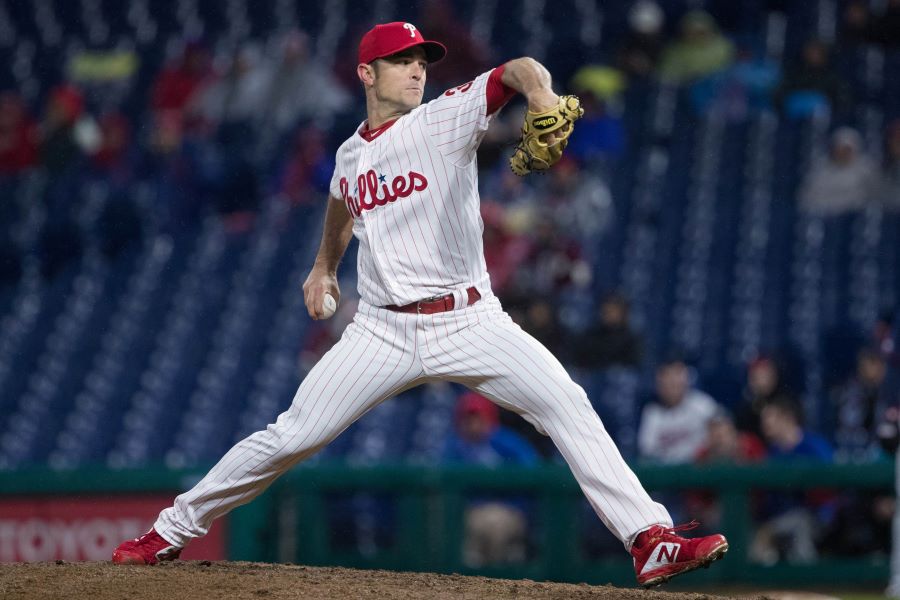 Trevor Rosenthal, Brad Hand, Alex Colomé, all fun names, all on the top end of what’s left of free agency. It may make us feel better to pick up more of a surefire option, but the Twins take a lot of pride in manufacturing their bullpen. For that reason, a few options are still out there that may fit their mould for one reason or another and at a cheaper price. Darren O’Day At 38, he’s coming off a season with a 1.10 ERA/2.76 FIP. O’Day had a strong 7 year career in Baltimore before moving to Atlanta where he’s had his fair share of injuries. He won’t wow you with even a 90 mph fastball, but what he will do is absolutely mow down right handed hitters. In fact, he’s allowed a triple slash of .193/.262/.287 against same handed hitters in his 13 year career. O’Day likely won’t fill the part time closer role left by Sergio Romo, but in terms of matching up against righties, O’Day would surely have that role taken care of. Specialists in the bullpen aren’t worth much these days, but O’Day would shine against right handed slugging teams such as the White Sox and Yankees for a modest pay day. Perhaps an extra roster spot would make O’Day a worthwhile luxury. Cam Bedrosian Son of Steve “Bedrock” Bedrosian, Cam has had a valuable 7 year career with the Angels with a 3.70 ERA/3.60 FIP before being non tendered this offseason. He throws mostly a low to mid 90s fastball and slider as well as conservatively mixing in a splitter. The reason the Twins may be in on Bedrosian is that he loves to use his 2300 rpm fastball up in the zone while pairing it with a slider that had a 34% whiff rate in 2019. He saw that whiff rate and his overall K% drop in 2020, but his 2019 Statcast measures are what may really pique the front office’s interest. At only 29 years old, Bedrosian could definitely have a few years left as an effective reliever and recreating his 2019 breakout may not be all that unrealistic. He’s regularly factored into the holds in LA, though not so much for saves. That being said, he has at least some history of high leverage work and could serve as a setup man. David Robertson I wanted the Twins to sign Robertson two offseasons ago and it turns out they know more than me. Robertson suffered through part of 2019 before undergoing Tommy John surgery. Up to that point, Robertson was one of the premier relievers in baseball with a career 2.90 ERA/2.84 FIP as the Twins know all too well. At 35, Robertson may be a bit sketchy, but he has what is essentially a starter’s pitch mix with a cutter, four seam, curve and slider which could help stave off father time. Tommy John has also become a procedure where recovery is almost assumed, and a healthy Robertson is one you could certainly factor into high leverage innings. The Twins were linked to John Brebbia who was similarly on the mend earlier this winter which means recovering pitchers aren’t out of the question. Robertson could command a bit more than the $800k Brebbia wound up with, but if they attend a showcase and like what they see, Robertson could become an impact addition. The free agent reliever market is admittedly thinning, but it’s far from time to panic. You can dig pretty far down the remaining list and find redeeming factors that the Twins could snag up and capitalize upon. At this point in the offseason it’s fair to say the 2021 Opening Day bullpen isn’t one that will blow you away, but it'll likely be one Twins fans should have faith in. — Latest Twins coverage from our writers — Recent Twins discussion in our forums — Follow Twins Daily via Twitter, Facebook or email — Follow Cody Pirkl on Twitter here
 -
4 Corey Kluber Alternatives for the Twins
Cody Pirkl replied to Nate Palmer's topic in Twins Daily Front Page News
Aw yeah! -
Cody Stashak has settled into a middle relief role since his 2019 debut and has done a great job with it. After so many departures from 2020 however, 2021 may be a chance to see if there’s another rung in Stashak’s ladder.The Twins effectively used a rotation of relievers in high leverage spots in 2020. Of the six regular “high leverage guys”, Trevor May, Matt Wisler, Sergio Romo, and Tyler Clippard have all departed (although the latter two are still free agents). The Twins currently sit with Taylor Rogers and Tyler Duffey atop the bullpen pecking order. Young fireballer Jorge Alcala could slot into that tier of reliever, as could a rebound from newly signed Hansel Robles or another late addition to the bullpen. The bullpen however has its fair share of question marks. Cody Stashak has not been a question mark since his debut. While admittedly not overly battle tested so far due to the bullpen depth, Stashak has largely done whatever job that’s been asked of him. In his two seasons he’s compiled a 3.15 ERA and 3.11 FIP. His fastball which hovers around 92 MPH doesn’t catch a lot of eyes, which may be why he’s had such an underrated first two seasons in the MLB. His 9.45 K/9 is impressive, but it’s also worth noting he already took a step forward from his rookie season and upped this rate to 10.20/9 in 2020. Where Stashak really excels is preventing walks however. His 0.90 BB/9 in his career so far is downright outrageous, and something he’s always taken great pride in. Aside from a few homers in the playoffs these last few years, Stashak has mostly avoided the long ball so far in his career. A 1.13 HR/9 mark is more than acceptable for a reliever with such good command. Stashak made some kind of improvement between 2019 and 2020 to up that strikeout rate and it’s fair to say that the Twins pitching coaches will look to continue to make some tweaks. He has the great floor because of his command when it comes to his fastball and slider, but maybe adding another pitch is next on his to do list. He’s peppered in a changeup periodically that hasn’t gotten hit hard but also hasn’t induced a single swing and miss in 2020. In any case, Stashak has been making forward progress as an effective reliever at the MLB level since his debut. I’d expect it to continue. The obvious request in Twins territory is to sign a high end reliever to help soften the blow the bullpen has taken this winter. While I share that sentiment, Stashak taking another step forward helps the Twins regardless of how the rest of the winter shakes out. The Twins love using guys in multiple roles and Stashak could find himself in some more high leverage ones in 2021. He’s earned a shot. — Latest Twins coverage from our writers — Recent Twins discussion in our forums — Follow Twins Daily via Twitter, Facebook or email — Follow Cody Pirkl on Twitter here Click here to view the article
-
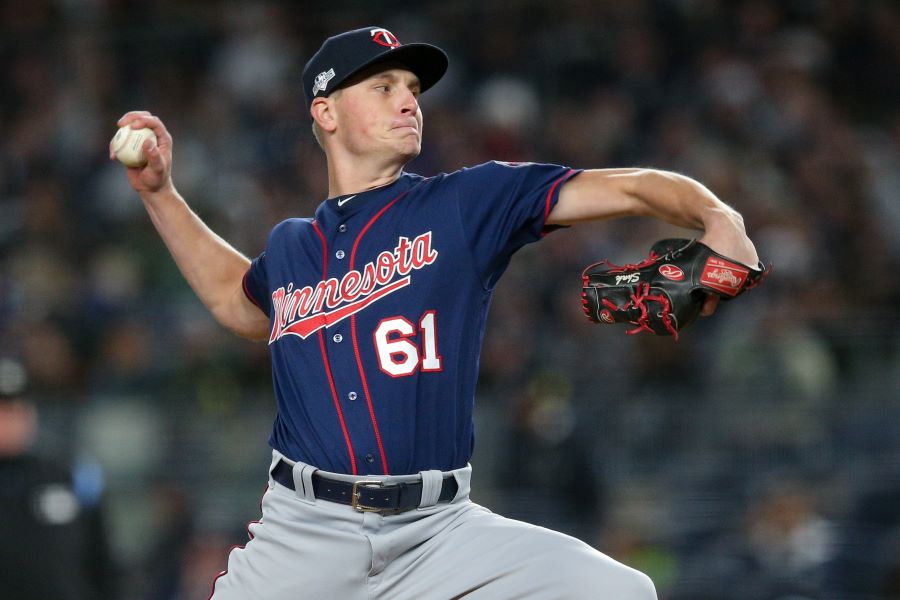 The Twins effectively used a rotation of relievers in high leverage spots in 2020. Of the six regular “high leverage guys”, Trevor May, Matt Wisler, Sergio Romo, and Tyler Clippard have all departed (although the latter two are still free agents). The Twins currently sit with Taylor Rogers and Tyler Duffey atop the bullpen pecking order. Young fireballer Jorge Alcala could slot into that tier of reliever, as could a rebound from newly signed Hansel Robles or another late addition to the bullpen. The bullpen however has its fair share of question marks. Cody Stashak has not been a question mark since his debut. While admittedly not overly battle tested so far due to the bullpen depth, Stashak has largely done whatever job that’s been asked of him. In his two seasons he’s compiled a 3.15 ERA and 3.11 FIP. His fastball which hovers around 92 MPH doesn’t catch a lot of eyes, which may be why he’s had such an underrated first two seasons in the MLB. https://twitter.com/TFTwins/status/1349881208981872652?s=20 His 9.45 K/9 is impressive, but it’s also worth noting he already took a step forward from his rookie season and upped this rate to 10.20/9 in 2020. Where Stashak really excels is preventing walks however. His 0.90 BB/9 in his career so far is downright outrageous, and something he’s always taken great pride in. https://twitter.com/dohyoungpark/status/1153432879394934786?s=20 Aside from a few homers in the playoffs these last few years, Stashak has mostly avoided the long ball so far in his career. A 1.13 HR/9 mark is more than acceptable for a reliever with such good command. Stashak made some kind of improvement between 2019 and 2020 to up that strikeout rate and it’s fair to say that the Twins pitching coaches will look to continue to make some tweaks. He has the great floor because of his command when it comes to his fastball and slider, but maybe adding another pitch is next on his to do list. He’s peppered in a changeup periodically that hasn’t gotten hit hard but also hasn’t induced a single swing and miss in 2020. In any case, Stashak has been making forward progress as an effective reliever at the MLB level since his debut. I’d expect it to continue. The obvious request in Twins territory is to sign a high end reliever to help soften the blow the bullpen has taken this winter. While I share that sentiment, Stashak taking another step forward helps the Twins regardless of how the rest of the winter shakes out. The Twins love using guys in multiple roles and Stashak could find himself in some more high leverage ones in 2021. He’s earned a shot. — Latest Twins coverage from our writers — Recent Twins discussion in our forums — Follow Twins Daily via Twitter, Facebook or email — Follow Cody Pirkl on Twitter here
 -
White Sox Sign Hendriks; Twins Fans Wait (Patiently?)
Cody Pirkl replied to Seth Stohs's topic in Twins Daily Front Page News
Here's hoping for at least two starters. We don't have proven opener Matt Wisler to open 2 games per week this season if someone gets injured. -
Why the Twins Shouldn't Re-Sign Nelson Cruz
Cody Pirkl posted a topic in Twins Daily Front Page News
After the last two seasons, it’s fair to want Nelson Cruz back in a Twins uniform. There’s surely a price that the two parties can agree upon. As reasonable as that price may come to be, what if this still isn’t the best route for the 2021 Minnesota Twins to take?Nelson Cruz has been an enigma in the twilight of his baseball career putting up MVP level seasons long past his prime. It’s easy to believe that Cruz will simply hit forever. Unfortunately that just isn’t the case. At 40, another season like the two we’ve seen from Cruz recently would be quite literally historic. Projection systems for 2021 reflect this. Cruz Steamer: .256/.344/.490, 114 wRC+, 1.2 WAR Steamer has under-projected Cruz every year for awhile now due to his age. This year looks a bit different however, as in 2020 we started to see some red flags that often arise right before the bottom drops out on an aging player. Cruz’s average plummeted almost .100 points in the second half, his OBP and Slugging saw similar declines. The reality is that his first half 1.122 OPS would never hold, and his second half .842 mark is still plenty respectable. That being said, his strikeout rate also increased by 8% as the shortened season went on and his K% finished at his worst mark since the dawn of Statcast in 2015. His average exit velocity also was his lowest since the metric was measured in 2015. Hitters typically age out of baseball in the same way, they just can’t make contact with certain pitches anymore. Then all it takes is a scouting report and the league to adjust and all of a sudden a hitter with decades of success lacks the physical ability to adjust back. Admittedly this is no sure thing with Cruz who’s beaten father time over and over. Perhaps his ailing knee was to blame at season's end and he has another stellar year in him. If this were last winter, giving Cruz a chance to make good one more season might be worth the risk. However, this season there are financial limitations and more importantly other improvements that can be made on the roster with readily available candidates to pivot to. Javy Baez Steamer:.255/.298/.471, 94 wRC+, 2.2 WAR Trevor Story Steamer: .276/.346/.528, 109 wRC+, 3.8 WAR Marcus Semien: .253/.336/.436, 103 wRC+, 3.0 WAR Shortstop is a spot the Twins are rumored to be exploring replacements for, and there’s no shortage of options on the market. All are likely in the same price range as a 40-year-old Nelson Cruz and would likely upgrade the premier shortstop position both defensively and offensively. It also solves the Twins utility problem by improving upon the 2020 Marwin/Adrianza performance with Polanco/Arraez. Baez and Story would cost more than money, but the recent Francisco Lindor trade goes to show just how cheap these one-year shortstops can be on the trade market. None of these options have quite the offensive projections Cruz has, but they also carry defensive value and don’t carry the risk of their production dropping off to career ending levels such as Cruz. It’s also easy to imagine a scenario where the Twins rotate Garver/Sano/Rooker/Kirilloff into the DH spot and get well above league average production. What it all comes down to is this: The Twins likely won’t spend on both Cruz and an impact shortstop addition. If they do, it will surely stop them from appropriately addressing the rotation and bullpen needs. Spending on Cruz brings significant risk, and the likeliest outcome may be a good season that can be replicated in the DH spot by players already on the team. Adding a bigtime shortstop won’t break the bank or cost the farm system much, and will almost surely be an upgrade at two positions. For a Twins team with several needs this offseason, it may be wise to make the move that addresses multiple positions and brings less risk. Cruz for $16 million could easily become a sunken cost a month into the season. A similar price for Baez/Story/Semien gives a surefire contender a floor on their investment, and for that reason, The Twins should avoid re-signing Nelson Cruz. Agree? Disagree? Let us know below. — Latest Twins coverage from our writers — Recent Twins discussion in our forums — Follow Twins Daily via Twitter, Facebook or email — Follow Cody Pirkl on Twitter here Click here to view the article -
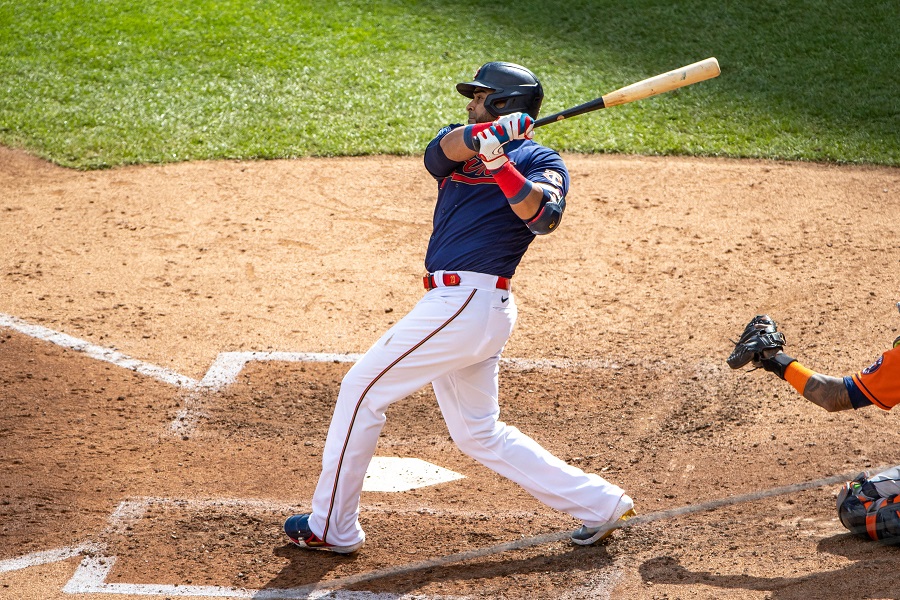 Nelson Cruz has been an enigma in the twilight of his baseball career putting up MVP level seasons long past his prime. It’s easy to believe that Cruz will simply hit forever. Unfortunately that just isn’t the case. At 40, another season like the two we’ve seen from Cruz recently would be quite literally historic. Projection systems for 2021 reflect this. Cruz Steamer: .256/.344/.490, 114 wRC+, 1.2 WAR Steamer has under-projected Cruz every year for awhile now due to his age. This year looks a bit different however, as in 2020 we started to see some red flags that often arise right before the bottom drops out on an aging player. Cruz’s average plummeted almost .100 points in the second half, his OBP and Slugging saw similar declines. The reality is that his first half 1.122 OPS would never hold, and his second half .842 mark is still plenty respectable. That being said, his strikeout rate also increased by 8% as the shortened season went on and his K% finished at his worst mark since the dawn of Statcast in 2015. His average exit velocity also was his lowest since the metric was measured in 2015. Hitters typically age out of baseball in the same way, they just can’t make contact with certain pitches anymore. Then all it takes is a scouting report and the league to adjust and all of a sudden a hitter with decades of success lacks the physical ability to adjust back. Admittedly this is no sure thing with Cruz who’s beaten father time over and over. Perhaps his ailing knee was to blame at season's end and he has another stellar year in him. If this were last winter, giving Cruz a chance to make good one more season might be worth the risk. However, this season there are financial limitations and more importantly other improvements that can be made on the roster with readily available candidates to pivot to. Javy Baez Steamer:.255/.298/.471, 94 wRC+, 2.2 WAR Trevor Story Steamer: .276/.346/.528, 109 wRC+, 3.8 WAR Marcus Semien: .253/.336/.436, 103 wRC+, 3.0 WAR Shortstop is a spot the Twins are rumored to be exploring replacements for, and there’s no shortage of options on the market. All are likely in the same price range as a 40-year-old Nelson Cruz and would likely upgrade the premier shortstop position both defensively and offensively. It also solves the Twins utility problem by improving upon the 2020 Marwin/Adrianza performance with Polanco/Arraez. Baez and Story would cost more than money, but the recent Francisco Lindor trade goes to show just how cheap these one-year shortstops can be on the trade market. None of these options have quite the offensive projections Cruz has, but they also carry defensive value and don’t carry the risk of their production dropping off to career ending levels such as Cruz. It’s also easy to imagine a scenario where the Twins rotate Garver/Sano/Rooker/Kirilloff into the DH spot and get well above league average production. What it all comes down to is this: The Twins likely won’t spend on both Cruz and an impact shortstop addition. If they do, it will surely stop them from appropriately addressing the rotation and bullpen needs. Spending on Cruz brings significant risk, and the likeliest outcome may be a good season that can be replicated in the DH spot by players already on the team. Adding a bigtime shortstop won’t break the bank or cost the farm system much, and will almost surely be an upgrade at two positions. For a Twins team with several needs this offseason, it may be wise to make the move that addresses multiple positions and brings less risk. Cruz for $16 million could easily become a sunken cost a month into the season. A similar price for Baez/Story/Semien gives a surefire contender a floor on their investment, and for that reason, The Twins should avoid re-signing Nelson Cruz. Agree? Disagree? Let us know below. — Latest Twins coverage from our writers — Recent Twins discussion in our forums — Follow Twins Daily via Twitter, Facebook or email — Follow Cody Pirkl on Twitter here
 -
Worth noting he also reportedly lost a lot of weight after getting sick in 2020 I believe. Could explain the velo drop.
-
The Colorado Rockies are in a rough spot. Despite loads of talented players, they’re firmly on the outside looking in when it comes to expanded playoffs for 2021. Colorado may not be in for a ton of fun these next few years, and several of their players may need rescuing.The Rockies were never in great shape to compete in 2021, and now with San Diego’s recent moves they’re lucky to finish third in their division. Colorado has done a nice job of putting talent on the field over the last decade, but things just haven’t really come together for an actual World Series run. The result is several talented players aging out of their cost controlled years, which really doesn’t fit well with a team that’s several pieces away from being serious contenders. It’s often at this point where teams cash in their veteran talent for what value they have left and try to speed up a rebuild. If the Rockies choose to go this route, the Minnesota Twins have several pieces they should be checking in on. Jon Gray Gray has been an obvious target for the Twins for a few years now. While he struggled in 2020, his raw talent is still there with his mid 90s fastball and whiff inducing slider. Gray has the raw tools that we’ve seen Wes Johnson and company take to the next level before, and just getting out of Coors may be enough to bring him up a tier. Colorado somewhat surprisingly tendered Gray a contract this winter given how far he had fallen in their depth chart. His being a free agent in a year paired with his poor 2020 means that an underwhelming trade package should get the job done if the Rockies are looking to shed the $6 million he’s set to make in 2021. For more details on Jon Gray, check out an article written about him last fall. Trevor Story Story has been discussed as a possible trade target this winter, but would require Colorado completely burning it down. He’s been one of the best shortstops in baseball the last three years. His worst season in that time period was when he was 17% above league average on offense in 2020 according to wRC+. Story's game-changing speed and power likely means a trade would still cost the Twins greatly despite the hefty $18.5 million he’s due in 2021 before hitting free agency the following year. That being said, if the Twins felt confident about exploring an extension, Story would be the answer at shortstop for the foreseeable future, and would drop a superstar into an already impressive lineup. Check out a potential trade discussed earlier this year for Story at Twins Daily. German Marquez Here’s the real Rocky that needs rescuing. German Marquez is a certified stud … away from Coors. He has a career 5.10 ERA at home and a 3.51 mark away. He averages 95+ on his fastball and has a curveball and slider that absurdly both hover around 40% whiff rates. Studies have shown that Coors affects breaking ball movement above all else, and that’s Marquez’s bread and butter. He is still only 25 years old and is due a very reasonable $33.5 million over the next three years with a $16 million club option in 2024. This means that the Twins will have to be willing to part with some names at the top end of the farm system. Marquez, however, might be the biggest value play on the trade market. He hasn’t broken out to command an ace-like price tag, but his numbers away from home show that there’s a strong possibility that he could still give that kind of return. For that reason Marquez may be my favorite target for the Twins even if it takes some elbow grease by the front office. The first piece to fall for Colorado may be Nolan Arenado who’s been discussed as a trade target all winter. If he and his enormous contract get moved, the Rockies fall to a mediocre team and would be looking to part with pieces in order to set up for a speedy rebuild. Do you think the Twins should be ready to buy up the pieces the Rockies are selling off? Let us know below. SEE ALSO With Snell and Darvish Gone, What’s Left on the Starting Pitching Market? | Tom Froemming Patience: The Rotation Edition | Cody Pirkl 5 Trade Targets: Who Can the Twins Raid from the Reds? | Cody Christie — Latest Twins coverage from our writers — Recent Twins discussion in our forums — Follow Twins Daily via Twitter, Facebook or email — Follow Cody Pirkl on Twitter here Click here to view the article
-
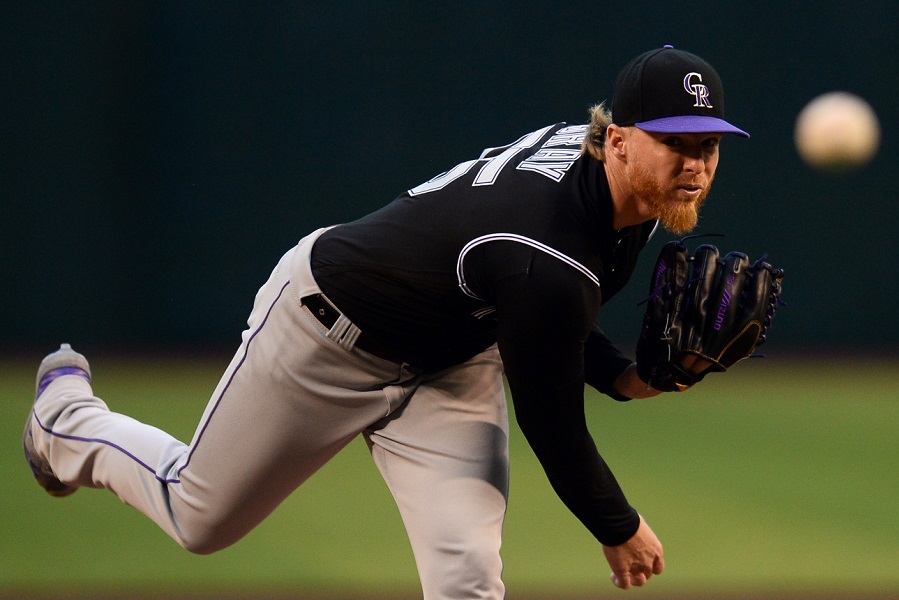 The Rockies were never in great shape to compete in 2021, and now with San Diego’s recent moves they’re lucky to finish third in their division. Colorado has done a nice job of putting talent on the field over the last decade, but things just haven’t really come together for an actual World Series run. The result is several talented players aging out of their cost controlled years, which really doesn’t fit well with a team that’s several pieces away from being serious contenders. It’s often at this point where teams cash in their veteran talent for what value they have left and try to speed up a rebuild. If the Rockies choose to go this route, the Minnesota Twins have several pieces they should be checking in on. Jon Gray Gray has been an obvious target for the Twins for a few years now. While he struggled in 2020, his raw talent is still there with his mid 90s fastball and whiff inducing slider. Gray has the raw tools that we’ve seen Wes Johnson and company take to the next level before, and just getting out of Coors may be enough to bring him up a tier. Colorado somewhat surprisingly tendered Gray a contract this winter given how far he had fallen in their depth chart. His being a free agent in a year paired with his poor 2020 means that an underwhelming trade package should get the job done if the Rockies are looking to shed the $6 million he’s set to make in 2021. For more details on Jon Gray, check out an article written about him last fall. Trevor Story Story has been discussed as a possible trade target this winter, but would require Colorado completely burning it down. He’s been one of the best shortstops in baseball the last three years. His worst season in that time period was when he was 17% above league average on offense in 2020 according to wRC+. Story's game-changing speed and power likely means a trade would still cost the Twins greatly despite the hefty $18.5 million he’s due in 2021 before hitting free agency the following year. That being said, if the Twins felt confident about exploring an extension, Story would be the answer at shortstop for the foreseeable future, and would drop a superstar into an already impressive lineup. Check out a potential trade discussed earlier this year for Story at Twins Daily. German Marquez Here’s the real Rocky that needs rescuing. German Marquez is a certified stud … away from Coors. He has a career 5.10 ERA at home and a 3.51 mark away. He averages 95+ on his fastball and has a curveball and slider that absurdly both hover around 40% whiff rates. Studies have shown that Coors affects breaking ball movement above all else, and that’s Marquez’s bread and butter. He is still only 25 years old and is due a very reasonable $33.5 million over the next three years with a $16 million club option in 2024. This means that the Twins will have to be willing to part with some names at the top end of the farm system. Marquez, however, might be the biggest value play on the trade market. He hasn’t broken out to command an ace-like price tag, but his numbers away from home show that there’s a strong possibility that he could still give that kind of return. For that reason Marquez may be my favorite target for the Twins even if it takes some elbow grease by the front office. The first piece to fall for Colorado may be Nolan Arenado who’s been discussed as a trade target all winter. If he and his enormous contract get moved, the Rockies fall to a mediocre team and would be looking to part with pieces in order to set up for a speedy rebuild. Do you think the Twins should be ready to buy up the pieces the Rockies are selling off? Let us know below. SEE ALSO With Snell and Darvish Gone, What’s Left on the Starting Pitching Market? | Tom Froemming Patience: The Rotation Edition | Cody Pirkl 5 Trade Targets: Who Can the Twins Raid from the Reds? | Cody Christie — Latest Twins coverage from our writers — Recent Twins discussion in our forums — Follow Twins Daily via Twitter, Facebook or email — Follow Cody Pirkl on Twitter here
 -
Patience: The Rotation Edition
Cody Pirkl replied to Cody Pirkl's topic in Twins Daily Front Page News
The thing I'd point out is that much of the Twins pitchers drafted are out of college so they're going to be older when they reach the majors. It takes a special pitcher to be in professional ball and debut so young, and its also not uncommon for pitchers to take 3-4 years to work their way up. -
The Twins front office has made pitching development an artform when it comes to the bullpen, but many fans still feel less than confident about the rotation. After years of calling for upgrades to the rotation, what if better days are right around the corner?In 2016 Cleveland made it to the World Series and made several draft picks that set them up for years of future success. In the 2016 amateur draft, they plucked up Aaron Civale, Zack Plesac and 2020 Cy Young winner Shane Bieber. While not superstar prospects at the time, Cleveland put them through their system of analytic development and moulded them into the Twins killers they are today. Cleveland was living large in 2016, but what if I told you they lost the individual that identified this future juggernaut pitching rotation? Someone who was certainly also familiar with their system in place that developed such high end talent? After 2016, the Twins stole Derek Falvey away. As co-head of baseball operations, Falvey played a heavy role in the draft process that landed Cleveland much of the redeeming players on their current roster. He was now making draft picks for the division rival and trying to recreate the system that Cleveland had. Pitchers drafted by Falvey and showing a lot of promise for the future include Blayne Elnow and Bailey Ober in 2017, Cole Sands and Josh Winder in 2018, and Matt Canterino in 2019. Many of these arms have put up dominant seasons in the minors and may not be incredibly far off from the Major Leagues despite a lost 2020. In addition to the picks Falvey has made over the years, the organizational overhaul has likely benefited pitchers already in the organization. Jordan Balazovic seems to have developed into the ceiling that seemed so far away when he was drafted in 2016. Jhoan Duran was particularly targeted by Falvey via trade and has put up some of the best numbers of his career since joining the Twins. Look at what the Twins have done to develop Randy Dobnak who went from an Independent Ball pitcher to a meaningful piece of the Twins rotation in a matter of years. The moral of the story is “Rome wasn’t built in a day” as they say, and neither was Cleveland’s rotation. One of the engineers of it however is at the head of the Minnesota Twins organization. What he’s done in Minnesota thus far has been fantastic in general, but especially so when it comes to pitching. The impacts made at the Major League level are just the tip of the iceberg. Much of this organization’s success when it comes to pitching still likely remains in the Minor Leagues, slowly rising to the top of the professional ladder. The timeline of Falvey’s tenure in Minnesota hasn’t been enough to judge the Twins' development of a pitching rotation yet. It’s truly one of the most difficult processes to succeed in and takes a good bit of time. Cleveland’s highly touted 2016 class took 4 years to come to fruition. That being said, The Twins have one of the most exciting groups of upcoming starting pitchers in years, and much of it is a testament to the work of Derek Falvey. If you’re ready to make a judgement on the Twins starting pitching development already, you may be kicking yourself in a year or two. — Latest Twins coverage from our writers — Recent Twins discussion in our forums — Follow Twins Daily via Twitter, Facebook or email — Follow Cody Pirkl on Twitter here Click here to view the article
-
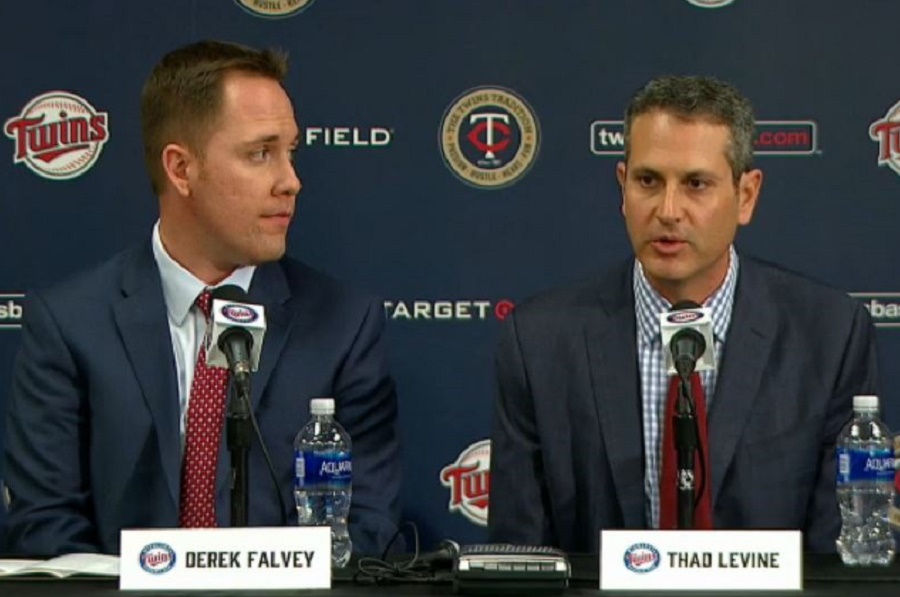 In 2016 Cleveland made it to the World Series and made several draft picks that set them up for years of future success. In the 2016 amateur draft, they plucked up Aaron Civale, Zack Plesac and 2020 Cy Young winner Shane Bieber. While not superstar prospects at the time, Cleveland put them through their system of analytic development and moulded them into the Twins killers they are today. Cleveland was living large in 2016, but what if I told you they lost the individual that identified this future juggernaut pitching rotation? Someone who was certainly also familiar with their system in place that developed such high end talent? After 2016, the Twins stole Derek Falvey away. As co-head of baseball operations, Falvey played a heavy role in the draft process that landed Cleveland much of the redeeming players on their current roster. He was now making draft picks for the division rival and trying to recreate the system that Cleveland had. Pitchers drafted by Falvey and showing a lot of promise for the future include Blayne Elnow and Bailey Ober in 2017, Cole Sands and Josh Winder in 2018, and Matt Canterino in 2019. Many of these arms have put up dominant seasons in the minors and may not be incredibly far off from the Major Leagues despite a lost 2020. In addition to the picks Falvey has made over the years, the organizational overhaul has likely benefited pitchers already in the organization. Jordan Balazovic seems to have developed into the ceiling that seemed so far away when he was drafted in 2016. Jhoan Duran was particularly targeted by Falvey via trade and has put up some of the best numbers of his career since joining the Twins. Look at what the Twins have done to develop Randy Dobnak who went from an Independent Ball pitcher to a meaningful piece of the Twins rotation in a matter of years. The moral of the story is “Rome wasn’t built in a day” as they say, and neither was Cleveland’s rotation. One of the engineers of it however is at the head of the Minnesota Twins organization. What he’s done in Minnesota thus far has been fantastic in general, but especially so when it comes to pitching. The impacts made at the Major League level are just the tip of the iceberg. Much of this organization’s success when it comes to pitching still likely remains in the Minor Leagues, slowly rising to the top of the professional ladder. The timeline of Falvey’s tenure in Minnesota hasn’t been enough to judge the Twins' development of a pitching rotation yet. It’s truly one of the most difficult processes to succeed in and takes a good bit of time. Cleveland’s highly touted 2016 class took 4 years to come to fruition. That being said, The Twins have one of the most exciting groups of upcoming starting pitchers in years, and much of it is a testament to the work of Derek Falvey. If you’re ready to make a judgement on the Twins starting pitching development already, you may be kicking yourself in a year or two. — Latest Twins coverage from our writers — Recent Twins discussion in our forums — Follow Twins Daily via Twitter, Facebook or email — Follow Cody Pirkl on Twitter here
 -
Very fair! Even higher projections for Thorpe than Balazovic or Duran are hard to believe. I'd be surprised to see it play out where Thorpe outperforms a pitcher like Sixto as well. I looked at this more as a reminder that for all the frustration around Thorpe in 2020, his past successes shouldn't be wiped clean because of a faceplant in that 2020 season. I loved him too much coming in to be completely done with him headed into 2021.
-
So far the main access can be found on the Sparkman home page https://sixmanrotation.com/sparkman Where they have a link to the doc of the entire list Sparkman put together. I don't think they've publicly updated it since 2019 since 2020 was a lost season in the minors. Connor was gracious enough however to send me the updated charts for the Twins pitchers as they were last tracked. I believe he's working on a program for users to look up names and have the charts spit out but hasn't publicly posted access as of yet.
-
The Twins announced the signing of Glenn Sparkman this week. While it’s far from an exciting signing, it’s one that raised my eyebrow for more reasons than just the whiff rate on his slider. What if I told you the lifelong Royal had ties to several of the Twins top pitching prospects?Years ago a young Glenn Sparkman was dominating the Minor Leagues. This drew the excitement of a baseball fan by the name of Connor Kurcon who later found out that several things were amiss in the numbers Sparkman was accumulating. He was much older than the competition, several of his ratios were unsustainable and his outlook as a starter was being boosted by numbers accumulated in relief outings. In response to his discoveries, he did what any fan of baseball would have done: He made a massive projection system named after the player that inspired it. The “Sparkman” system projects all factors of a pitching prospect’s success and gives them a percentage chance of reaching several fWAR milestones in the MLB before the age of 30. This all may seem irrelevant to Twins fans until you find out that 4 Twins made the top 50 in Sparkman back in 2019. Connor Kurcon provided the updated graphs for these four Twins and I think it gives us a chance to take a look at these interesting projections. Devin Smeltzer - Expected WAR: 4.7 Download attachment: Smeltzer Sparkman.png Smeltzer’s projected WAR has risen since 2019 likely due to the fact that he’s since made his debut. Smeltzer looks like a low ceiling high floor pitcher according to Sparkman which certainly matches what we’ve seen of him so far. Being a soft tossing lefty may eventually lead him to a bullpen role as we saw in 2020, which justifies the less than 10% chance for him to land in between the ace like threshold of 10-14 WAR. Still, it’s a bit surprising to see Smeltzer ranked so strongly. Previously ranking 45th among the games to 50 pitching prospects is nothing to scoff at, and neither is the thought of him being worth nearly 5 wins over the next few years. Jhoan Duran - Expected WAR: 3.7 Download attachment: Duran Sparkman.png Duran surprisingly ranks below Devin Smeltzer in projected WAR in his 20s, and it likely has a lot to do with his lack of MLB debut so far. More surprisingly, Sparkman gives Duran a near 20% chance of not debuting at all despite his 2019 breakout and perceived proximity to making the Twins roster. Some also aren’t so sold on Duran sticking in a rotation spot which may be weighing him down. One thing is for certain in this case, 3.7 WAR from one of the Twins top pitching prospects would be a bit disappointing. Jordan Balazovic - Expected WAR 4.1 Download attachment: Balazovic Sparkman.png Balazovic is Sparkman’s favorite among the Twins top two pitching prospects, but not by much. Balazovic’s projected WAR decreased since 2019 which likely has a lot to do with the lost 2020. He was in the midst of a breakout before the Minor Leagues shut down, and I’d guess many pitching prospects will see similar dips in projected future value as a result. Balazovic is likely also further behind in his development in Duran and likely further from the MLB, though Sparkman interestingly feels better about Balazovic’s chances of getting there. Lewis Thorpe - Expected WAR - 8.4 Download attachment: Thorpe Sparkman.png Probably didn’t expect to see Thorpe as Sparkman’s #1 rated Twins pitching prospect huh? Thorpe received a large boost in his projected WAR between 2019 and now likely due to his debut. It’s easy to look at his atrocious 2020 and write him off, but keep in mind that Thorpe has succeeded at every professional level up to this point and his 2020 numbers looked nothing like anything he’s ever produced. Thorpe could very well be a lost cause, but Sparkman seems to think his struggles in the weirdest MLB season in history could have been a fluke. As we get further out from that 60 game season, that possibility seems to be more and more believable. Sometimes you find yourself in the dead of the offseason and decide to use a minor league signing of Glenn Sparkman as a jumping off point. While projections aren’t the sexiest topic, Sparkman uses a unique system that happens to grade the Twins system highly. If you want to look into the specifics of their mathematical analysis or want to check in on where other prospects rank from 2019, I’d encourage you to give the home page a look. How do you feel about Sparkman’s analysis of the Twins young arms? — Latest Twins coverage from our writers — Recent Twins discussion in our forums — Follow Twins Daily via Twitter, Facebook or email — Follow Cody Pirkl on Twitter here Click here to view the article
-
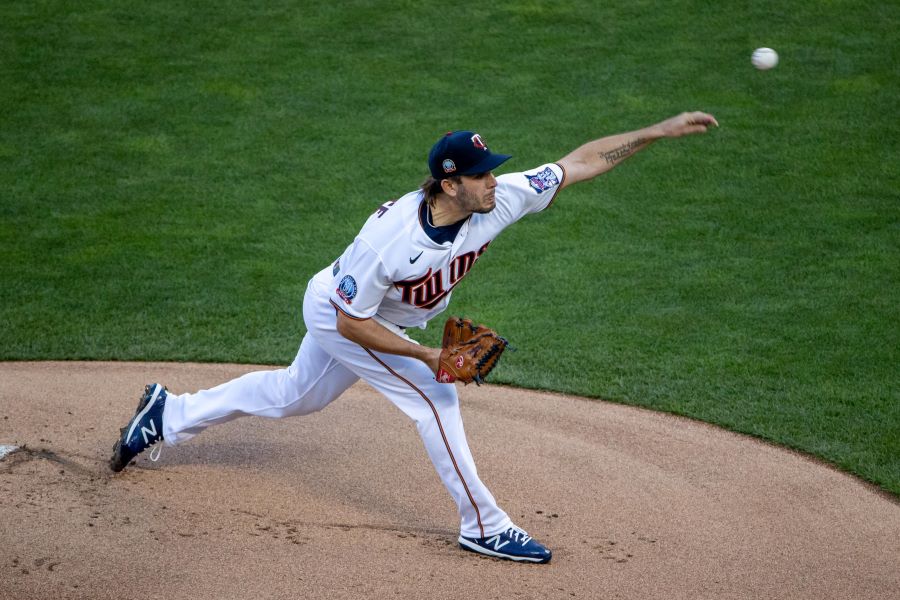 Years ago a young Glenn Sparkman was dominating the Minor Leagues. This drew the excitement of a baseball fan by the name of Connor Kurcon who later found out that several things were amiss in the numbers Sparkman was accumulating. He was much older than the competition, several of his ratios were unsustainable and his outlook as a starter was being boosted by numbers accumulated in relief outings. In response to his discoveries, he did what any fan of baseball would have done: He made a massive projection system named after the player that inspired it. The “Sparkman” system projects all factors of a pitching prospect’s success and gives them a percentage chance of reaching several fWAR milestones in the MLB before the age of 30. This all may seem irrelevant to Twins fans until you find out that 4 Twins made the top 50 in Sparkman back in 2019. Connor Kurcon provided the updated graphs for these four Twins and I think it gives us a chance to take a look at these interesting projections. Devin Smeltzer - Expected WAR: 4.7 Smeltzer’s projected WAR has risen since 2019 likely due to the fact that he’s since made his debut. Smeltzer looks like a low ceiling high floor pitcher according to Sparkman which certainly matches what we’ve seen of him so far. Being a soft tossing lefty may eventually lead him to a bullpen role as we saw in 2020, which justifies the less than 10% chance for him to land in between the ace like threshold of 10-14 WAR. Still, it’s a bit surprising to see Smeltzer ranked so strongly. Previously ranking 45th among the games to 50 pitching prospects is nothing to scoff at, and neither is the thought of him being worth nearly 5 wins over the next few years. Jhoan Duran - Expected WAR: 3.7 Duran surprisingly ranks below Devin Smeltzer in projected WAR in his 20s, and it likely has a lot to do with his lack of MLB debut so far. More surprisingly, Sparkman gives Duran a near 20% chance of not debuting at all despite his 2019 breakout and perceived proximity to making the Twins roster. Some also aren’t so sold on Duran sticking in a rotation spot which may be weighing him down. One thing is for certain in this case, 3.7 WAR from one of the Twins top pitching prospects would be a bit disappointing. Jordan Balazovic - Expected WAR 4.1 Balazovic is Sparkman’s favorite among the Twins top two pitching prospects, but not by much. Balazovic’s projected WAR decreased since 2019 which likely has a lot to do with the lost 2020. He was in the midst of a breakout before the Minor Leagues shut down, and I’d guess many pitching prospects will see similar dips in projected future value as a result. Balazovic is likely also further behind in his development in Duran and likely further from the MLB, though Sparkman interestingly feels better about Balazovic’s chances of getting there. Lewis Thorpe - Expected WAR - 8.4 Probably didn’t expect to see Thorpe as Sparkman’s #1 rated Twins pitching prospect huh? Thorpe received a large boost in his projected WAR between 2019 and now likely due to his debut. It’s easy to look at his atrocious 2020 and write him off, but keep in mind that Thorpe has succeeded at every professional level up to this point and his 2020 numbers looked nothing like anything he’s ever produced. Thorpe could very well be a lost cause, but Sparkman seems to think his struggles in the weirdest MLB season in history could have been a fluke. As we get further out from that 60 game season, that possibility seems to be more and more believable. Sometimes you find yourself in the dead of the offseason and decide to use a minor league signing of Glenn Sparkman as a jumping off point. While projections aren’t the sexiest topic, Sparkman uses a unique system that happens to grade the Twins system highly. If you want to look into the specifics of their mathematical analysis or want to check in on where other prospects rank from 2019, I’d encourage you to give the home page a look. How do you feel about Sparkman’s analysis of the Twins young arms? — Latest Twins coverage from our writers — Recent Twins discussion in our forums — Follow Twins Daily via Twitter, Facebook or email — Follow Cody Pirkl on Twitter here
 -
The Twins have played the free agency game quite well in recent years as evidenced by their in season success. This offseason is already looking a bit different however, and it may take some aggressiveness to come out successfully on the other side.2020 was the weirdest season of baseball we’ve ever seen and it’s led into what may be one of the weirder offseasons. So many questions remain including whether the NL will again adopt the DH and how many games will be played in the regular season. Unfortunately as players search for jobs and teams look to fill their openings, the uncertainties are clearly slowing the market. One change teams are expecting to see however is the expanded playoff format, and this expectation may be having early effects on the market that the Twins should keep an eye on. The Royals paid decently for Carlos Santana and Mike Minor, both of whom were discussed as fallback options for the Twins. The Giants signed Anthony Desclefani, a Statcast star in 2019 fallen on hard times in 2020. He looked to be a perfect example of a possible Twins pickup. The Mariners picked up recently DFAed Keynan Middleton, a hard throwing high spin reliever coming off of Tommy John. While not top tier free agents, all of these players were intriguing in their own way and would have slotted in nicely as complementary pieces on contenders. All of these players however went to teams who missed the playoffs in 2020, something that we may see more and more. More playoff spots means the bar to clear for October has gotten a bit lower. Teams that aren’t surefire contenders may be spending more money to give themselves that extra push to bring their fanbase more excitement as well as the income added of making it to the playoffs. While good for baseball, this new development may be bad for the Twins. This year they have a ton of needs including a few starting pitchers, a utilityman and multiple high leverage bullpen pieces. They also seem to be in the same staredown as the rest of the obvious contenders are with free agents, as they’ve done little to make impact acquisitions. Meanwhile some nice options have surprisingly gone to teams who never would have considered such signings in years past. The Twins likely have their targets they want to bring in this winter, but this front office has a price point in mind where they’re more than willing to pivot to other options. The market for those other options however could be more shallow than it has been in recent years, and the free agent market could explode so quickly that the Twins could miss out on effectively filling their many needs. It’s still earlyish in the offseason and there’s certainly plenty of talent left to bring in. That being said, it’s not just one or two spots the Twins need to fill. This front office has always “zigged” while others have “zagged”. Doing so now by breaking the apparent stalemate between teams and free agents gives them their pick of the free agent market and eliminates the risk of running out of backup options later this winter. The small premium they may pay in doing so should be worthwhile for a team in the middle of a competitive window. The early moves we’ve seen by apparent non contenders may not hold up throughout all of free agency. That being said, with expanded playoffs this assumption becomes a bit of a gamble for a competing team with roster spots to fill. Obviously everybody wants to see the Twins make some notable moves, but should we be more concerned with the lack of free agent signings so far? — Latest Twins coverage from our writers — Recent Twins discussion in our forums — Follow Twins Daily via Twitter, Facebook or email — Follow Cody Pirkl on Twitter here Click here to view the article
-
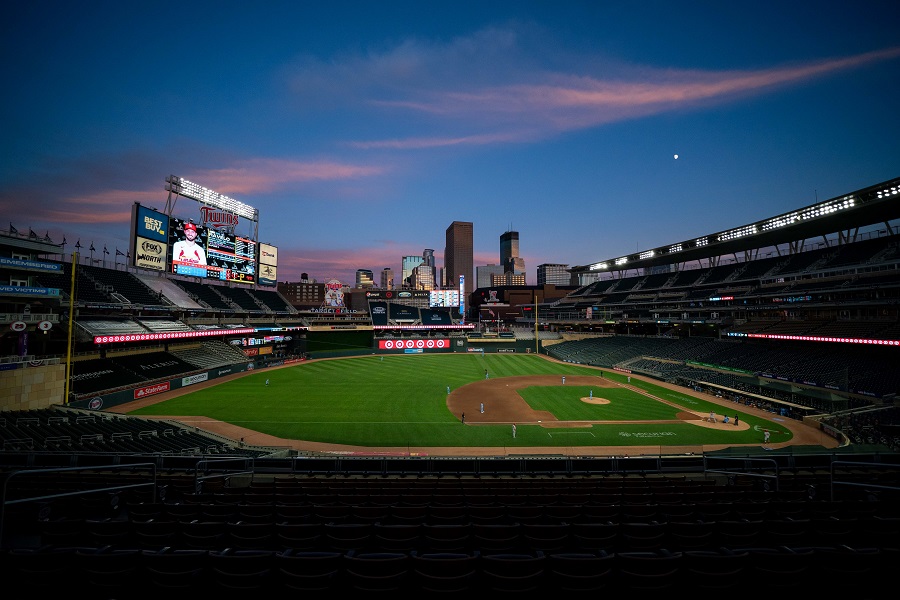 2020 was the weirdest season of baseball we’ve ever seen and it’s led into what may be one of the weirder offseasons. So many questions remain including whether the NL will again adopt the DH and how many games will be played in the regular season. Unfortunately as players search for jobs and teams look to fill their openings, the uncertainties are clearly slowing the market. One change teams are expecting to see however is the expanded playoff format, and this expectation may be having early effects on the market that the Twins should keep an eye on. The Royals paid decently for Carlos Santana and Mike Minor, both of whom were discussed as fallback options for the Twins. The Giants signed Anthony Desclefani, a Statcast star in 2019 fallen on hard times in 2020. He looked to be a perfect example of a possible Twins pickup. The Mariners picked up recently DFAed Keynan Middleton, a hard throwing high spin reliever coming off of Tommy John. While not top tier free agents, all of these players were intriguing in their own way and would have slotted in nicely as complementary pieces on contenders. All of these players however went to teams who missed the playoffs in 2020, something that we may see more and more. More playoff spots means the bar to clear for October has gotten a bit lower. Teams that aren’t surefire contenders may be spending more money to give themselves that extra push to bring their fanbase more excitement as well as the income added of making it to the playoffs. While good for baseball, this new development may be bad for the Twins. This year they have a ton of needs including a few starting pitchers, a utilityman and multiple high leverage bullpen pieces. They also seem to be in the same staredown as the rest of the obvious contenders are with free agents, as they’ve done little to make impact acquisitions. Meanwhile some nice options have surprisingly gone to teams who never would have considered such signings in years past. The Twins likely have their targets they want to bring in this winter, but this front office has a price point in mind where they’re more than willing to pivot to other options. The market for those other options however could be more shallow than it has been in recent years, and the free agent market could explode so quickly that the Twins could miss out on effectively filling their many needs. It’s still earlyish in the offseason and there’s certainly plenty of talent left to bring in. That being said, it’s not just one or two spots the Twins need to fill. This front office has always “zigged” while others have “zagged”. Doing so now by breaking the apparent stalemate between teams and free agents gives them their pick of the free agent market and eliminates the risk of running out of backup options later this winter. The small premium they may pay in doing so should be worthwhile for a team in the middle of a competitive window. The early moves we’ve seen by apparent non contenders may not hold up throughout all of free agency. That being said, with expanded playoffs this assumption becomes a bit of a gamble for a competing team with roster spots to fill. Obviously everybody wants to see the Twins make some notable moves, but should we be more concerned with the lack of free agent signings so far? — Latest Twins coverage from our writers — Recent Twins discussion in our forums — Follow Twins Daily via Twitter, Facebook or email — Follow Cody Pirkl on Twitter here
 -
In the last week, people have seemed to grow impatient with the Twins prized DH remaining on the free agent market. “Just sign Nelson Cruz and get it over with” they say. The Twins front office however is likely playing things the right way.Reports have surfaced saying the MLB has informed teams to “operate as if there is no DH in the National League”. For what it’s worth, that’s not a definitive statement, but it was likely one that Cruz wasn’t excited to hear. The MLB suggested that as Cruz approaches likely the last payday of his career, the pool of teams in need of his services has been greatly decreased from what he would have come to expect after much of the NL struggled to fill that role in 2020. Furthermore, as Aaron Gleeman of The Athletic suggested earlier this week, the pool of possible teams for Cruz in the AL isn’t the strongest either. Not only does a team need an opening at DH to slot Cruz in, but they would likely need to be in contention to justify the risk of paying a significant salary to a 41 year old. So what exactly does this mean to Cruz? It was reported that Cruz had an offer from the Twins back in October which has since been pulled along with the NL DH announcement. The price has not been reported, but we could suspect that it was for one year guaranteed and a significant sum to reflect the NL being in competition for Cruz. The fact that talks haven’t heated back up suggests Cruz is prepared to wait this out, banking on the MLB Players Association bargaining to bring the DH to the NL. He has little to lose by doing this, whereas the Twins stand to lose plenty by jumping the gun. At this point in time, the Twins would be bidding against themselves in the Cruz market it seems. Cruz seems intent on waiting for 15 more suitors for his services to be announced later this winter, which means the Twins would have to pay that price right now without the assurance that announcement is ever even made. The difference in price may be $5m+ and likely a second guaranteed year. It’s easy enough for fans to say “quit being cheap, just do it”, but the Twins have significant needs elsewhere on their roster, and the front office simply isn’t going to handcuff themselves over a position that they already have in house options to fill. Signing Cruz right now likely costs the Twins a formidable utility man or high leverage bullpen arm, as well as flexibility in the 2021 offseason. On top of all of this, the Twins have never been ones to want to be left “holding the bag” so to speak. Cruz finished 2020 poorly, missing much of the last month with injury and struggling upon his return. Twins fans may think Cruz can do this forever, but at 41 it’s not unlikely that one of these years the bottom falls out. While projection systems still put Cruz at 14% above league average for 2021, several other free agents hover around this mark such as Kyle Schwarber and Michael Brantley. The front office may consider pivoting to the younger, less risky options that can fill in at other positions in a pinch. Cruz is still a star hitter until he shows he isn’t, but his last 2 years in Minnesota hide how likely it is that this revelation is right around the corner.We all want Cruz back, but it shouldn’t come at the expense of the rest of the Twins needs. While it’s frustrating to watch one of the most exciting players in Twins territory in recent years sit out in free agency, keep in mind that there’s a much larger plan at work. Nelson Cruz’s return in 2021 will likely only happen under the terms of the front office trying to construct a team rather than Cruz who’s trying to secure as big of a payday as possible. — Latest Twins coverage from our writers — Recent Twins discussion in our forums — Follow Twins Daily via Twitter, Facebook or email — Follow Cody Pirkl on Twitter here Click here to view the article

