



Cody Pirkl
-
Posts
1,314 -
Joined
-
Last visited
-
Days Won
4
Content Type
Profiles
News
Minnesota Twins Videos
2026 Minnesota Twins Top Prospects Ranking
2022 Minnesota Twins Draft Picks
Minnesota Twins Free Agent & Trade Rumors, Notes, & Tidbits
Guides & Resources
2023 Minnesota Twins Draft Picks
The Minnesota Twins Players Project
2024 Minnesota Twins Draft Picks
2025 Minnesota Twins Draft Pick Tracker
2026 Minnesota Twins Draft Tracker: Picks & Bonuses
Forums
Blogs
Events
Store
Downloads
Gallery
Everything posted by Cody Pirkl
-
What Does the Future Hold For Mitch Garver?
Cody Pirkl posted a topic in Twins Daily Front Page News
Mitch Garver officially broke out in his age 28 season. A triple slash of .273/.365/.630 in 93 games was something that simply nobody saw coming. His 155 wRC+ led all of baseball at the catcher position. A repeat of a flat out dominant showing may be wishful thinking, but you do have to wonder just what the future may hold for the Twins backstop.While we don’t have a crystal ball to look into, there are a few pieces of a player profile that we can consider when looking at a player’s future. For Garver, he has some interesting considerations. The Catcher Position: Garver plays the most taxing position in baseball. Along with the wear and tear of squatting for hours per day, serious injury is always lurking when a 90+MPH object is hurled at you repeatedly and you’re crouched as close as possible to a grown man swinging a giant chunk of wood. Catchers typically don’t age well, and we’ve seen sudden and significant drop offs pretty regularly over the game’s history. Joe Mauer was downright legendary before a concussion in 2013 hampered his vision and never allowed him to reach peak superstar levels again. Garver already missed the end of 2018 with a concussion. Though he seemed to recover well, another blow to the head can always be catastrophic to an individual’s career and personal well being when they’ve already suffered from concussions in the past. Joe Mauer is a cautionary tale of the ways a career can be derailed by injury behind the plate. Defense: Mitch Garver was always a bat first prospect. He notably improved his defense to passable levels, and in 2019 made impressive gains in the framing stat which has become more and more valuable. He may very well continue to improve, but he likely has a ceiling on his defensive ability given the raw tools he possesses. Many catcher’s careers have been extended as a result of their defensive mastery long after their offensive production has dried up. Garver simply doesn’t have that safety net. His improvement from -17 to +1 defensive runs saved from 2018-2019 is impressive, but it’s still close to neutral. It’s safe to say Garver’s defense isn’t the foundation of his future as a starting catcher. Offense: We very well may have seen Garver’s career year in 2019. A 29% home run to fly ball percentage just doesn’t consistently happen. That being said, it wasn’t the mirage that some GarvSauce haters claim it to be. Garver possesses the useful skill of commanding the strike zone. He swung at pitches off the plate around 20% of the time in 2019 (Rosario swung at about 46% for reference). On one hand this allows for great on base skills. On a more important note however, it allows Garver to force pitchers to throw him something he can drive. In 2019 he did a great job of not missing his chances as evidenced by his 97th percentile hard hit rate. While that HR/FB% was inflated, there’s something to be said about hitting the ball as hard as Garver does when it’s combined with the amount of fly balls he hits (47.3% of the time). Commanding the plate often ages well, and Garver’s bat should remain a steady source of production for as long as his physical tools allow him to punish those hittable pitches. Garver’s future looks bright as you would expect after the kind of Mike Piazza-esque season he just assembled. It’s fair to question how it plays out however given the injury prone position he plays and the neutral defensive prowess he offers at a position where defense is revered. He possesses a skill few catchers do however: The offensive ability to be valuable at another position. Nelson Cruz will call it a career at some point. Should they consider shifting Garver to a 1B/DH role to minimize the physical breakdown and maximize his offensive talent? Could he just simply slug his way into a stranglehold of the starting job behind the plate for years to come? What do you think Mitch Garver’s future holds? — Latest Twins coverage from our writers — Recent Twins discussion in our forums — Follow Twins Daily via Twitter, Facebook or email — Follow Cody Pirkl on Twitter here Click here to view the article -
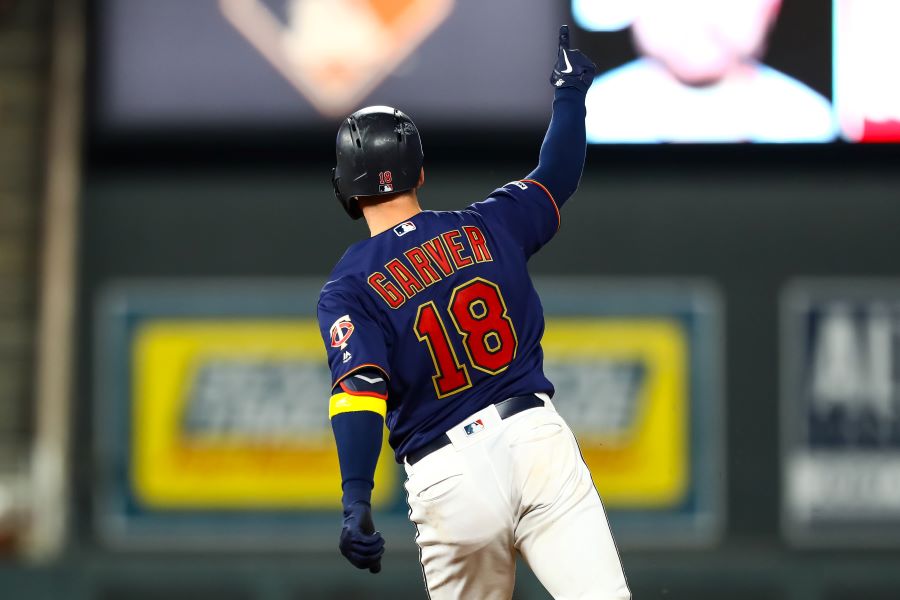 While we don’t have a crystal ball to look into, there are a few pieces of a player profile that we can consider when looking at a player’s future. For Garver, he has some interesting considerations. The Catcher Position: Garver plays the most taxing position in baseball. Along with the wear and tear of squatting for hours per day, serious injury is always lurking when a 90+MPH object is hurled at you repeatedly and you’re crouched as close as possible to a grown man swinging a giant chunk of wood. Catchers typically don’t age well, and we’ve seen sudden and significant drop offs pretty regularly over the game’s history. Joe Mauer was downright legendary before a concussion in 2013 hampered his vision and never allowed him to reach peak superstar levels again. Garver already missed the end of 2018 with a concussion. Though he seemed to recover well, another blow to the head can always be catastrophic to an individual’s career and personal well being when they’ve already suffered from concussions in the past. Joe Mauer is a cautionary tale of the ways a career can be derailed by injury behind the plate. Defense: Mitch Garver was always a bat first prospect. He notably improved his defense to passable levels, and in 2019 made impressive gains in the framing stat which has become more and more valuable. He may very well continue to improve, but he likely has a ceiling on his defensive ability given the raw tools he possesses. Many catcher’s careers have been extended as a result of their defensive mastery long after their offensive production has dried up. Garver simply doesn’t have that safety net. His improvement from -17 to +1 defensive runs saved from 2018-2019 is impressive, but it’s still close to neutral. It’s safe to say Garver’s defense isn’t the foundation of his future as a starting catcher. Offense: We very well may have seen Garver’s career year in 2019. A 29% home run to fly ball percentage just doesn’t consistently happen. That being said, it wasn’t the mirage that some GarvSauce haters claim it to be. Garver possesses the useful skill of commanding the strike zone. He swung at pitches off the plate around 20% of the time in 2019 (Rosario swung at about 46% for reference). On one hand this allows for great on base skills. On a more important note however, it allows Garver to force pitchers to throw him something he can drive. In 2019 he did a great job of not missing his chances as evidenced by his 97th percentile hard hit rate. While that HR/FB% was inflated, there’s something to be said about hitting the ball as hard as Garver does when it’s combined with the amount of fly balls he hits (47.3% of the time). Commanding the plate often ages well, and Garver’s bat should remain a steady source of production for as long as his physical tools allow him to punish those hittable pitches. Garver’s future looks bright as you would expect after the kind of Mike Piazza-esque season he just assembled. It’s fair to question how it plays out however given the injury prone position he plays and the neutral defensive prowess he offers at a position where defense is revered. He possesses a skill few catchers do however: The offensive ability to be valuable at another position. Nelson Cruz will call it a career at some point. Should they consider shifting Garver to a 1B/DH role to minimize the physical breakdown and maximize his offensive talent? Could he just simply slug his way into a stranglehold of the starting job behind the plate for years to come? What do you think Mitch Garver’s future holds? — Latest Twins coverage from our writers — Recent Twins discussion in our forums — Follow Twins Daily via Twitter, Facebook or email — Follow Cody Pirkl on Twitter here
 -
Which Player Do You Love to Hate?
Cody Pirkl replied to Tom Froemming's topic in Twins Daily Front Page News
I think my favorite current player to hate is Lance Lynn. Dude definitely got the short end of the stick in free agency when the Twins picked him up on the cheap in 2018, but he seemed to have no interest in giving any effort or helping the team win as a result as if it was our fault. Dude gets traded to the Yankees midseason because of course and is suddenly a passable pitcher, give me a break. On top of that, he follows up that season with a season that gets him Cy Young votes in Texas. Fight me Lance. -
How Long Can Jorge Polanco Remain at Shortstop?
Cody Pirkl replied to Cody Pirkl's topic in Twins Daily Front Page News
It's impossible to say what the inner workings of the front office were saying this winter other than it was abundantly clear that they wanted to upgrade the rotation. I just think that the secondary weakness on the team was clearly infield defense. Sure they wanted a player whose offensive value added to the lineup, but they wouldn't have paid the money they did for Donaldson if he didn't improve the infield defense (which I argue is the next best thing to signing an ace on this roster). At -14 Outs Above Average in the infield last year, we were giving runs away. I don't think infield defense matters all that much to an extent, but ranking 26th out of 30 teams in infield defense is probably something to make an effort to improve when you have playoff aspirations. Donaldson will be another masher in the lineup, sure. I think that the money they paid him shows that they were looking for more than just a bat though. -
How Long Can Jorge Polanco Remain at Shortstop?
Cody Pirkl replied to Cody Pirkl's topic in Twins Daily Front Page News
I think that's a fair assessment. That being said, with how deep statistics go in the game of baseball these days, it's fair to wonder how much more value he would have added to the team in a position that he could play more competently. You also have to factor in the effect of moving somebody else off of their position so it's easier said than done. That's just the way front offices look at the way they field their team these days. -
How Long Can Jorge Polanco Remain at Shortstop?
Cody Pirkl replied to Cody Pirkl's topic in Twins Daily Front Page News
It's an odd distinction because we've all seen Polanco make incredible throws. The bottom line though is that the majority of his errors were throwing errors in 2019. That doesn't necessarily mean he doesn't have the arm for SS, there could also be some kind of a mental aspect to it as well. As I also mentioned he opened the season coming off of shoulder inflammation that left his status in question for opening day. Playing through that can cause it to linger for a good while. -
How Long Can Jorge Polanco Remain at Shortstop?
Cody Pirkl replied to Cody Pirkl's topic in Twins Daily Front Page News
This is certainly fair to ask. One scenario that crosses my mind is that Donaldson may not remain at 3B throughout the entire course of his contract. That doesn't necessarily mean Polanco shifts over. Someone like Arraez could also wind up either switching positions or becoming more of a utility guy that still plays everyday. Before Arraez burst onto the scene, I think the game plan was to eventually shift Polanco to 2B. That was his natural position afterall. -
How Long Can Jorge Polanco Remain at Shortstop?
Cody Pirkl replied to Cody Pirkl's topic in Twins Daily Front Page News
I actually disagree. The Twins made a concerted effort to improve the infield defense this winter after missing out on Wheeler. Is there an alternate reality where it isn't as much of a priority? Sure. But they could have done any number of other moves for players like Mike Moustakas or Nick Castellanos who are younger and cost less. Donaldson is a great hitter sure, but he's also a top tier defender that justified moving Sano off of 3B. The bottom line is that you can lose games because of defense, especially when it's your shortstop making errors. -
Jorge Polanco takes the brunt of the blame in the Twins infield defensive issues, especially now that Miguel Sano has been moved off of 3B. Coming off a year of -7 defensive runs saved at the age of 26 years old, it’s fair to wonder just how long Polanco can continue manning the premier position.Let’s get it out of the way right now, Polanco didn’t have as healthy a season as his 142 games played suggests. His ankle, which required surgical intervention this offseason, likely hampered his range. His Universal Zone Rating was his worst in 3 seasons. In addition, he was in question for Opening Day with shoulder inflammation that very well could have lingered and contributed to his 13 throwing errors. Better health could allow for an improvement in Polanco’s defensive game. Polanco may look to follow the steps of another AL shortstop in the coming years. Marcus Semien was considered a butcher at the position early in his career with a -8 DRS in his first full season. He was unspectacular until 2018 and 2019 where he put together a fantastic 26 combined DRS. While Semien worked to improve his game, some of his improvement may have been out of his control. Another A’s infielder had a breakout season in 2018 by the name of Matt Chapman. While fantastic in his rookie season (15 DRS), Chapman erupted for a combined 64 DRS in 2018 and 2019. He was one of the greatest defensive 3B in baseball. Having such a stud defensive player allowed the A’s to tweak the alignment in the infield, particularly for Semien to be able to shift more often since Chapman could make up the difference. While not quite the defensive wizard, Josh Donaldson should be a massive upgrade from Sano at 3B for the Twins. Anywhere near his 15 DRS in 2019 would afford an opportunity for the Twins to take a page out of Oakland’s book and shift Polanco to better facilitate his weaknesses. In that same vein, the ability to be able to afford to have Polanco remain at shortstop if his defense improves has to do with the rest of the infield as well. If Polanco’s defense makes you cringe, Derek Jeter’s metrics should make you sick. He saved more than 1 run defensively in one single season of his career and had multiple years of being in the -20s. While there was a certain iconic factor to Jeter remaining at shortstop throughout his long career, the rest of his infield was more often than not fairly impressive. He lined up alongside players who put together some strong seasons defensively such as A-Rod, Robinson Cano and Mark Teixiera who certainly softened the blow of his defensive shortcomings. Defense is more revered in present day baseball and good teams simply don’t want to field a subpar infield. For that reason, some questions about Polanco’s future may have to do with things like “How will Sano take to 1B?” “How long can Donaldson play an impressive 3B?” “Can Arraez improve upon his neutral defense he showed in his debut?” Not every player is capable of performing at a Gold Glove level, and Polanco has consistently raised concerns at one of the most important infield positions in his career so far. At 26, it’s coming up on make or break time, as soon his range and athleticism will have nowhere to go but down. Can he make improvements through hard work and good health? Can Donaldson and the Twins scouting team help mask Polanco’s difficulties? Can his blemishes be covered by the performances of the rest of the infield? 2019 showed that his bat belongs in the lineup everyday, but how long can he continue to line up at shortstop? — Latest Twins coverage from our writers — Recent Twins discussion in our forums — Follow Twins Daily via Twitter, Facebook or email — Follow Cody Pirkl on Twitter here Click here to view the article
-
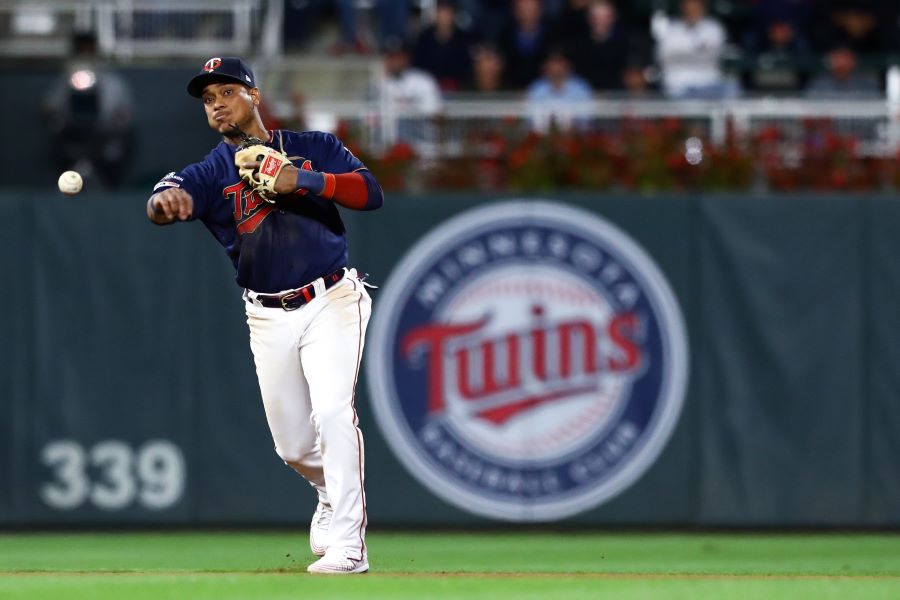 Let’s get it out of the way right now, Polanco didn’t have as healthy a season as his 142 games played suggests. His ankle, which required surgical intervention this offseason, likely hampered his range. His Universal Zone Rating was his worst in 3 seasons. In addition, he was in question for Opening Day with shoulder inflammation that very well could have lingered and contributed to his 13 throwing errors. Better health could allow for an improvement in Polanco’s defensive game. Polanco may look to follow the steps of another AL shortstop in the coming years. Marcus Semien was considered a butcher at the position early in his career with a -8 DRS in his first full season. He was unspectacular until 2018 and 2019 where he put together a fantastic 26 combined DRS. While Semien worked to improve his game, some of his improvement may have been out of his control. Another A’s infielder had a breakout season in 2018 by the name of Matt Chapman. While fantastic in his rookie season (15 DRS), Chapman erupted for a combined 64 DRS in 2018 and 2019. He was one of the greatest defensive 3B in baseball. Having such a stud defensive player allowed the A’s to tweak the alignment in the infield, particularly for Semien to be able to shift more often since Chapman could make up the difference. While not quite the defensive wizard, Josh Donaldson should be a massive upgrade from Sano at 3B for the Twins. Anywhere near his 15 DRS in 2019 would afford an opportunity for the Twins to take a page out of Oakland’s book and shift Polanco to better facilitate his weaknesses. In that same vein, the ability to be able to afford to have Polanco remain at shortstop if his defense improves has to do with the rest of the infield as well. If Polanco’s defense makes you cringe, Derek Jeter’s metrics should make you sick. He saved more than 1 run defensively in one single season of his career and had multiple years of being in the -20s. While there was a certain iconic factor to Jeter remaining at shortstop throughout his long career, the rest of his infield was more often than not fairly impressive. He lined up alongside players who put together some strong seasons defensively such as A-Rod, Robinson Cano and Mark Teixiera who certainly softened the blow of his defensive shortcomings. Defense is more revered in present day baseball and good teams simply don’t want to field a subpar infield. For that reason, some questions about Polanco’s future may have to do with things like “How will Sano take to 1B?” “How long can Donaldson play an impressive 3B?” “Can Arraez improve upon his neutral defense he showed in his debut?” Not every player is capable of performing at a Gold Glove level, and Polanco has consistently raised concerns at one of the most important infield positions in his career so far. At 26, it’s coming up on make or break time, as soon his range and athleticism will have nowhere to go but down. Can he make improvements through hard work and good health? Can Donaldson and the Twins scouting team help mask Polanco’s difficulties? Can his blemishes be covered by the performances of the rest of the infield? 2019 showed that his bat belongs in the lineup everyday, but how long can he continue to line up at shortstop? — Latest Twins coverage from our writers — Recent Twins discussion in our forums — Follow Twins Daily via Twitter, Facebook or email — Follow Cody Pirkl on Twitter here
 -
Should The Twins Target Trevor Bauer?
Cody Pirkl replied to Matt Braun's topic in Twins Daily Front Page News
They already know him on a personal level and traded for him from the DBacks a few years ago. He's also likely the most analytically inclined pitcher in all of baseball which will almost certainly draw their attention. They're probably pretty confident that he can in fact put the franchise in a better position. -
Yeah it's a slippery slope. These guys are trying to climb up the chain and make the majors. They'll want to throw their best pitches as much as possible to get there. They're always working on it but it's hard for them to do things like spend an entire offseason working a pitch like we hear about with MLB pitchers when they're still trying to make it to the highest level.
-
It's got a lot to do with his height resulting in a likely future in the bullpen which kills prospect rankings. I'd guess if he gets brought up in the bullpen for the majors he stays there just because of how successful I think he can be with just the fastball and slider combo.
-
Twins territory was starved for a high-octane talent to light up the radar gun on a nightly basis before Brusdar Graterol’s debut in 2019. As fast as we fell in love, our hearts were broken as Graterol was shipped to the Dodgers for Kenta Maeda. If you think the triple digit fun is over however, you may be wrong.Edwar Colina reached AAA Rochester last season at the age of 22. Some may not have heard of the Venezuelan righty before, as despite his strong showing in the minors throughout his career, he’s never approached the top of the Twins prospect lists. He did appear in a televised game in spring training this year however. As you see, Colina is more than capable of bringing the heat. He regularly sits 96-97 and has no issue reaching triple digits when needed. If this doesn’t have you raising an eyebrow, consider that Colina has done this consistently as a starting pitcher throughout his career. It’s easy to imagine regular triple digit heat from the bullpen. Colina also features a formidable slider. As Thad Levine has remarked in the past, it’s one of the best in the entire Twins system. As we saw with Graterol briefly in 2019, 100 mph paired with even a competent slider can be devastating in short stints out of the bullpen. This bullpen talk is all speculation at this point, however. Colina has advanced through the minor leagues as a starting pitcher and he’s been impressive almost every step of the way. Throwing aside his 4.2 innings for Rochester in 2019, his worst season of ball ended in a 3.97 ERA. His strike out ability wasn’t fantastic throughout his career, that is until he arrived at AA in 2019 and posted a near 30% strikeout rate. His home run rate has also never exceeded 1 per 9 innings in any significant sample size. While he made a few relief appearances at AA and only relieved in his first two outings at AAA in 2019, there’s no official word that he’s made the transition to a full-time reliever quite yet. That being said, Colina has some obstacles in his way. His height coming in at 5’11 may indicate that while his skills have been up to the task, his physical ability to withstand a full season’s workload may be an issue. He also lacks a decent third pitch, which would lead to trouble at the major league level. His competitors for a future starting role may be difficult to overcome as well. While I agree with the premise that there’s no such thing as a pitching prospect, his peers such as Balazovic and Duran have become the more likely up and coming candidates for rotation spots. Sprinkle in guys like Thorpe, Dobnak, Smeltzer and all of the veterans for the foreseeable future, and Colina’s chances may be low to be making starts at Target field. Edwar Colina is not nearly the prospect that Brusdar Graterol was, but they share some similarities. Their 100 mph fastballs and sliders with a world of potential give them a strong base to retire major league hitters. Colina’s future role is in question just as Graterol’s was. However, his height being the issue is a preferable to an extensive injury history. Colina will not be on the Twins roster when baseball is next played, he’s not even on their 40 man at this point. I’d like to point out that this was also the case for Graterol in 2019. The moral of the story is if our Twins need another jolt of energy in the form of triple digit heat, they won’t have traded away their only option. Prepare to let yourselves love again, Twins fans. Edwar Colina is yet another exciting and powerful young arm. — Latest Twins coverage from our writers — Recent Twins discussion in our forums — Follow Twins Daily via Twitter, Facebook or email — Follow Cody Pirkl on Twitter here Click here to view the article
-
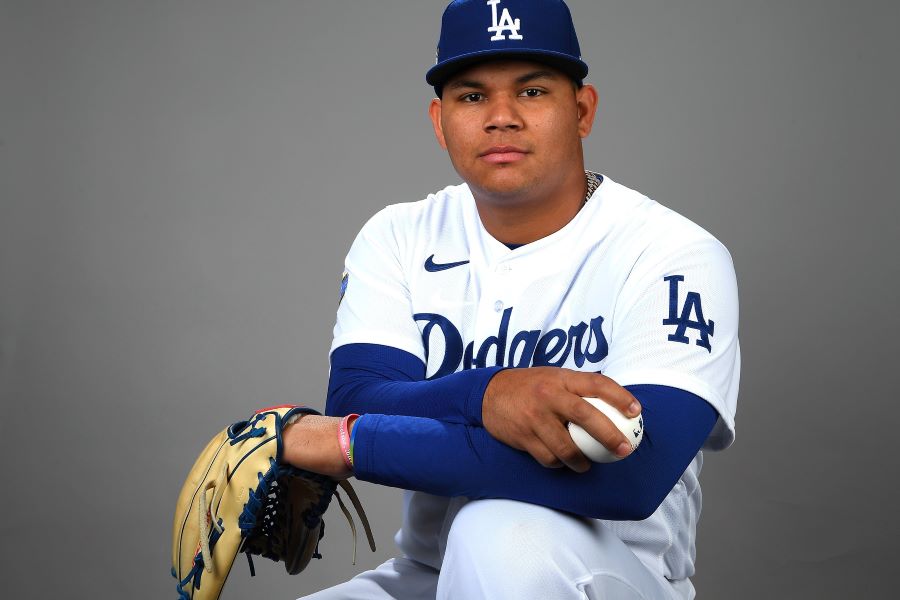 Edwar Colina reached AAA Rochester last season at the age of 22. Some may not have heard of the Venezuelan righty before, as despite his strong showing in the minors throughout his career, he’s never approached the top of the Twins prospect lists. He did appear in a televised game in spring training this year however. https://twitter.com/TFTwins/status/1235011284632055808 As you see, Colina is more than capable of bringing the heat. He regularly sits 96-97 and has no issue reaching triple digits when needed. If this doesn’t have you raising an eyebrow, consider that Colina has done this consistently as a starting pitcher throughout his career. It’s easy to imagine regular triple digit heat from the bullpen. Colina also features a formidable slider. As Thad Levine has remarked in the past, it’s one of the best in the entire Twins system. As we saw with Graterol briefly in 2019, 100 mph paired with even a competent slider can be devastating in short stints out of the bullpen. This bullpen talk is all speculation at this point, however. Colina has advanced through the minor leagues as a starting pitcher and he’s been impressive almost every step of the way. Throwing aside his 4.2 innings for Rochester in 2019, his worst season of ball ended in a 3.97 ERA. His strike out ability wasn’t fantastic throughout his career, that is until he arrived at AA in 2019 and posted a near 30% strikeout rate. His home run rate has also never exceeded 1 per 9 innings in any significant sample size. While he made a few relief appearances at AA and only relieved in his first two outings at AAA in 2019, there’s no official word that he’s made the transition to a full-time reliever quite yet. That being said, Colina has some obstacles in his way. His height coming in at 5’11 may indicate that while his skills have been up to the task, his physical ability to withstand a full season’s workload may be an issue. He also lacks a decent third pitch, which would lead to trouble at the major league level. His competitors for a future starting role may be difficult to overcome as well. While I agree with the premise that there’s no such thing as a pitching prospect, his peers such as Balazovic and Duran have become the more likely up and coming candidates for rotation spots. Sprinkle in guys like Thorpe, Dobnak, Smeltzer and all of the veterans for the foreseeable future, and Colina’s chances may be low to be making starts at Target field. Edwar Colina is not nearly the prospect that Brusdar Graterol was, but they share some similarities. Their 100 mph fastballs and sliders with a world of potential give them a strong base to retire major league hitters. Colina’s future role is in question just as Graterol’s was. However, his height being the issue is a preferable to an extensive injury history. Colina will not be on the Twins roster when baseball is next played, he’s not even on their 40 man at this point. I’d like to point out that this was also the case for Graterol in 2019. The moral of the story is if our Twins need another jolt of energy in the form of triple digit heat, they won’t have traded away their only option. Prepare to let yourselves love again, Twins fans. Edwar Colina is yet another exciting and powerful young arm. — Latest Twins coverage from our writers — Recent Twins discussion in our forums — Follow Twins Daily via Twitter, Facebook or email — Follow Cody Pirkl on Twitter here
 -
I think the only real established talent the Twins are in danger of getting rid of for Larnach or Kiriloff is Rosario. The situation is a little bit different because of Eddie's skillset that may not age well and his contract situation where they'd probably rather get something for him than let him walk which they'd probably do. I also think that if they do dump Rosario one way or another and can't get one competent player to replace him for a few years out of Cave, Wade, Rooker, Kirilloff and Larnach, that's just an enormous L no matter how you look at it.
-
I think that Larnach and Kirilloff are both close to MLB ready. Furthermore, the front office has shown their willingness to trust guys like Cave or Wade until the big up and comers are ready by dangling Eddie on the trade market this winter.
-
I think from here on out it'll be interesting to see how Romo performs year to year. I would guess he can continue to find jobs for as long as he's effective against righties (who did hit him harder in 2019 to be fair). He's definitely become a more comfortable at bat with that fastball, but I think he's started to tweak his pitch mix which may stave off the inevitable awhile longer. I know his active spin is top 20 in all of baseball for both his slider and changeup which still gives him a stronger weapon against both lefties and righties than most pitchers have. I think if 2020 is cancelled there's a decent chance they don't re sign Romo, but I'd be willing to wager another team gives him a shot if he's interested.
-
I must have missed that in the agreement previously made! I still wonder if the combo of Cave and Larnach/Kirilloff/Rooker are enough to dissuade the front office in favor of the additional losses of the 2020 season between both the players and the profits overall. Might come down to their confidence in the possible replacements.
-
As players' service clocks continue to run through 2020, season or not, the obvious worry is for the Twins to prematurely lose players like Trevor May, Marwin Gonzalez and Nelson Cruz when us fans had looked forward to another year of watching them at Target Field. There may be another player that’s been overlooked in this group however, whose days in Minnesota may be through if the 2020 season is cancelled.By now you’ve seen Eddie Rosario’s image on the article and are saying to yourself “Eddie Rosario is under contract until 2022”. You’re correct. Technically. There are a few things to consider however. 2020 is Eddie’s second year going through the arbitration process, a system that gives consistent raises year to year leading up to free agency. From 2019-2020, Eddie received a raise of about $3m and currently sits at $7.75m. Eddie is due for his last run through the process in 2021, his salary very possibly set to exceed $10m. When comparing this around the league, it’s not particularly lucrative. However, context is important. The Twins have the greatest problem a team can have on the horizon. There’s not enough room for all of the talent in the outfield. Jake Cave is a sneaky good player that holds his own at the MLB level. Brent Rooker has punished the minor leagues at every level. We’ve all been hearing about Alex Kirilloff and Trevor Larnach for some time, and both looked near MLB ready this spring as previously pointed out by fellow Twins Daily writer Nash Walker. The Twins may just not be all that incentivized to pay money that could be spent elsewhere on a corner outfielder when they have so many talented lower-cost options. Another catch with allotting a significant amount of money to Eddie Rosario is his performance. While his 2019 was surely affected by injury, it wasn’t a great note to end on if it does lead right into his final year of arbitration. While always a streaky player, Eddie’s valleys seemed to outweigh his peaks in 2019, as he finished just 3% above league average at the plate according to wRC+. His swing rate on pitches outside of the strike zone was a career high at 46.3%, a skill that good hitters typically decrease as they mature. While he made contact on these swings at a ridiculous 75% clip, his hard hit rate in the 34th percentile clearly shows that contact on these pitches just don’t lead to consistently driving the baseball. While Eddie still gets a decent amount of good swings in, pitchers simply don’t have to throw him anything that he can do damage with. The biggest issue with Eddie in 2019 was definitely his defense. He had -6 defensive runs saved in left field paired with an unforgivable -17 Outs Above Average according to Baseball Savant, the worst in all of baseball. The analytically inclined front office is bound to question whether they have a replacement that can improve upon Eddie’s slightly above average offense and league worst defense in 2019. The discussions around Eddie on the trade market this winter may have foreshadowed that it may be a “yes”. Look beyond things like RBI total that are based on opportunity, something Eddie got plenty of hitting cleanup in 2019 for one of the best offenses in history. His overall profile on offense paints the picture of a streaky hitter that may not age particularly well. His defense, while likely limited by injury, was so bad in aggregate that even the highlight reel plays that come to mind were completely overshadowed. I’m betting on a bounceback for Eddie in his next healthy season, though the business side of the front office might not have much incentive to make that bet if his salary increases again. All things considered, Eddie may need to be added to the list of players we may have seen the last of in 2019 for the Twins. And yes Twins fans, despite my critical view of our left fielder, that makes me sad. — Latest Twins coverage from our writers — Recent Twins discussion in our forums — Follow Twins Daily via Twitter, Facebook or email — Follow Cody Pirkl on Twitter here Click here to view the article
-
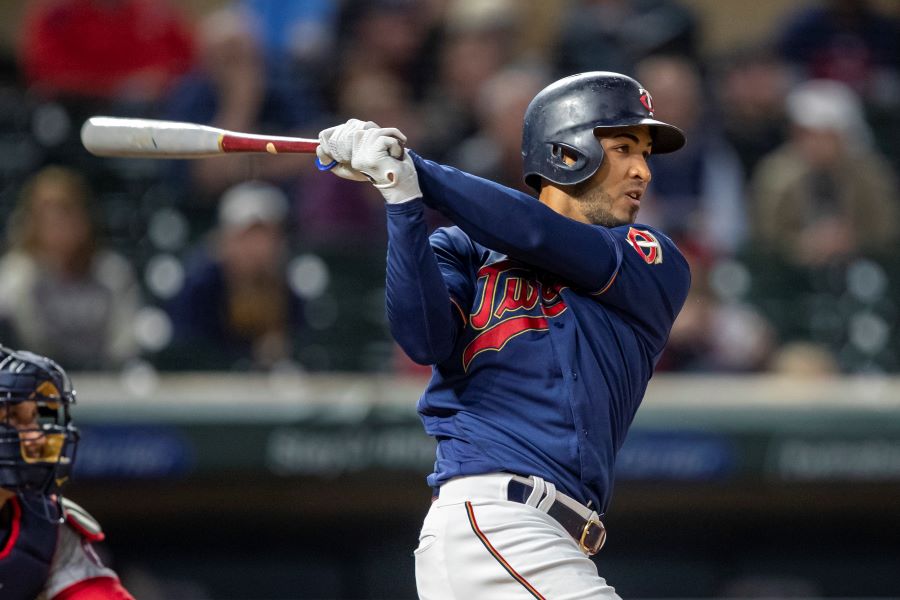 By now you’ve seen Eddie Rosario’s image on the article and are saying to yourself “Eddie Rosario is under contract until 2022”. You’re correct. Technically. There are a few things to consider however. 2020 is Eddie’s second year going through the arbitration process, a system that gives consistent raises year to year leading up to free agency. From 2019-2020, Eddie received a raise of about $3m and currently sits at $7.75m. Eddie is due for his last run through the process in 2021, his salary very possibly set to exceed $10m. When comparing this around the league, it’s not particularly lucrative. However, context is important. The Twins have the greatest problem a team can have on the horizon. There’s not enough room for all of the talent in the outfield. Jake Cave is a sneaky good player that holds his own at the MLB level. Brent Rooker has punished the minor leagues at every level. We’ve all been hearing about Alex Kirilloff and Trevor Larnach for some time, and both looked near MLB ready this spring as previously pointed out by fellow Twins Daily writer Nash Walker. The Twins may just not be all that incentivized to pay money that could be spent elsewhere on a corner outfielder when they have so many talented lower-cost options. Another catch with allotting a significant amount of money to Eddie Rosario is his performance. While his 2019 was surely affected by injury, it wasn’t a great note to end on if it does lead right into his final year of arbitration. While always a streaky player, Eddie’s valleys seemed to outweigh his peaks in 2019, as he finished just 3% above league average at the plate according to wRC+. His swing rate on pitches outside of the strike zone was a career high at 46.3%, a skill that good hitters typically decrease as they mature. While he made contact on these swings at a ridiculous 75% clip, his hard hit rate in the 34th percentile clearly shows that contact on these pitches just don’t lead to consistently driving the baseball. While Eddie still gets a decent amount of good swings in, pitchers simply don’t have to throw him anything that he can do damage with. The biggest issue with Eddie in 2019 was definitely his defense. He had -6 defensive runs saved in left field paired with an unforgivable -17 Outs Above Average according to Baseball Savant, the worst in all of baseball. The analytically inclined front office is bound to question whether they have a replacement that can improve upon Eddie’s slightly above average offense and league worst defense in 2019. The discussions around Eddie on the trade market this winter may have foreshadowed that it may be a “yes”. Look beyond things like RBI total that are based on opportunity, something Eddie got plenty of hitting cleanup in 2019 for one of the best offenses in history. His overall profile on offense paints the picture of a streaky hitter that may not age particularly well. His defense, while likely limited by injury, was so bad in aggregate that even the highlight reel plays that come to mind were completely overshadowed. I’m betting on a bounceback for Eddie in his next healthy season, though the business side of the front office might not have much incentive to make that bet if his salary increases again. All things considered, Eddie may need to be added to the list of players we may have seen the last of in 2019 for the Twins. And yes Twins fans, despite my critical view of our left fielder, that makes me sad. https://twitter.com/CodyPirkl/status/1250783436211720192 — Latest Twins coverage from our writers — Recent Twins discussion in our forums — Follow Twins Daily via Twitter, Facebook or email — Follow Cody Pirkl on Twitter here
 -
2020 Is The Year for Jose Berríos
Cody Pirkl replied to Cody Pirkl's topic in Twins Daily Front Page News
I think it becomes more debatable with the Red Sox presumably taking a step back. The Orioles are obviously bottom feeders, but their park is still a hitters park. Jays should be better than years prior as well. Regardless, I believe the bigger factor is the wildcard of Cole moving into the biggest stage in baseball. Maybe it's nothing, but it could be huge! -
2020 is set to be an unconventional season if the MLB is able to play at any point. We’ve discussed how a modified or shortened season can improve the odds for the underdogs across baseball. That prospect extends beyond just the teams in my opinion. I believe that some individual players stand to benefit as well, which is why 2020 may be a great opportunity for Jose Berríos to take home his first Cy Young award.The Competition The 2020 field for the Cy Young could be a bit softer than it was in 2019, and may provide a slightly better opportunity for Berríos to take home some hardware. Gerrit Cole Leaves the AL West for the AL East. He faces a huge change in ballpark and is set to face the big stage of New York for the first time, a transition that’s been difficult for superstars throughout baseball history. Justin Verlander has already had groin surgery this spring. Could this be the year that Verlander’s age catches up and he downgrades from a super ace? Chris Sale’s 2020 is already over before it’s begun, as he’s opted to undergo Tommy John surgery. Mike Clevinger has unbelievable skill, but his health has become a consistent issue in recent years. There are plenty of realistic candidates for the award in the AL, but if the top tier of pitching falters even just a bit in a potentially shortened season, the odds for Jose Berríos can make a huge jump. The Skills Berríos has been making adjustments for a few years now with his pitch mix. From 2018-2019, he nearly doubled his changeup usage while still maintaining his near 30% whiff rate. He’s clearly becoming more confident with the pitch, and I’d expect to see it even more when baseball resumes. Throwing more changeups helps neutralize opposite handed hitters, and Berríos has performed much better against them the last two years as he’s gotten more of a feel for it. We’ve also heard about and seen in limited fashion this spring how Berríos overhauled his breaking ball this offseason. The ALDS was a bit of a wakeup call that fueled this change, as the elite Yankee hitters chased him early by refusing to swing at the pitch out of the zone. It may be a necessary change, as the whiff rate on his GIF worthy breaking ball dropped by about 10% in 2019. It will essentially be a pitch that no opposing hitters have seen before. If it makes him more effective against the league’s top hitters, Berrios could make a big leap forward on that pitch alone. The Shortened Season? The 2020 season may inadvertently patch up the biggest weakness Berríos has. It was reported that he changed his workout routine this offseason to try to avoid the burnout he’s historically seen toward the end of the year. His ERA in the second half of the season throughout his career is more than a run higher than the first half number. August and September are by far the worst performing months of his career. We have no idea what the regular season schedule will look like in 2020 if MLB gets around to one at all. That being said, every week that baseball isn’t played, it becomes less likely that a full 162 games will be played. This could reduce the physical tax that likely led to an ERA over 7 from Berríos in August last season. He’s struggled with the marathon season in his career, might he fare better with a sprint? Berríos was already a Cy Young sleeper for some going into 2020. His ongoing adjustments to his craft were enough for Twins fans to dream on all offseason. The field for AL Cy Young may be softer, even just slightly, which isn’t insignificant. More importantly, a shortened season could eliminate the physical breakdown we’ve seen in the past, which has been the Achilles’ Heel for the Twins ace the last few years. 2020 will be a season unlike any we’ve ever seen before. While there may be a bit of chaos as strategies and expectations are adjusted, Jose Berríos may be in a fantastic position to take home his first Cy Young award. — Latest Twins coverage from our writers — Recent Twins discussion in our forums — Follow Twins Daily via Twitter, Facebook or email — Follow Cody Pirkl on Twitter here Click here to view the article
-
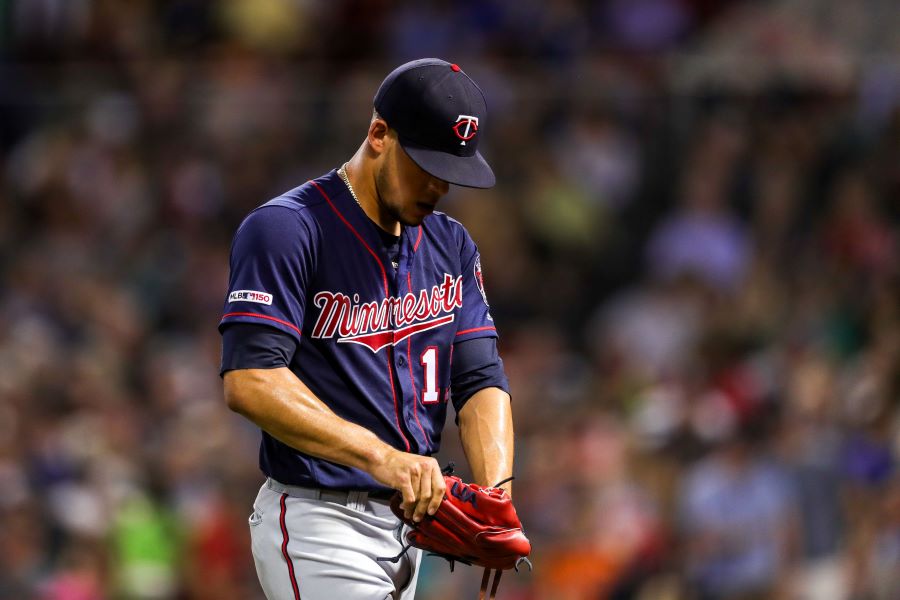 The Competition The 2020 field for the Cy Young could be a bit softer than it was in 2019, and may provide a slightly better opportunity for Berríos to take home some hardware. Gerrit Cole Leaves the AL West for the AL East. He faces a huge change in ballpark and is set to face the big stage of New York for the first time, a transition that’s been difficult for superstars throughout baseball history. Justin Verlander has already had groin surgery this spring. Could this be the year that Verlander’s age catches up and he downgrades from a super ace? Chris Sale’s 2020 is already over before it’s begun, as he’s opted to undergo Tommy John surgery. Mike Clevinger has unbelievable skill, but his health has become a consistent issue in recent years. There are plenty of realistic candidates for the award in the AL, but if the top tier of pitching falters even just a bit in a potentially shortened season, the odds for Jose Berríos can make a huge jump. The Skills Berríos has been making adjustments for a few years now with his pitch mix. From 2018-2019, he nearly doubled his changeup usage while still maintaining his near 30% whiff rate. He’s clearly becoming more confident with the pitch, and I’d expect to see it even more when baseball resumes. Throwing more changeups helps neutralize opposite handed hitters, and Berríos has performed much better against them the last two years as he’s gotten more of a feel for it. https://twitter.com/CodyPirkl/status/1248606568108699648 We’ve also heard about and seen in limited fashion this spring how Berríos overhauled his breaking ball this offseason. The ALDS was a bit of a wakeup call that fueled this change, as the elite Yankee hitters chased him early by refusing to swing at the pitch out of the zone. It may be a necessary change, as the whiff rate on his GIF worthy breaking ball dropped by about 10% in 2019. It will essentially be a pitch that no opposing hitters have seen before. If it makes him more effective against the league’s top hitters, Berrios could make a big leap forward on that pitch alone. https://twitter.com/CodyPirkl/status/1248605438083575809 The Shortened Season? The 2020 season may inadvertently patch up the biggest weakness Berríos has. It was reported that he changed his workout routine this offseason to try to avoid the burnout he’s historically seen toward the end of the year. His ERA in the second half of the season throughout his career is more than a run higher than the first half number. August and September are by far the worst performing months of his career. We have no idea what the regular season schedule will look like in 2020 if MLB gets around to one at all. That being said, every week that baseball isn’t played, it becomes less likely that a full 162 games will be played. This could reduce the physical tax that likely led to an ERA over 7 from Berríos in August last season. He’s struggled with the marathon season in his career, might he fare better with a sprint? Berríos was already a Cy Young sleeper for some going into 2020. His ongoing adjustments to his craft were enough for Twins fans to dream on all offseason. The field for AL Cy Young may be softer, even just slightly, which isn’t insignificant. More importantly, a shortened season could eliminate the physical breakdown we’ve seen in the past, which has been the Achilles’ Heel for the Twins ace the last few years. 2020 will be a season unlike any we’ve ever seen before. While there may be a bit of chaos as strategies and expectations are adjusted, Jose Berríos may be in a fantastic position to take home his first Cy Young award. — Latest Twins coverage from our writers — Recent Twins discussion in our forums — Follow Twins Daily via Twitter, Facebook or email — Follow Cody Pirkl on Twitter here
 -
That's a great question! He does still have to be retired for 15 years in order to be considered for the Veteran's Committee unfortunately. The way the cycle works for voting on what they consider "modern" players lines up in 2022 next, when Johan will not yet be eligible.

