



Al from SoDak
-
Posts
274 -
Joined
-
Last visited
Content Type
Profiles
News
Minnesota Twins Videos
2026 Minnesota Twins Top Prospects Ranking
2022 Minnesota Twins Draft Picks
Minnesota Twins Free Agent & Trade Rumors, Notes, & Tidbits
Guides & Resources
2023 Minnesota Twins Draft Picks
The Minnesota Twins Players Project
2024 Minnesota Twins Draft Picks
2025 Minnesota Twins Draft Pick Tracker
2026 Minnesota Twins Draft Tracker: Picks & Bonuses
Forums
Blogs
Events
Store
Downloads
Gallery
Everything posted by Al from SoDak
-
1977 Topps and the Minnesota Twins
Al from SoDak commented on Al from SoDak's blog entry in Al from SoDak
Ha! I never noticed that either. -
Hello again Twins fans! This is another post in my series about Minnesota Twins baseball cards. Please share your opinions, stories, comments, and memories below. 1977 Topps Overall, I think it’s safe to say the mid to late 70s cards are not my favorite. But 1977 might be little better than the other sets of this era. Again, the Twins do not have a plethora of stars in the 1977 set. The 1977 Topps baseball card design is, I would say, good. I like the large team name, italicized, and outlined in black. In the case of Twins cards, the player names are in red and there is a yellow banner with the player’s position. I just don’t love it, maybe because of the photography. I don’t find many of the pictures interesting. There are 660 standard-sized cards in the set with 25 Twins cards including the Butch Wynegar rookie card. The images below are courtesy of www.tcdb.com. MOST OBSCURE PLAYER Similar to prior sets, I found about half a dozen possibilities for the most obscure Twins player in the this set. After extensive research, Jim Gideon is my choice for most obscure player in the 1977 Topps baseball card set. This is Gideon’s one and only Topps card and he only gets a quarter of it. He’s not even the player on the card who ended up with the most significant Twins career – Dave Johnson pitched in 36 games for the Twins in 1977 and 1978 after being picked up from the Mariners part way through the 1977 season. Gideon never pitched for the Twins. In fact, his only MLB action was a single start with the Texas Rangers in 1975. Gideon was born and raised in Texas. He went to the University of Texas where he was part of the 1975 team that won the College World Series. He was co-captain that season and was outstanding, finishing with a record of 17-0. No college pitcher has ever had more wins in a season when they had zero losses. He ultimately finished his college career with 40 wins. In 2000 he was inducted into the College Baseball Hall of Fame. To continue the Texas theme, the Rangers used their first-round draft pick to select Gideon in the 1975 draft. He made 13 AAA starts before starting that one MLB game on September 14, 1975. He pitched 5.2 innings giving up 7 hits, 5 walks, and 6 runs. In the middle of the 1976 season, he was traded to the Twins. The details on that trade are summarized later in this blog entry. Because Gideon had been a first-round draft pick just the summer before, I would imagine he was seen as an integral part of the trade. Gideon played in the Twins minor league system until 1979. He went back to the Rangers in 1982 playing for their AA team before retiring. THE BEST I hate to sound like a broken record, but the Rod Carew #120 is the most valuable Twins card in the 1977 set. I also considered the Butch Wynegar rookie card #175. It’s got the rookie cup. Wynegar was a great player early in his career. He started out strong with all-star selections in his first two years, finishing second in rookie of the year voting in 1976. In 1977 he was only 21 years old, but the picture to me looks like he’s 15. Love that card, but I’m going with the Carew all-star card as the best Twins card of the year. PERSONAL FAVORITE The Roy Smalley card (#66) is my personal favorite Twins card in the 1977 set. For the 1976 set, I selected the Dan Ford as my favorite Twins card in large part because of the facial hair. Was Smalley selected here based solely on the mustache? I have other reasons. Growing up when I did, Smalley was my favorite player. He filled a void after Carew was traded before the 1979 season. Another reason I selected this as my favorite card for this series is related to memories of his trades. He was included in three trades involving the Twins and I think they won them all including the first one which was a big one. 1976: Traded by the Texas Rangers to the Twins with our friend Jim Gideon above, Mike Cubbage, and Bill Singer, for the disgruntled Bert Blyleven and Danny Thompson. The Twins received 25.8 WAR from that trade while the Rangers got 10.5. 1982: Traded by the Twins to the New York Yankees for Paul Boris, Ron Davis, and Greg Gagne. Smalley was worth 6.1 WAR with the Yankees. Despite Ron Davis sucking for his Twins career, the Twins still won that trade because Mr. Gagne became a key piece of their 1987 and 1991 World Series championship teams. Gagne was a great fielder. If he could have laid off the low and away curve/slider maybe he would have been a good hitter as well. He did have some pop, hitting 111 home runs in his career. He achieved a 17.9 WAR with the Twins. 1985: Traded by the Chicago White Sox to the Twins for Ron Scheer and Randy Johnson. The Twins won this trade too. While Smalley was winding down his career, he still provided 2.1 of WAR. He was a valuable backup infielder, DH, and pinch hitter on the 1987 World Series team. Scheer never made it to MLB. Randy Johnson, who I for some reason loved in 1982, also never made it back to the major league level. There you go fans. In my judgment the 1977 design is better than the 1976 design. To me, a lot of these late 70s sets run together. We’ll see shortly how the 1978 and 1979 sets stack up. As always, I would love to see your opinions and comments below. And Go Twins.
- 5 comments
-
- 3
-

-
- rod carew
- butch wynegar
- (and 1 more)
-
Jon Paul Bonser was born October 14, 1981, in St. Petersburg, Florida. In late 2001, he legally changed his name to “Boof,” his long-time nickname given by his mother. Boof was drafted out of high school in the first round of the 2000 Major League Draft by the San Francisco Giants. In November 2003, Bonser was part of the infamous AJ Pierzynski trade. With Joe Mauer appearing ready in the minor leagues, the Twins traded their all-star catcher Pierzynski for Boof Bonser, Francisco Liriano, and Joe Nathan. That was an all-time great trade for the Twins, but it’s worth mentioning that Pierzynski is the only one of the players involved to have won a World Series. Bonser made his Major League debut on May 21, 2006, and went on to start 60 games for the Twins over the next three seasons. After a couple ineffective and injury-filled seasons, the Twins traded Bonser in December 2009 to the Boston Red Sox for Chris Province who never made Major League Baseball. Bonser played briefly for Boston and Oakland in 2010. He later bounced around the minor leagues with the Mets, Giants, and Cleveland. According to a 2002 Tampa Bay Newspapers article, Bonser was working in Connecticut building submarines. That article has an informative review of Boof’s life and career. View full player
-
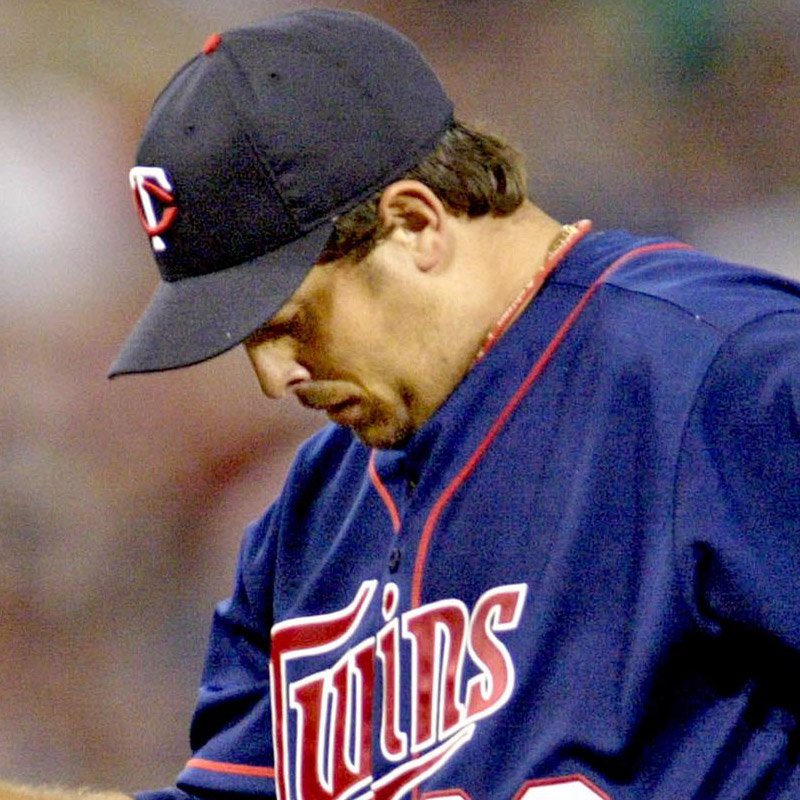 Jon Paul Bonser was born October 14, 1981, in St. Petersburg, Florida. In late 2001, he legally changed his name to “Boof,” his long-time nickname given by his mother. Boof was drafted out of high school in the first round of the 2000 Major League Draft by the San Francisco Giants. In November 2003, Bonser was part of the infamous AJ Pierzynski trade. With Joe Mauer appearing ready in the minor leagues, the Twins traded their all-star catcher Pierzynski for Boof Bonser, Francisco Liriano, and Joe Nathan. That was an all-time great trade for the Twins, but it’s worth mentioning that Pierzynski is the only one of the players involved to have won a World Series. Bonser made his Major League debut on May 21, 2006, and went on to start 60 games for the Twins over the next three seasons. After a couple ineffective and injury-filled seasons, the Twins traded Bonser in December 2009 to the Boston Red Sox for Chris Province who never made Major League Baseball. Bonser played briefly for Boston and Oakland in 2010. He later bounced around the minor leagues with the Mets, Giants, and Cleveland. According to a 2002 Tampa Bay Newspapers article, Bonser was working in Connecticut building submarines. That article has an informative review of Boof’s life and career.
 -
José Orlando Berríos was born May 27, 1994, in Bayamon, Puerto Rico. The Twins drafted Berríos in 2012 with their second choice in the first round. This was after selecting Byron Buxton second overall. The Berríos pick was a supplemental pick that the Twins were awarded for losing Michael Cuddyer to the Colorado Rockies through free agency. While in the minor leagues, Berríos always performed well while methodically working his way up, starting in rookie ball in 2012 and up to AAA in 2016. After two good starts at AAA Rochester, Berríos was called up and made his major league debut on April 27, 2016. However, Berríos shuttled back and forth all season between the Twins and AAA, struggling at the MLB level but particularly good at AAA. On May 13, 2017, the Twins recalled him again and he has never been back to the minor leagues. On July 30, 2021, Berríos was traded to the Toronto Blue Jays for Austin Martin and Simeon Woods Richardson. After that season Berríos signed a 7-year contract worth $131 million. View full player
-
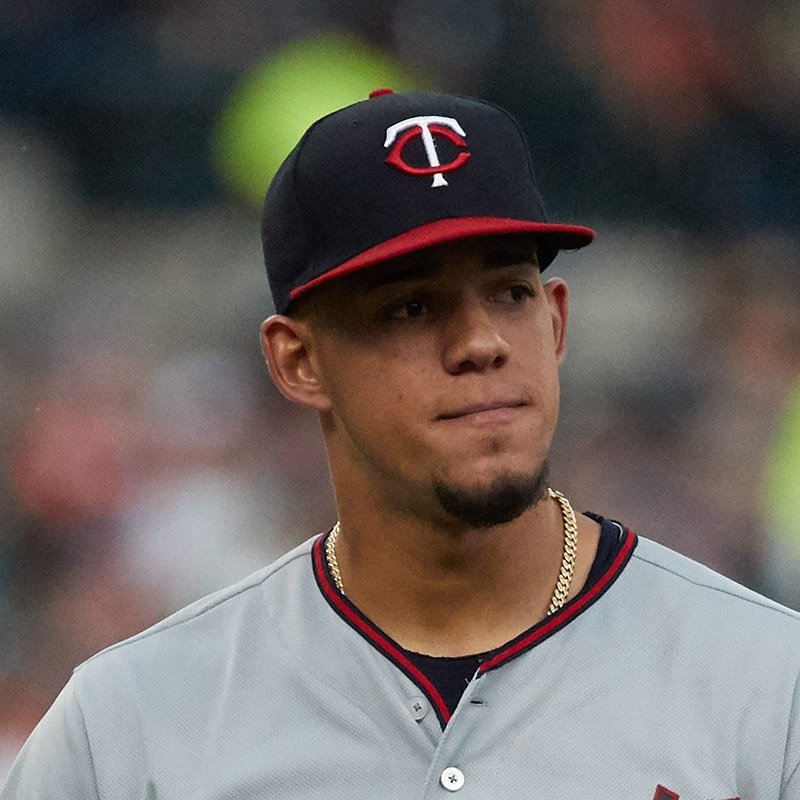 José Orlando Berríos was born May 27, 1994, in Bayamon, Puerto Rico. The Twins drafted Berríos in 2012 with their second choice in the first round. This was after selecting Byron Buxton second overall. The Berríos pick was a supplemental pick that the Twins were awarded for losing Michael Cuddyer to the Colorado Rockies through free agency. While in the minor leagues, Berríos always performed well while methodically working his way up, starting in rookie ball in 2012 and up to AAA in 2016. After two good starts at AAA Rochester, Berríos was called up and made his major league debut on April 27, 2016. However, Berríos shuttled back and forth all season between the Twins and AAA, struggling at the MLB level but particularly good at AAA. On May 13, 2017, the Twins recalled him again and he has never been back to the minor leagues. On July 30, 2021, Berríos was traded to the Toronto Blue Jays for Austin Martin and Simeon Woods Richardson. After that season Berríos signed a 7-year contract worth $131 million.
 -
William Joseph Benson was born March 5, 1988, in Hinsdale, IL. He excelled in baseball and football while in high school. The Twins drafted Benson out of high school in the second round of the 2006 MLB draft. Benson was an outfielder who played six seasons in the Twins minor league system. After rosters expended in September of 2011, he was called up to the Twins. He played 21 games, nearly every game, but apparently did not impress enough as he never made it back to MLB. He played two more seasons in the Twins minor league system then moved on to the Rangers, Marlins, Mets, and Braves. Benson signed with the Twins as a free agent in November of 2015, but was released after spring training. View full player
-
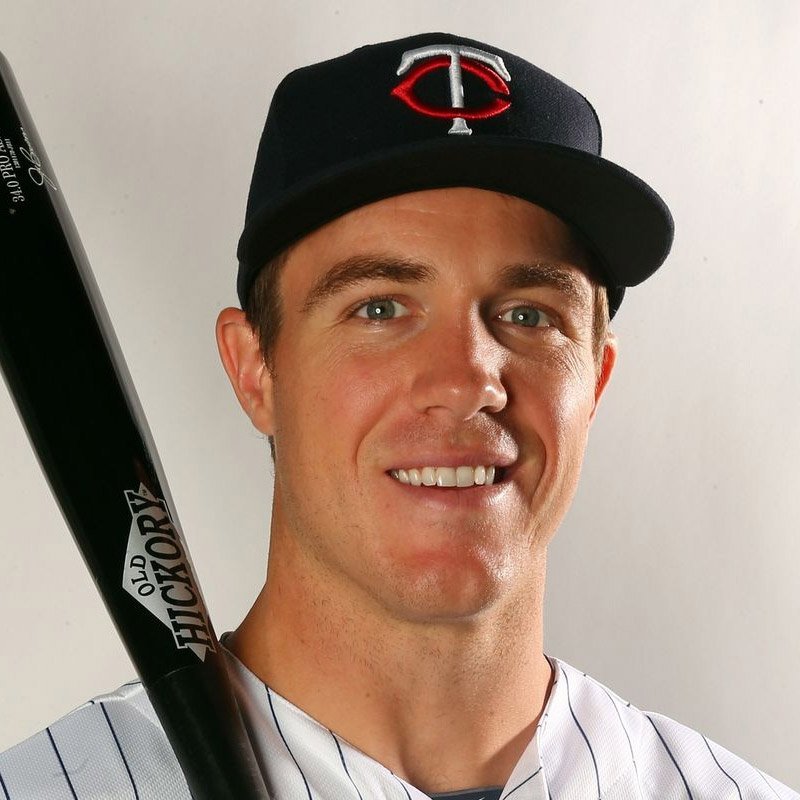 William Joseph Benson was born March 5, 1988, in Hinsdale, IL. He excelled in baseball and football while in high school. The Twins drafted Benson out of high school in the second round of the 2006 MLB draft. Benson was an outfielder who played six seasons in the Twins minor league system. After rosters expended in September of 2011, he was called up to the Twins. He played 21 games, nearly every game, but apparently did not impress enough as he never made it back to MLB. He played two more seasons in the Twins minor league system then moved on to the Rangers, Marlins, Mets, and Braves. Benson signed with the Twins as a free agent in November of 2015, but was released after spring training.
 -
Brian Buchana was trade for Jason Bartlett.
-
Jason Bartlett was born on October 30, 1979, in Mountain View, CA. After high school he attended San Joaquin Delta College then the University of Oklahoma. He was drafted by the San Diego Padres in the 13th round of the 2001 draft. The Padres traded Bartlett to the Twins in 2002 for Brian Buchanan. The Twins had a plethora of outfielders at that time (Hunter, Jones, Mohr, Restovich, Kielty, even a young Michael Cuddyer) and they were moving a player who was expendable for a lottery ticket in A ball. That was a Terry Ryan special. Bartlett debuted with the Twins in 2004. While in Minnesota, Bartlett filled the shortstop position admirably. After the 2007 season, Bartlett was traded to Tampa Bay in a blockbuster – Bartlett, Matt Garza, and Eddie Morlan for Delmon Young, Brendan Harris, and Jason Pridie. At the time Delmon Young was seen as a very promising young player. It didn’t work out for the Twins, but it did for Bartlett and the Rays. In 2008, after years of losing, Tampa Bay turned it around, won their division and went to the World Series. Bartlett played great earning MVP votes that season. Bartlett was traded to the San Diego Padres after the 2010 season. He would later come back to the Twins as a free agent for the 2014 season. The reunion did not last long as he played only three games. View full player
-
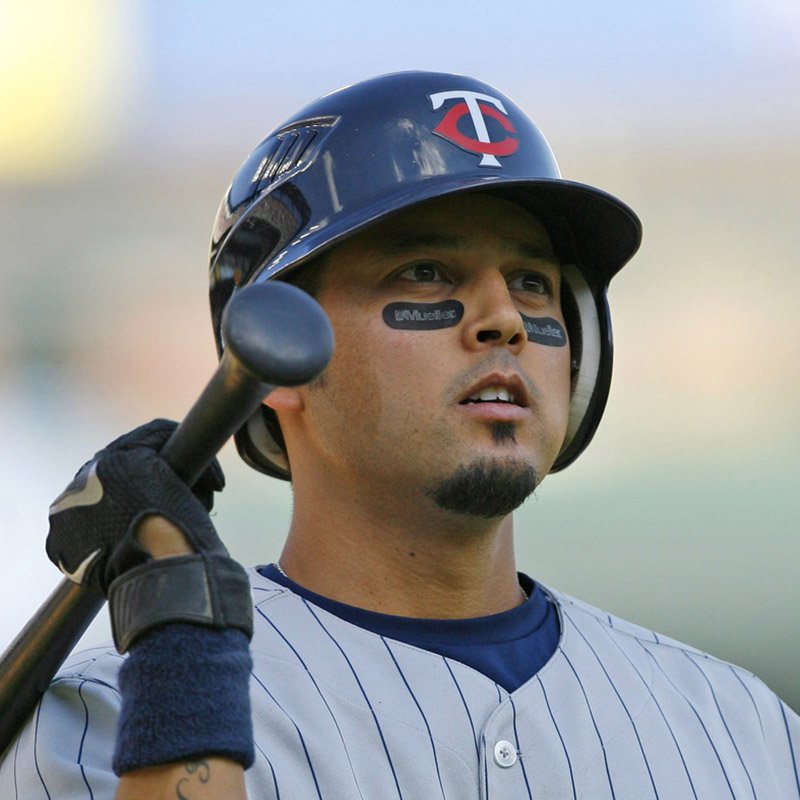 Jason Bartlett was born on October 30, 1979, in Mountain View, CA. After high school he attended San Joaquin Delta College then the University of Oklahoma. He was drafted by the San Diego Padres in the 13th round of the 2001 draft. The Padres traded Bartlett to the Twins in 2002 for Brian Buchanan. The Twins had a plethora of outfielders at that time (Hunter, Jones, Mohr, Restovich, Kielty, even a young Michael Cuddyer) and they were moving a player who was expendable for a lottery ticket in A ball. That was a Terry Ryan special. Bartlett debuted with the Twins in 2004. While in Minnesota, Bartlett filled the shortstop position admirably. After the 2007 season, Bartlett was traded to Tampa Bay in a blockbuster – Bartlett, Matt Garza, and Eddie Morlan for Delmon Young, Brendan Harris, and Jason Pridie. At the time Delmon Young was seen as a very promising young player. It didn’t work out for the Twins, but it did for Bartlett and the Rays. In 2008, after years of losing, Tampa Bay turned it around, won their division and went to the World Series. Bartlett played great earning MVP votes that season. Bartlett was traded to the San Diego Padres after the 2010 season. He would later come back to the Twins as a free agent for the 2014 season. The reunion did not last long as he played only three games.
 -
Timothy Scott Baker was born September 19, 1981, in Shreveport, LA. He went to Oklahoma State University. He was selected by the Twins in the second round of the Major League Baseball draft. The right-handed starting pitcher played for four teams during his 10-year career – seven of those seasons with the Twins. View full player
-
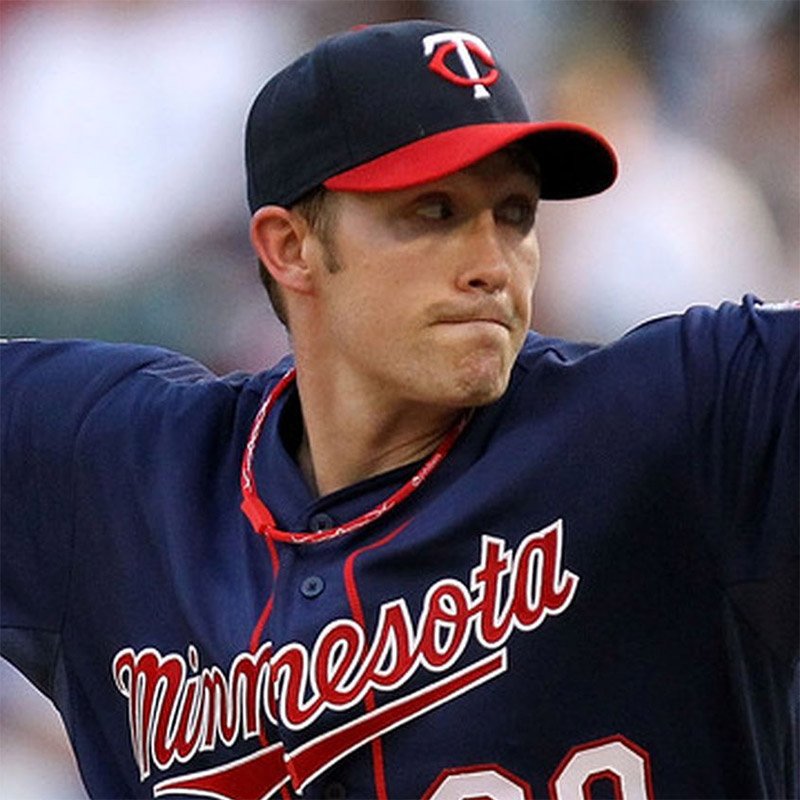 Timothy Scott Baker was born September 19, 1981, in Shreveport, LA. He went to Oklahoma State University. He was selected by the Twins in the second round of the Major League Baseball draft. The right-handed starting pitcher played for four teams during his 10-year career – seven of those seasons with the Twins.
 -
Born February 3, 1958, in Puerto Rico. Juan Agosto is a left-hander that pitched played 13 seasons in Major League with part of the 1986 season coming as a member of the Twins. His Twins numbers were bad. 1-2 record 8.85 ERA in 20.1 innings. He was mostly a reliever with the Twins with only one start. He also pitched for the White Sox, Astros, Cardinals, and Mariners. View full player
-
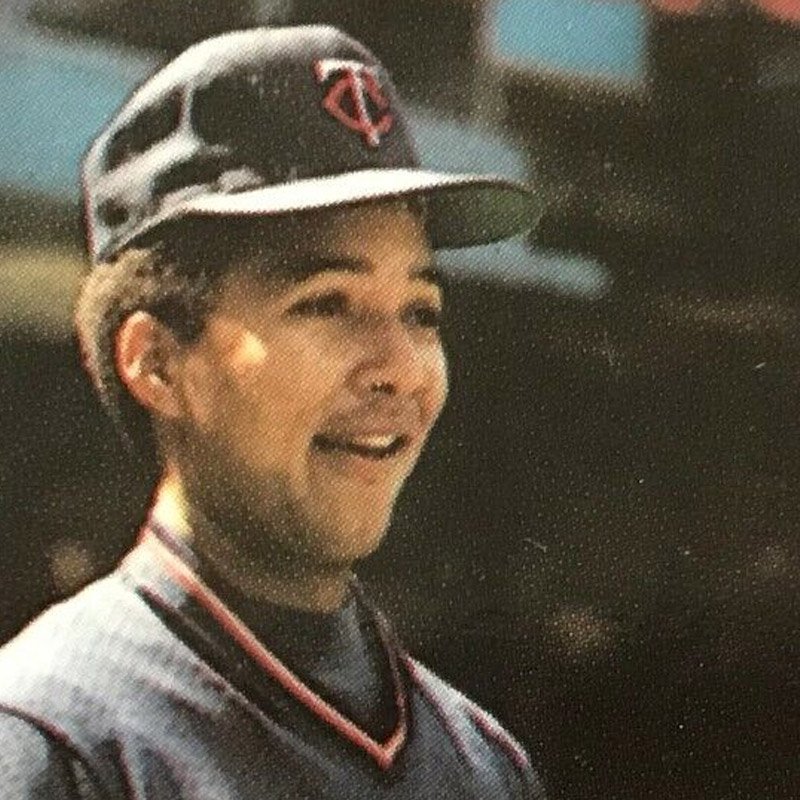 Born February 3, 1958, in Puerto Rico. Juan Agosto is a left-hander that pitched played 13 seasons in Major League with part of the 1986 season coming as a member of the Twins. His Twins numbers were bad. 1-2 record 8.85 ERA in 20.1 innings. He was mostly a reliever with the Twins with only one start. He also pitched for the White Sox, Astros, Cardinals, and Mariners.
 -
Mickey Hatcher, A Capable Player During Some Of The Twins' Darkest Days
Al from SoDak posted an article in Twins
 Michael Vaughn Hatcher was born on March 15, 1955, in Ohio. An article at The Oklahoman states that he chose the nickname Mickey after his idol, another player you might have heard of—Mickey Mantle. At some point, his family moved west, and he graduated from high school in Mesa, AZ. After high school, he attended Mesa Community College, where he was selected as an All-American twice in both baseball and football. Mickey Hatcher attended the University of Oklahoma, playing football and baseball. On the gridiron, he was a punter and a wide receiver. He punted 64 times in 1976 with an average length of 38.5 yards and was part of a Fiesta Bowl squad where Oklahoma won 41-7 over Wyoming. They finished the year ranked #5 in the AP Poll. I could not locate any statistics on his capabilities as a wide receiver. On the baseball field, he hit .356 and slugged .586 in 1977. The Dodgers drafted Hatcher in the 5th round of the 1977 draft. He worked his way up the minor leagues and debuted with the Dodgers on August 3, 1979. He got little opportunity in his first two seasons in Los Angeles. After the 1980 season, Hatcher was the centerpiece of a trade with the Twins, which included minor leaguers Matthew Reeves and Kelly Snider for Ken Landreaux, the lone Twins All-Star representative for the 1980 season. I’m guessing the trade was a circumstance of old Calvin Griffith not wanting to pay Landreaux. The Dodgers got the best of that trade. Reeves and Snider never made it to Major League Baseball. Hatcher played six seasons for the Twins, accumulating a 3.7 WAR. During his tenure, he hit .284/.315/.383. Landreaux played to 8.5 WAR in seven seasons for the Dodgers. Hatcher seemed like a decent player on the bad Twins teams of the early 80s. He was a one-tool player – he could hit for average but had limited power and was not fast. He was also not a great fielder; at least one fan thought he would hurt himself one day by running into a fence. Despite his lack of speed, he surprisingly played 99 games in center field in 1981, but he eventually settled in as the primary left fielder for the next few years. He had 37 RBI in 1981, which somehow led the team. We all know the 81 team was bad, and the strike limited the Twins to 110 games, but wow! Prorated to a 162-game season, 37 RBI only equates to 54. Yep, that was a bad team. His most extensive action came in 1984 when he batted .302/.342/.406 with 69 RBI. In 1985, Hatcher had a hit in nine consecutive plate appearances (including three doubles), which is still a Twins record. Before the 1987 season, the young Twins seemed to be growing into a better team. Unfortunately for Hatcher, during the offseason, the Twins sought a leadoff hitter with some speed and traded for Dan Gladden near the end of Spring Training. Kirby Puckett had hit primarily first in the lineup in 1986, but the Gladden trade allowed Puckett to slide permanently into the number three spot in the lineup. It was a sound plan to the detriment of Hatcher’s time in Minnesota. The Twins released Hatcher, but his old Dodgers team called and signed him shortly after. Hatcher’s release prevented him from participating in the Twins’ 1987 World Series victory, and his prior trade to the Twins had caused him to narrowly miss the Dodgers’ 1981 championship. Things did not seem to go his way. If he was disappointed about missing the ’81 and ’87 World Series championships, circumstances started to turn in his favor in the 1988 season. He won a World Series with the Dodgers in 1988, beating the heavily favored Oakland A’s. Jose Canseco hit a grand slam off the center field camera in the 2nd inning of game one to put the A’s up 4-2 and seemingly send the favored Oakland squad to victory. Still, the Dodgers came back and capped it off with the epic Kirk Gibson pinch-hit home run off Dennis Eckersley. (Earlier in 1988, the term “walk-off” was coined by Mr. Eckersley to mean any home run that wins a game and is hit so far, all you can do as a pitcher is walk off the mound.) It seemed like that Gibson home run catapulted the Dodgers to the championship – the A’s won only game three. Hatcher had played minimally during the season, but manager Tommy Lasorda inserted him during the series, which paid off. Hatcher’s World Series was great, hitting .368/.400/.737 with huge first-inning home runs in games 1 and 5. If not for Orel Hershiser’s magical season and postseason in 1988, maybe Hatcher would have been the World Series MVP. I’d say things worked out well for Mr. Hatcher.
 -
Mickey Hatcher could be described as a goofball, a gamer, a fan favorite, and colorful, but above all else he was a decent major league hitter. Michael Vaughn Hatcher was born on March 15, 1955, in Ohio. An article at The Oklahoman states that he chose the nickname Mickey after his idol, another player you might have heard of—Mickey Mantle. At some point, his family moved west, and he graduated from high school in Mesa, AZ. After high school, he attended Mesa Community College, where he was selected as an All-American twice in both baseball and football. Mickey Hatcher attended the University of Oklahoma, playing football and baseball. On the gridiron, he was a punter and a wide receiver. He punted 64 times in 1976 with an average length of 38.5 yards and was part of a Fiesta Bowl squad where Oklahoma won 41-7 over Wyoming. They finished the year ranked #5 in the AP Poll. I could not locate any statistics on his capabilities as a wide receiver. On the baseball field, he hit .356 and slugged .586 in 1977. The Dodgers drafted Hatcher in the 5th round of the 1977 draft. He worked his way up the minor leagues and debuted with the Dodgers on August 3, 1979. He got little opportunity in his first two seasons in Los Angeles. After the 1980 season, Hatcher was the centerpiece of a trade with the Twins, which included minor leaguers Matthew Reeves and Kelly Snider for Ken Landreaux, the lone Twins All-Star representative for the 1980 season. I’m guessing the trade was a circumstance of old Calvin Griffith not wanting to pay Landreaux. The Dodgers got the best of that trade. Reeves and Snider never made it to Major League Baseball. Hatcher played six seasons for the Twins, accumulating a 3.7 WAR. During his tenure, he hit .284/.315/.383. Landreaux played to 8.5 WAR in seven seasons for the Dodgers. Hatcher seemed like a decent player on the bad Twins teams of the early 80s. He was a one-tool player – he could hit for average but had limited power and was not fast. He was also not a great fielder; at least one fan thought he would hurt himself one day by running into a fence. Despite his lack of speed, he surprisingly played 99 games in center field in 1981, but he eventually settled in as the primary left fielder for the next few years. He had 37 RBI in 1981, which somehow led the team. We all know the 81 team was bad, and the strike limited the Twins to 110 games, but wow! Prorated to a 162-game season, 37 RBI only equates to 54. Yep, that was a bad team. His most extensive action came in 1984 when he batted .302/.342/.406 with 69 RBI. In 1985, Hatcher had a hit in nine consecutive plate appearances (including three doubles), which is still a Twins record. Before the 1987 season, the young Twins seemed to be growing into a better team. Unfortunately for Hatcher, during the offseason, the Twins sought a leadoff hitter with some speed and traded for Dan Gladden near the end of Spring Training. Kirby Puckett had hit primarily first in the lineup in 1986, but the Gladden trade allowed Puckett to slide permanently into the number three spot in the lineup. It was a sound plan to the detriment of Hatcher’s time in Minnesota. The Twins released Hatcher, but his old Dodgers team called and signed him shortly after. Hatcher’s release prevented him from participating in the Twins’ 1987 World Series victory, and his prior trade to the Twins had caused him to narrowly miss the Dodgers’ 1981 championship. Things did not seem to go his way. If he was disappointed about missing the ’81 and ’87 World Series championships, circumstances started to turn in his favor in the 1988 season. He won a World Series with the Dodgers in 1988, beating the heavily favored Oakland A’s. Jose Canseco hit a grand slam off the center field camera in the 2nd inning of game one to put the A’s up 4-2 and seemingly send the favored Oakland squad to victory. Still, the Dodgers came back and capped it off with the epic Kirk Gibson pinch-hit home run off Dennis Eckersley. (Earlier in 1988, the term “walk-off” was coined by Mr. Eckersley to mean any home run that wins a game and is hit so far, all you can do as a pitcher is walk off the mound.) It seemed like that Gibson home run catapulted the Dodgers to the championship – the A’s won only game three. Hatcher had played minimally during the season, but manager Tommy Lasorda inserted him during the series, which paid off. Hatcher’s World Series was great, hitting .368/.400/.737 with huge first-inning home runs in games 1 and 5. If not for Orel Hershiser’s magical season and postseason in 1988, maybe Hatcher would have been the World Series MVP. I’d say things worked out well for Mr. Hatcher. View full article
-
1976 Topps and the Minnesota Twins
Al from SoDak commented on Al from SoDak's blog entry in Al from SoDak
Yeah, I'll give you that the Gamble card is memorable, and the all-time greats are cool. I guess nothing jumps out at me for the Twins cards. Thanks for reading.- 4 comments
-
- 1
-
-
- dan ford
- jim hughes
- (and 1 more)
-
Hey Twins fans! This is the sixth post in my series about Minnesota Twins baseball cards. Please share your opinions, stories, comments, and memories below. 1976 Topps Well, I feel like this entry is a bit of a dud. Few star players and few interesting cards. The 1976 Topps baseball card design is just OK in my opinion. I do like the colored bars on the bottom of the card showing the name of the player and team. I also like the player silhouette, but overall, I can’t say it’s one of my favorite designs. The 1976 set has 660 cards with 28 Twins cards including rookie cards of Dan Ford and Lyman Bostock among others. The images below are courtesy of www.tcdb.com. MOST OBSCURE PLAYER I found about half a dozen possibilities for the most obscure Twins player in the 1976 Topps set. After extensive review, my choice is pitcher Jim Hughes. Hughes was born and raised in California and was drafted by the Twins in the 33rd round of the 1969 draft. He was used primarily as a starting pitcher working his way up through the minor leagues. He debuted in September of 1974, starting two games and completing one. In 1975 and 1976 he was a member of the Twins’ starting rotation. He started 34 games in 1975 and had a winning record of 16-14 pitching 249.2 innings. He had an amazing May of that season being named American League Player of the Month (this was prior to the existence of the separate Pitcher of the Month award). During that magical month he was an incredible 6-0, with five complete games and two of which were shutouts. In the other game he pitched, he entered in the third inning and gave up no runs the rest of the way and picked up the win. What a month! Hughes went 9-14 in 1976, then pitched only two games in April 1977 before being sent to AAA Tacoma for the remainder of the season. He would pitch two more years in the American minor leagues and one season the Mexican League in 1980. It seems arm troubles ended his career (https://www.baseball-reference.com/bullpen/Jim_Hughes_(hugheji03)). Seems like he was quite the flash in the pan – one great month, but what a month it was. THE BEST The Rod Carew #400 is the most valuable Twins card in this set. And I agree it’s probably the best card in the set. It’s an interesting picture of Carew in the dugout with the AL All Star label. Carew has probably the best Twins card in many of the 1970s sets. Boring, I know. PERSONAL FAVORITE My favorite Twins card in the 1976 set is the all-star rookie cup card of Disco Dan Ford (#313). That choice may be based solely on the sideburns alone. And is it just me or did athletes, heck maybe even all people, just look way older in the 70s? I feel like Ford looks about 35 in this picture; he was 24. There you have it folks, a review of the Twins cards in the 1976 Topps set. This is the shortest blog entry in my series. I’m sorry to say I don’t find 1976’s Topps design to be particularly interesting and in my judgment most of the pictures on the cards are dull. If you disagree, please, I would love to see your opinions and comments below. And Go Twins.
- 4 comments
-
- 2
-
-
- dan ford
- jim hughes
- (and 1 more)
-
1973 Topps and the Minnesota Twins
Al from SoDak commented on Al from SoDak's blog entry in Al from SoDak
Yes, the 1963 Topps story has a picture of a Jim Kaat autograhped card in my collection.- 6 comments
-
- 1
-
-
- ken reynolds
- rod carew
- (and 4 more)
-
Hey Twins fans! This is the fifth post in my series about Minnesota Twins baseball cards. This post is in a little different order than prior posts. Because I tend to dive most deeply into the most obscure player of the set (we all know about Tony, the Killer, and Carew not to mention Puckett, Hrbek, Mauer, and Morneau), this post will start with a write up of the player I deem to be most obscure in this set. Also “best” and “favorite” might be the same card, hence no different write up. If my favorite is different than the best, I will certainly say so. In previous posts, I struggled to differentiate between best and favorite. That’s not the case for the 1973 Topps, my favorite is definitely different from the best (which, I’m sorry tends to trend toward the most valuable). Anyway, here we go… 1973 Topps I love the look of the 1973 Topps baseball cards – the black border on the picture, the white border of the cards, and especially the silhouette of the player and his position in the lower right corner. The player’s name and team are listed at the bottom of the card. These cards are the standard 2.5” x 3.5” which started in 1957. The complete set has 660 cards. The Twins have 29 cards in this set including two variations of #49, the Frank Quilici manager card with his coaches. One of the variations has palm trees in the backgrounds for two of the coaches. www.PSAcard.com states the values of the two variations are the same and the number of each variation graded by PSA are similar. MOST OBSCURE PLAYER The 1973 Topps set has about half a dozen decent options for the most obscure Twins Player in the set, but one of these never played for the Twins. Meet Mr. Ken Reynolds. Reynolds was originally drafted by Philadelphia in the fourth round of the 1966 draft. He was primarily a starting pitcher in their minor leagues. He started 25 games in 1971 and 23 games in 1972 for bad to awful Phillies teams. He had a crazy bad record of 2-15 in 1972. Reynolds came to the Twins in a November 1972 trade. The Twins traded fan favorite and future Twins Hall of Famer Cesar Tover for Joe Lis, Ken Sanders, and Reynolds. It seems like Philadelphia won that trade but it wasn’t robbery. Tovar played only one season for the Phillies and had a WAR of 0.9 WAR. The players the Twins received totaled -1.4 for the time they played for the Twins. That -1.4 WAR does not include Reynolds as he never played for the Twins and was traded to the Brewers in March 1973 for Mike Ferraro. Ferraro also never played for the Twins and the organization released him in May. Reynolds had a 7.36 ERA in two games for the Brewers. Reynolds later pitched for the Cardinals in 1975 and the Padres in 1976, finishing his MLB career with a 7-29 record. He stuck around the minor leagues until 1979. An interesting tidbit I discovered while researching Ken Reynolds was that he played for the Hawaii Islanders in 1976 which was a AAA team and part of the Pacific Coast League. I went to Hawaii three weeks ago. It took me 4-5 after coming home to readjust to the time change. It seems like having Hawaii in a North American league would make travel exciting but brutal for those minor leaguers who experienced it. According to https://en.wikipedia.org/wiki/Hawaii_Islanders, the Hawaii Islanders were surprisingly part of the PCL from 1961 thought 1987. I found the entire Wikipedia entry to be fascinating and would encourage your perusal. Hall of Famers Barry Bonds and Tony Gwynn played for the Islanders. This is something this blog series has done for me, introduce me to interesting parts of the game I never knew. THE BEST The Rod Carew #330 is the most valuable Twins card in this set. I like the stance, the pose, the background, and just the general look of this card. And I just love the look of this set in general. PERSONAL FAVORITE There’s something about the Tony Oliva card (#80). I think it’s a great picture, great pose, and mine is autographed (with his phenomenal signature). In the 1960s, there are many players photographed standing in Yankee Stadium with an inauthentic stance or pose. Tony’s stance may not be overly competitive but the pose, to me, looks better than average. But it’s not my favorite card. The Harmon Killebrew (#170) is one of my favorite autographed cards in my entire collection (again, an exceptional autograph). This action shot seems to show an aggressive stance like he’s ready to release his energy and hit a blast. Where is he? The catcher’s red and blue pant stripes and the stadium background suggests Cleveland to me. I’m not sure. What do you think? I love this picture. But it’s not my favorite card. As an aside, seriously, whose autograph is better Oliva or Killebrew? I’ve heard many say Killebrew’s signature is the best, but Tony O’s is similarly clear, legible, and smooth. Please share your opinion below. Even though I have those two autographed cards of Hall of Fame players, neither ranks as my favorite Twins card from 1973. That honor easily belongs to another Hall of Famer – the #530 card of Jim Kaat. I think it’s absolutely awesome that Topps chose a photograph of a pitcher, Mr. Jim Kaat, batting. I love that this 1973 Topps card was issued, ironically, during the first year of the Designated Hitter. American League pitchers simply did not bat in 1973. Kaat could probably be considered a very good hitting pitcher. He batted .185 in his 25-year career, .289 in 1972, and .375 in 1981 (but only 8 at bats). I love all of that, which makes this my favorite Twins card in the 1973 Topps set. Please, I would love to see your opinions, criticisms, and suggestions in the comments below. I really want to know. Let’s have fun with this! And Go Twins.
- 6 comments
-
- 6
-
-

-
- ken reynolds
- rod carew
- (and 4 more)
-
Bob Allison was born July 11, 1934, just outside Kansas City. Bob was a multi-sport athlete in high school. After high school, he enrolled at the University of Kansas on a football scholarship but also played baseball. During his college years, baseball scouts started noticing Allison in the summer Ban Johnson baseball league in and around Kansas City. He signed with the Washington Senators in 1955. In 1956, Allison roomed with Harmon Killebrew in AAA Charlotte starting a lifelong friendship. He debuted on September 16, 1958, in a 5-1 loss against Cleveland. Allison had one of only two hits that day for the Senators. Nobody expected too much from Allison when the 1959 season opened, but he went on to hit .261/.333/.482 earning an all-star berth and the American League Rookie of the Year. After the Senators moved to Minnesota, Bob was a mainstay for the Twins as the young team grew and matured into contenders. He played mostly right or left field, but also played more than 100 games in center field and first base. He was key player for the Twins throughout the 1960s having all-star seasons in 1963 and 1964 finishing each year with an OPS over .900. He also had a very good season during the World Series year of 1965. After 1965, his number of games played dwindled because of injuries. Allison retired after the 1970 season. After the Senators moved to Minnesota, Allison always lived in the Twin Cities year-round and worked for Coca-Cola in the winters. After retiring from baseball, he started working for Coca-Cola full-time, retiring from that long career in 1989. Unfortunately, shortly after retirement he was diagnosed with Ataxia, a rare disease that impairs nerves and coordination. He passed away in 1995 at the age of 60. In 1990, Allison, with help from former teammates Jim Kaat and Frank Quilici, set up the Bob Allison Ataxia Research Center at the University of Minnesota. The Center has raised more than $10 million dollars for Ataxia research. However, Ataxia remains incurable. View full player
-
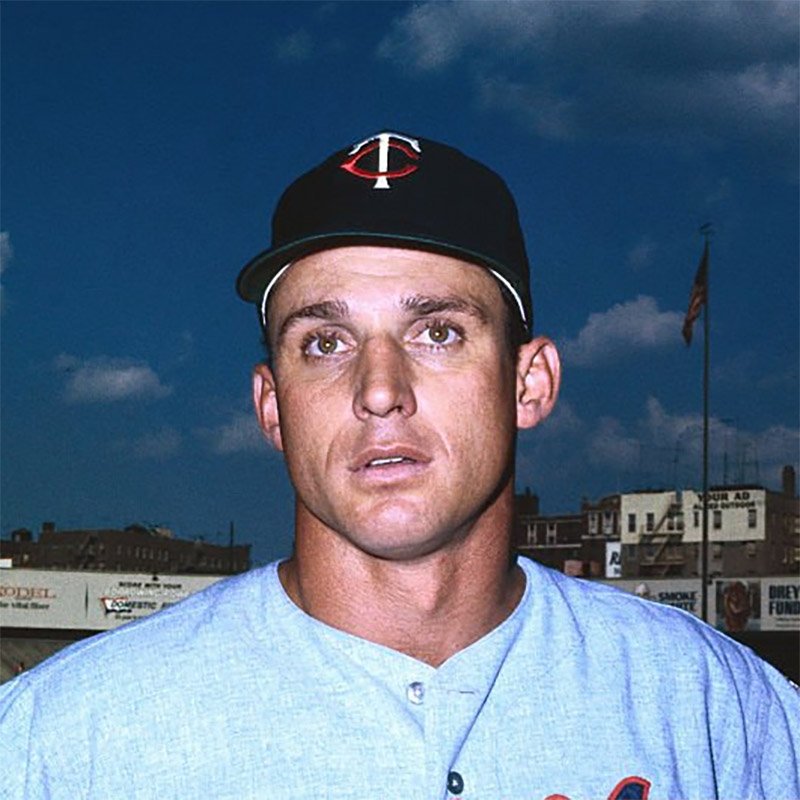 Bob Allison was born July 11, 1934, just outside Kansas City. Bob was a multi-sport athlete in high school. After high school, he enrolled at the University of Kansas on a football scholarship but also played baseball. During his college years, baseball scouts started noticing Allison in the summer Ban Johnson baseball league in and around Kansas City. He signed with the Washington Senators in 1955. In 1956, Allison roomed with Harmon Killebrew in AAA Charlotte starting a lifelong friendship. He debuted on September 16, 1958, in a 5-1 loss against Cleveland. Allison had one of only two hits that day for the Senators. Nobody expected too much from Allison when the 1959 season opened, but he went on to hit .261/.333/.482 earning an all-star berth and the American League Rookie of the Year. After the Senators moved to Minnesota, Bob was a mainstay for the Twins as the young team grew and matured into contenders. He played mostly right or left field, but also played more than 100 games in center field and first base. He was key player for the Twins throughout the 1960s having all-star seasons in 1963 and 1964 finishing each year with an OPS over .900. He also had a very good season during the World Series year of 1965. After 1965, his number of games played dwindled because of injuries. Allison retired after the 1970 season. After the Senators moved to Minnesota, Allison always lived in the Twin Cities year-round and worked for Coca-Cola in the winters. After retiring from baseball, he started working for Coca-Cola full-time, retiring from that long career in 1989. Unfortunately, shortly after retirement he was diagnosed with Ataxia, a rare disease that impairs nerves and coordination. He passed away in 1995 at the age of 60. In 1990, Allison, with help from former teammates Jim Kaat and Frank Quilici, set up the Bob Allison Ataxia Research Center at the University of Minnesota. The Center has raised more than $10 million dollars for Ataxia research. However, Ataxia remains incurable.
 -
Pedro Ramos was born April 28, 1935, in Pinar del Rio, Cuba, the same hometown as Tony Oliva. He signed with the Washington Senators and debuted – as a pinch runner – on April 11, 1955, just before his 20th birthday. His first mound action came on April 30, 1955, against the Detroit Tigers. He pitched one scoreless inning of relief in a loss. Ramos came to the Twins when the Senators franchise moved to Minnesota. Ramos played for the Twins in only one season – their initial season in 1961. In fact, he was the first starting pitcher ever for the Minnesota Twins on April 11, 1961. On that day he threw a complete game shutout against the defending American League Champion New York Yankees, allowing only three hits and one walk. He also had one hit and 2 RBI. Ramos was traded to Cleveland before the 1962 season for Vic Power and Dick Stigman. Ramos pitched 15 years in Major League Baseball for the Senators, Twins, Guardians, Yankees, Phillies, Pirates, and Reds before finishing his career in 1970 with the second incarnation of the Washington Senators. View full player
-
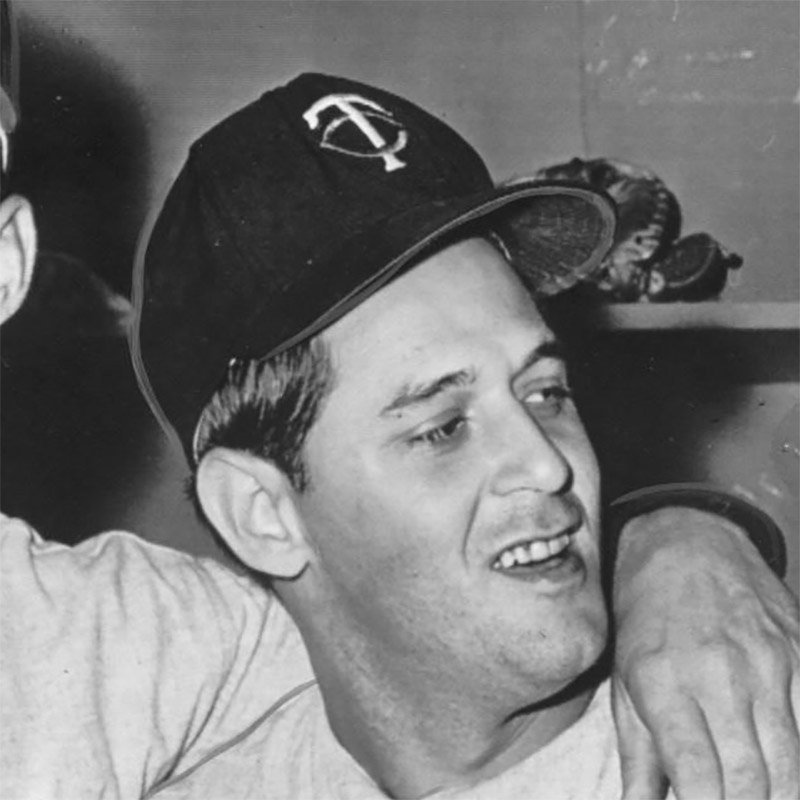 Pedro Ramos was born April 28, 1935, in Pinar del Rio, Cuba, the same hometown as Tony Oliva. He signed with the Washington Senators and debuted – as a pinch runner – on April 11, 1955, just before his 20th birthday. His first mound action came on April 30, 1955, against the Detroit Tigers. He pitched one scoreless inning of relief in a loss. Ramos came to the Twins when the Senators franchise moved to Minnesota. Ramos played for the Twins in only one season – their initial season in 1961. In fact, he was the first starting pitcher ever for the Minnesota Twins on April 11, 1961. On that day he threw a complete game shutout against the defending American League Champion New York Yankees, allowing only three hits and one walk. He also had one hit and 2 RBI. Ramos was traded to Cleveland before the 1962 season for Vic Power and Dick Stigman. Ramos pitched 15 years in Major League Baseball for the Senators, Twins, Guardians, Yankees, Phillies, Pirates, and Reds before finishing his career in 1970 with the second incarnation of the Washington Senators.
