



Matthew Trueblood
-
Posts
1,033 -
Joined
-
Last visited
Content Type
Profiles
News
Minnesota Twins Videos
2026 Minnesota Twins Top Prospects Ranking
2022 Minnesota Twins Draft Picks
Minnesota Twins Free Agent & Trade Rumors, Notes, & Tidbits
Guides & Resources
2023 Minnesota Twins Draft Picks
The Minnesota Twins Players Project
2024 Minnesota Twins Draft Picks
2025 Minnesota Twins Draft Pick Tracker
2026 Minnesota Twins Draft Tracker: Picks & Bonuses
Forums
Blogs
Events
Store
Downloads
Gallery
Everything posted by Matthew Trueblood
-
Alex Kirilloff is 23 years old. He’s not a phenom who threatens to hit free agency at 27 and cash in beyond the Twins’ means. If he has a good spring training, he should be on the Opening Day roster.If Minnesota’s front office manipulates Kirilloff’s service time by having him open the year in St. Paul, the year of team control they will gain over their former first-round pick is 2027. That year, Kirilloff will be 29 years old. The chances that Kirilloff will be a valuable player at that age are quite slim, and if he will be, the team will have plenty of time to offer him a contract extension that renders his service time moot. Let me defend that assertion — that it’s unlikely Kirilloff will be good enough in 2027 to sweat over this decision now — a bit, because it might seem shocking. It’s true, though, and not just because of the inherent uncertainty associated with players who have yet to prove they can hit big-league pitching over a full season. In today’s game, it’s rare to find a player with Kirilloff’s profile thriving past their mid-20s. I used Stathead, from Baseball Reference, to find the number of players in each season of baseball history who met the following criteria: Batted left-handedPlayed primarily in a corner outfield spotQualified for the batting titleHad an OPS+ of at least 115Were 29 years old or olderSince the most recent expansion in 1998, there have been some clear trends. From 1998-2002, there were 29 such player-seasons, or about six per year. From 2003-07, there were 25 such player seasons, averaging five per year. From 2008-12, after the league began testing not only for steroids and human growth hormone but for amphetamines (and as the PITCHf/x Era changed the batter-pitcher interaction forever), the number fell to 19, an average of just under four per season. Since 2013, there have been just 18 player-seasons meeting the criteria above, an average of a bit over two per year. Only Arizona’s Kole Calhoun met these criteria in 2020. Only Charlie Blackmon and Michael Brantley did so in 2019. Brantley is the only guy to make the list in two separate seasons since Andre Ethier, who managed it in 2011 and 2012. That underscores the unpredictability here; even guys who ostensibly attain and cling to a solid everyday job through 29 rarely produce consistently thereafter. For more evidence of that, note the non-tenders of Kyle Schwarber (28 next month) and Eddie Rosario (29) this winter, and the tepid market for the services of Joc Pederson, also 29. There are many reasons for this, going beyond the ones to which I alluded already. Defensive shifts disproportionately affect the production of this type of player. Accelerating and changing trends in pitcher usage have made it a younger man’s game all the time. So, too, have impressive advancements in the realm of player development. There’s even the fact that, as hitters seek to lift the ball more often, outfield defense has incrementally increased in importance, leading to a stronger preference for young, fresh legs in the corner spots than the industry has had in decades. If Kirilloff is able to overcome these odds and become such a hitter, obviously, he’s more valuable than ever. By the time he’s even 25 or 26, though, it should be obvious whether or not he has that potential. That’s when the Twins could approach him with a contract extension, and benefit from the goodwill they would engender by giving him a job on Opening Day. The talk of the baseball world is the contract to which the Padres just signed Fernando Tatís, Jr., but not enough attention has been paid to the fact that San Diego set the stage for the deal two years ago. They installed Tatís, then 20, as their Opening Day shortstop in 2019, even though it cost them control of his age-27 season in 2025. Once he proved to be a superstar in the making, they were happy to shell out huge dollars to keep him (more or less) forever. The Twins wouldn’t even need to go to the same lengths for Kirilloff, for the reasons I explore above. In fact, I’m not even in favor of the remedy to this dilemma some have suggested, which is extending Kirilloff now. Actuarially (as we have seen), he’s unlikely to be worth much in the latter, most expensive seasons of such a deal. If he and his representatives were willing to consider a deal that reshaped his earning curve, getting him higher salaries sooner but selling his arbitration-eligible seasons at a below-market price, and if the Twins could get multiple team options at the end of the deal, it would be worth their while, but otherwise, they should just skip the manipulation, press pause on any contract considerations, and install him in the majors right away. To close, let me acknowledge one truth, and stress two others. First, the acknowledgement: Kirilloff has never played in Triple A, and only has limited time in Double A. Because of that, there is some case to be made that having him open the season in St. Paul wouldn’t be manipulating his service time, but rather, the natural choice for a player with his experience. I understand that line of thinking, but reject it. This is 2021. We all know why he didn’t get the reps he’d normally have gotten at the upper levels of the minors in 2020. We all also know that that justification crumbles the moment the team calls him up in early May, because really, what difference does one month make? What is Kirilloff likely to learn over such a span? Moreover, and here’s the first fact I want to stress and reiterate: Kirilloff is 23. He’s only still waiting to crack the roster because last season was truncated, and because of injury issues earlier in his professional career. If he’s going to be anywhere near as good as the Twins hope he will be, he needs to hurry up and do it. The Twins also need to be able to evaluate him against big-league pitching right away. A month of at-bats in St. Paul proves nothing. A month of at-bats in Minneapolis lets the team start deciding how important Trevor Larnach is to their future, whether Luis Arraez is likely to be needed often in left field, and how they should construct their lineup on a day-to-day basis to maximize its output. The other thing I want to emphasize is that this is all predicated on Kirilloff having a strong spring training. The indications that he is or isn’t ready for the majors, for which some would have the team look only once he lands in St. Paul, will be noticeable before the end of Grapefruit League play. They won’t place any value on his stats in exhibition games, of course, but they should and will be able to assess his readiness based on data they collect there, the expert judgment of coaches and scouts, and conversations with the player himself. Since we can’t know whether Kirilloff will have that kind of impressive camp or not, one could argue that the conversation should be put off for a few weeks. I disagree. To get this narrative right, and to shape the argument properly, we need to premeditate upon and look at these threads of argument now. Once one does so, it becomes easier to respond in an informed way if the facts on the ground change. Barring something unforeseen, I’m confident in my belief that Kirilloff belongs on Minnesota’s Opening Day roster. This article first went out Sunday morning, as a piece for subscribers to my email newsletter, Penning Bull. If you're interested in that newsletter, which costs $11.11 per year and covers the whole league, you can find out more and sign up at penningbull.com. MORE FROM TWINS DAILY — Latest Twins coverage from our writers — Recent Twins discussion in our forums — Follow Twins Daily via Twitter, Facebook or email Click here to view the article
-
The Twins Should Make Alex Kirilloff the Opening Day Left Fielder
Matthew Trueblood posted an article in Twins
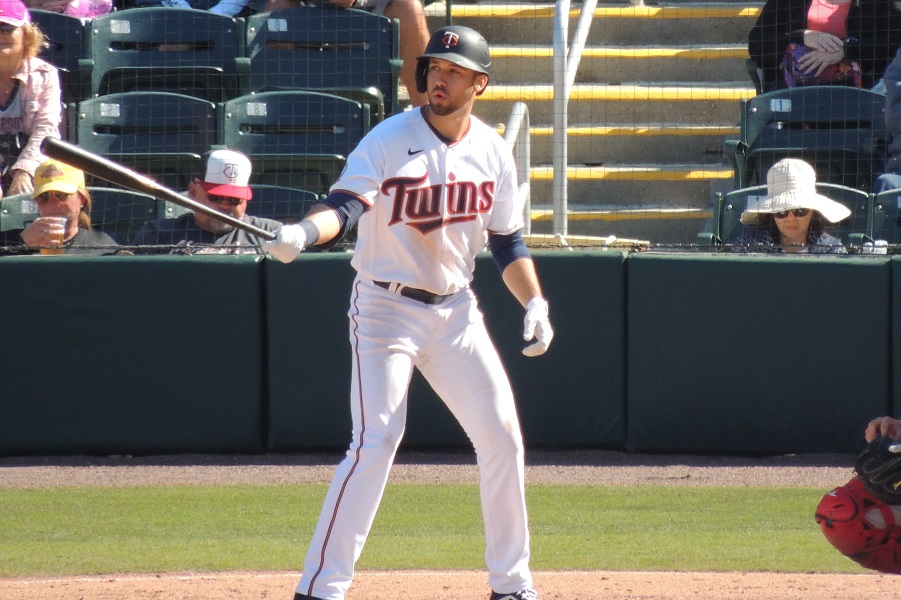 If Minnesota’s front office manipulates Kirilloff’s service time by having him open the year in St. Paul, the year of team control they will gain over their former first-round pick is 2027. That year, Kirilloff will be 29 years old. The chances that Kirilloff will be a valuable player at that age are quite slim, and if he will be, the team will have plenty of time to offer him a contract extension that renders his service time moot. Let me defend that assertion — that it’s unlikely Kirilloff will be good enough in 2027 to sweat over this decision now — a bit, because it might seem shocking. It’s true, though, and not just because of the inherent uncertainty associated with players who have yet to prove they can hit big-league pitching over a full season. In today’s game, it’s rare to find a player with Kirilloff’s profile thriving past their mid-20s. I used Stathead, from Baseball Reference, to find the number of players in each season of baseball history who met the following criteria: Batted left-handed Played primarily in a corner outfield spot Qualified for the batting title Had an OPS+ of at least 115 Were 29 years old or older Since the most recent expansion in 1998, there have been some clear trends. From 1998-2002, there were 29 such player-seasons, or about six per year. From 2003-07, there were 25 such player seasons, averaging five per year. From 2008-12, after the league began testing not only for steroids and human growth hormone but for amphetamines (and as the PITCHf/x Era changed the batter-pitcher interaction forever), the number fell to 19, an average of just under four per season. Since 2013, there have been just 18 player-seasons meeting the criteria above, an average of a bit over two per year. Only Arizona’s Kole Calhoun met these criteria in 2020. Only Charlie Blackmon and Michael Brantley did so in 2019. Brantley is the only guy to make the list in two separate seasons since Andre Ethier, who managed it in 2011 and 2012. That underscores the unpredictability here; even guys who ostensibly attain and cling to a solid everyday job through 29 rarely produce consistently thereafter. For more evidence of that, note the non-tenders of Kyle Schwarber (28 next month) and Eddie Rosario (29) this winter, and the tepid market for the services of Joc Pederson, also 29. There are many reasons for this, going beyond the ones to which I alluded already. Defensive shifts disproportionately affect the production of this type of player. Accelerating and changing trends in pitcher usage have made it a younger man’s game all the time. So, too, have impressive advancements in the realm of player development. There’s even the fact that, as hitters seek to lift the ball more often, outfield defense has incrementally increased in importance, leading to a stronger preference for young, fresh legs in the corner spots than the industry has had in decades. If Kirilloff is able to overcome these odds and become such a hitter, obviously, he’s more valuable than ever. By the time he’s even 25 or 26, though, it should be obvious whether or not he has that potential. That’s when the Twins could approach him with a contract extension, and benefit from the goodwill they would engender by giving him a job on Opening Day. The talk of the baseball world is the contract to which the Padres just signed Fernando Tatís, Jr., but not enough attention has been paid to the fact that San Diego set the stage for the deal two years ago. They installed Tatís, then 20, as their Opening Day shortstop in 2019, even though it cost them control of his age-27 season in 2025. Once he proved to be a superstar in the making, they were happy to shell out huge dollars to keep him (more or less) forever. The Twins wouldn’t even need to go to the same lengths for Kirilloff, for the reasons I explore above. In fact, I’m not even in favor of the remedy to this dilemma some have suggested, which is extending Kirilloff now. Actuarially (as we have seen), he’s unlikely to be worth much in the latter, most expensive seasons of such a deal. If he and his representatives were willing to consider a deal that reshaped his earning curve, getting him higher salaries sooner but selling his arbitration-eligible seasons at a below-market price, and if the Twins could get multiple team options at the end of the deal, it would be worth their while, but otherwise, they should just skip the manipulation, press pause on any contract considerations, and install him in the majors right away. To close, let me acknowledge one truth, and stress two others. First, the acknowledgement: Kirilloff has never played in Triple A, and only has limited time in Double A. Because of that, there is some case to be made that having him open the season in St. Paul wouldn’t be manipulating his service time, but rather, the natural choice for a player with his experience. I understand that line of thinking, but reject it. This is 2021. We all know why he didn’t get the reps he’d normally have gotten at the upper levels of the minors in 2020. We all also know that that justification crumbles the moment the team calls him up in early May, because really, what difference does one month make? What is Kirilloff likely to learn over such a span? Moreover, and here’s the first fact I want to stress and reiterate: Kirilloff is 23. He’s only still waiting to crack the roster because last season was truncated, and because of injury issues earlier in his professional career. If he’s going to be anywhere near as good as the Twins hope he will be, he needs to hurry up and do it. The Twins also need to be able to evaluate him against big-league pitching right away. A month of at-bats in St. Paul proves nothing. A month of at-bats in Minneapolis lets the team start deciding how important Trevor Larnach is to their future, whether Luis Arraez is likely to be needed often in left field, and how they should construct their lineup on a day-to-day basis to maximize its output. The other thing I want to emphasize is that this is all predicated on Kirilloff having a strong spring training. The indications that he is or isn’t ready for the majors, for which some would have the team look only once he lands in St. Paul, will be noticeable before the end of Grapefruit League play. They won’t place any value on his stats in exhibition games, of course, but they should and will be able to assess his readiness based on data they collect there, the expert judgment of coaches and scouts, and conversations with the player himself. Since we can’t know whether Kirilloff will have that kind of impressive camp or not, one could argue that the conversation should be put off for a few weeks. I disagree. To get this narrative right, and to shape the argument properly, we need to premeditate upon and look at these threads of argument now. Once one does so, it becomes easier to respond in an informed way if the facts on the ground change. Barring something unforeseen, I’m confident in my belief that Kirilloff belongs on Minnesota’s Opening Day roster. This article first went out Sunday morning, as a piece for subscribers to my email newsletter, Penning Bull. If you're interested in that newsletter, which costs $11.11 per year and covers the whole league, you can find out more and sign up at penningbull.com. MORE FROM TWINS DAILY — Latest Twins coverage from our writers — Recent Twins discussion in our forums — Follow Twins Daily via Twitter, Facebook or email
 -
Though he showed his full power potential in 2020, Byron Buxton used an approach that will not permit him to have lasting success at the plate. His walk and strikeout totals jump out, but there’s one stat he needs to improve even more urgently in 2021.Buxton, 27, is one of the best athletes in baseball, and it was fun to see him put his strength and size to their highest use in 2020. He clobbered the ball, when he squared pitches up, and if he could sustain the power pace he established in that season without other adjustments, he’d be one of the best players in baseball. Alas, that success was thoroughly unsustainable. As Twins fans are well aware, he struck out 36 times and walked just twice all season, in 135 plate appearances. That imperils any offensive success, but Buxton also put up one other ugly number: a .241 BABIP. For a player who runs the way he does, and who hits the ball as hard as he does, that figure should never drop so low. The worst news, though, is that the number was not a fluke. According to Statcast, Buxton hit 21 balls to the opposite field (right field, as a right-handed hitter) in 2020. Here is how they went: FlyoutFlyoutFlyoutFlyoutPopoutPopoutFlyoutPopoutPopoutGroundoutPopoutSingle (hey! Good news1)PopoutPopoutSacrifice flyPopoutPopoutPopoutFlyoutForceoutLineoutYikes. Sorry to put you through that. I think it’s the best way to illustrate the problem here. In fact, if you want to dig just a bit deeper into the pit of despair, go watch the one hit. It left Buxton’s bat at 70 miles per hour, with a launch angle of 41 degrees, and fell in front of Brewers right fielder Ben Gamel, who got a bad read before coming in on the lazy fly. Obviously, being a pull hitter is not a bad thing. In fact, the Twins’ most profitable general change under the Falvey-Levine regime has been to successfully turn several hitters into guys who consistently lift the ball to their pull field, where power tends to be maximized. Last year, 299 players had at least 50 total batted balls to either center field or their pull field. The four who had the highest weighted on-base average (wOBA) on those batted balls were Mike Trout, Buxton, Nelson Cruz, and Miguel Sanó. It’s hard to better capture what the Twins want their hitters to do, or to feel better about Buxton’s ability to do it, than by considering that stat. Here’s the problem: the rest of those guys also did other things well. Trout had a down year to the opposite field, with a .217 wOBA to right, but he drew 35 walks and struck out 56 times in almost 250 plate appearances. Cruz also drew his share of walks, and had a .460 wOBA to the opposite field—one of the highest in the game. Sanó struggled with strikeout issues, but had a .417 wOBA when he put the ball in play to right field, another excellent number. Buxton? No player who had at least 10 batted balls to their opposite field had a lower wOBA than his .041. The only others under .100 were the punchless Omar Narváez and Jarrod Dyson. That’s in addition to Buxton’s poor control of the strike zone. Watch his swing, and it’s easy to see why Buxton is so vulnerable. Everything about his attack of the ball is focused on turning out with authority. There’s nothing wrong with that mentality, but it has to be balanced either with extremely exacting plate discipline, allowing one to get pitches suitable to that approach, or with a sufficiently level swing to keep the ball on a useful trajectory even when late or needing to make a last-second adjustment. Buxton could still make those adjustments. If he does, and if he retains the power he showed to left and center field in 2020, he’ll help the Twins run away with the AL Central. He’ll get MVP votes, and not the down-ballot kind. If he doesn’t make these significant changes, though, he can expect to take a big statistical step backward in 2021, and the bottom of the Twins’ order might get awfully holey. MORE FROM TWINS DAILY — Latest Twins coverage from our writers — Recent Twins discussion in our forums — Follow Twins Daily via Twitter, Facebook or email Click here to view the article
-
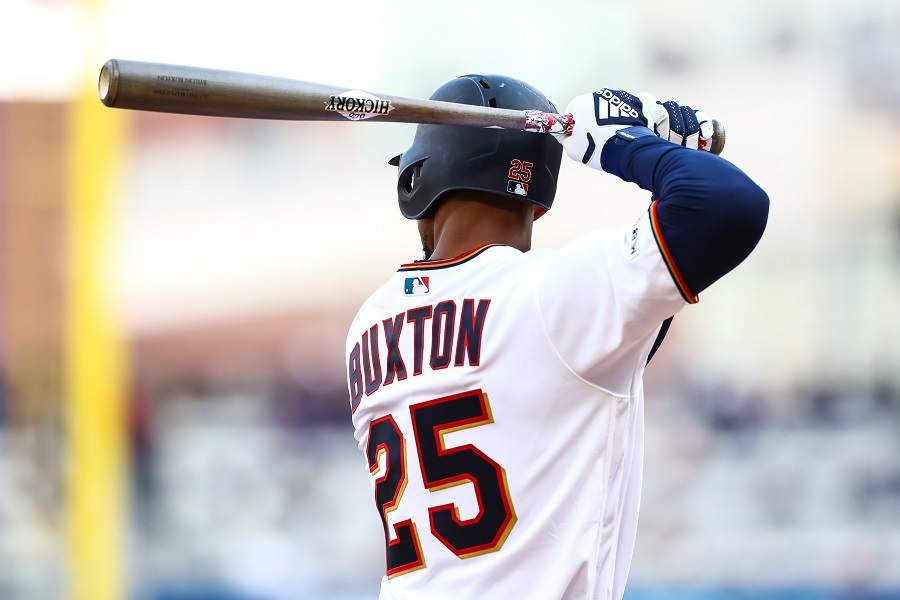 Buxton, 27, is one of the best athletes in baseball, and it was fun to see him put his strength and size to their highest use in 2020. He clobbered the ball, when he squared pitches up, and if he could sustain the power pace he established in that season without other adjustments, he’d be one of the best players in baseball. Alas, that success was thoroughly unsustainable. As Twins fans are well aware, he struck out 36 times and walked just twice all season, in 135 plate appearances. That imperils any offensive success, but Buxton also put up one other ugly number: a .241 BABIP. For a player who runs the way he does, and who hits the ball as hard as he does, that figure should never drop so low. The worst news, though, is that the number was not a fluke. According to Statcast, Buxton hit 21 balls to the opposite field (right field, as a right-handed hitter) in 2020. Here is how they went: Flyout Flyout Flyout Flyout Popout Popout Flyout Popout Popout Groundout Popout Single (hey! Good news1) Popout Popout Sacrifice fly Popout Popout Popout Flyout Forceout Lineout Yikes. Sorry to put you through that. I think it’s the best way to illustrate the problem here. In fact, if you want to dig just a bit deeper into the pit of despair, go watch the one hit. It left Buxton’s bat at 70 miles per hour, with a launch angle of 41 degrees, and fell in front of Brewers right fielder Ben Gamel, who got a bad read before coming in on the lazy fly. Obviously, being a pull hitter is not a bad thing. In fact, the Twins’ most profitable general change under the Falvey-Levine regime has been to successfully turn several hitters into guys who consistently lift the ball to their pull field, where power tends to be maximized. Last year, 299 players had at least 50 total batted balls to either center field or their pull field. The four who had the highest weighted on-base average (wOBA) on those batted balls were Mike Trout, Buxton, Nelson Cruz, and Miguel Sanó. It’s hard to better capture what the Twins want their hitters to do, or to feel better about Buxton’s ability to do it, than by considering that stat. Here’s the problem: the rest of those guys also did other things well. Trout had a down year to the opposite field, with a .217 wOBA to right, but he drew 35 walks and struck out 56 times in almost 250 plate appearances. Cruz also drew his share of walks, and had a .460 wOBA to the opposite field—one of the highest in the game. Sanó struggled with strikeout issues, but had a .417 wOBA when he put the ball in play to right field, another excellent number. Buxton? No player who had at least 10 batted balls to their opposite field had a lower wOBA than his .041. The only others under .100 were the punchless Omar Narváez and Jarrod Dyson. That’s in addition to Buxton’s poor control of the strike zone. Watch his swing, and it’s easy to see why Buxton is so vulnerable. Everything about his attack of the ball is focused on turning out with authority. There’s nothing wrong with that mentality, but it has to be balanced either with extremely exacting plate discipline, allowing one to get pitches suitable to that approach, or with a sufficiently level swing to keep the ball on a useful trajectory even when late or needing to make a last-second adjustment. Buxton could still make those adjustments. If he does, and if he retains the power he showed to left and center field in 2020, he’ll help the Twins run away with the AL Central. He’ll get MVP votes, and not the down-ballot kind. If he doesn’t make these significant changes, though, he can expect to take a big statistical step backward in 2021, and the bottom of the Twins’ order might get awfully holey. MORE FROM TWINS DAILY — Latest Twins coverage from our writers — Recent Twins discussion in our forums — Follow Twins Daily via Twitter, Facebook or email
 -
It’s not often that signing a starting pitcher can improve and lengthen a team’s offensive bench, but when the Twins signed Matt Shoemaker, they did just that.If everyone is healthy when the Twins break camp in late March, their starting rotation will include Kenta Maeda, José Berríos, Michael Pineda, J.A. Happ, and Shoemaker. It will exclude Randy Dobnak, as well as Devin Smeltzer and Lewis Thorpe. All three of those pitchers could very well make starts for the 2021 Twins, but each is also capable of helping them in long relief. Most importantly, for the purposes of this conversation, they can also help the team by not being on it at certain points, because they all can be optioned to the minor leagues. Optioning pitchers to the minors to keep a sufficient number of fresh arms on the active big-league roster will be a constant juggling act this season, even more than in the last few. All offseason, optionable pitchers have had slight premiums attached to them in the market for talent. It’s one reason why the Twins had to give up LaMonte Wade, Jr. in order to get Shaun Anderson. Wade is a better player than Anderson, but Anderson has options, and the Twins gained flexibility and security by acquiring him, in addition to getting a live-armed pitcher they hope to develop into a weapon. With the volume Dobnak, Smeltzer, and Thorpe can provide in relief, and with the ability to send any of them to the minors if needed, the Twins can get by with an eight-man bullpen. In addition to those three and Anderson, Minnesota has the ability to option Cody Stashak, Caleb Thielbar, and Jorge Alcala when needed. They will begin the season, given full health, with Edwar Colina, Jhoan Duran, Dakota Chalmers, Bailey Ober, and Jordan Balazovic all stashed in the minor leagues, but each is already on the 40-man roster and could be called up, then optioned. Should Glenn Sparkman, Brandon Waddell, Ian Gibaut, or Ian Hamilton make their way back onto the 40-man, they, too, could subsequently be optioned. Don’t underestimate the advantage of which the Twins have assured themselves here. Every team has spent the winter trying to amass quality depth while staying flexible, and few (if any) can claim to have struck the balance as well as Minnesota has. Signing Shoemaker sealed the deal, because it converts so many potential innings from Dobnak and Smeltzer from starter to reliever work, and lessens any pressure to keep them on the roster after a long outing. In light of that, it would be foolish for the team to forfeit their edge by carrying 14 pitchers for any meaningful period of time. They should be able to roster nine starting players (we’ll include, for now, Alex Kirilloff, as the left fielder), plus backup catcher Ryan Jeffers, utility man Luis Arraez, fourth outfielder Jake Cave, and right-handed bench bat Brent Rooker. Squeezing down to 12 available hitters, when they’ve so assiduously assembled a pitching staff that renders that unnecessary, would be wasteful. Injuries could force the issue, of course. In fact, they’re likely to do so, at some stage. Only a total catastrophe should make a 14-man staff even a semi-permanent state of affairs, though. MORE FROM TWINS DAILY — Latest Twins coverage from our writers — Recent Twins discussion in our forums — Follow Twins Daily via Twitter, Facebook or email Click here to view the article
-
Matt Shoemaker Lengthens Twins' Bench, as Well as Rotation
Matthew Trueblood posted an article in Twins
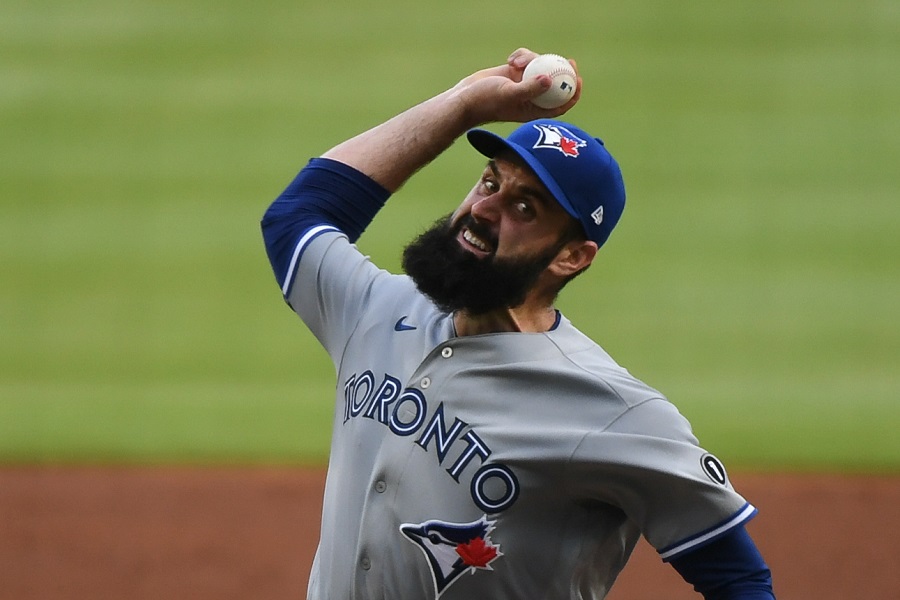 If everyone is healthy when the Twins break camp in late March, their starting rotation will include Kenta Maeda, José Berríos, Michael Pineda, J.A. Happ, and Shoemaker. It will exclude Randy Dobnak, as well as Devin Smeltzer and Lewis Thorpe. All three of those pitchers could very well make starts for the 2021 Twins, but each is also capable of helping them in long relief. Most importantly, for the purposes of this conversation, they can also help the team by not being on it at certain points, because they all can be optioned to the minor leagues. Optioning pitchers to the minors to keep a sufficient number of fresh arms on the active big-league roster will be a constant juggling act this season, even more than in the last few. All offseason, optionable pitchers have had slight premiums attached to them in the market for talent. It’s one reason why the Twins had to give up LaMonte Wade, Jr. in order to get Shaun Anderson. Wade is a better player than Anderson, but Anderson has options, and the Twins gained flexibility and security by acquiring him, in addition to getting a live-armed pitcher they hope to develop into a weapon. With the volume Dobnak, Smeltzer, and Thorpe can provide in relief, and with the ability to send any of them to the minors if needed, the Twins can get by with an eight-man bullpen. In addition to those three and Anderson, Minnesota has the ability to option Cody Stashak, Caleb Thielbar, and Jorge Alcala when needed. They will begin the season, given full health, with Edwar Colina, Jhoan Duran, Dakota Chalmers, Bailey Ober, and Jordan Balazovic all stashed in the minor leagues, but each is already on the 40-man roster and could be called up, then optioned. Should Glenn Sparkman, Brandon Waddell, Ian Gibaut, or Ian Hamilton make their way back onto the 40-man, they, too, could subsequently be optioned. Don’t underestimate the advantage of which the Twins have assured themselves here. Every team has spent the winter trying to amass quality depth while staying flexible, and few (if any) can claim to have struck the balance as well as Minnesota has. Signing Shoemaker sealed the deal, because it converts so many potential innings from Dobnak and Smeltzer from starter to reliever work, and lessens any pressure to keep them on the roster after a long outing. In light of that, it would be foolish for the team to forfeit their edge by carrying 14 pitchers for any meaningful period of time. They should be able to roster nine starting players (we’ll include, for now, Alex Kirilloff, as the left fielder), plus backup catcher Ryan Jeffers, utility man Luis Arraez, fourth outfielder Jake Cave, and right-handed bench bat Brent Rooker. Squeezing down to 12 available hitters, when they’ve so assiduously assembled a pitching staff that renders that unnecessary, would be wasteful. Injuries could force the issue, of course. In fact, they’re likely to do so, at some stage. Only a total catastrophe should make a 14-man staff even a semi-permanent state of affairs, though. MORE FROM TWINS DAILY — Latest Twins coverage from our writers — Recent Twins discussion in our forums — Follow Twins Daily via Twitter, Facebook or email
 -
For such a low-cost, late-winter signing, the Twins’ acquisition of Matt Shoemaker feels like a tactical strike. There are three things in Shoemaker’s skill set that made him a perfect target for Minnesota’s front office.First of all, Shoemaker throws both a four-seam fastball and a sinker, and he locates each of them consistently and effectively. His four-seamer has an above-average spin rate, and he’s able to attack the top of the strike zone with it, especially from the middle of the plate to the first-base side of it. His sinker has a markedly lower spin rate, which is a plus for that particular pitch, and he runs it in on the hands of right-handed batters well. A significant difference in spin rates between the four-seamer and sinker is, in itself, a fairly unusual and desirable characteristic, and demonstrates Shoemaker’s overall feel for pitching. It’s just a bonus, though. The Twins love to have pitchers utilize two fastballs, even if they lack that rare differential, as long as they can command each to at least one side of home plate. Wes Johnson has worked to Foster that skill in José Berríos over the last two seasons. He and his staff got Kenta Maeda back to using both fastballs more evenly after acquiring him last winter. Jake Odorizzi dramatically increased his sinker usage, in defiance of league-wide trends, after the Twins acquired him in February 2018, and it helped unlock other stuff in his repertoire. There’s a clear organizational preference for two-fastball approaches, where they can be acquired or taught at reasonable cost. Shoemaker has something else in common with Maeda and Odorizzi, and with Homer Bailey (who was last winter’s equivalent of the Shoemaker signing): his changeup is a splitter. That’s a pitch (or pitch variant) for which the Twins also have a clear affinity. There are (pardon the pun) a handful of ways to throw a changeup, and each tends to create a slightly different effect. Circle-changes maximize the lateral movement (or fade) of the pitch, relative to a fastball. Four-seam changeups like Lucas Giolito’s can create massive velocity differentials between the fastball and the change. The splitter tends to generate the largest separation in vertical movement from a fastball, though, especially because they tend to be very, very low in spin (Shoemaker’s is no exception). That usually means a lot of swings and misses. The biggest tradeoffs in throwing the splitter come in the realm of command, and (by extension) in vulnerability to home runs. There are also some teams who still believe that splitters cause elbow injuries. There’s no truth to the latter, when the pitch is thrown correctly, but the notion persists. The Twins target hurlers who have demonstrated good command of their splitters, and don’t sweat the injury risk. Even if it were real, and properly priced by the market, the Twins would not be cowed: they’re more risk-friendly than most teams. Shoemaker’s fourth pitch is the third reason why the Twins took a particular interest in him. His slider has excellent vertical depth. That’s something we’ve seen the Twins emphasize in several recent acquisitions, but also as they’ve tweaked and rebuilt the sliders of incumbent pitchers like Ryan Pressly, Trevor May, and Tyler Duffey. Vertical movement engenders swings and misses better than horizontal movement does, and makes a pitch more effective against opposite-handed batters. Even as he’s made other, productive changes to his pitch mix over the last few years, Shoemaker has not thrown his slider much against left-handed batters. The Twins might well change that this year, even at the expense of his uninspiring curveball. Unlike some other teams, the Twins don’t lock in on any one type of pitcher. They may like certain things that Berríos, Maeda, Odorizzi, J.A. Happ, and Shoemaker have in common, but they like Michael Pineda and Rich Hill, too, for the very different things they do well. Still, Shoemaker is a perfect fit for Johnson and the team’s pitching infrastructure, and that should increase fans’ confidence that he’ll pitch well in 2021. MORE FROM TWINS DAILY — Latest Twins coverage from our writers — Recent Twins discussion in our forums — Follow Twins Daily via Twitter, Facebook or email Click here to view the article
-
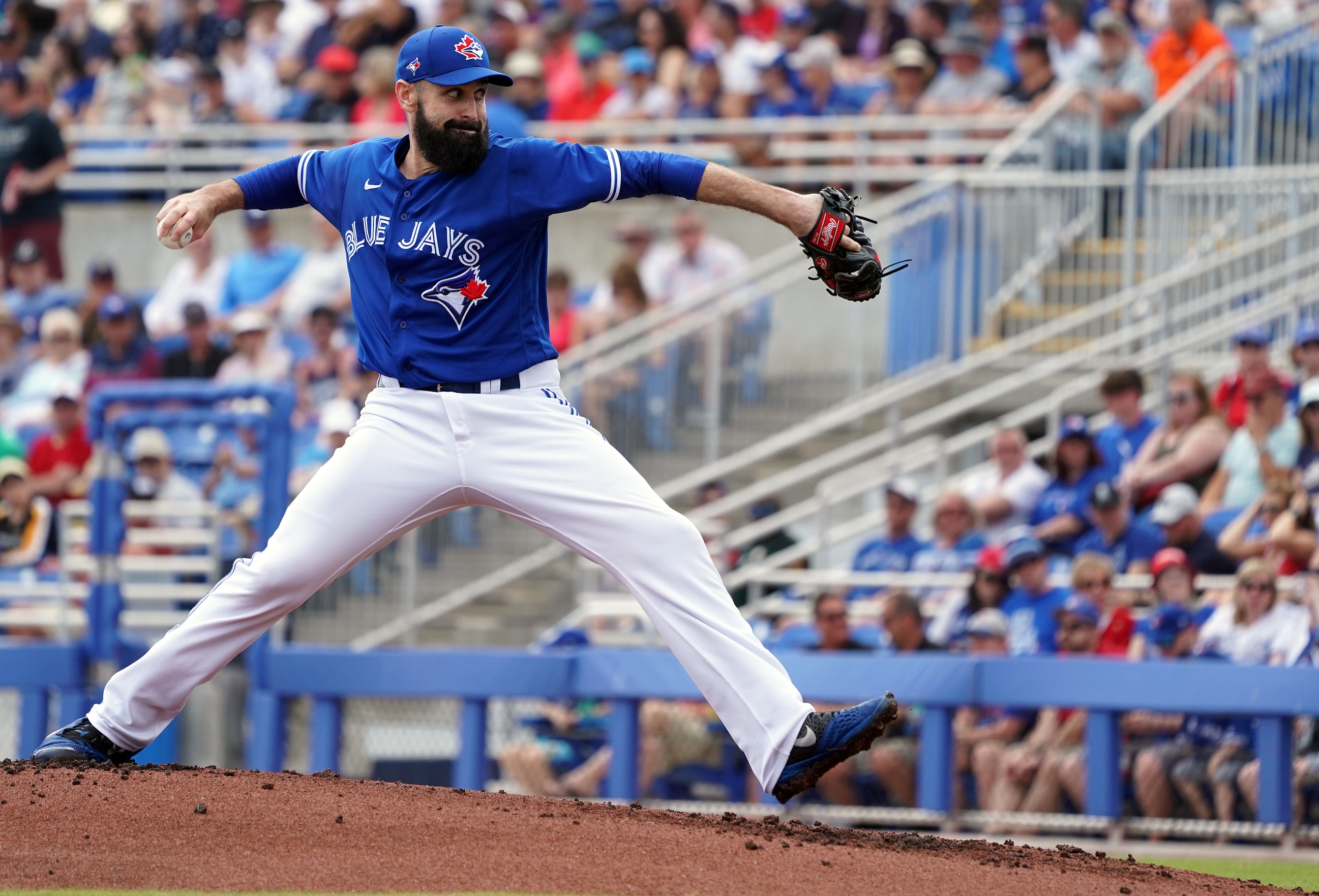 First of all, Shoemaker throws both a four-seam fastball and a sinker, and he locates each of them consistently and effectively. His four-seamer has an above-average spin rate, and he’s able to attack the top of the strike zone with it, especially from the middle of the plate to the first-base side of it. His sinker has a markedly lower spin rate, which is a plus for that particular pitch, and he runs it in on the hands of right-handed batters well. A significant difference in spin rates between the four-seamer and sinker is, in itself, a fairly unusual and desirable characteristic, and demonstrates Shoemaker’s overall feel for pitching. It’s just a bonus, though. The Twins love to have pitchers utilize two fastballs, even if they lack that rare differential, as long as they can command each to at least one side of home plate. Wes Johnson has worked to Foster that skill in José Berríos over the last two seasons. He and his staff got Kenta Maeda back to using both fastballs more evenly after acquiring him last winter. Jake Odorizzi dramatically increased his sinker usage, in defiance of league-wide trends, after the Twins acquired him in February 2018, and it helped unlock other stuff in his repertoire. There’s a clear organizational preference for two-fastball approaches, where they can be acquired or taught at reasonable cost. Shoemaker has something else in common with Maeda and Odorizzi, and with Homer Bailey (who was last winter’s equivalent of the Shoemaker signing): his changeup is a splitter. That’s a pitch (or pitch variant) for which the Twins also have a clear affinity. There are (pardon the pun) a handful of ways to throw a changeup, and each tends to create a slightly different effect. Circle-changes maximize the lateral movement (or fade) of the pitch, relative to a fastball. Four-seam changeups like Lucas Giolito’s can create massive velocity differentials between the fastball and the change. The splitter tends to generate the largest separation in vertical movement from a fastball, though, especially because they tend to be very, very low in spin (Shoemaker’s is no exception). That usually means a lot of swings and misses. The biggest tradeoffs in throwing the splitter come in the realm of command, and (by extension) in vulnerability to home runs. There are also some teams who still believe that splitters cause elbow injuries. There’s no truth to the latter, when the pitch is thrown correctly, but the notion persists. The Twins target hurlers who have demonstrated good command of their splitters, and don’t sweat the injury risk. Even if it were real, and properly priced by the market, the Twins would not be cowed: they’re more risk-friendly than most teams. Shoemaker’s fourth pitch is the third reason why the Twins took a particular interest in him. His slider has excellent vertical depth. That’s something we’ve seen the Twins emphasize in several recent acquisitions, but also as they’ve tweaked and rebuilt the sliders of incumbent pitchers like Ryan Pressly, Trevor May, and Tyler Duffey. Vertical movement engenders swings and misses better than horizontal movement does, and makes a pitch more effective against opposite-handed batters. Even as he’s made other, productive changes to his pitch mix over the last few years, Shoemaker has not thrown his slider much against left-handed batters. The Twins might well change that this year, even at the expense of his uninspiring curveball. Unlike some other teams, the Twins don’t lock in on any one type of pitcher. They may like certain things that Berríos, Maeda, Odorizzi, J.A. Happ, and Shoemaker have in common, but they like Michael Pineda and Rich Hill, too, for the very different things they do well. Still, Shoemaker is a perfect fit for Johnson and the team’s pitching infrastructure, and that should increase fans’ confidence that he’ll pitch well in 2021. MORE FROM TWINS DAILY — Latest Twins coverage from our writers — Recent Twins discussion in our forums — Follow Twins Daily via Twitter, Facebook or email
 -
With the release of Baseball Prospectus’s 2021 PECOTA projections this week, we have a clearer sense than ever of the Twins’ strengths and weaknesses, and we can estimate the value various remaining free agents could add. Here are five good options for the Twins.Adam Duvall PECOTA projections aren’t unimpeachable—especially this year. However, the projections for Alex Kirilloff, Trevor Larnach, and (especially) Brent Rooker are pretty ugly. The Twins can cover themselves even if those dire predictions are realized, by moving around pieces already on their roster, but Duvall does multiple things well, and his projections suggest that he would be a major upgrade over Rooker as a lefty-masher and left fielder. Duvall, 32, topped 30 home runs twice with the Cincinnati Reds and posted a career-high 122 DRC+ last year with the Braves. (Baseball Prospectus uses DRC+, a proprietary, holistic metric, to give offensive value in a single number. The stat is indexed to 100, which means that that number is average, and higher is better.) Atlanta chose to spend their resources on reinforcing their starting rotation this winter, however, which led them to non-tender Duvall in December. If PECOTA is to be believed, whichever team scoops up Duvall will have themselves a solid role player. Though his generic projection is for only 350 plate appearances, the system has him hitting 20 home runs. His DRC+ of 112 would make him a pretty good replacement for Eddie Rosario in left field, especially if it could be raised slightly by shielding him from tough right-handed pitchers. (Luis Arraez and LaMonte Wade make that feasible, in theory.) Duvall also plays average-plus defense, and would thrive in Target Field’s fairly simple, confined left field space. At times, he might fit the lineup best as the designated hitter, if the Twins don’t sign (ahem) a higher-echelon player for that role. He’s almost certain to sign a one-year deal, and the deals signed by Rosario and Joc Pederson last week imply that Duvall could be had for $5 million or less. Nelson Cruz We’ve made Cruz-backers wait long enough. Obviously, he remains the Twins’ top target, and re-signing him would form the neatest hierarchy and build the simplest set of potential lineups for Rocco Baldelli. PECOTA projects the 40-year-old to continue flicking Father Time in the forehead, with 27 home runs in 525 plate appearances. Cruz’s projected slash line of .262/.346/.492 would be good for a 134 DRC+. That (and his raw numbers) would be more in line with his production in his final season with the Mariners than in either of his first two years with the Twins, which is the reasonable way to manage expectations, considering his age. Still, he projects to be a better hitter than any current Twin. Marcell Ozuna Cruz is not, however, the best hitter remaining on the free-agent market, and the guy who does claim that title might be the better fit for Minnesota’s roster, in 2021 and in years to come. That’s not to say that the Twins would or should actually prefer Ozuna. Cruz is a beloved part of the clubhouse, and (in some sense) the Minnesota baseball community. He’s much better-known to the Twins. They know his recent injury history, his habits, and his relationships to everyone involved in the organization. Still, it would be silly not to seriously consider Ozuna, because he has a chance to be the fits-like-a-glove roster salve that Duvall could be, while hitting at or above Cruz’s level. He’s been on the national radar ever since his breakout 2017, but Ozuna has been somewhat inconsistent throughout his career. That’s not an indictment, per se. Even when he hasn’t been living up to his obvious potential (especially with regard to power), he’s been pretty good. He just hadn’t fully turned the corner and accessed his whole offensive toolkit, until 2020. In the shortened season, though, playing for his third team, Ozuna did become a bona fide superstar slugger. In previous seasons, his unorthodox swing had led to strange batted-ball spin, which led too many well-struck balls to tail, flag, and die just shy of doing real damage. In offseason work and with the help of the Braves, he fixed that last year. He still has a delightfully idiosyncratic set of actions in the batter’s box, defying the modern trend toward hyper-efficient launch angle-optimizing, but he’s cleaned things up just enough to become truly lethal. PECOTA projects Ozuna to hit .279/.354/.501 in 2021, good for a 135 DRC+. He projects to play more, hit more home runs, walk more often and strike out less often than Cruz or Duvall. He’s also just 30 years old. Presumably, he’s looking to sign a four- or five-year deal, but the Twins have the flexibility to do just that, having only $47.2 million committed to their 2022 payroll. If Ozuna were willing to have a chunk of his 2021 salary deferred, or paid out across multiple years as a signing bonus, he could fit both this year and into the future. Tyler Clippard At the moment, the Twins’ bullpen projections are not very rosy. Tyler Duffey and Taylor Rogers project to be quite good, but not elite, and the system is lukewarm on Jorge Alcalá, Caleb Thielbar, Cody Stashak, and Hansel Robles, rating them all as roughly average pitchers. One of the members of last year’s terrific bullpen gets a very favorable projection, though. Clippard, with his neutral splits and apparently age-proof soft-tossing skills, is pegged for an 86 DRA- (where 100 is average, and lower is better) and a 3.34 ERA in 50 innings of work. Bringing him back would stabilize a bullpen short on star power, and thus in need of as many reliable, versatile arms as possible. James Paxton Having already signed J.A. Happ for a high seven-figure guarantee, the Twins have a fairly sturdy starting rotation, with a high floor. They should only further add to that group if they can push at least Happ further down the likely hierarchy, and raise their ceiling. If Happ is a somewhat stronger version of Homer Bailey, then the mystery man who would fit this roster now is someone more akin to Rich Hill. As it happens, if you sort the list of pitchers projected to pitch over 100 innings in 2021 by PECOTA’s forecasted DRA-, Hill is sandwiched by two pitchers who were free agents when the offseason began. Just behind Hill (projected for a very slightly worse performance, that is) is Corey Kluber. Just ahead of him stands Paxton. In fact, Paxton’s projected 88 DRA-, 3.67 ERA, and 10.5 strikeouts per nine innings are all better than even those of José Berríos. The strikeout rate even edges out Kenta Maeda’s. This is what Hill’s projections looked like last winter (and, of course, is essentially what they look like this year, too). As with Hill, the questions around Paxton center on his health, as well as sagging fastball velocity. If he’s healthy, he’s a great bet, and someone whose profile would fit perfectly with the Twins’ pitching preferences. Re-signing Hill is a fine option in itself, but given his age, it’s easy to make the case that he’s too risky. Paxton is nine years younger, and as a resident of Eau Claire, Wis. during the offseason, he’s very likely to find the Twins a good fit for his family. Click here to view the article
-
2021 Twins PECOTA Projections: 5 Free Agents Team Could Target
Matthew Trueblood posted an article in Twins
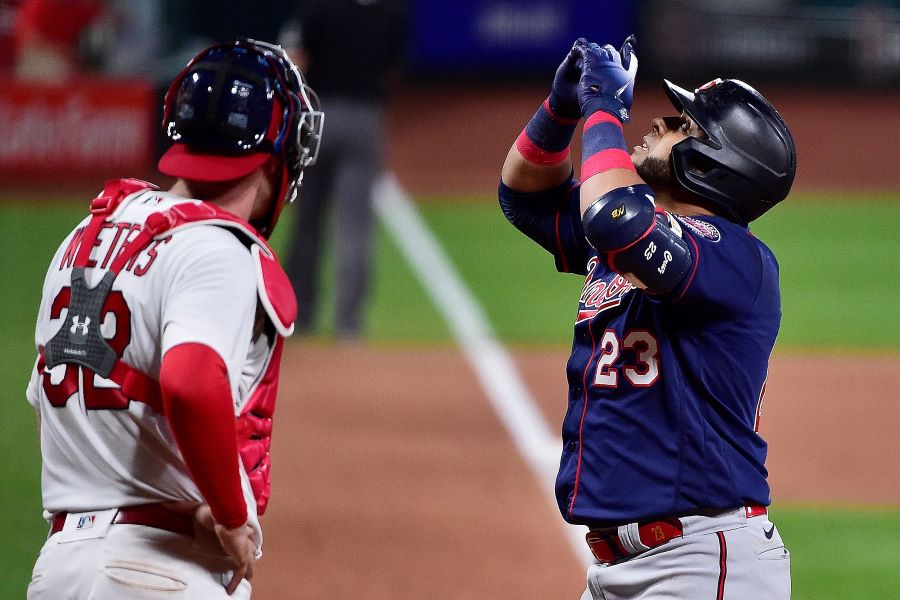 Adam Duvall PECOTA projections aren’t unimpeachable—especially this year. However, the projections for Alex Kirilloff, Trevor Larnach, and (especially) Brent Rooker are pretty ugly. The Twins can cover themselves even if those dire predictions are realized, by moving around pieces already on their roster, but Duvall does multiple things well, and his projections suggest that he would be a major upgrade over Rooker as a lefty-masher and left fielder. Duvall, 32, topped 30 home runs twice with the Cincinnati Reds and posted a career-high 122 DRC+ last year with the Braves. (Baseball Prospectus uses DRC+, a proprietary, holistic metric, to give offensive value in a single number. The stat is indexed to 100, which means that that number is average, and higher is better.) Atlanta chose to spend their resources on reinforcing their starting rotation this winter, however, which led them to non-tender Duvall in December. If PECOTA is to be believed, whichever team scoops up Duvall will have themselves a solid role player. Though his generic projection is for only 350 plate appearances, the system has him hitting 20 home runs. His DRC+ of 112 would make him a pretty good replacement for Eddie Rosario in left field, especially if it could be raised slightly by shielding him from tough right-handed pitchers. (Luis Arraez and LaMonte Wade make that feasible, in theory.) Duvall also plays average-plus defense, and would thrive in Target Field’s fairly simple, confined left field space. At times, he might fit the lineup best as the designated hitter, if the Twins don’t sign (ahem) a higher-echelon player for that role. He’s almost certain to sign a one-year deal, and the deals signed by Rosario and Joc Pederson last week imply that Duvall could be had for $5 million or less. Nelson Cruz We’ve made Cruz-backers wait long enough. Obviously, he remains the Twins’ top target, and re-signing him would form the neatest hierarchy and build the simplest set of potential lineups for Rocco Baldelli. PECOTA projects the 40-year-old to continue flicking Father Time in the forehead, with 27 home runs in 525 plate appearances. Cruz’s projected slash line of .262/.346/.492 would be good for a 134 DRC+. That (and his raw numbers) would be more in line with his production in his final season with the Mariners than in either of his first two years with the Twins, which is the reasonable way to manage expectations, considering his age. Still, he projects to be a better hitter than any current Twin. Marcell Ozuna Cruz is not, however, the best hitter remaining on the free-agent market, and the guy who does claim that title might be the better fit for Minnesota’s roster, in 2021 and in years to come. That’s not to say that the Twins would or should actually prefer Ozuna. Cruz is a beloved part of the clubhouse, and (in some sense) the Minnesota baseball community. He’s much better-known to the Twins. They know his recent injury history, his habits, and his relationships to everyone involved in the organization. Still, it would be silly not to seriously consider Ozuna, because he has a chance to be the fits-like-a-glove roster salve that Duvall could be, while hitting at or above Cruz’s level. He’s been on the national radar ever since his breakout 2017, but Ozuna has been somewhat inconsistent throughout his career. That’s not an indictment, per se. Even when he hasn’t been living up to his obvious potential (especially with regard to power), he’s been pretty good. He just hadn’t fully turned the corner and accessed his whole offensive toolkit, until 2020. In the shortened season, though, playing for his third team, Ozuna did become a bona fide superstar slugger. In previous seasons, his unorthodox swing had led to strange batted-ball spin, which led too many well-struck balls to tail, flag, and die just shy of doing real damage. In offseason work and with the help of the Braves, he fixed that last year. He still has a delightfully idiosyncratic set of actions in the batter’s box, defying the modern trend toward hyper-efficient launch angle-optimizing, but he’s cleaned things up just enough to become truly lethal. PECOTA projects Ozuna to hit .279/.354/.501 in 2021, good for a 135 DRC+. He projects to play more, hit more home runs, walk more often and strike out less often than Cruz or Duvall. He’s also just 30 years old. Presumably, he’s looking to sign a four- or five-year deal, but the Twins have the flexibility to do just that, having only $47.2 million committed to their 2022 payroll. If Ozuna were willing to have a chunk of his 2021 salary deferred, or paid out across multiple years as a signing bonus, he could fit both this year and into the future. Tyler Clippard At the moment, the Twins’ bullpen projections are not very rosy. Tyler Duffey and Taylor Rogers project to be quite good, but not elite, and the system is lukewarm on Jorge Alcalá, Caleb Thielbar, Cody Stashak, and Hansel Robles, rating them all as roughly average pitchers. One of the members of last year’s terrific bullpen gets a very favorable projection, though. Clippard, with his neutral splits and apparently age-proof soft-tossing skills, is pegged for an 86 DRA- (where 100 is average, and lower is better) and a 3.34 ERA in 50 innings of work. Bringing him back would stabilize a bullpen short on star power, and thus in need of as many reliable, versatile arms as possible. James Paxton Having already signed J.A. Happ for a high seven-figure guarantee, the Twins have a fairly sturdy starting rotation, with a high floor. They should only further add to that group if they can push at least Happ further down the likely hierarchy, and raise their ceiling. If Happ is a somewhat stronger version of Homer Bailey, then the mystery man who would fit this roster now is someone more akin to Rich Hill. As it happens, if you sort the list of pitchers projected to pitch over 100 innings in 2021 by PECOTA’s forecasted DRA-, Hill is sandwiched by two pitchers who were free agents when the offseason began. Just behind Hill (projected for a very slightly worse performance, that is) is Corey Kluber. Just ahead of him stands Paxton. In fact, Paxton’s projected 88 DRA-, 3.67 ERA, and 10.5 strikeouts per nine innings are all better than even those of José Berríos. The strikeout rate even edges out Kenta Maeda’s. This is what Hill’s projections looked like last winter (and, of course, is essentially what they look like this year, too). As with Hill, the questions around Paxton center on his health, as well as sagging fastball velocity. If he’s healthy, he’s a great bet, and someone whose profile would fit perfectly with the Twins’ pitching preferences. Re-signing Hill is a fine option in itself, but given his age, it’s easy to make the case that he’s too risky. Paxton is nine years younger, and as a resident of Eau Claire, Wis. during the offseason, he’s very likely to find the Twins a good fit for his family.
 -
On Monday, Baseball Prospectus began releasing their PECOTA projections for 2021. There are a ton of interesting items within them, for Twins fans. Here are five of the most important.The Twins Have Excellent, Enviable Catching Depth We’ve talked all winter about Mitch Garver’s 2020, but broadly speaking, it’s easy to dismiss the lost season a fluke. Garver suffered an ill-timed injury in a surreal and shortened campaign. Mathematical models don’t dismiss anything, exactly, but PECOTA agrees with most Twins fans: Garver’s 2019 numbers come much closer to accurately describing him than his 2020 ones do. He’s projected to post a 114 DRC+ (BP’s proprietary, holistic rate stat for offensive value, where 100 is average and higher is better) in 2021. Garver only gets 304 plate appearances in PECOTA’s projections, though, because BP’s depth charts estimate a very even share of catching duties between Garver and Ryan Jeffers. Last month, Jeffers landed just outside the Top 101 Prospects list published by BP, but PECOTA might have nudged him back onto the list. In the same 304 trips to the plate, it projects a 109 DRC+ for Jeffers. Most teams would love to have a full-time starting backstop who hits that well. The Twins have two, who can split the job and stay fresher and healthier. PECOTA also thinks Willians Astudillo can be a roughly average hitter, though whether the Twins see him as a legitimate option behind the plate, anymore, is an open question. Alex Kirilloff, Brent Rooker, and Trevor Larnach Get Pessimistic Projections Before you freak out, know that there are some important caveats coming in a moment. However, it’s important to note that PECOTA is not excited about the short-term prospects of any of the team’s three prospective rookie left fielders, including Kirilloff, whom fans have penciled in as the primary left fielder ever since Eddie Rosario was non-tendered. The system has considered Kirilloff and Larnach as essentially identical for a couple of years now, but where it inspired cautious optimism a year ago, it offers no such immediate hope this time. Kirilloff’s projected DRC+ is 93, and Larnach’s is 91. Neither is in as much trouble, according to the system, as Rooker, whose projected 83 DRC+ is the worst among Twins players who figure to get meaningful playing time. Let’s dig into the caveats, though. For one thing, the fact that there were no minor leagues in 2020 leaves the system guessing, in some senses. It’s more bearish on rookies, in general, than it has traditionally been. There might be good reasons for that; we don’t know how the long disruption and the strange developmental environment of the alternate sites will affect players in this position. However, on balance, the system probably deflated the projections of those players more than their performance is likely to warrant. More importantly, there are ways the Twins can work around this problem, even if it turns out to be real. Jake Cave’s projection is not pretty, but LaMonte Wade’s is, with a 105 DRC+ and .349 projected on-base percentage. Wade playing fairly regularly in left field would not be a terrible outcome for this team. As we know, too, after the Andrelton Simmons signing, Luis Arraez might be available to play some left field. Kenta Maeda is No One-Hit Wonder The PECOTA projection for the Twins’ ace is downright gaudy. Though the system forecasts that he’ll throw just 156 innings (mostly the product of the BP team’s allotment of playing time on the depth chart and on the global concerns about innings totals in the season after such a shortened one), it values him at 4.5 Wins Above Replacement Player (WARP). His projected ERA is 2.53, and his 10.3 strikeouts per nine innings pitched would easily pace the Twins’ starters. His most comparable players, according to PECOTA, include Carlos Carrasco, Jacob deGrom, and Corey Kluber. Contending for the Cy Young Award again seems well within Maeda’s reach. The Middle of the Rotation Should Be Stable and Strong Beyond Maeda, there’s no thrilling, jump-off-the-page individual projection on the Twins’ pitching staff, but the projections still elucidate the solidity of the next three hurlers in the team’s rotation. Baseball Prospectus uses DRA- to value pitchers on a rate basis. It’s a statistic scaled to 100, where lower is better. José Berríos projects to post a 91 DRA-. Michael Pineda owns a projected 97. J.A. Happ is pegged for 100. That means that, even if Minnesota doesn’t sign any more starters, and even if none of these guys outpace their projections at all, Rocco Baldelli will have an average or better starter for four of every five games. PECOTA Still Believes in Miguel Sanó Given the way pandemicball affected most hitters, and the fact that Sanó was sidelined by COVID-19 at a crucial point during the preparation phase for the truncated season, there were plenty of reasons not to worry overmuch about his lousy 2020. Still, it was a rough season. Sanó hit just .204/.278/.478, good for a 92 DRC+ that made him a sub-replacement level first baseman. PECOTA is undaunted. It does project him for a dizzying 235 strikeouts in 574 trips to the plate, but it also thinks Sanó will hit 31 home runs, walk 67 times, hit .355 on balls in play (thanks to his prodigious ability to hit the ball hard) and post a 123 DRC+. Since it also projects him to be a good defender at first base, that translates to 3.6 WARP. If he produces that much value, Sanó will push the Twins toward an AL Central title in 2021, rather than away from it. Click here to view the article
-
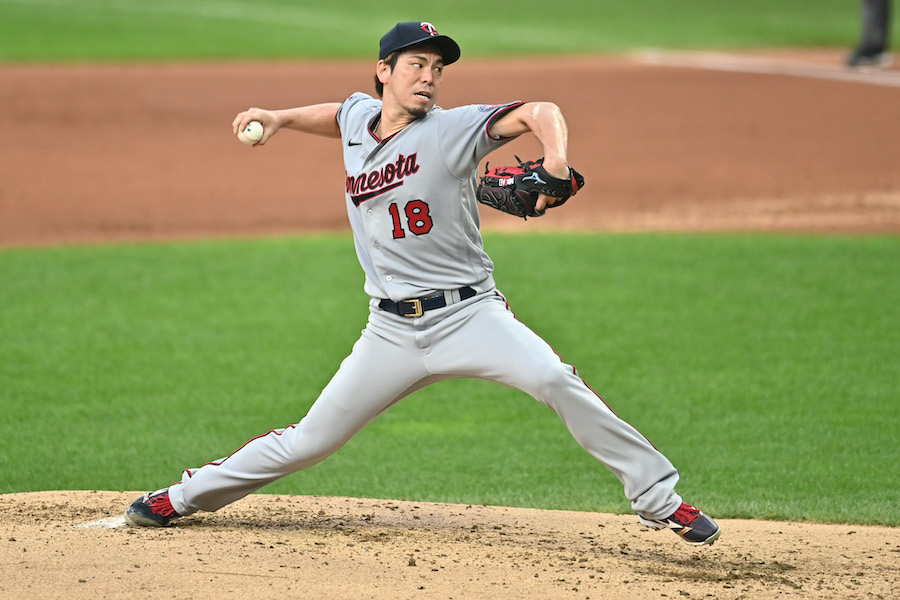 The Twins Have Excellent, Enviable Catching Depth We’ve talked all winter about Mitch Garver’s 2020, but broadly speaking, it’s easy to dismiss the lost season a fluke. Garver suffered an ill-timed injury in a surreal and shortened campaign. Mathematical models don’t dismiss anything, exactly, but PECOTA agrees with most Twins fans: Garver’s 2019 numbers come much closer to accurately describing him than his 2020 ones do. He’s projected to post a 114 DRC+ (BP’s proprietary, holistic rate stat for offensive value, where 100 is average and higher is better) in 2021. Garver only gets 304 plate appearances in PECOTA’s projections, though, because BP’s depth charts estimate a very even share of catching duties between Garver and Ryan Jeffers. Last month, Jeffers landed just outside the Top 101 Prospects list published by BP, but PECOTA might have nudged him back onto the list. In the same 304 trips to the plate, it projects a 109 DRC+ for Jeffers. Most teams would love to have a full-time starting backstop who hits that well. The Twins have two, who can split the job and stay fresher and healthier. PECOTA also thinks Willians Astudillo can be a roughly average hitter, though whether the Twins see him as a legitimate option behind the plate, anymore, is an open question. Alex Kirilloff, Brent Rooker, and Trevor Larnach Get Pessimistic Projections Before you freak out, know that there are some important caveats coming in a moment. However, it’s important to note that PECOTA is not excited about the short-term prospects of any of the team’s three prospective rookie left fielders, including Kirilloff, whom fans have penciled in as the primary left fielder ever since Eddie Rosario was non-tendered. The system has considered Kirilloff and Larnach as essentially identical for a couple of years now, but where it inspired cautious optimism a year ago, it offers no such immediate hope this time. Kirilloff’s projected DRC+ is 93, and Larnach’s is 91. Neither is in as much trouble, according to the system, as Rooker, whose projected 83 DRC+ is the worst among Twins players who figure to get meaningful playing time. Let’s dig into the caveats, though. For one thing, the fact that there were no minor leagues in 2020 leaves the system guessing, in some senses. It’s more bearish on rookies, in general, than it has traditionally been. There might be good reasons for that; we don’t know how the long disruption and the strange developmental environment of the alternate sites will affect players in this position. However, on balance, the system probably deflated the projections of those players more than their performance is likely to warrant. More importantly, there are ways the Twins can work around this problem, even if it turns out to be real. Jake Cave’s projection is not pretty, but LaMonte Wade’s is, with a 105 DRC+ and .349 projected on-base percentage. Wade playing fairly regularly in left field would not be a terrible outcome for this team. As we know, too, after the Andrelton Simmons signing, Luis Arraez might be available to play some left field. Kenta Maeda is No One-Hit Wonder The PECOTA projection for the Twins’ ace is downright gaudy. Though the system forecasts that he’ll throw just 156 innings (mostly the product of the BP team’s allotment of playing time on the depth chart and on the global concerns about innings totals in the season after such a shortened one), it values him at 4.5 Wins Above Replacement Player (WARP). His projected ERA is 2.53, and his 10.3 strikeouts per nine innings pitched would easily pace the Twins’ starters. His most comparable players, according to PECOTA, include Carlos Carrasco, Jacob deGrom, and Corey Kluber. Contending for the Cy Young Award again seems well within Maeda’s reach. The Middle of the Rotation Should Be Stable and Strong Beyond Maeda, there’s no thrilling, jump-off-the-page individual projection on the Twins’ pitching staff, but the projections still elucidate the solidity of the next three hurlers in the team’s rotation. Baseball Prospectus uses DRA- to value pitchers on a rate basis. It’s a statistic scaled to 100, where lower is better. José Berríos projects to post a 91 DRA-. Michael Pineda owns a projected 97. J.A. Happ is pegged for 100. That means that, even if Minnesota doesn’t sign any more starters, and even if none of these guys outpace their projections at all, Rocco Baldelli will have an average or better starter for four of every five games. PECOTA Still Believes in Miguel Sanó Given the way pandemicball affected most hitters, and the fact that Sanó was sidelined by COVID-19 at a crucial point during the preparation phase for the truncated season, there were plenty of reasons not to worry overmuch about his lousy 2020. Still, it was a rough season. Sanó hit just .204/.278/.478, good for a 92 DRC+ that made him a sub-replacement level first baseman. PECOTA is undaunted. It does project him for a dizzying 235 strikeouts in 574 trips to the plate, but it also thinks Sanó will hit 31 home runs, walk 67 times, hit .355 on balls in play (thanks to his prodigious ability to hit the ball hard) and post a 123 DRC+. Since it also projects him to be a good defender at first base, that translates to 3.6 WARP. If he produces that much value, Sanó will push the Twins toward an AL Central title in 2021, rather than away from it.
 -
The best defensive second baseman in baseball was cut loose for financial reasons in November. Given what we recently heard from Thad Levine, the Twins might be an unexpected suitor for his services.Kolten Wong, 30, has won the Fielding Bible Award at the keystone for three consecutive seasons. Handed out by a panel of experts to just one player per position each year, the Fielding Bible Awards are both more rigorous and more exclusive than the Gold Gloves. Wong is really that good afield, and that sets a very high floor for his overall value. Though he’s a slightly below-average hitter, with good contact skills but no reliable power, Wong has been worth 6.8 WARP since the start of 2018, according to Baseball Prospectus. That’s a good number even in a vacuum, but becomes doubly impressive when one accounts for the fact that he’s averaged fewer than 400 plate appearances per season over that stretch. (Obviously, the pandemic has quite a bit to do with that, but it’s not the only factor.) For all the things they do well, the Cardinals do not currently excel at developing hitters once they reach the big-league level, and Wong stalled out a bit, especially in 2020. He’s a patient hitter with a good pure hit tool, though, which leads to plenty of walks and a strikeout rate about a third lower than the league average. He is, in short, a poor man’s Luis Arraez at the plate, while (unlike the injury-prone, somewhat heavy-footed Arraez) he adds gobs of value with his glove. That’s notable, because in a recent conversation with KSTP’s Darren Wolfson, Twins GM Thad Levine did not commit to Arraez as the team’s incumbent second baseman. On the contrary, he named only Josh Donaldson and Byron Buxton as locked into their positions come Opening Day, and specifically made mention of the fact that Arraez played other positions as a rookie in 2019. It seems as though the team would at least consider sliding Arraez out to left field, if not trying other positions, if the right opportunity presented itself. Wong is that kind of opportunity, packed into a five-foot-seven frame with untapped offensive potential. Even if he never realized that potential, adding him to the infield would eliminate the team’s need to jostle with other suitors for the three starting-caliber shortstops on the free-agent market, or to trade major prospect capital to land Trevor Story or Javier Báez. With Donaldson and Wong flanking Jorge Polanco, and the Twins already committed to defensive shifts, there would be no need to displace Polanco, at least until Royce Lewis is ready to take over the position. No true second baseman can match Wong’s range, and he has a plus throwing arm for the position. He has never played shortstop in the big leagues, and would be a bit stretched in regular action there, but he could certainly fill in, and in the meantime, he turns the entire area to the right of second base into a desert where ground-ball hits go to die. He makes dazzling plays going far toward the first-base line, and some on the other side of second base, altogether. His range, like that of Donaldson, could not only save runs in and of itself, but make the team better by taking pressure off the defender next to him. In Wong’s case, that would mean not only Polanco, but Miguel Sanó, at first base. For now, Arraez is a better hitter, though again, Wong’s swing has always shown the possibility of more power than he has consistently found, and the Twins might be able to unlock that in a way that his former team couldn’t. If that happened, Wong would be an All-Star, and Arraez would become happily redundant. In the meantime, having Arraez available to play left field would lower the stakes of Alex Kirilloff’s introduction to the lineup. If the Twins don’t re-sign Nelson Cruz, Arraez could be a solid (if unconventional) designated hitter, and of course, the team could rotate him in at second base to keep Wong fresh, too. It’s not the way we might have expected the Twins to find the greatest possible value on this winter’s market for infield talent, but Wong could be a multiyear solution and a force multiplier for the team’s run prevention, in addition to providing more speed and some upside toward the bottom of the batting order. If (as expected) he’s a cheaper option than Marcus Semien or Didi Gregorius, he should stay very much on the Twins’ radar. MORE FROM TWINS DAILY — Latest Twins coverage from our writers — Recent Twins discussion in our forums — Follow Twins Daily via Twitter, Facebook or email Click here to view the article
-
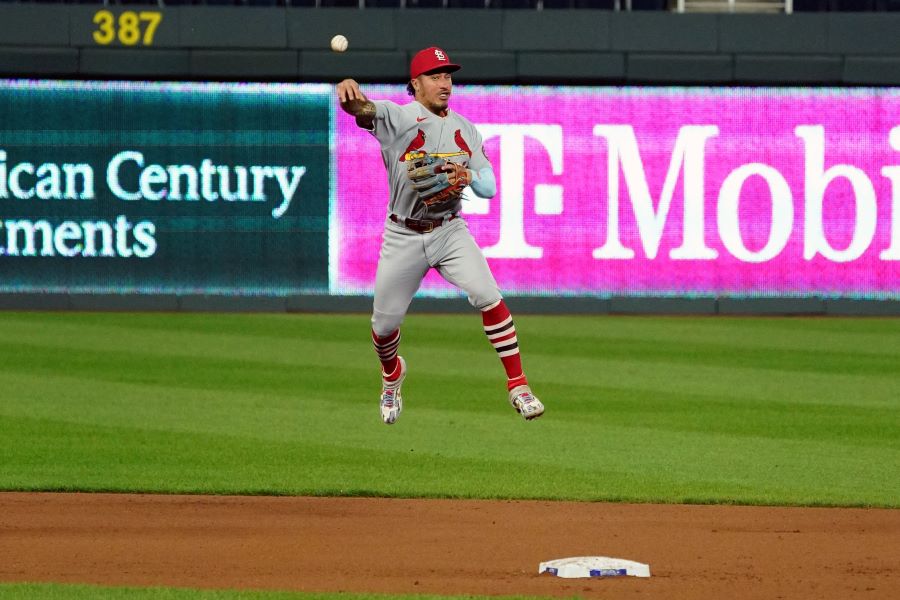 Kolten Wong, 30, has won the Fielding Bible Award at the keystone for three consecutive seasons. Handed out by a panel of experts to just one player per position each year, the Fielding Bible Awards are both more rigorous and more exclusive than the Gold Gloves. Wong is really that good afield, and that sets a very high floor for his overall value. Though he’s a slightly below-average hitter, with good contact skills but no reliable power, Wong has been worth 6.8 WARP since the start of 2018, according to Baseball Prospectus. That’s a good number even in a vacuum, but becomes doubly impressive when one accounts for the fact that he’s averaged fewer than 400 plate appearances per season over that stretch. (Obviously, the pandemic has quite a bit to do with that, but it’s not the only factor.) For all the things they do well, the Cardinals do not currently excel at developing hitters once they reach the big-league level, and Wong stalled out a bit, especially in 2020. He’s a patient hitter with a good pure hit tool, though, which leads to plenty of walks and a strikeout rate about a third lower than the league average. He is, in short, a poor man’s Luis Arraez at the plate, while (unlike the injury-prone, somewhat heavy-footed Arraez) he adds gobs of value with his glove. That’s notable, because in a recent conversation with KSTP’s Darren Wolfson, Twins GM Thad Levine did not commit to Arraez as the team’s incumbent second baseman. On the contrary, he named only Josh Donaldson and Byron Buxton as locked into their positions come Opening Day, and specifically made mention of the fact that Arraez played other positions as a rookie in 2019. It seems as though the team would at least consider sliding Arraez out to left field, if not trying other positions, if the right opportunity presented itself. Wong is that kind of opportunity, packed into a five-foot-seven frame with untapped offensive potential. Even if he never realized that potential, adding him to the infield would eliminate the team’s need to jostle with other suitors for the three starting-caliber shortstops on the free-agent market, or to trade major prospect capital to land Trevor Story or Javier Báez. With Donaldson and Wong flanking Jorge Polanco, and the Twins already committed to defensive shifts, there would be no need to displace Polanco, at least until Royce Lewis is ready to take over the position. No true second baseman can match Wong’s range, and he has a plus throwing arm for the position. He has never played shortstop in the big leagues, and would be a bit stretched in regular action there, but he could certainly fill in, and in the meantime, he turns the entire area to the right of second base into a desert where ground-ball hits go to die. He makes dazzling plays going far toward the first-base line, and some on the other side of second base, altogether. His range, like that of Donaldson, could not only save runs in and of itself, but make the team better by taking pressure off the defender next to him. In Wong’s case, that would mean not only Polanco, but Miguel Sanó, at first base. For now, Arraez is a better hitter, though again, Wong’s swing has always shown the possibility of more power than he has consistently found, and the Twins might be able to unlock that in a way that his former team couldn’t. If that happened, Wong would be an All-Star, and Arraez would become happily redundant. In the meantime, having Arraez available to play left field would lower the stakes of Alex Kirilloff’s introduction to the lineup. If the Twins don’t re-sign Nelson Cruz, Arraez could be a solid (if unconventional) designated hitter, and of course, the team could rotate him in at second base to keep Wong fresh, too. It’s not the way we might have expected the Twins to find the greatest possible value on this winter’s market for infield talent, but Wong could be a multiyear solution and a force multiplier for the team’s run prevention, in addition to providing more speed and some upside toward the bottom of the batting order. If (as expected) he’s a cheaper option than Marcus Semien or Didi Gregorius, he should stay very much on the Twins’ radar. MORE FROM TWINS DAILY — Latest Twins coverage from our writers — Recent Twins discussion in our forums — Follow Twins Daily via Twitter, Facebook or email
 -
A trade for Chicago Cubs slugger Kris Bryant is one of the few remaining tantalizing trade possibilities for the Minnesota Twins this winter. Here’s how Bryant would fit the club, and what it might cost.Bryant, 29, is not to be confused with his past self. The phenom who won two Collegiate Player of the Year awards in 2013, was drafted second overall that June, won the Arizona Fall League MVP that November, was Baseball America’s Minor League Player of the Year in 2014, edged out Byron Buxton as the same publication’s top prospect for 2015, won the NL Rookie of the Year award that year, and was the NL MVP in 2016 (after which his team won their first World Series in 108 years) is no more. That’s not a knock on Bryant, though. That smooth, rapid ascent, from the edge of pro baseball to its apotheosis, was essentially unprecedented, and it would have been almost impossible to sustain. Still, over the last few years, Bryant has fallen short of even moderated expectations of a would-be superstar. Those struggles have stemmed in large part from injuries, but there are also elements of his mechanical style and his skill set that have contributed to the stall-out. Understanding those things is essential to a Twins fan intrigued by the possibility of dealing for him. Coached to hit for power from a very young age, by his ex-pro father, Bryant arrived in pro baseball with a swing unlike almost anything else the game has seen. From a stance with a deep knee bend but an upright spine, Bryant would smoothly, steeply steer his bat from behind his ear, down low, then up through the hitting zone at an angle few other hitters have ever achieved so consistently, while still making contact at a reasonable rate. He had good bat speed, but never generated screaming line drives of the kind Miguel Sanó or Josh Donaldson hit so consistently. Rather, he became an elite power hitter in a league that hadn’t accommodated that type of player especially well over the prior few seasons, primarily by pulling the ball in the air as regularly as anyone in baseball. That unique swing allowed Bryant to hit 65 home runs over his first two big-league seasons, and that wasn’t all. With that swing, even ground balls leave his bat at a higher average launch angle than other guys’ ground balls, which tends to lead to more hits on them. With an excellent approach and plenty of power to scare pitchers out of the strike zone, Bryant draws plenty of walks. That part of his game has held up well, even as other aspects of it have declined. However, that decline in other areas is real, and it matters. Part of the problem is that pretty, unorthodox swing itself. In its original form, the swing finished high and one-handed, with more energy being absorbed by Bryant’s front shoulder than was ever all that wise. As Bryant has filled out, he’s modified and moderated that, and he’s also adjusted his swing itself, to improve his contact rate and better handle pitches up in the zone. Those adjustments have shielded him from catastrophic injury to the shoulder, but because of a couple of fielding and baserunning plays, he’s still hurt that same shoulder, and he’s also had to deal with wrist and foot issues. It’s pretty clear that Bryant’s power is permanently diminished, both because it depended on a stance, swing, and actions that are inherently difficult to perform as one fills out and ages, and because of the injuries that have robbed him of some explosiveness. That said, he’s still a well-rounded hitter, and the Cubs have both been bad at this element of player development and been forced to rotate hitting coaches frequently over the last few years. The Twins, who specialize in coaching players to lift the ball to the pull field, could probably get some of that power back for him, even if it doesn’t yield 40 home runs. More importantly, Bryant is a good fit for many of the things the Twins need. He would be an acquisition in place of re-signing Nelson Cruz, and the fit is compelling. He’s moved around the field during his career, and is a perfectly solid defensive left fielder—better than Eddie Rosario or Brent Rooker, for sure, and probably even better than a younger Alex Kirilloff will be. He could play third base whenever Donaldson is hurt, take over the designated hitter role when Donaldson is able to go, spell Sanó at first base, and play either left or right field against left-handed pitchers. Agent Scott Boras is still hopeful of selling Bryant as a superstar when he hits free agency this fall, so the Twins would almost certainly be acquiring him for just one season. He’s due to make $19.5 million, which is a hefty price tag, and getting him would not quench the team’s desire to improve their depth at the middle infield spots. However, when the Cubs traded Yu Darvish (a player whose recent performance better justifies his salary) last month, they sent $3 million to the Padres in the deal. They might eat that much, or even more, if they could get anything of value in return for Bryant. Unlike other trade targets of this caliber, though, Bryant won’t cost the Twins any true top prospect, even if they do ask Chicago to absorb some salary. I think Bryant only fits if Minnesota is willing to spend somewhere north of $125 million in 2021, and ideally if they’re willing to go up to $135 million. Assuming that, they could dramatically sweeten their offer to Chicago in an effort to add Kyle Hendricks to the trade (a structure Chicago has reportedly discussed with the Blue Jays), or they could take on the eight-figure salary and high-octane bullpen support of Craig Kimbrel, and end up sending almost no talent at all to the Cubs. In either case, they’d be left with a fearsome lineup and a terrific pitching staff, and could still afford to sign Marcus Semien or Didi Gregorius. If they did only acquire Bryant, they’d still be able to add a solid late-game free-agent reliever or two, and make the same upgrade at shortstop. If the budget is more limited, Bryant and the Twins are a poor match. In that case, though, the Twins have fewer options in the first place, and need to get serious soon, because (while time never truly runs out on the offseason player market) talent is starting to grow scarce, and costs aren’t coming down as quickly as the club might have hoped. MORE FROM TWINS DAILY — Latest Twins coverage from our writers — Recent Twins discussion in our forums — Follow Twins Daily via Twitter, Facebook or email Click here to view the article
-
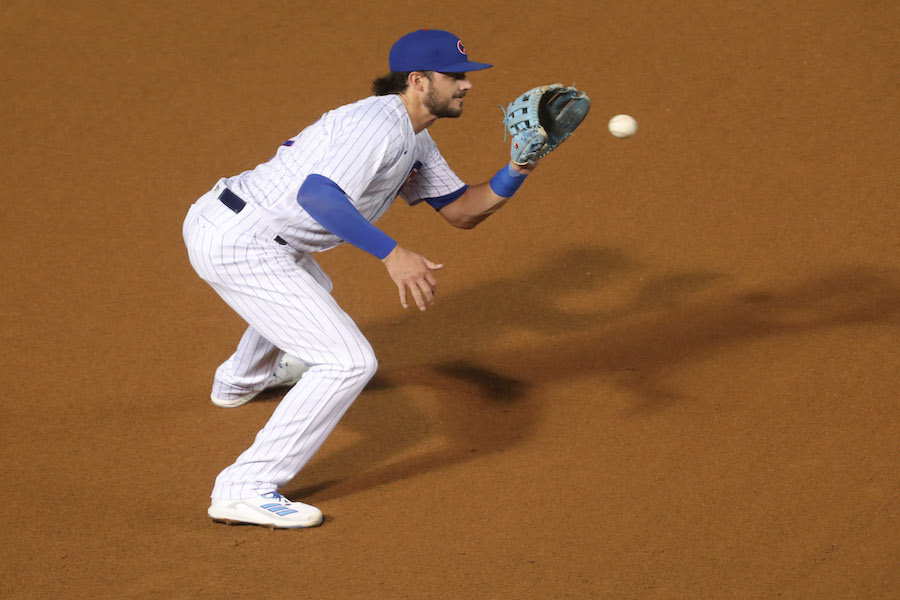 Bryant, 29, is not to be confused with his past self. The phenom who won two Collegiate Player of the Year awards in 2013, was drafted second overall that June, won the Arizona Fall League MVP that November, was Baseball America’s Minor League Player of the Year in 2014, edged out Byron Buxton as the same publication’s top prospect for 2015, won the NL Rookie of the Year award that year, and was the NL MVP in 2016 (after which his team won their first World Series in 108 years) is no more. That’s not a knock on Bryant, though. That smooth, rapid ascent, from the edge of pro baseball to its apotheosis, was essentially unprecedented, and it would have been almost impossible to sustain. Still, over the last few years, Bryant has fallen short of even moderated expectations of a would-be superstar. Those struggles have stemmed in large part from injuries, but there are also elements of his mechanical style and his skill set that have contributed to the stall-out. Understanding those things is essential to a Twins fan intrigued by the possibility of dealing for him. Coached to hit for power from a very young age, by his ex-pro father, Bryant arrived in pro baseball with a swing unlike almost anything else the game has seen. From a stance with a deep knee bend but an upright spine, Bryant would smoothly, steeply steer his bat from behind his ear, down low, then up through the hitting zone at an angle few other hitters have ever achieved so consistently, while still making contact at a reasonable rate. He had good bat speed, but never generated screaming line drives of the kind Miguel Sanó or Josh Donaldson hit so consistently. Rather, he became an elite power hitter in a league that hadn’t accommodated that type of player especially well over the prior few seasons, primarily by pulling the ball in the air as regularly as anyone in baseball. That unique swing allowed Bryant to hit 65 home runs over his first two big-league seasons, and that wasn’t all. With that swing, even ground balls leave his bat at a higher average launch angle than other guys’ ground balls, which tends to lead to more hits on them. With an excellent approach and plenty of power to scare pitchers out of the strike zone, Bryant draws plenty of walks. That part of his game has held up well, even as other aspects of it have declined. However, that decline in other areas is real, and it matters. Part of the problem is that pretty, unorthodox swing itself. In its original form, the swing finished high and one-handed, with more energy being absorbed by Bryant’s front shoulder than was ever all that wise. As Bryant has filled out, he’s modified and moderated that, and he’s also adjusted his swing itself, to improve his contact rate and better handle pitches up in the zone. Those adjustments have shielded him from catastrophic injury to the shoulder, but because of a couple of fielding and baserunning plays, he’s still hurt that same shoulder, and he’s also had to deal with wrist and foot issues. It’s pretty clear that Bryant’s power is permanently diminished, both because it depended on a stance, swing, and actions that are inherently difficult to perform as one fills out and ages, and because of the injuries that have robbed him of some explosiveness. That said, he’s still a well-rounded hitter, and the Cubs have both been bad at this element of player development and been forced to rotate hitting coaches frequently over the last few years. The Twins, who specialize in coaching players to lift the ball to the pull field, could probably get some of that power back for him, even if it doesn’t yield 40 home runs. More importantly, Bryant is a good fit for many of the things the Twins need. He would be an acquisition in place of re-signing Nelson Cruz, and the fit is compelling. He’s moved around the field during his career, and is a perfectly solid defensive left fielder—better than Eddie Rosario or Brent Rooker, for sure, and probably even better than a younger Alex Kirilloff will be. He could play third base whenever Donaldson is hurt, take over the designated hitter role when Donaldson is able to go, spell Sanó at first base, and play either left or right field against left-handed pitchers. Agent Scott Boras is still hopeful of selling Bryant as a superstar when he hits free agency this fall, so the Twins would almost certainly be acquiring him for just one season. He’s due to make $19.5 million, which is a hefty price tag, and getting him would not quench the team’s desire to improve their depth at the middle infield spots. However, when the Cubs traded Yu Darvish (a player whose recent performance better justifies his salary) last month, they sent $3 million to the Padres in the deal. They might eat that much, or even more, if they could get anything of value in return for Bryant. Unlike other trade targets of this caliber, though, Bryant won’t cost the Twins any true top prospect, even if they do ask Chicago to absorb some salary. I think Bryant only fits if Minnesota is willing to spend somewhere north of $125 million in 2021, and ideally if they’re willing to go up to $135 million. Assuming that, they could dramatically sweeten their offer to Chicago in an effort to add Kyle Hendricks to the trade (a structure Chicago has reportedly discussed with the Blue Jays), or they could take on the eight-figure salary and high-octane bullpen support of Craig Kimbrel, and end up sending almost no talent at all to the Cubs. In either case, they’d be left with a fearsome lineup and a terrific pitching staff, and could still afford to sign Marcus Semien or Didi Gregorius. If they did only acquire Bryant, they’d still be able to add a solid late-game free-agent reliever or two, and make the same upgrade at shortstop. If the budget is more limited, Bryant and the Twins are a poor match. In that case, though, the Twins have fewer options in the first place, and need to get serious soon, because (while time never truly runs out on the offseason player market) talent is starting to grow scarce, and costs aren’t coming down as quickly as the club might have hoped. MORE FROM TWINS DAILY — Latest Twins coverage from our writers — Recent Twins discussion in our forums — Follow Twins Daily via Twitter, Facebook or email
 -
Don’t expect huge changes in pitch usage from new Twins southpaw J.A. Happ, but the veteran has a unique repertoire, and Minnesota is likely to make a few tweaks to it, in order to help him thrive in 2021.Happ, 38, slots in as the Twins’ fourth starter for the coming season, and if he’s anything more than their number-three at any point, then something will have gone wrong. The team brought him in, rather than gambling on higher-upside hurlers with a few more flaws to iron out, partially because he is a low-maintenance upgrade at the back of the rotation. Coaching is a finite resource. Branch Rickey was fond of saying that, given two runners who run from home plate to first base in the same amount of time, he would always choose the one with worse form, because he could coach that player up to be even faster. That’s a valid lens, but it works best if there are just a few such players in camp. A team can’t fix six or seven players in camp each year; it demands too much of coaches and front-office staff who need to worry about refining certain players’ games, keeping others healthy, turning prospects into big-leaguers, and getting the complex logistics of spring training (and, for that matter, the regular season) right. Happ shouldn’t cost the team much time or energy, and should return fairly reliable innings in the rotation. That said, there’s room for improvement, and one of the benefits of the Twins’ organizational commitment to retaining developmental and support staff during the pandemic is that they should still be able to help Happ get a bit better, a bit more consistent, or work a bit deeper in games when needed. They can do that mostly by helping him better make use of an interesting arsenal. Happ throws two very distinct fastballs, a slider, and a changeup, with an occasional curveball mixed in for an extra look. The most unusual feature of his pitch mix is the relationship between his four-seamer and his sinker; they look almost nothing alike. No starter had a bigger velocity gap between their four-seamer and their sinker in 2020 than did Happ. Ditto for vertical movement. His sinker is almost a hybrid between his true heater and his changeup. He throws each pitch out of the same arm slot, and with the same initial spin. Yet, thanks to the positioning of the seams and their interaction with the air, the sinker dives and takes off to the arm side, whereas his four-seamer has good (though not overpowering) riding action, and he can occasionally cut it away from lefties or toward righties. A bit has been made of Happ using more sinkers in 2020, perhaps to better manage contact and keep the ball in the park, but that’s only half-true. Against fellow lefties, Happ did dramatically increase his sinker usage, from roughly a quarter of all his pitches against them in 2017 and 2018 to 37.6 percent in 2019, and all the way to 52.2 percent in 2020. However, against righties, Happ actually decreased his sinker usage, and has gone to the four-seamer four or five times as often as the sinker since 2018. Download attachment: Happ Usage Lefties.jpeg Also prominent in the narrative about Happ since he signed has been the idea that his slider was remade recently. This, alas, is even less than half-true. Happ has improved his ability to shape the slider a bit in recent years, hearkening back to an earlier phase of his career, when he toyed with a cutter, while also mastering the ability to take a bit off the pitch and increase its vertical depth. On balance, though, he throws a slider that fools hitters mostly by achieving more sweeping action than its spin suggests to them. He enjoyed more whiffs on that pitch in 2020 primarily because he threw more sinkers against lefties, and the sinker sets up his slider better than his four-seamer does. That doesn’t mean that the Twins will (or should) have him confine himself to two pitches, though, against either handedness of batter. Wes Johnson likes a starting pitcher to be able to use both of their fastballs, if they have them, and to learn how each pitch can be deployed against any opposing hitter. With such a separation between the two for Happ, that only figures to be a larger part of their thinking. Happ doesn’t use his changeup at all against lefties, which is fine, because (as discussed above) his sinker acts like a turbo changeup against them, boring in on their hands. Indeed, the three-pitch attack he’s used against lefties for the last few years works very well, and he should keep his sinker usage ratcheted up and enjoy further success on that front in 2021. Against righties, the story is more complicated. Righties were the ones who killed Happ in 2019, but that was the first time they’d been better against him than against a typical lefty since 2014. His four-seamer inarguably works better against them than does his sinker, but he could stand to throw all of his secondary pitches a bit more against righties. Part of his recovery against righties in 2020 was luck; another part is that he threw them more sliders and changeups. He should continue that shift in 2021, and possibly even up his sinker usage, keeping it off the plate away from righties to set up the sweeping slider. These are slight adjustments. The Twins don’t want to overhaul J.A. Happ; they chose him in part because he doesn’t need that kind of change. Still, these little things can help him thrive, not only in a new ballpark, but in a righty-heavy AL Central that will test the depth of his repertoire and the deftness of his mind. Thanks to Brooks Baseball for the pitch usage and movement data used in this article. Click here to view the article
-
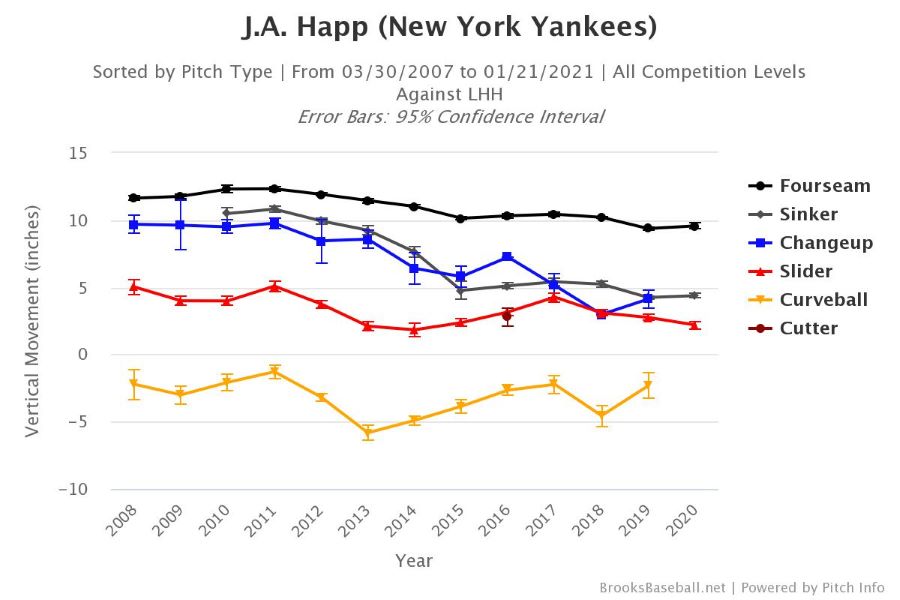 Happ, 38, slots in as the Twins’ fourth starter for the coming season, and if he’s anything more than their number-three at any point, then something will have gone wrong. The team brought him in, rather than gambling on higher-upside hurlers with a few more flaws to iron out, partially because he is a low-maintenance upgrade at the back of the rotation. Coaching is a finite resource. Branch Rickey was fond of saying that, given two runners who run from home plate to first base in the same amount of time, he would always choose the one with worse form, because he could coach that player up to be even faster. That’s a valid lens, but it works best if there are just a few such players in camp. A team can’t fix six or seven players in camp each year; it demands too much of coaches and front-office staff who need to worry about refining certain players’ games, keeping others healthy, turning prospects into big-leaguers, and getting the complex logistics of spring training (and, for that matter, the regular season) right. Happ shouldn’t cost the team much time or energy, and should return fairly reliable innings in the rotation. That said, there’s room for improvement, and one of the benefits of the Twins’ organizational commitment to retaining developmental and support staff during the pandemic is that they should still be able to help Happ get a bit better, a bit more consistent, or work a bit deeper in games when needed. They can do that mostly by helping him better make use of an interesting arsenal. Happ throws two very distinct fastballs, a slider, and a changeup, with an occasional curveball mixed in for an extra look. The most unusual feature of his pitch mix is the relationship between his four-seamer and his sinker; they look almost nothing alike. No starter had a bigger velocity gap between their four-seamer and their sinker in 2020 than did Happ. Ditto for vertical movement. His sinker is almost a hybrid between his true heater and his changeup. He throws each pitch out of the same arm slot, and with the same initial spin. Yet, thanks to the positioning of the seams and their interaction with the air, the sinker dives and takes off to the arm side, whereas his four-seamer has good (though not overpowering) riding action, and he can occasionally cut it away from lefties or toward righties. A bit has been made of Happ using more sinkers in 2020, perhaps to better manage contact and keep the ball in the park, but that’s only half-true. Against fellow lefties, Happ did dramatically increase his sinker usage, from roughly a quarter of all his pitches against them in 2017 and 2018 to 37.6 percent in 2019, and all the way to 52.2 percent in 2020. However, against righties, Happ actually decreased his sinker usage, and has gone to the four-seamer four or five times as often as the sinker since 2018. Also prominent in the narrative about Happ since he signed has been the idea that his slider was remade recently. This, alas, is even less than half-true. Happ has improved his ability to shape the slider a bit in recent years, hearkening back to an earlier phase of his career, when he toyed with a cutter, while also mastering the ability to take a bit off the pitch and increase its vertical depth. On balance, though, he throws a slider that fools hitters mostly by achieving more sweeping action than its spin suggests to them. He enjoyed more whiffs on that pitch in 2020 primarily because he threw more sinkers against lefties, and the sinker sets up his slider better than his four-seamer does. That doesn’t mean that the Twins will (or should) have him confine himself to two pitches, though, against either handedness of batter. Wes Johnson likes a starting pitcher to be able to use both of their fastballs, if they have them, and to learn how each pitch can be deployed against any opposing hitter. With such a separation between the two for Happ, that only figures to be a larger part of their thinking. Happ doesn’t use his changeup at all against lefties, which is fine, because (as discussed above) his sinker acts like a turbo changeup against them, boring in on their hands. Indeed, the three-pitch attack he’s used against lefties for the last few years works very well, and he should keep his sinker usage ratcheted up and enjoy further success on that front in 2021. Against righties, the story is more complicated. Righties were the ones who killed Happ in 2019, but that was the first time they’d been better against him than against a typical lefty since 2014. His four-seamer inarguably works better against them than does his sinker, but he could stand to throw all of his secondary pitches a bit more against righties. Part of his recovery against righties in 2020 was luck; another part is that he threw them more sliders and changeups. He should continue that shift in 2021, and possibly even up his sinker usage, keeping it off the plate away from righties to set up the sweeping slider. These are slight adjustments. The Twins don’t want to overhaul J.A. Happ; they chose him in part because he doesn’t need that kind of change. Still, these little things can help him thrive, not only in a new ballpark, but in a righty-heavy AL Central that will test the depth of his repertoire and the deftness of his mind. Thanks to Brooks Baseball for the pitch usage and movement data used in this article.
 -
The Twins need greater depth and stability at the back end of their rotation for 2021. To get it, they should target the closest thing this market has to a left-handed Kenta Maeda: erstwhile Chicago southpaw José Quintana.For Quintana, who’ll turn 32 next week, free agency came at precisely the wrong time. His 2020 was cut short not only by COVID-19’s impact on the entire league, but by a literal cut he suffered while doing dishes during the coronal interregnum. Before that, though, Quintana had made at least 31 starts and topped 170 innings pitched in each of his seven full seasons, and in the year before that, he’d made every start across a campaign split between Double A and the majors. Starters this durable are in short supply during any offseason, but especially so this winter. Alas, Quintana has struggled over parts of the last three seasons, almost ever since the trade that took him from the South Side of Chicago to the North Side. He’s still been worth 3.2 WARP, according to Baseball Prospectus, in a total of 355 innings, but he has delivered that value too unsexily. The shine is off of him, and the market for his services has been slow to warm. That could be good news for the Twins, because despite clear signs of aging and a lack of dazzling new-age pitch characteristics, Quintana still has the ability to be a solid second or third starter, even for a playoff-caliber team. There are elements of his game the Cubs did too little to encourage, and weaknesses they were unable to shore up, that ideally suit the strengths and emphasis points of Wes Johnson and the Minnesota pitching infrastructure. Quintana has never had especially high spin rates. However, he’s shown good rising action on his fastball despite that, at least in the past. He gets around his curveball a bit, so it has sweeping action and doesn’t come out of exactly the same slot as his heat, but that gives the pitch a two-plane shape and allows him to command it both within and outside the strike zone. As was the case when the Twins acquired Maeda last year, there are alterations they could make to Quintana’s pitch mix that could unlock better performance for him. He’s a two-fastball pitcher, with a good sinker, but doesn’t yet mix the two as effectively as he should. He doesn’t use his changeup at all against fellow lefties, or throw his curve as much as he could against righties. Quintana has made some mechanical tweaks recently, but there are more that could help him become more consistent and dominant. Beginning late in 2019, he introduced a more forceful shift from hyperextension to flexion of his spine. It didn’t really produce the effect he wanted, but it’s the right starting point, should he come under Johnson’s tutelage. If any pitching coach in the league can be trusted to find the right adjustment to balance, posture, and timing in a delivery, it’s Johnson. For whatever reason, Quintana’s release point also dropped significantly in 2020, but that should be an easy problem to fix. Finally, small adjustments to the way he grips and positions the seams for each of his pitches could fix some of the problems he's had generating the movement that once made him a near-ace. With those calibrations right and his pitch mix optimized, Quintana could be a four-pitch stud, not unlike Maeda and José Berríos. Heck, if the Twins are especially eager, they could help him revive the slider/cutter he threw during his best seasons with the White Sox. In that sense, he’s similar to Jake Odorizzi, who thrived after the team helped him change horizontal lanes better beginning in 2018. In all likelihood, Quintana would cost close to $10 million on a one-year deal, but the Twins could (and should) try to negotiate a lower annual salary by offering multiple years. In doing so, if they did restore him to the pitcher he’s been in the past, the team would also capture the upside for 2022 and (perhaps) 2023. It’s a bit of a risk, but as with Maeda, the upside far outweighs the potential for a bust here, and his likely price tag would preserve flexibility as the team addresses other needs. Considering those other, looming costs, it’s worth choosing Quintana over Jake Odorizzi and other slightly higher-floor options. Click here to view the article
-
The Free Agent Starter Who Could Be Another Kenta Maeda
Matthew Trueblood posted an article in Twins
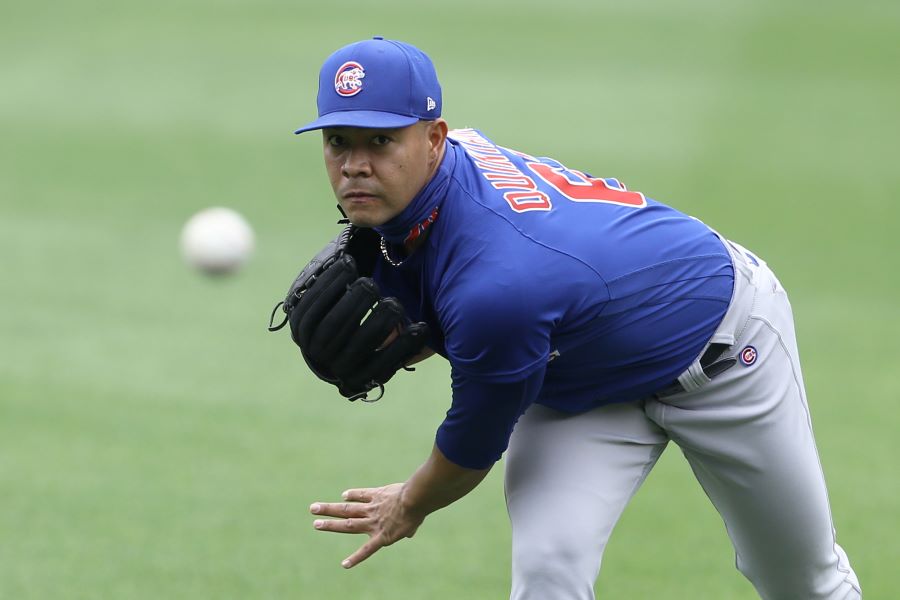 For Quintana, who’ll turn 32 next week, free agency came at precisely the wrong time. His 2020 was cut short not only by COVID-19’s impact on the entire league, but by a literal cut he suffered while doing dishes during the coronal interregnum. Before that, though, Quintana had made at least 31 starts and topped 170 innings pitched in each of his seven full seasons, and in the year before that, he’d made every start across a campaign split between Double A and the majors. Starters this durable are in short supply during any offseason, but especially so this winter. Alas, Quintana has struggled over parts of the last three seasons, almost ever since the trade that took him from the South Side of Chicago to the North Side. He’s still been worth 3.2 WARP, according to Baseball Prospectus, in a total of 355 innings, but he has delivered that value too unsexily. The shine is off of him, and the market for his services has been slow to warm. That could be good news for the Twins, because despite clear signs of aging and a lack of dazzling new-age pitch characteristics, Quintana still has the ability to be a solid second or third starter, even for a playoff-caliber team. There are elements of his game the Cubs did too little to encourage, and weaknesses they were unable to shore up, that ideally suit the strengths and emphasis points of Wes Johnson and the Minnesota pitching infrastructure. Quintana has never had especially high spin rates. However, he’s shown good rising action on his fastball despite that, at least in the past. He gets around his curveball a bit, so it has sweeping action and doesn’t come out of exactly the same slot as his heat, but that gives the pitch a two-plane shape and allows him to command it both within and outside the strike zone. As was the case when the Twins acquired Maeda last year, there are alterations they could make to Quintana’s pitch mix that could unlock better performance for him. He’s a two-fastball pitcher, with a good sinker, but doesn’t yet mix the two as effectively as he should. He doesn’t use his changeup at all against fellow lefties, or throw his curve as much as he could against righties. Quintana has made some mechanical tweaks recently, but there are more that could help him become more consistent and dominant. Beginning late in 2019, he introduced a more forceful shift from hyperextension to flexion of his spine. It didn’t really produce the effect he wanted, but it’s the right starting point, should he come under Johnson’s tutelage. If any pitching coach in the league can be trusted to find the right adjustment to balance, posture, and timing in a delivery, it’s Johnson. For whatever reason, Quintana’s release point also dropped significantly in 2020, but that should be an easy problem to fix. Finally, small adjustments to the way he grips and positions the seams for each of his pitches could fix some of the problems he's had generating the movement that once made him a near-ace. With those calibrations right and his pitch mix optimized, Quintana could be a four-pitch stud, not unlike Maeda and José Berríos. Heck, if the Twins are especially eager, they could help him revive the slider/cutter he threw during his best seasons with the White Sox. In that sense, he’s similar to Jake Odorizzi, who thrived after the team helped him change horizontal lanes better beginning in 2018. In all likelihood, Quintana would cost close to $10 million on a one-year deal, but the Twins could (and should) try to negotiate a lower annual salary by offering multiple years. In doing so, if they did restore him to the pitcher he’s been in the past, the team would also capture the upside for 2022 and (perhaps) 2023. It’s a bit of a risk, but as with Maeda, the upside far outweighs the potential for a bust here, and his likely price tag would preserve flexibility as the team addresses other needs. Considering those other, looming costs, it’s worth choosing Quintana over Jake Odorizzi and other slightly higher-floor options.
 -
If the Minnesota Twins really do hope to make an upgrade at shortstop for 2021, they should sign free agent Didi Gregorius. He’s the best fit available for their needs and organizational philosophies.Gregorius, who will turn 31 next month, has always made contact at an excellent rate. Ever since he joined the Yankees in 2015, though, he’s demonstrated the further ability to consistently lift the ball to the pull field. Since the start of 2018, in fact, 18.5 percent of Gregorius’s batted balls have been pulled fly balls or line drives. That’s the same percentage as noteworthy sluggers like Justin Turner and Max Muncy. It’s a hair ahead of defending AL home-run champion Luke Voit and erstwhile Twin Aaron Hicks, and a bit further ahead of the man whom Gregorius would displace, if he signs with Minnesota: Jorge Polanco. Only 17.4 percent of Marcus Semien’s batted balls over the last three years have been pulled liners or flies. For Andrelton Simmons, the figure is 14.0 percent. Semien, on balance, has the most upside in the set, and Simmons (if healthy) offers the surest defensive improvement over Polanco, whose defensive shortcomings are the best reason why the team might opt to move on. Gregorius, though, has a skill set the Twins prize as much as any team in baseball. Over the same three seasons, only the Astros have (narrowly) generated pulled balls in the air at a higher rate than Minnesota has. Gregorius would fit what this team likes to do. He did change in 2020—or, just as plausibly, was changed, by a new home park, new coaches, and the alien experience of pandemic-ball. He hit the ball much less hard, on average, than he has in the past, and that does raise some concern. However, Gregorius also made two significant adjustments well-suited both to his skill set and to the Twins’ program. He was less aggressive on the first pitch, which gave him more chances to see pitches and get something he could handle, and he pulled the ball more, without rolling over and hitting on the ground more often. It’s important to remain cognizant of Gregorius’s weaknesses, and of his medium-term projectability. Since the league expanded to 28 teams in 1993 (and then to 30 in 1998), there have been at least four qualifying shortstops aged 30 or older in every season but three: 2018, 2019, and 2020. In those three campaigns, the only 30-plus shortstops to qualify for the batting title are Brandon Crawford (three times), Elvis Andrus, Nick Ahmed, Miguel Rojas, and Gregorius. The league is getting younger all the time, and that’s especially true at the most demanding defensive positions on the diamond. In addition to having time working against him on a broad, physical level, Gregorius relies more than other players (though not much, if at all, more than Semien or Simmons) on making contact with pitches outside the strike zone. That skill does not age well. If Gregorius doesn’t make up for declining contact rates with improved power and plate discipline, he’s likely to experience a pretty sharp offensive decline as he moves toward his mid-30s. Taken together, those factors make it most appealing to sign Gregorius to a short-term deal. That suits the Twins fine. With Royce Lewis on the way, a two-year deal should bridge the gap nicely, and if the Twins added a third-year vesting option, Gregorius would leap at the right offer. The annual average value on such a deal would likely be fairly high, but for what Gregorius does and the way he fits the team, it could be well worth it. No, he doesn’t bat right-handed, and yes, the team would still need to add a player like Nelson Cruz or Marcell Ozuna after signing him, but Gregorius would solve multiple on-field problems, and would be a superb addition to the team’s very international, ever-evolving clubhouse culture. He’s the right investment, unless one of the elite shortstops a year from free agency is available in trade for much less than is currently believed. SEE ALSO The 10 Best Twins Targets Among Remaining Free Agents Free Agent Faceoff: Kiké Hernández vs. Tommy La Stella The Minnesota Twins Need to Explore a Javier Báez Trade Click here to view the article
-
Why Didi Gregorius is the Best Shortstop Fit for the Twins
Matthew Trueblood posted an article in Twins
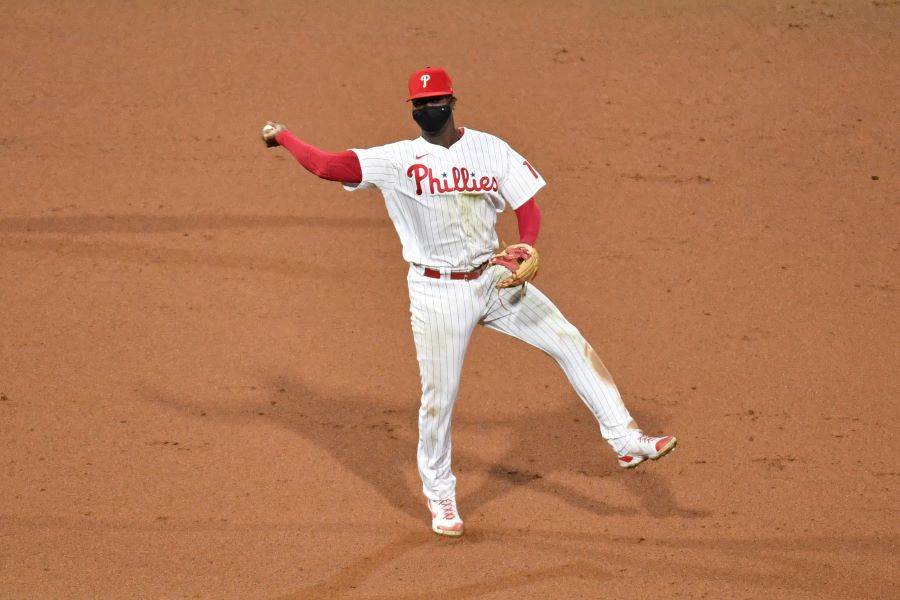 Gregorius, who will turn 31 next month, has always made contact at an excellent rate. Ever since he joined the Yankees in 2015, though, he’s demonstrated the further ability to consistently lift the ball to the pull field. Since the start of 2018, in fact, 18.5 percent of Gregorius’s batted balls have been pulled fly balls or line drives. That’s the same percentage as noteworthy sluggers like Justin Turner and Max Muncy. It’s a hair ahead of defending AL home-run champion Luke Voit and erstwhile Twin Aaron Hicks, and a bit further ahead of the man whom Gregorius would displace, if he signs with Minnesota: Jorge Polanco. Only 17.4 percent of Marcus Semien’s batted balls over the last three years have been pulled liners or flies. For Andrelton Simmons, the figure is 14.0 percent. Semien, on balance, has the most upside in the set, and Simmons (if healthy) offers the surest defensive improvement over Polanco, whose defensive shortcomings are the best reason why the team might opt to move on. Gregorius, though, has a skill set the Twins prize as much as any team in baseball. Over the same three seasons, only the Astros have (narrowly) generated pulled balls in the air at a higher rate than Minnesota has. Gregorius would fit what this team likes to do. He did change in 2020—or, just as plausibly, was changed, by a new home park, new coaches, and the alien experience of pandemic-ball. He hit the ball much less hard, on average, than he has in the past, and that does raise some concern. However, Gregorius also made two significant adjustments well-suited both to his skill set and to the Twins’ program. He was less aggressive on the first pitch, which gave him more chances to see pitches and get something he could handle, and he pulled the ball more, without rolling over and hitting on the ground more often. It’s important to remain cognizant of Gregorius’s weaknesses, and of his medium-term projectability. Since the league expanded to 28 teams in 1993 (and then to 30 in 1998), there have been at least four qualifying shortstops aged 30 or older in every season but three: 2018, 2019, and 2020. In those three campaigns, the only 30-plus shortstops to qualify for the batting title are Brandon Crawford (three times), Elvis Andrus, Nick Ahmed, Miguel Rojas, and Gregorius. The league is getting younger all the time, and that’s especially true at the most demanding defensive positions on the diamond. In addition to having time working against him on a broad, physical level, Gregorius relies more than other players (though not much, if at all, more than Semien or Simmons) on making contact with pitches outside the strike zone. That skill does not age well. If Gregorius doesn’t make up for declining contact rates with improved power and plate discipline, he’s likely to experience a pretty sharp offensive decline as he moves toward his mid-30s. Taken together, those factors make it most appealing to sign Gregorius to a short-term deal. That suits the Twins fine. With Royce Lewis on the way, a two-year deal should bridge the gap nicely, and if the Twins added a third-year vesting option, Gregorius would leap at the right offer. The annual average value on such a deal would likely be fairly high, but for what Gregorius does and the way he fits the team, it could be well worth it. No, he doesn’t bat right-handed, and yes, the team would still need to add a player like Nelson Cruz or Marcell Ozuna after signing him, but Gregorius would solve multiple on-field problems, and would be a superb addition to the team’s very international, ever-evolving clubhouse culture. He’s the right investment, unless one of the elite shortstops a year from free agency is available in trade for much less than is currently believed. SEE ALSO The 10 Best Twins Targets Among Remaining Free Agents Free Agent Faceoff: Kiké Hernández vs. Tommy La Stella The Minnesota Twins Need to Explore a Javier Báez Trade
 -
He wasn’t even the most famous outfielder non-tendered by his former team last week, but one former first-round pick and ex-Chicago Cub could be the key to solidifying the Twins’ outfield.Four picks after Byron Buxton became a Twin, in 2012, the Cubs drafted another athletic, alliterated high-school center fielder from the Southeast: Albert Almora, of the Miami area. Four years later, Almora scored the eventual winning run in Game 7 of the World Series, after a daring 10th-inning tag-up. It would be the apex of his uneven time with the Cubs, but hardly the only highlight. Now, after two eminently frustrating seasons, Chicago has cut ties with Almora, and the Twins should be calling his agents. At first blush, maybe Almora seems like an odd fit for the Twins. After all, Buxton has blossomed into a star, with the defense-first, exciting profile Almora never quite managed to bring together. However, Buxton isn’t only a star in the sense that he’s a high-caliber player: he’s also the center of the outfield universe in Minnesota, and that’s a bit of a problem. Buxton is the right-handed star, but all of the planets in the Twins’ outfield solar system bat left-handed. Cutting ties with Eddie Rosario didn’t really alter that fact. Max Kepler, Alex Kirilloff, Trevor Larnach, LaMonte Wade, Jr., and Jake Cave all hit from the left side. Brent Rooker is a righty, but Rooker’s viability as an outfielder is still uncertain, and he’s older than your typical rookie, so he’s likely to decline quickly in that regard. The Twins need a reliable, right-hitting outfielder who can slide into that orbit. If it were that simple, Almora wouldn’t be an especially good fit. He’s a .271/.309/.398 career hitter, and has been worse than that over the last two seasons, as he’s fallen out of the Cubs’ plans and lost touch with his offensive talent. The Twins could certainly court better hitters from the right side, such as Adam Duvall, Cameron Maybin, or Hunter Renfroe. Alas, the Twins need something else from a prospective outfield addition, too: Buxton insurance. Whatever one thinks of Buxton’s ability when he’s on the field, his extreme injury risk has to be factored into both valuing him and building a roster of which he’s part. He’s a great player, and having him creates a high ceiling for the lineup whenever he’s in it, but if a team fails to plan for the 60-80 games a year in which he’ll be either diminished or unavailable, they forfeit the advantage that might give. Cave, Wade, and Kepler have all spent time in center field over the last two years, but without real success. Kepler was a solid center fielder until roughly 2018, but is stretched there now. Cave and Wade always look slightly out of place there. Almora, on the other hand, is an above-average defender in center. He’s also a few months younger than both Buxton and Wade, and just six months older than Rooker. The Cubs failed to get the most out of his bat, but given his age and demonstrated talent, there’s reason to believe he could still become a league-average hitter under the tutelage of the Twins’ far superior developmental staff. Any team that signs Almora will acquire control of his rights for 2022, even if they only agree to a one-year deal, because he was non-tendered after reaching only four-plus years of service time. Almora isn’t a burner like Buxton. He’s unlikely to develop even 20-homer power, though he hit 12 in just 363 plate appearances during an otherwise discouraging 2019. However, he has contact skills. He demonstrates stunningly good instincts when chasing fly balls at all three outfield spots. He shares Buxton’s daring style, but is better at avoiding injuries. He’s a hard-working, smart player, and a good teammate. If the Twins want to continue to plan their outfield around Buxton, they need a way to sustain the team-wide defensive excellence he encourages, even when he’s unavailable. They also need a right-handed option to mitigate the risk that Kepler’s struggles against left-handers continue, or that Kirilloff runs into such problems as a rookie. Almora offers all of that, in better balance than any other candidate available in free agency. There might be no team better-positioned to help him rehabilitate his career. That Almora would come cheaply (MLB Trade Rumors had only estimated his arbitration salary at $1.575 million, which the Cubs decided not to pay), and be affordable in 2022 if the experiment went well, and that he would improve the team’s leverage in any discussions of a long-term deal with Buxton, only pads the case for signing him. If some other team offers him an everyday job in center field, the Twins will lose out, but since that’s unlikely, they should stay in touch, and make Almora a priority in their positional pursuits in free agency. MORE FROM TWINS DAILY — Latest Twins coverage from our writers — Recent Twins discussion in our forums — Follow Twins Daily via Twitter, Facebook or email Click here to view the article
-
The Non-Tendered Outfielder Who Best Fits the Twins' Needs
Matthew Trueblood posted an article in Twins
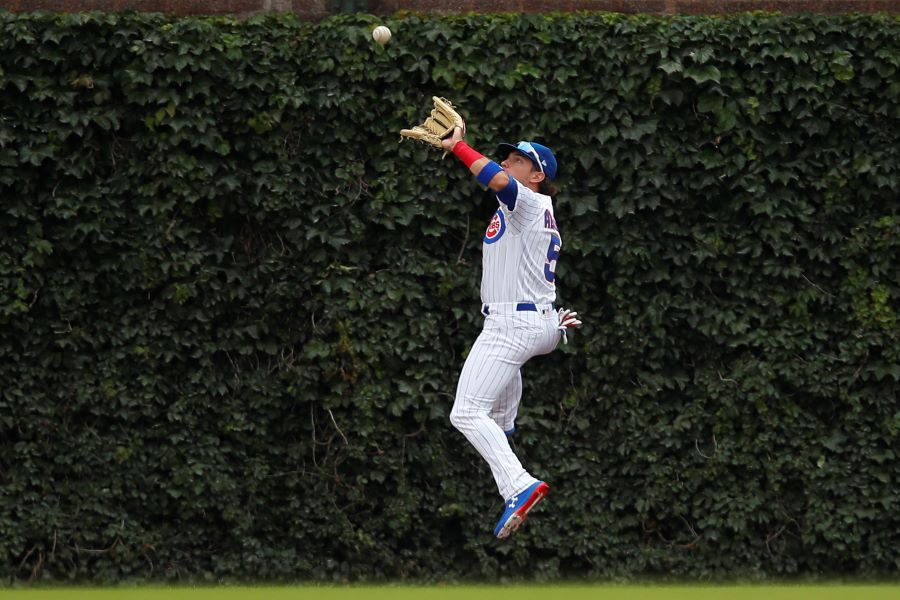 Four picks after Byron Buxton became a Twin, in 2012, the Cubs drafted another athletic, alliterated high-school center fielder from the Southeast: Albert Almora, of the Miami area. Four years later, Almora scored the eventual winning run in Game 7 of the World Series, after a daring 10th-inning tag-up. It would be the apex of his uneven time with the Cubs, but hardly the only highlight. Now, after two eminently frustrating seasons, Chicago has cut ties with Almora, and the Twins should be calling his agents. At first blush, maybe Almora seems like an odd fit for the Twins. After all, Buxton has blossomed into a star, with the defense-first, exciting profile Almora never quite managed to bring together. However, Buxton isn’t only a star in the sense that he’s a high-caliber player: he’s also the center of the outfield universe in Minnesota, and that’s a bit of a problem. Buxton is the right-handed star, but all of the planets in the Twins’ outfield solar system bat left-handed. Cutting ties with Eddie Rosario didn’t really alter that fact. Max Kepler, Alex Kirilloff, Trevor Larnach, LaMonte Wade, Jr., and Jake Cave all hit from the left side. Brent Rooker is a righty, but Rooker’s viability as an outfielder is still uncertain, and he’s older than your typical rookie, so he’s likely to decline quickly in that regard. The Twins need a reliable, right-hitting outfielder who can slide into that orbit. If it were that simple, Almora wouldn’t be an especially good fit. He’s a .271/.309/.398 career hitter, and has been worse than that over the last two seasons, as he’s fallen out of the Cubs’ plans and lost touch with his offensive talent. The Twins could certainly court better hitters from the right side, such as Adam Duvall, Cameron Maybin, or Hunter Renfroe. Alas, the Twins need something else from a prospective outfield addition, too: Buxton insurance. Whatever one thinks of Buxton’s ability when he’s on the field, his extreme injury risk has to be factored into both valuing him and building a roster of which he’s part. He’s a great player, and having him creates a high ceiling for the lineup whenever he’s in it, but if a team fails to plan for the 60-80 games a year in which he’ll be either diminished or unavailable, they forfeit the advantage that might give. Cave, Wade, and Kepler have all spent time in center field over the last two years, but without real success. Kepler was a solid center fielder until roughly 2018, but is stretched there now. Cave and Wade always look slightly out of place there. Almora, on the other hand, is an above-average defender in center. He’s also a few months younger than both Buxton and Wade, and just six months older than Rooker. The Cubs failed to get the most out of his bat, but given his age and demonstrated talent, there’s reason to believe he could still become a league-average hitter under the tutelage of the Twins’ far superior developmental staff. Any team that signs Almora will acquire control of his rights for 2022, even if they only agree to a one-year deal, because he was non-tendered after reaching only four-plus years of service time. Almora isn’t a burner like Buxton. He’s unlikely to develop even 20-homer power, though he hit 12 in just 363 plate appearances during an otherwise discouraging 2019. However, he has contact skills. He demonstrates stunningly good instincts when chasing fly balls at all three outfield spots. He shares Buxton’s daring style, but is better at avoiding injuries. He’s a hard-working, smart player, and a good teammate. If the Twins want to continue to plan their outfield around Buxton, they need a way to sustain the team-wide defensive excellence he encourages, even when he’s unavailable. They also need a right-handed option to mitigate the risk that Kepler’s struggles against left-handers continue, or that Kirilloff runs into such problems as a rookie. Almora offers all of that, in better balance than any other candidate available in free agency. There might be no team better-positioned to help him rehabilitate his career. That Almora would come cheaply (MLB Trade Rumors had only estimated his arbitration salary at $1.575 million, which the Cubs decided not to pay), and be affordable in 2022 if the experiment went well, and that he would improve the team’s leverage in any discussions of a long-term deal with Buxton, only pads the case for signing him. If some other team offers him an everyday job in center field, the Twins will lose out, but since that’s unlikely, they should stay in touch, and make Almora a priority in their positional pursuits in free agency. MORE FROM TWINS DAILY — Latest Twins coverage from our writers — Recent Twins discussion in our forums — Follow Twins Daily via Twitter, Facebook or email
 -
The Twins non-tendered right-handed reliever Matt Wisler Wednesday, in a surprising move. On a closer look, though, it’s not the shock—or the problem—it might appear to be at first.Wisler, 28, had a marvelous 2020 season in the Minnesota bullpen, thanks not only to his extreme slider usage, but to a change to his delivery that improved his command of the pitch. His 32.7-percent strikeout rate placed him in the 89th percentile among all pitchers with 20 or more innings pitched. He was in line to earn somewhere around $1.5 million, and the team retaining him at that price seemed like a foregone conclusion. At a deeper level, though, it’s not hard to see what led the Twins to violate that expectation. There are, in fact, at least three contributing factors that probably led them to that choice. Firstly, as welcome as Wisler’s whiffs were, a great strikeout rate does not make a great pitcher. By walking roughly one in every seven batters faced, Wisler put too many opponents on base. They didn’t often come around to score, as his minuscule ERA attests, but to strand runners that way is often impossible in the long run. Between that failing, the suspect offensive competition (especially for a righty reliever) the Twins faced throughout the season, and his extreme fly-ball tendencies, Baseball Prospectus’s advanced pitching metrics pegged Wisler as an essentially average pitcher in 2020. By both DRA- and cFIP, Wisler was actually worse in 2020 than in 2019. That sounds bonkers, when considering only his surface-level numbers, but when evaluating a relief pitcher, always resist the temptation to weigh those traditional numbers as heavily as more granular, advanced ones. The second reason why letting Wisler become a free agent makes some sense is logistical, and reflective of both the team’s and the league’s prevailing preferences with regard to pitching usage. Wisler is out of minor-league options. That’s not a big deal if a pitcher is on the relief ace tier, like Tyler Duffey and Taylor Rogers, but for almost any lesser light, it becomes a real factor. Teams (and the Twins, especially) value the ability to shuttle fresh arms up from Triple-A and send tired or struggling ones down. That will be truer than ever in 2021, since the team’s highest affiliate is now just a Green Line ride away. Wisler was good enough in a shortened season, with expanded rosters, but at this moment, we don’t know how many players teams will be allowed to carry in 2021, and the developing news about vaccine timelines suggests we’ll have a full, 162-game season. Both of those things make it harder to plan to carry a non-elite reliever who cannot be optioned. It’s not hard to imagine that the Twins believed there was about $1 million (the difference between Wisler’s likely arbitration earnings and the league minimum) of value to be gained by maintaining flexibility. It helps, in that regard, that the free-agent market is flush with quality right-handed relievers, including a bevy of new ones who flooded that space along with Wisler on Wednesday. The final reason is conceptual, rather than concrete, but no less potent. To grasp it, imagine pitching acquisition, evaluation, and development as a frontier in a land being explored and occupied by a new people. On a frontier, it’s important to identify one’s strengths and weaknesses, because they determine what is both possible and prudent. Wisler’s path to success in 2020 was extreme. It was a push into a new, unexplored, unestablished space. Even as the season progressed, I found myself asking the question: how far can this whole thing be taken? Wisler was used in multiple roles. A former starter, he opened multiple games, and often got more than three outs in an appearance. He threw sliders at historic frequency. I wondered, and I can only assume that even the Twins also wondered: how much further could this be taken? Could Wisler go three innings at a time without losing effectiveness? Could he pitch 100 innings over a full season, without fading? Could he keep throwing sliders 90 percent of the time, reshaping the pitch and mixing up his locations well enough that the league wouldn’t figure him out, adjust, and start scoring against him? A less successful, confident pitching infrastructure would have led a team to continue that dangerous exploration. It’s a potentially lucrative endeavor, but there’s a lot of risk attached to it. The questions posed above are fascinating, from a sheer scientific perspective. The exploration would have some value for the league, as it continues in an era of rapid change and advancement. The Twins, though, have enough skills not to keep exploring until their luck runs out. They can, and already have, set up an outpost and start replicating the success Wisler represents. They can let others bear the risks of trying to get more out of Wisler. Plenty of hurlers can be gotten slightly cheaper, with as-good-or-better chances to thrive. MORE FROM TWINS DAILY — Latest Twins coverage from our writers — Recent Twins discussion in our forums — Follow Twins Daily via Twitter, Facebook or email Click here to view the article

