



Tom Froemming
-
Posts
5,260 -
Joined
-
Last visited
-
Days Won
22
Content Type
Profiles
News
Minnesota Twins Videos
2026 Minnesota Twins Top Prospects Ranking
2022 Minnesota Twins Draft Picks
Minnesota Twins Free Agent & Trade Rumors, Notes, & Tidbits
Guides & Resources
2023 Minnesota Twins Draft Picks
The Minnesota Twins Players Project
2024 Minnesota Twins Draft Picks
2025 Minnesota Twins Draft Pick Tracker
2026 Minnesota Twins Draft Tracker: Picks & Bonuses
Forums
Blogs
Events
Store
Downloads
Gallery
Everything posted by Tom Froemming
-
 Yes, once the Duke signing becomes official. The Twins can always DFA a player in order to open up another spot if it comes down to it. Just last week, both the Braves (Luke Jackson) and Brewers (Dylan Baker) designated a player. So the 40-man roster being full is kind of an interesting thing to take note of, but shouldn't prevent the team from making any moves.
 -
Twins fans are still anxiously awaiting a big splash, but the team has taken another step toward beefing up its bullpen. Late Christmas afternoon, Paul Lambert (aka Meat Sauce) of KFAN reported that the Twins had an agreement to sign veteran left-handed reliever Zach Duke. It was a busy day for Twins rumors, as there were also reports regarding the Twins interest in veteran slugger Mike Napoli.It wasn't too long ago Duke was a hot commodity on the free agent market. In November of 2014, Duke landed a three-year, $15 million deal to pitch for the White Sox. He was eventually traded to the Cardinals in mid-2016. From 2014-16 he was among the more consistently effective relievers in baseball, posting a 2.74 ERA, 1.23 WHIP and 10.4 K/9 over 180.1 innings. But after the end of the 2016 season, Duke was forced to undergo not only Tommy John surgery, but also had a flexor muscle repaired at the same time. He was expected to miss all of 2017. Remarkably, Duke made his season debut on July 21. Ben Frederickson of the St. Louis Post-Dispatch wrote up a great review of the recovery process. He noted that Duke's comeback from Tommy John, just a 287-day process, was the fastest anyone has done it over the past decade. Duke pitched in 27 ballgames for the Cardinals, but the results weren't nearly as good as the previous few years. He had a 3.93 ERA and just 5.9 K/9 over 18.1 innings, but that came with a much more encouraging 1.04 WHIP. The Twins are surely hoping he can regain some of that excellence now that he's more than a full year removed from going under the knife. Along with the impressive recovery, it's interesting to note that Duke was been known to be a guy to throw from multiple release points. Twins fans got accustomed to seeing that from Trevor Hildenberger from time to time, but it's a pretty uncommon practice for the most part. Here's a look at Duke's 2017 release point chart from Baseball Savant. Download attachment: Duke17Release.png Details on Duke's contract are not known at this time, but assuming he'll be getting a major league deal, his addition will fill the Twins 40-man roster. The only other southpaw relievers the Twins currently have on the roster are Taylor Rogers, Buddy Boshers and Gabriel Moya. Party at Napoli's? That wasn't the only noteworthy item on the rumor mill Christmas morning. Jon Heyman of FanRag Sports reported that the Twins were in "serious talks" with Mike Napoli. Later in the evening, however, Mark Feinsand of MLB.com pumped the brakes on the Napoli to the Twins steam by reporting "talks aren't intense as being reported. Nothing even close to imminent." On Friday, the Star Tribune duo of La Velle E. Neal III and Phil Miller were first to report the Twins' interest in Napoli. Of course, we also heard his name connected to the Twins throughout most of last offseason as well. It's expected Napoli would take the role of part-time first baseman/designated hitter. Considering how his numbers stack up against the likes of Robbie Grossman and Kennys Vargas, however, it's easy to wonder if that's really a hole that needs to be filled. 2016-17 Mike Napoli .219/.314/.449 (.763 OPS), 31.6 K%, 11.2 BB% Robbie Grossman .262/.372/.409 (.781 OPS), 20.7 K%, 14.4 BB% Kennys Vargas .244/.322/.466 (.788 OPS), 30.4 K%, 10.0 BB% But we know from the additions last offseason that clubhouse character is an important factor this front office takes into account when considering new additions, and Napoli has long been regarded as a guy who helps keep things loose over the long season. Click here to view the article
-
Twins To Sign Zach Duke, Maintaining Interest In Mike Napoli
Tom Froemming posted an article in Twins
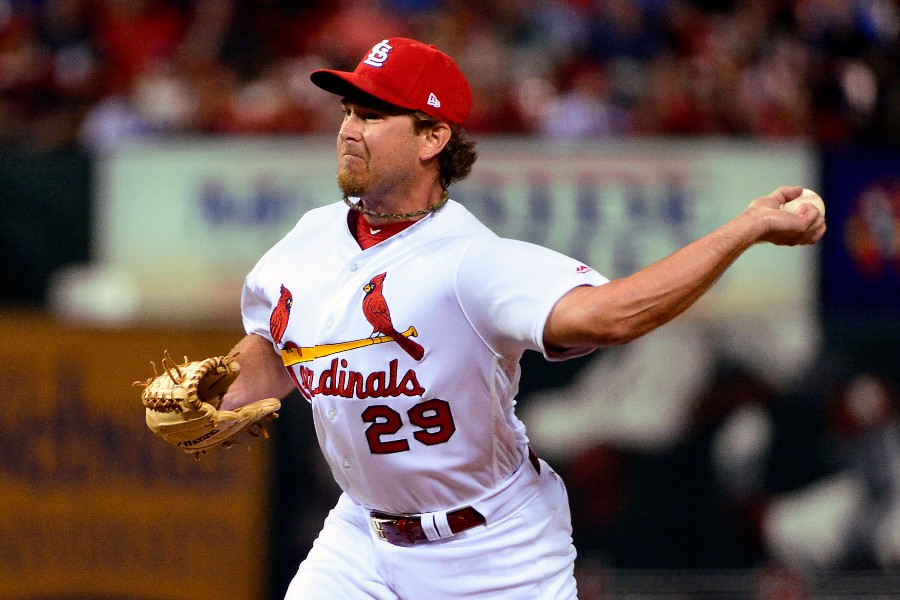 It wasn't too long ago Duke was a hot commodity on the free agent market. In November of 2014, Duke landed a three-year, $15 million deal to pitch for the White Sox. He was eventually traded to the Cardinals in mid-2016. From 2014-16 he was among the more consistently effective relievers in baseball, posting a 2.74 ERA, 1.23 WHIP and 10.4 K/9 over 180.1 innings. But after the end of the 2016 season, Duke was forced to undergo not only Tommy John surgery, but also had a flexor muscle repaired at the same time. He was expected to miss all of 2017. Remarkably, Duke made his season debut on July 21. Ben Frederickson of the St. Louis Post-Dispatch wrote up a great review of the recovery process. He noted that Duke's comeback from Tommy John, just a 287-day process, was the fastest anyone has done it over the past decade. Duke pitched in 27 ballgames for the Cardinals, but the results weren't nearly as good as the previous few years. He had a 3.93 ERA and just 5.9 K/9 over 18.1 innings, but that came with a much more encouraging 1.04 WHIP. The Twins are surely hoping he can regain some of that excellence now that he's more than a full year removed from going under the knife. Along with the impressive recovery, it's interesting to note that Duke was been known to be a guy to throw from multiple release points. Twins fans got accustomed to seeing that from Trevor Hildenberger from time to time, but it's a pretty uncommon practice for the most part. Here's a look at Duke's 2017 release point chart from Baseball Savant. Details on Duke's contract are not known at this time, but assuming he'll be getting a major league deal, his addition will fill the Twins 40-man roster. The only other southpaw relievers the Twins currently have on the roster are Taylor Rogers, Buddy Boshers and Gabriel Moya. Party at Napoli's? That wasn't the only noteworthy item on the rumor mill Christmas morning. Jon Heyman of FanRag Sports reported that the Twins were in "serious talks" with Mike Napoli. Later in the evening, however, Mark Feinsand of MLB.com pumped the brakes on the Napoli to the Twins steam by reporting "talks aren't intense as being reported. Nothing even close to imminent." On Friday, the Star Tribune duo of La Velle E. Neal III and Phil Miller were first to report the Twins' interest in Napoli. Of course, we also heard his name connected to the Twins throughout most of last offseason as well. It's expected Napoli would take the role of part-time first baseman/designated hitter. Considering how his numbers stack up against the likes of Robbie Grossman and Kennys Vargas, however, it's easy to wonder if that's really a hole that needs to be filled. 2016-17 Mike Napoli .219/.314/.449 (.763 OPS), 31.6 K%, 11.2 BB% Robbie Grossman .262/.372/.409 (.781 OPS), 20.7 K%, 14.4 BB% Kennys Vargas .244/.322/.466 (.788 OPS), 30.4 K%, 10.0 BB% But we know from the additions last offseason that clubhouse character is an important factor this front office takes into account when considering new additions, and Napoli has long been regarded as a guy who helps keep things loose over the long season.
 -
Good piece. Whoever gets Duda is probably going to get a solid value, but I'm not sure he's the best fit for the Twins due to his trouble with lefties. He's a career .218/.289/.370 hitter against LHP. The Twins ranked fifth in wOBA vs. RHP (.332), but were 14th vs. LHP (.320). Maybe that doesn't matter. It looks like right now the rest of the AL Central pitching staffs are very right-handed heavy. Cleveland doesn't have a single southpaw projected to be in their rotation. Danny Duffy and Matt Boyd may be the two best LHPs in the division, unless there's somebody I'm forgetting. Each team is going to be able to matchup with their bullpens, of course, but you can always pinch hit for Duda if say he's due to face Andrew Miller or something. With all that in mind, I'd definitely much rather prefer Duda to Mike Napoli, who the Twins have been linked to this offseason.
- 7 comments
-
- 4
-

-
- lucas duda
- power
- (and 1 more)
-
Yeah, he's got that whole Bryce Harper haircut thing going on with the top all long and the sides shaved. I could see where at a glance someone might make assumptions about his personality. But he plays hard and is a competitor, and from the sound of your story (thanks for sharing, by the way), it sounds like he's a good dude too. (For the record, I like Bryce Harper too, but I know that's not a very popular opinion.) Yep, seems like a big reason why a lot of people dropped him to the 20-25 range was due to defensive concerns. I think he could hit enough to be a corner OF if it comes to it, so I'm less worried about where he ends up defensively. The Twins have a ton of MI guys, which may make him less valuable to the org/more likely to be a trade piece, but doesn't really change his prospect stock at all. Blankenhorn and Kepler were the same age and at the same level, so I wouldn't agree that nothing about their experience is comparable at all. Like I said, I just thought it was really interesting to see their numbers side-by-side. Just a fun thing that I came across, draw your own conclusions.
-
Article: What Do The Twins See In Tyler Kinley?
Tom Froemming replied to Nick Nelson's topic in Twins Daily Front Page News
I get what you're saying. It hasn't happened, and furthermore it'd be a bad look for a front office to axe a recent Rule 5 pick. All I'm saying is exactly what you said above, so I think you get what I'm saying too. -
Article: What Do The Twins See In Tyler Kinley?
Tom Froemming replied to Nick Nelson's topic in Twins Daily Front Page News
You really believe this? -
Happy to see that Mike Quade is staying in the org. I'd imagine Luis Rodriguez is going to be an excellent influence on the kids in the GCL. Pretty impressive that he was still playing indy ball as recently as 2016. He really squeezed every bit out of his playing career he could have. Gotta respect a former major leaguer being willing to go play in the Mexican League or the indy leagues even into his mid-30s. You've gotta really love the game to want to do that.
- 22 replies
-
- 3
-
-
- tommy watkins
- jeremy zoll
- (and 3 more)
-
Article: What Do The Twins See In Tyler Kinley?
Tom Froemming replied to Nick Nelson's topic in Twins Daily Front Page News
That's all I'm trying to say. If they sign a guy today, thus filling the 40-man roster, there's nothing I'm aware of that would prevent them from dumping Kinley if they wanted to open up a spot for somebody else. Everything's scribbled in pencil at this point. -
Article: What Do The Twins See In Tyler Kinley?
Tom Froemming replied to Nick Nelson's topic in Twins Daily Front Page News
Knowing what I know, I'd have taken Bard over Kinley. Actually, I'd have taken White Sox LH Double-A starter Jordan Guerrero over both of them. He went undrafted, so what do I know? It's possible the Twins offer Kinley back to Miami before March ... pretty sure they could do it today if they wanted to. Who knows, maybe the Marlins would decline to pay the $25,000 required to get Kinley back (that org is in a weird place right now) and the Twins could even DFA him and sneak him through waivers. I have no idea, but I have a really hard time believing the Twins will go out of their way to hang on to Kinley when it comes time to make the next round of difficult roster decisions unless he shows them something special. Why take him in the first place then? I dunno, maybe they just felt like playing the lottery. -
Article: What Do The Twins See In Tyler Kinley?
Tom Froemming replied to Nick Nelson's topic in Twins Daily Front Page News
I'm guessing the Twins think they've identified something specific about Kinley's mechanics they feel like can be addressed in order to help him get the ball over the plate more frequently. They'll take the spring to figure out if they can fix him. I doubt they will -- I'd only put about a five percent chance on him cracking the Opening Day roster -- but maybe they'll be able to swing a trade in order to keep him in the system and send him down to Rochester (like they did with Scott Diamond). The Twins clearly didn't think Burdi and Bard were that great. It's that simple. And we also know the Braves passed on Burdi when the Jaime Garcia trade was being negotiated and the Phillies traded him away for a modest amount of international spending slot. Pretend money, basically. Burdi has pitched 20 innings over the past two seasons, maybe the Twins simply think he'll never be healthy. It happens (see: Zumaya, Joel). Bard had a great year ... but it was as a 26-year-old mostly in Double-A. If Bard was really MLB ready, why did he spend the majority of the year in Chattanooga? Even if he would've been added to the 40 man, it's likely he would have also immediately became the most likely guy to be DFA'd. I would have liked to see both Burdi and Bard stick around, and hope they'll be returned eventually, but I can see how/why things got to this point. This can be applied to Kinley as well, but how many young/unestablished right-handed relief pitchers do you need on the 40 man? The Twins already have Busenitz, Chargois, Curtiss, Duffey, Hildenberger and Pressly. They added Rodney, and it's possible both Hughes and May might end up out in the pen, too. Plus, one of Jorge/Littell/Romero/Slegers could end up transitioning to the pen. They also still have Reed and Stewart in the mix, but not on the roster. At a certain point you just run out of space. -
The handbook is getting very close to being done. We're excited to get it into your hands, but there are still some finishing touches left. I'm sure Seth be able will share details sometime soon, so be on the lookout for that. I had a theory that if I mentioned "dingers" and "fly-ball rate" in the same article you might magically appear, lol. Thanks for adding that analysis. It's so hard to try and evaluate production in the FSL that I think those two stats you mentioned -- Ks and vs. LHP splits -- may be the most important things to pay attention to in concerns to Blankenhorn next season. With both Blankenhorn and Ben Rortvedt I can see myself writing these same kind of articles next year, basically saying "the numbers don't look amazing on the surface, but here's some underlying stuff that we can be excited about." I'd imagine both of them will also be putting in quite a bit of work on defense, so it won't surprise me if their huge breakouts with the bats don't come until Double-A. Thank you for adding this and the analysis that follows. Some multi-sport guys never catch up, but I agree that it's an important thing to keep in mind in the early goings. Cabbage didn't quite crack my top 50, but I wouldn't be shocked at all if he ends up putting it together and is one of the guys who makes the biggest jumps over the next year. I think once Blankenhorn finds a home in the field he's going to be able to work his way to becoming very reliable on defense. I've seen some people relate his defensive outlook/projected journey to Trevor Plouffe's. He bounced around a bit in the infield, and was a little sketchy when he first started playing 3B. But once it became apparent that was going to be his position, Plouffe worked himself into a solid defender.
-
As a way to look back at a great minor league season and look ahead toward the release of the 2018 Twins Prospect Handbook, I’ve been writing a series of features on prospects I seem to be especially high on. The final player to receive the spotlight treatment is infielder Travis Blankenhorn.Ranking prospects is a difficult task and everyone has a bit of a different methodology. This series isn’t meant to be critical of any of the other lists out there, it’s all about presenting a positive case for the featured player. We started at the bottom of my list and worked up from there. Here’s a look back at previous installments: Range 41-50 spotlight: Zander Wiel Range 31-40 spotlight: Tom Hackimer Range 21-30 spotlight: Lachlan Wells Range 11-20 spotlight: Ben Rortvedt Range 1-10 spotlight: Travis Blankenhorn, No. 9 Blankenhorn had a streaky season, but when he was rolling it was quite a sight to see. He posted an OPS north of 1.000 in both June and August, but in between had a dismal July. Still, from June forward he hit .265/.358/.492 (.851) in 69 games. Over that stretch, his walk rate was 10.4 percent and he struck out in 22.2 percent of his plate appearances. I don’t feel like that’s an alarmingly high strikeout rate for a guy slugging near .500 and taking some walks. What might explain some of that ugly July when he hit .144/.238/.211? It’s possible he was tinkering with his approach or that he was a little worn down physically. Could've been a combination of the two. Blankenhorn entered 2017 with 467 plate appearances as a pro spread across over two seasons. He logged 508 PAs over 118 games in 2017 alone. Even with some ups and downs, Blankenhorn was the youngest player in the org to hit at least 13 home runs. There are signs more dingers could be on the way. He ranked ninth in the Midwest League with a 45.1 percent fly-ball rate and was 11th in pull percentage at 48.6. He's also been doing a great job of decreasing his ground balls each season. Blankenhorn GB:FB ratio 2015: 2.05 2016: 1.37 2017: 0.99 Along with some encouraging signs that a power surge could be in the future, Blankenhorn is also a good athlete. He led the system with 11 triples and is 21-for-24 in stolen base attempts over his career (87.5 percent success rate). One of those steals was among the most memorable moments of the 2017 minor league season. The Kernels were vying for a first-half playoff berth. Tie game. Bottom of the eighth inning. Bases loaded. Two down and a 1-2 count on the batter ... BLANKENHORN’S STEALING HOME!!!! How cool was that? Blankenhorn also led the entire org in hit-by-pitches with 17, so this is also a guy who has a bit of grit to him. He still has some work to do in terms of smoothing out his baseball skills, but that shouldn’t be too surprising given his background. Blankenhorn was a three-sport athlete in a cold-weather state (Pennsylvania), so he may not have gotten as much time on the diamond as some other guys who focused solely on baseball. Looking back, his numbers with the Kernels remind me a bit of another young guy who spent relatively limited time playing baseball as an amateur ... 2017 Blankenhorn, age 20 season with Cedar Rapids .251/.343/.441 (.784 OPS), 9.3 BB%, 23.4 K% 2013 Max Kepler, age 20 season with Cedar Rapids .237/.312/.424 (.736 OPS), 9.1 BB%, 16.3 K% Kepler had one of the more unique backgrounds of any prospect, so it’s tough to compare his early years with a player who came from a more traditional path, but I just thought it was really interesting to see their numbers side-by-side. Platoon splits are a concern for Blankenhorn, who hit .228/.320/.346 vs. lefties, and he didn’t have a good year defensively at third base. He looked a bit more comfortable at second base, but it’s also possible that at some point he ends up as a corner outfielder. There's still time to smooth things out as an infielder, and I'd expect him to get more opportunities to develop at the hot corner. Only time will tell where Blankenhorn ends up defensively, but you can count me as a believer in the bat. For more on Travis Blankenhorn and about 170 other Twins minor leaguers, be sure to pick up a copy of the 2018 Twins Prospect Handbook, which will be available ... VERY SOON!!! Click here to view the article
-
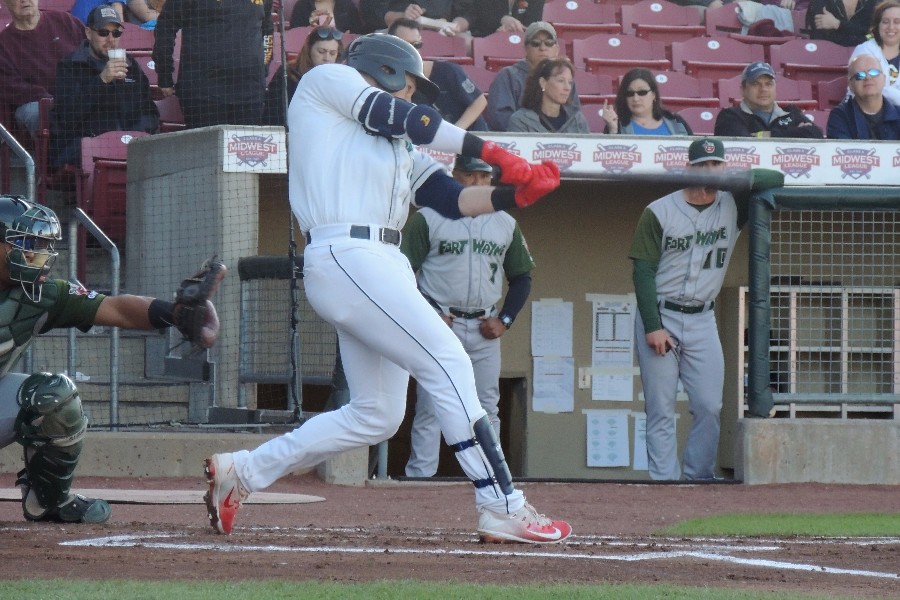 Ranking prospects is a difficult task and everyone has a bit of a different methodology. This series isn’t meant to be critical of any of the other lists out there, it’s all about presenting a positive case for the featured player. We started at the bottom of my list and worked up from there. Here’s a look back at previous installments: Range 41-50 spotlight: Zander Wiel Range 31-40 spotlight: Tom Hackimer Range 21-30 spotlight: Lachlan Wells Range 11-20 spotlight: Ben Rortvedt Range 1-10 spotlight: Travis Blankenhorn, No. 9 Blankenhorn had a streaky season, but when he was rolling it was quite a sight to see. He posted an OPS north of 1.000 in both June and August, but in between had a dismal July. Still, from June forward he hit .265/.358/.492 (.851) in 69 games. Over that stretch, his walk rate was 10.4 percent and he struck out in 22.2 percent of his plate appearances. I don’t feel like that’s an alarmingly high strikeout rate for a guy slugging near .500 and taking some walks. What might explain some of that ugly July when he hit .144/.238/.211? It’s possible he was tinkering with his approach or that he was a little worn down physically. Could've been a combination of the two. Blankenhorn entered 2017 with 467 plate appearances as a pro spread across over two seasons. He logged 508 PAs over 118 games in 2017 alone. Even with some ups and downs, Blankenhorn was the youngest player in the org to hit at least 13 home runs. There are signs more dingers could be on the way. He ranked ninth in the Midwest League with a 45.1 percent fly-ball rate and was 11th in pull percentage at 48.6. He's also been doing a great job of decreasing his ground balls each season. Blankenhorn GB:FB ratio 2015: 2.05 2016: 1.37 2017: 0.99 Along with some encouraging signs that a power surge could be in the future, Blankenhorn is also a good athlete. He led the system with 11 triples and is 21-for-24 in stolen base attempts over his career (87.5 percent success rate). One of those steals was among the most memorable moments of the 2017 minor league season. The Kernels were vying for a first-half playoff berth. Tie game. Bottom of the eighth inning. Bases loaded. Two down and a 1-2 count on the batter ... BLANKENHORN’S STEALING HOME!!!! How cool was that? Blankenhorn also led the entire org in hit-by-pitches with 17, so this is also a guy who has a bit of grit to him. He still has some work to do in terms of smoothing out his baseball skills, but that shouldn’t be too surprising given his background. Blankenhorn was a three-sport athlete in a cold-weather state (Pennsylvania), so he may not have gotten as much time on the diamond as some other guys who focused solely on baseball. Looking back, his numbers with the Kernels remind me a bit of another young guy who spent relatively limited time playing baseball as an amateur ... 2017 Blankenhorn, age 20 season with Cedar Rapids .251/.343/.441 (.784 OPS), 9.3 BB%, 23.4 K% 2013 Max Kepler, age 20 season with Cedar Rapids .237/.312/.424 (.736 OPS), 9.1 BB%, 16.3 K% Kepler had one of the more unique backgrounds of any prospect, so it’s tough to compare his early years with a player who came from a more traditional path, but I just thought it was really interesting to see their numbers side-by-side. Platoon splits are a concern for Blankenhorn, who hit .228/.320/.346 vs. lefties, and he didn’t have a good year defensively at third base. He looked a bit more comfortable at second base, but it’s also possible that at some point he ends up as a corner outfielder. There's still time to smooth things out as an infielder, and I'd expect him to get more opportunities to develop at the hot corner. Only time will tell where Blankenhorn ends up defensively, but you can count me as a believer in the bat. For more on Travis Blankenhorn and about 170 other Twins minor leaguers, be sure to pick up a copy of the 2018 Twins Prospect Handbook, which will be available ... VERY SOON!!!
 -
One way or another, this band is going to breakup Seems like it'd really only make sense to extend Escobar if either you're going to let Dozier walk or you don't think Sano is a 3B anymore. But if that's the case, Sano probably swings over to 1B and then you're in the position of letting Mauer walk after 2018. Of course, there are also guys like Nick Gordon and Brent Rooker who we all hope will be emerging into the picture maybe even as soon as late 2018, not to mention Polanco and Adrianza. I just don't see the Twins bringing back Dozier, Mauer and Escobar beyond 2018. Maybe two out of the three, but not all of them.
- 36 replies
-
- 1
-
-
- eduardo escobar
- brian dozier
- (and 3 more)
-
Mike Berardino has updated his article on the signing with all sorts of good quotes and such. The full piece is worth your time, but I found this quote from Rodney's 2017 manager Torey Lovullo of particular interest: “He works extremely hard during his pregame, as hard as any pitcher we had in our system." I'm guessing the Twins hope he can bring in some of that "veteran magic" that they saw so valuable last offseason and hope maybe his positive work habits can rub off on some of the younger guys. There's still work to do in terms of upgrading the pitching staff, but I like this addition.
-
Double-A stats Burdi: 3.68 ERA, 1.41 WHIP, 10.6 K/9, 5.2 BB/9 Kinley: 4.38 ERA, 1.43 WHIP, 10.1 K/9, 4.3 BB/9 Burdi is definitely the better prospect, as Kinley is two years older, but it's worth noting that per Baseball America Kinley has been clocked at 100 mph and he was their choice for best slider in the Marlins system.
- 143 replies
-
- 4
-
-
- nick burdi
- jake reed
- (and 3 more)
-
Always have to remember the team knows more than we (or any of the other teams) do about their guys. There's a reason why Burdi was unprotected. There's a reason why he was almost traded to the Braves. There's also a reason why the Braves opted to take another prospect for Jaime Garcia. I'm sure the Twins would prefer to keep Burdi (and everybody else) rather than lose them for nothing, but there's always the chance a guy gets drafted and then returned or the Twins even have the opportunity to trade to get a guy back.
- 143 replies
-
- 13
-
-
- nick burdi
- jake reed
- (and 3 more)
-
Article: Twins Sign RHP Michael Pineda
Tom Froemming replied to Seth Stohs's topic in Twins Daily Front Page News
Not sure what the answer to B is, but there's a good indication to the answer to A in this Fangraphs article from last December. Listed in a tier of top potential FA SPs is Darvish, Arrieta, Danny Duffy (who signed an extension) and Pineda. The next tier of depth guys included Lynn, Cobb, Chatwood and others. So it's a good guess Pineda would have been the third-ranked SP if healthy. -
I might let him start back in Cedar Rapids for a couple months just to get him rolling, but I wouldn't be shocked if he went to Fort Myers. Rortvedt's only going to be 22 when that Castro contract ends. Not many catchers that young holding down MLB gigs. Joe Mauer did, but he's a rare bird. I would avoid comparing those two. It's not fair to Ben.
-
I'd be willing to bet Seth's opinion of Rortvedt isn't too different than mine, there are just a ton of guys in that 10-30 range who are really close.
-
Article: Twins Sign RHP Michael Pineda
Tom Froemming replied to Seth Stohs's topic in Twins Daily Front Page News
Passing along some stuff I already shared on Twitter ... Michael Pineda last three seasons: 9.46 K/9, 1.98 BB/9. That 4.79 K:BB ratio ranked seventh among the 78 pitchers to log 400 IP in that time frame, trailing only Kershaw, Sale, Scherzer, Kluber, Bumgarner and Carrasco. His overall numbers were far less impressive because he had the worst BABIP (.328) of that sample and the second-worst HR/FB rate (17.4%). He's given up a lot of home runs, but over his career he has a 1.6 HR/9 rate at Yankee Stadium and a 0.9 HR/9 rate everywhere else. -
Article: Twins Sign RHP Michael Pineda
Tom Froemming replied to Seth Stohs's topic in Twins Daily Front Page News
And the new front office continues to be unpredictable. I wouldn't have guessed they'd be shopping in the rehabbing pitcher market, but this is such a low risk/potentially high reward move. Probably doesn't help them much to get into the playoffs in 2018, but could make a huge impact in a postseason rotation if they can get in and then be a key piece for 2019 at a very reasonable price tag (relatively speaking). -
As a way to look back at a great minor league season and look ahead toward the release of the 2018 Twins Prospect Handbook, I’ll be writing a series of features on prospects I seem to be especially high on. Next to receive the spotlight treatment is catcher Ben Rortvedt.Ranking prospects is a difficult task and everyone has a bit of a different methodology. This series isn’t meant to be critical of any of the other lists out there, it’s all about presenting a positive case for the featured player. We’re starting at the bottom of my list and working up from there. Here’s a look at what’s on deck: Range 41-50 spotlight: Zander Wiel Range 31-40 spotlight: Tom Hackimer Range 21-30 spotlight: Lachlan Wells Range 11-20 spotlight: Ben Rortvedt, No. 11 Range 1-10 spotlight: Coming Dec. 19 Yes, I have Ben Rortvedt just outside my top 10. I’d argue that no player in the Twins organization had the opportunity to grow more in 2017. Also, he is a catcher. There is no question about his ability to stick at the position or about how his personal and physical attributes will translate there. He’s already getting great reviews on his presence and leadership. At the time of the draft, Derron Johnson told Rhett Bollinger of MLB.com “the kid was born to catch.” Being sent to Cedar Rapids to start the year was a challenging assignment. Not only was he tasked with trying to hit against a level of pitching much higher than he’d ever faced, but the pitching staff he handled was light years ahead of anything he had worked with. A lot of the pitchers he formed a battery with were college guys four or five years older than he is. I’m sure Rortvedt benefited greatly from being around those more experienced teammates, as well as having an entire summer under the wing of Tommy Watkins, J.P. Martinez and Brian Dinkelman. It’s very rare to see a catcher this young play a full season. Here’s a quick look back at the Kernels primary catcher each year since becoming a Twins affiliate: 2017: Ben Rortvedt, age 19 season, 86 games caught 2016: A. J. Murray, 23, 45 games 2015: Brian Navarreto, 20, 84 games 2014: Mitch Garver, 23, 63 games 2013: Michael Quesada, 23, 51 games So what about the bat? Well, don’t even bother looking at Rortvedt’s full-year stat line. Through May he was hitting just .139/.214/.174 (.388 OPS). Two months of absolutely horrendous hitting and the Twins let him endure that slump because they believed in him. Things eventually clicked, and he hit .273/.324/.397 (.721 OPS) over his final 54 games. Seth went down to Cedar Rapids and caught up with Rortvedt shortly after that turnaround started. That piece is well worth your time. If that slash line above doesn’t catch your eye, consider this: That’s the exact same OPS teammate Lewin Diaz posted over the same stretch, and you don’t really see anybody questioning his future offensive potential. From June forward, Diaz hit .291/.328/.393. There’s also the fact that Rortvedt played the entire season at just 19-years-old. Other than Royce Lewis, he was the youngest player to appear for the Kernels last year. He and faced a pitcher younger than he was just eight times. Rortvedt was a little older than the typical high school player in the 2016 draft class, but he still entered 2017 with roughly the same amount of professional experience as fellow ‘16 high school draftees Jose Miranda and Akil Baddoo. While Rortvedt played 89 games for Cedar Rapids, Miranda was at Elizabethton for 54 games and Baddoo split his season between the E-Twins (33 games) and the GCL (20 games). And those two obviously play much less demanding positions. I loved seeing how much confidence the Twins showed in Rortvedt and how he broke loose from that awful start with the bat. Here’s a video from the Kernels YouTube account where Rortvedt talks about the grind of the season and that breakout: A big part of what moves the needle for me is definitely the fact that he’s a legit catcher, one who hits left-handed and has offensive upside, but I’m also encouraged about his physique and reports on his work ethic. Jeff Johnson, an excellent reporter for the Cedar Rapids Gazette, wrote this about Rortvedt in early April: “The first thing you notice about him are his forearms. They’re huge. He’s too young to understand the comparisons, but think Popeye or Steve Garvey here. Those kind of forearms. ‘I don’t know. I’m kind of a gym rat,’ Ben Rortvedt said with a sheepish smile. ‘I’m smaller, so I’ve always taken pride in being strong. Not being outworked in that way.’” And here’s what Rortvedt’s former high school coach Brad D’Orazio told 2080 Baseball when asked what makes him so special: “If he wasn’t sleeping, he was hitting the gym, hitting off of a tee, or harassing people to throw to him.” It’s a good thing he’s developed that work ethic, because there are obviously a lot of things Rortvedt still needs to work on. Some of the numbers may not look like it, but I think he’s off to a great start. He threw out 36 percent of base stealers, only struck out in 17.9 percent of his plate appearances and crushed same-sided pitching, posting a .311/.400/.393 line (.793 OPS) against lefties. For more on Ben Rortvedt and about 170 other Twins minor leaguers, be sure to pick up a copy of the 2018 Twins Prospect Handbook, which will be available later this winter. Click here to view the article
-
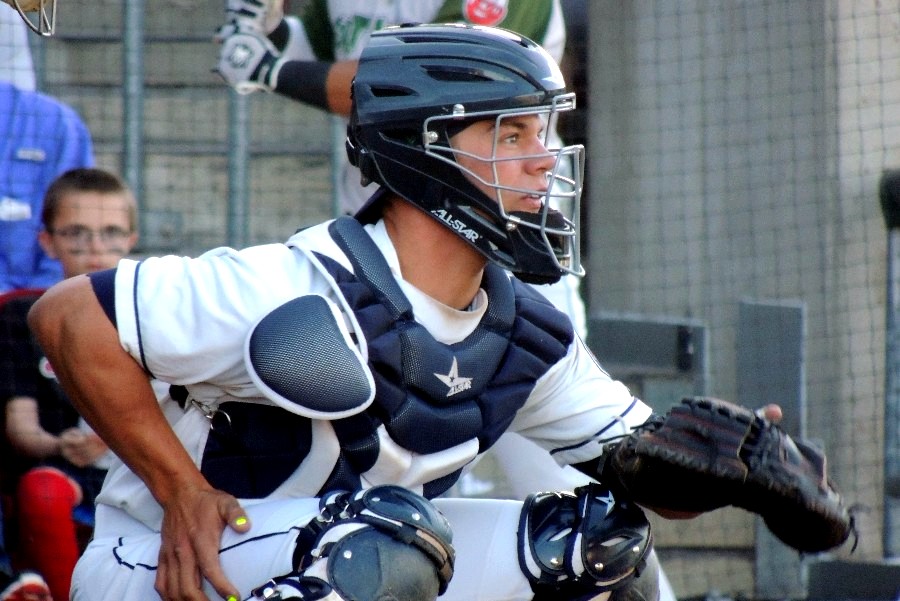 Ranking prospects is a difficult task and everyone has a bit of a different methodology. This series isn’t meant to be critical of any of the other lists out there, it’s all about presenting a positive case for the featured player. We’re starting at the bottom of my list and working up from there. Here’s a look at what’s on deck: Range 41-50 spotlight: Zander Wiel Range 31-40 spotlight: Tom Hackimer Range 21-30 spotlight: Lachlan Wells Range 11-20 spotlight: Ben Rortvedt, No. 11 Range 1-10 spotlight: Coming Dec. 19 Yes, I have Ben Rortvedt just outside my top 10. I’d argue that no player in the Twins organization had the opportunity to grow more in 2017. Also, he is a catcher. There is no question about his ability to stick at the position or about how his personal and physical attributes will translate there. He’s already getting great reviews on his presence and leadership. At the time of the draft, Derron Johnson told Rhett Bollinger of MLB.com “the kid was born to catch.” Being sent to Cedar Rapids to start the year was a challenging assignment. Not only was he tasked with trying to hit against a level of pitching much higher than he’d ever faced, but the pitching staff he handled was light years ahead of anything he had worked with. A lot of the pitchers he formed a battery with were college guys four or five years older than he is. I’m sure Rortvedt benefited greatly from being around those more experienced teammates, as well as having an entire summer under the wing of Tommy Watkins, J.P. Martinez and Brian Dinkelman. It’s very rare to see a catcher this young play a full season. Here’s a quick look back at the Kernels primary catcher each year since becoming a Twins affiliate: 2017: Ben Rortvedt, age 19 season, 86 games caught 2016: A. J. Murray, 23, 45 games 2015: Brian Navarreto, 20, 84 games 2014: Mitch Garver, 23, 63 games 2013: Michael Quesada, 23, 51 games So what about the bat? Well, don’t even bother looking at Rortvedt’s full-year stat line. Through May he was hitting just .139/.214/.174 (.388 OPS). Two months of absolutely horrendous hitting and the Twins let him endure that slump because they believed in him. Things eventually clicked, and he hit .273/.324/.397 (.721 OPS) over his final 54 games. Seth went down to Cedar Rapids and caught up with Rortvedt shortly after that turnaround started. That piece is well worth your time. If that slash line above doesn’t catch your eye, consider this: That’s the exact same OPS teammate Lewin Diaz posted over the same stretch, and you don’t really see anybody questioning his future offensive potential. From June forward, Diaz hit .291/.328/.393. There’s also the fact that Rortvedt played the entire season at just 19-years-old. Other than Royce Lewis, he was the youngest player to appear for the Kernels last year. He and faced a pitcher younger than he was just eight times. Rortvedt was a little older than the typical high school player in the 2016 draft class, but he still entered 2017 with roughly the same amount of professional experience as fellow ‘16 high school draftees Jose Miranda and Akil Baddoo. While Rortvedt played 89 games for Cedar Rapids, Miranda was at Elizabethton for 54 games and Baddoo split his season between the E-Twins (33 games) and the GCL (20 games). And those two obviously play much less demanding positions. I loved seeing how much confidence the Twins showed in Rortvedt and how he broke loose from that awful start with the bat. Here’s a video from the Kernels YouTube account where Rortvedt talks about the grind of the season and that breakout: A big part of what moves the needle for me is definitely the fact that he’s a legit catcher, one who hits left-handed and has offensive upside, but I’m also encouraged about his physique and reports on his work ethic. Jeff Johnson, an excellent reporter for the Cedar Rapids Gazette, wrote this about Rortvedt in early April: “The first thing you notice about him are his forearms. They’re huge. He’s too young to understand the comparisons, but think Popeye or Steve Garvey here. Those kind of forearms. ‘I don’t know. I’m kind of a gym rat,’ Ben Rortvedt said with a sheepish smile. ‘I’m smaller, so I’ve always taken pride in being strong. Not being outworked in that way.’” And here’s what Rortvedt’s former high school coach Brad D’Orazio told 2080 Baseball when asked what makes him so special: “If he wasn’t sleeping, he was hitting the gym, hitting off of a tee, or harassing people to throw to him.” It’s a good thing he’s developed that work ethic, because there are obviously a lot of things Rortvedt still needs to work on. Some of the numbers may not look like it, but I think he’s off to a great start. He threw out 36 percent of base stealers, only struck out in 17.9 percent of his plate appearances and crushed same-sided pitching, posting a .311/.400/.393 line (.793 OPS) against lefties. For more on Ben Rortvedt and about 170 other Twins minor leaguers, be sure to pick up a copy of the 2018 Twins Prospect Handbook, which will be available later this winter.
