



Tom Froemming
-
Posts
5,260 -
Joined
-
Last visited
-
Days Won
22
Content Type
Profiles
News
Minnesota Twins Videos
2026 Minnesota Twins Top Prospects Ranking
2022 Minnesota Twins Draft Picks
Minnesota Twins Free Agent & Trade Rumors, Notes, & Tidbits
Guides & Resources
2023 Minnesota Twins Draft Picks
The Minnesota Twins Players Project
2024 Minnesota Twins Draft Picks
2025 Minnesota Twins Draft Pick Tracker
2026 Minnesota Twins Draft Tracker: Picks & Bonuses
Forums
Blogs
Events
Store
Downloads
Gallery
Everything posted by Tom Froemming
-
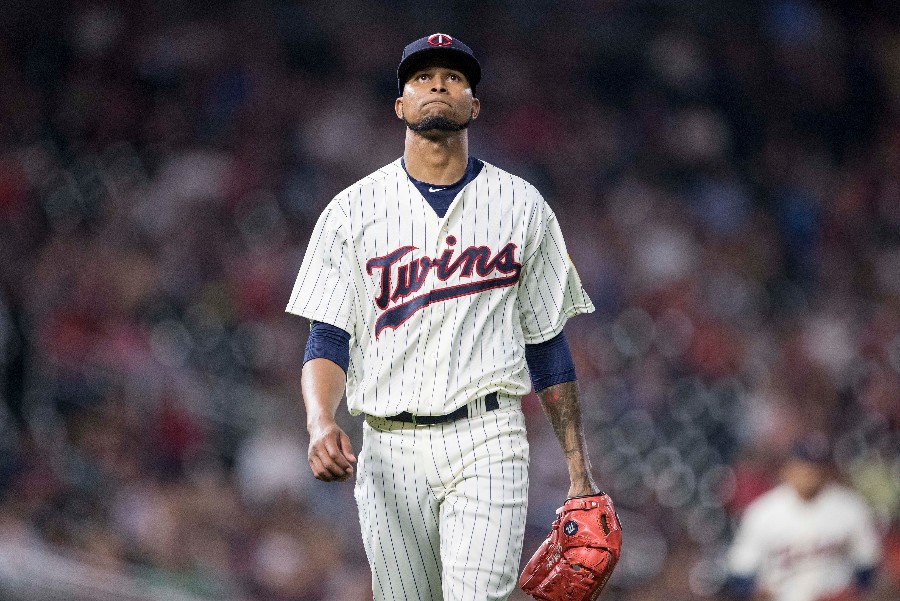 Last season, the Twins used an insane number of starting pitchers. Injuries in addition to some performance issues and odd roster shuffling (the Jaime Garcia game) all made for the perfect storm, and the 2017 Twins started 16 different pitchers. Ugh. That’s an abnormally high number, but over the past five seasons the Twins have averaged 11.8 different starting pitchers, 9.8 of whom made at least three starts. Some teams are a little more fortunate. Cleveland, for example, has only averaged 8.8 different starting pitchers per season over the past five years, 7.8 of whom made at least three starts. Not everyone’s so lucky. There were 315 pitchers who started at least one game in 2017, an average of 10.5 per team. Why so many? Well, the workhorse has become a dying breed. There were only 46 pitchers in all of baseball who made at least 30 starts. If you go back just to even 2012 and look at some of these same numbers, the differences are dramatic. There were 286 pitchers to start a game that year, 9.5 per team, and 65 hurlers made 30 or more starts. Shifting gears to the Twins, let’s take a look at who’s currently in the org, keeping in mind that the team will more than likely need to depend on 10 or 11 of these guys. This isn’t a power ranking of starting pitching options per se, I’ve broken them up into categories instead. Locks Ervin Santana Jose Berrios Kyle Gibson Adalberto Mejia No, Ervin won’t be ready for Opening Day, but the good news is that it sounds like he’ll be back with the Twins sometime in May. So I’m still going to include him as a lock. Extra Depth Aaron Slegers Dietrich Enns Felix Jorge Myles Jaye Slegers is really close to being a lock to make at least a few starts. His status will have a great deal to do with who/how many free agent starters are signed. All four of these guys made their major league debuts last season, Jaye as a member of the Tigers. The Twins signed him to a minor league deal in late November. New Role/In Recovery Tyler Duffey Trevor May Phil Hughes Michael Pineda Duffey is going to get the chance to stretch out in spring training, but if the injury bug hits the bullpen it would be no surprise to see him shifted back there. You could say the same thing about May, Hughes and Pineda, who are all in various stages of recovering from injuries. The plan for now is to prepare May to come back as a starter, but he of all people should know that plans can change. Rookies Stephen Gonsalves Fernando Romero Zack Littell Gonsalves has made a handful of starts at Triple-A, and is a good bet to debut sometime in the second half. But Romero (23 starts in Double-A) and Littell (14 starts in Double-A) are less experienced in the high minors. OK, so that gives us 15 pitchers currently inside the Twins organization who could realistically start at some point in 2018. That sounds like a lot, right? Sure, but there are a whole lot of question marks surrounding several of those players. Some of these names are not guys you’d trust right now to be successful at the major league level. It’d be fun to watch a couple of those rookies come up, but those guys could be in for rough adjustment due to the (idiotic) differences in the major and minor league baseballs. Remember how bad Berrios was in 2016? There’s also the fact that there will certainly be more injuries, and probably ones that keep guys out more than 10-12 weeks. What are the odds that one of these guys suffers a torn UCL or major shoulder injury? Knowing what we know today, how many more starting pitchers should the Twins add? I'd say at least two who can be counted on to be in the rotation and one more on a minor league deal. How does Yu Darvish, Jaime Garcia and Drew Hutchison sound? Is that too much to ask? How about Alex Cobb, Jason Vargas and A.J. Griffin? Fine, I'll settle for Andrew Cashner, Ubaldo Jimenez and Jesse Chavez. OK, you're right, that's taking it a little too far. What do you think? Who would you like to see the Twins target? Would you rather see them be aggressive or leave room for some of the young guns to emerge?
 -
 For those questioning Rortvedt, check out my Prospect Spotlight Series article on him. Here's a big takeaway: From the start of June to the end of the season (54 games), Rortvedt hit .273/.324/.397 (.721 OPS). To put that into perspective, Lewin Diaz hit .291/.328/.393 (.721) over that same stretch. Rortvedt got off to a terrible start at the plate, but you have to remember in 2016 he was hitting against Wisconsin high school pitchers. He was also coming off his first spring training and catchers get a lot of work down in Fort Myers. I think he may have come out of the gates already dragging a bit. Personally, I'm willing to give him a free pass on the ugly first two months he had with the Kernels.
- 35 replies
-
- 14
-

-
- ben rortvedt
- travis blankenhorn
- (and 3 more)
-
My bad, it was actually the eighth inning where Kirby got the single and stole second. He was the leadoff hitter in the 11th. This has been updated, good eye.
-
Article: The Secret to Ervin Santana’s Success
Tom Froemming replied to Andrew Thares's topic in Twins Daily Front Page News
I think this analysis can give us some hope that Kyle Gibson's late-season surge was real. Once Gibby started to trust his four-seamer, it was like he was a brand new pitcher. Unfortunately, Gibson doesn't have any one pitch that comes close to as good as Ervin's slider, so it's a bit like comparing apples to oranges, but here's hoping a tweak in his arsenal gives Gibby a similar bump. I'm not going to bet the house on it, but at least there's hope. -
Article: The Best Twins Team That Ever Was(n't)
Tom Froemming replied to Matthew Lenz's topic in Twins Daily Front Page News
LONG LIVE THE PALMBALL -
I found a couple guys that have him beat, but it took a lot of digging. The first performance that came to mind when thinking about who may have bested Morris was Don Larsen's perfecto in Game 5 of the 1956 series. Nope. That was a .586 WPA game. Larsen had a 1-0 lead by the fifth inning and then a two-run cushion over the final three frames. I'm guessing that's why his number isn't higher. Madison Bumgarner's crazy five-inning save in Game 7 of 2014 stands out. Nope. That was a .600 WPA game. I mentioned how incredible Koufax was in '65. His Game 7 performance was worth .581 WPA. How about Bill Mazeroski's walk-off homer in Game 7 of the 1960 series? Nope. He had a .414 WPA that game, not even the highest on his own team. The Pirates entered the eight inning of that game trailing 7-4. They scored two runs and then Hal Smith hit a go-ahead, pinch-hit homer to give him a WPA of .636. Joe Carter? Big Papi? Randy Johnson? Curt Schilling? Nope. Bob Gibson? Reggie Jackson? Lou Gehrig? Christy Mathewson? Nope. In Game 6 of 2011 David Freese had a .964 WPA game. With two outs in the bottom of the ninth, he delivered a game-tying two-run triple. He added a walk-off homer in the bottom of the 11th. Pretty incredible. Then there's Babe Ruth, but not how you may have expected.This was Ruth as a pitcher for the Boston Red Sox. In Game 2 of the 1916 World Series, Ruth pitched 14 innings. He surrendered an inside-the-park home run to the third batter he faced but shutout the Brooklyn Robins from there on. Boston won it in the 14th inning with the final score of 2-1. For his efforts on the mound, Ruth racked up 1.082 WPA. He also drove in Boston's first run on a fielder's choice, but was 0-for-5 with a pair of strikeouts, giving him -.191 WPA at the plate. So if you want to account for both his pitching and hitting that day, Ruth had a WPA of .891 -- above Morris but behind Freese. I'm sure there are some other players/performances I didn't check into, but those were all the ones that came to mind.
- 16 replies
-
- 7
-
-
- jack morris
- kirby puckett
- (and 3 more)
-
Article: The Best Twins Team That Ever Was(n't)
Tom Froemming replied to Matthew Lenz's topic in Twins Daily Front Page News
One of the articles I considered writing for Sunday, which I may circle back to at some point, was a piece that pointed out the most underappreciated players of the 2001-10 run. Juan Rincon was definitely going to be on that list. The only other Twins reliever to post multiple 2.0+ fWAR seasons in team history is Joe Nathan, who did it four times. -
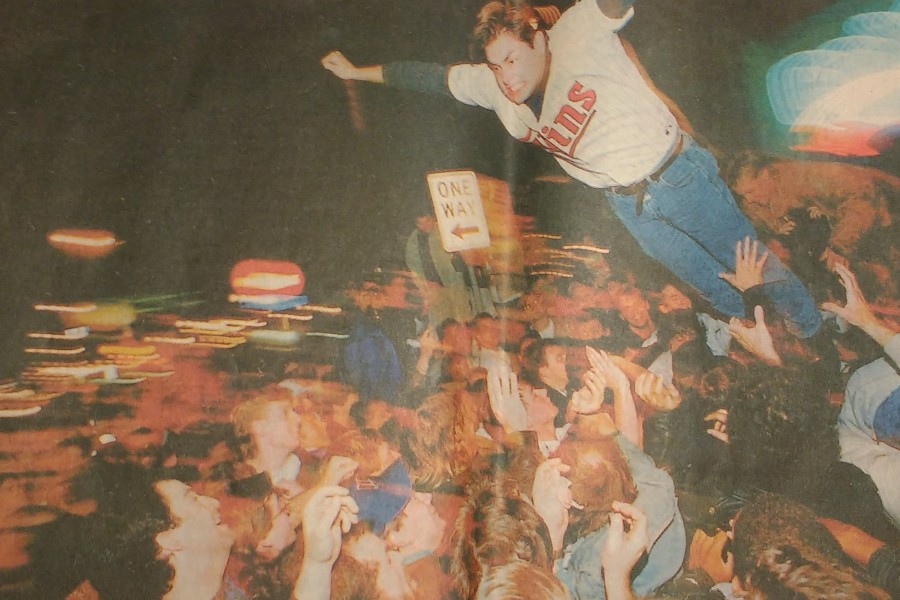
Glad to hear you enjoyed it. Championship celebrations sure have escalated, huh? The Twins fan for the main picture of this article only looks like he's stage diving from about six or seven feet high. Some of those idiots in Philly were diving off street lights.
-
Article: The Twins Almanac for February 4–10
Tom Froemming replied to Matt Johnson's topic in Twins Daily Front Page News
That Knoblauch trade worked out incredibly well. Milton and Guzman were key players in getting the team back to contention. Then Milton turned into Carlos Silva and Nick Punto while Buchanan was flipped for Jason Bartlett, extending the team's window of competition. For a long, long time I had hoped the Johan Santana trade was going to work out the same way. That through some kind of crazy spiderweb of trades it would all work out in the end. Can't win 'em all, I guess. -
Article: 1961: Welcome to the Big Leagues
Tom Froemming replied to mikelink45's topic in Twins Daily Front Page News
Thanks for sharing all these memories. I'm disappointed that the Met Club is going away at Target Field. I appreciated the fact that there was a place inside the stadium that acknowledged that time in Twins history. -
Diehard football fans may disagree, but to a lot of people the best part of the Super Bowl is the commercials. I'm sure there will be some great ones tonight, but in the meantime I figured it’d be a good time to take a look back at my all-time favorite commercials featuring Twins players. The team has had some great ad campaigns over the years, but there's one that'll always have a special place in my heart.This list is obviously subjective, but I’d love to hear from you. What are your favorite ads produced by the Twins or featuring Twins players? Laurel Krahn (@wintwins on Twitter) has a wonderful playlist on YouTube with more than 100 Twins commercials. But even the Internet has its limitations. I’m sure there are some great older ones that aren’t out there on YouTube. 10. Joe Mauer Mean Joe Green Tribute 9. Sorta Deep Thoughts With Bert Blyleven and Carl Pavano 8. Ron Gardenhire on TC’s Natural Habitat 7. Kent Hrbek’s First Base Lessons for Joe Mauer 6. Get to Know Em: Cristian Guzman 5. Sorta Deep Thoughts With Justin Morneau and TC 4. Johan Santana/Joe Nathan Carpool 3. Torii Hunter Birthday party pinata 2. Michael Cuddyer’s Magic Show 1, Get to Know Em: Corey Koskie There were some tough choices, and I shared another 10 spots I really enjoyed on Twitter outside of this batch. A few of these are from the same ad campaigns, but they were so good I couldn’t narrow down to just one per year. The Twins renaissance in the early 2000s had more to do with the players on the field and their success than any ad campaign, but the Get to Know ‘Em commercials were brilliant. The Twins were a developing club packed with young talent, but the players were still mostly anonymous even in a lot of parts of Twins Territory. The team had been an afterthought for several years. In 2000, they averaged just 12,355 fans per game, topping only the Montreal Expos in attendance that season. To put that into some more perspective, the Tampa Bay Rays were dead last in attendance in 2017, but they drew 15,477 fans on average. Hunt Adkins was the agency behind those Get to Know ‘Em commercials that put the focus on the players, their stories and their backgrounds. They had a great four-year relationship with the Twins. The team has has been partnered with Periscope the past 13 years — I especially appreciated their Sorta Deep Thoughts commercials — but a new agency will be at the helm in 2018: Carmichael Lynch. Here’s a link to some of the agency’s work, which includes the Jack Link’s Beef Jerky Messin’ With Sasquatch ads. OK, now it’s your turn. What are your favorite Twins commercials? Click here to view the article
-
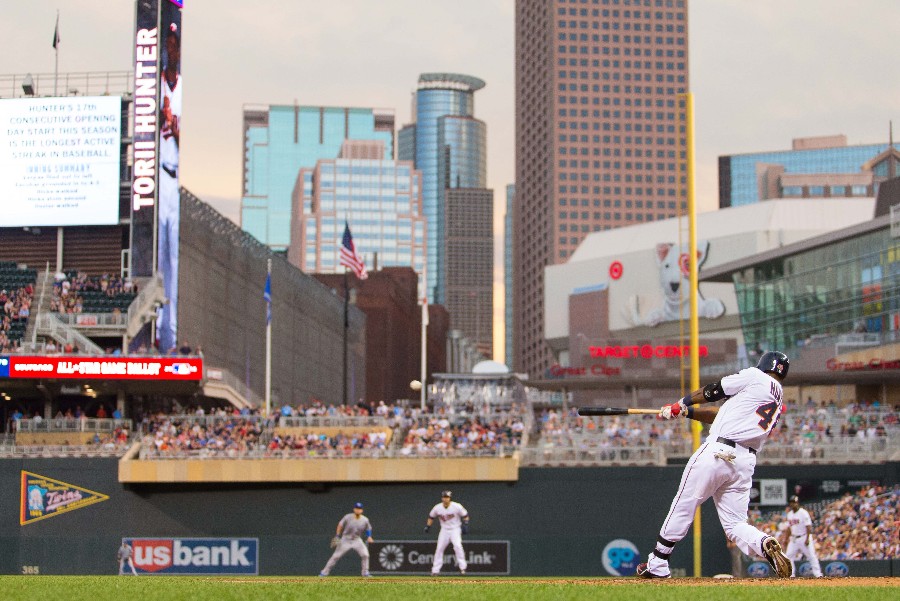 This list is obviously subjective, but I’d love to hear from you. What are your favorite ads produced by the Twins or featuring Twins players? Laurel Krahn (@wintwins on Twitter) has a wonderful playlist on YouTube with more than 100 Twins commercials. But even the Internet has its limitations. I’m sure there are some great older ones that aren’t out there on YouTube. 10. Joe Mauer Mean Joe Green Tribute 9. Sorta Deep Thoughts With Bert Blyleven and Carl Pavano https://www.youtube.com/watch?v=zT4jCLoxWYk&feature=youtu.be 8. Ron Gardenhire on TC’s Natural Habitat 7. Kent Hrbek’s First Base Lessons for Joe Mauer 6. Get to Know Em: Cristian Guzman 5. Sorta Deep Thoughts With Justin Morneau and TC https://www.youtube.com/watch?v=jqY5E_FDIUM&feature=youtu.be 4. Johan Santana/Joe Nathan Carpool 3. Torii Hunter Birthday party pinata 2. Michael Cuddyer’s Magic Show 1, Get to Know Em: Corey Koskie There were some tough choices, and I shared another 10 spots I really enjoyed on Twitter outside of this batch. A few of these are from the same ad campaigns, but they were so good I couldn’t narrow down to just one per year. The Twins renaissance in the early 2000s had more to do with the players on the field and their success than any ad campaign, but the Get to Know ‘Em commercials were brilliant. The Twins were a developing club packed with young talent, but the players were still mostly anonymous even in a lot of parts of Twins Territory. The team had been an afterthought for several years. In 2000, they averaged just 12,355 fans per game, topping only the Montreal Expos in attendance that season. To put that into some more perspective, the Tampa Bay Rays were dead last in attendance in 2017, but they drew 15,477 fans on average. Hunt Adkins was the agency behind those Get to Know ‘Em commercials that put the focus on the players, their stories and their backgrounds. They had a great four-year relationship with the Twins. The team has has been partnered with Periscope the past 13 years — I especially appreciated their Sorta Deep Thoughts commercials — but a new agency will be at the helm in 2018: Carmichael Lynch. Here’s a link to some of the agency’s work, which includes the Jack Link’s Beef Jerky Messin’ With Sasquatch ads. OK, now it’s your turn. What are your favorite Twins commercials?
 -
With the Super Bowl in town, it feels like as good a time as ever to revisit some of the greatest World Series performances by Twins players. There are a lot of ways someone could attempt to compile such a list, but I’m going to be using a stat called Win Probability Added.WPA tries to put into context an individual play’s impact on a team's odds of winning. So while Kent Hrbek’s grand slam in Game 6 of the 1987 World Series was a great accomplishment, his performance in that game doesn’t crack the top 10. The slam was Hrbek’s only hit in that game, it came in the sixth inning and the Twins were already ahead by a run. That was no doubt a massive play, but the Twins have had some huge performances among their 21 World Series contests. For more on WPA, check out the FanGraphs glossary. I also like MLB.com’s one-sentence explanation: "Its best use is for deciphering the impact of a specific player or play on a game's outcome." It’s a fun stat, but it has its limitations. For example, fielders don’t get any credit for WPA from key defensive plays. 10. Chili Davis, 1991 Game 3, .303 WPA Chili only had one plate appearance in this game, but it was a big one. With the Twins trailing 4-2 in the top of the eighth inning, Brian Harper led things off by reaching on an error. Davis came off the bench to pinch hit for the pitcher and Atlanta countered by bringing in Alejandro Pena to face him. Davis swatted a laser beam for an opposite-field homer to tie the game. Unfortunately, the Twins would eventually fall in the 12th inning. 9. Carl Willis, 1991 Game 6, .334 WPA Willis became the third Twins pitcher to appear in the seventh inning of this game after starter Scott Erickson was lifted and Mark Guthrie, the first man out of the pen, got into some further trouble. The first man Willis faced hit into a force out that scored the tying run from third base. Willis then struck out David Justice to end the seventh and worked scoreless frames in both the eighth and ninth innings to keep the game tied, helping set the stage for ... we'll get to that in a minute. 8. Kevin Tapani, 1991 Game 2, .335 WPA This was a great bend-but-don’t-break performance from Tapani. He gave up a pair of runs over eight innings, but got outs when he needed them most. He also may have gotten a little help from his first baseman. Wait, let me rephrase that, Tapani was bailed out by Ron Gant, who inexplicably just fell right off first base. Atlanta scratched across runs on sacrifice flies in the second and fifth innings. Scott Leius led off the eight with a go-ahead homer before Rick Aguilera nailed down the save in the ninth. 7. Les Straker, 1987 Game 3, .372 WPA Straker pitched six shutout innings before exiting this game with a 1-0 lead. He gave up four hits and two walks while tallying four strikeouts. Straker’s position on this list surprised me, but six shutout innings goes a long way toward helping a team win and this was a tight ballgame. Unfortunately, the Cardinals got to Juan Berenguer for three runs in the bottom of the seventh inning and cruised to victory from there. 6. Frank Viola, 1987 Game 7, .378 WPA Viola gave up a pair of runs in the second inning, but it was all sweet music from there. He struck out seven Cardinal batters over eight innings while limiting St. Louis to six hits and did not walk a batter. From the end of that shaky second frame forward, he retired 11 consecutive batters. Viola exited the game with a 4-2 lead and Jeff Reardon pitched a 1-2-3 ninth inning to close out the victory. 5. Jim Kaat, 1965 Game 2, .393 WPA Sandy Koufax was incredible in this series, but Kaat managed to outduel him in this one. It was 0-0 until the bottom of the sixth inning when the Twins tallied a pair of runs off Koufax. Kaat gave up his only run of the game in the top of the seventh, but the Twins scored three more runs against the Dodgers’ bullpen to win 5-1. Kaat pitched a complete game, giving up seven hits, all of them singles. He also had a two-out, two-run single in the bottom of the eighth inning to score the team’s final two runs. 4. Mike Pagliarulo, 1991 Game 4, .399 WPA This is the highest WPA game that came in a Twins loss. Pagliarulo opened the scoring with an RBI single off John Smoltz in the second inning. He added another base hit in the fourth before hitting a go-ahead solo homer in the seventh. So that’s a 3-for-3 day off a future Hall of Famer in which Pags drove in the team’s only two runs of the contest. He was pulled in the ninth inning to avoid a lefty-lefty matchup against Mike Stanton and the Braves won it on a walk-off sac fly in the bottom half of that inning. 3. Mudcat Grant, 1965 Game 6, .420 WPA (pitching + hitting) What a performance. Mudcat not only pitched a complete game, but he also socked a three-run dinger. Grant didn’t even give up a hit until the top of the fifth inning, after Bob Allison already secured him a two-run lead with a home run in the previous frame. Grant was just the seventh pitcher to homer in a World Series game and only six more hurlers have gone deep in the Fall Classic since. The last to do it was Joe Blanton (Phillies, 2008). 2. Kirby Puckett, 1991 Game 6, .593 WPA The big moment here was Kirby’s walk-off home run in the 11th inning, but he had an incredible game leading up to that moment. In his first at-bat, Puckett drove in Chuck Knoblauch on a triple. He later scored on a Shane Mack base hit. Puckett then made that incredible catch up against the plexiglass in the third inning (not accounted for by WPA), and delivered a game-tying sacrifice fly in the fifth. With the game still tied at 3-3 in the eighth inning, Puckett recorded a single and stole second base, though was stranded there. The next time he came up was in the 11th. And we will see you tomorrow night. Speaking of which ... 1. Jack Morris, 1991 Game 7, .845 WPA Of course it’s Morris, and it’s not even close. A 10-inning shutout in which the score was tied 0-0 the entire time he was on the mound? We’ll probably never see anything like it again. Atlanta got a runner to second base with one out in both the second and third innings. They got a man there with two down in the fourth. In the fifth, they had a runner at third with one out. In the eighth inning, they had a man on third with nobody out (hat tip to some Knoblauch deception on that one). Morris got out of every jam. When he needed a strikeout, he got one. The one moment when he desperately needed a double play, he got it. Morris would not be beaten on that day. Click here to view the article
- 16 replies
-
- 2
-
-
- jack morris
- kirby puckett
- (and 3 more)
-
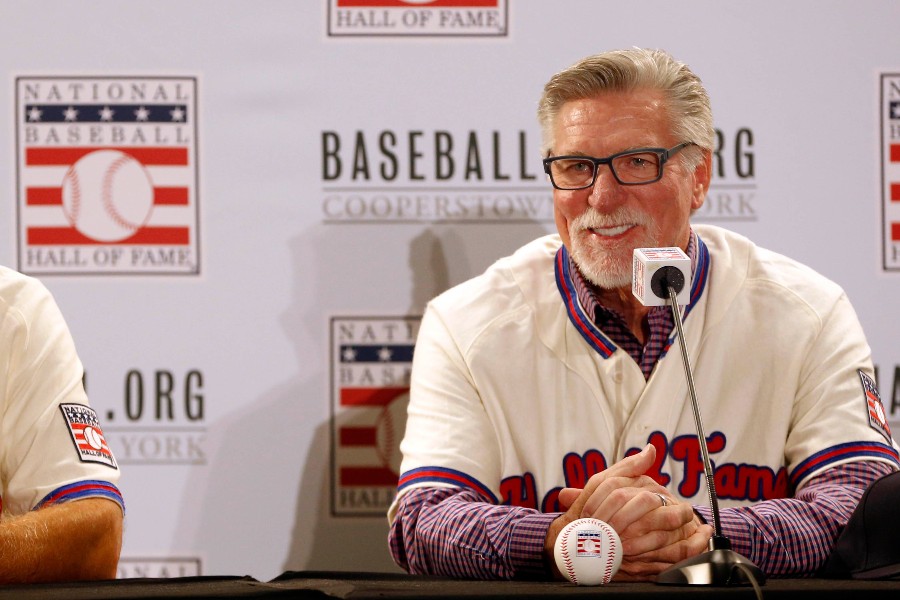 WPA tries to put into context an individual play’s impact on a team's odds of winning. So while Kent Hrbek’s grand slam in Game 6 of the 1987 World Series was a great accomplishment, his performance in that game doesn’t crack the top 10. The slam was Hrbek’s only hit in that game, it came in the sixth inning and the Twins were already ahead by a run. That was no doubt a massive play, but the Twins have had some huge performances among their 21 World Series contests. For more on WPA, check out the FanGraphs glossary. I also like MLB.com’s one-sentence explanation: "Its best use is for deciphering the impact of a specific player or play on a game's outcome." It’s a fun stat, but it has its limitations. For example, fielders don’t get any credit for WPA from key defensive plays. 10. Chili Davis, 1991 Game 3, .303 WPA Chili only had one plate appearance in this game, but it was a big one. With the Twins trailing 4-2 in the top of the eighth inning, Brian Harper led things off by reaching on an error. Davis came off the bench to pinch hit for the pitcher and Atlanta countered by bringing in Alejandro Pena to face him. Davis swatted a laser beam for an opposite-field homer to tie the game. Unfortunately, the Twins would eventually fall in the 12th inning. 9. Carl Willis, 1991 Game 6, .334 WPA Willis became the third Twins pitcher to appear in the seventh inning of this game after starter Scott Erickson was lifted and Mark Guthrie, the first man out of the pen, got into some further trouble. The first man Willis faced hit into a force out that scored the tying run from third base. Willis then struck out David Justice to end the seventh and worked scoreless frames in both the eighth and ninth innings to keep the game tied, helping set the stage for ... we'll get to that in a minute. 8. Kevin Tapani, 1991 Game 2, .335 WPA This was a great bend-but-don’t-break performance from Tapani. He gave up a pair of runs over eight innings, but got outs when he needed them most. He also may have gotten a little help from his first baseman. Wait, let me rephrase that, Tapani was bailed out by Ron Gant, who inexplicably just fell right off first base. Atlanta scratched across runs on sacrifice flies in the second and fifth innings. Scott Leius led off the eight with a go-ahead homer before Rick Aguilera nailed down the save in the ninth. 7. Les Straker, 1987 Game 3, .372 WPA Straker pitched six shutout innings before exiting this game with a 1-0 lead. He gave up four hits and two walks while tallying four strikeouts. Straker’s position on this list surprised me, but six shutout innings goes a long way toward helping a team win and this was a tight ballgame. Unfortunately, the Cardinals got to Juan Berenguer for three runs in the bottom of the seventh inning and cruised to victory from there. 6. Frank Viola, 1987 Game 7, .378 WPA Viola gave up a pair of runs in the second inning, but it was all sweet music from there. He struck out seven Cardinal batters over eight innings while limiting St. Louis to six hits and did not walk a batter. From the end of that shaky second frame forward, he retired 11 consecutive batters. Viola exited the game with a 4-2 lead and Jeff Reardon pitched a 1-2-3 ninth inning to close out the victory. 5. Jim Kaat, 1965 Game 2, .393 WPA Sandy Koufax was incredible in this series, but Kaat managed to outduel him in this one. It was 0-0 until the bottom of the sixth inning when the Twins tallied a pair of runs off Koufax. Kaat gave up his only run of the game in the top of the seventh, but the Twins scored three more runs against the Dodgers’ bullpen to win 5-1. Kaat pitched a complete game, giving up seven hits, all of them singles. He also had a two-out, two-run single in the bottom of the eighth inning to score the team’s final two runs. 4. Mike Pagliarulo, 1991 Game 4, .399 WPA This is the highest WPA game that came in a Twins loss. Pagliarulo opened the scoring with an RBI single off John Smoltz in the second inning. He added another base hit in the fourth before hitting a go-ahead solo homer in the seventh. So that’s a 3-for-3 day off a future Hall of Famer in which Pags drove in the team’s only two runs of the contest. He was pulled in the ninth inning to avoid a lefty-lefty matchup against Mike Stanton and the Braves won it on a walk-off sac fly in the bottom half of that inning. 3. Mudcat Grant, 1965 Game 6, .420 WPA (pitching + hitting) What a performance. Mudcat not only pitched a complete game, but he also socked a three-run dinger. Grant didn’t even give up a hit until the top of the fifth inning, after Bob Allison already secured him a two-run lead with a home run in the previous frame. Grant was just the seventh pitcher to homer in a World Series game and only six more hurlers have gone deep in the Fall Classic since. The last to do it was Joe Blanton (Phillies, 2008). 2. Kirby Puckett, 1991 Game 6, .593 WPA The big moment here was Kirby’s walk-off home run in the 11th inning, but he had an incredible game leading up to that moment. In his first at-bat, Puckett drove in Chuck Knoblauch on a triple. He later scored on a Shane Mack base hit. Puckett then made that incredible catch up against the plexiglass in the third inning (not accounted for by WPA), and delivered a game-tying sacrifice fly in the fifth. With the game still tied at 3-3 in the eighth inning, Puckett recorded a single and stole second base, though was stranded there. The next time he came up was in the 11th. And we will see you tomorrow night. Speaking of which ... 1. Jack Morris, 1991 Game 7, .845 WPA Of course it’s Morris, and it’s not even close. A 10-inning shutout in which the score was tied 0-0 the entire time he was on the mound? We’ll probably never see anything like it again. Atlanta got a runner to second base with one out in both the second and third innings. They got a man there with two down in the fourth. In the fifth, they had a runner at third with one out. In the eighth inning, they had a man on third with nobody out (hat tip to some Knoblauch deception on that one). Morris got out of every jam. When he needed a strikeout, he got one. The one moment when he desperately needed a double play, he got it. Morris would not be beaten on that day.
 -
A new NFL champion will be crowned in at US Bank Stadium later this evening, which will set off a massive celebration in the new champ’s home city. Parties, parades, more merchandise than you can imagine and, of course, commemorative souvenir special sections in their newspapers. Let’s take a quick look back at the Star Tribune’s special sections from the 1987 and 1991 World Series for old times’ sake.Game 7 of the 1987 World Series was Sunday, Oct. 25, and the special section was published that following Thursday. The cover was a giant picture from the parade with this box of text with the headline “Minnesota Magic.” Download attachment: 87FrontText.jpg That may be a little difficult to read, so I typed it up below. I get goosebumps every time I read it. “America, you gotta believe.” The banner hanging in the Metrodome outfield in Game 7 shouted the conviction of a baseball team and its fans. It’s finally Minnesota's turn to be No. 1. World Champions. They were a team of strugglers, overachievers, regular guys — long on heart, short on superstars. That was the best part because it was so Minnesota. A team considered so unlikely to win it all that Las Vegas took 150-1 odds against the Twins. It seemed magical. The Twins were unbeatable in the Dome, where fans created the ultimate home-field advantage. Commissioner Peter Ueberroth watched the World Series and declared, “These are the best baseball fans I have ever seen.” The Minnesota Twins made sports history this October. You helped make it happen. Now remember. This photo of Kent Hrbek losing his mind — arms up in celebration, dogpile already starting to form — is a classic. Download attachment: 87Hrbek.jpg You can’t talk about a Twins title without mentioning the Homer Hanky. Here’s a great ad from the paper: Download attachment: 87AdHanky.jpg Along with all the ring, special news coverage, merchandising and all that stuff, winning a title gives you the opportunity to do all sorts of other silly stuff, like make music videos. Here’s an ad for the Berenguer Boogie: Download attachment: 87AdBerenguer.jpg What was the Berenguer Boogie? Thankfully someone has uploaded it to YouTube, because words can’t do it justice: Game 7 of the 1991 World Series was on Sunday Oct. 27 and, again, the special section was released the following Thursday, which was Halloween. Hmmm, Halloween 1991 … why does that day seem to stick out for some reason? … Download attachment: 91Cover.jpg It was a series to savor, indeed. A variation of this iconic photo of Dan Gladden and an upended Greg Olsen made the cover of Sports Illustrated. Dazzle was tagged out on the play, which came in Game 1 of the series, but the Twins had already built a four-run lead by then. Download attachment: 91Dazzle.jpg Here’s another just incredible shot: The Catch. Download attachment: 91TheCatch.jpg Kirby looks like he must’ve found a trampoline hidden on the warning track to catapult himself that high off the ground. Twins fans looked on with bated breath, but we know Kirby wasn’t going to let the Twins lose that night. His walkoff homer later that evening went to nearly the same spot. Of course, Puckett’s blast cleared the 13-foot tall plexiglass wall and Jack Buck delivered one of the most famous home run calls of all time. Don't worry, we'll get to Jack Morris and Game 7 a little later today. Let’s get some good vibes flowing. What are some of your favorite memories from the Twins’ World Series championships? The Twin Cities are buzzing with the Super Bowl in town, but what was the aftermath of those championship seasons like? Click here to view the article
-
 Game 7 of the 1987 World Series was Sunday, Oct. 25, and the special section was published that following Thursday. The cover was a giant picture from the parade with this box of text with the headline “Minnesota Magic.” That may be a little difficult to read, so I typed it up below. I get goosebumps every time I read it. “America, you gotta believe.” The banner hanging in the Metrodome outfield in Game 7 shouted the conviction of a baseball team and its fans. It’s finally Minnesota's turn to be No. 1. World Champions. They were a team of strugglers, overachievers, regular guys — long on heart, short on superstars. That was the best part because it was so Minnesota. A team considered so unlikely to win it all that Las Vegas took 150-1 odds against the Twins. It seemed magical. The Twins were unbeatable in the Dome, where fans created the ultimate home-field advantage. Commissioner Peter Ueberroth watched the World Series and declared, “These are the best baseball fans I have ever seen.” The Minnesota Twins made sports history this October. You helped make it happen. Now remember.This photo of Kent Hrbek losing his mind — arms up in celebration, dogpile already starting to form — is a classic. You can’t talk about a Twins title without mentioning the Homer Hanky. Here’s a great ad from the paper: Along with all the ring, special news coverage, merchandising and all that stuff, winning a title gives you the opportunity to do all sorts of other silly stuff, like make music videos. Here’s an ad for the Berenguer Boogie: What was the Berenguer Boogie? Thankfully someone has uploaded it to YouTube, because words can’t do it justice: Game 7 of the 1991 World Series was on Sunday Oct. 27 and, again, the special section was released the following Thursday, which was Halloween. Hmmm, Halloween 1991 … why does that day seem to stick out for some reason? … It was a series to savor, indeed. A variation of this iconic photo of Dan Gladden and an upended Greg Olsen made the cover of Sports Illustrated. Dazzle was tagged out on the play, which came in Game 1 of the series, but the Twins had already built a four-run lead by then. Here’s another just incredible shot: The Catch. Kirby looks like he must’ve found a trampoline hidden on the warning track to catapult himself that high off the ground. Twins fans looked on with bated breath, but we know Kirby wasn’t going to let the Twins lose that night. His walkoff homer later that evening went to nearly the same spot. Of course, Puckett’s blast cleared the 13-foot tall plexiglass wall and Jack Buck delivered one of the most famous home run calls of all time. Don't worry, we'll get to Jack Morris and Game 7 a little later today. Let’s get some good vibes flowing. What are some of your favorite memories from the Twins’ World Series championships? The Twin Cities are buzzing with the Super Bowl in town, but what was the aftermath of those championship seasons like?
 -
It was a week filled with questions. When is Yu Darvish going to finally sign? How do the prospects stack up? Should the Twins extend Brian Dozier? Is a pitch clock a good idea? What times should games start? And, for the love of Pete, when in the world IS YU DARVISH GOING TO SIGN?!?!?!?!Let’s take a quick look back at all the articles from the front page in the order they were published. This edition of Twins Weekly covers Friday, Jan. 26 to Thursday, Feb. 1. The Twins Almanac for Jan 28–Feb 3 | Matt Johnson Gleeman & The Geek, Ep 353: Waiting on Yu | John Bonnes Here's How The Experts Are Viewing Twins Prospects | Nick Nelson Get To Know Twins RHP Prospect Bailey Ober | Seth Stohs Seth's Twins On Deck Podcast (Episode 4) | Seth Stohs Dozier Debate: Contract Extension? Pace of Play? | Cody Christie Do The Twins Need To Add a Right-Handed Bat? | Seth Stohs Can Extending Relief Appearances Address Baseball’s Pace of Play Concerns? | Tom Froemming Open Windows | Nick Nelson Top 10 Twins Players Under 25 (1-5) | Cody Christie Top 15 Minnesota Twins Players | Seth Stohs Why The Twins May Opt For Short-Term SP Commitment | Nick Nelson A Central Of Historic Proportions | Ted Schwerzler Twins Daily Blogs Perseverance Plays Role For Baseball and Puerto Rico By Ted Schwerzler After narrowly missing the bulk of Hurricane Irma's effects, Puerto Rico will look back on Wednesday September 20, 2017 as a day it won't soon forget. Hurricane Maria makes landfall and demolishes the small island. A place that has become a growing epicenter for baseball talent, and set to host a Major League Baseball series in 2018, was simply devastated. This isn't a tale of the destruction however, but instead a look at the resolve of each part involved. Free Agent Starters and Rotation Candidates: By The Numbers (Part I) By Greg Logan While we wait to hear whether Darvish picks the Twins or sends the front office scrambling for Plan B, let's take a look at how the top four free agent starters – Darvish, Jake Arrieta, Lance Lynn and Alex Cobb – stack up against the existing Twins rotation candidates by the numbers. Today we'll start with rate stats, and I'll follow up with a "Part II" that takes a deeper look at the major WAR and projection models. Whine Line Investigation: Explanation for a Boring Off-season By Vanimal46 ANND Welcome! To Minnesota Twins Whine Line: Detective Edition! I'm your LEAD Investigator, Vanimal, along with my trusty sidekick, the intern. Since we last checked in, both of us set down the PS4 controllers, put MLB The Show back in the case, and studied for our Private Investigator license! In the real world, we noticed that it's January 30th, and 8 out of the top 10 free agents have still yet to sign! It's a strange, boring off-season... There's been several STRONG takes about why this is happening... And we're no different! We decided to put on our Deerstalker, and dive deep into the REAL reason why recent off-seasons are boring... Student Mailbag: Homerun Rates v. Strikeout Rates By Matthew Lenz Most of you probably don't know that I am a high school math teacher and junior varsity baseball coach. Recently, a student of mine asked for me to write about the record breaking home run and strikeout rates from the 2017 season. I'm going to dive into those numbers for you today, but then also look at how these numbers are reflected in the projected 2018 opening day lineup for our beloved Twins. Also, Thrylos has begun sharing his top 60 prospect list. 2018 Twins Off-Season top 60 Prospect List: Introduction 2018 Twins Off-Season top 60 Prospect List: 56-60 2018 Twins Off-Season top 60 Prospect List: 51-55 Poll of the Week Earlier this week, I asked when games should be scheduled to start during the week. The Twins currently schedule all their night games for 7:10 PM, but some teams are starting to mix in some earlier times. Based on the results of my poll, maybe the Twins should consider doing the same. Just 27 percent of people voted to keep things as they are. What do you think?
-
 Let’s take a quick look back at all the articles from the front page in the order they were published. This edition of Twins Weekly covers Friday, Jan. 26 to Thursday, Feb. 1. The Twins Almanac for Jan 28–Feb 3 | Matt Johnson Gleeman & The Geek, Ep 353: Waiting on Yu | John Bonnes Here's How The Experts Are Viewing Twins Prospects | Nick Nelson Get To Know Twins RHP Prospect Bailey Ober | Seth Stohs Seth's Twins On Deck Podcast (Episode 4) | Seth Stohs Dozier Debate: Contract Extension? Pace of Play? | Cody Christie Do The Twins Need To Add a Right-Handed Bat? | Seth Stohs Can Extending Relief Appearances Address Baseball’s Pace of Play Concerns? | Tom Froemming Open Windows | Nick Nelson Top 10 Twins Players Under 25 (1-5) | Cody Christie Top 15 Minnesota Twins Players | Seth Stohs Why The Twins May Opt For Short-Term SP Commitment | Nick Nelson A Central Of Historic Proportions | Ted Schwerzler Twins Daily Blogs Perseverance Plays Role For Baseball and Puerto Rico By Ted Schwerzler After narrowly missing the bulk of Hurricane Irma's effects, Puerto Rico will look back on Wednesday September 20, 2017 as a day it won't soon forget. Hurricane Maria makes landfall and demolishes the small island. A place that has become a growing epicenter for baseball talent, and set to host a Major League Baseball series in 2018, was simply devastated. This isn't a tale of the destruction however, but instead a look at the resolve of each part involved.Free Agent Starters and Rotation Candidates: By The Numbers (Part I) By Greg Logan While we wait to hear whether Darvish picks the Twins or sends the front office scrambling for Plan B, let's take a look at how the top four free agent starters – Darvish, Jake Arrieta, Lance Lynn and Alex Cobb – stack up against the existing Twins rotation candidates by the numbers. Today we'll start with rate stats, and I'll follow up with a "Part II" that takes a deeper look at the major WAR and projection models.Whine Line Investigation: Explanation for a Boring Off-season By Vanimal46 ANND Welcome! To Minnesota Twins Whine Line: Detective Edition! I'm your LEAD Investigator, Vanimal, along with my trusty sidekick, the intern. Since we last checked in, both of us set down the PS4 controllers, put MLB The Show back in the case, and studied for our Private Investigator license! In the real world, we noticed that it's January 30th, and 8 out of the top 10 free agents have still yet to sign! It's a strange, boring off-season... There's been several STRONG takes about why this is happening... And we're no different! We decided to put on our Deerstalker, and dive deep into the REAL reason why recent off-seasons are boring...Student Mailbag: Homerun Rates v. Strikeout Rates By Matthew Lenz Most of you probably don't know that I am a high school math teacher and junior varsity baseball coach. Recently, a student of mine asked for me to write about the record breaking home run and strikeout rates from the 2017 season. I'm going to dive into those numbers for you today, but then also look at how these numbers are reflected in the projected 2018 opening day lineup for our beloved Twins.Also, Thrylos has begun sharing his top 60 prospect list. 2018 Twins Off-Season top 60 Prospect List: Introduction 2018 Twins Off-Season top 60 Prospect List: 56-60 2018 Twins Off-Season top 60 Prospect List: 51-55 Poll of the Week Earlier this week, I asked when games should be scheduled to start during the week. The Twins currently schedule all their night games for 7:10 PM, but some teams are starting to mix in some earlier times. Based on the results of my poll, maybe the Twins should consider doing the same. Just 27 percent of people voted to keep things as they are. What do you think? https://twitter.com/BaseballByTom/status/958795703509241857?ref_src=twcamp%5Eshare%7Ctwsrc%5Em5%7Ctwgr%5Eemail%7Ctwcon%5E7046%7Ctwterm%5E1 Video of the Week The Patriots or the Eagles are going to win a world championship in Minneapolis. I figured it was a good time to break this out, but it’s also just really great to hear Vin Scully’s voice. eBay Item of the Week Speaking of the 1991 World Series, check out this sweet knock off Kirby “Stop the Chop” shirt. At $50, it’s too rich for my blood, but still a pretty fun T-shirt. Calling All Bloggers!!! Reminder: Anyone can start a blog at Twins Daily. If you're interested in being a regular writer for the site, the blog section is how you get your foot in the door. The only reason you're reading my words right now is because I started my own blog at Twins Daily. Calling All Readers!!! I don’t want to leave you out, either. If there's anything you'd love to read about next week, please let us know in the comments. Sunday! Sunday! Sunday! Be here Sunday for loads of Twins content. The Super Bowl signifies that it’s time to click into baseball mode, but we’re not waiting until after the game’s over. From earlier in the morning all they way up until right before kickoff, the site is going to be pumping out articles, many of them from the fresh voices you’ve seen emerge in the blog area. Please join us for what should make for a fun day of Twins talk.
 -
This is the part that's getting more difficult for me. It's less about how long the games last and more about how late they go. I'd be satisfied if MLB made no changes regarding pace and simply started all the games a half hour earlier instead. But I'm also behind any effort to cut out dead time. Meg Rowley at FanGraphs wrote a detailed recap of all of Brian McCann's mound visits in Game 7 of the World Series. All 12 of them. All four and a half minutes of them. Do I care all that much if a game ends about five minutes earlier? Not really, but I also don't need to watch McCann whisper into his glove for five minutes either.
-
The idea to put a minimum on how many batters a reliever must face? Agreed, I don't like that at all. The idea that managers should start extended relief appearances on their own? Especially in low-leverage situations? That I'd like very much. Let's take a look at Taylor Rogers. Of his team-leading 69 appearances, 20 of them came in the seventh inning or later when the score was separated by at least three runs. That's nearly 30 percent of his outings. At the same time, Rogers only recorded four or more outs eight times all season. This is from a guy who threw 174.0 innings for Rochester in 2015. He's obviously not a guy you want facing a tough right-hander in a tight game, but why not let him get 5-6 outs if you have a 3+ run lead? Also, take a look at how often these guys threw 15 or fewer pitches in an outing Rogers 48/69 (69.6%) Belisle 35/62 (56.5%) Duffey 19/56 (33.9%) Pressly 30/57 (52.6%) Sure, the minor leagues are about development, but guys are being developed to pitch in multiple innings in the minor leagues. That's relevant data.
- 54 replies
-
- 1
-
-
- trevor hildenberger
- alan busenitz
- (and 3 more)
-
Major League Baseball Commissioner Rob Manfred appears to be taking a hard stance on the game’s perceived pace of play issues, and intends on introducing a 20-second pitch clock. That's worked in the minors to some degree, but there’s something else that’s separated the majors and the minors: Length of relief appearances.Twins relief pitchers averaged 3.267 outs per appearance in 2017, which was actually slightly above league average. There seems to be a perception that the game has become more specialized of late, but even back in 1997 the average relief appearance was only 3.5 outs. That's not a huge difference, but starting pitching has surely changed greatly over that time, right? Yes, but maybe not as much as you would have guessed. Last season, starting pitchers averaged 5.5 innings, or 16.5 outs. Back in 1997, they averaged 6.0 innings, or 18 outs. By using those figures, the average number of pitchers needed to get 27 outs as risen from 3.57 in 1997 to 4.28 last season. Over that same stretch, the average time of game has increased 12 minutes, from 2:56 to 3:08. The more pitchers/pitching changes needed, the longer the games are going to take. Makes sense. But relief pitchers can throw more. We know this. Just look at how they’re used in the minor leagues. Trevor Hildenberger 2017 Outs per appearance Twins 3.42 Rochester 4.38 Appearances with more than three outs Twins 15/37 (40.5 percent) Rochester 11/21 (52.4 percent) Appearances with six outs or more Twins 6/37 (16.2 percent) Rochester 9/21 (42.9 percent) Alan Busenitz 2017 Outs per appearance Twins 3.39 Rochester 4.41 Appearances with more than three outs Twins 9/28 (32.1 percent) Rochester 13/24 (54.1 percent) Appearances with six outs or more Twins 5/28 (17.9 percent) Rochester 8/24 (33.3 percent) Those are big differences, right? But the crazy thing is Hildy and Booze weren’t even really stretched that far on the farm compared to some other minor leaguers. Logan Lombana (5.47) and Michael Theofanopoulos (5.43) both averaged more than five outs per game out of the bullpen. Just trailing them were Todd Van Steensel (4.89), Luke Bard at (4.78), Sam Clay (4.70) and Andrew Vasquez (4.70). Bullpen specialization is a very rare thing in the minor leagues. The closest thing the Twins had to a long man over the course of the season was Tyler Duffey. He recorded more than three outs in 25 of his appearances, which was tied for the sixth-most in baseball. Still, even Duffey only averaged 3.80 outs per appearance. The MLB leader in outs per games in relief was Yusmeiro Petit at 4.4. There are certainly some strategic reasons why relief appearances are shortened in the major leagues, but there also seem to be a lot of games in which MLB managers burn through an unnecessary number of bullpen arms. The Twins only played 33 one-run games last season, and here are some numbers that suggest a lot of their games are in hand to some degree even after just four innings: 2017 Minnesota Twins Leading entering the fifth inning: 60-11 (.845) Tied entering the fifth inning: 13-12 (.520) Trailing entering the fifth inning: 12-54 (.182) Maybe those numbers are so extreme exactly because of the way bullpens are currently used, I don’t know. But it seems the question for managers becomes this: Would you rather let one of your relievers record six outs and not be able to use him for a few days, or use two different pitchers for an inning each and rest easy knowing at most they’ll just need one night off? If the pace doesn't pick up, it's entirely possible the Commissioner takes aim at bullpen usage. Could he decide to enforce some kind of minimum batters faced per relief appearance? Who knows? The MLB certainly seems motivated to pick up the pace. It'll be interesting to see at what lengths they'll go to make that happen. Related Players’ Union Rejects Pace Of Play Proposals Dozier Debate: Contract Extension? Pace of Play? Twins And Losses Supershow 54 - Slow News Day (pace of play discussion begins a bit after the 13-minute mark) Click here to view the article
- 54 replies
-
- 1
-
-
- trevor hildenberger
- alan busenitz
- (and 3 more)
-
Can Extending Relief Appearances Address Baseball’s Pace of Play Concerns?
Tom Froemming posted an article in Twins
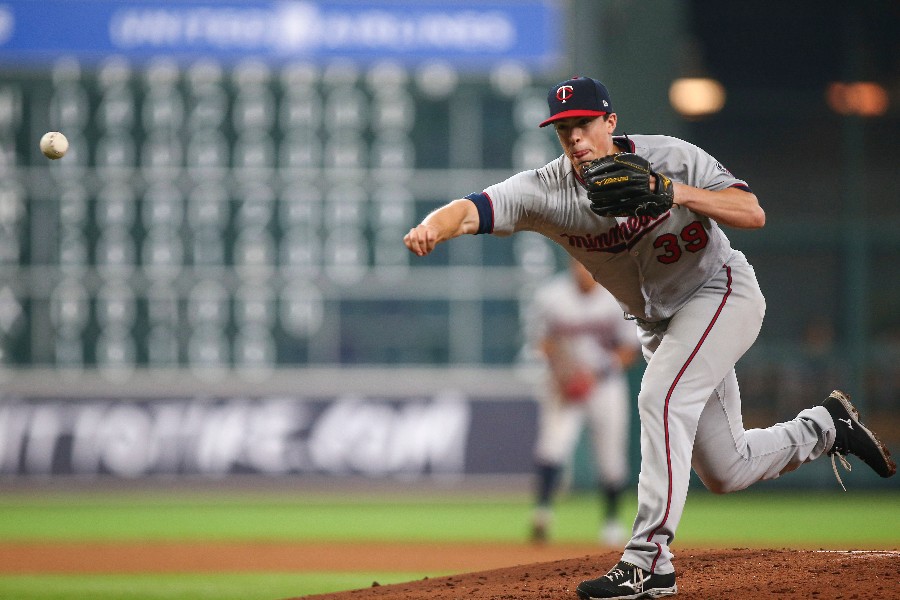 Twins relief pitchers averaged 3.267 outs per appearance in 2017, which was actually slightly above league average. There seems to be a perception that the game has become more specialized of late, but even back in 1997 the average relief appearance was only 3.5 outs. That's not a huge difference, but starting pitching has surely changed greatly over that time, right? Yes, but maybe not as much as you would have guessed. Last season, starting pitchers averaged 5.5 innings, or 16.5 outs. Back in 1997, they averaged 6.0 innings, or 18 outs. By using those figures, the average number of pitchers needed to get 27 outs as risen from 3.57 in 1997 to 4.28 last season. Over that same stretch, the average time of game has increased 12 minutes, from 2:56 to 3:08. The more pitchers/pitching changes needed, the longer the games are going to take. Makes sense. But relief pitchers can throw more. We know this. Just look at how they’re used in the minor leagues. Trevor Hildenberger 2017 Outs per appearance Twins 3.42 Rochester 4.38 Appearances with more than three outs Twins 15/37 (40.5 percent) Rochester 11/21 (52.4 percent) Appearances with six outs or more Twins 6/37 (16.2 percent) Rochester 9/21 (42.9 percent) Alan Busenitz 2017 Outs per appearance Twins 3.39 Rochester 4.41 Appearances with more than three outs Twins 9/28 (32.1 percent) Rochester 13/24 (54.1 percent) Appearances with six outs or more Twins 5/28 (17.9 percent) Rochester 8/24 (33.3 percent) Those are big differences, right? But the crazy thing is Hildy and Booze weren’t even really stretched that far on the farm compared to some other minor leaguers. Logan Lombana (5.47) and Michael Theofanopoulos (5.43) both averaged more than five outs per game out of the bullpen. Just trailing them were Todd Van Steensel (4.89), Luke Bard at (4.78), Sam Clay (4.70) and Andrew Vasquez (4.70). Bullpen specialization is a very rare thing in the minor leagues. The closest thing the Twins had to a long man over the course of the season was Tyler Duffey. He recorded more than three outs in 25 of his appearances, which was tied for the sixth-most in baseball. Still, even Duffey only averaged 3.80 outs per appearance. The MLB leader in outs per games in relief was Yusmeiro Petit at 4.4. There are certainly some strategic reasons why relief appearances are shortened in the major leagues, but there also seem to be a lot of games in which MLB managers burn through an unnecessary number of bullpen arms. The Twins only played 33 one-run games last season, and here are some numbers that suggest a lot of their games are in hand to some degree even after just four innings: 2017 Minnesota Twins Leading entering the fifth inning: 60-11 (.845) Tied entering the fifth inning: 13-12 (.520) Trailing entering the fifth inning: 12-54 (.182) Maybe those numbers are so extreme exactly because of the way bullpens are currently used, I don’t know. But it seems the question for managers becomes this: Would you rather let one of your relievers record six outs and not be able to use him for a few days, or use two different pitchers for an inning each and rest easy knowing at most they’ll just need one night off? If the pace doesn't pick up, it's entirely possible the Commissioner takes aim at bullpen usage. Could he decide to enforce some kind of minimum batters faced per relief appearance? Who knows? The MLB certainly seems motivated to pick up the pace. It'll be interesting to see at what lengths they'll go to make that happen. Related Players’ Union Rejects Pace Of Play Proposals Dozier Debate: Contract Extension? Pace of Play? Twins And Losses Supershow 54 - Slow News Day (pace of play discussion begins a bit after the 13-minute mark)
 -
Was a fastball the same as a quick draw
Tom Froemming commented on mikelink45's blog entry in mikelink45's Blog
Thanks for this Mike. My older brother's middle name is Armstrong (partly after Custer and partly after Neil) and just a couple years ago I found out I'm named after Thomas Custer. I've done a little reading up on him, but hadn't heard that he was quite the pitcher.- 1 comment
-
- 1
-
-
- wild west
- baseball history
- (and 3 more)
-
J.J. Cooper had an interesting answer in the BA Top 100 chat regarding velocity. It was in response to a question about Dodgers prospect Yadier Alvarez, but I think you can apply the same premise to the Romero/Graterol discussion. His stuff is really good, but throwing 100 mph by itself now doesn’t really put you in rare territory. We haven’t updated our “guys who throw 100” list for 2017 yet, but I’m pretty confident I can find you 75 guys or more who topped 100.
-
Welcome to Twins Weekly. TwinsFest, the Twins Daily Winter Meltdown and the Hall of Fame announcement all took place over the past week, generating a bunch of baseball buzz. Twins Territory also celebrated the career of Glen Perkins, who announced his retirement. Come check out what else happened this week.Let’s take a quick look back at all the articles from the front page in the order they were published. This edition of Twins Weekly covers Friday, Jan. 19 to Thursday, Jan. 25. Diamond Awards A Big Success | John Bonnes Players’ Union Rejects Pace Of Play Proposals | Cody Christie Johan Santana Elected To Twins Hall of Fame | Seth Stohs The Twins Almanac for January 21–27 | Matt Johnson Gleeman & The Geek, Ep 352: Winter Meltdown 2018 | John Bonnes Can Addison Reed Become Minnesota's Bullpen Ace? | Nick Nelson Twins On Deck With Seth Podcast (Episode 3) | Seth Stohs Top Ten Twins Players Under 25 (6-10) | Cody Christie Overheard at TwinsFest: Granite Wants to Kick Yankee @!# | Tom Froemming Fernando Romero Is Healthy, Ready To Compete | Seth Stohs Glen Perkins: Tribute To A Twins Daily Hall Of Famer | Nick Nelson Would You Rather: Darvish or a Cobb/Lynn Combo? | Tom Froemming 5 Challenges The Twins Should Be Prepared To Face In 2018 | Nick Nelson Report: Darvish Decision Expected This Week, Twins In Consideration | Cody Christie Video: Slowing Things Down To See Jason Castro’s Silent Skill | Tom Froemming Get To Know Rule 5 Pick Tyler Kinley | Seth Stohs The Minnesota Twins Said No To Jim Thome | Parker Hageman Dollars Make Sense for 2018 Twins | Ted Schwerzler Twins Daily Blogs Below are some additional items of note from the blog area. I've pulled excerpts from each piece in an attempt to hook you in. The Sport of Immigrants By mikelink45 From the start the Minnesota Twins had an international connection. In the 1960’s before the recent surge in Foreign born players, the Twins had a Cuban connection that brought us Camilo Pascual, Tony Oliva, Zoilo Versalles, Sandy Valdespino, and Luis Tiant. And from Venezuela – Cesar Tovar who took us to the 1965 World Series. In their first years, when I was an usher, I always tried to get near the first base bag as the game moved on and the seats were full so I could watch my favorite player – Vic Power from Puerto Rico. I loved Pedro Ramos who complimented Pascual on the mound and does anyone remember Elmer Valo from Slovakia? Or Reno Bertoia from Italy who lived in Canada and is in the Canadian Baseball Hall of Fame? There were 9 foreign born players on our first Minnesota Twins team. Twins Analytics Infrastructure By jharaldson This Twins have had a bit of a tortured history with analytics. In 2010 Rob Antony did an interview with TwinsDaily’s own Parker Hageman and revealed some interesting facts about the Twins and Sabermetrics. Antony stated this about their analytics department, “we're probably one of the last, if not the last, team to address it with a person dedicated solely to that.”. He went on further to fail to understand some fairly basic concepts about Sabermetrics. He thought FIP was “first strike in inning pitched” and was unable to guess about BABIP. He then revealed they had just hired their analytics guy and stated he would be “Gathering information and creating databases. This will be his first year. The guy that we brought in will start creating systems to build a foundation of our own that we can look at.” This is what I primarily want to get into as I have a background in IT. WAR on Twins Hall of Fame By sethmoko The announcement of Johan Santana's well-deserved selection to the Minnesota Twins Hall of Fame as well as the round-and-round Twitter and blog conversation about MLB Hall of Fame selections got me thinking: Who is in the Twins Hall of Fame that might surprise and who are other deserving candidates. Twins Showing Interest in Wade Miley By Andrew Thares Wade Miley isn’t the sexiest name out there on the starting pitcher market, but he could be a value grab for the Twins as they look to add depth to their rotation. One thing the Twins will be able to count on in Miley is his durability, as he has averaged 186 innings per season over the last six years. Miley has a respectable 4.38 ERA, and 3.95 xFIP, over his career, though he has been suspect of late with a 5.48 ERA over the past two seasons. This will make Miley a cheap signing, that the Twins could take a flyer on. Bullish - The Upside of the 2018 Bullpen By Jamie Cameron Looking at the most effective bullpens of 2017, an even more integral stat is K/9. This makes a ton of sense, not much can go wrong if you’re striking hitters out on a consistent basis. In 2017, there were 9 teams with a bullpen K/9 of at least 9.5. Between them, these clubs averaged a WAR of 6.5 for their bullpen. The Twins bullpen WAR in 2017 was 2.2, not a disaster, good for 22nd in MLB. By K/9, the Twins ranked 29th, with just 7.66 strikeouts per nine innings. Hardly surprising, when you are cycling through nearly 30 relievers over the course of the season. So how do the Twins new additions stack up in generating more strikeouts? What does one of the newest predictive measurements tell about the Twins' bats in 2018? By Thrylos As indicated only Joe Mauer, and in a lesser degree, Jason Castro are projected to improve, as far as the 2018 startling 9 of the Twins go. Pretty much everyone else is projected to decline. If one looks at several projections about what the 2018 will do, which are based on xwOBA, expect them to show an overall decline in wins. Video of the Week New Hall of Famer Jim Thome was only with the Twins for two seasons, but he sure gave us some tall tales during his time here. eBay Item of the Week It’s too bad Glen Perkins’ prime coincided with a down period for the Twins, but Perk closing out the All-Star Game at Target Field was one of the highlights of that period. Check out this sweet program from that game with the hometown boy on the cover: Download attachment: PerkinsProgram.png This isn’t on eBay, but if you’re looking to score some other sweet Twins memorabilia and support a good cause, check out the listings at the Darrell and Merry’s Cancer Fund charity auction. There are 14 items up for grabs from Twins legends like Tony Oliva to prospects like Royce Lewis and everybody in between. Additional Links Baseball: Twins' Curtiss saves the day in relief By the Duluth News Tribune John Curtiss took the call on Monday in Dallas asking if he could fill in for fellow Minnesota Twins pitcher Jose Berrios on the team's annual Winter Caravan after Berrios returned home to Puerto Rico to attend to a family matter. Curtiss sprang into action, but his flight to Minneapolis on Monday was delayed due to the blizzard that hit the Twin Cities. He even offered to fly to Omaha, Neb., and then drive the rest of the way, but he instead ended up flying out Tuesday morning, where he joined the Winter Caravan later that day. Target Field renovations for 2018 unveiled By Maija Varda of Twinkie Town The biggest change happening is that the Metropolitan Club — the big glass area in right field reserved exclusively for season ticket holders — will be no more. Instead, it will be replaced by a new club called Bat & Barrel, and will be open to all ticket holders. It’ll have bar, table, and lounge seating, a bunch of TVs, alcohol, new food, and all the other things you’d expect the Twins to put in there. More unexpectedly, the club will also be the home for various team awards, including both World Series Championship trophies! Woo! Unfortunately, the team didn’t say whether these would be the real World Series trophies, or replicas like the ones they already display in the Champions Club behind home plate (the real trophies are kept in the team offices). Torres, Tatis Jr. lead Top 10 SS Prospects list (includes Royce Lewis and Nick Gordon) By Jonathan Mayo of MLB.com Keep an eye on - Wander Javier, Twins By the end of the year, it's possible that Javier will be getting more of the attention among Twins shortstops. Signed for $4 million in 2015, he had a strong United States debut in the Rookie-level Appalachian League in 2017 and could really break out with a move to the Midwest League this season. Minnesota Twins Spring Training Countdown: 22, Brad Radke By Benjamin Chase of Puckett’s Pond The Minnesota Twins are preparing for a 2018 season with expectations after making the playoffs in 2017 as a Wild Card. We will have bring out numbers from team history that represent the number of days until spring training from now until pitchers and catchers report on February 13th. Some pitchers put up incredible ERA numbers, some pitchers put up incredible strikeout numbers, and some pitchers simply put up consistent numbers year-after-year to create their value over time. One of the best examples of that model is Twins Hall of Fame starter Brad Radke, who wore #22. Baseball is Good By Cory Engelhardt I had my 32nd episode last night. I was my own guest. It was really interesting/unusual doing a show all on my own, and I felt at times like I was rambling on a bit. Outside of that, I enjoyed doing the show and asking myself some of the questions that I have asked other people in previous podcast. I touched on how I grew to love the sport, why I enjoy still talking about baseball, what I see as the future of Baseball is Good, and lastly I ended the show going over some memories I had from TwinsFest this past weekend. Please give it a listen! Calling All Bloggers!!! Reminder: Anyone can start a blog at Twins Daily. If you're interested in being a regular writer for the site, the blog section is how you get your foot in the door. The only reason you're reading my words right now is because I started my own blog at Twins Daily. Calling All Readers!!! I don’t want to leave you out, either. If there's anything you'd love to read about next week, please let us know in the comments. That does it for this edition of Twins Weekly, have a great weekend everyone. Click here to view the article
